EP4015673A1 - Electrocatalytic oxidation of alcohols using acceptor-less dehydrogenation catalysts - Google Patents
Electrocatalytic oxidation of alcohols using acceptor-less dehydrogenation catalysts Download PDFInfo
- Publication number
- EP4015673A1 EP4015673A1 EP20216238.4A EP20216238A EP4015673A1 EP 4015673 A1 EP4015673 A1 EP 4015673A1 EP 20216238 A EP20216238 A EP 20216238A EP 4015673 A1 EP4015673 A1 EP 4015673A1
- Authority
- EP
- European Patent Office
- Prior art keywords
- use according
- alcohol
- group
- acceptor
- catalyst
- Prior art date
- Legal status (The legal status is an assumption and is not a legal conclusion. Google has not performed a legal analysis and makes no representation as to the accuracy of the status listed.)
- Withdrawn
Links
- 239000003054 catalyst Substances 0.000 title claims abstract description 54
- 230000003647 oxidation Effects 0.000 title claims abstract description 27
- 238000007254 oxidation reaction Methods 0.000 title claims abstract description 27
- 238000006356 dehydrogenation reaction Methods 0.000 title claims abstract description 24
- 150000001298 alcohols Chemical class 0.000 title description 7
- LFQSCWFLJHTTHZ-UHFFFAOYSA-N Ethanol Chemical compound CCO LFQSCWFLJHTTHZ-UHFFFAOYSA-N 0.000 claims abstract description 71
- 150000002148 esters Chemical class 0.000 claims abstract description 17
- 239000003446 ligand Substances 0.000 claims abstract description 10
- 229910052799 carbon Inorganic materials 0.000 claims abstract description 8
- 229910052757 nitrogen Inorganic materials 0.000 claims abstract description 8
- 239000002253 acid Substances 0.000 claims abstract description 7
- 125000001424 substituent group Chemical group 0.000 claims abstract description 6
- 230000007935 neutral effect Effects 0.000 claims abstract description 5
- 229910052698 phosphorus Inorganic materials 0.000 claims abstract description 5
- 229910052707 ruthenium Inorganic materials 0.000 claims abstract description 5
- 125000000129 anionic group Chemical group 0.000 claims abstract description 3
- 125000003118 aryl group Chemical group 0.000 claims abstract description 3
- 229910052741 iridium Inorganic materials 0.000 claims abstract description 3
- 229910052742 iron Inorganic materials 0.000 claims abstract description 3
- 229910052748 manganese Inorganic materials 0.000 claims abstract description 3
- 229910052759 nickel Inorganic materials 0.000 claims abstract description 3
- 229910052760 oxygen Inorganic materials 0.000 claims abstract description 3
- 229910052763 palladium Inorganic materials 0.000 claims abstract description 3
- 229910052703 rhodium Inorganic materials 0.000 claims abstract description 3
- XEKOWRVHYACXOJ-UHFFFAOYSA-N Ethyl acetate Chemical compound CCOC(C)=O XEKOWRVHYACXOJ-UHFFFAOYSA-N 0.000 claims description 25
- WMFOQBRAJBCJND-UHFFFAOYSA-M Lithium hydroxide Chemical compound [Li+].[OH-] WMFOQBRAJBCJND-UHFFFAOYSA-M 0.000 claims description 22
- 238000006243 chemical reaction Methods 0.000 claims description 13
- SQGYOTSLMSWVJD-UHFFFAOYSA-N silver(1+) nitrate Chemical compound [Ag+].[O-]N(=O)=O SQGYOTSLMSWVJD-UHFFFAOYSA-N 0.000 claims description 12
- GQHTUMJGOHRCHB-UHFFFAOYSA-N 2,3,4,6,7,8,9,10-octahydropyrimido[1,2-a]azepine Chemical compound C1CCCCN2CCCN=C21 GQHTUMJGOHRCHB-UHFFFAOYSA-N 0.000 claims description 8
- 230000036647 reaction Effects 0.000 claims description 6
- 239000002904 solvent Substances 0.000 claims description 5
- 239000012224 working solution Substances 0.000 claims description 5
- OISVCGZHLKNMSJ-UHFFFAOYSA-N 2,6-dimethylpyridine Chemical compound CC1=CC=CC(C)=N1 OISVCGZHLKNMSJ-UHFFFAOYSA-N 0.000 claims description 4
- ZRALSGWEFCBTJO-UHFFFAOYSA-N Guanidine Chemical compound NC(N)=N ZRALSGWEFCBTJO-UHFFFAOYSA-N 0.000 claims description 4
- JUJWROOIHBZHMG-UHFFFAOYSA-N Pyridine Chemical compound C1=CC=NC=C1 JUJWROOIHBZHMG-UHFFFAOYSA-N 0.000 claims description 4
- 239000003960 organic solvent Substances 0.000 claims description 4
- 125000002524 organometallic group Chemical group 0.000 claims description 4
- WEVYAHXRMPXWCK-UHFFFAOYSA-N Acetonitrile Chemical compound CC#N WEVYAHXRMPXWCK-UHFFFAOYSA-N 0.000 claims description 3
- 229910021397 glassy carbon Inorganic materials 0.000 claims description 3
- 230000009467 reduction Effects 0.000 claims description 3
- XLYOFNOQVPJJNP-UHFFFAOYSA-N water Substances O XLYOFNOQVPJJNP-UHFFFAOYSA-N 0.000 claims description 3
- CHJJGSNFBQVOTG-UHFFFAOYSA-N N-methyl-guanidine Natural products CNC(N)=N CHJJGSNFBQVOTG-UHFFFAOYSA-N 0.000 claims description 2
- 125000000217 alkyl group Chemical group 0.000 claims description 2
- 125000001797 benzyl group Chemical group [H]C1=C([H])C([H])=C(C([H])=C1[H])C([H])([H])* 0.000 claims description 2
- SWSQBOPZIKWTGO-UHFFFAOYSA-N dimethylaminoamidine Natural products CN(C)C(N)=N SWSQBOPZIKWTGO-UHFFFAOYSA-N 0.000 claims description 2
- HPYNZHMRTTWQTB-UHFFFAOYSA-N dimethylpyridine Natural products CC1=CC=CN=C1C HPYNZHMRTTWQTB-UHFFFAOYSA-N 0.000 claims description 2
- 238000010438 heat treatment Methods 0.000 claims description 2
- BHEPBYXIRTUNPN-UHFFFAOYSA-N hydridophosphorus(.) (triplet) Chemical compound [PH] BHEPBYXIRTUNPN-UHFFFAOYSA-N 0.000 claims description 2
- 150000007530 organic bases Chemical class 0.000 claims description 2
- UMJSCPRVCHMLSP-UHFFFAOYSA-N pyridine Natural products COC1=CC=CN=C1 UMJSCPRVCHMLSP-UHFFFAOYSA-N 0.000 claims description 2
- 125000005270 trialkylamine group Chemical group 0.000 claims description 2
- 238000009901 transfer hydrogenation reaction Methods 0.000 description 11
- 229940093499 ethyl acetate Drugs 0.000 description 7
- 235000019439 ethyl acetate Nutrition 0.000 description 7
- 238000000034 method Methods 0.000 description 7
- KWYUFKZDYYNOTN-UHFFFAOYSA-M potassium hydroxide Substances [OH-].[K+] KWYUFKZDYYNOTN-UHFFFAOYSA-M 0.000 description 6
- QTBSBXVTEAMEQO-UHFFFAOYSA-M Acetate Chemical compound CC([O-])=O QTBSBXVTEAMEQO-UHFFFAOYSA-M 0.000 description 5
- 230000003197 catalytic effect Effects 0.000 description 5
- 239000000047 product Substances 0.000 description 5
- CSCPPACGZOOCGX-UHFFFAOYSA-N Acetone Chemical compound CC(C)=O CSCPPACGZOOCGX-UHFFFAOYSA-N 0.000 description 4
- OKTJSMMVPCPJKN-UHFFFAOYSA-N Carbon Chemical compound [C] OKTJSMMVPCPJKN-UHFFFAOYSA-N 0.000 description 4
- 230000005518 electrochemistry Effects 0.000 description 4
- 238000005160 1H NMR spectroscopy Methods 0.000 description 3
- WVDDGKGOMKODPV-UHFFFAOYSA-N Benzyl alcohol Chemical compound OCC1=CC=CC=C1 WVDDGKGOMKODPV-UHFFFAOYSA-N 0.000 description 3
- 229920000557 Nafion® Polymers 0.000 description 3
- HEMHJVSKTPXQMS-UHFFFAOYSA-M Sodium hydroxide Chemical compound [OH-].[Na+] HEMHJVSKTPXQMS-UHFFFAOYSA-M 0.000 description 3
- 239000000370 acceptor Substances 0.000 description 3
- 238000001994 activation Methods 0.000 description 3
- 230000004913 activation Effects 0.000 description 3
- 239000006229 carbon black Substances 0.000 description 3
- 239000010411 electrocatalyst Substances 0.000 description 3
- 238000004519 manufacturing process Methods 0.000 description 3
- 239000007800 oxidant agent Substances 0.000 description 3
- BASFCYQUMIYNBI-UHFFFAOYSA-N platinum Chemical compound [Pt] BASFCYQUMIYNBI-UHFFFAOYSA-N 0.000 description 3
- 150000003333 secondary alcohols Chemical class 0.000 description 3
- 239000000758 substrate Substances 0.000 description 3
- 238000007725 thermal activation Methods 0.000 description 3
- 241000282326 Felis catus Species 0.000 description 2
- KFZMGEQAYNKOFK-UHFFFAOYSA-N Isopropanol Chemical compound CC(C)O KFZMGEQAYNKOFK-UHFFFAOYSA-N 0.000 description 2
- KJTLSVCANCCWHF-UHFFFAOYSA-N Ruthenium Chemical compound [Ru] KJTLSVCANCCWHF-UHFFFAOYSA-N 0.000 description 2
- 229910021607 Silver chloride Inorganic materials 0.000 description 2
- WYURNTSHIVDZCO-UHFFFAOYSA-N Tetrahydrofuran Chemical compound C1CCOC1 WYURNTSHIVDZCO-UHFFFAOYSA-N 0.000 description 2
- -1 aliphatic alcohols Chemical class 0.000 description 2
- 150000001336 alkenes Chemical class 0.000 description 2
- 239000003011 anion exchange membrane Substances 0.000 description 2
- 230000008901 benefit Effects 0.000 description 2
- 238000010586 diagram Methods 0.000 description 2
- 230000000694 effects Effects 0.000 description 2
- 238000005868 electrolysis reaction Methods 0.000 description 2
- 238000006056 electrooxidation reaction Methods 0.000 description 2
- 238000005265 energy consumption Methods 0.000 description 2
- 238000002290 gas chromatography-mass spectrometry Methods 0.000 description 2
- 230000003100 immobilizing effect Effects 0.000 description 2
- 150000002576 ketones Chemical class 0.000 description 2
- 238000011068 loading method Methods 0.000 description 2
- 230000008569 process Effects 0.000 description 2
- 230000009257 reactivity Effects 0.000 description 2
- 238000002407 reforming Methods 0.000 description 2
- HKZLPVFGJNLROG-UHFFFAOYSA-M silver monochloride Chemical compound [Cl-].[Ag+] HKZLPVFGJNLROG-UHFFFAOYSA-M 0.000 description 2
- 239000000126 substance Substances 0.000 description 2
- RIOQSEWOXXDEQQ-UHFFFAOYSA-N triphenylphosphine Chemical compound C1=CC=CC=C1P(C=1C=CC=CC=1)C1=CC=CC=C1 RIOQSEWOXXDEQQ-UHFFFAOYSA-N 0.000 description 2
- 230000007306 turnover Effects 0.000 description 2
- RYGMFSIKBFXOCR-UHFFFAOYSA-N Copper Chemical compound [Cu] RYGMFSIKBFXOCR-UHFFFAOYSA-N 0.000 description 1
- UFHFLCQGNIYNRP-UHFFFAOYSA-N Hydrogen Chemical compound [H][H] UFHFLCQGNIYNRP-UHFFFAOYSA-N 0.000 description 1
- 229910001260 Pt alloy Inorganic materials 0.000 description 1
- 229910001069 Ti alloy Inorganic materials 0.000 description 1
- 150000007513 acids Chemical class 0.000 description 1
- 150000001299 aldehydes Chemical class 0.000 description 1
- 125000003277 amino group Chemical group 0.000 description 1
- YLFIGGHWWPSIEG-UHFFFAOYSA-N aminoxyl Chemical compound [O]N YLFIGGHWWPSIEG-UHFFFAOYSA-N 0.000 description 1
- 238000013459 approach Methods 0.000 description 1
- 235000019445 benzyl alcohol Nutrition 0.000 description 1
- 239000011230 binding agent Substances 0.000 description 1
- 230000015572 biosynthetic process Effects 0.000 description 1
- 238000009835 boiling Methods 0.000 description 1
- 239000006227 byproduct Substances 0.000 description 1
- 229940075397 calomel Drugs 0.000 description 1
- 239000002041 carbon nanotube Substances 0.000 description 1
- 229910021393 carbon nanotube Inorganic materials 0.000 description 1
- 125000002915 carbonyl group Chemical group [*:2]C([*:1])=O 0.000 description 1
- 238000005266 casting Methods 0.000 description 1
- 239000000919 ceramic Substances 0.000 description 1
- 210000000080 chela (arthropods) Anatomy 0.000 description 1
- 239000003153 chemical reaction reagent Substances 0.000 description 1
- 238000004587 chromatography analysis Methods 0.000 description 1
- 150000001875 compounds Chemical class 0.000 description 1
- 229910052802 copper Inorganic materials 0.000 description 1
- 239000010949 copper Substances 0.000 description 1
- 238000013461 design Methods 0.000 description 1
- ZOMNIUBKTOKEHS-UHFFFAOYSA-L dimercury dichloride Chemical compound Cl[Hg][Hg]Cl ZOMNIUBKTOKEHS-UHFFFAOYSA-L 0.000 description 1
- 239000003792 electrolyte Substances 0.000 description 1
- 239000008151 electrolyte solution Substances 0.000 description 1
- 238000005516 engineering process Methods 0.000 description 1
- 239000002360 explosive Substances 0.000 description 1
- 239000004744 fabric Substances 0.000 description 1
- 239000000446 fuel Substances 0.000 description 1
- 229910021389 graphene Inorganic materials 0.000 description 1
- 229910052739 hydrogen Inorganic materials 0.000 description 1
- 239000001257 hydrogen Substances 0.000 description 1
- 238000005984 hydrogenation reaction Methods 0.000 description 1
- ARRNBPCNZJXHRJ-UHFFFAOYSA-M hydron;tetrabutylazanium;phosphate Chemical compound OP(O)([O-])=O.CCCC[N+](CCCC)(CCCC)CCCC ARRNBPCNZJXHRJ-UHFFFAOYSA-M 0.000 description 1
- 229910001496 lithium tetrafluoroborate Inorganic materials 0.000 description 1
- 230000007246 mechanism Effects 0.000 description 1
- 229910052987 metal hydride Inorganic materials 0.000 description 1
- 150000004681 metal hydrides Chemical class 0.000 description 1
- 238000002156 mixing Methods 0.000 description 1
- 239000000203 mixture Substances 0.000 description 1
- PXHVJJICTQNCMI-UHFFFAOYSA-N nickel Substances [Ni] PXHVJJICTQNCMI-UHFFFAOYSA-N 0.000 description 1
- DWDWQJHDVOKTDZ-UHFFFAOYSA-N nickel dihydride Chemical class [NiH2] DWDWQJHDVOKTDZ-UHFFFAOYSA-N 0.000 description 1
- 229910000652 nickel hydride Inorganic materials 0.000 description 1
- 230000001590 oxidative effect Effects 0.000 description 1
- 230000037361 pathway Effects 0.000 description 1
- 229910052697 platinum Inorganic materials 0.000 description 1
- 230000003389 potentiating effect Effects 0.000 description 1
- 238000002360 preparation method Methods 0.000 description 1
- 238000010992 reflux Methods 0.000 description 1
- 230000002441 reversible effect Effects 0.000 description 1
- 238000012552 review Methods 0.000 description 1
- 239000000243 solution Substances 0.000 description 1
- 239000007858 starting material Substances 0.000 description 1
- 238000003860 storage Methods 0.000 description 1
- 238000003786 synthesis reaction Methods 0.000 description 1
- 230000009466 transformation Effects 0.000 description 1
- 238000000844 transformation Methods 0.000 description 1
- 229910052723 transition metal Inorganic materials 0.000 description 1
- 150000003624 transition metals Chemical class 0.000 description 1
Images



Classifications
-
- C—CHEMISTRY; METALLURGY
- C25—ELECTROLYTIC OR ELECTROPHORETIC PROCESSES; APPARATUS THEREFOR
- C25B—ELECTROLYTIC OR ELECTROPHORETIC PROCESSES FOR THE PRODUCTION OF COMPOUNDS OR NON-METALS; APPARATUS THEREFOR
- C25B3/00—Electrolytic production of organic compounds
- C25B3/01—Products
- C25B3/07—Oxygen containing compounds
-
- C—CHEMISTRY; METALLURGY
- C25—ELECTROLYTIC OR ELECTROPHORETIC PROCESSES; APPARATUS THEREFOR
- C25B—ELECTROLYTIC OR ELECTROPHORETIC PROCESSES FOR THE PRODUCTION OF COMPOUNDS OR NON-METALS; APPARATUS THEREFOR
- C25B1/00—Electrolytic production of inorganic compounds or non-metals
- C25B1/01—Products
- C25B1/02—Hydrogen or oxygen
-
- C—CHEMISTRY; METALLURGY
- C25—ELECTROLYTIC OR ELECTROPHORETIC PROCESSES; APPARATUS THEREFOR
- C25B—ELECTROLYTIC OR ELECTROPHORETIC PROCESSES FOR THE PRODUCTION OF COMPOUNDS OR NON-METALS; APPARATUS THEREFOR
- C25B1/00—Electrolytic production of inorganic compounds or non-metals
- C25B1/01—Products
- C25B1/23—Carbon monoxide or syngas
-
- C—CHEMISTRY; METALLURGY
- C25—ELECTROLYTIC OR ELECTROPHORETIC PROCESSES; APPARATUS THEREFOR
- C25B—ELECTROLYTIC OR ELECTROPHORETIC PROCESSES FOR THE PRODUCTION OF COMPOUNDS OR NON-METALS; APPARATUS THEREFOR
- C25B11/00—Electrodes; Manufacture thereof not otherwise provided for
- C25B11/04—Electrodes; Manufacture thereof not otherwise provided for characterised by the material
- C25B11/051—Electrodes formed of electrocatalysts on a substrate or carrier
- C25B11/054—Electrodes comprising electrocatalysts supported on a carrier
-
- C—CHEMISTRY; METALLURGY
- C25—ELECTROLYTIC OR ELECTROPHORETIC PROCESSES; APPARATUS THEREFOR
- C25B—ELECTROLYTIC OR ELECTROPHORETIC PROCESSES FOR THE PRODUCTION OF COMPOUNDS OR NON-METALS; APPARATUS THEREFOR
- C25B11/00—Electrodes; Manufacture thereof not otherwise provided for
- C25B11/04—Electrodes; Manufacture thereof not otherwise provided for characterised by the material
- C25B11/051—Electrodes formed of electrocatalysts on a substrate or carrier
- C25B11/055—Electrodes formed of electrocatalysts on a substrate or carrier characterised by the substrate or carrier material
- C25B11/057—Electrodes formed of electrocatalysts on a substrate or carrier characterised by the substrate or carrier material consisting of a single element or compound
- C25B11/065—Carbon
-
- C—CHEMISTRY; METALLURGY
- C25—ELECTROLYTIC OR ELECTROPHORETIC PROCESSES; APPARATUS THEREFOR
- C25B—ELECTROLYTIC OR ELECTROPHORETIC PROCESSES FOR THE PRODUCTION OF COMPOUNDS OR NON-METALS; APPARATUS THEREFOR
- C25B11/00—Electrodes; Manufacture thereof not otherwise provided for
- C25B11/04—Electrodes; Manufacture thereof not otherwise provided for characterised by the material
- C25B11/051—Electrodes formed of electrocatalysts on a substrate or carrier
- C25B11/073—Electrodes formed of electrocatalysts on a substrate or carrier characterised by the electrocatalyst material
- C25B11/075—Electrodes formed of electrocatalysts on a substrate or carrier characterised by the electrocatalyst material consisting of a single catalytic element or catalytic compound
- C25B11/085—Organic compound
-
- C—CHEMISTRY; METALLURGY
- C25—ELECTROLYTIC OR ELECTROPHORETIC PROCESSES; APPARATUS THEREFOR
- C25B—ELECTROLYTIC OR ELECTROPHORETIC PROCESSES FOR THE PRODUCTION OF COMPOUNDS OR NON-METALS; APPARATUS THEREFOR
- C25B3/00—Electrolytic production of organic compounds
- C25B3/20—Processes
- C25B3/23—Oxidation
-
- C—CHEMISTRY; METALLURGY
- C25—ELECTROLYTIC OR ELECTROPHORETIC PROCESSES; APPARATUS THEREFOR
- C25B—ELECTROLYTIC OR ELECTROPHORETIC PROCESSES FOR THE PRODUCTION OF COMPOUNDS OR NON-METALS; APPARATUS THEREFOR
- C25B9/00—Cells or assemblies of cells; Constructional parts of cells; Assemblies of constructional parts, e.g. electrode-diaphragm assemblies; Process-related cell features
- C25B9/13—Single electrolytic cells with circulation of an electrolyte
- C25B9/15—Flow-through cells
Definitions
- the invention relates to the dehydrogenation process of alcohols in the presence of acceptor-less dehydrogenation catalysts under electrochemical conditions.
- Dehydrogenation/oxidation of alcohols can be performed in the presence of an oxidant/hydrogen-acceptor via transfer hydrogenation.
- Catalytic transfer hydrogenation reactions is well-known using molecular catalysts. These processes mainly use acetone as both the solvent and the hydrogen-acceptor, mainly focusing on the oxidation of secondary alcohols that undergo facile transfer hydrogenation.
- Other co-oxidants/hydrogen-acceptors might be suitable olefins.
- Rh-based transfer hydrogenation catalysts the Grützmacher group showed that ethanol can be oxidized and reformed to ethyl acetate in the presence of ketones or alkenes ( Angew. Chem. Int. 2008, 47, 3245-3249 ).
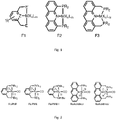
- the present invention provides the use of an acceptor-less dehydrogenation catalyst for an electrocatalytic oxidation of an alcohol to an ester or/and an acid under electrochemical conditions, the acceptor-less dehydrogenation catalyst being represented by the structure of any one of the formulae F1, F2 or F3:
- the alcohol is electrocatalytic oxidized at least to an ester.
- the electrocatalytic oxidation is carried out in a homogeneous phase.
- the acceptor-less dehydrogenation catalyst is solubilized in the alcohol which is oxidized, the oxidation being realized without additional organic solvent.
- the acceptor-less dehydrogenation catalyst is solubilized in an additional organic solvent.
- the use is carried out in a heterogeneous phase, and the acceptor-less dehydrogenation catalyst is immobilized on a conductive support.
- the use is carried out under heterogeneous conditions and in that the alcohol is oxidized at least to ester.
- the solvent is water and the pH between 7 and 14.
- X is an anionic ligand.
- L is a neutral ligand
- the alcohol is advantageously oxidized at least to 30 FE% (Faradaic Efficiency) to an ester with these conditions: 0.1 M LiCI, 0.1 M LiOH in EtOH, 1 mM catalyst, 0.3 V vs Ag/AgNO 3 (0.01 M in 0.1M TBAPF 6 in CH 3 CN), glassy carbon working electrode, separated counter electrode compartment.
- FE% Radic Efficiency
- the alcohol is advantageously oxidized at least to 50 FE% (Faradaic Efficiency) to an ester with these conditions: 0.1 M LiOH in 10 % w/w EtOH in H 2 O, catalytic ink comprised of 0.2 mg/cm 2 catalyst, 1 mg/cm 2 carbon black (xc72r), 5 ⁇ L/cm 2 Nafion ® (5 % w/w) deposited on Toray paper, 0.3 V vs Ag/AgCl, cathode compartment separated by an anion exchange membrane (Sustanion).
- FE% Radar Efficiency
- the alcohol is advantageously oxidized at least at 25 FE% (Faradaic Efficiency) to an ester with these conditions: 0.2 M LiBF 4 in 10 % w/w EtOH in H 2 O, catalytic ink comprised of 0.2 mg/cm 2 catalyst, 1 mg/cm 2 carbon black (xc72r), 5 ⁇ L/cm 2 Nafion ® (5 % w/w) deposited on a conducting support (Toray paper), 3 mA constant current electrolysis, separated cathode compartment.
- FE% Radic Efficiency
- the catalyst is represented by the structure of any one of the formulae RuPNN, RuPNP, RuPNNH, RuAcridinel, or RuAcridine2:
- alcohol is ethanol and ethanol is oxidized to ethyl acetate.
- the electrocatalytic oxidation is conducted:
- the organometallic catalyst is PNN, the base being KOH or LiOH, 1 mM of organometallic catalyst being solubilized in the working solution comprising 0.1M of the base.
- a constant current of 3 mA is applied.
- an anodic half-cell reaction is coupled with a cathodic half-cell reaction, the cathodic half-cell reaction being an electrochemical reduction of CO 2 to CO.
- the electrocatalytic oxidation takes place in a flow cell.
- a group of ruthenium pincer complexes such as are shown to be active in the electrochemical oxidation of ethanol.
- the reaction set-up used is a three-electrode assembly comprising of an inert glassy carbon working electrode, a platinum mesh counter-electrode separated from working compartments by a ceramic frit, and either a SCE (sat. Calomel) or an Ag/AgNO 3 (0.01M AgNO 3 , 0.1 M TBAP in CH 3 CN) reference electrode.
- the molecular catalyst in general 1 mM is directly solubilized in the working solution.
- the working solution generally comprises the alcohol (ethanol) and 0.1 M of base (e.g. KOH, LiOH, NaOH), both as electrolyte and co-substrate.
- the products formed are analyzed by ionic chromatography, GC/MS and 1 H-NMR.
- a catalytic ink was fabricated by mixing the catalyst with a conducting support (e.g. carbon black, carbon nanotubes, graphene) and a binder (e.g. Nafion ® ), suspended in a solvent (e.g. acetone, THF, ethanol).
- a conducting support e.g. carbon black, carbon nanotubes, graphene
- a binder e.g. Nafion ®
- the mixture is sonicated shortly and then deposited on an electrode support (e.g. Freudenberg paper, Toray paper, carbon cloth) via hot drop casting (in general, 10 °C below the boiling point of the employed solvent).
- an electrode support e.g. Freudenberg paper, Toray paper, carbon cloth
- hot drop casting in general, 10 °C below the boiling point of the employed solvent.
- Catalysts loadings on the final electrode are 0.2 mg/cm 2 .
- a 10 cm 2 electrode (Freudenberg paper as support) was fabricated an inserted into an electrochemical flow cell.
- the anolyte (and catholyte) compartment including tubings had a volume of 100 mL.
- a Sustainion ® anion exchange membrane was used to separate catholyte and anolyte compartments.
- a 10 cm 2 commercial Pt/Ti alloy was used as the cathode.
- the anolyte solution was recycled and flown through the flow cell at a rate of 1L/h.
- Electrolysis was conducted in 0.1 M LiOH in 10wt% ethanol in water at 0.3 V vs. Ag/AgCl (cell potential of. 1.74 V) for 3 h at 25 °C.
- GC/MS and IC confirmed the formation of 2 mM ethylacetate (turnovernumber > 47) and 4.6 mM acetate (turnovernumber > 110) with faradaic efficiencies around >90% under un-optimized conditions.
- the low cell potential has to be noted as well as a low overpotential at the anode of approximately 520 mV.
- acceptor-less dehydrogenation catalysts can be activated electrochemically and that, moreover, their thermal chemistry can be directly translated into electrochemical schemes, i.e. the same products can be obtained under thermal and electrochemical set-ups.
- catalyst loading is extremely low (as well as the transition metal content).
- AD-catalysts can be activated electrochemically, their broad range of applications can be electrified.
- electrochemistry instead of thermal activation has several advantages including, cheap reagents (electrons), safety (avoidance of high temperature and pressure, as well as explosive/highly reactive reactives), control and scalability (flow-application and cell-stacks).
- electrochemistry instead of thermal activation has several advantages including, cheap reagents (electrons), safety (avoidance of high temperature and pressure, as well as explosive/highly reactive reactives), control and scalability (flow-application and cell-stacks).
- the present method might be interesting to synthesize a variety of esters from readily available alcohol feedstock under controlled and safe conditions.
- a commercial electrolyzer for organic synthesis might be fabricated that would allow the preparation of oxidized compounds under highly energy efficient and safe conditions. Adopting a flow cell approach, such an electrolyzer could range from lab scale production for synthetic purposes to large scale acid/ester production from cheap primary resources.
Landscapes
- Chemical & Material Sciences (AREA)
- Organic Chemistry (AREA)
- Engineering & Computer Science (AREA)
- Chemical Kinetics & Catalysis (AREA)
- Electrochemistry (AREA)
- Materials Engineering (AREA)
- Metallurgy (AREA)
- Inorganic Chemistry (AREA)
- Catalysts (AREA)
- Organic Low-Molecular-Weight Compounds And Preparation Thereof (AREA)
Abstract
the acceptor-less dehydrogenation catalyst being represented by the structure of any one of the formulae F1, F2, or F3:

L and X being ligands; X is an anionic ligand, L is a neutral ligand,
Z being selected from the group consisting of C, N;
R' being an organic substituent of the aromatic ring;
E' is selected in the group consisting of N, P, C, O and/or S-donors;
R being an organic substituent, typically selected from the group consisting of i Pr, t Bu, Ph, Et, Me, Bn, H.
Description
- The invention relates to the dehydrogenation process of alcohols in the presence of acceptor-less dehydrogenation catalysts under electrochemical conditions.
- Various thermal methods are known for the dehydrogenation/oxidation of alcohols to aldehydes/ketones, acids and esters.
- Dehydrogenation/oxidation of alcohols can be performed in the presence of an oxidant/hydrogen-acceptor via transfer hydrogenation. Catalytic transfer hydrogenation reactions is well-known using molecular catalysts. These processes mainly use acetone as both the solvent and the hydrogen-acceptor, mainly focusing on the oxidation of secondary alcohols that undergo facile transfer hydrogenation. Other co-oxidants/hydrogen-acceptors might be suitable olefins. For example, using Rh-based transfer hydrogenation catalysts, the Grützmacher group showed that ethanol can be oxidized and reformed to ethyl acetate in the presence of ketones or alkenes (Angew. Chem. Int. 2008, 47, 3245-3249).
- In recent years, transfer hydrogenation catalysts were proposed as possible catalyst candidates for the electrochemical oxidation of alcohols. In 2010, Grützmacher et al have described a fuel cell operating in a strongly basic media (2M KOH) for the oxidation of ethanol to acetate (CH3COO-), using as the anode catalyst a molecular [Rh(OTf)(trop2NH)(PPh3)] complex, deposited on a conductive carbon support (Angewandte Chemie International Edition 2010, 49 (40), 7229-7233 ). In a 2020 review paper, Cook et al have presented the current State-of-the-Art for molecular electrocatalysis capable of alcohol oxidation, illustrated by three case studies; namely a copper/nitroxyl radical cooperative catalyst system (case 1), noble metal-hydrides with proximal amine group (case 2) for transfer hydrogenation, nickel hydrides with P2N2 ligands (case 3) (Molecular Electrocatalysts for Alcohol Oxidation: Insights and Challenges for Catalyst Design, ACS Appl. Energy Mater. 2020, 3 (1), 38-46 ).
- Nevertheless, published results for the molecular electrocatalytic oxidation of alcohols is limited to low turnover numbers (<5), substrates that undergo facile transfer hydrogenation (e.g. isopropanol and secondary alcohols in general) and at unknown or high overpotential (>1.2 V). Hence, the reactivity is in general limited to products obtainable via transfer hydrogenation (2-electron oxidation products), or activated alcohols (e.g. benzyl alcohol) without the possibility to oxidize reform simple aliphatic alcohols, e.g. to their corresponding esters under electrocatalytic conditions.
- Various embodiments are directed to addressing the effects of one or more of the problems set forth above. The following presents a simplified summary of embodiments in order to provide a basic understanding of some aspects of the various embodiments. This summary is not an exhaustive overview of these various embodiments. It is not intended to identify key/critical elements or to delineate the scope of these various embodiments. Its sole purpose is to present some concepts in a simplified form as a prelude to the more detailed description that is discussed later.
- The present invention provides the use of an acceptor-less dehydrogenation catalyst for an electrocatalytic oxidation of an alcohol to an ester or/and an acid under electrochemical conditions,
the acceptor-less dehydrogenation catalyst being represented by the structure of any one of the formulae F1, F2 or F3:
- M being selected from the group consisting of Fe, Co, Ni, Ru, Rh, Pd, Os, Pt, Ir, Mn;
- L and X being ligands;
- Z being selected from the group consisting of C, N;
- R' being an organic substituent of the aromatic ring;
- E' is selected in the group consisting of N, P, C, O and/or S-donors;
- R being an organic substituent, typically selected from the group consisting of i Pr, t Bu, Ph, Et, Me, Bn, H.
- In particular embodiments, the alcohol is electrocatalytic oxidized at least to an ester.
- In particular embodiments, the electrocatalytic oxidation is carried out in a homogeneous phase.
- In other particular embodiments, the acceptor-less dehydrogenation catalyst is solubilized in the alcohol which is oxidized, the oxidation being realized without additional organic solvent.
- In other particular embodiments, the acceptor-less dehydrogenation catalyst is solubilized in an additional organic solvent.
- In particular embodiments, the use is carried out in a heterogeneous phase, and the acceptor-less dehydrogenation catalyst is immobilized on a conductive support.
- In particular embodiments, the use is carried out under heterogeneous conditions and in that the alcohol is oxidized at least to ester.
- Under heterogenous conditions, advantageously, the solvent is water and the pH between 7 and 14.
- In some particular embodiments, X is an anionic ligand.
- In some embodiments, L is a neutral ligand.
- In some particular embodiments, the alcohol is advantageously oxidized at least to 30 FE% (Faradaic Efficiency) to an ester with these conditions: 0.1 M LiCI, 0.1 M LiOH in EtOH, 1 mM catalyst, 0.3 V vs Ag/AgNO3 (0.01 M in 0.1M TBAPF6 in CH3CN), glassy carbon working electrode, separated counter electrode compartment.
- In some particular embodiments, the alcohol is advantageously oxidized at least to 50 FE% (Faradaic Efficiency) to an ester with these conditions: 0.1 M LiOH in 10 % w/w EtOH in H2O, catalytic ink comprised of 0.2 mg/cm2 catalyst, 1 mg/cm2 carbon black (xc72r), 5 µL/cm2 Nafion ® (5 % w/w) deposited on Toray paper, 0.3 V vs Ag/AgCl, cathode compartment separated by an anion exchange membrane (Sustanion).
- In some particular embodiments, the alcohol is advantageously oxidized at least at 25 FE% (Faradaic Efficiency) to an ester with these conditions: 0.2 M LiBF4 in 10 % w/w EtOH in H2O, catalytic ink comprised of 0.2 mg/cm2 catalyst, 1 mg/cm2 carbon black (xc72r), 5 µL/cm2 Nafion ® (5 % w/w) deposited on a conducting support (Toray paper), 3 mA constant current electrolysis, separated cathode compartment.
- In some embodiments, in the formulae F1:
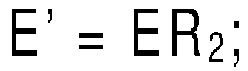
- E being selected from the group consisting of P, N;
- R being selected from the group consisting of i Pr, t Bu, Ph, Et, Me, Bn H.
- In some particular embodiments, the catalyst is represented by the structure of any one of the formulae RuPNN, RuPNP, RuPNNH, RuAcridinel, or RuAcridine2:

- In some embodiments, alcohol is ethanol and ethanol is oxidized to ethyl acetate.
- In some particular embodiments, the electrocatalytic oxidation is conducted:
- at ambient temperature, without heating, or
- at temperature inferior to 60°C.
- In some embodiments, the organometallic catalyst is in contact with a working solution comprising the alcohol and comprising a base chosen in the group comprising MOH, MOR (R = alkyl, benzyl), MOtBu (with M = Li, Na, K), or neutral organic bases such as lutidine, pyridine, DBU (1,8-Diazabicyclo[5.4.0]undec-7-ene), TBD (Triazabicyclodecene) or other guanidine bases, trialkyl amines, or strong phosphorous bases, such as Verkade's proazaphosphatranes and phosphazenes.
- In some particular embodiments, the organometallic catalyst is PNN, the base being KOH or LiOH, 1 mM of organometallic catalyst being solubilized in the working solution comprising 0.1M of the base.
- In some embodiments, a constant current of 3 mA is applied.
- In some particular embodiments, an anodic half-cell reaction is coupled with a cathodic half-cell reaction, the cathodic half-cell reaction being an electrochemical reduction of CO2 to CO.
- Advantageously, the electrocatalytic oxidation takes place in a flow cell.
- The present invention will be understood and appreciated more fully from the following detailed description. In this description:
-
Figure 1 shows the structure of three acceptor-less dehydrogenation catalyst for an electrocatalytic oxidation of an alcohol to an ester or/and an acid under electrochemical conditions; -
Figure 2 shows the structure of five Ruthenium acceptor-less dehydrogenation catalyst for an electrocatalytic oxidation of an alcohol to an ester or/and an acid under electrochemical conditions; -
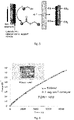
Figure 3 shows the principles of electrochemical activation of acceptor-less dehydrogenation catalysts, in homogenous system (separate cell); -
Figure 4 is 1H-NMR of electrolytic solution, experimental conditions being 0.1M LiOH in pure EtOH,1-5 mM catalyst, T = 25°C, Vapplied = 0.3 V vs SCE; -
Figure 5 shows the principles of electrochemical activation of acceptor-less dehydrogenation catalysts, in heterogeneous system (flow-cell); -
Figure 6 is a charge versus time curve obtained in a flow cell, the experimental conditions being 0.1M LiOH in 10 wt% EtOH in H2O, 0.2 mg.cm-2 catalysts, T = 25°C, Vapplied = 0.3 V vs SCE -
Figure 7 is 1H-NMR (D2O) after reaction using the conditions 0.1M LiOH, EtOH, 0.3V vs SCE, 1mM cat, T = 25°C, homogenous conditions, AD catalysts being RuPNN; -
Figure 8 is a charged passed elapsed diagram under conditions ofFigure 7 , TON = 17, TOF = 3,4 h-1; -
Figure 9 is a charged passed diagram using the conditions 0.2 mg.cm2 cat, 0.3 V vs SCE, 10 wt% EtOH in H2O, 0.1M LiOH, heterogeneous conditions, TON = 160, TOF = 60 h-1, TONEtOAc = 47, TONOAc = 113, AD catalyst being RuPNN. - A group of ruthenium pincer complexes such as

- The reaction set-up used is a three-electrode assembly comprising of an inert glassy carbon working electrode, a platinum mesh counter-electrode separated from working compartments by a ceramic frit, and either a SCE (sat. Calomel) or an Ag/AgNO3 (0.01M AgNO3, 0.1 M TBAP in CH3CN) reference electrode. In this homogeneous three-electrode set-up, the molecular catalyst (in general 1 mM) is directly solubilized in the working solution. The working solution generally comprises the alcohol (ethanol) and 0.1 M of base (e.g. KOH, LiOH, NaOH), both as electrolyte and co-substrate.
- The products formed are analyzed by ionic chromatography, GC/MS and 1H-NMR.
- As an example, using the PNN-complex

- To the knowledge of the inventors, this is the first example for the electrochemical activation of AD-dehydrogenation catalysts for primary aliphatic alcohols. Nevertheless, the product formed (acetate) is reminiscent to reaction pathways also accessible via transfer-hydrogenation catalysts. Tuning the conditions (e.g. 0.1M LiOH), the unique reactivity of AD-catalysts can be explored. Under these conditions (still 0.3 V vs. SCE), > 7mM of ethyl acetate can be formed (together with 11 mM acetate). To the knowledge of the inventors, this is the first example of molecular electrochemical reforming of ethanol to ethyl acetate with an AD-catalysts.
- Although homogenous conditions are advantageous in terms of few necessary infrastructure needed, as well as the possibility to analyze the reaction (mechanism) in detail, for practical applications, immobilizing the catalyst on an electrode surface might be more desirable.
- A catalytic ink was fabricated by mixing the catalyst with a conducting support (e.g. carbon black, carbon nanotubes, graphene) and a binder (e.g. Nafion®), suspended in a solvent (e.g. acetone, THF, ethanol).
- The mixture is sonicated shortly and then deposited on an electrode support (e.g. Freudenberg paper, Toray paper, carbon cloth) via hot drop casting (in general, 10 °C below the boiling point of the employed solvent).
- Catalysts loadings on the final electrode are 0.2 mg/cm2.
- A 10 cm2 electrode (Freudenberg paper as support) was fabricated an inserted into an electrochemical flow cell.
- The anolyte (and catholyte) compartment including tubings had a volume of 100 mL.
- A Sustainion® anion exchange membrane was used to separate catholyte and anolyte compartments.
- A 10 cm2 commercial Pt/Ti alloy was used as the cathode.
- The anolyte solution was recycled and flown through the flow cell at a rate of 1L/h.
- Electrolysis was conducted in 0.1 M LiOH in 10wt% ethanol in water at 0.3 V vs. Ag/AgCl (cell potential of. 1.74 V) for 3 h at 25 °C.
- GC/MS and IC confirmed the formation of 2 mM ethylacetate (turnovernumber > 47) and 4.6 mM acetate (turnovernumber > 110) with faradaic efficiencies around >90% under un-optimized conditions.
- Importantly, the low cell potential has to be noted as well as a low overpotential at the anode of approximately 520 mV.
- These results demonstrate the possibility of immobilizing the catalysts successfully, increasing catalyst lifetime and upscaling the reaction conditions.
- The invention demonstrates that for the first time acceptor-less dehydrogenation catalysts can be activated electrochemically and that, moreover, their thermal chemistry can be directly translated into electrochemical schemes, i.e. the same products can be obtained under thermal and electrochemical set-ups.
- Compared to the few examples of heterogenous ethanol reforming to ethyl acetate for example, catalyst loading is extremely low (as well as the transition metal content). In addition, given that AD-catalysts can be activated electrochemically, their broad range of applications can be electrified.
- Finding suitable molecular electrocatalysts for alcohol reformation is a remarkable challenge. Most reported cases of molecular electrocatalytic alcohol oxidation are limited to non-preparative studies, secondary alcohols known to be good transfer hydrogenation targets and or low turnover number <5. An example of performing molecular electrocatalytic alcohol oxidation by the Grüzmacher group using a transfer hydrogenation catalyst, is not able to access the same chemical space than under thermal activation schemes.
- Using electrochemistry instead of thermal activation has several advantages including, cheap reagents (electrons), safety (avoidance of high temperature and pressure, as well as explosive/highly reactive reactives), control and scalability (flow-application and cell-stacks). Hence, being able to translate a field of classical thermal chemistry (hydrogenation/dehydrogenation chemistry) into electrochemistry is highly advantageous for all applications of that field.
- Using catalytic electrochemistry for the oxidation of ethanol to ethyl acetate allows the production under highly atom and energy efficient conditions. Indeed, using ethanol as the starting material, the only byproduct formed is formally H2 in the form of protons and electrons. It could thus replace common oxidation procedures using stoichiometric amounts of oxidants or procedures that liberate H2 under refluxing conditions.
- If the stability and activity of the employed catalysts can be increased, the present method might be interesting to synthesize a variety of esters from readily available alcohol feedstock under controlled and safe conditions.
- A commercial electrolyzer for organic synthesis might be fabricated that would allow the preparation of oxidized compounds under highly energy efficient and safe conditions. Adopting a flow cell approach, such an electrolyzer could range from lab scale production for synthetic purposes to large scale acid/ester production from cheap primary resources.
- The possibility to apply the proposed technology to hydrogen storage/release applications has tremendous potential.
- The chemical industry is responsible for around 25% of global industrial energy consumption and thus for around 12.5% of total energy consumption today. Replacing thermal activation schemes in chemistry with electrocatalytic methodologies pledges to bring a long several advantages, such as safety, scalability, atom efficiency, reaction control and finally energy efficiency. Indeed, in electrochemical transformations the energy input for a given reaction can be controlled and monitored finely, offering the opportunity to make electrochemistry a key player in a sustainable economy of the future. Finding potent molecular electrocatalysts for the reversible oxidation/reduction of alcohol/carbonyl substrates is thus a remarkable challenge.
Claims (17)
- A use of an acceptor-less dehydrogenation catalyst for an electrocatalytic oxidation of an alcohol to an ester or/and an acid under electrochemical conditions,
the acceptor-less dehydrogenation catalyst being represented by the structure of any one of the formulae F1, F2, or F3: M being selected from the group consisting of Fe, Co, Ni, Ru, Rh, Pd, Os, Pt, Ir, Mn;L and X being ligands; X is an anionic ligand, L is a neutral ligand,Z being selected from the group consisting of C, N;R' being an organic substituent of the aromatic ring;E' is selected in the group consisting of N, P, C, O and/or S-donors;R being an organic substituent, typically selected from the group consisting of i Pr, t Bu, Ph, Et, Me, Bn, H.
 - The use according to claim 1, wherein in that the alcohol is electrocatalytic oxidized at least to an ester.
- The use according to claims 1-2, wherein in that the electrocatalytic oxidation is carried out in a homogeneous phase.
- The use according to claim 3, wherein in that the acceptor-less dehydrogenation catalyst is solubilized in the alcohol which is oxidized, the oxidation being realized without additional organic solvent.
- The use according to claim 3, wherein in that the acceptor-less dehydrogenation catalyst is solubilized in an additional organic solvent.
- The use according to claims 1-2, wherein in that the use is carried out in a heterogeneous phase, and in that the acceptor-less dehydrogenation catalyst is fixed on a conductive support.
- The use according to claim 6, wherein in that the use is carried out under heterogeneous conditions and in that the alcohol is oxidized at least to ester.
- The use according to claims 6-7, wherein solvent is water and the pH is between 7 and 14.
- The use according to claims 1 to 8, wherein in that the alcohol is oxidized at least to 30 FE% (Faradaic efficiency) to an ester with these conditions: 0.1 M LiCI, 0.1 M LiOH in EtOH, 1 mM catalyst, 0.3 V vs Ag/AgNO3 (0.01 M in 0.1M TBAPF6 in CH3CN), glassy carbon working electrode, separated counter electrode compartment.
- The use according to claims 1 to 9, wherein in that in the formulae F1:
 E being selected from the group consisting of P, N;R being selected from the group consisting of i Pr, t Bu, Ph, Et, Me, Bn H.
 - The use according to claims 1-10, wherein in that the catalyst is represented by the structure of any one of the formulae RuPNN, RuPNP, RuPNNH, RuAcridine1, or RuAcridine2:

- The use according to claims 1 to 11, wherein in that alcohol is ethanol and that ethanol is oxidized to ethyl acetate.
- The use according to claims 1 to 12, wherein in that the electrocatalytic oxidation is conducted:- at ambient temperature, without heating, or- at temperature inferior to 60°C.
- The use according to claims 1 to 13, wherein in that the organometallic catalyst is in contact with a working solution comprising the alcohol and comprising a base chosen in the group comprising MOH, MOR (R = alkyl, benzyl), MOtBu (with M = Li, Na, K), or neutral organic bases such as lutidine, pyridine, DBU (1,8-Diazabicyclo[5.4.0]undec-7-ene), TBD (Triazabicyclodecene) or other guanidine bases, trialkyl amines, or phosphorous bases, such as Verkade's proazaphosphatranes, or phosphazenes.
- The use according to claim 14, wherein in that a constant current between 1 and 10 mA is applied.
- The use according to claim 1 to 15, wherein in that an anodic half-cell reaction is coupled with a cathodic half-cell reaction, the cathodic half-cell reaction being an electrochemical reduction of CO2 to CO.
- The use according to claims 1 to 16, wherein in that the electrocatalytic oxidation takes place in a flow cell.
Priority Applications (3)
| Application Number | Priority Date | Filing Date | Title |
|---|---|---|---|
| EP20216238.4A EP4015673A1 (en) | 2020-12-21 | 2020-12-21 | Electrocatalytic oxidation of alcohols using acceptor-less dehydrogenation catalysts |
| EP21840968.8A EP4263906A1 (en) | 2020-12-21 | 2021-12-21 | Electrocatalytic oxidation of alcohols using acceptor-less dehydrogenation catalysts |
| PCT/EP2021/087164 WO2022136476A1 (en) | 2020-12-21 | 2021-12-21 | Electrocatalytic oxidation of alcohols using acceptor-less dehydrogenation catalysts |
Applications Claiming Priority (1)
| Application Number | Priority Date | Filing Date | Title |
|---|---|---|---|
| EP20216238.4A EP4015673A1 (en) | 2020-12-21 | 2020-12-21 | Electrocatalytic oxidation of alcohols using acceptor-less dehydrogenation catalysts |
Publications (1)
| Publication Number | Publication Date |
|---|---|
| EP4015673A1 true EP4015673A1 (en) | 2022-06-22 |
Family
ID=73856499
Family Applications (2)
| Application Number | Title | Priority Date | Filing Date |
|---|---|---|---|
| EP20216238.4A Withdrawn EP4015673A1 (en) | 2020-12-21 | 2020-12-21 | Electrocatalytic oxidation of alcohols using acceptor-less dehydrogenation catalysts |
| EP21840968.8A Pending EP4263906A1 (en) | 2020-12-21 | 2021-12-21 | Electrocatalytic oxidation of alcohols using acceptor-less dehydrogenation catalysts |
Family Applications After (1)
| Application Number | Title | Priority Date | Filing Date |
|---|---|---|---|
| EP21840968.8A Pending EP4263906A1 (en) | 2020-12-21 | 2021-12-21 | Electrocatalytic oxidation of alcohols using acceptor-less dehydrogenation catalysts |
Country Status (2)
| Country | Link |
|---|---|
| EP (2) | EP4015673A1 (en) |
| WO (1) | WO2022136476A1 (en) |
Cited By (2)
| Publication number | Priority date | Publication date | Assignee | Title |
|---|---|---|---|---|
| WO2025238527A1 (en) * | 2024-05-14 | 2025-11-20 | Ternary Kinetics Limited | Electrochemical process and apparatus |
| WO2025238524A1 (en) * | 2024-05-14 | 2025-11-20 | Ternary Kinetics Limited | Electrochemical process and apparatus for producing hydrogen |
Families Citing this family (1)
| Publication number | Priority date | Publication date | Assignee | Title |
|---|---|---|---|---|
| EP4357482A1 (en) * | 2022-10-18 | 2024-04-24 | Université Paris Cité | Electrocatalytic generation of imines from alcohols and amines |
Citations (1)
| Publication number | Priority date | Publication date | Assignee | Title |
|---|---|---|---|---|
| US20170283447A1 (en) * | 2014-09-04 | 2017-10-05 | Yeda Research And Development Co. Ltd. | Ruthenium complexes and their uses as catalysts in processes for formation and/or hydrogenation of esters, amides and related reactions |
-
2020
- 2020-12-21 EP EP20216238.4A patent/EP4015673A1/en not_active Withdrawn
-
2021
- 2021-12-21 WO PCT/EP2021/087164 patent/WO2022136476A1/en not_active Ceased
- 2021-12-21 EP EP21840968.8A patent/EP4263906A1/en active Pending
Patent Citations (1)
| Publication number | Priority date | Publication date | Assignee | Title |
|---|---|---|---|---|
| US20170283447A1 (en) * | 2014-09-04 | 2017-10-05 | Yeda Research And Development Co. Ltd. | Ruthenium complexes and their uses as catalysts in processes for formation and/or hydrogenation of esters, amides and related reactions |
Non-Patent Citations (4)
| Title |
|---|
| "Molecular Electrocatalysts for Alcohol Oxidation: Insights and Challenges for Catalyst Design", ACS APPL. ENERGY MATER., vol. 3, no. 1, 2020, pages 38 - 46 |
| ANGEW. CHEM. INT., vol. 47, 2008, pages 3245 - 3249 |
| ANGEWANDTE CHEMIE INTERNATIONAL EDITION, vol. 49, no. 40, 2010, pages 7229 - 7233 |
| TRINCADO MONICA ET AL: "Homogeneously catalyzed acceptorless dehydrogenation of alcohols: A progress report", COORDINATION CHEMISTRY REVIEWS, ELSEVIER SCIENCE, AMSTERDAM, NL, vol. 443, 24 May 2021 (2021-05-24), XP086603986, ISSN: 0010-8545, DOI: 10.1016/J.CCR.2021.213967 * |
Cited By (2)
| Publication number | Priority date | Publication date | Assignee | Title |
|---|---|---|---|---|
| WO2025238527A1 (en) * | 2024-05-14 | 2025-11-20 | Ternary Kinetics Limited | Electrochemical process and apparatus |
| WO2025238524A1 (en) * | 2024-05-14 | 2025-11-20 | Ternary Kinetics Limited | Electrochemical process and apparatus for producing hydrogen |
Also Published As
| Publication number | Publication date |
|---|---|
| WO2022136476A1 (en) | 2022-06-30 |
| EP4263906A1 (en) | 2023-10-25 |
Similar Documents
| Publication | Publication Date | Title |
|---|---|---|
| Lee et al. | Electrocatalytic semihydrogenation of alkynes with [Ni (bpy) 3] 2+ | |
| Waldie et al. | Electrocatalytic alcohol oxidation with ruthenium transfer hydrogenation catalysts | |
| Kanega et al. | Electroreduction of carbon dioxide to formate by homogeneous Ir catalysts in water | |
| Stergiou et al. | High yield and selective electrocatalytic reduction of nitroarenes to anilines using redox mediators | |
| JP2018510262A (en) | Reduction method and electrolysis system for electrochemical use of carbon dioxide | |
| Blanco et al. | Controlling selectivity in the electrocatalytic hydrogenation of adiponitrile through electrolyte design | |
| Tuleushova et al. | Glycerol electro‐reforming in alkaline electrolysis cells for the simultaneous production of value‐added chemicals and pure hydrogen–Mini‐review | |
| Quan et al. | Polyoxometalate-derived bi-functional crystalline/amorphous interfaces with optimized d-electron configuration for efficient self-powered hydrazine-seawater splitting | |
| EP4263906A1 (en) | Electrocatalytic oxidation of alcohols using acceptor-less dehydrogenation catalysts | |
| CN113388853A (en) | Electrochemical catalysis method for highly selective hydrogenation of carbon-carbon triple bonds | |
| Zhao et al. | A cosolvent electrolyte boosting electrochemical alkynol semihydrogenation | |
| Schichtl et al. | Characterizing sustained solar-to-hydrogen electrocatalysis at low cell potentials enabled by crude glycerol oxidation | |
| Mehta et al. | One pot synthesis of hydrogen and glucaric acid via glucose electrolysis | |
| Tian et al. | Paired electrosynthesis of H2 and acetic acid at A/cm2 current densities | |
| Liu et al. | Cu-based bimetallic catalysts for electrocatalytic oxidative dehydrogenation of furfural with practical rates | |
| Luo et al. | A cobalt (II) complex of 2, 2-bipyridine, a catalyst for electro-and photo-catalytic hydrogen production in purely aqueous media | |
| Ciotti et al. | Driving electrochemical organic hydrogenations on metal catalysts by tailoring hydrogen surface coverages | |
| Stergiou et al. | Highly selective electrocatalytic reduction of substituted nitrobenzenes to their aniline derivatives using a polyoxometalate redox mediator | |
| Samanta et al. | Review and perspective of Nickel and its derived catalysts for different Electrochemical synthesis reactions in Alkaline Media for Hydrogen Production | |
| Intrator et al. | Electrocatalytic CO 2 reduction to formate by a cobalt phosphino–thiolate complex | |
| Marron et al. | Cobaltocene-mediated catalytic hydride transfer: strategies for electrocatalytic hydrogenation | |
| Seth et al. | In situ evolution of Ru4Al13 crystals into a highly active catalyst for the hydrogen evolution reaction | |
| Li et al. | Bipolar hydrogen production by hybrid water electrolysis | |
| EP4605578A2 (en) | Electrocatalytic generation of imines from alcohols and amines | |
| CN116426968B (en) | Metal doped tin oxide and preparation method and application thereof |
Legal Events
| Date | Code | Title | Description |
|---|---|---|---|
| PUAI | Public reference made under article 153(3) epc to a published international application that has entered the european phase |
Free format text: ORIGINAL CODE: 0009012 |
|
| STAA | Information on the status of an ep patent application or granted ep patent |
Free format text: STATUS: THE APPLICATION HAS BEEN PUBLISHED |
|
| AK | Designated contracting states |
Kind code of ref document: A1 Designated state(s): AL AT BE BG CH CY CZ DE DK EE ES FI FR GB GR HR HU IE IS IT LI LT LU LV MC MK MT NL NO PL PT RO RS SE SI SK SM TR |
|
| RAP3 | Party data changed (applicant data changed or rights of an application transferred) |
Owner name: YEDA RESEARCH AND DEVELOPMENT CO. LTD Owner name: CENTRE NATIONAL DE LA RECHERCHE SCIENTIFIQUE Owner name: UNIVERSITE PARIS CITE |
|
| STAA | Information on the status of an ep patent application or granted ep patent |
Free format text: STATUS: THE APPLICATION IS DEEMED TO BE WITHDRAWN |
|
| 18D | Application deemed to be withdrawn |
Effective date: 20221223 |