EP4015268B1 - Method of air pollution filtration in vehicle - Google Patents
Method of air pollution filtration in vehicle Download PDFInfo
- Publication number
- EP4015268B1 EP4015268B1 EP21211659.4A EP21211659A EP4015268B1 EP 4015268 B1 EP4015268 B1 EP 4015268B1 EP 21211659 A EP21211659 A EP 21211659A EP 4015268 B1 EP4015268 B1 EP 4015268B1
- Authority
- EP
- European Patent Office
- Prior art keywords
- gas
- air pollution
- vehicle
- air
- filtration
- Prior art date
- Legal status (The legal status is an assumption and is not a legal conclusion. Google has not performed a legal analysis and makes no representation as to the accuracy of the status listed.)
- Active
Links
Images
















Classifications
-
- B—PERFORMING OPERATIONS; TRANSPORTING
- B60—VEHICLES IN GENERAL
- B60H—ARRANGEMENTS OF HEATING, COOLING, VENTILATING OR OTHER AIR-TREATING DEVICES SPECIALLY ADAPTED FOR PASSENGER OR GOODS SPACES OF VEHICLES
- B60H3/00—Other air-treating devices
- B60H3/06—Filtering
- B60H3/0608—Filter arrangements in the air stream
-
- B—PERFORMING OPERATIONS; TRANSPORTING
- B01—PHYSICAL OR CHEMICAL PROCESSES OR APPARATUS IN GENERAL
- B01D—SEPARATION
- B01D46/00—Filters or filtering processes specially modified for separating dispersed particles from gases or vapours
- B01D46/0027—Filters or filtering processes specially modified for separating dispersed particles from gases or vapours with additional separating or treating functions
- B01D46/0028—Filters or filtering processes specially modified for separating dispersed particles from gases or vapours with additional separating or treating functions provided with antibacterial or antifungal means
-
- B—PERFORMING OPERATIONS; TRANSPORTING
- B01—PHYSICAL OR CHEMICAL PROCESSES OR APPARATUS IN GENERAL
- B01D—SEPARATION
- B01D46/00—Filters or filtering processes specially modified for separating dispersed particles from gases or vapours
- B01D46/42—Auxiliary equipment or operation thereof
- B01D46/44—Auxiliary equipment or operation thereof controlling filtration
- B01D46/442—Auxiliary equipment or operation thereof controlling filtration by measuring the concentration of particles
-
- B—PERFORMING OPERATIONS; TRANSPORTING
- B01—PHYSICAL OR CHEMICAL PROCESSES OR APPARATUS IN GENERAL
- B01D—SEPARATION
- B01D46/00—Filters or filtering processes specially modified for separating dispersed particles from gases or vapours
- B01D46/42—Auxiliary equipment or operation thereof
- B01D46/44—Auxiliary equipment or operation thereof controlling filtration
- B01D46/46—Auxiliary equipment or operation thereof controlling filtration automatic
-
- B—PERFORMING OPERATIONS; TRANSPORTING
- B01—PHYSICAL OR CHEMICAL PROCESSES OR APPARATUS IN GENERAL
- B01D—SEPARATION
- B01D53/00—Separation of gases or vapours; Recovering vapours of volatile solvents from gases; Chemical or biological purification of waste gases, e.g. engine exhaust gases, smoke, fumes, flue gases, aerosols
- B01D53/26—Drying gases or vapours
-
- B—PERFORMING OPERATIONS; TRANSPORTING
- B01—PHYSICAL OR CHEMICAL PROCESSES OR APPARATUS IN GENERAL
- B01D—SEPARATION
- B01D53/00—Separation of gases or vapours; Recovering vapours of volatile solvents from gases; Chemical or biological purification of waste gases, e.g. engine exhaust gases, smoke, fumes, flue gases, aerosols
- B01D53/34—Chemical or biological purification of waste gases
- B01D53/74—General processes for purification of waste gases; Apparatus or devices specially adapted therefor
- B01D53/86—Catalytic processes
- B01D53/88—Handling or mounting catalysts
- B01D53/885—Devices in general for catalytic purification of waste gases
-
- B—PERFORMING OPERATIONS; TRANSPORTING
- B60—VEHICLES IN GENERAL
- B60H—ARRANGEMENTS OF HEATING, COOLING, VENTILATING OR OTHER AIR-TREATING DEVICES SPECIALLY ADAPTED FOR PASSENGER OR GOODS SPACES OF VEHICLES
- B60H1/00—Heating, cooling or ventilating devices
- B60H1/00642—Control systems or circuits; Control members or indication devices for heating, cooling or ventilating devices
- B60H1/00735—Control systems or circuits characterised by their input, i.e. by the detection, measurement or calculation of particular conditions, e.g. signal treatment, dynamic models
- B60H1/008—Control systems or circuits characterised by their input, i.e. by the detection, measurement or calculation of particular conditions, e.g. signal treatment, dynamic models the input being air quality
-
- B—PERFORMING OPERATIONS; TRANSPORTING
- B60—VEHICLES IN GENERAL
- B60H—ARRANGEMENTS OF HEATING, COOLING, VENTILATING OR OTHER AIR-TREATING DEVICES SPECIALLY ADAPTED FOR PASSENGER OR GOODS SPACES OF VEHICLES
- B60H1/00—Heating, cooling or ventilating devices
- B60H1/00642—Control systems or circuits; Control members or indication devices for heating, cooling or ventilating devices
- B60H1/00814—Control systems or circuits characterised by their output, for controlling particular components of the heating, cooling or ventilating installation
- B60H1/00821—Control systems or circuits characterised by their output, for controlling particular components of the heating, cooling or ventilating installation the components being ventilating, air admitting or air distributing devices
- B60H1/00835—Damper doors, e.g. position control
- B60H1/00849—Damper doors, e.g. position control for selectively commanding the induction of outside or inside air
-
- B—PERFORMING OPERATIONS; TRANSPORTING
- B60—VEHICLES IN GENERAL
- B60H—ARRANGEMENTS OF HEATING, COOLING, VENTILATING OR OTHER AIR-TREATING DEVICES SPECIALLY ADAPTED FOR PASSENGER OR GOODS SPACES OF VEHICLES
- B60H1/00—Heating, cooling or ventilating devices
- B60H1/00642—Control systems or circuits; Control members or indication devices for heating, cooling or ventilating devices
- B60H1/00814—Control systems or circuits characterised by their output, for controlling particular components of the heating, cooling or ventilating installation
- B60H1/00821—Control systems or circuits characterised by their output, for controlling particular components of the heating, cooling or ventilating installation the components being ventilating, air admitting or air distributing devices
- B60H1/00871—Air directing means, e.g. blades in an air outlet
-
- B—PERFORMING OPERATIONS; TRANSPORTING
- B60—VEHICLES IN GENERAL
- B60H—ARRANGEMENTS OF HEATING, COOLING, VENTILATING OR OTHER AIR-TREATING DEVICES SPECIALLY ADAPTED FOR PASSENGER OR GOODS SPACES OF VEHICLES
- B60H3/00—Other air-treating devices
- B60H3/06—Filtering
- B60H3/0658—Filter elements specially adapted for their arrangement in vehicles
-
- B—PERFORMING OPERATIONS; TRANSPORTING
- B01—PHYSICAL OR CHEMICAL PROCESSES OR APPARATUS IN GENERAL
- B01D—SEPARATION
- B01D2255/00—Catalysts
- B01D2255/80—Type of catalytic reaction
- B01D2255/802—Photocatalytic
-
- B—PERFORMING OPERATIONS; TRANSPORTING
- B01—PHYSICAL OR CHEMICAL PROCESSES OR APPARATUS IN GENERAL
- B01D—SEPARATION
- B01D2257/00—Components to be removed
- B01D2257/10—Single element gases other than halogens
- B01D2257/106—Ozone
-
- B—PERFORMING OPERATIONS; TRANSPORTING
- B01—PHYSICAL OR CHEMICAL PROCESSES OR APPARATUS IN GENERAL
- B01D—SEPARATION
- B01D2257/00—Components to be removed
- B01D2257/30—Sulfur compounds
- B01D2257/302—Sulfur oxides
-
- B—PERFORMING OPERATIONS; TRANSPORTING
- B01—PHYSICAL OR CHEMICAL PROCESSES OR APPARATUS IN GENERAL
- B01D—SEPARATION
- B01D2257/00—Components to be removed
- B01D2257/40—Nitrogen compounds
- B01D2257/404—Nitrogen oxides other than dinitrogen oxide
-
- B—PERFORMING OPERATIONS; TRANSPORTING
- B01—PHYSICAL OR CHEMICAL PROCESSES OR APPARATUS IN GENERAL
- B01D—SEPARATION
- B01D2257/00—Components to be removed
- B01D2257/50—Carbon oxides
- B01D2257/502—Carbon monoxide
-
- B—PERFORMING OPERATIONS; TRANSPORTING
- B01—PHYSICAL OR CHEMICAL PROCESSES OR APPARATUS IN GENERAL
- B01D—SEPARATION
- B01D2257/00—Components to be removed
- B01D2257/50—Carbon oxides
- B01D2257/504—Carbon dioxide
-
- B—PERFORMING OPERATIONS; TRANSPORTING
- B01—PHYSICAL OR CHEMICAL PROCESSES OR APPARATUS IN GENERAL
- B01D—SEPARATION
- B01D2257/00—Components to be removed
- B01D2257/60—Heavy metals or heavy metal compounds
-
- B—PERFORMING OPERATIONS; TRANSPORTING
- B01—PHYSICAL OR CHEMICAL PROCESSES OR APPARATUS IN GENERAL
- B01D—SEPARATION
- B01D2257/00—Components to be removed
- B01D2257/70—Organic compounds not provided for in groups B01D2257/00 - B01D2257/602
- B01D2257/708—Volatile organic compounds V.O.C.'s
-
- B—PERFORMING OPERATIONS; TRANSPORTING
- B01—PHYSICAL OR CHEMICAL PROCESSES OR APPARATUS IN GENERAL
- B01D—SEPARATION
- B01D2257/00—Components to be removed
- B01D2257/91—Bacteria; Microorganisms
-
- B—PERFORMING OPERATIONS; TRANSPORTING
- B01—PHYSICAL OR CHEMICAL PROCESSES OR APPARATUS IN GENERAL
- B01D—SEPARATION
- B01D2259/00—Type of treatment
- B01D2259/45—Gas separation or purification devices adapted for specific applications
- B01D2259/4566—Gas separation or purification devices adapted for specific applications for use in transportation means
-
- B—PERFORMING OPERATIONS; TRANSPORTING
- B01—PHYSICAL OR CHEMICAL PROCESSES OR APPARATUS IN GENERAL
- B01D—SEPARATION
- B01D2259/00—Type of treatment
- B01D2259/80—Employing electric, magnetic, electromagnetic or wave energy, or particle radiation
- B01D2259/804—UV light
-
- B—PERFORMING OPERATIONS; TRANSPORTING
- B01—PHYSICAL OR CHEMICAL PROCESSES OR APPARATUS IN GENERAL
- B01D—SEPARATION
- B01D2279/00—Filters adapted for separating dispersed particles from gases or vapours specially modified for specific uses
- B01D2279/40—Filters adapted for separating dispersed particles from gases or vapours specially modified for specific uses for cleaning of environmental air, e.g. by filters installed on vehicles or on streets
-
- B—PERFORMING OPERATIONS; TRANSPORTING
- B01—PHYSICAL OR CHEMICAL PROCESSES OR APPARATUS IN GENERAL
- B01D—SEPARATION
- B01D2279/00—Filters adapted for separating dispersed particles from gases or vapours specially modified for specific uses
- B01D2279/50—Filters adapted for separating dispersed particles from gases or vapours specially modified for specific uses for air conditioning
-
- B—PERFORMING OPERATIONS; TRANSPORTING
- B01—PHYSICAL OR CHEMICAL PROCESSES OR APPARATUS IN GENERAL
- B01D—SEPARATION
- B01D53/00—Separation of gases or vapours; Recovering vapours of volatile solvents from gases; Chemical or biological purification of waste gases, e.g. engine exhaust gases, smoke, fumes, flue gases, aerosols
- B01D53/02—Separation of gases or vapours; Recovering vapours of volatile solvents from gases; Chemical or biological purification of waste gases, e.g. engine exhaust gases, smoke, fumes, flue gases, aerosols by adsorption, e.g. preparative gas chromatography
-
- B—PERFORMING OPERATIONS; TRANSPORTING
- B01—PHYSICAL OR CHEMICAL PROCESSES OR APPARATUS IN GENERAL
- B01D—SEPARATION
- B01D53/00—Separation of gases or vapours; Recovering vapours of volatile solvents from gases; Chemical or biological purification of waste gases, e.g. engine exhaust gases, smoke, fumes, flue gases, aerosols
- B01D53/32—Separation of gases or vapours; Recovering vapours of volatile solvents from gases; Chemical or biological purification of waste gases, e.g. engine exhaust gases, smoke, fumes, flue gases, aerosols by electrical effects other than those provided for in group B01D61/00
-
- B—PERFORMING OPERATIONS; TRANSPORTING
- B60—VEHICLES IN GENERAL
- B60H—ARRANGEMENTS OF HEATING, COOLING, VENTILATING OR OTHER AIR-TREATING DEVICES SPECIALLY ADAPTED FOR PASSENGER OR GOODS SPACES OF VEHICLES
- B60H3/00—Other air-treating devices
- B60H3/06—Filtering
- B60H2003/0683—Filtering the quality of the filter or the air being checked
Definitions
- the present invention relates to an air pollution filtration method executed in a vehicle, and more particularly to a method of filtering and exchanging air pollution in a vehicle.
- a method of air pollution filtration in a vehicle is known from DE 10 2017 115767 B3 .
- pollutants in the air such as carbon dioxide, carbon monoxide, formaldehyde, bacteria, fungi, volatile organic compound (VOC), suspended particulates or ozone, etc. which may be seriously harmful to the human body as the concentration of pollutants increases.
- VOC volatile organic compound
- suspended particles such fine particles might pass through the alveoli and circulate throughout the body with the blood and is not only harmful to the respiratory tract, but also might cause cardiovascular disease or increases the risk of cancer.
- An object of the present invention is to provide a method of filtering air pollution in a vehicle.
- the air pollution filtration is executed in the inner space of a vehicle, so that the air pollution in the inner space of the vehicle can be filtered rapidly, so as to provide clean, safe and breathable air.
- a method of air pollution filtration in a vehicle includes: a) providing an in-car gas exchange system for intelligently selecting and controlling to introduced or not introduced an air outside the vehicle into the inner space of the vehicle, so as to generate an air convection; b) providing a plurality of filtration devices disposed in the inner space of the vehicle to detect and transmit an inside-device gas detection data, respectively, for intelligently selecting and controlling the activation of filtering the air pollution in the inner space of the vehicle; and c) providing a connection device to receive and compare the respective inside-device gas detection data, wherein the connection device selectively transmits a control instruction to enable the in-car gas exchange system and the filtration devices adjacent to the air pollution, so as to accelerate the movement of the air pollution by the air convection of the in-car gas exchange system, so that the air pollution is directionally moved toward the filtration devices adjacent thereto for filtration, whereby the air pollution in the inner space of the vehicle can be filtered rapidly, so as to
- the present disclosure provides a method of air pollution filtration, wherein exchanging and filtering are executed for air pollution in an inner space of the vehicle. The method is described in detail as follows.
- An out-car gas detection device 1a is disposed outside a vehicle, and includes an air pollution detection module 5 for detecting the air pollution outside the vehicle and transmitting the out-car gas detection data.
- An in-car gas detection device 1b is disposed in the inner space of the vehicle, and includes an air pollution detection module 5 for detecting the air pollution inside the vehicle and transmitting an in-car gas detection data.
- the in-car gas detection device 1b is a mobile detection device. That is, the in-car gas detection device 1b is a wearable device, such as a watch or a bracelet, which is directly worn on the human body (not shown). When people are in the inner space of the vehicle, the in-car gas detection device 1b detects the air pollution in the inner space of the vehicle immediately in real-time at any time and transmits the in-car gas detection data.
- an in-car gas exchange system 2 is provided in the inner space of the vehicle, for intelligently selecting and controlling the introduction of an air outside the vehicle into the inner space of the vehicle to generate an air convection in the inner space of the vehicle.
- the in-car gas exchange system 2 includes an air intake channel 21, an air conditioning unit 22, a gas exchange channel 23, a manifold channel 24 and a control drive unit 25.
- the air intake channel 21 has an air inlet 211 and at least one air outlet 212, and an inlet valve 213 is disposed in the air inlet 211 for controlling the opening or closing of the air inlet 211.
- the air exchange channel 23 has a gas exchange inlet 231 and a gas exchange outlet 232, and an outlet valve 233 is disposed in the gas exchange outlet 232 for controlling the opening or closing of the gas exchange outlet 232.
- the manifold channel 24 is in fluid communication between air intake channel 21 and the gas exchange channel 23. As shown in FIG.
- the air conditioning unit 22 is disposed in the air intake channel 21, so that the air in the inner space of the vehicle is transported into the gas exchange channel 23 through the gas exchange inlet 231, with the gas exchange outlet 232 controlled to be closed by the outlet valve 233, and then the air entering the air intake channel 21 through the manifold channel 24 is introduced into the inner space of the vehicle through the air outlet 212, thereby a circulating air flow path is formed to adjust air temperature and humidity in the inner space of the vehicle.
- the control drive unit 25 receives external information through a wireless communication transmission, so that the opening or closing of the inlet valve 213 and the outlet valve 233 is selectively controlled by the control drive unit 25, so as to control the introduction of an air outside the vehicle into the inner space of the vehicle.
- the inlet valve 213 and the outlet valve 233 are intelligently selected to be opened by the control drive unit 25, the air outside the vehicle is inhaled to the air intake channel 21 through the air inlet 211, and introduced into the inner space of the vehicle through the air outlet 212, and the air pollution in the inner space of the vehicle is introduced to the gas exchange channel 23 through the gas exchange inlet 231, and discharged out of the inner space of the vehicle through the gas exchange outlet 232. In that, the air pollution in the inner space of the vehicle is exchanged out of the vehicle. As shown in FIG.
- the inlet valve 213 and the outlet valve 233 are intelligently selected to be closed and opened by the control drive unit 25, respectively, so that the air outside the vehicle is not introduced into the inner space of the vehicle, and the air pollution in the inner space of the vehicle is introduced to the gas exchange channel 23 through the gas exchange inlet 231, and discharged out of the inner space of the vehicle through the gas exchange outlet 232. In that, the air pollution in the inner space of the vehicle is exchanged out of the vehicle.
- the filtration device 3 includes a main body 31, a filtration unit 32 and a gas guider 33.
- the main body 31 includes at least one inlet 311 and at least one outlet 312, and a gas flow channel 313 is formed between the at least one inlet 311 and the at least one outlet 312.
- the filtration unit 32 is disposed in the main body 31 for filtering the air pollution introduced into the main body 31 through the at least one inlet 311.
- the gas guider 33 is disposed in the gas flow channel 313 and adjacent to the at least one outlet 312, so as to control the air pollution outside the main body 31 to be inhaled and to flow through the filtration unit 32 for filtering and purifying, so that a purified gas is formed by filtering the air pollution and discharged out through the at least one outlet 312.
- the filtration device 3 further includes an air pollution detection module 5 disposed in the gas flow channel 313 for detecting the air pollution in the gas flow channel 313 and transmitting the inside-device gas detection data, and the air pollution detection module 5 controls an actuation of the gas guider 33.
- a connection device 4 is provided to receive and compare the respective inside-device gas detection data from the plurality of filtration devices 3, so as to intelligently select and enable the filtration devices 3 adjacent to the air pollution.
- the connection device 4 selectively transmits a control instruction to the in-car gas exchange system 2 and the plurality of filtration devices 3, so as to accelerate the movement of the air pollution by the air convection created by the in-car gas exchange system, so that the air pollution is directionally moved toward the corresponding filtration devices 3 adjacent thereto for filtration.
- the air pollution in the inner space of the vehicle can be filtered rapidly, so as to provide clean, safe and breathable air.
- connection device 4 receives and compares the out-car gas detection data of the out-car gas detection device 1a, the in-car gas detection data of the in-car gas detection device 1b and the inside-device gas detection data of the filtration device 3 under the calculation of artificial intelligence, and allows the connection device 4 selectively transmits a control instruction to the in-car gas exchange system 2 and the filtration device 3, thereby the air outside the vehicle is controlled to be introduced or not introduced into the inner space of the vehicle by the in-car gas exchange system 2, and the air pollution in the inner space of the vehicle is exchanged out of the vehicle.
- the filtration device 3 with the highest air pollution detection data is controlled and enabled to filter the air pollution in the inner space of the vehicle, so that the air pollution in the inner space of the vehicle is exchanged and filtered into a clean, safe and breathable condition.
- the connection device 4 is a mobile device, which receives and compares the out-car gas detection data, the in-car gas detection data, and the inside-device gas detection data through a wireless communication transmission under the calculation of artificial intelligence, and then transmits a control instruction to the in-car gas exchange system 2 and the least one filtration device 3.
- the connection device 4 is a mobile device, which receives the out-car gas detection data, the in-car gas detection data, and the inside-device gas detection data through a wireless communication transmission, and then transmits them to a cloud processing device (not shown) for comparing under the calculation of artificial intelligence.
- the cloud processing device intelligently selects and transmits a control instruction to the connection device 4, and then the connection device 4 transmits the control instruction to the in-car gas exchange system 2 and the at least one filtration device 3.
- the present disclosure provides a method of air pollution filtration in a vehicle.
- the connection device 4 intelligently and selectively transmits a control instruction to enable the in-car gas exchange system 2 and the filtration device 3 adjacent to the air pollution.
- the filtration device 3 adjacent to the air pollution means the filtration device 3 with the highest inside-device gas detection data.
- the movement of the air pollution is accelerated by the air convection of the in-car gas exchange system 2, so that the air pollution is directionally moved toward the filtration devices 3 adjacent thereto for filtration.
- the air pollution in the inner space of the vehicle is filtered rapidly, so as to provide clean, safe and breathable air.
- connection device 4 intelligently selects to transmit a control instruction is described in detail as follows.
- the out-car gas detection data, the in-car gas detection data and the inside-device gas detection data are received and compared under the calculation of artificial intelligence by the connection device 4.
- the control instruction transmitted by the connection device 4 is received by the control drive unit 25 of the in-car gas exchange system 2 at the same time, so that the inlet valve 213 and the outlet valve 233 are intelligently selected to be opened by the control drive unit 25, the air outside the vehicle is inhaled to the air intake channel 21 through the air inlet 211, and introduced into the inner space of the vehicle through the air outlet 212, and the air pollution in the inner space of the vehicle is introduced to the gas exchange channel 23 through the gas exchange inlet 231, and discharged out of the inner space of the vehicle through the gas exchange outlet 232.
- the air pollution in the inner space of the vehicle is exchanged out of the vehicle, and the in
- the out-car gas detection data, the in-car gas detection data and the inside-device gas detection data are received and compared under the calculation of artificial intelligence by the connection device 4.
- the control instruction is transmitted by the connection device 4 and received by the control drive unit 25 of the in-car gas exchange system 2 at the same time, so that the inlet valve 213 and the outlet valve 233 are intelligently selected to be closed and opened by the control drive unit 25, respectively, the air outside the vehicle is not introduced into the inner space of the vehicle, and the air pollution in the inner space of the vehicle is introduced to the gas exchange channel 23 through the gas exchange inlet 231, and discharged out of the inner space of the vehicle through the gas exchange outlet 232.
- the air pollution in the inner space of the vehicle is exchanged out of the vehicle, and the in-car gas detection data detected for the air pollution in the inner space of the vehicle is
- the control instruction is transmitted by the connection device 4 and received by the control drive unit 25 of the in-car gas exchange system 2 at the same time, so that the inlet valve 213 and the outlet valve 233 are intelligently selected to be closed and opened by the control drive unit 25, respectively, the air outside the vehicle is not introduced into the inner space of the vehicle.
- control instruction is intelligently selected to be transmitted by the connection device 4 to control and actuate the filtration device 3 at the same time, so as to filter and purify the air pollution in the inner space of the vehicle.
- the in-car gas detection data detected for the air pollution in the inner space of the vehicle is reduced to a safe detection value.
- the control instruction is transmitted by the connection device 4 to the specific filtration devices 3 which has the highest polluted valve of air pollution.
- the specific filtration device 3 adjacent to the air pollution is controlled and enabled, so as to filter and purify the air pollution in the inner space of the vehicle.
- the out-car gas detection data, the in-car gas detection data and the inside-device gas detection data are detecting data of the air pollution.
- the air pollution is one selected from the group consisting of suspended particles (PM 1 , PM 2.5 , PM 10 ), carbon monoxide (CO), carbon dioxide (CO 2 ), sulfur dioxide (SO 2 ), nitrogen dioxide (NO 2 ), lead (Pb), ozone (O 3 ), total volatile organic compounds (TVOC), formaldehyde (HCHO), bacteria, virus and a combination thereof.
- the safe detection value includes one selected from the group consisting of suspended particles 2.5 concentration (PM 2.5 ) of less than 10 ⁇ g/m 3 , carbon dioxide content (CO 2 ) of less than 1000 ppm, total volatile organic compounds (TVOC) of less than 0.56 ppm, formaldehyde (HCHO) content of less than 0.08 ppm, the amount of bacteria of less than 1500 CFU/m 3 , the amount of fungi of less than 1000 CFU/m 3 , sulfur dioxide (SO 2 ) content of less than 0.075 ppm, nitrogen dioxide (NO 2 ) content of less than 0.1 ppm, carbon monoxide (CO) content of less than 35 ppm, ozone (O 3 ) content of less than 0.12 ppm, lead (Pb) content of less than 0.15 ⁇ g/m 3 and a combination thereof.
- PM 2.5 suspended particles 2.5 concentration
- CO 2 carbon dioxide content
- TVOC total volatile organic compounds
- HCHO formaldehyde
- the amount of bacteria of less than 1500 CFU/
- the air pollution detection module 5 includes a controlling circuit board 51, a gas detection main part 52, a microprocessor 53 and a communicator 54.
- the gas detection main part 52, the microprocessor 53 and the communicator 54 are integrally packaged on the controlling circuit board 51 and electrically connected to each other.
- the microprocessor 53 and the communicator 54 are mounted on the controlling circuit board 51.
- the microprocessor 53 controls the detection of the gas detection main part 52, and the gas detection main part 52 detects the air pollution and outputs a detection signal.
- the microprocessor 53 receives the detection signal for calculating, processing and outputting, so that the respective microprocessor 53 of the respective air pollution detection module 5 in the out-car gas detection device 1a, the in-car gas detection device 1b and the filtration device 3 generates the out-car gas detection data, the in-car gas detection data and the inside-device gas detection data, respectively, and provides them to the respective communicators 54 for external communication transmission.
- the communicator 54 is connected to the connection device 4 for signal connection and transmission.
- the out-car gas detection data, the in-car gas detection data and the inside-device gas detection data transmitted from the respective communicator 54 are received by the connection device 4 and compared under the calculation of artificial intelligence, and then the connection device 4 selectively transmits a control instruction so as to intelligently select and control the operation and operation time of the in-car gas exchange system 2 and the filtration device 3.
- the air outside the vehicle is controlled to be introduced or not introduced into the inner space of the vehicle by the in-car gas exchange system 2, and the air pollution in the inner space of the vehicle is exchanged out of the vehicle.
- the filtration device 3 is controlled and enabled to filter the air pollution in the inner space of the vehicle, so that the air pollution in the inner space of the vehicle is exchanged and filtered into a clean, safe and breathable condition.
- the respective communicator 54 communicates with the connection device 4 through a wireless communication transmission.
- the wireless communication transmission is one selected from the group consisting of a Wi-Fi communication transmission, Bluetooth communication transmission, a radio frequency identification communication transmission and a near field communication (NFC) transmission.
- the gas detection main part 52 includes a base 521, a piezoelectric actuator 522, a driving circuit board 523, a laser component 524, a particulate sensor 525, a gas sensor 527 and an outer cover 526.
- the base 521 includes a first surface 5211, a second surface 5212, a laser loading region 5213, a gas-inlet groove 5214, a gas-guiding-component loading region 5215 and a gas-outlet groove 5216.
- the first surface 5211 and the second surface 5212 are two surfaces opposite to each other.
- the laser loading region 5213 is hollowed out from the first surface 5211 toward the second surface 5212.
- the outer cover 526 covers the base 521.
- the gas-guiding-component loading region 5215 mentioned above is concavely formed from the second surface 5212 and in communication with the gas-inlet groove 5214.
- a ventilation hole 5215a penetrates a bottom surface of the gas-guiding-component loading region 5215.
- the gas-guiding-component loading region 5215 includes four positioning protrusions 5215b disposed at four corners of the gas-guiding-component loading region 5215, respectively.
- the gas-outlet groove 5216 includes a gas-outlet 5216a, and the gas-outlet 5216a is spatially corresponding to the outlet opening 5261b of the outer cover 526.
- the gas-outlet groove 5216 includes a first section 5216b and a second section 5216c.
- the first section 5216b is concavely formed on a region out from the first surface 5211 spatially corresponding to a vertical projection area of the gas-guiding-component loading region 5215.
- the second section 5216c is hollowed out from the first surface 5211 to the second surface 5212 in a region where the first surface 5211 is extended from the vertical projection area of the gas-guiding-component loading region 5215.
- the first section 5216b and the second section 5216c are connected to form a stepped structure.
- the first section 5216b of the gas-outlet groove 5216 is in communication with the ventilation hole 5215a of the gas-guiding-component loading region 5215
- the second section 5216c of the gas-outlet groove 5216 is in communication with the gas-outlet 5216a.
- the gas-outlet groove 5216 and the driving circuit board 523 collaboratively define an outlet path.
- the outer cover 526 includes a side plate 5261.
- the side plate 5261 has an inlet opening 5261a and an outlet opening 5261b.
- the gas-inlet groove 5214 is concavely formed from the second surface 5212 and disposed adjacent to the laser loading region 5213.
- the gas-inlet groove 5214 includes a gas-inlet 5214a and two lateral walls.
- the gas-inlet 5214a is in communication with an environment outside the base 521, and is spatially corresponding in position to an inlet opening 5261a of the outer cover 526.
- Two transparent windows 5214b are opened on the two lateral walls and are in communication with the laser loading region 5213. Therefore, the first surface 5211 of the base 521 is covered and attached by the outer cover 526, and the second surface 5212 is covered and attached by the driving circuit board 523, so that an inlet path is defined by the gas-inlet groove 5214.
- the laser component 524, the particulate sensor 525 and the gas sensor 527 are disposed on and electrically connected to the driving circuit board 523 and located within the base 521.
- the driving circuit board 523 is intentionally omitted in FIG. 8 .
- the laser component 524 is accommodated in the laser loading region 5213 of the base 521, and the particulate sensor 525 is accommodated in the gas-inlet groove 5214 of the base 521 and is aligned to the laser component 524.
- the particulate sensor 525 detects suspended particles (PM 1 , PM 2.5 , PM 10 ) information.
- the gas sensor 527 is positioned and disposed on the driving circuit board 523, electrically connected to the driving circuit board 523, and accommodated in the gas-outlet groove 5216, so as to detect the air introduced into the gas-outlet groove 5216.
- the gas sensor 527 includes a volatile-organic-compound sensor detecting carbon dioxide (CO 2 ) or volatile organic compounds (TVOC) information.
- the gas sensor 527 includes a formaldehyde sensor for detecting formaldehyde (HCHO) gas information.
- the gas sensor 527 includes a bacteria sensor for detecting bacteria or fungi information.
- the gas sensor 527 includes a virus sensor for detecting virus gas information.
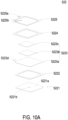
- the piezoelectric actuator 522 includes a gas-injection plate 5221, a chamber frame 5222, an actuator element 5223, an insulation frame 5224 and a conductive frame 5225.
- the gas-injection plate 5221 is made by a flexible material and includes a suspension plate 5221a and a hollow aperture 5221b.
- the suspension plate 5221a is a sheet structure and is permitted to undergo a bending deformation.
- the shape and the size of the suspension plate 5221a are accommodated in the inner edge of the gas-guiding-component loading region 5215, but not limited thereto.
- the hollow aperture 5221b passes through a center of the suspension plate 5221a, so as to allow the air to flow therethrough.
- the shape of the suspension plate 5221a is selected from the group consisting of a square, a circle, an ellipse, a triangle and a polygon, but not limited thereto.
- the chamber frame 5222 is carried and stacked on the gas-injection plate 5221.
- the shape of the chamber frame 5222 is corresponding to the gas-injection plate 5221.
- the actuator element 5223 is carried and stacked on the chamber frame 5222.
- a resonance chamber 5226 is collaboratively defined by the actuator element 5223, the chamber frame 5222 and the suspension plate 5221a and is formed between the actuator element 5223, the chamber frame 5222 and the suspension plate 5221a.
- the insulation frame 5224 is carried and stacked on the actuator element 5223 and the appearance of the insulation frame 5224 is similar to that of the chamber frame 5222.
- the conductive frame 5225 is carried and stacked on the insulation frame 5224, and the appearance of the conductive frame 5225 is similar to that of the insulation frame 5224.
- the conductive frame 5225 includes a conducting pin 5225a and a conducting electrode 5225b.
- the conducting pin 5225a is extended outwardly from an outer edge of the conductive frame 5225, and the conducting electrode 5225b is extended inwardly from an inner edge of the conductive frame 5225.
- the actuator element 5223 further includes a piezoelectric carrying plate 5223a, an adjusting resonance plate 5223b and a piezoelectric plate 5223c.
- the piezoelectric carrying plate 5223a is carried and stacked on the chamber frame 5222.
- the adjusting resonance plate 5223b is carried and stacked on the piezoelectric carrying plate 5223a.
- the piezoelectric plate 5223c is carried and stacked on the adjusting resonance plate 5223b.
- the adjusting resonance plate 5223b and the piezoelectric plate 5223c are accommodated in the insulation frame 5224.
- the conducting electrode 5225b of the conductive frame 5225 is electrically connected to the piezoelectric plate 5223c.
- the piezoelectric carrying plate 5223a and the adjusting resonance plate 5223b are made by a conductive material.
- the piezoelectric carrying plate 5223a includes a piezoelectric pin 5223d.
- the piezoelectric pin 5223d and the conducting pin 5225a are electrically connected to a driving circuit (not shown) of the driving circuit board 523, so as to receive a driving signal, such as a driving frequency and a driving voltage.
- a circuit is formed by the piezoelectric pin 5223d, the piezoelectric carrying plate 5223a, the adjusting resonance plate 5223b, the piezoelectric plate 5223c, the conducting electrode 5225b, the conductive frame 5225 and the conducting pin 5225a for transmitting the driving signal.
- the insulation frame 5224 is insulated between the conductive frame 5225 and the actuator element 5223, so as to avoid the occurrence of a short circuit. Thereby, the driving signal is transmitted to the piezoelectric plate 5223c.
- the piezoelectric plate 5223c After receiving the driving signal such as the driving frequency and the driving voltage, the piezoelectric plate 5223c deforms due to the piezoelectric effect, and the piezoelectric carrying plate 5223a and the adjusting resonance plate 5223b are further driven to generate the bending deformation in the reciprocating manner.
- the adjusting resonance plate 5223b is located between the piezoelectric plate 5223c and the piezoelectric carrying plate 5223a and served as a cushion between the piezoelectric plate 5223c and the piezoelectric carrying plate 5223a.
- the vibration frequency of the piezoelectric carrying plate 5223a is adjustable.
- the thickness of the adjusting resonance plate 5223b is greater than the thickness of the piezoelectric carrying plate 5223a, and the vibration frequency of the actuator element 5223 can be adjusted by adjusting the thickness of the adjusting resonance plate 5223b.
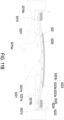
- the gas-injection plate 5221, the chamber frame 5222, the actuator element 5223, the insulation frame 5224 and the conductive frame 5225 are stacked and positioned in the gas-guiding-component loading region 5215 sequentially, so that the piezoelectric actuator 522 is supported and positioned in the gas-guiding-component loading region 5215, and carried on the four positioning protrusions 5215b of the gas-guiding-component loading region 5215 for supporting and positioning, so that a plurality of vacant spaces 5221c are defined between the suspension plate 5221a of the gas-injection plate 5221 and an inner edge of the gas-guiding-component loading region 5215 for gas flowing therethrough.
- the piezoelectric plate 5223c is driven to generate the bending deformation in a reciprocating manner.
- the vibration frequency of the gas in the resonance chamber 5226 is controlled to be close to the vibration frequency of the piezoelectric plate 5223c, so as to generate the Helmholtz resonance effect to achieve the gas transportation at high speed and in large quantities.
- the air pollution outside the out-car gas detection device 1a, the in-car gas detection device 1b and the filtration device 3 is inhaled by the respective air pollution detection module 5 in the out-car gas detection device 1a, the in-car gas detection device 1b and the filtration device 3.
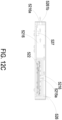
- the air pollution is inhaled into the inlet path defined by the gas-inlet groove 5214 through the inlet opening 5261a, and passes through the particulate sensor 525 to detect the particle concentration of the suspended particles contained in the air pollution.
- the air pollution transported by the piezoelectric actuator 522 flows through the ventilation hole 5215a of the gas-guiding-component loading region 5215, enters the outlet path defined by the gas-outlet groove 5216, passes through the gas sensor 527 for detecting, and then is discharged through the gas-outlet 5216a of the base 521 the outlet opening 5261b.
- the air pollution detection module 5 of the present disclosure not only detects the suspended particles in the air, but also detects the introduced air pollution.
- the introduced air pollution is detected is selected from the group consisting of carbon monoxide (CO), carbon dioxide (CO 2 ), ozone (O 3 ), sulfur dioxide (SO 2 ), nitrogen dioxide (NO 2 ), lead (Pb), total volatile organic compounds (TVOC), formaldehyde (HCHO), bacteria, fungi, virus and a combination thereof.
- the filtration unit 32 can be executed in the combination of various embodiments.
- the filtration unit 32 includes a high efficiency particulate air (HEPA) filter screen 32a.
- HEPA high efficiency particulate air
- the air introduced through the gas flow channel 313 is filtered through the HEPA filter screen 32a to adsorb the chemical smoke, bacteria, dust particles and pollen contained therein to achieve the effects of filtering and purifying.
- the high efficiency particulate air filter screen 32a is coated with a cleansing factor containing chlorine dioxide to inhibit viruses and bacteria contained in the air pollution introduced through the gas flow channel 313.
- the filtration unit 32 includes a photo-catalyst unit 32b combined with the HEPA filter screen 32a.
- the photo-catalyst unit 32b includes a photo-catalyst 321b and an ultraviolet lamp 322b.
- the photo-catalyst 321b is irradiated with the ultraviolet lamp 322b to decompose the air pollution introduced through the gas flow channel 313 for filtering and filtration, so as to purify the gas.
- the photo-catalyst 321b and the ultraviolet lamp 322b are disposed in the gas flow channel 313, respectively, and spaced apart from each other at a distance.
- the air pollution is introduced through the gas flow channel 313 and the photo-catalyst 21b is irradiated by the ultraviolet lamp 22b to convert light energy into chemical energy, thereby decomposing harmful gases in the air pollution and disinfecting bacteria contained therein, so as to achieve the effects of filtering and purifying.
- the filtration unit 32 includes a photo-plasma unit 32c combined with the HEPA filter screen 32a.
- the photo-plasma unit 32c includes a nanometer irradiation tube 321c.
- the air pollution introduced through the gas flow channel 313 is irradiated by the nanometer irradiation tube 321c to decompose and purify volatile organic compounds contained therein.
- the nanometer irradiation tube 321c is disposed in the gas flow channel 313.
- the air pollution introduced through the gas flow channel 313 is irradiated by the nanometer irradiation tube 321c, thereby oxygen molecules and water molecules contained in the air pollution are decomposed into high oxidizing photo-plasma, and generates an ion flow capable of destroying organic molecules.
- volatile formaldehyde, volatile toluene and volatile organic compounds (VOC) contained in the air pollution are decomposed into water and carbon dioxide, so as to achieve the effects of filtering and purifying.
- the filtration unit 32 includes a negative ionizer 32d combined with the HEPA filter screen 32a.
- the negative ionizer 32d includes at least one electrode wire 321d, at least one dust collecting plate 322d and a boost power supply device 323d.
- the at least one electrode wire 321d and the at least one dust collecting plate 322d are disposed within the gas flow channel 313.
- the dust collecting plate 322d is carried with negative charge.
- the at least one electrode wire 321d discharges to make the suspended particles in the air pollution to carry with positive charge, and therefore the suspended particles contained in the air pollution with positive charge are adhered to the dust collecting plate 322d with negative charges, so as to achieve the effects of filtering and purifying the air pollution introduced.
- the filtration unit 32 includes a plasma ion unit 32e combined with the HEPA filter screen 32a.
- the plasma ion unit 32e includes a first electric-field protection screen 321e, an adsorption filter screen 322e, a high-voltage discharge electrode 323e, a second electric-field protection screen 324e and a boost power supply device 325e.
- the boost power supply device 325e provides a high voltage to the high-voltage discharge electrode 323e to discharge and form a high-voltage plasma column with plasma ion, so as to decompose viruses or bacteria contained in the air pollution introduced through the gas flow channel 313 by the plasma ion.
- the first electric-field protection screen 321e, the adsorption filter screen 322e, the high-voltage discharge electrode 323e and the second electric-field protection screen 324e are disposed within the gas flow channel 313.
- the adsorption filter screen 322e and the high-voltage discharge electrode 323e are located between the first electric-field protection screen 321e and the second electric-field protection screen 324e.
- the high-voltage discharge electrode 323e is provided with a high voltage by the boost power supply 325e, a high-voltage plasma column with plasma ion is formed.
- a plurality of air pollution detection modules 5 disposed in the inner space of the vehicle are located at a first seat 1c, a second seat 1d, a third seat 1e and a fourth seat 1f, respectively.
- the four seats, the first seat 1c to the fourth seat 1f, are disposed around one filtration device 3.
- the respective air pollution detection module 5 detects the air pollution adjacent to the corresponding seat and one of them, for example the first seat 1c, has the highest polluted value, a detection signal is transmitted to the microprocessor 53.
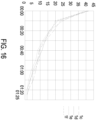
- the filtration device 3 generates and transmits the inside-device gas detection data to the connection device 4, and the connection device 4 transmits the control instruction to enable the single filtration device 3, so as to filter and purify the air pollution of the four seats, the first seat 1c to the fourth seat 1f, at the same time. Since only one single filtration device 3 is used in the embodiment to filter the air pollution of the four seats at the same time, the filtration efficiency of the filtration device 3 is divided into the four seats, the first seat 1c to the fourth seat 1f, during the filtration process. As shown in FIG. 16 , the experiment shows that one single filtration device 3 is used to filter and purify the air pollution of four seats, the first seat 1c to the fourth seat 1f, at the same time. The air pollution is filtered and purified to a safe detection value of 1, and the average required time is 1 minute and 25 seconds.
- FIG. 17 and FIG. 18 Please refer to FIG. 17 and FIG. 18 .
- four air pollution detection modules 5 are disposed at a first seat 1c, a second seat 1d, a third seat 1e and a fourth seat 1f, respectively, and four filtration devices 3 are disposed adjacent to the four seats, respectively.
- the respective air pollution detection module 5 detects the air pollution adjacent to the corresponding seat, for example the first seat 1c, and one of them has the highest polluted value
- a detection signal is transmitted to the microprocessor 53.
- the four filtration devices 3 generate and transmit the inside-device gas detection data to the connection device 4, respectively.
- connection device 4 When the connection device 4 receives the inside-device gas detection data, the connection device 4 transmits the control instruction to the in-car gas exchange system 2 and the corresponding filtration device 3 adjacent to the first seat 1c, and the corresponding filtration device 3 adjacent to the first seat 1c is enable at the same time.
- the in-car gas exchange system 2 generates an air convection to speed up the movement of the air pollution, and the air pollution is directionally moved toward the corresponding filtration devices 3 with the highest polluted value (the highest polluted value of the inside-device gas detection data) for filtration.
- FIG. 18 the experiment shows that four filtration devices 3 are used to filter and purify the air pollution of four seats, the first seat 1c to the fourth seat 1f, respectively.
- the air pollution is filtered and purified to a safe detection value of 1, and the average required time is 27 seconds. Obviously, the filtration efficiency is improved as compare with 1 minute and 25 seconds in the previous embodiment.
- the present disclosure provides a method of air pollution filtration in a vehicle.
- the microprocessor 53 of the air pollution detection module 5 is used to control the detection operation of the gas detection main part 52.
- the gas detection main part 52 detects the air pollution and outputs a detection signal.
- the microprocessor 53 receives the detection signal, the detection signal is calculated, processed and outputted by the microprocessor 53.
- the microprocessors 53 of the air pollution detection modules 5 disposed in the out-car gas detection device 1a, the in-car gas detection device 1b and the filtration device 3 are provided to output the out-car gas detection data, the in-car gas detection data and the inside-device gas detection data, respectively.
- the respective communicator 54 transmits the out-car gas detection data, the in-car gas detection data and the inside-device gas detection data to the connection device 4 through an external communication transmission.
- the connection device 4 After the connection device 4 receives and compares the out-car gas detection data, the in-car gas detection data and the inside-device gas detection data, the connection device 4 further selectively transmits a control instruction to drive the in-car gas exchange system 2 and the filtration devices 3, and accelerate the movement of the air pollution by the air convection generated by the in-car gas exchange system 2, so that the air pollution is directionally moved toward the corresponding one of the filtration devices 3 with the highest polluted value for filtration, whereby the air pollution in the inner space of the vehicle is filtered rapidly, so as to provide clean, safe and breathable air.
Landscapes
- Engineering & Computer Science (AREA)
- Chemical & Material Sciences (AREA)
- Chemical Kinetics & Catalysis (AREA)
- Mechanical Engineering (AREA)
- Physics & Mathematics (AREA)
- Thermal Sciences (AREA)
- Analytical Chemistry (AREA)
- General Chemical & Material Sciences (AREA)
- Oil, Petroleum & Natural Gas (AREA)
- Environmental & Geological Engineering (AREA)
- Health & Medical Sciences (AREA)
- Biomedical Technology (AREA)
- Air-Conditioning For Vehicles (AREA)
- Disinfection, Sterilisation Or Deodorisation Of Air (AREA)
- Electrostatic Separation (AREA)
Description
- The present invention relates to an air pollution filtration method executed in a vehicle, and more particularly to a method of filtering and exchanging air pollution in a vehicle. A method of air pollution filtration in a vehicle is known from
DE 10 2017 115767 B3 . - With the rapid development of the global population and industry, the air quality is deteriorating gradually. It is not only harmful to human health but also life-threatening in severe cases for people to expose in the harmful air pollution gases for a long time.
- There are many pollutants in the air, such as carbon dioxide, carbon monoxide, formaldehyde, bacteria, fungi, volatile organic compound (VOC), suspended particulates or ozone, etc. which may be seriously harmful to the human body as the concentration of pollutants increases. In the case of suspended particles, such fine particles might pass through the alveoli and circulate throughout the body with the blood and is not only harmful to the respiratory tract, but also might cause cardiovascular disease or increases the risk of cancer.
- Nowadays, the prevalence of epidemic diseases, such as influenza and pneumonia, not only threatens people's health, but also restricts people's social activities, and the willingness to take public transportation has also decreased. As a result, driving by themselves has become the first choice of transportation when people go out. Therefore, how to make sure that the air in the vehicle is clean and safe for people to breath at all times during driving by people becomes an important research and development topic of the present disclosure.
- An object of the present invention is to provide a method of filtering air pollution in a vehicle. The air pollution filtration is executed in the inner space of a vehicle, so that the air pollution in the inner space of the vehicle can be filtered rapidly, so as to provide clean, safe and breathable air.
- In accordance with an aspect of the present invention, a method of air pollution filtration in a vehicle is provided and includes: a) providing an in-car gas exchange system for intelligently selecting and controlling to introduced or not introduced an air outside the vehicle into the inner space of the vehicle, so as to generate an air convection; b) providing a plurality of filtration devices disposed in the inner space of the vehicle to detect and transmit an inside-device gas detection data, respectively, for intelligently selecting and controlling the activation of filtering the air pollution in the inner space of the vehicle; and c) providing a connection device to receive and compare the respective inside-device gas detection data, wherein the connection device selectively transmits a control instruction to enable the in-car gas exchange system and the filtration devices adjacent to the air pollution, so as to accelerate the movement of the air pollution by the air convection of the in-car gas exchange system, so that the air pollution is directionally moved toward the filtration devices adjacent thereto for filtration, whereby the air pollution in the inner space of the vehicle can be filtered rapidly, so as to provide clean, safe and breathable air.
- The above contents of the present disclosure will become more readily apparent to those ordinarily skilled in the art after reviewing the following detailed description and accompanying drawings, in which:
-
FIG. 1 is a flow chart illustrating a method of air pollution filtration in a vehicle according to an embodiment of the present disclosure; -
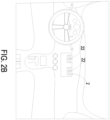
FIG. 2A is a first exemplary schematic diagram illustrating the method of air pollution filtration in the vehicle according to the embodiment of the present disclosure; -
FIG. 2B is a second exemplary schematic diagram illustrating the method of air pollution filtration in the vehicle according to the embodiment of the present disclosure; -
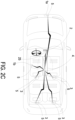
FIG. 2C is a third exemplary schematic diagram illustrating the method of air pollution filtration in the vehicle according to the embodiment of the present disclosure; -
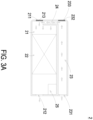
FIG. 3A is a first exemplary schematic cross-sectional view illustrating the in-car gas exchange system of the present disclosure; -
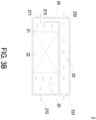
FIG. 3B is a second exemplary schematic cross-sectional view illustrating the in-car gas exchange system of the present disclosure; -
FIG. 3C is a third exemplary schematic cross-sectional view illustrating the in-car gas exchange system of the present disclosure; -
FIG. 4A is a first exemplary schematic cross-sectional view illustrating the filtration device of the present disclosure; -
FIG. 4B is a second exemplary schematic cross-sectional view illustrating the filtration device of the present disclosure; -
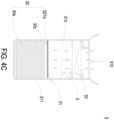
FIG. 4C is a third exemplary schematic cross-sectional view illustrating the filtration device of the present disclosure; -
FIG. 4D is a fourth exemplary schematic cross-sectional view illustrating the filtration device of the present disclosure; -
FIG. 4E is a fifth exemplary schematic cross-sectional view illustrating the filtration device of the present disclosure; -
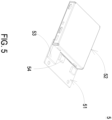
FIG. 5 is a schematic perspective view illustrating the air pollution detection module according to the embodiment of the present disclosure; -
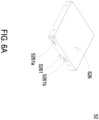
FIG. 6A is a schematic front perspective view illustrating the gas detection main part according to the embodiment of the present disclosure; -
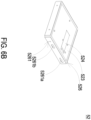
FIG. 6B is a schematic rear perspective view illustrating the gas detection main part according to the embodiment of the present disclosure; -
FIG. 6C is an exploded view illustrating the gas detection main part according to the embodiment of the present disclosure; -
FIG. 7A is a schematic front perspective view illustrating the base according to the embodiment of the present disclosure; -
FIG. 7B is a schematic rear perspective view illustrating the base according to the embodiment of the present disclosure; -
FIG. 8 is a schematic view illustrating a laser component combined within the base according to the embodiment of the present disclosure; -
FIG. 9A is a schematic exploded view illustrating the combination of the piezoelectric actuator and the base according to the embodiment of the present disclosure; -
FIG. 9B is a schematic perspective view illustrating the combination of the piezoelectric actuator and the base according to the embodiment of the present disclosure; -
FIG. 10A is a schematic exploded front view illustrating the piezoelectric actuator according to the embodiment of the present disclosure; -
FIG. 10B is a schematic exploded rear view illustrating the piezoelectric actuator according to the embodiment of the present disclosure; -
FIGS. 11A to 11C are schematic cross-sectional views illustrating the operation steps of the piezoelectric actuator according to the embodiment of the present disclosure; -
FIG. 12A is a first exemplary schematic cross-sectional view illustrating the gas detection main part according to the embodiment of the present disclosure; -
FIG. 12B is a second exemplary schematic cross-sectional view illustrating the gas detection main part according to the embodiment of the present disclosure; -
FIG. 12C is a third exemplary schematic cross-sectional view illustrating the gas detection main part according to the embodiment of the present disclosure; -
FIG. 13 is a schematic diagram illustrating a connecting configuration of the out-car gas detection device, the in-car gas detection device, the filtration device and the connection device according to the embodiment of the present disclosure; -
FIG. 14 is a block diagram illustrating a connecting configuration of the air pollution detection module and the connection device according to the embodiment of the present disclosure; -
FIG. 15 is a schematic diagram illustrating one single filtration device applied in the inner space of the vehicle according to the present disclosure; -
FIG. 16 is a data diagram of an experiment performed in accordance withFIG. 15 of the present disclosure; -
FIG. 17 is a schematic diagram illustrating four filtration devices applied in the inner space of the vehicle according to the present disclosure; and -
FIG. 18 is a data diagram of an experiment performed in accordance withFIG. 17 of the present disclosure. - The present invention will now be described more specifically with reference to the following embodiments. It is to be noted that the following descriptions of preferred embodiments of this invention are presented herein for purpose of illustration and description only. It is not intended to be exhaustive or to be limited to the precise form disclosed.
- Please refer to
FIGS. 1 to 14 . The present disclosure provides a method of air pollution filtration, wherein exchanging and filtering are executed for air pollution in an inner space of the vehicle. The method is described in detail as follows. - Firstly, refer to
FIGS. 1 ,2A to 2C and3A to 3C . An out-cargas detection device 1a is disposed outside a vehicle, and includes an airpollution detection module 5 for detecting the air pollution outside the vehicle and transmitting the out-car gas detection data. An in-cargas detection device 1b is disposed in the inner space of the vehicle, and includes an airpollution detection module 5 for detecting the air pollution inside the vehicle and transmitting an in-car gas detection data. Preferably but not exclusively, in an embodiment, the in-cargas detection device 1b is a mobile detection device. That is, the in-cargas detection device 1b is a wearable device, such as a watch or a bracelet, which is directly worn on the human body (not shown). When people are in the inner space of the vehicle, the in-cargas detection device 1b detects the air pollution in the inner space of the vehicle immediately in real-time at any time and transmits the in-car gas detection data. - The method for air pollution filtration in the vehicle according the present invention is described in detail as follows.
- Firstly, in a step S1 of the method, an in-car
gas exchange system 2 is provided in the inner space of the vehicle, for intelligently selecting and controlling the introduction of an air outside the vehicle into the inner space of the vehicle to generate an air convection in the inner space of the vehicle. In the embodiment, the in-cargas exchange system 2 includes anair intake channel 21, anair conditioning unit 22, agas exchange channel 23, amanifold channel 24 and acontrol drive unit 25. In the embodiment, theair intake channel 21 has anair inlet 211 and at least oneair outlet 212, and aninlet valve 213 is disposed in theair inlet 211 for controlling the opening or closing of theair inlet 211. In the embodiment, theair exchange channel 23 has agas exchange inlet 231 and agas exchange outlet 232, and anoutlet valve 233 is disposed in thegas exchange outlet 232 for controlling the opening or closing of thegas exchange outlet 232. In the embodiment, themanifold channel 24 is in fluid communication betweenair intake channel 21 and thegas exchange channel 23. As shown inFIG. 3A , theair conditioning unit 22 is disposed in theair intake channel 21, so that the air in the inner space of the vehicle is transported into thegas exchange channel 23 through thegas exchange inlet 231, with thegas exchange outlet 232 controlled to be closed by theoutlet valve 233, and then the air entering theair intake channel 21 through themanifold channel 24 is introduced into the inner space of the vehicle through theair outlet 212, thereby a circulating air flow path is formed to adjust air temperature and humidity in the inner space of the vehicle. In the embodiment, thecontrol drive unit 25 receives external information through a wireless communication transmission, so that the opening or closing of theinlet valve 213 and theoutlet valve 233 is selectively controlled by thecontrol drive unit 25, so as to control the introduction of an air outside the vehicle into the inner space of the vehicle. As shown inFIG. 3B , theinlet valve 213 and theoutlet valve 233 are intelligently selected to be opened by thecontrol drive unit 25, the air outside the vehicle is inhaled to theair intake channel 21 through theair inlet 211, and introduced into the inner space of the vehicle through theair outlet 212, and the air pollution in the inner space of the vehicle is introduced to thegas exchange channel 23 through thegas exchange inlet 231, and discharged out of the inner space of the vehicle through thegas exchange outlet 232. In that, the air pollution in the inner space of the vehicle is exchanged out of the vehicle. As shown inFIG. 3C , theinlet valve 213 and theoutlet valve 233 are intelligently selected to be closed and opened by thecontrol drive unit 25, respectively, so that the air outside the vehicle is not introduced into the inner space of the vehicle, and the air pollution in the inner space of the vehicle is introduced to thegas exchange channel 23 through thegas exchange inlet 231, and discharged out of the inner space of the vehicle through thegas exchange outlet 232. In that, the air pollution in the inner space of the vehicle is exchanged out of the vehicle. - Please refer to
FIGS. 4A to 4E . In a step S2 of the method, at least onefiltration device 3 is provided to detect and transmit an inside-device gas detection data for intelligently selecting and controlling the activation of filtering the air pollution in the inner space of the vehicle. In the embodiment, thefiltration device 3 includes amain body 31, afiltration unit 32 and agas guider 33. Themain body 31 includes at least oneinlet 311 and at least oneoutlet 312, and agas flow channel 313 is formed between the at least oneinlet 311 and the at least oneoutlet 312. Thefiltration unit 32 is disposed in themain body 31 for filtering the air pollution introduced into themain body 31 through the at least oneinlet 311. Thegas guider 33 is disposed in thegas flow channel 313 and adjacent to the at least oneoutlet 312, so as to control the air pollution outside themain body 31 to be inhaled and to flow through thefiltration unit 32 for filtering and purifying, so that a purified gas is formed by filtering the air pollution and discharged out through the at least oneoutlet 312. In the embodiment, thefiltration device 3 further includes an airpollution detection module 5 disposed in thegas flow channel 313 for detecting the air pollution in thegas flow channel 313 and transmitting the inside-device gas detection data, and the airpollution detection module 5 controls an actuation of thegas guider 33. - Please further refer to
FIG. 2C . In a step S3 of the method, aconnection device 4 is provided to receive and compare the respective inside-device gas detection data from the plurality offiltration devices 3, so as to intelligently select and enable thefiltration devices 3 adjacent to the air pollution. In that, theconnection device 4 selectively transmits a control instruction to the in-cargas exchange system 2 and the plurality offiltration devices 3, so as to accelerate the movement of the air pollution by the air convection created by the in-car gas exchange system, so that the air pollution is directionally moved toward thecorresponding filtration devices 3 adjacent thereto for filtration. Whereby, the air pollution in the inner space of the vehicle can be filtered rapidly, so as to provide clean, safe and breathable air. Furthermore, theconnection device 4 receives and compares the out-car gas detection data of the out-cargas detection device 1a, the in-car gas detection data of the in-cargas detection device 1b and the inside-device gas detection data of thefiltration device 3 under the calculation of artificial intelligence, and allows theconnection device 4 selectively transmits a control instruction to the in-cargas exchange system 2 and thefiltration device 3, thereby the air outside the vehicle is controlled to be introduced or not introduced into the inner space of the vehicle by the in-cargas exchange system 2, and the air pollution in the inner space of the vehicle is exchanged out of the vehicle. At the same time, thefiltration device 3 with the highest air pollution detection data is controlled and enabled to filter the air pollution in the inner space of the vehicle, so that the air pollution in the inner space of the vehicle is exchanged and filtered into a clean, safe and breathable condition. In a specific embodiment, theconnection device 4 is a mobile device, which receives and compares the out-car gas detection data, the in-car gas detection data, and the inside-device gas detection data through a wireless communication transmission under the calculation of artificial intelligence, and then transmits a control instruction to the in-cargas exchange system 2 and the least onefiltration device 3. Preferably but not exclusively, theconnection device 4 is a mobile device, which receives the out-car gas detection data, the in-car gas detection data, and the inside-device gas detection data through a wireless communication transmission, and then transmits them to a cloud processing device (not shown) for comparing under the calculation of artificial intelligence. The cloud processing device intelligently selects and transmits a control instruction to theconnection device 4, and then theconnection device 4 transmits the control instruction to the in-cargas exchange system 2 and the at least onefiltration device 3. - According to the descriptions of the above method, the present disclosure provides a method of air pollution filtration in a vehicle. By comparing the out-car gas detection data, the in-car gas detection data and the inside-device gas detection data, the
connection device 4 intelligently and selectively transmits a control instruction to enable the in-cargas exchange system 2 and thefiltration device 3 adjacent to the air pollution. In the embodiment, thefiltration device 3 adjacent to the air pollution means thefiltration device 3 with the highest inside-device gas detection data. In that, the movement of the air pollution is accelerated by the air convection of the in-cargas exchange system 2, so that the air pollution is directionally moved toward thefiltration devices 3 adjacent thereto for filtration. Whereby, the air pollution in the inner space of the vehicle is filtered rapidly, so as to provide clean, safe and breathable air. - Regarding to how the
connection device 4 intelligently selects to transmit a control instruction is described in detail as follows. - As shown in
FIG. 2C ,FIG. 3B andFIG. 13 , the out-car gas detection data, the in-car gas detection data and the inside-device gas detection data are received and compared under the calculation of artificial intelligence by theconnection device 4. When theconnection device 4 indicates that the air pollution of the out-car gas detection data is lower than the in-car gas detection data, the control instruction transmitted by theconnection device 4 is received by thecontrol drive unit 25 of the in-cargas exchange system 2 at the same time, so that theinlet valve 213 and theoutlet valve 233 are intelligently selected to be opened by thecontrol drive unit 25, the air outside the vehicle is inhaled to theair intake channel 21 through theair inlet 211, and introduced into the inner space of the vehicle through theair outlet 212, and the air pollution in the inner space of the vehicle is introduced to thegas exchange channel 23 through thegas exchange inlet 231, and discharged out of the inner space of the vehicle through thegas exchange outlet 232. In that, the air pollution in the inner space of the vehicle is exchanged out of the vehicle, and the in-car gas detection data detected for the air pollution in the inner space of the vehicle is reduced to a safe detection value. - As shown in
FIG. 2C ,FIG. 3C andFIG. 13 , the out-car gas detection data, the in-car gas detection data and the inside-device gas detection data are received and compared under the calculation of artificial intelligence by theconnection device 4. When theconnection device 4 indicates that the air pollution of the in-car gas detection data is lower than the out-car gas detection data, the control instruction is transmitted by theconnection device 4 and received by thecontrol drive unit 25 of the in-cargas exchange system 2 at the same time, so that theinlet valve 213 and theoutlet valve 233 are intelligently selected to be closed and opened by thecontrol drive unit 25, respectively, the air outside the vehicle is not introduced into the inner space of the vehicle, and the air pollution in the inner space of the vehicle is introduced to thegas exchange channel 23 through thegas exchange inlet 231, and discharged out of the inner space of the vehicle through thegas exchange outlet 232. In that, the air pollution in the inner space of the vehicle is exchanged out of the vehicle, and the in-car gas detection data detected for the air pollution in the inner space of the vehicle is reduced to a safe detection value. - When the out-car gas detection data, the in-car gas detection data and the inside-device gas detection data are received and compared under the calculation of artificial intelligence by the
connection device 4, and theconnection device 4 indicates that the air pollution of the in-car gas detection data is lower than the out-car gas detection data, the control instruction is transmitted by theconnection device 4 and received by thecontrol drive unit 25 of the in-cargas exchange system 2 at the same time, so that theinlet valve 213 and theoutlet valve 233 are intelligently selected to be closed and opened by thecontrol drive unit 25, respectively, the air outside the vehicle is not introduced into the inner space of the vehicle. Furthermore, the control instruction is intelligently selected to be transmitted by theconnection device 4 to control and actuate thefiltration device 3 at the same time, so as to filter and purify the air pollution in the inner space of the vehicle. In that, the in-car gas detection data detected for the air pollution in the inner space of the vehicle is reduced to a safe detection value. - When the out-car gas detection data, the in-car gas detection data and the inside-device gas detection data are received and compared under the calculation of artificial intelligence by the
connection device 4, and the in-car gas detection data compared by theconnection device 4 is indicated as a polluted valve, the control instruction is transmitted by theconnection device 4 to thespecific filtration devices 3 which has the highest polluted valve of air pollution. In that, thespecific filtration device 3 adjacent to the air pollution is controlled and enabled, so as to filter and purify the air pollution in the inner space of the vehicle. Whereby, the in-car gas detection data detected for the air pollution in the inner space of the vehicle is reduced to a safe detection value. - In the embodiment, the out-car gas detection data, the in-car gas detection data and the inside-device gas detection data are detecting data of the air pollution. Preferably but not exclusively, the air pollution is one selected from the group consisting of suspended particles (PM1, PM2.5, PM10), carbon monoxide (CO), carbon dioxide (CO2), sulfur dioxide (SO2), nitrogen dioxide (NO2), lead (Pb), ozone (O3), total volatile organic compounds (TVOC), formaldehyde (HCHO), bacteria, virus and a combination thereof. Preferably but not exclusively, the safe detection value includes one selected from the group consisting of suspended particles 2.5 concentration (PM2.5) of less than 10 µg/m3, carbon dioxide content (CO2) of less than 1000 ppm, total volatile organic compounds (TVOC) of less than 0.56 ppm, formaldehyde (HCHO) content of less than 0.08 ppm, the amount of bacteria of less than 1500 CFU/m3, the amount of fungi of less than 1000 CFU/m3, sulfur dioxide (SO2) content of less than 0.075 ppm, nitrogen dioxide (NO2) content of less than 0.1 ppm, carbon monoxide (CO) content of less than 35 ppm, ozone (O3) content of less than 0.12 ppm, lead (Pb) content of less than 0.15µg/m3 and a combination thereof.
- After understanding the method of air pollution filtration in the vehicle according to the present disclosure, the device for executing the present disclosure is described in detail as follows.
- As shown in
FIG. 2C ,FIG. 5 andFIG. 14 , in the embodiment, the airpollution detection module 5 includes acontrolling circuit board 51, a gas detectionmain part 52, amicroprocessor 53 and acommunicator 54. The gas detectionmain part 52, themicroprocessor 53 and thecommunicator 54 are integrally packaged on thecontrolling circuit board 51 and electrically connected to each other. In the embodiment, themicroprocessor 53 and thecommunicator 54 are mounted on thecontrolling circuit board 51. Themicroprocessor 53 controls the detection of the gas detectionmain part 52, and the gas detectionmain part 52 detects the air pollution and outputs a detection signal. Themicroprocessor 53 receives the detection signal for calculating, processing and outputting, so that therespective microprocessor 53 of the respective airpollution detection module 5 in the out-cargas detection device 1a, the in-cargas detection device 1b and thefiltration device 3 generates the out-car gas detection data, the in-car gas detection data and the inside-device gas detection data, respectively, and provides them to therespective communicators 54 for external communication transmission. - Preferably but not exclusively, in the embodiment, the
communicator 54 is connected to theconnection device 4 for signal connection and transmission. In that, the out-car gas detection data, the in-car gas detection data and the inside-device gas detection data transmitted from therespective communicator 54 are received by theconnection device 4 and compared under the calculation of artificial intelligence, and then theconnection device 4 selectively transmits a control instruction so as to intelligently select and control the operation and operation time of the in-cargas exchange system 2 and thefiltration device 3. Whereby, the air outside the vehicle is controlled to be introduced or not introduced into the inner space of the vehicle by the in-cargas exchange system 2, and the air pollution in the inner space of the vehicle is exchanged out of the vehicle. At the same time, thefiltration device 3 is controlled and enabled to filter the air pollution in the inner space of the vehicle, so that the air pollution in the inner space of the vehicle is exchanged and filtered into a clean, safe and breathable condition. In the embodiment, therespective communicator 54 communicates with theconnection device 4 through a wireless communication transmission. Preferably but not exclusively, the wireless communication transmission is one selected from the group consisting of a Wi-Fi communication transmission, Bluetooth communication transmission, a radio frequency identification communication transmission and a near field communication (NFC) transmission. - Please refer to
FIGS. 6A to 6C ,7A to 7B ,8 and9A to 9B . In the embodiment, the gas detectionmain part 52 includes abase 521, apiezoelectric actuator 522, a drivingcircuit board 523, alaser component 524, aparticulate sensor 525, agas sensor 527 and anouter cover 526. - In the embodiment, the
base 521 includes afirst surface 5211, asecond surface 5212, alaser loading region 5213, a gas-inlet groove 5214, a gas-guiding-component loading region 5215 and a gas-outlet groove 5216. In the embodiment, thefirst surface 5211 and thesecond surface 5212 are two surfaces opposite to each other. In the embodiment, thelaser loading region 5213 is hollowed out from thefirst surface 5211 toward thesecond surface 5212. Theouter cover 526 covers thebase 521. In the embodiment, the gas-guiding-component loading region 5215 mentioned above is concavely formed from thesecond surface 5212 and in communication with the gas-inlet groove 5214. Aventilation hole 5215a penetrates a bottom surface of the gas-guiding-component loading region 5215. The gas-guiding-component loading region 5215 includes fourpositioning protrusions 5215b disposed at four corners of the gas-guiding-component loading region 5215, respectively. In the embodiment, the gas-outlet groove 5216 includes a gas-outlet 5216a, and the gas-outlet 5216a is spatially corresponding to theoutlet opening 5261b of theouter cover 526. The gas-outlet groove 5216 includes afirst section 5216b and a second section 5216c. Thefirst section 5216b is concavely formed on a region out from thefirst surface 5211 spatially corresponding to a vertical projection area of the gas-guiding-component loading region 5215. The second section 5216c is hollowed out from thefirst surface 5211 to thesecond surface 5212 in a region where thefirst surface 5211 is extended from the vertical projection area of the gas-guiding-component loading region 5215. Thefirst section 5216b and the second section 5216c are connected to form a stepped structure. Moreover, thefirst section 5216b of the gas-outlet groove 5216 is in communication with theventilation hole 5215a of the gas-guiding-component loading region 5215, and the second section 5216c of the gas-outlet groove 5216 is in communication with the gas-outlet 5216a. In that, whenfirst surface 5211 of thebase 521 is attached and covered by theouter cover 526 and thesecond surface 5212 of thebase 521 is attached and covered by the drivingcircuit board 523, the gas-outlet groove 5216 and the drivingcircuit board 523 collaboratively define an outlet path. In the embodiment, theouter cover 526 includes aside plate 5261. Theside plate 5261 has aninlet opening 5261a and anoutlet opening 5261b. The gas-inlet groove 5214 is concavely formed from thesecond surface 5212 and disposed adjacent to thelaser loading region 5213. The gas-inlet groove 5214 includes a gas-inlet 5214a and two lateral walls. The gas-inlet 5214a is in communication with an environment outside thebase 521, and is spatially corresponding in position to aninlet opening 5261a of theouter cover 526. Twotransparent windows 5214b are opened on the two lateral walls and are in communication with thelaser loading region 5213. Therefore, thefirst surface 5211 of thebase 521 is covered and attached by theouter cover 526, and thesecond surface 5212 is covered and attached by the drivingcircuit board 523, so that an inlet path is defined by the gas-inlet groove 5214. - In the embodiment, the
laser component 524, theparticulate sensor 525 and thegas sensor 527 are disposed on and electrically connected to the drivingcircuit board 523 and located within thebase 521. In order to clearly describe and illustrate the positions of thelaser component 524, theparticulate sensor 525 and thegas sensor 527 in thebase 521, the drivingcircuit board 523 is intentionally omitted inFIG. 8 . Thelaser component 524 is accommodated in thelaser loading region 5213 of thebase 521, and theparticulate sensor 525 is accommodated in the gas-inlet groove 5214 of thebase 521 and is aligned to thelaser component 524. In addition, thelaser component 524 is spatially corresponding to thetransparent window 5214b, therefore a light beam emitted by thelaser component 524 passes through thetransparent window 5214b and is irradiated into the gas-inlet groove 5214. A light beam path from thelaser component 524 passes through thetransparent window 5214b and extends in an orthogonal direction perpendicular to the gas-inlet groove 5214. In the embodiment, a projecting light beam emitted from thelaser component 524 passes through thetransparent window 5214b and enters the gas-inlet groove 5214 to irradiate the suspended particles contained in the gas passing through the gas-inlet groove 5214. When the suspended particles contained in the air are irradiated and generate scattered light spots, the scattered light spots are received and calculated by theparticulate sensor 525 to obtain the gas detection information. In the embodiment, theparticulate sensor 525 detects suspended particles (PM1, PM2.5, PM10) information. In the embodiment, thegas sensor 527 is positioned and disposed on the drivingcircuit board 523, electrically connected to the drivingcircuit board 523, and accommodated in the gas-outlet groove 5216, so as to detect the air introduced into the gas-outlet groove 5216. Preferably but not exclusively, in an embodiment, thegas sensor 527 includes a volatile-organic-compound sensor detecting carbon dioxide (CO2) or volatile organic compounds (TVOC) information. Preferably but not exclusively, in an embodiment, thegas sensor 527 includes a formaldehyde sensor for detecting formaldehyde (HCHO) gas information. Preferably but not exclusively, in an embodiment, thegas sensor 527 includes a bacteria sensor for detecting bacteria or fungi information. Preferably but not exclusively, in an embodiment, thegas sensor 527 includes a virus sensor for detecting virus gas information. - Please refer to
FIGS. 10A to 10B and11A to 11C . In the embodiment, thepiezoelectric actuator 522 includes a gas-injection plate 5221, achamber frame 5222, anactuator element 5223, aninsulation frame 5224 and aconductive frame 5225. In the embodiment, the gas-injection plate 5221 is made by a flexible material and includes asuspension plate 5221a and ahollow aperture 5221b. Thesuspension plate 5221a is a sheet structure and is permitted to undergo a bending deformation. Preferably but not exclusively, the shape and the size of thesuspension plate 5221a are accommodated in the inner edge of the gas-guiding-component loading region 5215, but not limited thereto. Thehollow aperture 5221b passes through a center of thesuspension plate 5221a, so as to allow the air to flow therethrough. The shape of thesuspension plate 5221a is selected from the group consisting of a square, a circle, an ellipse, a triangle and a polygon, but not limited thereto. In the embodiment, thechamber frame 5222 is carried and stacked on the gas-injection plate 5221. In addition, the shape of thechamber frame 5222 is corresponding to the gas-injection plate 5221. Theactuator element 5223 is carried and stacked on thechamber frame 5222. Aresonance chamber 5226 is collaboratively defined by theactuator element 5223, thechamber frame 5222 and thesuspension plate 5221a and is formed between theactuator element 5223, thechamber frame 5222 and thesuspension plate 5221a. Theinsulation frame 5224 is carried and stacked on theactuator element 5223 and the appearance of theinsulation frame 5224 is similar to that of thechamber frame 5222. Theconductive frame 5225 is carried and stacked on theinsulation frame 5224, and the appearance of theconductive frame 5225 is similar to that of theinsulation frame 5224. In addition, theconductive frame 5225 includes a conductingpin 5225a and a conductingelectrode 5225b. The conductingpin 5225a is extended outwardly from an outer edge of theconductive frame 5225, and the conductingelectrode 5225b is extended inwardly from an inner edge of theconductive frame 5225. Moreover, theactuator element 5223 further includes apiezoelectric carrying plate 5223a, an adjustingresonance plate 5223b and apiezoelectric plate 5223c. Thepiezoelectric carrying plate 5223a is carried and stacked on thechamber frame 5222. The adjustingresonance plate 5223b is carried and stacked on thepiezoelectric carrying plate 5223a. Thepiezoelectric plate 5223c is carried and stacked on the adjustingresonance plate 5223b. The adjustingresonance plate 5223b and thepiezoelectric plate 5223c are accommodated in theinsulation frame 5224. The conductingelectrode 5225b of theconductive frame 5225 is electrically connected to thepiezoelectric plate 5223c. In the embodiment, thepiezoelectric carrying plate 5223a and the adjustingresonance plate 5223b are made by a conductive material. Thepiezoelectric carrying plate 5223a includes apiezoelectric pin 5223d. Thepiezoelectric pin 5223d and the conductingpin 5225a are electrically connected to a driving circuit (not shown) of the drivingcircuit board 523, so as to receive a driving signal, such as a driving frequency and a driving voltage. Through this structure, a circuit is formed by thepiezoelectric pin 5223d, thepiezoelectric carrying plate 5223a, the adjustingresonance plate 5223b, thepiezoelectric plate 5223c, the conductingelectrode 5225b, theconductive frame 5225 and the conductingpin 5225a for transmitting the driving signal. Moreover, theinsulation frame 5224 is insulated between theconductive frame 5225 and theactuator element 5223, so as to avoid the occurrence of a short circuit. Thereby, the driving signal is transmitted to thepiezoelectric plate 5223c. After receiving the driving signal such as the driving frequency and the driving voltage, thepiezoelectric plate 5223c deforms due to the piezoelectric effect, and thepiezoelectric carrying plate 5223a and the adjustingresonance plate 5223b are further driven to generate the bending deformation in the reciprocating manner. - Furthermore, in the embodiment, the adjusting
resonance plate 5223b is located between thepiezoelectric plate 5223c and thepiezoelectric carrying plate 5223a and served as a cushion between thepiezoelectric plate 5223c and thepiezoelectric carrying plate 5223a. Thereby, the vibration frequency of thepiezoelectric carrying plate 5223a is adjustable. Basically, the thickness of the adjustingresonance plate 5223b is greater than the thickness of thepiezoelectric carrying plate 5223a, and the vibration frequency of theactuator element 5223 can be adjusted by adjusting the thickness of the adjustingresonance plate 5223b. - Please refer to
FIGS. 9A ,9B ,10A ,10B and11A . In the embodiment, the gas-injection plate 5221, thechamber frame 5222, theactuator element 5223, theinsulation frame 5224 and theconductive frame 5225 are stacked and positioned in the gas-guiding-component loading region 5215 sequentially, so that thepiezoelectric actuator 522 is supported and positioned in the gas-guiding-component loading region 5215, and carried on the fourpositioning protrusions 5215b of the gas-guiding-component loading region 5215 for supporting and positioning, so that a plurality ofvacant spaces 5221c are defined between thesuspension plate 5221a of the gas-injection plate 5221 and an inner edge of the gas-guiding-component loading region 5215 for gas flowing therethrough. Aresonance chamber 5226 is collaboratively defined by theactuator element 5223, thechamber frame 5222 and thesuspension plate 5221a. A flowingchamber 5227 is formed between the gas-injection plate 5221 and the bottom surface of the gas-guiding-component loading region 5215. The flowingchamber 5227 is in communication with theresonance chamber 5226 between theactuator element 5223, thechamber frame 5222 and thesuspension plate 5221a through thehollow aperture 5221b of the gas-injection plate 5221. By controlling the vibration frequency of the air in theresonance chamber 5226 to be close to the vibration frequency of thesuspension plate 5221a, the Helmholtz resonance effect is generated between theresonance chamber 5226 and thesuspension plate 5221a, so as to improve the efficiency of gas transportation. - As shown in
FIG. 11B , when thepiezoelectric plate 5223c is moved away from the bottom surface of the gas-guiding-component loading region 5215, thesuspension plate 5221a of the gas-injection plate 5221 is driven to move away from the bottom surface of the gas-guiding-component loading region 5215 by thepiezoelectric plate 5223c. In that, the volume of the flowingchamber 5227 is expanded rapidly, the internal pressure of the flowingchamber 5227 is decreased to form a negative pressure, and the air outside thepiezoelectric actuator 522 is inhaled through thevacant spaces 5221c and enters theresonance chamber 5226 through thehollow aperture 5221b. Consequently, the pressure in theresonance chamber 5226 is increased to generate a pressure gradient. - Furthermore, as shown in
FIG. 11C , when thesuspension plate 5221a of the gas-injection plate 5221 is driven by thepiezoelectric plate 5223c to move toward the bottom surface of the gas-guiding-component loading region 5215, the air in theresonance chamber 5226 is discharged out rapidly through thehollow aperture 5221b, and the air in the flowingchamber 5227 is compressed, thereby the converged air is quickly and massively ejected out of the flowingchamber 5227 under the condition close to an ideal gas state of the Benulli's law, and transported to theventilation hole 5215a of the gas-guiding-component loading region 5215. - In the embodiment, the gas-guiding-
component loading region 5215 of thebase 521 is in fluid communication with the gas-inlet groove 5214, and thepiezoelectric actuator 522 is accommodated in the square-shaped gas-guiding-component loading region 5215 of thebase 521. Moreover, the drivingcircuit board 523 covers thesecond surface 5212 of thebase 521, and thelaser component 524 is positioned and disposed on the drivingcircuit board 523, and is electrically connected to the drivingcircuit board 523. Theparticulate sensor 525 is positioned and disposed on the drivingcircuit board 523, and is electrically connected to the drivingcircuit board 523. In that, when theouter cover 526 covers thebase 521, theinlet opening 5261a is spatially corresponding to the gas-inlet 5214a of thebase 521, and theoutlet opening 5261b is spatially corresponding to the gas-outlet 5216a of thebase 521. By repeating the above operation steps shown inFIG. 11B andFIG. 11C , thepiezoelectric plate 5223c is driven to generate the bending deformation in a reciprocating manner. According to the principle of inertia, since the gas pressure inside theresonance chamber 5226 is lower than the equilibrium gas pressure after the converged gas is ejected out, the air is introduced into theresonance chamber 5226 again. Moreover, the vibration frequency of the gas in theresonance chamber 5226 is controlled to be close to the vibration frequency of thepiezoelectric plate 5223c, so as to generate the Helmholtz resonance effect to achieve the gas transportation at high speed and in large quantities. - Furthermore, as shown in
FIG. 12A , the air outside the airpollution detection module 5 is inhaled through theinlet opening 5261a of theouter cover 526, flows into the gas-inlet groove 5214 of the base 521 through the gas-inlet 5214a, and is transported to the position of theparticulate sensor 525. Thepiezoelectric actuator 522 is enabled continuously to inhale the gas into the inlet path, and facilitate the air outside the air pollution detection module to be introduced rapidly, flow stably, and transported above theparticulate sensor 525. Further as shown inFIG. 12B , a projecting light beam emitted from thelaser component 524 passes through thetransparent window 5214b to irritate the suspended particles contained in the gas flowing above theparticulate sensor 525 in the gas-inlet groove 5214. When the suspended particles contained in the gas are irradiated and generate scattered light spots, the scattered light spots are received and calculated by theparticulate sensor 525 for obtaining related information about the sizes and the concentration of the suspended particles contained in the gas. Moreover, the gas above theparticulate sensor 525 is continuously driven and transported by thepiezoelectric actuator 522, flows into theventilation hole 5215a of the gas-guiding-component loading region 5215, and is transported to the gas-outlet groove 5216. As shown inFIG. 12C , When the gas flows into thegas outlet groove 5216, the gas is detected through thegas sensor 527. Since the gas is continuously transported into thegas outlet groove 5216 by thepiezoelectric actuator 522, the gas in thegas outlet groove 5216 is pushed to flow through the gas-outlet 5216a and theoutlet opening 5261b and discharged out. - In the embodiment, the air pollution outside the out-car
gas detection device 1a, the in-cargas detection device 1b and thefiltration device 3 is inhaled by the respective airpollution detection module 5 in the out-cargas detection device 1a, the in-cargas detection device 1b and thefiltration device 3. In that, the air pollution is inhaled into the inlet path defined by the gas-inlet groove 5214 through theinlet opening 5261a, and passes through theparticulate sensor 525 to detect the particle concentration of the suspended particles contained in the air pollution. Furthermore, the air pollution transported by thepiezoelectric actuator 522 flows through theventilation hole 5215a of the gas-guiding-component loading region 5215, enters the outlet path defined by the gas-outlet groove 5216, passes through thegas sensor 527 for detecting, and then is discharged through the gas-outlet 5216a of the base 521 theoutlet opening 5261b. In that, the airpollution detection module 5 of the present disclosure not only detects the suspended particles in the air, but also detects the introduced air pollution. Preferably but not exclusively, the introduced air pollution is detected is selected from the group consisting of carbon monoxide (CO), carbon dioxide (CO2), ozone (O3), sulfur dioxide (SO2), nitrogen dioxide (NO2), lead (Pb), total volatile organic compounds (TVOC), formaldehyde (HCHO), bacteria, fungi, virus and a combination thereof. - Please refer to
FIGS. 4A to 4E . The above-mentionedfiltration unit 32 can be executed in the combination of various embodiments. Preferably but not exclusively, in the embodiment as shown inFIG. 4A , thefiltration unit 32 includes a high efficiency particulate air (HEPA)filter screen 32a. The air introduced through thegas flow channel 313 is filtered through theHEPA filter screen 32a to adsorb the chemical smoke, bacteria, dust particles and pollen contained therein to achieve the effects of filtering and purifying. In an embodiment, the high efficiency particulateair filter screen 32a is coated with a cleansing factor containing chlorine dioxide to inhibit viruses and bacteria contained in the air pollution introduced through thegas flow channel 313. In an embodiment, the high efficiency particulateair filter screen 32a is coated with an herbal protective layer extracted from ginkgo and Japanese rhus chinensis to form an herbal protective anti-allergic filter, so as to resist allergy effectively and destroy a surface protein of influenza virus contained in the air pollution introduced through thegas flow channel 313. In an embodiment, the high efficiency particulateair filter screen 32a is coated with a silver ion to inhibit viruses and bacteria contained in the air pollution passing through thegas flow channel 313. - In the embodiment as shown in
FIG. 4B , thefiltration unit 32 includes a photo-catalyst unit 32b combined with theHEPA filter screen 32a. The photo-catalyst unit 32b includes a photo-catalyst 321b and anultraviolet lamp 322b. The photo-catalyst 321b is irradiated with theultraviolet lamp 322b to decompose the air pollution introduced through thegas flow channel 313 for filtering and filtration, so as to purify the gas. In the embodiment, the photo-catalyst 321b and theultraviolet lamp 322b are disposed in thegas flow channel 313, respectively, and spaced apart from each other at a distance. In the embodiment, the air pollution is introduced through thegas flow channel 313 and the photo-catalyst 21b is irradiated by the ultraviolet lamp 22b to convert light energy into chemical energy, thereby decomposing harmful gases in the air pollution and disinfecting bacteria contained therein, so as to achieve the effects of filtering and purifying. - In the embodiment as shown in
FIG. 4C , in the embodiment, thefiltration unit 32 includes a photo-plasma unit 32c combined with theHEPA filter screen 32a. The photo-plasma unit 32c includes ananometer irradiation tube 321c. The air pollution introduced through thegas flow channel 313 is irradiated by thenanometer irradiation tube 321c to decompose and purify volatile organic compounds contained therein. In the embodiment, thenanometer irradiation tube 321c is disposed in thegas flow channel 313. The air pollution introduced through thegas flow channel 313 is irradiated by thenanometer irradiation tube 321c, thereby oxygen molecules and water molecules contained in the air pollution are decomposed into high oxidizing photo-plasma, and generates an ion flow capable of destroying organic molecules. In that, volatile formaldehyde, volatile toluene and volatile organic compounds (VOC) contained in the air pollution are decomposed into water and carbon dioxide, so as to achieve the effects of filtering and purifying. - In the embodiment as shown in
FIG. 4D , thefiltration unit 32 includes anegative ionizer 32d combined with theHEPA filter screen 32a. Thenegative ionizer 32d includes at least oneelectrode wire 321d, at least onedust collecting plate 322d and a boostpower supply device 323d. When a high voltage is discharged through theelectrode wire 321d, the suspended particles contained in the air pollution introduced through thegas flow channel 313 are attached to thedust collecting plate 322d, so as to be filtered and purified. In the embodiment, the at least oneelectrode wire 321d and the at least onedust collecting plate 322d are disposed within thegas flow channel 313. When the at least oneelectrode wire 321d is provided with a high voltage to discharge by the boostpower supply device 323d, thedust collecting plate 322d is carried with negative charge. When the air pollution is introduced through thegas flow channel 313, the at least oneelectrode wire 321d discharges to make the suspended particles in the air pollution to carry with positive charge, and therefore the suspended particles contained in the air pollution with positive charge are adhered to thedust collecting plate 322d with negative charges, so as to achieve the effects of filtering and purifying the air pollution introduced. - In the embodiment as shown in
FIG. 4E , thefiltration unit 32 includes aplasma ion unit 32e combined with theHEPA filter screen 32a. Theplasma ion unit 32e includes a first electric-field protection screen 321e, anadsorption filter screen 322e, a high-voltage discharge electrode 323e, a second electric-field protection screen 324e and a boostpower supply device 325e. The boostpower supply device 325e provides a high voltage to the high-voltage discharge electrode 323e to discharge and form a high-voltage plasma column with plasma ion, so as to decompose viruses or bacteria contained in the air pollution introduced through thegas flow channel 313 by the plasma ion. In the embodiment, the first electric-field protection screen 321e, theadsorption filter screen 322e, the high-voltage discharge electrode 323e and the second electric-field protection screen 324e are disposed within thegas flow channel 313. Theadsorption filter screen 322e and the high-voltage discharge electrode 323e are located between the first electric-field protection screen 321e and the second electric-field protection screen 324e. As the high-voltage discharge electrode 323e is provided with a high voltage by theboost power supply 325e, a high-voltage plasma column with plasma ion is formed. When the air pollution is introduced into thegas flow channel 313, oxygen molecules and water molecules contained in the air pollution are decomposed into positive hydrogen ions (H+) and negative oxygen ions (O2 -) by the plasma ion. The substances attached with water around the ions are adhered on the surface of viruses and bacteria and converted into OH radicals with extremely strong oxidizing power, thereby removing hydrogen (H) from the protein on the surface of viruses and bacteria, and thus decomposing (oxidizing) the protein, so as to filter the introduced air pollution and achieve the effects of filtering and purifying. - Please refer to
FIG. 15 andFIG. 16 . In the embodiment, a plurality of airpollution detection modules 5 disposed in the inner space of the vehicle are located at afirst seat 1c, asecond seat 1d, athird seat 1e and afourth seat 1f, respectively. The four seats, thefirst seat 1c to thefourth seat 1f, are disposed around onefiltration device 3. When the respective airpollution detection module 5 detects the air pollution adjacent to the corresponding seat and one of them, for example thefirst seat 1c, has the highest polluted value, a detection signal is transmitted to themicroprocessor 53. In that, thefiltration device 3 generates and transmits the inside-device gas detection data to theconnection device 4, and theconnection device 4 transmits the control instruction to enable thesingle filtration device 3, so as to filter and purify the air pollution of the four seats, thefirst seat 1c to thefourth seat 1f, at the same time. Since only onesingle filtration device 3 is used in the embodiment to filter the air pollution of the four seats at the same time, the filtration efficiency of thefiltration device 3 is divided into the four seats, thefirst seat 1c to thefourth seat 1f, during the filtration process. As shown inFIG. 16 , the experiment shows that onesingle filtration device 3 is used to filter and purify the air pollution of four seats, thefirst seat 1c to thefourth seat 1f, at the same time. The air pollution is filtered and purified to a safe detection value of 1, and the average required time is 1 minute and 25 seconds. - Please refer to
FIG. 17 andFIG. 18 . In the embodiment, four airpollution detection modules 5 are disposed at afirst seat 1c, asecond seat 1d, athird seat 1e and afourth seat 1f, respectively, and fourfiltration devices 3 are disposed adjacent to the four seats, respectively. When the respective airpollution detection module 5 detects the air pollution adjacent to the corresponding seat, for example thefirst seat 1c, and one of them has the highest polluted value, a detection signal is transmitted to themicroprocessor 53. In that, the fourfiltration devices 3 generate and transmit the inside-device gas detection data to theconnection device 4, respectively. When theconnection device 4 receives the inside-device gas detection data, theconnection device 4 transmits the control instruction to the in-cargas exchange system 2 and thecorresponding filtration device 3 adjacent to thefirst seat 1c, and thecorresponding filtration device 3 adjacent to thefirst seat 1c is enable at the same time. The in-cargas exchange system 2 generates an air convection to speed up the movement of the air pollution, and the air pollution is directionally moved toward thecorresponding filtration devices 3 with the highest polluted value (the highest polluted value of the inside-device gas detection data) for filtration. As shown inFIG. 18 , the experiment shows that fourfiltration devices 3 are used to filter and purify the air pollution of four seats, thefirst seat 1c to thefourth seat 1f, respectively. The air pollution is filtered and purified to a safe detection value of 1, and the average required time is 27 seconds. Obviously, the filtration efficiency is improved as compare with 1 minute and 25 seconds in the previous embodiment. - In summary, the present disclosure provides a method of air pollution filtration in a vehicle. The
microprocessor 53 of the airpollution detection module 5 is used to control the detection operation of the gas detectionmain part 52. The gas detectionmain part 52 detects the air pollution and outputs a detection signal. After themicroprocessor 53 receives the detection signal, the detection signal is calculated, processed and outputted by themicroprocessor 53. In that, themicroprocessors 53 of the airpollution detection modules 5 disposed in the out-cargas detection device 1a, the in-cargas detection device 1b and thefiltration device 3 are provided to output the out-car gas detection data, the in-car gas detection data and the inside-device gas detection data, respectively. Then, therespective communicator 54 transmits the out-car gas detection data, the in-car gas detection data and the inside-device gas detection data to theconnection device 4 through an external communication transmission. After theconnection device 4 receives and compares the out-car gas detection data, the in-car gas detection data and the inside-device gas detection data, theconnection device 4 further selectively transmits a control instruction to drive the in-cargas exchange system 2 and thefiltration devices 3, and accelerate the movement of the air pollution by the air convection generated by the in-cargas exchange system 2, so that the air pollution is directionally moved toward the corresponding one of thefiltration devices 3 with the highest polluted value for filtration, whereby the air pollution in the inner space of the vehicle is filtered rapidly, so as to provide clean, safe and breathable air.
Claims (15)
- A method of air pollution filtration in a vehicle for exchanging and filtering air pollution in an inner space of the vehicle, the method comprises:a) providing an in-car gas exchange system (2) for intelligently selecting and controlling the introduction of an air outside the vehicle into the inner space of the vehicle which is configured to generate an air convection;b) providing a plurality of filtration devices (3) disposed in the inner space of the vehicle to detect and transmit an inside-device gas detection data, respectively, for intelligently selecting and controlling the activation of filtering the air pollution in the inner space of the vehicle; andc) providing a connection device (4) to receive and compare the respective inside-device gas detection data, wherein the connection device selectively transmits a control instruction to drive the in-car gas exchange system (2) and one of the plurality of filtration devices (3) adjacent to the air pollution, and accelerate the movement of the air pollution by the air convection of the in-car gas exchange system (2), so that the air pollution is directionally moved toward the filtration devices (3) adjacent to the air pollution for filtration, whereby the air pollution in the inner space of the vehicle is filtered rapidly, so as to provide clean, safe and breathable air.
- The method of air pollution filtration in the vehicle according to claim 1, wherein the air pollution is one selected from the group consisting of suspended particles, carbon monoxide, carbon dioxide, ozone, sulfur dioxide, nitrogen dioxide, lead, total volatile organic compounds (TVOC), formaldehyde, bacteria, fungi, virus and a combination thereof.
- The method of air pollution filtration in the vehicle according to claim 1, wherein the in-car gas exchange system (2) comprises an air intake channel (21), an air conditioning unit (22), an gas exchange channel (23), a manifold channel (24) and a control drive unit (25), wherein the air intake channel (21) has an air inlet (211) and at least one air outlet (212), and an inlet valve (213) is disposed in the air inlet (211) for controlling the opening or closing of the air inlet (211), wherein the air exchange channel (23) has a gas exchange inlet (231) and a gas exchange outlet (232), and an outlet valve (233) is disposed in the gas exchange outlet (232) for controlling the opening or closing of the gas exchange outlet (232), wherein the manifold channel (24) is in fluid communication between the air intake channel (21) and the gas exchange channel (23), wherein the control drive unit (25) receives the control instruction transmitted from the connection device through a wireless communication transmission, so that the inlet valve (213) and the outlet valve (233) are selectively enabled to control the opening or closing thereof, whereby the air outside the vehicle is controlled to be introduced or not introduced into the inner space of the vehicle, wherein the air conditioning unit (22) is disposed in the air intake channel (21), so that the air pollution in the inner space of the vehicle is introduced into the gas exchange channel (23) through the gas exchange inlet (231), and then the air pollution entering the air intake channel (21) is guided and discharged through the air outlet (212), whereby the air convection is formed in the inner space of the vehicle, to adjust air temperature and humidity of the air convection in the inner space of the vehicle, wherein an in-car gas detection data in the inner space of the vehicle is reduced to a safe detection value.
- The method of air pollution filtration in the vehicle according to claim 3, wherein the connection device (4) receives and compares the inside-device gas detection data of the plurality of filtration devices (3), and one of the filtration devices (3) with the highest inside-device gas detection data is selected to be driven, wherein the connection device (4) transmits the control instruction to the filtration devices (3) adjacent to the air pollution and the control drive unit (25) of the in-car gas exchange system (2) to control the actuation and operation time thereof, and accelerate the movement of the air pollution by the air convection of the in-car gas exchange system (2) at the same time, so that the air pollution is directionally moved toward said one of the plurality of filtration devices (3) adjacent to the air pollution for filtration, whereby the air pollution in the inner space of the vehicle is filtered rapidly, so as to provide clean, safe and breathable air.
- The method of air pollution filtration in the vehicle according to claim 3, comprising: providing an out-car gas detection device (1a) to detect the air pollution outside the vehicle and transmit an out-car gas detection data; and providing an in-car gas detection device (1b) to detect the air pollution inside the vehicle and transmit an in-car gas detection data, wherein the connection device (4) receives and compares the out-car gas detection data and the in-car gas detection data.
- The method of air pollution filtration in the vehicle according to claim 5, wherein when the connection device (4) indicates that the air pollution of the out-car gas detection data is lower than the in-car gas detection data, the control instruction is transmitted by the connection device (4) and received by the control drive unit (25) of the in-car gas exchange system (2) at the same time, so that the inlet valve (213) and the outlet valve (233) are intelligently selected to be opened by the control drive unit, the air outside the vehicle is inhaled to the air intake channel through the air inlet (211), and introduced into the inner space of the vehicle through the air outlet (212), and the air pollution in the inner space of the vehicle is introduced to the gas exchange channel (23) through the gas exchange inlet (231), and discharged out of the inner space of the vehicle through the gas exchange outlet (232), wherein the air pollution in the inner space of the vehicle is exchanged out of the vehicle, and the in-car gas detection data detected for the air pollution in the inner space of the vehicle is reduced to the safe detection value.
- The method of air pollution filtration in the vehicle according to claim 5, wherein when the connection device (4) indicates that the air pollution of the in-car gas detection data is lower than the out-car gas detection data, the control instruction is transmitted by the connection device (4) and received by the control drive unit (25) of the in-car gas exchange system (2) at the same time, so that the inlet valve (213) and the outlet valve (233) are intelligently selected to be closed and opened by the control drive unit (25), respectively, the air outside the vehicle is not introduced into the inner space of the vehicle, and the air pollution in the inner space of the vehicle is introduced to the gas exchange channel (23) through the gas exchange inlet (231), and discharged out of the inner space of the vehicle through the gas exchange outlet (232), wherein the air pollution in the inner space of the vehicle is exchanged out of the vehicle, and the in-car gas detection data detected for the air pollution in the inner space of the vehicle is reduced to the safe detection value.
- The method of air pollution filtration in the vehicle according to claim 5, wherein when the connection device (4) indicates that the air pollution of the in-car gas detection data is lower than the out-car gas detection data, the control instruction is transmitted by the connection device (4) and received by the control drive unit (25) at the same time, so that the inlet valve (213) and the outlet valve (233) are intelligently selected to be closed and opened by the control drive unit (25), respectively, and the air outside the vehicle is not introduced into the inner space of the vehicle, wherein the control instruction is intelligently selected to be transmitted by the connection device (4) to control and actuate the plurality of filtration device (3) at the same time, so as to filter and purify the air pollution in the inner space of the vehicle, whereby the in-car gas detection data detected for the air pollution in the inner space of the vehicle is reduced to the safe detection value.
- The method of air pollution filtration in the vehicle according to claim 3, wherein the safe detection value comprises one selected from the group consisting of PM2.5 less than 10 µg/m3, carbon dioxide content less than 1000 ppm, total volatile organic compounds (TVOC) less than 0.56 ppm, formaldehyde content less than 0.08 ppm, the amount of bacteria less than 1500 CFU/m3, the amount of fungi less than 1000 CFU/m3, sulfur dioxide content less than 0.075 ppm, nitrogen dioxide content less than 0.1 ppm, carbon monoxide content less than 35 ppm, ozone content less than 0.12 ppm, lead content less than 0.15µg/m3 and a combination thereof.
- The method of air pollution filtration in the vehicle according to claim 5, wherein each of the out-car gas detection device (1a), the in-car gas detection device (1b) and the filtration device (3) comprise an air pollution detection module (5), wherein the air pollution detection module (5) comprises a controlling circuit board (51), a gas detection main part (52), a microprocessor (53) and a communicator (54), and the gas detection main part (52), the microprocessor (53) and the communicator (54) are integrally packaged on the controlling circuit board (51) and electrically connected to the controlling circuit board (51), wherein the microprocessor (53) controls the operations of detection of the gas detection main part (52), the gas detection main part (52) detects the air pollution and outputs a detection signal, the microprocessor (53) receives the detection signal for calculating, processing and outputting, so that the respective microprocessor (53) of the respective air pollution detection module (5) in the out-car gas detection device (1a), the in-car gas detection device (1b) and the filtration device (3) generates the out-car gas detection data, the in-car gas detection data and the in-car gas detection data, so as to provide to the respective communicator for external communication transmission.
- The method of air pollution filtration in the vehicle according to claim 10, wherein the gas detection main part (52) comprises:
a base (521) comprising:a first surface (5211);a second surface (5212) opposite to the first surface (5211);a laser loading region (5213) hollowed out from the first surface (5211) to the second surface (5212);a gas-inlet groove (5214) concavely formed from the second surface (5212) and disposed adjacent to the laser loading region, wherein the gas-inlet groove (5214) comprises a gas-inlet (5214a) and two lateral walls, the gas-inlet (5214a) is in communication with an environment outside the base (521), and two transparent windows (5214b) are opened on the two lateral walls and is in communication with the laser loading region (5213);a gas-guiding-component loading region (5215) concavely formed from the second surface (5212) and in communication with the gas-inlet groove (5214), wherein a ventilation hole (5215a) penetrates a bottom surface of the gas-guiding-component loading region (5215), anda gas-outlet groove (5216) concavely formed from the first surface (5211), spatially corresponding to the bottom surface of the gas-guiding-component loading region (5215), and hollowed out from the first surface (5211) to the second surface (5212) in a region where the first surface (5211)is not aligned with the gas-guiding-component loading region (5215), wherein the gas-outlet groove (5216) is in communication with the ventilation hole (5215a), and a gas-outlet (5216a) is disposed in the gas-outlet groove (5216) and in communication with the environment outside the base (521);a piezoelectric actuator (522) accommodated in the gas-guiding-component loading region (5215);a driving circuit board (523) covering and attached to the second surface (5212) of the base (521);a laser component (524) positioned and disposed on the driving circuit board (523), electrically connected to the driving circuit board (523), and accommodated in the laser loading region (5213), wherein a light beam path emitted from the laser component passes through the transparent window (5214b) and extends in a direction perpendicular to the gas-inlet groove (5214);a particulate sensor (525) positioned and disposed on the driving circuit board (523), electrically connected to the driving circuit board (523), and disposed at a position where the gas-inlet groove (5214) orthogonally intersects with the light beam path of the laser component (524), so that suspended particles contained in the air pollution passing through the gas-inlet groove (5214) and irradiated by a projecting light beam emitted from the laser component (524) are detected;a gas sensor (527) positioned and disposed on the driving circuit board (523), electrically connected to the driving circuit board (523), and accommodated in the gas-outlet groove (5214), so as to detect the air pollution introduced into the gas-outlet groove (5214); andan outer cover (526) covering the base (521) and comprising a side plate (5261), wherein the side plate (5261) has an inlet opening (5261a) and an outlet opening (5261b), the inlet opening (5261a) is spatially corresponding to the gas-inlet (5214a), and the outlet opening (5261b) is spatially corresponding to the gas-outlet (5216a),wherein the outer cover (526) covers the base (521), and the driving circuit board (523) covers the second surface (5212), so that an inlet path is defined by the gas-inlet groove (5214), and an outlet path is defined by the gas-outlet groove (5216), so that the air pollution is inhaled from the environment outside the base (521) by the piezoelectric actuator (522), transported into the inlet path defined by the gas-inlet groove (5214) through the inlet opening (5216a), and passes through the particulate sensor (525) to detect the particle concentration of the suspended particles contained in the air pollution, and the air pollution transported through the piezoelectric actuator (522) is transported out of the outlet path defined by the gas-outlet groove (5216) through the ventilation hole (5215a), passes through the gas sensor (527) for detecting, and then discharged through the outlet opening (5216b). - The method of air pollution filtration in the vehicle according to claim 11, wherein the particulate sensor (525) detects suspended particulate information.
- The method of air pollution filtration in the vehicle according to claim 11, wherein the gas sensor (527) comprises a volatile-organic-compound sensor detecting carbon dioxide or volatile organic compounds information.
- The method of air pollution filtration in the vehicle according to claim 11,
wherein the gas sensor (527) comprises one selected from the group consisting of a formaldehyde sensor, a bacteria sensor, a virus sensor and a combination thereof, wherein the formaldehyde sensor detects formaldehyde gas information, the bacteria sensor detects bacteria or fungi information, and the virus sensor detects virus gas information. - The method of air pollution filtration in the vehicle according to claim 10, wherein the filtration device (3) comprises:a main body (31) comprising at least one inlet (311) and at least one outlet (312), wherein an gas flow channel (313) is formed between the at least one inlet (311) and the at least one outlet (312);a filtration unit (32) disposed in the main body (31) for filtering the air pollution introduced into the main body (31) through the at least one inlet (311); anda gas guider (33) disposed in the gas flow channel (313) and adjacent to the at least one outlet (312), wherein the air pollution outside the main body (31) is inhaled and flows through the filtration unit (32) for filtering and purifying, so that a purified gas is formed by filtering the air pollution and discharged out through the at least one outlet (312); wherein the air pollution detection module (5) is disposed in the gas flow channel (313) for detecting the air pollution in the gas flow channel (313) and transmitting the inside-device gas detection data, and the air pollution detection module (5) controls an actuation of the gas guider (33).
Applications Claiming Priority (2)
| Application Number | Priority Date | Filing Date | Title |
|---|---|---|---|
| TW109145360 | 2020-12-21 | ||
| TW110142289A TWI843972B (en) | 2020-12-21 | 2021-11-12 | Method of filtering air pollution inside car |
Publications (2)
| Publication Number | Publication Date |
|---|---|
| EP4015268A1 EP4015268A1 (en) | 2022-06-22 |
| EP4015268B1 true EP4015268B1 (en) | 2025-03-05 |
Family
ID=78820266
Family Applications (1)
| Application Number | Title | Priority Date | Filing Date |
|---|---|---|---|
| EP21211659.4A Active EP4015268B1 (en) | 2020-12-21 | 2021-12-01 | Method of air pollution filtration in vehicle |
Country Status (3)
| Country | Link |
|---|---|
| US (1) | US11772461B2 (en) |
| EP (1) | EP4015268B1 (en) |
| JP (1) | JP7665498B2 (en) |
Families Citing this family (4)
| Publication number | Priority date | Publication date | Assignee | Title |
|---|---|---|---|---|
| USD998779S1 (en) * | 2020-06-05 | 2023-09-12 | W. L. Gore & Associates, Inc. | Vent |
| USD1004071S1 (en) * | 2020-11-30 | 2023-11-07 | W. L. Gore & Associates, Inc. | Vent |
| CN115871423A (en) * | 2022-09-26 | 2023-03-31 | 结诚电子(上海)有限公司 | Purification control method and control structure of a vehicle-mounted air purifier |
| CN115570950A (en) * | 2022-11-28 | 2023-01-06 | 重庆建安仪器有限责任公司 | Vehicle poison filtering ventilation device, system and control method |
Family Cites Families (27)
| Publication number | Priority date | Publication date | Assignee | Title |
|---|---|---|---|---|
| DE3714223C1 (en) | 1987-04-29 | 1988-12-22 | Fraunhofer Ges Forschung | Arrangement for air guidance in vehicle compartments |
| TW321111U (en) | 1996-05-06 | 1997-11-21 | qiu-rong Wu | Car having air cleaning device |
| JP4348817B2 (en) | 2000-03-14 | 2009-10-21 | 株式会社デンソー | Air purifier for vehicles |
| DE10351241A1 (en) * | 2003-11-03 | 2005-06-16 | J. Eberspächer GmbH & Co. KG | Temperature control system for a vehicle and method for drying an intended in such a temperature control evaporator of an air conditioner |
| JP2010076529A (en) | 2008-09-25 | 2010-04-08 | Panasonic Electric Works Co Ltd | In-vehicle space clean-up system |
| JP2016521655A (en) | 2013-07-24 | 2016-07-25 | インテル コーポレイション | Adaptive indoor air quality control apparatus and method for vehicle compartment |
| CN204404359U (en) | 2013-11-16 | 2015-06-17 | 周红伟 | Split type negative ion indoor air purification system |
| US9862247B2 (en) | 2014-09-22 | 2018-01-09 | Ford Global Technologies, Llc | Directional climate control system with infrared targeting |
| EP3284621A2 (en) | 2015-04-14 | 2018-02-21 | Obschestvo S Ogranichennoi Otvetstvennostiyu "Autex Ltd." | Vehicle ventilation system |
| KR101747357B1 (en) * | 2015-07-10 | 2017-06-27 | 엘지전자 주식회사 | An Active Air-purifier for Vehicles |
| KR101762804B1 (en) | 2016-02-15 | 2017-07-28 | 엘지전자 주식회사 | An airconditioning system for vehicles |
| CN107215169A (en) | 2016-03-22 | 2017-09-29 | 上海汽车集团股份有限公司 | Vehicle and its in-car air quality optimization device, optimization method |
| CN106004327B (en) | 2016-05-27 | 2018-04-13 | 安徽江淮汽车集团股份有限公司 | A kind of automobile double air-conditioner control system and method |
| CN107618338B (en) | 2016-07-15 | 2020-12-11 | 株式会社电装 | Air circulator |
| US20180194194A1 (en) | 2016-07-28 | 2018-07-12 | Faraday&Future Inc. | Air control method and system based on vehicle seat status |
| CN106352494B (en) | 2016-10-10 | 2019-03-15 | 青岛海信日立空调系统有限公司 | A linkage environment regulation system and its control method |
| GB2563008B (en) | 2017-05-24 | 2020-04-08 | Future Decisions Ltd | Air pollution management system and method of controlling a ventilation system |
| DE102017115767B3 (en) | 2017-07-13 | 2018-06-21 | Dr. Schneider Kunststoffwerke Gmbh | Method for measuring and operating an exhaust system and exhaust system |
| TWI749049B (en) | 2017-08-15 | 2021-12-11 | 研能科技股份有限公司 | Portable air cleaning apparatus |
| US10807440B2 (en) | 2018-01-15 | 2020-10-20 | Maxmac Shanghai Automotive Electronic Co., Ltd. | Dual-passage air quality detection device |
| US10775289B2 (en) | 2018-01-26 | 2020-09-15 | Microjet Technology Co., Ltd. | Gas detecting device |
| CN108248344B (en) | 2018-03-09 | 2020-01-21 | 袁炜澎 | Multi-component Bluetooth vehicle-mounted air purifier and control method thereof |
| CN110466306B (en) | 2018-05-09 | 2024-05-14 | 江苏日盈电子股份有限公司 | Sensor assembly for detecting air quality for vehicle, vehicle and application thereof |
| CN108749672A (en) | 2018-06-27 | 2018-11-06 | 智车优行科技(上海)有限公司 | Car seat headrest with air-cleaning function and its automobile |
| KR20200076605A (en) | 2018-12-19 | 2020-06-29 | 주식회사 아모그린텍 | Ventilation and filtering air system for vehicle |
| JP2020132013A (en) | 2019-02-21 | 2020-08-31 | 株式会社デンソー | Air conditioner for vehicle |
| CN111845243A (en) | 2019-04-25 | 2020-10-30 | 上汽通用汽车有限公司 | In-vehicle air quality monitoring system and method and vehicle comprising same |
-
2021
- 2021-11-17 JP JP2021187441A patent/JP7665498B2/en active Active
- 2021-11-30 US US17/537,850 patent/US11772461B2/en active Active
- 2021-12-01 EP EP21211659.4A patent/EP4015268B1/en active Active
Also Published As
| Publication number | Publication date |
|---|---|
| JP2022098445A (en) | 2022-07-01 |
| JP7665498B2 (en) | 2025-04-21 |
| US20220194183A1 (en) | 2022-06-23 |
| US11772461B2 (en) | 2023-10-03 |
| EP4015268A1 (en) | 2022-06-22 |
Similar Documents
| Publication | Publication Date | Title |
|---|---|---|
| EP4015268B1 (en) | Method of air pollution filtration in vehicle | |
| US12013151B2 (en) | Method of filtering indoor air pollution | |
| US12447803B2 (en) | Method of preventing air pollution in vehicle | |
| US12435899B2 (en) | Air purifier for preventing air pollution | |
| US12485376B2 (en) | Exhaust fan for preventing air pollution | |
| US20230400209A1 (en) | Indoor air pollution detecting and purifying prevention method | |
| US11879665B2 (en) | Gas exchange device | |
| US20240001278A1 (en) | Central controller for completely cleaning indoor air pollution | |
| US20240003563A1 (en) | Method for detecting and cleaning indoor air pollution | |
| JP7600080B2 (en) | How to reduce air pollution inside a car | |
| US20220339992A1 (en) | In-car air pollution prevention system | |
| EP4197831A1 (en) | Method of notifying in-car air pollution | |
| US11988393B2 (en) | Range hood for preventing air pollution | |
| US12440792B2 (en) | Air pollution prevention device for baby carriage | |
| CN114643836B (en) | Method for filtering gas pollution in vehicle | |
| TWI843972B (en) | Method of filtering air pollution inside car | |
| CN114643827B (en) | Solutions to prevent and control air pollution in cars | |
| CN114643826B (en) | Method for preventing and treating air pollution in vehicle | |
| EP4299995A1 (en) | Conception of locating and completely cleaning indoor air pollution |
Legal Events
| Date | Code | Title | Description |
|---|---|---|---|
| PUAI | Public reference made under article 153(3) epc to a published international application that has entered the european phase |
Free format text: ORIGINAL CODE: 0009012 |
|
| STAA | Information on the status of an ep patent application or granted ep patent |
Free format text: STATUS: THE APPLICATION HAS BEEN PUBLISHED |
|
| AK | Designated contracting states |
Kind code of ref document: A1 Designated state(s): AL AT BE BG CH CY CZ DE DK EE ES FI FR GB GR HR HU IE IS IT LI LT LU LV MC MK MT NL NO PL PT RO RS SE SI SK SM TR |
|
| STAA | Information on the status of an ep patent application or granted ep patent |
Free format text: STATUS: REQUEST FOR EXAMINATION WAS MADE |
|
| 17P | Request for examination filed |
Effective date: 20221220 |
|
| RBV | Designated contracting states (corrected) |
Designated state(s): AL AT BE BG CH CY CZ DE DK EE ES FI FR GB GR HR HU IE IS IT LI LT LU LV MC MK MT NL NO PL PT RO RS SE SI SK SM TR |
|
| GRAP | Despatch of communication of intention to grant a patent |
Free format text: ORIGINAL CODE: EPIDOSNIGR1 |
|
| STAA | Information on the status of an ep patent application or granted ep patent |
Free format text: STATUS: GRANT OF PATENT IS INTENDED |
|
| INTG | Intention to grant announced |
Effective date: 20241015 |
|
| GRAS | Grant fee paid |
Free format text: ORIGINAL CODE: EPIDOSNIGR3 |
|
| GRAA | (expected) grant |
Free format text: ORIGINAL CODE: 0009210 |
|
| STAA | Information on the status of an ep patent application or granted ep patent |
Free format text: STATUS: THE PATENT HAS BEEN GRANTED |
|
| AK | Designated contracting states |
Kind code of ref document: B1 Designated state(s): AL AT BE BG CH CY CZ DE DK EE ES FI FR GB GR HR HU IE IS IT LI LT LU LV MC MK MT NL NO PL PT RO RS SE SI SK SM TR |
|
| P01 | Opt-out of the competence of the unified patent court (upc) registered |
Free format text: CASE NUMBER: APP_4631/2025 Effective date: 20250128 |
|
| REG | Reference to a national code |
Ref country code: GB Ref legal event code: FG4D |
|
| REG | Reference to a national code |
Ref country code: CH Ref legal event code: EP |
|
| REG | Reference to a national code |
Ref country code: IE Ref legal event code: FG4D |
|
| REG | Reference to a national code |
Ref country code: DE Ref legal event code: R096 Ref document number: 602021027090 Country of ref document: DE |
|
| PG25 | Lapsed in a contracting state [announced via postgrant information from national office to epo] |
Ref country code: RS Free format text: LAPSE BECAUSE OF FAILURE TO SUBMIT A TRANSLATION OF THE DESCRIPTION OR TO PAY THE FEE WITHIN THE PRESCRIBED TIME-LIMIT Effective date: 20250605 |
|
| PG25 | Lapsed in a contracting state [announced via postgrant information from national office to epo] |
Ref country code: FI Free format text: LAPSE BECAUSE OF FAILURE TO SUBMIT A TRANSLATION OF THE DESCRIPTION OR TO PAY THE FEE WITHIN THE PRESCRIBED TIME-LIMIT Effective date: 20250305 |
|
| REG | Reference to a national code |
Ref country code: NL Ref legal event code: MP Effective date: 20250305 |
|
| PG25 | Lapsed in a contracting state [announced via postgrant information from national office to epo] |
Ref country code: ES Free format text: LAPSE BECAUSE OF FAILURE TO SUBMIT A TRANSLATION OF THE DESCRIPTION OR TO PAY THE FEE WITHIN THE PRESCRIBED TIME-LIMIT Effective date: 20250305 |
|
| REG | Reference to a national code |
Ref country code: LT Ref legal event code: MG9D |
|
| PG25 | Lapsed in a contracting state [announced via postgrant information from national office to epo] |
Ref country code: NO Free format text: LAPSE BECAUSE OF FAILURE TO SUBMIT A TRANSLATION OF THE DESCRIPTION OR TO PAY THE FEE WITHIN THE PRESCRIBED TIME-LIMIT Effective date: 20250605 |
|
| PG25 | Lapsed in a contracting state [announced via postgrant information from national office to epo] |
Ref country code: HR Free format text: LAPSE BECAUSE OF FAILURE TO SUBMIT A TRANSLATION OF THE DESCRIPTION OR TO PAY THE FEE WITHIN THE PRESCRIBED TIME-LIMIT Effective date: 20250305 |
|
| PG25 | Lapsed in a contracting state [announced via postgrant information from national office to epo] |
Ref country code: LV Free format text: LAPSE BECAUSE OF FAILURE TO SUBMIT A TRANSLATION OF THE DESCRIPTION OR TO PAY THE FEE WITHIN THE PRESCRIBED TIME-LIMIT Effective date: 20250305 |
|
| PG25 | Lapsed in a contracting state [announced via postgrant information from national office to epo] |
Ref country code: BG Free format text: LAPSE BECAUSE OF FAILURE TO SUBMIT A TRANSLATION OF THE DESCRIPTION OR TO PAY THE FEE WITHIN THE PRESCRIBED TIME-LIMIT Effective date: 20250305 Ref country code: GR Free format text: LAPSE BECAUSE OF FAILURE TO SUBMIT A TRANSLATION OF THE DESCRIPTION OR TO PAY THE FEE WITHIN THE PRESCRIBED TIME-LIMIT Effective date: 20250606 |
|
| REG | Reference to a national code |
Ref country code: AT Ref legal event code: MK05 Ref document number: 1772632 Country of ref document: AT Kind code of ref document: T Effective date: 20250305 |
|
| PG25 | Lapsed in a contracting state [announced via postgrant information from national office to epo] |
Ref country code: NL Free format text: LAPSE BECAUSE OF FAILURE TO SUBMIT A TRANSLATION OF THE DESCRIPTION OR TO PAY THE FEE WITHIN THE PRESCRIBED TIME-LIMIT Effective date: 20250305 |
|
| PG25 | Lapsed in a contracting state [announced via postgrant information from national office to epo] |
Ref country code: SE Free format text: LAPSE BECAUSE OF FAILURE TO SUBMIT A TRANSLATION OF THE DESCRIPTION OR TO PAY THE FEE WITHIN THE PRESCRIBED TIME-LIMIT Effective date: 20250305 |
|
| PG25 | Lapsed in a contracting state [announced via postgrant information from national office to epo] |
Ref country code: SM Free format text: LAPSE BECAUSE OF FAILURE TO SUBMIT A TRANSLATION OF THE DESCRIPTION OR TO PAY THE FEE WITHIN THE PRESCRIBED TIME-LIMIT Effective date: 20250305 |
|
| PG25 | Lapsed in a contracting state [announced via postgrant information from national office to epo] |
Ref country code: PT Free format text: LAPSE BECAUSE OF FAILURE TO SUBMIT A TRANSLATION OF THE DESCRIPTION OR TO PAY THE FEE WITHIN THE PRESCRIBED TIME-LIMIT Effective date: 20250707 |
|
| PG25 | Lapsed in a contracting state [announced via postgrant information from national office to epo] |
Ref country code: IT Free format text: LAPSE BECAUSE OF FAILURE TO SUBMIT A TRANSLATION OF THE DESCRIPTION OR TO PAY THE FEE WITHIN THE PRESCRIBED TIME-LIMIT Effective date: 20250305 Ref country code: PL Free format text: LAPSE BECAUSE OF FAILURE TO SUBMIT A TRANSLATION OF THE DESCRIPTION OR TO PAY THE FEE WITHIN THE PRESCRIBED TIME-LIMIT Effective date: 20250305 |
|
| PG25 | Lapsed in a contracting state [announced via postgrant information from national office to epo] |
Ref country code: AT Free format text: LAPSE BECAUSE OF FAILURE TO SUBMIT A TRANSLATION OF THE DESCRIPTION OR TO PAY THE FEE WITHIN THE PRESCRIBED TIME-LIMIT Effective date: 20250305 |
|
| PG25 | Lapsed in a contracting state [announced via postgrant information from national office to epo] |
Ref country code: EE Free format text: LAPSE BECAUSE OF FAILURE TO SUBMIT A TRANSLATION OF THE DESCRIPTION OR TO PAY THE FEE WITHIN THE PRESCRIBED TIME-LIMIT Effective date: 20250305 Ref country code: CZ Free format text: LAPSE BECAUSE OF FAILURE TO SUBMIT A TRANSLATION OF THE DESCRIPTION OR TO PAY THE FEE WITHIN THE PRESCRIBED TIME-LIMIT Effective date: 20250305 |
|
| PG25 | Lapsed in a contracting state [announced via postgrant information from national office to epo] |
Ref country code: RO Free format text: LAPSE BECAUSE OF FAILURE TO SUBMIT A TRANSLATION OF THE DESCRIPTION OR TO PAY THE FEE WITHIN THE PRESCRIBED TIME-LIMIT Effective date: 20250305 |
|
| PG25 | Lapsed in a contracting state [announced via postgrant information from national office to epo] |
Ref country code: SK Free format text: LAPSE BECAUSE OF FAILURE TO SUBMIT A TRANSLATION OF THE DESCRIPTION OR TO PAY THE FEE WITHIN THE PRESCRIBED TIME-LIMIT Effective date: 20250305 |
|
| PG25 | Lapsed in a contracting state [announced via postgrant information from national office to epo] |
Ref country code: IS Free format text: LAPSE BECAUSE OF FAILURE TO SUBMIT A TRANSLATION OF THE DESCRIPTION OR TO PAY THE FEE WITHIN THE PRESCRIBED TIME-LIMIT Effective date: 20250705 |
|
| REG | Reference to a national code |
Ref country code: DE Ref legal event code: R097 Ref document number: 602021027090 Country of ref document: DE |
|
| PGFP | Annual fee paid to national office [announced via postgrant information from national office to epo] |
Ref country code: DE Payment date: 20251113 Year of fee payment: 5 |
|
| PGFP | Annual fee paid to national office [announced via postgrant information from national office to epo] |
Ref country code: GB Payment date: 20251113 Year of fee payment: 5 |
|
| PLBE | No opposition filed within time limit |
Free format text: ORIGINAL CODE: 0009261 |
|
| STAA | Information on the status of an ep patent application or granted ep patent |
Free format text: STATUS: NO OPPOSITION FILED WITHIN TIME LIMIT |
|
| PG25 | Lapsed in a contracting state [announced via postgrant information from national office to epo] |
Ref country code: DK Free format text: LAPSE BECAUSE OF FAILURE TO SUBMIT A TRANSLATION OF THE DESCRIPTION OR TO PAY THE FEE WITHIN THE PRESCRIBED TIME-LIMIT Effective date: 20250305 |
|
| REG | Reference to a national code |
Ref country code: CH Ref legal event code: L10 Free format text: ST27 STATUS EVENT CODE: U-0-0-L10-L00 (AS PROVIDED BY THE NATIONAL OFFICE) Effective date: 20260114 |
|
| 26N | No opposition filed |
Effective date: 20251208 |