EP4014748A1 - Secretomes of aspergillus strains for the degradation of soybean meal - Google Patents
Secretomes of aspergillus strains for the degradation of soybean meal Download PDFInfo
- Publication number
- EP4014748A1 EP4014748A1 EP20215900.0A EP20215900A EP4014748A1 EP 4014748 A1 EP4014748 A1 EP 4014748A1 EP 20215900 A EP20215900 A EP 20215900A EP 4014748 A1 EP4014748 A1 EP 4014748A1
- Authority
- EP
- European Patent Office
- Prior art keywords
- secretome
- soybean meal
- strain
- aspergillus
- terreus
- Prior art date
- Legal status (The legal status is an assumption and is not a legal conclusion. Google has not performed a legal analysis and makes no representation as to the accuracy of the status listed.)
- Withdrawn
Links
Images




Classifications
-
- C—CHEMISTRY; METALLURGY
- C12—BIOCHEMISTRY; BEER; SPIRITS; WINE; VINEGAR; MICROBIOLOGY; ENZYMOLOGY; MUTATION OR GENETIC ENGINEERING
- C12N—MICROORGANISMS OR ENZYMES; COMPOSITIONS THEREOF; PROPAGATING, PRESERVING, OR MAINTAINING MICROORGANISMS; MUTATION OR GENETIC ENGINEERING; CULTURE MEDIA
- C12N1/00—Microorganisms; Compositions thereof; Processes of propagating, maintaining or preserving microorganisms or compositions thereof; Processes of preparing or isolating a composition containing a microorganism; Culture media therefor
- C12N1/14—Fungi; Culture media therefor
-
- A—HUMAN NECESSITIES
- A23—FOODS OR FOODSTUFFS; TREATMENT THEREOF, NOT COVERED BY OTHER CLASSES
- A23K—FODDER
- A23K10/00—Animal feeding-stuffs
- A23K10/10—Animal feeding-stuffs obtained by microbiological or biochemical processes
- A23K10/14—Pretreatment of feeding-stuffs with enzymes
-
- A—HUMAN NECESSITIES
- A23—FOODS OR FOODSTUFFS; TREATMENT THEREOF, NOT COVERED BY OTHER CLASSES
- A23K—FODDER
- A23K10/00—Animal feeding-stuffs
- A23K10/30—Animal feeding-stuffs from material of plant origin, e.g. roots, seeds or hay; from material of fungal origin, e.g. mushrooms
-
- A—HUMAN NECESSITIES
- A23—FOODS OR FOODSTUFFS; TREATMENT THEREOF, NOT COVERED BY OTHER CLASSES
- A23K—FODDER
- A23K20/00—Accessory food factors for animal feeding-stuffs
- A23K20/10—Organic substances
- A23K20/142—Amino acids; Derivatives thereof
- A23K20/147—Polymeric derivatives, e.g. peptides or proteins
-
- A—HUMAN NECESSITIES
- A23—FOODS OR FOODSTUFFS; TREATMENT THEREOF, NOT COVERED BY OTHER CLASSES
- A23K—FODDER
- A23K20/00—Accessory food factors for animal feeding-stuffs
- A23K20/10—Organic substances
- A23K20/189—Enzymes
-
- A—HUMAN NECESSITIES
- A23—FOODS OR FOODSTUFFS; TREATMENT THEREOF, NOT COVERED BY OTHER CLASSES
- A23K—FODDER
- A23K50/00—Feeding-stuffs specially adapted for particular animals
- A23K50/30—Feeding-stuffs specially adapted for particular animals for swines
-
- A—HUMAN NECESSITIES
- A23—FOODS OR FOODSTUFFS; TREATMENT THEREOF, NOT COVERED BY OTHER CLASSES
- A23K—FODDER
- A23K50/00—Feeding-stuffs specially adapted for particular animals
- A23K50/70—Feeding-stuffs specially adapted for particular animals for birds
- A23K50/75—Feeding-stuffs specially adapted for particular animals for birds for poultry
-
- C—CHEMISTRY; METALLURGY
- C12—BIOCHEMISTRY; BEER; SPIRITS; WINE; VINEGAR; MICROBIOLOGY; ENZYMOLOGY; MUTATION OR GENETIC ENGINEERING
- C12N—MICROORGANISMS OR ENZYMES; COMPOSITIONS THEREOF; PROPAGATING, PRESERVING, OR MAINTAINING MICROORGANISMS; MUTATION OR GENETIC ENGINEERING; CULTURE MEDIA
- C12N1/00—Microorganisms; Compositions thereof; Processes of propagating, maintaining or preserving microorganisms or compositions thereof; Processes of preparing or isolating a composition containing a microorganism; Culture media therefor
- C12N1/14—Fungi; Culture media therefor
- C12N1/145—Fungi isolates
-
- C—CHEMISTRY; METALLURGY
- C12—BIOCHEMISTRY; BEER; SPIRITS; WINE; VINEGAR; MICROBIOLOGY; ENZYMOLOGY; MUTATION OR GENETIC ENGINEERING
- C12P—FERMENTATION OR ENZYME-USING PROCESSES TO SYNTHESISE A DESIRED CHEMICAL COMPOUND OR COMPOSITION OR TO SEPARATE OPTICAL ISOMERS FROM A RACEMIC MIXTURE
- C12P19/00—Preparation of compounds containing saccharide radicals
- C12P19/02—Monosaccharides
-
- C—CHEMISTRY; METALLURGY
- C12—BIOCHEMISTRY; BEER; SPIRITS; WINE; VINEGAR; MICROBIOLOGY; ENZYMOLOGY; MUTATION OR GENETIC ENGINEERING
- C12R—INDEXING SCHEME ASSOCIATED WITH SUBCLASSES C12C - C12Q, RELATING TO MICROORGANISMS
- C12R2001/00—Microorganisms ; Processes using microorganisms
- C12R2001/645—Fungi ; Processes using fungi
- C12R2001/66—Aspergillus
Definitions
- the present invention relates to the use of a secretome of an Aspergillus strain, said strain belonging to the species A . terreus or A. japonicus, or of a composition comprising such a secretome, to improve degradation and/or solubilization of soybean meal, and/or to improve digestibility of soybean meal by an individual.
- soybean meal is the most important protein source used to feed farm animals, particularly in the poultry and swine industries. It can also be used for soy flour and other products for human consumption. Soybean meals are mostly composed of polysaccharides and proteins embedded in a plant cell wall matrix ; cell wall carbohydrates are composed of free sugars (such as sucrose, stachyose and raffinose), as well as cellulose and pectins.
- soybean meal is not well digested, in particular by poultry, since their digestive tracts do not have the endogenous enzymes required to degrade the polysaccharides contained in soybean meal. This can lead to digestive disorders, gas accumulation, diarrhea and lack of nutrient, thus decreasing the yield of meat production. It has been previously shown that the fermentation of soybean meal by some strains (such as Aspergillus oryzae strains) can improve its nutritional quality ( Hong et al (2004), J Med Food 7(4) : 430-435 ; Feng et al (2007), Animal Feed Science and Technology 134 : 235-242 ). Moreover, exogenous enzymes (e.g.
- WO95/28850 discloses a method for improving the solubility of vegetable proteins (such as soybean meal), using a combination of several enzymes (i.e. phytases, proteolytic enzymes and lipolytic or glycosidase enzymes).
- microorganisms secrete into the extracellular space a set of factors, in particular proteins (including enzymes), which are collectively referred to as the secretome of said microorganism.
- microbial secretomes may present some advantages over the use of individual enzymes, due to the variety of the enzymes they comprise. However, the various enzymes contained in secretomes may exhibit synergistic effects, but potentially also antagonist effects. Therefore, identifying particular secretomes which have particular properties is a complex task.
- the secretome of fungi is known to comprise a rich panel of enzymes, which may be able to degrade complex biomass. The composition of the secretome and its capacity to degrade various biomasses, depend on the fungal species.
- soybean meal-containing diets are more challenging and there is a need to develop enzymatic cocktails with improved ability to degrade and/or solubilize soybean meal, and/or to improve digestibility of soybean meal by an individual.
- a secretome of an Aspergillus terreus or an Aspergillus japonicus strain can achieve these aims.
- these secretomes can advantageously be used in combination with the Rovabio ® enzymatic cocktail.
- the present invention relates to the use of :
- the present invention relates to the use of a secretome or composition as described above, wherein the Aspergillus strain is selected in the group consisting of A. terreus CIRM BRFM 111 (deposited under the Budapest treaty on June 25, 2020 at Collection Nationale de Cultures de Micro-organismes (CNCM), 25 rue du Dondel Roux, Paris, France, as CNCM 1-5526) and A. japonicus CIRM BRFM 405 (deposited under the Budapest treaty on June 6, 2012 at CNCM, as CNCM 1-4639).
- A. terreus CIRM BRFM 111 deposited under the Budapest treaty on June 25, 2020 at Collection Nationale de Cultures de Micro-organismes (CNCM), 25 rue du Do Frankfurt Roux, Paris, France, as CNCM 1-5526
- CNCM 1-5526 Collection Nationale de Cultures de Micro-organismes
- A. japonicus CIRM BRFM 405 deposited under the Budapest treaty on June 6, 2012 at CNCM, as CNCM 1-4639.
- the present invention relates to the use of a secretome or composition as described above, wherein the secretome of the Aspergillus strain is obtainable by culturing said Aspergillus strain in presence of a substrate comprising pectin, more preferably at least 5, 6, 7, 8, 9, 10, 11, 12, 13, 14, 15, 16, 17, 18, 19, 20 % of pectin.
- a substrate comprising pectin, more preferably at least 5, 6, 7, 8, 9, 10, 11, 12, 13, 14, 15, 16, 17, 18, 19, 20 % of pectin.
- substrates include sugar beet, soybean, rapeseed and citrus, as well as parts or extracts thereof (such as sugarbeet pulp, soybean meal, rapeseed meal or citrus pectin). More preferably, the substrate is sugar beet pulp and/or soybean meal, even more preferably sugar beet pulp.
- Sugarbeet pulp is the fibrous, energy rich by-product resulting from the water extraction of sugar contained in the root of the sugarbeet ( Beta vulgaris L.).
- the substrate may be used between 5 and 30 g of dry matter per liter of culture medium (e.g. 5, 10, 15, 20, 25 or 30 g/L).
- the substrate may for instance be in the form of particles, which can be of various sizes, in particular between 30 ⁇ m and 3 mm. For instance, the substrate may be milled, grinded or micronized.
- these components may include a carbon source, a nitrogen source, salts, oligo-elements, vitamins and yeast extract.
- the Aspergillus strains can be cultured at various ranges of temperature (e.g. between 25 and 33°C, such as 25, 26, 27, 28, 29, 30, 31, 32 or 33°C) and pH (e.g. between 3 and 7, such as a pH of 3, 4, 5, 6 or 7) during various times (e.g. between 3 and 10 days, such as during 3, 4, 5, 6, 7, 8, 9 or 10 days).
- the Aspergillus strains can for instance be cultured for about 7 days at a temperature of about 30°C and a pH of about 5.
- the Aspergillus strains can be cultured in various culture formats (e.g.
- Secretomes can be obtained after culturing the Aspergillus strains, by merely separating cells from the culture supernatant, the latter containing secreted proteins of the secretome. This supernatant can be used directly, or cell debris may be removed, e.g. by filtration. The supernatant may also be concentrated, e.g. by diafiltration/dialysis. Proteins of the secretome may also be retrieved by precipitation in ammonium sulfate.
- the present invention relates to the use of a secretome or composition as described above, wherein the composition further comprises a secretome of a Talaromyces versatilis strain.
- said Talaromyces versatilis strain may be selected in the group consisting of the strains IMI 134755, IMI 134756 and IMI 378536.
- Methods for producing secretomes of T. versatilis strains are known to the skilled person ; as examples, we can cite the methods described in EP0976838 .
- Rovabio ® Excel and Rovabio ® Advance contain secretomes of Talaromyces versatilis strains.
- the present invention relates to the use of a secretome or composition as described above, wherein the composition further comprises at least a protease, at least a phytase and/or at least a carbohydrate-active enzyme.
- the present invention relates to the use of a secretome or composition as described above, wherein the individual is an animal, more preferably a monogastric animal, even more preferably an animal selected in the group consisting of swine and poultry.
- the present invention also relates to a secretome of an Aspergillus strain selected in the group consisisting of A. terreus CIRM BRFM 111 and A. japonicus CIRM BRFM 405, said secretome being obtainable by culturing said strain in presence of a substrate comprising pectin, more preferably at least 5, 6, 7, 8, 9, 10, 11, 12, 13, 14, 15, 16, 17, 18, 19, 20 % of pectin.
- a substrate comprising pectin, more preferably at least 5, 6, 7, 8, 9, 10, 11, 12, 13, 14, 15, 16, 17, 18, 19, 20 % of pectin.
- substrates include sugar beet, soybean, rapeseed and citrus, as well as parts or extracts thereof (such as sugarbeet pulp, soybean meal, rapeseed meal or citrus pectin). More preferably, the substrate is sugar beet pulp and/or soybean meal, even more preferably sugar beet pulp.
- the substrate may for instance be in the form of particles, which can be of various sizes, in
- the present invention also relates to a composition
- a composition comprising :
- the composition as described above further comprises at least a protease, at least a phytase and/or at least a carbohydrate-active enzyme.
- composition as described above further comprises soybean meal.
- Example 1 Secretome production from Aspergillus strains
- the fungal strains used were Aspergillus japonicus BRFM 405 (deposited under the Budapest treaty as CNCM I-4639) and Aspergillus terreus BRFM 111 (deposited under the Budapest treaty as CNCM I-5526), both of the phyllum Ascomycota and of the family Trichocomaceae. These strains were from the CIRM-CF ( Centre International de Ressources Microbiennes-Champignons Filamenteux, INRAE, Marseille, France, https://www6.inrae.fr/cirm eng/Filamentous-Fungi) collection, and were authenticated using molecular markers.
- Fungal cultures were grown in 500 mL baffled flasks, in a 100 mL liquid medium containing 15 g/L (based on the dry matter) of autoclaved biomass (micronized sugar beet pulp (SBP), or micronized soybean meal (SBM)) as a carbon source, 2.5 g/L of maltose as a starter, 1.842 g/L of diammonium tartrate as a nitrogen source, 0.5 g/L yeast extract, and salts (KH 2 PO 4 : 0.2 g/L; CaCl 2 : 0.0132 g/L; MgSO 4 : 0.5 g/L).
- SBP micronized sugar beet pulp
- SBM micronized soybean meal
- Flasks were incubated at 30°C at a pH of about 5, with orbital shaking at 120 rpm. After 7 days of inoculation, the culture broths (secretomes) were harvested and pooled (total volume 300 mL per conditions). The supernatant was filtered on a 10 kDa pore sized membrane (vivaspin polyethersulfone, Sartorius, Göttingen, Germany), and concentrated in a sodium acetate buffer (pH 5, 50 mM) to a final volume of 10 mL. They were stored at -20°C until use.
- Example 2 The secretomes of the Aspergillus strains are able to solubilize soybean meal
- Example 3 The secretomes of the Aspergillus strains in combination with the Rovabio ® cocktail, improve the solubilization of soybean meal
- the various secretomes in combination with Rovabio ® significantly improved the solubilization of soybean meal, compared to Rovabio ® alone.
- the combination of Rovabio ® with the secretome of A. terreus grown on SBP was particularly efficient (decrease of 10% of the residual dry matter, compared to the use of Rovabio ® alone).
- the release of soluble reducing sugars was quantified using the dinitrosalicylic acid (DNS) assay (Reference 128848, Sigma-Aldrich), proteins release was quantified using the Bradford assay (Reference 5000006, Bio-Rad), and proteolytic digestion was evaluated with the TNBS (2,4,6-Trinitrobenzenesulfonic acid) assay (Reference P2297, Sigma-Aldrich).
- DNS dinitrosalicylic acid
- TNBS (2,4,6-Trinitrobenzenesulfonic acid) assay Reference P2297, Sigma-Aldrich.
- Table 1 shows compositional analysis of the sugar monomers (rhamnose, fucose, arabinose, xylose, mannose, galactose, glucose and uronic acids) present in the residual fraction of the soybean meal after enzymatic hydrolysis by Rovabio ® supplemented or not by the secretomes of A. japonicus or A. terreus. The most striking effect was observed with the supplementation of the secretome of A. terreus that decreased the amount of fucose, arabinose, xylose, galactose, glucose and uronic acids compared to Rovabio ® alone. Table 1. Compositional analysis of the sugar content of the residual dry matter after hydrolysis.
- Soybean meal was hydrolyzed with Rovabio ® , supplemented or not with Aspergillus terreus (At) secretome grown on SBP (0.45 mg of enzyme), or Aspergillus japonicus (Aj) grown on SBP (0.45 mg of enzyme).
- the sugar composition of the residual dry matter was analyzed. Rha: rhamnose, Fuc: fucose, Ara: arabinose, Xyl: Xylose, Man: mannose, Gal: galactose, Glc: glucose, UA: uronic acids.
- Aspergillus terreus cultures were performed in 2L bioreactors, in a 1.5L liquid medium containing 15 g/L (based on the dry matter) of autoclaved biomass (micronized or 3-mm particles sized sugar beet pulp) as a carbon source, 2.5 g/L of maltose as a starter, 1.842 g/L of diammonium tartrate as a nitrogen source, 0.5 g/L yeast extract, and salts (KH 2 PO 4 : 0.2 g/L; CaCl 2 : 0.0132 g/L; MgSO 4 : 0.5 g/L), 0.05 g/L Tween 80 and anti-foam.
- autoclaved biomass micronized or 3-mm particles sized sugar beet pulp
- diammonium tartrate as a nitrogen source
- yeast extract 0.5 g/L yeast extract
- salts KH 2 PO 4 : 0.2 g/L
- CaCl 2 0.0132 g/L
- Micronized sugar beet pulp was obtained by two successive levels of grinding using an impact mill (Netzsch): the first one with a pin disk (5 mm of diameter), 14000 rotations/min; the second one with a blast rotor, 12000 rotations/min.
- Bioreactors were incubated at 30°C, with 8 L/h O 2 and orbital shaking at 120 rpm (marine propellers).
- Three different culture conditions in bioreactors F1, F2 and F3 were tested, with some differences in the inoculation of spores and the size of the sugar beet pulp particles, as described in Table 2. Table 2.
- the culture broths were harvested.
- the supernatant was filtered on a 10 kDa pore sized membrane (Vivaspin polyethersulfone, Sartorius), and concentrated in a sodium acetate buffer (pH 5, 50 mM) to a final volume of 10 mL. They were stored at -20°C until use.
- the secretomes produced were collected and tested for their ability to supplement the Rovabio ® cocktail as previously described.
Landscapes
- Life Sciences & Earth Sciences (AREA)
- Chemical & Material Sciences (AREA)
- Engineering & Computer Science (AREA)
- Polymers & Plastics (AREA)
- Zoology (AREA)
- Health & Medical Sciences (AREA)
- Biotechnology (AREA)
- Organic Chemistry (AREA)
- Animal Husbandry (AREA)
- Wood Science & Technology (AREA)
- Food Science & Technology (AREA)
- Bioinformatics & Cheminformatics (AREA)
- Genetics & Genomics (AREA)
- Microbiology (AREA)
- Biochemistry (AREA)
- Mycology (AREA)
- Birds (AREA)
- General Engineering & Computer Science (AREA)
- General Health & Medical Sciences (AREA)
- Biomedical Technology (AREA)
- Botany (AREA)
- Tropical Medicine & Parasitology (AREA)
- Medicinal Chemistry (AREA)
- Physiology (AREA)
- Molecular Biology (AREA)
- Virology (AREA)
- Proteomics, Peptides & Aminoacids (AREA)
- Chemical Kinetics & Catalysis (AREA)
- General Chemical & Material Sciences (AREA)
- Enzymes And Modification Thereof (AREA)
- Micro-Organisms Or Cultivation Processes Thereof (AREA)
- Fodder In General (AREA)
Abstract
The present invention relates to the use of a secretome of an Aspergillus strain, said strain belonging to the speciesA. terreus or A. japonicus, or of a composition comprising such a secretome, to improve degradation and/or solubilization of soybean meal, and/or to improve digestibility of soybean meal by an individual.
Description
- The present invention relates to the use of a secretome of an Aspergillus strain, said strain belonging to the species A. terreus or A. japonicus, or of a composition comprising such a secretome, to improve degradation and/or solubilization of soybean meal, and/or to improve digestibility of soybean meal by an individual.
- Since the middle of the twentieth century, the human population has tripled reaching seven billions today and probably nine billions by 2050, thus leading to increasing challenges in human nutrition (food), as well as animal nutrition (feed). A promising approach is to use by-products from agriculture such as rapeseed, sunflower and soybean meals, since they represent a rich source of proteins.
In particular, soybean meal is the most important protein source used to feed farm animals, particularly in the poultry and swine industries. It can also be used for soy flour and other products for human consumption. Soybean meals are mostly composed of polysaccharides and proteins embedded in a plant cell wall matrix ; cell wall carbohydrates are composed of free sugars (such as sucrose, stachyose and raffinose), as well as cellulose and pectins. However, soybean meal is not well digested, in particular by poultry, since their digestive tracts do not have the endogenous enzymes required to degrade the polysaccharides contained in soybean meal. This can lead to digestive disorders, gas accumulation, diarrhea and lack of nutrient, thus decreasing the yield of meat production.
It has been previously shown that the fermentation of soybean meal by some strains (such as Aspergillus oryzae strains) can improve its nutritional quality (Hong et al (2004), J Med Food 7(4) : 430-435 ; Feng et al (2007), Animal Feed Science and Technology 134 : 235-242). Moreover, exogenous enzymes (e.g. cellulases, phytases, xylanases, pectinases, proteases) have been used to supplement endogenous enzymes secreted by the digestive tract of the animal. The use of such enzymes allows an increase of the production of meat per animal, therefore decreasing the time and cost of production, especially in poultry production system. For instance,WO95/28850
Microorganisms secrete into the extracellular space a set of factors, in particular proteins (including enzymes), which are collectively referred to as the secretome of said microorganism. The use of microbial secretomes may present some advantages over the use of individual enzymes, due to the variety of the enzymes they comprise. However, the various enzymes contained in secretomes may exhibit synergistic effects, but potentially also antagonist effects. Therefore, identifying particular secretomes which have particular properties is a complex task. The secretome of fungi is known to comprise a rich panel of enzymes, which may be able to degrade complex biomass. The composition of the secretome and its capacity to degrade various biomasses, depend on the fungal species. For instance, the capacity of filamentous fungi to degrade lignocellulosic biomass has been studied in a range of basidiomycetes and ascomycetes (Lesage-Meessen et al (2002), Appl Biochem Bioetchnol 102-103: 141-153 ; Couturier et al (2012), BMC Genomics 13 : 57 ; Berrin et al (2012), Appl Environ Microbiol 78 : 6483-6490). Moreover, fungal secretomes have allowed the development of enzymatic cocktails in industry in the animal feed sector. The Rovabio® is an enzymatic cocktail produced from the ascomycete fungus Talaromyces versatilis. Although this cocktail is efficient to enhance wheat broiler feed digestibility, soybean meal-containing diets are more challenging and there is a need to develop enzymatic cocktails with improved ability to degrade and/or solubilize soybean meal, and/or to improve digestibility of soybean meal by an individual. - It has now been discovered, completely unexpectedly, that a secretome of an Aspergillus terreus or an Aspergillus japonicus strain can achieve these aims. Moreover, these secretomes can advantageously be used in combination with the Rovabio® enzymatic cocktail.
- Therefore, the present invention relates to the use of :
- a secretome of an Aspergillus strain, said strain belonging to the species A. terreus or A. japonicus, or
- a composition comprising such a secretome,
- In the context of the present invention:
- Soybean meal is the by-product (which appears as a solid residue) of the extraction of soybean oil. Soybean oil and soybean meal can be obtained by several methods. The most common process to extract soybean oil consists in extracting oil from soybean flakes by solvent. A second method consists in a mechanical extraction by a screw press (expeller). A third method combines extruding and expelling of soybean flakes, and uses solvent for oil extraction ;
- The term "individual" refers to a human or an animal;
- The "secretome" of an organism represents the set of proteins (including enzymes) secreted by said organism into the extracellular space (in particular, into the culture medium) ;
- The "composition" can in particular be a food or feed composition. It can be used as a supplement or additive.
- "Improving degradation of soybean meal" means increasing the degradation of one or several of the components of soybean meal into smaller parts. For instance, it includes the degradation/modification of proteins of soybean meal into smaller proteins, peptides or amino acids, and/or the degradation/modification of carbohydrates of soybean meal into smaller sugars. Degradation of soybean meal can for instance be measured as described in the examples ;
- "Improving solubilization of soybean meal" means that soybean meal is made more soluble in aqueous solution. This can for instance be measured based on the residual dry matter, as described in the examples ;
- "Improving digestibility of soybean meal by an individual" means that soybean meal is rendered more digestible by said individual, as can for instance be assessed by measurement of apparent metabolizable energy (AME) and ileal amino acids in animal fed with soybean meal-based diet.
- Preferably, the present invention relates to the use of a secretome or composition as described above, wherein the Aspergillus strain is selected in the group consisting of A. terreus CIRM BRFM 111 (deposited under the Budapest treaty on June 25, 2020 at Collection Nationale de Cultures de Micro-organismes (CNCM), 25 rue du Docteur Roux, Paris, France, as CNCM 1-5526) and A. japonicus CIRM BRFM 405 (deposited under the Budapest treaty on June 6, 2012 at CNCM, as CNCM 1-4639).
- Preferably, the present invention relates to the use of a secretome or composition as described above, wherein the secretome of the Aspergillus strain is obtainable by culturing said Aspergillus strain in presence of a substrate comprising pectin, more preferably at least 5, 6, 7, 8, 9, 10, 11, 12, 13, 14, 15, 16, 17, 18, 19, 20 % of pectin. Examples of such substrates include sugar beet, soybean, rapeseed and citrus, as well as parts or extracts thereof (such as sugarbeet pulp, soybean meal, rapeseed meal or citrus pectin). More preferably, the substrate is sugar beet pulp and/or soybean meal, even more preferably sugar beet pulp. Sugarbeet pulp is the fibrous, energy rich by-product resulting from the water extraction of sugar contained in the root of the sugarbeet (Beta vulgaris L.). The substrate may be used between 5 and 30 g of dry matter per liter of culture medium (e.g. 5, 10, 15, 20, 25 or 30 g/L). The substrate may for instance be in the form of particles, which can be of various sizes, in particular between 30 µm and 3 mm. For instance, the substrate may be milled, grinded or micronized.
- Apart from the substrate, other components of the culture medium of the Aspergillus strain are usual and known to the skilled person. For instance, these components may include a carbon source, a nitrogen source, salts, oligo-elements, vitamins and yeast extract.
- In order to obtain the secretome as described above, the Aspergillus strains can be cultured at various ranges of temperature (e.g. between 25 and 33°C, such as 25, 26, 27, 28, 29, 30, 31, 32 or 33°C) and pH (e.g. between 3 and 7, such as a pH of 3, 4, 5, 6 or 7) during various times (e.g. between 3 and 10 days, such as during 3, 4, 5, 6, 7, 8, 9 or 10 days). The Aspergillus strains can for instance be cultured for about 7 days at a temperature of about 30°C and a pH of about 5. Moreover, the Aspergillus strains can be cultured in various culture formats (e.g. in flasks, in Erlenmeyer or in bioreactors, using various conditions of agitation and aeration), such as those described in the examples. Secretomes can be obtained after culturing the Aspergillus strains, by merely separating cells from the culture supernatant, the latter containing secreted proteins of the secretome. This supernatant can be used directly, or cell debris may be removed, e.g. by filtration. The supernatant may also be concentrated, e.g. by diafiltration/dialysis. Proteins of the secretome may also be retrieved by precipitation in ammonium sulfate.
- Preferably, the present invention relates to the use of a secretome or composition as described above, wherein the composition further comprises a secretome of a Talaromyces versatilis strain. For instance, said Talaromyces versatilis strain may be selected in the group consisting of the strains IMI 134755, IMI 134756 and IMI 378536. Methods for producing secretomes of T. versatilis strains are known to the skilled person ; as examples, we can cite the methods described in
EP0976838 . For instance, Rovabio® Excel and Rovabio® Advance contain secretomes of Talaromyces versatilis strains. - Preferably, the present invention relates to the use of a secretome or composition as described above, wherein the composition further comprises at least a protease, at least a phytase and/or at least a carbohydrate-active enzyme.
- Preferably, the present invention relates to the use of a secretome or composition as described above, wherein the individual is an animal, more preferably a monogastric animal, even more preferably an animal selected in the group consisting of swine and poultry.
- The present invention also relates to a secretome of an Aspergillus strain selected in the group consisisting of A. terreus CIRM BRFM 111 and A. japonicus CIRM BRFM 405, said secretome being obtainable by culturing said strain in presence of a substrate comprising pectin, more preferably at least 5, 6, 7, 8, 9, 10, 11, 12, 13, 14, 15, 16, 17, 18, 19, 20 % of pectin. Examples of such substrates include sugar beet, soybean, rapeseed and citrus, as well as parts or extracts thereof (such as sugarbeet pulp, soybean meal, rapeseed meal or citrus pectin). More preferably, the substrate is sugar beet pulp and/or soybean meal, even more preferably sugar beet pulp. The substrate may for instance be in the form of particles, which can be of various sizes, in particular between 30 µm and 3 mm. For instance, the substrate may be milled, grinded or micronized.
- The present invention also relates to a composition comprising :
- a secretome of an Aspergillus strain belonging to the species A. terreus or A. japonicus (preferably selected in the group consisting of A. terreus CIRM BRFM 111 and A. japonicus CIRM BRFM 405), said secretome being preferably obtainable by culturing said strain in presence of a substrate comprising pectin, preferably at least 5, 6, 7, 8, 9, 10, 11, 12, 13, 14, 15, 16, 17, 18, 19, 20 % of pectin, more preferably sugar beet pulp or soybean meal, even more preferably sugar beet pulp, and
- a secretome of a Talaromyces versatilis strain (for instance, said strain may be selected in the group consisting of the strains IMI 134755, IMI 134756 and IMI 378536).
- Preferably, the composition as described above further comprises at least a protease, at least a phytase and/or at least a carbohydrate-active enzyme.
- Preferably, the composition as described above further comprises soybean meal.
-
-
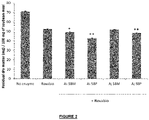
Figure 1 : Ability of each secretome to hydrolyze soybean meal. For each condition, 0.1 mg of enzyme of each secretome was added. At: Aspergillus terreus, Aj: Aspergillus japonicus, SBP: Sugar Beet Pulp, SBM: SoyBean Meal. Significance of the results between "No enzyme" and secretome addition was assessed using t-test (n=3) with ** p value < 0.01. -
Figure 2 : Ability of each secretome to supplement the Rovabio® enzymatic cocktail. Rovabio® (0.9 mg of enzyme) was supplemented with 0.4 mg of enzyme from the produced secretomes. At: Aspergillus terreus, Aj: Aspergillus japonicus, SBP : Sugar Beet Pulp, SBM: SoyBean Meal. Significance of the results between Rovabio® condition and Rovabio® supplementation with secretome was assessed using t-test (n=3) with p value: *, p value < 0.05; ** p value < 0.01. -
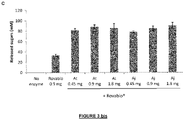
Figure 3 : Effect of the Aspergilli secretomes on the protein and sugar release from soybean meal. A. Residual dry matter after supplementation of Rovabio® with different amounts of enzymes for Aspergillus terreus (At) and Aspergillus japonicus (Aj) secretomes. B. Total amount of released proteins (histograms) and proteolytic digestion (small squares) after supplementation of Rovabio® with different amounts of enzymes for Aspergillus terreus (At) and Aspergillus japonicus (Aj) secretomes. C. Total amount of released sugars after supplementation of Rovabio® with different amounts of enzymes from A. terreus (At) and A. japonicus (Aj) secretomes. -
Figure 4 : Effect of the Aspergilli secretomes produced in bioreactor on the protein and sugar release from soybean meal. A. Residual dry matter after soybean meal hydrolysis. F1, F2 and F3 are secretomes of Aspergillus terreus produced in bioreactors. B. Total amount of released proteins (histograms) and proteolytic digestion (small squares) after supplementation of Rovabio® with A. terreus secretomes produced in flask. C. Soluble sugars released after soybean meal hydrolysis by the Rovabio® supplemented with the A. terreus secretomes produced in bioreactor. Error bars represent standard deviation between triplicates. - The present invention is illustrated non-exhaustively by the following examples. These examples are intended for the purpose of illustration only and are not intended to limit the scope of the present invention.
- The fungal strains used were Aspergillus japonicus BRFM 405 (deposited under the Budapest treaty as CNCM I-4639) and Aspergillus terreus BRFM 111 (deposited under the Budapest treaty as CNCM I-5526), both of the phyllum Ascomycota and of the family Trichocomaceae. These strains were from the CIRM-CF (Centre International de Ressources Microbiennes-Champignons Filamenteux, INRAE, Marseille, France, https://www6.inrae.fr/cirm eng/Filamentous-Fungi) collection, and were authenticated using molecular markers.
- Secretome from each Aspergillus strain was prepared following previous observations (Lesage-Meessen et al (2002), Appl Biochem Bioetchnol 102-103: 141-153). Briefly, Aspergillus strains were cultivated on Potato Dextrose Agar (PDA) solid medium, and after 10 days of growth they were used to produce the secretome. The spores of Aspergillus were used directly to inoculate the culture media (2x10⁵ spores/mL). Fungal cultures were grown in 500 mL baffled flasks, in a 100 mL liquid medium containing 15 g/L (based on the dry matter) of autoclaved biomass (micronized sugar beet pulp (SBP), or micronized soybean meal (SBM)) as a carbon source, 2.5 g/L of maltose as a starter, 1.842 g/L of diammonium tartrate as a nitrogen source, 0.5 g/L yeast extract, and salts (KH2PO4: 0.2 g/L; CaCl2: 0.0132 g/L; MgSO4: 0.5 g/L). Flasks were incubated at 30°C at a pH of about 5, with orbital shaking at 120 rpm. After 7 days of inoculation, the culture broths (secretomes) were harvested and pooled (
total volume 300 mL per conditions). The supernatant was filtered on a 10 kDa pore sized membrane (vivaspin polyethersulfone, Sartorius, Göttingen, Germany), and concentrated in a sodium acetate buffer (pH - To assess the efficiency of each secretome on the solubilization of soybean meal, the residual dry matters obtained after incubating soybean meal with the different secretomes, were measured. Briefly, 150 mg of micronized soybean meal were hydrolyzed with 0.1 mg of enzyme obtained from the various secretomes, diluted in 1 mL sodium acetate buffer (
pH 4; 100 mM). The samples were incubated 24 h at 37°C, with an orbital shaking at 850 rpm. At the end of the reaction, 1 mL of KOH 0.34% (w/v) was added and samples were shaken on digital tube revolver at 20 rpm (ThermoFisher scientific, Waltham, United States) during 20 minutes. Samples were centrifuged at 4°C, 10,000 rpm during 15 minutes. The supernatant was collected for subsequent use. The pellets were washed three times with water, and dried at 100°C to measure the dry matter. - As shown in
Figure 1 , the secretomes of the Aspergillus terreus and the Aspergillus japonicus strains, whether grown on SBM or SBP, were able to significantly improve solubilization of soybean meal. - The various secretomes (0.4 mg of proteins, as quantified using the Bradford assay) were then used in combination with the Rovabio® Advance enzymatic cocktail (0.9 mg of proteins, as quantified using the Bradford assay) (hereafter, "Rovabio") and the effect on the solubilization of soybean meal was assessed, as described above, in comparison with the effect of Rovabio® alone.
- As shown in
Figure 2 , the various secretomes in combination with Rovabio® significantly improved the solubilization of soybean meal, compared to Rovabio® alone. The combination of Rovabio® with the secretome of A. terreus grown on SBP was particularly efficient (decrease of 10% of the residual dry matter, compared to the use of Rovabio® alone). - Increasing amounts (0.45, 0.9 or 1.8 mg of proteins, as quantified using the Bradford assay) of each secretome of A. terreus and A. japonicus grown on SBP were supplemented to Rovabio® (0.9 mg of proteins, as quantified using the Bradford assay), and incubated with soybean meal, as described previously. Supernatants were collected as described in Example 2, and used to perform various tests. The release of soluble reducing sugars was quantified using the dinitrosalicylic acid (DNS) assay (Reference 128848, Sigma-Aldrich), proteins release was quantified using the Bradford assay (Reference 5000006, Bio-Rad), and proteolytic digestion was evaluated with the TNBS (2,4,6-Trinitrobenzenesulfonic acid) assay (Reference P2297, Sigma-Aldrich). The significance of the results between Rovabio® condition and Rovabio® supplementation with secretome was assessed using t-test (n=3).
- With the increasing addition of enzymes from each secretome, the residual dry matter decreased compare to Rovabio® alone (
Figure 3A ). The boosting effect was more striking with the secretome of A. terreus compared to the one of A. japonicus with respectively 32% and 43% of residual dry matter after hydrolysis. - Moreover, the supplementation of Rovabio® with the different secretomes of Aspergilli increased the release of proteins. The TNBS assay revealed that the A. terreus secretome cleaved the released proteins into smaller peptides compared to the A. japonicus secretome (
Figure 3B ). - The supplementation of Rovabio® with the different secretomes of Aspergilli also increased the release of soluble sugars (
Figure 3C ). However, the DNS method evaluates the reducing ends but does not give any information about the size of the released sugars. The increase in released sugars suggests that the number of cleavages in soybean meal polysaccharides is higher in supplementation conditions but does not give any information on the nature of the sugars released. - In order to evaluate the monomeric sugar composition of polysaccharides, pellets were hydrolyzed with sulfuric acid (76%, 30 min, 30°C). Another sulfuric acid hydrolysis was performed (1 M, 100°C, 2 h). Neutral sugars were derivatized into alditol acetate and analyzed on gas phase chromatography (Englyst and Cummings (1988), J Assoc Off Anal Chem 71 : 808-814). Acidic sugars were evaluated with the Skalar system, using the colorimetric MHDP method (Blumenkrantz and Asboe-Hansen (1973), Analytical Biochemistry 54 : 484-489).
- Table 1 shows compositional analysis of the sugar monomers (rhamnose, fucose, arabinose, xylose, mannose, galactose, glucose and uronic acids) present in the residual fraction of the soybean meal after enzymatic hydrolysis by Rovabio® supplemented or not by the secretomes of A. japonicus or A. terreus. The most striking effect was observed with the supplementation of the secretome of A. terreus that decreased the amount of fucose, arabinose, xylose, galactose, glucose and uronic acids compared to Rovabio® alone.
Table 1. Compositional analysis of the sugar content of the residual dry matter after hydrolysis. Soybean meal was hydrolyzed with Rovabio®, supplemented or not with Aspergillus terreus (At) secretome grown on SBP (0.45 mg of enzyme), or Aspergillus japonicus (Aj) grown on SBP (0.45 mg of enzyme). The sugar composition of the residual dry matter was analyzed. Rha: rhamnose, Fuc: fucose, Ara: arabinose, Xyl: Xylose, Man: mannose, Gal: galactose, Glc: glucose, UA: uronic acids. Significance of the results between Rovabio® condition and Rovabio® supplementation with secretome was assessed using t-test (n=3) with p value: *, p value < 0.05; **, p value < 0.01. Massic % No Enzyme Rovabio® Rovabio® + Aj Rovabio® + At Rha 0.388 ± 0.048 0.315 ± 0.007 0.375 ± 0.026 0.315 ± 0.071 Fuc 0.444 ± 0.097 0.450 ± 0.028 0.414 ± 0.360 0.298 ± 0.061* Ara 3.659 ± 0.153 1.644 ± 0.199 1.030 ± 0.065 0.882 ± 0.106** Xyl 2.073 ± 0.104 1.909 ± 0.070 2.220 ± 0.218 1.158 ± 0.269* Man 1.461 ± 0.040 1.136 ± 0.102 0.915 ± 0.122 0.853 ± 0.165 Gal 5.736 ± 0.228 1.742 ± 0.082 1.231 ± 0.104** 0.794 ± 0.078** Glc 8.532 ± 0.336 6.531 ± 0.841 5.288 ± 0.249 3.468 ± 0.544** UA 5.258 ± 0.437 5.687 ± 0.206 7.154 ± 0.097 4.163 ± 0.334** - All these results tend to show that the effect on solubilization of soybean meal observed with the various secretomes may result from the degradation of soybean meal (in particular, degradation of the proteins and the carbohydrates contained in soybean meal).
- To upscale and validate the supplementation effect of the A. terreus secretome, a bioreactor production was carried out. Briefly, Aspergillus terreus cultures were performed in 2L bioreactors, in a 1.5L liquid medium containing 15 g/L (based on the dry matter) of autoclaved biomass (micronized or 3-mm particles sized sugar beet pulp) as a carbon source, 2.5 g/L of maltose as a starter, 1.842 g/L of diammonium tartrate as a nitrogen source, 0.5 g/L yeast extract, and salts (KH2PO4: 0.2 g/L; CaCl2: 0.0132 g/L; MgSO4: 0.5 g/L), 0.05 g/
L Tween 80 and anti-foam. Micronized sugar beet pulp was obtained by two successive levels of grinding using an impact mill (Netzsch): the first one with a pin disk (5 mm of diameter), 14000 rotations/min; the second one with a blast rotor, 12000 rotations/min. Bioreactors were incubated at 30°C, with 8 L/h O2 and orbital shaking at 120 rpm (marine propellers). Three different culture conditions in bioreactors (F1, F2 and F3) were tested, with some differences in the inoculation of spores and the size of the sugar beet pulp particles, as described in Table 2.Table 2. Presentation of the different tested parameters, for the culture in 2L bioreactors Bioreactor Inoculum Sugar Beet Particles Size F1 2.108 spores/ L 3 mm F2 2.108 spores/L Micronized (<0,1 mm) F3 20.108 spores/L Micronized (<0,1 mm) - After 7/10 days of inoculation, the culture broths (secretomes) were harvested. The supernatant was filtered on a 10 kDa pore sized membrane (Vivaspin polyethersulfone, Sartorius), and concentrated in a sodium acetate buffer (
pH
The secretomes produced were collected and tested for their ability to supplement the Rovabio® cocktail as previously described. - All secretomes of A. terreus produced in bioreactor were able to improve soybean meal solubilization to the same extent compared to the Rovabio® supplemented by A. terreus produced in flask (
Figure 4A ). Of note, the supplementation of A. terreus secretomes produced in bioreactor F3 released more proteins (Figure 4B ) than the secretome produced in flask. Contrary to secretomes produced in bioreactor, the secretome produced in flask cleaved proteins in more peptides. Supplementation of Rovabio® with the A. terreus secretomes produced in bioreactors released more sugars than the secretome produced in flasks (Figure 4C ). - These results show that the effects observed using bioreactors are similar to the effects observed using flasks.
Claims (14)
- Use of :- a secretome of an Aspergillus strain, said strain belonging to the species A. terreus or A. japonicus, or- a composition comprising such a secretome,to improve degradation and/or solubilization of soybean meal, and/or to improve digestibility of soybean meal by an individual.
- Use according to claim 1, wherein the Aspergillus strain is selected in the group consisting of A. terreus CIRM BRFM 111 (deposited under the Budapest treaty as CNCM I-5526) and A. japonicus CIRM BRFM 405 (deposited under the Budapest treaty as CNCM I-4639).
- Use according to claim 1 or 2, wherein the secretome of the Aspergillus strain is obtainable by culturing said Aspergillus strain in presence of a substrate comprising pectin.
- Use according to any of the preceding claims, wherein the secretome of the Aspergillus strain is obtainable by culturing said Aspergillus strain in presence of sugar beet pulp or soybean meal, preferably sugar beet pulp.
- Use according to any of the preceding claims, wherein the composition further comprises a secretome of a Talaromyces versatilis strain.
- Use according to claim 5, wherein the Talaromyces versatilis strain is selected in the group consisting of the strains IMI 134755, IMI 134756 and IMI 378536.
- Use according to any of the preceding claims, wherein the composition further comprises at least a protease, at least a phytase and/or at least a carbohydrate-active enzyme.
- Use according to any of the preceding claims, wherein the individual is an animal, preferably a monogastric animal.
- Use according to any of the preceding claims, wherein the individual is an animal selected in the group consisting of swine and poultry.
- A secretome of an Aspergillus strain selected in the group consisisting of A. terreus CIRM BRFM 111 and A. japonicus CIRM BRFM 405, said secretome being obtainable by culturing said strain in presence of a substrate comprising pectin, preferably sugar beet pulp or soybean meal, more preferably sugar beet pulp.
- A composition comprising :- a secretome of an Aspergillus strain belonging to the species A. terreus or A. japonicus, said secretome being preferably obtainable by culturing said strain in presence of a substrate comprising pectin, more preferably sugar beet pulp or soybean meal, even more preferably sugar beet pulp, and- a secretome of a Talaromyces versatilis strain.
- A composition according to claim 11, wherein the Aspergillus strain is selected in the group consisting of A. terreus CIRM BRFM 111 and A. japonicus CIRM BRFM 405.
- A composition according to claim 11 or 12, wherein the Talaromyces versatilis strain is selected in the group consisting of the strains IMI 134755, IMI 134756 and IMI 378536.
- A composition according to any of claims 11 to 13, further comprising at least a protease, at least a phytase and/or at least a carbohydrate-active enzyme.
Priority Applications (2)
| Application Number | Priority Date | Filing Date | Title |
|---|---|---|---|
| EP20215900.0A EP4014748A1 (en) | 2020-12-21 | 2020-12-21 | Secretomes of aspergillus strains for the degradation of soybean meal |
| PCT/EP2021/086788 WO2022136272A1 (en) | 2020-12-21 | 2021-12-20 | Secretomes of aspergillus strains for the degradation of soybean meal |
Applications Claiming Priority (1)
| Application Number | Priority Date | Filing Date | Title |
|---|---|---|---|
| EP20215900.0A EP4014748A1 (en) | 2020-12-21 | 2020-12-21 | Secretomes of aspergillus strains for the degradation of soybean meal |
Publications (1)
| Publication Number | Publication Date |
|---|---|
| EP4014748A1 true EP4014748A1 (en) | 2022-06-22 |
Family
ID=73856069
Family Applications (1)
| Application Number | Title | Priority Date | Filing Date |
|---|---|---|---|
| EP20215900.0A Withdrawn EP4014748A1 (en) | 2020-12-21 | 2020-12-21 | Secretomes of aspergillus strains for the degradation of soybean meal |
Country Status (2)
| Country | Link |
|---|---|
| EP (1) | EP4014748A1 (en) |
| WO (1) | WO2022136272A1 (en) |
Citations (3)
| Publication number | Priority date | Publication date | Assignee | Title |
|---|---|---|---|---|
| WO1995028850A1 (en) | 1994-04-22 | 1995-11-02 | Novo Nordisk A/S | A method for improving the solubility of vegetable proteins |
| EP0976838A1 (en) | 1998-05-06 | 2000-02-02 | Rhone-Poulenc Nutrition Animale | Enzymes mixture |
| US20150232899A1 (en) * | 2012-09-10 | 2015-08-20 | Institut National De La Recherche Agronomique | Multi-Enzymatic Preparation Containing the Secretome of an Aspergillus Japonicus Strain |
-
2020
- 2020-12-21 EP EP20215900.0A patent/EP4014748A1/en not_active Withdrawn
-
2021
- 2021-12-20 WO PCT/EP2021/086788 patent/WO2022136272A1/en not_active Ceased
Patent Citations (3)
| Publication number | Priority date | Publication date | Assignee | Title |
|---|---|---|---|---|
| WO1995028850A1 (en) | 1994-04-22 | 1995-11-02 | Novo Nordisk A/S | A method for improving the solubility of vegetable proteins |
| EP0976838A1 (en) | 1998-05-06 | 2000-02-02 | Rhone-Poulenc Nutrition Animale | Enzymes mixture |
| US20150232899A1 (en) * | 2012-09-10 | 2015-08-20 | Institut National De La Recherche Agronomique | Multi-Enzymatic Preparation Containing the Secretome of an Aspergillus Japonicus Strain |
Non-Patent Citations (8)
| Title |
|---|
| BERRIN ET AL., APPL ENVIRON MICROBIOL, vol. 78, 2012, pages 6483 - 6490 |
| BLUMENKRANTZASBOE-HANSEN, ANALYTICAL BIOCHEMISTRY, vol. 54, 1973, pages 484 - 489 |
| COUTURIER ET AL., BMC GENOMICS, vol. 13, 2012, pages 57 |
| ENGLYSTCUMMINGS, J ASSOC OFF ANAL CHEM, vol. 71, 1988, pages 808 - 814 |
| FENG ET AL., ANIMAL FEED SCIENCE AND TECHNOLOGY, vol. 134, 2007, pages 235 - 242 |
| FENG ET AL: "Effects of Aspergillus oryzae 3.042 fermented soybean meal on growth performance and plasma biochemical parameters in broilers", ANIMAL FEED SCIENCE AND TECHNOLOGY, ELSEVIER, AMSTERDAM, NL, vol. 134, no. 3-4, 30 March 2007 (2007-03-30), pages 235 - 242, XP022007800, ISSN: 0377-8401, DOI: 10.1016/J.ANIFEEDSCI.2006.08.018 * |
| HONG ET AL., J MED FOOD, vol. 7, no. 4, 2004, pages 430 - 435 |
| LESAGE-MEESSEN ET AL., APPL BIOCHEM BIOETCHNOL, vol. 102-103, 2002, pages 141 - 153 |
Also Published As
| Publication number | Publication date |
|---|---|
| WO2022136272A1 (en) | 2022-06-30 |
Similar Documents
| Publication | Publication Date | Title |
|---|---|---|
| KR101918732B1 (en) | Method for concentrating protein in grain powder | |
| MX2011009745A (en) | Compositions and methods for conversion of lignocellulosic material to fermentable sugars and products produced therefrom. | |
| JP6511268B2 (en) | Ingredients of animal feed composition | |
| Huang et al. | Changing the nutrient composition and enhancing the hydrolytic enzyme activity of citrus pulp residue by cofermentation with Candida utilis and Bacillus subtilis | |
| Sun et al. | Feeding value improvement by co-fermentation of corn-ethanol co-product and agro-industrial residues with Rhizopus oryzae | |
| Fan et al. | Advanced upcycling of agro-industrial co-products of corn via different microorganisms | |
| Liu et al. | Solid-state fermentation of ammoniated corn straw to animal feed by Pleurotus ostreatus Pl-5 | |
| KR20190098465A (en) | Method for preparing fermented composition with improved odor using yeast | |
| Pirota et al. | Enzymatic hydrolysis of sugarcane bagasse using enzyme extract and whole solid-state fermentation medium of two newly isolated strains of Aspergillus oryzae Rosangela | |
| CN110742282A (en) | Method for preparing dietary fiber by using wheat bran and rice bran and product | |
| EP3541948B1 (en) | Method to improve the nutritional quality of fermentation by-products | |
| CN102586115A (en) | Method for aerobically producing yeast extract by using tetracycline fungi residues | |
| Berikashvili et al. | Integrated Process for Mycoprotein and Enzyme Production during Solid-State Fermentation of Lignocellulosic Materials Using Medicinal Mushrooms | |
| CN114532444A (en) | Fibrous thallus protein feed and preparation method thereof | |
| WO2022136272A1 (en) | Secretomes of aspergillus strains for the degradation of soybean meal | |
| CN109287864B (en) | A kind of fermentation method of soybean meal, fermented soybean meal prepared by the method and application | |
| Naing et al. | Solid state fermentation of soybean meal with Aspergillus niger for upgrading nutritive values | |
| KR101156940B1 (en) | Process for preparing feed additives comprising fermented chlorella and process for preparing feed for breeding chicken using the same | |
| KR101202655B1 (en) | Manufacturing method of functional additive for feedstuff using ultra high-pressure extraction and additive for feedstuff using the same | |
| CN106635843B (en) | Fermentation medium, bacterium bran fermentation agent and fermentation method | |
| Shelke et al. | In vitro degradation of sugarcane bagasse based ruminant rations using anaerobic fungi | |
| CN117551713A (en) | Culture medium for producing lactodisaccharide by fermentation and fermentation method | |
| Huang et al. | Research progress in the resource reuse of distiller's grains | |
| CN108936098B (en) | Production method of special ecological fermented feed for Taiwan loaches | |
| JP7804415B2 (en) | Method for producing high-protein soybean meal |
Legal Events
| Date | Code | Title | Description |
|---|---|---|---|
| PUAI | Public reference made under article 153(3) epc to a published international application that has entered the european phase |
Free format text: ORIGINAL CODE: 0009012 |
|
| STAA | Information on the status of an ep patent application or granted ep patent |
Free format text: STATUS: THE APPLICATION HAS BEEN PUBLISHED |
|
| AK | Designated contracting states |
Kind code of ref document: A1 Designated state(s): AL AT BE BG CH CY CZ DE DK EE ES FI FR GB GR HR HU IE IS IT LI LT LU LV MC MK MT NL NO PL PT RO RS SE SI SK SM TR |
|
| STAA | Information on the status of an ep patent application or granted ep patent |
Free format text: STATUS: THE APPLICATION IS DEEMED TO BE WITHDRAWN |
|
| 18D | Application deemed to be withdrawn |
Effective date: 20221223 |