EP4013202B1 - Cooling system and automatic coolant-injection method for cooling system - Google Patents
Cooling system and automatic coolant-injection method for cooling system Download PDFInfo
- Publication number
- EP4013202B1 EP4013202B1 EP21211237.9A EP21211237A EP4013202B1 EP 4013202 B1 EP4013202 B1 EP 4013202B1 EP 21211237 A EP21211237 A EP 21211237A EP 4013202 B1 EP4013202 B1 EP 4013202B1
- Authority
- EP
- European Patent Office
- Prior art keywords
- coolant
- injection pump
- tank
- cooling pipeline
- coolant tank
- Prior art date
- Legal status (The legal status is an assumption and is not a legal conclusion. Google has not performed a legal analysis and makes no representation as to the accuracy of the status listed.)
- Active
Links
Images

Classifications
-
- F—MECHANICAL ENGINEERING; LIGHTING; HEATING; WEAPONS; BLASTING
- F28—HEAT EXCHANGE IN GENERAL
- F28F—DETAILS OF HEAT-EXCHANGE AND HEAT-TRANSFER APPARATUS, OF GENERAL APPLICATION
- F28F27/00—Control arrangements or safety devices specially adapted for heat-exchange or heat-transfer apparatus
-
- H—ELECTRICITY
- H05—ELECTRIC TECHNIQUES NOT OTHERWISE PROVIDED FOR
- H05K—PRINTED CIRCUITS; CASINGS OR CONSTRUCTIONAL DETAILS OF ELECTRIC APPARATUS; MANUFACTURE OF ASSEMBLAGES OF ELECTRICAL COMPONENTS
- H05K7/00—Constructional details common to different types of electric apparatus
- H05K7/20—Modifications to facilitate cooling, ventilating, or heating
- H05K7/20218—Modifications to facilitate cooling, ventilating, or heating using a liquid coolant without phase change in electronic enclosures
-
- F—MECHANICAL ENGINEERING; LIGHTING; HEATING; WEAPONS; BLASTING
- F28—HEAT EXCHANGE IN GENERAL
- F28D—HEAT-EXCHANGE APPARATUS, NOT PROVIDED FOR IN ANOTHER SUBCLASS, IN WHICH THE HEAT-EXCHANGE MEDIA DO NOT COME INTO DIRECT CONTACT
- F28D15/00—Heat-exchange apparatus with the intermediate heat-transfer medium in closed tubes passing into or through the conduit walls ; Heat-exchange apparatus employing intermediate heat-transfer medium or bodies
-
- G—PHYSICS
- G05—CONTROLLING; REGULATING
- G05D—SYSTEMS FOR CONTROLLING OR REGULATING NON-ELECTRIC VARIABLES
- G05D9/00—Level control, e.g. controlling quantity of material stored in vessel
- G05D9/12—Level control, e.g. controlling quantity of material stored in vessel characterised by the use of electric means
-
- H—ELECTRICITY
- H01—ELECTRIC ELEMENTS
- H01M—PROCESSES OR MEANS, e.g. BATTERIES, FOR THE DIRECT CONVERSION OF CHEMICAL ENERGY INTO ELECTRICAL ENERGY
- H01M10/00—Secondary cells; Manufacture thereof
- H01M10/60—Heating or cooling; Temperature control
- H01M10/65—Means for temperature control structurally associated with the cells
- H01M10/656—Means for temperature control structurally associated with the cells characterised by the type of heat-exchange fluid
- H01M10/6567—Liquids
- H01M10/6568—Liquids characterised by flow circuits, e.g. loops, located externally to the cells or cell casings
-
- H—ELECTRICITY
- H05—ELECTRIC TECHNIQUES NOT OTHERWISE PROVIDED FOR
- H05K—PRINTED CIRCUITS; CASINGS OR CONSTRUCTIONAL DETAILS OF ELECTRIC APPARATUS; MANUFACTURE OF ASSEMBLAGES OF ELECTRICAL COMPONENTS
- H05K7/00—Constructional details common to different types of electric apparatus
- H05K7/20—Modifications to facilitate cooling, ventilating, or heating
- H05K7/20218—Modifications to facilitate cooling, ventilating, or heating using a liquid coolant without phase change in electronic enclosures
- H05K7/20272—Accessories for moving fluid, for expanding fluid, for connecting fluid conduits, for distributing fluid, for removing gas or for preventing leakage, e.g. pumps, tanks or manifolds
-
- H—ELECTRICITY
- H05—ELECTRIC TECHNIQUES NOT OTHERWISE PROVIDED FOR
- H05K—PRINTED CIRCUITS; CASINGS OR CONSTRUCTIONAL DETAILS OF ELECTRIC APPARATUS; MANUFACTURE OF ASSEMBLAGES OF ELECTRICAL COMPONENTS
- H05K7/00—Constructional details common to different types of electric apparatus
- H05K7/20—Modifications to facilitate cooling, ventilating, or heating
- H05K7/2089—Modifications to facilitate cooling, ventilating, or heating for power electronics, e.g. for inverters for controlling motor
- H05K7/20927—Liquid coolant without phase change
-
- H—ELECTRICITY
- H05—ELECTRIC TECHNIQUES NOT OTHERWISE PROVIDED FOR
- H05K—PRINTED CIRCUITS; CASINGS OR CONSTRUCTIONAL DETAILS OF ELECTRIC APPARATUS; MANUFACTURE OF ASSEMBLAGES OF ELECTRICAL COMPONENTS
- H05K7/00—Constructional details common to different types of electric apparatus
- H05K7/20—Modifications to facilitate cooling, ventilating, or heating
- H05K7/2089—Modifications to facilitate cooling, ventilating, or heating for power electronics, e.g. for inverters for controlling motor
- H05K7/20945—Thermal management, e.g. inverter temperature control
-
- F—MECHANICAL ENGINEERING; LIGHTING; HEATING; WEAPONS; BLASTING
- F25—REFRIGERATION OR COOLING; COMBINED HEATING AND REFRIGERATION SYSTEMS; HEAT PUMP SYSTEMS; MANUFACTURE OR STORAGE OF ICE; LIQUEFACTION SOLIDIFICATION OF GASES
- F25B—REFRIGERATION MACHINES, PLANTS OR SYSTEMS; COMBINED HEATING AND REFRIGERATION SYSTEMS; HEAT PUMP SYSTEMS
- F25B45/00—Arrangements for charging or discharging refrigerant
-
- F—MECHANICAL ENGINEERING; LIGHTING; HEATING; WEAPONS; BLASTING
- F28—HEAT EXCHANGE IN GENERAL
- F28D—HEAT-EXCHANGE APPARATUS, NOT PROVIDED FOR IN ANOTHER SUBCLASS, IN WHICH THE HEAT-EXCHANGE MEDIA DO NOT COME INTO DIRECT CONTACT
- F28D21/00—Heat-exchange apparatus not covered by any of the groups F28D1/00 - F28D20/00
- F28D2021/0019—Other heat exchangers for particular applications; Heat exchange systems not otherwise provided for
- F28D2021/0028—Other heat exchangers for particular applications; Heat exchange systems not otherwise provided for for cooling heat generating elements, e.g. for cooling electronic components or electric devices
-
- F—MECHANICAL ENGINEERING; LIGHTING; HEATING; WEAPONS; BLASTING
- F28—HEAT EXCHANGE IN GENERAL
- F28F—DETAILS OF HEAT-EXCHANGE AND HEAT-TRANSFER APPARATUS, OF GENERAL APPLICATION
- F28F2250/00—Arrangements for modifying the flow of the heat exchange media, e.g. flow guiding means; Particular flow patterns
- F28F2250/08—Fluid driving means, e.g. pumps, fans
-
- F—MECHANICAL ENGINEERING; LIGHTING; HEATING; WEAPONS; BLASTING
- F28—HEAT EXCHANGE IN GENERAL
- F28F—DETAILS OF HEAT-EXCHANGE AND HEAT-TRANSFER APPARATUS, OF GENERAL APPLICATION
- F28F2265/00—Safety or protection arrangements; Arrangements for preventing malfunction
- F28F2265/18—Safety or protection arrangements; Arrangements for preventing malfunction for removing contaminants, e.g. for degassing
-
- Y—GENERAL TAGGING OF NEW TECHNOLOGICAL DEVELOPMENTS; GENERAL TAGGING OF CROSS-SECTIONAL TECHNOLOGIES SPANNING OVER SEVERAL SECTIONS OF THE IPC; TECHNICAL SUBJECTS COVERED BY FORMER USPC CROSS-REFERENCE ART COLLECTIONS [XRACs] AND DIGESTS
- Y02—TECHNOLOGIES OR APPLICATIONS FOR MITIGATION OR ADAPTATION AGAINST CLIMATE CHANGE
- Y02E—REDUCTION OF GREENHOUSE GAS [GHG] EMISSIONS, RELATED TO ENERGY GENERATION, TRANSMISSION OR DISTRIBUTION
- Y02E60/00—Enabling technologies; Technologies with a potential or indirect contribution to GHG emissions mitigation
- Y02E60/10—Energy storage using batteries
Definitions
- an existing energy storage converter is typically equipped with a cooling system.
- the cooling system has coolant as heat-conducting medium.
- appropriate amount of the coolant should be injected into a pipeline of the cooling system.
- an external injection pump 5 is connected to the cooling system via a corresponding hose and a valve 7.
- the injection pump 5 should be filled with the coolant in advance before it is in use. It is a complicated procedure, and may cause leakage of the coolant due to inproper pump filling operation.
- a water-cooled power conversion system including a surge tank and a control unit.
- the surge tank is provided with a first water level sensor, the control unit controls the opening and closing of a water supply valve according to a water level in the surge tank, so as to realize the automatic water supply of the surge tank .
- a converter coolant filling device including a filling device container and a control system, a liquid level gauge and a limit switch are provided in the filling device container, the control system controls the opening and closing of the limit switch according to the liquid level of the filling device container, so as to realize the automatic filling of coolant.
- the prior art discloses a cooling system that contains control logic, a plurality of sensors, and a fill tank, the control logic regulates the filling operation in the fill tank based on information transmitted by the plurality of sensors.
- the control unit is configured to, when the liquid level of the coolant tank reaches an upper liquid level threshold, turn on the injection pump so that the coolant is injected into the liquid cooling pipeline by the injection pump; and when a pressure of the coolant in the liquid cooling pipeline reaches an upper static hydraulic threshold, turn off the injection pump, and execute the turning-on and turning-off operations of the circulation pump with a preset circulation period, wherein the circulation pump forces the coolant to circulate in the liquid cooling pipeline when being turned on.
- the control unit in some embodiments of the present disclosure sets thresholds of dynamic liquid pressure and thresholds of static liquid pressure, respectively, according to the states of the coolant in the liquid cooling pipeline.
- the control unit turns on the injection pump to automatically supplement the coolant to the liquid cooling pipeline, thereby shortening maintenance time, reducing manual maintenance, and also improving heat dissipation efficiency and utilization ratio of the device.
- a cooling system comprises a heat exchanger, a converter, and a liquid cooling pipeline connecting the heat exchanger with the converter.
- a circulation pump 8 is provided in the liquid cooling pipeline.
- the cooling system further comprises a coolant tank 4, an injection pump 5 and a control unit.
- the coolant tank 4 is used to store a coolant (such as a liquid coolant) and the coolant tank 4 is equipped with a liquid level sensor 3.
- the liquid level sensor 3 real-timely detects the liquid level of the coolant tank 4.
- the injection pump 5 is connected to the coolant tank 4 and used to inject the coolant from the coolant tank 4 into the liquid cooling pipeline during its operation.
- the coolant-injection means of the cooling system may be integrated into the cooling system, and the injection operation is controlled by the control unit of the cooling system.
- the liquid level sensor 3 is provided to detect the liquid level of the coolant within the coolant tank 4, thereby determining whether the amount of the coolant in the coolant tank 4 satisfies the requirement for injection.
- the respiration valve 2 communicates inside and outside of the coolant tank 4, such that the coolant in the coolant tank 4 can automatically flow into the injection pump 5 under action of gravity to complete the filling of the pump.
- the cooling system realizes an automatic filling of the injection pump in the initial coolant-injection, and then turns on the injection process according to judgement to the detected pressure in a cooling loop, thereby realizing the automatic injection of the cooling system.
- control unit is configured to, when the circulation pump 8 is turned off (i.e., the coolant in the liquid cooling pipeline is in a static state), turn on the injection pump 5 when the pressure of the coolant in the liquid cooling pipeline is less than a lower static hydraulic threshold so as to supplement the coolant to the liquid cooling pipeline , allowing the pressure of the coolant to be continuously increased; and turn off the injection pump 5 when the pressure of the coolant reaches an upper static hydraulic threshold.
- the cooling system comprises a temperature sensor.
- the temperature sensor is disposed on the liquid cooling pipeline and used to monitor temperature of the coolant at a inlet end of the converter, and output a temperature detection signal to the control unit.
- the control unit is configured to turn on the injection pump 5, and when the temperature of the coolant reaches the upper operating temperature threshold, and the pressure of the coolant is less than the upper dynamic hydraulic threshold, so as to supplement the coolant to the liquid cooling pipeline to allow the pressure of the coolant to be continuously increased.
- the control unit is configured to turn off the injection pump 5 so that the heat dissipation capability of the cooling system can be quickly improved.
- the first three-way valve 10 and the second three-way valve 11 are switched to communicate the pipes c and b. Coolant is added into the coolant tank 4 via the inlet port 1, and then automatically flows into the injection pump 5 under action of gravity until there is coolant flowing back to the coolant tank 4 through a pipe 12. Thus, the coolant-injection operation for the injection pump 5 is completed.
- the automatic coolant-injection operation for the coolant tank 4 begins.
- a hose 9 is connected to an external coolant source.
- the control unit automatically switches the first three-way valve 10 to a pipe a.
- the injection pump 5 is turned on to transmit the coolant to the coolant tank 4 through the pipes a and b until the liquid level is higher than the upper liquid level threshold.
- the injection pump 5 is turned off, and the first three-way valve 10 and the second three-way valve 11 are switched to communicate the pipes c and b.
- the automatic coolant-adding operation for the coolant tank 4 is completed.
- the flow diagram illustratively shows the coolant-injection operation for the cooling system.
- the coolant tank 4 is added with coolant, and the liquid level sensor 3 detects the liquid level of the coolant tank 4.
- the injection pump 5 is turned on to perform coolant-injection.
- the circulation pump 8 operates according to a preset on-off cycle to exhaust gas/air from the pipeline.
- the injection pump 5 is turned off and a low liquid level alarm can be sent, and adding coolant to the coolant tank 4.
- control unit when the circulation pump 8 is turned off, the control unit is configured to turn on the injection pump 5 when the pressure of the coolant in the liquid cooling pipeline is less than the lower static hydraulic threshold so as to supplement coolant to the liquid cooling pipeline.
- the pressure of the coolant continuously increases.
- the control unit is configured to turn off the injection pump 5.
- the flow diagram illustratively shows coolant supplementing operation of the cooling system.
- the injection pump When the liquid level of the coolant tank 4 is greater than the lower liquid level threshold and the pressure of the coolant is less than a preset lower pressure threshold at the current operating state, the injection pump is turned on. When the pressure of the coolant reaches a preset upper pressure threshold at the current operating state, the injection pump is turned off. When the liquid level of the coolant tank 4 is less than the lower liquid level threshold, the low liquid level alarm is sent and the coolant tank 4 is added with coolant.
- the control unit determines the upper and lower dynamic hydraulic thresholds and the upper and lower static hydraulic thresholds according to the operating states of the circulation pump, thereby ensuring the pressure of the pipeline within a normal demand range.
- the control unit real-timely monitors the temperature of the coolant in the pipeline, for example, by use of one or more temperature sensors.
- the coolant-supplementing operation is performed to make the pipeline pressure to the maximum upper threshold, thereby improving heat dissipation capability of the cooling system, and ensuring full power operation of the device.
- the upper dynamic hydraulic threshold can be set depending on different temperature ranges.
- the coolant supplementing operation can be performed in either the turning-on or turning-off state of the device.
- the control unit switches the first three-way valve 10 and the second three-way valve 11, and thus forms a fluid loop.
- the fluid loop sequentially includes an external coolant source, the first three-way valve 10, the injection pump 5, the second three-way valve 11, and the coolant tank 4.
- the control unit is configured to turn on the injection pump 5 to automatically add coolant to the coolant tank 4.
- the liquid level of the coolant tank 4 reaches the upper liquid level threshold, the automatic coolant adding operation for the coolant tank 4 is completed.
- the control unit is then configured to turn off the injection pump 5 and to switch the first three-way valve 10 and the second three-way valve 11 to form a fluid loop.
- the fluid loop includes the coolant tank 4, the first three-way valve 10, the injection pump 5, the second three-way valve 11, and the liquid cooling pipeline in sequence.
Landscapes
- Engineering & Computer Science (AREA)
- Physics & Mathematics (AREA)
- Microelectronics & Electronic Packaging (AREA)
- Thermal Sciences (AREA)
- General Engineering & Computer Science (AREA)
- Mechanical Engineering (AREA)
- Automation & Control Theory (AREA)
- General Physics & Mathematics (AREA)
- Manufacturing & Machinery (AREA)
- Chemical & Material Sciences (AREA)
- Chemical Kinetics & Catalysis (AREA)
- Electrochemistry (AREA)
- General Chemical & Material Sciences (AREA)
- Cooling Or The Like Of Electrical Apparatus (AREA)
- Heat Treatments In General, Especially Conveying And Cooling (AREA)
Description
- The present invention relates to the field of cooling of the converters, and particularly to a cooling system and an automatic coolant-injection method for the cooling system.
- As shown in
FIG. 1 , an existing energy storage converter is typically equipped with a cooling system. The cooling system has coolant as heat-conducting medium. Before the cooling system works, appropriate amount of the coolant should be injected into a pipeline of the cooling system. During coolant injection, anexternal injection pump 5 is connected to the cooling system via a corresponding hose and avalve 7. Also, theinjection pump 5 should be filled with the coolant in advance before it is in use. It is a complicated procedure, and may cause leakage of the coolant due to inproper pump filling operation. - Due to the tortuous arrangement of the pipes in the cooling system of the converter, it is difficult to exhaust air in the pipes all at once during coolant injection. Excessive residual air in the pipes may cause reduction of heat dissipation efficiency of the cooling system. Therefore, during coolant injection, a circulation pump of the cooling system must be turned on and off repeatedly, allowing the air in the pipes to be gathered at a high location of the pipes when the circulation pump is turned off, and then exhausted via an exhaust valve disposed at this location. Thereby, the heat dissipation efficiency of the cooling system is ensured, and the normal operation of power elements of the converter is maintained. Generally, the exhaust process as described above needs a relatively long time. Furthermore, when the air in the pipes is exhausted, and the pressure of the coolant decreases, so that the cooling system needs to perform coolant-supplementing operation. Such operation process is tedious, and improper supplementing operation will probably result in a risk of the coolant flowing back and spraying out from the pipes of the cooling system, thereby affecting operations of other electrical devices on site.
- In addition, during its normal operation, the cooling system also has loss of the coolant, and maintenance person is needed to be present to timely supplement the coolant. Otherwise, the pressure of the coolant within the pipes will decrease, causing the heat dissipation efficiency being reduced. The device thus alarms or operates at a reduced power. Moreover, in order to ensure safety, the device must be turned off during the coolant supplementing, which affects utilization ratio of the device, and increases maintenance cost.
- Referring to the patent document (
WO 2020084656 A1 ), the prior art discloses a water-cooled power conversion system including a surge tank and a control unit. The surge tank is provided with a first water level sensor, the control unit controls the opening and closing of a water supply valve according to a water level in the surge tank, so as to realize the automatic water supply of the surge tank . - Referring to the patent document (
CN 209797470 U ), the prior art discloses a converter coolant filling device including a filling device container and a control system, a liquid level gauge and a limit switch are provided in the filling device container, the control system controls the opening and closing of the limit switch according to the liquid level of the filling device container, so as to realize the automatic filling of coolant. - Referring to the patent document (
US 2017116694 A1 ), the prior art discloses a cooling system that contains control logic, a plurality of sensors, and a fill tank, the control logic regulates the filling operation in the fill tank based on information transmitted by the plurality of sensors. - Therefore, an problem needs urgently to be solved by those skilled in the art is to realize automatic injection of the cooling system of the energy storage converter so as to simplify the injection process, reduce maintenance cost, and thus improve heat dissipation efficiency of the cooling system and rate of utilization of the device.
- According to one aspect of the invention, the present invention provides a cooling system, comprising a heat exchanger; a converter; a liquid cooling pipeline for connecting the heat exchanger with the converter, wherein the liquid cooling pipeline is provided with a circulation pump; a coolant tank for storing a coolant, wherein the coolant tank comprises a liquid level sensor for detecting a liquid level of the coolant tank; an injection pump connected to the coolant tank, for injecting the coolant from the coolant tank into the liquid cooling pipeline when the injection pump is turned on; and a control unit for controlling turning-on and turning-off operations of the injection pump and turning-on and turning-off operations of the circulation pump, and setting a dynamic hydraulic threshold and a static hydraulic threshold corresponding to respective states of the coolant in the liquid cooling pipeline. The control unit is configured to, when the liquid level of the coolant tank reaches an upper liquid level threshold, turn on the injection pump so that the coolant is injected into the liquid cooling pipeline by the injection pump; and when the pressure of the coolant in the liquid cooling pipeline reaches an upper static hydraulic threshold, turn off the injection pump, and execute the turning-on and turning-off operations of the circulation pump with a preset circulation period, wherein the circulation pump forces the coolant to circulate in the liquid cooling pipeline when being turned on.
- According to another aspect of the invention, the present invention further provides an automatic coolant injection method for a cooling system, the cooling system comprising a heat exchanger, a converter, and a liquid cooling pipeline connecting the heat exchanger with the converter and provided with a circulation pump. Said method comprises providing a coolant tank and performing coolant adding operation for the coolant tank; disposing a liquid level sensor on the coolant tank for detecting a liquid level of the coolant tank; providing an injection pump connected to the coolant tank, for injecting coolant from the coolant tank into the liquid cooling pipeline when the injection pump is turned on; and providing a control unit for controlling turning-on and turning-off operations of the injection pump and turning-on and turning-off operations of the circulation pump, and setting a dynamic hydraulic threshold and a static hydraulic threshold corresponding to states of the coolant in the liquid cooling pipeline. The control unit is configured to, when the liquid level of the coolant tank reaches an upper liquid level threshold, turn on the injection pump so that the coolant is injected into the liquid cooling pipeline by the injection pump; and when a pressure of the coolant in the liquid cooling pipeline reaches an upper static hydraulic threshold, turn off the injection pump, and execute the turning-on and turning-off operations of the circulation pump with a preset circulation period, wherein the circulation pump forces the coolant to circulate in the liquid cooling pipeline when being turned on.
- The cooling system in some embodiments of the present disclosure comprises the liquid coolant tank, the injection pump connected between the liquid coolant tank and the liquid cooling pipeline, and the control unit. During initial injection, the coolant is added into the coolant tank via an inlet port provided on the coolant tank, the coolant in which then automatically flows into the injection pump under action of gravity so as to automatically fill the pump. When the coolant in the coolant tank is increased to a certain level, the control unit turns on the injection pump to realize automatic injection of the liquid cooling pipeline, thus achieving simplifying injection process.
- The control unit in some embodiments of the present disclosure sets thresholds of dynamic liquid pressure and thresholds of static liquid pressure, respectively, according to the states of the coolant in the liquid cooling pipeline. When the detected pressure of the coolant in the liquid cooling pipeline exceeds the corresponding set range, no matter the cooling system is in the on or off state, the control unit turns on the injection pump to automatically supplement the coolant to the liquid cooling pipeline, thereby shortening maintenance time, reducing manual maintenance, and also improving heat dissipation efficiency and utilization ratio of the device.
- The cooling system in some embodiments of the present disclosure further comprises the first three-way valve and the second three-way valve. When the amount of the coolant in the coolant tank is reduced to a certain level, the control unit switches the first and second three-way valves to communicate an external coolant source, the injection pump, and the coolant tank, so as to achieve automatically supplementing the coolant to the coolant tank, which further reduces manual maintenance and maintenance cost.
- To make the above and other objects, features, advantages and examples of the invention more apparent, the accompanying drawings are explained as follows:
-
FIG. 1 is a structural diagram illustrating a conventional cooling system of a converter. -
FIG. 2 is a structural diagram illustrating the cooling system according to a first embodiment of the invention. -
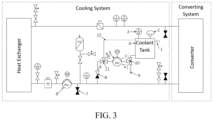
FIG. 3 is a structural diagram illustrating the cooling system according to a second embodiment of the invention. -
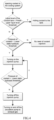
FIG. 4 is a flow diagram illustrating the automatic coolant-injection method for a cooling system according to one embodiment of the invention. -
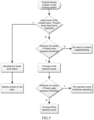
FIG. 5 is a flow diagram of the automatic coolant-supplementing method for a cooling system according to one embodiment of the invention. - To make description of the invention more specific and complete, the accompanying drawings and various examples may be referred, and the same numbers in the drawings represent the same or similar components. On the other hand, the commonly known components and steps are not described in the examples to avoid unnecessary limit to the invention. In addition, for sake of simplifying the drawings, some known common structures and elements are illustrated in the drawings in a simple manner.
- As shown in
FIG. 2 , in the first embodiment of the present disclosure, a cooling system comprises a heat exchanger, a converter, and a liquid cooling pipeline connecting the heat exchanger with the converter. Acirculation pump 8 is provided in the liquid cooling pipeline. The cooling system further comprises acoolant tank 4, aninjection pump 5 and a control unit. Thecoolant tank 4 is used to store a coolant (such as a liquid coolant) and thecoolant tank 4 is equipped with aliquid level sensor 3. Theliquid level sensor 3 real-timely detects the liquid level of thecoolant tank 4. Theinjection pump 5 is connected to thecoolant tank 4 and used to inject the coolant from thecoolant tank 4 into the liquid cooling pipeline during its operation. The control unit is used to turn on or turn off theinjection pump 5, turn on or turn off thecirculation pump 8, and set dynamic hydraulic threshold and static hydraulic threshold. The dynamic hydraulic threshold and the static hydraulic threshold correspond to the state of the coolant in the liquid cooling pipeline. When the coolant flows in the liquid cooling pipeline, the liquid pressure is enormously different from the coolant being static, the hydraulic thresholds of the liquid pressure are set respectively depending on operating conditions of the system. For example, when the liquid level in thecoolant tank 4 reaches an upper liquid level threshold, the control unit is configured to turn on theinjection pump 5 so that the coolant is injected into the liquid cooling pipeline by theinjection pump 5. When the pressure of the coolant in the liquid cooling pipeline reaches an upper static hydraulic threshold, the control unit is configured to turn off theinjection pump 5. Therefore, thecirculation pump 8 are executed to turn on and turn off with a preset circulation period. And thecirculation pump 8 forces the coolant to circulate in the liquid cooling pipeline when being turned on. - In some embodiments, the coolant-injection means of the cooling system may be integrated into the cooling system, and the injection operation is controlled by the control unit of the cooling system. The
liquid level sensor 3 is provided to detect the liquid level of the coolant within thecoolant tank 4, thereby determining whether the amount of the coolant in thecoolant tank 4 satisfies the requirement for injection. - Further, a
respiration valve 2 is disposed on thecoolant tank 4 to communicate thecoolant tank 4 with the external, maintaining the gas pressure in thecoolant tank 4 in balance with environment, facilitating the adjustment of the liquid level, and also facilitating theinjection pump 5 to draw the coolant from thecoolant tank 4. - It can be understood that the
respiration valve 2 communicates inside and outside of thecoolant tank 4, such that the coolant in thecoolant tank 4 can automatically flow into theinjection pump 5 under action of gravity to complete the filling of the pump. Thus, the cooling system realizes an automatic filling of the injection pump in the initial coolant-injection, and then turns on the injection process according to judgement to the detected pressure in a cooling loop, thereby realizing the automatic injection of the cooling system. - Additionally and/or alternatively, in other embodiments, the
coolant tank 4 is provided with aninlet port 1 for realizing coolant-adding operation to thecoolant tank 4. It can be understood that the liquid cooling pipeline can be further provided with an exhaust valve. - Additionally and/or alternatively, in other embodiments, a
unidirectional valve 6 is provided between theinjection pump 5 and the liquid cooling pipeline for preventing the coolant in the liquid cooling pipeline from flowing back into thecoolant tank 4. - According to a further embodiment of the invention, in order to timely supplement the coolant consumed during normal operation of the device, the cooling system is further configured to realize automatic coolant-supplementing function. The pressure of the coolant in the system is real-timely monitored. Once the monitored pressure is less than a preset value under the current operation state, the injection pump can be timely turned on to supplement the coolant. Thereby, the heat dissipation efficiency of the cooling system is improved, and the manual maintenance can be reduced. In addition, since no need of the turning-off operation, the utilization of the device is thus improved.
- In particular, the control unit is configured to, when the
circulation pump 8 is turned on (i.e., the coolant in the liquid cooling pipeline is in the flow state), turn on theinjection pump 5 when the pressure of the coolant in the liquid cooling pipeline is less than a lower dynamic hydraulic threshold so as to supplement the coolant to the liquid cooling pipe, allowing the pressure of the coolant to be continuously increased, and turn off theinjection pump 5 when the pressure of the coolant reaches an upper dynamic hydraulic threshold. - Furthermore, the control unit is configured to, when the
circulation pump 8 is turned off (i.e., the coolant in the liquid cooling pipeline is in a static state), turn on theinjection pump 5 when the pressure of the coolant in the liquid cooling pipeline is less than a lower static hydraulic threshold so as to supplement the coolant to the liquid cooling pipeline , allowing the pressure of the coolant to be continuously increased; and turn off theinjection pump 5 when the pressure of the coolant reaches an upper static hydraulic threshold. - Additionally and/or alternatively, in other embodiments, the cooling system comprises a temperature sensor. The temperature sensor is disposed on the liquid cooling pipeline and used to monitor temperature of the coolant at a inlet end of the converter, and output a temperature detection signal to the control unit. When the
circulation pump 8 is turned on, the control unit is configured to turn on theinjection pump 5, and when the temperature of the coolant reaches the upper operating temperature threshold, and the pressure of the coolant is less than the upper dynamic hydraulic threshold, so as to supplement the coolant to the liquid cooling pipeline to allow the pressure of the coolant to be continuously increased. When the pressure of the coolant reaches the upper dynamic hydraulic threshold, the control unit is configured to turn off theinjection pump 5 so that the heat dissipation capability of the cooling system can be quickly improved. - It can be understood that, during the coolant-supplementing of the cooling system, firstly, the operation state of the cooling system is judged, and then thresholds for coolant-injection of the cooling system are set depending on different operation states, thereby realizing optimum control to the pressure of the cooling system.
- According to still another embodiment of the invention, referring to
FIG. 3 , the cooling system further comprises a first three-way valve 10 having a first end, a second end and a third end, and a second three-way valve 11 having a first end, a second end and a third end. The first end of the first three-way valve 10 is connected to thecoolant tank 4. The second end of the first three-way valve 10 is connected to theinjection pump 5. The third end of the first three-way valve 10 is connected to an external coolant source. The first end of the second three-way valve 11 is connected to theinjection pump 5. The second end of the second three-way valve 11 is connected to the liquid cooling pipeline. The third end of the second three-way valve 11 is connected to thecoolant tank 4. - The control unit is configured to turn off the
injection pump 5 and to add coolant to thecoolant tank 4 when the liquid level of thecoolant tank 4 is less than the lower liquid level threshold. - In detail, during the coolant-adding to the
coolant tank 4 at the first time, the first three-way valve 10 and the second three-way valve 11 are switched to communicate the pipes c and b. Coolant is added into thecoolant tank 4 via theinlet port 1, and then automatically flows into theinjection pump 5 under action of gravity until there is coolant flowing back to thecoolant tank 4 through apipe 12. Thus, the coolant-injection operation for theinjection pump 5 is completed. - Then, the automatic coolant-injection operation for the
coolant tank 4 begins. A hose 9 is connected to an external coolant source. The control unit automatically switches the first three-way valve 10 to a pipe a. Subsequently, theinjection pump 5 is turned on to transmit the coolant to thecoolant tank 4 through the pipes a and b until the liquid level is higher than the upper liquid level threshold. Then, theinjection pump 5 is turned off, and the first three-way valve 10 and the second three-way valve 11 are switched to communicate the pipes c and b. Thus, the automatic coolant-adding operation for thecoolant tank 4 is completed. - It can be understood that the subsequent coolant-adding operation does not need the coolant-injection operation for the injection pump 5 anymore. The automatic coolant-adding operation for the
coolant tank 4 can be performed directly through the hose 9. When the first/initial coolant-adding operation for the coolant tank is completed, the coolant-injection operation and/or coolant-supplementing operation to the cooling system can be controlled automatically. Therefore, the three-way valves are used to switch the pipeline for coolant-injection operation and the pipeline for coolant-supplementing operation, thereby realizing automatic coolant-adding to the coolant tank, and apparently reducing manual participation. - According to another embodiment of the present invention, an automatic coolant-injection method for a cooling system is provided. The cooling system comprises a heat exchanger, a converter, and a liquid cooling pipeline connecting the heat exchanger with the converter and provided with a
circulation pump 8. The automatic coolant-injection method can be realized by the following steps: - providing a
coolant tank 4 and perform coolant-adding operation to thecoolant tank 4; - providing a
liquid level sensor 3 on thecoolant tank 4 for real-time detecting a liquid level of thecoolant tank 4; - providing an
injection pump 5 connected to thecoolant tank 4 for injecting coolant from thecoolant tank 4 into the liquid cooling pipeline when theinjection pump 5 is turned on; and - providing a control unit for controlling turning-on and turning-off operations of the
injection pump 5 and turning-on and turning-off operations of thecirculation pump 8, and setting a dynamic hydraulic threshold and a static hydraulic threshold corresponding to states of the coolant in the liquid cooling pipeline. - Referring to
FIG. 4 , the flow diagram illustratively shows the coolant-injection operation for the cooling system. Thecoolant tank 4 is added with coolant, and theliquid level sensor 3 detects the liquid level of thecoolant tank 4. When the liquid level of thecoolant tank 4 reaches a preset upper liquid level threshold and the pressure of the coolant is less than a lower static hydraulic threshold, theinjection pump 5 is turned on to perform coolant-injection. When the pressure of the coolant reaches an upper static hydraulic threshold, theinjection pump 5 is turned off. Then, thecirculation pump 8 operates according to a preset on-off cycle to exhaust gas/air from the pipeline. - It can be understood that the coolant-injection operation is a preparation work before the initial use of the device. At this time, the pressure of the coolant in the pipeline of the cooling system is typically far less than the lower static hydraulic threshold. Therefore, when the liquid level of the
coolant tank 4 reaches the upper liquid level threshold, the determining whether the pressure of the coolant is less than the lower static hydraulic threshold can be omitted depending on situation, and the injection pump can be directly turned on for injecting coolant. - Optionally, when the liquid level of the
coolant tank 4 is less than a lower liquid level threshold, theinjection pump 5 is turned off and a low liquid level alarm can be sent, and adding coolant to thecoolant tank 4. - In order to timely supplementing the coolant consumed during normal operation of the device, the cooling system still further provides coolant-supplementing operation. When the
circulation pump 8 is turned on, the control unit is configured to turn on theinjection pump 5 when the pressure of the coolant in the liquid cooling pipeline is less than a lower dynamic hydraulic threshold so as to supplement the coolant to the liquid cooling pipeline, the pressure of the coolant continuously increases. When the pressure of the coolant reaches an upper dynamic hydraulic threshold, the control unit is configured to turn off theinjection pump 5. - Furthermore, when the
circulation pump 8 is turned off, the control unit is configured to turn on theinjection pump 5 when the pressure of the coolant in the liquid cooling pipeline is less than the lower static hydraulic threshold so as to supplement coolant to the liquid cooling pipeline. The pressure of the coolant continuously increases. When the pressure of the coolant reaches the upper static hydraulic threshold, the control unit is configured to turn off theinjection pump 5. - Referring to
FIG. 5 , the flow diagram illustratively shows coolant supplementing operation of the cooling system. When the liquid level of thecoolant tank 4 is greater than the lower liquid level threshold and the pressure of the coolant is less than a preset lower pressure threshold at the current operating state, the injection pump is turned on. When the pressure of the coolant reaches a preset upper pressure threshold at the current operating state, the injection pump is turned off. When the liquid level of thecoolant tank 4 is less than the lower liquid level threshold, the low liquid level alarm is sent and thecoolant tank 4 is added with coolant. - Furthermore, the cooling system further comprises a temperature sensor. The temperature sensor is disposed on the liquid cooling pipeline. The temperature sensor monitors the temperature of the coolant at an inlet end of the converter, and outputs a temperature detection signal to the control unit. In the automatic coolant-injection method, when the
circulation pump 8 is turned on, the control unit is configured to turn on theinjection pump 5 when the temperature of the coolant reaches an upper operating temperature threshold and the pressure of the coolant is less than the upper dynamic hydraulic threshold, so as to supplement the coolant to the liquid cooling pipeline. The pressure of the coolant continuously increases. When the pressure of the coolant reaches the upper dynamic hydraulic threshold, the control unit is configured to turn off theinjection pump 5. - In some embodiments, the control unit determines the upper and lower dynamic hydraulic thresholds and the upper and lower static hydraulic thresholds according to the operating states of the circulation pump, thereby ensuring the pressure of the pipeline within a normal demand range. When the device is in normal operation, the control unit real-timely monitors the temperature of the coolant in the pipeline, for example, by use of one or more temperature sensors. When the temperature is close to a derated operating temperature of the device, the coolant-supplementing operation is performed to make the pipeline pressure to the maximum upper threshold, thereby improving heat dissipation capability of the cooling system, and ensuring full power operation of the device. Moreover, when the temperature of the coolant is in a normal range, the upper dynamic hydraulic threshold can be set depending on different temperature ranges. The coolant supplementing operation can be performed in either the turning-on or turning-off state of the device.
- Additionally or alternatively, in some embodiments, in the automatic injection method, when the
circulation pump 8 is turned on, the cooling system gathers the gas in the liquid cooling pipeline along with circulation of the coolant. When thecirculation pump 8 is turned off, the cooling system exhausts the gathered gas via an exhaust valve. The exhaust valve may be disposed on the liquid cooling pipeline. - According to another embodiment of the invention, an automatic coolant adding method for the
coolant tank 4 is provided. Illustratively, the coolant adding operation for thecoolant tank 4 further comprises the steps of: - switching the first three-
way valve 10 and the second three-way valve 11 by the control unit, to form a fluid loop including thecoolant tank 4, the first three-way valve 10, theinjection pump 5, the second three-way valve 11, and thecoolant tank 4 in sequence; - adding coolant via the
inlet port 1 disposed on thecoolant tank 4; and - allowing the coolant in the
coolant tank 4 to automatically flow into theinjection pump 5 via the first three-way valve 10 under action of gravity until the coolant flows back to thecoolant tank 4 to complete filling of theinjection pump 5. - Additionally and/or Alternatively, the control unit is configured to turn off the
injection pump 5 when the liquid level of thecoolant tank 4 is less than the lower liquid level threshold, so as to automatically add coolant to thecoolant tank 4. - Further, the control unit switches the first three-
way valve 10 and the second three-way valve 11, and thus forms a fluid loop. The fluid loop sequentially includes an external coolant source, the first three-way valve 10, theinjection pump 5, the second three-way valve 11, and the coolant tank 4.The control unit is configured to turn on theinjection pump 5 to automatically add coolant to thecoolant tank 4. When the liquid level of thecoolant tank 4 reaches the upper liquid level threshold, the automatic coolant adding operation for thecoolant tank 4 is completed. The control unit is then configured to turn off theinjection pump 5 and to switch the first three-way valve 10 and the second three-way valve 11 to form a fluid loop. The fluid loop includes thecoolant tank 4, the first three-way valve 10, theinjection pump 5, the second three-way valve 11, and the liquid cooling pipeline in sequence. - Based on the above, the present disclosure realizes automatic coolant-injection for the pipeline of the cooling system before use, under the mutual cooperation between the
liquid level sensor 3, theinjection pump 5, thecirculation pump 8, and the control unit. In addition, the present disclosure also realizes automatic coolant injection function for the cooling system and automatic coolant adding function for thecoolant tank 4 by communicating thecoolant tank 4, theinjection pump 5, the liquid cooling pipeline, and the external coolant source through the first three-way valve 10 and the second three-way valve 11.
Claims (15)
- A cooling system, comprising:a heat exchanger;a converter;a liquid cooling pipeline for connecting the heat exchanger with the converter, wherein the liquid cooling pipeline is provided with a circulation pump (8);a coolant tank (1) for storing a coolant, wherein the coolant tank (1) comprises a liquid level sensor (3) for detecting a liquid level of the coolant tank (1); anda control unit for controlling turning-on and turning-off operations of the circulation pump (8),the cooling system is characterized in that it further comprises:an injection pump (5) connected to the coolant tank (1), for injecting the coolant from the coolant tank (1) into the liquid cooling pipeline when the injection pump (5) is turned on;wherein the control unit is configured to,control turning-on and turning-off operations of the injection pump (5), and set a dynamic hydraulic threshold and a static hydraulic threshold corresponding to respective states of the coolant in the liquid cooling pipeline,when the liquid level of the coolant tank (1) reaches an upper liquid level threshold, turn on the injection pump (5) so that the coolant is injected into the liquid cooling pipeline by the injection pump (5); andwhen the pressure of the coolant in the liquid cooling pipeline reaches an upper static hydraulic threshold, turn off the injection pump (5), and execute the turning-on and turning-off operations of the circulation pump (8) with a preset circulation period, wherein the circulation pump (8) forces the coolant to circulate in the liquid cooling pipeline when being turned on.
- The cooling system according to claim 1, characterized in that the coolant tank (1) is further provided with a respiration valve for communicating inside and outside of the coolant tank (1), allowing the coolant in the coolant tank (1) to automatically flow into the injection pump (5).
- The cooling system according to claim 1 or 2, characterized in that the coolant tank (1) is further provided with an inlet port (1) for performing coolant adding operation for the coolant tank (1).
- The cooling system according to any one of claims 1 to 3, characterized in that the cooling system further comprises:a first three-way valve (10) having a first end connected to the coolant tank (1), a second end connected to the injection pump (5), and a third end connected to an external coolant source; anda second three-way valve (11) having a first end connected to the injection pump (5), a second end connected to the liquid cooling pipeline, and a third end connected to the coolant tank (4).
- The cooling system according to any one of claims 1 to 4, characterized in that the cooling system further comprises a temperature sensor disposed on the liquid cooling pipeline, wherein the temperature sensor monitors a temperature of the coolant at an inlet end of the converter and outputs a temperature detection signal to the control unit,
wherein the control unit is configured to, when the circulation pump (8) is turned on,turn on the injection pump (5) when the temperature of the coolant reaches an upper operating temperature threshold and the pressure of the coolant is less than an upper dynamic hydraulic threshold, so as to supplement coolant to the liquid cooling pipeline to continuously increase the pressure of the coolant, andturn off the injection pump (5) when the pressure of the coolant reaches the upper dynamic hydraulic threshold. - The cooling system according to any one of claims 1 to 5, characterized in that the cooling system further comprises a unidirectional valve (6) connected between the injection pump (5) and the liquid cooling pipeline, for preventing the coolant in the liquid cooling pipeline from flowing back to the coolant tank (4).
- The cooling system according to any one of claims 1 to 6, characterized in that the liquid cooling pipeline is further provided with an exhaust valve.
- An automatic coolant injection method for a cooling system according to any one of claims 1 to 7,
characterized in that said method comprises:providing a coolant tank (4) and performing coolant adding operation for the coolant tank (4);disposing a liquid level sensor (3) on the coolant tank (4) for detecting a liquid level of the coolant tank (4);providing an injection pump (5) connected to the coolant tank (4), for injecting coolant from the coolant tank (4) into the liquid cooling pipeline when the injection pump (5) is turned on; andproviding a control unit for controlling turning-on and turning-off operations of the injection pump (5) and turning-on and turning-off operations of the circulation pump (8), and setting a dynamic hydraulic threshold and a static hydraulic threshold corresponding to states of the coolant in the liquid cooling pipeline,wherein the control unit is configured to,when the liquid level of the coolant tank (4) reaches an upper liquid level threshold, turn on the injection pump (5) so that the coolant is injected into the liquid cooling pipeline by the injection pump (5); andwhen a pressure of the coolant in the liquid cooling pipeline reaches an upper static hydraulic threshold, turn off the injection pump (5), and execute the turning-on and turning-off operations of the circulation pump (8) with a preset circulation period, wherein the circulation pump (8) forces the coolant to circulate in the liquid cooling pipeline when being turned on. - The method according to claim 8, characterized in that the cooling system further comprises a first three-way valve (10) and a second three-way valve (11), and the step of performing coolant adding operation for the coolant tank (4) comprising:switching the first three-way valve (10) and the second three-way valve (11) by the control unit, and forming a fluid loop including the coolant tank (4), the first three-way valve (10), the injection pump (5), the second three-way valve, and the coolant tank (4) in sequence;adding the coolant into the coolant tank (4) via an inlet port (1) disposed on the coolant tank (4); andallowing the coolant in the coolant tank (4) to automatically flow into the injection pump (5) via the first three-way valve (10) until the coolant flows back to the coolant tank (4) to complete filling of the injection pump (5).
- The method according to claim 8 or 9, characterized in that the cooling system further comprises a first three-way valve (10) and a second three-way valve (11), and the step of performing coolant adding operation for the coolant tank (4) comprising:switching the first three-way valve (10) and the second three-way valve (11) by the control unit, and forming a fluid loop including an external coolant source, the first three-way valve (10), the injection pump (5), the second three-way valve, and the coolant tank (4) in sequence; andturning on the injection pump (5) to automatically add coolant to the coolant tank (4) until the liquid level of the coolant tank (4) reaches the upper liquid level threshold, wherein the control unit is configured to then turn off the injection pump (5), and switch the first three-way valve (10) and the second three-way valve (11) to form a fluid loop including the coolant tank (4), the first three-way valve (10), the injection pump (5), the second three-way valve, and the liquid cooling pipeline in sequence.
- The method according to any one of claims 8 to 10, characterized in that the method further comprises:
configuring the control unit to turn off the injection pump (5) and automatically add coolant to the coolant tank (4) when the liquid level of the coolant tank (4) is less than a lower liquid level threshold. - The method according to any one of claims 8 to 11, characterized in that the method further comprises:configuring the control unit to, when the circulation pump (8) is turned on,turn on the injection pump (5) when the pressure of the coolant in the liquid cooling pipeline is less than a lower dynamic hydraulic threshold, so as to supplement coolant to the liquid cooling pipeline to continuously increase the pressure of the coolant, andturn off the injection pump (5) when the pressure of the coolant reaches an upper dynamic hydraulic threshold.
- The method according to any one of claims 8 to 12, characterized in that the method further comprises:configuring the control unit to, when the circulation pump (8) is turned off,turn on the injection pump (5) when the pressure of the coolant in the liquid cooling pipeline is less than a lower static hydraulic threshold, so as to supplement coolant to the liquid cooling pipeline to continuously increase the pressure of the coolant, andturn off the injection pump (5) when the pressure of the coolant reaches the upper static hydraulic threshold.
- The method according to any one of claims 8 to 13, characterized in that the cooling system further comprises a temperature sensor disposed on the liquid cooling pipeline for monitoring a temperature of the coolant at an inlet end of the converter and outputting a temperature detection signal to the control unit; and
wherein when the circulation pump (8) is turned on, the control unit is configured to:turn on the injection pump (5) when the temperature of the coolant reaches an upper operating temperature threshold and the pressure of the coolant is less than an upper dynamic hydraulic threshold, so as to supplement coolant to the liquid cooling pipeline to continuously increase the pressure of the coolant, andturn off the injection pump when the pressure of the coolant reaches the upper dynamic hydraulic threshold. - The method according to any one of claims 8 to 15, characterized in that the method further compriseswhen the circulation pump (8) is turned on, gathering gas in the liquid cooling pipeline along with circulation of the coolant; andwhen the circulation pump (8) is turned off, exhausting the gas gathered together via an exhaust valve disposed on the liquid cooling pipeline.
Applications Claiming Priority (1)
| Application Number | Priority Date | Filing Date | Title |
|---|---|---|---|
| CN202011409847.7A CN114599195B (en) | 2020-12-04 | 2020-12-04 | Cooling system capable of realizing automatic liquid injection function and automatic liquid injection method |
Publications (3)
| Publication Number | Publication Date |
|---|---|
| EP4013202A1 EP4013202A1 (en) | 2022-06-15 |
| EP4013202B1 true EP4013202B1 (en) | 2025-07-09 |
| EP4013202C0 EP4013202C0 (en) | 2025-07-09 |
Family
ID=78819978
Family Applications (1)
| Application Number | Title | Priority Date | Filing Date |
|---|---|---|---|
| EP21211237.9A Active EP4013202B1 (en) | 2020-12-04 | 2021-11-30 | Cooling system and automatic coolant-injection method for cooling system |
Country Status (4)
| Country | Link |
|---|---|
| US (1) | US11859923B2 (en) |
| EP (1) | EP4013202B1 (en) |
| CN (1) | CN114599195B (en) |
| TW (1) | TWI789126B (en) |
Families Citing this family (7)
| Publication number | Priority date | Publication date | Assignee | Title |
|---|---|---|---|---|
| CN116321910A (en) * | 2021-12-03 | 2023-06-23 | 华为技术有限公司 | Liquid cooling structure and electronic device |
| CN117812875A (en) * | 2022-09-23 | 2024-04-02 | 中兴通讯股份有限公司 | Liquid cooling system and control method thereof |
| US12419008B2 (en) * | 2023-04-28 | 2025-09-16 | Hewlett Packard Enterprise Development Lp | Immersion cooling using cooling containers for an electronic device |
| CN116568005B (en) * | 2023-05-19 | 2025-09-16 | 苏州浪潮智能科技有限公司 | Data center liquid cooling heat exchange system, server and data center liquid cooling heat exchange method |
| CN117366726B (en) * | 2023-10-17 | 2024-09-17 | 宁波奥克斯电气股份有限公司 | Liquid cooling unit, automatic liquid adding method, semi-automatic liquid adding method and liquid replenishing method |
| CN118073723B (en) * | 2024-03-12 | 2025-09-05 | 浙江海得智慧能源有限公司 | A method for quickly injecting liquid into an energy storage liquid cooling system and an energy storage liquid cooling system |
| CN118574394B (en) * | 2024-07-22 | 2025-01-28 | 深圳市度信科技有限公司 | A liquid cooling device supporting automatic liquid injection |
Family Cites Families (14)
| Publication number | Priority date | Publication date | Assignee | Title |
|---|---|---|---|---|
| CN201590978U (en) * | 2009-11-27 | 2010-09-22 | 艾默生网络能源有限公司 | A liquid injection exhaust device |
| US9217690B2 (en) * | 2012-01-25 | 2015-12-22 | GM Global Technology Operations LLC | Coolant loss detection and remediation in a liquid cooled battery pack |
| CN103929016A (en) * | 2014-04-28 | 2014-07-16 | 中船重工(重庆)海装风电设备有限公司 | Water cooling system of offshore wind generating unit |
| CN205283375U (en) * | 2015-12-29 | 2016-06-01 | 新疆金风科技股份有限公司 | Cooling device of power module |
| US11452243B2 (en) * | 2017-10-12 | 2022-09-20 | Coolit Systems, Inc. | Cooling system, controllers and methods |
| CN108736765B (en) * | 2018-05-22 | 2021-08-10 | 太原理工大学 | Automatic control water-cooling heat dissipation device of frequency conversion all-in-one machine |
| CN108678911B (en) | 2018-05-28 | 2024-06-04 | 维翰(大连)工业设备有限公司 | Cooling device of wind driven generator |
| CN209159450U (en) * | 2018-09-11 | 2019-07-26 | 山东鲁能智能技术有限公司 | A kind of liquid cooling charging pile of automatic liquid supply |
| JPWO2020084656A1 (en) | 2018-10-22 | 2021-09-16 | 東芝三菱電機産業システム株式会社 | Water-cooled power conversion system |
| CN209797470U (en) | 2019-03-27 | 2019-12-17 | 湖南铁路科技职业技术学院 | Converter coolant liquid filling device |
| CN110411680B (en) * | 2019-06-28 | 2021-08-03 | 西安中车永电电气有限公司 | Liquid injection and drainage and pressure detection device for closed liquid cooling system |
| CN110662400A (en) | 2019-09-29 | 2020-01-07 | 中车青岛四方车辆研究所有限公司 | Converter cooling system and converter cooling system control method |
| WO2021140991A1 (en) * | 2020-01-06 | 2021-07-15 | 株式会社デンソー | Cooling control device, cooling system, program, and control method |
| CN111828332B (en) * | 2020-06-18 | 2022-05-27 | 蓝箭航天技术有限公司 | Irrigation pump system for aerospace engine test |
-
2020
- 2020-12-04 CN CN202011409847.7A patent/CN114599195B/en active Active
-
2021
- 2021-11-18 US US17/455,660 patent/US11859923B2/en active Active
- 2021-11-19 TW TW110143237A patent/TWI789126B/en active
- 2021-11-30 EP EP21211237.9A patent/EP4013202B1/en active Active
Also Published As
| Publication number | Publication date |
|---|---|
| TW202223326A (en) | 2022-06-16 |
| US11859923B2 (en) | 2024-01-02 |
| CN114599195A (en) | 2022-06-07 |
| EP4013202A1 (en) | 2022-06-15 |
| US20220178631A1 (en) | 2022-06-09 |
| TWI789126B (en) | 2023-01-01 |
| CN114599195B (en) | 2025-04-04 |
| EP4013202C0 (en) | 2025-07-09 |
Similar Documents
| Publication | Publication Date | Title |
|---|---|---|
| EP4013202B1 (en) | Cooling system and automatic coolant-injection method for cooling system | |
| Abrial | Steam-boiler control specification problem | |
| CN110492137A (en) | A kind of fuel cell cooling recirculation system and its working method | |
| CN108897348B (en) | ORC power generation system working medium tank liquid level automatic control system | |
| CN210772442U (en) | Heat pump two-combined-supply system | |
| JP2008256346A (en) | Heat pump equipment | |
| CN212838193U (en) | Automatic water replenishing device for cooling system of wind generating set | |
| CN212625678U (en) | Waterway temperature control system of fuel cell engine | |
| CN221299302U (en) | Engineering machinery urea nozzle cooling device and engineering machinery | |
| JP2016065685A (en) | Hybrid hot water supply system | |
| JP5162263B2 (en) | Cogeneration system | |
| JP2009210150A (en) | Hot water supply system | |
| CN210470110U (en) | High-voltage frequency converter cooling system adopting double cold sources | |
| CN212299405U (en) | Household water storage type electric water heater | |
| JP6223136B2 (en) | Cogeneration system | |
| JP3773872B2 (en) | Hot water mixing unit | |
| CN220086097U (en) | High-level water tank liquid adding system of fuel cell | |
| CN207207046U (en) | A kind of oil tank for injection molding machine oil temperature automatic detection device | |
| KR101987293B1 (en) | Hot water supply apparatus and method for controlling the same | |
| CN116045327B (en) | Anti-backflow fume devices, systems, and control methods for anti-backflow fume devices | |
| CN207273785U (en) | Cooling water temperature control device for injection molding machine | |
| JP2008116146A (en) | Heat pump type water heater | |
| CN223089496U (en) | Vacuum pump with circulating cooling water monitoring assembly | |
| CN211159687U (en) | Heat transfer oil system | |
| CN216205165U (en) | Device for preventing cooling water from entering sealed electric arc furnace |
Legal Events
| Date | Code | Title | Description |
|---|---|---|---|
| PUAI | Public reference made under article 153(3) epc to a published international application that has entered the european phase |
Free format text: ORIGINAL CODE: 0009012 |
|
| STAA | Information on the status of an ep patent application or granted ep patent |
Free format text: STATUS: THE APPLICATION HAS BEEN PUBLISHED |
|
| AK | Designated contracting states |
Kind code of ref document: A1 Designated state(s): AL AT BE BG CH CY CZ DE DK EE ES FI FR GB GR HR HU IE IS IT LI LT LU LV MC MK MT NL NO PL PT RO RS SE SI SK SM TR |
|
| STAA | Information on the status of an ep patent application or granted ep patent |
Free format text: STATUS: REQUEST FOR EXAMINATION WAS MADE |
|
| 17P | Request for examination filed |
Effective date: 20221025 |
|
| RBV | Designated contracting states (corrected) |
Designated state(s): AL AT BE BG CH CY CZ DE DK EE ES FI FR GB GR HR HU IE IS IT LI LT LU LV MC MK MT NL NO PL PT RO RS SE SI SK SM TR |
|
| RAP3 | Party data changed (applicant data changed or rights of an application transferred) |
Owner name: DELTA ELECTRONICS (SHANGHAI) CO., LTD. |
|
| RAP3 | Party data changed (applicant data changed or rights of an application transferred) |
Owner name: DELTA ELECTRONICS (SHANGHAI) CO., LTD. |
|
| GRAP | Despatch of communication of intention to grant a patent |
Free format text: ORIGINAL CODE: EPIDOSNIGR1 |
|
| STAA | Information on the status of an ep patent application or granted ep patent |
Free format text: STATUS: GRANT OF PATENT IS INTENDED |
|
| RIC1 | Information provided on ipc code assigned before grant |
Ipc: H01M 10/6568 20140101ALI20250217BHEP Ipc: F28F 27/00 20060101ALI20250217BHEP Ipc: F28D 21/00 20060101ALI20250217BHEP Ipc: F28D 15/00 20060101ALI20250217BHEP Ipc: H05K 7/20 20060101AFI20250217BHEP |
|
| INTG | Intention to grant announced |
Effective date: 20250228 |
|
| GRAS | Grant fee paid |
Free format text: ORIGINAL CODE: EPIDOSNIGR3 |
|
| GRAA | (expected) grant |
Free format text: ORIGINAL CODE: 0009210 |
|
| STAA | Information on the status of an ep patent application or granted ep patent |
Free format text: STATUS: THE PATENT HAS BEEN GRANTED |
|
| AK | Designated contracting states |
Kind code of ref document: B1 Designated state(s): AL AT BE BG CH CY CZ DE DK EE ES FI FR GB GR HR HU IE IS IT LI LT LU LV MC MK MT NL NO PL PT RO RS SE SI SK SM TR |
|
| REG | Reference to a national code |
Ref country code: GB Ref legal event code: FG4D |
|
| REG | Reference to a national code |
Ref country code: CH Ref legal event code: EP |
|
| REG | Reference to a national code |
Ref country code: IE Ref legal event code: FG4D |
|
| U01 | Request for unitary effect filed |
Effective date: 20250709 |
|
| U07 | Unitary effect registered |
Designated state(s): AT BE BG DE DK EE FI FR IT LT LU LV MT NL PT RO SE SI Effective date: 20250715 |
|
| U20 | Renewal fee for the european patent with unitary effect paid |
Year of fee payment: 5 Effective date: 20251127 |
|
| PG25 | Lapsed in a contracting state [announced via postgrant information from national office to epo] |
Ref country code: IS Free format text: LAPSE BECAUSE OF FAILURE TO SUBMIT A TRANSLATION OF THE DESCRIPTION OR TO PAY THE FEE WITHIN THE PRESCRIBED TIME-LIMIT Effective date: 20251109 |
|
| PGFP | Annual fee paid to national office [announced via postgrant information from national office to epo] |
Ref country code: GB Payment date: 20251121 Year of fee payment: 5 |
|
| PG25 | Lapsed in a contracting state [announced via postgrant information from national office to epo] |
Ref country code: NO Free format text: LAPSE BECAUSE OF FAILURE TO SUBMIT A TRANSLATION OF THE DESCRIPTION OR TO PAY THE FEE WITHIN THE PRESCRIBED TIME-LIMIT Effective date: 20251009 |
|
| PG25 | Lapsed in a contracting state [announced via postgrant information from national office to epo] |
Ref country code: HR Free format text: LAPSE BECAUSE OF FAILURE TO SUBMIT A TRANSLATION OF THE DESCRIPTION OR TO PAY THE FEE WITHIN THE PRESCRIBED TIME-LIMIT Effective date: 20250709 |
|
| PG25 | Lapsed in a contracting state [announced via postgrant information from national office to epo] |
Ref country code: GR Free format text: LAPSE BECAUSE OF FAILURE TO SUBMIT A TRANSLATION OF THE DESCRIPTION OR TO PAY THE FEE WITHIN THE PRESCRIBED TIME-LIMIT Effective date: 20251010 |
|
| PG25 | Lapsed in a contracting state [announced via postgrant information from national office to epo] |
Ref country code: PL Free format text: LAPSE BECAUSE OF FAILURE TO SUBMIT A TRANSLATION OF THE DESCRIPTION OR TO PAY THE FEE WITHIN THE PRESCRIBED TIME-LIMIT Effective date: 20250709 |
|
| PG25 | Lapsed in a contracting state [announced via postgrant information from national office to epo] |
Ref country code: RS Free format text: LAPSE BECAUSE OF FAILURE TO SUBMIT A TRANSLATION OF THE DESCRIPTION OR TO PAY THE FEE WITHIN THE PRESCRIBED TIME-LIMIT Effective date: 20251009 |
|
| PG25 | Lapsed in a contracting state [announced via postgrant information from national office to epo] |
Ref country code: ES Free format text: LAPSE BECAUSE OF FAILURE TO SUBMIT A TRANSLATION OF THE DESCRIPTION OR TO PAY THE FEE WITHIN THE PRESCRIBED TIME-LIMIT Effective date: 20250709 |
|
| PG25 | Lapsed in a contracting state [announced via postgrant information from national office to epo] |
Ref country code: SM Free format text: LAPSE BECAUSE OF FAILURE TO SUBMIT A TRANSLATION OF THE DESCRIPTION OR TO PAY THE FEE WITHIN THE PRESCRIBED TIME-LIMIT Effective date: 20250709 |
|
| PG25 | Lapsed in a contracting state [announced via postgrant information from national office to epo] |
Ref country code: CZ Free format text: LAPSE BECAUSE OF FAILURE TO SUBMIT A TRANSLATION OF THE DESCRIPTION OR TO PAY THE FEE WITHIN THE PRESCRIBED TIME-LIMIT Effective date: 20250709 |
|
| PG25 | Lapsed in a contracting state [announced via postgrant information from national office to epo] |
Ref country code: SK Free format text: LAPSE BECAUSE OF FAILURE TO SUBMIT A TRANSLATION OF THE DESCRIPTION OR TO PAY THE FEE WITHIN THE PRESCRIBED TIME-LIMIT Effective date: 20250709 |