EP4012825A1 - Battery and electric device - Google Patents
Battery and electric device Download PDFInfo
- Publication number
- EP4012825A1 EP4012825A1 EP21758039.8A EP21758039A EP4012825A1 EP 4012825 A1 EP4012825 A1 EP 4012825A1 EP 21758039 A EP21758039 A EP 21758039A EP 4012825 A1 EP4012825 A1 EP 4012825A1
- Authority
- EP
- European Patent Office
- Prior art keywords
- cell
- separator
- cell assembly
- fastening band
- disposed
- Prior art date
- Legal status (The legal status is an assumption and is not a legal conclusion. Google has not performed a legal analysis and makes no representation as to the accuracy of the status listed.)
- Pending
Links
Images








Classifications
-
- H—ELECTRICITY
- H01—ELECTRIC ELEMENTS
- H01M—PROCESSES OR MEANS, e.g. BATTERIES, FOR THE DIRECT CONVERSION OF CHEMICAL ENERGY INTO ELECTRICAL ENERGY
- H01M50/00—Constructional details or processes of manufacture of the non-active parts of electrochemical cells other than fuel cells, e.g. hybrid cells
- H01M50/20—Mountings; Secondary casings or frames; Racks, modules or packs; Suspension devices; Shock absorbers; Transport or carrying devices; Holders
- H01M50/233—Mountings; Secondary casings or frames; Racks, modules or packs; Suspension devices; Shock absorbers; Transport or carrying devices; Holders characterised by physical properties of casings or racks, e.g. dimensions
- H01M50/242—Mountings; Secondary casings or frames; Racks, modules or packs; Suspension devices; Shock absorbers; Transport or carrying devices; Holders characterised by physical properties of casings or racks, e.g. dimensions adapted for protecting batteries against vibrations, collision impact or swelling
-
- H—ELECTRICITY
- H01—ELECTRIC ELEMENTS
- H01M—PROCESSES OR MEANS, e.g. BATTERIES, FOR THE DIRECT CONVERSION OF CHEMICAL ENERGY INTO ELECTRICAL ENERGY
- H01M50/00—Constructional details or processes of manufacture of the non-active parts of electrochemical cells other than fuel cells, e.g. hybrid cells
- H01M50/20—Mountings; Secondary casings or frames; Racks, modules or packs; Suspension devices; Shock absorbers; Transport or carrying devices; Holders
- H01M50/262—Mountings; Secondary casings or frames; Racks, modules or packs; Suspension devices; Shock absorbers; Transport or carrying devices; Holders with fastening means, e.g. locks
- H01M50/264—Mountings; Secondary casings or frames; Racks, modules or packs; Suspension devices; Shock absorbers; Transport or carrying devices; Holders with fastening means, e.g. locks for cells or batteries, e.g. straps, tie rods or peripheral frames
-
- H—ELECTRICITY
- H01—ELECTRIC ELEMENTS
- H01M—PROCESSES OR MEANS, e.g. BATTERIES, FOR THE DIRECT CONVERSION OF CHEMICAL ENERGY INTO ELECTRICAL ENERGY
- H01M50/00—Constructional details or processes of manufacture of the non-active parts of electrochemical cells other than fuel cells, e.g. hybrid cells
- H01M50/20—Mountings; Secondary casings or frames; Racks, modules or packs; Suspension devices; Shock absorbers; Transport or carrying devices; Holders
- H01M50/204—Racks, modules or packs for multiple batteries or multiple cells
- H01M50/207—Racks, modules or packs for multiple batteries or multiple cells characterised by their shape
- H01M50/209—Racks, modules or packs for multiple batteries or multiple cells characterised by their shape adapted for prismatic or rectangular cells
-
- H—ELECTRICITY
- H01—ELECTRIC ELEMENTS
- H01M—PROCESSES OR MEANS, e.g. BATTERIES, FOR THE DIRECT CONVERSION OF CHEMICAL ENERGY INTO ELECTRICAL ENERGY
- H01M50/00—Constructional details or processes of manufacture of the non-active parts of electrochemical cells other than fuel cells, e.g. hybrid cells
- H01M50/20—Mountings; Secondary casings or frames; Racks, modules or packs; Suspension devices; Shock absorbers; Transport or carrying devices; Holders
- H01M50/289—Mountings; Secondary casings or frames; Racks, modules or packs; Suspension devices; Shock absorbers; Transport or carrying devices; Holders characterised by spacing elements or positioning means within frames, racks or packs
- H01M50/291—Mountings; Secondary casings or frames; Racks, modules or packs; Suspension devices; Shock absorbers; Transport or carrying devices; Holders characterised by spacing elements or positioning means within frames, racks or packs characterised by their shape
-
- H—ELECTRICITY
- H01—ELECTRIC ELEMENTS
- H01M—PROCESSES OR MEANS, e.g. BATTERIES, FOR THE DIRECT CONVERSION OF CHEMICAL ENERGY INTO ELECTRICAL ENERGY
- H01M50/00—Constructional details or processes of manufacture of the non-active parts of electrochemical cells other than fuel cells, e.g. hybrid cells
- H01M50/20—Mountings; Secondary casings or frames; Racks, modules or packs; Suspension devices; Shock absorbers; Transport or carrying devices; Holders
- H01M50/289—Mountings; Secondary casings or frames; Racks, modules or packs; Suspension devices; Shock absorbers; Transport or carrying devices; Holders characterised by spacing elements or positioning means within frames, racks or packs
- H01M50/293—Mountings; Secondary casings or frames; Racks, modules or packs; Suspension devices; Shock absorbers; Transport or carrying devices; Holders characterised by spacing elements or positioning means within frames, racks or packs characterised by the material
-
- H—ELECTRICITY
- H01—ELECTRIC ELEMENTS
- H01M—PROCESSES OR MEANS, e.g. BATTERIES, FOR THE DIRECT CONVERSION OF CHEMICAL ENERGY INTO ELECTRICAL ENERGY
- H01M50/00—Constructional details or processes of manufacture of the non-active parts of electrochemical cells other than fuel cells, e.g. hybrid cells
- H01M50/20—Mountings; Secondary casings or frames; Racks, modules or packs; Suspension devices; Shock absorbers; Transport or carrying devices; Holders
- H01M50/296—Mountings; Secondary casings or frames; Racks, modules or packs; Suspension devices; Shock absorbers; Transport or carrying devices; Holders characterised by terminals of battery packs
-
- H—ELECTRICITY
- H01—ELECTRIC ELEMENTS
- H01M—PROCESSES OR MEANS, e.g. BATTERIES, FOR THE DIRECT CONVERSION OF CHEMICAL ENERGY INTO ELECTRICAL ENERGY
- H01M50/00—Constructional details or processes of manufacture of the non-active parts of electrochemical cells other than fuel cells, e.g. hybrid cells
- H01M50/50—Current conducting connections for cells or batteries
- H01M50/502—Interconnectors for connecting terminals of adjacent batteries; Interconnectors for connecting cells outside a battery casing
Definitions
- This application relates to a battery and an electric apparatus including the battery.
- a battery cell may expand. If an overall size of the battery changes excessively because of the expansion, use performance of the battery may be seriously affected.
- a cell bracket is typically disposed in the prior art to limit an external expansion volume of the battery cell. However, use of the cell bracket may increase weight and manufacturing costs of the battery.
- this application provides a battery that can resolve the foregoing problem and an electric apparatus including the battery.
- a fastening band to wrap a cell assembly, and a first separator and a fixing plate are disposed on an exterior surface of the fastening band to limit expansion of cell units inside the battery. This prevents an external volume of the battery from changing excessively, avoids use of a cell bracket, and reduces costs and weight of the battery.
- An embodiment of this application provides a battery, including a housing and a cell assembly disposed inside the housing, where the cell assembly includes a plurality of stacked cell units.
- the cell assembly further includes a fastening band, a first separator, and a fixing plate.
- the fastening band is disposed on an exterior surface of the cell assembly and is configured to limit an external expansion volume of the cell assembly.
- the first separator is disposed on two opposite side surfaces of the cell assembly along a stacking direction of the cell units and is located on an exterior surface of the fastening band, and the first separator is configured to absorb deformation of the fastening band.
- the fixing plate is disposed on two opposite sides of the cell assembly along the stacking direction and the first separator is sandwiched between the fastening band and the fixing plate.
- an edge of the first separator does not exceed an edge of the fixing plate.
- a side surface of the first separator that faces towards the cell assembly is connected to the fastening band.
- a second separator is disposed between adjacent cell units and the second separator includes an elastic piece.
- the second separator includes a sealing portion, and the sealing portion extends from a side of the cell unit and bends along the stacking direction of the cell unit.
- the cell assembly includes a first end and a second end that are disposed oppositely, the first end and the second end are not wrapped by the fastening band, tabs of the plurality of cell units extend from the first end, a third separator is disposed between tabs of adjacent cell units, and the second end is covered by a fourth separator.
- the battery further includes an adapter plate, and the adapter plate is disposed on the first end of the cell assembly and is electrically connected to the tabs of the cell units.
- the adapter plate includes an electrical connection terminal, and the electrical connection terminal extends from the housing.
- the cell assembly includes two cell bodies, the cell body includes a plurality of stacked cell units, and a bonding piece is disposed on opposite surfaces of the two cell bodies.
- a length of the sealing portion that extends from the cell units is 0.5 mm to 1 mm.
- the sealing portion is wrapped by the fastening band.
- a bonding layer is disposed on a surface of the first separator.
- An embodiment of this application further provides an electric apparatus, including a circuit element and the battery according to any one of the foregoing implementations, and the circuit element is electrically connected to the battery.
- the battery according to this application uses the fastening band to wrap the cell assembly, and the first separator and the fixing plate are disposed on the exterior surface of the fastening band to absorb deformation of the fastening band and further limit an external expansion volume of the cell assembly to limit expansion of the cell units inside the battery. This prevents an external volume of the battery from changing excessively, avoids use of a cell bracket, and reduces costs and weight of the battery.
- This application provides a battery, including a housing and a cell assembly disposed inside the housing, and the cell assembly includes a plurality of stacked cell units.
- the cell assembly further includes a fastening band, a first separator, and a fixing plate.
- the fastening band is disposed on an exterior surface of the cell assembly and is configured to limit an external expansion volume of the cell assembly.
- the first separator is disposed on two opposite side surfaces of the cell assembly along a stacking direction of the cell units and is located on an exterior surface of the fastening band, and the first separator is configured to absorb deformation of the fastening band.
- the fixing plate is disposed on two opposite sides of the cell assembly along the stacking direction and the first separator is sandwiched between the fastening band and the fixing plate.
- the battery uses the fastening band to wrap a cell body, and the first separator and the fixing plate are disposed on the exterior surface of the fastening band to limit expansion of the cell units inside the battery. This prevents an external volume of the battery from changing excessively, avoids use of a cell bracket, and reduces costs and weight of the battery.
- a battery 100 includes a cell assembly 10 and a battery housing 20.
- the cell assembly 10 is disposed inside the housing 20.
- a potting compound 30 is filled between the housing 20 and the cell assembly 10, and the potting compound 30 covers a surface of the cell assembly 10.
- the cell assembly 10 includes at least one cell body 11, and the cell body 11 includes a plurality of stacked cell units 111.
- a second separator 112 is disposed between two adjacent cell units 111 and the second separator 112 includes an elastic piece.
- the second separator 112 covers a surface of the cell unit 111 and is configured to absorb an expansion volume of the cell unit 111.
- the cell assembly 10 further includes a fastening band 12.
- the fastening band 12 wraps an exterior surface of the cell assembly 10 and is configured to limit an external expansion volume of the cell body 11.
- the fastening band 12 wraps a peripheral surface of the cell body 11, to wrap the plurality of stacked cell units 111 inside the fastening band 12, limit a volume change of the cell body 11 along a stacking direction of the cell units 111, and make the second separator 112 fully absorb an expansion volume of the cell units 111.
- the fastening band 12 includes but is not limited to a wrapping that has some elasticity, such as a fiber tape and an acetate cloth.
- the second separator 112 includes a sealing portion 113.
- the sealing portion 113 extends from a side of the cell unit 111 and bends along the stacking direction of the cell unit 111 to fill an edge clearance between the cell units 111, reducing an impact of the potting compound 30 on clearances between the plurality of cell units 111.
- the sealing portion 113 extends from two opposite sides of the cell assembly 10 that are covered by the fastening band 12. In a perspective of FIG. 3 , the sealing portion 113 is located between two adjacent cell units 111 and extends from left and right sides of the cell assembly 10. A plurality of sealing portions 113 bend towards a bottom of the battery housing 20.
- the sealing portion 113 may guide a flowing direction of the potting compound 30 to some extent, preventing the potting compound 30 from flowing into a side gap of the cell assembly 10.
- the sealing portion 113 is wrapped by the fastening band 12 to further prevent the potting compound 30 from coming in contact with the second separator 112, make the second separator 112 effectively absorb an expansion volume of the cell units 111, and prevent an external volume of the cell body 11 from changing excessively.
- the cell assembly 10 includes a first separator 13.
- the first separator 13 is disposed on two opposite side surfaces of the cell assembly 10 along a stacking direction of the cell units 111 and is located on an exterior surface of the fastening band 12.
- the first separator 13 may be used to absorb deformation of the fastening band 12, further limit an expansion volume of the cell body 11 inside the cell assembly 10, and reduce a change to an external size of the cell assembly 10.
- the cell assembly 10 further includes a fixing plate 14.
- the fixing plate is disposed on two opposite sides of the cell assembly 10 along the stacking direction of the cell units 111 and the first separator 13 is sandwiched between the fastening band 12 and the fixing plate 14.
- the fixing plate 14 is a rigid plate.
- the first separator 13 includes but is not limited to a material with elasticity, such as foam. Because the fastening band 12 is a flexible material, the fixing plate 14 is a rigid material, and the first separator 13 is disposed between the fastening band 12 and the fixing plate 14 to implement a buffer function, the flexible material is prevented from directly coming in contact with the rigid material. Especially when the fastening band 12 is deformed, the first separator 13 is capable of preventing a damage caused by friction between the fastening band 12 and a surface of the fixing plate 14.
- the fixing plate 14 is configured to prevent an external sharp object from piercing the first separator 13 and the fastening band 12, and can further press the cell assembly 10 and limit changes to an external size of the cell assembly 10. It can be understood that the fixing plate 14 can further reduce a contact between the first separator 13 and the potting compound 30, so that the first separator 13 can fully absorb deformation of the fastening band 12.
- a first separator 13 covers a side surface of a cell assembly 10 and a fixing plate 14 covers a side surface of the first separator 13 that faces away from the cell assembly 10.
- the first separator 13 may further be circular or stripe-shaped.
- the first separator 13 is disposed close to an edge of the fixing plate 14, and an edge of the first separator 13 does not exceed the edge of the fixing plate 14. This avoids affecting a size of the cell assembly 10 in a width direction and minimizes a contact between the first separator 13 and a potting compound 30.
- the first separator 13 is capable of supporting a symmetric area on the fixing plate 14 to prevent a direct contact between the fixing plate 14 and the fastening band 12.
- a shape of the first separator 13 is not limited in this application.
- a bonding layer 131 is further disposed on a side surface of the first separator 13 that faces towards the cell assembly 10, and is configured to connect the fastening band 12 and the first separator 13. It can be understood that the bonding layer 131 may be disposed on two opposite side surfaces of the first separator 13 along the stacking direction to separately connect the fastening band 12 and the fixing plate 14.
- the bonding layer 131 includes but is not limited to a material such as a double-sided adhesive.
- the bonding layer 131 may be applied on an entire surface of the first separator 13 or may be applied on a part of the surface of the first separator 13 provided that a connection requirement is met. This is not limited in this application.
- a cell assembly 10 includes two cell bodies 11, and a bonding piece 15 is disposed on opposite surfaces of the two cell bodies 11 to connect the two cell bodies 11 as a whole.
- a first separator 13 and a fixing plate 14 simultaneously cover the two cell bodies 11.
- a sealing portion 113 extends from a side of the cell bodies 11 that faces a potting compound 30.
- a length of the sealing portion 113 that extends from a cell unit 111 is 0.5 mm to 1 mm. It can be understood that in another embodiment, there may be more than two cell bodies 11. This is not limited in this application.
- the cell assembly 10 includes a first end 114 and a second end 115 that are disposed oppositely, the first end 114 and the second end 115 are not covered by the fastening band 12.
- Tabs 116 of the plurality of cell units 111 extend from the first end 114, a third separator 117 is disposed between tabs 116 of adjacent cell units 111, and the second end 115 is covered by a fourth separator 118.
- the third separator 117 and the fourth separator 118 are used to absorb an expansion volume of the cell bodies 11 in a length direction and prevent the potting compound 30 from entering a clearance between the cell units 111 from the first end 114 and/or the second end 115.
- Materials of the second separator 112, the first separator 13, the third separator 117, and the fourth separator 118 include but are not limited to foam.
- the battery 100 further includes an adapter plate 40, and the adapter plate 40 is disposed on the first end 114 and is electrically connected to the tabs 116 of the cell units 111.
- the adapter plate 40 includes an electrical connection terminal 41, and the electrical connection terminal 41 extends from the housing 20 and is configured to connect an external electrical device or element.
- the battery 100 further includes an insulator 50. The insulator 50 fits onto the electrical connection terminal 41 and is configured to protect the electrical connection terminal 41 and prevent short circuit incidents.
- the adapter plate 40 further includes a voltage monitor 42 and a temperature monitor 43 that are configured to monitor voltage and temperature data of the plurality of cell units 111, to cope with a case such as a short circuit and battering overheating in a timely manner.
- the voltage monitor 42 and the temperature monitor 43 extend from the housing 20, to connect an external control apparatus.
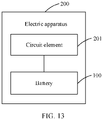
- an embodiment of this application further provides an electric apparatus 200, including a circuit element 201 and the battery 100 according to any one of the foregoing embodiments or a combination of the embodiments, and the circuit element 201 is electrically connected to the battery 100.
Landscapes
- Chemical & Material Sciences (AREA)
- Chemical Kinetics & Catalysis (AREA)
- Electrochemistry (AREA)
- General Chemical & Material Sciences (AREA)
- Battery Mounting, Suspending (AREA)
Abstract
Description
- This application relates to a battery and an electric apparatus including the battery.
- During charging and discharging of a lithium-ion battery, a battery cell may expand. If an overall size of the battery changes excessively because of the expansion, use performance of the battery may be seriously affected. To resolve this problem, a cell bracket is typically disposed in the prior art to limit an external expansion volume of the battery cell. However, use of the cell bracket may increase weight and manufacturing costs of the battery.
- In view of the foregoing situation, this application provides a battery that can resolve the foregoing problem and an electric apparatus including the battery. Uses a fastening band to wrap a cell assembly, and a first separator and a fixing plate are disposed on an exterior surface of the fastening band to limit expansion of cell units inside the battery. This prevents an external volume of the battery from changing excessively, avoids use of a cell bracket, and reduces costs and weight of the battery.
- An embodiment of this application provides a battery, including a housing and a cell assembly disposed inside the housing, where the cell assembly includes a plurality of stacked cell units. The cell assembly further includes a fastening band, a first separator, and a fixing plate. The fastening band is disposed on an exterior surface of the cell assembly and is configured to limit an external expansion volume of the cell assembly. The first separator is disposed on two opposite side surfaces of the cell assembly along a stacking direction of the cell units and is located on an exterior surface of the fastening band, and the first separator is configured to absorb deformation of the fastening band. The fixing plate is disposed on two opposite sides of the cell assembly along the stacking direction and the first separator is sandwiched between the fastening band and the fixing plate.
- Further, an edge of the first separator does not exceed an edge of the fixing plate.
- Optionally, a side surface of the first separator that faces towards the cell assembly is connected to the fastening band.
- Optionally, a second separator is disposed between adjacent cell units and the second separator includes an elastic piece.
- Further, the second separator includes a sealing portion, and the sealing portion extends from a side of the cell unit and bends along the stacking direction of the cell unit.
- Optionally, the cell assembly includes a first end and a second end that are disposed oppositely, the first end and the second end are not wrapped by the fastening band, tabs of the plurality of cell units extend from the first end, a third separator is disposed between tabs of adjacent cell units, and the second end is covered by a fourth separator.
- Further, the battery further includes an adapter plate, and the adapter plate is disposed on the first end of the cell assembly and is electrically connected to the tabs of the cell units.
- Further, the adapter plate includes an electrical connection terminal, and the electrical connection terminal extends from the housing.
- Optionally, the cell assembly includes two cell bodies, the cell body includes a plurality of stacked cell units, and a bonding piece is disposed on opposite surfaces of the two cell bodies.
- Optionally, a length of the sealing portion that extends from the cell units is 0.5 mm to 1 mm.
- Optionally, the sealing portion is wrapped by the fastening band.
- Optionally, a bonding layer is disposed on a surface of the first separator.
- An embodiment of this application further provides an electric apparatus, including a circuit element and the battery according to any one of the foregoing implementations, and the circuit element is electrically connected to the battery.
- The battery according to this application uses the fastening band to wrap the cell assembly, and the first separator and the fixing plate are disposed on the exterior surface of the fastening band to absorb deformation of the fastening band and further limit an external expansion volume of the cell assembly to limit expansion of the cell units inside the battery. This prevents an external volume of the battery from changing excessively, avoids use of a cell bracket, and reduces costs and weight of the battery.
-
-
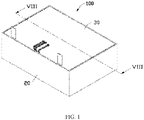
FIG. 1 is a stereoscopic structural diagram of a battery in an embodiment. -
FIG. 2 is a schematic exploded view of the battery shown inFIG. 1 . -
FIG. 3 is a schematic exploded view of the battery shown inFIG. 1 . -
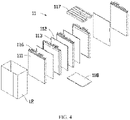
FIG. 4 is a schematic exploded view of a cell body and a fastening band shown inFIG. 3 . -
FIG. 5 is a stereoscopic structural diagram of the cell body and the fastening band shown inFIG. 4 . -
FIG. 6 is a rear view of a cell body, shown inFIG. 3 , with the fastening band removed. -
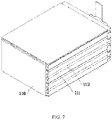
FIG. 7 is a stereoscopic structural diagram of the cell body shown inFIG. 6 . -
FIG. 8 is a cross-sectional diagram of the battery shown inFIG. 1 . -
FIG. 9 is a schematic exploded view of a cell assembly shown inFIG. 2 in an embodiment. -
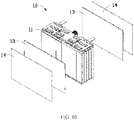
FIG. 10 is a schematic exploded view of a cell assembly shown inFIG. 2 in an embodiment. -
FIG. 11 is a schematic exploded view of a cell assembly shown inFIG. 2 in an embodiment. -
FIG. 12 is a schematic exploded view of a cell assembly shown inFIG. 2 in an embodiment. -
FIG. 13 is a structural block diagram of an electric apparatus in an embodiment. - Reference signs of main components:
Battery 100 Cell assembly 10 Cell body 11 Cell unit 111 Second separator 112 Sealing portion 113 First end 114 Second end 115 Tab 116 Third separator 117 Fourth separator 118 Fastening band 12 First separator 13 Bonding layer 131 Fixing plate 14 Bonding piece 15 Housing 20 Potting compound 30 Adapter plate 40 Electrical connection terminal 41 Voltage monitor 42 Temperature monitor 43 Insulator 50 Electric apparatus 200 Circuit element 201 - The following clearly and completely describes the technical solutions in the embodiments of this application with reference to the accompanying drawings in the embodiments of this application. Apparently, the described embodiments are only some rather than all of the embodiments of this application.
- It should be noted that when an element is referred to as being "fastened" to another element, it may be directly fastened to the another element or an intermediate element may be present. When an element is considered to be "connected" to another element, it may be directly connected to the another element or an intermediate element may be present. When an element is considered to be "disposed" at another element, it may be directly disposed at the another element or an intermediate element may be present. The terms "vertical", "horizontal", "left", "right", and similar expressions used herein are merely for description purposes.
- Unless otherwise defined, all technical and scientific terms used herein shall have the same meanings as commonly understood by those skilled in the art to which this application belongs. Herein the terms used in the specification of this application are merely intended to describe specific embodiments but not intended to constitute any limitation on this application. The term "and/or" used herein includes any and all combinations of one or more relevant listed items.
- This application provides a battery, including a housing and a cell assembly disposed inside the housing, and the cell assembly includes a plurality of stacked cell units. The cell assembly further includes a fastening band, a first separator, and a fixing plate. The fastening band is disposed on an exterior surface of the cell assembly and is configured to limit an external expansion volume of the cell assembly. The first separator is disposed on two opposite side surfaces of the cell assembly along a stacking direction of the cell units and is located on an exterior surface of the fastening band, and the first separator is configured to absorb deformation of the fastening band. The fixing plate is disposed on two opposite sides of the cell assembly along the stacking direction and the first separator is sandwiched between the fastening band and the fixing plate.
- The battery uses the fastening band to wrap a cell body, and the first separator and the fixing plate are disposed on the exterior surface of the fastening band to limit expansion of the cell units inside the battery. This prevents an external volume of the battery from changing excessively, avoids use of a cell bracket, and reduces costs and weight of the battery.
- Some embodiments of this application are described in detail. In absence of conflicts, the following embodiments and features in the embodiments may be combined with each other.
- Referring to
FIG. 1 andFIG. 2 , in an implementation, abattery 100 includes acell assembly 10 and abattery housing 20. Thecell assembly 10 is disposed inside thehousing 20. A pottingcompound 30 is filled between thehousing 20 and thecell assembly 10, and thepotting compound 30 covers a surface of thecell assembly 10. - Referring to
FIG. 3 ,FIG. 4 , andFIG. 5 , thecell assembly 10 includes at least onecell body 11, and thecell body 11 includes a plurality ofstacked cell units 111. Asecond separator 112 is disposed between twoadjacent cell units 111 and thesecond separator 112 includes an elastic piece. Thesecond separator 112 covers a surface of thecell unit 111 and is configured to absorb an expansion volume of thecell unit 111. Thecell assembly 10 further includes afastening band 12. Thefastening band 12 wraps an exterior surface of thecell assembly 10 and is configured to limit an external expansion volume of thecell body 11. Specifically, thefastening band 12 wraps a peripheral surface of thecell body 11, to wrap the plurality ofstacked cell units 111 inside thefastening band 12, limit a volume change of thecell body 11 along a stacking direction of thecell units 111, and make thesecond separator 112 fully absorb an expansion volume of thecell units 111. Thefastening band 12 includes but is not limited to a wrapping that has some elasticity, such as a fiber tape and an acetate cloth. - Still referring to
FIG. 6 andFIG. 7 , thesecond separator 112 includes a sealingportion 113. The sealingportion 113 extends from a side of thecell unit 111 and bends along the stacking direction of thecell unit 111 to fill an edge clearance between thecell units 111, reducing an impact of the pottingcompound 30 on clearances between the plurality ofcell units 111. Specifically, the sealingportion 113 extends from two opposite sides of thecell assembly 10 that are covered by thefastening band 12. In a perspective ofFIG. 3 , the sealingportion 113 is located between twoadjacent cell units 111 and extends from left and right sides of thecell assembly 10. A plurality of sealingportions 113 bend towards a bottom of thebattery housing 20. When the pottingcompound 30 flows from an opening end of thebattery housing 20 to the bottom, the sealingportion 113 may guide a flowing direction of the pottingcompound 30 to some extent, preventing the pottingcompound 30 from flowing into a side gap of thecell assembly 10. The sealingportion 113 is wrapped by thefastening band 12 to further prevent thepotting compound 30 from coming in contact with thesecond separator 112, make thesecond separator 112 effectively absorb an expansion volume of thecell units 111, and prevent an external volume of thecell body 11 from changing excessively. - Referring to
FIG. 8 andFIG. 10 , in an optional embodiment, thecell assembly 10 includes afirst separator 13. Thefirst separator 13 is disposed on two opposite side surfaces of thecell assembly 10 along a stacking direction of thecell units 111 and is located on an exterior surface of thefastening band 12. Thefirst separator 13 may be used to absorb deformation of thefastening band 12, further limit an expansion volume of thecell body 11 inside thecell assembly 10, and reduce a change to an external size of thecell assembly 10. Thecell assembly 10 further includes a fixingplate 14. The fixing plate is disposed on two opposite sides of thecell assembly 10 along the stacking direction of thecell units 111 and thefirst separator 13 is sandwiched between thefastening band 12 and the fixingplate 14. The fixingplate 14 is a rigid plate. Thefirst separator 13 includes but is not limited to a material with elasticity, such as foam. Because thefastening band 12 is a flexible material, the fixingplate 14 is a rigid material, and thefirst separator 13 is disposed between thefastening band 12 and the fixingplate 14 to implement a buffer function, the flexible material is prevented from directly coming in contact with the rigid material. Especially when thefastening band 12 is deformed, thefirst separator 13 is capable of preventing a damage caused by friction between thefastening band 12 and a surface of the fixingplate 14. The fixingplate 14 is configured to prevent an external sharp object from piercing thefirst separator 13 and thefastening band 12, and can further press thecell assembly 10 and limit changes to an external size of thecell assembly 10. It can be understood that the fixingplate 14 can further reduce a contact between thefirst separator 13 and thepotting compound 30, so that thefirst separator 13 can fully absorb deformation of thefastening band 12. - In an embodiment shown in
FIG. 10 , afirst separator 13 covers a side surface of acell assembly 10 and a fixingplate 14 covers a side surface of thefirst separator 13 that faces away from thecell assembly 10. Referring toFIG. 11 andFIG. 12 , in another embodiment, thefirst separator 13 may further be circular or stripe-shaped. Thefirst separator 13 is disposed close to an edge of the fixingplate 14, and an edge of thefirst separator 13 does not exceed the edge of the fixingplate 14. This avoids affecting a size of thecell assembly 10 in a width direction and minimizes a contact between thefirst separator 13 and apotting compound 30. Because the fixingplate 14 is a rigid material, thefirst separator 13 is capable of supporting a symmetric area on the fixingplate 14 to prevent a direct contact between the fixingplate 14 and thefastening band 12. A shape of thefirst separator 13 is not limited in this application. Further, abonding layer 131 is further disposed on a side surface of thefirst separator 13 that faces towards thecell assembly 10, and is configured to connect thefastening band 12 and thefirst separator 13. It can be understood that thebonding layer 131 may be disposed on two opposite side surfaces of thefirst separator 13 along the stacking direction to separately connect thefastening band 12 and the fixingplate 14. Thebonding layer 131 includes but is not limited to a material such as a double-sided adhesive. Thebonding layer 131 may be applied on an entire surface of thefirst separator 13 or may be applied on a part of the surface of thefirst separator 13 provided that a connection requirement is met. This is not limited in this application. - Still referring to
FIG. 9 , in an embodiment of this application, acell assembly 10 includes twocell bodies 11, and abonding piece 15 is disposed on opposite surfaces of the twocell bodies 11 to connect the twocell bodies 11 as a whole. Afirst separator 13 and a fixingplate 14 simultaneously cover the twocell bodies 11. A sealingportion 113 extends from a side of thecell bodies 11 that faces apotting compound 30. A length of the sealingportion 113 that extends from acell unit 111 is 0.5 mm to 1 mm. It can be understood that in another embodiment, there may be more than twocell bodies 11. This is not limited in this application. - Referring again to
FIG. 3 ,FIG. 4 , andFIG. 5 , thecell assembly 10 includes afirst end 114 and asecond end 115 that are disposed oppositely, thefirst end 114 and thesecond end 115 are not covered by thefastening band 12.Tabs 116 of the plurality ofcell units 111 extend from thefirst end 114, athird separator 117 is disposed betweentabs 116 ofadjacent cell units 111, and thesecond end 115 is covered by afourth separator 118. Thethird separator 117 and thefourth separator 118 are used to absorb an expansion volume of thecell bodies 11 in a length direction and prevent thepotting compound 30 from entering a clearance between thecell units 111 from thefirst end 114 and/or thesecond end 115. Materials of thesecond separator 112, thefirst separator 13, thethird separator 117, and thefourth separator 118 include but are not limited to foam. - Further, the
battery 100 further includes anadapter plate 40, and theadapter plate 40 is disposed on thefirst end 114 and is electrically connected to thetabs 116 of thecell units 111. Theadapter plate 40 includes anelectrical connection terminal 41, and theelectrical connection terminal 41 extends from thehousing 20 and is configured to connect an external electrical device or element. Thebattery 100 further includes an insulator 50. The insulator 50 fits onto theelectrical connection terminal 41 and is configured to protect theelectrical connection terminal 41 and prevent short circuit incidents. - In an embodiment of this application, the
adapter plate 40 further includes avoltage monitor 42 and atemperature monitor 43 that are configured to monitor voltage and temperature data of the plurality ofcell units 111, to cope with a case such as a short circuit and battering overheating in a timely manner. The voltage monitor 42 and the temperature monitor 43 extend from thehousing 20, to connect an external control apparatus. - Referring to
FIG. 13 , an embodiment of this application further provides anelectric apparatus 200, including acircuit element 201 and thebattery 100 according to any one of the foregoing embodiments or a combination of the embodiments, and thecircuit element 201 is electrically connected to thebattery 100. - The foregoing embodiments are merely intended to describe the technical solutions of this application, but not intended to constitute any limitation. Although this application is described in detail with reference to example embodiments, persons of ordinary skill in the art should understand that modifications or equivalent replacements can be made to the technical solutions of this application, without departing from the spirit and essence of the technical solutions of this application.
Claims (13)
- A battery, comprising:a cell assembly, wherein the cell assembly comprises a plurality of stacked cell units; anda housing, wherein the cell assembly is disposed inside the housing;characterized in that the cell assembly further comprises:a fastening band, disposed on an exterior surface of the cell assembly, wherein the fastening band is configured to limit an external expansion volume of the cell assembly;a first separator, wherein the first separator is disposed on two opposite side surfaces of the cell assembly along a stacking direction of the cell units and is located on an exterior surface of the fastening band, and the first separator is configured to absorb deformation of the fastening band; anda fixing plate, wherein the fixing plate is disposed on two opposite sides of the cell assembly along the stacking direction and the first separator is sandwiched between the fastening band and the fixing plate.
- The battery according to claim 1, characterized in that an edge of the first separator does not exceed an edge of the fixing plate.
- The battery according to claim 1, characterized in that a side surface of the first separator facing towards the cell assembly is connected to the fastening band.
- The battery according to claim 1, characterized in that a second separator is disposed between adjacent cell units and the second separator comprises an elastic piece.
- The battery according to claim 4, characterized in that the second separator comprises a sealing portion, and the sealing portion extends from a side of the cell unit and bends along the stacking direction of the cell unit.
- The battery according to claim 1, characterized in that the cell assembly comprises a first end and a second end that are disposed oppositely, the first end and the second end are not wrapped by the fastening band, tabs of the plurality of cell units extend from the first end, a third separator is disposed between tabs of adjacent cell units, and the second end is covered by a fourth separator.
- The battery according to claim 6, characterized in that the battery further comprises an adapter plate, and the adapter plate is disposed on the first end of the cell assembly and is electrically connected to the tabs of the cell units.
- The battery according to claim 7, characterized in that the adapter plate comprises an electrical connection terminal, and the electrical connection terminal extends from the housing.
- The battery according to claim 1, characterized in that the cell assembly comprises two cell bodies, the cell body comprises a plurality of stacked cell units, and a bonding piece is disposed on opposite surfaces of the two cell bodies.
- The battery according to claim 5, characterized in that a length of the sealing portion that extends from the cell units is 0.5 mm to 1 mm.
- The battery according to claim 5, characterized in that the sealing portion is wrapped by the fastening band.
- The battery according to claim 1, characterized in that a bonding layer is disposed on a surface of the first separator.
- An electric apparatus, characterized in that the electric apparatus comprising a circuit element and the battery according to any one of the claims 1 to 12, and the circuit element is electrically connected to the battery.
Applications Claiming Priority (2)
| Application Number | Priority Date | Filing Date | Title |
|---|---|---|---|
| CN202011097565.8A CN112072044A (en) | 2020-10-14 | 2020-10-14 | Battery and electric device |
| PCT/CN2021/074499 WO2022077807A1 (en) | 2020-10-14 | 2021-01-29 | Battery and electric device |
Publications (2)
| Publication Number | Publication Date |
|---|---|
| EP4012825A1 true EP4012825A1 (en) | 2022-06-15 |
| EP4012825A4 EP4012825A4 (en) | 2022-06-29 |
Family
ID=81077955
Family Applications (1)
| Application Number | Title | Priority Date | Filing Date |
|---|---|---|---|
| EP21758039.8A Pending EP4012825A4 (en) | 2020-10-14 | 2021-01-29 | Battery and electric device |
Country Status (2)
| Country | Link |
|---|---|
| US (1) | US20220115729A1 (en) |
| EP (1) | EP4012825A4 (en) |
Families Citing this family (1)
| Publication number | Priority date | Publication date | Assignee | Title |
|---|---|---|---|---|
| CN115172960B (en) * | 2022-07-25 | 2023-07-25 | 广州穗景客车制造有限公司 | High-voltage power battery pack |
Family Cites Families (14)
| Publication number | Priority date | Publication date | Assignee | Title |
|---|---|---|---|---|
| KR102308635B1 (en) * | 2015-04-17 | 2021-10-05 | 삼성에스디아이 주식회사 | Battery module |
| DE102015219280A1 (en) * | 2015-10-06 | 2017-04-06 | Robert Bosch Gmbh | Battery system with potting compound |
| FR3048129B1 (en) * | 2016-02-18 | 2020-04-17 | Saft | ELECTROCHEMICAL COMPONENT COMPENSATION SYSTEM |
| US10115997B2 (en) * | 2016-05-12 | 2018-10-30 | Bosch Battery Systems Llc | Prismatic electrochemical cell |
| RS61814B1 (en) * | 2016-12-27 | 2021-06-30 | Yura Corporation Co Ltd | Flexible circuit board and frame assembly including same |
| US10566647B2 (en) * | 2017-11-27 | 2020-02-18 | Facebook, Inc. | System, method, and apparatus for battery cell-stack compression |
| EP3784031A4 (en) * | 2018-04-27 | 2022-01-26 | Monsanto Technology LLC | METHODS FOR GENOTYPING HAPLOID EMBRYO |
| EP3867961A4 (en) * | 2018-10-16 | 2022-08-03 | Chairman, Defence Research & Development Organisation (DRDO) | A secondary prismatic alkaline battery twin cell |
| CN208690361U (en) * | 2018-10-25 | 2019-04-02 | 台州钱江新能源研究院有限公司 | A kind of battery modules with expansion release structures |
| CN111384336B (en) * | 2018-12-30 | 2024-10-18 | 宁德时代新能源科技股份有限公司 | Battery module, battery pack and vehicle |
| DE102019211253A1 (en) * | 2019-07-29 | 2021-02-04 | Elringklinger Ag | Galvanic cells and battery modules |
| JP7226229B2 (en) * | 2019-09-27 | 2023-02-21 | トヨタ自動車株式会社 | Battery stack and manufacturing method thereof |
| CN118943613A (en) * | 2019-09-29 | 2024-11-12 | 厦门新能达科技有限公司 | Battery Module |
| JP7378874B2 (en) * | 2020-01-03 | 2023-11-14 | エルジー エナジー ソリューション リミテッド | Battery module and battery cell assembly manufacturing method |
-
2021
- 2021-01-29 EP EP21758039.8A patent/EP4012825A4/en active Pending
- 2021-08-30 US US17/460,901 patent/US20220115729A1/en not_active Abandoned
Also Published As
| Publication number | Publication date |
|---|---|
| US20220115729A1 (en) | 2022-04-14 |
| EP4012825A4 (en) | 2022-06-29 |
Similar Documents
| Publication | Publication Date | Title |
|---|---|---|
| CN104218198B (en) | Battery pack | |
| US9017847B2 (en) | Electric device assembly and film-covered electric device structure | |
| KR20200144423A (en) | Battery module and battery pack including the same | |
| EP4024568B1 (en) | Battery pack and method of manufacturing the same | |
| US20240234960A1 (en) | Connector, battery pack, and electrical device | |
| WO2022077807A1 (en) | Battery and electric device | |
| US20140044995A1 (en) | Battery pack | |
| KR20210071381A (en) | Battery module | |
| EP4057433A1 (en) | Battery module and battery pack including same | |
| EP4148895A1 (en) | Battery, battery pack and automobile | |
| EP4012825A1 (en) | Battery and electric device | |
| KR20210048976A (en) | Battery module and battery pack including the same | |
| CN210668435U (en) | Batteries and Electronic Equipment | |
| EP4095996A1 (en) | Battery pack | |
| CN212625870U (en) | Battery and electric device | |
| US20250174802A1 (en) | Battery pack and electric device | |
| US20250087790A1 (en) | Electrochemical device and electrical device | |
| EP3958382B1 (en) | Battery pack having pressure relief structure | |
| EP4089805A1 (en) | Packaging structure and battery cell using same | |
| EP4401191B1 (en) | Battery module | |
| EP4184682B1 (en) | Battery module and battery pack including same | |
| KR20240021694A (en) | Battery pack and vehicle including the same | |
| CN220731660U (en) | Battery and electronic equipment | |
| EP4432436A1 (en) | Rechargeable battery module | |
| CN217562671U (en) | A battery pack, battery pack and automobile |
Legal Events
| Date | Code | Title | Description |
|---|---|---|---|
| STAA | Information on the status of an ep patent application or granted ep patent |
Free format text: STATUS: UNKNOWN |
|
| STAA | Information on the status of an ep patent application or granted ep patent |
Free format text: STATUS: THE INTERNATIONAL PUBLICATION HAS BEEN MADE |
|
| PUAI | Public reference made under article 153(3) epc to a published international application that has entered the european phase |
Free format text: ORIGINAL CODE: 0009012 |
|
| STAA | Information on the status of an ep patent application or granted ep patent |
Free format text: STATUS: REQUEST FOR EXAMINATION WAS MADE |
|
| REG | Reference to a national code |
Ref country code: DE Ref legal event code: R079 Free format text: PREVIOUS MAIN CLASS: H01M0050100000 Ipc: H01M0050209000 |
|
| 17P | Request for examination filed |
Effective date: 20210830 |
|
| AK | Designated contracting states |
Kind code of ref document: A1 Designated state(s): AL AT BE BG CH CY CZ DE DK EE ES FI FR GB GR HR HU IE IS IT LI LT LU LV MC MK MT NL NO PL PT RO RS SE SI SK SM TR |
|
| A4 | Supplementary search report drawn up and despatched |
Effective date: 20220530 |
|
| RIC1 | Information provided on ipc code assigned before grant |
Ipc: H01M 50/296 20210101ALI20220523BHEP Ipc: H01M 50/264 20210101ALI20220523BHEP Ipc: H01M 50/502 20210101ALI20220523BHEP Ipc: H01M 50/293 20210101ALI20220523BHEP Ipc: H01M 50/291 20210101ALI20220523BHEP Ipc: H01M 50/242 20210101ALI20220523BHEP Ipc: H01M 50/20 20210101ALI20220523BHEP Ipc: H01M 50/209 20210101AFI20220523BHEP |
|
| DAV | Request for validation of the european patent (deleted) | ||
| DAX | Request for extension of the european patent (deleted) | ||
| STAA | Information on the status of an ep patent application or granted ep patent |
Free format text: STATUS: EXAMINATION IS IN PROGRESS |
|
| 17Q | First examination report despatched |
Effective date: 20241209 |
|
| RAP1 | Party data changed (applicant data changed or rights of an application transferred) |
Owner name: NINGDE AMPEREX TECHNOLOGY LIMITED |
|
| RAP3 | Party data changed (applicant data changed or rights of an application transferred) |
Owner name: NINGDE AMPEREX TECHNOLOGY LIMITED |