EP4011450A1 - Ophthalmic composition for promoting tear secretion - Google Patents
Ophthalmic composition for promoting tear secretion Download PDFInfo
- Publication number
- EP4011450A1 EP4011450A1 EP20850966.1A EP20850966A EP4011450A1 EP 4011450 A1 EP4011450 A1 EP 4011450A1 EP 20850966 A EP20850966 A EP 20850966A EP 4011450 A1 EP4011450 A1 EP 4011450A1
- Authority
- EP
- European Patent Office
- Prior art keywords
- delgocitinib
- ophthalmic composition
- salt
- ophthalmic
- tear
- Prior art date
- Legal status (The legal status is an assumption and is not a legal conclusion. Google has not performed a legal analysis and makes no representation as to the accuracy of the status listed.)
- Pending
Links
Images


Classifications
-
- A—HUMAN NECESSITIES
- A61—MEDICAL OR VETERINARY SCIENCE; HYGIENE
- A61K—PREPARATIONS FOR MEDICAL, DENTAL OR TOILETRY PURPOSES
- A61K31/00—Medicinal preparations containing organic active ingredients
- A61K31/33—Heterocyclic compounds
- A61K31/395—Heterocyclic compounds having nitrogen as a ring hetero atom, e.g. guanethidine or rifamycins
- A61K31/495—Heterocyclic compounds having nitrogen as a ring hetero atom, e.g. guanethidine or rifamycins having six-membered rings with two or more nitrogen atoms as the only ring heteroatoms, e.g. piperazine or tetrazines
- A61K31/505—Pyrimidines; Hydrogenated pyrimidines, e.g. trimethoprim
- A61K31/519—Pyrimidines; Hydrogenated pyrimidines, e.g. trimethoprim ortho- or peri-condensed with heterocyclic rings
-
- A—HUMAN NECESSITIES
- A61—MEDICAL OR VETERINARY SCIENCE; HYGIENE
- A61K—PREPARATIONS FOR MEDICAL, DENTAL OR TOILETRY PURPOSES
- A61K9/00—Medicinal preparations characterised by special physical form
- A61K9/0012—Galenical forms characterised by the site of application
- A61K9/0048—Eye, e.g. artificial tears
-
- A—HUMAN NECESSITIES
- A61—MEDICAL OR VETERINARY SCIENCE; HYGIENE
- A61P—SPECIFIC THERAPEUTIC ACTIVITY OF CHEMICAL COMPOUNDS OR MEDICINAL PREPARATIONS
- A61P27/00—Drugs for disorders of the senses
- A61P27/02—Ophthalmic agents
-
- A—HUMAN NECESSITIES
- A61—MEDICAL OR VETERINARY SCIENCE; HYGIENE
- A61P—SPECIFIC THERAPEUTIC ACTIVITY OF CHEMICAL COMPOUNDS OR MEDICINAL PREPARATIONS
- A61P27/00—Drugs for disorders of the senses
- A61P27/02—Ophthalmic agents
- A61P27/04—Artificial tears; Irrigation solutions
Definitions
- the present invention relates to an ophthalmic composition for promoting tear secretion.
- a keratoconjunctival epithelial disorder is caused by endogenous diseases such as dry eye or exogenous diseases due to wear of contact lenses or the like, and is a disease exhibiting symptoms such as lacrimation, foreign body sensation, eye pain, and bloodshot eyes.
- endogenous diseases such as dry eye or exogenous diseases due to wear of contact lenses or the like
- symptoms such as lacrimation, foreign body sensation, eye pain, and bloodshot eyes.
- eye drops containing sodium hyaluronate having the action of promoting corneal epithelial extension and retaining moisture have been placed on the market. It has been reported that diquafosol sodium, a therapeutic agent for dry eye, promoted secretion of tear and ameliorated corneal epithelial disorders in a dry eye model of rats (e.g., Non Patent Literature 1).
- Janus kinase is a non-receptor tyrosine kinase playing an important role in intracellular immune activation signaling, and it is expected that drugs having Janus kinase inhibitory activity will ameliorate autoimmune diseases and allergic diseases by suppressing excessive activation of immune responses.
- Patent Literature 1 International Publication No. WO 2017/006968
- Non Patent Literature 1 Package Insert of DIQUAS Ophthalmic Solution 3% (Revised: November 2017 )
- An object of the present invention is to provide a novel ophthalmic composition that can promote secretion of tear.
- an ophthalmic composition that can promote secretion of tear.
- the ophthalmic composition of the present embodiment comprises 3-[(3S,4R)-3-methyl-6-(7H-pyrrolo[2,3-d]pyrimidin-4-yl)-1,6-diazaspir o[3.4]octan-1-yl]-3-oxopropanenitrile or a salt thereof.
- delgocitinib 3-[(3S,4R)-3-methyl-6-(7H-pyrrolo[2,3-d]pyrimidin-4-yl)-1,6-diazaspir o[3.4]octan-1-yl]-3-oxopropanenitrile (non-proprietary name: delgocitinib) is a compound represented by the following formula: (hereinafter, this compound is also referred to as "delgocitinib"). Delgocitinib or a salt thereof can be produced by methods described in, for example, International Publication No. WO 2017/006968 and International Publication No. WO 2018/117151 .
- the salt of delgocitinib is not particularly limited as long as it is medicinally, pharmacologically (pharmaceutically) or physiologically acceptable.
- Specific examples of such salts include salts with inorganic acids, salts with organic acids, salts with inorganic bases, salts with organic bases, salts with acidic amino acids, and salts with basic amino acids.
- Examples of the salts with inorganic acids include salts with hydrochloric acid, hydrobromic acid, sulfuric acid, nitric acid, and phosphoric acid.
- Examples of the salts with organic acids include salts with acetic acid, succinic acid, fumaric acid, maleic acid, tartaric acid, citric acid, lactic acid, stearic acid, benzoic acid, methanesulfonic acid (mesylic acid), ethanesulfonic acid, and p-toluenesulfonic acid.
- Examples of the salts with inorganic bases include alkali-metal salts such as sodium and potassium salts; alkaline-earth metal salts such as calcium and magnesium salts; aluminum salts; and ammonium salts.
- Examples of the salts with organic bases include salts with diethylamine, diethanolamine, meglumine, and N,N-dibenzylethylenediamine.
- Examples of the salts with acidic amino acids include salts with aspartic acid and glutamic acid.
- Examples of the salts with basic amino acids include salts with arginine, lysine, and ornithine.
- Delgocitinib or a salt thereof exerts an effect of promoting the secretion of tear.
- an ophthalmic composition for promoting tear secretion comprising delgocitinib or a salt thereof is provided.
- promotion of tear secretion is a major factor in the amelioration of keratoconjunctival epithelial disorders.
- an ophthalmic composition for ameliorating keratoconjunctival epithelial disorders comprising delgocitinib or a salt thereof is provided. It has never been reported that the secretion of tear is promoted by inhibition of Janus kinase.
- the ophthalmic composition of the present embodiment can be used for any of keratoconjunctival epithelial disorders caused by endogenous diseases such as dry eye (dry eye syndrome), Sjogren's syndrome, and Stevens-Johnson syndrome, or keratoconjunctival epithelial disorders caused by exogenous diseases such as post-operative diseases and diseases caused by medication, trauma, wear of contact lenses, or the like.
- endogenous diseases such as dry eye (dry eye syndrome), Sjogren's syndrome, and Stevens-Johnson syndrome
- exogenous diseases such as post-operative diseases and diseases caused by medication, trauma, wear of contact lenses, or the like.
- the ophthalmic composition of the present embodiment for the amelioration of keratoconjunctival epithelial disorders caused by endogenous factors and more preferable to use it for the amelioration of keratoconjunctival epithelial disorders caused by dry eye because the ophthalmic composition promotes the secretion of tear by containing delgocitinib or a salt thereof.
- the dry eye that causes the keratoconjunctival epithelial disorders may be caused by autoimmune diseases such as Sjogren's syndrome or may be caused by factors other than the autoimmune diseases.
- the ophthalmic composition of the present embodiment can also be used to ameliorate dry eye because it promotes the secretion of tear by containing delgocitinib or a salt thereof.
- the dry eye may be caused by autoimmune diseases such as Sjogren's syndrome or may be caused by factors other than the autoimmune diseases.
- the content of delgocitinib or a salt thereof in the ophthalmic composition of the present embodiment is not particularly limited, and is set as appropriate in accordance with the type and content of other ingredients, formulation forms, and the like.
- the total content of delgocitinib or a salt thereof may be 0.001% by mass to 10% by mass, 0.001% by mass to 5% by mass, 0.003% by mass to 3% by mass, 0.005% by mass to 1% by mass, 0.01% by mass to 0.5% by mass, 0.015% by mass to 0.4% by mass, 0.02% by mass to 0.3% by mass, or 0.03% by mass to 0.3% by mass, based on the total amount of the ophthalmic composition of the present embodiment.
- various additives may be selected as appropriate according to the usual method and added in an appropriate amount in combination with one or more of them, depending on the formulation form within the range that does not impair the effects of the present invention.
- the pH of the ophthalmic composition of the present embodiment is not particularly limited, as long as it is within a medicinally, pharmacologically (pharmaceutically), or physiologically acceptable range.
- the ophthalmic composition of the present embodiment can be prepared, for example, by adding and mixing delgocitinib or a salt thereof and, if necessary, other ingredients to obtain a desired content.
- the composition can be prepared by dissolving or suspending the above ingredients in purified water and then sterilizing it by filtration sterilization, for example.
- the ophthalmic composition of the present embodiment can take various dosage forms depending on the purpose, and examples thereof include solutions, gels, and semi-solids (ointment, etc.). Among them, solutions are preferable, and aqueous solutions are more preferable.
- the ophthalmic composition of the present embodiment can be used, for example, as an eye drop (also referred to as an ophthalmic solution or an eye lotion; the eye drops includes artificial tears and eye drops that can be instilled while wearing contact lenses).
- an eye drop also referred to as an ophthalmic solution or an eye lotion; the eye drops includes artificial tears and eye drops that can be instilled while wearing contact lenses.
- the dosage and administration are not particularly limited as long as they are effective and has fewer side effects.
- a method for promoting secretion of tear comprising administering to a subject delgocitinib or a salt thereof, or an ophthalmic composition comprising the same is provided.
- a method for ameliorating a keratoconjunctival epithelial disorder comprising administering to a subject delgocitinib or a salt thereof, or an ophthalmic composition comprising the same is also provided.
- the use of delgocitinib or a salt thereof for the production of an ophthalmic composition for promoting tear secretion is provided.
- the use of delgocitinib or a salt thereof for the production of an ophthalmic composition for ameliorating a keratoconjunctival epithelial disorder is also provided.
- delgocitinib or a salt thereof for use in promoting tear secretion is provided.
- delgocitinib or a salt thereof for use in ameliorating a keratoconjunctival epithelial disorder is also provided.
- the tear secretion promoting action of delgocitinib was evaluated using normal rabbits.
- Delgocitinib was dissolved and stirred in PBS (Kohjin Bio Co., Ltd.) to prepare a 0.05% delgocitinib solution.
- PBS Kell Bio Co., Ltd.
- Male Japanese white rabbits (Oriental Yeast Co., Ltd.) were placed in retention tubes, and the PBS or the 0.05% delgocitinib solution was instilled at a dose of 50 ⁇ L/eye.
- a Schirmer's test paper was inserted into conjunctival sac on the corner of the eye. One minute later, the test paper was pulled out, and the length of the wet part of the test paper was measured, which was used as a tear volume. The results are shown in Figure 1 .
- the tear secretion promoting action of delgocitinib was evaluated using normal mice.
- Delgocitinib was dissolved and stirred in PBS (Kohjin Bio Co., Ltd.) to prepare delgocitinib solutions at each concentration (0.0125%, 0.05%, and 0.2%).
- PBS Kel-Kin Bio Co., Ltd.
- Female C57BL/6J mice Japan SLC, Inc. were retained, and the PBS or the delgocitinib solutions at each concentration were instilled at a dose of 3 ⁇ L/eye.
- a phenol red thread ZONE-QUICK, AYUMI Pharmaceutical Corporation
- the phenol red thread was pulled out, the length of the wet part of the phenol red thread was measured, and this measured value was used as the tear volume.
- the results are shown in Figure 2 .
- the tear volume was increased in the delgocitinib solution group at each concentration compared with the PBS group, and a significant increase was observed especially in the 0.05% and 0.2% groups (Dunnett's test).
- the tear secretion promoting action of delgocitinib was evaluated using normal rats and lacrimal gland excision rats.
- delgocitinib solution As a test substance, a 0.05% delgocitinib solution (delgocitinib as the active ingredient and sodium chloride, potassium chloride, sodium hydroxide, boric acid, and chlorhexidine gluconate as additives were combined, dissolved and stirred in purified water) was prepared. As a control substance, pilocarpine hydrochloride (Tokyo Chemical Industry Co., Ltd.) was dissolved and stirred in saline (OTSUKA NORMAL SALINE, Otsuka Pharmaceutical Factory, Inc.) to prepare a 3% pilocarpine solution.
- saline Otsuka Pharmaceutical Factory, Inc.
- the tear volume was significantly increased in all the DIQUAS ophthalmic solution 3% group, the 3% pilocarpine solution group, and the 0.05% delgocitinib solution group, compared with the saline group (Mann-whitney U test).
- the tear volume was significantly increased only in the DIQUAS ophthalmic solution 3% group and the 0.05% delgocitinib solution group, compared with the saline group (Mann-whitney U test).
- the tear secretion volume increasing action of delgocitinib was evaluated using lacrimal gland excised rats as a dry eye model.
- Delgocitinib was dissolved and stirred in PBS (Kohjin Bio Co., Ltd.) to prepare delgocitinib solutions (0.0125%, 0.05%, and 0.2%) at each concentration.
- Fluorescein sodium salt (Sigma-Aldrich Japan) was dissolved in OTSUKA NORMAL SALINE (Otsuka Pharmaceutical Factory, Inc.) to prepare a 10 mg/mL fluorescein staining solution.
- Delgocitinib was dissolved and stirred in PBS (Kohjin Bio Co., Ltd.) to prepare delgocitinib solutions at each concentration (0.0125%, 0.05%, and 0.2%).
- the corneal epithelial disorder score was significantly decreased in the delgocitinib solution groups at each concentration compared with the PBS group. (Steel test).
Landscapes
- Health & Medical Sciences (AREA)
- Animal Behavior & Ethology (AREA)
- Public Health (AREA)
- Veterinary Medicine (AREA)
- Chemical & Material Sciences (AREA)
- Life Sciences & Earth Sciences (AREA)
- General Health & Medical Sciences (AREA)
- Medicinal Chemistry (AREA)
- Pharmacology & Pharmacy (AREA)
- Ophthalmology & Optometry (AREA)
- Engineering & Computer Science (AREA)
- Nuclear Medicine, Radiotherapy & Molecular Imaging (AREA)
- Organic Chemistry (AREA)
- General Chemical & Material Sciences (AREA)
- Chemical Kinetics & Catalysis (AREA)
- Bioinformatics & Cheminformatics (AREA)
- Epidemiology (AREA)
- Pharmaceuticals Containing Other Organic And Inorganic Compounds (AREA)
Abstract
Description
- The present invention relates to an ophthalmic composition for promoting tear secretion.
- A keratoconjunctival epithelial disorder is caused by endogenous diseases such as dry eye or exogenous diseases due to wear of contact lenses or the like, and is a disease exhibiting symptoms such as lacrimation, foreign body sensation, eye pain, and bloodshot eyes. As a therapeutic agent for the keratoconjunctival epithelial disorders, eye drops containing sodium hyaluronate having the action of promoting corneal epithelial extension and retaining moisture have been placed on the market. It has been reported that diquafosol sodium, a therapeutic agent for dry eye, promoted secretion of tear and ameliorated corneal epithelial disorders in a dry eye model of rats (e.g., Non Patent Literature 1).
- On the other hand, Janus kinase (JAK) is a non-receptor tyrosine kinase playing an important role in intracellular immune activation signaling, and it is expected that drugs having Janus kinase inhibitory activity will ameliorate autoimmune diseases and allergic diseases by suppressing excessive activation of immune responses. Here, as one of compounds having Janus kinase inhibitory action, 3-[(3S,4R)-3-methyl-6-(7H-pyrrolo[2,3-d]pyrimidin-4-yl)-1,6-diazaspir o[3.4]octan-1-yl]-3-oxopropanenitrile (non-proprietary name: delgocitinib) is known (e.g., Patent Literature 1).
- Patent Literature 1: International Publication No.
WO 2017/006968 - Non Patent Literature 1: Package Insert of DIQUAS )
- An object of the present invention is to provide a novel ophthalmic composition that can promote secretion of tear.
- As a result of diligent study in order to solve the above problem, the present inventors have found that 3-[(3S,4R)-3-methyl-6-(7H-pyrrolo[2,3-d]pyrimidin-4-yl)-1,6-diazaspir o[3.4]octan-1-yl]-3-oxopropanenitrile unexpectedly promotes secretion of tear and ameliorate a keratoconjunctival epithelial disorder. The present invention is based on this finding and provides each of the following inventions.
- [1] An ophthalmic composition for promoting tear secretion, the composition comprising 3-[(3S,4R)-3-methyl-6-(7H-pyrrolo[2,3-d]pyrimidin-4-yl)-1,6-diazaspir o[3.4]octan-1-yl]-3-oxopropanenitrile or a salt thereof.
- [2] The ophthalmic composition according to [1], wherein the composition is used to ameliorate a keratoconjunctival epithelial disorder.
- [3] The ophthalmic composition according to [1], wherein the composition is used to ameliorate dry eye.
- [4] An ophthalmic composition for ameliorating a keratoconjunctival epithelial disorder, the composition comprising 3-[(3S,4R)-3-methyl-6-(7H-pyrrolo[2,3-d]pyrimidin-4-yl)-1,6-diazaspir o[3.4]octan-1-yl]-3-oxopropanenitrile or a salt thereof.
- [5] The ophthalmic composition according to [2] or [4], wherein the keratoconjunctival epithelial disorder is caused by dry eye.
- [6] The ophthalmic composition according to any one of [1] to [5], wherein a content of 3-[(3S,4R)-3-methyl-6-(7H-pyrrolo[2,3-d]pyrimidin-4-yl)-1,6-diazaspir o[3.4]octan-1-yl]-3-oxopropanenitrile or a salt thereof is 0.01% by mass to 1% by mass based on a total amount of the ophthalmic composition.
- [7] The ophthalmic composition according to any of [1] to [6], wherein the composition is an eye drop.
- [8] A method for promoting secretion of tear, comprising administering to a subject 3-[(3S,4R)-3-methyl-6-(7H-pyrrolo[2,3-d]pyrimidin-4-yl)-1,6-diazaspir o[3.4]octan-1-yl]-3-oxopropanenitrile or a salt thereof, or an ophthalmic composition comprising the same.
- [9] A method for ameliorating a keratoconjunctival epithelial disorder, comprising administering to a subject 3-[(3S,4R)-3-methyl-6-(7H-pyrrolo[2,3-d]pyrimidin-4-yl)-1,6-diazaspir o[3.4]octan-1-yl]-3-oxopropanenitrile or a salt thereof, or an ophthalmic composition comprising the same.
- [10] The method according to [9], wherein the keratoconjunctival epithelial disorder is caused by dry eye.
- [11] Use of 3-[(3S,4R)-3-methyl-6-(7H-pyrrolo[2,3-d]pyrimidin-4-yl)-1,6-diazaspir o[3.4]octan-1-yl]-3-oxopropanenitrile or a salt thereof, for the production of an ophthalmic composition for promoting tear secretion.
- [12] Use of 3-[(3S,4R)-3-methyl-6-(7H-pyrrolo[2,3-d]pyrimidin-4-yl)-1,6-diazaspir o[3.4]octan-1-yl]-3-oxopropanenitrile or a salt thereof, for the production of an ophthalmic composition for ameliorating a keratoconjunctival epithelial disorder.
- [13] The use according to [12], wherein the keratoconjunctival epithelial disorder is caused by dry eye.
- [14] 3-[(3S,4R)-3-methyl-6-(7H-pyrrolo[2,3-d]pyrimidin-4-yl)-1,6-diazaspir o[3.4]octan-1-yl]-3-oxopropanenitrile or a salt thereof, for use in promoting tear secretion.
- [15] 3-[(3S,4R)-3-methyl-6-(7H-pyrrolo[2,3-d]pyrimidin-4-yl)-1,6-diazaspir o[3.4]octan-1-yl]-3-oxopropanenitrile or a salt thereof, for use in ameliorating a keratoconjunctival epithelial disorder.
- [16] The compound or salt thereof according to [15], wherein the keratoconjunctival epithelial disorder is caused by dry eye.
- According to the present invention, it is possible to provide an ophthalmic composition that can promote secretion of tear.
-
- [
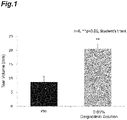
Figure 1] Figure 1 is a graph illustrating tear secretion promoting action by single ophthalmic administration of delgocitinib using normal rabbits in Test Example 1. - [
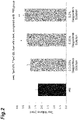
Figure 2] Figure 2 is a graph illustrating tear secretion promoting action by single ophthalmic administration of delgocitinib using normal mice in Test Example 2. - [
Figure 3] Figure 3 (A) is a graph illustrating tear secretion promoting action by single ophthalmic administration of delgocitinib using normal rats in Test Example 3.Figure 3 (B) is a graph illustrating tear secretion promoting action by single ophthalmic administration of delgocitinib using lacrimal gland excised rats in Test Example 3. - [
Figure 4] Figure 4 is a graph illustrating tear volume increasing action by repeated ophthalmic administration of delgocitinib using lacrimal gland excised rats in Test Example 4. - [
Figure 5] Figure 5 is a graph illustrating the action of ameliorating keratoconjunctival epithelial disorders by repeated ophthalmic administration of delgocitinib using lacrimal gland excised rats in Test Example 5. - Hereinafter, embodiments of the present invention will be explained in detail. However, the present invention is not limited to the following embodiments.
- The ophthalmic composition of the present embodiment comprises 3-[(3S,4R)-3-methyl-6-(7H-pyrrolo[2,3-d]pyrimidin-4-yl)-1,6-diazaspir o[3.4]octan-1-yl]-3-oxopropanenitrile or a salt thereof.
- Here, 3-[(3S,4R)-3-methyl-6-(7H-pyrrolo[2,3-d]pyrimidin-4-yl)-1,6-diazaspir o[3.4]octan-1-yl]-3-oxopropanenitrile (non-proprietary name: delgocitinib) is a compound represented by the following formula:

WO 2017/006968 and International Publication No.WO 2018/117151 . - The salt of delgocitinib is not particularly limited as long as it is medicinally, pharmacologically (pharmaceutically) or physiologically acceptable. Specific examples of such salts include salts with inorganic acids, salts with organic acids, salts with inorganic bases, salts with organic bases, salts with acidic amino acids, and salts with basic amino acids.
- Examples of the salts with inorganic acids include salts with hydrochloric acid, hydrobromic acid, sulfuric acid, nitric acid, and phosphoric acid. Examples of the salts with organic acids include salts with acetic acid, succinic acid, fumaric acid, maleic acid, tartaric acid, citric acid, lactic acid, stearic acid, benzoic acid, methanesulfonic acid (mesylic acid), ethanesulfonic acid, and p-toluenesulfonic acid. Examples of the salts with inorganic bases include alkali-metal salts such as sodium and potassium salts; alkaline-earth metal salts such as calcium and magnesium salts; aluminum salts; and ammonium salts. Examples of the salts with organic bases include salts with diethylamine, diethanolamine, meglumine, and N,N-dibenzylethylenediamine. Examples of the salts with acidic amino acids include salts with aspartic acid and glutamic acid. Examples of the salts with basic amino acids include salts with arginine, lysine, and ornithine.
- Delgocitinib or a salt thereof exerts an effect of promoting the secretion of tear. Accordingly, as an embodiment of the present invention, an ophthalmic composition for promoting tear secretion comprising delgocitinib or a salt thereof is provided. In addition, it is considered that promotion of tear secretion is a major factor in the amelioration of keratoconjunctival epithelial disorders. Accordingly, as an embodiment of the present invention, an ophthalmic composition for ameliorating keratoconjunctival epithelial disorders comprising delgocitinib or a salt thereof is provided. It has never been reported that the secretion of tear is promoted by inhibition of Janus kinase.
- The ophthalmic composition of the present embodiment can be used for any of keratoconjunctival epithelial disorders caused by endogenous diseases such as dry eye (dry eye syndrome), Sjogren's syndrome, and Stevens-Johnson syndrome, or keratoconjunctival epithelial disorders caused by exogenous diseases such as post-operative diseases and diseases caused by medication, trauma, wear of contact lenses, or the like. Among them, it is preferable to use the ophthalmic composition of the present embodiment for the amelioration of keratoconjunctival epithelial disorders caused by endogenous factors and more preferable to use it for the amelioration of keratoconjunctival epithelial disorders caused by dry eye because the ophthalmic composition promotes the secretion of tear by containing delgocitinib or a salt thereof. The dry eye that causes the keratoconjunctival epithelial disorders may be caused by autoimmune diseases such as Sjogren's syndrome or may be caused by factors other than the autoimmune diseases.
- The ophthalmic composition of the present embodiment can also be used to ameliorate dry eye because it promotes the secretion of tear by containing delgocitinib or a salt thereof. The dry eye may be caused by autoimmune diseases such as Sjogren's syndrome or may be caused by factors other than the autoimmune diseases.
- The content of delgocitinib or a salt thereof in the ophthalmic composition of the present embodiment is not particularly limited, and is set as appropriate in accordance with the type and content of other ingredients, formulation forms, and the like. In terms of the content of ingredient (A), from viewpoint of exerting effects by the present invention more remarkably, for example, the total content of delgocitinib or a salt thereof may be 0.001% by mass to 10% by mass, 0.001% by mass to 5% by mass, 0.003% by mass to 3% by mass, 0.005% by mass to 1% by mass, 0.01% by mass to 0.5% by mass, 0.015% by mass to 0.4% by mass, 0.02% by mass to 0.3% by mass, or 0.03% by mass to 0.3% by mass, based on the total amount of the ophthalmic composition of the present embodiment.
- In the ophthalmic composition of the present embodiment, various additives may be selected as appropriate according to the usual method and added in an appropriate amount in combination with one or more of them, depending on the formulation form within the range that does not impair the effects of the present invention.
- The pH of the ophthalmic composition of the present embodiment is not particularly limited, as long as it is within a medicinally, pharmacologically (pharmaceutically), or physiologically acceptable range.
- The ophthalmic composition of the present embodiment can be prepared, for example, by adding and mixing delgocitinib or a salt thereof and, if necessary, other ingredients to obtain a desired content. Specifically, the composition can be prepared by dissolving or suspending the above ingredients in purified water and then sterilizing it by filtration sterilization, for example.
- The ophthalmic composition of the present embodiment can take various dosage forms depending on the purpose, and examples thereof include solutions, gels, and semi-solids (ointment, etc.). Among them, solutions are preferable, and aqueous solutions are more preferable.
- The ophthalmic composition of the present embodiment can be used, for example, as an eye drop (also referred to as an ophthalmic solution or an eye lotion; the eye drops includes artificial tears and eye drops that can be instilled while wearing contact lenses).
- When the ophthalmic composition of the present embodiment is an eye drop, the dosage and administration are not particularly limited as long as they are effective and has fewer side effects.
- As an embodiment of the present invention, a method for promoting secretion of tear comprising administering to a subject delgocitinib or a salt thereof, or an ophthalmic composition comprising the same is provided. As an embodiment of the present invention, a method for ameliorating a keratoconjunctival epithelial disorder comprising administering to a subject delgocitinib or a salt thereof, or an ophthalmic composition comprising the same is also provided.
- As an embodiment of the present invention, the use of delgocitinib or a salt thereof for the production of an ophthalmic composition for promoting tear secretion is provided. As an embodiment of the present invention, the use of delgocitinib or a salt thereof for the production of an ophthalmic composition for ameliorating a keratoconjunctival epithelial disorder is also provided.
- As an embodiment of the present invention, delgocitinib or a salt thereof for use in promoting tear secretion is provided. As an embodiment of the present invention, delgocitinib or a salt thereof for use in ameliorating a keratoconjunctival epithelial disorder is also provided.
- Hereinafter, the present invention will be explained specifically based on Test Examples, but the present invention is not limited to these examples. Note that in the following Test Examples, unless otherwise described, the content unit "%" means "w/v%" and is synonymous with "g/100 mL".
- The tear secretion promoting action of delgocitinib was evaluated using normal rabbits.
- Delgocitinib was dissolved and stirred in PBS (Kohjin Bio Co., Ltd.) to prepare a 0.05% delgocitinib solution. Male Japanese white rabbits (Oriental Yeast Co., Ltd.) were placed in retention tubes, and the PBS or the 0.05% delgocitinib solution was instilled at a dose of 50 µL/eye. Fifteen minutes later, a Schirmer's test paper was inserted into conjunctival sac on the corner of the eye. One minute later, the test paper was pulled out, and the length of the wet part of the test paper was measured, which was used as a tear volume. The results are shown in
Figure 1 . - As shown in
Figure 1 , the tear volume was significantly increased in the delgocitinib solution group compared with the PBS group (Student's t test). - The tear secretion promoting action of delgocitinib was evaluated using normal mice.
- Delgocitinib was dissolved and stirred in PBS (Kohjin Bio Co., Ltd.) to prepare delgocitinib solutions at each concentration (0.0125%, 0.05%, and 0.2%). Female C57BL/6J mice (Japan SLC, Inc.) were retained, and the PBS or the delgocitinib solutions at each concentration were instilled at a dose of 3 µL/eye. Fifteen minutes later, a phenol red thread (ZONE-QUICK, AYUMI Pharmaceutical Corporation) was inserted into conjunctival sac on the corner of the eye. Fifteen seconds later, the phenol red thread was pulled out, the length of the wet part of the phenol red thread was measured, and this measured value was used as the tear volume. The results are shown in
Figure 2 . - As shown in
Figure 2 , the tear volume was increased in the delgocitinib solution group at each concentration compared with the PBS group, and a significant increase was observed especially in the 0.05% and 0.2% groups (Dunnett's test). - The tear secretion promoting action of delgocitinib was evaluated using normal rats and lacrimal gland excision rats.
- As a test substance, a 0.05% delgocitinib solution (delgocitinib as the active ingredient and sodium chloride, potassium chloride, sodium hydroxide, boric acid, and chlorhexidine gluconate as additives were combined, dissolved and stirred in purified water) was prepared. As a control substance, pilocarpine hydrochloride (Tokyo Chemical Industry Co., Ltd.) was dissolved and stirred in saline (OTSUKA NORMAL SALINE, Otsuka Pharmaceutical Factory, Inc.) to prepare a 3% pilocarpine solution.
- Into normal male Sprague-Dawley(SD) rats (Japan SLC, Inc.) and SD rats whose main and accessory lacrimal glands had been excised 1 week earlier, saline, the DIQUAS
ophthalmic solution 3% (Santen Pharmaceutical Co., Ltd.), the 3% pilocarpine solution, or the 0.05% delgocitinib solution was instilled at a dose of 5 µL/eye. Ten minutes later, anesthesia was induced using somnopentyl (Kyoritsu Seiyaku Corporation), and another 5 minutes later, a Schirmer's test paper was inserted into conjunctival sac on the corner of the eye. One minute later, the test paper was pulled out, and the length of the wet part of the test paper was measured, and this measured value was used as a tear volume. The results are shown inFigure 3 . - As shown in
Figure 3 , in the normal rats, the tear volume was significantly increased in all the DIQUASophthalmic solution 3% group, the 3% pilocarpine solution group, and the 0.05% delgocitinib solution group, compared with the saline group (Mann-whitney U test). On the other hand, in the lacrimal gland excised rats, the tear volume was significantly increased only in the DIQUASophthalmic solution 3% group and the 0.05% delgocitinib solution group, compared with the saline group (Mann-whitney U test). - The tear secretion volume increasing action of delgocitinib was evaluated using lacrimal gland excised rats as a dry eye model.
- Delgocitinib was dissolved and stirred in PBS (Kohjin Bio Co., Ltd.) to prepare delgocitinib solutions (0.0125%, 0.05%, and 0.2%) at each concentration.
- Into normal male Sprague-Dawley (SD) rats (Japan SLC, Inc.) and SD rats whose main lacrimal gland had been excised 1 week earlier, the PBS or the delgocitinib solutions at each concentration were repeatedly instilled four times a day at a dose of 5 µL/eye. Four weeks after the start of ophthalmic instillation, the PBS or the delgocitinib solutions at each concentration were instilled at a dose of 5 µL/eye, anesthesia was induced using somnopentyl (Kyoritsu Seiyaku Corporation) 10 minutes later, and another 5 minutes later, a Schirmer's test paper was inserted into conjunctival sac on the corner of the eye. One minute later, the test paper was pulled out, and the length of the wet part of the test paper was measured, and this measured value was used as a tear volume. The results are shown in
Figure 4 . - As shown in
Figure 4 , the tear volume was significantly increased in the delgocitinib solution group at each concentration compared with the PBS group. (Steel test). - The action of ameliorating keratoconjunctival epithelial disorders of delgocitinib was evaluated using rats with lacrimal gland excision used as a dry eye model.
- Fluorescein sodium salt (Sigma-Aldrich Japan) was dissolved in OTSUKA NORMAL SALINE (Otsuka Pharmaceutical Factory, Inc.) to prepare a 10 mg/mL fluorescein staining solution.
- Delgocitinib was dissolved and stirred in PBS (Kohjin Bio Co., Ltd.) to prepare delgocitinib solutions at each concentration (0.0125%, 0.05%, and 0.2%).
- Into male SD rats (Japan SLC, Inc.) whose main lacrimal gland had been excised 1 week earlier, the PBS or the delgocitinib solutions at each concentration were repeatedly instilled four times a day at a dose of 5 µL/eye. Four weeks after the start of ophthalmic instillation, the 10 mg/mL fluorescein staining solution was instilled at a dose of 1 µL/eye. After induction of anesthesia with an ISOFLURANE inhalation solution (Pfizer Japan Inc.), a photograph was taken with a fluorescence microscope (Leica Microsystems). The cornea captured in the photograph was divided into four sections, the staining score of each section was scored on a scale of 0 to 5, and the total score of four sections was used as the corneal epithelial disorder score for the eye. The results are shown in
Figure 5 . - As shown in
Figure 5 , the corneal epithelial disorder score was significantly decreased in the delgocitinib solution groups at each concentration compared with the PBS group. (Steel test).
Claims (7)
- An ophthalmic composition for promoting tear secretion, the composition comprising 3-[(3S,4R)-3-methyl-6-(7H-pyrrolo[2,3-d]pyrimidin-4-yl)-1,6-diazaspir o[3.4]octan-1-yl]-3-oxopropanenitrile or a salt thereof.
- The ophthalmic composition according to claim 1, wherein the composition is used to ameliorate a keratoconjunctival epithelial disorder.
- The ophthalmic composition according to claim 1, wherein the composition is used to ameliorate dry eye.
- An ophthalmic composition for ameliorating a keratoconjunctival epithelial disorder, the composition comprising 3-[(3S,4R)-3-methyl-6-(7H-pyrrolo[2,3-d]pyrimidin-4-yl)-1,6-diazaspir o[3.4]octan-1-yl]-3-oxopropanenitrile or a salt thereof.
- The ophthalmic composition according to claim 2 or 4, wherein the keratoconjunctival epithelial disorder is caused by dry eye.
- The ophthalmic composition according to any one of claims 1 to 5, wherein a content of 3-[(3S,4R)-3-methyl-6-(7H-pyrrolo[2,3-d]pyrimidin-4-yl)-1,6-diazaspir o[3.4]octan-1-yl]-3-oxopropanenitrile or a salt thereof is 0.01% by mass to 1% by mass based on a total amount of the ophthalmic composition.
- The ophthalmic composition according to any one of claims 1 to 6, wherein the composition is an eye drop.
Applications Claiming Priority (3)
| Application Number | Priority Date | Filing Date | Title |
|---|---|---|---|
| JP2019145670 | 2019-08-07 | ||
| JP2019239605 | 2019-12-27 | ||
| PCT/JP2020/030231 WO2021025129A1 (en) | 2019-08-07 | 2020-08-06 | Ophthalmic composition for promoting tear secretion |
Publications (2)
| Publication Number | Publication Date |
|---|---|
| EP4011450A1 true EP4011450A1 (en) | 2022-06-15 |
| EP4011450A4 EP4011450A4 (en) | 2023-08-09 |
Family
ID=74503644
Family Applications (1)
| Application Number | Title | Priority Date | Filing Date |
|---|---|---|---|
| EP20850966.1A Pending EP4011450A4 (en) | 2019-08-07 | 2020-08-06 | OPHTHALMIC COMPOSITION TO PROMOTE LACRYM SECRETION |
Country Status (7)
| Country | Link |
|---|---|
| US (1) | US20220280515A1 (en) |
| EP (1) | EP4011450A4 (en) |
| JP (2) | JP7597714B2 (en) |
| KR (1) | KR20220044288A (en) |
| CN (2) | CN114173788A (en) |
| TW (1) | TW202120094A (en) |
| WO (1) | WO2021025129A1 (en) |
Cited By (1)
| Publication number | Priority date | Publication date | Assignee | Title |
|---|---|---|---|---|
| EP4070796A4 (en) * | 2019-12-27 | 2024-01-17 | Rohto Pharmaceutical Co., Ltd. | AQUEOUS COMPOSITION |
Families Citing this family (3)
| Publication number | Priority date | Publication date | Assignee | Title |
|---|---|---|---|---|
| EP4176881A4 (en) * | 2020-07-30 | 2024-07-31 | Rohto Pharmaceutical Co., Ltd. | AQUEOUS COMPOSITION |
| CA3190310A1 (en) * | 2020-07-30 | 2022-02-03 | Rohto Pharmaceutical Co., Ltd. | Aqueous composition |
| JP2025014078A (en) * | 2021-11-30 | 2025-01-29 | 興和株式会社 | Novel nicotinamide compound and its use |
Family Cites Families (9)
| Publication number | Priority date | Publication date | Assignee | Title |
|---|---|---|---|---|
| CA2691914C (en) | 2007-07-11 | 2012-06-26 | Pfizer Inc. | Pharmaceutical compositions and methods of treating dry eye disorders |
| TWI466885B (en) * | 2009-07-31 | 2015-01-01 | Japan Tobacco Inc | Nitrogen-containing spiro compound and its medical use |
| WO2015060208A1 (en) * | 2013-10-21 | 2015-04-30 | 日本たばこ産業株式会社 | Therapeutic agent for ocular disease or prophylactic agent for ocular disease |
| EP3321271B1 (en) * | 2015-07-07 | 2024-05-29 | Japan Tobacco Inc. | Method for producing 7h-pyrrolo[2, 3-d]pyrimidine derivative and intermediate thereof |
| BR112019012210A2 (en) * | 2016-12-21 | 2019-11-12 | Japan Tobacco Inc | crystalline forms of a janus kinase inhibitor |
| KR102702286B1 (en) | 2016-12-21 | 2024-09-04 | 니뽄 다바코 산교 가부시키가이샤 | Method for preparing 7H-pyrrolo[2,3-d]pyrimidine derivatives and cocrystals thereof |
| TWI889740B (en) * | 2019-12-27 | 2025-07-11 | 日商樂敦製藥股份有限公司 | Water-based composition |
| JP7722931B2 (en) * | 2019-12-27 | 2025-08-13 | ロート製薬株式会社 | aqueous composition |
| EP4176881A4 (en) * | 2020-07-30 | 2024-07-31 | Rohto Pharmaceutical Co., Ltd. | AQUEOUS COMPOSITION |
-
2020
- 2020-08-06 WO PCT/JP2020/030231 patent/WO2021025129A1/en not_active Ceased
- 2020-08-06 CN CN202080055566.8A patent/CN114173788A/en active Pending
- 2020-08-06 KR KR1020227005681A patent/KR20220044288A/en active Pending
- 2020-08-06 EP EP20850966.1A patent/EP4011450A4/en active Pending
- 2020-08-06 US US17/632,419 patent/US20220280515A1/en active Pending
- 2020-08-06 JP JP2021537387A patent/JP7597714B2/en active Active
- 2020-08-06 CN CN202410802175.8A patent/CN118903144A/en active Pending
- 2020-08-07 TW TW109126866A patent/TW202120094A/en unknown
-
2024
- 2024-11-28 JP JP2024207323A patent/JP2025019313A/en active Pending
Cited By (2)
| Publication number | Priority date | Publication date | Assignee | Title |
|---|---|---|---|---|
| EP4070796A4 (en) * | 2019-12-27 | 2024-01-17 | Rohto Pharmaceutical Co., Ltd. | AQUEOUS COMPOSITION |
| EP4674401A3 (en) * | 2019-12-27 | 2026-02-25 | Rohto Pharmaceutical Co., Ltd | Container accommodating an aqueous ophthalmic composition comprising delgocitinib |
Also Published As
| Publication number | Publication date |
|---|---|
| CN114173788A (en) | 2022-03-11 |
| WO2021025129A1 (en) | 2021-02-11 |
| TW202120094A (en) | 2021-06-01 |
| US20220280515A1 (en) | 2022-09-08 |
| JPWO2021025129A1 (en) | 2021-02-11 |
| EP4011450A4 (en) | 2023-08-09 |
| KR20220044288A (en) | 2022-04-07 |
| JP2025019313A (en) | 2025-02-06 |
| JP7597714B2 (en) | 2024-12-10 |
| CN118903144A (en) | 2024-11-08 |
Similar Documents
| Publication | Publication Date | Title |
|---|---|---|
| US20220280515A1 (en) | Ophthalmic Composition for Promoting Tear Secretion | |
| JP2014532641A (en) | An anterior eye disease therapeutic agent comprising rebamipide and a drug having a lacrimal fluid retention action | |
| JPS6038323A (en) | Ophthalmic anti-inflammatory agent | |
| KR102902220B1 (en) | Treatment or prevention of nositis containing 4-phenylbutyric acid | |
| BR112015026332B1 (en) | Oral pharmaceutical composition for the prevention or treatment of dry eye syndrome comprising rebamipide or a prodrug thereof | |
| RU2406499C2 (en) | Preventive or therapeutic agent for treatment of keratoconjuctival disorders | |
| KR20210105916A (en) | Agents for treating or preventing senility containing ursodeoxycholic acid | |
| US10973758B2 (en) | Methods of eye treatment using therapeutic compositions containing dipyridamole | |
| WO2016171152A1 (en) | Therapeutic agent, improving agent, and preventative agent for corneal disorders | |
| ES2834111T3 (en) | Therapeutic agent for keratoconjunctive disorders | |
| JP6889176B2 (en) | Aminophosphinic acid derivatives for the prevention and treatment of eye pain | |
| JPWO2018147409A1 (en) | Aqueous eye drop composition | |
| CA2581128A1 (en) | Tetrodotoxin and its derivatives for the treatment of central-nervously derived neuropathic pain | |
| US20100113456A1 (en) | Therapeutic agent for corneal disease | |
| US20170246176A1 (en) | Phacosclerosis inhibitor | |
| TW202408474A (en) | Pain suppressant | |
| HK40066213A (en) | Ophthalmic composition for promoting tear secretion | |
| EP1200079B1 (en) | 2-aminotetralin derivatives for the therapy of glaucoma | |
| TWI896143B (en) | A drug composition for effectively delaying and treating myopia | |
| RU2836815C1 (en) | Ophthalmic compositions for topical application on xanthan base with reduced dosage regimen | |
| JP2012250953A (en) | Combination of adenosine derivative and alpha2 receptor agonist | |
| US20110092509A1 (en) | Pharmaceutical Composition for Prevention or Treatment of Disease Associated with Tear Reduction | |
| JP2012250948A (en) | Combination of adenosine derivative and carbonic anhydrase inhibitor |
Legal Events
| Date | Code | Title | Description |
|---|---|---|---|
| STAA | Information on the status of an ep patent application or granted ep patent |
Free format text: STATUS: THE INTERNATIONAL PUBLICATION HAS BEEN MADE |
|
| PUAI | Public reference made under article 153(3) epc to a published international application that has entered the european phase |
Free format text: ORIGINAL CODE: 0009012 |
|
| STAA | Information on the status of an ep patent application or granted ep patent |
Free format text: STATUS: REQUEST FOR EXAMINATION WAS MADE |
|
| 17P | Request for examination filed |
Effective date: 20220209 |
|
| AK | Designated contracting states |
Kind code of ref document: A1 Designated state(s): AL AT BE BG CH CY CZ DE DK EE ES FI FR GB GR HR HU IE IS IT LI LT LU LV MC MK MT NL NO PL PT RO RS SE SI SK SM TR |
|
| DAV | Request for validation of the european patent (deleted) | ||
| DAX | Request for extension of the european patent (deleted) | ||
| A4 | Supplementary search report drawn up and despatched |
Effective date: 20230710 |
|
| RIC1 | Information provided on ipc code assigned before grant |
Ipc: A61K 31/519 20060101ALI20230704BHEP Ipc: A61P 27/04 20060101ALI20230704BHEP Ipc: A61P 27/02 20060101AFI20230704BHEP |
|
| STAA | Information on the status of an ep patent application or granted ep patent |
Free format text: STATUS: EXAMINATION IS IN PROGRESS |
|
| 17Q | First examination report despatched |
Effective date: 20251205 |