EP4011207B1 - Application of quercetin in plant senescence promoter - Google Patents
Application of quercetin in plant senescence promoter Download PDFInfo
- Publication number
- EP4011207B1 EP4011207B1 EP20864089.6A EP20864089A EP4011207B1 EP 4011207 B1 EP4011207 B1 EP 4011207B1 EP 20864089 A EP20864089 A EP 20864089A EP 4011207 B1 EP4011207 B1 EP 4011207B1
- Authority
- EP
- European Patent Office
- Prior art keywords
- quercetin
- senescence
- accelerator
- solution
- plant
- Prior art date
- Legal status (The legal status is an assumption and is not a legal conclusion. Google has not performed a legal analysis and makes no representation as to the accuracy of the status listed.)
- Active
Links
Images




Classifications
-
- A—HUMAN NECESSITIES
- A01—AGRICULTURE; FORESTRY; ANIMAL HUSBANDRY; HUNTING; TRAPPING; FISHING
- A01N—PRESERVATION OF BODIES OF HUMANS OR ANIMALS OR PLANTS OR PARTS THEREOF; BIOCIDES, e.g. AS DISINFECTANTS, AS PESTICIDES OR AS HERBICIDES; PEST REPELLANTS OR ATTRACTANTS; PLANT GROWTH REGULATORS
- A01N43/00—Biocides, pest repellants or attractants, or plant growth regulators containing heterocyclic compounds
- A01N43/02—Biocides, pest repellants or attractants, or plant growth regulators containing heterocyclic compounds having rings with one or more oxygen or sulfur atoms as the only ring hetero atoms
- A01N43/04—Biocides, pest repellants or attractants, or plant growth regulators containing heterocyclic compounds having rings with one or more oxygen or sulfur atoms as the only ring hetero atoms with one hetero atom
- A01N43/14—Biocides, pest repellants or attractants, or plant growth regulators containing heterocyclic compounds having rings with one or more oxygen or sulfur atoms as the only ring hetero atoms with one hetero atom six-membered rings
- A01N43/16—Biocides, pest repellants or attractants, or plant growth regulators containing heterocyclic compounds having rings with one or more oxygen or sulfur atoms as the only ring hetero atoms with one hetero atom six-membered rings with oxygen as the ring hetero atom
-
- A—HUMAN NECESSITIES
- A01—AGRICULTURE; FORESTRY; ANIMAL HUSBANDRY; HUNTING; TRAPPING; FISHING
- A01N—PRESERVATION OF BODIES OF HUMANS OR ANIMALS OR PLANTS OR PARTS THEREOF; BIOCIDES, e.g. AS DISINFECTANTS, AS PESTICIDES OR AS HERBICIDES; PEST REPELLANTS OR ATTRACTANTS; PLANT GROWTH REGULATORS
- A01N43/00—Biocides, pest repellants or attractants, or plant growth regulators containing heterocyclic compounds
- A01N43/72—Biocides, pest repellants or attractants, or plant growth regulators containing heterocyclic compounds having rings with nitrogen atoms and oxygen or sulfur atoms as ring hetero atoms
- A01N43/84—Biocides, pest repellants or attractants, or plant growth regulators containing heterocyclic compounds having rings with nitrogen atoms and oxygen or sulfur atoms as ring hetero atoms six-membered rings with one nitrogen atom and either one oxygen atom or one sulfur atom in positions 1,4
-
- A—HUMAN NECESSITIES
- A01—AGRICULTURE; FORESTRY; ANIMAL HUSBANDRY; HUNTING; TRAPPING; FISHING
- A01P—BIOCIDAL, PEST REPELLANT, PEST ATTRACTANT OR PLANT GROWTH REGULATORY ACTIVITY OF CHEMICAL COMPOUNDS OR PREPARATIONS
- A01P15/00—Biocides for specific purposes not provided for in groups A01P1/00 - A01P13/00
-
- C—CHEMISTRY; METALLURGY
- C05—FERTILISERS; MANUFACTURE THEREOF
- C05F—ORGANIC FERTILISERS NOT COVERED BY SUBCLASSES C05B, C05C, e.g. FERTILISERS FROM WASTE OR REFUSE
- C05F11/00—Other organic fertilisers
- C05F11/10—Fertilisers containing plant vitamins or hormones
Definitions
- the present application belongs to the field of plant senescence accelerators, and particularly relates to a method of promoting the senescence of plant leaves.
- Leaf senescence is a programmed cell death process which is accompanied by a series of physiological and biochemical changes, including reduction of photosynthesis, degradation of chlorophyll, degradation of biological macromolecules, and nutrient remobilization. Therefore, leaf senescence will affect crop growth, nutrient accumulation and yield formation. Planned control of senescence during agricultural production can improve crop growth and seed yield, and can also improve the agronomic trait and stress resistance to a certain extent.
- CN106614586B discloses a method for preparing a plant senescence accelerator, comprising dissolving IDL4 mature polypeptide powder in dimethyl sulfoxide to prepare a motherliquor.
- MAHAJAN MONIKA ET AL in "Effect of Quercetin and Epicatechin on the Transcript Expression and Activity of Antioxidant Enzymes in Tobacco Seedlings ", discloses the effect of quercetin on the activity of antioxidant enzymes in tobacco seedlings. 100 ⁇ M quercetin exposures were found to increase the expression of genes encoding antioxidant enzymes in shoot.
- YAO YIN AN ET AL in "Effects of quercetin and enhanced UV-B radiation on the soybean (Glycine max) leaves ", discloses 0.2% quercetin ameliorated leaf photosynthesis, improved leaf water content(LWC), and decreased lipid oxidation. The unfavorable effect on photosynthetic parameter was displayed in 1% quercetin treatment.
- FERRARI-ILIOU R ET AL in "In vitro photodynamic lipid peroxidation of total lipophilic extracts from leaves of bean plants " discloses in plants, quercetin suppressed chlorophyll and carotenoid photobleaching.
- An objective of the present application is to provide a method of promoting the senescence of plant leaves, the method comprising directly spraying a quercetin plant senescence accelerator comprising quercetin at a concentration of 0.5-20 ⁇ mol/L onto leaves of a plant; wherein the leaves are of tobacco at an early mature stage or of Arabidopsis thaliana.
- mother solution used in the embodiments refers to a solution with a higher concentration, and the solution needs to be diluted in subsequent use to serve as a working solution with a lower concentration.
- the embodiments of the present application provide a method of promoting the senescence of plant leaves, the method comprising directly spraying a quercetin plant senescence accelerator comprising quercetin at a concentration of 0.5-20 ⁇ mol/L onto leaves of a plant, wherein the leaves are of tobacco at an early mature stage or of Arabidopsis thaliana.
- the quercetin plant senescence accelerator comprises a quercetin mother solution.
- the quercetin mother solution is prepared by dissolving quercetin in dimethyl sulfoxide.
- the quercetin plant senescence accelerator is prepared by mixing the quercetin mother solution with a 1/2 MS solution of 2-(N-morpholino)ethanesulfonic acid.
- aconcentration of quercetin in the quercetin mother solution is 8-12 mmol/L, and aconcentration of the 1/2 MS solution of 2-(N-morpholino)ethanesulfonic acid is 2.8-3 mmol/L.
- the concentration of the quercetin mother solution may be 8, 9, 10, 11 or 12 mmol/L, and the concentration of the 1/2 MS solution of 2-(N-morpholino)ethanesulfonic acid may be 2.8, 2.9 or 3 mmol/L.
- the method for preparing the quercetin plant senescence accelerator comprises the following steps:
- the MS powder is MS (Murashige and Skoog) basic medium powder.
- the operation step of preparing the 1/2 MS medium belongs to the common knowledge in the art and will not be repeated here.
- the reason why the 1/2 MS solution is selected to dissolve 2-(N-morpholino)ethanesulfonic acid is that: this liquid medium can fully dissolve 2-(N-morpholino)ethanesulfonic acid, ensuring that a certain osmotic potential is formed on the surface of a plant and laying the foundation for quercetin to play its role; and the liquid medium as a solvent can also provide a large number of nutrient elements, ensuring that the effect is achieved; it is more suitable for detached leaves.
- the solvent is dimethyl sulfoxide.
- dimethyl sulfoxide has good solubility for quercetin and can promote better dissolution of quercetin so that quercetin plays a corresponding role.
- the volume ratio of the 1/2 MS solution of 2-(N-morpholino)ethanesulfonic acid to the quercetin mother solution is (500-10000):1.
- other liquid e.g., water
- the accelerator is prepared from water and the quercetin mother solution at a volume ratio of (500-10000):1.
- the leaves of tobacco at the early mature stage mainly refer to leaves of tobacco after topping; immature leaves are green leaves or leaves that are not mature completely.
- the quercetin plant senescence accelerator having a concentration of 0.5, 1, 5, 10, 15 or 20 ⁇ mol/L may be used as a working solution. It is to be noted that, during spraying on living, the problems such as fast volatilization speed of the liquid and limited absorption degree of attached leaves need to be taken into consideration, which can easily lead to the indistinctive effect of accelerating senescence due to too low concentration. Therefore, during actual practice on attached leaves, based on the highest concentration limit, those skilled can properly adjust the concentration according to actual conditions;the concentration may be adjusted to 20 ⁇ mol/L or slightly higher. The frequency of use may be 2 to 5 times per week according to actual conditions.
- a quercetin plant senescence accelerator comprised: a quercetin mother solution in which aconcentration of quercetin was 10 mmol/L, and a 1/2 MS solution of 2-(N-morpholino)ethanesulfonic acid in which the concentration of 2-(N-morpholino)ethanesulfonic acid was 2.8 mmol/L, wherein the 1/2 MS solution of 2-(N-morpholino)ethanesulfonic acid was a solution prepared by dissolving 2-(N-morpholino)ethanesulfonic acid in a 1/2 MS medium.
- the specific method for preparing the accelerator comprised the following steps:
- a quercetin plant senescence accelerator comprised: a quercetin mother solution in which aconcentration of quercetin was 8 mmol/L, and a 1/2 MS solution of 2-(N-morpholino)ethanesulfonic acid in which the concentration of 2-(N-morpholino)ethanesulfonic acid was 3 mmol/L, wherein the 1/2 MS solution of 2-(N-morpholino)ethanesulfonic acid was a solution prepared by dissolving 2-(N-morpholino)ethanesulfonic acid in a 1/2 MS medium.
- the specific method for preparing the accelerator comprised the following steps:
- a quercetin plant senescence accelerator comprised: a quercetin mother solution in which the concentration of quercetin was 12 mmol/L, and a 1/2 MS solution of 2-(N-morpholino)ethanesulfonic acid in which aconcentration of 2-(N-morpholino)ethanesulfonic acid was 2.9 mmol/L, wherein the 1/2 MS solution of 2-(N-morpholino)ethanesulfonic acid was a solution prepared by dissolving 2-(N-morpholino)ethanesulfonic acid in a 1/2 MS medium.
- the specific method for preparing the accelerator comprised the following steps:
- Experimental group detached leaves of Arabidopsis thaliana were sprayed with the quercetin plant senescence accelerators having concentrations of 0.5 ⁇ mol/L, 1.0 ⁇ mol/L and 5 ⁇ mol/L in Embodiment 1, respectively.
- Control group detached leaves of Arabidopsis thaliana were sprayed with the 1/2 MS solution of 2-(N-morpholino)ethanesulfonic acid in which the concentration of 2-(N-morpholino)ethanesulfonic acid was 2.8 mmol/L.
- Phenotypic symptoms of leaf senescence were observed on the 6 th day after treatment, and the content of chlorophyll and the expression of the senescence-related marker gene in the leaves of Arabidopsis thaliana in the experimental group and the control group were analyzed.
- Detached leaves of Nicotiana benthamiana were treated by the quercetin plant senescence accelerator finished products prepared by the preparation method provided in one of Embodiments 1-3 of the present application, and the accelerating effect of the accelerator on the senescence of plant leaves was observed.
- the specific results were shown in Figs. 2A and 2B, and the experimental groups and their results were described below.
- Experimental group detached tobacco leaves were sprayed with the quercetin plant senescence accelerator having a concentration of 1.0 ⁇ mol/L in Embodiment 1.
- Control group detached tobacco leaves were sprayed with the 1/2 MS solution of 2-(N-morpholino)ethanesulfonic acid in which the concentration of 2-(N-morpholino)ethanesulfonic acid was 2.8 mmol/L. Phenotypic symptoms of leaf senescence were observed on the 10 th day after treatment, and acontent of chlorophyll in the tobacco leaves was analyzed.
- Experimental group living plants of Arabidopsis thaliana were sprayed with the quercetin plant senescence accelerators with concentrations of 10 ⁇ mol/L and 20 ⁇ mol/L in Embodiment 2, respectively.
- Control group living plants of Arabidopsis thaliana were sprayed with the 1/2 MS solution of 2-(N-morpholino)ethanesulfonic acid in which the concentration of 2-(N-morpholino)ethanesulfonic acid was 3 mmol/L.
- mice of Nicotiana benthamiana were sprayed with the quercetin plant senescence accelerators having concentrations of 1 ⁇ mol/L, 10 ⁇ mol/L and 20 ⁇ mol/L, respectively.
- Control group living plants of Nicotiana benthamiana were sprayed with the 1/2 MS solution of 2-(N-morpholino)ethanesulfonic acid in which the concentration of 2-(N-morpholino)ethanesulfonic acid was 2.9 mmol/L.
- the results of the spray experimental groups indicated that: compared to the control group, the senescence process of tobacco treated for 21 days with 1 ⁇ mol/L of the quercetin plant senescence accelerator, 10 ⁇ mol/L of the quercetin plant senescence accelerator and 20 ⁇ mol/L of the quercetin plant senescence accelerator was accelerated (Fig. 4A). From the analysis on the results of content of chlorophyll, as shown in Fig. 4B, the content of chlorophyll in leaves could be significantly reduced by exogenously spraying quercetin onto the attached leaves of Nicotiana benthamiana and the maximum efficiency of PSII photochemistry in the experimental group was lower than that in the control group (Fig. 4C). In conclusion, it indicated that the quercetin plant senescence accelerator really had an obvious effect of accelerating the senescence of attached leaves of the plant.
- the quercetin plant senescence accelerator having a concentration of 0 (the control group) and the quercetin plant senescence accelerator having a concentration of 10 ⁇ mol/L were sprayed onto living parts of common tobacco.
- the results of the spray experimental groups indicated that: compared to the control group, the senescence process of tobacco treated for 15 days with 10 ⁇ mol/L of the quercetin plant senescence accelerator was accelerated (Fig. 5A). From the analysis on the results of content of chlorophyll, as shown in Fig. 5B, the content of chlorophyll in leaves could be significantly reduced by exogenously spraying quercetin onto the attached leaves of tobacco, the maximum efficiency of PSII photochemistry in the experimental group was lower than that in the control group (Fig. 5C), and the expression of the senescence marker gene NtSAG12 after the treatment using the quercetin plant senescence accelerator was increased significantly (Fig. 5D). In conclusion, it indicated that the quercetin plant senescence accelerator really had an obvious effect of accelerating the senescence of attached leaves of the plant.
- the Arabidopsis thaliana mutant fls1-3 was obtained by mutating the flavonol synthase gene FLS1 in Arabidopsis thaliana.
- the content of quercetin in this plant was significantly reduced, and had an obvious delayed senescence phenotype under the same conditions in comparison to the wild type (WT) in the control group, as shown in Figs. 6A and 6B. Meanwhile, the content of quercetin in the fls1-3 mutant and the content of quercetin in the wild type were measured by high performance liquid chromatography-mass chromatography (HPLC-MS), respectively.
- the senescence-related marker gene was analyzed by qRT-PCR; the results indicated that, compared to the wild type, the expression of the SAG12 gene that encodes cysteine proteases in the fls1-3 mutant was significantly down-regulated, and the expression of the photosynthesis-related gene RBCS3B in the fls1-3 mutant was significantly up-regulated, as shown in Figs. 6F-6G. Furthermore, dark-induced senescence was also carried out on detached leaves; it was found that the senescence process of detached leaves of the fls1-3 mutant was obviously slower than that of the wild type in dark, and the content of chlorophyll in the fls1-3 mutant was significantly higher than that of the wild wide type, as shown in Figs. 6H-6I.
- Flavonol synthase 1 AtFLS1 which controlled the synthesis of quercetin in Arabidopsis thaliana, was cloned into an induced overexpression vector. The correct constructs were transformed into Agrobacterium competent cells (GV3101), followed by transformation of Arabidopsis thaliana by Agrobacterium-mediated floral dip. Two independent transgene lines, i.e., IE1 and IE2, were selected in the experimental group, and then grown under the same conditions together with the control line PTA7001. After 25 days of continuous illumination, the leaves of the plants were sprayed with 30 ⁇ M of dexamethasone (DEX), and were treated once every other day for 2 times. The phenotype was observed, and physiological and chemical measurement was performed.
- DEX dexamethasone
- Figs. 7A-7G The results were shown in Figs. 7A-7G. After the leaves were treated with DEX for 6 hours, the expression of the AtFLS1 gene was obviously up-regulated, and the content of the flavonol compound-quercetin was increased (Figs. 7B-7C). After the treatment for 1 week, compared to the control PTA7001, the senescence process of the induced overexpression materials IE1 and IE2 was significantly advanced, the leaf tips and leaf edges were yellowed, and the premature phenotype was more obvious at 2 weeks (Fig. 7A).
- the senescence-related parameter results indicated that the content of chlorophyll and the maximum efficiency of PSII photochemistry(Fv/Fm) in the induced overexpression materials IE1 and IE2 were obviously lower than those in the control (Figs. 7D-7E), the expression of the senescence marker gene SAG12 was up-regulated by 600 to 1200 times after the treatment with DEX for 24 hours, and the expression of RBCS3B was obviously lower than that in the control PTA7001 (Figs. 7F-7G).
Landscapes
- Life Sciences & Earth Sciences (AREA)
- Plant Pathology (AREA)
- Pest Control & Pesticides (AREA)
- Environmental Sciences (AREA)
- Engineering & Computer Science (AREA)
- Wood Science & Technology (AREA)
- Zoology (AREA)
- Dentistry (AREA)
- Agronomy & Crop Science (AREA)
- Health & Medical Sciences (AREA)
- General Health & Medical Sciences (AREA)
- Chemical & Material Sciences (AREA)
- Botany (AREA)
- General Chemical & Material Sciences (AREA)
- Chemical Kinetics & Catalysis (AREA)
- Organic Chemistry (AREA)
- Agricultural Chemicals And Associated Chemicals (AREA)
- Breeding Of Plants And Reproduction By Means Of Culturing (AREA)
Description
- The present application belongs to the field of plant senescence accelerators, and particularly relates to a method of promoting the senescence of plant leaves.
- Leaf senescence is a programmed cell death process which is accompanied by a series of physiological and biochemical changes, including reduction of photosynthesis, degradation of chlorophyll, degradation of biological macromolecules, and nutrient remobilization. Therefore, leaf senescence will affect crop growth, nutrient accumulation and yield formation. Planned control of senescence during agricultural production can improve crop growth and seed yield, and can also improve the agronomic trait and stress resistance to a certain extent.
- SHENGLING XU ET AL, in "Growth Inhibitory Mechanism of Quercetin on the Anabena flos-aquae", discloses that quercetin reduces chlorophyll production in algae.
-
CN106614586B discloses a method for preparing a plant senescence accelerator, comprising dissolving IDL4 mature polypeptide powder in dimethyl sulfoxide to prepare a motherliquor. - MAHAJAN MONIKA ET AL, in "Effect of Quercetin and Epicatechin on the Transcript Expression and Activity of Antioxidant Enzymes in Tobacco Seedlings", discloses the effect of quercetin on the activity of antioxidant enzymes in tobacco seedlings. 100 µM quercetin exposures were found to increase the expression of genes encoding antioxidant enzymes in shoot.
- YAO YIN AN ET AL, in "Effects of quercetin and enhanced UV-B radiation on the soybean (Glycine max) leaves", discloses 0.2% quercetin ameliorated leaf photosynthesis, improved leaf water content(LWC), and decreased lipid oxidation. The unfavorable effect on photosynthetic parameter was displayed in 1% quercetin treatment.
- FERRARI-ILIOU R ET AL, in "In vitro photodynamic lipid peroxidation of total lipophilic extracts from leaves of bean plants" discloses in plants, quercetin suppressed chlorophyll and carotenoid photobleaching.
- An objective of the present application is to provide a method of promoting the senescence of plant leaves, the method comprising directly spraying a quercetin plant senescence accelerator comprising quercetin at a concentration of 0.5-20 µmol/L onto leaves of a plant; wherein the leaves are of tobacco at an early mature stage or of Arabidopsis thaliana.
- Compared with the prior art, the present application has the following advantages and positive effects:
- (1) At least one implementation of the present application provides the use of quercetin in a plant senescence accelerator, and the quercetin plant senescence accelerator finished product is prepared by mixing the quercetin mother solution with the 1/2 MS solution of 2-(N-morpholino)ethanesulfonic acid.
- (2) The quercetin plant senescence accelerator involved in at least one implementation of the present application has the advantages of simple preparation process, easily available raw materials, large-scale synthesis, and low cost.
- (3) The quercetin plant senescence accelerator promotes the senescence process of leaves and will not cause additional adverse reactions to plants.
-
-
Figs. 1A-1D are diagrams showing the phenotype of detached leaves of Arabidopsis thaliana under accelerator treatment according to one embodiment of the present application; -
Figs. 2A and 2B are diagrams showing the phenotype of detached leaves of Nicotiana benthamiana under an accelerator treatment according to one embodiment of the present application; -
Figs. 3A-3C are diagrams showing the phenotype of attached leaves of Arabidopsis thaliana under an accelerator treatment according to one embodiment of the present application; -
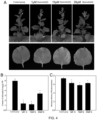
Figs. 4A-4C are diagrams showing the phenotype of attached leaves of Nicotiana benthamiana under an accelerator treatment according to one embodiment of the present application; -
Figs. 5A-5D are diagrams showing the phenotype of tobacco in field under accelerator treatment according to one embodiment of the present application; -
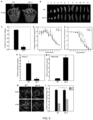
Figs. 6A-6I are diagrams of delaying senescence by mutation of flavonol synthase gene FLS1 in Arabidopsis thaliana; and -
Figs. 7A-7G are diagrams of promoting leaf senescence by overexpression of flavonol synthase gene FLS1 in Arabidopsis thaliana. - It is to be noted that the term "mother solution" used in the embodiments refers to a solution with a higher concentration, and the solution needs to be diluted in subsequent use to serve as a working solution with a lower concentration.
- The embodiments of the present application provide a method of promoting the senescence of plant leaves, the method comprising directly spraying a quercetin plant senescence accelerator comprising quercetin at a concentration of 0.5-20 µmol/L onto leaves of a plant, wherein the leaves are of tobacco at an early mature stage or of Arabidopsis thaliana.
- The quercetin plant senescence accelerator comprises a quercetin mother solution. Optionally, the quercetin mother solution is prepared by dissolving quercetin in dimethyl sulfoxide.
- Optionally, the quercetin plant senescence accelerator is prepared by mixing the quercetin mother solution with a 1/2 MS solution of 2-(N-morpholino)ethanesulfonic acid.
- Optionally, aconcentration of quercetin in the quercetin mother solution is 8-12 mmol/L, and aconcentration of the 1/2 MS solution of 2-(N-morpholino)ethanesulfonic acid is 2.8-3 mmol/L.
- The concentration of the quercetin mother solution may be 8, 9, 10, 11 or 12 mmol/L, and the concentration of the 1/2 MS solution of 2-(N-morpholino)ethanesulfonic acid may be 2.8, 2.9 or 3 mmol/L.
- Optionally, the method for preparing the quercetin plant senescence accelerator comprises the following steps:
- S1: Preparation of the quercetin mother solution: quercetin compound powder is weighed and dissolved in a solvent to obtain the quercetin mother solution; optionally, the concentration of quercetin in the mother solution is 8 to 12 mmol/L;
- S2: Preparation of a 1/2 MS medium: MS powder is weighed and dissolved in distilled water, and a pH of the solution is adjusted to 5.8-6.0 to obtain the 1/2 MS medium;
- The MS powder is MS (Murashige and Skoog) basic medium powder. The operation step of preparing the 1/2 MS medium belongs to the common knowledge in the art and will not be repeated here.
- S3: Preparation of the 1/2 MS solution of 2-(N-morpholino)ethanesulfonic acid: 2-(N-morpholino)ethanesulfonic acid is weighed and added to the 1/2 MS medium to obtain the 1/2 MS solution of 2-(N-morpholino)ethanesulfonic acid;optionally, the concentration of 2-(N-morpholino)ethanesulfonic acid in the solution is 2.8-3 mmol/L.
- In S3, the reason why the 1/2 MS solution is selected to dissolve 2-(N-morpholino)ethanesulfonic acid is that: this liquid medium can fully dissolve 2-(N-morpholino)ethanesulfonic acid, ensuring that a certain osmotic potential is formed on the surface of a plant and laying the foundation for quercetin to play its role; and, the liquid medium as a solvent can also provide a large number of nutrient elements, ensuring that the effect is achieved; it is more suitable for detached leaves.
- S4: Preparation of the quercetin plant senescence accelerator: the quercetin mother solution is added to the 1/2 MS solution of 2-(N-morpholino)ethanesulfonic acid and stirred uniformly to obtain the quercetin plant senescence accelerator.
- Optionally, in S1, the solvent is dimethyl sulfoxide. In the embodiments, the reason why dimethyl sulfoxide is selected as a solvent is that dimethyl sulfoxide has good solubility for quercetin and can promote better dissolution of quercetin so that quercetin plays a corresponding role.
- Optionally, in S4, the volume ratio of the 1/2 MS solution of 2-(N-morpholino)ethanesulfonic acid to the quercetin mother solution is (500-10000):1. In practical applications, it is also possible to mix other liquid (e.g., water) with the quercetin mother solution to obtain the accelerator. For example, the accelerator is prepared from water and the quercetin mother solution at a volume ratio of (500-10000):1.
- The leaves of tobacco at the early mature stage mainly refer to leaves of tobacco after topping; immature leaves are green leaves or leaves that are not mature completely. In the embodiments, the quercetin plant senescence accelerator having a concentration of 0.5, 1, 5, 10, 15 or 20 µmol/L may be used as a working solution. It is to be noted that, during spraying on living, the problems such as fast volatilization speed of the liquid and limited absorption degree of attached leaves need to be taken into consideration, which can easily lead to the indistinctive effect of accelerating senescence due to too low concentration. Therefore, during actual practice on attached leaves, based on the highest concentration limit, those skilled can properly adjust the concentration according to actual conditions;the concentration may be adjusted to 20 µmol/L or slightly higher. The frequency of use may be 2 to 5 times per week according to actual conditions.
- To describe the use of quercetin in a plant senescence accelerator provided in the embodiments of the present application more clearly, the following description will be given by specific embodiments.
- A quercetin plant senescence accelerator comprised: a quercetin mother solution in which aconcentration of quercetin was 10 mmol/L, and a 1/2 MS solution of 2-(N-morpholino)ethanesulfonic acid in which the concentration of 2-(N-morpholino)ethanesulfonic acid was 2.8 mmol/L, wherein the 1/2 MS solution of 2-(N-morpholino)ethanesulfonic acid was a solution prepared by dissolving 2-(N-morpholino)ethanesulfonic acid in a 1/2 MS medium.
- The specific method for preparing the accelerator comprised the following steps:
- S1. Preparation of the quercetin mother solution: quercetin powder was weighed and dissolved in the solvent dimethyl sulfoxide to obtain the quercetin mother solution having a concentration of 10 mmol/L for further use;
- S2: Preparation of the 1/2 MS medium: MS powder was weighed and dissolved in distilled water, and the pH of the solution was adjusted to 6.0 to obtain the 1/2 MS medium;
- S3: Preparation of the 1/2 MS solution of 2-(N-morpholino)ethanesulfonic acid: 2-(N-morpholino)ethanesulfonic acid was weighed and added to the 1/2 MS medium to obtain the 1/2 MS solution of 2-(N-morpholino)ethanesulfonic acid having a concentration of 2.8 mmol/L;
- S4: Preparation of the quercetin plant senescence accelerator: the quercetin mother solution was added to the 1/2 MS solution of 2-(N-morpholino)ethanesulfonic acid and stirred uniformly to obtain the quercetin plant senescence accelerator finished product, wherein the concentration of the quercetin plant senescence accelerator finished product could be 0.5, 1, 5, 10 and 20 µmol/L by adjusting the volume ratio of the two solutions.
- A quercetin plant senescence accelerator comprised: a quercetin mother solution in which aconcentration of quercetin was 8 mmol/L, and a 1/2 MS solution of 2-(N-morpholino)ethanesulfonic acid in which the concentration of 2-(N-morpholino)ethanesulfonic acid was 3 mmol/L, wherein the 1/2 MS solution of 2-(N-morpholino)ethanesulfonic acid was a solution prepared by dissolving 2-(N-morpholino)ethanesulfonic acid in a 1/2 MS medium.
- The specific method for preparing the accelerator comprised the following steps:
- S1. Preparation of the quercetin mother solution: quercetin powder was weighed and dissolved in the solvent dimethyl sulfoxide to obtain the quercetin mother solution having a concentration of 8 mmol/L for further use;
- S2: Preparation of the 1/2 MS medium: MS powder was weighed and dissolved in distilled water, and the pH of the solution was adjusted to 5.8 to obtain the 1/2 MS medium;
- S3: Preparation of the 1/2 MS solution of 2-(N-morpholino)ethanesulfonic acid: 2-(N-morpholino)ethanesulfonic acid was weighed and added to the 1/2 MS medium to obtain the 1/2 MS solution of 2-(N-morpholino)ethanesulfonic acid having a concentration of 3 mmol/L;
- S4: Preparation of the quercetin plant senescence accelerator: the quercetin mother solution was added to the 1/2 MS solution of 2-(N-morpholino)ethanesulfonic acid and stirred uniformly to obtain the quercetin plant senescence accelerator finished product, wherein the concentration of the quercetin plant senescence accelerator finished product could be 0.5, 1, 5, 10 and 20 µmol/L by adjusting the volume ratio of the two solutions.
- A quercetin plant senescence accelerator comprised: a quercetin mother solution in which the concentration of quercetin was 12 mmol/L, and a 1/2 MS solution of 2-(N-morpholino)ethanesulfonic acid in which aconcentration of 2-(N-morpholino)ethanesulfonic acid was 2.9 mmol/L, wherein the 1/2 MS solution of 2-(N-morpholino)ethanesulfonic acid was a solution prepared by dissolving 2-(N-morpholino)ethanesulfonic acid in a 1/2 MS medium.
- The specific method for preparing the accelerator comprised the following steps:
- S1. Preparation of the quercetin mother solution: quercetin powder was weighed and dissolved in dimethyl sulfoxide to obtain the quercetin mother solution having a concentration of 12 mmol/L for further use;
- S2: Preparation of the 1/2 MS medium: MS powder was weighed and dissolved in distilled water, and the pH of the solution was adjusted to 6.0 to obtain the 1/2 MS medium;
- S3: Preparation of the 1/2 MS solution of 2-(N-morpholino)ethanesulfonic acid: 2-(N-morpholino)ethanesulfonic acid was weighed and added to the 1/2 MS medium to obtain the 1/2 MS solution of 2-(N-morpholino)ethanesulfonic acid having a concentration of 2.9 mmol/L;
- S4: Preparation of the quercetin plant senescence accelerator: the quercetin mother solution was added to the 1/2 MS solution of 2-(N-morpholino)ethanesulfonic acid and stirred uniformly to obtain the quercetin plant senescence accelerator finished product, wherein the of the quercetin plant senescence accelerator finished product could be 0.5, 1, 5, 10 and 20 µmol/L by adjusting the volume ratio of the two solutions.
- Detached leaves of the model organism Arabidopsis thaliana were treated by the quercetin plant senescence accelerator finished products prepared by the preparation method provided in one of Embodiments 1-3 of the present application, and the accelerating effect of the accelerator on the senescence of plant leaves was observed. The specific results were shown in
Figs. 1A-1D , and the experimental groups and their results were described below. - Experimental group: detached leaves of Arabidopsis thaliana were sprayed with the quercetin plant senescence accelerators having concentrations of 0.5 µmol/L, 1.0 µmol/L and 5 µmol/L in
Embodiment 1, respectively. Control group: detached leaves of Arabidopsis thaliana were sprayed with the 1/2 MS solution of 2-(N-morpholino)ethanesulfonic acid in which the concentration of 2-(N-morpholino)ethanesulfonic acid was 2.8 mmol/L. Phenotypic symptoms of leaf senescence were observed on the 6th day after treatment, and the content of chlorophyll and the expression of the senescence-related marker gene in the leaves of Arabidopsis thaliana in the experimental group and the control group were analyzed. - The results indicated that: compared to the control group, the degree of senescence of the detached leaves in the experimental group was accelerated, and the senescence was most obvious when the detached leaves were treated at the concentration of 10 µmol/L, as shown in
Fig. 1A . Meanwhile, from the analysis on the content of chlorophyll (the results were shown inFig. 1B ) and the expression of the senescence-related marker gene (the results were shown inFigs. 1C-1D ), the content of chlorophyll in the leaves treated at the concentration of 1.0 µmol/L was the lowest and the expression of the senescence-related marker gene was the highest, followed by other concentration groups; and, the senescence accelerating effect of the control group was the worst. These results indicated that the quercetin plant senescence accelerator could accelerate the senescence of leaves of Arabidopsis thaliana, and participate in the regulation of leaf senescence process. - Detached leaves of Nicotiana benthamiana were treated by the quercetin plant senescence accelerator finished products prepared by the preparation method provided in one of Embodiments 1-3 of the present application, and the accelerating effect of the accelerator on the senescence of plant leaves was observed. The specific results were shown in
Figs. 2A and 2B , and the experimental groups and their results were described below. - Experimental group: detached tobacco leaves were sprayed with the quercetin plant senescence accelerator having a concentration of 1.0 µmol/L in
Embodiment 1. Control group: detached tobacco leaves were sprayed with the 1/2 MS solution of 2-(N-morpholino)ethanesulfonic acid in which the concentration of 2-(N-morpholino)ethanesulfonic acid was 2.8 mmol/L. Phenotypic symptoms of leaf senescence were observed on the 10th day after treatment, and acontent of chlorophyll in the tobacco leaves was analyzed. - The results indicated that: from the analysis on phenotypic results, as shown in
Fig. 2A , compared to the control group, the leaf senescence process could be accelerated by treating detached tobacco leaves using the quercetin plant senescence accelerator with a concentration of 1.0 µmol/L; and, from the analysis on the results of the content of chlorophyll, as shown inFig. 2B , compared to the control group, the content of chlorophyll in tobacco leaves could be significantly reduced when treated with the quercetin senescence accelerator. These results indicated that the quercetin plant senescence accelerator could accelerate the senescence of tobacco leaves. - Living plants of Arabidopsis thaliana were sprayed with the quercetin plant senescence accelerator finished products prepared by the preparation method provided in one of Embodiments 1-3 of the present application, and the accelerating effect of the accelerator on the senescence of plant leaves was observed. The specific results were shown in
Figs. 3A-3C , and the experimental groups and their results were described below. - Experimental group: living plants of Arabidopsis thaliana were sprayed with the quercetin plant senescence accelerators with concentrations of 10 µmol/L and 20 µmol/L in
Embodiment 2, respectively. Control group: living plants of Arabidopsis thaliana were sprayed with the 1/2 MS solution of 2-(N-morpholino)ethanesulfonic acid in which the concentration of 2-(N-morpholino)ethanesulfonic acid was 3 mmol/L. - The results indicated that: compared to the control group, the senescence process of the Arabidopsis thaliana plants treated for 15 days with 10 µmol/L of the quercetin plant senescence accelerator and 20 µmol/L of the quercetin plant senescence accelerator was accelerated, as shown in
Fig. 3A . From the analysis on the results of content of chlorophyll, as shown inFig. 3B , the content of chlorophyll in leaves could be significantly reduced by exogenously spraying quercetin onto the attached leaves of Arabidopsis thaliana, and the maximum efficiency of PSII photochemistry in the experimental group was lower than that in the control group (Fig. 3C ). In conclusion, it indicated that the quercetin plant senescence accelerator really had an obvious effect of accelerating the senescence of attached leaves of the plant. - Living plants of Nicotiana benthamiana were sprayed with the quercetin plant senescence accelerator finished product in
Embodiment 3, and the accelerating effect of the accelerator on the senescence of plant leaves was observed. The specific results were shown inFigs. 4A-4C , and the experimental groups and their results were described below. - Experimental group: living plants of Nicotiana benthamiana were sprayed with the quercetin plant senescence accelerators having concentrations of 1 µmol/L, 10 µmol/L and 20 µmol/L, respectively. Control group: living plants of Nicotiana benthamiana were sprayed with the 1/2 MS solution of 2-(N-morpholino)ethanesulfonic acid in which the concentration of 2-(N-morpholino)ethanesulfonic acid was 2.9 mmol/L.
- By analyzing the results, the results of the spray experimental groups indicated that: compared to the control group, the senescence process of tobacco treated for 21 days with 1 µmol/L of the quercetin plant senescence accelerator, 10 µmol/L of the quercetin plant senescence accelerator and 20 µmol/L of the quercetin plant senescence accelerator was accelerated (
Fig. 4A ). From the analysis on the results of content of chlorophyll, as shown inFig. 4B , the content of chlorophyll in leaves could be significantly reduced by exogenously spraying quercetin onto the attached leaves of Nicotiana benthamiana and the maximum efficiency of PSII photochemistry in the experimental group was lower than that in the control group (Fig. 4C ). In conclusion, it indicated that the quercetin plant senescence accelerator really had an obvious effect of accelerating the senescence of attached leaves of the plant. - It could be found from the
experimental test 4 that 10 µmol/L was the optimal concentration of the quercetin plant senescence accelerator to accelerate mature and yellowing of tobacco leaves. Further Honghuadajinyuan tobacco was sprayed with the quercetin plant senescence accelerator finished product, and the accelerating effect of the accelerator on the senescence of plant leaves was observed. The specific results were shown inFigs. 5A-5D , and the experimental groups and their results were described below. - The quercetin plant senescence accelerator having a concentration of 0 (the control group) and the quercetin plant senescence accelerator having a concentration of 10 µmol/L were sprayed onto living parts of common tobacco.
- By analyzing the results, the results of the spray experimental groups indicated that: compared to the control group, the senescence process of tobacco treated for 15 days with 10 µmol/L of the quercetin plant senescence accelerator was accelerated (
Fig. 5A ). From the analysis on the results of content of chlorophyll, as shown inFig. 5B , the content of chlorophyll in leaves could be significantly reduced by exogenously spraying quercetin onto the attached leaves of tobacco, the maximum efficiency of PSII photochemistry in the experimental group was lower than that in the control group (Fig. 5C ), and the expression of the senescence marker gene NtSAG12 after the treatment using the quercetin plant senescence accelerator was increased significantly (Fig. 5D ). In conclusion, it indicated that the quercetin plant senescence accelerator really had an obvious effect of accelerating the senescence of attached leaves of the plant. - The Arabidopsis thaliana mutant fls1-3 was obtained by mutating the flavonol synthase gene FLS1 in Arabidopsis thaliana. The content of quercetin in this plant was significantly reduced, and had an obvious delayed senescence phenotype under the same conditions in comparison to the wild type (WT) in the control group, as shown in
Figs. 6A and 6B . Meanwhile, the content of quercetin in the fls1-3 mutant and the content of quercetin in the wild type were measured by high performance liquid chromatography-mass chromatography (HPLC-MS), respectively. The results indicated that the content of flavonol-quercetin in the fls1-3 mutant was obviously lower than that in the wide type, as shown inFig. 6C . Further, the content of chlorophyll and the maximum efficiency PSII photochemistry(Fv/Fm) in the mutant rosette leaves (1 to 12 leaf positions, marked from down to up) were measured. The results indicated that, with the increase of the leaf position (from No. 1 to No. 12), the degree of senescence of leaves was decreased successively, and the content of chlorophyll and the Fv/Fm in both the fls1-3 mutant and the wild type were increased progressively; at the same leaf position, the content of chlorophyll and the Fv/Fm in the fls1-3 mutant plant were significantly higher than those in the wild type, as shown inFigs. 6D-6E . Meanwhile, the senescence-related marker gene was analyzed by qRT-PCR; the results indicated that, compared to the wild type, the expression of the SAG12 gene that encodes cysteine proteases in the fls1-3 mutant was significantly down-regulated, and the expression of the photosynthesis-related gene RBCS3B in the fls1-3 mutant was significantly up-regulated, as shown inFigs. 6F-6G . Furthermore, dark-induced senescence was also carried out on detached leaves; it was found that the senescence process of detached leaves of the fls1-3 mutant was obviously slower than that of the wild type in dark, and the content of chlorophyll in the fls1-3 mutant was significantly higher than that of the wild type, as shown inFigs. 6H-6I . -
Flavonol synthase 1 AtFLS1, which controlled the synthesis of quercetin in Arabidopsis thaliana, was cloned into an induced overexpression vector. The correct constructs were transformed into Agrobacterium competent cells (GV3101), followed by transformation of Arabidopsis thaliana by Agrobacterium-mediated floral dip. Two independent transgene lines, i.e., IE1 and IE2, were selected in the experimental group, and then grown under the same conditions together with the control line PTA7001. After 25 days of continuous illumination, the leaves of the plants were sprayed with 30 µM of dexamethasone (DEX), and were treated once every other day for 2 times. The phenotype was observed, and physiological and chemical measurement was performed. The results were shown inFigs. 7A-7G . After the leaves were treated with DEX for 6 hours, the expression of the AtFLS1 gene was obviously up-regulated, and the content of the flavonol compound-quercetin was increased (Figs. 7B-7C ). After the treatment for 1 week, compared to the control PTA7001, the senescence process of the induced overexpression materials IE1 and IE2 was significantly advanced, the leaf tips and leaf edges were yellowed, and the premature phenotype was more obvious at 2 weeks (Fig. 7A ). Meanwhile, the senescence-related parameter results indicated that the content of chlorophyll and the maximum efficiency of PSII photochemistry(Fv/Fm) in the induced overexpression materials IE1 and IE2 were obviously lower than those in the control (Figs. 7D-7E ), the expression of the senescence marker gene SAG12 was up-regulated by 600 to 1200 times after the treatment with DEX for 24 hours, and the expression of RBCS3B was obviously lower than that in the control PTA7001 (Figs. 7F-7G ).
Claims (7)
- A method of promoting the senescence of plant leaves, the method comprising directly spraying a quercetin plant senescence accelerator comprising quercetin at a concentration of 0.5-20 µmol/L onto leaves of a plant; wherein the leaves are of tobacco at an early mature stage or of Arabidopsis thaliana.
- The method of claim 1, wherein the quercetin plant senescence accelerator comprises a quercetin mother solution prepared by dissolving quercetin in dimethyl sulfoxide.
- The method of claim 1, wherein the quercetin plant senescence accelerator is prepared by mixing aquercetin mother solution with a 1/2 MS solution of 2-(N-morpholino)ethanesulfonic acid.
- The method of claim 3, wherein the concentration of the quercetin mother solution is 8 to 12 mmol/L, and the concentration of the 1/2 MS solution of 2-(N-morpholino)ethanesulfonic acid is 2.8-3 mmol/L.
- The method of claim 4, wherein the method for preparing the quercetin plant senescence accelerator comprises the following steps:preparing the quercetin mother solution: weighing quercetin compound powder, and dissolving in a solvent to obtain the quercetin mother solution;preparing a 1/2 MS medium: weighing MS powder, dissolving in distilled water, and adjusting apH of the solution to 5.8 to 6.0 to obtain the 1/2 MS medium;preparing the 1/2 MS solution of 2-(N-morpholino)ethanesulfonic acid: weighing 2-(N-morpholino)ethanesulfonic acid, and adding to the 1/2 MS medium to obtain the 1/2 MS solution of 2-(N-morpholino)ethanesulfonic acid; andpreparing the quercetin plant senescence accelerator: adding the quercetin mother solution to the 1/2 MS solution of 2-(N-morpholino)ethanesulfonic acid, and stirring uniformly to obtain the quercetin plant senescence accelerator.
- The method of claim 5, wherein in the step of preparing the quercetin mother solution, the solvent is dimethyl sulfoxide.
- The method of claim 5 or 6, wherein in the step of preparing the quercetin plant senescence accelerator, the volume ratio of the 1/2 MS solution of 2-(N-morpholino)ethanesulfonic acid to the quercetin mother solution is (500-10000):1.
Applications Claiming Priority (2)
| Application Number | Priority Date | Filing Date | Title |
|---|---|---|---|
| CN201910858516.2A CN110476983B (en) | 2019-09-11 | 2019-09-11 | Application of quercetin in plant senescence accelerator |
| PCT/CN2020/113716 WO2021047467A1 (en) | 2019-09-11 | 2020-09-07 | Application of quercetin in plant senescence promoter |
Publications (4)
| Publication Number | Publication Date |
|---|---|
| EP4011207A1 EP4011207A1 (en) | 2022-06-15 |
| EP4011207A4 EP4011207A4 (en) | 2022-12-28 |
| EP4011207B1 true EP4011207B1 (en) | 2025-06-11 |
| EP4011207C0 EP4011207C0 (en) | 2025-06-11 |
Family
ID=68557432
Family Applications (1)
| Application Number | Title | Priority Date | Filing Date |
|---|---|---|---|
| EP20864089.6A Active EP4011207B1 (en) | 2019-09-11 | 2020-09-07 | Application of quercetin in plant senescence promoter |
Country Status (4)
| Country | Link |
|---|---|
| US (1) | US11252961B2 (en) |
| EP (1) | EP4011207B1 (en) |
| CN (1) | CN110476983B (en) |
| WO (1) | WO2021047467A1 (en) |
Families Citing this family (3)
| Publication number | Priority date | Publication date | Assignee | Title |
|---|---|---|---|---|
| CN110476983B (en) | 2019-09-11 | 2021-04-30 | 中国农业科学院烟草研究所 | Application of quercetin in plant senescence accelerator |
| CN111972417A (en) * | 2020-08-27 | 2020-11-24 | 中国农业科学院烟草研究所 | Preparation of quercetin nanoliposome and anti-TMV activity research method |
| CN113367137A (en) * | 2021-07-05 | 2021-09-10 | 中国农业科学院烟草研究所(中国烟草总公司青州烟草研究所) | Culture solution for rapidly inducing tobacco leaf aging and treatment method |
Family Cites Families (7)
| Publication number | Priority date | Publication date | Assignee | Title |
|---|---|---|---|---|
| JPS5118668A (en) * | 1974-07-30 | 1976-02-14 | Mikio Nakanishi | Shokubutsuhano ozonsankaboshito rokayokuseikokaojusuru soseibutsu |
| EP1926703B1 (en) * | 2005-09-20 | 2013-01-09 | DSM IP Assets B.V. | Novel carboxylic acid derivatives |
| CN104798812A (en) * | 2015-05-14 | 2015-07-29 | 河南农业大学 | Promoting agent for promoting tobacco mature yellowing and promoting method thereof |
| CN106614586B (en) * | 2016-09-30 | 2019-03-26 | 中国农业科学院烟草研究所 | IDL4 mature polypeptide plant senescence promoter, preparation method and application |
| CN106234415B (en) * | 2016-09-30 | 2018-09-21 | 中国农业科学院烟草研究所 | IDA mature polypeptide plant senescences accelerating agent, preparation method and application |
| CN109182347B (en) * | 2018-09-11 | 2020-07-24 | 中国农业科学院烟草研究所 | Application of tobacco NtTS3 gene in controlling tobacco leaf senescence |
| CN110476983B (en) * | 2019-09-11 | 2021-04-30 | 中国农业科学院烟草研究所 | Application of quercetin in plant senescence accelerator |
-
2019
- 2019-09-11 CN CN201910858516.2A patent/CN110476983B/en active Active
-
2020
- 2020-09-07 EP EP20864089.6A patent/EP4011207B1/en active Active
- 2020-09-07 WO PCT/CN2020/113716 patent/WO2021047467A1/en not_active Ceased
-
2021
- 2021-05-27 US US17/332,954 patent/US11252961B2/en active Active
Also Published As
| Publication number | Publication date |
|---|---|
| US20210321612A1 (en) | 2021-10-21 |
| US11252961B2 (en) | 2022-02-22 |
| CN110476983A (en) | 2019-11-22 |
| EP4011207A4 (en) | 2022-12-28 |
| WO2021047467A1 (en) | 2021-03-18 |
| EP4011207C0 (en) | 2025-06-11 |
| EP4011207A1 (en) | 2022-06-15 |
| CN110476983B (en) | 2021-04-30 |
Similar Documents
| Publication | Publication Date | Title |
|---|---|---|
| US11535858B2 (en) | Polynucleotide construct for improving agricultural characteristics in crop plants | |
| US11252961B2 (en) | Use of quercetin in plant aging promoter | |
| Li et al. | Advances in fruit coloring research in grapevine: An overview | |
| CN116731142B (en) | ZmSAUR gene, zmSAUR protein and application thereof in regulating and controlling seedling stage corn root system development | |
| CN119409789B (en) | A CaNAC02 gene regulating carotenoid synthesis in pepper fruits and its applications | |
| CN113913440A (en) | Application of GhD1119 gene in regulating and controlling blossoming of upland cotton | |
| KR20260019575A (en) | Method for culturing immature embryos of wheat(Triticum aestivum) | |
| US20150240251A1 (en) | Composition for regulating flowering of a plant containing the gene coding for abi3 protein | |
| CN104152474A (en) | Tobacco lycopene beta-cyclase gene and its application | |
| CN113841700B (en) | SENPP 1-3 mature polypeptide plant senescence promoter, preparation method and application thereof | |
| CN113907077B (en) | PSY1 mature polypeptide plant senescence inhibitor and preparation method and application thereof | |
| CN106614586A (en) | IDL4 mature polypeptide plant senescence accelerator, preparation method and application | |
| Belonogova et al. | Shoot regeneration from cotyledon explants of fibre flax (Linum usitatissimum) and their subsequent rooting | |
| CN107119057B (en) | Rubber tree flowering regulation gene HbFT2, and cloning and application thereof | |
| KR100925884B1 (en) | How to Change Plant Morphology by Controlling Intracellular Levels | |
| Kraut et al. | Immature zygotic embryo cultures of Arabidopsis. A model system for molecular studies on morphogenic pathways induced in vitro | |
| CN107418937A (en) | P45071D8 influences function and its application of plant type of rice and salt stress patience | |
| Matsneva et al. | The effect of growth regulators on the micro-shoots' regeneration of strawberries (Fragaria× ananassa Duch.) in in vitro culture | |
| Bayanati et al. | Senescence: the final phase of plant life | |
| CN115925851B (en) | Application of AIL6 gene in enhancing seed dormancy | |
| CN112391403A (en) | Application of TGW10 gene in improving crop grain type traits | |
| CN119082168B (en) | Application of scutellum specific expression gene OsMYB80 in inhibiting germination of rice spikes | |
| CN119193630A (en) | A gene for reducing the rate of tomato peduncle shedding and its application | |
| CN119876235B (en) | Application of ClVDAC1 gene in regulating watermelon growth and development, fruit quality, seed quality, low temperature resistance and wilt resistance | |
| Liu et al. | Complex regulatory network of Betula BplSPL8 in planta |
Legal Events
| Date | Code | Title | Description |
|---|---|---|---|
| STAA | Information on the status of an ep patent application or granted ep patent |
Free format text: STATUS: THE INTERNATIONAL PUBLICATION HAS BEEN MADE |
|
| PUAI | Public reference made under article 153(3) epc to a published international application that has entered the european phase |
Free format text: ORIGINAL CODE: 0009012 |
|
| STAA | Information on the status of an ep patent application or granted ep patent |
Free format text: STATUS: REQUEST FOR EXAMINATION WAS MADE |
|
| 17P | Request for examination filed |
Effective date: 20220309 |
|
| AK | Designated contracting states |
Kind code of ref document: A1 Designated state(s): AL AT BE BG CH CY CZ DE DK EE ES FI FR GB GR HR HU IE IS IT LI LT LU LV MC MK MT NL NO PL PT RO RS SE SI SK SM TR |
|
| RAP3 | Party data changed (applicant data changed or rights of an application transferred) |
Owner name: TOBACCO RESEARCH INSTITUTE OF CHINESE ACADEMY OF AGRICULTURAL SCIENCES (CN) |
|
| DAV | Request for validation of the european patent (deleted) | ||
| DAX | Request for extension of the european patent (deleted) | ||
| A4 | Supplementary search report drawn up and despatched |
Effective date: 20221125 |
|
| RIC1 | Information provided on ipc code assigned before grant |
Ipc: A01P 21/00 20060101ALI20221121BHEP Ipc: A01N 43/84 20060101ALI20221121BHEP Ipc: A01N 43/16 20060101AFI20221121BHEP |
|
| STAA | Information on the status of an ep patent application or granted ep patent |
Free format text: STATUS: EXAMINATION IS IN PROGRESS |
|
| 17Q | First examination report despatched |
Effective date: 20230829 |
|
| GRAP | Despatch of communication of intention to grant a patent |
Free format text: ORIGINAL CODE: EPIDOSNIGR1 |
|
| STAA | Information on the status of an ep patent application or granted ep patent |
Free format text: STATUS: GRANT OF PATENT IS INTENDED |
|
| RIC1 | Information provided on ipc code assigned before grant |
Ipc: A01N 1/00 20060101ALI20240827BHEP Ipc: A01P 21/00 20060101ALI20240827BHEP Ipc: A01N 43/16 20060101AFI20240827BHEP |
|
| INTG | Intention to grant announced |
Effective date: 20240909 |
|
| GRAS | Grant fee paid |
Free format text: ORIGINAL CODE: EPIDOSNIGR3 |
|
| GRAA | (expected) grant |
Free format text: ORIGINAL CODE: 0009210 |
|
| STAA | Information on the status of an ep patent application or granted ep patent |
Free format text: STATUS: THE PATENT HAS BEEN GRANTED |
|
| AK | Designated contracting states |
Kind code of ref document: B1 Designated state(s): AL AT BE BG CH CY CZ DE DK EE ES FI FR GB GR HR HU IE IS IT LI LT LU LV MC MK MT NL NO PL PT RO RS SE SI SK SM TR |
|
| REG | Reference to a national code |
Ref country code: GB Ref legal event code: FG4D |
|
| REG | Reference to a national code |
Ref country code: CH Ref legal event code: EP |
|
| REG | Reference to a national code |
Ref country code: DE Ref legal event code: R096 Ref document number: 602020043113 Country of ref document: DE |
|
| REG | Reference to a national code |
Ref country code: IE Ref legal event code: FG4D |
|
| GRAT | Correction requested after decision to grant or after decision to maintain patent in amended form |
Free format text: ORIGINAL CODE: EPIDOSNCDEC |
|
| APAW | Appeal reference deleted |
Free format text: ORIGINAL CODE: EPIDOSDREFNO |
|
| U01 | Request for unitary effect filed |
Effective date: 20241216 |
|
| PUAC | Information related to the publication of a b1 document modified or deleted |
Free format text: ORIGINAL CODE: 0009299EPPU |
|
| STAA | Information on the status of an ep patent application or granted ep patent |
Free format text: STATUS: GRANT OF PATENT IS INTENDED |
|
| APAF | Appeal reference modified |
Free format text: ORIGINAL CODE: EPIDOSCREFNE |
|
| APBV | Interlocutory revision of appeal recorded |
Free format text: ORIGINAL CODE: EPIDOSNIRAPE |
|
| REG | Reference to a national code |
Ref country code: CH Ref legal event code: PK Free format text: DIE ERTEILUNG WURDE VOM EPA WIDERRUFEN. |
|
| REG | Reference to a national code |
Ref country code: DE Ref legal event code: R079 Ref document number: 602020043113 Country of ref document: DE Free format text: PREVIOUS MAIN CLASS: A01N0043160000 Ipc: A01N0001000000 |
|
| GRAJ | Information related to disapproval of communication of intention to grant by the applicant or resumption of examination proceedings by the epo deleted |
Free format text: ORIGINAL CODE: EPIDOSDIGR1 |
|
| GRAP | Despatch of communication of intention to grant a patent |
Free format text: ORIGINAL CODE: EPIDOSNIGR1 |
|
| DB1 | Publication of patent cancelled |
Effective date: 20250124 |
|
| RIC1 | Information provided on ipc code assigned before grant |
Ipc: C05F 11/10 20060101ALI20250203BHEP Ipc: A01P 15/00 20060101ALI20250203BHEP Ipc: A01N 43/84 20060101ALI20250203BHEP Ipc: A01N 43/16 20060101ALI20250203BHEP Ipc: A01N 1/00 20060101AFI20250203BHEP |
|
| REG | Reference to a national code |
Ref country code: DE Ref legal event code: R107 Ref document number: 602020043113 Country of ref document: DE |
|
| INTG | Intention to grant announced |
Effective date: 20250218 |
|
| REG | Reference to a national code |
Ref country code: LT Ref legal event code: MG9D |
|
| PG25 | Lapsed in a contracting state [announced via postgrant information from national office to epo] |
Ref country code: FI Free format text: LAPSE BECAUSE OF FAILURE TO SUBMIT A TRANSLATION OF THE DESCRIPTION OR TO PAY THE FEE WITHIN THE PRESCRIBED TIME-LIMIT Effective date: 20241211 |
|
| REG | Reference to a national code |
Ref country code: AT Ref legal event code: REZ Ref document number: 1749586 Country of ref document: AT Kind code of ref document: T Effective date: 20241211 |
|
| PG25 | Lapsed in a contracting state [announced via postgrant information from national office to epo] |
Ref country code: NO Free format text: LAPSE BECAUSE OF FAILURE TO SUBMIT A TRANSLATION OF THE DESCRIPTION OR TO PAY THE FEE WITHIN THE PRESCRIBED TIME-LIMIT Effective date: 20250311 |
|
| PG25 | Lapsed in a contracting state [announced via postgrant information from national office to epo] |
Ref country code: GR Free format text: LAPSE BECAUSE OF FAILURE TO SUBMIT A TRANSLATION OF THE DESCRIPTION OR TO PAY THE FEE WITHIN THE PRESCRIBED TIME-LIMIT Effective date: 20250312 |
|
| GRAS | Grant fee paid |
Free format text: ORIGINAL CODE: EPIDOSNIGR3 |
|
| PG25 | Lapsed in a contracting state [announced via postgrant information from national office to epo] |
Ref country code: RS Free format text: LAPSE BECAUSE OF FAILURE TO SUBMIT A TRANSLATION OF THE DESCRIPTION OR TO PAY THE FEE WITHIN THE PRESCRIBED TIME-LIMIT Effective date: 20250311 |
|
| GRAA | (expected) grant |
Free format text: ORIGINAL CODE: 0009210 |
|
| STAA | Information on the status of an ep patent application or granted ep patent |
Free format text: STATUS: THE PATENT HAS BEEN GRANTED |
|
| AK | Designated contracting states |
Kind code of ref document: B1 Designated state(s): AL AT BE BG CH CY CZ DE DK EE ES FI FR GB GR HR HU IE IS IT LI LT LU LV MC MK MT NL NO PL PT RO RS SE SI SK SM TR |
|
| REG | Reference to a national code |
Ref country code: CH Ref legal event code: EP |
|
| REG | Reference to a national code |
Ref country code: DE Ref legal event code: R096 Ref document number: 602020043113 Country of ref document: DE |
|
| PG25 | Lapsed in a contracting state [announced via postgrant information from national office to epo] |
Ref country code: PL Free format text: LAPSE BECAUSE OF FAILURE TO SUBMIT A TRANSLATION OF THE DESCRIPTION OR TO PAY THE FEE WITHIN THE PRESCRIBED TIME-LIMIT Effective date: 20250611 |
|
| U02 | Date of filing of request for unitary effect changed |
Effective date: 20250612 |
|
| U07 | Unitary effect registered |
Designated state(s): AT BE BG DE DK EE FI FR IT LT LU LV MT NL PT RO SE SI Effective date: 20250731 |
|
| U20 | Renewal fee for the european patent with unitary effect paid |
Year of fee payment: 6 Effective date: 20250826 |
|
| PG25 | Lapsed in a contracting state [announced via postgrant information from national office to epo] |
Ref country code: ES Free format text: LAPSE BECAUSE OF FAILURE TO SUBMIT A TRANSLATION OF THE DESCRIPTION OR TO PAY THE FEE WITHIN THE PRESCRIBED TIME-LIMIT Effective date: 20250611 |
|
| PG25 | Lapsed in a contracting state [announced via postgrant information from national office to epo] |
Ref country code: NO Free format text: LAPSE BECAUSE OF FAILURE TO SUBMIT A TRANSLATION OF THE DESCRIPTION OR TO PAY THE FEE WITHIN THE PRESCRIBED TIME-LIMIT Effective date: 20250911 |
|
| PG25 | Lapsed in a contracting state [announced via postgrant information from national office to epo] |
Ref country code: HR Free format text: LAPSE BECAUSE OF FAILURE TO SUBMIT A TRANSLATION OF THE DESCRIPTION OR TO PAY THE FEE WITHIN THE PRESCRIBED TIME-LIMIT Effective date: 20250611 |
|
| PG25 | Lapsed in a contracting state [announced via postgrant information from national office to epo] |
Ref country code: SM Free format text: LAPSE BECAUSE OF FAILURE TO SUBMIT A TRANSLATION OF THE DESCRIPTION OR TO PAY THE FEE WITHIN THE PRESCRIBED TIME-LIMIT Effective date: 20250611 |
|
| PG25 | Lapsed in a contracting state [announced via postgrant information from national office to epo] |
Ref country code: CZ Free format text: LAPSE BECAUSE OF FAILURE TO SUBMIT A TRANSLATION OF THE DESCRIPTION OR TO PAY THE FEE WITHIN THE PRESCRIBED TIME-LIMIT Effective date: 20250611 |
|
| PG25 | Lapsed in a contracting state [announced via postgrant information from national office to epo] |
Ref country code: SK Free format text: LAPSE BECAUSE OF FAILURE TO SUBMIT A TRANSLATION OF THE DESCRIPTION OR TO PAY THE FEE WITHIN THE PRESCRIBED TIME-LIMIT Effective date: 20250611 |
|
| PLBE | No opposition filed within time limit |
Free format text: ORIGINAL CODE: 0009261 |
|
| STAA | Information on the status of an ep patent application or granted ep patent |
Free format text: STATUS: NO OPPOSITION FILED WITHIN TIME LIMIT |
|
| REG | Reference to a national code |
Ref country code: CH Ref legal event code: L10 Free format text: ST27 STATUS EVENT CODE: U-0-0-L10-L00 (AS PROVIDED BY THE NATIONAL OFFICE) Effective date: 20260423 |
|
| REG | Reference to a national code |
Ref country code: CH Ref legal event code: H13 Free format text: ST27 STATUS EVENT CODE: U-0-0-H10-H13 (AS PROVIDED BY THE NATIONAL OFFICE) Effective date: 20260504 |
|
| 26N | No opposition filed |
Effective date: 20260312 |
|
| GBPC | Gb: european patent ceased through non-payment of renewal fee |
Effective date: 20250907 |
|
| PG25 | Lapsed in a contracting state [announced via postgrant information from national office to epo] |
Ref country code: MC Free format text: LAPSE BECAUSE OF FAILURE TO SUBMIT A TRANSLATION OF THE DESCRIPTION OR TO PAY THE FEE WITHIN THE PRESCRIBED TIME-LIMIT Effective date: 20250611 |
|
| PG25 | Lapsed in a contracting state [announced via postgrant information from national office to epo] |
Ref country code: GB Free format text: LAPSE BECAUSE OF NON-PAYMENT OF DUE FEES Effective date: 20250907 |
|
| PG25 | Lapsed in a contracting state [announced via postgrant information from national office to epo] |
Ref country code: IE Free format text: LAPSE BECAUSE OF NON-PAYMENT OF DUE FEES Effective date: 20250907 Ref country code: CH Free format text: LAPSE BECAUSE OF NON-PAYMENT OF DUE FEES Effective date: 20250930 |