EP4010705B1 - Verfahren zur identifizierung von peptidantigenen und verwendungen davon - Google Patents
Verfahren zur identifizierung von peptidantigenen und verwendungen davon Download PDFInfo
- Publication number
- EP4010705B1 EP4010705B1 EP20750679.1A EP20750679A EP4010705B1 EP 4010705 B1 EP4010705 B1 EP 4010705B1 EP 20750679 A EP20750679 A EP 20750679A EP 4010705 B1 EP4010705 B1 EP 4010705B1
- Authority
- EP
- European Patent Office
- Prior art keywords
- protein
- seq
- peptide
- igg
- human
- Prior art date
- Legal status (The legal status is an assumption and is not a legal conclusion. Google has not performed a legal analysis and makes no representation as to the accuracy of the status listed.)
- Active
Links
Images






Classifications
-
- G—PHYSICS
- G01—MEASURING; TESTING
- G01N—INVESTIGATING OR ANALYSING MATERIALS BY DETERMINING THEIR CHEMICAL OR PHYSICAL PROPERTIES
- G01N33/00—Investigating or analysing materials by specific methods not covered by groups G01N1/00 - G01N31/00
- G01N33/48—Biological material, e.g. blood, urine; Haemocytometers
- G01N33/50—Chemical analysis of biological material, e.g. blood, urine; Testing involving biospecific ligand binding methods; Immunological testing
- G01N33/53—Immunoassay; Biospecific binding assay; Materials therefor
- G01N33/564—Immunoassay; Biospecific binding assay; Materials therefor for pre-existing immune complex or autoimmune disease, i.e. systemic lupus erythematosus, rheumatoid arthritis, multiple sclerosis, rheumatoid factors or complement components C1-C9
-
- G—PHYSICS
- G01—MEASURING; TESTING
- G01N—INVESTIGATING OR ANALYSING MATERIALS BY DETERMINING THEIR CHEMICAL OR PHYSICAL PROPERTIES
- G01N33/00—Investigating or analysing materials by specific methods not covered by groups G01N1/00 - G01N31/00
- G01N33/48—Biological material, e.g. blood, urine; Haemocytometers
- G01N33/50—Chemical analysis of biological material, e.g. blood, urine; Testing involving biospecific ligand binding methods; Immunological testing
- G01N33/68—Chemical analysis of biological material, e.g. blood, urine; Testing involving biospecific ligand binding methods; Immunological testing involving proteins, peptides or amino acids
- G01N33/6893—Chemical analysis of biological material, e.g. blood, urine; Testing involving biospecific ligand binding methods; Immunological testing involving proteins, peptides or amino acids related to diseases not provided for elsewhere
-
- G—PHYSICS
- G01—MEASURING; TESTING
- G01N—INVESTIGATING OR ANALYSING MATERIALS BY DETERMINING THEIR CHEMICAL OR PHYSICAL PROPERTIES
- G01N33/00—Investigating or analysing materials by specific methods not covered by groups G01N1/00 - G01N31/00
- G01N33/48—Biological material, e.g. blood, urine; Haemocytometers
- G01N33/50—Chemical analysis of biological material, e.g. blood, urine; Testing involving biospecific ligand binding methods; Immunological testing
- G01N33/68—Chemical analysis of biological material, e.g. blood, urine; Testing involving biospecific ligand binding methods; Immunological testing involving proteins, peptides or amino acids
- G01N33/6893—Chemical analysis of biological material, e.g. blood, urine; Testing involving biospecific ligand binding methods; Immunological testing involving proteins, peptides or amino acids related to diseases not provided for elsewhere
- G01N33/6896—Neurological disorders, e.g. Alzheimer's disease
-
- G—PHYSICS
- G01—MEASURING; TESTING
- G01N—INVESTIGATING OR ANALYSING MATERIALS BY DETERMINING THEIR CHEMICAL OR PHYSICAL PROPERTIES
- G01N2800/00—Detection or diagnosis of diseases
- G01N2800/24—Immunology or allergic disorders
Definitions
- the present invention relates to a new method for identifying peptide antigens relevant to a disease involving T cell activation
- the immune system has evolved in response to the threat of invading pathogens. Its first line of defense is innate immunity and the innate immune system, including macrophages, neutrophils and monocytes, which is rapid but non-specific. Innate immune cells can eliminate pathogens, whilst they respond to and also release in a positive feedback loop, pro-inflammatory cytokines.
- T and B cells Adaptive immunity and the adaptive immune system (composed of T and B lymphocytes, termed T and B cells) is utilized to deal with persistent pathogens. It requires several days to become activated. T and B cells have a key feature that distinguishes them from innate immune cells. They express antigen receptors: T cell receptor (TCR) on T cells and B cell receptor (BCR) on B cells.
- TCR T cell receptor
- BCR B cell receptor
- the TCR and BCR have binding sites of variable sequence, unique in every different T cell or B cell, the result of a variability-generating somatic recombination process. As a result, each different T or B cell will have TCRs or BCRs with unique binding sequence, that bind antigens, i.e. mostly protein fragments that are present on invading pathogens.
- T and B cells with a repertoire of variable antigen specificities will enable recognition and initiation of a response specific for any possible invading pathogen.
- This specificity coupled with lymphocyte longevity, enables T and B cells to maintain long-lasting memory responses, a feature that enables vaccines to function.
- the adaptive response allows autoimmunity to occur ( Kallikourdis M, (2016) "T cell responses to tumor: how dominant assumptions on immune activity led to a neglect of pathological functions, and how evolutionary considerations can help identify testable hypotheses for improving immunotherapy", Cancer Immunol Immunother. 67(6):989-998 ).
- Multimorbidity condition may be either due to tissue degeneration leading to multi-system dysregulation, or it may be iatrogenic, i.e. caused by effects of a drug on a tissue different from the target tissue of the initial disease.
- tissue degeneration leading to multi-system dysregulation or it may be iatrogenic, i.e. caused by effects of a drug on a tissue different from the target tissue of the initial disease.
- iatrogenic drugs i.e. caused by effects of a drug on a tissue different from the target tissue of the initial disease.
- HF Heart Failure
- MI myocardial infarction
- HF can be characterized by a reduction in left ventricle ejection fraction (HFrEF) or preserved ejection fraction (HFpEF), the two conditions being currently roughly equally prevalent among patients.
- HFrEF left ventricle ejection fraction
- HFpEF preserved ejection fraction
- the defects in cardiac functionality are observed as systolic and/or diastolic ventricular function.
- a small percentage ( ⁇ 5%) of HF cases are the result of inflammatory myocarditis, a cardiac inflammation that is the result of autoimmune responses or immune responses to viruses infecting the heart.
- adaptive immune cells act in an antigen-specific and chronic manner, meaning that they may be key regulators of long-lasting responses and thus of the diseases which involve them, such as chronic conditions, for example HF (including pressure overload-induced HF, congestive HF, age-related HF).
- HF including pressure overload-induced HF, congestive HF, age-related HF.
- TAC Transverse Aortic Constriction
- T cells were identified in both biopsies of human patients with HFrEF as well as HFpEF, whilst T cells are also implicated in age-related HF.
- T cells This cardiotoxic function of T cells may be inhibited by anti-inflammatory Treg cells ( Kanellakis, P, et al. (2011), "CD4+CD25+Foxp3+ regulatory T cells suppress cardiac fibrosis in the hypertensive heart", J Hypertens, 29(9), 1820-28 ), as well as by the molecule CD73 ( Borg, N, et al. (2017), "CD73 on T Cells Orchestrates Cardiac Wound Healing After Myocardial Infarction by Purinergic Metabolic Reprogramming", Circulation, 136(3), 297-313 ). T cells are also important for the progression of heart failure following myocardial infarction ( Hofmann, U, et al.
- US2014/0271694 discloses that the alpha isoform of myosin heavy chain raises a T cell immune response and IgG autoantibodies in autoimmune or pathogen-induced inflammatory cardiovascular diseases such as myocardial-infarction related autoimmunity (post-infarction autoimmune syndrome, PIA) and inflammatory myocarditis.
- myocardial-infarction related autoimmunity post-infarction autoimmune syndrome, PIA
- PIA post-infarction autoimmune syndrome
- TCR T Cell Receptor
- MHC Major Histocompatibility
- the method of the invention is based on the surprising finding made by the inventors that the antigen specificity of IgG-switched antibodies may be used as a proxy for the antigen specificity of T cells that were required to enable B cells to produce these antibodies, in the context of a T cell-dependent non-autoimmune disease.
- Antibodies against a specific antigen, produced by B cells that have interacted with said antigen switch their heavy chain class (from IgM or IgD, to IgG or IgA or IgE) only if the B cells interact, i.e. receive "help", with a T cell recognizing the same specific antigen.
- Both T cells and B cells have variable antigen receptors, each unique in every T or B cell, capable of recognizing any antigen.
- antibody-producing B cells Upon interacting with a T cell recognizing the same antigen, antibody-producing B cells can switch their antibody heavy chains from IgM or IgD to IgG, or IgA or IgE.
- IgG-switched antibodies guarantee that the antigen-specificity of the producing B cell matches that of an activated T cell.
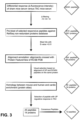
- the invention is a method for identifying a peptide antigen which is relevant to a human or veterinary non-autoimmune disease involving T cell activation, said method comprising the following steps:
- the peptide antigen identified with the method of the invention is relevant to a non-autoimmune disease involving T cell activation, which means that the peptide antigen is sufficient to induce said non-autoimmune disease or may be involved in the progression of said non-autoimmune disease in a human being or in an animal.
- the discovery method of the invention makes use of a microarray comprising a plurality of isolated or synthesized antigenic peptides comprising an amino acid sequence of a protein from a non-human animal, for example of a murine protein.
- the microarray employed in the discovery method of the invention may be a planar microarray, wherein the isolated or synthesized antigenic peptides are immobilized onto a solid support, at discrete individual locations.
- the microarray may be a bead-based microarray, wherein the isolated or synthesized antigenic peptides are bound to color-coded or size-coded microspheres.
- the peptide microarray is assayed with a first and a second biological fluid sample containing IgG immunoglobulins, said first and second biological fluid sample being from a first non-human animal affected by a non-autoimmune disease and from a second non-human animal not affected by said non-autoimmune disease, respectively.
- first and second biological fluid sample being from a first non-human animal affected by a non-autoimmune disease and from a second non-human animal not affected by said non-autoimmune disease, respectively.
- a key feature of the discovery method of the invention is that the first and second non-human animals belong to the same species and are congenic, i.e. genetically identical. Such a key feature provides for any difference in the IgG antibody repertoire of these animals, and in the corresponding profile of IgG-bound peptides in the microarray, being ascribed to the non-autoimmune disease which affects the first non-human animal and does not affect the second non-human animal.
- the first and second non-human animals are mice.
- TAC in the mouse is a commonly used experimental model for pressure overload-induced cardiac hypertrophy and heart failure.
- the discovery method of the invention is further characterized in that an animal protein database is queried with the amino acid sequence of each IgG-bound peptide identified as above described.
- the results of the database query are selected according as to whether the identified animal protein comprises a peptide sequence which has an amino acid sequence identity to the amino acid sequence of each of the queried peptides comprised between 67% and 100%.
- the amino acid sequence identity is of at least 67%, at least 70%, at least 75%, at least 80%, at least 85%, at least 90%, at least 95%, at least 96%, at least 97, at least 98%, or at least 99%.
- percent (%) amino acid sequence identity refers to the percentage of amino acids in a candidate sequence that are identical to the amino acids in the reference polypeptide sequence, after aligning the sequences and introducing gaps, if necessary, to achieve the maximum percent sequence identity. Alignment for purposes of determining percent amino acid sequence identity can be achieved in various ways that are within the capabilities of one of skill in the art, for example, using publicly available computer software such as BLAST, BLAST-2, or Megalign software. Those skilled in the art can determine appropriate parameters for aligning sequences, including any algorithms needed to achieve maximal alignment over the full length of the sequences being compared. For example, percent sequence identity values may be generated using the sequence comparison computer program BLAST.
- the animal is a human being, a dog or a cat.
- peptide antigens may be identified which are relevant to a large range of non-autoimmune diseases involving T cell activation, such as e.g. cardiovascular, neurological, oncological and metabolic diseases, and such antigens may be used to provide a real-time assessment of propensity/early diagnosis of emerging adaptive immune responses targeting different tissues.
- the discovery method of the invention may be repeatedly applied until no more novel peptides are identified, thereby reaching saturation. Indeed, in most immune responses where the target is not rapidly mutating (i.e. not a virus or a tumor) only a small number of immunodominant antigens drive the response. Thus, a few runs of the discovery method of the invention will enable saturation in the identification of novel hits, for example, the identification of the majority of the antigens driving the HF-promoting adaptive response.
- the inventors have assayed serum samples collected from congenic TAC-operated (hereinafter referred to as TAC) and sham-operated (hereinafter referred to as sham) control mice on a mouse microarray comprising known random oligopeptides.
- TAC congenic TAC-operated
- sham sham-operated
- the profiles of IgG-bound peptides generated by microarray analysis were computationally filtered in a differential analysis for IgG-bound peptides present in the TAC-assayed and not in the sham-assayed microarray.
- the results of this analysis were subjected to a further filtering step so as to select only peptide antigens having high homology to human proteins expressed in the cardiovascular tissue.
- mice immunization surprisingly led to reduced heart function as assessed by measuring the fractional shortening (FS) and the ejection fraction (EF) in the treated animals.
- the studies conducted by the present inventors revealed for the first time that the identified novel peptides are per se sufficient to induce heart failure in an animal and are active mediators of disease progression, thereby representing ideal diagnostic and therapeutic markers.
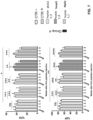
- the present inventors checked the diagnostic value of the novel peptides in an ELISA immunoassay, by assaying the presence of IgG antibodies recognizing these peptides in human sera from patients affected by heart failure (HF) and healthy controls.
- the results from the ELISA test, illustrated by the scatter plots in Figure 8 demonstrate that measuring the titer of IgG antibodies against the novel peptides, produced by T cell-dependent B cells, enables to differentiate HF patients from healthy controls.
- the isolated peptide is cardiac-specific in that it consists of an amino acid sequence of a protein expressed in human, canine or feline cardiac tissue, though not excluding its possible expression also in other tissues.
- MCT3 or 4 (MCT4) proteins refers to the different isoforms of human, dog and cat MCT3 and MCT4 proteins, respectively, including feline MCT4 isoform X2 and isoform X21.
- transmembrane emp24 domain-containing protein 6 refers to the different isoforms of human, dog and cat transmembrane emp24 domain-containing protein 6, including feline transmembrane emp24 domain-containing protein 6 isoform X1 and isoform X2.
- small nuclear ribonucleoprotein Sm D1 refers to the different isoforms of human, dog and cat SNRPD1, including feline SNRPD1 isoform X1 and isoform X2.
- dihydropyrimidinase protein refers to the different isoforms of human, dog and cat dihydropyrimidinase protein, including feline dihydropyrimidinase isoform X1 and isoform X2.
- HF heart failure
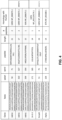
- the one or more isolated antigenic peptides consist of an amino acid sequence selected from the group consisting of SEQ ID NOs. 1, 2, 3 and 4 of a human 14-3-3 protein; SEQ ID NO. 5 of human small nuclear ribonucleoprotein Sm D1 (SNRPD1); SEQ ID NO. 6 of human ATP synthase subunit O, mitochondrial precursor (ATP5O); SEQ ID NO. 7 of human toll-like receptor 5 precursor (TLR5), and any combination thereof.
- the detection of IgG antibodies in the in vitro method of the invention via the identified novel antigens provides a valuable indication of the propensity of the subject under examination to develop clinically-identifiable disease symptoms. If the heart disease has already developed clinically-identifiable symptoms, the detection in the method of the invention of IgG antibodies against the identified novel antigens enables the diagnosis of the specific heart disease.
- the present invention is not limited to human diagnosis and finds veterinary applications as well.
- 14-3-3 protein theta (SEQ ID NO. 35), 14-3-3 protein zeta/delta (SEQ ID NO. 36), 14-3-3 protein beta/alpha (SEQ ID NO. 37), 14-3-3 protein eta (SEQ ID NO. 38), 14-3-3 protein gamma (SEQ ID NO. 39), 14-3-3 protein sigma (SEQ ID NO. 40), monocarboxylate transporter 3 and 4 proteins (SEQ ID NOs. 41 and 42), small nuclear ribonucleoprotein Sm D1 (SEQ ID NO. 43), ATP synthase subunit O, mitochondrial precursor (SEQ ID NO. 44), dihydropyrimidinase protein (SEQ ID NO. 45), and any combination thereof, wherein the one or more isolated antigenic peptides are from 6 to 50 aminoacids in length.
- the one or more isolated antigenic peptides consist of an amino acid sequence selected from the group consisting of SEQ ID NOs. 1, 2, 3 and 4 of canine 14-3-3 protein; SEQ ID NO. 8 of canine monocarboxylate transporter 3 and 4 proteins (MCT3 and MCT4); SEQ ID NO. 5 of canine SNRPD1; SEQ ID NO. 9 of canine ATP5O; SEQ ID NO. 10 of canine dihydropyrimidinase (DHP) protein, and any combination thereof.
- SEQ ID NOs. 1, 2, 3 and 4 of canine 14-3-3 protein SEQ ID NO. 8 of canine monocarboxylate transporter 3 and 4 proteins (MCT3 and MCT4)
- SEQ ID NO. 5 of canine SNRPD1 SEQ ID NO. 9 of canine ATP5O
- SEQ ID NO. 10 of canine dihydropyrimidinase (DHP) protein and any combination thereof.
- the method is an in vitro method for the diagnosis and/or prognosis of heart failure (HF) and/or for predicting the risk for developing HF in a cat, wherein the isolated antigenic peptides are from one or more feline proteins selected from the group consisting of 14-3-3 protein epsilon isoform X1 (SEQ ID NO. 46), 14-3-3 protein epsilon isoform X2 (SEQ ID NO. 47), 14-3-3 protein epsilon isoform X3 (SEQ ID NO. 48), 14-3-3 protein theta (SEQ ID NO. 49), 14-3-3 protein zeta/delta (SEQ ID NO.
- transmembrane emp24 domain-containing protein 6 isoform X2 (SEQ ID NO. 60), small nuclear ribonucleoprotein Sm D1, isoform X1 (SEQ ID NO. 61), small nuclear ribonucleoprotein Sm D1, isoform X2 (SEQ ID NO. 62), ATP synthase subunit O, mitochondrial precursor (SEQ ID NO. 63), dihydropyrimidinase protein, isoform X1 (SEQ ID NO. 64), dihydropyrimidinase protein, isoform X2 (SEQ ID NO. 65) and any combination thereof, wherein the one or more isolated antigenic peptides are from 6 to 50 aminoacids in length.
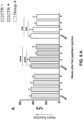
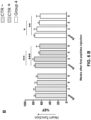
- mice immunized with peptides derived from beta-adrenergic receptor and from 14-3-3, Snrpd1, and Atp5o lead to cardiac dysfunction.
- mice immunized with peptides derived from beta-adrenergic receptor (CTR+) and from 14-3-3, Snrpd1, and Atp5o proteins (Group 4) displayed a significant reduction of cardiac functionality, measured via echocardiography analysis at 2, 5 and 9 weeks after the first subcutaneous injection.
- Left ventricle functionality was measured as %FS ( Figure 6A ) and Ejection Fraction (%EF) ( Figure 6B ), which measure the volumetric capacity of the left ventricle to pump blood.
Landscapes
- Health & Medical Sciences (AREA)
- Life Sciences & Earth Sciences (AREA)
- Engineering & Computer Science (AREA)
- Immunology (AREA)
- Hematology (AREA)
- Biomedical Technology (AREA)
- Chemical & Material Sciences (AREA)
- Urology & Nephrology (AREA)
- Molecular Biology (AREA)
- Biotechnology (AREA)
- Pathology (AREA)
- Microbiology (AREA)
- Cell Biology (AREA)
- General Physics & Mathematics (AREA)
- General Health & Medical Sciences (AREA)
- Food Science & Technology (AREA)
- Medicinal Chemistry (AREA)
- Physics & Mathematics (AREA)
- Analytical Chemistry (AREA)
- Biochemistry (AREA)
- Proteomics, Peptides & Aminoacids (AREA)
- Neurology (AREA)
- Neurosurgery (AREA)
- Rehabilitation Therapy (AREA)
- Rheumatology (AREA)
- Peptides Or Proteins (AREA)
- Medicines Containing Antibodies Or Antigens For Use As Internal Diagnostic Agents (AREA)
- Investigating Or Analysing Biological Materials (AREA)
Claims (4)
- Verfahren zur Identifizierung eines Peptidantigens, das für eine menschliche oder tierische Nicht-Autoimmunerkrankung relevant ist, die eine T-Zellen-Aktivierung beinhaltet, wobei das Verfahren die folgenden Schritte umfasst:(i) Inkontaktbringen einer ersten biologischen Fluidprobe, die IgG-Immunglobuline von einem ersten nicht-menschlichen Tier enthält, das von der Nicht-Autoimmunerkrankung betroffen ist, mit einem Mikroarray, das eine Vielzahl von isolierten oder synthetisierten antigenen Peptiden umfasst, wobei jedes Peptid eine vorbestimmte Position im Mikroarray aufweist und eine Aminosäuresequenz eines Proteins des nicht-menschlichen Tieres umfasst;(ii) Nachweisen der Bindung von einem oder mehreren der in der ersten Probe vorhandenen IgG-Immunglobuline mit einem oder mehreren der antigenen Peptide im Mikroarray, um ein erstes IgG-gebundenes Peptidprofil zu erstellen;(iii) Vergleichen des ersten IgG-gebundenen Peptidprofils mit einem zweiten IgG-gebundenen Peptidprofil, das durch Inkontaktbringen eines Mikroarrays, wie in Schritt (i) definiert, mit einer zweiten biologischen Fluidprobe, die IgG-Immunglobuline von einem zweiten nicht-menschlichen Tier enthält, erzeugt wird, wobei das zweite nicht-menschliche Tier nicht von der Nicht-Autoimmunerkrankung betroffen ist und wobei das erste und das zweite nicht-menschliche Tier zu derselben Spezies gehören und kongene Tiere sind;(iv) Identifizieren des einen oder der mehreren IgG-gebundenen Peptide, die in dem ersten IgG-Bindungsprofil vorhanden sind und in dem zweiten IgG-Bindungsprofil nicht vorhanden sind,(v) Abfragen einer Datenbank mit tierischen Proteinsequenzen unter Verwendung der Aminosäuresequenz jedes in Schritt (iv) identifizierten IgG-gebundenen Peptids als Abfrage, um ein oder mehrere tierische Proteine auszuwählen, die eine Peptidsequenz umfassen, die eine Aminosäuresequenzidentität mit der Aminosäuresequenz jedes der abgefragten Peptide zwischen 67 % und 100 % aufweist, wobei die tierischen Proteinsequenzen von einem Tier stammen, das zu einer Spezies gehört, die sich von den ersten und zweiten nicht-menschlichen Tieren von Schritt (iii) unterscheidet;(vi) Identifizieren als Peptidantigene, die für die Nicht-Autoimmunerkrankung relevant sind, der Peptidsequenzen, die eine Aminosäuresequenzidentität von 67 % bis 100 % aufweisen, die in Schritt (v) ausgewählt wurden, und die aus einem tierischen Protein bestehen, das in einem von der Nicht-Autoimmunerkrankung betroffenen Gewebe exprimiert wird, wobei die ersten und zweiten nicht-menschlichen Tiere Mäuse sind und das erste nicht-menschliche Tier ein Mausmodell der Erkrankung ist,wobei die Nicht-Autoimmunerkrankung ausgewählt ist aus der Gruppe bestehend aus Herzinsuffizienz (HF), Herzerkrankungen, Gefäßerkrankungen, Atherosklerose, Gefäßverengung, Nicht-Grad-1-Adipositas, Amyotrophe Lateralsklerose (ALS), Alzheimer-Krankheit, Demenz, altersbedingte Demenz, leichter kognitiver Verfall, Parkinson-Krankheit und jede Kombination davon.
- Verfahren nach Anspruch 1, wobei die Herzinsuffizienz eine hämodynamisch bedingte Herzinsuffizienz ist.
- Verfahren nach Anspruch 1 oder 2, wobei die Kombination von Nicht-Autoimmunerkrankungen ein multimorbider Zustand ist.
- Verfahren nach einem der Ansprüche 1 bis 3, wobei das Tier in Schritt (v) ein Mensch, ein Hund oder eine Katze ist.
Applications Claiming Priority (2)
| Application Number | Priority Date | Filing Date | Title |
|---|---|---|---|
| IT102019000014571A IT201900014571A1 (it) | 2019-08-09 | 2019-08-09 | Procedimento per identificare peptidi antigeni e loro impiego |
| PCT/EP2020/072240 WO2021028338A1 (en) | 2019-08-09 | 2020-08-07 | Method of identifying peptide antigens and uses thereof |
Publications (2)
| Publication Number | Publication Date |
|---|---|
| EP4010705A1 EP4010705A1 (de) | 2022-06-15 |
| EP4010705B1 true EP4010705B1 (de) | 2025-07-09 |
Family
ID=68988202
Family Applications (1)
| Application Number | Title | Priority Date | Filing Date |
|---|---|---|---|
| EP20750679.1A Active EP4010705B1 (de) | 2019-08-09 | 2020-08-07 | Verfahren zur identifizierung von peptidantigenen und verwendungen davon |
Country Status (5)
| Country | Link |
|---|---|
| US (1) | US20220283158A1 (de) |
| EP (1) | EP4010705B1 (de) |
| ES (1) | ES3042176T3 (de) |
| IT (1) | IT201900014571A1 (de) |
| WO (1) | WO2021028338A1 (de) |
Family Cites Families (4)
| Publication number | Priority date | Publication date | Assignee | Title |
|---|---|---|---|---|
| AU2007305220A1 (en) * | 2006-07-28 | 2008-04-10 | Genentech, Inc. | Knockout mice for different genes and their use for gene characterizatio |
| EP2082237A2 (de) * | 2006-12-06 | 2009-07-29 | Universität Zürich | Mittel und verfahren zur isolierung und bestimmung neuer zielmoleküle zur behandlung neurodegenerativer, neurologischer oder neuropsychiatrischer erkrankungen sowie diese enthaltende zusammensetzungen |
| WO2010060972A1 (en) * | 2008-11-26 | 2010-06-03 | Julius-Maximilians-Universitaet Wuerzburg | Erk1/2 phosphorylation site specific antibody |
| US20140271694A1 (en) | 2013-03-13 | 2014-09-18 | Joslin Diabetes Center, Inc. | Antigen-specific methods of diagnosing and/or treating myocarditis or inflammatory cardiomyopathy |
-
2019
- 2019-08-09 IT IT102019000014571A patent/IT201900014571A1/it unknown
-
2020
- 2020-08-07 US US17/634,164 patent/US20220283158A1/en active Pending
- 2020-08-07 EP EP20750679.1A patent/EP4010705B1/de active Active
- 2020-08-07 ES ES20750679T patent/ES3042176T3/es active Active
- 2020-08-07 WO PCT/EP2020/072240 patent/WO2021028338A1/en not_active Ceased
Also Published As
| Publication number | Publication date |
|---|---|
| WO2021028338A1 (en) | 2021-02-18 |
| IT201900014571A1 (it) | 2021-02-09 |
| US20220283158A1 (en) | 2022-09-08 |
| WO2021028338A8 (en) | 2022-04-07 |
| ES3042176T3 (en) | 2025-11-18 |
| EP4010705A1 (de) | 2022-06-15 |
Similar Documents
| Publication | Publication Date | Title |
|---|---|---|
| US8148084B2 (en) | Diagnosis of autoimmune disease | |
| US20180045735A1 (en) | Methods and Compositions For The Diagnosis And Treatment Of Cancer and Autoimmune Disorders | |
| CN103842825B (zh) | 用于诊断阿耳茨海默氏病(ad)的方法 | |
| US20130244259A1 (en) | Novel testing method and testing reagent for angiitis | |
| SG194883A1 (en) | Method for the diagnosis of early rheumatoid arthritis | |
| EP3649145A1 (de) | Verbessertes rep-protein zur verwendung in einem diagnostischen test | |
| US9347950B2 (en) | Moesin fragments associated with immune thrombocytopenia | |
| US20220283158A1 (en) | Method of identifying peptide antigens and uses thereof | |
| US20220323557A1 (en) | Peptide antigens and uses thereof | |
| JP6122779B2 (ja) | 抗wt1抗体の測定方法 | |
| WO2017106338A1 (en) | Early-stage alzheimer's disease autoantibody biomarkers, target antigens and diagnostic uses thereof | |
| US20100316642A1 (en) | Complexes of grp94 with human immunoglobulin g | |
| JP2017003329A (ja) | 自己免疫疾患の発症に関与する細胞を判定する方法及びその利用 | |
| US20260118356A1 (en) | Novel auto-antibodies and method to detect sjögren's disease | |
| CA2814030A1 (en) | Diagnostic and therapeutic uses of moesin fragments | |
| WO2023168534A1 (en) | Diagnosis of congenital heart block | |
| GB2622246A (en) | Antibody assay | |
| EP4549938A1 (de) | Verfahren zum testen des krankheitsverlaufs auf vaskulitis oder des testrisikos von covid-19 als schwer zu werden, testkit, begleitdiagnosemittel und testmarker | |
| JPWO2017094837A1 (ja) | 心疾患または筋疾患の診断薬 |
Legal Events
| Date | Code | Title | Description |
|---|---|---|---|
| STAA | Information on the status of an ep patent application or granted ep patent |
Free format text: STATUS: UNKNOWN |
|
| STAA | Information on the status of an ep patent application or granted ep patent |
Free format text: STATUS: THE INTERNATIONAL PUBLICATION HAS BEEN MADE |
|
| PUAI | Public reference made under article 153(3) epc to a published international application that has entered the european phase |
Free format text: ORIGINAL CODE: 0009012 |
|
| STAA | Information on the status of an ep patent application or granted ep patent |
Free format text: STATUS: REQUEST FOR EXAMINATION WAS MADE |
|
| 17P | Request for examination filed |
Effective date: 20220228 |
|
| AK | Designated contracting states |
Kind code of ref document: A1 Designated state(s): AL AT BE BG CH CY CZ DE DK EE ES FI FR GB GR HR HU IE IS IT LI LT LU LV MC MK MT NL NO PL PT RO RS SE SI SK SM TR |
|
| DAV | Request for validation of the european patent (deleted) | ||
| DAX | Request for extension of the european patent (deleted) | ||
| STAA | Information on the status of an ep patent application or granted ep patent |
Free format text: STATUS: EXAMINATION IS IN PROGRESS |
|
| 17Q | First examination report despatched |
Effective date: 20240409 |
|
| GRAP | Despatch of communication of intention to grant a patent |
Free format text: ORIGINAL CODE: EPIDOSNIGR1 |
|
| STAA | Information on the status of an ep patent application or granted ep patent |
Free format text: STATUS: GRANT OF PATENT IS INTENDED |
|
| INTG | Intention to grant announced |
Effective date: 20250212 |
|
| GRAS | Grant fee paid |
Free format text: ORIGINAL CODE: EPIDOSNIGR3 |
|
| GRAA | (expected) grant |
Free format text: ORIGINAL CODE: 0009210 |
|
| STAA | Information on the status of an ep patent application or granted ep patent |
Free format text: STATUS: THE PATENT HAS BEEN GRANTED |
|
| RAP3 | Party data changed (applicant data changed or rights of an application transferred) |
Owner name: HUMANITAS UNIVERSITY Owner name: HUMANITAS MIRASOLE S.P.A. |
|
| P01 | Opt-out of the competence of the unified patent court (upc) registered |
Free format text: CASE NUMBER: APP_24912/2025 Effective date: 20250526 |
|
| AK | Designated contracting states |
Kind code of ref document: B1 Designated state(s): AL AT BE BG CH CY CZ DE DK EE ES FI FR GB GR HR HU IE IS IT LI LT LU LV MC MK MT NL NO PL PT RO RS SE SI SK SM TR |
|
| REG | Reference to a national code |
Ref country code: GB Ref legal event code: FG4D |
|
| REG | Reference to a national code |
Ref country code: CH Ref legal event code: EP |
|
| REG | Reference to a national code |
Ref country code: IE Ref legal event code: FG4D |
|
| REG | Reference to a national code |
Ref country code: DE Ref legal event code: R096 Ref document number: 602020054208 Country of ref document: DE |
|
| PGFP | Annual fee paid to national office [announced via postgrant information from national office to epo] |
Ref country code: ES Payment date: 20250926 Year of fee payment: 6 |
|
| PGFP | Annual fee paid to national office [announced via postgrant information from national office to epo] |
Ref country code: DE Payment date: 20250919 Year of fee payment: 6 |
|
| PGFP | Annual fee paid to national office [announced via postgrant information from national office to epo] |
Ref country code: IT Payment date: 20250929 Year of fee payment: 6 |
|
| PGFP | Annual fee paid to national office [announced via postgrant information from national office to epo] |
Ref country code: GB Payment date: 20250919 Year of fee payment: 6 |
|
| PGFP | Annual fee paid to national office [announced via postgrant information from national office to epo] |
Ref country code: FR Payment date: 20250919 Year of fee payment: 6 |
|
| PGFP | Annual fee paid to national office [announced via postgrant information from national office to epo] |
Ref country code: CH Payment date: 20250916 Year of fee payment: 6 |
|
| REG | Reference to a national code |
Ref country code: NL Ref legal event code: MP Effective date: 20250709 |
|
| REG | Reference to a national code |
Ref country code: ES Ref legal event code: FG2A Ref document number: 3042176 Country of ref document: ES Kind code of ref document: T3 Effective date: 20251118 |
|
| PG25 | Lapsed in a contracting state [announced via postgrant information from national office to epo] |
Ref country code: PT Free format text: LAPSE BECAUSE OF FAILURE TO SUBMIT A TRANSLATION OF THE DESCRIPTION OR TO PAY THE FEE WITHIN THE PRESCRIBED TIME-LIMIT Effective date: 20251110 |
|
| PG25 | Lapsed in a contracting state [announced via postgrant information from national office to epo] |
Ref country code: NL Free format text: LAPSE BECAUSE OF FAILURE TO SUBMIT A TRANSLATION OF THE DESCRIPTION OR TO PAY THE FEE WITHIN THE PRESCRIBED TIME-LIMIT Effective date: 20250709 |
|
| REG | Reference to a national code |
Ref country code: AT Ref legal event code: MK05 Ref document number: 1812249 Country of ref document: AT Kind code of ref document: T Effective date: 20250709 |
|
| PG25 | Lapsed in a contracting state [announced via postgrant information from national office to epo] |
Ref country code: IS Free format text: LAPSE BECAUSE OF FAILURE TO SUBMIT A TRANSLATION OF THE DESCRIPTION OR TO PAY THE FEE WITHIN THE PRESCRIBED TIME-LIMIT Effective date: 20251109 |
|
| PG25 | Lapsed in a contracting state [announced via postgrant information from national office to epo] |
Ref country code: NO Free format text: LAPSE BECAUSE OF FAILURE TO SUBMIT A TRANSLATION OF THE DESCRIPTION OR TO PAY THE FEE WITHIN THE PRESCRIBED TIME-LIMIT Effective date: 20251009 |
|
| REG | Reference to a national code |
Ref country code: LT Ref legal event code: MG9D |
|
| PG25 | Lapsed in a contracting state [announced via postgrant information from national office to epo] |
Ref country code: AT Free format text: LAPSE BECAUSE OF FAILURE TO SUBMIT A TRANSLATION OF THE DESCRIPTION OR TO PAY THE FEE WITHIN THE PRESCRIBED TIME-LIMIT Effective date: 20250709 |
|
| PG25 | Lapsed in a contracting state [announced via postgrant information from national office to epo] |
Ref country code: FI Free format text: LAPSE BECAUSE OF FAILURE TO SUBMIT A TRANSLATION OF THE DESCRIPTION OR TO PAY THE FEE WITHIN THE PRESCRIBED TIME-LIMIT Effective date: 20250709 |
|
| PG25 | Lapsed in a contracting state [announced via postgrant information from national office to epo] |
Ref country code: HR Free format text: LAPSE BECAUSE OF FAILURE TO SUBMIT A TRANSLATION OF THE DESCRIPTION OR TO PAY THE FEE WITHIN THE PRESCRIBED TIME-LIMIT Effective date: 20250709 |
|
| PG25 | Lapsed in a contracting state [announced via postgrant information from national office to epo] |
Ref country code: GR Free format text: LAPSE BECAUSE OF FAILURE TO SUBMIT A TRANSLATION OF THE DESCRIPTION OR TO PAY THE FEE WITHIN THE PRESCRIBED TIME-LIMIT Effective date: 20251010 |
|
| PG25 | Lapsed in a contracting state [announced via postgrant information from national office to epo] |
Ref country code: SE Free format text: LAPSE BECAUSE OF FAILURE TO SUBMIT A TRANSLATION OF THE DESCRIPTION OR TO PAY THE FEE WITHIN THE PRESCRIBED TIME-LIMIT Effective date: 20250709 |
|
| PG25 | Lapsed in a contracting state [announced via postgrant information from national office to epo] |
Ref country code: LV Free format text: LAPSE BECAUSE OF FAILURE TO SUBMIT A TRANSLATION OF THE DESCRIPTION OR TO PAY THE FEE WITHIN THE PRESCRIBED TIME-LIMIT Effective date: 20250709 |
|
| PG25 | Lapsed in a contracting state [announced via postgrant information from national office to epo] |
Ref country code: BG Free format text: LAPSE BECAUSE OF FAILURE TO SUBMIT A TRANSLATION OF THE DESCRIPTION OR TO PAY THE FEE WITHIN THE PRESCRIBED TIME-LIMIT Effective date: 20250709 Ref country code: PL Free format text: LAPSE BECAUSE OF FAILURE TO SUBMIT A TRANSLATION OF THE DESCRIPTION OR TO PAY THE FEE WITHIN THE PRESCRIBED TIME-LIMIT Effective date: 20250709 |
|
| PG25 | Lapsed in a contracting state [announced via postgrant information from national office to epo] |
Ref country code: RS Free format text: LAPSE BECAUSE OF FAILURE TO SUBMIT A TRANSLATION OF THE DESCRIPTION OR TO PAY THE FEE WITHIN THE PRESCRIBED TIME-LIMIT Effective date: 20251009 |
|
| PG25 | Lapsed in a contracting state [announced via postgrant information from national office to epo] |
Ref country code: RO Free format text: LAPSE BECAUSE OF FAILURE TO SUBMIT A TRANSLATION OF THE DESCRIPTION OR TO PAY THE FEE WITHIN THE PRESCRIBED TIME-LIMIT Effective date: 20250709 |
|
| PG25 | Lapsed in a contracting state [announced via postgrant information from national office to epo] |
Ref country code: SM Free format text: LAPSE BECAUSE OF FAILURE TO SUBMIT A TRANSLATION OF THE DESCRIPTION OR TO PAY THE FEE WITHIN THE PRESCRIBED TIME-LIMIT Effective date: 20250709 |
|
| PG25 | Lapsed in a contracting state [announced via postgrant information from national office to epo] |
Ref country code: DK Free format text: LAPSE BECAUSE OF FAILURE TO SUBMIT A TRANSLATION OF THE DESCRIPTION OR TO PAY THE FEE WITHIN THE PRESCRIBED TIME-LIMIT Effective date: 20250709 |
|
| PG25 | Lapsed in a contracting state [announced via postgrant information from national office to epo] |
Ref country code: LU Free format text: LAPSE BECAUSE OF NON-PAYMENT OF DUE FEES Effective date: 20250807 |
|
| PG25 | Lapsed in a contracting state [announced via postgrant information from national office to epo] |
Ref country code: CZ Free format text: LAPSE BECAUSE OF FAILURE TO SUBMIT A TRANSLATION OF THE DESCRIPTION OR TO PAY THE FEE WITHIN THE PRESCRIBED TIME-LIMIT Effective date: 20250709 |
|
| PG25 | Lapsed in a contracting state [announced via postgrant information from national office to epo] |
Ref country code: SK Free format text: LAPSE BECAUSE OF FAILURE TO SUBMIT A TRANSLATION OF THE DESCRIPTION OR TO PAY THE FEE WITHIN THE PRESCRIBED TIME-LIMIT Effective date: 20250709 Ref country code: EE Free format text: LAPSE BECAUSE OF FAILURE TO SUBMIT A TRANSLATION OF THE DESCRIPTION OR TO PAY THE FEE WITHIN THE PRESCRIBED TIME-LIMIT Effective date: 20250709 |
|
| PLBE | No opposition filed within time limit |
Free format text: ORIGINAL CODE: 0009261 |
|
| STAA | Information on the status of an ep patent application or granted ep patent |
Free format text: STATUS: NO OPPOSITION FILED WITHIN TIME LIMIT |