EP4010487B1 - System und verfahren zur risikobewertung von morbus parkinson - Google Patents
System und verfahren zur risikobewertung von morbus parkinson Download PDFInfo
- Publication number
- EP4010487B1 EP4010487B1 EP20850890.3A EP20850890A EP4010487B1 EP 4010487 B1 EP4010487 B1 EP 4010487B1 EP 20850890 A EP20850890 A EP 20850890A EP 4010487 B1 EP4010487 B1 EP 4010487B1
- Authority
- EP
- European Patent Office
- Prior art keywords
- bacterial
- compounds
- neuroactive
- compound
- abundance
- Prior art date
- Legal status (The legal status is an assumption and is not a legal conclusion. Google has not performed a legal analysis and makes no representation as to the accuracy of the status listed.)
- Active
Links
Images


Classifications
-
- G—PHYSICS
- G16—INFORMATION AND COMMUNICATION TECHNOLOGY [ICT] SPECIALLY ADAPTED FOR SPECIFIC APPLICATION FIELDS
- G16H—HEALTHCARE INFORMATICS, i.e. INFORMATION AND COMMUNICATION TECHNOLOGY [ICT] SPECIALLY ADAPTED FOR THE HANDLING OR PROCESSING OF MEDICAL OR HEALTHCARE DATA
- G16H50/00—ICT specially adapted for medical diagnosis, medical simulation or medical data mining; ICT specially adapted for detecting, monitoring or modelling epidemics or pandemics
- G16H50/30—ICT specially adapted for medical diagnosis, medical simulation or medical data mining; ICT specially adapted for detecting, monitoring or modelling epidemics or pandemics for calculating health indices; for individual health risk assessment
-
- C—CHEMISTRY; METALLURGY
- C12—BIOCHEMISTRY; BEER; SPIRITS; WINE; VINEGAR; MICROBIOLOGY; ENZYMOLOGY; MUTATION OR GENETIC ENGINEERING
- C12N—MICROORGANISMS OR ENZYMES; COMPOSITIONS THEREOF; PROPAGATING, PRESERVING, OR MAINTAINING MICROORGANISMS; MUTATION OR GENETIC ENGINEERING; CULTURE MEDIA
- C12N15/00—Mutation or genetic engineering; DNA or RNA concerning genetic engineering, vectors, e.g. plasmids, or their isolation, preparation or purification; Use of hosts therefor
- C12N15/09—Recombinant DNA-technology
- C12N15/10—Processes for the isolation, preparation or purification of DNA or RNA
- C12N15/1003—Extracting or separating nucleic acids from biological samples, e.g. pure separation or isolation methods; Conditions, buffers or apparatuses therefor
-
- C—CHEMISTRY; METALLURGY
- C12—BIOCHEMISTRY; BEER; SPIRITS; WINE; VINEGAR; MICROBIOLOGY; ENZYMOLOGY; MUTATION OR GENETIC ENGINEERING
- C12Q—MEASURING OR TESTING PROCESSES INVOLVING ENZYMES, NUCLEIC ACIDS OR MICROORGANISMS; COMPOSITIONS OR TEST PAPERS THEREFOR; PROCESSES OF PREPARING SUCH COMPOSITIONS; CONDITION-RESPONSIVE CONTROL IN MICROBIOLOGICAL OR ENZYMOLOGICAL PROCESSES
- C12Q1/00—Measuring or testing processes involving enzymes, nucleic acids or microorganisms; Compositions therefor; Processes of preparing such compositions
- C12Q1/68—Measuring or testing processes involving enzymes, nucleic acids or microorganisms; Compositions therefor; Processes of preparing such compositions involving nucleic acids
- C12Q1/6869—Methods for sequencing
-
- G—PHYSICS
- G16—INFORMATION AND COMMUNICATION TECHNOLOGY [ICT] SPECIALLY ADAPTED FOR SPECIFIC APPLICATION FIELDS
- G16B—BIOINFORMATICS, i.e. INFORMATION AND COMMUNICATION TECHNOLOGY [ICT] SPECIALLY ADAPTED FOR GENETIC OR PROTEIN-RELATED DATA PROCESSING IN COMPUTATIONAL MOLECULAR BIOLOGY
- G16B20/00—ICT specially adapted for functional genomics or proteomics, e.g. genotype-phenotype associations
-
- G—PHYSICS
- G16—INFORMATION AND COMMUNICATION TECHNOLOGY [ICT] SPECIALLY ADAPTED FOR SPECIFIC APPLICATION FIELDS
- G16B—BIOINFORMATICS, i.e. INFORMATION AND COMMUNICATION TECHNOLOGY [ICT] SPECIALLY ADAPTED FOR GENETIC OR PROTEIN-RELATED DATA PROCESSING IN COMPUTATIONAL MOLECULAR BIOLOGY
- G16B30/00—ICT specially adapted for sequence analysis involving nucleotides or amino acids
-
- G—PHYSICS
- G16—INFORMATION AND COMMUNICATION TECHNOLOGY [ICT] SPECIALLY ADAPTED FOR SPECIFIC APPLICATION FIELDS
- G16B—BIOINFORMATICS, i.e. INFORMATION AND COMMUNICATION TECHNOLOGY [ICT] SPECIALLY ADAPTED FOR GENETIC OR PROTEIN-RELATED DATA PROCESSING IN COMPUTATIONAL MOLECULAR BIOLOGY
- G16B40/00—ICT specially adapted for biostatistics; ICT specially adapted for bioinformatics-related machine learning or data mining, e.g. knowledge discovery or pattern finding
-
- G—PHYSICS
- G16—INFORMATION AND COMMUNICATION TECHNOLOGY [ICT] SPECIALLY ADAPTED FOR SPECIFIC APPLICATION FIELDS
- G16B—BIOINFORMATICS, i.e. INFORMATION AND COMMUNICATION TECHNOLOGY [ICT] SPECIALLY ADAPTED FOR GENETIC OR PROTEIN-RELATED DATA PROCESSING IN COMPUTATIONAL MOLECULAR BIOLOGY
- G16B40/00—ICT specially adapted for biostatistics; ICT specially adapted for bioinformatics-related machine learning or data mining, e.g. knowledge discovery or pattern finding
- G16B40/20—Supervised data analysis
-
- G—PHYSICS
- G16—INFORMATION AND COMMUNICATION TECHNOLOGY [ICT] SPECIALLY ADAPTED FOR SPECIFIC APPLICATION FIELDS
- G16H—HEALTHCARE INFORMATICS, i.e. INFORMATION AND COMMUNICATION TECHNOLOGY [ICT] SPECIALLY ADAPTED FOR THE HANDLING OR PROCESSING OF MEDICAL OR HEALTHCARE DATA
- G16H50/00—ICT specially adapted for medical diagnosis, medical simulation or medical data mining; ICT specially adapted for detecting, monitoring or modelling epidemics or pandemics
- G16H50/20—ICT specially adapted for medical diagnosis, medical simulation or medical data mining; ICT specially adapted for detecting, monitoring or modelling epidemics or pandemics for computer-aided diagnosis, e.g. based on medical expert systems
-
- C—CHEMISTRY; METALLURGY
- C12—BIOCHEMISTRY; BEER; SPIRITS; WINE; VINEGAR; MICROBIOLOGY; ENZYMOLOGY; MUTATION OR GENETIC ENGINEERING
- C12N—MICROORGANISMS OR ENZYMES; COMPOSITIONS THEREOF; PROPAGATING, PRESERVING, OR MAINTAINING MICROORGANISMS; MUTATION OR GENETIC ENGINEERING; CULTURE MEDIA
- C12N2320/00—Applications; Uses
- C12N2320/10—Applications; Uses in screening processes
-
- G—PHYSICS
- G16—INFORMATION AND COMMUNICATION TECHNOLOGY [ICT] SPECIALLY ADAPTED FOR SPECIFIC APPLICATION FIELDS
- G16H—HEALTHCARE INFORMATICS, i.e. INFORMATION AND COMMUNICATION TECHNOLOGY [ICT] SPECIALLY ADAPTED FOR THE HANDLING OR PROCESSING OF MEDICAL OR HEALTHCARE DATA
- G16H20/00—ICT specially adapted for therapies or health-improving plans, e.g. for handling prescriptions, for steering therapy or for monitoring patient compliance
- G16H20/10—ICT specially adapted for therapies or health-improving plans, e.g. for handling prescriptions, for steering therapy or for monitoring patient compliance relating to drugs or medications, e.g. for ensuring correct administration to patients
Definitions
- the embodiments herein generally relate to the field of Parkinson's disease, and, more particularly, to a method, a system and one or more non-transitory machine readable information storage media for assessing the risk of an individual for Parkinson's disease using the metabolic potential of the resident gut bacteria.
- Parkinson's disease or Parkinson's syndrome is a progressive neurodegenerative disorder that primarily affects dopamine producing neurons ('dopaminergic' neurons).
- 'dopaminergic' neurons dopamine producing neurons
- Parkinson's syndrome is a progressive neurodegenerative disorder that primarily affects dopamine producing neurons ('dopaminergic' neurons).
- 'dopaminergic' neurons dopamine producing neurons
- Parkinson's syndrome is a progressive neurodegenerative disorder that primarily affects dopamine producing neurons ('dopaminergic' neurons).
- Parkinson's disease a progressive neurodegenerative disorder that primarily affects dopamine producing neurons ('dopaminergic' neurons).
- Parkinson's syndrome is a progressive neurodegenerative disorder that primarily affects dopamine producing neurons ('dopaminergic' neurons).
- Parkinson's syndrome is a progressive neurodegenerative disorder that primarily affects dopamine producing neurons ('dopaminergic' neurons).
- Parkinson's syndrome is a progressive neurodegenerative disorder that
- SPECT single-photon emission computerized tomography
- DAT dopamine transporter
- the doctor may also suggest medication with drugs of PD (such as, levodopa, carbidopa) in order to diagnose the disease based on the patient's response to the drug.
- drugs of PD such as, levodopa, carbidopa
- no laboratory test is currently available for conclusive diagnosis of the disease. Diagnosing the disease at its initial stage is difficult since the early symptoms are often misrecognized as effects of normal ageing. Thus proper diagnosis happens at a stage when substantial amount of neurons have already been impaired or lost.
- Some of the genetic risk factors have been identified for Parkinson's disease, although their occurrence is very rare. Also, the risk of the disease associated to each of these genetic variations is very small. Other than genetic factors, exposure to some toxins and environmental factors has been suggested to be risk factors of PD, although again with a low correlation.
- United States Patent Application US2014/0179726 describes a systems biology approach which is used to characterize and relate the intestinal (gut) microbiome of a host organism (e.g. a patient) to physiological processes within the host in order to determine the patient's risk of developing a disease or condition.
- a system for risk assessment of Parkinson's disease in an individual comprises a sample collection module, a DNA extractor, a sequencer, one or more hardware processors and a memory.
- the sample collection module obtains a sample from a body site of the individual.
- the DNA extractor extracts Deoxyribonucleic Acid (DNA) from the obtained sample.
- the sequencer sequences the isolated DNA using a sequencer to obtain stretches of DNA sequences.
- the memory in communication with the one or more hardware processors, wherein the one or more first hardware processors are configured to execute programmed instructions stored in the memory, to: analyze the stretches of DNA sequences to identify a plurality of bacterial taxa present in the sample, wherein the analysis results in the generation of a bacterial abundance profile having a bacterial abundance value of each of the plurality of bacterial taxa in the sample; pre-process the bacterial abundance profile to obtain scaled bacterial abundance values of the bacterial abundance profile; evaluate a score for each bacterial taxa of the plurality of bacterial taxa for producing a set of neuroactive compounds, wherein the set of neuroactive compounds are compounds which influences the functioning of a gut-brain axis and wherein the score is evaluated independently for each compound of the set of neuroactive compounds and stored in a bacteria-function matrix; calculate a metabolic potential (MP) corresponding to each compound of the set of neuroactive compounds using the bacteria function matrix and the scaled bacterial abundance values, wherein the metabolic potential (MP) is indicative of the capability of the bacterial community
- a method for risk assessment of Parkinson's disease in an individual has been provided. Initially, a sample is obtained from a body site of the individual. The Deoxyribonucleic Acid (DNA) is then extracted from the obtained sample. Further, the isolated DNA is sequenced using a sequencer to obtain stretches of bacterial DNA sequences. Further, the stretches of DNA sequences are analyzed to identify a plurality of bacterial taxa present in the sample, wherein the analysis results in the generation of a bacterial abundance profile having a bacterial abundance value of each of the plurality of bacterial taxa in the sample. In the next step, the bacterial abundance profile is pre-processed to obtain scaled bacterial abundance values of the bacterial abundance profile.
- DNA Deoxyribonucleic Acid
- a score is evaluated for each bacterial taxa of the plurality of bacterial taxa for producing a set of neuroactive compounds, wherein the set of neuroactive compounds are compounds which influences the functioning of a gut-brain axis and wherein the score is evaluated independently for each compound of the set of neuroactive compounds and stored in a bacteria-function matrix.
- a metabolic potential (MP) is calculated corresponding to each compound of the set of neuroactive compounds using the bacteria function matrix and the scaled bacterial abundance values, wherein the metabolic potential (MP) is indicative of the capability of the bacterial community for producing the neuroactive compound.
- a binary classification model is generated utilizing the metabolic potential (MP) of each compound of the set of neuroactive compounds using machine learning techniques.
- the risk of the individual to develop or suffering from Parkinson's disease in a risk or no risk is predicted, using the binary classification model based on a predefined set of conditions.
- therapeutic approaches are designed, through targeting the bacterial groups that are capable of producing a set of neurotoxic compounds or facilitating growth of healthy microbes, wherein the set of neurotoxic compounds are compounds which negatively affects the functioning of the gut-brain axis.
- one or more non-transitory machine readable information storage media comprising one or more instructions which when executed by one or more hardware processors cause risk assessment of Parkinson's disease in an individual.
- a sample is obtained from a body site of the individual.
- the Deoxyribonucleic Acid (DNA) is then extracted from the obtained sample.
- the isolated DNA is sequenced using a sequencer to obtain stretches of bacterial DNA sequences.
- the stretches of DNA sequences are analyzed by the above-mentioned one or more instructions to identify a plurality of bacterial taxa present in the sample, wherein the analysis results in the generation of a bacterial abundance profile having a bacterial abundance value of each of the plurality of bacterial taxa in the sample.
- the bacterial abundance profile is pre-processed to obtain scaled bacterial abundance values of the bacterial abundance profile.
- a score is evaluated for each bacterial taxa of the plurality of bacterial taxa for producing a set of neuroactive compounds, wherein the set of neuroactive compounds are compounds which influences the functioning of a gut-brain axis and wherein the score is evaluated independently for each compound of the set of neuroactive compounds and stored in a bacteria-function matrix.
- a metabolic potential (MP) is calculated corresponding to each compound of the set of neuroactive compounds using the bacteria function matrix and the scaled bacterial abundance values, wherein the metabolic potential (MP) is indicative of the capability of the bacterial community for producing the neuroactive compound.
- a binary classification model is generated utilizing the metabolic potential (MP) of each compound of the set of neuroactive compounds using machine learning techniques. Further, the risk of the individual to develop or suffering from Parkinson's disease in a risk or no risk is predicted, using the binary classification model based on a predefined set of conditions. And finally, therapeutic approaches are designed, through targeting the bacterial groups that are capable of producing a set of neurotoxic compounds or facilitating growth of healthy microbes, wherein the set of neurotoxic compounds are compounds which negatively affects the functioning of the gut-brain axis.
- microbiome or "microbial genome” in the context of the present disclosure refers to the collection of genetic material of a community of microorganism that inhabit a particular niche, like the human gastrointestinal tract.
- neuroactive compound in the context of the present disclosure refers to the compounds that have the capability to regulate/ interfere with neurotransmission, thus affecting brain function.
- FIG. 1 and FIG. 3B where similar reference characters denote corresponding features consistently throughout the figures, there are shown preferred embodiments and these embodiments are described in the context of the following exemplary system and/or method.
- a system 100 for risk assessment of an individual for Parkinson's disease is shown in the block diagram of FIG. 1 .
- the system 100 is using a non-invasive method for risk assessment of PD through prediction of metabolic potential of the bacteria residing in gastrointestinal tract (gut) of the individual.
- gut gastrointestinal tract
- the system 100 is not limited to only bacteria in the gut, other microbes in the gut can also be considered for diagnosis and risk assessment of the individual having PD.
- the present disclosure also provides microbiome based therapeutic approaches that can potentially minimize the side effects through maintaining the healthy cohort of bacteria in gut.
- the system 100 is configured to calculate a score, named as 'SCORBPEO' ( Scor e for B acterial P roduction of N e uroactive C o mpounds) is evaluated from the gut bacterial taxonomic abundance profile, which is indicative of its metabolic potential for production of a particular neuroactive compound. It should be appreciated that the score can also be calculated using the abundances of other types of microorganisms. This score is subsequently used to assess the probability or risk of an individual of being affected by PD. Given the asymptomatic nature of the disease, the proposed non-invasive approach, if included as a part of routine health screening measures of individual above a certain age, can potentially help in early diagnosis of the PD.
- 'SCORBPEO' Scor e for B acterial P roduction of N e uroactive C o mpounds
- the system 100 in addition, entails therapeutic regimes through targeting the bacterial groups (residing in gut) that are capable of producing neurotoxic compounds or facilitating growth of healthy microbes (Including those producing neuro-protective compounds), wherein neuro-protective compounds refer to the compounds which positively affect the functioning of gut-brain axis.
- a set of metabolic pathways harboured by the bacterial community residing in gut has been utilized to develop a PD diagnosis scheme that, when applied with the conventional screening tests, may help in early diagnosis of the PD.
- the set of metabolic pathways utilized in the current invention pertain to degradation of four amino acids (tryptophan, glutamate, and cysteine) leading to production of a set of neuroactive compounds.
- the set of neuroactive compounds include metabolites of tryptophan metabolism, namely, kynurenine, quinolinate, indole, indole acetic acid (IAA), Indole propionic acid (IPA), and tryptamine; a compound of glutamate metabolism - Gamma-amino butyric acid (GABA); and a compound produced through cysteine metabolism - Hydrogen sulfide (H 2 S). Since, the microbiome's metabolic repertoire is a deeper reflector of the host-microbiome interplay than only the taxonomic groups, analysis of metabolomics of the resident microbiome is increasingly being acknowledged for understanding 'disease-microbiome' association.
- the system 100 consists of a sample collection module 102, a DNA extractor 104, a sequencer 106, a memory 108 and a processor 110 as shown in FIG. 1 .
- the processor 110 is in communication with the memory 108.
- the processor 110 is configured to execute a plurality of algorithms stored in the memory 108.
- the memory 108 further includes a plurality of modules for performing various functions.
- the memory 108 may include a bacterial abundance calculation module 112, a pre-processing module 114, a score evaluation module 116, a metabolic potential (MP) evaluation module 118, a model generation module 120 and a diagnosis and risk assessment module 122.
- the system 100 further comprises a therapeutic module 124 as shown in the block diagram of FIG. 1 .
- the bacterial sample is collected using the sample collection module 102.
- the sample collection module 102 is configured to collect the bacterial sample in the form of saliva! stool/ blood/ tissue/ other body fluids/ swabs from at least one body site/ location viz. gut, oral, skin, or urinogenital tract etc. Normally, the sample is collected from an individual of age more than 50 years.
- the sample collection module 102 can include a variety of software and hardware interfaces, for example, a web interface, a graphical user interface, and the like and can facilitate multiple communications within a wide variety of networks N/W and protocol types, including wired networks, for example, LAN, cable, etc., and wireless networks, such as WLAN, cellular, or satellite.
- the system 100 further comprises the DNA extractor 104 and the sequencer 106.
- DNA (Deoxyribonucleic acid) is first extracted from the microbial cells constituting the bacterial sample using laboratory standardized protocols by employing the DNA extractor 104. DNA isolation process using standard protocols based on the isolation kits (like Norgen, Purelink, OMNIgene/ Epicentre etc.). Next, sequencing is performed using the sequencer 106.
- the isolated bacterial DNA, after purification is subjected to NGS (Next Generation Sequencing) technology for generating human readable form of short stretches of DNA sequence called reads.
- NGS Next Generation Sequencing
- the said NGS technology involves amplicon sequencing targeting bacterial marker genes (such as 16S rRNA, 23S rRNA, rpoB , cpn60 etc.).
- sequencer 106 may involve Whole Genome Sequencing (WGS) where the reads are generated for the total DNA content of a given sample.
- set of bacterial genes involved in the production of the neuroactive compounds may be sequenced using targeted PCR (Polymerase Chain Reaction).
- RNA-seq. technology may be used to sequence the bacterial RNA (Ribonucleic acid) content of a given sample. This can be performed targeting the whole bacterial RNA content or a particular set of RNAs. RNA-seq provides insights into the active genes in a sample. In the current invention, RNA-seq may be performed targeting the RNAs (or transcripts) corresponding to the set of genes. The extracted and sequenced DNA sequences are then provided to the processor 110.
- the bacterial abundance calculation module 112 is configured to analyze the stretches of DNA sequences to identify a plurality of bacterial taxa present in the sample, wherein the analysis results in the generation of a bacterial abundance profile having a bacterial abundance value of each of the plurality of bacterial taxa in the sample.
- the generation of bacterial abundance profile involves computationally analyzing one or more of a microscopic imaging data, a flow cytometry data, a colony count and cellular phenotypic data of microbes grown in in-vitro cultures, a signal intensity data, wherein these data are obtained by applying one or more of techniques including culture dependent methods, one or more of enzymatic or fluorescence assays, one or more of assays involving spectroscopic identification and screening of signals from complex microbial populations.
- the bacterial abundance module 112 is not limited to only bacteria in the gut, other microbes in the gut can also be considered for analysis.
- the bacterial abundance calculation module 112 utilizes widely accepted methods/ similar frameworks for calculation of abundance profile.
- the raw abundance profile, thus obtained, is further processed to obtain the relative abundance (RA) of each of the bacterial taxa.
- RA relative abundance
- the taxa or taxon refers to individual taxonomic groups. Each characterized microbe from the sample can be associated to a taxonomic group.
- the methodology for calculation of relative abundance (RA) has been provided in the later part of the disclosure. In the present disclosure, the abundances of the bacterial groups at the taxonomic level of 'genus' have been considered.
- the abundances of bacterial groups corresponding to other taxonomic levels such as, but not limited to, phylum, class, order, family, species, strain, OTUS (Operating Taxonomic Units), Asvs (Amplicon sequence variant) etc. may be considered.
- other microorganisms other than bacteria may also be considered.
- the memory 108 also comprises the pre-processing module 114.
- the pre-processing module is configured to pre-process the bacterial abundance profile to obtain normalized/ scaled bacterial abundance values of the bacterial abundance profile.
- the pre-processing of the microbial abundance data comprises normalizing to represent the abundance in form of scaled values, wherein the normalization on microbial counts is performed through one or more of a rarefaction, a quantile scaling, a percentile scaling, a cumulative sum scaling or an Aitchison's log-ratio transformation.
- the memory 108 further comprises the score evaluation module 116.
- the score evaluation module 116 is configured to evaluate a score for each bacterial taxa of the plurality of bacterial taxa for producing a set of neuroactive compounds, wherein the set of neuroactive compounds are compounds which influences the functioning of a gut-brain axis and wherein the score is evaluated independently for each compound of the set of neuroactive compounds and stored in a bacteria-function matrix.
- the gut-brain axis refers to a bi-directional link between the central nervous system (CNS) and the enteric nervous system (ENS).
- the GBA enables communication of emotional and cognitive centres of the brain with peripheral intestinal functions. This communication primarily involves neural, endocrine and immune pathways.
- the set of neuroactive compounds include eight metabolites, including six metabolites of tryptophan metabolism, namely, kynurenine, quinolinate, indole, indole acetic acid (IAA), Indole propionic acid (IPA), and tryptamine; a compound of glutamate metabolism - Gamma-amino butyric acid (GABA); and a compound produced through cysteine metabolism - Hydrogen sulfide (H 2 S).
- the biochemical pathways for production of the six compounds (through tryptophan utilization) in bacteria are depicted in FIG. 2A .
- the biochemical pathway for production of GABA through L-glutamate is shown in FIG. 2B .
- the biochemical pathway for the utilization of L-Cysteine is shown in FIG. 2C .
- the function association matrix can also be made using other microorganisms in the gut.
- the score can be referred as the "SCORBPEO ( Scor e for B acterial P roduction of N e uroactive C o mpounds)" value.
- the set of neuroactive compounds include (but not limited to) Kynurenine, Quinolinate, Indole, Indole Acetic Acid (IAA), Tryptamine, Gamma-amino butyric acid (GABA) and Hydrogen sulfide (H 2 S).
- the 'SCORBPEO Scor e for B acterial P roduction of N e uroactive C o mpounds
- SCORBPEO ij P ⁇ ⁇ ⁇ ⁇
- P represents the proportion of strains belonging to the genus 'j' that have been predicted with compound 'i' producing capability (value of P ranges between '0' and '1').
- Prediction of compound 'i' producing capability involves computational identification of the enzymes (proteins) involved in conversion of tryptophan to compound 'i'.
- Identification of enzymes was performed using widely accepted tools/packages (such as, but not limited to, Blast, HMMER, Pfam, etc.) which employ protein sequence/ functional domain similarity search algorithms. Further, in order to increase the prediction efficiency, a filtration step was included (wherever applicable) based on presence of the genes/ functional domains (of a particular pathway) in proximity to each other in the genome of a particular organism.
- tools/packages such as, but not limited to, Blast, HMMER, Pfam, etc.
- a filtration step was included (wherever applicable) based on presence of the genes/ functional domains (of a particular pathway) in proximity to each other in the genome of a particular organism.
- computational identification of enzymes can also be performed using any one or a combination of gene/ protein sequence similarity search algorithms, gene' protein sequence composition based algorithms, protein domain/ motif similarity search algorithms, protein structure similarity search algorithms.
- the enzymes, thus obtained, may further be filtered using any one or a combination of genomic proximity analysis, functional association analysis, catalytic site analysis, sub-cellular localization prediction and secretion signal prediction.
- identification of enzyme can also be performed using lab experiments which involves enzyme characterization assays.
- the values of the computed 'SCORBPEO' scores ranged between 0 and 50.
- the values were further rescaled to '0-10'.
- the range of 'SCORBPEO' value and the scaling may vary in another embodiment. For a particular pathway, a bacterial taxon having a higher 'SCORBPEO' would indicate a greater probability of production of a particular compound as compared to a taxon with a lower 'SCORBPEO'.
- the memory 108 further comprises the metabolic potential (MP) evaluation module 118.
- the metabolic potential evaluation module 118 is configured to calculate a metabolic potential (MP) corresponding to each compound of the set of neuroactive compounds using the bacteria function matrix and the normalized/ scaled bacterial abundance values, wherein the metabolic potential (MP) is indicative of the capability of the bacterial community (derived from the sequence data of the extracted DNA) for producing the neuroactive compound.
- the set of neuroactive compounds include six metabolites of tryptophan metabolism, namely, kynurenine, quinolinate, indole, indole acetic acid (IAA), Indole propionic acid (IPA), and tryptamine; a compound of glutamate metabolism - Gamma-amino butyric acid (GABA); and a compound produced through cysteine metabolism - Hydrogen sulfide (H 2 S).
- the metabolic potential (MP) for production of a particular metabolite (by the bacterial community of interest) is calculated based on - (i) the relative abundance of the bacterial genera predicted to have the corresponding metabolic pathway and (ii) a predefined score referred to as (in the current invention) 'SCORBPEO' which represents the potential of a particular genus for production of the metabolite.
- the MP for production of a particular metabolite by the bacterial community (of interest) can be written as follows in equation (2).
- the equation (2) has been provided for the calculation of metabolic potential (MP) for Kynurenine.
- MP Kyn - Metabolic potential of the bacterial community of interest for the production of Kynurenine may indicate the one isolated from the gut sample of the individual.
- the MP is calculated for eight neuroactive compounds, i.e. for Kynurenine, Quinolinate, Indole, Indole Acetic Acid (IAA), Indole propionic acid (IPA), Tryptamine, GABA and H 2 S.
- These eight 'MP' values are used further.
- the values of the computed MP scores ranges between 0 and 50.Though it should be appreciated that the range of MP values may vary in other examples.
- the values were further rescaled to ⁇ 0 - 10'. For a particular pathway, a bacterial taxon having a higher MP would indicate a greater capability of production of a particular compound as compared to a taxon with a lower MP.
- MP score or any other score related to microbial production of any other products/ by-products of amino acid metabolism are well within the scope of the present disclosure.
- the memory 108 further comprises the model generation module 120.
- the model generation module 120 is configured to generate a binary classification model utilizing the MP of each of the plurality of compounds using machine learning techniques.
- generating the binary classification model using machine learning techniques may be performed using one or more of classification algorithms which include random forest, decision trees, linear regression, logistic regression, naive Bayes, linear discriminant analyses, k-nearest neighbour algorithm, Support Vector Machines and Neural Networks.
- the model generation module 120 builds the binary classification model for diagnosis of PD or for predicting the risk of an individual to be suffering from PD.
- a model for diagnosis/ risk assessment of Parkinson's disease is generated based on the 'Metabolic potential (MP)' values corresponding to each of the eight neuroactive compounds.
- MP 'Metabolic potential
- These compounds include (but not limited to) Kynurenine, Quinolinate, Indole, Indole acetic acid (IAA), Indole propionic acid (IPA), Tryptamine, Gamma-amino butyric acid (GABA), and Hydrogen sulfide (H 2 S).
- the 'MP' score or any other score related to microbial production of any other products/ by-products of amino acid metabolism (apart from the above mentioned eight compounds) for risk assessment diagnosis/ therapeutics of PD are well within the scope of the present invention.
- the publicly available gut microbiome dataset (16S sequence) pertaining to PD patients and age-matched healthy controls were used to validate the efficiency of the PD risk assessment scheme proposed in the present disclosure.
- the memory 108 also comprises the diagnosis and risk assessment module 122.
- the diagnosis and risk assessment module 122 is configured to predict the probability of the individual for PD or risk of development of PD in one of a probability/ risk or a no probability/ risk, using the binary classification model based on a predefined set of conditions.
- the prediction outcome of the risk assessment module 120 indicates the risk of disease development.
- the risk assessment module 120 can be used as an initial non-invasive diagnostic measure.
- the prediction outcome of the current module indicates the risk of disease development.
- the current module can be used as a non-invasive diagnostic measure as an adjunct to the motor function screening i.e. commonly practiced.
- the predefined set of condition comprises comparing the metabolic potential for production of one of the set of neuroactive compounds with a threshold value, wherein the result of comparison is: no risk of Parkinson's disease if the metabolic potential is less than or equal to the threshold value, or the significant risk of Parkinson's disease if the metabolic potential is more than the threshold value.
- the system 100 also comprises the therapeutic module 124.
- the therapeutic module 124 is configured to design therapeutic approaches, through targeting the bacterial groups that are capable of producing a set of neurotoxic compounds or facilitating growth of healthy microbes, wherein the set of neurotoxic compounds are compounds which negatively affects the functioning of the gut-brain axis.
- the therapeutic module 124 involves identification of a consortium of microbes which can be used (in form of pre-/ probiotic/ synbiotic) in order to - (i) reduce the growth of bacteria (in the gut) which are capable of producing neurotoxic compounds and (ii) enhance the growth of beneficial bacteria (in the gut) which can help maintaining a healthy gut or produce neuroactive compounds which are beneficial for functioning and regulation of gut-brain axis.
- This consortium of microbes can be administered either alone or as an adjunct to the conventional antibiotic drugs for improved treatment of PD and for the gastrointestinal problems associated to PD.
- identification of the consortium of microbes (bacteria) is performed based on the MP values of the bacterial genera identified in a particular sample. Though it should be appreciated that the MP values of other microorganisms can also be considered.
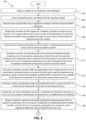
- a flowchart 300 illustrating the steps involved for risk assessment of an individual for Parkinson's disease (PD) is shown in Fig. 2A-2B .
- a sample is obtained from the body site of the individual.
- the isolated DNA is sequenced using a sequencer to obtain stretches of DNA sequences.
- the stretches of DNA sequences are analyzed to identify a plurality of bacterial taxa present in the sample, wherein the analysis results in the generation of a bacterial abundance profile having a bacterial abundance value of each of the plurality of bacterial taxa in the sample.
- the bacterial abundance profile is pre-processed to obtain normalized/ scaled bacterial abundance values of the bacterial abundance profile.
- the score is evaluated for each bacterial taxa of the plurality of bacterial taxa for producing a set of neuroactive compounds, wherein the set of neuroactive compounds are compounds which influences the functioning of a gut-brain axis and wherein the score is evaluated independently for each compound of the set of neuroactive compounds and stored in a bacteria-function matrix.
- the metabolic potential (MP) corresponding to each compound of the set of neuroactive compounds is calculated using the bacteria function matrix and the scaled bacterial abundance values, wherein the metabolic potential (MP) is indicative of the capability of the bacterial community for producing the neuroactive compound.
- the binary classification model is generated utilizing the metabolic potential (MP) of each compound of the set of neuroactive compounds using machine learning techniques.
- MP metabolic potential
- the risk of the individual to develop or suffering from Parkinson's disease in a risk or no risk is predicted, using the binary classification model based on a predefined set of conditions.
- therapeutic approaches are designed, through targeting the bacterial groups that are capable of producing a set of neurotoxic compounds or facilitating growth of healthy microbes, wherein the set of neurotoxic compounds are compounds which negatively affects the functioning of the gut-brain axis.O
- the system 100 for diagnosis and risk assessment of the individual for Parkinson's disease (PD) can also be explained with the help of following example.
- the prediction of the bacterial community's metabolic potential for the production of neuroactive compounds requires the (bacterial) taxonomic abundance data, generated using one of the state-of-art algorithms, as an input.
- An example of the bacterial taxonomic abundance data (obtained from the published study) has been shown below (Table 1).
- Microbiome data pertaining to a total of 74 Parkinson samples and corresponding 74 healthy samples are provided in the study.
- Table 1 shows a subset of the bacterial taxonomic abundance at genera level corresponding to one Parkinson and one healthy sample.
- Table 1 Subset of bacterial genera abundance obtained through analysing gut microbiome data corresponding to an individual with Parkinson's disease (PD) and a healthy control.
- PD Parkinson's disease
- Bacterial Taxa (Genera) PD Sample Control Sample Bacteroides 552 124 Faecalibacterium 33 124 Roseburia 43 33 Oscillibacter 161 32 Coprococcus 8 25 Parabacteroides 0 41 Dialister 89 0 Lachnospiracea_incertae_sedis 21 189 Fusicatenibacter 2 23 Ruminococcus 7 8 Alistipes 108 6
- the raw bacterial abundance data was then normalized to represent the relative abundance values. It should be noted that the use of any kind of normalization or scaling of bacterial abundance values, including percentage, cumulatitive sum scaling, minmax scaling, maxAbs scaling, robust scaling, percentile, quantile, Atkinson's log transformation, etc. is well within the scope of this disclosure. Further the percentage-normalized abundance data was pre-processed to remove bacterial genera which had missing/null values in at-least 70% of the samples analysed. The objective of this exercise was to cleanse the data and remove inconsistencies in the data before constructing a model. Further, the pre-processed data was transformed by scaling from 0 to 1. This was done so that the abundances of bacterial genera in different samples are placed at a common scale.
- Table 2 shows the values of the scaled bacterial abundance data of the above-mentioned raw abundance data (Table 1).
- Table 2 Scaled values of the bacterial abundances shown in Table 1 Taxa PD Sample Control Sample Bacteroides 1 1 Faecalibacterium 0.059 0.39 Roseburia 0.077 0.106 Oscillibacter 0.291 0.102 Coprococcus 0.014 0.08 Parabacteroides 0 0.131 Dialister 0.161 0 Lachnospiracea_incertae_sedis 0.038 0.607 Fusicatenibacter 0.003 0.073 Ruminococcus 0.012 0.025 Alistipes 0.195 0.019
- the transformed/ scaled bacterial abundance values were then used to evaluate the score referred to as 'Metabolic potential (MP)' in the present disclosure.
- consortium of microbes that can potentially facilitate improved therapy of Parkinson's disease (PD) is performed based on the following two aspects - (i) differentially abundant microbial taxa in cohorts of PD patients and healthy individuals and (ii) the 'SCORBPEO' values of the differentially abundant taxa corresponding to the production of neuroactive compounds under the present disclosure.
- the abundant genera in healthy cohort which are not able to produce any neurotoxic compound may help maintaining a 'healthy' microbiome in gut and thus might aid in prevention or alleviating symptoms of PD. These genera are listed in Table 3. Any pre/ probiotic/ synbiotic formulation which facilitates growth of the above mentioned healthy microbiome can also be used as a therapeutic adjunct for PD.
- the differentially abundant taxa (genera in the current invention) in healthy cohort were identified using state-of-art statistical test Table 3: Differentially abundant genera in healthy cohort lacking pathways for production of any neuro-toxic compound Genera p-value Alloprevotella 0.03 Butyricicoccus 0.02 Prevotella 0.002 Roseburia 0.01 Succinispira 0.02
- the proposed probiotic formulation may be composed of bacterial strains belonging to the genera listed in Table 3.
- the strains with known beneficial effects are most probable candidates for probiotic formulation.
- certain strains under the genera Roseburia and Butyricicoccus have been reported to have beneficial role in the gut.
- these strains may be provided as probiotic formulation in order to alleviate the symptoms of PD through maintaining a healthier gut microbiome, thus improving the efficiency of current therapeutic approaches or minimizing the side effects of the conventional therapies of PD.
- the proposed probiotc strains can thus be utilized as an adjunct therapy for PD.
- the bacterial strains belonging to the genera Roseburia and Butyricicoccus that are commonly found in gut are listed in Table 4.
- Table 4 Bacterial strains belonging to the genera Roseburia and Butyricicoccus, which are commonly found in gut (obtained from 'NIH Integrative Human Microbiome Project') Genus Strain Roseburia Roseburia_intestinalis_L1-82 Roseburia_intestinalis_M50_1 Roseburia_intestinalis_XB6B4 Roseburia_inulinivorans_DSM_16841 Butyricicoccus Butyricicoccus_pullicaecorum_1
- Table 5 shows the summary of the publicly available dataset used for validation of the proposed methodology.
- the dataset involves publicly available gut microbiome sequence data samples from 74 individuals suffering from PD and corresponding 74 healthy controls from Finnish population.
- the 16S rRNA data from the study was analysed in order to obtain the 'MP' values for the eight neuro-active compounds under the invention. These values corresponding to a subset of samples from the study is provided in Table 6.
- Table 5 Summary of the publicly available dataset used for validation of the proposed methodology Sample type Data type No. of PD patients No. of healthy individuals Fecal sample 16S rRNA sequence read 74 74
- Table 6 'Metabolic potential (MP)' values corresponding to the eight neuro-active compounds evaluated for a subset of microbiome samples mentioned from the study.
- H 2 S_1, H 2 S_2, H 2 S_3, H 2 S_4 and H 2 S_5 represent the pathways involving 3-mercaptopyruvate sulfurtransferase (EC: 2.8.1.2), cystathionine beta-synthase (EC: 4.2.1.22), cystathionine gamma lyase (EC: 4.4.1.1), D-cysteine desulfhydrase (EC: 4.4.1.15), and L-cysteine desulfhydrase (EC: 4.4.1.28) respectively.
- 3-mercaptopyruvate sulfurtransferase EC: 2.8.1.2
- cystathionine beta-synthase EC: 4.2.1.22
- cystathionine gamma lyase EC: 4.4.1.1
- D-cysteine desulfhydrase EC: 4.4.1.15
- L-cysteine desulfhydrase EC: 4.4.
- a model for classification (disease or healthy) of the samples was generated using Random Forest classifier.
- the 'MP' values obtained for the above-mentioned eight metabolites were used as features for training the classifier.
- the sample set (74 PD samples and 74 Healthy samples) was randomly divided into training and testing set samples, in the ratio of 70:30 (70% of the samples as training set and the remaining 30% as the test set), such that the proportion of diseased and healthy samples remained equivalent in both training and test set.
- the training of the model was performed by utilizing the Random forest package v4.6 with 10-fold cross-validation in 10 replicates (i.e. 100 tests).
- the performance of the individual models obtained was evaluated with the ⁇ area under curve' (AUC) of the 'receiver operating characteristics' (ROC) using the R pROC package. From each cross-validation fold, top 5 differentiating features were picked and 'giniscore' was utilized to rank them based upon their cumulative importance. Further, the ranked features were progressively added into the model, according to their cumulative importance ('giniscore') and the performance of the model was evaluated (in terms of AUC) after the addition of every new feature. A final 'bagged' RF model was obtained which utilized two most differentiating features.
- the prediction of the risk of PD could be performed based on the combination of 'MP' values and a threshold value corresponding to the above-mentioned features 'GABA' and Indole according to the following rules -
- the current invention primarily relies on the metabolic capability of the resident gut microbiota, which is known to differ in relation to not only the diseased state but also various other factors like dietary pattern, demography, lifestyle etc. Therefore, any other neuroactive compound(s) (or any other compound belonging to amino acid metabolism) either alone or in combination with one or more of the compounds under invention may prove to be efficient risk assessment factors for PD or any other neurological disease/disorder for individuals from a different geography or/ and of different ethnicity/ lifestyle.
- the embodiments of present disclosure herein address unresolved problem of accurate and early diagnosis of the Parkinson's disease.
- the embodiment provides a system and method for risk assessment of Parkinson's disease (PD) in the individual.
- PD Parkinson's disease
- the hardware device can be any kind of device which can be programmed including e.g. any kind of computer like a server or a personal computer, or the like, or any combination thereof.
- the device may also include means which could be e.g. hardware means like an application-specific integrated circuit (ASIC), a field-programmable gate array (FPGA), or a combination of hardware and software means, e.g.
- ASIC application-specific integrated circuit
- FPGA field-programmable gate array
- the means can include both hardware means and software means.
- the method embodiments described herein could be implemented in hardware and software.
- the device may also include software means.
- the embodiments may be implemented on different hardware devices, e.g. using a plurality of CPUs.
- the embodiments herein can comprise hardware and software elements.
- the embodiments that are implemented in software include but are not limited to, firmware, resident software, microcode, etc.
- the functions performed by various components described herein may be implemented in other components or combinations of other components.
- a computer-usable or computer readable medium can be any apparatus that can comprise, store, communicate, propagate, or transport the program for use by or in connection with the instruction execution system, apparatus, or device.
- a computer-readable storage medium refers to any type of physical memory on which information or data readable by a processor may be stored.
- a computer-readable storage medium may store instructions for execution by one or more processors, including instructions for causing the processor(s) to perform steps or stages consistent with the embodiments described herein.
- the term "computer-readable medium” should be understood to include tangible items and exclude carrier waves and transient signals, i.e., be non-transitory. Examples include random access memory (RAM), read-only memory (ROM), volatile memory, nonvolatile memory, hard drives, CD ROMs, DVDs, flash drives, disks, and any other known physical storage media.
Landscapes
- Engineering & Computer Science (AREA)
- Health & Medical Sciences (AREA)
- Life Sciences & Earth Sciences (AREA)
- Medical Informatics (AREA)
- Chemical & Material Sciences (AREA)
- Physics & Mathematics (AREA)
- General Health & Medical Sciences (AREA)
- Bioinformatics & Cheminformatics (AREA)
- Public Health (AREA)
- Biomedical Technology (AREA)
- Biotechnology (AREA)
- Biophysics (AREA)
- Data Mining & Analysis (AREA)
- Organic Chemistry (AREA)
- Genetics & Genomics (AREA)
- Proteomics, Peptides & Aminoacids (AREA)
- Epidemiology (AREA)
- Databases & Information Systems (AREA)
- Wood Science & Technology (AREA)
- Zoology (AREA)
- Analytical Chemistry (AREA)
- Spectroscopy & Molecular Physics (AREA)
- Theoretical Computer Science (AREA)
- Evolutionary Biology (AREA)
- Bioinformatics & Computational Biology (AREA)
- General Engineering & Computer Science (AREA)
- Molecular Biology (AREA)
- Primary Health Care (AREA)
- Pathology (AREA)
- Microbiology (AREA)
- Biochemistry (AREA)
- Evolutionary Computation (AREA)
- Computer Vision & Pattern Recognition (AREA)
- Bioethics (AREA)
- Software Systems (AREA)
- Artificial Intelligence (AREA)
- Plant Pathology (AREA)
- Crystallography & Structural Chemistry (AREA)
- Immunology (AREA)
- Measuring Or Testing Involving Enzymes Or Micro-Organisms (AREA)
Claims (15)
- Verfahren (300) zur Risikobewertung der Parkinson-Krankheit bei einem Individuum, wobei das Verfahren umfasst:Extrahieren von Desoxyribonukleinsäure (DNA) aus einer Probe, wobei die Probe von einer Körperstelle des Individuums erhalten wurde (304);Sequenzieren der isolierten DNA unter Verwendung eines Sequenzierers, um Abschnitte von bakteriellen DNA-Sequenzen zu erhalten (306);Analysieren, über einen oder mehrere Hardwareprozessoren, der Abschnitte von DNA-Sequenzen, um eine Mehrzahl von in der Probe vorhandenen bakteriellen Taxa zu identifizieren, wobei die Analyse zur Erzeugung eines bakteriellen Häufigkeitsprofils mit einem bakteriellen Häufigkeitswert von jedem der Mehrzahl von bakteriellen Taxa in der Probe führt (308);Vorverarbeiten, über den einen oder die mehreren Hardwareprozessoren, des bakteriellen Häufigkeitsprofils, um skalierte bakterielle Häufigkeitswerte des bakteriellen Häufigkeitsprofils zu erhalten (310);Bewerten, über den einen oder die mehreren Hardwareprozessoren, einer Punktzahl für jedes bakterielle Taxa der Mehrzahl von bakteriellen Taxa zum Erzeugen eines Satzes von neuroaktiven Verbindungen, wobei der Satz von neuroaktiven Verbindungen Verbindungen sind, die die Funktion einer Darm-Hirn-Achse beeinflussen, und wobei die Punktzahl unabhängig für jede Verbindung des Satzes von neuroaktiven Verbindungen bewertet und in einer Bakterienfunktionsmatrix gespeichert wird (312);Berechnen, über den einen oder die mehreren Hardwareprozessoren, eines metabolischen Potentials (MP), das jeder Verbindung des Satzes von neuroaktiven Verbindungen entspricht, unter Verwendung der Bakterienfunktionsmatrix und der skalierten bakteriellen Häufigkeitswerte, wobei das metabolische Potential (MP) die Fähigkeit der Bakteriengemeinschaft zum Erzeugen der neuroaktiven Verbindung anzeigt (314);Erzeugen, über den einen oder die mehreren Hardwareprozessoren, eines binären Klassifizierungsmodells unter Verwendung des metabolischen Potentials (MP) jeder Verbindung des Satzes von neuroaktiven Verbindungen unter Verwendung von Maschinenlerntechniken (316);Vorhersagen, über den einen oder die mehreren Hardwareprozessoren, des Risikos des Individuums, Parkinson-Krankheit in einem Risiko oder keinem Risiko zu entwickeln oder zu erleiden, unter Verwendung des binären Klassifizierungsmodells basierend auf einem vordefinierten Satz von Bedingungen (318); undEntwerfen von therapeutischen Ansätzen durch Abzielen der Bakteriengruppen, die in der Lage sind, einen Satz von neurotoxischen Verbindungen zu erzeugen oder das Wachstum von gesunden Mikroben zu erleichtern, wobei der Satz von neurotoxischen Verbindungen Verbindungen sind, die die Funktion der Darm-Hirn-Achse negativ beeinflussen (320).
- Verfahren nach Anspruch 1, wobei der vordefinierte Satz von Bedingungen das Vergleichen des metabolischen Potentials zur Erzeugung einer des Satzes von neuroaktiven Verbindungen mit einem Schwellenwert umfasst, wobei das Ergebnis des Vergleichs ist:kein Risiko von Parkinson-Krankheit, wenn das metabolische Potential kleiner oder gleich dem Schwellenwert ist,das signifikante Risiko von Parkinson-Krankheit, wenn das metabolische Potential größer als der Schwellenwert ist.
- Verfahren nach Anspruch 1, wobei die Erzeugung des bakteriellen Häufigkeitsprofils das rechnerische Analysieren von einem oder mehreren von mikroskopischen Bildgebungsdaten, Durchflusszytometriedaten, einer Koloniezahl und zellulären phänotypischen Daten von in in-vitro-Kulturen gezüchteten Mikroben, Signalintensitätsdaten umfasst, wobei diese Daten durch Anwenden von einem oder mehreren von Techniken erhalten werden, einschließlich kulturabhängiger Verfahren, einem oder mehreren von enzymatischen oder Fluoreszenzassays, einem oder mehreren von Assays, die spektroskopische Identifizierung und Screening von Signalen aus komplexen mikrobiellen Populationen umfassen.
- Verfahren nach Anspruch 1, wobei das Isolieren und Sequenzieren von DNA-Abschnitten ferner mindestens eines umfasst von:Amplifizieren und Sequenzieren von bakteriellen 16S-rRNA-, 23S-rRNA-, rpoB- oder cpn60-Markergenen aus der bakteriellen DNA,Amplifizieren und Sequenzieren von einem oder mehreren von einer vollen Länge oder einer oder mehreren spezifischen Regionen der bakteriellen 16S-rRNA-, 23S-rRNA-, rpoB- oder cpn60-Markergene aus der mikrobiellen DNA,Amplifizieren und Sequenzieren von einem oder mehreren phylogenetischen Markergenen aus der bakteriellen DNA, oderGesamtgenom-Shotgun-Sequenzierungs(WGS)-Daten, die bakterieller DNA entsprechen, isoliert von der Körperstelle des Individuums.
- Verfahren nach Anspruch 1, wobei der Schritt des Sequenzierens eines oder mehrere von einer Amplikonsequenzierung, einer Gesamtgenom-Shotgun-Sequenzierung (WGS), einer Fragmentbibliothek-basierten Sequenzierungstechnik, einer Mate-Pair-Bibliothek oder einer Paired-End-Bibliothek-basierten Sequenzierungstechnik, einer Polymerasekettenreaktion (PCR), einer RNA-Sequenzierung oder einer Mikroarray-basierten Technik umfasst.
- Verfahren nach Anspruch 1, wobei der Schritt des Vorverarbeitens der mikrobiellen Häufigkeitsdaten das Normalisieren umfasst, um die Häufigkeit in Form von skalierten Werten darzustellen, wobei die Normalisierung auf mikrobiellen Zählungen durch eines oder mehrere von einer Rarefaction, einer Quantilskalierung, einer Perzentilskalierung, einer kumulativen Summenskalierung oder einer Aitchison-Log-Verhältnis-Transformation durchgeführt wird.
- Verfahren nach Anspruch 1, wobei der Satz von neuroaktiven Verbindungen eines oder mehrere von Kynurenin, Chinolinat, Indol, Indolessigsäure (IAA), Indolpropionsäure (IPA), Tryptamin, Gamma-Aminobuttersäure (GABA) und Schwefelwasserstoff (H2S) umfasst.
- Verfahren nach Anspruch 1, wobei der Score (SCORBPEO) unter Verwendung der folgenden Formel bewertet wird:
 wobei P - Anteil von Stämmen, die zur Gattung 'j' gehören, die mit neuroaktiver Verbindung 'i'-Erzeugungsfähigkeit vorhergesagt wurden,α - Vertrauenswert der entsprechenden Bakteriengruppe, wobei der Vertrauenswert basierend auf der relativen Anzahl von Stämmen, die zu einer bestimmten Gattung gehören, bewertet wird,β - 'Gewicht', das einen Anreicherungswert eines bestimmten Wegs in einer bestimmten Körperstelle darstellt.
 - Verfahren nach Anspruch 1, wobei das metabolische Potential (MP) unter Verwendung der folgenden Formel berechnet wird:
 wobei MPNAC - Metabolisches Potential der Bakteriengemeinschaft (von Interesse) zur Erzeugung einer bestimmten neuroaktiven Verbindung,n - Anzahl der bestimmten neuroaktiven Verbindung, die Bakteriengattungen erzeugt, die in der Bakteriengemeinschaft von Interesse vorhanden sind,RA - relative skalierte Häufigkeit einer bestimmten Bakteriengattung 'i', von der vorhergesagt wird, dass sie den metabolischen Weg für die Erzeugung der neuroaktiven Verbindung aufweist, undSCORBPEO[NAC][i] - die 'SCORBPEO (Score for Bacterial Production of Neuroactive Compound)'-Punktzahl der Gattung 'i' zur Erzeugung der bestimmten neuroaktiven Verbindung 'NAC'.
 - Verfahren nach Anspruch 1, wobei das Erzeugen des binären Klassifizierungsmodells unter Verwendung von Maschinenlerntechniken unter Verwendung von einem oder mehreren von Random Forest, Entscheidungsbaumtechniken, linearer Regression, logistischer Regression, naiven Bayes, linearen Diskriminanzanalysen, k-Nearest-Neighbour-Algorithmus, Support Vector Machines und neuronalen Netzwerktechniken durchgeführt werden kann.
- Verfahren nach Anspruch 1, wobei die Probe eines von Speichel, Stuhl, Blut, Körperflüssigkeit, Gewebe oder Abstrich ist.
- Verfahren nach Anspruch 1, wobei die Körperstelle eines von einem Darm-, Mund-, Haut- oder Urogenitaltrakt des Individuums ist.
- Verfahren nach Anspruch 1, wobei die gesunden Mikroben Mikroben umfassen, die neuroprotektive Verbindungen erzeugen, die vorteilhafte Wirkungen auf die Darm-Hirn-Achse aufweisen.
- System (100) zur Risikobewertung der Parkinson-Krankheit bei einem Individuum, wobei das Verfahren umfasst:einen DNA-Extraktor (104) zum Extrahieren von Desoxyribonukleinsäure (DNA) aus einer Probe, wobei die Probe von einer Körperstelle des Individuums erhalten wird;einen Sequenzierer (106) zum Sequenzieren der isolierten DNA unter Verwendung eines Sequenzierers, um Abschnitte von DNA-Sequenzen zu erhalten;einen oder mehrere Hardwareprozessoren (110); undeinen Speicher (108) in Kommunikation mit dem einen oder den mehreren Hardwareprozessoren, wobei der eine oder die mehreren Hardwareprozessoren konfiguriert sind, um programmierte Anweisungen auszuführen, die in dem Speicher gespeichert sind, um:die Abschnitte von DNA-Sequenzen zu analysieren, um eine Mehrzahl von in der Probe vorhandenen bakteriellen Taxa zu identifizieren, wobei die Analyse zur Erzeugung eines bakteriellen Häufigkeitsprofils mit einem bakteriellen Häufigkeitswert von jedem der Mehrzahl von bakteriellen Taxa in der Probe führt;das bakterielle Häufigkeitsprofil vorzuverarbeiten, um skalierte bakterielle Häufigkeitswerte des bakteriellen Häufigkeitsprofils zu erhalten;eine Punktzahl für jedes bakterielle Taxa der Mehrzahl von bakteriellen Taxa zum Erzeugen eines Satzes von neuroaktiven Verbindungen zu bewerten, wobei der Satz von neuroaktiven Verbindungen Verbindungen sind, die die Funktion einer Darm-Hirn-Achse beeinflussen, und wobei die Punktzahl unabhängig für jede Verbindung des Satzes von neuroaktiven Verbindungen bewertet und in einer Bakterienfunktionsmatrix gespeichert wird;ein metabolisches Potential (MP), das jeder Verbindung des Satzes von neuroaktiven Verbindungen entspricht, unter Verwendung der Bakterienfunktionsmatrix und der skalierten bakteriellen Häufigkeitswerte zu berechnen, wobei das metabolische Potential (MP) die Fähigkeit der Bakteriengemeinschaft zum Erzeugen der neuroaktiven Verbindung anzeigt;ein binäres Klassifizierungsmodell unter Verwendung des metabolischen Potentials (MP) jeder Verbindung des Satzes von neuroaktiven Verbindungen unter Verwendung von Maschinenlerntechniken zu erzeugen;das Risiko des Individuums, Parkinson-Krankheit in einem Risiko oder keinem Risiko zu entwickeln oder zu erleiden, unter Verwendung des binären Klassifizierungsmodells basierend auf einem vordefinierten Satz von Bedingungen vorherzusagen; undEntwerfen von therapeutischen Ansätzen durch Abzielen der Bakteriengruppen, die in der Lage sind, einen Satz von neurotoxischen Verbindungen zu erzeugen oder das Wachstum von gesunden Mikroben zu erleichtern, wobei der Satz von neurotoxischen Verbindungen Verbindungen sind, die die Funktion der Darm-Hirn-Achse negativ beeinflussen.
- Ein oder mehrere nichtflüchtige maschinenlesbare Informationsspeichermedien, umfassend eine oder mehrere Anweisungen, die, wenn sie von einem oder mehreren Hardwareprozessoren ausgeführt werden, bewirken:Analysieren der Abschnitte von DNA-Sequenzen, wobei die Abschnitte von DNA durch Extrahieren von Desoxyribonukleinsäure (DNA) aus einer Probe, wobei die Probe von einer Körperstelle des Individuums erhalten wurde, und durch Sequenzieren der isolierten DNA unter Verwendung eines Sequenzierers erhalten werden, um eine Mehrzahl von in der Probe vorhandenen bakteriellen Taxa zu identifizieren, wobei die Analyse zur Erzeugung eines bakteriellen Häufigkeitsprofils mit einem bakteriellen Häufigkeitswert von jedem der Mehrzahl von bakteriellen Taxa in der Probe führt;Vorverarbeiten des bakteriellen Häufigkeitsprofils, um skalierte bakterielle Häufigkeitswerte des bakteriellen Häufigkeitsprofils zu erhalten;Bewerten einer Punktzahl für jedes bakterielle Taxa der Mehrzahl von bakteriellen Taxa zum Erzeugen eines Satzes von neuroaktiven Verbindungen, wobei der Satz von neuroaktiven Verbindungen Verbindungen sind, die die Funktion einer Darm-Hirn-Achse beeinflussen, und wobei die Punktzahl unabhängig für jede Verbindung des Satzes von neuroaktiven Verbindungen bewertet und in einer Bakterienfunktionsmatrix gespeichert wird;Berechnen eines metabolischen Potentials (MP), das jeder Verbindung des Satzes von neuroaktiven Verbindungen entspricht, unter Verwendung der Bakterienfunktionsmatrix und der skalierten bakteriellen Häufigkeitswerte, wobei das metabolische Potential (MP) die Fähigkeit der Bakteriengemeinschaft zum Erzeugen der neuroaktiven Verbindung anzeigt;Erzeugen eines binären Klassifizierungsmodells unter Verwendung des metabolischen Potentials (MP) jeder Verbindung des Satzes von neuroaktiven Verbindungen unter Verwendung von Maschinenlerntechniken;Vorhersagen des Risikos des Individuums, Parkinson-Krankheit in einem Risiko oder keinem Risiko zu entwickeln oder zu erleiden, unter Verwendung des binären Klassifizierungsmodells basierend auf einem vordefinierten Satz von Bedingungen; undEntwerfen von therapeutischen Ansätzen durch Abzielen der Bakteriengruppen, die in der Lage sind, einen Satz von neurotoxischen Verbindungen zu erzeugen oder das Wachstum von gesunden Mikroben zu erleichtern, wobei der Satz von neurotoxischen Verbindungen Verbindungen sind, die die Funktion der Darm-Hirn-Achse negativ beeinflussen.
Applications Claiming Priority (2)
| Application Number | Priority Date | Filing Date | Title |
|---|---|---|---|
| IN201921031558 | 2019-08-05 | ||
| PCT/IB2020/057391 WO2021024195A2 (en) | 2019-08-05 | 2020-08-05 | System and method for risk assessment of parkinsons disease |
Publications (4)
| Publication Number | Publication Date |
|---|---|
| EP4010487A2 EP4010487A2 (de) | 2022-06-15 |
| EP4010487A4 EP4010487A4 (de) | 2023-08-23 |
| EP4010487B1 true EP4010487B1 (de) | 2024-05-29 |
| EP4010487C0 EP4010487C0 (de) | 2024-05-29 |
Family
ID=74503779
Family Applications (1)
| Application Number | Title | Priority Date | Filing Date |
|---|---|---|---|
| EP20850890.3A Active EP4010487B1 (de) | 2019-08-05 | 2020-08-05 | System und verfahren zur risikobewertung von morbus parkinson |
Country Status (3)
| Country | Link |
|---|---|
| US (1) | US20220293277A1 (de) |
| EP (1) | EP4010487B1 (de) |
| WO (1) | WO2021024195A2 (de) |
Families Citing this family (3)
| Publication number | Priority date | Publication date | Assignee | Title |
|---|---|---|---|---|
| US12573032B2 (en) * | 2020-11-30 | 2026-03-10 | University Of Florida Research Foundation, Inc. | System and methods of predicting Parkinson's disease based on retinal images using machine learning |
| EP4109455B1 (de) * | 2021-06-22 | 2025-01-22 | Tata Consultancy Services Limited | Verfahren und system zur bewertung und reduzierung des mückenattraktivitätsgrades eines individuums |
| CN114019061B (zh) * | 2022-01-04 | 2022-03-25 | 宝枫生物科技(北京)有限公司 | 用于帕金森病检测的生物标志物及其应用 |
Family Cites Families (4)
| Publication number | Priority date | Publication date | Assignee | Title |
|---|---|---|---|---|
| WO2012159023A2 (en) * | 2011-05-19 | 2012-11-22 | Virginia Commonwealth University | Gut microflora as biomarkers for the prognosis of cirrhosis and brain dysfunction |
| WO2017044886A1 (en) * | 2015-09-09 | 2017-03-16 | uBiome, Inc. | Method and system for microbiome-derived diagnostics and therapeutics for bacterial vaginosis |
| US20180196044A1 (en) * | 2017-01-09 | 2018-07-12 | California Institute Of Technology | Use of gut microbiota in the diagnosis and therapeutics of parkinson's disease |
| EP4010902A4 (de) * | 2019-08-05 | 2023-08-23 | Tata Consultancy Services Limited | System und verfahren zur risikobewertung von multipler sklerose |
-
2020
- 2020-08-05 WO PCT/IB2020/057391 patent/WO2021024195A2/en not_active Ceased
- 2020-08-05 US US17/632,800 patent/US20220293277A1/en active Pending
- 2020-08-05 EP EP20850890.3A patent/EP4010487B1/de active Active
Also Published As
| Publication number | Publication date |
|---|---|
| US20220293277A1 (en) | 2022-09-15 |
| EP4010487C0 (de) | 2024-05-29 |
| EP4010487A4 (de) | 2023-08-23 |
| WO2021024195A3 (en) | 2021-04-22 |
| EP4010487A2 (de) | 2022-06-15 |
| WO2021024195A2 (en) | 2021-02-11 |
Similar Documents
| Publication | Publication Date | Title |
|---|---|---|
| EP4009970B1 (de) | System und verfahren zur risikobewertung von störungen des autistischen spektrums | |
| US10388407B2 (en) | Method and system for characterizing a headache-related condition | |
| CN108350019B (zh) | 用于细菌性阴道病的源自微生物群系的诊断及治疗方法和系统 | |
| US20190172555A1 (en) | Method and system for microbiome-derived diagnostics and therapeutics for oral health | |
| US11915819B2 (en) | Methods and systems for multi-omic interventions | |
| US20200286623A1 (en) | Microorganism-related significance index metrics | |
| EP4010487B1 (de) | System und verfahren zur risikobewertung von morbus parkinson | |
| CN108348166B (zh) | 用于与抗生素使用相关的感染性疾病及其它健康状况的源自微生物群系的诊断及治疗方法和系统 | |
| CN108348167B (zh) | 用于脑-颅面健康相关病症的源自微生物群系的诊断及治疗方法和系统 | |
| AU2016321349A1 (en) | Method and system for microbiome-derived diagnostics and therapeutics for conditions associated with gastrointestinal health | |
| CN107709576B (zh) | 用于神经系统健康问题的微生物组来源的诊断和治疗的方法及系统 | |
| US20220293217A1 (en) | System and method for risk assessment of multiple sclerosis | |
| CN107708715A (zh) | 用于微生物组功能特征相关的状况的微生物组来源的诊断和治疗的方法及系统 | |
| CN107849609B (zh) | 用于心理健康相关状况的微生物组来源的诊断和治疗的方法及系统 | |
| KR20240160204A (ko) | 알츠하이머병 치매 발병 위험을 결정하는 방법 | |
| US20250285756A1 (en) | Two competing guilds as core microbiome signature for human diseases | |
| US20190211378A1 (en) | Method and system for microbiome-derived diagnostics and therapeutics for cerebro-craniofacial health | |
| AU2020226733A1 (en) | Method and system for microbiome-derived companion diagnostics | |
| EP4450649B1 (de) | Verfahren und system zur risikobeurteilung von störungen des autismusspektrums bei einer person | |
| US20220328193A1 (en) | System and method for assessing the risk of prediabetes | |
| US20240355443A1 (en) | Method and system for stratification of subjects as responders and non-responders for a therapy | |
| HK40121482A (zh) | 两个相互竞争的菌群作为针对人类疾病的核心微生物组特徵 | |
| KR20250031154A (ko) | 대상체에서 루이소체 치매를 식별하기 위한 방법 | |
| Li et al. | Shared and Distinctive Microbial Biomarkers Enhance Precision Diagnostics of Inflammatory Bowel Disease and its Subtypes | |
| EP3687375A1 (de) | Verfahren und system zur charakterisierung eines zustands im zusammenhang mit kopfschmerzen |
Legal Events
| Date | Code | Title | Description |
|---|---|---|---|
| STAA | Information on the status of an ep patent application or granted ep patent |
Free format text: STATUS: THE INTERNATIONAL PUBLICATION HAS BEEN MADE |
|
| PUAI | Public reference made under article 153(3) epc to a published international application that has entered the european phase |
Free format text: ORIGINAL CODE: 0009012 |
|
| STAA | Information on the status of an ep patent application or granted ep patent |
Free format text: STATUS: REQUEST FOR EXAMINATION WAS MADE |
|
| 17P | Request for examination filed |
Effective date: 20220203 |
|
| AK | Designated contracting states |
Kind code of ref document: A2 Designated state(s): AL AT BE BG CH CY CZ DE DK EE ES FI FR GB GR HR HU IE IS IT LI LT LU LV MC MK MT NL NO PL PT RO RS SE SI SK SM TR |
|
| DAV | Request for validation of the european patent (deleted) | ||
| DAX | Request for extension of the european patent (deleted) | ||
| REG | Reference to a national code |
Ref country code: DE Ref legal event code: R079 Free format text: PREVIOUS MAIN CLASS: C12Q0001680000 Ipc: G16B0040200000 Ref document number: 602020031789 Country of ref document: DE |
|
| A4 | Supplementary search report drawn up and despatched |
Effective date: 20230720 |
|
| RIC1 | Information provided on ipc code assigned before grant |
Ipc: G16H 20/10 20180101ALN20230714BHEP Ipc: G16B 30/00 20190101ALI20230714BHEP Ipc: G16H 50/30 20180101ALI20230714BHEP Ipc: G16B 40/20 20190101AFI20230714BHEP |
|
| GRAP | Despatch of communication of intention to grant a patent |
Free format text: ORIGINAL CODE: EPIDOSNIGR1 |
|
| STAA | Information on the status of an ep patent application or granted ep patent |
Free format text: STATUS: GRANT OF PATENT IS INTENDED |
|
| RIC1 | Information provided on ipc code assigned before grant |
Ipc: G16H 20/10 20180101ALN20231130BHEP Ipc: G16B 30/00 20190101ALI20231130BHEP Ipc: G16H 50/30 20180101ALI20231130BHEP Ipc: G16B 40/20 20190101AFI20231130BHEP |
|
| INTG | Intention to grant announced |
Effective date: 20231222 |
|
| RIC1 | Information provided on ipc code assigned before grant |
Ipc: G16H 20/10 20180101ALN20231214BHEP Ipc: G16B 30/00 20190101ALI20231214BHEP Ipc: G16H 50/30 20180101ALI20231214BHEP Ipc: G16B 40/20 20190101AFI20231214BHEP |
|
| RIN1 | Information on inventor provided before grant (corrected) |
Inventor name: KAUR, HARRISHAM Inventor name: MANDE, SHARMILA SHEKHAR Inventor name: BOSE, CHANDRANI |
|
| GRAS | Grant fee paid |
Free format text: ORIGINAL CODE: EPIDOSNIGR3 |
|
| GRAA | (expected) grant |
Free format text: ORIGINAL CODE: 0009210 |
|
| STAA | Information on the status of an ep patent application or granted ep patent |
Free format text: STATUS: THE PATENT HAS BEEN GRANTED |
|
| AK | Designated contracting states |
Kind code of ref document: B1 Designated state(s): AL AT BE BG CH CY CZ DE DK EE ES FI FR GB GR HR HU IE IS IT LI LT LU LV MC MK MT NL NO PL PT RO RS SE SI SK SM TR |
|
| REG | Reference to a national code |
Ref country code: CH Ref legal event code: EP |
|
| REG | Reference to a national code |
Ref country code: IE Ref legal event code: FG4D |
|
| REG | Reference to a national code |
Ref country code: DE Ref legal event code: R096 Ref document number: 602020031789 Country of ref document: DE |
|
| U01 | Request for unitary effect filed |
Effective date: 20240529 |
|
| U07 | Unitary effect registered |
Designated state(s): AT BE BG DE DK EE FI FR IT LT LU LV MT NL PT SE SI Effective date: 20240604 |
|
| U20 | Renewal fee for the european patent with unitary effect paid |
Year of fee payment: 5 Effective date: 20240826 |
|
| PG25 | Lapsed in a contracting state [announced via postgrant information from national office to epo] |
Ref country code: IS Free format text: LAPSE BECAUSE OF FAILURE TO SUBMIT A TRANSLATION OF THE DESCRIPTION OR TO PAY THE FEE WITHIN THE PRESCRIBED TIME-LIMIT Effective date: 20240929 |
|
| PG25 | Lapsed in a contracting state [announced via postgrant information from national office to epo] |
Ref country code: HR Free format text: LAPSE BECAUSE OF FAILURE TO SUBMIT A TRANSLATION OF THE DESCRIPTION OR TO PAY THE FEE WITHIN THE PRESCRIBED TIME-LIMIT Effective date: 20240529 |
|
| PG25 | Lapsed in a contracting state [announced via postgrant information from national office to epo] |
Ref country code: GR Free format text: LAPSE BECAUSE OF FAILURE TO SUBMIT A TRANSLATION OF THE DESCRIPTION OR TO PAY THE FEE WITHIN THE PRESCRIBED TIME-LIMIT Effective date: 20240830 |
|
| PG25 | Lapsed in a contracting state [announced via postgrant information from national office to epo] |
Ref country code: ES Free format text: LAPSE BECAUSE OF FAILURE TO SUBMIT A TRANSLATION OF THE DESCRIPTION OR TO PAY THE FEE WITHIN THE PRESCRIBED TIME-LIMIT Effective date: 20240529 |
|
| PG25 | Lapsed in a contracting state [announced via postgrant information from national office to epo] |
Ref country code: PL Free format text: LAPSE BECAUSE OF FAILURE TO SUBMIT A TRANSLATION OF THE DESCRIPTION OR TO PAY THE FEE WITHIN THE PRESCRIBED TIME-LIMIT Effective date: 20240529 |
|
| PG25 | Lapsed in a contracting state [announced via postgrant information from national office to epo] |
Ref country code: PL Free format text: LAPSE BECAUSE OF FAILURE TO SUBMIT A TRANSLATION OF THE DESCRIPTION OR TO PAY THE FEE WITHIN THE PRESCRIBED TIME-LIMIT Effective date: 20240529 Ref country code: NO Free format text: LAPSE BECAUSE OF FAILURE TO SUBMIT A TRANSLATION OF THE DESCRIPTION OR TO PAY THE FEE WITHIN THE PRESCRIBED TIME-LIMIT Effective date: 20240829 Ref country code: IS Free format text: LAPSE BECAUSE OF FAILURE TO SUBMIT A TRANSLATION OF THE DESCRIPTION OR TO PAY THE FEE WITHIN THE PRESCRIBED TIME-LIMIT Effective date: 20240929 Ref country code: HR Free format text: LAPSE BECAUSE OF FAILURE TO SUBMIT A TRANSLATION OF THE DESCRIPTION OR TO PAY THE FEE WITHIN THE PRESCRIBED TIME-LIMIT Effective date: 20240529 Ref country code: GR Free format text: LAPSE BECAUSE OF FAILURE TO SUBMIT A TRANSLATION OF THE DESCRIPTION OR TO PAY THE FEE WITHIN THE PRESCRIBED TIME-LIMIT Effective date: 20240830 Ref country code: ES Free format text: LAPSE BECAUSE OF FAILURE TO SUBMIT A TRANSLATION OF THE DESCRIPTION OR TO PAY THE FEE WITHIN THE PRESCRIBED TIME-LIMIT Effective date: 20240529 Ref country code: RS Free format text: LAPSE BECAUSE OF FAILURE TO SUBMIT A TRANSLATION OF THE DESCRIPTION OR TO PAY THE FEE WITHIN THE PRESCRIBED TIME-LIMIT Effective date: 20240829 |
|
| PG25 | Lapsed in a contracting state [announced via postgrant information from national office to epo] |
Ref country code: CZ Free format text: LAPSE BECAUSE OF FAILURE TO SUBMIT A TRANSLATION OF THE DESCRIPTION OR TO PAY THE FEE WITHIN THE PRESCRIBED TIME-LIMIT Effective date: 20240529 |
|
| PG25 | Lapsed in a contracting state [announced via postgrant information from national office to epo] |
Ref country code: SK Free format text: LAPSE BECAUSE OF FAILURE TO SUBMIT A TRANSLATION OF THE DESCRIPTION OR TO PAY THE FEE WITHIN THE PRESCRIBED TIME-LIMIT Effective date: 20240529 Ref country code: RO Free format text: LAPSE BECAUSE OF FAILURE TO SUBMIT A TRANSLATION OF THE DESCRIPTION OR TO PAY THE FEE WITHIN THE PRESCRIBED TIME-LIMIT Effective date: 20240529 |
|
| PG25 | Lapsed in a contracting state [announced via postgrant information from national office to epo] |
Ref country code: SM Free format text: LAPSE BECAUSE OF FAILURE TO SUBMIT A TRANSLATION OF THE DESCRIPTION OR TO PAY THE FEE WITHIN THE PRESCRIBED TIME-LIMIT Effective date: 20240529 |
|
| PG25 | Lapsed in a contracting state [announced via postgrant information from national office to epo] |
Ref country code: SM Free format text: LAPSE BECAUSE OF FAILURE TO SUBMIT A TRANSLATION OF THE DESCRIPTION OR TO PAY THE FEE WITHIN THE PRESCRIBED TIME-LIMIT Effective date: 20240529 Ref country code: SK Free format text: LAPSE BECAUSE OF FAILURE TO SUBMIT A TRANSLATION OF THE DESCRIPTION OR TO PAY THE FEE WITHIN THE PRESCRIBED TIME-LIMIT Effective date: 20240529 Ref country code: RO Free format text: LAPSE BECAUSE OF FAILURE TO SUBMIT A TRANSLATION OF THE DESCRIPTION OR TO PAY THE FEE WITHIN THE PRESCRIBED TIME-LIMIT Effective date: 20240529 Ref country code: CZ Free format text: LAPSE BECAUSE OF FAILURE TO SUBMIT A TRANSLATION OF THE DESCRIPTION OR TO PAY THE FEE WITHIN THE PRESCRIBED TIME-LIMIT Effective date: 20240529 |
|
| PLBE | No opposition filed within time limit |
Free format text: ORIGINAL CODE: 0009261 |
|
| STAA | Information on the status of an ep patent application or granted ep patent |
Free format text: STATUS: NO OPPOSITION FILED WITHIN TIME LIMIT |
|
| PG25 | Lapsed in a contracting state [announced via postgrant information from national office to epo] |
Ref country code: MC Free format text: LAPSE BECAUSE OF FAILURE TO SUBMIT A TRANSLATION OF THE DESCRIPTION OR TO PAY THE FEE WITHIN THE PRESCRIBED TIME-LIMIT Effective date: 20240529 |
|
| 26N | No opposition filed |
Effective date: 20250303 |
|
| PG25 | Lapsed in a contracting state [announced via postgrant information from national office to epo] |
Ref country code: IE Free format text: LAPSE BECAUSE OF NON-PAYMENT OF DUE FEES Effective date: 20240805 |
|
| U20 | Renewal fee for the european patent with unitary effect paid |
Year of fee payment: 6 Effective date: 20250825 |
|
| PGFP | Annual fee paid to national office [announced via postgrant information from national office to epo] |
Ref country code: GB Payment date: 20250826 Year of fee payment: 6 |
|
| PGFP | Annual fee paid to national office [announced via postgrant information from national office to epo] |
Ref country code: CH Payment date: 20250901 Year of fee payment: 6 |
|
| PG25 | Lapsed in a contracting state [announced via postgrant information from national office to epo] |
Ref country code: CY Free format text: LAPSE BECAUSE OF FAILURE TO SUBMIT A TRANSLATION OF THE DESCRIPTION OR TO PAY THE FEE WITHIN THE PRESCRIBED TIME-LIMIT; INVALID AB INITIO Effective date: 20200805 |
|
| PG25 | Lapsed in a contracting state [announced via postgrant information from national office to epo] |
Ref country code: HU Free format text: LAPSE BECAUSE OF FAILURE TO SUBMIT A TRANSLATION OF THE DESCRIPTION OR TO PAY THE FEE WITHIN THE PRESCRIBED TIME-LIMIT; INVALID AB INITIO Effective date: 20200805 |