EP4005579B1 - Composition comprising lactobacillus reuteri atg-f4 for prevention or treatment of muscular disorder - Google Patents
Composition comprising lactobacillus reuteri atg-f4 for prevention or treatment of muscular disorder Download PDFInfo
- Publication number
- EP4005579B1 EP4005579B1 EP19940083.9A EP19940083A EP4005579B1 EP 4005579 B1 EP4005579 B1 EP 4005579B1 EP 19940083 A EP19940083 A EP 19940083A EP 4005579 B1 EP4005579 B1 EP 4005579B1
- Authority
- EP
- European Patent Office
- Prior art keywords
- strain
- atg
- composition
- reuteri
- muscle
- Prior art date
- Legal status (The legal status is an assumption and is not a legal conclusion. Google has not performed a legal analysis and makes no representation as to the accuracy of the status listed.)
- Active
Links
Images






Classifications
-
- A—HUMAN NECESSITIES
- A23—FOODS OR FOODSTUFFS; TREATMENT THEREOF, NOT COVERED BY OTHER CLASSES
- A23L—FOODS, FOODSTUFFS OR NON-ALCOHOLIC BEVERAGES, NOT OTHERWISE PROVIDED FOR; PREPARATION OR TREATMENT THEREOF
- A23L33/00—Modifying nutritive qualities of foods; Dietetic products; Preparation or treatment thereof
- A23L33/10—Modifying nutritive qualities of foods; Dietetic products; Preparation or treatment thereof using additives
- A23L33/135—Bacteria or derivatives thereof, e.g. probiotics
-
- A—HUMAN NECESSITIES
- A61—MEDICAL OR VETERINARY SCIENCE; HYGIENE
- A61K—PREPARATIONS FOR MEDICAL, DENTAL OR TOILETRY PURPOSES
- A61K35/00—Medicinal preparations containing materials or reaction products thereof with undetermined constitution
- A61K35/66—Microorganisms or materials therefrom
- A61K35/74—Bacteria
- A61K35/741—Probiotics
- A61K35/744—Lactic acid bacteria, e.g. enterococci, pediococci, lactococci, streptococci or leuconostocs
- A61K35/747—Lactobacilli, e.g. L. acidophilus or L. brevis
-
- A—HUMAN NECESSITIES
- A61—MEDICAL OR VETERINARY SCIENCE; HYGIENE
- A61P—SPECIFIC THERAPEUTIC ACTIVITY OF CHEMICAL COMPOUNDS OR MEDICINAL PREPARATIONS
- A61P21/00—Drugs for disorders of the muscular or neuromuscular system
-
- A—HUMAN NECESSITIES
- A23—FOODS OR FOODSTUFFS; TREATMENT THEREOF, NOT COVERED BY OTHER CLASSES
- A23V—INDEXING SCHEME RELATING TO FOODS, FOODSTUFFS OR NON-ALCOHOLIC BEVERAGES AND LACTIC OR PROPIONIC ACID BACTERIA USED IN FOODSTUFFS OR FOOD PREPARATION
- A23V2002/00—Food compositions, function of food ingredients or processes for food or foodstuffs
-
- A—HUMAN NECESSITIES
- A23—FOODS OR FOODSTUFFS; TREATMENT THEREOF, NOT COVERED BY OTHER CLASSES
- A23V—INDEXING SCHEME RELATING TO FOODS, FOODSTUFFS OR NON-ALCOHOLIC BEVERAGES AND LACTIC OR PROPIONIC ACID BACTERIA USED IN FOODSTUFFS OR FOOD PREPARATION
- A23V2200/00—Function of food ingredients
- A23V2200/30—Foods, ingredients or supplements having a functional effect on health
- A23V2200/316—Foods, ingredients or supplements having a functional effect on health having an effect on regeneration or building of ligaments or muscles
-
- A—HUMAN NECESSITIES
- A61—MEDICAL OR VETERINARY SCIENCE; HYGIENE
- A61K—PREPARATIONS FOR MEDICAL, DENTAL OR TOILETRY PURPOSES
- A61K35/00—Medicinal preparations containing materials or reaction products thereof with undetermined constitution
- A61K2035/11—Medicinal preparations comprising living procariotic cells
- A61K2035/115—Probiotics
-
- C—CHEMISTRY; METALLURGY
- C12—BIOCHEMISTRY; BEER; SPIRITS; WINE; VINEGAR; MICROBIOLOGY; ENZYMOLOGY; MUTATION OR GENETIC ENGINEERING
- C12R—INDEXING SCHEME ASSOCIATED WITH SUBCLASSES C12C - C12Q, RELATING TO MICROORGANISMS
- C12R2001/00—Microorganisms ; Processes using microorganisms
- C12R2001/01—Bacteria or Actinomycetales ; using bacteria or Actinomycetales
- C12R2001/225—Lactobacillus
Definitions
- the present invention relates to a composition for use in the prevention or treatment of a muscular disorder, the composition including a Lactobacillus reuteri ATG-F4 strain. More specifically, the present invention relates to a composition for use in the prevention or treatment of sarcopenia, the composition containing L. reuteri ATG-F4.
- Muscular atrophy occurs due to factors such as damage to the muscle tissue due to absence of mechanical stimulation such as reduced use of the muscle, destruction of the muscle by direct injury or physical elements, impaired recovery of the muscle cells due to aging, and impairment of muscle use due to damage to the nerves that control muscular activity ( Booth FW., J Appl Physiol RespirEnviron Exerc Physiol., 1982 ).
- Sarcopenia is a typical degenerative neuromuscular disease characterized by a decrease in both muscle mass and muscle strength that occurs with age.
- the clinical symptoms of sarcopenia are more active in men than in women and start to appear at the age of 50 and over. In those aged 80 and over, one in two people has sarcopenia, and the person's muscle mass, motor ability, and muscle strength are reduced significantly, ultimately preventing the person from living independently.
- a diet which includes 20 to 30 g of high-quality protein per meal has been recommended for the prevention of sarcopenia.
- that amount can only be reached by consuming 4 to 5 eggs or about 120 g of chicken breast per meal, which in reality is very difficult for ordinary people to put into practice, and therefore, many people are choosing protein supplements as an alternative.
- protein supplements as an alternative.
- a high-protein diet may not possible due to the presence of kidney disease and decrease of kidney functions with age, there is a need for an alternative to a high-protein diet as a way of preventing sarcopenia.
- the present inventors found that the L. reuteri ATG-F4 strain is effective in muscle rehabilitation and strengthening and made a composition for the prevention or treatment of sarcopenia and muscular atrophy, the composition including the L. reuteri ATG-F4 strain.
- the objective of the present invention is to provide a composition for use in the prevention or treatment of a muscular disorder, the composition including a L . reuteri ATG-F4 strain (Accession No. KCTC13717BP).
- the present invention is directed to subject matter as defined in the claims.
- the present invention relates to a composition for use in the prevention or treatment of a muscular disorder, the composition including a L . reuteri ATG-F4 strain (Accession No. KCTC13717BP).
- the strain may be selected from cells of the strain, a lysate of the cells, and a culture of the strain,.
- the muscular disorder may be any one of the following: sarcopenia, muscular atrophy, cardiac atrophy, atony, muscular dystrophy, muscular degeneration, and muscle weakness.
- the composition may have an effect of increasing the muscle mass of one or more muscles selected from the group consisting of the tibialis anterior muscle, gastrocnemius muscle, extensor digitorum longus muscle, and soleus muscle.
- the present invention relates to a pharmaceutical composition for use in the prevention or treatment of a muscular disorder, the pharmaceutical composition including the composition recited above.
- Another invention relates to a health functional food for use in the prevention or amelioration of a muscular disorder, the health functional food including the composition recited above.
- the present invention relates to a composition for use in increasing muscle mass, the composition including a L . reuteri ATG-F4 strain (Accession No. KCTC13717BP).
- the strain may be selected from cells of the strain, a lysate of the cells, and a culture of the strain.
- the present invention relates to a composition including the L. reuteri ATG-F4 strain, and the composition has an effect of preventing or treating a muscular disorder.
- the muscular disorder may be any one or more disorders selected from the group consisting of muscular atrophy, sarcopenia, cardiac atrophy, atony, muscular dystrophy, muscular degeneration, and muscle weakness. More preferably, the composition of the present invention may be more effectively used to prevent or treat sarcopenia among the muscular disorders.
- composition of the present invention has the effect of increasing the muscle mass of one or more muscles selected from the group consisting of the tibialis anterior muscle, gastrocnemius muscle, extensor digitorum longus muscle, and soleus muscle, through which it can have the effect of preventing or treating a muscular disorder.
- the strain of the present invention may be selected from among cells of the L. reuteri ATG-F4 strain, a lysate of the cells, a culture of the strain, a culture fluid resulting from removing the cells from the culture of the strain; an extract of the cells of the strain; an extract of the culture of the strain; and an extract of the culture fluid resulting from removing the cells from the culture of the strain.
- the present invention may provide a pharmaceutical composition including the L. reuteri ATG-F4 strain or the culture thereof.
- the pharmaceutical composition is effective in the prevention, amelioration, or treatment of sarcopenia or muscular atrophy.
- the L. reuteri ATG-F4 strain or the culture thereof may be added to the pharmaceutical composition of the present invention in an amount of 0.001 to 100
- the pharmaceutical composition may be formulated in the form of oral dosage forms such as powders, granules, tablets, capsules, suspensions, emulsions, syrups, and aerosols; external preparations; suppositories; and sterile solutions for injection according to the respective conventional methods.
- Carriers, excipients, and diluents that may be included in the pharmaceutical composition include lactose, dextrose, sucrose, sorbitol, mannitol, xylitol, erythritol, maltitol, starch, acacia gum, alginate, gelatin, calcium phosphate, calcium silicate, cellulose, methylcellulose, microcrystalline cellulose, polyvinyl pyrrolidone, water, methyl hydroxybenzoate, propyl hydroxybenzoate, talc, magnesium stearate, and mineral oil.
- the pharmaceutical formulation is prepared using commonly used diluents or excipients such as fillers, extenders, binders, wetting agents, disintegrants, and surfactants.
- Solid preparations for oral administration include tablets, pills, powders, granules, capsules, and the like, and these solid preparations include the strain of the present invention, or the culture thereof mixed with at least one or more excipients, e.g. starch, calcium carbonate, sucrose or lactose, and gelatin.
- excipients e.g. starch, calcium carbonate, sucrose or lactose, and gelatin.
- lubricants such as magnesium stearate, and talc may also be used.
- Liquid preparations for oral administration include suspensions, oral liquids, emulsions, syrups, and the like.
- Preparations for parenteral administration include sterile aqueous solutions, non-aqueous solutions, suspensions, emulsions, freeze-dried preparations, and suppositories.
- Non-aqueous solvents and suspensions include propylene glycol, polyethylene glycol, vegetable oils such as olive oil, and injectable esters such as ethyl oleate.
- Witepsol As a suppository base, Witepsol, macrogol, Tween 61, cacao butter, laurin butter, glycerogelatin, may be used.
- the dosage of the pharmaceutical composition of the present invention may vary depending on the age, sex, and weight of the subject to be treated, the specific disease or pathological condition to be treated, the severity of the disease or pathological condition, the route of administration, and the judgment of the prescriber. The determination of dosage based on these factors is within the capability of a person skilled in the art, and typically dosages range from 0.01 mg/kg/day to approximately 2000 mg/kg/day. A more preferred dosage is 1 mg/kg/day to 500 mg/kg/day. Administrations may take place once a day or in several divided doses. The dosage does not limit the scope of the present invention in any way.
- the pharmaceutical composition of the present invention may be administered to mammals such as mice, livestock, and humans by various routes. Any mode of administration can be envisaged, e.g. oral administration, rectal administration, and intravenous, intramuscular, subcutaneous, intrauterine dural, or intracerebroventricular injection. Since the strain of the present invention has almost no toxicity and side effects, it is a drug that can be safely used even when taken for a long period of time for prophylactic purposes.
- the present invention provides a health functional food including the L. reuteri ATG-F4 strain or the culture thereof, and a food supplement additive that is sitologically acceptable.
- the L. reuteri ATG-F4 strain or the culture fluid thereof may be added to the health functional food of the present invention in an amount of 0.001-100 wt%.
- the health functional food of the present invention includes forms such as tablets, capsules, pills, liquids, and the like, and the foods to which the strain of the present invention can be added include, for example, drinks, meat, sausage, bread, candies, snacks, noodles, ice cream, dairy products, soups, sports drinks, beverages, alcoholic beverages, gum, tea, and vitamin complexes.
- the concept of treatment induced by the composition containing the strain of the present invention or the culture fluid thereof is broad, including a condition being prevented, ameliorated, improved or treated due to intake of the strain of the present invention or the culture fluid thereof.
- the present invention relates to a composition for use in the prevention or treatment of a muscular disorder, the composition including a L . reuteri ATG-F4 strain (Accession No. KCTC13717BP). Since the strain exhibits the effect of improving muscle rehabilitation and motor ability by increasing the muscle mass in skeletal muscles, the strain can be used as an ingredient of a composition for the prevention or treatment of a muscular disorder.
- Samples were prepared through three times of donation of a newborn's feces, on January 8, 2016, May 31, 2018, and June 4, 2018, respectively, and were diluted with 0.9% saline through 10-fold serial dilutions, and the diluted samples were smeared on de Man, Rogosa, Sharpe (MRS) media and incubated at 37°C for about 48 hours.
- MRS de Man, Rogosa, Sharpe
- Colonies of the lactic acid bacteria formed on the incubated MRS medium were observed under a microscope to select ones that showed the morphology of genus Bacillus and were catalase-negative. Whole genome sequencing was performed on them, and the strains were named ATG-F1, ATG-F3, and ATG-F4 (also referred to as F1, F3, and F4, respectively).
- the 16S rRNA sequencing of the ATG-F1, ATG-F3, and ATG-F4 strains was commissioned to Solgent Co., Ltd. (Daejeon).
- the primers 27F (5' - AGA GTT TGA TCC TGG CTC AG - 3'), 518F (5' - CCA GCA GCC GCG GTA ATA C - 3'), 907R (5' - CCG TCA ATT CMT TTR AGT TT - 3'), and 1492R (5' - GGT TAC CTT GTT ACG ACT T - 3') were used for sequencing for a total of 4 sequence reads, and the contig sequences derived through sequence alignment of each reading were analyzed using the BLAST online tool (https://blast.ncbi.nlm.nih.gov/Blast.cgi)of the National Center for Biotechnology Information (NCBI).
- NCBI National Center for Biotechnology Information
- the 16S rRNA sequences of the ATG-F3 and ATG-F4 strains were shown to match 99.9% with that of the L . reuteri strain IRT and therefore taxonomically belong to L. reuteri.
- the ATG-F1 strain was found to belong to L. casei.
- the strain of the present invention was named L. reuteri ATG-F4.
- the strain is specifically disclosed in PCT/KR2019/006937 ( Korean Patent No. 10-1951919 , Title of invention: NOVEL LACTOBACILLUS REUTERI ATG-F4 STRAIN HAVING FUNCTION OF ENHANCING DOPAMINE SECRETION AND COMPOSITION COMPRISING SAME FOR PREVENTION OR TREATMENT OF PSYCHOPATHY)
- API50 CH test BioMerieux, France
- pure cultured lactic acid bacteria was suspended in 10ml of API50 CHL medium to an OD 600 of about 0.5, and the suspension culture was inoculated into each cupule of the API50 CH test strip and incubated at 37°C.
- the carbohydrate fermentation results were checked at 24, 48, and 72 hours after inoculation.
- + represents a positive reaction
- w represents a weak positive reaction
- - represents a negative reaction.
- the ATG-F1 bacteria was found to have the ability to break down a total of 24 types of carbohydrates.
- a weak positive reaction (a change from blue to green within 48 hours) was observed for gluconate, and positive reactions (changes from blue to yellow within 48 hours) were observed for L-arabinose, ribose, galactose, glucose, maltose, lactose, melibiose, sucrose and raffinose.
- the ATG-F3 bacteria was found to have the ability to break down a total of 10 types of carbohydrates.
- Lactobacillus casei ATG-F1 Lactobacillus reuteri ATG-F3, and Lactobacillus reuteri ATG-F4 (Accession No. KCTC13717BP) were used.
- Each lactic acid bacteria was cultured in MRS broth (Difco TM Lactobacilli MRS Broth) at 37°C for 24 hours, and the cultured lactic acid bacteria were centrifuged at 12,000 g for 10 minutes to obtain only the cells, which were then suspended in 0.85% (v/v) saline for use in each experiment.
- mice A total of 25 4-week-old C57BL/6J mice (male) were tested using 5 mice per experimental group, and the experiment was performed according to the schedule shown in FIG. 1 .
- the mice were given an acclimation period of 1 week and then fed lactic acid bacteria for 2 weeks from the age of 5 weeks.
- the experimental groups (the groups that were fed lactic acid bacteria after inducing sarcopenia (F1, F3, and F4)) were given ad libitum access to lactic acid bacteria which had been diluted in sterile drinking water at 10 7 CFU/ml.
- both hind legs of the mice were immobilized for 10 days using surgical skin staplers (Covidien Royal 35W skin stapler) (Caron, A. Z. et al., 2009; Du et al., 2011). After 10 days of immobilization of the legs, the staples were removed, and a recovery period of 3 days was given.
- the body weight (BW), TA weight per body weight (TA/Body weight), and the weights of 4 types of skeletal muscles were compared by removing the muscles, the results of which are provided in FIGS. 2 and 3 .
- the weights of the experimental groups with lactic acid bacteria intake increased compared to the sarcopenia-induced group (Ctrl-Disuse).
- TA/Body weight also increased in the experimental groups with lactic acid bacteria intake.
- BW and TA/Body weight of the experimental group with L. reuteri ATG-F4 lactic acid bacteria intake increased the most, indicating an outstanding muscle rehabilitation effect.
- the weights of all 4 types of skeletal muscles increased in the experimental groups with lactic acid bacteria intake compared to the sarcopenia-induced group.
- the weights of TA, GA, and SOL of the experimental group with L. reuteri ATG-F4 lactic acid bacteria intake increased 1.21 times compared to the sarcopenia-induced group and the weight of EDL increased 1.62 times compared to the sarcopenia-induced group.
- mice were divided into a control group (Ctrl) fed with conventional feed and sterile drinking water and an experimental group (F4) fed with conventional feed and sterile drinking water including L. reuteri ATG-F4 at about 10 7 CFU/ml, and 5 mice were used for each experimental group. After stabilizing 4-week-old mice for 1 week, the experiment was conducted for 4 weeks.
- the muscle mass of the skeletal muscle of the experimental group (F4) fed with the L. reuteri ATG-F4 strain increased.
- the muscle mass of TA increased 1.08 times, GA 1.03 times, EDL 1.01 times, and SOL 1.48 times, confirming that there is an effect of increasing muscle mass even in a healthy model.
- a treadmill test was performed to evaluate motor ability and endurance, and the 5 lane treadmill for mice (HARVARD) was used for testing.
- a control group, a sarcopenia-induced group, and experimental groups were set as in Experimental Example 1 and the experiment was performed.
- the treadmill test was performed as shown in FIG. 5 by referring to the protocol used for the running test.
- mice were made to warm up for 5 minutes at a speed of 8 m/min.
- electric stimulation of 1.25 mA was applied to induce running, and the speed was increased by 2 m/min every 15 minutes, starting at a speed of 10 m/min.
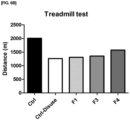
- Running time was measured up to a maximum of 2 hours in 8 steps. After 1 hour, the angle was raised 5°, and after an hour and a half, the angle was raised to 10°. Mice that did not run for 5 seconds despite the application of electrical stimulation were considered to be physically exhausted and the experiment was terminated. The running time and distance of the mice measured were compared after the termination of the experiment, which is provided in FIG. 6 .
- the experimental groups with lactic acid bacteria intake showed a longer running time and distance.
- the experimental group with intake of L. reuteri ATG-F4 lactic acid bacteria showed increased motor ability and endurance based on a running time which was 1.17 times longer and a running distance which was 1.25 times longer compared to the sarcopenia-induced group, confirming outstanding effects of activating muscle regeneration and rehabilitation.
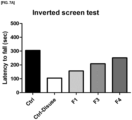
- outstanding effects of activating muscle regeneration and rehabilitation were shown through increased muscle strength and endurance, which is exhibited by the hanging time and the score based on Table 2 of the experimental group with L. reuteri ATG-F4 intake being 2.4 times and 1.67 times greater, respectively, than those of the sarcopenia-induced group.
Landscapes
- Health & Medical Sciences (AREA)
- Life Sciences & Earth Sciences (AREA)
- Mycology (AREA)
- Chemical & Material Sciences (AREA)
- Microbiology (AREA)
- Animal Behavior & Ethology (AREA)
- Veterinary Medicine (AREA)
- Pharmacology & Pharmacy (AREA)
- Medicinal Chemistry (AREA)
- Public Health (AREA)
- General Health & Medical Sciences (AREA)
- Engineering & Computer Science (AREA)
- Bioinformatics & Cheminformatics (AREA)
- Orthopedic Medicine & Surgery (AREA)
- Neurology (AREA)
- Organic Chemistry (AREA)
- Nuclear Medicine, Radiotherapy & Molecular Imaging (AREA)
- Chemical Kinetics & Catalysis (AREA)
- Physical Education & Sports Medicine (AREA)
- Epidemiology (AREA)
- Molecular Biology (AREA)
- General Chemical & Material Sciences (AREA)
- Polymers & Plastics (AREA)
- Food Science & Technology (AREA)
- Nutrition Science (AREA)
- Medicines Containing Material From Animals Or Micro-Organisms (AREA)
Description
- The present invention relates to a composition for use in the prevention or treatment of a muscular disorder, the composition including a Lactobacillus reuteri ATG-F4 strain. More specifically, the present invention relates to a composition for use in the prevention or treatment of sarcopenia, the composition containing L. reuteri ATG-F4.
- Recently, Korea has rapidly become an aging society due to an increase in the average life expectancy. As of 2018, the number of people aged 65 and over was 7,381,000, accounting for 14.3% of the entire population (2018 Statistics on the Aged, Statistics Korea). Many physical changes occur as aging progresses, and the most representative biological change among them is sarcopenia.
- In general, the best way to prevent sarcopenia in everyday life is preventing muscle loss through continued use of muscles, but muscular atrophy may also occur due to muscle degeneration when it becomes impossible to use the muscles regardless of one's will in cases such as injury or disability. Therefore, for these cases, there is a need for measures against muscle loss through stimulation of the muscles or prevention of muscle degeneration and research on those countermeasures.
- Muscular atrophy occurs due to factors such as damage to the muscle tissue due to absence of mechanical stimulation such as reduced use of the muscle, destruction of the muscle by direct injury or physical elements, impaired recovery of the muscle cells due to aging, and impairment of muscle use due to damage to the nerves that control muscular activity (Booth FW., J Appl Physiol RespirEnviron Exerc Physiol., 1982).
- Sarcopenia is a typical degenerative neuromuscular disease characterized by a decrease in both muscle mass and muscle strength that occurs with age. The clinical symptoms of sarcopenia are more active in men than in women and start to appear at the age of 50 and over. In those aged 80 and over, one in two people has sarcopenia, and the person's muscle mass, motor ability, and muscle strength are reduced significantly, ultimately preventing the person from living independently.
- A diet which includes 20 to 30 g of high-quality protein per meal has been recommended for the prevention of sarcopenia. However, that amount can only be reached by consuming 4 to 5 eggs or about 120 g of chicken breast per meal, which in reality is very difficult for ordinary people to put into practice, and therefore, many people are choosing protein supplements as an alternative. However, as this can also cause excessive protein intake, it is highly likely to cause side effects. Moreover, since a high-protein diet may not possible due to the presence of kidney disease and decrease of kidney functions with age, there is a need for an alternative to a high-protein diet as a way of preventing sarcopenia.
- Therefore, while studying treatment methods without side effects such as antibiotic resistance and excessive protein intake for the prevention or treatment of sarcopenia and muscular atrophy, the present inventors found that the L. reuteri ATG-F4 strain is effective in muscle rehabilitation and strengthening and made a composition for the prevention or treatment of sarcopenia and muscular atrophy, the composition including the L. reuteri ATG-F4 strain.
-
- (Patent Document 1)
Korean Patent No. 10-1951919 (Title of invention: NOVEL LACTOBACILLUS REUTERI ATG-F4 STRAIN HAVING FUNCTION OF ENHANCING DOPAMINE SECRETION AND COMPOSITION COMPRISING SAME FOR PREVENTION OR TREATMENT OF PSYCHOPATHY, Applicant: AtoGEN Co., Ltd., Registration date: February 19, 2019 - (Patent Document 2)
Korean Patent No. 10-1997060 (Title of invention: COMPOSITION COMPRISING FERMENTED DEAR ANTLER AS ACTIVE INGREDIENT FOR PREVENTION OR TREATMENT OF MUSCULAR DISORDER, OR IMPROVEMENT OF MUSCULAR FUNCTION, Applicant: Herb N Solution Co., Ltd., Registration date: July 1, 2019 - (Patent Document 3)
Korean Patent No. 10-1800632 (Title of invention: PHARMACEUTICAL COMPOSITION, FOOD COMPOSITION OR FOOD ADDITIVES COMPRISING ENTEROCOCCUS FAECALIS, CULTURE FLUID THEREOF OR HEAT-KILLED E. FAECALIS AS ACTIVE INGREDIENT FOR PREVENTION, AMELIORATION, OR TREATMENT OF MUSCLE LOSS, WEAKENING, AND ATROPHY, Applicant: Industry-Academic Cooperation Foundation, Yonsei University and 2 others, Registration date: November 17, 2017 - (Patent document 4)
Korean Patent Application Publication No. 10-2013-0048946 (Title of invention: ANTI-CANCER COMPOSITION COMPRISING LACTOBACILLUS REUTERI C S 132 OR CULTURE FLUID THEREOF, Applicant: Industry-Academic Cooperation Foundation of the Catholic University of Korea, Publication date: May 13, 2013 - In VARIAN BERNARD J. ET AL: "Beneficial bacteria inhibit cachexia", ONCOTARGET, vol. 7, no. 11, 15 March 2016 (2016-03-15), pages 11803-11816, XP055963903, it is indicated that supplementation with the L. reuteri strain ATCC-PTAS-6475 can be used to treat sarcopenia and prevent muscle atrophy.
- The objective of the present invention is to provide a composition for use in the prevention or treatment of a muscular disorder, the composition including a L. reuteri ATG-F4 strain (Accession No. KCTC13717BP).
- The present invention is directed to subject matter as defined in the claims. The present invention relates to a composition for use in the prevention or treatment of a muscular disorder, the composition including a L. reuteri ATG-F4 strain (Accession No. KCTC13717BP).
- The strain may be selected from cells of the strain, a lysate of the cells, and a culture of the strain,.
- The muscular disorder may be any one of the following: sarcopenia, muscular atrophy, cardiac atrophy, atony, muscular dystrophy, muscular degeneration, and muscle weakness.
- The composition may have an effect of increasing the muscle mass of one or more muscles selected from the group consisting of the tibialis anterior muscle, gastrocnemius muscle, extensor digitorum longus muscle, and soleus muscle.
- The present invention relates to a pharmaceutical composition for use in the prevention or treatment of a muscular disorder, the pharmaceutical composition including the composition recited above.
- Another invention relates to a health functional food for use in the prevention or amelioration of a muscular disorder, the health functional food including the composition recited above.
- In addition, the present invention relates to a composition for use in increasing muscle mass, the composition including a L. reuteri ATG-F4 strain (Accession No. KCTC13717BP).
- The strain may be selected from cells of the strain, a lysate of the cells, and a culture of the strain.
- Hereinafter, the invention will be described in detail.
- The physiological/genetic information of the L. reuteri ATG-F4 (Accession No. KCTC13717BP) strain is disclosed in International Patent Application No.
PCT/KR2019/006937 Korean Patent No. 10-1951919, titled "NOVEL LACTOBACILLUS REUTERI ATG-F4 STRAIN HAVING FUNCTION OF ENHANCING DOPAMINE SECRETION AND PHARMACEUTICAL COMPOSITION COMPRISING SAME FOR PREVENTION OR TREATMENT OF PSYCHOPATHY", assigned to AtoGEN Co., Ltd., and registered as of February 19, 2019 - The present invention relates to a composition including the L. reuteri ATG-F4 strain, and the composition has an effect of preventing or treating a muscular disorder. The muscular disorder may be any one or more disorders selected from the group consisting of muscular atrophy, sarcopenia, cardiac atrophy, atony, muscular dystrophy, muscular degeneration, and muscle weakness. More preferably, the composition of the present invention may be more effectively used to prevent or treat sarcopenia among the muscular disorders.
- The composition of the present invention has the effect of increasing the muscle mass of one or more muscles selected from the group consisting of the tibialis anterior muscle, gastrocnemius muscle, extensor digitorum longus muscle, and soleus muscle, through which it can have the effect of preventing or treating a muscular disorder.
- The strain of the present invention may be selected from among cells of the L. reuteri ATG-F4 strain, a lysate of the cells, a culture of the strain, a culture fluid resulting from removing the cells from the culture of the strain; an extract of the cells of the strain; an extract of the culture of the strain; and an extract of the culture fluid resulting from removing the cells from the culture of the strain.
- In addition, the present invention may provide a pharmaceutical composition including the L. reuteri ATG-F4 strain or the culture thereof. The pharmaceutical composition is effective in the prevention, amelioration, or treatment of sarcopenia or muscular atrophy.
- The L. reuteri ATG-F4 strain or the culture thereof may be added to the pharmaceutical composition of the present invention in an amount of 0.001 to 100
- The pharmaceutical composition may be formulated in the form of oral dosage forms such as powders, granules, tablets, capsules, suspensions, emulsions, syrups, and aerosols; external preparations; suppositories; and sterile solutions for injection according to the respective conventional methods. Carriers, excipients, and diluents that may be included in the pharmaceutical composition include lactose, dextrose, sucrose, sorbitol, mannitol, xylitol, erythritol, maltitol, starch, acacia gum, alginate, gelatin, calcium phosphate, calcium silicate, cellulose, methylcellulose, microcrystalline cellulose, polyvinyl pyrrolidone, water, methyl hydroxybenzoate, propyl hydroxybenzoate, talc, magnesium stearate, and mineral oil. At the time of formulation, the pharmaceutical formulation is prepared using commonly used diluents or excipients such as fillers, extenders, binders, wetting agents, disintegrants, and surfactants. Solid preparations for oral administration include tablets, pills, powders, granules, capsules, and the like, and these solid preparations include the strain of the present invention, or the culture thereof mixed with at least one or more excipients, e.g. starch, calcium carbonate, sucrose or lactose, and gelatin. In addition to simple excipients, lubricants such as magnesium stearate, and talc may also be used. Liquid preparations for oral administration include suspensions, oral liquids, emulsions, syrups, and the like. In addition to water and liquid paraffin, which are commonly used simple diluents, various excipients such as wetting agents, sweeteners, fragrances, and preservatives may be included. Preparations for parenteral administration include sterile aqueous solutions, non-aqueous solutions, suspensions, emulsions, freeze-dried preparations, and suppositories. Non-aqueous solvents and suspensions include propylene glycol, polyethylene glycol, vegetable oils such as olive oil, and injectable esters such as ethyl oleate. As a suppository base, Witepsol, macrogol, Tween 61, cacao butter, laurin butter, glycerogelatin, may be used.
- The dosage of the pharmaceutical composition of the present invention may vary depending on the age, sex, and weight of the subject to be treated, the specific disease or pathological condition to be treated, the severity of the disease or pathological condition, the route of administration, and the judgment of the prescriber. The determination of dosage based on these factors is within the capability of a person skilled in the art, and typically dosages range from 0.01 mg/kg/day to approximately 2000 mg/kg/day. A more preferred dosage is 1 mg/kg/day to 500 mg/kg/day. Administrations may take place once a day or in several divided doses. The dosage does not limit the scope of the present invention in any way.
- The pharmaceutical composition of the present invention may be administered to mammals such as mice, livestock, and humans by various routes. Any mode of administration can be envisaged, e.g. oral administration, rectal administration, and intravenous, intramuscular, subcutaneous, intrauterine dural, or intracerebroventricular injection. Since the strain of the present invention has almost no toxicity and side effects, it is a drug that can be safely used even when taken for a long period of time for prophylactic purposes.
- In addition, the present invention provides a health functional food including the L. reuteri ATG-F4 strain or the culture thereof, and a food supplement additive that is sitologically acceptable.
- The L. reuteri ATG-F4 strain or the culture fluid thereof may be added to the health functional food of the present invention in an amount of 0.001-100 wt%. The health functional food of the present invention includes forms such as tablets, capsules, pills, liquids, and the like, and the foods to which the strain of the present invention can be added include, for example, drinks, meat, sausage, bread, candies, snacks, noodles, ice cream, dairy products, soups, sports drinks, beverages, alcoholic beverages, gum, tea, and vitamin complexes.
- The concept of treatment induced by the composition containing the strain of the present invention or the culture fluid thereof is broad, including a condition being prevented, ameliorated, improved or treated due to intake of the strain of the present invention or the culture fluid thereof.
- The present invention relates to a composition for use in the prevention or treatment of a muscular disorder, the composition including a L. reuteri ATG-F4 strain (Accession No. KCTC13717BP). Since the strain exhibits the effect of improving muscle rehabilitation and motor ability by increasing the muscle mass in skeletal muscles, the strain can be used as an ingredient of a composition for the prevention or treatment of a muscular disorder.
-
-
FIG. 1 is a schedule for animal testing to see muscle recovery in mice according to Experimental Example 1; -
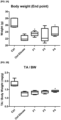
FIGS. 2A and 2B are graphs showing the increase in body weight and ratio of tibialis anterior (TA) to body weight as the result of recovery from muscle loss according to Experimental Example 1; -
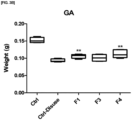
FIGS. 3A through 3D are graphs for the comparison between the weight of skeletal muscles in the experimental groups and the sarcopenia-induced group according to Experimental Example 1; -
FIG. 4 is a graph representing the weight of skeletal muscles of healthy models of Experimental Example 2 when the healthy models were fed the L. reuteri ATG-F4 strain; -
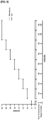
FIG. 5 is a graph representing the speed, degree of incline, and duration of the treadmill test of Experimental Example 3-1; -
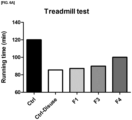
FIGS. 6A and6B are graphs showing the results of the treadmill test for the experimental groups and the sarcopenia-induced group in Experimental Example 3-1; -
FIGS. 7A and7B are graphs showing the results of Kondziela's inverted screen test for the experimental groups and the sarcopenia-induced group in Experimental Example 3-2; -
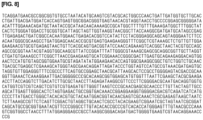
FIG. 8 represents the 16S rRNA sequence of L. reuteri ATG-F4; -
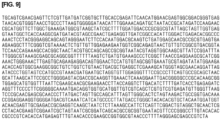
FIG. 9 represents the 16S rRNA sequence of L. casei ATG-F1; -
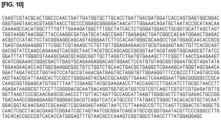
FIG. 10 represents the 16S rRNA sequence of L. reuteri ATG-F3; -
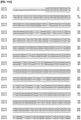
FIG. 11A shows the differences between the 16S rRNA sequences of the ATG-F3 and F4 strains; and -
Fig 11B shows the differences between the 16S rRNA sequences of the ATG-F3 and F4 strains. - Hereinafter, preferred embodiments of the present invention will be described in detail. However, the present invention is not limited to the embodiments described herein and may be embodied in other forms. Rather, the embodiments are provided so that this disclosure will be thorough and complete.
- Samples were prepared through three times of donation of a newborn's feces, on January 8, 2016, May 31, 2018, and June 4, 2018, respectively, and were diluted with 0.9% saline through 10-fold serial dilutions, and the diluted samples were smeared on de Man, Rogosa, Sharpe (MRS) media and incubated at 37°C for about 48 hours.
- Colonies of the lactic acid bacteria formed on the incubated MRS medium were observed under a microscope to select ones that showed the morphology of genus Bacillus and were catalase-negative. Whole genome sequencing was performed on them, and the strains were named ATG-F1, ATG-F3, and ATG-F4 (also referred to as F1, F3, and F4, respectively).
- The 16S rRNA sequencing of the ATG-F1, ATG-F3, and ATG-F4 strains was commissioned to Solgent Co., Ltd. (Daejeon). The primers 27F (5' - AGA GTT TGA TCC TGG CTC AG - 3'), 518F (5' - CCA GCA GCC GCG GTA ATA C - 3'), 907R (5' - CCG TCA ATT CMT TTR AGT TT - 3'), and 1492R (5' - GGT TAC CTT GTT ACG ACT T - 3') were used for sequencing for a total of 4 sequence reads, and the contig sequences derived through sequence alignment of each reading were analyzed using the BLAST online tool (https://blast.ncbi.nlm.nih.gov/Blast.cgi)of the National Center for Biotechnology Information (NCBI). The 16S rRNA sequences of the above strains are represented in
FIGS. 8 through 10 . - As a result of comparing the nucleotide sequences of SEQ ID NOs: 1 to 3 obtained through 16S rRNA sequencing to the BLAST database of NCBI, the 16S rRNA sequences of the ATG-F3 and ATG-F4 strains were shown to match 99.9% with that of the L. reuteri strain IRT and therefore taxonomically belong to L. reuteri. In addition, the ATG-F1 strain was found to belong to L. casei.
- Accordingly, the strain of the present invention was named L. reuteri ATG-F4. The strain is specifically disclosed in
PCT/KR2019/006937 Korean Patent No. 10-1951919 - Next, the differences between the 16S rRNA sequences of the strains ATG-F3 and F4, which are of the same species, were analyzed.
- The differences between sequences were analyzed using Clustal Omega of EMBL-EBI (http://www.ebi.ac.uk/Tools/msa/clustalo), and this is shown in
FIGS. 11A and11B below. - Referring to
FIGS. 11A and11B , although the ATG-F3 and F4 strains are of the same species, differences in the 16S rRNA sequences have been found, and based on this, it can be expected that there would be differences in the physiological characteristics. - Next, a API50 CH test (BioMerieux, France) was performed for identification and characterization of the bacteria based on the carbohydrate fermentation patterns. To put it briefly, pure cultured lactic acid bacteria was suspended in 10mℓ of API50 CHL medium to an OD 600 of about 0.5, and the suspension culture was inoculated into each cupule of the API50 CH test strip and incubated at 37°C. The carbohydrate fermentation results were checked at 24, 48, and 72 hours after inoculation. In the fermentation pattern of lactic acid bacteria ATG-F1, F3, and F4 for the 49 carbohydrates using API50 CH, + represents a positive reaction, w represents a weak positive reaction, and - represents a negative reaction.
-
[Table 1] Carbohydrates L. casei ATG-F1 L. reuteri ATG-F3 L. reuteri ATG-F4 Glycerol - - - Erythritol - - - D-Arabinose - - w L-Arabinose - + + Ribose w + + D-Xylose - - w L-Xylose - - - Adonitol w - w Methyl-βD-Xylopyranoside - - - Galactose + + + Glucose + + + Fructose + - - Mannose + - - Sorbose + - - Rhamnose - - w Dulcitol - - - Inositol - - w Mannitol + - - Sorbitol + - w Methyl-αD-Mannopyranoside - - - Methyl-αD-Glucopyranoside - - w N-Acetylglucosamine + - - Amygdalin w - - Arbutin + - w Esculin + - + Salicin + - w Cellobiose + - w Maltose w + + Lactose - + + Melibiose - + + Sucrose + + + Trehalose + - - Inulin + - - Melezitose + - - Raffinose - + + Starch - - - Glycogen - - - Xylitol - - - Gentiobiose + - w Turanose + - - Lyxose - - - Tagatose + - - D-Fucose - - - L-Fucose - - + D-Arabitol - - w L-Arabitol - - w Gluconate w w + 2-keto-glugonate - - - 5-keto-gluconate - - - - As a result of examining the glycolytic capacity of ATG-F1 lactic acid bacteria, weak positive reactions (changes from blue to green within 48 hours) were observed for ribose, adonitol, amygdalin, maltose, and gluconate, and positive reactions (changes from blue to yellow within 48 hours) were observed for galactose, glucose, fructose, mannose, mannitol, sorbitol, N-acetylglucosamine, arbutin, esculin, salicin, cellobiose, sucrose, trehalose, inulin, melechtose, gentiobiose, turanose, and tagatose. The ATG-F1 bacteria was found to have the ability to break down a total of 24 types of carbohydrates. As a result of examining the glycolytic capacity of ATG-F3 lactic acid bacteria, a weak positive reaction (a change from blue to green within 48 hours) was observed for gluconate, and positive reactions (changes from blue to yellow within 48 hours) were observed for L-arabinose, ribose, galactose, glucose, maltose, lactose, melibiose, sucrose and raffinose. The ATG-F3 bacteria was found to have the ability to break down a total of 10 types of carbohydrates.
- As a result of examining the glycolytic capacity of ATG-F4 lactic acid bacteria, weak positive reactions (changes from blue to green within 48 hours) were observed for D-arabinose, D-xylose, adonitol, rhamnose, inositol, sorbitol, methyl-αD-glucopyranoside, arbutin, salicin, cellobiose, gentiobiose, L-arabitol, and D-arabitol, and positive reactions (changes from blue to yellow within 48 hours) were observed for L-arabinose, ribose, galactose, glucose, esculin, maltose, lactose, melibiose, sucrose, raffinose, L-fucose, and gluconate. In addition, the ATG-F4 bacteria was found to have the ability to break down a total of 25 types of carbohydrates.
- It can be seen on the basis of the different results of examining the glycolytic capacities of ATG-F1, F3, and F4 lactic acid bacteria that their respective physiological characteristics are different.
- In the present embodiment, Lactobacillus casei ATG-F1, Lactobacillus reuteri ATG-F3, and Lactobacillus reuteri ATG-F4 (Accession No. KCTC13717BP) were used. Each lactic acid bacteria was cultured in MRS broth (Difco™ Lactobacilli MRS Broth) at 37°C for 24 hours, and the cultured lactic acid bacteria were centrifuged at 12,000 g for 10 minutes to obtain only the cells, which were then suspended in 0.85% (v/v) saline for use in each experiment.
- Prior to all animal experiments conducted according to the present experimental example, the animal experiments were approved by the Institutional Animal Care and Use Committee (IACUC) of AtoGEN Co., Ltd. (Approval No.: ATG-IACUC-REV-180810) in accordance with the appropriate procedures and guidance on ethical animal experiments was provided. The animals used in the present experiment were 4-week-old C57BL/6J, purchased from Central Lab Animal Inc. (Seoul, Korea) for experiments.
- In the present experimental example, an animal experiment was performed to investigate the improvement of muscle rehabilitation and motor ability depending on the intake of L. casei ATG-F1, L. reuteri ATG-F3 or L. reuteri ATG-F4 lactic acid bacteria in a sarcopenia-induced model (a model of skeletal muscle atrophy induced by immobilization using a skin stapler in mice).
- A total of 25 4-week-old C57BL/6J mice (male) were tested using 5 mice per experimental group, and the experiment was performed according to the schedule shown in
FIG. 1 . First, the mice were given an acclimation period of 1 week and then fed lactic acid bacteria for 2 weeks from the age of 5 weeks. The control group (Ctrl) and the sarcopenia-induced group (Ctrl-Disuse) were given ad libitum access to sterile drinking water and conventional feed. The experimental groups (the groups that were fed lactic acid bacteria after inducing sarcopenia (F1, F3, and F4)) were given ad libitum access to lactic acid bacteria which had been diluted in sterile drinking water at 107 CFU/mℓ. At 7 weeks of age, both hind legs of the mice were immobilized for 10 days using surgical skin staplers (Covidien Royal 35W skin stapler) (Caron, A. Z. et al., 2009; Du et al., 2011). After 10 days of immobilization of the legs, the staples were removed, and a recovery period of 3 days was given. - After the recovery period, to examine the muscle rehabilitation capacity of the control group, sarcopenia-induced group, and experimental groups, the body weight (BW), TA weight per body weight (TA/Body weight), and the weights of 4 types of skeletal muscles (tibialis anterior; gastrocnemius; extensor digitorum longus; and soleus which will be referred to as TA, GA, EDL, and SOL, respectively hereinafter) were compared by removing the muscles, the results of which are provided in
FIGS. 2 and3 . - Referring to
FIGS. 2A and 2B , the weights of the experimental groups with lactic acid bacteria intake increased compared to the sarcopenia-induced group (Ctrl-Disuse). TA/Body weight also increased in the experimental groups with lactic acid bacteria intake. In particular, BW and TA/Body weight of the experimental group with L. reuteri ATG-F4 lactic acid bacteria intake increased the most, indicating an outstanding muscle rehabilitation effect. - Referring to
FIGS. 3A through 3D , the weights of all 4 types of skeletal muscles (TA, GA, EDL, and SOL) increased in the experimental groups with lactic acid bacteria intake compared to the sarcopenia-induced group. In particular, the weights of TA, GA, and SOL of the experimental group with L. reuteri ATG-F4 lactic acid bacteria intake increased 1.21 times compared to the sarcopenia-induced group and the weight of EDL increased 1.62 times compared to the sarcopenia-induced group. - Through this, weight and muscle mass increase as the result of recovery of sarcopenia or muscular atrophy was confirmed, and the increase in muscle mass and the rehabilitation effect were found to be the best in the experimental group with L. reuteri ATG-F4 lactic acid bacteria intake.
- The groups were divided into a control group (Ctrl) fed with conventional feed and sterile drinking water and an experimental group (F4) fed with conventional feed and sterile drinking water including L. reuteri ATG-F4 at about 107 CFU/mℓ, and 5 mice were used for each experimental group. After stabilizing 4-week-old mice for 1 week, the experiment was conducted for 4 weeks.
- After 4 weeks, 4 types of skeletal muscles (TA, GA, EDL, and SOL) were removed and the weights were compared to determine the difference in muscle mass due to intake of L. reuteri ATG-F4 lactic acid bacteria.
- Referring to
FIG. 4 , the muscle mass of the skeletal muscle of the experimental group (F4) fed with the L. reuteri ATG-F4 strain increased. Compared to the control group, the muscle mass of TA increased 1.08 times, GA 1.03 times, EDL 1.01 times, and SOL 1.48 times, confirming that there is an effect of increasing muscle mass even in a healthy model. - A treadmill test was performed to evaluate motor ability and endurance, and the 5 lane treadmill for mice (HARVARD) was used for testing. A control group, a sarcopenia-induced group, and experimental groups (the groups that were fed lactic acid bacteria after inducing sarcopenia (F1, F3, and F4)) were set as in Experimental Example 1 and the experiment was performed. In addition, the treadmill test was performed as shown in
FIG. 5 by referring to the protocol used for the running test. - Referring to
FIG. 5 , first, the mice were made to warm up for 5 minutes at a speed of 8 m/min. At the starting point, electric stimulation of 1.25 mA was applied to induce running, and the speed was increased by 2 m/min every 15 minutes, starting at a speed of 10 m/min. Running time was measured up to a maximum of 2 hours in 8 steps. After 1 hour, the angle was raised 5°, and after an hour and a half, the angle was raised to 10°. Mice that did not run for 5 seconds despite the application of electrical stimulation were considered to be physically exhausted and the experiment was terminated. The running time and distance of the mice measured were compared after the termination of the experiment, which is provided inFIG. 6 . - Referring to
FIGS. 6A and6B , compared to the sarcopenia-induced group, the experimental groups with lactic acid bacteria intake showed a longer running time and distance. In particular, the experimental group with intake of L. reuteri ATG-F4 lactic acid bacteria showed increased motor ability and endurance based on a running time which was 1.17 times longer and a running distance which was 1.25 times longer compared to the sarcopenia-induced group, confirming outstanding effects of activating muscle regeneration and rehabilitation. - To evaluate muscle strength and endurance, Kondziela's inverted screen test was performed, and as in Experimental Example 1, a control group, a sarcopenia-induced group, and experimental groups (the groups that were fed lactic acid bacteria after inducing sarcopenia (F1, F3, and F4)) were set.
- For Kondziela's inverted screen test, a wire mesh screen (specification: 440 × 330 mm, width/length of each grid being 1 mm respectively) was used (Deacon, R.M., 2013; Reekes, T.H. et al, 2016) . After placing a mouse at the center of the grid and turning over the grid, the time was measured. Bedding material was laid on the floor to absorb shock from the fall, and the wire mesh screen was fixed at least 40 cm above the floor. The experiment was independently repeated three times, the fall time of the mouse was recorded, and the average value was obtained. Referring to Table 2 below, one point was given for every 60 seconds, and after 241 seconds, the maximum score of 5 was given across the board. The fall time and the score results according to the fall time are shown in
FIG. 7 .[Table 2] Fall time of mouse (Unit: seconds) Score 1-60 1 61-120 2 121-180 3 181-240 4 241 and over 5 - Referring to
FIGS. 7A and7B , the experimental groups with lactic acid bacteria intake held on for a longer period of time than the sarcopenia-induced group. In particular, outstanding effects of activating muscle regeneration and rehabilitation were shown through increased muscle strength and endurance, which is exhibited by the hanging time and the score based on Table 2 of the experimental group with L. reuteri ATG-F4 intake being 2.4 times and 1.67 times greater, respectively, than those of the sarcopenia-induced group.
Claims (9)
- A composition for use in the prevention or treatment of a muscular disorder, the composition comprising a Lactobacillus reuteri ATG-F4 strain (Accession No. KCTC13717BP).
- The composition for use of claim 1, wherein the strain is selected from among:cells of the strain;a lysate of the cells; anda culture of the strain.
- The composition for use of claim 1, wherein the muscular disorder comprises any one of sarcopenia, cardiac atrophy, atony, muscular dystrophy, muscular degeneration, and muscle weakness.
- A pharmaceutical composition for use in the prevention or treatment of a muscular disorder, the pharmaceutical composition comprising a L. reuteri ATG-F4 strain (Accession No. KCTC13717BP) .
- The pharmaceutical composition for use of claim 4, wherein the strain is selected from among:cells of the strain;a lysate of the cells; anda culture of the strain.
- A health functional food for use in the prevention or amelioration of a muscular disorder, the health function food comprising a L. reuteri ATG-F4 strain (Accession No. KCTC13717BP).
- The health functional food for use of claim 6, wherein the strain may be selected from among:cells of the strain;a lysate of the cells; anda culture of the strain.
- A composition for therapeutic use in increasing muscle mass, the composition comprising a L. reuteri ATG-F4 strain (Accession No. KCTC13717BP).
- The composition for use of claim 8, wherein the strain may be selected from among:cells of the strain;a lysate of the cells; anda culture of the strain.
Applications Claiming Priority (2)
| Application Number | Priority Date | Filing Date | Title |
|---|---|---|---|
| KR1020190093050A KR102049700B1 (en) | 2019-07-31 | 2019-07-31 | Composition for improving preventing or treating muscular disease including Lactobacillus reuteri ATG-F4 |
| PCT/KR2019/017674 WO2021020663A1 (en) | 2019-07-31 | 2019-12-13 | Composition comprising lactobacillus reuteri atg-f4 for prevention or treatment of muscular disorder |
Publications (4)
| Publication Number | Publication Date |
|---|---|
| EP4005579A1 EP4005579A1 (en) | 2022-06-01 |
| EP4005579A4 EP4005579A4 (en) | 2022-11-02 |
| EP4005579C0 EP4005579C0 (en) | 2024-10-16 |
| EP4005579B1 true EP4005579B1 (en) | 2024-10-16 |
Family
ID=68730371
Family Applications (1)
| Application Number | Title | Priority Date | Filing Date |
|---|---|---|---|
| EP19940083.9A Active EP4005579B1 (en) | 2019-07-31 | 2019-12-13 | Composition comprising lactobacillus reuteri atg-f4 for prevention or treatment of muscular disorder |
Country Status (6)
| Country | Link |
|---|---|
| US (1) | US12514886B2 (en) |
| EP (1) | EP4005579B1 (en) |
| KR (1) | KR102049700B1 (en) |
| CN (1) | CN113747909A (en) |
| ES (1) | ES2993815T3 (en) |
| WO (1) | WO2021020663A1 (en) |
Families Citing this family (10)
| Publication number | Priority date | Publication date | Assignee | Title |
|---|---|---|---|---|
| KR102049700B1 (en) * | 2019-07-31 | 2019-11-28 | (주) 에이투젠 | Composition for improving preventing or treating muscular disease including Lactobacillus reuteri ATG-F4 |
| KR102257130B1 (en) * | 2020-06-16 | 2021-05-28 | 주식회사 엠디헬스케어 | Composition for Prevention or Treatment of Neurological or Mental Disorders Comprising Extracellular Vesicles Derived from Lactobacillus paracasei |
| TWI773166B (en) | 2020-07-29 | 2022-08-01 | 景岳生物科技股份有限公司 | Probiotic composition for enhancing anti-pancreatic cancer effect in combination with chemotherapy drug gemcitabine and use thereof |
| US12350301B2 (en) | 2021-06-30 | 2025-07-08 | Gi Biome Inc. | Composition comprising three Lactobacillus sp. strains, and use thereof |
| KR102692989B1 (en) | 2021-07-23 | 2024-08-07 | (주) 에이투젠 | Novel Lactobacillus paracasei ATG-E1 strain, and composition comprising thereof for preventing or treating respiratory disease |
| KR102479732B1 (en) | 2022-03-22 | 2022-12-20 | 주식회사 메디오젠 | Limosilactobacillus reuteri MG5458 strain and composition for preventing, improving or treating alcoholic fatty liver comprising the same |
| KR20250065505A (en) * | 2023-11-03 | 2025-05-13 | (주) 에이투젠 | Composition for preventing, improving or treating cachexia comprising Lactobacillus reuteri ATG-F4 strain |
| WO2025218361A1 (en) * | 2024-04-19 | 2025-10-23 | 大江生医股份有限公司 | Pediococcus acidilactici tci550, and use thereof for neurological health care and/or cognition enhancement |
| KR102796656B1 (en) | 2024-08-19 | 2025-04-22 | (주) 락토메이슨 | Mixed probiotic strains and composition comprising the same for improving sarcopenia |
| CN121718478A (en) * | 2026-02-14 | 2026-03-24 | 中科微智(北京)生物科技有限公司 | Lactobacillus delbrueckii with fat-reducing period muscle protection function, and product and application thereof |
Family Cites Families (9)
| Publication number | Priority date | Publication date | Assignee | Title |
|---|---|---|---|---|
| US20040208863A1 (en) * | 2003-01-30 | 2004-10-21 | James Versalovic | Anti-inflammatory activity from lactic acid bacteria |
| KR20130048946A (en) | 2011-11-03 | 2013-05-13 | 가톨릭대학교 산학협력단 | Anti-cancer composition comprising lactobacillus reuteri cs132 or culture fluid of thereof |
| EP2609813A1 (en) | 2011-12-30 | 2013-07-03 | Nestec S.A. | Lactobacillus reuteri DSM 17938 for the development of the enteric nervous system |
| KR101800632B1 (en) | 2016-04-28 | 2017-12-20 | 연세대학교 원주산학협력단 | Pharmaceutical composition, food composition or food additives for prevention, improvement or treatment of muscle loss, weakening, and atrophy comprising Enterococcus faecalis, it culture broth or heat killed Enterococcus faecalis as an active ingredient |
| US11007235B2 (en) | 2016-06-23 | 2021-05-18 | Susan E. Erdman | Canine microbe preparations for increasing oxytocin |
| JP7038202B2 (en) | 2017-09-29 | 2022-03-17 | ユニバーシティ-インダストリー コーオペレイション グループ オブ キョンヒ ユニバーシティ | New lactic acid bacteria and their uses |
| KR101997060B1 (en) | 2018-01-02 | 2019-07-08 | 주식회사 허브앤솔루션 | Composition for prevention or treatment of muscular disorder, or improvement of muscular functions comprising fermented deer antler |
| KR101951919B1 (en) * | 2018-12-07 | 2019-02-25 | (주)에이투젠 | Novel Lactobacillus reuteri ATG-F4 for stimulating dopamin secretion, composition comprising thereof for preventing or treating mental illness |
| KR102049700B1 (en) | 2019-07-31 | 2019-11-28 | (주) 에이투젠 | Composition for improving preventing or treating muscular disease including Lactobacillus reuteri ATG-F4 |
-
2019
- 2019-07-31 KR KR1020190093050A patent/KR102049700B1/en active Active
- 2019-12-13 WO PCT/KR2019/017674 patent/WO2021020663A1/en not_active Ceased
- 2019-12-13 CN CN201980095840.1A patent/CN113747909A/en active Pending
- 2019-12-13 EP EP19940083.9A patent/EP4005579B1/en active Active
- 2019-12-13 ES ES19940083T patent/ES2993815T3/en active Active
- 2019-12-13 US US17/605,391 patent/US12514886B2/en active Active
Also Published As
| Publication number | Publication date |
|---|---|
| EP4005579C0 (en) | 2024-10-16 |
| US20220211779A1 (en) | 2022-07-07 |
| ES2993815T3 (en) | 2025-01-09 |
| WO2021020663A1 (en) | 2021-02-04 |
| EP4005579A4 (en) | 2022-11-02 |
| CN113747909A (en) | 2021-12-03 |
| US12514886B2 (en) | 2026-01-06 |
| KR102049700B1 (en) | 2019-11-28 |
| EP4005579A1 (en) | 2022-06-01 |
Similar Documents
| Publication | Publication Date | Title |
|---|---|---|
| US12514886B2 (en) | Composition comprising Lactobacillus reuteri ATG-F4 for prevention or treatment of muscular disorder | |
| US12157882B2 (en) | Lactobacillus plantarum strain ATG-K2, ATG-K6 or ATG-K8, and composition for preventing or treating vaginitis comprising same | |
| CA2745626C (en) | Novel lactobacillus plantarum and composition containing the same | |
| AU2011262840B2 (en) | Lipid metabolism-improving agent | |
| KR102909232B1 (en) | Novel probiotics and use thereof | |
| CA2767410C (en) | Novel lactobacillus plantarum and composition containing same | |
| EP2457992B1 (en) | Novel lactobacillus plantarum and composition comprising same | |
| KR101951919B1 (en) | Novel Lactobacillus reuteri ATG-F4 for stimulating dopamin secretion, composition comprising thereof for preventing or treating mental illness | |
| KR101809695B1 (en) | Lipid metabolism and/or sugar metabolism improver containing lactic acid bacterium or treatment product thereof | |
| KR101476236B1 (en) | Lactobacillus having activity of preventing and/or treating aging and dementia | |
| KR101355770B1 (en) | Method for culture of lactic acid bacterium having high immunomodulating activity | |
| CN108603162B (en) | Novel lactic acid bacteria and compositions for preventing, ameliorating or treating degenerative brain diseases or cognitive dysfunction | |
| KR102146429B1 (en) | Strain of bifidobacterium animalis ssp. animalis | |
| KR101724601B1 (en) | Composition for preventing or treating atopic dermatitis | |
| EP2923704B1 (en) | Stress-induced bowel disorder-relieving agent comprising specific lactobacillus gasseri strain or treatment product thereof | |
| US12478650B2 (en) | Lactobacillus delbrueckii subsp. lactis LDL557, and composition and use thereof | |
| KR101611834B1 (en) | Use of lactobacillus plantarum cbt lp3 in the prevention or treatment of obesity and obesity-related metabolic syndrome and composition comprising the same | |
| KR101611832B1 (en) | Use of bifidobacterium animalis subsp. lactis cbt bl3 in the prevention or treatment of obesity and obesity-related metabolic syndrome and composition comprising the same | |
| RU2606770C2 (en) | Lactobacillus mucosae strain for producing fermented food products | |
| KR101611829B1 (en) | Use of pediococcus pentosaceus cbt sl4 in the prevention or treatment of obesity and obesity-related metabolic syndrome and composition comprising the same | |
| JP6214162B2 (en) | New low temperature resistant Lactobacillus gasseri strain | |
| KR101611837B1 (en) | Use of lactobacillus rhamnosus cbt lr5 in the prevention or treatment of obesity and obesity-related metabolic syndrome and composition comprising the same | |
| JP6053466B2 (en) | Stress diarrhea inhibitor | |
| KR102896916B1 (en) | Probiotics that simultaneously improve periodontitis and cognitive impairment | |
| Tamminen et al. | Viability of Lactobacillus paraplantarum DSM 14485 in human gastrointestinal tract and its molecular and biochemical identification after fermented vegetable consumption |
Legal Events
| Date | Code | Title | Description |
|---|---|---|---|
| STAA | Information on the status of an ep patent application or granted ep patent |
Free format text: STATUS: THE INTERNATIONAL PUBLICATION HAS BEEN MADE |
|
| PUAI | Public reference made under article 153(3) epc to a published international application that has entered the european phase |
Free format text: ORIGINAL CODE: 0009012 |
|
| STAA | Information on the status of an ep patent application or granted ep patent |
Free format text: STATUS: REQUEST FOR EXAMINATION WAS MADE |
|
| 17P | Request for examination filed |
Effective date: 20211021 |
|
| AK | Designated contracting states |
Kind code of ref document: A1 Designated state(s): AL AT BE BG CH CY CZ DE DK EE ES FI FR GB GR HR HU IE IS IT LI LT LU LV MC MK MT NL NO PL PT RO RS SE SI SK SM TR |
|
| A4 | Supplementary search report drawn up and despatched |
Effective date: 20221004 |
|
| RIC1 | Information provided on ipc code assigned before grant |
Ipc: A23L 33/135 20160101ALI20220927BHEP Ipc: A61P 21/00 20060101ALI20220927BHEP Ipc: A61K 35/747 20150101AFI20220927BHEP |
|
| DAV | Request for validation of the european patent (deleted) | ||
| DAX | Request for extension of the european patent (deleted) | ||
| GRAP | Despatch of communication of intention to grant a patent |
Free format text: ORIGINAL CODE: EPIDOSNIGR1 |
|
| STAA | Information on the status of an ep patent application or granted ep patent |
Free format text: STATUS: GRANT OF PATENT IS INTENDED |
|
| INTG | Intention to grant announced |
Effective date: 20240806 |
|
| GRAS | Grant fee paid |
Free format text: ORIGINAL CODE: EPIDOSNIGR3 |
|
| GRAA | (expected) grant |
Free format text: ORIGINAL CODE: 0009210 |
|
| STAA | Information on the status of an ep patent application or granted ep patent |
Free format text: STATUS: THE PATENT HAS BEEN GRANTED |
|
| AK | Designated contracting states |
Kind code of ref document: B1 Designated state(s): AL AT BE BG CH CY CZ DE DK EE ES FI FR GB GR HR HU IE IS IT LI LT LU LV MC MK MT NL NO PL PT RO RS SE SI SK SM TR |
|
| REG | Reference to a national code |
Ref country code: GB Ref legal event code: FG4D |
|
| REG | Reference to a national code |
Ref country code: CH Ref legal event code: EP Ref country code: DE Ref legal event code: R096 Ref document number: 602019060666 Country of ref document: DE |
|
| REG | Reference to a national code |
Ref country code: IE Ref legal event code: FG4D |
|
| U01 | Request for unitary effect filed |
Effective date: 20241113 |
|
| U07 | Unitary effect registered |
Designated state(s): AT BE BG DE DK EE FI FR IT LT LU LV MT NL PT RO SE SI Effective date: 20241120 |
|
| U20 | Renewal fee for the european patent with unitary effect paid |
Year of fee payment: 6 Effective date: 20241205 |
|
| REG | Reference to a national code |
Ref country code: ES Ref legal event code: FG2A Ref document number: 2993815 Country of ref document: ES Kind code of ref document: T3 Effective date: 20250109 |
|
| PG25 | Lapsed in a contracting state [announced via postgrant information from national office to epo] |
Ref country code: HR Free format text: LAPSE BECAUSE OF FAILURE TO SUBMIT A TRANSLATION OF THE DESCRIPTION OR TO PAY THE FEE WITHIN THE PRESCRIBED TIME-LIMIT Effective date: 20241016 Ref country code: IS Free format text: LAPSE BECAUSE OF FAILURE TO SUBMIT A TRANSLATION OF THE DESCRIPTION OR TO PAY THE FEE WITHIN THE PRESCRIBED TIME-LIMIT Effective date: 20250216 |
|
| PG25 | Lapsed in a contracting state [announced via postgrant information from national office to epo] |
Ref country code: NO Free format text: LAPSE BECAUSE OF FAILURE TO SUBMIT A TRANSLATION OF THE DESCRIPTION OR TO PAY THE FEE WITHIN THE PRESCRIBED TIME-LIMIT Effective date: 20250116 |
|
| PG25 | Lapsed in a contracting state [announced via postgrant information from national office to epo] |
Ref country code: GR Free format text: LAPSE BECAUSE OF FAILURE TO SUBMIT A TRANSLATION OF THE DESCRIPTION OR TO PAY THE FEE WITHIN THE PRESCRIBED TIME-LIMIT Effective date: 20250117 |
|
| PG25 | Lapsed in a contracting state [announced via postgrant information from national office to epo] |
Ref country code: PL Free format text: LAPSE BECAUSE OF FAILURE TO SUBMIT A TRANSLATION OF THE DESCRIPTION OR TO PAY THE FEE WITHIN THE PRESCRIBED TIME-LIMIT Effective date: 20241016 |
|
| PG25 | Lapsed in a contracting state [announced via postgrant information from national office to epo] |
Ref country code: RS Free format text: LAPSE BECAUSE OF FAILURE TO SUBMIT A TRANSLATION OF THE DESCRIPTION OR TO PAY THE FEE WITHIN THE PRESCRIBED TIME-LIMIT Effective date: 20250116 |
|
| PG25 | Lapsed in a contracting state [announced via postgrant information from national office to epo] |
Ref country code: SM Free format text: LAPSE BECAUSE OF FAILURE TO SUBMIT A TRANSLATION OF THE DESCRIPTION OR TO PAY THE FEE WITHIN THE PRESCRIBED TIME-LIMIT Effective date: 20241016 |
|
| PG25 | Lapsed in a contracting state [announced via postgrant information from national office to epo] |
Ref country code: MC Free format text: LAPSE BECAUSE OF FAILURE TO SUBMIT A TRANSLATION OF THE DESCRIPTION OR TO PAY THE FEE WITHIN THE PRESCRIBED TIME-LIMIT Effective date: 20241016 |
|
| PG25 | Lapsed in a contracting state [announced via postgrant information from national office to epo] |
Ref country code: SK Free format text: LAPSE BECAUSE OF FAILURE TO SUBMIT A TRANSLATION OF THE DESCRIPTION OR TO PAY THE FEE WITHIN THE PRESCRIBED TIME-LIMIT Effective date: 20241016 |
|
| PG25 | Lapsed in a contracting state [announced via postgrant information from national office to epo] |
Ref country code: CZ Free format text: LAPSE BECAUSE OF FAILURE TO SUBMIT A TRANSLATION OF THE DESCRIPTION OR TO PAY THE FEE WITHIN THE PRESCRIBED TIME-LIMIT Effective date: 20241016 |
|
| REG | Reference to a national code |
Ref country code: CH Ref legal event code: PL |
|
| PLBE | No opposition filed within time limit |
Free format text: ORIGINAL CODE: 0009261 |
|
| STAA | Information on the status of an ep patent application or granted ep patent |
Free format text: STATUS: NO OPPOSITION FILED WITHIN TIME LIMIT |
|
| 26N | No opposition filed |
Effective date: 20250717 |
|
| PG25 | Lapsed in a contracting state [announced via postgrant information from national office to epo] |
Ref country code: CH Free format text: LAPSE BECAUSE OF NON-PAYMENT OF DUE FEES Effective date: 20241231 |
|
| PG25 | Lapsed in a contracting state [announced via postgrant information from national office to epo] |
Ref country code: IE Free format text: LAPSE BECAUSE OF NON-PAYMENT OF DUE FEES Effective date: 20241213 |
|
| U20 | Renewal fee for the european patent with unitary effect paid |
Year of fee payment: 7 Effective date: 20251110 |
|
| PGFP | Annual fee paid to national office [announced via postgrant information from national office to epo] |
Ref country code: GB Payment date: 20251001 Year of fee payment: 7 |
|
| PGFP | Annual fee paid to national office [announced via postgrant information from national office to epo] |
Ref country code: ES Payment date: 20260114 Year of fee payment: 7 |