EP4005148B1 - Verfahren für ein eindringungserkennungssystem mit anreizen - Google Patents
Verfahren für ein eindringungserkennungssystem mit anreizen Download PDFInfo
- Publication number
- EP4005148B1 EP4005148B1 EP20750754.2A EP20750754A EP4005148B1 EP 4005148 B1 EP4005148 B1 EP 4005148B1 EP 20750754 A EP20750754 A EP 20750754A EP 4005148 B1 EP4005148 B1 EP 4005148B1
- Authority
- EP
- European Patent Office
- Prior art keywords
- smart contract
- asset
- incentive
- metadata
- repository
- Prior art date
- Legal status (The legal status is an assumption and is not a legal conclusion. Google has not performed a legal analysis and makes no representation as to the accuracy of the status listed.)
- Active
Links
Images

Classifications
-
- G—PHYSICS
- G06—COMPUTING OR CALCULATING; COUNTING
- G06F—ELECTRIC DIGITAL DATA PROCESSING
- G06F21/00—Security arrangements for protecting computers, components thereof, programs or data against unauthorised activity
- G06F21/50—Monitoring users, programs or devices to maintain the integrity of platforms, e.g. of processors, firmware or operating systems
- G06F21/55—Detecting local intrusion or implementing counter-measures
-
- G—PHYSICS
- G06—COMPUTING OR CALCULATING; COUNTING
- G06Q—INFORMATION AND COMMUNICATION TECHNOLOGY [ICT] SPECIALLY ADAPTED FOR ADMINISTRATIVE, COMMERCIAL, FINANCIAL, MANAGERIAL OR SUPERVISORY PURPOSES; SYSTEMS OR METHODS SPECIALLY ADAPTED FOR ADMINISTRATIVE, COMMERCIAL, FINANCIAL, MANAGERIAL OR SUPERVISORY PURPOSES, NOT OTHERWISE PROVIDED FOR
- G06Q30/00—Commerce
- G06Q30/02—Marketing; Price estimation or determination; Fundraising
- G06Q30/0207—Discounts or incentives, e.g. coupons or rebates
-
- H—ELECTRICITY
- H04—ELECTRIC COMMUNICATION TECHNIQUE
- H04L—TRANSMISSION OF DIGITAL INFORMATION, e.g. TELEGRAPHIC COMMUNICATION
- H04L63/00—Network architectures or network communication protocols for network security
- H04L63/14—Network architectures or network communication protocols for network security for detecting or protecting against malicious traffic
- H04L63/1408—Network architectures or network communication protocols for network security for detecting or protecting against malicious traffic by monitoring network traffic
- H04L63/1416—Event detection, e.g. attack signature detection
-
- H—ELECTRICITY
- H04—ELECTRIC COMMUNICATION TECHNIQUE
- H04L—TRANSMISSION OF DIGITAL INFORMATION, e.g. TELEGRAPHIC COMMUNICATION
- H04L63/00—Network architectures or network communication protocols for network security
- H04L63/14—Network architectures or network communication protocols for network security for detecting or protecting against malicious traffic
- H04L63/1441—Countermeasures against malicious traffic
- H04L63/1491—Countermeasures against malicious traffic using deception as countermeasure, e.g. honeypots, honeynets, decoys or entrapment
-
- H—ELECTRICITY
- H04—ELECTRIC COMMUNICATION TECHNIQUE
- H04L—TRANSMISSION OF DIGITAL INFORMATION, e.g. TELEGRAPHIC COMMUNICATION
- H04L9/00—Cryptographic mechanisms or cryptographic arrangements for secret or secure communications; Network security protocols
- H04L9/32—Cryptographic mechanisms or cryptographic arrangements for secret or secure communications; Network security protocols including means for verifying the identity or authority of a user of the system or for message authentication, e.g. authorization, entity authentication, data integrity or data verification, non-repudiation, key authentication or verification of credentials
- H04L9/3236—Cryptographic mechanisms or cryptographic arrangements for secret or secure communications; Network security protocols including means for verifying the identity or authority of a user of the system or for message authentication, e.g. authorization, entity authentication, data integrity or data verification, non-repudiation, key authentication or verification of credentials using cryptographic hash functions
- H04L9/3239—Cryptographic mechanisms or cryptographic arrangements for secret or secure communications; Network security protocols including means for verifying the identity or authority of a user of the system or for message authentication, e.g. authorization, entity authentication, data integrity or data verification, non-repudiation, key authentication or verification of credentials using cryptographic hash functions involving non-keyed hash functions, e.g. modification detection codes [MDCs], MD5, SHA or RIPEMD
-
- H—ELECTRICITY
- H04—ELECTRIC COMMUNICATION TECHNIQUE
- H04L—TRANSMISSION OF DIGITAL INFORMATION, e.g. TELEGRAPHIC COMMUNICATION
- H04L9/00—Cryptographic mechanisms or cryptographic arrangements for secret or secure communications; Network security protocols
- H04L9/50—Cryptographic mechanisms or cryptographic arrangements for secret or secure communications; Network security protocols using hash chains, e.g. blockchains or hash trees
Definitions
- the present disclosure relates generally to security solutions. More specifically, techniques (e.g., systems, methods, and devices) are provided to implement an incentivized-based intrusion detection system to detect malicious acts against an asset.
- the incentive may lure or facilitate the actor to provide information detecting malicious actions against an asset.
- US 2019/228447 A1 discloses a method for injecting data into a secure distributed computing system which includes obtaining characteristics of an object via a secure operable connection from a smart silo. This further includes verifying an identity of the smart silo based on credentials included in a message from the smart silo received via the secure operable connection. The method further refers to making a determination that the characteristics match a trigger condition of a smart contract. Finally, the smart contract is executed in response to the determination.
- BO WU et al “SmartRetro: Blockchain-Based Incentives for Distributed IoT Retrospective Detection", 2018 IEEE 15th International Conference On Mobile Ad Hoc And Sensor Systems, IEEE, (20181009 ), describes a blockchain-based incentives for distributed IoT retrospective detection. US 2018/309777 relates to the selection and supervision of researcher for "controllably” attacking a system.
- the invention is defined in independent claims.
- the dependent claims define optional embodiments of the invention.
- Techniques for incentivized intrusion detection are described herein, which can provide security solutions for one or more systems (e.g., an information technology system).
- Two common types of security solutions are detection-based (e.g., intrusion detection system, antivirus, endpoint detection and response, etc.) and using lures (e.g., honeypots).
- the detection-based systems try to detect a malicious actor's (e.g., a device being used by a person) presence by using traces left on compromised systems, suspicious network traffic, and/or suspicious activities.
- This detection-based solution is based on comparing signatures against a database of malicious signatures. Any unknown executable with a new signature will not be detected. Suspicious network activities provide a high false positive rate due to the overlap of malicious and benign actions.
- Lure-based systems such as honeypot systems, try to lure malicious actors to reveal their presence by mimicking a real system.
- a honeypot system or other lure-based system has no valuable information, and any access to such a system is monitored by the system and/or a security team monitoring the system.
- Lure-based systems try to detect malicious actor's presence instead of inciting them to reveal themselves. They are often costly solutions and breach detection time are typically slow (e.g., not fast enough to detect and/or identify a malicious actor). Thus, there is a need to reduce the detection time and be alerted as soon as possible of an intrusion on a system.
- the techniques for incentivized intrusion detection described herein take advantage of the fact that one of the main goals of malicious actors when hacking information technology systems is to gain money or other incentive.
- the incentivized intrusion detection system and methods described herein incentivize a malicious actor to access an asset and thus reveal itself. Accessing an asset may include downloading the asset, reading the asset, exposing the asset, and/or the like.
- an incentive may be offered that the malicious actor can claim in relative anonymity.
- the presence of the malicious actor may be revealed at claiming time in order to inform the attacked party.
- the vulnerability of the system may be detected and information may be obtained relative to the vulnerability when the asset is maliciously accessed.
- the incentive may enable the system to obtain information in near real-time using a smart contract and a distributed ledger.
- the distributed ledger may enable tracking and ensures first right to claim the incentive.
- the incentive may further deter the malicious actor from performing malicious acts.
- the incentive can be reduced or improved based on further action or inaction.
- the incentive can be deployed internally in some cases, in which case a client of the system (e.g., a company or other user) may not attract unwanted attention from malicious actors.
- the incentive may redirect the focus of the malicious actor on finding and claiming the incentive instead of damaging the attacked party.
- malicious actors may be tempted to claim the incentive as soon as possible because the incentive might be claimed by other malicious actors or might no longer be valid.
- distributed ledger e.g., blockchain
- the information technology system and in some cases the security team monitoring the system
- Inciting malicious actors to reveal their presence may reduce the time required to detect the breach. This may be because a malicious actor is more likely to reveal itself sooner if there is an incentive available. In addition, this will reduce the cost and impact of the breach as information technology security teams may be alerted earlier than with current information technology security tools.
- Certain embodiments of the present disclosure include a computer-program product tangibly embodied in a non-transitory machine-readable storage medium, including instructions configured to cause a data processing apparatus to perform the methods described above and herein.
- detection-based e.g., intrusion detection system, antivirus, endpoint detection and response, etc.
- lure-based systems e.g., honeypots
- the detection-based systems try to detect an attacker's presence by using traces left on compromised systems, suspicious network traffic, and/or suspicious activities.
- a detection-based solution can compare signatures against a database of malicious signatures to detect any malicious activity. Any unknown executable with a new signature will not be detected. Suspicious network activities provide a high false positive rate due to the overlap of malicious and benign actions.
- Lure-based systems such as honeypot systems, attempt to lure attackers to reveal their presence by mimicking a real system.
- a honeypot system or other lure-based system has no valuable information, and any access to such a system is monitored by the system and/or a security team monitoring the system.
- Lure-based systems try to detect an attacker's presence instead of inciting them to reveal themselves. Such systems can be costly and breach detection times are typically slow (e.g., not fast enough to detect and/or identify an attacker).
- pseudo-anonymity can be provided for a malicious actor and a guarantee may be made that an incentive is available to be claimed.
- the incentive may be, for example, a monetary award available to be digitally transferred, an information incentive, such as private or valuable data, or a recognition incentive, such as an incentive that recognizes the efforts of the malicious actor.
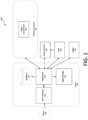
- the malicious actor does not need to interact with any elements other than the distributed ledger 135, the smart contract 145, and the asset 140 to claim the incentive.
- a finance officer may have access to the digital storage manager 260 and can provision funds.
- An administrator may create and deploy asset(s) and define target environment(s). The administrator may receive funds from a client with the finance officer role.
- An administrator may be a highly trusted user with high security settings that can be configured to separate deploying asset(s) and defining target environment(s), ensuring no one knows where and when an incentive is deployed. If enough target environments are defined, a deployment can be defined without knowledge of the exact whereabouts of the asset.
- a root account may have all rights on the application and may be used during initial setup of the application. The root account may be used as last usage. Any usage of this account may be flagged to the auditor and the monitor.
- Each stage can be associated with a unique smart contract (e.g., a first stage associated with smart contract 285, a second stage associated with another smart contract, and so on).
- a smart contract will define the step(s) or parameter(s) needed to claim one or more incentives included in the smart contract using an asset of that stage.
- the asset may contain information to find the appropriate smart contract 285 and metadata such as the incentive amount and/or the duration of the validity of the incentive. For example, the duration of validity can be made short (e.g., 30 minutes with rotation of the incentive on the target environment) to incite the malicious actor to reveal itself quickly.
- asymmetric cryptographic and hashing algorithm(s) may be used.
- the incentive may be transferred to a malicious actor's digital storage (from the digital storage 280), and the transaction may be written on the appropriate distributed ledger 275.
- a script to claim the incentive may be included with the asset 230.
- a script may include the command(s) that may be executed by a malicious actor to claim the incentive using the metadata as parameter(s).
- the malicious actor may recreate his own equivalent script if he does not trust one.
- the malicious actor may also execute the script on the target environment or on a machine controlled by the malicious actor.
- the client 105 may choose several options to limit the smart contract 285 and incite the malicious actor to claim the incentive as soon as possible. For example, the value of the incentive may be lowered over time, the incentive may be limited in time (e.g., a duration for which the incentive is valid may be set to a particular value), and the like.
- the asset may be rotated. Regularly, the asset may be invalidated on the current target environment and another asset in the same target environment may be deployed, i.e., not in the exact location on the target environment, forcing the malicious actor to search for it again.
- the smart contract 285 may not necessarily contain the full amount of incentive(s). For instance, using a token as an example of an incentive, the smart contract 285 may need to contain at least a number of tokens required for the asset with the biggest incentive amount.
- the application 115 may automatically provision and debit funds from the smart contract 285 when needed. For example, when an incentive is claimed using one asset 230, the application 115 may provision the smart contract 285 with the required funds for the associated incentive. In addition, the application 115 may debit funds from the smart contract 285 if the assets are invalidated.
- the bounty 250 may include one or more stages. Multiple bounties 250 may exist in parallel. For a bounty with multiple stages, each stage of the bounty may be claimable after a previous stage of the bounty (e.g., a first stage of the bounty can be claimed first, then a second stage of the bounty can be claimed, then a third stage, and so on). Each stage may be associated with a unique smart contract (e.g., smart contract 285), with each smart contract defining the steps of parameters (e.g., metadata) needed to claim the one or more incentives it includes using one of the assets of the stage.
- advanced stage(s) may be used, where an advanced stage can require third party verification to liberate the incentive.
- the third parties may have the decision making capability to liberate the funds or not depending on the quality of the report provided by the malicious actor. This may require the third party to maintain a trusted relation with the actor(s) in the system.
- a main digital storage may be linked to one bounty 250.
- a sub-storage may be linked to one stage of the current bounty 250.
- a digital storage (a main digital storage or a sub-storage) from the digital storage 280 may include token(s) of a specific distributed ledger 275, which can be associated with one stage of the bounty 250, as described above.
- the client 105 may send funds to the main digital storage.
- a sub-storage may be associated with a smart contract 285 that is created by the bounty 250 when the bounty is created. When a sub-storage is used to deploy a smart contract 285, it becomes the owner of the smart contract 285.
- the distributed ledger 275 may be a decentralized database that can be managed by various participant(s). There may be no central authority that acts as arbitrator or monitor.
- a blockchain may be a distributed ledger 275 where all data is distributed to all participant(s).
- the distributed ledger 275 may include the smart contract(s) 285 and the digital storage 280 amounts that may be updated by transactions performed on the distributed ledger 275.
- Possible actions on a distributed ledger 275 may be, for example, minting (token creation), spending (transfer token(s)), and razing (claiming) token(s).
- One example of a distributed ledger may be a blockchain or Ethereum. Other distributed ledger(s) can also be used.
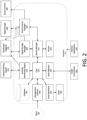
- Client 105 and external application(s) 245 may have access to the application 115 through its programming interface, such as client interface 110 and/or an API.
- the client 105 may query the activities monitoring engine 255 to review any alert(s) that have been triggered.
- the bounty manager 215 may be another component of the application 115.
- the bounty manager 215 may be responsible for managing one or more bounties 250. According to the total funds available in the digital storage 280 based on a previous and ongoing bounty 250, the bounty manager 215 may provide to the client 105 appropriate choice(s) of bounties 250 that can be created.
- the client 105 may decide how many asset(s) 230 are to be generated by the asset generator 225.
- the bounty manager 215 may prompt the client 105 (e.g., through the management console 205) to send the funds to a main digital storage (from the digital storage 280) generated by the digital storage manager 260.
- the smart contract manager 265 may be queried to create one or more adequate smart contract(s) 285 which are linked to asset(s) 230.
- the bounty manager 215 may keep track of the ongoing and previous bounties 250 using the database 235.
- an ongoing bounty also referred to as a current bounty
- a previous bounty is one for which all incentive(s) have been claimed.
- a previous bounty may also be a bounty that was invalidated.
- An invalidated bounty may automatically invalidate all asset(s).
- the smart contract manager 265 may manage the smart contract(s) 285.
- the smart contract manager 265 When deploying a smart contract 285, the smart contract manager 265 includes the necessary information and metadata which are linked to the required asset 230 and are stored in the database 235.
- the smart contract manager 265 may use funds from a sub-storage (from the digital storage 280) dedicated to the current smart contract 285 to provision one or more incentives.
- the smart contract manager 265 may store information relative to the smart contract (e.g., term(s), incentive(s), metadata, etc.) in the database 235 and on one or more of the distributed ledgers 275.
- the asset generator 225 may be responsible for generating the asset(s) 230, which as noted above is the required data needed to claim an incentive through a smart contract. For example, a malicious actor must provide an asset as proof to claim an incentive using a smart contract.
- the asset generator 225 may keep track of the generated asset(s) 230 using the database 235. When the client 105 creates a new bounty 250, he may choose the number of asset(s) 230 to generate for the bounty 250.
- the asset deployer 220 may be responsible for deploying the asset 230 on the target environment 240.
- the asset deployer 220 may keep track of the deployed asset(s) 230 using the database 235.
- the client 105 creates a new bounty 250, he may decide one or more target environment(s) (e.g., including target environment 240) on which he desires to deploy the asset(s) 230.
- the digital storage manager 260 may be responsible for managing the digital storage 280.
- the digital storage manager 260 may track the amount remaining in the digital storage 280 and may write transaction(s) on the appropriate distributed ledger(s) 275.
- the digital storage manager 260 may create a main digital storage (from digital storage 280) to which the client 105 is required to send funds.
- the digital storage 280 may be created with the defined incentive(s). Those incentive(s) may be referenced in one or more smart contracts from the smart contract(s) 285 that are associated with the bounty 250.
- the digital storage manager 260 may store information relative to the digital storage (e.g., funding amount, etc.) in the database 235 and on the appropriate distributed ledger(s) 275.
- the activities monitoring engine 255 may be responsible for monitoring the distributed ledger(s) 275 where the smart contract(s) 285 reside. When an incentive of a smart contract 285 is claimed by the malicious actor using the appropriate asset 230, the claim may trigger an alert which is forwarded to the management console 205 and/or stored in the database 235. In some cases, the activities monitoring engine 255 may forward alert(s) to external alerting system(s) 270. External alerting system(s) 270 may have access to the activities monitoring engine 255 through its application programming interface (API).
- API application programming interface
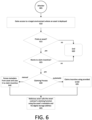
- FIG. 3 shows a block diagram of a bounty creation method in an embodiment of an incentivized intrusion detection system.
- the bounty creation is initialized at an initialization step 305 by a client 330.
- the client 330 may apply application 115 configuration of the target environments, the clients and roles, and the alerting on the incentivized intrusion detection system 300.
- the application 115 may be configured in multiple ways: general settings and per bounty settings. Per bounty settings may be used on the application 115, such as time-to-live of the bounty program and configuration of metadata of the bounty, such as information describing the bounty's goal, on which type of target environments the assets should be deployed, the maximum amount of incentives available, and/or the like.
- a target environment or multiple target environments may be defined by adding the required connection details. There are many examples of supported target environments and the information needed.
- the application 115 may be capable of connecting into a secure shell (SSH) protocol based connection to place the asset via a relay 415 for example, or directly from the asset deployer 220.
- SSH is a cryptographic network protocol for operating network services securely over an unsecured network.
- the SSH keys used can be linked to a client 330 that has been granted access for performing administrative functions (referred to as sudo rights).
- Having sudo rights may allow the following actions: placing an incentive, place an asset in the root user home directory, open a specific port and run a dummy application answering on the port as advertised on the website, broadcast the presence of the application on a multicast address, and place text files in known locations to say that there is a bounty on the machine.
- a similar configuration may be used on Windows machines.
- a target environment may be a pod in a specific namespace with a specific name.
- the application 115 may write an asset in a specific table or schema.
- the application 115 may create an e-mail with details on how to find and claim the incentive.
- the application 115 may spawn virtual machines with one or more assets deployed on each virtual machine.
- the application 115 may provide the client 330 with a way to download the asset so that the client 330 can place the asset.
- the asset may be different types, such as a file, a program, and the like. Manual placement may be optional and may allow another client to get the asset with a reduced risk.
- the client 330 may decide to store the funds locally or in hardware storage. For example, it may be possible for the client 330 to store the tokens of the digital ledger on a software storage directly accessible from the application 115, as it handles it. Another possibility is to use a hardware storage, independent of the application 115 which has no control over it. The client may provide the hardware storage. The application 115 would request funds from the hardware storage which requires client confirmation. However, hardware storage may cause issues related to privacy as the malicious actor might get information about the bounties.
- an administrator may be a client 330.
- An administrator may decide to use multi-administrative signatures to deploy assets.
- the application 115 may force the client 330 to use multi-signatures.
- a lone client may be forbidden to deploy assets without confirmation.
- a bounty is deployed only when all of the specified administrator clients agree, which avoids having only one administrator client approving the asset.
- the goal may be to avoid any single client 330 to deploy an asset to a known location, go there, and claim the incentive.
- the manual deployment of an asset may be deactivated for the multi-administrative signature mode.
- the administrator client may decide how many bounties may be opened and how much available funds can be claimed at the same time.
- Alerting may also be configured as to where the activities monitoring engine 255 sends the alerts (e.g., via short messaging service (SMS), e-mail, Transmission Control Protocol (TCP) and Transport Layer Security (TLS), etc.).
- SMS short messaging service
- TCP Transmission Control Protocol
- TLS Transport Layer Security
- fields may be configurable and may be added by the client.
- An administrator may create other clients of the application 115 with more or less limited rights.
- An administrator client may also create and revoke API keys that are used by other applications to query the various components of the application 115.
- the client 330 may also create network maps with different risk levels associated.
- the target environments may be specified with risk levels. This may allow the application to compute recommended incentives amounts and suggest which target environments assets should be deployed, in order to create a recommended pathway for the attacker.
- the bounties may be defined at a define step 310. Defining a bounty definition may include defining of stages, assets and target environments, and the client 330 sending the required funds to digital storage. When the client 330 creates a new bounty, he may be asked to create one or more assets that will be linked to the bounty. As described previously, each bounty may have one or more stages. For example, a first stage of a bounty may be defined as the malicious actor finding the asset. The second stage of the bounty may be used to provide the malicious actor with the possibility to send a report of how the system was breached to a trusted third party.
- the third party may verify the correctness and can liberate the funds to the attacker (e.g., to digital storage of the malicious attacker) if the report provides enough information to fix the issue.
- the report may be defined by a trusted third party and may include any or all of the following information: date of breach, method of detection of vulnerability, method of exploitation of the vulnerability, other servers in the customer environment compromised, potential other issues discovered by the malicious actor, and/or the like. More stages are possible, for example, to incite the malicious actor to follow a specific path.
- the number of assets for a bounty is left up to the client 330, and can be determined according to the scope the client 330 wants to set for the bounty.
- a bounty may cover gaining access to any computers used by employees of a target environment.
- a bounty can cover webservers with multiple assets deployed on them.
- For each asset one or more target environments may be defined.
- the same asset may be deployed to multiple target environments; however, only one claim of the incentive may be made.
- Multiple assets may be deployed on the same target environment, e.g., on the same Linux machine, on the same Kubernetes cluster, etc.
- the incentive amount may be decided by the client 330.
- the application may provide, if possible, a recommendation for the amount based on previous bounties, the type of target environment, etc.
- the time-to-live of the asset may also be specified. A short time-to-live may be recommended to incite the malicious actor to claim the incentive rapidly.
- the client may define the smart contract related to each stage. For example, the client may decide the amount to send to the smart contract initially (e.g., with the minimum possible amount being the value of the highest incentive associated with the smart contract) and the incentive's time-to-live (i.e., how long the incentive can be claimed). The application may then create main digital storage and ask the client 330 to transfer enough funds to it to cover the incentive.
- the client may decide the amount to send to the smart contract initially (e.g., with the minimum possible amount being the value of the highest incentive associated with the smart contract) and the incentive's time-to-live (i.e., how long the incentive can be claimed).
- the application may then create main digital storage and ask the client 330 to transfer enough funds to it to cover the incentive.
- the token program 340 may be deployed at a deploy step 315.
- the sub-storage per smart contract may be generated.
- the adequate amount of funds for the incentives may be transferred from the main digital storage to the sub-storages.
- the smart contracts may be deployed on the distributed ledger.
- the assets may be generated and deployed on the target environments.
- the assets may be ready to be found 345 and the deployed smart contracts 350 may be monitored at a monitor step 320. Any event may be monitored by the activities monitoring engine 255. When an event related to the claim of the incentive is detected, an alert may be generated.
- the assets may be deployed in such a way that learning where they might be may not be difficult for any malicious actor 355 that are aware of the system.
- the malicious actor 355 finds an asset, the malicious actor 355 is incentivized at an incentivize step 325 to claim the incentive as soon as possible using the time-to-live of the asset and smart contract, as well as the incentive amount.
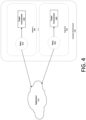
- FIG. 4 shows a block diagram of subnets in an embodiment of an incentivized intrusion detection system.
- the application 115 may reside in the cloud.
- the application 115 may be in communication with relays 415, 425 present on subnets 405, 410, respectively.
- the subnets may be present in a client system 150.
- Each subnet 405, 410 may have a target environment 420, 430, respectively.
- Each subnet 405, 410 may cover a different area of the client system 150 in some embodiments. Although shown and described as having two subnets 405, 410, it is contemplated that any number of subnets having any number of target environments may be present in the client system 150.
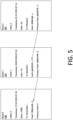
- Block 1 501 represents a subsequent block in the blockchain.
- Block 1 501 represents the claiming of an incentive through a smart contract associated with the blockchain (e.g., a smart contract associated with a first stage of a bounty).
- block 1 501 indicates a detriment in value of the +1000 digital storage by -55.
- Block 1 501 may further indicate an identifier of the claimant; specifically, Attacker1.
- Block 1 501 may further include a hash of its data, as well as the hash of block 0 500.
Landscapes
- Engineering & Computer Science (AREA)
- Computer Security & Cryptography (AREA)
- Computer Networks & Wireless Communication (AREA)
- Signal Processing (AREA)
- Computer Hardware Design (AREA)
- General Engineering & Computer Science (AREA)
- Business, Economics & Management (AREA)
- Computing Systems (AREA)
- Theoretical Computer Science (AREA)
- Accounting & Taxation (AREA)
- Development Economics (AREA)
- Finance (AREA)
- Strategic Management (AREA)
- Physics & Mathematics (AREA)
- General Physics & Mathematics (AREA)
- Software Systems (AREA)
- Entrepreneurship & Innovation (AREA)
- General Business, Economics & Management (AREA)
- Marketing (AREA)
- Economics (AREA)
- Game Theory and Decision Science (AREA)
- Management, Administration, Business Operations System, And Electronic Commerce (AREA)
- Financial Or Insurance-Related Operations Such As Payment And Settlement (AREA)
Claims (15)
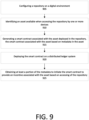
- Verfahren zum Implementieren eines anreizbasierten Eindringungsdetektionssystems, umfassend:Konfigurieren eines digitalen Archivs in einer digitalen Umgebung;Identifizieren eines Assets (140), das verfügbar ist, wenn durch eine oder mehrere Vorrichtungen auf das digitale Archiv zugegriffen wird;Erstellen eines Smart Contracts (145), der dem Asset (140) zugeordnet ist, das in dem digitalen Archiv eingesetzt wird, wobei der Smart Contract (145) dem Asset (140) basierend auf Metadaten in dem Asset (140) zugeordnet ist;Einsetzen des Smart Contract (145) auf einem verteilten Kontenbuchsystem (135);Erhalten zumindest eines Teils der Metadaten, um den Smart Contract (145) zu initiieren, um einen Anreiz bereitzustellen, der dem Asset (140) basierend auf dem Zugriff auf das Archiv zugeordnet ist;Detektieren eines Eindringens in die digitale Umgebung basierend darauf, dass der Smart Contract (145) ausgelöst wurde.
- Verfahren nach Anspruch 1, das ferner Folgendes umfasst:
Bereitstellen von Daten für den Smart Contract (145), um die Bereitstellung des Anreizes zu validieren. - Verfahren nach Anspruch 1, wobei zumindest der Teil der Metadaten ein Skript umfasst, das den Smart Contract (145) initiiert, um den Anreiz bereitzustellen, und/oder
wobei zumindest der Teil der Metadaten von einer Vorrichtung aus der einen oder den mehreren Vorrichtungen empfangen wird. - Verfahren nach Anspruch 1, das ferner Folgendes umfasst:
Erzeugen eines Ereignisses basierend darauf, dass der Smart Contract (145) initiiert wird. - Verfahren nach Anspruch 1, wobei das Auslösen des Smart Contracts (145) das Schreiben des Bereitstellens des Anreizes an das verteilte Kontenbuchsystem (135) umfasst.
- Verfahren nach Anspruch 1, wobei die Metadaten eine Nonce, einen Identifikator, eine Adresse und eine Tokenmenge umfassen und/oder
wobei die Metadaten gehasht und mit einem privaten Schlüssel unterzeichnet sind. - Verfahren nach Anspruch 1, wobei das Asset (140) mit der Zeit geändert wird.
- Computerprogrammprodukt zum Implementieren eines anreizbasierten Eindringerkennungssystems, wobei das Computerprogrammprodukt greifbar in einem nichtflüchtigen maschinenlesbaren Speichermedium ausgeführt ist, das Befehle umfasst, die, wenn sie von einem oder mehreren Prozessoren ausgeführt werden, bewirken, dass der eine oder die mehreren Prozessoren Vorgänge durchführen, die Folgendes umfassen:Konfigurieren eines digitalen Archivs in einer digitalen Umgebung;Identifizieren eines Assets (140), das verfügbar ist, wenn durch eine oder mehrere Vorrichtungen auf das digitale Archiv zugegriffen wird;Erstellen eines Smart Contracts (145), der dem Asset (140) zugeordnet ist, das in dem Archiv eingesetzt wird, wobei der Smart Contract (145) dem Asset (140) basierend auf Metadaten in dem Asset (140) zugeordnet ist;Einsetzen des Smart Contracts (145) auf einem verteilten Kontenbuchsystem (135);Erhalten zumindest eines Teils der Metadaten, um den Smart Contract (145) zu initiieren, um einen Anreiz bereitzustellen, der dem Asset (140) basierend auf dem Zugriff auf das digitale Archiv zugeordnet ist; undDetektieren eines Eindringens in die digitale Umgebung basierend darauf, dass der Smart Contract (145) ausgelöst wurde.
- Computerprogrammprodukt nach Anspruch 8, wobei die Vorgänge ferner Folgendes umfassen:Bereitstellen von Daten für den Smart Contract (145), um die Bereitstellung des Anreizes zu validieren, und/oderErzeugen eines Ereignisses basierend darauf, dass der Smart Contract (145) initiiert wird.
- Computerprogrammprodukt nach Anspruch 8, wobei zumindest der Teil der Metadaten ein Skript umfasst, das den Smart Contract (145) initiiert, um den Anreiz bereitzustellen.
- Computerprogrammprodukt nach Anspruch 8, wobei das Auslösen des Smart Contract (145) das Schreiben des Bereitstellens des Anreizes an das verteilte Kontenbuchsystem (135) umfasst.
- Computerprogrammprodukt nach Anspruch 8, wobei das Asset (140) mit der Zeit geändert wird.
- System zum Implementieren eines anreizbasierten Eindringerkennungssystems, umfassend:einen oder mehrere Prozessoren; undein oder mehrere nichtflüchtige maschinenlesbare Speichermedien, die Befehle enthalten, die, wenn sie von dem einen oder den mehreren Prozessoren ausgeführt werden, bewirken, dass der eine oder die mehreren Prozessoren Vorgänge durchführen, die Folgendes umfassen:Konfigurieren eines digitalen Archivs in einer digitalen Umgebung;Identifizieren eines Assets (140), das verfügbar ist, wenn durch eine oder mehrere Vorrichtungen auf das digitale Archiv zugegriffen wird;Erstellen eines Smart Contracts (145), der dem Asset (140) zugeordnet ist, das in dem Archiv installiert ist, wobei der Smart Contract (145) dem Asset (140) basierend auf Metadaten in dem Asset (140) zugeordnet ist;Einsetzen des Smart Contracts (145) auf einem verteilten Kontenbuchsystem (135);Erhalten zumindest eines Teils der Metadaten, um den Smart Contract (145) zu initiieren, um einen Anreiz bereitzustellen, der dem Asset (140) basierend auf dem Zugriff auf das Archiv zugeordnet ist; undErkennen eines Eindringens in die digitale Umgebung basierend darauf, dass der Smart Contract (145) ausgelöst wurde.
- System nach Anspruch 13, wobei die Vorgänge ferner Folgendes umfassen:Bereitstellen von Daten für den Smart Contract (145), um die Bereitstellung des Anreizes zu validieren, und/oderErzeugen eines Ereignisses basierend darauf, dass der Smart Contract (145) initiiert wird.
- System nach Anspruch 13, wobei zumindest der Teil der Metadaten ein Skript umfasst, das den Smart Contract (145) initiiert, um den Anreiz bereitzustellen, und/oder
wobei das Auslösen des Smart Contract (145) das Schreiben des Bereitstellens des Anreizes an das verteilte Kontenbuchsystem (135) umfasst.
Applications Claiming Priority (3)
| Application Number | Priority Date | Filing Date | Title |
|---|---|---|---|
| US201962880587P | 2019-07-30 | 2019-07-30 | |
| US16/936,014 US11489854B2 (en) | 2019-07-30 | 2020-07-22 | Techniques for incentivized intrusion detection system |
| PCT/IB2020/057079 WO2021019429A1 (en) | 2019-07-30 | 2020-07-27 | Techniques for incentivized intrusion detection system |
Publications (3)
| Publication Number | Publication Date |
|---|---|
| EP4005148A1 EP4005148A1 (de) | 2022-06-01 |
| EP4005148C0 EP4005148C0 (de) | 2025-04-02 |
| EP4005148B1 true EP4005148B1 (de) | 2025-04-02 |
Family
ID=71944166
Family Applications (1)
| Application Number | Title | Priority Date | Filing Date |
|---|---|---|---|
| EP20750754.2A Active EP4005148B1 (de) | 2019-07-30 | 2020-07-27 | Verfahren für ein eindringungserkennungssystem mit anreizen |
Country Status (6)
| Country | Link |
|---|---|
| US (3) | US11489854B2 (de) |
| EP (1) | EP4005148B1 (de) |
| CN (1) | CN114207613B (de) |
| CA (1) | CA3148146A1 (de) |
| ES (1) | ES3026891T3 (de) |
| WO (1) | WO2021019429A1 (de) |
Families Citing this family (10)
| Publication number | Priority date | Publication date | Assignee | Title |
|---|---|---|---|---|
| US11489854B2 (en) | 2019-07-30 | 2022-11-01 | Nagravision S.A. | Techniques for incentivized intrusion detection system |
| US12418418B2 (en) | 2021-09-17 | 2025-09-16 | B Data Solutions Inc. | System and method for building a trusted network of devices |
| CN114090175B (zh) * | 2021-11-17 | 2025-09-02 | 北京恒安嘉新安全技术有限公司 | 一种区块链的安全靶场系统 |
| US12259970B1 (en) * | 2022-03-23 | 2025-03-25 | Gen Digital Inc. | Systems and methods for identifying security threats in smart contract-based services to protect against malicious attacks utilizing off-blockchain resources |
| US12273362B2 (en) * | 2022-06-10 | 2025-04-08 | Bank Of America Corporation | Securing data in a metaverse environment using simulated data interactions |
| US12015623B2 (en) * | 2022-06-24 | 2024-06-18 | Secureworks Corp. | Systems and methods for consensus driven threat intelligence |
| CN115129266B (zh) * | 2022-09-01 | 2023-01-06 | 北京百度网讯科技有限公司 | 基于区块链的数据存储方法、装置、设备及存储介质 |
| CN116186718B (zh) * | 2023-04-27 | 2023-07-25 | 杭州大晚成信息科技有限公司 | 一种基于内核保护服务器数据的加固测试方法 |
| US12386727B2 (en) | 2023-05-08 | 2025-08-12 | Hitachi, Ltd. | Method and apparatus for bug bounty system for blockchain |
| US12452287B2 (en) * | 2023-11-15 | 2025-10-21 | American Express Travel Related Services Company, Inc. | Blockchain enabled large language model red teaming |
Family Cites Families (8)
| Publication number | Priority date | Publication date | Assignee | Title |
|---|---|---|---|---|
| US20150379510A1 (en) * | 2012-07-10 | 2015-12-31 | Stanley Benjamin Smith | Method and system to use a block chain infrastructure and Smart Contracts to monetize data transactions involving changes to data included into a data supply chain. |
| US9015847B1 (en) | 2014-05-06 | 2015-04-21 | Synack, Inc. | Computer system for distributed discovery of vulnerabilities in applications |
| US20170140408A1 (en) * | 2015-11-16 | 2017-05-18 | Bank Of America Corporation | Transparent self-managing rewards program using blockchain and smart contracts |
| PL3257191T3 (pl) * | 2016-02-23 | 2019-01-31 | Nchain Holdings Ltd | Rejestr i zautomatyzowany sposób zarządzania łańcuchem bloków - egzekwowane umowy inteligentne |
| PE20210539A1 (es) | 2018-01-22 | 2021-03-17 | Grainchain Inc | Sistema y metodo para sistema informatico seguro, distribuido |
| CN108521426B (zh) * | 2018-04-13 | 2020-09-01 | 中国石油大学(华东) | 一种基于区块链的阵列蜜罐协同控制方法 |
| US10542046B2 (en) * | 2018-06-07 | 2020-01-21 | Unifyvault LLC | Systems and methods for blockchain security data intelligence |
| US11489854B2 (en) | 2019-07-30 | 2022-11-01 | Nagravision S.A. | Techniques for incentivized intrusion detection system |
-
2020
- 2020-07-22 US US16/936,014 patent/US11489854B2/en active Active
- 2020-07-27 ES ES20750754T patent/ES3026891T3/es active Active
- 2020-07-27 CN CN202080054767.6A patent/CN114207613B/zh active Active
- 2020-07-27 EP EP20750754.2A patent/EP4005148B1/de active Active
- 2020-07-27 CA CA3148146A patent/CA3148146A1/en active Pending
- 2020-07-27 WO PCT/IB2020/057079 patent/WO2021019429A1/en not_active Ceased
-
2022
- 2022-09-29 US US17/955,840 patent/US11916936B2/en active Active
-
2024
- 2024-01-23 US US18/419,851 patent/US12323441B2/en active Active
Also Published As
| Publication number | Publication date |
|---|---|
| WO2021019429A1 (en) | 2021-02-04 |
| US20230026652A1 (en) | 2023-01-26 |
| US20210037055A1 (en) | 2021-02-04 |
| EP4005148A1 (de) | 2022-06-01 |
| CA3148146A1 (en) | 2021-02-04 |
| CN114207613A (zh) | 2022-03-18 |
| EP4005148C0 (de) | 2025-04-02 |
| CN114207613B (zh) | 2026-01-16 |
| ES3026891T3 (en) | 2025-06-12 |
| US11916936B2 (en) | 2024-02-27 |
| US12323441B2 (en) | 2025-06-03 |
| US11489854B2 (en) | 2022-11-01 |
| US20240179156A1 (en) | 2024-05-30 |
Similar Documents
| Publication | Publication Date | Title |
|---|---|---|
| US12323441B2 (en) | Techniques for incentivized intrusion detection system | |
| JP7030981B2 (ja) | 資産管理方法および装置、および電子デバイス | |
| CN114342319B (zh) | 用于计算机安全的方法、介质和系统 | |
| KR102437812B1 (ko) | 자산 관리 방법과 장치, 및 전자 디바이스 | |
| JP2021512380A (ja) | 資産管理方法および装置、ならびに電子デバイス | |
| US11943256B2 (en) | Link detection method and apparatus, electronic device, and storage medium | |
| US20210099431A1 (en) | Synthetic identity and network egress for user privacy | |
| US20190230063A1 (en) | Gateway enrollment for internet of things device management | |
| KR20200081441A (ko) | 자산 관리 방법 및 장치, 및 전자 디바이스 | |
| CN112567707A (zh) | 用于生成和部署动态虚假用户账户的增强技术 | |
| US20140380478A1 (en) | User centric fraud detection | |
| EP3533199B1 (de) | Erkennung eines betrügerischen benutzerkontos in verteilten computersystemen | |
| US20230362142A1 (en) | Network action classification and analysis using widely distributed and selectively attributed sensor nodes and cloud-based processing | |
| US11206279B2 (en) | Systems and methods for detecting and validating cyber threats | |
| US20220376919A1 (en) | Blockchain-enabled secure messaging system, device, and method using blockchain validation and biometric authentication | |
| TW201909072A (zh) | 電子帳戶的掛失、解掛、業務管理方法、裝置及設備 | |
| Chan et al. | IDs for AI systems | |
| US20250117475A1 (en) | Systems and methods for detecting fraudulent browser extensions | |
| Siadati | Prevention, detection, and reaction to cyber impersonation attacks | |
| US20240380604A1 (en) | Blockchain operation authorization and verification | |
| Reijonen | The Evolution of Mobile Malware | |
| Krupp | Enhancing security and privacy for mobile systems | |
| CN120259010A (zh) | 社群管理方法、装置、设备及存储介质 | |
| Action | SEVENTH FRAMEWORK PROGRAMME |
Legal Events
| Date | Code | Title | Description |
|---|---|---|---|
| STAA | Information on the status of an ep patent application or granted ep patent |
Free format text: STATUS: UNKNOWN |
|
| STAA | Information on the status of an ep patent application or granted ep patent |
Free format text: STATUS: THE INTERNATIONAL PUBLICATION HAS BEEN MADE |
|
| PUAI | Public reference made under article 153(3) epc to a published international application that has entered the european phase |
Free format text: ORIGINAL CODE: 0009012 |
|
| STAA | Information on the status of an ep patent application or granted ep patent |
Free format text: STATUS: REQUEST FOR EXAMINATION WAS MADE |
|
| 17P | Request for examination filed |
Effective date: 20220218 |
|
| AK | Designated contracting states |
Kind code of ref document: A1 Designated state(s): AL AT BE BG CH CY CZ DE DK EE ES FI FR GB GR HR HU IE IS IT LI LT LU LV MC MK MT NL NO PL PT RO RS SE SI SK SM TR |
|
| DAV | Request for validation of the european patent (deleted) | ||
| DAX | Request for extension of the european patent (deleted) | ||
| GRAP | Despatch of communication of intention to grant a patent |
Free format text: ORIGINAL CODE: EPIDOSNIGR1 |
|
| STAA | Information on the status of an ep patent application or granted ep patent |
Free format text: STATUS: GRANT OF PATENT IS INTENDED |
|
| RIC1 | Information provided on ipc code assigned before grant |
Ipc: H04L 9/00 20220101ALI20240927BHEP Ipc: G06F 21/55 20130101ALI20240927BHEP Ipc: H04L 9/40 20220101ALI20240927BHEP Ipc: H04L 9/32 20060101AFI20240927BHEP |
|
| INTG | Intention to grant announced |
Effective date: 20241104 |
|
| GRAS | Grant fee paid |
Free format text: ORIGINAL CODE: EPIDOSNIGR3 |
|
| GRAA | (expected) grant |
Free format text: ORIGINAL CODE: 0009210 |
|
| STAA | Information on the status of an ep patent application or granted ep patent |
Free format text: STATUS: THE PATENT HAS BEEN GRANTED |
|
| AK | Designated contracting states |
Kind code of ref document: B1 Designated state(s): AL AT BE BG CH CY CZ DE DK EE ES FI FR GB GR HR HU IE IS IT LI LT LU LV MC MK MT NL NO PL PT RO RS SE SI SK SM TR |
|
| REG | Reference to a national code |
Ref country code: GB Ref legal event code: FG4D |
|
| REG | Reference to a national code |
Ref country code: CH Ref legal event code: EP |
|
| REG | Reference to a national code |
Ref country code: DE Ref legal event code: R096 Ref document number: 602020048735 Country of ref document: DE |
|
| REG | Reference to a national code |
Ref country code: IE Ref legal event code: FG4D |
|
| U01 | Request for unitary effect filed |
Effective date: 20250429 |
|
| U07 | Unitary effect registered |
Designated state(s): AT BE BG DE DK EE FI FR IT LT LU LV MT NL PT RO SE SI Effective date: 20250507 |
|
| REG | Reference to a national code |
Ref country code: ES Ref legal event code: FG2A Ref document number: 3026891 Country of ref document: ES Kind code of ref document: T3 Effective date: 20250612 |
|
| U1N | Appointed representative for the unitary patent procedure changed after the registration of the unitary effect |
Representative=s name: PARKER, ANDREW JAMES; DE |
|
| PGFP | Annual fee paid to national office [announced via postgrant information from national office to epo] |
Ref country code: GB Payment date: 20250619 Year of fee payment: 6 |
|
| U20 | Renewal fee for the european patent with unitary effect paid |
Year of fee payment: 6 Effective date: 20250620 |
|
| PGFP | Annual fee paid to national office [announced via postgrant information from national office to epo] |
Ref country code: ES Payment date: 20250801 Year of fee payment: 6 |
|
| PG25 | Lapsed in a contracting state [announced via postgrant information from national office to epo] |
Ref country code: NO Free format text: LAPSE BECAUSE OF FAILURE TO SUBMIT A TRANSLATION OF THE DESCRIPTION OR TO PAY THE FEE WITHIN THE PRESCRIBED TIME-LIMIT Effective date: 20250702 Ref country code: GR Free format text: LAPSE BECAUSE OF FAILURE TO SUBMIT A TRANSLATION OF THE DESCRIPTION OR TO PAY THE FEE WITHIN THE PRESCRIBED TIME-LIMIT Effective date: 20250703 |
|
| PG25 | Lapsed in a contracting state [announced via postgrant information from national office to epo] |
Ref country code: PL Free format text: LAPSE BECAUSE OF FAILURE TO SUBMIT A TRANSLATION OF THE DESCRIPTION OR TO PAY THE FEE WITHIN THE PRESCRIBED TIME-LIMIT Effective date: 20250402 |
|
| PG25 | Lapsed in a contracting state [announced via postgrant information from national office to epo] |
Ref country code: HR Free format text: LAPSE BECAUSE OF FAILURE TO SUBMIT A TRANSLATION OF THE DESCRIPTION OR TO PAY THE FEE WITHIN THE PRESCRIBED TIME-LIMIT Effective date: 20250402 |
|
| PG25 | Lapsed in a contracting state [announced via postgrant information from national office to epo] |
Ref country code: RS Free format text: LAPSE BECAUSE OF FAILURE TO SUBMIT A TRANSLATION OF THE DESCRIPTION OR TO PAY THE FEE WITHIN THE PRESCRIBED TIME-LIMIT Effective date: 20250702 |
|
| PG25 | Lapsed in a contracting state [announced via postgrant information from national office to epo] |
Ref country code: IS Free format text: LAPSE BECAUSE OF FAILURE TO SUBMIT A TRANSLATION OF THE DESCRIPTION OR TO PAY THE FEE WITHIN THE PRESCRIBED TIME-LIMIT Effective date: 20250802 |
|
| PG25 | Lapsed in a contracting state [announced via postgrant information from national office to epo] |
Ref country code: SM Free format text: LAPSE BECAUSE OF FAILURE TO SUBMIT A TRANSLATION OF THE DESCRIPTION OR TO PAY THE FEE WITHIN THE PRESCRIBED TIME-LIMIT Effective date: 20250402 |
|
| PG25 | Lapsed in a contracting state [announced via postgrant information from national office to epo] |
Ref country code: CZ Free format text: LAPSE BECAUSE OF FAILURE TO SUBMIT A TRANSLATION OF THE DESCRIPTION OR TO PAY THE FEE WITHIN THE PRESCRIBED TIME-LIMIT Effective date: 20250402 |
|
| PG25 | Lapsed in a contracting state [announced via postgrant information from national office to epo] |
Ref country code: SK Free format text: LAPSE BECAUSE OF FAILURE TO SUBMIT A TRANSLATION OF THE DESCRIPTION OR TO PAY THE FEE WITHIN THE PRESCRIBED TIME-LIMIT Effective date: 20250402 |
|
| PLBE | No opposition filed within time limit |
Free format text: ORIGINAL CODE: 0009261 |
|
| STAA | Information on the status of an ep patent application or granted ep patent |
Free format text: STATUS: NO OPPOSITION FILED WITHIN TIME LIMIT |
|
| REG | Reference to a national code |
Ref country code: CH Ref legal event code: L10 Free format text: ST27 STATUS EVENT CODE: U-0-0-L10-L00 (AS PROVIDED BY THE NATIONAL OFFICE) Effective date: 20260211 |