EP4002021B1 - System for monitoring a circuit breaker - Google Patents
System for monitoring a circuit breaker Download PDFInfo
- Publication number
- EP4002021B1 EP4002021B1 EP20208183.2A EP20208183A EP4002021B1 EP 4002021 B1 EP4002021 B1 EP 4002021B1 EP 20208183 A EP20208183 A EP 20208183A EP 4002021 B1 EP4002021 B1 EP 4002021B1
- Authority
- EP
- European Patent Office
- Prior art keywords
- circuit breaker
- time series
- sensor data
- calibration circuit
- sensor
- Prior art date
- Legal status (The legal status is an assumption and is not a legal conclusion. Google has not performed a legal analysis and makes no representation as to the accuracy of the status listed.)
- Active
Links
Images

Classifications
-
- G—PHYSICS
- G01—MEASURING; TESTING
- G01R—MEASURING ELECTRIC VARIABLES; MEASURING MAGNETIC VARIABLES
- G01R31/00—Arrangements for testing electric properties; Arrangements for locating electric faults; Arrangements for electrical testing characterised by what is being tested not provided for elsewhere
- G01R31/327—Testing of circuit interrupters, switches or circuit-breakers
- G01R31/3271—Testing of circuit interrupters, switches or circuit-breakers of high voltage or medium voltage devices
- G01R31/3275—Fault detection or status indication
-
- G—PHYSICS
- G05—CONTROLLING; REGULATING
- G05B—CONTROL OR REGULATING SYSTEMS IN GENERAL; FUNCTIONAL ELEMENTS OF SUCH SYSTEMS; MONITORING OR TESTING ARRANGEMENTS FOR SUCH SYSTEMS OR ELEMENTS
- G05B13/00—Adaptive control systems, i.e. systems automatically adjusting themselves to have a performance which is optimum according to some preassigned criterion
- G05B13/02—Adaptive control systems, i.e. systems automatically adjusting themselves to have a performance which is optimum according to some preassigned criterion electric
- G05B13/0265—Adaptive control systems, i.e. systems automatically adjusting themselves to have a performance which is optimum according to some preassigned criterion electric the criterion being a learning criterion
- G05B13/027—Adaptive control systems, i.e. systems automatically adjusting themselves to have a performance which is optimum according to some preassigned criterion electric the criterion being a learning criterion using neural networks only
-
- G—PHYSICS
- G01—MEASURING; TESTING
- G01R—MEASURING ELECTRIC VARIABLES; MEASURING MAGNETIC VARIABLES
- G01R31/00—Arrangements for testing electric properties; Arrangements for locating electric faults; Arrangements for electrical testing characterised by what is being tested not provided for elsewhere
- G01R31/327—Testing of circuit interrupters, switches or circuit-breakers
- G01R31/3271—Testing of circuit interrupters, switches or circuit-breakers of high voltage or medium voltage devices
- G01R31/3272—Apparatus, systems or circuits therefor
- G01R31/3274—Details related to measuring, e.g. sensing, displaying or computing; Measuring of variables related to the contact pieces, e.g. wear, position or resistance
-
- G—PHYSICS
- G06—COMPUTING OR CALCULATING; COUNTING
- G06N—COMPUTING ARRANGEMENTS BASED ON SPECIFIC COMPUTATIONAL MODELS
- G06N3/00—Computing arrangements based on biological models
- G06N3/02—Neural networks
- G06N3/04—Architecture, e.g. interconnection topology
-
- G—PHYSICS
- G06—COMPUTING OR CALCULATING; COUNTING
- G06N—COMPUTING ARRANGEMENTS BASED ON SPECIFIC COMPUTATIONAL MODELS
- G06N3/00—Computing arrangements based on biological models
- G06N3/02—Neural networks
- G06N3/04—Architecture, e.g. interconnection topology
- G06N3/044—Recurrent networks, e.g. Hopfield networks
- G06N3/0442—Recurrent networks, e.g. Hopfield networks characterised by memory or gating, e.g. long short-term memory [LSTM] or gated recurrent units [GRU]
-
- G—PHYSICS
- G06—COMPUTING OR CALCULATING; COUNTING
- G06N—COMPUTING ARRANGEMENTS BASED ON SPECIFIC COMPUTATIONAL MODELS
- G06N3/00—Computing arrangements based on biological models
- G06N3/02—Neural networks
- G06N3/04—Architecture, e.g. interconnection topology
- G06N3/045—Combinations of networks
- G06N3/0455—Auto-encoder networks; Encoder-decoder networks
-
- G—PHYSICS
- G06—COMPUTING OR CALCULATING; COUNTING
- G06N—COMPUTING ARRANGEMENTS BASED ON SPECIFIC COMPUTATIONAL MODELS
- G06N3/00—Computing arrangements based on biological models
- G06N3/02—Neural networks
- G06N3/08—Learning methods
-
- G—PHYSICS
- G06—COMPUTING OR CALCULATING; COUNTING
- G06N—COMPUTING ARRANGEMENTS BASED ON SPECIFIC COMPUTATIONAL MODELS
- G06N3/00—Computing arrangements based on biological models
- G06N3/02—Neural networks
- G06N3/08—Learning methods
- G06N3/09—Supervised learning
-
- H—ELECTRICITY
- H01—ELECTRIC ELEMENTS
- H01H—ELECTRIC SWITCHES; RELAYS; SELECTORS; EMERGENCY PROTECTIVE DEVICES
- H01H71/00—Details of the protective switches or relays covered by groups H01H73/00 - H01H83/00
- H01H71/04—Means for indicating condition of the switching device
- H01H2071/044—Monitoring, detection or measuring systems to establish the end of life of the switching device, can also contain other on-line monitoring systems, e.g. for detecting mechanical failures
Definitions
- the present invention relates to a system for monitoring a circuit breaker, a system for monitoring a two or three phase switchgear or controlgear, a method for monitoring a circuit breaker, a system for training a neural network for monitoring a circuit breaker, and a method for training a neural network for monitoring a circuit breaker.
- US2017/047181A1 describes a component monitoring system structured to monitor circuit breaker assembly component characteristics. It is described that the component monitoring system includes a record assembly, a number of impulse sensor assemblies, a comparison assembly, and an output assembly. It is described that the record assembly includes selected nominal data for a selected circuit breaker component. It is described that he impulse sensor assemblies are structured to measure a number of actual component characteristics for a substantial portion of the circuit breaker assembly and to transmit actual component characteristic output data. It is described that the comparison assembly is structured to receive an electronic signal from the record assembly and the impulse sensor assemblies, to compare each impulse sensor assembly actual component characteristic output data to the selected nominal data and to provide an indication signal as to whether the impulse sensor assembly output data is acceptable when compared to the selected nominal data. It is described that the output assembly includes a communication assembly and an output device.
- the at least one first sensor utilized to obtain the at least one time series sensor data of the at least one first part of the operational circuit breaker comprises one or more of: acceleration sensor; main shaft angle sensor.
- the at least one first part of the calibration circuit breaker is a main shaft of the circuit breaker.
- the at least one first sensor utilized to obtain the at least one time series sensor data of the at least one first part of the calibration circuit breaker comprises one or more of: acceleration sensor; main shaft angle sensor.
- the at least one second part of the calibration circuit breaker is a moveable contact and/or pushrod of the circuit breaker.
- At least one second sensor 70 utilized to obtain the at least one time series sensor data of the at least one second part of the calibration circuit breaker comprises one or more of: position sensor; velocity sensor.
- the at least one time series sensor data of the at least one first part of the calibration circuit breaker was acquired at the same time as the at least one time series sensor data of the at least one second part of the calibration circuit breaker.
- At least one sensor 20, 60 utilized to obtain the at least one time series sensor data of the at least one first part of the calibration circuit breaker was the same type or model as the at least one sensor 20 utilized to obtain the at least one time series sensor data of the at least one first part of the operational circuit breaker.
- At least one sensor utilized to obtain the at least one time series sensor data of the at least one first part of the calibration circuit breaker was located at the same or equivalent at least one location as the at least one sensor utilized to obtain the at least one time series sensor data of the at least one first part of the operational circuit breaker.
- the trained neural network is configured to determine at least one synthetic time series sensor data of the at least one second part of the operational circuit breaker.
- the determination of the synthetic data comprises the analysis of the at least one time series sensor data of the at least one first part of the operational circuit breaker by the trained neural network.
- the determination that the at least one second part of the operational circuit breaker is operating correctly or that the at least one second part of the operational circuit breaker has a fault can then comprise a comparison of the at least one synthetic time series sensor data of the at least one second part of the operational circuit breaker with baseline saved data.
- the baseline saved data comprises at least one time series sensor data of the at least one second part of a circuit breaker where the at least one second part of the circuit breaker was operating correctly.
- the baseline saved data comprises at least some of the at least one time series sensor data of the at least one second part of the calibration circuit breaker used in training the neural network.
- the baseline saved data comprises at least one synthetic time series sensor data of the at least one second part of the calibration circuit breaker generated by the neural network from at least some of the at least one time series sensor data of the at least one first part of the calibration circuit breaker.
- the baseline data used to compare the spectrum generated by the neural network for the operational circuit breaker that is what an at least one second sensor would be expected to have generated for the operational circuit breaker on the basis of real input data from at least one first sensor, can be compared against the actual data used to train the neural network and/or synthetic data generated by the neural network.
- the time series sensor data acquired by the at least one second sensor used in training the neural network can be used as the baseline data, where this data was for a correctly operating calibration circuit breaker.
- the baseline data can be synthetic time series data generated by the neural network that is the expected time series data that would have been provided for the at least one second sensor, but where time series sensor data from the at least one first sensor was used as input to the neural network (when the neural network was already trained) and where this input sensor data was for a calibration circuit breaker that was operating correctly.
- the processing unit is configured to determine that the at least one second part of the operational circuit breaker has a fault on the basis that a distance metric between the at least one synthetic time series sensor data of the at least one second part of the operational circuit breaker and baseline saved data is equal to or greater than a threshold value.
- the distance metric comprises a root mean squared error.
- the processing unit is configured to determine that the at least one second part of the operational circuit breaker is operating correctly on the basis that a distance metric between the at least one synthetic time series sensor data of the at least one second part of the operational circuit breaker and baseline saved data is less than a threshold value.
- the system comprises an output unit configured to output information indicating that the at least one second part of the operational circuit breaker has a fault.
- the neural network comprises a sequence to sequence model.
- Fig. 2 shows an example of a system 100 for monitoring a two or three phase switchgear or controlgear.
- the system 100 comprises two or three systems 10 as described with respect to Fig. 1 , one for a circuit breaker of each of the two or three phases, however one processing unit can process the sensor data from all the sensors for each phase.
- Fig. 3 shows a method 200 for monitoring a circuit breaker in its basic steps. The method comprises:
- the neural network was trained on the basis of at least one time series sensor data of the at least one first part of a calibration circuit breaker where the at least first part of the calibration circuit breaker was operating correctly and at least one time series sensor data of the at least one second part of the calibration circuit breaker where the at least one second part of the calibration circuit breaker was operating.
- the calibration circuit breaker used was the same type or model as the operational circuit breaker.
- the at least one time series sensor data of the at least one first part of the calibration circuit breaker was acquired at the same time as the at least one time series sensor data of the at least one second part of the calibration circuit breaker
- At least one sensor utilized to obtain the at least one time series sensor data of the at least one first part of the calibration circuit breaker was the same type or model as the at least one sensor utilized to obtain the at least one time series sensor data of the at least one first part of the operational circuit breaker.
- At least one sensor utilized to obtain the at least one time series sensor data of the at least one first part of the calibration circuit breaker was located at the same or equivalent at least one location as the at least one sensor utilized to obtain the at least one time series sensor data of the at least one first part of the operational circuit breaker.
- the method comprises determining by the trained neural network at least one synthetic time series sensor data of the at least one second part of the operational circuit breaker.
- the determining comprises the analysing of the at least one time series sensor data of the at least one first part of the operational circuit breaker by the trained neural network.
- the determining that the at least one second part of the operational circuit breaker is operating correctly or that the at least one second part of the operational circuit breaker has a fault can then comprise comparing the at least one synthetic time series sensor data of the at least one second part of the operational circuit breaker with baseline saved data.
- the baseline saved data comprises at least one time series sensor data of the at least one second part of a circuit breaker where the at least one second part of the circuit breaker was operating correctly.
- the baseline saved data comprises at least some of the at least one time series sensor data of the at least one second part of the calibration circuit breaker used in training the neural network and/or at least one synthetic time series sensor data of the at least one second part of the calibration circuit breaker generated by the neural network from at least some of the at least one time series sensor data of the at least one first part of the calibration circuit breaker.
- the method comprises determining by the processing unit that the at least one second part of the operational circuit breaker has a fault on the basis that a distance metric between the at least one synthetic time series sensor data of the at least one second part of the operational circuit breaker and baseline saved data is equal to or greater than a threshold value.
- the distance metric comprises a root mean squared error.
- the method comprises determining by the processing unit that the at least one second part of the operational circuit breaker is operating correctly on the basis that a distance metric between the at least one synthetic time series sensor data of the at least one second part of the operational circuit breaker and baseline saved data is less than a threshold value.
- the threshold value for determining a fault and determining correct operation can be the same or different.
- there can be a “black or white” of correct operation or fault in which case remedial action is required and if necessary the circuit breaker immediately taken out of operation.
- the method comprises outputting by an output unit information indicating that the at least one second part of the operational circuit breaker has a fault.
- the neural network comprises a sequence to sequence model.
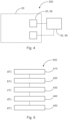
- Fig. 4 shows an example of a system 300 for training a neural network for monitoring a circuit breaker.
- the system comprises at least one first sensor 20, 60, at least one second sensor 70, and a processing unit 30, 80.
- the at least one first sensor is configured to be located and utilized to obtain at least one time series sensor data of at least one first part of a calibration circuit breaker 50.
- the at least one first sensor is configured to provide the at least one time series sensor data of the at least one first part of the calibration circuit breaker to the processing unit.
- the at least one second sensor is configured to be located and utilized to obtain at least one time series sensor data of at least one second part of the calibration circuit breaker.
- the at least one second sensor is configured to provide the at least one time series sensor data of the at least one second of the calibration circuit breaker to the processing unit.
- the processing unit is configured to train a neural network.
- the training of the neural network comprises utilization of the at least one time series sensor data of the at least one first part of the calibration circuit breaker and the at least one sensor data of the at least one second part of the calibration circuit breaker.
- the trained neural network is then configured to determine that the at least one second part of an operational circuit breaker is operating correctly or that the at least one second part of the operational circuit breaker has a fault on the basis of analysis of at least one time series sensor data of the at least one first part of the operational circuit breaker.
- the calibration circuit breaker is the same type or model as the operational circuit breaker.
- the at least one first part of the operational circuit breaker is a main shaft of the circuit breaker.
- the at least one first sensor utilized to obtain the at least one time series sensor data of the at least one first part of the operational circuit breaker comprises one or more of: acceleration sensor; main shaft angle sensor.
- the at least one second part of the operational circuit breaker is a moveable contact and/or pushrod of the circuit breaker.
- the neural network was trained on the basis of the at least one time series sensor data of the at least one first part of the calibration circuit breaker 50 when the at least first part of the calibration circuit breaker was operating correctly and the at least one time series sensor data of the at least one second part of the calibration circuit breaker when the at least one second part of the calibration circuit breaker was operating correctly.
- the at least one time series sensor data of the at least one first part of the calibration circuit breaker was acquired at the same time as the at least one time series sensor data of the at least one second part of the calibration circuit breaker.
- the at least one sensor 20, 60 utilized to obtain the at least one time series sensor data of the at least one first part of the calibration circuit breaker is the same type or model as the at least one sensor 20 that will be utilized to obtain the at least one time series sensor data of the at least one first part of the operational circuit breaker.
- the at least one sensor utilized to obtain the at least one time series sensor data of the at least one first part of the calibration circuit breaker is located at the same or equivalent at least one location as the at least one sensor that will be utilized to obtain the at least one time series sensor data of the at least one first part of the operational circuit breaker.
- Fig. 5 shows a method 400 for training a neural network for monitoring a circuit breaker in its basic steps. The method comprises:
- the at least one first part of the operational circuit breaker is a main shaft of the circuit breaker.
- the at least one first sensor utilized to obtain the at least one time series sensor data of the at least one first part of the operational circuit breaker comprises one or more of: acceleration sensor; main shaft angle sensor.
- the at least one second part of the operational circuit breaker is a moveable contact and/or pushrod of the circuit breaker.
- the at least one first part of the calibration circuit breaker is a main shaft of the circuit breaker.
- the at least one first sensor utilized to obtain the at least one time series sensor data of the at least one first part of the calibration circuit breaker comprises one or more of: acceleration sensor; main shaft angle sensor.
- the at least one second part of the calibration circuit breaker is a moveable contact and/or pushrod of the circuit breaker.
- the at least one second sensor 70 utilized to obtain the at least one time series sensor data of the at least one second part of the calibration circuit breaker comprises one or more of: position sensor; velocity sensor.
- method comprises training the neural network on the basis of the at least one time series sensor data of the at least one first part of the calibration circuit breaker when the at least first part of the calibration circuit breaker was operating correctly and the at least one time series sensor data of the at least one second part of the calibration circuit breaker when the at least one second part of the calibration circuit breaker was operating correctly.
- method comprises acquiring the at least one time series sensor data of the at least one first part of the calibration circuit breaker at the same time as the at least one time series sensor data of the at least one second part of the calibration circuit breaker.
- the at least one sensor utilized to obtain the at least one time series sensor data of the at least one first part of the calibration circuit breaker is the same type or model as the at least one sensor that will be utilized to obtain the at least one time series sensor data of the at least one first part of the operational circuit breaker.
- the at least one sensor utilized to obtain the at least one time series sensor data of the at least one first part of the calibration circuit breaker is located at the same or equivalent at least one location as the at least one sensor that will be utilized to obtain the at least one time series sensor data of the at least one first part of the operational circuit breaker.
- the system for monitoring a circuit breaker system for monitoring a two or three phase switchgear or controlgear, method for monitoring a circuit breaker, system for training a neural network for monitoring a circuit breaker, and method for training a neural network for monitoring a circuit breaker and now described in specific detail, where reference is made to Fig. 6 .
- sequence to sequence (Seq2seq Al models) that have been used for translating one language into another language, could be utilized in a completely different way to monitor a circuit breaker, for example as used in a medium voltage switchgear or controlgear.
- Seq2seq model could be utilized in order to "translate" the information of one sensor to that of another sensor when the two sensor measurements are correlated.
- the Seq2seq Al model could be trained based on sensor data that was acquired for a calibration circuit breaker with such sensors directly measuring the movement of the moveable contact and/or pushrod. However, at the same time other sensors are used to monitor the main shaft of the circuit breaker. Here, it is much easier to monitor the main shaft of the circuit breaker in terms of the simplicity of sensors required and also the convenience of their location.
- the Seq2seq Al model is then trained to accurately translate the main shaft sensor data into the moveable contact and/or pushrod sensor data. For this data generation, the calibration circuit breaker would be confirmed to be operating correctly.
- the trained Seq2seq Al model can be used in the field for operational circuit breakers.
- only sensors that monitor the main shaft are required as an input to the Seq2seq Al model and its output is in effect synthetic sensor data of what a sensor of the moveable contact and/or pushrod would have obtained.
- This synthetic sensor data can then be compared against database sensor data (for the moveable contact and/or pushrod) for a healthy operating circuit breaker to determine in the synthetic data matches the database data within limits to indicate that the moveable contact and/or pushrod is operating correctly or has a fault.
- the above relates to a moveable contact/pushrod of a circuit breaker with respect to one set of sensor data and to a main shaft of the circuit breaker for the other sensors data, but different parts of a circuit breaker could be monitored.
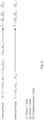
- Fig. 6 provides an overview work flow of the above described technique.
- system records time series data from at least two sensors.
- the data is fed to a seq2seq model that learns to translate the information of one sensor data to the other sensor data during the training phase.
- the system is used to continuously provide such translations for data not used during training. If the translation error exceeds a certain level, using some distance metric, an alarm is triggered.
Landscapes
- Engineering & Computer Science (AREA)
- Physics & Mathematics (AREA)
- Theoretical Computer Science (AREA)
- General Physics & Mathematics (AREA)
- Artificial Intelligence (AREA)
- Evolutionary Computation (AREA)
- Health & Medical Sciences (AREA)
- Software Systems (AREA)
- General Health & Medical Sciences (AREA)
- Mathematical Physics (AREA)
- Computational Linguistics (AREA)
- Molecular Biology (AREA)
- Computing Systems (AREA)
- General Engineering & Computer Science (AREA)
- Biophysics (AREA)
- Data Mining & Analysis (AREA)
- Biomedical Technology (AREA)
- Life Sciences & Earth Sciences (AREA)
- Computer Vision & Pattern Recognition (AREA)
- Medical Informatics (AREA)
- Automation & Control Theory (AREA)
- Arc-Extinguishing Devices That Are Switches (AREA)
- Keying Circuit Devices (AREA)
Description
- The present invention relates to a system for monitoring a circuit breaker, a system for monitoring a two or three phase switchgear or controlgear, a method for monitoring a circuit breaker, a system for training a neural network for monitoring a circuit breaker, and a method for training a neural network for monitoring a circuit breaker.
-
US2017/047181A1 describes a component monitoring system structured to monitor circuit breaker assembly component characteristics. It is described that the component monitoring system includes a record assembly, a number of impulse sensor assemblies, a comparison assembly, and an output assembly. It is described that the record assembly includes selected nominal data for a selected circuit breaker component. It is described that he impulse sensor assemblies are structured to measure a number of actual component characteristics for a substantial portion of the circuit breaker assembly and to transmit actual component characteristic output data. It is described that the comparison assembly is structured to receive an electronic signal from the record assembly and the impulse sensor assemblies, to compare each impulse sensor assembly actual component characteristic output data to the selected nominal data and to provide an indication signal as to whether the impulse sensor assembly output data is acceptable when compared to the selected nominal data. It is described that the output assembly includes a communication assembly and an output device. - Problems with industrial assets, such as circuit breakers, are often measurable using time-series sensor data. However, extracting the relevant information out of the signal is often difficult, particularly when the signal to noise ratio is low. It is also not practical for a human to continuously monitor such signals, and it can be difficult to obtain sensor data from the required parts of such assets in the field.
- There is a need to address these problems.
- Therefore, it would be advantageous to have an improved technique to monitor an asset such as a circuit breaker.
- The object of the present invention is solved with the subject matter of the independent claims, wherein further embodiments are incorporated in the dependent claims.
-
Claim 1 defines a system for monitoring a circuit breaker. Claim 11 defines a system for monitoring a two or three phase switchgear or controlgear. Claim 12 defines a method for monitoring a circuit breaker. Claim 13 defines a system for training a neural network for monitoring a circuit breaker. Claim 14 defines a method for training a neural network for monitoring a circuit breaker. - Exemplary embodiments will be described in the following with reference to the following drawing:
-
Fig. 1 shows a schematic representation of an exemplar system for monitoring a circuit breaker; -
Fig. 2 shows a schematic representation of an exemplar system for monitoring a two or three phase switchgear or control gear; -
Fig. 3 shows a method for monitoring a circuit breaker; -
Fig. 4 shows a schematic representation of an exemplar system for training a neural network for monitoring a circuit breaker; -
Fig. 5 shows a method for training a neural network for monitoring a circuit breaker; and -
Fig. 6 shows a workflow for training of the neural network. -
Fig. 1 shows an example of asystem 10 for monitoring a circuit breaker. The system comprises at least onesensor 20, and aprocessing unit 30. The at least one sensor is configured to be located and utilized to obtain at least one time series sensor data of at least one first part anoperational circuit breaker 40. The at least one sensor is configured to provide the at least one time series sensor data of the at least one first part of the operational circuit breaker to the processing unit. The processing unit is configured to determine that at least one second part of the operational circuit breaker is operating correctly or that the at least one second part of the operational circuit breaker has a fault. The determination of correct or faulty operation comprises analysis of the at least one time series sensor data of the at least one first part of the operational circuit breaker by a trained neural network implemented by the processing unit. - Here there can for example be one time series of data from one sensor or two time series of data running parallel in time acquired from two sensors etc.
- According to the invention, the at least one first part of the operational circuit breaker is a main shaft of the circuit breaker.
- According to the invention, the at least one first sensor utilized to obtain the at least one time series sensor data of the at least one first part of the operational circuit breaker comprises one or more of: acceleration sensor; main shaft angle sensor.
- According to the invention, the at least one second part of the operational circuit breaker is a moveable contact and/or pushrod of the circuit breaker.
- According to an example, the neural network was trained on the basis of at least one time series sensor data of the at least one first part of a calibration circuit breaker. This data was acquired when the at least first part of the calibration circuit breaker was operating correctly. The neural network was also trained on the basis of at least one time series sensor data of the at least one second part of the calibration circuit breaker. This data was acquired when the at least one second part of the calibration circuit breaker was operating correctly. The calibration circuit breaker is the same type or model as the operational circuit breaker.
- Here there can for example be one time series of data from one sensor or two time series of data running parallel in time acquired from two sensors etc. there can also be numerous examples of such data, acquired over a period of time for numerous operations of the calibration circuit breaker to build up a database of training data, where the calibration circuit breaker was operating correctly in order to train the neural network. Only "healthy" data need be used to train the neural network, where the circuit breaker is operating correctly.
- In an example, the at least one first part of the calibration circuit breaker is a main shaft of the circuit breaker.
- According to the invention, the at least one first sensor utilized to obtain the at least one time series sensor data of the at least one first part of the calibration circuit breaker comprises one or more of: acceleration sensor; main shaft angle sensor.
- According to the invention, the at least one second part of the calibration circuit breaker is a moveable contact and/or pushrod of the circuit breaker.
- In an example, at least one second sensor 70 utilized to obtain the at least one time series sensor data of the at least one second part of the calibration circuit breaker comprises one or more of: position sensor; velocity sensor.
- According to an example, the at least one time series sensor data of the at least one first part of the calibration circuit breaker was acquired at the same time as the at least one time series sensor data of the at least one second part of the calibration circuit breaker.
- According to an example, at least one
sensor 20, 60 utilized to obtain the at least one time series sensor data of the at least one first part of the calibration circuit breaker was the same type or model as the at least onesensor 20 utilized to obtain the at least one time series sensor data of the at least one first part of the operational circuit breaker. - According to an example, at least one sensor utilized to obtain the at least one time series sensor data of the at least one first part of the calibration circuit breaker was located at the same or equivalent at least one location as the at least one sensor utilized to obtain the at least one time series sensor data of the at least one first part of the operational circuit breaker.
- According to an example, the trained neural network is configured to determine at least one synthetic time series sensor data of the at least one second part of the operational circuit breaker. The determination of the synthetic data comprises the analysis of the at least one time series sensor data of the at least one first part of the operational circuit breaker by the trained neural network. The determination that the at least one second part of the operational circuit breaker is operating correctly or that the at least one second part of the operational circuit breaker has a fault can then comprise a comparison of the at least one synthetic time series sensor data of the at least one second part of the operational circuit breaker with baseline saved data.
- According to an example, the baseline saved data comprises at least one time series sensor data of the at least one second part of a circuit breaker where the at least one second part of the circuit breaker was operating correctly.
- According to an example the baseline saved data comprises at least some of the at least one time series sensor data of the at least one second part of the calibration circuit breaker used in training the neural network.
- According to an example, the baseline saved data comprises at least one synthetic time series sensor data of the at least one second part of the calibration circuit breaker generated by the neural network from at least some of the at least one time series sensor data of the at least one first part of the calibration circuit breaker.
- Thus the baseline data used to compare the spectrum generated by the neural network for the operational circuit breaker, that is what an at least one second sensor would be expected to have generated for the operational circuit breaker on the basis of real input data from at least one first sensor, can be compared against the actual data used to train the neural network and/or synthetic data generated by the neural network. Thus the time series sensor data acquired by the at least one second sensor used in training the neural network can be used as the baseline data, where this data was for a correctly operating calibration circuit breaker. Additionally or alternatively the baseline data can be synthetic time series data generated by the neural network that is the expected time series data that would have been provided for the at least one second sensor, but where time series sensor data from the at least one first sensor was used as input to the neural network (when the neural network was already trained) and where this input sensor data was for a calibration circuit breaker that was operating correctly.
- According to an example, the processing unit is configured to determine that the at least one second part of the operational circuit breaker has a fault on the basis that a distance metric between the at least one synthetic time series sensor data of the at least one second part of the operational circuit breaker and baseline saved data is equal to or greater than a threshold value.
- In an example, the distance metric comprises a root mean squared error.
- In an example, the processing unit is configured to determine that the at least one second part of the operational circuit breaker is operating correctly on the basis that a distance metric between the at least one synthetic time series sensor data of the at least one second part of the operational circuit breaker and baseline saved data is less than a threshold value.
- According to an example, the system comprises an output unit configured to output information indicating that the at least one second part of the operational circuit breaker has a fault.
- According to an example, the neural network comprises a sequence to sequence model.
-
Fig. 2 shows an example of asystem 100 for monitoring a two or three phase switchgear or controlgear. Thesystem 100 comprises two or threesystems 10 as described with respect toFig. 1 , one for a circuit breaker of each of the two or three phases, however one processing unit can process the sensor data from all the sensors for each phase. -
Fig. 3 shows amethod 200 for monitoring a circuit breaker in its basic steps. The method comprises: - in a utilizing
step 210, also referred to as step a), utilizing at least one sensor located to obtain at least one time series sensor data of at least one first part an operational circuit breaker; - in a providing
step 220, also referred to as step b), providing the at least one time series sensor data of the at least one first part of the operational circuit breaker to a processing unit; and - in a determining
step 230, also referred to as step c), determining by the processing unit that at least one second part of the operational circuit breaker is operating correctly or that the at least one second part of the operational circuit breaker has a fault, - wherein the determining comprises analysing the at least one time series sensor data of the at least one first part of the operational circuit breaker by a trained neural network implemented by the processing unit.
- In an example, the neural network was trained on the basis of at least one time series sensor data of the at least one first part of a calibration circuit breaker where the at least first part of the calibration circuit breaker was operating correctly and at least one time series sensor data of the at least one second part of the calibration circuit breaker where the at least one second part of the calibration circuit breaker was operating. The calibration circuit breaker used was the same type or model as the operational circuit breaker.
- In an example, the at least one time series sensor data of the at least one first part of the calibration circuit breaker was acquired at the same time as the at least one time series sensor data of the at least one second part of the calibration circuit breaker
- In an example, at least one sensor utilized to obtain the at least one time series sensor data of the at least one first part of the calibration circuit breaker was the same type or model as the at least one sensor utilized to obtain the at least one time series sensor data of the at least one first part of the operational circuit breaker.
- In an example, at least one sensor utilized to obtain the at least one time series sensor data of the at least one first part of the calibration circuit breaker was located at the same or equivalent at least one location as the at least one sensor utilized to obtain the at least one time series sensor data of the at least one first part of the operational circuit breaker.
- In an example, the method comprises determining by the trained neural network at least one synthetic time series sensor data of the at least one second part of the operational circuit breaker. The determining comprises the analysing of the at least one time series sensor data of the at least one first part of the operational circuit breaker by the trained neural network. The determining that the at least one second part of the operational circuit breaker is operating correctly or that the at least one second part of the operational circuit breaker has a fault can then comprise comparing the at least one synthetic time series sensor data of the at least one second part of the operational circuit breaker with baseline saved data.
- In an example, the baseline saved data comprises at least one time series sensor data of the at least one second part of a circuit breaker where the at least one second part of the circuit breaker was operating correctly.
- In an example, the baseline saved data comprises at least some of the at least one time series sensor data of the at least one second part of the calibration circuit breaker used in training the neural network and/or at least one synthetic time series sensor data of the at least one second part of the calibration circuit breaker generated by the neural network from at least some of the at least one time series sensor data of the at least one first part of the calibration circuit breaker.
- In an example, the method comprises determining by the processing unit that the at least one second part of the operational circuit breaker has a fault on the basis that a distance metric between the at least one synthetic time series sensor data of the at least one second part of the operational circuit breaker and baseline saved data is equal to or greater than a threshold value.
- In an example, the distance metric comprises a root mean squared error.
- In an example, the method comprises determining by the processing unit that the at least one second part of the operational circuit breaker is operating correctly on the basis that a distance metric between the at least one synthetic time series sensor data of the at least one second part of the operational circuit breaker and baseline saved data is less than a threshold value.
- The threshold value for determining a fault and determining correct operation can be the same or different. Thus, there can be a "black or white" of correct operation or fault in which case remedial action is required and if necessary the circuit breaker immediately taken out of operation. Or there can be "black or grey or white", in that the metric can be below one threshold and the operation be correct or above another threshold and the operation be faulty (and remedial action is required) or between the two thresholds and the circuit breaker can continue to operate but could be monitored more closely or scheduled for a service in the near future.
- In an example, the method comprises outputting by an output unit information indicating that the at least one second part of the operational circuit breaker has a fault.
- In an example, the neural network comprises a sequence to sequence model.
-
Fig. 4 shows an example of asystem 300 for training a neural network for monitoring a circuit breaker. The system comprises at least onefirst sensor 20, 60, at least one second sensor 70, and aprocessing unit 30, 80. The at least one first sensor is configured to be located and utilized to obtain at least one time series sensor data of at least one first part of acalibration circuit breaker 50. The at least one first sensor is configured to provide the at least one time series sensor data of the at least one first part of the calibration circuit breaker to the processing unit. The at least one second sensor is configured to be located and utilized to obtain at least one time series sensor data of at least one second part of the calibration circuit breaker. The at least one second sensor is configured to provide the at least one time series sensor data of the at least one second of the calibration circuit breaker to the processing unit. The processing unit is configured to train a neural network. The training of the neural network comprises utilization of the at least one time series sensor data of the at least one first part of the calibration circuit breaker and the at least one sensor data of the at least one second part of the calibration circuit breaker. The trained neural network is then configured to determine that the at least one second part of an operational circuit breaker is operating correctly or that the at least one second part of the operational circuit breaker has a fault on the basis of analysis of at least one time series sensor data of the at least one first part of the operational circuit breaker. The calibration circuit breaker is the same type or model as the operational circuit breaker. - In an example, the at least one first part of the operational circuit breaker is a main shaft of the circuit breaker.
- In an example, the at least one first sensor utilized to obtain the at least one time series sensor data of the at least one first part of the operational circuit breaker comprises one or more of: acceleration sensor; main shaft angle sensor.
- In an example, the at least one second part of the operational circuit breaker is a moveable contact and/or pushrod of the circuit breaker.
- In an example, the at least one first part of the calibration circuit breaker is a main shaft of the circuit breaker.
- In an example, the at least one first sensor utilized to obtain the at least one time series sensor data of the at least one first part of the calibration circuit breaker comprises one or more of: acceleration sensor; main shaft angle sensor.
- In an example, the at least one second part of the calibration circuit breaker is a moveable contact and/or pushrod of the circuit breaker.
- In an example, the at least one second sensor 70 utilized to obtain the at least one time series sensor data of the at least one second part of the calibration circuit breaker comprises one or more of: position sensor; velocity sensor.
- In an example, the neural network was trained on the basis of the at least one time series sensor data of the at least one first part of the
calibration circuit breaker 50 when the at least first part of the calibration circuit breaker was operating correctly and the at least one time series sensor data of the at least one second part of the calibration circuit breaker when the at least one second part of the calibration circuit breaker was operating correctly. - In an example, the at least one time series sensor data of the at least one first part of the calibration circuit breaker was acquired at the same time as the at least one time series sensor data of the at least one second part of the calibration circuit breaker.
- In an example, the at least one
sensor 20, 60 utilized to obtain the at least one time series sensor data of the at least one first part of the calibration circuit breaker is the same type or model as the at least onesensor 20 that will be utilized to obtain the at least one time series sensor data of the at least one first part of the operational circuit breaker. - In an example, the at least one sensor utilized to obtain the at least one time series sensor data of the at least one first part of the calibration circuit breaker is located at the same or equivalent at least one location as the at least one sensor that will be utilized to obtain the at least one time series sensor data of the at least one first part of the operational circuit breaker.
-
Fig. 5 shows amethod 400 for training a neural network for monitoring a circuit breaker in its basic steps. The method comprises: - in a utilizing
step 410, also referred to as step a1), utilizing at least one first sensor located to obtain at least one time series sensor data of at least one first part of a calibration circuit breaker; - in a providing
step 420, also referred to as step b1), providing the at least one time series sensor data of the at least one first part of the calibration circuit breaker to a processing unit; - in a utilizing
step 430, also referred to as step c1), utilizing at least one second sensor located to obtain at least one time series sensor data of at least one second part of the calibration circuit breaker; - in a providing
step 440, also referred to as step d1), providing the at least one time series sensor data of the at least one second of the calibration circuit breaker to the processing unit; and - in a
training step 450, also referred to as step e1), training by the processing unit a neural network. The training of the neural network comprises utilizing the at least one time series sensor data of the at least one first part of the calibration circuit breaker and the at least one sensor data of the at least one second part of the calibration circuit breaker. The trained neural network is then configured to determine that the at least one second part of an operational circuit breaker is operating correctly or that the at least one second part of the operational circuit breaker has a fault on the basis of analysis of at least one time series sensor data of the at least one first part of the operational circuit breaker. The calibration circuit breaker is the same type or model as the operational circuit breaker. - In an example, the at least one first part of the operational circuit breaker is a main shaft of the circuit breaker.
- In an example, the at least one first sensor utilized to obtain the at least one time series sensor data of the at least one first part of the operational circuit breaker comprises one or more of: acceleration sensor; main shaft angle sensor.
- In an example, the at least one second part of the operational circuit breaker is a moveable contact and/or pushrod of the circuit breaker.
- In an example, the at least one first part of the calibration circuit breaker is a main shaft of the circuit breaker.
- In an example, the at least one first sensor utilized to obtain the at least one time series sensor data of the at least one first part of the calibration circuit breaker comprises one or more of: acceleration sensor; main shaft angle sensor.
- In an example, the at least one second part of the calibration circuit breaker is a moveable contact and/or pushrod of the circuit breaker.
- In an example, the at least one second sensor 70 utilized to obtain the at least one time series sensor data of the at least one second part of the calibration circuit breaker comprises one or more of: position sensor; velocity sensor.
- In an example, method comprises training the neural network on the basis of the at least one time series sensor data of the at least one first part of the calibration circuit breaker when the at least first part of the calibration circuit breaker was operating correctly and the at least one time series sensor data of the at least one second part of the calibration circuit breaker when the at least one second part of the calibration circuit breaker was operating correctly.
- In an example, method comprises acquiring the at least one time series sensor data of the at least one first part of the calibration circuit breaker at the same time as the at least one time series sensor data of the at least one second part of the calibration circuit breaker.
- In an example, the at least one sensor utilized to obtain the at least one time series sensor data of the at least one first part of the calibration circuit breaker is the same type or model as the at least one sensor that will be utilized to obtain the at least one time series sensor data of the at least one first part of the operational circuit breaker.
- In an example, the at least one sensor utilized to obtain the at least one time series sensor data of the at least one first part of the calibration circuit breaker is located at the same or equivalent at least one location as the at least one sensor that will be utilized to obtain the at least one time series sensor data of the at least one first part of the operational circuit breaker.
- The system for monitoring a circuit breaker, system for monitoring a two or three phase switchgear or controlgear, method for monitoring a circuit breaker, system for training a neural network for monitoring a circuit breaker, and method for training a neural network for monitoring a circuit breaker and now described in specific detail, where reference is made to
Fig. 6 . - The inventors realized that sequence to sequence (Seq2seq Al models) that have been used for translating one language into another language, could be utilized in a completely different way to monitor a circuit breaker, for example as used in a medium voltage switchgear or controlgear. The inventors realized that an appropriately trained Seq2seq model could be utilized in order to "translate" the information of one sensor to that of another sensor when the two sensor measurements are correlated. Moreover, since these Al models are more accurate for input data that is similar to that which was used in their training, and since usually healthy data is much more readily available, such seq2seq models could be trained to translate the output of one sensor to another using only, or mostly, healthy data, which is much more readily available that faulty data required in training existing Al based equipment monitoring system. Subsequently, one can expect large "translation" errors to correlate with problems in the asset, since the abnormal sensor information would lead to greater "translation" errors. A distance metric can be used to understand if the deviation is large enough to call for an alarm.
- This also meant that for example a circuit breaker, where a moveable contact monitoring system is required, but where it is difficult to monitor this in the field directly due to the sensors required and their required locations a new monitoring technique could be utilized. The Seq2seq Al model could be trained based on sensor data that was acquired for a calibration circuit breaker with such sensors directly measuring the movement of the moveable contact and/or pushrod. However, at the same time other sensors are used to monitor the main shaft of the circuit breaker. Here, it is much easier to monitor the main shaft of the circuit breaker in terms of the simplicity of sensors required and also the convenience of their location. The Seq2seq Al model is then trained to accurately translate the main shaft sensor data into the moveable contact and/or pushrod sensor data. For this data generation, the calibration circuit breaker would be confirmed to be operating correctly.
- Then, the trained Seq2seq Al model can be used in the field for operational circuit breakers. Here, only sensors that monitor the main shaft are required as an input to the Seq2seq Al model and its output is in effect synthetic sensor data of what a sensor of the moveable contact and/or pushrod would have obtained. This synthetic sensor data can then be compared against database sensor data (for the moveable contact and/or pushrod) for a healthy operating circuit breaker to determine in the synthetic data matches the database data within limits to indicate that the moveable contact and/or pushrod is operating correctly or has a fault.
- The above relates to a moveable contact/pushrod of a circuit breaker with respect to one set of sensor data and to a main shaft of the circuit breaker for the other sensors data, but different parts of a circuit breaker could be monitored.
- Thus, a new technique is provided to monitor mechanical and electrical failures such as contact ablation for circuit breakers.
-
Fig. 6 provides an overview work flow of the above described technique. In essence, system records time series data from at least two sensors. The data is fed to a seq2seq model that learns to translate the information of one sensor data to the other sensor data during the training phase. In production, the system is used to continuously provide such translations for data not used during training. If the translation error exceeds a certain level, using some distance metric, an alarm is triggered.
Claims (14)
- A system (10) for monitoring a circuit breaker, the system comprising:- at least one first sensor (20); and- a processing unit (30);wherein the at least one first sensor is configured to be located and utilized to obtain at least one time series sensor data of at least one first part an operational circuit breaker (40), wherein the at least one first part of the operational circuit breaker is a main shaft of the circuit breaker;wherein the at least one first sensor utilized to obtain the at least one time series sensor data of the at least one first part of the operational circuit breaker comprises one or more of: acceleration sensor; main shaft angle sensor;wherein the at least one first sensor is configured to provide the at least one time series sensor data of the at least one first part of the operational circuit breaker to the processing unit;wherein the processing unit is configured to determine that at least one second part of the operational circuit breaker is operating correctly or that the at least one second part of the operational circuit breaker has a fault, wherein the at least one second part of the operational circuit breaker is a moveable contact and/or pushrod of the circuit breaker,characterised in that the determination comprises analysis of the at least one time series sensor data of the at least one first part of the operational circuit breaker by a trained neural network implemented by the processing unit;wherein the neural network was trained on the basis of at least one time series sensor data of the at least one first part of a calibration circuit breaker (50) where the at least first part of the calibration circuit breaker was operating correctly and at least one time series sensor data of the at least one second part of the calibration circuit breaker where the at least one second part of the calibration circuit breaker was operating correctly, and wherein the calibration circuit breaker was the same type or model as the operational circuit breaker, and wherein the at least one first sensor utilized to obtain the at least one time series sensor data of the at least one first part of the calibration circuit breaker comprises one or more of: acceleration sensor; main shaft angle sensor, and wherein the at least one second part of the calibration circuit breaker is a moveable contact and/or pushrod of the circuit breaker.
- System according to claim 1, wherein the at least one time series sensor data of the at least one first part of the calibration circuit breaker was acquired at the same time as the at least one time series sensor data of the at least one second part of the calibration circuit breaker.
- System according to any of claims 1-2, wherein at least one sensor (20, 60) utilized to obtain the at least one time series sensor data of the at least one first part of the calibration circuit breaker was the same type or model as the at least one first sensor (20) utilized to obtain the at least one time series sensor data of the at least one first part of the operational circuit breaker.
- System according to any of claims 1-3, wherein at least one sensor utilized to obtain the at least one time series sensor data of the at least one first part of the calibration circuit breaker was located at the same or equivalent at least one location as the at least one first sensor utilized to obtain the at least one time series sensor data of the at least one first part of the operational circuit breaker.
- System according to any of claims 1-4, wherein the trained neural network is configured to determine at least one synthetic time series sensor data of the at least one second part of the operational circuit breaker, wherein the determination comprises the analysis of the at least one time series sensor data of the at least one first part of the operational circuit breaker by the trained neural network, and wherein the determination that the at least one second part of the operational circuit breaker is operating correctly or that the at least one second part of the operational circuit breaker has a fault comprises a comparison of the at least one synthetic time series sensor data of the at least one second part of the operational circuit breaker with baseline saved data.
- System according to claim 5, wherein the baseline saved data comprises at least one time series sensor data of the at least one second part of a circuit breaker where the at least one second part of the circuit breaker was operating correctly.
- System according to claim 6, wherein the baseline saved data comprises at least some of the at least one time series sensor data of the at least one second part of the calibration circuit breaker used in training the neural network and/or at least one synthetic time series sensor data of the at least one second part of the calibration circuit breaker generated by the neural network from at least some of the at least one time series sensor data of the at least one first part of the calibration circuit breaker.
- System according to any of claims 5-7, wherein the processing unit is configured to determine that the at least one second part of the operational circuit breaker has a fault on the basis that a distance metric between the at least one synthetic time series sensor data of the at least one second part of the operational circuit breaker and baseline saved data is equal to or greater than a threshold value.
- System according to any of claims 1-8, wherein the system comprises an output unit configured to output information indicating that the at least one second part of the operational circuit breaker has a fault..
- System according to any of claims 1-9, wherein the neural network comprises a sequence to sequence model.
- A system (100) for monitoring a two or three phase switchgear or controlgear, the system comprising two or three systems (10) according to any of claims 1-10, one for a circuit breaker of each of the two or three phases.
- A method (200) for monitoring a circuit breaker, the method comprising:a) utilizing (210) at least one first sensor located to obtain at least one time series sensor data of at least one first part an operational circuit breaker, wherein the at least one first part of the operational circuit breaker is a main shaft of the circuit breaker, and wherein the at least one first sensor utilized to obtain the at least one time series sensor data of the at least one first part of the operational circuit breaker comprises one or more of: acceleration sensor; main shaft angle sensor;;b) providing (220) the at least one time series sensor data of the at least one first part of the operational circuit breaker to a processing unit; andc) determining (230) by the processing unit that at least one second part of the operational circuit breaker is operating correctly or that the at least one second part of the operational circuit breaker has a fault, wherein the at least one second part of the operational circuit breaker is a moveable contact and/or pushrod of the circuit breaker, characterised in that the determining comprises analysing the at least one time series sensor data of the at least one first part of the operational circuit breaker by a trained neural network implemented by the processing unit, wherein the neural network was trained on the basis of at least one time series sensor data of the at least one first part of a calibration circuit breaker (50) where the at least first part of the calibration circuit breaker was operating correctly and at least one time series sensor data of the at least one second part of the calibration circuit breaker where the at least one second part of the calibration circuit breaker was operating correctly, and wherein the calibration circuit breaker was the same type or model as the operational circuit breaker, and wherein the at least one first sensor utilized to obtain the at least one time series sensor data of the at least one first part of the calibration circuit breaker comprises one or more of: acceleration sensor; main shaft angle sensor, and wherein the at least one second part of the calibration circuit breaker is a moveable contact and/or pushrod of the circuit breaker.
- A system (300) for training a neural network for monitoring a circuit breaker, the system comprising:- at least one first sensor (20, 60);- at least one second sensor (70); and- a processing unit (30, 80);wherein the at least one first sensor is configured to be located and utilized to obtain at least one time series sensor data of at least one first part of a calibration circuit breaker (50), wherein the at least one first part of the calibration circuit breaker is a main shaft of the circuit breaker, and wherein the at least one first sensor utilized to obtain the at least one time series sensor data of the at least one first part of the calibration circuit breaker comprises one or more of: acceleration sensor; main shaft angle sensor;wherein the at least one first sensor is configured to provide the at least one time series sensor data of the at least one first part of the calibration circuit breaker to the processing unit;wherein the at least one second sensor is configured to be located and utilized to obtain at least one time series sensor data of at least one second part of the calibration circuit breaker, wherein the at least one second part of the calibration circuit breaker is a moveable contact and/or pushrod of the circuit breaker, and wherein the at least one second sensor utilized to obtain the at least one time series sensor data of the at least one second part of the calibration circuit breaker comprises one or more of: position sensor; velocity sensor;wherein the at least one second sensor is configured to provide the at least one time series sensor data of the at least one second of the calibration circuit breaker to the processing unit; andcharacterised in thatthe processing unit is configured to train a neural network, wherein the training of the neural network comprises utilization of the at least one time series sensor data of the at least one first part of the calibration circuit breaker and the at least one sensor data of the at least one second part of the calibration circuit breaker, and wherein the trained neural network is configured to determine that the at least one second part of an operational circuit breaker is operating correctly or that the at least one second part of the operational circuit breaker has a fault on the basis of analysis of at least one time series sensor data of the at least one first part of the operational circuit breaker, and wherein the calibration circuit breaker is the same type or model as the operational circuit breaker, and wherein the neural network was trained on the basis of the at least one time series sensor data of the at least one first part of the calibration circuit breaker when the at least first part of the calibration circuit breaker was operating correctly and the at least one time series sensor data of the at least one second part of the calibration circuit breaker when the at least one second part of the calibration circuit breaker was operating correctly.
- A method (400) for training a neural network for monitoring a circuit breaker, the method comprising:a1) utilizing (410) at least one first sensor located to obtain at least one time series sensor data of at least one first part of a calibration circuit breaker, wherein the at least one first part of the calibration circuit breaker is a main shaft of the circuit breaker, and wherein the at least one first sensor utilized to obtain the at least one time series sensor data of the at least one first part of the calibration circuit breaker comprises one or more of: acceleration sensor; main shaft angle sensor;b1) providing (420) the at least one time series sensor data of the at least one first part of the calibration circuit breaker to a processing unit;c1) utilizing (430) at least one second sensor located to obtain at least one time series sensor data of at least one second part of the calibration circuit breaker, wherein the at least one second part of the calibration circuit breaker is a moveable contact and/or pushrod of the circuit breaker, and wherein the at least one second sensor utilized to obtain the at least one time series sensor data of the at least one second part of the calibration circuit breaker comprises one or more of: position sensor; velocity sensor;d1) providing (440) the at least one time series sensor data of the at least one second of the calibration circuit breaker to the processing unit; ande1) characterised in that the method comprises: training (450) by the processing unit a neural network, wherein the training of the neural network comprises utilizing the at least one time series sensor data of the at least one first part of the calibration circuit breaker and the at least one sensor data of the at least one second part of the calibration circuit breaker, and wherein the trained neural network is configured to determine that the at least one second part of an operational circuit breaker is operating correctly or that the at least one second part of the operational circuit breaker has a fault on the basis of analysis of at least one time series sensor data of the at least one first part of the operational circuit breaker, and wherein the calibration circuit breaker is the same type or model as the operational circuit breaker, and wherein the neural network was trained on the basis of the at least one time series sensor data of the at least one first part of the calibration circuit breaker when the at least first part of the calibration circuit breaker was operating correctly and the at least one time series sensor data of the at least one second part of the calibration circuit breaker when the at least one second part of the calibration circuit breaker was operating correctly.
Priority Applications (3)
| Application Number | Priority Date | Filing Date | Title |
|---|---|---|---|
| EP20208183.2A EP4002021B1 (en) | 2020-11-17 | 2020-11-17 | System for monitoring a circuit breaker |
| CN202111347325.3A CN114509664B (en) | 2020-11-17 | 2021-11-15 | Systems for monitoring circuit breakers |
| US17/527,254 US20220156586A1 (en) | 2020-11-17 | 2021-11-16 | System for monitoring a circuit breaker |
Applications Claiming Priority (1)
| Application Number | Priority Date | Filing Date | Title |
|---|---|---|---|
| EP20208183.2A EP4002021B1 (en) | 2020-11-17 | 2020-11-17 | System for monitoring a circuit breaker |
Publications (2)
| Publication Number | Publication Date |
|---|---|
| EP4002021A1 EP4002021A1 (en) | 2022-05-25 |
| EP4002021B1 true EP4002021B1 (en) | 2025-03-19 |
Family
ID=73475889
Family Applications (1)
| Application Number | Title | Priority Date | Filing Date |
|---|---|---|---|
| EP20208183.2A Active EP4002021B1 (en) | 2020-11-17 | 2020-11-17 | System for monitoring a circuit breaker |
Country Status (3)
| Country | Link |
|---|---|
| US (1) | US20220156586A1 (en) |
| EP (1) | EP4002021B1 (en) |
| CN (1) | CN114509664B (en) |
Families Citing this family (5)
| Publication number | Priority date | Publication date | Assignee | Title |
|---|---|---|---|---|
| EP4002022B1 (en) * | 2020-11-24 | 2025-04-09 | ABB Schweiz AG | System for monitoring a circuit breaker |
| EP4125106A1 (en) * | 2021-07-27 | 2023-02-01 | Abb Schweiz Ag | Monitoring system for a low voltage, medium voltage, or high voltage circuit breaker |
| US20230281439A1 (en) * | 2022-03-07 | 2023-09-07 | Applied Materials, Inc. | Synthetic time series data associated with processing equipment |
| WO2024020739A1 (en) * | 2022-07-25 | 2024-02-01 | 西门子股份公司 | Training data generation method, model training method, electronic device, and medium |
| CN120652273B (en) * | 2025-06-06 | 2026-01-30 | 阜南恬居机电安装工程有限公司 | Breaker state monitoring and self-diagnosis system |
Family Cites Families (14)
| Publication number | Priority date | Publication date | Assignee | Title |
|---|---|---|---|---|
| US6522247B2 (en) * | 2000-05-23 | 2003-02-18 | Kabushiki Kaisha Toshiba | Apparatus monitoring system and apparatus monitoring method |
| WO2009136230A2 (en) * | 2007-11-07 | 2009-11-12 | Edsa Micro Corporation | Systems and methods for real-time forecasting and predicting of electrical peaks and managing the energy, health, reliability, and performance of electrical power systems based on an artificial adaptive neural network |
| KR101382301B1 (en) * | 2012-11-28 | 2014-04-07 | 한국남부발전 주식회사 | Cell output apparatus of vaccum circuit breaker |
| RU2580183C1 (en) * | 2015-01-12 | 2016-04-10 | федеральное государственное бюджетное образовательное учреждение высшего профессионального образования "Южно-Российский государственный политехнический университет (НПИ) имени М.И. Платова" | Method for diagnosing electric switching device |
| US10012697B2 (en) * | 2015-08-13 | 2018-07-03 | Eaton Intelligent Power Limited | Failure prediction device and method for vacuum circuit breakers |
| CN106291351B (en) * | 2016-09-20 | 2019-01-18 | 西安工程大学 | High-voltage circuitbreaker fault detection method based on convolutional neural networks algorithm |
| CN107064786B (en) * | 2016-12-29 | 2019-10-25 | 西安工程大学 | A bouncing monitoring method for 10kV circuit breaker |
| CN107490760A (en) * | 2017-08-22 | 2017-12-19 | 西安工程大学 | The circuit breaker failure diagnostic method of fuzzy neural network is improved based on genetic algorithm |
| CN108896292A (en) * | 2018-07-24 | 2018-11-27 | 厦门斯玛特思智能电气有限公司 | The breaker mechanic property monitoring method and sensing system of sensor based system |
| CN109556845A (en) * | 2018-11-30 | 2019-04-02 | 西门子电力自动化有限公司 | Monitoring method, monitoring device and the switchgear of the breaker of switchgear |
| CN110398348B (en) * | 2019-06-18 | 2021-02-09 | 清华大学 | Memory, and method and device for diagnosing mechanical fault of high-voltage circuit breaker |
| CN111198323A (en) * | 2020-01-09 | 2020-05-26 | 国网浙江省电力有限公司宁波供电公司 | An online monitoring system for mechanical characteristics of high-voltage circuit breakers |
| EP4002022B1 (en) * | 2020-11-24 | 2025-04-09 | ABB Schweiz AG | System for monitoring a circuit breaker |
| CN221571661U (en) * | 2022-07-08 | 2024-08-20 | 施耐德电气(厦门)开关设备有限公司 | Monitoring device for circuit breaker |
-
2020
- 2020-11-17 EP EP20208183.2A patent/EP4002021B1/en active Active
-
2021
- 2021-11-15 CN CN202111347325.3A patent/CN114509664B/en active Active
- 2021-11-16 US US17/527,254 patent/US20220156586A1/en active Pending
Also Published As
| Publication number | Publication date |
|---|---|
| US20220156586A1 (en) | 2022-05-19 |
| CN114509664A (en) | 2022-05-17 |
| CN114509664B (en) | 2026-01-02 |
| EP4002021A1 (en) | 2022-05-25 |
Similar Documents
| Publication | Publication Date | Title |
|---|---|---|
| EP4002021A1 (en) | System for monitoring a circuit breaker | |
| CN107831422B (en) | GIS equipment partial discharge diagnosis method and system | |
| EP4002022B1 (en) | System for monitoring a circuit breaker | |
| JP5306902B2 (en) | System and method for high performance condition monitoring of asset systems | |
| CN114638280B (en) | Explosion-proof motor bearing temperature anomaly monitoring system based on local equipment network | |
| US10713580B2 (en) | Failure prediction apparatus for electric device and failure prediction method using the same | |
| JP2021033705A (en) | Abnormality judgment device, learning device, and abnormality judgment method | |
| GB2476246A (en) | Diagnosing an operation mode of a machine | |
| CN117289085A (en) | A multi-line fault analysis and diagnosis method and system | |
| CN114576102B (en) | Prediction method, device, equipment and storage medium for bearing status of wind turbine generator set | |
| CN116992376A (en) | Device, system and method for detecting anomalies in power grid | |
| CN114077919A (en) | System for predicting machining anomalies | |
| CN120710207A (en) | Distribution room safety operation monitoring method and system combined with multimodal large model | |
| JP7026012B2 (en) | Equipment status monitoring system and equipment status monitoring method | |
| CN114637645A (en) | Calibration method for sensor measurement data | |
| CN113672658B (en) | Power equipment online monitoring error data identification method based on complex correlation coefficient | |
| KR101490471B1 (en) | System and method for measuring and diagnosing signal | |
| CN119886566A (en) | Electric power engineering field security management system and method based on big data | |
| CN117172139B (en) | Performance test method and system for copper-clad aluminum alloy cable for communication | |
| EP3955707A1 (en) | Method and system for predicting a failure probability of a component of an x-ray system | |
| CN119104170A (en) | A temperature monitoring and early warning system for intelligent distribution boxes | |
| KR20190047878A (en) | Apparatus and method for detecting trouble of sensor based on signal | |
| KR20220147977A (en) | Data diagnosis device to cope with malicious data injection in power measurement facilities | |
| CN120744586B (en) | A method and system for processing temperature measurement data from a fan. | |
| CN118627019B (en) | Connector state detection method and device based on artificial intelligence |
Legal Events
| Date | Code | Title | Description |
|---|---|---|---|
| PUAI | Public reference made under article 153(3) epc to a published international application that has entered the european phase |
Free format text: ORIGINAL CODE: 0009012 |
|
| STAA | Information on the status of an ep patent application or granted ep patent |
Free format text: STATUS: THE APPLICATION HAS BEEN PUBLISHED |
|
| AK | Designated contracting states |
Kind code of ref document: A1 Designated state(s): AL AT BE BG CH CY CZ DE DK EE ES FI FR GB GR HR HU IE IS IT LI LT LU LV MC MK MT NL NO PL PT RO RS SE SI SK SM TR |
|
| STAA | Information on the status of an ep patent application or granted ep patent |
Free format text: STATUS: REQUEST FOR EXAMINATION WAS MADE |
|
| 17P | Request for examination filed |
Effective date: 20221117 |
|
| RBV | Designated contracting states (corrected) |
Designated state(s): AL AT BE BG CH CY CZ DE DK EE ES FI FR GB GR HR HU IE IS IT LI LT LU LV MC MK MT NL NO PL PT RO RS SE SI SK SM TR |
|
| GRAP | Despatch of communication of intention to grant a patent |
Free format text: ORIGINAL CODE: EPIDOSNIGR1 |
|
| STAA | Information on the status of an ep patent application or granted ep patent |
Free format text: STATUS: GRANT OF PATENT IS INTENDED |
|
| INTG | Intention to grant announced |
Effective date: 20241120 |
|
| GRAS | Grant fee paid |
Free format text: ORIGINAL CODE: EPIDOSNIGR3 |
|
| GRAA | (expected) grant |
Free format text: ORIGINAL CODE: 0009210 |
|
| STAA | Information on the status of an ep patent application or granted ep patent |
Free format text: STATUS: THE PATENT HAS BEEN GRANTED |
|
| AK | Designated contracting states |
Kind code of ref document: B1 Designated state(s): AL AT BE BG CH CY CZ DE DK EE ES FI FR GB GR HR HU IE IS IT LI LT LU LV MC MK MT NL NO PL PT RO RS SE SI SK SM TR |
|
| REG | Reference to a national code |
Ref country code: GB Ref legal event code: FG4D |
|
| REG | Reference to a national code |
Ref country code: CH Ref legal event code: EP |
|
| REG | Reference to a national code |
Ref country code: DE Ref legal event code: R096 Ref document number: 602020047860 Country of ref document: DE |
|
| REG | Reference to a national code |
Ref country code: IE Ref legal event code: FG4D |
|
| PG25 | Lapsed in a contracting state [announced via postgrant information from national office to epo] |
Ref country code: RS Free format text: LAPSE BECAUSE OF FAILURE TO SUBMIT A TRANSLATION OF THE DESCRIPTION OR TO PAY THE FEE WITHIN THE PRESCRIBED TIME-LIMIT Effective date: 20250619 |
|
| PG25 | Lapsed in a contracting state [announced via postgrant information from national office to epo] |
Ref country code: FI Free format text: LAPSE BECAUSE OF FAILURE TO SUBMIT A TRANSLATION OF THE DESCRIPTION OR TO PAY THE FEE WITHIN THE PRESCRIBED TIME-LIMIT Effective date: 20250319 |
|
| REG | Reference to a national code |
Ref country code: LT Ref legal event code: MG9D |
|
| PG25 | Lapsed in a contracting state [announced via postgrant information from national office to epo] |
Ref country code: NO Free format text: LAPSE BECAUSE OF FAILURE TO SUBMIT A TRANSLATION OF THE DESCRIPTION OR TO PAY THE FEE WITHIN THE PRESCRIBED TIME-LIMIT Effective date: 20250619 |
|
| PG25 | Lapsed in a contracting state [announced via postgrant information from national office to epo] |
Ref country code: HR Free format text: LAPSE BECAUSE OF FAILURE TO SUBMIT A TRANSLATION OF THE DESCRIPTION OR TO PAY THE FEE WITHIN THE PRESCRIBED TIME-LIMIT Effective date: 20250319 |
|
| PG25 | Lapsed in a contracting state [announced via postgrant information from national office to epo] |
Ref country code: LV Free format text: LAPSE BECAUSE OF FAILURE TO SUBMIT A TRANSLATION OF THE DESCRIPTION OR TO PAY THE FEE WITHIN THE PRESCRIBED TIME-LIMIT Effective date: 20250319 |
|
| PG25 | Lapsed in a contracting state [announced via postgrant information from national office to epo] |
Ref country code: GR Free format text: LAPSE BECAUSE OF FAILURE TO SUBMIT A TRANSLATION OF THE DESCRIPTION OR TO PAY THE FEE WITHIN THE PRESCRIBED TIME-LIMIT Effective date: 20250620 Ref country code: BG Free format text: LAPSE BECAUSE OF FAILURE TO SUBMIT A TRANSLATION OF THE DESCRIPTION OR TO PAY THE FEE WITHIN THE PRESCRIBED TIME-LIMIT Effective date: 20250319 |
|
| REG | Reference to a national code |
Ref country code: NL Ref legal event code: MP Effective date: 20250319 |
|
| REG | Reference to a national code |
Ref country code: AT Ref legal event code: MK05 Ref document number: 1777433 Country of ref document: AT Kind code of ref document: T Effective date: 20250319 |
|
| PG25 | Lapsed in a contracting state [announced via postgrant information from national office to epo] |
Ref country code: NL Free format text: LAPSE BECAUSE OF FAILURE TO SUBMIT A TRANSLATION OF THE DESCRIPTION OR TO PAY THE FEE WITHIN THE PRESCRIBED TIME-LIMIT Effective date: 20250319 |
|
| PG25 | Lapsed in a contracting state [announced via postgrant information from national office to epo] |
Ref country code: SE Free format text: LAPSE BECAUSE OF FAILURE TO SUBMIT A TRANSLATION OF THE DESCRIPTION OR TO PAY THE FEE WITHIN THE PRESCRIBED TIME-LIMIT Effective date: 20250319 |
|
| PG25 | Lapsed in a contracting state [announced via postgrant information from national office to epo] |
Ref country code: SM Free format text: LAPSE BECAUSE OF FAILURE TO SUBMIT A TRANSLATION OF THE DESCRIPTION OR TO PAY THE FEE WITHIN THE PRESCRIBED TIME-LIMIT Effective date: 20250319 |
|
| PG25 | Lapsed in a contracting state [announced via postgrant information from national office to epo] |
Ref country code: ES Free format text: LAPSE BECAUSE OF FAILURE TO SUBMIT A TRANSLATION OF THE DESCRIPTION OR TO PAY THE FEE WITHIN THE PRESCRIBED TIME-LIMIT Effective date: 20250319 Ref country code: PT Free format text: LAPSE BECAUSE OF FAILURE TO SUBMIT A TRANSLATION OF THE DESCRIPTION OR TO PAY THE FEE WITHIN THE PRESCRIBED TIME-LIMIT Effective date: 20250721 |
|
| PG25 | Lapsed in a contracting state [announced via postgrant information from national office to epo] |
Ref country code: PL Free format text: LAPSE BECAUSE OF FAILURE TO SUBMIT A TRANSLATION OF THE DESCRIPTION OR TO PAY THE FEE WITHIN THE PRESCRIBED TIME-LIMIT Effective date: 20250319 |
|
| PG25 | Lapsed in a contracting state [announced via postgrant information from national office to epo] |
Ref country code: AT Free format text: LAPSE BECAUSE OF FAILURE TO SUBMIT A TRANSLATION OF THE DESCRIPTION OR TO PAY THE FEE WITHIN THE PRESCRIBED TIME-LIMIT Effective date: 20250319 |
|
| PG25 | Lapsed in a contracting state [announced via postgrant information from national office to epo] |
Ref country code: EE Free format text: LAPSE BECAUSE OF FAILURE TO SUBMIT A TRANSLATION OF THE DESCRIPTION OR TO PAY THE FEE WITHIN THE PRESCRIBED TIME-LIMIT Effective date: 20250319 Ref country code: CZ Free format text: LAPSE BECAUSE OF FAILURE TO SUBMIT A TRANSLATION OF THE DESCRIPTION OR TO PAY THE FEE WITHIN THE PRESCRIBED TIME-LIMIT Effective date: 20250319 |
|
| PG25 | Lapsed in a contracting state [announced via postgrant information from national office to epo] |
Ref country code: RO Free format text: LAPSE BECAUSE OF FAILURE TO SUBMIT A TRANSLATION OF THE DESCRIPTION OR TO PAY THE FEE WITHIN THE PRESCRIBED TIME-LIMIT Effective date: 20250319 |
|
| PG25 | Lapsed in a contracting state [announced via postgrant information from national office to epo] |
Ref country code: SK Free format text: LAPSE BECAUSE OF FAILURE TO SUBMIT A TRANSLATION OF THE DESCRIPTION OR TO PAY THE FEE WITHIN THE PRESCRIBED TIME-LIMIT Effective date: 20250319 |
|
| PG25 | Lapsed in a contracting state [announced via postgrant information from national office to epo] |
Ref country code: IS Free format text: LAPSE BECAUSE OF FAILURE TO SUBMIT A TRANSLATION OF THE DESCRIPTION OR TO PAY THE FEE WITHIN THE PRESCRIBED TIME-LIMIT Effective date: 20250719 |
|
| REG | Reference to a national code |
Ref country code: DE Ref legal event code: R097 Ref document number: 602020047860 Country of ref document: DE |
|
| PGFP | Annual fee paid to national office [announced via postgrant information from national office to epo] |
Ref country code: DE Payment date: 20251119 Year of fee payment: 6 |
|
| PG25 | Lapsed in a contracting state [announced via postgrant information from national office to epo] |
Ref country code: DK Free format text: LAPSE BECAUSE OF FAILURE TO SUBMIT A TRANSLATION OF THE DESCRIPTION OR TO PAY THE FEE WITHIN THE PRESCRIBED TIME-LIMIT Effective date: 20250319 |
|
| PGFP | Annual fee paid to national office [announced via postgrant information from national office to epo] |
Ref country code: IT Payment date: 20251125 Year of fee payment: 6 |
|
| PGFP | Annual fee paid to national office [announced via postgrant information from national office to epo] |
Ref country code: FR Payment date: 20251126 Year of fee payment: 6 |
|
| PLBE | No opposition filed within time limit |
Free format text: ORIGINAL CODE: 0009261 |
|
| STAA | Information on the status of an ep patent application or granted ep patent |
Free format text: STATUS: NO OPPOSITION FILED WITHIN TIME LIMIT |
|
| REG | Reference to a national code |
Ref country code: CH Ref legal event code: L10 Free format text: ST27 STATUS EVENT CODE: U-0-0-L10-L00 (AS PROVIDED BY THE NATIONAL OFFICE) Effective date: 20260128 |
|
| 26N | No opposition filed |
Effective date: 20251222 |