EP4001400A2 - Method for enhancing efficacy of stem cell by using ethionamide - Google Patents
Method for enhancing efficacy of stem cell by using ethionamide Download PDFInfo
- Publication number
- EP4001400A2 EP4001400A2 EP20839615.0A EP20839615A EP4001400A2 EP 4001400 A2 EP4001400 A2 EP 4001400A2 EP 20839615 A EP20839615 A EP 20839615A EP 4001400 A2 EP4001400 A2 EP 4001400A2
- Authority
- EP
- European Patent Office
- Prior art keywords
- stem cells
- disease
- ethionamide
- treating
- mesenchymal stem
- Prior art date
- Legal status (The legal status is an assumption and is not a legal conclusion. Google has not performed a legal analysis and makes no representation as to the accuracy of the status listed.)
- Granted
Links
Images




Classifications
-
- C—CHEMISTRY; METALLURGY
- C12—BIOCHEMISTRY; BEER; SPIRITS; WINE; VINEGAR; MICROBIOLOGY; ENZYMOLOGY; MUTATION OR GENETIC ENGINEERING
- C12N—MICROORGANISMS OR ENZYMES; COMPOSITIONS THEREOF; PROPAGATING, PRESERVING, OR MAINTAINING MICROORGANISMS; MUTATION OR GENETIC ENGINEERING; CULTURE MEDIA
- C12N5/00—Undifferentiated human, animal or plant cells, e.g. cell lines; Tissues; Cultivation or maintenance thereof; Culture media therefor
- C12N5/06—Animal cells or tissues; Human cells or tissues
- C12N5/0602—Vertebrate cells
- C12N5/0603—Embryonic cells ; Embryoid bodies
- C12N5/0606—Pluripotent embryonic cells, e.g. embryonic stem cells [ES]
-
- A—HUMAN NECESSITIES
- A61—MEDICAL OR VETERINARY SCIENCE; HYGIENE
- A61K—PREPARATIONS FOR MEDICAL, DENTAL OR TOILETRY PURPOSES
- A61K35/00—Medicinal preparations containing materials or reaction products thereof with undetermined constitution
- A61K35/12—Materials from mammals; Compositions comprising non-specified tissues or cells; Compositions comprising non-embryonic stem cells; Genetically modified cells
- A61K35/28—Bone marrow; Haematopoietic stem cells; Mesenchymal stem cells of any origin, e.g. adipose-derived stem cells
-
- A—HUMAN NECESSITIES
- A61—MEDICAL OR VETERINARY SCIENCE; HYGIENE
- A61K—PREPARATIONS FOR MEDICAL, DENTAL OR TOILETRY PURPOSES
- A61K35/00—Medicinal preparations containing materials or reaction products thereof with undetermined constitution
- A61K35/12—Materials from mammals; Compositions comprising non-specified tissues or cells; Compositions comprising non-embryonic stem cells; Genetically modified cells
- A61K35/48—Reproductive organs
- A61K35/51—Umbilical cord; Umbilical cord blood; Umbilical stem cells
-
- A—HUMAN NECESSITIES
- A61—MEDICAL OR VETERINARY SCIENCE; HYGIENE
- A61K—PREPARATIONS FOR MEDICAL, DENTAL OR TOILETRY PURPOSES
- A61K35/00—Medicinal preparations containing materials or reaction products thereof with undetermined constitution
- A61K35/12—Materials from mammals; Compositions comprising non-specified tissues or cells; Compositions comprising non-embryonic stem cells; Genetically modified cells
- A61K35/48—Reproductive organs
- A61K35/54—Ovaries; Ova; Ovules; Embryos; Foetal cells; Germ cells
- A61K35/545—Embryonic stem cells; Pluripotent stem cells; Induced pluripotent stem cells; Uncharacterised stem cells
-
- A—HUMAN NECESSITIES
- A61—MEDICAL OR VETERINARY SCIENCE; HYGIENE
- A61P—SPECIFIC THERAPEUTIC ACTIVITY OF CHEMICAL COMPOUNDS OR MEDICINAL PREPARATIONS
- A61P25/00—Drugs for disorders of the nervous system
-
- A—HUMAN NECESSITIES
- A61—MEDICAL OR VETERINARY SCIENCE; HYGIENE
- A61P—SPECIFIC THERAPEUTIC ACTIVITY OF CHEMICAL COMPOUNDS OR MEDICINAL PREPARATIONS
- A61P25/00—Drugs for disorders of the nervous system
- A61P25/28—Drugs for disorders of the nervous system for treating neurodegenerative disorders of the central nervous system, e.g. nootropic agents, cognition enhancers, drugs for treating Alzheimer's disease or other forms of dementia
-
- A—HUMAN NECESSITIES
- A61—MEDICAL OR VETERINARY SCIENCE; HYGIENE
- A61P—SPECIFIC THERAPEUTIC ACTIVITY OF CHEMICAL COMPOUNDS OR MEDICINAL PREPARATIONS
- A61P29/00—Non-central analgesic, antipyretic or antiinflammatory agents, e.g. antirheumatic agents; Non-steroidal antiinflammatory drugs [NSAID]
-
- C—CHEMISTRY; METALLURGY
- C12—BIOCHEMISTRY; BEER; SPIRITS; WINE; VINEGAR; MICROBIOLOGY; ENZYMOLOGY; MUTATION OR GENETIC ENGINEERING
- C12N—MICROORGANISMS OR ENZYMES; COMPOSITIONS THEREOF; PROPAGATING, PRESERVING, OR MAINTAINING MICROORGANISMS; MUTATION OR GENETIC ENGINEERING; CULTURE MEDIA
- C12N5/00—Undifferentiated human, animal or plant cells, e.g. cell lines; Tissues; Cultivation or maintenance thereof; Culture media therefor
- C12N5/06—Animal cells or tissues; Human cells or tissues
- C12N5/0602—Vertebrate cells
- C12N5/0652—Cells of skeletal and connective tissues; Mesenchyme
- C12N5/0662—Stem cells
- C12N5/0665—Blood-borne mesenchymal stem cells, e.g. from umbilical cord blood
-
- C—CHEMISTRY; METALLURGY
- C12—BIOCHEMISTRY; BEER; SPIRITS; WINE; VINEGAR; MICROBIOLOGY; ENZYMOLOGY; MUTATION OR GENETIC ENGINEERING
- C12N—MICROORGANISMS OR ENZYMES; COMPOSITIONS THEREOF; PROPAGATING, PRESERVING, OR MAINTAINING MICROORGANISMS; MUTATION OR GENETIC ENGINEERING; CULTURE MEDIA
- C12N5/00—Undifferentiated human, animal or plant cells, e.g. cell lines; Tissues; Cultivation or maintenance thereof; Culture media therefor
- C12N5/06—Animal cells or tissues; Human cells or tissues
- C12N5/0602—Vertebrate cells
- C12N5/0652—Cells of skeletal and connective tissues; Mesenchyme
- C12N5/0662—Stem cells
- C12N5/0668—Mesenchymal stem cells from other natural sources
-
- C—CHEMISTRY; METALLURGY
- C12—BIOCHEMISTRY; BEER; SPIRITS; WINE; VINEGAR; MICROBIOLOGY; ENZYMOLOGY; MUTATION OR GENETIC ENGINEERING
- C12N—MICROORGANISMS OR ENZYMES; COMPOSITIONS THEREOF; PROPAGATING, PRESERVING, OR MAINTAINING MICROORGANISMS; MUTATION OR GENETIC ENGINEERING; CULTURE MEDIA
- C12N2501/00—Active agents used in cell culture processes, e.g. differentation
- C12N2501/999—Small molecules not provided for elsewhere
Definitions
- the present invention relates to a medium composition for enhancing the efficacy of stem cells, which includes ethionamide, a method of enhancing the efficacy of stem cells, which includes culturing stem cells in the medium composition, a method of preparing stem cells with enhanced efficacy, stem cells prepared by the method, and a use thereof.
- Inflammation is one of the biological reactions to harmful stimuli of biological tissues such as pathogens and damaged cells, and a protective response involving immune cells, blood vessels and molecular biological intermediates.
- abnormal inflammation is associated with various human diseases, and provides the causes of various diseases such as an allergy, atopy, arthritis, a heart disease, a brain disease, a circulatory disorder, and cancer.
- the occurrence of various inflammatory diseases is associated with the activation of macrophages, which leads to excessive production of inflammatory factors, and the representative inflammatory factors include interleukin-1 ⁇ (IL-1 ⁇ ), tumor necrosis factor-a (TNF- ⁇ ) and nitric oxide (NO).
- IL-1 ⁇ interleukin-1 ⁇
- TNF- ⁇ tumor necrosis factor-a
- NO nitric oxide
- Alzheimer's disease Degenerative brain diseases represented by Alzheimer's disease and Parkinson's disease are emerging as a serious social problem due to rapid aging. According to data from the Alzheimer's Association, it is predicted that Alzheimer's disease, which occurs every 68 seconds in the United States, will occur every 33 seconds in 2050. Alzheimer's disease is the third most expensive disease to treat, following heart disease and cancer, in the United States, and the sixth major cause of death throughout all age groups, and the fifth major cause of death for elderly people over 65. In Korea, it is estimated that the number of dementia patients will increase from 470,000 (8.8% of the population aged 65 and older) in 2010 to 750,000 (9.7%) in 2020, and cerebrovascular disease has been the second major cause of death in Korea for the past decade.
- Encephalopathy is one of the pathological symptoms that occur in most degenerative brain diseases such as Alzheimer's disease and Parkinson's disease, and the death of nerve cells is promoted by inflammatory mediators such as inflammatory cytokines or oxidizing materials produced from immune cells because of encephalopathy. Therefore, research on treating degenerative brain diseases by inhibiting encephalopathy is actively being conducted.
- mesenchymal stem cells are known as cells involved in tissue regeneration, treatment and immune responses as well as having multipotency, and therefore, efforts have been consistently made to isolate and culture mesenchymal stem cells from umbilical cord blood or bone marrow for developing therapeutic agents for various diseases using the above-described characteristics.
- the mesenchymal stem cells are emerging as a new alternative for the treatment of autoimmune diseases, and their immunosuppressive and anti-inflammatory effects and T cell activation and proliferation inhibitory effects have been reported.
- the mesenchymal stem cells have been reported to exhibit a neuroprotective action, and secrete various nerve growth factors in a degenerative nervous system environment to contribute to the survival of nerve cells and the regeneration of nerve fibers, and since the mesenchymal stem cells have immunomodulatory ability, various immune responses are regulated.
- the degenerative nervous system environment is regulated as well as nerve regeneration through differentiation or fusion into nerve cells ( Hanyang Med Rev 2012; 32:145-153 ).
- the inventors confirmed that the efficacy of stem cells is improved when ethionamide conventionally known as an antibiotic was treated, and the stem cells substantially reduce pathological symptoms of encephalopathy and dementia in vivo, and thus, the present invention was completed.
- the present invention is directed to providing a medium composition for enhancing the efficacy of stem cells, which includes ethionamide.
- the present invention is directed to providing a method of enhancing the efficacy of stem cells, which includes culturing stem cells in the medium composition.
- the present invention is directed to providing a method of preparing stem cells with enhanced efficacy, which includes culturing stem cells in the medium composition, stem cells with enhanced efficacy, prepared by the method, and a use of the stem cells.
- the present invention provides a medium composition for enhancing the efficacy of stem cells, which includes ethionamide.
- the ethionamide may be included in a medium at a concentration of 1 to 200 ⁇ M.
- the stem cells may be embryonic stem cells or adult stem cells.
- the adult stem cells may be mesenchymal stem cells derived from one or more types of tissue selected from the group consisting of the umbilical cord, umbilical cord blood, bone marrow, fat, muscle, skin, the amnion and the placenta.
- the enhancement in efficacy may be the improved expression of a paracrine factor in stem cells.
- the paracrine factor may be one or more selected from the group consisting of a brain-derived neurotrophic factor (BDNF), a vascular endothelial cell growth factor (VEGF), insulin-like growth factor-1 (IGF-1), a hepatocyte growth factor (HGF), heme oxygenase-1 (HO-1), NAD(P)H:quinone oxidoreductase (NQO1), a glutamate-cysteine ligase catalytic subunit (GCLC) and a glutamate-cysteine ligase modifier subunit (GCLM).
- BDNF brain-derived neurotrophic factor
- VEGF vascular endothelial cell growth factor
- IGF-1 insulin-like growth factor-1
- HGF hepatocyte growth factor
- HO-1 heme oxygenase-1
- NQO1 NAD(P)H:quinone oxidoreductase
- GCLC glutamate-cysteine ligase cata
- the present invention provides a method of enhancing the efficacy of stem cells, which includes culturing stem cells in the medium composition.
- the present invention provides a method of preparing stem cells with enhanced efficacy, which includes culturing stem cells in the medium composition.
- the present invention provides stem cells with enhanced efficacy, which are prepared by the above-described method.
- the present invention provides a pharmaceutical composition for preventing or treating an inflammatory disease, which includes the stem cells as an active ingredient.
- the inflammatory disease may be selected from the group consisting of dermatitis, allergies, atopy, asthma, conjunctivitis, periodontitis, rhinitis, otitis media, sore throats, tonsillitis, pneumonia, gastric ulcers, gastritis, Crohn's disease, colitis, peritonitis, osteomyelitis, cellulitis, meningitis, encephalitis, pancreatitis, stroke, acute bronchitis, chronic bronchitis, hemorrhoids, gout, ankylosing spondylitis, rheumatic fever, lupus, fibromyalgia, psoriatic arthritis, osteoarthritis, rheumatoid arthritis, infectious arthritis, periarthritis, tendinitis, tenosynovitis, peritendinitis, myositis, hepatitis, cystitis, nephritis, Sjogren
- the present invention provides a method of preventing or treating an inflammatory disease, which includes treating a subject with the pharmaceutical composition including the stem cells as an active ingredient.
- the present invention provides a use of the pharmaceutical composition for preventing or treating an inflammatory disease.
- the present invention provides a pharmaceutical composition for preventing or treating a degenerative brain disease, which includes the stem cells as an active ingredient.
- the degenerative brain disease may be selected from the group consisting of Parkinson's disease, dementia, Alzheimer's disease, frontotemporal dementia, Huntington's disease, stroke, cerebral infarction, Pick's disease, a head injury, a spinal cord injury, cerebral arteriosclerosis, Lou Gehrig's disease, multiple sclerosis, senile depression and Creutzfeldt-Jakob disease.
- the present invention provides a method of preventing or treating a degenerative brain disease, which includes treating a subject with the pharmaceutical composition including the stem cells as an active ingredient.
- the present invention provides a use of the pharmaceutical composition for preventing or treating a degenerative brain disease.
- the inventors experimentally confirmed that, when inflammation-induced microglial cells were co-cultured with ethionamide-primed mesenchymal stem cells, an anti-inflammatory effect caused by mesenchymal stem cells is improved, and the paracrine activity of various growth factors and antioxidant factors are improved in ethionamide-primed mesenchymal stem cells, and further confirmed an effect of substantially reducing amyloid beta, encephalopathy and phosphorylated tau by administration of the mesenchymal stem cells in a dementia animal model.
- the anti-inflammatory effect of mesenchymal stem cells and the expression level of paracrine factors can be effectively improved by a simple process of treating mesenchymal stem cells with ethionamide, and the stem cells prepared by the above-mentioned method can be effectively used for preventing or treating an inflammatory disease or degenerative brain disease.
- the present invention provides a medium composition for enhancing the efficacy of stem cells, which includes ethionamide.
- 2-ethylpyridine-4-carbothioamide having the following chemical structure is a thionamide-based antibiotic and was known for treatment of a bacterial infection disease, but in the present invention, an ethionamide effect for enhancing the efficacy of stem cells was first found.
- the inventors confirmed the effect of enhancing the efficacy of ethionamide-primed stem cells through specific examples.
- the expression of the factors may be further reduced, showing that the anti-inflammatory effect of the mesenchymal stem cells is improved by ethionamide treatment (see Example 3).
- the in vivo effect of ethionamide-primed stem cells is confirmed.
- ethionamide-primed mesenchymal stem cells have a significant effect of reducing amyloid ⁇ , encephalopathy and phosphorylated tau protein (see Examples 7 to 9).
- the concentration of ethionamide included in a medium in the present invention may be, but is not limited to, 1 to 200 ⁇ M, and preferably, 50 to 200 ⁇ M, and more preferably, 50 to 150 ⁇ M.
- stem cell used herein is an undifferentiated cell, having a selfreplication capability and the ability to differentiate into two or more different types of cells.
- the stem cell of the present invention may be autologous or allogeneic stem cells, may be derived from any type of animal including a human and a non-human mammal, and may be derived from an adult or embryo, but the present invention is not limited thereto.
- adult stem cells derived from the adult may be mesenchymal stem cells, human tissue-derived mesenchymal stromal cells, human tissue-derived mesenchymal stem cells, multipotent stem cells or amniotic epithelial cells, and preferably, mesenchymal stem cells, but the present invention is not limited thereto.
- the mesenchymal stem cells may be mesenchymal stem cells derived from the umbilical cord, umbilical cord blood, bone marrow, fat, muscle, nerve, skin, the amnion and the placenta, but the present invention is not limited thereto.
- the isolation and culture of mesenchymal stem cells may be performed by a method well known to those of ordinary skill in the art, and there is no limitation on the method as long as it can proliferate mesenchymal stem cells without changing characteristics thereof while maintaining sternness.
- the enhanced efficacy of stem cells in the present invention refers to the improvement in therapeutic properties and effect of stem cells against an inflammatory disease or a degenerative brain disease, and more particularly, improvement in inhibition of the generation of nitric oxide, a related factor thereof or reactive oxygen species, inhibition of the expression of an inflammatory cytokine, anti-oxidative and anti-inflammatory effects according to the reduction in NF- ⁇ B activity, and the improvement in efficacy of expressing paracrine factors such as a growth factor and an antioxidative factor.
- the paracrine factor is more specifically one or more selected from the group consisting of a brain-derived neurotrophic factor (BDNF), a vascular endothelial cell growth factor (VEGF), insulin-like growth factor-1 (IGF-1), a hepatocyte growth factor (HGF), heme oxygenase-1 (HO-1), NAD(P)H:quinone oxidoreductase (NQO1), a glutamate-cysteine ligase catalytic subunit (GCLC) and a glutamate-cysteine ligase modifier subunit (GCLM), but the present invention is not limited thereto.
- BDNF brain-derived neurotrophic factor
- VEGF vascular endothelial cell growth factor
- IGF-1 insulin-like growth factor-1
- HGF hepatocyte growth factor
- HO-1 heme oxygenase-1
- NQO1 NAD(P)H:quinone oxidoreductase
- GCLC glutamate
- the present invention provides a method of enhancing the efficacy of stem cells, which includes culturing stem cells in the medium composition.
- the present invention provides a method of preparing stem cells with enhanced efficacy, which includes culturing stem cells in the medium composition.
- the present invention provides stem cells with enhanced efficacy, prepared by the above-described method.
- the present invention provides an anti-inflammatory composition, which includes the stem cells as an active ingredient.
- the present invention provides a pharmaceutical composition for preventing or treating an inflammatory disease or degenerative brain disease, which includes the stem cells as an active ingredient.
- prevention refers to all actions of inhibiting or delaying the onset of an inflammatory disease or degenerative brain disease by administration of the pharmaceutical composition according to the present invention.
- treatment refers to all actions involved in alleviating or beneficially changing symptoms of an inflammatory disease or degenerative brain disease by administration of the pharmaceutical composition according to the present invention.
- inflammatory disease used herein is the generic term for diseases with inflammation as a main lesion, and more preferably, in the present invention, the inflammatory disease may be selected from the group consisting of dermatitis, allergies, atopy, asthma, conjunctivitis, periodontitis, rhinitis, otitis media, sore throats, tonsillitis, pneumonia, gastric ulcers, gastritis, Crohn's disease, colitis, peritonitis, osteomyelitis, cellulitis, meningitis, encephalitis, pancreatitis, stroke, acute bronchitis, chronic bronchitis, hemorrhoids, gout, ankylosing spondylitis, rheumatic fever, lupus, fibromyalgia, psoriatic arthritis, osteoarthritis, rheumatoid arthritis, infectious arthritis, periarthritis, tendinitis, tenosynovitis, peritendinitis, my
- degenerative brain disease used herein is a disease occurring in the brain among degenerative diseases occurring with age, and more preferably, the degenerative brain disease in the present invention may be selected from the group consisting of Parkinson's disease, dementia, Alzheimer's disease, frontotemporal dementia, Huntington's disease, stroke, cerebral infarction, Pick's disease, a head injury, a spinal cord injury, cerebral arteriosclerosis, Lou Gehrig's disease, multiple sclerosis, senile depression and Creutzfeldt-Jakob disease, but the present invention is not limited thereto.
- the pharmaceutical composition according to the present invention may include stem cells with enhanced efficacy by ethionamide treatment, and further include a pharmaceutically acceptable carrier.
- the pharmaceutically acceptable carrier is conventionally used in formulation, and includes saline, distilled water, Ringer's solution, buffered saline, cyclodextrin, a dextrose solution, a maltodextrin solution, glycerol, ethanol, liposomes, etc., but the present invention is not limited thereto.
- the pharmaceutically composition may further include other conventional additives including an antioxidant, a buffer, etc.
- the pharmaceutical composition may be formulated as an injectable form such as an aqueous solution, an emulsion or a suspension, a pill, a capsule, a granule or a tablet.
- Suitable pharmaceutically acceptable carriers and their formulations may be formulated according to each ingredient using a method disclosed in Remington's Pharmaceutical Science.
- the pharmaceutical composition of the present invention is not limited in dosage form, and thus may be formulated as an injection, an inhalant or a dermal preparation for external use.
- the pharmaceutical composition of the present invention may be administered orally or parenterally (e.g., intravenously, subcutaneously, intraperitoneally or topically), and preferably, intracerebrally, according to a desired method, and a dose of the pharmaceutical composition of the present invention may be suitably selected according to a patient's condition and body weight, severity of a disease, a dosage form, an administration route and duration by those of ordinary skill in the art.
- parenterally e.g., intravenously, subcutaneously, intraperitoneally or topically
- a dose of the pharmaceutical composition of the present invention may be suitably selected according to a patient's condition and body weight, severity of a disease, a dosage form, an administration route and duration by those of ordinary skill in the art.
- the pharmaceutical composition according to the present invention is administered at a pharmaceutically effective amount.
- the "pharmaceutically effective amount” used herein refers to an amount sufficient for treating a disease at a reasonable benefit/risk ratio applicable for medical treatment, and an effective dosage may be determined by parameters including a type of a patient's disease, severity, drug activity, sensitivity to a drug, administration time, an administration route and an excretion rate, the duration of treatment and drugs simultaneously used, and other parameters well known in the medical field.
- the pharmaceutical composition of the present invention may be administered separately or in combination with other therapeutic agents, and may be sequentially or simultaneously administered with a conventional therapeutic agent, or administered in a single or multiple dose(s). In consideration of all of the above-mentioned parameters, it is important to achieve the maximum effect with the minimum dose without a side effect, and such a dose may be easily determined by those of ordinary skill in the art.
- the effective amount of the pharmaceutical composition of the present invention may be changed according to a patient's age, sex, condition, body weight, absorption of an active ingredient in the body, an inactivation rate and excretion rate, a disease type, and a drug used in combination, and generally, 5 ⁇ 10 2 cells to 5 ⁇ 10 8 cells per kg of body weight may be administered daily or every other day, or one to several times a day. For multiple administrations, administration may be performed every week or every month. However, the effective amount may be increased or decreased depending on the route of administration, the severity of obesity, sex, a body weight or age, and thus it does not limit the scope of the present invention in any way.
- the present invention provides a method of preventing or treating an inflammatory disease or degenerative brain disease, which includes administering the pharmaceutical composition to a subject.
- subject refers to a target in need of treatment, and more specifically, a mammal such as a human or a non-human primate, a mouse, a rat, a dog, a cat, a horse, or a cow.
- the present invention provides a use of the pharmaceutical composition for preventing or treating an inflammatory disease or degenerative brain disease.
- Human umbilical cord mesenchymal stem cells were isolated by the following method, after the umbilical cord was obtained according to the criteria approved by IRB (IRB# 2015-09-023-003) of the Samsung Medical Center.
- a 3 to 4 cm piece of umbilical cord tissue was fragmented, and treated with a collagenase solution (Gibco, USA) for 60 to 90 minutes to digest an extracellular matrix, followed by digestion with 0.25% trypsin (Gibco, USA) for 30 minutes at 37 °C.
- cells were obtained by adding fetal bovine serum (FBS; Biowest, USA) to the resulting product, and then performing centrifugation at 1000 ⁇ g for 10 minutes, and then cultured using Minimum Essential Media (MEM; Gibco, USA) supplemented with 10% FBS and 50 ⁇ g/ml gentamycin (Gibco, USA) at 37 °C in a 5% CO 2 atmosphere, and thus mesenchymal stem cells at passage 5 or 6 were used for an experiment.
- FBS fetal bovine serum
- MAM Minimum Essential Media
- an experiment was carried out as follows. Specifically, an inflammatory model was induced by treating microglial cells, BV2 cells, with lipopolysaccharide (LPS), and co-cultured with ethionamide-primed or unprimed mesenchymal stem cells (hMSCs), followed by measuring expression levels of nitric oxide (NO), NO-related factors and reactive oxygen species.
- LPS lipopolysaccharide
- hMSCs ethionamide-primed or unprimed mesenchymal stem cells
- FIG. 1A in the case of a representative NO-related inflammatory factor, inducible nitric oxide synthase (iNOS), compared with a control or the group co-cultured with ethionamide-unprimed mesenchymal stem cells, in the group co-cultured with ethionamide-primed mesenchymal stem cells, mRNA expression significantly decreased.
- iNOS inducible nitric oxide synthase
- Example 1 Based on the results of Example 1, the inventors induced the same inflammatory model as in Example 1, and co-cultured it with ethionamide-primed or unprimed mesenchymal stem cells, followed by measuring expression levels of representative inflammatory cytokines, IL-6 and TNF- ⁇ .
- Nuclear factor- ⁇ B (NF- ⁇ B) is known as the most important transcription factor involved in the mechanism of inflammation in immune cells, and abnormal NF- ⁇ B activation caused by various reasons is reported as a mechanism of developing various inflammatory diseases, including a degenerative brain disease. Therefore, based on the results of Examples 1 and 2, it was intended to verify whether ethionamide treatment can improve an effect of inhibiting NF- ⁇ B activity in mesenchymal stem cells. To this end, like Examples 1 and 2, after induction of inflammation, microglial cells BV2 were co-cultured with ethionamide-primed or unprimed mesenchymal stem cells, and the activity of NF- ⁇ B was measured.
- a paracrine factor of mesenchymal stem cells was changed by ethionamide treatment
- the mesenchymal stem cells were treated with ethionamide at 50 or 100 ⁇ M, and then expression levels of a brain-derived neurotrophic factor (BDNF), a vascular endothelial cell growth factor (VEGF), insulin-like growth factor-1 (IGF-1) and a hepatocyte growth factor (HGF), which are known as paracrine factors, were measured.
- BDNF brain-derived neurotrophic factor
- VEGF vascular endothelial cell growth factor
- IGF-1 insulin-like growth factor-1
- HGF hepatocyte growth factor
- the mesenchymal stem cells were treated with ethionamide by the same method as described above, and mRNA expression levels of antioxidation-related factors, such as HO-1, NQO1, GCLC and GCLM were measured.
- HO-1, NQO1, GCLC and GCLM antioxidation-related factors
- the inventors measured expression levels of amyloid ⁇ according to the administration of the mesenchymal stem cells using a dementia mouse model.
- ethionamide-primed or unprimed mesenchymal stem cells were administered to a mouse ventricle, and the brain was then extracted one week after administration.
- the extracted brain was fixed with 4% paraformaldehyde, and then processed to obtain a tissue section, and the tissue section was treated with a representative antibody, anti-6E10, against amyloid ⁇ for immunostaining, followed by observing the tissue using a fluorescence microscope.
- fluorescence intensity was quantified and plotted on a graph.
- ethionamide-primed or unprimed mesenchymal stem cells were administered to a ventricle of a mouse using the same dementia mouse as described above, and the brain was extracted one week after administration. Subsequently, ELISA was performed using a sample obtained by homogenization of the extracted brain to measure an amyloid ⁇ protein level. Here, the tissue sample was separated into a soluble fraction and an insoluble fraction to confirm an amyloid ⁇ level.
- ethionamide-primed stem cells have an effect of reducing amyloid ⁇ , indicating that the stem cells have a therapeutic effect by reducing the pathology of a degenerative brain disease.
- Example 7 Based on the results obtained in Example 7, it was intended to examine whether ethionamide-primed stem cells have an effect of reducing encephalopathy in a dementia mouse model.
- ethionamide-primed or unprimed mesenchymal stem cells hMSCs
- hMSCs mesenchymal stem cells
- GFAP glial fibrillary acidic protein
- Example 7 and 8 the inventors intended to examine whether the ethionamide-primed stem cells according to the present invention have an effect of reducing tau protein, which is another pathological symptom, in a dementia mouse model.
- ethionamide-primed or unprimed mesenchymal stem cells hMSCs
- hMSCs mesenchymal stem cells
- ethionamide according to the present invention enhances the efficacies of stem cells such as the anti-inflammatory effect and paracrine effect of stem cells, and the ethionamide-primed stem cells exhibit a therapeutic effect through substantial lesion improvement in a dementia model, and thus ethionamide and the ethionamide-primed stem cells which are enhanced in various efficacies are expected to be used in various fields including the development of therapeutic agents for an inflammatory disease and a degenerative brain disease.
Landscapes
- Health & Medical Sciences (AREA)
- Life Sciences & Earth Sciences (AREA)
- Engineering & Computer Science (AREA)
- Biomedical Technology (AREA)
- Developmental Biology & Embryology (AREA)
- Chemical & Material Sciences (AREA)
- Cell Biology (AREA)
- General Health & Medical Sciences (AREA)
- Organic Chemistry (AREA)
- Zoology (AREA)
- Biotechnology (AREA)
- Bioinformatics & Cheminformatics (AREA)
- Public Health (AREA)
- Veterinary Medicine (AREA)
- Pharmacology & Pharmacy (AREA)
- Medicinal Chemistry (AREA)
- Animal Behavior & Ethology (AREA)
- Reproductive Health (AREA)
- Immunology (AREA)
- Wood Science & Technology (AREA)
- Genetics & Genomics (AREA)
- Gynecology & Obstetrics (AREA)
- General Chemical & Material Sciences (AREA)
- Chemical Kinetics & Catalysis (AREA)
- Nuclear Medicine, Radiotherapy & Molecular Imaging (AREA)
- Epidemiology (AREA)
- Virology (AREA)
- Neurology (AREA)
- Neurosurgery (AREA)
- Rheumatology (AREA)
- Hematology (AREA)
- Microbiology (AREA)
- Biochemistry (AREA)
- General Engineering & Computer Science (AREA)
- Pain & Pain Management (AREA)
- Hospice & Palliative Care (AREA)
- Psychiatry (AREA)
- Medicines Containing Material From Animals Or Micro-Organisms (AREA)
- Micro-Organisms Or Cultivation Processes Thereof (AREA)
Abstract
Description
- The present invention relates to a medium composition for enhancing the efficacy of stem cells, which includes ethionamide, a method of enhancing the efficacy of stem cells, which includes culturing stem cells in the medium composition, a method of preparing stem cells with enhanced efficacy, stem cells prepared by the method, and a use thereof.
- Inflammation is one of the biological reactions to harmful stimuli of biological tissues such as pathogens and damaged cells, and a protective response involving immune cells, blood vessels and molecular biological intermediates. However, abnormal inflammation is associated with various human diseases, and provides the causes of various diseases such as an allergy, atopy, arthritis, a heart disease, a brain disease, a circulatory disorder, and cancer. The occurrence of various inflammatory diseases is associated with the activation of macrophages, which leads to excessive production of inflammatory factors, and the representative inflammatory factors include interleukin-1β (IL-1β), tumor necrosis factor-a (TNF-α) and nitric oxide (NO).
- Degenerative brain diseases represented by Alzheimer's disease and Parkinson's disease are emerging as a serious social problem due to rapid aging. According to data from the Alzheimer's Association, it is predicted that Alzheimer's disease, which occurs every 68 seconds in the United States, will occur every 33 seconds in 2050. Alzheimer's disease is the third most expensive disease to treat, following heart disease and cancer, in the United States, and the sixth major cause of death throughout all age groups, and the fifth major cause of death for elderly people over 65. In Korea, it is estimated that the number of dementia patients will increase from 470,000 (8.8% of the population aged 65 and older) in 2010 to 750,000 (9.7%) in 2020, and cerebrovascular disease has been the second major cause of death in Korea for the past decade.
- Recently, research results suggesting that excessive encephalopathy is a major cause of these degenerative brain diseases have been globally reported. Encephalopathy is one of the pathological symptoms that occur in most degenerative brain diseases such as Alzheimer's disease and Parkinson's disease, and the death of nerve cells is promoted by inflammatory mediators such as inflammatory cytokines or oxidizing materials produced from immune cells because of encephalopathy. Therefore, research on treating degenerative brain diseases by inhibiting encephalopathy is actively being conducted.
- Meanwhile, mesenchymal stem cells are known as cells involved in tissue regeneration, treatment and immune responses as well as having multipotency, and therefore, efforts have been consistently made to isolate and culture mesenchymal stem cells from umbilical cord blood or bone marrow for developing therapeutic agents for various diseases using the above-described characteristics. For example, the mesenchymal stem cells are emerging as a new alternative for the treatment of autoimmune diseases, and their immunosuppressive and anti-inflammatory effects and T cell activation and proliferation inhibitory effects have been reported. In addition, the mesenchymal stem cells have been reported to exhibit a neuroprotective action, and secrete various nerve growth factors in a degenerative nervous system environment to contribute to the survival of nerve cells and the regeneration of nerve fibers, and since the mesenchymal stem cells have immunomodulatory ability, various immune responses are regulated. In addition, it is known that the degenerative nervous system environment is regulated as well as nerve regeneration through differentiation or fusion into nerve cells (Hanyang Med Rev 2012; 32:145-153).
- However, since only the above-described effects of mesenchymal stem cells are known, and the development of mesenchymal stem cells optimized to have a more improved therapeutic effect has not been sufficiently developed, there is an urgent need for the development of stem cell therapeutic agents optimized by enhanced efficacy to treat an inflammatory disease and a degenerative brain disease.
- Therefore, as a result of research on a method of further improving the anti-inflammatory effect of stem cells and the efficacy of expressing a paracrine factor, the inventors confirmed that the efficacy of stem cells is improved when ethionamide conventionally known as an antibiotic was treated, and the stem cells substantially reduce pathological symptoms of encephalopathy and dementia in vivo, and thus, the present invention was completed.
- Therefore, the present invention is directed to providing a medium composition for enhancing the efficacy of stem cells, which includes ethionamide.
- In addition, the present invention is directed to providing a method of enhancing the efficacy of stem cells, which includes culturing stem cells in the medium composition.
- In addition, the present invention is directed to providing a method of preparing stem cells with enhanced efficacy, which includes culturing stem cells in the medium composition, stem cells with enhanced efficacy, prepared by the method, and a use of the stem cells.
- However, technical problems to be solved in the present invention are not limited to the above-described problems, and other problems which are not described herein will be fully understood by those of ordinary skill in the art from the following descriptions.
- The present invention provides a medium composition for enhancing the efficacy of stem cells, which includes ethionamide.
- In one embodiment of the present invention, the ethionamide may be included in a medium at a concentration of 1 to 200 µM.
- In another embodiment of the present invention, the stem cells may be embryonic stem cells or adult stem cells.
- In still another embodiment of the present invention, the adult stem cells may be mesenchymal stem cells derived from one or more types of tissue selected from the group consisting of the umbilical cord, umbilical cord blood, bone marrow, fat, muscle, skin, the amnion and the placenta.
- In yet another embodiment of the present invention, the enhancement in efficacy may be the improved expression of a paracrine factor in stem cells.
- In yet another embodiment of the present invention, the paracrine factor may be one or more selected from the group consisting of a brain-derived neurotrophic factor (BDNF), a vascular endothelial cell growth factor (VEGF), insulin-like growth factor-1 (IGF-1), a hepatocyte growth factor (HGF), heme oxygenase-1 (HO-1), NAD(P)H:quinone oxidoreductase (NQO1), a glutamate-cysteine ligase catalytic subunit (GCLC) and a glutamate-cysteine ligase modifier subunit (GCLM).
- In addition, the present invention provides a method of enhancing the efficacy of stem cells, which includes culturing stem cells in the medium composition.
- In addition, the present invention provides a method of preparing stem cells with enhanced efficacy, which includes culturing stem cells in the medium composition.
- In addition, the present invention provides stem cells with enhanced efficacy, which are prepared by the above-described method.
- In addition, the present invention provides a pharmaceutical composition for preventing or treating an inflammatory disease, which includes the stem cells as an active ingredient.
- In one embodiment of the present invention, the inflammatory disease may be selected from the group consisting of dermatitis, allergies, atopy, asthma, conjunctivitis, periodontitis, rhinitis, otitis media, sore throats, tonsillitis, pneumonia, gastric ulcers, gastritis, Crohn's disease, colitis, peritonitis, osteomyelitis, cellulitis, meningitis, encephalitis, pancreatitis, stroke, acute bronchitis, chronic bronchitis, hemorrhoids, gout, ankylosing spondylitis, rheumatic fever, lupus, fibromyalgia, psoriatic arthritis, osteoarthritis, rheumatoid arthritis, infectious arthritis, periarthritis, tendinitis, tenosynovitis, peritendinitis, myositis, hepatitis, cystitis, nephritis, Sjogren's syndrome, multiple sclerosis, and acute and chronic inflammatory diseases.
- In addition, the present invention provides a method of preventing or treating an inflammatory disease, which includes treating a subject with the pharmaceutical composition including the stem cells as an active ingredient.
- In addition, the present invention provides a use of the pharmaceutical composition for preventing or treating an inflammatory disease.
- In addition, the present invention provides a pharmaceutical composition for preventing or treating a degenerative brain disease, which includes the stem cells as an active ingredient.
- In one embodiment of the present invention, the degenerative brain disease may be selected from the group consisting of Parkinson's disease, dementia, Alzheimer's disease, frontotemporal dementia, Huntington's disease, stroke, cerebral infarction, Pick's disease, a head injury, a spinal cord injury, cerebral arteriosclerosis, Lou Gehrig's disease, multiple sclerosis, senile depression and Creutzfeldt-Jakob disease.
- In addition, the present invention provides a method of preventing or treating a degenerative brain disease, which includes treating a subject with the pharmaceutical composition including the stem cells as an active ingredient.
- In addition, the present invention provides a use of the pharmaceutical composition for preventing or treating a degenerative brain disease.
- The inventors experimentally confirmed that, when inflammation-induced microglial cells were co-cultured with ethionamide-primed mesenchymal stem cells, an anti-inflammatory effect caused by mesenchymal stem cells is improved, and the paracrine activity of various growth factors and antioxidant factors are improved in ethionamide-primed mesenchymal stem cells, and further confirmed an effect of substantially reducing amyloid beta, encephalopathy and phosphorylated tau by administration of the mesenchymal stem cells in a dementia animal model. Therefore, according to the present invention, the anti-inflammatory effect of mesenchymal stem cells and the expression level of paracrine factors can be effectively improved by a simple process of treating mesenchymal stem cells with ethionamide, and the stem cells prepared by the above-mentioned method can be effectively used for preventing or treating an inflammatory disease or degenerative brain disease.
-
-
FIG. 1A shows iNOS expression levels after inflammation-induced microglial cells (BV2) and ethionamide-primed or unprimed mesenchymal stem cells are co-cultured. -
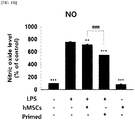
FIG. 1B shows NO expression levels after inflammation-induced microglial cells (BV2) and ethionamide-primed or unprimed mesenchymal stem cells are co-cultured. -
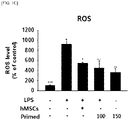
FIG. 1C shows ROS expression levels after inflammation-induced microglial cells (BV2) and ethionamide-primed or unprimed mesenchymal stem cells are co-cultured. -
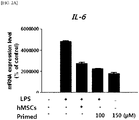
FIG. 2A shows mRNA expression levels of an inflammatory cytokine, IL-6, after inflammation-induced microglial cells (BV2) and ethionamide-primed or unprimed mesenchymal stem cells are co-cultured. -
FIG. 2B shows mRNA expression levels of an inflammatory cytokine, TNF-α after inflammation-induced microglial cells (BV2) and ethionamide-primed or unprimed mesenchymal stem cells are co-cultured. -
FIG. 3 shows NF-κB activity measured by western blotting and quantified expression levels thereof after inflammation-induced microglial cells (BV2) and ethionamide-primed or unprimed mesenchymal stem cells are co-cultured. -
FIG. 4A shows expression levels of growth factors, BDNF, VEGF, IGF-1 and HGF, as paracrine factors, after mesenchymal stem cells were treated with ethionamide, by concentration (50 and 100 µM). -
FIG. 4B shows expression levels of antioxidation-related factors, HO-1, NQO1, GCLC and GCLM, as paracrine factors, after mesenchymal stem cells were treated with ethionamide, by concentration (50 and 100 µM). -
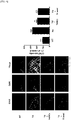
FIG. 5A shows results of immunostaining performed on brain tissue sections obtained one week after ethionamide-primed or unprimed mesenchymal stem cells are administered to a ventricle of a dementia mouse model using an amyloid β antibody (anti-6E10), and the quantification result thereof. -
FIG. 5B shows amyloid β levels measured by ELISA using soluble fractions and insoluble fractions obtained by homogenizing brain tissue after mesenchymal stem cells are administered to a dementia mouse model by the same method as used inFIG. 5A . -
FIG. 6 shows results of immunostaining performed on brain tissue sections obtained by the same method as used inFIG. 5A using an encephalopathy-associated antibody (GFAP), and the quantification result thereof. -
FIG. 7 shows the levels of tau proteins in which threonine residues181 and 231 are phosphorylated through ELISA performed on brain tissue samples obtained two weeks after ethionamide-primed or unprimed mesenchymal stem cells are administered to a ventricle of dementia mouse model by the same method as used inFIG. 5B . - The present invention provides a medium composition for enhancing the efficacy of stem cells, which includes ethionamide.
- Conventionally, 2-ethylpyridine-4-carbothioamide (ethionamide) having the following chemical structure is a thionamide-based antibiotic and was known for treatment of a bacterial infection disease, but in the present invention, an ethionamide effect for enhancing the efficacy of stem cells was first found.


- The inventors confirmed the effect of enhancing the efficacy of ethionamide-primed stem cells through specific examples.
- In one embodiment of the present invention, as a result of measuring iNOS, NO and ROS levels after inflammation-induced microglial cells and ethionamide-primed or unprimed mesenchymal stem cells are co-cultured, in the group co-cultured with ethionamide-primed mesenchymal stem cells, compared with a control or ethionamide-unprimed group, the expression of the factors may be further reduced, showing that the anti-inflammatory effect of the mesenchymal stem cells is improved by ethionamide treatment (see Example 3).
- In another embodiment of the present invention, as a result of measuring expression levels of inflammatory cytokines, IL-6 and TNF-α, after inflammation-induced microglial cells and ethionamide-primed or unprimed mesenchymal stem cells are co-cultured, it was confirmed that inhibitory effects on the expression of the inflammatory cytokines are improved in the group co-cultured with ethionamide-primed mesenchymal stem cells, compared with a control or ethionamide-unprimed group (see Example 4).
- In still another embodiment of the present invention, as a result of measuring NF-κB activity after inflammation-induced microglial cells and ethionamide-primed or unprimed mesenchymal stem cells are co-cultured, inhibitory effects on NF-κB activity are improved in the group co-cultured with ethionamide-primed mesenchymal stem cells, compared with a control or ethionamide-unprimed group (see Example 5).
- In yet another embodiment of the present invention, as a result of treating mesenchymal stem cells with ethionamide by concentration and measuring secretion amounts of various growth factors and antioxidant factors, it was confirmed that the expression level of the paracrine factor increases in proportion to the treatment concentration of ethionamide (see Example 6).
- In yet another embodiment of the present invention, the in vivo effect of ethionamide-primed stem cells is confirmed. Particularly, as a result of immunostaining or ELISA performed after ethionamide-primed or unprimed mesenchymal stem cells are administered to a ventricle of a dementia mouse model and brain tissue is then extracted, it is confirmed that the ethionamide-primed mesenchymal stem cells have a significant effect of reducing amyloid β, encephalopathy and phosphorylated tau protein (see Examples 7 to 9).
- Thus, the above results show that the efficacy of human mesenchymal stem cells can be further improved by ethionamide treatment.
- The concentration of ethionamide included in a medium in the present invention may be, but is not limited to, 1 to 200 µM, and preferably, 50 to 200 µM, and more preferably, 50 to 150 µM.
- The term "stem cell" used herein is an undifferentiated cell, having a selfreplication capability and the ability to differentiate into two or more different types of cells. The stem cell of the present invention may be autologous or allogeneic stem cells, may be derived from any type of animal including a human and a non-human mammal, and may be derived from an adult or embryo, but the present invention is not limited thereto.
- In the present invention, adult stem cells derived from the adult may be mesenchymal stem cells, human tissue-derived mesenchymal stromal cells, human tissue-derived mesenchymal stem cells, multipotent stem cells or amniotic epithelial cells, and preferably, mesenchymal stem cells, but the present invention is not limited thereto. The mesenchymal stem cells may be mesenchymal stem cells derived from the umbilical cord, umbilical cord blood, bone marrow, fat, muscle, nerve, skin, the amnion and the placenta, but the present invention is not limited thereto.
- In the present invention, the isolation and culture of mesenchymal stem cells may be performed by a method well known to those of ordinary skill in the art, and there is no limitation on the method as long as it can proliferate mesenchymal stem cells without changing characteristics thereof while maintaining sternness.
- The enhanced efficacy of stem cells in the present invention refers to the improvement in therapeutic properties and effect of stem cells against an inflammatory disease or a degenerative brain disease, and more particularly, improvement in inhibition of the generation of nitric oxide, a related factor thereof or reactive oxygen species, inhibition of the expression of an inflammatory cytokine, anti-oxidative and anti-inflammatory effects according to the reduction in NF-κB activity, and the improvement in efficacy of expressing paracrine factors such as a growth factor and an antioxidative factor.
- The paracrine factor is more specifically one or more selected from the group consisting of a brain-derived neurotrophic factor (BDNF), a vascular endothelial cell growth factor (VEGF), insulin-like growth factor-1 (IGF-1), a hepatocyte growth factor (HGF), heme oxygenase-1 (HO-1), NAD(P)H:quinone oxidoreductase (NQO1), a glutamate-cysteine ligase catalytic subunit (GCLC) and a glutamate-cysteine ligase modifier subunit (GCLM), but the present invention is not limited thereto.
- As another aspect of the present invention, the present invention provides a method of enhancing the efficacy of stem cells, which includes culturing stem cells in the medium composition.
- As still another aspect of the present invention, the present invention provides a method of preparing stem cells with enhanced efficacy, which includes culturing stem cells in the medium composition.
- In addition, the present invention provides stem cells with enhanced efficacy, prepared by the above-described method.
- As yet another aspect of the present invention, the present invention provides an anti-inflammatory composition, which includes the stem cells as an active ingredient.
- As yet another aspect of the present invention, the present invention provides a pharmaceutical composition for preventing or treating an inflammatory disease or degenerative brain disease, which includes the stem cells as an active ingredient.
- The term "prevention" used herein refers to all actions of inhibiting or delaying the onset of an inflammatory disease or degenerative brain disease by administration of the pharmaceutical composition according to the present invention.
- The term "treatment" used herein refers to all actions involved in alleviating or beneficially changing symptoms of an inflammatory disease or degenerative brain disease by administration of the pharmaceutical composition according to the present invention.
- The term "inflammatory disease" used herein is the generic term for diseases with inflammation as a main lesion, and more preferably, in the present invention, the inflammatory disease may be selected from the group consisting of dermatitis, allergies, atopy, asthma, conjunctivitis, periodontitis, rhinitis, otitis media, sore throats, tonsillitis, pneumonia, gastric ulcers, gastritis, Crohn's disease, colitis, peritonitis, osteomyelitis, cellulitis, meningitis, encephalitis, pancreatitis, stroke, acute bronchitis, chronic bronchitis, hemorrhoids, gout, ankylosing spondylitis, rheumatic fever, lupus, fibromyalgia, psoriatic arthritis, osteoarthritis, rheumatoid arthritis, infectious arthritis, periarthritis, tendinitis, tenosynovitis, peritendinitis, myositis, hepatitis, cystitis, nephritis, Sjogren's syndrome, multiple sclerosis, and acute and chronic inflammatory diseases, but the present invention is not limited thereto.
- The term "degenerative brain disease" used herein is a disease occurring in the brain among degenerative diseases occurring with age, and more preferably, the degenerative brain disease in the present invention may be selected from the group consisting of Parkinson's disease, dementia, Alzheimer's disease, frontotemporal dementia, Huntington's disease, stroke, cerebral infarction, Pick's disease, a head injury, a spinal cord injury, cerebral arteriosclerosis, Lou Gehrig's disease, multiple sclerosis, senile depression and Creutzfeldt-Jakob disease, but the present invention is not limited thereto.
- The pharmaceutical composition according to the present invention may include stem cells with enhanced efficacy by ethionamide treatment, and further include a pharmaceutically acceptable carrier. The pharmaceutically acceptable carrier is conventionally used in formulation, and includes saline, distilled water, Ringer's solution, buffered saline, cyclodextrin, a dextrose solution, a maltodextrin solution, glycerol, ethanol, liposomes, etc., but the present invention is not limited thereto. If needed, the pharmaceutically composition may further include other conventional additives including an antioxidant, a buffer, etc. In addition, by additionally adding a diluent, a dispersant, a surfactant, a binder or a lubricant, the pharmaceutical composition may be formulated as an injectable form such as an aqueous solution, an emulsion or a suspension, a pill, a capsule, a granule or a tablet. Suitable pharmaceutically acceptable carriers and their formulations may be formulated according to each ingredient using a method disclosed in Remington's Pharmaceutical Science. The pharmaceutical composition of the present invention is not limited in dosage form, and thus may be formulated as an injection, an inhalant or a dermal preparation for external use.
- The pharmaceutical composition of the present invention may be administered orally or parenterally (e.g., intravenously, subcutaneously, intraperitoneally or topically), and preferably, intracerebrally, according to a desired method, and a dose of the pharmaceutical composition of the present invention may be suitably selected according to a patient's condition and body weight, severity of a disease, a dosage form, an administration route and duration by those of ordinary skill in the art.
- The pharmaceutical composition according to the present invention is administered at a pharmaceutically effective amount. In the present invention, the "pharmaceutically effective amount" used herein refers to an amount sufficient for treating a disease at a reasonable benefit/risk ratio applicable for medical treatment, and an effective dosage may be determined by parameters including a type of a patient's disease, severity, drug activity, sensitivity to a drug, administration time, an administration route and an excretion rate, the duration of treatment and drugs simultaneously used, and other parameters well known in the medical field. The pharmaceutical composition of the present invention may be administered separately or in combination with other therapeutic agents, and may be sequentially or simultaneously administered with a conventional therapeutic agent, or administered in a single or multiple dose(s). In consideration of all of the above-mentioned parameters, it is important to achieve the maximum effect with the minimum dose without a side effect, and such a dose may be easily determined by those of ordinary skill in the art.
- Specifically, the effective amount of the pharmaceutical composition of the present invention may be changed according to a patient's age, sex, condition, body weight, absorption of an active ingredient in the body, an inactivation rate and excretion rate, a disease type, and a drug used in combination, and generally, 5 × 10² cells to 5 × 10⁸ cells per kg of body weight may be administered daily or every other day, or one to several times a day. For multiple administrations, administration may be performed every week or every month. However, the effective amount may be increased or decreased depending on the route of administration, the severity of obesity, sex, a body weight or age, and thus it does not limit the scope of the present invention in any way.
- As another aspect of the present invention, the present invention provides a method of preventing or treating an inflammatory disease or degenerative brain disease, which includes administering the pharmaceutical composition to a subject.
- The term "subject" used herein refers to a target in need of treatment, and more specifically, a mammal such as a human or a non-human primate, a mouse, a rat, a dog, a cat, a horse, or a cow.
- In addition, the present invention provides a use of the pharmaceutical composition for preventing or treating an inflammatory disease or degenerative brain disease.
- Hereinafter, to help in understanding the present invention, exemplary examples will be suggested. However, the following examples are merely provided to more easily understand the present invention, and not to limit the present invention.
- Human umbilical cord mesenchymal stem cells were isolated by the following method, after the umbilical cord was obtained according to the criteria approved by IRB (IRB# 2015-09-023-003) of the Samsung Medical Center.
- First, a 3 to 4 cm piece of umbilical cord tissue was fragmented, and treated with a collagenase solution (Gibco, USA) for 60 to 90 minutes to digest an extracellular matrix, followed by digestion with 0.25% trypsin (Gibco, USA) for 30 minutes at 37 °C. Subsequently, cells were obtained by adding fetal bovine serum (FBS; Biowest, USA) to the resulting product, and then performing centrifugation at 1000 × g for 10 minutes, and then cultured using Minimum Essential Media (MEM; Gibco, USA) supplemented with 10% FBS and 50 µg/ml gentamycin (Gibco, USA) at 37 °C in a 5% CO2 atmosphere, and thus mesenchymal stem cells at
passage 5 or 6 were used for an experiment. - 6 × 10³ cells/cm2 of the human umbilical cord mesenchymal stem cells prepared according to the method of Example 1 were seeded in a cell culture container, and simultaneously, ethionamide was treated at a concentration of 50 µM, 100 µM or 150 µM, followed by culturing for 72 hours.
- To verify whether the anti-inflammatory effect of the stem cells is improved when mesenchymal stem cells were treated with ethionamide, an experiment was carried out as follows. Specifically, an inflammatory model was induced by treating microglial cells, BV2 cells, with lipopolysaccharide (LPS), and co-cultured with ethionamide-primed or unprimed mesenchymal stem cells (hMSCs), followed by measuring expression levels of nitric oxide (NO), NO-related factors and reactive oxygen species.
- As a result, as shown in
FIG. 1A , in the case of a representative NO-related inflammatory factor, inducible nitric oxide synthase (iNOS), compared with a control or the group co-cultured with ethionamide-unprimed mesenchymal stem cells, in the group co-cultured with ethionamide-primed mesenchymal stem cells, mRNA expression significantly decreased. In addition, according to the result of measuring NO and ROS expression levels, as shown inFIGS. 1B and1C , compared with a control or the group co-cultured with ethionamide-unprimed mesenchymal stem cells, in the group co-cultured with ethionamide-primed mesenchymal stem cells, the expression levels were confirmed to significantly decrease. These results indicate that the anti-inflammatory effect of the stem cells is improved by treating mesenchymal stem cells with ethionamide. - Based on the results of Example 1, the inventors induced the same inflammatory model as in Example 1, and co-cultured it with ethionamide-primed or unprimed mesenchymal stem cells, followed by measuring expression levels of representative inflammatory cytokines, IL-6 and TNF-α.
- As a result, as shown in
FIGS. 2A and2B , compared with a control or the group co-cultured with ethionamide-unprimed mesenchymal stem cells, in the group co-cultured with ethionamide-primed stem cells, the expression of each of IL-6 and TNF-α mRNA slightly decreased, and the expression level of IL-6 decreased in proportion to a treated concentration of ethionamide (100 or 150 µM). In addition, as shown inFIG. 2B , as a result of measuring a TNF-α protein level by ELISA, it was confirmed that the group co-cultured with ethionamide-primed mesenchymal stem cells showed a significant decrease in protein level. These results indicate that the effect of inhibiting the expression of inflammatory cytokines in the stem cells is improved by treating mesenchymal stem cells with ethionamide. - Nuclear factor-κB (NF-κB) is known as the most important transcription factor involved in the mechanism of inflammation in immune cells, and abnormal NF-κB activation caused by various reasons is reported as a mechanism of developing various inflammatory diseases, including a degenerative brain disease. Therefore, based on the results of Examples 1 and 2, it was intended to verify whether ethionamide treatment can improve an effect of inhibiting NF-κB activity in mesenchymal stem cells. To this end, like Examples 1 and 2, after induction of inflammation, microglial cells BV2 were co-cultured with ethionamide-primed or unprimed mesenchymal stem cells, and the activity of NF-κB was measured.
- As a result, as shown in
FIG. 3 , compared with a control or the group co-cultured with ethionamide-unprimed mesenchymal stem cells, in the group co-cultured with ethionamide-primed mesenchymal stem cells, the expression of NF-κB protein decreased in proportion to a treated concentration of ethionamide (100 or 150 µM), and it was confirmed from the quantification result obtained by western blotting that the expression significantly decreases, compared with the control. These results indicate that the effect of inhibiting NF-κB activity by the stem cells is improved by treating mesenchymal stem cells with ethionamide. - To verify whether the expression level of a paracrine factor of mesenchymal stem cells is changed by ethionamide treatment, the mesenchymal stem cells were treated with ethionamide at 50 or 100 µM, and then expression levels of a brain-derived neurotrophic factor (BDNF), a vascular endothelial cell growth factor (VEGF), insulin-like growth factor-1 (IGF-1) and a hepatocyte growth factor (HGF), which are known as paracrine factors, were measured. As a result, as shown in
FIG. 4A , it was confirmed that the expression of the paracrine factors increases in proportion to the treated concentration of ethionamide. - Subsequently, the mesenchymal stem cells were treated with ethionamide by the same method as described above, and mRNA expression levels of antioxidation-related factors, such as HO-1, NQO1, GCLC and GCLM were measured. As a result, as shown in
FIG. 4B , it was confirmed that, in general, the expression of HO-1, NQO1, GCLC and GCLM genes in the mesenchymal stem cells significantly increases in proportion to the treated concentration of ethionamide. - These results indicate that the expression of paracrine factors of the stem cells is improved by treating mesenchymal stem cells with ethionamide.
- To examine whether ethionamide-primed mesenchymal stem cells actually have a therapeutic effect on a degenerative brain disease, the inventors measured expression levels of amyloid β according to the administration of the mesenchymal stem cells using a dementia mouse model.
- Specifically, in the dementia mouse model, ethionamide-primed or unprimed mesenchymal stem cells (hMSCs) were administered to a mouse ventricle, and the brain was then extracted one week after administration. The extracted brain was fixed with 4% paraformaldehyde, and then processed to obtain a tissue section, and the tissue section was treated with a representative antibody, anti-6E10, against amyloid β for immunostaining, followed by observing the tissue using a fluorescence microscope. In addition, fluorescence intensity was quantified and plotted on a graph.
- As a result, as shown in
FIG. 5A , compared with a control or the group co-cultured with ethionamide-unprimed mesenchymal stem cells, in the group co-cultured with ethionamide-primed mesenchymal stem cells, the expression of amyloid β significantly decreased. - In addition, ethionamide-primed or unprimed mesenchymal stem cells (hMSCs) were administered to a ventricle of a mouse using the same dementia mouse as described above, and the brain was extracted one week after administration. Subsequently, ELISA was performed using a sample obtained by homogenization of the extracted brain to measure an amyloid β protein level. Here, the tissue sample was separated into a soluble fraction and an insoluble fraction to confirm an amyloid β level.
- As a result, as shown in
FIG. 5B , it was confirmed that, compared with a control or the group co-cultured with ethionamide-unprimed mesenchymal stem cells, in the group co-cultured with ethionamide-primed mesenchymal stem cells, amyloid β expression significantly decreases. - Through the above-described experiments, it can be seen that ethionamide-primed stem cells have an effect of reducing amyloid β, indicating that the stem cells have a therapeutic effect by reducing the pathology of a degenerative brain disease.
- Based on the results obtained in Example 7, it was intended to examine whether ethionamide-primed stem cells have an effect of reducing encephalopathy in a dementia mouse model. To this end, by the same method as in
FIG. 7 , in a dementia mouse model, ethionamide-primed or unprimed mesenchymal stem cells (hMSCs) were administered to a ventricle of the mouse, and the brain was extracted one week after administration, followed by fixing with 4% paraformaldehyde. Subsequently, a tissue section obtained by processing brain tissue was treated with an encephalopathyrelated antibody, glial fibrillary acidic protein (GFAP), for immunostaining, and then observed using a fluorescence microscope. In addition, fluorescence intensities were quantified and compared. - As a result, as shown in
FIG. 6 , compared with a wild-type mouse (WT), in an intact dementia mouse, it was confirmed that GFAP expression significantly increases. On the contrary, when ethionamide-primed or unprimed mesenchymal stem cells were administered, GFAP expression decreased, and particularly, when ethionamide-primed mesenchymal stem cells were administered, the GFAP expression decreased at a higher level. - From such a result, it can be seen that the ethionamide-primed stem cells have an effect of reducing encephalopathy.
- Further, based on the results of Example 7 and 8, the inventors intended to examine whether the ethionamide-primed stem cells according to the present invention have an effect of reducing tau protein, which is another pathological symptom, in a dementia mouse model. Specifically, in the dementia mouse model, ethionamide-primed or unprimed mesenchymal stem cells (hMSCs) were administered to a ventricle of the mouse, and the brain was extracted two weeks after administration and then homogenized. Afterward, ELISA was performed using the obtained brain tissue sample to measure the expression level of the tau protein. Here, an amount of tau with phosphorylated threonine residues 181 and 231 of the tau protein was confirmed.
- As an analysis result, as shown in
FIG. 7 , compared with a control or the group co-cultured with ethionamide-unprimed mesenchymal stem cells, in the group co-cultured with ethionamide-primed mesenchymal stem cells, it was confirmed that the expression of phosphorylated tau significantly decreased. - It should be understood by those of ordinary skill in the art that the above description of the present invention is exemplary, and the exemplary embodiments disclosed herein can be easily modified into other specific forms without departing from the technical spirit or essential features of the present invention. Therefore, the exemplary embodiments described above should be interpreted as illustrative and not limiting in any aspect.
- It was confirmed that ethionamide according to the present invention enhances the efficacies of stem cells such as the anti-inflammatory effect and paracrine effect of stem cells, and the ethionamide-primed stem cells exhibit a therapeutic effect through substantial lesion improvement in a dementia model, and thus ethionamide and the ethionamide-primed stem cells which are enhanced in various efficacies are expected to be used in various fields including the development of therapeutic agents for an inflammatory disease and a degenerative brain disease.
Claims (19)
- A medium composition for enhancing the efficacy of stem cells, comprising ethionamide.
- The composition of claim 1, wherein the ethionamide is contained in a medium at 1 to 200 µM.
- The composition of claim 1, wherein the stem cells are embryonic stem cells or adult stem cells.
- The composition of claim 3, wherein the adult stem cells are mesenchymal stem cells derived from one or more tissues selected from the group consisting of the umbilical cord, umbilical cord blood, bone marrow, fat, muscle, nerve, skin, the amnion and the placenta.
- The composition of claim 1, wherein the efficacy enhancement is an improvement in expression of a paracrine factor in stem cells.
- The composition of claim 5, wherein the paracrine factor is one or more selected from the group consisting of a brain-derived neurotrophic factor (BDNF), a vascular endothelial cell growth factor (VEGF), insulin-like growth factor-1 (IGF-1), a hepatocyte growth factor (HGF), heme oxygenase-1 (HO-1), NAD(P)H:quinone oxidoreductase (NQO1), a glutamate-cysteine ligase catalytic subunit (GCLC) and a glutamate-cysteine ligase modifier subunit (GCLM).
- A method of enhancing the efficacy of stem cells, comprising culturing stem cells in the medium composition of claim 1.
- The method of claim 7, wherein the efficacy enhancement is an improvement in expression of a paracrine factor in stem cells.
- The method of claim 8, wherein the paracrine factor is one or more selected from the group consisting of a brain-derived neurotrophic factor (BDNF), a vascular endothelial cell growth factor (VEGF), an insulin-like growth factor-1 (IGF-1), a hepatocyte growth factor (HGF), heme oxygenase-1 (HO-1), NAD(P)H:quinone oxidoreductase (NQO1), a glutamate-cysteine ligase catalytic subunit (GCLC) and a glutamate-cysteine ligase modifier subunit (GCLM).
- A method of preparing stem cells with enhanced efficacy, comprising culturing stem cells in the medium composition of claim 1.
- Stem cells with enhanced efficacy, which are prepared by the method of claim 10.
- A pharmaceutical composition for preventing or treating an inflammatory disease, comprising the stem cells of claim 11 as an active ingredient.
- The pharmaceutical composition of claim 12, wherein the inflammatory disease is selected from the group consisting of dermatitis, allergies, atopy, asthma, conjunctivitis, periodontitis, rhinitis, otitis media, sore throats, tonsillitis, pneumonia, gastric ulcers, gastritis, Crohn's disease, colitis, peritonitis, osteomyelitis, cellulitis, meningitis, encephalitis, pancreatitis, stroke, acute bronchitis, chronic bronchitis, hemorrhoids, gout, ankylosing spondylitis, rheumatic fever, lupus, fibromyalgia, psoriatic arthritis, osteoarthritis, rheumatoid arthritis, infectious arthritis, periarthritis, tendinitis, tenosynovitis, peritendinitis, myositis, hepatitis, cystitis, nephritis, Sjogren's syndrome, multiple sclerosis, and acute and chronic inflammatory diseases.
- A pharmaceutical composition for preventing or treating a degenerative brain disease, comprising the stem cells of claim 11 as an active ingredient.
- The pharmaceutical composition of claim 14, wherein the degenerative brain disease is selected from the group consisting of Parkinson's disease, dementia, Alzheimer's disease, frontotemporal dementia, Huntington's disease, stroke, cerebral infarction, Pick's disease, a head injury, a spinal cord injury, cerebral arteriosclerosis, Lou Gehrig's disease, multiple sclerosis, senile depression and Creutzfeldt-Jakob disease.
- A method of preventing or treating an inflammatory disease, comprising treating a subject with the stem cells of claim 11.
- A use of the stem cells of claim 11 for preventing or treating an inflammatory disease.
- A method of preventing or treating a degenerative brain disease, comprising treating a subject with the stem cells of claim 11.
- A use of the stem cells of claim 11 for preventing or treating a degenerative brain disease.
Applications Claiming Priority (3)
| Application Number | Priority Date | Filing Date | Title |
|---|---|---|---|
| KR20190085137 | 2019-07-15 | ||
| KR1020200086685A KR102556520B1 (en) | 2019-07-15 | 2020-07-14 | Methods for enhancing efficacy of stem cell using ethionamide |
| PCT/KR2020/009312 WO2021010745A2 (en) | 2019-07-15 | 2020-07-15 | Method for enhancing efficacy of stem cell by using ethionamide |
Publications (3)
| Publication Number | Publication Date |
|---|---|
| EP4001400A2 true EP4001400A2 (en) | 2022-05-25 |
| EP4001400A4 EP4001400A4 (en) | 2023-06-21 |
| EP4001400B1 EP4001400B1 (en) | 2025-08-27 |
Family
ID=74238124
Family Applications (1)
| Application Number | Title | Priority Date | Filing Date |
|---|---|---|---|
| EP20839615.0A Active EP4001400B1 (en) | 2019-07-15 | 2020-07-15 | Method for enhancing efficacy of stem cell by using ethionamide |
Country Status (5)
| Country | Link |
|---|---|
| US (1) | US11946070B2 (en) |
| EP (1) | EP4001400B1 (en) |
| JP (2) | JP2022541476A (en) |
| KR (2) | KR102556520B1 (en) |
| CN (1) | CN114127265B (en) |
Families Citing this family (4)
| Publication number | Priority date | Publication date | Assignee | Title |
|---|---|---|---|---|
| WO2018080038A1 (en) * | 2016-10-24 | 2018-05-03 | 사회복지법인 삼성생명공익재단 | Method for enhancing proliferation capability of stem cells using ethionamide |
| WO2024085637A1 (en) * | 2022-10-18 | 2024-04-25 | 동국대학교 산학협력단 | Composition for preventing aging comprising plasma-derived protein |
| WO2025100424A1 (en) * | 2023-11-10 | 2025-05-15 | 国立大学法人 東京大学 | Therapeutic agent for acute encephalopathy and method for treating acute encephalopathy |
| CN119162097B (en) * | 2024-11-22 | 2025-04-04 | 中生康元生物科技(北京)有限公司 | Method and culture medium for promoting proliferation and expansion of mesenchymal stem cells |
Family Cites Families (7)
| Publication number | Priority date | Publication date | Assignee | Title |
|---|---|---|---|---|
| WO2013188679A1 (en) * | 2012-06-13 | 2013-12-19 | Stemgent, Inc. | Methods of preparing pluripotent stem cells |
| KR101523040B1 (en) * | 2012-06-26 | 2015-05-26 | 라정찬 | Method for Preparing High Concentration of Stem Cells |
| BR112015001435B1 (en) * | 2012-08-06 | 2022-01-18 | Brainstorm Cell Therapeutics Ltd | METHODS FOR GENERATION OF CELLS THAT SECRET BRAIN-DERIVED NEUROTROPHIC FACTOR (BDNF), GLIA-DERIVED NEUROTROPHIC FACTOR (GDNF), HEPATOCYTE GROWTH FACTOR (HGF) AND VASCULAR ENDOTHELIAL GROWTH FACTOR (VEGF) IN WHICH THESE CELLS DO NOT SECRET FACTOR NERVE GROWTH (NGF) |
| WO2015009884A1 (en) * | 2013-07-18 | 2015-01-22 | The Hamner Institutes | Cell culture media formulations comprising an activator of nad-dependent protein deacteylase and ueses thereof |
| AU2017301035A1 (en) | 2016-07-18 | 2019-02-07 | Brainstorm Cell Therapeutics Ltd | Methods for treating amyotrophic lateral sclerosis (ALS) |
| KR101985095B1 (en) * | 2016-10-24 | 2019-06-03 | 사회복지법인 삼성생명공익재단 | Methods for improving proliferation of stem cell using ethionamide |
| KR102025474B1 (en) | 2017-10-30 | 2019-09-25 | 사회복지법인 삼성생명공익재단 | Methods for improving migration of stem cell using ethionamide |
-
2020
- 2020-07-14 KR KR1020200086685A patent/KR102556520B1/en active Active
- 2020-07-15 EP EP20839615.0A patent/EP4001400B1/en active Active
- 2020-07-15 CN CN202080051467.2A patent/CN114127265B/en active Active
- 2020-07-15 JP JP2022502529A patent/JP2022541476A/en active Pending
- 2020-07-15 US US17/054,939 patent/US11946070B2/en active Active
-
2023
- 2023-07-06 KR KR1020230087799A patent/KR102689868B1/en active Active
- 2023-10-17 JP JP2023178747A patent/JP7781833B2/en active Active
Also Published As
| Publication number | Publication date |
|---|---|
| EP4001400A4 (en) | 2023-06-21 |
| CN114127265B (en) | 2025-02-14 |
| JP2022541476A (en) | 2022-09-26 |
| KR20230107769A (en) | 2023-07-18 |
| EP4001400B1 (en) | 2025-08-27 |
| US20210261915A1 (en) | 2021-08-26 |
| US11946070B2 (en) | 2024-04-02 |
| KR102689868B1 (en) | 2024-07-30 |
| KR102556520B9 (en) | 2024-03-13 |
| KR102556520B1 (en) | 2023-07-18 |
| CN114127265A (en) | 2022-03-01 |
| JP2023174825A (en) | 2023-12-08 |
| KR20210008817A (en) | 2021-01-25 |
| JP7781833B2 (en) | 2025-12-08 |
Similar Documents
| Publication | Publication Date | Title |
|---|---|---|
| EP4001400B1 (en) | Method for enhancing efficacy of stem cell by using ethionamide | |
| Duan et al. | Exosomes derived from MicroRNA-146a-5p-enriched bone marrow mesenchymal stem cells alleviate intracerebral hemorrhage by inhibiting neuronal apoptosis and microglial M1 polarization | |
| L'episcopo et al. | Neural stem cell grafts promote astroglia-driven neurorestoration in the aged parkinsonian brain via Wnt/β-catenin signaling | |
| Pischiutta et al. | Protection of brain injury by amniotic mesenchymal stromal cell-secreted metabolites | |
| Ebrahimi et al. | Therapeutic effects of stem cells in different body systems, a novel method that is yet to gain trust: A comprehensive review | |
| JP2025024101A (en) | Composition for promoting the production of exosomes derived from stem cells and enhancing stem cell function | |
| Tan et al. | Blockade of interleukin 6 signaling improves the survival rate of transplanted bone marrow stromal cells and increases locomotor function in mice with spinal cord injury | |
| Bakhtiari et al. | Evaluation of Edaravone effects on the differentiation of human adipose derived stem cells into oligodendrocyte cells in multiple sclerosis disease in rats | |
| JP7261352B2 (en) | Amyloid beta accumulation and/or aggregation inhibitor composition and inhibition method | |
| Wang et al. | Curcumin‐Activated Mesenchymal Stem Cells Derived from Human Umbilical Cord and Their Effects on MPTP‐Mouse Model of Parkinson’s Disease: A New Biological Therapy for Parkinson’s Disease | |
| US20240108758A1 (en) | Compounds, compositions, and methods for using hla-f | |
| JP6474549B2 (en) | Evaluation index of stem cell culture product and its use | |
| Yang et al. | Antiapoptotic effects of velvet antler polypeptides on damaged neurons through the hypothalamic-pituitary-adrenal axis | |
| Zhu et al. | Neuroprotective effects of human umbilical cord-derived mesenchymal stem cells from different donors on spinal cord injury in mice | |
| JP2025028955A (en) | Pharmaceutical composition for preventing or treating myositis comprising isolated mitochondria as an active ingredient | |
| Price et al. | Sex differences and the role of estrogens in the immunological underpinnings of Alzheimer's disease | |
| US11873321B2 (en) | Compositions and methods for treating alzheimer's disease | |
| WO2021010745A2 (en) | Method for enhancing efficacy of stem cell by using ethionamide | |
| WO2025180180A1 (en) | Use of cell-free fat extract against alzheimer's disease | |
| Zhang et al. | Therapeutic effects of dental pulp stem cells on vascular dementia in rat models | |
| Halim et al. | IGF-1, BDNF, and NGF mediate the neuro-modulatory role of stem cells in acrylamide-induced hippocampal toxic changes in rats | |
| RU2818590C1 (en) | Composition and method for inhibiting accumulation, aggregation and formation of tau protein coils | |
| Liras et al. | Induced Pluripotent Stem Cells: Therapeutic Applications in Monogenic and Metabolic Diseases, and Regulatory and Bioethical considerations. | |
| KR20240135518A (en) | Artificial nucleic acid molecules for treating disease of small animals and uses thereof | |
| Fan et al. | Quercetin rejuvenates aged adipose progenitor cells by attenuating inflammatory pathways |
Legal Events
| Date | Code | Title | Description |
|---|---|---|---|
| STAA | Information on the status of an ep patent application or granted ep patent |
Free format text: STATUS: THE INTERNATIONAL PUBLICATION HAS BEEN MADE |
|
| PUAI | Public reference made under article 153(3) epc to a published international application that has entered the european phase |
Free format text: ORIGINAL CODE: 0009012 |
|
| STAA | Information on the status of an ep patent application or granted ep patent |
Free format text: STATUS: REQUEST FOR EXAMINATION WAS MADE |
|
| 17P | Request for examination filed |
Effective date: 20220215 |
|
| AK | Designated contracting states |
Kind code of ref document: A2 Designated state(s): AL AT BE BG CH CY CZ DE DK EE ES FI FR GB GR HR HU IE IS IT LI LT LU LV MC MK MT NL NO PL PT RO RS SE SI SK SM TR |
|
| DAV | Request for validation of the european patent (deleted) | ||
| DAX | Request for extension of the european patent (deleted) | ||
| REG | Reference to a national code |
Ref country code: DE Ipc: A61K0035280000 Ref legal event code: R079 Ref document number: 602020057621 Country of ref document: DE Free format text: PREVIOUS MAIN CLASS: C12N0005073500 |
|
| A4 | Supplementary search report drawn up and despatched |
Effective date: 20230522 |
|
| RIC1 | Information provided on ipc code assigned before grant |
Ipc: A61P 29/00 20060101ALI20230515BHEP Ipc: A61P 25/28 20060101ALI20230515BHEP Ipc: C12N 5/0735 20100101ALI20230515BHEP Ipc: A61K 35/545 20150101ALI20230515BHEP Ipc: A61K 35/28 20150101AFI20230515BHEP |
|
| STAA | Information on the status of an ep patent application or granted ep patent |
Free format text: STATUS: EXAMINATION IS IN PROGRESS |
|
| 17Q | First examination report despatched |
Effective date: 20240403 |
|
| GRAP | Despatch of communication of intention to grant a patent |
Free format text: ORIGINAL CODE: EPIDOSNIGR1 |
|
| STAA | Information on the status of an ep patent application or granted ep patent |
Free format text: STATUS: GRANT OF PATENT IS INTENDED |
|
| RIC1 | Information provided on ipc code assigned before grant |
Ipc: A61P 25/28 20060101ALI20250120BHEP Ipc: A61P 29/00 20060101ALI20250120BHEP Ipc: C12N 5/0735 20100101ALI20250120BHEP Ipc: C12N 5/0775 20100101ALI20250120BHEP Ipc: A61K 35/545 20150101ALI20250120BHEP Ipc: A61K 35/28 20150101AFI20250120BHEP |
|
| INTG | Intention to grant announced |
Effective date: 20250212 |
|
| GRAS | Grant fee paid |
Free format text: ORIGINAL CODE: EPIDOSNIGR3 |
|
| GRAA | (expected) grant |
Free format text: ORIGINAL CODE: 0009210 |
|
| STAA | Information on the status of an ep patent application or granted ep patent |
Free format text: STATUS: THE PATENT HAS BEEN GRANTED |
|
| AK | Designated contracting states |
Kind code of ref document: B1 Designated state(s): AL AT BE BG CH CY CZ DE DK EE ES FI FR GB GR HR HU IE IS IT LI LT LU LV MC MK MT NL NO PL PT RO RS SE SI SK SM TR |
|
| REG | Reference to a national code |
Ref country code: CH Ref legal event code: EP |
|
| REG | Reference to a national code |
Ref country code: DE Ref legal event code: R096 Ref document number: 602020057621 Country of ref document: DE |
|
| REG | Reference to a national code |
Ref country code: IE Ref legal event code: FG4D |
|
| REG | Reference to a national code |
Ref country code: NL Ref legal event code: MP Effective date: 20250827 |
|
| PG25 | Lapsed in a contracting state [announced via postgrant information from national office to epo] |
Ref country code: IS Free format text: LAPSE BECAUSE OF FAILURE TO SUBMIT A TRANSLATION OF THE DESCRIPTION OR TO PAY THE FEE WITHIN THE PRESCRIBED TIME-LIMIT Effective date: 20251227 |
|
| PG25 | Lapsed in a contracting state [announced via postgrant information from national office to epo] |
Ref country code: NO Free format text: LAPSE BECAUSE OF FAILURE TO SUBMIT A TRANSLATION OF THE DESCRIPTION OR TO PAY THE FEE WITHIN THE PRESCRIBED TIME-LIMIT Effective date: 20251127 |
|
| REG | Reference to a national code |
Ref country code: LT Ref legal event code: MG9D |
|
| PG25 | Lapsed in a contracting state [announced via postgrant information from national office to epo] |
Ref country code: PT Free format text: LAPSE BECAUSE OF FAILURE TO SUBMIT A TRANSLATION OF THE DESCRIPTION OR TO PAY THE FEE WITHIN THE PRESCRIBED TIME-LIMIT Effective date: 20251229 |
|
| PG25 | Lapsed in a contracting state [announced via postgrant information from national office to epo] |
Ref country code: FI Free format text: LAPSE BECAUSE OF FAILURE TO SUBMIT A TRANSLATION OF THE DESCRIPTION OR TO PAY THE FEE WITHIN THE PRESCRIBED TIME-LIMIT Effective date: 20250827 |
|
| PG25 | Lapsed in a contracting state [announced via postgrant information from national office to epo] |
Ref country code: HR Free format text: LAPSE BECAUSE OF FAILURE TO SUBMIT A TRANSLATION OF THE DESCRIPTION OR TO PAY THE FEE WITHIN THE PRESCRIBED TIME-LIMIT Effective date: 20250827 Ref country code: NL Free format text: LAPSE BECAUSE OF FAILURE TO SUBMIT A TRANSLATION OF THE DESCRIPTION OR TO PAY THE FEE WITHIN THE PRESCRIBED TIME-LIMIT Effective date: 20250827 |
|
| PG25 | Lapsed in a contracting state [announced via postgrant information from national office to epo] |
Ref country code: GR Free format text: LAPSE BECAUSE OF FAILURE TO SUBMIT A TRANSLATION OF THE DESCRIPTION OR TO PAY THE FEE WITHIN THE PRESCRIBED TIME-LIMIT Effective date: 20251128 |
|
| PG25 | Lapsed in a contracting state [announced via postgrant information from national office to epo] |
Ref country code: SE Free format text: LAPSE BECAUSE OF FAILURE TO SUBMIT A TRANSLATION OF THE DESCRIPTION OR TO PAY THE FEE WITHIN THE PRESCRIBED TIME-LIMIT Effective date: 20250827 |
|
| PG25 | Lapsed in a contracting state [announced via postgrant information from national office to epo] |
Ref country code: LV Free format text: LAPSE BECAUSE OF FAILURE TO SUBMIT A TRANSLATION OF THE DESCRIPTION OR TO PAY THE FEE WITHIN THE PRESCRIBED TIME-LIMIT Effective date: 20250827 |
|
| PG25 | Lapsed in a contracting state [announced via postgrant information from national office to epo] |
Ref country code: BG Free format text: LAPSE BECAUSE OF FAILURE TO SUBMIT A TRANSLATION OF THE DESCRIPTION OR TO PAY THE FEE WITHIN THE PRESCRIBED TIME-LIMIT Effective date: 20250827 Ref country code: PL Free format text: LAPSE BECAUSE OF FAILURE TO SUBMIT A TRANSLATION OF THE DESCRIPTION OR TO PAY THE FEE WITHIN THE PRESCRIBED TIME-LIMIT Effective date: 20250827 |
|
| PG25 | Lapsed in a contracting state [announced via postgrant information from national office to epo] |
Ref country code: RS Free format text: LAPSE BECAUSE OF FAILURE TO SUBMIT A TRANSLATION OF THE DESCRIPTION OR TO PAY THE FEE WITHIN THE PRESCRIBED TIME-LIMIT Effective date: 20251127 |
|
| PG25 | Lapsed in a contracting state [announced via postgrant information from national office to epo] |
Ref country code: ES Free format text: LAPSE BECAUSE OF FAILURE TO SUBMIT A TRANSLATION OF THE DESCRIPTION OR TO PAY THE FEE WITHIN THE PRESCRIBED TIME-LIMIT Effective date: 20250827 |
|
| REG | Reference to a national code |
Ref country code: AT Ref legal event code: MK05 Ref document number: 1829218 Country of ref document: AT Kind code of ref document: T Effective date: 20250827 |
|
| PG25 | Lapsed in a contracting state [announced via postgrant information from national office to epo] |
Ref country code: SM Free format text: LAPSE BECAUSE OF FAILURE TO SUBMIT A TRANSLATION OF THE DESCRIPTION OR TO PAY THE FEE WITHIN THE PRESCRIBED TIME-LIMIT Effective date: 20250827 |
|
| PG25 | Lapsed in a contracting state [announced via postgrant information from national office to epo] |
Ref country code: DK Free format text: LAPSE BECAUSE OF FAILURE TO SUBMIT A TRANSLATION OF THE DESCRIPTION OR TO PAY THE FEE WITHIN THE PRESCRIBED TIME-LIMIT Effective date: 20250827 |
|
| PG25 | Lapsed in a contracting state [announced via postgrant information from national office to epo] |
Ref country code: AT Free format text: LAPSE BECAUSE OF FAILURE TO SUBMIT A TRANSLATION OF THE DESCRIPTION OR TO PAY THE FEE WITHIN THE PRESCRIBED TIME-LIMIT Effective date: 20250827 |
|
| PG25 | Lapsed in a contracting state [announced via postgrant information from national office to epo] |
Ref country code: IT Free format text: LAPSE BECAUSE OF FAILURE TO SUBMIT A TRANSLATION OF THE DESCRIPTION OR TO PAY THE FEE WITHIN THE PRESCRIBED TIME-LIMIT Effective date: 20250827 |
|
| PG25 | Lapsed in a contracting state [announced via postgrant information from national office to epo] |
Ref country code: CZ Free format text: LAPSE BECAUSE OF FAILURE TO SUBMIT A TRANSLATION OF THE DESCRIPTION OR TO PAY THE FEE WITHIN THE PRESCRIBED TIME-LIMIT Effective date: 20250827 |
|
| PG25 | Lapsed in a contracting state [announced via postgrant information from national office to epo] |
Ref country code: SK Free format text: LAPSE BECAUSE OF FAILURE TO SUBMIT A TRANSLATION OF THE DESCRIPTION OR TO PAY THE FEE WITHIN THE PRESCRIBED TIME-LIMIT Effective date: 20250827 Ref country code: EE Free format text: LAPSE BECAUSE OF FAILURE TO SUBMIT A TRANSLATION OF THE DESCRIPTION OR TO PAY THE FEE WITHIN THE PRESCRIBED TIME-LIMIT Effective date: 20250827 |