EP3992623A1 - Quaternary oxidized carbon nanohorns - based nanohybrid for resistive humidity sensor - Google Patents
Quaternary oxidized carbon nanohorns - based nanohybrid for resistive humidity sensor Download PDFInfo
- Publication number
- EP3992623A1 EP3992623A1 EP20465581.5A EP20465581A EP3992623A1 EP 3992623 A1 EP3992623 A1 EP 3992623A1 EP 20465581 A EP20465581 A EP 20465581A EP 3992623 A1 EP3992623 A1 EP 3992623A1
- Authority
- EP
- European Patent Office
- Prior art keywords
- nanohybrid
- quaternary
- humidity sensor
- electrode
- pvp
- Prior art date
- Legal status (The legal status is an assumption and is not a legal conclusion. Google has not performed a legal analysis and makes no representation as to the accuracy of the status listed.)
- Granted
Links
Images


Classifications
-
- G—PHYSICS
- G01—MEASURING; TESTING
- G01N—INVESTIGATING OR ANALYSING MATERIALS BY DETERMINING THEIR CHEMICAL OR PHYSICAL PROPERTIES
- G01N27/00—Investigating or analysing materials by the use of electric, electrochemical, or magnetic means
- G01N27/02—Investigating or analysing materials by the use of electric, electrochemical, or magnetic means by investigating impedance
- G01N27/04—Investigating or analysing materials by the use of electric, electrochemical, or magnetic means by investigating impedance by investigating resistance
- G01N27/12—Investigating or analysing materials by the use of electric, electrochemical, or magnetic means by investigating impedance by investigating resistance of a solid body in dependence upon absorption of a fluid; of a solid body in dependence upon reaction with a fluid, for detecting components in the fluid
- G01N27/125—Composition of the body, e.g. the composition of its sensitive layer
- G01N27/127—Composition of the body, e.g. the composition of its sensitive layer comprising nanoparticles
-
- G—PHYSICS
- G01—MEASURING; TESTING
- G01N—INVESTIGATING OR ANALYSING MATERIALS BY DETERMINING THEIR CHEMICAL OR PHYSICAL PROPERTIES
- G01N27/00—Investigating or analysing materials by the use of electric, electrochemical, or magnetic means
- G01N27/02—Investigating or analysing materials by the use of electric, electrochemical, or magnetic means by investigating impedance
- G01N27/04—Investigating or analysing materials by the use of electric, electrochemical, or magnetic means by investigating impedance by investigating resistance
- G01N27/12—Investigating or analysing materials by the use of electric, electrochemical, or magnetic means by investigating impedance by investigating resistance of a solid body in dependence upon absorption of a fluid; of a solid body in dependence upon reaction with a fluid, for detecting components in the fluid
- G01N27/121—Investigating or analysing materials by the use of electric, electrochemical, or magnetic means by investigating impedance by investigating resistance of a solid body in dependence upon absorption of a fluid; of a solid body in dependence upon reaction with a fluid, for detecting components in the fluid for determining moisture content, e.g. humidity, of the fluid
Definitions
- the present invention relates to a humidity sensor to detect relative humidity as a change in electric resistance.
- Relative humidity (RH) sensors have received increasing attention in the last decades due to their high importance in a wide variety of commercial and industrial applications such as residential air-conditioners, textile and paper industry, food processing, medical field ( incubators, sterilizers), agriculture (soil moisture control during irrigation), pharmaceutical processing (quality control of drugs), automotive industry (oil humidity control), nuclear power reactors, meteorology, mining industry, robotics applications, etc. [1 - 6].
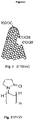
- Oxidized carbon nanohorns ( Fig. 1 ) [7-10] are a kind of nanocarbonic material which was recently introduced as a key sensing element in the design of resistive humidity sensors.
- the proposed sensor consists of a dielectric substrate (such as glass, PET, Kapton), electrodes (aluminium, copper, chromium, etc.) and the humidity sensing layer, deposited by spin coating, drop-casting or electrospinning methods.
- a dielectric substrate such as glass, PET, Kapton
- electrodes aluminium, copper, chromium, etc.
- the humidity sensing layer deposited by spin coating, drop-casting or electrospinning methods.
- the synthesis of oxidized carbon nanohorns is performed by two different methods, using the treatment with nitric acid and respectively the oxidation with hydrogen peroxide at 100°C.
- the porous sintered body has an electrical resistance which changes with changes in humidity and may contain SnO 2 , ZnO, MgO, TiO 2 , ZrO 2 , Nb 2 O 5 , Cr 2 O 3 , MoO 3 , WO 3 , MnO 2 , Mn 3 O 4 , FeO, Fe 2 O 3 , NiO, Ni 2 O 3 , Al 2 O 3 , Ga 2 O 3 , In 2 O 3 , Tl 2 O 3 , SiO 2 , GeO 2 , PbO, Sb 2 O 3 , Bi 2 O 3 , etc.
- Application patent CN109060893A entitled “It is a kind of based on carbon nanotube / zinc oxide / chitosan complex film humidity sensor” discloses a resistive humidity sensor which comprises an aluminium oxide ceramics substrate, set on the silver-coloured interdigital electrode of aluminium oxide and a sensing layer based on the carbon nanotube/zinc oxide/chitosan nanocomposite.
- Application patent US4529540A entitled “ Humidity-sensitive resistive element” (Shigeki Uno Mituo Harata Kazuo Sakuma Hideaki Hiraki) discloses a humidity sensor which comprises a sensing unit and a pair of electrodes.
- the sensing element includes 25-55 mol % of at least one member selected from the group consisting of ZnO and MgO,21-73 mol % of Cr 2 O 3 , 0.5-8.0 mol % of CuO, and 0.5-8.0 mol % of V 2 O 5 , 0.5-8.0 mol % of Li 2 O.
- Such a sensing element provides excellent stability over a wide range of humidity.
- the technical problem solved by the present invention consists of designing new layers sensitive to the variation of the relative humidity value, to be used in the manufacturing of resistive humidity sensors either on a flexible or a rigid substrate, that can detect at room temperature, exhibiting fast response time, low cost, small size, and simplicity in manufacturing.
- the present invention discloses quaternary nanohybrid compositions (quaternary nanocomposites), suitable for forming sensitive layers for sensing the variation of the relative humidity value, consisting of: oxidized carbon nanohorns (CNHox), zinc oxide (ZnO) nanopowder, tin (IV) oxide (SnO 2 ) nanopowder and polyvinylpyrrolidone (PVP), wherein said compositions comprise 33,33% to 50% by weight CNHox, 16.66% to 22.22% by weight SnO 2 , 16.66% to 22.22% by weight ZnO and 16.66% to 22.22% by weight PVP.
- the weight ratios of CNHox/ SnO 2 /ZnO/PVP in the sensitive layer are 1.5/1/1/1/1 w/w ratio and, respectively 3/1/1/1 w/w ratio.
- the resistance of the sensitive layer varies with the relative humidity level.
- the solvent used in the above manufacturing process evaporate during the process of depositing said quaternary nanohybrid composition as a sensitive layer, thus the quaternary nanohybrid composition in the final sensitive layer will consist of the composition mentioned above (33.33% to 50% by weight CNHox, 16.66% to 22.22% by weight SnO 2 , 16.66% to 22.22% by weight ZnO and 16.66% to 22.22% by weight PVP).
- a resistive humidity sensor comprising: a dielectric substrate, a first electrode and a second electrode deposited on said dielectric substrate and a sensitive layer made of the quaternary nanohybrid composition of the invention as described above disposed at least on part of said first electrode and second electrode.
- said dielectric substrate is manufactured from Lexan, Kapton, or glass.
- the dielectric substrate may have a thickness from 5 microns to 50 microns.
- the electrodes can be made from the same material or can be formed of different materials.
- the electrodes can be made from conductive materials such as gold and chromium.
- the electrodes may be deposited onto the surface of the dielectric substrate by using different methods such as sputtering, direct printing, evaporation, etc. Also, the electrodes may be deposited onto the dielectric substrate in a linear pattern or an interdigitated (IDT) pattern.
- IDT interdigitated
- the quaternary nanohybrid composition may be deposited as sensing layers on at least part of the outer surface of said first electrode and second electrode through electrospinning, drop-casting or spin coating methods, after previously masking the contact area.
- step c) of the above process for manufacturing the resistive humidity sensors of the invention the solvent used in the process for manufacturing the quaternary nanohybrid composition (isopropyl alcohol) evaporates, thus the quaternary nanohybrid composition in the sensitive layer resulting after step c) will consist of the composition of the invention as mentioned above (33.33% to 50% by weight CNHox, 16.66% to 22.22% by weight SnO 2 , 16.66% to 22.22% by weight ZnO and 16.66% to 22.22% by weight PVP).
- the sensitive layer thus prepared and deposited comprises the CNHox/SnO 2 /ZnO/PVP nanohybrid composition of the invention at (w/w ratio) 1.5/1/1/1.w/w ratio.
- the sensitive layer thus prepared and deposited comprises the CNHox/SnO 2 /ZnO/PVP nanohybrid composition of the invention at 3/1/1/1 (w/w ratio).
- FIG. 3 shows a resistive humidity sensor (1) according to one embodiment of the present invention.
- said sensor (1) comprises a dielectric substrate (10) made of Lexan (a polycarbonate resin), a first electrode (22) and a second electrode (24) that are placed in a linear pattern, and a sensitive layer (30) made of a quaternary nanohybrid composition of the present invention.
- FIG. 4 shows a resistive humidity sensor (1) according to another embodiment of the present invention.
- said sensor (1) comprises a dielectric substrate (10) made of Lexan (a polycarbonate resin), a first electrode (22) and a second electrode (24) that are placed in an interdigitated pattern, and a sensitive layer (30) made of a quaternary nanohybrid composition of the present invention.
- the relative humidity monitoring capability was investigated by applying a current between the two electrodes and measuring the voltage at different values of the relative humidity level at which the quaternary nanohybrid-based sensing layer was exposed. Measurements were performed in humid nitrogen at room temperature, for different relative humidity values and compared with the response of a commercial capacitive humidity sensor provided with signal-processing and signal-amplifying electronics.
- the testing chamber used for the RH sensing measurements accommodated two sensors: 1) a sensor of the present invention (depicted as SUI - Sensor Under Investigation - in Figure 7 ), employing CNHox/SnO 2 /ZnO/PVP nanohybrid as sensing layer, and 2) a commercially available capacitive RH sensor (labelled "HON") provided with signal-processing and signal-amplifying electronics. The latter was used for double-checking the RH value indicated by the flow controller (FC) - system. All chemicals used in the present invention were purchased from Sigma Aldrich.
- Fig. 8 shows a comparison between the response of said commercially available RH sensor (curve labelled RH) and the IDT RH sensor made according to the above Example 1, employing CNHox/SnO 2 /ZnO/PVP nanohybrid at 1.5/1/1/1.w/w ratio as sensitive layer (curve labelled R), when varying RH from 0% to 90%.
- Both sensors were placed in a test-chamber to monitor variations of humidity over time, from the initial moment until 10000+ sec.
- Said commercially available RH sensor measured the variation of relative humidity over time, expressed in %.
- the sensor of Example 1 has registered the variation of the electrical resistance of the sensitive layer, proportionally with the variation of the relative humidity.
- the R-curve in Figure 8 represents said variation of the electrical resistance, measured in ohm.
- Fig. 9 shows a comparison between the response of a Honeywell commercially available RH sensor (the "RH” labelled curve) and the IDT RH sensor made according to the above Example 2, employing CNHox/SnO 2 / ZnO/PVP nanohybrid at 3/1/1/1.w/w ratio as sensing layer (the "R” labelled curve), when varying RH from 0% to 90%.
- Both sensors were placed in a test-chamber to monitor variations of humidity over time, from the initial moment until 10000+ sec.
- Said commercially available RH sensor measured the variation of relative humidity over time, expressed in %.
- the sensor of Example 2 has registered the variation of the electrical resistance of the sensitive layer, proportionally with the variation of the relative humidity.
- the R-curve in Figure 9 represents said variation of the electrical resistance, measured in ohm.
Landscapes
- Chemical & Material Sciences (AREA)
- Health & Medical Sciences (AREA)
- Analytical Chemistry (AREA)
- Chemical Kinetics & Catalysis (AREA)
- Electrochemistry (AREA)
- Physics & Mathematics (AREA)
- Pathology (AREA)
- Life Sciences & Earth Sciences (AREA)
- Immunology (AREA)
- Biochemistry (AREA)
- General Health & Medical Sciences (AREA)
- General Physics & Mathematics (AREA)
- Nanotechnology (AREA)
- Engineering & Computer Science (AREA)
- Investigating Or Analyzing Materials By The Use Of Fluid Adsorption Or Reactions (AREA)
Abstract
Description
- The present invention relates to a humidity sensor to detect relative humidity as a change in electric resistance.
- Relative humidity (RH) sensors have received increasing attention in the last decades due to their high importance in a wide variety of commercial and industrial applications such as residential air-conditioners, textile and paper industry, food processing, medical field ( incubators, sterilizers), agriculture (soil moisture control during irrigation), pharmaceutical processing (quality control of drugs), automotive industry (oil humidity control), nuclear power reactors, meteorology, mining industry, robotics applications, etc. [1 - 6].
- In the last decades, various types of resistive humidity sensors have been designed and developed, using different materials as sensing layers. Oxidized carbon nanohorns (
Fig. 1 ) [7-10] are a kind of nanocarbonic material which was recently introduced as a key sensing element in the design of resistive humidity sensors. Application patentRO 134263A2 de compozite nanocarbonice" (Bogdan-C t
t lin
lin erban, Octavian Buiu, Cornel Cobianu, Viorel Avramescu, Octavian Narcis Ionescu, Maria Roxana Marinescu) discloses a chemiresistive humidity sensor which uses oxidized carbon nanohorns/ polyvinylpirrolydone and oxidized carbon nanohorns/ polyvinylic alcohol-based nanocomposites as sensing layers. The proposed sensor consists of a dielectric substrate (such as glass, PET, Kapton), electrodes (aluminium, copper, chromium, etc.) and the humidity sensing layer, deposited by spin coating, drop-casting or electrospinning methods. The synthesis of oxidized carbon nanohorns is performed by two different methods, using the treatment with nitric acid and respectively the oxidation with hydrogen peroxide at 100°C.
- Metal oxides semiconductors such as ZnO [11-16] and SnO2 [17-21] were extensively used as sensing layer in the design of the resistive humidity sensors. Application patent
US5136274A entitled "Humidity sensor" (Tadashi Shimomura Hidechika Wakabayashi Yasunobu Shigaki Mitsuzo Arii) discloses a resistive humidity sensor which comprises a porous sintered body and electrodes. The porous sintered body has an electrical resistance which changes with changes in humidity and may contain SnO2, ZnO, MgO, TiO2, ZrO2, Nb2 O5, Cr2 O3, MoO3, WO3, MnO2, Mn3 O4, FeO, Fe2O3, NiO, Ni2O3, Al2O3, Ga2O3, In2 O3, Tl2O3, SiO2, GeO2, PbO, Sb2 O3, Bi2O3, etc. Application patentCN109060893A entitled "It is a kind of based on carbon nanotube/zinc oxide/chitosan complex film humidity sensor" discloses a resistive humidity sensor which comprises an aluminium oxide ceramics substrate, set on the silver-coloured interdigital electrode of aluminium oxide and a sensing layer based on the carbon nanotube/zinc oxide/chitosan nanocomposite. Application patentUS4529540A entitled " Humidity-sensitive resistive element" (Shigeki Uno Mituo Harata Kazuo Sakuma Hideaki Hiraki) discloses a humidity sensor which comprises a sensing unit and a pair of electrodes. The sensing element includes 25-55 mol % of at least one member selected from the group consisting of ZnO and MgO,21-73 mol % of Cr2O3, 0.5-8.0 mol % of CuO, and 0.5-8.0 mol % of V2O5, 0.5-8.0 mol % of Li2O. Such a sensing element provides excellent stability over a wide range of humidity. - The technical problem solved by the present invention consists of designing new layers sensitive to the variation of the relative humidity value, to be used in the manufacturing of resistive humidity sensors either on a flexible or a rigid substrate, that can detect at room temperature, exhibiting fast response time, low cost, small size, and simplicity in manufacturing.
- In a first aspect, the present invention discloses quaternary nanohybrid compositions (quaternary nanocomposites), suitable for forming sensitive layers for sensing the variation of the relative humidity value, consisting of: oxidized carbon nanohorns (CNHox), zinc oxide (ZnO) nanopowder, tin (IV) oxide (SnO2) nanopowder and polyvinylpyrrolidone (PVP), wherein said compositions comprise 33,33% to 50% by weight CNHox, 16.66% to 22.22% by weight SnO2, 16.66% to 22.22% by weight ZnO and 16.66% to 22.22% by weight PVP. In preferred embodiments, the weight ratios of CNHox/ SnO2/ZnO/PVP in the sensitive layer are 1.5/1/1/1 w/w ratio and, respectively 3/1/1/1 w/w ratio.
- From the detection principle point of view, the resistance of the sensitive layer varies with the relative humidity level.
- These quaternary nanohybrid compositions, used as sensitive layers in resistive humidity sensors for monitoring relative humidity, have several significant advantages::
- The oxidized carbon nanohorns provide a high specific surface area/volume ratio, affinity for water molecules, as well as a rapid variation of the electrical resistance in contact with water molecules in the humidity range from 0%RH to 90%RH. The oxidized carbon nanohorns are present in the nanohybrid composition of the invention in a weight percent of 33.33% to 50%, which is sufficient to ensure a p-type electrical conduction in the sensitive layer, and also sufficient for performing the sensing beyond the percolation threshold, thus ensuring a uniform response of the humidity sensor.
- The nanometric tin(IV) oxide (SnO2) nanopowder exhibits good sensitivity towards the relative humidity. The oxidized carbon nanohorns have p-type electrical conduction (through holes), while SnO2 is a n-type metallic oxide semiconductor (through electrons). By adding SnO2 to the CNHox, it will result in the formation, in the quaternary nanocomposite, of islands of p-n semiconductor heterojunctions embedded in the PVP (a dielectric material) that increase the sensitivity of the sensitive layer.
- Zinc oxide (ZnO) nanopowder exhibits good sensitivity towards the relative humidity. Both ZnO and SnO2 are n-type electrical conductors. The ZnO - SnO2 nanocomposite has sensing properties superior to each of the single oxides, because each of the oxides interacts differently with the oxidized carbon nanohorn material, leading to alterations in the pore distribution, which increase the specific surface area;
- Polyvinylpyrrolidone (PVP) is a hydrophilic polymer with excellent binder properties for the nanocomposition of the present invention;
- Detection at room temperature;
- fast response time
- low cost, small size, simplicity in manufacture;
- can be used for sensors having either a flexible or a rigid substrate, due to the binding properties of the PVP.
- In another aspect of the invention, there is disclosed a process for manufacturing said quaternary nanohybrid compositions, the process comprising the following steps:
- a) preparing a polyvinylpyrrolidone (PVP) solution by dissolving a PVP polymer in isopropyl alcohol under magnetic stirring for about 30 minutes at room temperature,
- b) dispersing the oxidized carbon nanohorns in the PVP solution of step a) and continuing stirring for about 2 hours at room temperature,
- c) dispersing a nanometric powder of tin (IV) oxide in the dispersion prepared in step b) and continuing stirring for about 30 minutes at room temperature;
- d) dispersing the nanometric powder of zinc oxide in the dispersion prepared in step c) and stirring for about 30 minutes at room temperature.
- The solvent used in the above manufacturing process (isopropyl alcohol,) evaporate during the process of depositing said quaternary nanohybrid composition as a sensitive layer, thus the quaternary nanohybrid composition in the final sensitive layer will consist of the composition mentioned above (33.33% to 50% by weight CNHox, 16.66% to 22.22% by weight SnO2, 16.66% to 22.22% by weight ZnO and 16.66% to 22.22% by weight PVP).
- In another aspect of the present invention, it is disclosed a resistive humidity sensor comprising: a dielectric substrate, a first electrode and a second electrode deposited on said dielectric substrate and a sensitive layer made of the quaternary nanohybrid composition of the invention as described above disposed at least on part of said first electrode and second electrode.
- In preferred embodiments, said dielectric substrate is manufactured from Lexan, Kapton, or glass. The dielectric substrate may have a thickness from 5 microns to 50 microns. The electrodes can be made from the same material or can be formed of different materials. The electrodes can be made from conductive materials such as gold and chromium.
- In yet another aspect of the present invention, there is disclosed a process for manufacturing said resistive humidity sensors, comprising the steps:
- a) depositing a first electrode and a second electrode onto the surface of a dielectric substrate;
- b) depositing the quaternary nanohybrid composition of the invention to form a layer on at least part of the outer surface of said first electrode and second electrode;
- c) subjecting the layer of step b) to heat treatment at about 80°C, for about one hour, under vacuum.
- In step a) of the above process for manufacturing the resistive humidity sensors of the invention, the electrodes may be deposited onto the surface of the dielectric substrate by using different methods such as sputtering, direct printing, evaporation, etc. Also, the electrodes may be deposited onto the dielectric substrate in a linear pattern or an interdigitated (IDT) pattern.
- In step b) of the above process for manufacturing the resistive humidity sensors of the invention, the quaternary nanohybrid composition may be deposited as sensing layers on at least part of the outer surface of said first electrode and second electrode through electrospinning, drop-casting or spin coating methods, after previously masking the contact area.
- In step c) of the above process for manufacturing the resistive humidity sensors of the invention, the solvent used in the process for manufacturing the quaternary nanohybrid composition (isopropyl alcohol) evaporates, thus the quaternary nanohybrid composition in the sensitive layer resulting after step c) will consist of the composition of the invention as mentioned above (33.33% to 50% by weight CNHox, 16.66% to 22.22% by weight SnO2, 16.66% to 22.22% by weight ZnO and 16.66% to 22.22% by weight PVP).
- There are further presented a series of examples of the invention, in connection also with the figures, which represent:
-
Fig. 1 shows the structure of oxidized carbon nanohorns (CNHox); -
Fig. 2 shows the structure of polyvinylpyrrolidone (PVP); -
Fig. 3 shows a resistive humidity sensor with linear electrodes according to one embodiment of the present invention; -
Fig. 4 shows a resistive humidity sensor with interdigitated electrodes according to another embodiment of the present invention; -
Fig. 5 shows a scanning electron microscopy (SEM) image for a CNHox/SnO2/ZnO/PVP= 1.5/1/1/1 nanohybrid composition; -
Fig. 6 shows a SEM image for a CNHox/SnO2/ZnO/PVP=3/1/1/1 nanohybrid composition; -
Fig. 7 shows a schematic representation of a testing chamber used for performing the sensing measurements for the sensors of the invention; -
Fig. 8 shows the output of the sensor CNHox/SnO2/ZnO/PVP=1.5/1/1/1 (R curve), in time, and of a commercially available industrial sensor (RH curve), -
Fig. 9 shows the output of the sensor CNHox/SnO2/ZnO/PVP=3/1/1/1 (R curve), in time, and of a commercially available industrial sensor (RH curve). - A resistive humidity sensor according to one embodiment of the present invention has been manufactured as follows:
- 1) The polyvinylpyrrolidone (PVP) solution was prepared by dissolving 1 mg of PVP polymer in 5 mL of isopropyl alcohol, followed by magnetic stirring for 30 minutes at room temperature;
- 2) 1.5 mg oxidized carbon nanohorns were dispersed in the previously prepared solution, followed by continuous stirring for 2 hours at room temperature;
- 3) 1 mg nanometric powder of tin (IV) oxide were dispersed in the dispersion prepared at step (2), followed by continuous stirring for 3 hours at room temperature;
- 4) 1 mg nanometric powder of zinc oxide were dispersed in the dispersion prepared in step (3), followed by continuous stirring for 30 minutes at room temperature;
- 5) the resulted dispersion was deposited by the "drop-casting" method on a Lexan IDT sensing structure (after previously masking the contact area);
- 6) the sensing layer of CNHox/SnO2/ZnO/PVP nanohybrid was subjected to heat treatment at 80° C, for one hour, under vacuum.
- The sensitive layer thus prepared and deposited comprises the CNHox/SnO2/ZnO/PVP nanohybrid composition of the invention at (w/w ratio) 1.5/1/1/1.w/w ratio.
- A resistive humidity sensor according to another embodiment of the present invention has been manufactured as follows:
- 1) The polyvinylpyrrolidone (PVP) solution was prepared by dissolving 1 mg of polymer in 5 mL of isopropyl alcohol, followed by magnetic stirring for 30 minutes at room temperature;
- 2) 3 mg oxidized carbon nanohorns were dispersed in the previously prepared solution followed by continuous stirring for 2 hours at room temperature;
- 3) 1 mg nanometric powder of tin (IV) oxide were dispersed in the dispersion prepared in step (2), followed by continuous stirring for 3 hours at room temperature;
- 4) 1 mg nanometric powder of zinc oxide were dispersed in the dispersion prepared in step (3), followed by continuous stirring for 30 minutes at room temperature;
- 5) the resulted dispersion was deposited by the "drop-casting" method on the Lexan IDT sensing structure (after previously masking the contact area);
- 6) the sensing layer of CNHox/SnO2/ZnO/PVP nanohybrid was subjected to heat treatment at 80° C, for one hour, in vacuum.
- The sensitive layer thus prepared and deposited comprises the CNHox/SnO2/ZnO/PVP nanohybrid composition of the invention at 3/1/1/1 (w/w ratio).
-
Figure 3 shows a resistive humidity sensor (1) according to one embodiment of the present invention. In this embodiment, said sensor (1) comprises a dielectric substrate (10) made of Lexan (a polycarbonate resin), a first electrode (22) and a second electrode (24) that are placed in a linear pattern, and a sensitive layer (30) made of a quaternary nanohybrid composition of the present invention. -
Figure 4 shows a resistive humidity sensor (1) according to another embodiment of the present invention. In this embodiment, said sensor (1) comprises a dielectric substrate (10) made of Lexan (a polycarbonate resin), a first electrode (22) and a second electrode (24) that are placed in an interdigitated pattern, and a sensitive layer (30) made of a quaternary nanohybrid composition of the present invention. - The properties of the sensitive layers manufactured according to Example 1 and Example 2 were investigated by using SEM technique.
Figure 5 shows the SEM image obtained for a CNHox/SnO2/ZnO/PVP=1.5/1/1/1 nanohybrid composition manufactured according to Example 1, andFigure 6 shows a SEM image obtained for a CNHox/SnO2/ZnO/PVP=3/1/1/1 nanohybrid composition prepared according to Example 2. - The relative humidity monitoring capability was investigated by applying a current between the two electrodes and measuring the voltage at different values of the relative humidity level at which the quaternary nanohybrid-based sensing layer was exposed. Measurements were performed in humid nitrogen at room temperature, for different relative humidity values and compared with the response of a commercial capacitive humidity sensor provided with signal-processing and signal-amplifying electronics.
- The testing chamber used for the RH sensing measurements accommodated two sensors: 1) a sensor of the present invention (depicted as SUI - Sensor Under Investigation - in
Figure 7 ), employing CNHox/SnO2/ZnO/PVP nanohybrid as sensing layer, and 2) a commercially available capacitive RH sensor (labelled "HON") provided with signal-processing and signal-amplifying electronics. The latter was used for double-checking the RH value indicated by the flow controller (FC) - system. All chemicals used in the present invention were purchased from Sigma Aldrich. -
Fig. 8 shows a comparison between the response of said commercially available RH sensor (curve labelled RH) and the IDT RH sensor made according to the above Example 1, employing CNHox/SnO2/ZnO/PVP nanohybrid at 1.5/1/1/1.w/w ratio as sensitive layer (curve labelled R), when varying RH from 0% to 90%. Both sensors were placed in a test-chamber to monitor variations of humidity over time, from the initial moment until 10000+ sec. Said commercially available RH sensor measured the variation of relative humidity over time, expressed in %. The sensor of Example 1 has registered the variation of the electrical resistance of the sensitive layer, proportionally with the variation of the relative humidity. The R-curve inFigure 8 represents said variation of the electrical resistance, measured in ohm. - The relative humidity monitoring capability of the sensor of Example 1 was investigated by:
- a. applying a constant voltage bias between the two electrodes (22, 24);
- b. measuring the current intensity through the sensitive layer (30);
- c. calculating the electrical resistance of the sensitive layer (30).
- These steps were followed for each RH point which was measured. The comparative graphic of
Figure 8 shows that the sensor of Example 1 followed very well the humidity variation curve over time and rendered results comparable to the reference commercial sensor, even though the sensor of the invention (Example 1) is not provided with signal-processing and - amplifying electronics, and its manufacturing technology is much more simple and significantly less expensive. -
Fig. 9 shows a comparison between the response of a Honeywell commercially available RH sensor (the "RH" labelled curve) and the IDT RH sensor made according to the above Example 2, employing CNHox/SnO2/ ZnO/PVP nanohybrid at 3/1/1/1.w/w ratio as sensing layer (the "R" labelled curve), when varying RH from 0% to 90%. Both sensors were placed in a test-chamber to monitor variations of humidity over time, from the initial moment until 10000+ sec. Said commercially available RH sensor measured the variation of relative humidity over time, expressed in %. The sensor of Example 2 has registered the variation of the electrical resistance of the sensitive layer, proportionally with the variation of the relative humidity. The R-curve inFigure 9 represents said variation of the electrical resistance, measured in ohm. - The relative humidity monitoring capability of the sensor of Example 2 was investigated by:
- a. applying a constant voltage bias between the two electrodes (22, 24);
- b. measuring the current intensity through the sensitive layer (30);
- c. calculating the electrical resistance of the sensitive layer (30).
- These steps were followed for each RH point which was measured. The comparative graphic of
Figure 9 shows that the sensor of Example 2 followed very well the humidity variation curve over time and rendered results comparable to the reference commercial sensor, even though the sensor of the invention (Example 2) is not provided with signal-processing and - amplifying electronics, and its manufacturing technology is much more simple and significantly less expensive. -
- 1. Imam, S. A., Choudhary, A., & Sachan, V. K. (2015). Design issues for wireless sensor networks and smart humidity sensors for precision agriculture: A review. In 2015 International Conference on Soft Computing Techniques and Implementations (ICSCTI) (pp. 181-187). IEEE.
- 2. Rittersma, Z. M. (2002). Recent achievements in miniaturised humidity sensors-a review of transduction techniques. Sensors and Actuators A: Physical, 96(2-3), 196-210.
- 3. Blank, T. A., Eksperiandova, L. P., & Belikov, K. N. (2016). Recent trends of ceramic humidity sensors development: A review. Sensors and Actuators B: Chemical, 228, 416-442.
- 4.
Cobianu, C., Stratulat, A., Serban, B., Buiu, O., Bostan, C. G., Brezeanu, M., ... & Davis, R. (2020). U.S. Patent No. 10,585,058 - 5.
Dumitru, V. G., Avramescu, V., Buiu, O., Brezeanu, M., & Serban, B. (2019). U.S. Patent No. 10,324,053 -
6.
Serban, B. C., Buiu, O., Ionescu, O., & Buiu, A. (2019). U.S. Patent Application No. 16/176,628 - 7. Serban, B. C., Buiu, O., Dumbravescu, N., Cobianu, C., Avramescu, V., Brezeanu, M., Nicolescu, C. M. (2020). Oxidized Carbon Nanohorn-Hydrophilic Polymer Nanocomposite as the Resistive Sensing Layer for Relative Humidity. Analytical Letters, 1-14.
- 8. Serban, B. C., Buiu, O., Dumbravescu, N., Cobianu, C., Avramescu, V., Brezeanu, M., Nicolescu, C. M. (2020). Oxidized Carbon Nanohorns as Novel Sensing Layer for Resistive Humidity Sensor. Acta Chimica Slovenica, 67, 1-7.
- 9. erban, B. C., Buiu, O., Cobianu, C., Avramescu, V., Dumbr
 vescu, N., Brezeanu, M., Marinescu, R. (2019). Ternary Carbon-Based Nanocomposite as Sensing Layer for Resistive Humidity Sensor. Multidisciplinary Digital Publishing Institute Proceedings, 29(1), 114.
- 10. Marinescu R., erban, B. C., Dumbravescu N., Avramescu V., Cobianu C., Buiu O., (2019). CARBON-BASED MATERIALS FOR HEALTHCARE MICRO-DEVICES. Revista de Tehnologii Neconventionale, 23(4), 72-77.

- 11. Ates, T., Tatar, C., Yakuphanoglu, F. (2013). Preparation of semiconductor ZnO powders by sol-gel method: Humidity sensors. Sensors and Actuators A: Physical, 190, 153-160.
- 12. Zhang, Y., Yu, K., Jiang, D., Zhu, Z., Geng, H., & Luo, L. (2005). Zinc oxide nanorod and nanowire for humidity sensor. Applied Surface Science, 242(1-2), 212-217.
- 13. Chang, S. P., Chang, S. J., Lu, C. Y., Li, M. J., Hsu, C. L., Chiou, Y. Z., Chen, I. C. (2010). A ZnO nanowire-based humidity sensor. Superlattices and Microstructures, 47(6), 772-778.
- 14. Qi, Q., Zhang, T., Yu, Q., Wang, R., Zeng, Y., Liu, L., Yang, H. (2008). Properties of humidity sensing ZnO nanorods-base sensor fabricated by screen-printing. Sensors and Actuators B: Chemical, 133(2), 638-643.
- 15. Huang J, Xu X, Gu C, Wang W, Geng B, Sun Y and Liu J 2012 Size-controlled synthesis of porous ZnSnO3 cubes and their gas-sensing and photocatalysis properties Sensors and Actuators B: Chemical 171-172 572-9
- 16. Kiasari, N. M., Soltanian, S., Gholamkhass, B., & Servati, P. (2012). Room temperature ultra-sensitive resistive humidity sensor based on single zinc oxide nanowire. Sensors and Actuators A: Physical, 182, 101-105.
- 17. Song, X., Qi, Q., Zhang, T., & Wang, C. (2009). A humidity sensor based on KCl-doped SnO2 nanofibers. Sensors and Actuators B: Chemical, 138(1), 368-373.
- 18. Zhao, Y., Yang, B., & Liu, J. (2018). Effect of interdigital electrode gap on the performance of SnO2-modified MoS2 capacitive humidity sensor. Sensors and Actuators B: Chemical, 271, 256-263.
- 19. Glot, A. B., Sandoval-Garcia, A. P., Gaponov, A. V., Bulpett, R., Jones, B., & Jimenez-Santana, G. (2009). Electronic properties of SnO2-based ceramics with double function of varistor and humidity sensor. Azojomo-Journal of Materials Online, 10, 21-32.
- 20. Yin, M., Yang, F., Wang, Z., Zhu, M., Liu, M., Xu, X., & Li, Z. (2017). A fast humidity sensor based on Li+-doped SnO2 one-dimensional porous nanofibers. Materials, 10(5), 535.
- 21. Kuang, Q., Lao, C., Wang, Z. L., Xie, Z., & Zheng, L. (2007). High-sensitivity humidity sensor based on a single SnO2 nanowire. Journal. American Chem. Society, 129(19), 6070-6071.
Claims (12)
- A quaternary nanohybrid composition suitable for forming humidity sensitive layers (30) for sensing the variation of the relative humidity value, comprising or consisting of: 33,33% to 50% by weight oxidized carbon nanohorns (CNHox), 16,66% to 22,22% by weight tin (IV) oxide (SnO2), 16.66% to 22.22% by weight zinc oxide (ZnO), and 16,66% to 22,22% by weight polyvinylpyrrolidone (PVP).
- A quaternary nanohybrid composition according to claim 1, wherein, the weight ratios of CNHox/GO/SnO2/PVP in said quaternary nanohybrid composition are of 1.5/1/1/1 w/w ratio or 3/1/1/1 w/w ratio.
- A process for manufacturing a quaternary nanohybrid composition of claim 1 or 2, comprising the following steps:a) preparing a polyvinylpyrrolidone (PVP) solution by dissolving a PVP polymer in isopropyl alcohol under magnetic stirring for about 30 minutes at room temperature,b) dispersing the oxidized carbon nanohorns in the PVP solution of step a) and continuing stirring for about 2 hours at room temperature,c) dispersing a nanometric powder of tin (IV) oxide in the dispersion prepared in step b) and continuing stirring for about 30 minutes at room temperature;d) dispersing the nanometric powder of zinc oxide in the dispersion prepared in step c) and stirring for about 30 minutes at room temperature.
- A humidity sensitive layer (30) for sensing the variation of the relative humidity value, comprising or consisting of the quaternary nanohybrid composition of claim 1 or 2.
- A resistive humidity sensor (1) comprising: a dielectric substrate (10), a first electrode (22) and a second electrode (24) deposited on said dielectric substrate (10), and a humidity sensitive layer (30) made of the quaternary nanohybrid composition according to claim 1 or 2 disposed on at least a part of said first electrode (22) and second electrode (24).
- A resistive humidity sensor (1) of claim 5, wherein said dielectric substrate (10) is manufactured from Kapton, Lexan, or glass.
- A resistive humidity sensor (1) of any of the claims 5 to 6, wherein said dielectric substrate (10) has a thickness from 5 microns to 50 microns.
- A resistive humidity sensor of any of the claims 5 to 7wherein said first and second electrodes (22, 24) are deposited onto a surface of said dielectric substrate (10) by at least one of the following methods: sputtering, direct printing and evaporation.
- A resistive humidity sensor (1) of any of the claims 5 to 8, wherein said first and second electrodes (22, 24) are made from the same or different conductive material such as gold and chromium.
- A resistive humidity sensor (1) of any of the claims 5 to 9wherein said first and second electrodes (22, 24) are deposited onto said dielectric substrate (10) in a linear pattern or in an interdigitated pattern.
- Process for manufacturing a resistive humidity sensor (1) of any of claim 5 to 10, comprising the steps:a) depositing a first electrode (22) and a second electrode (24) onto a surface of a dielectric substrate (10) in a linear pattern or an interdigitated pattern;b) depositing the quaternary nanohybrid composition of any of claims 1 to 2 to form a layer on at least part of the surface of said first electrode (22) and second electrode (24);c) subjecting the layer of step b) to heat treatment at about 80° C, for about one hour, under vacuum.
- Process for manufacturing a resistive humidity sensor (1) of claim 11 wherein step b) is performed through electrospinning, drop-casting or spin coating methods.
Priority Applications (2)
| Application Number | Priority Date | Filing Date | Title |
|---|---|---|---|
| EP20465581.5A EP3992623B1 (en) | 2020-11-03 | 2020-11-03 | Quaternary oxidized carbon nanohorns - based nanohybrid for resistive humidity sensor |
| ES20465581T ES2958943T3 (en) | 2020-11-03 | 2020-11-03 | Nanohybrid based on quaternary oxidized carbon nanohorns for resistive humidity sensor |
Applications Claiming Priority (1)
| Application Number | Priority Date | Filing Date | Title |
|---|---|---|---|
| EP20465581.5A EP3992623B1 (en) | 2020-11-03 | 2020-11-03 | Quaternary oxidized carbon nanohorns - based nanohybrid for resistive humidity sensor |
Publications (2)
| Publication Number | Publication Date |
|---|---|
| EP3992623A1 true EP3992623A1 (en) | 2022-05-04 |
| EP3992623B1 EP3992623B1 (en) | 2023-07-05 |
Family
ID=73598816
Family Applications (1)
| Application Number | Title | Priority Date | Filing Date |
|---|---|---|---|
| EP20465581.5A Active EP3992623B1 (en) | 2020-11-03 | 2020-11-03 | Quaternary oxidized carbon nanohorns - based nanohybrid for resistive humidity sensor |
Country Status (2)
| Country | Link |
|---|---|
| EP (1) | EP3992623B1 (en) |
| ES (1) | ES2958943T3 (en) |
Citations (7)
| Publication number | Priority date | Publication date | Assignee | Title |
|---|---|---|---|---|
| US4529540A (en) | 1983-02-24 | 1985-07-16 | Tokyo Shibaura Denki Kabushiki Kaisha | Humidity-sensitive resistive element |
| US5136274A (en) | 1990-02-01 | 1992-08-04 | Mitsubishi Gas Chemical Company, Inc. | Humidity sensor |
| CN109060893A (en) | 2018-07-05 | 2018-12-21 | 太原理工大学 | It is a kind of based on carbon nanotube/zinc oxide/chitosan complex film humidity sensor |
| US10324053B2 (en) | 2016-03-11 | 2019-06-18 | Honeywell International Inc. | Humidity sensors with transistor structures and piezoelectric layer |
| US10585058B2 (en) | 2016-05-13 | 2020-03-10 | Honeywell International Inc. | FET based humidity sensor with barrier layer protecting gate dielectric |
| RO134097A2 (en) * | 2018-09-05 | 2020-05-29 | Institutul Naţional De Cercetare-Dezvoltare Pentru Microtehnologie-Imt Bucureşti | Chemiresistive ethanol sensor using sensitive layers of zno nanocomposites/oxidated carbon nanohorns |
| RO134263A2 (en) | 2018-11-29 | 2020-06-30 | Institutul Naţional De Cercetare-Dezvoltare Pentru Microtehnologie-Imt Bucureşti | Chemiresistive humidity sensor based on nanocarbon composites |
-
2020
- 2020-11-03 ES ES20465581T patent/ES2958943T3/en active Active
- 2020-11-03 EP EP20465581.5A patent/EP3992623B1/en active Active
Patent Citations (7)
| Publication number | Priority date | Publication date | Assignee | Title |
|---|---|---|---|---|
| US4529540A (en) | 1983-02-24 | 1985-07-16 | Tokyo Shibaura Denki Kabushiki Kaisha | Humidity-sensitive resistive element |
| US5136274A (en) | 1990-02-01 | 1992-08-04 | Mitsubishi Gas Chemical Company, Inc. | Humidity sensor |
| US10324053B2 (en) | 2016-03-11 | 2019-06-18 | Honeywell International Inc. | Humidity sensors with transistor structures and piezoelectric layer |
| US10585058B2 (en) | 2016-05-13 | 2020-03-10 | Honeywell International Inc. | FET based humidity sensor with barrier layer protecting gate dielectric |
| CN109060893A (en) | 2018-07-05 | 2018-12-21 | 太原理工大学 | It is a kind of based on carbon nanotube/zinc oxide/chitosan complex film humidity sensor |
| RO134097A2 (en) * | 2018-09-05 | 2020-05-29 | Institutul Naţional De Cercetare-Dezvoltare Pentru Microtehnologie-Imt Bucureşti | Chemiresistive ethanol sensor using sensitive layers of zno nanocomposites/oxidated carbon nanohorns |
| RO134263A2 (en) | 2018-11-29 | 2020-06-30 | Institutul Naţional De Cercetare-Dezvoltare Pentru Microtehnologie-Imt Bucureşti | Chemiresistive humidity sensor based on nanocarbon composites |
Non-Patent Citations (21)
| Title |
|---|
| ATES, T.TATAR, C.YAKUPHANOGLU, F.: "Preparation of semiconductor ZnO powders by sol-gel method: Humidity sensors", SENSORS AND ACTUATORS A: PHYSICAL, vol. 190, 2013, pages 153 - 160 |
| BLANK, T. A.EKSPERIANDOVA, L. P.BELIKOV, K. N.: "Recent trends of ceramic humidity sensors development: A review", SENSORS AND ACTUATORS B: CHEMICAL, vol. 228, 2016, pages 416 - 442 |
| CHANG, S. P.CHANG, S. J.LU, C. Y.LI, M. J.HSU, C. L.CHIOU, Y. Z.CHEN, I. C.: "A ZnO nanowire-based humidity sensor", SUPERLATTICES AND MICROSTRUCTURES, vol. 47, no. 6, 2010, pages 772 - 778 |
| COBIANU CORNEL ET AL: "Room Temperature Chemiresistive Ethanol Detection by Ternary Nanocomposites of Oxidized Single Wall Carbon Nanohorn (ox-SWCNH)", 2020 INTERNATIONAL SEMICONDUCTOR CONFERENCE (CAS), IEEE, 7 October 2020 (2020-10-07), pages 13 - 16, XP033867114, DOI: 10.1109/CAS50358.2020.9268046 * |
| GLOT, A. B.SANDOVAL-GARCIA, A. P.GAPONOV, A. V.BULPETT, R.JONES, B.JIMENEZ-SANTANA, G.: "Electronic properties of Sn0 -based ceramics with double function of varistor and humidity sensor", AZOJOMO-JOURNAL OF MATERIALS ONLINE, vol. 10, 2009, pages 21 - 32 |
| HUANG JXU XGU CWANG WGENG BSUN YLIU J: "Size-controlled synthesis of porous ZnSn03 cubes and their gas-sensing and photocatalysis properties", SENSORS AND ACTUATORS B: CHEMICAL, vol. 171, no. 172, 2012, pages 572 - 916 |
| IMAM, S. A.CHOUDHARY, A.SACHAN, V. K.: "2015 International Conference on Soft Computing Techniques and Implementations (ICSCTI)", 2015, IEEE, article "Design issues for wireless sensor networks and smart humidity sensors for precision agriculture: A review", pages: 181 - 187 |
| KIASARI, N. M.SOLTANIAN, S.GHOLAMKHASS, B.SERVATI, P.: "Room temperature ultra-sensitive resistive humidity sensor based on single zinc oxide nanowire", SENSORS AND ACTUATORS A: PHYSICAL, vol. 182, 2012, pages 101 - 105, XP028504194, DOI: 10.1016/j.sna.2012.05.041 |
| KUANG, Q.LAO, C.WANG, Z. L.XIE, Z.ZHENG, L.: "High-sensitivity humidity sensor based on a single Sn0 nanowire", JOURNAL. AMERICAN CHEM. SOCIETY, vol. 129, no. 19, 2007, pages 6070 - 6071 |
| MARINESCU R.SERBAN, B. C.DUMBRAVESCU N.AVRAMESCU V.COBIANU C.BUIU O.: "CARBON-BASED MATERIALS FOR HEALTHCARE MICRO-DEVICES", REVISTA DE TEHNOLOGII NECONVENTIONALE, vol. 23, no. 4, 2019, pages 72 - 77 |
| QI, Q.ZHANG, T.YU, Q.WANG, R.ZENG, Y.LIU, L.YANG, H.: "Properties of humidity sensing ZnO nanorods-base sensor fabricated by screen-printing", SENSORS AND ACTUATORS B: CHEMICAL, vol. 133, no. 2, 2008, pages 638 - 643, XP023182884, DOI: 10.1016/j.snb.2008.03.035 |
| RITTERSMA, Z. M.: "Recent achievements in miniaturised humidity sensors-a review of transduction techniques", SENSORS AND ACTUATORS A: PHYSICAL, vol. 96, no. 2-3, 2002, pages 196 - 210, XP004343629, DOI: 10.1016/S0924-4247(01)00788-9 |
| SERBAN BOGDAN CATALIN ET AL: "Oxidized Carbon Nanohorn-Hydrophilic Polymer Nanocomposite as the Resistive Sensing Layer for Relative Humidity", ANALYTICAL LETTERS, vol. 54, no. 3, 12 June 2020 (2020-06-12), US, pages 527 - 540, XP055791183, ISSN: 0003-2719, Retrieved from the Internet <URL:https://www.tandfonline.com/doi/pdf/10.1080/00032719.2020.1772805?needAccess=true> DOI: 10.1080/00032719.2020.1772805 * |
| SERBAN BOGDAN CATALIN ET AL: "Oxidized Carbon Nanohorns as Novel Sensing Layer for Resistive Humidity Sensor", ACTA CHIMICA SLOVENICA, vol. 67, no. 2, 15 June 2020 (2020-06-15), pages 469 - 475, XP055791165, DOI: 10.17344/acsi.2019.5415 * |
| SERBAN, B. C.BUIU, O.COBIANU, C.AVRAMESCU, V.DUMBRAVESCU, N.BREZEANU, M.MARINESCU, R.: "Ternary Carbon-Based Nanocomposite as Sensing Layer for Resistive Humidity Sensor", MULTIDISCIPLINARY DIGITAL PUBLISHING INSTITUTE PROCEEDINGS, vol. 29, no. 1, 2019, pages 114 |
| SERBAN, B. C.BUIU, O.DUMBRAVESCU, N.COBIANU, C.AVRAMESCU, V.BREZEANU, M.NICOLESCU, C. M.: "Oxidized Carbon Nanohorn-Hydrophilic Polymer Nanocomposite as the Resistive Sensing Layer for Relative Humidity", ANALYTICAL LETTERS, 2020, pages 1 - 14 |
| SERBAN, B. C.BUIU, O.DUMBRAVESCU, N.COBIANU, C.AVRAMESCU, V.BREZEANU, M.NICOLESCU, C. M.: "Oxidized Carbon Nanohorns as Novel Sensing Layer for Resistive Humidity Sensor", ACTA CHIMICA SLOVENICA, vol. 67, 2020, pages 1 - 7 |
| SONG, X.QI, Q.ZHANG, T.WANG, C.: "A humidity sensor based on KCl-doped Sn0 nanofibers", SENSORS AND ACTUATORS B: CHEMICAL, vol. 138, no. 1, 2009, pages 368 - 373, XP026033851, DOI: 10.1016/j.snb.2009.02.027 |
| YIN, M.YANG, F.WANG, Z.ZHU, M.LIU, M.XU, X.LI, Z.: "A fast humidity sensor based on Li+-doped Sn0 one-dimensional porous nanofibers", MATERIALS, vol. 10, no. 5, 2017, pages 535 |
| ZHANG, Y.YU, K.JIANG, D.ZHU, Z.GENG, H.LUO, L.: "Zinc oxide nanorod and nanowire for humidity sensor", APPLIED SURFACE SCIENCE, vol. 242, no. 1-2, 2005, pages 212 - 217, XP025284840, DOI: 10.1016/j.apsusc.2004.08.013 |
| ZHAO, Y.YANG, B.LIU, J.: "Effect of interdigital electrode gap on the performance of Sn0 -modified MoS capacitive humidity sensor", SENSORS AND ACTUATORS B: CHEMICAL, vol. 271, 2018, pages 256 - 263 |
Also Published As
| Publication number | Publication date |
|---|---|
| ES2958943T3 (en) | 2024-02-16 |
| EP3992623B1 (en) | 2023-07-05 |
Similar Documents
| Publication | Publication Date | Title |
|---|---|---|
| KR101191386B1 (en) | Method for forming semiconductor oxide nanofibers of sensors, and gas sensors using the same | |
| US7816681B2 (en) | Capacitive gas sensor and method of fabricating the same | |
| CN104569061B (en) | Metal-oxide semiconductor (MOS) gas sensor and preparation method thereof | |
| CN204389426U (en) | Metal-oxide semiconductor (MOS) gas sensor | |
| KR101201896B1 (en) | Capacitive Type Gas Sensors and Method for Fabricating the Same | |
| Abisegapriyan et al. | All in one transitional flow-based integrated self-powered catechol sensor using BiFeO3 nanoparticles | |
| Misra et al. | Analysis on activation energy and humidity sensing application of nanostructured SnO2-doped ZnO material | |
| EA036763B1 (en) | GAS SENSOR, CHEMORESISTIVE TYPE MULTI-SENSOR RULER BASED ON OXIDIZED TWO-DIMENSIONAL TITANIUM CARBIDE (MXene) AND METHOD FOR PRODUCTION THEREOF | |
| Ansari et al. | Fabrication of a handheld gadget for breath alcohol detection based on CuO-decorated Fe 2 O 3 nanoflakes | |
| CN118348072A (en) | A fast-response and high-sensitivity resistance-type humidity sensor and its preparation method | |
| Shuaishuai et al. | Improving the formaldehyde gas sensing performance of the ZnO/SnO2 nanoparticles by PdO decoration | |
| EP3992623B1 (en) | Quaternary oxidized carbon nanohorns - based nanohybrid for resistive humidity sensor | |
| EP3992622B1 (en) | Quaternary hydrophilic nanohybrid composition for resistive humidity sensors | |
| Kishan Chand et al. | Effect of thickness and annealing on electrical characteristics of cerium oxide-doped vanadium oxide (CeO2: V2O5) thin film for sensor application | |
| Huang et al. | Ultrahigh humidity tolerance of room-temperature hydrogen sensitive Pt–WO3 porous composite ceramics with ultra-large WO3 grains | |
| Jung et al. | ZnO nanorod-based humidity sensors with fast response | |
| Chou et al. | Zn2SnO4 thin film for ozone gas sensor developed on MEMS device and synthesized by HiPIMS Co-sputtering | |
| Hao et al. | Influence of V/Ni-doping on electrical properties and aging stability of ZnFe2O4-based NTC ceramics | |
| Manjula et al. | Studies on copper molybdate as humidity sensor | |
| Kumar et al. | Metal oxide-based nanocomposites designed for humidity sensor applications | |
| Shi et al. | Design and detection method of three-electrode humidity sensor based on micro-arc MgO | |
| Pandey et al. | Humidity sensor based on synthesized pure WO 3 and WO 3-SnO 2 nanocomposite | |
| Tian et al. | Constructing 3D porous SnO2 nanomaterials for enhanced formaldehyde sensing performances | |
| Yadav et al. | Synthesis of TiO2-Nb2O5 and TiO2-CuO Nano Co-Oxides and Their Application as Solid State Humidity Sensors | |
| Ponce et al. | Conductance analysis of (Co, Nb, Fe)-doped SnO2 thick film gas sensors |
Legal Events
| Date | Code | Title | Description |
|---|---|---|---|
| PUAI | Public reference made under article 153(3) epc to a published international application that has entered the european phase |
Free format text: ORIGINAL CODE: 0009012 |
|
| STAA | Information on the status of an ep patent application or granted ep patent |
Free format text: STATUS: THE APPLICATION HAS BEEN PUBLISHED |
|
| AK | Designated contracting states |
Kind code of ref document: A1 Designated state(s): AL AT BE BG CH CY CZ DE DK EE ES FI FR GB GR HR HU IE IS IT LI LT LU LV MC MK MT NL NO PL PT RO RS SE SI SK SM TR |
|
| STAA | Information on the status of an ep patent application or granted ep patent |
Free format text: STATUS: REQUEST FOR EXAMINATION WAS MADE |
|
| 17P | Request for examination filed |
Effective date: 20220929 |
|
| RBV | Designated contracting states (corrected) |
Designated state(s): AL AT BE BG CH CY CZ DE DK EE ES FI FR GB GR HR HU IE IS IT LI LT LU LV MC MK MT NL NO PL PT RO RS SE SI SK SM TR |
|
| GRAP | Despatch of communication of intention to grant a patent |
Free format text: ORIGINAL CODE: EPIDOSNIGR1 |
|
| STAA | Information on the status of an ep patent application or granted ep patent |
Free format text: STATUS: GRANT OF PATENT IS INTENDED |
|
| INTG | Intention to grant announced |
Effective date: 20230324 |
|
| GRAS | Grant fee paid |
Free format text: ORIGINAL CODE: EPIDOSNIGR3 |
|
| GRAA | (expected) grant |
Free format text: ORIGINAL CODE: 0009210 |
|
| STAA | Information on the status of an ep patent application or granted ep patent |
Free format text: STATUS: THE PATENT HAS BEEN GRANTED |
|
| AK | Designated contracting states |
Kind code of ref document: B1 Designated state(s): AL AT BE BG CH CY CZ DE DK EE ES FI FR GB GR HR HU IE IS IT LI LT LU LV MC MK MT NL NO PL PT RO RS SE SI SK SM TR |
|
| REG | Reference to a national code |
Ref country code: CH Ref legal event code: EP |
|
| REG | Reference to a national code |
Ref country code: AT Ref legal event code: REF Ref document number: 1585291 Country of ref document: AT Kind code of ref document: T Effective date: 20230715 |
|
| REG | Reference to a national code |
Ref country code: DE Ref legal event code: R096 Ref document number: 602020013291 Country of ref document: DE |
|
| REG | Reference to a national code |
Ref country code: IE Ref legal event code: FG4D |
|
| REG | Reference to a national code |
Ref country code: RO Ref legal event code: EPE |
|
| P01 | Opt-out of the competence of the unified patent court (upc) registered |
Effective date: 20230912 |
|
| REG | Reference to a national code |
Ref country code: LT Ref legal event code: MG9D |
|
| REG | Reference to a national code |
Ref country code: NL Ref legal event code: MP Effective date: 20230705 |
|
| REG | Reference to a national code |
Ref country code: AT Ref legal event code: MK05 Ref document number: 1585291 Country of ref document: AT Kind code of ref document: T Effective date: 20230705 |
|
| PG25 | Lapsed in a contracting state [announced via postgrant information from national office to epo] |
Ref country code: NL Free format text: LAPSE BECAUSE OF FAILURE TO SUBMIT A TRANSLATION OF THE DESCRIPTION OR TO PAY THE FEE WITHIN THE PRESCRIBED TIME-LIMIT Effective date: 20230705 |
|
| PG25 | Lapsed in a contracting state [announced via postgrant information from national office to epo] |
Ref country code: GR Free format text: LAPSE BECAUSE OF FAILURE TO SUBMIT A TRANSLATION OF THE DESCRIPTION OR TO PAY THE FEE WITHIN THE PRESCRIBED TIME-LIMIT Effective date: 20231006 |
|
| PG25 | Lapsed in a contracting state [announced via postgrant information from national office to epo] |
Ref country code: IS Free format text: LAPSE BECAUSE OF FAILURE TO SUBMIT A TRANSLATION OF THE DESCRIPTION OR TO PAY THE FEE WITHIN THE PRESCRIBED TIME-LIMIT Effective date: 20231105 |
|
| PG25 | Lapsed in a contracting state [announced via postgrant information from national office to epo] |
Ref country code: SE Free format text: LAPSE BECAUSE OF FAILURE TO SUBMIT A TRANSLATION OF THE DESCRIPTION OR TO PAY THE FEE WITHIN THE PRESCRIBED TIME-LIMIT Effective date: 20230705 Ref country code: RS Free format text: LAPSE BECAUSE OF FAILURE TO SUBMIT A TRANSLATION OF THE DESCRIPTION OR TO PAY THE FEE WITHIN THE PRESCRIBED TIME-LIMIT Effective date: 20230705 Ref country code: PT Free format text: LAPSE BECAUSE OF FAILURE TO SUBMIT A TRANSLATION OF THE DESCRIPTION OR TO PAY THE FEE WITHIN THE PRESCRIBED TIME-LIMIT Effective date: 20231106 Ref country code: NO Free format text: LAPSE BECAUSE OF FAILURE TO SUBMIT A TRANSLATION OF THE DESCRIPTION OR TO PAY THE FEE WITHIN THE PRESCRIBED TIME-LIMIT Effective date: 20231005 Ref country code: LV Free format text: LAPSE BECAUSE OF FAILURE TO SUBMIT A TRANSLATION OF THE DESCRIPTION OR TO PAY THE FEE WITHIN THE PRESCRIBED TIME-LIMIT Effective date: 20230705 Ref country code: LT Free format text: LAPSE BECAUSE OF FAILURE TO SUBMIT A TRANSLATION OF THE DESCRIPTION OR TO PAY THE FEE WITHIN THE PRESCRIBED TIME-LIMIT Effective date: 20230705 Ref country code: IS Free format text: LAPSE BECAUSE OF FAILURE TO SUBMIT A TRANSLATION OF THE DESCRIPTION OR TO PAY THE FEE WITHIN THE PRESCRIBED TIME-LIMIT Effective date: 20231105 Ref country code: HR Free format text: LAPSE BECAUSE OF FAILURE TO SUBMIT A TRANSLATION OF THE DESCRIPTION OR TO PAY THE FEE WITHIN THE PRESCRIBED TIME-LIMIT Effective date: 20230705 Ref country code: GR Free format text: LAPSE BECAUSE OF FAILURE TO SUBMIT A TRANSLATION OF THE DESCRIPTION OR TO PAY THE FEE WITHIN THE PRESCRIBED TIME-LIMIT Effective date: 20231006 Ref country code: FI Free format text: LAPSE BECAUSE OF FAILURE TO SUBMIT A TRANSLATION OF THE DESCRIPTION OR TO PAY THE FEE WITHIN THE PRESCRIBED TIME-LIMIT Effective date: 20230705 Ref country code: AT Free format text: LAPSE BECAUSE OF FAILURE TO SUBMIT A TRANSLATION OF THE DESCRIPTION OR TO PAY THE FEE WITHIN THE PRESCRIBED TIME-LIMIT Effective date: 20230705 |
|
| REG | Reference to a national code |
Ref country code: ES Ref legal event code: FG2A Ref document number: 2958943 Country of ref document: ES Kind code of ref document: T3 Effective date: 20240216 |
|
| PG25 | Lapsed in a contracting state [announced via postgrant information from national office to epo] |
Ref country code: PL Free format text: LAPSE BECAUSE OF FAILURE TO SUBMIT A TRANSLATION OF THE DESCRIPTION OR TO PAY THE FEE WITHIN THE PRESCRIBED TIME-LIMIT Effective date: 20230705 |
|
| REG | Reference to a national code |
Ref country code: DE Ref legal event code: R097 Ref document number: 602020013291 Country of ref document: DE |
|
| PG25 | Lapsed in a contracting state [announced via postgrant information from national office to epo] |
Ref country code: SM Free format text: LAPSE BECAUSE OF FAILURE TO SUBMIT A TRANSLATION OF THE DESCRIPTION OR TO PAY THE FEE WITHIN THE PRESCRIBED TIME-LIMIT Effective date: 20230705 Ref country code: EE Free format text: LAPSE BECAUSE OF FAILURE TO SUBMIT A TRANSLATION OF THE DESCRIPTION OR TO PAY THE FEE WITHIN THE PRESCRIBED TIME-LIMIT Effective date: 20230705 Ref country code: DK Free format text: LAPSE BECAUSE OF FAILURE TO SUBMIT A TRANSLATION OF THE DESCRIPTION OR TO PAY THE FEE WITHIN THE PRESCRIBED TIME-LIMIT Effective date: 20230705 Ref country code: CZ Free format text: LAPSE BECAUSE OF FAILURE TO SUBMIT A TRANSLATION OF THE DESCRIPTION OR TO PAY THE FEE WITHIN THE PRESCRIBED TIME-LIMIT Effective date: 20230705 Ref country code: SK Free format text: LAPSE BECAUSE OF FAILURE TO SUBMIT A TRANSLATION OF THE DESCRIPTION OR TO PAY THE FEE WITHIN THE PRESCRIBED TIME-LIMIT Effective date: 20230705 |
|
| PLBE | No opposition filed within time limit |
Free format text: ORIGINAL CODE: 0009261 |
|
| STAA | Information on the status of an ep patent application or granted ep patent |
Free format text: STATUS: NO OPPOSITION FILED WITHIN TIME LIMIT |
|
| PG25 | Lapsed in a contracting state [announced via postgrant information from national office to epo] |
Ref country code: IT Free format text: LAPSE BECAUSE OF FAILURE TO SUBMIT A TRANSLATION OF THE DESCRIPTION OR TO PAY THE FEE WITHIN THE PRESCRIBED TIME-LIMIT Effective date: 20230705 |
|
| 26N | No opposition filed |
Effective date: 20240408 |
|
| REG | Reference to a national code |
Ref country code: CH Ref legal event code: PL |
|
| PG25 | Lapsed in a contracting state [announced via postgrant information from national office to epo] |
Ref country code: MC Free format text: LAPSE BECAUSE OF FAILURE TO SUBMIT A TRANSLATION OF THE DESCRIPTION OR TO PAY THE FEE WITHIN THE PRESCRIBED TIME-LIMIT Effective date: 20230705 |
|
| PG25 | Lapsed in a contracting state [announced via postgrant information from national office to epo] |
Ref country code: LU Free format text: LAPSE BECAUSE OF NON-PAYMENT OF DUE FEES Effective date: 20231103 |
|
| PG25 | Lapsed in a contracting state [announced via postgrant information from national office to epo] |
Ref country code: CH Free format text: LAPSE BECAUSE OF NON-PAYMENT OF DUE FEES Effective date: 20231130 |
|
| PG25 | Lapsed in a contracting state [announced via postgrant information from national office to epo] |
Ref country code: MC Free format text: LAPSE BECAUSE OF FAILURE TO SUBMIT A TRANSLATION OF THE DESCRIPTION OR TO PAY THE FEE WITHIN THE PRESCRIBED TIME-LIMIT Effective date: 20230705 Ref country code: LU Free format text: LAPSE BECAUSE OF NON-PAYMENT OF DUE FEES Effective date: 20231103 Ref country code: CH Free format text: LAPSE BECAUSE OF NON-PAYMENT OF DUE FEES Effective date: 20231130 Ref country code: SI Free format text: LAPSE BECAUSE OF FAILURE TO SUBMIT A TRANSLATION OF THE DESCRIPTION OR TO PAY THE FEE WITHIN THE PRESCRIBED TIME-LIMIT Effective date: 20230705 |
|
| REG | Reference to a national code |
Ref country code: BE Ref legal event code: MM Effective date: 20231130 |
|
| REG | Reference to a national code |
Ref country code: IE Ref legal event code: MM4A |
|
| PG25 | Lapsed in a contracting state [announced via postgrant information from national office to epo] |
Ref country code: IE Free format text: LAPSE BECAUSE OF NON-PAYMENT OF DUE FEES Effective date: 20231103 |
|
| PG25 | Lapsed in a contracting state [announced via postgrant information from national office to epo] |
Ref country code: BE Free format text: LAPSE BECAUSE OF NON-PAYMENT OF DUE FEES Effective date: 20231130 |
|
| PG25 | Lapsed in a contracting state [announced via postgrant information from national office to epo] |
Ref country code: FR Free format text: LAPSE BECAUSE OF NON-PAYMENT OF DUE FEES Effective date: 20231130 |
|
| PG25 | Lapsed in a contracting state [announced via postgrant information from national office to epo] |
Ref country code: IE Free format text: LAPSE BECAUSE OF NON-PAYMENT OF DUE FEES Effective date: 20231103 Ref country code: FR Free format text: LAPSE BECAUSE OF NON-PAYMENT OF DUE FEES Effective date: 20231130 Ref country code: BE Free format text: LAPSE BECAUSE OF NON-PAYMENT OF DUE FEES Effective date: 20231130 |
|
| PG25 | Lapsed in a contracting state [announced via postgrant information from national office to epo] |
Ref country code: BG Free format text: LAPSE BECAUSE OF FAILURE TO SUBMIT A TRANSLATION OF THE DESCRIPTION OR TO PAY THE FEE WITHIN THE PRESCRIBED TIME-LIMIT Effective date: 20230705 |
|
| PG25 | Lapsed in a contracting state [announced via postgrant information from national office to epo] |
Ref country code: BG Free format text: LAPSE BECAUSE OF FAILURE TO SUBMIT A TRANSLATION OF THE DESCRIPTION OR TO PAY THE FEE WITHIN THE PRESCRIBED TIME-LIMIT Effective date: 20230705 |
|
| PG25 | Lapsed in a contracting state [announced via postgrant information from national office to epo] |
Ref country code: CY Free format text: LAPSE BECAUSE OF FAILURE TO SUBMIT A TRANSLATION OF THE DESCRIPTION OR TO PAY THE FEE WITHIN THE PRESCRIBED TIME-LIMIT; INVALID AB INITIO Effective date: 20201103 |
|
| PG25 | Lapsed in a contracting state [announced via postgrant information from national office to epo] |
Ref country code: HU Free format text: LAPSE BECAUSE OF FAILURE TO SUBMIT A TRANSLATION OF THE DESCRIPTION OR TO PAY THE FEE WITHIN THE PRESCRIBED TIME-LIMIT; INVALID AB INITIO Effective date: 20201103 |
|
| PGFP | Annual fee paid to national office [announced via postgrant information from national office to epo] |
Ref country code: RO Payment date: 20250818 Year of fee payment: 6 |
|
| PG25 | Lapsed in a contracting state [announced via postgrant information from national office to epo] |
Ref country code: TR Free format text: LAPSE BECAUSE OF FAILURE TO SUBMIT A TRANSLATION OF THE DESCRIPTION OR TO PAY THE FEE WITHIN THE PRESCRIBED TIME-LIMIT Effective date: 20230705 |
|
| PGFP | Annual fee paid to national office [announced via postgrant information from national office to epo] |
Ref country code: DE Payment date: 20251119 Year of fee payment: 6 |
|
| PGFP | Annual fee paid to national office [announced via postgrant information from national office to epo] |
Ref country code: GB Payment date: 20251121 Year of fee payment: 6 |
|
| PGFP | Annual fee paid to national office [announced via postgrant information from national office to epo] |
Ref country code: ES Payment date: 20251229 Year of fee payment: 6 |