EP3990764B1 - Hyperbaric power plant - Google Patents
Hyperbaric power plant Download PDFInfo
- Publication number
- EP3990764B1 EP3990764B1 EP20825624.8A EP20825624A EP3990764B1 EP 3990764 B1 EP3990764 B1 EP 3990764B1 EP 20825624 A EP20825624 A EP 20825624A EP 3990764 B1 EP3990764 B1 EP 3990764B1
- Authority
- EP
- European Patent Office
- Prior art keywords
- electric
- turbine
- hyperbaric
- energy
- supplemental
- Prior art date
- Legal status (The legal status is an assumption and is not a legal conclusion. Google has not performed a legal analysis and makes no representation as to the accuracy of the status listed.)
- Active
Links
Images

Classifications
-
- F—MECHANICAL ENGINEERING; LIGHTING; HEATING; WEAPONS; BLASTING
- F02—COMBUSTION ENGINES; HOT-GAS OR COMBUSTION-PRODUCT ENGINE PLANTS
- F02C—GAS-TURBINE PLANTS; AIR INTAKES FOR JET-PROPULSION PLANTS; CONTROLLING FUEL SUPPLY IN AIR-BREATHING JET-PROPULSION PLANTS
- F02C6/00—Plural gas-turbine plants; Combinations of gas-turbine plants with other apparatus; Adaptations of gas-turbine plants for special use
-
- F—MECHANICAL ENGINEERING; LIGHTING; HEATING; WEAPONS; BLASTING
- F01—MACHINES OR ENGINES IN GENERAL; ENGINE PLANTS IN GENERAL; STEAM ENGINES
- F01D—NON-POSITIVE DISPLACEMENT MACHINES OR ENGINES, e.g. STEAM TURBINES
- F01D15/00—Adaptations of machines or engines for special use; Combinations of engines with devices driven thereby
- F01D15/10—Adaptations for driving, or combinations with, electric generators
-
- F—MECHANICAL ENGINEERING; LIGHTING; HEATING; WEAPONS; BLASTING
- F01—MACHINES OR ENGINES IN GENERAL; ENGINE PLANTS IN GENERAL; STEAM ENGINES
- F01K—STEAM ENGINE PLANTS; STEAM ACCUMULATORS; ENGINE PLANTS NOT OTHERWISE PROVIDED FOR; ENGINES USING SPECIAL WORKING FLUIDS OR CYCLES
- F01K13/00—General layout or general methods of operation of complete plants
- F01K13/02—Controlling, e.g. stopping or starting
-
- F—MECHANICAL ENGINEERING; LIGHTING; HEATING; WEAPONS; BLASTING
- F02—COMBUSTION ENGINES; HOT-GAS OR COMBUSTION-PRODUCT ENGINE PLANTS
- F02C—GAS-TURBINE PLANTS; AIR INTAKES FOR JET-PROPULSION PLANTS; CONTROLLING FUEL SUPPLY IN AIR-BREATHING JET-PROPULSION PLANTS
- F02C1/00—Gas-turbine plants characterised by the use of hot gases or unheated pressurised gases, as the working fluid
- F02C1/02—Gas-turbine plants characterised by the use of hot gases or unheated pressurised gases, as the working fluid the working fluid being an unheated pressurised gas
-
- F—MECHANICAL ENGINEERING; LIGHTING; HEATING; WEAPONS; BLASTING
- F02—COMBUSTION ENGINES; HOT-GAS OR COMBUSTION-PRODUCT ENGINE PLANTS
- F02C—GAS-TURBINE PLANTS; AIR INTAKES FOR JET-PROPULSION PLANTS; CONTROLLING FUEL SUPPLY IN AIR-BREATHING JET-PROPULSION PLANTS
- F02C6/00—Plural gas-turbine plants; Combinations of gas-turbine plants with other apparatus; Adaptations of gas-turbine plants for special use
- F02C6/14—Gas-turbine plants having means for storing energy, e.g. for meeting peak loads
- F02C6/16—Gas-turbine plants having means for storing energy, e.g. for meeting peak loads for storing compressed air
-
- H—ELECTRICITY
- H02—GENERATION; CONVERSION OR DISTRIBUTION OF ELECTRIC POWER
- H02P—CONTROL OR REGULATION OF ELECTRIC MOTORS, ELECTRIC GENERATORS OR DYNAMO-ELECTRIC CONVERTERS; CONTROLLING TRANSFORMERS, REACTORS OR CHOKE COILS
- H02P9/00—Arrangements for controlling electric generators for the purpose of obtaining a desired output
- H02P9/04—Control effected upon non-electric prime mover and dependent upon electric output value of the generator
-
- F—MECHANICAL ENGINEERING; LIGHTING; HEATING; WEAPONS; BLASTING
- F05—INDEXING SCHEMES RELATING TO ENGINES OR PUMPS IN VARIOUS SUBCLASSES OF CLASSES F01-F04
- F05D—INDEXING SCHEME FOR ASPECTS RELATING TO NON-POSITIVE-DISPLACEMENT MACHINES OR ENGINES, GAS-TURBINES OR JET-PROPULSION PLANTS
- F05D2260/00—Function
- F05D2260/42—Storage of energy
-
- H—ELECTRICITY
- H02—GENERATION; CONVERSION OR DISTRIBUTION OF ELECTRIC POWER
- H02P—CONTROL OR REGULATION OF ELECTRIC MOTORS, ELECTRIC GENERATORS OR DYNAMO-ELECTRIC CONVERTERS; CONTROLLING TRANSFORMERS, REACTORS OR CHOKE COILS
- H02P2101/00—Special adaptation of control arrangements for generators
- H02P2101/20—Special adaptation of control arrangements for generators for steam-driven turbines
-
- H—ELECTRICITY
- H02—GENERATION; CONVERSION OR DISTRIBUTION OF ELECTRIC POWER
- H02P—CONTROL OR REGULATION OF ELECTRIC MOTORS, ELECTRIC GENERATORS OR DYNAMO-ELECTRIC CONVERTERS; CONTROLLING TRANSFORMERS, REACTORS OR CHOKE COILS
- H02P2101/00—Special adaptation of control arrangements for generators
- H02P2101/25—Special adaptation of control arrangements for generators for combustion engines
-
- Y—GENERAL TAGGING OF NEW TECHNOLOGICAL DEVELOPMENTS; GENERAL TAGGING OF CROSS-SECTIONAL TECHNOLOGIES SPANNING OVER SEVERAL SECTIONS OF THE IPC; TECHNICAL SUBJECTS COVERED BY FORMER USPC CROSS-REFERENCE ART COLLECTIONS [XRACs] AND DIGESTS
- Y02—TECHNOLOGIES OR APPLICATIONS FOR MITIGATION OR ADAPTATION AGAINST CLIMATE CHANGE
- Y02E—REDUCTION OF GREENHOUSE GAS [GHG] EMISSIONS, RELATED TO ENERGY GENERATION, TRANSMISSION OR DISTRIBUTION
- Y02E60/00—Enabling technologies; Technologies with a potential or indirect contribution to GHG emissions mitigation
- Y02E60/16—Mechanical energy storage, e.g. flywheels or pressurised fluids
Definitions
- the present invention relates to the field of mechanical engineering including engines using special working fluids, more specifically, a regulating means adapted for use in a plant characterized by a more than one engine delivering power external to the plant.
- the typical gas turbine including steam turbines, convert a consistent flow of gas into rotational energy that is often subsequently used to rotate an electric generator.
- the electric generator provides electrical energy to an electrical load.
- the rotating element of the gas turbine (hereinafter the gas turbine rotor) rotates with an angular momentum equal to the tangent velocity of the rotation of the rotor times the mass of the rotor.
- the tangent velocity of the rotor is expressed as rotations per second, or Hertz (Hz) .
- Hz Hertz
- the required power specifications of the generated electric energy sets strict limits on the tangent velocity of the gas turbine rotor.
- the gas turbine rotor of gas turbines feeding electricity into the national electric grid of the United States is required to have 5,184,000 rotations in a 24 hour period.
- a common challenge of operating a gas turbine and electric generator is the sensitivity of both the gas turbine and the electric generator to the balance of the energy transfer between the energy provided by the gas turbine and the electric generator.
- the energy transferred from the gas turbine to the electric generator equals the electric energy transferred from the electric generator to the electric load.
- a load imbalance occurs during the operation of a gas turbine and electric generator when: a) the electrical energy demanded by the electric load is greater than the energy provided by the gas turbine; and, b) the energy transferred to electric generator from the gas turbine is greater than the electric energy demanded by the electric load.
- the tangent velocity of the gas turbine rotor decrease to the point where permanent damage will occur to the electric generator.
- the tangent velocity of the gas turbine rotor increases to the point where permanent damage will occur to the gas turbine rotor.
- FR3016025 discloses a combination of a compressed air energy storage unit and a thermal power plant.
- the compressed air energy storage unit comprises an air compression device, a compressed air storage device, air turbine and a set of heat exchangers.
- the heat exchangers comprise an air compression phase where all or part of the heat released by the compression of the air is substituted for the heat taken by the vapor withdrawals from the steam turbine, and an expansion phase where the compressed air it heated by means of hot water and/or steam from the steam boiler.
- WO2017/044658 discloses a hybrid energy storage system receiving energy from one or more external sources.
- the system comprises an air compressor and a lower pressure air energy storage system that receives compressed air from the compressor powered by excess energy from an energy source.
- An air expansion system is heated by heat taken from the air compression.
- a high temperature thermal energy storage system receives energy from one or more external sources.
- the lower pressure air energy storage system and the high temperature thermal energy storage system are used to drive a power turbine.
- the Hyperbaric Power Plant of the present invention uses artificially generated wind power (using series fans , compressors , generators ) to generate electricity which is a green energy source.
- the strength of the artificially generated wind-power to operate the system can be adjusted depending on the output needed (load) . If more output is needed, it increases the strength of the incoming windpower using the systems described above, which increases the velocity of the turbines , and hence more rotations, which means more energy.
- the Hyperbaric Power Plant feeds back itself in loop where the energy can be stored, used for compressors, generators and fans that aide to run the system.
- This hyperbaric load can be modulated according to a desired energy output. There is no fatigue in the system as compared to other previously known systems i.e. gas turbine etc.
- Hyperbaric Power Plant can be operated from small scale to mega scale, and anything in between and beyond. And it can be operational anywhere.
- This invention addresses the challenges of operating a gas turbine and an electric generator that are described above and is defined by the technical features of independent claim 1.
- the hyperbaric load control for a power plant is an energy storage device used to regulate the tangent velocity of a gas turbine. Specifically, the hyperbaric load control for a power plant: a) releases previously stored energy in the form of supplemental electrical energy to compensate for an energy deficit created by an operating condition where the electrical energy demanded by the electric load is greater than the energy provided by the gas turbine; and, b) absorbs and stores the excess energy created by an operating condition where the energy transferred to the electric generator from the gas turbine is greater than the electric energy demanded by the electric load.
- the hyperbaric load control for a power plant comprises an electric motor, a compressor, a high pressure gas tank, a supplemental turbine, a supplemental electric generator, and a control system.
- This invention addresses the challenges in operating a gas turbine and an electric generator 107 that are described above.
- the hyperbaric load control for a power plant 100 is an energy storage device used to regulate the tangent velocity of a gas turbine.
- the invention 100 a) releases previously stored energy in the form of supplemental electrical energy 123 to compensate for an energy deficit created by an operating condition where the electrical energy demanded 121 by an electric load is greater than the energy provided by the gas turbine to the electric generator; and, b) absorbs and stores the excess energy created by an operating condition where the energy transferred to electric generator from the gas turbine is greater than the electric energy demanded 121 by the electric load.
- the invention 100 comprises an electric motor 101, a compressor 102, a high pressure gas tank 103, a supplemental turbine 105, a supplemental electric generator 104, a control system 106, and a grid tie inverter 141.
- the electric motor 101, the compressor 102, and the high pressure gas tank 103 stores the excess energy 122 generated by the gas turbine and electric generator 107 when the tangent velocity of the gas turbine rotor is greater than the targeted tangent velocity.
- the supplemental turbine 105, the supplemental electric generator 104, and the grid tie inverter 141 transfer supplemental electric energy 123 to the electric load when the tangent velocity of the gas turbine rotor is lesser than the targeted tangent velocity.
- the gas turbine and electric generator 107 generates demand energy 121 to meet the electric energy requirements of the electric load.
- the electric motor 101 drives the first drive shaft 110 which drives the compressor 102.
- the compressor 102 draws air flow through the compressor intake 111 into the compressor 102 and drives compressed air into the compressor exit pipe 112.
- the compressed air from the compressor 102 then flows through the high pressure gas tank intake valve 113 through the high pressure gas tank intake feed pipe 114 and into the high pressure gas tank 103 where it is stored until needed.
- the high pressure gas tank exit valve 116 is opened to release the compressed air which flows through the high pressure gas tank exit pipe 115, high pressure gas tank exit valve 116 and the turbine feed pipe 117 to rotate the supplemental turbine 105.
- the compressed air then exits the supplemental turbine 105 as the turbine exhaust air 119.
- the rotation of the supplemental turbine 105 rotates the second drive shaft 118 which in turn drives the supplemental electric 104 to generate supplemental electric energy 123 that can be fed into the system.
- the flow of excess energy 122 into the electric motor 101 is controlled with the electric motor grid relay 124.
- the flow of supplemental electric energy 123 into the electric grid is controlled with the generator grid relay 125.
- the purpose of the electric motor 101 is to drive the compressor 102. Specifically, the electric motor 101 drives the rotational component of the compressor 102 that is required to compress the air.
- the size and type of electric motor 101 selected will depend on the design requirements of the compressor 102 and the invention 100. Commercially available electric motors would be suitable for use with the invention 100.
- the purpose of the compressor 102 is to generate the compressed air that is stored in the high pressure gas tanks 103.
- Suitable compressors include, but are not limited to axial flow compressors and centrifugal compressors. Commercially available compressors would be suitable for use with the invention 100.
- the purpose of the high pressure gas tank 103 is to store compressed air.
- the high pressure gas tank 103 stores the energy used by the invention 100 to generate electricity. The higher the pressure the compressed air is stored and the greater the volume of compressed air that is stored (at a given pressure) , the more energy will be stored in the tanks and the more electricity can be generated.
- the implementation of the high pressure gas tank 103 in this invention explicitly allows for the use a single tank or the use of multiple tanks configured in a "farm" system to increase the volume and the energy storage capacity of the system.
- the pressure of the compressed air stored in the high pressure gas tank 103 and the overall volume capacity of the single tank or tank farm will depend on the design requirements of the invention 100.
- the purpose of the supplemental turbine 105 is to convert the compressed air to rotational mechanical energy by flowing the compressed air through a series of blades that turn a wheel or cylinder that in turn rotates the second drive shaft 118.
- the supplemental turbine 105 comprises a plurality of turbine blades 120, the second drive shaft 118, and a turbine tube 126.
- the plurality of turbine blades 120 are mounted on the second drive shaft 118.
- the turbine tube 126 is a tube that is formed like a cone in that the diameter of the turbine tube 126 increases in the direction of air flow from the turbine feed pipe 117 to the turbine exhaust 119. This increase in diameter increases the volume of the turbine tube 126 which causes a pressure drop in the compressed air. This pressure drop causes the compressed air to flow over the plurality of turbine blades 120 which causes the plurality of turbine blades 120 to rotate which in turn rotates the second drive shaft 118.
- Turbine designs are well known and documented in the art. The specific turbine size and design selected will depend on the design requirements of the invention 100.
- the purpose of the supplemental electric generator 104 is to convert the rotational energy generated by the supplemental turbine 105 into electric energy. Commercially available electric generators would be suitable for this purpose.
- the electric energy generated by the supplemental electric generator 104 is fed into the grid tie inverter 141 through the generator grid relay 125.
- the grid tie inverter synchronizes the electric energy provided by the supplemental electric generator 104 to the demand energy 121 already being generated by the gas turbine and electric generator 107.
- the control system 106 is an electric circuit that controls the flow of electrical energy into and out of the invention 100.
- the control system 106 comprises a high tangent velocity signal 131 and a low tangent velocity signal 132.
- the high tangent velocity signal 131 monitors the tangent velocity of the gas turbine rotor.
- the low tangent velocity signal 132 monitors the tangent velocity of the gas turbine rotor.
- the high tangent velocity signal 131 activates the control system 106 to close the electric motor grid relay 124 and open the high pressure gas intake valve 113.
- the electric motor grid relay 124 allows the excess energy 122, in the form of electrical energy, to flow into the electric motor 101 which in turn operates the compressor 102. Opening the high pressure gas intake valve 113 allows the gas compressed by the compressor 102 to be transported into the high pressure gas tank 103.
- the excess energy 122 is stored as a pressurized gas in the high pressure gas tank 103.
- the low tangent velocity signal 131 activates the control system 106 to close the generator grid relay 125 and open the high pressure gas exit valve 116. This allows the previously stored energy, in the form of a compressed gas, to flow into the supplemental turbine 105 which in turn rotates the supplemental electric generator 104. Closing the generator grid relay 125 allows the supplemental electrical energy 123 generated by the supplemental electric generator 104 to flow into the grid tie inverter 141 for subsequent transport to the electric load.
Landscapes
- Engineering & Computer Science (AREA)
- Mechanical Engineering (AREA)
- General Engineering & Computer Science (AREA)
- Chemical & Material Sciences (AREA)
- Combustion & Propulsion (AREA)
- Power Engineering (AREA)
- Control Of Eletrric Generators (AREA)
- Engine Equipment That Uses Special Cycles (AREA)
Description
- The present invention relates to the field of mechanical engineering including engines using special working fluids, more specifically, a regulating means adapted for use in a plant characterized by a more than one engine delivering power external to the plant.
- The typical gas turbine, including steam turbines, convert a consistent flow of gas into rotational energy that is often subsequently used to rotate an electric generator. The electric generator provides electrical energy to an electrical load.
- During the operation of the gas turbine, the rotating element of the gas turbine (hereinafter the gas turbine rotor) rotates with an angular momentum equal to the tangent velocity of the rotation of the rotor times the mass of the rotor. The tangent velocity of the rotor is expressed as rotations per second, or Hertz (Hz) . When a gas turbine is attached to an electric generator, the required power specifications of the generated electric energy sets strict limits on the tangent velocity of the gas turbine rotor. As an example, the gas turbine rotor of gas turbines feeding electricity into the national electric grid of the United States is required to have 5,184,000 rotations in a 24 hour period.
- A common challenge of operating a gas turbine and electric generator is the sensitivity of both the gas turbine and the electric generator to the balance of the energy transfer between the energy provided by the gas turbine and the electric generator. In an ideal situation, which is also the normal operating condition, the energy transferred from the gas turbine to the electric generator equals the electric energy transferred from the electric generator to the electric load. A load imbalance occurs during the operation of a gas turbine and electric generator when: a) the electrical energy demanded by the electric load is greater than the energy provided by the gas turbine; and, b) the energy transferred to electric generator from the gas turbine is greater than the electric energy demanded by the electric load. In the circumstance of the electrical energy demanded by the electric load is greater than the energy provided by the gas turbine, the tangent velocity of the gas turbine rotor decrease to the point where permanent damage will occur to the electric generator. In the circumstance of the energy transferred to electric generator from the gas turbine is greater than the electric energy demanded by the electric load, the tangent velocity of the gas turbine rotor increases to the point where permanent damage will occur to the gas turbine rotor. In either condition, the response to either load imbalance is to disconnect the electric generator from the electric load and to initiate emergency procedures to shut down the gas turbine and electric generator.
- This emergency response to a load imbalance between a gas turbine, an electric generator, and an electric load that allows for the continued operation of the gas turbine and the electric generator would be of benefit.
-
FR3016025 -
WO2017/044658 discloses a hybrid energy storage system receiving energy from one or more external sources. The system comprises an air compressor and a lower pressure air energy storage system that receives compressed air from the compressor powered by excess energy from an energy source. An air expansion system is heated by heat taken from the air compression. A high temperature thermal energy storage system receives energy from one or more external sources. The lower pressure air energy storage system and the high temperature thermal energy storage system are used to drive a power turbine. - The Hyperbaric Power Plant of the present invention uses artificially generated wind power (using series fans , compressors , generators ) to generate electricity which is a green energy source. The strength of the artificially generated wind-power to operate the system can be adjusted depending on the output needed (load) . If more output is needed, it increases the strength of the incoming windpower using the systems described above, which increases the velocity of the turbines , and hence more rotations, which means more energy.
- The Hyperbaric Power Plant feeds back itself in loop where the energy can be stored, used for compressors, generators and fans that aide to run the system. This hyperbaric load can be modulated according to a desired energy output. There is no fatigue in the system as compared to other previously known systems i.e. gas turbine etc.
- Potentially there is no limit to the amount of energy that can be generated and harvested by this system. Hyperbaric Power Plant can be operated from small scale to mega scale, and anything in between and beyond. And it can be operational anywhere.
- Hyperbaric Power Plant has numerous advantages:
- 1. Traditional windmill ( farm) : the capacity is dependent upon the naturally occurring wind power, which is limited. Plus it has negative environmental consequences.
- 2. Geothermal/hydroplants: have significant and obvious limitations, along with the negative environmental consequences .
- 3. Solar Energy: with the current known methods to capture it, its capacity is limited. Plus there are places where this energy is not readily available. 4. Nuclear/Coal/Gas plants : have series of limitations, and unwanted environmental consequences.
- 5. Traditional Generators : limited in many ways, all along with the environmental consequences.
- This invention addresses the challenges of operating a gas turbine and an electric generator that are described above and is defined by the technical features of independent claim 1.
- The hyperbaric load control for a power plant is an energy storage device used to regulate the tangent velocity of a gas turbine. Specifically, the hyperbaric load control for a power plant: a) releases previously stored energy in the form of supplemental electrical energy to compensate for an energy deficit created by an operating condition where the electrical energy demanded by the electric load is greater than the energy provided by the gas turbine; and, b) absorbs and stores the excess energy created by an operating condition where the energy transferred to the electric generator from the gas turbine is greater than the electric energy demanded by the electric load. The hyperbaric load control for a power plant comprises an electric motor, a compressor, a high pressure gas tank, a supplemental turbine, a supplemental electric generator, and a control system.
- These together with additional objects, features and advantages of the hyperbaric load control for a power plant will be readily apparent to those of ordinary skill in the art upon reading the following detailed description of the presently preferred, but nonetheless illustrative, embodiments when taken in conjunction with the accompanying drawings.
- The accompanying drawings, which are included to provide a further understanding of the invention are incorporated in and constitute a part of this specification, illustrate an embodiment of the invention and together with the description serve to explain the principles of the invention. They are meant to be exemplary illustrations provided to enable persons skilled in the art to practice the invention and are not intended to limit the scope of the appended claims.
-
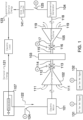
Figure 1 is a block diagram or schematic view of an embodiment of the invention. -
Figure 2 is a detailed view of an embodiment of the invention. - The following detailed description is merely exemplary in nature and is not intended to limit the described embodiments of the application and uses of the described embodiments. As used herein, the word "exemplary" or "illustrative" means "serving as an example, instance, or illustration." Any implementation described herein as "exemplary" or "illustrative" is not necessarily to be construed as preferred or advantageous over other implementations. All of the implementations described below are exemplary implementations provided to enable persons skilled in the art to practice the invention and are not intended to limit the scope of the appended claims. Furthermore, there is no intention to be bound by any expressed or implied theory presented in the preceding technical field, background, brief summary or the following detailed description. Detailed reference will now be made to one or more potential embodiments of the invention, which are illustrated in
Figures 1 through 2 . - This invention addresses the challenges in operating a gas turbine and an electric generator 107 that are described above.
- The hyperbaric load control for a power plant 100 (hereinafter invention) is an energy storage device used to regulate the tangent velocity of a gas turbine. Specifically, the invention 100: a) releases previously stored energy in the form of supplemental
electrical energy 123 to compensate for an energy deficit created by an operating condition where the electrical energy demanded 121 by an electric load is greater than the energy provided by the gas turbine to the electric generator; and, b) absorbs and stores the excess energy created by an operating condition where the energy transferred to electric generator from the gas turbine is greater than the electric energy demanded 121 by the electric load. The invention 100 comprises anelectric motor 101, acompressor 102, a highpressure gas tank 103, asupplemental turbine 105, a supplementalelectric generator 104, a control system 106, and agrid tie inverter 141. Theelectric motor 101, thecompressor 102, and the highpressure gas tank 103 stores theexcess energy 122 generated by the gas turbine and electric generator 107 when the tangent velocity of the gas turbine rotor is greater than the targeted tangent velocity. Thesupplemental turbine 105, the supplementalelectric generator 104, and thegrid tie inverter 141 transfer supplementalelectric energy 123 to the electric load when the tangent velocity of the gas turbine rotor is lesser than the targeted tangent velocity. - The gas turbine and electric generator 107 generates demand energy 121 to meet the electric energy requirements of the electric load.
- The
electric motor 101 drives the first drive shaft 110 which drives thecompressor 102. - The
compressor 102 draws air flow through thecompressor intake 111 into thecompressor 102 and drives compressed air into thecompressor exit pipe 112. - The compressed air from the
compressor 102 then flows through the high pressure gastank intake valve 113 through the high pressure gas tankintake feed pipe 114 and into the highpressure gas tank 103 where it is stored until needed. When supplementalelectric energy 123 is required, the high pressure gastank exit valve 116 is opened to release the compressed air which flows through the high pressure gastank exit pipe 115, high pressure gastank exit valve 116 and theturbine feed pipe 117 to rotate thesupplemental turbine 105. The compressed air then exits thesupplemental turbine 105 as theturbine exhaust air 119. The rotation of thesupplemental turbine 105 rotates thesecond drive shaft 118 which in turn drives thesupplemental electric 104 to generate supplementalelectric energy 123 that can be fed into the system. The flow ofexcess energy 122 into theelectric motor 101 is controlled with the electricmotor grid relay 124. The flow of supplementalelectric energy 123 into the electric grid is controlled with thegenerator grid relay 125. - The purpose of the
electric motor 101 is to drive thecompressor 102. Specifically, theelectric motor 101 drives the rotational component of thecompressor 102 that is required to compress the air. The size and type ofelectric motor 101 selected will depend on the design requirements of thecompressor 102 and the invention 100. Commercially available electric motors would be suitable for use with the invention 100. - The purpose of the
compressor 102 is to generate the compressed air that is stored in the highpressure gas tanks 103. Suitable compressors include, but are not limited to axial flow compressors and centrifugal compressors. Commercially available compressors would be suitable for use with the invention 100. - The purpose of the high
pressure gas tank 103 is to store compressed air. The highpressure gas tank 103 stores the energy used by the invention 100 to generate electricity. The higher the pressure the compressed air is stored and the greater the volume of compressed air that is stored (at a given pressure) , the more energy will be stored in the tanks and the more electricity can be generated. The implementation of the highpressure gas tank 103 in this invention explicitly allows for the use a single tank or the use of multiple tanks configured in a "farm" system to increase the volume and the energy storage capacity of the system. The pressure of the compressed air stored in the highpressure gas tank 103 and the overall volume capacity of the single tank or tank farm will depend on the design requirements of the invention 100. - Commercially available high pressure tanks, pipes, and fittings would be suitable for use with the invention 100.
- The purpose of the
supplemental turbine 105 is to convert the compressed air to rotational mechanical energy by flowing the compressed air through a series of blades that turn a wheel or cylinder that in turn rotates thesecond drive shaft 118. - As shown in
Figure 2 , thesupplemental turbine 105 comprises a plurality ofturbine blades 120, thesecond drive shaft 118, and aturbine tube 126. The plurality ofturbine blades 120 are mounted on thesecond drive shaft 118. Theturbine tube 126 is a tube that is formed like a cone in that the diameter of theturbine tube 126 increases in the direction of air flow from theturbine feed pipe 117 to theturbine exhaust 119. This increase in diameter increases the volume of theturbine tube 126 which causes a pressure drop in the compressed air. This pressure drop causes the compressed air to flow over the plurality ofturbine blades 120 which causes the plurality ofturbine blades 120 to rotate which in turn rotates thesecond drive shaft 118. Turbine designs are well known and documented in the art. The specific turbine size and design selected will depend on the design requirements of the invention 100. - The purpose of the supplemental
electric generator 104 is to convert the rotational energy generated by thesupplemental turbine 105 into electric energy. Commercially available electric generators would be suitable for this purpose. The electric energy generated by the supplementalelectric generator 104 is fed into thegrid tie inverter 141 through thegenerator grid relay 125. The grid tie inverter synchronizes the electric energy provided by the supplementalelectric generator 104 to the demand energy 121 already being generated by the gas turbine and electric generator 107. - The control system 106 is an electric circuit that controls the flow of electrical energy into and out of the invention 100. The control system 106 comprises a high
tangent velocity signal 131 and a lowtangent velocity signal 132. The hightangent velocity signal 131 monitors the tangent velocity of the gas turbine rotor. The lowtangent velocity signal 132 monitors the tangent velocity of the gas turbine rotor. - When the tangent velocity of the gas turbine rotor is greater than the target tangent velocity, the high
tangent velocity signal 131 activates the control system 106 to close the electricmotor grid relay 124 and open the high pressuregas intake valve 113. The electricmotor grid relay 124 allows theexcess energy 122, in the form of electrical energy, to flow into theelectric motor 101 which in turn operates thecompressor 102. Opening the high pressuregas intake valve 113 allows the gas compressed by thecompressor 102 to be transported into the highpressure gas tank 103. Theexcess energy 122 is stored as a pressurized gas in the highpressure gas tank 103. - When the tangent velocity of the gas turbine rotor is lesser than the target tangent velocity, the low
tangent velocity signal 131 activates the control system 106 to close thegenerator grid relay 125 and open the high pressuregas exit valve 116. This allows the previously stored energy, in the form of a compressed gas, to flow into thesupplemental turbine 105 which in turn rotates the supplementalelectric generator 104. Closing thegenerator grid relay 125 allows the supplementalelectrical energy 123 generated by the supplementalelectric generator 104 to flow into thegrid tie inverter 141 for subsequent transport to the electric load. - The following definitions were used in this disclosure:
- Compress: In this disclosure, compress means to force into a smaller space.
- Compressed Gas: In this disclosure, compressed gas refers to a gas that has been compressed to a pressure greater than normal temperature and pressure when stored at normal temperature .
- Electric Motor: In this disclosure, an electric motor is a machine that converts electric energy into rotational mechanical energy. An electric motor typically comprises a stator and a rotor. The stator is a stationary hollow cylindrical structure that forms a magnetic field. The rotor is a magnetically active rotating cylindrical structure that is coaxially mounted in the stator. The magnetic interactions between the rotor and the stator physically cause the rotor to rotate within the stator thereby generating rotational mechanical energy. This disclosure assumes that the power source is an externally provided source of DC electrical power. The use of DC power is not critical and AC power can be used by exchanging the DC electric motor with an AC motor that has a reversible starter winding . External Power Source: As used in this disclosure, an external power source is a source of the energy that is externally provided to enable the operation of the present disclosure. Examples of external power sources include, but are not limited to, electrical power sources and compressed air sources .
- Fluid: As used in this disclosure, a fluid refers to a state of matter wherein the matter is capable of flow and takes the shape of a container it is placed within. The term fluid commonly refers to a liquid or a gas.
- Fluidic Connection: As used in this disclosure, a fluidic connection refers to a tubular structure that transports a fluid from a first object to a second object. Methods to design and use a fluidic connections are well-known and documented in the mechanical, chemical, and plumbing arts.
- Gas: As used in this disclosure, a gas refers to a state (phase) of matter that is fluid and that fills the volume of the structure that contains it. Stated differently, the volume of a gas always equals the volume of its container.
- Grid Tie Inverter: As used in this disclosure, a grid tie inverter is an electric device that converts dc electricity into ac electricity that is synchronized with a national electric grid. High Pressure Gas Tank: As used in this disclosure, a high pressure gas tank is a container that is used to store compressed gas.
- Liquid: As used in this disclosure, a liquid refers to a state (phase) of matter that is fluid and that maintains, for a given pressure, a fixed volume that is independent of the volume of the container.
- Load: As used in this disclosure, the term load refers to an object upon which a force is acting or which is otherwise absorbing energy in some fashion. Examples of a load in this sense include, but are not limited to, a mass that is being moved a distance or an electrical circuit element that draws energy. The term load is also commonly used to refer to the forces that are applied to a stationary structure.
- Motor: As used in this disclosure, a motor refers to the method of transferring energy from an external power source into rotational mechanical energy.
- National Electric Grid: As used in this disclosure, the national electric grid is a synchronized and highly interconnected electrical network that distributes energy in the form of electric power from a plurality of generating stations to consumers of electricity. The national electric grid is a commercially available source of AC electrical power. The national electric grid is regulated by an appropriate authority. The national electric grid sells electrical power for use by an electrical load. The national electric grid invoices for electrical power based on the total energy consumed by the electrical load. The national electric grid measures the energy consumption of an electrical load with an electrical meter.
- Normal Temperature and Pressure: As used in this disclosure, normal temperature and pressure refers to gas storage conditions corresponding to 20 degrees C at 100 kPa (approx. 1 atmosphere) . Normal temperature and pressure is often abbreviated as NTP.
- Relay: As used in this disclosure, a relay is an automatic electromagnetic or electromechanical device that reacts to changes in voltage or current by opening or closing a switch in an electric circuit. Relays further defined with a coil and a switch. Applying a voltage to the coil, usually referred to as energizing the coil, will cause the coil to change the position of the switch. Note: Though transistors can be configured to perform switching functions, transistors used for switching functions are handled separately in this disclosure and are explicitly excluded from this definition.
- Rotation: As used in this disclosure, rotation refers to the cyclic movement of an object around a fixed point or fixed axis. The verb of rotation is to rotate. Switch: As used in this disclosure, a switch is an electrical device that starts and stops the flow of electricity through an electric circuit by completing or interrupting an electric circuit. The act of completing or breaking the electrical circuit is called actuation. Completing or interrupting an electric circuit with a switch is often referred to as closing or opening a switch respectively. Completing or interrupting an electric circuit is also often referred to as making or breaking the circuit respectively.
- Tank: As used in this disclosure, a tank is an enclosed hollow structure used to store a fluid.
- Turbine: In this disclosure, a turbine is a machine that converts the kinetic energy of a moving fluid or gas to rotational energy. In common usage, a turbine generally accomplishes this by forcing the moving fluid or gas through a series of blades arrayed around the circumference of a wheel or a cylinder. Alternative, a turbine can run in a reverse mode wherein externally provided rotational energy will be converted into kinetic energy that is expressed as the movement or compression of a fluid or gas.
- Valve: As used in this disclosure, a valve is a device that is used to control the flow of a fluid (gas or liquid) through a pipe, tube, or hose. With respect to the above description, it is to be realized that the optimum dimensional relationship for the various components of the invention described above and in
Figures 1 through 2 include variations in size, materials, shape, form, function, and manner of operation, assembly and use, are deemed readily apparent and obvious to one skilled in the art, and all equivalent relationships to those illustrated in the drawings and described in the specification are intended to be encompassed by the invention.
Claims (18)
- A hyperbaric load control,wherein the hyperbaric load control is an energy storage device used to regulate the tangent velocity of a gas turbine;and wherein the gas turbine and an electric generator (107) generates demand energy (121) to meet the electric energy requirements of an electric load;wherein the hyperbaric load control is arranged to release previously stored energy in the form of supplemental electrical energy (123) to compensate for an energy deficit created by an operating condition where electrical energy demanded by the electric load is greater than the demand energy (121) provided by the gas turbine to the electric generator (107);wherein the hyperbaric load control is arranged to absorb and store excess energy created by an operating condition where the energy transferred to the electric generator (107) from the gas turbine is greater than the electric energy demanded by the electric load;wherein the hyperbaric load control comprises:an electric motor (101), a compressor (102), a high pressure gas tank (103), a supplemental turbine (105), a supplemental electric generator (104), a control system (106), and a grid tie inverter (141) that artificially generates wind power to generate electricity to provide a green energy source;wherein the electric motor (101), the compressor (102), and the high pressure gas tank (103) stores the excess energy generated by the gas turbine and electric generator (107) when the tangent velocity of the gas turbine rotor is greater than the targeted tangent velocity;and wherein the supplemental turbine (105), the supplemental electric generator (104), and the grid tie inverter (141) transfer supplemental electric energy to the electric load when the tangent velocity of the gas turbine rotor is lesser than the targeted tangent velocity.
- The hyperbaric load control according to claim 1 wherein the electric motor (101) drives a first drive shaft (110) which drives the compressor (102); wherein the compressor (102) draws air flow through the compressor intake (111) into the compressor (102) and drives compressed air into a compressor exit pipe (112); wherein the compressed air from the compressor (102) then flows through a high pressure gas tank intake valve (113) and a high pressure gas tank intake feed pipe (114) and into the high pressure gas tank (103).
- The hyperbaric load control according to claim 2 wherein the high pressure gas tank exit valve(116) is opened to release compressed gas which flows through a high pressure gas tank exit pipe (115), a high pressure gas tank exit valve (116) and a turbine feed pipe (117) to rotate the supplemental turbine (105).
- The hyperbaric load control according to claim 3 wherein the compressed air then exits the supplemental turbine (105) as the turbine exhaust air (119).
- The hyperbaric load control according to claim 4 wherein the rotation of the supplemental turbine (105) rotates a second drive shaft (118) which in turn drives the supplemental electric generator (104) to generate supplemental electric energy (123).
- The hyperbaric load control according to claim 5 wherein the flow of supplemental electric energy (123) into the electric grid is controlled with a generator grid relay (125).
- The hyperbaric load control according to claim 6 wherein the electric motor (101) drives the rotational component of the compressor (102) that is required to compress the air.
- The hyperbaric load control according to claim 7 wherein the purpose of the high pressure gas tank (103) is to store a compressed gas.
- The hyperbaric load control according to claim 8 wherein the supplemental turbine (105) converts the compressed air to rotational mechanical energy.
- The hyperbaric load control according to claim 9 wherein the electric energy generated by the supplemental electric generator (104) is fed into the grid tie inverter (141) through the generator grid relay (125).
- The hyperbaric load control according to claim 10 wherein the grid tie inverter (141) synchronizes the electric energy provided by the supplemental electric generator(104) to the demand energy (121) already being generated by the gas turbine and electric generator (107).
- The hyperbaric load control according to claim 11 wherein the control system (106) is an electric circuit that controls the flow of electrical energy into and out of the hyperbaric load control.
- The hyperbaric load control according to claim 12 wherein the control system (106) comprises a high tangent velocity signal (131) and a low tangent velocity signal (132); wherein the high tangent velocity signal (131) monitors the tangent velocity of the gas turbine rotor; wherein the low tangent velocity signal (132) monitors the tangent velocity of the gas turbine rotor; wherein the turbine is further defined with a target tangent velocity.
- The hyperbaric load control according to claim 13 wherein the high tangent velocity signal (131) activates the control system (106) to close the electric motor grid relay (124) and open the high pressure gas intake valve (113).
- The hyperbaric load control according to claim 14 wherein the electric motor grid relay (124) allows electrical energy (122) to flow into the electric motor (101) which in turn operates the compressor (102); wherein opening the high pressure gas intake valve (113) allows the gas compressed by the compressor (102) to be transported into the high pressure gas tank (103).
- The hyperbaric load control according to claim 15 wherein the low tangent velocity signal (132) activates the control system (106) to close the generator grid relay (125) and open the high pressure gas exit valve (116).
- The hyperbaric load control according to claim 16 wherein the high pressure gas exit valve (116) allows compressed gas to flow into the supplemental turbine (105); wherein closing the generator grid relay (125) allows the supplemental electrical energy (123) generated by the supplemental electric generator(104) to flow into the grid tie inverter (141) for subsequent transport to the electric load.
- The hyperbaric load control according to claim 17 wherein the supplemental turbine (105) comprises a plurality of turbine blades (120), the second drive shaft (118), and a turbine tube (126); wherein the turbine tube (126) is a tube that is formed like a cone in that the diameter of the turbine tube (126) increases in the direction of air flow from the turbine feed pipe (117) to the turbine exhaust (119); wherein the plurality of turbine blades (120) are mounted on the second drive shaft (118).
Applications Claiming Priority (2)
| Application Number | Priority Date | Filing Date | Title |
|---|---|---|---|
| US16/444,285 US10697368B1 (en) | 2019-06-18 | 2019-06-18 | Hyperbaric power plant |
| PCT/US2020/033920 WO2020256882A1 (en) | 2019-06-18 | 2020-05-21 | Hyperbaric power plant |
Publications (4)
| Publication Number | Publication Date |
|---|---|
| EP3990764A1 EP3990764A1 (en) | 2022-05-04 |
| EP3990764A4 EP3990764A4 (en) | 2023-10-18 |
| EP3990764C0 EP3990764C0 (en) | 2025-03-19 |
| EP3990764B1 true EP3990764B1 (en) | 2025-03-19 |
Family
ID=71125221
Family Applications (1)
| Application Number | Title | Priority Date | Filing Date |
|---|---|---|---|
| EP20825624.8A Active EP3990764B1 (en) | 2019-06-18 | 2020-05-21 | Hyperbaric power plant |
Country Status (3)
| Country | Link |
|---|---|
| US (1) | US10697368B1 (en) |
| EP (1) | EP3990764B1 (en) |
| WO (1) | WO2020256882A1 (en) |
Family Cites Families (10)
| Publication number | Priority date | Publication date | Assignee | Title |
|---|---|---|---|---|
| US5449961A (en) * | 1993-03-18 | 1995-09-12 | Solar Turbines Incorporated | Electric machine cooling system |
| EP2361350A1 (en) * | 2008-08-19 | 2011-08-31 | Sonic Blue Aerospace, Inc. | Magnetic advanced generation jet electric turbine |
| GB201015028D0 (en) * | 2010-09-10 | 2010-10-20 | Rolls Royce Plc | Gas turbine engine |
| GB201015029D0 (en) * | 2010-09-10 | 2010-10-20 | Rolls Royce Plc | Gas turbine engine |
| FR3016025B1 (en) | 2013-12-30 | 2015-12-25 | Fives | COMBINATION OF A COMPRESSED AIR ENERGY STORAGE UNIT AND A THERMAL POWER PLANT |
| WO2016000133A1 (en) * | 2014-06-30 | 2016-01-07 | Tsinghua University | Method and system of efficiency evaluation of rcaes system |
| US10415431B2 (en) | 2015-09-08 | 2019-09-17 | The Regents Of The University Of California | Low-cost hybrid energy storage system |
| US20180313364A1 (en) * | 2017-04-27 | 2018-11-01 | General Electric Company | Compressor apparatus with bleed slot including turning vanes |
| CN107237657B (en) * | 2017-07-24 | 2019-06-11 | 西安交通大学 | A gas-steam combined power plant with adjustable peak energy storage and control method thereof |
| US10969107B2 (en) * | 2017-09-15 | 2021-04-06 | General Electric Company | Turbine engine assembly including a rotating detonation combustor |
-
2019
- 2019-06-18 US US16/444,285 patent/US10697368B1/en active Active
-
2020
- 2020-05-21 WO PCT/US2020/033920 patent/WO2020256882A1/en not_active Ceased
- 2020-05-21 EP EP20825624.8A patent/EP3990764B1/en active Active
Also Published As
| Publication number | Publication date |
|---|---|
| EP3990764A4 (en) | 2023-10-18 |
| EP3990764C0 (en) | 2025-03-19 |
| EP3990764A1 (en) | 2022-05-04 |
| WO2020256882A1 (en) | 2020-12-24 |
| US10697368B1 (en) | 2020-06-30 |
Similar Documents
| Publication | Publication Date | Title |
|---|---|---|
| US7325401B1 (en) | Power conversion systems | |
| Sun et al. | Feasibility study of a hybrid wind turbine system–Integration with compressed air energy storage | |
| US7719127B2 (en) | Wind power system for energy production | |
| JP6009458B2 (en) | A device for converting thermal energy into mechanical energy | |
| US20130056993A1 (en) | Use of thermal hydraulic DC generators meets the requirements to qualify as a "Green Energy" source | |
| JPWO2010140565A1 (en) | Solar gas turbine and solar gas turbine power generator | |
| KR20160013052A (en) | Gas turbines in mechanical drive applications and operating methods | |
| US20090072771A1 (en) | Magnetic motor generator having a floating flywheel | |
| US10408186B2 (en) | Combined pump and turbine | |
| EP3411566B1 (en) | Improvements in power recovery | |
| EP3990764B1 (en) | Hyperbaric power plant | |
| CN104136742A (en) | Gas power plant | |
| Borzea et al. | Compressed air energy storage installation for renewable energy generation | |
| EP2586997A2 (en) | Compressed air energy storage system and method of operating such a system | |
| CN109196222B (en) | Turbine generator device for generating electrical energy and associated operating and installation method | |
| JP4885299B1 (en) | Start method for steam turbine power generation system, steam turbine power generation system | |
| WO2020245846A1 (en) | Energy storage mechanisms for uncontrolled fuel input turbine | |
| CN202732237U (en) | Vapor-liquid two-phase energy storage power compensation system for wind power plant | |
| EP2773870A1 (en) | A power transfer system | |
| CN103670942A (en) | Gas-liquid two-phase energy storage and power compensation system of wind power plant | |
| Alami | Recent innovations and applications of mechanical energy storage technologies | |
| RU2231687C1 (en) | Wind heat generator | |
| CN223868102U (en) | Wind-powered combined heat and power units based on magnetic levitation technology | |
| RU2792492C1 (en) | Wind-photo-electric complex with pneumatic solar tracker | |
| US11952922B2 (en) | Operation of a thermal energy storage system |
Legal Events
| Date | Code | Title | Description |
|---|---|---|---|
| STAA | Information on the status of an ep patent application or granted ep patent |
Free format text: STATUS: THE INTERNATIONAL PUBLICATION HAS BEEN MADE |
|
| PUAI | Public reference made under article 153(3) epc to a published international application that has entered the european phase |
Free format text: ORIGINAL CODE: 0009012 |
|
| STAA | Information on the status of an ep patent application or granted ep patent |
Free format text: STATUS: REQUEST FOR EXAMINATION WAS MADE |
|
| 17P | Request for examination filed |
Effective date: 20220304 |
|
| AK | Designated contracting states |
Kind code of ref document: A1 Designated state(s): AL AT BE BG CH CY CZ DE DK EE ES FI FR GB GR HR HU IE IS IT LI LT LU LV MC MK MT NL NO PL PT RO RS SE SI SK SM TR |
|
| DAV | Request for validation of the european patent (deleted) | ||
| DAX | Request for extension of the european patent (deleted) | ||
| A4 | Supplementary search report drawn up and despatched |
Effective date: 20230919 |
|
| RIC1 | Information provided on ipc code assigned before grant |
Ipc: F01K 13/02 20060101ALI20230913BHEP Ipc: F01D 15/10 20060101ALI20230913BHEP Ipc: H02P 9/04 20060101ALI20230913BHEP Ipc: F02C 1/02 20060101ALI20230913BHEP Ipc: F02C 6/16 20060101ALI20230913BHEP Ipc: F02C 6/00 20060101AFI20230913BHEP |
|
| GRAP | Despatch of communication of intention to grant a patent |
Free format text: ORIGINAL CODE: EPIDOSNIGR1 |
|
| STAA | Information on the status of an ep patent application or granted ep patent |
Free format text: STATUS: GRANT OF PATENT IS INTENDED |
|
| INTG | Intention to grant announced |
Effective date: 20240730 |
|
| GRAJ | Information related to disapproval of communication of intention to grant by the applicant or resumption of examination proceedings by the epo deleted |
Free format text: ORIGINAL CODE: EPIDOSDIGR1 |
|
| STAA | Information on the status of an ep patent application or granted ep patent |
Free format text: STATUS: REQUEST FOR EXAMINATION WAS MADE |
|
| INTC | Intention to grant announced (deleted) | ||
| GRAS | Grant fee paid |
Free format text: ORIGINAL CODE: EPIDOSNIGR3 |
|
| STAA | Information on the status of an ep patent application or granted ep patent |
Free format text: STATUS: GRANT OF PATENT IS INTENDED |
|
| GRAP | Despatch of communication of intention to grant a patent |
Free format text: ORIGINAL CODE: EPIDOSNIGR1 |
|
| GRAA | (expected) grant |
Free format text: ORIGINAL CODE: 0009210 |
|
| STAA | Information on the status of an ep patent application or granted ep patent |
Free format text: STATUS: THE PATENT HAS BEEN GRANTED |
|
| INTG | Intention to grant announced |
Effective date: 20250122 |
|
| AK | Designated contracting states |
Kind code of ref document: B1 Designated state(s): AL AT BE BG CH CY CZ DE DK EE ES FI FR GB GR HR HU IE IS IT LI LT LU LV MC MK MT NL NO PL PT RO RS SE SI SK SM TR |
|
| REG | Reference to a national code |
Ref country code: GB Ref legal event code: FG4D |
|
| REG | Reference to a national code |
Ref country code: CH Ref legal event code: EP |
|
| REG | Reference to a national code |
Ref country code: IE Ref legal event code: FG4D |
|
| REG | Reference to a national code |
Ref country code: DE Ref legal event code: R096 Ref document number: 602020048042 Country of ref document: DE |
|
| U01 | Request for unitary effect filed |
Effective date: 20250414 |
|
| U07 | Unitary effect registered |
Designated state(s): AT BE BG DE DK EE FI FR IT LT LU LV MT NL PT RO SE SI Effective date: 20250422 |
|
| U20 | Renewal fee for the european patent with unitary effect paid |
Year of fee payment: 6 Effective date: 20250430 |
|
| PG25 | Lapsed in a contracting state [announced via postgrant information from national office to epo] |
Ref country code: RS Free format text: LAPSE BECAUSE OF FAILURE TO SUBMIT A TRANSLATION OF THE DESCRIPTION OR TO PAY THE FEE WITHIN THE PRESCRIBED TIME-LIMIT Effective date: 20250619 |
|
| PG25 | Lapsed in a contracting state [announced via postgrant information from national office to epo] |
Ref country code: NO Free format text: LAPSE BECAUSE OF FAILURE TO SUBMIT A TRANSLATION OF THE DESCRIPTION OR TO PAY THE FEE WITHIN THE PRESCRIBED TIME-LIMIT Effective date: 20250619 |
|
| PG25 | Lapsed in a contracting state [announced via postgrant information from national office to epo] |
Ref country code: HR Free format text: LAPSE BECAUSE OF FAILURE TO SUBMIT A TRANSLATION OF THE DESCRIPTION OR TO PAY THE FEE WITHIN THE PRESCRIBED TIME-LIMIT Effective date: 20250319 |
|
| PG25 | Lapsed in a contracting state [announced via postgrant information from national office to epo] |
Ref country code: GR Free format text: LAPSE BECAUSE OF FAILURE TO SUBMIT A TRANSLATION OF THE DESCRIPTION OR TO PAY THE FEE WITHIN THE PRESCRIBED TIME-LIMIT Effective date: 20250620 |
|
| PG25 | Lapsed in a contracting state [announced via postgrant information from national office to epo] |
Ref country code: SM Free format text: LAPSE BECAUSE OF FAILURE TO SUBMIT A TRANSLATION OF THE DESCRIPTION OR TO PAY THE FEE WITHIN THE PRESCRIBED TIME-LIMIT Effective date: 20250319 |
|
| PG25 | Lapsed in a contracting state [announced via postgrant information from national office to epo] |
Ref country code: ES Free format text: LAPSE BECAUSE OF FAILURE TO SUBMIT A TRANSLATION OF THE DESCRIPTION OR TO PAY THE FEE WITHIN THE PRESCRIBED TIME-LIMIT Effective date: 20250319 |
|
| PG25 | Lapsed in a contracting state [announced via postgrant information from national office to epo] |
Ref country code: PL Free format text: LAPSE BECAUSE OF FAILURE TO SUBMIT A TRANSLATION OF THE DESCRIPTION OR TO PAY THE FEE WITHIN THE PRESCRIBED TIME-LIMIT Effective date: 20250319 |
|
| PG25 | Lapsed in a contracting state [announced via postgrant information from national office to epo] |
Ref country code: CZ Free format text: LAPSE BECAUSE OF FAILURE TO SUBMIT A TRANSLATION OF THE DESCRIPTION OR TO PAY THE FEE WITHIN THE PRESCRIBED TIME-LIMIT Effective date: 20250319 |
|
| PG25 | Lapsed in a contracting state [announced via postgrant information from national office to epo] |
Ref country code: SK Free format text: LAPSE BECAUSE OF FAILURE TO SUBMIT A TRANSLATION OF THE DESCRIPTION OR TO PAY THE FEE WITHIN THE PRESCRIBED TIME-LIMIT Effective date: 20250319 |
|
| PG25 | Lapsed in a contracting state [announced via postgrant information from national office to epo] |
Ref country code: IS Free format text: LAPSE BECAUSE OF FAILURE TO SUBMIT A TRANSLATION OF THE DESCRIPTION OR TO PAY THE FEE WITHIN THE PRESCRIBED TIME-LIMIT Effective date: 20250719 |
|
| REG | Reference to a national code |
Ref country code: CH Ref legal event code: H13 Free format text: ST27 STATUS EVENT CODE: U-0-0-H10-H13 (AS PROVIDED BY THE NATIONAL OFFICE) Effective date: 20251223 |
|
| PG25 | Lapsed in a contracting state [announced via postgrant information from national office to epo] |
Ref country code: CH Free format text: LAPSE BECAUSE OF NON-PAYMENT OF DUE FEES Effective date: 20250531 |
|
| PLBE | No opposition filed within time limit |
Free format text: ORIGINAL CODE: 0009261 |
|
| STAA | Information on the status of an ep patent application or granted ep patent |
Free format text: STATUS: NO OPPOSITION FILED WITHIN TIME LIMIT |
|
| REG | Reference to a national code |
Ref country code: CH Ref legal event code: L10 Free format text: ST27 STATUS EVENT CODE: U-0-0-L10-L00 (AS PROVIDED BY THE NATIONAL OFFICE) Effective date: 20260128 |
|
| PG25 | Lapsed in a contracting state [announced via postgrant information from national office to epo] |
Ref country code: MC Free format text: LAPSE BECAUSE OF FAILURE TO SUBMIT A TRANSLATION OF THE DESCRIPTION OR TO PAY THE FEE WITHIN THE PRESCRIBED TIME-LIMIT Effective date: 20250319 |
|
| 26N | No opposition filed |
Effective date: 20251222 |
|
| GBPC | Gb: european patent ceased through non-payment of renewal fee |
Effective date: 20250619 |
|
| PG25 | Lapsed in a contracting state [announced via postgrant information from national office to epo] |
Ref country code: GB Free format text: LAPSE BECAUSE OF NON-PAYMENT OF DUE FEES Effective date: 20250619 |
|
| PG25 | Lapsed in a contracting state [announced via postgrant information from national office to epo] |
Ref country code: IE Free format text: LAPSE BECAUSE OF NON-PAYMENT OF DUE FEES Effective date: 20250521 |