EP3989986B1 - Combined chimeric antigen receptor targeting cd19 and cd20 and applications thereof - Google Patents
Combined chimeric antigen receptor targeting cd19 and cd20 and applications thereof Download PDFInfo
- Publication number
- EP3989986B1 EP3989986B1 EP21772208.1A EP21772208A EP3989986B1 EP 3989986 B1 EP3989986 B1 EP 3989986B1 EP 21772208 A EP21772208 A EP 21772208A EP 3989986 B1 EP3989986 B1 EP 3989986B1
- Authority
- EP
- European Patent Office
- Prior art keywords
- car
- cells
- cell
- tumor
- copies
- Prior art date
- Legal status (The legal status is an assumption and is not a legal conclusion. Google has not performed a legal analysis and makes no representation as to the accuracy of the status listed.)
- Active
Links
Images














Classifications
-
- A—HUMAN NECESSITIES
- A61—MEDICAL OR VETERINARY SCIENCE; HYGIENE
- A61K—PREPARATIONS FOR MEDICAL, DENTAL OR TOILETRY PURPOSES
- A61K35/00—Medicinal preparations containing materials or reaction products thereof with undetermined constitution
- A61K35/12—Materials from mammals; Compositions comprising non-specified tissues or cells; Compositions comprising non-embryonic stem cells; Genetically modified cells
- A61K35/14—Blood; Artificial blood
- A61K35/17—Lymphocytes; B-cells; T-cells; Natural killer cells; Interferon-activated or cytokine-activated lymphocytes
-
- A—HUMAN NECESSITIES
- A61—MEDICAL OR VETERINARY SCIENCE; HYGIENE
- A61K—PREPARATIONS FOR MEDICAL, DENTAL OR TOILETRY PURPOSES
- A61K40/00—Cellular immunotherapy
- A61K40/10—Cellular immunotherapy characterised by the cell type used
- A61K40/11—T-cells, e.g. tumour infiltrating lymphocytes [TIL] or regulatory T [Treg] cells; Lymphokine-activated killer [LAK] cells
-
- A—HUMAN NECESSITIES
- A61—MEDICAL OR VETERINARY SCIENCE; HYGIENE
- A61K—PREPARATIONS FOR MEDICAL, DENTAL OR TOILETRY PURPOSES
- A61K40/00—Cellular immunotherapy
- A61K40/10—Cellular immunotherapy characterised by the cell type used
- A61K40/15—Natural-killer [NK] cells; Natural-killer T [NKT] cells
-
- A—HUMAN NECESSITIES
- A61—MEDICAL OR VETERINARY SCIENCE; HYGIENE
- A61K—PREPARATIONS FOR MEDICAL, DENTAL OR TOILETRY PURPOSES
- A61K40/00—Cellular immunotherapy
- A61K40/30—Cellular immunotherapy characterised by the recombinant expression of specific molecules in the cells of the immune system
- A61K40/31—Chimeric antigen receptors [CAR]
-
- A—HUMAN NECESSITIES
- A61—MEDICAL OR VETERINARY SCIENCE; HYGIENE
- A61K—PREPARATIONS FOR MEDICAL, DENTAL OR TOILETRY PURPOSES
- A61K40/00—Cellular immunotherapy
- A61K40/40—Cellular immunotherapy characterised by antigens that are targeted or presented by cells of the immune system
- A61K40/41—Vertebrate antigens
- A61K40/42—Cancer antigens
- A61K40/4202—Receptors, cell surface antigens or cell surface determinants
- A61K40/421—Immunoglobulin superfamily
- A61K40/4211—CD19 or B4
-
- A—HUMAN NECESSITIES
- A61—MEDICAL OR VETERINARY SCIENCE; HYGIENE
- A61K—PREPARATIONS FOR MEDICAL, DENTAL OR TOILETRY PURPOSES
- A61K40/00—Cellular immunotherapy
- A61K40/40—Cellular immunotherapy characterised by antigens that are targeted or presented by cells of the immune system
- A61K40/41—Vertebrate antigens
- A61K40/42—Cancer antigens
- A61K40/4202—Receptors, cell surface antigens or cell surface determinants
- A61K40/4221—CD20
-
- A—HUMAN NECESSITIES
- A61—MEDICAL OR VETERINARY SCIENCE; HYGIENE
- A61P—SPECIFIC THERAPEUTIC ACTIVITY OF CHEMICAL COMPOUNDS OR MEDICINAL PREPARATIONS
- A61P35/00—Antineoplastic agents
-
- A—HUMAN NECESSITIES
- A61—MEDICAL OR VETERINARY SCIENCE; HYGIENE
- A61P—SPECIFIC THERAPEUTIC ACTIVITY OF CHEMICAL COMPOUNDS OR MEDICINAL PREPARATIONS
- A61P35/00—Antineoplastic agents
- A61P35/02—Antineoplastic agents specific for leukemia
-
- C—CHEMISTRY; METALLURGY
- C07—ORGANIC CHEMISTRY
- C07K—PEPTIDES
- C07K14/00—Peptides having more than 20 amino acids; Gastrins; Somatostatins; Melanotropins; Derivatives thereof
- C07K14/435—Peptides having more than 20 amino acids; Gastrins; Somatostatins; Melanotropins; Derivatives thereof from animals; from humans
- C07K14/46—Peptides having more than 20 amino acids; Gastrins; Somatostatins; Melanotropins; Derivatives thereof from animals; from humans from vertebrates
- C07K14/47—Peptides having more than 20 amino acids; Gastrins; Somatostatins; Melanotropins; Derivatives thereof from animals; from humans from vertebrates from mammals
- C07K14/4701—Peptides having more than 20 amino acids; Gastrins; Somatostatins; Melanotropins; Derivatives thereof from animals; from humans from vertebrates from mammals not used
- C07K14/4748—Tumour specific antigens; Tumour rejection antigen precursors [TRAP], e.g. MAGE
-
- C—CHEMISTRY; METALLURGY
- C07—ORGANIC CHEMISTRY
- C07K—PEPTIDES
- C07K14/00—Peptides having more than 20 amino acids; Gastrins; Somatostatins; Melanotropins; Derivatives thereof
- C07K14/435—Peptides having more than 20 amino acids; Gastrins; Somatostatins; Melanotropins; Derivatives thereof from animals; from humans
- C07K14/705—Receptors; Cell surface antigens; Cell surface determinants
- C07K14/70503—Immunoglobulin superfamily
- C07K14/7051—T-cell receptor (TcR)-CD3 complex
-
- C—CHEMISTRY; METALLURGY
- C07—ORGANIC CHEMISTRY
- C07K—PEPTIDES
- C07K14/00—Peptides having more than 20 amino acids; Gastrins; Somatostatins; Melanotropins; Derivatives thereof
- C07K14/435—Peptides having more than 20 amino acids; Gastrins; Somatostatins; Melanotropins; Derivatives thereof from animals; from humans
- C07K14/705—Receptors; Cell surface antigens; Cell surface determinants
- C07K14/70503—Immunoglobulin superfamily
- C07K14/70521—CD28, CD152
-
- C—CHEMISTRY; METALLURGY
- C07—ORGANIC CHEMISTRY
- C07K—PEPTIDES
- C07K14/00—Peptides having more than 20 amino acids; Gastrins; Somatostatins; Melanotropins; Derivatives thereof
- C07K14/435—Peptides having more than 20 amino acids; Gastrins; Somatostatins; Melanotropins; Derivatives thereof from animals; from humans
- C07K14/705—Receptors; Cell surface antigens; Cell surface determinants
- C07K14/70575—NGF/TNF-superfamily, e.g. CD70, CD95L, CD153, CD154
-
- C—CHEMISTRY; METALLURGY
- C07—ORGANIC CHEMISTRY
- C07K—PEPTIDES
- C07K14/00—Peptides having more than 20 amino acids; Gastrins; Somatostatins; Melanotropins; Derivatives thereof
- C07K14/435—Peptides having more than 20 amino acids; Gastrins; Somatostatins; Melanotropins; Derivatives thereof from animals; from humans
- C07K14/705—Receptors; Cell surface antigens; Cell surface determinants
- C07K14/70596—Molecules with a "CD"-designation not provided for elsewhere
-
- C—CHEMISTRY; METALLURGY
- C07—ORGANIC CHEMISTRY
- C07K—PEPTIDES
- C07K16/00—Immunoglobulins [IG], e.g. monoclonal or polyclonal antibodies
- C07K16/18—Immunoglobulins [IG], e.g. monoclonal or polyclonal antibodies against material from animals or humans
- C07K16/28—Immunoglobulins [IG], e.g. monoclonal or polyclonal antibodies against material from animals or humans against receptors, cell surface antigens or cell surface determinants
- C07K16/2803—Immunoglobulins [IG], e.g. monoclonal or polyclonal antibodies against material from animals or humans against receptors, cell surface antigens or cell surface determinants against the immunoglobulin superfamily
-
- C—CHEMISTRY; METALLURGY
- C07—ORGANIC CHEMISTRY
- C07K—PEPTIDES
- C07K16/00—Immunoglobulins [IG], e.g. monoclonal or polyclonal antibodies
- C07K16/18—Immunoglobulins [IG], e.g. monoclonal or polyclonal antibodies against material from animals or humans
- C07K16/28—Immunoglobulins [IG], e.g. monoclonal or polyclonal antibodies against material from animals or humans against receptors, cell surface antigens or cell surface determinants
- C07K16/2887—Immunoglobulins [IG], e.g. monoclonal or polyclonal antibodies against material from animals or humans against receptors, cell surface antigens or cell surface determinants against CD20
-
- C—CHEMISTRY; METALLURGY
- C12—BIOCHEMISTRY; BEER; SPIRITS; WINE; VINEGAR; MICROBIOLOGY; ENZYMOLOGY; MUTATION OR GENETIC ENGINEERING
- C12N—MICROORGANISMS OR ENZYMES; COMPOSITIONS THEREOF; PROPAGATING, PRESERVING, OR MAINTAINING MICROORGANISMS; MUTATION OR GENETIC ENGINEERING; CULTURE MEDIA
- C12N15/00—Mutation or genetic engineering; DNA or RNA concerning genetic engineering, vectors, e.g. plasmids, or their isolation, preparation or purification; Use of hosts therefor
- C12N15/09—Recombinant DNA-technology
- C12N15/63—Introduction of foreign genetic material using vectors; Vectors; Use of hosts therefor; Regulation of expression
- C12N15/79—Vectors or expression systems specially adapted for eukaryotic hosts
- C12N15/85—Vectors or expression systems specially adapted for eukaryotic hosts for animal cells
- C12N15/86—Viral vectors
-
- C—CHEMISTRY; METALLURGY
- C12—BIOCHEMISTRY; BEER; SPIRITS; WINE; VINEGAR; MICROBIOLOGY; ENZYMOLOGY; MUTATION OR GENETIC ENGINEERING
- C12N—MICROORGANISMS OR ENZYMES; COMPOSITIONS THEREOF; PROPAGATING, PRESERVING, OR MAINTAINING MICROORGANISMS; MUTATION OR GENETIC ENGINEERING; CULTURE MEDIA
- C12N5/00—Undifferentiated human, animal or plant cells, e.g. cell lines; Tissues; Cultivation or maintenance thereof; Culture media therefor
- C12N5/06—Animal cells or tissues; Human cells or tissues
- C12N5/0602—Vertebrate cells
- C12N5/0634—Cells from the blood or the immune system
- C12N5/0636—T lymphocytes
-
- A—HUMAN NECESSITIES
- A61—MEDICAL OR VETERINARY SCIENCE; HYGIENE
- A61K—PREPARATIONS FOR MEDICAL, DENTAL OR TOILETRY PURPOSES
- A61K39/00—Medicinal preparations containing antigens or antibodies
- A61K2039/51—Medicinal preparations containing antigens or antibodies comprising whole cells, viruses or DNA/RNA
- A61K2039/515—Animal cells
- A61K2039/5158—Antigen-pulsed cells, e.g. T-cells
-
- A—HUMAN NECESSITIES
- A61—MEDICAL OR VETERINARY SCIENCE; HYGIENE
- A61K—PREPARATIONS FOR MEDICAL, DENTAL OR TOILETRY PURPOSES
- A61K39/00—Medicinal preparations containing antigens or antibodies
- A61K2039/80—Vaccine for a specifically defined cancer
- A61K2039/804—Blood cells [leukemia, lymphoma]
-
- A—HUMAN NECESSITIES
- A61—MEDICAL OR VETERINARY SCIENCE; HYGIENE
- A61K—PREPARATIONS FOR MEDICAL, DENTAL OR TOILETRY PURPOSES
- A61K2121/00—Preparations for use in therapy
-
- A—HUMAN NECESSITIES
- A61—MEDICAL OR VETERINARY SCIENCE; HYGIENE
- A61K—PREPARATIONS FOR MEDICAL, DENTAL OR TOILETRY PURPOSES
- A61K2239/00—Indexing codes associated with cellular immunotherapy of group A61K40/00
- A61K2239/27—Indexing codes associated with cellular immunotherapy of group A61K40/00 characterized by targeting or presenting multiple antigens
- A61K2239/29—Multispecific CARs
-
- A—HUMAN NECESSITIES
- A61—MEDICAL OR VETERINARY SCIENCE; HYGIENE
- A61K—PREPARATIONS FOR MEDICAL, DENTAL OR TOILETRY PURPOSES
- A61K2300/00—Mixtures or combinations of active ingredients, wherein at least one active ingredient is fully defined in groups A61K31/00 - A61K41/00
-
- C—CHEMISTRY; METALLURGY
- C07—ORGANIC CHEMISTRY
- C07K—PEPTIDES
- C07K2317/00—Immunoglobulins specific features
- C07K2317/30—Immunoglobulins specific features characterized by aspects of specificity or valency
- C07K2317/31—Immunoglobulins specific features characterized by aspects of specificity or valency multispecific
-
- C—CHEMISTRY; METALLURGY
- C07—ORGANIC CHEMISTRY
- C07K—PEPTIDES
- C07K2317/00—Immunoglobulins specific features
- C07K2317/50—Immunoglobulins specific features characterized by immunoglobulin fragments
- C07K2317/56—Immunoglobulins specific features characterized by immunoglobulin fragments variable (Fv) region, i.e. VH and/or VL
-
- C—CHEMISTRY; METALLURGY
- C07—ORGANIC CHEMISTRY
- C07K—PEPTIDES
- C07K2317/00—Immunoglobulins specific features
- C07K2317/60—Immunoglobulins specific features characterized by non-natural combinations of immunoglobulin fragments
- C07K2317/62—Immunoglobulins specific features characterized by non-natural combinations of immunoglobulin fragments comprising only variable region components
- C07K2317/622—Single chain antibody (scFv)
-
- C—CHEMISTRY; METALLURGY
- C07—ORGANIC CHEMISTRY
- C07K—PEPTIDES
- C07K2319/00—Fusion polypeptide
-
- C—CHEMISTRY; METALLURGY
- C07—ORGANIC CHEMISTRY
- C07K—PEPTIDES
- C07K2319/00—Fusion polypeptide
- C07K2319/01—Fusion polypeptide containing a localisation/targetting motif
- C07K2319/02—Fusion polypeptide containing a localisation/targetting motif containing a signal sequence
-
- C—CHEMISTRY; METALLURGY
- C07—ORGANIC CHEMISTRY
- C07K—PEPTIDES
- C07K2319/00—Fusion polypeptide
- C07K2319/01—Fusion polypeptide containing a localisation/targetting motif
- C07K2319/03—Fusion polypeptide containing a localisation/targetting motif containing a transmembrane segment
-
- C—CHEMISTRY; METALLURGY
- C07—ORGANIC CHEMISTRY
- C07K—PEPTIDES
- C07K2319/00—Fusion polypeptide
- C07K2319/33—Fusion polypeptide fusions for targeting to specific cell types, e.g. tissue specific targeting, targeting of a bacterial subspecies
-
- C—CHEMISTRY; METALLURGY
- C12—BIOCHEMISTRY; BEER; SPIRITS; WINE; VINEGAR; MICROBIOLOGY; ENZYMOLOGY; MUTATION OR GENETIC ENGINEERING
- C12N—MICROORGANISMS OR ENZYMES; COMPOSITIONS THEREOF; PROPAGATING, PRESERVING, OR MAINTAINING MICROORGANISMS; MUTATION OR GENETIC ENGINEERING; CULTURE MEDIA
- C12N2510/00—Genetically modified cells
-
- C—CHEMISTRY; METALLURGY
- C12—BIOCHEMISTRY; BEER; SPIRITS; WINE; VINEGAR; MICROBIOLOGY; ENZYMOLOGY; MUTATION OR GENETIC ENGINEERING
- C12N—MICROORGANISMS OR ENZYMES; COMPOSITIONS THEREOF; PROPAGATING, PRESERVING, OR MAINTAINING MICROORGANISMS; MUTATION OR GENETIC ENGINEERING; CULTURE MEDIA
- C12N2740/00—Reverse transcribing RNA viruses
- C12N2740/00011—Details
- C12N2740/10011—Retroviridae
- C12N2740/15011—Lentivirus, not HIV, e.g. FIV, SIV
- C12N2740/15041—Use of virus, viral particle or viral elements as a vector
- C12N2740/15043—Use of virus, viral particle or viral elements as a vector viral genome or elements thereof as genetic vector
Definitions
- Bispecificity means that the same CAR can specifically bind and immunorecognize two different antigens, and the CAR can generate an immune response by binding to any one of the antigens.
- FMC63-VH-CDR1 SEQ ID NO: 6, position 31-35.
- the sequence of FMC63-VH-CDR1 is: DYGVS (SEQ ID NO: 60).
- FMC63-VH-CDR3 SEQ ID NO: 6, position 98-109.
- the sequence of FMC63-VH-CDR3 is: HYYYGGSYAMDY (SEQ ID NO: 62).
- VH single-chain variable region
- the leader sequence is the leader sequence of CD8 antigen: MALPVTALLLPLALLLHAARP (SEQ ID NO: 8)
- linker sequences (i.e., flexible linker I) between the heavy chain and light chain of the single-chain variable region are: Amino acid sequence of the linker between V L and V H of CD20 scfv: GSTSGGGSGGGSGGGGSS (SEQ ID NO: 19)
- the hinge region is selected from the sequence of a short form of IgG4 Hinge: ESKYGPPCPPCP (SEQ ID NO: 9)
- the transmembrane region is the transmembrane region sequence of CD8 (CD8TM) or CD28 (CD28TM) antigen:
- the signaling region of CD3 ⁇ is derived from the sequence of immunoreceptor tyrosine-based activation motif (ITAM) of CD3 ⁇ in the TCR complex:
- nucleic acid sequences and amino acid sequences of the two CARs described herein are as follows
- TN-OF-19 The complete nucleic acid sequence of TN-OF-19 of the invention is as follows:
- TN-LEU-19 The complete amino acid sequence of TN-LEU-19 is as follows:
- the design of the BICAR of the present invention has the following advantages: First, CD19 and CD20 are expressed in most malignant B-cell tumors. Secondly, in general, when expanding CAR structure to increase T cell recognition ability, problems such as increased adverse targeting, increased cytotoxicity, and increased side effects are often encountered. However, this is not the case for CD19 and CD20 because both of them are only expressed in B cells with the same tumor toxicity curve. Finally, the expression of CD19 and CD20 in B cells can promote the survival of B cells. And the loss of both antigens during treatment is a very low probability event. Therefore, targeting CD19 and CD20 is expected to provide effective prevention of antigen escape of malignant B cells.
- BICAR Compared with the single CAR of CD19 or CD20, BICAR has the following advantages: First, compared with expressing two independent CARs, when expressing BICAR in a single T cell, the DNA footprint is significantly reduced (the DNA length is reduced by 40%). The size and the length of structure can significantly affect the packaging and transduction efficiency of the viral vector, thus directly affecting the clinical efficacy. Secondly, compared to the mixture of two different single CARs, BICAR can significantly reduce the cost of treatment (BICAR is completely compatible with the current T cell production process without adding additional burden.) and increase the clinical cure rate. Finally, CD19 and CD20 have been verified in a large number of clinical studies and are relatively safe.
- the nucleic acid can be cloned into a number of types of vectors.
- the nucleic acid can be cloned into a vector including, but not limited to a plasmid, a phagemid, a phage derivative, an animal virus, and a cosmid.
- Vectors of particular interest comprise expression vectors, replication vectors, probe generation vectors, and sequencing vectors.
- promoter elements e.g., enhancers
- promoters regulate the frequency of transcriptional initiation.
- these are located in the region 30-1 10 bp upstream of the start site, although a number of promoters have recently been shown to contain functional elements downstream of the start site as well.
- the spacing between promoter elements frequently is flexible, so that promoter function is preserved when elements are inverted or moved relative to one another,.
- tk thymidine kinase
- the spacing between promoter elements can be increased to 50 bp apart before activity begins to decline.
- individual elements can function either cooperatively or independently to activate transcription.
- the expression vector to be introduced into a ceil can also contain either a selectable marker gene or a reporter gene or both to facilitate identification and selection of expressing cells from the population of cells sought to be transfected or infected through viral vectors.
- the selectable marker may be carried on a separate piece of DNA and used in a co- transfection procedure. Both selectable markers and reporter genes may be flanked with appropriate regulatory sequences to enable expression in the host cells.
- Useful selectable markers comprise, for example, antibiotic-resistance genes, such as neo and the like.
- Reporter genes are used for identifying potentially transfected cells and for evaluating the functionality of regulatory sequences.
- a reporter gene is a gene that is not present in or expressed by the recipient organism or tissue and that encodes a polypeptide whose expression is manifested by some easily detectable property, e.g., enzymatic activity. Expression of the reporter gene is assayed at a suitable time after the DNA has been introduced into the recipient cells.
- Suitable reporter genes may comprise genes encoding luciferase, beta-galactosidase, chloramphenicol acetyl transferase, secreted alkaline phosphatase, or the green fluorescent protein gene (e.g., Ui-Tei et al., 2000 FEBS Letters 479: 79-82 ).
- Suitable expression systems are well known and may be prepared using known techniques or obtained commercially.
- the construct with the minimal 5' flanking region showing the highest level of expression of reporter gene is identified as the promoter.
- Such promoter regions may be linked to a reporter gene and used to evaluate agents for the ability to modulate promoter- driven transcription.
- the vector can be readily introduced into a host cell, e.g., mammalian, bacterial, yeast, or insect cell by any method in the art.
- the expression vector can be transferred into a host cell by physical, chemical, or biological means.
- Physical methods for introducing a polynucleotide into a host cell comprise calcium phosphate precipitation, lipofection, particle bombardment, microinjection, electroporation, and the like.
- Methods for producing cells comprising vectors and/or exogenous nucleic acids are well-known in the art. See, for example, Sambrook et al. (2001, Molecular Cloning: A Laboratory Manual, Cold Spring Harbor Laboratory, New York ).
- a preferred method for the introduction of a polynucleotide into a host cell is calcium phosphate transfection.
- Biological methods for introducing a polynucleotide of interest into a host cell comprise the use of DNA and RNA vectors.
- Viral vectors, and especially retroviral vectors have become the most widely used method for inserting genes into mammalian, e.g., human cells.
- Other viral vectors can be derived from lentivirus, poxviruses, herpes simplex virus I, adenoviruses and adeno-associated viruses, and the like. See, for example, U.S. Pat, Nos. 5,350,674 and 5,585,362 .
- Chemical means for introducing a polynucleotide into a host cell comprise colloidal dispersion systems, such as macromolecule complexes, nanocapsules, microspheres, beads, and lipid-based systems including oil-in-water emulsions, micelles, mixed micelles, and liposomes.
- colloidal dispersion systems such as macromolecule complexes, nanocapsules, microspheres, beads, and lipid-based systems including oil-in-water emulsions, micelles, mixed micelles, and liposomes.
- An exemplary colloidal system for use as a delivery vehicle in vitro and in vivo is a liposome (e.g., an artificial membrane vesicle).
- an exemplary delivery vehicle is a liposome.
- lipid formulations is contemplated for the introduction of the nucleic acids into a host cell ( in vitro, ex vivo or in vivo ) .
- the nucleic acid may be associated with a lipid.
- the nucleic acid associated with a lipid may be encapsulated in the aqueous interior of a liposome, interspersed within the lipid bilayer of a liposome, attached to a liposome via a linking molecule that is associated with both the liposome and the oligonucleotide, entrapped in a liposome, complexed with a liposome, dispersed in a solution containing a lipid, mixed with a lipid, combined with a lipid, contained as a suspension in a lipid, contained or complexed with a micelle, or otherwise associated with a lipid.
- Lipid, lipid/DNA or lipid/expression vector associated compositions are not limited to any particular structure in solution.
- the preparation may comprises buffers such as neutral buffered saline, phosphate buffered saline and the like; carbohydrates such as glucose, mannose, sucrose or dextrans, mannitol; proteins; polypeptides or amino acids such as glycine; antioxidants; chelating agents such as EDTA or glutathione; adjuvants (e.g., aluminum hydroxide); and preservatives.
- buffers such as neutral buffered saline, phosphate buffered saline and the like
- carbohydrates such as glucose, mannose, sucrose or dextrans, mannitol
- proteins polypeptides or amino acids
- antioxidants such as glycine
- chelating agents such as EDTA or glutathione
- adjuvants e.g., aluminum hydroxide
- preservatives e.g., aluminum hydroxide
- the disclosure comprises therapeutic applications using cells (e.g., T cells) transduced with a lentiviral vector (LV) encoding the expression cassette of the invention.
- the transduced T cells can target the tumor cell markers CD19 and CD20, synergistically activate T cells, and cause T cell immune responses, thereby significantly increasing the killing efficiency against tumor cells.
- a method for stimulating a T cell-mediated immune response to a target cell population or tissue in a mammal comprising the step of administering to the mammal a CAR-T cell of the invention.
- a class of cell therapies wherein T cells from autologous patient (or heterologous donor) are isolated, activated and genetically modified to generate CAR-T cells, and then injected into the same patient.
- T cells from autologous patient or heterologous donor
- the probability of graft versus host disease in this way is extremely low, and antigens are recognized by T cells in a non-MHC-restricted manner.
- one CAR-T can treat all cancers that express the antigen.
- CAR-T cells are able to replicate in vivo resulting in long-term persistence that can lead to sustained tumor control.
- Cancers that may be treated comprise tumors that are unvascularized or largely unvascularized, and tumors that are vascularized. Cancers may comprise non-solid tumors (such as hematological tumors, for example, leukemias and lymphomas) or solid tumors. Types of cancers to be treated with the CARs of the invention comprise, but are not limited to, carcinoma, blastoma, and sarcoma, and certain leukemia or lymphoid malignancies, benign and malignant tumors, and malignancies e.g., sarcomas, carcinomas, and melanomas. Adult tumors/cancers and pediatric tumors/cancers are also comprised.
- Hematologic cancers are cancers of the blood or bone marrow.
- hematological (or hematogenous) cancers comprise leukemias, including acute leukemias (such as acute lymphocytic leukemia, acute myelocytic leukemia, acute myelogenous leukemia and myeloblasts, promyeiocytic, myelomonocytic, monocytic and erythroleukemia), chronic leukemias (such as chronic myelocytic (granulocytic) leukemia, chronic myelogenous leukemia, and chronic lymphocytic leukemia), polycythemia vera, lymphoma, Hodgkin's disease, non-Hodgkin's lymphoma (indolent and high grade forms), multiple myeloma, Waldenstrom's macroglobulinemia, heavy chain disease, myelodysplastic syndrome, hairy cell leukemia and myelodysplasia.
- Solid tumors are abnormal masses of tissue that usually do not contain cysts or liquid areas. Solid tumors can be benign or malignant. Different types of solid tumors are named for the type of cells that form them (such as sarcomas, carcinomas, and lymphomas). Examples of solid tumors, such as sarcomas and carcinomas, comprise fibrosarcoma, myxosarcoma, liposarcoma, mesothelioma, malignant lymphoma, pancreatic cancer and ovarian cancer.
- the CAR-modified T cells of the invention may also serve as a type of vaccine for ex vivo immunization and/or in vivo therapy in a mammal.
- the mammal is a human.
- cells are isolated from a mammal (preferably a human) and genetically modified (i.e., transduced or transfected in vitro ) with a vector expressing a CAR disclosed herein.
- the CAR-modified cell can be administered to a mammalian recipient to provide a therapeutic benefit.
- the mammalian recipient may be a human and the CAR-modified cell can be autologous with respect to the recipient.
- the cells can be allogeneic, syngeneic or xenogeneic with respect to the recipient.
- compositions and methods for in vivo immunization to elicit an immune response directed against an antigen in a patient In addition to using a cell-based vaccine in terms of ex vivo immunization, the present disclosure also provides compositions and methods for in vivo immunization to elicit an immune response directed against an antigen in a patient.
- the CAR-modified T cells of the present invention may be administered either alone, or as a pharmaceutical composition in combination with diluents and/or with other components such as IL-2, IL-17 or other cytokines or cell populations.
- pharmaceutical compositions of the present invention may comprise a target cell population as described herein, in combination with one or more pharmaceutically or physiologically acceptable carriers, diluents or excipients.
- compositions may comprise buffers such as neutral buffered saline, phosphate buffered saline and the like; carbohydrates such as glucose, mannose, sucrose or dextrans, mannitol; proteins; polypeptides or amino acids such as glycine; antioxidants; chelating agents such as EDTA or glutathione; adjuvants (e.g., aluminum hydroxide); and preservatives.
- buffers such as neutral buffered saline, phosphate buffered saline and the like
- carbohydrates such as glucose, mannose, sucrose or dextrans, mannitol
- proteins polypeptides or amino acids
- antioxidants such as glycine
- chelating agents such as EDTA or glutathione
- adjuvants e.g., aluminum hydroxide
- preservatives e.g., aluminum hydroxide
- compositions of the present invention may be administered in a manner appropriate to the disease to be treated (or prevented).
- the quantity and frequency of administration will be determined by such factors as the condition of the patient, and the type and severity of the patient's disease, although appropriate dosages may be determined by clinical trials.
- an immunologically effective amount When “an immunologically effective amount”, “an anti-tumor effective amount”, “an tumor-inhibiting effective amount”, or “therapeutic amount” is indicated, the precise amount of the compositions of the present invention to be administered can be determined by a physician with consideration of individual differences in age, weight, tumor size, extent of infection or metastasis, and condition of the patient (subject). It can generally be stated that a pharmaceutical composition comprising the T cells described herein may be administered at a dosage of 10 4 to 10 9 cells/kg body weight, preferably 10 5 to 10 6 cells/kg body weight, including all integer values within those ranges. T cell compositions may also be administered multiple times at these dosages.
- the cells can be administered by using infusion techniques that are commonly known in immunotherapy (see, e.g., Rosenberg et al, New Eng. J. of Med. 319: 1676, 1988 ).
- the optimal dosage and treatment regime for a particular patient can readily be determined by one skilled in the art of medicine by monitoring the patient for signs of disease and adjusting the treatment accordingly.
- compositions described herein may be administered to a patient subcutaneously, intradermaliy, intratumorally, intranodally, intramedullary, intramuscularly, by intravenous ( i.v .) injection, or intraperitoneally.
- the T cell compositions of the present invention are administered to a patient by intradermal or subcutaneous injection.
- the T cell compositions of the present invention are preferably administered by i.v. injection.
- the compositions of T cells may be injected directly into a tumor, lymph node, or site of infection.
- cells activated and expanded using the methods described herein, or other methods known in the art where T cells are expanded to therapeutic levels are administered to a patient in conjunction with (e.g., before, simultaneously or following) any number of relevant treatment modalities, including but not limited to treatment with agents such as antiviral therapy, cidofovir and interleukin-2, Cytarabine (also known as ARA-C) or natalizumab treatment for MS patients or efalizumab treatment for psoriasis patients or other treatments for PML patients.
- agents such as antiviral therapy, cidofovir and interleukin-2, Cytarabine (also known as ARA-C) or natalizumab treatment for MS patients or efalizumab treatment for psoriasis patients or other treatments for PML patients.
- the dosage of the above treatments to be administered to a patient will vary with the precise nature of the condition being treated and the recipient of the treatment.
- the scaling of dosages for patient administration can be performed according to art-accepted practices.
- 1 ⁇ 10 6 to 1 ⁇ 10 10 of the modified T cells of the invention e.g., CAR-T-19/20 cells
- the full-length DNA was synthesized and cloned to construct the encoding plasmids.
- the pWPT lentiviral vector was selected as a cloning vector, and the cloning sites were BamH I and Sal I sites.
- Figure 1 the structures of the two CARs designed in the present invention are shown in Figure 1 .
- the amino acid sequence of TN-LEU-19 is shown in SEQ ID NO: 15, and the amino acid sequence of TN-OF-19 is shown in SEQ ID NO: 16 (with a structure of L-(OF)VL-(OF)VH-I-(FMC63)VH-(FMC63)VL-H-TM-C-CD3 ⁇ ).
- PBMCs were isolated from venous blood of healthy donor by density gradient centrifugation. On day 0, PBMCs were activated in a cell culture flask previously coated with CD3 monoclonal antibody (OKT3) and Retronectin (TAKARA). The medium was GT-551 cell culture medium containing 1% human albumin and 300 U/mL recombinant human interleukin 2 (IL-2). On day 3, activated PBMCs were transduced with purified TN-LEU-19 or TN-OF-19 lentivirus solution. Starting from day 6, TN-OF-19 and TN-LEU-19 CAR-T cells can be taken for corresponding activity assay. Protein L method was used to determine the expression level of CAR gene-encoded protein on the surface of T cell membrane in CAR-T cells cultured for 7 days.
- T cell activation marker CD137 and IFN ⁇ release were detected using CD19/20 bi-specific CAR-T cells cultured for 7 days.
- 1 ⁇ 10 5 of CAR-T cells were co-cultured respectively with CD19, CD20-positive K562-CD19+, K562-CD20+, K562-CD19+CD20+ and Raji (naturally expressing CD19 and CD20) tumor cell line, as well as CD19CD20-negative K562 tumor cell line, or without tumor cells, in 200 ⁇ l of GT-551 medium for 18h with a ratio of 1:1. Then the expression level of CD137 on the surface of T cell and the secretion level of IFN ⁇ in the culture supernatant were detected respectively.
- TN-OF-19 C-CAR039
- FMC63 anti-CD19 scFv
- FMC63 anti-CD19 scFv
- OF anti-CD20 scFv
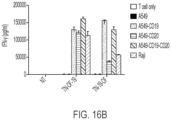
- TN-OF-19 (C-CAR039) demonstrated higher in vitro activities (e.g., inducing interferon- ⁇ or IFN- ⁇ release) against the CD19 and CD20-positive cells than CAR-T20-29 (V L -V H ).
- bispecific CARs having the same anti-CD20 scFv and anti-CD19 scFv order (i.e., anti-CD20 scFv ("OF") followed by anti-CD19 scFv (“FMC63”)), but with different V H and V L order in either the anti-CD20 scFv (OF) or the anti-CD19 scFv (FMC63) ( Figure 16C ).
- TN-OF-19 (C-CAR039) demonstrated superior anti-tumor activities compared with the other bispecific CARs with different V H and V L orders.
- the CAR-T cells prepared in Example 2 were tested for cytotoxicity by LDH release assay.
- Target cells are K562, K562-CD19+, K562-CD20+, K562-CD19+CD20+, and Raji cells; and effector cells are NT, TN-LEU-19, and TN-OF-19 cells.
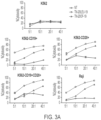
- the results are shown in Figure 3A . Both TN-LEU-19 and TN- OF-19 CAR-T cells can well induce apoptosis and release LDH in CD19/20-positive tumor cells.
- CD107a (a marker of T-Cell Degranulation) release levels during tumor cell killing induced by CAR-T19/20s cells were analyzed by flow cytometry. 1 ⁇ 10 5 cells of effective cell CAR-T19/20s (TN-OF-19 and TN-LEU-19) were co-cultured respectively with 2 ⁇ 10 5 of target tumor cells.
- the target cells are K562-CD19+, K562-CD20+, K562-CD19+CD20+, and K562 cells, Raji cells, Romas cells (CD19+CD20+), respectively.
- the results are shown in Figure 3B . Both CART cells can well induce the release of CD107a during tumor cell killing.
- TN-OF-19 cells have a slightly higher release of CD107a as a marker of cytotoxicity than TN-LEU-19 cells.
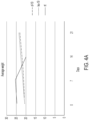
- Figure 4A shows the weight change of mice after the injection of effector T cells into the three groups of mice.
- the mice of NT showed a significant decrease in body weight and the mice in both CART cell groups gained slightly more weight.
- NSG mice were xenografted with Raji-Luc cells which are human Burkitt's lymphoma Raji cells expressing firefly luciferase as a reporter. Different CAR-T cells or a negative control were then administered to the mice.
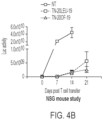
- FIG. 4B shows the average fluorescence intensity of the three groups of mice. The results show that the average fluorescence intensity of the mice in the NT group increased significantly, while the average of the fluorescence intensities of the mice in the two CART cell groups decreased, indicting both TN-OF-19 and TN-LEU-19 CART cells can inhibit the growth of tumor compared with NT. Wherein, TN-OF-19 cells have better inhibition on tumor growth than TN-LEU-19 cells after day14, and the tumor growth curve of TN-LEU-19 group relapsed significantly.
- Figure 4C shows the IVIS imaging of fluorescence intensity in two CART cell groups and NT group. TN-OF-19 CAR-T cells can inhibit or kill tumor cells better than TN-LEU-19 cells in vivo.
- C-CAR039 showed superior anti-tumor activity against both single positive and double positive tumor targets in vitro and in vivo.
- TN-OF-19(L), TN-OF-19(M), TN-OF-19(H) groups were treated separately with 1 ⁇ 10 6 , 2.5 ⁇ 10 6 , and 5 ⁇ 10 6 CAR+ T cells via tail vein injection.
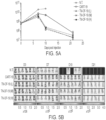
- Figure 5A shows that bi-specific TN-OF-19 CAR-T cells can inhibit or kill tumor cells better than CD19 specific CAR-T cells in vivo. Especially at early stage of treatment, bi-specific TN-OF-19 CAR-T shows significantly faster inhibitory effects.
- Figure 5B shows the IVIS imaging of fluorescence intensity in 4 CAR-T cell groups and NT group.
- a chimeric rabbit monoclonal antibody was generated by linking the CD20 scFv (e.g., derived from the Ofatumumab mAb) and the CD19 scFv (e.g., derived from the FMC63 mAb) in frame with a rabbit IgG1 Fc region.
- CD19 and CD20 scFvs were alternatively linked by a G4S linker.
- the molecular order is OF VL-VH-G4S-FMC63 VH-VL, which is the same order as in the scFVs in TN-OF-19.
- the chimeric antibody was expressed in 293T cells after transient transfection. Validation of this chimeric antibody for specificity of staining was performed by flow cytometry. Briefly, three stable cell lines (A549-CD19, A549-CD20, A549-CD19-CD20) were used as targets, and CD19-CD20-A549 cells and CD19+CD20+ Raji cells were used as control. All cells were washed and resuspended, blocking by 2% serum for 30 minutes. 5 ⁇ 10 5 cells were transferred to FACS vials, washed and stained with recombinant antibodies (final concentration 20 ⁇ g/mL) for 1 h at 4°C.
- Figure 6B shows the chimeric antibody bound to cells with CD19 or CD20 or both, but not to cells lacking both antigens, indicating that the bispecific binding domain required only one cognate antigen for binding and no new specific recognition sites were formed.
- Figure 17A shows the process of evaluating binding specificity of the antigen binding domain of C-CAR039.
- Table 1 shows that strong specific membrane staining was observed on human lymphocytes in blood, bone marrow, lymph node, spleen, thymus (IHC GLP study).
- Figure 7 shows the structures of sixteen CD20 specific CARs with six different scFVs and different hinge/TM/signaling domains. Full-length DNA was synthesized and cloned to achieve the construction of encoding plasmids, and we tested the anti-tumor activities of these CARs with various CD20 expressing target cells.
- Figure 8A shows the results of IFN ⁇ release assay to screen CAR-T20.1, CAR-T20.5, CAR-T20.6, CAR-T20.7, CAR-T20.8, CAR-T20.9 and CAR-T20.10, and among these CAR-Ts, only CAR-T20.9 (Leu16) and CAR-T20.10 (Leu16) showed higher positive IFN ⁇ release.
- Figure 8C shows the results of IFN ⁇ release assay to screen CAR-T20.9, CAR-T20.12, CAR-T20.14, CAR-T20.17, CAR-T20.18, and CAR-T20.19.
- CAR-T20.14 (OF) and CAR-T20.19 (OF) showed higher positive IFN ⁇ release.
- Figure 9A shows the results of CAR-T20.17 (Leu16 3 rd generation), CAR-T20.18 (Leu16 2 nd generation), CAR-T20.19 (OF 2 nd generation) cells tested for cytotoxicity by LDH release assay.
- Target cells are CD20 positive cell lines Raji and Ramos, and CD20 negative Molt4. Both All three CD20 CAR-T cells can induce apoptosis and release LDH in CD20-positive tumor cells indicating CAR-T20.17, CAR-T20.18, and CAR-T20.19 had strong killing effects on target cells CD20-positive Raji and Romas cells.
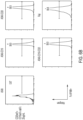
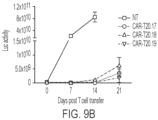
- Figure 9B shows the in vivo inhibition of tumor growth in NSG mouse studies.
- the tumor cells injected in animals are Raji expressing luciferase.
- tumor cells Raji were injected and grown in mice for one week, and then effector T cells were injected through the tail vein, and then the fluorescence intensity of the mice (via IVIS fluorescence imaging) and the weight of the mice were recorded every 7 days.
- the experiment was stopped on the 21st day, and the statistical results were analyzed.
- the results show that CAR-T20.19 (OF) cells have better inhibition on tumor growth than CAR-T20.17 (Leu16) and CAR-T201.8 (Leu16) cells after day14.
- C-CAR039 i.e., TN-OF-19 CAR-T cells, NCT04317885.
- R/R NHL relapsed/refractory non-Hodgkin lymphoma
- C-CAR039 was manufactured and infused as a single intravenous dose after a standard 3-day cyclophosphamide/fludarabine conditioning regimen.
- C-CAR039 was manufactured in a serum free, semi-automated, and digitally closed system with median vein to vein time of 18 days. The manufacturing success rate was 100%.
- 16 patients were infused with C-CAR039 with a dose range of 1.0 x 10 6 to 5.0 x 10 6 CAR-T cells/kg. 14 patients had at least one-month evaluable safety data and 13 patients (11 DLBCL, 2 FL patients) had one-month or longer efficacy data.
- the key eligibility criteria include: (1) 18-75 years of age; (2) r/r B-NHL including DLBCL, FL, MCL; (3) either CD19 or CD20 positive disease; (4) no prior anti-CD19 therapy; and (5) no active CNS involvement.
- the safety assessment includes the incidence and severity of treatment-emergent adverse events (CTCAE V5.0).
- the efficacy assessment includes the Lugano Classification 2014: ORR; DOR; PFS; OS.
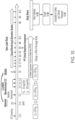
- Figure 10 shows CAR039 r/r NHL study design and flow chart. Specifically, the patients were screened 21 days before the treatment (D-21). Qualified subjects were enrolled, and peripheral blood leukocytes collected. The collected peripheral blood leukocytes were used to produce the CAR-T cells. At -5 (D-5), -4 (D-4) and -3 (D-3) days before the CAR-T infusion, the patients received lymphodepletion pretreatment, including fludarabine (30 mg/m 2 /d, intravenous, once per day for three days), and cyclophosphamide (300 mg/m 2 /d, intravenous, once per day for three days).
- fludarabine (30 mg/m 2 /d, intravenous, once per day for three days
- cyclophosphamide 300 mg/m 2 /d, intravenous, once per day for three days.
- the patients were administered 1.0 x 10 6 , 2.5 x 10 6 or 5.0 x 10 6 CAR-T cells/kg body weight on day 0 (D0) as a single infusion.
- D0 body weight on day 0
- follow-ups with the patients were carried out on day 4, day 7, day 10, week 2, week 3, week 4, week 8, week 12, month 6, month 9 and month 12 after the infusion.
- the first clinical response assessment was at week 4 after the CAR-T infusion.
- C-CAR039 treatment was well tolerated with 1 grade 3 CRS in 25 patients and 2 Grade 1 neurotoxicity events. Cytopenias were mostly related to the conditioning regimen (Cy/Flu lymphodepletion) and were common and reversible.
- C-CAR039 shows promising efficacy and a favorable safety profile in the clinical trial in patients with r/r NHL.
- the efficacy compares favorably to anti-CD19 CAR-T therapies.
- CD20 is a proven therapeutic target for B-Cell Non-Hodgkin Lymphomas (B-NHL), supported by previously approved and widely used monoclonal antibody therapy.
- B-NHL B-Cell Non-Hodgkin Lymphomas
- C-CAR066 is a novel 2nd generation chimeric antigen receptor T (CAR-T) therapy.
- CAR-T 2nd generation chimeric antigen receptor T
- Preclinical studies suggest that C-CAR066 (derived from scFVs of Ofatumumab) has superior anti-tumor activity compared to CAR-Ts derived from scFVs of Leu16, Rituximab, and Obinutuzumab,
- NCT04036019 is a single arm, single-center, non-randomized phase I clinical trial to evaluate the safety and efficacy of C-CAR066 in subjects with r/r B cell lymphoma who were previously treated with anti-CD19 CAR-T therapy.
- the primary objective of the study is to evaluate incidence and severity of treatment emergent adverse events.
- the secondary objectives include determining overall response rate (ORR), PFS, and OS.
- C-CAR066 is manufactured in a serum free, semi-automated, and digitally closed system.
- C-CAR066 is administered to patients as a single intravenous dose after a standard 3-day cyclophosphamide/fludarabine conditioning regimen.
- Figure 14 shows the C-CAR066-NHL study design.
- Figure 15 shows an example of PET-CT of a patient before and after treated with C-CAR066.
- C-CAR066 has a favorable safety profile and shows promising early efficacy in patients with r/r NHL following CD19 CAR-T therapy. It shows that C-CAR066 has a different mechanism of action compared to anti-CD-19 CAR-T therapy.
- CD20 and CD19 tumor antigens might lead to superior clinical benefit to targeting either CD19 or CD20 alone in B-cell malignancy patients.
Landscapes
- Health & Medical Sciences (AREA)
- Life Sciences & Earth Sciences (AREA)
- Chemical & Material Sciences (AREA)
- Organic Chemistry (AREA)
- Immunology (AREA)
- General Health & Medical Sciences (AREA)
- Genetics & Genomics (AREA)
- Zoology (AREA)
- Engineering & Computer Science (AREA)
- Medicinal Chemistry (AREA)
- Biochemistry (AREA)
- Animal Behavior & Ethology (AREA)
- Veterinary Medicine (AREA)
- Public Health (AREA)
- Biophysics (AREA)
- Molecular Biology (AREA)
- Biomedical Technology (AREA)
- Proteomics, Peptides & Aminoacids (AREA)
- Cell Biology (AREA)
- Epidemiology (AREA)
- Biotechnology (AREA)
- Wood Science & Technology (AREA)
- Bioinformatics & Cheminformatics (AREA)
- Toxicology (AREA)
- Gastroenterology & Hepatology (AREA)
- General Engineering & Computer Science (AREA)
- Hematology (AREA)
- Pharmacology & Pharmacy (AREA)
- Microbiology (AREA)
- General Chemical & Material Sciences (AREA)
- Nuclear Medicine, Radiotherapy & Molecular Imaging (AREA)
- Chemical Kinetics & Catalysis (AREA)
- Virology (AREA)
- Oncology (AREA)
- Plant Pathology (AREA)
- Physics & Mathematics (AREA)
- Developmental Biology & Embryology (AREA)
- Peptides Or Proteins (AREA)
- Medicines Containing Material From Animals Or Micro-Organisms (AREA)
- Micro-Organisms Or Cultivation Processes Thereof (AREA)
Description
- The present invention relates to the field of biomedicine, and more particularly to a combined chimeric antigen receptor targeting CD19 and CD20 and applications thereof.
- Malignant tumors of the blood system account for about 10% of human malignant tumors, and 95% of malignant tumors of the blood system are derived from B lymphocytes. Traditional chemotherapy and radiotherapy play an important role in the treatment of malignant tumors of the blood system. Some patients have significant effects, but it is difficult for most of the patients to be cured. New and effective treatments have been a hot topic in this field.
- Adoptive T cell therapy has shown its powerful efficacy and bright prospect in the clinical treatment of malignant tumors. At present, it is regarded as one of the most promising methods for treating hematological tumors. CD19 is highly expressed on the surface of most B-cell malignancies. Multiple centers independently using Chimeric Antigen Receptor (CAR)-modified T cells to target recurrent, refractory malignant tumors of CD19-expressed B cell have achieved unprecedented success. At present, both of the CAR-T products approved by FDA are targeting CD19 antigen and their indications are also expanding, such as chronic lymphocytic leukemia. Although the efficacy of anti-CD19 CAR-T is outstanding, many studies have shown that there are also many problems with CD19 chimeric antigen receptor (CAR) T cell therapy. There are still some patients with poor treatment results and easy to relapse. The reasons for this include the susceptibility of tumor cells to antigen escape. For example, a recent experiment of CD19 CAR-cell therapy showed that 90% of patients achieved complete remission, but 11% of these patients eventually relapsed, and the relapsing patients were mainly patients with CD19-negative tumor. In particular, in a clinical trial carried out at the University of Pennsylvania School of Medicine using CART19 in the treatment of recurrent, refractory acute B-cell lymphoma (R/R B-ALL), up to 94% of patients achieved complete remission. Although the initial response rate of this clinical trial was high, nearly 40% of patients relapsed after 1 month of treatment which achieved complete remission, and more than 60% of relapsing patients had CD19-negative tumor cells escape. Antigen escape has been found in adoptive transfer specific T cell receptors expressing NY-ESO1 and cancer vaccines treating melanoma. Spontaneous mutation and selective expansion are the main reasons for antigen escape.
- Therefore, there is an urgent need to develop methods for effectively treating tumors and preventing antigen escape.
- The present disclosure relates to a method for effectively treating tumors and preventing antigen escape.
- It is herein provided a combined chimeric antigen receptor targeting CD19 and CD20 and preparation method thereof.
- Specifically, the invention is as defined in the appended claims. The invention is directed to a bispecific chimeric antigen receptor (CAR) targeting CD19 and CD20, wherein the CAR comprises the amino acid sequence set forth in SEQ ID NO. 16.
- A preparation method and activity identification of the modified T cell (CART-19/20) thereof are described. The present invention also provides the chimeric antigen receptor structure as defined herein for use in the treatment of CD19 and CD20 positive B cell lymphoma.
- The present disclosure provides for an immune cell expressing the present bispecific CAR. The immune cell may be a T cell or a natural killer (NK) cell. The immune cell may be allogeneic or autologous.
- Also encompassed by the present disclosure is a nucleic acid encoding the present bispecific CAR.
- The present disclosure further provides for a vector comprising the present nucleic acid.
- The present disclosure provides for a method of treating cancer. The method may comprise administering the immune cell to a subject in need thereof.
- The cancer may be a hematologic cancer. The cancer may be a B-cell malignancy. The cancer may be Hodgkin's lymphoma, non-Hodgkin's lymphoma, leukemia, and/or multiple myeloma. The cancer may be acute myeloid leukemia (AML), multiple myeloma (MM), chronic lymphocytic leukemia (CLL), chronic myelogenous leukemia, acute lymphoblastic leukemia (ALL), diffuse large B cell lymphoma (DLBCL), or combinations thereof.
- In a second aspect of the invention, it provides a nucleic acid molecule, encoding the chimeric antigen receptor of the first aspect of the invention.
- In another preferred embodiment, the nucleic acid molecule is isolated.
- In another preferred embodiment, the nucleotide sequence of the nucleic acid molecule is shown in SEQ ID NO: 17 or 18.
- In a third aspect of the invention, it provides a vector, comprising the nucleic acid molecule of the second aspect of the invention.
- In another preferred embodiment, the vector comprises DNA and RNA.
- In another preferred embodiment, the vector is selected from the group consisting of plasmid, virus vector, transposon, and a combination thereof.
- In another preferred embodiment, the vector comprises a DNA virus and a retrovirus vector.
- In another preferred embodiment, the vector is selected from the group consisting of a lentiviral vector, an adenovirus vector, an adeno-associated virus vector, and a combination thereof.
- In another preferred embodiment, the vector is a lentiviral vector.
- In a fourth aspect of the invention, it provides a host cell, comprising the vector of the third aspect of the invention or having the exogenous nucleic acid molecule of the second aspect of the invention integrated into its genome or expressing the chimeric antigen receptor of the first aspect of the invention.
- In another preferred embodiment, the cell is an isolated cell.
- In another preferred embodiment, the cell is a genetically engineered cell.
- In another preferred embodiment, the cell is a mammalian cell.
- In another preferred embodiment, the cell is a CAR-T cell and/or a CAR-NK cell.
- In another preferred embodiment, the cell targets both CD19 and CD20.
- In a fifth aspect of the invention, it provides a method for preparing a CAR-T cell expressing the chimeric antigen receptor of the first aspect of the invention, wherein the method comprises the steps of: transducing the nucleic acid molecule of the second aspect of the invention or the vector of the third aspect of the invention into a T cell, thereby obtaining the CAR-T cell.
- In another preferred embodiment, the method further comprises the step of detecting the function and effectiveness of the obtained CAR-T cell.
- In a sixth aspect of the invention, it provides a preparation, comprising the chimeric antigen receptor of the first aspect of the invention, the nucleic acid molecule of the second aspect of the invention, the vector of the third aspect of the invention, or the host cell of the fourth aspect of the invention, and a pharmaceutically acceptable carrier, diluent or excipient.
- In another preferred embodiment, the preparation is a liquid preparation.
- In another preferred embodiment, the formulation of the preparation is an injection.
- In another preferred embodiment, the preparation comprises the host cell of the fourth aspect of the invention, and the concentration of the host cell is 1×10³-1×10⁸ cells/ml, preferably 1×10⁴-1×10⁷ cells/ml.
- It is further herein described the use of the chimeric antigen receptor of the first aspect of the invention, the nucleic acid molecule of the second aspect of the invention, the vector of the third aspect of the invention, or the host cell of the fourth aspect of the invention, for the preparation of a medicine or a formulation for preventing and/or treating tumor or cancer.
- In another preferred embodiment, the tumor is selected from the group consisting of a hematological tumor, a solid tumor, and a combination thereof; preferably, the tumor is a hematological tumor.
- In another preferred embodiment, the blood tumor is selected from the group consisting of acute myeloid leukemia (AML), multiple myeloma (MM), chronic lymphocytic leukemia (CLL), acute lymphoblastic leukemia (ALL), diffuse large B cell lymphoma (DLBCL), and a combination thereof.
- In another preferred embodiment, the solid tumor is selected from the group consisting of gastric cancer, peritoneal metastasis of gastric cancer, liver cancer, leukemia, renal cancer, lung cancer, small intestine cancer, bone cancer, prostate cancer, colorectal cancer, breast cancer, large intestine cancer, cervical cancer, ovarian cancer, lymphoma, nasopharyngeal carcinoma, adrenal tumor, bladder tumor, non-small cell lung cancer (NSCLC), glioma, endometrial cancer, and a combination thereof.
- It is also described a kit for the preparation of the cell of the fourth aspect of the invention, wherein the kit comprises a container, and the nucleic acid molecule of the second aspect of the invention or the vector of the third aspect of the invention located in the container.
- It is also described the use of the cell of the fourth aspect of the invention, or the formulation of the sixth aspect of the invention for the prevention and/or treatment of cancer or tumor.
- It is further described a method of treating a disease comprising administering an appropriate amount of the cell of the forth aspect of the invention, or the formulation of the sixth aspect of the invention, to a subject in need of treatment.
- In another preferred embodiment, the disease is cancer or tumor.
- The present disclosure provides for an immune cell expressing the present bispecific CAR. The immune cell may be a T cell or a natural killer (NK) cell.
- Also encompassed by the present disclosure is a nucleic acid encoding the present bispecific CAR.
- The present disclosure provides for a vector comprising the present nucleic acid.
- The present disclosure also provides for a method of treating cancer. The method may comprise administering the present immune cell to a subject in need thereof.
- The immune cell may be allogeneic or autologous.
- The cancer may be a hematologic cancer. The cancer may be a B-cell malignancy. The cancer may be Hodgkin's lymphoma, non-Hodgkin's lymphoma, leukemia, and/or multiple myeloma. The cancer may be acute myeloid leukemia (AML), multiple myeloma (MM), chronic lymphocytic leukemia (CLL), chronic myelogenous leukemia, acute lymphoblastic leukemia (ALL), diffuse large B cell lymphoma (DLBCL), or combinations thereof.
- In certain embodiments, the bispecific CAR may generate an area under the curve (AUC) ranging from about 0.5e+06 copies/µg genomic DNA (copies/gDNA) to about 4e+06 copies/gDNA, from about 0.5e+06 copies/µg genomic DNA (copies/gDNA) to about 3.5e+06 copies/gDNA, from about 1e+06 copies/µg genomic DNA (copies/gDNA) to about 3.5e+06 copies/gDNA, from about 1.2e+06 copies/µg genomic DNA (copies/gDNA) to about 3.2e+06 copies/gDNA, from about 0.8e+06 copies/µg genomic DNA (copies/gDNA) to about 3.2e+06 copies/gDNA, from about 1.6e+06 copies/µg genomic DNA (copies/gDNA) to about 3.2e+06 copies/gDNA, from about 1e+06 copies/µg genomic DNA (copies/gDNA) to about 2e+06 copies/gDNA, from about 0.6e+06 copies/µg genomic DNA (copies/gDNA) to about 1.8e+06 copies/gDNA, from about 3e+06 copies/µg genomic DNA (copies/gDNA) to about 3.2e+06 copies/gDNA, from about 0.5e+06 copies/µg genomic DNA (copies/gDNA) to about 1.7e+06 copies/gDNA, from about 2e+06 copies/µg genomic DNA (copies/gDNA) to about 3.2e+06 copies/gDNA, from about 1.5e+06 copies/µg genomic DNA (copies/gDNA) to about 2e+06 copies/gDNA, or from about 1e+06 copies/µg genomic DNA (copies/gDNA) to about 3.2e+06 copies/gDNA, in the blood of the subject in about 28 days after administration of the bispecific CAR to the subject.
- In certain embodiments, the bispecific CAR generates a maximum plasma concentration (Cmax) ranging from about 0.8e+05 copies/µg genomic DNA (copies/gDNA) to about 3.5e+05 copies/gDNA, from about 1e+05 copies/µg genomic DNA (copies/gDNA) to about 3.5e+05 copies/gDNA, from about 1e+05 copies/µg genomic DNA (copies/gDNA) to about 1.6e+05 copies/gDNA, from about 1e+05 copies/µg genomic DNA (copies/gDNA) to about 3.3e+05 copies/gDNA, from about 0.8e+05 copies/µg genomic DNA (copies/gDNA) to about 1.5e+05 copies/gDNA, from about 0.8e+05 copies/µg genomic DNA (copies/gDNA) to about 2e+05 copies/gDNA, from about 1e+05 copies/µg genomic DNA (copies/gDNA) to about 2e+05 copies/gDNA, from about 2e+05 copies/µg genomic DNA (copies/gDNA) to about 3e+05 copies/gDNA, from about 2e+05 copies/µg genomic DNA (copies/gDNA) to about 3.5e+05 copies/gDNA, from about 2e+05 copies/µg genomic DNA (copies/gDNA) to about 2.5e+05 copies/gDNA, or from about 1e+05 copies/µg genomic DNA (copies/gDNA) to about 3e+05 copies/gDNA, in the blood of the subject after administration of the bispecific CAR to the subject.
- In certain embodiments, the bispecific CAR has a Tmax (the time it takes the bispecific CAR to reach Cmax) ranging from about 3 days to about 20 days, from about 4 days to about 18 days, from about 5 days to about 17 days, from about 6 days to about 16 days, from about 7 days to about 15 days, from about 9 days to about 15 days, from about 10 days to about 15 days, from about 10 days to about 14 days, from about 8 days to about 12 days, from about 6 days to about 14 days, from about 12 days to about 14 days, from about 8 days to about 11 days, from about 8 days to about 15 days, or from about 10 days to about 14 days.
-
-
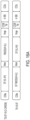
Figure 1 shows the structure of the combined chimeric antigen receptor targeting CD19 and CD20. The structure of the CAR comprises a signal peptide sequence ("SP"), an antigen recognition sequence, a hinge region, a transmembrane region, a co-stimulatory factor signal region, and a CD3ζ signaling region. -
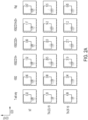
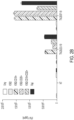
Figures 2A and2B show the expression level of CD137 on the surface of T cell membrane (Fig. 2A ) and the secretion level of IFNγ in the culture supernatant (Fig. 2B ). Specifically, 1×10⁵ of CAR-T19/20s cells cultured 7 days were taken and cultured respectively with CD19-positive K562-CD19+ tumor cell line, CD20-positive K562-CD20+ tumor cell line, CD19 and CD20 double positive K562-CD19+CD20+ tumor cell line, RAJI tumor cell line that naturally expresses CD19 and CD20, and CD19 and CD20 double negative K562 tumor cell line, or without tumor cells, in 200 µl of GT-551 medium for 18h with a ratio of 1:1. Then the expression level of CD137 on the surface of T cell membrane and the secretion level of IFNγ in the culture supernatant were detected respectively. -
Figure 3A shows the detection of tumor-killing activity of CAR-T19/20s cells, mainly by detecting the secretion level of LDH in the supernatant after co-culture. Specifically, 1×10⁴ cells of CD19-positive K562-CD19+ tumor cell line, CD20-positive K562-CD20+ tumor cell line, CD19 and CD20 double positive K562-CD19+ CD20+ tumor cell line, RAJI or RAMOS tumor cell line that naturally expresses CD19 and CD20, or CD19 and CD20 double negative K562 tumor cell line were co-cultured with the corresponding T cells, respectively, in 100 µl of GT-551 medium for 8h with a ratio as shown in the figure. Then the secretion level of LDH was detected, and this figure shows the statistical analysis results of the percentages of LDH release in corresponding co-culture samples. -
Figure 3B shows the detection of tumor-killing activity of CAR-T19/20s cells, mainly by detecting the expression level of CD107a on the surface of T cell membrane. Specifically, 1×10⁵ CAR-T19/20s cells were taken and cultured respectively with CD19-positive K562-CD19+ tumor cell line, CD20-positive K562-CD20+ tumor cell line, CD19 and CD20 double positive K562-CD19+CD20+ tumor cell line, RAJI or RAMOS tumor cell line that naturally expresses CD19 and CD20, and CD19 and CD20 double negative K562 tumor cell line, or without tumor cells, in 200 µl of GT-551 medium for 4h with a ratio of 1:2. Then the expression level of CD137 on the surface of T cell membrane was detected respectively. -
Figure 4A shows the average body weight changes and average fluorescence intensity changes of mice injected with CAR-T19/20s cells within 21 days, which are recorded every 7 days. -
Figure 4B shows the average fluorescence intensity of the three groups of mice. -
Figure 4C shows in vivo imaging of mice injected with CAR-T19/20s cells on day 0 (D0), 7 (D7), 14 (D14), and 21 (D21) after injection. -
Figure 5A shows that bi-specific TN-OF-19 CAR-T cells can inhibit or kill tumor cells better than CD19 specific CAR-T cells in vivo. -
Figure 5B shows the IVIS imaging of fluorescence intensity in 4 CAR-T cell groups and NT group. -
Figure 6A shows the structure of CD20scFv-CD19scFv rabFc. -
Figure 6B shows the chimeric antibody bound to cells with CD19 or CD20 or both, but not to cells lacking both antigens, indicating that the bispecific binding domain required only one cognate antigen for binding and no new specific recognition sites were formed. -
Figure 7 shows the structures of sixteen CD20 specific CARs with six different scFVs and different hinge/TM/signaling domains. -
Figure 8A shows the results of IFNγ release assay to screen CAR-T20.1, CAR-T20.5, CAR-T20.6, CAR-T20.7, CAR-T20.8, CAR-T20.9 and CAR-T20.10, and among these CAR-Ts, only CAR-T20.9 (Leu16) and CAR-T20.10 (Leu16) showed higher positive IFNγ release. -
Figure 8B shows the results of IFNγ release assay to screen CAR-T20.1, CAR-T20.9, CAR-T20.10, CAR-T20.11, CAR-T20.12, CAR-T20.13, CAR-T20.14, CAR-T20.15 and CAR-T20.16. Among these CAR-Ts, CAR-T20.10 (Leu16) and CAR-T20.14 (OF) showed higher positive IFNγ release. -
Figure 8C shows the results of IFNγ release assay to screen CAR-T20.9, CAR-T20.12, CAR-T20.14, CAR-T20.17, CAR-T20.18, and CAR-T20.19. Among these CAR-Ts, CAR-T20.14 (OF) and CAR-T20.19 (OF) showed higher positive IFNγ release. -
Figure 9A shows the results of CAR-T20.17 (Leu16 3rd generation), CAR-T20.18 (Leu16 2nd generation), CAR-T20.19 (OF 2nd generation) cells tested for cytotoxicity by LDH release assay. -
Figure 9B shows the in vivo inhibition of tumor growth in NSG mouse studies. The tumor cells injected in animals are Raji expressing luciferase. -
Figure 10 shows CAR039 Phase I clinical study design and flow chart. -
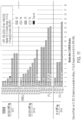
Figure 11 shows the summary of C-CAR039 clinical results. -
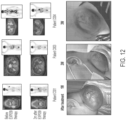
Figure 12 shows examples of patient before and post C-CAR039 treatment. -
Figure 13 shows C-CAR039 proliferation and expansion, as well as B cell depletion in patient's peripheral blood. The results showed that C-CAR008 cells expanded effectively after injection. Square: 1x10⁶ CAR-T cells/kg. Triangle: 2~2.5x10⁶ CAR-T cells/kg. Circle: 4~5.0x10⁶ CAR-T cells/kg. Solid symbols (square, triangle, circle): CAR-T DNA copy. Unfilled symbols (square, triangle, circle): CD19/CD20+ B cell level. -
Figure 14 shows the C-CAR066-NHL study design. -
Figure 15 shows an example of PET-CT of a patient before and after treated with C-CAR066. -
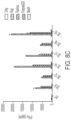
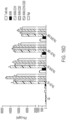
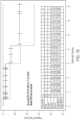
Figures 16A-16D : Identification of the optimal antigen binding domain for anti-CD19/CD20 bispecific CAR.Figure 16A shows the structures of TN-OF-19 (C-CAR039) and TN-19-OF.Figure 16B shows that C-CAR039 with the tandem link of Ofatumumab scFv followed by the FMC63 scFv has superior anti-tumor activity.Figure 16C shows the structures of TN-OF-19 (C-CAR039), TN-OFR-19, TN-OF-19R and TN-OFR-19R.Figure 16D shows the superior anti-tumor activity and specificity link to the optimal structure of the antigen binding domain of C-CAR039. -
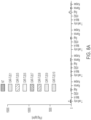
Figure 17A shows the process of evaluating binding specificity of the antigen binding domain of C-CAR039.Figure 17B shows that CD19, CD20 and FCGR1A were identified with moderate binding at the concentrations of 5.0 µg/mL. No other significant interactions were identified. FCGR1 was reported to bind rabFc. -
Figure 18 shows the Kaplan Meyer estimation of progression-free survival (PFS) for C-CAR039. -
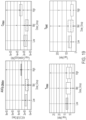
Figure 19 shows the pharmacokinetics (PK)/pharmacodynamics (PD) profile of C-CAR039. Low dose ("Low"): 1x10⁶ CAR-T cells/kg body weight; medium dose ("Mid"): 2x10⁶ - 2.5x10⁶ CAR-T cells/kg body weight; high dose ("High"): 4x10⁶ - 5.0x10⁶ CAR-T cells/kg body weight. -
Figure 20 shows the PK/PD profile (CAR-T expansion and B cell depletion) in the peripheral blood of the relapsed patients. - After extensive and intensive studies, the inventors unexpectedly obtained a CAR-T cell that simultaneously targets CD19 and CD20. Specifically, the present invention provides a chimeric antigen receptor that simultaneously targets CD19 and CD20, which comprises a signal peptide, an anti-CD20 scFv, an anti-CD19 scFv, a hinge region, a transmembrane region, and an intracellular T cell signaling region. Moreover, the anti-CD20 scFv and anti-CD19 scFv were obtained through a large number of screenings, which were linked with peptide fragment with multiple repeat structure (G4S). The CAR-T cells of the present invention can recognize both CD19 and CD20 antigens at the same time, reducing the risk of immune escape caused by down-regulation or deletion of antigen expression during the treatment of single-target CAR-T cells. Compared to CAR-T cells targeting single antigens and other double target CAR-T cells (targeting CD19 and CD20), the CAR-T cells of the present invention that simultaneously recognize two targets have stronger killing ability against tumor cells, less cytotoxicity, lower side effects, wider treatment range, lower recurrence rate and better efficacy. The present invention has been completed on the basis of this.
- To make the disclosure easier to understand, some terms are firstly defined. As used in this application, unless expressly stated otherwise herein, each of the following terms shall have the meanings given below. Other definitions are set forth throughout the application.
- The term "about" may refer to a value or composition within an acceptable error range for a particular value or composition as determined by those skilled in the art, which will depend in part on how the value or composition is measured or determined.
- The term "administering" refers to the physical introduction of a product of the invention into a subject using any one of various methods and delivery systems known to those skilled in the art, including intravenous, intramuscular, subcutaneous, intraperitoneal, spinal or other parenteral administration, such as by injection or infusion.
- The term "antibody" (Ab) may comprise, but is not limited to, an immunoglobulin that specifically binds an antigen and contains at least two heavy (H) chains and two light (L) chains linked by disulfide bonds, or an antigen binding parts thereof. Each H chain contains a heavy chain variable region (abbreviated herein as VH) and a heavy chain constant region. The heavy chain constant region contains three constant domains, CH1, CH2, and CH3. Each light chain contains a light chain variable region (abbreviated herein as VL) and a light chain constant region. The light chain constant region contains a constant domain CL. The VH and VL regions can be further subdivided into hypervariable regions called complementarity determining regions (CDR), which are interspersed within more conservative regions called framework regions (FR). Each VH and VL contains three CDRs and four FRs, which are arranged from amino terminal to carboxy terminal in the following order: FR1, CDR1, FR2, CDR2, FR3, CDR3, and FR4. The variable regions of the heavy and light chains contain a binding domain that interacts with an antigen.
- Although the efficacy of anti-CD19 CAR-T is outstanding, many studies have shown that there are still many problems with CD19 chimeric antigen receptor (CAR) T cell therapy. There are still some patients with poor treatment results and easy to relapse. This includes the susceptibility of tumor cells to antigen escape.
- In order to prevent the escape of CD19 CAR-T antigen, the inventors designed a combined bispecific CAR (i.e., BICAR) that targets both CD19 and CD20, so that when CD19 antigen escapes and is not expressed in tumor cells, CD20 can be recognized to clear tumor cells in vivo.
- CD20 is expressed in most patients with B-cell acute lymphoblastic leukemia, including some CD19 negative patients after anti-CD19 CAR-T treatment. CD20 is a glycosylated protein, and is the first identified B cell membrane marker. CD20 is also known as B1, and encoded by the MS4A gene. CD20 molecule has four transmembrane hydrophobic regions, and its N-terminal and C-terminal are located on the cytoplasmic side, forming two closed loops outside the cell, and respectively called big loop and small loop. CD20 is specifically expressed in more than 95% of normal and cancerous B cells. These cells are in the pre-B cell stage and subsequent developmental stages, and CD20 stops expression until the cells differentiated into plasma cells. The present invention uses CD20 as another target for immunotherapy of B cell malignancies.
- Cellular immunotherapy is an emerging and highly effective tumor treatment model, and is a new type of autoimmunology treatment for cancer. It is a method for in vitro culture and amplification of immune cells collected from a patient using biotechnology and biological agents, and then the cells are transfused back to the patient to stimulate and enhance the body's autoimmune function, thereby achieving the purpose of treating tumors. The skilled in the art have been working to develop new cellular immunotherapy to increase the efficiency and reduce the side effect.
- The present invention proposes a rational and optimized single-chain design and system, that is, combined bispecific CAR, which can be effectively integrated into primary human T cells, and can simultaneously target CD19 and CD20 when the T cells are activated. The CAR-T cells of the invention are capable of recognizing two antigens (CD19 and CD20). The invention provides a very effective potential method for preventing antigen escape.
- The present invention uses CAR that simultaneously targets CD19 and CD20. Compared with CARs that target a single antigen, the affinity is enhanced, the activity of T cells is increased, and the targets have an additive or synergistic effect. In addition, due to uneven expression levels of CD19 and CD20 in tumor cells, double target CAR-T therapy has a wider scope. The CAR-T that simultaneously targets CD19 and CD20 on the surface of tumor cells can reduce the possibility of antigen escape caused by down-regulation or deletion of single surface antigen.
- Bispecificity means that the same CAR can specifically bind and immunorecognize two different antigens, and the CAR can generate an immune response by binding to any one of the antigens.
- The CD19 and CD20 bispecific CAR of the present invention has a single structure and comprises anti-CD19 and anti-CD20 scFvs. Wherein, the CAR comprises a CD19 scFv and a CD20 scFv, and the amino acid sequences, sequencing and hinge of CD19 scFv and CD20 scFv are the main factors affecting its function.
- Specifically, the chimeric antigen receptor (CAR) of the invention comprises an extracellular domain, a transmembrane domain, and an intracellular domain. The extracellular domain comprises a target-specific binding element (also known as an antigen binding domain). The intracellular domain comprises a co-stimulatory signaling region and a ζ chain. The co-stimulatory signaling region refers to a part of the intracellular domain that comprises a co-stimulatory molecule. The co-stimulatory molecule is a cell surface molecule required for efficient response of lymphocytes to antigens, rather than an antigen receptor or ligand thereof.
- A linker can be incorporated between the extracellular domain and the transmembrane domain of the CAR, or between the cytoplasmic domain and the transmembrane domain of the CAR. As used herein, the term "linker" generally refers to any oligopeptide or polypeptide that plays a role of linking the transmembrane domain to the extracellular domain or the cytoplasmic domain in a polypeptide chain. The linker may comprise 0-300 amino acids, preferably 2-100 amino acids and most preferably 3-50 amino acids.
- The extracellular domain of the CAR provided in the present invention comprises an antigen binding domain targeting CD19 and CD20. When the CAR of the present invention is expressed in T cell, antigen recognition can be performed based on antigen binding specificity. When the CAR binds to its associated antigen, it affects tumor cell, causing tumor cell to fail to grow, to death or to be affected otherwise, causing the patient's tumor burden to shrink or eliminate. The antigen binding domain is preferably fused to the intracellular domain from one or more of the co-stimulatory molecule and the ζ chain. Preferably, the antigen binding domain is fused with an intracellular domain of a combination of a 4-1BB signaling domain and a CD3ζ signaling domain.
- As used herein, the "antigen binding domain" and "single-chain antibody fragment" refer to an Fab fragment, an Fab' fragment, an F (ab')2 fragment, or a single Fv fragment that has antigen-binding activity. The Fv antibody contains the heavy chain variable region and the light chain variable region of the antibody, but has no constant region. The Fv antibody has the smallest antibody fragment with all antigen-binding sites. Generally, Fv antibodies also comprise a polypeptide linker between the VH and VL domains, and can form the structure required for antigen binding. The antigen binding domain is usually a scFv (single-chain variable fragment). The size of scFv is typically 1/6 of a complete antibody. The single-chain antibody is preferably an amino acid chain sequence encoded by a nucleotide chain. As a preferred embodiment of the present invention, the scFv comprises antibodies that specifically recognize CD19 and CD20.
- As for the hinge region and the transmembrane region (transmembrane domain), the CAR can be designed to comprise a transmembrane domain fused to the extracellular domain of the CAR. In one embodiment, a transmembrane domain that is naturally associated with one of the domains in the CAR is used. In some embodiments, transmembrane domains may be selected or modified by amino acid substitutions to avoid binding such domains to the transmembrane domain of the same or different surface membrane proteins, thereby minimizing the interaction with other members of the receptor complexes.
- The intracellular domain in the CAR of the invention comprises the signaling domain of 4-1BB and the signaling domain of CD3ζ.
- Preferably, the CAR structure of the present invention, in turn, comprises a signal peptide sequence (also known as leader sequence), an antigen recognition sequence (antigen-binding domain), a hinge region, a transmembrane region, a co-stimulatory factor signal region, and a CD3zeta signaling region (ζ chain portion). The order of connection is shown in
figure 1 . - A CAR described herein is TN-LEU-19. The antigen binding domain targeting CD20
Leu16 Region Sequence Residues Length HFR1 EVQLQQSGAELVKPGASVKMSCKASGYTFT (SEQ ID NO: 46) 1 - 30 30 VH-CDR1 SYNMH (SEQ ID NO: 47) 31 - 35 5 HFR2 WVKQTPGQGLEWIG (SEQ ID NO: 48) 36 - 49 14 VH-CDR2 AIYPGNGDTSYNQKFKG (SEQ ID NO: 49) 50 - 66 17 HFR3 KATLTADKSSSTAYMQLSSLTSEDSADYYCAR (SEQ ID NO: 50) 67 - 98 32 VH-CDR3 SNYYGSSYWFFDV (SEQ ID NO: 51) 99 - 111 13 HFR4 WGAGTTVTVSS (SEQ ID NO: 52) 112 - 122 11 Leu16 VH 122 - Heavy chain sequence of single-chain variable region (VH) derived from Leu16 antibody:

- LEU-VH-CDR1: SEQ ID NO: 1, position 31-35;
- LEU -VH-CDR2: SEQ ID NO: 1, position 50-66;
- LEU -VH-CDR3: SEQ ID NO: 1, position 99-111.
- Light chain sequence of single-chain variable region (VL) derived from Leu16 antibody:

- LEU-VL-CDR1: SEQ ID NO: 2, position 24-33;
- LEU -VL-CDR2: SEQ ID NO: 2, position 49-55;
- LEU -VL-CDR3: SEQ ID NO: 2, position 88-96.
- The CAR of the present invention is TN-OF-19. The antigen binding domain targeting CD20 comprises a heavy chain sequence (SEQ ID NO: 3) and a light chain sequence (SEQ ID NO: 4) of the single-chain variable region derived from Ofatumumab antibody.
- Heavy chain sequence of single-chain variable region (VH) derived from Ofatumumab antibody:

- OF-VH-CDR1: SEQ ID NO: 3, position 30-35. The sequence of OF-VH-CDR1 is: NDYAMH (SEQ ID NO: 40).
- OF-VH-CDR2: SEQ ID NO: 3, position 50-66. The sequence of OF-VH-CDR2 is: TISWNSGSIGYADSVKG (SEQ ID NO: 41).
- OF-VH-CDR3: SEQ ID NO: 3, position 99-111. The sequence of OF-VH-CDR3 is: DIQYGNYYYGMDV (SEQ ID NO: 42).
- Light chain sequence of single-chain variable region (VL) derived from Ofatumumab antibody:

- OF-VL-CDR1: SEQ ID NO: 4, position 24-34. The sequence of OF-VL-CDR1 is: RASQSVSSYLA (SEQ ID NO: 43).
- OF-VL-CDR2: SEQ ID NO: 4, position 50-56. The sequence of OF-VL-CDR2 is: DASNRAT (SEQ ID NO: 44).
- OF-VL-CDR3: SEQ ID NO: 4, position 89-97. The sequence of OF-VL-CDR3 is: QQRSNWPIT (SEQ ID NO: 45).
- In another preferred embodiment, the antigen-binding domain targeting CD19 in the CAR of the present invention comprises a light chain (VL) sequence (SEQ ID NO: 5) and a heavy chain (VH) sequence (SEQ ID NO: 6) of the single-chain variable region derived from FMC63 antibody.
- Amino acid sequence of the light chain of single-chain variable region (VL) derived from FMC63 antibody:

- FMC63-VL-CDR1: SEQ ID NO: 5, position 24-34. The sequence of FMC63-VL-CDR1 is: RASQDISKYLN (SEQ ID NO: 63).
- FMC63-VL-CDR2: SEQ ID NO: 5, position 50-56. The sequence of FMC63-VL-CDR2 is: HTSRLHS (SEQ ID NO: 64).
- FMC63-VL-CDR3: SEQ ID NO: 5, position 89-97. The sequence of FMC63-VL-CDR3 is: QQGNTLPYT (SEQ ID NO: 39).
- Nucleotide sequence of the light chain of single-chain variable region (VL) derived from FMC63 antibody:

- Amino acid sequence of the heavy chain of single-chain variable region (VH) derived from FMC63 antibody:

- FMC63-VH-CDR1: SEQ ID NO: 6, position 31-35. The sequence of FMC63-VH-CDR1 is: DYGVS (SEQ ID NO: 60).
- FMC63-VH-CDR2: SEQ ID NO: 6, position 50-65. The sequence of FMC63-VH-CDR2 is: VIWGSETTYYNSALKS (SEQ ID NO: 61).
- FMC63-VH-CDR3: SEQ ID NO: 6, position 98-109. The sequence of FMC63-VH-CDR3 is: HYYYGGSYAMDY (SEQ ID NO: 62).
- Nucleotide sequence of the heavy chain of single-chain variable region (VH) derived from FMC63 antibody:

- Specifically, the sequences of other elements in the CAR of the present invention are as follows:
The leader sequence is the leader sequence of CD8 antigen:
MALPVTALLLPLALLLHAARP (SEQ ID NO: 8) - The linker sequences (i.e., flexible linker I) between the heavy chain and light chain of the single-chain variable region are:
Amino acid sequence of the linker between VL and VH of CD20 scfv:
GSTSGGGSGGGSGGGGSS (SEQ ID NO: 19) - Amino acid sequence of the linker between VH and VL of CD19 scFv:
GSTSGSGKPGSGEGSTKG (SEQ ID NO: 20) - The hinge region is selected from the sequence of a short form of IgG4 Hinge:
ESKYGPPCPPCP (SEQ ID NO: 9) - The transmembrane region is the transmembrane region sequence of CD8 (CD8TM) or CD28 (CD28TM) antigen:
- CD8TM: IYIWAPLAGTCGVLLLSLVITLYC (SEQ ID NO: 10)
- CD28TM: MFWVLVVVGGVLACYSLLVTVAFIIFWV (SEQ ID NO: 11)
- The co-stimulatory factor signal region is derived from the sequence of 4-1BB or CD28 cytoplasmic signaling motif:
- 4-1BB: KRGRKKLLYIFKQPFMRPVQTTQEEDGCSCRFPEEEEGGCEL (SEQ ID NO: 12)
- CD28: RSKRSRLLHSDYMNMTPRRPGPTRKHYQPYAPPRDFAAYRS (SEQ ID NO: 13)
- The signaling region of CD3ζ is derived from the sequence of immunoreceptor tyrosine-based activation motif (ITAM) of CD3ζ in the TCR complex:

- In a preferred embodiment, the complete nucleic acid sequences and amino acid sequences of the two CARs described herein are as follows
- The complete nucleic acid sequence of TN-OF-19 of the invention is as follows:


- The complete amino acid sequence of TN-OF-19 is as follows:


- The complete nucleic acid sequence of TN-LEU-19 (reference) is as follows:


- The complete amino acid sequence of TN-LEU-19 is as follows:

- The design of the BICAR of the present invention has the following advantages:
First, CD19 and CD20 are expressed in most malignant B-cell tumors. Secondly, in general, when expanding CAR structure to increase T cell recognition ability, problems such as increased adverse targeting, increased cytotoxicity, and increased side effects are often encountered. However, this is not the case for CD19 and CD20 because both of them are only expressed in B cells with the same tumor toxicity curve. Finally, the expression of CD19 and CD20 in B cells can promote the survival of B cells. And the loss of both antigens during treatment is a very low probability event. Therefore, targeting CD19 and CD20 is expected to provide effective prevention of antigen escape of malignant B cells. - Compared with the single CAR of CD19 or CD20, BICAR has the following advantages:
First, compared with expressing two independent CARs, when expressing BICAR in a single T cell, the DNA footprint is significantly reduced (the DNA length is reduced by 40%). The size and the length of structure can significantly affect the packaging and transduction efficiency of the viral vector, thus directly affecting the clinical efficacy. Secondly, compared to the mixture of two different single CARs, BICAR can significantly reduce the cost of treatment (BICAR is completely compatible with the current T cell production process without adding additional burden.) and increase the clinical cure rate. Finally, CD19 and CD20 have been verified in a large number of clinical studies and are relatively safe. - In the present invention, we constructed two types of chimeric antigen receptor structures (TN-LEU-19, TH-OF-19) targeting CD19 and CD20 based on the sequence of CD19 mouse-derived monoclonal antibody FMC63 and the sequences of CD20 mouse-derived monoclonal antibody leu-16 and Ofatumumab. We completed the analysis and identification of the expression levels, in vitro activation capacity, and tumor cell killing efficacy of these two chimeric antigen receptors in primary T cells. Finally, it was found that the T-cells modified with TN-LEU-19 or TH-OF-19 chimeric antigen receptors have a strong ability to kill in vitro and to clear malignant tumors carrying CD19 and CD20 positive antigens in vivo, and Ofatumumab is better than leu16. This provides a new effective method and preparation for the clinical application of CAR-T in the treatment of CD19 and CD20-positive leukemias and lymphomas.
- The present invention designed and optimized single-specific and double-specific CARs. These CARs have a powerful killing ability against B-cell malignancies expressing CD19 or CD20. BICAR allows a single T-cell product to target two clinically validated antigens associated with B-cell leukemia and lymphoma, ultimately reducing the risk of tumor recurrence due to the loss or escape of a single antigen. The invention can be further used in the design of new BICAR, thus increasing the antigen's applicability and increasing the efficacy of T cell therapy for cancer.
- As used herein, the terms "CAR-T cell", "CAR-T", "CART", "CAR-T cell of the present invention" all refer to the CAR-T cell that targets both CD19 and CD20 of the forth aspect of the invention. Specifically, the CAR structure of the CAR-T cells comprises an anti-CD19 scFv, an anti-CD20 scFv, a hinge region, a transmembrane region, and an intracellular T cell signaling region in turn, wherein the anti-CD20 scFv and anti-CD19 scFv are linked with a peptide having multiple repeating structures (G4S). Compared with CAR-T targeting a single antigen, the CAR-T cell that simultaneously recognizes two targets are more lethal and have a wider range of treatment.
- The nucleic acid sequences coding for the desired molecules can be obtained using recombinant methods known in the art, such as, for example by screening libraries from cells expressing the gene, by deriving the gene from a vector known to comprise the same, or by isolating directly from cells and tissues containing the same, using standard techniques. Alternatively, the gene of interest can be produced synthetically.
- The present invention also provides vectors in which the expression cassette of the present invention is inserted. Vectors derived from retroviruses such as the lentivirus are suitable tools to achieve long-term gene transfer since they allow long-term, stable integration of a transgene and its propagation in daughter cells. Lentiviral vectors have the advantage over vectors derived from onco-retroviruses such as murine leukemia viruses in that they can transduce non-proliferating cells, such as hepatocytes. They also have the advantage of low immunogenicity.
- In brief summary, the expression cassette or nucleic acid sequence of the invention is typically and operably linked to a promoter, and incorporated into an expression vector. The vectors can be suitable for replication and integration in eukaryotes. Typical cloning vectors contain transcription and translation terminators, initiation sequences, and promoters useful for regulation of the expression of the desired nucleic acid sequence.
- The expression constructs of the present invention may also be used for nucleic acid immune and gene therapy, using standard gene delivery protocols. Methods for gene delivery are known in the art. See, e.g.,
U.S, Pat. Nos. 5,399,346 ,5,580,859 ,5,589,466 . In another embodiment, the invention provides a gene therapy vector. - The nucleic acid can be cloned into a number of types of vectors. For example, the nucleic acid can be cloned into a vector including, but not limited to a plasmid, a phagemid, a phage derivative, an animal virus, and a cosmid. Vectors of particular interest comprise expression vectors, replication vectors, probe generation vectors, and sequencing vectors.
- Further, the expression vector may be provided to a cell in the form of a viral vector. Viral vector technology is well known in the art and is described, for example, in Sambrook et al, (2001, Molecular Cloning: A Laboratory Manual, Cold Spring Harbor Laboratory, New York), and in other virology and molecular biology manuals. Viruses, which are useful as vectors comprise, but are not limited to, retroviruses, adenoviruses, adeno-associated viruses, herpes viruses, and lentiviruses. In general, a suitable vector contains an origin of replication functional in at least one organism, a promoter sequence, convenient restriction endonuclease sites, and one or more selectable markers, (e.g.,
WO 01/96584 WO 01/29058 U.S, Pat. No. 6,326, 193 ). - A number of viral based systems have been developed for gene transfer into mammalian cells. For example, retroviruses provide a convenient platform for gene delivery systems. A selected gene can be inserted into a vector and packaged in retroviral particles using techniques known in the art. The recombinant virus can then be isolated and delivered to cells of the subject either in vivo or ex vivo. A number of retroviral systems are known in the art. In some embodiments, adenovirus vectors are used. A number of adenovirus vectors are known in the art. In one embodiment, lentivirus vectors are used.
- Additional promoter elements, e.g., enhancers, regulate the frequency of transcriptional initiation. Typically, these are located in the region 30-1 10 bp upstream of the start site, although a number of promoters have recently been shown to contain functional elements downstream of the start site as well. The spacing between promoter elements frequently is flexible, so that promoter function is preserved when elements are inverted or moved relative to one another,. In the thymidine kinase (tk) promoter, the spacing between promoter elements can be increased to 50 bp apart before activity begins to decline. Depending on the promoter, it appears that individual elements can function either cooperatively or independently to activate transcription.
- One example of a suitable promoter is the immediate early cytomegalovirus (CMV) promoter sequence. This promoter sequence is a strong constitutive promoter sequence capable of driving high levels of expression of any polynucleotide sequence operatively linked thereto. Another example of a suitable promoter is Elongation Growth Factor-1α (EF- 1α). However, other constitutive promoter sequences may also be used, including, but not limited to the simian virus 40 (SV40) early promoter, mouse mammary tumor virus (MMTV), human immunodeficiency virus (HIV) long terminal repeat (LTR) promoter, MoMuLV promoter, an avian leukemia virus promoter, an Epstein-Barr virus immediate early promoter, a Rous sarcoma virus promoter, as well as human gene promoters such as, but not limited to, the actin promoter, the myosin promoter, the hemoglobin promoter, and the creatine kinase promoter. Further, the invention should not be limited to the use of constitutive promoters, inducible promoters are also contemplated as part of the invention. The use of an inducible promoter provides a molecular switch capable of turning on expression of the polynucleotide sequence which it is operatively linked when such expression is desired, or turning off the expression when expression is not desired. Examples of inducible promoters comprise, but are not limited to a metallothionein promoter, a glucocorticoid promoter, a progesterone promoter, and a tetracycline promoter.
- In order to assess the expression of a CAR polypeptide or portions thereof, the expression vector to be introduced into a ceil can also contain either a selectable marker gene or a reporter gene or both to facilitate identification and selection of expressing cells from the population of cells sought to be transfected or infected through viral vectors. In other aspects, the selectable marker may be carried on a separate piece of DNA and used in a co- transfection procedure. Both selectable markers and reporter genes may be flanked with appropriate regulatory sequences to enable expression in the host cells. Useful selectable markers comprise, for example, antibiotic-resistance genes, such as neo and the like.
- Reporter genes are used for identifying potentially transfected cells and for evaluating the functionality of regulatory sequences. In general, a reporter gene is a gene that is not present in or expressed by the recipient organism or tissue and that encodes a polypeptide whose expression is manifested by some easily detectable property, e.g., enzymatic activity. Expression of the reporter gene is assayed at a suitable time after the DNA has been introduced into the recipient cells. Suitable reporter genes may comprise genes encoding luciferase, beta-galactosidase, chloramphenicol acetyl transferase, secreted alkaline phosphatase, or the green fluorescent protein gene (e.g., Ui-Tei et al., 2000 FEBS Letters 479: 79-82). Suitable expression systems are well known and may be prepared using known techniques or obtained commercially. In general, the construct with the minimal 5' flanking region showing the highest level of expression of reporter gene is identified as the promoter. Such promoter regions may be linked to a reporter gene and used to evaluate agents for the ability to modulate promoter- driven transcription.
- Methods of introducing and expressing genes into a cell are known in the art. In the context of an expression vector, the vector can be readily introduced into a host cell, e.g., mammalian, bacterial, yeast, or insect cell by any method in the art. For example, the expression vector can be transferred into a host cell by physical, chemical, or biological means.
- Physical methods for introducing a polynucleotide into a host cell comprise calcium phosphate precipitation, lipofection, particle bombardment, microinjection, electroporation, and the like. Methods for producing cells comprising vectors and/or exogenous nucleic acids are well-known in the art. See, for example, Sambrook et al. (2001, Molecular Cloning: A Laboratory Manual, Cold Spring Harbor Laboratory, New York). A preferred method for the introduction of a polynucleotide into a host cell is calcium phosphate transfection.
- Biological methods for introducing a polynucleotide of interest into a host cell comprise the use of DNA and RNA vectors. Viral vectors, and especially retroviral vectors, have become the most widely used method for inserting genes into mammalian, e.g., human cells. Other viral vectors can be derived from lentivirus, poxviruses, herpes simplex virus I, adenoviruses and adeno-associated viruses, and the like. See, for example,
U.S. Pat, Nos. 5,350,674 and5,585,362 . - Chemical means for introducing a polynucleotide into a host cell comprise colloidal dispersion systems, such as macromolecule complexes, nanocapsules, microspheres, beads, and lipid-based systems including oil-in-water emulsions, micelles, mixed micelles, and liposomes. An exemplary colloidal system for use as a delivery vehicle in vitro and in vivo is a liposome (e.g., an artificial membrane vesicle).
- In the case where a non-viral delivery system is utilized, an exemplary delivery vehicle is a liposome. The use of lipid formulations is contemplated for the introduction of the nucleic acids into a host cell (in vitro, ex vivo or in vivo). In another aspect, the nucleic acid may be associated with a lipid. The nucleic acid associated with a lipid may be encapsulated in the aqueous interior of a liposome, interspersed within the lipid bilayer of a liposome, attached to a liposome via a linking molecule that is associated with both the liposome and the oligonucleotide, entrapped in a liposome, complexed with a liposome, dispersed in a solution containing a lipid, mixed with a lipid, combined with a lipid, contained as a suspension in a lipid, contained or complexed with a micelle, or otherwise associated with a lipid. Lipid, lipid/DNA or lipid/expression vector associated compositions are not limited to any particular structure in solution. For example, they may be present in a bilayer structure, as micelles, or with a "collapsed" structure. They may also simply be interspersed in a solution, possibly forming aggregates that are not uniform in size or shape. Lipids are fatty substances which may be naturally occurring or synthetic lipids. For example, lipids comprise the fatty droplets that naturally occur in the cytoplasm as well as the class of compounds which contain long-chain aliphatic hydrocarbons and their derivatives, such as fatty acids, alcohols, amines, amino alcohols, and aldehydes.
- In one embodiment, the vector is a lentiviral vector.
- It is further described a preparation comprising the CAR-T cell, and a pharmaceutically acceptable carrier, diluent or excipient. In one embodiment, the preparation is a liquid preparation. Preferably, the preparation is an injection. Preferably, the concentration of the CAR-T cells in the preparation is 1 × 10³-1×10⁸ cells / ml, more preferably 1 × 10⁴-1×10⁷ cells / ml.
- In one embodiment, the preparation may comprises buffers such as neutral buffered saline, phosphate buffered saline and the like; carbohydrates such as glucose, mannose, sucrose or dextrans, mannitol; proteins; polypeptides or amino acids such as glycine; antioxidants; chelating agents such as EDTA or glutathione; adjuvants (e.g., aluminum hydroxide); and preservatives. The preparation of the invention is preferably formulated for intravenous administration.
- The disclosure comprises therapeutic applications using cells (e.g., T cells) transduced with a lentiviral vector (LV) encoding the expression cassette of the invention. The transduced T cells can target the tumor cell markers CD19 and CD20, synergistically activate T cells, and cause T cell immune responses, thereby significantly increasing the killing efficiency against tumor cells.
- Thus, it is also described a method for stimulating a T cell-mediated immune response to a target cell population or tissue in a mammal comprising the step of administering to the mammal a CAR-T cell of the invention.
- In one embodiment, it is disclosed a class of cell therapies, wherein T cells from autologous patient (or heterologous donor) are isolated, activated and genetically modified to generate CAR-T cells, and then injected into the same patient. The probability of graft versus host disease in this way is extremely low, and antigens are recognized by T cells in a non-MHC-restricted manner. In addition, one CAR-T can treat all cancers that express the antigen. Unlike antibody therapies, CAR-T cells are able to replicate in vivo resulting in long-term persistence that can lead to sustained tumor control.
- In one embodiment, the CAR-T cells of the invention can undergo robust in vivo T cell expansion and can persist for an extended amount of time. In addition, the CAR mediated immune response may be part of an adoptive immunotherapy approach in which CAR-modified T cells induce an immune response specific to the antigen binding moiety in the CAR. For example, an anti-CD19CD20 CAR-T cell elicits an immune response specifically against cells expressing CD19 and CD20.
- Cancers that may be treated comprise tumors that are unvascularized or largely unvascularized, and tumors that are vascularized. Cancers may comprise non-solid tumors (such as hematological tumors, for example, leukemias and lymphomas) or solid tumors. Types of cancers to be treated with the CARs of the invention comprise, but are not limited to, carcinoma, blastoma, and sarcoma, and certain leukemia or lymphoid malignancies, benign and malignant tumors, and malignancies e.g., sarcomas, carcinomas, and melanomas. Adult tumors/cancers and pediatric tumors/cancers are also comprised.
- Hematologic cancers are cancers of the blood or bone marrow. Examples of hematological (or hematogenous) cancers comprise leukemias, including acute leukemias (such as acute lymphocytic leukemia, acute myelocytic leukemia, acute myelogenous leukemia and myeloblasts, promyeiocytic, myelomonocytic, monocytic and erythroleukemia), chronic leukemias (such as chronic myelocytic (granulocytic) leukemia, chronic myelogenous leukemia, and chronic lymphocytic leukemia), polycythemia vera, lymphoma, Hodgkin's disease, non-Hodgkin's lymphoma (indolent and high grade forms), multiple myeloma, Waldenstrom's macroglobulinemia, heavy chain disease, myelodysplastic syndrome, hairy cell leukemia and myelodysplasia.
- Solid tumors are abnormal masses of tissue that usually do not contain cysts or liquid areas. Solid tumors can be benign or malignant. Different types of solid tumors are named for the type of cells that form them (such as sarcomas, carcinomas, and lymphomas). Examples of solid tumors, such as sarcomas and carcinomas, comprise fibrosarcoma, myxosarcoma, liposarcoma, mesothelioma, malignant lymphoma, pancreatic cancer and ovarian cancer.
- The CAR-modified T cells of the invention may also serve as a type of vaccine for ex vivo immunization and/or in vivo therapy in a mammal. Preferably, the mammal is a human.
- With respect to ex vivo immunization, at least one of the following occurs in vitro prior to administering the cell into a mammal: i) expaning the cells, ii) introducing a nucleic acid encoding a CAR to the cells, and/or iii) cryopreservation of the cells.
- Ex vivo procedures are well known in the art and are discussed more fully below. Briefly, cells are isolated from a mammal (preferably a human) and genetically modified (i.e., transduced or transfected in vitro) with a vector expressing a CAR disclosed herein. The CAR-modified cell can be administered to a mammalian recipient to provide a therapeutic benefit. The mammalian recipient may be a human and the CAR-modified cell can be autologous with respect to the recipient. Alternatively, the cells can be allogeneic, syngeneic or xenogeneic with respect to the recipient.
- In addition to using a cell-based vaccine in terms of ex vivo immunization, the present disclosure also provides compositions and methods for in vivo immunization to elicit an immune response directed against an antigen in a patient.
- It is further described methods for treating tumors comprising administering to a subject in need thereof, a therapeutically effective amount of the CAR-modified T cells of the invention.
- The CAR-modified T cells of the present invention may be administered either alone, or as a pharmaceutical composition in combination with diluents and/or with other components such as IL-2, IL-17 or other cytokines or cell populations. Briefly, pharmaceutical compositions of the present invention may comprise a target cell population as described herein, in combination with one or more pharmaceutically or physiologically acceptable carriers, diluents or excipients. Such compositions may comprise buffers such as neutral buffered saline, phosphate buffered saline and the like; carbohydrates such as glucose, mannose, sucrose or dextrans, mannitol; proteins; polypeptides or amino acids such as glycine; antioxidants; chelating agents such as EDTA or glutathione; adjuvants (e.g., aluminum hydroxide); and preservatives. Compositions of the present invention are preferably formulated for intravenous administration.
- Pharmaceutical compositions of the present invention may be administered in a manner appropriate to the disease to be treated (or prevented). The quantity and frequency of administration will be determined by such factors as the condition of the patient, and the type and severity of the patient's disease, although appropriate dosages may be determined by clinical trials.
- When "an immunologically effective amount", "an anti-tumor effective amount", "an tumor-inhibiting effective amount", or "therapeutic amount" is indicated, the precise amount of the compositions of the present invention to be administered can be determined by a physician with consideration of individual differences in age, weight, tumor size, extent of infection or metastasis, and condition of the patient (subject). It can generally be stated that a pharmaceutical composition comprising the T cells described herein may be administered at a dosage of 104 to 109 cells/kg body weight, preferably 105 to 106 cells/kg body weight, including all integer values within those ranges. T cell compositions may also be administered multiple times at these dosages. The cells can be administered by using infusion techniques that are commonly known in immunotherapy (see, e.g., Rosenberg et al, New Eng. J. of Med. 319: 1676, 1988). The optimal dosage and treatment regime for a particular patient can readily be determined by one skilled in the art of medicine by monitoring the patient for signs of disease and adjusting the treatment accordingly.
- The administration of the subject compositions may be carried out in any convenient manner, including by aerosol inhalation, injection, ingestion, transfusion, implantation or transplantation. The compositions described herein may be administered to a patient subcutaneously, intradermaliy, intratumorally, intranodally, intramedullary, intramuscularly, by intravenous (i.v.) injection, or intraperitoneally. In one embodiment, the T cell compositions of the present invention are administered to a patient by intradermal or subcutaneous injection. In another embodiment, the T cell compositions of the present invention are preferably administered by i.v. injection. The compositions of T cells may be injected directly into a tumor, lymph node, or site of infection.
- In certain embodiments of the present invention, cells activated and expanded using the methods described herein, or other methods known in the art where T cells are expanded to therapeutic levels, are administered to a patient in conjunction with (e.g., before, simultaneously or following) any number of relevant treatment modalities, including but not limited to treatment with agents such as antiviral therapy, cidofovir and interleukin-2, Cytarabine (also known as ARA-C) or natalizumab treatment for MS patients or efalizumab treatment for psoriasis patients or other treatments for PML patients. In further embodiments, the T cells of the invention may be used in combination with chemotherapy, radiation, immunosuppressive agents, such as cyclosporin, azathioprine, methotrexate, mycophenolate, and FK506, antibodies, or other immunotherapeutic agents. In a further embodiment, the cell compositions of the present invention are administered to a patient in conjunction with (e.g., before, simultaneously or following) bone marrow transplantation, or the use of chemotherapy agents such as, fludarabine, external-beam radiation therapy (XRT), cyclophosphamide. For example, in one embodiment, subjects may undergo standard treatment with high dose chemotherapy followed by peripheral blood stem cell transplantation. In certain embodiments, following the transplant, subjects receive an infusion of the expanded immune cells of the present invention. In an additional embodiment, expanded cells are administered before or following surgery.
- The dosage of the above treatments to be administered to a patient will vary with the precise nature of the condition being treated and the recipient of the treatment. The scaling of dosages for patient administration can be performed according to art-accepted practices. In general, 1×10⁶ to 1×10¹⁰ of the modified T cells of the invention (e.g., CAR-T-19/20 cells) can be applied to patients by means of, for example, intravenous infusion each treatment or each course of treatment.
- The advantages of the present invention are:
- (1) As for the chimeric antigen receptor of the present invention, the extracellular antigen binding domain is specific anti-CD20 scFv and anti-CD19 scFv; the CAR formed by combining the specific anti-CD20 scFv and anti-CD19 scFv to a specific hinge region and an intracellular domain shows a great ability of killing tumor cells with low cytotoxicity and low side effects.
- (2) The chimeric antigen receptor provided by the invention can achieve stable expression and membrane localization of CAR protein after T cells are infected by lentivirus carrying CAR gene.
- (3) The CAR-modified T cell of the present invention has a longer survival time in vivo and strong anti-tumor efficacy; the optimized CAR with the IgG4 Hinge-CH2-CH3 linker region can avoid the binding of the Fc receptor and the subsequent ADCC effect (antibody-dependent cytotoxicity).
- (4) Compared with two independent CARs, the bispecific chimeric antigen receptor of the present invention comprises both anti-CD20 scFv and anti-CD19 scFv, and the DNA footprint is significantly reduced (the DNA length is reduced by 40%), and the size of structure is small, which is beneficial for the packaging and transduction efficiency of viral vectors, thus directly improving clinical efficacy. In addition, the bispecific CAR of the invention has lower cost, higher cure rate, and more safety.
- (5) The T-cells modified with TN-LEU-19 or TH-OF-19 chimeric antigen receptors have very strong ability to kill in vitro and to clear malignant tumors carrying CD19 and CD20 positive antigens in vivo, and Ofatumumab is stronger. This provides a new effective method and preparation for the clinical application of CAR-T in the treatment of CD19 and CD20-positive leukemias and lymphomas.
- (6) The CAR-T cells of the present invention have a killing effect on most malignant B-cell tumors, have a wider treatment range and a larger coverage rate, and can more effectively prevent tumor cells from escaping.
- The present invention will be further illustrated below with reference to the specific examples. It is to be understood that these examples are for illustrative purposes only and are not intended to limit the scope of the invention. The experimental methods with no specific conditions described in the following examples are generally performed under the conventional conditions, or according to the manufacturer's instructions. Percentages and parts are by weight unless otherwise stated.
- The full-length DNA was synthesized and cloned to construct the encoding plasmids. The pWPT lentiviral vector was selected as a cloning vector, and the cloning sites were BamH I and Sal I sites. Wherein, the structures of the two CARs designed in the present invention are shown in
Figure 1 . The amino acid sequence of TN-LEU-19 is shown in SEQ ID NO: 15, and the amino acid sequence of TN-OF-19 is shown in SEQ ID NO: 16 (with a structure of L-(OF)VL-(OF)VH-I-(FMC63)VH-(FMC63)VL-H-TM-C-CD3ζ). - PBMCs were isolated from venous blood of healthy donor by density gradient centrifugation. On
day 0, PBMCs were activated in a cell culture flask previously coated with CD3 monoclonal antibody (OKT3) and Retronectin (TAKARA). The medium was GT-551 cell culture medium containing 1% human albumin and 300 U/mL recombinant human interleukin 2 (IL-2). Onday 3, activated PBMCs were transduced with purified TN-LEU-19 or TN-OF-19 lentivirus solution. Starting fromday 6, TN-OF-19 and TN-LEU-19 CAR-T cells can be taken for corresponding activity assay. Protein L method was used to determine the expression level of CAR gene-encoded protein on the surface of T cell membrane in CAR-T cells cultured for 7 days. - T cell activation marker CD137 and IFNγ release were detected using CD19/20 bi-specific CAR-T cells cultured for 7 days. 1×10⁵ of CAR-T cells were co-cultured respectively with CD19, CD20-positive K562-CD19+, K562-CD20+, K562-CD19+CD20+ and Raji (naturally expressing CD19 and CD20) tumor cell line, as well as CD19CD20-negative K562 tumor cell line, or without tumor cells, in 200 µl of GT-551 medium for 18h with a ratio of 1:1. Then the expression level of CD137 on the surface of T cell and the secretion level of IFNγ in the culture supernatant were detected respectively.
- The results are shown in
Figures 2A and2B . The expressions of CD137 on the surface of two CART cells were detected, and the expressions of IFNγ in the culture supernatants were detected. Wherein, TN-OF-19 cells has higher CD137 activation level and IFNγ release level than TN-LEU-19. - We prepared two bispecific CARs having the same anti-CD20 scFv and anti-CD19 scFv but in different orders: TN-OF-19 (C-CAR039) has anti-CD20 scFv ("OF") followed by anti-CD19 scFv ("FMC63"), while TN-19-OF has anti-CD19 scFv ("FMC63") followed by anti-CD20 scFv ("OF") (
Figure 16A ). - As shown in
Figure 16B , TN-OF-19 (C-CAR039) demonstrated higher in vitro activities (e.g., inducing interferon-γ or IFN-γ release) against the CD19 and CD20-positive cells than CAR-T20-29 (VL-VH). - Additionally, we prepared different bispecific CARs having the same anti-CD20 scFv and anti-CD19 scFv order (i.e., anti-CD20 scFv ("OF") followed by anti-CD19 scFv ("FMC63")), but with different VH and VL order in either the anti-CD20 scFv (OF) or the anti-CD19 scFv (FMC63) (
Figure 16C ). - As shown in
Figure 16D , TN-OF-19 (C-CAR039) demonstrated superior anti-tumor activities compared with the other bispecific CARs with different VH and VL orders. - Our in vitro data show that the order of the anti-CD20 scFv and anti-CD19 scFv in the bispecific CAR, as well as the order of VH and VL in a scFv, can affect the properties of the bispecific CAR.
- The CAR-T cells prepared in Example 2 were tested for cytotoxicity by LDH release assay. Target cells are K562, K562-CD19+, K562-CD20+, K562-CD19+CD20+, and Raji cells; and effector cells are NT, TN-LEU-19, and TN-OF-19 cells. The effect-target ratio was set, wherein number of effector cells: number of target cells = 5: 1, 10: 1, 20: 1, and 40: 1. The results are shown in
Figure 3A . Both TN-LEU-19 and TN- OF-19 CAR-T cells can well induce apoptosis and release LDH in CD19/20-positive tumor cells. - CD107a (a marker of T-Cell Degranulation) release levels during tumor cell killing induced by CAR-T19/20s cells were analyzed by flow cytometry. 1×10⁵ cells of effective cell CAR-T19/20s (TN-OF-19 and TN-LEU-19) were co-cultured respectively with 2×10⁵ of target tumor cells. The target cells are K562-CD19+, K562-CD20+, K562-CD19+CD20+, and K562 cells, Raji cells, Romas cells (CD19+CD20+), respectively. The results are shown in
Figure 3B . Both CART cells can well induce the release of CD107a during tumor cell killing. Wherein, TN-OF-19 cells have a slightly higher release of CD107a as a marker of cytotoxicity than TN-LEU-19 cells. - The tumor cells injected in animals were Raji cells carrying a luciferase reporter gene (Raji expressing luciferase). In this experiment, tumor cells Raji were injected and grown in mice for one week, and then effector T cells were injected. The effector T cells were divided into three groups: NT, TN-LEU-19, and TN-OF-19. The expanded effector T cells were injected into the NSG mice through the tail vein, and then the fluorescence intensity of the mice (via IVIS fluorescence imaging) and the weight of the mice were recorded every 7 days. The experiment was stopped on the 21st day, and the statistical results were analyzed.
- The results are shown in
Figures 4A-4C .Figure 4A shows the weight change of mice after the injection of effector T cells into the three groups of mice. Compared with two types of CART cells CART-TN-OF-19 and CART-TN-LEU-19, the mice of NT showed a significant decrease in body weight and the mice in both CART cell groups gained slightly more weight. For in vivo studies, NSG mice were xenografted with Raji-Luc cells which are human Burkitt's lymphoma Raji cells expressing firefly luciferase as a reporter. Different CAR-T cells or a negative control were then administered to the mice. The fluorescence intensity of the animals xenografted with Raji-Luc were assayed after treatment, which reflected the proliferation of tumor cells in the animals.Figure 4B shows the average fluorescence intensity of the three groups of mice. The results show that the average fluorescence intensity of the mice in the NT group increased significantly, while the average of the fluorescence intensities of the mice in the two CART cell groups decreased, indicting both TN-OF-19 and TN-LEU-19 CART cells can inhibit the growth of tumor compared with NT. Wherein, TN-OF-19 cells have better inhibition on tumor growth than TN-LEU-19 cells after day14, and the tumor growth curve of TN-LEU-19 group relapsed significantly.Figure 4C shows the IVIS imaging of fluorescence intensity in two CART cell groups and NT group. TN-OF-19 CAR-T cells can inhibit or kill tumor cells better than TN-LEU-19 cells in vivo. - Thus, comparing the CD20/CD19 bi-CAR with Leu16 scFv (used in the clinical studies by Nirav NS or Tong C), C-CAR039 showed superior anti-tumor activity against both single positive and double positive tumor targets in vitro and in vivo.
- 1×10⁶ firefly luciferase expressing Raji cells were administered to 6- to 8-week-old NPG mice (NOD-Cg.PrkdcSCID IL-2Rgcnull/vst) via tail vein injection. Seven days later, tumor engraftment was measured by i.p. injection of D-luciferin and imaging 10-15 minutes later for 180 seconds on a Bruker In Vivo Xtreme imaging system (Bruker, Xtreme BI). Mice were distributed equally to study groups (n=6/group) based on tumor burden. The TN-OF-19(L), TN-OF-19(M), TN-OF-19(H) groups were treated separately with 1×10⁶, 2.5×10⁶, and 5×10⁶ CAR+ T cells via tail vein injection. 1×10⁶ non-transduced T cells (N.T.) and single target CD19 specific CAR-T cells from the same donor served as controls. Tumor growth was assessed based on mouse whole body average radiance on
days Figure 5A shows that bi-specific TN-OF-19 CAR-T cells can inhibit or kill tumor cells better than CD19 specific CAR-T cells in vivo. Especially at early stage of treatment, bi-specific TN-OF-19 CAR-T shows significantly faster inhibitory effects.Figure 5B shows the IVIS imaging of fluorescence intensity in 4 CAR-T cell groups and NT group. - To examine the affinity and specificity of the bi-specific scFv in TN-OF 19 CAR, a chimeric rabbit monoclonal antibody was generated by linking the CD20 scFv (e.g., derived from the Ofatumumab mAb) and the CD19 scFv (e.g., derived from the FMC63 mAb) in frame with a rabbit IgG1 Fc region. CD19 and CD20 scFvs were alternatively linked by a G4S linker. The molecular order is OF VL-VH-G4S-FMC63 VH-VL, which is the same order as in the scFVs in TN-OF-19. The chimeric antibody was expressed in 293T cells after transient transfection. Validation of this chimeric antibody for specificity of staining was performed by flow cytometry. Briefly, three stable cell lines (A549-CD19, A549-CD20, A549-CD19-CD20) were used as targets, and CD19-CD20-A549 cells and CD19+CD20+ Raji cells were used as control. All cells were washed and resuspended, blocking by 2% serum for 30 minutes. 5×10⁵ cells were transferred to FACS vials, washed and stained with recombinant antibodies (
final concentration 20 µg/mL) for 1 h at 4°C. After washing, the secondary antibody (goat anti-rabbit IgG) was added for 30 minutes in dark at 4°C. Finally, cells were washed and resuspended in 200 µL FACS buffer for FACS analysis.Figure 6B shows the chimeric antibody bound to cells with CD19 or CD20 or both, but not to cells lacking both antigens, indicating that the bispecific binding domain required only one cognate antigen for binding and no new specific recognition sites were formed. - Tissue cross reactivity and whole genome membrane proteome array studies confirmed the binding specificity of C-CAR039.
-
Figure 17A shows the process of evaluating binding specificity of the antigen binding domain of C-CAR039. Table 1 shows that strong specific membrane staining was observed on human lymphocytes in blood, bone marrow, lymph node, spleen, thymus (IHC GLP study). - CD19, CD20 and FCGR1A were identified with moderate binding at the concentrations of 5.0 µg/mL, no other significant interactions were identified. FCGR1 was reported to bind rabFc (
Figure 17B ).Table 1 Tissue 2.0 µg/mL 10.0 µg/ mL Donor 1 Donor 2Donor 3Donor 1Donor 2Donor 3Cytomembrane of scattered lymphocytes in bladder 2-1a 3-3 2-1 2-1 3-3 2-1 Cytomembrane of lymphocytes in blood cells 2-1 2-1 2-1 2-1 2-1 2-1 Cytomembrane of lymphocytes in bone marrow 1-2 1-2 1-2 2-3 2-3 2-3 Cytomembrane of lymphocytes in lymph node 2-2 2-2 3-2 3-3 3-3 3-3 Cytomembrane of splenic lymphocytes 2-2 2-2 2-2 3-2 3-2 3-2 Cytomembrane of thymic lymphocytes 1-1 2-3 0-0 2-2 3-3 1-1 a. positive intensity - percentage of specific staining. 0, no stained cells; 1, Minimal or equivocal staining; 2, Weakly positive staining; 3, moderately positive staining. 0, no stained cells; 1, <25% cells are stained; 2, 25-50% cells are stained; 3, 50%-75% cells are stained. - Before the construction of the CD20/CD19 bi-specific CARs, we did extensive studies to screen and narrow down the
CD 20 specific scFV candidates.Figure 7 shows the structures of sixteen CD20 specific CARs with six different scFVs and different hinge/TM/signaling domains. Full-length DNA was synthesized and cloned to achieve the construction of encoding plasmids, and we tested the anti-tumor activities of these CARs with various CD20 expressing target cells. -
Figure 8A shows the results of IFNγ release assay to screen CAR-T20.1, CAR-T20.5, CAR-T20.6, CAR-T20.7, CAR-T20.8, CAR-T20.9 and CAR-T20.10, and among these CAR-Ts, only CAR-T20.9 (Leu16) and CAR-T20.10 (Leu16) showed higher positive IFN□ release. -
Figure 8B shows the results of IFNγ release assay to screen CAR-T20.1, CAR-T20.9, CAR-T20.10, CAR-T20.11, CAR-T20.12, CAR-T20.13, CAR-T20.14, CAR-T20.15 and CAR-T20.16. Among these CAR-Ts, CAR-T20.10 (Leu16) and CAR-T20.14 (OF) showed higher positive IFNγ release. -
Figure 8C shows the results of IFNγ release assay to screen CAR-T20.9, CAR-T20.12, CAR-T20.14, CAR-T20.17, CAR-T20.18, and CAR-T20.19. Among these CAR-Ts, CAR-T20.14 (OF) and CAR-T20.19 (OF) showed higher positive IFNγ release. -
Figure 9A shows the results of CAR-T20.17 (Leu16 3rd generation), CAR-T20.18 (Leu16 2nd generation), CAR-T20.19 (OF 2nd generation) cells tested for cytotoxicity by LDH release assay. Target cells are CD20 positive cell lines Raji and Ramos, and CD20 negative Molt4. Both All three CD20 CAR-T cells can induce apoptosis and release LDH in CD20-positive tumor cells indicating CAR-T20.17, CAR-T20.18, and CAR-T20.19 had strong killing effects on target cells CD20-positive Raji and Romas cells. -
Figure 9B shows the in vivo inhibition of tumor growth in NSG mouse studies. The tumor cells injected in animals are Raji expressing luciferase. In this experiment, tumor cells Raji were injected and grown in mice for one week, and then effector T cells were injected through the tail vein, and then the fluorescence intensity of the mice (via IVIS fluorescence imaging) and the weight of the mice were recorded every 7 days. The experiment was stopped on the 21st day, and the statistical results were analyzed. The results show that CAR-T20.19 (OF) cells have better inhibition on tumor growth than CAR-T20.17 (Leu16) and CAR-T201.8 (Leu16) cells after day14. - In summary, through a large number of experiments and comparison, it was found that 20.1, 20.2, 20.4, 20.5, 20.6, 20.7, 20.8 and 20.15 were basically invalid, and 20.11, 20.12 and 20.13 had certain effects, but the effects of them were less than that of 20.9, 20.10, 20.14, 20.16, 20.17, 20.18 and 20.19, wherein the effects of 20.19(OF) were the best. Based on the above structures, CD20 scFv (OF) and CD19 scFv (FMC63) were tandemly used in a new bispecific chimeric antigen receptor TN-OF-19 and considered as the best candidate for further analysis.
- The amino acid sequences of the CD20 specific CARs involved in Example 7 are shown in Table 2.
Table 2 Chimeric antigen receptors and sequences thereof CAR-T Sequence SEQ ID NO: CAR-T 20.1 
23 CAR-T 20.5 
24 CAR-T 20.6 
25 CAR-T 20.7 
26 CAR-T 20.8 
27 CAR-T 20.9 
28 CAR-T 20.10 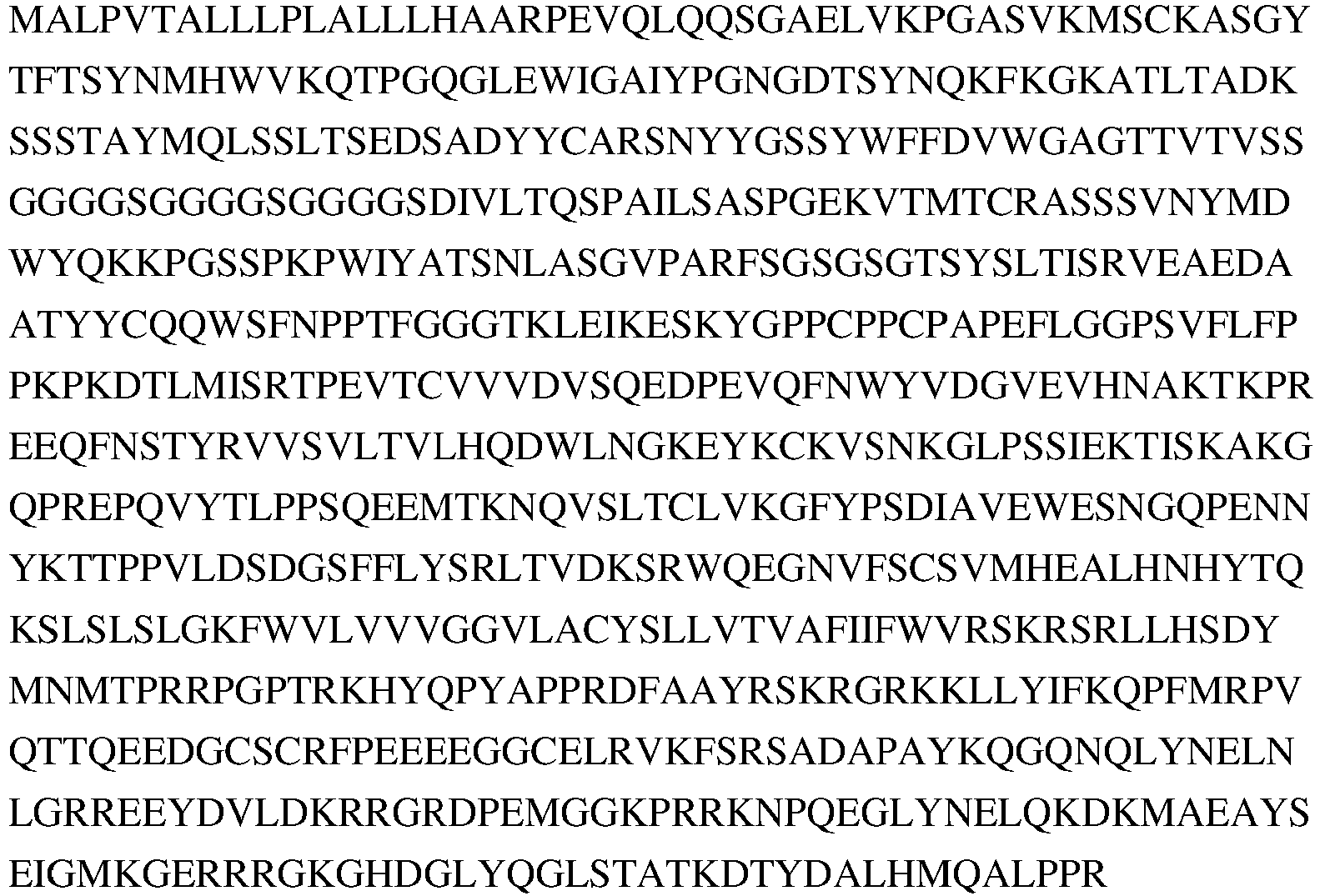
29 CAR-T 20.11 
30 
CAR-T 20.12 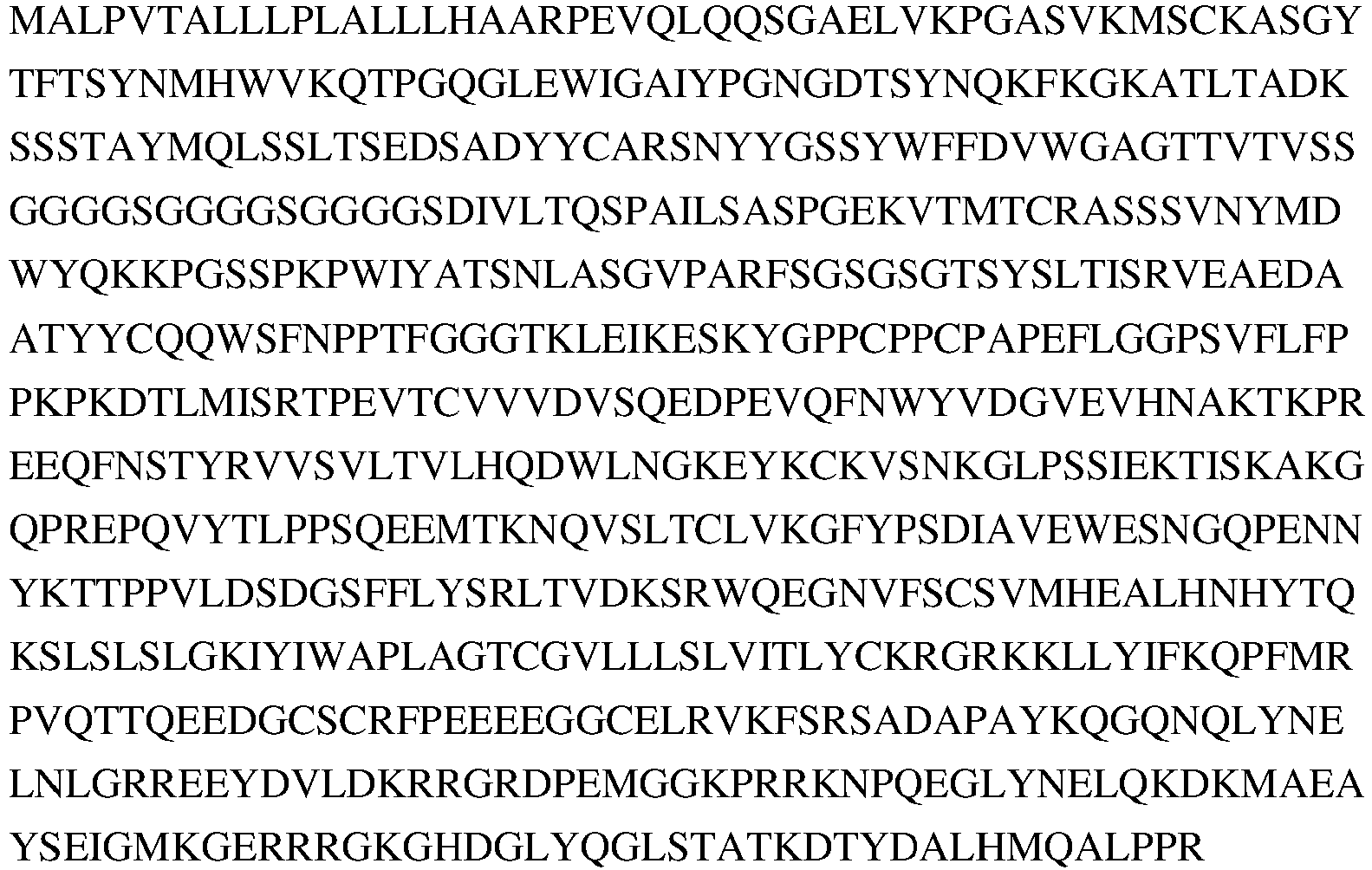
31 CAR-T 20.13 
32 
CAR-T 20.14 
33 CAR-T 20.15 
34 CAR-T 20.16 
35 
CAR-T 20.17 
36 CAR-T 20.18 
37 
CAR-T 20.19 
38 - A
Phase 1 trial was conducted in patients with relapsed/refractory non-Hodgkin lymphoma (R/R NHL) to assess the safety and efficacy of C-CAR039 (i.e., TN-OF-19 CAR-T cells, NCT04317885). Following apheresis to harvest T cells, C-CAR039 was manufactured and infused as a single intravenous dose after a standard 3-day cyclophosphamide/fludarabine conditioning regimen. C-CAR039 was manufactured in a serum free, semi-automated, and digitally closed system with median vein to vein time of 18 days. The manufacturing success rate was 100%. As ofAug - The key eligibility criteria include: (1) 18-75 years of age; (2) r/r B-NHL including DLBCL, FL, MCL; (3) either CD19 or CD20 positive disease; (4) no prior anti-CD19 therapy; and (5) no active CNS involvement. The safety assessment includes the incidence and severity of treatment-emergent adverse events (CTCAE V5.0). The efficacy assessment includes the Lugano Classification 2014: ORR; DOR; PFS; OS.
- As the data cut-off at
Jan 31, 2021, 30 patients have been enrolled in four clinical centers; 28 patients have been dosed; The median vein-to-vein time was 19 days. 25 patients have 1-month data; 17 patients have 3-month data; 12 patients have 6-month data. 1 infused patient does not have evaluable disease activity at baseline. - The patients' baseline demographics and clinical characteristics prior to the start of our bispecific CAR treatment are shown in Table 3.
- The median age of patients dosed was 54 years (range: 28-71 years).The median number of prior lines of therapy was 3 (range: 1-5 prior therapies). There were 5 (20%) patients had previous autologous stem cell transplantation (ASCT).
Table 3 Summary of baseline clinical characteristics of patients Characteristic N=25 Characteristic N=25 Median age, yrs (range) 54 (28-71) Median number of prior lines of therapy, n (range) 3 (1-5) • Age ≥ 65, n (%) 8 (32.0) •1, n (%) 1 (4.0) Male/Female, n 18/7 •2, n (%) 9 (36.0) NHL subtype, n (%) •3, n (%) 3 (12.0) • DLBCL 12 (88.0) •4, n (%) 7 (28.0) • PMBCL 1 (4.0) •5, n (%) 5 (20.0) • FL 1 (4.0) Previous ASCT, n (%) 5 (20.0) • tFL 1 (4.0) Best response as PD to last prior therapy, n (%) 14 (56.0) ECOG PS, n (%) Received bridging therapy, n (%) 5 (20.0) • 0 15 (60.0) Median infusion dosage, ×106/kg (range) 2.5 (1.0-5.0) • 1 10 (40.0) IPI score 3/4, n (%)6 (24.0) Ann Arbor stage III/IV, n (%) 19 (76.0) -
Figure 10 shows CAR039 r/r NHL study design and flow chart. Specifically, the patients were screened 21 days before the treatment (D-21). Qualified subjects were enrolled, and peripheral blood leukocytes collected. The collected peripheral blood leukocytes were used to produce the CAR-T cells. At -5 (D-5), -4 (D-4) and -3 (D-3) days before the CAR-T infusion, the patients received lymphodepletion pretreatment, including fludarabine (30 mg/m2/d, intravenous, once per day for three days), and cyclophosphamide (300 mg/m2/d, intravenous, once per day for three days). Approximately 72 hours after lymphodepletion, the patients were administered 1.0 x 10⁶, 2.5 x 10⁶ or 5.0 x 10⁶ CAR-T cells/kg body weight on day 0 (D0) as a single infusion. Follow-ups with the patients were carried out onday 4,day 7,day 10,week 2,week 3,week 4,week 8,week 12,month 6,month 9 andmonth 12 after the infusion. The first clinical response assessment was atweek 4 after the CAR-T infusion. - The patients' adverse reactions (treatment-emergent adverse events, TEAE) were recorded (Table 4). There was only 1 (4%)
grade 3 or greater cytokine release syndrome (CRS). Neurotoxicity was observed only in two patients (8.0%), with nograde 3 or greater neurotoxicity. Cytopenia, such as neutropenia and thrombocytopenia, was mostly related to the fludarabine/cyclophosphamide (Cy/Flu) lymphodepletion. The cytopenia was also reversible. These demonstrated that the bispecific CAR had an excellent safety profile.Table 4 Summary of Treatment-emergent Adverse Events (AEs) AEs* (≥25%) n (%) Any Grade (N=25) Grade ≥3 (N=25) Neutropenia 25 (100) 22 (88.0) Thrombocytopenia 13 (52.0) 4 (16.0) Anemia 24 (96.0) 8 (40.0) Infection 13 (52.0) 0 (0) * CTCAE V5.0. Table 5 Safety profile CRS & Neurotoxicity** Any Grade (N=25) Grade ≥3 (N=25) CRS, n (%) 24 (96.0) 1 (4) • Median days to onset, d (range) 3 (0-10) • Median days to resolution, d (range) 4 (1-25) • Treated with Tocilizumab, n (%) 4 (16.0) • Treated with Steroids, n (%) 2 (8.0) Neurotoxicity, n (%) 2 (8.0) 0 (0) • Day to onset, d 16 (4-28) • Day to resolution, d NA • Treated with Steroids, n (%) 1 (4.0) ICU admissions, n (%) 0 ** ASTCT Consensus Grading for Cytokine Release Syndrome and Neurologic Toxicity Associated with Immune Effector Cells 2019. Table 6 CRS & Neurotoxicity CRS & Neurotoxicity All (N=25) 1.0 MPK (N=4) 2.0/2.5 MPK (N=14) 4.0/5.0 MPK (N=7) CRS, n (%) 24 (96.0) 4 (100) 13 (92.9) 7 (100) • Grade 1/2/3/4/5, n18/5/1/0/0 3/1/0/0/0 10/2/1/0/0 5/2/0/0/0 • Median days to onset, d (range) 3 (0-10) 7 (2-10) 4 (1-10) 1 (0-9) • Median days to resolution, d (range) 4 (1-25) 2.5 (1-7) 4 (1-25) 6 (1-15) • Treated with vasopressors, % 1 (4.0) 0 (0) 1 (7.1) 0 (0) • Treated with Tocilizumab, % 4 (16.0) 0 (0) 2 (14.3) 2 (28.6) • Treated with steroids, % 2 (8.0) 0 (0) 2 (14.3) 0 (0) Neurotoxicity*, n (%) 2 (8.0) 0 (0) 0 (0) 2 (28.6) Grade 1/2/3/4/5,n 2/0/0/0/0 0/0/0/0/0 0/0/0/0/0 2/0/0/0/0 Median days to onset, d (range) 16 (4-28) NA NA Median days to resolution*, d (range) NA NA NA NA Treated with steroids, % 1 (4.0) NA NA 1 (4.0) ICU admissions, n (%) 0 0 0 0 * 1 patient has not resolved by the cutoff date. - C-CAR039 treatment was well tolerated with 1
grade 3 CRS in 25 patients and 2Grade 1 neurotoxicity events. Cytopenias were mostly related to the conditioning regimen (Cy/Flu lymphodepletion) and were common and reversible. - At the one-month evaluation, 12/13 patients showed clinical improvement (overall response rate or ORR=92%) and 11/11 of DLBCL patients responded to the treatment (ORR=100%). Median follow-up was 70 days (range: 35-257 days). The best overall response (BOR) includes 10 complete responses (CRs) and 2 partial responses (PRs).
-
Figure 11 shows the summary of C-CAR039 clinical results. There were three (3) dosages administered: (1) 4.0x10⁶ or 5.0x10⁶ /kg (N=7); (2) 2.0x10⁶ or 2.5x10⁶ /kg (N=14); and (3) 1.0x10⁶ /kg (N=4). - After approximately 14 months, the ORR was 92% (23 out of 25 patients); CR was 84% (21 out of 25 patients). The CR rate at 6 months was 82% (9 out of 11 patients). Median follow-up (F/U) was 5.3 months (range: 1.0 - 14.3 months).
-
Figure 18 shows the Kaplan Meyer estimation of PFS for C-CAR039. The 6-month PFS is 87.31%, with 95% confidence intervals (CIs) of 71.2 to 100.0. Median duration of response (DOR) has not reached. -
Figure 19 shows the PK/PD profile of C-CAR039. There were no statistic differences of PK profiles between the different dose groups. -
Figure 20 shows the PK/PD profile (CAR-T expansion and B cell depletion) in the peripheral blood of the relapsed patients. -
Figure 12 shows examples of patients before and post C-CAR039 treatment. It clear shows that the tumor lesions decreased significantly in size three months after the CAR T treatment. - C-CAR039 proliferation and expansion in the peripheral blood positively correlated with tumor regression. Positive early trend of correlation between C-CAR039 AUC (0-28 day) and Cmax and clinical response is observed.
-
Figure 13 shows C-CAR039 proliferation and expansion in patient's blood. The results showed that C-CAR008 cells expanded effectively after injection. - Table 7 shows the CD19/CD20 expression in relapsed patients.
Table 7 CD19/CD20 expression tested in tumor tissues by IHC Before treatment Relapsing after CCAR066 treatment Patient (Pt.) No. 8 CD19(+) CD20(+) CD19(+) CD20(+) Pt. No. 21 CD19(+) CD20(+) CD19(-) CD20(+) Table 8. The relationships of PK profile (AUC0∼28day, Cmax, Tmax, Tlast), CAR-T cell dose and clinical responses. Subj ID Dose (10^6 CAR-T/kg) Best Response AUC0~28 day Cmax Tmax Tlast Follow up(day) Pt. No.8 3 SD 7,530 708 10 60 60+ Pt. No.13 3 CR 201,811 30,290 10 28 28+ Pt. No.7 4 UE 223,932 57,478 31 60 60+ Pt. No.9 3 PR 537,713 38,316 7 57 57+ Pt. No.4 3 PR 607,007 89,655 12 84 84+ Pt. No.12 5 CR 727,947 83,494 8 28 28+ Pt. No2 2 CR 747,101 114,041 14 187 187+ Pt. No.3 2 CR 1,154,844 139,497 10 182 182+ Pt. No.5 3 CR 1,673,877 183,427 8 85 85+ Pt. No.6 3 CR 2,437,574 223,644 13 55 55+ Pt. No1 1 CR 2,580,272 259,462 14 104 257+ Pt.No.10 2 CR 2,953,074 308,343 11 55 55+ Pt. No.14 4 CR 3,143,662 302,300 14 28 28+ Pt. No.11 5 CR 8,117,064 715,187 28 28 28+ - C-CAR039 proliferation & expansion in the peripheral blood positively correlated with tumor regression. Positive early trend of correlation between C-CAR039 AUC (0-28 day) and Cmax and clinical response is observed.
Table 9 SCHOLAR-1: Outcome of refractory DLBCL with non-CAR T-cell therapy (pooled retrospective analysis) Outcome MDACC (n=165) IA/MC (n=82) LY.12 (CCTG) (n=106) CORAL (n=170) Pooled (n=523) Response rate, % 20 26 26 31 26 • CR 7 7 2 15 7 • PR 13 18 25 16 18 Response rate (category), % • Primary refractory NR 25 27 10 20 • Refractory to ≥ 2nd- line therapy 20 21 20 40 26 • Relapse ≤ 12 mos post-ASCT 19 35 NR 39 34 Median OS, mos 6.6 5.0 6.6 6.5 6.3 Crump. Blood. 2017; 130:1800. Table 10 C-CAR039 Compared with commercial anti-CD19 CART products ZUMA-1[1] (n=101) JULIET[2] (n=111) TRANSCEND NHL 001[3] (n=269**) C-CAR039 (n=25) Median age, yrs (range) 58 (23-76) 56 (22-76) 63 (54-70) 54 (28-71) DLBCL (including HGBL), % 76 79 64 88 ECOG 0/1, % 100 100 99 100 ≥ 3 prior therapies, % 69 51 51 60 IPI 3/4, % 48 - - 24 Ann Arbor stage III/IV, % 85 76 - 76 Prior ASCT, % 21 49 33 20 Best response as PD or SD to last prior therapy, % 66(PD) 55 75 (PD,SD,PR) 80 ORR, % 82 (Best) 52 (Best) 73 (Best) 92 (Best) CR, % 58 (Best) 40 (Best) 53 (Best) 84 (Best) Grade ≥ 3 CRS/NEs, % 13*/31† 22‡/12† 2†/10 4/0 Tocilizumab/steroid use, % 43/27 14/10 18/10 14/12 **256 included in the efficacy-evaluable set. *Per Lee scale. †Per CTCAE V4.03. ‡Per Penn Scale. §Per ASTCT).
1. Neelapu. NEJM. 2017; 377:2531. 2. Schuster. NEJM. 2019; 380:45. 3. Schuster. NEJM. 2019; 380:45Table 11 C-CAR039 Compared to other CD19/CD20 bi-specific CAR-T products Nirav N. Shah[1] (n=22) Tong C[2] (n=28) C-CAR039 (n=25) Median age, yrs (range) 57 (38-72) ≥60 (25%) 54 (28-71) DLBCL (including HGBL), % 50 57 88 ECOG 0/1, %100 54 100 ≥ 3 prior therapies, % - 79 60 Ann Arbor stage III/IV, % - 82 76 Prior ASCT, % 37 18 20 Best response as PD or SD to last prior therapy, % 82 86 80 ORR (best), % 82 79 92 CR (best), % 64 71 84 Grade ≥ 3 CRS/NEs, % 5/14 14/0 4/0 Tocilizumab/steroid use, % - - 14/12 - C-CAR039 shows promising efficacy and a favorable safety profile in the clinical trial in patients with r/r NHL. The efficacy compares favorably to anti-CD19 CAR-T therapies.
- Relapse due to loss of the CD19 targeted epitope presents a therapeutic challenge of CD19 CAR-T therapy. These patients universally have poor outcomes. CD20 is a proven therapeutic target for B-Cell Non-Hodgkin Lymphomas (B-NHL), supported by previously approved and widely used monoclonal antibody therapy.C-CAR066 is a novel 2nd generation chimeric antigen receptor T (CAR-T) therapy. Preclinical studies suggest that C-CAR066 (derived from scFVs of Ofatumumab) has superior anti-tumor activity compared to CAR-Ts derived from scFVs of Leu16, Rituximab, and Obinutuzumab,
- NCT04036019 is a single arm, single-center, non-randomized phase I clinical trial to evaluate the safety and efficacy of C-CAR066 in subjects with r/r B cell lymphoma who were previously treated with anti-CD19 CAR-T therapy. The primary objective of the study is to evaluate incidence and severity of treatment emergent adverse events. The secondary objectives include determining overall response rate (ORR), PFS, and OS. C-CAR066 is manufactured in a serum free, semi-automated, and digitally closed system. C-CAR066 is administered to patients as a single intravenous dose after a standard 3-day cyclophosphamide/fludarabine conditioning regimen.
-
Figure 14 shows the C-CAR066-NHL study design. - As of
Aug 

- C-CAR066 treatment was well tolerated with
reversible grade 1~2 CRS in six patients,grade 3 CRS in another patient, and no neurotoxicity events. 6/7 patients showed clinical improvement (best overall response rate, ORR = 85.7%). The best overall responses include 3 CR and 3PR. All patients responded to C-CAR066 treatment and showed different degrees of tumor regression (45-100%).
- 6/7 patients showed clinical improvement (best overall response rate, ORR = 85.7%). The best overall responses include 3 CR and 3PR. All patients responded to C-CAR066 treatment and showed different degrees of tumor regression (45-100%).

-
Figure 15 shows an example of PET-CT of a patient before and after treated with C-CAR066. - C-CAR066 has a favorable safety profile and shows promising early efficacy in patients with r/r NHL following CD19 CAR-T therapy. It shows that C-CAR066 has a different mechanism of action compared to anti-CD-19 CAR-T therapy. By targeting both CD20 and CD19 tumor antigens might lead to superior clinical benefit to targeting either CD19 or CD20 alone in B-cell malignancy patients.
| Leu16 Region | Sequence | Residues | Length |
| LFR1 | DIVLTQSPAILSASPGEKVTMTC (SEQ ID NO: 53) | 1 - 23 | 23 |
| VL-CDR1 | RASSSVNYMD (SEQ ID NO: 54) | 24 - 33 | 10 |
| LFR2 | WYQKKPGSSPKPWIY (SEQ ID NO: 55) | 34 - 48 | 15 |
| VL-CDR2 | ATSNLAS (SEQ ID NO: 56) | 49 - 55 | 7 |
| LFR3 | GVPARFSGSGSGTSYSLTISRVEAEDAATYYC (SEQ ID NO: 57) | 56 - 87 | 32 |
| VL-CDR3 | QQWSFNPPT (SEQ ID NO: 58) | 88 - 96 | 9 |
| LFR4 | FGGGTKLEIK (SEQ ID NO: 59) | 97 - 106 | 10 |
| | 106 | ||
Claims (13)
- A bispecific chimeric antigen receptor (CAR) targeting CD19 and CD20, wherein the CAR comprises the amino acid sequence set forth in SEQ ID NO. 16.
- An immune cell expressing the bispecific CAR of claim 1.
- The immune cell of claim 2, which is a T cell.
- The immune cell of claim 2, which is a natural killer (NK) cell.
- A nucleic acid encoding the bispecific CAR of claim 1.
- A vector comprising the nucleic acid of claim 5.
- The immune cell of any of claims 2 to 4, for use in treating cancer in a subject.
- The immune cell for use according to claim 7, wherein the immune cell is allogeneic with respect to the subject.
- The immune cell for use according to claim 7, wherein the immune cell is autologous with respect to the subject.
- The immune cell for use according to any of claims 7 to 9, wherein the cancer is a hematologic cancer or a B-cell malignancy.
- The immune cell for use according to claim 10, wherein the cancer is Hodgkin's lymphoma, non-Hodgkin's lymphoma, leukemia, and/or multiple myeloma, or acute myeloid leukemia (AML), multiple myeloma (MM), chronic lymphocytic leukemia (CLL), chronic myelogenous leukemia, acute lymphoblastic leukemia (ALL), diffuse large B cell lymphoma (DLBCL), or combinations thereof.
- A pharmaceutical composition comprising a T cell expressing the bispecific CAR of claim 1, wherein the composition further comprises one or more pharmaceutically or physiologically acceptable carriers, diluents or excipients.
- The pharmaceutical composition of claim 12, for use in treating a cancer, wherein the composition is to be administered by i.v. injection.
Priority Applications (5)
| Application Number | Priority Date | Filing Date | Title |
|---|---|---|---|
| HRP20251006TT HRP20251006T1 (en) | 2020-03-17 | 2021-03-17 | COMBINED CHIMERIC ANTIGEN RECEPTOR TARGETED TO CD19 AND CD20 AND ITS APPLICATIONS |
| SM20250287T SMT202500287T1 (en) | 2020-03-17 | 2021-03-17 | Combined chimeric antigen receptor targeting cd19 and cd20 and applications thereof |
| SI202130340T SI3989986T1 (en) | 2020-03-17 | 2021-03-17 | Combined chimeric antigen receptor targeting cd19 and cd20 and applications thereof |
| EP25182520.4A EP4631525A3 (en) | 2020-03-17 | 2021-03-17 | Combined chimeric antigen receptor targeting cd19 and cd20 and applications thereof |
| RS20250825A RS67131B1 (en) | 2020-03-17 | 2021-03-17 | Combined chimeric antigen receptor targeting cd19 and cd20 and applications thereof |
Applications Claiming Priority (5)
| Application Number | Priority Date | Filing Date | Title |
|---|---|---|---|
| CN202010188038.1A CN113402612A (en) | 2020-03-17 | 2020-03-17 | Combined chimeric antigen receptor targeting CD19 and CD20 and application thereof |
| US16/877,069 US11207349B2 (en) | 2020-03-17 | 2020-05-18 | Combined chimeric antigen receptor targeting CD19 and CD20 and application thereof |
| PCT/CN2020/109645 WO2021184673A1 (en) | 2020-03-17 | 2020-08-17 | Combined chimeric antigen receptor targeting cd19 and cd20 and application thereof |
| US202163154032P | 2021-02-26 | 2021-02-26 | |
| PCT/US2021/022779 WO2021188681A1 (en) | 2020-03-17 | 2021-03-17 | Combined chimeric antigen receptor targeting cd19 and cd20 and applications thereof |
Related Child Applications (1)
| Application Number | Title | Priority Date | Filing Date |
|---|---|---|---|
| EP25182520.4A Division EP4631525A3 (en) | 2020-03-17 | 2021-03-17 | Combined chimeric antigen receptor targeting cd19 and cd20 and applications thereof |
Publications (3)
| Publication Number | Publication Date |
|---|---|
| EP3989986A1 EP3989986A1 (en) | 2022-05-04 |
| EP3989986A4 EP3989986A4 (en) | 2022-10-12 |
| EP3989986B1 true EP3989986B1 (en) | 2025-07-09 |
Family
ID=77677447
Family Applications (2)
| Application Number | Title | Priority Date | Filing Date |
|---|---|---|---|
| EP21772208.1A Active EP3989986B1 (en) | 2020-03-17 | 2021-03-17 | Combined chimeric antigen receptor targeting cd19 and cd20 and applications thereof |
| EP25182520.4A Pending EP4631525A3 (en) | 2020-03-17 | 2021-03-17 | Combined chimeric antigen receptor targeting cd19 and cd20 and applications thereof |
Family Applications After (1)
| Application Number | Title | Priority Date | Filing Date |
|---|---|---|---|
| EP25182520.4A Pending EP4631525A3 (en) | 2020-03-17 | 2021-03-17 | Combined chimeric antigen receptor targeting cd19 and cd20 and applications thereof |
Country Status (32)
| Country | Link |
|---|---|
| US (5) | US11207349B2 (en) |
| EP (2) | EP3989986B1 (en) |
| JP (4) | JP7624967B2 (en) |
| KR (2) | KR102520550B1 (en) |
| CN (2) | CN113402612A (en) |
| AU (3) | AU2021238330B2 (en) |
| BR (1) | BR112022018677A2 (en) |
| CA (2) | CA3169235A1 (en) |
| CL (1) | CL2022002522A1 (en) |
| CO (1) | CO2022014259A2 (en) |
| CR (1) | CR20220507A (en) |
| DK (1) | DK3989986T3 (en) |
| DO (1) | DOP2022000195A (en) |
| EC (1) | ECSP22079948A (en) |
| ES (1) | ES3039539T3 (en) |
| FI (1) | FI3989986T3 (en) |
| HR (1) | HRP20251006T1 (en) |
| HU (1) | HUE073404T2 (en) |
| IL (2) | IL296473B2 (en) |
| JO (1) | JOP20220223A1 (en) |
| LT (1) | LT3989986T (en) |
| MX (1) | MX2022011554A (en) |
| NZ (1) | NZ793365A (en) |
| PE (1) | PE20231643A1 (en) |
| PH (1) | PH12022552463A1 (en) |
| PL (1) | PL3989986T3 (en) |
| PT (1) | PT3989986T (en) |
| RS (1) | RS67131B1 (en) |
| SI (1) | SI3989986T1 (en) |
| SM (1) | SMT202500287T1 (en) |
| UA (1) | UA129998C2 (en) |
| WO (2) | WO2021184673A1 (en) |
Families Citing this family (20)
| Publication number | Priority date | Publication date | Assignee | Title |
|---|---|---|---|---|
| CN108395482B (en) | 2017-02-08 | 2021-02-05 | 西比曼生物科技(香港)有限公司 | Construction of targeting CD20 antigen chimeric antigen receptor and activity identification of engineered T cell thereof |
| EP3658172A4 (en) | 2017-07-25 | 2021-05-05 | TrueBinding, Inc. | CANCER TREATMENT BY BLOCKING THE INTERACTION OF TIM-3 AND ITS LIGAND |
| CN113711036B (en) | 2019-01-30 | 2025-03-18 | 真和制药有限公司 | Anti-GAL3 antibodies and uses thereof |
| WO2020180882A1 (en) | 2019-03-05 | 2020-09-10 | Nkarta, Inc. | Cd19-directed chimeric antigen receptors and uses thereof in immunotherapy |
| CN113402612A (en) * | 2020-03-17 | 2021-09-17 | 西比曼生物科技(香港)有限公司 | Combined chimeric antigen receptor targeting CD19 and CD20 and application thereof |
| CN116157151A (en) | 2020-05-26 | 2023-05-23 | 真和制药有限公司 | Methods of treating inflammatory diseases by blocking galectin-3 |
| KR102739632B1 (en) * | 2022-02-09 | 2024-12-05 | 한림대학교 산학협력단 | Pharmaceutical composition for preventing or treating cancer comprising anti-CD20 chimeric antigen receptor as an active ingredient, and method for preparing the same |
| US20250353907A1 (en) * | 2022-04-29 | 2025-11-20 | Shanghai Simnova Biotechnology Co., Ltd. | Cd19-targeting chimeric antigen receptor and use thereof |
| CN114990069B (en) * | 2022-05-17 | 2023-09-22 | 郑州大学第一附属医院 | Preparation method and application of chimeric antigen receptor T cell over-expressing SLC43A2 |
| CN119907810A (en) * | 2022-08-26 | 2025-04-29 | 莱蒂恩技术公司 | Compositions and methods for treating cancer with fully human anti-CD20/CD19 immunotherapy |
| CN116514992B (en) * | 2022-11-07 | 2024-05-24 | 武汉波睿达生物科技有限公司 | Chimeric antigen receptor targeting CD19 with optimized signal peptide sequence and application thereof |
| WO2024182516A1 (en) | 2023-02-28 | 2024-09-06 | Juno Therapeutics, Inc. | Cell therapy for treating systemic autoimmune diseases |
| AU2024244733B2 (en) | 2023-03-31 | 2025-12-11 | AbelZeta Inc. | Bispecific chimeric antigen receptors targeting cd20 and bcma |
| EP4714981A1 (en) * | 2023-05-19 | 2026-03-25 | Carsgen Life Sciences Co., Ltd. | Immune effector cell and use thereof |
| WO2025021113A1 (en) * | 2023-07-25 | 2025-01-30 | 上海药明巨诺生物医药研发有限公司 | Fusion protein for treating diseases related to cd20 |
| WO2025030693A1 (en) * | 2023-08-08 | 2025-02-13 | 星尘生物科技(上海)有限公司 | Bispecific chimeric antigen receptor and use thereof |
| WO2025059162A1 (en) | 2023-09-11 | 2025-03-20 | Dana-Farber Cancer Institute, Inc. | Car-engager containing il-2 variants to enhance the functionality of car t cells |
| KR20250174161A (en) | 2024-06-04 | 2025-12-12 | 한국과학기술연구원 | Chimeric antigen receptor targeting endoglin and mesothelin and use thereof |
| WO2026050426A2 (en) | 2024-08-28 | 2026-03-05 | Juno Therapeutics, Inc. | Cd19-directed chimeric antigen receptor cell therapy for treating autoimmune and neurological diseases |
| CN120795167B (en) * | 2025-04-15 | 2026-05-08 | 佰芮慷(广州)细胞医药科技有限公司 | A chimeric antigen receptor CAR targeting human EB virus, CAR-NK cells and their applications |
Family Cites Families (114)
| Publication number | Priority date | Publication date | Assignee | Title |
|---|---|---|---|---|
| US5703055A (en) | 1989-03-21 | 1997-12-30 | Wisconsin Alumni Research Foundation | Generation of antibodies through lipid mediated DNA delivery |
| US5399346A (en) | 1989-06-14 | 1995-03-21 | The United States Of America As Represented By The Department Of Health And Human Services | Gene therapy |
| US5585362A (en) | 1989-08-22 | 1996-12-17 | The Regents Of The University Of Michigan | Adenovirus vectors for gene therapy |
| US5350674A (en) | 1992-09-04 | 1994-09-27 | Becton, Dickinson And Company | Intrinsic factor - horse peroxidase conjugates and a method for increasing the stability thereof |
| US6074841A (en) | 1996-08-19 | 2000-06-13 | Millennium Biotherapeutics, Inc. | Don-1 gene and polypeptides and uses therefor |
| AU2472400A (en) | 1998-10-20 | 2000-05-08 | City Of Hope | CD20-specific redirected T cells and their use in cellular immunotherapy of CD20+ malignancies |
| EP1235842A4 (en) | 1999-10-15 | 2003-04-23 | Univ Massachusetts | GENESIS OF THE RNA INTERFERENCE PATH AS AID OF TARGETED GENTIAN INTERFERENCE |
| US6326193B1 (en) | 1999-11-05 | 2001-12-04 | Cambria Biosciences, Llc | Insect control agent |
| AU2001275474A1 (en) | 2000-06-12 | 2001-12-24 | Akkadix Corporation | Materials and methods for the control of nematodes |
| AU2001297703B2 (en) | 2000-11-07 | 2006-10-19 | City Of Hope | CD19-specific redirected immune cells |
| US8287864B2 (en) | 2002-02-14 | 2012-10-16 | Immunomedics, Inc. | Structural variants of antibodies for improved therapeutic characteristics |
| US7446190B2 (en) | 2002-05-28 | 2008-11-04 | Sloan-Kettering Institute For Cancer Research | Nucleic acids encoding chimeric T cell receptors |
| KR20110017020A (en) | 2002-10-17 | 2011-02-18 | 젠맵 에이/에스 | Human monoclonal antibodies against CD20 |
| US7109304B2 (en) | 2003-07-31 | 2006-09-19 | Immunomedics, Inc. | Humanized anti-CD19 antibodies |
| ZA200601699B (en) | 2003-10-16 | 2007-05-30 | Micromet Ag | Multispecific deimmunized CD3-binders |
| US7435596B2 (en) | 2004-11-04 | 2008-10-14 | St. Jude Children's Research Hospital, Inc. | Modified cell line and method for expansion of NK cell |
| US20130266551A1 (en) | 2003-11-05 | 2013-10-10 | St. Jude Children's Research Hospital, Inc. | Chimeric receptors with 4-1bb stimulatory signaling domain |
| CN105837690A (en) | 2006-06-12 | 2016-08-10 | 新兴产品开发西雅图有限公司 | Single-chain multivalent binding proteins with effector function |
| EP2046383B1 (en) | 2006-07-04 | 2014-11-19 | Genmab A/S | Cd20 binding molecules for the treatment of copd |
| PL2856876T3 (en) | 2007-03-30 | 2018-06-29 | Memorial Sloan-Kettering Cancer Center | Constitutive expression of co-stimulatory ligands on T cells undergoing adoptive transfer |
| CN101990439A (en) | 2007-07-06 | 2011-03-23 | 特鲁比昂药品公司 | Binding peptides having a c-terminally disposed specific binding domain |
| BRPI0813985B1 (en) | 2007-07-31 | 2022-05-10 | Regeneron Pharmaceuticals, Inc | Human antibodies or antigen-binding fragments, pharmaceutical compositions thereof, and method for producing an anti-human cd20 antibody or antigen-binding fragment of an antibody |
| WO2009052431A2 (en) | 2007-10-19 | 2009-04-23 | Seattle Genetics, Inc. | Cd19 binding agents and uses thereof |
| WO2009052830A1 (en) | 2007-10-22 | 2009-04-30 | Genmab A/S | Novel antibody therapies |
| CN101544694A (en) | 2008-03-28 | 2009-09-30 | 上海中信国健药业有限公司 | Anti-CD20 tetravalent antibody and preparation method and application thereof |
| PH12013501201A1 (en) | 2010-12-09 | 2013-07-29 | Univ Pennsylvania | Use of chimeric antigen receptor-modified t cells to treat cancer |
| EP3594245A1 (en) | 2012-02-13 | 2020-01-15 | Seattle Children's Hospital d/b/a Seattle Children's Research Institute | Bispecific chimeric antigen receptors and therapeutic uses thereof |
| EP4541818A3 (en) | 2012-05-25 | 2025-07-23 | Cellectis | Methods for engineering allogeneic and immunosuppressive resistant t cell for immunotherapy |
| US20140154253A1 (en) | 2012-07-13 | 2014-06-05 | Zymeworks Inc. | Bispecific Asymmetric Heterodimers Comprising Anti-CD3 Constructs |
| PL3824905T3 (en) | 2012-08-20 | 2025-05-05 | Fred Hutchinson Cancer Center | Method and compositions for cellular immunotherapy |
| SI3300745T1 (en) | 2013-02-15 | 2020-01-31 | The Regents Of The University Of California | Chimeric antigen receptor and methods for their use |
| US9499855B2 (en) | 2013-03-14 | 2016-11-22 | Elwha Llc | Compositions, methods, and computer systems related to making and administering modified T cells |
| TWI654206B (en) | 2013-03-16 | 2019-03-21 | 諾華公司 | Treatment of cancer with a humanized anti-CD19 chimeric antigen receptor |
| JP2015092865A (en) | 2013-11-13 | 2015-05-18 | 国立大学法人名古屋大学 | Humanized anti-CD20 chimeric antigen receptor |
| AU2014368892B2 (en) * | 2013-12-20 | 2019-06-13 | Fred Hutchinson Cancer Center | Tagged chimeric effector molecules and receptors thereof |
| US20160333108A1 (en) | 2014-01-13 | 2016-11-17 | Stephen J. Forman | CHIMERIC ANTIGEN RECEPTORS (CARs) HAVING MUTATIONS IN THE FC SPACER REGION AND METHODS FOR THEIR USE |
| GB201407852D0 (en) * | 2014-05-02 | 2014-06-18 | Iontas Ltd | Preparation of libraries od protein variants expressed in eukaryotic cells and use for selecting binding molecules |
| CN106536564B (en) | 2014-06-02 | 2021-08-31 | 美国卫生和人力服务部 | Chimeric Antigen Receptor Targeting CD-19 |
| US9777061B2 (en) | 2014-07-21 | 2017-10-03 | Novartis Ag | Treatment of cancer using a CD33 chimeric antigen receptor |
| TWI805109B (en) * | 2014-08-28 | 2023-06-11 | 美商奇諾治療有限公司 | Antibodies and chimeric antigen receptors specific for cd19 |
| CN117427091A (en) | 2014-10-20 | 2024-01-23 | 朱诺治疗学股份有限公司 | Compositions and methods for administration in adoptive cell therapy |
| WO2016090190A1 (en) | 2014-12-03 | 2016-06-09 | Juno Therapeutics, Inc. | Methods and compositions for adoptive cell therapy |
| CA3008162A1 (en) | 2014-12-15 | 2016-06-23 | The Regents Of The University Of California | Bispecific or-gate chimeric antigen receptor responsive to cd19 and cd20 |
| JP2018504104A (en) | 2014-12-17 | 2018-02-15 | セレクティスCellectis | Inhibitory chimeric antigen receptor expressing non-T cell transduction domain (iCAR or N-CAR) |
| WO2016110576A1 (en) | 2015-01-08 | 2016-07-14 | Genmab A/S | Bispecific antibodies against cd3 and cd20 |
| US11161907B2 (en) | 2015-02-02 | 2021-11-02 | Novartis Ag | Car-expressing cells against multiple tumor antigens and uses thereof |
| KR20170110601A (en) | 2015-02-05 | 2017-10-11 | 몰레큘러 템플레이츠, 인코퍼레이션. | Multivalent CD20 binding molecules comprising a < RTI ID = 0.0 > cigarotoxin A < / RTI > |
| WO2016134284A1 (en) | 2015-02-19 | 2016-08-25 | University Of Florida Research Foundation, Inc. | Chimeric antigen receptors and uses thereof |
| MA41613A (en) | 2015-02-23 | 2018-01-02 | Abbvie Stemcentrx Llc | ANTI-DLL3 CHEMERICAL ANTIGENIC RECEPTORS AND METHODS FOR USING SUCH RECEIVERS |
| GB201503742D0 (en) * | 2015-03-05 | 2015-04-22 | Ucl Business Plc | Chimeric antigen receptor |
| MX2017012939A (en) | 2015-04-08 | 2018-05-22 | Novartis Ag | CD20 THERAPIES, CD22 THERAPIES AND COMBINATION THERAPIES WITH A CELL THAT EXPRESSES AN ANTIGEN (CAR) CHEMICAL RECEIVER OF CD19. |
| GB201506223D0 (en) | 2015-04-13 | 2015-05-27 | Ucl Business Plc | Chimeric protein |
| EP3283113A4 (en) * | 2015-04-15 | 2018-12-05 | The California Institute for Biomedical Research | Optimized pne-based chimeric receptor t cell switches and uses thereof |
| JP6985934B2 (en) * | 2015-04-29 | 2021-12-22 | フレッド ハッチンソン キャンサー リサーチ センター | Manipulated hematopoietic stem / progenitor cells and non-T effector cells, as well as their use |
| WO2016179319A1 (en) | 2015-05-04 | 2016-11-10 | Cellerant Therapeutics, Inc. | Chimeric antigen receptors with ctla4 signal transduction domains |
| JP7269733B2 (en) | 2015-06-12 | 2023-05-09 | レンティジェン・テクノロジー・インコーポレイテッド | Methods for treating cancer using engineered T cells |
| US10493139B2 (en) * | 2015-07-24 | 2019-12-03 | Innovative Cellular Therapeutics CO., LTD. | Humanized anti-CD19 antibody and use thereof with chimeric antigen receptor |
| US10975148B2 (en) | 2015-08-05 | 2021-04-13 | CellabMED Inc. | Chimeric antigen receptors, and T cells in which chimeric antigen receptor is expressed |
| JP7162530B2 (en) | 2015-08-07 | 2022-10-28 | シアトル チルドレンズ ホスピタル (ディービーエイ シアトル チルドレンズ リサーチ インスティテュート) | Bispecific CAR T cells targeting solid tumors |
| CN105384825B (en) | 2015-08-11 | 2018-06-01 | 南京传奇生物科技有限公司 | A kind of bispecific chimeric antigen receptor and its application based on single domain antibody |
| WO2017040324A1 (en) | 2015-08-28 | 2017-03-09 | The Trustees Of The University Of Pennsylvania | Methods and compositions for cells expressing a chimeric intracellular signaling molecule |
| WO2017075537A1 (en) | 2015-10-30 | 2017-05-04 | Aleta Biotherapeutics Inc. | Compositions and methods for treatment of cancer |
| MX2018005618A (en) * | 2015-11-05 | 2018-08-01 | Juno Therapeutics Inc | CHEMICAL RECEPTORS CONTAINING TRAF INDUCTIVE DOMAINS AND RELATED COMPOSITIONS AND METHODS. |
| CA3016287A1 (en) | 2016-03-04 | 2017-09-08 | Novartis Ag | Cells expressing multiple chimeric antigen receptor (car) molecules and uses therefore |
| WO2017161353A1 (en) | 2016-03-18 | 2017-09-21 | Fred Hutchinson Cancer Researh Center | Compositions and methods for cd20 immunotherapy |
| WO2017172981A2 (en) * | 2016-03-29 | 2017-10-05 | University Of Southern California | Chimeric antigen receptors targeting cancer |
| EP3436037A4 (en) * | 2016-03-31 | 2019-12-04 | University of Southern California | HIGHLY SENSITIVE LUCIFERASE-BASED REPORTER ASSAY SPECIFIC FOR DETECTION OF ANTIGENS |
| US10603380B2 (en) | 2016-04-01 | 2020-03-31 | Kite Pharma, Inc. | Chimeric antigen and T cell receptors and methods of use |
| CN107868791B (en) * | 2016-09-26 | 2021-11-23 | 阿思科力(苏州)生物科技有限公司 | Preparation method and application of reinforced Slit2CAR-T and CAR-NK cells |
| WO2018067992A1 (en) * | 2016-10-07 | 2018-04-12 | Novartis Ag | Chimeric antigen receptors for the treatment of cancer |
| CN107936120B (en) * | 2016-10-13 | 2021-03-09 | 上海赛比曼生物科技有限公司 | CD19 targeted chimeric antigen receptor and preparation method and application thereof |
| EP3336107A1 (en) * | 2016-12-15 | 2018-06-20 | Miltenyi Biotec GmbH | Immune cells expressing an antigen binding receptor and a chimeric costimulatory receptor |
| CN108250301A (en) | 2016-12-29 | 2018-07-06 | 天津天锐生物科技有限公司 | A kind of multiple target point Chimeric antigen receptor |
| CN108276493B (en) | 2016-12-30 | 2023-11-14 | 南京传奇生物科技有限公司 | A kind of chimeric antigen receptor and its application |
| CN108395482B (en) | 2017-02-08 | 2021-02-05 | 西比曼生物科技(香港)有限公司 | Construction of targeting CD20 antigen chimeric antigen receptor and activity identification of engineered T cell thereof |
| CN108395481B (en) * | 2017-02-08 | 2021-02-05 | 西比曼生物科技(香港)有限公司 | Construction of CD 20-targeted CAR and activity identification of engineered T cell thereof |
| KR20190141655A (en) * | 2017-02-22 | 2019-12-24 | 알레타 바이오쎄라퓨틱스, 인크. | Tumor transduction compositions and methods |
| BR112019017629A2 (en) | 2017-03-27 | 2020-04-07 | Hoffmann La Roche | antigen-binding receptor, isolated polynucleotide, vector, transduced t cell, methods for treating a disease and for inducing lysis, use of the receptor and receptor |
| PT3615146T (en) | 2017-04-24 | 2023-11-27 | Kite Pharma Inc | HUMANIZED ANTIGEN BINDING DOMAINS AGAINST CD19 AND METHODS OF USE |
| US11434290B2 (en) | 2017-06-08 | 2022-09-06 | H. Lee Moffitt Cancer Center And Research Institute, Inc. | Chimeric antigen receptors with enhanced NFκB signaling |
| WO2019028051A1 (en) | 2017-07-31 | 2019-02-07 | Lentigen Technology, Inc. | Compositions and methods for treating cancer with anti-cd19/cd20 immunotherapy |
| CN109423495A (en) | 2017-08-24 | 2019-03-05 | 上海恒润达生生物科技有限公司 | A kind of pair of targeting Chimeric antigen receptor and application thereof |
| CA3075915A1 (en) | 2017-09-15 | 2019-03-21 | Lentigen Technology, Inc. | Compositions and methods for treating cancer with anti-cd19 immunotherapy |
| US11905528B2 (en) | 2017-10-12 | 2024-02-20 | Icell Gene Therapeutics Inc. | Compound chimeric antigen receptor (cCAR) targeting multiple antigens, compositions and methods of use thereof |
| TW201922256A (en) * | 2017-10-27 | 2019-06-16 | 中國大陸商浙江導明醫藥科技有限公司 | Methods for treating lymphoid malignancies |
| WO2019099707A1 (en) | 2017-11-16 | 2019-05-23 | Kite Pharma, Inc | Modified chimeric antigen receptors and methods of use |
| US20220218745A1 (en) | 2017-12-22 | 2022-07-14 | 2Seventy Bio, Inc. | Multivalent chimeric antigen receptor |
| CN108315305B (en) | 2017-12-26 | 2020-11-06 | 沣潮医药科技(上海)有限公司 | Preparation method and application of immune cell exosomes carrying chimeric antigen receptors |
| CN109971725B (en) | 2017-12-28 | 2024-02-02 | 上海细胞治疗研究院 | Antibody-modified chimeric antigen receptor-modified T cells and uses thereof |
| CN108285486A (en) | 2018-01-15 | 2018-07-17 | 浙江阿思科力生物科技有限公司 | Using CD20 as the specific antibody of target spot, CAR-NK cells and its preparation and application |
| CN108017717B (en) | 2018-01-24 | 2019-08-16 | 首都医科大学宣武医院 | Chimeric antigen receptor for in vitro efficient directional amplification and application thereof |
| TW201934575A (en) | 2018-02-11 | 2019-09-01 | 大陸商江蘇恆瑞醫藥股份有限公司 | An isolated chimeric antigen receptor and modified T cell contacting same and use thereof |
| EP3784351A1 (en) | 2018-04-27 | 2021-03-03 | Novartis AG | Car t cell therapies with enhanced efficacy |
| CN108715616A (en) * | 2018-04-27 | 2018-10-30 | 上海恒润达生生物科技有限公司 | The Chimeric antigen receptor method and purposes of targeting humanized mesothelin |
| KR20210033941A (en) | 2018-04-28 | 2021-03-29 | 이뮤노테크 바이오팜 씨오., 엘티디. | Improved T-cell therapy |
| CN110526983B (en) | 2018-05-24 | 2022-02-11 | 北京马力喏生物科技有限公司 | Modified anti-CD19 CAR-T cells |
| IL279063B2 (en) | 2018-05-31 | 2026-05-01 | Washington Univ | Chimeric antigen receptor t cells (car-t) for the treatment of cancer |
| CN110606893B (en) * | 2018-06-15 | 2022-11-15 | 北昊干细胞与再生医学研究院有限公司 | Method for treating tumor by chimeric antigen receptor T cell targeting CD19 and CD20 double antigens |
| WO2020010235A1 (en) | 2018-07-05 | 2020-01-09 | H. Lee Moffitt Cancer Center And Research Institute Inc. | Car t cells that target b-cell antigens |
| WO2020033273A1 (en) | 2018-08-04 | 2020-02-13 | AbCyte Therapeutics Inc. | Multi-function and multi-targeting car system and methods for use thereof |
| JP2022501067A (en) | 2018-09-26 | 2022-01-06 | 上海恒潤達生生物科技有限公司Hrain Biotechnology Co., Ltd. | Chimeric antigen receptors targeting BCMA and CD19, and their use |
| JP7687952B2 (en) | 2018-10-01 | 2025-06-03 | アディセット セラピューティクス, インク. | Compositions and methods relating to genetically engineered and non-genetically engineered gamma delta T cells for treating hematological tumors - Patents.com |
| CN109536455B (en) | 2018-12-11 | 2020-02-21 | 武汉波睿达生物科技有限公司 | CAR-NK cell and preparation method and application thereof |
| US11793834B2 (en) * | 2018-12-12 | 2023-10-24 | Kite Pharma, Inc. | Chimeric antigen and T cell receptors and methods of use |
| CN109575143B (en) * | 2018-12-29 | 2022-06-17 | 博生吉医药科技(苏州)有限公司 | Bispecific CD20-CD19-CAR and application thereof |
| WO2020151752A1 (en) | 2019-01-22 | 2020-07-30 | 亘喜生物科技(上海)有限公司 | Engineered immune cells targeting cd20 combination |
| WO2020192701A1 (en) | 2019-03-25 | 2020-10-01 | Immunwork Inc. | Composite polypeptide having a metal binding motif and molecular construct comprising the same |
| CN112390891B (en) | 2019-08-14 | 2022-06-03 | 苏州方德门达新药开发有限公司 | Chimeric antigen receptor and its construction method and application |
| CN110845623B (en) * | 2019-10-11 | 2021-07-09 | 厦门大学 | A kind of EGFR-specific chimeric antigen receptor and its application |
| CN113402612A (en) | 2020-03-17 | 2021-09-17 | 西比曼生物科技(香港)有限公司 | Combined chimeric antigen receptor targeting CD19 and CD20 and application thereof |
| US20230212255A1 (en) | 2020-03-17 | 2023-07-06 | Cellular Biomedicine Group Inc. | Combined chimeric antigen receptor targeting cd19 and cd20 and applications thereof |
| US20230104705A1 (en) | 2020-03-17 | 2023-04-06 | Cellular Biomedicine Group Inc. | Combined chimeric antigen receptor targeting cd19 and cd20 and application thereof |
| CN112608387B (en) | 2020-12-21 | 2023-05-05 | 汤朝阳 | CD19 and CD20 double-target chimeric antigen receptor and application thereof |
| US20240115605A1 (en) | 2021-01-27 | 2024-04-11 | Cellular Biomedicine Group, Inc. | Chimeric antigen receptors targeting cd20 |
-
2020
- 2020-03-17 CN CN202010188038.1A patent/CN113402612A/en active Pending
- 2020-05-18 US US16/877,069 patent/US11207349B2/en active Active
- 2020-08-17 JP JP2022506548A patent/JP7624967B2/en active Active
- 2020-08-17 WO PCT/CN2020/109645 patent/WO2021184673A1/en not_active Ceased
- 2020-08-17 UA UAA202203670A patent/UA129998C2/en unknown
- 2020-08-17 CA CA3169235A patent/CA3169235A1/en active Pending
-
2021
- 2021-03-17 SM SM20250287T patent/SMT202500287T1/en unknown
- 2021-03-17 NZ NZ793365A patent/NZ793365A/en unknown
- 2021-03-17 EP EP21772208.1A patent/EP3989986B1/en active Active
- 2021-03-17 AU AU2021238330A patent/AU2021238330B2/en active Active
- 2021-03-17 EP EP25182520.4A patent/EP4631525A3/en active Pending
- 2021-03-17 ES ES21772208T patent/ES3039539T3/en active Active
- 2021-03-17 LT LTEPPCT/US2021/022779T patent/LT3989986T/en unknown
- 2021-03-17 PE PE2022002042A patent/PE20231643A1/en unknown
- 2021-03-17 IL IL296473A patent/IL296473B2/en unknown
- 2021-03-17 FI FIEP21772208.1T patent/FI3989986T3/en active
- 2021-03-17 IL IL317912A patent/IL317912A/en unknown
- 2021-03-17 PH PH1/2022/552463A patent/PH12022552463A1/en unknown
- 2021-03-17 CN CN202180035520.4A patent/CN115955974A/en active Pending
- 2021-03-17 HU HUE21772208A patent/HUE073404T2/en unknown
- 2021-03-17 JP JP2022506726A patent/JP7212222B2/en active Active
- 2021-03-17 DK DK21772208.1T patent/DK3989986T3/en active
- 2021-03-17 RS RS20250825A patent/RS67131B1/en unknown
- 2021-03-17 SI SI202130340T patent/SI3989986T1/en unknown
- 2021-03-17 WO PCT/US2021/022779 patent/WO2021188681A1/en not_active Ceased
- 2021-03-17 KR KR1020227035401A patent/KR102520550B1/en active Active
- 2021-03-17 HR HRP20251006TT patent/HRP20251006T1/en unknown
- 2021-03-17 CA CA3169239A patent/CA3169239A1/en active Pending
- 2021-03-17 CR CR20220507A patent/CR20220507A/en unknown
- 2021-03-17 PT PT217722081T patent/PT3989986T/en unknown
- 2021-03-17 PL PL21772208.1T patent/PL3989986T3/en unknown
- 2021-03-17 KR KR1020237011866A patent/KR20230053705A/en active Pending
- 2021-03-17 BR BR112022018677A patent/BR112022018677A2/en unknown
- 2021-03-17 MX MX2022011554A patent/MX2022011554A/en unknown
- 2021-09-15 US US17/475,766 patent/US11439665B2/en active Active
-
2022
- 2022-04-15 US US17/721,647 patent/US12448432B2/en active Active
- 2022-05-23 US US17/750,658 patent/US11633430B2/en active Active
- 2022-09-15 CL CL2022002522A patent/CL2022002522A1/en unknown
- 2022-09-18 JO JOJO/P/2022/0223A patent/JOP20220223A1/en unknown
- 2022-09-20 DO DO2022000195A patent/DOP2022000195A/en unknown
- 2022-10-05 CO CONC2022/0014259A patent/CO2022014259A2/en unknown
- 2022-10-13 EC ECSENADI202279948A patent/ECSP22079948A/en unknown
- 2022-12-19 JP JP2022202035A patent/JP7624961B2/en active Active
-
2023
- 2023-01-19 AU AU2023200268A patent/AU2023200268B2/en active Active
- 2023-03-14 US US18/183,681 patent/US20240139243A1/en active Pending
-
2025
- 2025-01-21 JP JP2025008195A patent/JP2025066770A/en active Pending
-
2026
- 2026-04-02 AU AU2026202537A patent/AU2026202537A1/en active Pending
Also Published As
Similar Documents
| Publication | Publication Date | Title |
|---|---|---|
| AU2023200268B2 (en) | Combined chimeric antigen receptor targeting cd19 and cd20 and applications thereof | |
| US12540191B2 (en) | Engineered immune cells targeting BCMA and their uses thereof | |
| US20230212255A1 (en) | Combined chimeric antigen receptor targeting cd19 and cd20 and applications thereof | |
| US20230104705A1 (en) | Combined chimeric antigen receptor targeting cd19 and cd20 and application thereof | |
| WO2022164886A2 (en) | Chimeric antigen receptors targeting cd20 | |
| US20240000839A1 (en) | Bcma-targeted chimeric antigen receptors | |
| HK40067922B (en) | Combined chimeric antigen receptor targeting cd19 and cd20 and applications thereof | |
| HK40067922A (en) | Combined chimeric antigen receptor targeting cd19 and cd20 and applications thereof | |
| HK40128775A (en) | Combined chimeric antigen receptor targeting cd19 and cd20 and applications thereof | |
| NZ796581A (en) | Combined chimeric antigen receptor targeting cd19 and cd20 and applications thereof | |
| EA050505B1 (en) | COMBINED CHIMERIC ANTIGEN RECEPTOR TARGETING CD19 AND CD20 AND ITS APPLICATIONS | |
| CN119350497A (en) | Humanized anti-CD19 single-chain variable region fragment and its use | |
| CN110218702A (en) | Target the immunocyte combination and its application of CD138 and CD19 |
Legal Events
| Date | Code | Title | Description |
|---|---|---|---|
| REG | Reference to a national code |
Ref country code: HR Ref legal event code: TUEP Ref document number: P20251006T Country of ref document: HR |
|
| STAA | Information on the status of an ep patent application or granted ep patent |
Free format text: STATUS: THE INTERNATIONAL PUBLICATION HAS BEEN MADE |
|
| PUAI | Public reference made under article 153(3) epc to a published international application that has entered the european phase |
Free format text: ORIGINAL CODE: 0009012 |
|
| STAA | Information on the status of an ep patent application or granted ep patent |
Free format text: STATUS: REQUEST FOR EXAMINATION WAS MADE |
|
| 17P | Request for examination filed |
Effective date: 20220128 |
|
| AK | Designated contracting states |
Kind code of ref document: A1 Designated state(s): AL AT BE BG CH CY CZ DE DK EE ES FI FR GB GR HR HU IE IS IT LI LT LU LV MC MK MT NL NO PL PT RO RS SE SI SK SM TR |
|
| RAP3 | Party data changed (applicant data changed or rights of an application transferred) |
Owner name: CELLULAR BIOMEDICINE GROUP HK LIMITED |
|
| RIN1 | Information on inventor provided before grant (corrected) |
Inventor name: WEI, YUTIAN. Inventor name: LI, YANFENG. Inventor name: ZHU, SHIGUI Inventor name: YAO, XIN Inventor name: HUANG, JIAQI Inventor name: YAO, YIHONG |
|
| REG | Reference to a national code |
Ref country code: HK Ref legal event code: DE Ref document number: 40067922 Country of ref document: HK |
|
| A4 | Supplementary search report drawn up and despatched |
Effective date: 20220909 |
|
| RIC1 | Information provided on ipc code assigned before grant |
Ipc: A61K 47/64 20170101ALI20220905BHEP Ipc: A61K 39/395 20060101ALI20220905BHEP Ipc: A61K 35/17 20150101AFI20220905BHEP |
|
| RAP1 | Party data changed (applicant data changed or rights of an application transferred) |
Owner name: CELLULAR BIOMEDICINE GROUP INC. |
|
| DAV | Request for validation of the european patent (deleted) | ||
| DAX | Request for extension of the european patent (deleted) | ||
| P01 | Opt-out of the competence of the unified patent court (upc) registered |
Effective date: 20230517 |
|
| TPAC | Observations filed by third parties |
Free format text: ORIGINAL CODE: EPIDOSNTIPA |
|
| STAA | Information on the status of an ep patent application or granted ep patent |
Free format text: STATUS: EXAMINATION IS IN PROGRESS |
|
| 17Q | First examination report despatched |
Effective date: 20231212 |
|
| RAP3 | Party data changed (applicant data changed or rights of an application transferred) |
Owner name: ABELZETA INC. |
|
| GRAP | Despatch of communication of intention to grant a patent |
Free format text: ORIGINAL CODE: EPIDOSNIGR1 |
|
| STAA | Information on the status of an ep patent application or granted ep patent |
Free format text: STATUS: GRANT OF PATENT IS INTENDED |
|
| INTG | Intention to grant announced |
Effective date: 20250207 |
|
| RIN1 | Information on inventor provided before grant (corrected) |
Inventor name: WEI, YUTIAN. Inventor name: LI, YANFENG. Inventor name: ZHU, SHIGUI Inventor name: YAO, XIN Inventor name: HUANG, JIAQI Inventor name: YAO, YIHONG |
|
| GRAS | Grant fee paid |
Free format text: ORIGINAL CODE: EPIDOSNIGR3 |
|
| GRAA | (expected) grant |
Free format text: ORIGINAL CODE: 0009210 |
|
| STAA | Information on the status of an ep patent application or granted ep patent |
Free format text: STATUS: THE PATENT HAS BEEN GRANTED |
|
| AK | Designated contracting states |
Kind code of ref document: B1 Designated state(s): AL AT BE BG CH CY CZ DE DK EE ES FI FR GB GR HR HU IE IS IT LI LT LU LV MC MK MT NL NO PL PT RO RS SE SI SK SM TR |
|
| REG | Reference to a national code |
Ref country code: GB Ref legal event code: FG4D |
|
| REG | Reference to a national code |
Ref country code: CH Ref legal event code: EP |
|
| REG | Reference to a national code |
Ref country code: IE Ref legal event code: FG4D |
|
| REG | Reference to a national code |
Ref country code: DE Ref legal event code: R096 Ref document number: 602021033846 Country of ref document: DE |
|
| REG | Reference to a national code |
Ref country code: NL Ref legal event code: FP |
|
| REG | Reference to a national code |
Ref country code: FI Ref legal event code: FGE |
|
| REG | Reference to a national code |
Ref country code: DK Ref legal event code: T3 Effective date: 20250807 |
|
| REG | Reference to a national code |
Ref country code: SE Ref legal event code: TRGR |
|
| REG | Reference to a national code |
Ref country code: PT Ref legal event code: SC4A Ref document number: 3989986 Country of ref document: PT Date of ref document: 20250908 Kind code of ref document: T Free format text: AVAILABILITY OF NATIONAL TRANSLATION Effective date: 20250901 |
|
| REG | Reference to a national code |
Ref country code: EE Ref legal event code: FG4A Ref document number: E025256 Country of ref document: EE Effective date: 20250801 |
|
| REG | Reference to a national code |
Ref country code: SK Ref legal event code: T3 Ref document number: E 47007 Country of ref document: SK |
|
| REG | Reference to a national code |
Ref country code: GR Ref legal event code: EP Ref document number: 20250401679 Country of ref document: GR Effective date: 20251009 |
|
| REG | Reference to a national code |
Ref country code: HR Ref legal event code: T1PR Ref document number: P20251006 Country of ref document: HR |
|
| REG | Reference to a national code |
Ref country code: HU Ref legal event code: AG4A Ref document number: E073404 Country of ref document: HU |
|
| PGFP | Annual fee paid to national office [announced via postgrant information from national office to epo] |
Ref country code: LU Payment date: 20260227 Year of fee payment: 6 Ref country code: NL Payment date: 20260213 Year of fee payment: 6 |
|
| REG | Reference to a national code |
Ref country code: HR Ref legal event code: ODRP Ref document number: P20251006 Country of ref document: HR Payment date: 20260205 Year of fee payment: 6 |
|
| REG | Reference to a national code |
Ref country code: CH Ref legal event code: U11 Free format text: ST27 STATUS EVENT CODE: U-0-0-U10-U11 (AS PROVIDED BY THE NATIONAL OFFICE) Effective date: 20260401 |
|
| PGFP | Annual fee paid to national office [announced via postgrant information from national office to epo] |
Ref country code: SM Payment date: 20260225 Year of fee payment: 6 |
|
| PGFP | Annual fee paid to national office [announced via postgrant information from national office to epo] |
Ref country code: SE Payment date: 20260211 Year of fee payment: 6 |
|
| PGFP | Annual fee paid to national office [announced via postgrant information from national office to epo] |
Ref country code: GB Payment date: 20260202 Year of fee payment: 6 Ref country code: LT Payment date: 20260223 Year of fee payment: 6 |
|
| PGFP | Annual fee paid to national office [announced via postgrant information from national office to epo] |
Ref country code: MC Payment date: 20260226 Year of fee payment: 6 |
|
| PGFP | Annual fee paid to national office [announced via postgrant information from national office to epo] |
Ref country code: DK Payment date: 20260313 Year of fee payment: 6 Ref country code: NO Payment date: 20260310 Year of fee payment: 6 Ref country code: IE Payment date: 20260211 Year of fee payment: 6 Ref country code: DE Payment date: 20260204 Year of fee payment: 6 |
|
| PGFP | Annual fee paid to national office [announced via postgrant information from national office to epo] |
Ref country code: HR Payment date: 20260205 Year of fee payment: 6 Ref country code: AT Payment date: 20260225 Year of fee payment: 6 |
|
| PGFP | Annual fee paid to national office [announced via postgrant information from national office to epo] |
Ref country code: BE Payment date: 20260216 Year of fee payment: 6 Ref country code: RO Payment date: 20260213 Year of fee payment: 6 Ref country code: FI Payment date: 20260312 Year of fee payment: 6 Ref country code: IT Payment date: 20260220 Year of fee payment: 6 |
|
| PGFP | Annual fee paid to national office [announced via postgrant information from national office to epo] |
Ref country code: HU Payment date: 20260303 Year of fee payment: 6 |
|
| PGFP | Annual fee paid to national office [announced via postgrant information from national office to epo] |
Ref country code: RS Payment date: 20260220 Year of fee payment: 6 |
|
| PGFP | Annual fee paid to national office [announced via postgrant information from national office to epo] |
Ref country code: IS Payment date: 20260309 Year of fee payment: 6 Ref country code: FR Payment date: 20260209 Year of fee payment: 6 |
|
| PGFP | Annual fee paid to national office [announced via postgrant information from national office to epo] |
Ref country code: TR Payment date: 20260316 Year of fee payment: 6 |
|
| PGFP | Annual fee paid to national office [announced via postgrant information from national office to epo] |
Ref country code: PT Payment date: 20260311 Year of fee payment: 6 Ref country code: CZ Payment date: 20260302 Year of fee payment: 6 |
|
| PGFP | Annual fee paid to national office [announced via postgrant information from national office to epo] |
Ref country code: GR Payment date: 20260211 Year of fee payment: 6 Ref country code: PL Payment date: 20260202 Year of fee payment: 6 Ref country code: CY Payment date: 20260206 Year of fee payment: 6 Ref country code: MT Payment date: 20260325 Year of fee payment: 6 |
|
| PGFP | Annual fee paid to national office [announced via postgrant information from national office to epo] |
Ref country code: EE Payment date: 20260211 Year of fee payment: 6 Ref country code: SK Payment date: 20260212 Year of fee payment: 6 Ref country code: LV Payment date: 20260204 Year of fee payment: 6 |
|
| PGFP | Annual fee paid to national office [announced via postgrant information from national office to epo] |
Ref country code: SI Payment date: 20260213 Year of fee payment: 6 |
|
| PGFP | Annual fee paid to national office [announced via postgrant information from national office to epo] |
Ref country code: BG Payment date: 20260218 Year of fee payment: 6 |
|
| PGFP | Annual fee paid to national office [announced via postgrant information from national office to epo] |
Ref country code: MK Payment date: 20260209 Year of fee payment: 6 |
|
| PLBE | No opposition filed within time limit |
Free format text: ORIGINAL CODE: 0009261 |
|
| STAA | Information on the status of an ep patent application or granted ep patent |
Free format text: STATUS: NO OPPOSITION FILED WITHIN TIME LIMIT |