EP3988139A2 - In vivo bulking agent, injection comprising same, and preparation method therefor - Google Patents
In vivo bulking agent, injection comprising same, and preparation method therefor Download PDFInfo
- Publication number
- EP3988139A2 EP3988139A2 EP20827021.5A EP20827021A EP3988139A2 EP 3988139 A2 EP3988139 A2 EP 3988139A2 EP 20827021 A EP20827021 A EP 20827021A EP 3988139 A2 EP3988139 A2 EP 3988139A2
- Authority
- EP
- European Patent Office
- Prior art keywords
- bulking agent
- composition
- vivo
- silicone particles
- vivo bulking
- Prior art date
- Legal status (The legal status is an assumption and is not a legal conclusion. Google has not performed a legal analysis and makes no representation as to the accuracy of the status listed.)
- Granted
Links
Images




Classifications
-
- A—HUMAN NECESSITIES
- A61—MEDICAL OR VETERINARY SCIENCE; HYGIENE
- A61L—METHODS OR APPARATUS FOR STERILISING MATERIALS OR OBJECTS IN GENERAL; DISINFECTION, STERILISATION OR DEODORISATION OF AIR; CHEMICAL ASPECTS OF BANDAGES, DRESSINGS, ABSORBENT PADS OR SURGICAL ARTICLES; MATERIALS FOR BANDAGES, DRESSINGS, ABSORBENT PADS OR SURGICAL ARTICLES
- A61L27/00—Materials for grafts or prostheses or for coating grafts or prostheses
- A61L27/50—Materials characterised by their function or physical properties, e.g. injectable or lubricating compositions, shape-memory materials, surface modified materials
-
- A—HUMAN NECESSITIES
- A61—MEDICAL OR VETERINARY SCIENCE; HYGIENE
- A61K—PREPARATIONS FOR MEDICAL, DENTAL OR TOILETRY PURPOSES
- A61K9/00—Medicinal preparations characterised by special physical form
- A61K9/14—Particulate form, e.g. powders, Processes for size reducing of pure drugs or the resulting products, Pure drug nanoparticles
- A61K9/16—Agglomerates; Granulates; Microbeadlets ; Microspheres; Pellets; Solid products obtained by spray drying, spray freeze drying, spray congealing,(multiple) emulsion solvent evaporation or extraction
- A61K9/1605—Excipients; Inactive ingredients
- A61K9/1629—Organic macromolecular compounds
- A61K9/1641—Organic macromolecular compounds obtained otherwise than by reactions only involving carbon-to-carbon unsaturated bonds, e.g. polyethylene glycol, poloxamers
-
- A—HUMAN NECESSITIES
- A61—MEDICAL OR VETERINARY SCIENCE; HYGIENE
- A61L—METHODS OR APPARATUS FOR STERILISING MATERIALS OR OBJECTS IN GENERAL; DISINFECTION, STERILISATION OR DEODORISATION OF AIR; CHEMICAL ASPECTS OF BANDAGES, DRESSINGS, ABSORBENT PADS OR SURGICAL ARTICLES; MATERIALS FOR BANDAGES, DRESSINGS, ABSORBENT PADS OR SURGICAL ARTICLES
- A61L27/00—Materials for grafts or prostheses or for coating grafts or prostheses
- A61L27/14—Macromolecular materials
- A61L27/26—Mixtures of macromolecular compounds
-
- A—HUMAN NECESSITIES
- A61—MEDICAL OR VETERINARY SCIENCE; HYGIENE
- A61F—FILTERS IMPLANTABLE INTO BLOOD VESSELS; PROSTHESES; DEVICES PROVIDING PATENCY TO, OR PREVENTING COLLAPSING OF, TUBULAR STRUCTURES OF THE BODY, e.g. STENTS; ORTHOPAEDIC, NURSING OR CONTRACEPTIVE DEVICES; FOMENTATION; TREATMENT OR PROTECTION OF EYES OR EARS; BANDAGES, DRESSINGS OR ABSORBENT PADS; FIRST-AID KITS
- A61F2/00—Filters implantable into blood vessels; Prostheses, i.e. artificial substitutes or replacements for parts of the body; Appliances for connecting them with the body; Devices providing patency to, or preventing collapsing of, tubular structures of the body, e.g. stents
- A61F2/0004—Closure means for urethra or rectum, i.e. anti-incontinence devices or support slings against pelvic prolapse
- A61F2/0022—Closure means for urethra or rectum, i.e. anti-incontinence devices or support slings against pelvic prolapse placed deep in the body opening
-
- A—HUMAN NECESSITIES
- A61—MEDICAL OR VETERINARY SCIENCE; HYGIENE
- A61K—PREPARATIONS FOR MEDICAL, DENTAL OR TOILETRY PURPOSES
- A61K47/00—Medicinal preparations characterised by the non-active ingredients used, e.g. carriers or inert additives; Targeting or modifying agents chemically bound to the active ingredient
- A61K47/30—Macromolecular organic or inorganic compounds, e.g. inorganic polyphosphates
- A61K47/36—Polysaccharides; Derivatives thereof, e.g. gums, starch, alginate, dextrin, hyaluronic acid, chitosan, inulin, agar or pectin
-
- A—HUMAN NECESSITIES
- A61—MEDICAL OR VETERINARY SCIENCE; HYGIENE
- A61K—PREPARATIONS FOR MEDICAL, DENTAL OR TOILETRY PURPOSES
- A61K47/00—Medicinal preparations characterised by the non-active ingredients used, e.g. carriers or inert additives; Targeting or modifying agents chemically bound to the active ingredient
- A61K47/30—Macromolecular organic or inorganic compounds, e.g. inorganic polyphosphates
- A61K47/42—Proteins; Polypeptides; Degradation products thereof; Derivatives thereof, e.g. albumin, gelatin or zein
-
- A—HUMAN NECESSITIES
- A61—MEDICAL OR VETERINARY SCIENCE; HYGIENE
- A61K—PREPARATIONS FOR MEDICAL, DENTAL OR TOILETRY PURPOSES
- A61K8/00—Cosmetics or similar toiletry preparations
- A61K8/02—Cosmetics or similar toiletry preparations characterised by special physical form
- A61K8/0241—Containing particulates characterized by their shape and/or structure
-
- A—HUMAN NECESSITIES
- A61—MEDICAL OR VETERINARY SCIENCE; HYGIENE
- A61K—PREPARATIONS FOR MEDICAL, DENTAL OR TOILETRY PURPOSES
- A61K8/00—Cosmetics or similar toiletry preparations
- A61K8/18—Cosmetics or similar toiletry preparations characterised by the composition
- A61K8/72—Cosmetics or similar toiletry preparations characterised by the composition containing organic macromolecular compounds
- A61K8/81—Cosmetics or similar toiletry preparations characterised by the composition containing organic macromolecular compounds obtained by reactions involving only carbon-to-carbon unsaturated bonds
- A61K8/8141—Compositions of homopolymers or copolymers of compounds having one or more unsaturated aliphatic radicals, each having only one carbon-to-carbon double bond, and at least one being terminated by only one carboxyl radical, or of salts, anhydrides, esters, amides, imides or nitriles thereof; Compositions of derivatives of such polymers
- A61K8/8158—Homopolymers or copolymers of amides or imides, e.g. (meth) acrylamide; Compositions of derivatives of such polymers
-
- A—HUMAN NECESSITIES
- A61—MEDICAL OR VETERINARY SCIENCE; HYGIENE
- A61K—PREPARATIONS FOR MEDICAL, DENTAL OR TOILETRY PURPOSES
- A61K8/00—Cosmetics or similar toiletry preparations
- A61K8/18—Cosmetics or similar toiletry preparations characterised by the composition
- A61K8/72—Cosmetics or similar toiletry preparations characterised by the composition containing organic macromolecular compounds
- A61K8/81—Cosmetics or similar toiletry preparations characterised by the composition containing organic macromolecular compounds obtained by reactions involving only carbon-to-carbon unsaturated bonds
- A61K8/8188—Compositions of homopolymers or copolymers of compounds having one or more unsaturated aliphatic radicals, each having only one carbon-to-carbon double bonds, and at least one being terminated by a bond to sulfur or by a hertocyclic ring containing sulfur; Compositions of derivatives of such polymers
-
- A—HUMAN NECESSITIES
- A61—MEDICAL OR VETERINARY SCIENCE; HYGIENE
- A61K—PREPARATIONS FOR MEDICAL, DENTAL OR TOILETRY PURPOSES
- A61K8/00—Cosmetics or similar toiletry preparations
- A61K8/18—Cosmetics or similar toiletry preparations characterised by the composition
- A61K8/72—Cosmetics or similar toiletry preparations characterised by the composition containing organic macromolecular compounds
- A61K8/84—Cosmetics or similar toiletry preparations characterised by the composition containing organic macromolecular compounds obtained by reactions otherwise than those involving only carbon-carbon unsaturated bonds
- A61K8/89—Polysiloxanes
- A61K8/891—Polysiloxanes saturated, e.g. dimethicone, phenyl trimethicone, C24-C28 methicone or stearyl dimethicone
-
- A—HUMAN NECESSITIES
- A61—MEDICAL OR VETERINARY SCIENCE; HYGIENE
- A61K—PREPARATIONS FOR MEDICAL, DENTAL OR TOILETRY PURPOSES
- A61K9/00—Medicinal preparations characterised by special physical form
- A61K9/0012—Galenical forms characterised by the site of application
- A61K9/0019—Injectable compositions; Intramuscular, intravenous, arterial, subcutaneous administration; Compositions to be administered through the skin in an invasive manner
-
- A—HUMAN NECESSITIES
- A61—MEDICAL OR VETERINARY SCIENCE; HYGIENE
- A61K—PREPARATIONS FOR MEDICAL, DENTAL OR TOILETRY PURPOSES
- A61K9/00—Medicinal preparations characterised by special physical form
- A61K9/48—Preparations in capsules, e.g. of gelatin, of chocolate
- A61K9/50—Microcapsules having a gas, liquid or semi-solid filling; Solid microparticles or pellets surrounded by a distinct coating layer, e.g. coated microspheres, coated drug crystals
- A61K9/5005—Wall or coating material
- A61K9/5021—Organic macromolecular compounds
- A61K9/5026—Organic macromolecular compounds obtained by reactions only involving carbon-to-carbon unsaturated bonds, e.g. polyvinyl pyrrolidone, poly(meth)acrylates
-
- A—HUMAN NECESSITIES
- A61—MEDICAL OR VETERINARY SCIENCE; HYGIENE
- A61L—METHODS OR APPARATUS FOR STERILISING MATERIALS OR OBJECTS IN GENERAL; DISINFECTION, STERILISATION OR DEODORISATION OF AIR; CHEMICAL ASPECTS OF BANDAGES, DRESSINGS, ABSORBENT PADS OR SURGICAL ARTICLES; MATERIALS FOR BANDAGES, DRESSINGS, ABSORBENT PADS OR SURGICAL ARTICLES
- A61L27/00—Materials for grafts or prostheses or for coating grafts or prostheses
- A61L27/14—Macromolecular materials
- A61L27/20—Polysaccharides
-
- A—HUMAN NECESSITIES
- A61—MEDICAL OR VETERINARY SCIENCE; HYGIENE
- A61L—METHODS OR APPARATUS FOR STERILISING MATERIALS OR OBJECTS IN GENERAL; DISINFECTION, STERILISATION OR DEODORISATION OF AIR; CHEMICAL ASPECTS OF BANDAGES, DRESSINGS, ABSORBENT PADS OR SURGICAL ARTICLES; MATERIALS FOR BANDAGES, DRESSINGS, ABSORBENT PADS OR SURGICAL ARTICLES
- A61L27/00—Materials for grafts or prostheses or for coating grafts or prostheses
- A61L27/14—Macromolecular materials
- A61L27/22—Polypeptides or derivatives thereof, e.g. degradation products
- A61L27/24—Collagen
-
- A—HUMAN NECESSITIES
- A61—MEDICAL OR VETERINARY SCIENCE; HYGIENE
- A61L—METHODS OR APPARATUS FOR STERILISING MATERIALS OR OBJECTS IN GENERAL; DISINFECTION, STERILISATION OR DEODORISATION OF AIR; CHEMICAL ASPECTS OF BANDAGES, DRESSINGS, ABSORBENT PADS OR SURGICAL ARTICLES; MATERIALS FOR BANDAGES, DRESSINGS, ABSORBENT PADS OR SURGICAL ARTICLES
- A61L27/00—Materials for grafts or prostheses or for coating grafts or prostheses
- A61L27/40—Composite materials, i.e. containing one material dispersed in a matrix of the same or different material
- A61L27/44—Composite materials, i.e. containing one material dispersed in a matrix of the same or different material having a macromolecular matrix
- A61L27/48—Composite materials, i.e. containing one material dispersed in a matrix of the same or different material having a macromolecular matrix with macromolecular fillers
-
- A—HUMAN NECESSITIES
- A61—MEDICAL OR VETERINARY SCIENCE; HYGIENE
- A61L—METHODS OR APPARATUS FOR STERILISING MATERIALS OR OBJECTS IN GENERAL; DISINFECTION, STERILISATION OR DEODORISATION OF AIR; CHEMICAL ASPECTS OF BANDAGES, DRESSINGS, ABSORBENT PADS OR SURGICAL ARTICLES; MATERIALS FOR BANDAGES, DRESSINGS, ABSORBENT PADS OR SURGICAL ARTICLES
- A61L27/00—Materials for grafts or prostheses or for coating grafts or prostheses
- A61L27/50—Materials characterised by their function or physical properties, e.g. injectable or lubricating compositions, shape-memory materials, surface modified materials
- A61L27/52—Hydrogels or hydrocolloids
-
- A—HUMAN NECESSITIES
- A61—MEDICAL OR VETERINARY SCIENCE; HYGIENE
- A61Q—SPECIFIC USE OF COSMETICS OR SIMILAR TOILETRY PREPARATIONS
- A61Q19/00—Preparations for care of the skin
-
- A—HUMAN NECESSITIES
- A61—MEDICAL OR VETERINARY SCIENCE; HYGIENE
- A61B—DIAGNOSIS; SURGERY; IDENTIFICATION
- A61B17/00—Surgical instruments, devices or methods
- A61B2017/00743—Type of operation; Specification of treatment sites
- A61B2017/00792—Plastic surgery
-
- A—HUMAN NECESSITIES
- A61—MEDICAL OR VETERINARY SCIENCE; HYGIENE
- A61B—DIAGNOSIS; SURGERY; IDENTIFICATION
- A61B17/00—Surgical instruments, devices or methods
- A61B2017/00743—Type of operation; Specification of treatment sites
- A61B2017/00805—Treatment of female stress urinary incontinence
-
- A—HUMAN NECESSITIES
- A61—MEDICAL OR VETERINARY SCIENCE; HYGIENE
- A61K—PREPARATIONS FOR MEDICAL, DENTAL OR TOILETRY PURPOSES
- A61K2800/00—Properties of cosmetic compositions or active ingredients thereof or formulation aids used therein and process related aspects
- A61K2800/40—Chemical, physico-chemical or functional or structural properties of particular ingredients
- A61K2800/60—Particulates further characterized by their structure or composition
- A61K2800/61—Surface treated
- A61K2800/62—Coated
- A61K2800/624—Coated by macromolecular compounds
-
- A—HUMAN NECESSITIES
- A61—MEDICAL OR VETERINARY SCIENCE; HYGIENE
- A61K—PREPARATIONS FOR MEDICAL, DENTAL OR TOILETRY PURPOSES
- A61K2800/00—Properties of cosmetic compositions or active ingredients thereof or formulation aids used therein and process related aspects
- A61K2800/40—Chemical, physico-chemical or functional or structural properties of particular ingredients
- A61K2800/60—Particulates further characterized by their structure or composition
- A61K2800/65—Characterized by the composition of the particulate/core
- A61K2800/654—The particulate/core comprising macromolecular material
-
- A—HUMAN NECESSITIES
- A61—MEDICAL OR VETERINARY SCIENCE; HYGIENE
- A61L—METHODS OR APPARATUS FOR STERILISING MATERIALS OR OBJECTS IN GENERAL; DISINFECTION, STERILISATION OR DEODORISATION OF AIR; CHEMICAL ASPECTS OF BANDAGES, DRESSINGS, ABSORBENT PADS OR SURGICAL ARTICLES; MATERIALS FOR BANDAGES, DRESSINGS, ABSORBENT PADS OR SURGICAL ARTICLES
- A61L2400/00—Materials characterised by their function or physical properties
- A61L2400/06—Flowable or injectable implant compositions
-
- A—HUMAN NECESSITIES
- A61—MEDICAL OR VETERINARY SCIENCE; HYGIENE
- A61L—METHODS OR APPARATUS FOR STERILISING MATERIALS OR OBJECTS IN GENERAL; DISINFECTION, STERILISATION OR DEODORISATION OF AIR; CHEMICAL ASPECTS OF BANDAGES, DRESSINGS, ABSORBENT PADS OR SURGICAL ARTICLES; MATERIALS FOR BANDAGES, DRESSINGS, ABSORBENT PADS OR SURGICAL ARTICLES
- A61L2430/00—Materials or treatment for tissue regeneration
- A61L2430/34—Materials or treatment for tissue regeneration for soft tissue reconstruction
Definitions
- the present disclosure relates to an in-vivo bulking agent and a preparation method therefor, and more particularly, to an in-vivo bulking agent which can exhibit a bulking effect when injected into the body, and can be used as a medicinal agent for prevention or treatment of at least one disease selected from the group consisting of urinary incontinence, fecal incontinence, and gastroesophageal reflux or as a filler for use in a plastic surgery procedure, and to a preparation method therefor.
- Urinary incontinence is defined by the International Continence Society as a social or sanitary problem caused by abnormal urination in which urine leaks regardless of one's will.
- urinary incontinence As for the incidence of urinary incontinence in Korea, it is reported that about 30% of the middle-aged female population complains of urinary incontinence, and the incidence in the elderly is much higher, indicating a high frequency of 40% or more when being housed in a care facility. Although urinary incontinence is not life-threatening like tumors or other wasting diseases, the discomfort and shame caused by urinary incontinence, and consequent restrictions on social activities can lead to gradual isolation and psychological disorders.
- Urinary incontinence is one of the most difficult incurable diseases to be solved by modern medicine. While more than 50% of cancer patients in Korea can be cured, there is still no reliable treatment for fecal incontinence. Urinary incontinence is not easy to treat because it occurs as a result of various factors, including anal sphincter and nervous system abnormalities that affect the anatomical physiology of the anorectum. Although drugs, behavioral therapy, and sphincteroplasty are being combined and treated appropriately, the effect is insignificant, and scientific evidence is insufficient.
- Fecal incontinence is a chronic disease that greatly affects the quality of life of patients and restricts social activities, and is difficult to treat.
- Currently, there is no non-invasive treatment other than surgical treatment for patients who are ineffective in drug treatment in Korea. Therefore, the method of treating fecal incontinence by administering a bulking agent between the anal sphincter or submucosa to create a passive barrier can be easily implemented for use in an office setting, and can be attempted as an intermediate treatment for patients who do not respond to drugs.
- silicone, silicone-based agent, pyrolytic carbon-coated ceramic beads (Durasphere), autologous fat, glutaraldehyde cross-linked collagen (GAX collagen), polytetrafluoroethylene (Polytef), etc. are injected and used in the weakened anal sphincter, but they are expensive and additional injection due to movement of the injected material to other parts and reoperation are required.
- the material injected into the anal sphincter causes an inflammatory response.
- no agent has been developed that shows durability and safety for a long period of time due to excellent biocompatibility and price satisfaction.
- the present disclosure is directed to addressing an issue associated with the related art, and to providing an in-vivo bulking agent which can exhibit a bulking effect when injected into the body and can reduce inflammatory responses in vivo and a preparation method therefor.
- an in-vivo bulking agent including:
- the present disclosure provides an injection including an in-vivo bulking agent.
- the present disclosure provides a method for preventing or treating a sphincter-related disease, in which the method includes injecting an in-vivo bulking agent into a subject.
- the present disclosure provides a method for preparing an in-vivo bulking agent, in which the method includes: mixing silicone particles and a zwitterionic polymer to prepare a first composition in which the zwitterionic polymer is surrounded on a surface of silicone particles; and dispersing the first composition in a second composition having a viscosity of 100 to 1500 cps at room temperature.
- the in-vivo bulking agent according to one embodiment of the present disclosure can exhibit a bulking effect when injected into the body and is highly biocompatible because a first composition in which silicone particles are coated with a zwitterionic polymer having a surfactant property is introduced into a second composition, whereby the bulking agent can inhibit inflammatory responses in vivo.
- the in-vivo bulking agent according to one embodiment of the present disclosure can be applied to various uses requiring bulking in the body, including fecal incontinence, urinary incontinence, gastroesophageal reflux, vesicoureteral reflux, and fillers (prosthesis) used in cosmetic surgical procedures.
- the present disclosure relates to an in-vivo bulking agent which may exhibit a bulking effect when injected into the body and a preparation method therefor.
- the in-vivo bulking agent according to the present disclosure may exhibit a bulking effect when injected into the body and is highly biocompatible because a first composition in which silicone particles are coated with a zwitterionic polymer having a surfactant property is introduced into a second composition, whereby the bulking agent may inhibit inflammatory responses in vivo.
- the present disclosure provides an in-vivo bulking agent, including:
- the in-vivo bulking agent may be used for prevention or treatment of sphincter-related diseases, or may be used for cosmetic procedures.
- the sphincter-related disease refers to any disease occurring in relation to the sphincter, and may be a urinary incontinence disease, fecal incontinence, gastroesophageal reflux or vesicoureteral reflux.
- the agent is used as a filler for the cosmetic procedure.
- the present disclosure is directed to addressing an issue associated with the related art, and to providing an in-vivo bulking agent which may exhibit a bulking effect when injected into the body and is highly biocompatible because a first composition in which silicone particles are coated with a zwitterionic polymer having a surfactant property is introduced into a second composition, whereby the bulking agent may inhibit inflammatory responses in vivo.
- in-vivo bulking agent is a bulking agent capable of maintaining a predetermined volume in the body of a subject, and may refer to a kind of filler or implant.
- the term "target”, “subject” or “patient” may be the subject of treatment, observation, or experiment, and may be a vertebrate.
- the vertebrate is a mammal.
- the mammals include, but are not limited to, farm animals (such as cows), sport animals, pets (such as guinea pigs, cats, dogs, rabbits, and horses), primates, mice and rats.
- the vertebrate may be a human, and in embodiments including administering an in-vivo bulking agent, the subject may be a patient typically in need of such administration.
- zwitterionic polymer may refer to a polymer having two or more functional groups having opposite charges.
- At least one functional group has a positive electrical charge and the other one has a negative electrical charge, so that a net charge becomes zero.
- the zwitterionic polymer according to the present disclosure may have opposite charges and may have a surfactant property. More specifically, the zwitterionic polymer may be a copolymer including a monomer having a hydrophilic group and a monomer having a hydrophobic group.
- the first composition may include silicone particles and a zwitterionic polymer surrounding a surface of silicone particles.
- the first composition is preferably injected into the body. To this end, it is best to have a spherical shape, which is the easiest form for injection, considering the efficiency of injection into the body.
- the average particle diameter of the spherical microparticles may be 50 to 500 ⁇ m, or 100 to 200 ⁇ m in consideration of the ease of injection into the body and introduction of a physiologically active material.
- the average diameter of the first composition is less than 50 ⁇ m, movement (loss) in the body may occur due to a biological phenomenon, and when the average diameter of the first composition exceeds 500 ⁇ m, the diameter of the first composition may be too large to be dispersed in the second composition to be described later. When used as an injection, it may be clogged with the inner diameter of the injection needle, making it difficult to use as an injection agent.
- the silicone particles are organic silicon compounds, and may be polydimethylsiloxane (PDMS), and preferably may be silicone particles modified to be hydrophilic.
- PDMS polydimethylsiloxane
- the zwitterionic polymer may have a surfactant property having hydrophilicity and hydrophobicity, and may be a random copolymer including a first monomer having a zwitterion ion and a second monomer containing an acrylic acid ester.
- the first monomer may be one or more selected from the group consisting of methacryloyloxyethyl phosphorylcholine (MPC), carboxybetaine methacrylate (CBMA), and sulfobetaine methacrylate (SBMA), and the second monomer may be one or more selected from the group consisting of butyl methacrylate (BMA), 3-[tris(trimethylsiloxy)silyl]propyl methacrylate (TRIS) and dodecyl methacrylate (DMA).
- MPC methacryloyloxyethyl phosphorylcholine
- CBMA carboxybetaine methacrylate
- SBMA sulfobetaine methacrylate
- BMA butyl methacrylate
- TMS tris(trimethylsiloxy)silyl]propyl methacrylate
- DMA dodecyl methacrylate
- the zwitterionic polymer may be poly(MPC-ran-BMA (PMB) which is a binary random copolymer obtained by copolymerizing methacryloyloxyethyl phosphorylcholine (MPC), a cell membrane mimicking zwitterion, with butyl methacrylate (BMA), a hydrophobic monomer.
- PMB poly(MPC-ran-BMA
- MPC methacryloyloxyethyl phosphorylcholine
- BMA butyl methacrylate
- the mole fractions of MPC and BMA may be 30 to 70% and 70 to 30%, respectively.
- the MPC and BMA may be synthesized by adding a mole fraction of 1 : 1.
- the present disclosure is not limited thereto.
- the methacryloyloxyethyl phosphorylcholine has a so-called zwitterion structure having both a cation and an anion in one molecule, and this chemical group has high polarity, is electrically neutral, and is a hydrogen bond acceptor and non-hydrogen bond doner. It is known as an ideal molecular structure to secure biocompatibility from an early stage. For this reason, MPC has been used for the purpose of imparting biocompatibility to the surfaces of various biomaterials used in the biological environment, such as artificial blood vessels, artificial hearts, and artificial joints, and its stability is also verified and is a representative synthetic material approved by the FDA.
- the PMB polymer coated on the surface of the silicone particles is composed of BMA containing a butyl group capable of interacting with hydrophobic silicone particles, and the strong hydrophobic interaction of BMA with the silicone particles enables the adsorption of hydrophilic MPC components to the silicone particle surface stably in water.
- the molar ratio of MPC in the PMB polymer is less than the above range or when the molar ratio of BMA exceeds the above range, it may be difficult to ensure biocompatibility in an in-vivo bulking agent.
- the molar ratio of MPC exceeds the above range or when the molar ratio of BMA is less than the above range, the amount of BMA compared to MPC is small, and thus it may be difficult to stably adsorb the hydrophilic MPC components to the silicone particle surface in water.
- the in-vivo bulking agent of the present disclosure is highly biocompatible because a zwitterionic polymer having a surfactant property is coated on silicone particles, whereby the bulking agent may inhibit inflammatory responses in vivo.
- the second composition is a viscous material having a predetermined viscosity, and has a viscosity of 100 to 1500 cps at room temperature.
- the addition to an in-vivo bulking agent may resolve a rapid sinking of the particles of the first composition. Accordingly, a certain amount of the first composition may be injected into the body.
- the molecular weight of the second composition may be 500,000 to 3,000,000 Da, 700,000 to 2,000,000 Da, 800,000 to 1,500,000 Da, or 1,000,000 Da. Since the second composition has a relatively small molecular weight and a predetermined viscosity, it may resolve a rapid sinking of the particles included in the first composition.
- the second composition may have a viscosity of 100 to 1500 cps at room temperature, may have a viscosity of 100 to 900 cps, and preferably may have a viscosity of 100 to 350 cps.
- the viscosity of the second composition at room temperature is less than 100 cps, the viscosity is small, and thus it is not possible to resolve a rapid sinking of the particles included in the first composition.
- the viscosity exceeds 1500 cps, the viscosity is very high, and thus, when injected into tissue, it may be difficult to inject due to high pressure.
- the second composition may include a biocompatible viscous material, and the biocompatible viscous material may be hyaluronic acid (HA) or collagen, but is not limited thereto.
- HA hyaluronic acid
- the biocompatible viscous material may be hyaluronic acid.
- the second composition may be added in an amount of 55% (v/v) to 65% (v/v) based on the total in-vivo bulking agent.
- the suspension retention time of the in-vivo bulking agent is short, so that the particles of the first composition quickly sink, and thus it may be difficult to inject a certain amount into the tissue.
- an excessive amount may be injected at once or the composition spreads too quickly to the surrounding area.
- the amount of the first composition which has the main bulking effect, is relatively small, thereby making it difficult to achieve the expected effect of the invention.
- the second composition of the in-vivo bulking agent may be added at an average of 60% (v/v) while being loaded in a syringe including an 18 to 26 G needle.
- the injection may further include a diluent or excipient such as a filler, an extender, a binder, a wetting agent, a disintegrant, a surfactant, etc. commonly used for injections in the pharmaceutical field, in addition to the in-vivo bulking agent.
- a diluent or excipient such as a filler, an extender, a binder, a wetting agent, a disintegrant, a surfactant, etc. commonly used for injections in the pharmaceutical field, in addition to the in-vivo bulking agent.
- the in-vivo bulking agent satisfies the following Equation 1: V 2 ⁇ V 1 ⁇ 1 / 100 ⁇ 0.1 in which, V 1 refers to a volume occupied by the in-vivo bulking agent when the in-vivo bulking agent is injected into a subject, and
- V 2 refers to a volume occupied by the in-vivo bulking agent in the body 4 weeks after injection of the in-vivo bulking agent into the subject.
- the in-vivo bulking agent according to an embodiment of the present disclosure may satisfy the following Equation 2: V 2 ⁇ V 1 ⁇ 1 / 100 ⁇ 0.05
- the in-vivo bulking agent may maintain its volume even after a predetermined period of time has elapsed after being injected into a subject, and may maintain 90% or more of the volume when first injected into the subject.
- the in-vivo bulking agent of the present disclosure may exhibit effects of suppressing protein adsorption in a subject and suppressing inflammation and the like.
- a method for preparing an in-vivo bulking agent includes: mixing silicone particles and a zwitterionic polymer to prepare a first composition in which the zwitterionic polymer is surrounded on a surface of silicone particles (S100); and dispersing the first composition in a second composition having a viscosity of 100 to 1500 cps at room temperature (S200) (see FIG. 1 ).
- the preparation of the first composition includes: preparing a mixed solution by adding silicone particles and a zwitterionic polymer to a solvent (S110); dispersing the silicone particles and the zwitterionic polymer in the solvent by ultrasonicating and stirring the mixed solution (S120); and centrifuging the dispersed mixed solution to obtain a powder (S130).
- the solvent may be any material as long as it is a solvent capable of dispersing silicone particles and an amphoteric polymer.
- purified water methyl alcohol, ethyl alcohol, isopropyl alcohol, dimethyl sulfoxide, etc. may be used, and for example, purified water may be used.
- the silicone particle is an organic silicon compound, and may be polydimethylsiloxane (PDMS), and preferably may be a silicone particle modified to be hydrophilic.
- PDMS polydimethylsiloxane
- the zwitterionic polymer may have a surfactant property having hydrophilicity and hydrophobicity, and may be a random copolymer including a first monomer having a zwitterion ion and a second monomer containing an acrylic acid ester.
- the first monomer may be one or more selected from the group consisting of methacryloyloxyethyl phosphorylcholine (MPC), carboxybetaine methacrylate (CBMA), and sulfobetaine methacrylate (SBMA), and the second monomer may be one or more selected from the group consisting of butyl methacrylate (BMA), 3-[tris(trimethylsiloxy)silyl]propyl methacrylate (TRIS) and dodecyl methacrylate (DMA).
- MPC methacryloyloxyethyl phosphorylcholine
- CBMA carboxybetaine methacrylate
- SBMA sulfobetaine methacrylate
- BMA butyl methacrylate
- TMS tris(trimethylsiloxy)silyl]propyl methacrylate
- DMA dodecyl methacrylate
- the zwitterionic polymer may be poly(MPC-ran-BMA (PMB) which is a binary random copolymer obtained by copolymerizing methacryloyloxyethyl phosphorylcholine (MPC), a cell membrane mimicking zwitterion, with butyl methacrylate (BMA), a hydrophobic monomer.
- PMB poly(MPC-ran-BMA
- MPC methacryloyloxyethyl phosphorylcholine
- BMA butyl methacrylate
- the mole fractions of MPC and BMA may be 30 to 70% and 70 to 30%, respectively.
- the MPC and BMA may be synthesized by adding a mole fraction of 1 : 1.
- the present disclosure is not limited thereto.
- the mixed solution may contain 0.1 to 5 parts by weight of the zwitterionic polymer based on 100 parts by weight of the silicone particles, and more specifically, 0.3 to 4 parts by weight of the zwitterionic polymer based on 100 parts by weight of the silicone particles, 0.5 to 3 parts by weight, 0.8 to 2 parts by weight, or 1 part by weight.
- the amount of the zwitterionic polymer added as compared to the silicone particles added to the solvent is less than the above range, the amount of the zwitterionic polymer is too small to easily coat the silicone particles.
- the shape or particle size of the PDMS may be affected due to changes in the interfacial properties of a medium. Accordingly, the above range may be preferred.
- 1.1 g of PDMS and 10 mg of PMB may be added to 10 mL of purified water and mixed.
- a dispersant may be further added to the solvent.
- the dispersant may be polyvinylpyrrolidone (PVP), cetyltrimethylammonium bromide (CTAB), or polyethylene glycol (PEG), and for example, the dispersant may be polyvinylpyrrolidone (PVP).
- the dispersant may be added in an amount of 10 to 35 parts by weight based on 100 parts by weight of the silicone particles. As an example, 250 mg of PVP may be added to the mixed solution.
- the silicone particles and the zwitterionic polymer may be dispersed in the solvent.
- the mixed solution may be re-dispersed by generating ultrasonic waves with an ultrasonic generator to disperse the silicone particles for 5 minutes and then performing a vortex again for 5 minutes.
- a process of stirring the ultrasonically treated solution at a rotation speed of 500 to 2000 rpm or 1500 rpm at room temperature may be performed.
- a cured mixture may be obtained in which the silicone particles are dispersed.
- low-speed centrifugation may be performed. Specifically, the process of low-speed centrifugation-removal of supernatant-redispersion of purified water may be repeated several times.
- the zwitterionic polymer-coated silicone particles (first composition) may be prepared.
- the first composition may be spherical particles, and the average particle diameter of the spherical microparticles may be 50 to 500 ⁇ m, or 100 to 200 ⁇ m in consideration of the ease of injection into the body and introduction of a physiologically active material.
- the average diameter of the first composition is less than 50 ⁇ m, movement (loss) in the body may occur due to a biological phenomenon, and when the average diameter of the first composition exceeds 500 ⁇ m, the diameter of the first composition may be too large to be dispersed in the second composition to be described later.
- it When used as an injection, it may be clogged with the inner diameter of the injection needle, making it difficult to use as an injection agent.
- the method includes dispersing the first composition in a second composition having a viscosity of 100 to 1500 cps at room temperature (S200).
- the addition to an in-vivo bulking agent may resolve a rapid sinking of the particles of the first composition. Accordingly, a certain amount of the first composition may be injected into the body.
- the molecular weight of the second composition may be 500,000 to 3,000,000 Da, 700,000 to 2,000,000 Da, 800,000 to 1,500,000 Da, or 1,000,000 Da. Since the second composition has a relatively small molecular weight and a predetermined viscosity, it may resolve a rapid sinking of the particles included in the first composition.
- the second composition may have a viscosity of 100 to 1500 cps at room temperature, may have a viscosity of 100 to 900 cps, and preferably may have a viscosity of 100 to 350 cps.
- the viscosity of the second composition at room temperature is less than 100 cps, the viscosity is small, and thus it is not possible to resolve a rapid sinking of the particles included in the first composition.
- the viscosity exceeds 1500 cps, the viscosity is very high, and thus, when injected into tissue, it may be difficult to inject due to high pressure.
- the second composition may include a biocompatible viscous material, and the biocompatible viscous material may be hyaluronic acid (HA) or collagen, but is not limited thereto.
- HA hyaluronic acid
- the biocompatible viscous material may be hyaluronic acid.
- the second composition may be added in an amount of 55% (v/v) to 65% (v/v) based on the total in-vivo bulking agent.
- the suspension retention time of the in-vivo bulking agent is short, so that the particles of the first composition quickly sink, and thus it may be difficult to inject a certain amount into the tissue.
- an excessive amount may be injected at once or the composition spreads too quickly to the surrounding area.
- the amount of the first composition which has the main bulking effect, is relatively small, thereby making it difficult to achieve the expected effect of the invention.
- the volume ratio to be added of the first composition and the second composition may be mixed in a ratio of about 4 : 6.
- the present disclosure provides a method for preventing or treating a sphincter-related disease, in which the method includes providing an injection containing the in-vivo bulking agent, and injecting the in-vivo bulking agent into a subject.
- the in-vivo bulking agent according to the present disclosure may be used for various uses that can exhibit a bulking effect when a medicament for preventing or treating at least one sphincter-related disease selected from the group consisting of fecal incontinence, rectal incontinence, gastroesophageal reflux, a urinary incontinence disease, and vesicoureteral reflux; and cosmetic plastic surgery fillers are injected into the body.
- sphincter-related disease selected from the group consisting of fecal incontinence, rectal incontinence, gastroesophageal reflux, a urinary incontinence disease, and vesicoureteral reflux
- cosmetic plastic surgery fillers are injected into the body.
- the diseases listed above are only examples, but are not limited thereto.
- the fecal incontinence disease mainly occurs in the population with old age, urinary incontinence, dementia, psychiatric disease, sphincter injury during childbirth, sphincter injury due to cancer removal surgery, chronic constipation, etc., and may be one or more selected from the group consisting of diabetes, Parkinson's disease, stroke, spinal cord injury, rectal prolapse, inflammatory bowel disease, radiation-related proctitis, and congenital anal anomaly, but is not limited thereto.
- the term "subject” refers to a target in need of a method for preventing, controlling or treating a disease, and more specifically, a human or a mammal such as a non-human primate, a mouse, a rat, a dog, a cat, a horse and a cow.
- the agent of the present disclosure is administered in a pharmaceutically effective amount.
- pharmaceutically effective amount refers to an amount that is sufficient to treat a disease at a reasonable benefit/risk ratio applicable to medical treatment.
- the effective dose level may be determined depending on factors including the type of a patient's disease, severity, drug activity, sensitivity to drugs, administration time, administration route, excretion rate, duration of treatment, and concomitant drugs, and other factors well known in the medical field.
- the agent according to the present disclosure may be administered as a single therapeutic agent or in combination with other therapeutic agents, and may be administered sequentially or simultaneously with conventional therapeutic agents.
- the agent may be administered in a single dosage or multiple dosages. Taking all of the above factors into consideration, it is important to administer an amount that may obtain the maximum effect with a minimum amount without side effects, and may be easily determined by those skilled in the art.
- the effective amount of the agent of the present disclosure may vary depending on the patient's age, sex, condition, weight, absorption of the active ingredient into the body, inactivation rate and excretion rate, disease type, and drugs used in combination, for example, 0.1 cc to 100 cc may be administered to an adult.
- the dosage may be increased or decreased depending on the route of administration, the severity of the disease, sex, weight, age, etc., and thus the dosage is not intended to limit the scope of the present disclosure in any way.
- PMB a random copolymer
- MPC 2-methacryloyloxyethyl phosphorylcholine
- BMA butyl methacrylate, TCI
- HA hyaluronic acid
- Alfa Aesar hyaluronic acid
- PBS phosphate-buffered saline solution
- the reactants were prepared by adding them as shown in Table 2 below (see Table 3).
- a silicone material a mixture of 1.0 g as an injection and 0.1 g as a curing agent
- a silicone material a mixture of 1.0 g as an injection and 0.1 g as a curing agent
- a silicone material a mixture of 1.0 g as an injection and 0.1 g as a curing agent
- PMB a coating material to improve biocompatibility
- the silicone particles were dispersed for 5 minutes by generating ultrasonic waves with an ultrasonic generator in the mixture, and then redispersed by a vortex for 5 minutes again.
- a magnetic stirring bar having a length of 75% or more of the diameter of the reactor was put and stirred at room temperature at a rotation speed of 1500 rpm for 4 days to obtain a cured mixture with silicone particles dispersed therein.
- the process of low-speed centrifugation-removal of supernatant-redispersion in purified water was repeated three times to remove particles having a size of less than 50 ⁇ m. After high-speed centrifugation, the supernatant was removed and the silicone particles in the aggregated form were recovered through freeze-drying (see FIG. 2 ).
- silicone microparticles 400 mL were added to 600 mL of the prepared gel, compressed and stirred to loosen the agglomerated silicone microparticles, and at the same time crushed the gel to an appropriate size and dispersed the microparticles in the gel to prepare an in-vivo bulking agent for injection.
- an agent (Dexol, manufactured by Q-med) was prepared in which medical hyaluronic acid gel is a carrier in the detronomer core.
- FIG. 3(a) is a view showing the properties of the injection-type implants of the silicone microparticles prepared in the PMB surfactant polymer solution
- FIG. 3(b) is a view showing the results of analyzing the surface protein adsorption properties of the particles.
- the silicone particles coated with the PMB polymer prepared in Example 1 have excellent biocompatibility.
- the feed and living conditions were kept constant, and the experiment was conducted after identifying that there were no abnormal signs after an acclimatization process for one week in an animal experimental laboratory.
- Alfaxalone and Xylazine (Bayer Korea) were intramuscularly injected into each rat to induce general anesthesia. Then, the antibiotic Enfloxacin and the analgesic Ketoprofen were intramuscularly injected.
- the experimental animals were divided into three groups and treated as follows.
- 0.2 cc each of injection was injected into surgically treated experimental animals using an 18-gauge needle. Specifically, the needle was inserted into the sphincter in the direction of 7 o'clock in the anus of the rat to a depth of 5 mm. By injecting slowly and not withdrawing the needle for 30 seconds after the injection was completed, the injection was prevented from leaking along the needle tract.
- Rats were euthanized in a CO 2 chamber one week after injection of the intumescent agent. Two rats in each of the three groups were tissue excised. Specifically, the tissues of the anal canal and systemic organs (liver, lung, kidney, lymph node) were excised.
- H&E staining In order to analyze the state of the anal tissue of rats one week after injection of the expandable agent, histological staining was performed by hematoxylin-eosin staining (H&E staining).
- the collected tissue was immersed in a 4% paraformaldehyde fixative and fixed at room temperature for 24 hours. After washing the fixed tissue with water, it was embedded in paraffin after decalcipification, clearing, and dehydration. After making tissue sections with a thickness of 4 ⁇ m, they were placed in a heating block at 60°C for 45 minutes to deparaffinize. The process was sequentially subjected to xylene 3 times for 5 minutes each, 100% ethanol 3 times for 5 minutes each, 95% ethanol 2 times for 2 minutes each, 70% ethanol 2 times for 2 minutes each, and distilled water 2 times for 2 minutes each.
- the tissue sections were sequentially subjected to 1% hematoxylin solution for 30 seconds, distilled water washing, 0.25% hydrogen chloride for 1 second, distilled water washing, and lithium carbonate color development to stain the nucleus.
- 1% hematoxylin solution for 30 seconds
- distilled water washing 0.25% hydrogen chloride for 1 second
- distilled water washing 0.25% hydrogen chloride for 1 second
- lithium carbonate color development to stain the nucleus.
- dehydration and clearing were performed, followed by mounting and observation under a microscope.
- it was treated with inflammatory factors TNF- ⁇ and Masson's trichrome staining.
- FIG. 4 is a view showing the results of 100-fold magnification with an optical microscope after H&E staining of anal tissue 1 week after injecting an injection into three groups in Experimental Example 2 ((a) Example 1, (b) Comparative Example 1, and (c) Comparative Example 2 (Dexol)).
- Example 1 it was identified in Example 1 that as an agent with PMPC surface treatment on PDMS, the particle size was preserved at 200 ⁇ m and the total volume did not change, so absorption in the tissue was weak. In addition, granulomatous inflammation was hardly observed ( FIG. 4(a) ).
- Comparative Example 1 It was identified in Comparative Example 1 that as an agent without surface treatment on PDMS, the particle size was very reduced, and only about 50% of the total volume remained compared to the group injected with one prepared in Example 1, so the injection was highly absorbed in the tissue. Peripheral inflammatory responses (multinucleated giant cells, lymphocytes, macrophage, etc.) were observed more than in FIG. 4(a) (FIG. 4(b) ).
- Dexol is a bulking agent used for pediatric urinary incontinence, and the total volume was reduced by about half compared to the group injected with one prepared in Example 1, so that absorption in the tissue occurred more than Example 1, but less than Comparative Example 1. In addition, it was identified that the peripheral inflammatory response was very severe ( FIG. 4(c) ).
- Example 1 had less peripheral inflammatory response, was hardly absorbed into the tissue, and also had little change in particle size.
- histological staining of the systematic organs was performed using the same hematoxylin-eosin staining (H&E staining).
- FIG. 5 is a view showing the results of 100-fold magnification with an optical microscope after H&E staining of the systemic tissue 1 week after injecting an injection of Example 1 into Group 1 in Experimental Example 2 ((a) lung 1, (b) liver, (c) kidney, and (d) lymph node).
- Example 1 It is determined that the agent of Example 1 does not move to other organs along lymph or blood vessels.
- the anal tissue of the experimental group was histologically stained by hematoxylin-eosin staining (H&E staining) in the same manner as in Experimental Example 2.
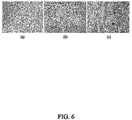
- FIG. 6 is a view showing the results of each of 40-, 100-, and 100-fold magnification with an optical microscope after H&E staining of anal tissue 4 weeks after injecting an injection into three groups in Experimental Example 3 ((a) Example 1, (b) Comparative Example 1, and (c) Dexol).
- Example 1 it was identified in Example 1 that as an agent with PMPC surface treatment on PDMS, the total volume change was not different from the result of Experimental Example 2 (week 1), identifying that absorption in the tissue was weak. In addition, granulomatous inflammation was hardly observed.
- the experimental group injected with the agent (Example 1) with PMPC surface treatment on PDMS did not change in volume compared to the first week, thus identifying that absorption into the tissue hardly occurred, and the inflammatory response was also less than that of the agent without surface treatment on PDMS (Comparative Example 1).
- Dexol used for pediatric urinary incontinence showed very severe inflammatory cells.
- FIG. 7 is a view showing the results of 40-fold magnification with an optical microscope after MT staining of anal tissue 4 weeks after injecting an injection into three groups in Experimental Example 3 ((a) Example 1, (b) Comparative Example 1, and (c) Dexol).
- FIG. 7 although the difference in fibrosis is small in FIG. 7(a) and FIG. 7(b) , it was identified that a thick fibrotic band was formed around the particles in FIG. 7(c) .
- TNF- ⁇ staining was performed, and it was observed with an optical microscope. The results are shown in FIG. 8 .
- FIG. 8 is a view showing the results of each of 40-, 100-, and 100-fold magnification with an optical microscope after TNF- ⁇ staining of anal tissue 4 weeks after injecting an injection into three groups in Experimental Example 3 ((a) Example 1, (b) Comparative Example 1, and (c) Dexol).
- the in-vivo bulking agent of the present disclosure can exhibit a bulking effect when injected into the body and is highly biocompatible because a first composition in which silicone particles are coated with a zwitterionic polymer having a surfactant property is introduced into a second composition, whereby the bulking agent can inhibit inflammatory responses in vivo. Therefore, the agent can be usefully used in the field of treatment of diseases requiring bulking in the body after injection.
Landscapes
- Health & Medical Sciences (AREA)
- Life Sciences & Earth Sciences (AREA)
- Animal Behavior & Ethology (AREA)
- Veterinary Medicine (AREA)
- Public Health (AREA)
- General Health & Medical Sciences (AREA)
- Chemical & Material Sciences (AREA)
- Epidemiology (AREA)
- Medicinal Chemistry (AREA)
- Dermatology (AREA)
- Oral & Maxillofacial Surgery (AREA)
- Transplantation (AREA)
- Engineering & Computer Science (AREA)
- Pharmacology & Pharmacy (AREA)
- Birds (AREA)
- Bioinformatics & Cheminformatics (AREA)
- Inorganic Chemistry (AREA)
- Materials Engineering (AREA)
- Composite Materials (AREA)
- Proteomics, Peptides & Aminoacids (AREA)
- Urology & Nephrology (AREA)
- Cardiology (AREA)
- Biomedical Technology (AREA)
- Heart & Thoracic Surgery (AREA)
- Vascular Medicine (AREA)
- Dispersion Chemistry (AREA)
- Biophysics (AREA)
- Materials For Medical Uses (AREA)
- Medicinal Preparation (AREA)
- Pharmaceuticals Containing Other Organic And Inorganic Compounds (AREA)
Abstract
Description
- The present disclosure relates to an in-vivo bulking agent and a preparation method therefor, and more particularly, to an in-vivo bulking agent which can exhibit a bulking effect when injected into the body, and can be used as a medicinal agent for prevention or treatment of at least one disease selected from the group consisting of urinary incontinence, fecal incontinence, and gastroesophageal reflux or as a filler for use in a plastic surgery procedure, and to a preparation method therefor.
- Urinary incontinence is defined by the International Continence Society as a social or sanitary problem caused by abnormal urination in which urine leaks regardless of one's will.
- As for the incidence of urinary incontinence in Korea, it is reported that about 30% of the middle-aged female population complains of urinary incontinence, and the incidence in the elderly is much higher, indicating a high frequency of 40% or more when being housed in a care facility. Although urinary incontinence is not life-threatening like tumors or other wasting diseases, the discomfort and shame caused by urinary incontinence, and consequent restrictions on social activities can lead to gradual isolation and psychological disorders.
- Urinary incontinence is one of the most difficult incurable diseases to be solved by modern medicine. While more than 50% of cancer patients in Korea can be cured, there is still no reliable treatment for fecal incontinence. Urinary incontinence is not easy to treat because it occurs as a result of various factors, including anal sphincter and nervous system abnormalities that affect the anatomical physiology of the anorectum. Although drugs, behavioral therapy, and sphincteroplasty are being combined and treated appropriately, the effect is insignificant, and scientific evidence is insufficient.
- Currently, for the treatment of urinary incontinence patients, sacral nerve stimulation, etc. is performed in extremely exceptional cases in Korea, but the therapeutic effect decreases with time, and the treatment mechanism is not clear, either. In addition, patients with a lot of radiofrequency thermal energy therapy and artificial sphincter activity, or patients who require a lot of treatment for urinary incontinence eventually have to live their whole life with a stoma on the abdominal wall as a terminal treatment, and related complications cannot be avoided.
- Fecal incontinence is a chronic disease that greatly affects the quality of life of patients and restricts social activities, and is difficult to treat. Currently, there is no non-invasive treatment other than surgical treatment for patients who are ineffective in drug treatment in Korea. Therefore, the method of treating fecal incontinence by administering a bulking agent between the anal sphincter or submucosa to create a passive barrier can be easily implemented for use in an office setting, and can be attempted as an intermediate treatment for patients who do not respond to drugs. So far, only NSAHA Dx (tradename Solesta) using Sweden Q-Med's dextranomer core has proven its effectiveness through a large-scale randomized controlled study, and is the only FDA-approved bulking agent for fecal incontinence.
- As for these injections, silicone, silicone-based agent, pyrolytic carbon-coated ceramic beads (Durasphere), autologous fat, glutaraldehyde cross-linked collagen (GAX collagen), polytetrafluoroethylene (Polytef), etc. are injected and used in the weakened anal sphincter, but they are expensive and additional injection due to movement of the injected material to other parts and reoperation are required. In addition, the material injected into the anal sphincter causes an inflammatory response. To date, no agent has been developed that shows durability and safety for a long period of time due to excellent biocompatibility and price satisfaction.
- Related Patent:
Japanese Patent Laid-Open No. 2009-45221 - The present disclosure is directed to addressing an issue associated with the related art, and to providing an in-vivo bulking agent which can exhibit a bulking effect when injected into the body and can reduce inflammatory responses in vivo and a preparation method therefor.
- In order to achieve the above purpose, in one embodiment, the present disclosure provides an in-vivo bulking agent, including:
- a first composition including silicone particles and a zwitterionic polymer surrounding a surface of silicone particles; and
- a second composition having a viscosity of 100 to 1500 cps at room temperature, in which the zwitterionic polymer of the first composition has a surfactant property.
- In addition, in one embodiment, the present disclosure provides an injection including an in-vivo bulking agent.
- In addition, in one embodiment, the present disclosure provides a method for preventing or treating a sphincter-related disease, in which the method includes injecting an in-vivo bulking agent into a subject.
- In addition, in one embodiment, the present disclosure provides a method for preparing an in-vivo bulking agent, in which the method includes: mixing silicone particles and a zwitterionic polymer to prepare a first composition in which the zwitterionic polymer is surrounded on a surface of silicone particles; and dispersing the first composition in a second composition having a viscosity of 100 to 1500 cps at room temperature.
- The in-vivo bulking agent according to one embodiment of the present disclosure can exhibit a bulking effect when injected into the body and is highly biocompatible because a first composition in which silicone particles are coated with a zwitterionic polymer having a surfactant property is introduced into a second composition, whereby the bulking agent can inhibit inflammatory responses in vivo.
- Moreover, the in-vivo bulking agent according to one embodiment of the present disclosure can be applied to various uses requiring bulking in the body, including fecal incontinence, urinary incontinence, gastroesophageal reflux, vesicoureteral reflux, and fillers (prosthesis) used in cosmetic surgical procedures.
-
-
FIG. 1 is a flowchart of a method for preparing an in-vivo bulking agent according to the present disclosure. -
FIG. 2 is a view schematically showing the method for preparing an in-vivo bulking agent of Example 1. - FIG. 3(a) is a view showing the properties of the injection-type implants of the silicone microparticles prepared in the PMB surfactant polymer solution, and FIG. 3(b) is a view showing the results of analyzing the surface protein adsorption properties of the particles.
-
FIG. 4 is a view showing the results of 100-fold magnification with an optical microscope after H&E staining of anal tissue 1 week after injecting an injection into three groups in Experimental Example 1 ((a) Example 1, (b) Comparative Example 1, and (c) Comparative Example 2). -
FIG. 5 is a view showing the results of 100-fold magnification with an optical microscope after H&E staining of the systemic tissue 1 week after injecting an injection of Example 1 into Group 1 in Experimental Example 1 ((a) lung 1, (b) liver, (c) kidney, and (d) lymph node). -
FIG. 6 is a view showing the results of each of 40-, 100-, and 100-fold magnification with an optical microscope after H&E staining of anal tissue 4 weeks after injecting an injection into three groups in Experimental Example 2 ((a) Example 1, (b) Comparative Example 1, and (c) Comparative Example 2). -
FIG. 7 is a view showing the results of 40-fold magnification with an optical microscope after MT staining of anal tissue 4 weeks after injecting an injection into three groups in Experimental Example 2 ((a) Example 1, (b) Comparative Example 1, and (c) Comparative Example 2). -
FIG. 8 is a view showing the results of each of 40-, 100-, and 100-fold magnification with an optical microscope after TNF-α staining of anal tissue 4 weeks after injecting an injection into three groups in Experimental Example 2 ((a) Example 1, (b) Comparative Example 1, and (c) Comparative Example 2). - The present disclosure may be modified in various forms, and specific embodiments thereof will be illustrated in the drawings and described in detail in the detailed description. However, this is not intended to limit the present disclosure to specific embodiments, and it should be understood that all modifications, equivalents and substitutes included in the spirit and technical scope of the present disclosure are included. In describing the present disclosure, when it is determined that a detailed description of a related known technology may obscure the gist of the present disclosure, the detailed description thereof will be omitted.
- The terms used in the following description are used to merely describe specific embodiments, but are not intended to limit the present disclosure. The terms of a singular form may include plural forms, unless the context clearly indicates otherwise.
- The terms such as "include" and "have" used herein are intended to indicate that features, numbers, steps, operations, elements, components, or combinations thereof used in the following description exist and it should be thus understood that the possibility of existence or addition of one or more different features, numbers, steps, operations, elements, components, or combinations thereof is not excluded.
- The present disclosure relates to an in-vivo bulking agent which may exhibit a bulking effect when injected into the body and a preparation method therefor.
- In particular, the in-vivo bulking agent according to the present disclosure may exhibit a bulking effect when injected into the body and is highly biocompatible because a first composition in which silicone particles are coated with a zwitterionic polymer having a surfactant property is introduced into a second composition, whereby the bulking agent may inhibit inflammatory responses in vivo.
- Hereinafter, the present disclosure will be described in detail.
- In one embodiment, the present disclosure provides an in-vivo bulking agent, including:
- a first composition including silicone particles and a zwitterionic polymer surrounding a surface of silicone particles; and
- a second composition having a viscosity of 100 to 1500 cps at room temperature, in which the zwitterionic polymer of the first composition has a surfactant property.
- The in-vivo bulking agent may be used for prevention or treatment of sphincter-related diseases, or may be used for cosmetic procedures. The sphincter-related disease refers to any disease occurring in relation to the sphincter, and may be a urinary incontinence disease, fecal incontinence, gastroesophageal reflux or vesicoureteral reflux. When used for the cosmetic procedure, the agent is used as a filler for the cosmetic procedure.
- In the conventional in-vivo bulking agent, additional injection and reoperation are required as the material injected into the body moves to other organs along the lymph or blood vessels, and the material injected into the body causes an inflammatory response.
- Accordingly, the present disclosure is directed to addressing an issue associated with the related art, and to providing an in-vivo bulking agent which may exhibit a bulking effect when injected into the body and is highly biocompatible because a first composition in which silicone particles are coated with a zwitterionic polymer having a surfactant property is introduced into a second composition, whereby the bulking agent may inhibit inflammatory responses in vivo.
- Prior to the description, among the terms used in the present disclosure, the term "in-vivo bulking agent" is a bulking agent capable of maintaining a predetermined volume in the body of a subject, and may refer to a kind of filler or implant.
- In addition, among the terms used in the present disclosure, the term "target", "subject" or "patient" may be the subject of treatment, observation, or experiment, and may be a vertebrate. In certain embodiments, the vertebrate is a mammal. The mammals include, but are not limited to, farm animals (such as cows), sport animals, pets (such as guinea pigs, cats, dogs, rabbits, and horses), primates, mice and rats. In certain embodiments, the vertebrate may be a human, and in embodiments including administering an in-vivo bulking agent, the subject may be a patient typically in need of such administration.
- Moreover, among the terms used in the present disclosure, the term "zwitterionic polymer" may refer to a polymer having two or more functional groups having opposite charges.
- At least one functional group has a positive electrical charge and the other one has a negative electrical charge, so that a net charge becomes zero. The zwitterionic polymer according to the present disclosure may have opposite charges and may have a surfactant property. More specifically, the zwitterionic polymer may be a copolymer including a monomer having a hydrophilic group and a monomer having a hydrophobic group.
- First, the first composition of the present disclosure will be described in detail below.
- In one embodiment of the present disclosure, the first composition may include silicone particles and a zwitterionic polymer surrounding a surface of silicone particles.
- The first composition is preferably injected into the body. To this end, it is best to have a spherical shape, which is the easiest form for injection, considering the efficiency of injection into the body. The average particle diameter of the spherical microparticles may be 50 to 500 µm, or 100 to 200 µm in consideration of the ease of injection into the body and introduction of a physiologically active material. When the average diameter of the first composition is less than 50 µm, movement (loss) in the body may occur due to a biological phenomenon, and when the average diameter of the first composition exceeds 500 µm, the diameter of the first composition may be too large to be dispersed in the second composition to be described later. When used as an injection, it may be clogged with the inner diameter of the injection needle, making it difficult to use as an injection agent.
- The silicone particles are organic silicon compounds, and may be polydimethylsiloxane (PDMS), and preferably may be silicone particles modified to be hydrophilic.
- In addition, the zwitterionic polymer may have a surfactant property having hydrophilicity and hydrophobicity, and may be a random copolymer including a first monomer having a zwitterion ion and a second monomer containing an acrylic acid ester. More specifically, the first monomer may be one or more selected from the group consisting of methacryloyloxyethyl phosphorylcholine (MPC), carboxybetaine methacrylate (CBMA), and sulfobetaine methacrylate (SBMA), and the second monomer may be one or more selected from the group consisting of butyl methacrylate (BMA), 3-[tris(trimethylsiloxy)silyl]propyl methacrylate (TRIS) and dodecyl methacrylate (DMA). As an example, the zwitterionic polymer may be poly(MPC-ran-BMA (PMB) which is a binary random copolymer obtained by copolymerizing methacryloyloxyethyl phosphorylcholine (MPC), a cell membrane mimicking zwitterion, with butyl methacrylate (BMA), a hydrophobic monomer. The mole fractions of MPC and BMA may be 30 to 70% and 70 to 30%, respectively. For example, the MPC and BMA may be synthesized by adding a mole fraction of 1 : 1. However, the present disclosure is not limited thereto.
- The methacryloyloxyethyl phosphorylcholine (MPC) has a so-called zwitterion structure having both a cation and an anion in one molecule, and this chemical group has high polarity, is electrically neutral, and is a hydrogen bond acceptor and non-hydrogen bond doner. It is known as an ideal molecular structure to secure biocompatibility from an early stage. For this reason, MPC has been used for the purpose of imparting biocompatibility to the surfaces of various biomaterials used in the biological environment, such as artificial blood vessels, artificial hearts, and artificial joints, and its stability is also verified and is a representative synthetic material approved by the FDA.
- In one embodiment of the present disclosure, the PMB polymer coated on the surface of the silicone particles is composed of BMA containing a butyl group capable of interacting with hydrophobic silicone particles, and the strong hydrophobic interaction of BMA with the silicone particles enables the adsorption of hydrophilic MPC components to the silicone particle surface stably in water.
- When the molar ratio of MPC in the PMB polymer is less than the above range or when the molar ratio of BMA exceeds the above range, it may be difficult to ensure biocompatibility in an in-vivo bulking agent. When the molar ratio of MPC exceeds the above range or when the molar ratio of BMA is less than the above range, the amount of BMA compared to MPC is small, and thus it may be difficult to stably adsorb the hydrophilic MPC components to the silicone particle surface in water.
- In other words, the in-vivo bulking agent of the present disclosure is highly biocompatible because a zwitterionic polymer having a surfactant property is coated on silicone particles, whereby the bulking agent may inhibit inflammatory responses in vivo.
- Next, the second composition according to one embodiment of the present disclosure will be described in detail below.
- The second composition is a viscous material having a predetermined viscosity, and has a viscosity of 100 to 1500 cps at room temperature.
- In particular, since the second composition has a predetermined viscosity, the addition to an in-vivo bulking agent may resolve a rapid sinking of the particles of the first composition. Accordingly, a certain amount of the first composition may be injected into the body.
- The molecular weight of the second composition may be 500,000 to 3,000,000 Da, 700,000 to 2,000,000 Da, 800,000 to 1,500,000 Da, or 1,000,000 Da. Since the second composition has a relatively small molecular weight and a predetermined viscosity, it may resolve a rapid sinking of the particles included in the first composition.
- In addition, the second composition may have a viscosity of 100 to 1500 cps at room temperature, may have a viscosity of 100 to 900 cps, and preferably may have a viscosity of 100 to 350 cps.
- More specifically, when the viscosity of the second composition at room temperature is less than 100 cps, the viscosity is small, and thus it is not possible to resolve a rapid sinking of the particles included in the first composition. When the viscosity exceeds 1500 cps, the viscosity is very high, and thus, when injected into tissue, it may be difficult to inject due to high pressure.
- In one embodiment of the present disclosure, the second composition may include a biocompatible viscous material, and the biocompatible viscous material may be hyaluronic acid (HA) or collagen, but is not limited thereto.
- Preferably, the biocompatible viscous material may be hyaluronic acid.
- In one embodiment of the present disclosure, the second composition may be added in an amount of 55% (v/v) to 65% (v/v) based on the total in-vivo bulking agent.
- More specifically, when the second composition is included at less than 55% (v/v) with respect to the total in-vivo bulking agent, the suspension retention time of the in-vivo bulking agent is short, so that the particles of the first composition quickly sink, and thus it may be difficult to inject a certain amount into the tissue. In particular, when the second composition is injected into the tissue, an excessive amount may be injected at once or the composition spreads too quickly to the surrounding area.
- In addition, with respect to the total in-vivo bulking agent, when the second composition exceeds 65% (v/v), the amount of the first composition, which has the main bulking effect, is relatively small, thereby making it difficult to achieve the expected effect of the invention.
- In one aspect, the second composition of the in-vivo bulking agent may be added at an average of 60% (v/v) while being loaded in a syringe including an 18 to 26 G needle.
- The injection may further include a diluent or excipient such as a filler, an extender, a binder, a wetting agent, a disintegrant, a surfactant, etc. commonly used for injections in the pharmaceutical field, in addition to the in-vivo bulking agent.
- The in-vivo bulking agent according to one embodiment of the present disclosure satisfies the following Equation 1:

- V2 refers to a volume occupied by the in-vivo bulking agent in the body 4 weeks after injection of the in-vivo bulking agent into the subject.
- Preferably, the in-vivo bulking agent according to an embodiment of the present disclosure may satisfy the following Equation 2:

- In other words, the in-vivo bulking agent according to one embodiment of the present disclosure may maintain its volume even after a predetermined period of time has elapsed after being injected into a subject, and may maintain 90% or more of the volume when first injected into the subject.
- Moreover, the in-vivo bulking agent of the present disclosure may exhibit effects of suppressing protein adsorption in a subject and suppressing inflammation and the like.
- According to one embodiment of the present disclosure, there is provided a method for preparing an in-vivo bulking agent, in which the method includes: mixing silicone particles and a zwitterionic polymer to prepare a first composition in which the zwitterionic polymer is surrounded on a surface of silicone particles (S100); and dispersing the first composition in a second composition having a viscosity of 100 to 1500 cps at room temperature (S200) (see
FIG. 1 ). - First, the preparation of the first composition includes: preparing a mixed solution by adding silicone particles and a zwitterionic polymer to a solvent (S110); dispersing the silicone particles and the zwitterionic polymer in the solvent by ultrasonicating and stirring the mixed solution (S120); and centrifuging the dispersed mixed solution to obtain a powder (S130).
- The solvent may be any material as long as it is a solvent capable of dispersing silicone particles and an amphoteric polymer. As the solvent, purified water, methyl alcohol, ethyl alcohol, isopropyl alcohol, dimethyl sulfoxide, etc. may be used, and for example, purified water may be used.
- In addition, the silicone particle is an organic silicon compound, and may be polydimethylsiloxane (PDMS), and preferably may be a silicone particle modified to be hydrophilic.
- In addition, the zwitterionic polymer may have a surfactant property having hydrophilicity and hydrophobicity, and may be a random copolymer including a first monomer having a zwitterion ion and a second monomer containing an acrylic acid ester. More specifically, the first monomer may be one or more selected from the group consisting of methacryloyloxyethyl phosphorylcholine (MPC), carboxybetaine methacrylate (CBMA), and sulfobetaine methacrylate (SBMA), and the second monomer may be one or more selected from the group consisting of butyl methacrylate (BMA), 3-[tris(trimethylsiloxy)silyl]propyl methacrylate (TRIS) and dodecyl methacrylate (DMA). As an example, the zwitterionic polymer may be poly(MPC-ran-BMA (PMB) which is a binary random copolymer obtained by copolymerizing methacryloyloxyethyl phosphorylcholine (MPC), a cell membrane mimicking zwitterion, with butyl methacrylate (BMA), a hydrophobic monomer. The mole fractions of MPC and BMA may be 30 to 70% and 70 to 30%, respectively. For example, the MPC and BMA may be synthesized by adding a mole fraction of 1 : 1. However, the present disclosure is not limited thereto.
- The mixed solution may contain 0.1 to 5 parts by weight of the zwitterionic polymer based on 100 parts by weight of the silicone particles, and more specifically, 0.3 to 4 parts by weight of the zwitterionic polymer based on 100 parts by weight of the silicone particles, 0.5 to 3 parts by weight, 0.8 to 2 parts by weight, or 1 part by weight. When the amount of the zwitterionic polymer added as compared to the silicone particles added to the solvent is less than the above range, the amount of the zwitterionic polymer is too small to easily coat the silicone particles. When the amount of the zwitterionic polymer added as compared to the silicone particles added to the solvent exceeds the above range, the shape or particle size of the PDMS may be affected due to changes in the interfacial properties of a medium. Accordingly, the above range may be preferred. For example, 1.1 g of PDMS and 10 mg of PMB may be added to 10 mL of purified water and mixed.
- In this case, a dispersant may be further added to the solvent. Specifically, the dispersant may be polyvinylpyrrolidone (PVP), cetyltrimethylammonium bromide (CTAB), or polyethylene glycol (PEG), and for example, the dispersant may be polyvinylpyrrolidone (PVP). The dispersant may be added in an amount of 10 to 35 parts by weight based on 100 parts by weight of the silicone particles. As an example, 250 mg of PVP may be added to the mixed solution.
- In addition, by applying ultrasonic waves to the mixed solution, the silicone particles and the zwitterionic polymer may be dispersed in the solvent. For example, the mixed solution may be re-dispersed by generating ultrasonic waves with an ultrasonic generator to disperse the silicone particles for 5 minutes and then performing a vortex again for 5 minutes.
- Next, a process of stirring the ultrasonically treated solution at a rotation speed of 500 to 2000 rpm or 1500 rpm at room temperature may be performed. As described above, when the mixed solution is stirred, a cured mixture may be obtained in which the silicone particles are dispersed. In addition, low-speed centrifugation may be performed. Specifically, the process of low-speed centrifugation-removal of supernatant-redispersion of purified water may be repeated several times.
- In this case, particles having an average particle size of less than 50 µm may be removed. In addition, after high-speed centrifugation, the supernatant may be removed and the silicone particles in the aggregated form may be recovered through freeze-drying. Accordingly, the zwitterionic polymer-coated silicone particles (first composition) may be prepared.
- The first composition may be spherical particles, and the average particle diameter of the spherical microparticles may be 50 to 500 µm, or 100 to 200 µm in consideration of the ease of injection into the body and introduction of a physiologically active material. When the average diameter of the first composition is less than 50 µm, movement (loss) in the body may occur due to a biological phenomenon, and when the average diameter of the first composition exceeds 500 µm, the diameter of the first composition may be too large to be dispersed in the second composition to be described later. When used as an injection, it may be clogged with the inner diameter of the injection needle, making it difficult to use as an injection agent.
- Next, the method includes dispersing the first composition in a second composition having a viscosity of 100 to 1500 cps at room temperature (S200).
- Specifically, since the second composition has a predetermined viscosity, the addition to an in-vivo bulking agent may resolve a rapid sinking of the particles of the first composition. Accordingly, a certain amount of the first composition may be injected into the body.
- The molecular weight of the second composition may be 500,000 to 3,000,000 Da, 700,000 to 2,000,000 Da, 800,000 to 1,500,000 Da, or 1,000,000 Da. Since the second composition has a relatively small molecular weight and a predetermined viscosity, it may resolve a rapid sinking of the particles included in the first composition.
- In addition, the second composition may have a viscosity of 100 to 1500 cps at room temperature, may have a viscosity of 100 to 900 cps, and preferably may have a viscosity of 100 to 350 cps.
- More specifically, when the viscosity of the second composition at room temperature is less than 100 cps, the viscosity is small, and thus it is not possible to resolve a rapid sinking of the particles included in the first composition. When the viscosity exceeds 1500 cps, the viscosity is very high, and thus, when injected into tissue, it may be difficult to inject due to high pressure.
- In one embodiment of the present disclosure, the second composition may include a biocompatible viscous material, and the biocompatible viscous material may be hyaluronic acid (HA) or collagen, but is not limited thereto.
- Preferably, the biocompatible viscous material may be hyaluronic acid.
- In one embodiment of the present disclosure, the second composition may be added in an amount of 55% (v/v) to 65% (v/v) based on the total in-vivo bulking agent.
- More specifically, when the second composition is included at less than 55% (v/v) with respect to the total in-vivo bulking agent, the suspension retention time of the in-vivo bulking agent is short, so that the particles of the first composition quickly sink, and thus it may be difficult to inject a certain amount into the tissue. In particular, when the second composition is injected into the tissue, an excessive amount may be injected at once or the composition spreads too quickly to the surrounding area.
- In addition, with respect to the total in-vivo bulking agent, when the second composition exceeds 65% (v/v), the amount of the first composition, which has the main bulking effect, is relatively small, thereby making it difficult to achieve the expected effect of the invention.
- For example, the volume ratio to be added of the first composition and the second composition may be mixed in a ratio of about 4 : 6.
- In addition, in one embodiment, the present disclosure provides a method for preventing or treating a sphincter-related disease, in which the method includes providing an injection containing the in-vivo bulking agent, and injecting the in-vivo bulking agent into a subject.
- More specifically, the in-vivo bulking agent according to the present disclosure may be used for various uses that can exhibit a bulking effect when a medicament for preventing or treating at least one sphincter-related disease selected from the group consisting of fecal incontinence, rectal incontinence, gastroesophageal reflux, a urinary incontinence disease, and vesicoureteral reflux; and cosmetic plastic surgery fillers are injected into the body. The diseases listed above are only examples, but are not limited thereto.
- Herein, the fecal incontinence disease mainly occurs in the population with old age, urinary incontinence, dementia, psychiatric disease, sphincter injury during childbirth, sphincter injury due to cancer removal surgery, chronic constipation, etc., and may be one or more selected from the group consisting of diabetes, Parkinson's disease, stroke, spinal cord injury, rectal prolapse, inflammatory bowel disease, radiation-related proctitis, and congenital anal anomaly, but is not limited thereto.
- In the present disclosure, the term "subject" refers to a target in need of a method for preventing, controlling or treating a disease, and more specifically, a human or a mammal such as a non-human primate, a mouse, a rat, a dog, a cat, a horse and a cow.
- The agent of the present disclosure is administered in a pharmaceutically effective amount. In the present disclosure, the term "pharmaceutically effective amount" refers to an amount that is sufficient to treat a disease at a reasonable benefit/risk ratio applicable to medical treatment. The effective dose level may be determined depending on factors including the type of a patient's disease, severity, drug activity, sensitivity to drugs, administration time, administration route, excretion rate, duration of treatment, and concomitant drugs, and other factors well known in the medical field. The agent according to the present disclosure may be administered as a single therapeutic agent or in combination with other therapeutic agents, and may be administered sequentially or simultaneously with conventional therapeutic agents. The agent may be administered in a single dosage or multiple dosages. Taking all of the above factors into consideration, it is important to administer an amount that may obtain the maximum effect with a minimum amount without side effects, and may be easily determined by those skilled in the art.
- Specifically, the effective amount of the agent of the present disclosure may vary depending on the patient's age, sex, condition, weight, absorption of the active ingredient into the body, inactivation rate and excretion rate, disease type, and drugs used in combination, for example, 0.1 cc to 100 cc may be administered to an adult. However, the dosage may be increased or decreased depending on the route of administration, the severity of the disease, sex, weight, age, etc., and thus the dosage is not intended to limit the scope of the present disclosure in any way.
- Hereinafter, the present disclosure will be described with reference to the following examples. However, the examples are for describing the present disclosure in detail, and the scope of the present disclosure is not limited to the following examples.
- PMB, a random copolymer, was synthesized by copolymerizing MPC (2-methacryloyloxyethyl phosphorylcholine, KCI), a cell membrane mimicking zwitterion, with BMA (butyl methacrylate, TCI), a hydrophobic monomer.
- In order to synthesize a PMB (Poly(MPC-ran-BMA) polymer, the reactants were synthesized at the following input ratios as follows (see Table 1).
[Table 1] MPC (mmol) BMA (mmol) Ethanol Toluene AIBN (mmol) Preparation 738.2 mg 355.5 mg 2500 µL 2500 µL 4.1 mg example (2.5 mmol) (2.5 mmol) (0.025 mmol) - 738.2 mg of MPC, 355.5 mg of BMA, and 4.1 mg of AIBN were added to a mixed solvent of 2500 µL of ethyl alcohol and 2500 µL of toluene. After injecting high-purity argon gas into the mixture for 10 minutes, the reactor was sealed, and the mixture was magnetically stirred in a silicone oil bath at 60°C for 24 hours. After stirring, the mixture was added dropwise to acetone in an excess of about 50 times the amount of the mixture and then filtered to obtain a white powder, which was then dispersed or dissolved in an aqueous solution and then recovered again through freeze-drying.
- In order to prepare a hyaluronic acid gel formulation, the reactants were prepared by adding them as shown in Table 2 below (see Table 3).
[Table 2] Purified water 1 N NaOH aqueous solution HA (1,000,000 Da) BDDE Preparation Example 750 µl 250 µl 100 mg 20 µl - Specifically, 100 mg of hyaluronic acid (HA) (Alfa Aesar) having a number average molecular weight of 1,000,000 Da and 250 µl of 1 N NaOH aqueous solution were added to 750 µl of purified water. After stirring with a spatula to completely dissolve HA, 20 µl of BDDE was added as a crosslinking agent, followed by mixing and sealing, followed by reaction in a water bath at 50°C for 3 hours to obtain a gel formulation mixture (HA 10% (w/v), crosslinking agent 2% (w/v)). After immersion in the purified water for 6 hours, the swollen gel was dialyzed against 800 mL of phosphate-buffered saline solution (PBS) at 35°C for 3 days to recover the acid-neutralized gel.
- In order to coat the surface of the silicone microparticles with PMB, the reactants were prepared by adding them as shown in Table 2 below (see Table 3).
- More specifically, 1.1 g of PDMS as a silicone material (a mixture of 1.0 g as an injection and 0.1 g as a curing agent) was defoamed for 30 minutes under vacuum at room temperature. To 1.1 g of the defoamed silicone, 10 mL of purified water, 250 mg of PVP as a dispersant, and 10 mg of PMB as a coating material to improve biocompatibility were added (PDMS 10% (w/v), PVP (polyvinylpyrrolidone) 2.5% (w/v), PMB 0.1% (w/v)).
[Table 3] PDMS Purified water PVP PMB Examples 1.1 g 10 mL 250 mg 10 mg - The silicone particles were dispersed for 5 minutes by generating ultrasonic waves with an ultrasonic generator in the mixture, and then redispersed by a vortex for 5 minutes again. A magnetic stirring bar having a length of 75% or more of the diameter of the reactor was put and stirred at room temperature at a rotation speed of 1500 rpm for 4 days to obtain a cured mixture with silicone particles dispersed therein. The process of low-speed centrifugation-removal of supernatant-redispersion in purified water was repeated three times to remove particles having a size of less than 50 µm. After high-speed centrifugation, the supernatant was removed and the silicone particles in the aggregated form were recovered through freeze-drying (see
FIG. 2 ). - 400 mL of silicone microparticles were added to 600 mL of the prepared gel, compressed and stirred to loosen the agglomerated silicone microparticles, and at the same time crushed the gel to an appropriate size and dispersed the microparticles in the gel to prepare an in-vivo bulking agent for injection.
- Except that the PMB polymer was coated on the silicone particles, the same in-vivo bulking agent as in Example 1 was prepared.
- As an FDA-approved bulking agent for pediatric urinary incontinence, an agent (Dexol, manufactured by Q-med) was prepared in which medical hyaluronic acid gel is a carrier in the detronomer core.
- In order to indirectly identify the biocompatibility of the silicone particles coated with the PMB polymer prepared in the Examples in vitro, the adsorption strength of the fluorescently-labeled protein was evaluated. Protein adsorption properties of the silicone particles coated with the PMB polymer in Example 1 and the silicone particles of Comparative Example 1 were analyzed. In addition, the result is shown in
FIG. 3 . - FIG. 3(a) is a view showing the properties of the injection-type implants of the silicone microparticles prepared in the PMB surfactant polymer solution, and FIG. 3(b) is a view showing the results of analyzing the surface protein adsorption properties of the particles.
- Referring to
FIG. 3 , it was identified that almost no protein was adsorbed on the surface of silicone particles prepared as one-pot in PMB solution, compared that a large amount of protein was adsorbed in the case of silicone particles that were not coated with PMB. - Accordingly, it is determined that the silicone particles coated with the PMB polymer prepared in Example 1 have excellent biocompatibility.
- In this experiment, 10 rats weighing 150-200 g and over 30 days old were used, and all experimental procedures including the selection and management of experimental animals and surgical treatment were carried out in accordance with the guidelines of the Animal Experimental Ethics Committee of Korea University Medical Center.
- The feed and living conditions were kept constant, and the experiment was conducted after identifying that there were no abnormal signs after an acclimatization process for one week in an animal experimental laboratory.
- First, Alfaxalone and Xylazine (Bayer Korea) were intramuscularly injected into each rat to induce general anesthesia. Then, the antibiotic Enfloxacin and the analgesic Ketoprofen were intramuscularly injected.
- The experimental animals were divided into three groups and treated as follows.
- Group 1: Group in which an in-vivo bulking agent of Example 1 was added (PMPC surface treatment on PDMS)
- Group 2: Group in which an in-vivo bulking agent of Comparative Example 1 was added (no surface treatment on PDMS)
- Group 3: Group in which an agent (Dexol, manufactured by Q-med) was added as an FDA-approved bulking agent for pediatric urinary incontinence, in which medical hyaluronic acid gel is a carrier in the dextranomer core
- 0.2 cc each of injection was injected into surgically treated experimental animals using an 18-gauge needle. Specifically, the needle was inserted into the sphincter in the direction of 7 o'clock in the anus of the rat to a depth of 5 mm. By injecting slowly and not withdrawing the needle for 30 seconds after the injection was completed, the injection was prevented from leaking along the needle tract.
- Rats were euthanized in a CO2 chamber one week after injection of the intumescent agent. Two rats in each of the three groups were tissue excised. Specifically, the tissues of the anal canal and systemic organs (liver, lung, kidney, lymph node) were excised.
- In order to analyze the state of the anal tissue of rats one week after injection of the expandable agent, histological staining was performed by hematoxylin-eosin staining (H&E staining).
- More specifically, the collected tissue was immersed in a 4% paraformaldehyde fixative and fixed at room temperature for 24 hours. After washing the fixed tissue with water, it was embedded in paraffin after decalcipification, clearing, and dehydration. After making tissue sections with a thickness of 4 µm, they were placed in a heating block at 60°C for 45 minutes to deparaffinize. The process was sequentially subjected to xylene 3 times for 5 minutes each, 100% ethanol 3 times for 5 minutes each, 95% ethanol 2 times for 2 minutes each, 70% ethanol 2 times for 2 minutes each, and distilled water 2 times for 2 minutes each. After the hydration process, the tissue sections were sequentially subjected to 1% hematoxylin solution for 30 seconds, distilled water washing, 0.25% hydrogen chloride for 1 second, distilled water washing, and lithium carbonate color development to stain the nucleus. After staining the cytoplasm by treatment with eosin for 2 seconds, dehydration and clearing were performed, followed by mounting and observation under a microscope. In addition, it was treated with inflammatory factors TNF-α and Masson's trichrome staining.
- In addition, the result is shown in
FIG. 4. FIG. 4 is a view showing the results of 100-fold magnification with an optical microscope after H&E staining of anal tissue 1 week after injecting an injection into three groups in Experimental Example 2 ((a) Example 1, (b) Comparative Example 1, and (c) Comparative Example 2 (Dexol)). - Referring to
FIG. 4 , it was identified in Example 1 that as an agent with PMPC surface treatment on PDMS, the particle size was preserved at 200 µm and the total volume did not change, so absorption in the tissue was weak. In addition, granulomatous inflammation was hardly observed (FIG. 4(a) ). - It was identified in Comparative Example 1 that as an agent without surface treatment on PDMS, the particle size was very reduced, and only about 50% of the total volume remained compared to the group injected with one prepared in Example 1, so the injection was highly absorbed in the tissue. Peripheral inflammatory responses (multinucleated giant cells, lymphocytes, macrophage, etc.) were observed more than in
FIG. 4(a) (FIG. 4(b) ). - Dexol is a bulking agent used for pediatric urinary incontinence, and the total volume was reduced by about half compared to the group injected with one prepared in Example 1, so that absorption in the tissue occurred more than Example 1, but less than Comparative Example 1. In addition, it was identified that the peripheral inflammatory response was very severe (
FIG. 4(c) ). - In conclusion, it was identified that the agent of Example 1 had less peripheral inflammatory response, was hardly absorbed into the tissue, and also had little change in particle size.
- For group 1, in which the in-vivo bulking agent of Example 1 was added, the state of the systematic organ tissue was analyzed.
- When analyzing the state of anal tissue, histological staining of the systematic organs (liver, lung, kidney tissue, and lymph node) was performed using the same hematoxylin-eosin staining (H&E staining).
- In addition, the result is shown in
FIG. 5 . -
FIG. 5 is a view showing the results of 100-fold magnification with an optical microscope after H&E staining of the systemic tissue 1 week after injecting an injection of Example 1 into Group 1 in Experimental Example 2 ((a) lung 1, (b) liver, (c) kidney, and (d) lymph node). - Referring to
FIG. 5 , no polymer compound was observed in the systemic organs, and no microscopic inflammatory response was observed, either. - It is determined that the agent of Example 1 does not move to other organs along lymph or blood vessels.
- After identifying that there were no abnormal signs after an acclimatization process for 4 weeks in an animal laboratory, the experiment was carried out, and the experiment was carried out in the same manner as in Experimental Example 1.
- In order to analyze the state of the anal tissue of rats 4 weeks after injection of the expandable agent, the anal tissue of the experimental group was histologically stained by hematoxylin-eosin staining (H&E staining) in the same manner as in Experimental Example 2.
- In addition, the result is shown in
FIG. 6. FIG. 6 is a view showing the results of each of 40-, 100-, and 100-fold magnification with an optical microscope after H&E staining of anal tissue 4 weeks after injecting an injection into three groups in Experimental Example 3 ((a) Example 1, (b) Comparative Example 1, and (c) Dexol). - Referring to
FIG. 6(a) , it was identified in Example 1 that as an agent with PMPC surface treatment on PDMS, the total volume change was not different from the result of Experimental Example 2 (week 1), identifying that absorption in the tissue was weak. In addition, granulomatous inflammation was hardly observed. - It was identified in Comparative Example 1 that as an agent without surface treatment on PDMS, the total volume also remained only about 10% compared to the group injected with one prepared in Example 1, identifying that the injection was highly absorbed into the tissue. In addition, peripheral inflammatory responses (multinucleated giant cells, lymphocytes, macrophages, etc.) were observed more than in
FIG. 6(a) (FIG. 6(b) ). - As for Dexol, compared to the group injected in Example 1, the total volume remained only about 10%, thus identifying a lot of absorption in the tissue. In addition, it was identified that the deposition of peripheral inflammatory cells and fibrosis were very severe (
FIG. 6(c) ). - In conclusion, the experimental group injected with the agent (Example 1) with PMPC surface treatment on PDMS did not change in volume compared to the first week, thus identifying that absorption into the tissue hardly occurred, and the inflammatory response was also less than that of the agent without surface treatment on PDMS (Comparative Example 1). Dexol used for pediatric urinary incontinence showed very severe inflammatory cells.
- The excised tissues of the experimental group were stained with Masson's trichrome (MT) staining method. Then, it was observed with an optical microscope. The results are shown in
FIG. 7. FIG. 7 is a view showing the results of 40-fold magnification with an optical microscope after MT staining of anal tissue 4 weeks after injecting an injection into three groups in Experimental Example 3 ((a) Example 1, (b) Comparative Example 1, and (c) Dexol). - Referring to
FIG. 7 , although the difference in fibrosis is small inFIG. 7(a) and FIG. 7(b) , it was identified that a thick fibrotic band was formed around the particles inFIG. 7(c) . - In order to analyze the cells expressing the inflammatory cytokines expressed in the experimental group, TNF-α staining was performed, and it was observed with an optical microscope. The results are shown in
FIG. 8 . -
FIG. 8 is a view showing the results of each of 40-, 100-, and 100-fold magnification with an optical microscope after TNF-α staining of anal tissue 4 weeks after injecting an injection into three groups in Experimental Example 3 ((a) Example 1, (b) Comparative Example 1, and (c) Dexol). - Referring to
FIG. 8 , it was identified that overall, the staining tended to be poor, but a strong staining reaction was shown in the experimental group injected in Comparative Example 2. - The in-vivo bulking agent of the present disclosure can exhibit a bulking effect when injected into the body and is highly biocompatible because a first composition in which silicone particles are coated with a zwitterionic polymer having a surfactant property is introduced into a second composition, whereby the bulking agent can inhibit inflammatory responses in vivo. Therefore, the agent can be usefully used in the field of treatment of diseases requiring bulking in the body after injection.
Claims (19)
- An in-vivo bulking agent, comprising:a first composition including silicone particles and a zwitterionic polymer surrounding a surface of the silicone particles; anda second composition having a viscosity of 100 to 1500 cps at room temperature, wherein the zwitterionic polymer of the first composition has a surfactant property.
- The in-vivo bulking agent of claim 1, wherein the in-vivo bulking agent satisfies the following Equation 1:
 wherein, V1 refers to a volume occupied by the in-vivo bulking agent when the in-vivo bulking agent is injected into a subject, andV2 refers to a volume occupied by the in-vivo bulking agent in the body 4 weeks after injection of the in-vivo bulking agent into the subject.
 - The in-vivo bulking agent of claim 1, wherein the first composition is in the form of particles having an average particle diameter in the range of 50 to 500 µm.
- The in-vivo bulking agent of claim 1, wherein the silicone particles are organic silicon compounds of polydimethylsiloxane (PDMS).
- The in-vivo bulking agent of claim 1, wherein the zwitterionic polymer is a random copolymer including a first monomer having a zwitterion ion and a second monomer containing an acrylic acid ester.
- The in-vivo bulking agent of claim 5, wherein the first monomer is one or more selected from the group consisting of methacryloyloxyethyl phosphorylcholine (MPC), carboxybetaine methacrylate (CBMA), and sulfobetaine methacrylate (SBMA).
- The in-vivo bulking agent of claim 5, wherein the second monomer is one or more selected from the group consisting of butyl methacrylate (BMA), 3-[tris(trimethylsiloxy)silyl]propyl methacrylate (TRIS) and dodecyl methacrylate (DMA).
- The in-vivo bulking agent of claim 1, wherein the second composition is hyaluronic acid (HA) or collagen.
- The in-vivo bulking agent of claim 1, wherein the second composition is added in an amount of 55 to 65% (v/v) based on the total in-vivo bulking agent.
- The in-vivo bulking agent of claim 1, wherein the agent is used for prevention or treatment of sphincter-related diseases.
- The in-vivo bulking agent of claim 10, wherein the sphincter-related disease is at least one disease selected from the group consisting of a urinary incontinence disease, fecal incontinence, gastroesophageal reflux, and vesicoureteral reflux.
- The in-vivo bulking agent of claim 1, wherein the agent is used for a plastic surgery procedure.
- An injection including the in-vivo bulking agent according to any one of claims 1 to 9.
- A method for preventing or treating a sphincter-related disease, the method comprising injecting the in-vivo bulking agent according to any one of claims 1 to 9 into a subject.
- The method of claim 14, wherein the sphincter-related disease is at least one disease selected from the group consisting of fecal incontinence, rectal incontinence, gastroesophageal reflux, a urinary incontinence disease, and vesicoureteral reflux.
- A method for preparing an in-vivo bulking agent, the method comprising:mixing silicone particles and a zwitterionic polymer to prepare a first composition in which the zwitterionic polymer is surrounded on a surface of the silicone particles; anddispersing the first composition in a second composition having a viscosity of 100 to 1500 cps at room temperature.
- The method of claim 16, wherein the preparation of the first composition includes:preparing a mixed solution by adding the silicone particles and the zwitterionic polymer to a solvent;dispersing the silicone particles and the zwitterionic polymer in the solvent by ultrasonicating the mixed solution; andcentrifuging the ultrasonicated mixed solution, and then obtaining powder to prepare the first composition in which the zwitterionic polymer is surrounded on the surface of the silicone particles.
- The method of claim 16, wherein the mixed solution contains 0.1 to 5 parts by weight of the zwitterionic polymer based on 100 parts by weight of the silicone particles.
- The method of claim 16, wherein the silicone particles are organic silicon compounds of polydimethylsiloxane (PDMS), and
wherein the zwitterionic polymer is a random copolymer including a first monomer having a zwitterion ion and a second monomer containing an acrylic acid ester.
Applications Claiming Priority (3)
| Application Number | Priority Date | Filing Date | Title |
|---|---|---|---|
| KR1020190073898A KR102264957B1 (en) | 2019-06-21 | 2019-06-21 | Bulking agent and method for producing the same |
| KR1020190075727A KR20210000794A (en) | 2019-06-25 | 2019-06-25 | Bulking agent and injection including the bulking agent |
| PCT/KR2020/007557 WO2020256340A2 (en) | 2019-06-21 | 2020-06-11 | In vivo bulking agent, injection comprising same, and preparation method therefor |
Publications (3)
| Publication Number | Publication Date |
|---|---|
| EP3988139A2 true EP3988139A2 (en) | 2022-04-27 |
| EP3988139A4 EP3988139A4 (en) | 2023-07-19 |
| EP3988139B1 EP3988139B1 (en) | 2026-03-04 |
Family
ID=74037340
Family Applications (1)
| Application Number | Title | Priority Date | Filing Date |
|---|---|---|---|
| EP20827021.5A Active EP3988139B1 (en) | 2019-06-21 | 2020-06-11 | In vivo bulking agent, injection comprising same, and preparation method therefor |
Country Status (4)
| Country | Link |
|---|---|
| US (1) | US11896715B2 (en) |
| EP (1) | EP3988139B1 (en) |
| CN (1) | CN114007662B (en) |
| WO (1) | WO2020256340A2 (en) |
Family Cites Families (9)
| Publication number | Priority date | Publication date | Assignee | Title |
|---|---|---|---|---|
| ES2161825T3 (en) | 1995-03-07 | 2001-12-16 | Ethicon Inc | MEANS TO INCREASE THE FUNCTION OF THE CONTROLLED EXPANSION SPHINTER. |
| TWI330657B (en) * | 2006-07-31 | 2010-09-21 | Yung Chang | Super-low fouling carboxybetaine materials and related methods |
| CA2665101A1 (en) * | 2006-10-05 | 2008-04-10 | Panacea Biotec Ltd. | Injectable depot composition and it's process of preparation |
| JP2009045221A (en) | 2007-08-20 | 2009-03-05 | Osaka Prefecture Univ | Nerve regeneration derivative |
| US20100080791A1 (en) * | 2008-09-26 | 2010-04-01 | Rousseau Robert A | Composition and Method For Treating Tissue Defects |
| US20140065221A1 (en) * | 2011-03-31 | 2014-03-06 | Galderma Research & Development | Compositions comprising a filler product and at least one bioresorbable and biodegradable silica-based material |
| CN102702798B (en) * | 2012-06-18 | 2014-04-02 | 中国船舶重工集团公司第七二五研究所 | Modified silica filler and preparation method thereof |
| KR101528741B1 (en) | 2014-05-14 | 2015-06-16 | 김주원 | Silica-containing complex nanoparticle and hydrogel moisturizing patches comprising the same |
| CN106421897B (en) * | 2016-10-26 | 2022-04-19 | 曹京敏 | Human soft tissue filler, preparation method thereof and special pulverizer |
-
2020
- 2020-06-11 WO PCT/KR2020/007557 patent/WO2020256340A2/en not_active Ceased
- 2020-06-11 CN CN202080044665.6A patent/CN114007662B/en active Active
- 2020-06-11 US US17/621,587 patent/US11896715B2/en active Active
- 2020-06-11 EP EP20827021.5A patent/EP3988139B1/en active Active
Also Published As
| Publication number | Publication date |
|---|---|
| WO2020256340A3 (en) | 2021-02-18 |
| US11896715B2 (en) | 2024-02-13 |
| EP3988139B1 (en) | 2026-03-04 |
| WO2020256340A2 (en) | 2020-12-24 |
| US20220354790A1 (en) | 2022-11-10 |
| EP3988139A4 (en) | 2023-07-19 |
| CN114007662A (en) | 2022-02-01 |
| CN114007662B (en) | 2023-02-28 |
Similar Documents
| Publication | Publication Date | Title |
|---|---|---|
| US10668185B2 (en) | Methods of manufacturing injectable microgel scaffolds | |
| EP2249804B1 (en) | Implantable products comprising nanoparticles | |
| US9295691B2 (en) | Method for repairing or replacing damaged tissue | |
| Yadav et al. | Multiparticulate based thermosensitive intra-pocket forming implants for better treatment of bacterial infections in periodontitis | |
| JP2006519659A (en) | Alginate dural sealant compositions and methods of use | |
| FR2497661A1 (en) | NEW MOLDED MEDICINE | |
| Raj et al. | Oral insulin–a perspective | |
| CN114652862A (en) | Radioactive resin microsphere injection, preparation method and application | |
| EP3511029A1 (en) | Dermal layer for grafting having improved graft survival rate and method for producing same | |
| AU2025242160A1 (en) | Improved tissue spacers | |
| TWI473627B (en) | Amphiphilic chitosan nanogel as an injectable delivery system for stem cell therapy | |
| US9017709B2 (en) | Composition comprising polymeric, water-insoluble, anionic particles, processes and uses | |
| Gunewardene et al. | Developing the supraparticle technology for round window-mediated drug administration into the cochlea | |
| KR102264957B1 (en) | Bulking agent and method for producing the same | |
| US20120238943A1 (en) | Methods of electric field induced delivery of compounds, compositions used in delivery, and systems of delivery | |
| EP3988139B1 (en) | In vivo bulking agent, injection comprising same, and preparation method therefor | |
| KR100675459B1 (en) | Multifunctional biocompatible hydrophilic gel and preparation method thereof | |
| AU2011210316A1 (en) | Polymer gel formulation | |
| WO2010147632A1 (en) | Microgel compositions and methods | |
| Deręgowska et al. | Pig as an interorgan communication model and its applications in biomaterials, drug delivery, and bioengineering research | |
| KR20210000794A (en) | Bulking agent and injection including the bulking agent | |
| Lee et al. | Injectable polydimethylsiloxane microfiller coated with zwitterionic polymer for enhanced biocompatibility | |
| Liu et al. | Improving tendon repair through spatiotemporal modulation of TGF-β1 expression using an ultrasound-responsive hydrogel carrying siRNA-loaded nanoparticles | |
| EP4306548A1 (en) | Hydrogels for cell therapy | |
| US20240024089A1 (en) | Methods and devices for providing oxygen to encapsulated cells |
Legal Events
| Date | Code | Title | Description |
|---|---|---|---|
| STAA | Information on the status of an ep patent application or granted ep patent |
Free format text: STATUS: THE INTERNATIONAL PUBLICATION HAS BEEN MADE |
|
| PUAI | Public reference made under article 153(3) epc to a published international application that has entered the european phase |
Free format text: ORIGINAL CODE: 0009012 |
|
| STAA | Information on the status of an ep patent application or granted ep patent |
Free format text: STATUS: REQUEST FOR EXAMINATION WAS MADE |
|
| 17P | Request for examination filed |
Effective date: 20211214 |
|
| AK | Designated contracting states |
Kind code of ref document: A2 Designated state(s): AL AT BE BG CH CY CZ DE DK EE ES FI FR GB GR HR HU IE IS IT LI LT LU LV MC MK MT NL NO PL PT RO RS SE SI SK SM TR |
|
| DAV | Request for validation of the european patent (deleted) | ||
| DAX | Request for extension of the european patent (deleted) | ||
| A4 | Supplementary search report drawn up and despatched |
Effective date: 20230619 |
|
| RIC1 | Information provided on ipc code assigned before grant |
Ipc: A61F 2/00 20060101ALI20230613BHEP Ipc: A61L 27/24 20060101ALI20230613BHEP Ipc: A61L 27/20 20060101ALI20230613BHEP Ipc: A61L 27/48 20060101ALI20230613BHEP Ipc: A61L 27/26 20060101AFI20230613BHEP |
|
| STAA | Information on the status of an ep patent application or granted ep patent |
Free format text: STATUS: EXAMINATION IS IN PROGRESS |
|
| 17Q | First examination report despatched |
Effective date: 20250331 |
|
| GRAP | Despatch of communication of intention to grant a patent |
Free format text: ORIGINAL CODE: EPIDOSNIGR1 |
|
| STAA | Information on the status of an ep patent application or granted ep patent |
Free format text: STATUS: GRANT OF PATENT IS INTENDED |
|
| INTG | Intention to grant announced |
Effective date: 20251128 |
|
| GRAS | Grant fee paid |
Free format text: ORIGINAL CODE: EPIDOSNIGR3 |
|
| GRAA | (expected) grant |
Free format text: ORIGINAL CODE: 0009210 |
|
| STAA | Information on the status of an ep patent application or granted ep patent |
Free format text: STATUS: THE PATENT HAS BEEN GRANTED |
|
| AK | Designated contracting states |
Kind code of ref document: B1 Designated state(s): AL AT BE BG CH CY CZ DE DK EE ES FI FR GB GR HR HU IE IS IT LI LT LU LV MC MK MT NL NO PL PT RO RS SE SI SK SM TR |
|
| REG | Reference to a national code |
Ref country code: CH Ref legal event code: F10 Free format text: ST27 STATUS EVENT CODE: U-0-0-F10-F00 (AS PROVIDED BY THE NATIONAL OFFICE) Effective date: 20260304 Ref country code: GB Ref legal event code: FG4D |
|
| REG | Reference to a national code |
Ref country code: IE Ref legal event code: FG4D |
|
| REG | Reference to a national code |
Ref country code: DE Ref legal event code: R096 Ref document number: 602020068096 Country of ref document: DE |