EP3975328B1 - Terminal block protective cover and battery module including the same - Google Patents
Terminal block protective cover and battery module including the same Download PDFInfo
- Publication number
- EP3975328B1 EP3975328B1 EP21199416.5A EP21199416A EP3975328B1 EP 3975328 B1 EP3975328 B1 EP 3975328B1 EP 21199416 A EP21199416 A EP 21199416A EP 3975328 B1 EP3975328 B1 EP 3975328B1
- Authority
- EP
- European Patent Office
- Prior art keywords
- terminal block
- protective cover
- battery module
- battery
- cover
- Prior art date
- Legal status (The legal status is an assumption and is not a legal conclusion. Google has not performed a legal analysis and makes no representation as to the accuracy of the status listed.)
- Active
Links
Images




Classifications
-
- H—ELECTRICITY
- H01—ELECTRIC ELEMENTS
- H01M—PROCESSES OR MEANS, e.g. BATTERIES, FOR THE DIRECT CONVERSION OF CHEMICAL ENERGY INTO ELECTRICAL ENERGY
- H01M50/00—Constructional details or processes of manufacture of the non-active parts of electrochemical cells other than fuel cells, e.g. hybrid cells
- H01M50/50—Current conducting connections for cells or batteries
- H01M50/572—Means for preventing undesired use or discharge
- H01M50/574—Devices or arrangements for the interruption of current
- H01M50/581—Devices or arrangements for the interruption of current in response to temperature
-
- H—ELECTRICITY
- H01—ELECTRIC ELEMENTS
- H01M—PROCESSES OR MEANS, e.g. BATTERIES, FOR THE DIRECT CONVERSION OF CHEMICAL ENERGY INTO ELECTRICAL ENERGY
- H01M50/00—Constructional details or processes of manufacture of the non-active parts of electrochemical cells other than fuel cells, e.g. hybrid cells
- H01M50/20—Mountings; Secondary casings or frames; Racks, modules or packs; Suspension devices; Shock absorbers; Transport or carrying devices; Holders
- H01M50/296—Mountings; Secondary casings or frames; Racks, modules or packs; Suspension devices; Shock absorbers; Transport or carrying devices; Holders characterised by terminals of battery packs
-
- H—ELECTRICITY
- H01—ELECTRIC ELEMENTS
- H01M—PROCESSES OR MEANS, e.g. BATTERIES, FOR THE DIRECT CONVERSION OF CHEMICAL ENERGY INTO ELECTRICAL ENERGY
- H01M50/00—Constructional details or processes of manufacture of the non-active parts of electrochemical cells other than fuel cells, e.g. hybrid cells
- H01M50/20—Mountings; Secondary casings or frames; Racks, modules or packs; Suspension devices; Shock absorbers; Transport or carrying devices; Holders
-
- H—ELECTRICITY
- H01—ELECTRIC ELEMENTS
- H01M—PROCESSES OR MEANS, e.g. BATTERIES, FOR THE DIRECT CONVERSION OF CHEMICAL ENERGY INTO ELECTRICAL ENERGY
- H01M50/00—Constructional details or processes of manufacture of the non-active parts of electrochemical cells other than fuel cells, e.g. hybrid cells
- H01M50/20—Mountings; Secondary casings or frames; Racks, modules or packs; Suspension devices; Shock absorbers; Transport or carrying devices; Holders
- H01M50/204—Racks, modules or packs for multiple batteries or multiple cells
- H01M50/207—Racks, modules or packs for multiple batteries or multiple cells characterised by their shape
- H01M50/209—Racks, modules or packs for multiple batteries or multiple cells characterised by their shape adapted for prismatic or rectangular cells
-
- H—ELECTRICITY
- H01—ELECTRIC ELEMENTS
- H01M—PROCESSES OR MEANS, e.g. BATTERIES, FOR THE DIRECT CONVERSION OF CHEMICAL ENERGY INTO ELECTRICAL ENERGY
- H01M50/00—Constructional details or processes of manufacture of the non-active parts of electrochemical cells other than fuel cells, e.g. hybrid cells
- H01M50/20—Mountings; Secondary casings or frames; Racks, modules or packs; Suspension devices; Shock absorbers; Transport or carrying devices; Holders
- H01M50/233—Mountings; Secondary casings or frames; Racks, modules or packs; Suspension devices; Shock absorbers; Transport or carrying devices; Holders characterised by physical properties of casings or racks, e.g. dimensions
- H01M50/24—Mountings; Secondary casings or frames; Racks, modules or packs; Suspension devices; Shock absorbers; Transport or carrying devices; Holders characterised by physical properties of casings or racks, e.g. dimensions adapted for protecting batteries from their environment, e.g. from corrosion
-
- H—ELECTRICITY
- H01—ELECTRIC ELEMENTS
- H01M—PROCESSES OR MEANS, e.g. BATTERIES, FOR THE DIRECT CONVERSION OF CHEMICAL ENERGY INTO ELECTRICAL ENERGY
- H01M50/00—Constructional details or processes of manufacture of the non-active parts of electrochemical cells other than fuel cells, e.g. hybrid cells
- H01M50/20—Mountings; Secondary casings or frames; Racks, modules or packs; Suspension devices; Shock absorbers; Transport or carrying devices; Holders
- H01M50/262—Mountings; Secondary casings or frames; Racks, modules or packs; Suspension devices; Shock absorbers; Transport or carrying devices; Holders with fastening means, e.g. locks
-
- H—ELECTRICITY
- H01—ELECTRIC ELEMENTS
- H01M—PROCESSES OR MEANS, e.g. BATTERIES, FOR THE DIRECT CONVERSION OF CHEMICAL ENERGY INTO ELECTRICAL ENERGY
- H01M50/00—Constructional details or processes of manufacture of the non-active parts of electrochemical cells other than fuel cells, e.g. hybrid cells
- H01M50/20—Mountings; Secondary casings or frames; Racks, modules or packs; Suspension devices; Shock absorbers; Transport or carrying devices; Holders
- H01M50/271—Lids or covers for the racks or secondary casings
- H01M50/273—Lids or covers for the racks or secondary casings characterised by the material
-
- H—ELECTRICITY
- H01—ELECTRIC ELEMENTS
- H01M—PROCESSES OR MEANS, e.g. BATTERIES, FOR THE DIRECT CONVERSION OF CHEMICAL ENERGY INTO ELECTRICAL ENERGY
- H01M50/00—Constructional details or processes of manufacture of the non-active parts of electrochemical cells other than fuel cells, e.g. hybrid cells
- H01M50/50—Current conducting connections for cells or batteries
- H01M50/502—Interconnectors for connecting terminals of adjacent batteries; Interconnectors for connecting cells outside a battery casing
- H01M50/505—Interconnectors for connecting terminals of adjacent batteries; Interconnectors for connecting cells outside a battery casing comprising a single busbar
-
- H—ELECTRICITY
- H01—ELECTRIC ELEMENTS
- H01M—PROCESSES OR MEANS, e.g. BATTERIES, FOR THE DIRECT CONVERSION OF CHEMICAL ENERGY INTO ELECTRICAL ENERGY
- H01M50/00—Constructional details or processes of manufacture of the non-active parts of electrochemical cells other than fuel cells, e.g. hybrid cells
- H01M50/50—Current conducting connections for cells or batteries
- H01M50/543—Terminals
-
- H—ELECTRICITY
- H01—ELECTRIC ELEMENTS
- H01M—PROCESSES OR MEANS, e.g. BATTERIES, FOR THE DIRECT CONVERSION OF CHEMICAL ENERGY INTO ELECTRICAL ENERGY
- H01M2200/00—Safety devices for primary or secondary batteries
- H01M2200/10—Temperature sensitive devices
-
- Y—GENERAL TAGGING OF NEW TECHNOLOGICAL DEVELOPMENTS; GENERAL TAGGING OF CROSS-SECTIONAL TECHNOLOGIES SPANNING OVER SEVERAL SECTIONS OF THE IPC; TECHNICAL SUBJECTS COVERED BY FORMER USPC CROSS-REFERENCE ART COLLECTIONS [XRACs] AND DIGESTS
- Y02—TECHNOLOGIES OR APPLICATIONS FOR MITIGATION OR ADAPTATION AGAINST CLIMATE CHANGE
- Y02E—REDUCTION OF GREENHOUSE GAS [GHG] EMISSIONS, RELATED TO ENERGY GENERATION, TRANSMISSION OR DISTRIBUTION
- Y02E60/00—Enabling technologies; Technologies with a potential or indirect contribution to GHG emissions mitigation
- Y02E60/10—Energy storage using batteries
Definitions
- the following disclosure relates to a terminal block protective cover and a battery module including the same, and more particularly, to a terminal block protective cover capable of preventing a short circuit in a thermal runaway situation and a battery module including the same.
- one or more battery modules is constituted by connecting a plurality of battery cells in series or in parallel to obtain high output as illustrated in FIG. 1 , and the respective battery modules are electrically connected through a bus bar.
- a pair of terminal blocks having different poles is provided in the battery module, and both ends of the bus bar are respectively connected to terminal blocks of different battery modules, so that the respective battery modules are electrically connected.
- the terminal block portion of the battery module is provided in a structure for preventing a touch by additionally mounting a terminal block protective cover made of a plastic material.
- a temperature of the battery pack increases due to internal or external causes of the battery pack, the increase in temperature causes an increase in current, a thermal runaway, which is a chain reaction in which the increase in current causes the increase in temperature of the battery pack again, may occur, and in a thermal runaway situation, the temperature of the battery pack becomes high enough to approach 600 degrees Celsius.
- metals inside the battery pack are affected by a high-temperature environment to generate metal particles, and the generated metal particles are sprayed in all directions inside the battery pack.
- the terminal block protective cover made of the plastic material is also burned and melted in the high-temperature environment, so that contact portions between both ends of the bus bar and the terminal block are exposed to the outside, and when the metal particles are introduced into the exposed contact portions, a short may occur, which may cause a short circuit and a fire.
- Patent Document 1 Korea Patent Laid-Open Publication No. 10-2016-0107583 ("cell cover for secondary battery and battery module including the same").
- EP 2 612 386 A1 describes a battery pack having battery connectors for connecting batteries in series, each battery connectors including battery pole covers made of an electrically insulating material.
- An embodiment of the present disclosure is to provide a terminal block protective cover according to appended claim 1 and a battery module according to appended claim 11 being capable of preventing a short circuit phenomenon by protecting a contact portion between a terminal block and a bus bar in a thermal runaway situation.
- an embodiment of the present disclosure is to provide a terminal block protective cover according to appended claim 1 and battery module according to appended claim 11 being capable of suppressing exposure of a bus bar to the outside in a thermal runaway situation.
- an embodiment of the present disclosure is to provide a battery module according to appended claim 11 having a structure in which a terminal block protective cover is more easily mounted.
- an embodiment of the present disclosure is to provide a battery module according to appended claim 11 having a structure capable of insulating a fastening portion of an end plate.
- an object of the present disclosure is not limited to the above-mentioned objects. That is, other objects that are not mentioned may be obviously understood from the following specification.
- a battery module includes: a battery cell stack in which a plurality of battery cells are stacked; a terminal block electrically connected to the battery cell stack; a housing accommodating the battery cell stack; an insulating cover covering an opening of the housing and having a terminal block through hole exposing the terminal block to an outside and being formed on one side of the insulating cover ; and a terminal block protective cover accommodating the terminal block exposed to the outside, the terminal block protective cover being melted at a predetermined temperature and insulating the terminal block by covering the terminal block wherein a material of the terminal block protective cover is selected from Ethylene Propylene Diene Monomer (EPDM), MICA, Glass Tape, Glass Wool, Aerogel, Urethane, or Thermo Plastic Elastomer (TPE).
- the terminal block protective cover may include a coupling protrusion extending in one direction, a coupling slot may be formed in the insulating cover, and the coupling protrusion may be coupled to the coupling slot by sliding on the coupling slot.
- the insulating cover may further include shielding plates formed on one side and the other side of the terminal block exposed to the outside through the terminal block through hole.
- the terminal block protective cover may further include a melting portion accommodated in the shielding plates and a detachable protrusion protruding outwardly from one side of the melting portion, and the shielding plates further comprising a detachable hole into which the detachable protrusion is inserted.
- the battery module may further include a protective cover coupled to the outside of the insulating cover, the protective cover being formed with a cut-out hole to expose the terminal block to the outside through the cut-out hole at the time of coupling and being formed with a bolt hole for inserting a bolt for coupling with the insulating cover, wherein the terminal block protective cover includes: a terminal block protective portion accommodating the terminal block, and a bolt hole cover portion extending from the terminal block protective portion and covering an upper end of the bolt hole.
- a bolt insulating member inserted into the bolt hole, made of an insulating material, and surrounding an outer periphery of a bolt inserted into the bolt hole may be inserted into the protective cover.
- the terminal block protective cover may include an outer shape portion accommodating the terminal block, and a melting portion protruding from a surface of the outer shape portion opposite to an upper surface of the terminal block, and the melting portion may be melted at a first temperature, and the outer shape portion may be melted at a second temperature, which is a temperature higher than the first temperature.
- the outer shape portion and the melting portion may be made of different materials.
- the melting portion may have a thickness thinner than a thickness of the outer shape portion.
- a battery pack including a terminal block protective cover includes: a plurality of battery modules; and a bus bar having both ends and electrically connecting the battery modules by connecting the both ends to terminal blocks of the battery modules.
- FIG. 2 is a perspective view of a battery module including a terminal block protective cover according to an embodiment of the present disclosure.
- a battery pack including a terminal block protective cover according to an embodiment of the present disclosure includes a structure in which a plurality of battery modules 10 are accommodated in a battery pack case, and the battery modules 10 disposed to be adjacent to each other are electrically connected to each other by connecting one end of a bus bar 20 to a terminal block provided on each battery module 10, as illustrated in FIG. 2 .
- the battery module 10 including the terminal block protective cover according to an embodiment of the present disclosure mainly includes a battery cell stack, a bus bar frame 100, a terminal block 200, a housing 300, an insulating cover 400, a protective cover 500, and a terminal block protective cover 600.
- FIG. 3 is an exploded perspective view of the battery module including a terminal block protective cover according to an embodiment of the present disclosure. A detailed configuration of the battery module 10 including a terminal block protective cover according to an embodiment of the present disclosure will be described with reference to FIG. 3 .
- the battery cell stack has a structure in which a plurality of battery cells are mutually stacked in one direction so that the plurality of battery cells may be electrically connected to each other.
- the battery cell may be formed of a pouch-type secondary battery.
- the battery cell may include an electrode assembly, a battery case, and an electrode lead 110.
- the electrode assembly may include a cathode plate, an anode plate, and a separator.
- a pair of electrode leads 110 may be provided in one battery cell, and may be electrically connected to the electrode assembly.
- the bus bar frame 100 serves to electrically connect the electrode leads 110 provided in the plurality of battery cells.
- a pair of bus bar frames 100 is provided, and each of the bus bar frames 100 is coupled to cover one side and the other side of the battery cell stack.
- the terminal block 200 is provided on one side of the bus bar frame 100.
- the terminal block 200 is electrically connected to the battery cell stack through at least one of the electrode leads 110.
- the terminal block 200 is formed of a copper or aluminum material.
- the housing 300 has a rigidity of a certain level or more.
- the housing 300 is formed to surround an outer surface of the battery cell stack to which the bus bar frame 100 is coupled except for both sides to which the bus bar frame 100 is coupled, so that the battery cell stack is accommodated.
- the insulating cover 400 is formed to cover the outside of the bus bar frame 100.
- the insulating cover 400 is made of an insulating material, for example, a plastic material to insulate the outside of the bus bar frame 100.
- a terminal block through hole 401 exposing the terminal block 200 to the outside is formed on one side of the insulating cover 400.
- the insulating cover 400 is further provided with shielding plates 410 on both sides of the terminal block through hole 401. That is, the terminal block 200 exposed to the outside through the terminal block through hole 401 is accommodated in a pair of shielding plates 410 and serves to primarily prevent metal particles that may occur in a thermal runaway situation from being introduced into the terminal block 200.
- the shielding plates 410 are preferably formed to be sufficiently longer in a vertical direction than a range in which the terminal block 200 is exposed.
- the shielding plates 410 may be further formed with a detachable hole 411 that is in contact with the terminal block through hole 401 and formed to be connected to the terminal block through hole 401.
- the detachable hole 411 is a configuration into which a detachable protrusion 616 of a terminal block protective cover 600 to be described later is inserted. A description thereof will be provided later in more detail when describing a shape of the terminal block protective cover.
- the shielding plates 410 may be formed with a coupling slot 412 elongated in a vertical direction along a front end surface of the shielding plates 410 and a coupling slot 412 along an upper surface of the shielding plates 410.
- the coupling slot 412 is configured to enable sliding coupling of the terminal block protective cover 600 to be described later.
- the coupling slot 412 is configured to more firmly cover the terminal block when the terminal block protective cover 600 is coupled.
- the coupling slot 412 may also be formed in a section between the pair of shielding plates 410 among the upper surfaces of the insulating cover 400.
- the coupling slots 412 formed on each of the shielding plates 410 and the upper surface of the insulating cover 400 may be formed to be in contact with each other and connected to each other.
- a support 420 formed parallel to the terminal block is further formed below the terminal block 200 to connect the pair of shielding plates 410 to each other.
- the support 420 serves to maintain a constant distance between the two shielding plates 410 and to supplement a mechanical rigidity of the shielding plates 410.
- the support 420 may be preferably formed to be in contact with a lower surface of the terminal block 200.
- FIG. 5 is an assembly view of the battery module including the terminal block protective cover according to an embodiment of the present disclosure.
- the protective cover 500 is configured to be coupled to the outside of the insulating cover 400 to provide a rigidity of a certain level or more to the outside of the insulating cover 400.
- a protective cover 500 is made of an aluminum material in order to provide a rigidity of a certain level or more.
- a cut-out hole 510 is formed on one side of the protective cover 500. The pair of shielding plates 410 formed on the insulating cover 400 and the terminal block 200 are exposed to the outside of the protective cover 500 through the cut-out hole 510.
- the protective cover 500 is provided with at least one pair of bolt holes 520.
- a separately provided bolt penetrates through the bolt hole 520 and is fastened to a fastening portion (not illustrated) provided on one side of the housing to fix the protective cover.
- the bolt hole 520 may be further provided with a bolt insulating member 521 made of an insulating material and inserted into the bolt hole 520 to surround an outer periphery of the bolt and an upper surface of the bolt hole 520 in a predetermined section.
- FIG. 6 is a perspective view of a terminal block protective cover according to an embodiment of the present disclosure
- FIG. 7 is a rear bottom perspective view of the terminal block protective cover according to an embodiment of the present disclosure
- FIG. 8 is a bottom view of the terminal block protective cover according to an embodiment of the present disclosure.
- the terminal block protective cover 600 is coupled to the insulating cover 400 exposed to the outside through the cut-out hole 510 to accommodate the terminal block 200.
- the terminal block protective cover 600 is made of an insulating material having high temperature and heat resistance, and is made of ethylene propylene diene monomer (EPDM), MICA, glass tape, glass wool, aerogel, urethane, or thermo plastic elastomer (TPE).
- the terminal block protective cover 600 is preferably made of a TPE material. The terminal block protective cover 600 is melted in a situation of a certain temperature or higher to cover and insulate the outer surface of the terminal block.
- the terminal block protective cover 600 is generally divided into a terminal block protective portion 610 accommodating the terminal block 200, and a bolt hole cover portion 630 extending from the terminal block protective portion 610 and covering an upper end of the bolt hole 520 located on the side closest to the terminal block 200.
- the terminal block protective portion 610 includes an outer shape portion 611, a coupling protrusion 617, and a melting portion 613 formed of a rib and melted at a certain temperature or higher.
- the outer shape portion 611 forms the outermost side of the terminal block protective portion 610 while at the same time secondarily preventing metal particles, which may occur in a thermal runaway situation, from being introduced into the terminal block 200.
- the outer shape portion 611 formed to accommodate the terminal block is formed in a bucket shape in which an opening is disposed to face downward.
- a lower end portion thereof is accommodated in the coupling slot 412 formed on the upper surfaces of the two shielding plates 410 of the insulating cover 400.
- the lower end of the outer shape portion 611 is formed to correspond to the coupling slot 412 so as to be fitted into the coupling slot 412.
- a rear side surface of the lower end of the outer shape portion 611 that is, a surface on a side disposed to face an outer side surface of the insulating cover 400, is accommodated in the coupling slot 412 formed in the section between the pair of shielding plates 410 among the upper surfaces of the insulating cover 400.
- a surface on the front side of the outer shape portion is formed to extend by a predetermined length downward without a separate coupling element to at least partially close the section between the shielding plates 410.
- a lower end of the surface on the front side of the outer shape portion is located above the terminal block 200, so that a predetermined gap is formed between the lower end of the surface on the front side of the outer shape portion and the support 420.
- the gap is a gap for the other end of the bus bar connected to the terminal block 200 to be exposed to the outside of the terminal block protective cover 600, but in a thermal runaway situation, there is a concern that the occurred metal particles may be introduced into the terminal block 200 through the gap.
- a guide plate 612 as illustrated in FIG. 6 is additionally formed at an end portion on the front side of the outer shape portion.
- the guide plate 612 is formed to externally extend from the end portion of the front side of the outer shape portion to be inclined downward, and serves to guide the bus bar exposed through the gap downward and at the same time cover the gap.
- An angle of the guide plate 612 is formed from 10 degrees to 50 degrees, preferably from 10 degrees to 45 degrees, and most preferably from 10 degrees to 30 degrees with respect to the front surface of the outer shape portion.
- FIG. 9 is a cross-sectional view taken along line A-A' of FIG. 2 .
- each coupling protrusion 617 is formed to be inserted into the coupling slot 412 formed on the front side surface of the shielding plate 410 when coupled to the insulating cover 400. That is, the terminal block protective cover 600 may be coupled simply through sliding through the configuration of the coupling slots 412 and the coupling protrusions 617.
- the melting portion 613 includes a first melting portion 614 protruding from a portion opposite to the upper surface of the terminal block inside the outer shape portion 611, and a second melting portion 615 protruding from an inner upper surface of the outer shape portion 611 and in contact with an inner side surface of the shielding plates 410.
- the second melting portion 615 thirdly prevents the metal particles that may occur in a thermal runaway situation from being introduced into the terminal block 200.
- a detachable protrusion 616 in the form of a wide top and narrow bottom is outwardly formed on one side of a lower end of the second melting portion 615, and is inserted into the detachable hole 411 of the shielding plates 410 to prevent the terminal block protective cover 600 from being easily separated from the insulating cover 400.
- FIG. 10 illustrates a cross section of FIG. 9 in a state in which the melting portion is melted.
- the melting portion 613 is melted at a first temperature
- the outer shape portion 611 is melted at a second temperature that is higher than the first temperature.
- the melting portion 613 may be first melted by forming the outer shape portion 611 and the melting portion 613 of different materials, or forming a thickness of the melting portion 613 to be thinner than a thickness of the outer shape portion 611 even if the outer shape portion 611 and the melting portion 613 are formed of the same material.
- the melting portion 613 is formed to be melted before the outer shape portion 611, the outer shape portion 611 in a situation of the first temperature allows the melted melting portion 613 to first insulate the upper surface of the terminal block 200 inside the outer shape portion 611 as illustrated in FIG. 10 .
- This has an effect that even if the melted outer shape portion 611 flows to the outside of the shielding plates 410 and disappears at the time of melting the outer shape portion 611, the first melted melting portion 613 protects the terminal block 200 to prevent the metal particles from being in contact with the terminal block 200.
- the melting portion 613 is appropriately set to have a melting point of about 160 degrees Celsius.
- the bolt hole cover portion 630 is formed to extend from the terminal block protective portion 610 to cover the upper end of the bolt hole 520 located on the side closest to the terminal block 200.
- a bolt groove 633 capable of accommodating a head portion of the bolt inserted into the bolt hole 520 is formed in a portion of the lower surface of the bolt hole cover portion 630 opposite to the bolt hole 520.
- a plate-shaped extension 631 extending downward along a periphery of a lower end of the bolt hole cover portion 630 may be further formed around the lower end of the bolt hole cover portion 630.
- the battery module including the terminal block protective cover for preventing the short circuit of the present disclosure having such a configuration may insulate the terminal block in a thermal runaway situation through the configuration of the terminal block protective cover.
- the outer shape portion may effectively insulate the terminal block by limiting an accommodating position of the melting portion, which is melted before the outer shape portion and is in a liquid state, to the upper surface of the terminal block.
- the assembly operation of the terminal block protective cover may be more easily performed through the configuration of the coupling protrusion and the coupling slot.
Landscapes
- Chemical & Material Sciences (AREA)
- Chemical Kinetics & Catalysis (AREA)
- Electrochemistry (AREA)
- General Chemical & Material Sciences (AREA)
- Connection Of Batteries Or Terminals (AREA)
- Battery Mounting, Suspending (AREA)
Description
- This application claims priority under 35 U.S.C. §119 to
Korean Patent Application No. 10-2020-0127070, filed on September 29, 2020 - The following disclosure relates to a terminal block protective cover and a battery module including the same, and more particularly, to a terminal block protective cover capable of preventing a short circuit in a thermal runaway situation and a battery module including the same.
- Among secondary batteries, in a battery pack used in a battery vehicle, one or more battery modules is constituted by connecting a plurality of battery cells in series or in parallel to obtain high output as illustrated in
FIG. 1 , and the respective battery modules are electrically connected through a bus bar. A pair of terminal blocks having different poles is provided in the battery module, and both ends of the bus bar are respectively connected to terminal blocks of different battery modules, so that the respective battery modules are electrically connected. At this time, since the terminal block and both ends of the bus bar are exposed to the outside and there is a risk of electric shock, the terminal block portion of the battery module is provided in a structure for preventing a touch by additionally mounting a terminal block protective cover made of a plastic material. - When a temperature of the battery pack increases due to internal or external causes of the battery pack, the increase in temperature causes an increase in current, a thermal runaway, which is a chain reaction in which the increase in current causes the increase in temperature of the battery pack again, may occur, and in a thermal runaway situation, the temperature of the battery pack becomes high enough to approach 600 degrees Celsius. At this time, metals inside the battery pack are affected by a high-temperature environment to generate metal particles, and the generated metal particles are sprayed in all directions inside the battery pack. On the other hand, the terminal block protective cover made of the plastic material is also burned and melted in the high-temperature environment, so that contact portions between both ends of the bus bar and the terminal block are exposed to the outside, and when the metal particles are introduced into the exposed contact portions, a short may occur, which may cause a short circuit and a fire.
- Therefore, it is necessary to develop a terminal block protective cover and a battery module that can protect the contact portion between the terminal block and the bus bar even in the thermal runaway situation.
- (Patent Document 1)
Korea Patent Laid-Open Publication No. 10-2016-0107583 EP 2 612 386 A1 describes a battery pack having battery connectors for connecting batteries in series, each battery connectors including battery pole covers made of an electrically insulating material. - An embodiment of the present disclosure is to provide a terminal block protective cover according to appended claim 1 and a battery module according to appended claim 11 being capable of preventing a short circuit phenomenon by protecting a contact portion between a terminal block and a bus bar in a thermal runaway situation.
- Further, an embodiment of the present disclosure is to provide a terminal block protective cover according to appended claim 1 and battery module according to appended claim 11 being capable of suppressing exposure of a bus bar to the outside in a thermal runaway situation.
- Further, an embodiment of the present disclosure is to provide a battery module according to appended claim 11 having a structure in which a terminal block protective cover is more easily mounted.
- Further, an embodiment of the present disclosure is to provide a battery module according to appended claim 11 having a structure capable of insulating a fastening portion of an end plate.
- Meanwhile, an object of the present disclosure is not limited to the above-mentioned objects. That is, other objects that are not mentioned may be obviously understood from the following specification.
- In one general aspect, a battery module includes: a battery cell stack in which a plurality of battery cells are stacked; a terminal block electrically connected to the battery cell stack; a housing accommodating the battery cell stack; an insulating cover covering an opening of the housing and having a terminal block through hole exposing the terminal block to an outside and being formed on one side of the insulating cover ; and a terminal block protective cover accommodating the terminal block exposed to the outside, the terminal block protective cover being melted at a predetermined temperature and insulating the terminal block by covering the terminal block wherein a material of the terminal block protective cover is selected from Ethylene Propylene Diene Monomer (EPDM), MICA, Glass Tape, Glass Wool, Aerogel, Urethane, or Thermo Plastic Elastomer (TPE).
- The terminal block protective cover may include a coupling protrusion extending in one direction, a coupling slot may be formed in the insulating cover, and the coupling protrusion may be coupled to the coupling slot by sliding on the coupling slot.
- The insulating cover may further include shielding plates formed on one side and the other side of the terminal block exposed to the outside through the terminal block through hole.
- The terminal block protective cover may further include a melting portion accommodated in the shielding plates and a detachable protrusion protruding outwardly from one side of the melting portion, and the shielding plates further comprising a detachable hole into which the detachable protrusion is inserted.
- The battery module may further include a protective cover coupled to the outside of the insulating cover, the protective cover being formed with a cut-out hole to expose the terminal block to the outside through the cut-out hole at the time of coupling and being formed with a bolt hole for inserting a bolt for coupling with the insulating cover, wherein the terminal block protective cover includes: a terminal block protective portion accommodating the terminal block, and a bolt hole cover portion extending from the terminal block protective portion and covering an upper end of the bolt hole.
- A bolt insulating member inserted into the bolt hole, made of an insulating material, and surrounding an outer periphery of a bolt inserted into the bolt hole may be inserted into the protective cover.
- The terminal block protective cover may include an outer shape portion accommodating the terminal block, and a melting portion protruding from a surface of the outer shape portion opposite to an upper surface of the terminal block, and the melting portion may be melted at a first temperature, and the outer shape portion may be melted at a second temperature, which is a temperature higher than the first temperature.
- The outer shape portion and the melting portion may be made of different materials.
- The melting portion may have a thickness thinner than a thickness of the outer shape portion.
- In another general aspect, a battery pack including a terminal block protective cover includes: a plurality of battery modules; and a bus bar having both ends and electrically connecting the battery modules by connecting the both ends to terminal blocks of the battery modules.
-
-
FIG. 1 is a perspective view illustrating a state in which the conventional battery modules are connected to each other through a bus bar; -
FIG. 2 is a perspective view of a battery module according to an embodiment of the present disclosure; -
FIG. 3 is an exploded perspective view of the battery module according to an embodiment of the present disclosure; -
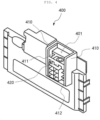
FIG. 4 is a perspective view of an insulating cover according to an embodiment of the present disclosure; -
FIG. 5 is an assembly view of the battery module according to an embodiment of the present disclosure; -
FIG. 6 is a perspective view of a terminal block protective cover according to an embodiment of the present disclosure; -
FIG. 7 is a rear bottom perspective view of the terminal block protective cover according to an embodiment of the present disclosure; -
FIG. 8 is a bottom view of the terminal block protective cover according to an embodiment of the present disclosure; -
FIG. 9 is a cross-sectional view taken along line A-A' ofFIG. 2 ; and -
FIG. 10 is a cross-sectional view illustrating a state in which a melting portion is melted. - Since the embodiments described in the present specification and the configurations shown in the drawings are only the most preferred embodiment of the present disclosure, it should be understood that there may be various modifications that may be substituted for them at the time of filing of the present application.
- Hereinafter, the present disclosure will be described in more detail with reference to the accompanying drawings. The accompanying drawings are only examples shown to describe the present disclosure in more detail, and therefore, the present disclosure is not limited to the form of the accompanying drawings. The invention is defined in the appended claims.
-
FIG. 2 is a perspective view of a battery module including a terminal block protective cover according to an embodiment of the present disclosure. A battery pack including a terminal block protective cover according to an embodiment of the present disclosure includes a structure in which a plurality ofbattery modules 10 are accommodated in a battery pack case, and thebattery modules 10 disposed to be adjacent to each other are electrically connected to each other by connecting one end of abus bar 20 to a terminal block provided on eachbattery module 10, as illustrated inFIG. 2 . Thebattery module 10 including the terminal block protective cover according to an embodiment of the present disclosure mainly includes a battery cell stack, abus bar frame 100, aterminal block 200, ahousing 300, aninsulating cover 400, aprotective cover 500, and a terminal blockprotective cover 600. -
FIG. 3 is an exploded perspective view of the battery module including a terminal block protective cover according to an embodiment of the present disclosure. A detailed configuration of thebattery module 10 including a terminal block protective cover according to an embodiment of the present disclosure will be described with reference toFIG. 3 . - The battery cell stack has a structure in which a plurality of battery cells are mutually stacked in one direction so that the plurality of battery cells may be electrically connected to each other. In this case, the battery cell may be formed of a pouch-type secondary battery. The battery cell may include an electrode assembly, a battery case, and an
electrode lead 110. Here, the electrode assembly may include a cathode plate, an anode plate, and a separator. A pair of electrode leads 110 may be provided in one battery cell, and may be electrically connected to the electrode assembly. - The
bus bar frame 100 serves to electrically connect the electrode leads 110 provided in the plurality of battery cells. A pair ofbus bar frames 100 is provided, and each of thebus bar frames 100 is coupled to cover one side and the other side of the battery cell stack. - The
terminal block 200 is provided on one side of thebus bar frame 100. Theterminal block 200 is electrically connected to the battery cell stack through at least one of the electrode leads 110. Theterminal block 200 is formed of a copper or aluminum material. - The
housing 300 has a rigidity of a certain level or more. Thehousing 300 is formed to surround an outer surface of the battery cell stack to which thebus bar frame 100 is coupled except for both sides to which thebus bar frame 100 is coupled, so that the battery cell stack is accommodated. - The insulating
cover 400 is formed to cover the outside of thebus bar frame 100. The insulatingcover 400 is made of an insulating material, for example, a plastic material to insulate the outside of thebus bar frame 100. At this time, a terminal block throughhole 401 exposing theterminal block 200 to the outside is formed on one side of the insulatingcover 400. - It will be described in more detail through a perspective view of the insulating cover of
FIG. 4 . The insulatingcover 400 is further provided with shieldingplates 410 on both sides of the terminal block throughhole 401. That is, theterminal block 200 exposed to the outside through the terminal block throughhole 401 is accommodated in a pair of shieldingplates 410 and serves to primarily prevent metal particles that may occur in a thermal runaway situation from being introduced into theterminal block 200. In this case, the shieldingplates 410 are preferably formed to be sufficiently longer in a vertical direction than a range in which theterminal block 200 is exposed. The shieldingplates 410 may be further formed with adetachable hole 411 that is in contact with the terminal block throughhole 401 and formed to be connected to the terminal block throughhole 401. Thedetachable hole 411 is a configuration into which adetachable protrusion 616 of a terminal blockprotective cover 600 to be described later is inserted. A description thereof will be provided later in more detail when describing a shape of the terminal block protective cover. - In addition, the shielding
plates 410 may be formed with acoupling slot 412 elongated in a vertical direction along a front end surface of the shieldingplates 410 and acoupling slot 412 along an upper surface of the shieldingplates 410. Thecoupling slot 412 is configured to enable sliding coupling of the terminal blockprotective cover 600 to be described later. Thecoupling slot 412 is configured to more firmly cover the terminal block when the terminal blockprotective cover 600 is coupled. Thecoupling slot 412 may also be formed in a section between the pair of shieldingplates 410 among the upper surfaces of the insulatingcover 400. Thecoupling slots 412 formed on each of the shieldingplates 410 and the upper surface of the insulatingcover 400 may be formed to be in contact with each other and connected to each other. - In the section between the shielding
plates 410, asupport 420 formed parallel to the terminal block is further formed below theterminal block 200 to connect the pair of shieldingplates 410 to each other. Thesupport 420 serves to maintain a constant distance between the two shieldingplates 410 and to supplement a mechanical rigidity of the shieldingplates 410. For effective insulation, thesupport 420 may be preferably formed to be in contact with a lower surface of theterminal block 200. -
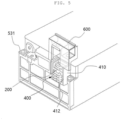
FIG. 5 is an assembly view of the battery module including the terminal block protective cover according to an embodiment of the present disclosure. - As illustrated in
FIGS. 3 and5 , theprotective cover 500 is configured to be coupled to the outside of the insulatingcover 400 to provide a rigidity of a certain level or more to the outside of the insulatingcover 400. Such aprotective cover 500 is made of an aluminum material in order to provide a rigidity of a certain level or more. A cut-outhole 510 is formed on one side of theprotective cover 500. The pair of shieldingplates 410 formed on the insulatingcover 400 and theterminal block 200 are exposed to the outside of theprotective cover 500 through the cut-outhole 510. - Meanwhile, the
protective cover 500 is provided with at least one pair of bolt holes 520. A separately provided bolt penetrates through thebolt hole 520 and is fastened to a fastening portion (not illustrated) provided on one side of the housing to fix the protective cover. In this case, thebolt hole 520 may be further provided with abolt insulating member 521 made of an insulating material and inserted into thebolt hole 520 to surround an outer periphery of the bolt and an upper surface of thebolt hole 520 in a predetermined section. This is to prevent current from flowing to theprotective cover 500 by insulating the bolt and theprotective cover 500 from each other when the bolt made of a metal material is in contact with and electrically connected to the bus bar frame, terminal block, electrode lead, and the like in a process of fastening. -
FIG. 6 is a perspective view of a terminal block protective cover according to an embodiment of the present disclosure,FIG. 7 is a rear bottom perspective view of the terminal block protective cover according to an embodiment of the present disclosure, andFIG. 8 is a bottom view of the terminal block protective cover according to an embodiment of the present disclosure. - As illustrated in
FIGS. 5 to 8 , the terminal blockprotective cover 600 is coupled to the insulatingcover 400 exposed to the outside through the cut-outhole 510 to accommodate theterminal block 200. The terminal blockprotective cover 600 is made of an insulating material having high temperature and heat resistance, and is made of ethylene propylene diene monomer (EPDM), MICA, glass tape, glass wool, aerogel, urethane, or thermo plastic elastomer (TPE). The terminal blockprotective cover 600 is preferably made of a TPE material. The terminal blockprotective cover 600 is melted in a situation of a certain temperature or higher to cover and insulate the outer surface of the terminal block. - A shape of the terminal block
protective cover 600 will be described in more detail. The terminal blockprotective cover 600 is generally divided into a terminal blockprotective portion 610 accommodating theterminal block 200, and a bolthole cover portion 630 extending from the terminal blockprotective portion 610 and covering an upper end of thebolt hole 520 located on the side closest to theterminal block 200. - First, the terminal block
protective portion 610 will be described. The terminal blockprotective portion 610 includes anouter shape portion 611, acoupling protrusion 617, and amelting portion 613 formed of a rib and melted at a certain temperature or higher. - The
outer shape portion 611 forms the outermost side of the terminal blockprotective portion 610 while at the same time secondarily preventing metal particles, which may occur in a thermal runaway situation, from being introduced into theterminal block 200. Theouter shape portion 611 formed to accommodate the terminal block is formed in a bucket shape in which an opening is disposed to face downward. When theouter shape portion 611 is coupled to the insulatingcover 400, a lower end portion thereof is accommodated in thecoupling slot 412 formed on the upper surfaces of the two shieldingplates 410 of the insulatingcover 400. At this time, it is preferable that the lower end of theouter shape portion 611 is formed to correspond to thecoupling slot 412 so as to be fitted into thecoupling slot 412. A rear side surface of the lower end of theouter shape portion 611, that is, a surface on a side disposed to face an outer side surface of the insulatingcover 400, is accommodated in thecoupling slot 412 formed in the section between the pair of shieldingplates 410 among the upper surfaces of the insulatingcover 400. - On the other hand, a surface on the front side of the outer shape portion is formed to extend by a predetermined length downward without a separate coupling element to at least partially close the section between the shielding
plates 410. Here, a lower end of the surface on the front side of the outer shape portion is located above theterminal block 200, so that a predetermined gap is formed between the lower end of the surface on the front side of the outer shape portion and thesupport 420. The gap is a gap for the other end of the bus bar connected to theterminal block 200 to be exposed to the outside of the terminal blockprotective cover 600, but in a thermal runaway situation, there is a concern that the occurred metal particles may be introduced into theterminal block 200 through the gap. - In order to prevent such a problem, a
guide plate 612 as illustrated inFIG. 6 is additionally formed at an end portion on the front side of the outer shape portion. Theguide plate 612 is formed to externally extend from the end portion of the front side of the outer shape portion to be inclined downward, and serves to guide the bus bar exposed through the gap downward and at the same time cover the gap. An angle of theguide plate 612 is formed from 10 degrees to 50 degrees, preferably from 10 degrees to 45 degrees, and most preferably from 10 degrees to 30 degrees with respect to the front surface of the outer shape portion. -
FIG. 9 is a cross-sectional view taken along line A-A' ofFIG. 2 . - Referring to
FIGS. 5 ,7 , and9 , a pair ofcoupling protrusions 617 extending downwardly from a front side surface of the outer shape portion are provided. Eachcoupling protrusion 617 is formed to be inserted into thecoupling slot 412 formed on the front side surface of theshielding plate 410 when coupled to the insulatingcover 400. That is, the terminal blockprotective cover 600 may be coupled simply through sliding through the configuration of thecoupling slots 412 and thecoupling protrusions 617. - The
melting portion 613 includes afirst melting portion 614 protruding from a portion opposite to the upper surface of the terminal block inside theouter shape portion 611, and asecond melting portion 615 protruding from an inner upper surface of theouter shape portion 611 and in contact with an inner side surface of the shieldingplates 410. - In addition to the shielding plates and the
outer shape portion 611, thesecond melting portion 615 thirdly prevents the metal particles that may occur in a thermal runaway situation from being introduced into theterminal block 200. In addition, adetachable protrusion 616 in the form of a wide top and narrow bottom is outwardly formed on one side of a lower end of thesecond melting portion 615, and is inserted into thedetachable hole 411 of the shieldingplates 410 to prevent the terminal blockprotective cover 600 from being easily separated from the insulatingcover 400. -
FIG. 10 illustrates a cross section ofFIG. 9 in a state in which the melting portion is melted. As an example, themelting portion 613 is melted at a first temperature, and theouter shape portion 611 is melted at a second temperature that is higher than the first temperature. To this end, themelting portion 613 may be first melted by forming theouter shape portion 611 and themelting portion 613 of different materials, or forming a thickness of themelting portion 613 to be thinner than a thickness of theouter shape portion 611 even if theouter shape portion 611 and themelting portion 613 are formed of the same material. As described above, if themelting portion 613 is formed to be melted before theouter shape portion 611, theouter shape portion 611 in a situation of the first temperature allows the meltedmelting portion 613 to first insulate the upper surface of theterminal block 200 inside theouter shape portion 611 as illustrated inFIG. 10 . This has an effect that even if the meltedouter shape portion 611 flows to the outside of the shieldingplates 410 and disappears at the time of melting theouter shape portion 611, the first meltedmelting portion 613 protects theterminal block 200 to prevent the metal particles from being in contact with theterminal block 200. Preferably, themelting portion 613 is appropriately set to have a melting point of about 160 degrees Celsius. - As described above, the bolt
hole cover portion 630 is formed to extend from the terminal blockprotective portion 610 to cover the upper end of thebolt hole 520 located on the side closest to theterminal block 200. Abolt groove 633 capable of accommodating a head portion of the bolt inserted into thebolt hole 520 is formed in a portion of the lower surface of the bolthole cover portion 630 opposite to thebolt hole 520. For stronger insulation, a plate-shapedextension 631 extending downward along a periphery of a lower end of the bolthole cover portion 630 may be further formed around the lower end of the bolthole cover portion 630. - The battery module including the terminal block protective cover for preventing the short circuit of the present disclosure having such a configuration may insulate the terminal block in a thermal runaway situation through the configuration of the terminal block protective cover.
- In particular, in a high-temperature situation, the outer shape portion may effectively insulate the terminal block by limiting an accommodating position of the melting portion, which is melted before the outer shape portion and is in a liquid state, to the upper surface of the terminal block.
- In addition, the assembly operation of the terminal block protective cover may be more easily performed through the configuration of the coupling protrusion and the coupling slot.
- In addition, it is possible to reduce the problem that the metal particles generated in a thermal runaway situation are introduced into the terminal block, through the configuration of the shielding plate.
- In addition, it is possible to prevent the terminal block protective cover from being easily detached from its original position through the configuration of the detachable protrusion and the detachable hole.
- In addition, it is possible to insulate the bolt hole through the bolt hole cover portion and the bolt insulating member.
[Detailed Description of Main Elements] 10: battery module 20: bus bar 100: bus bar frame 200: terminal block 300: housing 400: insulating cover 410: shielding plates 411: detachable hole 412: coupling slot 420: support 500: protective cover 510: cut-out hole 520: bolt hole 521: bolt insulating member 600: terminal block protective cover 610: terminal block protective portion 611: outer shape portion 612: guide pin 613: melting portion 614: first melting portion 615: second melting portion 616: detachable protrusion 617: coupling protrusion 630: bolt hole cover portion 631: extension 633: bolt groove
Claims (11)
- A battery module (10) comprising:a battery cell stack in which a plurality of battery cells are stacked;a terminal block (200) electrically connected to the battery cell stack;a housing (300) accommodating the battery cell stack;an insulating cover (400) covering an opening of the housing and having a terminal block through hole (401) exposing the terminal block to an outside and being formed on one side of the insulating cover; anda terminal block protective cover (600) accommodating the terminal block exposed to the outside,characterized in that a material of the terminal block protective cover is selected from Ethylene Propylene Diene Monomer (EPDM), MICA, Glass Tape, Glass Wool, Aerogel, Urethane, or Thermo Plastic Elastomer (TPE).
- The battery module of claim 1, wherein the terminal block protective cover includes a coupling protrusion (617) extending in one direction,a coupling slot (412) is formed in the insulating cover, andthe coupling protrusion is coupled to the coupling slot by sliding on the coupling slot.
- The battery module of claim 1, the insulating cover further comprising shielding plates (410) formed on one side and the other side of the terminal block exposed to the outside through the terminal block through hole.
- The battery module of claim 3, the terminal block protective cover further comprising a melting portion (613) accommodated in the shielding plates and a detachable protrusion protruding (616) outwardly from one side of the melting portion, and
the shielding plates further comprising a detachable hole (411) into which the detachable protrusion is inserted. - The battery module of claim 1, wherein the terminal block protective cover includes an outer shape portion (611) accommodating the terminal block, and a melting portion protruding from a surface of the outer shape portion opposite to an upper surface of the terminal block, and
the melting portion is melted at a certain temperature or higher to cover and insulate the outer surface of the terminal block. - The battery module of claim 5, wherein the melting portion is melted at a first temperature, and
the outer shape portion is melted at a second temperature, which is a temperature higher than the first temperature. - The battery module of claim 6, wherein the outer shape portion and the melting portion are made of different materials.
- The battery module of claim 6, wherein the melting portion has a thickness thinner than a thickness of the outer shape portion.
- The battery module of claim 1, further comprising a protective cover (500) coupled to the outside of the insulating cover, the protective cover being formed with a cut-out hole (510) to expose the terminal block to the outside through the cut-out hole at the time of coupling and being formed with a bolt hole (520) for inserting a bolt for coupling with the insulating cover,
wherein the terminal block protective cover includes:a terminal block protective portion accommodating the terminal block, anda bolt hole cover portion (630) extending from the terminal block protective portion and covering an upper end of the bolt hole. - The battery module of claim 9, wherein a bolt insulating member (521) inserted into the bolt hole, made of an insulating material, and surrounding an outer periphery of a bolt inserted into the bolt hole is inserted into the protective cover.
- A battery pack comprising:a plurality of battery modules of claim 1; anda bus bar (20) having both ends and electrically connecting the battery modules by connecting the both ends to terminal blocks of the battery modules.
Applications Claiming Priority (1)
| Application Number | Priority Date | Filing Date | Title |
|---|---|---|---|
| KR1020200127070A KR102955692B1 (en) | 2020-09-29 | Terminal Protection Cover and Battery Module Including the Same |
Publications (2)
| Publication Number | Publication Date |
|---|---|
| EP3975328A1 EP3975328A1 (en) | 2022-03-30 |
| EP3975328B1 true EP3975328B1 (en) | 2025-02-26 |
Family
ID=77998877
Family Applications (1)
| Application Number | Title | Priority Date | Filing Date |
|---|---|---|---|
| EP21199416.5A Active EP3975328B1 (en) | 2020-09-29 | 2021-09-28 | Terminal block protective cover and battery module including the same |
Country Status (3)
| Country | Link |
|---|---|
| US (1) | US12388149B2 (en) |
| EP (1) | EP3975328B1 (en) |
| CN (1) | CN114335923B (en) |
Families Citing this family (4)
| Publication number | Priority date | Publication date | Assignee | Title |
|---|---|---|---|---|
| USD1037169S1 (en) * | 2021-11-30 | 2024-07-30 | Schweitzer Engineering Laboratories, Inc | Terminal block connection device |
| EP4510370B1 (en) * | 2022-05-23 | 2026-04-01 | LG Energy Solution, Ltd. | Battery module |
| WO2024167124A1 (en) * | 2023-02-09 | 2024-08-15 | 주식회사 엘지에너지솔루션 | Battery module, and battery pack and vehicle including same |
| FR3154553B1 (en) * | 2023-10-20 | 2025-09-05 | Renault Sas | Protective cover to protect a battery module terminal |
Citations (1)
| Publication number | Priority date | Publication date | Assignee | Title |
|---|---|---|---|---|
| EP2612386B1 (en) * | 2010-09-02 | 2016-11-02 | Bathium Canada Inc. | Connector for battery pack |
Family Cites Families (16)
| Publication number | Priority date | Publication date | Assignee | Title |
|---|---|---|---|---|
| GB471214A (en) * | 1936-03-18 | 1937-08-31 | Nat Carbon Co Inc | Dry cells and processes for making the same |
| JP2001135213A (en) * | 1999-10-29 | 2001-05-18 | Nec Kansai Ltd | Protection element |
| EP1239506B1 (en) | 2001-03-07 | 2012-04-25 | Yazaki Corporation | Protective cover and fuse box |
| JP5348745B2 (en) * | 2008-10-09 | 2013-11-20 | 矢崎総業株式会社 | Protective cap |
| WO2011145609A1 (en) * | 2010-05-19 | 2011-11-24 | 日産自動車株式会社 | Bipolar secondary battery |
| KR101297176B1 (en) * | 2010-06-03 | 2013-08-21 | 주식회사 엘지화학 | Battery Module Having Novel Structure |
| JP4939643B1 (en) * | 2010-11-09 | 2012-05-30 | 三菱重工業株式会社 | Battery module |
| US10158102B2 (en) * | 2013-08-30 | 2018-12-18 | Gogoro Inc. | Portable electrical energy storage device with thermal runaway mitigation |
| KR101813234B1 (en) | 2015-03-04 | 2017-12-29 | 주식회사 엘지화학 | Cell Cover for secondary battery and battery module including the same |
| CN204809299U (en) * | 2015-07-03 | 2015-11-25 | 宁德时代新能源科技有限公司 | Switching piece, secondary cell and battery module |
| KR102065106B1 (en) * | 2015-12-18 | 2020-01-10 | 주식회사 엘지화학 | Secondary Battery Pack |
| JP6687490B2 (en) * | 2016-09-07 | 2020-04-22 | 日東電工株式会社 | Suspension board with circuit and method of manufacturing suspension board with circuit |
| US11251484B2 (en) | 2016-09-26 | 2022-02-15 | Envision Aesc Japan Ltd. | Assembly including unit cell and spacer |
| JP6778074B2 (en) * | 2016-10-11 | 2020-10-28 | 矢崎総業株式会社 | Protective cover for battery terminals |
| CN209056530U (en) | 2018-09-28 | 2019-07-02 | 宁德时代新能源科技股份有限公司 | Terminal protection cover and battery module |
| KR102889286B1 (en) * | 2019-12-09 | 2025-11-21 | 주식회사 엘지에너지솔루션 | Battery Pack Having Insulator Between Module and Pack Case |
-
2021
- 2021-09-26 CN CN202111126309.1A patent/CN114335923B/en active Active
- 2021-09-27 US US17/486,135 patent/US12388149B2/en active Active
- 2021-09-28 EP EP21199416.5A patent/EP3975328B1/en active Active
Patent Citations (1)
| Publication number | Priority date | Publication date | Assignee | Title |
|---|---|---|---|---|
| EP2612386B1 (en) * | 2010-09-02 | 2016-11-02 | Bathium Canada Inc. | Connector for battery pack |
Also Published As
| Publication number | Publication date |
|---|---|
| KR20220043543A (en) | 2022-04-05 |
| CN114335923A (en) | 2022-04-12 |
| CN114335923B (en) | 2025-09-16 |
| US20220102804A1 (en) | 2022-03-31 |
| EP3975328A1 (en) | 2022-03-30 |
| US12388149B2 (en) | 2025-08-12 |
Similar Documents
| Publication | Publication Date | Title |
|---|---|---|
| EP3975328B1 (en) | Terminal block protective cover and battery module including the same | |
| EP4064433B1 (en) | Battery pack | |
| EP2315293B1 (en) | Battery pack | |
| US12113191B2 (en) | Pouch type battery cell and battery pack including the same | |
| CN105789496B (en) | Battery module | |
| KR101264550B1 (en) | Battery Pack | |
| EP2117064B1 (en) | Battery Pack | |
| US8597807B2 (en) | Secondary battery including a thermally insulating sheet having a recess for receiving a thermal fuse | |
| US20050140338A1 (en) | Lead member and secondary battery module with the same | |
| TWI482337B (en) | Secondary battery pack, protective circuit module thereof, and method of manufacturing secondary battery pack | |
| US9748533B2 (en) | Battery module | |
| US9893514B2 (en) | Secondary battery pack | |
| KR102924945B1 (en) | Battery pack | |
| WO2018194296A1 (en) | Battery module | |
| EP2498322B1 (en) | Secondary battery | |
| KR20170022371A (en) | Secondary Battery Module | |
| EP3961792A1 (en) | Battery module and battery pack including same | |
| CN115133189A (en) | battery module | |
| KR20220023720A (en) | Battery module to which heat shrink film is applied, and battery pack and automobile including the same | |
| US12482901B2 (en) | Battery module | |
| US20140234670A1 (en) | Battery pack | |
| KR102955692B1 (en) | Terminal Protection Cover and Battery Module Including the Same | |
| KR102331065B1 (en) | Battery pack | |
| CN219145339U (en) | Photovoltaic module and photovoltaic device | |
| EP4557466A1 (en) | Battery pack and device including same |
Legal Events
| Date | Code | Title | Description |
|---|---|---|---|
| PUAI | Public reference made under article 153(3) epc to a published international application that has entered the european phase |
Free format text: ORIGINAL CODE: 0009012 |
|
| STAA | Information on the status of an ep patent application or granted ep patent |
Free format text: STATUS: REQUEST FOR EXAMINATION WAS MADE |
|
| 17P | Request for examination filed |
Effective date: 20210928 |
|
| AK | Designated contracting states |
Kind code of ref document: A1 Designated state(s): AL AT BE BG CH CY CZ DE DK EE ES FI FR GB GR HR HU IE IS IT LI LT LU LV MC MK MT NL NO PL PT RO RS SE SI SK SM TR |
|
| RAP1 | Party data changed (applicant data changed or rights of an application transferred) |
Owner name: SK ON CO., LTD. |
|
| P01 | Opt-out of the competence of the unified patent court (upc) registered |
Effective date: 20230602 |
|
| GRAP | Despatch of communication of intention to grant a patent |
Free format text: ORIGINAL CODE: EPIDOSNIGR1 |
|
| STAA | Information on the status of an ep patent application or granted ep patent |
Free format text: STATUS: GRANT OF PATENT IS INTENDED |
|
| INTG | Intention to grant announced |
Effective date: 20240923 |
|
| GRAS | Grant fee paid |
Free format text: ORIGINAL CODE: EPIDOSNIGR3 |
|
| GRAA | (expected) grant |
Free format text: ORIGINAL CODE: 0009210 |
|
| STAA | Information on the status of an ep patent application or granted ep patent |
Free format text: STATUS: THE PATENT HAS BEEN GRANTED |
|
| AK | Designated contracting states |
Kind code of ref document: B1 Designated state(s): AL AT BE BG CH CY CZ DE DK EE ES FI FR GB GR HR HU IE IS IT LI LT LU LV MC MK MT NL NO PL PT RO RS SE SI SK SM TR |
|
| REG | Reference to a national code |
Ref country code: GB Ref legal event code: FG4D |
|
| REG | Reference to a national code |
Ref country code: CH Ref legal event code: EP |
|
| REG | Reference to a national code |
Ref country code: DE Ref legal event code: R096 Ref document number: 602021026693 Country of ref document: DE |
|
| REG | Reference to a national code |
Ref country code: IE Ref legal event code: FG4D |
|
| REG | Reference to a national code |
Ref country code: NL Ref legal event code: MP Effective date: 20250226 |
|
| PG25 | Lapsed in a contracting state [announced via postgrant information from national office to epo] |
Ref country code: RS Free format text: LAPSE BECAUSE OF FAILURE TO SUBMIT A TRANSLATION OF THE DESCRIPTION OR TO PAY THE FEE WITHIN THE PRESCRIBED TIME-LIMIT Effective date: 20250526 |
|
| PG25 | Lapsed in a contracting state [announced via postgrant information from national office to epo] |
Ref country code: FI Free format text: LAPSE BECAUSE OF FAILURE TO SUBMIT A TRANSLATION OF THE DESCRIPTION OR TO PAY THE FEE WITHIN THE PRESCRIBED TIME-LIMIT Effective date: 20250226 |
|
| PG25 | Lapsed in a contracting state [announced via postgrant information from national office to epo] |
Ref country code: PL Free format text: LAPSE BECAUSE OF FAILURE TO SUBMIT A TRANSLATION OF THE DESCRIPTION OR TO PAY THE FEE WITHIN THE PRESCRIBED TIME-LIMIT Effective date: 20250226 |
|
| PG25 | Lapsed in a contracting state [announced via postgrant information from national office to epo] |
Ref country code: ES Free format text: LAPSE BECAUSE OF FAILURE TO SUBMIT A TRANSLATION OF THE DESCRIPTION OR TO PAY THE FEE WITHIN THE PRESCRIBED TIME-LIMIT Effective date: 20250226 |
|
| REG | Reference to a national code |
Ref country code: LT Ref legal event code: MG9D |
|
| PG25 | Lapsed in a contracting state [announced via postgrant information from national office to epo] |
Ref country code: NO Free format text: LAPSE BECAUSE OF FAILURE TO SUBMIT A TRANSLATION OF THE DESCRIPTION OR TO PAY THE FEE WITHIN THE PRESCRIBED TIME-LIMIT Effective date: 20250526 Ref country code: IS Free format text: LAPSE BECAUSE OF FAILURE TO SUBMIT A TRANSLATION OF THE DESCRIPTION OR TO PAY THE FEE WITHIN THE PRESCRIBED TIME-LIMIT Effective date: 20250626 |
|
| PG25 | Lapsed in a contracting state [announced via postgrant information from national office to epo] |
Ref country code: NL Free format text: LAPSE BECAUSE OF FAILURE TO SUBMIT A TRANSLATION OF THE DESCRIPTION OR TO PAY THE FEE WITHIN THE PRESCRIBED TIME-LIMIT Effective date: 20250226 |
|
| PG25 | Lapsed in a contracting state [announced via postgrant information from national office to epo] |
Ref country code: HR Free format text: LAPSE BECAUSE OF FAILURE TO SUBMIT A TRANSLATION OF THE DESCRIPTION OR TO PAY THE FEE WITHIN THE PRESCRIBED TIME-LIMIT Effective date: 20250226 |
|
| PG25 | Lapsed in a contracting state [announced via postgrant information from national office to epo] |
Ref country code: LV Free format text: LAPSE BECAUSE OF FAILURE TO SUBMIT A TRANSLATION OF THE DESCRIPTION OR TO PAY THE FEE WITHIN THE PRESCRIBED TIME-LIMIT Effective date: 20250226 Ref country code: PT Free format text: LAPSE BECAUSE OF FAILURE TO SUBMIT A TRANSLATION OF THE DESCRIPTION OR TO PAY THE FEE WITHIN THE PRESCRIBED TIME-LIMIT Effective date: 20250626 |
|
| PGFP | Annual fee paid to national office [announced via postgrant information from national office to epo] |
Ref country code: FR Payment date: 20250624 Year of fee payment: 5 |
|
| PG25 | Lapsed in a contracting state [announced via postgrant information from national office to epo] |
Ref country code: GR Free format text: LAPSE BECAUSE OF FAILURE TO SUBMIT A TRANSLATION OF THE DESCRIPTION OR TO PAY THE FEE WITHIN THE PRESCRIBED TIME-LIMIT Effective date: 20250527 Ref country code: BG Free format text: LAPSE BECAUSE OF FAILURE TO SUBMIT A TRANSLATION OF THE DESCRIPTION OR TO PAY THE FEE WITHIN THE PRESCRIBED TIME-LIMIT Effective date: 20250226 |
|
| REG | Reference to a national code |
Ref country code: AT Ref legal event code: MK05 Ref document number: 1771602 Country of ref document: AT Kind code of ref document: T Effective date: 20250226 |
|
| PG25 | Lapsed in a contracting state [announced via postgrant information from national office to epo] |
Ref country code: SE Free format text: LAPSE BECAUSE OF FAILURE TO SUBMIT A TRANSLATION OF THE DESCRIPTION OR TO PAY THE FEE WITHIN THE PRESCRIBED TIME-LIMIT Effective date: 20250226 |
|
| PG25 | Lapsed in a contracting state [announced via postgrant information from national office to epo] |
Ref country code: SM Free format text: LAPSE BECAUSE OF FAILURE TO SUBMIT A TRANSLATION OF THE DESCRIPTION OR TO PAY THE FEE WITHIN THE PRESCRIBED TIME-LIMIT Effective date: 20250226 |
|
| PG25 | Lapsed in a contracting state [announced via postgrant information from national office to epo] |
Ref country code: DK Free format text: LAPSE BECAUSE OF FAILURE TO SUBMIT A TRANSLATION OF THE DESCRIPTION OR TO PAY THE FEE WITHIN THE PRESCRIBED TIME-LIMIT Effective date: 20250226 |
|
| PGFP | Annual fee paid to national office [announced via postgrant information from national office to epo] |
Ref country code: DE Payment date: 20250624 Year of fee payment: 5 |
|
| PG25 | Lapsed in a contracting state [announced via postgrant information from national office to epo] |
Ref country code: IT Free format text: LAPSE BECAUSE OF FAILURE TO SUBMIT A TRANSLATION OF THE DESCRIPTION OR TO PAY THE FEE WITHIN THE PRESCRIBED TIME-LIMIT Effective date: 20250226 |
|
| PGFP | Annual fee paid to national office [announced via postgrant information from national office to epo] |
Ref country code: GB Payment date: 20250707 Year of fee payment: 5 |
|
| PG25 | Lapsed in a contracting state [announced via postgrant information from national office to epo] |
Ref country code: AT Free format text: LAPSE BECAUSE OF FAILURE TO SUBMIT A TRANSLATION OF THE DESCRIPTION OR TO PAY THE FEE WITHIN THE PRESCRIBED TIME-LIMIT Effective date: 20250226 |
|
| PG25 | Lapsed in a contracting state [announced via postgrant information from national office to epo] |
Ref country code: CZ Free format text: LAPSE BECAUSE OF FAILURE TO SUBMIT A TRANSLATION OF THE DESCRIPTION OR TO PAY THE FEE WITHIN THE PRESCRIBED TIME-LIMIT Effective date: 20250226 Ref country code: EE Free format text: LAPSE BECAUSE OF FAILURE TO SUBMIT A TRANSLATION OF THE DESCRIPTION OR TO PAY THE FEE WITHIN THE PRESCRIBED TIME-LIMIT Effective date: 20250226 |
|
| PG25 | Lapsed in a contracting state [announced via postgrant information from national office to epo] |
Ref country code: RO Free format text: LAPSE BECAUSE OF FAILURE TO SUBMIT A TRANSLATION OF THE DESCRIPTION OR TO PAY THE FEE WITHIN THE PRESCRIBED TIME-LIMIT Effective date: 20250226 |
|
| PG25 | Lapsed in a contracting state [announced via postgrant information from national office to epo] |
Ref country code: SK Free format text: LAPSE BECAUSE OF FAILURE TO SUBMIT A TRANSLATION OF THE DESCRIPTION OR TO PAY THE FEE WITHIN THE PRESCRIBED TIME-LIMIT Effective date: 20250226 |
|
| REG | Reference to a national code |
Ref country code: DE Ref legal event code: R097 Ref document number: 602021026693 Country of ref document: DE |
|
| PLBE | No opposition filed within time limit |
Free format text: ORIGINAL CODE: 0009261 |
|
| STAA | Information on the status of an ep patent application or granted ep patent |
Free format text: STATUS: NO OPPOSITION FILED WITHIN TIME LIMIT |
|
| 26N | No opposition filed |
Effective date: 20251127 |