EP3975291A1 - Cobalt-free layered positive electrode material, preparation method therefor, and lithium ion battery - Google Patents
Cobalt-free layered positive electrode material, preparation method therefor, and lithium ion battery Download PDFInfo
- Publication number
- EP3975291A1 EP3975291A1 EP20913168.9A EP20913168A EP3975291A1 EP 3975291 A1 EP3975291 A1 EP 3975291A1 EP 20913168 A EP20913168 A EP 20913168A EP 3975291 A1 EP3975291 A1 EP 3975291A1
- Authority
- EP
- European Patent Office
- Prior art keywords
- cobalt
- cathode material
- free
- lamellar
- lithium manganate
- Prior art date
- Legal status (The legal status is an assumption and is not a legal conclusion. Google has not performed a legal analysis and makes no representation as to the accuracy of the status listed.)
- Pending
Links
- HBBGRARXTFLTSG-UHFFFAOYSA-N Lithium ion Chemical compound [Li+] HBBGRARXTFLTSG-UHFFFAOYSA-N 0.000 title claims abstract description 57
- 229910001416 lithium ion Inorganic materials 0.000 title claims abstract description 57
- 239000007774 positive electrode material Substances 0.000 title 1
- 238000002360 preparation method Methods 0.000 title 1
- XLOMVQKBTHCTTD-UHFFFAOYSA-N Zinc monoxide Chemical compound [Zn]=O XLOMVQKBTHCTTD-UHFFFAOYSA-N 0.000 claims abstract description 114
- 239000010406 cathode material Substances 0.000 claims abstract description 100
- BDKWOJYFHXPPPT-UHFFFAOYSA-N lithium dioxido(dioxo)manganese nickel(2+) Chemical compound [Mn](=O)(=O)([O-])[O-].[Ni+2].[Li+] BDKWOJYFHXPPPT-UHFFFAOYSA-N 0.000 claims abstract description 82
- 239000011787 zinc oxide Substances 0.000 claims abstract description 57
- 238000000034 method Methods 0.000 claims abstract description 21
- 238000006243 chemical reaction Methods 0.000 claims description 33
- 239000000203 mixture Substances 0.000 claims description 27
- ZOIORXHNWRGPMV-UHFFFAOYSA-N acetic acid;zinc Chemical compound [Zn].CC(O)=O.CC(O)=O ZOIORXHNWRGPMV-UHFFFAOYSA-N 0.000 claims description 17
- 239000004246 zinc acetate Substances 0.000 claims description 17
- 150000003751 zinc Chemical class 0.000 claims description 14
- QVGXLLKOCUKJST-UHFFFAOYSA-N atomic oxygen Chemical compound [O] QVGXLLKOCUKJST-UHFFFAOYSA-N 0.000 claims description 13
- 239000001301 oxygen Substances 0.000 claims description 13
- 229910052760 oxygen Inorganic materials 0.000 claims description 13
- 239000011259 mixed solution Substances 0.000 claims description 12
- ONDPHDOFVYQSGI-UHFFFAOYSA-N zinc nitrate Chemical compound [Zn+2].[O-][N+]([O-])=O.[O-][N+]([O-])=O ONDPHDOFVYQSGI-UHFFFAOYSA-N 0.000 claims description 10
- 239000002245 particle Substances 0.000 claims description 8
- 239000012266 salt solution Substances 0.000 claims description 5
- NWONKYPBYAMBJT-UHFFFAOYSA-L zinc sulfate Chemical compound [Zn+2].[O-]S([O-])(=O)=O NWONKYPBYAMBJT-UHFFFAOYSA-L 0.000 claims description 5
- 229960001763 zinc sulfate Drugs 0.000 claims description 5
- 229910000368 zinc sulfate Inorganic materials 0.000 claims description 5
- 229910013509 LiNixMn1-xO2 Inorganic materials 0.000 claims description 3
- 229910013624 LiNixMn1—xO2 Inorganic materials 0.000 claims description 3
- 238000001704 evaporation Methods 0.000 claims description 3
- WMFOQBRAJBCJND-UHFFFAOYSA-M Lithium hydroxide Chemical compound [Li+].[OH-] WMFOQBRAJBCJND-UHFFFAOYSA-M 0.000 abstract description 27
- 239000003792 electrolyte Substances 0.000 abstract description 24
- 229910001437 manganese ion Inorganic materials 0.000 abstract description 19
- 239000011572 manganese Substances 0.000 abstract description 13
- 239000003513 alkali Substances 0.000 abstract description 8
- 239000011248 coating agent Substances 0.000 abstract description 8
- 238000000576 coating method Methods 0.000 abstract description 8
- XGZVUEUWXADBQD-UHFFFAOYSA-L lithium carbonate Chemical compound [Li+].[Li+].[O-]C([O-])=O XGZVUEUWXADBQD-UHFFFAOYSA-L 0.000 abstract description 5
- 229910052808 lithium carbonate Inorganic materials 0.000 abstract description 5
- 229910013716 LiNi Inorganic materials 0.000 abstract 1
- 239000007864 aqueous solution Substances 0.000 description 12
- 230000000052 comparative effect Effects 0.000 description 7
- 239000000463 material Substances 0.000 description 7
- 238000010586 diagram Methods 0.000 description 6
- 230000014759 maintenance of location Effects 0.000 description 6
- 239000002243 precursor Substances 0.000 description 6
- 239000002904 solvent Substances 0.000 description 6
- 238000001816 cooling Methods 0.000 description 5
- 125000004122 cyclic group Chemical group 0.000 description 5
- 230000000694 effects Effects 0.000 description 5
- PXHVJJICTQNCMI-UHFFFAOYSA-N nickel Substances [Ni] PXHVJJICTQNCMI-UHFFFAOYSA-N 0.000 description 5
- 230000035484 reaction time Effects 0.000 description 3
- 238000007086 side reaction Methods 0.000 description 3
- 239000000126 substance Substances 0.000 description 3
- 238000012360 testing method Methods 0.000 description 3
- 239000011701 zinc Substances 0.000 description 3
- -1 zinc salt Chemical class 0.000 description 3
- XKRFYHLGVUSROY-UHFFFAOYSA-N Argon Chemical compound [Ar] XKRFYHLGVUSROY-UHFFFAOYSA-N 0.000 description 2
- CURLTUGMZLYLDI-UHFFFAOYSA-N Carbon dioxide Chemical compound O=C=O CURLTUGMZLYLDI-UHFFFAOYSA-N 0.000 description 2
- LFQSCWFLJHTTHZ-UHFFFAOYSA-N Ethanol Chemical compound CCO LFQSCWFLJHTTHZ-UHFFFAOYSA-N 0.000 description 2
- KMTRUDSVKNLOMY-UHFFFAOYSA-N Ethylene carbonate Chemical compound O=C1OCCO1 KMTRUDSVKNLOMY-UHFFFAOYSA-N 0.000 description 2
- MWUXSHHQAYIFBG-UHFFFAOYSA-N Nitric oxide Chemical compound O=[N] MWUXSHHQAYIFBG-UHFFFAOYSA-N 0.000 description 2
- PTFCDOFLOPIGGS-UHFFFAOYSA-N Zinc dication Chemical compound [Zn+2] PTFCDOFLOPIGGS-UHFFFAOYSA-N 0.000 description 2
- IEJIGPNLZYLLBP-UHFFFAOYSA-N dimethyl carbonate Chemical compound COC(=O)OC IEJIGPNLZYLLBP-UHFFFAOYSA-N 0.000 description 2
- 238000005516 engineering process Methods 0.000 description 2
- 238000009776 industrial production Methods 0.000 description 2
- INHCSSUBVCNVSK-UHFFFAOYSA-L lithium sulfate Inorganic materials [Li+].[Li+].[O-]S([O-])(=O)=O INHCSSUBVCNVSK-UHFFFAOYSA-L 0.000 description 2
- 238000004519 manufacturing process Methods 0.000 description 2
- 238000011056 performance test Methods 0.000 description 2
- 239000002002 slurry Substances 0.000 description 2
- 238000001228 spectrum Methods 0.000 description 2
- RBTVSNLYYIMMKS-UHFFFAOYSA-N tert-butyl 3-aminoazetidine-1-carboxylate;hydrochloride Chemical compound Cl.CC(C)(C)OC(=O)N1CC(N)C1 RBTVSNLYYIMMKS-UHFFFAOYSA-N 0.000 description 2
- XLYOFNOQVPJJNP-UHFFFAOYSA-N water Substances O XLYOFNOQVPJJNP-UHFFFAOYSA-N 0.000 description 2
- 229910001868 water Inorganic materials 0.000 description 2
- 229910052725 zinc Inorganic materials 0.000 description 2
- MGWGWNFMUOTEHG-UHFFFAOYSA-N 4-(3,5-dimethylphenyl)-1,3-thiazol-2-amine Chemical compound CC1=CC(C)=CC(C=2N=C(N)SC=2)=C1 MGWGWNFMUOTEHG-UHFFFAOYSA-N 0.000 description 1
- 229910001290 LiPF6 Inorganic materials 0.000 description 1
- WHXSMMKQMYFTQS-UHFFFAOYSA-N Lithium Chemical compound [Li] WHXSMMKQMYFTQS-UHFFFAOYSA-N 0.000 description 1
- PWHULOQIROXLJO-UHFFFAOYSA-N Manganese Chemical compound [Mn] PWHULOQIROXLJO-UHFFFAOYSA-N 0.000 description 1
- 239000002033 PVDF binder Substances 0.000 description 1
- 239000004743 Polypropylene Substances 0.000 description 1
- HCHKCACWOHOZIP-UHFFFAOYSA-N Zinc Chemical compound [Zn] HCHKCACWOHOZIP-UHFFFAOYSA-N 0.000 description 1
- 230000004075 alteration Effects 0.000 description 1
- 229910052782 aluminium Inorganic materials 0.000 description 1
- XAGFODPZIPBFFR-UHFFFAOYSA-N aluminium Chemical compound [Al] XAGFODPZIPBFFR-UHFFFAOYSA-N 0.000 description 1
- 238000004458 analytical method Methods 0.000 description 1
- 229910052786 argon Inorganic materials 0.000 description 1
- 229910002092 carbon dioxide Inorganic materials 0.000 description 1
- 239000001569 carbon dioxide Substances 0.000 description 1
- 239000003153 chemical reaction reagent Substances 0.000 description 1
- 239000003795 chemical substances by application Substances 0.000 description 1
- 239000011247 coating layer Substances 0.000 description 1
- 229910017052 cobalt Inorganic materials 0.000 description 1
- 239000010941 cobalt Substances 0.000 description 1
- GUTLYIVDDKVIGB-UHFFFAOYSA-N cobalt atom Chemical compound [Co] GUTLYIVDDKVIGB-UHFFFAOYSA-N 0.000 description 1
- 230000008094 contradictory effect Effects 0.000 description 1
- 238000011161 development Methods 0.000 description 1
- QHGJSLXSVXVKHZ-UHFFFAOYSA-N dilithium;dioxido(dioxo)manganese Chemical compound [Li+].[Li+].[O-][Mn]([O-])(=O)=O QHGJSLXSVXVKHZ-UHFFFAOYSA-N 0.000 description 1
- 238000004090 dissolution Methods 0.000 description 1
- 230000008020 evaporation Effects 0.000 description 1
- 230000002349 favourable effect Effects 0.000 description 1
- 239000011888 foil Substances 0.000 description 1
- 238000010438 heat treatment Methods 0.000 description 1
- 150000002500 ions Chemical class 0.000 description 1
- 239000010410 layer Substances 0.000 description 1
- 229910052744 lithium Inorganic materials 0.000 description 1
- 229910052748 manganese Inorganic materials 0.000 description 1
- 229910052751 metal Inorganic materials 0.000 description 1
- 239000002184 metal Substances 0.000 description 1
- VUZPPFZMUPKLLV-UHFFFAOYSA-N methane;hydrate Chemical compound C.O VUZPPFZMUPKLLV-UHFFFAOYSA-N 0.000 description 1
- 239000012982 microporous membrane Substances 0.000 description 1
- 238000012986 modification Methods 0.000 description 1
- 230000004048 modification Effects 0.000 description 1
- JCXJVPUVTGWSNB-UHFFFAOYSA-N nitrogen dioxide Inorganic materials O=[N]=O JCXJVPUVTGWSNB-UHFFFAOYSA-N 0.000 description 1
- 229920001155 polypropylene Polymers 0.000 description 1
- 229920002981 polyvinylidene fluoride Polymers 0.000 description 1
- 238000012216 screening Methods 0.000 description 1
Images


Classifications
-
- H—ELECTRICITY
- H01—ELECTRIC ELEMENTS
- H01M—PROCESSES OR MEANS, e.g. BATTERIES, FOR THE DIRECT CONVERSION OF CHEMICAL ENERGY INTO ELECTRICAL ENERGY
- H01M4/00—Electrodes
- H01M4/02—Electrodes composed of, or comprising, active material
- H01M4/36—Selection of substances as active materials, active masses, active liquids
- H01M4/48—Selection of substances as active materials, active masses, active liquids of inorganic oxides or hydroxides
- H01M4/52—Selection of substances as active materials, active masses, active liquids of inorganic oxides or hydroxides of nickel, cobalt or iron
- H01M4/525—Selection of substances as active materials, active masses, active liquids of inorganic oxides or hydroxides of nickel, cobalt or iron of mixed oxides or hydroxides containing iron, cobalt or nickel for inserting or intercalating light metals, e.g. LiNiO2, LiCoO2 or LiCoOxFy
-
- C—CHEMISTRY; METALLURGY
- C01—INORGANIC CHEMISTRY
- C01G—COMPOUNDS CONTAINING METALS NOT COVERED BY SUBCLASSES C01D OR C01F
- C01G53/00—Compounds of nickel
- C01G53/40—Complex oxides containing nickel and at least one other metal element
- C01G53/42—Complex oxides containing nickel and at least one other metal element containing alkali metals, e.g. LiNiO2
- C01G53/44—Complex oxides containing nickel and at least one other metal element containing alkali metals, e.g. LiNiO2 containing manganese
- C01G53/50—Complex oxides containing nickel and at least one other metal element containing alkali metals, e.g. LiNiO2 containing manganese of the type (MnO2)n-, e.g. Li(NixMn1-x)O2 or Li(MyNixMn1-x-y)O2
-
- H—ELECTRICITY
- H01—ELECTRIC ELEMENTS
- H01M—PROCESSES OR MEANS, e.g. BATTERIES, FOR THE DIRECT CONVERSION OF CHEMICAL ENERGY INTO ELECTRICAL ENERGY
- H01M10/00—Secondary cells; Manufacture thereof
- H01M10/05—Accumulators with non-aqueous electrolyte
- H01M10/052—Li-accumulators
- H01M10/0525—Rocking-chair batteries, i.e. batteries with lithium insertion or intercalation in both electrodes; Lithium-ion batteries
-
- H—ELECTRICITY
- H01—ELECTRIC ELEMENTS
- H01M—PROCESSES OR MEANS, e.g. BATTERIES, FOR THE DIRECT CONVERSION OF CHEMICAL ENERGY INTO ELECTRICAL ENERGY
- H01M4/00—Electrodes
- H01M4/02—Electrodes composed of, or comprising, active material
- H01M4/36—Selection of substances as active materials, active masses, active liquids
- H01M4/362—Composites
- H01M4/366—Composites as layered products
-
- H—ELECTRICITY
- H01—ELECTRIC ELEMENTS
- H01M—PROCESSES OR MEANS, e.g. BATTERIES, FOR THE DIRECT CONVERSION OF CHEMICAL ENERGY INTO ELECTRICAL ENERGY
- H01M4/00—Electrodes
- H01M4/02—Electrodes composed of, or comprising, active material
- H01M4/36—Selection of substances as active materials, active masses, active liquids
- H01M4/48—Selection of substances as active materials, active masses, active liquids of inorganic oxides or hydroxides
- H01M4/50—Selection of substances as active materials, active masses, active liquids of inorganic oxides or hydroxides of manganese
- H01M4/505—Selection of substances as active materials, active masses, active liquids of inorganic oxides or hydroxides of manganese of mixed oxides or hydroxides containing manganese for inserting or intercalating light metals, e.g. LiMn2O4 or LiMn2OxFy
-
- H—ELECTRICITY
- H01—ELECTRIC ELEMENTS
- H01M—PROCESSES OR MEANS, e.g. BATTERIES, FOR THE DIRECT CONVERSION OF CHEMICAL ENERGY INTO ELECTRICAL ENERGY
- H01M4/00—Electrodes
- H01M4/02—Electrodes composed of, or comprising, active material
- H01M4/62—Selection of inactive substances as ingredients for active masses, e.g. binders, fillers
-
- C—CHEMISTRY; METALLURGY
- C01—INORGANIC CHEMISTRY
- C01P—INDEXING SCHEME RELATING TO STRUCTURAL AND PHYSICAL ASPECTS OF SOLID INORGANIC COMPOUNDS
- C01P2004/00—Particle morphology
- C01P2004/01—Particle morphology depicted by an image
- C01P2004/03—Particle morphology depicted by an image obtained by SEM
-
- C—CHEMISTRY; METALLURGY
- C01—INORGANIC CHEMISTRY
- C01P—INDEXING SCHEME RELATING TO STRUCTURAL AND PHYSICAL ASPECTS OF SOLID INORGANIC COMPOUNDS
- C01P2004/00—Particle morphology
- C01P2004/60—Particles characterised by their size
- C01P2004/61—Micrometer sized, i.e. from 1-100 micrometer
-
- C—CHEMISTRY; METALLURGY
- C01—INORGANIC CHEMISTRY
- C01P—INDEXING SCHEME RELATING TO STRUCTURAL AND PHYSICAL ASPECTS OF SOLID INORGANIC COMPOUNDS
- C01P2004/00—Particle morphology
- C01P2004/80—Particles consisting of a mixture of two or more inorganic phases
- C01P2004/82—Particles consisting of a mixture of two or more inorganic phases two phases having the same anion, e.g. both oxidic phases
- C01P2004/84—Particles consisting of a mixture of two or more inorganic phases two phases having the same anion, e.g. both oxidic phases one phase coated with the other
-
- C—CHEMISTRY; METALLURGY
- C01—INORGANIC CHEMISTRY
- C01P—INDEXING SCHEME RELATING TO STRUCTURAL AND PHYSICAL ASPECTS OF SOLID INORGANIC COMPOUNDS
- C01P2006/00—Physical properties of inorganic compounds
- C01P2006/12—Surface area
-
- C—CHEMISTRY; METALLURGY
- C01—INORGANIC CHEMISTRY
- C01P—INDEXING SCHEME RELATING TO STRUCTURAL AND PHYSICAL ASPECTS OF SOLID INORGANIC COMPOUNDS
- C01P2006/00—Physical properties of inorganic compounds
- C01P2006/40—Electric properties
-
- H—ELECTRICITY
- H01—ELECTRIC ELEMENTS
- H01M—PROCESSES OR MEANS, e.g. BATTERIES, FOR THE DIRECT CONVERSION OF CHEMICAL ENERGY INTO ELECTRICAL ENERGY
- H01M4/00—Electrodes
- H01M4/02—Electrodes composed of, or comprising, active material
- H01M2004/026—Electrodes composed of, or comprising, active material characterised by the polarity
- H01M2004/028—Positive electrodes
-
- Y—GENERAL TAGGING OF NEW TECHNOLOGICAL DEVELOPMENTS; GENERAL TAGGING OF CROSS-SECTIONAL TECHNOLOGIES SPANNING OVER SEVERAL SECTIONS OF THE IPC; TECHNICAL SUBJECTS COVERED BY FORMER USPC CROSS-REFERENCE ART COLLECTIONS [XRACs] AND DIGESTS
- Y02—TECHNOLOGIES OR APPLICATIONS FOR MITIGATION OR ADAPTATION AGAINST CLIMATE CHANGE
- Y02E—REDUCTION OF GREENHOUSE GAS [GHG] EMISSIONS, RELATED TO ENERGY GENERATION, TRANSMISSION OR DISTRIBUTION
- Y02E60/00—Enabling technologies; Technologies with a potential or indirect contribution to GHG emissions mitigation
- Y02E60/10—Energy storage using batteries
Definitions
- the disclosure belongs to the technical field of lithium ion batteries, in particular to a cobalt-free lamellar cathode material of a lithium ion battery, a method for preparing the cobalt-free lamellar cathode material, and the lithium ion battery.
- the cobalt-free cathode material As a key composition of the lithium ion battery plays a critical role on performance of the whole battery. Compared with a ternary cathode material, the cobalt-free cathode material has the advantages of low cost, stable structure and the like. As the cobalt-free cathode material is free of cobalt and contains a lot of element Mn, the cobalt-free cathode material has the problem that an excess of metal Mn ions is dissolved.
- the present disclosure aims to at least solve one of the technical problems in the related art to a certain extent.
- Manganese ions in the cobalt-free lamellar cathode material are not easily dissolved by an electrolyte.
- the present disclosure provides a cobalt-free lamellar cathode material for a lithium ion battery.
- the cobalt-free lamellar cathode material includes lamellar nickel lithium manganate of monocrystal morphology and zinc oxide coated onto a surface of the nickel lithium manganate, wherein a general formula of the nickel lithium manganate is LiNi x Mn 1-x O 2 , and 0.55 ⁇ x ⁇ 0.95.
- the surface of the lamellar nickel lithium manganate of monocrystal morphology with zinc oxide, manganese ions in nickel lithium manganate can be effectively prevented from being dissolved by an electrolyte of the lithium ion battery.
- the specific capacity, the first time charge efficiency (first efficiency for short) and the cycle performance of the lithium ion battery can be further effectively improved.
- the content of residual alkali (lithium hydroxide or lithium carbonate) of the cobalt-free lamellar cathode material is lower.
- a mass percent of zinc oxide is 0.05-0.3% based on the total mass of the cobalt-free lamellar cathode material.
- a particle size of the nickel lithium manganate is 1-5 microns.
- the specific surface area of the cobalt-free lamellar cathode material is 0.1-0.8 m 2 /g.
- the present disclosure provides a method for preparing the cobalt-free lamellar cathode material.
- the method for preparing the cobalt-free lamellar cathode material includes: mixing the lamellar nickel lithium manganate of monocrystal morphology with a zinc salt solution to obtain a mixed solution; evaporating the mixed solution to dryness to obtain a pre-mixture; and conducting a reaction on the pre-mixture at a predetermined temperature for a predetermined time to obtain the cobalt-free lamellar cathode material.
- manganese ions in nickel lithium manganate can be effectively prevented from being dissolved by an electrolyte of the lithium ion battery by coating the surface of the lamellar nickel lithium manganate of monocrystal morphology with zinc oxide.
- the specific capacity, the first time charge efficiency (first efficiency for short) and the cycle performance of the lithium ion battery can be further effectively improved.
- the content of residual alkali (lithium hydroxide or lithium carbonate) of the prepared cobalt-free lamellar cathode material is lower.
- the method is simple and easy to operate, convenient for industrial production and low in production cost.
- the zinc salt is selected from at least one of zinc acetate, zinc sulfate and zinc nitrate.
- a concentration of the zinc salt is 0.5-2 mol/L.
- the predetermined temperature ranges from 400°C to 700°C and the predetermined time ranges from 5 hours to 10 hours.
- the reaction is conducted on the pre-mixture in an oxygen-containing environment, wherein a concentration of oxygen is 20-100%.
- the present disclosure provides a lithium ion battery.
- the lithium ion battery includes the cobalt-free lamellar cathode material.
- the lithium ion battery has higher specific capacity and first effect and excellent cycle performance.
- the present disclosure provides a cobalt-free lamellar cathode material for a lithium ion battery.
- the cobalt-free lamellar cathode material 100 includes lamellar nickel lithium manganate 10 of monocrystal morphology and zinc oxide 20 coated onto a surface of the nickel lithium manganate, wherein a general formula of the nickel lithium manganate 10 is LiNi x Mn 1-x O 2 , and 0.55 ⁇ x ⁇ 0.95.
- the surface of the lamellar nickel lithium manganate of monocrystal morphology with zinc oxide, manganese ions in nickel lithium manganate can be effectively prevented from being dissolved by an electrolyte of the lithium ion battery.
- the specific capacity, the first time charge efficiency (first efficiency for short) and the cycle performance of the lithium ion battery can be further effectively improved.
- the content of residual alkali (lithium hydroxide or lithium carbonate) of the cobalt-free lamellar cathode material is lower (in some embodiments, the content of the residual alkali is lower than 0.4%).
- a mass percent of zinc oxide is 0.05-0.3%, for example, 0.05%, 0.08%, 0.1%, 0.12%, 0.15%, 0.18%, 0.2%, 0.23%, 0.25%, 0.28% and 0.3% based on the total mass of the cobalt-free lamellar cathode material.
- the zinc oxide of the content can coat the cobalt-free lamellar cathode material uniformly better, such that manganese ions in the nickel lithium manganate can be better prevented from being dissolved by the electrolyte.
- the nickel lithium manganate may be coated incompletely and non-uniformly, which still leads to a relatively high content of the manganese ions dissolved by the electrolyte; if the content of zinc oxide is higher than 0.3%, as zinc oxide is made from an inactive material, the content of zinc oxide in the cobalt-free lamellar cathode material is large, which leads to relative large impedance of the integral lamellar cathode material and relatively reduced specific capacity.
- a particle size of the nickel lithium manganate is 1-5 microns, for example, 1 micron, 2 microns, 3 microns, 4 microns and 5 microns.
- the cobalt-free lamellar cathode material is large in specific capacity and small in specific surface area, which can further prevent side reactions of the electrolyte and nickel lithium manganate, thereby preventing manganese ions from being dissolved.
- the particle size of nickel lithium manganate is smaller than 1 micron, the specific surface area of nickel lithium manganate is relatively large, such that the probability of side reactions of the electrolyte and nickel lithium manganate is increased.
- the particle size of nickel lithium manganate is greater than 5 microns, the specific capacity and the rate capability of the cobalt-free lamellar cathode material are reduced relatively.
- the specific surface area of the cobalt-free lamellar cathode material is 0.1-0.8 m 2 /g, for example, 0.1 m 2 /g, 0.2 m 2 /g, 0.3 m 2 /g, 0.4 m 2 /g, 0.5 m 2 /g, 0.6 m2/g, 0.7 m 2 /g and 0.8 m 2 /g.
- the specific surface area with proper size not only can effectively guarantee good activity of the cobalt-free lamellar cathode material, but also can prevent side reactions of the electrolyte and the cobalt-free lamellar cathode material effectively.
- the specific surface area is smaller than 0.1 m 2 /g, the activity of the cobalt-free lamellar cathode material is relatively small, such that the charge and discharge performance of the lithium ion battery is further affected. If the specific surface area of the cobalt-free lamellar cathode material is larger than 0.8 m 2 /g, the risk that the cobalt-free lamellar cathode material is reacted with the electrolyte is large, such that the electric property of the lithium ion battery is further affected.
- the nickel lithium manganate is LiNi 0.75 Mn 0.25 O 2 .
- the cobalt-free lamellar cathode material formed by coating the surface of the nickel lithium manganate of monocrystal morphology with zinc oxide has higher specific capacity, first time charge and discharge efficiency and better cycle performance.
- the present disclosure provides a method for preparing the cobalt-free lamellar cathode material.
- the method for preparing the cobalt-free cathode material includes: S100: mixing the lamellar nickel lithium manganate of monocrystal morphology with a zinc salt solution to obtain a mixed solution.
- the lamellar nickel lithium manganate of monocrystal morphology is prepared by the following steps: LiOH and a precursor Ni x Mn 1-x (OH) 2 (0.50 ⁇ x ⁇ 0.95) are mixed by adopting a high speed mixing apparatus, wherein the mixing time is 5-15 min and the rotating speed is 800-900 rpm; a reaction is carried out on the mixed materials in an oxygen atmosphere (the concentration is greater than or equal to 90%), wherein the reaction temperature is 800-970°C (the heating rate is 1-5 °C/min), the reaction time is 10-20 hours, and after reaction, natural cooling is conducted to obtain the lamellar nickel lithium manganate of monocrystal morphology.
- the nickel lithium manganate prepared by the method can be further crushed by a crushing apparatus to obtain powdery nickel lithium manganate, and then the powdery nickel lithium manganate is screened by a 300-400-mesh screen to obtain the nickel lithium manganate with a proper particle size.
- the zinc salt is selected from at least one of zinc acetate (Zn(CH 3 OO) 2 ), zinc sulfate and zinc nitrate.
- zinc oxide can be obtained effectively in a subsequent high-temperature reaction.
- zinc acetate When zinc acetate is used, zinc acetate generates carbon dioxide, water and zinc oxide in the subsequent high-temperature reaction, wherein the zinc oxide is coated onto a surface of the nickel lithium manganate.
- zinc sulfate When zinc sulfate is used, zinc sulfate generates zinc oxide and lithium sulfate (the residual alkali takes part in the reaction) in the high-temperature reaction, such that the coating layer zinc oxide will be doped with a small amount of lithium sulfate, and furthermore, the content of the residual alkali is further reduced favorably in the reaction.
- zinc nitrate zinc nitrate will generate zinc oxide, nitric oxide and/or nitrogen dioxide in the high-temperature reaction.
- the concentration of the zinc salt is 0.5-2 mol/L (for example, 0.5 mol/L, 0.8 mol/L, 1.0 mol/L, 1.2 mol/L, 1.5 mol/L, 1.8 mol/L and 2.0 mol/L), thereby obtaining zinc oxide with a needed content favorably.
- the volume of the zinc salt solution can be adjusted flexibly by those skilled in the art according to the content of needed zinc oxide in the cobalt-free lamellar cathode material and is not limited herein.
- a solvent in the zinc salt solution is not required specially, and those skilled in the art can select the solvent flexibly according to an actual condition.
- the zinc salt is dissolved fully, for example, the solvent includes but not limited to water and ethanol and the like.
- the specific method of evaporation to dryness is not required specifically. As long as the solvent (the solvent of the zinc salt) in the mixed solution can be evaporated, and nickel lithium manganate and zinc salt cannot react.
- the mixed solution can be stirred and evaporated to dryness at 100°C (the temperature can be adjusted according to the selected solvent).
- the predetermined temperature ranges from 400°C to 700°C (for example, 400°C, 450°C, 500°C, 550°C, 600°C, 650°C and 700°C) and the predetermined time ranges from 5 hours to 10 hours (for example, 5 hours, 6 hours, 7 hours, 8 hours, 9 hours and 10 hours).
- the predetermined time ranges from 5 hours to 10 hours (for example, 5 hours, 6 hours, 7 hours, 8 hours, 9 hours and 10 hours).
- the temperature is lower than 400°C, the temperature cannot reach the reaction temperature, which does not facilitate generation of zinc oxide; if the temperature is higher than 700°C, the generated zinc oxide is easily diffused into the nickel lithium manganate, such that the activity of the nickel lithium manganate is not affected and the nickel lithium manganate may be coated incompletely and non-uniformly, and therefore, the manganese ions are dissolved by the electrolyte in an increased manner.
- the reaction is conducted in an oxygen-containing environment, wherein a concentration of oxygen is 20-100%.
- a concentration of oxygen is 20-100%.
- conversion of unstable Ni 3+ in the nickel lithium manganate to stable Ni 2+ can be inhibited and it is further favorable to generate zinc oxide.
- the oxygen content is lower than 20%, it is easy to re-decompose the nickel lithium manganate, thereby being hard to generate a needed product.
- the method further includes: screening the cobalt-free lamellar cathode material, wherein the screen is 300-400 meshes, hereby obtaining the cobalt-free lamellar cathode material with the proper particle size.
- manganese ions in nickel lithium manganate can be effectively prevented from being dissolved by an electrolyte of the lithium ion battery by coating the surface of the lamellar nickel lithium manganate of monocrystal morphology with zinc oxide, such that the specific capacity, the first time charge efficiency (first efficiency for short) and the cycle performance of the lithium ion battery can be further effectively improved.
- the content of residual alkali (lithium hydroxide or lithium carbonate) of the prepared cobalt-free lamellar cathode material is lower.
- the method is simple and easy to operate, convenient for industrial production and low in production cost.
- the present disclosure provides a lithium ion battery.
- the lithium ion battery includes the cobalt-free lamellar cathode material.
- the lithium ion battery has higher specific capacity and first effect and excellent cycle performance.
- the method for preparing the cobalt-free lamellar cathode material includes:
- 100g of nickel lithium manganate obtained in the example 1 is uniformly mixed with 1.8 mL of zinc acetate aqueous solution with a concentration of 1 mol/L, and the mixture is dried and reacted under a condition same as the example 1 to obtain the cobalt-free lamellar cathode material, wherein the content of zinc oxide in the cobalt-free lamellar cathode material is 0.15%.
- 100g of nickel lithium manganate obtained in the example 1 is uniformly mixed with 2.4 mL of zinc acetate aqueous solution with a concentration of 1 mol/L, and the mixture is dried and reacted under a condition same as the example 1 to obtain the cobalt-free lamellar cathode material, wherein the content of zinc oxide in the cobalt-free lamellar cathode material is 0.20%.
- 100g of nickel lithium manganate obtained in the example 1 is uniformly mixed with 3.6 mL of zinc acetate aqueous solution with a concentration of 1mol/L, and the mixture is dried and reacted under a condition same as the example 1 to obtain the cobalt-free lamellar cathode material, wherein the content of zinc oxide in the cobalt-free lamellar cathode material is 0.3%.
- 100g of nickel lithium manganate obtained in the example 1 is uniformly mixed with 0.36 mL of zinc acetate aqueous solution with a concentration of 1mol/L, and the mixture is dried and reacted under a condition same as the example 1 to obtain the cobalt-free lamellar cathode material, wherein the content of zinc oxide in the cobalt-free lamellar cathode material is 0.03%.
- 100g of nickel lithium manganate obtained in the example 1 is uniformly mixed with 4.8 mL of zinc acetate aqueous solution with a concentration of 1mol/L, and the mixture is dried and reacted under a condition same as the example 1 to obtain the cobalt-free lamellar cathode material, wherein the content of zinc oxide in the cobalt-free lamellar cathode material is 0.4%.
- 100g of nickel lithium manganate obtained in the example 1 is uniformly mixed with zinc acetate aqueous solution with same volume concentration with the example 1, and the mixture is reacted for 5 hours at 400°C to obtain the cobalt-free lamellar cathode material, wherein the content of zinc oxide in the cobalt-free lamellar cathode material is 0.1%.
- 100g of nickel lithium manganate obtained in the example 1 is uniformly mixed with zinc acetate aqueous solution with same volume concentration with the example 1, and the mixture is reacted for 5 hours at 600°C to obtain the cobalt-free lamellar cathode material, wherein the content of zinc oxide in the cobalt-free lamellar cathode material is 0.1%.
- 100g of nickel lithium manganate obtained in the example 1 is uniformly mixed with zinc acetate aqueous solution with same volume concentration with the example 1, and the mixture is reacted at 700°C for 5 hours to obtain the cobalt-free lamellar cathode material, wherein the content of zinc oxide in the cobalt-free lamellar cathode material is 0.1%.
- 100g of nickel lithium manganate obtained in the example 1 is uniformly mixed with zinc acetate aqueous solution with same volume concentration with the example 1, and the mixture is reacted at 300°C for 5 hours to obtain the cobalt-free lamellar cathode material, wherein the content of zinc oxide in the cobalt-free lamellar cathode material is 0.04%.
- 100g of nickel lithium manganate obtained in the example 1 is uniformly mixed with zinc acetate aqueous solution with same volume concentration with the example 1, and the mixture is reacted at 800°C for 5 hours to obtain the cobalt-free lamellar cathode material, wherein the content of zinc oxide in the cobalt-free lamellar cathode material is 0.1%.
- the cobalt-free lamellar cathode materials obtained in the examples 2-13 and the comparative examples 1-3 are combined to obtain the lithium ion batteries by adopting the methods and conditions same with the example 1, the first week specific charge and discharge capacities of the batteries are tested at 0.1C discharge rate, the cycle performance (cycles of 50 weeks) of the batteries are tested at 1C rate, and the contents of manganese ions in the electrolyte of the batteries are tested at 50°C (the test conditions are kept consistent with those in the example 1), and the test result refers to a table 1.
- Example 1 Battery A (comparative example 1) 201.6 173.6 95% 240 (comparative example 2) 163.0 142.8 97.4% 260 (comparative example 3) 210.6 183.5 99.5% 100 Battery B (Example 1) 201.5 178.2 99% 110 Example 2 203.4 177.9 98.6% 105 Example 3 205.7 178.8 98.3% 101 Example 4 202.3 176.3 98% 95 Example 5 200.1 174.9 96% 201 Example 6 198.3 171.5 99.5% 88 Example 7 210.0 180.9 97.2% 189 Example 8 208.8 178.1 99.4% 197 Example 9 205.1 177.5 98.4% 215 Example 10 200.6 176.6 96.8% 223 Example 11 196.5 174.1 98.2% 235 Example 12 174.8 154.9 99.8% 128 Example 13 241.2 212.2 94.2% 176
- the structural stability of the cobalt-free lamellar cathode material can be further improved, and dissolution of the manganese ions is reduced, and therefore, the cyclic capacity retention ratio of the battery can be relatively improved.
- the content of zinc oxide is defined within a range of 0.05-0.3%, such that the lithium ion battery has good comprehensive performance.
- the reaction temperature when the reaction temperature is lower than 400°C (for example, example 10), the content of generated zinc oxide is low, such that the surface of the nickel lithium manganate is coated incompletely, which leads to relatively high content of manganese dissolved in the electrolyte and thereby further reducing the specific discharge capacity and the cycle performance of the lithium ion battery.
- the reaction temperature is higher than 700°C, (for example, example 11), much zinc oxide is diffused into the nickel lithium manganate, such that the dissolved load of the manganese ions I the electrolyte is relatively high, and therefore, the specific discharge capacity of the lithium ion battery is reduced.
- the application defines the reaction temperature within a range of 400-700°C.
Landscapes
- Chemical & Material Sciences (AREA)
- General Chemical & Material Sciences (AREA)
- Chemical Kinetics & Catalysis (AREA)
- Electrochemistry (AREA)
- Inorganic Chemistry (AREA)
- Engineering & Computer Science (AREA)
- Composite Materials (AREA)
- Organic Chemistry (AREA)
- Manufacturing & Machinery (AREA)
- Materials Engineering (AREA)
- Battery Electrode And Active Subsutance (AREA)
- Inorganic Compounds Of Heavy Metals (AREA)
- Secondary Cells (AREA)
Abstract
Description
- The disclosure belongs to the technical field of lithium ion batteries, in particular to a cobalt-free lamellar cathode material of a lithium ion battery, a method for preparing the cobalt-free lamellar cathode material, and the lithium ion battery.
- With rapid development of lithium ion power batteries, higher requests on cost, safety, cycle life of the lithium ion power batteries are put forward. The performance of a cathode material as a key composition of the lithium ion battery plays a critical role on performance of the whole battery. Compared with a ternary cathode material, the cobalt-free cathode material has the advantages of low cost, stable structure and the like. As the cobalt-free cathode material is free of cobalt and contains a lot of element Mn, the cobalt-free cathode material has the problem that an excess of metal Mn ions is dissolved.
- Thus, it is remained to further investigate the cobalt-free cathode material.
- The present disclosure aims to at least solve one of the technical problems in the related art to a certain extent. Thus, it is thereof an objective of the present disclosure to provide a cobalt-free lamellar cathode material for a lithium ion battery. Manganese ions in the cobalt-free lamellar cathode material are not easily dissolved by an electrolyte.
- In one aspect of the present disclosure, the present disclosure provides a cobalt-free lamellar cathode material for a lithium ion battery. According to the embodiments of the present disclosure, the cobalt-free lamellar cathode material includes lamellar nickel lithium manganate of monocrystal morphology and zinc oxide coated onto a surface of the nickel lithium manganate, wherein a general formula of the nickel lithium manganate is LiNixMn1-xO2, and 0.55≤x≤0.95. Therefore, by coating the surface of the lamellar nickel lithium manganate of monocrystal morphology with zinc oxide, manganese ions in nickel lithium manganate can be effectively prevented from being dissolved by an electrolyte of the lithium ion battery. Such that the specific capacity, the first time charge efficiency (first efficiency for short) and the cycle performance of the lithium ion battery can be further effectively improved. Moreover, the content of residual alkali (lithium hydroxide or lithium carbonate) of the cobalt-free lamellar cathode material is lower.
- According to the embodiments of the present disclosure, a mass percent of zinc oxide is 0.05-0.3% based on the total mass of the cobalt-free lamellar cathode material.
- According to the embodiments of the present disclosure, a particle size of the nickel lithium manganate is 1-5 microns.
- According to the embodiments of the present disclosure, the specific surface area of the cobalt-free lamellar cathode material is 0.1-0.8 m2/g.
- In another aspect of the present disclosure, the present disclosure provides a method for preparing the cobalt-free lamellar cathode material. According to the embodiments of the present disclosure, the method for preparing the cobalt-free lamellar cathode material includes: mixing the lamellar nickel lithium manganate of monocrystal morphology with a zinc salt solution to obtain a mixed solution; evaporating the mixed solution to dryness to obtain a pre-mixture; and conducting a reaction on the pre-mixture at a predetermined temperature for a predetermined time to obtain the cobalt-free lamellar cathode material. Therefore, according to the method, manganese ions in nickel lithium manganate can be effectively prevented from being dissolved by an electrolyte of the lithium ion battery by coating the surface of the lamellar nickel lithium manganate of monocrystal morphology with zinc oxide. Such that the specific capacity, the first time charge efficiency (first efficiency for short) and the cycle performance of the lithium ion battery can be further effectively improved. Moreover, the content of residual alkali (lithium hydroxide or lithium carbonate) of the prepared cobalt-free lamellar cathode material is lower. In addition, the method is simple and easy to operate, convenient for industrial production and low in production cost.
- According to the embodiments of the present disclosure, the zinc salt is selected from at least one of zinc acetate, zinc sulfate and zinc nitrate.
- According to the embodiments of the present disclosure, a concentration of the zinc salt is 0.5-2 mol/L.
- According to the embodiments of the present disclosure, the predetermined temperature ranges from 400°C to 700°C and the predetermined time ranges from 5 hours to 10 hours.
- According to the embodiments of the present disclosure, the reaction is conducted on the pre-mixture in an oxygen-containing environment, wherein a concentration of oxygen is 20-100%.
- In yet another aspect of the present disclosure, the present disclosure provides a lithium ion battery. According to the embodiments of the present disclosure, the lithium ion battery includes the cobalt-free lamellar cathode material. Thus, the lithium ion battery has higher specific capacity and first effect and excellent cycle performance.
- Drawings of the description constituting a portion of the present application are used to provide a further understanding to the prevent disclosure; and schematic examples and its specification of the prevent disclosure are intended for explaining the prevent disclosure, and should not be construed to unduly limit this disclosure. In the drawings:
-
Fig. 1 is a structural schematic diagram of the cobalt-free lamellar cathode material in one embodiment of the present disclosure. -
Fig. 2 is a flow schematic diagram of the method for preparing the cobalt-free lamellar cathode material in another embodiment of the present disclosure. -
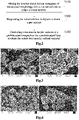
Fig. 3 is a scanning electron microscope picture of the lamellar nickel lithium manganate of monocrystal morphology prepared in theembodiment 1. -
Fig. 4 is a scanning electron microscope picture of the cobalt-free lamellar cathode material prepared in theembodiment 1. -
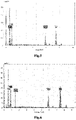
Fig. 5 is an EDS diagram of the lamellar nickel lithium manganate of monocrystal morphology prepared in theembodiment 1. -
Fig. 6 is a scanning EDS diagram of the cobalt-free lamellar cathode material in theembodiment 1. -
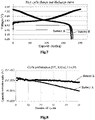
Fig. 7 is a first cycle charge-discharge curve chart of the lithium ion battery A and the lithium ion battery B in theembodiment 1. -
Fig. 8 is a cycle performance test diagram of the lithium ion battery A and the lithium ion battery B in theembodiment 1. -
Fig. 9 is a content comparison diagram of manganese ions in the electrolyte of the lithium ion battery A and the lithium ion battery B in theembodiment 1 after 50 cycles at different temperatures. - Detail description on the embodiments of the present disclosure will be made below. The embodiments described below are exemplary, and are merely used for explaining the present disclosure and are not construed as limitation to the present disclosure. The embodiments without specific technologies or conditions indicated are carried out according to technologies or conditions described by literature in the field or description of a product. The used reagents or instruments not indicated by manufacturers are conventional products which can be purchased in the market.
- In one aspect of the present disclosure, the present disclosure provides a cobalt-free lamellar cathode material for a lithium ion battery. According to the embodiments of the present disclosure, referring to
Fig. 1 , the cobalt-freelamellar cathode material 100 includes lamellarnickel lithium manganate 10 of monocrystal morphology andzinc oxide 20 coated onto a surface of the nickel lithium manganate, wherein a general formula of thenickel lithium manganate 10 is LiNixMn1-xO2, and 0.55≤x≤0.95. Therefore, by coating the surface of the lamellar nickel lithium manganate of monocrystal morphology with zinc oxide, manganese ions in nickel lithium manganate can be effectively prevented from being dissolved by an electrolyte of the lithium ion battery. Such that the specific capacity, the first time charge efficiency (first efficiency for short) and the cycle performance of the lithium ion battery can be further effectively improved. Moreover, the content of residual alkali (lithium hydroxide or lithium carbonate) of the cobalt-free lamellar cathode material is lower (in some embodiments, the content of the residual alkali is lower than 0.4%). - According to the embodiments of the present disclosure, a mass percent of zinc oxide is 0.05-0.3%, for example, 0.05%, 0.08%, 0.1%, 0.12%, 0.15%, 0.18%, 0.2%, 0.23%, 0.25%, 0.28% and 0.3% based on the total mass of the cobalt-free lamellar cathode material. Thus, the zinc oxide of the content can coat the cobalt-free lamellar cathode material uniformly better, such that manganese ions in the nickel lithium manganate can be better prevented from being dissolved by the electrolyte. If the content of zinc oxide is lower than 0.05%, the nickel lithium manganate may be coated incompletely and non-uniformly, which still leads to a relatively high content of the manganese ions dissolved by the electrolyte; if the content of zinc oxide is higher than 0.3%, as zinc oxide is made from an inactive material, the content of zinc oxide in the cobalt-free lamellar cathode material is large, which leads to relative large impedance of the integral lamellar cathode material and relatively reduced specific capacity.
- According to the embodiments of the present disclosure, a particle size of the nickel lithium manganate is 1-5 microns, for example, 1 micron, 2 microns, 3 microns, 4 microns and 5 microns. Thus, the cobalt-free lamellar cathode material is large in specific capacity and small in specific surface area, which can further prevent side reactions of the electrolyte and nickel lithium manganate, thereby preventing manganese ions from being dissolved. If the particle size of nickel lithium manganate is smaller than 1 micron, the specific surface area of nickel lithium manganate is relatively large, such that the probability of side reactions of the electrolyte and nickel lithium manganate is increased. If the particle size of nickel lithium manganate is greater than 5 microns, the specific capacity and the rate capability of the cobalt-free lamellar cathode material are reduced relatively.
- According to the embodiments of the present disclosure, the specific surface area of the cobalt-free lamellar cathode material is 0.1-0.8 m2/g, for example, 0.1 m2/g, 0.2 m2/g, 0.3 m2/g, 0.4 m2/g, 0.5 m2/g, 0.6 m2/g, 0.7 m2/g and 0.8 m2/g. Thus, the specific surface area with proper size not only can effectively guarantee good activity of the cobalt-free lamellar cathode material, but also can prevent side reactions of the electrolyte and the cobalt-free lamellar cathode material effectively. If the specific surface area is smaller than 0.1 m2/g, the activity of the cobalt-free lamellar cathode material is relatively small, such that the charge and discharge performance of the lithium ion battery is further affected. If the specific surface area of the cobalt-free lamellar cathode material is larger than 0.8 m2/g, the risk that the cobalt-free lamellar cathode material is reacted with the electrolyte is large, such that the electric property of the lithium ion battery is further affected.
- As a preferred embodiment, the nickel lithium manganate is LiNi0.75Mn0.25O2. The cobalt-free lamellar cathode material formed by coating the surface of the nickel lithium manganate of monocrystal morphology with zinc oxide has higher specific capacity, first time charge and discharge efficiency and better cycle performance.
- In another aspect of the present disclosure, the present disclosure provides a method for preparing the cobalt-free lamellar cathode material. According to the embodiments of the present disclosure, referring to
Fig. 2 , the method for preparing the cobalt-free cathode material includes:
S100: mixing the lamellar nickel lithium manganate of monocrystal morphology with a zinc salt solution to obtain a mixed solution. - According to the embodiments of the present disclosure, the lamellar nickel lithium manganate of monocrystal morphology is prepared by the following steps: LiOH and a precursor NixMn1-x(OH)2 (0.50≤x ≤0.95) are mixed by adopting a high speed mixing apparatus, wherein the mixing time is 5-15 min and the rotating speed is 800-900 rpm; a reaction is carried out on the mixed materials in an oxygen atmosphere (the concentration is greater than or equal to 90%), wherein the reaction temperature is 800-970°C (the heating rate is 1-5 °C/min), the reaction time is 10-20 hours, and after reaction, natural cooling is conducted to obtain the lamellar nickel lithium manganate of monocrystal morphology.
- In order to make the nickel lithium manganate and the zinc salt to react uniformly, the nickel lithium manganate prepared by the method can be further crushed by a crushing apparatus to obtain powdery nickel lithium manganate, and then the powdery nickel lithium manganate is screened by a 300-400-mesh screen to obtain the nickel lithium manganate with a proper particle size.
- According to the embodiments of the present disclosure, the zinc salt is selected from at least one of zinc acetate (Zn(CH3OO)2), zinc sulfate and zinc nitrate. Thus, zinc oxide can be obtained effectively in a subsequent high-temperature reaction. When zinc acetate is used, zinc acetate generates carbon dioxide, water and zinc oxide in the subsequent high-temperature reaction, wherein the zinc oxide is coated onto a surface of the nickel lithium manganate. When zinc sulfate is used, zinc sulfate generates zinc oxide and lithium sulfate (the residual alkali takes part in the reaction) in the high-temperature reaction, such that the coating layer zinc oxide will be doped with a small amount of lithium sulfate, and furthermore, the content of the residual alkali is further reduced favorably in the reaction. When zinc nitrate is used, zinc nitrate will generate zinc oxide, nitric oxide and/or nitrogen dioxide in the high-temperature reaction.
- According to the embodiments of the present disclosure, the concentration of the zinc salt is 0.5-2 mol/L (for example, 0.5 mol/L, 0.8 mol/L, 1.0 mol/L, 1.2 mol/L, 1.5 mol/L, 1.8 mol/L and 2.0 mol/L), thereby obtaining zinc oxide with a needed content favorably. The volume of the zinc salt solution can be adjusted flexibly by those skilled in the art according to the content of needed zinc oxide in the cobalt-free lamellar cathode material and is not limited herein.
- In addition, a solvent in the zinc salt solution is not required specially, and those skilled in the art can select the solvent flexibly according to an actual condition. The zinc salt is dissolved fully, for example, the solvent includes but not limited to water and ethanol and the like.
- S200: the mixed solution is evaporated to dryness to obtain a pre-mixture.
- The specific method of evaporation to dryness is not required specifically. As long as the solvent (the solvent of the zinc salt) in the mixed solution can be evaporated, and nickel lithium manganate and zinc salt cannot react. For example, the mixed solution can be stirred and evaporated to dryness at 100°C (the temperature can be adjusted according to the selected solvent).
- S300: a reaction is conducted on the pre-mixture at a predetermined temperature for a predetermined time to obtain the cobalt-free lamellar cathode material.
- According to the embodiments of the present disclosure, the predetermined temperature ranges from 400°C to 700°C (for example, 400°C, 450°C, 500°C, 550°C, 600°C, 650°C and 700°C) and the predetermined time ranges from 5 hours to 10 hours (for example, 5 hours, 6 hours, 7 hours, 8 hours, 9 hours and 10 hours). Thus, at the temperature, generation of zinc oxide can be guaranteed effectively. If the temperature is lower than 400°C, the temperature cannot reach the reaction temperature, which does not facilitate generation of zinc oxide; if the temperature is higher than 700°C, the generated zinc oxide is easily diffused into the nickel lithium manganate, such that the activity of the nickel lithium manganate is not affected and the nickel lithium manganate may be coated incompletely and non-uniformly, and therefore, the manganese ions are dissolved by the electrolyte in an increased manner.
- According to the embodiments of the present disclosure, the reaction is conducted in an oxygen-containing environment, wherein a concentration of oxygen is 20-100%. Thus, in an oxygen environment, conversion of unstable Ni3+ in the nickel lithium manganate to stable Ni2+ can be inhibited and it is further favorable to generate zinc oxide. If the oxygen content is lower than 20%, it is easy to re-decompose the nickel lithium manganate, thereby being hard to generate a needed product.
- According to the embodiments of the prevent disclosure, after obtaining the cobalt-free lamellar cathode material in the S300, the method further includes: screening the cobalt-free lamellar cathode material, wherein the screen is 300-400 meshes, hereby obtaining the cobalt-free lamellar cathode material with the proper particle size.
- According to the embodiments of the present disclosure, in the method, manganese ions in nickel lithium manganate can be effectively prevented from being dissolved by an electrolyte of the lithium ion battery by coating the surface of the lamellar nickel lithium manganate of monocrystal morphology with zinc oxide, such that the specific capacity, the first time charge efficiency (first efficiency for short) and the cycle performance of the lithium ion battery can be further effectively improved. Moreover, the content of residual alkali (lithium hydroxide or lithium carbonate) of the prepared cobalt-free lamellar cathode material is lower. In addition, the method is simple and easy to operate, convenient for industrial production and low in production cost.
- In yet another aspect of the present disclosure, the present disclosure provides a lithium ion battery. According to the embodiments of the present disclosure, the lithium ion battery includes the cobalt-free lamellar cathode material. Thus, the lithium ion battery has higher specific capacity and first effect and excellent cycle performance.
- The method for preparing the cobalt-free lamellar cathode material includes:
- S1, LiOH and a precursor Ni0.75Mn0.25(OH)2 are mixed by adopting the high speed mixing apparatus, wherein the mixing time is 10 min and the rotating speed is 800 rpm; a reaction is carried out on the mixed materials in an oxygen atmosphere (the concentration is greater than or equal to 90%), wherein the reaction temperature is 930°C, the reaction time is 10 hours, and after reaction, natural cooling is conducted and the mixture is sieved by the 400-mesh sieve to obtain the lamellar nickel lithium manganate of monocrystal morphology; and
- S2, 100g of the nickel lithium manganate obtained in the S1 and 1.2 mL of zinc acetate aqueous solution with a concentration of 1 mol/L are mixed uniformly to obtain a mixed solution; then obtained mixed solution is stirred and evaporated to dryness at 100°C to obtain a pre-mixture; then a reaction is conducted on the pre-mixture for 5 hours at 500°C, wherein the concentration of oxygen in the reaction atmosphere is 95%, and after reaction, natural cooling is conducted and the mixture is sieved by the 400-mesh sieve to obtain the cobalt-free lamellar cathode material, wherein the mass percent of zinc oxide in the cobalt-free lamellar cathode material is 0.1% (the content of zinc ions in the cobalt-free lamellar cathode material can be measured by ICP, such that the content of zinc oxide is determined).
- Result analysis:
- (1) Electron microscope scanning is conducted on the obtained lamellar nickel lithium manganate of monocrystal morphology and the cobalt-free lamellar cathode material, and the scanning electron microscope pictures of the lamellar nickel lithium manganate and the cobalt-free lamellar cathode material refer to the
Fig. 3 and Fig. 4 . It can be seen from theFig. 3 and Fig. 4 that compared with the nickel lithium manganate in theFig. 3 , the surface of the cobalt-free lamellar cathode material in theFig. 4 is relatively coarse and is coated with a layer of substance. The change on particle size of the material is not great after and before being coated. - (2) Energy spectrum (EDS) pictures of the nickel lithium manganate and the cobalt-free lamellar cathode material refer to the
Fig. 5 and Fig. 6 respectively. It can be seen from the EDS energy spectrum pictures that the substance on the surface of the cobalt-free lamellar cathode material contains an element zinc, and it can be seen that the substance coating the surface of the nickel lithium manganate is zinc oxide. - (3) The obtained lithium manganate and cobalt-free lamellar cathode material are uniformly, respectively, mixed with the conducting agent SP and the bonder PVDF in NMP at a proportion of 92: 4: 4 to obtain slurry. The slurry is coated uniformly to the aluminum foil and is then dried at 100°C to obtain a cathode piece. The cathode piece, an anode (a lithium piece), an electrolyte (the electrolyte includes LiPF6 (lithium hexafluorophosphate)/EC (ethylene carbonate)-DMC (dimethyl carbonate), a diaphragm and the like are assembled to form the lithium ion battery A (a battery A for short) and the lithium ion battery B (a battery B for short) in a glove box filled with argon. The battery model is R2032, the diaphragm is a polypropylene microporous membrane (Celgard 2300), and besides the cathode material, other aspects of the batteries A and B are same. Charge and discharge performance of the lithium ion batteries A and B are tested respectively, and a charge and discharge performance test (the voltage range is 3.0-4.3 V) result refers to the
Fig. 7 (first week charge and discharge curve). In combination with theFig. 7 , it can be seen that at 0.1C discharge rate, the first cycle specific charge and discharge capacities of the lithium ion battery A are 201.6 mAh/g and 173.6 mAh/g respectively, and the first time efficiency is 86.1%; and the first cycle specific charge and discharge capacities of the lithium ion battery B are 201.5 mAh/g and 178.2 mAh/g respectively, and the first time efficiency is 88.4%. - (4) the lithium ion batteries A and B in the (3) are cycled at 1C rate respectively, the cyclic curve is shown in the
Fig. 8 , and it can be known from theFig. 8 that the battery capacity retention ratio of the lithium ion battery A after 50 cycles of circulation is 95%, and the battery capacity retention ratio of the lithium ion battery B after 50 cycles of circulation is 99%. - (5) The contents of manganese ions in the electrolyte of the lithium ion battery A and the lithium ion battery B after 50 cycles at different temperatures are compared, and the test result refers to the
Fig. 9 . It can be seen by theFig. 9 that coated with the zinc oxide, the dissolved load of manganese ions in the cobalt-free lamellar cathode material in the electrolyte is reduced greatly. - 100g of nickel lithium manganate obtained in the example 1 is uniformly mixed with 1.8 mL of zinc acetate aqueous solution with a concentration of 1 mol/L, and the mixture is dried and reacted under a condition same as the example 1 to obtain the cobalt-free lamellar cathode material, wherein the content of zinc oxide in the cobalt-free lamellar cathode material is 0.15%.
- 100g of nickel lithium manganate obtained in the example 1 is uniformly mixed with 2.4 mL of zinc acetate aqueous solution with a concentration of 1 mol/L, and the mixture is dried and reacted under a condition same as the example 1 to obtain the cobalt-free lamellar cathode material, wherein the content of zinc oxide in the cobalt-free lamellar cathode material is 0.20%.
- 100g of nickel lithium manganate obtained in the example 1 is uniformly mixed with 3.6 mL of zinc acetate aqueous solution with a concentration of 1mol/L, and the mixture is dried and reacted under a condition same as the example 1 to obtain the cobalt-free lamellar cathode material, wherein the content of zinc oxide in the cobalt-free lamellar cathode material is 0.3%.
- 100g of nickel lithium manganate obtained in the example 1 is uniformly mixed with 0.36 mL of zinc acetate aqueous solution with a concentration of 1mol/L, and the mixture is dried and reacted under a condition same as the example 1 to obtain the cobalt-free lamellar cathode material, wherein the content of zinc oxide in the cobalt-free lamellar cathode material is 0.03%.
- 100g of nickel lithium manganate obtained in the example 1 is uniformly mixed with 4.8 mL of zinc acetate aqueous solution with a concentration of 1mol/L, and the mixture is dried and reacted under a condition same as the example 1 to obtain the cobalt-free lamellar cathode material, wherein the content of zinc oxide in the cobalt-free lamellar cathode material is 0.4%.
- 100g of nickel lithium manganate obtained in the example 1 is uniformly mixed with zinc acetate aqueous solution with same volume concentration with the example 1, and the mixture is reacted for 5 hours at 400°C to obtain the cobalt-free lamellar cathode material, wherein the content of zinc oxide in the cobalt-free lamellar cathode material is 0.1%.
- 100g of nickel lithium manganate obtained in the example 1 is uniformly mixed with zinc acetate aqueous solution with same volume concentration with the example 1, and the mixture is reacted for 5 hours at 600°C to obtain the cobalt-free lamellar cathode material, wherein the content of zinc oxide in the cobalt-free lamellar cathode material is 0.1%.
- 100g of nickel lithium manganate obtained in the example 1 is uniformly mixed with zinc acetate aqueous solution with same volume concentration with the example 1, and the mixture is reacted at 700°C for 5 hours to obtain the cobalt-free lamellar cathode material, wherein the content of zinc oxide in the cobalt-free lamellar cathode material is 0.1%.
- 100g of nickel lithium manganate obtained in the example 1 is uniformly mixed with zinc acetate aqueous solution with same volume concentration with the example 1, and the mixture is reacted at 300°C for 5 hours to obtain the cobalt-free lamellar cathode material, wherein the content of zinc oxide in the cobalt-free lamellar cathode material is 0.04%.
- 100g of nickel lithium manganate obtained in the example 1 is uniformly mixed with zinc acetate aqueous solution with same volume concentration with the example 1, and the mixture is reacted at 800°C for 5 hours to obtain the cobalt-free lamellar cathode material, wherein the content of zinc oxide in the cobalt-free lamellar cathode material is 0.1%.
-
- S1: LiOH and a precursor Ni0.55Mn0.45(OH)2 are mixed by the high speed mixing apparatus, and other aspects are as same as the example 1, thereby obtaining the lamellar nickel lithium manganate LiNi0.55Mn0.45O2 of monocrystal morphology; and
- S2: same with the example 1.
-
- S1: LiOH and a precursor Ni0.95Mn0.05(OH)2 are mixed by the high speed mixing apparatus, and other aspects are as same as the example 1, thereby obtaining the lamellar nickel lithium manganate LiNi0.95Mn0.05O2 of monocrystal morphology; and
- S2: same with the example 1.
- S1: same with the example 1 and coating is not conducted.
-
- S1, LiOH and a precursor Ni0.45Mn0.55(OH)2 are mixed by adopting the high speed mixing apparatus, wherein the mixing time is 10 min and the rotating speed is 700 rpm; a reaction is carried out on the mixed materials in an oxygen atmosphere (the concentration is 80%), wherein the reaction temperature is 1000°C, the reaction time is 24 hours, and after reaction, natural cooling is conducted and the mixture is sieved by the 400-mesh sieve to obtain the lamellar nickel lithium manganate of monocrystal morphology; and
- S2, 100g of the nickel lithium manganate obtained in the S1 and 48 mL of zinc acetate aqueous solution with a concentration of 0.1 mol/L are mixed uniformly to obtain a mixed solution; then obtained mixed solution is stirred and evaporated to dryness at 100°C to obtain a pre-mixture; then a reaction is conducted on the pre-mixture for 15 hours at 300°C, wherein the concentration of oxygen in the reaction atmosphere is 15%, and after reaction, natural cooling is conducted and the mixture is sieved by the 400-mesh sieve to obtain the cobalt-free lamellar cathode material, wherein the mass percent of zinc oxide in the cobalt-free lamellar cathode material is 0.4% (the content of zinc ions in the cobalt-free lamellar cathode material can be measured by ICP, such that the content of zinc oxide is determined).
-
- S1: LiOH and a precursor Ni0.75Mn0.15Co0.10(OH)2 are mixed by the high speed mixing apparatus, and other aspects are as same as the example 1, thereby obtaining the lamellar nickel lithium manganate LiNi0.75Mn0.15Co0.10O2 of monocrystal morphology; and
- S2: same with the example 1.
- The cobalt-free lamellar cathode materials obtained in the examples 2-13 and the comparative examples 1-3 are combined to obtain the lithium ion batteries by adopting the methods and conditions same with the example 1, the first week specific charge and discharge capacities of the batteries are tested at 0.1C discharge rate, the cycle performance (cycles of 50 weeks) of the batteries are tested at 1C rate, and the contents of manganese ions in the electrolyte of the batteries are tested at 50°C (the test conditions are kept consistent with those in the example 1), and the test result refers to a table 1.
Table 1 First cycle charge capacity (mAh/g) Specific discharge capacity (mAh/g) Cyclic capacity retention ratio (%) Content of manganese ions in the electrolyte (ppm) Example 1 Battery A (comparative example 1) 201.6 173.6 95% 240 (comparative example 2) 163.0 142.8 97.4% 260 (comparative example 3) 210.6 183.5 99.5% 100 Battery B (Example 1) 201.5 178.2 99% 110 Example 2 203.4 177.9 98.6% 105 Example 3 205.7 178.8 98.3% 101 Example 4 202.3 176.3 98% 95 Example 5 200.1 174.9 96% 201 Example 6 198.3 171.5 99.5% 88 Example 7 210.0 180.9 97.2% 189 Example 8 208.8 178.1 99.4% 197 Example 9 205.1 177.5 98.4% 215 Example 10 200.6 176.6 96.8% 223 Example 11 196.5 174.1 98.2% 235 Example 12 174.8 154.9 99.8% 128 Example 13 241.2 212.2 94.2% 176 - It can be known from the examples 1-6 that when the content of zinc oxide is within a range of 0.05-0.3%, the specific discharge capacity of the lithium ion battery is high, and the cyclic capacity retention ratio is relatively high, too. After 50 cycles, the content of the manganese ions dissolved in the electrolyte is relatively low, too. When the content of zinc oxide is low, the content of the manganese ions dissolved in the electrolyte is relatively high (the nickel lithium manganate is coated incompletely), such that the specific discharge capacity and the cyclic capacity retention ratio of the lithium ion battery are reduced. When the content of zinc oxide is high, the discharge specific capacity of the lithium ion battery will be reduced. As a lot of zinc oxide is coated to the surface of the nickel lithium manganate, the structural stability of the cobalt-free lamellar cathode material can be further improved, and dissolution of the manganese ions is reduced, and therefore, the cyclic capacity retention ratio of the battery can be relatively improved. By overall consideration of comprehensive performance of the lithium ion battery, the content of zinc oxide is defined within a range of 0.05-0.3%, such that the lithium ion battery has good comprehensive performance.
- It can be known from the examples 1 and 7-11 that although the contents of zinc oxide in the cobalt-free lamellar cathode material are consistent (except the example 10), zinc oxide is gradually dispersed into the nickel lithium manganate from the surface of the nickel lithium manganate along with increase of the reaction temperature. The higher the temperature is, the higher the content of the zinc oxide dispersed into the nickel lithium manganate is and the lower the content of the zinc oxide distributed on the surface. Therefore, when the reaction temperature is lower than 400°C (for example, example 10), the content of generated zinc oxide is low, such that the surface of the nickel lithium manganate is coated incompletely, which leads to relatively high content of manganese dissolved in the electrolyte and thereby further reducing the specific discharge capacity and the cycle performance of the lithium ion battery. When the reaction temperature is higher than 700°C, (for example, example 11), much zinc oxide is diffused into the nickel lithium manganate, such that the dissolved load of the manganese ions I the electrolyte is relatively high, and therefore, the specific discharge capacity of the lithium ion battery is reduced. Thus, in considering good comprehensive performance of the lithium ion battery, the application defines the reaction temperature within a range of 400-700°C.
- In the description of the present specification, the description with reference to the terms "an embodiment", "some embodiments", "example", "specific example", or "some examples" and the like means that specific features, structures, materials, or features described in connection with the embodiments or examples are included in at least one embodiment or example of the present disclosure. In the present specification, the schematic representation of the above terms does not necessarily mean the same embodiment or example. Furthermore, the particular features, structures, materials, or characteristics described may be combined in a suitable manner in any one or more embodiments or examples. In addition, various embodiments or examples described in the specification, as well as features of various embodiments or examples, may be combined and combined by those skilled in the art without contradicting each other.
- Although embodiments of the disclosure have been shown and described above, it will be understood that the above embodiments are illustrative and are not to be construed as limiting the present disclosure. Changes, modifications, alterations and variations of the above-described embodiments may be made by those skilled in the art.
Claims (10)
- A cobalt-free lamellar cathode material of a lithium ion battery, wherein comprising lamellar nickel lithium manganate of monocrystal morphology and zinc oxide coated onto a surface of the nickel lithium manganate, wherein a general formula of the nickel lithium manganate is LiNixMn1-xO2, and 0.55≤x≤0.95.
- The cobalt-free lamellar cathode material according to claim 1, wherein a mass percent of the zinc oxide is 0.05-0.3% based on a total mass of the cobalt-free lamellar cathode material.
- The cobalt-free lamellar cathode material according to claim 1, wherein a particle size of the nickel lithium manganate is 1-5 microns.
- The cobalt-free lamellar cathode material according to claim 1, wherein a specific surface area of the cobalt-free lamellar cathode material is 0.1-0.8 m2/g.
- A method for preparing the cobalt-free lamellar cathode material according to any one of claims 1-4, wherein comprising the following steps:mixing the lamellar nickel lithium manganate of monocrystal morphology with a zinc salt solution to obtain a mixed solution;evaporating the mixed solution to dryness to obtain a pre-mixture; andconducting a reaction on the pre-mixture at a predetermined temperature for a predetermined time to obtain the cobalt-free lamellar cathode material.
- The method according to claim 5, wherein the zinc salt is selected from at least one of zinc acetate, zinc sulfate and zinc nitrate.
- The method according to claim 5, wherein a concentration of the zinc salt is 0.5-2 mol/L.
- The method according to claim 5, wherein the predetermined temperature ranges from 400-700°C and the predetermined time ranges from 5-10 hours.
- The method according to claim 5, wherein the reaction is conducted on the pre-mixture in an oxygen-containing environment, wherein a concentration of oxygen is 20-100%.
- A lithium ion battery, wherein comprising the cobalt-free lamellar cathode material according to any one of claims 1-4.
Applications Claiming Priority (2)
| Application Number | Priority Date | Filing Date | Title |
|---|---|---|---|
| CN202010055698.2A CN111799450A (en) | 2020-01-17 | 2020-01-17 | Cobalt-free layered cathode material, preparation method thereof, and lithium ion battery |
| PCT/CN2020/132907 WO2021143375A1 (en) | 2020-01-17 | 2020-11-30 | Cobalt-free layered positive electrode material, preparation method therefor, and lithium ion battery |
Publications (2)
| Publication Number | Publication Date |
|---|---|
| EP3975291A1 true EP3975291A1 (en) | 2022-03-30 |
| EP3975291A4 EP3975291A4 (en) | 2023-07-19 |
Family
ID=72806014
Family Applications (1)
| Application Number | Title | Priority Date | Filing Date |
|---|---|---|---|
| EP20913168.9A Pending EP3975291A4 (en) | 2020-01-17 | 2020-11-30 | COBALT-FREE LAYERED POSITIVE ELECTRODE MATERIAL, METHOD OF PRODUCTION THEREOF AND LITHIUM-ION BATTERY |
Country Status (6)
| Country | Link |
|---|---|
| US (1) | US20220356076A1 (en) |
| EP (1) | EP3975291A4 (en) |
| JP (1) | JP7617909B2 (en) |
| KR (1) | KR102736705B1 (en) |
| CN (1) | CN111799450A (en) |
| WO (1) | WO2021143375A1 (en) |
Families Citing this family (11)
| Publication number | Priority date | Publication date | Assignee | Title |
|---|---|---|---|---|
| CN111799450A (en) * | 2020-01-17 | 2020-10-20 | 蜂巢能源科技有限公司 | Cobalt-free layered cathode material, preparation method thereof, and lithium ion battery |
| CN111682175B (en) * | 2020-06-09 | 2022-06-14 | 蜂巢能源科技有限公司 | Cobalt-free single crystal composite material, preparation method and application thereof |
| CN112582597A (en) * | 2020-11-20 | 2021-03-30 | 昆明理工大学 | Preparation method and modification method of ternary cobalt-free cathode material |
| CN112751006B (en) * | 2021-01-18 | 2022-04-15 | 北京大学深圳研究生院 | Cobalt-free lithium-ion battery layered positive electrode material, preparation method and application thereof |
| CN113666433A (en) * | 2021-08-12 | 2021-11-19 | 蜂巢能源科技有限公司 | Cobalt-free cathode material and preparation method and application thereof |
| CN113725424B (en) * | 2021-11-03 | 2022-07-12 | 蜂巢能源科技有限公司 | A kind of cobalt-free cathode material and its preparation method and application |
| KR102669802B1 (en) | 2022-06-30 | 2024-05-27 | 에스케이온 주식회사 | Cathode for lithium secondary battery and lithium secondary battery including the same |
| CN115045008A (en) * | 2022-07-27 | 2022-09-13 | 郑州大学 | A kind of double cation doped cobalt-free lithium-rich manganese-based porous nanofiber and its preparation method and application |
| CN116247173A (en) * | 2022-12-29 | 2023-06-09 | 远东电池江苏有限公司 | Cobalt-free lithium ion battery |
| CN117819613B (en) * | 2023-11-30 | 2026-02-06 | 河南科隆新能源股份有限公司 | Preparation method of ultra-high nickel high-cycle cobalt-free positive electrode material |
| CN120184231A (en) * | 2023-12-14 | 2025-06-20 | 广州天赐高新材料股份有限公司 | A single crystal lithium nickel manganese oxide positive electrode material and its preparation method and application |
Family Cites Families (23)
| Publication number | Priority date | Publication date | Assignee | Title |
|---|---|---|---|---|
| JP3008793B2 (en) * | 1994-12-16 | 2000-02-14 | 松下電器産業株式会社 | Manufacturing method of positive electrode active material for lithium secondary battery |
| JP3130813B2 (en) * | 1995-11-24 | 2001-01-31 | 富士化学工業株式会社 | Lithium nickel composite oxide, method for producing the same, and positive electrode active material for secondary battery |
| KR100413816B1 (en) | 2001-10-16 | 2004-01-03 | 학교법인 한양학원 | Electrode active materials for lithium secondary batteries, method for preparing the same, and lithium secondary batteries using the same |
| KR101275260B1 (en) * | 2010-11-30 | 2013-06-18 | 한국세라믹기술원 | Cathode Active Material for Secondary Battery |
| CN103715409B (en) * | 2012-09-29 | 2016-01-27 | 河南科隆集团有限公司 | A kind of preparation method of cladded type nickel ion doped anode material for lithium-ion batteries |
| CN103811743A (en) * | 2012-11-15 | 2014-05-21 | 华为技术有限公司 | Lithium-rich anode material, lithium battery anode and lithium battery |
| KR20150088281A (en) | 2012-11-19 | 2015-07-31 | 프라운호퍼 게젤샤프트 쭈르 푀르데룽 데어 안겐반텐 포르슝 에. 베. | Particulate electrode material having a coating made of a crystalline inorganic material and/or an inorganic-organic hybrid polymer and method for the production thereof |
| CN103094557A (en) * | 2013-02-25 | 2013-05-08 | 天津工业大学 | Preparing method for lithium ion cell anode material with surface coated with ZnO |
| CN104241635A (en) * | 2014-10-13 | 2014-12-24 | 西安中科新能源科技有限公司 | Method for preparing aluminum-doped zinc oxide coated lithium manganese material |
| CN106450270B (en) * | 2015-08-13 | 2020-08-11 | 中国科学院物理研究所 | Positive active material of lithium ion secondary battery and preparation method and application thereof |
| CN105206811B (en) * | 2015-09-23 | 2018-09-07 | 中信国安盟固利电源技术有限公司 | A kind of positive electrode and preparation method thereof of blended metal oxide coating modification |
| CN105304896A (en) * | 2015-10-26 | 2016-02-03 | 华南理工大学 | Preparation method of zinc-oxide-coated lithium nickel manganese oxide positive electrode material |
| CN105280912B (en) * | 2015-11-26 | 2018-11-13 | 中信大锰矿业有限责任公司大新锰矿分公司 | A kind of preparation method of oxide coated lithium ion battery positive electrode nickel ion doped |
| CN116130662A (en) * | 2016-01-04 | 2023-05-16 | 上海钜领科技有限公司 | Method for preparing cathode material of lithium ion battery |
| CN106257718B (en) * | 2016-08-22 | 2018-10-19 | 浙江超威创元实业有限公司 | A kind of BN cladding is without cobalt Ni-Mn solid solution nickel hydroxide base anode materials |
| CN106450155B (en) * | 2016-09-18 | 2019-11-29 | 贵州振华新材料股份有限公司 | Spherical or sphere-like lithium ion battery anode material, preparation method and application |
| CN107275620A (en) * | 2017-07-06 | 2017-10-20 | 广州朝锂新能源科技有限公司 | One kind is mixed with modification lithium-ion battery stratiform nickel-rich positive pole material and preparation method thereof |
| CN107799741A (en) * | 2017-09-28 | 2018-03-13 | 华南理工大学 | A kind of preparation method of the lithium ion battery nickel-cobalt-manganese ternary positive electrode of modified zinc oxide |
| KR102288292B1 (en) | 2018-06-07 | 2021-08-10 | 주식회사 엘지화학 | Positive electrode active material for secondary battery, method for preparing the same and lithium secondary battery comprising the same |
| US11695108B2 (en) * | 2018-08-02 | 2023-07-04 | Apple Inc. | Oxide mixture and complex oxide coatings for cathode materials |
| CN109811412B (en) * | 2018-12-28 | 2021-06-11 | 广东邦普循环科技有限公司 | Single-crystal-shaped layered lithium nickel manganese oxide positive electrode material and preparation method thereof |
| CN111799450A (en) * | 2020-01-17 | 2020-10-20 | 蜂巢能源科技有限公司 | Cobalt-free layered cathode material, preparation method thereof, and lithium ion battery |
| US11532813B2 (en) * | 2020-02-20 | 2022-12-20 | Samsung Electronics Co., Ltd. | Composite cathode active material, preparation method thereof, cathode layer including the same, and all-solid secondary battery including the cathode layer |
-
2020
- 2020-01-17 CN CN202010055698.2A patent/CN111799450A/en active Pending
- 2020-11-30 WO PCT/CN2020/132907 patent/WO2021143375A1/en not_active Ceased
- 2020-11-30 US US17/764,207 patent/US20220356076A1/en active Pending
- 2020-11-30 EP EP20913168.9A patent/EP3975291A4/en active Pending
- 2020-11-30 JP JP2022525185A patent/JP7617909B2/en active Active
- 2020-11-30 KR KR1020217028405A patent/KR102736705B1/en active Active
Also Published As
| Publication number | Publication date |
|---|---|
| JP7617909B2 (en) | 2025-01-20 |
| KR20210134659A (en) | 2021-11-10 |
| KR102736705B1 (en) | 2024-11-29 |
| JP2023500640A (en) | 2023-01-10 |
| CN111799450A (en) | 2020-10-20 |
| EP3975291A4 (en) | 2023-07-19 |
| US20220356076A1 (en) | 2022-11-10 |
| WO2021143375A1 (en) | 2021-07-22 |
Similar Documents
| Publication | Publication Date | Title |
|---|---|---|
| US20220356076A1 (en) | Cobalt-free lamellar cathode material, method for preparing cobalt-free lamellar cathode material, and lithium ion battery | |
| US12157679B2 (en) | Single-crystal-type multi-element positive electrode material, and preparation method therefor and application thereof | |
| CN110931768B (en) | High-nickel monocrystal lithium ion battery positive electrode material and preparation method thereof | |
| CN109461925B (en) | Single crystal nickel cobalt lithium manganate positive electrode material, precursor and preparation method thereof | |
| JP7385030B2 (en) | Cobalt-free cathode material for lithium ion batteries, its preparation method and lithium ion batteries | |
| JP3024636B2 (en) | Non-aqueous electrolyte secondary battery | |
| CN112447968A (en) | Positive electrode active material, positive electrode plate and lithium ion secondary battery | |
| CN111653756B (en) | Positive active material precursor, preparation method thereof and positive active material | |
| US20220340446A1 (en) | Cobalt-free lamellar cathode material and method for preparing cobalt-free lamellar cathode material, cathode piece and lithium ion battery | |
| CN114005978B (en) | Cobalt-free cathode material and preparation method and application thereof | |
| CN116986649A (en) | Low-residual-alkali sodium-electricity positive electrode material, preparation method thereof and sodium-ion battery | |
| ES3047725T3 (en) | Cobalt-free positive electrode material, preparation method therefor, and application thereof | |
| JP2016084279A (en) | Lithium complex compound particle powder and production method therefor, nonaqueous electrolyte secondary battery | |
| WO2011040383A1 (en) | Positive electrode active material powder, method for producing same, and nonaqueous electrolyte secondary battery | |
| CN108370036A (en) | Positive active material for lithium secondary battery, positive active material precursor manufacturing method, the manufacturing method of positive active material, positive electrode for lithium secondary battery and lithium secondary battery | |
| CN115108593B (en) | Preparation method and application of low-voltage high-capacity lithium-rich manganese-based positive electrode material | |
| KR101566155B1 (en) | Positive composition for Lithium secondary battery using spherical mixed metal carbonate with nano-titanate and manufacturing method thereof | |
| US10944106B2 (en) | Metal oxide and synthesis of lithium ion battery | |
| CN110970601A (en) | Double-gradient coated high-nickel ternary cathode material and preparation method thereof | |
| CN111211362B (en) | Lithium-supplementing washing liquid and application thereof, high-nickel multi-element positive electrode material and preparation method thereof | |
| JP2009263176A (en) | Spinel type lithium manganate surface-coated with magnesium-aluminum multiple oxide, method for producing the same, and positive electrode active material and nonaqueous electrolyte battery using the same | |
| JP2996234B1 (en) | Non-aqueous electrolyte secondary battery | |
| CN115911266B (en) | A potassium-ion battery positive electrode active material, positive electrode material, its preparation method and application | |
| CN117300141B (en) | A lithium-rich manganese-based cathode material, its preparation method, battery cathode, and battery. | |
| CN117832475A (en) | A layered oxide positive electrode material for sodium ion secondary battery and a preparation method thereof |
Legal Events
| Date | Code | Title | Description |
|---|---|---|---|
| STAA | Information on the status of an ep patent application or granted ep patent |
Free format text: STATUS: THE INTERNATIONAL PUBLICATION HAS BEEN MADE |
|
| PUAI | Public reference made under article 153(3) epc to a published international application that has entered the european phase |
Free format text: ORIGINAL CODE: 0009012 |
|
| STAA | Information on the status of an ep patent application or granted ep patent |
Free format text: STATUS: REQUEST FOR EXAMINATION WAS MADE |
|
| 17P | Request for examination filed |
Effective date: 20211220 |
|
| AK | Designated contracting states |
Kind code of ref document: A1 Designated state(s): AL AT BE BG CH CY CZ DE DK EE ES FI FR GB GR HR HU IE IS IT LI LT LU LV MC MK MT NL NO PL PT RO RS SE SI SK SM TR |
|
| DAV | Request for validation of the european patent (deleted) | ||
| DAX | Request for extension of the european patent (deleted) | ||
| A4 | Supplementary search report drawn up and despatched |
Effective date: 20230619 |
|
| RIC1 | Information provided on ipc code assigned before grant |
Ipc: C01G 53/00 20060101ALI20230613BHEP Ipc: H01M 4/62 20060101ALI20230613BHEP Ipc: H01M 4/525 20100101ALI20230613BHEP Ipc: H01M 4/505 20100101ALI20230613BHEP Ipc: H01M 4/36 20060101AFI20230613BHEP |