EP3973068B1 - Verbesserungen an und im zusammenhang mit abwasser - Google Patents
Verbesserungen an und im zusammenhang mit abwasser Download PDFInfo
- Publication number
- EP3973068B1 EP3973068B1 EP20873360.0A EP20873360A EP3973068B1 EP 3973068 B1 EP3973068 B1 EP 3973068B1 EP 20873360 A EP20873360 A EP 20873360A EP 3973068 B1 EP3973068 B1 EP 3973068B1
- Authority
- EP
- European Patent Office
- Prior art keywords
- effluent
- sulphate
- pfs
- methane
- fde
- Prior art date
- Legal status (The legal status is an assumption and is not a legal conclusion. Google has not performed a legal analysis and makes no representation as to the accuracy of the status listed.)
- Active
Links
Images





Classifications
-
- C—CHEMISTRY; METALLURGY
- C02—TREATMENT OF WATER, WASTE WATER, SEWAGE, OR SLUDGE
- C02F—TREATMENT OF WATER, WASTE WATER, SEWAGE, OR SLUDGE
- C02F3/00—Biological treatment of water, waste water, or sewage
- C02F3/28—Anaerobic digestion processes
-
- C—CHEMISTRY; METALLURGY
- C02—TREATMENT OF WATER, WASTE WATER, SEWAGE, OR SLUDGE
- C02F—TREATMENT OF WATER, WASTE WATER, SEWAGE, OR SLUDGE
- C02F1/00—Treatment of water, waste water, or sewage
- C02F1/52—Treatment of water, waste water, or sewage by flocculation or precipitation of suspended impurities
- C02F1/5236—Treatment of water, waste water, or sewage by flocculation or precipitation of suspended impurities using inorganic agents
- C02F1/5245—Treatment of water, waste water, or sewage by flocculation or precipitation of suspended impurities using inorganic agents using basic salts, e.g. of aluminium and iron
-
- C—CHEMISTRY; METALLURGY
- C02—TREATMENT OF WATER, WASTE WATER, SEWAGE, OR SLUDGE
- C02F—TREATMENT OF WATER, WASTE WATER, SEWAGE, OR SLUDGE
- C02F11/00—Treatment of sludge; Devices therefor
-
- C—CHEMISTRY; METALLURGY
- C02—TREATMENT OF WATER, WASTE WATER, SEWAGE, OR SLUDGE
- C02F—TREATMENT OF WATER, WASTE WATER, SEWAGE, OR SLUDGE
- C02F1/00—Treatment of water, waste water, or sewage
- C02F1/52—Treatment of water, waste water, or sewage by flocculation or precipitation of suspended impurities
- C02F1/5281—Installations for water purification using chemical agents
-
- C—CHEMISTRY; METALLURGY
- C02—TREATMENT OF WATER, WASTE WATER, SEWAGE, OR SLUDGE
- C02F—TREATMENT OF WATER, WASTE WATER, SEWAGE, OR SLUDGE
- C02F2101/00—Nature of the contaminant
- C02F2101/10—Inorganic compounds
- C02F2101/101—Sulfur compounds
-
- C—CHEMISTRY; METALLURGY
- C02—TREATMENT OF WATER, WASTE WATER, SEWAGE, OR SLUDGE
- C02F—TREATMENT OF WATER, WASTE WATER, SEWAGE, OR SLUDGE
- C02F2101/00—Nature of the contaminant
- C02F2101/30—Organic compounds
- C02F2101/32—Hydrocarbons, e.g. oil
- C02F2101/322—Volatile compounds, e.g. benzene
-
- C—CHEMISTRY; METALLURGY
- C02—TREATMENT OF WATER, WASTE WATER, SEWAGE, OR SLUDGE
- C02F—TREATMENT OF WATER, WASTE WATER, SEWAGE, OR SLUDGE
- C02F2103/00—Nature of the water, waste water, sewage or sludge to be treated
- C02F2103/007—Contaminated open waterways, rivers, lakes or ponds
-
- C—CHEMISTRY; METALLURGY
- C02—TREATMENT OF WATER, WASTE WATER, SEWAGE, OR SLUDGE
- C02F—TREATMENT OF WATER, WASTE WATER, SEWAGE, OR SLUDGE
- C02F2103/00—Nature of the water, waste water, sewage or sludge to be treated
- C02F2103/20—Nature of the water, waste water, sewage or sludge to be treated from animal husbandry
-
- C—CHEMISTRY; METALLURGY
- C02—TREATMENT OF WATER, WASTE WATER, SEWAGE, OR SLUDGE
- C02F—TREATMENT OF WATER, WASTE WATER, SEWAGE, OR SLUDGE
- C02F2103/00—Nature of the water, waste water, sewage or sludge to be treated
- C02F2103/22—Nature of the water, waste water, sewage or sludge to be treated from the processing of animals, e.g. poultry, fish, or parts thereof
-
- C—CHEMISTRY; METALLURGY
- C02—TREATMENT OF WATER, WASTE WATER, SEWAGE, OR SLUDGE
- C02F—TREATMENT OF WATER, WASTE WATER, SEWAGE, OR SLUDGE
- C02F2209/00—Controlling or monitoring parameters in water treatment
- C02F2209/005—Processes using a programmable logic controller [PLC]
-
- C—CHEMISTRY; METALLURGY
- C02—TREATMENT OF WATER, WASTE WATER, SEWAGE, OR SLUDGE
- C02F—TREATMENT OF WATER, WASTE WATER, SEWAGE, OR SLUDGE
- C02F2209/00—Controlling or monitoring parameters in water treatment
- C02F2209/11—Turbidity
-
- C—CHEMISTRY; METALLURGY
- C02—TREATMENT OF WATER, WASTE WATER, SEWAGE, OR SLUDGE
- C02F—TREATMENT OF WATER, WASTE WATER, SEWAGE, OR SLUDGE
- C02F2303/00—Specific treatment goals
- C02F2303/02—Odour removal or prevention of malodour
-
- C—CHEMISTRY; METALLURGY
- C02—TREATMENT OF WATER, WASTE WATER, SEWAGE, OR SLUDGE
- C02F—TREATMENT OF WATER, WASTE WATER, SEWAGE, OR SLUDGE
- C02F2305/00—Use of specific compounds during water treatment
- C02F2305/02—Specific form of oxidant
-
- C—CHEMISTRY; METALLURGY
- C02—TREATMENT OF WATER, WASTE WATER, SEWAGE, OR SLUDGE
- C02F—TREATMENT OF WATER, WASTE WATER, SEWAGE, OR SLUDGE
- C02F2307/00—Location of water treatment or water treatment device
- C02F2307/08—Treatment of wastewater in the sewer, e.g. to reduce grease, odour
-
- C—CHEMISTRY; METALLURGY
- C12—BIOCHEMISTRY; BEER; SPIRITS; WINE; VINEGAR; MICROBIOLOGY; ENZYMOLOGY; MUTATION OR GENETIC ENGINEERING
- C12P—FERMENTATION OR ENZYME-USING PROCESSES TO SYNTHESISE A DESIRED CHEMICAL COMPOUND OR COMPOSITION OR TO SEPARATE OPTICAL ISOMERS FROM A RACEMIC MIXTURE
- C12P5/00—Preparation of hydrocarbons or halogenated hydrocarbons
- C12P5/02—Preparation of hydrocarbons or halogenated hydrocarbons acyclic
- C12P5/023—Methane
-
- Y—GENERAL TAGGING OF NEW TECHNOLOGICAL DEVELOPMENTS; GENERAL TAGGING OF CROSS-SECTIONAL TECHNOLOGIES SPANNING OVER SEVERAL SECTIONS OF THE IPC; TECHNICAL SUBJECTS COVERED BY FORMER USPC CROSS-REFERENCE ART COLLECTIONS [XRACs] AND DIGESTS
- Y02—TECHNOLOGIES OR APPLICATIONS FOR MITIGATION OR ADAPTATION AGAINST CLIMATE CHANGE
- Y02E—REDUCTION OF GREENHOUSE GAS [GHG] EMISSIONS, RELATED TO ENERGY GENERATION, TRANSMISSION OR DISTRIBUTION
- Y02E50/00—Technologies for the production of fuel of non-fossil origin
- Y02E50/30—Fuel from waste, e.g. synthetic alcohol or diesel
-
- Y—GENERAL TAGGING OF NEW TECHNOLOGICAL DEVELOPMENTS; GENERAL TAGGING OF CROSS-SECTIONAL TECHNOLOGIES SPANNING OVER SEVERAL SECTIONS OF THE IPC; TECHNICAL SUBJECTS COVERED BY FORMER USPC CROSS-REFERENCE ART COLLECTIONS [XRACs] AND DIGESTS
- Y02—TECHNOLOGIES OR APPLICATIONS FOR MITIGATION OR ADAPTATION AGAINST CLIMATE CHANGE
- Y02P—CLIMATE CHANGE MITIGATION TECHNOLOGIES IN THE PRODUCTION OR PROCESSING OF GOODS
- Y02P60/00—Technologies relating to agriculture, livestock or agroalimentary industries
- Y02P60/20—Reduction of greenhouse gas [GHG] emissions in agriculture, e.g. CO2
- Y02P60/22—Methane [CH4], e.g. from rice paddies
Definitions
- the present invention relates to improvements in and relating to effluent.
- improvements in, and relating to, methane reduction in relation to animal effluent are particularly advantageous.
- the present invention will now primarily for ease of reference be described in relation to a dairy farm effluent treatment system. However, it is envisaged the present invention may well have application to other sources of animal effluent so any such discussion should not necessarily be seen as limiting.
- the vast majority (> 92%) of the greenhouse gas emissions from the Manure Management category are in the form of methane gas produced during storage and management of farm dairy effluent. When effluent is stored in ponds, the organic matter in the effluent decomposes anaerobically producing methane gas.
- methane emissions from the manure management contributed 1,475.1 kt CO 2 -e; which represents 92.4% of the Manure Management category (MFE, 2019a).
- the remainder 121.6 kt CO 2 -e (7.2 %) is nitrous oxide produced by nitrification and denitrification processes (i.e. ⁇ 8% of the manure management category).
- Manure Management contributed 4.1% of greenhouse gas emissions from the total New Zealand agricultural sector making it the third largest GHG category after Enteric Fermentation and Agricultural Soils categories.
- Manure Management accounts for about 10% of the methane emissions from dairy farms (MPI, 2012; Laubach et al., 2015).
- the New Zealand Ministry for the Environment Interactive GHG Inventory states that in 2017 the amount of methane emitted from dairy cattle manure ponds was equivalent to 1,255 kt CO 2 -e and that dairy cattle enteric fermentation emissions of methane was equivalent to 13,560 kt CO 2 -e. Thus, the total amount of methane emitted from New Zealand dairy farms was equivalent to 14,815 kt CO 2 -e and 8.5% of this total amount came from manure management (i.e. ponds).
- an animal effluent treatment system could be devised which could reduce the risk of methane emissions from animal effluent and especially from animal effluent storage ponds or the like.
- this review teaches away from using a treatment solution, such as polyferric sulphate or ferric sulphate, because it only lists the following options to reduce methane emissions: (i) covering the effluent pond and flaring of CH 4 , with or without energy recovery; (ii) bio-filter cover, comprising CH 4 consuming bacteria, on the pond surface; (iii) effluent acidification; (iv) conversion of anaerobic to aerobic or facultative ponds; (v) solids separation to physically prevent solids from entering anaerobic ponds and depositing them in aerobic conditions on pastures instead; and (vi) reduce the time of effluent storage in anaerobic ponds (MPI, 2014).
- a treatment solution such as polyferric sulphate or ferric sulphate
- WANG X M ET AL "Effect of treated farm dairy effluent covered a field lysimeter study", JOURNAL OF SOILS AND SEDIMENTS, SPRINGER, DE, vol. 19, n. 5, 05-01-2019, p. 2303-2312 ; CAMERON KEITH C ET AL: "A new method to treat farm dairy effluent extended land application of effluent", JOURNAL OF SOILS AND SEDIMENTS, SPRINGER, DE, vol. 19, n. 5, 03-01-2019, p. 2290-2302 ; NZ 743 564 A and US 2006/005784 A1 relate to the treatment of animal effluents through addition of ferric sulphate or polyferric sulphate (PFS).
- PFS ferric sulphate or polyferric sulphate
- 'farm dairy effluent (FDE)' and 'liquid farm effluent' and 'liquid animal effluent' and 'effluent' and 'dirty water' and 'slurry' all refer to animal urine and fecal matter which has been rinsed from a yard or other animal containment area and contains liquid (i.e. water) as well as solid matter mixed therein.
- treated effluent' refers to the effluent derived from the treatment of the liquid animal effluent.
- ferric sulphate or polyferric sulphate to treat liquid animal effluent collected and/or stored in:
- ferric sulphate or polyferric sulphate to treat liquid animal effluent collected from a source of liquid effluent to reduce methane emissions.
- ferric sulphate or polyferric sulphate to reduce methane emissions from liquid animal effluent via a dose calculated from the measurement of the turbidity (NTU) of the effluent to be treated.
- NTU turbidity
- ferric sulphate and polyferric sulphate substantially as described above wherein the ferric sulphate and polyferric sulphate can also treat the liquid animal effluent to reduce hydrogen sulphide emissions therefrom.
- a method to reduce methane emissions from animal effluent by adding ferric sulphate or polyferric sulphate including the steps of:
- a farm effluent treatment system to reduce methane emissions from liquid animal effluent by the addition of ferric sulphate or polyferric sulphate into a sump tank; wherein the system includes:
- the prescribed amount of effluent to be pumped out may be substantially the full volume of the sump tank or some other known volume that will be replaced to fill the sump tank prior to treating.
- the prescribed amount may be substantially 5000L which is an adjustable proportion of the volume of the sump tank.
- the 'methane emission flux' i.e. the mass of methane emitted per unit area per unit time
- the ' total amount of methane emitted' over the measurement period is expressed in units of ⁇ kg CO 2 -e/ha'.
- the maximum rate of PFS or FS used in each experiment was the rate calculated to achieve a 90% or greater reduction in the amount of methane emitted (as explained below).
- the rate of PFS required to achieve this reduction depends on the content of solid material (including organic matter) in the FDE (turbidity being used as a measurement/indicator thereof).Therefore the maximum rate of PFS or FS used in each experiment varies depending on the turbidity/solids content of the effluent. Lower rates of PFS were also used in some experiments to examine the effectiveness of lower rates of PFS to reduce methane emissions.
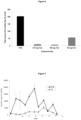
- a simulated animal effluent pond column study was conducted to determine the effect of adding a coagulant solution (polyferric sulphate) to treat farm dairy effluent collected from a farm.
- the study consisted of PVC pipes (1000 mm high x 150 mm in diameter) with endcaps at the base and detachable gas collection caps at the top of each column. These columns represented the physical dimensions of a column of effluent found in a typical farm dairy effluent pond.
- There were two treatments untreated farm dairy effluent (FDE) vs. treated effluent (TE)
- Farm dairy effluent was collected from the Lincoln University Dairy Farm and treated with a polyferric sulphate solution at a rate of 200 mg Fe/L of farm dairy effluent.
- Gas sampling was conducted once a day (during the working week) using a standard procedure for gas sampling (Di et al., 2007).
- the gas lids were then removed until the next gas sampling occasion.
- the concentration of CH 4 gas in each sample was determined using a gas chromatograph (GC) (Model 8610C, SRI Instruments, CA, USA) with an automated Gilson GX-271 auto sampler (Gilson Inc., MI, USA) coupled to a flame ionized detector (FID).
- GC gas chromatograph
- the GC used three HayeSep D packed pre-columns, and two HayeSep D analytical columns.
- the carrier gases were H 2 and air and the detector temperature setting was 370 °C.
- Hourly GHG emissions were calculated based on the rate of increase in GHG concentration in the chamber corrected for temperature and the ratio of surface area to headspace volume (Richards et al. 2014).
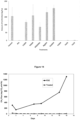
- Experiment 2 The objective of Experiment 2 was to determine if there was a relationship between the rate of PFS treatment of FDE and the amount of methane emitted.
- the experiment was conducted using 1.5 L glass jars which were filled with 1 L of farm dairy effluent collected from the Lincoln University Dairy Farm. Eleven rates of PFS were applied in 25 mg Fe/L increments, ranging from 0 up to 250 mg Fe/L. There were four replicates of each treatment set out in a randomised block design in the laboratory.
- Each glass jar had a detachable screw cap with rubber septum that allowed gas samples to be collected from the headspace above the effluent using a standard procedure for gas sampling (Di et al. 2007) (as described above in Experiment 1).
- Experiment 3 was to determine the effect of four different rates of PFS treatment of FDE on methane emissions under simulated effluent pond conditions.
- the experiment used the same microcosm equipment and gas sampling procedures described above for Experiment1. Farm dairy effluent was collected from the Lincoln University Dairy Farm each day (excluding weekends). The average amount of PFS added to each batch of effluent was 210 ⁇ 14 mg Fe/L of FDE.
- Experiment 4 was to 'scale up' the measurements to determine the effect of PFS treatment of FDE on CH 4 emissions using larger (3.5 m deep x 0.5 m diameter) PVC pipes installed on a farm. These large columns represent vertical 'mesocosms' of effluent that would be present in a typical farm dairy effluent pond; with the advantage that replicated treatments could be compared.
- Each column had an end cap glued onto the bottom and a water trough collar attached to the top.
- the gas capture equipment was identical to that used for gas capture in nitrous oxide measurement research (Di et al. 2007) and involved placing an insulated gas capture chamber over the column with the edge of the chamber inserted into the water trough (thus giving an airtight gas seal). Each gas collection chamber had a small fan which circulated the gas within the sealed head space of the column.
- the objective of experiment 5 was to determine the effect of adding PFS on CH 4 emissions during, and after, sequential additions of effluent into the mesocosm columns (i.e. simulating standard practice on a farm where effluent is treated each day and pumped into the effluent storage pond).
- effluent i.e. simulating standard practice on a farm where effluent is treated each day and pumped into the effluent storage pond.
- MIX treated effluent and clarified water
- Experiment 6 was to compare the effectiveness of ferric sulphate (FS) versus polyferric sulphate (PFS) to reduce methane emissions from treated effluent.
- FS ferric sulphate
- PFS polyferric sulphate
- Experiment 6 was conducted using the same large (3.5 m deep x 0.5 m diameter) PVC pipes described in Experiment 5.
- the gas capture equipment and measurement process were also identical to that described in Experiment 5.
- the same rate of PFS and FS was used (200 mg Fe/L of FDE).
- the PFS and FS solution was mixed into the effluent for two minutes using a handheld electric drill fitted with a paddle stirrer.
- Experiment 7 was to measure the effect of different sulphate and/or iron compounds on emissions of methane and hydrogen sulphide gases from treated effluent. The experiment was conducted using the same 1.5 L glass jars and methods of measurement described in Experiment 2 above.
- iron sulphate the divalent form of iron sulphate
- FeSO 4 ferric chloride
- FeCl 3 ferric chloride
- FeCl 2 ferrous chloride
- the sulphate treatment chemicals were all used at the same rate of sulphate as applied in the PFS treatment (326 mg SO 4 /L) and the iron treatment chemicals were all used at the same rate of iron as applied in the PFS treatment (133 mg Fe/L).
- ferrous sulphate i.e. the divalent form of iron sulphate: FeSO 4
- ferric chloride FeCl 3
- ferrous chloride FeCl 2
- Experiment 8 was to increase the scale of measurements to represent farm scale conditions. This was achieved by measuring the effect of PFS treatment of FDE on CH 4 emissions from effluent stored in typical effluent storage tanks used on a dairy farm. Two commercially available 100,000 L effluent storage tanks were constructed on the Lincoln University Research Dairy Farm. One tank was used to store untreated FDE and the other tank used to store treated effluent (TE). A gas tight roof (with vents) was installed over the top of each tank which allowed the gas emissions to be captured and sampled when the vents were closed. During the time period between sampling events, the vents were left open to ensure that typical effluent tank storage conditions occurred.
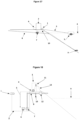
- FIG 16 there is shown an animal effluent methane mitigation treatment system where the effluent is pumped from an effluent catchment area through a pipe 1 into an existing or new sump tank 2 which has a mixer 3 for mixing the treatment chemical (FS or PFS) into the effluent.
- the FS or PFS is stored in a chemical storage tank 4 and the treatment solution is delivered into the mixing tank by a pump 5.
- the treatment system is controlled by a PLC 10 that has data/control cables 11 to the electronic component parts of the treatment system.
- the amount of PFS or FS that is required to achieve a specific reduction in the amount of methane emitted is computed by the PLC based on the data presented in Figure 4b and in Table 1 (shown above).
- FIG 17 there is shown an animal effluent methane mitigation treatment system where the treatment chemical (FS or PFS) is delivered by a pump 1 from a chemical storage tank 2 through a pipe 3 directly into an effluent storage pond/tank 4, with a or without a stirrer 5, and the amount of FS or PFS delivered is controlled by a PLC 6 connected to a flow meter 7 in the effluent pond delivery pipe 8, or another sensor 9 in the pond, that detects the volume of the latest batch of fresh effluent added into the pond and sends data to the PLC by data cable 10 to control the delivery of FS or PFS to treat the measured volume of fresh effluent added into the pond/tank.
- the amount of PFS or FS that is required to achieve a specific reduction in the amount of methane emitted is computed by the PLC based on the data presented in Figure 4b and in Table 1 (shown above).
- FIG. 18 there is shown an animal effluent methane mitigation treatment system where the effluent is transferred via a pipe 1 from an effluent catchment area (e.g. yard) into a sump tank 2 where the treatment chemical (FS or PFS) is added from a chemical storage tank 3 via a pump 4 and delivery pipe 5.
- the chemical is mixed into the effluent using a mixer 6 in the sump tank and the treated effluent is transferred by a pump 7 from the sump tank through a pipe 8 to an effluent storage pond(s)/tank(s) 9.
- turbidity sensor 10 in the pipe to measure the turbidity of the effluent and this data can be used by the PLC 11 to control the amount of treatment chemical added to the effluent.
- the amount of PFS or FS that is required to achieve a specific reduction in the amount of methane emitted is computed by the PLC based on the data presented in Figure 4b and in Table 1 (shown above).
- ferric sulphate or polyferric sulphate is added into the sump tank when a prescribed amount of effluent (e.g. 5,000 L) has been pumped out of the sump tank into the storage pond(s)/tank(s), so that the ferric sulphate or polyferric sulphate can react with an equivalent amount of fresh effluent that drains into, or is pumped into, the sump tank.
- a prescribed amount of effluent e.g. 5,000 L
- the present invention has application to cattle, in particular, but not limited to, dairy cows.
- the present invention can also be used in relation to other agricultural animals, which are grouped in areas where liquid effluent is going to be collected and needs to be stored or disposed.
- the present invention concerns the surprising discovery that adding ferric sulphate or polyferric sulphate into liquid animal effluent - which is contrary to the art of human municipal wastewater treatment which wants to reduce the ionic sulphur content in effluent to prevent hydrogen sulphide production (HulshoffPol et al., 1998, Metcalf and Eddy, 2014), can significantly reduce methane emissions.
- the main reason that the wastewater treatment plant engineers would not want large amounts of sulphate in the anaerobic treatment plant is that it inhibits the full anaerobic breakdown of organic matter in the sewage water.
- wastewater treatment plants do not want to add sulphates including ferric sulphate or polyferric sulphate to the sewage water.
- HulshoffPol et al. (1998) specifically states that the presence of sulphate "can cause severe problems when sulphate containing organic wastewater is treated anaerobically". This is of the utmost importance, because free hydrogen sulphide (H 2 S) concentrations can cause wastewater treatment process failure due to sulphide toxicity.
- Zub et al. (2008) also provide a list of strategies to remove sulphur containing compounds from wastewater prior to treatment in order to ensure that the biological process of wastewater treatment is not adversely affected.
- Treating animal effluent with polyferric sulphate on a farm is different to treating sewage wastewater because the treated animal effluent is generally applied onto the land; where there is much less risk of impact in terms of Biochemical Oxygen Demand (BOD) compared with human effluent which is discharged into surface water as discussed earlier..
- BOD Biochemical Oxygen Demand
- the present invention provides a previously unforeseen opportunity to inhibit the anaerobic breakdown process in animal effluent before methane gets produced whilst the sewage wastewater engineers cannot interfere with the anaerobic process by adding ferric sulphate or polyferric sulphate.
- the present invention also provides an opportunity to return more carbon to the soil if we inhibit the anaerobic process before it produces methane (i.e. rather than allow the carbon to be lost to the atmosphere as methane causing greenhouse gas emissions).
- the treated effluent/ sludge has organic matter therein containing a large amount of readily available carbon (in the form of simple organic compounds such as acetic acid) which can be applied to the land. Why lose the carbon into the atmosphere if we can recycle it back into the soil?
- the PFS or FS may be added to the FDE as in a powder or liquid form.
- ferric sulphate or polyferric sulphate that is added to the liquid animal effluent will depend on:
- the polyferric sulphate or ferric sulphate may be added to the liquid animal effluent either whilst in transit to, or once delivered to:
- the source of liquid animal effluent may generally be a cattle yard, or a milking shed/parlor for dairy cows.
- the source of liquid animal effluent should not be limited and may include one or more of the following:
Landscapes
- Chemical & Material Sciences (AREA)
- Life Sciences & Earth Sciences (AREA)
- Water Supply & Treatment (AREA)
- Hydrology & Water Resources (AREA)
- Engineering & Computer Science (AREA)
- Environmental & Geological Engineering (AREA)
- Organic Chemistry (AREA)
- Inorganic Chemistry (AREA)
- Microbiology (AREA)
- Biodiversity & Conservation Biology (AREA)
- Treating Waste Gases (AREA)
- Removal Of Specific Substances (AREA)
- Separation Of Suspended Particles By Flocculating Agents (AREA)
- Physical Water Treatments (AREA)
Claims (1)
- Verfahren zur Reduzierung der Methanemissionen aus flüssigem tierischen Abwasser im Vergleich zu unbehandeltem flüssigem tierischen Abwasser unter Verwendung von Eisensulfat oder Polyeisensulfat durch eine Dosis von Eisensulfat oder Polyeisensulfat, ausgedrückt in mg Fe/L Abwasser, berechnet aus der Messung der Trübung, ausgedrückt in NTU, des zu behandelnden Abwassers, um eine gewünschte prozentuale Reduktion der emittierten Methanmenge zu erreichen, wobei die für eine gewünschte prozentuale Reduktion erforderliche Dosis durch die in der folgenden Tabelle angegebenen Formeln bestimmt wird:
Gewünschte prozentuale Reduktion der emittierten Methanmenge (%) Formel zur Bestimmung der Dosis von FS oder PFS, die dem Abwasser hinzugefügt werden muss (mg Fe/L Abwasser) >95% Reduktion Dosis = 0.1 x NTU-Wert des Abwassers 90 to 95% Reduktion Dosis = 0.08 NTU-Wert des Abwassers 80 to 89% Reduktion Dosis = 0.06 x NTU-Wert des Abwassers 60 to 79% Reduktion Dosis = 0.04 x NTU-Wert des Abwassers 40 to 59% Reduktion Dosis = 0.024 x NTU-Wert des Abwassers 20 to 39% Reduktion Dosis = 0.013 x NTU-Wert des Abwassers
Applications Claiming Priority (2)
| Application Number | Priority Date | Filing Date | Title |
|---|---|---|---|
| NZ75781719 | 2019-10-10 | ||
| PCT/NZ2020/050123 WO2021071367A1 (en) | 2019-10-10 | 2020-10-12 | Improvements in and relating to effluent |
Publications (3)
| Publication Number | Publication Date |
|---|---|
| EP3973068A1 EP3973068A1 (de) | 2022-03-30 |
| EP3973068A4 EP3973068A4 (de) | 2023-06-07 |
| EP3973068B1 true EP3973068B1 (de) | 2024-07-17 |
Family
ID=75436758
Family Applications (1)
| Application Number | Title | Priority Date | Filing Date |
|---|---|---|---|
| EP20873360.0A Active EP3973068B1 (de) | 2019-10-10 | 2020-10-12 | Verbesserungen an und im zusammenhang mit abwasser |
Country Status (12)
| Country | Link |
|---|---|
| US (1) | US12209038B2 (de) |
| EP (1) | EP3973068B1 (de) |
| AU (1) | AU2020364915B2 (de) |
| CA (1) | CA3143955C (de) |
| DK (1) | DK3973068T3 (de) |
| ES (1) | ES2993180T3 (de) |
| GB (2) | GB2598256A (de) |
| HU (1) | HUE067570T2 (de) |
| IE (2) | IE20200300A1 (de) |
| PL (1) | PL3973068T3 (de) |
| PT (1) | PT3973068T (de) |
| WO (1) | WO2021071367A1 (de) |
Families Citing this family (1)
| Publication number | Priority date | Publication date | Assignee | Title |
|---|---|---|---|---|
| AU2024216848B2 (en) * | 2023-02-07 | 2025-10-16 | Lincoln University | Improvements in and relating to effluent and treatment of same |
Citations (1)
| Publication number | Priority date | Publication date | Assignee | Title |
|---|---|---|---|---|
| RU2644749C1 (ru) * | 2017-06-19 | 2018-02-13 | Михаил Иванович Голубенко | Лизиметр |
Family Cites Families (8)
| Publication number | Priority date | Publication date | Assignee | Title |
|---|---|---|---|---|
| DE2638957C3 (de) * | 1976-08-28 | 1980-02-14 | Hoechst Ag, 6000 Frankfurt | Geruchsinhibitor |
| KR100407554B1 (ko) * | 1999-05-29 | 2003-12-01 | 최주식 | 돈분뇨 처리방법 |
| KR100523338B1 (ko) * | 2003-09-09 | 2005-10-24 | 한국과학기술연구원 | 고농도 유기폐수의 처리 및 재이용 방법 |
| US20060005784A1 (en) * | 2004-07-08 | 2006-01-12 | Lind Christopher B | Environmental control of confined animal rearing facilities with liquid iron compounds |
| US20110044927A1 (en) * | 2004-08-26 | 2011-02-24 | Aceto Corporation | Odor abatement of organic waste |
| US20160076057A1 (en) * | 2014-09-17 | 2016-03-17 | Innovative Environmental Technologies, Inc. | Inhibition of methane and hydrogen sulfide production in anaerobic digester animal farms, landfills, sediments and sewer systems |
| NZ743564A (en) * | 2016-06-20 | 2019-07-26 | Ravensdown Ltd | Improvements in and relating to animal effluent treatment system |
| CN107055723A (zh) * | 2017-04-25 | 2017-08-18 | 四川蓉泰环保技术有限公司 | 畜禽养殖废水处理药剂和使用该药剂的设备 |
-
2020
- 2020-10-12 AU AU2020364915A patent/AU2020364915B2/en active Active
- 2020-10-12 WO PCT/NZ2020/050123 patent/WO2021071367A1/en not_active Ceased
- 2020-10-12 PT PT208733600T patent/PT3973068T/pt unknown
- 2020-10-12 EP EP20873360.0A patent/EP3973068B1/de active Active
- 2020-10-12 CA CA3143955A patent/CA3143955C/en active Active
- 2020-10-12 HU HUE20873360A patent/HUE067570T2/hu unknown
- 2020-10-12 IE IE20200300A patent/IE20200300A1/en unknown
- 2020-10-12 IE IE20200304A patent/IE20200304A2/en not_active IP Right Cessation
- 2020-10-12 ES ES20873360T patent/ES2993180T3/es active Active
- 2020-10-12 US US17/596,672 patent/US12209038B2/en active Active
- 2020-10-12 GB GB2117425.5A patent/GB2598256A/en not_active Withdrawn
- 2020-10-12 PL PL20873360.0T patent/PL3973068T3/pl unknown
- 2020-10-12 DK DK20873360.0T patent/DK3973068T3/da active
- 2020-10-12 GB GBGB2117425.5D patent/GB202117425D0/en active Pending
Patent Citations (1)
| Publication number | Priority date | Publication date | Assignee | Title |
|---|---|---|---|---|
| RU2644749C1 (ru) * | 2017-06-19 | 2018-02-13 | Михаил Иванович Голубенко | Лизиметр |
Also Published As
| Publication number | Publication date |
|---|---|
| US12209038B2 (en) | 2025-01-28 |
| EP3973068A1 (de) | 2022-03-30 |
| IE20200304A2 (en) | 2022-11-09 |
| ES2993180T3 (en) | 2024-12-23 |
| CA3143955A1 (en) | 2021-04-15 |
| WO2021071367A1 (en) | 2021-04-15 |
| AU2020364915B2 (en) | 2021-12-23 |
| DK3973068T3 (da) | 2024-08-05 |
| PL3973068T3 (pl) | 2024-11-12 |
| PT3973068T (pt) | 2024-07-26 |
| IE20200300A1 (en) | 2022-08-03 |
| GB202117425D0 (en) | 2022-01-19 |
| GB2598256A (en) | 2022-02-23 |
| EP3973068A4 (de) | 2023-06-07 |
| US20230183109A1 (en) | 2023-06-15 |
| CA3143955C (en) | 2023-02-07 |
| HUE067570T2 (hu) | 2024-10-28 |
| AU2020364915A1 (en) | 2021-11-11 |
Similar Documents
| Publication | Publication Date | Title |
|---|---|---|
| KR20130103550A (ko) | 피처리수의 생물학적 정화제, 생물학적 정화 시스템 및 생물학적 정화 방법 | |
| Cameron et al. | Discovery of a new method to reduce methane emissions from farm dairy effluent | |
| US12209038B2 (en) | Effluent | |
| CN114262128A (zh) | 利用胶囊包埋微生物与复合功能性矿物联合治理黑臭内河 | |
| US11767248B2 (en) | Process and apparatus for the treatment of organic feedstock | |
| Bawa et al. | Water Quality Assessment of Godavari River at Nashik, India: Impact of Sewage and Industrial Wastewater. | |
| NZ791413A (en) | Improvements in and relating to effluent | |
| Zhu et al. | Raising pH by low–level aeration for soluble phosphorus removal of swine manure | |
| NZ769237A (en) | Improvements in and relating to effluent | |
| US20250178944A1 (en) | Improvements in and relating to effluent and treatment of same | |
| Ngare et al. | The Quality of Kiserian Slaughterhouses’ Effluent and Its Implication on Kiserian Dam Water in Kajiado County, Kenya | |
| Moșneang et al. | An analysis of water samples surrounding swine farms in Timiș County-a practical guide. | |
| Popa et al. | Types of treatment plants for livestock wastewater | |
| Abdalla Mohamed | Optimizing dairy farmyard infrastructure for the management and treatment of dairy soiled water | |
| NEAGU | Degree of water eutrophication in the terminal basin of the Danube. Case study. | |
| Abba et al. | EFFECTS OF POULTRY CONCENTRATED ANIMAL FEEDING OPERATIONS ON SOIL, WATER AND AIR: A CASE OF YEPWA FARM LTD YOLA, ADAMAWA STATE | |
| Shi | Mineral fertiliser equivalence value of dairy processing waste and derived strubias products | |
| Iyama et al. | Assessment of Nutri-Chemical Concentration Levels of Wastewater from Drains Adjacent Cement and Associated Factories in Port Harcourt, Nigeria | |
| Duerschner | Effect of Swine Manure Pit Additives and Facility Disinfectants on the Fate of Antibiotics and Manure Composition During Simulated Swine Manure Slurry Storage | |
| Murnane | Combined zeolite and chemical amendments mixed with agricultural wastes to reduce surface and leaching losses of nutrients and greenhouse gas emissions, and biofilter treatment of dairy soiled water | |
| Mahimainathan | A study on the vermicomposting of dewatered dairy waste | |
| STR4TEGIES | B. Sc., University of Calgary, 1996 | |
| Graham | Phosphorus Transport from a Field Receiving Long-Term Liquid Dairy Manure Application in a Karst Landscape. | |
| Neagu | Degree of charge with nutrients of waste water from a meat industrialization unit. Case study. | |
| Kostadinova et al. | Agroecological assessment of wastewater and sludge from Municipal Wastewater Treatment Plant by content of nutrient inputs. |
Legal Events
| Date | Code | Title | Description |
|---|---|---|---|
| STAA | Information on the status of an ep patent application or granted ep patent |
Free format text: STATUS: UNKNOWN |
|
| STAA | Information on the status of an ep patent application or granted ep patent |
Free format text: STATUS: THE INTERNATIONAL PUBLICATION HAS BEEN MADE |
|
| PUAI | Public reference made under article 153(3) epc to a published international application that has entered the european phase |
Free format text: ORIGINAL CODE: 0009012 |
|
| STAA | Information on the status of an ep patent application or granted ep patent |
Free format text: STATUS: REQUEST FOR EXAMINATION WAS MADE |
|
| 17P | Request for examination filed |
Effective date: 20211215 |
|
| AK | Designated contracting states |
Kind code of ref document: A1 Designated state(s): AL AT BE BG CH CY CZ DE DK EE ES FI FR GB GR HR HU IE IS IT LI LT LU LV MC MK MT NL NO PL PT RO RS SE SI SK SM TR |
|
| DAV | Request for validation of the european patent (deleted) | ||
| DAX | Request for extension of the european patent (deleted) | ||
| REG | Reference to a national code |
Ref legal event code: R079 Ipc: C02F0001520000 Ref country code: DE Ref document number: 602020034286 Country of ref document: DE Free format text: PREVIOUS MAIN CLASS: C12P0005020000 |
|
| A4 | Supplementary search report drawn up and despatched |
Effective date: 20230510 |
|
| RIC1 | Information provided on ipc code assigned before grant |
Ipc: C02F 101/10 20060101ALN20230503BHEP Ipc: C02F 101/32 20060101ALN20230503BHEP Ipc: C02F 103/20 20060101ALN20230503BHEP Ipc: A01C 3/02 20060101ALN20230503BHEP Ipc: A01K 1/01 20060101ALN20230503BHEP Ipc: C02F 11/00 20060101ALI20230503BHEP Ipc: C12P 5/02 20060101ALI20230503BHEP Ipc: C02F 1/52 20060101AFI20230503BHEP |
|
| P01 | Opt-out of the competence of the unified patent court (upc) registered |
Effective date: 20230419 |
|
| STAA | Information on the status of an ep patent application or granted ep patent |
Free format text: STATUS: EXAMINATION IS IN PROGRESS |
|
| 17Q | First examination report despatched |
Effective date: 20230929 |
|
| GRAP | Despatch of communication of intention to grant a patent |
Free format text: ORIGINAL CODE: EPIDOSNIGR1 |
|
| STAA | Information on the status of an ep patent application or granted ep patent |
Free format text: STATUS: GRANT OF PATENT IS INTENDED |
|
| RIC1 | Information provided on ipc code assigned before grant |
Ipc: C02F 101/10 20060101ALN20240328BHEP Ipc: C02F 101/32 20060101ALN20240328BHEP Ipc: C02F 103/20 20060101ALN20240328BHEP Ipc: A01C 3/02 20060101ALN20240328BHEP Ipc: A01K 1/01 20060101ALN20240328BHEP Ipc: C02F 11/00 20060101ALI20240328BHEP Ipc: C12P 5/02 20060101ALI20240328BHEP Ipc: C02F 1/52 20060101AFI20240328BHEP |
|
| INTG | Intention to grant announced |
Effective date: 20240416 |
|
| GRAS | Grant fee paid |
Free format text: ORIGINAL CODE: EPIDOSNIGR3 |
|
| GRAA | (expected) grant |
Free format text: ORIGINAL CODE: 0009210 |
|
| STAA | Information on the status of an ep patent application or granted ep patent |
Free format text: STATUS: THE PATENT HAS BEEN GRANTED |
|
| AK | Designated contracting states |
Kind code of ref document: B1 Designated state(s): AL AT BE BG CH CY CZ DE DK EE ES FI FR GB GR HR HU IE IS IT LI LT LU LV MC MK MT NL NO PL PT RO RS SE SI SK SM TR |
|
| REG | Reference to a national code |
Ref country code: PT Ref legal event code: SC4A Ref document number: 3973068 Country of ref document: PT Date of ref document: 20240726 Kind code of ref document: T Free format text: AVAILABILITY OF NATIONAL TRANSLATION Effective date: 20240722 |
|
| REG | Reference to a national code |
Ref country code: CH Ref legal event code: EP |
|
| REG | Reference to a national code |
Ref country code: DE Ref legal event code: R096 Ref document number: 602020034286 Country of ref document: DE |
|
| REG | Reference to a national code |
Ref country code: DK Ref legal event code: T3 Effective date: 20240730 |
|
| REG | Reference to a national code |
Ref country code: IE Ref legal event code: FG4D |
|
| REG | Reference to a national code |
Ref country code: NL Ref legal event code: FP |
|
| REG | Reference to a national code |
Ref country code: GR Ref legal event code: EP Ref document number: 20240401769 Country of ref document: GR Effective date: 20241007 |
|
| REG | Reference to a national code |
Ref country code: HU Ref legal event code: AG4A Ref document number: E067570 Country of ref document: HU |
|
| REG | Reference to a national code |
Ref country code: LT Ref legal event code: MG9D |
|
| REG | Reference to a national code |
Ref country code: AT Ref legal event code: UEP Ref document number: 1703994 Country of ref document: AT Kind code of ref document: T Effective date: 20240717 |
|
| REG | Reference to a national code |
Ref country code: ES Ref legal event code: FG2A Ref document number: 2993180 Country of ref document: ES Kind code of ref document: T3 Effective date: 20241223 |
|
| PG25 | Lapsed in a contracting state [announced via postgrant information from national office to epo] |
Ref country code: NO Free format text: LAPSE BECAUSE OF FAILURE TO SUBMIT A TRANSLATION OF THE DESCRIPTION OR TO PAY THE FEE WITHIN THE PRESCRIBED TIME-LIMIT Effective date: 20241017 |
|
| PG25 | Lapsed in a contracting state [announced via postgrant information from national office to epo] |
Ref country code: FI Free format text: LAPSE BECAUSE OF FAILURE TO SUBMIT A TRANSLATION OF THE DESCRIPTION OR TO PAY THE FEE WITHIN THE PRESCRIBED TIME-LIMIT Effective date: 20240717 |
|
| PG25 | Lapsed in a contracting state [announced via postgrant information from national office to epo] |
Ref country code: BG Free format text: LAPSE BECAUSE OF FAILURE TO SUBMIT A TRANSLATION OF THE DESCRIPTION OR TO PAY THE FEE WITHIN THE PRESCRIBED TIME-LIMIT Effective date: 20240717 |
|
| PG25 | Lapsed in a contracting state [announced via postgrant information from national office to epo] |
Ref country code: LV Free format text: LAPSE BECAUSE OF FAILURE TO SUBMIT A TRANSLATION OF THE DESCRIPTION OR TO PAY THE FEE WITHIN THE PRESCRIBED TIME-LIMIT Effective date: 20240717 |
|
| PG25 | Lapsed in a contracting state [announced via postgrant information from national office to epo] |
Ref country code: IS Free format text: LAPSE BECAUSE OF FAILURE TO SUBMIT A TRANSLATION OF THE DESCRIPTION OR TO PAY THE FEE WITHIN THE PRESCRIBED TIME-LIMIT Effective date: 20241117 |
|
| PG25 | Lapsed in a contracting state [announced via postgrant information from national office to epo] |
Ref country code: HR Free format text: LAPSE BECAUSE OF FAILURE TO SUBMIT A TRANSLATION OF THE DESCRIPTION OR TO PAY THE FEE WITHIN THE PRESCRIBED TIME-LIMIT Effective date: 20240717 |
|
| PG25 | Lapsed in a contracting state [announced via postgrant information from national office to epo] |
Ref country code: RS Free format text: LAPSE BECAUSE OF FAILURE TO SUBMIT A TRANSLATION OF THE DESCRIPTION OR TO PAY THE FEE WITHIN THE PRESCRIBED TIME-LIMIT Effective date: 20241017 |
|
| PG25 | Lapsed in a contracting state [announced via postgrant information from national office to epo] |
Ref country code: RS Free format text: LAPSE BECAUSE OF FAILURE TO SUBMIT A TRANSLATION OF THE DESCRIPTION OR TO PAY THE FEE WITHIN THE PRESCRIBED TIME-LIMIT Effective date: 20241017 Ref country code: NO Free format text: LAPSE BECAUSE OF FAILURE TO SUBMIT A TRANSLATION OF THE DESCRIPTION OR TO PAY THE FEE WITHIN THE PRESCRIBED TIME-LIMIT Effective date: 20241017 Ref country code: LV Free format text: LAPSE BECAUSE OF FAILURE TO SUBMIT A TRANSLATION OF THE DESCRIPTION OR TO PAY THE FEE WITHIN THE PRESCRIBED TIME-LIMIT Effective date: 20240717 Ref country code: IS Free format text: LAPSE BECAUSE OF FAILURE TO SUBMIT A TRANSLATION OF THE DESCRIPTION OR TO PAY THE FEE WITHIN THE PRESCRIBED TIME-LIMIT Effective date: 20241117 Ref country code: HR Free format text: LAPSE BECAUSE OF FAILURE TO SUBMIT A TRANSLATION OF THE DESCRIPTION OR TO PAY THE FEE WITHIN THE PRESCRIBED TIME-LIMIT Effective date: 20240717 Ref country code: FI Free format text: LAPSE BECAUSE OF FAILURE TO SUBMIT A TRANSLATION OF THE DESCRIPTION OR TO PAY THE FEE WITHIN THE PRESCRIBED TIME-LIMIT Effective date: 20240717 Ref country code: BG Free format text: LAPSE BECAUSE OF FAILURE TO SUBMIT A TRANSLATION OF THE DESCRIPTION OR TO PAY THE FEE WITHIN THE PRESCRIBED TIME-LIMIT Effective date: 20240717 |
|
| PG25 | Lapsed in a contracting state [announced via postgrant information from national office to epo] |
Ref country code: SM Free format text: LAPSE BECAUSE OF FAILURE TO SUBMIT A TRANSLATION OF THE DESCRIPTION OR TO PAY THE FEE WITHIN THE PRESCRIBED TIME-LIMIT Effective date: 20240717 Ref country code: RO Free format text: LAPSE BECAUSE OF FAILURE TO SUBMIT A TRANSLATION OF THE DESCRIPTION OR TO PAY THE FEE WITHIN THE PRESCRIBED TIME-LIMIT Effective date: 20240717 |
|
| REG | Reference to a national code |
Ref country code: DE Ref legal event code: R097 Ref document number: 602020034286 Country of ref document: DE |
|
| PG25 | Lapsed in a contracting state [announced via postgrant information from national office to epo] |
Ref country code: EE Free format text: LAPSE BECAUSE OF FAILURE TO SUBMIT A TRANSLATION OF THE DESCRIPTION OR TO PAY THE FEE WITHIN THE PRESCRIBED TIME-LIMIT Effective date: 20240717 |
|
| PG25 | Lapsed in a contracting state [announced via postgrant information from national office to epo] |
Ref country code: CZ Free format text: LAPSE BECAUSE OF FAILURE TO SUBMIT A TRANSLATION OF THE DESCRIPTION OR TO PAY THE FEE WITHIN THE PRESCRIBED TIME-LIMIT Effective date: 20240717 |
|
| PG25 | Lapsed in a contracting state [announced via postgrant information from national office to epo] |
Ref country code: SK Free format text: LAPSE BECAUSE OF FAILURE TO SUBMIT A TRANSLATION OF THE DESCRIPTION OR TO PAY THE FEE WITHIN THE PRESCRIBED TIME-LIMIT Effective date: 20240717 |
|
| PLBE | No opposition filed within time limit |
Free format text: ORIGINAL CODE: 0009261 |
|
| STAA | Information on the status of an ep patent application or granted ep patent |
Free format text: STATUS: NO OPPOSITION FILED WITHIN TIME LIMIT |
|
| 26N | No opposition filed |
Effective date: 20250422 |
|
| PG25 | Lapsed in a contracting state [announced via postgrant information from national office to epo] |
Ref country code: MC Free format text: LAPSE BECAUSE OF FAILURE TO SUBMIT A TRANSLATION OF THE DESCRIPTION OR TO PAY THE FEE WITHIN THE PRESCRIBED TIME-LIMIT Effective date: 20240717 |
|
| PG25 | Lapsed in a contracting state [announced via postgrant information from national office to epo] |
Ref country code: LU Free format text: LAPSE BECAUSE OF NON-PAYMENT OF DUE FEES Effective date: 20241012 |
|
| PG25 | Lapsed in a contracting state [announced via postgrant information from national office to epo] |
Ref country code: SE Free format text: LAPSE BECAUSE OF FAILURE TO SUBMIT A TRANSLATION OF THE DESCRIPTION OR TO PAY THE FEE WITHIN THE PRESCRIBED TIME-LIMIT Effective date: 20240717 |
|
| REG | Reference to a national code |
Ref country code: CH Ref legal event code: U11 Free format text: ST27 STATUS EVENT CODE: U-0-0-U10-U11 (AS PROVIDED BY THE NATIONAL OFFICE) Effective date: 20251101 |
|
| PGFP | Annual fee paid to national office [announced via postgrant information from national office to epo] |
Ref country code: HU Payment date: 20251021 Year of fee payment: 6 |
|
| PGFP | Annual fee paid to national office [announced via postgrant information from national office to epo] |
Ref country code: NL Payment date: 20251024 Year of fee payment: 6 |
|
| PGFP | Annual fee paid to national office [announced via postgrant information from national office to epo] |
Ref country code: PT Payment date: 20251006 Year of fee payment: 6 |
|
| PGFP | Annual fee paid to national office [announced via postgrant information from national office to epo] |
Ref country code: DE Payment date: 20251028 Year of fee payment: 6 |
|
| PGFP | Annual fee paid to national office [announced via postgrant information from national office to epo] |
Ref country code: GB Payment date: 20251023 Year of fee payment: 6 |
|
| PGFP | Annual fee paid to national office [announced via postgrant information from national office to epo] |
Ref country code: AT Payment date: 20251020 Year of fee payment: 6 |
|
| PGFP | Annual fee paid to national office [announced via postgrant information from national office to epo] |
Ref country code: DK Payment date: 20251024 Year of fee payment: 6 Ref country code: IT Payment date: 20251022 Year of fee payment: 6 |
|
| PGFP | Annual fee paid to national office [announced via postgrant information from national office to epo] |
Ref country code: FR Payment date: 20251027 Year of fee payment: 6 |
|
| PGFP | Annual fee paid to national office [announced via postgrant information from national office to epo] |
Ref country code: GR Payment date: 20251020 Year of fee payment: 6 Ref country code: BE Payment date: 20251024 Year of fee payment: 6 |
|
| PGFP | Annual fee paid to national office [announced via postgrant information from national office to epo] |
Ref country code: CH Payment date: 20251101 Year of fee payment: 6 |
|
| PGFP | Annual fee paid to national office [announced via postgrant information from national office to epo] |
Ref country code: IE Payment date: 20251020 Year of fee payment: 6 |
|
| PGFP | Annual fee paid to national office [announced via postgrant information from national office to epo] |
Ref country code: PL Payment date: 20251006 Year of fee payment: 6 |
|
| PG25 | Lapsed in a contracting state [announced via postgrant information from national office to epo] |
Ref country code: CY Free format text: LAPSE BECAUSE OF FAILURE TO SUBMIT A TRANSLATION OF THE DESCRIPTION OR TO PAY THE FEE WITHIN THE PRESCRIBED TIME-LIMIT; INVALID AB INITIO Effective date: 20201012 |
|
| PGFP | Annual fee paid to national office [announced via postgrant information from national office to epo] |
Ref country code: ES Payment date: 20251118 Year of fee payment: 6 |