EP3971376A1 - System and method of controlling backup power of lithium iron phosphate battery for vehicle - Google Patents
System and method of controlling backup power of lithium iron phosphate battery for vehicle Download PDFInfo
- Publication number
- EP3971376A1 EP3971376A1 EP21195479.7A EP21195479A EP3971376A1 EP 3971376 A1 EP3971376 A1 EP 3971376A1 EP 21195479 A EP21195479 A EP 21195479A EP 3971376 A1 EP3971376 A1 EP 3971376A1
- Authority
- EP
- European Patent Office
- Prior art keywords
- module
- switch
- supercapacitor
- lifepo
- battery
- Prior art date
- Legal status (The legal status is an assumption and is not a legal conclusion. Google has not performed a legal analysis and makes no representation as to the accuracy of the status listed.)
- Granted
Links
Images

Classifications
-
- H—ELECTRICITY
- H02—GENERATION; CONVERSION OR DISTRIBUTION OF ELECTRIC POWER
- H02J—ELECTRIC POWER NETWORKS; CIRCUIT ARRANGEMENTS OR SYSTEMS FOR SUPPLYING OR DISTRIBUTING ELECTRIC POWER; SYSTEMS FOR STORING ELECTRIC ENERGY
- H02J7/00—Circuit arrangements for charging or discharging batteries or for supplying loads from batteries
- H02J7/34—Parallel operation in networks using both storage and other DC sources, e.g. providing buffering
- H02J7/345—Parallel operation in networks using both storage and other DC sources, e.g. providing buffering using capacitors as storage or buffering devices
-
- H—ELECTRICITY
- H02—GENERATION; CONVERSION OR DISTRIBUTION OF ELECTRIC POWER
- H02J—ELECTRIC POWER NETWORKS; CIRCUIT ARRANGEMENTS OR SYSTEMS FOR SUPPLYING OR DISTRIBUTING ELECTRIC POWER; SYSTEMS FOR STORING ELECTRIC ENERGY
- H02J9/00—Circuit arrangements for emergency or stand-by power supply, e.g. for emergency lighting
- H02J9/04—Circuit arrangements for emergency or stand-by power supply, e.g. for emergency lighting in which the distribution system is disconnected from the normal source and connected to a standby source
- H02J9/06—Circuit arrangements for emergency or stand-by power supply, e.g. for emergency lighting in which the distribution system is disconnected from the normal source and connected to a standby source with automatic change-over, e.g. UPS systems
- H02J9/061—Circuit arrangements for emergency or stand-by power supply, e.g. for emergency lighting in which the distribution system is disconnected from the normal source and connected to a standby source with automatic change-over, e.g. UPS systems for DC powered loads
-
- B—PERFORMING OPERATIONS; TRANSPORTING
- B60—VEHICLES IN GENERAL
- B60R—VEHICLES, VEHICLE FITTINGS, OR VEHICLE PARTS, NOT OTHERWISE PROVIDED FOR
- B60R16/00—Electric or fluid circuits specially adapted for vehicles and not otherwise provided for; Arrangement of elements of electric or fluid circuits specially adapted for vehicles and not otherwise provided for
- B60R16/02—Electric or fluid circuits specially adapted for vehicles and not otherwise provided for; Arrangement of elements of electric or fluid circuits specially adapted for vehicles and not otherwise provided for electric constitutive elements
- B60R16/03—Electric or fluid circuits specially adapted for vehicles and not otherwise provided for; Arrangement of elements of electric or fluid circuits specially adapted for vehicles and not otherwise provided for electric constitutive elements for supply of electrical power to vehicle subsystems or for
- B60R16/033—Electric or fluid circuits specially adapted for vehicles and not otherwise provided for; Arrangement of elements of electric or fluid circuits specially adapted for vehicles and not otherwise provided for electric constitutive elements for supply of electrical power to vehicle subsystems or for characterised by the use of electrical cells or batteries
-
- E—FIXED CONSTRUCTIONS
- E05—LOCKS; KEYS; WINDOW OR DOOR FITTINGS; SAFES
- E05B—LOCKS; ACCESSORIES THEREFOR; HANDCUFFS
- E05B81/00—Power-actuated vehicle locks
- E05B81/54—Electrical circuits
- E05B81/80—Electrical circuits characterised by the power supply; Emergency power operation
- E05B81/86—Electrical circuits characterised by the power supply; Emergency power operation using capacitors
-
- H—ELECTRICITY
- H02—GENERATION; CONVERSION OR DISTRIBUTION OF ELECTRIC POWER
- H02J—ELECTRIC POWER NETWORKS; CIRCUIT ARRANGEMENTS OR SYSTEMS FOR SUPPLYING OR DISTRIBUTING ELECTRIC POWER; SYSTEMS FOR STORING ELECTRIC ENERGY
- H02J2105/00—Networks for supplying or distributing electric power characterised by their spatial reach or by the load
- H02J2105/30—Networks for supplying or distributing electric power characterised by their spatial reach or by the load the load networks being external to vehicles, i.e. exchanging power with vehicles
- H02J2105/33—Networks for supplying or distributing electric power characterised by their spatial reach or by the load the load networks being external to vehicles, i.e. exchanging power with vehicles exchanging power with road vehicles
Definitions
- the present invention relates to a system and a method of controlling backup power of a lithium iron phosphate battery for a vehicle.
- the motor and other electric control device (such as an electric control door and a computer) will not work.
- the electronic control door cannot be opened by in a remote control manner and an electronic control manner, the car owner will not be able to enter the car to perform electric rescue.
- the present invention has arisen to mitigate and/or obviate the afore-described disadvantages.
- the primary objective of the present invention is to provide a system and a method of controlling backup power of a lithium iron phosphate battery for a vehicle which are capable of overcoming the shortcomings of the conventional system and method of controlling backup power of the lithium iron phosphate battery for the vehicle.
- a system and a method of controlling backup power of a lithium iron phosphate battery for a vehicle contains: a lithium iron phosphate (LiFePO 4 ) battery module, a boost module, and a supercapacitor module which are connected in parallel.
- the LiFePO 4 battery, the boost module and the supercapacitor module are parallelly connected with an electric control device of the vehicle.
- a first switch is electrically connected with a negative electrode of the electric control device and a negative electrode of the supercapacitor module of the vehicle, a second switch is electrically connected with a negative input electrode and a negative output electrode of the boost module, and a third switch is electrically connected with a positive electrode of the LiFePO 4 battery module and a positive input electrode of the boost module.
- a backup control module includes a microprocessor configured to direct, control, order, and manage a detection unit, a controlling unit, and a Bluetooth module.
- the detection unit detects a voltage of the LiFePO 4 battery module and a voltage of the supercapacitor module, and the controlling unit controls the first switch, the second switch and the third switch.
- the microprocessor is connected and communicates with a power rescue application (App) via the Bluetooth module, and the power rescue App is built in a smart mobile device.
- App power rescue application
- the LiFePO 4 battery When the LiFePO 4 battery is in the overly low voltage, the vehicle is not started and the electric control device does not operate. When an electronic control door is not opened, the computer is not started to process a power rescue. After starting the system by using the power rescue App of the smart mobile device, the first switch and the second switch are turned off by the system, and the system turns on the third switch so that the LiFePO 4 battery increases the voltage of the supercapacitor module to 15 V via the boost module. After the voltage of the supercapacitor module reaches the set value, the system turns off the second switch and the third switch and turns on the first switch solely, such that the system supplies sufficient voltage and electric currents to the electric control device of the vehicle, and the electronic control door and the computer are started. In the meantime, the LiFePO 4 battery does not supply the power to the electric control device, thus avoiding over discharge and damage of the LiFePO 4 battery.
- the system and the method of the present invention are capable starting the electric control device of the vehicle easily by using a power rescue application (App) of the smart mobile device.
- App power rescue application
- a system 1 of controlling backup power of a lithium iron phosphate battery for a vehicle comprises: a lithium iron phosphate (LiFePO 4 ) battery module 13, a boost module 12, and a supercapacitor module 11 which are connected in parallel; wherein the LiFePO 4 battery module 13, the boost module 12 and the supercapacitor module 11 are parallelly connected with an electric control device 10 of the vehicle.
- LiFePO 4 lithium iron phosphate
- a first switch 14 is electrically connected with a negative electrode of the electric control device 10 and a negative electrode of the supercapacitor module 11, a second switch 15 is electrically connected with a negative input electrode and a negative output electrode of the boost module 12, and a third switch 16 is electrically connected with a positive electrode of the LiFePO 4 battery module 13 and a positive input electrode of the boost module 12.
- the first switch 14, the second switch 15 and the third switch 16 include but are not limited to a metal-oxide-semiconductor field-effect transistor (MOSFET, abbreviated as MOS) and a relay.
- MOSFET metal-oxide-semiconductor field-effect transistor
- the system 1 further comprises a backup control module 2, and the backup control module 2 includes a microprocessor 21 configured to direct, control, order, and manage a detection unit 22, a controlling unit 23, and a Bluetooth module 24.
- the detection unit 22 detects a voltage of the LiFePO 4 battery module 13 and a voltage of the supercapacitor module 11, and the controlling unit 23 controls the first switch 14, the second switch 15 and the third switch 16.
- the microprocessor 21 is connected and communicates with a power rescue application (App) 30 via the Bluetooth module 24, and the power rescue App 30 is built in a smart mobile device (not shown).
- the system 1 is configured to execute the method of controlling the backup power of the LiFePO 4 battery so as to solve an overly low voltage of the LiFePO 4 battery and a failed start of the electric control device 10.
- the electric control device 10 of the vehicle includes but is not limited to an electronic control door or a computer.
- the method of controlling the backup power of the lithium iron phosphate battery comprises steps of:
- the supercapacitor module 11 is configured to assist in starting, stabilizing, the power charging and power discharging of the vehicle, so further remarks are omitted.
- the LiFePO 4 battery module 13 is in the overly low voltage, for example, the LiFePO 4 battery module 13 is less than 10 V, the vehicle is not started and the electric control device 10 does not operate.
- the computer is not started to process a power rescue.
- the first switch 14 and the second switch 15 are turned off by the system 1, and the system 1 turns on the third switch 16 so that the LiFePO 4 battery module 13 increases the voltage of the supercapacitor module 11 to 15 V via the boost module 12.
- the system 1 After the voltage of the supercapacitor module 11 reaches the set value, the system 1 turns off the second switch 15 and the third switch 16 and turns on the first switch 14 solely, such that the system 11 supplies sufficient voltage and electric currents to the electric control device 10 of the vehicle, and the electronic control door and the computer are started. In the meantime, the LiFePO 4 battery module 13 does not supply the power to the electric control device 10, thus avoiding over discharge and damage of the LiFePO 4 battery module 13.
Landscapes
- Engineering & Computer Science (AREA)
- Power Engineering (AREA)
- Business, Economics & Management (AREA)
- Emergency Management (AREA)
- Mechanical Engineering (AREA)
- Charge And Discharge Circuits For Batteries Or The Like (AREA)
- Secondary Cells (AREA)
- Electric Propulsion And Braking For Vehicles (AREA)
Abstract
Description
- The present invention relates to a system and a method of controlling backup power of a lithium iron phosphate battery for a vehicle.
- If the voltage of the main secondary battery of a vehicle is insufficient, the motor and other electric control device (such as an electric control door and a computer) will not work. For example, when the electronic control door cannot be opened by in a remote control manner and an electronic control manner, the car owner will not be able to enter the car to perform electric rescue.
- The present invention has arisen to mitigate and/or obviate the afore-described disadvantages.
- The primary objective of the present invention is to provide a system and a method of controlling backup power of a lithium iron phosphate battery for a vehicle which are capable of overcoming the shortcomings of the conventional system and method of controlling backup power of the lithium iron phosphate battery for the vehicle.
- To obtain above-mentioned objective, a system and a method of controlling backup power of a lithium iron phosphate battery for a vehicle provided by the present invention contains: a lithium iron phosphate (LiFePO4) battery module, a boost module, and a supercapacitor module which are connected in parallel. The LiFePO4 battery, the boost module and the supercapacitor module are parallelly connected with an electric control device of the vehicle.
- A first switch is electrically connected with a negative electrode of the electric control device and a negative electrode of the supercapacitor module of the vehicle, a second switch is electrically connected with a negative input electrode and a negative output electrode of the boost module, and a third switch is electrically connected with a positive electrode of the LiFePO4 battery module and a positive input electrode of the boost module.
- A backup control module includes a microprocessor configured to direct, control, order, and manage a detection unit, a controlling unit, and a Bluetooth module. The detection unit detects a voltage of the LiFePO4 battery module and a voltage of the supercapacitor module, and the controlling unit controls the first switch, the second switch and the third switch. The microprocessor is connected and communicates with a power rescue application (App) via the Bluetooth module, and the power rescue App is built in a smart mobile device.
- When the LiFePO4 battery is in the overly low voltage, the vehicle is not started and the electric control device does not operate. When an electronic control door is not opened, the computer is not started to process a power rescue. After starting the system by using the power rescue App of the smart mobile device, the first switch and the second switch are turned off by the system, and the system turns on the third switch so that the LiFePO4 battery increases the voltage of the supercapacitor module to 15 V via the boost module. After the voltage of the supercapacitor module reaches the set value, the system turns off the second switch and the third switch and turns on the first switch solely, such that the system supplies sufficient voltage and electric currents to the electric control device of the vehicle, and the electronic control door and the computer are started. In the meantime, the LiFePO4 battery does not supply the power to the electric control device, thus avoiding over discharge and damage of the LiFePO4 battery.
- Thereby, the system and the method of the present invention are capable starting the electric control device of the vehicle easily by using a power rescue application (App) of the smart mobile device.
-
-
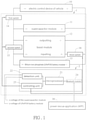
FIG. 1 is a block diagram of a system of controlling backup power of a lithium iron phosphate battery for a vehicle according to a preferred embodiment of the present invention. -
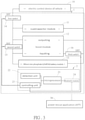
FIG. 2 is a block diagram showing the operation of the system according to the preferred embodiment of the present invention. -
FIG. 3 is another block diagram showing the operation of the system according to the preferred embodiment of the present invention. -
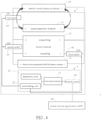
FIG. 4 is also another block diagram showing the operation of the system according to the preferred embodiment of the present invention. - With reference to
FIG. 1 , asystem 1 of controlling backup power of a lithium iron phosphate battery for a vehicle according to a preferred embodiment of the present invention comprises: a lithium iron phosphate (LiFePO4)battery module 13, aboost module 12, and asupercapacitor module 11 which are connected in parallel; wherein the LiFePO4battery module 13, theboost module 12 and thesupercapacitor module 11 are parallelly connected with anelectric control device 10 of the vehicle. Afirst switch 14 is electrically connected with a negative electrode of theelectric control device 10 and a negative electrode of thesupercapacitor module 11, asecond switch 15 is electrically connected with a negative input electrode and a negative output electrode of theboost module 12, and athird switch 16 is electrically connected with a positive electrode of the LiFePO4battery module 13 and a positive input electrode of theboost module 12. It is noted that thefirst switch 14, thesecond switch 15 and thethird switch 16 include but are not limited to a metal-oxide-semiconductor field-effect transistor (MOSFET, abbreviated as MOS) and a relay. - The
system 1 further comprises abackup control module 2, and thebackup control module 2 includes amicroprocessor 21 configured to direct, control, order, and manage adetection unit 22, a controllingunit 23, and a Bluetoothmodule 24. Thedetection unit 22 detects a voltage of the LiFePO4battery module 13 and a voltage of thesupercapacitor module 11, and the controllingunit 23 controls thefirst switch 14, thesecond switch 15 and thethird switch 16. Themicroprocessor 21 is connected and communicates with a power rescue application (App) 30 via the Bluetoothmodule 24, and the power rescue App 30 is built in a smart mobile device (not shown). Thesystem 1 is configured to execute the method of controlling the backup power of the LiFePO4 battery so as to solve an overly low voltage of the LiFePO4 battery and a failed start of theelectric control device 10. - The
electric control device 10 of the vehicle includes but is not limited to an electronic control door or a computer. - Referring to
FIGS. 1-4 , the method of controlling the backup power of the lithium iron phosphate battery comprises steps of: - S1) receiving a control command from the
power rescue App 30 by using themicroprocessor 21, wherein the control command is sent by thepower rescue App 30 via the smart mobile device when theelectric control device 10 is not started; - S2) turning off the
first switch 14 and thesecond switch 15 and turning on thethird switch 16 by way of the controllingunit 23, wherein the LiFePO4battery module 13 increases the voltage of thesupercapacitor module 11 via theboost module 12, and thedetection unit 22 detects the voltage of thesupercapacitor module 11; - S3) turning off the
third switch 16 by ways of the controllingunit 23 and stopping a power charging of thesupercapacitor module 11, when the voltage of thesupercapacitor module 11 reaches to a set value (such as 15 V); - S4) turning on the
first switch 14 by using the controllingunit 23, maintaining turning-off of thesecond switch 15 and thethird switch 16, and supplying power to theelectric control device 10 of the vehicle by using thesupercapacitor module 11 so as to start theelectric control device 10. - Conventionally, the
supercapacitor module 11 is configured to assist in starting, stabilizing, the power charging and power discharging of the vehicle, so further remarks are omitted. However, when the LiFePO4battery module 13 is in the overly low voltage, for example, the LiFePO4battery module 13 is less than 10 V, the vehicle is not started and theelectric control device 10 does not operate. When an electronic control door is not opened, the computer is not started to process a power rescue. After starting thesystem 1 by using thepower rescue App 30 of the smart mobile device, thefirst switch 14 and thesecond switch 15 are turned off by thesystem 1, and thesystem 1 turns on thethird switch 16 so that the LiFePO4battery module 13 increases the voltage of thesupercapacitor module 11 to 15 V via theboost module 12. After the voltage of thesupercapacitor module 11 reaches the set value, thesystem 1 turns off thesecond switch 15 and thethird switch 16 and turns on thefirst switch 14 solely, such that thesystem 11 supplies sufficient voltage and electric currents to theelectric control device 10 of the vehicle, and the electronic control door and the computer are started. In the meantime, the LiFePO4battery module 13 does not supply the power to theelectric control device 10, thus avoiding over discharge and damage of the LiFePO4battery module 13. - While the preferred embodiments of the invention have been set forth for the purpose of disclosure, modifications of the disclosed embodiments of the invention as well as other embodiments thereof may occur to those skilled in the art. Accordingly, the appended claims are intended to cover all embodiments which do not depart from the spirit and scope of the invention
Claims (2)
- A system (1) of controlling backup power of a lithium iron phosphate battery for a vehicle comprising:a lithium iron phosphate (LiFePO4) battery module (13), a boost module (12), and a supercapacitor module (11) which are connected in parallel; wherein the LiFePO4 battery module (13), the boost module (12) and the supercapacitor module (11) are parallelly connected with an electric control device (10) of the vehicle;a first switch (14) electrically connected with a negative electrode of the electric control device (10) and a negative electrode of the supercapacitor module (11), a second switch (15) electrically connected with a negative input electrode and a negative output electrode of the boost module (12), and a third switch (16) electrically connected with a positive electrode of the LiFePO4 battery module (13) and a positive input electrode of the boost module (12);a backup control module (2) including a microprocessor (21) configured to direct, control, order, and manage a detection unit (22), a controlling unit (23), and a Bluetooth module (24); wherein the detection unit (22) detects a voltage of the LiFePO4 battery module (13) and a voltage of the supercapacitor module (11), and the controlling unit (23) controls the first switch (14), the second switch (15) and the third switch (16); wherein the microprocessor (21) is connected and communicates with a power rescue application (App) (30) via the Bluetooth module (24), and the power rescue App (30) is built in a smart mobile device.
- A method of controlling the backup power of the lithium iron phosphate battery for a vehicle comprises steps of:S1) receiving a control command from a power rescue application (App) (30) by using a microprocessor (21);S2) turning off a first switch (14) and a second switch (15) and turning on a third switch (16) by way of a controlling unit (23), wherein a lithium iron phosphate (LiFePO4) module (13) increases a voltage of a supercapacitor module (11) via a boost module (12), and a detection unit (22) detects a voltage of the supercapacitor module (11);S3) turning off the third switch (16) by ways of the controlling unit (23) and stopping a power charging of the supercapacitor module (11), when the voltage of the supercapacitor module (11) reaches to a set value;S4) turning on the first switch (14) by using the controlling unit (23), maintaining turning-off of the second switch (15) and the third switch (16), and supplying power to an electric control device (10) of the vehicle by using the supercapacitor module (11) so as to start the electric control device (10).
Applications Claiming Priority (1)
| Application Number | Priority Date | Filing Date | Title |
|---|---|---|---|
| TW109132812A TWI732687B (en) | 2020-09-22 | 2020-09-22 | Vehicle lithium iron phosphate battery backup power control system and control method |
Publications (2)
| Publication Number | Publication Date |
|---|---|
| EP3971376A1 true EP3971376A1 (en) | 2022-03-23 |
| EP3971376B1 EP3971376B1 (en) | 2023-10-25 |
Family
ID=77911566
Family Applications (1)
| Application Number | Title | Priority Date | Filing Date |
|---|---|---|---|
| EP21195479.7A Active EP3971376B1 (en) | 2020-09-22 | 2021-09-08 | System and method of controlling backup power of lithium iron phosphate battery for vehicle |
Country Status (3)
| Country | Link |
|---|---|
| US (1) | US11616387B2 (en) |
| EP (1) | EP3971376B1 (en) |
| TW (1) | TWI732687B (en) |
Families Citing this family (5)
| Publication number | Priority date | Publication date | Assignee | Title |
|---|---|---|---|---|
| DE102020102775A1 (en) * | 2020-02-04 | 2021-08-05 | Brose Fahrzeugteile Se & Co. Kommanditgesellschaft, Bamberg | Control arrangement for the operation of a motor vehicle locking system |
| CN114619992B (en) * | 2020-12-11 | 2025-12-02 | 低碳动能开发股份有限公司 | Backup power control system and control method for automotive lithium iron phosphate batteries |
| CN117769619A (en) * | 2021-08-02 | 2024-03-26 | 博泽(班贝格)汽车零部件欧洲两合公司 | Control devices for operating motor vehicle locking systems |
| TWI798090B (en) * | 2022-05-19 | 2023-04-01 | 低碳動能開發股份有限公司 | 24-volt supercapacitor boost rescue device for vehicles and its control method |
| US20240351452A1 (en) * | 2023-04-21 | 2024-10-24 | Ford Global Technologies, Llc | Access to vehicle with low state of charge battery |
Citations (2)
| Publication number | Priority date | Publication date | Assignee | Title |
|---|---|---|---|---|
| US20200169114A1 (en) * | 2018-11-25 | 2020-05-28 | Vijay Brazanton Almeida | Smartphone Interfaced Automotive Smart Battery with Self Boosting Capability |
| EP3683099A1 (en) * | 2017-09-14 | 2020-07-22 | Panasonic Intellectual Property Management Co., Ltd. | Door latch power supply device, door latch power supply system, and vehicle using same |
Family Cites Families (6)
| Publication number | Priority date | Publication date | Assignee | Title |
|---|---|---|---|---|
| US7806095B2 (en) * | 2007-08-31 | 2010-10-05 | Vanner, Inc. | Vehicle starting assist system |
| FR3032567B1 (en) * | 2015-02-10 | 2017-01-27 | Valeo Equip Electr Moteur | SYSTEM FOR ELECTRICALLY POWERING ELECTRICAL EQUIPMENT OF A MOTOR VEHICLE WITH A HIGH PERFORMANCE BATTERY, CORRESPONDING CURRENT LIMITATION DEVICE AND EQUIPPED STARTER. |
| CN204597550U (en) * | 2015-05-05 | 2015-08-26 | 中国矿业大学 | A kind of battery pack with stand-by unit |
| CN105365595B (en) * | 2015-11-13 | 2017-08-25 | 宁波市江北九方和荣电气有限公司 | Electric automobile power battery and super capacitor dynamical system and control method |
| TWM577183U (en) * | 2018-11-09 | 2019-04-21 | 黃永昇 | Apparatus for controlling the electrical connection and disconnection between a battery unit and a supercapacitor on an automobile |
| US11201493B2 (en) * | 2018-12-31 | 2021-12-14 | Dialog Semiconductor (Uk) Limited | Circuit for battery charging and system supply, combining capacitive and inductive charging |
-
2020
- 2020-09-22 TW TW109132812A patent/TWI732687B/en active
-
2021
- 2021-09-07 US US17/467,454 patent/US11616387B2/en active Active
- 2021-09-08 EP EP21195479.7A patent/EP3971376B1/en active Active
Patent Citations (2)
| Publication number | Priority date | Publication date | Assignee | Title |
|---|---|---|---|---|
| EP3683099A1 (en) * | 2017-09-14 | 2020-07-22 | Panasonic Intellectual Property Management Co., Ltd. | Door latch power supply device, door latch power supply system, and vehicle using same |
| US20200169114A1 (en) * | 2018-11-25 | 2020-05-28 | Vijay Brazanton Almeida | Smartphone Interfaced Automotive Smart Battery with Self Boosting Capability |
Also Published As
| Publication number | Publication date |
|---|---|
| TWI732687B (en) | 2021-07-01 |
| US20220094196A1 (en) | 2022-03-24 |
| US11616387B2 (en) | 2023-03-28 |
| EP3971376B1 (en) | 2023-10-25 |
| TW202212174A (en) | 2022-04-01 |
Similar Documents
| Publication | Publication Date | Title |
|---|---|---|
| US11616387B2 (en) | System and method of controlling backup power of lithium iron phosphate battery for vehicle | |
| US9515554B2 (en) | Power supply that charges an electric storage by regenerative power generated by a generator and supplies power to a load | |
| KR102772301B1 (en) | Rescue device of boosting 24 volts to supercapacitor for vehicle(s) and method of controlling the same | |
| US9843184B2 (en) | Voltage conversion apparatus | |
| JP6421135B2 (en) | Vehicle power supply | |
| US20200136406A1 (en) | Vehicle | |
| CN113043897A (en) | Charging control method, charging control device and electric automobile | |
| US20180370366A1 (en) | Fuel cell equipped vehicle system and control method for fuel cell equipped vehicle system | |
| JP2014082849A (en) | Charging device for vehicle | |
| KR102730540B1 (en) | System and method for reserved charging battery of vehicle | |
| JP7107159B2 (en) | Vehicle backup power supply | |
| CN114619992B (en) | Backup power control system and control method for automotive lithium iron phosphate batteries | |
| JP2007137275A (en) | Power control device | |
| JP2016213969A (en) | Power supply device | |
| JP7332287B2 (en) | Automotive electrical system | |
| CN109130858B (en) | Direct current/direct current converter starting control circuit of electric automobile and automobile | |
| CN121395600A (en) | Power supply assembly and method | |
| JPH10257687A (en) | Charging control circuit | |
| US20230027426A1 (en) | Backup power-supply device | |
| US20230382326A1 (en) | Power Supply System For Vehicle | |
| US20250170913A1 (en) | Vehicle charging apparatus, vehicle charging control method, and vehicle charging system | |
| US20250202245A1 (en) | Battery control system | |
| JP2021083249A (en) | Solar charging system | |
| US20250262980A1 (en) | Information processing device | |
| CN110682827A (en) | Electric automobile auxiliary power supply of double cell system |
Legal Events
| Date | Code | Title | Description |
|---|---|---|---|
| PUAI | Public reference made under article 153(3) epc to a published international application that has entered the european phase |
Free format text: ORIGINAL CODE: 0009012 |
|
| STAA | Information on the status of an ep patent application or granted ep patent |
Free format text: STATUS: THE APPLICATION HAS BEEN PUBLISHED |
|
| AK | Designated contracting states |
Kind code of ref document: A1 Designated state(s): AL AT BE BG CH CY CZ DE DK EE ES FI FR GB GR HR HU IE IS IT LI LT LU LV MC MK MT NL NO PL PT RO RS SE SI SK SM TR |
|
| STAA | Information on the status of an ep patent application or granted ep patent |
Free format text: STATUS: REQUEST FOR EXAMINATION WAS MADE |
|
| 17P | Request for examination filed |
Effective date: 20220912 |
|
| RBV | Designated contracting states (corrected) |
Designated state(s): AL AT BE BG CH CY CZ DE DK EE ES FI FR GB GR HR HU IE IS IT LI LT LU LV MC MK MT NL NO PL PT RO RS SE SI SK SM TR |
|
| GRAP | Despatch of communication of intention to grant a patent |
Free format text: ORIGINAL CODE: EPIDOSNIGR1 |
|
| STAA | Information on the status of an ep patent application or granted ep patent |
Free format text: STATUS: GRANT OF PATENT IS INTENDED |
|
| INTG | Intention to grant announced |
Effective date: 20230516 |
|
| GRAS | Grant fee paid |
Free format text: ORIGINAL CODE: EPIDOSNIGR3 |
|
| GRAA | (expected) grant |
Free format text: ORIGINAL CODE: 0009210 |
|
| STAA | Information on the status of an ep patent application or granted ep patent |
Free format text: STATUS: THE PATENT HAS BEEN GRANTED |
|
| AK | Designated contracting states |
Kind code of ref document: B1 Designated state(s): AL AT BE BG CH CY CZ DE DK EE ES FI FR GB GR HR HU IE IS IT LI LT LU LV MC MK MT NL NO PL PT RO RS SE SI SK SM TR |
|
| REG | Reference to a national code |
Ref country code: GB Ref legal event code: FG4D |
|
| REG | Reference to a national code |
Ref country code: CH Ref legal event code: EP |
|
| REG | Reference to a national code |
Ref country code: DE Ref legal event code: R096 Ref document number: 602021006177 Country of ref document: DE |
|
| REG | Reference to a national code |
Ref country code: IE Ref legal event code: FG4D |
|
| REG | Reference to a national code |
Ref country code: LT Ref legal event code: MG9D |
|
| REG | Reference to a national code |
Ref country code: NL Ref legal event code: MP Effective date: 20231025 |
|
| REG | Reference to a national code |
Ref country code: AT Ref legal event code: MK05 Ref document number: 1624810 Country of ref document: AT Kind code of ref document: T Effective date: 20231025 |
|
| PG25 | Lapsed in a contracting state [announced via postgrant information from national office to epo] |
Ref country code: NL Free format text: LAPSE BECAUSE OF FAILURE TO SUBMIT A TRANSLATION OF THE DESCRIPTION OR TO PAY THE FEE WITHIN THE PRESCRIBED TIME-LIMIT Effective date: 20231025 |
|
| PG25 | Lapsed in a contracting state [announced via postgrant information from national office to epo] |
Ref country code: GR Free format text: LAPSE BECAUSE OF FAILURE TO SUBMIT A TRANSLATION OF THE DESCRIPTION OR TO PAY THE FEE WITHIN THE PRESCRIBED TIME-LIMIT Effective date: 20240126 |
|
| PG25 | Lapsed in a contracting state [announced via postgrant information from national office to epo] |
Ref country code: IS Free format text: LAPSE BECAUSE OF FAILURE TO SUBMIT A TRANSLATION OF THE DESCRIPTION OR TO PAY THE FEE WITHIN THE PRESCRIBED TIME-LIMIT Effective date: 20240225 |
|
| PG25 | Lapsed in a contracting state [announced via postgrant information from national office to epo] |
Ref country code: LT Free format text: LAPSE BECAUSE OF FAILURE TO SUBMIT A TRANSLATION OF THE DESCRIPTION OR TO PAY THE FEE WITHIN THE PRESCRIBED TIME-LIMIT Effective date: 20231025 |
|
| PG25 | Lapsed in a contracting state [announced via postgrant information from national office to epo] |
Ref country code: AT Free format text: LAPSE BECAUSE OF FAILURE TO SUBMIT A TRANSLATION OF THE DESCRIPTION OR TO PAY THE FEE WITHIN THE PRESCRIBED TIME-LIMIT Effective date: 20231025 |
|
| PG25 | Lapsed in a contracting state [announced via postgrant information from national office to epo] |
Ref country code: ES Free format text: LAPSE BECAUSE OF FAILURE TO SUBMIT A TRANSLATION OF THE DESCRIPTION OR TO PAY THE FEE WITHIN THE PRESCRIBED TIME-LIMIT Effective date: 20231025 |
|
| PG25 | Lapsed in a contracting state [announced via postgrant information from national office to epo] |
Ref country code: LT Free format text: LAPSE BECAUSE OF FAILURE TO SUBMIT A TRANSLATION OF THE DESCRIPTION OR TO PAY THE FEE WITHIN THE PRESCRIBED TIME-LIMIT Effective date: 20231025 Ref country code: IS Free format text: LAPSE BECAUSE OF FAILURE TO SUBMIT A TRANSLATION OF THE DESCRIPTION OR TO PAY THE FEE WITHIN THE PRESCRIBED TIME-LIMIT Effective date: 20240225 Ref country code: GR Free format text: LAPSE BECAUSE OF FAILURE TO SUBMIT A TRANSLATION OF THE DESCRIPTION OR TO PAY THE FEE WITHIN THE PRESCRIBED TIME-LIMIT Effective date: 20240126 Ref country code: ES Free format text: LAPSE BECAUSE OF FAILURE TO SUBMIT A TRANSLATION OF THE DESCRIPTION OR TO PAY THE FEE WITHIN THE PRESCRIBED TIME-LIMIT Effective date: 20231025 Ref country code: BG Free format text: LAPSE BECAUSE OF FAILURE TO SUBMIT A TRANSLATION OF THE DESCRIPTION OR TO PAY THE FEE WITHIN THE PRESCRIBED TIME-LIMIT Effective date: 20240125 Ref country code: AT Free format text: LAPSE BECAUSE OF FAILURE TO SUBMIT A TRANSLATION OF THE DESCRIPTION OR TO PAY THE FEE WITHIN THE PRESCRIBED TIME-LIMIT Effective date: 20231025 Ref country code: PT Free format text: LAPSE BECAUSE OF FAILURE TO SUBMIT A TRANSLATION OF THE DESCRIPTION OR TO PAY THE FEE WITHIN THE PRESCRIBED TIME-LIMIT Effective date: 20240226 |
|
| PG25 | Lapsed in a contracting state [announced via postgrant information from national office to epo] |
Ref country code: SE Free format text: LAPSE BECAUSE OF FAILURE TO SUBMIT A TRANSLATION OF THE DESCRIPTION OR TO PAY THE FEE WITHIN THE PRESCRIBED TIME-LIMIT Effective date: 20231025 Ref country code: RS Free format text: LAPSE BECAUSE OF FAILURE TO SUBMIT A TRANSLATION OF THE DESCRIPTION OR TO PAY THE FEE WITHIN THE PRESCRIBED TIME-LIMIT Effective date: 20231025 Ref country code: PL Free format text: LAPSE BECAUSE OF FAILURE TO SUBMIT A TRANSLATION OF THE DESCRIPTION OR TO PAY THE FEE WITHIN THE PRESCRIBED TIME-LIMIT Effective date: 20231025 Ref country code: NO Free format text: LAPSE BECAUSE OF FAILURE TO SUBMIT A TRANSLATION OF THE DESCRIPTION OR TO PAY THE FEE WITHIN THE PRESCRIBED TIME-LIMIT Effective date: 20240125 Ref country code: LV Free format text: LAPSE BECAUSE OF FAILURE TO SUBMIT A TRANSLATION OF THE DESCRIPTION OR TO PAY THE FEE WITHIN THE PRESCRIBED TIME-LIMIT Effective date: 20231025 Ref country code: HR Free format text: LAPSE BECAUSE OF FAILURE TO SUBMIT A TRANSLATION OF THE DESCRIPTION OR TO PAY THE FEE WITHIN THE PRESCRIBED TIME-LIMIT Effective date: 20231025 |
|
| PG25 | Lapsed in a contracting state [announced via postgrant information from national office to epo] |
Ref country code: DK Free format text: LAPSE BECAUSE OF FAILURE TO SUBMIT A TRANSLATION OF THE DESCRIPTION OR TO PAY THE FEE WITHIN THE PRESCRIBED TIME-LIMIT Effective date: 20231025 |
|
| PG25 | Lapsed in a contracting state [announced via postgrant information from national office to epo] |
Ref country code: CZ Free format text: LAPSE BECAUSE OF FAILURE TO SUBMIT A TRANSLATION OF THE DESCRIPTION OR TO PAY THE FEE WITHIN THE PRESCRIBED TIME-LIMIT Effective date: 20231025 |
|
| REG | Reference to a national code |
Ref country code: DE Ref legal event code: R097 Ref document number: 602021006177 Country of ref document: DE |
|
| PG25 | Lapsed in a contracting state [announced via postgrant information from national office to epo] |
Ref country code: SK Free format text: LAPSE BECAUSE OF FAILURE TO SUBMIT A TRANSLATION OF THE DESCRIPTION OR TO PAY THE FEE WITHIN THE PRESCRIBED TIME-LIMIT Effective date: 20231025 |
|
| PG25 | Lapsed in a contracting state [announced via postgrant information from national office to epo] |
Ref country code: SM Free format text: LAPSE BECAUSE OF FAILURE TO SUBMIT A TRANSLATION OF THE DESCRIPTION OR TO PAY THE FEE WITHIN THE PRESCRIBED TIME-LIMIT Effective date: 20231025 Ref country code: SK Free format text: LAPSE BECAUSE OF FAILURE TO SUBMIT A TRANSLATION OF THE DESCRIPTION OR TO PAY THE FEE WITHIN THE PRESCRIBED TIME-LIMIT Effective date: 20231025 Ref country code: RO Free format text: LAPSE BECAUSE OF FAILURE TO SUBMIT A TRANSLATION OF THE DESCRIPTION OR TO PAY THE FEE WITHIN THE PRESCRIBED TIME-LIMIT Effective date: 20231025 Ref country code: IT Free format text: LAPSE BECAUSE OF FAILURE TO SUBMIT A TRANSLATION OF THE DESCRIPTION OR TO PAY THE FEE WITHIN THE PRESCRIBED TIME-LIMIT Effective date: 20231025 Ref country code: EE Free format text: LAPSE BECAUSE OF FAILURE TO SUBMIT A TRANSLATION OF THE DESCRIPTION OR TO PAY THE FEE WITHIN THE PRESCRIBED TIME-LIMIT Effective date: 20231025 Ref country code: DK Free format text: LAPSE BECAUSE OF FAILURE TO SUBMIT A TRANSLATION OF THE DESCRIPTION OR TO PAY THE FEE WITHIN THE PRESCRIBED TIME-LIMIT Effective date: 20231025 Ref country code: CZ Free format text: LAPSE BECAUSE OF FAILURE TO SUBMIT A TRANSLATION OF THE DESCRIPTION OR TO PAY THE FEE WITHIN THE PRESCRIBED TIME-LIMIT Effective date: 20231025 |
|
| PLBE | No opposition filed within time limit |
Free format text: ORIGINAL CODE: 0009261 |
|
| STAA | Information on the status of an ep patent application or granted ep patent |
Free format text: STATUS: NO OPPOSITION FILED WITHIN TIME LIMIT |
|
| 26N | No opposition filed |
Effective date: 20240726 |
|
| PG25 | Lapsed in a contracting state [announced via postgrant information from national office to epo] |
Ref country code: SI Free format text: LAPSE BECAUSE OF FAILURE TO SUBMIT A TRANSLATION OF THE DESCRIPTION OR TO PAY THE FEE WITHIN THE PRESCRIBED TIME-LIMIT Effective date: 20231025 |
|
| PG25 | Lapsed in a contracting state [announced via postgrant information from national office to epo] |
Ref country code: SI Free format text: LAPSE BECAUSE OF FAILURE TO SUBMIT A TRANSLATION OF THE DESCRIPTION OR TO PAY THE FEE WITHIN THE PRESCRIBED TIME-LIMIT Effective date: 20231025 |
|
| REG | Reference to a national code |
Ref country code: DE Ref legal event code: R119 Ref document number: 602021006177 Country of ref document: DE |
|
| PG25 | Lapsed in a contracting state [announced via postgrant information from national office to epo] |
Ref country code: MC Free format text: LAPSE BECAUSE OF FAILURE TO SUBMIT A TRANSLATION OF THE DESCRIPTION OR TO PAY THE FEE WITHIN THE PRESCRIBED TIME-LIMIT Effective date: 20231025 |
|
| REG | Reference to a national code |
Ref country code: CH Ref legal event code: PL |
|
| PG25 | Lapsed in a contracting state [announced via postgrant information from national office to epo] |
Ref country code: LU Free format text: LAPSE BECAUSE OF NON-PAYMENT OF DUE FEES Effective date: 20240908 |
|
| PG25 | Lapsed in a contracting state [announced via postgrant information from national office to epo] |
Ref country code: DE Free format text: LAPSE BECAUSE OF NON-PAYMENT OF DUE FEES Effective date: 20250401 |
|
| REG | Reference to a national code |
Ref country code: BE Ref legal event code: MM Effective date: 20240930 |
|
| PG25 | Lapsed in a contracting state [announced via postgrant information from national office to epo] |
Ref country code: BE Free format text: LAPSE BECAUSE OF NON-PAYMENT OF DUE FEES Effective date: 20240930 |
|
| PG25 | Lapsed in a contracting state [announced via postgrant information from national office to epo] |
Ref country code: FR Free format text: LAPSE BECAUSE OF NON-PAYMENT OF DUE FEES Effective date: 20240930 |
|
| PG25 | Lapsed in a contracting state [announced via postgrant information from national office to epo] |
Ref country code: CH Free format text: LAPSE BECAUSE OF NON-PAYMENT OF DUE FEES Effective date: 20240930 |
|
| PG25 | Lapsed in a contracting state [announced via postgrant information from national office to epo] |
Ref country code: IE Free format text: LAPSE BECAUSE OF NON-PAYMENT OF DUE FEES Effective date: 20240908 |
|
| PG25 | Lapsed in a contracting state [announced via postgrant information from national office to epo] |
Ref country code: FI Free format text: LAPSE BECAUSE OF FAILURE TO SUBMIT A TRANSLATION OF THE DESCRIPTION OR TO PAY THE FEE WITHIN THE PRESCRIBED TIME-LIMIT Effective date: 20231025 |
|
| PG25 | Lapsed in a contracting state [announced via postgrant information from national office to epo] |
Ref country code: CY Free format text: LAPSE BECAUSE OF FAILURE TO SUBMIT A TRANSLATION OF THE DESCRIPTION OR TO PAY THE FEE WITHIN THE PRESCRIBED TIME-LIMIT; INVALID AB INITIO Effective date: 20210908 |
|
| PG25 | Lapsed in a contracting state [announced via postgrant information from national office to epo] |
Ref country code: HU Free format text: LAPSE BECAUSE OF FAILURE TO SUBMIT A TRANSLATION OF THE DESCRIPTION OR TO PAY THE FEE WITHIN THE PRESCRIBED TIME-LIMIT; INVALID AB INITIO Effective date: 20210908 |