EP3964265A1 - Mesenchymal stem cells co-expressing cxcr4 and il-10 and uses thereof - Google Patents
Mesenchymal stem cells co-expressing cxcr4 and il-10 and uses thereof Download PDFInfo
- Publication number
- EP3964265A1 EP3964265A1 EP20382792.8A EP20382792A EP3964265A1 EP 3964265 A1 EP3964265 A1 EP 3964265A1 EP 20382792 A EP20382792 A EP 20382792A EP 3964265 A1 EP3964265 A1 EP 3964265A1
- Authority
- EP
- European Patent Office
- Prior art keywords
- mscs
- cxcr4
- expression cassette
- cell
- gene delivery
- Prior art date
- Legal status (The legal status is an assumption and is not a legal conclusion. Google has not performed a legal analysis and makes no representation as to the accuracy of the status listed.)
- Withdrawn
Links
Images




Classifications
-
- C—CHEMISTRY; METALLURGY
- C12—BIOCHEMISTRY; BEER; SPIRITS; WINE; VINEGAR; MICROBIOLOGY; ENZYMOLOGY; MUTATION OR GENETIC ENGINEERING
- C12N—MICROORGANISMS OR ENZYMES; COMPOSITIONS THEREOF; PROPAGATING, PRESERVING, OR MAINTAINING MICROORGANISMS; MUTATION OR GENETIC ENGINEERING; CULTURE MEDIA
- C12N15/00—Mutation or genetic engineering; DNA or RNA concerning genetic engineering, vectors, e.g. plasmids, or their isolation, preparation or purification; Use of hosts therefor
- C12N15/09—Recombinant DNA-technology
- C12N15/63—Introduction of foreign genetic material using vectors; Vectors; Use of hosts therefor; Regulation of expression
- C12N15/79—Vectors or expression systems specially adapted for eukaryotic hosts
- C12N15/85—Vectors or expression systems specially adapted for eukaryotic hosts for animal cells
- C12N15/86—Viral vectors
-
- A—HUMAN NECESSITIES
- A61—MEDICAL OR VETERINARY SCIENCE; HYGIENE
- A61K—PREPARATIONS FOR MEDICAL, DENTAL OR TOILETRY PURPOSES
- A61K35/00—Medicinal preparations containing materials or reaction products thereof with undetermined constitution
- A61K35/12—Materials from mammals; Compositions comprising non-specified tissues or cells; Compositions comprising non-embryonic stem cells; Genetically modified cells
- A61K35/28—Bone marrow; Haematopoietic stem cells; Mesenchymal stem cells of any origin, e.g. adipose-derived stem cells
-
- A—HUMAN NECESSITIES
- A61—MEDICAL OR VETERINARY SCIENCE; HYGIENE
- A61P—SPECIFIC THERAPEUTIC ACTIVITY OF CHEMICAL COMPOUNDS OR MEDICINAL PREPARATIONS
- A61P29/00—Non-central analgesic, antipyretic or antiinflammatory agents, e.g. antirheumatic agents; Non-steroidal antiinflammatory drugs [NSAID]
-
- A—HUMAN NECESSITIES
- A61—MEDICAL OR VETERINARY SCIENCE; HYGIENE
- A61P—SPECIFIC THERAPEUTIC ACTIVITY OF CHEMICAL COMPOUNDS OR MEDICINAL PREPARATIONS
- A61P37/00—Drugs for immunological or allergic disorders
- A61P37/02—Immunomodulators
- A61P37/04—Immunostimulants
-
- A—HUMAN NECESSITIES
- A61—MEDICAL OR VETERINARY SCIENCE; HYGIENE
- A61P—SPECIFIC THERAPEUTIC ACTIVITY OF CHEMICAL COMPOUNDS OR MEDICINAL PREPARATIONS
- A61P37/00—Drugs for immunological or allergic disorders
- A61P37/02—Immunomodulators
- A61P37/06—Immunosuppressants, e.g. drugs for graft rejection
-
- C—CHEMISTRY; METALLURGY
- C07—ORGANIC CHEMISTRY
- C07K—PEPTIDES
- C07K14/00—Peptides having more than 20 amino acids; Gastrins; Somatostatins; Melanotropins; Derivatives thereof
- C07K14/435—Peptides having more than 20 amino acids; Gastrins; Somatostatins; Melanotropins; Derivatives thereof from animals; from humans
- C07K14/52—Cytokines; Lymphokines; Interferons
- C07K14/54—Interleukins [IL]
- C07K14/5428—IL-10
-
- C—CHEMISTRY; METALLURGY
- C07—ORGANIC CHEMISTRY
- C07K—PEPTIDES
- C07K14/00—Peptides having more than 20 amino acids; Gastrins; Somatostatins; Melanotropins; Derivatives thereof
- C07K14/435—Peptides having more than 20 amino acids; Gastrins; Somatostatins; Melanotropins; Derivatives thereof from animals; from humans
- C07K14/705—Receptors; Cell surface antigens; Cell surface determinants
- C07K14/715—Receptors; Cell surface antigens; Cell surface determinants for cytokines; for lymphokines; for interferons
- C07K14/7158—Receptors; Cell surface antigens; Cell surface determinants for cytokines; for lymphokines; for interferons for chemokines
-
- C—CHEMISTRY; METALLURGY
- C12—BIOCHEMISTRY; BEER; SPIRITS; WINE; VINEGAR; MICROBIOLOGY; ENZYMOLOGY; MUTATION OR GENETIC ENGINEERING
- C12N—MICROORGANISMS OR ENZYMES; COMPOSITIONS THEREOF; PROPAGATING, PRESERVING, OR MAINTAINING MICROORGANISMS; MUTATION OR GENETIC ENGINEERING; CULTURE MEDIA
- C12N5/00—Undifferentiated human, animal or plant cells, e.g. cell lines; Tissues; Cultivation or maintenance thereof; Culture media therefor
- C12N5/06—Animal cells or tissues; Human cells or tissues
- C12N5/0602—Vertebrate cells
- C12N5/0652—Cells of skeletal and connective tissues; Mesenchyme
- C12N5/0662—Stem cells
- C12N5/0667—Adipose-derived stem cells [ADSC]; Adipose stromal stem cells
-
- C—CHEMISTRY; METALLURGY
- C12—BIOCHEMISTRY; BEER; SPIRITS; WINE; VINEGAR; MICROBIOLOGY; ENZYMOLOGY; MUTATION OR GENETIC ENGINEERING
- C12N—MICROORGANISMS OR ENZYMES; COMPOSITIONS THEREOF; PROPAGATING, PRESERVING, OR MAINTAINING MICROORGANISMS; MUTATION OR GENETIC ENGINEERING; CULTURE MEDIA
- C12N2510/00—Genetically modified cells
-
- C—CHEMISTRY; METALLURGY
- C12—BIOCHEMISTRY; BEER; SPIRITS; WINE; VINEGAR; MICROBIOLOGY; ENZYMOLOGY; MUTATION OR GENETIC ENGINEERING
- C12N—MICROORGANISMS OR ENZYMES; COMPOSITIONS THEREOF; PROPAGATING, PRESERVING, OR MAINTAINING MICROORGANISMS; MUTATION OR GENETIC ENGINEERING; CULTURE MEDIA
- C12N2740/00—Reverse transcribing RNA viruses
- C12N2740/00011—Details
- C12N2740/10011—Retroviridae
- C12N2740/16011—Human Immunodeficiency Virus, HIV
- C12N2740/16041—Use of virus, viral particle or viral elements as a vector
- C12N2740/16043—Use of virus, viral particle or viral elements as a vector viral genome or elements thereof as genetic vector
-
- C—CHEMISTRY; METALLURGY
- C12—BIOCHEMISTRY; BEER; SPIRITS; WINE; VINEGAR; MICROBIOLOGY; ENZYMOLOGY; MUTATION OR GENETIC ENGINEERING
- C12N—MICROORGANISMS OR ENZYMES; COMPOSITIONS THEREOF; PROPAGATING, PRESERVING, OR MAINTAINING MICROORGANISMS; MUTATION OR GENETIC ENGINEERING; CULTURE MEDIA
- C12N2830/00—Vector systems having a special element relevant for transcription
- C12N2830/20—Vector systems having a special element relevant for transcription transcription of more than one cistron
-
- C—CHEMISTRY; METALLURGY
- C12—BIOCHEMISTRY; BEER; SPIRITS; WINE; VINEGAR; MICROBIOLOGY; ENZYMOLOGY; MUTATION OR GENETIC ENGINEERING
- C12N—MICROORGANISMS OR ENZYMES; COMPOSITIONS THEREOF; PROPAGATING, PRESERVING, OR MAINTAINING MICROORGANISMS; MUTATION OR GENETIC ENGINEERING; CULTURE MEDIA
- C12N2830/00—Vector systems having a special element relevant for transcription
- C12N2830/48—Vector systems having a special element relevant for transcription regulating transport or export of RNA, e.g. RRE, PRE, WPRE, CTE
Definitions
- the present invention refers to the medical field. Particularly, the present invention refers to mesenchymal stem cells (MSCs) characterized in that they are transduced with an integrative expression vector in order to stably co-express the chemokine receptor type 4 CXCR4 and the interleukin IL-10.
- MSCs mesenchymal stem cells
- the present invention also refers to the use of said MSCs as a medicament, particularly in the treatment of inflammatory and/or autoimmune diseases.
- MSCs are multipotent adult stromal cells with immunomodulatory effects on activated lymphoid cells, including T cells, B cells, natural killer cells, and dendritic cells. MSCs display the ability to home on inflamed sites, where they can modulate inflammatory reactions and contribute to the repair of injured tissues.
- MSCs have demonstrated their efficacy both in regenerative medicine and also in inflammatory and autoimmune disease models.
- MSCs have demonstrated a safety profile and showed preliminary evidence of clinical benefit in different diseases such as steroid-resistant graft versus host disease (GVHD), severe systemic lupus erythematosus, complex perianal fistulas, knee osteoarthritis or chronic complete paraplegia, among others.
- GVHD steroid-resistant graft versus host disease
- severe systemic lupus erythematosus severe systemic lupus erythematosus
- complex perianal fistulas complex perianal fistulas
- knee osteoarthritis or chronic complete paraplegia
- the present invention is focused on improving the therapeutic efficacy of MSCs, particularly by improving the migration of MSCs towards inflamed sites and also by secreting immunosuppressive and anti-inflammatory cytokines, thus potentiating the therapeutic efficacy of standard unmodified MSCs.
- the present invention is focused on improving the therapeutic efficacy of MSCs, particularly by enhancing the migration of MSCs towards inflamed sites and by enhancing the release of immunosuppressive and anti-inflammatory cytokines as compared to standard unmodified MSCs.
- the inventors of the present invention have used MSCs which have been transduced with an integrative expression vector co-expressing the chemokine receptor type 4 CXCR4 and the interleukin IL-10.
- a lentiviral vector encoding for CXCR4 and IL-10 was constructed in the context of the present invention. This expression vector was used for transducing MSCs thus co-expressing in a stable manner both CXCR4 and IL-10.
- Example 2.1 shows that MSCs transfected with a CXCR4-IL10 mRNA exert anti-inflammatory properties in a mouse model of local inflammation. Nevertheless, these cells do not show enhanced anti-graft versus host disease (GvHD) properties compared to WT MSCs (Example 2.2).
- GvHD anti-graft versus host disease
- the in vitro experiments included in the present invention show that the stable co-expression of these molecules efficiently enhanced the migration of MSCs towards SDF-1 and improved the immunosuppressive properties of these cells.
- the preferential homing of MSCs ectopically expressing CXCR4 and IL10 to inflamed pads was demonstrated in a mouse model in which a local pad inflammation was induced.
- these results demonstrate that the stable co-expression of specific homing and anti-inflammatory molecules, such as CXCR4 and IL10, in human MSCs confers an enhanced anti-inflammatory potential in these cells compared to WT MSCs.
- the use of this new generation of MSCs transduced with an integrative expression vector co-expressing CXCR4 and IL10 will have a significant impact in clinical cell therapy for the treatment of inflammatory and/or autoimmune diseases.
- MSCs transduced with an integrative expression vector co-expressing both CXCR4 and IL-10 as a medicament, particularly in the treatment of inflammatory and/or autoimmune diseases.
- the first embodiment of the present invention refers to an expression cassette (hereinafter the expression cassette of the invention) comprising a polynucleotide sequence which in turn comprises: a) a promoter, b) a sequence encoding the chemokine receptor type 4 CXCR4 and c) a sequence encoding interleukin IL-10.
- the expression cassette further comprises a regulatory element for increasing transgene expression.
- the regulatory element is the woodchuck hepatitis virus regulatory element (WPRE) RNA export signal sequence or a functional variant or fragment thereof.
- the expression cassette further comprises, between the sequence encoding the chemokine receptor type 4 CXCR4 and the sequence encoding interleukin IL-10, a sequence which encodes an autocatalytic peptide.
- the autocatalytic peptide is E2A.
- the promoter is a human phosphoglycerate kinase (PGK) promoter sequence or a functional homolog or variant thereof.
- the expression cassette comprises in the order 5 ' to 3': a) a human phosphoglycerate kinase (PGK) promoter sequence or a functional homolog or variant thereof, b) a sequence encoding the chemokine receptor type 4 CXCR4, c) a sequence encoding the autocatalytic peptide E2A, d) a sequence encoding interleukin IL-10; and d) the woodchuck hepatitis virus post-transcriptional regulatory element (WPRE).
- PGK human phosphoglycerate kinase
- the expression cassette comprises codon optimized sequences of the human genes CXCR4 (SEQ ID NO: 1) and IL10 (SEQ ID NO: 3), using a sequence coding the autocatalytic peptide E2A (SEQ ID NO: 2) to ease the co-expression of both molecules.
- the second embodiment of the present invention refers to a recombinant gene delivery vector (hereinafter the recombinant gene delivery vector of the invention) comprising the above defined expression cassette.
- the recombinant gene delivery vector is a lentiviral vector.
- the vector of the invention is an integrative vector which is permanently incorporated into the host chromosomes.
- the third embodiment of the present invention refers to a cell (hereinafter the cell of the invention) comprising the expression cassette or the recombinant gene delivery vector of the invention.
- the cells are MSCs derived from bone marrow, placenta, umbilical cord, amniotic membrane, menstrual blood, peripheral blood, salivary gland, skin and foreskin, synovial fluid, amniotic fluid, endometrium, adipose tissue, cord blood and / or dental tissue.
- the fourth embodiment of the present invention refers to a pharmaceutical composition
- a pharmaceutical composition comprising the recombinant gene delivery vector or the cell of the invention and, optionally, pharmaceutically acceptable excipients or carriers.
- the fifth embodiment of the present invention refers to the gene delivery vector or the cells of the invention for use as a medicament.
- the present invention refers to the gene delivery vector or the cells of the invention for use in the treatment of inflammatory diseases and/or autoimmune diseases, for instance Graft-versus-host disease (GvHD), sepsis or rheumatoid arthritis.
- this embodiment refers to a method for treating inflammatory diseases and/or autoimmune diseases, for instance Graft-versus-host disease (GvHD), sepsis or rheumatoid arthritis, which comprises the administration to the patient of a therapeutically effective dose or amount of the gene delivery vector or the cells of the invention, or a pharmaceutical composition comprising thereof.
- Example 1 Material and methods.
- Example 1.1 Generation and expansion of Adipose-derived MSCs (Ad-MSCs).
- Adipose tissue samples were obtained by surgical resection from healthy donors after informed consent.
- Adipose tissue was disaggregated and digested with collagenase A (Serva, Germany) at a final concentration of 2 mg/ml for 4 hours at 37°C.
- Digested samples were filtered through 100 ⁇ m nylon filters (BD Bioscience, USA) and centrifuged for 10 minutes.
- the cell pellet was re-suspended in ⁇ -MEM (Gibco, USA) supplemented with 5% platelet lysate (Cook medical, USA), 1% penicillin/streptomycin (Gibco) and 1ng/ml human basic fibroblast growth factor (bFGF, Peprotech, USA).
- Ad-MSCs were seeded at a concentration of 10,000 cells/cm2 in culture flasks (Corning, USA) and cultured at 37°C.
- cell medium was changed every 2-4 days and adherent cells were serially passaged using 0.25% trypsin/EDTA (Sigma-Aldrich, USA) upon reaching near confluence (70%-90%).
- Ad-MSCs were used at passages from 4 to 8.
- CXCR4/IL10-MSCs were immunophenotypically characterized by flow cytometry (Fortessa, BD Bioscience, USA) as described by the Mesenchymal cell kit (Immunostep, Spain).
- the monoclonal anti-human antibodies included in these studies were the following: CD29, CD44, CD73, CD90, CD105, CD166, CD45, CD19, HLA-DR, CD14 and CD34. Data were analysed with FlowJo version X (FlowJo LLC, USA).
- Ad-MSCs The osteogenic and adipogenic differentiation ability of Ad-MSCs was determined using the NH-OsteoDiff and NH-AdipoDiff Media (Miltenyi Biotec, Germany), respectively, according to manufacturer's protocols. Alcaline phosphatase deposits were seen after the staining with Fast BCIP/NCP (Sigma-Aldrich) while lipid droplets were seen with optic microscopy (Nikon, Germany).
- Example 1.3 Construction of the CXCR4/IL10 lentiviral vector.
- the fragment containing the lentiviral backbone and the PGK promoter was obtained by simultaneous digestion of pCCL.PGK.FANCA.Wpre* plasmid (9087 bp) with Agel and SacII restriction enzymes (New England Biolabs, USA), whose restriction sites were blanking FANCA transgene at 5' and 3'-end, respectively.
- Digested lentiviral backbone without transgene was purified from agarose gel with NucleoSpin Gel and PCR Clean-up kit (Macherey-Nagel, Germany).
- Fragments containing codon-optimized sequences of human CXCR4 and IL10 were obtained by polymerase chain reaction (PCR) taking pUC57 plasmids used for mRNA synthesis as a template. PCR of each plasmid was performed using two specific primers which included Agel and SacII restriction sites at 5'-end and the first or last 20 bp of the CXCR4 or IL10 transgenes. Amplification was carried out following Herculase II Fusion Enzyme's protocol (Agilent, USA) depending on target size, without using dimethyl sulfoxide (DMSO) and stablishing 58°C for annealing temperature. PCR products were simultaneous digested with Agel and SacII and also purified by column using NucleoSpin Gel and PCR Clean-up kit.
- PCR polymerase chain reaction
- Digested lentiviral backbone and fragments of interest were ligated with the T4 DNA Ligase (New England Biolabs) maintaining target:vector ratio at 5:1. Ligated products were transformed into Stable3 bacteria to obtain pCCL.PKG-CXCR4-IL10.Wpre*plasmid.
- Example 1.4 Lentiviral Vector production.
- All self-inactivating HIV-1-derived vectors used in this work were produced by a second-generation packaging system in HEK293T cells, obtaining VSV-G-pseudotyped viruses.
- a total amount of 12x106 cells were plated the day before in 150mm diameter plates.
- Transfections were performed on cells at 70-80% confluence in 150mm diameter plates following the CaCl 2 DNA precipitation methods previously described. Briefly, one hour before transfection culture medium was replaced by fresh DMEM-Glutamax containing 10% HyClone (GE Healthcare, USA) and 1% penicillin/streptomycin. Equimolecular mixtures of three plasmids containing the transgenes, the viral genome and the packaging constructs were prepared freshly.
- HEK293T cells of each plate were transfected with 22,5 ⁇ g of the gene transfer plasmid, 12 ⁇ g of the pMD2.VSVg envelope plasmid (PlasmidFactory, Germany) carrying the heterologous VSVg envelope and 27,5 ⁇ g of the pCMVdR8.74 packaging plasmid (PlasmidFactory) carrying the gag-pol-rev viral genes.
- These plasmid mixtures were prepared in a final volume of 3,8ml of ultra-pure H 2 0 and 450 ⁇ l of 2.5M CaCl2 were carefully added.
- HBS Hank's Buffered Saline
- Example 1.5 Transduction of the Ad-MSCs.
- transduction enhancers were added during the transduction process with the aim of increasing the transduction efficacy.
- Example 1.6 CXCR4 and IL-10 protein co-expression.
- CXCR4 on the cell surface of Ad-MSCs was determined by flow cytometry after labelling with a PE-conjugated anti-human CXCR4 antibody for 30 min at 4°C (Biolegend, USA).
- IL10 levels secreted by Ad-MSCs were measured in the supernatant of cultured cells using the human IL10 Quantikine ELISA Kit (R&D System, USA).
- Total protein extracts were isolated from Ad-MSCs using the RIPA buffer (ThermoFisher Scientific, USA) containing a protease inhibitor mixture (Merck Millipore, Germany). Twenty micrograms of each of the cell lysates were resolved in 4-12% polyacrylamide gels (Bio-Rad, USA) and transferred to PVDF membranes (Bio-Rad). Membranes were blocked with 5% v/v nonfat dry milk in 0.1% Tween-20 PBS. Samples were immunoblotted by incubation with rabbit monoclonal anti-human CXCR4 antibody (Abcam, UK) diluted in blocking solution. Mouse anti-human Vinculin (Abcam) was used as a loading control. Blots were visualized with Clarity Western ECL substrate (Bio-Rad) using a ChemiDoc MP System and ImageLab sofware (Bio-Rad).
- Example 1.7 Cell migration assay.
- Migration assays were carried out in transwells with an 8 ⁇ m pore polycarbonate membrane insert (Costar, Cambridge, MA). 5x10³ Ad-MSCs were placed in the upper insert chamber of the transwell assembly. The lower chamber contained murine or human SDF-1 (Peprotech, USA) at a final concentration of 100 ng/ml. Twenty-four hours after incubation, the upper part of the membrane was scrapped gently by a cotton swab to remove non-migrating cells and washed with PBS. The membrane was fixed with 3.7-4% formalin overnight at 4°C and stained with haematoxylin for 4 hours at RT. The number of migrating cells was determined by the scoring of four random fields per well under the Nikon Eclipse E400 microscope (10X) (Nikon, UK) and pictures were obtained with a Leica DFC420 camera (Leica, UK).
- Example 1.8 In vitro immunosuppression assay.
- MNCs Peripheral blood mononuclear cells
- Ficoll-Paque PLUS GE Healthcare Bioscience, Sweden
- CFSE carboxyfluorescein diacetate succinimidyl ester
- PHA phytohemagglutinin
- Example 1.9 Quantification of secreted cytokines and factors.
- WT-MSCs and CXCR4/IL10-MSCs were seeded in 6-well plates at a concentration of 1x10⁵ cells/well.
- supernatants were collected and secreted PGE2 and TGF ⁇ 1 were quantified by ELISA (R&D System, USA).
- Secreted IL-6, IFN ⁇ and TNF ⁇ were quantified by flow cytometry using LEGENDplex TM Human Th Cytokine Panel (Biolegend, USA) following manufacturer's protocol.
- RNA from WT-MSCs and CXCR4/IL10-MSCs was isolated using RNAeasy ® Plus Mini Kit and reverse transcribed with RETROscript (ThermoFisher Scientific, Waltham, USA).
- cDNA was subjected to quantitative Real-Time PCR (qPCR) using FastStart Universal SYBR Green Master master mix (Roche, Indianapolis, USA) and specific primers for human interleukins and different factors.
- qPCRs were run on a 7,500 fast real-time PCR system (ThermoFisher Scientific). Results were normalized to human GAPDH expression and expression of control samples according to the 2 - ⁇ Ct method.
- Example 1.11 LPS-induced inflamed pad model.
- FVB/NJ mice were housed in the animal facility (Registration No. ES280790000183) at CIEMAT (Madrid, Spain). Mice were routinely screened for pathogens in accordance with FELASA procedures and received water and food ad libitum. All experimental procedures were carried out according to Spanish and European regulations (Spanish RD 53/2013 and Law 6/2013, European Directive 2010/63/UE). Procedures were approved by the CIEMAT Animal Experimentation Ethical Committee according to approved biosafety and bioethics guidelines. FVB/NJ mice were sedated and administered a single injection of 40 ⁇ g of E. coli LPS in 30 ⁇ l of PBS into the right pad.
- mice were irradiated with 2Gy and the following day they were transplanted with 5x10 6 human MNCs. Three days later, one million of WT-MSCs or CXCR4/IL10-MSCs were infused intravenously. Animals were weighed daily and monitored for possible symptoms of GVHD such as weight loss, hunched back, ruffling of hair and diarrhea. The severity of GVHD was graded from 0 (absence of GVHD) to 8 (severe GVHD). Animals were sacrificed humanely when they exhibited the euthanasia GVHD criteria (>20 % weight loss or a score ⁇ 6.5).
- Example 2.2 Absence of in vivo efficacy of MSCs transfected with the bicistronic CXCR4-IL10 mRNA in a graft versus host disease mouse model.
- mice were administered saline (GVHD group), WT-MSCs or mRNA-transfected MSCs (1 ⁇ 10 6 ) via the tail vein.
- GVHD group saline
- WT-MSCs WT-MSCs
- mRNA-transfected MSCs 1 ⁇ 10 6
- mice were administered saline (GVHD group), WT-MSCs or mRNA-transfected MSCs (1 ⁇ 10 6 ) via the tail vein.
- Transplanted recipients were observed daily for symptoms of GVHD such as weight loss, hunched back, ruffling of hair and diarrhea.
- the severity of GVHD was graded from 0 (absence of GVHD) to 8 (severe GVHD).
- Animals were sacrificed humanely when they exhibited the euthanasia GVHD criteria (>20 % weight loss or a score ⁇ 6.5).
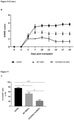
- Figure 2 shows the analysis of the in vivo efficacy of MSCs transfected with the bicistronic CXCR4-IL10 mRNA in a mouse model of GVHD.
- Figure 2A we did not observe any difference between the WT-MSCs and CXCR4-IL10 mRNA MSCs to inhibit GVHD
- Example 2.3 Generation of MSCs transduced with a bicistronic CRCR4-IL10 lentiviral vector for improving the efficacy of WT MSCs to inhibit graft versus host disease
- CXCR4/IL10-MSCs modified Ad-MSCs
- Higher concentrations of IL10 were secreted by CXCR4/IL10-MSCs compared to unmodified MSCs (WT-MSCs).
- the vector copy number was analyzed in these CXCR4/IL10-MSCs by qPCR ( Figure 3B ).
- MSCs modified with the bicistronic PGK-CXCR4-IL10 lentiviral vector were characterized following the criteria established by the ISCT (International Society of Cellular Therapy) for mesenchymal cells.
- Example 2.5 In vitro functionality of CXCR4/IL10-MSCs compared to WT-MSC.
- CXCR4/IL10-MSCs mesenchymal cells modified with the bicistronic lentiviral vector (CXCR4/IL10-MSCs).
- a transwell migration assay was first performed in response to SDF-1, ligand of CXCR4 ( Figure 5A ).
- the results of this assay showed an enhanced migration ability of CXCR4/IL10-MSCs as compared to WT-MSCs ( Figure 5B ).
- the second in vitro functional characterization study consisted of an immunosuppression assay in which the ability of the CXCR4/IL10-MSCs to inhibit the proliferation of activated mononuclear cells (MNCs) was evaluated compared to WT-MSCs ( Figure 6A ).
- WT-MSCs showed a high capacity to inhibit the proliferation of activated MNCs.
- this inhibition was significantly higher when MSCs were transduced with the PGK-CXCR4-IL10 lentiviral vector ( Figure 6B ).
- Example 2.6 Enhanced in vivo efficacy of CXCR4/IL10-MSCs to inhibit local inflammation compared to WT-MSC.
- the LPS was injected on the right pad of each mouse.
- the different types of Ad-MSCs WT-MSCs and CXCR4/IL10-MSCs
- Inflammation was measured macroscopically with a digital caliper, using the left pad as a control in each mouse ( Figure 7A ).
- Example 2.7 Improved efficacy of MSCs transduced with the bicistronic lentiviral vector to inhibit graft-versus-host disease (GvHD) compared to WT MSCs.
- GvHD graft-versus-host disease
- mice were irradiated with 2Gy and the following day they were transplanted with 5x10 6 human MNCs. Three days later, one million of WT-MSCs or CXCR4/IL10-MSCs were infused intravenously. Animals were weighed daily and monitored for possible key signs of GVHD ( Figure 8B ).
- GVHD score was significant better in the group of NSG mice that received CXCR4/IL10-MSCs, comparing not only with GVHD groups but also WT-MSCs group.
- mice that only received human MNCs began to show signs of the disease (weight loss, hunched back). Therefore, at this time recipient mice from all the three groups were sacrificed to analyze the percentage of human CD45 + cells in the peripheral blood (PB) and in the spleen (SP). It was found that the percentage of infiltrating human CD45 + cells was significantly reduced in mice that received WT-MSCs. Nevertheless, the reduction observed both in PB and spleen was significantly higher in mice that were infused with CXCR4/IL10-MSCs ( Figure 9A-B ) .
- Human CD45 + CD3 + cells responsible for GVHD disease were analyzed by flow cytometry in the GVHD humanized mouse model.
- NSG mice treated with CXCR4/IL10-MSCs, but not with WT-MSCs showed a statistically reduced percentage of pro-inflammatory T cells (CD3 + IFNg + ) compared to the GvHD control group ( Figure 10A ).
- a statistically significant increase in the percentage of anti-inflammatory T cells (CD3 + IL10 + ) was also observed ( Figure 10B ) in the group that received CXCR4/IL10-MSCs, but not with WT-MSCs, compared to the GvHD control group.
Landscapes
- Health & Medical Sciences (AREA)
- Life Sciences & Earth Sciences (AREA)
- Chemical & Material Sciences (AREA)
- Organic Chemistry (AREA)
- Engineering & Computer Science (AREA)
- Genetics & Genomics (AREA)
- Zoology (AREA)
- General Health & Medical Sciences (AREA)
- Immunology (AREA)
- Biomedical Technology (AREA)
- Bioinformatics & Cheminformatics (AREA)
- Biotechnology (AREA)
- Medicinal Chemistry (AREA)
- Biochemistry (AREA)
- Wood Science & Technology (AREA)
- Developmental Biology & Embryology (AREA)
- Cell Biology (AREA)
- General Engineering & Computer Science (AREA)
- Molecular Biology (AREA)
- Biophysics (AREA)
- Pharmacology & Pharmacy (AREA)
- Animal Behavior & Ethology (AREA)
- Public Health (AREA)
- Veterinary Medicine (AREA)
- Proteomics, Peptides & Aminoacids (AREA)
- Gastroenterology & Hepatology (AREA)
- Toxicology (AREA)
- Microbiology (AREA)
- Virology (AREA)
- Nuclear Medicine, Radiotherapy & Molecular Imaging (AREA)
- General Chemical & Material Sciences (AREA)
- Chemical Kinetics & Catalysis (AREA)
- Rheumatology (AREA)
- Plant Pathology (AREA)
- Physics & Mathematics (AREA)
- Hematology (AREA)
- Epidemiology (AREA)
- Transplantation (AREA)
- Pain & Pain Management (AREA)
- Medicines Containing Material From Animals Or Micro-Organisms (AREA)
Priority Applications (12)
| Application Number | Priority Date | Filing Date | Title |
|---|---|---|---|
| EP20382792.8A EP3964265A1 (en) | 2020-09-07 | 2020-09-07 | Mesenchymal stem cells co-expressing cxcr4 and il-10 and uses thereof |
| JP2023515394A JP2023540599A (ja) | 2020-09-07 | 2021-09-07 | Cxcr4及びil-10を共発現する間葉系幹細胞並びにその使用 |
| PCT/EP2021/074612 WO2022049306A1 (en) | 2020-09-07 | 2021-09-07 | Mesenchymal stem cells co-expressing cxcr4 and il-10 and uses thereof |
| CN202180075229.XA CN116507733A (zh) | 2020-09-07 | 2021-09-07 | 共表达cxcr4和il-10的间充质干细胞及其用途 |
| US18/025,074 US20230398152A1 (en) | 2020-09-07 | 2021-09-07 | Mesenchymal stem cells co-expressing cxcr4 and il-10 and uses thereof |
| BR112023004167A BR112023004167A2 (pt) | 2020-09-07 | 2021-09-07 | Células-tronco mesenquimais que coexpressam cxcr4 e il-10 e usos das mesmas |
| EP21766690.8A EP4210834A1 (en) | 2020-09-07 | 2021-09-07 | Mesenchymal stem cells co-expressing cxcr4 and il-10 and uses thereof |
| AU2021337798A AU2021337798A1 (en) | 2020-09-07 | 2021-09-07 | Mesenchymal stem cells co-expressing cxcr4 and il-10 and uses thereof |
| KR1020237011997A KR20230082622A (ko) | 2020-09-07 | 2021-09-07 | Cxcr4 및 il-10을 공동 발현하는 중간엽 줄기 세포 및 그 용도 |
| CA3194344A CA3194344A1 (en) | 2020-09-07 | 2021-09-07 | Mesenchymal stem cells co-expressing cxcr4 and il-10 and uses thereof |
| MX2023002741A MX2023002741A (es) | 2020-09-07 | 2021-09-07 | Células madre mesenquimales que coexpresan cxcr4 e il -10 y usos de las mismas. |
| SA523442866A SA523442866B1 (ar) | 2020-09-07 | 2023-03-07 | خلايا جذعية وسيطية تشارك في التعبير عن واستخداماتها cxcr4 وil-10 |
Applications Claiming Priority (1)
| Application Number | Priority Date | Filing Date | Title |
|---|---|---|---|
| EP20382792.8A EP3964265A1 (en) | 2020-09-07 | 2020-09-07 | Mesenchymal stem cells co-expressing cxcr4 and il-10 and uses thereof |
Publications (1)
| Publication Number | Publication Date |
|---|---|
| EP3964265A1 true EP3964265A1 (en) | 2022-03-09 |
Family
ID=72473480
Family Applications (2)
| Application Number | Title | Priority Date | Filing Date |
|---|---|---|---|
| EP20382792.8A Withdrawn EP3964265A1 (en) | 2020-09-07 | 2020-09-07 | Mesenchymal stem cells co-expressing cxcr4 and il-10 and uses thereof |
| EP21766690.8A Pending EP4210834A1 (en) | 2020-09-07 | 2021-09-07 | Mesenchymal stem cells co-expressing cxcr4 and il-10 and uses thereof |
Family Applications After (1)
| Application Number | Title | Priority Date | Filing Date |
|---|---|---|---|
| EP21766690.8A Pending EP4210834A1 (en) | 2020-09-07 | 2021-09-07 | Mesenchymal stem cells co-expressing cxcr4 and il-10 and uses thereof |
Country Status (11)
| Country | Link |
|---|---|
| US (1) | US20230398152A1 (https=) |
| EP (2) | EP3964265A1 (https=) |
| JP (1) | JP2023540599A (https=) |
| KR (1) | KR20230082622A (https=) |
| CN (1) | CN116507733A (https=) |
| AU (1) | AU2021337798A1 (https=) |
| BR (1) | BR112023004167A2 (https=) |
| CA (1) | CA3194344A1 (https=) |
| MX (1) | MX2023002741A (https=) |
| SA (1) | SA523442866B1 (https=) |
| WO (1) | WO2022049306A1 (https=) |
Cited By (2)
| Publication number | Priority date | Publication date | Assignee | Title |
|---|---|---|---|---|
| US12257286B2 (en) | 2018-10-31 | 2025-03-25 | Mayo Foundation For Medical Education And Research | Methods and materials for treating cancer |
| US12264189B2 (en) | 2018-10-31 | 2025-04-01 | Mayo Foundation For Medical Education And Research | Methods and materials for treating cancer |
Families Citing this family (1)
| Publication number | Priority date | Publication date | Assignee | Title |
|---|---|---|---|---|
| CN115927178A (zh) * | 2022-11-17 | 2023-04-07 | 华夏源(上海)生物科技有限公司 | 一种检测间充质干细胞抑制b细胞分化为浆细胞的方法 |
Citations (3)
| Publication number | Priority date | Publication date | Assignee | Title |
|---|---|---|---|---|
| US20090074733A1 (en) * | 2005-12-09 | 2009-03-19 | Medin Jeffrey A | Thymidylate kinase mutants and uses thereof |
| WO2016110565A1 (en) * | 2015-01-08 | 2016-07-14 | Apceth Gmbh & Co. Kg | Genetically modified mesenchymal stem cells expressing alpha-1 antitrypsin (aat) |
| WO2019243461A1 (en) * | 2018-06-19 | 2019-12-26 | Fondazione Telethon | Production of engineered dendritic cells and uses thereof |
Family Cites Families (3)
| Publication number | Priority date | Publication date | Assignee | Title |
|---|---|---|---|---|
| EP2065396A1 (en) * | 1996-08-30 | 2009-06-03 | Human Genome Sciences, Inc. | Interleukin-19 |
| CA2784861A1 (en) * | 2009-12-21 | 2011-07-14 | Pharmathene, Inc. | Recombinant butyrylcholinesterases and truncates thereof |
| JP7086928B2 (ja) * | 2016-07-25 | 2022-06-20 | ザ ユナイテッド ステイツ オブ アメリカ, アズ リプレゼンテッド バイ ザ セクレタリー, デパートメント オブ ヘルス アンド ヒューマン サービシーズ | 改変されたナチュラルキラー細胞を生成する方法および使用方法 |
-
2020
- 2020-09-07 EP EP20382792.8A patent/EP3964265A1/en not_active Withdrawn
-
2021
- 2021-09-07 EP EP21766690.8A patent/EP4210834A1/en active Pending
- 2021-09-07 CA CA3194344A patent/CA3194344A1/en active Pending
- 2021-09-07 JP JP2023515394A patent/JP2023540599A/ja active Pending
- 2021-09-07 MX MX2023002741A patent/MX2023002741A/es unknown
- 2021-09-07 WO PCT/EP2021/074612 patent/WO2022049306A1/en not_active Ceased
- 2021-09-07 KR KR1020237011997A patent/KR20230082622A/ko active Pending
- 2021-09-07 AU AU2021337798A patent/AU2021337798A1/en active Pending
- 2021-09-07 CN CN202180075229.XA patent/CN116507733A/zh active Pending
- 2021-09-07 BR BR112023004167A patent/BR112023004167A2/pt unknown
- 2021-09-07 US US18/025,074 patent/US20230398152A1/en active Pending
-
2023
- 2023-03-07 SA SA523442866A patent/SA523442866B1/ar unknown
Patent Citations (3)
| Publication number | Priority date | Publication date | Assignee | Title |
|---|---|---|---|---|
| US20090074733A1 (en) * | 2005-12-09 | 2009-03-19 | Medin Jeffrey A | Thymidylate kinase mutants and uses thereof |
| WO2016110565A1 (en) * | 2015-01-08 | 2016-07-14 | Apceth Gmbh & Co. Kg | Genetically modified mesenchymal stem cells expressing alpha-1 antitrypsin (aat) |
| WO2019243461A1 (en) * | 2018-06-19 | 2019-12-26 | Fondazione Telethon | Production of engineered dendritic cells and uses thereof |
Non-Patent Citations (2)
| Title |
|---|
| C VAUBOURG: "Changing the Face of Modern Medicine: Stem Cell and Gene Therapy Organized Jointly by the European Society of Gene & Cell Therapy (ESGCT), International Society for Stem Cell Research (ISSCR) and the French Society of Gene and Cell Therapy (SFTCG) Lausanne, Switzerland October 16-19, 2018 Abstracts", HUMAN GENE THERAPY, vol. 29, no. 12, 1 December 2018 (2018-12-01), GB, pages A1 - A169, XP055668032, ISSN: 1043-0342, DOI: 10.1089/hum.2018.29077.abstracts * |
| GHAEDI M ET AL: "Establishment of lentiviral-vector-mediated model of human alpha-1 antitrypsin delivery into hepatocyte-like cells differentiated from mesenchymal stem cells", TISSUE AND CELL, CHURCHILL LIVINGSTONE MEDICAL JOURNALS, EDINBURGH, GB, vol. 42, no. 3, 1 June 2010 (2010-06-01), pages 181 - 189, XP027069539, ISSN: 0040-8166, [retrieved on 20100604], DOI: 10.1016/J.TICE.2010.03.007 * |
Cited By (2)
| Publication number | Priority date | Publication date | Assignee | Title |
|---|---|---|---|---|
| US12257286B2 (en) | 2018-10-31 | 2025-03-25 | Mayo Foundation For Medical Education And Research | Methods and materials for treating cancer |
| US12264189B2 (en) | 2018-10-31 | 2025-04-01 | Mayo Foundation For Medical Education And Research | Methods and materials for treating cancer |
Also Published As
| Publication number | Publication date |
|---|---|
| MX2023002741A (es) | 2023-05-26 |
| BR112023004167A2 (pt) | 2023-05-09 |
| SA523442866B1 (ar) | 2024-05-05 |
| WO2022049306A1 (en) | 2022-03-10 |
| CA3194344A1 (en) | 2022-03-10 |
| CN116507733A (zh) | 2023-07-28 |
| AU2021337798A1 (en) | 2023-05-18 |
| US20230398152A1 (en) | 2023-12-14 |
| JP2023540599A (ja) | 2023-09-25 |
| KR20230082622A (ko) | 2023-06-08 |
| EP4210834A1 (en) | 2023-07-19 |
Similar Documents
| Publication | Publication Date | Title |
|---|---|---|
| EP1763538B1 (en) | Genetically engineered cells for therapeutic applications | |
| US20200268802A1 (en) | Genetically modified mesenchymal stem cells expressing an immune response-stimulating cytokine to attract and/or activate immune cells | |
| Hervás-Salcedo et al. | Enhanced anti-inflammatory effects of mesenchymal stromal cells mediated by the transient ectopic expression of CXCR4 and IL10 | |
| US20150104428A1 (en) | Compositions and Treatment Methods for Mesenchymal Stem Cell-Induced Immunoregulation | |
| EP3964265A1 (en) | Mesenchymal stem cells co-expressing cxcr4 and il-10 and uses thereof | |
| JP2025038075A (ja) | 造血細胞の遺伝子改変のための方法 | |
| JP7686568B6 (ja) | T細胞の再生を増強する方法 | |
| CN101580817A (zh) | 含有细胞因子诱导杀伤细胞的细胞群的制造方法 | |
| IL292004A (en) | Composition for reprogramming cells into dendritic plasma cells or type I interferon-producing cells, methods and uses thereof | |
| Hervás-Salcedo et al. | Improved efficacy of mesenchymal stromal cells stably expressing CXCR4 and IL-10 in a xenogeneic graft versus host disease mouse model | |
| EP1771196B1 (en) | Ccr ligands for stem cell homing | |
| JP2018201499A (ja) | 安全性と抗炎症作用を高めた間葉系幹細胞 | |
| WO2024213767A1 (en) | Engraftment of mesenchymal stromal cells engineered to stimulate immune infiltration in tumors | |
| CN119955735A (zh) | Cd47间充质干细胞及其制备方法和应用 | |
| CN115992157A (zh) | 靶向uPAR的CAR-T细胞及其用途 | |
| HK1233546A1 (en) | Genetically modified mesenchymal stem cells expressing an immune response-stimulating cytokine to attract and/or activate immune cells | |
| HK1233546B (en) | Genetically modified mesenchymal stem cells expressing an immune response-stimulating cytokine to attract and/or activate immune cells |
Legal Events
| Date | Code | Title | Description |
|---|---|---|---|
| PUAI | Public reference made under article 153(3) epc to a published international application that has entered the european phase |
Free format text: ORIGINAL CODE: 0009012 |
|
| STAA | Information on the status of an ep patent application or granted ep patent |
Free format text: STATUS: THE APPLICATION HAS BEEN PUBLISHED |
|
| AK | Designated contracting states |
Kind code of ref document: A1 Designated state(s): AL AT BE BG CH CY CZ DE DK EE ES FI FR GB GR HR HU IE IS IT LI LT LU LV MC MK MT NL NO PL PT RO RS SE SI SK SM TR |
|
| STAA | Information on the status of an ep patent application or granted ep patent |
Free format text: STATUS: THE APPLICATION IS DEEMED TO BE WITHDRAWN |
|
| 18D | Application deemed to be withdrawn |
Effective date: 20220910 |