EP3963335B1 - Neoantigens in cancer - Google Patents
Neoantigens in cancer Download PDFInfo
- Publication number
- EP3963335B1 EP3963335B1 EP20729893.6A EP20729893A EP3963335B1 EP 3963335 B1 EP3963335 B1 EP 3963335B1 EP 20729893 A EP20729893 A EP 20729893A EP 3963335 B1 EP3963335 B1 EP 3963335B1
- Authority
- EP
- European Patent Office
- Prior art keywords
- neo
- epitopes
- peptide
- cells
- neoantigens
- Prior art date
- Legal status (The legal status is an assumption and is not a legal conclusion. Google has not performed a legal analysis and makes no representation as to the accuracy of the status listed.)
- Active
Links
Images






Classifications
-
- G—PHYSICS
- G01—MEASURING; TESTING
- G01N—INVESTIGATING OR ANALYSING MATERIALS BY DETERMINING THEIR CHEMICAL OR PHYSICAL PROPERTIES
- G01N33/00—Investigating or analysing materials by specific methods not covered by groups G01N1/00 - G01N31/00
- G01N33/48—Biological material, e.g. blood, urine; Haemocytometers
- G01N33/50—Chemical analysis of biological material, e.g. blood, urine; Testing involving biospecific ligand binding methods; Immunological testing
- G01N33/68—Chemical analysis of biological material, e.g. blood, urine; Testing involving biospecific ligand binding methods; Immunological testing involving proteins, peptides or amino acids
- G01N33/6878—Chemical analysis of biological material, e.g. blood, urine; Testing involving biospecific ligand binding methods; Immunological testing involving proteins, peptides or amino acids in epitope analysis
-
- A—HUMAN NECESSITIES
- A61—MEDICAL OR VETERINARY SCIENCE; HYGIENE
- A61K—PREPARATIONS FOR MEDICAL, DENTAL OR TOILETRY PURPOSES
- A61K39/00—Medicinal preparations containing antigens or antibodies
-
- A—HUMAN NECESSITIES
- A61—MEDICAL OR VETERINARY SCIENCE; HYGIENE
- A61K—PREPARATIONS FOR MEDICAL, DENTAL OR TOILETRY PURPOSES
- A61K39/00—Medicinal preparations containing antigens or antibodies
- A61K39/0005—Vertebrate antigens
- A61K39/0011—Cancer antigens
-
- A—HUMAN NECESSITIES
- A61—MEDICAL OR VETERINARY SCIENCE; HYGIENE
- A61K—PREPARATIONS FOR MEDICAL, DENTAL OR TOILETRY PURPOSES
- A61K39/00—Medicinal preparations containing antigens or antibodies
- A61K39/39—Medicinal preparations containing antigens or antibodies characterised by the immunostimulating additives, e.g. chemical adjuvants
-
- A—HUMAN NECESSITIES
- A61—MEDICAL OR VETERINARY SCIENCE; HYGIENE
- A61P—SPECIFIC THERAPEUTIC ACTIVITY OF CHEMICAL COMPOUNDS OR MEDICINAL PREPARATIONS
- A61P35/00—Antineoplastic agents
-
- C—CHEMISTRY; METALLURGY
- C12—BIOCHEMISTRY; BEER; SPIRITS; WINE; VINEGAR; MICROBIOLOGY; ENZYMOLOGY; MUTATION OR GENETIC ENGINEERING
- C12Q—MEASURING OR TESTING PROCESSES INVOLVING ENZYMES, NUCLEIC ACIDS OR MICROORGANISMS; COMPOSITIONS OR TEST PAPERS THEREFOR; PROCESSES OF PREPARING SUCH COMPOSITIONS; CONDITION-RESPONSIVE CONTROL IN MICROBIOLOGICAL OR ENZYMOLOGICAL PROCESSES
- C12Q1/00—Measuring or testing processes involving enzymes, nucleic acids or microorganisms; Compositions therefor; Processes of preparing such compositions
- C12Q1/68—Measuring or testing processes involving enzymes, nucleic acids or microorganisms; Compositions therefor; Processes of preparing such compositions involving nucleic acids
- C12Q1/6809—Methods for determination or identification of nucleic acids involving differential detection
-
- C—CHEMISTRY; METALLURGY
- C12—BIOCHEMISTRY; BEER; SPIRITS; WINE; VINEGAR; MICROBIOLOGY; ENZYMOLOGY; MUTATION OR GENETIC ENGINEERING
- C12Q—MEASURING OR TESTING PROCESSES INVOLVING ENZYMES, NUCLEIC ACIDS OR MICROORGANISMS; COMPOSITIONS OR TEST PAPERS THEREFOR; PROCESSES OF PREPARING SUCH COMPOSITIONS; CONDITION-RESPONSIVE CONTROL IN MICROBIOLOGICAL OR ENZYMOLOGICAL PROCESSES
- C12Q1/00—Measuring or testing processes involving enzymes, nucleic acids or microorganisms; Compositions therefor; Processes of preparing such compositions
- C12Q1/68—Measuring or testing processes involving enzymes, nucleic acids or microorganisms; Compositions therefor; Processes of preparing such compositions involving nucleic acids
- C12Q1/6869—Methods for sequencing
-
- C—CHEMISTRY; METALLURGY
- C12—BIOCHEMISTRY; BEER; SPIRITS; WINE; VINEGAR; MICROBIOLOGY; ENZYMOLOGY; MUTATION OR GENETIC ENGINEERING
- C12Q—MEASURING OR TESTING PROCESSES INVOLVING ENZYMES, NUCLEIC ACIDS OR MICROORGANISMS; COMPOSITIONS OR TEST PAPERS THEREFOR; PROCESSES OF PREPARING SUCH COMPOSITIONS; CONDITION-RESPONSIVE CONTROL IN MICROBIOLOGICAL OR ENZYMOLOGICAL PROCESSES
- C12Q1/00—Measuring or testing processes involving enzymes, nucleic acids or microorganisms; Compositions therefor; Processes of preparing such compositions
- C12Q1/68—Measuring or testing processes involving enzymes, nucleic acids or microorganisms; Compositions therefor; Processes of preparing such compositions involving nucleic acids
- C12Q1/6876—Nucleic acid products used in the analysis of nucleic acids, e.g. primers or probes
- C12Q1/6883—Nucleic acid products used in the analysis of nucleic acids, e.g. primers or probes for diseases caused by alterations of genetic material
- C12Q1/6886—Nucleic acid products used in the analysis of nucleic acids, e.g. primers or probes for diseases caused by alterations of genetic material for cancer
-
- G—PHYSICS
- G01—MEASURING; TESTING
- G01N—INVESTIGATING OR ANALYSING MATERIALS BY DETERMINING THEIR CHEMICAL OR PHYSICAL PROPERTIES
- G01N33/00—Investigating or analysing materials by specific methods not covered by groups G01N1/00 - G01N31/00
- G01N33/48—Biological material, e.g. blood, urine; Haemocytometers
- G01N33/50—Chemical analysis of biological material, e.g. blood, urine; Testing involving biospecific ligand binding methods; Immunological testing
- G01N33/53—Immunoassay; Biospecific binding assay; Materials therefor
- G01N33/575—Immunoassay; Biospecific binding assay; Materials therefor for cancer
- G01N33/5758—Immunoassay; Biospecific binding assay; Materials therefor for cancer involving compounds serving as markers for tumours, cancers or neoplasias, e.g. cellular determinants, receptors, heat shock/stress proteins, A-protein, oligosaccharides or metabolites
- G01N33/5759—Immunoassay; Biospecific binding assay; Materials therefor for cancer involving compounds serving as markers for tumours, cancers or neoplasias, e.g. cellular determinants, receptors, heat shock/stress proteins, A-protein, oligosaccharides or metabolites involving compounds localised on the membrane of tumour or cancer cells
-
- G—PHYSICS
- G16—INFORMATION AND COMMUNICATION TECHNOLOGY [ICT] SPECIALLY ADAPTED FOR SPECIFIC APPLICATION FIELDS
- G16B—BIOINFORMATICS, i.e. INFORMATION AND COMMUNICATION TECHNOLOGY [ICT] SPECIALLY ADAPTED FOR GENETIC OR PROTEIN-RELATED DATA PROCESSING IN COMPUTATIONAL MOLECULAR BIOLOGY
- G16B15/00—ICT specially adapted for analysing two-dimensional [2D] or three-dimensional [3D] molecular structures, e.g. structural or functional relations or structure alignment
- G16B15/30—Drug targeting using structural data; Docking or binding prediction
-
- G—PHYSICS
- G16—INFORMATION AND COMMUNICATION TECHNOLOGY [ICT] SPECIALLY ADAPTED FOR SPECIFIC APPLICATION FIELDS
- G16B—BIOINFORMATICS, i.e. INFORMATION AND COMMUNICATION TECHNOLOGY [ICT] SPECIALLY ADAPTED FOR GENETIC OR PROTEIN-RELATED DATA PROCESSING IN COMPUTATIONAL MOLECULAR BIOLOGY
- G16B20/00—ICT specially adapted for functional genomics or proteomics, e.g. genotype-phenotype associations
- G16B20/20—Allele or variant detection, e.g. single nucleotide polymorphism [SNP] detection
-
- G—PHYSICS
- G16—INFORMATION AND COMMUNICATION TECHNOLOGY [ICT] SPECIALLY ADAPTED FOR SPECIFIC APPLICATION FIELDS
- G16B—BIOINFORMATICS, i.e. INFORMATION AND COMMUNICATION TECHNOLOGY [ICT] SPECIALLY ADAPTED FOR GENETIC OR PROTEIN-RELATED DATA PROCESSING IN COMPUTATIONAL MOLECULAR BIOLOGY
- G16B20/00—ICT specially adapted for functional genomics or proteomics, e.g. genotype-phenotype associations
- G16B20/30—Detection of binding sites or motifs
-
- G—PHYSICS
- G16—INFORMATION AND COMMUNICATION TECHNOLOGY [ICT] SPECIALLY ADAPTED FOR SPECIFIC APPLICATION FIELDS
- G16H—HEALTHCARE INFORMATICS, i.e. INFORMATION AND COMMUNICATION TECHNOLOGY [ICT] SPECIALLY ADAPTED FOR THE HANDLING OR PROCESSING OF MEDICAL OR HEALTHCARE DATA
- G16H10/00—ICT specially adapted for the handling or processing of patient-related medical or healthcare data
- G16H10/40—ICT specially adapted for the handling or processing of patient-related medical or healthcare data for data related to laboratory analysis, e.g. patient specimen analysis
-
- G—PHYSICS
- G16—INFORMATION AND COMMUNICATION TECHNOLOGY [ICT] SPECIALLY ADAPTED FOR SPECIFIC APPLICATION FIELDS
- G16H—HEALTHCARE INFORMATICS, i.e. INFORMATION AND COMMUNICATION TECHNOLOGY [ICT] SPECIALLY ADAPTED FOR THE HANDLING OR PROCESSING OF MEDICAL OR HEALTHCARE DATA
- G16H50/00—ICT specially adapted for medical diagnosis, medical simulation or medical data mining; ICT specially adapted for detecting, monitoring or modelling epidemics or pandemics
- G16H50/30—ICT specially adapted for medical diagnosis, medical simulation or medical data mining; ICT specially adapted for detecting, monitoring or modelling epidemics or pandemics for calculating health indices; for individual health risk assessment
-
- A—HUMAN NECESSITIES
- A61—MEDICAL OR VETERINARY SCIENCE; HYGIENE
- A61K—PREPARATIONS FOR MEDICAL, DENTAL OR TOILETRY PURPOSES
- A61K39/00—Medicinal preparations containing antigens or antibodies
- A61K2039/555—Medicinal preparations containing antigens or antibodies characterised by a specific combination antigen/adjuvant
- A61K2039/55511—Organic adjuvants
- A61K2039/55561—CpG containing adjuvants; Oligonucleotide containing adjuvants
-
- A—HUMAN NECESSITIES
- A61—MEDICAL OR VETERINARY SCIENCE; HYGIENE
- A61K—PREPARATIONS FOR MEDICAL, DENTAL OR TOILETRY PURPOSES
- A61K39/00—Medicinal preparations containing antigens or antibodies
- A61K2039/555—Medicinal preparations containing antigens or antibodies characterised by a specific combination antigen/adjuvant
- A61K2039/55511—Organic adjuvants
- A61K2039/55583—Polysaccharides
-
- A—HUMAN NECESSITIES
- A61—MEDICAL OR VETERINARY SCIENCE; HYGIENE
- A61K—PREPARATIONS FOR MEDICAL, DENTAL OR TOILETRY PURPOSES
- A61K39/00—Medicinal preparations containing antigens or antibodies
- A61K2039/57—Medicinal preparations containing antigens or antibodies characterised by the type of response, e.g. Th1, Th2
- A61K2039/572—Medicinal preparations containing antigens or antibodies characterised by the type of response, e.g. Th1, Th2 cytotoxic response
-
- A—HUMAN NECESSITIES
- A61—MEDICAL OR VETERINARY SCIENCE; HYGIENE
- A61K—PREPARATIONS FOR MEDICAL, DENTAL OR TOILETRY PURPOSES
- A61K39/00—Medicinal preparations containing antigens or antibodies
- A61K2039/80—Vaccine for a specifically defined cancer
-
- A—HUMAN NECESSITIES
- A61—MEDICAL OR VETERINARY SCIENCE; HYGIENE
- A61K—PREPARATIONS FOR MEDICAL, DENTAL OR TOILETRY PURPOSES
- A61K39/00—Medicinal preparations containing antigens or antibodies
- A61K2039/80—Vaccine for a specifically defined cancer
- A61K2039/82—Colon
-
- A—HUMAN NECESSITIES
- A61—MEDICAL OR VETERINARY SCIENCE; HYGIENE
- A61K—PREPARATIONS FOR MEDICAL, DENTAL OR TOILETRY PURPOSES
- A61K39/00—Medicinal preparations containing antigens or antibodies
- A61K2039/80—Vaccine for a specifically defined cancer
- A61K2039/852—Pancreas
-
- C—CHEMISTRY; METALLURGY
- C12—BIOCHEMISTRY; BEER; SPIRITS; WINE; VINEGAR; MICROBIOLOGY; ENZYMOLOGY; MUTATION OR GENETIC ENGINEERING
- C12Q—MEASURING OR TESTING PROCESSES INVOLVING ENZYMES, NUCLEIC ACIDS OR MICROORGANISMS; COMPOSITIONS OR TEST PAPERS THEREFOR; PROCESSES OF PREPARING SUCH COMPOSITIONS; CONDITION-RESPONSIVE CONTROL IN MICROBIOLOGICAL OR ENZYMOLOGICAL PROCESSES
- C12Q2600/00—Oligonucleotides characterized by their use
- C12Q2600/156—Polymorphic or mutational markers
-
- G—PHYSICS
- G01—MEASURING; TESTING
- G01N—INVESTIGATING OR ANALYSING MATERIALS BY DETERMINING THEIR CHEMICAL OR PHYSICAL PROPERTIES
- G01N2800/00—Detection or diagnosis of diseases
- G01N2800/52—Predicting or monitoring the response to treatment, e.g. for selection of therapy based on assay results in personalised medicine; Prognosis
-
- G—PHYSICS
- G01—MEASURING; TESTING
- G01N—INVESTIGATING OR ANALYSING MATERIALS BY DETERMINING THEIR CHEMICAL OR PHYSICAL PROPERTIES
- G01N2800/00—Detection or diagnosis of diseases
- G01N2800/70—Mechanisms involved in disease identification
- G01N2800/7023—(Hyper)proliferation
-
- G—PHYSICS
- G01—MEASURING; TESTING
- G01N—INVESTIGATING OR ANALYSING MATERIALS BY DETERMINING THEIR CHEMICAL OR PHYSICAL PROPERTIES
- G01N2800/00—Detection or diagnosis of diseases
- G01N2800/70—Mechanisms involved in disease identification
- G01N2800/7023—(Hyper)proliferation
- G01N2800/7028—Cancer
-
- Y—GENERAL TAGGING OF NEW TECHNOLOGICAL DEVELOPMENTS; GENERAL TAGGING OF CROSS-SECTIONAL TECHNOLOGIES SPANNING OVER SEVERAL SECTIONS OF THE IPC; TECHNICAL SUBJECTS COVERED BY FORMER USPC CROSS-REFERENCE ART COLLECTIONS [XRACs] AND DIGESTS
- Y02—TECHNOLOGIES OR APPLICATIONS FOR MITIGATION OR ADAPTATION AGAINST CLIMATE CHANGE
- Y02A—TECHNOLOGIES FOR ADAPTATION TO CLIMATE CHANGE
- Y02A90/00—Technologies having an indirect contribution to adaptation to climate change
- Y02A90/10—Information and communication technologies [ICT] supporting adaptation to climate change, e.g. for weather forecasting or climate simulation
Definitions
- the technical field of the present invention relates to improved strategies, prognostic indicators, compositions, and methods for producing and using personalized neoplasia vaccines. More particularly, the technical field of the present invention relates to the identification of neoplasia-specific neoantigens to identify and design subject-specific neo-epitopes, further assessing the identified neo-epitopes encoded by said mutations to identify neo-epitopes that are known or determined (e.g. predicted) to engage regulatory T cells and/or other detrimental T cells (including T cells with potential host crossreactivity and/or anergic T cells), and excluding such identified neo-epitopes that are known or determined (e.g.
- cancer therapies including ablation techniques (e.g., surgical procedures, cryogenic/heat treatment, ultrasound, radiofrequency, and radiation) and chemical techniques (e.g., pharmaceutical agents, cytotoxic/chemotherapeutic agents, monoclonal antibodies, and various combinations thereof).
- ablation techniques e.g., surgical procedures, cryogenic/heat treatment, ultrasound, radiofrequency, and radiation
- chemical techniques e.g., pharmaceutical agents, cytotoxic/chemotherapeutic agents, monoclonal antibodies, and various combinations thereof.
- precision cancer immunotherapies include the identification and use of a patient-specific pool of neoplasia-specific neoantigens in a personalized vaccine.
- vaccine-induced immune response targeting cross-reactive epitopes may induce unwanted autoimmune responses targeting the homologs of the cross-reactive epitopes identified by homology search.
- vaccine safety may be reduced.
- the inadvertent inclusion of other detrimental T cell-neo-epitopes in neoantigen-based vaccines may be recognized by, and thus activate, other detrimental T cells (including T cells with potential host cross-reactivity that may lead to autoimmune responses, as well as anergic T cells) may also lead to ineffective immune responses against tumor cells.
- Immune tolerance is regulated by a complex interplay between antigen presenting cells (APC), T cells, B cells, cytokines, chemokines, and surface receptors.
- APC antigen presenting cells
- T cells T cells
- B cells cytokines, chemokines, and surface receptors.
- a second form of tolerance develops in the periphery.
- activated T cells are converted to an 'adaptive' regulatory T cells phenotype through the action of certain immune suppressive cytokines and chemokines such as IL-10, TGF- ⁇ and CCL19.
- the possible roles for these 'adaptive' regulatory T cells include dampening immune response following the successful clearance of an invading pathogen, controlling excessive inflammation caused by an allergic reaction, controlling excessive inflammation caused by low level or chronic infection, or possibly controlling inflammatory response targeting beneficial symbiotic bacteria.
- Naturally occurring regulatory T cells are a critical component of immune regulation in the periphery.
- natural regulatory T cells upon activation of natural regulatory T cells through their TCR, natural regulatory T cells express immune modulating cytokines and chemokines. Activated natural regulatory T cells may suppress nearby effector T cells through contact dependent and independent mechanisms.
- the cytokines released by these cells including, but not limited to, IL-10 and TGF- ⁇ , are capable of inducing antigen-specific adaptive regulatory T cells.
- regulatory T cells activity is essential for prevention of autoimmunity, excessive regulatory T cells function may abrogate effective immune responses against tumor cells ( Nishikawa et al., "Regulatory T Cells in Tumor Immunity," Int. J.
- suppressive T cell neo-epitopes in neoantigen-based vaccines that may be recognized by, and thus activate, regulatory T cells, must be avoided to prevent the abrogation of an effective immune response against tumor cells.
- the present invention concerns a prognostic method as defined in claim 1.
- Preferred embodiments of said method are defined in the dependent claims.
- the invention provides a prognostic method for determining risk of death of a human subject with a neoplasia, which comprises identifying a population of neoplasia-specific mutations in a neoplasia specimen of a subject, assessing the neoplasia-specific mutations identified to classify Class I and Class II MHC-binding neoantigens encoded by said mutations, analyzing the neoantigens encoded by said mutations to identify and classify neoantigens that engage effector T cells and neo-epitopes that engage regulatory T cells, and computing a prognostic score from the immunogenicity of the population, wherein assessing neoplasia-specific mutations comprises:
- the prognostic method is used to distinguish subjects with neoplasias that are best suited to respond to a neoantigen vaccine. In another aspect, the prognostic method is used to identify subjects that would benefit improved outcomes by coadministration of a neoantigen vaccine and an agent that selectively inhibits Treg function.
- the prognostic method of the present invention comprises identifying a population of neoplasia-specific mutations in a neoplasia specimen of a subject; assessing the neoplasia-specific mutations identified to classify Class I and Class II neoantigens encoded by said mutations; analyzing the neoantigens encoded by said mutations to identify and classify neoantigens that engage effector T cells and neo-epitopes that engage regulatory T cells, and determining a prognostic score from the immunogenicity of the neoantigen population, wherein assessing neoplasia-specific mutations comprises steps (a) to (e) as outlined above.
- the method is implemented on a computer.
- the method of the invention is designed to classify, order, or otherwise recognize Class I and Class II neoantigens as effector neoantigens or tolerogenic antigens, or classify any neoantigen in between, for any given patient.
- the invention is further designed to recognize neoantigens that are crossreactive, for example having Class II effector and Class I tolerogenic activity, or Class I effector and Class II tolerogenic activity, or other combinations that are detrimental to prognosis or treatment outcomes.
- the method comprises classification of Class I neoantigens of a subject as effector neoantigens or tolerogenic neoantigens.
- the method comprises classification of the Class I neoantigens of a subject as effector neoantigens, tolerated neoantigens, or tolerogenic neoantigens.
- the method comprises classification of the Class I neoantigens of a subject on a graded scale from a strong effector neoantigen to a strong tolerogenic neoantigen.
- the method comprises classification of the Class II neoantigens of a subject as effector neoantigens or tolerogenic neoantigens. In another embodiment, the method comprises classification of the Class II neoantigens of a subject as effector neoantigens, tolerated neoantigens, or tolerogenic neoantigens. In another embodiment, the method comprises classification of the Class II neoantigens of a subject on a graded scale from a strong effector neoantigen to a strong regulatory neoantigen.
- the method comprises classification of the Class I neoantigens and classification of the Class II neoantigens of the subject and can include identification of subject neoantigens that are cross-reactive between Class I and Class II.
- Such embodiments of the invention may exclude neoantigens from prognostic or diagnostic methods if the neoantigen is a Class I effector neoantigen and a Class II tolerogenic neoantigen or a Class II effector neoantigen and a Class I tolerogenic neoantigen, or a tolerated Class I neoantigen and a tolerated Class II antigen, or an effector Class II neoantigen and a tolerated Class I neoantigen.
- the prognostic score is calculated based on the top 50% of the effector neoantigens and the top 50% of the tolerogenic neoantigens, or the top 40% of effector neoantigens and the top 40% of the tolerogenic neoantigens, or the top 30% of effector neoantigens and the top 30% of the tolerogenic neoantigens, or the top 20% of the effector neoantigens and the top 20% of the tolerogenic neoantigens, or the top 10% of the effector neoantigens and the top 10% of the tolerogenic neoantigens, or the top 5% of the effector neoantigens and the top 5% of the tolerogenic neoantigens, or the top 2% of the effector neoantigens and the top 2% of the tolerogenic neoantigens, or the top 1% of the effector neoant
- the prognostic score is calculated based on at least the top 10 of the effector neoantigens and at least the top 10 of the tolerogenic neoantigens, or at least the top 25 of the effector neoantigens and at least the top 25 of the tolerogenic neoantigens, or at least on the top 50 of the effector neoantigens and at least the top 50 of the tolerogenic neoantigens, or at least on the top 100 of the effector neoantigens and at least the top 100 of the tolerogenic neoantigens.
- the method comprises determining binding strength of a neoantigen to Teff and/or Treg cells.
- the strength of binding to Teff and/or Treg cells may be known, measured, predicted or calculated.
- the method comprises determining immunogenicity of a neoantigen by comparision to physicochemical methods and/or by comparison to a panel of antigens of known immunogenicity.
- the activity of a neoantigen in a subject is determined by its capacity to activate or inhibit an immune cell, such as, for example, to inhibit IFN ⁇ production by itself or mixed with other antigens or neoantigens.
- strength of binding to a Teff cell or a Treg cell is determined by comparison to a panel of neoantigens having predetermined Teff and/or Treg activity.
- the invention provides prognostic biomarkers.
- the method involves identifying a plurality of neoplasia-specific mutations (neo-epitopes) in a subject and determining the extent to which a population of neoantigens containing the the neo-epitopes is immunogenic. Higher overall immunogenicity, i.e. higher capability to stimulate effector cells and lower capability to stimulate regulatory cells indicates a better prognosis.
- the present application further describes a method of identifying subject-specific neo-epitopes for a personalized neoplasia vaccine, wherein said method is not mentioned in the present claims.
- the method of identifying subject-specific neo-epitopes for a personalized neoplasia vaccine includes: i) identifying neoplasia-specific mutations in a neoplasia specimen of a subject diagnosed as having a neoplasia; ii) to identify Class I and Class II neo-epitopes encoded by said mutations for use in the personalized neoplasia vaccine, wherein said neo-epitopes are known, determined, or predicted to bind to a MHC protein of the subject; and iii) classifying the identified neo-epitopes encoded by said mutations from step (ii) to identify Class I and Class II neo-epitopes that are that are
- a non-neoplasia specimen is derived from the subject diagnosed as having a neoplasia.
- identifying neoplasia-specific mutations or identifying sequence differences comprises Next Generation Sequencing (NGS).
- identifying neoplasia-specific mutations in step (i) comprises selecting from the neoplasia a plurality of nucleic acid sequences, each comprising mutations, which are not present in a non-neoplasia sample.
- identifying neoplasia-specific mutations or identifying sequence differences comprises sequencing genomic DNA and/or RNA of the neoplasia specimen.
- the neoplasia-specific mutations are neoplasia-specific somatic mutations.
- the neoplasia-specific mutations are single nucleotide variations (SNVs), insertions and deletions (which can generate both in-frame and frameshift mutations), and other large-scale rearrangements such as but not limited to chromosomal inversions, duplications, insertions, deletions, or translocations.
- SNVs single nucleotide variations
- insertions and deletions which can generate both in-frame and frameshift mutations
- other large-scale rearrangements such as but not limited to chromosomal inversions, duplications, insertions, deletions, or translocations.
- neoplasia specific mutations, including SNVs, insertions, and deletions are non-synonymous mutations.
- neoplasia-specific mutations including SNVs, insertions and deletions (which can be non-synonymous mutations), and other large-scale rearrangements, are mutations of proteins encoded in the neoplasia specimen of the subject diagnosed as having a neoplasia.
- neoplasia specific mutations including SNVs
- neoplasia-specific mutations including SNVs (which can be non-synonymous mutations), indels, and frameshifts, are mutations of proteins expressed in the neoplasia specimen of the subject diagnosed as having a neoplasia.
- assessing the neoplasia-specific mutations to identify known or determined (e.g. predicted) neo-epitopes encoded by said mutations includes: a) determining a binding score for a mutated peptide to one or more MHC molecules, wherein said mutated peptide is encoded by at least one of said neoplasia-specific mutations; b) determining a binding score for a non-mutated peptide to the one or more MHC molecules, wherein the non-mutated peptide is identical to the mutated peptide except for the encoded at least one of said neoplasia-specific mutations; c) determining the percentile rank of the binding scores of both the mutated peptide of step (a) and the non-mutated peptide of step (b) as compared to an expected distribution of binding scores for a sufficiently large enough group randomly generated peptides (e.g., at least 10,000) using naturally observed amino acid
- the mutated peptide and non-mutated peptide are both 9 amino acids in length or the mutated peptide and non-mutated peptide are both 10 amino acids in length.
- the TCR facing amino acid residues for a 9-mer mutated peptide and a 9-mer non-mutated peptide that bind to a MHC class II molecule are at position 2, 3, 5, 7, and 8 of the mutated and non-mutated peptide as counted from the amino terminal
- the TCR facing amino acid residues for a 9-mer mutated peptide and a 9-mer non-mutated peptide that bind to a MHC class I molecule are at position 4, 5, 6, 7, and 8 of the mutated and non-mutated peptide as counted from the amino terminal
- the TCR facing amino acid residues for a 10-mer mutated peptide and 10-mer non- mutated peptide that bind to a MHC class I molecule are at position 4, 5, 6, 7,
- TCR contacts for a 9-mer identified neo-epitope that binds to a MHC class II molecule are at any combination of residues at positions 2, 3, 5, 7, and 8 (e.g., but not limited to, positions 3, 5, 7 and 8; positions 2, 5, 7, and 8; positions 2, 3, 5, and 7, etc.) as counted from the amino terminal.
- the TCR contacts for a 9-mer identified neo-epitope that binds to a MHC class I molecule are at positions 4, 5, 6, 7, and 8; 1, 4, 5, 6, 7 and 8; or 1, 3, 4, 5, 6, 7, and 8 of the identified neo-epitope as counted from the amino terminal.
- the TCR contacts for a 9-mer identified neo-epitope that binds to a MHC class I molecule are at any combination of residues at positions 1, 3, 4, 5, 6, 7, and 8 as counted from the amino terminal.
- the TCR contacts for a 10-mer identified neo-epitope that bind to a MHC class I molecule are at position 4, 5, 6, 7, 8, and 9; 1, 4, 5, 6, 7, 8, and 9; or 1, 3, 4, 5, 6, 7, 8, and 9 of the identified neo-epitope as counted from the amino terminal.
- the TCR contacts for a 10- mer identified neo-epitope that binds to a MHC class I molecule are at any combination of residues at positions 1, 3, 4, 5, 6, 7, 8, and 9 as counted from the amino terminal.
- assessing the neoplasia-specific mutations to identify known or determined (e.g. predicted) neo-epitopes encoded by said mutations comprises in silico testing.
- said in silico testing to identify known or determined (e.g. predicted) neo-epitopes encoded by said mutations in step (ii) comprises using an algorithm to screen protein sequences for putative T cell epitopes.
- the algorithm may comprise the EpiMatrix ® algorithm.
- assessing the identified neo-epitopes encoded by said mutations to identify neo-epitopes that are known or determined (e.g. predicted) to engage regulatory T cells and/or other detrimental T cells (including T cells with potential host cross-reactivity and/or anergic T cells) comprises determining whether said identified neo-epitopes encoded by said mutations share TCR contacts with proteins derived from either the human proteome or the human microbiome, wherein said identified neo-epitopes encoded by said mutations that are determined to share TCR contacts with proteins derived from either the human proteome or the human microbiome may be identified as neo-epitopes that are known or determined (e.g.
- TCR contacts for a 9-mer identified neo-epitope that binds to a MHC class II molecule are at position 2, 3, 5, 7, and 8 of the identified neo-epitope as counted from the amino terminal, wherein the TCR contacts for a 9- mer identified neo-epitope that binds to a MHC class I molecule are at position 4, 5, 6, 7, and 8 of the identified neo-epitope as counted from the amino terminal, and wherein the TCR contacts for a 10-mer identified neo-epitope that bind to a MHC class I molecule are at position 4, 5, 6, 7, 8, and 9 of the identified neo-epitope as counted from the amino terminal.
- TCR contacts for a 9-mer identified neo-epitope that binds to a MHC class II molecule are at any combination of residues at positions 2, 3, 5, 7, and 8 (e.g., but not limited to, positions 3, 5, 7 and 8; positions 2, 5, 7, and 8; positions 2, 3, 5, and 7, etc.) as counted from the amino terminal.
- the TCR contacts for a 9-mer identified neo-epitope that binds to a MHC class I molecule are at positions 4, 5, 6, 7, and 8; 1, 4, 5, 6, 7 and 8; or 1, 3, 4, 5, 6, 7, and 8 of the identified neo-epitope as counted from the amino terminal.
- the TCR contacts for a 9-mer identified neo-epitope that binds to a MHC class I molecule are at any combination of residues at positions 1, 3, 4, 5, 6, 7, and 8 as counted from the amino terminal.
- the TCR contacts for a 10-mer identified neo-epitope that bind to a MHC class I molecule are at position 4, 5, 6, 7, 8, and 9; 1, 4, 5, 6, 7, 8, and 9; or 1, 3, 4, 5, 6, 7, 8, and 9 of the identified neo-epitope as counted from the amino terminal.
- the TCR contacts for a 10-mer identified neo-epitope that binds to a MHC class I molecule are at any combination of residues at positions 1, 3, 4, 5, 6, 7, 8, and 9 as counted from the amino terminal.
- assessing the identified neo-epitopes encoded by said mutations to identify neo-epitopes that are known or determined (e.g. predicted) to engage regulatory T cells and/or other detrimental T cells (including T cells with potential host cross-reactivity and/or anergic T cells) comprises in silico testing.
- in silico testing comprises analyzing whether the identified neo-epitopes are predicted to engage regulatory T cells and/or other detrimental T cells (including T cells with potential host cross-reactivity and/or anergic T cells) using the JANUSMATRIX TM algorithm.
- an identified neo-epitope is predicted to engage regulatory T cells and/or other detrimental T cells (including T cells with potential host cross-reactivity and/or anergic T cells) if the JANUSMATRIX TM score for the neo-epitope is greater than or equal to 2 (and in further aspects, greater than or equal to 3).
- the method further comprises determining whether the identified neo-epitopes engage regulatory T cells and/or other detrimental T cells (including T cells with potential host cross-reactivity and/or anergic T cells) in vitro.
- a neo-epitope is determined to engage regulatory T cells when said neo-epitope results in regulatory T cell activation, proliferation, and/or IL-10 or TGF- ⁇ production.
- assessing the identified neo-epitopes encoded by said mutations to identify neo-epitopes that are known or determined (e.g. predicted) to engage regulatory T cells and/or other detrimental T cells (including T cells with potential host cross-reactivity and/or anergic T cells) may comprise determining whether the identified neo-epitopes engage regulatory T cells and/or other detrimental T cells (including T cells with potential host cross-reactivity and/or anergic T cells) in vitro.
- a neo-epitope is determined to engage regulatory T cells when said neo-epitope results in regulatory T cell activation, proliferation, and/or IL-10 or TGF- ⁇ production.
- the method further includes: designing at least one subject-specific peptide or polypeptide, said peptide or polypeptide comprising at least one identified neo- epitope encoded by said mutations, provided said neo-epitope is not identified as being known or determined (e.g. predicted) to engage regulatory T cells and/or other detrimental T cells (including T cells with potential host cross-reactivity and/or anergic T cells).
- the non-claimed method further includes providing the at least one peptide or polypeptide designed in step (iv) or a nucleic acid encoding said peptides or polypeptides.
- the method further includes vi) providing a vaccine comprising the at least one peptide or polypeptide or nucleic acid provided in step (v).
- the invention provides a prognostic method for determining risk of death of a human subject with a neoplasia, which comprises identifying a population of neoplasia-specific mutations in a neoplasia specimen of a subject; assessing the neoplasia-specific mutations identified in step (i) to identify Class I and Class II neo-epitopes encoded by said mutations, analyzing the neo-epitopes encoded by said mutations to identify and quantify neo-epitopes that engage effector T cells and neo-epitopes that engage regulatory T cells, and computing a prognostic score from the immunogenicity of the population, wherein assessing neoplasia-specific mutations comprises steps (a) to (e) as outlined above.
- Distinctive features of the instantly-disclosed strategies, compositions, and methods for producing personalized neoplasia vaccines over other personalized vaccine pipelines are the ability to predict CD4+ and CD8+ T cell neo-epitopes and to identify, and subsequently remove, neo-epitopes that may be recognized by and activate regulatory T cells, and/or the inadvertent inclusion of other detrimental T cells (including T cells with potential host cross-reactivity that may lead to autoimmune responses, as well as anergic T cells).
- CT26 neo-epitope vaccine candidates encoding CD4+ and CD8+ neo-epitopes were designed and ranked with the instantly-disclosed strategies and methods.
- Self-like, putative regulatory T cell epitopes and epitopes that may be recognized by, and thus activate, other detrimental T cells (including T cells with potential host cross-reactivity that may lead to autoimmune responses, as well as anergic T cells) were removed in this process.
- Class I and Class II neo-epitopes are now more precisely classified as to immunogenic activity.
- Class I and Class II neo-epitopes are advantageously ranked as immunogenic, tolerated, or tolerogenic.
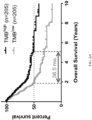
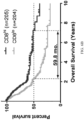
- a retrospective analysis of Class I and Class II neoepitopes in bladder cancer patients comparing proportions of immunogenic, tolerated, or tolerogenic neoepitopes with overall survival reveals distinctions between Class I and Class II that provide for more effective neoantigen vaccines.
- Neo-epitopes may be recognized by regulatory T cells due to their high degree of similarity with self.
- co-administration of the CT26 self-like neo-epitopes e.g. which were predicted to be recognized by and activate regulatory T cells
- poor cancer vaccine performance may be due in large part to the inadvertent inclusion of suppressive T cell neo-epitopes in neo-epitope vaccines that may be recognized by, and thus activate, regulatory T cells, and/or the inadvertent inclusion of other detrimental T cell- neo-epitopes in neoantigen-based vaccines that may be recognized by, and thus activate, other detrimental T cells (including T cells with potential host cross-reactivity that may lead to autoimmune responses, as well as anergic T cells).
- tumor-derived neo-epitopes may be recruiting regulatory T cells to the tumor. More importantly, the inadvertent inclusion of regulatory T cell-driving neo- epitopes, and/or the inadvertent inclusion of other detrimental T cell-neo-epitopes that may be recognized by, and thus activate, other detrimental T cells (including T cells with potential host cross-reactivity that may lead to autoimmune responses, as well as anergic T cells), in vaccine formulations may hinder efforts to induce strong T cell-mediated tumor control while also leading to possible autoimmune responses.
- Screening of neoantigen sequences to identify and remove potential regulatory T cell inducing neo-epitopes and/or other detrimental T cell-neo- epitopes that may be recognized by, and thus activate, other detrimental T cells (including T cells with potential host cross-reactivity that may lead to autoimmune responses, as well as anergic T cells) offers the possibility of enriching and designing new vaccines with higher quality candidates while minimizing costs and turnaround times.
- the invention provides a prognostic method for determining risk of death of a human subject with a neoplasia.
- the method of the invention comprises identification of neoantigens that are cross-reactive between Class I and Class II MHC.
- the instant invention provides a prognostic method for example to assess risk of death, or to adjust treatment. More particularly, embodiments of the present disclosure relate to the identification of neoplasia-specific neoantigens to identify and design subject-specific neo-epitopes, further assessing the identified neo-epitopes encoded by said mutations to identify neo-epitopes that are known or determined (e.g. predicted) to engage regulatory T cells and/or other detrimental T cells (including T cells with potential host cross-reactivity and/or anergic T cells), and excluding such identified neo-epitopes that are known or determined (e.g.
- the instant disclosure relates to a novel ranking system for determining the optimal peptides or polypeptides comprising subject-specific neo-epitopes that are to be used in personalized neoplasia vaccines.
- the term "about” is understood as within a range of normal tolerance in the art, for example within 2 standard deviations of the mean. About can be understood as within 50%, 45%, 40%, 35%, 30%, 25%, 20%, 15%, 10%, 9%, 8%, 7%, 6%, 5%, 4%, 3%, 2%, 1%, 0.5%, 0.1%, 0.05%, or 0.01% of the stated value. Unless otherwise clear from context, all numerical values provided herein are modified by the term about.
- an antigen refers to any substance that will elicit an immune response.
- an antigen relates to any substance, preferably a peptide or protein, that reacts specifically with antibodies or T-lymphocytes (T cells).
- the term "antigen” comprises any molecule which comprises at least one epitope.
- an antigen is a molecule which, optionally after processing, induces an immune reaction, which is preferably specific for the antigen (including cells expressing the antigen).
- An antigen is preferably presented by a cell, preferably by an antigen presenting cell which includes a diseased cell, in particular a cancer cell, in the context of MHC molecules, which results in an immune reaction against the antigen.
- An antigen is preferably a product which corresponds to or is derived from a naturally occurring antigen.
- Naturally occurring antigens include tumor antigens, e.g., a part of a tumor cell such as a protein or peptide expressed in a tumor cell which may be derived from the cytoplasm, the cell surface, or the cell nucleus, in particular those which primarily occur intracellularly or as surface antigens of tumor cells.
- biological sample refers to any sample of tissue, cells, or secretions from an organism.
- the terms “comprises,” “comprising,” “containing” and “having” and the like can mean “includes,” “including,” and the like; “consisting essentially of” or “consists essentially” likewise is open-ended, allowing for the presence of more than that which is recited so long as basic or novel characteristics of that which is recited is not changed by the presence of more than that which is recited, but excludes prior art embodiments.
- control is meant a standard or reference condition.
- disease is meant any condition or disorder that damages or interferes with the normal function of a cell, tissue, or organ.
- the term "effective amount” is meant the amount required to ameliorate the symptoms of a disease (e.g., a neoplasia/tumor) relative to an untreated patient.
- the effective amount of active compound(s) for therapeutic treatment of a disease varies depending upon the manner of administration, the age, body weight, and general health of the subject. Ultimately, the attending physician or veterinarian will decide the appropriate amount and dosage regimen. Such amount is referred to as an "effective" amount.
- fragment refers to a portion of a polypeptide or nucleic acid molecule. This portion contains, preferably, at least 5%, 10%, 20%, 30%, 40%, 50%, 60%, 70%, 80%, or 90% of the entire length of the reference nucleic acid molecule or polypeptide.
- a fragment may contain 5, 10, 20, 30, 40, 50, 60, 70, 80, 90, or 100, 200, 300, 400, 500, 600, 700, 800, 900, 1000 or more nucleotides or amino acids.
- immune response refers to the concerted action of lymphocytes, antigen presenting cells, phagocytic cells, granulocytes, and soluble macromolecules produced by the above cells or the liver (including antibodies, cytokines, and complement) that results in selective damage to, destruction of, or elimination from the human body of cancerous cells, metastatic tumor cells, malignant melanoma, invading pathogens, cells or tissues infected with pathogens, or, in cases of autoimmunity or pathological inflammation, normal human cells or tissues.
- immune synapse means the protein complex formed by the simultaneous engagement of a given T cell epitope to both a cell surface MHC complex and TCR.
- isolated means that the polynucleotide or polypeptide or fragment, variant, or derivative thereof has been essentially removed from other biological materials with which it is naturally associated, or essentially free from other biological materials derived, e.g., from a recombinant host cell that has been genetically engineered to express the polypeptide as presently disclosed.
- the terms "the major histocompatibility complex (MHC)", “MHC molecules”, “MHC proteins” or “HLA proteins” are to be understood as meaning, in particular, proteins capable of binding peptides resulting from the proteolytic cleavage of protein antigens and representing potential T-cell epitopes, transporting them to the cell surface and presenting them there to specific cells, in particular cytotoxic T-lymphocytes or T-helper cells.
- the major histocompatibility complex in the genome comprises the genetic region whose gene products expressed on the cell surface are important for binding and presenting endogenous and/or foreign antigens and thus for regulating immunological processes.
- the major histocompatibility complex is classified into two gene groups coding for different proteins, namely molecules of MHC class I and molecules of MHC class II.
- the molecules of the two MHC classes are specialized for different antigen sources.
- the molecules of MHC class I present endogenously synthesized antigens, for example viral proteins and tumor antigens.
- the molecules of MHC class II present protein antigens originating from exogenous sources, for example bacterial products.
- the cellular biology and the expression patterns of the two MHC classes are adapted to these different roles.
- MHC molecules of class I consist of a heavy chain and a light chain and are capable of binding a peptide of about 8 to 11 amino acids, but usually 9 or 10 amino acids, if this peptide has suitable binding motifs, and presenting it to cytotoxic T-lymphocytes.
- the peptide bound by the MHC molecules of class I originates from an endogenous protein antigen.
- the heavy chain of the MHCmolecules of class I is preferably an HLA-A, HLA-B or HLA-C monomer, and the light chain is ⁇ -2-microglobulin.
- MHC molecules of class II consist of an ⁇ - chain and a ⁇ -chain and are capable of binding a peptide of about 15 to 24 amino acids if this peptide has suitable binding motifs, and presenting it to T-helper cells.
- the peptide bound by the MHC molecules of class II usually originates from an extracellular of exogenous protein antigen.
- the ⁇ -chain and the ⁇ -chain are in particular HLA-DR, HLA-DQ andHLA-DP monomers.
- MHC Binding Motif' refers to a pattern of amino acids in a protein sequence that predicts binding to a particular MHC allele.
- MHC Ligand means a polypeptide capable of binding to one or more specific MHC alleles.
- HLA ligand is interchangeable with the term “MHC Ligand”.
- Cells expressing MHC/Ligand complexes on their surface are referred to as "Antigen Presenting Cells” (APCs).
- MHC binding peptide relates to a peptide which binds to an MHC class I and/or an MHC class II molecule.
- the binding peptides are typically 8-10 amino acids long although longer or shorter peptides may be effective.
- MHC class II/peptide complexes the binding peptides are typically 10-25 amino acids long and are in particular 13-18 amino acids long, whereas longer and shorter peptides may also be effective.
- epitope refers to an antigenic determinant in a molecule such as an antigen, i.e., to a part in or fragment of the molecule that is recognized by the immune system, for example, that is recognized by a T cell, in particular when presented in the context of MHC molecules.
- An epitope of a protein such as a tumor antigen preferably comprises a continuous or discontinuous portion of said protein and is preferably between 5 and 100, preferably between 5 and 50, more preferably between 8 and 30, most preferably between 10 and 25 amino acids in length, for example, the epitope may be preferably 9, 10, 11, 12, 13, 14, 15, 16, 17, 18, 19, 20, 21, 22, 23, 24, or 25 amino acids in length. It is particularly preferred that the epitope in the context of the present invention is a T cell epitope.
- polypeptide refers to a polymer of amino acids, and not to a specific length; thus, peptides, oligopeptides and proteins are included within the definition of a polypeptide.
- a polypeptide is said to be “isolated” or “purified” when it is substantially free of cellular material when it is isolated from recombinant and non-recombinant cells, or free of chemical precursors or other chemicals when it is chemically synthesized.
- a polypeptide of the present disclosure can be joined to, linked to, or inserted into another polypeptide (e.g., a heterologous polypeptide) with which it is not normally associated in a cell and still be “isolated” or “purified.”
- a polypeptide When a polypeptide is recombinantly produced, it can also be substantially free of culture medium, for example, culture medium represents less than about 20%, less than about 10%, or less than about 5% of the volume of the polypeptide preparation.
- the term "neo-epitope" refers to a T cell epitope that is not present in a reference such as a normal non-cancerous or germline cell but is found in cancer cells. This includes, in particular, situations wherein in a normal non-cancerous or germline cell a corresponding epitope is found, however, due to one or more mutations in a cancer cell the sequence of the epitope is changed so as to result in the neo-epitope. This also includes situations wherein in a normal non-cancerous or germline cell no T cell epitope is found, however, due to one or more mutations in a cancer cell the sequence is changed so as to create a new neo-epitope.
- a "neo-epitope" of the present disclosure may be encoded by a neoplasia-specific mutation that is unique to the neoplasia patient/subject (e.g., epitope that is specific to both the cancer cell and subject from which it is found), and my be referred to herein as a "subject-specific neo-epitope.”
- a "neo-epitope" of the present disclosure may be encoded by a neoplasia-specific mutation that is present in a neoplasia (e.g., cancer) cell in at least 1%, 2%, 3%, 4%, 5%, or more than 5% of subjects in a population of subjects suffering from the neoplasia (e.g., bladder cancer), and may be referred to herein as a "shared neo-epitope.”
- a "shared neo-epitope" may be
- neoantigen or “neo-antigenic” means a class of tumor antigens that arises from a neoplasia-specific mutation(s) which alters the amino acid sequence of genome encoded proteins.
- Neoantigens can include one or more neo-epitopes, including subject-specific or shared neo-epitopes.
- a "subject-specific neo-epitope” means a neoplasia- specific mutation that is unique to the neoplasia patient/subject (e.g., a mutation that is specific to both the cancer cell and subject from which it is found).
- a "shared neoplasia-specific mutation” means a neoplasia-specific mutation that is present in a neoplasia (e.g., cancer) cell in at least 1%, 2%, 3%, 4%, 5%, or more than 5% of subjects in a population of subjects suffering from the neoplasia, e.g., the specific type of neoplasia, such as bladder cancer.
- a "shared neoplasia-specific mutation” means a neoplasia-specific mutation that is present in a neoplasia (e.g., cancer) cell in two or more, three or more, four or more, five or more, etc. subjects in a population of subjects suffering from the neoplasia, e.g., the specific type of neoplasia, such as bladder cancer.
- Neoplasia refers to any disease that is caused by or results in the abnormal proliferation of cells, inappropriately low levels of apoptosis, or both. Neoplasia can be benign, pre-malignant, or malignant. Cancer is an example of a neoplasia.
- Non-limiting examples of cancer include leukemia (e.g., acute leukemia, acute lymphocytic leukemia, acute myelocytic leukemia, acute myeloblastic leukemia, acute promyelocytic leukemia, acute myelomonocytic leukemia, acute monocytic leukemia, acute erythroleukemia, chronic leukemia, chronic myelocytic leukemia, chronic lymphocytic leukemia), polycythemia vera, lymphoma (e.g., Hodgkin's disease, non-Hodgkin's disease), Waldenstrom's macroglobulinemia, heavy chain disease, and solid tumors such as sarcomas and carcinomas (e.g., fibrosarcoma, myxosarcoma, liposarcoma, chondrosarcoma, osteogenic sarcoma, chordoma, angiosarcoma, endotheliosarcoma, lymphangios
- the term "pharmaceutically acceptable” refers to approved or approvable by a regulatory agency of the Federal or a state government or listed in the U.S. Pharmacopeia or other generally recognized pharmacopeia for use in animals, including humans.
- the term "pharmaceutically acceptable excipient, carrier or diluent” or the like refer to an excipient, carrier or diluent that can be administered to a subject, together with an agent, and which does not destroy the pharmacological activity thereof and is nontoxic when administered in doses sufficient to deliver a therapeutic amount of the agent.
- Ranges provided herein are understood to be shorthand for all of the values within the range.
- a range of 1 to 25 is understood to include any number, combination of numbers, or sub-range from the group consisting of 1, 2, 3, 4, 5, 6, 7, 8, 9, 10, 11, 12, 13, 14, 15, 16, 17, 18, 19, 20, 21, 22, 23, 24, or 25, as well as all intervening decimal values between the aforementioned integers such as, for example, 1.1, 1.2, 1.3, 1.4, 1.5, 1.6, 1.7, 1.8, and 1.9.
- “nested sub-ranges” that extend from either end point of the range are specifically contemplated.
- a nested sub-range of an exemplary range of 1 to 25 may comprise 1 to 5, 1 to 10, 1 to 15, and 1 to 20 in one direction, or 25 to 20, 25 to 15, 25 to 10, and 25 to 5 in the other direction.
- the term "regulatory T cell”, “Treg” or the like means a subpopulation of T cells that suppress immune effector function, including the suppression or down regulation of CD4+ and/or CD8+ effector T cell (Teff) induction, proliferation, and/or cytokine production, through a variety of different mechanisms including cell-cell contact and suppressive cytokine production.
- CD4+ Tregs are characterized by the presence of certain cell surface markers including but not limited to CD4, CD25, and FoxP3.
- CD4+ regulatory T cells secrete immune suppressive cytokines and chemokines including but not limited to IL-10 and/or TGF ⁇ .
- CD4+ Tregs may also exert immune suppressive effects through direct killing of target cells, characterized by the expression upon activation of effector molecules including but not limited to granzyme B and perforin.
- CD8+ Tregs are characterized by the presence of certain cell surface markers including but not limited to CD8, CD25, and, upon activation, FoxP3.
- regulatory CD8+ T cells secrete immune suppressive cytokines and chemokines including but not limited to IFNy, IL-10, and/or TGF ⁇ .
- CD8 + Tregs may also exert immune suppressive effects through direct killing of target cells, characterized by the expression upon activation of effector molecules including but not limited to granzyme B and/orperforin.
- regulatory T cell epitope refers to a "T cell epitope” that causes a tolerogenic response ( Weber CA et al., (2009), Adv Drug Deliv, 61(11):965-76 ) and is capable of binding to MHC molecules and engaging (i.e.interacting with and activating) circulating naturally occurring Tregs (in aspects, including natural Tregs and/or adaptive Tregs).
- CD4+ regulatory T cells secrete immune suppressive cytokines and chemokines including but not limited to IL-10 and/or TGF ⁇ .
- CD4+ Tregs may also exert immune suppressive effects through direct killing of target cells, characterized by the expression upon activation of effector molecules including but not limited to granzyme B and perforin.
- CD8+ Tregs are characterized by the presence of certain cell surface markers including but not limited to CD8, CD25, and, upon activation, FoxP3.
- regulatory CD8+ T cells secrete immune suppressive cytokines and chemokines including but not limited to IFN ⁇ , IL-10, and/or TGF ⁇ .
- CD8 + Tregs may also exert immune suppressive effects through direct killing of target cells, characterized by the expression upon activation of effector molecules including but not limited to granzyme B and/or perforin.
- T cell epitope means an MHC ligand or protein determinant, 7 to 30 amino acids in length, and capable of specific binding to MHC molecules (e.g. human leukocyte antigen (HLA) molecules) and interacting with specific T cell receptors (TCRs).
- MHC molecules e.g. human leukocyte antigen (HLA) molecules
- TCRs T cell receptors
- T cell e.g., regulatory T cells and/or other detrimental T cells, such as T cells with potential host cross-reactivity and/or anergic T cells
- the terms "engage”, “engagement” or the like means that when bound to a MHC molecule (e.g. human leukocyte antigen (HLA) molecules), the T cell epitope is capable of interacting with the TCR of the T cell and activating the T cell (which in the case of an anergic T cell, includes functional inactivation).
- MHC molecule e.g. human leukocyte antigen (HLA) molecules
- HLA human leukocyte antigen
- T cell epitopes are linear and do not express specific three-dimensional characteristics. T cell epitopes are not affected by the presence of denaturing solvents.
- T cell epitopes The ability to interact with T cell epitopes can be predicted by in silico methods ( De Groot AS et al., (1997), AIDS Res Hum Retroviruses, 13(7):539-41 ; Schafer JR et al., (1998), Vaccine, 16(19):1880-4 ; De Groot AS et al., (2001), Vaccine, 19(31):4385-95 ; De Groot AR et al.,(2003), Vaccine, 21(27-30):4486-504 .
- T Cell Receptor or "TCR” refers to a protein complex expressed by T cells that is capable of engaging a specific repertoire of MHC/Ligand complexes as presented on the surface of APCs.
- the term "vaccine” refers to a pharmaceutical preparation (pharmaceutical composition) or product that upon administration induces an immune response, in particular a cellular immune response, which recognizes and attacks a pathogen or a diseased cell such as a neoplasia (e.g., a cancer cell).
- a vaccine may be used for the prevention or treatment of a disease.
- vaccines are medicaments which include antigens and are used in humans or animals for generating specific defense and protective substance by vaccination.
- the term "personalized neoplasia vaccine” or the like concerns a particular neoplasia patient and means that a neoplasia (e.g. cancer) vaccine is adapted to the needs or special circumstances of an individual neoplasia patient.
- neoantigens and self antigens are evaluated for immune presentation.
- the major histocompatibility complex is a large locus on vertebrate's DNA containing a set of closely linked polymorphic genes that code for cell surface proteins essential for the adaptive immune system.
- the human MHC is also called the HLA (human leukocyte antigen) HLA.
- Neoantigens may be individually evaluated for binding in vitro or to panels of mono-allelic cells.
- MHC binding can be determined by identifying peptides associated with MHC by liquid chromatography-tandem mass spectrometry (LC MS/MS) which allows identification of a large number of sequences that have undergone the entire peptide presentation pathway.
- LC MS/MS liquid chromatography-tandem mass spectrometry
- Such eluted peptides databases are useful to identify peptides that bind to MHC, to evaluate in silico predictions, to screen or rank peptides identified by in silico predictions, and to improve in silico prediction methods, binding to HLA/MHC may be evaluated.
- NetMHCpan-2.0 is an in silico tool that generates quantitative predictions of the affinity of any peptide-MHC class I interaction.
- NetMHCpan-2.0 was trained on a large set of quantitative MHC binding data, covering human HLA-A and HLA-B.
- NetMHCpan-3.0 captures differences in the length profile of binders to different MHC molecules leading to improved accuracy for ligand identification due to more uniform sampling of the MHC.
- NetMHCpan-3.0 improved prediction of binding to MHC class I molecules integrating information from multiple receptor and peptide length datasets. Genome Med. 2016;8:33 ).
- NetMHCpan-4.0 is further iteration of the in-silico tool and is trained on binding affinity and eluted ligand data. ( Jurtz V, Paul S, Andreatta M, et al. NetMHCpan-4.0: Improved Peptide-MHC Class I Interaction Predictions Integrating Eluted Ligand and Peptide Binding Affinity Data. J. Immunol. 2017;199:3360 LP-3368 ).
- T-cells are the most important effector cell types that mediate various immune responses and therefore, have been preferred targets for immunomodulation.
- T cells can be broadly classified as T-effector (Teff) cells and T-regulatory (Treg) cells based on the paradoxical nature of their function.
- Teff T-effector
- Treg T-regulatory
- Foxp3 is the lineage-specific transcription factor exclusively expressed in Tregs and not in Teff cells ( Josefowicz, S.Z.
- Treg and Teff cells The major discriminating factor between Treg and Teff cells is their affinity for self-antigens.
- T-cell clones expressing high-affinity T-cell receptors (TCRs) for self-antigens are either deleted by negative selection or rendered anergic.
- T-cells expressing TCRs with an intermediate affinity for self-antigens gain Foxp3 expression and become Tregs are positively selected and migrate to the periphery where they help maintain peripheral self-tolerance (Jordan, 2001).
- TCR T cell receptor
- the T cell receptor repertoire is diverse and differs according to T cell function. Bentzen describes a method for determining interactions that govern TCR recognition of peptide-major histocompatibility complex (pMHC) by measuring relative affinities of TCRs to libraries of barcoded peptide-MHC variants and develop a TCR fingerprint. ( Bentzen et al., 2018, T cell receptor fingerprinting enables in-depth characterization of the interactions governing recognition of peptide-MHC complexes. Nature Biotechnology 36:1191 ). Jurtz et al.
- pMHC peptide-major histocompatibility complex
- Ogishi and Yotsuyanagi have taken advantage of immunodominant epitopes, which would be expected to exhibit some prominent features that make them especially prone to be recognized by T cells to model repertoire-wide TCR-epitope contact potential ( Ogishi and Yotsuyanagi, 2019, Quantitative prediction of the landscape of T cell epitope immunogenicity in sequence space. Front. Immunol. 10, 827 ).
- the step of identifying neoplasia-specific mutations comprises sequencing genomic DNA and/or RNA of a neoplasia specimen (e.g., a neoplasia specimen of the patient).
- a neoplasia specimen relates to any sample, such as a bodily sample derived from a patient, containing or being expected of containing neoplasia cells (e.g. tumor or cancer cells).
- the bodily sample may be any tissue sample such as blood, a tissue sample obtained from a neoplasia sample (e.g., a primary tumor or from tumor metastases/circulating tumor cells), or any other sample containing neoplasia cells (e.g., tumor or cancer cells).
- a tissue sample obtained from a neoplasia sample e.g., a primary tumor or from tumor metastases/circulating tumor cells
- any other sample containing neoplasia cells e.g., tumor or cancer cells.
- the step of identifying of neoplasia-specific mutations comprises comparing the sequence information obtained from the neoplasia specimen with a reference sample, such as sequence information obtained from sequencing nucleic acid (e.g., such as DNA or RNA) of normal, non-neoplasia cells (e.g., non-cancerous cells) cells, such as somatic or germlinetissue/cells.
- a reference sample may be obtained from the neoplasia patient or a different individual.
- a reference sample may be any tissue sample such as blood or a sample from a non-neoplasia tissue.
- normal genomic germline DNA may be obtained from peripheral blood mononuclear cells (PBMCs).
- PBMCs peripheral blood mononuclear cells
- neoplasia-specific mutations may include all neoplasia-specific (e.g. cancer-specific) mutations present in one or more neoplasia cells (e.g., cancer or tumor cells) of a patient, or it may refer to only a portion of the neoplasia-specific mutations present in one or more neoplasia cells of a patient. Accordingly, the present disclosure may involve the identification of all neoplasia-specific mutations present in one or more neoplasia cells of a patient, or it may involve the identification of only a portion of the neoplasia-specific mutations present in one or more neoplasia cells of a patient.
- all neoplasia-specific mutations present in one or more neoplasia cells e.g., cancer or tumor cells
- the present disclosure may involve the identification of all neoplasia-specific mutations present in one or more neo
- the methods of identifying subject-specific neo-epitopes for a personalized neoplasia vaccine of the present disclosure provide for the identification of a number of neoplasia-specific mutations which will provide a sufficient number of neo-epitopes to be included in the instantly-disclosed strategies, methods, and compositions.
- the mutations are neoplasia-specific mutations (e.g., somatic mutations) in a neoplasia specimen (e.g. a tumor specimen) of a neoplasia patient (e.g. a cancer patient), which may be determined by identifying sequence differences between the genome, exome and/or transcriptome of a neoplasia specimen and the genome, exome and/or transcriptome of a non-neoplasia specimen.
- neoplasia-specific mutations, including somatic mutations are determined in the genome, preferably the entire genome, of a neoplasia specimen.
- the instant disclosure may include identifying all or a portion of neoplasia-specific mutations of the genome, preferably the entire genome, of one or more neoplasia cells.
- neoplasia-specific mutations including somatic mutations, are determined in the exome, preferably the entire exome, of a neoplasia specimen.
- the instant disclosure may include identifying all or a portion of neoplasia-specific mutations of the exome, preferably the entire exome of one or more neoplasia cells.
- neoplasia-specific mutations are determined in the transcriptome, preferably the entire transcriptome, of a neoplasia specimen.
- the instant disclosure may include identifying all or a portion of the neoplasia-specific transcriptome, preferably the entire transcriptome, of one or more neoplasia cells.
- any suitable sequencing method as is known in the art can be used according to the instant disclosure for determining neoplasia-specific mutations is step (i), including but not limited to “conventional” sequencing methodology and Next Generation Sequencing (NGS) technologies.
- NGS Next Generation Sequencing
- “Next Generation Sequencing” or “NGS” refers to all high throughput sequencing technologies which, in contrast to the "conventional” sequencing methodology known as Sanger chemistry, read nucleic acid templates randomly in parallel along the entire genome by breaking the entire genome into small pieces.
- NGS technologies also known as massively parallel sequencing technologies
- NGS technologies are able to deliver nucleic acid sequence information of a whole genome, exome, transcriptome (all transcribed sequences of a genome) or methylome (all methylated sequences of a genome) in very short time periods, e.g. within 1-2 weeks, preferably within 1-7 days or most preferably within less than 24 hours and allow, in principle, single cell sequencing approaches.
- Multiple NGS platforms which are commercially available, or which are known in the art can be used.
- Non-limiting examples of such NGS technologies/platforms include but are not limited to sequencing-by-ligation approaches, ion semiconductor sequencing, pyrosequencing, single-molecule sequencing technologies, nano-technologies for single-molecule sequencing, and electron microscopy based technologies for single-molecule sequencing.
- "Third Generation Sequencing" methods could be used for determining neoplasia-specific mutations.
- neoplasia-specific mutations may be determined by direct protein sequencing techniques, as are known in the art.
- neoplasia-specific mutations can be determined by using MHC multimers, as is known in the art.
- the step of identifying neoplasia-specific mutations includes identifying sequence differences between the full or partial genome, exome, and/or transcriptome of a neoplasia specimen from the subject diagnosed as having a neoplasia and a non-neoplasia specimen.
- a non-neoplasia specimen is derived from the subject diagnosed as having a neoplasia.
- identifying neoplasia-specific mutations or identifying sequence differences comprises Next Generation Sequencing (NGS).
- the step of identifying neoplasia-specific mutations comprises selecting from the neoplasia a plurality of nucleic acid sequences, each comprising mutations, which are not present in a non-neoplasia sample.
- identifying neoplasia-specific mutations comprises sequencing genomic DNA and/or RNA of the neoplasia specimen.
- the neoplasia-specific mutations are neoplasia-specific somatic mutations.
- the neoplasia-specific mutations are single nucleotide variations (SNVs), insertions and deletions (which can generate both in-frame and frameshift mutations), and other large-scale rearrangements such as but not limited to chromosomal inversions, duplications, insertions, deletions, or translocations.
- SNVs single nucleotide variations
- insertions and deletions which can generate both in-frame and frameshift mutations
- other large-scale rearrangements such as but not limited to chromosomal inversions, duplications, insertions, deletions, or translocations.
- neoplasia specific mutations, including SNVs, insertions, and deletions are non-synonymous mutations.
- neoplasia-specific mutations including SNVs, insertions and deletions (which can be non-synonymous mutations), and other large-scale rearrangements, are mutations of proteins encoded in the neoplasia specimen of the subject diagnosed as having a neoplasia.
- neoplasia specific mutations including SNVs
- neoplasia-specific mutations including SNVs (which can be non-synonymous mutations), indels, and frameshifts, are mutations of proteins encoded in the neoplasia specimen of the subject diagnosed as having a neoplasia.
- the step of assessing the neoplasia-specific mutations to identify known or determined (e.g. predicted) neo-epitopes encoded by said mutations comprises in silico testing.
- in silico testing includes using validated algorithms (e.g., but not limited to, EpiMatrix ® , netMHCpan, NetMHC, netMHCcons, SYFPEITHI, HLA_BIND) to predict which neoplasia-specific mutations create neo-epitopes, particularly neo-epitopes that can bind to the MHC allotypes of the patient.
- validated algorithms e.g., but not limited to, EpiMatrix ® , netMHCpan, NetMHC, netMHCcons, SYFPEITHI, HLA_BIND
- bioinformatic analysis of the identified neoplasia-specific mutations and their respective cognate native antigens can be performed to predict which identified neoplasia-specific mutations create neo-epitopes that canbind to the patient's MHC allotype, and in aspects to predict which identified neoplasia-specific mutations create neo-epitopes that could bind to the patient's MHC allotype more effectively than the cognate native antigen.
- assessing identified neoplasia-specific mutations from a neoplasia specimen of a subject diagnosed as having a neoplasia identified to identify known or determined (e.g.
- neo-epitopes encoded by said mutations for use in the personalized neoplasia vaccine comprises the use of well-validated algorithms.
- said in silico testing to identify known or determined (e.g. predicted) neo-epitopes encoded by said mutations comprises using the EpiMatrix ® algorithm.
- EpiMatrix ® is a proprietary computer algorithm developed by EpiVax, which is used to screen protein sequences for the presence of putative T cell epitopes.
- the algorithm uses matrices for prediction of 9- and 10-mer peptides binding to MHC molecules. Each matrix is based on position-specific coefficients related to amino acid binding affinities that are elucidated by a method similar to, but not identical to, the pocket profile method ( Sturniolo, T. et al., Nat. Biotechnol., 17:555-561, 1999 ).
- Input sequences are parsed into overlapping 9-mer or 10-mer frames where each frame overlaps the last by 8 or 9 amino acids, respectively.
- input sequences of the mutated peptide from step (a) and the non-mutated peptide from step (b) are parsed into overlapping 9-mer or 10-mer frames where each frame overlaps the last by 8 or 9 amino acids.
- Each of the resulting frames form the mutated peptide from step (a) and the non-mutated peptide from step (b) are then scored for predicted binding affinity with respect to MHC class I alleles (e.g., but not limited to, HLA-A and HLA-B alleles) and MHC class II alleles (e.g., but not limited to HLA-DRB1 alleles).
- MHC class I alleles e.g., but not limited to, HLA-A and HLA-B alleles
- MHC class II alleles e.g., but not limited to HLA-DRB1 alleles.
- EpiMatrix ® raw scores are normalized against the scores of a large sample of randomly generated peptides (e.g., but not limited to 10,000 randomly generated peptides).
- the resulting "Z” scores are normally distributed and directly comparable across alleles. The resulting "Z” score is reported.
- any 9-mer or 10-mer peptide with an allele-specific EpiMatrix ® Z-score that is theoretically the top 5% of any given sample e.g., having an EpiMatrix ® Z-score above 1.64
- EpiMatrix ® identifies the mutated peptide as a neo-epitope when: 1) the mutated peptide has a determined binding score in the top 5 percentile of the expected distribution and the non- mutated peptide has a determined binding score below the top 10 percentile of the expected distribution; or 2) the mutated peptide has a determined binding score in the top 5 percentile of the expected distribution, the non-mutated peptide has a determined binding score in the top 10 percentile of the expected distribution, and there is at least one mismatched TCR facing amino acid between the mutated peptide the non-mutated peptide.
- Previous studies have also demonstrated that EpiMatrix ® accurately predicts published MHC ligands and T cell epitopes.
- assessing the neoplasia-specific mutations to identify known or determined (e.g. predicted) neo-epitopes encoded by said mutations includes one or more of the following steps:
- the step of assessing the neoplasia-specific mutations to identify known or determined (e.g. predicted) neo-epitopes encoded by said mutations comprises in vitro testing. More particularly, determining the binding score of both the mutated peptide of step (a) and the non-mutated peptide of step (b) may comprise in vitro MHC binding assays (as are known in the art) to determine a binding score for the mutated peptide to one or more MHC molecules and to determine a binding score for the non-mutated peptide to the one or more MHC molecules.
- input sequences are parsed into overlapping 9-mer or 10-mer frames where each frame overlaps the last by 8 or 9 amino acids, respectively.
- input sequences of the mutated peptide from step (a) and the non-mutated peptide from step (b) are parsed into overlapping 9-mer or 10-mer frames where each frame overlaps the last by 8 or 9 amino acids.
- Each of the resulting frames from the mutated peptide from step (a) and the non-mutated peptide from step (b) are then scored for binding affinity with respect to MHC class I alleles (e.g., but not limited to, HLA-A and HLA-B alleles) in in vitro binding assays, with such binding assays as are known in the art.
- MHC class I alleles e.g., but not limited to, HLA-A and HLA-B alleles
- input sequences are parsed into overlapping 15-mer or 20-mer frames where each frame overlaps the last by 5 or 10 amino acids, respectively.
- input sequences of the mutated peptide from step (a) and the non-mutated peptide from step (b) are parsed into overlapping 15-mer or 20-mer frames where each frame overlaps the last by 5 or 10 amino acids.
- Each of the resulting frames from the mutated peptide from step (a) and the non-mutated peptide from step (b) are then scored for binding affinity with respect to MHC class II alleles (e.g., but not limited to HLA-DRB 1 alleles) in in vitro binding assays, with such binding assays as are known in the art.
- MHC class II alleles e.g., but not limited to HLA-DRB 1 alleles
- the step of determining the percentile rank of the binding scores of both the mutated peptide of step (a) and the non-mutated peptide of step (b) as compared to an expected distribution of binding scores for a sufficiently large enough set (e.g., at least 10,000) randomly generated peptides using naturally observed amino acid frequencies are adjusted to fit a normal, or Z-distribution.
- Normalized binding scores which may be referred to as binding scores or likelihood of binding, within the top 5% of this normal distribution are defined as "hits"; which are potentially immunogenic and worthy of further consideration.
- hits These peptides have a significant chance of binding to MHC molecules with moderate to high affinity and, therefore, have a significant chance of being presented on the surface of both professional antigen presenting cells (APC) such as dendritic cells or macrophages, as well as non-professional APC, where they may be interrogated and potentially bound by passing CD8+ and CD4+ T cells.
- APC professional antigen presenting cells
- the mutated peptide and non-mutated peptide are both 9 amino acids in length or the mutated peptide and non-mutated peptide are both 10 amino acids in length.
- the step of determining the TCR facing amino acid residues of said mutated peptide and said non-mutated peptide the TCR facing amino acid residues for a 9-mer mutated peptide and a 9-mer non-mutated peptide that bind to a MHC class II molecule comprises identifying the amino acid residues which are at position 2, 3, 5, 7, and 8 of the mutated and non-mutated peptide as counted from the amino terminal.
- the step of determining the TCR facing amino acid residues of said mutated peptide and said non-mutated peptide for a 9-mer mutated peptide and a 9-mer non-mutated peptide that bind to a MHC class I molecule comprises identifying the amino acid residues which are at position 4, 5, 6, 7, and 8 of the mutated and non-mutated peptide as counted from the amino terminal.
- the step of determining the TCR facing amino acid residues of said mutated peptide and said non-mutated peptide for a 10-mer mutated peptide and 10-mer non-mutated peptide that bind to a MHC class I molecule comprises identifying the amino acid residues which are at position 4, 5, 6, 7, 8, and 9 of the mutated and non-mutated peptide as counted from the amino terminal.
- the step of determining the TCR facing amino acid residues of said mutated peptide and said non-mutated peptide the TCR facing amino acid residues for a 9-mer mutated peptide and a 9-mer non-mutated peptide that bind to a MHC class II molecule comprises identifying the amino acid residues which are at any combination of residues at positions 2, 3, 5, 7, and 8 (e.g., but not limited to, positions 3, 5, 7 and 8; positions 2, 5, 7, and 8; positions 2, 3, 5, and 7, etc. of the mutated and non-mutated peptide as counted from the amino terminal).
- the step of determining the TCR facing amino acid residues of said mutated peptide and said non-mutated peptide for a 9-mer mutated peptide and a 9-mer non-mutated peptide that bind to a MHC class I molecule comprises identifying the amino acid residues which are at positions 4, 5, 6, 7, and 8; 1, 4, 5, 6, 7 and 8; or 1, 3, 4, 5, 6, 7, and 8 of the mutated and non-mutated peptide as counted from the amino terminal.
- the step of determining the TCR facing amino acid residues of said mutated peptide and said non-mutated peptide for a 10-mer mutated peptide and 10-mer non-mutated peptide that bind to a MHC class I molecule comprises identifying the amino acid residues which are at any combination of residues at positions 1, 3, 4, 5, 6, 7, 8, and 9 of the mutated and non-mutated peptide as counted from the amino terminal.
- the identified neo-epitopes may be optionally further confirmed by experimental validation for peptide-MHC binding, activation of CD8+ and/or CD4+ T cells, and/or by confirmation of gene expression at the RNA level.
- experimental validation may comprise in vitro and/or in vivo techniques, as are known in the art.
- Neo-Epitopes that are Known or Determined (e.g. Predicted) to Engage Regulatory T cells and / or Other Detrimental T cells
- tumor-derived neo-epitopes may be recruiting regulatory T cells and/or other detrimental T cells (including T cells with potential host cross-reactivity and/or anergic T cells) to the tumor.
- regulatory T cell-driving neo-epitopes and/or other detrimental T cell-driving neo-epitopes including T cells with potential host cross-reactivity and/or anergic T cells
- vaccine formulations may hinder efforts to induce strong T cell-mediated tumor control.
- Screening of neoantigen sequences to identify and remove potential regulatory T cell inducing neo-epitopes and/or other detrimental T cell inducing neo-epitopes may be critical to designing new vaccines with higher quality candidates.
- the step of assessing the identified neo-epitopes encoded by said mutations to identify neo-epitopes that are known or determined e.g.
- determining whether said identified neo-epitopes encoded by said mutations share TCR contacts with proteins derived from either the human proteome or the human microbiome comprises determining whether said identified neo-epitopes encoded by said mutations that are determined to share TCR contacts with proteins derived from either the human proteome or the human microbiome, wherein said identified neo-epitopes encoded by said mutations that are determined to share TCR contacts with proteins derived from either the human proteome or the human microbiome are identified as neo-epitopes that are known or determined (e.g. predicted) to engage regulatory T cells and/or other detrimental T cells (including T cells with potential host cross-reactivity and/or anergic T cells).
- TCR contacts for a 9-mer identified neo-epitope that bind to a MHC class II molecule are at position 2, 3, 5, 7, and 8 of the identified neo-epitope as counted from the amino terminal, wherein the TCR contacts for a 9-mer identified neo-epitope that binds to a MHC class I molecule are at position 4, 5, 6, 7, and 8 of the identified neo-epitope as counted from the amino terminal, and wherein the TCR contacts for a 10-mer identified neo-epitope that bind to a MHC class I molecule are at position 4, 5, 6, 7, 8, and 9 of the identified neo-epitope as counted from the amino terminal.
- the step of determining the TCR facing amino acid residues of said mutated peptide and said non-mutated peptide the TCR facing amino acid residues for a 9-mer mutated peptide and a 9-mer non-mutated peptide that bind to a MHC class II molecule comprises identifying the amino acid residues which are at any combination of residues at positions 2, 3, 5, 7, and 8 (e.g., but not limited to, positions 3, 5, 7 and 8; positions 2, 5, 7, and 8; positions 2, 3, 5, and 7, etc. of the mutated and non-mutated peptide as counted from the amino terminal).
- the step of determining the TCR facing amino acid residues of said mutated peptide and said non-mutated peptide for a 9-mer mutated peptide and a 9-mer non- mutated peptide that bind to a MHC class I molecule comprises identifying the amino acid residues which are at positions 4, 5, 6, 7, and 8; 1, 4, 5, 6, 7 and 8; or 1, 3, 4, 5, 6, 7, and 8 of the mutated and non-mutated peptide as counted from the amino terminal.
- the step of determining the TCR facing amino acid residues of said mutated peptide and said non-mutated peptide for a 10-mer mutated peptide and 10-mer non-mutated peptide that bind to a MHC class I molecule comprises identifying the amino acid residues which are at any combination of residues at positions 1, 3, 4, 5, 6, 7, 8, and 9 of the mutated and non-mutated peptide as counted from the amino terminal.
- the step of assessing the identified neo-epitopes encoded by said mutations to identify neo-epitopes that are known or determined (e.g. predicted) to engage regulatory T cells comprises conducting a homology screen on each identified neo-epitope or epitope sequence presenting a high likelihood of binding to MHC in order to characterize the degree of similarity with self of each of the encoded MHC class I- and MHC class II-restricted identified neo- epitopes and their corresponding non-mutated epitopes.
- MHC class I or MHC class II neo- epitopes and MHC class I or MHC class II corresponding non-mutated epitopes with two or more (and in further aspects, three or more) cross-reactive matches in the reference proteome are categorized as exhibiting a high degree of similarity with self and are considered to have a higher likelihood of being tolerated or to engage regulatory T cells and/or other detrimental T cells (including T cells with potential host cross-reactivity and/or anergic T cells).
- a homology screen is used remove epitopes containing combinations of TCR- facing residues that are commonly found in a reference proteome.
- a homology screen comprises analysis of all the predicted epitopes contained within a given protein sequence and dividing each predicted epitope into its constituent amino acid content of both the MHC-binding agretope and the TCR-binding epitope.
- the TCR-binding epitope (which canbe referred to as TCR binding residues, TCR facing epitope, TCR facing residues, or TCR contacts) for a 9-mer identified neo-epitope or epitope that bind to a MHC class II molecule are at position 2, 3, 5, 7, and 8 of the identified neo-epitope, while the MHC-binding agretope (which can be referred to as MHC contacts, MHC facing residues, MHC-binding residues, or MHC-binding face) for a 9-mer identified neo-epitope or epitope that bind to a MHC class II molecule are at position 1, 4, 6, and 9, both as counted from the amino terminal.
- the TCR binding epitope for a 9-mer identified neo-epitope that binds to a MHC class I molecule are at position 4, 5, 6, 7, and 8 of the identified neo-epitope or epitope, while the MHC binding agretope for a 9-mer identified neo-epitope or epitope that bind to a MHC class I molecule are at position 1, 2, 3, and 9, both as counted from the amino terminal.
- the TCR binding epitope for a 10-mer identified neo-epitope or epitope that bind to a MHC class I molecule are at position 4, 5, 6, 7, 8, and 9 of the identified neo-epitope, while the MHC binding agretope for a 10-mer identified neo-epitope or epitope that bind to a MHC class I molecule are at position 1, 2, 3, 9, and 10, both as counted from the amino terminal.
- the TCR-binding epitope for a 9-mer identified neo-epitope or epitope that bind to a MHC class II molecule are at any combination of residues at positions 2, 3, 5, 7, and 8 (e.g., but not limited to, positions 3, 5, 7 and 8; positions 2, 5, 7, and 8; positions 2, 3, 5, and 7, etc.) of the identified neo-epitope or epitope, while the MHC binding agretope for a 9-mer identified neo-epitope or epitope is the complementary face to the TCR facing residues, both as counted from the amino terminal.
- the TCR binding epitope for 9-mer identified neo-epitope or epitope that bind to a MHC class I molecule are at positions 4, 5, 6, 7, and 8; 1, 4, 5, 6, 7 and 8; or 1, 3, 4, 5, 6, 7, and 8 of the identified neo-epitope or epitope, while the MHC binding agretope for a 9-mer identified neo-epitope or epitope is the complementary face to the TCR facing residues, both as counted from the amino terminal.
- the TCR-binding epitope for a 10-mer identified neo- epitope or epitope that bind to a MHC class I molecule are at any combination of residues at positions 1, 3, 4, 5, 6, 7, 8, and 9 of the identified neo-epitope or epitope, while the MHC binding agretope for a 10-mer identified neo-epitope or epitope is the complementary face to the TCR facing residues, both as counted from the amino terminal.
- Each sequence is then screened against a database of proteins (e.g., a database of human proteins derived from the UniProt database (UniProt Proteome ID UP000005640, Reviewed/Swiss-Prot set)).
- Cross-conserved epitopes, or peptides derived from the reference proteome with a compatible MHC binding agretope i.e. the agretopes of both the input (mutated) peptide and its reference non-mutated counterpart are predicted to bind to the same MHC allele
- the Homology Score of an epitope corresponds to the number of matching cross-conserved MHC binding peptides within the reference proteome.
- H e X e
- X e corresponds to the set of MHC binding peptides derived from the reference proteome that are restricted to the same MHC class I or MHC class II as epitope e and presenting a TCR facing epitope identical to the epitope e .
- the Homology Score of a given peptide or protein corresponds to the average Homology Score of each individual epitope contained with the peptide or protein.
- an analysis procedure is then run on each mutated sequence to determine if a substring within the amino acid sequence can be found, such that:
- This analysis procedure has the effect of removing amino acid substrings containing putative epitopes that engage regulatory T cells other detrimental T cells (including T cells with potential host cross-reactivity and/or anergic T cells) and other highly cross-conserved epitopes from the identified neo-epitope sequences.
- the resulting sequences will only contain epitopes or neo-epitopes that exhibit low degree of similarity with self-sequences.
- Neo-epitope sequences are discarded from consideration for use in a personalized neoplasia-specific vaccine if no substring matching the above criteria can be found.
- the same homology analysis can be performed against a set of known infectious disease-derived epitopes known to be immunogenic, extracted for example from the IEDB database, or against a set of other known immunogenic sequences or common pathogen-derived sequences.
- This analysis has the purpose of identifying neo-epitope candidates that share a high degree of homology with other known or putative effector T cell epitopes. Neoantigens containing such neo-epitopes can be prioritized in vaccine formulations.
- the step of assessing the identified neo-epitopes encoded by said mutations to identify neo-epitopes that are known or determined (e.g. predicted) to engage regulatory T cells and/or other detrimental T cells (including T cells with potential host cross-reactivity and/or anergic T cells) comprises in silico testing.
- in silico testing comprises analyzing whether the identified neo-epitopes are predicted to engage regulatory T cells and/or other detrimental T cells (including T cells with potential host cross-reactivity and/or anergic T cells) using the JANUSMATRIX TM algorithm.
- JANUSMATRIX TM is a homology analysis tool that compares putative T cell epitopes and their TCR-facing residues across genome sequences rather than linear peptide fragments, and thus considers aspects of antigen recognition that are not captured by raw sequence alignment.
- JANUSMATRIX TM parses the epitopes into 9-mer frames and/or 10-mer frames and divides each 9-mer or 10-mer into the MHC-binding agretope and the TCR-binding epitope.
- the TCR-binding epitope (which can be referred to as TCR binding residues, TCR facing epitope, TCR facing residues, or TCR contacts) for a 9-mer identified neo-epitope or epitope that bind to a MHC class II molecule are at position 2, 3, 5, 7, and 8 of the identified neo-epitope, while the MHC-binding agretope (which can be referred to as MHC contacts, MHC facing residues, MHC-binding residues, or MHC-binding face) for a 9-mer identified neo-epitope or epitope that bind to a MHC class II molecule are at position 1, 4, 6, and 9, both as counted from the amino terminal.
- the TCR binding epitope for a 9- mer identified neo-epitope that binds to a MHC class I molecule are at position 4, 5, 6, 7, and 8 of the identified neo-epitope or epitope, while the MHC binding agretope for a 9-mer identified neo-epitope or epitope that bind to a MHC class I molecule are at position 1, 2, 3, and 9, both as counted from the amino terminal.
- the TCR binding epitope for a 10-mer identified neo-epitope that bind to a MHC class I molecule are at position 4, 5, 6, 7, 8, and 9 of the identified neo-epitope, while the MHC binding agretope for a 10-mer identified neo-epitope or epitope that bind to a MHC class I molecule are at position 1, 2, 3, 9, and 10, both as counted from the amino terminal.
- the TCR-binding epitope for a 9-mer identified neo- epitope or epitope that bind to a MHC class II molecule are at any combination of residues at positions 2, 3, 5, 7, and 8 (e.g., but not limited to, positions 3, 5, 7 and 8; positions 2, 5, 7, and 8; positions 2, 3, 5, and 7, etc.) of the identified neo-epitope or epitope, while the MHC binding agretope for a 9-mer identified neo-epitope or epitope is the complementary face to the TCR facing residues, both as counted from the amino terminal.
- the TCR binding epitope for 9-mer identified neo-epitope or epitope that bind to a MHC class I molecule are at positions 4, 5, 6, 7, and 8; 1, 4, 5, 6, 7 and 8; or 1, 3, 4, 5, 6, 7, and 8 of the identified neo-epitope or epitope, while the MHC binding agretope for a 9-mer identified neo-epitope or epitope is the complementary face to the TCR facing residues, both as counted from the amino terminal.
- the TCR-binding epitope for a 10-mer identified neo-epitope or epitope that bind to a MHC class I molecule are at any combination of residues at positions 1, 3, 4, 5, 6, 7, 8, and 9 of the identified neo-epitope or epitope, while the MHC binding agretope for a 10-mer identified neo-epitope or epitope is the complementary face to the TCR facing residues, both as counted from the amino terminal.
- JANUSMATRIX TM searches for potentially cross-reactive TCR-facing epitopes across any number of large sequence databases that have been pre-loaded into the tool, including the protein sequences from bacterial and viral organisms that make up the gut microbiome (e.g., the human gut microbiome), autologous proteins from the genome (e.g., the human genome), and viral and bacterial pathogens (e.g., human viral and human bacterial pathogens).
- JANUSMATRIX TM focuses in 9-mer and/or 10-mer searches because although peptides of different lengths interact with the MHC, most T cell epitopes can be mapped to a minimum of nine or ten amino acids in any given peptide, even if the peptide is longer.
- an identified neo-epitope is predicted to engage regulatory T cells and/or other detrimental T cells (including T cells with potential host cross-reactivity and/or anergic T cells) if the output JANUSMATRIX TM score for the neo-epitope is greater than or equal to 2 (and in further aspects, greater than or equal to 3).
- the method further comprises determining whether the identified neo-epitopes engage regulatory T cells and/or other detrimental T cells (including T cells with potential host cross-reactivity and/or anergic T cells) in vitro.
- a neo-epitope is determined to engage regulatory T cells when said neo-epitope results in regulatory T cell activation, proliferation, and/or IL-10 or TGF- ⁇ production.
- CD4+ regulatory T cells secrete immune suppressive cytokines and chemokines including but not limited to IL-10 and/or TGF ⁇ .
- CD4+ Tregs may also exert immune suppressive effects through direct killing of target cells, characterized by the expression upon activation of effector molecules including but not limited to granzyme B and perforin.
- CD8+ Tregs are characterized by the presence of certain cell surface markers including but not limited to CD8, CD25, and, upon activation, FoxP3.
- regulatory CD8+ T cells secrete immune suppressive cytokines and chemokines including but not limited to IFNy, IL-10, and/or TGF ⁇ .
- CD8 + Tregs may also exert immune suppressive effects through direct killing of target cells, characterized by the expression upon activation of effector molecules including but not limited to granzyme B and/or perforin.
- the step of assessing the identified neo-epitopes encoded by said mutations to identify neo-epitopes that are known or determined (e.g. predicted) to engage regulatory T cells and/or other detrimental T cells (including T cells with potential host cross-reactivity and/or anergic T cells) comprises determining whether the identified neo-epitopes engage regulatory T cells and/or other detrimental T cells (including T cells with potential host cross-reactivity and/or anergic T cells) in vitro.
- a neo-epitope is determined to engage regulatory T cells when said neo-epitope results in regulatory T cell activation, proliferation, and/or IL-10 or TGF- ⁇ production.
- CD4+ regulatory T cells secrete immune suppressive cytokines and chemokines including but not limited to IL-10 and/or TGF ⁇ .
- CD4+ Tregs may also exert immune suppressive effects through direct killing of target cells, characterized by the expression upon activation of effector molecules including but not limited to granzyme B and perforin.
- CD8+ Tregs are characterized by the presence of certain cell surface markers including but not limited to CD8, CD25, and, upon activation, FoxP3.
- regulatory CD8+ T cells secrete immune suppressive cytokines and chemokines including but not limited to IFNy, IL-10, and/or TGF ⁇ .
- CD8 + Tregs may also exert immune suppressive effects through direct killing of target cells, characterized by the expression upon activation of effector molecules including but not limited to granzyme B and/or perforin.
- cross-reactive or auto-reactive T cell responses will be tested by in vitro priming of T cells using neoepitope peptides containing non-synonymous amino acid substitutions and presented by autologous pAPC. This in vitro immunogenicity protocol may follow the methodology established by Wullner et al.
- Reactivity to native peptide sequences will be determined by measuring cytokine production including, but not limited to, IFN ⁇ , TNF ⁇ , IL-2 and/or markers of T cell effector function including, but not limited to, CD107a and granzyme B.
- the method further comprises ranking peptides or polypeptides comprising said identified subject-specific neo-epitopes, provided said neo-epitope is not identified as being known or determined (e.g. predicted) to engage regulatory T cells and/or other detrimental T cells (including T cells with potential host cross-reactivity and/or anergic T cells), for their usability in an immunogenic composition, such as a personalized neoplasia vaccine.
- the identified subject-specific peptides or polypeptides comprise at least one identified neo-epitope encoded by said identified neoplasia-specific mutations, provided said neo-epitope is not identified as being known or determined (e.g. predicted) to engage regulatory T cells and/or other detrimental T cells (including T cells with potential host cross-reactivity and/or anergic T cells), are ranked for their usability as epitopes in an immunogenic composition, such as a personalized neoplasia vaccine.
- the methods comprise a manual or computer- based analytical process in which peptides or polypeptides comprising the identified subject- specific neo-epitopes are analyzed and selected for their usability in the respective vaccine to be provided.
- said analytical process is a computational algorithm-based process.
- said analytical process comprises determining and/or ranking peptides or polypeptides comprising subject-specific neo-epitopes according to a determination (e.g., prediction) of their capacity of being immunogenic.
- comprises ranking peptides or polypeptides comprising said identified subject-specific neo-epitopes for their usability as epitopes in an immunogenic composition, such as a personalized neoplasia vaccine comprises determining (e.g., predicting) one or more characteristics associated with the peptides or polypeptides comprising identified subject-specific neo-epitopes, the characteristics including immunogenicity-related features, sequencing-related features, and/or physiochemical-related features.
- determined immunogenicity-related features of the peptides or polypeptides comprising identified subject-specific neo-epitopes may include one of more of: count of MHC class I neo-epitopes; percentile ranks of the MHC class I neo-epitopes; MHC class I-restricted regulatory T cell and/or other detrimental T cells (including T cells with potential host cross-reactivity and/or anergic T cells) induction potential of the neoantigen (e.g.
- neoantigen e.g. peptide or polypeptide comprising one or more identified neo-epitopes
- neoantigen e.g. peptide or polypeptide comprising one or more identified neo-epitopes
- optimized neoantigen e.g. peptide or polypeptide comprising one or more identified neo-epitopes
- determined sequencing-related features of the peptides or polypeptides comprising identified subject-specific neo-epitopes may include one of more of: expression level of the associated transcript; coverage of the mutation in the tumor DNA, i.e. , the number of unique sequencing reads that overlap the genomic position of the mutation; variant allele fraction (VAF) of the mutation in the tumor DNA, i.e. , the relative frequency, from 0 to 1, of the observed mutation across sequencing reads; and/or other sequencing metadata, as may be needed.
- expression level of the associated transcript coverage of the mutation in the tumor DNA, i.e. , the number of unique sequencing reads that overlap the genomic position of the mutation
- VAF variant allele fraction
- determined physiochemical-related features of the peptides or polypeptides comprising identified subject-specific neo-epitopes may include one of more of: net charge of the optimized neoantigen (e.g. peptide or polypeptide comprising one or more identified neo-epitopes); whether the optimized neoantigen (e.g. peptide or polypeptide comprising one or more identified neo-epitopes) contains at least one charged residue; the count of cysteines (C) within the optimized neoantigen (e.g. peptide or polypeptide comprising one or more identified neo-epitopes); whether the optimized neoantigen (e.g.
- peptide or polypeptide comprising one or more identified neo-epitopes contains at least one cysteine (C) and is negatively charged; whether the optimized neoantigen (e.g. peptide or polypeptide comprising one or more identified neo-epitopes) contains a poly-proline motif ('PP'); whether the optimized neoantigen (e.g. peptide or polypeptide comprising one or more identified neo-epitopes)contains at least one methionine (M); whether the optimized neoantigen (e.g.
- peptide or polypeptide comprising one or more identified neo-epitopes contains an N-terminal glutamine (Q); whether the optimized neoantigen (e.g. peptide or polypeptide comprising one or more identified neo-epitopes)contains a glycine (G) and/or proline (P) in the last or second to last positions; whether the optimized neoantigen (e.g. peptide or polypeptide comprising one or more identified neo-epitopes)contains a ⁇ DG', DS', 'DA', or ⁇ DN' motif; and/or the hydropathy index of the optimized neoantigen (e.g. peptide or polypeptide comprising one or more identified neo-epitopes).
- Q N-terminal glutamine
- G glycine
- P proline
- the optimized neoantigen e.g. peptide or polypeptid
- the method further comprises ranking, based on the determined characteristics, each of the peptides or polypeptides comprising identified subject-specific neo-epitopes.
- the top 5-30 including every value and range therein, ranked peptides or polypeptides comprising identified subject-specific neo-epitopes are included in the personalized neoplasia vaccine.
- the peptides or polypeptides comprising identified subject-specific neo-epitopes are scored and ranked according to the ranking scheme disclosed in Example 1.
- CD8+ T cells appear to develop in the periphery and have not been well characterized.
- CD8+ T cells with suppressive phenotype have been described in human tumors, but data directly correlating control of tumor growth cell phenotype is limited and generation of CD8+ T cells with suppressive phenotype can result from multiple mechanisms.
- the inventors have characterized CD8+ suppressive effects and developed a score of overall immunogenic activity of variant alleles of a CT26 neoantigen vaccine.
- JANUSMATRIX TM examines cross-reactive T cell epitopes from both HLA binding and TCR-facing sides to allow comparison across large genome sequence databases including common human pathogens. JANUSMATRIX TM score is representative of predicted engagement of regulatory T cells and/or other detrimental T cells.
- peptides with more Class II neo-epitopes will have higher Class II immunogenicity scores, and immunogenic potentials can be negated by cross-reactivity potential.
- Peptides with Class I JMX scores below 3 will retain positive Class II immunogenicity scores, peptides with JMX scores of 3 will have null immunogenicity scores, while peptides with Class II JMX scores of 3 or more will have negative Class II Immunogenicity scores.
- peptides with more Class I neo-epitopes will have higher Class I immunogenicity scores, and immunogenic potentials can be negated by cross-reactivity potential.
- Peptides with Class I JMX scores below 3 will retain positive Class I Immunogenicity scores, while peptides with Class I JMX scores of 3 or more will have null Class I Immunogenicity scores. Said another way, for Class I, high JMX scores had a neutral impact on immunogenicity.
- Neo-epitope expression is a substantially better predictor of disease-free survival (DFS) than mutation burden.
- Subjects displaying relatively high levels of Teff neo-epitopes compared to Treg epitopes demonstrate longer DFS and the association is improved when both Class II and Class I neo-epitopes are accounted for.
- analysis of neoepitopes includes consideration of one or more of the following:
- Immunogenicity-related features Count of MHC class I neo-epitopes; Minimal percentile rank of a MHC class I neo-epitope; MHC class I-restricted Treg induction potential of the neoantigen (e.g. peptide or polypeptide comprising one or more identifiedneo-epitopes); Count of MHC class II neo-epitopes (in aspects, which may include one or more of); Minimal percentile rank of a MHC class II neo-epitope; MHC class II-restricted Treg induction potential of the neoantigen (e.g.
- neoantigen e.g. peptide or polypeptide comprising one or more identified neo-epitopes
- the optimized neoantigen contains both MHC class I and II neo-epitopes.
- Sequencing-related features in aspects, which may include one or moreof: Expression level of the associated transcript; Coverage of the mutation in the tumor DNA, i.e. the number of unique sequencing reads that overlap the genomic position of the mutation; Variant allele fraction (VAF) of the mutation in the tumor DNA, i.e. the relative frequency, from 0 to 1, of the observed mutation across sequencing reads; Other sequencing metadata, as needed.
- Expression level of the associated transcript e. the number of unique sequencing reads that overlap the genomic position of the mutation
- VAF Variant allele fraction
- Other sequencing metadata as needed.
- Physicochemical-related features may include one or more of): Net charge of the optimized neoantigen (e.g. peptide or polypeptide comprising one or more identified neo-epitopes); Whether the optimized neoantigen (e.g. peptide or polypeptide comprising one or more identified neo-epitopes) contains at least one charged residue; The count of cysteines (C) within the optimized neoantigen (e.g. peptide or polypeptide comprising one or more identified neo-epitopes); Whether the optimized neoantigen (e.g.
- peptide or polypeptide comprising one or more identified neo-epitopes contains at least one cysteine (C) and is negatively charged; Whether the optimized neoantigen (e.g. peptide or polypeptide comprising one or more identified neo-epitopes) contains a poly-proline motif('PP'); Whether the optimized neoantigen (e.g. peptide or polypeptide comprising one or more identified neo-epitopes) contains at least one methionine(M); Whether the optimized neoantigen (e.g.
- peptide or polypeptide comprising one or more identified neo-epitopes contains an N-terminal glutamine (Q); Whether the optimized neoantigen (e.g. peptide or polypeptide comprising one or more identified neo-epitopes) contains a glycine (G) and/or proline (P) in the last or second to last positions; Whether the optimized neoantigen (e.g. peptide or polypeptide comprising one or more identified neo-epitopes) contains a 'DG', DS', 'DA', or ⁇ DN' motif; The hydropathy index of the optimized neoantigen (e.g. peptide or polypeptide comprising one or more identified neo-epitopes).
- Scores can be assigned to features of neoantigens.
- One exemplary scheme follows, including points, percentages, and penalizing steps that may be varied or optimized.
- Neoantigens e.g. peptide or polypeptide comprising one or more identified neo- epitopes containing one or less MHC class I neo-epitopes are assigned 0% of the points (i.e. 0 point); Neoantigens (e.g. peptide or polypeptide comprising one or more identified neo- epitopes) containing two MHC class I neo-epitopes are assigned 80% of the points (i.e. 16 points); Neoantigens (e.g. peptide or polypeptide comprising one or more identified neo- epitopes) containing three or more MHC class I neo-epitopes are assigned 100% of the points (i.e. 20 points)
- Neoantigens e.g. peptide or polypeptide comprising one or more identified neo-epitopes
- the minimal percentile rank of a MHC class I neo-epitope falls between 5% (inclusive) and 2.5% (exclusive) are assigned 0% of the points (i.e. 0 point); Neoantigens (e.g.
- Neoantigens e.g. peptide or polypeptide comprising one or more identified neo- epitopes
- Neoantigens e.g. peptide or polypeptide comprising one or more identified neo- epitopes
- the minimal percentile rank of a MHC class I neo-epitope falls within 1% (inclusive) are assigned 100% of the points (i.e. 20 points)
- Neoantigens e.g. peptide or polypeptide comprising one or more identified neo- epitopes containing one or less MHC class II neo-epitopes are assigned 0% of the points (i.e. 0 point); Neoantigens (e.g. peptide or polypeptide comprising one or more identified neo- epitopes) containing 2 MHC class II neo-epitopes are assigned 80% of the points (i.e. 8 points); Neoantigens (e.g. peptide or polypeptide comprising one or more identified neo- epitopes) containing three or more MHC class II neo-epitopes are assigned 100% of the points (i.e. 10 points)
- Neoantigens e.g. peptide or polypeptide comprising one or more identified neo-epitopes
- the minimal percentile rank of a MHC class II neo-epitope falls between 5% (inclusive) and 2.5 (exclusive) are assigned 0% of the points (i.e. 0 point);
- Neoantigens e.g.
- Neoantigens e.g. peptide or polypeptide comprising one or more identified neo-epitopes
- Neoantigens e.g. peptide or polypeptide comprising one or more identified neo-epitopes
- the minimal percentile rank of a MHC class II neo-epitope falls within 1% (inclusive) are assigned 100% of the points (i.e. 5 points)
- Neoantigens e.g. peptide or polypeptide comprising one or more identified neo-epitopes
- MHC class I neo-epitopes only or MHC class II neo- epitopes only are assigned 0% of the points (i.e. 0 point)
- Neoantigens e.g. peptide or polypeptide comprising one or more identified neo-epitopes
- containing at least one MHC class I neo-epitope and at least one MHC class II neo-epitope are assigned 100% of the points (i.e. 20points)
- Neoantigens e.g. peptide or polypeptide comprising one or more identified neo-epitopes
- MHC class I Homology Score (as calculated above), between 0 (inclusive) and 0.25 (exclusive) are assigned 100% of the points (i.e.5 points)
- Neoantigens e.g.
- Neoantigens e.g. peptide or polypeptide comprising one or more identified neo-epitopes with a MHC class I-restricted average depth of coverage within the reference proteome, or MHC class I Homology Score, between 0.25 (inclusive) and 0.5 (exclusive) are assigned 50% of the points (i.e. 2.5 points); Neoantigens (e.g. peptide or polypeptide comprising one or more identified neo-epitopes) with a MHC class I-restricted average depth of coverage within the reference proteome, or MHC class I Homology Score, between 0 . 5 (inclusive) and 1 (exclusive) are assigned 10% of the points (i.e. 0.5 points); Neoantigens (e.g.
- peptide or polypeptide comprising one or more identified neo-epitopes with a MHC class I-restricted average depth of coverage within the reference proteome, or MHC class I Homology Score, above 1 (inclusive) are assigned 0% of the points (i.e. 0 point)
- Neoantigens e.g. peptide or polypeptide comprising one or more identified neo-epitopes
- MHC class II Homology Score between 0 (inclusive) and 0.25 (exclusive) are assigned 100% of the points (i.e. 20 points)
- Neoantigens e.g.
- Neoantigens e.g. peptide or polypeptide comprising one or more identified neo-epitopes with a MHC class II-restricted average depth of coverage within the reference proteome, or MHC class II Homology Score, between 0.25 (inclusive) and 0.5 (exclusive) are assigned 50% of the points (i.e. 10 points); Neoantigens (e.g. peptide or polypeptide comprising one or more identified neo-epitopes) with a MHC class II-restricted average depth of coverage within the reference proteome, or MHC class II Homology Score, between 0.5 (inclusive) and 1 (exclusive) are assigned 10% of the points (i.e. 2 points); Neoantigens (e.g.
- peptide or polypeptide comprising one or more identified neo-epitopes with a MHC class II-restricted average depth of coverage within the reference proteome, or MHC class II Homology Score, above 1 (inclusive) are assigned 0% of the points (i.e. 0 point)
- Transcript expression in e.g. Transcript Per Million, TPM, which is calculated as is known in the art (maximum of 30points ): Neoantigens (e.g. peptide or polypeptide comprising one or more identified neo-epitopes) derived from a transcript whose expression lies in the top 10% of the TPMs are assigned 100% of the points (i.e. 30 points); Neoantigens (e.g. peptide or polypeptide comprising one or more identified neo-epitopes) derived from a transcript whose expression lies below the top 25% of the TPMs are assigned 0% of the points (i.e. 0 points); Neoantigens (e.g. peptide or polypeptide comprising one or more identified neo-epitopes) derived from a transcript whose expression lies between the top 25% and 10% of the TPMs are assigned a linearly distributed percent of points.
- Neoantigens e.g. peptide or polypeptide
- Neoantigens e.g. peptide or polypeptide comprising one or more identified neo-epitopes
- a mutation with a depth of coverage in the tumor DNA of less than 20 are assigned 0% of the points (i.e. 0 point);
- Neoantigens e.g. peptide or polypeptide comprising one or more identified neo-epitopes
- a mutation with a coverage in the tumor DNA of between 20 and 50 are assigned 50% of the points (i.e. 0.5 point);
- Neoantigens e.g. peptide or polypeptide comprising one or more identified neo-epitopes
- a mutation with a coverage in the tumor DNA of 50 or more are assigned 100% of the points (i.e. 1 point).
- VAF Variant allele fraction
- Neoantigens e.g. peptide or polypeptide comprising one or more identified neo-epitopes containing a mutation with a VAF equal to or more than 0.75 are assigned 100% of the points (i.e. 20 points)
- Neoantigens e.g. peptide or polypeptide comprising one or more identified neo-epitopes
- Neoantigens e.g. peptide or polypeptide comprising one or more identified neo-epitopes containing a mutation with a VAF below 0 . 1 are assigned 0% of the points (i.e. 0 point); Neoantigens (e.g. peptide or polypeptide comprising one or more identified neo-epitopes) containing a mutation with a VAF between 0.1 and 0.25 (strictly below) are assigned 50% of the points (i.e. 10points); Neoantigens (e.g. peptide or polypeptide comprising one or more identified neo-epitopes) containing a mutation with a VAF equal to or more than 0.25 are assigned 100% of the points (i.e. 20points).
- Severe penalties e.g. set to a deduction of 100 points, which may be assigned before or after the 100-point normalization
- the neoantigen e.g. peptide or polypeptide comprising one or more identified neo- epitopes
- the neoantigen e.g. peptide or polypeptide comprising one or more identified neo- epitopes
- the neoantigen e.g. peptide or polypeptide comprising one or more identified neo- epitopes
- contains at least two cysteines or the neoantigen (e.g.
- peptide or polypeptide comprising one or more identified neo- epitopes contains at least one cysteine and is negatively charged, or the neoantigen (e.g. peptide or polypeptide comprising one or more identified neo-epitopes) contains an N-terminal glutamine, or the neoantigen (e.g. peptide or polypeptide comprising one or more identified neo- epitopes) contains a poly-proline motif, or the neoantigen (e.g. peptide or polypeptide comprising one or more identified neo- epitopes) has an hydropathy index greater or equal to 2.
- Moderate penalties can be assigned to a candidate neoantigen (e.g. peptide or polypeptide comprising one or more identified neo- epitopes) if: the neoantigen (e.g. peptide or polypeptide comprising one or more identified neo-epitopes) contains one cysteine
- Minor penalties can be assigned to a candidate neoantigen (e.g. peptide or polypeptide comprising one or more identified neo-epitopes) if: the neoantigen (e.g. peptide or polypeptide comprising one or more identified neo-epitopes) is negatively charged, or the neoantigen (e.g. peptide or polypeptide comprising one or more identified neo- epitopes) contains at least one methionine, or the neoantigen (e.g.
- peptide or polypeptide comprising one or more identified neo- epitopes contains a glycine and/or proline in the last or second to last positions, or the neoantigen (e.g. peptide or polypeptide comprising one or more identified neo- epitopes) contains a 'DG', DS', 'DA', or 'DN' motif.
- the method further comprises designing at least one subject-specific peptide or polypeptide, said peptide or polypeptide comprising at least one identified neo-epitope encoded by said mutations, provided said neo-epitope is not identified in as being known or determined (e.g. predicted) to engage regulatory T cells and/or other detrimental T cells (including T cells with potential host cross-reactivity and/or anergic T cells).
- the method further includes: iv) designing at least one subject-specific peptide or polypeptide, said peptide or polypeptide comprising at least one identified neo- epitope encoded by said mutations, provided said neo-epitope is not identified in step (iii) as being known or determined (e.g. predicted) to engage regulatory T cells and/or other detrimental T cells (including T cells with potential host cross-reactivity and/or anergic T cells).
- the method further includes providing the at least one peptide or polypeptide designed in step (iv) or a nucleic acid encoding said peptides or polypeptides.
- the method further includes vi) providing a vaccine comprising the at least one peptide or polypeptide or nucleic acid provided in step (v).
- the subject-specific peptides or polypeptides comprising the at least one identified neo-epitope can be of a variety of lengths. In aspects, such subject-specific peptides or polypeptides will at least contain an identified neo-epitope that is determined (e.g. predicted) to bind to the MHC molecule of the patient. In aspects, the subject-specific peptides or polypeptides comprise additional adjacent amino acids extending in the N- and/or C-terminal directions.
- the subject-specific peptides or polypeptides comprising the at least one identified neo-epitope comprising, consisting, or consisting essentially of an amino acid sequence of the at least one identified neo-epitope (e.g., a 9-mer identified neo-epitope that bind to a MHC class II molecule and/or a 9-mer or 10-mer identified neo-epitope that bind to a MHC Class I molecule, and/or fragments or variants thereof), and optionally 1 to 12 additional amino acids distributed in any ratio on the N terminus and/or C-terminus of the the at least one identified neo-epitope.
- an amino acid sequence of the at least one identified neo-epitope e.g., a 9-mer identified neo-epitope that bind to a MHC class II molecule and/or a 9-mer or 10-mer identified neo-epitope
- the instant disclosure is directed to a peptide or polypeptide have a core amino acid sequence comprising, consisting of, or consisting essentially of the at least one identified neo-epitope, and optionally having extensions of 1 to 12 amino acids on the C-terminal and/or the N-terminal of the core amino acid sequence, wherein the overall number of these flanking amino acids is 1 to 12, 1 to 3, 2 to 4, 3 to 6, 1 to 10, 1 to 8, 1 to 6, 2 to 12, 2 to 10, 2 to 8, 2 to 6, 3 to 12, 3 to 10, 3 to 8, 3 to 6, 4 to 12, 4 to 10, 4 to 8, 4 to 6, 5 to 12, 5 to 10, 5 to 8, 5 to 6, 6 to 12, 6 to 10, 6 to 8, 7 to 12, 7 to 10, 7 to 8, 8 to 12, 8 to 10, 9 to 12, 9 to 10, or 10 to 12, wherein the flanking amino acids can be distributed in any ratio to the C-terminus and the N-terminus (for example all flanking amino acids can be added to one terminus, or the amino acids can be added equally to both termini or in
- the instant disclosure is directed to a peptide or polypeptide have a core sequence comprising, consisting of, or consisting essentially of the at least one identified neo-epitope (and/or fragments and variants thereof), optionally with extensions of 1 to 12 amino acids on the C-terminal and/or the N-terminal, wherein the overall number of these flanking amino acids is 1 to 12, 1 to 3, 2 to 4, 3 to 6, 1 to 10, 1 to 8, 1 to 6, 2 to 12, 2 to 10, 2 to 8, 2 to 6, 3 to 12, 3 to 10, 3 to 8, 3 to 6, 4 to 12, 4 to 10, 4 to 8, 4 to 6, 5 to 12, 5 to 10, 5 to 8, 5 to 6, 6 to 12, 6 to 10, 6 to 8, 7 to 12, 7 to 10, 7 to 8, 8 to 12, 8 to 10, 9 to 12, 9 to 10, or 10 to 12, wherein the flanking amino acids can be distributed in any ratio to the C-terminus and the N-terminus (for example all flanking amino acids can be added to one terminus, or the amino acids can be added equally to both termini or
- said polypeptide with the flanking amino acids is still able to bind to the same HLA molecule (i.e., retain MHC binding propensity) and retain the same TCR specificity as said polypeptide core sequence without said flanking amino acids.
- said flanking amino acid sequences are those that also flank the the at least one identified neo-epitope in the naturally occurringprotein.
- the subject-specific peptides or polypeptides can be capped with an N-terminal acetyl and C-terminal amino group.
- the subject-specific peptides or polypeptides can be either in neutral (uncharged) or salt forms and may be either free of or include modifications such as glycosylation, side chain oxidation, or phosphorylation.
- a subject-specific peptide or polypeptide can be "isolated” or “purified”, which means that it is substantially free of cellular material when it is isolated from recombinant and non-recombinant cells, or free of chemical precursors or other chemicals when it is chemically synthesized.
- a subject-specific peptide or polypeptide of the present disclosure can be joined to, linked to, or inserted into another polypeptide (e.g., a heterologous polypeptide) with which it is not normally associated in a cell and still be “isolated” or “purified.”
- a subject-specific peptide or polypeptide may comprise, but is not limited to, about 9 to about 100 amino acid residues, including any value or range therein. In aspects, a subject-specific peptide or polypeptide may comprise greater than 100 amino acid residues. In aspects, each subject-specific peptide or polypeptide comprising one or more identified neo-epitopes has a length of from 9-40 amino acids, from 9-30 amino acids, from 9-25 amino acids, from 9-23 amino acids, from 9-20 amino acids, or from 9-15 amino acids. In aspects, a subject-specific peptide or polypeptide may comprise at least one identified neo-epitope that is determined (e.g.
- each at least one neo-epitope including an extension of amino acids (e.g., of a length of 1-12 amino acids, as described above), the extension possibly serving to improve the biochemical properties of the subject-specific peptides or polypeptides (e.g., but not limited to solubility or stability) or to improve the likelihood for efficient proteasomal processing of the peptide.
- an extension of amino acids e.g., of a length of 1-12 amino acids, as described above
- the extension possibly serving to improve the biochemical properties of the subject-specific peptides or polypeptides (e.g., but not limited to solubility or stability) or to improve the likelihood for efficient proteasomal processing of the peptide.
- a subject-specific peptide or polypeptide may comprise one or more identified neo-epitopes, wherein each one or more identified neo-epitopes may be spaced by linkers, in particular neutral linkers.
- linker refers to a peptide added between two peptide domains such as epitopes or vaccine sequences to connect said peptide domains.
- a linker sequence is used to reduce steric hindrance between each one or more identified neo-epitopes, is well translated, and supports or allows processing of the each one or more identified neo-epitopes.
- the linker should have little or no immunogenic sequence elements.
- the present disclosure is directed to a concatemeric polypeptide or peptide that comprises one or more of the instantly-disclosed subject-specific peptides or polypeptides linked, fused, or joined together (e.g., fused in-frame, chemically-linked, or otherwise bound) to an additional peptide or polypeptide.
- additional peptide or polypeptide may be one or more of the instantly-disclosed subject-specific peptides or polypeptides, or may be an additional peptide or polypeptide of interest, such as traditional tumor-associated antigens (TAAs).
- TAAs tumor-associated antigens
- a concatemeric peptide is composed of 2 or more, 3 or more, 4 or more, 5 or more 6 or more 7 or more, 8 or more, 9 or more of the instantly-disclosed subject-specific peptides or polypeptides.
- the concatemeric peptides or polypeptides include 1000 or more, 1000 or less, 900 or less, 500 or less, 100 or less, 75 or less, 50 or less, 40 or less, 30 or less, 20 or less or 100 or less subject-specific peptides or polypeptides.
- a concatemeric peptide has 3-100, 5-100, 10-100, 15-100, 20-100, 25-100, 30- 100, 35-100, 40-100, 45-100, 50-100, 55-100, 60-100, 65-100, 70-100, 75-100, 80-100, 90-100, 5-50, 10-50, 15-50, 20-50, 25-50, 30-50, 35-50, 40-50, 45-50, 100-150, 100-200, 100-300, 100-400, 100-500, 50-500, 50-800, 50-1,000, or 100-1,000 of the instantly-disclosed subject-specific peptides or polypeptides linked, fused, or joined together.
- Each peptide or polypeptide of the concatemeric polypeptide may optionally have one or more linkers, which may optionally be cleavage sensitive sites, adjacent to their N and/or C terminal end.
- linkers which may optionally be cleavage sensitive sites, adjacent to their N and/or C terminal end.
- two or more of the peptides may have a cleavage sensitive site between them.
- two or more of the peptides may be connected directly to one another or through a linker that is not a cleavage sensitive site.
- two peptide or olypeptides are substantially homologous or identical when the amino acid sequences are at least about 45-55%, typically at least about 70-75%, more typically at least about 80-85%, more typically greater than about 90%, and more typically greater than 95% or more homologous or identical.
- the sequences are aligned for optimal comparison purposes (e.g., gaps can be introduced in the sequence of one polypeptide or nucleic acid molecule for optimal alignment with the other polypeptide or nucleic acid molecule).
- amino acid residues or nucleotides at corresponding amino acid positions or nucleotide positions are then compared. When a position in one sequence is occupied by the same amino acid residue or nucleotide as the corresponding position in the other sequence, then the molecules are homologous at that position.
- amino acid or nucleic acid "homology” is equivalent to amino acid or nucleic acid "identity”.
- the percent homology between the two sequences is a function of the number of identical positions shared by the sequences (e.g., percent homology equals the number of identical positions/total number of positions ⁇ 100).
- the present disclosure also encompasses a subject-specific peptides or polypeptides comprising at least one identified neo-epitope, with the at least one identified neo-epitope having a lower degree of identity but having sufficient similarity so as to perform one or more of the same functions. Similarity is determined by conserved amino acid substitution. Such substitutions are those that substitute a given amino acid in a polypeptide by another amino acid of like characteristics. Conservative substitutions are likely to be phenotypically silent.
- conservative substitutions are the replacements, one for another, among the aliphatic amino acids Ala, Val, Leu, Met, and Ile; interchange of the hydroxyl residues Ser and Thr, exchange of the acidic residues Asp and Glu, substitution between the amide residues Asn and Gln, exchange of the basic residues His, Lys and Arg and replacements among the aromatic residues Trp, Phe and Tyr.
- Guidance concerning which amino acid changes are likely to be phenotypically silent are found ( Bowie JU et al., (1990), Science, 247(4948):130610 ).
- a variant of the at the least one identified neo-epitope of the subject specific peptides of polypeptides can differ in amino acid sequence by one or more substitutions, deletions, insertions, inversions, fusions, and truncations or a combination of any of these.
- variant of the at least one identified neo-epitope of the subject specific peptides of polypeptides can be fully functional (e.g., retain MHC binding propensity and TCR specificity) or can lack function in one or more activities. Fully functional variants typically contain only conservative variation or variation in non-critical residues or in non-critical regions; in this case, typically MHC contact residues provided MHC binding is preserved.
- functional variants can also contain substitution of similar amino acids that result in no change or an insignificant change in function (e.g., retain MHC binding propensity and TCR specificity). Alternatively, such substitutions can positively or negatively affect function to some degree.
- Non-functional variants typically contain one or more non-conservative amino acid substitutions, deletions, insertions, inversions, or truncation or a substitution, insertion, inversion, or deletion in a critical residue or critical region; in this case, typically TCR contact residues.
- the present disclosure also includes fragments of the instantly-disclosed at the least one identified neo-epitope of the subject specific peptides of polypeptides. In aspects, the present disclosure also encompasses fragments of the variants of the identified neo-epitopes described herein. In aspects, as used herein, a fragment comprises at least about nine contiguous amino acids. Useful fragments (and fragments of the variants of the identified neo-epitopes described herein) include those that retain one or more of the biological activities of the identified neo-epitope, particularly MHC binding propensity and TCR specificity.
- Biologically active fragments are, for example, about 9, 12, 15, 16, 20 or 30 or more amino acids in length, including any value or range therebetween.
- fragments can be discrete (not fused to other amino acids or polypeptides) or can be within a larger polypeptide.
- several fragments can be comprised within a single larger polypeptide.
- a fragment designed for expression in a host can have heterologous pre- and pro-polypeptide regions fused to the amino terminus of the polypeptide fragment and an additional region fused to the carboxyl terminus of the fragment.
- the at the least one identified neo-epitope of the subject specific peptides of polypeptides can include allelic or sequence variants ("mutants") or analogs thereof.
- the subject-specific peptides or polypeptides comprising the at least one identified neo-epitope can include chemical modifications (e.g., pegylation, glycosylation).
- a mutant retains the same functions performed by a polypeptide encoded by a nucleic acid molecule of the present disclosure, particularly MHC binding propensity and TCR specificity.
- a mutant can provide for enhanced binding to MHC molecules.
- a mutant can lead to enhanced binding to TCRs.
- a mutant can lead to a decrease in binding to MHC molecules and/or TCRs.
- a subject-specific peptide or polypeptide comprising at least one identified neo-epitope can include a pharmaceutically acceptable salt thereof.
- “Pharmaceutically acceptable salt” of a peptide or polypeptide means a salt that is pharmaceutically acceptable and that possesses the desired pharmacological activity of the parent peptide or polypetide.
- “pharmaceutically acceptable salt” refers to derivative of the instantly-disclosed peptides or polypeptides, wherein such compounds are modified by making acid or base salts thereof.
- Examples of pharmaceutically acceptable salts include, but are not limited to, mineral or organic acid salts of basic residues such as amines, alkali or organic salts of acidic residues such as carboxylic acids, and the like.
- the pharmaceutically acceptable salts include the conventional non-toxic salts or the quaternary ammonium salts of the parent compound formed, for example, from non-toxic inorganic or organic acids.
- such conventional non-toxic salts include, but are not limited to, those derived from inorganic and organic acids selected from 2- acetoxybenzoic, 2-hydroxyethane sulfonic, acetic, ascorbic, benzene sulfonic, benzoic, bicarbonic, carbonic, citric, edetic, ethane disulfonic, 1,2-ethane sulfonic, fumaric, glucoheptonic, gluconic, glutamic, glycolic, glycollyarsanilic, hexylresorcinic, hydrabamic, hydrobromic, hydrochloric, hydroiodic, hydroxymaleic, hydroxynaphthoic, isethionic, lactic, lactobionic, lauryl sulfonic, maleic, malic, mandelic, methane sulfonic, napsylic, nitric, oxalic, pamoic, pantothenic, phenylacetic,
- the subject-specific peptides or polypeptides comprising the at least one identified neo-epitope may be produced by any known methods of producing peptides or polypeptides, including known in vitro and in vivo methods. In vitro production may be done by variety of methods known in the art, which include peptide or polypeptide chemical synthesis techniques, the expression of proteins, polypeptides or peptides through standard molecular biological techniques, the isolation of proteins or peptides from natural sources, in vitro translation, followed by any necessary purification of the expressed peptide/polypeptide.
- the subject-specific peptides or polypeptides comprising the at least one identified neo-epitope may be produced in vivo by introducing molecules (e.g., DNA, RNA, viral expression systems, and the like) that encode tumor specific neoantigens into a subject, whereupon the encoded tumor specific neoantigens are expressed.
- molecules e.g., DNA, RNA, viral expression systems, and the like
- the present disclosure also provides for nucleic acids (e.g., DNA, RNA, vectors, viruses, or hybrids) that encode in whole or in part one or more peptides or polypeptides or concatemeric peptides of the present disclosure.
- a nucleic acid e.g., a polynucleotide
- encoding a subject-specific peptides or polypeptides or concatemeric peptides comprising the at least one identified neo-epitope may be used to produce the neo-epitope in vitro or in vivo.
- the polynucleotide may be, e.g., DNA, cDNA, PNA, CNA, RNA, either single- and/or double-stranded, or native or stabilized forms of polynucleotides as are known in the art.
- An expression vector capable of expressing a polypeptide can also be prepared. Expression vectors for different cell types are well known in the art and can be selected without undue experimentation.
- the DNA is inserted into an expression vector, such as a plasmid, in proper orientation and correct reading frame for expression.
- the DNA may be linked to the appropriate transcriptional and translational regulatory control nucleotide sequences recognized by the desired host (e.g., bacteria), although such controls are generally available in the expression vector.
- the vector is then introduced into the host bacteria for cloning using standard techniques (see, e.g., Sambrook et al. (1989) Molecular Cloning, A Laboratory Manual, Cold Spring Harbor Laboratory, Cold Spring Harbor,N.Y .).
- the present disclosure is directed to expression vectors comprising the subject-specific peptides or polypeptides or concatemeric peptides comprising the at least one identified neo-epitope, as well as host cells containing the expression vectors, are also contemplated.
- the subject-specific peptides or polypeptides or concatemeric peptides comprising the at least one identified neo-epitope may be provided in the form of RNA or cDNA molecules encoding the desired neo-epitopes.
- One or more peptides or polypeptides or concatemeric peptides of the present disclosure may be encoded by a single expression vector.
- nucleic acid molecules may act as vehicles for delivering neoantigenic peptides/polypeptides/concatemeric peptides to the subject in need thereof, in vivo, in the form of, e.g., DNA/RNA vaccines.
- the subject-specific peptides or polypeptides (including concatemeric peptides) comprising at least one identified neo-epitope can be purified to homogeneity or partially purified. It is understood, however, that preparations in which the subject-specific peptides or polypeptides comprising at least one identified neo-epitope are not purified to homogeneity are useful.
- the critical feature is that the preparation allows for the desired function of the at least one neo-epitope, even in the presence of considerable amounts of other components.
- the present disclosure encompasses various degrees of purity.
- the language "substantially free of cellular material” includes preparations of the subject-specific peptides or polypeptides comprising at least one identified neo-epitope having less than about 30% (by dry weight) other proteins (e.g., contaminating protein), less than about 20% other proteins, less than about 10% other proteins, less than about 5% other proteins, less than about 4% other proteins, less than about 3% other proteins, less than about 2% other proteins, less than about 1% other proteins, or any value or range therein.
- other proteins e.g., contaminating protein
- said peptide or polypeptide when a subject-specific peptide or polypeptide comprising at least one identified neo-epitope of the present disclosure is recombinantly produced, said peptide or polypeptide can also be substantially free of culture medium, for example, culture medium represents less than about 20%, less than about 10%, or less than about 5% of the volume of the peptide or polypeptide or nucleic acid preparation.
- culture medium represents less than about 20%, less than about 10%, or less than about 5% of the volume of the peptide or polypeptide or nucleic acid preparation.
- substantially free of chemical precursors or other chemicals includes preparations of the peptide or polypeptide or nucleic acid is separated from chemical precursors or other chemicals that are involved in its synthesis.
- substantially free of chemical precursors or other chemicals can include, for example, preparations of the peptide or polypeptide having less than about 30% (by dry weight) chemical precursors or other chemicals, less than about 20% chemical precursors or other chemicals, less than about 10% chemical precursors or other chemicals, less than about 5% chemical precursors or other chemicals, less than about 4% chemical precursors or other chemicals, less than about 3% chemical precursors or other chemicals, less than about 2% chemical precursors or other chemicals, or less than about 1% chemical precursors or other chemicals.
- Each peptide is first parsed into overlapping 9- and 10-mer frames and evaluated frame for its likelihood to bind to Balb/c MHC class I (H2-Dd and H2-Kd) and MHC class II (I-Ad, I-Ed) alleles.
- each frame is evaluated for its likelihood to bind to the patient's MHC class I (HLA-A, HLA-B) and MHC class II (HLA-DRB1) alleles.
- HLA-A, HLA-B MHC class II
- HLA-DRB1 MHC class II
- Each frame-by-allele “assessment” is a statement about (i.e., determination of) predicted MHC binding affinity.
- Raw binding scores are adjusted to fit a normal, or Z-distribution.
- peptides have a significant chance of binding to MHC molecules with moderate to high affinity and, therefore, have a significant chance of being presented on the surface of both professional antigen presenting cells (APC) such as dendritic cells or macrophages, as well as non-professional APC, where they may be interrogated by passing T cells.
- APC professional antigen presenting cells
- T cell epitopes predicted in mutated sequences are compared to normal matched sequences in order to identify neo-epitopes.
- T cell epitopes from mutated sequences are labeled as neo-epitopes if:
- TCR facing amino acid residues for a 9-mer mutated peptide and a 9-mer non-mutated peptide that bind to a MHC class II molecule are at position 2, 3, 5, 7, and 8 of the mutated and non-mutated peptide as counted from the amino terminal, wherein the TCR facing amino acid residues for a 9-mer mutated peptide and a 9-mer non-mutated peptide that bind to a MHC class I molecule are at position 4, 5, 6, 7, and 8 of the mutated and non-mutated peptide as counted from the amino terminal, and wherein the TCR facing amino acid residues for a 10-mer mutated peptide and 10-mer non-mutated peptide that bind to a MHC class I molecule are at position 4, 5, 6, 7, 8, and 9 of the mutated and non-mutated peptide as counted from the amino terminal.
- sequences presenting a high likelihood of binding to MHC are screened using a customized homology search to remove epitopes containing combinations of TCR-facing residues that are commonly found in a reference proteome.
- This homology screen first considers all the predicted epitopes contained within a given protein sequence and divides each predicted epitope into its constituent agretope and epitope. Each sequence is then screened against a database of murine proteins derived from the UniProt database (UniProt Proteome ID UP000000589, Reviewed/Swiss-Prot set). For human analyses, each sequence would be then screened against a database of human proteins derived from the UniProt database (UniProt Proteome ID UP000005640, Reviewed/Swiss-Prot set).
- Cross-conserved epitopes or peptides derived from the reference proteome with a compatible MHC binding agretope (i.e. the agretopes of both the input (mutated) peptide and its reference non-mutated counterpart are predicted to bind to the same MHC allele) and exactly the same TCR facing epitope, are returned.
- the Homology Score of an epitope corresponds to the number of matching cross-conserved MHC binding peptides within the reference proteome.
- H e X e
- X e corresponds to the set of MHC binding peptides derived from the reference proteome that are restricted to the same MHC class I or MHC class II as epitope e and presenting a TCR facing epitope identical to the epitope e.
- the Homology Score of a given peptide or protein corresponds to the average Homology Score of each individual epitope contained with the peptide or protein.
- T cells that recognize antigen-derived epitopes sharing TCR contacts with epitopes derived from self may be deleted or rendered anergic during thymic selection before they can be released to the periphery.
- vaccine components targeting these T cells may be ineffective.
- vaccine-induced immune response targeting cross-reactive epitopes may induce unwanted autoimmune responses targeting the homologues of the cross- reactive epitopes identified by our homology search. As a result, vaccine safety may be reduced.
- the same homology analysis can be performed against a set of known infectious disease-derived epitopes known to be immunogenic, extracted for example from the IEDB database, or against a set of other known immunogenic sequences or common pathogen-derived sequences.
- This analysis has the purpose of identifying neo-epitope candidates that share a high degree of homology with other known or putative effector T cell epitopes.
- Peptides or polypeptides containing such neo-epitopes can be prioritized in vaccine formulations.
- Each mutated sequence undergoes the homology screen described above in order to characterize the degree of similarity with self of each of the encoded MHC class I- and MHC class II-restricted epitopes and neo-epitopes.
- MHC class I or MHC class II epitopes and MHC class I or MHC class II neo-epitopes with two or more cross-reactive matches in the reference proteome are categorized as exhibiting a high degree of similarity with self and are considered to have a higher likelihood of being tolerated or to engage regulatory T cells and/or other detrimental T cells (including T cells with potential host cross-reactivity and/or anergic T cells).
- An optimization procedure is then run on each mutated sequence to determine if a substring within the amino acid sequence can be found, such that:
- This procedure has the effect of removing amino acid substrings containing putative Tregitopes and/or other putative detrimental T cell epitopes (including epitopes that engage T cells with potential host cross-reactivity and/or anergic T cells) and other highly cross-conserved epitopes from mutated sequences.
- the resulting optimized sequences will only contain epitopes or neo-epitopes that exhibit low degree of similarity with self-sequences. Mutated sequences are discarded from consideration if no substring matching the above criteria can be found.
- One hundred thirty-five of the 378 analyzed mutated sequences could be optimized to yield amino acid sequences that contained MHC class I and/or MHC class II restricted neo-epitopes displaying a low degree of self-similarity.
- These 135 sequences (peptides or polypeptides comprising one or more identified neo-epitopes) were then ranked according to one or more of the following features:
- Scores can be assigned to neoantigens (e.g. peptide or polypeptide comprising one or more identified neo-epitopes) according to the following scoring scheme (in aspects, scores (e.g., points and/or percentages) that are italicized and bolded may be subject to adjustment; in aspects, the scoring scheme may include one of more of the following scoring steps/penalizing steps:).
- scores e.g., points and/or percentages
- Points are then summed and normalized to a 100-point scale, where a perfect neoantigen (e.g. peptide or polypeptide comprising one or more identified neo-epitopes), in other words, a neoantigen that is assigned the maximum number of points, would score 100.
- a perfect neoantigen e.g. peptide or polypeptide comprising one or more identified neo-epitopes
- Severe penalties can be assigned to a candidate neoantigen (e.g. peptide or polypeptide comprising one or more identified neo-epitopes) if:
- Moderate penalties can be assigned to a candidate neoantigen (e.g. peptide or polypeptide comprising one or more identified neo- epitopes) if:
- Minor penalties can be assigned to a candidate neoantigen (e.g. peptide or polypeptide comprising one or more identified neo-epitopes) if:
- Candidate neoantigens e.g. peptide or polypeptide comprising one or more identified neo-epitopes
- Candidate neoantigens are then ranked according to their score, from high to low. The highest ranking neoantigens (e.g. peptide or polypeptide comprising one or more identified neo-epitopes) are selected.
- Neoantigens comprising one or more identified neo-epitopes
- MHC class II neo-epitopes Gene Ref AA
- mice are separated into three groups: 1) PBS control; 2) poly-ICLC (vehicle); 3) selected Neoantigen Peptides +poly-ICLC.
- Group 2 (mice immunized with poly-ICLC) showed no reduction in tumor burden compared to Group 1 (mice immunized with PBS). These results are consistent with previously reported experiments by Charles River. Less than 50% of mice from Group 1 survived past day 28, with seven out often mice (70%) reaching a tumor volume of at least 2,000 mm 3 by that day.
- mice immunized with the selected Neoantigen Peptide vaccine + poly-ICLC showed a prolonged survival compared to Group 1. In contrast with Group 1 fewer mice from Group 3 reached endpoint by that day.
- CT26 variants were identified and ranked as potential vaccine candidate peptides. From this this list, 20 neoantigens were selected to be utilized in the development of a peptide-based vaccine developed for the CT26 colorectal cancer syngeneic mouse model (see above).
- CT26 neo-epitopes exhibiting high degree of self-similarity based on JANUSMATRIX TM and tested how their inclusion in vaccine formulations alter their immunogenicity.
- the 378 variants extracted from the private and public CT26 mutanomes were screened with the JANUSMATRIX TM algorithm to identify neoantigen sequences that displayed a high degree of similarity with murine sequences. Thirty-five and 24 out of these 378 SNVs generated putative "self-like" regulatory T cell neo-epitopes restricted to MHC class II and MHC class I, respectively. Ten of these MHC class-II-restricted sequences were filtered out due to potential manufacturability issues or due to the presence of putative Treg neo-epitopes with limited potential of binding to MHC.
- MHC class II-restricted sequences were manually reviewed to prioritize neoantigens containing the most highly cross-conserved neo-epitopes.
- neoantigens encoding MHC class II-restricted neo-epitopes with the highest number of homologous matches with compatible TCR faces within the reference murine proteome were prioritized over the remaining neoantigens.
- Ten MHC class II "self-like" neoantigens were selected from this list to be used in in vivo immunogenicity studies.
- MHC class I self-like neoantigens
- Balb/c mice were separated into three groups: A) Vehicle control; B) Ancer TM -selected CT26 Neoantigen Peptides + adjuvant; C) Ancer TM -selected CT26 Neoantigen Peptides + JANUSMATRIX TM MHC class II selected peptides + adjuvant. All vaccines were formulated with the addition of the adjuvant Poly-ICLC. Poly-ICLC, also known as Hiltonol, is a synthetic double-stranded RNA (dsRNA) agonist for pattern recognition receptors (PRRs), and TLR3 agonist. Groups A, B, and C received an initial vaccination with subsequent boosts of vaccine at 2- and 4-weeks post initial vaccination. All mice are sacrificed at 7-10 days after the final boost and spleens were harvested for splenocyte isolation and IFN ⁇ ELISpot assay.
- dsRNA double-stranded RNA
- Isolated splenocytes were plated and stimulated with Ancer TM -selected CT26 Neoantigen Peptides (CT26_pool), JANUSMATRIX TM selected peptides (CT26-Treg_pool), class I peptide pool, as well as individual Ancer TM -selected CT26 Neoantigen peptide CT26-1 (CT26_peptide 1) and CT26-20 (CT26_peptide 1). Plates were incubated overnight and then read. A positive result was defined as spot forming cells >50 SFC/million splenocytes over background, and a Stimulation index >2-fold over background. Statistical significance was determined by Student's T-test; per mouse - antigen vs. no antigen stimulus, as well as group comparisons (p ⁇ 0.05).
- Ancer TM -selected CT26 Neoantigen Peptides are Immunogenic.
- CT26 neoantigen peptide pool, Class I only pool, and individual peptide CT26-1 elicited a significant epitope-specific IFN ⁇ response in mice who were vaccinated with CT26 peptides. JanuxMatrix selected peptides were not recognized and no positive results were measured in this stimulation condition.
- Ancer TM -selected CT26 Neoantigen Peptides were determined to be immunogenic in mice that were vaccinated with Ancer TM -selected CT26 Neoantigen Peptides + Poly-ICLC. Recall responses to the CT26_pool stimulated a significantly increased epitope-specific IFN ⁇ response compared to cells stimulated with media only.
- the Ancer TM -selected CT26 Neoantigen Peptide pool elicited a strong IFN ⁇ response in group B vaccinated mice that was not seen in group A demonstrating epitope specific responses.
- the CT26 peptide pool and Class I pool were also able to stimulate strong epitope specific IFN ⁇ responses in group B mice when compared to group A, but the addition of JANUSMATRIX TM selected MHC class II epitopes in the vaccines administered to group C significantly reduces IFN ⁇ responses.
- Ancer TM -selected CT26 Neoantigen Peptide responses are suppressed in group C mice who were immunized with both Ancer TM -selected CT26 Neoantigen Peptides and JANUSMATRIX TM selected neoantigens compared to group B who only received Ancer TM -selected CT26 Neoantigen Peptides.
- HLA binding of individual tumor-specific mutated peptides e.g., a peptide or polypeptide comprising one or more identified neo-epitopes, as disclosed herein
- individual tumor-specific mutated peptides e.g., a peptide or polypeptide comprising one or more identified neo-epitopes, as disclosed herein
- binding affinity of the test peptide is established by measuring inhibition of HLA binding by a control peptide of know binding affinity.
- Test peptides are incubated at several concentrations with control peptide at a set concentration along with the corresponding HLA molecule. The level of inhibition of control peptide binding to the HLA molecule is measured at each test peptide concentration and these data are used to establish the binding affinity of the test peptide for the specific HLA molecule evaluated in the assay.
- An exemplary Class II HLA Binding Assay is adapted from Steere AC et al., 2006, Antibiotic-Refractory Lyme Arthritis is Associated with HLA-DR Molecules that Bind a Borrelia burgdorferi Peptide. J Exp Med 203(4): 961-71 .
- the assay and yields an indirect measure of peptide-MHC affinity.
- a biotinylated, HLA-specific high binding control peptide, and soluble HLA molecules are incubated along with an unlabeled experimental peptide.
- the experimental peptide is mixed with the binding reagents in an aqueous buffering solution at a pH of 5.4, yielding a final range of eight concentrations from 102,500 nM to 0 nM.
- the mixture is incubated for 24 hours at 37°C to reach equilibrium.
- the temperature and pH conditions used for the binding reaction were chosen to represent the physiological conditions found in the endosome during peptide processing and loading onto the HLA molecule.
- the following day the binding reaction is neutralized, and the HLA-peptide complexes are captured on an enzyme-linked immunosorbent assay (ELISA) plate coated with a pan anti-human HLA-DR antibody (clone L243) for 24 hours at 4°C.
- ELISA enzyme-linked immunosorbent assay
- tumor-specific mutated peptides e.g., the subject-specific peptides or polypeptides comprising the at least one identified neo-epitope comprising, consisting, or consisting essentially of an amino acid sequence of the at least one identified neo-epitope (and/or fragments or variants thereof) is determined, and optionally 1 to 12 additional amino acids distributed in any ratio on the N terminus and/or C-terminus of the the at least one identified neo-epitope).
- Mutated peptides that have been confirmed to bind patient HLA molecules are synthesized and used to pulse patient-derived professional antigen presenting cells (pAPC), such as autologous dendritic cells or CD40L-expanded autologous B cells. Weekly in vitro re-stimulations with peptide-pulsed autologous pAPC in the presence of IL-2 and IL-7 are used to expand patient-derived T cells. After several weeks of culture, expanded T cells are tested for peptide-HLA specific reactivity by ELISpot assay to measure IFN ⁇ release. Further characterization of peptide-specific T cell responses may be performed using in vitro killing assays such as chromium release assays or comparable methods using patient T cell clones. T cell clones are generated by in vitro stimulation using peptide-pulsed autologous pAPC and including the additional step of cloning by limiting dilution following standard protocols.
- pAPC patient-derived professional antigen presenting cells
- TBSA tetanus toxoid bystander suppression assay
- Tregs When peptides recognized by Tregs are added in vitro along with tetanus toxoid, activation, and proliferation of the tetanus toxoid specific CD4 + effector T cells is inhibited by the Tregs in a dose dependent manner. This inhibition of effector T cell activation and proliferation is used as a measure of peptide-specific Treg activity.
- Cross-reactive or auto-reactive T cell responses are tested by in vitro priming of T cells using neoepitope peptides containing non-synonymous amino acid substitutions and presented by autologous pAPC.
- This in vitro immunogenicity protocol may follow the methodology established by Wullner et al. ( Wullner D, Zhou L, Bramhall E, Kuck A, Goletz TJ, Swanson S, Chirmule N, Jawa V. Considerations for Optimization and Validation of an In vitro PBMC Derived T cell Assay for Immunogenicity Prediction of Biotherapeutics. Clin Immunol 2010 Oct; 137(1): 5-14 ).
- T cells that expand following in vitro priming to the neoepitope peptides are then tested for reactivity to the corresponding native or wild type (non-mutated) peptide epitopes.
- Reactivity to native peptide sequences is determined by measuring cytokine production including, but not limited to, IFNy, TNF ⁇ , IL- 2 and/or markers of T cell effector function including, but not limited to, CD107a and granzyme B.
- BLCA muscle-invasive bladder cancer
- TCGA Cancer Genome Atlas
- BLCA patients were stratified based on median TMB (including silent and non-silent mutations) or median neo-epitope burdens based on NetMHCpan/NetMHCIIpan or ANCER TM .
- ANCER TM predicts patient 5-year survival status at a higher accuracy, PPV, and NPV than other predictors ( Fig. 1B , 1C ).
- Pancreatic cancer remains one of the deadliest cancers despite immunotherapy breakthroughs. Patients with poor outcomes may have tumors enriched in neo-epitopes activating regulatory T cells (Tregs).
- Tregs regulatory T cells
- ANCER TM an in silico neo-epitope identification platform. Distinctive features of ANCER TM are its ability to accurately predict HLA II ligands and to identify tolerated or Treg epitopes. Using ANCER TM , we estimated the ratio of effector versus regulatory neo-epitope content for each patient. Fig. 5A shows the number and frequency of Class I and Class II neo-epitopes classified as having low, average, or high cross-reactivity (XR) potential.
- XR cross-reactivity
Landscapes
- Health & Medical Sciences (AREA)
- Life Sciences & Earth Sciences (AREA)
- Chemical & Material Sciences (AREA)
- Engineering & Computer Science (AREA)
- General Health & Medical Sciences (AREA)
- Immunology (AREA)
- Physics & Mathematics (AREA)
- Proteomics, Peptides & Aminoacids (AREA)
- Public Health (AREA)
- Organic Chemistry (AREA)
- Bioinformatics & Cheminformatics (AREA)
- Analytical Chemistry (AREA)
- Microbiology (AREA)
- Molecular Biology (AREA)
- Medicinal Chemistry (AREA)
- Biotechnology (AREA)
- Medical Informatics (AREA)
- Epidemiology (AREA)
- Pharmacology & Pharmacy (AREA)
- Genetics & Genomics (AREA)
- Biophysics (AREA)
- Animal Behavior & Ethology (AREA)
- Veterinary Medicine (AREA)
- Wood Science & Technology (AREA)
- Zoology (AREA)
- Pathology (AREA)
- Biomedical Technology (AREA)
- Biochemistry (AREA)
- Mycology (AREA)
- Spectroscopy & Molecular Physics (AREA)
- Theoretical Computer Science (AREA)
- Bioinformatics & Computational Biology (AREA)
- Evolutionary Biology (AREA)
- Hematology (AREA)
- Urology & Nephrology (AREA)
- General Engineering & Computer Science (AREA)
- Oncology (AREA)
- General Chemical & Material Sciences (AREA)
- Primary Health Care (AREA)
- Chemical Kinetics & Catalysis (AREA)
Priority Applications (1)
| Application Number | Priority Date | Filing Date | Title |
|---|---|---|---|
| EP22208033.5A EP4198513A1 (en) | 2019-05-03 | 2020-05-04 | Neoantigens in cancer |
Applications Claiming Priority (5)
| Application Number | Priority Date | Filing Date | Title |
|---|---|---|---|
| US201962842800P | 2019-05-03 | 2019-05-03 | |
| US201962880965P | 2019-07-31 | 2019-07-31 | |
| US201962932654P | 2019-11-08 | 2019-11-08 | |
| US201962932651P | 2019-11-08 | 2019-11-08 | |
| PCT/US2020/031357 WO2020227233A2 (en) | 2019-05-03 | 2020-05-04 | Neoantigens in cancer |
Related Child Applications (2)
| Application Number | Title | Priority Date | Filing Date |
|---|---|---|---|
| EP22208033.5A Division-Into EP4198513A1 (en) | 2019-05-03 | 2020-05-04 | Neoantigens in cancer |
| EP22208033.5A Division EP4198513A1 (en) | 2019-05-03 | 2020-05-04 | Neoantigens in cancer |
Publications (3)
| Publication Number | Publication Date |
|---|---|
| EP3963335A2 EP3963335A2 (en) | 2022-03-09 |
| EP3963335B1 true EP3963335B1 (en) | 2024-08-21 |
| EP3963335C0 EP3963335C0 (en) | 2024-08-21 |
Family
ID=73050870
Family Applications (2)
| Application Number | Title | Priority Date | Filing Date |
|---|---|---|---|
| EP20729893.6A Active EP3963335B1 (en) | 2019-05-03 | 2020-05-04 | Neoantigens in cancer |
| EP22208033.5A Withdrawn EP4198513A1 (en) | 2019-05-03 | 2020-05-04 | Neoantigens in cancer |
Family Applications After (1)
| Application Number | Title | Priority Date | Filing Date |
|---|---|---|---|
| EP22208033.5A Withdrawn EP4198513A1 (en) | 2019-05-03 | 2020-05-04 | Neoantigens in cancer |
Country Status (5)
| Country | Link |
|---|---|
| US (1) | US20220125900A1 (https=) |
| EP (2) | EP3963335B1 (https=) |
| JP (1) | JP2022533861A (https=) |
| CA (1) | CA3138867A1 (https=) |
| WO (1) | WO2020227233A2 (https=) |
Families Citing this family (1)
| Publication number | Priority date | Publication date | Assignee | Title |
|---|---|---|---|---|
| US20250232833A1 (en) * | 2024-01-13 | 2025-07-17 | Noergaard Anders Kaare | Cyclin D1 Based Cancer Vaccine |
Family Cites Families (5)
| Publication number | Priority date | Publication date | Assignee | Title |
|---|---|---|---|---|
| EP2450368A1 (en) * | 2007-01-30 | 2012-05-09 | Epivax, Inc. | Regulatory t cell epitopes, compositions and uses thereof |
| EP2569633B1 (en) * | 2010-05-14 | 2016-02-10 | The General Hospital Corporation | Compositions and methods of identifying tumor specific neoantigens |
| EP2983702A2 (en) * | 2013-04-07 | 2016-02-17 | The Broad Institute, Inc. | Compositions and methods for personalized neoplasia vaccines |
| CA3060569A1 (en) * | 2017-04-19 | 2018-10-25 | Gritstone Oncology, Inc. | Neoantigen identification, manufacture, and use |
| WO2020176726A1 (en) * | 2019-02-27 | 2020-09-03 | Epivax Oncology, Inc. | Improved compositions and methods for personalized neoplasia vaccines |
-
2020
- 2020-05-04 EP EP20729893.6A patent/EP3963335B1/en active Active
- 2020-05-04 JP JP2022512708A patent/JP2022533861A/ja active Pending
- 2020-05-04 CA CA3138867A patent/CA3138867A1/en active Pending
- 2020-05-04 EP EP22208033.5A patent/EP4198513A1/en not_active Withdrawn
- 2020-05-04 WO PCT/US2020/031357 patent/WO2020227233A2/en not_active Ceased
-
2021
- 2021-11-02 US US17/517,118 patent/US20220125900A1/en not_active Abandoned
Also Published As
| Publication number | Publication date |
|---|---|
| US20220125900A1 (en) | 2022-04-28 |
| CA3138867A1 (en) | 2020-11-12 |
| WO2020227233A3 (en) | 2020-12-30 |
| EP4198513A1 (en) | 2023-06-21 |
| JP2022533861A (ja) | 2022-07-26 |
| EP3963335C0 (en) | 2024-08-21 |
| WO2020227233A2 (en) | 2020-11-12 |
| EP3963335A2 (en) | 2022-03-09 |
Similar Documents
| Publication | Publication Date | Title |
|---|---|---|
| JP7592060B2 (ja) | 免疫原性変異体ペプチドスクリーニングプラットフォーム | |
| EP2872653B1 (en) | Personalized cancer vaccines and adoptive immune cell therapies | |
| US20220378889A1 (en) | Neo-epitope vaccines and methods of treating cancer | |
| AU2019346023B2 (en) | Method for selecting neoepitopes | |
| KR20190140935A (ko) | 신생항원 동정, 제조, 및 용도 | |
| WO2020221783A1 (en) | Methods for pre-selection of neoepitopes | |
| US20220362365A1 (en) | Improved compositions and methods for shared neo-epitope vaccines | |
| WO2020176726A1 (en) | Improved compositions and methods for personalized neoplasia vaccines | |
| EP3963335B1 (en) | Neoantigens in cancer | |
| US20190359681A1 (en) | Novel minor histocompatibility antigens and uses thereof | |
| US20250208136A1 (en) | Peptides and combinations of peptides for use in immunotherapy against oropharyngeal squamous cell carcinoma (OPSCC) and other cancers | |
| HK1242779B (zh) | 免疫原性突变体肽筛选平台 |
Legal Events
| Date | Code | Title | Description |
|---|---|---|---|
| STAA | Information on the status of an ep patent application or granted ep patent |
Free format text: STATUS: UNKNOWN |
|
| STAA | Information on the status of an ep patent application or granted ep patent |
Free format text: STATUS: THE INTERNATIONAL PUBLICATION HAS BEEN MADE |
|
| PUAI | Public reference made under article 153(3) epc to a published international application that has entered the european phase |
Free format text: ORIGINAL CODE: 0009012 |
|
| STAA | Information on the status of an ep patent application or granted ep patent |
Free format text: STATUS: REQUEST FOR EXAMINATION WAS MADE |
|
| 17P | Request for examination filed |
Effective date: 20211130 |
|
| AK | Designated contracting states |
Kind code of ref document: A2 Designated state(s): AL AT BE BG CH CY CZ DE DK EE ES FI FR GB GR HR HU IE IS IT LI LT LU LV MC MK MT NL NO PL PT RO RS SE SI SK SM TR |
|
| DAV | Request for validation of the european patent (deleted) | ||
| DAX | Request for extension of the european patent (deleted) | ||
| RAP1 | Party data changed (applicant data changed or rights of an application transferred) |
Owner name: THE UNIVERSITY OF CHICAGO Owner name: NEW YORK UNIVERSITY Owner name: EPIVAX THERAPEUTICS, INC. |
|
| RIN1 | Information on inventor provided before grant (corrected) |
Inventor name: DE GROOT, ANNE S. Inventor name: STEINBERG, GARY D. Inventor name: BALAR, ARJUN Inventor name: BERDUGO, GAD Inventor name: MARTIN, WILLIAM D. Inventor name: BRIDON, DOMINIQUE Inventor name: PRINCIOTTA, MICHAEL F. Inventor name: MOISE, LEONARD Inventor name: GARCIA, TZINTZUNI Inventor name: ARDITO, MATTHEW Inventor name: SWEIS, RANDY F. Inventor name: RICHARD, GUILHEM |
|
| P01 | Opt-out of the competence of the unified patent court (upc) registered |
Effective date: 20230527 |
|
| STAA | Information on the status of an ep patent application or granted ep patent |
Free format text: STATUS: EXAMINATION IS IN PROGRESS |
|
| 17Q | First examination report despatched |
Effective date: 20230904 |
|
| GRAP | Despatch of communication of intention to grant a patent |
Free format text: ORIGINAL CODE: EPIDOSNIGR1 |
|
| STAA | Information on the status of an ep patent application or granted ep patent |
Free format text: STATUS: GRANT OF PATENT IS INTENDED |
|
| RIC1 | Information provided on ipc code assigned before grant |
Ipc: G16H 50/30 20180101ALI20240304BHEP Ipc: G16B 20/20 20190101ALI20240304BHEP Ipc: G16B 15/30 20190101ALI20240304BHEP Ipc: G01N 33/574 20060101ALI20240304BHEP Ipc: A61P 35/00 20060101ALI20240304BHEP Ipc: A61K 39/00 20060101ALI20240304BHEP Ipc: G01N 33/68 20060101AFI20240304BHEP |
|
| INTG | Intention to grant announced |
Effective date: 20240318 |
|
| RIN1 | Information on inventor provided before grant (corrected) |
Inventor name: DE GROOT, ANNE S. Inventor name: STEINBERG, GARY D. Inventor name: BALAR, ARJUN Inventor name: BERDUGO, GAD Inventor name: MARTIN, WILLIAM D. Inventor name: BRIDON, DOMINIQUE Inventor name: PRINCIOTTA, MICHAEL F. Inventor name: MOISE, LEONARD Inventor name: GARCIA, TZINTZUNI Inventor name: ARDITO, MATTHEW Inventor name: SWEIS, RANDY F. Inventor name: RICHARD, GUILHEM |
|
| GRAS | Grant fee paid |
Free format text: ORIGINAL CODE: EPIDOSNIGR3 |
|
| GRAA | (expected) grant |
Free format text: ORIGINAL CODE: 0009210 |
|
| STAA | Information on the status of an ep patent application or granted ep patent |
Free format text: STATUS: THE PATENT HAS BEEN GRANTED |
|
| AK | Designated contracting states |
Kind code of ref document: B1 Designated state(s): AL AT BE BG CH CY CZ DE DK EE ES FI FR GB GR HR HU IE IS IT LI LT LU LV MC MK MT NL NO PL PT RO RS SE SI SK SM TR |
|
| REG | Reference to a national code |
Ref country code: GB Ref legal event code: FG4D |
|
| REG | Reference to a national code |
Ref country code: CH Ref legal event code: EP |
|
| REG | Reference to a national code |
Ref country code: IE Ref legal event code: FG4D |
|
| REG | Reference to a national code |
Ref country code: DE Ref legal event code: R096 Ref document number: 602020036197 Country of ref document: DE |
|
| U01 | Request for unitary effect filed |
Effective date: 20240920 |
|
| P04 | Withdrawal of opt-out of the competence of the unified patent court (upc) registered |
Free format text: CASE NUMBER: APP_55302/2024 Effective date: 20241008 |
|
| U07 | Unitary effect registered |
Designated state(s): AT BE BG DE DK EE FI FR IT LT LU LV MT NL PT RO SE SI Effective date: 20241011 |
|
| P05 | Withdrawal of opt-out of the competence of the unified patent court (upc) changed |
Free format text: CASE NUMBER: APP_55302/2024 Effective date: 20241011 |
|
| PG25 | Lapsed in a contracting state [announced via postgrant information from national office to epo] |
Ref country code: NO Free format text: LAPSE BECAUSE OF FAILURE TO SUBMIT A TRANSLATION OF THE DESCRIPTION OR TO PAY THE FEE WITHIN THE PRESCRIBED TIME-LIMIT Effective date: 20241121 |
|
| PG25 | Lapsed in a contracting state [announced via postgrant information from national office to epo] |
Ref country code: PL Free format text: LAPSE BECAUSE OF FAILURE TO SUBMIT A TRANSLATION OF THE DESCRIPTION OR TO PAY THE FEE WITHIN THE PRESCRIBED TIME-LIMIT Effective date: 20240821 Ref country code: GR Free format text: LAPSE BECAUSE OF FAILURE TO SUBMIT A TRANSLATION OF THE DESCRIPTION OR TO PAY THE FEE WITHIN THE PRESCRIBED TIME-LIMIT Effective date: 20241122 |
|
| PG25 | Lapsed in a contracting state [announced via postgrant information from national office to epo] |
Ref country code: IS Free format text: LAPSE BECAUSE OF FAILURE TO SUBMIT A TRANSLATION OF THE DESCRIPTION OR TO PAY THE FEE WITHIN THE PRESCRIBED TIME-LIMIT Effective date: 20241221 |
|
| PG25 | Lapsed in a contracting state [announced via postgrant information from national office to epo] |
Ref country code: HR Free format text: LAPSE BECAUSE OF FAILURE TO SUBMIT A TRANSLATION OF THE DESCRIPTION OR TO PAY THE FEE WITHIN THE PRESCRIBED TIME-LIMIT Effective date: 20240821 |
|
| PG25 | Lapsed in a contracting state [announced via postgrant information from national office to epo] |
Ref country code: RS Free format text: LAPSE BECAUSE OF FAILURE TO SUBMIT A TRANSLATION OF THE DESCRIPTION OR TO PAY THE FEE WITHIN THE PRESCRIBED TIME-LIMIT Effective date: 20241121 Ref country code: ES Free format text: LAPSE BECAUSE OF FAILURE TO SUBMIT A TRANSLATION OF THE DESCRIPTION OR TO PAY THE FEE WITHIN THE PRESCRIBED TIME-LIMIT Effective date: 20240821 |
|
| PG25 | Lapsed in a contracting state [announced via postgrant information from national office to epo] |
Ref country code: RS Free format text: LAPSE BECAUSE OF FAILURE TO SUBMIT A TRANSLATION OF THE DESCRIPTION OR TO PAY THE FEE WITHIN THE PRESCRIBED TIME-LIMIT Effective date: 20241121 Ref country code: PL Free format text: LAPSE BECAUSE OF FAILURE TO SUBMIT A TRANSLATION OF THE DESCRIPTION OR TO PAY THE FEE WITHIN THE PRESCRIBED TIME-LIMIT Effective date: 20240821 Ref country code: NO Free format text: LAPSE BECAUSE OF FAILURE TO SUBMIT A TRANSLATION OF THE DESCRIPTION OR TO PAY THE FEE WITHIN THE PRESCRIBED TIME-LIMIT Effective date: 20241121 Ref country code: IS Free format text: LAPSE BECAUSE OF FAILURE TO SUBMIT A TRANSLATION OF THE DESCRIPTION OR TO PAY THE FEE WITHIN THE PRESCRIBED TIME-LIMIT Effective date: 20241221 Ref country code: HR Free format text: LAPSE BECAUSE OF FAILURE TO SUBMIT A TRANSLATION OF THE DESCRIPTION OR TO PAY THE FEE WITHIN THE PRESCRIBED TIME-LIMIT Effective date: 20240821 Ref country code: GR Free format text: LAPSE BECAUSE OF FAILURE TO SUBMIT A TRANSLATION OF THE DESCRIPTION OR TO PAY THE FEE WITHIN THE PRESCRIBED TIME-LIMIT Effective date: 20241122 Ref country code: ES Free format text: LAPSE BECAUSE OF FAILURE TO SUBMIT A TRANSLATION OF THE DESCRIPTION OR TO PAY THE FEE WITHIN THE PRESCRIBED TIME-LIMIT Effective date: 20240821 |
|
| PG25 | Lapsed in a contracting state [announced via postgrant information from national office to epo] |
Ref country code: SM Free format text: LAPSE BECAUSE OF FAILURE TO SUBMIT A TRANSLATION OF THE DESCRIPTION OR TO PAY THE FEE WITHIN THE PRESCRIBED TIME-LIMIT Effective date: 20240821 |
|
| PG25 | Lapsed in a contracting state [announced via postgrant information from national office to epo] |
Ref country code: CZ Free format text: LAPSE BECAUSE OF FAILURE TO SUBMIT A TRANSLATION OF THE DESCRIPTION OR TO PAY THE FEE WITHIN THE PRESCRIBED TIME-LIMIT Effective date: 20240821 |
|
| PG25 | Lapsed in a contracting state [announced via postgrant information from national office to epo] |
Ref country code: SK Free format text: LAPSE BECAUSE OF FAILURE TO SUBMIT A TRANSLATION OF THE DESCRIPTION OR TO PAY THE FEE WITHIN THE PRESCRIBED TIME-LIMIT Effective date: 20240821 |
|
| U20 | Renewal fee for the european patent with unitary effect paid |
Year of fee payment: 6 Effective date: 20250423 |
|
| PLBE | No opposition filed within time limit |
Free format text: ORIGINAL CODE: 0009261 |
|
| STAA | Information on the status of an ep patent application or granted ep patent |
Free format text: STATUS: NO OPPOSITION FILED WITHIN TIME LIMIT |
|
| 26N | No opposition filed |
Effective date: 20250522 |
|
| REG | Reference to a national code |
Ref country code: CH Ref legal event code: H13 Free format text: ST27 STATUS EVENT CODE: U-0-0-H10-H13 (AS PROVIDED BY THE NATIONAL OFFICE) Effective date: 20251223 |
|
| PG25 | Lapsed in a contracting state [announced via postgrant information from national office to epo] |
Ref country code: CH Free format text: LAPSE BECAUSE OF NON-PAYMENT OF DUE FEES Effective date: 20250531 |
|
| GBPC | Gb: european patent ceased through non-payment of renewal fee |
Effective date: 20250504 |
|
| PG25 | Lapsed in a contracting state [announced via postgrant information from national office to epo] |
Ref country code: MC Free format text: LAPSE BECAUSE OF FAILURE TO SUBMIT A TRANSLATION OF THE DESCRIPTION OR TO PAY THE FEE WITHIN THE PRESCRIBED TIME-LIMIT Effective date: 20240821 |
|
| PG25 | Lapsed in a contracting state [announced via postgrant information from national office to epo] |
Ref country code: GB Free format text: LAPSE BECAUSE OF NON-PAYMENT OF DUE FEES Effective date: 20250504 |
|
| PG25 | Lapsed in a contracting state [announced via postgrant information from national office to epo] |
Ref country code: IE Free format text: LAPSE BECAUSE OF NON-PAYMENT OF DUE FEES Effective date: 20250504 |