EP3960192B1 - Composition comprising lactobacillus bacterium-derived vesicle for preventing or treating obesity or insulin resistance - Google Patents
Composition comprising lactobacillus bacterium-derived vesicle for preventing or treating obesity or insulin resistance Download PDFInfo
- Publication number
- EP3960192B1 EP3960192B1 EP21805830.3A EP21805830A EP3960192B1 EP 3960192 B1 EP3960192 B1 EP 3960192B1 EP 21805830 A EP21805830 A EP 21805830A EP 3960192 B1 EP3960192 B1 EP 3960192B1
- Authority
- EP
- European Patent Office
- Prior art keywords
- vesicles
- lactobacillus
- bacteria
- derived
- lactobacillus paracasei
- Prior art date
- Legal status (The legal status is an assumption and is not a legal conclusion. Google has not performed a legal analysis and makes no representation as to the accuracy of the status listed.)
- Active
Links
Images



Classifications
-
- A—HUMAN NECESSITIES
- A23—FOODS OR FOODSTUFFS; TREATMENT THEREOF, NOT COVERED BY OTHER CLASSES
- A23L—FOODS, FOODSTUFFS OR NON-ALCOHOLIC BEVERAGES, NOT OTHERWISE PROVIDED FOR; PREPARATION OR TREATMENT THEREOF
- A23L33/00—Modifying nutritive qualities of foods; Dietetic products; Preparation or treatment thereof
- A23L33/10—Modifying nutritive qualities of foods; Dietetic products; Preparation or treatment thereof using additives
- A23L33/135—Bacteria or derivatives thereof, e.g. probiotics
-
- A—HUMAN NECESSITIES
- A23—FOODS OR FOODSTUFFS; TREATMENT THEREOF, NOT COVERED BY OTHER CLASSES
- A23L—FOODS, FOODSTUFFS OR NON-ALCOHOLIC BEVERAGES, NOT OTHERWISE PROVIDED FOR; PREPARATION OR TREATMENT THEREOF
- A23L33/00—Modifying nutritive qualities of foods; Dietetic products; Preparation or treatment thereof
- A23L33/40—Complete food formulations for specific consumer groups or specific purposes, e.g. infant formula
-
- A—HUMAN NECESSITIES
- A61—MEDICAL OR VETERINARY SCIENCE; HYGIENE
- A61K—PREPARATIONS FOR MEDICAL, DENTAL OR TOILETRY PURPOSES
- A61K35/00—Medicinal preparations containing materials or reaction products thereof with undetermined constitution
- A61K35/66—Microorganisms or materials therefrom
- A61K35/74—Bacteria
- A61K35/741—Probiotics
- A61K35/744—Lactic acid bacteria, e.g. enterococci, pediococci, lactococci, streptococci or leuconostocs
- A61K35/747—Lactobacilli, e.g. L. acidophilus or L. brevis
-
- A—HUMAN NECESSITIES
- A61—MEDICAL OR VETERINARY SCIENCE; HYGIENE
- A61K—PREPARATIONS FOR MEDICAL, DENTAL OR TOILETRY PURPOSES
- A61K9/00—Medicinal preparations characterised by special physical form
- A61K9/10—Dispersions; Emulsions
- A61K9/127—Synthetic bilayered vehicles, e.g. liposomes or liposomes with cholesterol as the only non-phosphatidyl surfactant
-
- A—HUMAN NECESSITIES
- A61—MEDICAL OR VETERINARY SCIENCE; HYGIENE
- A61P—SPECIFIC THERAPEUTIC ACTIVITY OF CHEMICAL COMPOUNDS OR MEDICINAL PREPARATIONS
- A61P1/00—Drugs for disorders of the alimentary tract or the digestive system
- A61P1/16—Drugs for disorders of the alimentary tract or the digestive system for liver or gallbladder disorders, e.g. hepatoprotective agents, cholagogues, litholytics
-
- A—HUMAN NECESSITIES
- A61—MEDICAL OR VETERINARY SCIENCE; HYGIENE
- A61P—SPECIFIC THERAPEUTIC ACTIVITY OF CHEMICAL COMPOUNDS OR MEDICINAL PREPARATIONS
- A61P21/00—Drugs for disorders of the muscular or neuromuscular system
-
- A—HUMAN NECESSITIES
- A61—MEDICAL OR VETERINARY SCIENCE; HYGIENE
- A61P—SPECIFIC THERAPEUTIC ACTIVITY OF CHEMICAL COMPOUNDS OR MEDICINAL PREPARATIONS
- A61P25/00—Drugs for disorders of the nervous system
-
- A—HUMAN NECESSITIES
- A61—MEDICAL OR VETERINARY SCIENCE; HYGIENE
- A61P—SPECIFIC THERAPEUTIC ACTIVITY OF CHEMICAL COMPOUNDS OR MEDICINAL PREPARATIONS
- A61P25/00—Drugs for disorders of the nervous system
- A61P25/18—Antipsychotics, i.e. neuroleptics; Drugs for mania or schizophrenia
-
- A—HUMAN NECESSITIES
- A61—MEDICAL OR VETERINARY SCIENCE; HYGIENE
- A61P—SPECIFIC THERAPEUTIC ACTIVITY OF CHEMICAL COMPOUNDS OR MEDICINAL PREPARATIONS
- A61P3/00—Drugs for disorders of the metabolism
-
- A—HUMAN NECESSITIES
- A61—MEDICAL OR VETERINARY SCIENCE; HYGIENE
- A61P—SPECIFIC THERAPEUTIC ACTIVITY OF CHEMICAL COMPOUNDS OR MEDICINAL PREPARATIONS
- A61P3/00—Drugs for disorders of the metabolism
- A61P3/04—Anorexiants; Antiobesity agents
-
- A—HUMAN NECESSITIES
- A61—MEDICAL OR VETERINARY SCIENCE; HYGIENE
- A61P—SPECIFIC THERAPEUTIC ACTIVITY OF CHEMICAL COMPOUNDS OR MEDICINAL PREPARATIONS
- A61P3/00—Drugs for disorders of the metabolism
- A61P3/06—Antihyperlipidemics
-
- A—HUMAN NECESSITIES
- A61—MEDICAL OR VETERINARY SCIENCE; HYGIENE
- A61P—SPECIFIC THERAPEUTIC ACTIVITY OF CHEMICAL COMPOUNDS OR MEDICINAL PREPARATIONS
- A61P3/00—Drugs for disorders of the metabolism
- A61P3/08—Drugs for disorders of the metabolism for glucose homeostasis
- A61P3/10—Drugs for disorders of the metabolism for glucose homeostasis for hyperglycaemia, e.g. antidiabetics
-
- A—HUMAN NECESSITIES
- A61—MEDICAL OR VETERINARY SCIENCE; HYGIENE
- A61P—SPECIFIC THERAPEUTIC ACTIVITY OF CHEMICAL COMPOUNDS OR MEDICINAL PREPARATIONS
- A61P9/00—Drugs for disorders of the cardiovascular system
- A61P9/10—Drugs for disorders of the cardiovascular system for treating ischaemic or atherosclerotic diseases, e.g. antianginal drugs, coronary vasodilators, drugs for myocardial infarction, retinopathy, cerebrovascula insufficiency, renal arteriosclerosis
-
- A—HUMAN NECESSITIES
- A23—FOODS OR FOODSTUFFS; TREATMENT THEREOF, NOT COVERED BY OTHER CLASSES
- A23V—INDEXING SCHEME RELATING TO FOODS, FOODSTUFFS OR NON-ALCOHOLIC BEVERAGES AND LACTIC OR PROPIONIC ACID BACTERIA USED IN FOODSTUFFS OR FOOD PREPARATION
- A23V2002/00—Food compositions, function of food ingredients or processes for food or foodstuffs
-
- A—HUMAN NECESSITIES
- A23—FOODS OR FOODSTUFFS; TREATMENT THEREOF, NOT COVERED BY OTHER CLASSES
- A23V—INDEXING SCHEME RELATING TO FOODS, FOODSTUFFS OR NON-ALCOHOLIC BEVERAGES AND LACTIC OR PROPIONIC ACID BACTERIA USED IN FOODSTUFFS OR FOOD PREPARATION
- A23V2200/00—Function of food ingredients
- A23V2200/30—Foods, ingredients or supplements having a functional effect on health
- A23V2200/316—Foods, ingredients or supplements having a functional effect on health having an effect on regeneration or building of ligaments or muscles
-
- A—HUMAN NECESSITIES
- A23—FOODS OR FOODSTUFFS; TREATMENT THEREOF, NOT COVERED BY OTHER CLASSES
- A23V—INDEXING SCHEME RELATING TO FOODS, FOODSTUFFS OR NON-ALCOHOLIC BEVERAGES AND LACTIC OR PROPIONIC ACID BACTERIA USED IN FOODSTUFFS OR FOOD PREPARATION
- A23V2200/00—Function of food ingredients
- A23V2200/30—Foods, ingredients or supplements having a functional effect on health
- A23V2200/322—Foods, ingredients or supplements having a functional effect on health having an effect on the health of the nervous system or on mental function
-
- A—HUMAN NECESSITIES
- A23—FOODS OR FOODSTUFFS; TREATMENT THEREOF, NOT COVERED BY OTHER CLASSES
- A23V—INDEXING SCHEME RELATING TO FOODS, FOODSTUFFS OR NON-ALCOHOLIC BEVERAGES AND LACTIC OR PROPIONIC ACID BACTERIA USED IN FOODSTUFFS OR FOOD PREPARATION
- A23V2200/00—Function of food ingredients
- A23V2200/30—Foods, ingredients or supplements having a functional effect on health
- A23V2200/326—Foods, ingredients or supplements having a functional effect on health having effect on cardiovascular health
-
- A—HUMAN NECESSITIES
- A23—FOODS OR FOODSTUFFS; TREATMENT THEREOF, NOT COVERED BY OTHER CLASSES
- A23V—INDEXING SCHEME RELATING TO FOODS, FOODSTUFFS OR NON-ALCOHOLIC BEVERAGES AND LACTIC OR PROPIONIC ACID BACTERIA USED IN FOODSTUFFS OR FOOD PREPARATION
- A23V2200/00—Function of food ingredients
- A23V2200/30—Foods, ingredients or supplements having a functional effect on health
- A23V2200/3262—Foods, ingredients or supplements having a functional effect on health having an effect on blood cholesterol
-
- A—HUMAN NECESSITIES
- A23—FOODS OR FOODSTUFFS; TREATMENT THEREOF, NOT COVERED BY OTHER CLASSES
- A23V—INDEXING SCHEME RELATING TO FOODS, FOODSTUFFS OR NON-ALCOHOLIC BEVERAGES AND LACTIC OR PROPIONIC ACID BACTERIA USED IN FOODSTUFFS OR FOOD PREPARATION
- A23V2200/00—Function of food ingredients
- A23V2200/30—Foods, ingredients or supplements having a functional effect on health
- A23V2200/328—Foods, ingredients or supplements having a functional effect on health having effect on glycaemic control and diabetes
-
- A—HUMAN NECESSITIES
- A23—FOODS OR FOODSTUFFS; TREATMENT THEREOF, NOT COVERED BY OTHER CLASSES
- A23V—INDEXING SCHEME RELATING TO FOODS, FOODSTUFFS OR NON-ALCOHOLIC BEVERAGES AND LACTIC OR PROPIONIC ACID BACTERIA USED IN FOODSTUFFS OR FOOD PREPARATION
- A23V2200/00—Function of food ingredients
- A23V2200/30—Foods, ingredients or supplements having a functional effect on health
- A23V2200/332—Promoters of weight control and weight loss
-
- A—HUMAN NECESSITIES
- A23—FOODS OR FOODSTUFFS; TREATMENT THEREOF, NOT COVERED BY OTHER CLASSES
- A23V—INDEXING SCHEME RELATING TO FOODS, FOODSTUFFS OR NON-ALCOHOLIC BEVERAGES AND LACTIC OR PROPIONIC ACID BACTERIA USED IN FOODSTUFFS OR FOOD PREPARATION
- A23V2400/00—Lactic or propionic acid bacteria
- A23V2400/11—Lactobacillus
- A23V2400/165—Paracasei
-
- A—HUMAN NECESSITIES
- A23—FOODS OR FOODSTUFFS; TREATMENT THEREOF, NOT COVERED BY OTHER CLASSES
- A23V—INDEXING SCHEME RELATING TO FOODS, FOODSTUFFS OR NON-ALCOHOLIC BEVERAGES AND LACTIC OR PROPIONIC ACID BACTERIA USED IN FOODSTUFFS OR FOOD PREPARATION
- A23V2400/00—Lactic or propionic acid bacteria
- A23V2400/11—Lactobacillus
- A23V2400/175—Rhamnosus
Definitions
- the present invention relates to a pharmaceutical composition for use in preventing or treating obesity or insulin resistance, and to a food composition for use in preventing or alleviating obesity or insulin resistance, comprising isolated vesicles derived from bacteria of the genus Lactobacillus as an active ingredient, wherein the bacteria of the genus Lactobacillus is Lactobacillus paracasei.
- the invention is defined by the appended claims.
- Metabolic diseases are disease occurring due to metabolic disorders in the body.
- metabolic diseases are caused by an imbalance of carbohydrates, lipids, proteins, vitamins, electrolytes and water, and include, for example, obesity, diabetes, hyperlipidemia, arteriosclerosis, fatty liver and high blood pressure.
- type 2 diabetes relating to obesity is a type of diabetes mainly occurring in adulthood and is characterized by resistance to insulin.
- insulin receptor itself is reduced or its sensitivity is decreased, or there is a problem with the secondary messenger causing glycogen synthesis in cells, sensitivity to insulin may decrease.
- type 2 diabetes is called non-insulin-dependent diabetes and accounts for 85 to 90% of diabetes.
- Lactobacillus paracasei is a gram-positive species of the class Bacilli, which grows well in an anaerobic environment as well as an aerobic environment and is known as a symbiotic bacterium in the vagina of women.
- Vesicles derived from gram-positive bacteria such as Lactobacillusparacasei include peptidoglycan and lipoteichoic acid, which are constituents of bacterial cell walls, in addition to bacteria-derived proteins and nucleic acids.
- vesicles secreted from bacteria of the genus Lactobacillus or Lactobacillus paracasei have not been used to prevent or treat metabolic diseases such as obesity, metabolic syndrome, hyperinsulinemia, hyperlipidemia, hypertriglyceridemia, hypercholesterolemia, dyslipidemia, diabetes, diabetic nephropathy, fatty liver, nonalcoholic steatohepatitis and arteriosclerosis.
- KR-102-098-067 discloses a composition for alleviating, preventing or treating inflammatory diseases and cancer, which contains vesicles derived from Lactobacillus paracasei, as an active component.
- KR-2019-0105522 discloses a method for diagnosing gastric cancer, kidney failure, dementia, or stroke using nano-vesicles derived from Lactobacillus bacteria and a composition for preventing, ameliorating or treating a disease.
- WO-2019-074213 discloses Lactobacillus paracasei LM1010 (accession number KCCM12309P) and a composition for prevention and treatment of obesity or diabetes, comprising the same.
- WO-2019-050287 discloses a Lactobacillus rhamnosus LM1019 strain (accession number: KCCM12308P), and a composition for preventing and treating obesity or diabetes including same.
- WO-2019-229271 discloses extracellular vesicles prepared from fermentation products of natural raw materials as well as methods for their production and enrichment.
- the present invention is directed to providing a pharmaceutical composition for use and a food composition for use as defined in the appended claims.
- the present invention provides a pharmaceutical composition for use in preventing or treating obesity or insulin resistance, comprising isolated vesicles derived from bacteria of the genus Lactobacillus as an active ingredient, wherein the bacteria of the genus Lactobacillus is Lactobacillus paracasei.
- the present invention provides a food composition for use in preventing or alleviating obesity or insulin resistance, comprising isolated vesicles derived from bacteria of the genus Lactobacillus as an active ingredient, wherein the bacteria of the genus Lactobacillus is Lactobacillus paracasei.
- the food composition may be a health functional food composition, but is not limited thereto.
- the vesicles may have an average diameter of 10 to 1000 nm.
- the vesicles may be isolated from culture solution of bacteria of the genus Lactobacillus, wherein the bacteria of the genus Lactobacillus is Lactobacillusparacasei.
- the vesicles may be obtained using vesicles isolated from a food prepared by adding bacteria of the genus Lactobacillus, wherein the bacteria of the genus Lactobacillus may be Lactobacillus paracasei.
- the vesicles may be naturally or artificially secreted from bacteria of the genus Lactobacillus, wherein the bacteria of the genus Lactobacillus may be Lactobacillus paracasei.
- the inventors confirmed that, when vesicles derived from bacteria of the genus Lactobacillus were administered into an animal model with a metabolic disease caused by a high fat western diet, the vesicles not only reduce a body weight and a meal amount, but also effectively inhibit metabolic disorders caused by a western diet, and increase homeostasis to metabolic stress by activating AMPK signaling in myocytes, and the vesicles derived from bacteria of the genus Lactobacillus can be effectively used in development of pharmaceuticals or health functional foods for preventing, improving symptoms or treating metabolic diseases and muscle diseases such as obesity, metabolic syndrome, hyperinsulinemia, hyperlipidemia, hypertriglyceridemia, hypercholesterolemia, dyslipidemia, diabetes, diabetic nephropathy, diabetic retinopathy, fatty liver, non-alcoholic steatohepatitis and arteriosclerosis.
- metabolic diseases and muscle diseases such as obesity, metabolic syndrome, hyperinsulinemia, hyperlipidemia, hypertriglyceridemia, hypercholeste
- the inventors confirmed that, in a mouse model with a metabolic disease induced by a high fat diet, when vesicles derived from bacteria of the genus Lactobacillus were administered orally, food intake decreased, and a body weight increase was inhibited in a dose-dependent manner.
- the present invention provides a pharmaceutical composition for use in preventing or treating obesity or insulin resistance, comprising isolated vesicles derived from bacteria of the genus Lactobacillus as an active ingredient, wherein the bacteria of the genus Lactobacillus is Lactobacillus paracasei.
- the term "vesicle” refers to a structure formed of a nano-sized membrane secreted from various bacteria, and in the present invention, the term collectively refers to all structures formed of a membrane naturally secreted from bacteria of the genus Lactobacillus, wherein the bacteria of the genus Lactobacillus is Lactobacillus paracasei, or artificially produced.
- the vesicles may be isolated from a culture solution including bacterial cells of bacteria of the genus Lactobacillus, wherein the bacteria of the genus Lactobacillus is Lactobacillus paracasei, by using one or more methods selected from the group consisting of centrifugation, ultra-high speed centrifugation, high pressure treatment, extrusion, sonication, cell lysis, homogenization, freezing-thawing, electroporation, mechanical decomposition, chemical treatment, filtration by filter, gel filtration chromatography, free-flow electrophoresis, and capillary electrophoresis. Further, a process such as washing for removing impurities and concentration of obtained vesicles may be further included.
- the vesicles of the present invention may be isolated from a culture solution of bacteria of the genus Lactobacillus or a food prepared by adding bacteria of the genus Lactobacillus, wherein the bacteria of the genus Lactobacillus is Lactobacillus paracasei, and the vesicles may be naturally or artificially secreted from bacteria of the genus Lactobacillus, wherein the bacteria of the genus Lactobacillus is Lactobacillus paracasei, but are not limited thereto.
- the method for isolating vesicles from the culture solution or fermented food of the bacteria of the genus Lactobacillus, wherein the bacteria of the genus Lactobacillus is Lactobacillus paracasei, of the present invention is not particularly limited as long as the vesicles are included.
- vesicles may be isolated using a method such as centrifugation, ultra-high speed centrifugation, filtration by a filter, gel filtration chromatography, free-flow electrophoresis, or capillary electrophoresis, and a combination thereof, and further, a process such as washing to remove impurities and concentration of obtained vesicles may be further included.
- vesicles isolated by the method may have an average diameter 10 to 1000 nm, 10 to 900 nm, 10 to 800 nm, 10 to 700 nm, 10 to 600 nm, 10 to 500 nm, 10 to 400 nm, 10 to 300 nm, 10 to 200 nm, 20 to 1000 nm, 20 to 900 nm, 20 to 800 nm, 20 to 700 nm, 20 to 600 nm, 20 to 500 nm, 20 to 400 nm, 20 to 300 nm, 20 to 200 nm, 30 to 1000 nm, 30 to 900 nm, 30 to 800 nm, 30 to 700 nm, 30 to 600 nm, 30 to 500 nm, 30 to 400 nm, 30 to 300 nm, 30 to 200 nm, 40 to 1000 nm, 40 to 900 nm, 40 to 800 nm, 40 to 700 nm, 40 to 600 nm, 40 to 500 nm, 40 to 400 n
- metabolic disease used herein encompasses diseases occurring due to metabolic disorders in the body.
- metabolic diseases are caused by an imbalance of carbohydrates, lipids, proteins, vitamins, electrolytes and water, and include, for example, obesity, metabolic syndrome, hyperinsulinemia, hyperlipidemia, hypertriglyceridemia, hypercholesterolemia, dyslipidemia, diabetes, diabetic nephropathy, diabetic retinopathy, fatty liver, non-alcoholic steatohepatitis and arteriosclerosis.
- muscle disease used herein may refer to a disease caused by muscle wasting or degeneration. Muscle wasting and degeneration are caused by genetic factors, acquired factors, aging, etc. A muscle increase is an improvement in performance of a muscle, particularly, among body components, and muscle mass may be increased by physical exercise and improved endurance by a method of administering a material having a muscle increasing effect into the body.
- the amount of the vesicles in the pharmaceutical or food compositions for use of the present invention may be appropriately adjusted depending on the symptoms of a disease, the degree of progression of symptoms, the condition of a patient, and the like, and may range from, for example, 0.0001 wt% to 99.9 wt% or 0.001 wt% to 50 wt% with respect to a total weight of the composition, but the present invention is not limited thereto.
- the amount ratio is a value based on the amount of dried product from which a solvent is removed.
- the pharmaceutical composition for use according to the present invention may further include a suitable carrier, excipient, and diluent which are commonly used in the preparation of pharmaceutical compositions.
- the excipient may be, for example, one or more selected from the group consisting of a diluent, a binder, a disintegrant, a lubricant, an adsorbent, a humectant, a film-coating material, and a controlled release additive.
- the pharmaceutical composition for use according to the present invention may be used by being formulated, according to commonly used methods, into a form such as powders, granules, sustained-release-type granules, enteric granules, liquids, eye drops, elixirs, emulsions, suspensions, spirits, troches, aromatic water, lemonades, tablets, sustained-release-type tablets, enteric tablets, sublingual tablets, hard capsules, soft capsules, sustained-release-type capsules, enteric capsules, pills, tinctures, soft extracts, dry extracts, fluid extracts, injections, capsules, perfusates, or a preparation for external use, such as plasters, lotions, pastes, sprays, inhalants, patches, sterile injectable solutions, or aerosols.
- the preparation for external use may have a formulation such as creams, gels, patches, sprays, ointments, plasters, lotions, liniments, pastes, or cataplasmas.
- lactose As the carrier, the excipient, and the diluent that may be included in the pharmaceutical composition for use according to the present invention, lactose, dextrose, sucrose, oligosaccharides, sorbitol, mannitol, xylitol, erythritol, maltitol, starch, acacia rubber, alginate, gelatin, calcium phosphate, calcium silicate, cellulose, methyl cellulose, microcrystalline cellulose, polyvinylpyrrolidone, water, methyl hydroxybenzoate, propyl hydroxybenzoate, talc, magnesium stearate, and mineral oil may be used.
- diluents or excipients such as fillers, thickeners, binders, wetting agents, disintegrants, and surfactants are used.
- excipients such as corn starch, potato starch, wheat starch, lactose, white sugar, glucose, fructose, D-mannitol, precipitated calcium carbonate, synthetic aluminum silicate, dibasic calcium phosphate, calcium sulfate, sodium chloride, sodium hydrogen carbonate, purified lanolin, microcrystalline cellulose, dextrin, sodium alginate, methyl cellulose, sodium carboxymethylcellulose, kaolin, urea, colloidal silica gel, hydroxypropyl starch, hydroxypropyl methylcellulose (HPMC) 1928, HPMC 2208, HPMC 2906, HPMC 2910, propylene glycol, casein, calcium lactate, and Primojel ® ; and binders such as gelatin, Arabic gum, ethanol, agar powder, cellulose acetate phthalate, carboxymethylcellulose, calcium carboxymethylcellulose, glucose, purified water, sodium caseinate,
- water dilute hydrochloric acid, dilute sulfuric acid, sodium citrate, monostearic acid sucrose, polyoxyethylene sorbitol fatty acid esters (twin esters), polyoxyethylene monoalkyl ethers, lanolin ethers, lanolin esters, acetic acid, hydrochloric acid, ammonia water, ammonium carbonate, potassium hydroxide, sodium hydroxide, prolamine, polyvinylpyrrolidone, ethylcellulose, and sodium carboxymethylcellulose may be used.
- a white sugar solution other sugars or sweeteners, and the like may be used, and as necessary, a fragrance, a colorant, a preservative, a stabilizer, a suspending agent, an emulsifier, a viscous agent, or the like may be used.
- purified water may be used, and as necessary, an emulsifier, a preservative, a stabilizer, a fragrance, or the like may be used.
- suspending agents such as acacia, tragacanth, methylcellulose, carboxymethylcellulose, sodium carboxymethylcellulose, microcrystalline cellulose, sodium alginate, hydroxypropyl methylcellulose (HPMC) 1828, HPMC 2906, HPMC 2910, and the like may be used, and as necessary, a surfactant, a preservative, a stabilizer, a colorant, and a fragrance may be used.
- HPMC hydroxypropyl methylcellulose
- Injections may include: solvents such as distilled water for injection, a 0.9% sodium chloride solution, Ringer's solution, a dextrose solution, a dextrose+sodium chloride solution, PEG, lactated Ringer's solution, ethanol, propylene glycol, non-volatile oil-sesame oil, cottonseed oil, peanut oil, soybean oil, corn oil, ethyl oleate, isopropyl myristate, and benzene benzoate; cosolvents such as sodium benzoate, sodium salicylate, sodium acetate, urea, urethane, monoethylacetamide, butazolidine, propylene glycol, the Tween series, amide nicotinate, hexamine, and dimethylacetamide; buffers such as weak acids and salts thereof (acetic acid and sodium acetate), weak bases and salts thereof (ammonia and ammonium acetate), organic compounds, proteins, albumin, peptone,
- bases such as cacao butter, lanolin, Witepsol, polyethylene glycol, glycerogelatin, methylcellulose, carboxymethylcellulose, a mixture of stearic acid and oleic acid, Subanal, cottonseed oil, peanut oil, palm oil, cacao butter + cholesterol, lecithin, lanette wax, glycerol monostearate, Tween or span, imhausen, monolan(propylene glycol monostearate), glycerin, Adeps solidus, buytyrum Tego-G, cebes Pharma 16, hexalide base 95, cotomar, Hydrokote SP, S-70-XXA, S-70-XX75(S-70-XX95), Hydrokote 25, Hydrokote 711, idropostal, massa estrarium (A, AS, B, C, D, E, I, T), masa-MF, masupol, masupol-15, neosuppostal-
- bases such as cacao butter
- Solid preparations for oral administration include tablets, pills, powders, granules, capsules, and the like, and such solid preparations are formulated by mixing the composition with at least one excipient, e.g., starch, calcium carbonate, sucrose, lactose, gelatin, and the like.
- excipients e.g., starch, calcium carbonate, sucrose, lactose, gelatin, and the like.
- lubricants such as magnesium stearate and talc are also used.
- liquid preparations for oral administration include suspensions, liquids for internal use, emulsions, syrups, and the like, and these liquid preparations may include, in addition to simple commonly used diluents, such as water and liquid paraffin, various types of excipients, for example, a wetting agent, a sweetener, a fragrance, a preservative, and the like.
- Preparations for parenteral administration include an aqueous sterile solution, a non-aqueous solvent, a suspension, an emulsion, a freeze-dried preparation, and a suppository.
- the non-aqueous solvent and the suspension include propylene glycol, polyethylene glycol, a vegetable oil such as olive oil, and an injectable ester such as ethyl oleate.
- the pharmaceutical composition for use according to the present invention is administered in a pharmaceutically effective amount.
- the pharmaceutically effective amount refers to an amount sufficient to treat diseases at a reasonable benefit/risk ratio applicable to medical treatment, and an effective dosage level may be determined according to factors including types of diseases of patients, the severity of disease, the activity of drugs, sensitivity to drugs, administration time, administration route, excretion rate, treatment period, and simultaneously used drugs, and factors well known in other medical fields.
- the pharmaceutical composition for use according to the present invention may be administered as an individual therapeutic agent or in combination with other therapeutic agents, may be administered sequentially or simultaneously with therapeutic agents in the related art, and may be administered in a single dose or multiple doses. It is important to administer the pharmaceutical composition in a minimum amount that can obtain the maximum effect without any side effects, in consideration of all the aforementioned factors, and this may be easily determined by those of ordinary skill in the art.
- the pharmaceutical composition for use of the present invention may be administered to an individual via various routes. All administration methods can be predicted, and the pharmaceutical composition may be administered via, for example, oral administration, subcutaneous injection, intravenous injection, intramuscular injection, intrathecal (space around the spinal cord) injection, sublingual administration, administration via the buccal mucosa, intrarectal insertion, intravaginal insertion, ocular administration, intra-aural administration, intranasal administration, inhalation, spraying via the mouth or nose, transdermal administration, percutaneous administration, or the like.
- the pharmaceutical composition for use of the present invention is determined depending on the type of a drug, which is an active ingredient, along with various related factors such as a disease to be treated, administration route, the age, gender, and body weight of a patient, and the severity of diseases.
- the effective amount of the composition according to the present invention may vary depending on the patient's age, sex, and body weight, and generally, 0.001 to 150 mg of the composition and preferably, 0.01 to 100 mg of the composition, per 1 kg of the body weight, may be administered daily or every other day or may be administered once to three times a day.
- the effective amount may be increased or decreased depending on the administration route, the severity of obesity, gender, body weight, age, and the like, the dosage is not intended to limit the scope of the present invention in any way.
- the "subject” refers to a subject in need of treatment of a disease, and more specifically, refers to a mammal such as a human or a non-human primate, a mouse, a rat, a dog, a cat, a horse, and a cow, but the present invention is not limited thereto.
- the "administration" refers to providing a subject with a predetermined pharmaceutical composition for use of the present invention by using an arbitrary appropriate method.
- prevention means all actions that inhibit or delay the onset of a target disease.
- treatment means all actions that alleviate or beneficially change a target disease and abnormal metabolic symptoms caused thereby via administration of the pharmaceutical composition for use according to the present invention.
- improvement means all actions that reduce the degree of parameters related to a target disease, e.g., symptoms via administration of the pharmaceutical composition for use according to the present invention.
- the present invention provides a food composition for use in preventing or alleviating obesity or insulin resistance comprising isolated vesicles derived from bacteria of the genus Lactobacillus as an active ingredient, wherein the bacteria of the genus Lactobacillus is Lactobacillus paracasei.
- muscle used herein encompasses a sinew, muscle and a tendon
- muscle function refers to an ability to exert a force by muscle contraction and includes muscular strength which is an ability to exert maximum contracting power to overcome resistance, muscular endurance which is an ability to exhibit how long or how many times muscle can repeat contraction and relaxation at a given weight, and explosive muscle strength which is an ability to exert a strong force within a short period of time.
- muscular strength which is an ability to exert maximum contracting power to overcome resistance
- muscular endurance which is an ability to exhibit how long or how many times muscle can repeat contraction and relaxation at a given weight
- explosive muscle strength which is an ability to exert a strong force within a short period of time.
- Such muscle functions are controlled by the liver, and proportional to muscle mass.
- the term "improving a muscle function” refers to enhancing a muscle function for the better.
- enhancing exercise performance capacity means an effect of enhancing a muscle function such as muscular strength or muscular endurance, and preferably, an increase in muscular strength or muscular endurance. Accordingly, the composition has an effect of increasing exercise endurance, strengthening muscular strength, enhancing sense of balance, and/or enhancing exercise adaptation.
- One of the representative methods for improving exercise performance capacity by promoting energy consumption is a method of generating ATP energy by increasing fatty acid oxidation caused by mitochondria.
- AMPK, pAMPK, PPAR8, ERR ⁇ , Tfam, and the like are known as factors related to the improvement in exercise performance capacity.
- the food composition may be a health functional food composition, but is not limited thereto.
- the vesicles according to the present invention may be used by adding an active ingredient as is to food or may be used together with other foods or food ingredients, but may be appropriately used according to a typical method.
- the mixed amount of the active ingredient may be suitably determined depending on the purpose of use thereof (for prevention or alleviation).
- the food composition for use of the present invention is added in an amount of 15 wt% or less, preferably 10 wt% or less based on the raw materials.
- the amount may be less than the above-mentioned range, and the vesicles have no problem in terms of stability, so the active ingredient may be used in an amount more than the above-mentioned range.
- the type of food is not particularly limited.
- Examples of food to which the material may be added include meats, sausage, bread, chocolate, candies, snacks, confectioneries, pizza, instant noodles, other noodles, gums, dairy products including ice creams, various soups, beverages, tea, drinks, alcoholic beverages, vitamin complexes, and the like, and include all health functional foods in a typical sense.
- the health beverage composition may contain various flavors or natural carbohydrates, and the like as additional ingredients as in a typical beverage.
- the above-described natural carbohydrates may be monosaccharides such as glucose and fructose, disaccharides such as maltose and sucrose, polysaccharides such as dextrin and cyclodextrin, and sugar alcohols such as xylitol, sorbitol, and erythritol.
- a sweetener it is possible to use a natural sweetener such as thaumatin and stevia extract, a synthetic sweetener such as saccharin and aspartame, and the like.
- the proportion of the natural carbohydrates is generally about 0.01 to 0.20 g, or about 0.04 to 0.10 g per 100 ml of the food composition for use of the present invention.
- the food composition for use of the present invention may contain various nutrients, vitamins, electrolytes, flavors, colorants, pectic acids and salts thereof, alginic acid and salts thereof, organic acids, protective colloid thickeners, pH adjusters, stabilizers, preservatives, glycerin, alcohols, carbonating agents used in carbonated drinks, and the like.
- the food composition for use of the present invention may contain flesh for preparing natural fruit juice, fruit juice drinks, and vegetable drinks. These ingredients may be used either alone or in combinations thereof. The proportion of these additives is not significantly important, but is generally selected within a range of 0.01 to 0.20 part by weight per 100 parts by weight of the food composition for use of the present invention.
- Example 1 Isolation of vesicles derived from Lactobacillus paracasei
- vesicles derived from representative bacteria of the genus Lactobacillus such as Lactobacillus paracasei and Lactobacillus rhamnosus -derived vesicles (extracellular vesicles; EVs)
- the Lactobacillus strains were inoculated into an MRS (de Man-Rogosa and Sharpe) medium, incubated at 37 °C and 200 rpm to have an absorbance (OD 600nm ) of 1.0 to 1.5, and reinoculated into a Luria Bertani (LB) medium and incubated.
- MRS de Man-Rogosa and Sharpe
- a supernatant from which bacterial cells had been removed was obtained by recovering the culture solution including bacterial cells and performing centrifugation at 4°C and 10,000 g for 20 minutes.
- the obtained supernatant was again filtered using a 0.22 ⁇ m filter, and the filtered supernatant was concentrated to a volume of 50 mL or less using a 100 kDa Pellicon 2 Cassette filter membrane (Merck Millipore) and a MasterFlex pump system (Cole-Parmer).
- a vesicle derived from bacteria of Lactobacillus was isolated by filtering the concentrated supernatant again using a 0.22 ⁇ m filter. In the following examples, experiments were performed using the isolated vesicle.
- vesicles derived from Lactobacillus paracasei extracellular vesicles; EVs
- protein quantification, measurement of particle size and distribution and protein pattern analysis were performed.
- NTA nanoparticle tracking analysis
- the extracellular vesicles have a size of 50 to 150 nm, and contain 1.0E+11 particles/mL or more per 1 mL.
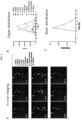
- Vesicles derived from Lactobacillus paracasei labeled with the phosphor Cy7 were orally administered into mice, and to confirm the infiltration pattern into various organs after 0, 1, 3, 6, 24, 32, 48, 56 and 72 hours, blood, the heart, lungs, liver, kidneys, spleen, gastrointestinal tract and brain were obtained. A fluorescent signal from the obtained tissue was observed using optical imaging equipment (Davinch-Invivo Fluoro Chemi (western); Davinch-K).
- the vesicles were absorbed into the stomach within 1 hour, distributed into the stomach, small and large intestines and lungs at 3 hours, and also distributed in the liver and brain after 3 hours. That is, from the result of continuously observing fluorescent signals of extracellular vesicles in various tissues from 32 to 48 hours, it was confirmed that in the case of oral administration of extracellular vesicles, the vesicles are distributed throughout the entire body including the stomach, intestines, lungs, liver and brain until 48 hours.
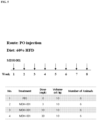
- Example 1 To confirm whether the vesicles derived from Lactobacillus paracasei obtained in Example 1 inhibit a metabolic disease induced by a high fat diet, an experiment was performed by the following method.
- a normal mouse fed a regular diet (RD) and a mouse fed a high fat diet (HFD) for 4 months to induce a metabolic disease were prepared.
- the vesicles derived from Lactobacillus paracasei obtained in Example 1 were administered into the metabolic disease model at 10 ⁇ g per mouse every 2 days for 3 weeks.
- a negative control (NC) was fed a normal diet
- a positive control (obese) was fed a high fat diet.
- vesicles derived from Lactobacillus rhamnosus L. rhamnosus
- vesicles derived from Lactobacillus lactis L.
- the group to which vesicles derived from Proteus mirabilis ( P. mirabilis ) were administered showed similar body weights to those of the high fat diet-fed positive control, and compared to the group fed only a high fat diet, the Proteus mirabilis group even showed increased body weights, and the L. lactis -derived vesicle-administered group showed a slight body weight loss.
- a mouse model in which obesity and diabetes was induced by a high fat diet (60% High fat diet; HFD) for 2 weeks were prepared, the vesicles derived from Lactobacillus paracasei (MDH-001) obtained in Example 1 were administered at a dose of 3, 10 or 30 mg/kg per weight (g) of a mouse for 8 weeks.
- a mouse group prepared by administering PBS into the moused model in which obesity and diabetes was induced by a high fat diet (60% High fat diet; HFD) for 2 weeks was used. While administering the vesicles every 2 days, body weights were measured.
- vesicles derived from Lactobacillus paracasei on expression of glucose transporter type 4 (GLUT4) in myocytes
- myocytes were treated in vitro with 10 ⁇ g/ml of vesicles derived from Lactobacillus paracasei (L-EVs) for 1 hour.
- L-EVs vesicles derived from Lactobacillus paracasei
- OPD o-phenylenediamine
- myocytes were treated in vitro with 10 ⁇ g/ml of vesicles derived from Lactobacillus paracasei for 1 hour. Afterward, glucose uptake was confirmed with radioactive isotopes.
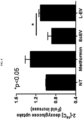
- glucose uptake was not increased by vesicles derived from E . coli (EcEVs), but increased by vesicles derived from Lactobacillus paracasei (L-EVs) and metformin.
- EcEVs E . coli
- L-EVs Lactobacillus paracasei
- the vesicles derived from Lactobacillus paracasei inhibit insulin resistance in an organ on which insulin acts such as myocytes, thereby increasing insulin reactivity.
- pAMPK expression was inhibited by the control drug, insulin, and increased by metformin.
- pAMPK expression was increased in a vesicle concentration-dependent manner. This means that the obesity and insulin resistance inhibitory effect of the vesicles derived from Lactobacillus paracasei is closely related to AMPK signaling that maintains cell homeostasis by metabolic stress.
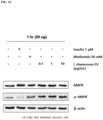
- pAMPK expression was inhibited by the control drug, insulin, and increased by metformin.
- pAMPK expression was increased in a vesicle concentration-dependent manner. This means that the obesity and insulin resistance inhibitory effect of the vesicles derived from Lactobacillus rhamnosus is closely related to AMPK signaling that maintains cell homeostasis by metabolic stress.
Landscapes
- Health & Medical Sciences (AREA)
- Life Sciences & Earth Sciences (AREA)
- Chemical & Material Sciences (AREA)
- Engineering & Computer Science (AREA)
- Veterinary Medicine (AREA)
- Public Health (AREA)
- General Health & Medical Sciences (AREA)
- Animal Behavior & Ethology (AREA)
- Pharmacology & Pharmacy (AREA)
- Medicinal Chemistry (AREA)
- Bioinformatics & Cheminformatics (AREA)
- Organic Chemistry (AREA)
- Nuclear Medicine, Radiotherapy & Molecular Imaging (AREA)
- General Chemical & Material Sciences (AREA)
- Chemical Kinetics & Catalysis (AREA)
- Mycology (AREA)
- Diabetes (AREA)
- Microbiology (AREA)
- Hematology (AREA)
- Obesity (AREA)
- Neurology (AREA)
- Epidemiology (AREA)
- Molecular Biology (AREA)
- Nutrition Science (AREA)
- Food Science & Technology (AREA)
- Polymers & Plastics (AREA)
- Neurosurgery (AREA)
- Biomedical Technology (AREA)
- Orthopedic Medicine & Surgery (AREA)
- Physical Education & Sports Medicine (AREA)
- Endocrinology (AREA)
- Emergency Medicine (AREA)
- Child & Adolescent Psychology (AREA)
- Vascular Medicine (AREA)
- Psychiatry (AREA)
- Urology & Nephrology (AREA)
- Cardiology (AREA)
- Heart & Thoracic Surgery (AREA)
- Gastroenterology & Hepatology (AREA)
- Dispersion Chemistry (AREA)
Description
- The present invention relates to a pharmaceutical composition for use in preventing or treating obesity or insulin resistance, and to a food composition for use in preventing or alleviating obesity or insulin resistance, comprising isolated vesicles derived from bacteria of the genus Lactobacillus as an active ingredient, wherein the bacteria of the genus Lactobacillus is Lactobacillus paracasei. The invention is defined by the appended claims.
- Metabolic diseases are disease occurring due to metabolic disorders in the body. Generally, metabolic diseases are caused by an imbalance of carbohydrates, lipids, proteins, vitamins, electrolytes and water, and include, for example, obesity, diabetes, hyperlipidemia, arteriosclerosis, fatty liver and high blood pressure. Among them,
type 2 diabetes relating to obesity is a type of diabetes mainly occurring in adulthood and is characterized by resistance to insulin. When the insulin receptor itself is reduced or its sensitivity is decreased, or there is a problem with the secondary messenger causing glycogen synthesis in cells, sensitivity to insulin may decrease. Accordingly,type 2 diabetes is called non-insulin-dependent diabetes and accounts for 85 to 90% of diabetes. - Bacteria of the genus Lactobacillus is known as representative good bacteria secreting lactic acid. Among the Lactobacillus species, Lactobacillus paracasei is a gram-positive species of the class Bacilli, which grows well in an anaerobic environment as well as an aerobic environment and is known as a symbiotic bacterium in the vagina of women. Bacteria secrete extracellular vesicles (EVs) often called nanovesicles, as proteolipids with a double membrane structure, into an extracellular environment for intracellular exchange of proteins, lipids or genes. Vesicles derived from gram-positive bacteria such as Lactobacillusparacasei include peptidoglycan and lipoteichoic acid, which are constituents of bacterial cell walls, in addition to bacteria-derived proteins and nucleic acids.
- However, vesicles secreted from bacteria of the genus Lactobacillus or Lactobacillus paracasei have not been used to prevent or treat metabolic diseases such as obesity, metabolic syndrome, hyperinsulinemia, hyperlipidemia, hypertriglyceridemia, hypercholesterolemia, dyslipidemia, diabetes, diabetic nephropathy, fatty liver, nonalcoholic steatohepatitis and arteriosclerosis.
-
KR-102-098-067 - Choi, J. H., et al. (2020). Movement disorders: official journal of the Movement Disorder Society, 35(11), 1966-1976, discloses a double-blind, randomized, placebocontrolled trial of DA-9701 in Parkinson's disease: PASS-GI Study.
-
KR-2019-0105522 -
WO-2019-074213 discloses Lactobacillus paracasei LM1010 (accession number KCCM12309P) and a composition for prevention and treatment of obesity or diabetes, comprising the same. -
WO-2019-050287 discloses a Lactobacillus rhamnosus LM1019 strain (accession number: KCCM12308P), and a composition for preventing and treating obesity or diabetes including same. -
WO-2019-229271 discloses extracellular vesicles prepared from fermentation products of natural raw materials as well as methods for their production and enrichment. - As a result of earnestly conducting a study to evaluate whether vesicles derived from bacteria of the genus Lactobacillus such as Lactobacillus paracasei and Lactobacillus rhamnosus have a therapeutic effect on metabolic diseases, the inventors observed that administration of bacteria of the genus Lactobacillus-derived vesicles into animal models with obesity and diabetes caused by a high-fat diet effectively inhibits obesity and diabetes.
- The present invention is directed to providing a pharmaceutical composition for use and a food composition for use as defined in the appended claims.
- However, a technical problem to be achieved by the present invention is not limited to the aforementioned problems, and the other problems that are not mentioned may be clearly understood by a person skilled in the art from the following description.
- To achieve the object of the present invention as described above, the present invention provides a pharmaceutical composition for use in preventing or treating obesity or insulin resistance, comprising isolated vesicles derived from bacteria of the genus Lactobacillus as an active ingredient, wherein the bacteria of the genus Lactobacillus is Lactobacillus paracasei.
- In addition, the present invention provides a food composition for use in preventing or alleviating obesity or insulin resistance, comprising isolated vesicles derived from bacteria of the genus Lactobacillus as an active ingredient, wherein the bacteria of the genus Lactobacillus is Lactobacillus paracasei.
- As an exemplary embodiment of the present invention, the food composition may be a health functional food composition, but is not limited thereto.
- As another exemplary embodiment of the present invention, the vesicles may have an average diameter of 10 to 1000 nm.
- As another exemplary embodiment of the present invention, the vesicles may be isolated from culture solution of bacteria of the genus Lactobacillus, wherein the bacteria of the genus Lactobacillus is Lactobacillusparacasei.
- As another exemplary embodiment of the present invention, the vesicles may be obtained using vesicles isolated from a food prepared by adding bacteria of the genus Lactobacillus, wherein the bacteria of the genus Lactobacillus may be Lactobacillus paracasei.
- As another exemplary embodiment of the present invention, the vesicles may be naturally or artificially secreted from bacteria of the genus Lactobacillus, wherein the bacteria of the genus Lactobacillus may be Lactobacillus paracasei.
- The inventors confirmed that, when vesicles derived from bacteria of the genus Lactobacillus were administered into an animal model with a metabolic disease caused by a high fat western diet, the vesicles not only reduce a body weight and a meal amount, but also effectively inhibit metabolic disorders caused by a western diet, and increase homeostasis to metabolic stress by activating AMPK signaling in myocytes, and the vesicles derived from bacteria of the genus Lactobacillus can be effectively used in development of pharmaceuticals or health functional foods for preventing, improving symptoms or treating metabolic diseases and muscle diseases such as obesity, metabolic syndrome, hyperinsulinemia, hyperlipidemia, hypertriglyceridemia, hypercholesterolemia, dyslipidemia, diabetes, diabetic nephropathy, diabetic retinopathy, fatty liver, non-alcoholic steatohepatitis and arteriosclerosis.
-
-
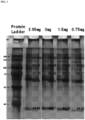
FIG. 1 is a diagram for analyzing a protein pattern contained in vesicles isolated from a Lactobacillus paracasei culture through SDS-PAGE and a silver staining method. -
FIG. 2 is a diagram of evaluating the distribution pattern of vesicles after Lactobacillus paracasei vesicles are labeled with fluorescence and orally administered. -
FIG. 3 is an experimental protocol for confirming an effect of treating a metabolic disease after Lactobacillus paracasei-derived vesicles are orally administered into a mouse model with a metabolic disease induced by a high fat diet. -
FIG. 4 is a result of observing a body weight change after Lactobacillus paracasei-derived vesicles are directly administered orally into a mouse model with a metabolic disease induced by a high fat diet. -
FIG. 5 is an experimental protocol for evaluating concentration dependency for an effect of treating a metabolic disease after various concentrations of Lactobacillus paracasei-derived vesicles (MDH-001) are orally administered into a mouse model with a metabolic disease induced by a high fat diet. -
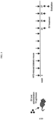
FIG. 6 is a result of evaluating a body weight change and food intake after various concentrations of Lactobacillus paracasei-derived vesicles are directly administered orally into a mouse model with a metabolic disease induced by a high fat diet. -
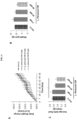
FIG. 7 is a result of evaluating the degree of expression of a GLUT4 transporter, which is a glucose receptor, after metformin, E. coli-derived vesicles (EcEVs) or Lactobacillus paracasei-derived vesicles (L-EVs) are administered into myocytes. -
FIG. 8 is a result of evaluating the degree of glucose uptake in myocytes after insulin, metformin, E. coli-derived vesicles (EcEVs) or Lactobacillus paracasei-derived vesicles (L-EVs) are administered into myocytes. -
FIG. 9 is a result of evaluating AMPK activation for 1 hour after myocytes are treated with insulin, metformin, various concentrations of Lactobacillus paracasei-derived vesicles (L. paracasei EVs). -
FIG. 10 is a result of evaluating AMPK activation for 1 hour after myocytes are treated with insulin, metformin, various concentrations of Lactobacillus rhamnosus-derived vesicles (L. rhamnosus EVs). - The inventors confirmed that, in a mouse model with a metabolic disease induced by a high fat diet, when vesicles derived from bacteria of the genus Lactobacillus were administered orally, food intake decreased, and a body weight increase was inhibited in a dose-dependent manner.
- In a mouse model with a metabolic disease induced by a high fat diet, it was confirmed that when vesicles derived from bacteria of the genus Lactobacillus were administered orally, a fasting blood sugar level is suppressed.
- When vesicles derived from bacteria of the genus Lactobacillus were administered into myocytes, it was confirmed that the expression of GLUT4, which is an indicator of insulin resistance, and glucose uptake in myocytes are increased by vesicles.
- When vesicles derived from bacteria of the genus Lactobacillus were administered into myocytes, a mechanism of increasing insulin resistance by vesicles is associated with AMPK activation.
- Thus, the present invention provides a pharmaceutical composition for use in preventing or treating obesity or insulin resistance, comprising isolated vesicles derived from bacteria of the genus Lactobacillus as an active ingredient, wherein the bacteria of the genus Lactobacillus is Lactobacillus paracasei.
- As used herein, the term "vesicle" refers to a structure formed of a nano-sized membrane secreted from various bacteria, and in the present invention, the term collectively refers to all structures formed of a membrane naturally secreted from bacteria of the genus Lactobacillus, wherein the bacteria of the genus Lactobacillus is Lactobacillus paracasei, or artificially produced. The vesicles may be isolated from a culture solution including bacterial cells of bacteria of the genus Lactobacillus, wherein the bacteria of the genus Lactobacillus is Lactobacillus paracasei, by using one or more methods selected from the group consisting of centrifugation, ultra-high speed centrifugation, high pressure treatment, extrusion, sonication, cell lysis, homogenization, freezing-thawing, electroporation, mechanical decomposition, chemical treatment, filtration by filter, gel filtration chromatography, free-flow electrophoresis, and capillary electrophoresis. Further, a process such as washing for removing impurities and concentration of obtained vesicles may be further included.
- The vesicles of the present invention may be isolated from a culture solution of bacteria of the genus Lactobacillus or a food prepared by adding bacteria of the genus Lactobacillus, wherein the bacteria of the genus Lactobacillus is Lactobacillus paracasei, and the vesicles may be naturally or artificially secreted from bacteria of the genus Lactobacillus, wherein the bacteria of the genus Lactobacillus is Lactobacillus paracasei, but are not limited thereto.
- The method for isolating vesicles from the culture solution or fermented food of the bacteria of the genus Lactobacillus, wherein the bacteria of the genus Lactobacillus is Lactobacillus paracasei, of the present invention is not particularly limited as long as the vesicles are included. For example, vesicles may be isolated using a method such as centrifugation, ultra-high speed centrifugation, filtration by a filter, gel filtration chromatography, free-flow electrophoresis, or capillary electrophoresis, and a combination thereof, and further, a process such as washing to remove impurities and concentration of obtained vesicles may be further included.
- In the present invention, vesicles isolated by the method may have an
average diameter 10 to 1000 nm, 10 to 900 nm, 10 to 800 nm, 10 to 700 nm, 10 to 600 nm, 10 to 500 nm, 10 to 400 nm, 10 to 300 nm, 10 to 200 nm, 20 to 1000 nm, 20 to 900 nm, 20 to 800 nm, 20 to 700 nm, 20 to 600 nm, 20 to 500 nm, 20 to 400 nm, 20 to 300 nm, 20 to 200 nm, 30 to 1000 nm, 30 to 900 nm, 30 to 800 nm, 30 to 700 nm, 30 to 600 nm, 30 to 500 nm, 30 to 400 nm, 30 to 300 nm, 30 to 200 nm, 40 to 1000 nm, 40 to 900 nm, 40 to 800 nm, 40 to 700 nm, 40 to 600 nm, 40 to 500 nm, 40 to 400 nm, 40 to 300 nm, 40 to 200 nm, 20 to 180 nm, 30 to 180 nm, 40 to 180 nm, 20 to 170 nm, 20 to 160 nm, 40 to 160 nm, 45 to 155 nm, or 50 to 150 nm, but the average diameter is not limited thereto. - The term "metabolic disease" used herein encompasses diseases occurring due to metabolic disorders in the body. Generally, metabolic diseases are caused by an imbalance of carbohydrates, lipids, proteins, vitamins, electrolytes and water, and include, for example, obesity, metabolic syndrome, hyperinsulinemia, hyperlipidemia, hypertriglyceridemia, hypercholesterolemia, dyslipidemia, diabetes, diabetic nephropathy, diabetic retinopathy, fatty liver, non-alcoholic steatohepatitis and arteriosclerosis.
- The term "muscle disease" used herein may refer to a disease caused by muscle wasting or degeneration. Muscle wasting and degeneration are caused by genetic factors, acquired factors, aging, etc. A muscle increase is an improvement in performance of a muscle, particularly, among body components, and muscle mass may be increased by physical exercise and improved endurance by a method of administering a material having a muscle increasing effect into the body.
- The amount of the vesicles in the pharmaceutical or food compositions for use of the present invention may be appropriately adjusted depending on the symptoms of a disease, the degree of progression of symptoms, the condition of a patient, and the like, and may range from, for example, 0.0001 wt% to 99.9 wt% or 0.001 wt% to 50 wt% with respect to a total weight of the composition, but the present invention is not limited thereto. The amount ratio is a value based on the amount of dried product from which a solvent is removed.
- The pharmaceutical composition for use according to the present invention may further include a suitable carrier, excipient, and diluent which are commonly used in the preparation of pharmaceutical compositions. The excipient may be, for example, one or more selected from the group consisting of a diluent, a binder, a disintegrant, a lubricant, an adsorbent, a humectant, a film-coating material, and a controlled release additive.
- The pharmaceutical composition for use according to the present invention may be used by being formulated, according to commonly used methods, into a form such as powders, granules, sustained-release-type granules, enteric granules, liquids, eye drops, elixirs, emulsions, suspensions, spirits, troches, aromatic water, lemonades, tablets, sustained-release-type tablets, enteric tablets, sublingual tablets, hard capsules, soft capsules, sustained-release-type capsules, enteric capsules, pills, tinctures, soft extracts, dry extracts, fluid extracts, injections, capsules, perfusates, or a preparation for external use, such as plasters, lotions, pastes, sprays, inhalants, patches, sterile injectable solutions, or aerosols. The preparation for external use may have a formulation such as creams, gels, patches, sprays, ointments, plasters, lotions, liniments, pastes, or cataplasmas.
- As the carrier, the excipient, and the diluent that may be included in the pharmaceutical composition for use according to the present invention, lactose, dextrose, sucrose, oligosaccharides, sorbitol, mannitol, xylitol, erythritol, maltitol, starch, acacia rubber, alginate, gelatin, calcium phosphate, calcium silicate, cellulose, methyl cellulose, microcrystalline cellulose, polyvinylpyrrolidone, water, methyl hydroxybenzoate, propyl hydroxybenzoate, talc, magnesium stearate, and mineral oil may be used.
- For formulation, commonly used diluents or excipients such as fillers, thickeners, binders, wetting agents, disintegrants, and surfactants are used.
- As additives of tablets, powders, granules, capsules, pills, and troches, excipients such as corn starch, potato starch, wheat starch, lactose, white sugar, glucose, fructose, D-mannitol, precipitated calcium carbonate, synthetic aluminum silicate, dibasic calcium phosphate, calcium sulfate, sodium chloride, sodium hydrogen carbonate, purified lanolin, microcrystalline cellulose, dextrin, sodium alginate, methyl cellulose, sodium carboxymethylcellulose, kaolin, urea, colloidal silica gel, hydroxypropyl starch, hydroxypropyl methylcellulose (HPMC) 1928, HPMC 2208, HPMC 2906, HPMC 2910, propylene glycol, casein, calcium lactate, and Primojel ®; and binders such as gelatin, Arabic gum, ethanol, agar powder, cellulose acetate phthalate, carboxymethylcellulose, calcium carboxymethylcellulose, glucose, purified water, sodium caseinate, glycerin, stearic acid, sodium carboxymethylcellulose, sodium methylcellulose, methylcellulose, microcrystalline cellulose, dextrin, hydroxycellulose, hydroxypropyl starch, hydroxymethylcellulose, purified shellac, starch, hydroxypropyl cellulose, hydroxypropyl methylcellulose, polyvinyl alcohol, and polyvinylpyrrolidone may be used, and disintegrants such as hydroxypropyl methylcellulose, corn starch, agar powder, methylcellulose, bentonite, hydroxypropyl starch, sodium carboxymethylcellulose, sodium alginate, calcium carboxymethylcellulose, calcium citrate, sodium lauryl sulfate, silicic anhydride, 1-hydroxypropylcellulose, dextran, ionexchange resin, polyvinyl acetate, formaldehyde-treated casein and gelatin, alginic acid, amylose, guar gum, sodium bicarbonate, polyvinylpyrrolidone, calcium phosphate, gelled starch, Arabic gum, amylopectin, pectin, sodium polyphosphate, ethyl cellulose, white sugar, magnesium aluminum silicate, a di-sorbitol solution, and light anhydrous silicic acid; and lubricants such as calcium stearate, magnesium stearate, stearic acid, hydrogenated vegetable oil, talc, lycopodium powder, kaolin, Vaseline, sodium stearate, cacao butter, sodium salicylate, magnesium salicylate, polyethylene glycol (PEG) 4000, PEG 6000, liquid paraffin, hydrogenated soybean oil (Lubri wax), aluminum stearate, zinc stearate, sodium lauryl sulfate, magnesium oxide, Macrogol, synthetic aluminum silicate, silicic anhydride, higher fatty acids, higher alcohols, silicone oil, paraffin oil, polyethylene glycol fatty acid ether, starch, sodium chloride, sodium acetate, sodium oleate, dl-leucine, and light anhydrous silicic acid may be used.
- As additives of liquids, water, dilute hydrochloric acid, dilute sulfuric acid, sodium citrate, monostearic acid sucrose, polyoxyethylene sorbitol fatty acid esters (twin esters), polyoxyethylene monoalkyl ethers, lanolin ethers, lanolin esters, acetic acid, hydrochloric acid, ammonia water, ammonium carbonate, potassium hydroxide, sodium hydroxide, prolamine, polyvinylpyrrolidone, ethylcellulose, and sodium carboxymethylcellulose may be used.
- In syrups, a white sugar solution, other sugars or sweeteners, and the like may be used, and as necessary, a fragrance, a colorant, a preservative, a stabilizer, a suspending agent, an emulsifier, a viscous agent, or the like may be used.
- In emulsions, purified water may be used, and as necessary, an emulsifier, a preservative, a stabilizer, a fragrance, or the like may be used.
- In suspensions, suspending agents such as acacia, tragacanth, methylcellulose, carboxymethylcellulose, sodium carboxymethylcellulose, microcrystalline cellulose, sodium alginate, hydroxypropyl methylcellulose (HPMC) 1828, HPMC 2906, HPMC 2910, and the like may be used, and as necessary, a surfactant, a preservative, a stabilizer, a colorant, and a fragrance may be used.
- Injections may include: solvents such as distilled water for injection, a 0.9% sodium chloride solution, Ringer's solution, a dextrose solution, a dextrose+sodium chloride solution, PEG, lactated Ringer's solution, ethanol, propylene glycol, non-volatile oil-sesame oil, cottonseed oil, peanut oil, soybean oil, corn oil, ethyl oleate, isopropyl myristate, and benzene benzoate; cosolvents such as sodium benzoate, sodium salicylate, sodium acetate, urea, urethane, monoethylacetamide, butazolidine, propylene glycol, the Tween series, amide nicotinate, hexamine, and dimethylacetamide; buffers such as weak acids and salts thereof (acetic acid and sodium acetate), weak bases and salts thereof (ammonia and ammonium acetate), organic compounds, proteins, albumin, peptone, and gums; isotonic agents such as sodium chloride; stabilizers such as sodium bisulfite (NaHSO3) carbon dioxide gas, sodium metabisulfite (Na2S2O5), sodium sulfite (Na2SO3), nitrogen gas (N2), and ethylenediamine tetraacetic acid; sulfating agents such as 0.1% sodium bisulfide, sodium formaldehyde sulfoxylate, thiourea, disodium ethylenediaminetetraacetate, and acetone sodium bisulfite; a pain relief agent such as benzyl alcohol, chlorobutanol, procaine hydrochloride, glucose, and calcium gluconate; and suspending agents such as sodium CMC, sodium alginate, Tween 80, and aluminum monostearate.
- In suppositories, bases such as cacao butter, lanolin, Witepsol, polyethylene glycol, glycerogelatin, methylcellulose, carboxymethylcellulose, a mixture of stearic acid and oleic acid, Subanal, cottonseed oil, peanut oil, palm oil, cacao butter + cholesterol, lecithin, lanette wax, glycerol monostearate, Tween or span, imhausen, monolan(propylene glycol monostearate), glycerin, Adeps solidus, buytyrum Tego-G, cebes Pharma 16, hexalide base 95, cotomar, Hydrokote SP, S-70-XXA, S-70-XX75(S-70-XX95),
Hydrokote 25, Hydrokote 711, idropostal, massa estrarium (A, AS, B, C, D, E, I, T), masa-MF, masupol, masupol-15, neosuppostal-N, paramount-B, supposiro OSI, OSIX, A, B, C, D, H, L, suppository base IV types AB, B, A, BC, BBG, E, BGF, C, D, 299, suppostal N, Es, Wecoby W, R, S, M, Fs, and tegester triglyceride matter (TG-95, MA, 57) may be used. - Solid preparations for oral administration include tablets, pills, powders, granules, capsules, and the like, and such solid preparations are formulated by mixing the composition with at least one excipient, e.g., starch, calcium carbonate, sucrose, lactose, gelatin, and the like. In addition to simple excipients, lubricants such as magnesium stearate and talc are also used.
- Examples of liquid preparations for oral administration include suspensions, liquids for internal use, emulsions, syrups, and the like, and these liquid preparations may include, in addition to simple commonly used diluents, such as water and liquid paraffin, various types of excipients, for example, a wetting agent, a sweetener, a fragrance, a preservative, and the like. Preparations for parenteral administration include an aqueous sterile solution, a non-aqueous solvent, a suspension, an emulsion, a freeze-dried preparation, and a suppository. Nonlimiting examples of the non-aqueous solvent and the suspension include propylene glycol, polyethylene glycol, a vegetable oil such as olive oil, and an injectable ester such as ethyl oleate.
- The pharmaceutical composition for use according to the present invention is administered in a pharmaceutically effective amount. In the present invention, "the pharmaceutically effective amount" refers to an amount sufficient to treat diseases at a reasonable benefit/risk ratio applicable to medical treatment, and an effective dosage level may be determined according to factors including types of diseases of patients, the severity of disease, the activity of drugs, sensitivity to drugs, administration time, administration route, excretion rate, treatment period, and simultaneously used drugs, and factors well known in other medical fields.
- The pharmaceutical composition for use according to the present invention may be administered as an individual therapeutic agent or in combination with other therapeutic agents, may be administered sequentially or simultaneously with therapeutic agents in the related art, and may be administered in a single dose or multiple doses. It is important to administer the pharmaceutical composition in a minimum amount that can obtain the maximum effect without any side effects, in consideration of all the aforementioned factors, and this may be easily determined by those of ordinary skill in the art.
- The pharmaceutical composition for use of the present invention may be administered to an individual via various routes. All administration methods can be predicted, and the pharmaceutical composition may be administered via, for example, oral administration, subcutaneous injection, intravenous injection, intramuscular injection, intrathecal (space around the spinal cord) injection, sublingual administration, administration via the buccal mucosa, intrarectal insertion, intravaginal insertion, ocular administration, intra-aural administration, intranasal administration, inhalation, spraying via the mouth or nose, transdermal administration, percutaneous administration, or the like.
- The pharmaceutical composition for use of the present invention is determined depending on the type of a drug, which is an active ingredient, along with various related factors such as a disease to be treated, administration route, the age, gender, and body weight of a patient, and the severity of diseases. Specifically, the effective amount of the composition according to the present invention may vary depending on the patient's age, sex, and body weight, and generally, 0.001 to 150 mg of the composition and preferably, 0.01 to 100 mg of the composition, per 1 kg of the body weight, may be administered daily or every other day or may be administered once to three times a day. However, since the effective amount may be increased or decreased depending on the administration route, the severity of obesity, gender, body weight, age, and the like, the dosage is not intended to limit the scope of the present invention in any way.
- As used herein, the "subject" refers to a subject in need of treatment of a disease, and more specifically, refers to a mammal such as a human or a non-human primate, a mouse, a rat, a dog, a cat, a horse, and a cow, but the present invention is not limited thereto.
- As used herein, the "administration" refers to providing a subject with a predetermined pharmaceutical composition for use of the present invention by using an arbitrary appropriate method.
- The term "prevention" as used herein means all actions that inhibit or delay the onset of a target disease. The term "treatment" as used herein means all actions that alleviate or beneficially change a target disease and abnormal metabolic symptoms caused thereby via administration of the pharmaceutical composition for use according to the present invention. The term "improvement" as used herein means all actions that reduce the degree of parameters related to a target disease, e.g., symptoms via administration of the pharmaceutical composition for use according to the present invention.
- In addition, the present invention provides a food composition for use in preventing or alleviating obesity or insulin resistance comprising isolated vesicles derived from bacteria of the genus Lactobacillus as an active ingredient, wherein the bacteria of the genus Lactobacillus is Lactobacillus paracasei.
- The "muscle" used herein encompasses a sinew, muscle and a tendon, and the "muscle function" refers to an ability to exert a force by muscle contraction and includes muscular strength which is an ability to exert maximum contracting power to overcome resistance, muscular endurance which is an ability to exhibit how long or how many times muscle can repeat contraction and relaxation at a given weight, and explosive muscle strength which is an ability to exert a strong force within a short period of time. Such muscle functions are controlled by the liver, and proportional to muscle mass. The term "improving a muscle function" refers to enhancing a muscle function for the better.
- The term "enhancing exercise performance capacity" means an effect of enhancing a muscle function such as muscular strength or muscular endurance, and preferably, an increase in muscular strength or muscular endurance. Accordingly, the composition has an effect of increasing exercise endurance, strengthening muscular strength, enhancing sense of balance, and/or enhancing exercise adaptation. One of the representative methods for improving exercise performance capacity by promoting energy consumption is a method of generating ATP energy by increasing fatty acid oxidation caused by mitochondria. AMPK, pAMPK, PPAR8, ERRα, Tfam, and the like are known as factors related to the improvement in exercise performance capacity.
- The food composition may be a health functional food composition, but is not limited thereto.
- The vesicles according to the present invention may be used by adding an active ingredient as is to food or may be used together with other foods or food ingredients, but may be appropriately used according to a typical method. The mixed amount of the active ingredient may be suitably determined depending on the purpose of use thereof (for prevention or alleviation). In general, when a food or beverage is prepared, the food composition for use of the present invention is added in an amount of 15 wt% or less, preferably 10 wt% or less based on the raw materials. However, for long-term intake for the purpose of health and hygiene or for the purpose of health control, the amount may be less than the above-mentioned range, and the vesicles have no problem in terms of stability, so the active ingredient may be used in an amount more than the above-mentioned range.
- The type of food is not particularly limited. Examples of food to which the material may be added include meats, sausage, bread, chocolate, candies, snacks, confectioneries, pizza, instant noodles, other noodles, gums, dairy products including ice creams, various soups, beverages, tea, drinks, alcoholic beverages, vitamin complexes, and the like, and include all health functional foods in a typical sense.
- The health beverage composition may contain various flavors or natural carbohydrates, and the like as additional ingredients as in a typical beverage. The above-described natural carbohydrates may be monosaccharides such as glucose and fructose, disaccharides such as maltose and sucrose, polysaccharides such as dextrin and cyclodextrin, and sugar alcohols such as xylitol, sorbitol, and erythritol. As a sweetener, it is possible to use a natural sweetener such as thaumatin and stevia extract, a synthetic sweetener such as saccharin and aspartame, and the like. The proportion of the natural carbohydrates is generally about 0.01 to 0.20 g, or about 0.04 to 0.10 g per 100 ml of the food composition for use of the present invention.
- In addition to the aforementioned ingredients, the food composition for use of the present invention may contain various nutrients, vitamins, electrolytes, flavors, colorants, pectic acids and salts thereof, alginic acid and salts thereof, organic acids, protective colloid thickeners, pH adjusters, stabilizers, preservatives, glycerin, alcohols, carbonating agents used in carbonated drinks, and the like. In addition, the food composition for use of the present invention may contain flesh for preparing natural fruit juice, fruit juice drinks, and vegetable drinks. These ingredients may be used either alone or in combinations thereof. The proportion of these additives is not significantly important, but is generally selected within a range of 0.01 to 0.20 part by weight per 100 parts by weight of the food composition for use of the present invention.
- Hereinafter, preferred Examples for helping the understanding of the present invention will be suggested. However, the following Examples are provided only to more easily understand the present invention, and the contents of the present invention are not limited by the following Examples.
- To isolate vesicles derived from representative bacteria of the genus Lactobacillus such as Lactobacillus paracasei and Lactobacillus rhamnosus-derived vesicles (extracellular vesicles; EVs), the Lactobacillus strains were inoculated into an MRS (de Man-Rogosa and Sharpe) medium, incubated at 37 °C and 200 rpm to have an absorbance (OD600nm) of 1.0 to 1.5, and reinoculated into a Luria Bertani (LB) medium and incubated. Then, a supernatant from which bacterial cells had been removed was obtained by recovering the culture solution including bacterial cells and performing centrifugation at 4°C and 10,000 g for 20 minutes. The obtained supernatant was again filtered using a 0.22 µm filter, and the filtered supernatant was concentrated to a volume of 50 mL or less using a 100 kDa
Pellicon 2 Cassette filter membrane (Merck Millipore) and a MasterFlex pump system (Cole-Parmer). A vesicle derived from bacteria of Lactobacillus was isolated by filtering the concentrated supernatant again using a 0.22 µm filter. In the following examples, experiments were performed using the isolated vesicle. - To confirm the characteristics of vesicles derived from Lactobacillus paracasei (extracellular vesicles; EVs) acquired by the method of Example 1, protein quantification, measurement of particle size and distribution and protein pattern analysis were performed.
- As a result of protein quantification using a BCA method, it was confirmed that an average protein concentration is 3 to 5 mg/mL. In addition, to confirm the size and distribution of vesicles derived from Lactobacillus paracasei, nanoparticle tracking analysis (NTA) was performed using an NS300 instrument (Malvern Panalytical). After diluting the concentration of a sample to 1 mg/mL based on a protein concentration, the sample was diluted 100 to 2,000 times to adjust a 'particles/frame' value to 20 to 100.
- As a result, it was confirmed that the extracellular vesicles have a size of 50 to 150 nm, and contain 1.0E+11 particles/mL or more per 1 mL.
- In addition, to confirm a protein pattern of vesicles derived from Lactobacillus paracasei, sodium dodecyl sulphate-polyacrylamide gel electrophoresis (SDS-PAGE) and silver staining were performed.
- As shown in
FIG. 1 , it was confirmed that the vesicles derived from Lactobacillus paracasei are observed in five main bands (near 130, 95, 85, 70 and 45 kDa). - To confirm the pharmacokinetic properties such as systemic absorption and distribution patterns in oral administration of vesicles derived from Lactobacillus paracasei, a distribution in the body was confirmed by the following method.
- Vesicles derived from Lactobacillus paracasei labeled with the phosphor Cy7 were orally administered into mice, and to confirm the infiltration pattern into various organs after 0, 1, 3, 6, 24, 32, 48, 56 and 72 hours, blood, the heart, lungs, liver, kidneys, spleen, gastrointestinal tract and brain were obtained. A fluorescent signal from the obtained tissue was observed using optical imaging equipment (Davinch-Invivo Fluoro Chemi (western); Davinch-K).
- As shown in
FIG. 2 , it was confirmed that, after the administration of vesicles derived from Lactobacillus paracasei, the vesicles were absorbed into the stomach within 1 hour, distributed into the stomach, small and large intestines and lungs at 3 hours, and also distributed in the liver and brain after 3 hours. That is, from the result of continuously observing fluorescent signals of extracellular vesicles in various tissues from 32 to 48 hours, it was confirmed that in the case of oral administration of extracellular vesicles, the vesicles are distributed throughout the entire body including the stomach, intestines, lungs, liver and brain until 48 hours. - To confirm whether the vesicles derived from Lactobacillus paracasei obtained in Example 1 inhibit a metabolic disease induced by a high fat diet, an experiment was performed by the following method.
- Specifically, according to the experimental protocol shown in
FIG. 3 , a normal mouse fed a regular diet (RD) and a mouse fed a high fat diet (HFD) for 4 months to induce a metabolic disease were prepared. The vesicles derived from Lactobacillus paracasei obtained in Example 1 were administered into the metabolic disease model at 10 µg per mouse every 2 days for 3 weeks. Here, a negative control (NC) was fed a normal diet, and a positive control (obese) was fed a high fat diet. As control drugs, vesicles derived from Lactobacillus rhamnosus (L. rhamnosus), vesicles derived from Lactobacillus lactis (L. lactis), and vesicles derived from Proteus mirabilis (P. mirabilis) were orally administered at the same dose as the vesicles derived from Lactobacillus paracasei. In addition, while the vesicles were administered every 2 days, a body weight was measured. - As shown in
FIG. 4 , compared to a high fat diet-fed positive control (obese) to which a drug was not administered, in a group to which vesicles derived from Lactobacillus paracasei (L. paracasei) were administered and a group to which vesicles derived from Lactobacillus rhamnosus (L. rhamnosus) were administered, body weights were reduced, and in the group ingesting vesicles derived from Lactobacillusparacasei, a body weight loss was more clearly observed. - However, the group to which vesicles derived from Proteus mirabilis (P. mirabilis) were administered showed similar body weights to those of the high fat diet-fed positive control, and compared to the group fed only a high fat diet, the Proteus mirabilis group even showed increased body weights, and the L. lactis-derived vesicle-administered group showed a slight body weight loss.
- To evaluate efficacy of treating a metabolic disease induced by a high fat diet according to a dose of vesicles derived from Lactobacillus paracasei, an experiment was performed by the following method.
- As shown in
FIG. 5 , a mouse model in which obesity and diabetes was induced by a high fat diet (60% High fat diet; HFD) for 2 weeks were prepared, the vesicles derived from Lactobacillus paracasei (MDH-001) obtained in Example 1 were administered at a dose of 3, 10 or 30 mg/kg per weight (g) of a mouse for 8 weeks. Here, as a positive control, a mouse group prepared by administering PBS into the moused model in which obesity and diabetes was induced by a high fat diet (60% High fat diet; HFD) for 2 weeks was used. While administering the vesicles every 2 days, body weights were measured. - As shown in
FIG. 6 , it was confirmed that the greater the dose of the vesicles administered for 8 weeks, the clearer the effect of losing body weight, and in the mouse group administered 30 mg/kg of vesicles, compared to the PBS-administered mouse group, it was confirmed that a body weight was reduced by about 5 to 7%. The effect of reducing food intake in a dose-dependent manner of the administered vesicles was also confirmed. - From the above result, it was confirmed that the vesicles derived from Lactobacillus paracasei inhibit obesity in a dose-dependent manner, and are associated with a decrease in food intake.
- To evaluate the effect of vesicles derived from Lactobacillus paracasei on expression of glucose transporter type 4 (GLUT4) in myocytes, myocytes were treated in vitro with 10 µg/ml of vesicles derived from Lactobacillus paracasei (L-EVs) for 1 hour. Afterward, a degree of expression of GLUT4 on the cell membrane was assessed by o-phenylenediamine (OPD) assay. As controls, vesicles derived from E. coli (EcEVs) and metformin were used.
- As a result, as shown in
FIG. 7 , it was confirmed that the GLUT4 expression was not increased by vesicles derived from E. coli (EcEVs), but increased by vesicles derived from Lactobacillus paracasei and metformin. - In addition, to evaluate an effect of vesicles derived from Lactobacillus paracasei on glucose metabolism in myocytes, myocytes were treated in vitro with 10 µg/ml of vesicles derived from Lactobacillus paracasei for 1 hour. Afterward, glucose uptake was confirmed with radioactive isotopes.
- As a result, as shown in
FIG. 8 , glucose uptake was not increased by vesicles derived from E. coli (EcEVs), but increased by vesicles derived from Lactobacillus paracasei (L-EVs) and metformin. - From the above result, it can be seen that the vesicles derived from Lactobacillus paracasei inhibit insulin resistance in an organ on which insulin acts such as myocytes, thereby increasing insulin reactivity.
- During fasting or exercise, energy in myocytes is depleted, so ATP production decreases and AMP production increases. Here, it is well known that activation of AMPK signaling increases homeostasis to metabolic stress in cells. To evaluate whether the obesity and insulin resistance inhibitory effect by the vesicles derived from Lactobacillus paracasei is associated with AMPK signaling, an experiment was performed by the following method. That is, myocytes were treated in vitro with vesicles derived from Lactobacillusparacasei (L-EVs) at a concentration of 0, 0.1, 1 or 10 µg/ml for 1 hour. Afterward, a level of AMPK phosphorylation (pAMPK), which is an AMPK signaling indicator, was measured by western blotting. As control drugs, insulin and metformin were used.
- As a result, as shown in
FIG. 9 , pAMPK expression was inhibited by the control drug, insulin, and increased by metformin. In addition, when vesicles derived from Lactobacillus paracasei were treated, pAMPK expression was increased in a vesicle concentration-dependent manner. This means that the obesity and insulin resistance inhibitory effect of the vesicles derived from Lactobacillus paracasei is closely related to AMPK signaling that maintains cell homeostasis by metabolic stress. - To evaluate whether an obesity and insulin resistance inhibitory effect by vesicles derived from Lactobacillus rhamnosus is associated with AMPK signaling, an experiment was performed by the following method. That is, myocytes were treated in vitro with vesicles derived from Lactobacillus rhamnosus (L-EVs) at 0, 0.1, 1, 10 µg/ml for 1 hour. Afterward, a level of AMPK phosphorylation (pAMPK), which is an AMPK signaling indicator, was measured by western blotting. As control drugs, insulin and metformin were used.
- As a result, as shown in
FIG. 10 , pAMPK expression was inhibited by the control drug, insulin, and increased by metformin. In addition, when vesicles derived from Lactobacillus rhamnosus were treated, pAMPK expression was increased in a vesicle concentration-dependent manner. This means that the obesity and insulin resistance inhibitory effect of the vesicles derived from Lactobacillus rhamnosus is closely related to AMPK signaling that maintains cell homeostasis by metabolic stress. - It should be understood that the above-described Examples are illustrative only in all aspects and are not restrictive.
Claims (6)
- A pharmaceutical composition for use in preventing or treating obesity or insulin resistance, comprising isolated vesicles derived from bacteria of the genus Lactobacillus as an active ingredient, wherein the bacteria of the genus Lactobacillus is Lactobacillus paracasei.
- The pharmaceutical composition for use of claim 1, wherein the vesicles have an average diameter of 10 to 1000 nm.
- The pharmaceutical composition for use of claim 1 or claim 2, wherein the vesicles are isolated from culture solution of bacteria of the genus Lactobacillus, wherein the bacteria of the genus Lactobacillus is Lactobacillus paracasei.
- The pharmaceutical composition for use of claim 1 or claim 2, wherein the vesicles are isolated from a food prepared by adding bacteria of the genus Lactobacillus, wherein the bacteria of the genus Lactobacillus is Lactobacillus paracasei.
- The pharmaceutical composition for use of any one of claims 1 to 4, wherein the vesicles are naturally or artificially secreted from bacteria of the genus Lactobacillus, wherein the bacteria of the genus Lactobacillus is Lactobacillus paracasei.
- A food composition for use in preventing or alleviating obesity or insulin resistance, comprising isolated vesicles derived from bacteria of the genus Lactobacillus as an active ingredient, wherein the bacteria of the genus Lactobacillus is Lactobacillus paracasei.
Priority Applications (2)
| Application Number | Priority Date | Filing Date | Title |
|---|---|---|---|
| EP24178103.8A EP4397370A3 (en) | 2020-06-16 | 2021-06-14 | Composition comprising lactobacillus bacterium-derived vesicle for preventing or treating obesity or insulin resistance |
| EP23174648.8A EP4218781A1 (en) | 2020-06-16 | 2021-06-14 | Composition comprising lactobacillus bacterium-derived vesicle for preventing or treating metabolic disease or muscular disease |
Applications Claiming Priority (3)
| Application Number | Priority Date | Filing Date | Title |
|---|---|---|---|
| KR20200072685 | 2020-06-16 | ||
| KR1020210073948A KR102567721B1 (en) | 2020-06-16 | 2021-06-08 | Composition for Prevention or Treatment of Metabolic Disorders or Muscular Diseases Comprising Extracellular Vesicles Derived from Lactobacillus bacteria |
| PCT/KR2021/007369 WO2021256793A1 (en) | 2020-06-16 | 2021-06-14 | Composition comprising lactobacillus bacterium-derived vesicle for preventing or treating metabolic disease or muscular disease |
Related Child Applications (4)
| Application Number | Title | Priority Date | Filing Date |
|---|---|---|---|
| EP23174648.8A Division-Into EP4218781A1 (en) | 2020-06-16 | 2021-06-14 | Composition comprising lactobacillus bacterium-derived vesicle for preventing or treating metabolic disease or muscular disease |
| EP23174648.8A Division EP4218781A1 (en) | 2020-06-16 | 2021-06-14 | Composition comprising lactobacillus bacterium-derived vesicle for preventing or treating metabolic disease or muscular disease |
| EP24178103.8A Division EP4397370A3 (en) | 2020-06-16 | 2021-06-14 | Composition comprising lactobacillus bacterium-derived vesicle for preventing or treating obesity or insulin resistance |
| EP24178103.8A Division-Into EP4397370A3 (en) | 2020-06-16 | 2021-06-14 | Composition comprising lactobacillus bacterium-derived vesicle for preventing or treating obesity or insulin resistance |
Publications (4)
| Publication Number | Publication Date |
|---|---|
| EP3960192A1 EP3960192A1 (en) | 2022-03-02 |
| EP3960192A4 EP3960192A4 (en) | 2022-11-02 |
| EP3960192B1 true EP3960192B1 (en) | 2024-08-07 |
| EP3960192C0 EP3960192C0 (en) | 2024-08-07 |
Family
ID=76140135
Family Applications (4)
| Application Number | Title | Priority Date | Filing Date |
|---|---|---|---|
| EP21732162.9A Active EP3957316B1 (en) | 2020-06-16 | 2021-03-12 | Composition for preventing or treating neurological or mental disorders comprising vesicles derived from lactobacillus paracasei |
| EP24178103.8A Withdrawn EP4397370A3 (en) | 2020-06-16 | 2021-06-14 | Composition comprising lactobacillus bacterium-derived vesicle for preventing or treating obesity or insulin resistance |
| EP21805830.3A Active EP3960192B1 (en) | 2020-06-16 | 2021-06-14 | Composition comprising lactobacillus bacterium-derived vesicle for preventing or treating obesity or insulin resistance |
| EP23174648.8A Withdrawn EP4218781A1 (en) | 2020-06-16 | 2021-06-14 | Composition comprising lactobacillus bacterium-derived vesicle for preventing or treating metabolic disease or muscular disease |
Family Applications Before (2)
| Application Number | Title | Priority Date | Filing Date |
|---|---|---|---|
| EP21732162.9A Active EP3957316B1 (en) | 2020-06-16 | 2021-03-12 | Composition for preventing or treating neurological or mental disorders comprising vesicles derived from lactobacillus paracasei |
| EP24178103.8A Withdrawn EP4397370A3 (en) | 2020-06-16 | 2021-06-14 | Composition comprising lactobacillus bacterium-derived vesicle for preventing or treating obesity or insulin resistance |
Family Applications After (1)
| Application Number | Title | Priority Date | Filing Date |
|---|---|---|---|
| EP23174648.8A Withdrawn EP4218781A1 (en) | 2020-06-16 | 2021-06-14 | Composition comprising lactobacillus bacterium-derived vesicle for preventing or treating metabolic disease or muscular disease |
Country Status (10)
| Country | Link |
|---|---|
| US (3) | US11672838B2 (en) |
| EP (4) | EP3957316B1 (en) |
| JP (3) | JP7385301B2 (en) |
| KR (5) | KR102257130B1 (en) |
| CN (2) | CN114144239B (en) |
| AU (1) | AU2021291569A1 (en) |
| BR (1) | BR112022025626A2 (en) |
| CA (1) | CA3181432A1 (en) |
| MX (1) | MX2022015535A (en) |
| WO (2) | WO2021256665A1 (en) |
Families Citing this family (8)
| Publication number | Priority date | Publication date | Assignee | Title |
|---|---|---|---|---|
| KR102257130B1 (en) * | 2020-06-16 | 2021-05-28 | 주식회사 엠디헬스케어 | Composition for Prevention or Treatment of Neurological or Mental Disorders Comprising Extracellular Vesicles Derived from Lactobacillus paracasei |
| US20240358779A1 (en) * | 2021-06-03 | 2024-10-31 | Md Healthcare Inc. | Extracellular vesicles derived from lactobacillus bacteria, and use thereof |
| WO2022255784A1 (en) * | 2021-06-03 | 2022-12-08 | 주식회사 엠디헬스케어 | Lactobacillus rhamnosus-derived vesicle and uses thereof |
| WO2022255553A1 (en) * | 2021-06-03 | 2022-12-08 | 주식회사 엠디헬스케어 | Composition for preventing or treating eye diseases comprising extracellular vesicles derived from lactobacillus paracasei |
| CN113322213B (en) * | 2021-07-09 | 2022-05-13 | 吉林大学 | A kind of Lactobacillus paracasei Jlus66 bacterial agent and application with the function of improving memory impairment |
| CN116270761B (en) * | 2023-02-01 | 2023-09-26 | 广东行海生物科技有限公司 | Application of medical cell CMU-pb-7 in preparation of medicines for preventing or treating kidney fibrosis |
| KR20240147957A (en) * | 2023-03-29 | 2024-10-10 | 한국생명공학연구원 | Novel Bifidobacterium and/or Lactobacillus Strain or their Combination and the Use Thereof |
| TWI863693B (en) * | 2023-11-09 | 2024-11-21 | 麗豐實業股份有限公司 | Lactobacillus paracasei NB23 strain and its use for muscle building and anti-metabolic syndrome |
Family Cites Families (35)
| Publication number | Priority date | Publication date | Assignee | Title |
|---|---|---|---|---|
| WO2011027956A2 (en) * | 2009-09-04 | 2011-03-10 | 주식회사이언메딕스 | Extracellular vesicles derived from gram-positive bacteria, and disease model using same |
| JP2013511261A (en) * | 2009-11-18 | 2013-04-04 | マリー ゴールバーン シーオー−オペレイティブ シーオー.リミテッド | Recombinant microorganism |
| CN103764136A (en) * | 2011-02-18 | 2014-04-30 | 雀巢产品技术援助有限公司 | Methods and compositions for treating, reducing, or preventing damage to the nervous system of animals |
| CN104010648A (en) * | 2011-12-07 | 2014-08-27 | 可尔必思株式会社 | Lipid metabolism and/or sugar metabolism improving agent comprising lactic acid bacteria or processed product thereof |
| KR101523820B1 (en) | 2012-10-08 | 2015-05-28 | 상지대학교산학협력단 | Pharmaceutical composition for preventing or treating obesity or metabolic disorders comprising Aster glehni extract as an active ingredient |
| EP3112437B1 (en) * | 2014-02-24 | 2020-11-11 | AGC Inc. | Composition for heat cycle system, and heat cycle system |
| AU2015100928A4 (en) * | 2014-05-21 | 2015-10-15 | Medlab Ip Pty Ltd | Probiotic combinations and uses thereof |
| US9925225B2 (en) * | 2014-09-26 | 2018-03-27 | Nubiome, Inc. | Treatment and prophylaxis for gastroesophageal reflux disease |
| KR101611837B1 (en) * | 2015-06-08 | 2016-04-14 | 주식회사 쎌바이오텍 | Use of lactobacillus rhamnosus cbt lr5 in the prevention or treatment of obesity and obesity-related metabolic syndrome and composition comprising the same |
| KR20170032815A (en) * | 2015-09-15 | 2017-03-23 | 경희대학교 산학협력단 | Novel lactic acid bacteria and composition for preventing, improving or treating neurodegenerative diseases or cognitive dysfunction |
| WO2017047962A1 (en) * | 2015-09-15 | 2017-03-23 | 경희대학교 산학협력단 | Novel lactobacillus and composition for preventing, improving, or treating degenerative brain diseases or cognitive function disorders |
| WO2017074566A1 (en) * | 2015-10-30 | 2017-05-04 | Dean Falb | Bacteria engineered to treat diseases that benefit from reduced gut inflammation and/or tightened gut mucosal barrier |
| US10363279B2 (en) * | 2016-02-20 | 2019-07-30 | Nubiome, Inc. | Treatment and prophylaxis for neurological conditions and diseases |
| KR102085787B1 (en) * | 2016-08-12 | 2020-03-06 | 주식회사 엠디헬스케어 | Nanovesicles derived from Bacillus bacteria and Use thereof |
| KR20180019474A (en) * | 2016-08-16 | 2018-02-26 | 주식회사 엠디헬스케어 | Composition for Prevention or Treatment of Mental Disorders Comprising Extracellular Vesicles Derived from Lactic acid bacteria |
| KR102089938B1 (en) * | 2016-12-21 | 2020-03-17 | (주)프로스테믹스 | Use of extracellular vesicles from kefir grain |
| KR101853603B1 (en) * | 2017-05-18 | 2018-05-02 | 주식회사 쎌바이오텍 | Composition containing of probiotics for using alcohol or acetaldehyde dehydrogenase activity |
| KR101864347B1 (en) * | 2017-09-06 | 2018-06-05 | 주식회사 지놈앤컴퍼니 | Lactobacillus rhamnosus LM1019 and composition for preventing and treating obesity or diabetes mellitus comprising the same |
| AU2018330322A1 (en) * | 2017-09-08 | 2020-03-19 | Evelo Biosciences, Inc. | Bacterial extracellular vesicles |
| KR101873239B1 (en) * | 2017-10-13 | 2018-07-04 | 주식회사 지놈앤컴퍼니 | Lactobacillus paracasei LM1010 and composition for preventing and treating obesity or diabetes mellitus comprising the same |
| ES2987106T3 (en) * | 2017-12-19 | 2024-11-13 | Int N&H Denmark Aps | Probiotics for cognitive and mental health |
| WO2019119261A1 (en) * | 2017-12-19 | 2019-06-27 | Dupont Nutrition Biosciences Aps | Probiotics for cognitive and mental health |
| ES2986025T3 (en) * | 2018-01-05 | 2024-11-08 | Bened Biomedical Co Ltd | Novel lactic acid bacteria and their applications |
| KR102098069B1 (en) * | 2018-01-26 | 2020-04-07 | 영남대학교 산학협력단 | Functional capsule for enhancing thermal stability comprising functional materials, filaments and manufacturing methods using the same |
| KR102101692B1 (en) * | 2018-03-05 | 2020-04-20 | 주식회사 엠디헬스케어 | Nanovesicles derived from Lactobacillus bacteria and Use thereof |
| WO2019229271A1 (en) * | 2018-06-01 | 2019-12-05 | Alexander May | Microvesicles derived from fermented plant-based products, method for their preparation and use |
| TWI718402B (en) * | 2018-08-16 | 2021-02-11 | 葡萄王生技股份有限公司 | An active substance of lactobacillus paracasei gks6, a composition comprising thereof and its use for promoting longevity |
| US12036254B2 (en) * | 2018-10-26 | 2024-07-16 | Lac2biome S.r.l. | Bacterial strains of the Lactobacillus paracasei species for use, oral or topical, in the treatment of disorders of the female urogenital tract |
| KR20200072685A (en) | 2018-12-13 | 2020-06-23 | 주식회사 원익아이피에스 | Substrate processing apparatus and monitoring method for valve state |
| KR102098067B1 (en) * | 2018-12-31 | 2020-04-07 | 주식회사 엠디헬스케어 | Extracellular vesicle derived from Lactobacillus paracasei and use thereof |
| KR102049700B1 (en) * | 2019-07-31 | 2019-11-28 | (주) 에이투젠 | Composition for improving preventing or treating muscular disease including Lactobacillus reuteri ATG-F4 |
| US20220347294A1 (en) * | 2019-09-23 | 2022-11-03 | The Regents Of The University Of Michigan | Compositions and methods for increasing the efficacy of immunotherapies and vaccines |
| US20230000929A1 (en) * | 2019-11-26 | 2023-01-05 | Board Of Regents, The University Of Texas System | Bdellovibrio treatment for amyotrophic lateral sclerosis |
| KR20210073948A (en) | 2019-12-11 | 2021-06-21 | 주식회사 웰빙엘에스 | Method of manufacturing fermented by-products of Cirsium setidens nakai having increased immuno activity and easy chewability |
| KR102257130B1 (en) * | 2020-06-16 | 2021-05-28 | 주식회사 엠디헬스케어 | Composition for Prevention or Treatment of Neurological or Mental Disorders Comprising Extracellular Vesicles Derived from Lactobacillus paracasei |
-
2020
- 2020-12-07 KR KR1020200169167A patent/KR102257130B1/en active Active
-
2021
- 2021-02-19 KR KR1020210022757A patent/KR20210155745A/en not_active Ceased
- 2021-03-12 CA CA3181432A patent/CA3181432A1/en active Pending
- 2021-03-12 JP JP2021556268A patent/JP7385301B2/en active Active
- 2021-03-12 MX MX2022015535A patent/MX2022015535A/en unknown
- 2021-03-12 CN CN202180001541.4A patent/CN114144239B/en active Active
- 2021-03-12 WO PCT/KR2021/003075 patent/WO2021256665A1/en not_active Ceased
- 2021-03-12 EP EP21732162.9A patent/EP3957316B1/en active Active
- 2021-03-12 BR BR112022025626A patent/BR112022025626A2/en not_active IP Right Cessation
- 2021-03-12 AU AU2021291569A patent/AU2021291569A1/en not_active Abandoned
- 2021-06-08 KR KR1020210073948A patent/KR102567721B1/en active Active
- 2021-06-10 US US17/343,901 patent/US11672838B2/en active Active
- 2021-06-14 CN CN202180043338.3A patent/CN115702000A/en active Pending
- 2021-06-14 WO PCT/KR2021/007369 patent/WO2021256793A1/en not_active Ceased
- 2021-06-14 EP EP24178103.8A patent/EP4397370A3/en not_active Withdrawn
- 2021-06-14 JP JP2022573692A patent/JP7461083B2/en active Active
- 2021-06-14 EP EP21805830.3A patent/EP3960192B1/en active Active
- 2021-06-14 EP EP23174648.8A patent/EP4218781A1/en not_active Withdrawn
- 2021-06-14 US US17/597,198 patent/US20220249581A1/en not_active Abandoned
-
2023
- 2023-04-25 US US18/306,605 patent/US20230256040A1/en not_active Abandoned
- 2023-08-11 KR KR1020230105288A patent/KR102666046B1/en active Active
- 2023-09-04 JP JP2023142644A patent/JP2023171724A/en active Pending
-
2024
- 2024-05-08 KR KR1020240060524A patent/KR102881717B1/en active Active
Also Published As
Similar Documents
| Publication | Publication Date | Title |
|---|---|---|
| EP3960192A1 (en) | Composition comprising lactobacillus bacterium-derived vesicle for preventing or treating metabolic disease or muscular disease | |
| KR102661179B1 (en) | Extracellular Vesicles Derived from Lactobacillus plantarum and use thereof | |
| KR102670473B1 (en) | Composition for Prevention or Treatment of Metabolic Diseases Comprising Extracellular Vesicles derived from Micrococcus luteus | |
| EP4353245A1 (en) | Composition for preventing or treating inflammatory diseases or cancer, comprising leuconostoc bacteria-derived vesicles | |
| CN117917963A (en) | Lactobacillus plantarum derived vesicles and uses thereof | |
| US20240261345A1 (en) | Composition for preventing or treating inflammatory diseases or cancer, comprising leuconostoc bacteria-derived vesicles | |
| US11369649B1 (en) | Composition for prevention or treatment of ocular diseases comprising extracellular vesicles derived from lactobacillus paracasei | |
| JP2024533530A (en) | Anti-inflammatory composition containing complex ginsenoside composition | |
| KR102651607B1 (en) | Composition for preventing, treating, or alleviating eosinophilic inflammatory diseases or Th2 hypersensitivity immune diseases comprising vesicle derived from lactococcus lactis | |
| EP4349351A1 (en) | Lactobacillus plantarum-derived vesicle and use thereof | |
| KR102507494B1 (en) | Composition for preventing, alleviating, or treating muscle weakness diseases comprising celery seed extract as an active ingredient | |
| CN118632701A (en) | Composition for preventing, improving or treating non-alcoholic fatty liver disease comprising extracellular vesicles derived from Roseburia or Bifidobacterium | |
| CN118613272A (en) | Composition for preventing, improving or treating inflammatory diseases comprising extracellular vesicles derived from Roseburia or Bifidobacterium | |
| US20240058393A1 (en) | Composition comprising micrococcus luteus-derived extracellular vesicle for prevention or treatment of metabolic disease | |
| EP4467148A1 (en) | Composition for prevention, amelioration or treatment of non-alcoholic fatty liver disease, comprising extracellular vesicles derived from roseburia spp. or bifidobacterium spp | |
| US20240009255A1 (en) | Composition for preventing, treating or ameliorating eosinophilic inflammatory diseases or th2 hypersensitivity immune diseases comprising lactococcus lactis-derived vesicles | |
| KR102847509B1 (en) | Biopolymer nanoparticles for regulating immune response | |
| US20230201360A1 (en) | Composition and Kit for colonization in gut of external probiotics through bioorthogonal click chemistry | |
| RU2819806C1 (en) | Composition for preventing or treating neurological or mental disorders, containing extracellular vesicles derived from lactobacillus paracasei | |
| KR20220137535A (en) | Nanovesicles derived from Paracoccus bacteria and Use thereof | |
| KR20200099473A (en) | Nanovesicles derived from Rothia bacteria and Use thereof |
Legal Events
| Date | Code | Title | Description |
|---|---|---|---|
| STAA | Information on the status of an ep patent application or granted ep patent |
Free format text: STATUS: UNKNOWN |
|
| STAA | Information on the status of an ep patent application or granted ep patent |
Free format text: STATUS: THE INTERNATIONAL PUBLICATION HAS BEEN MADE |
|
| PUAI | Public reference made under article 153(3) epc to a published international application that has entered the european phase |
Free format text: ORIGINAL CODE: 0009012 |
|
| STAA | Information on the status of an ep patent application or granted ep patent |
Free format text: STATUS: REQUEST FOR EXAMINATION WAS MADE |
|
| 17P | Request for examination filed |
Effective date: 20211123 |
|
| AK | Designated contracting states |
Kind code of ref document: A1 Designated state(s): AL AT BE BG CH CY CZ DE DK EE ES FI FR GB GR HR HU IE IS IT LI LT LU LV MC MK MT NL NO PL PT RO RS SE SI SK SM TR |
|
| A4 | Supplementary search report drawn up and despatched |
Effective date: 20221004 |
|
| RIC1 | Information provided on ipc code assigned before grant |
Ipc: A61P 21/00 20060101ALI20220927BHEP Ipc: A61P 3/00 20060101ALI20220927BHEP Ipc: A61K 35/744 20150101AFI20220927BHEP |
|
| STAA | Information on the status of an ep patent application or granted ep patent |
Free format text: STATUS: EXAMINATION IS IN PROGRESS |
|
| 17Q | First examination report despatched |
Effective date: 20230525 |
|
| DAV | Request for validation of the european patent (deleted) | ||
| DAX | Request for extension of the european patent (deleted) | ||
| GRAP | Despatch of communication of intention to grant a patent |
Free format text: ORIGINAL CODE: EPIDOSNIGR1 |
|
| STAA | Information on the status of an ep patent application or granted ep patent |
Free format text: STATUS: GRANT OF PATENT IS INTENDED |
|
| INTG | Intention to grant announced |
Effective date: 20240221 |
|
| GRAS | Grant fee paid |
Free format text: ORIGINAL CODE: EPIDOSNIGR3 |
|
| GRAA | (expected) grant |
Free format text: ORIGINAL CODE: 0009210 |
|
| STAA | Information on the status of an ep patent application or granted ep patent |
Free format text: STATUS: THE PATENT HAS BEEN GRANTED |
|
| AK | Designated contracting states |
Kind code of ref document: B1 Designated state(s): AL AT BE BG CH CY CZ DE DK EE ES FI FR GB GR HR HU IE IS IT LI LT LU LV MC MK MT NL NO PL PT RO RS SE SI SK SM TR |
|
| REG | Reference to a national code |
Ref country code: GB Ref legal event code: FG4D |
|
| REG | Reference to a national code |
Ref country code: CH Ref legal event code: EP |
|
| REG | Reference to a national code |
Ref country code: IE Ref legal event code: FG4D |
|
| REG | Reference to a national code |
Ref country code: DE Ref legal event code: R096 Ref document number: 602021016989 Country of ref document: DE |
|
| U01 | Request for unitary effect filed |
Effective date: 20240902 |
|
| U07 | Unitary effect registered |
Designated state(s): AT BE BG DE DK EE FI FR IT LT LU LV MT NL PT RO SE SI Effective date: 20240912 |
|
| PG25 | Lapsed in a contracting state [announced via postgrant information from national office to epo] |
Ref country code: NO Free format text: LAPSE BECAUSE OF FAILURE TO SUBMIT A TRANSLATION OF THE DESCRIPTION OR TO PAY THE FEE WITHIN THE PRESCRIBED TIME-LIMIT Effective date: 20241107 |
|
| PG25 | Lapsed in a contracting state [announced via postgrant information from national office to epo] |
Ref country code: PL Free format text: LAPSE BECAUSE OF FAILURE TO SUBMIT A TRANSLATION OF THE DESCRIPTION OR TO PAY THE FEE WITHIN THE PRESCRIBED TIME-LIMIT Effective date: 20240807 Ref country code: GR Free format text: LAPSE BECAUSE OF FAILURE TO SUBMIT A TRANSLATION OF THE DESCRIPTION OR TO PAY THE FEE WITHIN THE PRESCRIBED TIME-LIMIT Effective date: 20241108 |
|
| PG25 | Lapsed in a contracting state [announced via postgrant information from national office to epo] |
Ref country code: IS Free format text: LAPSE BECAUSE OF FAILURE TO SUBMIT A TRANSLATION OF THE DESCRIPTION OR TO PAY THE FEE WITHIN THE PRESCRIBED TIME-LIMIT Effective date: 20241207 |
|
| PG25 | Lapsed in a contracting state [announced via postgrant information from national office to epo] |
Ref country code: HR Free format text: LAPSE BECAUSE OF FAILURE TO SUBMIT A TRANSLATION OF THE DESCRIPTION OR TO PAY THE FEE WITHIN THE PRESCRIBED TIME-LIMIT Effective date: 20240807 |
|
| PG25 | Lapsed in a contracting state [announced via postgrant information from national office to epo] |
Ref country code: RS Free format text: LAPSE BECAUSE OF FAILURE TO SUBMIT A TRANSLATION OF THE DESCRIPTION OR TO PAY THE FEE WITHIN THE PRESCRIBED TIME-LIMIT Effective date: 20241107 Ref country code: ES Free format text: LAPSE BECAUSE OF FAILURE TO SUBMIT A TRANSLATION OF THE DESCRIPTION OR TO PAY THE FEE WITHIN THE PRESCRIBED TIME-LIMIT Effective date: 20240807 |
|
| PG25 | Lapsed in a contracting state [announced via postgrant information from national office to epo] |
Ref country code: RS Free format text: LAPSE BECAUSE OF FAILURE TO SUBMIT A TRANSLATION OF THE DESCRIPTION OR TO PAY THE FEE WITHIN THE PRESCRIBED TIME-LIMIT Effective date: 20241107 Ref country code: PL Free format text: LAPSE BECAUSE OF FAILURE TO SUBMIT A TRANSLATION OF THE DESCRIPTION OR TO PAY THE FEE WITHIN THE PRESCRIBED TIME-LIMIT Effective date: 20240807 Ref country code: NO Free format text: LAPSE BECAUSE OF FAILURE TO SUBMIT A TRANSLATION OF THE DESCRIPTION OR TO PAY THE FEE WITHIN THE PRESCRIBED TIME-LIMIT Effective date: 20241107 Ref country code: IS Free format text: LAPSE BECAUSE OF FAILURE TO SUBMIT A TRANSLATION OF THE DESCRIPTION OR TO PAY THE FEE WITHIN THE PRESCRIBED TIME-LIMIT Effective date: 20241207 Ref country code: HR Free format text: LAPSE BECAUSE OF FAILURE TO SUBMIT A TRANSLATION OF THE DESCRIPTION OR TO PAY THE FEE WITHIN THE PRESCRIBED TIME-LIMIT Effective date: 20240807 Ref country code: GR Free format text: LAPSE BECAUSE OF FAILURE TO SUBMIT A TRANSLATION OF THE DESCRIPTION OR TO PAY THE FEE WITHIN THE PRESCRIBED TIME-LIMIT Effective date: 20241108 Ref country code: ES Free format text: LAPSE BECAUSE OF FAILURE TO SUBMIT A TRANSLATION OF THE DESCRIPTION OR TO PAY THE FEE WITHIN THE PRESCRIBED TIME-LIMIT Effective date: 20240807 |
|
| PG25 | Lapsed in a contracting state [announced via postgrant information from national office to epo] |
Ref country code: SM Free format text: LAPSE BECAUSE OF FAILURE TO SUBMIT A TRANSLATION OF THE DESCRIPTION OR TO PAY THE FEE WITHIN THE PRESCRIBED TIME-LIMIT Effective date: 20240807 |
|
| PG25 | Lapsed in a contracting state [announced via postgrant information from national office to epo] |
Ref country code: CZ Free format text: LAPSE BECAUSE OF FAILURE TO SUBMIT A TRANSLATION OF THE DESCRIPTION OR TO PAY THE FEE WITHIN THE PRESCRIBED TIME-LIMIT Effective date: 20240807 |
|
| PG25 | Lapsed in a contracting state [announced via postgrant information from national office to epo] |
Ref country code: SK Free format text: LAPSE BECAUSE OF FAILURE TO SUBMIT A TRANSLATION OF THE DESCRIPTION OR TO PAY THE FEE WITHIN THE PRESCRIBED TIME-LIMIT Effective date: 20240807 |
|
| PLBE | No opposition filed within time limit |
Free format text: ORIGINAL CODE: 0009261 |
|
| STAA | Information on the status of an ep patent application or granted ep patent |
Free format text: STATUS: NO OPPOSITION FILED WITHIN TIME LIMIT |
|
| PGFP | Annual fee paid to national office [announced via postgrant information from national office to epo] |
Ref country code: GB Payment date: 20250625 Year of fee payment: 5 |
|
| 26N | No opposition filed |
Effective date: 20250508 |
|
| U20 | Renewal fee for the european patent with unitary effect paid |
Year of fee payment: 5 Effective date: 20250630 |
|
| REG | Reference to a national code |
Ref country code: CH Ref legal event code: H13 Free format text: ST27 STATUS EVENT CODE: U-0-0-H10-H13 (AS PROVIDED BY THE NATIONAL OFFICE) Effective date: 20260127 |
|
| PG25 | Lapsed in a contracting state [announced via postgrant information from national office to epo] |
Ref country code: MC Free format text: LAPSE BECAUSE OF FAILURE TO SUBMIT A TRANSLATION OF THE DESCRIPTION OR TO PAY THE FEE WITHIN THE PRESCRIBED TIME-LIMIT Effective date: 20240807 |
|
| PG25 | Lapsed in a contracting state [announced via postgrant information from national office to epo] |
Ref country code: IE Free format text: LAPSE BECAUSE OF NON-PAYMENT OF DUE FEES Effective date: 20250614 |
|
| PG25 | Lapsed in a contracting state [announced via postgrant information from national office to epo] |
Ref country code: CH Free format text: LAPSE BECAUSE OF NON-PAYMENT OF DUE FEES Effective date: 20250630 |
|
| PG25 | Lapsed in a contracting state [announced via postgrant information from national office to epo] |
Ref country code: CY Free format text: LAPSE BECAUSE OF FAILURE TO SUBMIT A TRANSLATION OF THE DESCRIPTION OR TO PAY THE FEE WITHIN THE PRESCRIBED TIME-LIMIT Effective date: 20240807 |