EP3949986A1 - Pharmaceutical composition for inhibiting production of hepatitis b virus protein, and method for screening same - Google Patents
Pharmaceutical composition for inhibiting production of hepatitis b virus protein, and method for screening same Download PDFInfo
- Publication number
- EP3949986A1 EP3949986A1 EP20777049.6A EP20777049A EP3949986A1 EP 3949986 A1 EP3949986 A1 EP 3949986A1 EP 20777049 A EP20777049 A EP 20777049A EP 3949986 A1 EP3949986 A1 EP 3949986A1
- Authority
- EP
- European Patent Office
- Prior art keywords
- hepatitis
- sequence
- virus
- rna
- protein
- Prior art date
- Legal status (The legal status is an assumption and is not a legal conclusion. Google has not performed a legal analysis and makes no representation as to the accuracy of the status listed.)
- Pending
Links
- 241000700721 Hepatitis B virus Species 0.000 title claims abstract description 277
- 108090000623 proteins and genes Proteins 0.000 title claims abstract description 91
- 102000004169 proteins and genes Human genes 0.000 title claims abstract description 75
- 238000000034 method Methods 0.000 title claims abstract description 56
- 239000008194 pharmaceutical composition Substances 0.000 title claims abstract description 56
- 238000004519 manufacturing process Methods 0.000 title claims abstract description 35
- 238000012216 screening Methods 0.000 title claims abstract description 28
- 230000002401 inhibitory effect Effects 0.000 title claims description 15
- 108020004414 DNA Proteins 0.000 claims abstract description 106
- 108091028043 Nucleic acid sequence Proteins 0.000 claims abstract description 59
- 230000014509 gene expression Effects 0.000 claims abstract description 46
- 239000003623 enhancer Substances 0.000 claims abstract description 45
- 102000044126 RNA-Binding Proteins Human genes 0.000 claims abstract description 41
- 101710159080 Aconitate hydratase A Proteins 0.000 claims abstract description 38
- 101710159078 Aconitate hydratase B Proteins 0.000 claims abstract description 38
- 101710105008 RNA-binding protein Proteins 0.000 claims abstract description 38
- 108091032973 (ribonucleotides)n+m Proteins 0.000 claims description 91
- 239000000126 substance Substances 0.000 claims description 59
- 102000036639 antigens Human genes 0.000 claims description 55
- 108091007433 antigens Proteins 0.000 claims description 55
- 102000040650 (ribonucleotides)n+m Human genes 0.000 claims description 33
- 238000012360 testing method Methods 0.000 claims description 25
- 102000039446 nucleic acids Human genes 0.000 claims description 22
- 108020004707 nucleic acids Proteins 0.000 claims description 22
- 150000007523 nucleic acids Chemical class 0.000 claims description 22
- 230000000694 effects Effects 0.000 claims description 20
- 241000702421 Dependoparvovirus Species 0.000 claims description 18
- FWMNVWWHGCHHJJ-SKKKGAJSSA-N 4-amino-1-[(2r)-6-amino-2-[[(2r)-2-[[(2r)-2-[[(2r)-2-amino-3-phenylpropanoyl]amino]-3-phenylpropanoyl]amino]-4-methylpentanoyl]amino]hexanoyl]piperidine-4-carboxylic acid Chemical compound C([C@H](C(=O)N[C@H](CC(C)C)C(=O)N[C@H](CCCCN)C(=O)N1CCC(N)(CC1)C(O)=O)NC(=O)[C@H](N)CC=1C=CC=CC=1)C1=CC=CC=C1 FWMNVWWHGCHHJJ-SKKKGAJSSA-N 0.000 claims description 13
- 108090000765 processed proteins & peptides Proteins 0.000 claims description 13
- 150000001875 compounds Chemical class 0.000 claims description 12
- 102000053602 DNA Human genes 0.000 claims description 10
- 101000663222 Homo sapiens Serine/arginine-rich splicing factor 1 Proteins 0.000 claims description 9
- 101000976373 Homo sapiens YTH domain-containing protein 1 Proteins 0.000 claims description 9
- 102100027352 Pumilio homolog 2 Human genes 0.000 claims description 9
- 102100037044 Serine/arginine-rich splicing factor 1 Human genes 0.000 claims description 9
- 102100023905 YTH domain-containing protein 1 Human genes 0.000 claims description 9
- 230000000692 anti-sense effect Effects 0.000 claims description 9
- 239000012228 culture supernatant Substances 0.000 claims description 9
- 102100034235 ELAV-like protein 1 Human genes 0.000 claims description 8
- 101000643393 Homo sapiens Serine/arginine-rich splicing factor 10 Proteins 0.000 claims description 8
- 101000700734 Homo sapiens Serine/arginine-rich splicing factor 9 Proteins 0.000 claims description 8
- 101000617779 Homo sapiens U1 small nuclear ribonucleoprotein A Proteins 0.000 claims description 8
- 102100035701 Serine/arginine-rich splicing factor 10 Human genes 0.000 claims description 8
- 102100029288 Serine/arginine-rich splicing factor 9 Human genes 0.000 claims description 8
- 102100022013 U1 small nuclear ribonucleoprotein A Human genes 0.000 claims description 8
- 102100034234 ELAV-like protein 2 Human genes 0.000 claims description 7
- 102100029602 Eukaryotic translation initiation factor 4B Human genes 0.000 claims description 7
- 101001050607 Homo sapiens KH domain-containing, RNA-binding, signal transduction-associated protein 3 Proteins 0.000 claims description 7
- 102100023428 KH domain-containing, RNA-binding, signal transduction-associated protein 3 Human genes 0.000 claims description 7
- 102100024939 RNA-binding motif protein, X chromosome Human genes 0.000 claims description 7
- 108700015856 ELAV-Like Protein 1 Proteins 0.000 claims 1
- 108010008795 ELAV-Like Protein 2 Proteins 0.000 claims 1
- 101150011861 Elavl1 gene Proteins 0.000 claims 1
- 101000840282 Homo sapiens Eukaryotic translation initiation factor 4B Proteins 0.000 claims 1
- 101000583839 Homo sapiens Muscleblind-like protein 1 Proteins 0.000 claims 1
- 101001082138 Homo sapiens Pumilio homolog 2 Proteins 0.000 claims 1
- 101000665449 Homo sapiens RNA binding protein fox-1 homolog 1 Proteins 0.000 claims 1
- 101000687317 Homo sapiens RNA-binding motif protein, X chromosome Proteins 0.000 claims 1
- 102100030965 Muscleblind-like protein 1 Human genes 0.000 claims 1
- 102100038188 RNA binding protein fox-1 homolog 1 Human genes 0.000 claims 1
- 101100445056 Xenopus laevis elavl1-a gene Proteins 0.000 claims 1
- 101100445057 Xenopus laevis elavl1-b gene Proteins 0.000 claims 1
- 208000002672 hepatitis B Diseases 0.000 abstract description 16
- 239000003795 chemical substances by application Substances 0.000 abstract description 9
- 241000701076 Macacine alphaherpesvirus 1 Species 0.000 abstract description 4
- 210000004027 cell Anatomy 0.000 description 65
- 239000013612 plasmid Substances 0.000 description 61
- 239000000427 antigen Substances 0.000 description 50
- 239000002773 nucleotide Substances 0.000 description 45
- 125000003729 nucleotide group Chemical group 0.000 description 45
- 108090000331 Firefly luciferases Proteins 0.000 description 27
- 239000012634 fragment Substances 0.000 description 25
- 239000004055 small Interfering RNA Substances 0.000 description 24
- 208000015181 infectious disease Diseases 0.000 description 21
- 108020004459 Small interfering RNA Proteins 0.000 description 20
- 238000004020 luminiscence type Methods 0.000 description 20
- 201000010099 disease Diseases 0.000 description 17
- 208000037265 diseases, disorders, signs and symptoms Diseases 0.000 description 17
- 230000006870 function Effects 0.000 description 16
- 238000012228 RNA interference-mediated gene silencing Methods 0.000 description 15
- 230000009368 gene silencing by RNA Effects 0.000 description 15
- 230000002950 deficient Effects 0.000 description 14
- 238000012217 deletion Methods 0.000 description 14
- 230000037430 deletion Effects 0.000 description 14
- 108020005345 3' Untranslated Regions Proteins 0.000 description 13
- 239000002609 medium Substances 0.000 description 13
- 239000002245 particle Substances 0.000 description 13
- 241000700605 Viruses Species 0.000 description 11
- 239000006143 cell culture medium Substances 0.000 description 9
- 230000002829 reductive effect Effects 0.000 description 9
- 101710087309 Pumilio homolog 2 Proteins 0.000 description 8
- 238000003556 assay Methods 0.000 description 8
- 238000010367 cloning Methods 0.000 description 8
- 229940079593 drug Drugs 0.000 description 8
- 210000003494 hepatocyte Anatomy 0.000 description 8
- 239000012096 transfection reagent Substances 0.000 description 8
- 101000925870 Homo sapiens ELAV-like protein 1 Proteins 0.000 description 7
- 108010067390 Viral Proteins Proteins 0.000 description 7
- 238000011534 incubation Methods 0.000 description 7
- 239000000203 mixture Substances 0.000 description 7
- 108091033409 CRISPR Proteins 0.000 description 6
- 101710092092 Eukaryotic translation initiation factor 4B Proteins 0.000 description 6
- 101000925866 Homo sapiens ELAV-like protein 2 Proteins 0.000 description 6
- 101710180308 Muscleblind-like protein 1 Proteins 0.000 description 6
- 102100030964 Muscleblind-like protein 2 Human genes 0.000 description 6
- 101710176041 RNA-binding motif protein, X chromosome Proteins 0.000 description 6
- 239000008280 blood Substances 0.000 description 6
- 210000004369 blood Anatomy 0.000 description 6
- 208000019425 cirrhosis of liver Diseases 0.000 description 6
- 230000000295 complement effect Effects 0.000 description 6
- JYGXADMDTFJGBT-VWUMJDOOSA-N hydrocortisone Chemical compound O=C1CC[C@]2(C)[C@H]3[C@@H](O)C[C@](C)([C@@](CC4)(O)C(=O)CO)[C@@H]4[C@@H]3CCC2=C1 JYGXADMDTFJGBT-VWUMJDOOSA-N 0.000 description 6
- NOESYZHRGYRDHS-UHFFFAOYSA-N insulin Chemical compound N1C(=O)C(NC(=O)C(CCC(N)=O)NC(=O)C(CCC(O)=O)NC(=O)C(C(C)C)NC(=O)C(NC(=O)CN)C(C)CC)CSSCC(C(NC(CO)C(=O)NC(CC(C)C)C(=O)NC(CC=2C=CC(O)=CC=2)C(=O)NC(CCC(N)=O)C(=O)NC(CC(C)C)C(=O)NC(CCC(O)=O)C(=O)NC(CC(N)=O)C(=O)NC(CC=2C=CC(O)=CC=2)C(=O)NC(CSSCC(NC(=O)C(C(C)C)NC(=O)C(CC(C)C)NC(=O)C(CC=2C=CC(O)=CC=2)NC(=O)C(CC(C)C)NC(=O)C(C)NC(=O)C(CCC(O)=O)NC(=O)C(C(C)C)NC(=O)C(CC(C)C)NC(=O)C(CC=2NC=NC=2)NC(=O)C(CO)NC(=O)CNC2=O)C(=O)NCC(=O)NC(CCC(O)=O)C(=O)NC(CCCNC(N)=N)C(=O)NCC(=O)NC(CC=3C=CC=CC=3)C(=O)NC(CC=3C=CC=CC=3)C(=O)NC(CC=3C=CC(O)=CC=3)C(=O)NC(C(C)O)C(=O)N3C(CCC3)C(=O)NC(CCCCN)C(=O)NC(C)C(O)=O)C(=O)NC(CC(N)=O)C(O)=O)=O)NC(=O)C(C(C)CC)NC(=O)C(CO)NC(=O)C(C(C)O)NC(=O)C1CSSCC2NC(=O)C(CC(C)C)NC(=O)C(NC(=O)C(CCC(N)=O)NC(=O)C(CC(N)=O)NC(=O)C(NC(=O)C(N)CC=1C=CC=CC=1)C(C)C)CC1=CN=CN1 NOESYZHRGYRDHS-UHFFFAOYSA-N 0.000 description 6
- 230000035755 proliferation Effects 0.000 description 6
- 239000000243 solution Substances 0.000 description 6
- UCSJYZPVAKXKNQ-HZYVHMACSA-N streptomycin Chemical compound CN[C@H]1[C@H](O)[C@@H](O)[C@H](CO)O[C@H]1O[C@@H]1[C@](C=O)(O)[C@H](C)O[C@H]1O[C@@H]1[C@@H](NC(N)=N)[C@H](O)[C@@H](NC(N)=N)[C@H](O)[C@H]1O UCSJYZPVAKXKNQ-HZYVHMACSA-N 0.000 description 6
- 230000014616 translation Effects 0.000 description 6
- 108091036055 CccDNA Proteins 0.000 description 5
- 108091028113 Trans-activating crRNA Proteins 0.000 description 5
- 239000002299 complementary DNA Substances 0.000 description 5
- 239000013642 negative control Substances 0.000 description 5
- 230000002265 prevention Effects 0.000 description 5
- 108091008146 restriction endonucleases Proteins 0.000 description 5
- 239000012679 serum free medium Substances 0.000 description 5
- 238000010356 CRISPR-Cas9 genome editing Methods 0.000 description 4
- 108090000144 Human Proteins Proteins 0.000 description 4
- 102000003839 Human Proteins Human genes 0.000 description 4
- 108010052090 Renilla Luciferases Proteins 0.000 description 4
- 108091027967 Small hairpin RNA Proteins 0.000 description 4
- 238000006243 chemical reaction Methods 0.000 description 4
- 230000003247 decreasing effect Effects 0.000 description 4
- 239000003814 drug Substances 0.000 description 4
- 208000006454 hepatitis Diseases 0.000 description 4
- 108020004999 messenger RNA Proteins 0.000 description 4
- 230000009467 reduction Effects 0.000 description 4
- 238000013518 transcription Methods 0.000 description 4
- 230000035897 transcription Effects 0.000 description 4
- JKMHFZQWWAIEOD-UHFFFAOYSA-N 2-[4-(2-hydroxyethyl)piperazin-1-yl]ethanesulfonic acid Chemical compound OCC[NH+]1CCN(CCS([O-])(=O)=O)CC1 JKMHFZQWWAIEOD-UHFFFAOYSA-N 0.000 description 3
- HJCMDXDYPOUFDY-WHFBIAKZSA-N Ala-Gln Chemical compound C[C@H](N)C(=O)N[C@H](C(O)=O)CCC(N)=O HJCMDXDYPOUFDY-WHFBIAKZSA-N 0.000 description 3
- 241000894006 Bacteria Species 0.000 description 3
- 108010014303 DNA-directed DNA polymerase Proteins 0.000 description 3
- 102000016928 DNA-directed DNA polymerase Human genes 0.000 description 3
- 239000006144 Dulbecco’s modified Eagle's medium Substances 0.000 description 3
- 238000002965 ELISA Methods 0.000 description 3
- 102100031780 Endonuclease Human genes 0.000 description 3
- 239000007995 HEPES buffer Substances 0.000 description 3
- 102000004877 Insulin Human genes 0.000 description 3
- 108090001061 Insulin Proteins 0.000 description 3
- 108060001084 Luciferase Proteins 0.000 description 3
- 239000005089 Luciferase Substances 0.000 description 3
- 229930182555 Penicillin Natural products 0.000 description 3
- JGSARLDLIJGVTE-MBNYWOFBSA-N Penicillin G Chemical compound N([C@H]1[C@H]2SC([C@@H](N2C1=O)C(O)=O)(C)C)C(=O)CC1=CC=CC=C1 JGSARLDLIJGVTE-MBNYWOFBSA-N 0.000 description 3
- 108700020471 RNA-Binding Proteins Proteins 0.000 description 3
- 108010092799 RNA-directed DNA polymerase Proteins 0.000 description 3
- 230000009471 action Effects 0.000 description 3
- 230000015572 biosynthetic process Effects 0.000 description 3
- 230000003833 cell viability Effects 0.000 description 3
- 229960000890 hydrocortisone Drugs 0.000 description 3
- 210000000987 immune system Anatomy 0.000 description 3
- 230000005764 inhibitory process Effects 0.000 description 3
- 229940125396 insulin Drugs 0.000 description 3
- 210000004940 nucleus Anatomy 0.000 description 3
- 229940049954 penicillin Drugs 0.000 description 3
- 229960005322 streptomycin Drugs 0.000 description 3
- 238000003786 synthesis reaction Methods 0.000 description 3
- 241000203069 Archaea Species 0.000 description 2
- 101150111062 C gene Proteins 0.000 description 2
- 238000010354 CRISPR gene editing Methods 0.000 description 2
- 101710132601 Capsid protein Proteins 0.000 description 2
- 102000014914 Carrier Proteins Human genes 0.000 description 2
- 108091033380 Coding strand Proteins 0.000 description 2
- 238000003718 Dual-Luciferase Reporter Assay System Methods 0.000 description 2
- 108091092584 GDNA Proteins 0.000 description 2
- 206010064571 Gene mutation Diseases 0.000 description 2
- 108020005004 Guide RNA Proteins 0.000 description 2
- 108010015268 Integration Host Factors Proteins 0.000 description 2
- 239000012098 Lipofectamine RNAiMAX Substances 0.000 description 2
- 108700026244 Open Reading Frames Proteins 0.000 description 2
- 238000010806 PrimeScriptTM RT Reagent kit Methods 0.000 description 2
- 238000011530 RNeasy Mini Kit Methods 0.000 description 2
- 241000193996 Streptococcus pyogenes Species 0.000 description 2
- 108091036066 Three prime untranslated region Proteins 0.000 description 2
- 101150003160 X gene Proteins 0.000 description 2
- 230000027455 binding Effects 0.000 description 2
- 108091008324 binding proteins Proteins 0.000 description 2
- 239000006285 cell suspension Substances 0.000 description 2
- 230000008859 change Effects 0.000 description 2
- 239000000470 constituent Substances 0.000 description 2
- 230000001276 controlling effect Effects 0.000 description 2
- 238000012258 culturing Methods 0.000 description 2
- 238000010790 dilution Methods 0.000 description 2
- 239000012895 dilution Substances 0.000 description 2
- LOKCTEFSRHRXRJ-UHFFFAOYSA-I dipotassium trisodium dihydrogen phosphate hydrogen phosphate dichloride Chemical compound P(=O)(O)(O)[O-].[K+].P(=O)(O)([O-])[O-].[Na+].[Na+].[Cl-].[K+].[Cl-].[Na+] LOKCTEFSRHRXRJ-UHFFFAOYSA-I 0.000 description 2
- 239000003937 drug carrier Substances 0.000 description 2
- 230000008030 elimination Effects 0.000 description 2
- 238000003379 elimination reaction Methods 0.000 description 2
- 208000006359 hepatoblastoma Diseases 0.000 description 2
- 206010073071 hepatocellular carcinoma Diseases 0.000 description 2
- 231100000844 hepatocellular carcinoma Toxicity 0.000 description 2
- 230000036039 immunity Effects 0.000 description 2
- 238000000338 in vitro Methods 0.000 description 2
- 239000007924 injection Substances 0.000 description 2
- 238000002347 injection Methods 0.000 description 2
- 239000007788 liquid Substances 0.000 description 2
- 201000007270 liver cancer Diseases 0.000 description 2
- 208000014018 liver neoplasm Diseases 0.000 description 2
- 238000007911 parenteral administration Methods 0.000 description 2
- 239000000825 pharmaceutical preparation Substances 0.000 description 2
- 239000002953 phosphate buffered saline Substances 0.000 description 2
- 230000001124 posttranscriptional effect Effects 0.000 description 2
- 230000003449 preventive effect Effects 0.000 description 2
- 238000010379 pull-down assay Methods 0.000 description 2
- 230000002441 reversible effect Effects 0.000 description 2
- 239000000829 suppository Substances 0.000 description 2
- 238000012546 transfer Methods 0.000 description 2
- 238000013519 translation Methods 0.000 description 2
- 238000012815 AlphaLISA Methods 0.000 description 1
- 108020005544 Antisense RNA Proteins 0.000 description 1
- 108091016585 CD44 antigen Proteins 0.000 description 1
- 108091079001 CRISPR RNA Proteins 0.000 description 1
- 108010040467 CRISPR-Associated Proteins Proteins 0.000 description 1
- 238000010453 CRISPR/Cas method Methods 0.000 description 1
- 101100281516 Caenorhabditis elegans fox-1 gene Proteins 0.000 description 1
- 101100297347 Caenorhabditis elegans pgl-3 gene Proteins 0.000 description 1
- 206010008909 Chronic Hepatitis Diseases 0.000 description 1
- 206010057573 Chronic hepatic failure Diseases 0.000 description 1
- 108020004638 Circular DNA Proteins 0.000 description 1
- 101001081251 Drosophila melanogaster Protein held out wings Proteins 0.000 description 1
- 208000010334 End Stage Liver Disease Diseases 0.000 description 1
- 108010067770 Endopeptidase K Proteins 0.000 description 1
- 101710142246 External core antigen Proteins 0.000 description 1
- 102000008055 Heparan Sulfate Proteoglycans Human genes 0.000 description 1
- 229920002971 Heparan sulfate Polymers 0.000 description 1
- 108700024845 Hepatitis B virus P Proteins 0.000 description 1
- 206010019799 Hepatitis viral Diseases 0.000 description 1
- 241000124008 Mammalia Species 0.000 description 1
- 208000001940 Massive Hepatic Necrosis Diseases 0.000 description 1
- 241000699670 Mus sp. Species 0.000 description 1
- 101150084044 P gene Proteins 0.000 description 1
- 241000701945 Parvoviridae Species 0.000 description 1
- 102000006382 Ribonucleases Human genes 0.000 description 1
- 108010083644 Ribonucleases Proteins 0.000 description 1
- 101150010882 S gene Proteins 0.000 description 1
- 108091006611 SLC10A1 Proteins 0.000 description 1
- 108020004682 Single-Stranded DNA Proteins 0.000 description 1
- 102100021988 Sodium/bile acid cotransporter Human genes 0.000 description 1
- 101710172711 Structural protein Proteins 0.000 description 1
- 108090000054 Syndecan-2 Proteins 0.000 description 1
- 108091023040 Transcription factor Proteins 0.000 description 1
- 102000040945 Transcription factor Human genes 0.000 description 1
- 101710086987 X protein Proteins 0.000 description 1
- 239000013543 active substance Substances 0.000 description 1
- 231100000354 acute hepatitis Toxicity 0.000 description 1
- 239000000654 additive Substances 0.000 description 1
- 238000013459 approach Methods 0.000 description 1
- 239000012752 auxiliary agent Substances 0.000 description 1
- 239000000872 buffer Substances 0.000 description 1
- 239000004067 bulking agent Substances 0.000 description 1
- 210000000234 capsid Anatomy 0.000 description 1
- 239000002775 capsule Substances 0.000 description 1
- 239000000969 carrier Substances 0.000 description 1
- 230000015556 catabolic process Effects 0.000 description 1
- 230000003915 cell function Effects 0.000 description 1
- 210000000170 cell membrane Anatomy 0.000 description 1
- 238000001516 cell proliferation assay Methods 0.000 description 1
- 238000012767 chemiluminescent enzyme immunoassay Methods 0.000 description 1
- 208000011444 chronic liver failure Diseases 0.000 description 1
- 239000011248 coating agent Substances 0.000 description 1
- 238000000576 coating method Methods 0.000 description 1
- 239000003086 colorant Substances 0.000 description 1
- 239000003184 complementary RNA Substances 0.000 description 1
- 239000007771 core particle Substances 0.000 description 1
- 238000006731 degradation reaction Methods 0.000 description 1
- 238000011161 development Methods 0.000 description 1
- 239000003085 diluting agent Substances 0.000 description 1
- 230000003292 diminished effect Effects 0.000 description 1
- 238000004090 dissolution Methods 0.000 description 1
- 238000012377 drug delivery Methods 0.000 description 1
- 239000003221 ear drop Substances 0.000 description 1
- 239000003995 emulsifying agent Substances 0.000 description 1
- 239000000839 emulsion Substances 0.000 description 1
- 229960000980 entecavir Drugs 0.000 description 1
- YXPVEXCTPGULBZ-WQYNNSOESA-N entecavir hydrate Chemical compound O.C1=NC=2C(=O)NC(N)=NC=2N1[C@H]1C[C@H](O)[C@@H](CO)C1=C YXPVEXCTPGULBZ-WQYNNSOESA-N 0.000 description 1
- 238000002474 experimental method Methods 0.000 description 1
- 239000003889 eye drop Substances 0.000 description 1
- 235000003599 food sweetener Nutrition 0.000 description 1
- 239000003205 fragrance Substances 0.000 description 1
- 230000030279 gene silencing Effects 0.000 description 1
- 238000012226 gene silencing method Methods 0.000 description 1
- 238000001415 gene therapy Methods 0.000 description 1
- 230000002068 genetic effect Effects 0.000 description 1
- 238000010362 genome editing Methods 0.000 description 1
- 239000008187 granular material Substances 0.000 description 1
- 239000001963 growth medium Substances 0.000 description 1
- 206010019692 hepatic necrosis Diseases 0.000 description 1
- 231100000283 hepatitis Toxicity 0.000 description 1
- 238000000126 in silico method Methods 0.000 description 1
- 238000001727 in vivo Methods 0.000 description 1
- 230000004054 inflammatory process Effects 0.000 description 1
- 238000001802 infusion Methods 0.000 description 1
- 208000018191 liver inflammation Diseases 0.000 description 1
- 230000004807 localization Effects 0.000 description 1
- 239000003550 marker Substances 0.000 description 1
- 230000010534 mechanism of action Effects 0.000 description 1
- 239000012528 membrane Substances 0.000 description 1
- 230000002503 metabolic effect Effects 0.000 description 1
- 238000012986 modification Methods 0.000 description 1
- 230000004048 modification Effects 0.000 description 1
- 238000009126 molecular therapy Methods 0.000 description 1
- 230000035772 mutation Effects 0.000 description 1
- 239000007923 nasal drop Substances 0.000 description 1
- 230000017074 necrotic cell death Effects 0.000 description 1
- 239000002674 ointment Substances 0.000 description 1
- 230000001717 pathogenic effect Effects 0.000 description 1
- 239000000546 pharmaceutical excipient Substances 0.000 description 1
- 239000006187 pill Substances 0.000 description 1
- 230000008488 polyadenylation Effects 0.000 description 1
- 229920001184 polypeptide Polymers 0.000 description 1
- 239000000843 powder Substances 0.000 description 1
- 238000002360 preparation method Methods 0.000 description 1
- 239000003755 preservative agent Substances 0.000 description 1
- 230000002335 preservative effect Effects 0.000 description 1
- 230000008569 process Effects 0.000 description 1
- 102000004196 processed proteins & peptides Human genes 0.000 description 1
- 230000000750 progressive effect Effects 0.000 description 1
- 238000001243 protein synthesis Methods 0.000 description 1
- 238000003753 real-time PCR Methods 0.000 description 1
- 230000001105 regulatory effect Effects 0.000 description 1
- 230000010076 replication Effects 0.000 description 1
- 238000011160 research Methods 0.000 description 1
- 238000012827 research and development Methods 0.000 description 1
- JAJWGJBVLPIOOH-IZYKLYLVSA-M sodium taurocholate Chemical compound [Na+].C([C@H]1C[C@H]2O)[C@H](O)CC[C@]1(C)[C@@H]1[C@@H]2[C@@H]2CC[C@H]([C@@H](CCC(=O)NCCS([O-])(=O)=O)C)[C@@]2(C)[C@@H](O)C1 JAJWGJBVLPIOOH-IZYKLYLVSA-M 0.000 description 1
- 241000894007 species Species 0.000 description 1
- 239000012798 spherical particle Substances 0.000 description 1
- 239000003381 stabilizer Substances 0.000 description 1
- 230000001629 suppression Effects 0.000 description 1
- 239000000725 suspension Substances 0.000 description 1
- 239000003765 sweetening agent Substances 0.000 description 1
- 208000024891 symptom Diseases 0.000 description 1
- 239000006188 syrup Substances 0.000 description 1
- 235000020357 syrup Nutrition 0.000 description 1
- 229960004556 tenofovir Drugs 0.000 description 1
- VCMJCVGFSROFHV-WZGZYPNHSA-N tenofovir disoproxil fumarate Chemical compound OC(=O)\C=C\C(O)=O.N1=CN=C2N(C[C@@H](C)OCP(=O)(OCOC(=O)OC(C)C)OCOC(=O)OC(C)C)C=NC2=C1N VCMJCVGFSROFHV-WZGZYPNHSA-N 0.000 description 1
- 239000002562 thickening agent Substances 0.000 description 1
- 210000001519 tissue Anatomy 0.000 description 1
- 231100000419 toxicity Toxicity 0.000 description 1
- 230000001988 toxicity Effects 0.000 description 1
- 230000002103 transcriptional effect Effects 0.000 description 1
- 238000001890 transfection Methods 0.000 description 1
- 230000032258 transport Effects 0.000 description 1
- 230000007306 turnover Effects 0.000 description 1
- 230000029812 viral genome replication Effects 0.000 description 1
- 201000001862 viral hepatitis Diseases 0.000 description 1
- XLYOFNOQVPJJNP-UHFFFAOYSA-N water Substances O XLYOFNOQVPJJNP-UHFFFAOYSA-N 0.000 description 1
Images


Classifications
-
- A—HUMAN NECESSITIES
- A61—MEDICAL OR VETERINARY SCIENCE; HYGIENE
- A61P—SPECIFIC THERAPEUTIC ACTIVITY OF CHEMICAL COMPOUNDS OR MEDICINAL PREPARATIONS
- A61P1/00—Drugs for disorders of the alimentary tract or the digestive system
- A61P1/16—Drugs for disorders of the alimentary tract or the digestive system for liver or gallbladder disorders, e.g. hepatoprotective agents, cholagogues, litholytics
-
- C—CHEMISTRY; METALLURGY
- C12—BIOCHEMISTRY; BEER; SPIRITS; WINE; VINEGAR; MICROBIOLOGY; ENZYMOLOGY; MUTATION OR GENETIC ENGINEERING
- C12N—MICROORGANISMS OR ENZYMES; COMPOSITIONS THEREOF; PROPAGATING, PRESERVING, OR MAINTAINING MICROORGANISMS; MUTATION OR GENETIC ENGINEERING; CULTURE MEDIA
- C12N15/00—Mutation or genetic engineering; DNA or RNA concerning genetic engineering, vectors, e.g. plasmids, or their isolation, preparation or purification; Use of hosts therefor
- C12N15/09—Recombinant DNA-technology
- C12N15/11—DNA or RNA fragments; Modified forms thereof; Non-coding nucleic acids having a biological activity
- C12N15/113—Non-coding nucleic acids modulating the expression of genes, e.g. antisense oligonucleotides; Antisense DNA or RNA; Triplex- forming oligonucleotides; Catalytic nucleic acids, e.g. ribozymes; Nucleic acids used in co-suppression or gene silencing
- C12N15/1131—Non-coding nucleic acids modulating the expression of genes, e.g. antisense oligonucleotides; Antisense DNA or RNA; Triplex- forming oligonucleotides; Catalytic nucleic acids, e.g. ribozymes; Nucleic acids used in co-suppression or gene silencing against viruses
-
- A—HUMAN NECESSITIES
- A61—MEDICAL OR VETERINARY SCIENCE; HYGIENE
- A61K—PREPARATIONS FOR MEDICAL, DENTAL OR TOILETRY PURPOSES
- A61K31/00—Medicinal preparations containing organic active ingredients
- A61K31/70—Carbohydrates; Sugars; Derivatives thereof
- A61K31/7088—Compounds having three or more nucleosides or nucleotides
-
- A—HUMAN NECESSITIES
- A61—MEDICAL OR VETERINARY SCIENCE; HYGIENE
- A61K—PREPARATIONS FOR MEDICAL, DENTAL OR TOILETRY PURPOSES
- A61K31/00—Medicinal preparations containing organic active ingredients
- A61K31/70—Carbohydrates; Sugars; Derivatives thereof
- A61K31/7088—Compounds having three or more nucleosides or nucleotides
- A61K31/713—Double-stranded nucleic acids or oligonucleotides
-
- A—HUMAN NECESSITIES
- A61—MEDICAL OR VETERINARY SCIENCE; HYGIENE
- A61K—PREPARATIONS FOR MEDICAL, DENTAL OR TOILETRY PURPOSES
- A61K45/00—Medicinal preparations containing active ingredients not provided for in groups A61K31/00 - A61K41/00
-
- A—HUMAN NECESSITIES
- A61—MEDICAL OR VETERINARY SCIENCE; HYGIENE
- A61P—SPECIFIC THERAPEUTIC ACTIVITY OF CHEMICAL COMPOUNDS OR MEDICINAL PREPARATIONS
- A61P31/00—Antiinfectives, i.e. antibiotics, antiseptics, chemotherapeutics
- A61P31/12—Antivirals
- A61P31/20—Antivirals for DNA viruses
-
- A—HUMAN NECESSITIES
- A61—MEDICAL OR VETERINARY SCIENCE; HYGIENE
- A61P—SPECIFIC THERAPEUTIC ACTIVITY OF CHEMICAL COMPOUNDS OR MEDICINAL PREPARATIONS
- A61P43/00—Drugs for specific purposes, not provided for in groups A61P1/00-A61P41/00
-
- C—CHEMISTRY; METALLURGY
- C12—BIOCHEMISTRY; BEER; SPIRITS; WINE; VINEGAR; MICROBIOLOGY; ENZYMOLOGY; MUTATION OR GENETIC ENGINEERING
- C12N—MICROORGANISMS OR ENZYMES; COMPOSITIONS THEREOF; PROPAGATING, PRESERVING, OR MAINTAINING MICROORGANISMS; MUTATION OR GENETIC ENGINEERING; CULTURE MEDIA
- C12N15/00—Mutation or genetic engineering; DNA or RNA concerning genetic engineering, vectors, e.g. plasmids, or their isolation, preparation or purification; Use of hosts therefor
- C12N15/09—Recombinant DNA-technology
- C12N15/11—DNA or RNA fragments; Modified forms thereof; Non-coding nucleic acids having a biological activity
- C12N15/113—Non-coding nucleic acids modulating the expression of genes, e.g. antisense oligonucleotides; Antisense DNA or RNA; Triplex- forming oligonucleotides; Catalytic nucleic acids, e.g. ribozymes; Nucleic acids used in co-suppression or gene silencing
-
- C—CHEMISTRY; METALLURGY
- C12—BIOCHEMISTRY; BEER; SPIRITS; WINE; VINEGAR; MICROBIOLOGY; ENZYMOLOGY; MUTATION OR GENETIC ENGINEERING
- C12N—MICROORGANISMS OR ENZYMES; COMPOSITIONS THEREOF; PROPAGATING, PRESERVING, OR MAINTAINING MICROORGANISMS; MUTATION OR GENETIC ENGINEERING; CULTURE MEDIA
- C12N15/00—Mutation or genetic engineering; DNA or RNA concerning genetic engineering, vectors, e.g. plasmids, or their isolation, preparation or purification; Use of hosts therefor
- C12N15/09—Recombinant DNA-technology
- C12N15/63—Introduction of foreign genetic material using vectors; Vectors; Use of hosts therefor; Regulation of expression
-
- C—CHEMISTRY; METALLURGY
- C12—BIOCHEMISTRY; BEER; SPIRITS; WINE; VINEGAR; MICROBIOLOGY; ENZYMOLOGY; MUTATION OR GENETIC ENGINEERING
- C12Q—MEASURING OR TESTING PROCESSES INVOLVING ENZYMES, NUCLEIC ACIDS OR MICROORGANISMS; COMPOSITIONS OR TEST PAPERS THEREFOR; PROCESSES OF PREPARING SUCH COMPOSITIONS; CONDITION-RESPONSIVE CONTROL IN MICROBIOLOGICAL OR ENZYMOLOGICAL PROCESSES
- C12Q1/00—Measuring or testing processes involving enzymes, nucleic acids or microorganisms; Compositions therefor; Processes of preparing such compositions
- C12Q1/02—Measuring or testing processes involving enzymes, nucleic acids or microorganisms; Compositions therefor; Processes of preparing such compositions involving viable microorganisms
- C12Q1/18—Testing for antimicrobial activity of a material
-
- C—CHEMISTRY; METALLURGY
- C12—BIOCHEMISTRY; BEER; SPIRITS; WINE; VINEGAR; MICROBIOLOGY; ENZYMOLOGY; MUTATION OR GENETIC ENGINEERING
- C12Q—MEASURING OR TESTING PROCESSES INVOLVING ENZYMES, NUCLEIC ACIDS OR MICROORGANISMS; COMPOSITIONS OR TEST PAPERS THEREFOR; PROCESSES OF PREPARING SUCH COMPOSITIONS; CONDITION-RESPONSIVE CONTROL IN MICROBIOLOGICAL OR ENZYMOLOGICAL PROCESSES
- C12Q1/00—Measuring or testing processes involving enzymes, nucleic acids or microorganisms; Compositions therefor; Processes of preparing such compositions
- C12Q1/70—Measuring or testing processes involving enzymes, nucleic acids or microorganisms; Compositions therefor; Processes of preparing such compositions involving virus or bacteriophage
- C12Q1/701—Specific hybridization probes
- C12Q1/706—Specific hybridization probes for hepatitis
-
- G—PHYSICS
- G01—MEASURING; TESTING
- G01N—INVESTIGATING OR ANALYSING MATERIALS BY DETERMINING THEIR CHEMICAL OR PHYSICAL PROPERTIES
- G01N33/00—Investigating or analysing materials by specific methods not covered by groups G01N1/00 - G01N31/00
- G01N33/48—Biological material, e.g. blood, urine; Haemocytometers
- G01N33/50—Chemical analysis of biological material, e.g. blood, urine; Testing involving biospecific ligand binding methods; Immunological testing
- G01N33/53—Immunoassay; Biospecific binding assay; Materials therefor
- G01N33/576—Immunoassay; Biospecific binding assay; Materials therefor for hepatitis
- G01N33/5761—Hepatitis B
-
- C—CHEMISTRY; METALLURGY
- C12—BIOCHEMISTRY; BEER; SPIRITS; WINE; VINEGAR; MICROBIOLOGY; ENZYMOLOGY; MUTATION OR GENETIC ENGINEERING
- C12N—MICROORGANISMS OR ENZYMES; COMPOSITIONS THEREOF; PROPAGATING, PRESERVING, OR MAINTAINING MICROORGANISMS; MUTATION OR GENETIC ENGINEERING; CULTURE MEDIA
- C12N2310/00—Structure or type of the nucleic acid
- C12N2310/10—Type of nucleic acid
- C12N2310/14—Type of nucleic acid interfering nucleic acids [NA]
-
- C—CHEMISTRY; METALLURGY
- C12—BIOCHEMISTRY; BEER; SPIRITS; WINE; VINEGAR; MICROBIOLOGY; ENZYMOLOGY; MUTATION OR GENETIC ENGINEERING
- C12N—MICROORGANISMS OR ENZYMES; COMPOSITIONS THEREOF; PROPAGATING, PRESERVING, OR MAINTAINING MICROORGANISMS; MUTATION OR GENETIC ENGINEERING; CULTURE MEDIA
- C12N2320/00—Applications; Uses
- C12N2320/10—Applications; Uses in screening processes
- C12N2320/12—Applications; Uses in screening processes in functional genomics, i.e. for the determination of gene function
-
- C—CHEMISTRY; METALLURGY
- C12—BIOCHEMISTRY; BEER; SPIRITS; WINE; VINEGAR; MICROBIOLOGY; ENZYMOLOGY; MUTATION OR GENETIC ENGINEERING
- C12Q—MEASURING OR TESTING PROCESSES INVOLVING ENZYMES, NUCLEIC ACIDS OR MICROORGANISMS; COMPOSITIONS OR TEST PAPERS THEREFOR; PROCESSES OF PREPARING SUCH COMPOSITIONS; CONDITION-RESPONSIVE CONTROL IN MICROBIOLOGICAL OR ENZYMOLOGICAL PROCESSES
- C12Q2600/00—Oligonucleotides characterized by their use
- C12Q2600/136—Screening for pharmacological compounds
-
- G—PHYSICS
- G01—MEASURING; TESTING
- G01N—INVESTIGATING OR ANALYSING MATERIALS BY DETERMINING THEIR CHEMICAL OR PHYSICAL PROPERTIES
- G01N2333/00—Assays involving biological materials from specific organisms or of a specific nature
- G01N2333/005—Assays involving biological materials from specific organisms or of a specific nature from viruses
- G01N2333/01—DNA viruses
- G01N2333/02—Hepadnaviridae, e.g. hepatitis B virus
Definitions
- the present invention relates to a pharmaceutical composition having an anti-hepatitis B virus activity and a method of screening a substance that inhibits the production of a hepatitis B virus protein.
- Hepatitis B virus is a virus belonging to the genus Hepadnavirus and is a spherical DNA virus having a diameter of about 42 nm.
- the virus itself is a DNA virus consisting of a core having a diameter of 27 nm, which contains a coat (an envelope), an incomplete double-stranded DNA, a DNA polymerase, a reverse transcriptase, and the like, and is called a Dane particle.
- the Hepatitis B virus is formed in a double structure in which the outside consists of a hepatitis B surface (HBs) antigen (HBsAg) and the inside consists of a hepatitis B core antigen (HBcAg) and a genetic DNA (Non-Patent Document 1).
- HBs hepatitis B surface
- HBcAg hepatitis B core antigen
- Non-Patent Document 1 Non-Patent Document 1
- the HBs antigen is present as a hollow particle, a small spherical particle, or a rod-shaped particle.
- the HBV genome DNA includes four kinds of open reading frames (ORFs) of a pre-S/S gene region, a P gene region, an X gene region, and a pre-C/C gene region, three promoters, and two enhancer (Enh) regions.
- ORFs open reading frames
- the core promoter of the X gene region and the precore region of the C gene region are involved in the production of a hepatitis B envelope antigen (an HBe antigen, HBeAg) constituent protein, and the point mutation of this region makes the production of the HBe antigen constituent protein impossible, which results in the HBe antigen negativity.
- Enhancer I an enhancer I
- Enh II an enhancer II
- the incomplete circular double-stranded DNA is incorporated into the nucleus of the hepatocytes and converted to a completely closed double-stranded DNA (a covalently closed circular DNA, cccDNA).
- the cccDNA is present as a mini-chromosome at a quantity of 5 to 50 mini-chromosomes per hepatocyte.
- Four kinds of RNAs are transcribed from the cccDNA in the hepatocyte nucleus, from which the HBs antigen, the HBc antigen, the HBe antigen, and the X protein, as structural proteins, and polymerases including a reverse transcriptase are translated.
- RNAs are incorporated into a core particle as the pregenomic RNA, a minus-strand DNA is synthesized by the action of the reverse transcriptase, and then a plus-strand DNA is synthesized to become an incomplete circular double-stranded DNA. Further, the incomplete circular double-stranded DNA is enveloped in an envelope formed of the HBs antigen to become a virus particle (a Dane particle), which is released into the blood.
- a virus particle a Dane particle
- the hollow particle (the particle not having a nucleus with DNA) containing the HBs antigen, the HBc antigen, and the p22cr antigen, which are translated from mRNAs, the HBe antigen that passes through the hepatocyte membrane are released and secreted in a large amount into the blood separately from the Dane particle blood release route.
- This action is conceived to be an action of escaping the attack of the host immune system against the HBV infection.
- the HBe antigen, the HBc antigen, or the p22cr antigen can be measured as hepatitis, B core-related antigen (an HBcr antigen, HBcrAg) and is used as a marker of virus replication (Non-Patent Document 1).
- Hepatitis B is a kind of viral hepatitis caused by infection with HBV, and the number of infected people is said to be about 240 million worldwide.
- Dane particles are released into the blood, and a large amount of the viral protein is secreted into the blood separately from the release route of the Dane particles.
- the HBs antigen may interfere with the elimination of infected cells by the host immune system (Non-Patent Documents 2 and 3). Accordingly, in the medical treatment of hepatitis B, it is conceived important to reduce Dane particles, that is, to suppress the proliferation of the virus and to reduce viral proteins such as the HBs antigen.
- Nucleic acid analogs such as entecavir and tenofovir are used as the first-choice drugs for hepatitis B.
- a nucleic acid analog pharmaceutical preparation can reduce the number of Dane particles in the blood, that is, suppress the proliferation of the virus, by inhibiting the activity of the HBV polymerase protein and inhibiting the generation of the incomplete circular double-stranded DNA.
- the nucleic acid analog pharmaceutical preparation cannot reduce the HBs antigen, it is difficult to achieve the elimination of infected cells by the host immune system. For this reason, it has been desired to develop a pharmaceutical drug capable of achieving the reduction of the HBs antigen.
- dsRNA double-stranded RNA
- RNAi RNA interference
- Non-Patent Document 5 it was reported that there are multiple clones having different gene sequences in the same patient and that there are clones in which the effect of a double-stranded RNA on the HBV RNA is diminished. Accordingly, it is necessary to develop a pharmaceutical drug capable of achieving the reduction of the HBs antigen by a novel mechanism of action.
- HBV does not have the group of molecules that are needed to transcribe RNAs from genes thereof, and the group of molecules that are needed to produce viral proteins from RNAs. Accordingly, the group of molecules of the infected human hepatocytes is required to be used for the HBV proliferation and the viral protein production. Therefore, a new approach in which a human protein that is used by HBV is targeted to inhibit the proliferation of HBV or the production of a viral protein has begun to attract attention.
- an attempt has been made to control transcription from an HBV genome DNA to an HBV RNA and regulate the HBV replication using a nucleic acid molecule that binds to the enhancer I in the HBV genome DNA (Patent Document 2).
- attempts have been made to control the transcription to an HBV RNA and suppress the HBV proliferation by controlling the expression of a transcription factor that acts on an enhancer region in the HBV genome DNA (Patent Documents 3 to 5).
- An object of the present invention is to provide a novel pharmaceutical composition that targets a human protein as a host factor and has an anti-hepatitis B virus (HBV) activity.
- another object of the present invention is to provide a pharmaceutical composition that targets a human protein and suppresses the production of an HBV protein.
- an object of the present invention is to provide a method of screening a substance that targets a host factor and suppresses the production of an HBV protein.
- a pharmaceutical composition inhibiting a human protein that binds to at least one region of hepatitis B virus RNA (HBV RNA) sequences corresponding to an enhancer I (Enh I) region sequence or an enhancer II (Enh II) region sequence, on the hepatitis B virus genome DNA (the HBV genome DNA), has an ability to inhibit the production of an HBV protein, and the present invention has been completed.
- HBV RNA hepatitis B virus RNA
- the present invention provides the followings.
- the present invention provides the followings.
- the pharmaceutical composition according to the aspect of the present invention has an excellent anti-HBV activity and is useful as an anti-HBV agent.
- the screening method according to the aspect of the present invention is useful for screening a substance that inhibits the production of an HBV protein.
- the prevention means the inhibition of the onset of a disease, the reduction of the risk of the onset of a disease, or the delay of the onset of a disease.
- the medical treatment means the amelioration or suppression of progression of a disease or condition of interest.
- the treatment means the prevention or medical treatment of various diseases.
- the effective amount means a therapeutically effective amount, a preventive effective amount, or the like.
- Therapeutically effective amount is an amount sufficient to stabilize HBV infection, reduce HBV infection, or eradicate HBV infection in an infected subject.
- the preventive effective amount is an amount sufficient for preventing HBV infection in a subject under the risk of infection.
- the subject means a mammal including a human.
- HBV Hepatitis B virus
- Hepatitis B virus means a virus that has the ability to develop hepatitis B.
- HBV is currently classified into eight genotypes, from A type to H type, based on the difference in the base sequence, which is derived from the gene mutation.
- the HBV to be prevented or medically treated with the pharmaceutical composition according to the embodiment of the present invention includes all genotypes thereof.
- hepatitis B as a disease associated with HBV infection, hepatitis B is mentioned, and examples thereof include acute hepatitis, chronic hepatitis, and fulminant hepatitis.
- liver cirrhosis, liver fibrosis, and liver cancer such as hepatocellular carcinoma are also included in a case where the disease is caused by HBV infection to a living body including a human.
- HBV protein Hepatitis B virus protein
- the hepatitis B virus protein (the HBV protein) is a protein constituting HBV, and examples thereof include an HBs antigen, an HBc antigen, and an HBe antigen.
- the HBV protein is not particularly limited; however, it is preferably an HBs antigen.
- the HBV genome DNA has two enhancer regions (Enh I and Enh II) thereon, and Enh I and Enh II are known to promote transcription from the HBV genome DNA to the HBV RNA.
- the HBV RNA sequence corresponding to an Enh I region sequence and an Enh II region sequence, on the HBV genome DNA means a base sequence of a region corresponding to Enh I on the HBV genome DNA, which is present in the 3' untranslated region (hereinafter also referred to as 3'UTR) of the RNA encoding an HBV protein, or a base sequence of a region corresponding to Enh II on the HBV genome DNA, which is present in the 3'UTR of the RNA encoding an HBV protein.
- 3'UTR 3' untranslated region
- the HBV RNA sequence corresponding to an Enh I region sequence and an Enh II region sequence, on the HBV genome DNA is preferably a base sequence of a region corresponding to EnhI on the HBV genome DNA, which is present in the 3'UTR of the RNA encoding an HBs antigen, or a base sequence of a region corresponding to EnhI on the HBV genome DNA, which is present in the 3'UTR of the RNA encoding the HBs antigen.
- HBV RNA sequence corresponding to the Enh I region sequence on the HBV genome DNA a sequence having 80% or more of a sequence identity with SEQ ID NO: 1 is mentioned, and as the HBV RNA sequence corresponding to the Enh II region sequence on the HBV genome DNA, a sequence having 80% or more of a sequence identity with SEQ ID NO: 2 is mentioned.
- the above HBV RNA is an RNA encoding an HBV protein and is preferably an RNA encoding the HBs antigen.
- HBV RNA sequence examples include a sequence of SEQ ID NO: 1 or SEQ ID NO: 2.
- the above sequence preferably has 80% or more of a sequence identity, more preferably 85% of a sequence identity, still more preferably 90% of a sequence identity, even more preferably 95% of a sequence identity, even still more preferably 98% of a sequence identity, and particularly preferably 100% of a sequence identity, with the sequence of SEQ ID NO: 1 or SEQ ID NO: 2.
- RNA-binding protein binds to a specific target RNA in a sequence-specific manner, and it is known to regulate various cell functions after transcription and in post-transcriptional protein expression, such as RNA splicing, polyadenylation, capping, modification, transport, localization, translation, and metabolic turnover ( Ray et al., Nature, Vol. 499, No. 11, 2013 ).
- RNA-binding protein controls the expression (the production) of an HBV protein by binding to a specific sequence on the HBV RNA.
- the HBV RNA is preferably an RNA encoding the HBs antigen.
- Examples of the specific sequence on the HBV RNA include the sequence of SEQ ID NO: 1 or SEQ ID NO: 2.
- the above sequence preferably has 80% or more of a sequence identity, more preferably 85% of a sequence identity, still more preferably 90% of a sequence identity, even more preferably 95% of a sequence identity, even still more preferably 98% of a sequence identity, and particularly preferably 100% of a sequence identity, with the sequence of SEQ ID NO: 1 or SEQ ID NO: 2.
- the RNA-binding protein preferably recognizes and binds to 4 to 9 bases on the above sequence, and examples thereof include RNA binding protein, fox-1 homolog (RBFOX1), ELAV like RNA binding protein 2 (ELAVL2), muscleblind-like Protein 1 (MBNL1), RNA-binding motif protein, X chromosome (RBMX), serine and arginine rich splicing factor 9 (SRSF9), serine and arginine rich splicing factor 10 (SRSF10), small nuclear ribonucleoprotein polypeptide A (SNRPA), ELAV like RNA binding protein 1 (ELAVL1), pumilio homolog 2 (PUM2), YTH domain containing 1 (YTHDC1), serine and arginine rich splicing factor 1 (SRSF1), KH RNA binding domain containing, signal transduction associated3 (KHDRBS3), and eukaryotic translation initiation factor 4B (EIF4B).
- RBFOX1 fox-1
- RNA-binding protein of the present invention is preferably at least one protein selected from RBFOX1, ELAVL2, MBNL1, RBMX, SRSF9, SRSF10, SNRPA, ELAVL1, PUM2, YTHDC1, SRSF1, KHDRBS3, or EIF4B.
- the pharmaceutical composition according to the embodiment of the present invention is a pharmaceutical composition containing a "substance”, specifically a “substance that inhibits the production of an HBV protein", and a pharmaceutically acceptable carrier.
- the pharmaceutical composition according to the embodiment of the present invention contains, as a substance that inhibits the production of an HBV protein, a substance that inhibits the expression or the function of an RNA-binding protein that binds to at least one sequence selected from an HBV RNA sequence corresponding to an enhancer (Enh) I region sequence on an HBV genome DNA or an HBV RNA sequence corresponding to an enhancer (Enh) II region sequence on the HBV genome DNA.
- a substance that inhibits the production of an HBV protein a substance that inhibits the expression or the function of an RNA-binding protein that binds to at least one sequence selected from an HBV RNA sequence corresponding to an enhancer (Enh) I region sequence on an HBV genome DNA or an HBV RNA sequence corresponding to an enhancer (Enh) II region sequence on the HBV genome DNA.
- the pharmaceutical composition according to the embodiment of the present invention preferably has a substance that inhibits the production of an HBV protein and more preferably a substance that inhibits the production of the HBs antigen.
- the “substance” examples include an antibody, a peptide, a protein, a non-peptide compound, a synthetic compound, an antisense nucleic acid, a double-stranded RNA, an adeno-associated virus vector, and a CRISPR-Cas vector system.
- the "antisense nucleic acid” is a nucleic acid including a base sequence or a part there of, which is complementary or substantially complementary to a base sequence of a "sense" nucleic acid that encodes a protein, such as a coding strand of a double-stranded cDNA molecule, an mRNA sequence, or a coding strand of a gene, and binds to a target base sequence to form a specific and stable double strand, and thus has the function of inhibiting protein synthesis.
- RNAi nucleic acid includes, but is not limited to, a nucleic acid that interferes with or inhibits the expression of a target gene by a small interfering RNA (a siRNA), a short hairpin RNA (an shRNA), or RNA interference (RNAi).
- siRNA small interfering RNA
- shRNA short hairpin RNA
- RNAi RNA interference
- a “double-stranded RNA” includes, but is not limited to, a nucleic acid that interferes with or inhibits the expression of a target gene by a short interfering RNA (a siRNA), a short hairpin RNA (an shRNA), or RNA interference (RNAi).
- a siRNA short interfering RNA
- an shRNA short hairpin RNA
- RNAi RNA interference
- RNA interference agent is a nucleic acid that interferes with or inhibits the expression of a target gene through RNA interference.
- RNA interference is a post-transcriptional target gene silencing technique that uses a double-stranded RNA (a dsRNA) to degrade an mRNA including the same sequence as the dsRNA ( Sharp et al., Science, 287, 2431 to 2432, 2000 ); Zamore et al., Cell, Vol. 101, pp. 25 to 33, 2000 ; Tuschl et al., Genes & Development, Vol. 13, 3191 to 3197, 1999 ).
- the RNA interference occurs in a case where an endogenous ribonuclease cleaves a long dsRNA to generate a shorter RNA having a length of 21 or 22 nucleotides, called a short interfering RNA (siRNA).
- siRNA short interfering RNA
- RNAi mediates the degradation of a target mRNA.
- Synthesis kits for RNAi are commercially available, for example, from New England Biolabs and Ambion. In an aspect of the synthesis of RNAi, one or more of the above synthesis kits for use in antisense RNA can be used.
- the substance contained in the pharmaceutical composition according to the embodiment of the present invention is preferably an antisense nucleic acid or a double-stranded RNA, and more preferably a double-stranded RNA.
- RNA interference agent in the case of the double-stranded RNA, it is particularly preferably an RNA interference agent.
- the "adeno-associated virus” is a single-stranded DNA virus, which belongs to the family Parvoviridae and consists of about 4,700 bases, has no envelope and has a capsid of a regular icosahedral structure having a diameter of 20 to 30 nm. Since the adeno-associated virus recognizes heparan sulfate proteoglycan which is a universal component of the cell membrane to infect a cell, the range of hosts thereof is wide.
- any gene or nucleic acid can be inserted into the genome of the adeno-associated virus. For this reason, it is possible to introduce a gene or nucleic acid of interest by infecting a target cell with a genetically modified adeno-associated virus, and thus it is possible to use the adeno-associated virus as a vector for gene transfer. Further, since the "adeno-associated virus vector" is non-pathogenic and enables the gene transfer into a terminally differentiated non-dividing cell, it is expected to be applied to gene therapy.
- adeno-associated viruses have different infection directivity to tissues and cells depending on the difference in serotype ( Ozawa et al., Drug Delivery System, Vol. 22, No. 6, pp. 643 to 650, 2007 ).
- the substance contained in the pharmaceutical composition according to the embodiment of the present invention is preferably an adeno-associated virus type 5, an adeno-associated virus type 7, an adeno-associated virus type 8, or an adeno-associated virus type 9, and more preferably an adeno-associated virus type 8.
- CRISPR-Cas system is a system that uses, for genome editing, the clustered regulatory interspaced short palindromic repeats/CRISPR-associated protein (CRISPR/Cas) system discovered as acquired immunity of eubacteria and archaea ( Jinek et al., Science, Vol. 337, pp. 816-821, 2012 ).
- CRISPR/Cas clustered regulatory interspaced short palindromic repeats/CRISPR-associated protein
- each of the cassettes is generated by fragmenting a DNA of a foreign introduced species (for example, a phage) and incorporating the fragmented DNA into the CRISPR region in a case where the DNA is incorporated into the cell.
- a foreign introduced species for example, a phage
- Each of the cassettes encodes a CRISPR RNA (a crRNA).
- the crRNA has a protospacer sequence and a sequence complementary to the trans-crRNA (the tracrRNA) described later.
- the protospacer sequence has a length of 20 nucleotides and has a sequence complementary to the target DNA sequence.
- the protospacer sequence need not have the complementarity of 100% with the target sequence and is allowed to have mismatches in the region of 6 nucleotides from the 5' end.
- the crRNA forms a complex with the trans-crRNA (the tracrRNA), which is separately transcribed, through the complementary moiety. Further, the complex of the crRNA and the tracrRNA forms a complex with Cas9 endonuclease.
- the protospacer moiety in the crRNA forms a complementary hybrid with the foreign DNA, which leads the Cas9 endonuclease to the target sequence of the foreign DNA.
- the foreign DNA is cleaved by the Cas9 endonuclease at the site of the target sequence, and the CRISPR-Cas9 system protects the host from the foreign DNA.
- the CRISPR-Cas9 system has been discovered as a system of eubacteria and archaea, which functions as acquired immunity to a new foreign DNA; however, the CRISPR-Cas9 system makes it possible to sequence-dependently cleave a mammalian genome by designing a protospacer consisting of a foreign DNA, whereby the mammalian genome can be edited.
- CRISPR-Cas vector system is a vector system containing a crRNA, a tracrRNA sequence, or a guide RNA (a gRNA) having both functions of the crRNA and the tracrRNA, and a Cas gene sequence.
- a gRNA guide RNA
- the predominantly used system is, but is not limited to, a second type CRISPR-Cas9 system, which is derived from Streptococcus pyogenes (S. pyogenes).
- the pharmaceutically acceptable carrier includes an excipient, a diluent, a bulking agent, a disintegrating agent, a stabilizer, a preservative, a buffer, an emulsifier, a fragrance, a colorant, a sweetener, a thickening agent, a taste improving agent, a dissolution auxiliary agent, and other additives.
- compositions having forms such as a tablet, a capsule, a powdered drug, a syrup, a granule, a pill, a suspension, an emulsion, a powder preparation, a suppository, an eye drop, a nasal drop, an ear drop, a patch, an ointment, an injection agent, a liquid drug, a troche, and an elixir.
- compositions can be administered orally or parenterally.
- parenteral administration examples include an external liquid drug that contains one or more active substances and is prescribed according to the rule and a suppository for enteric administration.
- the dose and the frequency of administration of the pharmaceutical composition according to the embodiment of the present invention can be appropriately selected depending on the sex, weight, age, severity, symptom, and the like of the patient.
- a daily dose of 0.01 to 1,000 mg/kg may be dividedly administered one to several times by oral or parenteral administration (for example, injection, drip infusion, or administration to the rectal region).
- the pharmaceutical composition according to the embodiment of the present invention preferably further reduces the expression level of the HBV DNA.
- the pharmaceutical composition according to the embodiment of the present invention preferably further reduces the expression level of the completely closed double-stranded DNA (the cccDNA).
- the pharmaceutical composition according to the embodiment of the present invention is useful as a pharmaceutical drug for inhibiting the expression or the function of an RNA-binding protein that binds to at least one an HBV RNA sequence corresponding to an Enh I region sequence on an HBV genome DNA or an HBV RNA sequence corresponding to an Enh II region sequence on the HBV genome DNA, or as a pharmaceutical drug for suppressing or inhibiting the onset or progression of a disease in which the RNA-binding protein is involved and for medically treating or preventing the disease.
- the screening method according to the embodiment of the present invention is useful as a method of screening a substance that inhibits the production of an HBV protein.
- the screening method according to the embodiment of the present invention is a screening method of screening a substance that inhibits the production of an HBV protein and is useful as the screening method, where the method includes identifying a substance that inhibits an expression or a function of an RNA-binding protein that binds to at least one sequence selected from an HBV RNA sequence corresponding to an enhancer I region sequence on an HBV genome DNA or an HBV RNA sequence corresponding to an enhancer II region sequence on the HBV genome DNA.
- the HBV RNA sequence corresponding to the enhancer I region sequence on the HBV genome DNA is a sequence having 80% or more of a sequence identity with SEQ ID NO: 1
- the HBV RNA sequence corresponding to the enhancer II region sequence on the HBV genome DNA is a sequence having 80% or more of a sequence identity with SEQ ID NO: 2.
- a substance that inhibits the production of the HBs antigen as a hepatitis B virus protein is identified.
- Examples of the screening method according to the embodiment of the present invention include a method including;
- RNA-binding protein sequence database such as RNA-Binding Protein DataBase, RBPDB
- RBPDB RNA-Binding Protein DataBase
- the public RNA-binding protein sequence database to be utilized is not particularly limited. In a case where an HBV RNA sequence corresponding to the Enh I region sequence or the Enh II region sequence, on the HBV genome DNA, is input into RBPDB or a database similar thereto, an RNA-binding protein that binds to this region sequence can be extracted.
- a method or a method similar thereto in which the cell extract derived from HepG 2.2.15 cells and the in vitro transcribed RNA having a sequence corresponding to the Enh I region sequence or the Enh II region sequence, on the HBV genome DNA, are used to carry out a pull-down assay, and then the obtained binding proteins are identified with a mass spectrometer.
- the (a) includes a step using the RNA-binding protein sequence database.
- (a) is a method including a step of carrying out a pull-down assay using the RNA having a sequence corresponding to the Enh I region sequence or the Enh II region sequence, on the HBV genome DNA.
- HBV-infected cells include a cultured human primary hepatocyte infected with HBV clone C_JPNAT (GenBank: AB246345.1), and a HepG2 cell forcibly expressing a sodium taurocholate coating polypeptide (NTCP), which is infected with HBV clone C_JPNAT (GenBank: AB246345.1).
- NTCP sodium taurocholate coating polypeptide
- the combination of the HBV clone and the cell described above is not particularly limited.
- Examples of the cells expressing HBV include a HepG2.2.15 cell, and a HepG2 cell, a Huh-7 cell, a HepaRG cell, and a cultured human primary hepatocyte, which forcibly express a plasmid formed by containing a 1.24-fold lengthened genome sequence of HBV clone C_JPNAT (GenBank: AB246345.1).
- the above HBV clone is not particularly limited.
- the length of the sequence derived from the HBV genome, which is inserted into the plasmid formed by containing the genome sequence of the HBV clone is not particularly limited as long as it is at least 1.24 folds the length of the genome sequence of the HBV clone.
- test substance examples include a substance selected from an antibody, a peptide, a protein, a non-peptide compound, a synthetic compound, an antisense nucleic acid, a double-stranded RNA, an adeno-associated virus vector, and a CRISPR-Cas vector system.
- test substance that is used in the screening method according to the embodiment of the present invention is preferably an antisense nucleic acid or a double-stranded RNA, and more preferably a double-stranded RNA.
- RNA interference agent in the case of the double-stranded RNA, it is particularly preferably an RNA interference agent.
- the contact between a cell infected with HBV or a cell expressing HBV and a test substance can be carried out, for example, by adding the test substance to a culture medium containing the above cell and culturing for a certain period of time.
- concentration of the test substance to be added varies depending on the properties of substance (solubility, toxicity, and the like); however, it is appropriately selected in a range of, for example, about 0.1 nmol/L to about 100 nmol/L.
- Examples of the culturing time include about 24 hours to about 120 hours.
- Examples of the step of measuring the ability of producing HBV protein include a step of measuring an HBV protein in a culture supernatant of the cells infected with HBV or the cells expressing HBV.
- the HBV protein can be measured using the collected culture supernatant, for example, by a chemiluminescence enzyme-linked immunosorbent assay (a CLEIA method) or an enzyme-linked immunosorbent assay (an ELISA method), or by a method similar thereto.
- a chemiluminescence enzyme-linked immunosorbent assay a CLEIA method
- an enzyme-linked immunosorbent assay an ELISA method
- test substances are allowed to act in the (c)
- a substance that inhibits the production of the HBV protein by 30% or more, preferably 50% or more, more preferably 70% or more, still more preferably 90% or more, as compared with the negative control.
- the pharmaceutical composition according to the embodiment of the present invention is useful in the medical treatment or prevention of HBV infection.
- the pharmaceutical composition according to the embodiment of the present invention can inhibit the production of an HBV protein, particularly the HBs antigen.
- the HBV gene expression (the HBV DNA production) can be inhibited.
- the pharmaceutical composition according to the embodiment of the present invention is useful for the medical treatment or prevention of HBV infection.
- the present invention relates to the use of the pharmaceutical composition according to the embodiment of the present invention for inhibiting the production of the HBs antigen.
- the present invention relates to the use of the pharmaceutical composition according to the embodiment of the present invention for inhibiting the DNA production of HBV.
- the present invention relates to the use of the pharmaceutical composition according to the embodiment of the present invention for inhibiting the gene expression of HBV.
- the present invention relates to the use of the pharmaceutical composition according to the embodiment of the present invention for the medical treatment or prevention of HBV infection.
- the disease associated with HBV infection includes progressive liver fibrosis, inflammation, and necrosis, which progress to liver cirrhosis, end-stage liver disease, and hepatocellular carcinoma.
- PCR reaction was carried out in a reaction solution containing 1 ⁇ PrimeSTAR Max DNA Polymerase (manufactured by Takara Bio Inc.) and a 0.2 ⁇ mol/L primer.
- PCR was carried out using an HBV genome DNA (GenBank: AB246345.1; hereinafter, also referred to as a "genotype C") as a template and using a primer combination of a primer consisting of the nucleotide sequence of SEQ ID NO: 3 and a primer consisting of the nucleotide sequence of SEQ ID NO: 4, under the condition of 35 cycles at 98°C for 10 seconds, 58°C for 5 seconds, and 72°C for 15 seconds, to obtain an amplified fragment of the region of 410 bp containing the PreS2/S promoter, in which restriction enzyme sites of Kpn I and Hind III were introduced.
- PCR was carried out using a primer combination of a primer consisting of the nucleotide sequence of SEQ ID NO: 5 and a primer consisting of the nucleotide sequence of SEQ ID NO: 6, under the condition of 35 cycles at 98°C for 10 seconds, 58°C for 5 seconds, and 72°C for 15 seconds, to obtain an amplified fragment of the region of 1,086 bp containing the sequence of the 3' untranslated region (hereinafter, also referred to as "3'UTR") of the gene encoding the HBs antigen, in which restriction enzyme sites of Xba I and Sal I were introduced.
- 3'UTR 3' untranslated region
- the obtained fragments were respectively treated with a combination of Kpn I (manufactured by Takara Bio Inc.) and Hind III (manufactured by Takara Bio Inc.) and a combination of Xba I (manufactured by Takara Bio Inc.) and Sal I (manufactured by Takara Bio Inc.), and respectively inserted into Kpn I and Hind III sites and Xba I and Sal I sites of pGL3 (manufactured by Promega Corporation) to obtain a ligated plasmid.
- this plasmid is also referred to as "PreS2/S-Luc-3'UTR".
- PreS2/S-Luc-3'UTR (genotype C)
- PCR was carried out using the PreS2/S-Luc-3'UTR plasmid as a template and using a primer combination of a primer consisting of the nucleotide sequence of SEQ ID NO: 7 and a primer consisting of the nucleotide sequence of SEQ ID NO: 8 and a primer combination of a primer consisting of the nucleotide sequence of SEQ ID NO: 9 and a primer consisting of the nucleotide sequence of SEQ ID NO: 10, under the condition of 35 cycles at 98°C for 10 seconds, 58°C for 5 seconds, and 72°C for 30 seconds, to obtain amplified fragments for constructing an Enh I region-deficient plasmid.
- PCR was carried out using the PreS2/S-Luc-3'UTR plasmid as a template and using a primer combination of a primer consisting of the nucleotide sequence of SEQ ID NO: 7 and a primer consisting of the nucleotide sequence of SEQ ID NO: 11 and a primer combination of a primer consisting of the nucleotide sequence of SEQ ID NO: 10 and a primer consisting of the nucleotide sequence of SEQ ID NO: 12, under the condition of 35 cycles at 98°C for 10 seconds, 58°C for 5 seconds, and 72°C for 30 seconds, to obtain amplified fragments for constructing an Enh II region-deficient plasmid.
- HepG 2.2.15 cells obtained by introducing the HBV genome into a hepatoblastoma cell line HepG2 ( Proc Natl Acad Sci USA, Vol. 84, pp. 1005 to 1009, 1987 ), which are cells continuously producing viruses, were used, and the reporter assay was carried out using the following procedure.
- the following medium was used as a cell culture medium.
- HepG 2.2.15 cells were suspended in the above medium, seeded on a 96-well microtiter plate so that the cell concentration was 1 ⁇ 10 4 cells/100 ⁇ L per well, and incubated in a 5% CO 2 incubator at 37°C for 24 hours.
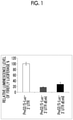
- the results of calculating the luminescence level of firefly luciferase corrected by the luminescence level of Renilla luciferase are shown in Fig. 1 .
- the results of calculating the relative value (%) of the luminescence level of luciferase in each of the defective plasmid-added wells to the luminescence level of firefly luciferase in the PreS2/S-Luc-3'UTR plasmid-added well are shown in Fig. 1 .
- HepG 2.2.15 cells were suspended in the above medium, seeded on a 12-well microtiter plate so that the cell concentration was 2 ⁇ 10 5 cells/1,000 ⁇ L per well, and incubated in a 5% CO 2 incubator at 37°C for 24 hours.
- the medium was exchanged at 1,000 ⁇ L/well with the above-described cell culture medium, and incubation was further carried out at 37°C for 24 hours in a 5% CO 2 incubator. Then, the culture supernatant was discarded, the cells were washed with phosphate buffered saline (1,000 ⁇ L/well, manufactured by FUJIFILM Wako Pure Chemical Corporation), and total RNA was extracted using an RNeasy Mini Kit (manufactured by Qiagen). 1 ⁇ g of the extracted total RNA was reverse transcribed using a PrimeScript RT Reagent Kit with gDNA Eraser (manufactured by Takara Bio Inc.) to prepare cDNA.
- RNeasy Mini Kit manufactured by Qiagen
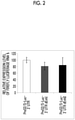
- the expression level of the firefly luciferase RNA was quantified based on the prepared cDNA, and the results of calculating the relative value (%) of the expression level of the firefly luciferase in each of the plasmid-added wells to the expression level of the firefly luciferase RNA in the PreS2/S-Luc-3'UTR plasmid-transfected well are shown in Fig. 2 .
- the relative luminescence level derived from the firefly luciferase protein was reduced by about 70% to 80% ( Fig. 1 ). From this result, it was conceived that the above phenomenon may be caused by the decrease in transcriptional activity (the decrease in firefly luciferase RNA expression level) due to the deletion of the Enh I region or the Enh II region from the DNA sequence, or may be caused by the functional change of RNA due to the deletion of the region corresponding to Enh I or Enh II from the RNA sequence.
- the relative expression level of the firefly luciferase RNA was analyzed, and as a result, the relative expression level of the firefly luciferase RNA was hardly changed due to the deletion of the Enh I region or the Enh II region ( Fig. 2 ). From this, it has been revealed that the decrease in the relative luminescence level due to the deletion of the Enh I region or the Enh II region is caused by the functional change of RNA due to the deletion of the region corresponding to Enh I or the region corresponding to Enh II from the RNA sequence. That is, it has been revealed that the region corresponding to Enh I on the HBV genome DNA or the region corresponding to Enh II on the HBV genome DNA functions on the RNA and controls the expression level of the protein.
- RNA-binding protein that binds to these regions.
- Putative RNA-binding proteins were identified by inputting an Enh I-equivalent region in 3'UTR (an RNA sequence corresponding to the Enh I region, consisting of base number 1,060 to 1,260 of GenBank: AB246345, SEQ ID NO: 1) of the RNA encoding the HBs antigen or an Enh II-equivalent region in 3'UTR (an RNA sequence corresponding to the Enh II region, consisting of base number 1,638 to 1,771 of GenBank: AB246345, SEQ ID NO: 2) of the RNA encoding the HBs antigen, to the public RNA-binding protein sequence database (the RNA-Binding Protein DataBase, RBPDB), and by executing a binding protein prediction program.
- 3'UTR an RNA sequence corresponding to the Enh I region, consisting of base number 1,060 to 1,260 of GenBank: AB246345, SEQ ID NO: 1
- RBPDB is a database where information on RNA-binding proteins and their binding sequences obtained from in-vitro and in-vivo experiments using a human, mice, flies, and the like, are accumulated, and in a case where an RNA base sequence is input, it is possible to extract RNA-binding proteins that are presumed to bind to an RNA having the input RNA sequence ( Nucleic Acids Res, Vol. 39, pp. D301 to D308, 2011 ).
- RNA-binding proteins would bind to at least one region of the Enh I-equivalent region or the Enh II-equivalent region, on the RNA encoding the HBs antigen.
- HepG 2.2.15 cells obtained by introducing the HBV genome into a hepatoblastoma cell line HepG2 ( Proc Natl Acad Sci USA, Vol. 84, pp. 1005 to 1009, 1987 ), which are cells continuously producing viruses, were used, and the anti-HBV effect obtained by the inhibition of each of molecules was evaluated by the following procedure.
- the following medium was used as a cell culture medium.
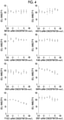
- the knockdown of RBFOX1, SRSF10, ELAVL1, and PUM2 Due to the knockdown of RBFOX1, SRSF10, ELAVL1, and PUM2, the HBs antigen reduced by up to 30%, and due to the knockdown of SRSF9, SNRPA, YTHDC1, and SRSF1, the HBs antigen reduced by up to 70% to 90% ( Fig. 3 ).
- the knockdown of PUM2 and SRSF1 the HBV DNA reduced by up to 40 to 50%
- the knockdown of YTHDC1 the HBV DNA reduced by up to 80%.
- the knockdown of these genes did not affect cell viability ( Fig. 4 ).
- PCR reaction was carried out in a reaction solution containing 1 ⁇ PrimeSTAR Max DNA Polymerase (manufactured by Takara Bio Inc.) and a 0.2 ⁇ mol/L primer.
- PCR was carried out using the HBV genome DNA (GenBank: AF462041.1; hereinafter also referred to as the "genotype A”) as a template and using a primer combination of a primer consisting of the nucleotide sequence of SEQ ID NO: 13 and a primer consisting of the nucleotide sequence of SEQ ID NO: 14, under the condition of 35 cycles at 98°C for 10 seconds, 58°C for 5 seconds, and 72°C for 10 seconds, to obtain an amplified fragment of the region of 1,086 bp containing the 3'UTR sequence (hereinafter, also referred to as "3'UTR (genotype A)”) of the gene encoding the HBs antigen, in which restriction enzyme sites of Xba I and Sal I were introduced.
- This fragment was treated with a combination of Xba I (manufactured by Takara Bio Inc.) and Sal I (manufactured by Takara Bio Inc.) and inserted into the Xba I and Sal I sites of PreS2/S-Luc-3'UTR (genotype C) prepared in Test Example 1 to obtain a ligated plasmid.
- this plasmid is also referred to as "PreS2/S-Luc-3'UTR (genotype A)".
- PCR was carried out using the PreS2/S-Luc-3'UTR (genotype A) plasmid as a template and using a primer combination of a primer consisting of the nucleotide sequence of SEQ ID NO: 15 and a primer consisting of the nucleotide sequence of SEQ ID NO: 10 and a primer combination of a primer consisting of the nucleotide sequence of SEQ ID NO: 7 and a primer consisting of the nucleotide sequence of SEQ ID NO: 16, under the condition of 35 cycles at 98°C for 10 seconds, 58°C for 5 seconds, and 72°C for 30 seconds, to obtain amplified fragments for constructing an Enh I region-deficient plasmid.
- PCR was carried out using the PreS2/S-Luc-3'UTR (genotype A) plasmid as a template and using a primer combination of a primer consisting of the nucleotide sequence of SEQ ID NO: 17 and a primer consisting of the nucleotide sequence of SEQ ID NO: 10 and a primer combination of a primer consisting of the nucleotide sequence of SEQ ID NO: 7 and a primer consisting of the nucleotide sequence of SEQ ID NO: 18, under the condition of 35 cycles at 98°C for 10 seconds, 58°C for 5 seconds, and 72°C for 30 seconds, to obtain amplified fragments for constructing an Enh II region-deficient plasmid.
- PCR was carried out using the HBV genome DNA (SEQ ID NO: 19, hereinafter also referred to as the "genotype B") as a template and using a primer combination of a primer consisting of the nucleotide sequence of SEQ ID NO: 20 and a primer consisting of the nucleotide sequence of SEQ ID NO: 21, under the condition of 35 cycles at 98°C for 10 seconds, 58°C for 5 seconds, and 72°C for 10 seconds, to obtain an amplified fragment of the region of 1,095 bp containing the 3'UTR sequence (hereinafter, also referred to as "3'UTR (genotype B)”) of the gene encoding the HBs antigen, in which restriction enzyme sites of Xba I and Sal I were introduced.
- 3'UTR gene encoding the HBs antigen
- This fragment was treated with a combination of Xba I (manufactured by Takara Bio Inc.) and Sal I (manufactured by Takara Bio Inc.) and inserted into the Xba I and Sal I sites of PreS2/S-Luc-3'UTR (genotype C) prepared in Test Example 1 to obtain a ligated plasmid.
- this plasmid is also referred to as "PreS2/S-Luc-3'UTR (genotype B)".
- PCR was carried out using the PreS2/S-Luc-3'UTR (genotype B) plasmid as a template and using a primer combination of a primer consisting of the nucleotide sequence of SEQ ID NO: 22 and a primer consisting of the nucleotide sequence of SEQ ID NO: 10 and a primer combination of a primer consisting of the nucleotide sequence of SEQ ID NO: 7 and a primer consisting of the nucleotide sequence of SEQ ID NO: 23, under the condition of 35 cycles at 98°C for 10 seconds, 58°C for 5 seconds, and 72°C for 30 seconds, to obtain amplified fragments for constructing an Enh I region-deficient plasmid.
- PCR was carried out using the PreS2/S-Luc-3'UTR (genotype B) plasmid as a template and using a primer combination of a primer consisting of the nucleotide sequence of SEQ ID NO: 24 and a primer consisting of the nucleotide sequence of SEQ ID NO: 10 and a primer combination of a primer consisting of the nucleotide sequence of SEQ ID NO: 7 and a primer consisting of the nucleotide sequence of SEQ ID NO: 25, under the condition of 35 cycles at 98°C for 10 seconds, 58°C for 5 seconds, and 72°C for 30 seconds, to obtain amplified fragments for constructing an Enh II region-deficient plasmid.
- PreS2/S-Luc-3'UTR (genotype B) plasmid was ligated using an In-Fusion HD Cloning Kit (manufactured by Takara Bio Inc.) to obtain plasmids lacking the Enh II region in the PreS2/S-Luc-3'UTR (genotype B) plasmid.
- this plasmid is also referred to as "PreS2/S-Luc-3'UTR (genotype B) dEnh II".
- PCR was carried out using the HBV genome DNA (GenBank: U95551.1; hereinafter also referred to as the "genotype D") as a template and using a primer combination of a primer consisting of the nucleotide sequence of SEQ ID NO: 26 and a primer consisting of the nucleotide sequence of SEQ ID NO: 27, under the condition of 35 cycles at 98°C for 10 seconds, 58°C for 5 seconds, and 72°C for 15 seconds, to obtain an amplified fragment of the region of 1,086 bp containing the 3'UTR sequence (hereinafter, also referred to as "3'UTR (genotype D)”) of the gene encoding the HBs antigen, in which restriction enzyme sites of Xba I and Sal I were introduced.
- 3'UTR gene encoding the HBs antigen
- This fragment was treated with a combination of Xba I (manufactured by Takara Bio Inc.) and Sal I (manufactured by Takara Bio Inc.) and inserted into the Xba I and Sal I sites of PreS2/S-Luc-3'UTR (genotype C) prepared in Test Example 1 to obtain a ligated plasmid.
- this plasmid is also referred to as "PreS2/S-Luc-3'UTR (genotype D)".
- PCR was carried out using the PreS2/S-Luc-3'UTR (genotype D) plasmid as a template and using a primer combination of a primer consisting of the nucleotide sequence of SEQ ID NO: 28 and a primer consisting of the nucleotide sequence of SEQ ID NO: 10 and a primer combination of a primer consisting of the nucleotide sequence of SEQ ID NO: 7 and a primer consisting of the nucleotide sequence of SEQ ID NO: 29, under the condition of 35 cycles at 98°C for 10 seconds, 58°C for 5 seconds, and 72°C for 30 seconds, to obtain amplified fragments for constructing an Enh I region-deficient plasmid.
- PreS2/S-Luc-3'UTR (genotype D) plasmid was ligated using an In-Fusion HD Cloning Kit (manufactured by Takara Bio Inc.) to obtain plasmids lacking the Enh I region in the PreS2/S-Luc-3'UTR (genotype D) plasmid.
- this plasmid is also referred to as "PreS2/S-Luc-3'UTR (genotype D) dEnh I”.
- PCR was carried out using the PreS2/S-Luc-3'UTR (genotype D) plasmid as a template and using a primer combination of a primer consisting of the nucleotide sequence of SEQ ID NO: 30 and a primer consisting of the nucleotide sequence of SEQ ID NO: 10 and a primer combination of a primer consisting of the nucleotide sequence of SEQ ID NO: 7 and a primer consisting of the nucleotide sequence of SEQ ID NO: 31, under the condition of 35 cycles at 98°C for 10 seconds, 58°C for 5 seconds, and 72°C for 30 seconds, to obtain amplified fragments for constructing an Enh II region-deficient plasmid.
- PreS2/S-Luc-3'UTR (genotype D) plasmid was ligated using an In-Fusion HD Cloning Kit (manufactured by Takara Bio Inc.) to obtain plasmids lacking the Enh II region in the PreS2/S-Luc-3'UTR (genotype D) plasmid.
- this plasmid is also referred to as "PreS2/S-Luc-3'UTR (genotype D) dEnh II".
- a reporter assay was carried out using HepG 2.2.15 cells according to the following procedure.
- the following medium was used as a cell culture medium.
- DMEM/F-12, GlutaMAX (manufactured by Thermo Fisher Scientific, Inc.) + 5 ⁇ g/mL insulin (manufactured by FUJIFILM Wako Pure Chemical Corporation) + 1% penicillin/streptomycin (manufactured by FUJIFILM Wako Pure Chemical Corporation) + 10 mmol/L HEPES (manufactured by FUJIFILM Wako Pure Chemical Corporation) + 50 ⁇ mol/L hydrocortisone (manufactured by FUJIFILM Wako Pure Chemical Corporation) +10 % FBS (manufactured by Equitech-Bio Inc.)
- HepG 2.2.15 cells were suspended in the above medium, seeded on a 96-well microtiter plate so that the cell concentration was 1 ⁇ 10 4 cells/100 ⁇ L per well, and incubated overnight in a 5% CO 2 incubator at 37°C.
- PreS2/S-Luc-3'UTR (genotype A), PreS2/S-Luc-3'UTR (genotype A) dEnh I, PreS2/S-Luc-3'UTR (genotype A) dEnh II, PreS2/S-Luc-3'UTR (genotype B), PreS2/S-Luc-3'UTR (genotype B) dEnh I, PreS2/S-Luc-3'UTR (genotype B) dEnh II, PreS2/S-Luc-3'UTR (genotype C), PreS2/S-Luc-3'UTR (genotype C) dEnh I, PreS2/S-Luc-3'UTR (genotype C) dEnh II, PreS2/S-Luc-3'UTR (genotype D), PreS2/S-Luc-3'UTR (genotype D) dEnh I, and PreS2/S-Luc-3'UTR (genotype D) dEnh II),
- HepG 2.2.15 cells were suspended in the above medium, seeded on a 24-well microtiter plate so that the cell concentration was 1 ⁇ 10 5 cells/500 ⁇ L per well, and incubated overnight in a 5% CO 2 incubator at 37°C.
- PreS2/S-Luc-3'UTR (genotype A), PreS2/S-Luc-3'UTR (genotype A) dEnh I, PreS2/S-Luc-3'UTR (genotype A) dEnh II, PreS2/S-Luc-3'UTR (genotype B), PreS2/S-Luc-3'UTR (genotype B) dEnh I, PreS2/S-Luc-3'UTR (genotype B) dEnh II, PreS2/S-Luc-3'UTR (genotype C), PreS2/S-Luc-3'UTR (genotype C) dEnh I, PreS2/S-Luc-3'UTR (genotype C) dEnh II, PreS2/S-Luc-3'UTR (genotype D), PreS2/S-Luc-3'UTR (genotype D) dEnh I, and PreS2/S-Luc-3'UTR (genotype D) dEnh II),
- the extracted total RNA was reverse transcribed using a PrimeScript RT Reagent Kit with gDNA Eraser (manufactured by Takara Bio Inc.) to prepare cDNA.
- the relative luminescence level derived from the firefly luciferase protein was reduced by about 87% to 90% due to the deletion of the Enh I region or the Enh II region ( Fig. 5 ).
- the relative expression level of the firefly luciferase RNA decreased by 31% to 49% due to the deletion of the Enh I region or the Enh II region.
- the relative luminescence level derived from the firefly luciferase protein was reduced by about 65% to 80% due to the deletion of the Enh I region or the Enh II region.
- the relative expression level of the firefly luciferase RNA decreased by 39% to 43% due to the deletion of the Enh I region or the Enh II region.
- the relative luminescence level derived from the firefly luciferase protein was reduced by about 74% to 84% due to the deletion of the Enh I region or the Enh II region.
- the relative expression level of the firefly luciferase RNA decreased by 34% to 61% due to the deletion of the Enh I region or the Enh II region.
- the relative luminescence level derived from the firefly luciferase protein was reduced by about 86% to 91% due to the deletion of the Enh I region or the Enh II region.
- the relative expression level of the firefly luciferase RNA decreased by 51% to 52% due to the deletion of the Enh I region or the Enh II region.
- Enh I region and the Enh II region contribute to the process of translation from RNA to protein. That is, it has been revealed that the region corresponding to Enh I or the region corresponding to Enh II, on the HBV genome DNA, functions on the RNA and controls the expression level of the protein, which is common to a plurality of genotypes of HBV.
- the pharmaceutical composition according to the embodiment of the present invention exhibits an excellent anti-HBV activity and is useful as an anti-hepatitis B virus agent.
Landscapes
- Health & Medical Sciences (AREA)
- Life Sciences & Earth Sciences (AREA)
- Chemical & Material Sciences (AREA)
- Engineering & Computer Science (AREA)
- Organic Chemistry (AREA)
- Genetics & Genomics (AREA)
- Molecular Biology (AREA)
- General Health & Medical Sciences (AREA)
- Biotechnology (AREA)
- Wood Science & Technology (AREA)
- Zoology (AREA)
- Biomedical Technology (AREA)
- Bioinformatics & Cheminformatics (AREA)
- Medicinal Chemistry (AREA)
- General Engineering & Computer Science (AREA)
- Animal Behavior & Ethology (AREA)
- Veterinary Medicine (AREA)
- Pharmacology & Pharmacy (AREA)
- Public Health (AREA)
- Biochemistry (AREA)
- Virology (AREA)
- Physics & Mathematics (AREA)
- Microbiology (AREA)
- Immunology (AREA)
- Biophysics (AREA)
- Proteomics, Peptides & Aminoacids (AREA)
- Communicable Diseases (AREA)
- Epidemiology (AREA)
- Chemical Kinetics & Catalysis (AREA)
- General Chemical & Material Sciences (AREA)
- Nuclear Medicine, Radiotherapy & Molecular Imaging (AREA)
- Analytical Chemistry (AREA)
- Plant Pathology (AREA)
- Oncology (AREA)
- Hematology (AREA)
- Urology & Nephrology (AREA)
- Pathology (AREA)
- Food Science & Technology (AREA)
- Toxicology (AREA)
- Cell Biology (AREA)
Abstract
Description
- The present invention relates to a pharmaceutical composition having an anti-hepatitis B virus activity and a method of screening a substance that inhibits the production of a hepatitis B virus protein.
- Hepatitis B virus (HBV) is a virus belonging to the genus Hepadnavirus and is a spherical DNA virus having a diameter of about 42 nm. The virus itself is a DNA virus consisting of a core having a diameter of 27 nm, which contains a coat (an envelope), an incomplete double-stranded DNA, a DNA polymerase, a reverse transcriptase, and the like, and is called a Dane particle. The Hepatitis B virus is formed in a double structure in which the outside consists of a hepatitis B surface (HBs) antigen (HBsAg) and the inside consists of a hepatitis B core antigen (HBcAg) and a genetic DNA (Non-Patent Document 1).
- In addition to the Dane particle, the HBs antigen is present as a hollow particle, a small spherical particle, or a rod-shaped particle.
- The HBV genome DNA includes four kinds of open reading frames (ORFs) of a pre-S/S gene region, a P gene region, an X gene region, and a pre-C/C gene region, three promoters, and two enhancer (Enh) regions. The core promoter of the X gene region and the precore region of the C gene region are involved in the production of a hepatitis B envelope antigen (an HBe antigen, HBeAg) constituent protein, and the point mutation of this region makes the production of the HBe antigen constituent protein impossible, which results in the HBe antigen negativity.
- The two enhancer regions are called an enhancer I (Enh I) and an enhancer II (Enh II), and both of them can increase the promoter activity of all of the above three promoters (Patent Document 1).
- In a case where HBV invades hepatocytes, the incomplete circular double-stranded DNA is incorporated into the nucleus of the hepatocytes and converted to a completely closed double-stranded DNA (a covalently closed circular DNA, cccDNA). In the state of chronically being infected by HBV, the cccDNA is present as a mini-chromosome at a quantity of 5 to 50 mini-chromosomes per hepatocyte. Four kinds of RNAs are transcribed from the cccDNA in the hepatocyte nucleus, from which the HBs antigen, the HBc antigen, the HBe antigen, and the X protein, as structural proteins, and polymerases including a reverse transcriptase are translated. One of the RNAs is incorporated into a core particle as the pregenomic RNA, a minus-strand DNA is synthesized by the action of the reverse transcriptase, and then a plus-strand DNA is synthesized to become an incomplete circular double-stranded DNA. Further, the incomplete circular double-stranded DNA is enveloped in an envelope formed of the HBs antigen to become a virus particle (a Dane particle), which is released into the blood. The hollow particle (the particle not having a nucleus with DNA) containing the HBs antigen, the HBc antigen, and the p22cr antigen, which are translated from mRNAs, the HBe antigen that passes through the hepatocyte membrane are released and secreted in a large amount into the blood separately from the Dane particle blood release route. This action is conceived to be an action of escaping the attack of the host immune system against the HBV infection. The HBe antigen, the HBc antigen, or the p22cr antigen can be measured as hepatitis, B core-related antigen (an HBcr antigen, HBcrAg) and is used as a marker of virus replication (Non-Patent Document 1).
- Hepatitis B is a kind of viral hepatitis caused by infection with HBV, and the number of infected people is said to be about 240 million worldwide. As described above, in a case of being infected with HBV, Dane particles are released into the blood, and a large amount of the viral protein is secreted into the blood separately from the release route of the Dane particles. It has been pointed out that among viral proteins, the HBs antigen, in particular, may interfere with the elimination of infected cells by the host immune system (Non-Patent Documents 2 and 3). Accordingly, in the medical treatment of hepatitis B, it is conceived important to reduce Dane particles, that is, to suppress the proliferation of the virus and to reduce viral proteins such as the HBs antigen.
- Nucleic acid analogs such as entecavir and tenofovir are used as the first-choice drugs for hepatitis B. A nucleic acid analog pharmaceutical preparation can reduce the number of Dane particles in the blood, that is, suppress the proliferation of the virus, by inhibiting the activity of the HBV polymerase protein and inhibiting the generation of the incomplete circular double-stranded DNA. However, since the nucleic acid analog pharmaceutical preparation cannot reduce the HBs antigen, it is difficult to achieve the elimination of infected cells by the host immune system. For this reason, it has been desired to develop a pharmaceutical drug capable of achieving the reduction of the HBs antigen.
- In recent years, research and development of double-stranded RNA (dsRNA) that binds to an HBV RNA and degrades it based on the principle of RNA interference (RNAi) has been promoted. It has been reported that these double-stranded RNAs reduce the HBs antigen in HBV-infected cells and the like (Non-Patent Document 4). Due to its nature, a double-stranded RNA needs to have a high sequence identity with an HBV RNA in order to bind to the HBV RNA and to exhibit its effect. However, since there are eight types of genotypes in HBV and the RNA sequence changes by the gene mutation or the like, there is concern that the effect of a double-stranded RNA that binds to an HBV RNA cannot be expected. In fact, as a result of analyzing HBV collected from hepatitis B patients, it was reported that there are multiple clones having different gene sequences in the same patient and that there are clones in which the effect of a double-stranded RNA on the HBV RNA is diminished (Non-Patent Document 5). Accordingly, it is necessary to develop a pharmaceutical drug capable of achieving the reduction of the HBs antigen by a novel mechanism of action.
- HBV does not have the group of molecules that are needed to transcribe RNAs from genes thereof, and the group of molecules that are needed to produce viral proteins from RNAs. Accordingly, the group of molecules of the infected human hepatocytes is required to be used for the HBV proliferation and the viral protein production. Therefore, a new approach in which a human protein that is used by HBV is targeted to inhibit the proliferation of HBV or the production of a viral protein has begun to attract attention.
- For example, an attempt has been made to control transcription from an HBV genome DNA to an HBV RNA and regulate the HBV replication using a nucleic acid molecule that binds to the enhancer I in the HBV genome DNA (Patent Document 2). In addition, attempts have been made to control the transcription to an HBV RNA and suppress the HBV proliferation by controlling the expression of a transcription factor that acts on an enhancer region in the HBV genome DNA (
Patent Documents 3 to 5). - However, it is not fully revealed which factors in the host human are required for the HBV proliferation and the viral protein production and what anti-HBV effects are exhibited by controlling such factors.
-
- Patent Document 1:
WO2005-059138A - Patent Document 2:
US2003/0148985A - Patent Document 3:
JP2018-526332A - Patent Document 4: ,
JP2007-520461A - Patent Document 5:
JP2005-532052A -
- Non-Patent Document 1: Tanaka et al., Modern Media, Vol. 54, No. 12, pp. 347 to 352, 2008
- Non-Patent Document 2: Brouw et al., Immunology, Vol. 126, pp. 280 to 289, 2008
- Non-Patent Document 3: Vanlandschoot et al., Journal of General Virology, Vol. 83, pp. 1281 to 1289, 2002
- Non-Patent Document 4: Wooddell et al., Molecular Therapy, Vol. 21, No. 5, pp. 973 to 985, 2013
- Non-Patent Document 5: Wu et al., Gastroenterology, Vol. 128, pp. 708 to 716, 2005
- An object of the present invention is to provide a novel pharmaceutical composition that targets a human protein as a host factor and has an anti-hepatitis B virus (HBV) activity. In addition, another object of the present invention is to provide a pharmaceutical composition that targets a human protein and suppresses the production of an HBV protein. Further, an object of the present invention is to provide a method of screening a substance that targets a host factor and suppresses the production of an HBV protein.
- As a result of the diligent research on the above-described problems, the inventors of the present invention have found that a pharmaceutical composition inhibiting a human protein that binds to at least one region of hepatitis B virus RNA (HBV RNA) sequences corresponding to an enhancer I (Enh I) region sequence or an enhancer II (Enh II) region sequence, on the hepatitis B virus genome DNA (the HBV genome DNA), has an ability to inhibit the production of an HBV protein, and the present invention has been completed.
- That is, the present invention provides the followings.
- <1> A pharmaceutical composition that inhibits a production of a hepatitis B virus protein (an HBV protein), in which the pharmaceutical composition inhibits an expression or a function of an RNA-binding protein that binds to at least one sequence selected from an HBV RNA sequence corresponding to an enhancer (Enh) I region sequence on an HBV genome DNA or an HBV RNA sequence corresponding to an enhancer (Enh) II region sequence on the HBV genome DNA.
- <2> The pharmaceutical composition according to <1>, in which the HBV RNA sequence corresponding to the enhancer (Enh) I region sequence on the HBV genome DNA is a sequence having 80% or more of a sequence identity with SEQ ID NO: 1, and the HBV RNA sequence corresponding to the enhancer (Enh) II region sequence on the HBV genome DNA is a sequence having 80% or more of a sequence identity with SEQ ID NO: 2.
- <3> The pharmaceutical composition according to <1>, in which the HBV RNA sequence corresponding to the enhancer (Enh) I region sequence on the HBV genome DNA is a sequence having 90% or more of a sequence identity with SEQ ID NO: 1, and the HBV RNA sequence corresponding to the enhancer (Enh) II region sequence on the HBV genome DNA is a sequence having 90% or more of a sequence identity with SEQ ID NO: 2.
- <4> The pharmaceutical composition according to any one of <1> to <3>, in which the HBV protein is an HBs antigen protein.
- <5> The pharmaceutical composition according to any one of <1> to <4>, in which the pharmaceutical composition reduces an expression level of the HBV genome DNA.
- <6> The pharmaceutical composition according to any one of <1> to <5>, in which the pharmaceutical composition reduces an expression level of a completely closed double-stranded DNA (a cccDNA).
- <7> The pharmaceutical composition according to any one of <1> to <6>, in which the RNA-binding protein is at least one protein selected from RBFOX1, ELAVL2, MBNL1, RBMX, SRSF9, SRSF10, SNRPA, ELAVL1, PUM2, YTHDC1, SRSF1, KHDRBS3, or EIF4B.
- <8> A screening method which is a method of screening a substance that inhibits a production of an HBV protein, the method comprising identifying a substance that inhibits an expression or a function of an RNA-binding protein that binds to at least one sequence selected from an HBV RNA sequence corresponding to an enhancer (Enh) I region sequence on an HBV genome DNA or an HBV RNA sequence corresponding to an enhancer (Enh) II region sequence on the HBV genome DNA.
- <9> The screening method according to <8>, in which the HBV RNA sequence corresponding to the enhancer (Enh) I region sequence on the HBV genome DNA is a sequence having 80% or more of a sequence identity with SEQ ID NO: 1, and the HBV RNA sequence corresponding to the enhancer (Enh) II region sequence on the HBV genome DNA is a sequence having 80% or more of a sequence identity with SEQ ID NO: 2.
- <10> The screening method according to <8> or <9>, in which the HBV protein is an HBs antigen protein.
- <11> A method of screening a substance that inhibits a production of a hepatitis B virus (HBV) protein, the method comprising;
- (a) a step of identifying an RNA-binding protein that binds to at least one sequence selected from an HBV RNA sequence corresponding to an enhancer (Enh) I region sequence on an HBV genome DNA or an HBV RNA sequence corresponding to an enhancer (Enh) II region sequence on the HBV genome DNA,
- (b) a step of bringing cells infected with HBV or cells expressing HBV into contact with a test substance that inhibits a function or an activity of an identified RNA-binding protein or with a test substance that reduces an expression level of the protein,
- (c) a step of measuring an ability of producing an HBV protein in the cells infected with HBV or the cells expressing HBV, and
- (d) a step of selecting a substance having an activity of inhibiting a production of the HBV protein of the step (c).
- <12> The method according to <11>, in which the (a) includes a step of using an RNA-binding protein sequence database.
- <13> The method according to <11>, in which the test substance of the (b) is an antibody, a peptide, a protein, a non-peptide compound, a synthetic compound, an antisense nucleic acid, a double-stranded RNA, an adeno-associated virus vector, or a CRISPR-Cas vector system.
- <14> The method according to <11>, in which the (c) includes a step of measuring an HBV protein in a culture supernatant of the cells infected with HBV or the cells expressing HBV.
- <15> The method according to <11>, in which the substance of the step (d) is an antibody, a peptide, a protein, a non-peptide compound, a synthetic compound, an antisense nucleic acid, a double-stranded RNA, an adeno-associated virus vector, or a CRISPR-Cas vector system.
- Further, the present invention provides the followings.
- <a> A treatment method comprising administering the pharmaceutical composition according to any one of <1> to <7> to a subject who is infected with HBV or has a disease associated with HBV infection.
- <b> The treatment method according to <a>, in which the disease associated with HBV infection is hepatitis B, liver cirrhosis caused by hepatitis B, or liver cancer caused by hepatitis B or liver cirrhosis.
- <c> A kit for treating a disease associated with HBV infection, the kit comprising:
- the pharmaceutical composition according to any one of <1> to <7>; and
- an instruction in which a treatment method for a disease associated with HBV infection is described.
- <d> The kit for treating a disease associated with HBV infection according to <c>, in which the treatment method for a disease associated with HBV infection includes administering the pharmaceutical composition to a subject who is infected with HBV or has a disease associated with HBV infection.
- <e> A substance for use in a treatment of inhibiting a production of a hepatitis B virus protein (an HBV protein), in which the substance inhibits an expression or a function of an RNA-binding protein that binds to at least one sequence selected from an HBV RNA sequence corresponding to an enhancer (Enh) I region sequence on an HBV genome DNA or an HBV RNA sequence corresponding to an enhancer (Enh) II region sequence on the HBV genome DNA.
- <f> Use of a substance for producing a pharmaceutical composition that inhibits a production of a hepatitis B virus protein (an HBV protein), in which the substance inhibits an expression or a function of an RNA-binding protein that binds to at least one sequence selected from an HBV RNA sequence corresponding to an enhancer (Enh) I region sequence on an HBV genome DNA or an HBV RNA sequence corresponding to an enhancer (Enh) II region sequence on the HBV genome DNA.
- The pharmaceutical composition according to the aspect of the present invention has an excellent anti-HBV activity and is useful as an anti-HBV agent. In addition, the screening method according to the aspect of the present invention is useful for screening a substance that inhibits the production of an HBV protein.
-
-
Fig. 1 shows the relative luminescence level (%) of the firefly luciferase in a reporter assay using an Enh I/Enh II region-deficient construct, where the Enh I/Enh II region is derived from the genotype C. -
Fig. 2 shows the relative expression level (%) of the firefly luciferase RNA in a reporter assay using an Enh I/Enh II region-deficient construct, where the Enh I/Enh II region is derived from the genotype C. -
Fig. 3 shows the relative value (%) of the HBs antigen (the HBsAg) of each of dsRNA-added wells in each concentration to the negative control dsRNA-added well. -
Fig. 4 shows the relative value (%) of cell viability in each of the dsRNA-added wells in each concentration to the negative control dsRNA-added well. -
Fig. 5 shows the relative expression level (%) of the firefly luciferase RNA and the relative luminescence level of the firefly luciferase in reporter assays using Enh I/Enh II region-deficient constructs, where the Enh I/Enh II regions are derived from various genotypes. - Hereinafter, the present invention will be described in detail.
- In the present specification, unless otherwise specified, each term has the following meaning.
- The prevention means the inhibition of the onset of a disease, the reduction of the risk of the onset of a disease, or the delay of the onset of a disease.
- The medical treatment means the amelioration or suppression of progression of a disease or condition of interest.
- The treatment means the prevention or medical treatment of various diseases.
- The effective amount means a therapeutically effective amount, a preventive effective amount, or the like.
- Therapeutically effective amount is an amount sufficient to stabilize HBV infection, reduce HBV infection, or eradicate HBV infection in an infected subject. In addition, the preventive effective amount is an amount sufficient for preventing HBV infection in a subject under the risk of infection.
- The subject means a mammal including a human.
- Hepatitis B virus (HBV) means a virus that has the ability to develop hepatitis B. HBV is currently classified into eight genotypes, from A type to H type, based on the difference in the base sequence, which is derived from the gene mutation. The HBV to be prevented or medically treated with the pharmaceutical composition according to the embodiment of the present invention includes all genotypes thereof.
- In the present invention, as a disease associated with HBV infection, hepatitis B is mentioned, and examples thereof include acute hepatitis, chronic hepatitis, and fulminant hepatitis. In addition, liver cirrhosis, liver fibrosis, and liver cancer such as hepatocellular carcinoma are also included in a case where the disease is caused by HBV infection to a living body including a human.
- The hepatitis B virus protein (the HBV protein) is a protein constituting HBV, and examples thereof include an HBs antigen, an HBc antigen, and an HBe antigen.
- In the present invention, the HBV protein is not particularly limited; however, it is preferably an HBs antigen.
- The HBV genome DNA has two enhancer regions (Enh I and Enh II) thereon, and Enh I and Enh II are known to promote transcription from the HBV genome DNA to the HBV RNA.
- In the present invention, in the HBV RNA sequence, the HBV RNA sequence corresponding to an Enh I region sequence and an Enh II region sequence, on the HBV genome DNA, means a base sequence of a region corresponding to Enh I on the HBV genome DNA, which is present in the 3' untranslated region (hereinafter also referred to as 3'UTR) of the RNA encoding an HBV protein, or a base sequence of a region corresponding to Enh II on the HBV genome DNA, which is present in the 3'UTR of the RNA encoding an HBV protein.
- In the present invention, in the HBV RNA sequence, the HBV RNA sequence corresponding to an Enh I region sequence and an Enh II region sequence, on the HBV genome DNA, is preferably a base sequence of a region corresponding to EnhI on the HBV genome DNA, which is present in the 3'UTR of the RNA encoding an HBs antigen, or a base sequence of a region corresponding to EnhI on the HBV genome DNA, which is present in the 3'UTR of the RNA encoding the HBs antigen.
- In the present invention, as the HBV RNA sequence corresponding to the Enh I region sequence on the HBV genome DNA, a sequence having 80% or more of a sequence identity with SEQ ID NO: 1 is mentioned, and as the HBV RNA sequence corresponding to the Enh II region sequence on the HBV genome DNA, a sequence having 80% or more of a sequence identity with SEQ ID NO: 2 is mentioned.
- The above HBV RNA is an RNA encoding an HBV protein and is preferably an RNA encoding the HBs antigen.
- Examples of the HBV RNA sequence include a sequence of SEQ ID NO: 1 or SEQ ID NO: 2. The above sequence preferably has 80% or more of a sequence identity, more preferably 85% of a sequence identity, still more preferably 90% of a sequence identity, even more preferably 95% of a sequence identity, even still more preferably 98% of a sequence identity, and particularly preferably 100% of a sequence identity, with the sequence of SEQ ID NO: 1 or SEQ ID NO: 2.
- SEQ ID NO: 1:


- SEQ ID NO: 2:

- An RNA-binding protein binds to a specific target RNA in a sequence-specific manner, and it is known to regulate various cell functions after transcription and in post-transcriptional protein expression, such as RNA splicing, polyadenylation, capping, modification, transport, localization, translation, and metabolic turnover (Ray et al., Nature, Vol. 499, No. 11, 2013).
- In the present invention, it is presumed that the RNA-binding protein controls the expression (the production) of an HBV protein by binding to a specific sequence on the HBV RNA.
- The HBV RNA is preferably an RNA encoding the HBs antigen.
- Examples of the specific sequence on the HBV RNA include the sequence of SEQ ID NO: 1 or SEQ ID NO: 2. The above sequence preferably has 80% or more of a sequence identity, more preferably 85% of a sequence identity, still more preferably 90% of a sequence identity, even more preferably 95% of a sequence identity, even still more preferably 98% of a sequence identity, and particularly preferably 100% of a sequence identity, with the sequence of SEQ ID NO: 1 or SEQ ID NO: 2.
- In the present invention, the RNA-binding protein preferably recognizes and binds to 4 to 9 bases on the above sequence, and examples thereof include RNA binding protein, fox-1 homolog (RBFOX1), ELAV like RNA binding protein 2 (ELAVL2), muscleblind-like Protein 1 (MBNL1), RNA-binding motif protein, X chromosome (RBMX), serine and arginine rich splicing factor 9 (SRSF9), serine and arginine rich splicing factor 10 (SRSF10), small nuclear ribonucleoprotein polypeptide A (SNRPA), ELAV like RNA binding protein 1 (ELAVL1), pumilio homolog 2 (PUM2), YTH domain containing 1 (YTHDC1), serine and arginine rich splicing factor 1 (SRSF1), KH RNA binding domain containing, signal transduction associated3 (KHDRBS3), and eukaryotic translation initiation factor 4B (EIF4B).
- The RNA-binding protein of the present invention is preferably at least one protein selected from RBFOX1, ELAVL2, MBNL1, RBMX, SRSF9, SRSF10, SNRPA, ELAVL1, PUM2, YTHDC1, SRSF1, KHDRBS3, or EIF4B.
- The pharmaceutical composition according to the embodiment of the present invention is a pharmaceutical composition containing a "substance", specifically a "substance that inhibits the production of an HBV protein", and a pharmaceutically acceptable carrier.
- The pharmaceutical composition according to the embodiment of the present invention contains, as a substance that inhibits the production of an HBV protein, a substance that inhibits the expression or the function of an RNA-binding protein that binds to at least one sequence selected from an HBV RNA sequence corresponding to an enhancer (Enh) I region sequence on an HBV genome DNA or an HBV RNA sequence corresponding to an enhancer (Enh) II region sequence on the HBV genome DNA.
- The pharmaceutical composition according to the embodiment of the present invention preferably has a substance that inhibits the production of an HBV protein and more preferably a substance that inhibits the production of the HBs antigen.
- Examples of the "substance" include an antibody, a peptide, a protein, a non-peptide compound, a synthetic compound, an antisense nucleic acid, a double-stranded RNA, an adeno-associated virus vector, and a CRISPR-Cas vector system.
- The "antisense nucleic acid" is a nucleic acid including a base sequence or a part there of, which is complementary or substantially complementary to a base sequence of a "sense" nucleic acid that encodes a protein, such as a coding strand of a double-stranded cDNA molecule, an mRNA sequence, or a coding strand of a gene, and binds to a target base sequence to form a specific and stable double strand, and thus has the function of inhibiting protein synthesis.
- An "RNAi nucleic acid" includes, but is not limited to, a nucleic acid that interferes with or inhibits the expression of a target gene by a small interfering RNA (a siRNA), a short hairpin RNA (an shRNA), or RNA interference (RNAi).
- A "double-stranded RNA" includes, but is not limited to, a nucleic acid that interferes with or inhibits the expression of a target gene by a short interfering RNA (a siRNA), a short hairpin RNA (an shRNA), or RNA interference (RNAi).
- An "RNA interference agent" is a nucleic acid that interferes with or inhibits the expression of a target gene through RNA interference.
- The RNA interference is a post-transcriptional target gene silencing technique that uses a double-stranded RNA (a dsRNA) to degrade an mRNA including the same sequence as the dsRNA (Sharp et al., Science, 287, 2431 to 2432, 2000); Zamore et al., Cell, Vol. 101, pp. 25 to 33, 2000; Tuschl et al., Genes & Development, Vol. 13, 3191 to 3197, 1999). The RNA interference occurs in a case where an endogenous ribonuclease cleaves a long dsRNA to generate a shorter RNA having a length of 21 or 22 nucleotides, called a short interfering RNA (siRNA). This siRNA mediates the degradation of a target mRNA. Synthesis kits for RNAi are commercially available, for example, from New England Biolabs and Ambion. In an aspect of the synthesis of RNAi, one or more of the above synthesis kits for use in antisense RNA can be used.
- The substance contained in the pharmaceutical composition according to the embodiment of the present invention is preferably an antisense nucleic acid or a double-stranded RNA, and more preferably a double-stranded RNA.
- Further, in the case of the double-stranded RNA, it is particularly preferably an RNA interference agent.
- The "adeno-associated virus" is a single-stranded DNA virus, which belongs to the family Parvoviridae and consists of about 4,700 bases, has no envelope and has a capsid of a regular icosahedral structure having a diameter of 20 to 30 nm. Since the adeno-associated virus recognizes heparan sulfate proteoglycan which is a universal component of the cell membrane to infect a cell, the range of hosts thereof is wide.
- Any gene or nucleic acid can be inserted into the genome of the adeno-associated virus. For this reason, it is possible to introduce a gene or nucleic acid of interest by infecting a target cell with a genetically modified adeno-associated virus, and thus it is possible to use the adeno-associated virus as a vector for gene transfer. Further, since the "adeno-associated virus vector" is non-pathogenic and enables the gene transfer into a terminally differentiated non-dividing cell, it is expected to be applied to gene therapy.
- It is known that adeno-associated viruses have different infection directivity to tissues and cells depending on the difference in serotype (Ozawa et al., Drug Delivery System, Vol. 22, No. 6, pp. 643 to 650, 2007).
- The substance contained in the pharmaceutical composition according to the embodiment of the present invention is preferably an adeno-associated virus type 5, an adeno-associated virus type 7, an adeno-associated virus type 8, or an adeno-associated virus type 9, and more preferably an adeno-associated virus type 8.
- The "CRISPR-Cas system" is a system that uses, for genome editing, the clustered regulatory interspaced short palindromic repeats/CRISPR-associated protein (CRISPR/Cas) system discovered as acquired immunity of eubacteria and archaea (Jinek et al., Science, Vol. 337, pp. 816-821, 2012). Specifically, in the genomic region called the CRISPR region of the above bacteria, a plurality of cassettes in which a fragmented foreign DNA (20 bp) is incorporated are repeated, and a different foreign DNA is incorporated into each of the cassettes.
- It is conceived that each of the cassettes is generated by fragmenting a DNA of a foreign introduced species (for example, a phage) and incorporating the fragmented DNA into the CRISPR region in a case where the DNA is incorporated into the cell.
- Each of the cassettes encodes a CRISPR RNA (a crRNA). The crRNA has a protospacer sequence and a sequence complementary to the trans-crRNA (the tracrRNA) described later. The protospacer sequence has a length of 20 nucleotides and has a sequence complementary to the target DNA sequence. The protospacer sequence need not have the complementarity of 100% with the target sequence and is allowed to have mismatches in the region of 6 nucleotides from the 5' end. The crRNA forms a complex with the trans-crRNA (the tracrRNA), which is separately transcribed, through the complementary moiety. Further, the complex of the crRNA and the tracrRNA forms a complex with Cas9 endonuclease. The protospacer moiety in the crRNA forms a complementary hybrid with the foreign DNA, which leads the Cas9 endonuclease to the target sequence of the foreign DNA. The foreign DNA is cleaved by the Cas9 endonuclease at the site of the target sequence, and the CRISPR-Cas9 system protects the host from the foreign DNA.
- As described above, the CRISPR-Cas9 system has been discovered as a system of eubacteria and archaea, which functions as acquired immunity to a new foreign DNA; however, the CRISPR-Cas9 system makes it possible to sequence-dependently cleave a mammalian genome by designing a protospacer consisting of a foreign DNA, whereby the mammalian genome can be edited.
- The "CRISPR-Cas vector system" is a vector system containing a crRNA, a tracrRNA sequence, or a guide RNA (a gRNA) having both functions of the crRNA and the tracrRNA, and a Cas gene sequence. Currently, the predominantly used system is, but is not limited to, a second type CRISPR-Cas9 system, which is derived from Streptococcus pyogenes (S. pyogenes).
- The pharmaceutically acceptable carrier includes an excipient, a diluent, a bulking agent, a disintegrating agent, a stabilizer, a preservative, a buffer, an emulsifier, a fragrance, a colorant, a sweetener, a thickening agent, a taste improving agent, a dissolution auxiliary agent, and other additives. In a case where one or more of such carriers are used, it is possible to prepare pharmaceutical compositions having forms such as a tablet, a capsule, a powdered drug, a syrup, a granule, a pill, a suspension, an emulsion, a powder preparation, a suppository, an eye drop, a nasal drop, an ear drop, a patch, an ointment, an injection agent, a liquid drug, a troche, and an elixir.
- These pharmaceutical compositions can be administered orally or parenterally. Examples of other forms for parenteral administration include an external liquid drug that contains one or more active substances and is prescribed according to the rule and a suppository for enteric administration.
- In addition, the dose and the frequency of administration of the pharmaceutical composition according to the embodiment of the present invention can be appropriately selected depending on the sex, weight, age, severity, symptom, and the like of the patient. In general, for adults, a daily dose of 0.01 to 1,000 mg/kg may be dividedly administered one to several times by oral or parenteral administration (for example, injection, drip infusion, or administration to the rectal region).
- The pharmaceutical composition according to the embodiment of the present invention preferably further reduces the expression level of the HBV DNA.
- The pharmaceutical composition according to the embodiment of the present invention preferably further reduces the expression level of the completely closed double-stranded DNA (the cccDNA).
- The pharmaceutical composition according to the embodiment of the present invention is useful as a pharmaceutical drug for inhibiting the expression or the function of an RNA-binding protein that binds to at least one an HBV RNA sequence corresponding to an Enh I region sequence on an HBV genome DNA or an HBV RNA sequence corresponding to an Enh II region sequence on the HBV genome DNA, or as a pharmaceutical drug for suppressing or inhibiting the onset or progression of a disease in which the RNA-binding protein is involved and for medically treating or preventing the disease.
- The screening method according to the embodiment of the present invention is useful as a method of screening a substance that inhibits the production of an HBV protein.
- The screening method according to the embodiment of the present invention is a screening method of screening a substance that inhibits the production of an HBV protein and is useful as the screening method, where the method includes identifying a substance that inhibits an expression or a function of an RNA-binding protein that binds to at least one sequence selected from an HBV RNA sequence corresponding to an enhancer I region sequence on an HBV genome DNA or an HBV RNA sequence corresponding to an enhancer II region sequence on the HBV genome DNA.
- In the screening method according to the embodiment of the present invention, it is preferable that the HBV RNA sequence corresponding to the enhancer I region sequence on the HBV genome DNA is a sequence having 80% or more of a sequence identity with SEQ ID NO: 1, and the HBV RNA sequence corresponding to the enhancer II region sequence on the HBV genome DNA is a sequence having 80% or more of a sequence identity with SEQ ID NO: 2.
- In addition, in the screening method according to the embodiment of the present invention, it is preferable that a substance that inhibits the production of the HBs antigen as a hepatitis B virus protein is identified.
- Examples of the screening method according to the embodiment of the present invention include a method including;
- (a) a step of identifying an RNA-binding protein that binds to at least one sequence selected from an HBV RNA sequence corresponding to an Enh I region sequence on an HBV genome DNA or an HBV RNA sequence corresponding to an Enh II region sequence on the HBV genome DNA,
- (b) a step of bringing cells infected with HBV or cells expressing HBV into contact with a test substance that inhibits a function or an activity of an identified RNA-binding protein or with a test substance that reduces an expression level of the protein,
- (c) a step of measuring an ability of producing an HBV protein in the cells infected with HBV or the cells expressing HBV, and
- (d) a step of selecting a substance having an activity of inhibiting a production of the HBV protein of the step (c).
- For example, the utilization of the public RNA-binding protein sequence database such as RNA-Binding Protein DataBase, RBPDB, can be mentioned. The public RNA-binding protein sequence database to be utilized is not particularly limited. In a case where an HBV RNA sequence corresponding to the Enh I region sequence or the Enh II region sequence, on the HBV genome DNA, is input into RBPDB or a database similar thereto, an RNA-binding protein that binds to this region sequence can be extracted.
- Further, for example, a method or a method similar thereto, in which the cell extract derived from HepG 2.2.15 cells and the in vitro transcribed RNA having a sequence corresponding to the Enh I region sequence or the Enh II region sequence, on the HBV genome DNA, are used to carry out a pull-down assay, and then the obtained binding proteins are identified with a mass spectrometer.
- In the screening method according to the embodiment of the present invention, it is preferable that the (a) includes a step using the RNA-binding protein sequence database.
- Further, as another aspect, it is preferable that (a) is a method including a step of carrying out a pull-down assay using the RNA having a sequence corresponding to the Enh I region sequence or the Enh II region sequence, on the HBV genome DNA.
- Examples of HBV-infected cells include a cultured human primary hepatocyte infected with HBV clone C_JPNAT (GenBank: AB246345.1), and a HepG2 cell forcibly expressing a sodium taurocholate coating polypeptide (NTCP), which is infected with HBV clone C_JPNAT (GenBank: AB246345.1). The combination of the HBV clone and the cell described above is not particularly limited.
- Examples of the cells expressing HBV include a HepG2.2.15 cell, and a HepG2 cell, a Huh-7 cell, a HepaRG cell, and a cultured human primary hepatocyte, which forcibly express a plasmid formed by containing a 1.24-fold lengthened genome sequence of HBV clone C_JPNAT (GenBank: AB246345.1). The above HBV clone is not particularly limited. The length of the sequence derived from the HBV genome, which is inserted into the plasmid formed by containing the genome sequence of the HBV clone is not particularly limited as long as it is at least 1.24 folds the length of the genome sequence of the HBV clone.
- Examples of the test substance include a substance selected from an antibody, a peptide, a protein, a non-peptide compound, a synthetic compound, an antisense nucleic acid, a double-stranded RNA, an adeno-associated virus vector, and a CRISPR-Cas vector system.
- The test substance that is used in the screening method according to the embodiment of the present invention is preferably an antisense nucleic acid or a double-stranded RNA, and more preferably a double-stranded RNA.
- Further, in the case of the double-stranded RNA, it is particularly preferably an RNA interference agent.
- The contact between a cell infected with HBV or a cell expressing HBV and a test substance can be carried out, for example, by adding the test substance to a culture medium containing the above cell and culturing for a certain period of time. The concentration of the test substance to be added varies depending on the properties of substance (solubility, toxicity, and the like); however, it is appropriately selected in a range of, for example, about 0.1 nmol/L to about 100 nmol/L. Examples of the culturing time include about 24 hours to about 120 hours.
- Examples of the step of measuring the ability of producing HBV protein include a step of measuring an HBV protein in a culture supernatant of the cells infected with HBV or the cells expressing HBV.
- The HBV protein can be measured using the collected culture supernatant, for example, by a chemiluminescence enzyme-linked immunosorbent assay (a CLEIA method) or an enzyme-linked immunosorbent assay (an ELISA method), or by a method similar thereto.
- For example, in a case where test substances are allowed to act in the (c), it is possible to select a substance that inhibits the production of the HBV protein by 30% or more, preferably 50% or more, more preferably 70% or more, still more preferably 90% or more, as compared with the negative control.
- The pharmaceutical composition according to the embodiment of the present invention is useful in the medical treatment or prevention of HBV infection.
- The pharmaceutical composition according to the embodiment of the present invention can inhibit the production of an HBV protein, particularly the HBs antigen. In addition, the HBV gene expression (the HBV DNA production) can be inhibited. As a result, the pharmaceutical composition according to the embodiment of the present invention is useful for the medical treatment or prevention of HBV infection.
- The present invention relates to the use of the pharmaceutical composition according to the embodiment of the present invention for inhibiting the production of the HBs antigen.
- The present invention relates to the use of the pharmaceutical composition according to the embodiment of the present invention for inhibiting the DNA production of HBV.
- The present invention relates to the use of the pharmaceutical composition according to the embodiment of the present invention for inhibiting the gene expression of HBV.
- The present invention relates to the use of the pharmaceutical composition according to the embodiment of the present invention for the medical treatment or prevention of HBV infection.
- The disease associated with HBV infection includes progressive liver fibrosis, inflammation, and necrosis, which progress to liver cirrhosis, end-stage liver disease, and hepatocellular carcinoma.
- Next, the present invention will be described with reference to Test Examples; however, the present invention is not limited thereto.
- PCR reaction was carried out in a reaction solution containing 1× PrimeSTAR Max DNA Polymerase (manufactured by Takara Bio Inc.) and a 0.2 µmol/L primer. PCR was carried out using an HBV genome DNA (GenBank: AB246345.1; hereinafter, also referred to as a "genotype C") as a template and using a primer combination of a primer consisting of the nucleotide sequence of SEQ ID NO: 3 and a primer consisting of the nucleotide sequence of SEQ ID NO: 4, under the condition of 35 cycles at 98°C for 10 seconds, 58°C for 5 seconds, and 72°C for 15 seconds, to obtain an amplified fragment of the region of 410 bp containing the PreS2/S promoter, in which restriction enzyme sites of Kpn I and Hind III were introduced. Similarly, PCR was carried out using a primer combination of a primer consisting of the nucleotide sequence of SEQ ID NO: 5 and a primer consisting of the nucleotide sequence of SEQ ID NO: 6, under the condition of 35 cycles at 98°C for 10 seconds, 58°C for 5 seconds, and 72°C for 15 seconds, to obtain an amplified fragment of the region of 1,086 bp containing the sequence of the 3' untranslated region (hereinafter, also referred to as "3'UTR") of the gene encoding the HBs antigen, in which restriction enzyme sites of Xba I and Sal I were introduced. The obtained fragments were respectively treated with a combination of Kpn I (manufactured by Takara Bio Inc.) and Hind III (manufactured by Takara Bio Inc.) and a combination of Xba I (manufactured by Takara Bio Inc.) and Sal I (manufactured by Takara Bio Inc.), and respectively inserted into Kpn I and Hind III sites and Xba I and Sal I sites of pGL3 (manufactured by Promega Corporation) to obtain a ligated plasmid. Hereinafter, this plasmid is also referred to as "PreS2/S-Luc-3'UTR". In Test Example 4, which will be described later, it is also referred to as "PreS2/S-Luc-3'UTR (genotype C)" in order to clarify the difference in genotype. PCR was carried out using the PreS2/S-Luc-3'UTR plasmid as a template and using a primer combination of a primer consisting of the nucleotide sequence of SEQ ID NO: 7 and a primer consisting of the nucleotide sequence of SEQ ID NO: 8 and a primer combination of a primer consisting of the nucleotide sequence of SEQ ID NO: 9 and a primer consisting of the nucleotide sequence of SEQ ID NO: 10, under the condition of 35 cycles at 98°C for 10 seconds, 58°C for 5 seconds, and 72°C for 30 seconds, to obtain amplified fragments for constructing an Enh I region-deficient plasmid. These fragments were ligated using an In-Fusion HD Cloning Kit (manufactured by Takara Bio Inc.) to obtain plasmids lacking the Enh I region in the PreS2/S-Luc-3'UTR plasmid. Hereinafter, this plasmid is also referred to as "PreS2/S-Luc-3'UTR dEnh I". PCR was carried out using the PreS2/S-Luc-3'UTR plasmid as a template and using a primer combination of a primer consisting of the nucleotide sequence of SEQ ID NO: 7 and a primer consisting of the nucleotide sequence of SEQ ID NO: 11 and a primer combination of a primer consisting of the nucleotide sequence of SEQ ID NO: 10 and a primer consisting of the nucleotide sequence of SEQ ID NO: 12, under the condition of 35 cycles at 98°C for 10 seconds, 58°C for 5 seconds, and 72°C for 30 seconds, to obtain amplified fragments for constructing an Enh II region-deficient plasmid. These fragments were ligated using an In-Fusion HD Cloning Kit (manufactured by Takara Bio Inc.) to obtain plasmids lacking the Enh II region in the PreS2/S-Luc-3'UTR plasmid. Hereinafter, this plasmid is also referred to as "PreS2/S-Luc-3'UTR dEnh II".
[Table 1] SEQ ID NO Sequence (5' → 3') 3 GTCAGGTACCCAAACAATCCAGATTGGGAC 4 TGACAAGCTTGTTCGGTGCAGGGTCC 5 TGACTCTAGAACCCTAATAAAACCAAACGT 6 TGACGTCGACTTTATACGGGTCAATGTCCA 7 CGCGGGGCATGACTATCGTC 8 AGGCATTAAGGCAGGATAGC 9 CCTGCCTTAATGCCTCCGATCCATACTGCG 10 GACGATAGTCATGCCCCGCG 11 GACCTGGTGGGCGTTCACGG 12 AACGCCCACCAGGTCACTAGGAGGCTGTAG - HepG 2.2.15 cells obtained by introducing the HBV genome into a hepatoblastoma cell line HepG2 (Proc Natl Acad Sci USA, Vol. 84, pp. 1005 to 1009, 1987), which are cells continuously producing viruses, were used, and the reporter assay was carried out using the following procedure.
- The following medium was used as a cell culture medium.
- DMEM/F-12, GlutaMAX (manufactured by Thermo Fisher Scientific, Inc.) + 5 µg/mL insulin (manufactured by FUJIFILM Wako Pure Chemical Corporation) + 1% penicillin/streptomycin (manufactured by Sigma-Aldrich Co., LLC) + 10 mmol/L HEPES (manufactured by Sigma-Aldrich Co., LLC) + 50 µmol/L hydrocortisone (manufactured by Sigma-Aldrich Co., LLC) +10 % FBS (manufactured by Equitech-Bio Inc.)
- HepG 2.2.15 cells were suspended in the above medium, seeded on a 96-well microtiter plate so that the cell concentration was 1 × 10⁴ cells/100 µL per well, and incubated in a 5% CO2 incubator at 37°C for 24 hours. 0.062 µg of any one of a PreS2/S-Luc-3'UTR plasmid, a PreS2/S-Luc-3'UTR dEnh I plasmid, or a PreS2/S-Luc-3'UTR dEnh II plasmid, 0.25 ng of a pRL-SV40 plasmid (manufactured by Promega Corporation), and 0.23 µL of TransIT-X2 Transfection Reagent (manufactured by Mirus Bio LLC) were diluted with 7.8 µL of serum-free medium (manufactured by Thermo Fisher Scientific, Inc.) and incubated at room temperature for 20 minutes. 8 µL of this plasmid-TransIT-X2 Transfection Reagent mixture was added to the wells seeded with HepG 2.2.15 cells described above and incubated for 24 hours. Next, the medium was exchanged at 100 µL/well with the above-described cell culture medium, and incubation was further carried out at 37°C for 48 hours in a 5% CO2 incubator. After incubation, the luminescence by firefly luciferase and the luminescence by Renilla luciferase were detected in Dual-Luciferase Reporter Assay System (manufactured by Promega Corporation). Regarding each of the wells, the results of calculating the luminescence level of firefly luciferase corrected by the luminescence level of Renilla luciferase are shown in
Fig. 1 . In addition, the results of calculating the relative value (%) of the luminescence level of luciferase in each of the defective plasmid-added wells to the luminescence level of firefly luciferase in the PreS2/S-Luc-3'UTR plasmid-added well are shown inFig. 1 . - HepG 2.2.15 cells were suspended in the above medium, seeded on a 12-well microtiter plate so that the cell concentration was 2 × 10⁵ cells/1,000 µL per well, and incubated in a 5% CO2 incubator at 37°C for 24 hours. 1 µg of any one of a PreS2/S-Luc-3'UTR plasmid, a PreS2/S-Luc-3'UTR dEnh I plasmid, or a PreS2/S-Luc-3'UTR dEnh II plasmid, 3 µL of TransIT-X2 Transfection Reagent (manufactured by Mirus Bio LLC) were diluted with 97 µL of serum-free medium (manufactured by Thermo Fisher Scientific, Inc.) and incubated at room temperature for 20 minutes. 100 µL of this plasmid-TransIT-X2 Transfection Reagent mixture was added to the wells seeded with HepG 2.2.15 cells described above and incubated for 24 hours. Next, the medium was exchanged at 1,000 µL/well with the above-described cell culture medium, and incubation was further carried out at 37°C for 24 hours in a 5% CO2 incubator. Then, the culture supernatant was discarded, the cells were washed with phosphate buffered saline (1,000 µL/well, manufactured by FUJIFILM Wako Pure Chemical Corporation), and total RNA was extracted using an RNeasy Mini Kit (manufactured by Qiagen). 1 µg of the extracted total RNA was reverse transcribed using a PrimeScript RT Reagent Kit with gDNA Eraser (manufactured by Takara Bio Inc.) to prepare cDNA. The expression level of the firefly luciferase RNA was quantified based on the prepared cDNA, and the results of calculating the relative value (%) of the expression level of the firefly luciferase in each of the plasmid-added wells to the expression level of the firefly luciferase RNA in the PreS2/S-Luc-3'UTR plasmid-transfected well are shown in
Fig. 2 . - Due to the deletion of the Enh I region or the Enh II region, the relative luminescence level derived from the firefly luciferase protein was reduced by about 70% to 80% (
Fig. 1 ). From this result, it was conceived that the above phenomenon may be caused by the decrease in transcriptional activity (the decrease in firefly luciferase RNA expression level) due to the deletion of the Enh I region or the Enh II region from the DNA sequence, or may be caused by the functional change of RNA due to the deletion of the region corresponding to Enh I or Enh II from the RNA sequence. For this reason, the relative expression level of the firefly luciferase RNA was analyzed, and as a result, the relative expression level of the firefly luciferase RNA was hardly changed due to the deletion of the Enh I region or the Enh II region (Fig. 2 ). From this, it has been revealed that the decrease in the relative luminescence level due to the deletion of the Enh I region or the Enh II region is caused by the functional change of RNA due to the deletion of the region corresponding to Enh I or the region corresponding to Enh II from the RNA sequence. That is, it has been revealed that the region corresponding to Enh I on the HBV genome DNA or the region corresponding to Enh II on the HBV genome DNA functions on the RNA and controls the expression level of the protein. - Since the region corresponding to Enh I and the region corresponding to Enh II function on the RNA, an attempt was made to identify an RNA-binding protein that binds to these regions. Putative RNA-binding proteins were identified by inputting an Enh I-equivalent region in 3'UTR (an RNA sequence corresponding to the Enh I region, consisting of base number 1,060 to 1,260 of GenBank: AB246345, SEQ ID NO: 1) of the RNA encoding the HBs antigen or an Enh II-equivalent region in 3'UTR (an RNA sequence corresponding to the Enh II region, consisting of base number 1,638 to 1,771 of GenBank: AB246345, SEQ ID NO: 2) of the RNA encoding the HBs antigen, to the public RNA-binding protein sequence database (the RNA-Binding Protein DataBase, RBPDB), and by executing a binding protein prediction program. RBPDB is a database where information on RNA-binding proteins and their binding sequences obtained from in-vitro and in-vivo experiments using a human, mice, flies, and the like, are accumulated, and in a case where an RNA base sequence is input, it is possible to extract RNA-binding proteins that are presumed to bind to an RNA having the input RNA sequence (Nucleic Acids Res, Vol. 39, pp. D301 to D308, 2011).
[Table 2] Proteins that bind to Enh I-equivalent region or Enh II-equivalent region on RNA encoding HBs antigen Protein name Enh I-equivalent region Enh II-equivalent region RBFOX1 Yes No ELAVL2 Yes No MBNL1 Yes No RBMX Yes No SRSF9 No Yes SRSF10 No Yes SNRPA No Yes ELAVL1 Yes Yes PUM2 Yes Yes YTHDC1 Yes Yes SRSF1 Yes Yes KHDRBS3 Yes Yes EIF4B Yes Yes - It was expected that a plurality of RNA-binding proteins would bind to at least one region of the Enh I-equivalent region or the Enh II-equivalent region, on the RNA encoding the HBs antigen.
- HepG 2.2.15 cells obtained by introducing the HBV genome into a hepatoblastoma cell line HepG2 (Proc Natl Acad Sci USA, Vol. 84, pp. 1005 to 1009, 1987), which are cells continuously producing viruses, were used, and the anti-HBV effect obtained by the inhibition of each of molecules was evaluated by the following procedure.
- The following medium was used as a cell culture medium.
- DMEM/F-12, GlutaMAX (manufactured by Thermo Fisher Scientific, Inc.) + 5 µg/mL insulin (manufactured by FUJIFILM Wako Pure Chemical Corporation) + 1% penicillin/streptomycin (manufactured by Sigma-Aldrich Co., LLC) + 10 mmol/L HEPES (manufactured by Sigma-Aldrich Co., LLC) + 50 µmol/L hydrocortisone (manufactured by Sigma-Aldrich Co., LLC) +10 % FBS (manufactured by Equitech-Bio Inc.)
- (1) The dsRNA used for transfection was as follows (manufactured by Dharmacon Inc.). SMARTpool: ON-TARGETplus RBFOX1 siRNA (L-013377-01), SMARTpool: ON-TARGETplus ELAVL1 siRNA (L-003773-00), SMARTpool: ON-TARGETplus ELAVL2 siRNA (L-019801-00), SMARTpool: ON-TARGETplus MBNL1 siRNA (L-014136-00), SMARTpool: ON-TARGETplus RBMX siRNA (L-011691-01), SMARTpool: ON-TARGETplus PUM2 siRNA (L-014031-02), SMARTpool: ON-TARGETplus YTHDC1 siRNA (L-015332-02), SMARTpool: ON-TARGETplus SRSF1 siRNA (L-018672-01), SMARTpool: ON-TARGETplus SRSF9 siRNA (L-019529-01), SMARTpool: ON-TARGETplus SRSF10 siRNA (L-007278-00), SMARTpool: ON-TARGETplus KHDRBS3 siRNA (L-012748-01), SMARTpool: ON-TARGETplus EIF4B siRNA (L-020179-00), and SMARTpool: ON-TARGETplus SNRPA siRNA (L-019435-02). In addition, an ON-TARGETplus Non-targeting Control Pool (manufactured by Dharmacon Inc.) was used as a negative control dsRNA.
- (2) HepG 2.2.15 cells were suspended in the above medium to prepare a HepG 2.2.15 cell suspension of 2 × 10⁵ cells/mL. The dsRNA was diluted with Nuclease-Free Water (not DEPC-Treated) (manufactured by Thermo Fisher Scientific, Inc.) to prepare dsRNA solutions of 3-fold dilution series from 2.743 nmol/L to 2,000 nmol/L. 1.5 µL of the prepared dsRNA solution and 0.3 µL of Lipofectamine RNAiMAX (manufactured by Thermo Fisher Scientific, Inc.) were diluted with 8.2 µL of serum-free medium (manufactured by Thermo Fisher Scientific, Inc.) and incubated at room temperature for 5 minutes. 10 µL of this dsRNA-Lipofectamine RNAiMAX mixture was diluted with 40 µL of a cell culture medium to adjust the volume to 50 µL. This diluted mixture was mixed with 50 µL of the above-described HepG 2.2.15 cell suspension, seeded on a 96-well microtiter plate, and incubated in a 5% CO2 incubator at 37°C for 3 days (final concentration of dsRNA: 0.91 to 30 nmol/L, 3-fold dilution series). Next, the medium was exchanged at 100 µL/well with the above-described cell culture medium, and incubation was further carried out at 37°C for 3 days in a 5% CO2 incubator. Then, the culture supernatant was collected, and the cell viability was measured using CellTiter96 AQueous One Solution Cell Proliferation Assay (manufactured by Promega Corporation). The amount of the HBs antigen in the collected culture supernatant was measured using AlphaLISA Hepatitis B Virus Surface Antigen (HBsAg) Kit (manufactured by PerkinElmer, Inc.). In addition, the collected culture supernatant was treated with a mixture of Buffer AL (manufactured by Qiagen) and Proteinase K (manufactured by Thermo Fisher Scientific, Inc.), and the DNA of HBV (the HBV DNA) in the obtained solution was quantified by a real-time PCR method. Regarding each of the markers, the relative value (%) in each of the dsRNA-added wells in each concentration to the negative control dsRNA-added well was calculated (
Fig. 3 andFig. 4 ). - Due to the knockdown of RBFOX1, SRSF10, ELAVL1, and PUM2, the HBs antigen reduced by up to 30%, and due to the knockdown of SRSF9, SNRPA, YTHDC1, and SRSF1, the HBs antigen reduced by up to 70% to 90% (
Fig. 3 ). In addition, due to the knockdown of PUM2 and SRSF1, the HBV DNA reduced by up to 40 to 50%, and due to the knockdown of YTHDC1, the HBV DNA reduced by up to 80%. On the other hand, the knockdown of these genes did not affect cell viability (Fig. 4 ). From the above, it has been revealed that in a case where a protein that binds to the Enh I-equivalent region and the Enh II-equivalent region on the RNA encoding the HBs antigen, anti-HBV effects such as inhibition of HBV protein production and reduction of HBV DNA expression level can be obtained. - PCR reaction was carried out in a reaction solution containing 1× PrimeSTAR Max DNA Polymerase (manufactured by Takara Bio Inc.) and a 0.2 µmol/L primer. PCR was carried out using the HBV genome DNA (GenBank: AF462041.1; hereinafter also referred to as the "genotype A") as a template and using a primer combination of a primer consisting of the nucleotide sequence of SEQ ID NO: 13 and a primer consisting of the nucleotide sequence of SEQ ID NO: 14, under the condition of 35 cycles at 98°C for 10 seconds, 58°C for 5 seconds, and 72°C for 10 seconds, to obtain an amplified fragment of the region of 1,086 bp containing the 3'UTR sequence (hereinafter, also referred to as "3'UTR (genotype A)") of the gene encoding the HBs antigen, in which restriction enzyme sites of Xba I and Sal I were introduced. This fragment was treated with a combination of Xba I (manufactured by Takara Bio Inc.) and Sal I (manufactured by Takara Bio Inc.) and inserted into the Xba I and Sal I sites of PreS2/S-Luc-3'UTR (genotype C) prepared in Test Example 1 to obtain a ligated plasmid. Hereinafter, this plasmid is also referred to as "PreS2/S-Luc-3'UTR (genotype A)". PCR was carried out using the PreS2/S-Luc-3'UTR (genotype A) plasmid as a template and using a primer combination of a primer consisting of the nucleotide sequence of SEQ ID NO: 15 and a primer consisting of the nucleotide sequence of SEQ ID NO: 10 and a primer combination of a primer consisting of the nucleotide sequence of SEQ ID NO: 7 and a primer consisting of the nucleotide sequence of SEQ ID NO: 16, under the condition of 35 cycles at 98°C for 10 seconds, 58°C for 5 seconds, and 72°C for 30 seconds, to obtain amplified fragments for constructing an Enh I region-deficient plasmid. These fragments were ligated using an In-Fusion HD Cloning Kit (manufactured by Takara Bio Inc.) to obtain plasmids lacking the Enh I region in the PreS2/S-Luc-3'UTR (genotype A) plasmid. Hereinafter, this plasmid is also referred to as "PreS2/S-Luc-3'UTR (genotype A) dEnh I". PCR was carried out using the PreS2/S-Luc-3'UTR (genotype A) plasmid as a template and using a primer combination of a primer consisting of the nucleotide sequence of SEQ ID NO: 17 and a primer consisting of the nucleotide sequence of SEQ ID NO: 10 and a primer combination of a primer consisting of the nucleotide sequence of SEQ ID NO: 7 and a primer consisting of the nucleotide sequence of SEQ ID NO: 18, under the condition of 35 cycles at 98°C for 10 seconds, 58°C for 5 seconds, and 72°C for 30 seconds, to obtain amplified fragments for constructing an Enh II region-deficient plasmid. These fragments were ligated using an In-Fusion HD Cloning Kit (manufactured by Takara Bio Inc.) to obtain plasmids lacking the Enh II region in the PreS2/S-Luc-3'UTR (genotype A) plasmid. Hereinafter, this plasmid is also referred to as "PreS2/S-Luc-3'UTR (genotype A) dEnh II".
[Table 3] SEQ ID NO Sequence (5' → 3') 13 TAGTTCTAGAACCCTAACAAAACAAAAAGA 14 TAGTGTCGACTTTATAAGGGTCAATGTCCA 15 CCTGCCTTAATGCCTCCGATCCATACTGCG 16 AGGCATTAAGGCAGGATATC 17 AACGCCCATCAGATCATTAGGAGGCTGTAG 18 GATCTGATGGGCGTTCACGG - PCR was carried out using the HBV genome DNA (SEQ ID NO: 19, hereinafter also referred to as the "genotype B") as a template and using a primer combination of a primer consisting of the nucleotide sequence of SEQ ID NO: 20 and a primer consisting of the nucleotide sequence of SEQ ID NO: 21, under the condition of 35 cycles at 98°C for 10 seconds, 58°C for 5 seconds, and 72°C for 10 seconds, to obtain an amplified fragment of the region of 1,095 bp containing the 3'UTR sequence (hereinafter, also referred to as "3'UTR (genotype B)") of the gene encoding the HBs antigen, in which restriction enzyme sites of Xba I and Sal I were introduced. This fragment was treated with a combination of Xba I (manufactured by Takara Bio Inc.) and Sal I (manufactured by Takara Bio Inc.) and inserted into the Xba I and Sal I sites of PreS2/S-Luc-3'UTR (genotype C) prepared in Test Example 1 to obtain a ligated plasmid. Hereinafter, this plasmid is also referred to as "PreS2/S-Luc-3'UTR (genotype B)". PCR was carried out using the PreS2/S-Luc-3'UTR (genotype B) plasmid as a template and using a primer combination of a primer consisting of the nucleotide sequence of SEQ ID NO: 22 and a primer consisting of the nucleotide sequence of SEQ ID NO: 10 and a primer combination of a primer consisting of the nucleotide sequence of SEQ ID NO: 7 and a primer consisting of the nucleotide sequence of SEQ ID NO: 23, under the condition of 35 cycles at 98°C for 10 seconds, 58°C for 5 seconds, and 72°C for 30 seconds, to obtain amplified fragments for constructing an Enh I region-deficient plasmid. These fragments were ligated using an In-Fusion HD Cloning Kit (manufactured by Takara Bio Inc.) to obtain plasmids lacking the Enh I region in the PreS2/S-Luc-3'UTR (genotype B) plasmid. Hereinafter, this plasmid is also referred to as "PreS2/S-Luc-3'UTR (genotype B) dEnh I". PCR was carried out using the PreS2/S-Luc-3'UTR (genotype B) plasmid as a template and using a primer combination of a primer consisting of the nucleotide sequence of SEQ ID NO: 24 and a primer consisting of the nucleotide sequence of SEQ ID NO: 10 and a primer combination of a primer consisting of the nucleotide sequence of SEQ ID NO: 7 and a primer consisting of the nucleotide sequence of SEQ ID NO: 25, under the condition of 35 cycles at 98°C for 10 seconds, 58°C for 5 seconds, and 72°C for 30 seconds, to obtain amplified fragments for constructing an Enh II region-deficient plasmid. These fragments were ligated using an In-Fusion HD Cloning Kit (manufactured by Takara Bio Inc.) to obtain plasmids lacking the Enh II region in the PreS2/S-Luc-3'UTR (genotype B) plasmid. Hereinafter, this plasmid is also referred to as "PreS2/S-Luc-3'UTR (genotype B) dEnh II".
[Table 4] SEQ ID NO Sequence (5' → 3') 1 9 
[Table 5] SEQ ID NO Sequence (5' → 3') 20 TAGTTCTAGAACCCTCACAAAACAAAAAGA 21 TAGTGTCGACTTTATACGGGTCAATGTCCA 22 CCTGCTTTAATGCCTCCGATCCATACTGCG 23 AGGCATTAAAGCAGGATATC 24 AAGAGGACTCTTGGAAGGCTGTAGGCATAA 25 TCCAAGAGTCCTCTTATGCA - PCR was carried out using the HBV genome DNA (GenBank: U95551.1; hereinafter also referred to as the "genotype D") as a template and using a primer combination of a primer consisting of the nucleotide sequence of SEQ ID NO: 26 and a primer consisting of the nucleotide sequence of SEQ ID NO: 27, under the condition of 35 cycles at 98°C for 10 seconds, 58°C for 5 seconds, and 72°C for 15 seconds, to obtain an amplified fragment of the region of 1,086 bp containing the 3'UTR sequence (hereinafter, also referred to as "3'UTR (genotype D)") of the gene encoding the HBs antigen, in which restriction enzyme sites of Xba I and Sal I were introduced. This fragment was treated with a combination of Xba I (manufactured by Takara Bio Inc.) and Sal I (manufactured by Takara Bio Inc.) and inserted into the Xba I and Sal I sites of PreS2/S-Luc-3'UTR (genotype C) prepared in Test Example 1 to obtain a ligated plasmid. Hereinafter, this plasmid is also referred to as "PreS2/S-Luc-3'UTR (genotype D)". PCR was carried out using the PreS2/S-Luc-3'UTR (genotype D) plasmid as a template and using a primer combination of a primer consisting of the nucleotide sequence of SEQ ID NO: 28 and a primer consisting of the nucleotide sequence of SEQ ID NO: 10 and a primer combination of a primer consisting of the nucleotide sequence of SEQ ID NO: 7 and a primer consisting of the nucleotide sequence of SEQ ID NO: 29, under the condition of 35 cycles at 98°C for 10 seconds, 58°C for 5 seconds, and 72°C for 30 seconds, to obtain amplified fragments for constructing an Enh I region-deficient plasmid. These fragments were ligated using an In-Fusion HD Cloning Kit (manufactured by Takara Bio Inc.) to obtain plasmids lacking the Enh I region in the PreS2/S-Luc-3'UTR (genotype D) plasmid. Hereinafter, this plasmid is also referred to as "PreS2/S-Luc-3'UTR (genotype D) dEnh I". PCR was carried out using the PreS2/S-Luc-3'UTR (genotype D) plasmid as a template and using a primer combination of a primer consisting of the nucleotide sequence of SEQ ID NO: 30 and a primer consisting of the nucleotide sequence of SEQ ID NO: 10 and a primer combination of a primer consisting of the nucleotide sequence of SEQ ID NO: 7 and a primer consisting of the nucleotide sequence of SEQ ID NO: 31, under the condition of 35 cycles at 98°C for 10 seconds, 58°C for 5 seconds, and 72°C for 30 seconds, to obtain amplified fragments for constructing an Enh II region-deficient plasmid. These fragments were ligated using an In-Fusion HD Cloning Kit (manufactured by Takara Bio Inc.) to obtain plasmids lacking the Enh II region in the PreS2/S-Luc-3'UTR (genotype D) plasmid. Hereinafter, this plasmid is also referred to as "PreS2/S-Luc-3'UTR (genotype D) dEnh II".
[Table 6] SEQ ID NO Sequence (5'→3') 26 TAGTTCTAGAACCCTAACAAAACAAAGAGA 27 TAGTGTCGACTTTATAAGGGTCGATGTCCA 28 CCTGCGTTAATGCCCCCGATCCATACTGCG 29 GGGCATTAACGCAGGATAAC 30 ACGCCCACCGAATGTACTAGGAGGCTGTAG 31 ACATTCGGTGGGCGTTCACG - A reporter assay was carried out using HepG 2.2.15 cells according to the following procedure.
- The following medium was used as a cell culture medium.
- DMEM/F-12, GlutaMAX (manufactured by Thermo Fisher Scientific, Inc.) + 5 µg/mL insulin (manufactured by FUJIFILM Wako Pure Chemical Corporation) + 1% penicillin/streptomycin (manufactured by FUJIFILM Wako Pure Chemical Corporation) + 10 mmol/L HEPES (manufactured by FUJIFILM Wako Pure Chemical Corporation) + 50 µmol/L hydrocortisone (manufactured by FUJIFILM Wako Pure Chemical Corporation) +10 % FBS (manufactured by Equitech-Bio Inc.)
- HepG 2.2.15 cells were suspended in the above medium, seeded on a 96-well microtiter plate so that the cell concentration was 1 × 10⁴ cells/100 µL per well, and incubated overnight in a 5% CO2 incubator at 37°C. 64 ng of any one of various plasmids (PreS2/S-Luc-3'UTR (genotype A), PreS2/S-Luc-3'UTR (genotype A) dEnh I, PreS2/S-Luc-3'UTR (genotype A) dEnh II, PreS2/S-Luc-3'UTR (genotype B), PreS2/S-Luc-3'UTR (genotype B) dEnh I, PreS2/S-Luc-3'UTR (genotype B) dEnh II, PreS2/S-Luc-3'UTR (genotype C), PreS2/S-Luc-3'UTR (genotype C) dEnh I, PreS2/S-Luc-3'UTR (genotype C) dEnh II, PreS2/S-Luc-3'UTR (genotype D), PreS2/S-Luc-3'UTR (genotype D) dEnh I, and PreS2/S-Luc-3'UTR (genotype D) dEnh II), 0.25 ng of a pRL-SV40 plasmid (manufactured by Promega Corporation), and 0.24 µL of TransIT-X2 Transfection Reagent (manufactured by Mirus Bio LLC) were diluted with 7.8 µL of serum-free medium (Thermo Fisher Scientific, Inc.) and incubated at room temperature for 20 minutes. 8 µL of this plasmid-TransIT-X2 Transfection Reagent mixture was added to the wells seeded with HepG 2.2.15 cells described above and further incubated for one day. Next, the medium was exchanged at 100 µL/well with the above-described cell culture medium, and incubation was further carried out at 37°C for 24 hours in a 5% CO2 incubator. After incubation, the luminescence by firefly luciferase and the luminescence by Renilla luciferase were detected in Dual-Luciferase Reporter Assay System (manufactured by Promega Corporation). Regarding each of the wells, the luminescence level of firefly luciferase corrected by the luminescence level of Renilla luciferase was calculated. Then, the results of calculating the relative value (%) of the luminescence level of luciferase in the genotype-defective plasmid-added wells to the luminescence level of firefly luciferase in the respective PreS2/S-Luc-3'UTR (genotype A), PreS2/S-Luc-3'UTR (genotype B), PreS2/S-Luc-3'UTR (genotype C), and PreS2/S-Luc-3'UTR (genotype D) plasmid-added wells are shown in
Fig. 5 . - HepG 2.2.15 cells were suspended in the above medium, seeded on a 24-well microtiter plate so that the cell concentration was 1 × 10⁵ cells/500 µL per well, and incubated overnight in a 5% CO2 incubator at 37°C. 500 ng of any one of various plasmids (PreS2/S-Luc-3'UTR (genotype A), PreS2/S-Luc-3'UTR (genotype A) dEnh I, PreS2/S-Luc-3'UTR (genotype A) dEnh II, PreS2/S-Luc-3'UTR (genotype B), PreS2/S-Luc-3'UTR (genotype B) dEnh I, PreS2/S-Luc-3'UTR (genotype B) dEnh II, PreS2/S-Luc-3'UTR (genotype C), PreS2/S-Luc-3'UTR (genotype C) dEnh I, PreS2/S-Luc-3'UTR (genotype C) dEnh II, PreS2/S-Luc-3'UTR (genotype D), PreS2/S-Luc-3'UTR (genotype D) dEnh I, and PreS2/S-Luc-3'UTR (genotype D) dEnh II), and 1.5 µL of TransIT-X2 Transfection Reagent (manufactured by Mirus Bio LLC) were diluted with 50 µL of serum-free medium (Thermo Fisher Scientific, Inc.) and incubated at room temperature for 20 minutes. 52 µL of this plasmid-TransIT-X2 Transfection Reagent mixture was added to the wells seeded with HepG 2.2.15 cells described above and incubated for one day. Next, the medium was exchanged at 500 µL/well with the above-described cell culture medium, and incubation was further carried out at 37°C for one day in a 5% CO2 incubator. Then, the culture supernatant was discarded, the cells were washed with phosphate buffered saline (1,000 µL/well, manufactured by FUJIFILM Wako Pure Chemical Corporation), and total RNA was extracted using an RNeasy Mini Kit (manufactured by Qiagen). The extracted total RNA was reverse transcribed using a PrimeScript RT Reagent Kit with gDNA Eraser (manufactured by Takara Bio Inc.) to prepare cDNA. The expression level of the firefly luciferase RNA was quantified based on the prepared cDNA, and the results of calculating the relative value (%) of the expression level of luciferase RNA in the genotype-defective plasmid-added wells to the expression level of firefly luciferase RNA in the respective PreS2/S-Luc-3'UTR (genotype A), PreS2/S-Luc-3'UTR (genotype B), PreS2/S-Luc-3'UTR (genotype C), and PreS2/S-Luc-3'UTR (genotype D) plasmid-added wells are shown in
Fig. 5 . - In the genotype A, the relative luminescence level derived from the firefly luciferase protein was reduced by about 87% to 90% due to the deletion of the Enh I region or the Enh II region (
Fig. 5 ). On the other hand, the relative expression level of the firefly luciferase RNA decreased by 31% to 49% due to the deletion of the Enh I region or the Enh II region. - In the genotype B, the relative luminescence level derived from the firefly luciferase protein was reduced by about 65% to 80% due to the deletion of the Enh I region or the Enh II region. On the other hand, the relative expression level of the firefly luciferase RNA decreased by 39% to 43% due to the deletion of the Enh I region or the Enh II region.
- In the genotype C, the relative luminescence level derived from the firefly luciferase protein was reduced by about 74% to 84% due to the deletion of the Enh I region or the Enh II region. On the other hand, the relative expression level of the firefly luciferase RNA decreased by 34% to 61% due to the deletion of the Enh I region or the Enh II region.
- In the genotype D, the relative luminescence level derived from the firefly luciferase protein was reduced by about 86% to 91% due to the deletion of the Enh I region or the Enh II region. On the other hand, the relative expression level of the firefly luciferase RNA decreased by 51% to 52% due to the deletion of the Enh I region or the Enh II region.
- All of the above results indicate that the Enh I region and the Enh II region contribute to the process of translation from RNA to protein. That is, it has been revealed that the region corresponding to Enh I or the region corresponding to Enh II, on the HBV genome DNA, functions on the RNA and controls the expression level of the protein, which is common to a plurality of genotypes of HBV.
- The pharmaceutical composition according to the embodiment of the present invention exhibits an excellent anti-HBV activity and is useful as an anti-hepatitis B virus agent.
-


Claims (15)
- A pharmaceutical composition that inhibits a production of a hepatitis B virus protein,
wherein the pharmaceutical composition inhibits an expression or a function of an RNA-binding protein that binds to at least one sequence selected from a hepatitis B virus RNA sequence corresponding to an enhancer I region sequence on a hepatitis B virus genome DNA or a hepatitis B virus RNA sequence corresponding to an enhancer II region sequence on the hepatitis B virus genome DNA. - The pharmaceutical composition according to claim 1,wherein the hepatitis B virus RNA sequence corresponding to the enhancer I region sequence on the hepatitis B virus genome DNA is a sequence having 80% or more of a sequence identity with SEQ ID NO: 1, andthe hepatitis B virus RNA sequence corresponding to the enhancer II region sequence on the hepatitis B virus genome DNA is a sequence having 80% or more of a sequence identity with SEQ ID NO: 2.
- The pharmaceutical composition according to claim 1 or 2,wherein the hepatitis B virus RNA sequence corresponding to the enhancer I region sequence on the hepatitis B virus genome DNA is a sequence having 90% or more of a sequence identity with SEQ ID NO: 1, andthe hepatitis B virus RNA sequence corresponding to the enhancer II region sequence on the hepatitis B virus genome DNA is a sequence having 90% or more of a sequence identity with SEQ ID NO: 2.
- The pharmaceutical composition according to any one of claims 1 to 3,
wherein the hepatitis B virus protein is an HBs antigen protein. - The pharmaceutical composition according to any one of claims 1 to 4,
wherein the pharmaceutical composition reduces an expression level of the hepatitis B virus genome DNA. - The pharmaceutical composition according to any one of claims 1 to 5,
wherein the pharmaceutical composition reduces an expression level of a completely closed double-stranded DNA. - The pharmaceutical composition according to any one of claims 1 to 6,
wherein the RNA-binding protein is at least one protein selected from RBFOX1, ELAVL2, MBNL1, RBMX, SRSF9, SRSF10, SNRPA, ELAVL1, PUM2, YTHDC1, SRSF1, KHDRBS3, or EIF4B. - A screening method which is a method of screening a substance that inhibits a production of a hepatitis B virus protein, the method comprising
identifying a substance that inhibits an expression or a function of an RNA-binding protein that binds to at least one sequence selected from a hepatitis B virus RNA sequence corresponding to an enhancer I region sequence on a hepatitis B virus genome DNA or a hepatitis B virus RNA sequence corresponding to an enhancer II region sequence on the hepatitis B virus genome DNA. - The screening method according to claim 8,wherein the hepatitis B virus RNA sequence corresponding to the enhancer I region sequence on the hepatitis B virus genome DNA is a sequence having 80% or more of a sequence identity with SEQ ID NO: 1, andthe hepatitis B virus RNA sequence corresponding to the enhancer II region sequence on the hepatitis B virus genome DNA is a sequence having 80% or more of a sequence identity with SEQ ID NO: 2.
- The screening method according to claim 8 or 9,
wherein the hepatitis B virus protein is an HBs antigen protein. - A method of screening a substance that inhibits a production of a hepatitis B virus protein, the method comprising:(a) a step of identifying an RNA-binding protein that binds to at least one sequence selected from a hepatitis B virus RNA sequence corresponding to an enhancer I region sequence on a hepatitis B virus genome DNA or a hepatitis B virus RNA sequence corresponding to an enhancer II region sequence on the hepatitis B virus genome DNA;(b) a step of bringing cells infected with a hepatitis B virus or cells expressing a hepatitis B virus into contact with a test substance that inhibits a function or an activity of an identified RNA-binding protein or with a test substance that reduces an expression level of the protein;(c) a step of measuring an ability of producing a hepatitis B virus protein in the cells infected with a hepatitis B virus or the cells expressing a hepatitis B virus; and(d) a step of selecting a substance having an activity of inhibiting a production of the hepatitis B virus protein of the step (c).
- The method according to claim 11,
wherein the (a) includes a step of using an RNA-binding protein sequence database. - The method according to claim 11,
wherein the test substance of the step (b) is an antibody, a peptide, a protein, a non-peptide compound, a synthetic compound, an antisense nucleic acid, a double-stranded RNA, an adeno-associated virus vector, or a CRISPR-Cas vector system. - The method according to claim 11,
wherein the (c) includes a step of measuring a hepatitis B virus protein in a culture supernatant of the cells infected with hepatitis B virus or the cells expressing hepatitis B virus. - The method according to claim 11,
wherein the substance of the step (d) is an antibody, a peptide, a protein, a non-peptide compound, a synthetic compound, an antisense nucleic acid, a double-stranded RNA, an adeno-associated virus vector, or a CRISPR-Cas vector system.
Applications Claiming Priority (2)
| Application Number | Priority Date | Filing Date | Title |
|---|---|---|---|
| JP2019058788 | 2019-03-26 | ||
| PCT/JP2020/013624 WO2020196737A1 (en) | 2019-03-26 | 2020-03-26 | Pharmaceutical composition for inhibiting production of hepatitis b virus protein, and method for screening same |
Publications (2)
| Publication Number | Publication Date |
|---|---|
| EP3949986A1 true EP3949986A1 (en) | 2022-02-09 |
| EP3949986A4 EP3949986A4 (en) | 2023-12-27 |
Family
ID=72611522
Family Applications (1)
| Application Number | Title | Priority Date | Filing Date |
|---|---|---|---|
| EP20777049.6A Pending EP3949986A4 (en) | 2019-03-26 | 2020-03-26 | PHARMACEUTICAL COMPOSITION FOR INHIBITING THE PRODUCTION OF A HEPATITIS B VIRUS PROTEIN, AND METHOD FOR SCREENING SUCH A COMPOSITION |
Country Status (6)
| Country | Link |
|---|---|
| US (1) | US20220042020A1 (en) |
| EP (1) | EP3949986A4 (en) |
| JP (2) | JP7455336B2 (en) |
| CN (1) | CN113645998A (en) |
| TW (1) | TWI849093B (en) |
| WO (1) | WO2020196737A1 (en) |
Families Citing this family (3)
| Publication number | Priority date | Publication date | Assignee | Title |
|---|---|---|---|---|
| EP4223876A4 (en) * | 2020-09-30 | 2025-12-10 | Fujifilm Corp | Double-stranded RNA for inhibiting the production of hepatitis B virus protein and pharmaceutical composition |
| CN112342237B (en) * | 2020-10-09 | 2023-02-28 | 林君玉 | A kind of construction method of hepatitis B virus mouse model |
| KR20260008676A (en) * | 2024-07-08 | 2026-01-16 | 항저우 티엔롱 파마슈티칼 컴퍼니 리미티드 | DOUBLE-STRANDED RNAi AGENTS FOR TARGETING AND REGULATING HBV GENE EXPRESSION AND A USE THEREOF |
Family Cites Families (12)
| Publication number | Priority date | Publication date | Assignee | Title |
|---|---|---|---|---|
| EP1383782A1 (en) | 2001-03-26 | 2004-01-28 | Sirna Therpeutics, Inc. | Oligonucleotide mediated inhibition of hepatitis b virus and hepatitis c virus replication |
| JP2005532052A (en) | 2002-07-01 | 2005-10-27 | ファルマシア・コーポレーション | Antisense regulation of LRH1 expression |
| AU2003289016A1 (en) * | 2002-12-11 | 2004-06-30 | Advanced Life Science Institute, Inc. | Method of distinguishing drug-resistance of hepatitis b virus |
| JP2007520461A (en) | 2003-12-16 | 2007-07-26 | エージェンシー フォー サイエンス,テクノロジー アンド リサーチ | Methods and compounds for altering hepatitis virus load |
| CN100344330C (en) * | 2004-09-22 | 2007-10-24 | 广州拓谱基因技术有限公司 | Targeted small interference RNA formulation for treating viral Hepatitis B and its preparation |
| WO2013088853A1 (en) * | 2011-12-15 | 2013-06-20 | 国立大学法人東京農工大学 | Oligonucleotide, glucocorticoid sensitivity enhancer, drug composition, and expression vector |
| JPWO2015133613A1 (en) * | 2014-03-07 | 2017-04-06 | 雅史 溝上 | Hepatitis B virus reporter vector, hepatitis B virus-like particle and screening method for hepatitis B therapeutic agent using the same |
| WO2016040167A1 (en) * | 2014-09-08 | 2016-03-17 | Brandon Higgs | Compositions and methods for detecting and treating small cell lung cancer |
| EP3289084B1 (en) * | 2015-04-17 | 2020-09-16 | Genisphere, LLC | siRNA INHIBITION OF HUMAN ANTIGEN R EXPRESSION FOR TREATMENT OF CANCER |
| EP3318265B1 (en) | 2015-07-02 | 2021-08-18 | Gemvax & Kael Co., Ltd. | Peptide having anti-viral effect and composition containing same |
| GB201609597D0 (en) * | 2016-06-01 | 2016-07-13 | Univ Sheffield | Therapy |
| TWI910104B (en) * | 2019-03-26 | 2026-01-01 | 日商富士軟片股份有限公司 | The uses of inhibitors of the expression or function of proteins belonging to the YTHDC family, and methods for screening substances that inhibit the production of hepatitis B virus proteins. |
-
2020
- 2020-03-26 JP JP2021509577A patent/JP7455336B2/en active Active
- 2020-03-26 WO PCT/JP2020/013624 patent/WO2020196737A1/en not_active Ceased
- 2020-03-26 EP EP20777049.6A patent/EP3949986A4/en active Pending
- 2020-03-26 CN CN202080024204.2A patent/CN113645998A/en active Pending
- 2020-03-26 TW TW109110161A patent/TWI849093B/en active
-
2021
- 2021-09-23 US US17/483,247 patent/US20220042020A1/en active Pending
-
2024
- 2024-03-05 JP JP2024032880A patent/JP2024076385A/en active Pending
Also Published As
| Publication number | Publication date |
|---|---|
| US20220042020A1 (en) | 2022-02-10 |
| JPWO2020196737A1 (en) | 2020-10-01 |
| WO2020196737A1 (en) | 2020-10-01 |
| EP3949986A4 (en) | 2023-12-27 |
| TWI849093B (en) | 2024-07-21 |
| JP7455336B2 (en) | 2024-03-26 |
| TW202102234A (en) | 2021-01-16 |
| JP2024076385A (en) | 2024-06-05 |
| CN113645998A (en) | 2021-11-12 |
Similar Documents
| Publication | Publication Date | Title |
|---|---|---|
| Wang et al. | The gRNA-miRNA-gRNA ternary cassette combining CRISPR/Cas9 with RNAi approach strongly inhibits hepatitis B virus replication | |
| Conrad et al. | The role of microRNAs in hepatitis C virus RNA replication | |
| JP2024076385A (en) | Pharmaceutical composition and screening method for inhibiting production of hepatitis B virus protein | |
| US20260000699A1 (en) | Pharmaceutical composition that inhibits production of hepatitis b virus protein, pharmaceutical composition for treating hepatitis b, and screening method | |
| Popescu et al. | Sac1 phosphatidylinositol 4‐phosphate phosphatase is a novel host cell factor regulating hepatitis B virus particles assembly and release | |
| JP2022529481A (en) | Compositions that suppress the growth of hepatitis B virus and methods thereof | |
| Meng et al. | TAT peptides mediated small interfering RNA delivery to Huh-7 cells and efficiently inhibited hepatitis C virus RNA replication | |
| US20230340483A1 (en) | Double-stranded rna that inhibits production of hepatitis b virus protein and pharmaceutical composition | |
| Ren et al. | Inhibition of multiple gene expression and virus replication of HBV by stable RNA interference in 2.2. 15 cells | |
| Cai et al. | Plerixafor and resatorvid inhibit hepatitis B virus in vitro by upregulating elongation factor Tu GTP-binding domain containing 2 | |
| JP6566368B2 (en) | Hepatitis B virus secretion inhibitor | |
| HK40059007A (en) | Pharmaceutical composition for inhibiting production of hepatitis b virus protein, and method for screening same | |
| Zhou et al. | Establishment of a screening system for selection of siRNA target sites directed against hepatitis B virus surface gene | |
| Yang et al. | Inhibition of hepatitis B virus surface antigen expression by small hairpin RNA in vitro | |
| EP3881850B1 (en) | Composition for inhibiting replication of hepatitis b virus | |
| HK40059517B (en) | Pharmaceutical composition inhibiting production of hepatitis b virus protein, pharmaceutical composition for treatment of hepatitis b, and screening method | |
| HK40059517A (en) | Pharmaceutical composition inhibiting production of hepatitis b virus protein, pharmaceutical composition for treatment of hepatitis b, and screening method | |
| Zhang et al. | Tu GTP-binding domain containing 2 | |
| HK40087413A (en) | Double-stranded rna that inhibits production of hepatitis b virus protein, and pharmaceutical composition | |
| Starkey | RNA interference technology for the management of a hepatitis B virus infection: Potential as a clinical therapeutic |
Legal Events
| Date | Code | Title | Description |
|---|---|---|---|
| STAA | Information on the status of an ep patent application or granted ep patent |
Free format text: STATUS: THE INTERNATIONAL PUBLICATION HAS BEEN MADE |
|
| PUAI | Public reference made under article 153(3) epc to a published international application that has entered the european phase |
Free format text: ORIGINAL CODE: 0009012 |
|
| STAA | Information on the status of an ep patent application or granted ep patent |
Free format text: STATUS: REQUEST FOR EXAMINATION WAS MADE |
|
| 17P | Request for examination filed |
Effective date: 20210924 |
|
| AK | Designated contracting states |
Kind code of ref document: A1 Designated state(s): AL AT BE BG CH CY CZ DE DK EE ES FI FR GB GR HR HU IE IS IT LI LT LU LV MC MK MT NL NO PL PT RO RS SE SI SK SM TR |
|
| DAV | Request for validation of the european patent (deleted) | ||
| DAX | Request for extension of the european patent (deleted) | ||
| RIC1 | Information provided on ipc code assigned before grant |
Ipc: A61K 35/76 20150101ALI20230511BHEP Ipc: A61K 31/713 20060101ALI20230511BHEP Ipc: A61K 31/7088 20060101ALI20230511BHEP Ipc: G01N 33/50 20060101ALI20230511BHEP Ipc: G01N 33/15 20060101ALI20230511BHEP Ipc: A61K 38/02 20060101ALI20230511BHEP Ipc: C12Q 1/686 20180101ALI20230511BHEP Ipc: C12N 15/864 20060101ALI20230511BHEP Ipc: C12N 15/113 20100101ALI20230511BHEP Ipc: C12N 15/09 20060101ALI20230511BHEP Ipc: A61P 43/00 20060101ALI20230511BHEP Ipc: A61P 31/20 20060101ALI20230511BHEP Ipc: A61P 1/16 20060101ALI20230511BHEP Ipc: A61K 45/00 20060101ALI20230511BHEP Ipc: A61K 39/395 20060101AFI20230511BHEP |
|
| A4 | Supplementary search report drawn up and despatched |
Effective date: 20231128 |
|
| RIC1 | Information provided on ipc code assigned before grant |
Ipc: A61K 35/76 20150101ALI20231122BHEP Ipc: A61K 31/713 20060101ALI20231122BHEP Ipc: A61K 31/7088 20060101ALI20231122BHEP Ipc: G01N 33/50 20060101ALI20231122BHEP Ipc: G01N 33/15 20060101ALI20231122BHEP Ipc: A61K 38/02 20060101ALI20231122BHEP Ipc: C12Q 1/686 20180101ALI20231122BHEP Ipc: C12N 15/864 20060101ALI20231122BHEP Ipc: C12N 15/113 20100101ALI20231122BHEP Ipc: C12N 15/09 20060101ALI20231122BHEP Ipc: A61P 43/00 20060101ALI20231122BHEP Ipc: A61P 31/20 20060101ALI20231122BHEP Ipc: A61P 1/16 20060101ALI20231122BHEP Ipc: A61K 45/00 20060101ALI20231122BHEP Ipc: A61K 39/395 20060101AFI20231122BHEP |