EP3947711B1 - Room temperature stabilised urea biosensors - Google Patents
Room temperature stabilised urea biosensors Download PDFInfo
- Publication number
- EP3947711B1 EP3947711B1 EP19739734.2A EP19739734A EP3947711B1 EP 3947711 B1 EP3947711 B1 EP 3947711B1 EP 19739734 A EP19739734 A EP 19739734A EP 3947711 B1 EP3947711 B1 EP 3947711B1
- Authority
- EP
- European Patent Office
- Prior art keywords
- urea
- enzyme
- pvc
- solution
- ammonium ion
- Prior art date
- Legal status (The legal status is an assumption and is not a legal conclusion. Google has not performed a legal analysis and makes no representation as to the accuracy of the status listed.)
- Active
Links
Images


Classifications
-
- G—PHYSICS
- G01—MEASURING; TESTING
- G01N—INVESTIGATING OR ANALYSING MATERIALS BY DETERMINING THEIR CHEMICAL OR PHYSICAL PROPERTIES
- G01N27/00—Investigating or analysing materials by the use of electric, electrochemical, or magnetic means
- G01N27/26—Investigating or analysing materials by the use of electric, electrochemical, or magnetic means by investigating electrochemical variables; by using electrolysis or electrophoresis
- G01N27/28—Electrolytic cell components
- G01N27/30—Electrodes, e.g. test electrodes; Half-cells
- G01N27/327—Biochemical electrodes, e.g. electrical or mechanical details for in vitro measurements
- G01N27/3275—Sensing specific biomolecules, e.g. nucleic acid strands, based on an electrode surface reaction
-
- G—PHYSICS
- G01—MEASURING; TESTING
- G01N—INVESTIGATING OR ANALYSING MATERIALS BY DETERMINING THEIR CHEMICAL OR PHYSICAL PROPERTIES
- G01N27/00—Investigating or analysing materials by the use of electric, electrochemical, or magnetic means
- G01N27/26—Investigating or analysing materials by the use of electric, electrochemical, or magnetic means by investigating electrochemical variables; by using electrolysis or electrophoresis
- G01N27/28—Electrolytic cell components
- G01N27/30—Electrodes, e.g. test electrodes; Half-cells
- G01N27/327—Biochemical electrodes, e.g. electrical or mechanical details for in vitro measurements
- G01N27/3271—Amperometric enzyme electrodes for analytes in body fluids, e.g. glucose in blood
-
- B—PERFORMING OPERATIONS; TRANSPORTING
- B01—PHYSICAL OR CHEMICAL PROCESSES OR APPARATUS IN GENERAL
- B01D—SEPARATION
- B01D67/00—Processes specially adapted for manufacturing semi-permeable membranes for separation processes or apparatus
- B01D67/0002—Organic membrane manufacture
- B01D67/0009—Organic membrane manufacture by phase separation, sol-gel transition, evaporation or solvent quenching
- B01D67/00091—Organic membrane manufacture by phase separation, sol-gel transition, evaporation or solvent quenching by evaporation
-
- B—PERFORMING OPERATIONS; TRANSPORTING
- B01—PHYSICAL OR CHEMICAL PROCESSES OR APPARATUS IN GENERAL
- B01D—SEPARATION
- B01D67/00—Processes specially adapted for manufacturing semi-permeable membranes for separation processes or apparatus
- B01D67/0002—Organic membrane manufacture
- B01D67/0009—Organic membrane manufacture by phase separation, sol-gel transition, evaporation or solvent quenching
- B01D67/0011—Casting solutions therefor
- B01D67/00111—Polymer pretreatment in the casting solutions
-
- B—PERFORMING OPERATIONS; TRANSPORTING
- B01—PHYSICAL OR CHEMICAL PROCESSES OR APPARATUS IN GENERAL
- B01D—SEPARATION
- B01D67/00—Processes specially adapted for manufacturing semi-permeable membranes for separation processes or apparatus
- B01D67/0002—Organic membrane manufacture
- B01D67/0009—Organic membrane manufacture by phase separation, sol-gel transition, evaporation or solvent quenching
- B01D67/0013—Casting processes
-
- B—PERFORMING OPERATIONS; TRANSPORTING
- B01—PHYSICAL OR CHEMICAL PROCESSES OR APPARATUS IN GENERAL
- B01D—SEPARATION
- B01D69/00—Semi-permeable membranes for separation processes or apparatus characterised by their form, structure or properties; Manufacturing processes specially adapted therefor
- B01D69/10—Supported membranes; Membrane supports
- B01D69/107—Organic support material
-
- B—PERFORMING OPERATIONS; TRANSPORTING
- B01—PHYSICAL OR CHEMICAL PROCESSES OR APPARATUS IN GENERAL
- B01D—SEPARATION
- B01D69/00—Semi-permeable membranes for separation processes or apparatus characterised by their form, structure or properties; Manufacturing processes specially adapted therefor
- B01D69/12—Composite membranes; Ultra-thin membranes
-
- B—PERFORMING OPERATIONS; TRANSPORTING
- B01—PHYSICAL OR CHEMICAL PROCESSES OR APPARATUS IN GENERAL
- B01D—SEPARATION
- B01D69/00—Semi-permeable membranes for separation processes or apparatus characterised by their form, structure or properties; Manufacturing processes specially adapted therefor
- B01D69/12—Composite membranes; Ultra-thin membranes
- B01D69/1213—Laminated layers
-
- B—PERFORMING OPERATIONS; TRANSPORTING
- B01—PHYSICAL OR CHEMICAL PROCESSES OR APPARATUS IN GENERAL
- B01D—SEPARATION
- B01D69/00—Semi-permeable membranes for separation processes or apparatus characterised by their form, structure or properties; Manufacturing processes specially adapted therefor
- B01D69/14—Dynamic membranes
- B01D69/141—Heterogeneous membranes, e.g. containing dispersed material; Mixed matrix membranes
- B01D69/142—Heterogeneous membranes, e.g. containing dispersed material; Mixed matrix membranes with "carriers"
- B01D69/144—Heterogeneous membranes, e.g. containing dispersed material; Mixed matrix membranes with "carriers" containing embedded or bound biomolecules
-
- B—PERFORMING OPERATIONS; TRANSPORTING
- B01—PHYSICAL OR CHEMICAL PROCESSES OR APPARATUS IN GENERAL
- B01D—SEPARATION
- B01D71/00—Semi-permeable membranes for separation processes or apparatus characterised by the material; Manufacturing processes specially adapted therefor
- B01D71/06—Organic material
- B01D71/54—Polyureas; Polyurethanes
-
- C—CHEMISTRY; METALLURGY
- C12—BIOCHEMISTRY; BEER; SPIRITS; WINE; VINEGAR; MICROBIOLOGY; ENZYMOLOGY; MUTATION OR GENETIC ENGINEERING
- C12Q—MEASURING OR TESTING PROCESSES INVOLVING ENZYMES, NUCLEIC ACIDS OR MICROORGANISMS; COMPOSITIONS OR TEST PAPERS THEREFOR; PROCESSES OF PREPARING SUCH COMPOSITIONS; CONDITION-RESPONSIVE CONTROL IN MICROBIOLOGICAL OR ENZYMOLOGICAL PROCESSES
- C12Q1/00—Measuring or testing processes involving enzymes, nucleic acids or microorganisms; Compositions therefor; Processes of preparing such compositions
- C12Q1/001—Enzyme electrodes
- C12Q1/002—Electrode membranes
-
- C—CHEMISTRY; METALLURGY
- C12—BIOCHEMISTRY; BEER; SPIRITS; WINE; VINEGAR; MICROBIOLOGY; ENZYMOLOGY; MUTATION OR GENETIC ENGINEERING
- C12Q—MEASURING OR TESTING PROCESSES INVOLVING ENZYMES, NUCLEIC ACIDS OR MICROORGANISMS; COMPOSITIONS OR TEST PAPERS THEREFOR; PROCESSES OF PREPARING SUCH COMPOSITIONS; CONDITION-RESPONSIVE CONTROL IN MICROBIOLOGICAL OR ENZYMOLOGICAL PROCESSES
- C12Q1/00—Measuring or testing processes involving enzymes, nucleic acids or microorganisms; Compositions therefor; Processes of preparing such compositions
- C12Q1/001—Enzyme electrodes
- C12Q1/002—Electrode membranes
- C12Q1/003—Functionalisation
-
- C—CHEMISTRY; METALLURGY
- C12—BIOCHEMISTRY; BEER; SPIRITS; WINE; VINEGAR; MICROBIOLOGY; ENZYMOLOGY; MUTATION OR GENETIC ENGINEERING
- C12Q—MEASURING OR TESTING PROCESSES INVOLVING ENZYMES, NUCLEIC ACIDS OR MICROORGANISMS; COMPOSITIONS OR TEST PAPERS THEREFOR; PROCESSES OF PREPARING SUCH COMPOSITIONS; CONDITION-RESPONSIVE CONTROL IN MICROBIOLOGICAL OR ENZYMOLOGICAL PROCESSES
- C12Q1/00—Measuring or testing processes involving enzymes, nucleic acids or microorganisms; Compositions therefor; Processes of preparing such compositions
- C12Q1/001—Enzyme electrodes
- C12Q1/005—Enzyme electrodes involving specific analytes or enzymes
-
- C—CHEMISTRY; METALLURGY
- C12—BIOCHEMISTRY; BEER; SPIRITS; WINE; VINEGAR; MICROBIOLOGY; ENZYMOLOGY; MUTATION OR GENETIC ENGINEERING
- C12Q—MEASURING OR TESTING PROCESSES INVOLVING ENZYMES, NUCLEIC ACIDS OR MICROORGANISMS; COMPOSITIONS OR TEST PAPERS THEREFOR; PROCESSES OF PREPARING SUCH COMPOSITIONS; CONDITION-RESPONSIVE CONTROL IN MICROBIOLOGICAL OR ENZYMOLOGICAL PROCESSES
- C12Q1/00—Measuring or testing processes involving enzymes, nucleic acids or microorganisms; Compositions therefor; Processes of preparing such compositions
- C12Q1/54—Measuring or testing processes involving enzymes, nucleic acids or microorganisms; Compositions therefor; Processes of preparing such compositions involving glucose or galactose
-
- C—CHEMISTRY; METALLURGY
- C12—BIOCHEMISTRY; BEER; SPIRITS; WINE; VINEGAR; MICROBIOLOGY; ENZYMOLOGY; MUTATION OR GENETIC ENGINEERING
- C12Q—MEASURING OR TESTING PROCESSES INVOLVING ENZYMES, NUCLEIC ACIDS OR MICROORGANISMS; COMPOSITIONS OR TEST PAPERS THEREFOR; PROCESSES OF PREPARING SUCH COMPOSITIONS; CONDITION-RESPONSIVE CONTROL IN MICROBIOLOGICAL OR ENZYMOLOGICAL PROCESSES
- C12Q1/00—Measuring or testing processes involving enzymes, nucleic acids or microorganisms; Compositions therefor; Processes of preparing such compositions
- C12Q1/58—Measuring or testing processes involving enzymes, nucleic acids or microorganisms; Compositions therefor; Processes of preparing such compositions involving urea or urease
-
- G—PHYSICS
- G01—MEASURING; TESTING
- G01N—INVESTIGATING OR ANALYSING MATERIALS BY DETERMINING THEIR CHEMICAL OR PHYSICAL PROPERTIES
- G01N27/00—Investigating or analysing materials by the use of electric, electrochemical, or magnetic means
- G01N27/26—Investigating or analysing materials by the use of electric, electrochemical, or magnetic means by investigating electrochemical variables; by using electrolysis or electrophoresis
- G01N27/28—Electrolytic cell components
- G01N27/30—Electrodes, e.g. test electrodes; Half-cells
- G01N27/308—Electrodes, e.g. test electrodes; Half-cells at least partially made of carbon
-
- G—PHYSICS
- G01—MEASURING; TESTING
- G01N—INVESTIGATING OR ANALYSING MATERIALS BY DETERMINING THEIR CHEMICAL OR PHYSICAL PROPERTIES
- G01N27/00—Investigating or analysing materials by the use of electric, electrochemical, or magnetic means
- G01N27/26—Investigating or analysing materials by the use of electric, electrochemical, or magnetic means by investigating electrochemical variables; by using electrolysis or electrophoresis
- G01N27/28—Electrolytic cell components
- G01N27/30—Electrodes, e.g. test electrodes; Half-cells
- G01N27/327—Biochemical electrodes, e.g. electrical or mechanical details for in vitro measurements
- G01N27/3271—Amperometric enzyme electrodes for analytes in body fluids, e.g. glucose in blood
- G01N27/3272—Test elements therefor, i.e. disposable laminated substrates with electrodes, reagent and channels
-
- G—PHYSICS
- G01—MEASURING; TESTING
- G01N—INVESTIGATING OR ANALYSING MATERIALS BY DETERMINING THEIR CHEMICAL OR PHYSICAL PROPERTIES
- G01N27/00—Investigating or analysing materials by the use of electric, electrochemical, or magnetic means
- G01N27/26—Investigating or analysing materials by the use of electric, electrochemical, or magnetic means by investigating electrochemical variables; by using electrolysis or electrophoresis
- G01N27/28—Electrolytic cell components
- G01N27/30—Electrodes, e.g. test electrodes; Half-cells
- G01N27/327—Biochemical electrodes, e.g. electrical or mechanical details for in vitro measurements
- G01N27/3271—Amperometric enzyme electrodes for analytes in body fluids, e.g. glucose in blood
- G01N27/3274—Corrective measures, e.g. error detection, compensation for temperature or hematocrit, calibration
-
- G—PHYSICS
- G01—MEASURING; TESTING
- G01N—INVESTIGATING OR ANALYSING MATERIALS BY DETERMINING THEIR CHEMICAL OR PHYSICAL PROPERTIES
- G01N27/00—Investigating or analysing materials by the use of electric, electrochemical, or magnetic means
- G01N27/26—Investigating or analysing materials by the use of electric, electrochemical, or magnetic means by investigating electrochemical variables; by using electrolysis or electrophoresis
- G01N27/28—Electrolytic cell components
- G01N27/30—Electrodes, e.g. test electrodes; Half-cells
- G01N27/327—Biochemical electrodes, e.g. electrical or mechanical details for in vitro measurements
- G01N27/3275—Sensing specific biomolecules, e.g. nucleic acid strands, based on an electrode surface reaction
- G01N27/3276—Sensing specific biomolecules, e.g. nucleic acid strands, based on an electrode surface reaction being a hybridisation with immobilised receptors
-
- G—PHYSICS
- G01—MEASURING; TESTING
- G01N—INVESTIGATING OR ANALYSING MATERIALS BY DETERMINING THEIR CHEMICAL OR PHYSICAL PROPERTIES
- G01N27/00—Investigating or analysing materials by the use of electric, electrochemical, or magnetic means
- G01N27/26—Investigating or analysing materials by the use of electric, electrochemical, or magnetic means by investigating electrochemical variables; by using electrolysis or electrophoresis
- G01N27/28—Electrolytic cell components
- G01N27/30—Electrodes, e.g. test electrodes; Half-cells
- G01N27/333—Ion-selective electrodes or membranes
- G01N27/3335—Ion-selective electrodes or membranes the membrane containing at least one organic component
-
- G—PHYSICS
- G01—MEASURING; TESTING
- G01N—INVESTIGATING OR ANALYSING MATERIALS BY DETERMINING THEIR CHEMICAL OR PHYSICAL PROPERTIES
- G01N33/00—Investigating or analysing materials by specific methods not covered by groups G01N1/00 - G01N31/00
- G01N33/48—Biological material, e.g. blood, urine; Haemocytometers
- G01N33/50—Chemical analysis of biological material, e.g. blood, urine; Testing involving biospecific ligand binding methods; Immunological testing
- G01N33/53—Immunoassay; Biospecific binding assay; Materials therefor
- G01N33/5308—Immunoassay; Biospecific binding assay; Materials therefor for analytes not provided for elsewhere, e.g. nucleic acids, uric acid, worms, mites
-
- G—PHYSICS
- G01—MEASURING; TESTING
- G01N—INVESTIGATING OR ANALYSING MATERIALS BY DETERMINING THEIR CHEMICAL OR PHYSICAL PROPERTIES
- G01N33/00—Investigating or analysing materials by specific methods not covered by groups G01N1/00 - G01N31/00
- G01N33/48—Biological material, e.g. blood, urine; Haemocytometers
- G01N33/50—Chemical analysis of biological material, e.g. blood, urine; Testing involving biospecific ligand binding methods; Immunological testing
- G01N33/53—Immunoassay; Biospecific binding assay; Materials therefor
- G01N33/543—Immunoassay; Biospecific binding assay; Materials therefor with an insoluble carrier for immobilising immunochemicals
- G01N33/54366—Apparatus specially adapted for solid-phase testing
- G01N33/54373—Apparatus specially adapted for solid-phase testing involving physiochemical end-point determination, e.g. wave-guides, FETS, gratings
- G01N33/5438—Electrodes
-
- G—PHYSICS
- G01—MEASURING; TESTING
- G01N—INVESTIGATING OR ANALYSING MATERIALS BY DETERMINING THEIR CHEMICAL OR PHYSICAL PROPERTIES
- G01N33/00—Investigating or analysing materials by specific methods not covered by groups G01N1/00 - G01N31/00
- G01N33/48—Biological material, e.g. blood, urine; Haemocytometers
- G01N33/50—Chemical analysis of biological material, e.g. blood, urine; Testing involving biospecific ligand binding methods; Immunological testing
- G01N33/70—Chemical analysis of biological material, e.g. blood, urine; Testing involving biospecific ligand binding methods; Immunological testing involving creatine or creatinine
-
- G—PHYSICS
- G01—MEASURING; TESTING
- G01N—INVESTIGATING OR ANALYSING MATERIALS BY DETERMINING THEIR CHEMICAL OR PHYSICAL PROPERTIES
- G01N33/00—Investigating or analysing materials by specific methods not covered by groups G01N1/00 - G01N31/00
- G01N33/48—Biological material, e.g. blood, urine; Haemocytometers
- G01N33/50—Chemical analysis of biological material, e.g. blood, urine; Testing involving biospecific ligand binding methods; Immunological testing
- G01N33/96—Chemical analysis of biological material, e.g. blood, urine; Testing involving biospecific ligand binding methods; Immunological testing involving blood or serum control standard
-
- G—PHYSICS
- G06—COMPUTING OR CALCULATING; COUNTING
- G06F—ELECTRIC DIGITAL DATA PROCESSING
- G06F17/00—Digital computing or data processing equipment or methods, specially adapted for specific functions
- G06F17/10—Complex mathematical operations
- G06F17/18—Complex mathematical operations for evaluating statistical data, e.g. average values, frequency distributions, probability functions, regression analysis
-
- G—PHYSICS
- G06—COMPUTING OR CALCULATING; COUNTING
- G06F—ELECTRIC DIGITAL DATA PROCESSING
- G06F30/00—Computer-aided design [CAD]
- G06F30/30—Circuit design
- G06F30/32—Circuit design at the digital level
- G06F30/33—Design verification, e.g. functional simulation or model checking
- G06F30/3308—Design verification, e.g. functional simulation or model checking using simulation
- G06F30/331—Design verification, e.g. functional simulation or model checking using simulation with hardware acceleration, e.g. by using field programmable gate array [FPGA] or emulation
-
- G—PHYSICS
- G16—INFORMATION AND COMMUNICATION TECHNOLOGY [ICT] SPECIALLY ADAPTED FOR SPECIFIC APPLICATION FIELDS
- G16B—BIOINFORMATICS, i.e. INFORMATION AND COMMUNICATION TECHNOLOGY [ICT] SPECIALLY ADAPTED FOR GENETIC OR PROTEIN-RELATED DATA PROCESSING IN COMPUTATIONAL MOLECULAR BIOLOGY
- G16B25/00—ICT specially adapted for hybridisation; ICT specially adapted for gene or protein expression
- G16B25/30—Microarray design
-
- G—PHYSICS
- G16—INFORMATION AND COMMUNICATION TECHNOLOGY [ICT] SPECIALLY ADAPTED FOR SPECIFIC APPLICATION FIELDS
- G16H—HEALTHCARE INFORMATICS, i.e. INFORMATION AND COMMUNICATION TECHNOLOGY [ICT] SPECIALLY ADAPTED FOR THE HANDLING OR PROCESSING OF MEDICAL OR HEALTHCARE DATA
- G16H10/00—ICT specially adapted for the handling or processing of patient-related medical or healthcare data
- G16H10/40—ICT specially adapted for the handling or processing of patient-related medical or healthcare data for data related to laboratory analysis, e.g. patient specimen analysis
-
- B—PERFORMING OPERATIONS; TRANSPORTING
- B01—PHYSICAL OR CHEMICAL PROCESSES OR APPARATUS IN GENERAL
- B01D—SEPARATION
- B01D2323/00—Details relating to membrane preparation
- B01D2323/12—Specific ratios of components used
-
- B—PERFORMING OPERATIONS; TRANSPORTING
- B01—PHYSICAL OR CHEMICAL PROCESSES OR APPARATUS IN GENERAL
- B01D—SEPARATION
- B01D2325/00—Details relating to properties of membranes
- B01D2325/34—Molecular weight or degree of polymerisation
- B01D2325/341—At least two polymers of same structure but different molecular weight
-
- G—PHYSICS
- G01—MEASURING; TESTING
- G01N—INVESTIGATING OR ANALYSING MATERIALS BY DETERMINING THEIR CHEMICAL OR PHYSICAL PROPERTIES
- G01N27/00—Investigating or analysing materials by the use of electric, electrochemical, or magnetic means
- G01N27/26—Investigating or analysing materials by the use of electric, electrochemical, or magnetic means by investigating electrochemical variables; by using electrolysis or electrophoresis
- G01N27/28—Electrolytic cell components
- G01N27/30—Electrodes, e.g. test electrodes; Half-cells
- G01N27/333—Ion-selective electrodes or membranes
Definitions
- Enzyme biosensors are used to detect numerous analytes such as creatinine, creatine, glucose, urea and lactate, in a patient body fluid sample such as blood. As such, enzyme biosensors are particularly important in assisting point-of-care diagnosis of a patient malady.
- WO 2008/028011 A2 describes compositions and methods for preserving permeation layers for use on active electronic matrix devices.
- WO 03/019171 A1 describes methods for producing highly sensitive potentiometric sensors.
- WO 2009/082699 A1 describes compositions for forming immobilized biological layers for sensing.
- the shelf-life of an enzyme biosensor that is particularly problematic is the urea biosensor. Measurement of urea is important to patient care because it is helpful for determining kidney dysfunction in a patient.
- a permeable outer polymeric membrane is applied on top of the enzyme layer of the electrode to protect the enzyme, urease in this case, from denaturation when in contact with a patient body fluid sample, and to limit the flux of the substrate urea entering the enzyme layer from the patient body fluid sample.
- the urea sensor sensitivity (slope) towards measuring urea is directly related to the remaining activity of the immobilized enzyme mixture on the electrode of the biosensor. It is well known that bioactive components, such as enzymes, are very delicate and are not stable at ambient temperature for an extended period. The fast decay of the urea biosensor sensitivity (slope loss), as well as the deterioration of accuracy at high concentration towards measuring substrate urea (linearity loss) due to protein denaturation is the basis for its instability and very limited use-life or shelf-life.
- Whole blood analyzers for example the GEM Premier ® analyzer (Instrumentation Laboratory Company, Bedford, MA) utilize a multi-use, single consumable cartridge, for example, the cartridges described in US 6,960,466 B2 and US 2004/0256227 A1 assigned to Instrumentation Laboratory Company (Bedford, MA).
- the cartridge contains all critical components (sensor arrays, reference solutions, rinse solutions and calibration reagents) including at least one urea sensor, for blood measurement of blood analytes and requires ambient temperature storage for a minimum of 5 months.
- urea sensors with similar design address short urea sensor use-life and shelf-life by refrigeration of the critical parts of the biosensor to extend its shelf-life.
- this approach adds complexity to instrument operation by the field operator at point-of-care locations of the hospital.
- biosensors are an integral and critical feature of the cartridge.
- the urea enzyme sensor is an integral part of the cartridge, and it is impractical to store the entire cartridge in refrigeration due to the pack size and reagent stability, for example, reagent stability of the reference solution and stabilization of gases pO 2 and pCO 2 of calibration solutions.
- bioactive species such as enzyme either in solution form or in dry stage at free form can be preserved with mono- or polysaccharides.
- Sugars may be used as stabilizers to preserve the free form enzyme during lyophilization (freeze drying).
- specific sugar best for stabilizing one enzyme is based on the structure of the sugar, hydrophilicity/hydrophobicity of the enzyme, and its interactions with water and stabilizer.
- the polyhydroxyl groups contained in the sugar can form a complex with water, and this complex is able to penetrate to the enzyme structure even under the cross-linked stage. It is believed that the complex can reduce the unfolding of the enzyme structure which leads to denaturation and thus maintains activity of the enzyme.
- the aim of the invention described herein is to address instability of the urea sensor due to cross interactions of the enzyme with other chemical components with the aim to increase stability of urease during storage of the urea sensor.
- the invention described herein increases and relates to storage of a stable urea sensor for a minimum of 5 months at room temperature.
- the present invention which is defined by the appended claims relates to a urea biosensor which is stable at room temperature, and to a disposable cartridge housing the urea biosensor.
- the terms sensor and biosensor are used interchangeably throughout.
- the present invention is directed to a urea biosensor which is obtainable by a method for making the urea biosensor, the biosensor having stability for at least 5 months shelf-life at ambient temperature and an additional three weeks use-life.
- the method comprises providing an electrode, the polyvinyl chloride (PVC) based ammonium ion-selective membrane is fabricated as described in US 2004/0256227 A1 ( EP 1 753 872 B 1), on a silver electrode surface which is covered with AgCl and an inner layer as an internal reference electrode, casting urease enzyme in solution, i.e., an enzyme mixture, on the outer surface of the PVC membrane to form an enzyme layer, applying a diffusion barrier on the surface of the enzyme layer, applying a polysaccharide solution to the urea sensor, and drying the sensor to form the stable urea biosensor.
- PVC polyvinyl chloride
- the inner reference electrode of the biosensor is selected, for example, from the metal group consisting of silver, platinum or gold and is covered with AgCl and an electrolyte inner layer.
- the inner electrolyte layer is formed by casting an inner solution, which is comprised of a MES buffer, sodium chloride, ammonium chloride, and hydroxyethylcellulose (HEC), on the Ag/AgCl electrode surface.
- the step for applying a polysaccharide solution to the urea biosensor in various embodiments includes applying one or more polysaccharides such as but not limited to the disaccharides sucrose, trehalose, and lactitol, the trisaccharide raffinose, and other polysaccharides.
- the polysaccharide may be added to the enzyme mixture before the sensor is cast with the enzyme mixture, or, in a solution after application of the outer diffusion membrane to the sensor, or as a combination of the above steps.
- the urea biosensor may be immersed in a polysaccharide solution, dried, and re-immersed in the polysaccharide solution, followed by drying each time.
- immersion of the urea biosensor into the polysaccharide solution may be repeated a plurality of times each time followed by drying.
- concentration of the polysaccharide in solution is in the range of greater than 0% to about 25% and the duration of polysaccharide treatment is thirty minutes or longer.
- Application of the diffusion barrier comprises applying a polymeric compound selected from the group consisting of polyurethane, poly(tetrafluoroethylene) ionomers (the perfluorosulfonate ionomer, NATION ® ), poly-(2-hydroxymethyl methacrylate), polyvinyl chloride, cellulose acetate, and mixtures and copolymers thereof to the electrode to form the outer diffusion membrane that is in contact with the body fluid sample that is introduced into a body fluid sample flow chamber in which urea is to be measured.
- the enzyme layer is positioned between the outer diffusion membrane and the ammonium ion-selective PVC membrane.
- a stable urea biosensor maintains a stable urea measurement performance after at least 5 months storage at ambient temperature and 21 days of use.
- the present invention is directed to a cartridge housing at least one urea sensor in a sensor array, the at least one urea sensor comprising an ammonium ion-selective membrane, an enzyme layer comprising urease, a diffusion barrier on the surface of the enzyme layer adjacent a body fluid sample flow chamber, and a polysaccharide.
- the urea sensor comprising electrodes, ammonium ion-selective polymer membrane, enzymes, cross-linkers, polysaccharides, diffusion barriers, and stability of the urea biosensor is described above.
- the cartridge in addition to a card having a sensor array in which the enzyme biosensor according to the present invention is included, the cartridge houses at least one urea sensor described above in the sensor array, and additionally includes reference solutions, fluidic channels, calibration reagents, rinse solutions and electronic components for operatively interfacing with a clinical analyzer, and other critical components.
- the present invention which is described below in detail allows to enhance enzyme stability and extend the shelf-life and use-life of urea biosensors useful in clinical analyzers for in vitro diagnostics, point-of-care applications in particular.
- polysaccharides for example, disaccharides, such as sucrose
- disaccharides are optimal compositions for preserving the stability and activity and extending the shelf-life and use-life of urea biosensors systems.
- Other polysaccharides such as trehalose ( ⁇ -D-Glucopyranosyl- ⁇ -D-glucopyranoside), raffinose (O- ⁇ -D-Galactopyranosyl-(l ⁇ 6)- ⁇ -D- glucopyranosyl ⁇ -D-fructofuranoside), and lactitol (4-O- ⁇ -D-Galactopyranosyl-D-glucitol) (all polysaccharides obtained from Sigma) also improve stability and activity of urease in urea biosensors extending its shelf-life and use-life.
- sucrose 10% sucrose was used as an example polysaccharide for the studies presented below. Significant improvement in maintaining urease activity at ambient temperature was observed with sucrose stabilization. A stable shelf-life of at least 5 months was achieved when the urea sensor was stored at room temperature following sucrosetreatment enzyme stabilization.
- a disaccharide for example, sucrose
- sucrose is one of the optimal compositions for preservation and stability of the activity of a urea biosensor.
- Other polysaccharides such as trehalose, raffinose, and lactitol also have similar effect on urea sensors improving stability.
- a typical urea biosensor 150 shown in FIG. 1 comprises a metal element 155 embedded in an electrode card 6 and a composite membrane 160 which is located between the metal element 155 and an analytical sample that flows through a channel 20 in the electrode card 6 .
- the composite membrane 160 includes an outer diffusional membrane 165 adjacent to the patient sample channel 20 , an enzymatic layer 170 , an ammonium ion-selective polymeric membrane 175 , and an inner solution layer 180 adjacent the metal element 155 .
- the outer diffusion layer 165 controls the diffusion of the analyte into the enzyme layer 170 and protects the other components of the urea biosensor 150 from direct contact with the analytical sample in the channel 20 .
- the enzyme layer 170 may include at least one enzyme, or a mixture of several enzymes, proteins and stabilizers that react with a particular analyte, i.e., urea in the patient sample. If the analyte diffuses through the outer diffusional membrane 165 into the enzyme layer, it can react with the enzyme in the enzyme layer 170 to produce a chemical byproduct, in the case of urea, ammonium ions. An electrical potential is generated across the composite membrane 160 that depends on the concentration of the chemical byproduct that is proportional to the concentration of urea in the analytical sample.
- PVC is a constituent of the ammonium ion-selective polymeric membrane 175 .
- the steps for making a stable disaccharide-treated urea sensor according to the present invention include:
- the steps include:
- the steps include:
- Example 1 described below provides one embodiment of the method for making the urea sensor with sucrose stabilization.
- THF tetrahydrofuran
- Cyclohexanone can also be used for this purpose.
- Example 2 is a study to assess the effect of sucrose treatment on stabilization of urea sensor described above at ambient temperature using a multi-factorial experimental design that was carried out with three main factors (each at two conditions) to investigate - (i) the delay time (2 or 7 days) between the sensor fabrication and exposing the fabricated sensor to the sucrose solution, (ii) the soak time (2 or 16 hours) during which the sensor is exposed to the sucrose solution, and the drying time (0.5 or 3 hours) after the sucrose exposure is completed.
- a subgroup of urea sensors were assembled into cartridges and urea concentration was measured in GEM ® Premier clinical analyzers for use-life stability.
- An aqueous sample having a high concentration of urea (70 mg/dL) was tested daily on the urea sensors in the cartridges to assess the linearity of urea sensor measurement.
- Urea was measured daily in an aqueous sample with a high concentration of urea (95 mg/dL) over the 3-week use-life on these cartridges to assess the sensor urea measurement linearity over time.
- the present invention described above is applicable to urea biosensors developed on multiple urea sensor platforms.
Landscapes
- Health & Medical Sciences (AREA)
- Chemical & Material Sciences (AREA)
- Life Sciences & Earth Sciences (AREA)
- Engineering & Computer Science (AREA)
- Molecular Biology (AREA)
- Physics & Mathematics (AREA)
- Immunology (AREA)
- General Health & Medical Sciences (AREA)
- Biochemistry (AREA)
- Organic Chemistry (AREA)
- Analytical Chemistry (AREA)
- General Physics & Mathematics (AREA)
- Chemical Kinetics & Catalysis (AREA)
- Hematology (AREA)
- Proteomics, Peptides & Aminoacids (AREA)
- Wood Science & Technology (AREA)
- Zoology (AREA)
- Pathology (AREA)
- Biotechnology (AREA)
- Microbiology (AREA)
- Urology & Nephrology (AREA)
- Biomedical Technology (AREA)
- Biophysics (AREA)
- Bioinformatics & Cheminformatics (AREA)
- General Engineering & Computer Science (AREA)
- Electrochemistry (AREA)
- Genetics & Genomics (AREA)
- Food Science & Technology (AREA)
- Medicinal Chemistry (AREA)
- Cell Biology (AREA)
- Theoretical Computer Science (AREA)
- Spectroscopy & Molecular Physics (AREA)
- Data Mining & Analysis (AREA)
- Dispersion Chemistry (AREA)
- Mathematical Analysis (AREA)
- Bioinformatics & Computational Biology (AREA)
- Evolutionary Biology (AREA)
- Mathematical Optimization (AREA)
- Computational Mathematics (AREA)
- Pure & Applied Mathematics (AREA)
Description
- The present invention relates to a urea biosensor having enzyme stability at room temperature and prolonged shelf-life and use-life, and to a disposable cartridge housing the urea biosensor.
- Enzyme biosensors are used to detect numerous analytes such as creatinine, creatine, glucose, urea and lactate, in a patient body fluid sample such as blood. As such, enzyme biosensors are particularly important in assisting point-of-care diagnosis of a patient malady.
-
US 2004/0256227 A1 describes electrochemical urea sensors and methods of making the same. -
WO 2008/028011 A2 describes compositions and methods for preserving permeation layers for use on active electronic matrix devices. -
WO 03/019171 A1 -
WO 2009/082699 A1 describes compositions for forming immobilized biological layers for sensing. - However, one of the drawbacks of enzyme biosensors, particularly in point-of care applications, is loss of enzyme activity over its continuous use and over its shelf-life at ambient temperature, typically at less than 15 days. Thus, short shelf-life is a critical factor limiting the practical application of enzyme biosensors such as the urea biosensor.
- The shelf-life of an enzyme biosensor that is particularly problematic is the urea biosensor. Measurement of urea is important to patient care because it is helpful for determining kidney dysfunction in a patient.
- A urea sensor is a biosensor comprising an enzyme modified ammonium ion-selective electrode. Urea hydrolysis, a step necessary in measuring urea in a patient sample such as blood, serum or plasma, is catalyzed by urease in a urea sensor as follows:

- The product generated following urea hydrolysis catalyzed by urease is ammonium ion.
- The enzyme urease is immobilized on the surface of an ammonium ion-selective electrode through a cross-linking reagent, for example, glutaraldehyde, or by physical absorption, entrapment with a hydrogel, for example, to form an enzyme layer on the electrode. The product ammonium (NH4 +) is then potentiometrically detected by the ammonium sensor, one of the types of sensors typically in an array of sensors positioned on a substrate, or card. The sensor potential is measured against the card reference electrode (Ag/Ag+) and is proportional to the logarithm of urea concentration based on the Nernst equation.
- After forming an immobilized enzyme layer on the electrode, a permeable outer polymeric membrane is applied on top of the enzyme layer of the electrode to protect the enzyme, urease in this case, from denaturation when in contact with a patient body fluid sample, and to limit the flux of the substrate urea entering the enzyme layer from the patient body fluid sample.
- For commercialization, mass production and the practical application of the urea sensor described above to accurately measure urea in a biological sample, a major challenge has to be overcome. The challenge is achieving long term stability of the enzyme urease over storage (shelf-life) at least 5 months to a year or more at ambient temperatures in the range of 15-25°C, preferably 18-24°C, more preferably 20-24°C, and 24°C.
- From a design principle, the urea sensor sensitivity (slope) towards measuring urea is directly related to the remaining activity of the immobilized enzyme mixture on the electrode of the biosensor. It is well known that bioactive components, such as enzymes, are very delicate and are not stable at ambient temperature for an extended period. The fast decay of the urea biosensor sensitivity (slope loss), as well as the deterioration of accuracy at high concentration towards measuring substrate urea (linearity loss) due to protein denaturation is the basis for its instability and very limited use-life or shelf-life.
- Whole blood analyzers, for example the GEM Premier® analyzer (Instrumentation Laboratory Company, Bedford, MA) utilize a multi-use, single consumable cartridge, for example, the cartridges described in
US 6,960,466 B2 andUS 2004/0256227 A1 assigned to Instrumentation Laboratory Company (Bedford, MA). The cartridge contains all critical components (sensor arrays, reference solutions, rinse solutions and calibration reagents) including at least one urea sensor, for blood measurement of blood analytes and requires ambient temperature storage for a minimum of 5 months. - Most commercially available urea sensors with similar design address short urea sensor use-life and shelf-life by refrigeration of the critical parts of the biosensor to extend its shelf-life. However, this approach adds complexity to instrument operation by the field operator at point-of-care locations of the hospital. For the GEM® PAK cartridge (Instrumentation Laboratory Company, Bedford, MA), for example, biosensors are an integral and critical feature of the cartridge. The urea enzyme sensor is an integral part of the cartridge, and it is impractical to store the entire cartridge in refrigeration due to the pack size and reagent stability, for example, reagent stability of the reference solution and stabilization of gases pO2 and pCO2 of calibration solutions.
- Other methods that have been tried to preserve urease activity in a urea sensor include changing the enzyme immobilization method from chemical cross-linking immobilization to physical adsorption (entrapment of urease with polyurethane). The entrapment method normally does not provide as strong immobilization of urease as chemical bonding by cross-linking, and mixing the enzyme in polyurethane may also impact the urea sensor response time.
- It has been reported in literature that the activity of bioactive species such as enzyme either in solution form or in dry stage at free form can be preserved with mono- or polysaccharides.
- Sugars may be used as stabilizers to preserve the free form enzyme during lyophilization (freeze drying). However, the specific sugar best for stabilizing one enzyme is based on the structure of the sugar, hydrophilicity/hydrophobicity of the enzyme, and its interactions with water and stabilizer.
- It is hypothesized that in the presence of water, the polyhydroxyl groups contained in the sugar can form a complex with water, and this complex is able to penetrate to the enzyme structure even under the cross-linked stage. It is believed that the complex can reduce the unfolding of the enzyme structure which leads to denaturation and thus maintains activity of the enzyme.
- However, having the enzyme urease sandwiched between two polymer layers in a urea sensor presents more complex interactions between the enzyme and components in the two polymer layers (ionophore, plasticizer, lipophilic salt, organic solvents, etc.) causing instability of the enzyme during preparation of the sensors or during shelf storage at ambient temperatures. These interactions lead to less than expected performance. The aim of the invention described herein is to address instability of the urea sensor due to cross interactions of the enzyme with other chemical components with the aim to increase stability of urease during storage of the urea sensor. The invention described herein increases and relates to storage of a stable urea sensor for a minimum of 5 months at room temperature.
- The present invention which is defined by the appended claims relates to a urea biosensor which is stable at room temperature, and to a disposable cartridge housing the urea biosensor. The terms sensor and biosensor are used interchangeably throughout.
- In one aspect, the present invention is directed to a urea biosensor which is obtainable by a method for making the urea biosensor, the biosensor having stability for at least 5 months shelf-life at ambient temperature and an additional three weeks use-life. The method comprises providing an electrode, the polyvinyl chloride (PVC) based ammonium ion-selective membrane is fabricated as described in
US 2004/0256227 A1 (EP 1 753 872 B 1), on a silver electrode surface which is covered with AgCl and an inner layer as an internal reference electrode, casting urease enzyme in solution, i.e., an enzyme mixture, on the outer surface of the PVC membrane to form an enzyme layer, applying a diffusion barrier on the surface of the enzyme layer, applying a polysaccharide solution to the urea sensor, and drying the sensor to form the stable urea biosensor. - The inner reference electrode of the biosensor, is selected, for example, from the metal group consisting of silver, platinum or gold and is covered with AgCl and an electrolyte inner layer. The inner electrolyte layer is formed by casting an inner solution, which is comprised of a MES buffer, sodium chloride, ammonium chloride, and hydroxyethylcellulose (HEC), on the Ag/AgCl electrode surface.
- The urea biosensor is capable of measuring urea in a body fluid sample such as blood, plasma or serum.
- The step for applying a polysaccharide solution to the urea biosensor in various embodiments includes applying one or more polysaccharides such as but not limited to the disaccharides sucrose, trehalose, and lactitol, the trisaccharide raffinose, and other polysaccharides. The polysaccharide may be added to the enzyme mixture before the sensor is cast with the enzyme mixture, or, in a solution after application of the outer diffusion membrane to the sensor, or as a combination of the above steps. After assembly, the urea biosensor may be immersed in a polysaccharide solution, dried, and re-immersed in the polysaccharide solution, followed by drying each time. Optionally, immersion of the urea biosensor into the polysaccharide solution may be repeated a plurality of times each time followed by drying. The concentration of the polysaccharide in solution is in the range of greater than 0% to about 25% and the duration of polysaccharide treatment is thirty minutes or longer.
- Application of the diffusion barrier comprises applying a polymeric compound selected from the group consisting of polyurethane, poly(tetrafluoroethylene) ionomers (the perfluorosulfonate ionomer, NATION®), poly-(2-hydroxymethyl methacrylate), polyvinyl chloride, cellulose acetate, and mixtures and copolymers thereof to the electrode to form the outer diffusion membrane that is in contact with the body fluid sample that is introduced into a body fluid sample flow chamber in which urea is to be measured. The enzyme layer is positioned between the outer diffusion membrane and the ammonium ion-selective PVC membrane.
- A stable urea biosensor maintains a stable urea measurement performance after at least 5 months storage at ambient temperature and 21 days of use.
- The urea biosensor according to the present invention comprises a PVC-based ammonium ion-selective electrode, the enzyme urease immobilized on the ammonium ion-selective polymer membrane as an enzyme layer, a diffusion barrier on the surface of the enzyme layer, and a polysaccharide. The electrodes, ammonium ion-selective polymer membrane, enzymes, cross-linkers, polysaccharides, diffusion barriers, and stability of the urea biosensor are described above.
- In another aspect, the present invention is directed to a cartridge housing at least one urea sensor in a sensor array, the at least one urea sensor comprising an ammonium ion-selective membrane, an enzyme layer comprising urease, a diffusion barrier on the surface of the enzyme layer adjacent a body fluid sample flow chamber, and a polysaccharide. The urea sensor comprising electrodes, ammonium ion-selective polymer membrane, enzymes, cross-linkers, polysaccharides, diffusion barriers, and stability of the urea biosensor is described above. In one embodiment according to the present invention, in addition to a card having a sensor array in which the enzyme biosensor according to the present invention is included, the cartridge houses at least one urea sensor described above in the sensor array, and additionally includes reference solutions, fluidic channels, calibration reagents, rinse solutions and electronic components for operatively interfacing with a clinical analyzer, and other critical components.
-
-
Figure 1 is a diagrammatic illustration of a cross-section of one embodiment of a urea biosensor according to the present invention. -
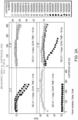
Figure 2A is a graphic illustration of the effect of sucrose treatment on linearity of urea measurement in twenty-two urea sensors; the measurement of high urea concentration (70 mg/dL) in a sample versus cartridge age with drying time of 3 hours after sucrose treatment. -
Figure 2B is a graphic illustration of the impact of sucrose treatment on urea measurement (mg/dl) for combinations of two of three sucrose treatment factors (time delay (days) from sensor fabrication to sensor disaccharide treatment; length of disaccharide treatment soak time (hours); length of disaccharide treated sensor drying time hours) on the twenty-two urea sensors inFigure 2A . -
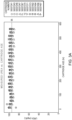
Figure 3A is a graphic illustration of measured high urea concentration (95 mg/dL) versus cartridge age of twelve urea biosensors after short sensor shelf-life of two weeks and up to 3-week use-life; daily urea concentration measurement in high urea sample (95 mg/dL) over 3-week use-life. -
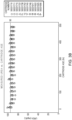
Figure 3B is a graphic illustration of measured high urea concentration (95 mg/dL) versus cartridge age of twelve urea biosensors stored at ambient temperature over 5 months and up to 3-week use-life; daily urea concentration measurement in high urea sample (95 mg/dL) over 3-week use-life. - The present invention which is described below in detail allows to enhance enzyme stability and extend the shelf-life and use-life of urea biosensors useful in clinical analyzers for in vitro diagnostics, point-of-care applications in particular.
- According to the present invention, polysaccharides, for example, disaccharides, such as sucrose, are optimal compositions for preserving the stability and activity and extending the shelf-life and use-life of urea biosensors systems. Other polysaccharides such as trehalose (α-D-Glucopyranosyl-α-D-glucopyranoside), raffinose (O-α-D-Galactopyranosyl-(l→6)-α-D- glucopyranosyl β-D-fructofuranoside), and lactitol (4-O-β-D-Galactopyranosyl-D-glucitol) (all polysaccharides obtained from Sigma) also improve stability and activity of urease in urea biosensors extending its shelf-life and use-life.
- For simplicity, 10% sucrose was used as an example polysaccharide for the studies presented below. Significant improvement in maintaining urease activity at ambient temperature was observed with sucrose stabilization. A stable shelf-life of at least 5 months was achieved when the urea sensor was stored at room temperature following sucrosetreatment enzyme stabilization.
- As described below, it was determined by the inventors that a disaccharide, for example, sucrose, is one of the optimal compositions for preservation and stability of the activity of a urea biosensor. Other polysaccharides such as trehalose, raffinose, and lactitol also have similar effect on urea sensors improving stability.
- A
typical urea biosensor 150 shown inFIG. 1 , comprises ametal element 155 embedded in anelectrode card 6 and acomposite membrane 160 which is located between themetal element 155 and an analytical sample that flows through achannel 20 in theelectrode card 6. Thecomposite membrane 160 includes an outerdiffusional membrane 165 adjacent to thepatient sample channel 20, anenzymatic layer 170, an ammonium ion-selective polymeric membrane 175, and aninner solution layer 180 adjacent themetal element 155. - The
outer diffusion layer 165 controls the diffusion of the analyte into theenzyme layer 170 and protects the other components of theurea biosensor 150 from direct contact with the analytical sample in thechannel 20. Theenzyme layer 170 may include at least one enzyme, or a mixture of several enzymes, proteins and stabilizers that react with a particular analyte, i.e., urea in the patient sample. If the analyte diffuses through the outerdiffusional membrane 165 into the enzyme layer, it can react with the enzyme in theenzyme layer 170 to produce a chemical byproduct, in the case of urea, ammonium ions. An electrical potential is generated across thecomposite membrane 160 that depends on the concentration of the chemical byproduct that is proportional to the concentration of urea in the analytical sample. PVC is a constituent of the ammonium ion-selective polymeric membrane 175. - In one embodiment, the steps for making a stable disaccharide-treated urea sensor according to the present invention include:
- (i) fabricating a polyvinyl chloride (PVC) based ammonium ion-selective sensor on a
silver surface 155 which is covered with AgCl andinner solution layer 180 to form an internal reference electrode, the PVC ammonium ion-selective membrane 175 composition is described inUS 2004/0256227 A1 ; followed by - (ii) immobilizing the enzyme, urease, to form an
enzyme layer 170 on the outer surface of thePVC membrane 175 by applying, for example, a cross-linking agent, e.g., the cross-linker, if applied, selected from the group consisting of glutaraldehyde, diisocyanatobutane, diisocyanoto, 1,2,7,8-diepoxyoctane, 1,2,9,10-diepoxydecane, and combinations thereof; alternatively, immobilization of one or more enzymes on the outer surface of thePVC membrane 175 can occur by physical absorption, entrapment with a hydrogel, for example; followed by - (iii) applying a hydrophilic polyurethane layer to form the
outer diffusion membrane 165, or one or more of the following polymers such as poly(tetrafluoroethylene) ionomers (the perfluorosulfonate ionomer, NATION®), poly-(2-hydroxymethyl methacrylate), polyvinyl chloride, cellulose acetate, or mixtures and copolymers thereof to theenzyme layer 170 for enzyme protection and diffusion control; followed by - (iv) exposing the
urea sensor 150 to a polysaccharide solution such as a sucrose solution or alternatively a solution of trehalose, raffinose, or lactitol in concentrations (w/v) ranging from >0% to 2%, 2% to 25%, 2% to 20%, 5% to 15%, 10% to 15%, preferably, 10% solution for at least 30 minutes to 24 hours, at least 30 minutes to 240 minutes, at least 30 minutes to 120 minutes, at least 30 minutes to 60 minutes, preferably at least 30 minutes; followed by - (v) air drying the polysaccharide-treated
urea sensor 150; and - (vi) storing, for example, 5 months or longer, the
urea sensor 150 in ambient conditions until use. - In an alternative embodiment of making a
stable urea biosensor 150, the steps include: - (i) fabricating a polyvinyl chloride (PVC) based ammonium ion-selective sensor on a
silver surface 155 which is covered with AgCl and aninner solution layer 180 to form an internal reference electrode, the PVC ammonium ion-selective membrane 175 composition is as described above; - (ii) preparing a urease enzyme in a polysaccharide solution such as a sucrose solution or alternatively a solution of trehalose, raffinose, or lactitol in concentrations (w/v) ranging from >0% to 2%, 2% to 25%, 2% to 20%, 5% to 15%, 10% to 15%, preferably, 10% solution;
- (iii) applying the urease enzyme-polysaccharide solution described in step (ii) and immobilizing the enzyme, urease, in the polysaccharide solution on the outer surface of the
PVC membrane 175 by applying, for example, a cross-linking agent, e.g., the cross-linker, if applied, selected from the group consisting of glutaraldehyde, diisocyanatobutane, diisocyanoto, 1,2,7,8-diepoxyoctane, 1,2,9,10-diepoxydecane, and combinations thereof to form anenzyme layer 170; followed by - (iv) applying a
hydrophilic polyurethane layer 165 or one or more of the following polymers such as poly(tetrafluoroethylene) ionomers (the perfluorosulfonate ionomer, NATION®), poly-(2-hydroxymethyl methacrylate), polyvinyl chloride, cellulose acetate, or mixtures and copolymers thereof to theenzyme layer 170 for enzyme protection and diffusion control; followed by - (v) storing, for example, 5 months or longer, the
urea sensor 150 in ambient condition until use. - In yet another embodiment of making a
stable urea biosensor 150, the steps include: - (i) fabricating a polyvinyl chloride (PVC) based ammonium ion-selective sensor on a
silver surface 155 which is covered with AgCl and aninner solution layer 180 to form an internal reference electrode, the PVC ammonium ion-selective membrane 175 composition is as described above; - (ii) preparing a urease enzyme solution in a polysaccharide solution such as a sucrose solution in water or alternatively a solution of trehalose, raffinose, or lactitol in concentrations (w/v) ranging from >0% 2% to 25%, 2% to 20%, 5% to 15%, 10% to 15%, preferably, 10% solution;
- (iii) applying the urease enzyme-polysaccharide solution described in Step (ii) and immobilizing the enzyme, urease, in the polysaccharide solution on the outer surface of the
PVC membrane 175 by applying, for example, a cross-linking agent, e.g., the cross-linker, if applied, selected from the group consisting of glutaraldehyde, diisocyanatobutane, diisocyanoto, 1,2,7,8-diepoxyoctane, 1,2,9,10-diepoxydecane, and combinations thereof to form anenzyme layer 170; followed by - (iv) applying a
hydrophilic polyurethane layer 165 or one or more of the following polymers such as poly(tetrafluoroethylene) ionomers (the perfluorosulfonate ionomer, NATION®), poly-(2-hydroxymethyl methacrylate), polyvinyl chloride, cellulose acetate, or mixtures and copolymers thereof to theenzyme layer 170 for enzyme protection and diffusion control; followed by - (v) exposing the
urea sensor 150 to a polysaccharide solution such as a sucrose solution or alternatively a solution of trehalose, raffinose, or lactitol in concentrations (w/v) ranging from >0% to 2%, 2% to 25%, 2% to 20%, 5% to 15%, 10% to 15%, preferably, 10% solution for at least 30 minutes to 24 hours, at least 30 minutes to 240 minutes, at least 30 minutes to 120 minutes, at least 30 minutes to 60 minutes, preferably at least 30 minutes; followed by- air drying the polysaccharide-treated
urea sensor 150; optionally repeating the step exposing the sensor to a polysaccharide solution once, twice, 3-4, 5-8, and 9-10 times, followed by - storing, for example, five months or longer, the
urea sensor 150 in ambient condition until use.
- air drying the polysaccharide-treated
- Example 1 described below provides one embodiment of the method for making the urea sensor with sucrose stabilization.
- 1. A solution for an ammonium ion-selective polymer membrane is prepared in THF and contains, for example, 25-35 % PVC, 60-70 % DOS, 1-5 % nonactin, and 0-1 % KTpClPB by weight.
- Nonactin is an ionophore with specific selectivity towards ammonium. Other reagents, for example, monactin, dinactin, trinactin, tetranactin, narasin, benzocrown ethers, cyclic depsipeptides, and mixtures of the preceding can also be used for this purpose.
- DOS (bis(2-ethylhexyl) sebacate) is a plasticizer. o-nitrophenyl octyl ether (NPOE) is another commonly used plasticizer.
- KTpClPB (Potassium tetrakis[4-chlorophenyl]borate) is a lipophilic salt. Potassium tetrakis[3,5-bis(trifluoromethyl)phenyl]borate (KTTFPB) can also be used for this purpose.
- In general, other than PVC, the polymer membrane can also include, for example, polyurethane, poly(tetrafluoroethylene), poly(methyl methacrylate), silicone rubber, and mixtures of above.
- THF (tetrahydrofuran) is a solvent. Cyclohexanone can also be used for this purpose.
- 2. The ammonium sensor is planar and formed by casting the ammonium ion-selective polymer membrane solution made as described above on a Ag/AgCl metal electrode and an inner electrolyte layer to form an internal reference electrode which is embedded in a solid PVC substrate. The inner electrolyte layer is formed by casting the inner solution on the Ag/AgCl electrode surface. The inner solution contains, for example, a 65% MES buffer, 1% sodium chloride, 1% ammonium chloride, and 33% HEC (percentages by weight) in water.
- 3. The enzymatic layer is formed by casting an enzyme solution on the outer surface of the ammonium ion-selective PVC membrane. The enzyme solution includes an enzyme urease, enzyme stabilizer glutathione, inert proteins bovine serum albumin, cross-linking agent glutaraldehyde and solvents. Glutathione is used together with one or more inert proteins, e.g., bovine serum albumin, to stabilize the urease in the enzyme layer. Cross-linking also secures the enzymatic layer to the underlying ion-selective polymeric layer. During fabrication of the enzymatic layer, the enzyme stabilizers are generally added to the solution containing the enzyme prior to the addition of the cross-linking agent to ensure the stabilizers are cross-linked together with the enzyme. A typical enzyme solution was prepared containing 50 mg/mL urease, 20 mg/mL glutathione, 10 mg/mL bovine serum albumin, and 0.12% glutaraldehyde in 0.1 M phosphate buffer at a pH of 7.2, and the solution was applied to the top of the ammonium ion-selective PVC membrane.
- 4. Polyurethane (PU) is one of the polymers that has superior biocompatibility in many successful in vivo and in vitro applications in medical devices. The specific hydrophilic medical grade polyurethane families selected to be optimized for this application are Tecophlic™ and Tecoflex™ from Lubrizol (Wickliffe, Ohio). These commercially available polymeric resins are aliphatic, polyether-based polyurethane which can be dissolved in organic solvents or mixture of solvents such as dimethylacetamide (DMA), tetrahydrofuran (THF), etc. Within these polyurethane families, there are different grades of materials available with the combination of various hardness and water uptake levels for different applications. The outer diffusional membrane of the urea biosensor in contact with the patient sample in various embodiments includes one or more distinct layers of identical or different polymers and/or identical or different co-polymers. A typical outer diffusional membrane solution was prepared containing 0.12 g/ml polyurethane (Lubrizol, Wickliffe, Ohio) in THF. The outer diffusional membrane solution was applied over the enzyme layer to form the outer diffusional membrane. Other than polyurethane, one or more of the following polymers can also be candidates for the outer diffusional membrane, NATION® (the poly(tetrafluoroethylene) ionomers), poly-(2-hydroxymethyl methacrylate), polyvinyl chloride, polycarbonate, and cellulose acetate.
- 5. In one embodiment of the present invention, the urea sensor with composite membrane of inner layer - PVC layer - Enzyme layer - polyurethane layer is then immersed in a disaccharide solution, for example, a sucrose solution, in (w/v) concentrations ranging from >0% to 2%, 2% to 25%, 2% to 20%, 5% to 15%, 10% to 15%, preferably, 10% solution for at least 30 minutes to 24 hours, at least 30 minutes to 240 minutes, at least 30 minutes to 120 minutes, at least 30 minutes to 60 minutes, preferably at least 30 minutes. The sucrose solution is buffered at biological pH of 7.4.
- 6. The sensor is dried at room temperature for 0.5 hours to 3 hours. Optionally, sucrose treatment is repeated multiple times followed by air drying each time. The sensor is then stored at ambient temperature until use.
- Example 2 is a study to assess the effect of sucrose treatment on stabilization of urea sensor described above at ambient temperature using a multi-factorial experimental design that was carried out with three main factors (each at two conditions) to investigate - (i) the delay time (2 or 7 days) between the sensor fabrication and exposing the fabricated sensor to the sucrose solution, (ii) the soak time (2 or 16 hours) during which the sensor is exposed to the sucrose solution, and the drying time (0.5 or 3 hours) after the sucrose exposure is completed. A subgroup of urea sensors were assembled into cartridges and urea concentration was measured in GEM® Premier clinical analyzers for use-life stability. An aqueous sample having a high concentration of urea (70 mg/dL) was tested daily on the urea sensors in the cartridges to assess the linearity of urea sensor measurement.
- Referring to
Figure 2A , the use-life stability of each of the tested urea sensors at various applied experimental conditions when the drying time is fixed at 3 hours is provided.Figure 2B illustrates the effect of the experimental conditions on urea measurement. - The results shown in
Figure 2A are readily summarized. The condition applied with shorter delay time (2 days) and longer soak time (16 hours) in 10% sucrose solution provided the most stable performance over the use-life of the sensor and most consistent sensor-to-sensor performance. The poorest stabilization performance occurred with the condition of longer delay time (7 days) combined with shorter soak time (2 hours) in 10% sucrose solution. The other two conditions provided better performance compared to the poorest performance of 7 day delay time/2 hour soak time but also exhibited inconsistency from sensor-to-sensor (7 days, 16 hours), or performance deterioration over the use-life (2 days, 2 hours).Figure 2B illustrates urea measurement and the favorable direction for all three sucrose treatment condition factors: shorter delay time, longer soak time and longer drying time. - These results confirmed that urease enzyme activity in a urea biosensor that is disaccharide treated is continuously undergoing decay even when urease is immobilized on the sensor. The quicker the fabricated sensor is exposed to sucrose treatment, the better urease activity is preserved. These studies also indicated that removal of all moisture, e.g., by drying, is critical for long term enzyme stability.
- Example 3 provides stability data at ambient temperature for urea sensors obtained from multiple production batches made according to the present invention in a three-week use-life stability and 5-month shelf-life stability studies.
- Urea was measured daily in an aqueous sample with a high concentration of urea (95 mg/dL) over the 3-week use-life on these cartridges to assess the sensor urea measurement linearity over time.
-
Figure 3A graphically illustrates urea measured in twelve urea sensors selected from three batches of sucrose treated sensors and short shelf-life storage at ambient temperature of two weeks. Daily measurement of the high urea concentration (95 mg/dL) sample over the three-week use-life at short sensor shelf-life showed stable use-life performance with consistent measured urea concentration of about 95 mg/dl. -
Figure 3B graphically illustrates the results from another twelve urea sensors from three different batches of sucrose treated urea sensors. Daily measurement of the high urea concentration (95 mg/dL) sample over three-week use-life at 5-month ambient storage shelf-life showed same stable use-life performance with consistent measured urea concentration of about 95 mg/dl. - By applying polysaccharide treatment, sucrose used as an exemplary polysaccharide in these studies, urea sensor activity and stability at ambient temperature storage shelf-life for 5 months was maintained.
- The present invention described above is applicable to urea biosensors developed on multiple urea sensor platforms.
Claims (10)
- A urea biosensor, comprising:a PVC-based ammonium ion-selective electrode, urease immobilized on the ion-selective electrode, a diffusion barrier on the surface of the electrode, and a polysaccharide,the urea biosensor being obtainable by a method, comprising:providing a PVC-based ammonium ion-selective electrode;casting urease in solution on the outer surface of the PVC-based ammonium ion-selective electrode to form an enzyme layer;applying a diffusion barrier on the surface of said enzyme layer;applying a polysaccharide solution to the PVC-based ammonium ion-selective electrode; anddrying the electrode to form the urea biosensor,wherein the polysaccharide solution is added to the urease enzyme solution before the urease enzyme solution is applied to the PVC-based ammonium ion-selective electrode and/or wherein the polysaccharide solution is applied to the PVC-based ammonium ion-selective electrode after the diffusion barrier is applied to the enzyme layer.
- The urea biosensor of claim 1, wherein said PVC-based ammonium ion-selective electrode comprises a metal electrode selected from the group consisting of silver, platinum, and gold.
- The urea biosensor of claim 1, wherein said PVC-based ammonium ion-selective electrode comprises silver/silver chloride internal reference electrode.
- The urea biosensor of claim 1, wherein said urease is cross-linked.
- The urea biosensor of claim 1, wherein the polysaccharide is selected from the group consisting of sucrose, trehalose, raffinose, and lactitol.
- The urea biosensor of claim 1, wherein the diffusion barrier comprises a polymeric compound selected from the group consisting of polyurethane, poly(tetrafluoroethylene) ionomers (the perfluorosulfonate ionomer, NATION®), poly-(2-hydroxymethyl methacrylate), polyvinyl chloride, cellulose acetate, and mixtures and copolymers thereof.
- The urea biosensor of claim 1, wherein the polysaccharide comprises 10% sucrose.
- The urea biosensor of claim 1, wherein applying a polysaccharide comprises exposing the electrode to a polysaccharide solution for at least 30 minutes.
- A disposable cartridge housing the urea biosensor according to any one of claims 1 to 8.
- The disposable cartridge of claim 9, further comprising an array of a plurality of sensors and calibration reagents.
Applications Claiming Priority (2)
| Application Number | Priority Date | Filing Date | Title |
|---|---|---|---|
| US201962830191P | 2019-04-05 | 2019-04-05 | |
| PCT/US2019/035153 WO2020204973A1 (en) | 2019-04-05 | 2019-06-03 | Urea biosensors and stabilization of urea biosensors at room temperature |
Publications (2)
| Publication Number | Publication Date |
|---|---|
| EP3947711A1 EP3947711A1 (en) | 2022-02-09 |
| EP3947711B1 true EP3947711B1 (en) | 2023-12-20 |
Family
ID=67138031
Family Applications (5)
| Application Number | Title | Priority Date | Filing Date |
|---|---|---|---|
| EP19734963.2A Pending EP3947709A1 (en) | 2019-04-05 | 2019-06-03 | Compositions and methods for improved creatinine measurement accuracy and uses thereof |
| EP19739734.2A Active EP3947711B1 (en) | 2019-04-05 | 2019-06-03 | Room temperature stabilised urea biosensors |
| EP19740656.4A Active EP3946697B1 (en) | 2019-04-05 | 2019-06-03 | Creatinine/creatine biosensors comprising outer membrane compositions |
| EP19734962.4A Active EP3947708B1 (en) | 2019-04-05 | 2019-06-03 | Improved calibration accuracy method and system for creatinine/creatine sensors |
| EP19734964.0A Pending EP3947710A1 (en) | 2019-04-05 | 2019-06-03 | Multi-enzymatic biosensors and stabilization of multi-enzymatic biosensors at room temperature |
Family Applications Before (1)
| Application Number | Title | Priority Date | Filing Date |
|---|---|---|---|
| EP19734963.2A Pending EP3947709A1 (en) | 2019-04-05 | 2019-06-03 | Compositions and methods for improved creatinine measurement accuracy and uses thereof |
Family Applications After (3)
| Application Number | Title | Priority Date | Filing Date |
|---|---|---|---|
| EP19740656.4A Active EP3946697B1 (en) | 2019-04-05 | 2019-06-03 | Creatinine/creatine biosensors comprising outer membrane compositions |
| EP19734962.4A Active EP3947708B1 (en) | 2019-04-05 | 2019-06-03 | Improved calibration accuracy method and system for creatinine/creatine sensors |
| EP19734964.0A Pending EP3947710A1 (en) | 2019-04-05 | 2019-06-03 | Multi-enzymatic biosensors and stabilization of multi-enzymatic biosensors at room temperature |
Country Status (10)
| Country | Link |
|---|---|
| US (6) | US11293890B2 (en) |
| EP (5) | EP3947709A1 (en) |
| JP (6) | JP7015401B2 (en) |
| KR (5) | KR102519406B1 (en) |
| CN (6) | CN112638513A (en) |
| AU (3) | AU2019439424B2 (en) |
| CA (3) | CA3105013C (en) |
| DK (2) | DK3947708T3 (en) |
| ES (1) | ES3038379T3 (en) |
| WO (5) | WO2020204976A1 (en) |
Families Citing this family (8)
| Publication number | Priority date | Publication date | Assignee | Title |
|---|---|---|---|---|
| WO2020204976A1 (en) * | 2019-04-05 | 2020-10-08 | Instrumentation Laboratory Company | Outer membrane compositions for creatinine/creatine sensors |
| US12139741B2 (en) | 2019-10-25 | 2024-11-12 | Instrumentation Laboratory Company | Biocide compositions compatible with enzyme biosensors and methods of use thereof |
| US12298268B2 (en) * | 2020-05-21 | 2025-05-13 | Nova Biomedical Corporation | Single-use disposable reference sensor |
| WO2023015187A1 (en) * | 2021-08-03 | 2023-02-09 | Polymer Technology Systems, Inc. | Systems and methods for quantifying the specific activity of creatininase |
| ES3054584T3 (en) | 2022-02-09 | 2026-02-04 | Instr Laboratory Co | Sensor for measuring ionized magnesium |
| CN114705674B (en) * | 2022-05-10 | 2025-07-22 | 光景生物科技(苏州)有限公司 | Quantitative detection method for creatine and creatinine in whole blood |
| US20250040845A1 (en) * | 2023-07-31 | 2025-02-06 | Abbott Diabetes Care Inc. | Background interference mitigation for high sensitivity creatinine sensing |
| KR102800865B1 (en) | 2024-07-31 | 2025-05-07 | 전남대학교 산학협력단 | A Novel Apparatus for Quantification of Creatinine |
Family Cites Families (43)
| Publication number | Priority date | Publication date | Assignee | Title |
|---|---|---|---|---|
| JPS5861459A (en) * | 1981-10-07 | 1983-04-12 | Hitachi Ltd | Creatine and creatinine analyzer |
| JPS6475000A (en) * | 1987-09-14 | 1989-03-20 | Shimadzu Corp | Method and equipment for analyzing creatinine |
| US5464747A (en) * | 1993-10-29 | 1995-11-07 | Boehringer Mannheim Corporation | Oxidation-resistant muteins of β-galactosidase fragments |
| DE69735127T2 (en) * | 1996-11-14 | 2006-08-31 | Radiometer Medical Aps | ENZYME SENSOR |
| DE69810194T2 (en) | 1997-06-03 | 2003-11-20 | Matsushita Electric Industrial Co. Ltd., Osaka | cholesterol sensor |
| DK1269172T3 (en) * | 2000-03-01 | 2009-08-17 | Radiometer Medical Aps | Electrode device with a fixed reference system |
| AT408662B (en) | 2000-05-16 | 2002-02-25 | Hoffmann La Roche | Creatinine SENSOR |
| AT409040B (en) * | 2000-08-11 | 2002-05-27 | Roche Diagnostics Gmbh | CREATININSENSOR CALIBRATION |
| US6960466B2 (en) | 2001-05-31 | 2005-11-01 | Instrumentation Laboratory Company | Composite membrane containing a cross-linked enzyme matrix for a biosensor |
| US6872297B2 (en) | 2001-05-31 | 2005-03-29 | Instrumentation Laboratory Company | Analytical instruments, biosensors and methods thereof |
| US6767441B1 (en) | 2001-07-31 | 2004-07-27 | Nova Biomedical Corporation | Biosensor with peroxidase enzyme |
| JP4512363B2 (en) * | 2001-08-22 | 2010-07-28 | インストゥルメンテイション ラボラトリー カンパニー | Method and apparatus for calibrating electrochemical sensors |
| US8404096B2 (en) | 2001-08-24 | 2013-03-26 | Sensortec Limited | Methods for producing highly sensitive potentiometric sensors |
| GB0227424D0 (en) | 2002-11-25 | 2002-12-31 | Univ Warwick | Coatings |
| US20040256227A1 (en) | 2003-02-11 | 2004-12-23 | Jungwon Shin | Electrochemical urea sensors and methods of making the same |
| US20070034512A1 (en) | 2003-10-30 | 2007-02-15 | Arkray, Inc. | Biosensor and method for producing the same |
| WO2005052596A1 (en) * | 2003-11-28 | 2005-06-09 | Radiometer Medical Aps | A reference solution |
| US7699964B2 (en) * | 2004-02-09 | 2010-04-20 | Abbott Diabetes Care Inc. | Membrane suitable for use in an analyte sensor, analyte sensor, and associated method |
| WO2005111593A2 (en) * | 2004-02-23 | 2005-11-24 | Douglas Joel S | Strip electrode with conductive nano tube printing |
| US8989833B2 (en) * | 2004-07-13 | 2015-03-24 | Dexcom, Inc. | Transcutaneous analyte sensor |
| JP4996599B2 (en) * | 2005-05-17 | 2012-08-08 | ラジオメーター・メディカル・アー・ペー・エス | Method to stabilize or reactivate creatinine sensor with divalent manganese ion solution |
| US7959791B2 (en) | 2005-05-17 | 2011-06-14 | Radiometer Medical Aps | Enzyme sensor with a cover membrane layer covered by a hydrophilic polymer |
| CN101175999A (en) | 2005-05-17 | 2008-05-07 | 雷迪奥米特医学公司 | Method for stabilizing or reactivating creatinine sensors using solutions of divalent manganese ions |
| JP2008541104A (en) * | 2005-05-17 | 2008-11-20 | ラジオメーター・メディカル・アー・ペー・エス | Enzyme sensor having a hydrous spacer layer |
| KR100726963B1 (en) * | 2005-06-15 | 2007-06-14 | 김경훈 | Method for manufacturing urease-immobilized membrane for biosensor |
| US7799195B2 (en) * | 2005-09-02 | 2010-09-21 | Vladislav Dolnik | Neutral polysaccharide wall coating for electrophoretic separations in capillaries and microchannels |
| US8617366B2 (en) * | 2005-12-12 | 2013-12-31 | Nova Biomedical Corporation | Disposable urea sensor and system for determining creatinine and urea nitrogen-to-creatinine ratio in a single device |
| US9556471B2 (en) * | 2006-08-09 | 2017-01-31 | Flir Detection, Inc. | Enzyme containing liquid and delivery system for detection of analytes on surfaces |
| US7687103B2 (en) * | 2006-08-31 | 2010-03-30 | Gamida For Life B.V. | Compositions and methods for preserving permeation layers for use on active electronic matrix devices |
| IES20070774A2 (en) * | 2007-10-24 | 2008-12-24 | Nat Univ Ireland Maynooth | Monitoring target endogenous species in the brain |
| US8268604B2 (en) | 2007-12-20 | 2012-09-18 | Abbott Point Of Care Inc. | Compositions for forming immobilized biological layers for sensing |
| WO2011037702A1 (en) * | 2009-09-24 | 2011-03-31 | Fresenius Medical Care Holdings, Inc. | Amperometric creatinine biosensor with immobilized enzyme-polymer composition and systems using same, and methods |
| US9233788B2 (en) * | 2010-01-22 | 2016-01-12 | Bayer Healthcare Llc | Biosensor desiccant system having enhanced measurement performance |
| JP2014153243A (en) | 2013-02-12 | 2014-08-25 | Tanita Corp | Biosensor and measurement method employing the same |
| ES2744633T3 (en) * | 2013-03-14 | 2020-02-25 | Instr Laboratory Co | Whole blood hemolysis sensor |
| WO2014150876A2 (en) | 2013-03-15 | 2014-09-25 | Abbott Point Of Care Inc | Biosensor structures for improved point of care testing and methods of manufacture thereof |
| CN107110813B (en) | 2014-12-18 | 2020-04-17 | 雷迪奥米特医学公司 | Calibration concept for amperometric creatinine sensors corrected for endogenous modulators |
| WO2016096725A1 (en) * | 2014-12-18 | 2016-06-23 | Radiometer Medical Aps | Method for calibrating a device for measuring the concentration of creatinine |
| JP6435053B2 (en) * | 2014-12-18 | 2018-12-05 | ラジオメーター・メディカル・アー・ペー・エス | Calibration method for creatinine concentration measuring device |
| WO2017089380A1 (en) * | 2015-11-27 | 2017-06-01 | Radiometer Medical Aps | An outer layer for enzyme sensors |
| JP7011906B2 (en) * | 2017-08-25 | 2022-01-27 | 国立大学法人 筑波大学 | Creatinine sensor |
| KR102573459B1 (en) * | 2017-08-28 | 2023-09-04 | 디에스엠 아이피 어셋츠 비.브이. | Synthetic membrane composition comprising a polyurethane blend |
| WO2020204976A1 (en) | 2019-04-05 | 2020-10-08 | Instrumentation Laboratory Company | Outer membrane compositions for creatinine/creatine sensors |
-
2019
- 2019-06-03 WO PCT/US2019/035157 patent/WO2020204976A1/en not_active Ceased
- 2019-06-03 WO PCT/US2019/035155 patent/WO2020204974A1/en not_active Ceased
- 2019-06-03 EP EP19734963.2A patent/EP3947709A1/en active Pending
- 2019-06-03 CA CA3105013A patent/CA3105013C/en active Active
- 2019-06-03 US US16/429,922 patent/US11293890B2/en active Active
- 2019-06-03 EP EP19739734.2A patent/EP3947711B1/en active Active
- 2019-06-03 KR KR1020207037318A patent/KR102519406B1/en active Active
- 2019-06-03 KR KR1020207037316A patent/KR102519408B1/en active Active
- 2019-06-03 KR KR1020207037741A patent/KR102937635B1/en active Active
- 2019-06-03 US US16/430,028 patent/US11460431B2/en active Active
- 2019-06-03 US US16/430,057 patent/US11761921B2/en active Active
- 2019-06-03 EP EP19740656.4A patent/EP3946697B1/en active Active
- 2019-06-03 AU AU2019439424A patent/AU2019439424B2/en active Active
- 2019-06-03 KR KR1020207037321A patent/KR102480669B1/en active Active
- 2019-06-03 ES ES19740656T patent/ES3038379T3/en active Active
- 2019-06-03 WO PCT/US2019/035153 patent/WO2020204973A1/en not_active Ceased
- 2019-06-03 AU AU2019439465A patent/AU2019439465B2/en active Active
- 2019-06-03 CN CN201980043651.XA patent/CN112638513A/en active Pending
- 2019-06-03 CN CN201980043652.4A patent/CN112534059B/en active Active
- 2019-06-03 US US16/429,993 patent/US11327042B2/en active Active
- 2019-06-03 CN CN201980045247.6A patent/CN112513285B/en active Active
- 2019-06-03 CA CA3105191A patent/CA3105191A1/en active Pending
- 2019-06-03 EP EP19734962.4A patent/EP3947708B1/en active Active
- 2019-06-03 JP JP2020570972A patent/JP7015401B2/en active Active
- 2019-06-03 CN CN201980042702.7A patent/CN112424369A/en active Pending
- 2019-06-03 KR KR1020207037324A patent/KR102574622B1/en active Active
- 2019-06-03 US US16/429,886 patent/US12529673B2/en active Active
- 2019-06-03 JP JP2020570928A patent/JP7135121B2/en active Active
- 2019-06-03 JP JP2020570732A patent/JP7100162B2/en active Active
- 2019-06-03 CN CN201980043624.2A patent/CN112534058B/en active Active
- 2019-06-03 AU AU2019440163A patent/AU2019440163B2/en active Active
- 2019-06-03 DK DK19734962.4T patent/DK3947708T3/en active
- 2019-06-03 JP JP2020571701A patent/JP7127159B2/en active Active
- 2019-06-03 CN CN202411896882.4A patent/CN119776481A/en active Pending
- 2019-06-03 CA CA3104896A patent/CA3104896A1/en active Pending
- 2019-06-03 WO PCT/US2019/035152 patent/WO2020204972A1/en not_active Ceased
- 2019-06-03 WO PCT/US2019/035156 patent/WO2020204975A1/en not_active Ceased
- 2019-06-03 JP JP2020567148A patent/JP7082691B2/en active Active
- 2019-06-03 EP EP19734964.0A patent/EP3947710A1/en active Pending
- 2019-06-03 DK DK19739734.2T patent/DK3947711T3/en active
-
2022
- 2022-02-18 JP JP2022024293A patent/JP2022068299A/en active Pending
- 2022-02-25 US US17/680,487 patent/US20220187234A1/en active Pending
Also Published As
Similar Documents
| Publication | Publication Date | Title |
|---|---|---|
| US11460431B2 (en) | Urea biosensors and stabilization of urea biosensors at room temperature | |
| EP1456635B1 (en) | Analytical instruments, biosensors and methods | |
| EP2261647B1 (en) | Composite membrane for an enzyme sensor | |
| CA2809149C (en) | Analytical instruments and biosensors, and methods for increasing their accuracy and effective life | |
| AU2005254966B2 (en) | Electrochemical urea sensors and methods of making the same | |
| JPH0679003B2 (en) | Enzyme / electrode type medium sensor | |
| EP1692522B1 (en) | A reference solution | |
| Demirkiran et al. | Immobilization of glucose oxidase in silica sol-gel film for application to biosensor and amperometric determination of glucose | |
| CS241022B2 (en) | Molecularly selective sensor and method of its production |
Legal Events
| Date | Code | Title | Description |
|---|---|---|---|
| STAA | Information on the status of an ep patent application or granted ep patent |
Free format text: STATUS: UNKNOWN |
|
| STAA | Information on the status of an ep patent application or granted ep patent |
Free format text: STATUS: THE INTERNATIONAL PUBLICATION HAS BEEN MADE |
|
| PUAI | Public reference made under article 153(3) epc to a published international application that has entered the european phase |
Free format text: ORIGINAL CODE: 0009012 |
|
| STAA | Information on the status of an ep patent application or granted ep patent |
Free format text: STATUS: REQUEST FOR EXAMINATION WAS MADE |
|
| 17P | Request for examination filed |
Effective date: 20211102 |
|
| AK | Designated contracting states |
Kind code of ref document: A1 Designated state(s): AL AT BE BG CH CY CZ DE DK EE ES FI FR GB GR HR HU IE IS IT LI LT LU LV MC MK MT NL NO PL PT RO RS SE SI SK SM TR |
|
| DAV | Request for validation of the european patent (deleted) | ||
| DAX | Request for extension of the european patent (deleted) | ||
| STAA | Information on the status of an ep patent application or granted ep patent |
Free format text: STATUS: EXAMINATION IS IN PROGRESS |
|
| 17Q | First examination report despatched |
Effective date: 20221122 |
|
| GRAP | Despatch of communication of intention to grant a patent |
Free format text: ORIGINAL CODE: EPIDOSNIGR1 |
|
| STAA | Information on the status of an ep patent application or granted ep patent |
Free format text: STATUS: GRANT OF PATENT IS INTENDED |
|
| INTG | Intention to grant announced |
Effective date: 20230714 |
|
| GRAS | Grant fee paid |
Free format text: ORIGINAL CODE: EPIDOSNIGR3 |
|
| GRAA | (expected) grant |
Free format text: ORIGINAL CODE: 0009210 |
|
| STAA | Information on the status of an ep patent application or granted ep patent |
Free format text: STATUS: THE PATENT HAS BEEN GRANTED |
|
| AK | Designated contracting states |
Kind code of ref document: B1 Designated state(s): AL AT BE BG CH CY CZ DE DK EE ES FI FR GB GR HR HU IE IS IT LI LT LU LV MC MK MT NL NO PL PT RO RS SE SI SK SM TR |
|
| REG | Reference to a national code |
Ref country code: GB Ref legal event code: FG4D |
|
| REG | Reference to a national code |
Ref country code: CH Ref legal event code: EP |
|
| REG | Reference to a national code |
Ref country code: DE Ref legal event code: R096 Ref document number: 602019043593 Country of ref document: DE |
|
| REG | Reference to a national code |
Ref country code: DK Ref legal event code: T3 Effective date: 20240110 |
|
| REG | Reference to a national code |
Ref country code: IE Ref legal event code: FG4D |
|
| PG25 | Lapsed in a contracting state [announced via postgrant information from national office to epo] |
Ref country code: GR Free format text: LAPSE BECAUSE OF FAILURE TO SUBMIT A TRANSLATION OF THE DESCRIPTION OR TO PAY THE FEE WITHIN THE PRESCRIBED TIME-LIMIT Effective date: 20240321 |
|
| REG | Reference to a national code |
Ref country code: LT Ref legal event code: MG9D |
|
| PG25 | Lapsed in a contracting state [announced via postgrant information from national office to epo] |
Ref country code: LT Free format text: LAPSE BECAUSE OF FAILURE TO SUBMIT A TRANSLATION OF THE DESCRIPTION OR TO PAY THE FEE WITHIN THE PRESCRIBED TIME-LIMIT Effective date: 20231220 |
|
| REG | Reference to a national code |
Ref country code: NL Ref legal event code: MP Effective date: 20231220 |
|
| PG25 | Lapsed in a contracting state [announced via postgrant information from national office to epo] |
Ref country code: ES Free format text: LAPSE BECAUSE OF FAILURE TO SUBMIT A TRANSLATION OF THE DESCRIPTION OR TO PAY THE FEE WITHIN THE PRESCRIBED TIME-LIMIT Effective date: 20231220 |
|
| PG25 | Lapsed in a contracting state [announced via postgrant information from national office to epo] |
Ref country code: LT Free format text: LAPSE BECAUSE OF FAILURE TO SUBMIT A TRANSLATION OF THE DESCRIPTION OR TO PAY THE FEE WITHIN THE PRESCRIBED TIME-LIMIT Effective date: 20231220 Ref country code: GR Free format text: LAPSE BECAUSE OF FAILURE TO SUBMIT A TRANSLATION OF THE DESCRIPTION OR TO PAY THE FEE WITHIN THE PRESCRIBED TIME-LIMIT Effective date: 20240321 Ref country code: FI Free format text: LAPSE BECAUSE OF FAILURE TO SUBMIT A TRANSLATION OF THE DESCRIPTION OR TO PAY THE FEE WITHIN THE PRESCRIBED TIME-LIMIT Effective date: 20231220 Ref country code: ES Free format text: LAPSE BECAUSE OF FAILURE TO SUBMIT A TRANSLATION OF THE DESCRIPTION OR TO PAY THE FEE WITHIN THE PRESCRIBED TIME-LIMIT Effective date: 20231220 Ref country code: BG Free format text: LAPSE BECAUSE OF FAILURE TO SUBMIT A TRANSLATION OF THE DESCRIPTION OR TO PAY THE FEE WITHIN THE PRESCRIBED TIME-LIMIT Effective date: 20240320 |
|
| REG | Reference to a national code |
Ref country code: AT Ref legal event code: MK05 Ref document number: 1642479 Country of ref document: AT Kind code of ref document: T Effective date: 20231220 |
|
| PG25 | Lapsed in a contracting state [announced via postgrant information from national office to epo] |
Ref country code: NL Free format text: LAPSE BECAUSE OF FAILURE TO SUBMIT A TRANSLATION OF THE DESCRIPTION OR TO PAY THE FEE WITHIN THE PRESCRIBED TIME-LIMIT Effective date: 20231220 |
|
| PG25 | Lapsed in a contracting state [announced via postgrant information from national office to epo] |
Ref country code: SE Free format text: LAPSE BECAUSE OF FAILURE TO SUBMIT A TRANSLATION OF THE DESCRIPTION OR TO PAY THE FEE WITHIN THE PRESCRIBED TIME-LIMIT Effective date: 20231220 Ref country code: RS Free format text: LAPSE BECAUSE OF FAILURE TO SUBMIT A TRANSLATION OF THE DESCRIPTION OR TO PAY THE FEE WITHIN THE PRESCRIBED TIME-LIMIT Effective date: 20231220 Ref country code: NO Free format text: LAPSE BECAUSE OF FAILURE TO SUBMIT A TRANSLATION OF THE DESCRIPTION OR TO PAY THE FEE WITHIN THE PRESCRIBED TIME-LIMIT Effective date: 20240320 Ref country code: NL Free format text: LAPSE BECAUSE OF FAILURE TO SUBMIT A TRANSLATION OF THE DESCRIPTION OR TO PAY THE FEE WITHIN THE PRESCRIBED TIME-LIMIT Effective date: 20231220 Ref country code: LV Free format text: LAPSE BECAUSE OF FAILURE TO SUBMIT A TRANSLATION OF THE DESCRIPTION OR TO PAY THE FEE WITHIN THE PRESCRIBED TIME-LIMIT Effective date: 20231220 Ref country code: HR Free format text: LAPSE BECAUSE OF FAILURE TO SUBMIT A TRANSLATION OF THE DESCRIPTION OR TO PAY THE FEE WITHIN THE PRESCRIBED TIME-LIMIT Effective date: 20231220 |
|
| PG25 | Lapsed in a contracting state [announced via postgrant information from national office to epo] |
Ref country code: IS Free format text: LAPSE BECAUSE OF FAILURE TO SUBMIT A TRANSLATION OF THE DESCRIPTION OR TO PAY THE FEE WITHIN THE PRESCRIBED TIME-LIMIT Effective date: 20240420 |
|
| PG25 | Lapsed in a contracting state [announced via postgrant information from national office to epo] |
Ref country code: CZ Free format text: LAPSE BECAUSE OF FAILURE TO SUBMIT A TRANSLATION OF THE DESCRIPTION OR TO PAY THE FEE WITHIN THE PRESCRIBED TIME-LIMIT Effective date: 20231220 Ref country code: AT Free format text: LAPSE BECAUSE OF FAILURE TO SUBMIT A TRANSLATION OF THE DESCRIPTION OR TO PAY THE FEE WITHIN THE PRESCRIBED TIME-LIMIT Effective date: 20231220 |
|
| PG25 | Lapsed in a contracting state [announced via postgrant information from national office to epo] |
Ref country code: SK Free format text: LAPSE BECAUSE OF FAILURE TO SUBMIT A TRANSLATION OF THE DESCRIPTION OR TO PAY THE FEE WITHIN THE PRESCRIBED TIME-LIMIT Effective date: 20231220 |
|
| PG25 | Lapsed in a contracting state [announced via postgrant information from national office to epo] |
Ref country code: SM Free format text: LAPSE BECAUSE OF FAILURE TO SUBMIT A TRANSLATION OF THE DESCRIPTION OR TO PAY THE FEE WITHIN THE PRESCRIBED TIME-LIMIT Effective date: 20231220 Ref country code: SK Free format text: LAPSE BECAUSE OF FAILURE TO SUBMIT A TRANSLATION OF THE DESCRIPTION OR TO PAY THE FEE WITHIN THE PRESCRIBED TIME-LIMIT Effective date: 20231220 Ref country code: RO Free format text: LAPSE BECAUSE OF FAILURE TO SUBMIT A TRANSLATION OF THE DESCRIPTION OR TO PAY THE FEE WITHIN THE PRESCRIBED TIME-LIMIT Effective date: 20231220 Ref country code: IT Free format text: LAPSE BECAUSE OF FAILURE TO SUBMIT A TRANSLATION OF THE DESCRIPTION OR TO PAY THE FEE WITHIN THE PRESCRIBED TIME-LIMIT Effective date: 20231220 Ref country code: IS Free format text: LAPSE BECAUSE OF FAILURE TO SUBMIT A TRANSLATION OF THE DESCRIPTION OR TO PAY THE FEE WITHIN THE PRESCRIBED TIME-LIMIT Effective date: 20240420 Ref country code: EE Free format text: LAPSE BECAUSE OF FAILURE TO SUBMIT A TRANSLATION OF THE DESCRIPTION OR TO PAY THE FEE WITHIN THE PRESCRIBED TIME-LIMIT Effective date: 20231220 Ref country code: CZ Free format text: LAPSE BECAUSE OF FAILURE TO SUBMIT A TRANSLATION OF THE DESCRIPTION OR TO PAY THE FEE WITHIN THE PRESCRIBED TIME-LIMIT Effective date: 20231220 Ref country code: AT Free format text: LAPSE BECAUSE OF FAILURE TO SUBMIT A TRANSLATION OF THE DESCRIPTION OR TO PAY THE FEE WITHIN THE PRESCRIBED TIME-LIMIT Effective date: 20231220 |
|
| PG25 | Lapsed in a contracting state [announced via postgrant information from national office to epo] |
Ref country code: PL Free format text: LAPSE BECAUSE OF FAILURE TO SUBMIT A TRANSLATION OF THE DESCRIPTION OR TO PAY THE FEE WITHIN THE PRESCRIBED TIME-LIMIT Effective date: 20231220 Ref country code: PT Free format text: LAPSE BECAUSE OF FAILURE TO SUBMIT A TRANSLATION OF THE DESCRIPTION OR TO PAY THE FEE WITHIN THE PRESCRIBED TIME-LIMIT Effective date: 20240422 |
|
| PG25 | Lapsed in a contracting state [announced via postgrant information from national office to epo] |
Ref country code: PT Free format text: LAPSE BECAUSE OF FAILURE TO SUBMIT A TRANSLATION OF THE DESCRIPTION OR TO PAY THE FEE WITHIN THE PRESCRIBED TIME-LIMIT Effective date: 20240422 Ref country code: PL Free format text: LAPSE BECAUSE OF FAILURE TO SUBMIT A TRANSLATION OF THE DESCRIPTION OR TO PAY THE FEE WITHIN THE PRESCRIBED TIME-LIMIT Effective date: 20231220 |
|
| REG | Reference to a national code |
Ref country code: DE Ref legal event code: R097 Ref document number: 602019043593 Country of ref document: DE |
|
| PLBE | No opposition filed within time limit |
Free format text: ORIGINAL CODE: 0009261 |
|
| STAA | Information on the status of an ep patent application or granted ep patent |
Free format text: STATUS: NO OPPOSITION FILED WITHIN TIME LIMIT |
|
| PG25 | Lapsed in a contracting state [announced via postgrant information from national office to epo] |
Ref country code: SI Free format text: LAPSE BECAUSE OF FAILURE TO SUBMIT A TRANSLATION OF THE DESCRIPTION OR TO PAY THE FEE WITHIN THE PRESCRIBED TIME-LIMIT Effective date: 20231220 |
|
| PG25 | Lapsed in a contracting state [announced via postgrant information from national office to epo] |
Ref country code: SI Free format text: LAPSE BECAUSE OF FAILURE TO SUBMIT A TRANSLATION OF THE DESCRIPTION OR TO PAY THE FEE WITHIN THE PRESCRIBED TIME-LIMIT Effective date: 20231220 |
|
| 26N | No opposition filed |
Effective date: 20240923 |
|
| PG25 | Lapsed in a contracting state [announced via postgrant information from national office to epo] |
Ref country code: MC Free format text: LAPSE BECAUSE OF FAILURE TO SUBMIT A TRANSLATION OF THE DESCRIPTION OR TO PAY THE FEE WITHIN THE PRESCRIBED TIME-LIMIT Effective date: 20231220 |
|
| PG25 | Lapsed in a contracting state [announced via postgrant information from national office to epo] |
Ref country code: LU Free format text: LAPSE BECAUSE OF NON-PAYMENT OF DUE FEES Effective date: 20240603 |
|
| PG25 | Lapsed in a contracting state [announced via postgrant information from national office to epo] |
Ref country code: IE Free format text: LAPSE BECAUSE OF NON-PAYMENT OF DUE FEES Effective date: 20240603 |
|
| PG25 | Lapsed in a contracting state [announced via postgrant information from national office to epo] |
Ref country code: BE Free format text: LAPSE BECAUSE OF NON-PAYMENT OF DUE FEES Effective date: 20240630 |
|
| REG | Reference to a national code |
Ref country code: BE Ref legal event code: MM Effective date: 20240630 |
|
| PGFP | Annual fee paid to national office [announced via postgrant information from national office to epo] |
Ref country code: DE Payment date: 20250627 Year of fee payment: 7 |
|
| PGFP | Annual fee paid to national office [announced via postgrant information from national office to epo] |
Ref country code: GB Payment date: 20250627 Year of fee payment: 7 Ref country code: DK Payment date: 20250625 Year of fee payment: 7 |
|
| PGFP | Annual fee paid to national office [announced via postgrant information from national office to epo] |
Ref country code: FR Payment date: 20250625 Year of fee payment: 7 |
|
| PG25 | Lapsed in a contracting state [announced via postgrant information from national office to epo] |
Ref country code: CY Free format text: LAPSE BECAUSE OF FAILURE TO SUBMIT A TRANSLATION OF THE DESCRIPTION OR TO PAY THE FEE WITHIN THE PRESCRIBED TIME-LIMIT; INVALID AB INITIO Effective date: 20190603 |
|
| PGFP | Annual fee paid to national office [announced via postgrant information from national office to epo] |
Ref country code: CH Payment date: 20250701 Year of fee payment: 7 |
|
| PG25 | Lapsed in a contracting state [announced via postgrant information from national office to epo] |
Ref country code: HU Free format text: LAPSE BECAUSE OF FAILURE TO SUBMIT A TRANSLATION OF THE DESCRIPTION OR TO PAY THE FEE WITHIN THE PRESCRIBED TIME-LIMIT; INVALID AB INITIO Effective date: 20190603 |