EP3941861B1 - Conveying apparatus - Google Patents
Conveying apparatus Download PDFInfo
- Publication number
- EP3941861B1 EP3941861B1 EP20710025.6A EP20710025A EP3941861B1 EP 3941861 B1 EP3941861 B1 EP 3941861B1 EP 20710025 A EP20710025 A EP 20710025A EP 3941861 B1 EP3941861 B1 EP 3941861B1
- Authority
- EP
- European Patent Office
- Prior art keywords
- conveyor
- path
- stator
- electrical
- along
- Prior art date
- Legal status (The legal status is an assumption and is not a legal conclusion. Google has not performed a legal analysis and makes no representation as to the accuracy of the status listed.)
- Active
Links
Images


Classifications
-
- B—PERFORMING OPERATIONS; TRANSPORTING
- B65—CONVEYING; PACKING; STORING; HANDLING THIN OR FILAMENTARY MATERIAL
- B65G—TRANSPORT OR STORAGE DEVICES, e.g. CONVEYORS FOR LOADING OR TIPPING, SHOP CONVEYOR SYSTEMS OR PNEUMATIC TUBE CONVEYORS
- B65G54/00—Non-mechanical conveyors not otherwise provided for
- B65G54/02—Non-mechanical conveyors not otherwise provided for electrostatic, electric, or magnetic
-
- B—PERFORMING OPERATIONS; TRANSPORTING
- B60—VEHICLES IN GENERAL
- B60L—PROPULSION OF ELECTRICALLY-PROPELLED VEHICLES; SUPPLYING ELECTRIC POWER FOR AUXILIARY EQUIPMENT OF ELECTRICALLY-PROPELLED VEHICLES; ELECTRODYNAMIC BRAKE SYSTEMS FOR VEHICLES IN GENERAL; MAGNETIC SUSPENSION OR LEVITATION FOR VEHICLES; MONITORING OPERATING VARIABLES OF ELECTRICALLY-PROPELLED VEHICLES; ELECTRIC SAFETY DEVICES FOR ELECTRICALLY-PROPELLED VEHICLES
- B60L13/00—Electric propulsion for monorail vehicles, suspension vehicles or rack railways; Magnetic suspension or levitation for vehicles
- B60L13/03—Electric propulsion by linear motors
-
- B—PERFORMING OPERATIONS; TRANSPORTING
- B60—VEHICLES IN GENERAL
- B60L—PROPULSION OF ELECTRICALLY-PROPELLED VEHICLES; SUPPLYING ELECTRIC POWER FOR AUXILIARY EQUIPMENT OF ELECTRICALLY-PROPELLED VEHICLES; ELECTRODYNAMIC BRAKE SYSTEMS FOR VEHICLES IN GENERAL; MAGNETIC SUSPENSION OR LEVITATION FOR VEHICLES; MONITORING OPERATING VARIABLES OF ELECTRICALLY-PROPELLED VEHICLES; ELECTRIC SAFETY DEVICES FOR ELECTRICALLY-PROPELLED VEHICLES
- B60L5/00—Current collectors for power supply lines of electrically-propelled vehicles
- B60L5/005—Current collectors for power supply lines of electrically-propelled vehicles without mechanical contact between the collector and the power supply line
-
- B—PERFORMING OPERATIONS; TRANSPORTING
- B65—CONVEYING; PACKING; STORING; HANDLING THIN OR FILAMENTARY MATERIAL
- B65G—TRANSPORT OR STORAGE DEVICES, e.g. CONVEYORS FOR LOADING OR TIPPING, SHOP CONVEYOR SYSTEMS OR PNEUMATIC TUBE CONVEYORS
- B65G47/00—Article or material-handling devices associated with conveyors; Methods employing such devices
- B65G47/74—Feeding, transfer, or discharging devices of particular kinds or types
- B65G47/90—Devices for picking-up and depositing articles or materials
- B65G47/91—Devices for picking-up and depositing articles or materials incorporating pneumatic, e.g. suction, grippers
Definitions
- the present invention relates to a conveying apparatus for conveying a packaging item, typically a package or a body to be shaped to obtain said package.
- Conveying apparatuses for conveying objects, comprising carriages that are movable along a path.
- a linear electric motor is built into a base of the path and interacts with a permanent magnet placed on the carriage. This enables the carriage to be moved along the path.
- templates with mechanical hooks are used.
- One drawback of this solution is linked to the fact that, when altering the size of the box to be moved, the template with the mechanical means has to be changed. This means that different templates have to be kept in the stores and there is inevitable tooling downtime at each size change.
- the technical task underpinning the present invention is to provide a conveying apparatus for conveying a packaging item that enables correct movement to be facilitated.
- a further object of the present invention is to enable maximum operating flexibility and to minimize maintenance operations.
- reference number 1 indicates a conveying apparatus for a packaging item.
- this packaging item is a box body to be filled or which is already filled or a package that is still to be formed.
- this package is substantially made of cardboard (it being understood that it is mainly made of cardboard, but can comprise joints with adhesive tape or glue or other materials).
- This apparatus 1 comprises a first conveyor 2 movable and intended to move said packaging item.
- the first conveyor 2 comprises first magnetic field generating means 21.
- this first means 21 comprises/is a permanent magnet 210.
- the first conveyor 2 can be a carriage.
- the first conveyor 2 comprises rest wheels for supporting weight.
- the apparatus 1 comprises a path 3 along which the first conveyor 2 is movable.
- the path 3 comprises a linear motor 30.
- This motor 30 is a linear magnetic motor, in particular a linear servomotor. Typically, it is a linear brushless motor.
- the linear motor opportunely defines a smart system that is capable of being modulated and scaled that is propelled magnetically on a rail.
- the linear motor 30 interacts with the first magnetic field generating means 21 in order to cause a linear displacement of the first conveyor 2 along the path 3.
- the linear motor 30 is per se known. While in traditional electric motors the rotors and stators are circular, in the linear motor the stator extends along the path 3 and in place of the rotor there is the first generating means 21 on the first conveyor 2 (or on any other conveyors). The linear motor 30 thus has the effect of displacing the first conveyor 2.
- the path 3 could comprise at least one section that follows a curvilinear trajectory.
- the path 3 is a circuit that is closed on itself (thus defining a circuit trajectory for the first conveyor 2).
- the linear motor 30 comprises electrical conduction means, for example one or more electric windings, that extend along the path 3 and generate an electromagnetic field that interacts with the magnetic field generated by the first means 21 to enable the first conveyor 2 to move along the path 3.
- the path 3 opportunely comprises guide means 7 for guiding the first conveyor 2 along the trajectory defined by the path 3 itself.
- these guide means 7 can comprise a rail 70 (advantageously a monorail, but could also possibly be a binary rail).
- the first conveyor 2 follows the trajectory imposed by the rail 70.
- the guide means 7 enables the first conveyor 2 to overcome the curved sections of the trajectory defined by the path 3.
- the first conveyor 2 could comprise wheels that facilitate running of the first conveyor 2 along the rail 70.
- it could comprise at least one pair 71 of wheels astride the rail 70 (preferably a plurality of pairs of wheels astride the rail 70).
- the first conveyor 2 comprises an electrical utility 22. This electrical utility 22 is placed on the first conveyor 2.
- the apparatus 1 comprises electrical power supply means 4 for powering said electrical utility 22.
- the power supply means 4 for powering the electrical utility 22 comprises contactless electrical power supply means 41 of the first conveyor 2.
- the contactless means 41 in turn comprises stator means 40 which extends along the path 3 and a cursor 400 that is solidly constrained to the first conveyor 2 and that interacts with the stator means 40.
- the stator means 40 can comprise at least one electrical cable 403.
- the stator means 40 (in particular the electrical cable 403) is distinct from the linear motor 30, in particular from the electrical conduction means disclosed above (for example from said windings) that are part of the linear motor 30.
- the cursor 400 faces a cross section of the stator means 40.
- the cursor 400 preferably extends around a cross section of the electrical cable 403 for more than 160°, preferably for more than 180°.
- the cursor 400 comprises an electric device (known in the technical field as a "pick up") that enables the current to be received contactlessly and the current that transits in the stator means 40 to be transformed to adapt the current to the specific needs (in terms of voltage and/or intensity and/or frequency) of the electrical utility 22.
- the cursor enables the electric current to be rectified by transforming the alternating current of the stator means 40 into direct current.
- the stator means 40 extends over the entire extent of the path 3 (as better explained below, the stator means preferably comprise various stators, preferably a succession of annular stators).
- the contactless means 41 can be understood to be means for transferring electric energy from one part of the stator means 40 to the first conveyor 2 in order to be apply to power the utility 22.
- the contactless means 41 enables energy to be transmitted without contact between the two parties between which energy is transmitted.
- the contactless system can thus be defined as an individual system for transmitting energy for industrial applications without contact.
- the contactless means 41 is advantageously of a magnetic induction type.
- the contactless means thus exploits the principle of magnetic induction to transfer electric energy to the first conveyor 2. Once this electric energy has been made available to the first conveyor 2, it can be used to activate said electrical utility 22, which can be of different type. This electric energy can also be used to power several electrical utilities on the first conveyor 2.
- the electrical utility 22 can advantageously comprise suction means 23 that retains the packaging item on the first conveyor 2.
- suction means 23 that retains the packaging item on the first conveyor 2.
- the electrical utility 22 could, as an addition or substitution, comprise a LED or mechanical gripping means (for example a gripper) or also something else.
- the electrical utility 22 is not however responsible for the displacement of the first conveyor 2 along the path 3.
- the advancement of the first conveyor 2 is thus entrusted to the interaction between the linear motor 30 and the first magnetic field generating means 21 located on the first conveyor 2.
- the first conveyor 2 as exemplified in figure 1a comprises:
- the support 25 is stably connected to the base 24 during normal operation.
- This support 25 advantageously comprises a flat upper surface on which the packaging item is intended to rest.
- the support 25 comprises one or more holes 250 that enable the packaging item to be maintained adhering to the support 25. These holes are advantageously oriented upwards. In particular, the holes are obtained on the upper surface of the support 25.
- the support 25 extends laterally in relation to the base 24.
- the first conveyor 2 comprises at least one arm 26 that connects the base 24 and the support 25.
- the arm 26 and the support 25 extend in cantilever fashion from the base 24.
- the support 25 is on an outer side of the path 3 (assuming that the path 3 is a circuit that is closed on itself).
- the stator means 40 comprises at least one first and one second stator ring 401, 402 that extend in succession along the path 3; this does not rule out the possibility that there may be overlaps of the two rings in the joining zones.
- the first stator ring 401 for example can comprise:
- the first stator ring 401 can be/is powered independently of the second stator ring 402.
- the power supply of the first and second stator ring 401, 402 determines the power supply of the electrical utility 22 located on the first conveyor 2 when the first conveyor 2 comes to be respectively located at the first and second stator ring 401, 402; the lack of power supply to the first and second stator ring 401, 402 causes a lack of power supply to the electrical utility 22 when the first conveyor 2 comes to be located respectively at the first and second stator ring 401, 402.
- stator means 40 is located at a lower height than the support 25.
- the apparatus 1 comprises a second conveyor 5 movable along the path 3.
- the second conveyor 5 comprises second magnetic field generating means 51 (typically a permanent magnet).
- the linear motor 30 interacts with the second magnetic field generating means 51 in order to determine a displacement of the second conveyor 5 along said path 3.
- the stator means 40 can interact with both the first and the second conveyor 2, 5 to be able to transfer, if necessary, electric energy both to the first and to the second conveyor 2, 5.
- the apparatus 1 comprises control means 6 of the linear motor 30 that enables independent movement of the first and second conveyor 2, 5.
- the first stator ring 401 could be located along a section of path 3 in which the second conveyor 5 has to advance whilst the second stator ring 402 can be located at a section of path 3 in which a removal station is located for removing the packaging item from the first conveyor 2.
- the stator means 40 can also comprise a third stator ring and possibly also many others. This is in order to control with maximum flexibility the conveyors that operate simultaneously along the various sections of the path 3.
- first and the second stator ring 401, 402 can be powered with an adjustable electric current to be able to activate the electrical utility 22 (in the case of the example the suction means 23) in a more or less energetic manner.
- the apparatus 1 can comprise further conveyors (in addition to the first and second conveyor 2, 5 described above) that move simultaneously on the path 3. What has been disclosed with reference to the first conveyor 2 can also be repeated for the further conveyors.
- the object of the present invention is further a plant comprising a conveying apparatus 1 having one or more of the features indicated above.
- the plant can advantageously comprise a filling station of the container and/or a discharge station of the container (filled or possibly also empty).
- the present invention achieves important advantages.
- the contactless system enables operation without wear and with minimal maintenance.
Landscapes
- Engineering & Computer Science (AREA)
- Power Engineering (AREA)
- Transportation (AREA)
- Mechanical Engineering (AREA)
- Physics & Mathematics (AREA)
- Electromagnetism (AREA)
- Non-Mechanical Conveyors (AREA)
Description
- The present invention relates to a conveying apparatus for conveying a packaging item, typically a package or a body to be shaped to obtain said package.
- Conveying apparatuses are known for conveying objects, comprising carriages that are movable along a path. A linear electric motor is built into a base of the path and interacts with a permanent magnet placed on the carriage. This enables the carriage to be moved along the path. In order to retain cardboard boxes used for packaging, templates with mechanical hooks are used. One drawback of this solution is linked to the fact that, when altering the size of the box to be moved, the template with the mechanical means has to be changed. This means that different templates have to be kept in the stores and there is inevitable tooling downtime at each size change.
- In an alternative solution, at a suction station, the cardboard box is made to adhere to the carriage by negative pressure by valves placed on the carriage that are then shut. This negative pressure is created by a suction device located outside the carriage. One drawback of this solution is that during movement because of an impact, a jolt or for another reason the negative pressure is interrupted and the system is not able to restore the negative pressure and the cardboard box becomes detached from the carriage.
- Another solution is disclosed by
US 2013/084157 A1 , which discloses a conveying apparatus according to the preamble ofclaim 1. - In this context, the technical task underpinning the present invention is to provide a conveying apparatus for conveying a packaging item that enables correct movement to be facilitated.
- A further object of the present invention is to enable maximum operating flexibility and to minimize maintenance operations.
- The technical task set and the objects specified are substantially attained by an apparatus comprising the technical features as set out in the appended claims.
- Further features and advantages of the present invention will become more apparent from the approximate and thus non-limiting description of a preferred, but not exclusive, embodiment of an apparatus, as illustrated in the accompanying drawings, in which:
-
figure 1 shows a perspective view of a conveying apparatus according to the present invention; -
figure 1a shows a detail offigure 1 ; -
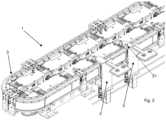
figure 2 shows the solution offigure 1 with two conveyors fitted; -
figure 3 shows a component of the conveying apparatus offigures 1 and2 ; -
figure 3a shows a detail offigure 3 . - In the accompanying drawings,
reference number 1 indicates a conveying apparatus for a packaging item. For example, this packaging item is a box body to be filled or which is already filled or a package that is still to be formed. Typically, this package is substantially made of cardboard (it being understood that it is mainly made of cardboard, but can comprise joints with adhesive tape or glue or other materials). - This
apparatus 1 comprises afirst conveyor 2 movable and intended to move said packaging item. Thefirst conveyor 2 comprises first magnetic field generating means 21. According to the invention, this first means 21 comprises/is a permanent magnet 210. - The
first conveyor 2 can be a carriage. Thefirst conveyor 2 comprises rest wheels for supporting weight. Theapparatus 1 comprises apath 3 along which thefirst conveyor 2 is movable. - The
path 3 comprises alinear motor 30. Thismotor 30 is a linear magnetic motor, in particular a linear servomotor. Typically, it is a linear brushless motor. The linear motor opportunely defines a smart system that is capable of being modulated and scaled that is propelled magnetically on a rail. - The
linear motor 30 interacts with the first magnetic field generating means 21 in order to cause a linear displacement of thefirst conveyor 2 along thepath 3. - The
linear motor 30 is per se known. While in traditional electric motors the rotors and stators are circular, in the linear motor the stator extends along thepath 3 and in place of the rotor there is the first generating means 21 on the first conveyor 2 (or on any other conveyors). Thelinear motor 30 thus has the effect of displacing thefirst conveyor 2. Opportunely, thepath 3 could comprise at least one section that follows a curvilinear trajectory. Advantageously, thepath 3 is a circuit that is closed on itself (thus defining a circuit trajectory for the first conveyor 2). - The
linear motor 30 comprises electrical conduction means, for example one or more electric windings, that extend along thepath 3 and generate an electromagnetic field that interacts with the magnetic field generated by the first means 21 to enable thefirst conveyor 2 to move along thepath 3. Thepath 3 opportunely comprises guide means 7 for guiding thefirst conveyor 2 along the trajectory defined by thepath 3 itself. For example, these guide means 7 can comprise a rail 70 (advantageously a monorail, but could also possibly be a binary rail). Opportunely, thefirst conveyor 2 follows the trajectory imposed by therail 70. The guide means 7 enables thefirst conveyor 2 to overcome the curved sections of the trajectory defined by thepath 3. For example, thefirst conveyor 2 could comprise wheels that facilitate running of thefirst conveyor 2 along therail 70. For example, it could comprise at least onepair 71 of wheels astride the rail 70 (preferably a plurality of pairs of wheels astride the rail 70). Thefirst conveyor 2 comprises anelectrical utility 22. Thiselectrical utility 22 is placed on thefirst conveyor 2. - According to the invention, the
apparatus 1 comprises electrical power supply means 4 for powering saidelectrical utility 22. The power supply means 4 for powering theelectrical utility 22 comprises contactless electrical power supply means 41 of thefirst conveyor 2. Thecontactless means 41 in turn comprises stator means 40 which extends along thepath 3 and acursor 400 that is solidly constrained to thefirst conveyor 2 and that interacts with the stator means 40. The stator means 40 can comprise at least oneelectrical cable 403. Opportunely, the stator means 40 (in particular the electrical cable 403) is distinct from thelinear motor 30, in particular from the electrical conduction means disclosed above (for example from said windings) that are part of thelinear motor 30. Thecursor 400 faces a cross section of the stator means 40. Thecursor 400 preferably extends around a cross section of theelectrical cable 403 for more than 160°, preferably for more than 180°. Opportunely, thecursor 400 comprises an electric device (known in the technical field as a "pick up") that enables the current to be received contactlessly and the current that transits in the stator means 40 to be transformed to adapt the current to the specific needs (in terms of voltage and/or intensity and/or frequency) of theelectrical utility 22. For example, the cursor enables the electric current to be rectified by transforming the alternating current of the stator means 40 into direct current. The stator means 40 extends over the entire extent of the path 3 (as better explained below, the stator means preferably comprise various stators, preferably a succession of annular stators). Thecontactless means 41 can be understood to be means for transferring electric energy from one part of the stator means 40 to thefirst conveyor 2 in order to be apply to power theutility 22. Thecontactless means 41 enables energy to be transmitted without contact between the two parties between which energy is transmitted. The contactless system can thus be defined as an individual system for transmitting energy for industrial applications without contact. The contactless means 41 is advantageously of a magnetic induction type. The contactless means thus exploits the principle of magnetic induction to transfer electric energy to thefirst conveyor 2. Once this electric energy has been made available to thefirst conveyor 2, it can be used to activate saidelectrical utility 22, which can be of different type. This electric energy can also be used to power several electrical utilities on thefirst conveyor 2. - The
electrical utility 22 can advantageously comprise suction means 23 that retains the packaging item on thefirst conveyor 2. Thus the electric energy transferred to thefirst conveyor 2 by the contactless means 41 is used to power the suction means 23. This enables the packaging item to be stabilized on the first conveyor, preventing it from falling or becoming detached. Further, thefirst conveyor 2 can convey packaging items of various shapes or sizes without the need to replace mechanical hooking elements. - The
electrical utility 22 could, as an addition or substitution, comprise a LED or mechanical gripping means (for example a gripper) or also something else. - The
electrical utility 22 is not however responsible for the displacement of thefirst conveyor 2 along thepath 3. The advancement of thefirst conveyor 2 is thus entrusted to the interaction between thelinear motor 30 and the first magnetic field generating means 21 located on thefirst conveyor 2. - The
first conveyor 2 as exemplified infigure 1a comprises: - a base 24 that surmounts and interacts with the
linear motor 30; - a
support 25 on which it is intended to rest the packaging item. - Opportunely, the
support 25 is stably connected to the base 24 during normal operation. Thissupport 25 advantageously comprises a flat upper surface on which the packaging item is intended to rest. - The
support 25 comprises one ormore holes 250 that enable the packaging item to be maintained adhering to thesupport 25. These holes are advantageously oriented upwards. In particular, the holes are obtained on the upper surface of thesupport 25. - The
support 25 extends laterally in relation to thebase 24. Opportunely, thefirst conveyor 2 comprises at least onearm 26 that connects thebase 24 and thesupport 25. Opportunely, thearm 26 and thesupport 25 extend in cantilever fashion from thebase 24. Thesupport 25 is on an outer side of the path 3 (assuming that thepath 3 is a circuit that is closed on itself). - The stator means 40 comprises at least one first and one
second stator ring path 3; this does not rule out the possibility that there may be overlaps of the two rings in the joining zones. Thefirst stator ring 401 for example can comprise: - two sections placed for example one higher up than the other (they are advantageously substantially horizontal and are opportunely substantially parallel to one another); and
- two connection portions placed at opposite ends of these sections.
- The
first stator ring 401 can be/is powered independently of thesecond stator ring 402. The power supply of the first andsecond stator ring electrical utility 22 located on thefirst conveyor 2 when thefirst conveyor 2 comes to be respectively located at the first andsecond stator ring second stator ring electrical utility 22 when thefirst conveyor 2 comes to be located respectively at the first andsecond stator ring - Opportunely, the stator means 40 is located at a lower height than the
support 25. - Opportunely, the
apparatus 1 comprises asecond conveyor 5 movable along thepath 3. Also thesecond conveyor 5 comprises second magnetic field generating means 51 (typically a permanent magnet). Thelinear motor 30 interacts with the second magnetic field generating means 51 in order to determine a displacement of thesecond conveyor 5 along saidpath 3. - What has been disclosed with reference to the
first conveyor 2 and/or its interaction with the remaining parts of the apparatus can be repeated for thesecond conveyor 5. - The stator means 40 can interact with both the first and the
second conveyor second conveyor - The
apparatus 1 comprises control means 6 of thelinear motor 30 that enables independent movement of the first andsecond conveyor - For example, the
first stator ring 401 could be located along a section ofpath 3 in which thesecond conveyor 5 has to advance whilst thesecond stator ring 402 can be located at a section ofpath 3 in which a removal station is located for removing the packaging item from thefirst conveyor 2. As a result, it can be decided to power thefirst stator ring 401 to enable the advancement of thesecond conveyor 5 and at the same time not to power thesecond stator ring 402, for example for avoiding operation of the suction means 23 and facilitating unloading of the packaging item onto thefirst conveyor 2 that is located in said removal station. Opportunely, the stator means 40 can also comprise a third stator ring and possibly also many others. This is in order to control with maximum flexibility the conveyors that operate simultaneously along the various sections of thepath 3. - Further, the first and the
second stator ring - The
apparatus 1 can comprise further conveyors (in addition to the first andsecond conveyor path 3. What has been disclosed with reference to thefirst conveyor 2 can also be repeated for the further conveyors. - The object of the present invention is further a plant comprising a conveying
apparatus 1 having one or more of the features indicated above. Along saidpath 3, the plant can advantageously comprise a filling station of the container and/or a discharge station of the container (filled or possibly also empty). - The present invention achieves important advantages.
- This enables the conveyors that move along the conveying systems to be electrified so as to enable many operations to be performed. This is also done without the need for a storage battery in the conveyors.
- Opportunely, using the linear motor enables several carriages to be controlled independently on rectilinear and curvilinear paths, eliminating the need for chains, belts and rotating gears.
- The contactless system enables operation without wear and with minimal maintenance.
Claims (11)
- A conveying apparatus for conveying a packaging item comprising:- a first conveyor (2) intended to move said packaging item and comprising first magnetic field generating means (21) and an electrical utility (22);- a path (3) along which the first conveyor (2) is movable, said path (3) comprising a linear motor (30) which interacts with said first magnetic field generating means (21) so as to determine a linear displacement of the first conveyor (2) along said path (3); the magnetic field generating means (21) comprising/being a permanent magnet (210); the linear motor (30) comprises a stator that extends along the path (3);- electrical power supply means (4) for powering said electrical utility (22) comprising electrical power supply contactless means (41) of the first conveyor (2); the contactless means (41) in turn comprises stator means (40) that extends along the path (3) and a cursor (400) that is solidly constrained to the first conveyor (2) and interacts with the stator means (40).
- The apparatus according to claim 1, characterized in that said stator means (40) comprises at least one first and second stator ring (401, 402) that extend in succession along the path (3); the first stator ring (401) being powered independently of the second stator ring (402); the power supply of the first and second stator ring (401, 402) determining the power supply of the electrical utility (22) located on the first conveyor (2) when the first conveyor (2) is located respectively at the first and second stator ring (401, 402); the lack of power supply to the first and second stator ring (401, 402) causing the lack of power supply to the electrical utility (22) when the first conveyor (2) is located respectively at the first and second stator ring (401, 402).
- The apparatus according to claim 1 or 2, characterized in that the stator means (40) is distinct from the linear motor (30).
- The apparatus according to any claim from 1 to 3, characterized in that the cursor (400) faces a cross section of the stator means (40); the stator means (40) comprises at least one electrical cable (403) and the cursor (400) extends around a cross section of the electrical cable (403) for more than 160°.
- The apparatus according to any claim from 1 to 4, characterized in that the stator means (40) extends over the entire extent of the path (3).
- The apparatus according to any preceding claim, characterized in that the contactless means (41) is of a magnetic induction type.
- The apparatus according to any preceding claim, characterized in that said electrical utility (22) is not responsible for the displacement of the first conveyor along the path (3).
- The apparatus according to any preceding claim, characterized in that said electrical utility (22) comprises suction means (23) that retains the packaging item on the first conveyor (2).
- The apparatus according to any one of the preceding claims, characterised in that it comprises:- a second conveyor (5) movable along said path (3) and comprising second magnetic field generating means (51); said linear motor (30) interacting with the second magnetic field generating means (51) in order to determine a displacement of the second conveyor (5) along said path (3);- control means (6) for controlling the linear motor (30) which enables an independent movement of the first and second conveyor (2, 5).
- The apparatus according to any one of the preceding claims, characterised in that said path (3) is a circuit closed on itself.
- A conveying method for conveying a packaging item by means of an apparatus according to any one of claims 1 to 10, characterised in that it comprises:- positioning a packaging item on the first conveyor (2);- activating said linear motor (30) for moving the first conveyor (2);- transferring electrical energy via the contactless means (41) to the first conveyor (2) and powering the utility (22) with said electrical energy.
Applications Claiming Priority (2)
| Application Number | Priority Date | Filing Date | Title |
|---|---|---|---|
| IT102019000003895A IT201900003895A1 (en) | 2019-03-18 | 2019-03-18 | TRANSPORT APPARATUS |
| PCT/IB2020/052276 WO2020188430A1 (en) | 2019-03-18 | 2020-03-13 | Conveying apparatus |
Publications (2)
| Publication Number | Publication Date |
|---|---|
| EP3941861A1 EP3941861A1 (en) | 2022-01-26 |
| EP3941861B1 true EP3941861B1 (en) | 2023-12-06 |
Family
ID=67002170
Family Applications (1)
| Application Number | Title | Priority Date | Filing Date |
|---|---|---|---|
| EP20710025.6A Active EP3941861B1 (en) | 2019-03-18 | 2020-03-13 | Conveying apparatus |
Country Status (3)
| Country | Link |
|---|---|
| EP (1) | EP3941861B1 (en) |
| IT (1) | IT201900003895A1 (en) |
| WO (1) | WO2020188430A1 (en) |
Families Citing this family (6)
| Publication number | Priority date | Publication date | Assignee | Title |
|---|---|---|---|---|
| JP7667790B2 (en) * | 2020-09-30 | 2025-04-23 | パナソニックホールディングス株式会社 | Workpiece transport device |
| IT202000025492A1 (en) | 2020-10-27 | 2022-04-27 | Cft Robotics S R L | METHOD AND INTEGRATED MACHINE FOR PACKAGING AND STACKING OF PACKAGES |
| CN112978275B (en) * | 2021-02-24 | 2022-06-24 | 东莞市超业精密设备有限公司 | Conveying equipment integrating dust removal, conveying and self-positioning |
| IT202200017532A1 (en) * | 2022-08-24 | 2024-02-24 | Ems Group S P A | APPARATUS FOR HANDLING AND/OR TREATMENT OF ARTICLES WITH WIRELESS ELECTRICAL ACTIVATION/DEACTIVATION |
| EP4624225A1 (en) | 2024-03-29 | 2025-10-01 | ABB Schweiz AG | Linear motor with capacitive power transfer |
| CN119929471B (en) * | 2024-09-05 | 2026-04-17 | 果栗智造(上海)技术股份有限公司 | Conveying system |
Citations (1)
| Publication number | Priority date | Publication date | Assignee | Title |
|---|---|---|---|---|
| US20130084157A1 (en) * | 2011-09-30 | 2013-04-04 | Ats Automation Tooling Systems Inc. | System and method for providing vacuum to a moving element |
Family Cites Families (1)
| Publication number | Priority date | Publication date | Assignee | Title |
|---|---|---|---|---|
| ITUB20161148A1 (en) * | 2016-02-29 | 2017-08-29 | Vismunda Srl | HANDLING SYSTEM WITH INDEPENDENT AND COORDINATED SHUTTLES, FOR INDUSTRIAL AUTOMATION |
-
2019
- 2019-03-18 IT IT102019000003895A patent/IT201900003895A1/en unknown
-
2020
- 2020-03-13 WO PCT/IB2020/052276 patent/WO2020188430A1/en not_active Ceased
- 2020-03-13 EP EP20710025.6A patent/EP3941861B1/en active Active
Patent Citations (1)
| Publication number | Priority date | Publication date | Assignee | Title |
|---|---|---|---|---|
| US20130084157A1 (en) * | 2011-09-30 | 2013-04-04 | Ats Automation Tooling Systems Inc. | System and method for providing vacuum to a moving element |
Also Published As
| Publication number | Publication date |
|---|---|
| WO2020188430A1 (en) | 2020-09-24 |
| EP3941861A1 (en) | 2022-01-26 |
| IT201900003895A1 (en) | 2020-09-18 |
Similar Documents
| Publication | Publication Date | Title |
|---|---|---|
| EP3941861B1 (en) | Conveying apparatus | |
| EP3656707B1 (en) | Handling of containers in a system for production of packaged food products | |
| US11279511B2 (en) | Machine for treating or conveying containers | |
| US9701487B2 (en) | Apparatus for transporting containers having a magnetic drive | |
| US20070013328A1 (en) | Linear motor with progressive motion control | |
| US9828192B2 (en) | Conveying arrangement | |
| US12110193B2 (en) | Transport of objects having different formats | |
| EP3656709B1 (en) | Flow control in a system for production of packaged food products | |
| EP3656684B1 (en) | Capping apparatus for a system for production of packaged food products | |
| CN110248883B (en) | Container treatment system and method for transporting functional elements in a container treatment system for treating containers | |
| WO2021115545A1 (en) | A machine for moving and handling containers adapted to contain a pourable product | |
| US20230158681A1 (en) | Handling device and method for handling products, in particular food, being conveyed by means of a transport device | |
| AU2018330916B2 (en) | A machine for conveying containers | |
| JP2020520864A (en) | Equipment for producing containers by thermoforming | |
| EP4003849B1 (en) | Packaging apparatus | |
| WO2021019053A1 (en) | An article picking and treating apparatus | |
| WO2020188434A1 (en) | Plant and method for forming a box packaging | |
| CN110371394B (en) | Magnetic levitation sorting and counting system and sorting and counting method | |
| CN118871371A (en) | Control concepts for electric linear drives | |
| US20250223117A1 (en) | Transport device | |
| US20240228188A9 (en) | Conveyor device for advancing articles and method for labelling articles | |
| CN216037235U (en) | Full-automatic stacker crane | |
| RU2778765C9 (en) | Machine for processing or transportation of containers | |
| JPS60104622A (en) | Mobile bolt tightening device |
Legal Events
| Date | Code | Title | Description |
|---|---|---|---|
| STAA | Information on the status of an ep patent application or granted ep patent |
Free format text: STATUS: UNKNOWN |
|
| STAA | Information on the status of an ep patent application or granted ep patent |
Free format text: STATUS: THE INTERNATIONAL PUBLICATION HAS BEEN MADE |
|
| PUAI | Public reference made under article 153(3) epc to a published international application that has entered the european phase |
Free format text: ORIGINAL CODE: 0009012 |
|
| STAA | Information on the status of an ep patent application or granted ep patent |
Free format text: STATUS: REQUEST FOR EXAMINATION WAS MADE |
|
| 17P | Request for examination filed |
Effective date: 20210927 |
|
| AK | Designated contracting states |
Kind code of ref document: A1 Designated state(s): AL AT BE BG CH CY CZ DE DK EE ES FI FR GB GR HR HU IE IS IT LI LT LU LV MC MK MT NL NO PL PT RO RS SE SI SK SM TR |
|
| DAV | Request for validation of the european patent (deleted) | ||
| DAX | Request for extension of the european patent (deleted) | ||
| STAA | Information on the status of an ep patent application or granted ep patent |
Free format text: STATUS: EXAMINATION IS IN PROGRESS |
|
| 17Q | First examination report despatched |
Effective date: 20221216 |
|
| RIC1 | Information provided on ipc code assigned before grant |
Ipc: B60L 5/00 20060101ALI20230523BHEP Ipc: B65G 47/91 20060101ALI20230523BHEP Ipc: B60L 13/03 20060101ALI20230523BHEP Ipc: B60L 13/00 20060101ALI20230523BHEP Ipc: B65G 54/02 20060101AFI20230523BHEP |
|
| GRAP | Despatch of communication of intention to grant a patent |
Free format text: ORIGINAL CODE: EPIDOSNIGR1 |
|
| STAA | Information on the status of an ep patent application or granted ep patent |
Free format text: STATUS: GRANT OF PATENT IS INTENDED |
|
| P01 | Opt-out of the competence of the unified patent court (upc) registered |
Effective date: 20230526 |
|
| INTG | Intention to grant announced |
Effective date: 20230705 |
|
| GRAS | Grant fee paid |
Free format text: ORIGINAL CODE: EPIDOSNIGR3 |
|
| GRAA | (expected) grant |
Free format text: ORIGINAL CODE: 0009210 |
|
| STAA | Information on the status of an ep patent application or granted ep patent |
Free format text: STATUS: THE PATENT HAS BEEN GRANTED |
|
| AK | Designated contracting states |
Kind code of ref document: B1 Designated state(s): AL AT BE BG CH CY CZ DE DK EE ES FI FR GB GR HR HU IE IS IT LI LT LU LV MC MK MT NL NO PL PT RO RS SE SI SK SM TR |
|
| REG | Reference to a national code |
Ref country code: GB Ref legal event code: FG4D |
|
| REG | Reference to a national code |
Ref country code: CH Ref legal event code: EP |
|
| REG | Reference to a national code |
Ref country code: DE Ref legal event code: R096 Ref document number: 602020022277 Country of ref document: DE |
|
| REG | Reference to a national code |
Ref country code: IE Ref legal event code: FG4D |
|
| REG | Reference to a national code |
Ref country code: LT Ref legal event code: MG9D |
|
| PG25 | Lapsed in a contracting state [announced via postgrant information from national office to epo] |
Ref country code: GR Free format text: LAPSE BECAUSE OF FAILURE TO SUBMIT A TRANSLATION OF THE DESCRIPTION OR TO PAY THE FEE WITHIN THE PRESCRIBED TIME-LIMIT Effective date: 20240307 |
|
| REG | Reference to a national code |
Ref country code: NL Ref legal event code: MP Effective date: 20231206 |
|
| PG25 | Lapsed in a contracting state [announced via postgrant information from national office to epo] |
Ref country code: LT Free format text: LAPSE BECAUSE OF FAILURE TO SUBMIT A TRANSLATION OF THE DESCRIPTION OR TO PAY THE FEE WITHIN THE PRESCRIBED TIME-LIMIT Effective date: 20231206 |
|
| PG25 | Lapsed in a contracting state [announced via postgrant information from national office to epo] |
Ref country code: ES Free format text: LAPSE BECAUSE OF FAILURE TO SUBMIT A TRANSLATION OF THE DESCRIPTION OR TO PAY THE FEE WITHIN THE PRESCRIBED TIME-LIMIT Effective date: 20231206 |
|
| PG25 | Lapsed in a contracting state [announced via postgrant information from national office to epo] |
Ref country code: LT Free format text: LAPSE BECAUSE OF FAILURE TO SUBMIT A TRANSLATION OF THE DESCRIPTION OR TO PAY THE FEE WITHIN THE PRESCRIBED TIME-LIMIT Effective date: 20231206 Ref country code: GR Free format text: LAPSE BECAUSE OF FAILURE TO SUBMIT A TRANSLATION OF THE DESCRIPTION OR TO PAY THE FEE WITHIN THE PRESCRIBED TIME-LIMIT Effective date: 20240307 Ref country code: ES Free format text: LAPSE BECAUSE OF FAILURE TO SUBMIT A TRANSLATION OF THE DESCRIPTION OR TO PAY THE FEE WITHIN THE PRESCRIBED TIME-LIMIT Effective date: 20231206 Ref country code: BG Free format text: LAPSE BECAUSE OF FAILURE TO SUBMIT A TRANSLATION OF THE DESCRIPTION OR TO PAY THE FEE WITHIN THE PRESCRIBED TIME-LIMIT Effective date: 20240306 |
|
| REG | Reference to a national code |
Ref country code: AT Ref legal event code: MK05 Ref document number: 1638223 Country of ref document: AT Kind code of ref document: T Effective date: 20231206 |
|
| PG25 | Lapsed in a contracting state [announced via postgrant information from national office to epo] |
Ref country code: NL Free format text: LAPSE BECAUSE OF FAILURE TO SUBMIT A TRANSLATION OF THE DESCRIPTION OR TO PAY THE FEE WITHIN THE PRESCRIBED TIME-LIMIT Effective date: 20231206 |
|
| PG25 | Lapsed in a contracting state [announced via postgrant information from national office to epo] |
Ref country code: SE Free format text: LAPSE BECAUSE OF FAILURE TO SUBMIT A TRANSLATION OF THE DESCRIPTION OR TO PAY THE FEE WITHIN THE PRESCRIBED TIME-LIMIT Effective date: 20231206 Ref country code: RS Free format text: LAPSE BECAUSE OF FAILURE TO SUBMIT A TRANSLATION OF THE DESCRIPTION OR TO PAY THE FEE WITHIN THE PRESCRIBED TIME-LIMIT Effective date: 20231206 Ref country code: NO Free format text: LAPSE BECAUSE OF FAILURE TO SUBMIT A TRANSLATION OF THE DESCRIPTION OR TO PAY THE FEE WITHIN THE PRESCRIBED TIME-LIMIT Effective date: 20240306 Ref country code: NL Free format text: LAPSE BECAUSE OF FAILURE TO SUBMIT A TRANSLATION OF THE DESCRIPTION OR TO PAY THE FEE WITHIN THE PRESCRIBED TIME-LIMIT Effective date: 20231206 Ref country code: LV Free format text: LAPSE BECAUSE OF FAILURE TO SUBMIT A TRANSLATION OF THE DESCRIPTION OR TO PAY THE FEE WITHIN THE PRESCRIBED TIME-LIMIT Effective date: 20231206 Ref country code: HR Free format text: LAPSE BECAUSE OF FAILURE TO SUBMIT A TRANSLATION OF THE DESCRIPTION OR TO PAY THE FEE WITHIN THE PRESCRIBED TIME-LIMIT Effective date: 20231206 |
|
| PG25 | Lapsed in a contracting state [announced via postgrant information from national office to epo] |
Ref country code: IS Free format text: LAPSE BECAUSE OF FAILURE TO SUBMIT A TRANSLATION OF THE DESCRIPTION OR TO PAY THE FEE WITHIN THE PRESCRIBED TIME-LIMIT Effective date: 20240406 |
|
| PG25 | Lapsed in a contracting state [announced via postgrant information from national office to epo] |
Ref country code: CZ Free format text: LAPSE BECAUSE OF FAILURE TO SUBMIT A TRANSLATION OF THE DESCRIPTION OR TO PAY THE FEE WITHIN THE PRESCRIBED TIME-LIMIT Effective date: 20231206 Ref country code: AT Free format text: LAPSE BECAUSE OF FAILURE TO SUBMIT A TRANSLATION OF THE DESCRIPTION OR TO PAY THE FEE WITHIN THE PRESCRIBED TIME-LIMIT Effective date: 20231206 |
|
| PG25 | Lapsed in a contracting state [announced via postgrant information from national office to epo] |
Ref country code: SK Free format text: LAPSE BECAUSE OF FAILURE TO SUBMIT A TRANSLATION OF THE DESCRIPTION OR TO PAY THE FEE WITHIN THE PRESCRIBED TIME-LIMIT Effective date: 20231206 |
|
| PG25 | Lapsed in a contracting state [announced via postgrant information from national office to epo] |
Ref country code: SM Free format text: LAPSE BECAUSE OF FAILURE TO SUBMIT A TRANSLATION OF THE DESCRIPTION OR TO PAY THE FEE WITHIN THE PRESCRIBED TIME-LIMIT Effective date: 20231206 Ref country code: SK Free format text: LAPSE BECAUSE OF FAILURE TO SUBMIT A TRANSLATION OF THE DESCRIPTION OR TO PAY THE FEE WITHIN THE PRESCRIBED TIME-LIMIT Effective date: 20231206 Ref country code: RO Free format text: LAPSE BECAUSE OF FAILURE TO SUBMIT A TRANSLATION OF THE DESCRIPTION OR TO PAY THE FEE WITHIN THE PRESCRIBED TIME-LIMIT Effective date: 20231206 Ref country code: IS Free format text: LAPSE BECAUSE OF FAILURE TO SUBMIT A TRANSLATION OF THE DESCRIPTION OR TO PAY THE FEE WITHIN THE PRESCRIBED TIME-LIMIT Effective date: 20240406 Ref country code: EE Free format text: LAPSE BECAUSE OF FAILURE TO SUBMIT A TRANSLATION OF THE DESCRIPTION OR TO PAY THE FEE WITHIN THE PRESCRIBED TIME-LIMIT Effective date: 20231206 Ref country code: CZ Free format text: LAPSE BECAUSE OF FAILURE TO SUBMIT A TRANSLATION OF THE DESCRIPTION OR TO PAY THE FEE WITHIN THE PRESCRIBED TIME-LIMIT Effective date: 20231206 Ref country code: AT Free format text: LAPSE BECAUSE OF FAILURE TO SUBMIT A TRANSLATION OF THE DESCRIPTION OR TO PAY THE FEE WITHIN THE PRESCRIBED TIME-LIMIT Effective date: 20231206 |
|
| PG25 | Lapsed in a contracting state [announced via postgrant information from national office to epo] |
Ref country code: PL Free format text: LAPSE BECAUSE OF FAILURE TO SUBMIT A TRANSLATION OF THE DESCRIPTION OR TO PAY THE FEE WITHIN THE PRESCRIBED TIME-LIMIT Effective date: 20231206 Ref country code: PT Free format text: LAPSE BECAUSE OF FAILURE TO SUBMIT A TRANSLATION OF THE DESCRIPTION OR TO PAY THE FEE WITHIN THE PRESCRIBED TIME-LIMIT Effective date: 20240408 |
|
| PG25 | Lapsed in a contracting state [announced via postgrant information from national office to epo] |
Ref country code: PT Free format text: LAPSE BECAUSE OF FAILURE TO SUBMIT A TRANSLATION OF THE DESCRIPTION OR TO PAY THE FEE WITHIN THE PRESCRIBED TIME-LIMIT Effective date: 20240408 Ref country code: PL Free format text: LAPSE BECAUSE OF FAILURE TO SUBMIT A TRANSLATION OF THE DESCRIPTION OR TO PAY THE FEE WITHIN THE PRESCRIBED TIME-LIMIT Effective date: 20231206 |
|
| REG | Reference to a national code |
Ref country code: DE Ref legal event code: R097 Ref document number: 602020022277 Country of ref document: DE |
|
| PG25 | Lapsed in a contracting state [announced via postgrant information from national office to epo] |
Ref country code: DK Free format text: LAPSE BECAUSE OF FAILURE TO SUBMIT A TRANSLATION OF THE DESCRIPTION OR TO PAY THE FEE WITHIN THE PRESCRIBED TIME-LIMIT Effective date: 20231206 |
|
| PLBE | No opposition filed within time limit |
Free format text: ORIGINAL CODE: 0009261 |
|
| STAA | Information on the status of an ep patent application or granted ep patent |
Free format text: STATUS: NO OPPOSITION FILED WITHIN TIME LIMIT |
|
| PG25 | Lapsed in a contracting state [announced via postgrant information from national office to epo] |
Ref country code: SI Free format text: LAPSE BECAUSE OF FAILURE TO SUBMIT A TRANSLATION OF THE DESCRIPTION OR TO PAY THE FEE WITHIN THE PRESCRIBED TIME-LIMIT Effective date: 20231206 |
|
| PG25 | Lapsed in a contracting state [announced via postgrant information from national office to epo] |
Ref country code: SI Free format text: LAPSE BECAUSE OF FAILURE TO SUBMIT A TRANSLATION OF THE DESCRIPTION OR TO PAY THE FEE WITHIN THE PRESCRIBED TIME-LIMIT Effective date: 20231206 Ref country code: DK Free format text: LAPSE BECAUSE OF FAILURE TO SUBMIT A TRANSLATION OF THE DESCRIPTION OR TO PAY THE FEE WITHIN THE PRESCRIBED TIME-LIMIT Effective date: 20231206 |
|
| REG | Reference to a national code |
Ref country code: CH Ref legal event code: PL |
|
| 26N | No opposition filed |
Effective date: 20240909 |
|
| PG25 | Lapsed in a contracting state [announced via postgrant information from national office to epo] |
Ref country code: LU Free format text: LAPSE BECAUSE OF NON-PAYMENT OF DUE FEES Effective date: 20240313 |
|
| PG25 | Lapsed in a contracting state [announced via postgrant information from national office to epo] |
Ref country code: MC Free format text: LAPSE BECAUSE OF FAILURE TO SUBMIT A TRANSLATION OF THE DESCRIPTION OR TO PAY THE FEE WITHIN THE PRESCRIBED TIME-LIMIT Effective date: 20231206 |
|
| GBPC | Gb: european patent ceased through non-payment of renewal fee |
Effective date: 20240313 |
|
| PG25 | Lapsed in a contracting state [announced via postgrant information from national office to epo] |
Ref country code: MC Free format text: LAPSE BECAUSE OF FAILURE TO SUBMIT A TRANSLATION OF THE DESCRIPTION OR TO PAY THE FEE WITHIN THE PRESCRIBED TIME-LIMIT Effective date: 20231206 Ref country code: LU Free format text: LAPSE BECAUSE OF NON-PAYMENT OF DUE FEES Effective date: 20240313 |
|
| REG | Reference to a national code |
Ref country code: BE Ref legal event code: MM Effective date: 20240331 |
|
| PG25 | Lapsed in a contracting state [announced via postgrant information from national office to epo] |
Ref country code: BE Free format text: LAPSE BECAUSE OF NON-PAYMENT OF DUE FEES Effective date: 20240331 |
|
| PG25 | Lapsed in a contracting state [announced via postgrant information from national office to epo] |
Ref country code: GB Free format text: LAPSE BECAUSE OF NON-PAYMENT OF DUE FEES Effective date: 20240313 |
|
| PG25 | Lapsed in a contracting state [announced via postgrant information from national office to epo] |
Ref country code: IE Free format text: LAPSE BECAUSE OF NON-PAYMENT OF DUE FEES Effective date: 20240313 |
|
| PG25 | Lapsed in a contracting state [announced via postgrant information from national office to epo] |
Ref country code: IE Free format text: LAPSE BECAUSE OF NON-PAYMENT OF DUE FEES Effective date: 20240313 Ref country code: GB Free format text: LAPSE BECAUSE OF NON-PAYMENT OF DUE FEES Effective date: 20240313 Ref country code: BE Free format text: LAPSE BECAUSE OF NON-PAYMENT OF DUE FEES Effective date: 20240331 Ref country code: CH Free format text: LAPSE BECAUSE OF NON-PAYMENT OF DUE FEES Effective date: 20240331 |
|
| PGFP | Annual fee paid to national office [announced via postgrant information from national office to epo] |
Ref country code: IT Payment date: 20250327 Year of fee payment: 6 |
|
| PG25 | Lapsed in a contracting state [announced via postgrant information from national office to epo] |
Ref country code: CY Free format text: LAPSE BECAUSE OF FAILURE TO SUBMIT A TRANSLATION OF THE DESCRIPTION OR TO PAY THE FEE WITHIN THE PRESCRIBED TIME-LIMIT; INVALID AB INITIO Effective date: 20200313 |
|
| PG25 | Lapsed in a contracting state [announced via postgrant information from national office to epo] |
Ref country code: HU Free format text: LAPSE BECAUSE OF FAILURE TO SUBMIT A TRANSLATION OF THE DESCRIPTION OR TO PAY THE FEE WITHIN THE PRESCRIBED TIME-LIMIT; INVALID AB INITIO Effective date: 20200313 |
|
| PG25 | Lapsed in a contracting state [announced via postgrant information from national office to epo] |
Ref country code: FI Free format text: LAPSE BECAUSE OF FAILURE TO SUBMIT A TRANSLATION OF THE DESCRIPTION OR TO PAY THE FEE WITHIN THE PRESCRIBED TIME-LIMIT Effective date: 20231207 |
|
| PG25 | Lapsed in a contracting state [announced via postgrant information from national office to epo] |
Ref country code: TR Free format text: LAPSE BECAUSE OF FAILURE TO SUBMIT A TRANSLATION OF THE DESCRIPTION OR TO PAY THE FEE WITHIN THE PRESCRIBED TIME-LIMIT Effective date: 20231206 |
|
| PGFP | Annual fee paid to national office [announced via postgrant information from national office to epo] |
Ref country code: DE Payment date: 20260320 Year of fee payment: 7 |
|
| PGFP | Annual fee paid to national office [announced via postgrant information from national office to epo] |
Ref country code: FR Payment date: 20260323 Year of fee payment: 7 |