EP3934428B1 - Bacillus halosaccharovorans stamm, zusammensetzung damit und verwendungen davon - Google Patents
Bacillus halosaccharovorans stamm, zusammensetzung damit und verwendungen davon Download PDFInfo
- Publication number
- EP3934428B1 EP3934428B1 EP20708098.7A EP20708098A EP3934428B1 EP 3934428 B1 EP3934428 B1 EP 3934428B1 EP 20708098 A EP20708098 A EP 20708098A EP 3934428 B1 EP3934428 B1 EP 3934428B1
- Authority
- EP
- European Patent Office
- Prior art keywords
- strain
- aphid
- nematode
- halosaccharovorans
- cfu
- Prior art date
- Legal status (The legal status is an assumption and is not a legal conclusion. Google has not performed a legal analysis and makes no representation as to the accuracy of the status listed.)
- Active
Links
Images

Classifications
-
- A—HUMAN NECESSITIES
- A01—AGRICULTURE; FORESTRY; ANIMAL HUSBANDRY; HUNTING; TRAPPING; FISHING
- A01N—PRESERVATION OF BODIES OF HUMANS OR ANIMALS OR PLANTS OR PARTS THEREOF; BIOCIDES, e.g. AS DISINFECTANTS, AS PESTICIDES OR AS HERBICIDES; PEST REPELLANTS OR ATTRACTANTS; PLANT GROWTH REGULATORS
- A01N63/00—Biocides, pest repellants or attractants, or plant growth regulators containing microorganisms, viruses, microbial fungi, animals or substances produced by, or obtained from, microorganisms, viruses, microbial fungi or animals, e.g. enzymes or fermentates
- A01N63/20—Bacteria; Substances produced thereby or obtained therefrom
- A01N63/22—Bacillus
-
- A—HUMAN NECESSITIES
- A01—AGRICULTURE; FORESTRY; ANIMAL HUSBANDRY; HUNTING; TRAPPING; FISHING
- A01P—BIOCIDAL, PEST REPELLANT, PEST ATTRACTANT OR PLANT GROWTH REGULATORY ACTIVITY OF CHEMICAL COMPOUNDS OR PREPARATIONS
- A01P7/00—Arthropodicides
- A01P7/04—Insecticides
-
- C—CHEMISTRY; METALLURGY
- C12—BIOCHEMISTRY; BEER; SPIRITS; WINE; VINEGAR; MICROBIOLOGY; ENZYMOLOGY; MUTATION OR GENETIC ENGINEERING
- C12N—MICROORGANISMS OR ENZYMES; COMPOSITIONS THEREOF; PROPAGATING, PRESERVING, OR MAINTAINING MICROORGANISMS; MUTATION OR GENETIC ENGINEERING; CULTURE MEDIA
- C12N1/00—Microorganisms; Compositions thereof; Processes of propagating, maintaining or preserving microorganisms or compositions thereof; Processes of preparing or isolating a composition containing a microorganism; Culture media therefor
- C12N1/20—Bacteria; Culture media therefor
- C12N1/205—Bacterial isolates
-
- C—CHEMISTRY; METALLURGY
- C12—BIOCHEMISTRY; BEER; SPIRITS; WINE; VINEGAR; MICROBIOLOGY; ENZYMOLOGY; MUTATION OR GENETIC ENGINEERING
- C12R—INDEXING SCHEME ASSOCIATED WITH SUBCLASSES C12C - C12Q, RELATING TO MICROORGANISMS
- C12R2001/00—Microorganisms ; Processes using microorganisms
- C12R2001/01—Bacteria or Actinomycetales ; using bacteria or Actinomycetales
- C12R2001/07—Bacillus
Definitions
- the present invention relates to the field of phytosanitary products. It provides a new isolated strain of the microorganism Bacillus halosaccharovorans, compositions comprising it and their use in the biological control of diseases caused by parasitic nematode and aphids in plants.
- Plant-parasitic nematodes and insects cause economically significant damage in crops and horticultural crops, and significantly reduce agricultural yields and diminish the harvests in case they are not eradicated.
- Plant-parasitic nematodes infect the root system of crop plants, such as potato, sugar beet and tomato crops.
- Parasitic nematodes include root-knot nematodes, for example, Meloidogyne genus; cyst nematodes for example, Globodera genus; and root-lesion nematodes, for example, Pratylenchus genus.
- Aphids which are piercing-sucking insects, ingest plant sap by inserting their mouthparts therein (into the stalk, leaf or roots). They attack almost all plant species. The damage can be seen in the form of yellowish mottled discolorations which normally appear on the underside of leaves which subsequently dry out and die. Some aphid species form galls or cause leaves to coil or become deformed. Aphids established on other parts of the plant, such as stalks or branches, may delay growth, cause rapid leaf loss or branch death. Aphids are also carriers of numerous viral diseases.
- the most commonly used nematode and aphid management strategy is chemical control but, although is effective, it may lead to soil pollution problems, affecting biodiversity and having a negative impact on human health.
- Nemix Bacillus spp.
- VOTIVO ® B. firmus
- Pathway Consortia ® B. subtilis , B. licheniformis , B. megaterium , B. coagulans , Pseudomonas fluorescens , Streptomyces spp., and Trichoderma spp.
- Certain bacteria have also been used against members of the Aphididae family, for example by using Bacillus thuringiensis aphidicidal toxins or transgenic plants comprising said toxins ( WO9404684 ).
- CN106187614 and CN106495827 disclose a water-soluble fertilizer containing Bacillus halosaccharovorans which can improve the quality of crops and reduce the effect of diseases.
- Bacillus halosaccharovorans species which is a pesticide with activity is against plant-parasitic nematodes, such as root-knot nematodes and cyst nematodes, but also against aphid insects.
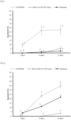
- the strain of the invention has been tested in growth chamber and greenhouse trials and has demonstrated to be efficient, in terms of nematode control, against the root-knot nematodes (RKNs) Meloidogyne incognita and Meloidogyne javanicus in tomato plants and against the potato cyst nematodes (PCNs) Globodera rostochiensis and Globodera pallida. It is remarkable that the in vitro efficacy of the strain of the invention against the tested nematodes, in terms of on RKN egg hatching inhibition, was better than the one achieved using the reference nematicidal chemical Oxamyl ( Fig.
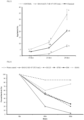
- the bacterial strain of the invention also showed percentage of inhibition of egg hatching of nearly 100% at the end of the treatment ( figs. 4 and 5 ).
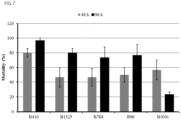
- the strain of the invention has also shown to be effective as insecticide against the aphid Aphis gossypii. As it is shown below, the strain B410 achieved significant mortality of the aphid Aphis gossypii acting as TGAI ( Figs. 6 and 7 ).
- the bacterial strain of the present invention has a dual effect controlling nematodes and Aphids. This is the first time that it is reported a strain of B. halosaccharovorans with such particular double effect. Furthermore, it is surprising that it has a better effect in comparison with a reference chemical in vitro.
- the inventors have further found that the identified strain was mesophyll, neutrophil, halotolerant and a strong biofilm producer.
- Halotolerant microorganisms are of considerable agriculture interest because can be applicable to areas such as arid-zone agriculture areas and could be increased the agricultural productivity of lands affected by soil salination or where only saline water is available.
- many environmental stressors involve or induce osmotic changes; therefore, halotolerance is an advantageous characteristic.
- B410 is a strong biofilm producer, an important characteristic during microbial colonization and survival in unfavorable environments.
- the strain of the present invention benefits the growth of the bacterized plant.
- strain of the present invention for controlling a nematode and/or insect infection is environmentally friendly.
- strain of the present invention means a great advance in the field of biopesticides.
- the first aspect of the present invention refers to a strain of Bacillus halosaccharovorans deposited at the "Coleccion Espa ⁇ ola de Cultivos Tipo" (CECT) under the accession number CECT9165.
- the strain of the invention was isolated from an agricultural soil in Almeria (Spain) and was deposited, according to the Budapest Treaty, at the CECT in the Edificio 3 CUE, Parc Cientific Universidad de Valencia C.P 46980 Catedrático Agustin Escardino N° 9 Paterna, Valencia (Spain), under the accession number CECT9165. It was deposited by the depositor Futureco Bioscience S.A., Av. Del Cadi 19-23 P.I. Sant Pere Molanta 08799 Olérdola Barcelona, on the 13 July 2016. The strain was identified by the depositor with the reference B410, and received the accession number CECT9165. It was, in addition, declared viable.
- a second aspect of the present invention refers to a bacterial culture comprising the strain as defined in the first aspect of the invention.
- the strain of the first aspect of the invention can be used as a phytosanitary product according to FAO guidelines, which are the guidelines emitted by Food and Agriculture Organization of the United Nations.
- the isolated bacteria as defined in the first aspect of the invention may be used as ingredient of a phytosanitary composition.
- a third aspect of the present invention refers to a composition comprising an effective amount of the strain as defined in the first aspect of the invention, or the bacterial culture as defined in the second aspect of the invention, and one or more agriculturally acceptable compound(s).
- a fifth aspect of the invention refers to a process for obtaining a viable cell suspension derived from the strain CECT9165 of B. halosaccharovorans of the first aspect of the invention; the process comprising: (i) inoculating the strain in a culture medium, (ii) subjecting the inoculated culture medium of the step (i) to conditions suitable for growth of the strain, and (iii) optionally subjecting the medium resulting from step (ii) to a concentration step.
- a sixth aspect of the invention refers to use of a strain as defined in the first aspect of the invention for controlling a nematode and/or an insect infection in a plant.
- a seventh aspect of the present invention refers to a method for controlling an infection caused by nematodes and/or insects in a plant comprising applying to a part of a plant or to the substrate used for growing said plant a strain as defined in the first aspect of the invention.
- An eighth aspect of the present invention relates to a kit that comprises an effective amount of the strain of the first aspect of the invention, or the bacterial culture of the second aspect of the invention or the composition of the third aspect of the invention.
- a ninth aspect of the present invention relates to the use of the kit of the eighth aspect of the invention for controlling of a nematode infection and/or an aphid infection in a plant.
- the first aspect of the invention refers to an isolated strain of Bacillus halosaccharovorans deposited at the "Coleccion Espa ⁇ ola de Cultivos Tipo" (CECT) under the accession number CECT9165.
- the isolated strain of Bacillus halosaccharovorans is the B. halosaccharovorans strain B410 deposited at the "Coleccion Espa ⁇ ola de Cultivos Tipo (CECT)" under the accession number CECT9165.
- the nematicidal effect is against at least a nematode of the genus Meloidogyne and Globodera.
- the nematicidal effect is against one or more of Meloidogyne incognita, Meloidogyne javanica, Globodera rostochiensis and Globodera pallida.
- the strain as defined in the first aspect of the invention has a nematicidal effect against Meloidogyne incognita, Meloidogyne javanica, Globodera rostochiensis and Globodera pallida.
- the strain as defined in the first aspect of the invention has an insecticidal effect at least against the Aphidoidea superfamily.
- the strain as defined in the first aspect of the invention has an insecticidal effect at least against the Aphididae family.
- the strain as defined in the first aspect of the invention has an insecticidal effect against Aphis gossypii.
- the strain as defined in the first aspect of the invention has a nematicidal effect against Meloidogyne incognita, Meloidogyne javanica, Globodera rostochiensis and Globodera pallida ; and an aphidicidal effect is against Aphis gossypii.
- a second aspect of the invention refers to a bacterial culture comprising the strain as defined in the first aspect of the invention.
- the bacterial culture comprises a viable strain as defined in the first aspect of the invention.
- the bacterial culture comprises the strain of the invention inactivated.
- inactivated means that the micro-organism is not able to form colonies. In one embodiment, the inactivated micro-organisms have the cell membrane intact or broken.
- the bacterial culture is an inoculation product.
- stimulation product it is understood a product obtained after inoculating the strain in a suitable culture medium, subjecting the inoculated culture medium to suitable growth conditions.
- the inoculation product comprising the strain of the invention inactivated.
- stimulation product comprising the strain of the invention inactivated refers to a product obtained after inoculating the strain in a suitable culture medium, subjecting the inoculated culture medium to suitable growth conditions, and then inactivating the strain.
- a third aspect of the present invention refers to a composition comprising an effective amount of the strain as defined in the first aspect of the invention, or the bacterial culture as defined in the second aspect of the invention, and one or more agriculturally acceptable compounds.
- an effective amount means an amount of an active agent (ingredient; i.e., a bacterial strain, in the present invention is the strain B. halosaccharovorans CECT9165 high enough to deliver the desired benefit, the control of nematodes and aphids, but low enough to avoid serious side effects.
- the strain is present at a concentration from 10 5 cfu/ml to 10 12 cfu/ml. In another embodiment of the third aspect of the invention, the strain is present at a concentration of 10 5 cfu/mL, 10 6 cfu/mL, 10 7 cfu/mL 10 8 cfu/mL, 10 9 cfu/mL, 10 10 cfu/mL, 10 11 cfu/mL or 10 12 cfu/mL.
- any ranges given include both the lower and the upper end-points of the range.
- the amount indicated as cfu/dose relates to the colony forming units (CFU) of the strain of the invention per dose.
- the amount indicated as cfu/mL relates to the colony forming units of the strain of the invention per milliliter.
- an effective amount means an amount of the strain B. halosaccharovorans CECT9165 as defined in the first aspect of the invention, high enough to provide the desired benefit, either the treatment or prevention of the plant disease, but low enough to avoid serious side-effects.
- the particular dose of compound administered according to this invention will of course be determined by the particular circumstances surrounding the case, including the compound administered, the route of administration, the particular condition being treated, and the similar considerations.
- the composition is a phytosanitary composition.
- the agriculturally acceptable compound is selected from the group consisting of: plant strengtheners, nutrients, wetting agents, compounds that improve adherence, buffering compounds, stabilizers, antioxidants, osmotic protectors and sunscreens.
- the composition comprises at least one additional pesticide.
- the additional pesticide is selected from the group consisting of another bacterial strain with pesticide properties, a fungicide, a bactericide, an herbicide, a chemical insecticide or a chemical nematicide. Said additional pesticide does not have to adversely affect the activity/viability of the strain of the invention included in the composition.
- the term "pesticide” is understood by its usual meaning in the field of agronomy as a product intended to kill, repel, regulate or disrupt the growth of living organisms that are considered pests.
- pesticide is a biological or ecological (organic) pesticide, also called biopesticide.
- biopesticide would have the same meaning as the term “phytosanitary”.
- the third aspect of the invention optionally in combination with any of the embodiments provided above or below, it can be in the form of a solution, a pellet, a suspension, a lyophilized compositions or other dried compositions (for example freeze dried composition).
- the lyophilized or dried composition can be reconstituted with a liquid carrier prior to its use or directly used.
- composition may be prepared according to various formulations suitable for phytosanitary uses, for example, chosen from the group consisting of formulations of the following type: liquid intended for use without dilution (AL), powder intended for use without dilution (AP), encapsulated granule (CG), contact liquid or gel (CL), contact powder (CP), powdering powder (DP), emulsifiable concentrate (EC), emulsifiable granule (EG), oil type emulsion (EO), water type emulsion (EW), fine granule (FG), macrogranules (GG), emulsifiable gel (GL), powder for spraying (GP), granules (GR), grease (GS), water-soluble gel (GW), microemulsion (ME), microgranules (MG), water-dilutable concentrated suspension (OF), oil dispersion (OD), water-miscible suspension (OL), powder for dispersion in oil (OP), concentrated in gel or paste form (PC), sticks (for agri-pharmac
- the composition is an oil dispersion (OD) composition.
- the composition is an OD formulation and comprises a concentration of the strain as defined in the first aspect of the invention in the range from 10 5 to 10 12 CFU/mL (10 5 cfu/mL, 10 6 cfu/mL, 10 7 cfu/mL 10 8 cfu/mL, 10 9 cfu/mL, 10 10 cfu/mL, 10 11 cfu/mL or 10 12 cfu/mL).
- the composition is an OD formulation and comprises a concentration of the strain as defined in the first aspect of the invention of 10 9 CFU/mL.
- the composition is an OD formulation and comprises a concentration of the strain as defined in the first aspect of the invention in the range from 1.0 ⁇ 10 5 to 1.0 ⁇ 10 12 CFU/mL and also comprises an oily ingredient, in an embodiment is a vegetable oil, in another embodiment is soy oil or soybean oil.
- the composition is an OD formulation and comprises a concentration of the strain as defined in the first aspect of the invention in the range from 1.0 ⁇ 10 5 to 1.0 ⁇ 10 12 CFU/mL and also comprises an oily ingredient, an organic ester and silica.
- the oily ingredient is a vegetable oil; in another embodiment is soy oil.
- the organic ester for example ester of ethoxylated fatty acid
- the silica is at 1% and the strain is as TGAI at 10%.
- Agriculturally acceptable compounds refers to those compounds and/or materials, which are suitable for use in agriculture. In general, said compounds should be non-toxic to humans and preferably should be environment-friendly.
- compositions of the invention may contain compounds for improving the adhesion of the strains in the plants to be treated, as well as phytostrengthener compounds, nutrients, wetting agents, stabilizers, osmotic protectors, antioxidants, sunscreens, buffering compounds or combinations thereof.
- adhesion products are gelatin, starch, pectins, alginates and various types of gums such as xanthan. Many of these compounds are also wetting agents.
- Congo red calcium carbonate and wax emulsions can be used.
- the phytostrengtheners are compounds that can facilitate make crops develop robustness or tolerance towards pathogens or adverse environmental conditions, for example, jasmonic acid analogues and some plant defense stimulants such as harpins, chitosans, and laminarins.
- osmotic protectors are trehalose, betaines and amino acids.
- ascorbic acid and glutathione are included among antioxidants.
- compositions of the third aspect of the invention can be prepared by routine protocols, such as by mixing the different ingredients.
- a fifth aspect of the invention refers to a process for obtaining a viable cell suspension derived from the strain CECT9165 of B. halosaccharovorans of the first aspect of the invention, the process comprising: (i) inoculating the strain in a culture medium, (ii) subjecting the inoculated culture medium of the step (i) to conditions suitable for growth of the strain, and (iii) optionally subjecting the medium resulting from step (ii) to a concentration step.
- the term "derived from the strain CECT9165" means that the suspension is obtained from the strain as defined in the first aspect of the present invention.
- the strain of the invention may be inoculated in the culture medium at a final concentration comprised from 5 to 7% v/v.
- the inoculated culture is in an exponential growth phase.
- Suitable culture media for the growth of the strain of the invention are synthetic media, such as LB (lysogenic broth) and PM (saline production medium), or media of plant origin such as molasses (e.g. from sugar cane, beets and others).
- Suitable conditions for strain's growth are temperatures comprised from 4 to 45 °C, pH comprised 6 to 9, and oxygen concentration comprised from 50 to 100%.
- the growth of the strain of the invention is produced by stirring.
- the conditions for the strain's growth are temperatures comprised from 28 to 30 °C, pH comprised 7 to 8.5, and oxygen concentration comprised from 85 to 100%.
- cells are separated from the medium to obtain a concentrated suspension.
- Suitable separation techniques include centrifugation or filtration of the culture. Carrying out the centrifugation of the culture, for example, at a minimum of 5000 rpm, cells are obtained in the pellet, which are resuspended in part of the culture medium or in a suitable buffered medium such that the strain concentration is approximately about 1 ⁇ 10 5 - 1 ⁇ 10 12 CFU/mL (10 5 cfu/mL, 10 6 cfu/mL, 10 7 cfu/mL, 10 8 cfu/mL, 10 9 cfu/mL, 10 10 cfu/mL, 10 11 cfu/mL or 10 12 cfu/ml).
- the suspension may be subjected to a dehydration step.
- Dehydration can be carried out through a lyophilisation process.
- the suspension can be dehydrated by fluidised bed drying.
- Another option is to dehydrate the suspension by spray drying or drying in an oven under vacuum.
- another advantageous feature of the strain of the invention is that it exhibits high resistance to dehydrating processes, which are routine in obtaining microorganisms on an industrial scale.
- an inert osmotic protector ingredient can be added to the suspension before carrying out the dehydration process.
- the process comprises resuspending the cells resulting from the separation step in a suitable buffer to yield a cell concentrated suspension.
- Another aspect of the present invention provides a cell-free extract derived from the strain CECT9165 of B. halosaccharovorans as defined in the first aspect of the invention, said extract being obtainable by a process comprising: (i) inoculating the strain in a suitable culture medium; (ii) subjecting the inoculated culture medium to suitable growth conditions; (iii) separating the cells from the culture medium of step (ii); (iv) collecting the cell-free extract; and (v) optionally subjecting the cell-free extract to a concentration step.
- the cell-free medium obtained by the separation processes described above could be used and/or included in an appropriated formulation directly or subjected to a concentration step to reach a more suitable composition.
- a concentration step to reach a more suitable composition.
- a sixth aspect of the invention refers to use of an isolated strain of Bacillus halosaccharovorans as defined in the first aspect, which has nematicidal and insecticidal effect, for controlling a nematode and/or an insect infection in a plant.
- the sixth aspect of the invention refers to the use of an isolated strain of Bacillus halosaccharovorans as defined in the first aspect, which has nematicidal and aphidicidal effect, for controlling a nematode and/or an aphid infection in a plant.
- a seventh aspect of the present invention refers to a method for controlling an infection caused by nematodes and/or aphids in a plant comprising applying to a part of a plant or to the substrate used for growing said plant a strain of Bacillus halosaccharovorans as defined in the first aspect which has nematicidal and insecticidal effect.
- the seventh aspect of the invention refers to a method for controlling an infection caused by nematodes and/or aphids in a plant comprising applying to a part of a plant or to the substrate used for growing said plant a strain of Bacillus halosaccharovorans as defined in the first aspect which has nematicidal and aphidicidal effect.
- the strain of the sixth and seventh aspects of the invention can be used as a bacterial culture or as a composition. Therefore, wherein the strain is the one defined in the first aspect of the invention, the bacterial culture is as the bacterial culture defined in the second aspect of the invention and the composition is the composition defined in the third aspect of the invention.
- the strain of B. halosaccharovorans as defined in the first aspect of the invention is administered to the plant at a dosage regime of 10 5 to10 12 CFU/mL (10 5 cfu/mL, 10 6 cfu/mL, 10 7 cfu/mL 10 8 cfu/mL, 10 9 cfu/mL, 10 10 cfu/mL, 10 11 cfu/mL or 10 12 cfu/mL) per day once during several weeks.
- the strain of B. halosaccharovorans as defined in the first aspect of the invention is administered to the plant at a dosage regime of 10 7 cfu/mL per day once during several weeks.
- the dose may be adapted according to the composition of the third aspect of the invention and the formulation of the composition which is used and also according to the weather conditions, any resistance phenomena or other natural factors, the nature of the treatment or the degree of infestation, and according to the plants or sites to be treated.
- the strain, the bacterial culture or the composition is applied to plant nursery boxes, during seed treating, seed dressing, seed disinfection, seedling root dipping treatment, planting pit treatment, plant foot treatment, planting row treatment, surface spraying, soil incorporation, or by application to a water culture medium in hydroponic culture.
- the part of the plant treated is the seed.
- This treatment can be achieved by ordinary methods; for example, a method wherein seeds are dipped in the composition of the third aspect of the invention.
- the treatment of the plant i.e. root and/or the seeds, allows the nematicidal action of the strain of the invention against root-nematodes.
- plant comprises all plant species cultivated by humans, in particular those intended for food or for animal feed, such as cereals, fodder, vegetable, fruit crops, vines, and/or for the supply of wood for all purposes (such as heating, housing construction furniture, and/or ornamentation).
- Example of plants include cereals (for example, rice, barley, wheat, rye, oat and corn), beans (for example, soybean, azuki bean, broad bean, peas and peanuts), fruit trees/fruits (for example, apples, pears, citruses, grapes, peaches, apricots, cherries, olive, nuts, almonds, bananas, berries and strawberries), vegetables (for example, tomato, cabbage, spinach, broccoli, lettuce, onion, garlic, leek and pepper), root crops (for example, potato, carrot, sweet potato, radish, lotus root and turnip), industrial crops (for example, cotton, hemp, paper mulberry, mitsumata, rape, beet, hop, sugarcane, sugar beet, rubber, coffee, tobacco, tea), pepos (for example, pumpkin, cucumber, watermelon, melon), pasture plants (for example, orchardgrass, sorghum, Thimothy-grass, clover, alfalfa), lawn grasses (for example, mas
- part of a plant includes any segment of the plant, such as the root, stem, leaves and seeds.
- seed includes what is called seeds, and also plant bodies for vegetative propagation such as bulbs, tubers and seed potato.
- the plant is tomato, cucumber or potato plant.
- substrate comprises any support for cultivating a plant, and the material therefor is not particularly limited, as far as the plant can grow therein; for example, nursery mats, water, sand, soil, vermiculite, cotton, paper, diatomaceous earth, agar, gel substances, polymeric substances, rock wool, glass wool, wood chips, barks and pumice.
- the method of application is performed in the vicinity of the plant or a nursery bed for raising seedlings.
- the method of application is performed directly in the plant.
- the insecticidal activity against aphids showed by the B. halosaccharovorans strain B410 could be extrapolated to other insects of the hemipteran order.
- the insects are hemipteran insects.
- the insects are hemipteran insects of the Aphididae, Adelgidae, Phylloxeridae and/or Aleyrodidae family.
- the hemipteran insect of the Aleyrodidae family is Trialeurodes vaporariorum (whiteflies).
- the insects are of the Aphididae family.
- the use of the sixth aspect and the method of the seventh aspect are for controlling preventing the colonization of pest nematodes and/or aphids or treating infested plants.
- the invention relates to uses for controlling those plant pests.
- controlling therefore is referred to infested plants.
- control comprises preventing infestations of the plants by said pests, repelling or eliminating said pests.
- the use of the sixth aspect and the method of the seventh aspect are for treating a plant infected by pest nematodes or aphids.
- the nematode is a root-knot nematode or a cyst nematode.
- the nematode is of the genus Meloidogyne, such as Meloidogyne incognita (southern root-knot nematode), Meloidogyne javanica (Javanese root-knot nematode), Meloidogyne hapla (northern root-knot nematode), and Meloidogyne arenaria (peanut root-knot nematode); nematodes of the genus Globodera, such as Globodera rostochiensis (golden nematode) and Globodera pallida (potato cyst nematode); nematodes of the genus Difylelenchus , such as Difylelenchus destructor (potato rot nematode) and Difylenchus dips
- the nematode is selected from the genus Meloidogyne and Globodera.
- the nematode is selected form the group consisting of Meloidogyne incognita , Meloidogyne javanica , Globodera rostiochiensis and Globodera pallida.
- Aphid refers to the insects of the Aphidoidea superfamily, Aphidae family.
- the aphid is selected from the group consisting of: Aphis gossypii (cotton and melon aphid), Myzus persicae (green peach aphid), Myzus varians (peach-clematis aphid), Myzus cerasi (black cherry aphid), Brachycaudus persicae (black peach aphid), Aphis pomi (green apple aphid), Brachycaudus helichrysi (leaf-curling plum aphid), Hyalopterus pruni (mealy plum aphid), Dysaphis plantaginea (rosy apple aphid), Dysaphis pyri, (pear bedstraw aphid), Acyrthosiphon pisum (pea aphid), Macrosiphvm euphorbiae (pin
- citricola green citrus aphid
- Aphis fabae black bean aphid
- Rhopalosiphum maidis corn aphid
- Rhopalosiphum padi bird cherry-oat aphid
- Sitobion avenae English grain aphid
- Diuraphis noxia Russian wheat aphid
- Brevicoryne brassicae cabbage aphid
- Eriosoma lanigerum woolly apple aphid
- Nasonovia ribisnigri lettuce aphid
- Amphorophora idaei large raspberry aphid
- Toxoptera aurantii black citrus aphid and coffee aphid
- Elatobium abietinum green spruce aphid
- Pemphigus bursarius intuce aphid
- the aphid is of the genus Aphis.
- the aphid is Aphis gossypii.
- the nematode is selected from the genus Meloidogyne and Globodera ; and wherein the aphid is of the genus Aphis.
- the nematode is selected from the genus Meloidogyne and Globodera ; or alternatively, it is selected from the group consisting of Meloidogyne incognita, Meloidogyne javanica , Globodera rostochiensis and Globodera pallida ; or alternatively the aphid is of the genus Aphis ; or, alternatively, the aphid is Aphis gossypii ; or, alternatively, the nematode is selected from the genus Meloidogyne and the aphid is of the genus Aphis ; or, alternatively, the nematode is selected from the genus Globodera and the aphid is of the genus Aphis ; or, alternatively, the nematode is Meloidogyne incogni
- infection comprises asymptomatic infection or symptomatic infection of the plant caused by a nematode.
- control can be performed in any plant.
- An eighth aspect of the present invention relates to a kit that comprises an effective amount of the strain as defined in the first aspect of the invention, or the bacterial culture of the second aspect of the invention or the composition of the third aspect of the invention.
- the kit may comprise a weekly, monthly, or other periodic dose of the strain of the first aspect of the invention.
- a kit comprising a weekly dose may comprise seven discrete compositions comprising the strain (seven daily doses).
- a kit comprising a monthly dose may comprise thirty compositions comprising the strain of the first aspect of the invention.
- the kit of the eighth aspect of the invention can contain an edible resuspension agent, such as water.
- the kit comprises means to facilitate dosing compliance.
- the kits may be particularly advantageous for the purpose of ensuring that the person who used it is performing the correct administration of the effective amount of the strain of the invention to the plant on the appropriately prescribed schedule.
- Blister cards or other containing devices appropriately configured may be particularly suitable for clearly illustrating sequence or timing of administration of the various components.
- the kit may be obtained as one card, or cases of four, six, seven (e.g., a weekly supply), or eight cards co-packaged together. Additionally, monthly or other types of kits may be obtained.
- the kit that comprises the isolated strain of the first aspect of the invention can comprise any means that allows the correct culture of the strain of the invention, such as culture medium, supplements or antibiotics, as well as instructions for the correct preparation and/or application to the plant.
- a ninth aspect of the present invention relates to the use of the kit of the eighth aspect of the invention for controlling of a nematode infection and/or an aphid infection in a plant.
- the strain of the present invention was sequenced and characterized in terms of its temperature range, pH range, and salinity range and biofilm production.
- the strain B410 of B. halosaccharovorans was isolated in an agricultural soil under organic farming regime from Almeria (South of Spain). Identification of the bacterial isolate was achieved using 16S rRNA gene sequence analysis.
- Bacillus isolates were used as comparison, including other strains from the Futureco Bioscience collection and strains purchased from the Deutsche Sammlung von Mikroorganismen und Zellkulturen GmbH (DSMZ) collection.
- the other strains form the Futureco Bioscience were the following: B2399, Bacillus litoralis ; B2309, Bacillus litoralis / niabensis / simplex ; B2525, Bacillus niabensis ; B145, Bacillus niabensis ; B149, Bacillus niabensis / litoralis / Bacillus sp.; and B1203, Bacillus niabensis.
- the strains from the DSMZ collection were included as a reference and were the following: DSM17723 ( Bacillus niabensis ) , DSM 25387 ( Bacillus halosaccharovorans ) and DSM16303 ( Bacillus litoralis ).
- the PCR product was purified using the EZNA Cycle Pure Kit (Omega Bio-Tek) according to manufacturer's instructions.
- the purified PCR product was sequenced by an external sequencing service (Secugen) using the primer 1492r (SEQ ID NO: 2) and the Sanger method with BigDye ® Terminator v3.1 (Applied Biosystems) according to manufacturer's instructions.
- each strain was streaked on the surface of Nutrient agar plates that were then incubated at temperatures of 4°C, 40°C, 42°C, 45°C and 50°C. Bacterial growth was evaluated every day during 6 days of incubation.
- pH range of growth at 28°C of the strain was determined in sterile 96-well plates.
- bacteria were first grown overnight in Marine Broth. After that, 100 ⁇ L of bacterial suspensions with a final optical density at 600 nm (OD 600 ) of 0.01 were added to LB medium at following pHs: 6.48, 7.03, 9.33, 10.04 and 10.98. Then, 200 ⁇ L of each Bacillus isolate was inoculated for pH (2 wells per pH). The plates were read after 24h of incubation at 28°C. To determine end points, several approaches were taken into account. Bacteria growth was evaluated by optical density at 620 nm (OD 620 ). Cell viability was confirmed by addition of 30 ⁇ l of 0.01% resazurin. Any colour changes from blue-purple to pink were recorded as positive.
- the lowest concentration showing no bacterial growth as evaluated by visual inspection was initially taken as the MIC value, and cell viability was confirmed by addition of 30 ⁇ l of 0.01% resazurin. Any color changes from blue-purple to pink were recorded as positive and, in this case, the MIC was defined as the lowest NaCl concentration lacking this colour change.
- the OD 620 were determined in each well.
- Biofilm production at 28°C of collection strain was determined in sterile 96-well plates by 21 well replicas. For the experiment, bacteria were first grown overnight in Marine Broth. After that, 200 ⁇ L of bacterial suspensions with a final optical density at 600 nm (OD 600 ) of 0.1 in Marine Broth were added to the wells. The plates were read after 72h of incubation at 28°C. Biofilm production was reported as Relative Biofilm. After incubation optical density of plates were read at 620nm, after that biofilm were stained with crystal violet 0.1% and diluted with ethanol in order to obtain its optical density at 620nm.
- Relative Biofilm was the relation of OD of biofilm staining with crystal violet at 620 nm divided by OD at 620 nm of initial cell growth.
- B410 pH range growth was from 6.48 to 9.33, and, therefore, it was considered neutrophil strain, the same for strains B2525 and DSM 253887.
- B145, B149, B1203, DSM 17723 grew from 6.48 to 7.03 and these strains were considered neutrophil bacteria too.
- B2399 and B2309 did not grow in these assay conditions.
- DSM 160303 only grew at 9.33 being considered alkaliphile.
- B410 was the only strain tested capable of growing from 0% to 10% of NaCl and it was considered a halotolerant strain. Its optimum salinity range of growing was from 1.25% to 3.75%. B2399, B145, B149, B1203 and DSM 17723 salinity range growth were more limited, as much from 0% to 3.75% being all of them non halotolerant bacteria. It is worth to mention that B145, B149 and DSM 17723 did not grow at 0% of NaCl because they needed some NaCl for growing. B2309, B2525, DSM 25387 and DSM 16303 did not grow in this assay conditions.
- B410 was biofilm producer, the same as B2309, B2525, B149, DSM 17723, DSM 25387 and DSM 16303 strains. B2525 and DSM 25387 were very high biofilm producers.
- B410 was described as mesophyll, neutrophil, halotolerant and biofilm forming strain. The performed assays demonstrated that B410 strain was different from other strains tested because of its high tolerance to NaCl and because it was capable of growing in all assays conditions. Table 1 (a). Characterization global results from every Bacillus isolate.
- the strain of the present invention was characterized in terms of its biochemical characteristics.
- the strains used were Bacillus halosaccharovorans isolate from Futureco Bioscience collection (B410) and the DSM25387 strain form the Deutsche Sammlung von Mikroorganismen und Zellkulturen GmbH (DSMZ) collection, as a reference.
- Enzymatic activities were determined using API-50CH ® (bioMérieux, Madrid, Spain), following the manufacturer's instructions. Briefly, the bacteria were resuspended in API ® -50 CHL medium or API ® 50 CHB/E medium. The suspension was used to fill the tubes (cupules) on the API ® strips. During incubation of the API ® strips, fermentation was revealed by a color change in the tube, caused by the production of acid and detected by the pH indicator present in the medium.
- Oxidase activity was measured using Bactident ® Oxidase strips (Merk-chemicals) following manufacturer's instructions. Catalase activity was measured following the protocol described in Vashist Hemraj et al. 2013 "A review on commonly used biochemical test for bacteria” Innovare Journal of Life Science 1(1):1-7 .
- B410 utilized the following substrates as carbohydrates source: glycerol, L-arabinose, D-xylose, methyl- ⁇ D-xylopyranoside, D-galatose, D-glucose, D-fructose, D-mannose, L-rhamnose, inositol, D-mannitol, methyl-aD-mannopyranoside, methyl-aD-glucopyranoside, N-acetylglucosamine, amygdalin, arbutin, esculin, salicin, D-cellobiose, D-maltose, D-lactose, D-melibiose, D-saccharose, D-trehalose, D-melezitose, D-raffinose, starch, glycogen, gentiobiose, D-turanose and D-arabitol.
- B410 did not utilize erythritol, D-arabinose, D-ribose, L-xylose, D-adonitol, L-sorbose, dulcitol, D-sorbitol, inulin, xylitol, D-lyxose, D-tagatose, D-fucose, L-fucose, L-arabitol, potassium gluconate, potassium 2-ketogluconate and potassium 5-ketogluconate (Table 1b).
- B410 and DSM 25387 produced catalase and oxidase. In these tests, only one difference was found between B410 and the type strain DSM 25387, concretely, in methyl-aD-mannopyranoside assimilation. Table 1b. API-50CH ® results of B410 and DSM 25387.
- Example 2 In vitro nematicidal activity of Bacillus halosaccharovorans strain B410 against eggs of the "Root Knot Nematodes"
- the tests were done in the dark to mimic soil conditions in an incubator (INCUBIG 288L 2000237, JP Selecta, Spain).
- the incubation temperature was 26°C.
- a control with a reference chemical at the commercially recommended dose (Nemacur ® applied at 0.0125%, active ingredient: Fenamiphos 24%, Bayer in example 2.1. and Vydate ® applied at 0.2%, active ingredient: Oxamyl 24%, DuPont in example 2.2.) and a control with sterile distilled water (to establish a reference to compare the results to the normal hatching percentage) were included.
- the hatching chamber was incubated at 26°C for 3 weeks and periodic readings were done at 7, 14 and 21 days after applying the biological control agent to determine the hatching percentage (the counts were performed by means of a Hawksley ® chamber; microscope OPTECH BIOSTAR B4, Optech Optical Technology, Germany). Six repetitions of each treatment were performed.
- Example 3 In vitro nematicidal activity of Bacillus halosaccharovorans strain B410 against juveniles (J2) of RKN
- the tests were done in the dark to mimic soil conditions in an incubator (INCUBIG 288L 2000237, JP Selecta, Spain).
- the incubation temperature was 26°C.
- the mixture of RKN M. javanica and M . incognita juveniles proceeded form a culture in a tomato plant, and they were placed in hatching chambers (Nunclon TM Surface multiwell plates, Nunc, Denmark), in which 2 g of previously sterilized soil were added.
- An aqueous suspension containing a mixture of 200 juvenile forms of M. javanica + M. incognita (100 nematodes of each specie) was delivered, and then 200 ⁇ L of the biological control agent, B. halosaccharovorans strain B410 was applied at 4.5 ⁇ 10 7 CFU/mL. Four repetitions of each treatment were performed.
- the hatching chamber was incubated at 26°C for 14 days and counts were performed by means of the Hawksley ® chamber after 7 days and 14 days to determine the number of live juveniles (%survival) (microscope OPTECH BIOSTAR B4, Optech Optical Technology, Germany).
- a negative control with sterile distilled water and a referenced chemical at a commercial dose (Vydate ® applied at 0.2%, active ingredient: Oxamyl 24%, DuPont) were included.
- Example 4 In vitro nematicidal activity of Bacillus halosaccharovorans strain B410 against eggs of "Potato Cyst Nematodes" Globodera rostochiensis and G. pallida
- the tests were done in the dark to mimic soil conditions in an incubator (INCUBIG 288L 2000237, JP Selecta, Spain).
- the incubation temperature was 26°C.
- Hatching chambers (Nunclon TM Surface multiwell plates, Nunc, Denmark) in which 2 g of previously sterilized sand was added were used.
- Globodera cysts were obtained from an infested soil using a Fenwick Can (flotation method). Cysts were disinfected with 2% bleach for 2 minutes and rinsed with sterile distilled water. Then cysts were then mechanically crushed in order to release Globodera eggs from inside.
- the in vitro test consisted of two treatments with 4 repetitions each: 1) Control eggs; 2) Eggs treated with B. halosaccharovorans strain B410 (applied at 6.2 ⁇ 10 7 CFU/mL).
- the in vitro test consisted of three treatments with 4 repetitions each: 1) Control eggs; 2) Eggs treated with B. halosaccharovorans strain B410 (at 7.0 ⁇ 10 7 CFU/mL) applied as TGAI and 3) Chemical control (Vydate ® , Oxamyl 24%, DuPont), applied at the commercial dose 0.2%.
- Example 4.1 Three hundred eggs of a mixture of PCNs (150 of G . pallida and 150 of G . rostochensis from a population named GGAL-1701 isolated from a potato commercial field in Galicia, Spain) were placed in each well in Example 4.1. On the other hand, in Example 4.2 two hundred and fifty eggs of G. rostochiensis (population named GPRA-1803 isolated from a potato commercial field in Catalonia, Spain) were poured in each well. Then, 4.5 mL of 10% Potato Root Diffusate (PRD) solution was added per well in both examples in order to induce eggs to hatch.
- PRD Potato Root Diffusate
- B. halosaccharovorans strain B410 with a concentration of 6.2 ⁇ 10 7 CFU/mL (example 4.1) or 7.0 ⁇ 10 7 CFU/mL (example 4.2) was added (200 ⁇ L/well).
- the hatching chambers were maintained at 26°C throughout the evaluation period. Test readings were taken at 14, 28 and 35 days (using a Hawksley ® camber), and 1 mL of new 10% PRD was added every week.
- Example 5 In vivo nematicidal activity of Bacillus halosaccharovorans strain B410 against "Root Knot Nematodes” (Meloidogyne javanica and M. incognita)
- the in vivo nematicidal ability of bacterium B . halosaccharovorans strain B410 was assessed in two experiments in a greenhouse: example 5.1.1 (against M. javanica + M. incognita ) and example 5.1.2 (against M. javanica ). In both experiments the plants were set up in a greenhouse (temperature 22+2°C, relative humidity RH: 50+10) for 39 days since the first application of the bacterium B . halosaccharovorans strain B410.
- the experimental design was composed by two different treatments: 1) Control with untreated plants; 2) Plants treated with a suspension of B . halosaccharovorans strain B410 applied as a "pellet". Each treatment consisted of 3 replicates with 3 plants per replicate.
- the pellet was obtained as follows: 1mL of a frozen sample of the strain B410 cryovial,(-80°C) was thawed and grown in Tryptic soy broth (TSB) in a 100mL flask for 3 days approx. at 30 °C. It was centrifuged and that "pellet” that remained (the microorganism as such) was tested in the assay.
- TTB Tryptic soy broth
- incognita at a dose of 100 infective juveniles per 100 cm 3 of substrate, a mixture 50% of each specie obtained from a tomato plant
- M. javanica at a dose of 100 infective juveniles per 100 cm 3 of substrate.
- halosaccharovorans strain B410 were applied to the same third of the plants 7 days after inoculation with the nematodes (7 DAI) at a dose of 1.16 ⁇ 10 8 CFU/mL (example 5.1.1) or 8.9 ⁇ 10 5 CFU/mL (example 5.1.2) and 35 DAI at a dose of 1.89 ⁇ 10 6 CFU/mL (example 5.1.1) or 4.1 ⁇ 10 6 CFU/mL (example 5.1.2) (see table 2 for a schema of examples 5.1.1 and 5.1.2). Table 2 -In vivo greenhouse trials against RKN in tomato plants wherein B.
- halosaccharovorans strain B410 was applied ("pellet") Day 0 Day 3 Day 4 Day 11 Day 39 1st Application (A, preventive) Transplant Nematode inoculation 2 nd Application (B, curative) 3 nd Application (C, curative) Example 5.1.1 B410 (CFU/mL) 1.04x10 6 M. javanica + M. incognita 1.16x10 8 1.89x10 6 Example 5.1.2 B410 (CFU/mL) 7.1x10 7 M. javanica 8.9x10 5 4.1x10 6
- the experimental design was composed by three different treatments: 1) Control with untreated plants; 2) Plants treated with a suspension of B . halosaccharovorans strain B410 applied as "Technical Grade Active Ingredient" ("TGAI" consisting of 30% of cells and 70% of sucrose) at a dose (in average) about 10 7 CFU/mL (TGAI-10 7 ). 3) Plants treated with a suspension of B . halosaccharovorans strain B410 applied as a TGAI at a dose (in average) about 10 6 CFU/mL (TGAI-10 6 ). Each treatment consisted of 3 replicates with 3 plants per replicate.
- TGAI Technical Grade Active Ingredient
- Another one third of the plants were treated once with 10 mL of an aqueous solution containing B . halosaccharovorans strain B410 at a dose of 1.30 ⁇ 10 7 CFU/mL three days before transplant (preventive treatment). Then, 20 mL of an aqueous solution containing B. halosaccharovorans strain B410 were applied to the same third of the plants 7 days after inoculation with the nematodes (7 DAI) at a dose of 4.90 ⁇ 10 7 CFU/mL, 1.57 ⁇ 10 7 CFU/mL at 21 DAI and 6.00 ⁇ 10 7 CFU/mL at 35 DAI.
- Another one third of the plants were treated once with 10 mL of an aqueous solution containing B. halosaccharovorans strain B410 at a dose of 1.36 ⁇ 10 8 CFU/mL three days before transplant (preventive treatment). Then, 20 mL of an aqueous solution containing B. halosaccharovorans strain B410 were applied to the same third of the plants 7 days after inoculation with the nematodes (7 DAI) at a dose of 3.36 ⁇ 10 7 CFU/mL, 5.40 ⁇ 10 7 CFU/mL at 21 DAI and 6.60 ⁇ 10 7 CFU/mL at 35 DAI.
- A preventive transplant nematode inoculation
- B curative
- 3 nd application C, curative) 4th application
- the experimental design was composed by two different treatments: 1) Control with untreated plants; 2) Plants treated with a suspension of B. halosaccharovorans strain B410 applied as a "formulation" (OD) at a dose (in average) 3.36 ⁇ 10 7 cfu/mL (Formulation-10 7 ) in example 5.3.1 or 2.61 ⁇ 10 7 cfu/mL (Formulation-10 7 ) in example 5.3.2. Both treatments consisted of 3 replicates with 3 plants per replicate
- the other half of the plants was treated once with 20mL of an aqueous solution containing 1% of a formulation based on B. halosaccharovorans strain B410 at a dose of 2.92 ⁇ 10 7 CFU/mL (example 5.3.1) or 2.64 ⁇ 10 7 (example 5.3.2) at the day of transplant (preventive treatment). Then, 20mL of an aqueous solution containing 1% of the formulation based on B.
- halosaccharovorans strain B410 were applied to the same half of the plants 7 days after inoculation with the nematodes (7 DAI) at a dose of 3.60 ⁇ 10 7 CFU/mL (example 5.3.1) or 4.20 ⁇ 10 7 (example 5.3.2); 3.30 ⁇ 10 7 CFU/mL (example 5.3.1) or 1.80 ⁇ 10 7 CFU/mL (example 5.3.2) at 21 DAI; and 3.60 ⁇ 10 7 CFU/mL (example 5.3.1) or 1.80 ⁇ 10 7 CFU/mL (example 5.3.2) at 35 DAI. See table 4 for a schema of examples 5.3.1 and 5.3.2.
- the formulation consisted of mixture of: soy vegetable oil (Gustave Hess, Germany) 690g/L + Silica (Silysiamont, Italy) (10g/L) + Ester of ethoxylated fatty acid (Lamberti-Chemical Specialist, Italy) (200g/L) + TGAI (strain of the invention) (100g/L).
- soy vegetable oil Gustave Hess, Germany
- Silica Siliconethoxylated fatty acid
- TGAI strain of the invention
- A preventive
- Nematode inoculation 2 nd Application B, curative
- C curative
- D curative
- Pf in means of number of eggs/plant and nematode Reproduction was assessed in all treatments 10 or 9 weeks after transplant (10 weeks in the case of the "pellet” and 9 weeks in the case of the TGAI and OD formulation).
- Example 6 laboratory study of the insecticide efficacy of Bacillus halosaccharovorans strain B410 against aphids
- the experiment was performed in the testing facility of i2LResearch Ltd. (Newcastle, UK) under controlled laboratory conditions.
- the insecticidal activity of the B. halosaccharovorans strain B410 was compared to the same activity in other bacterial strains from Futureco Bioscience Microorganisms Collection. Those microorganisms were the following: B1325 ( Bacillus safensis ), B788 ( Caulobacter sp / Caulobacter segnis ), B96 ( Lysinibacillus sphaericus / Lysinibacillus fusiformis ) and B1001 ( Bacillus humi ) which were selected by its potential insecticidal effect. The four microorganisms (TGAls) were tested at a standard rate (5E+07 CFUs/mL, application volume of 2 mL).
- insects Cotton, Melon aphids, Aphis gossypii .
- the insects were sourced from an in-house laboratory culture. Mixed sex and aged adults were used in the experiments.
- Petri dishes were lined with a leaf disc/fragment, cut from lettuce ( Lactuca sativa ), and mounted on a damp cotton wool pad. Ten aphids were counted into each Petri dish (and placed directly onto plant material). The plant material and aphids were then sprayed with the treatments. Treatments were applied using a small atomiser. All spray equipment was fully calibrated prior to use.
- insects were assessed at 48, 96 and 144 hours post treatment. At each observation period, insects were scored according to the following criteria:
- the conditions at treatment application were: temperature, 15.0 °C; humidity (%), non-applicable; and leaf moisture, dry.
- B410 was the fastest acting TGAI, affording significant aphid mortality 48 hours after exposure. Results from the ANOVA showed that 48 hours following exposure to test products, B410 was the only treatment to afford significant mortality when compared to the water control. After 96 hours exposure, all products provided significant aphid mortality when compared to the water control (see figures 6 and 7 ). This trend was continued to the final assessment at 144 hours.
- Example 7 evaluation of acute oral toxicity of Bacillus halosaccharovorans in mice Materials and Methods:
- mice Three male and three female Balb/C mice of 4-5 weeks old (QC'd albino pathogen free mice; Envigo) were used. Animals fasted overnight before dosing. The day before the experiment, the body weight of the animals was recorded and feces samples were collected from individual animals. Each animal received one oral single dose of the B . halosaccharovorans B410 strain: 10 9 CFU B410 TGAI (vehicle 200 ⁇ l of sterile H 2 O) (prepared as described previously). Mice received sterile water (vehicle control) were also maintained throughout the study. Mice were housed under controlled environment and monitored for 21 days and the observations were recorded.
- B . halosaccharovorans B410 strain 10 9 CFU B410 TGAI (vehicle 200 ⁇ l of sterile H 2 O) (prepared as described previously). Mice received sterile water (vehicle control) were also maintained throughout the study. Mice were housed under controlled environment and monitored for 21 days and the observations were recorded.
- weights of individual animals checked prior and post gavage once per week. Necropsy was performed at the end of 21 day post oral gavage for assessment of presence or absence of the bacterial strain in the tissues. Tissue collection and blood culture was done aseptically to avoid any cross contamination.
- Microbial Pest Control Agent feces collection on dosing and on day 7, 14 and 21 days were kept at 4 °C for further RNA extraction and RT-PCR analysis.
- Blood/Bacterial culture media Meat extract 1g, Yeast Extract 2g, Peptone 5g, NaCl 5g and Agar 15g were added (for 1000 ml) and sterilized for 121 °C for 20 min and thereafter was poured into plates and used for the blood culture and B410 TGAI CFU/g determination.
- RNA extraction protocol 50 mg of tissue was used for RNA extraction following manufacturer's instructions (RNA Isolation kit Zymo Research, Cat No R1050).
- Spike control 100 ⁇ l of 10 9 CFU of TGAI was spiked with 50mg of brain and liver tissue and total RNA was extracted by using the Quick RNA total RNA extraction kit according to manufacturer's instructions (Zymo Research) with addition of Proteinase K and Lysozyme digestion step -included in the aforementioned kit- for isolating total RNA including bacterial RNA.
- Positive control 0.2g of B410 TGAI diluted serially for 7 times in sterile water and plated (100 ⁇ l) and re-confirmed the CFU/g sample. The bacterial colonies grown on agar plates were collected and directly used for total RNA extraction and as a positive control for the study.
- RNA from tissues and feces were measured in a micro plate reader (Biotek). 2 ⁇ g of total RNA (1 ⁇ g in case of feces samples) was used for cDNA synthesis by using Superscript IV 1st strand synthesis kit (Life technologies, Cat No: 18091050). Appropriate positive (B410 TGAI) and negative controls (H 2 O) were also maintained.
- RT-PCR assay 20 ⁇ l total of the cDNA mixture was diluted 1:10 fold (tissue samples) and 1:5 fold (feces samples cDNA) and RT-PCR was performed using PowerUp SYBR TM Green Master Mix according to manufacturer's instructions (Life Technologies, Cat No A25776) with an Applied Biosystems StepOne TM real time PCR device. PCR reactions consisted of 5 ⁇ L PowerUp TM SYBR TM Green Master Mix, 0.5 ⁇ L each specific primer (F1 and R1, or F2 and R2), and 10 ng cDNA as template, in a total reaction volume of 20 ⁇ L. The thermal cycling conditions were as follows: 2 min at 50 °C, 2 min at 95 °C, and 40 cycles of 15 s at 95 °C, 15 s at 60 °C, and 1 min at 72 °C.
- Body weight from the control and B . halosaccharovorans B410 gavaged animal were not significantly different. Blood culture plates incubated for 120h at 28 degree had no visible growth and was concluded negative. Clinical symptoms monitored did not reveal adverse changes.
- RT-PCR data revealed that the 16srDNA specific primers were not amplified in any of the tissue or feces samples from B. halosaccharovorans B410 gavaged animals (Average Ct values 33).
- the B . halosaccharovorans B410 TGAI spiked tissue samples were amplified using the B . halosaccharovorans specific primers along with the positive control (average spiked Ct value 20 for brain and 25 for liver).
- Negative controls water gavaged had no amplification in RT-PCR (Average Ct value 32). Positive control 16s rDNA primer amplified at cycle 6 (Ct value 12). The data reveal absence of B . halosaccharovorans B410in any of the samples screened using the specific RT-PCR primers.
Landscapes
- Life Sciences & Earth Sciences (AREA)
- Engineering & Computer Science (AREA)
- Zoology (AREA)
- Health & Medical Sciences (AREA)
- Wood Science & Technology (AREA)
- General Health & Medical Sciences (AREA)
- Chemical & Material Sciences (AREA)
- Biotechnology (AREA)
- Plant Pathology (AREA)
- Virology (AREA)
- Pest Control & Pesticides (AREA)
- Microbiology (AREA)
- Environmental Sciences (AREA)
- Bioinformatics & Cheminformatics (AREA)
- Organic Chemistry (AREA)
- Genetics & Genomics (AREA)
- Dentistry (AREA)
- Agronomy & Crop Science (AREA)
- Insects & Arthropods (AREA)
- Tropical Medicine & Parasitology (AREA)
- Medicinal Chemistry (AREA)
- Biomedical Technology (AREA)
- General Chemical & Material Sciences (AREA)
- Biochemistry (AREA)
- General Engineering & Computer Science (AREA)
- Chemical Kinetics & Catalysis (AREA)
- Agricultural Chemicals And Associated Chemicals (AREA)
- Micro-Organisms Or Cultivation Processes Thereof (AREA)
Claims (13)
- Ein Stamm von Bacillus halosaccharovorans, hinterlegt bei der spanischen Kulturensammlung (CECT, Colección Española de Cultivos Tipo) unter der Hinterlegungsnummer CECT9165.
- Eine Bakterienkultur, die den Stamm nach Anspruch 1 umfasst, wobei die Bakterienkultur vorzugsweise ein Impfprodukt ist.
- Eine Zusammensetzung umfassend eine wirksame Menge des Stammes CECT9165 von Bacillus halosaccharovorans nach Anspruch 1 oder der Bakterienkultur nach Anspruch 2 und eine oder mehrere landwirtschaftlich akzeptable Verbindungen.
- Die Zusammensetzung nach Anspruch 3, wobei der Stamm in einer Konzentration von 105 KBE/ml bis 1012 KBE/ml vorliegt.
- Die Zusammensetzung nach einem der Ansprüche 3 oder 4, wobei die Zusammensetzung als eine Öldispersionsformulierung formuliert ist, die vorzugsweise einen öligen Bestandteil, einen organischen Ester und Siliciumdioxid umfasst.
- Die Zusammensetzung nach einem der Ansprüche 3 bis 5, welche mindestens ein zusätzliches Pestizid umfasst.
- Ein Verfahren zum Erhalten einer lebensfähigen Zellsuspension, die von dem Stamm CECT9165 von Bacillus halosaccharovorans wie in Anspruch 1 definiert abgeleitet ist, wobei das Verfahren Folgendes umfasst: (i) Beimpfen des Stamms in einem Kulturmedium, (ii) Unterziehen des beimpften Kulturmediums aus Schritt (i) Bedingungen, die für das Wachstum des Stamms geeignet sind, und (iii) gegebenenfalls Unterziehen des aus Schritt (ii) resultierenden Mediums einem Konzentrierungsschritt.
- Verwendung des Stamms CECT9165 von Bacillus halosaccharovorans wie in Anspruch 1 definiert zur Bekämpfung einer durch einen Nematoden und/oder eine Blattlaus verursachten Infektion in einer Pflanze.
- Ein Verfahren zur Bekämpfung einer Infektion, die durch Nematoden und/oder Blattläuse in einer Pflanze verursacht wird, umfassend das Auftragen des Stamms CECT9165 von Bacillus halosaccharovorans wie in Anspruch 1 definiert auf einen Teil einer Pflanze oder auf das Substrat, das zum Züchten der Pflanze verwendet wird.
- Die Verwendung nach Anspruch 8 oder das Verfahren nach Anspruch 9, wobei der isolierte Stamm in Form einer Bakterienkultur oder in Form einer Zusammensetzung angewendet wird, wobei die Zusammensetzung ferner eine oder mehrere landwirtschaftlich akzeptable Verbindungen umfasst.
- Die Verwendung nach einem der Ansprüche 8 oder 10 oder das Verfahren nach einem der Ansprüche 9 oder 10, wobei: der Nematode aus der Gattung Meloidogyne und Globodera ausgewählt ist; oder alternativ aus der Gruppe ausgewählt ist, die aus Meloidogyne incognita, Meloidogyne javanica, Globodera rostochiensis und Globodera pallida besteht; oder alternativ die Blattlaus aus der Gattung Aphis stammt; oder alternativ die Blattlaus Aphis gossypii ist; oder alternativ der Nematode aus der Gattung Meloidogyne ausgewählt ist und die Blattlaus aus der Gattung Aphis stammt; oder alternativ der Nematode aus der Gattung Globodera ausgewählt wird und die Blattlaus zur Gattung Aphis gehört; oder alternativ der Nematode aus der Gattung Meloidogyne ausgewählt wird und die Blattlaus Aphis gossypii ist; oder alternativ der Nematode aus der Gattung Globodera ausgewählt ist und die Blattlaus Aphis gossypii ist; oder alternativ der Nematode aus der Gruppe ausgewählt ist, die aus Meloidogyne incognita, Meloidogyne javanica, Globodera rostochiensis und Globodera pallida besteht, und die Blattlaus zur Gattung Aphis gehört; oder alternativ der Nematode ausgewählt aus der Gruppe ist, die aus Meloidogyne incognita, Meloidogyne javanica, Globodera rostochiensis und Globodera pallida besteht, und die Blattlaus Aphis gossypii ist.
- Ein Kit, das eine wirksame Menge des Stamms wie in Anspruch 1 definiert, der Bakterienkultur wie in Anspruch 2 definiert oder der Zusammensetzung wie in einem der Ansprüche 3 bis 6 definiert umfasst.
- Verwendung des Kits nach Anspruch 12 zur Bekämpfung einer durch Nematoden und/oder Blattläuse verursachten Infektion in einer Pflanze.
Applications Claiming Priority (2)
| Application Number | Priority Date | Filing Date | Title |
|---|---|---|---|
| EP19382164 | 2019-03-05 | ||
| PCT/EP2020/055801 WO2020178368A1 (en) | 2019-03-05 | 2020-03-05 | Bacillus halosaccharovorans strain, composition comprising the same, and uses thereof |
Publications (3)
| Publication Number | Publication Date |
|---|---|
| EP3934428A1 EP3934428A1 (de) | 2022-01-12 |
| EP3934428C0 EP3934428C0 (de) | 2024-05-08 |
| EP3934428B1 true EP3934428B1 (de) | 2024-05-08 |
Family
ID=65766966
Family Applications (1)
| Application Number | Title | Priority Date | Filing Date |
|---|---|---|---|
| EP20708098.7A Active EP3934428B1 (de) | 2019-03-05 | 2020-03-05 | Bacillus halosaccharovorans stamm, zusammensetzung damit und verwendungen davon |
Country Status (5)
| Country | Link |
|---|---|
| US (1) | US12302907B2 (de) |
| EP (1) | EP3934428B1 (de) |
| JP (1) | JP7614648B2 (de) |
| ES (1) | ES2991410T3 (de) |
| WO (1) | WO2020178368A1 (de) |
Families Citing this family (2)
| Publication number | Priority date | Publication date | Assignee | Title |
|---|---|---|---|---|
| CN115975850B (zh) * | 2022-09-01 | 2025-06-24 | 中国医学科学院医药生物技术研究所 | 溶磷糖芽孢杆菌及其应用 |
| CN121227599A (zh) * | 2025-12-01 | 2025-12-30 | 中国农业大学 | 沙福芽孢杆菌菌株m10及其应用 |
Family Cites Families (4)
| Publication number | Priority date | Publication date | Assignee | Title |
|---|---|---|---|---|
| US5262159A (en) | 1992-08-24 | 1993-11-16 | Mycogen Corporation | Use of Bacillus thuringiensis isolates for controlling pests in the family aphididae |
| US20100183557A1 (en) | 2006-10-24 | 2010-07-22 | University Of Manitoba | Ptra gene and uses thereof |
| CN106187614A (zh) | 2016-07-20 | 2016-12-07 | 五洲丰农业科技有限公司 | 含有嗜糖芽孢杆菌和腐植酸的水溶肥的生产方法 |
| CN106495827A (zh) | 2016-09-29 | 2017-03-15 | 五洲丰农业科技有限公司 | 碱提和分级酶解联合制备含寡糖海洋有机液体肥的方法 |
-
2020
- 2020-03-05 JP JP2021549602A patent/JP7614648B2/ja active Active
- 2020-03-05 EP EP20708098.7A patent/EP3934428B1/de active Active
- 2020-03-05 ES ES20708098T patent/ES2991410T3/es active Active
- 2020-03-05 WO PCT/EP2020/055801 patent/WO2020178368A1/en not_active Ceased
- 2020-03-05 US US17/436,580 patent/US12302907B2/en active Active
Also Published As
| Publication number | Publication date |
|---|---|
| EP3934428A1 (de) | 2022-01-12 |
| ES2991410T3 (es) | 2024-12-03 |
| EP3934428C0 (de) | 2024-05-08 |
| JP7614648B2 (ja) | 2025-01-16 |
| US12302907B2 (en) | 2025-05-20 |
| JP2022522338A (ja) | 2022-04-18 |
| US20220142172A1 (en) | 2022-05-12 |
| WO2020178368A1 (en) | 2020-09-10 |
Similar Documents
| Publication | Publication Date | Title |
|---|---|---|
| US9485993B2 (en) | Nematicidal composition comprising Bacillus subtilis and Bacillus licheniformis | |
| EP2552218B1 (de) | Bakterienstämme und bionematizid sowie pflanzenwachstumsförderer, die diese enthalten | |
| EP3941205B1 (de) | Pseudomonas sp.stamm, zusammensetzung damit und verwendungen davon | |
| Singh et al. | Biocontrol of collar rot disease of betelvine (Piper betle L.) caused by Sclerotium rolfsii by using rhizosphere-competent Pseudomonas fluorescens NBRI-N6 and P. fluorescens NBRI-N | |
| EP3209132B1 (de) | Bakterien mit nematizider wirkung und ihre fähigkeit zur förderung des pflanzenwachstums | |
| US20150282488A1 (en) | Compositions and methods for controlling plant-parasite nematode | |
| US11390844B2 (en) | Use of compositions containing Streptomyces melanosporofaciens AGL225 in controlling plant diseases | |
| EP3934428B1 (de) | Bacillus halosaccharovorans stamm, zusammensetzung damit und verwendungen davon | |
| Habiba et al. | Evaluation of biocontrol potential of epiphytic fluorescent Pseudomonas associated with healthy fruits and vegetables against root rot and root knot pathogens of mungbean | |
| US9468215B2 (en) | Bionematicide composition and method for controlling phytopathogenic nematodes using the same | |
| Zoubi et al. | Nematicidal and plant growth-promoting rhizobacteria: a sustainable strategy for controlling Tylenchulus semipenetrans and enhancing citrus growth | |
| US20250302048A1 (en) | Nematicidal Composition Comprising Bacillus Subtilis | |
| EP3897156B1 (de) | Mikrobakterium esteraromaticum-stamm, zusammensetzung damit und verwendungen davon | |
| KR102825165B1 (ko) | 살선충 활성을 갖는 신규한 버크홀데리아 속 균주 및 이의 용도 | |
| ES2995407B2 (es) | Uso de una cepa de Bacillus mycoides para el control de Xylella fastidiosa | |
| Sarma et al. | Status of biological control of pest and disease management in spice crops | |
| KR20030063956A (ko) | 바실러스 세레우스 P r o b i o-32 및 이를 이용한 선충의효과적인 방제방법 | |
| KR20030063955A (ko) | 살선충 활성을 지닌 신종 락토바실러스 속 세균 Probio-23및 이를 이용한 선충의 효과적인 방제방법 | |
| Inam-ul-Haq et al. | Induction of systemic resistance by rhizobacteria for the management of root-knot nematodes in tomato. |
Legal Events
| Date | Code | Title | Description |
|---|---|---|---|
| STAA | Information on the status of an ep patent application or granted ep patent |
Free format text: STATUS: UNKNOWN |
|
| STAA | Information on the status of an ep patent application or granted ep patent |
Free format text: STATUS: THE INTERNATIONAL PUBLICATION HAS BEEN MADE |
|
| PUAI | Public reference made under article 153(3) epc to a published international application that has entered the european phase |
Free format text: ORIGINAL CODE: 0009012 |
|
| STAA | Information on the status of an ep patent application or granted ep patent |
Free format text: STATUS: REQUEST FOR EXAMINATION WAS MADE |
|
| 17P | Request for examination filed |
Effective date: 20211005 |
|
| AK | Designated contracting states |
Kind code of ref document: A1 Designated state(s): AL AT BE BG CH CY CZ DE DK EE ES FI FR GB GR HR HU IE IS IT LI LT LU LV MC MK MT NL NO PL PT RO RS SE SI SK SM TR |
|
| DAX | Request for extension of the european patent (deleted) | ||
| RAV | Requested validation state of the european patent: fee paid |
Extension state: MA Effective date: 20211005 |
|
| GRAP | Despatch of communication of intention to grant a patent |
Free format text: ORIGINAL CODE: EPIDOSNIGR1 |
|
| STAA | Information on the status of an ep patent application or granted ep patent |
Free format text: STATUS: GRANT OF PATENT IS INTENDED |
|
| INTG | Intention to grant announced |
Effective date: 20231102 |
|
| GRAJ | Information related to disapproval of communication of intention to grant by the applicant or resumption of examination proceedings by the epo deleted |
Free format text: ORIGINAL CODE: EPIDOSDIGR1 |
|
| GRAS | Grant fee paid |
Free format text: ORIGINAL CODE: EPIDOSNIGR3 |
|
| INTG | Intention to grant announced |
Effective date: 20231102 |
|
| GRAA | (expected) grant |
Free format text: ORIGINAL CODE: 0009210 |
|
| STAA | Information on the status of an ep patent application or granted ep patent |
Free format text: STATUS: THE PATENT HAS BEEN GRANTED |
|
| AK | Designated contracting states |
Kind code of ref document: B1 Designated state(s): AL AT BE BG CH CY CZ DE DK EE ES FI FR GB GR HR HU IE IS IT LI LT LU LV MC MK MT NL NO PL PT RO RS SE SI SK SM TR |
|
| REG | Reference to a national code |
Ref country code: GB Ref legal event code: FG4D |
|
| REG | Reference to a national code |
Ref country code: CH Ref legal event code: EP |
|
| REG | Reference to a national code |
Ref country code: DE Ref legal event code: R096 Ref document number: 602020030580 Country of ref document: DE |
|
| REG | Reference to a national code |
Ref country code: IE Ref legal event code: FG4D |
|
| U01 | Request for unitary effect filed |
Effective date: 20240517 |
|
| U07 | Unitary effect registered |
Designated state(s): AT BE BG DE DK EE FI FR IT LT LU LV MT NL PT SE SI Effective date: 20240529 |
|
| PG25 | Lapsed in a contracting state [announced via postgrant information from national office to epo] |
Ref country code: IS Free format text: LAPSE BECAUSE OF FAILURE TO SUBMIT A TRANSLATION OF THE DESCRIPTION OR TO PAY THE FEE WITHIN THE PRESCRIBED TIME-LIMIT Effective date: 20240908 |
|
| PG25 | Lapsed in a contracting state [announced via postgrant information from national office to epo] |
Ref country code: HR Free format text: LAPSE BECAUSE OF FAILURE TO SUBMIT A TRANSLATION OF THE DESCRIPTION OR TO PAY THE FEE WITHIN THE PRESCRIBED TIME-LIMIT Effective date: 20240508 |
|
| PG25 | Lapsed in a contracting state [announced via postgrant information from national office to epo] |
Ref country code: GR Free format text: LAPSE BECAUSE OF FAILURE TO SUBMIT A TRANSLATION OF THE DESCRIPTION OR TO PAY THE FEE WITHIN THE PRESCRIBED TIME-LIMIT Effective date: 20240809 |
|
| PG25 | Lapsed in a contracting state [announced via postgrant information from national office to epo] |
Ref country code: PL Free format text: LAPSE BECAUSE OF FAILURE TO SUBMIT A TRANSLATION OF THE DESCRIPTION OR TO PAY THE FEE WITHIN THE PRESCRIBED TIME-LIMIT Effective date: 20240508 |
|
| PG25 | Lapsed in a contracting state [announced via postgrant information from national office to epo] |
Ref country code: PL Free format text: LAPSE BECAUSE OF FAILURE TO SUBMIT A TRANSLATION OF THE DESCRIPTION OR TO PAY THE FEE WITHIN THE PRESCRIBED TIME-LIMIT Effective date: 20240508 Ref country code: NO Free format text: LAPSE BECAUSE OF FAILURE TO SUBMIT A TRANSLATION OF THE DESCRIPTION OR TO PAY THE FEE WITHIN THE PRESCRIBED TIME-LIMIT Effective date: 20240808 Ref country code: IS Free format text: LAPSE BECAUSE OF FAILURE TO SUBMIT A TRANSLATION OF THE DESCRIPTION OR TO PAY THE FEE WITHIN THE PRESCRIBED TIME-LIMIT Effective date: 20240908 Ref country code: HR Free format text: LAPSE BECAUSE OF FAILURE TO SUBMIT A TRANSLATION OF THE DESCRIPTION OR TO PAY THE FEE WITHIN THE PRESCRIBED TIME-LIMIT Effective date: 20240508 Ref country code: GR Free format text: LAPSE BECAUSE OF FAILURE TO SUBMIT A TRANSLATION OF THE DESCRIPTION OR TO PAY THE FEE WITHIN THE PRESCRIBED TIME-LIMIT Effective date: 20240809 Ref country code: RS Free format text: LAPSE BECAUSE OF FAILURE TO SUBMIT A TRANSLATION OF THE DESCRIPTION OR TO PAY THE FEE WITHIN THE PRESCRIBED TIME-LIMIT Effective date: 20240808 |
|
| REG | Reference to a national code |
Ref country code: ES Ref legal event code: FG2A Ref document number: 2991410 Country of ref document: ES Kind code of ref document: T3 Effective date: 20241203 |
|
| PG25 | Lapsed in a contracting state [announced via postgrant information from national office to epo] |
Ref country code: CZ Free format text: LAPSE BECAUSE OF FAILURE TO SUBMIT A TRANSLATION OF THE DESCRIPTION OR TO PAY THE FEE WITHIN THE PRESCRIBED TIME-LIMIT Effective date: 20240508 |
|
| PG25 | Lapsed in a contracting state [announced via postgrant information from national office to epo] |
Ref country code: SK Free format text: LAPSE BECAUSE OF FAILURE TO SUBMIT A TRANSLATION OF THE DESCRIPTION OR TO PAY THE FEE WITHIN THE PRESCRIBED TIME-LIMIT Effective date: 20240508 Ref country code: RO Free format text: LAPSE BECAUSE OF FAILURE TO SUBMIT A TRANSLATION OF THE DESCRIPTION OR TO PAY THE FEE WITHIN THE PRESCRIBED TIME-LIMIT Effective date: 20240508 |
|
| PG25 | Lapsed in a contracting state [announced via postgrant information from national office to epo] |
Ref country code: SM Free format text: LAPSE BECAUSE OF FAILURE TO SUBMIT A TRANSLATION OF THE DESCRIPTION OR TO PAY THE FEE WITHIN THE PRESCRIBED TIME-LIMIT Effective date: 20240508 |
|
| PG25 | Lapsed in a contracting state [announced via postgrant information from national office to epo] |
Ref country code: SM Free format text: LAPSE BECAUSE OF FAILURE TO SUBMIT A TRANSLATION OF THE DESCRIPTION OR TO PAY THE FEE WITHIN THE PRESCRIBED TIME-LIMIT Effective date: 20240508 Ref country code: SK Free format text: LAPSE BECAUSE OF FAILURE TO SUBMIT A TRANSLATION OF THE DESCRIPTION OR TO PAY THE FEE WITHIN THE PRESCRIBED TIME-LIMIT Effective date: 20240508 Ref country code: RO Free format text: LAPSE BECAUSE OF FAILURE TO SUBMIT A TRANSLATION OF THE DESCRIPTION OR TO PAY THE FEE WITHIN THE PRESCRIBED TIME-LIMIT Effective date: 20240508 Ref country code: CZ Free format text: LAPSE BECAUSE OF FAILURE TO SUBMIT A TRANSLATION OF THE DESCRIPTION OR TO PAY THE FEE WITHIN THE PRESCRIBED TIME-LIMIT Effective date: 20240508 |
|
| REG | Reference to a national code |
Ref country code: DE Ref legal event code: R097 Ref document number: 602020030580 Country of ref document: DE |
|
| PLBE | No opposition filed within time limit |
Free format text: ORIGINAL CODE: 0009261 |
|
| STAA | Information on the status of an ep patent application or granted ep patent |
Free format text: STATUS: NO OPPOSITION FILED WITHIN TIME LIMIT |
|
| 26N | No opposition filed |
Effective date: 20250211 |
|
| U20 | Renewal fee for the european patent with unitary effect paid |
Year of fee payment: 6 Effective date: 20250331 |
|
| PGFP | Annual fee paid to national office [announced via postgrant information from national office to epo] |
Ref country code: ES Payment date: 20250401 Year of fee payment: 6 |
|
| PG25 | Lapsed in a contracting state [announced via postgrant information from national office to epo] |
Ref country code: MC Free format text: LAPSE BECAUSE OF FAILURE TO SUBMIT A TRANSLATION OF THE DESCRIPTION OR TO PAY THE FEE WITHIN THE PRESCRIBED TIME-LIMIT Effective date: 20240508 |
|
| REG | Reference to a national code |
Ref country code: CH Ref legal event code: H13 Free format text: ST27 STATUS EVENT CODE: U-0-0-H10-H13 (AS PROVIDED BY THE NATIONAL OFFICE) Effective date: 20251023 |
|
| GBPC | Gb: european patent ceased through non-payment of renewal fee |
Effective date: 20250305 |
|
| PG25 | Lapsed in a contracting state [announced via postgrant information from national office to epo] |
Ref country code: GB Free format text: LAPSE BECAUSE OF NON-PAYMENT OF DUE FEES Effective date: 20250305 |
|
| PG25 | Lapsed in a contracting state [announced via postgrant information from national office to epo] |
Ref country code: CH Free format text: LAPSE BECAUSE OF NON-PAYMENT OF DUE FEES Effective date: 20250331 |
|
| PG25 | Lapsed in a contracting state [announced via postgrant information from national office to epo] |
Ref country code: IE Free format text: LAPSE BECAUSE OF NON-PAYMENT OF DUE FEES Effective date: 20250305 |
|
| VS25 | Lapsed in a validation state [announced via postgrant information from nat. office to epo] |
Ref country code: MA Free format text: FAILURE TO ELECT DOMICILE IN THE NATIONAL COUNTRY Effective date: 20240809 |
|
| VS25 | Lapsed in a validation state [announced via postgrant information from nat. office to epo] |
Ref country code: MA Free format text: LAPSE BECAUSE OF FAILURE TO SUBMIT A TRANSLATION OF THE DESCRIPTION OR TO PAY THE FEE WITHIN THE PRESCRIBED TIME-LIMIT Effective date: 20240508 |