EP3933689A1 - Vision-based frictionless self-checkouts for small baskets - Google Patents
Vision-based frictionless self-checkouts for small baskets Download PDFInfo
- Publication number
- EP3933689A1 EP3933689A1 EP21181006.4A EP21181006A EP3933689A1 EP 3933689 A1 EP3933689 A1 EP 3933689A1 EP 21181006 A EP21181006 A EP 21181006A EP 3933689 A1 EP3933689 A1 EP 3933689A1
- Authority
- EP
- European Patent Office
- Prior art keywords
- item
- vision
- images
- scan area
- transaction terminal
- Prior art date
- Legal status (The legal status is an assumption and is not a legal conclusion. Google has not performed a legal analysis and makes no representation as to the accuracy of the status listed.)
- Granted
Links
Images


Classifications
-
- A—HUMAN NECESSITIES
- A47—FURNITURE; DOMESTIC ARTICLES OR APPLIANCES; COFFEE MILLS; SPICE MILLS; SUCTION CLEANERS IN GENERAL
- A47F—SPECIAL FURNITURE, FITTINGS, OR ACCESSORIES FOR SHOPS, STOREHOUSES, BARS, RESTAURANTS OR THE LIKE; PAYING COUNTERS
- A47F9/00—Shop, bar, bank or like counters
- A47F9/02—Paying counters
- A47F9/04—Check-out counters, e.g. for self-service stores
- A47F9/046—Arrangement of recording means in or on check-out counters
- A47F9/047—Arrangement of recording means in or on check-out counters for recording self-service articles without cashier or assistant
- A47F9/048—Arrangement of recording means in or on check-out counters for recording self-service articles without cashier or assistant automatically
-
- G—PHYSICS
- G06—COMPUTING OR CALCULATING; COUNTING
- G06F—ELECTRIC DIGITAL DATA PROCESSING
- G06F3/00—Input arrangements for transferring data to be processed into a form capable of being handled by the computer; Output arrangements for transferring data from processing unit to output unit, e.g. interface arrangements
- G06F3/01—Input arrangements or combined input and output arrangements for interaction between user and computer
- G06F3/048—Interaction techniques based on graphical user interfaces [GUI]
- G06F3/0487—Interaction techniques based on graphical user interfaces [GUI] using specific features provided by the input device, e.g. functions controlled by the rotation of a mouse with dual sensing arrangements, or of the nature of the input device, e.g. tap gestures based on pressure sensed by a digitiser
- G06F3/0488—Interaction techniques based on graphical user interfaces [GUI] using specific features provided by the input device, e.g. functions controlled by the rotation of a mouse with dual sensing arrangements, or of the nature of the input device, e.g. tap gestures based on pressure sensed by a digitiser using a touch-screen or digitiser, e.g. input of commands through traced gestures
-
- G—PHYSICS
- G06—COMPUTING OR CALCULATING; COUNTING
- G06N—COMPUTING ARRANGEMENTS BASED ON SPECIFIC COMPUTATIONAL MODELS
- G06N20/00—Machine learning
-
- G—PHYSICS
- G06—COMPUTING OR CALCULATING; COUNTING
- G06Q—INFORMATION AND COMMUNICATION TECHNOLOGY [ICT] SPECIALLY ADAPTED FOR ADMINISTRATIVE, COMMERCIAL, FINANCIAL, MANAGERIAL OR SUPERVISORY PURPOSES; SYSTEMS OR METHODS SPECIALLY ADAPTED FOR ADMINISTRATIVE, COMMERCIAL, FINANCIAL, MANAGERIAL OR SUPERVISORY PURPOSES, NOT OTHERWISE PROVIDED FOR
- G06Q20/00—Payment architectures, schemes or protocols
- G06Q20/08—Payment architectures
- G06Q20/18—Payment architectures involving self-service terminals [SST], vending machines, kiosks or multimedia terminals
-
- G—PHYSICS
- G06—COMPUTING OR CALCULATING; COUNTING
- G06Q—INFORMATION AND COMMUNICATION TECHNOLOGY [ICT] SPECIALLY ADAPTED FOR ADMINISTRATIVE, COMMERCIAL, FINANCIAL, MANAGERIAL OR SUPERVISORY PURPOSES; SYSTEMS OR METHODS SPECIALLY ADAPTED FOR ADMINISTRATIVE, COMMERCIAL, FINANCIAL, MANAGERIAL OR SUPERVISORY PURPOSES, NOT OTHERWISE PROVIDED FOR
- G06Q20/00—Payment architectures, schemes or protocols
- G06Q20/08—Payment architectures
- G06Q20/20—Point-of-sale [POS] network systems
- G06Q20/208—Input by product or record sensing, e.g. weighing or scanner processing
-
- G—PHYSICS
- G06—COMPUTING OR CALCULATING; COUNTING
- G06T—IMAGE DATA PROCESSING OR GENERATION, IN GENERAL
- G06T7/00—Image analysis
- G06T7/70—Determining position or orientation of objects or cameras
- G06T7/73—Determining position or orientation of objects or cameras using feature-based methods
- G06T7/74—Determining position or orientation of objects or cameras using feature-based methods involving reference images or patches
-
- G—PHYSICS
- G06—COMPUTING OR CALCULATING; COUNTING
- G06V—IMAGE OR VIDEO RECOGNITION OR UNDERSTANDING
- G06V10/00—Arrangements for image or video recognition or understanding
- G06V10/40—Extraction of image or video features
-
- G—PHYSICS
- G06—COMPUTING OR CALCULATING; COUNTING
- G06V—IMAGE OR VIDEO RECOGNITION OR UNDERSTANDING
- G06V10/00—Arrangements for image or video recognition or understanding
- G06V10/70—Arrangements for image or video recognition or understanding using pattern recognition or machine learning
- G06V10/764—Arrangements for image or video recognition or understanding using pattern recognition or machine learning using classification, e.g. of video objects
-
- G—PHYSICS
- G06—COMPUTING OR CALCULATING; COUNTING
- G06V—IMAGE OR VIDEO RECOGNITION OR UNDERSTANDING
- G06V10/00—Arrangements for image or video recognition or understanding
- G06V10/70—Arrangements for image or video recognition or understanding using pattern recognition or machine learning
- G06V10/77—Processing image or video features in feature spaces; using data integration or data reduction, e.g. principal component analysis [PCA] or independent component analysis [ICA] or self-organising maps [SOM]; Blind source separation
- G06V10/80—Fusion, i.e. combining data from various sources at the sensor level, preprocessing level, feature extraction level or classification level
- G06V10/809—Fusion, i.e. combining data from various sources at the sensor level, preprocessing level, feature extraction level or classification level of classification results, e.g. where the classifiers operate on the same input data
-
- G—PHYSICS
- G06—COMPUTING OR CALCULATING; COUNTING
- G06V—IMAGE OR VIDEO RECOGNITION OR UNDERSTANDING
- G06V20/00—Scenes; Scene-specific elements
- G06V20/50—Context or environment of the image
- G06V20/52—Surveillance or monitoring of activities, e.g. for recognising suspicious objects
-
- G—PHYSICS
- G06—COMPUTING OR CALCULATING; COUNTING
- G06V—IMAGE OR VIDEO RECOGNITION OR UNDERSTANDING
- G06V20/00—Scenes; Scene-specific elements
- G06V20/60—Type of objects
- G06V20/64—Three-dimensional [3D] objects
-
- G—PHYSICS
- G07—CHECKING-DEVICES
- G07G—REGISTERING THE RECEIPT OF CASH, VALUABLES, OR TOKENS
- G07G1/00—Cash registers
- G07G1/0036—Checkout procedures
- G07G1/0045—Checkout procedures with a code reader for reading of an identifying code of the article to be registered, e.g. barcode reader or radio-frequency identity [RFID] reader
- G07G1/0054—Checkout procedures with a code reader for reading of an identifying code of the article to be registered, e.g. barcode reader or radio-frequency identity [RFID] reader with control of supplementary check-parameters, e.g. weight or number of articles
- G07G1/0063—Checkout procedures with a code reader for reading of an identifying code of the article to be registered, e.g. barcode reader or radio-frequency identity [RFID] reader with control of supplementary check-parameters, e.g. weight or number of articles with means for detecting the geometric dimensions of the article of which the code is read, such as its size or height, for the verification of the registration
-
- G—PHYSICS
- G07—CHECKING-DEVICES
- G07G—REGISTERING THE RECEIPT OF CASH, VALUABLES, OR TOKENS
- G07G1/00—Cash registers
- G07G1/0036—Checkout procedures
- G07G1/0045—Checkout procedures with a code reader for reading of an identifying code of the article to be registered, e.g. barcode reader or radio-frequency identity [RFID] reader
- G07G1/0054—Checkout procedures with a code reader for reading of an identifying code of the article to be registered, e.g. barcode reader or radio-frequency identity [RFID] reader with control of supplementary check-parameters, e.g. weight or number of articles
- G07G1/0072—Checkout procedures with a code reader for reading of an identifying code of the article to be registered, e.g. barcode reader or radio-frequency identity [RFID] reader with control of supplementary check-parameters, e.g. weight or number of articles with means for detecting the weight of the article of which the code is read, for the verification of the registration
-
- G—PHYSICS
- G06—COMPUTING OR CALCULATING; COUNTING
- G06T—IMAGE DATA PROCESSING OR GENERATION, IN GENERAL
- G06T2207/00—Indexing scheme for image analysis or image enhancement
- G06T2207/20—Special algorithmic details
- G06T2207/20112—Image segmentation details
- G06T2207/20132—Image cropping
-
- G—PHYSICS
- G06—COMPUTING OR CALCULATING; COUNTING
- G06V—IMAGE OR VIDEO RECOGNITION OR UNDERSTANDING
- G06V20/00—Scenes; Scene-specific elements
- G06V20/60—Type of objects
- G06V20/68—Food, e.g. fruit or vegetables
-
- G—PHYSICS
- G06—COMPUTING OR CALCULATING; COUNTING
- G06V—IMAGE OR VIDEO RECOGNITION OR UNDERSTANDING
- G06V2201/00—Indexing scheme relating to image or video recognition or understanding
- G06V2201/10—Recognition assisted with metadata
Definitions
- Convenience stores usually have small baskets and checkouts involve store assistants available to assist shoppers to enter or scan item codes (UPC) at Point-Of-Sale (POS) terminals operated by the store assistants.
- UPC Point-Of-Sale
- SSTs Self-Service Terminals
- a system, a method, and a terminal for vision-based frictionless self-checkouts for small baskets of items are presented.
- determining further includes determining the item location for each item from the three images based on known locations and orientations of the three cameras.
- extracting further includes matching an item category model to the dimensions, the depth features, the size features, the line features, the edge features, the packaging features, and the color features for each item's three cropped images to obtain the corresponding item's item category.
- the three vertically situated bars comprise a right bar attached to a right side of the base, a left bar attached to a left side of the base, and a center bar attached to a rear-center side of the base.
- the vision-based transaction terminal further comprises, three horizontal bars forming a U-shape and attached to tops of the three vertically situated bars.
- Right vertical bar 104B is attached to a right side of base 105 and extends vertically upward at an obtuse angle to the top horizontal surface of base 105.
- left vertical bar 104C is attached to a left side of base 105 and extends vertically upward at the obtuse angle to the top horizontal surface of base 105.
- Center bar 104A is attached to a rear side of base 105 and extends upward at an obtuse angle to the horizontal surface of the base 105 or at a substantially right angle to the horizontal surface of base 105.
- base 105 includes an integrated weight scale 105 to weight items requiring weights for item pricing.
- the vison-based transaction manager is all or some combination of image manager 109, item recognizer 110, and/or transaction manager 111.
- the vison-based transaction manager obtains three images within a scan zone of a vision-based transaction terminal.
- the vison-based transaction manager determines an item location for each item present within scan zone from the three images.
- the vision-based transaction manager obtains each unique item identifier for each item from a trained machine learning algorithm.
- the vison-based transaction manager provides the payment details to a payment service over a network connection to complete the transaction.
- modules are illustrated as separate modules, but may be implemented as homogenous code, as individual components, some, but not all of these modules may be combined, or the functions may be implemented in software structured in any other convenient manner.
Landscapes
- Engineering & Computer Science (AREA)
- Physics & Mathematics (AREA)
- Theoretical Computer Science (AREA)
- General Physics & Mathematics (AREA)
- Business, Economics & Management (AREA)
- Computer Vision & Pattern Recognition (AREA)
- Multimedia (AREA)
- Accounting & Taxation (AREA)
- Software Systems (AREA)
- Medical Informatics (AREA)
- Evolutionary Computation (AREA)
- Artificial Intelligence (AREA)
- Computing Systems (AREA)
- General Engineering & Computer Science (AREA)
- Health & Medical Sciences (AREA)
- Databases & Information Systems (AREA)
- General Health & Medical Sciences (AREA)
- Finance (AREA)
- Strategic Management (AREA)
- General Business, Economics & Management (AREA)
- Geometry (AREA)
- Data Mining & Analysis (AREA)
- Mathematical Physics (AREA)
- Human Computer Interaction (AREA)
- Cash Registers Or Receiving Machines (AREA)
Abstract
Description
- Currently, retailers and customers obtain a Universal Product Code (UPC) for an item during a checkout by scanning item barcodes placed on items. However, scanning a barcode is sometimes inconvenient and not every item is suitable for putting paper labels on.
- Convenience stores usually have small baskets and checkouts involve store assistants available to assist shoppers to enter or scan item codes (UPC) at Point-Of-Sale (POS) terminals operated by the store assistants. Unfortunately, convenience stores lack the physical space to install Self-Service Terminals (SSTs), which would allow the shoppers to perform self-checkouts with their items.
- As a result, convenience stores can become really busy with shoppers queued in one or two queues to checkout with store assistants. Some shoppers who are buying only a few items that are not really needed may elected to put the item down and exit the store without making a purchase. These situations can be problematic for small community-based convenience stores that rely on a large quantity of transactions having a small number of purchased items on average for each transaction.
- In various embodiments, a system, a method, and a terminal for vision-based frictionless self-checkouts for small baskets of items are presented.
- According to a first aspect of the present invention there is provided a method, comprising obtaining three images within a scan zone of a vision-based transaction terminal; determining an item location for each item present within scan zone from the three images; cropping out pixels associated with each item from each of the three images creating three cropped images for each item present within the scan zone; categorizing each item into an item category based on each item's three cropped images; recognizing each item with a unique item identifier based on the corresponding item category and the corresponding item's three cropped images; providing each item identifier to a transaction manager of the vision-based transaction terminal to process a transaction at the vision-based transaction terminal.
- Aptly, the method further comprises, receiving payment details for the transaction at the vision-based transaction terminal.
- Aptly, the method further comprises, providing the payment details to a payment service over a network connection to complete the transaction.
- Aptly, obtaining further includes obtaining the three images from three separately situated cameras of the vision-based transaction terminal when one or more of the items are placed on a base of the vision-based transaction terminal.
- Aptly, determining further includes determining the item location for each item from the three images based on known locations and orientations of the three cameras.
- Aptly, categorizing further includes extracting dimensions, depth features, size features, line features, edge features, packaging features, and color features from each item's three cropped images.
- Aptly, extracting further includes matching an item category model to the dimensions, the depth features, the size features, the line features, the edge features, the packaging features, and the color features for each item's three cropped images to obtain the corresponding item's item category.
- Aptly, recognizing further includes obtaining each unique item identifier for each item from a trained machine learning algorithm.
- Aptly, recognizing further includes recognizing a single item as being present within the scan zone or recognizing more than one item as being present within the scan zone.
- Aptly, providing further includes providing an item weight for the single item, wherein the item weight is received from an integrated scale of the vision-based transaction terminal.
- According to a second aspect of the present invention there is provided a vision-based transaction terminal, comprising: a scan area; three cameras situated above the scan area; a touch display; a processor; a non-transitory computer-readable storage medium comprising executable instructions; and the executable instructions when executed by the processor from the non-transitory computer-readable storage medium cause the processor to perform processing comprising; receiving three images of the scan area when one or more items are placed within the scan area; cropping the three images into a set of cropped images for each item that was present within the scan area; extracting specific item features from that item's set of cropped images; classifying each item present within the scan area bases on that item's cropped images and the corresponding specific item features; providing an item identifier for each item present within the scan area; obtaining item pricing and item details for each item present within the scan area based on the corresponding item identifier; and processing a transaction from the vision-based transaction terminal based on the item pricing and the item details.
- Aptly, the vision-based transaction terminal further comprises a base situated at the bottom of the scan area.
- Aptly, the base comprises an integrated weigh scale to record item weights for any single item present on the base within the scan area.
- Aptly, the vision-based transaction terminal further comprises three vertically situated bars attached to three sides of the base and extending upward from the base at an obtuse angle.
- Aptly, the three vertically situated bars comprise a right bar attached to a right side of the base, a left bar attached to a left side of the base, and a center bar attached to a rear-center side of the base.
- Aptly, the vision-based transaction terminal further comprises, three horizontal bars forming a U-shape and attached to tops of the three vertically situated bars.
- Aptly, the three cameras are integrated or attached to the tops of the three vertically situated bars and focused downward onto the scan area.
- According to a third aspect of the present invention there is provided a system, comprising: a server; and a vision-based transaction terminal comprising a scan area, three overhead cameras situated above the scan area and on three sides of the scan area, an a touch display; wherein the vision-based transaction terminal is configured to use three images captured by the three overhead cameras to determine how many items are placed in the scan area, identify each of the items present within the scan area, provide item identifiers to the server for each of the items present within the scan area, obtain item details and item pricing from the server, display item details and item pricing on the touch display, and complete a payment for a transaction associated with each of the items present within the scan area based on input received from the touch display and interaction with the server.
- Aptly, the vision-based transaction terminal further comprises an integrated weigh scale situated as a base within the scan area.
- Aptly, each of the three overhead cameras are situated on a top of a vertically extending pole that extends out from a side of the base.
- Aptly, each of the three overhead cameras provide depth metadata used by the executable instructions to determine item locations for the items present within the scan area.
- According to an embodiment, a method for vison-based transaction processing is provided. Three images are obtained within a scan zone of a vision-based transaction terminal. An item location is determined for each item present within scan zone from the three images. Pixels associated with each item are cropped out from each of the three images creating three cropped images for each item present within the scan zone. Each item is categorized into an item category based on each item's three cropped images. Each item is recognized with a unique item identifier based on the corresponding item category and the corresponding item's three cropped images. Each item identifier is provided to a transaction manager of the vision-based transaction terminal to process a transaction at the vision-based transaction terminal.
- Embodiments of the present invention will now be described hereinafter, by way of example only, with reference to the accompanying drawings in which:
-
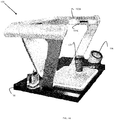
FIG. 1A is a diagram of a vison-based transaction terminal, according to an example embodiment. -
FIG. 1B is a diagram of a side view of the vision-based transaction terminal, according to an example embodiment. -
FIG. 1C is a diagram of a vision-based transaction terminal and a system for vision-based transaction processing, according to an example embodiment. -
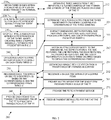
FIG. 2 is a diagram of a method for transaction processing by a vision-based transaction terminal, according to an example embodiment. -
FIG. 1A is a diagram of a vision-basedtransaction terminal 100, according to an example embodiment. - The vision-based
transaction terminal 100 comprises an elevatedfirst center camera 101A, an elevatedright camera 101 B, an elevatedleft camera 101C, an optional elevatedright speaker 102A, an optional elevatedleft speaker 102B, a center horizontal brace (bar) 103A, a right horizontal brace (bar) 104B, a left horizontal brace (bar) 103C, a center vertical brace (bar) 104A, a right vertical brace (bar) 104B, a left vertical brace (bar) 104C, and a horizontal base 105 (base 105 may optionally include an integrated weigh scale 105). - It is noted that other components of the vision-based
transaction terminal 100 are discussed below with theFIGS. 1B and1C . - The area comprised inside of
bars 103A-103C and 104A-104C abovebase 105 represents a target zone for whichcameras 101A-101C are focused for purposes of each threecameras 101A-101C to capture thee images for anything placed onbase 105 within the target zone. - Right
vertical bar 104B is attached to a right side ofbase 105 and extends vertically upward at an obtuse angle to the top horizontal surface ofbase 105. Similarly, leftvertical bar 104C is attached to a left side ofbase 105 and extends vertically upward at the obtuse angle to the top horizontal surface ofbase 105.Center bar 104A is attached to a rear side ofbase 105 and extends upward at an obtuse angle to the horizontal surface of thebase 105 or at a substantially right angle to the horizontal surface ofbase 105. - Right
horizontal bar 103B, centerhorizonal bar 103A, and lefthorizontal bar 103C form a U-shape, with a first outer end ofright bar 103B attached to a top of rightvertical bar 104B. Centerhorizontal bar 103A is attached to a top of center/backvertical bar 104A on an underside of centerhorizontal bar 103A. Lefthorizontal bar 103C is attached on the underside of lefthorizontal bar 103C to a top of leftvertical bar 104C. - Moreover, right
vertical bar 104B is angled forward and away from centerhorizontal bar 103A. Similarly, leftvertical bar 104C is angled forward and away from centerhorizontal bar 103A. Eachvertical bar 104A-104C includes a bend at the ends which attach to sides ofbase 105 before the remaining portions ofbars 104A-104C are angled at the obtuse angles from a top surface ofbase 105. - In an embodiment,
base 105 includes an integratedweight scale 105 to weight items requiring weights for item pricing. -
Center camera 101A is integrated into or affixed to a substantial center of centerhorizontal bar 103A.Right camera 101B is integrated into or affixed to righthorizontal bar 103B at the end affixed to rightvertical bar 104B.Left camera 101C is integrated into or affixed to lefthorizontal bar 104C at the end affixed to leftvertical bar 104C. Wiring and hardware associated withcameras 101A-101C are passed inside a housing ofbars 103A-103C and 104A-104C. Power and a Universal Serial Bus (USB) port for vison-basedterminal 100 is located on a bottom rear side of centervertical bar 104A. Similarly, wiring and hardware for an integratedweigh scale 105 is enclosed in a housing of base/scale 105. - When one or
more items 120 are placed on the top surface ofterminal 100,cameras 101A-101C capture images of the one or more items. Three images are taken and processed in the manners discussed herein and below for item recognition and for item processing during a transaction. -
FIG. 1B is a diagram of a side view of the vision-basedtransaction terminal 100, according to an example embodiment. - In
FIG. 1B terminal 100 includes aconnected touch display 106.Touch display 106 can also server as the processing core forterminal 100.Touch display 106 may be a modified and enhanced version of existing network-based and voice-enabled Internet-Of-Things (loTs) devices, such as Google Home®, Amazon Echo®, etc. - In an embodiment,
touch display 106 is a modified or enhanced version of an existing tablet computer. - The
entire terminal 100 with connected touch display and/orprocessing core 106 is compact enough to side on acountertop 130, such thatterminal 100 occupies substantially less space than a conventional SST and is well suited for deployment in retail environments where physical space is at a premium, such as convenience stores. - In an embodiment, other peripheral devices, such as receipt printers, cash drawers, card readers, etc. may be interfaced to
terminal 100 through the connected touch display and/orprocessing core 106. Such connections may be wireless and/or wired. -
Terminal 100 may be operated in a self-service mode by customers with assistance or placed in an assistant mode of operation for which an assistant assist a customer with a checkout atterminal 100. In the self-service mode, the terminal 100 is an SST. In the assistant mode, the terminal is a POS terminal and may include an interfaced cash drawer. - The manager in which
terminal 100 utilizescameras 101A-101C and anyintegrated weigh scale 105 with the connected touch display and/orprocessing core 105 is now discussed with reference toFIG. 1C . -
FIG. 1C is a diagram of a vision-basedtransaction terminal 100 and asystem 150 for vision-based transaction processing, according to an example embodiment. It is to be noted that the components are shown schematically in greatly simplified form, with only those components relevant to understanding of the embodiments being illustrated. - Furthermore, the various components (that are identified in the
FIG. 1 ) are illustrated and the arrangement of the components is presented for purposes of illustration only. It is to be noted that other arrangements with more or less components are possible without departing from the teachings of vision-based transaction processing, presented herein and below. - The
system 150 comprises the vision-basedtransaction terminal 100 and aserver 140. The vision-basedtransaction terminal 100 comprises threecameras 101A-101C, aright speaker 102A, aleft speaker 102B, a touch display peripheral 106, aprocessor 107, and a non-transitory computer-readable storage medium 108 comprising executable instructions representing animage manager 109, anitem recognizer 110, and atransaction manager 111. Theserver 140 comprises aprocessor 141 and a non-transitory computer-readable storage medium 141 comprising executable instructions representing atransaction manager 142. - In an embodiment and as was discussed above,
processor 107 and non-transitory computer-readable storage medium 108 havingimage manager 108,item recognizer 110, andtransaction manager 111 may physical reside within a housing associated withtouch display 106 and connected to a communication port to a rear bottom portion of centervertical bar 104A. - When a weight is detected on base/
scale 105 and/or whencameras 101A-101C detect one or more items within the target zone residing betweenvertical bars 104A-104C and on top of base/scale 105,cameras 101A-101C capture an image of the target zone. Eachcamera 101A-101C captures and provides its own independent and separate image of the target zone. - Assuming
touch display 106 was not previously interacted with by a customer to start a transaction withtransaction manager 111, the presence of one or more items in the target zone initiates a start of transaction withtransaction manager 111. - The vision-based
self checkout terminal 100 uses threecameras 101A-101C to process for depth information from multi-views of the one or more items within the target zone to solve occlusions of multiple items, which may have been placed in the target zone (may also be referred to herein as "scan zone"). Real-time object/item detection and classification models are processed byitem recognizer 110 to recognize the items placed in the scan zone. An Application Programming Interface (API) consumes the image data provided byimage manager 109, load recognition models obtained byimage recognizer 110, and add item identifiers for the items within the scan zone are added to the customer's transaction (may also be referred to as a customer's cart"). The cart is updated and connected to other endpoints via a web socket totransaction manager 143 ofserver 140 for purposes of obtaining pricing details of the items and obtaining/confirming payment atterminal 100 for the transaction/cart. -
Cameras 101A-101C capture two-dimensional (2D) Red-Green-Blue and depth-sensitive images of the scan zone to imagemanager 109.Image manager 109 transforms the images from different views into a common view.Item recognizer 110 performs real-time item detection and classification to recognize each item placed within the scan zone. A three-dimensional (3D) mapper maps pixels from the images to specific locations within the scan zone.Item recognizer 110 utilizes an API for multi-view matching to identify each unique item within a combination of items presented within the scan zone and a web socket-based update bytransaction manager 111 permits cart updating withtransaction manager 143. -
Image manager 109 obtains the three images taken bycameras 101A-101C of the items within the scan zone. The location in the pixels of each image is then mapped to physical locations within the scan zone using depth-based image processing. The location is relative to thecameras 101A-101C and mapped to the corresponding item within the scan zone. -
Image manager 109 then obtains three separate images for each item present within the scan zone and crops the pixels associated with each item in the three images based on the location determined for that item within the scan zone. At a result, each item present within the scan zone is associated with its own separate cropped image comprise those pixels associated with that specific item. Moreover, each of the three images for a single item are taken at different angles (because eachcamera 101A-101C is positioned to capture its images at a different angle from that which is associated with the remainingcameras 101A-101C). - The cropped 3 images for each item present for the items in the scan zone are then passed by
image manager 109 toitem recognizer 110. Item recognizer then utilizes item recognition models for purposes of classifying each item based on that item's three cropped images taken at the different angles and identifies each item providing a corresponding item identifier totransaction manager 111. In an embodiment,item recognizer 110 utilizes a trained machine learning algorithm by passing the cropped images for each item and item classifications to the algorithm and obtaining as output an item identifier for each item. - By using location information for known locations of items placed in the scan zone, three separate images for a single item can be obtained through cropping from the original three images taken by
cameras 101A-101C. So, for 2 items there are three original images taken by the threecameras 101A-101C.Image manager 109 uses depth processing and known locations and for each lens of eachcamera 101A-101C to distinctly identify the unique pixels in each of the three original images for each of the 2 items and crops each item's pixels, such that each item is associated with three images and there are six total images (each image associated with its own three-cropped images. This substantially reduces the item recognition processing needed byitem recognizer 110 and further makes item recognition more accurate foritem recognizer 110. -
Item recognizer 110 can then uses models, pixel features, edge detection, color attributes, dimensions, etc. to classify the three images for each item into item categories and perform item recognition on the item. An item identifier is then provided totransaction manager 111 andtransaction manager 111 interacts withtransaction manager 143 to obtain item details and item pricing allowing the cart/transaction to be updated and subsequently paid for by the customer atterminal 100. - It is noted that the terminal 100 is presented for illustration and the recited dimensions and configuration of components for
terminal 100 provide one embodiment ofterminal 100. More or less components arranged in other dimensions and configurations that utilize the 3cameras 101A-101C for performing vision-based self-checkouts are intended to also fall within the scope of the teachings presented herein. - These embodiments and other embodiments are now discussed with reference to the
FIG. 2 . -
FIG. 2 is a diagram of amethod 200 for transaction processing by a vision-based transaction terminal, according to an example embodiment. The software module(s) that implements themethod 200 is referred to as a "vison-based transaction manager." The vison-based transaction manager is implemented as executable instructions programmed and residing within memory and/or a non-transitory computer-readable (processor-readable) storage medium and executed by one or more processors of a device. The processor(s) of the device that executes the vison-based transaction manager are specifically configured and programmed to process the vison-based transaction manager. The vison-based transaction manager has access to one or more network connections during its processing. The network connections can be wired, wireless, or a combination of wired and wireless. - In an embodiment, the vison-based
transaction terminal 100 executes the vison-based transaction manager. In an embodiment, the terminal 110 is an SST operated by a customer during a transaction or a POS terminal operated by an attendant on behalf of a customer during a transaction. - In an embodiment, the vison-based transaction manager is all or some combination of
image manager 109,item recognizer 110, and/ortransaction manager 111. - At 210, the vison-based transaction manager obtains three images within a scan zone of a vision-based transaction terminal.
- In an embodiment, at 211, the vison-based transaction manager obtains the three images from three separately situated cameras of the vision-based transaction terminal when one or more of the items are placed on a base of the vision-based transaction terminal.
- At 220, the vison-based transaction manager determines an item location for each item present within scan zone from the three images.
- In an embodiment, at 221, the vision-based transaction manager determines the item location for each item from the three images based on known locations and orientations of the three cameras.
- At 230, the vison-based transaction manager crops out pixels associated with each item from each of the three images creating three cropped images for each item present within the scan zone.
- At 240, the vison-based transaction manager categorizes each item into an item category based on each item's three cropped images.
- In an embodiment, at 241, the vision-based transaction manager extracts dimensions, depth features, size features, line features, edge features, packaging features, and color features from each item's three cropped images.
- In an embodiment of 241 and at 242, the vision-based transaction manager matches an item category model to the dimensions, the depth features, the size features, the line features, the edge features, the packaging features, and the color features for each item's three cropped images to obtain the corresponding item's item category.
- At 250, the vison-based transaction manager recognizes each item with a unique item identifier based on the corresponding item category and the corresponding item's three cropped images.
- In an embodiment, at 251, the vision-based transaction manager obtains each unique item identifier for each item from a trained machine learning algorithm.
- In an embodiment, at 252, the vision-based transaction manager recognizes a single item as being present within the scan zone or recognizing more than one item as being present within the scan zone.
- At 260, the vison-based transaction manager provides each item identifier to a transaction manager of the vision-based transaction terminal to process a transaction at the vision-based transaction terminal.
- In an embodiment of 252 and 260, at 261, the vision-based transaction manager provides an item weight for the single item, wherein the item weight is received from an integrated scale of the vision-based transaction terminal.
- In an embodiment, at 270, the vison-based transaction manager receives payment details for the transaction at the vision-based transaction terminal.
- In an embodiment of 270 and at 271, the vison-based transaction manager provides the payment details to a payment service over a network connection to complete the transaction.
- It should be appreciated that where software is described in a particular form (such as a component or module) this is merely to aid understanding and is not intended to limit how software that implements those functions may be architected or structured. For example, modules are illustrated as separate modules, but may be implemented as homogenous code, as individual components, some, but not all of these modules may be combined, or the functions may be implemented in software structured in any other convenient manner.
- Furthermore, although the software modules are illustrated as executing on one piece of hardware, the software may be distributed over multiple processors or in any other convenient manner.
- The above description is illustrative, and not restrictive. Many other embodiments will be apparent to those of skill in the art upon reviewing the above description. The scope of embodiments should therefore be determined with reference to the appended claims, along with the full scope of equivalents to which such claims are entitled.
- In the foregoing description of the embodiments, various features are grouped together in a single embodiment for the purpose of streamlining the disclosure. This method of disclosure is not to be interpreted as reflecting that the claimed embodiments have more features than are expressly recited in each claim. Rather, as the following claims reflect, inventive subject matter lies in less than all features of a single disclosed embodiment. Thus, the following claims are hereby incorporated into the Description of the Embodiments, with each claim standing on its own as a separate exemplary embodiment.
Claims (15)
- A method, comprising:obtaining three images within a scan zone of a vision-based transaction terminal;determining an item location for each item present within scan zone from the three images;cropping out pixels associated with each item from each of the three images creating three cropped images for each item present within the scan zone;categorizing each item into an item category based on each item's three cropped images;recognizing each item with a unique item identifier based on the corresponding item category and the corresponding item's three cropped images;providing each item identifier to a transaction manager of the vision-based transaction terminal to process a transaction at the vision-based transaction terminal.
- The method of claim 1 further comprising, receiving payment details for the transaction at the vision-based transaction terminal; and optionally further comprising providing the payment details to a payment service over a network connection to complete the transaction.
- The method of claim 1, wherein obtaining further includes obtaining the three images from three separately situated cameras of the vision-based transaction terminal when one or more of the items are placed on a base of the vision-based transaction terminal.
- The method of claim 1, wherein determining further includes determining the item location for each item from the three images based on known locations and orientations of the three cameras.
- The method of claim 1, wherein categorizing further includes extracting dimensions, depth features, size features, line features, edge features, packaging features, and color features from each item's three cropped images; and optionally wherein extracting further includes matching an item category model to the dimensions, the depth features, the size features, the line features, the edge features, the packaging features, and the color features for each item's three cropped images to obtain the corresponding item's item category.
- The method of claim 1, wherein recognizing further includes obtaining each unique item identifier for each item from a trained machine learning algorithm.
- The method of claim 1, wherein recognizing further includes recognizing a single item as being present within the scan zone or recognizing more than one item as being present within the scan zone; and optionally wherein providing further includes providing an item weight for the single item, wherein the item weight is received from an integrated scale of the vision-based transaction terminal.
- A vision-based transaction terminal, comprising:a scan area;three cameras situated above the scan area;a touch display;a processor;a non-transitory computer-readable storage medium comprising executable instructions; andthe executable instructions when executed by the processor from the non-transitory computer-readable storage medium cause the processor to perform processing comprising;receiving three images of the scan area when one or more items are placed within the scan area;cropping the three images into a set of cropped images for each item that was present within the scan area;extracting specific item features from that item's set of cropped images;classifying each item present within the scan area bases on that item's cropped images and the corresponding specific item features;providing an item identifier for each item present within the scan area;obtaining item pricing and item details for each item present within the scan area based on the corresponding item identifier; andprocessing a transaction from the vision-based transaction terminal based on the item pricing and the item details.
- The vision-based transaction terminal of claim 8 further comprising a base situated at the bottom of the scan area.
- The vision-based transaction terminal of claim 9, wherein the base comprises an integrated weigh scale to record item weights for any single item present on the base within the scan area.
- The vision-based transaction terminal of claim 10 further comprising three vertically situated bars attached to three sides of the base and extending upward from the base at an obtuse angle.
- The vision-based transaction terminal of claim 11, wherein the three vertically situated bars comprise a right bar attached to a right side of the base, a left bar attached to a left side of the base, and a center bar attached to a rear-center side of the base; and optionally further comprising three horizontal bars forming a U-shape and attached to tops of the three vertically situated bars; and optionally wherein the three cameras are integrated or attached to the tops of the three vertically situated bars and focused downward onto the scan area.
- A system, comprising:a server; anda vision-based transaction terminal comprising a scan area, three overhead cameras situated above the scan area and on three sides of the scan area, an a touch display;wherein the vision-based transaction terminal is configured to use three images captured by the three overhead cameras to determine how many items are placed in the scan area, identify each of the items present within the scan area, provide item identifiers to the server for each of the items present within the scan area, obtain item details and item pricing from the server, display item details and item pricing on the touch display, and complete a payment for a transaction associated with each of the items present within the scan area based on input received from the touch display and interaction with the server.
- The system of claim 13, vision-based transaction terminal further comprises an integrated weigh scale situated as a base within the scan area; and optionally wherein each of the three overhead cameras are situated on a top of a vertically extending pole that extends out from a side of the base.
- The system of claim 13, wherein each of the three overhead cameras provide depth metadata used by the executable instructions to determine item locations for the items present within the scan area.
Applications Claiming Priority (1)
| Application Number | Priority Date | Filing Date | Title |
|---|---|---|---|
| US16/915,035 US11134798B1 (en) | 2020-06-29 | 2020-06-29 | Vision-based frictionless self-checkouts for small baskets |
Publications (2)
| Publication Number | Publication Date |
|---|---|
| EP3933689A1 true EP3933689A1 (en) | 2022-01-05 |
| EP3933689B1 EP3933689B1 (en) | 2026-02-25 |
Family
ID=76584344
Family Applications (1)
| Application Number | Title | Priority Date | Filing Date |
|---|---|---|---|
| EP21181006.4A Active EP3933689B1 (en) | 2020-06-29 | 2021-06-22 | Vision-based frictionless self-checkouts for small baskets |
Country Status (2)
| Country | Link |
|---|---|
| US (4) | US11134798B1 (en) |
| EP (1) | EP3933689B1 (en) |
Families Citing this family (22)
| Publication number | Priority date | Publication date | Assignee | Title |
|---|---|---|---|---|
| US20230345093A1 (en) * | 2015-10-13 | 2023-10-26 | Ncr Corporation | Open frame camera support assembly for self-service checkout terminals |
| USD1063920S1 (en) * | 2022-09-09 | 2025-02-25 | Ncr Voyix Corporation | Self-service terminal |
| JP2020154588A (en) * | 2019-03-19 | 2020-09-24 | グローリー株式会社 | Paper leaf processing equipment |
| US12333813B2 (en) | 2020-03-26 | 2025-06-17 | Walmart Apollo, Llc | Apparatus and method to facilitate identification of items |
| CA3173481A1 (en) * | 2020-03-26 | 2021-09-30 | Dhanashree Palande | Systems and methods for detecting a mis-scan of an item for purchase |
| MX2022011884A (en) * | 2020-03-26 | 2022-10-21 | Walmart Apollo Llc | Systems and methods of detecting fraudulent activity at self-checkout terminals. |
| US12541738B2 (en) | 2020-04-22 | 2026-02-03 | Walmart Apollo, Llc | Methods and systems for monitoring on-shelf inventory and detecting out of stock events |
| US12299629B2 (en) | 2020-04-22 | 2025-05-13 | Walmart Apollo, Llc | Systems and methods of defining and identifying product display areas on product display shelves |
| US11134798B1 (en) * | 2020-06-29 | 2021-10-05 | Ncr Corporation | Vision-based frictionless self-checkouts for small baskets |
| CN115862043A (en) * | 2021-09-23 | 2023-03-28 | 枫熊有限公司 | Systems and methods for commodity identification |
| US12169820B2 (en) * | 2022-03-18 | 2024-12-17 | Toshiba Global Commerce Solutions Holdings Corporation | Bi-optic object classification system |
| US20240029144A1 (en) * | 2022-07-21 | 2024-01-25 | Lee Cuthbert | Intelligent electronic shopping system with support for multiple orders |
| US12141775B2 (en) * | 2022-07-29 | 2024-11-12 | Zebra Technologies Corporation | Weight check for verification of ticket switching |
| CA3260384A1 (en) | 2022-08-03 | 2024-02-08 | Everseen Limited | Self-checkout device |
| USD1063922S1 (en) * | 2022-09-09 | 2025-02-25 | Ncr Voyix Corporation | Self-service terminal |
| USD1063923S1 (en) * | 2022-09-09 | 2025-02-25 | Ncr Voyix Corporation | Self-service terminal |
| USD1063921S1 (en) * | 2022-09-09 | 2025-02-25 | Ncr Voyix Corporation | Self-service terminal |
| WO2024177746A1 (en) * | 2023-01-14 | 2024-08-29 | Radiusai, Inc. | Point of sale station for assisted checkout system |
| EP4462384A4 (en) * | 2023-02-21 | 2025-08-06 | Hanshow Technology Co Ltd | PRODUCT RECOGNITION DEVICE AND METHOD |
| EP4485323A1 (en) * | 2023-06-28 | 2025-01-01 | NCR Voyix Corporation | Open frame camera support assembly for self-service checkout terminals |
| US12380488B2 (en) * | 2023-06-30 | 2025-08-05 | Ncr Voyix Corporation | System and method for providing large basket vision checkout |
| US20250232278A1 (en) * | 2024-01-12 | 2025-07-17 | Ncr Voyix Corporation | Integration of disparate item scanning for checkouts |
Citations (2)
| Publication number | Priority date | Publication date | Assignee | Title |
|---|---|---|---|---|
| US20190005343A1 (en) * | 2017-04-26 | 2019-01-03 | Mashgin Inc. | Fast item identification for checkout counter |
| CN210072835U (en) * | 2019-04-15 | 2020-02-14 | 阿里巴巴集团控股有限公司 | Self-service cashier desk |
Family Cites Families (13)
| Publication number | Priority date | Publication date | Assignee | Title |
|---|---|---|---|---|
| US7481360B1 (en) * | 1998-04-17 | 2009-01-27 | Diebold Self-Service Systems Division Of Diebold, Incorporated | Cash dispensing automated banking machine with instructional electronic ink displays |
| US8442304B2 (en) * | 2008-12-29 | 2013-05-14 | Cognex Corporation | System and method for three-dimensional alignment of objects using machine vision |
| US8494909B2 (en) * | 2009-02-09 | 2013-07-23 | Datalogic ADC, Inc. | Automatic learning in a merchandise checkout system with visual recognition |
| JP5316118B2 (en) * | 2009-03-12 | 2013-10-16 | オムロン株式会社 | 3D visual sensor |
| US9245425B2 (en) * | 2013-02-14 | 2016-01-26 | Symbol Technologies, Llc | Produce lift apparatus |
| JP6867182B2 (en) * | 2017-02-07 | 2021-04-28 | 東芝テック株式会社 | Information processing equipment and programs |
| US10803292B2 (en) * | 2017-04-26 | 2020-10-13 | Mashgin Inc. | Separation of objects in images from three-dimensional cameras |
| US10467454B2 (en) * | 2017-04-26 | 2019-11-05 | Mashgin Inc. | Synchronization of image data from multiple three-dimensional cameras for image recognition |
| US10891480B2 (en) * | 2018-09-27 | 2021-01-12 | Ncr Corporation | Image zone processing |
| US10824868B2 (en) * | 2018-09-27 | 2020-11-03 | Ncr Corporation | Image processing for determining relationships between tracked objects |
| US12536548B2 (en) * | 2019-03-28 | 2026-01-27 | Ncr Voyix Corporation | Frictionless and unassisted return processing |
| US11966900B2 (en) * | 2019-07-19 | 2024-04-23 | Walmart Apollo, Llc | System and method for detecting unpaid items in retail store transactions |
| US11134798B1 (en) * | 2020-06-29 | 2021-10-05 | Ncr Corporation | Vision-based frictionless self-checkouts for small baskets |
-
2020
- 2020-06-29 US US16/915,035 patent/US11134798B1/en active Active
-
2021
- 2021-06-08 US US17/341,699 patent/US11375827B2/en active Active
- 2021-06-22 EP EP21181006.4A patent/EP3933689B1/en active Active
-
2022
- 2022-03-21 US US17/699,484 patent/US11944215B2/en active Active
-
2024
- 2024-04-01 US US18/623,799 patent/US12532976B2/en active Active
Patent Citations (2)
| Publication number | Priority date | Publication date | Assignee | Title |
|---|---|---|---|---|
| US20190005343A1 (en) * | 2017-04-26 | 2019-01-03 | Mashgin Inc. | Fast item identification for checkout counter |
| CN210072835U (en) * | 2019-04-15 | 2020-02-14 | 阿里巴巴集团控股有限公司 | Self-service cashier desk |
Non-Patent Citations (1)
| Title |
|---|
| WANG QI ET AL: "MetaSearch: Incremental Product Search via Deep Meta-Learning", IEEE TRANSACTIONS ON IMAGE PROCESSING, IEEE, USA, vol. 29, 27 June 2020 (2020-06-27), pages 7549 - 7564, XP011798382, ISSN: 1057-7149, [retrieved on 20200710], DOI: 10.1109/TIP.2020.3004249 * |
Also Published As
| Publication number | Publication date |
|---|---|
| US11134798B1 (en) | 2021-10-05 |
| EP3933689B1 (en) | 2026-02-25 |
| US20210401192A1 (en) | 2021-12-30 |
| US11944215B2 (en) | 2024-04-02 |
| US20220202210A1 (en) | 2022-06-30 |
| US11375827B2 (en) | 2022-07-05 |
| US12532976B2 (en) | 2026-01-27 |
| US20240324797A1 (en) | 2024-10-03 |
Similar Documents
| Publication | Publication Date | Title |
|---|---|---|
| US12532976B2 (en) | Vision-based frictionless self-checkouts for small baskets | |
| CN107103503B (en) | Order information determining method and device | |
| CN109726759B (en) | Unmanned vending method, apparatus, system, electronic device and computer readable medium | |
| US10758066B2 (en) | Methods and a system for self-checkout processing | |
| US20230076008A1 (en) | Decentralized Self-Service Checkouts | |
| EP3933677B1 (en) | Image processing-based occluded items detection for self-checkout systems | |
| JP7446403B2 (en) | Product recognition of multiple products for checkout | |
| JP2004127013A (en) | Point of sale information management device | |
| JP2022039930A (en) | Self transaction processing method using computer vision and transaction processing system therefor | |
| GB2543907A (en) | Systems and methods of object identification and database creation | |
| US20230252750A1 (en) | Multiview association of multiple items for item recognition | |
| EP3293685A1 (en) | Information processing apparatus that identifies an item based on a captured image thereof | |
| JP2021103349A (en) | Information process system, information processing device, and information processing method | |
| WO2021112234A1 (en) | Information processing system, information processing device, and information processing method | |
| JP7791138B2 (en) | Product image storage device and program | |
| JP7322945B2 (en) | Processing device, processing method and program | |
| CN112154488B (en) | Information processing device, control method and program | |
| EP4462384A1 (en) | Commodity recognition apparatus and method | |
| JP7343047B2 (en) | Processing equipment, processing method and program | |
| CN102789569B (en) | Code reading device and code read method | |
| JP7193269B2 (en) | Product information reader and program | |
| JP7854960B2 (en) | Imaging device and program | |
| JP7634911B1 (en) | Front-end sorting device and POS terminal | |
| JP7325138B2 (en) | Information processing device, information processing method and program | |
| US12469020B2 (en) | Interruption free vision checkout |
Legal Events
| Date | Code | Title | Description |
|---|---|---|---|
| PUAI | Public reference made under article 153(3) epc to a published international application that has entered the european phase |
Free format text: ORIGINAL CODE: 0009012 |
|
| STAA | Information on the status of an ep patent application or granted ep patent |
Free format text: STATUS: REQUEST FOR EXAMINATION WAS MADE |
|
| 17P | Request for examination filed |
Effective date: 20210622 |
|
| AK | Designated contracting states |
Kind code of ref document: A1 Designated state(s): AL AT BE BG CH CY CZ DE DK EE ES FI FR GB GR HR HU IE IS IT LI LT LU LV MC MK MT NL NO PL PT RO RS SE SI SK SM TR |
|
| B565 | Issuance of search results under rule 164(2) epc |
Effective date: 20211119 |
|
| STAA | Information on the status of an ep patent application or granted ep patent |
Free format text: STATUS: EXAMINATION IS IN PROGRESS |
|
| P01 | Opt-out of the competence of the unified patent court (upc) registered |
Effective date: 20230506 |
|
| 17Q | First examination report despatched |
Effective date: 20230602 |
|
| RAP3 | Party data changed (applicant data changed or rights of an application transferred) |
Owner name: NCR VOYIX CORPORATION |
|
| REG | Reference to a national code |
Ref country code: DE Ref legal event code: R079 Free format text: PREVIOUS MAIN CLASS: G06K0009460000 Ipc: G06V0020640000 Ref country code: DE Ref legal event code: R079 Ref document number: 602021048550 Country of ref document: DE Free format text: PREVIOUS MAIN CLASS: G06K0009460000 Ipc: G06V0020640000 |
|
| GRAP | Despatch of communication of intention to grant a patent |
Free format text: ORIGINAL CODE: EPIDOSNIGR1 |
|
| STAA | Information on the status of an ep patent application or granted ep patent |
Free format text: STATUS: GRANT OF PATENT IS INTENDED |
|
| RIC1 | Information provided on ipc code assigned before grant |
Ipc: G06V 20/64 20220101AFI20250905BHEP Ipc: G06V 10/40 20220101ALI20250905BHEP Ipc: G06V 10/764 20220101ALI20250905BHEP Ipc: G06V 10/80 20220101ALI20250905BHEP Ipc: A47F 9/04 20060101ALI20250905BHEP Ipc: G06Q 20/20 20120101ALI20250905BHEP Ipc: G06V 20/52 20220101ALI20250905BHEP Ipc: G07G 1/00 20060101ALI20250905BHEP |
|
| INTG | Intention to grant announced |
Effective date: 20250923 |
|
| GRAS | Grant fee paid |
Free format text: ORIGINAL CODE: EPIDOSNIGR3 |
|
| GRAA | (expected) grant |
Free format text: ORIGINAL CODE: 0009210 |
|
| STAA | Information on the status of an ep patent application or granted ep patent |
Free format text: STATUS: THE PATENT HAS BEEN GRANTED |
|
| AK | Designated contracting states |
Kind code of ref document: B1 Designated state(s): AL AT BE BG CH CY CZ DE DK EE ES FI FR GB GR HR HU IE IS IT LI LT LU LV MC MK MT NL NO PL PT RO RS SE SI SK SM TR |
|
| REG | Reference to a national code |
Ref country code: CH Ref legal event code: F10 Free format text: ST27 STATUS EVENT CODE: U-0-0-F10-F00 (AS PROVIDED BY THE NATIONAL OFFICE) Effective date: 20260225 Ref country code: GB Ref legal event code: FG4D |
|
| REG | Reference to a national code |
Ref country code: DE Ref legal event code: R096 Ref document number: 602021048550 Country of ref document: DE |
|
| REG | Reference to a national code |
Ref country code: IE Ref legal event code: FG4D |