EP3933686B1 - Videoverarbeitungsmethode, geräte, elektronisches gerät, speichermedium und programmprodukt - Google Patents
Videoverarbeitungsmethode, geräte, elektronisches gerät, speichermedium und programmprodukt Download PDFInfo
- Publication number
- EP3933686B1 EP3933686B1 EP21201637.2A EP21201637A EP3933686B1 EP 3933686 B1 EP3933686 B1 EP 3933686B1 EP 21201637 A EP21201637 A EP 21201637A EP 3933686 B1 EP3933686 B1 EP 3933686B1
- Authority
- EP
- European Patent Office
- Prior art keywords
- information
- video
- video frames
- neural network
- network model
- Prior art date
- Legal status (The legal status is an assumption and is not a legal conclusion. Google has not performed a legal analysis and makes no representation as to the accuracy of the status listed.)
- Active
Links
Images



Classifications
-
- H—ELECTRICITY
- H04—ELECTRIC COMMUNICATION TECHNIQUE
- H04N—PICTORIAL COMMUNICATION, e.g. TELEVISION
- H04N21/00—Selective content distribution, e.g. interactive television or video on demand [VOD]
- H04N21/80—Generation or processing of content or additional data by content creator independently of the distribution process; Content per se
- H04N21/83—Generation or processing of protective or descriptive data associated with content; Content structuring
- H04N21/845—Structuring of content, e.g. decomposing content into time segments
-
- G—PHYSICS
- G06—COMPUTING OR CALCULATING; COUNTING
- G06V—IMAGE OR VIDEO RECOGNITION OR UNDERSTANDING
- G06V20/00—Scenes; Scene-specific elements
- G06V20/40—Scenes; Scene-specific elements in video content
- G06V20/46—Extracting features or characteristics from the video content, e.g. video fingerprints, representative shots or key frames
-
- G—PHYSICS
- G06—COMPUTING OR CALCULATING; COUNTING
- G06F—ELECTRIC DIGITAL DATA PROCESSING
- G06F18/00—Pattern recognition
- G06F18/20—Analysing
- G06F18/22—Matching criteria, e.g. proximity measures
-
- G—PHYSICS
- G06—COMPUTING OR CALCULATING; COUNTING
- G06F—ELECTRIC DIGITAL DATA PROCESSING
- G06F18/00—Pattern recognition
- G06F18/20—Analysing
- G06F18/25—Fusion techniques
-
- G—PHYSICS
- G06—COMPUTING OR CALCULATING; COUNTING
- G06F—ELECTRIC DIGITAL DATA PROCESSING
- G06F18/00—Pattern recognition
- G06F18/20—Analysing
- G06F18/25—Fusion techniques
- G06F18/253—Fusion techniques of extracted features
-
- G—PHYSICS
- G06—COMPUTING OR CALCULATING; COUNTING
- G06N—COMPUTING ARRANGEMENTS BASED ON SPECIFIC COMPUTATIONAL MODELS
- G06N3/00—Computing arrangements based on biological models
- G06N3/02—Neural networks
- G06N3/04—Architecture, e.g. interconnection topology
- G06N3/045—Combinations of networks
-
- G—PHYSICS
- G06—COMPUTING OR CALCULATING; COUNTING
- G06V—IMAGE OR VIDEO RECOGNITION OR UNDERSTANDING
- G06V10/00—Arrangements for image or video recognition or understanding
- G06V10/70—Arrangements for image or video recognition or understanding using pattern recognition or machine learning
- G06V10/77—Processing image or video features in feature spaces; using data integration or data reduction, e.g. principal component analysis [PCA] or independent component analysis [ICA] or self-organising maps [SOM]; Blind source separation
- G06V10/80—Fusion, i.e. combining data from various sources at the sensor level, preprocessing level, feature extraction level or classification level
- G06V10/806—Fusion, i.e. combining data from various sources at the sensor level, preprocessing level, feature extraction level or classification level of extracted features
-
- G—PHYSICS
- G06—COMPUTING OR CALCULATING; COUNTING
- G06V—IMAGE OR VIDEO RECOGNITION OR UNDERSTANDING
- G06V20/00—Scenes; Scene-specific elements
- G06V20/40—Scenes; Scene-specific elements in video content
- G06V20/48—Matching video sequences
-
- G—PHYSICS
- G06—COMPUTING OR CALCULATING; COUNTING
- G06V—IMAGE OR VIDEO RECOGNITION OR UNDERSTANDING
- G06V20/00—Scenes; Scene-specific elements
- G06V20/40—Scenes; Scene-specific elements in video content
- G06V20/49—Segmenting video sequences, i.e. computational techniques such as parsing or cutting the sequence, low-level clustering or determining units such as shots or scenes
-
- H—ELECTRICITY
- H04—ELECTRIC COMMUNICATION TECHNIQUE
- H04N—PICTORIAL COMMUNICATION, e.g. TELEVISION
- H04N21/00—Selective content distribution, e.g. interactive television or video on demand [VOD]
- H04N21/40—Client devices specifically adapted for the reception of or interaction with content, e.g. set-top-box [STB]; Operations thereof
- H04N21/43—Processing of content or additional data, e.g. demultiplexing additional data from a digital video stream; Elementary client operations, e.g. monitoring of home network or synchronising decoder's clock; Client middleware
- H04N21/44—Processing of video elementary streams, e.g. splicing a video clip retrieved from local storage with an incoming video stream or rendering scenes according to encoded video stream scene graphs
- H04N21/4402—Processing of video elementary streams, e.g. splicing a video clip retrieved from local storage with an incoming video stream or rendering scenes according to encoded video stream scene graphs involving reformatting operations of video signals for household redistribution, storage or real-time display
-
- H—ELECTRICITY
- H04—ELECTRIC COMMUNICATION TECHNIQUE
- H04N—PICTORIAL COMMUNICATION, e.g. TELEVISION
- H04N21/00—Selective content distribution, e.g. interactive television or video on demand [VOD]
- H04N21/80—Generation or processing of content or additional data by content creator independently of the distribution process; Content per se
- H04N21/85—Assembly of content; Generation of multimedia applications
- H04N21/854—Content authoring
-
- H—ELECTRICITY
- H04—ELECTRIC COMMUNICATION TECHNIQUE
- H04N—PICTORIAL COMMUNICATION, e.g. TELEVISION
- H04N5/00—Details of television systems
- H04N5/222—Studio circuitry; Studio devices; Studio equipment
- H04N5/262—Studio circuits, e.g. for mixing, switching-over, change of character of image, other special effects ; Cameras specially adapted for the electronic generation of special effects
- H04N5/265—Mixing
Definitions
- the present disclosure relates to the field of artificial intelligence, and in particular to the fields of deep learning, model training, knowledge mapping, video processing and the like.
- Electronic devices like portable devices and mobile phone terminals etc. are more intelligent than before, and the parsing capabilities of chips are stronger, especially video information parsing, picture rendering, and the like are faster and clearer than before, so that the requirement of users on the video image quality is higher than before.
- high-timeliness scenes such as a parade scene, sports events, real-time video live broadcasting and the like
- the users want to capture wonderful pictures of each video in moments, which requires more accurate and clearer video pictures.
- the video splitting can be achieved manually, but this will not only consume a large amount of labor costs, but also cannot meet the requirement of the high-timeliness scene.
- the content information such as texts, objects, actions in a video and the like
- the continuity of video events such as scene switching caused by shot transformation and the like
- US2018/082127A1 discloses a video segmentation system that can be utilized to automate segmentation of digital video content.
- Features corresponding to visual, audio, and/or textual content of the video can be extracted from frames of the video.
- the extracted features of adjacent frames are compared according to a similarity measure to determine boundaries of a first set of shots or video segments distinguished by abrupt transitions.
- the first set of shots is analyzed according to certain heuristics to recognize a second set of shots distinguished by gradual transitions.
- Key frames can be extracted from the first and second set of shots, and the key frames can be used by the video segmentation system to group the first and second set of shots by scene. Additional processing can be performed to associate metadata, such as names of actors or titles of songs, with the detected scenes.
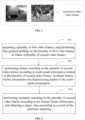
- a plurality of first video frames can be acquired, and fine-grained splitting is performed on the plurality of first video frames to obtain a plurality of second video frames.
- Feature encoding can be performed on the plurality of second video frames according to multi-mode information related to the plurality of second video frames, to obtain feature fusion information for characterizing fusion of the multi-mode information.
- Similarity matching is performed on the plurality of second video frames according to the feature fusion information, and a target video can be obtained according to a result of the similarity matching. Since the feature encoding can be performed based on the multi-mode information to obtain information containing more details of the video content, the target video obtained according to the similarity matching is more precise, thereby improving the accuracy of the video splitting.
- a and/or B can represent three cases of A existing alone, A and B existing simultaneously, and B existing alone.
- at least one means any one of the plurality or any combination of at least two of the plurality, e.g., including at least one of A, B, and C, that can represent including any one or more elements selected from the group consisting of A, B, and C.
- first and second mean a plurality of similar technical terms and are used to distinguish among the plurality of similar technical terms, and are not meant to limit the order or to limit only two.
- a first feature and a second feature mean two types of features/two features, wherein there can be one or more first features, and there can also be one or more second features.
- Video splitting is secondary processing of traditional television media programs due to the requirement of an Internet video and new media short video content platform, that is, a piece of original complete program content is split into a plurality of videos according to a certain logic thinking or a specific need.
- Main sources of the Internet video content include programs of traditional television media, video finished products of various organizations and movie and television works of movie and television companies.
- IPTV interactive network televisions
- OTTs mobile phone televisions and new media short video platforms
- the traditional manual video splitting technology is performing the clipping and video splitting on a video by manpower, the processing time is long, the capacity is improved slowly in the case of a large number of videos, so that the technology cannot be applied to scenes with high timeliness and the like, which not only consumes a large amount of time and experience, but also cannot meet the requirements of economic cost and timeliness.
- non-manual video splitting techniques such as a non-machine learning traditional video splitting algorithm
- video splitting can be performed based on hue and block matching, only visual information between pictures and shots is taken into account, and the content information of video frames cannot be fully understood.
- Another example is a video splitting technology based on machine learning.
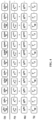
- the video splitting can be performed based on a clustering method (including extraction of key frames, description of image features, clustering and the like), the continuity of video events is not taken into account, such that for videos that multishot continuous transformations exists in some scenes with relatively frequent shot switching (such as perfect moments constituted by a plurality of video frames in a sporting event shown in FIG. 1 and the like) or scenes with complex events, the effect of video splitting is poor, and the accuracy rate of video splitting is low.
- a clustering method including extraction of key frames, description of image features, clustering and the like
- FIG. 2 is a schematic flow diagram of a video processing method According to an embodiment of the present disclosure.
- the method can be applied to a video processing apparatus.
- the apparatus can be deployed to be executed by a terminal or a server or other processing devices, video frame splitting, video frame feature encoding, video frame similarity matching can be performed to obtain a final target video, etc.
- the terminal can be user equipment (UE), a mobile device, a cellular phone, a cordless phone, a personal digital assistant (PDA), a handheld device, a computing device, a vehicle-mounted device, a wearable device, etc.
- the method can also be implemented by a processor invoking computer-readable instructions stored in a memory. As shown in FIG. 2 , the method includes:
- the fine-grained splitting can be performed on the plurality of first video frames according to a parameter for characterizing shot and color transformation to obtain the plurality of second video frames.
- parameters for characterizing the shot and color transformation can include: performing the video splitting based on block matching in the video, performing the video splitting based on a statistical decision, performing the video splitting based on a two-threshold comparison (by setting a comparison of two thresholds to distinguish whether there is a shot mutation or shot gradient), etc.
- the parameters for characterizing the shot and color transformation can include performing the video splitting based on hue.
- feature extraction and feature fusion processing can be performed on the plurality of second video frames according to the multi-mode information to obtain the feature fusion information.
- the feature fusion processing refers to that a plurality of neural network models or a neural network model integrated into multifunctional extraction can be used as an expert model, to respectively perform feature extraction on the multi-mode information related to the second video frames.
- the multi-mode information includes: at least one of knowledge map information, the text information, the audio information, the hue information, the object information, and the action information.
- similarities of the plurality of second video frames are scored according to the feature fusion information, and a result of the scoring is taken as the result of the similarity matching; in a case that the result of the similarity matching is that adjacent video frames for a same event content are similar, video merging is performed on the adj acent video frames until completing merging of the plurality of second video frames according to the adjacent video frames, respectively, and the target video is obtained according to a result of the video merging.
- a plurality of first video frames can be acquired, and fine-grained splitting is performed on the plurality of first video frames to obtain a plurality of second video frames.
- Feature encoding can be performed on the plurality of second video frames according to multi-mode information related to the plurality of second video frames, to obtain feature fusion information for characterizing fusion of the multi-mode information.
- Similarity matching is performed on the plurality of second video frames according to the feature fusion information, and a target video can be obtained according to a result of the similarity matching. Since the feature encoding can be performed based on the multi-mode information to obtain information containing more details of the video content, the target video obtained according to the similarity matching is more precise, thereby improving the accuracy of the video splitting.
- S201-S203 described above can be implemented by a video splitting module, a multi-mode feature encoding module, a similarity matching module (primarily performing similarity matching on adjacent video segments), and a video frame splicing module.
- the fine-grained splitting can be performed on the acquired plurality of first video frames according to the shot and color transformation to obtain a plurality of second video frames.
- Feature encoding (such as feature extraction and feature fusion of the multi-mode information) is performed on the plurality of second video frames input into the multi-mode feature encoding module according to the multi-mode information, to obtain feature information fused with the multi-mode information.
- the feature information is input into the similarity matching module to perform the video similarity matching to obtain a result of the similarity matching (such as a result of scoring a similarity).
- a result of the similarity matching is that two adjacent video frames for a same event content are similar
- the video merging is performed on the two adjacent video frames for the same event content by the video segment splicing module, to obtain a final result of the video splitting of video processing. Because the similarity matching for the same event content pays more attention to the similarities on the details of the video content, the video splitting is more accurate, greatly improving the accuracy of the final result of the video splitting.
- the method further includes: identifying the multi-mode information from the plurality of second video frames according to a pre-trained first neural network model.
- the first neural network model can be composed of a plurality of expert models or can be a neural network integrated with respective functions of a plurality of expert models.
- the first neural network model can include: a knowledge map extractor, a text extractor, an audio extractor, a hue extractor, an object extractor, and an action extractor.
- knowledge map information (such as knowledge features) can be identified according to a knowledge map extractor (or referred to as a knowledge map-based structured tag embedding extractor) in the first neural network model; text information (such as text features) can be identified according to a text extractor (or referred to as a text-based text embedding extractor) in the first neural network model; audio information (such as audio features) can be identified according to an audio extractor (or referred to as an audio-based audio embedding extractor) in the first neural network model; hue information (such as RGB features) can be identified according to a hue extractor (or referred to as an image-based RGB extractor) in the first neural network model; object information (such as object features) can be identified according to an object extractor (or referred to as an object detection-based object feature extractor) in the first neural network model; and, action information (e.g., action features) can be identified according to an action extractor (an action identification-based action embedding extractor) in the first neural network model.
- the intelligent video splitting technology of the present disclosure and a plurality of expert models based on machine learning are combined, to implement feature identification, feature extraction and feature fusion of multi-mode information. Furthermore, similarity comparison is achieved for the fused feature information (referred to as feature fusion information), so that more sufficient video content detail information can be obtained to deeply understand video content and event knowledge, and then the most precise result of the video splitting is obtained, greatly improving the accuracy of the final result of the video splitting.
- feature fusion information fused feature information
- the multi-mode information can be identified and extracted from the plurality of second video frames according to a pre-trained first neural network model, such as a video feature extraction model F(u). Respective types of information in the multi-mode information are distinguished according to a second neural network model, such as a video feature identification model M( ⁇ ).
- the time sequence information related to the multi-mode information is identified and extracted according to a third neural network model, such as an extraction model T(u) of time sequence information corresponding to a video, the time offset representation of the video feature extraction is recorded, and output results of the first neural network model, the second neural network model and the third neural network model are fused to obtain the above feature fusion information.
- the feature fusion information can describe more details of the video content, this can help to improve the matching speed and precision during subsequent similarity comparison, so that the final result of the video splitting of video processing obtained after similarity matching is performed on two adjacent video frames of the same event content is more precise, and the video splitting is more accurate, greatly improving the accuracy of the final result of the video splitting.
- FIG. 3 is an architectural diagram of system modules configured for implementing a video processing method according to an embodiment of the present disclosure.
- a video splitting module mainly performing fine-grained splitting on a video according to shot and color transformation
- a multi-mode feature encoding module mainly performing feature encoding on the video by using multi-mode information
- a similarity matching module the similarity matching is mainly performed on the adjacent video segments, and then the video merging can also be performed on the video segments according to the same event content to obtain a final result of the video splitting
- the intelligent video splitting flow of the present disclosure can be implemented.
- the video content and event knowledge are deeply understood by fusing multi-mode information, and the video is split by combining depth learning. As shown in FIG. 3 , this includes the following content:
- Fine-grained splitting of the video segments can be implemented by the video splitting module.
- the principle of the fine-grained splitting mainly includes: (1) splitting based on a hue, wherein the gray difference between two frames can be directly calculated, and if the total frame difference is larger than a certain set threshold, a shot mutation exists; (2) splitting based on an edge, wherein edge characteristics can be used for shot segmentation; the overall displacement between frames can be first calculated, registration is performed based on this, and then the number of edges and locations of the edges are calculated; (3) splitting based on block matching, wherein taking a block matching shot adopted by the non-compressed video as an example, a motion smoothness measurement can be adopted to detect the change of the shot; (4) splitting based on a statistical decision, wherein a statistical decision model is established by using a motion compensation feature and an adaptive threshold manner, a time sequence shot mutation mode and shot length distribution information of a video sequence, such that the shot detection error rate can be reduced to the lowest through a criterion derived by the statistical decision model;
- Tb, Ts can be set.
- the frame difference is larger than Tb, there is a shot mutation; and in a case that the frame difference is less than Tb and greater than Ts, there is a shot gradient.
- this frame is called as a start frame for the shot gradient, and so on.
- FIG. 4 is a schematic diagram of implementing feature encoding based on multi-mode information according to an embodiment of the present disclosure.
- the multi-mode feature encoding mainly obtains several expert embeddings through a plurality of expert models, and multi-mode information depiction and feature extraction of the whole video are completed through these expert embeddings. As shown in FIG. 4 , this includes the following content:
- the video-level embedding representation is derived from an example of a multi-mode feature encoding module, such as a multi-modual transformer (MMT).
- MMT multi-modual transformer
- the MMT can follow the architecture of a Transformer encoder, the Transformer encoder consisting of stacked self-attention mechanism layers and fully connected layers.
- An input ⁇ ( ⁇ ) to the MMT is a set of embedding representations, all dimensions being the same, defined as d model dimensions, and each embedding of which represents a set of feature representations.
- the above multi-mode information extracted by F( ⁇ ) in order to learn an effective representation from different inherent forms in video data, the above multi-mode information can be extracted by using various expert models as video feature extractors; wherein the various expert models mainly include a knowledge map-based structured tag embedding extractor, a text-based text embedding extractor, an audio-based audio embedding extractor, an image-based RGB extractor, an object detection-based object feature extractor and an action identification-based action embedding extractor.
- the feature fusion is performed on the above multi-mode information respectively extracted by various expert models, so that the video information can be comprehensively characterized in various content dimensions.
- Each expert model is trained by a specific task and then used for feature extraction of multi-mode information.
- Feature characterization of a video is extracted by various expert models. Since different expert models are used for performing the feature extraction, in order to map the extracted features (or referred to as feature embedding) of different expert embeddings to a general d model dimension, N linear layers (one extracted by each expert) can be used to project all the features to R d model .
- a transformer encoder generates one embedding for each of its feature inputs, thereby providing multiple embedding representations for multiple features.
- a summary embedding F agg n can be defined that contextualizes the collected features (gathering the current representations) and initializes this embedding by maximum pooling:
- F ⁇ F agg 1 , F 1 1 , ... , F K 1 ... . , F agg N , F 1 N ... , F K N
- N represents the number of expert models (N is a positive integer greater than 1)
- K represents the dimension of the embedding (K is a positive integer greater than 1).
- MMT needs to distinguish input of which expert model the current processed embedding is originated from, and can learn N d model dimension embeddings ⁇ E 1 , ... , E n ⁇ to distinguish the embedding representations of different experts.
- T( ⁇ ) With regard to recording the time sequence information by T( ⁇ ), the time information from which each feature extracted into the MMT in the video is originated is provided.
- Each expert mode feature extracted in the time range [t, t+1) will be denoted as T t +1 .
- features extracted in video in 2.2 seconds will be time encoded by temporal embedding T 3 .
- Two additional temporal embeddings T agg and T unk are learned to encode the aggregate feature and the unknown time information feature, respectively.
- T ⁇ T agg , T 1 , ... , T D , ... , T agg , T 1 , ... , T D
- T agg represents an average embedding for time information
- T D represents time information at the D th second (D is a value greater than 1 second).
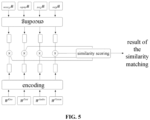
- FIG. 5 is a schematic diagram of similarity matching according to an embodiment of the present disclosure.
- the similarity calculation between two adjacent video segments is mainly completed based on a similarity matching module, and the similarity matching adopts an up-and-down symmetrical module design.
- the similarity scoring is obtained by calculating the similarity among embeddings of a plurality of expert models and by using a weight operation (the weight can be automatically learned through an attention mechanism), to obtain a result of the similarity matching.
- FIG. 6 is a schematic diagram of video merging according to an embodiment of the present disclosure. Taking a similarity matching module integrating the video splicing processing as an example, as shown in FIG. 6 , merging and splicing of adjacent video segments can be implemented through the similarity matching module. Video segments in the same event are mainly restored, and if the two adjacent video segments are determined to be similar, the two videos are merged; and comparisons are sequentially performed to obtain a final result of the video splitting.
- Adopting the present disclosure example information of a plurality of expert models used for extracting multi-mode information can be fused, and the multi-mode information is captured and fused, so that the whole video content is depicted comprehensively, and the presentation effect of a video picture is improved; large-scale and large-batch video splitting can be performed in a deep learning mode, the whole process is more efficient and lower in cost, and high-timeliness video requirements are met; by combining a KG-based structured tag technology (such as entities, topics and the like), a text-based representation technology, vision-based (RGB, Object, Action) and the like, the video can be split from the perspective of a video content, to solve the problem of poor splitting effect caused by frequent switching of multiple shots; the application example has strong expandability, the use scene is not limited to a video technology, and the application example can be applied to any video similarity matching scene: such as video fingerprint identification, video short band length, same video matching and the like.
- FIG. 7 is a schematic diagram of a composition structure of a video processing apparatus according to an embodiment of the present disclosure.
- the apparatus includes: a splitting module 71 configured for acquiring a plurality of first video frames, and performing fine-grained splitting on the plurality of first video frames to obtain a plurality of second video frames; an encoding module 72 configured for performing feature encoding on the plurality of second video frames according to multi-mode information related to the plurality of second video frames, to obtain feature fusion information for characterizing fusion of the multi-mode information; and a video processing module 73 configured for performing similarity matching on the plurality of second video frames according to the feature fusion information, and obtaining a target video according to a result of the similarity matching.
- the splitting module is further configured for performing the fine-grained splitting on the plurality of first video frames according to a parameter for characterizing shot and color transformation to obtain the plurality of second video frames.
- the encoding module is further configured for performing feature extraction and feature fusion processing on the plurality of second video frames according to the multi-mode information to obtain the feature fusion information.
- the video processing module is further configured for scoring similarities of the plurality of second video frames according to the feature fusion information, and taking a result of the scoring as the result of the similarity matching; and in a case that the result of the similarity matching is that adjacent video frames for a same event content are similar, performing video merging on the adjacent video frames until completing merging of the plurality of second video frames according to the adjacent video frames, respectively, and obtaining the target video according to a result of the video merging.
- each module in each apparatus of the embodiment of the present disclosure can be referred to the corresponding description in the above method, and will not be described in detail herein.
- the present disclosure also provides an electronic device and a readable storage medium.
- FIG. 8 is a block diagram of an electronic device used to implement the video processing method of an embodiment of the present disclosure.
- the electronic device can be a deployment device or a proxy device as described above.
- the electronic device is intended to represent various forms of digital computers, such as laptop computers, desktop computers, workstations, personal digital assistants, servers, blade servers, mainframe computers, and other suitable computers.
- the electronic device can also represent various forms of mobile apparatuses, such as personal digital processing, cellular telephone, smart phone, wearable device, and other similar computing apparatuses.
- the parts, connections and relationships thereof, and functions thereof shown herein are merely examples and are not intended to limit the implementation of the present disclosure described and/or claimed herein.
- the electronic device can include: one or more processors 801, memory 802, and interfaces for connecting various parts, including a highspeed interface and a low-speed interface.
- the various parts are connected to each other using different buses and can be installed on a common motherboard or installed in other ways as needed.
- the processor can process instructions executed within electronic device, including instructions stored in the memory or on the memory to display graphical information of the GUI on an external input/output device, (such as display device coupled to an interface).
- a plurality of processors and/or a plurality of buses can be used with a plurality of memories, if desired.
- a plurality of electronic devices can be connected, each device providing a part of necessary operations (e.g., as a server array, a group of blade servers or a multiprocessor system).
- a processor 801 is taken as an example.
- the memory 802 is a non-transitory computer-readable storage medium provided by the present disclosure. Wherein, the memory stores instructions executable by at least one processor to cause the at least one processor to execute the video processing method provided by the present disclosure.
- the non-transitory computer-readable storage medium of the present disclosure stores computer instructions for causing a computer to execute the video processing method provided by the present disclosure.
- the memory 802 as a non-transitory computer-readable storage medium, can be used to store non-transitory software programs, non-transitory computer-executable programs, and modules, such as program instructions/modules (e.g., the splitting module, the encoding module, the video processing module and other modules, shown in FIG. 7 ) corresponding to the video processing method in the embodiment of the present disclosure.
- the processor 801 executes various functional applications and data processing of the server, i.e., implementing the video processing method in the above-described method embodiment, by executing non-transient software programs, instructions, and modules stored in the memory 802.
- the memory 802 can include a storage program area and a storage data area; wherein the storage program area can store an operating system and an application program required by at least one function, and the storage data area can store data or the like created based on the usage of the electronic device.
- the memory 802 can include high speed random access memory, and can also include non-transitory memory, such as at least one magnetic disk storage component, a flash memory component, or other non-transitory solid state storage components.
- the memory 802 optionally includes memories set remotely provided relative to the processor 801, and these remote memories can be connected to the electronic device via a network. Instances of the above network include, but are not limited to, the Internet, an intranet, a local area network, a mobile communication network, and combinations thereof.
- the electronic device for the video processing method can further include: an input device 803 and an output device 804.
- the processor 801, the memory 802, the input device 803, and the output device 804 can be connected by a bus or other means. In FIG. 8 , the connection through a bus is taken as an example.
- the input device 803, such as a touch screen, a keypad, a mouse, a trackpad, a touchpad, an indication rod, one or more mouse buttons, a trackball, a joystick, etc.
- the output device 804 can include a display device, an auxiliary lighting apparatus (e.g., an LED), a tactile feedback apparatus (e.g., a vibration motor), etc.
- the display device can include, but is not limited to, a liquid crystal display (LCD), a light emitting diode (LED) display, and a plasma display. In some implementations, the display device can be a touch screen.
- Various implementations of the system and technology described herein can be implemented in a digital electronic circuit system, an integrated circuit system, an application specific ASIC (application specific integrated circuit), computer hardware, firmware, software, and/or combination thereof. These various implementations can include: implementing in one or more computer programs, which can be executed and/or interpreted on a programmable system including at least one programmable processor.
- the programmable processor can be a dedicated or general-purpose programmable processor that can receive data and instructions from a storage system, at least one input device, and at least one output device, and transmit the data and instructions to the storage system, the at least one input device, and the at least one output device.
- machine-readable medium and “computer-readable medium” refer to any computer program product, device, and/or apparatus (e.g., a magnetic disk, an optical disk, a memory, a programmable logic device (PLD)) for providing machine instructions and/or data to the programmable processor, including the machine-readable medium that receives machine instructions as machine-readable signals.
- machine-readable signal refers to any signal used to provide machine instructions and/or data to a programmable processor.
- the system and technology described herein can be implemented on a computer that has: a display apparatus (e.g., a CRT (cathode ray tube) or an LCD (liquid crystal display) monitor) for displaying information to the user; and a keyboard and a pointing apparatus (e.g., a mouse or a trackball) through which the user can provide input to the computer.
- a display apparatus e.g., a CRT (cathode ray tube) or an LCD (liquid crystal display) monitor
- a keyboard and a pointing apparatus e.g., a mouse or a trackball
- Other types of apparatus can also be used to provide the interaction with a user: for example, the feedback provided to the user can be any form of sensory feedback (e.g., visual feedback, auditory feedback, or tactile feedback); and input from the user can be received in any form (including acoustic input, voice input, or tactile input).
- the system and technology described herein can be implemented in a computing system (e.g., as a data server) that includes a background part, or be implemented in a computing system (e.g., an application server) that includes a middleware part, or be implemented in a computing system (e.g., a user computer having a graphical user interface or a web browser, through which a user can interact with implementations of the system and technology described herein) that includes a front-end part, or be implemented in a computing system that includes any combination of such background part, middleware part, or front-end part.
- the parts of the system can be interconnected by any form or medium of the digital data communication (e.g., a communication network). Examples of the communication network include: a Local Area Networks (LAN), a Wide Area Network (WAN), and the Internet.
- a computer system can include a client and a server.
- the client and server are typically remote from each other and typically interact through a communication network.
- the relationship of the client and the server is generated by computer programs running on respective computers and having a client-server relationship with each other.
- the server can be a cloud server, also called a cloud computing server or a cloud host, which is a host product in a cloud computing service system, to solve defects of high management difficulty and weak business expansibility in the traditional physical host and virtual private server (VPS) service.
- the server can also be a server of a distributed system, or a server combined with a block chain.
- Adopting the present disclosure a plurality of first video frames can be acquired, and fine-grained splitting is performed on the plurality of first video frames to obtain a plurality of second video frames.
- Feature encoding can be performed on the plurality of second video frames according to multi-mode information related to the plurality of second video frames, to obtain feature fusion information for characterizing fusion of the multi-mode information.
- Similarity matching is performed on the plurality of second video frames according to the feature fusion information, and a target video can be obtained according to a result of the similarity matching.
- Adopting the present disclosure since the feature encoding can be performed based on the multi-mode information to obtain information containing more details of the video content, the target video obtained according to the similarity matching is more precise, thereby improving the accuracy of the video splitting.
Landscapes
- Engineering & Computer Science (AREA)
- Theoretical Computer Science (AREA)
- Physics & Mathematics (AREA)
- General Physics & Mathematics (AREA)
- Multimedia (AREA)
- Data Mining & Analysis (AREA)
- Computer Vision & Pattern Recognition (AREA)
- Artificial Intelligence (AREA)
- Evolutionary Computation (AREA)
- Computing Systems (AREA)
- Life Sciences & Earth Sciences (AREA)
- General Engineering & Computer Science (AREA)
- Signal Processing (AREA)
- Evolutionary Biology (AREA)
- Bioinformatics & Computational Biology (AREA)
- Bioinformatics & Cheminformatics (AREA)
- General Health & Medical Sciences (AREA)
- Health & Medical Sciences (AREA)
- Software Systems (AREA)
- Medical Informatics (AREA)
- Databases & Information Systems (AREA)
- Computer Security & Cryptography (AREA)
- Molecular Biology (AREA)
- Mathematical Physics (AREA)
- Computational Linguistics (AREA)
- Biophysics (AREA)
- Biomedical Technology (AREA)
- Image Analysis (AREA)
- Television Signal Processing For Recording (AREA)
- Two-Way Televisions, Distribution Of Moving Picture Or The Like (AREA)
- Information Retrieval, Db Structures And Fs Structures Therefor (AREA)
- Management Or Editing Of Information On Record Carriers (AREA)
Claims (6)
- Ein Videoverarbeitungsverfahren, das Folgendes umfasst:Erfassen (S201) einer Vielzahl von ersten Videobildern und Durchführen einer feinkörnigen Aufteilung der Vielzahl von ersten Videobildern, um eine Vielzahl von zweiten Videobildern zu erhalten;Durchführen (S202) von Merkmalsextraktion und Merkmalsfusion an der Vielzahl von zweiten Videobildern gemäß Multimodusinformationen, die sich auf die Vielzahl von zweiten Videobildern beziehen, um Merkmalsfusionsinformationen zum Charakterisieren der Fusion der Multimodusinformationen zu erhalten; undBewerten von Ähnlichkeiten der Vielzahl von zweiten Videobilder gemäß der Merkmalsfusionsinformation und Verwenden eines Ergebnisses der Bewertung als ein Ergebnis des Ähnlichkeitsabgleichs; undin einem Fall, in dem das Ergebnis des Ähnlichkeitsabgleichs ist, dass benachbarte Videobilder für einen gleichen Ereignisinhalt ähnlich sind, Durchführen von Videozusammenführung an den benachbarten Videobildern, bis die Zusammenführung der Vielzahl von zweiten Videobildern entsprechend den benachbarten Videobildern abgeschlossen ist, und Erhalten eines Zielvideos entsprechend einem Ergebnis der Videozusammenführung,wobei das Verfahren ferner umfasst:Identifizierung der Multimodus-Informationen aus der Vielzahl der zweiten Videobilder gemäß einem vorab trainierten ersten neuronalen Netzwerkmodell;Unterscheidung der jeweiligen Informationstypen in den Multimodus-Informationen gemäß einem zweiten neuronalen Netzmodell;Identifizierung von Zeitsequenzinformationen, die sich auf die Multimodusinformationen beziehen, gemäß einem dritten neuronalen Netzmodell; undVerschmelzen der Ausgangsergebnisse des ersten neuronalen Netzwerkmodells, des zweiten neuronalen Netzwerkmodells und des dritten neuronalen Netzwerkmodells, um die Merkmalsfusionsinformationen zu erhalten,wobei das Identifizieren der Multimodus-Informationen aus der Vielzahl der zweiten Videobilder gemäß dem vortrainierten ersten neuronalen Netzwerkmodell umfasst:Identifizierung von Wissenskarteninformationen gemäß einem Wissenskartenextraktor in dem ersten neuronalen Netzmodell;Identifizierung von Textinformationen gemäß einem Textextraktor in dem ersten neuronalen Netzmodell;Identifizierung von Audioinformationen gemäß einem Audioextraktor in dem ersten neuronalen Netzmodell;Identifizierung von Farbtoninformationen gemäß einem Farbtonextraktor in dem ersten neuronalen Netzmodell;Identifizierung von Objektinformationen gemäß einem Objektextraktor in dem ersten neuronalen Netzmodell;Identifizierung von Handlungsinformationen gemäß einem Handlungsextraktor in dem ersten neuronalen Netzmodell; unddie Multimodusinformationen umfassen: mindestens eine der Wissenskarteninformationen, die Textinformationen, die Audioinformationen, die Farbtoninformationen, die Objektinformationen und die Aktionsinformationen.
- Verfahren nach Anspruch 1, wobei das Erfassen (S201) der Vielzahl von ersten Videobildern und das Durchführen des feinkörnigen Aufteilens der Vielzahl von ersten Videobildern zum Erhalten der Vielzahl von zweiten Videobildern umfasst:
Durchführen der feinkörnigen Aufteilung der Vielzahl von ersten Videobildern gemäß einem Parameter zur Charakterisierung der Aufnahme und der Farbtransformation, um die Vielzahl von zweiten Videobildern zu erhalten. - Videoverarbeitungsgerät umfassend:ein Aufteilungsmodul (71), das derart konfiguriert ist, dass es eine Vielzahl von ersten Videobildern erfasst und eine feinkörnige Aufteilung der Vielzahl von ersten Videobildern durchführt, um eine Vielzahl von zweiten Videobildern zu erhalten;ein Codiermodul (72), das zum Durchführen von Merkmalsextraktion und Merkmalsverschmelzung an der Vielzahl von zweiten Videorahmen gemäß Multi Modusinformationen, die sich auf die Vielzahl von zweiten Videorahmen beziehen, konfiguriert ist, um Merkmalsverschmelzungsinformationen zum Charakterisieren der Verschmelzung der Multimodusinformationen zu erhalten; undein Videoverarbeitungsmodul (73), das so konfiguriert ist, dass es Ähnlichkeiten der Vielzahl von zweiten Videobildern gemäß der Merkmalsfusionsinformation bewertet und ein Ergebnis der Bewertung als Ergebnis eines Ähnlichkeitsabgleichs verwendet; und in einem Fall, in dem das Ergebnis des Ähnlichkeitsabgleichs ist, dass benachbarte Videobilder für einen gleichen Ereignisinhalt ähnlich sind, Durchführen einer Videozusammenführung an den benachbarten Videobildern, bis die Zusammenführung der Vielzahl von zweiten Videobildern gemäß den jeweiligen benachbarten Videobildern abgeschlossen ist, und Erhalten eines Zielvideos gemäß einem Ergebnis der Videozusammenführung,wobei die Vorrichtung weiterhin umfasst:ein Identifizierungsmodul, das derart konfiguriert ist, dass es die Multimodus-Informationen aus der Vielzahl der zweiten Videobilder gemäß einem vorab trainierten ersten neuronalen Netzwerkmodell identifiziert; undwobei die Vorrichtung ferner ein Fusionsmodul umfasst, das für die folgenden Zwecke konfiguriert ist:Unterscheidung der jeweiligen Informationstypen in den Multimodus-Informationen gemäß einem zweiten neuronalen Netzmodell;Identifizierung von Zeitsequenzinformationen, die sich auf die Multimodusinformationen beziehen, gemäß einem dritten neuronalen Netzmodell; undVerschmelzen der Ausgangsergebnisse des ersten neuronalen Netzwerkmodells, des zweiten neuronalen Netzwerkmodells und des dritten neuronalen Netzwerkmodells, um die Merkmalsfusionsinformationen zu erhalten,wobei das Identifizierungsmodul außerdem konfiguriert ist zur:Identifizierung von Wissenskarteninformationen gemäß einem Wissenskartenextraktor in dem ersten neuronalen Netzmodell;Identifizierung von Textinformationen gemäß einem Textextraktor in dem ersten neuronalen Netzmodell;Identifizierung von Audioinformationen gemäß einem Audioextraktor in dem ersten neuronalen Netzmodell;Identifizierung von Farbtoninformationen gemäß einem Farbtonextraktor in dem ersten neuronalen Netzmodell;Identifizierung von Objektinformationen gemäß einem Objektextraktor in dem ersten neuronalen Netzmodell;Identifizierung von Handlungsinformationen gemäß einem Handlungsextraktor in dem ersten neuronalen Netzmodell;die Multimodusinformationen umfassen: mindestens eine der Wissenskarteninformationen, die Textinformationen, die Audioinformationen, die Farbtoninformationen, die Objektinformationen und die Aktionsinformationen.
- Vorrichtung nach Anspruch 3, wobei das Spaltmodul (71) ferner konfiguriert ist zum:
Durchführen der feinkörnigen Aufteilung der Vielzahl von ersten Videobildern gemäß einem Parameter zur Charakterisierung der Aufnahme und der Farbtransformation, um die Vielzahl von zweiten Videobildern zu erhalten. - Computerlesbares Speichermedium mit Befehlen, die, wenn sie von einem Computer ausgeführt werden, den Computer veranlassen, die Schritte des Verfahrens nach einem der Ansprüche 1 bis 2 auszuführen.
- Computerprogrammprodukt, das Anweisungen enthält, die, wenn das Programm von einem Computer ausgeführt wird, den Computer veranlassen, die Schritte des Verfahrens nach einem der Ansprüche 1 bis 2 auszuführen.
Applications Claiming Priority (1)
| Application Number | Priority Date | Filing Date | Title |
|---|---|---|---|
| CN202011358245.3A CN112464814A (zh) | 2020-11-27 | 2020-11-27 | 视频处理方法、装置、电子设备及存储介质 |
Publications (3)
| Publication Number | Publication Date |
|---|---|
| EP3933686A2 EP3933686A2 (de) | 2022-01-05 |
| EP3933686A3 EP3933686A3 (de) | 2022-04-27 |
| EP3933686B1 true EP3933686B1 (de) | 2025-03-19 |
Family
ID=74809546
Family Applications (1)
| Application Number | Title | Priority Date | Filing Date |
|---|---|---|---|
| EP21201637.2A Active EP3933686B1 (de) | 2020-11-27 | 2021-10-08 | Videoverarbeitungsmethode, geräte, elektronisches gerät, speichermedium und programmprodukt |
Country Status (5)
| Country | Link |
|---|---|
| US (1) | US12112539B2 (de) |
| EP (1) | EP3933686B1 (de) |
| JP (1) | JP7299282B2 (de) |
| KR (1) | KR102683700B1 (de) |
| CN (1) | CN112464814A (de) |
Families Citing this family (37)
| Publication number | Priority date | Publication date | Assignee | Title |
|---|---|---|---|---|
| CN113033662A (zh) * | 2021-03-25 | 2021-06-25 | 北京华宇信息技术有限公司 | 多视频关联方法及装置 |
| CN113762042B (zh) * | 2021-04-30 | 2025-12-23 | 腾讯科技(深圳)有限公司 | 视频识别方法、装置、设备以及存储介质 |
| CN113301382B (zh) * | 2021-05-07 | 2022-12-13 | 北京百度网讯科技有限公司 | 视频处理方法、设备、介质及程序产品 |
| US11610402B2 (en) * | 2021-05-11 | 2023-03-21 | CLIPr Co. | System and method for crowdsourcing a video summary for creating an enhanced video summary |
| CN113360712B (zh) * | 2021-05-21 | 2022-12-06 | 北京百度网讯科技有限公司 | 视频表示的生成方法、装置和电子设备 |
| CN113177538B (zh) * | 2021-06-30 | 2021-08-24 | 腾讯科技(深圳)有限公司 | 一种视频循环识别方法、装置、计算机设备及存储介质 |
| CN113239184B (zh) * | 2021-07-09 | 2021-11-02 | 腾讯科技(深圳)有限公司 | 知识库获取方法、装置、计算机设备及存储介质 |
| CN113569942B (zh) * | 2021-07-26 | 2024-04-05 | 上海明略人工智能(集团)有限公司 | 短视频事件分类方法、系统、电子设备及存储介质 |
| CN113747239B (zh) * | 2021-09-08 | 2023-05-05 | 北京快来文化传播集团有限公司 | 视频剪辑方法及其装置 |
| WO2023068756A1 (ko) * | 2021-10-19 | 2023-04-27 | 삼성전자 주식회사 | 멀티 모달리티를 제공하는 웨어러블 디바이스 및 이의 동작 방법 |
| CN114020964B (zh) * | 2021-11-15 | 2024-10-22 | 上海大学 | 一种利用记忆网络和门控循环单元实现视频摘要的方法 |
| CN114186093B (zh) | 2021-12-13 | 2023-04-28 | 北京百度网讯科技有限公司 | 多媒体数据的处理方法、装置、设备和介质 |
| CN114266779B (zh) * | 2021-12-22 | 2025-06-20 | 中国建设银行股份有限公司 | 直播视频的裁剪方法以及直播视频的裁剪装置 |
| KR102411095B1 (ko) * | 2021-12-30 | 2022-06-22 | 주식회사 파일러 | 광고 적합 콘텐츠 탐색 시스템 및 방법 |
| CN114064967B (zh) * | 2022-01-18 | 2022-05-06 | 之江实验室 | 多粒度级联交互网络的跨模态时序行为定位方法及装置 |
| CN114419508A (zh) * | 2022-01-19 | 2022-04-29 | 北京百度网讯科技有限公司 | 识别方法、训练方法、装置、设备及存储介质 |
| KR102438743B1 (ko) * | 2022-03-02 | 2022-08-31 | 인하대학교 산학협력단 | 클라우드 서비스용 3d 매뉴얼을 2d 인터랙티브 비디오로 변환하는 방법 및 장치 |
| CN114596523B (zh) * | 2022-02-23 | 2024-11-08 | 桂林电子科技大学 | 一种多特征融合的视频描述方法、装置及存储介质 |
| CN114581821B (zh) * | 2022-02-23 | 2024-11-08 | 腾讯科技(深圳)有限公司 | 一种视频检测方法、系统及存储介质和服务器 |
| CN114610911B (zh) * | 2022-03-04 | 2023-09-19 | 中国电子科技集团公司第十研究所 | 多模态知识本征表示学习方法、装置、设备及存储介质 |
| CN114598933B (zh) * | 2022-03-16 | 2022-12-27 | 平安科技(深圳)有限公司 | 一种视频内容处理方法、系统、终端及存储介质 |
| CN115129932B (zh) * | 2022-04-07 | 2025-04-29 | 腾讯科技(深圳)有限公司 | 视频片段的确定方法、装置、设备及存储介质 |
| CN114996515B (zh) * | 2022-05-31 | 2025-09-09 | 北京达佳互联信息技术有限公司 | 视频特征提取模型的训练方法、文本生成方法及装置 |
| CN115499707B (zh) * | 2022-09-22 | 2024-08-06 | 上海联屏文化科技有限公司 | 视频相似度的确定方法和装置 |
| WO2024135900A1 (ko) * | 2022-12-23 | 2024-06-27 | 한국전자기술연구원 | 프레임 비율이 다른 모달리티의 정합 처리를 위한 뉴럴 네트워크 및 이를 적용한 데이터 처리 방법 |
| CN116186330B (zh) * | 2023-04-23 | 2023-07-11 | 之江实验室 | 一种基于多模态学习的视频去重方法及装置 |
| CN117278776B (zh) * | 2023-04-23 | 2024-09-03 | 青岛尘元科技信息有限公司 | 多通道视频内容实时比对方法和装置、设备及存储介质 |
| CN117152650B (zh) * | 2023-04-23 | 2024-07-02 | 青岛尘元科技信息有限公司 | 海量视频的视频内容分析方法和视频事件信息网络 |
| CN116883888A (zh) * | 2023-06-06 | 2023-10-13 | 交通银行股份有限公司 | 基于多模态特征融合的银行柜面服务问题溯源系统及方法 |
| CN117315524A (zh) * | 2023-08-19 | 2023-12-29 | 淘宝(中国)软件有限公司 | 视频处理方法、装置、电子设备及计算机存储介质 |
| CN119728985B (zh) * | 2023-09-28 | 2025-12-05 | 华为技术有限公司 | 一种视频编码方法及其装置 |
| CN117132926B (zh) * | 2023-10-27 | 2024-02-09 | 腾讯科技(深圳)有限公司 | 一种视频处理的方法、相关装置、设备以及存储介质 |
| CN117807495A (zh) * | 2023-12-26 | 2024-04-02 | 北京声智科技有限公司 | 基于多模态数据的模型训练方法、装置、设备及存储介质 |
| KR102744887B1 (ko) | 2024-04-01 | 2024-12-19 | 주식회사 리턴제로 | 영상데이터 분석을 통한 영상컨텐츠 자동 생성 장치 및 방법 |
| CN119182940A (zh) * | 2024-09-19 | 2024-12-24 | 北京百度网讯科技有限公司 | 数据处理方法、数据处理装置、电子设备、存储介质和程序产品 |
| CN119299805B (zh) * | 2024-12-10 | 2025-03-07 | 深圳时空数字科技有限公司 | 一种大数据驱动的数字人智能交互方法及系统 |
| CN119992414B (zh) * | 2025-01-15 | 2025-10-21 | 广东长兴润德教育科技有限公司 | 一种基于课程视频的知识点学习推荐方法及系统 |
Citations (1)
| Publication number | Priority date | Publication date | Assignee | Title |
|---|---|---|---|---|
| CN111783709A (zh) * | 2020-07-09 | 2020-10-16 | 中国科学技术大学 | 针对教育视频的信息预测方法及装置 |
Family Cites Families (14)
| Publication number | Priority date | Publication date | Assignee | Title |
|---|---|---|---|---|
| JP3358692B2 (ja) | 1995-08-02 | 2002-12-24 | 日本電信電話株式会社 | 映像ブロック分類方法及び装置 |
| WO2007052395A1 (ja) | 2005-10-31 | 2007-05-10 | Sharp Kabushiki Kaisha | 視聴環境制御システム |
| JP5209593B2 (ja) | 2009-12-09 | 2013-06-12 | 日本電信電話株式会社 | 映像編集装置,映像編集方法および映像編集プログラム |
| CN103605991A (zh) * | 2013-10-28 | 2014-02-26 | 复旦大学 | 一种视频广告的自动检测方法 |
| CN104199933B (zh) * | 2014-09-04 | 2017-07-07 | 华中科技大学 | 一种多模态信息融合的足球视频事件检测与语义标注方法 |
| US9436876B1 (en) * | 2014-12-19 | 2016-09-06 | Amazon Technologies, Inc. | Video segmentation techniques |
| CN107589828A (zh) * | 2016-07-07 | 2018-01-16 | 深圳狗尾草智能科技有限公司 | 基于知识图谱的人机交互方法及系统 |
| CN106682108B (zh) * | 2016-12-06 | 2022-07-12 | 浙江大学 | 一种基于多模态卷积神经网络的视频检索方法 |
| US10628486B2 (en) * | 2017-11-15 | 2020-04-21 | Google Llc | Partitioning videos |
| CN110798752B (zh) | 2018-08-03 | 2021-10-15 | 北京京东尚科信息技术有限公司 | 用于生成视频摘要的方法和系统 |
| CN113544698B (zh) * | 2019-02-28 | 2024-11-08 | 斯塔特斯公司 | 广播视频中运动员再识别的系统及方法 |
| CN110263729B (zh) * | 2019-06-24 | 2025-01-24 | 腾讯科技(深圳)有限公司 | 一种镜头边界检测的方法、模型训练方法以及相关装置 |
| CN110704683A (zh) * | 2019-09-27 | 2020-01-17 | 深圳市商汤科技有限公司 | 音视频信息处理方法及装置、电子设备和存储介质 |
| CN111428590B (zh) | 2020-03-11 | 2023-05-09 | 新华智云科技有限公司 | 一种视频聚类切分方法和系统 |
-
2020
- 2020-11-27 CN CN202011358245.3A patent/CN112464814A/zh active Pending
-
2021
- 2021-10-06 US US17/450,158 patent/US12112539B2/en active Active
- 2021-10-08 JP JP2021166004A patent/JP7299282B2/ja active Active
- 2021-10-08 EP EP21201637.2A patent/EP3933686B1/de active Active
- 2021-10-22 KR KR1020210142151A patent/KR102683700B1/ko active Active
Patent Citations (1)
| Publication number | Priority date | Publication date | Assignee | Title |
|---|---|---|---|---|
| CN111783709A (zh) * | 2020-07-09 | 2020-10-16 | 中国科学技术大学 | 针对教育视频的信息预测方法及装置 |
Also Published As
| Publication number | Publication date |
|---|---|
| EP3933686A3 (de) | 2022-04-27 |
| EP3933686A2 (de) | 2022-01-05 |
| US12112539B2 (en) | 2024-10-08 |
| JP2022020647A (ja) | 2022-02-01 |
| KR102683700B1 (ko) | 2024-07-09 |
| JP7299282B2 (ja) | 2023-06-27 |
| KR20210134528A (ko) | 2021-11-10 |
| CN112464814A (zh) | 2021-03-09 |
| US20220027634A1 (en) | 2022-01-27 |
Similar Documents
| Publication | Publication Date | Title |
|---|---|---|
| EP3933686B1 (de) | Videoverarbeitungsmethode, geräte, elektronisches gerät, speichermedium und programmprodukt | |
| CN111967302B (zh) | 视频标签的生成方法、装置及电子设备 | |
| US20220270369A1 (en) | Intelligent cataloging method for all-media news based on multi-modal information fusion understanding | |
| CN112559800B (zh) | 用于处理视频的方法、装置、电子设备、介质和产品 | |
| CN112929744A (zh) | 用于分割视频剪辑的方法、装置、设备、介质和程序产品 | |
| CN113361462B (zh) | 视频处理和字幕检测模型的方法及装置 | |
| CN111639228A (zh) | 视频检索方法、装置、设备及存储介质 | |
| US20160307044A1 (en) | Process for generating a video tag cloud representing objects appearing in a video content | |
| CN117851639A (zh) | 视频处理方法、装置、电子设备以及存储介质 | |
| CN113449148B (zh) | 视频分类方法、装置、电子设备及存储介质 | |
| CN112906391B (zh) | 元事件抽取方法、装置、电子设备和存储介质 | |
| CN111444364B (zh) | 一种图像检测方法和装置 | |
| Aiswarya et al. | Keyframe Extraction Algorithm for Continuous Sign‐Language Videos Using Angular Displacement and Sequence Check Metrics | |
| CN110532404A (zh) | 一种源多媒体确定方法、装置、设备及存储介质 | |
| CN111753836B (zh) | 文字识别方法、装置、计算机可读介质及电子设备 | |
| CN117376603B (zh) | 视频场景切分方法、装置、设备、介质、程序产品 | |
| CN108733737B (zh) | 视频库的建立方法及装置 | |
| CN113626637B (zh) | 视频数据筛选法、装置、计算机设备和存储介质 | |
| CN116740464A (zh) | 视频的分类方法、装置、电子设备及计算机可读介质 | |
| KR101212845B1 (ko) | 동영상 샘플링 방법 및 시스템 | |
| CN115713709A (zh) | 学习视频的摘要生成方法、装置、电子设备和存储介质 | |
| CN111639599A (zh) | 物体图像挖掘方法、装置、设备以及存储介质 | |
| CN113407765A (zh) | 视频分类方法、装置、电子设备和计算机可读存储介质 | |
| CN113590804B (zh) | 视频主题生成的方法、装置及电子设备 | |
| CN116150428B (zh) | 视频标签获取方法、装置、电子设备及存储介质 |
Legal Events
| Date | Code | Title | Description |
|---|---|---|---|
| PUAI | Public reference made under article 153(3) epc to a published international application that has entered the european phase |
Free format text: ORIGINAL CODE: 0009012 |
|
| STAA | Information on the status of an ep patent application or granted ep patent |
Free format text: STATUS: REQUEST FOR EXAMINATION WAS MADE |
|
| 17P | Request for examination filed |
Effective date: 20211008 |
|
| AK | Designated contracting states |
Kind code of ref document: A2 Designated state(s): AL AT BE BG CH CY CZ DE DK EE ES FI FR GB GR HR HU IE IS IT LI LT LU LV MC MK MT NL NO PL PT RO RS SE SI SK SM TR |
|
| PUAL | Search report despatched |
Free format text: ORIGINAL CODE: 0009013 |
|
| AK | Designated contracting states |
Kind code of ref document: A3 Designated state(s): AL AT BE BG CH CY CZ DE DK EE ES FI FR GB GR HR HU IE IS IT LI LT LU LV MC MK MT NL NO PL PT RO RS SE SI SK SM TR |
|
| RIC1 | Information provided on ipc code assigned before grant |
Ipc: G06K 9/62 20220101ALI20220321BHEP Ipc: G06K 9/00 20220101AFI20220321BHEP |
|
| STAA | Information on the status of an ep patent application or granted ep patent |
Free format text: STATUS: EXAMINATION IS IN PROGRESS |
|
| 17Q | First examination report despatched |
Effective date: 20230712 |
|
| REG | Reference to a national code |
Ref country code: DE Ref legal event code: R079 Free format text: PREVIOUS MAIN CLASS: G06K0009000000 Ipc: G06V0020000000 Ref country code: DE Ref legal event code: R079 Ref document number: 602021027742 Country of ref document: DE Free format text: PREVIOUS MAIN CLASS: G06K0009000000 Ipc: G06V0020000000 |
|
| RIC1 | Information provided on ipc code assigned before grant |
Ipc: G06V 20/00 20220101AFI20240618BHEP |
|
| GRAP | Despatch of communication of intention to grant a patent |
Free format text: ORIGINAL CODE: EPIDOSNIGR1 |
|
| STAA | Information on the status of an ep patent application or granted ep patent |
Free format text: STATUS: GRANT OF PATENT IS INTENDED |
|
| INTG | Intention to grant announced |
Effective date: 20241202 |
|
| GRAS | Grant fee paid |
Free format text: ORIGINAL CODE: EPIDOSNIGR3 |
|
| GRAA | (expected) grant |
Free format text: ORIGINAL CODE: 0009210 |
|
| STAA | Information on the status of an ep patent application or granted ep patent |
Free format text: STATUS: THE PATENT HAS BEEN GRANTED |
|
| AK | Designated contracting states |
Kind code of ref document: B1 Designated state(s): AL AT BE BG CH CY CZ DE DK EE ES FI FR GB GR HR HU IE IS IT LI LT LU LV MC MK MT NL NO PL PT RO RS SE SI SK SM TR |
|
| REG | Reference to a national code |
Ref country code: GB Ref legal event code: FG4D |
|
| REG | Reference to a national code |
Ref country code: CH Ref legal event code: EP |
|
| REG | Reference to a national code |
Ref country code: IE Ref legal event code: FG4D |
|
| REG | Reference to a national code |
Ref country code: DE Ref legal event code: R096 Ref document number: 602021027742 Country of ref document: DE |
|
| P01 | Opt-out of the competence of the unified patent court (upc) registered |
Free format text: CASE NUMBER: APP_11841/2025 Effective date: 20250311 |
|
| PG25 | Lapsed in a contracting state [announced via postgrant information from national office to epo] |
Ref country code: RS Free format text: LAPSE BECAUSE OF FAILURE TO SUBMIT A TRANSLATION OF THE DESCRIPTION OR TO PAY THE FEE WITHIN THE PRESCRIBED TIME-LIMIT Effective date: 20250619 |
|
| PG25 | Lapsed in a contracting state [announced via postgrant information from national office to epo] |
Ref country code: FI Free format text: LAPSE BECAUSE OF FAILURE TO SUBMIT A TRANSLATION OF THE DESCRIPTION OR TO PAY THE FEE WITHIN THE PRESCRIBED TIME-LIMIT Effective date: 20250319 |
|
| REG | Reference to a national code |
Ref country code: LT Ref legal event code: MG9D |
|
| PG25 | Lapsed in a contracting state [announced via postgrant information from national office to epo] |
Ref country code: NO Free format text: LAPSE BECAUSE OF FAILURE TO SUBMIT A TRANSLATION OF THE DESCRIPTION OR TO PAY THE FEE WITHIN THE PRESCRIBED TIME-LIMIT Effective date: 20250619 |
|
| PG25 | Lapsed in a contracting state [announced via postgrant information from national office to epo] |
Ref country code: HR Free format text: LAPSE BECAUSE OF FAILURE TO SUBMIT A TRANSLATION OF THE DESCRIPTION OR TO PAY THE FEE WITHIN THE PRESCRIBED TIME-LIMIT Effective date: 20250319 |
|
| PG25 | Lapsed in a contracting state [announced via postgrant information from national office to epo] |
Ref country code: LV Free format text: LAPSE BECAUSE OF FAILURE TO SUBMIT A TRANSLATION OF THE DESCRIPTION OR TO PAY THE FEE WITHIN THE PRESCRIBED TIME-LIMIT Effective date: 20250319 |
|
| PG25 | Lapsed in a contracting state [announced via postgrant information from national office to epo] |
Ref country code: GR Free format text: LAPSE BECAUSE OF FAILURE TO SUBMIT A TRANSLATION OF THE DESCRIPTION OR TO PAY THE FEE WITHIN THE PRESCRIBED TIME-LIMIT Effective date: 20250620 Ref country code: BG Free format text: LAPSE BECAUSE OF FAILURE TO SUBMIT A TRANSLATION OF THE DESCRIPTION OR TO PAY THE FEE WITHIN THE PRESCRIBED TIME-LIMIT Effective date: 20250319 |
|
| REG | Reference to a national code |
Ref country code: NL Ref legal event code: MP Effective date: 20250319 |
|
| REG | Reference to a national code |
Ref country code: AT Ref legal event code: MK05 Ref document number: 1777615 Country of ref document: AT Kind code of ref document: T Effective date: 20250319 |
|
| PG25 | Lapsed in a contracting state [announced via postgrant information from national office to epo] |
Ref country code: NL Free format text: LAPSE BECAUSE OF FAILURE TO SUBMIT A TRANSLATION OF THE DESCRIPTION OR TO PAY THE FEE WITHIN THE PRESCRIBED TIME-LIMIT Effective date: 20250319 |
|
| PG25 | Lapsed in a contracting state [announced via postgrant information from national office to epo] |
Ref country code: SE Free format text: LAPSE BECAUSE OF FAILURE TO SUBMIT A TRANSLATION OF THE DESCRIPTION OR TO PAY THE FEE WITHIN THE PRESCRIBED TIME-LIMIT Effective date: 20250319 |
|
| PG25 | Lapsed in a contracting state [announced via postgrant information from national office to epo] |
Ref country code: SM Free format text: LAPSE BECAUSE OF FAILURE TO SUBMIT A TRANSLATION OF THE DESCRIPTION OR TO PAY THE FEE WITHIN THE PRESCRIBED TIME-LIMIT Effective date: 20250319 |
|
| PG25 | Lapsed in a contracting state [announced via postgrant information from national office to epo] |
Ref country code: ES Free format text: LAPSE BECAUSE OF FAILURE TO SUBMIT A TRANSLATION OF THE DESCRIPTION OR TO PAY THE FEE WITHIN THE PRESCRIBED TIME-LIMIT Effective date: 20250319 Ref country code: PT Free format text: LAPSE BECAUSE OF FAILURE TO SUBMIT A TRANSLATION OF THE DESCRIPTION OR TO PAY THE FEE WITHIN THE PRESCRIBED TIME-LIMIT Effective date: 20250721 |
|
| PG25 | Lapsed in a contracting state [announced via postgrant information from national office to epo] |
Ref country code: PL Free format text: LAPSE BECAUSE OF FAILURE TO SUBMIT A TRANSLATION OF THE DESCRIPTION OR TO PAY THE FEE WITHIN THE PRESCRIBED TIME-LIMIT Effective date: 20250319 Ref country code: IT Free format text: LAPSE BECAUSE OF FAILURE TO SUBMIT A TRANSLATION OF THE DESCRIPTION OR TO PAY THE FEE WITHIN THE PRESCRIBED TIME-LIMIT Effective date: 20250319 |
|
| PGFP | Annual fee paid to national office [announced via postgrant information from national office to epo] |
Ref country code: GB Payment date: 20250818 Year of fee payment: 5 |
|
| PG25 | Lapsed in a contracting state [announced via postgrant information from national office to epo] |
Ref country code: AT Free format text: LAPSE BECAUSE OF FAILURE TO SUBMIT A TRANSLATION OF THE DESCRIPTION OR TO PAY THE FEE WITHIN THE PRESCRIBED TIME-LIMIT Effective date: 20250319 |
|
| PGFP | Annual fee paid to national office [announced via postgrant information from national office to epo] |
Ref country code: FR Payment date: 20250820 Year of fee payment: 5 |
|
| PG25 | Lapsed in a contracting state [announced via postgrant information from national office to epo] |
Ref country code: EE Free format text: LAPSE BECAUSE OF FAILURE TO SUBMIT A TRANSLATION OF THE DESCRIPTION OR TO PAY THE FEE WITHIN THE PRESCRIBED TIME-LIMIT Effective date: 20250319 Ref country code: CZ Free format text: LAPSE BECAUSE OF FAILURE TO SUBMIT A TRANSLATION OF THE DESCRIPTION OR TO PAY THE FEE WITHIN THE PRESCRIBED TIME-LIMIT Effective date: 20250319 |
|
| PG25 | Lapsed in a contracting state [announced via postgrant information from national office to epo] |
Ref country code: RO Free format text: LAPSE BECAUSE OF FAILURE TO SUBMIT A TRANSLATION OF THE DESCRIPTION OR TO PAY THE FEE WITHIN THE PRESCRIBED TIME-LIMIT Effective date: 20250319 |
|
| PG25 | Lapsed in a contracting state [announced via postgrant information from national office to epo] |
Ref country code: SK Free format text: LAPSE BECAUSE OF FAILURE TO SUBMIT A TRANSLATION OF THE DESCRIPTION OR TO PAY THE FEE WITHIN THE PRESCRIBED TIME-LIMIT Effective date: 20250319 |
|
| PG25 | Lapsed in a contracting state [announced via postgrant information from national office to epo] |
Ref country code: IS Free format text: LAPSE BECAUSE OF FAILURE TO SUBMIT A TRANSLATION OF THE DESCRIPTION OR TO PAY THE FEE WITHIN THE PRESCRIBED TIME-LIMIT Effective date: 20250719 |
|
| REG | Reference to a national code |
Ref country code: DE Ref legal event code: R097 Ref document number: 602021027742 Country of ref document: DE |
|
| PGFP | Annual fee paid to national office [announced via postgrant information from national office to epo] |
Ref country code: DE Payment date: 20251020 Year of fee payment: 5 |
|
| PG25 | Lapsed in a contracting state [announced via postgrant information from national office to epo] |
Ref country code: DK Free format text: LAPSE BECAUSE OF FAILURE TO SUBMIT A TRANSLATION OF THE DESCRIPTION OR TO PAY THE FEE WITHIN THE PRESCRIBED TIME-LIMIT Effective date: 20250319 |
|
| PLBE | No opposition filed within time limit |
Free format text: ORIGINAL CODE: 0009261 |
|
| STAA | Information on the status of an ep patent application or granted ep patent |
Free format text: STATUS: NO OPPOSITION FILED WITHIN TIME LIMIT |
|
| REG | Reference to a national code |
Ref country code: CH Ref legal event code: L10 Free format text: ST27 STATUS EVENT CODE: U-0-0-L10-L00 (AS PROVIDED BY THE NATIONAL OFFICE) Effective date: 20260128 |
|
| 26N | No opposition filed |
Effective date: 20251222 |