EP3932431A1 - Inhibition of myostatin signal by myostatin splice variant-derived protein and utilization thereof - Google Patents
Inhibition of myostatin signal by myostatin splice variant-derived protein and utilization thereof Download PDFInfo
- Publication number
- EP3932431A1 EP3932431A1 EP20765709.9A EP20765709A EP3932431A1 EP 3932431 A1 EP3932431 A1 EP 3932431A1 EP 20765709 A EP20765709 A EP 20765709A EP 3932431 A1 EP3932431 A1 EP 3932431A1
- Authority
- EP
- European Patent Office
- Prior art keywords
- protein
- myostatin
- vector
- cell
- polynucleotide
- Prior art date
- Legal status (The legal status is an assumption and is not a legal conclusion. Google has not performed a legal analysis and makes no representation as to the accuracy of the status listed.)
- Pending
Links
- PRHMNANFPZHXFY-UHFFFAOYSA-N C(C1)C(C2)C(C3)C1CC1C23C2C1CC(CC1)(CC3)CC13CC2 Chemical compound C(C1)C(C2)C(C3)C1CC1C23C2C1CC(CC1)(CC3)CC13CC2 PRHMNANFPZHXFY-UHFFFAOYSA-N 0.000 description 1
Images



Classifications
-
- A—HUMAN NECESSITIES
- A23—FOODS OR FOODSTUFFS; TREATMENT THEREOF, NOT COVERED BY OTHER CLASSES
- A23L—FOODS, FOODSTUFFS OR NON-ALCOHOLIC BEVERAGES, NOT OTHERWISE PROVIDED FOR; PREPARATION OR TREATMENT THEREOF
- A23L33/00—Modifying nutritive qualities of foods; Dietetic products; Preparation or treatment thereof
- A23L33/10—Modifying nutritive qualities of foods; Dietetic products; Preparation or treatment thereof using additives
- A23L33/17—Amino acids, peptides or proteins
-
- C—CHEMISTRY; METALLURGY
- C07—ORGANIC CHEMISTRY
- C07K—PEPTIDES
- C07K14/00—Peptides having more than 20 amino acids; Gastrins; Somatostatins; Melanotropins; Derivatives thereof
- C07K14/435—Peptides having more than 20 amino acids; Gastrins; Somatostatins; Melanotropins; Derivatives thereof from animals; from humans
- C07K14/475—Growth factors; Growth regulators
- C07K14/495—Transforming growth factor [TGF]
-
- A—HUMAN NECESSITIES
- A23—FOODS OR FOODSTUFFS; TREATMENT THEREOF, NOT COVERED BY OTHER CLASSES
- A23K—FODDER
- A23K20/00—Accessory food factors for animal feeding-stuffs
- A23K20/10—Organic substances
- A23K20/142—Amino acids; Derivatives thereof
- A23K20/147—Polymeric derivatives, e.g. peptides or proteins
-
- A—HUMAN NECESSITIES
- A23—FOODS OR FOODSTUFFS; TREATMENT THEREOF, NOT COVERED BY OTHER CLASSES
- A23L—FOODS, FOODSTUFFS OR NON-ALCOHOLIC BEVERAGES, NOT OTHERWISE PROVIDED FOR; PREPARATION OR TREATMENT THEREOF
- A23L33/00—Modifying nutritive qualities of foods; Dietetic products; Preparation or treatment thereof
- A23L33/10—Modifying nutritive qualities of foods; Dietetic products; Preparation or treatment thereof using additives
- A23L33/17—Amino acids, peptides or proteins
- A23L33/18—Peptides; Protein hydrolysates
-
- A—HUMAN NECESSITIES
- A61—MEDICAL OR VETERINARY SCIENCE; HYGIENE
- A61K—PREPARATIONS FOR MEDICAL, DENTAL OR TOILETRY PURPOSES
- A61K31/00—Medicinal preparations containing organic active ingredients
- A61K31/70—Carbohydrates; Sugars; Derivatives thereof
- A61K31/7088—Compounds having three or more nucleosides or nucleotides
-
- A—HUMAN NECESSITIES
- A61—MEDICAL OR VETERINARY SCIENCE; HYGIENE
- A61P—SPECIFIC THERAPEUTIC ACTIVITY OF CHEMICAL COMPOUNDS OR MEDICINAL PREPARATIONS
- A61P13/00—Drugs for disorders of the urinary system
- A61P13/12—Drugs for disorders of the urinary system of the kidneys
-
- A—HUMAN NECESSITIES
- A61—MEDICAL OR VETERINARY SCIENCE; HYGIENE
- A61P—SPECIFIC THERAPEUTIC ACTIVITY OF CHEMICAL COMPOUNDS OR MEDICINAL PREPARATIONS
- A61P19/00—Drugs for skeletal disorders
- A61P19/08—Drugs for skeletal disorders for bone diseases, e.g. rachitism, Paget's disease
-
- A—HUMAN NECESSITIES
- A61—MEDICAL OR VETERINARY SCIENCE; HYGIENE
- A61P—SPECIFIC THERAPEUTIC ACTIVITY OF CHEMICAL COMPOUNDS OR MEDICINAL PREPARATIONS
- A61P21/00—Drugs for disorders of the muscular or neuromuscular system
-
- A—HUMAN NECESSITIES
- A61—MEDICAL OR VETERINARY SCIENCE; HYGIENE
- A61P—SPECIFIC THERAPEUTIC ACTIVITY OF CHEMICAL COMPOUNDS OR MEDICINAL PREPARATIONS
- A61P21/00—Drugs for disorders of the muscular or neuromuscular system
- A61P21/02—Muscle relaxants, e.g. for tetanus or cramps
-
- A—HUMAN NECESSITIES
- A61—MEDICAL OR VETERINARY SCIENCE; HYGIENE
- A61P—SPECIFIC THERAPEUTIC ACTIVITY OF CHEMICAL COMPOUNDS OR MEDICINAL PREPARATIONS
- A61P3/00—Drugs for disorders of the metabolism
- A61P3/08—Drugs for disorders of the metabolism for glucose homeostasis
- A61P3/10—Drugs for disorders of the metabolism for glucose homeostasis for hyperglycaemia, e.g. antidiabetics
-
- A—HUMAN NECESSITIES
- A61—MEDICAL OR VETERINARY SCIENCE; HYGIENE
- A61P—SPECIFIC THERAPEUTIC ACTIVITY OF CHEMICAL COMPOUNDS OR MEDICINAL PREPARATIONS
- A61P35/00—Antineoplastic agents
-
- A—HUMAN NECESSITIES
- A61—MEDICAL OR VETERINARY SCIENCE; HYGIENE
- A61P—SPECIFIC THERAPEUTIC ACTIVITY OF CHEMICAL COMPOUNDS OR MEDICINAL PREPARATIONS
- A61P43/00—Drugs for specific purposes, not provided for in groups A61P1/00-A61P41/00
-
- A—HUMAN NECESSITIES
- A61—MEDICAL OR VETERINARY SCIENCE; HYGIENE
- A61P—SPECIFIC THERAPEUTIC ACTIVITY OF CHEMICAL COMPOUNDS OR MEDICINAL PREPARATIONS
- A61P9/00—Drugs for disorders of the cardiovascular system
-
- C—CHEMISTRY; METALLURGY
- C07—ORGANIC CHEMISTRY
- C07K—PEPTIDES
- C07K14/00—Peptides having more than 20 amino acids; Gastrins; Somatostatins; Melanotropins; Derivatives thereof
- C07K14/435—Peptides having more than 20 amino acids; Gastrins; Somatostatins; Melanotropins; Derivatives thereof from animals; from humans
- C07K14/475—Growth factors; Growth regulators
-
- A—HUMAN NECESSITIES
- A23—FOODS OR FOODSTUFFS; TREATMENT THEREOF, NOT COVERED BY OTHER CLASSES
- A23V—INDEXING SCHEME RELATING TO FOODS, FOODSTUFFS OR NON-ALCOHOLIC BEVERAGES AND LACTIC OR PROPIONIC ACID BACTERIA USED IN FOODSTUFFS OR FOOD PREPARATION
- A23V2002/00—Food compositions, function of food ingredients or processes for food or foodstuffs
-
- A—HUMAN NECESSITIES
- A61—MEDICAL OR VETERINARY SCIENCE; HYGIENE
- A61K—PREPARATIONS FOR MEDICAL, DENTAL OR TOILETRY PURPOSES
- A61K38/00—Medicinal preparations containing peptides
-
- C—CHEMISTRY; METALLURGY
- C12—BIOCHEMISTRY; BEER; SPIRITS; WINE; VINEGAR; MICROBIOLOGY; ENZYMOLOGY; MUTATION OR GENETIC ENGINEERING
- C12N—MICROORGANISMS OR ENZYMES; COMPOSITIONS THEREOF; PROPAGATING, PRESERVING, OR MAINTAINING MICROORGANISMS; MUTATION OR GENETIC ENGINEERING; CULTURE MEDIA
- C12N2800/00—Nucleic acids vectors
- C12N2800/10—Plasmid DNA
- C12N2800/106—Plasmid DNA for vertebrates
- C12N2800/107—Plasmid DNA for vertebrates for mammalian
-
- C—CHEMISTRY; METALLURGY
- C12—BIOCHEMISTRY; BEER; SPIRITS; WINE; VINEGAR; MICROBIOLOGY; ENZYMOLOGY; MUTATION OR GENETIC ENGINEERING
- C12N—MICROORGANISMS OR ENZYMES; COMPOSITIONS THEREOF; PROPAGATING, PRESERVING, OR MAINTAINING MICROORGANISMS; MUTATION OR GENETIC ENGINEERING; CULTURE MEDIA
- C12N2800/00—Nucleic acids vectors
- C12N2800/22—Vectors comprising a coding region that has been codon optimised for expression in a respective host
Definitions
- the present invention relates to inhibition of myostatin signaling by a myostatin splice variant-derived protein and use thereof.
- Myostatin is produced in cells as a precursor, which is converted into mature myostatin upon cleavage by protease.
- Smad2/3 is phosphorylated and the phosphorylated Smad2/3 transits into the nucleus.
- the phosphorylated Smad2/3 then binds to an Smad binding element present in the promoter of a target gene, whereupon expression of the target gene is induced (myostatin signaling).
- myostatin signaling Activation of myostatin signaling induces gene expression, and the induced factor negatively regulates myogenesis. In contrast, inhibition of myostatin signaling promotes myogenesis.
- Non-Patent Document No. 1 Since promotion of myogenesis is applicable to treatment of amyotrophic diseases such as muscular dystrophy, inhibition of myostatin signaling is believed to be a potential therapy for muscle atrophy (Non-Patent Document No. 1). Moreover, decrease in myostatin expression inhibits cancer cell proliferation (Non-Patent Document No. 2). These results suggest that decrease in myostatin level and inhibition of myostatin signaling are effective in cancer treatment. Further, since expression levels of myostatin are elevated in type 2 diabetes patients , it is thought that there is some relation between myostatin and diabetes (Non-Patent Document No. 3). From what have been described above, it is believed that inhibition of myostatin signaling would be effective for suppression of diabetes or inhibition of its progression.
- Non-Patent Document No. 5 Non-Patent Document No. 2
- Patent Document No. 2 nothing equivalent to the myostatin splice variant found in sheep has been discovered in human.
- a protein translated from a myostatin splice variant inhibits myostatin signaling.
- the protein translated from the mRNA of the myostatin splice variant does not have the active region required for mature myostatin, but retains more than 90% of the prodomain ( Fig. 3 ). It was possible to inhibit myostatin signaling by allowing overexpression of the myostatin variant in cultured cells ( Fig. 6 ). Since the protein translated from the myostatin splice variant is a protein naturally produced in vivo, it is believed to have better stability than exogenous proteins.
- myostatin signaling By inhibiting myostatin signaling, treatment of amyotrophic diseases due to promotion of myogenesis becomes possible. Moreover, inhibition of cancer cell proliferation by inhibition of myostatin signaling also becomes possible. Further, activation of myostatin signaling associated with myostatin increase is suggested to be potentially related to diabetes, so it is believed that inhibition of myostatin signaling is effective for preventing diabetes or for inhibiting its progression. Therefore, this protein and an expression system thereof are applicable to therapy for diseases in which myostatin is involved.
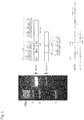
- This figure shows the results of PCR amplification of a myostatin (MSTN) gene product of human rhabdomyosarcoma cells.
- MSTN myostatin
- MSTN-V Two amplification products were obtained by PCR (MSTN and MSTN-V) (left panel). Nucleotide sequences of respective products were analyzed to thereby obtain exon structures, which are schematically shown in the right panel. In MSTN-V, nucleotides from No. 881 to No. 1843 in MSTN are missing. The sequence of the junction site between exon 2 and exon 3 for each product is shown, together with part of the nucleotide sequence starting from nucleotide No. 1844 (right lower panel).
- MSTN is composed of exon 1, exon 2 and exon 3 (solid line) that remain after introns 1 and 2 have been spliced from pre-mRNA of MSTN gene.
- Intron 2 is the most common intron having GT sequence and AG sequence at 5' end and 3' end, respectively.
- the mode of splicing of intron 2 is different in MSTN-V; TG in exon 3 (which is a cryptic splice acceptor site) is activated to thereby form a GT-TG intron (dotted line).
- TG in exon 3 which is a cryptic splice acceptor site
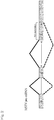
- Myostatin is composed of signal peptide (nucleotide No. 1 to No. 18), prodomain (nucleotide No. 19 to No. 266) and mature myostatin (nucleotide No. 267 to No. 375) in this order from N terminus.
- Nucleotide sequences of myostatin and myostatin V are identical in exon 1 and exon 2, with commonality of up to amino acid No. 249.
- myostatin V is different in the nucleotide sequence of exon 3, the 250 th amino acid from N terminus is asparagine (N), the 251 st amino acid is valine (V) and the 252 nd position is stop codon (*) (SEQ ID NO: 1). For this reason, myostatin V does not have the domain of mature myostatin.
- Mature myostatin generated from precursor binds to its receptor on cell surfaces to thereby activate downstream signal transduction.
- Smad2/3 is phosphorylated and the phosphorylated Smad2/3 transits into the nucleus.
- the phosphorylated Smad2/3 then binds to an Smad binding element present in the promoter of a target gene, whereupon expression of the target gene is induced.
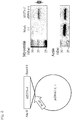
- MSTN-V expression vector was prepared as described below. Briefly, an artificial synthetic nucleic acid was prepared by adding Nhe I recognition sequence (GCTTGC) to 5' end and BamH I recognition sequence (GGATCC) to 3' end of SEQ ID NO: 3, a sequence optimized for codon usage frequency with respect to SEQ ID NO: 2. The synthetic nucleic acid was inserted into the Nhe I/BamH I recognition site of pcDNA TM 3.1 (+) vector to thereby prepare MSTN-V expression vector (left panel). The thus prepared vector was introduced into myocytes, and the expressed protein was analyzed by Western blotting.
- GCTTGC Nhe I recognition sequence
- GGATCC BamH I recognition sequence
- a specific band was detected at around a molecular weight of 35 kDa (arrow mark) in the sample extracted from MSTN-V expression vector-introduced cells, and expression of myostatin V was confirmed (right panel).
- the left lane represents molecular weight marker; the middle lane represents "Mock" (sample derived from empty vector-introduced cells); and the right lane represents sample derived from MSTN-V expression vector-introduced cells.
- Myostatin V and myostatin on in vitro myostatin transcriptional activity measurement system are shown schematically (left panel).
- Myostatin signaling was evaluated by introducing an empty vector, MSTN-N expression vector and MSTN-V expression vector individually into myocytes, and measuring the activity of luciferase whose expression is induced by Smad2/3.
- Luciferase activity was shown in relative values with the result of measurement of liquid extract from empty vector-introduced cell being taken as 1 (middle and right panels). In both human rhabdomyosarcoma cell and human skeletal muscle myoblast cell, luciferase specific activity was elevated when myostatin was expressed. On the other hand, when myostatin V was expressed, decrease in luciferase specific activity was recognized, suggesting that myostatin V inhibits myostatin signal transduction.
- the present invention provides the following protein (a) or (b):
- the protein of (a) is a protein comprising the amino acid sequence as shown in SEQ ID NO: 1 and is a protein translated from a splice variant of human myostatin.
- myostatin (375aa, 43 kDa) is composed of signal peptide (1-18), prodomain (19-266) and mature myostatin (267-375), whereas the myostatin variant is composed of signal peptide (1-18) and part of prodomain (19-251) with C-terminus amino acid (251) being valine instead of proline. Therefore, no mature myostatin is formed in the myostatin variant.
- the protein of (a) is capable of inhibiting myostatin signaling ( Fig. 4 ).
- the protein of (a) may be prepared as described below. Briefly, RNA is extracted from human rhabdomyosarcoma cell (CRL-2061, ATCC) and cDNA is synthesized using reverse transcriptase and random primers. After PCR amplification, sequence analysis is performed for sequence determination. Then, the sequence is optimized for codon usage frequency in the open reading frame and gets a restriction enzyme recognition site to be added at 5' end and 3' end; the resultant sequence is then incorporated into an appropriate vector which is introduced into an appropriate host cell to allow production of a recombinant protein. Thus, the protein of (a) is prepared as a recombinant protein.
- the protein of (b) is a protein comprising an amino acid sequence having at least 70% or more sequence identity with the amino acid sequence as shown in SEQ ID NO: 1 and which yet is capable of inhibiting myostatin signaling.
- a transcription factor Smad protein
- Smad protein binds to an Smad binding sequence to thereby induce transcription.
- a reporter gene in which a luciferase gene is located downstream of the Smad binding sequence and an expression vector for the protein of (b) are co-introduced into a cell and then the resultant luciferase luminescence is measured.
- Sequence identity between the amino acid sequences of the protein of (a) and the protein of (b) is at least 70% or more. Further, sequence identity is more preferable in the following order: 80% or more, 90% or more, 95% or more, or 98% or more.
- the protein of (b) may be a protein comprising the amino acid sequence as shown in SEQ ID NO: 1 wherein one or a plurality of amino acids (ranging in number from 2 to 76, preferably in the increasing order of 2, 3, 4, 5, 6, 7, 8, 9, 10, 20, 30, 40, 50, 60, 70, 75 and 76) are deleted, substituted or added and which yet is capable of inhibiting myostatin signaling.
- the protein of (b) may be prepared by substituting arbitrary amino acids in the protein of (a) with other amino acids by site-directed mutagenesis.
- the present invention provides a polynucleotide comprising a nucleotide sequence encoding the protein of (a) or (b) or a sequence complementary to the nucleotide sequence.
- the polynucleotide of the present invention may be either single- or double-stranded.
- the polynucleotide when it is double-stranded, it comprises a polynucleotide comprising a nucleotide sequence encoding the protein of (a) or (b) and a strand complementary thereto.
- the polynucleotide may be either DNA, RNA or chimera DNA/RNA.
- Nucleotides constituting the polynucleotide may be modified.
- modified nucleotide include those nucleotides in which sugar is modified (e.g., D-ribofuranose is 2'-O-alkylated or D-ribofuranose is 2'-O, 4'-C-alkylenated), those nucleotides in which phosphodiester bond is modified (e.g., thioated), those nucleotides in which base is modified, a combination of the above-described nucleotides, and so forth.
- the nucleotide sequence as shown in SEQ ID NO: 2 may be given.
- the nucleotide sequence as shown in SEQ ID NO: 2 is an mRNA sequence for a myostatin variant extracted from human rhabdomyosarcoma cell (CRL-2061, ATCC).
- the nucleotide sequence as shown in SEQ ID NO: 2 contains 5' untranslated region, open reading frame (sequence between start codon (atg) and stop codon (tga)), 3' untranslated region and poly(A).
- the nucleotide sequence encoding the protein of (a) may be the sequence between the start codon (atg) and the stop codon (tga) in the nucleotide sequence of SEQ ID NO: 2, or a nucleotide sequence comprising the sequence between the start codon and the stop codon.
- the nucleotide sequence in the open reading frame may be optimized for codon usage frequency. As one example of such optimization, a nucleotide sequence optimized for codon usage frequency in the open reading frame of SEQ ID NO. 2 is shown in SEQ ID NO: 3.
- a polynucleotide comprising a nucleotide sequence encoding the protein of (a) may be prepared, for example, by the method disclosed in Example 1 described later.
- a polynucleotide comprising a sequence complementary to a nucleotide sequence encoding the protein of (a) may be synthesized from mRNA (having poly(A) chain at 3' end) of a myostatin variant comprising the nucleotide sequence encoding the protein of (a) using reverse transcriptase and oligo dT primers. After degrading mRNA by alkali treatment, the resultant single-stranded DNA may be used as a template for conversion into a double-stranded DNA using reverse transcriptase or DNA polymerase.
- a nucleotide sequence encoding the protein of (b) and a sequence complementary thereto may be obtained, for example, by introducing base substitution mutations into a nucleotide sequence encoding the protein of (a) and a sequence complementary thereto by site-directed mutagenesis.
- a DNA encoding the protein of (a) or (b) may be incorporated into a vector to thereby prepare a recombinant vector, which is then introduced into a host cell to thereby transform the cell; the transformed cell is cultured to produce the protein of (a) or (b). Therefore, the present invention provides a method of preparing the protein of (a) or (b), which comprises culturing a cell comprising a vector comprising a polynucleotide comprising a nucleotide sequence encoding the protein of (a) or (b) or a sequence complementary thereto.
- the present invention also provides a vector (recombinant vector) comprising a polynucleotide comprising a nucleotide sequence encoding the protein of (a) or (b) or a sequence complementary thereto. Moreover, the present invention provides a cell comprising a vector comprising a polynucleotide comprising a nucleotide sequence encoding the protein of (a) or (b) or a sequence complementary thereto.
- the recombinant vector of the present invention may be obtained by inserting a polynucleotide comprising a nucleotide sequence encoding the protein of (a) or (b) and a sequence complementary thereto into an appropriate vector.
- Escherichia coli -derived plasmids e.g., pBR322, pBR325, pUC12, pUC13, pUC19, pET-44 or pBlueScriptII
- Bacillus subtilis-derived plasmids e.g., YEp13, pYES2, YRp7, YIp5, pYAC2, pUB110, pTP5 or pC194
- yeast-derived plasmids e.g., pSH19 or pSH15
- bacteriophages such as ⁇ phage
- animal viruses such as retrovirus, adenovirus, lentivirus, adeno-associated virus or vaccinia virus
- insect pathogen viruses such as baculovirus
- the expression vector may also comprise promoters, enhancers, terminators, splicing signals, poly-A addition signals, selection markers, SV40 replication origins, and so forth.
- the expression vector may be a fusion protein expression vector.
- fusion protein expression vectors are commercially available, as exemplified by pGEX series (GE Healthcare), Novagen TM pET Systems (Merck), Clontech fluorescent protein vector series (Takara), His 6 HaloTag TM vector for expression of tag-added protein (Promega), FLAG-tagged fusion protein expression system (Sigma-Aldrich), pCruz TM expression vector series for mammalian cells (Santa Cruz Biotechnology) and so forth.
- the present invention also provides a recombinant vector-introduced cell (host cell).
- Examples of the host cell include, but are not limited to, bacterial cells (such as Escherichia bacteria, Bacillus bacteria or Bacillus subtilis), fungal cells (such as yeast or Aspergillus), insect cells (such as S2 cells or Sf cells), animal cells (such as CHO cells, COS cells, HeLa cells, C127 cells, 3T3 cells, BHK cells or HEK 293 cells) and plant cells.
- bacterial cells such as Escherichia bacteria, Bacillus bacteria or Bacillus subtilis
- fungal cells such as yeast or Aspergillus
- insect cells such as S2 cells or Sf cells
- animal cells such as CHO cells, COS cells, HeLa cells, C127 cells, 3T3 cells, BHK cells or HEK 293 cells
- Introduction of a recombinant vector into a host cell may be performed by the methods disclosed in Molecular Cloning 2nd Edition, J. Sambrook et al., Cold Spring Harbor Lab. Press, 1989 (e.g., the calcium phosphate method, the DEAE-dextran method, transfection, microinjection, lipofection, electroporation, transduction, scrape loading, the shotgun method, etc.) or by infection.
- the transformant may be cultured in a medium, followed by collection of the protein of (a) or (b) from the culture.
- the medium may be recovered, followed by isolation and purification of the protein of (a) or (b) from the medium.
- the cells may be lysed, followed by isolation and purification of the protein from the cell lysate.
- the protein of (a) or (b) is expressed in the form of a fusion protein fused to another protein (functioning as a tag)
- the fusion protein is isolated and purified before treatment with factor Xa or an enzyme (enterokinase) is performed to cut off another protein, whereby the protein of (a) or (b) is obtained.
- Isolation and purification of the protein of (a) or (b) may be performed by known methods.
- Known isolation/purification methods which may be used in the present invention include, but are not limited to, methods using difference in solubility (such as salting-out or solvent precipitation); methods using difference in molecular weight (such as dialysis, ultrafiltration, gel filtration or SDS-polyacrylamide gel electrophoresis); methods using difference in electric charge (such as ion exchange chromatography); methods using specific affinity (such as affinity chromatography); methods using difference in hydrophobicity (such as reversed phase high performance liquid chromatography); and methods using difference in isoelectric point (such as isoelectric focusing).
- difference in solubility such as salting-out or solvent precipitation
- methods using difference in molecular weight such as dialysis, ultrafiltration, gel filtration or SDS-polyacrylamide gel electrophoresis
- methods using difference in electric charge such as ion exchange chromatography
- methods using specific affinity such as affinity chromatography
- the present invention provides a composition for inhibiting myostatin signaling, comprising at least one member selected from the group consisting of the protein of (a) and/or (b), a polynucleotide comprising a nucleotide sequence encoding the protein or a sequence complementary thereto, a vector comprising the polynucleotide, and a cell comprising the vector.
- the present invention provides a composition for promoting myogenesis, comprising at least one member selected from the group consisting of the protein of (a) and/or (b), a polynucleotide comprising a nucleotide sequence encoding the protein or a sequence complementary to the nucleotide sequence, a vector comprising the polynucleotide, and a cell comprising the vector.
- the vector may be such that the polynucleotide comprising a nucleotide sequence encoding the protein of (a) and/or (b) or a sequence complementary thereto can be introduced into cells.
- vectors for gene therapy such as adenovirus, retrovirus, lentivirus, adeno-associated virus, Sendai virus, liposome and plasmids.
- those cells into which the polynucleotide or vector of the present invention has been introduced may be used in cell therapy.
- Methods of introducing a gene of interest into a vector, methods of introducing a recombinant vector into a cell, methods of administering a recombinant vector or a transgenic cell to human or the sites of administration are known. These methods, either as such or with necessary modifications, may be applicable to the present invention.
- genome editing techniques may be used.
- artificial nucleases such as ZFN (zinc-finger nuclease), TALEN (transcription activator-like effector nuclease), CRISPR/Cas9 (clustered regularly interspaced short palindromic repeats/CRISPR-associated protein 9), or the like may be employed.
- composition of the present invention may be used in pharmaceutical drugs, experimental reagents, foods, feeds, and so on.
- Such pharmaceutical drugs may be used for preventing and/or treating diseases in which myostatin is involved (myostatin may be involved either directly or indirectly).
- diseases in which myostatin is involved include, but are not limited to, amyotrophic diseases such as muscular dystrophy, spinal muscular atrophy, sarcopenia or disuse muscle atrophy; cardiovascular diseases such as heart failure or arteriosclerosis; renal diseases such as chronic renal failure; bone diseases such as inflammatory arthritis; cancer or diabetes.
- Diseases in which myostatin is involved may advantageously be those diseases which can be effectively coped by decrease in myostatin level or inhibition of myostatin signaling.
- the present invention provides a method for preventing and/or treating a disease in which myostatin is involved, comprising administering to a subject a pharmaceutically effective amount of at least one member selected from the group consisting of the protein of (a) and/or (b), a polynucleotide comprising a nucleotide sequence encoding the protein or a sequence complementary thereto, a vector comprising the polynucleotide, and a cell comprising the vector.
- the present invention provides at least one member selected from the group consisting of the protein of (a) and/or (b), a polynucleotide comprising a nucleotide sequence encoding the protein or a sequence complementary thereto, a vector comprising the polynucleotide, and a cell comprising the vector for use in a method of preventing and/or treating a disease in which myostatin is involved.
- Myostatin inhibition leads to an increase in skeletal muscle mass and, hence, can be used for treatment of all diseases that present with muscular atrophy whatever etiology it has. Increase in skeletal muscle mass contributes to an increased amount of exercise and an improvement of systemic metabolism as well. Further, increased skeletal muscle mass is expected to affect cardiac muscle in a favorable way to restore its function.
- Myostatin inhibition is also expected to have other effects such as acting on osteoclast cells to inhibit osteoclast, activating the homeostatic capacity of vascular endothelial cells, inducing apoptosis, and increasing insulin sensitivity.
- At least one member selected from the group consisting of the protein of (a) and/or (b), a polynucleotide comprising a nucleotide sequence encoding the protein or a sequence complementary thereto, a vector comprising the polynucleotide, and a cell comprising the vector may be administered either alone or together with pharmacologically acceptable carriers, diluents or excipients in appropriate forms of pharmaceutical compositions, to mammals (e.g., human, rabbit, dog, cat, rat, mouse, etc.) orally or parenterally. Dose levels may vary depending on the subject to be treated, the target disease, symptoms, administration route, and so on.
- the amounts indicated below may be administered as a dose per administration in terms of active ingredient.
- the active ingredient is a protein, usually approx. 0.1 ⁇ g to 100 mg/kg body weight, preferably approx. 0.5 mg to 100 mg/kg body weight;
- the active ingredient is a polynucleotide, usually approx. 0.1 to 50 mg/kg body weight, preferably approx. 0.5 mg/kg body weight;
- the active ingredient is a vector comprising the polynucleotide, usually approx. 1x10 14 to 9x10 14 genome copies/kg body weight, preferably approx.
- 1x10 12 genome copies/kg body weight may be administered at a frequency of about once a week to once a month or once a year, preferably at a frequency of about once a year, either orally or by intramuscular, subcutaneous, or intravenous injection (preferably, consecutive or alternate day administration).
- the active ingredient is a cell comprising the vector
- 10,000 to 100,000 cells may be administered as a dose per administration in terms of active ingredient, at a frequency of about once a week to once a month or once a year, preferably at a frequency of about once a year, by intramuscular, subcutaneous or intravenous injection, preferably by intravenous injection.
- compositions for oral administration include solid or liquid preparations such as tablets (including sugar-coated tablets and film-coated tablets), pills, granules, powders, capsules (including soft capsules), syrups, emulsions and suspensions.
- These compositions may be prepared according to conventional methods and may contain carriers, diluents or excipients conventionally used in the field of medicine manufacture. For example, lactose, starch, sucrose, magnesium stearate and the like are used as carriers or excipients for tablets.
- compositions for parenteral administration include, for example, injections and suppositories.
- Injections include intravenous injections, subcutaneous injections, intradermal injections, muscle injections, instilment injections, etc.
- Such injections may be prepared by conventional methods, i.e., by dissolving, suspending or emulsifying the active ingredient in an aseptic, aqueous or oily liquid conventionally used in injections.
- aqueous liquids for injection include physiological saline and isotonic solutions containing glucose and other auxiliary agents. They may be used in combination with a suitable auxiliary solubilizer such as alcohol (e.g. ethanol), polyalcohol (e.g.
- propylene glycol polyethylene glycol
- nonionic surfactant e.g. Polysorbate 80, HCO-50 (polyoxyethylene (50 mol) adduct of hydrogenated castor oil)
- oily liquids for injection include sesame oil and soybean oil. They may be used in combination with an auxiliary solubilizer such as benzyl benzoate, benzyl alcohol, etc.
- the prepared injections are filled in appropriate ampoules.
- Suppositories for administration into the rectum may be prepared by mixing the active ingredient with a conventional suppository base.
- compositions for oral or parenteral administration may be formulated into unit dosage forms that would give an appropriate dose of the active ingredient.
- unit dosage forms include tablets, pills, capsules, injections (ampoules), and suppositories.
- 0.1 to 1000 mg of the active ingredient is usually contained in each unit dosage form.
- Animals may be those which are expressing myostatin.
- domestic animals used for work, food or pet, or fishes under culture, specifically mammals such as cat, dog, sheep, pig or cattle; poultry such as chicken or turkey; fishes such as salmon, trout, cod fish, tuna or yellowtail may be enumerated.
- the following may be added to the food or feed of the present invention: general ingredients such as protein, fat, carbohydrate, and sodium; minerals such as potassium, calcium, magnesium, and phosphorus; trace elements such as iron, zinc, copper, selenium, and chromium; vitamins such as vitamin A, ⁇ -carotene, vitamin B 1 , vitamin B 2 , vitamin B 6 , vitamin B 12 , vitamin C, niacin, folic acid, vitamin D 3 , vitamin E, biotin, and pantothenic acid; and other substances such as coenzyme Q10, ⁇ -lipoic acid, galacto-oligosaccharide, dietary fiber, an excipient (such as water, carboxymethyl cellulose, or lactose), a sweetener, a flavoring agent (such as malic acid, citric acid, or amino acid), and a fragrance.
- general ingredients such as protein, fat, carbohydrate, and sodium
- minerals such as potassium, calcium, magnesium, and phosphorus
- trace elements such
- the food or feed of the present invention When the food or feed of the present invention is provided as a liquid food or feed, water, physiological saline, soup, milk, fruit juice, or the like can be used as a liquid in which the food or feed ingredients are dispersed or dissolved.
- the food or feed of the present invention may be formulated into such forms as powder, granules, tablets or liquid preparations.
- the food of the invention is preferably in the form of a gel-like (gelatinous?) product such as jelly.
- the food or feed of the present invention may be ingested in such an amount, frequency and period of intake that the desired effect can be confirmed.
- RNA 500 ng was reverse-transcribed to cDNA by M-MLV Reverse Transcriptase (#28025013, Thermo Fisher Scientific) using Random primers (#48190011, Thermo Fisher Scientific) in the presence of RNaseOUT TM Recombinant Ribonuclease Inhibitor (#10777-019, Thermo Fisher Scientific).
- the resultant cDNA was subjected to PCR using primers MSTN Ex1_F1; 5'-agattcactggtgtggcaag-3' (SEQ ID NO: 6) and MSTN R2; 5'-tgcatgacatgtctttgtgc-3' (SEQ ID NO: 7) and TaKaRa Ex Taq TM DNA polymerase (#RR001A, Takara).
- PCR products were electrophoresed on agarose gel. Upon electrophoresis, two amplified bands were detected between 2 kbp and 3 kbp and between 1 kbp and 2 kbp of DNA size markers, respectively.
- PCR fragment of approx. 2.5 kbp is a normal splicing product (MSTN) composed of all the exons of myostatin (MSTN) gene: exon 1 (Ex1), exon 2 (Ex2) and exon 3 (Ex3).
- MSTN normal splicing product
- Fig. 1 right panel.
- Part of the sequence of the junction site between exon 2 and exon 3, and part of the nucleotide sequence starting from nucleotide No. 1844 in exon 3 are shown in Fig. 1 , right lower panel.
- 1.5 kbp (which is a myostatin variant MSTN-V) (SEQ ID NO: 2) was completely identical with the nucleotide sequence of MSTN as far as exon 1 and exon 2 of myostatin gene are concerned.
- sequence of MSTN-V corresponding to exon 3 was completely different from that of MSTN.
- the sequence starting with “aat ccg ttt” was changed to a sequence starting with "aat gtc tga”.
- the sequence starting with this "aat gtc tga" was completely identical with the sequence downstream from nucleotide No. 1844 in exon 3 of MSTN. This indicated that a region corresponding to the region spanning from nucleotide No. 881 to No. 1843 in exon 3 of MSTN was missing in MSTN-V.
- Intron 2 of MSTN is the most common intron having GT sequence and AG sequence at 5' end and 3' end, respectively.
- the mode of splicing of intron 2 is different in MSTN-V; TG in exon 3 (which is a cryptic splice acceptor site) is activated to thereby form a GT-TG intron.
- TG in exon 3 which is a cryptic splice acceptor site
- MSTN-V mRNA has start codon and stop codon, and it was suggested that this mRNA is translated to a protein of 251 amino acids.
- the sequence of myostatin V was the same as that of myostatin, but the 251 st amino acid was valine (V) and the 252 nd position was stop codon. Since mature myostatin is composed of amino acids from No. 267 to No. 375 of myostatin, mature myostatin is not produced from MSTN-V mRNA (SEQ ID NO: 1, Fig. 3 ).
- Myostatin exerts its effect via myostatin signaling. Briefly, when mature myostatin generated from precursor binds to its receptor present in the cell membrane, Smad2/3 is phosphorylated. The phosphorylated Smad2/3 transits into the nucleus and binds to Smad binding element located upstream of a target gene to thereby enhance expression of the target gene ( Fig. 4 ).
- the amino acid sequence of myostatin precursor is shown in SEQ ID NO: 5 and the sequence of mRNA in SEQ ID NO: 4.
- MSTN-V expression vector For expressing myostatin V in cultured cells, MSTN-V expression vector was prepared. Briefly, codon usage frequency in the open reading frame of SEQ ID NO: 2 was optimized to thereby obtain SEQ ID NO: 3.
- MSTN-V expression vector Protein expression from the MSTN-V expression vector was confirmed by Western blotting.
- the MSTN-V expression vector and an empty vector for control (pcDNA TM 3.1(+)) were introduced into human rhabdomyosarcoma cell (CRL-2061, ATCC) using Lipofectamin TM 2000 (#11668019, Thermo Fisher Scientific). Twenty-four hours after introduction of the vectors, cells were disrupted using Cell Lysis Buffer (#9803, Cell Signaling) (supplemented with 1 mM PMSF (#8553, Cell Signaling)) to obtain soluble fractions as a sample. Quantification of the protein in the thus obtained sample was performed using Qubit TM Protein Assay Kit (#Q33211, Thermo Fisher Scientific).
- Sample for SDS-PAGE was prepared by mixing the above-mentioned sample with 4x Laemmli Sample Buffer (#1610747, Bio-Rad) (supplemented with 2-Mercaptoethanol (#1610710, Bio-Rad)) and thermally treating the resultant mixture.
- SDS-PAGE was performed with Mini-PROTEAN TM TGX TM Precast Gels 4-20% Gel (#456-1094, BIO-RAD).
- As molecular marker Precision Plus Protein TM Dual Color Standards (#1610374, BIO-RAD) were electrophoresed.
- TransBlot Turbo TM transcription system Bio-Rad was used.
- Protein- transferred membrane was blocked with 2% ECL TM Prime Blocking Agent (#RPN418, Amersham) at room temperature for 1 hour. Then, the membrane was treated with a primary antibody recognizing either the N-terminal side of myostatin (Anti-GDF8/Myostatin antibody, #ab71808, abcam) or actin ( ⁇ -Actin antibody (C4), #sc-47778, Santa Cruz Biotechnology) at 4°C overnight.
- ⁇ -Actin antibody C4
- C4 actin
- C4 ⁇ -Actin antibody
- Detection was performed with Amersham TM ECL Select TM Western Blotting Detection Reagent (#RPN2235, GE) using ChemiDoc TM XRS+ system (Bio-Rad). As a result, a band of myostatin V was detected at around 35 kDa ( Fig. 5 , right panel). At the same time, actin was also analyzed to obtain a band.
- Myostatin signaling inhibitory activity by myostatin V was evaluated using in vitro myostatin transcriptional activity measurement system.
- a reporter gene SBE4-Luc plasmid, #16495, Addgene
- a luciferase gene located downstream of an Smad binding sequence was introduced into cells. Then, luminescence of luciferase induced for expression was measured, whereby myostatin signaling was evaluated ( Fig. 6 , left panel).
- myostatin (MSTN-N) expression vector was also used for the purpose of examination.
- MSTN-N expression vector was prepared as described below.
- GCTTGC Nhe I recognition sequence
- GGATCC BamH I recognition sequence
- Two types of vectors were co-introduced into human rhabdomyosarcoma cell (CRL-2061, ATCC) and human skeletal muscle myoblast cell using Lipofectamin TM 2000 (#11668019, Thermo Fisher Scientific).
- One of the two vector types was SBE4-Luc plasmid and the other type was MSTN-V expression vector or MSTN-N expression vector or empty vector (pcDNA TM 3.1(+)).
- Quantification of the protein in the thus obtained sample was performed using Qubit TM Protein Assay Kit (#Q33211, Thermo Fisher Scientific). Luciferase activity was evaluated by measuring luciferase luminescence signals on multi-label plate reader ARVO TM 3 (PerkinElmer) using the Luciferase Assay System of Luciferase Assay System with Reporter Lysis Buffer (#E4030, Promega) as a substrate.
- Luciferase activity was shown in terms of relative values with the result of measurement of a liquid extract from empty vector-introduced cell taken as 1 ( Fig. 6 , middle and right panels). In both human rhabdomyosarcoma cells and human skeletal muscle myoblast cells, luciferase specific activity was shown to increase when myostatin was expressed. On the other hand, when myostatin V was expressed, a decrease in luciferase specific activity was recognized. Luciferase activity measured in this experimental system correlates with myostatin signaling. The increase in luciferase activity shows enhancement of myostatin signaling, and the decrease in luciferase activity shows inhibition of luciferase signaling. From these results, it has become clear that myostatin signaling is inhibited by expression of myostatin V.
- the present invention is applicable to promotion of myogenesis in human and animals.
- the amino acid sequence of a myostatin variant protein is shown (a total of 251 amino acids).
- the nucleotide sequence of a myostatin variant is shown (a total of 1860 nucleotides; start codon (atg) and stop codon (tga) are individually indicated in a rectangle).
- the nucleotide sequence of myostatin V (MSTN-V) incorporated into an expression vector.
- Nhe I site was added to 5' side and BamH I site to 3' side. (a total of 1860 nucleotides; start codon (atg) and stop codon (tga) are individually indicated in a rectangle).
- the nucleotide sequence of myostatin (MSTN-N) incorporated into an expression vector. Before insertion into the vector, Nhe I site was added to 5' side and BamH I site to 3' side. (a total of 2823 nucleotides; start codon (atg) and stop codon (tga) are individually indicated in a rectangle).
- Amino acid sequence (a total of 375 amino acids)
Landscapes
- Health & Medical Sciences (AREA)
- Life Sciences & Earth Sciences (AREA)
- Chemical & Material Sciences (AREA)
- Organic Chemistry (AREA)
- Engineering & Computer Science (AREA)
- Medicinal Chemistry (AREA)
- General Health & Medical Sciences (AREA)
- Veterinary Medicine (AREA)
- Public Health (AREA)
- Pharmacology & Pharmacy (AREA)
- Animal Behavior & Ethology (AREA)
- Proteomics, Peptides & Aminoacids (AREA)
- Polymers & Plastics (AREA)
- Chemical Kinetics & Catalysis (AREA)
- Nuclear Medicine, Radiotherapy & Molecular Imaging (AREA)
- General Chemical & Material Sciences (AREA)
- Bioinformatics & Cheminformatics (AREA)
- Molecular Biology (AREA)
- Zoology (AREA)
- Food Science & Technology (AREA)
- Physical Education & Sports Medicine (AREA)
- Orthopedic Medicine & Surgery (AREA)
- Diabetes (AREA)
- Animal Husbandry (AREA)
- Gastroenterology & Hepatology (AREA)
- Toxicology (AREA)
- Mycology (AREA)
- Nutrition Science (AREA)
- Genetics & Genomics (AREA)
- Biophysics (AREA)
- Biochemistry (AREA)
- Neurology (AREA)
- Heart & Thoracic Surgery (AREA)
- Obesity (AREA)
- Urology & Nephrology (AREA)
- Cardiology (AREA)
- Epidemiology (AREA)
- Pain & Pain Management (AREA)
- Emergency Medicine (AREA)
- Endocrinology (AREA)
Abstract
Description
- The present invention relates to inhibition of myostatin signaling by a myostatin splice variant-derived protein and use thereof.
- Myostatin is produced in cells as a precursor, which is converted into mature myostatin upon cleavage by protease. When this mature myostatin binds to its receptor on cell surfaces, Smad2/3 is phosphorylated and the phosphorylated Smad2/3 transits into the nucleus. The phosphorylated Smad2/3 then binds to an Smad binding element present in the promoter of a target gene, whereupon expression of the target gene is induced (myostatin signaling). Activation of myostatin signaling induces gene expression, and the induced factor negatively regulates myogenesis. In contrast, inhibition of myostatin signaling promotes myogenesis. Since promotion of myogenesis is applicable to treatment of amyotrophic diseases such as muscular dystrophy, inhibition of myostatin signaling is believed to be a potential therapy for muscle atrophy (Non-Patent Document No. 1). Moreover, decrease in myostatin expression inhibits cancer cell proliferation (Non-Patent Document No. 2). These results suggest that decrease in myostatin level and inhibition of myostatin signaling are effective in cancer treatment. Further, since expression levels of myostatin are elevated in
type 2 diabetes patients , it is thought that there is some relation between myostatin and diabetes (Non-Patent Document No. 3). From what have been described above, it is believed that inhibition of myostatin signaling would be effective for suppression of diabetes or inhibition of its progression. - As a method of inhibiting myostatin signaling, use of a peptide that binds to myostatin has been examined. This peptide is derived from a sequence that myostatin per se has and was actually capable of inhibiting myostatin signaling. However, this peptide has a problem of low stability upon administration into a living body (Non-Patent Document No. 4; Patent Document No. 1).
- Further, a method of inhibiting myostatin signaling using a sheep myostatin splice variant has also been reported (Non-Patent Document No. 5; Patent Document No. 2). However, nothing equivalent to the myostatin splice variant found in sheep has been discovered in human.
-
- Non-Patent Document No. 1: Bogdanovich et al., Nature, 2002, 420; 418-421
- Non-Patent Document No. 2: Han et al., Redox Biol. 2018, 19; 412-4128
- Non-Patent Document No. 3: Palsgaard et al. 2009, 4; e6575
- Non-Patent Document No. 4: Ohsawa et al., PlosOne, 2015, 10; e0133713
- Non-Patent Document No. 5: Jeanplong et al., PlosOne, 2013, 8; e81713
-
- Patent Document No. 1:
WO2014/119753A1 - Patent Document No. 2:
WO2006/036074A1 - It is an object of the present invention to provide a method of inhibiting myostatin signaling.
- As a result of intensive and extensive researches, the present inventors have found that a protein translated from a myostatin splice variant (a variant produced by changes in splicing pattern) inhibits myostatin signaling. The protein translated from the mRNA of the myostatin splice variant does not have the active region required for mature myostatin, but retains more than 90% of the prodomain (
Fig. 3 ). It was possible to inhibit myostatin signaling by allowing overexpression of the myostatin variant in cultured cells (Fig. 6 ). Since the protein translated from the myostatin splice variant is a protein naturally produced in vivo, it is believed to have better stability than exogenous proteins. By inhibiting myostatin signaling, treatment of amyotrophic diseases due to promotion of myogenesis becomes possible. Moreover, inhibition of cancer cell proliferation by inhibition of myostatin signaling also becomes possible. Further, activation of myostatin signaling associated with myostatin increase is suggested to be potentially related to diabetes, so it is believed that inhibition of myostatin signaling is effective for preventing diabetes or for inhibiting its progression. Therefore, this protein and an expression system thereof are applicable to therapy for diseases in which myostatin is involved. - A summary of the present invention is described as below.
- (1) A protein of the following (a) or (b):
- (a) a protein comprising the amino acid sequence as shown in SEQ ID NO: 1
- (b) a protein comprising an amino acid sequence having at least 70% or more sequence identity with the amino acid sequence as shown in SEQ ID NO: 1 and which yet is capable of inhibiting myostatin signaling.
- (2) A polynucleotide comprising a nucleotide sequence encoding the protein of (1) above or a sequence complementary to the nucleotide sequence.
- (3) A vector comprising the polynucleotide of (2) above.
- (4) A cell comprising the vector of (3) above.
- (5) A method of preparing a protein of the following (a) or (b), comprising culturing the cell of (4) above:
- (a) a protein comprising the amino acid sequence as shown in SEQ ID NO: 1
- (b) a protein comprising an amino acid sequence having at least 70% or more sequence identity with the amino acid sequence as shown in SEQ ID NO: 1 and which yet is capable of inhibiting myostatin signaling.
- (6) A composition for inhibiting myostatin signaling, comprising at least one member selected from the group consisting of the protein of (1), the polynucleotide of (2), the vector of (3) and the cell of (4).
- (7) A composition for promoting myogenesis, comprising at least one member selected from the group consisting of the protein of (1), the polynucleotide of (2), the vector of (3) and the cell of (4).
- (8) A composition for preventing and/or treating a disease in which myostatin is involved, comprising at least one member selected from the group consisting of the protein of (1), the polynucleotide of (2), the vector of (3) and the cell of (4).
- (9) A pharmaceutical drug comprising at least one member selected the group consisting of the protein of (1), the polynucleotide of (2), the vector of (3) and the cell of (4).
- (10) A food comprising at least one member selected from the group consisting of the protein of (1), the polynucleotide of (2), the vector of (3) and the cell of (4).
- (11) A feed comprising at least one member selected from the group consisting of the protein of (1), the polynucleotide of (2), the vector of (3) and the cell of (4).
- (12) A method for preventing and/or treating a disease in which myostatin is involved, comprising administering to a subject a pharmaceutically effective amount of at least one member selected from the group consisting of the protein of (1), the polynucleotide of (2), the vector of (3) and the cell of (4).
- (13) At least one member selected from the group consisting of the protein of (1), the polynucleotide of (2), the vector of (3) and the cell of (4) for use in a method of preventing and/or treating a disease in which myostatin is involved.
- It is possible to inhibit myostatin signaling with a protein translated from a myostatin splice variant.
- The present specification encompasses the contents disclosed in the specification and/or the drawings of
Japanese Patent Application No. 2019-37915 - This figure shows the results of PCR amplification of a myostatin (MSTN) gene product of human rhabdomyosarcoma cells. Two amplification products were obtained by PCR (MSTN and MSTN-V) (left panel). Nucleotide sequences of respective products were analyzed to thereby obtain exon structures, which are schematically shown in the right panel. In MSTN-V, nucleotides from No. 881 to No. 1843 in MSTN are missing. The sequence of the junction site between
exon 2 andexon 3 for each product is shown, together with part of the nucleotide sequence starting from nucleotide No. 1844 (right lower panel). - MSTN is composed of
exon 1,exon 2 and exon 3 (solid line) that remain afterintrons Intron 2 is the most common intron having GT sequence and AG sequence at 5' end and 3' end, respectively. On the other hand, the mode of splicing ofintron 2 is different in MSTN-V; TG in exon 3 (which is a cryptic splice acceptor site) is activated to thereby form a GT-TG intron (dotted line). As a result, 963 nucleotides spanning from nucleotide No. 881 to No. 1843 inexon 3 are deleted in myostatin V. - Protein structures of myostatin and myostatin V are shown schematically. Myostatin is composed of signal peptide (nucleotide No. 1 to No. 18), prodomain (nucleotide No. 19 to No. 266) and mature myostatin (nucleotide No. 267 to No. 375) in this order from N terminus. Nucleotide sequences of myostatin and myostatin V are identical in
exon 1 andexon 2, with commonality of up to amino acid No. 249. Since myostatin V is different in the nucleotide sequence ofexon 3, the 250th amino acid from N terminus is asparagine (N), the 251st amino acid is valine (V) and the 252nd position is stop codon (*) (SEQ ID NO: 1). For this reason, myostatin V does not have the domain of mature myostatin. - Mature myostatin generated from precursor binds to its receptor on cell surfaces to thereby activate downstream signal transduction. When mature myostatin binds to its receptor, Smad2/3 is phosphorylated and the phosphorylated Smad2/3 transits into the nucleus. The phosphorylated Smad2/3 then binds to an Smad binding element present in the promoter of a target gene, whereupon expression of the target gene is induced.
- MSTN-V expression vector was prepared as described below. Briefly, an artificial synthetic nucleic acid was prepared by adding Nhe I recognition sequence (GCTTGC) to 5' end and BamH I recognition sequence (GGATCC) to 3' end of SEQ ID NO: 3, a sequence optimized for codon usage frequency with respect to SEQ ID NO: 2. The synthetic nucleic acid was inserted into the Nhe I/BamH I recognition site of pcDNA™3.1 (+) vector to thereby prepare MSTN-V expression vector (left panel). The thus prepared vector was introduced into myocytes, and the expressed protein was analyzed by Western blotting. A specific band was detected at around a molecular weight of 35 kDa (arrow mark) in the sample extracted from MSTN-V expression vector-introduced cells, and expression of myostatin V was confirmed (right panel). The left lane represents molecular weight marker; the middle lane represents "Mock" (sample derived from empty vector-introduced cells); and the right lane represents sample derived from MSTN-V expression vector-introduced cells.
- Effects of myostatin V and myostatin on in vitro myostatin transcriptional activity measurement system are shown schematically (left panel). Myostatin signaling was evaluated by introducing an empty vector, MSTN-N expression vector and MSTN-V expression vector individually into myocytes, and measuring the activity of luciferase whose expression is induced by Smad2/3.
- Luciferase activity was shown in relative values with the result of measurement of liquid extract from empty vector-introduced cell being taken as 1 (middle and right panels). In both human rhabdomyosarcoma cell and human skeletal muscle myoblast cell, luciferase specific activity was elevated when myostatin was expressed. On the other hand, when myostatin V was expressed, decrease in luciferase specific activity was recognized, suggesting that myostatin V inhibits myostatin signal transduction.
- Hereinbelow, embodiments of the present invention will be described in detail.
- The present invention provides the following protein (a) or (b):
- (a) a protein comprising the amino acid sequence as shown in SEQ ID NO: 1
- (b) a protein comprising an amino acid sequence having at least 70% or more sequence identity with the amino acid sequence as shown in SEQ ID NO: 1 and which yet is capable of inhibiting myostatin signaling.
- The protein of (a) is a protein comprising the amino acid sequence as shown in SEQ ID NO: 1 and is a protein translated from a splice variant of human myostatin. As shown in
Fig. 3 , myostatin (375aa, 43 kDa) is composed of signal peptide (1-18), prodomain (19-266) and mature myostatin (267-375), whereas the myostatin variant is composed of signal peptide (1-18) and part of prodomain (19-251) with C-terminus amino acid (251) being valine instead of proline. Therefore, no mature myostatin is formed in the myostatin variant. - The protein of (a) is capable of inhibiting myostatin signaling (
Fig. 4 ). - The protein of (a) may be prepared as described below. Briefly, RNA is extracted from human rhabdomyosarcoma cell (CRL-2061, ATCC) and cDNA is synthesized using reverse transcriptase and random primers. After PCR amplification, sequence analysis is performed for sequence determination. Then, the sequence is optimized for codon usage frequency in the open reading frame and gets a restriction enzyme recognition site to be added at 5' end and 3' end; the resultant sequence is then incorporated into an appropriate vector which is introduced into an appropriate host cell to allow production of a recombinant protein. Thus, the protein of (a) is prepared as a recombinant protein.
- The protein of (b) is a protein comprising an amino acid sequence having at least 70% or more sequence identity with the amino acid sequence as shown in SEQ ID NO: 1 and which yet is capable of inhibiting myostatin signaling. As described in one Example provided later, when signal transduction is activated by myostatin, a transcription factor (Smad protein) binds to an Smad binding sequence to thereby induce transcription. Using this phenomenon, it is possible to evaluate the presence or absence of inhibition of myostatin signaling; specifically, a reporter gene in which a luciferase gene is located downstream of the Smad binding sequence and an expression vector for the protein of (b) are co-introduced into a cell and then the resultant luciferase luminescence is measured.
- Sequence identity between the amino acid sequences of the protein of (a) and the protein of (b) is at least 70% or more. Further, sequence identity is more preferable in the following order: 80% or more, 90% or more, 95% or more, or 98% or more. The protein of (b) may be a protein comprising the amino acid sequence as shown in SEQ ID NO: 1 wherein one or a plurality of amino acids (ranging in number from 2 to 76, preferably in the increasing order of 2, 3, 4, 5, 6, 7, 8, 9, 10, 20, 30, 40, 50, 60, 70, 75 and 76) are deleted, substituted or added and which yet is capable of inhibiting myostatin signaling.
- The protein of (b) may be prepared by substituting arbitrary amino acids in the protein of (a) with other amino acids by site-directed mutagenesis.
- The present invention provides a polynucleotide comprising a nucleotide sequence encoding the protein of (a) or (b) or a sequence complementary to the nucleotide sequence.
- The polynucleotide of the present invention may be either single- or double-stranded. When the polynucleotide is double-stranded, it comprises a polynucleotide comprising a nucleotide sequence encoding the protein of (a) or (b) and a strand complementary thereto.
- The polynucleotide may be either DNA, RNA or chimera DNA/RNA. Nucleotides constituting the polynucleotide may be modified. Examples of modified nucleotide include those nucleotides in which sugar is modified (e.g., D-ribofuranose is 2'-O-alkylated or D-ribofuranose is 2'-O, 4'-C-alkylenated), those nucleotides in which phosphodiester bond is modified (e.g., thioated), those nucleotides in which base is modified, a combination of the above-described nucleotides, and so forth.
- As one example of the nucleotide sequence encoding the protein of (a), the nucleotide sequence as shown in SEQ ID NO: 2 may be given. The nucleotide sequence as shown in SEQ ID NO: 2 is an mRNA sequence for a myostatin variant extracted from human rhabdomyosarcoma cell (CRL-2061, ATCC). The nucleotide sequence as shown in SEQ ID NO: 2 contains 5' untranslated region, open reading frame (sequence between start codon (atg) and stop codon (tga)), 3' untranslated region and poly(A). The nucleotide sequence encoding the protein of (a) may be the sequence between the start codon (atg) and the stop codon (tga) in the nucleotide sequence of SEQ ID NO: 2, or a nucleotide sequence comprising the sequence between the start codon and the stop codon. The nucleotide sequence in the open reading frame may be optimized for codon usage frequency. As one example of such optimization, a nucleotide sequence optimized for codon usage frequency in the open reading frame of SEQ ID NO. 2 is shown in SEQ ID NO: 3.
- A polynucleotide comprising a nucleotide sequence encoding the protein of (a) may be prepared, for example, by the method disclosed in Example 1 described later.
- A polynucleotide comprising a sequence complementary to a nucleotide sequence encoding the protein of (a) may be synthesized from mRNA (having poly(A) chain at 3' end) of a myostatin variant comprising the nucleotide sequence encoding the protein of (a) using reverse transcriptase and oligo dT primers. After degrading mRNA by alkali treatment, the resultant single-stranded DNA may be used as a template for conversion into a double-stranded DNA using reverse transcriptase or DNA polymerase.
- A nucleotide sequence encoding the protein of (b) and a sequence complementary thereto may be obtained, for example, by introducing base substitution mutations into a nucleotide sequence encoding the protein of (a) and a sequence complementary thereto by site-directed mutagenesis.
- To prepare the protein of (a) or (b), a DNA encoding the protein of (a) or (b) may be incorporated into a vector to thereby prepare a recombinant vector, which is then introduced into a host cell to thereby transform the cell; the transformed cell is cultured to produce the protein of (a) or (b). Therefore, the present invention provides a method of preparing the protein of (a) or (b), which comprises culturing a cell comprising a vector comprising a polynucleotide comprising a nucleotide sequence encoding the protein of (a) or (b) or a sequence complementary thereto. The present invention also provides a vector (recombinant vector) comprising a polynucleotide comprising a nucleotide sequence encoding the protein of (a) or (b) or a sequence complementary thereto. Moreover, the present invention provides a cell comprising a vector comprising a polynucleotide comprising a nucleotide sequence encoding the protein of (a) or (b) or a sequence complementary thereto.
- The recombinant vector of the present invention may be obtained by inserting a polynucleotide comprising a nucleotide sequence encoding the protein of (a) or (b) and a sequence complementary thereto into an appropriate vector.
- As the vector, Escherichia coli-derived plasmids (e.g., pBR322, pBR325, pUC12, pUC13, pUC19, pET-44 or pBlueScriptII); Bacillus subtilis-derived plasmids (e.g., YEp13, pYES2, YRp7, YIp5, pYAC2, pUB110, pTP5 or pC194), yeast-derived plasmids (e.g., pSH19 or pSH15); bacteriophages such as λ phage; animal viruses such as retrovirus, adenovirus, lentivirus, adeno-associated virus or vaccinia virus; or insect pathogen viruses such as baculovirus may be used.
- The expression vector may also comprise promoters, enhancers, terminators, splicing signals, poly-A addition signals, selection markers, SV40 replication origins, and so forth.
- Further, the expression vector may be a fusion protein expression vector. Various types of fusion protein expression vectors are commercially available, as exemplified by pGEX series (GE Healthcare), Novagen™ pET Systems (Merck), Clontech fluorescent protein vector series (Takara), His6 HaloTag™ vector for expression of tag-added protein (Promega), FLAG-tagged fusion protein expression system (Sigma-Aldrich), pCruz™ expression vector series for mammalian cells (Santa Cruz Biotechnology) and so forth.
- It is possible to obtain a transformant by introducing the recombinant vector of the present invention into a host cell. The present invention also provides a recombinant vector-introduced cell (host cell).
- Examples of the host cell include, but are not limited to, bacterial cells (such as Escherichia bacteria, Bacillus bacteria or Bacillus subtilis), fungal cells (such as yeast or Aspergillus), insect cells (such as S2 cells or Sf cells), animal cells (such as CHO cells, COS cells, HeLa cells, C127 cells, 3T3 cells, BHK cells or HEK 293 cells) and plant cells.
- Introduction of a recombinant vector into a host cell may be performed by the methods disclosed in Molecular Cloning 2nd Edition, J. Sambrook et al., Cold Spring Harbor Lab. Press, 1989 (e.g., the calcium phosphate method, the DEAE-dextran method, transfection, microinjection, lipofection, electroporation, transduction, scrape loading, the shotgun method, etc.) or by infection.
- The transformant may be cultured in a medium, followed by collection of the protein of (a) or (b) from the culture. In the case where the protein of (a) or (b) is secreted into the medium, the medium may be recovered, followed by isolation and purification of the protein of (a) or (b) from the medium. In the case where the protein of (a) or (b) is produced within the transformed cells, the cells may be lysed, followed by isolation and purification of the protein from the cell lysate.
- In the case where the protein of (a) or (b) is expressed in the form of a fusion protein fused to another protein (functioning as a tag), the fusion protein is isolated and purified before treatment with factor Xa or an enzyme (enterokinase) is performed to cut off another protein, whereby the protein of (a) or (b) is obtained.
- Isolation and purification of the protein of (a) or (b) may be performed by known methods. Known isolation/purification methods which may be used in the present invention include, but are not limited to, methods using difference in solubility (such as salting-out or solvent precipitation); methods using difference in molecular weight (such as dialysis, ultrafiltration, gel filtration or SDS-polyacrylamide gel electrophoresis); methods using difference in electric charge (such as ion exchange chromatography); methods using specific affinity (such as affinity chromatography); methods using difference in hydrophobicity (such as reversed phase high performance liquid chromatography); and methods using difference in isoelectric point (such as isoelectric focusing).
- It is possible to promote myogenesis by inhibiting myostatin signaling using the protein of the present invention, a polynucleotide comprising a nucleotide sequence encoding the protein of the present invention or a sequence complementary thereto, a vector comprising the polynucleotide or a cell comprising the vector. Therefore, the present invention provides a composition for inhibiting myostatin signaling, comprising at least one member selected from the group consisting of the protein of (a) and/or (b), a polynucleotide comprising a nucleotide sequence encoding the protein or a sequence complementary thereto, a vector comprising the polynucleotide, and a cell comprising the vector. Further, the present invention provides a composition for promoting myogenesis, comprising at least one member selected from the group consisting of the protein of (a) and/or (b), a polynucleotide comprising a nucleotide sequence encoding the protein or a sequence complementary to the nucleotide sequence, a vector comprising the polynucleotide, and a cell comprising the vector. In the case where a polynucleotide comprising a nucleotide sequence encoding the protein of (a) and/or (b) or a sequence complementary thereto is to be incorporated into a vector, the vector may be such that the polynucleotide comprising a nucleotide sequence encoding the protein of (a) and/or (b) or a sequence complementary thereto can be introduced into cells. Examples of such vector include, but are not limited to, vectors for gene therapy such as adenovirus, retrovirus, lentivirus, adeno-associated virus, Sendai virus, liposome and plasmids. Moreover, those cells (autologous or allogeneic) into which the polynucleotide or vector of the present invention has been introduced may be used in cell therapy. Methods of introducing a gene of interest into a vector, methods of introducing a recombinant vector into a cell, methods of administering a recombinant vector or a transgenic cell to human or the sites of administration are known. These methods, either as such or with necessary modifications, may be applicable to the present invention. In gene therapy or cell therapy, genome editing techniques may be used. In genome editing, artificial nucleases such as ZFN (zinc-finger nuclease), TALEN (transcription activator-like effector nuclease), CRISPR/Cas9 (clustered regularly interspaced short palindromic repeats/CRISPR-associated protein 9), or the like may be employed.
- The composition of the present invention may be used in pharmaceutical drugs, experimental reagents, foods, feeds, and so on.
- Such pharmaceutical drugs may be used for preventing and/or treating diseases in which myostatin is involved (myostatin may be involved either directly or indirectly). Specific examples of such diseases include, but are not limited to, amyotrophic diseases such as muscular dystrophy, spinal muscular atrophy, sarcopenia or disuse muscle atrophy; cardiovascular diseases such as heart failure or arteriosclerosis; renal diseases such as chronic renal failure; bone diseases such as inflammatory arthritis; cancer or diabetes. Diseases in which myostatin is involved may advantageously be those diseases which can be effectively coped by decrease in myostatin level or inhibition of myostatin signaling. The present invention provides a method for preventing and/or treating a disease in which myostatin is involved, comprising administering to a subject a pharmaceutically effective amount of at least one member selected from the group consisting of the protein of (a) and/or (b), a polynucleotide comprising a nucleotide sequence encoding the protein or a sequence complementary thereto, a vector comprising the polynucleotide, and a cell comprising the vector. Further, the present invention provides at least one member selected from the group consisting of the protein of (a) and/or (b), a polynucleotide comprising a nucleotide sequence encoding the protein or a sequence complementary thereto, a vector comprising the polynucleotide, and a cell comprising the vector for use in a method of preventing and/or treating a disease in which myostatin is involved.
- Myostatin inhibition leads to an increase in skeletal muscle mass and, hence, can be used for treatment of all diseases that present with muscular atrophy whatever etiology it has. Increase in skeletal muscle mass contributes to an increased amount of exercise and an improvement of systemic metabolism as well. Further, increased skeletal muscle mass is expected to affect cardiac muscle in a favorable way to restore its function.
- Myostatin inhibition is also expected to have other effects such as acting on osteoclast cells to inhibit osteoclast, activating the homeostatic capacity of vascular endothelial cells, inducing apoptosis, and increasing insulin sensitivity.
- At least one member selected from the group consisting of the protein of (a) and/or (b), a polynucleotide comprising a nucleotide sequence encoding the protein or a sequence complementary thereto, a vector comprising the polynucleotide, and a cell comprising the vector (hereinafter, referred to as "active ingredient") may be administered either alone or together with pharmacologically acceptable carriers, diluents or excipients in appropriate forms of pharmaceutical compositions, to mammals (e.g., human, rabbit, dog, cat, rat, mouse, etc.) orally or parenterally. Dose levels may vary depending on the subject to be treated, the target disease, symptoms, administration route, and so on. For example, in the case of use for prevention/treatment of an amyotrophic disease (e.g., muscular dystrophy), the amounts indicated below may be administered as a dose per administration in terms of active ingredient. When the active ingredient is a protein, usually approx. 0.1 µg to 100 mg/kg body weight, preferably approx. 0.5 mg to 100 mg/kg body weight; when the active ingredient is a polynucleotide, usually approx. 0.1 to 50 mg/kg body weight, preferably approx. 0.5 mg/kg body weight; and when the active ingredient is a vector comprising the polynucleotide, usually approx. 1x10¹⁴ to 9x10¹⁴ genome copies/kg body weight, preferably approx. 1x10¹² genome copies/kg body weight, may be administered at a frequency of about once a week to once a month or once a year, preferably at a frequency of about once a year, either orally or by intramuscular, subcutaneous, or intravenous injection (preferably, consecutive or alternate day administration). When the active ingredient is a cell comprising the vector, 10,000 to 100,000 cells may be administered as a dose per administration in terms of active ingredient, at a frequency of about once a week to once a month or once a year, preferably at a frequency of about once a year, by intramuscular, subcutaneous or intravenous injection, preferably by intravenous injection.
- In cases of other parenteral administration and oral administration, similar dose levels may be used. If symptoms are particularly severe, the dose may be increased accordingly.
- Compositions for oral administration include solid or liquid preparations such as tablets (including sugar-coated tablets and film-coated tablets), pills, granules, powders, capsules (including soft capsules), syrups, emulsions and suspensions. These compositions may be prepared according to conventional methods and may contain carriers, diluents or excipients conventionally used in the field of medicine manufacture. For example, lactose, starch, sucrose, magnesium stearate and the like are used as carriers or excipients for tablets.
- Compositions for parenteral administration include, for example, injections and suppositories. Injections include intravenous injections, subcutaneous injections, intradermal injections, muscle injections, instilment injections, etc. Such injections may be prepared by conventional methods, i.e., by dissolving, suspending or emulsifying the active ingredient in an aseptic, aqueous or oily liquid conventionally used in injections. Examples of aqueous liquids for injection include physiological saline and isotonic solutions containing glucose and other auxiliary agents. They may be used in combination with a suitable auxiliary solubilizer such as alcohol (e.g. ethanol), polyalcohol (e.g. propylene glycol, polyethylene glycol), nonionic surfactant [e.g. Polysorbate 80, HCO-50 (polyoxyethylene (50 mol) adduct of hydrogenated castor oil)], etc. Examples of oily liquids for injection include sesame oil and soybean oil. They may be used in combination with an auxiliary solubilizer such as benzyl benzoate, benzyl alcohol, etc. Usually, the prepared injections are filled in appropriate ampoules. Suppositories for administration into the rectum may be prepared by mixing the active ingredient with a conventional suppository base.
- The above-described pharmaceutical compositions for oral or parenteral administration may be formulated into unit dosage forms that would give an appropriate dose of the active ingredient. Examples of such unit dosage forms include tablets, pills, capsules, injections (ampoules), and suppositories. Preferably, 0.1 to 1000 mg of the active ingredient is usually contained in each unit dosage form.
- As regards foods and feeds, they may be used for promoting myogenesis in human and other animals. Animals may be those which are expressing myostatin. Domestic animals used for work, food or pet, or fishes under culture, specifically mammals such as cat, dog, sheep, pig or cattle; poultry such as chicken or turkey; fishes such as salmon, trout, cod fish, tuna or yellowtail may be enumerated.
- The following may be added to the food or feed of the present invention: general ingredients such as protein, fat, carbohydrate, and sodium; minerals such as potassium, calcium, magnesium, and phosphorus; trace elements such as iron, zinc, copper, selenium, and chromium; vitamins such as vitamin A, β-carotene, vitamin B1, vitamin B2, vitamin B6, vitamin B12, vitamin C, niacin, folic acid, vitamin D3, vitamin E, biotin, and pantothenic acid; and other substances such as coenzyme Q10, α-lipoic acid, galacto-oligosaccharide, dietary fiber, an excipient (such as water, carboxymethyl cellulose, or lactose), a sweetener, a flavoring agent (such as malic acid, citric acid, or amino acid), and a fragrance. When the food or feed of the present invention is provided as a liquid food or feed, water, physiological saline, soup, milk, fruit juice, or the like can be used as a liquid in which the food or feed ingredients are dispersed or dissolved. The food or feed of the present invention may be formulated into such forms as powder, granules, tablets or liquid preparations. In order to help patients or elderly persons have easy access to its intake, the food of the invention is preferably in the form of a gel-like (gelatinous?) product such as jelly.
- The food or feed of the present invention may be ingested in such an amount, frequency and period of intake that the desired effect can be confirmed.
- Hereinbelow, the present invention will be described in detail with reference to the following Examples. However, the present invention is not limited to these Examples.
- RNA (500 ng) extracted from human rhabdomyosarcoma cell (CRL-2061, ATCC) using High Pure RNA Isolation Kit (#11828665001, Roche Life Science) was reverse-transcribed to cDNA by M-MLV Reverse Transcriptase (#28025013, Thermo Fisher Scientific) using Random primers (#48190011, Thermo Fisher Scientific) in the presence of RNaseOUT™ Recombinant Ribonuclease Inhibitor (#10777-019, Thermo Fisher Scientific). The resultant cDNA was subjected to PCR using primers MSTN Ex1_F1; 5'-agattcactggtgtggcaag-3' (SEQ ID NO: 6) and MSTN R2; 5'-tgcatgacatgtctttgtgc-3' (SEQ ID NO: 7) and TaKaRa Ex Taq™ DNA polymerase (#RR001A, Takara). PCR products were electrophoresed on agarose gel. Upon electrophoresis, two amplified bands were detected between 2 kbp and 3 kbp and between 1 kbp and 2 kbp of DNA size markers, respectively. Two PCR fragments of 2.5 kbp and 1.5 kbp were obtained from these bands (
Fig. 1 , left panel). DNA was extracted from each fragment with MinElute™ Gel Extraction Kit (#28604, Qiagen), and the extracted DNA fragment was subcloned into pT7Blue (#69820, Novagen) with DNA Ligation Kit Ver.2.1 (#6022, Takara). The subcloned sequence was amplified by PCR using primers MSTN Ex1_F1 and MSTN R2 and TaKaRa Ex Taq™ DNA polymerase (#RR001A, Takara). After purification with MinElute™ PCR Purification Kit (#28006, QIAGEN), sequence analysis was performed by the Sanger method. - The results of sequencing revealed that the PCR fragment of approx. 2.5 kbp is a normal splicing product (MSTN) composed of all the exons of myostatin (MSTN) gene: exon 1 (Ex1), exon 2 (Ex2) and exon 3 (Ex3). A schematic drawing of this MSTN is shown in
Fig. 1 , right panel. Part of the sequence of the junction site betweenexon 2 andexon 3, and part of the nucleotide sequence starting from nucleotide No. 1844 inexon 3 are shown inFig. 1 , right lower panel. The nucleotide sequence of the PCR fragment of approx. 1.5 kbp (which is a myostatin variant MSTN-V) (SEQ ID NO: 2) was completely identical with the nucleotide sequence of MSTN as far asexon 1 andexon 2 of myostatin gene are concerned. However, the sequence of MSTN-V corresponding toexon 3 was completely different from that of MSTN. The sequence starting with "aat ccg ttt" was changed to a sequence starting with "aat gtc tga". The sequence starting with this "aat gtc tga" was completely identical with the sequence downstream from nucleotide No. 1844 inexon 3 of MSTN. This indicated that a region corresponding to the region spanning from nucleotide No. 881 to No. 1843 inexon 3 of MSTN was missing in MSTN-V. -
Intron 2 of MSTN is the most common intron having GT sequence and AG sequence at 5' end and 3' end, respectively. On the other hand, the mode of splicing ofintron 2 is different in MSTN-V; TG in exon 3 (which is a cryptic splice acceptor site) is activated to thereby form a GT-TG intron. As a result, 963 nucleotides spanning from nucleotide No. 881 to No. 1843 inexon 3 are deleted in MSTN-V (Fig. 2 ). - The identified MSTN-V mRNA has start codon and stop codon, and it was suggested that this mRNA is translated to a protein of 251 amino acids. Up to the 250th amino acid from N terminus of myostatin V, the sequence of myostatin V was the same as that of myostatin, but the 251st amino acid was valine (V) and the 252nd position was stop codon. Since mature myostatin is composed of amino acids from No. 267 to No. 375 of myostatin, mature myostatin is not produced from MSTN-V mRNA (SEQ ID NO: 1,
Fig. 3 ). - Myostatin exerts its effect via myostatin signaling. Briefly, when mature myostatin generated from precursor binds to its receptor present in the cell membrane, Smad2/3 is phosphorylated. The phosphorylated Smad2/3 transits into the nucleus and binds to Smad binding element located upstream of a target gene to thereby enhance expression of the target gene (
Fig. 4 ). The amino acid sequence of myostatin precursor is shown in SEQ ID NO: 5 and the sequence of mRNA in SEQ ID NO: 4. - For expressing myostatin V in cultured cells, MSTN-V expression vector was prepared. Briefly, codon usage frequency in the open reading frame of SEQ ID NO: 2 was optimized to thereby obtain SEQ ID NO: 3. A nucleic acid sequence having Nhe I recognition sequence (GCTTGC) and BamH I recognition sequence (GGATCC) added to 5' and 3' end of SEQ ID NO: 3, respectively, was artificially synthesized in Fasmac Co., and inserted into the Nhe I/BamH I recognition site of pcDNA™3.1(+) vector (#V79020, Thermo Fisher Scientific) (
Fig. 5 , left panel). - Protein expression from the MSTN-V expression vector was confirmed by Western blotting. The MSTN-V expression vector and an empty vector for control (pcDNA™3.1(+)) were introduced into human rhabdomyosarcoma cell (CRL-2061, ATCC) using Lipofectamin™ 2000 (#11668019, Thermo Fisher Scientific). Twenty-four hours after introduction of the vectors, cells were disrupted using Cell Lysis Buffer (#9803, Cell Signaling) (supplemented with 1 mM PMSF (#8553, Cell Signaling)) to obtain soluble fractions as a sample. Quantification of the protein in the thus obtained sample was performed using Qubit™ Protein Assay Kit (#Q33211, Thermo Fisher Scientific). Sample for SDS-PAGE was prepared by mixing the above-mentioned sample with 4x Laemmli Sample Buffer (#1610747, Bio-Rad) (supplemented with 2-Mercaptoethanol (#1610710, Bio-Rad)) and thermally treating the resultant mixture. SDS-PAGE was performed with Mini-PROTEAN™ TGX™ Precast Gels 4-20% Gel (#456-1094, BIO-RAD). As molecular marker, Precision Plus Protein™ Dual Color Standards (#1610374, BIO-RAD) were electrophoresed. For transfer onto membrane, TransBlot Turbo™ transcription system (Bio-Rad) was used. Protein- transferred membrane was blocked with 2% ECL™ Prime Blocking Agent (#RPN418, Amersham) at room temperature for 1 hour. Then, the membrane was treated with a primary antibody recognizing either the N-terminal side of myostatin (Anti-GDF8/Myostatin antibody, #ab71808, abcam) or actin (β-Actin antibody (C4), #sc-47778, Santa Cruz Biotechnology) at 4°C overnight. As secondary antibody, HRP-labeled anti-rabbit IgG antibody (#NA934, GE) or HRP-labeled anti-mouse IgG antibody (#NA931, GE) was used. The membrane was treated at room temperature for 1 hour. Detection was performed with Amersham™ ECL Select™ Western Blotting Detection Reagent (#RPN2235, GE) using ChemiDoc™ XRS+ system (Bio-Rad). As a result, a band of myostatin V was detected at around 35 kDa (
Fig. 5 , right panel). At the same time, actin was also analyzed to obtain a band. - Myostatin signaling inhibitory activity by myostatin V was evaluated using in vitro myostatin transcriptional activity measurement system. In this evaluation system, a reporter gene (SBE4-Luc plasmid, #16495, Addgene) having a luciferase gene located downstream of an Smad binding sequence was introduced into cells. Then, luminescence of luciferase induced for expression was measured, whereby myostatin signaling was evaluated (
Fig. 6 , left panel). In addition to MSTN-V expression vector, myostatin (MSTN-N) expression vector was also used for the purpose of examination. MSTN-N expression vector was prepared as described below. Briefly, a nucleic acid sequence having Nhe I recognition sequence (GCTTGC) and BamH I recognition sequence (GGATCC) added to 5' and 3' end of myostatin cDNA (SEQ ID NO: 4), respectively, was artificially synthesized in Fasmac Co. and inserted into the Nhe I/BamH I recognition site of pcDNA™3.1(+) vector (#V79020, Thermo Fisher Scientific). Expression of myostatin (SEQ ID NO: 5) from MSTN-N expression vector was confirmed by Western blotting in the same manner as described for myostatin V. - Two types of vectors were co-introduced into human rhabdomyosarcoma cell (CRL-2061, ATCC) and human skeletal muscle myoblast cell using Lipofectamin™ 2000 (#11668019, Thermo Fisher Scientific). One of the two vector types was SBE4-Luc plasmid and the other type was MSTN-V expression vector or MSTN-N expression vector or empty vector (pcDNA™3.1(+)). Twenty-four hours after the vector introduction, cells were disrupted using the Reporter Lysis Buffer of Luciferase Assay System with Reporter Lysis Buffer (#E4030, Promega) to obtain soluble fractions as a sample. Quantification of the protein in the thus obtained sample was performed using Qubit™ Protein Assay Kit (#Q33211, Thermo Fisher Scientific). Luciferase activity was evaluated by measuring luciferase luminescence signals on multi-label plate reader ARVO™3 (PerkinElmer) using the Luciferase Assay System of Luciferase Assay System with Reporter Lysis Buffer (#E4030, Promega) as a substrate.
- Luciferase activity was shown in terms of relative values with the result of measurement of a liquid extract from empty vector-introduced cell taken as 1 (
Fig. 6 , middle and right panels). In both human rhabdomyosarcoma cells and human skeletal muscle myoblast cells, luciferase specific activity was shown to increase when myostatin was expressed. On the other hand, when myostatin V was expressed, a decrease in luciferase specific activity was recognized. Luciferase activity measured in this experimental system correlates with myostatin signaling. The increase in luciferase activity shows enhancement of myostatin signaling, and the decrease in luciferase activity shows inhibition of luciferase signaling. From these results, it has become clear that myostatin signaling is inhibited by expression of myostatin V. - All publications, patents and patent applications cited herein are incorporated herein by reference in their entirety.
- The present invention is applicable to promotion of myogenesis in human and animals.
- The amino acid sequence of a myostatin variant protein is shown (a total of 251 amino acids).

- The nucleotide sequence of a myostatin variant is shown (a total of 1860 nucleotides; start codon (atg) and stop codon (tga) are individually indicated in a rectangle).
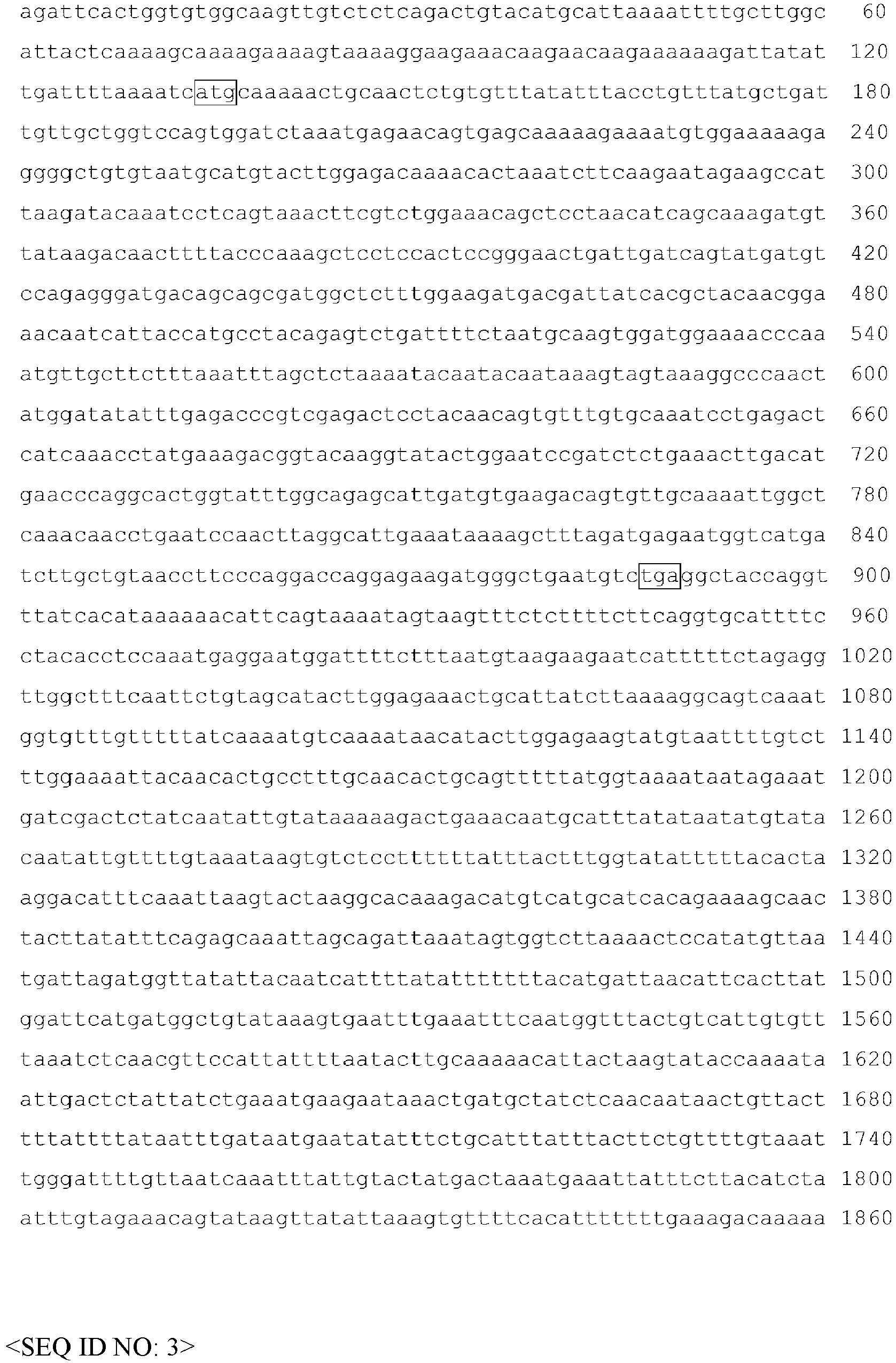
- The nucleotide sequence of myostatin V (MSTN-V) incorporated into an expression vector.
- Before insertion into the vector, Nhe I site was added to 5' side and BamH I site to 3' side. (a total of 1860 nucleotides; start codon (atg) and stop codon (tga) are individually indicated in a rectangle).

- The nucleotide sequence of myostatin (MSTN-N) incorporated into an expression vector. Before insertion into the vector, Nhe I site was added to 5' side and BamH I site to 3' side. (a total of 2823 nucleotides; start codon (atg) and stop codon (tga) are individually indicated in a rectangle).

- Amino acid sequence information on myostatin.
- Amino acid sequence (a total of 375 amino acids)


- The sequence of primer MSTN Ex1_F1. 5'-agattcactggtgtggcaag-3'
- The sequence of primer MSTN R2. 5'-tgcatgacatgtctttgtgc-3'


Claims (13)
- A protein of the following (a) or (b):(a) a protein comprising the amino acid sequence as shown in SEQ ID NO: 1(b) a protein comprising an amino acid sequence having at least 70% or more sequence identity with the amino acid sequence as shown in SEQ ID NO: 1 and which yet is capable of inhibiting myostatin signaling.
- A polynucleotide comprising a nucleotide sequence encoding the protein of claim 1 or a sequence complementary to the nucleotide sequence.
- A vector comprising the polynucleotide of claim 2.
- A cell comprising the vector of claim 3.
- A method of preparing a protein of the following (a) or (b), comprising culturing the cell of claim 4:(a) a protein comprising the amino acid sequence as shown in SEQ ID NO: 1(b) a protein comprising an amino acid sequence having at least 70% or more sequence identity with the amino acid sequence as shown in SEQ ID NO: 1 and which yet is capable of inhibiting myostatin signaling.
- A composition for inhibiting myostatin signaling, comprising at least one member selected from the group consisting of the protein of claim 1, the polynucleotide of claim 2, the vector of claim 3 and the cell of claim 4.
- A composition for promoting myogenesis, comprising at least one member selected from the group consisting of the protein of claim 1, the polynucleotide of claim2, the vector of claim 3 and the cell of claim 4.
- A composition for preventing and/or treating a disease in which myostatin is involved, comprising at least one member selected from the group consisting of the protein of claim 1, the polynucleotide of claim 2, the vector of claim 3 and the cell of claim 4.
- A pharmaceutical drug comprising at least one member selected the group consisting of the protein of claim 1, the polynucleotide of claim 2, the vector of claim 3 and the cell of claim 4.
- A food comprising at least one member selected from the group consisting of the protein of claim 1, the polynucleotide of claim 2, the vector of claim 3 and the cell of claim 4.
- A feed comprising at least one member selected from the group consisting of the protein of claim 1, the polynucleotide of claim 2, the vector of claim 3 and the cell of claim 4.
- A method for preventing and/or treating a disease in which myostatin is involved, comprising administering to a subject a pharmaceutically effective amount of at least one member selected from the group consisting of the protein of claim 1, the polynucleotide of claim 2, the vector of claim 3 and the cell of claim 4.
- At least one member selected from the group consisting of the protein of claim 1, the polynucleotide of claim 2, the vector of claim 3 and the cell of claim 4 for use in a method of preventing and/or treating a disease in which myostatin is involved.
Applications Claiming Priority (2)
| Application Number | Priority Date | Filing Date | Title |
|---|---|---|---|
| JP2019037915 | 2019-03-01 | ||
| PCT/JP2020/007671 WO2020179571A1 (en) | 2019-03-01 | 2020-02-26 | Inhibition of myostatin signal by myostatin splice variant-derived protein and utilization thereof |
Publications (2)
| Publication Number | Publication Date |
|---|---|
| EP3932431A1 true EP3932431A1 (en) | 2022-01-05 |
| EP3932431A4 EP3932431A4 (en) | 2022-12-21 |
Family
ID=72338642
Family Applications (1)
| Application Number | Title | Priority Date | Filing Date |
|---|---|---|---|
| EP20765709.9A Pending EP3932431A4 (en) | 2019-03-01 | 2020-02-26 | INHIBITION OF MYOSTATIN SIGNAL BY A PROTEIN DERIVED FROM A SPLICING VARIANT OF MYOSTATIN AND USE THEREOF |
Country Status (6)
| Country | Link |
|---|---|
| US (1) | US12202869B2 (en) |
| EP (1) | EP3932431A4 (en) |
| JP (1) | JP7445640B2 (en) |
| CN (1) | CN113474013B (en) |
| CA (1) | CA3131959A1 (en) |
| WO (1) | WO2020179571A1 (en) |
Families Citing this family (1)
| Publication number | Priority date | Publication date | Assignee | Title |
|---|---|---|---|---|
| CA3211057A1 (en) | 2021-02-26 | 2022-09-01 | Knc Laboratories Co., Ltd. | Nucleic acid medicine expressing splicing variant of myostatin |
Family Cites Families (9)
| Publication number | Priority date | Publication date | Assignee | Title |
|---|---|---|---|---|
| US6369201B1 (en) * | 1998-02-19 | 2002-04-09 | Metamorphix International, Inc. | Myostatin multimers |
| JP4688483B2 (en) * | 2004-04-15 | 2011-05-25 | 株式会社テクノネットワーク四国 | Follistatin variant polypeptide |
| US20080118487A1 (en) | 2004-09-30 | 2008-05-22 | Orico Limited | Myostatin Isoform |
| CA2538208A1 (en) * | 2005-05-04 | 2006-11-04 | Universite Laval | Modulation of myostatin and use thereof in cell transplantation-based treatment of muscle disease |
| WO2010134686A2 (en) * | 2009-05-20 | 2010-11-25 | 강릉원주대학교산학협력단 | Soluble myostatin pro-domain recombinant protein having myostatin inhibitory activity and use thereof |
| JP6143270B2 (en) | 2013-01-31 | 2017-06-07 | 学校法人東京薬科大学 | Myostatin inhibitory peptide |
| JP2017226651A (en) * | 2016-06-15 | 2017-12-28 | 興和株式会社 | Aqueous composition |
| MX2018014375A (en) * | 2016-06-17 | 2019-04-22 | Chugai Pharmaceutical Co Ltd | Anti-myostatin antibodies and methods of use. |
| JP2019037915A (en) | 2017-08-23 | 2019-03-14 | 活水プラント株式会社 | Water purifier and catalyst carrier |
-
2020
- 2020-02-26 US US17/435,215 patent/US12202869B2/en active Active
- 2020-02-26 WO PCT/JP2020/007671 patent/WO2020179571A1/en not_active Ceased
- 2020-02-26 CN CN202080018143.9A patent/CN113474013B/en active Active
- 2020-02-26 JP JP2021503998A patent/JP7445640B2/en active Active
- 2020-02-26 EP EP20765709.9A patent/EP3932431A4/en active Pending
- 2020-02-26 CA CA3131959A patent/CA3131959A1/en active Pending
Also Published As
| Publication number | Publication date |
|---|---|
| WO2020179571A1 (en) | 2020-09-10 |
| US20220135637A1 (en) | 2022-05-05 |
| EP3932431A4 (en) | 2022-12-21 |
| JPWO2020179571A1 (en) | 2021-12-23 |
| CN113474013A (en) | 2021-10-01 |
| CA3131959A1 (en) | 2020-09-10 |
| CN113474013B (en) | 2024-06-21 |
| JP7445640B2 (en) | 2024-03-07 |
| US12202869B2 (en) | 2025-01-21 |
Similar Documents
| Publication | Publication Date | Title |
|---|---|---|
| Xu et al. | A peptide with three hyaluronan binding motifs inhibits tumor growth and induces apoptosis | |
| JP2021008499A (en) | Cancer models and associated methods | |
| JP6605467B2 (en) | Therapeutic use of VEGF-C and CCBE1 | |
| US10259852B2 (en) | Conjugate comprising P21 protein for the treatment of cancer | |
| CN113347990A (en) | Use of annexin in prevention and treatment of muscularis damage | |
| EP2575851B1 (en) | Novel anticancer agents comprising peptides with cancer-specific toxicity | |
| KR102049978B1 (en) | Pharmaceutical composition for preventing or treating arthritis comprising nkx3.2 fragment as active ingredient | |
| US12202869B2 (en) | Inhibition of myostatin signal by myostatin splice variant-derived protein and utilization thereof | |
| US10858654B2 (en) | Polypeptide inhibitors of SMAD3 polypeptide activities | |
| US12589141B2 (en) | DNA vaccine capable of effectively treating and/or preventing type 1 diabetes and use thereof | |
| KR102175170B1 (en) | Composition for treating hepatitis B comprising inhibitor of HBV enhancer, ACK1 | |
| Deng et al. | Confrontation with kidney inflammation through a HMGB1-targeted peptide augments anti-fibrosis therapy | |
| WO2015162214A1 (en) | Peptides derived from rs1 which down-regulate glucose absorption after a glucose rich meal and increase insulin sensitivity | |
| KR102134954B1 (en) | siRNA for inhibiting CEACAM6 expression and therapeutic agent for adenocarcinoma comprising thereof | |
| US10870690B2 (en) | Protein therapeutant and method for treating cancer | |
| DE60024450T2 (en) | MODULATION OF ANGIOGENESIS BY USING ANTI-ANGIOGENIC ANGIOTENSIN-7 AND POLYNUCLEOTIDES THAT CODE FOR THE TREATMENT OF TUMORS | |
| KR20240153453A (en) | Pharmaceutical composition for preventing or treating cancer comprising a shRNA for inhibiting IGFBP5 expression as an active ingredient | |
| WO2022181532A1 (en) | Nucleic acid medicine expressing splicing variant of myostatin | |
| KR20240138585A (en) | Composition for improving, preventing or treating inflammatory bowel disease comprising NAMPT-derived peptide as an active ingredient | |
| KR20230132036A (en) | Pharmaceutical Composition comprising YY2 for Preventing or Treating of Bone Related Diseases | |
| CN105879053A (en) | Use of CMTM1-V5 gene and its encoded protein | |
| WO2017033912A1 (en) | Anti-cancer agent comprising hvj-e and cxcl2 | |
| WO2011030296A1 (en) | Molecules capable of inducing cell death by targeting the mitochondria and applications thereof |
Legal Events
| Date | Code | Title | Description |
|---|---|---|---|
| STAA | Information on the status of an ep patent application or granted ep patent |
Free format text: STATUS: THE INTERNATIONAL PUBLICATION HAS BEEN MADE |
|
| PUAI | Public reference made under article 153(3) epc to a published international application that has entered the european phase |
Free format text: ORIGINAL CODE: 0009012 |
|
| STAA | Information on the status of an ep patent application or granted ep patent |
Free format text: STATUS: REQUEST FOR EXAMINATION WAS MADE |
|
| 17P | Request for examination filed |
Effective date: 20210917 |
|
| AK | Designated contracting states |
Kind code of ref document: A1 Designated state(s): AL AT BE BG CH CY CZ DE DK EE ES FI FR GB GR HR HU IE IS IT LI LT LU LV MC MK MT NL NO PL PT RO RS SE SI SK SM TR |
|
| DAV | Request for validation of the european patent (deleted) | ||
| DAX | Request for extension of the european patent (deleted) | ||
| REG | Reference to a national code |
Ref country code: DE Ref legal event code: R079 Free format text: PREVIOUS MAIN CLASS: A61K0048000000 Ipc: C07K0014475000 |
|
| A4 | Supplementary search report drawn up and despatched |
Effective date: 20221123 |
|
| RIC1 | Information provided on ipc code assigned before grant |
Ipc: A61P 3/10 20060101ALI20221117BHEP Ipc: A61K 48/00 20060101ALI20221117BHEP Ipc: C07K 14/475 20060101AFI20221117BHEP |
|
| RAP3 | Party data changed (applicant data changed or rights of an application transferred) |
Owner name: KNC LABORATORIES CO., LTD. |
|
| STAA | Information on the status of an ep patent application or granted ep patent |
Free format text: STATUS: EXAMINATION IS IN PROGRESS |
|
| 17Q | First examination report despatched |
Effective date: 20250221 |
|
| RAP1 | Party data changed (applicant data changed or rights of an application transferred) |
Owner name: NATIONAL UNIVERSITY CORPORATION KOBE UNIVERSITY Owner name: KNC LABORATORIES CO., LTD. |