EP3926043A1 - Special enzyme for producing galactooligosaccharides, preparation therefor and use thereof - Google Patents
Special enzyme for producing galactooligosaccharides, preparation therefor and use thereof Download PDFInfo
- Publication number
- EP3926043A1 EP3926043A1 EP20924713.9A EP20924713A EP3926043A1 EP 3926043 A1 EP3926043 A1 EP 3926043A1 EP 20924713 A EP20924713 A EP 20924713A EP 3926043 A1 EP3926043 A1 EP 3926043A1
- Authority
- EP
- European Patent Office
- Prior art keywords
- lactase
- phse
- fermentation
- enzyme
- strain
- Prior art date
- Legal status (The legal status is an assumption and is not a legal conclusion. Google has not performed a legal analysis and makes no representation as to the accuracy of the status listed.)
- Granted
Links
Images


Classifications
-
- C—CHEMISTRY; METALLURGY
- C12—BIOCHEMISTRY; BEER; SPIRITS; WINE; VINEGAR; MICROBIOLOGY; ENZYMOLOGY; MUTATION OR GENETIC ENGINEERING
- C12N—MICROORGANISMS OR ENZYMES; COMPOSITIONS THEREOF; PROPAGATING, PRESERVING, OR MAINTAINING MICROORGANISMS; MUTATION OR GENETIC ENGINEERING; CULTURE MEDIA
- C12N9/00—Enzymes; Proenzymes; Compositions thereof; Processes for preparing, activating, inhibiting, separating or purifying enzymes
- C12N9/14—Hydrolases (3)
- C12N9/24—Hydrolases (3) acting on glycosyl compounds (3.2)
- C12N9/2402—Hydrolases (3) acting on glycosyl compounds (3.2) hydrolysing O- and S- glycosyl compounds (3.2.1)
-
- C—CHEMISTRY; METALLURGY
- C12—BIOCHEMISTRY; BEER; SPIRITS; WINE; VINEGAR; MICROBIOLOGY; ENZYMOLOGY; MUTATION OR GENETIC ENGINEERING
- C12N—MICROORGANISMS OR ENZYMES; COMPOSITIONS THEREOF; PROPAGATING, PRESERVING, OR MAINTAINING MICROORGANISMS; MUTATION OR GENETIC ENGINEERING; CULTURE MEDIA
- C12N1/00—Microorganisms; Compositions thereof; Processes of propagating, maintaining or preserving microorganisms or compositions thereof; Processes of preparing or isolating a composition containing a microorganism; Culture media therefor
- C12N1/20—Bacteria; Culture media therefor
- C12N1/205—Bacterial isolates
-
- C—CHEMISTRY; METALLURGY
- C12—BIOCHEMISTRY; BEER; SPIRITS; WINE; VINEGAR; MICROBIOLOGY; ENZYMOLOGY; MUTATION OR GENETIC ENGINEERING
- C12N—MICROORGANISMS OR ENZYMES; COMPOSITIONS THEREOF; PROPAGATING, PRESERVING, OR MAINTAINING MICROORGANISMS; MUTATION OR GENETIC ENGINEERING; CULTURE MEDIA
- C12N15/00—Mutation or genetic engineering; DNA or RNA concerning genetic engineering, vectors, e.g. plasmids, or their isolation, preparation or purification; Use of hosts therefor
- C12N15/09—Recombinant DNA-technology
- C12N15/63—Introduction of foreign genetic material using vectors; Vectors; Use of hosts therefor; Regulation of expression
- C12N15/74—Vectors or expression systems specially adapted for prokaryotic hosts other than E. coli, e.g. Lactobacillus, Micromonospora
- C12N15/75—Vectors or expression systems specially adapted for prokaryotic hosts other than E. coli, e.g. Lactobacillus, Micromonospora for Bacillus
-
- C—CHEMISTRY; METALLURGY
- C12—BIOCHEMISTRY; BEER; SPIRITS; WINE; VINEGAR; MICROBIOLOGY; ENZYMOLOGY; MUTATION OR GENETIC ENGINEERING
- C12N—MICROORGANISMS OR ENZYMES; COMPOSITIONS THEREOF; PROPAGATING, PRESERVING, OR MAINTAINING MICROORGANISMS; MUTATION OR GENETIC ENGINEERING; CULTURE MEDIA
- C12N9/00—Enzymes; Proenzymes; Compositions thereof; Processes for preparing, activating, inhibiting, separating or purifying enzymes
- C12N9/14—Hydrolases (3)
- C12N9/24—Hydrolases (3) acting on glycosyl compounds (3.2)
- C12N9/2402—Hydrolases (3) acting on glycosyl compounds (3.2) hydrolysing O- and S- glycosyl compounds (3.2.1)
- C12N9/2468—Hydrolases (3) acting on glycosyl compounds (3.2) hydrolysing O- and S- glycosyl compounds (3.2.1) acting on beta-galactose-glycoside bonds, e.g. carrageenases (3.2.1.83; 3.2.1.157); beta-agarase (3.2.1.81)
- C12N9/2471—Beta-galactosidase (3.2.1.23), i.e. exo-(1-->4)-beta-D-galactanase
-
- C—CHEMISTRY; METALLURGY
- C12—BIOCHEMISTRY; BEER; SPIRITS; WINE; VINEGAR; MICROBIOLOGY; ENZYMOLOGY; MUTATION OR GENETIC ENGINEERING
- C12P—FERMENTATION OR ENZYME-USING PROCESSES TO SYNTHESISE A DESIRED CHEMICAL COMPOUND OR COMPOSITION OR TO SEPARATE OPTICAL ISOMERS FROM A RACEMIC MIXTURE
- C12P19/00—Preparation of compounds containing saccharide radicals
-
- C—CHEMISTRY; METALLURGY
- C12—BIOCHEMISTRY; BEER; SPIRITS; WINE; VINEGAR; MICROBIOLOGY; ENZYMOLOGY; MUTATION OR GENETIC ENGINEERING
- C12P—FERMENTATION OR ENZYME-USING PROCESSES TO SYNTHESISE A DESIRED CHEMICAL COMPOUND OR COMPOSITION OR TO SEPARATE OPTICAL ISOMERS FROM A RACEMIC MIXTURE
- C12P19/00—Preparation of compounds containing saccharide radicals
- C12P19/04—Polysaccharides, i.e. compounds containing more than five saccharide radicals attached to each other by glycosidic bonds
-
- C—CHEMISTRY; METALLURGY
- C12—BIOCHEMISTRY; BEER; SPIRITS; WINE; VINEGAR; MICROBIOLOGY; ENZYMOLOGY; MUTATION OR GENETIC ENGINEERING
- C12P—FERMENTATION OR ENZYME-USING PROCESSES TO SYNTHESISE A DESIRED CHEMICAL COMPOUND OR COMPOSITION OR TO SEPARATE OPTICAL ISOMERS FROM A RACEMIC MIXTURE
- C12P19/00—Preparation of compounds containing saccharide radicals
- C12P19/12—Disaccharides
-
- C—CHEMISTRY; METALLURGY
- C12—BIOCHEMISTRY; BEER; SPIRITS; WINE; VINEGAR; MICROBIOLOGY; ENZYMOLOGY; MUTATION OR GENETIC ENGINEERING
- C12P—FERMENTATION OR ENZYME-USING PROCESSES TO SYNTHESISE A DESIRED CHEMICAL COMPOUND OR COMPOSITION OR TO SEPARATE OPTICAL ISOMERS FROM A RACEMIC MIXTURE
- C12P21/00—Preparation of peptides or proteins
- C12P21/02—Preparation of peptides or proteins having a known sequence of two or more amino acids, e.g. glutathione
-
- C—CHEMISTRY; METALLURGY
- C12—BIOCHEMISTRY; BEER; SPIRITS; WINE; VINEGAR; MICROBIOLOGY; ENZYMOLOGY; MUTATION OR GENETIC ENGINEERING
- C12Y—ENZYMES
- C12Y302/00—Hydrolases acting on glycosyl compounds, i.e. glycosylases (3.2)
- C12Y302/01—Glycosidases, i.e. enzymes hydrolysing O- and S-glycosyl compounds (3.2.1)
- C12Y302/01023—Beta-galactosidase (3.2.1.23), i.e. exo-(1-->4)-beta-D-galactanase
-
- C—CHEMISTRY; METALLURGY
- C12—BIOCHEMISTRY; BEER; SPIRITS; WINE; VINEGAR; MICROBIOLOGY; ENZYMOLOGY; MUTATION OR GENETIC ENGINEERING
- C12Y—ENZYMES
- C12Y302/00—Hydrolases acting on glycosyl compounds, i.e. glycosylases (3.2)
- C12Y302/01—Glycosidases, i.e. enzymes hydrolysing O- and S-glycosyl compounds (3.2.1)
- C12Y302/01108—Lactase (3.2.1.108)
-
- C—CHEMISTRY; METALLURGY
- C12—BIOCHEMISTRY; BEER; SPIRITS; WINE; VINEGAR; MICROBIOLOGY; ENZYMOLOGY; MUTATION OR GENETIC ENGINEERING
- C12R—INDEXING SCHEME ASSOCIATED WITH SUBCLASSES C12C - C12Q, RELATING TO MICROORGANISMS
- C12R2001/00—Microorganisms ; Processes using microorganisms
- C12R2001/01—Bacteria or Actinomycetales ; using bacteria or Actinomycetales
- C12R2001/07—Bacillus
- C12R2001/09—Bacillus circulans
-
- C—CHEMISTRY; METALLURGY
- C12—BIOCHEMISTRY; BEER; SPIRITS; WINE; VINEGAR; MICROBIOLOGY; ENZYMOLOGY; MUTATION OR GENETIC ENGINEERING
- C12R—INDEXING SCHEME ASSOCIATED WITH SUBCLASSES C12C - C12Q, RELATING TO MICROORGANISMS
- C12R2001/00—Microorganisms ; Processes using microorganisms
- C12R2001/01—Bacteria or Actinomycetales ; using bacteria or Actinomycetales
- C12R2001/07—Bacillus
- C12R2001/10—Bacillus licheniformis
-
- Y—GENERAL TAGGING OF NEW TECHNOLOGICAL DEVELOPMENTS; GENERAL TAGGING OF CROSS-SECTIONAL TECHNOLOGIES SPANNING OVER SEVERAL SECTIONS OF THE IPC; TECHNICAL SUBJECTS COVERED BY FORMER USPC CROSS-REFERENCE ART COLLECTIONS [XRACs] AND DIGESTS
- Y02—TECHNOLOGIES OR APPLICATIONS FOR MITIGATION OR ADAPTATION AGAINST CLIMATE CHANGE
- Y02P—CLIMATE CHANGE MITIGATION TECHNOLOGIES IN THE PRODUCTION OR PROCESSING OF GOODS
- Y02P60/00—Technologies relating to agriculture, livestock or agroalimentary industries
- Y02P60/80—Food processing, e.g. use of renewable energies or variable speed drives in handling, conveying or stacking
- Y02P60/87—Re-use of by-products of food processing for fodder production
Definitions
- the invention belongs to the technical field of enzyme engineering, and specifically relates to a lactase for producing galactooligosaccharides and its preparation and application.
- Oligosaccharides also known as oligose, refers to linear or branched carbohydrates with a degree of polymerization of 2-10 connected by monosaccharide molecules through glycosidic bonds. They can be simply divided into functional oligosaccharides and ordinary oligosaccharides. Among them, functional oligosaccharides refer to the polymerization of 2-10 identical or different monosaccharides with glycosidic bonds; it has the sweet taste and sensory characteristics shared by sugars, and can directly replace sucrose as a sweet ingredient. It is not degraded by human gastric acid and gastric enzymes, not absorbed in the small intestine, and can reach the large intestine; and has physiological properties such as promoting the proliferation of probiotics in the human body.
- the glycosidic bond is not easily hydrolyzed and digested by hydrolytic enzymes in the human intestines and stomach due to the anomeric carbon atom (C1 or C2) configuration of the monosaccharide, which is also called non-digestible sugar.
- Naturally occurring functional oligosaccharides such as galactooligosaccharides (GOS) present in human milk, cow milk, goat milk, etc.
- GOS galactooligosaccharides
- ⁇ -galactosidase to catalyze the industrialization of lactose to produce galactooligosaccharides.
- Internationally, GOS products were successfully marketed in 1988.
- lactose is mainly used as the raw material, and oligosaccharides with a low degree of polymerization containing one glucose or all galactose molecules are synthesized during the hydrolysis of lactose by the transglycosylation of lactase, which can be expressed as Gal-(Gal) n -Glc/Gal (n is 1-4).
- the lactase (a type of ⁇ -galactosidase, EC3.2.1.23) used in the production of galactooligosaccharides can generate GOS through its transgalactosylation, which is a kind of enzyme very commercial value in the dairy industry.
- Aspergillus niger A. niger
- Aspergillus oryzae A. oryzae
- Kluyveromyces lactis K. lactis
- K. fragilis K. fragilis
- Cryptococcus laurentii C. laurentii
- Bacillus circulans and other strains are generally chosen, through the submerged fermentation method to prepare lactase products.
- the source of lactase and the production process of GOS are different.
- the existing commercial lactases generally form 5%-50% galactooligosaccharides from lactose as a raw material.
- the lactase (such as Biolacta ® ) produced by B. circulans ATCC 31382 is the lactase with the strongest ability to synthesize GOS so far.
- This enzyme has four different forms in enzyme preparation products ( Song J, Abe K, Imanaka H , Imamura K, Minoda M, Yamaguchi S, and Nakanishi K, Biosci. Biotechnol. Biochem., 2011; 75, 268-278 ), among which ⁇ -Ga1-C and ⁇ -Ga1-D are considered the most valuable for GOS production.
- the lactase identified from B. circulans B2301 can catalyze lactose to form 54.5% GOS at a high temperature above 60°C. It is the lactase with the best GOS synthesis performance among all reported lactases ( Zhao Jihua, et al., Food and Fermentation Industries, 2020 ).
- the complete open reading frame size of the B. circulans B2301 lactase encoding gene is 5133 bp, encoding 1710 amino acid residues, with no typical bacterial signal peptide sequences, and the highest similarity with the previously reported ⁇ -galactosidase is 93.6%; this enzyme shows the highest catalytic activity at 60°C and pH 6.0-6.5.
- V max of catalyzing the synthesis of galactooligosaccharide is 2.47 g/(L ⁇ h)
- K m is 14.37g/L ( Tian Kangming, et al., Food and Fermentation Industries, 2020 ).
- the coding gene of B. circulans lactase or its mutants was expressed in a variety of host cells to understand the expression level of lactase.
- the expression level of lactase is 1 to 3 U/mL, and it is hard to secrete lactase into the fermentation broth, which increases the difficulty of lactase preparations.
- the expression level of shake flask fermentation can reach 70 U/mL, but it is also difficult to realize the secretory expression of lactase, and the separation and purification of the enzyme is also difficult.
- the purpose of the present invention is to obtain a novel strain with good performance of large-scale fermentation production and ideal lactase synthesis and secretion capabilities on the basis of obtaining excellent special enzyme molecules for galactooligosaccharide, which can significantly reduce manufacturing cost of the fermentation of lactase, simplify the fermentation manufacturing process of lactase, and significantly improved the quality of lactase preparations.
- one of the technical solutions of the present invention is to provide a variety of lactase mutants, namely BglD305, BglD305-C, BglD305-D, Bg1D, BglD-C, BglD-D, BcBG168, BcBG168-C, BcBG168-D;
- BglD305 is from B. circulans B2301 screened and isolated by the inventor (Zhao Jihua, et al., Establishment and preliminary application of a rapid screening method for high transglycosylation activity lactase, Food and Fermentation Industries, 2020), and the amino acid sequence is shown in the sequence table SEQ ID NO .2; BglD305-C and BglD305-D are truncated sequences of BglD305 respectively, and the amino acid sequences are shown in SEQ ID NO.4 and SEQ ID NO.6 in the sequence listing;
- BglD is from B. circulans ATCC 31382, and the amino acid sequence is shown in SEQ ID NO. 8;
- BglD-C and BglD-D are truncated sequences of BglD, respectively, and the amino acid sequences are shown in SEQ ID NO. 10 and SEQ IDNO.12;
- BcBG168 is obtained by DNA shuffling modification of BglD305 and BglD
- BcBG168-C and BcBG168-D are obtained by further deleting the partial amino acid sequence of the C-terminal on the basis of BcBG168
- the amino acid sequences of BcBG168, BcBG168-C and BcBG168-D are shown in SEQ ID NO. 14, 16 and 18, respectively.
- the second technical solution provided by the present invention is a recombinant vector or a recombinant strain containing the aforementioned lactase encoding gene;
- the expression vector used in the recombinant vector includes but is not limited to pHY-WZX (Niu, et al., 2007), pBL-WZX (Niu, et al., 2007), pHY300plk, pUB110, pE194, pHT1469 (MoBiTec), pWH1520 (Rygus and Hillen, 1991);
- the expression vector used in the recombinant vector includes, but is not limited to, pHSE-001, pHSE-002, pHSE-003, pHSE-004, pHSE-005, pHSE-006, pHSE-007, pHSE-008, pHSE-009, PHSE-010, pHSE-011, pHSE-012, pHSE-013, pHSE-014, pHSE-015, pHSE-016, pHSE-017, pHSE-018;
- the expression vector used in the recombinant vector is the pHSE-008 plasmid, which is based on the backbone of the expression vector pHY-WZX, and integrates the amylase promoter P amyL (SEQ ID NO. 20) derived from Bacillus licheniformis and signal peptide S aprE (SEQ ID NO.23) of the alkali protease aprE;
- the expression host adopted by the recombinant strain includes but is not limited to Bacillus subtilis, B. circulans, Bacillus megaterium, Bacillus pumilus, Bacillus amyloliquefaciens, Corynebacterium glutamicum, B. licheniformis , and so on.
- the expression host used in the recombinant strain is the mutant strain BCBT0529, which is obtained by knocking out aprE, vpr, wpr, lacR, lacA, lacA2, yesZ genes (The GenBank accession numbers corresponding to its gene sequence are: MT885340, MT885341, MT885342, MT885336, MT885337, MT885338, MT885339, respectively) from the genome of B. licheniformis CBB3008 (numbered CCTCC NO.M208236).
- the present invention provides a recombinant strain with high lactase production- B . licheniformis BCBTBc168D, which is obtained by integrating the BcBG168-D coding gene into the pHSE-008 plasmid and expressing it in the host cell mutant strain BCBT0529;
- the expression level of lactase BcBG168-D prepared by fermentation of B. licheniformis BCBTBc168D can reach 2208 U/mL.
- the present invention also provides a method for fermentation and production of lactase using the above-mentioned recombinant strain:
- the culture medium of the fermentation tank is composed of: 1%-5% of maltose syrup, 0%-5% of cottonseed powder, 0%-4% of corn syrup, 0.5-5% of soybean meal powder, 0.1-5% of ammonium sulfate, and pH 6.0-8.0.
- the lactase activity of the fermentation broth in the shake flask fermentation can reach 25-54 U/mL; the lactase activity in the fermentation tank can reach 826-2208 U/mL.
- the strains are removed by simply filtration, and then filtered by an ultra-filtration system to obtain an enzyme solution.
- the present invention also provides the application of the above-mentioned lactase in the production of galactooligosaccharides.
- the special enzyme preparation for the production of galactooligosaccharides in the present invention is a lactase with extremely high activity of catalyzing lactose to produce galactooligosaccharides obtained through gene cloning and artificial evolution;
- the lactase high-yielding strain of the present invention is recombinant strain by microorganisms breeding, which can efficiently synthesize lactase during submerged fermentation and secrete enzyme molecules into the culture medium, directly prepare high-activity enzyme preparations from the fermentation broth, and apply them to the high-efficiency production of galactooligosaccharides.
- the expression level of lactase can reach 2208 U/mL under the lactase high-producing strain and fermentation process provided by the present invention.
- the invention helps to reduce the fermentation manufacturing cost of lactase, simplify the fermentation manufacturing process and improve the quality of the lactase enzyme preparation.
- the plasmid pHY-WZX used in the present invention is the prior art, and its construction method has been disclosed in Niu DD and Wang ZX. Development of a pair of bifunctional expression vectors for Escherichia coli and Bacillus licheniformis. J Ind Microbiol Biotechnol (2007) 34:357- 362. DOI 10.1007/s10295-0204-x . The public can also obtain it through the Biocatalysis and Biotransformation Laboratory of the College of Chemical Engineering and Materials Science, Tianjin University of Science and Technology.
- the B. licheniformis CBB3008 used in the present invention has been deposited in the China Center for Type Culture Collection (CCTCC), the preservation date is November 25, 2008, and the preservation number is CCTCC NO: M208236.
- the present invention is based on two sources of lactase (BglD305 derived from B. circulans B2301 and BglD derived from B. circulans ATCC 31382) as the basis for molecular evolution, which are used to obtain new lactases (BglD305-C, BglD305-D, BglD-C, BglD-D, BcBG168, BcBG168-C, BcBG168-D), which have high efficiency in synthesis of galactooligosaccharides and good expression performance;
- a host cell B. licheniformis CBB3008 has been deposited in the Chinese Type Culture Collection, and the preservation number is CCTCC NO: M208236, which is further genetically modified, multiple genes (alkaline protease coding gene aprE, minor serine protease coding gene vpr, cell wall protease coding gene wpr, regulatory protein coding gene lacR, ⁇ -galactosidase coding gene lacA, ⁇ -galactosidase coding gene lacA2, ⁇ -galactosidase encoding gene yesZ) affecting the expression of lactase are knocked out, to obtain a new host strain suitable for high-efficiency expression of lactase;
- the present invention constructs and optimizes an expression vector suitable for secretion and expression of lactase, which is optimized on the basis of pHY-WZX.
- the expression vector contains a preferred promoter for guiding high expression of lactase and a signal peptide that efficiently mediates secretion and expression of lactase;
- the coding genes of B. circulans lactase or its mutants are cloned into the expression vector constructed in the present invention, genetically transformed into B. licheniformis host strains to obtain lactase-producing recombinant strain.
- the fermentation conditions and process are established and optimized.
- a new process of enzyme separation, purification and refining are developed to produce lactase products for the industrial manufacturing of GOS.
- the method for constructing a new strain with high lactase yield of the present invention is to clone an expression vector by molecular cloning technology and obtain an expression plasmid for lactase, and transform it into a new host strain of B. licheniformis to obtain recombinants to realize lactase high-efficiency secretion and expression.
- the enzyme synthesis and secretion system is optimized to reach high-efficiency secretion of the synthesized lactase into the medium. And through the fermentation process, lactase is recovered and refined from the fermentation broth to obtain lactase products.
- the BglD305 and BglD coding genes shown in SEQ ID NO. 1 and SEQ ID NO.7 in the sequence table were used as a template, DNA shuffling was used to carry out molecular evolution.
- the lactase enzyme molecule BcBG168 (nucleotide sequence SEQ ID NO. 13) with significantly increased enzyme activity level was obtained, and its amino acid sequence (amino acid sequence SEQ ID NO. 14) was obtained.
- the corresponding gene sequences were amplified by PCR amplification technology and cloned into the expression vector pHY-WZX to obtain lactase expression plasmid pHY-Bgl-1, pHY-Bgl-2, pHY-Bgl-3, pHY-Bgl-4, pHY-Bgl-5, pHY-Bgl-6, pHY-Bgl-7, pHY-Bgl-8, pHY-Bgl-9, pHY-Bgl-10, pHY-Bgl-11, pHY-Bgl-12.
- the above recombinant plasmids were transformed into B. licheniformis CCTCC NO: M208236 by the above-mentioned B. licheniformis genetic transformation method, and corresponding transformants CBB-Bgl-1, CBB-Bgl-2, CBB-Bgl-3, CBB-Bgl-4, CBB-Bgl-5, CBB-Bgl-6, CBB-Bgl-7, CBB-Bgl-8, CBB-Bgl-9, CBB-Bgl-10, CBB-Bgl-11, CBB-Bgl-12 were obtained, shake flask fermentation and analysis of enzyme production (enzyme activity determination on the supernatant of the fermentation broth) were further carried out, the main content and enzyme production results are shown in Table 1.
- the expressed enzyme activity of BcBG168 was 103.2% of BglD305 and 109.8% of BglD, respectively.
- B. licheniformis CCTCC NO: M208236 genomic DNA was used as a template, apr-up1 (sequence 30) and apr-up2 (sequence 31) and primers apr-dn1 (sequence 32) and apr-dn2 (sequence 33) were used as primers, the upper and lower homology arm fragments were respectively amplified, the sizes were 667 bp and 495 bp, respectively.
- the mutant box was purified and digested with Xba I, cloned into the Sma I and Xba I sites of plasmid pT2 ts , transformed into E. coli JM109 competent cells, and cultured on LB plates containing 20 ⁇ g/mL kanamycin to obtain the correct deletion plasmid pT2- ⁇ aprE. Following the steps described in the "Genetic transformation of B.
- the deletion plasmid pT2- ⁇ aprE was transformed into the B. licheniformis CCTCC NO: M208236.
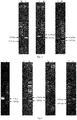
- the primers apr-F (sequence 34) and apr-R (sequence 35) were designed on both sides of the homology arm, and colony PCR was performed with these primers to verify that the correct transformant BCBT01 was obtained, the size of the PCR product for correct transformant is ⁇ 1.5kb ( FIG. 1 , lane 1).
- B. licheniformis CCTCC NO: M208236 ⁇ -galactosidase encoding gene lacA deletion The method similar to the above aprE gene deletion was used.
- B. licheniformis CCTCC NO: M208236 genomic DNA was used as template, lacA-up1 and lacA-up2 (sequence 36 and sequence 37) and primers lacA-dn1 and lacA-dn2 (sequence 38 and sequence 39) were used as primers to respectively amplify the upper and lower homology arm fragments, 486 bp and 500 bp in size, respectively.
- the mutant box was purified and digested with Xba I, cloned into the Sma I and Xba I sites of plasmid pT2 ts , transformed into E. coli JM109 competent cells, and cultured on LB plates containing 20 ⁇ g/mL kanamycin to obtain the correct deletion plasmid pT2- ⁇ LacA.
- the deletion plasmid pT2- ⁇ LacA was transformed into B.
- licheniformis according to the steps described in the "Genetic Transformation of B. licheniformis " method. After two homologous recombination, using the primers lacA-F and lacA-R (sequence 40 and 41) on both sides of the homology arm to verify the correct transformant by colony PCR.
- the PCR product size of the correct transformant was ⁇ 1.2 kb ( FIG. 2 , lane 2).
- vpr corresponds to the homology primers and the verification primers are sequences 42-47
- wpr corresponds to the homology primers and the verification primers are sequences 48-53
- lacR corresponds to the homology primers and verification primers are the sequences 54-59
- lacA2 corresponds to the homology primers and verification primers are the sequences 60-65
- yesZ corresponds to the homology primers and verification primers are sequence 66-71, and different defective mutants were obtained.
- mutant BCBT03-15 renamed BCBT0529, its genetic background was (CBB3008, ⁇ aprE, ⁇ vpr, ⁇ wpr, ⁇ lacR, ⁇ lacA, ⁇ lacA2, ⁇ yesZ ).
- Example 2 The different mutant strains obtained in Example 2 were subjected to a shake flask fermentation test, and their extracellular protease activity was analyzed. As shown in Table 2, after deleting the alkaline protease encoding gene aprE, the total enzyme activity of proteolytic enzymes in the medium was reduced by 80%. After further deleting the two proteases encoding gene vpr and wpr, the total enzyme activity of proteolytic enzymes in the medium drops to 10% of the wild type.
- the lactase activity in the fermentation broth increased significantly, reaching 10.68 U/mL, an increase of 41.08%; after deleting the other two proteolytic enzyme genes vpr and wpr, the lactase activity in the fermentation broth further increased (12.12 U/mL), which was 60% higher than the original strain.
- Table 3 The expression level of lactase after deleting the proteases Host Strains Lactase activity (U/mL) CCTCC NO: M208236 / 0.15 ⁇ 0.03 CCTCC NO: M208236 CBB-Bgl-12 7.57 ⁇ 0.24 BCBT01 BCBT01-Bgl-12 10.68 ⁇ 0.44 BCBT02 BCBT02-Bgl-12 11.72 ⁇ 0.18 BCBT03 BCBT03-Bgl-12 12.12 ⁇ 0.28
- Table 4 shows the changes in lactase activity of the host cell after their endogenous lactase-related genes are mutated under shaking flask fermentation conditions. It can be seen that after the deletion of the alkaline protease encoding gene aprE and the lactose operon repressor protein encoding gene lacR, the lactase activity in the fermentation broth has increased. After further deletion of the related endogenous lactase structural genes, the lactase activity in the fermentation broth is as low as can not be measured according to existing methods.
- BCBT03-3 ⁇ aprE ⁇ vpr ⁇ wpr ⁇ lacA2 0.12 ⁇ 0.02 BCBT03-4 ⁇ aprE ⁇ vpr ⁇ wpr ⁇ yesZ 0.13 ⁇ 0.02 BCBT03-5 ⁇ aprE ⁇ vpr ⁇ wpr ⁇ lacR ⁇ lacA n.d.
- BCBT03-6 ⁇ aprE ⁇ vpr ⁇ wpr ⁇ lacR ⁇ lacA2 2.61 ⁇ 0.02 BCBT03-7 ⁇ aprE ⁇ vpr ⁇ wpr ⁇ lacR ⁇ yesZ 2.60 ⁇ 0.04 BCBT03-8 ⁇ aprE ⁇ vpr ⁇ wpr ⁇ lacA ⁇ lacA2 n.d.
- BCBT03-9 ⁇ aprE ⁇ vpr ⁇ wpr ⁇ lacA ⁇ yesZ n.d.
- BCBT03-10 ⁇ aprE ⁇ vpr ⁇ wpr ⁇ lacA2 ⁇ yesZ 2.72 ⁇ 0.03
- BCBT03-11 ⁇ aprE ⁇ vpr ⁇ wpr ⁇ lacR ⁇ lacA ⁇ lacA2 n.d.
- BCBT03-12 ⁇ aprE ⁇ vpr ⁇ wpr ⁇ lacR ⁇ lacA ⁇ yesZ n.d.
- the plasmid pHY-bgl-12 was transformed into the strains with different endogenous lactase genes deletion obtained in Example 2, and the recombinants were constructed and subjected to shake flask fermentation.
- the lactase activity in the fermentation broth was determined. The results are shown in Table 5.
- BCBT03-15 had the highest enzyme activity when BCBT0529 was used as the host cell, and was 4.47 times of the enzyme activity when strain CCTCC NO: M208236 was used as the host cell.
- Table 5 The expression level of lactase after deletion of endogenous lactase Host Strains Lactase activity (U/mL) CCTCC NO: M208236 CBB-Bgl-12 7.57 ⁇ 0.24 BCBT03-1 BCBT03-1- Bgl-12 13.63 ⁇ 0.38 BCBT03-2 BCBT03-2-Bgl-12 28.25 ⁇ 2.42 BCBT03-3 BCBT03-3- Bgl-12 7.87 ⁇ 0.34 BCBT03-4 BCBT03-4-Bgl-12 7.02 ⁇ 0.46 BCBT03-5 BCBT03-5-Bgl-12 30.56 ⁇ 1.46 BCBT03-6 BCBT03-6-Bgl-12 12.27 ⁇ 0.32 BCBT03-7 BCBT 03-7-Bgl-12 12.89 ⁇ 0.53 BCBT03-8 BCBT03-8-Bgl-12 32.25 ⁇ 1.79 BCBT03-9 BCBT03-9-Bgl-12 31.37 ⁇ 1.43 BCBT03-10 BCBT03-10-Bgl-12 11.76 ⁇ 0.29 BCBT03-11 BCBT03-11-
- the expression element was further optimized, and the expression vector was modified by the combination of different promoters and different signal peptides to increase the expression level of lactase.
- the BcBG168-D coding gene was cloned into the above 18 species new expression vectors and transformed into B. licheniformis BCBT0529 to obtain a series of recombinants, which were subjected to shake flask fermentation and determined enzyme activity.
- the results are summarized in Table 6.
- the tested 18 combinations of promoters and signal peptides can all mediate the secretion and expression of lactase BcBG168-D in B. licheniformis.
- the expression plasmid pHSE-008 FIG. 3a ), which is composed of a combination of the amylase promoter P amyL derived from the B.
- lactase expression plasmid is pLEBG168 (The BcBG168-D coding gene was cloned into the expression plasmid pHSE-008, FIG.
- the obtained strain BCBTBc168D (The BcBG168-D coding gene sequence was cloned into the expression plasmid pHSE-008 and then transformed into Bacillus licheniformis host cell BCBT0529) expresses lactase activity of 53.79 U/mL in shake flask fermentation, more than 20 times of the enzyme production level of the wild strain, and more than 7 times that of the host cell before genetic modification and signal peptide optimization.
- Example 5 Lactase fermentation production process under 50 L fermentation system
- the lactase high-producing strain BCBTBc168D was cultured at 37°C for 20-40 h, and 2-3 single colonies were picked and inoculated into 2 bottles of 5 L Erlenmeyer flasks containing 1000 mL LB liquid medium at 37°C, 230 r/min, and cultured on a shaker for 16 h, as seed liquid. Seed liquid was inoculated into a 50 L automatic fermentation tank containing 30 L fermentation medium (maltose syrup 4%, cottonseed powder 2.5%, soybean meal powder 3.5%, ammonium sulfate 0.5%, pH 6.5) according to the inoculum amount of 5%. The fermentation volume was 30 L.
- the dissolved oxygen was maintained at 0.1%-20% by adjusting the rotation speed and aeration, the fermentation temperature was 40-42°C, and the pH was controlled to 6.5 ⁇ 0.5, and 60% (w/w) maltose syrup was added as a carbon source, and the reducing sugar content was maintained at 0.5-5%.
- Regular sampling and analysis of the amount of residual sugar and enzyme activity were carried out, fermentation was performed to 120 hours, when the enzyme activity increase rate was less than 5 U/(mL ⁇ h), the fermentation was stopped for preparing the enzyme preparation.
- the typical production process curve of lactase is shown in FIG. 4 .
- the enzyme protein in the fermentation broth was the most important protein molecules ( FIG. 5 ), and the highest lactase activity in fermentation broth reached 1131 U/mL (at 108 h), which was approximately 21 times of shake flask fermentation.
- BglD305-D and BglD-D were expressed in B. licheniformis BCBT0529 using pHSE-008 as the expression vector under the mediated combination of the Bacillus licheniformis amylase promoter P amyL and the signal peptide S aprE of the alkaline protease AprE, the lactase high-producing strains BCBT305D and BCBTatccD obtained respectively, under the above fermentation conditions, the lactase production levels reached 820 U/mL and 870 U/mL, respectively.
- the BCBTBc168D strain was used to prepare lactase under a 10-ton fermentation system after adjusting the operation process accordingly. After the fermentation, the lactase activity in the fermentation broth reached 2208 U/mL.
- 2% diatomite TS-20# was added after the flocculation was completed, and then plate and frame filtration was carried out for sterilization.
- the membrane material with a molecular weight cut-off of 30 kDa was selected for ultrafiltration and concentration, and the operating pressure was 0.05 MPa at 40°C for 2h.
- a lactose solution with a concentration of 600 g/L was used as a substrate, and the lactase BcBG168-D prepared by the invention was used to catalyze the preparation of galactooligosaccharides, and the total volume of the reaction system was about 30 L.
- the enzyme was added according to the substrate concentration of 20 U/g, the pH was adjusted to 6.0, the reacction system was stirred and reacted for 10 h in the reactor at 65°C at a stirring speed of 50 r/min.
- FIG. 6 is a typical result of the sugar profile analysis of the galactooligosaccharides produced above by the HPLC detection method.
Landscapes
- Chemical & Material Sciences (AREA)
- Organic Chemistry (AREA)
- Life Sciences & Earth Sciences (AREA)
- Health & Medical Sciences (AREA)
- Engineering & Computer Science (AREA)
- Zoology (AREA)
- Wood Science & Technology (AREA)
- Genetics & Genomics (AREA)
- Bioinformatics & Cheminformatics (AREA)
- General Engineering & Computer Science (AREA)
- General Health & Medical Sciences (AREA)
- Biochemistry (AREA)
- Biotechnology (AREA)
- Microbiology (AREA)
- Biomedical Technology (AREA)
- Molecular Biology (AREA)
- Chemical Kinetics & Catalysis (AREA)
- General Chemical & Material Sciences (AREA)
- Medicinal Chemistry (AREA)
- Physics & Mathematics (AREA)
- Biophysics (AREA)
- Plant Pathology (AREA)
- Proteomics, Peptides & Aminoacids (AREA)
- Tropical Medicine & Parasitology (AREA)
- Virology (AREA)
- Enzymes And Modification Thereof (AREA)
- Micro-Organisms Or Cultivation Processes Thereof (AREA)
Abstract
Description
- This application claims the priority of the Chinese patent application filed to the Chinese Patent Office on
September 29, 2020, numbered CN2020110510561 - The invention belongs to the technical field of enzyme engineering, and specifically relates to a lactase for producing galactooligosaccharides and its preparation and application.
- Oligosaccharides, also known as oligose, refers to linear or branched carbohydrates with a degree of polymerization of 2-10 connected by monosaccharide molecules through glycosidic bonds. They can be simply divided into functional oligosaccharides and ordinary oligosaccharides. Among them, functional oligosaccharides refer to the polymerization of 2-10 identical or different monosaccharides with glycosidic bonds; it has the sweet taste and sensory characteristics shared by sugars, and can directly replace sucrose as a sweet ingredient. It is not degraded by human gastric acid and gastric enzymes, not absorbed in the small intestine, and can reach the large intestine; and has physiological properties such as promoting the proliferation of probiotics in the human body. Among the functional oligosaccharides, the glycosidic bond is not easily hydrolyzed and digested by hydrolytic enzymes in the human intestines and stomach due to the anomeric carbon atom (C1 or C2) configuration of the monosaccharide, which is also called non-digestible sugar.
- Naturally occurring functional oligosaccharides, such as galactooligosaccharides (GOS) present in human milk, cow milk, goat milk, etc., is an important prebiotic and plays an important role in human health. In the 1950s, there have been reports on the use of β-galactosidase to catalyze the industrialization of lactose to produce galactooligosaccharides. Internationally, GOS products were successfully marketed in 1988.
- In the production of galactooligosaccharides, lactose is mainly used as the raw material, and oligosaccharides with a low degree of polymerization containing one glucose or all galactose molecules are synthesized during the hydrolysis of lactose by the transglycosylation of lactase, which can be expressed as Gal-(Gal)n-Glc/Gal (n is 1-4). The lactase (a type of β-galactosidase, EC3.2.1.23) used in the production of galactooligosaccharides can generate GOS through its transgalactosylation, which is a kind of enzyme very commercial value in the dairy industry. Commercially, Aspergillus niger (A. niger), Aspergillus oryzae (A. oryzae), Kluyveromyces lactis (K. lactis), K. fragilis (K. fragilis), Cryptococcus laurentii (C. laurentii), Bacillus circulans and other strains are generally chosen, through the submerged fermentation method to prepare lactase products. The source of lactase and the production process of GOS are different. Although there are certain differences in the composition of enzyme activity and transglycosylation activity, the catalyzed synthesis of galactooligosaccharides is mainly composed of β-1,3, β-1,4, and β-1,6 glycosidic bonds connection, of which β-1,4 glycosidic bond is the main one. In addition, in view of the thermotolerant of enzymes, some new types of high thermotolerant lactases have been researched and developed. Lactases derived from microorganisms such as Sulfolobus solfataricus, Saccharopolyspora rectivirgula, Pyrococcus furiosus and Thermotoga maritima can be used to catalyze synthesis of GOS at temperature of 70°C-80°C. The existing commercial lactases generally form 5%-50% galactooligosaccharides from lactose as a raw material. The lactase (such as Biolacta®) produced by B. circulans ATCC 31382 is the lactase with the strongest ability to synthesize GOS so far. This enzyme has four different forms in enzyme preparation products (Song J, Abe K, Imanaka H , Imamura K, Minoda M, Yamaguchi S, and Nakanishi K, Biosci. Biotechnol. Biochem., 2011; 75, 268-278), among which β-Ga1-C and β-Ga1-D are considered the most valuable for GOS production. In addition, the lactase identified from B. circulans B2301 can catalyze lactose to form 54.5% GOS at a high temperature above 60°C. It is the lactase with the best GOS synthesis performance among all reported lactases (Zhao Jihua, et al., Food and Fermentation Industries, 2020). The complete open reading frame size of the B. circulans B2301 lactase encoding gene is 5133 bp, encoding 1710 amino acid residues, with no typical bacterial signal peptide sequences, and the highest similarity with the previously reported β-galactosidase is 93.6%; this enzyme shows the highest catalytic activity at 60°C and pH 6.0-6.5. Zn2+, Fe2+, Cu2+, EDTA and SDS show different degrees of inhibition on the enzyme. The V max of catalyzing the synthesis of galactooligosaccharide is 2.47 g/(L·h), Km is 14.37g/L (Tian Kangming, et al., Food and Fermentation Industries, 2020).
- However, the current fermentation of B. circulans to produce lactase is very uneconomical and requires a long fermentation time, usually 96 h-200 h; the level of enzyme production is also relatively low, usually only 2-5 U/mL of lactase can be produced (Zhao Jihua, et al., Food and Fermentation Industries, 2020). The process for the enzyme preparation is complex, most of the enzyme activity of lactase exists in the cells, and it needs to be released through complex cell disruption methods, and the quality of enzyme products is therefore greatly affected.
- The coding gene of B. circulans lactase or its mutants was expressed in a variety of host cells to understand the expression level of lactase. For example, when expressed in Escherichia coli, the expression level of lactase is 1 to 3 U/mL, and it is hard to secrete lactase into the fermentation broth, which increases the difficulty of lactase preparations. When expressed in Pichia pastoris GS115, the expression level of shake flask fermentation can reach 70 U/mL, but it is also difficult to realize the secretory expression of lactase, and the separation and purification of the enzyme is also difficult.
- The purpose of the present invention is to obtain a novel strain with good performance of large-scale fermentation production and ideal lactase synthesis and secretion capabilities on the basis of obtaining excellent special enzyme molecules for galactooligosaccharide, which can significantly reduce manufacturing cost of the fermentation of lactase, simplify the fermentation manufacturing process of lactase, and significantly improved the quality of lactase preparations.
- In order to achieve the above objectives, one of the technical solutions of the present invention is to provide a variety of lactase mutants, namely BglD305, BglD305-C, BglD305-D, Bg1D, BglD-C, BglD-D, BcBG168, BcBG168-C, BcBG168-D;
- Among them, BglD305 is from B. circulans B2301 screened and isolated by the inventor (Zhao Jihua, et al., Establishment and preliminary application of a rapid screening method for high transglycosylation activity lactase, Food and Fermentation Industries, 2020), and the amino acid sequence is shown in the sequence table SEQ ID NO .2; BglD305-C and BglD305-D are truncated sequences of BglD305 respectively, and the amino acid sequences are shown in SEQ ID NO.4 and SEQ ID NO.6 in the sequence listing;
- Among them, BglD is from B. circulans ATCC 31382, and the amino acid sequence is shown in SEQ ID NO. 8; BglD-C and BglD-D are truncated sequences of BglD, respectively, and the amino acid sequences are shown in SEQ ID NO. 10 and SEQ IDNO.12;
- Among them, BcBG168 is obtained by DNA shuffling modification of BglD305 and BglD, BcBG168-C and BcBG168-D are obtained by further deleting the partial amino acid sequence of the C-terminal on the basis of BcBG168; The amino acid sequences of BcBG168, BcBG168-C and BcBG168-D are shown in SEQ ID NO. 14, 16 and 18, respectively.
- The second technical solution provided by the present invention is a recombinant vector or a recombinant strain containing the aforementioned lactase encoding gene;
- Preferably, the expression vector
used in the recombinant vector includes but is not limited to pHY-WZX (Niu, et al., 2007), pBL-WZX (Niu, et al., 2007), pHY300plk, pUB110, pE194, pHT1469 (MoBiTec), pWH1520 (Rygus and Hillen, 1991); - Preferably, the expression vector used in the recombinant vector includes, but is not limited to, pHSE-001, pHSE-002, pHSE-003, pHSE-004, pHSE-005, pHSE-006, pHSE-007, pHSE-008, pHSE-009, PHSE-010, pHSE-011, pHSE-012, pHSE-013, pHSE-014, pHSE-015, pHSE-016, pHSE-017, pHSE-018;
- More preferably, the expression vector used in the recombinant vector is the pHSE-008 plasmid, which is based on the backbone of the expression vector pHY-WZX, and integrates the amylase promoter P amyL (SEQ ID NO. 20) derived from Bacillus licheniformis and signal peptide SaprE (SEQ ID NO.23) of the alkali protease aprE;
- Preferably, the expression host adopted by the recombinant strain includes but is not limited to Bacillus subtilis, B. circulans, Bacillus megaterium, Bacillus pumilus, Bacillus amyloliquefaciens, Corynebacterium glutamicum, B. licheniformis, and so on.
- More preferably, the expression host used in the recombinant strain is the mutant strain BCBT0529, which is obtained by knocking out aprE, vpr, wpr, lacR, lacA, lacA2, yesZ genes (The GenBank accession numbers corresponding to its gene sequence are: MT885340, MT885341, MT885342, MT885336, MT885337, MT885338, MT885339, respectively) from the genome of B. licheniformis CBB3008 (numbered CCTCC NO.M208236).
- Preferably, the present invention provides a recombinant strain with high lactase production-B. licheniformis BCBTBc168D, which is obtained by integrating the BcBG168-D coding gene into the pHSE-008 plasmid and expressing it in the host cell mutant strain BCBT0529; The expression level of lactase BcBG168-D prepared by fermentation of B. licheniformis BCBTBc168D can reach 2208 U/mL.
- The present invention also provides a method for fermentation and production of lactase using the above-mentioned recombinant strain:
- (1)Shake flask fermentation to produce lactase: inoculating recombinant strain to shake flask culture medium, culturing at 30-45°C and 120-270 r/min for 2-3 days;
Shake flask culture medium: yeast extract 0.5-1.5%, peptone 1.2-3.6%, glucose 8-20%; pH 7.0. - (2)Fermentation tank fermentation to produce lactase: inoculating the strain to the fermentation tank culture medium according to the inoculation amount of 5%-10%; during the fermentation process, the fermentation temperature is 33-45°C, the dissolved oxygen is controlled to 0.1%-20%, and the pH is 6.0 -7.8, adding 30%-60%(w/w) maltose syrup and maintain the reducing sugar content at 0.1%-5%; fermentation lasts for 90-120 h, sampling and analyzing regularly during the fermentation process, the end of the fermentation is controlled as the increase value of fermentation enzyme activity less than 5-20 U/(mL·h).
- The culture medium of the fermentation tank is composed of: 1%-5% of maltose syrup, 0%-5% of cottonseed powder, 0%-4% of corn syrup, 0.5-5% of soybean meal powder, 0.1-5% of ammonium sulfate, and pH 6.0-8.0.
- After fermentation, the lactase activity of the fermentation broth in the shake flask fermentation can reach 25-54 U/mL; the lactase activity in the fermentation tank can reach 826-2208 U/mL.
- Further, after the fermentation is completed, the strains are removed by simply filtration, and then filtered by an ultra-filtration system to obtain an enzyme solution.
- The present invention also provides the application of the above-mentioned lactase in the production of galactooligosaccharides.
- The special enzyme preparation for the production of galactooligosaccharides in the present invention is a lactase with extremely high activity of catalyzing lactose to produce galactooligosaccharides obtained through gene cloning and artificial evolution; the lactase high-yielding strain of the present invention is recombinant strain by microorganisms breeding, which can efficiently synthesize lactase during submerged fermentation and secrete enzyme molecules into the culture medium, directly prepare high-activity enzyme preparations from the fermentation broth, and apply them to the high-efficiency production of galactooligosaccharides.
- With the high-efficiency preparation method of lactase of the present invention, the expression level of lactase can reach 2208 U/mL under the lactase high-producing strain and fermentation process provided by the present invention. The invention helps to reduce the fermentation manufacturing cost of lactase, simplify the fermentation manufacturing process and improve the quality of the lactase enzyme preparation.
-
-
FIG. 1 . is a validation map of protease-encoding gene knockout.
Lane M is the 1kb molecular weight standard;Lane 1 is the mutant strain with the correct genome verification after the aprE gene is deleted, and the PCR amplification size is 1.5 kb;Lane 2 is the mutant strain with the correct genome verification after the protease wpr gene is deleted, and the PCR amplification size is 1.3 kb;Lane 3 is the mutant strain verified by the correct genome of the protease vpr deletion strain, and the PCR amplification size is 1.3 kb; -
FIG. 2 . is a validation map of knockout of coding genes such as endogenous lactase.
Lane M is the 1 kb molecular weight standard;Lane 1 is the electrophoretic pattern confirmed by PCR after the gene lacR is successfully knocked out, the size is 1.3 kb;Lane 2 is the electrophoretic pattern confirmed by PCR after the gene lacA is successfully knocked out, the size is 1.2 kb;Lane 3 is the electrophoretic pattern confirmed by PCR after the gene lacA2 is successfully knocked out, the size is 1.2 kb;Lane 4 is the electrophoretic pattern confirmed by the PCR after the gene yesZ is successfully knocked out, the size is 1.6 kb; -
FIG. 3 . is a physical map of expression vector.
a: optimized expression vector pHES-008; b: lactase expression plasmid pLEBG168; -
FIG. 4 . is an enzyme production curve of lactase fermentation. -
FIG. 5 . is a protein electrophoresis pattern of fermentation broth.
Lane M is the protein molecular weight standard;Lane 1 is the result of direct electrophoresis of the fermentation broth, and the arrow mark is the lactase in the fermentation broth; -
FIG. 6 . is a HPLC sugar spectrum of galactooligosaccharides produced by lactase from lactose
DP2: galactobiose or lactose, DP3: glucosylgalactobiose or galactotriose; DP4: glucosylgalactotriose or galactotetraose; DP5: glucosylgalactotetraose or half lactopentaose. - In order to make the purpose, technical solutions and advantages of this patent clearer, the following will further describe this patent in detail with reference to specific embodiments. It should be understood that the specific embodiments described here are only used to explain the patent, and not used to limit the present invention.
- The plasmid pHY-WZX used in the present invention is the prior art, and its construction method has been disclosed in Niu DD and Wang ZX. Development of a pair of bifunctional expression vectors for Escherichia coli and Bacillus licheniformis. J Ind Microbiol Biotechnol (2007) 34:357- 362. DOI 10.1007/s10295-0204-x. The public can also obtain it through the Biocatalysis and Biotransformation Laboratory of the College of Chemical Engineering and Materials Science, Tianjin University of Science and Technology.
- The B. licheniformis CBB3008 used in the present invention has been deposited in the China Center for Type Culture Collection (CCTCC), the preservation date is November 25, 2008, and the preservation number is CCTCC NO: M208236.
- The present invention is based on two sources of lactase (BglD305 derived from B. circulans B2301 and BglD derived from B. circulans ATCC 31382) as the basis for molecular evolution, which are used to obtain new lactases (BglD305-C, BglD305-D, BglD-C, BglD-D, BcBG168, BcBG168-C, BcBG168-D), which have high efficiency in synthesis of galactooligosaccharides and good expression performance;
- In the present invention, a host cell B. licheniformis CBB3008, has been deposited in the Chinese Type Culture Collection, and the preservation number is CCTCC NO: M208236, which is further genetically modified, multiple genes (alkaline protease coding gene aprE, minor serine protease coding gene vpr, cell wall protease coding gene wpr, regulatory protein coding gene lacR, β-galactosidase coding gene lacA, β-galactosidase coding gene lacA2, β-galactosidase encoding gene yesZ) affecting the expression of lactase are knocked out, to obtain a new host strain suitable for high-efficiency expression of lactase;
- The present invention constructs and optimizes an expression vector suitable for secretion and expression of lactase, which is optimized on the basis of pHY-WZX. The expression vector contains a preferred promoter for guiding high expression of lactase and a signal peptide that efficiently mediates secretion and expression of lactase;
- In the present invention, the coding genes of B. circulans lactase or its mutants (corresponding to
nucleotide sequence amino acid sequence - The method for constructing a new strain with high lactase yield of the present invention is to clone an expression vector by molecular cloning technology and obtain an expression plasmid for lactase, and transform it into a new host strain of B. licheniformis to obtain recombinants to realize lactase high-efficiency secretion and expression. The enzyme synthesis and secretion system is optimized to reach high-efficiency secretion of the synthesized lactase into the medium. And through the fermentation process, lactase is recovered and refined from the fermentation broth to obtain lactase products.
- The main experimental methods used in the present invention are as follows:
- 1. Gene cloning, molecular evolution and construction of expression plasmid
Conventional molecular cloning operations were carried out with reference methods (Sambrook et al. Molecular Cloning: A Laboratory Manual, 1989). The coding gene of B. circulans lactase or its mutants was used as the target gene in the present invention; the basic expression vector was pHY-WZX (Wang Zhengxiang, Niu Dandan. Chinese Invention Patent, ZL200510051648 - 2. Chromosomal DNA extraction
The chromosomal DNA extraction method was carried out according to the literature (Zhuge Jian and Wang Zhengxiang. Manual of Industrial Microbiology Experiment Technology, China Light Industry Press, 1994). - 3. Plasmid DNA extraction
The plasmid DNA was extracted using a certain concentration of lysozyme to lyse the cell wall and using Sigma's plasmid small extraction kit. - 4. Gene amplification
DNA amplification was performed in 0.2 mL PCR thin-walled tubes. The PCR amplification conditions are: 1×(95°C, 5min); 30x(94°C, 10s; 58°C, 30s, 72°C, 30-300s); 1×(72°C 10min). Depending on the length of the amplification, the extension temperature and time of the PCR reaction were different. Unless otherwise specified, all PCR reactions were performed with Pfu DNA polymerase. - 5. Artificial evolution of enzyme molecules
The molecular evolution of lactase was carried out using DNA shuffling according to the literature method (Stemmer W P C, et al,. Rapid evolution of a protein in vitro by DNA shuffling [J]. Nature, 1994, 370(6488): 389-391). Firstly, the lactase gene was partially digested with DNase, and the 100-200 bp fragments were recovered by the density gradient method. After mixing, the gene amplification was performed for 15-25 cycles without primers, and then specific primers at both ends were added to amplify the full-length gene; PCR product purification kit (Sigma) was used for purification, the purified DNA was cloned into the expression vector pHY-WZX, CaCl2 method was used (Zhuge Jian and Wang Zhengxiang. Industrial Microbiology Experimental Technology Manual, China Light Industry Press, 1994) to transform into E. coli JM109; the lactase activity was measured and compared. - 6. Overlap PCR
Refer to the literature (Krishnan B R, et al. Direct and crossover PCR amplification to facilitate Tn5supF-based sequencing of lambda phage clones. Nucleic Acids Research, 1991, 22: 6177-82). The general steps were: using the primers of fragment F1 and fragment F2 (P1+P2; P3+P4, primers P2 and P3 were reverse complementary sequences) to mediate PCR amplification to obtain gene fragments; gel recovery and purification of amplified fragment F1 And F2; the purified two fragments F1 and F2 were diluted by an appropriate multiple, and mixed with a 1:1 molar ratio as a template, and primers P1+P4 were used to mediate a new PCR reaction to obtain a full-length sequence. - 7. B. licheniformis genetic transformation
Refer to the method introduced in the literature (Xu Min, Ma Junshuang, Wang Zhengxiang. The effect of high osmotic pressure on the electrical conversion rate of bacteria. Journal of Wuxi University of Light Industry, 2004(04):98-100). The main steps were as follows: fresh single colony was inoculated into liquid LB medium, and cultivated overnight at 37°C at 200 r/min, then 5% inoculation amount was transfered to new LB medium and continued to cultivate until the OD600 was 0.75-0.90. The cells were collected by centrifugation at 6000 r/min at 40°C for 10min after ice bath for 10 min. The cells were repeatedly washed 4 times with pre-cooled electroporation washing solution (0.5 mol/L sorbitol, 0.5 mol/L mannitol and 10% glycerol). The cell pellet was suspended in 1 mL of pre-cooled electroporation washing solution to complete the preparation of competent cells. 1 µL of plasmid DNA and about 100 µL of competent cells were taken to mix, and were immediately electroporated (1800v, 5 ms), then electroporation resuscitation solution (LB medium containing 0.65 mol/L sorbitol and 0.45 mol/L mannitol) was added, after recovery at 37°C, 160 r/min, the system was then spread on the corresponding resistant LB plate and cultivated at the appropriate temperature until a single colony grew. The correct transformants were verified by colony PCR verification, plasmid extraction, enzyme digestion, and fermentation verification methods. - 8. Deletion of specific genes in B. licheniformis
Reference method (Cai D, et al High-level expression of nattokinase in B. licheniformis by manipulating signal peptide and signal peptidase. J Appl Microbiol. 2016, 121: 704-712) was performed. The deletion of aprE gene in B. licheniformis CCTCC NO: M208236 was taken as an example, the general procedure was as follows: B. licheniformis genomic DNA was used as a template, apr-up1 (sequence 30) and apr-up2 (sequence 31) and primer apr-dn1 (sequence 32) and apr-dn2 (sequence 33) were primers to amplify the upper and lower homology arm fragments respectively to obtain the correct size PCR products and then gel recovery was used to purify them, and gel recovery product DNA was used as a template to overlap by PCR, the deletion mutation box ΔaprE was obtained. The mutant cassette was purified and digested with Xba I and cloned into the Sma I and Xba I locus of the plasmid pT2ts (pT2tS is based on T2(2)-ori (Chen Shouwen, etc., Chinese invention patent, ZL201310562150.7) as the starting plasmid, after reverse amplification of primers T2-1 (sequence 28), T2-2 (sequence 29) was performed, the PCR product was self-circularized and ligated to obtain the new plasmid pT2ts), and was transformed into E. coli JM109 competent cells, and cultured on LB plate with 20 µg/mL kanamycin to obtain the correct deletion plasmid pT2-ΔaprE. According to the steps described in the genetic transformation method of B. licheniformis, the deletion plasmid pT2-ΔaprE was transformed into B. licheniformis host cells. After two homologous recombination, the primers apr-F: (sequence 34) and apr-R (sequence 35) were designed on both sides of the homology arm, and colony PCR was performed with these primers to verify the transformants (other genes for deletion, refer to the above method, design and replace primers according to the deleted gene sequence). - 9. Fermentation test
- Shake flask fermentation to produce lactase: 30 mL fermentation medium (yeast extract 0.5-1.5%, peptone 1.2-3.6%, glucose 8∼20%; pH 7.0) were added in a 250 mL Erlenmeyer flask, the recombinant strain was inoculated and incubated at 30~45°C, under 120-270 r/min for 2 to 3 days.
- Fermentation tank to produce lactase: the composition of the fermentation medium was: 1% to 5% of maltose syrup, 0% to 5% of cottonseed meal, 0% to 4% of corn syrup, 0.5 to 5% of soybean meal, and 0.1 to 5% of ammonium sulfate, pH 6.0-8.0; fermentation was carried out in a 50 L-10 ton fermentation tank, with an inoculum amount of 5%-10%; during the fermentation process, the fermentation temperature was 33-45°C, the dissolved oxygen was controlled at 0.1%-20%, and the pH was 6.0-7.8. 30%-60% (w/w) maltose syrup was added and the reducing sugar content was maintained at 0.1%-5%; fermentation was lasted for 90-120 h, sampling and analysis were performed during the fermentation process, the end of the fermentation was controlled when the increased value of the enzyme activity is less than 5-20 U/(mL· h).
- 10. Preparation method of lactase preparation
After the fermentation, the strains were removed by filtration, and then filtered by an ultrafiltration system to obtain the enzyme solution. - 11. Lactase activity determination
- The enzyme activity determination of lactase is improved in accordance with the Chinese National Standard GB/T 33409-2016. The general process is that the reaction is carried out at pH 5.0 and 40°C with lactose as the substrate. A biosensor was used to determine the amount of glucose released.
- The enzyme activity of lactase is defined as the amount of enzyme required to decompose lactose to produce 1 micromole of glucose per minute at pH 5.0 and 40°C, which is defined as one unit (U), expressed in U/mL or U/g.
- 12. Synthesis and product analysis of galactooligosaccharides
Using 300 g/L-800 g/L lactose as the substrate, adding 5 U/g-20 U/g lactase, the reaction is carried out at 50°C-70°C, and sampling is done regularly. For the analysis of the formation and content of reaction raw materials and galactooligosaccharides, the characteristics and formation of enzymatic products were analyzed by HPLC. The chromatographic conditions were: the mobile phase was 65% acetonitrile, the flow rate was 1.0 mL/min; the TSK-GEL G3000PWXL-CP (7.8mmx300mm, 7µm) chromatographic column, the column temperature was 25°C; the evaporative light scattering detector, the drift tube temperature was 90 °C, the carrier gas flow rate was 2.2 mL/min. - 13. Other analysis methods
- Protease activity determination was carried out in accordance with the Chinese National Standard method (GB/T 23527-2009);
- Gene and amino acid sequence comparison, DNAMAN software was used;
- The nucleotide sequence determination was carried out by the Sanger method;
- Sequence protein content was carried out according to literature method (Bradford. Anal Chem, 1976);
- Glucose content was determined by enzyme electrode method (SBA-90, Shandong);
- The cell density was measured with a spectrophotometer (UV-2000, USA) at 600nm;
- Protein electrophoresis was carried out according to the literature method (Zhuge Jian and Wang Zhengxiang. Manual of Industrial Microbiology Experiment Technology, China Light Industry Press, 1994).
- The following will further explain the present invention through specific embodiments.
- The BglD305 and BglD coding genes shown in SEQ ID NO. 1 and SEQ ID NO.7 in the sequence table were used as a template, DNA shuffling was used to carry out molecular evolution. After the enzyme activity screening, the lactase enzyme molecule BcBG168 (nucleotide sequence SEQ ID NO. 13) with significantly increased enzyme activity level was obtained, and its amino acid sequence (amino acid sequence SEQ ID NO. 14) was obtained.
- By truncating the coding genes of BglD305, BglD and BcBG168 with varying degrees, and efficiently expressing the modified sequences and the original sequence, the corresponding gene sequences were amplified by PCR amplification technology and cloned into the expression vector pHY-WZX to obtain lactase expression plasmid pHY-Bgl-1, pHY-Bgl-2, pHY-Bgl-3, pHY-Bgl-4, pHY-Bgl-5, pHY-Bgl-6, pHY-Bgl-7, pHY-Bgl-8, pHY-Bgl-9, pHY-Bgl-10, pHY-Bgl-11, pHY-Bgl-12. The above recombinant plasmids were transformed into B. licheniformis CCTCC NO: M208236 by the above-mentioned B. licheniformis genetic transformation method, and corresponding transformants CBB-Bgl-1, CBB-Bgl-2, CBB-Bgl-3, CBB-Bgl-4, CBB-Bgl-5, CBB-Bgl-6, CBB-Bgl-7, CBB-Bgl-8, CBB-Bgl-9, CBB-Bgl-10, CBB-Bgl-11, CBB-Bgl-12 were obtained, shake flask fermentation and analysis of enzyme production (enzyme activity determination on the supernatant of the fermentation broth) were further carried out, the main content and enzyme production results are shown in Table 1.
- Under the same conditions, the expressed enzyme activity of BcBG168 was 103.2% of BglD305 and 109.8% of BglD, respectively.
- The C-terminal truncated lactase of lactase showed an upward trend under the same expression conditions. Compared with the original gene sequence, the enzyme activity increased by 40%, 78%; 35%, 69% and 31%, 70%.
Table 1 Expression efficiency of lactase from different sources and C-terminal truncation Strains Lactase expression and its sequence Enzyme activity (U/mL) CBB-Bgl-1 BglD305 nucleotide sequence 1 (amino acid sequence 2) 3.21±0.15 CBB-Bgl-2 BglD305-C nucleotide sequence 3 (amino acid sequence 4) 4.52±0.17 CBB-Bgl-3 BglD305-D nucleotide sequence 5 (amino acid sequence 6) 5.74±0.21 CBB-Bgl-7 BglD nucleotide sequence 7 (amino acid sequence 8) 3.56±0.11 CBB-Bgl-8 BglD-C nucleotide sequence 9 (amino acid sequence 10) 4.82±0.14 CBB-Bgl-9 BglD-D nucleotide sequence 11 (amino acid sequence 12) 6.03±0.20 CBB-Bgl-10 BcBG168 nucleotide sequence 13 (amino acid sequence 14) 3.82±0.16 CBB-Bgl-11 BcBG168-C nucleotide sequence 15 (amino acid sequence 16) 5.02±0.17 CBB-Bgl-12 BcBG168-D nucleotide sequence 17 (amino acid sequence 18) 6.48±0.22 - Deletion of aprE gene in B. licheniformis CCTCC NO: M208236. B. licheniformis CCTCC NO: M208236 genomic DNA was used as a template, apr-up1 (sequence 30) and apr-up2 (sequence 31) and primers apr-dn1 (sequence 32) and apr-dn2 (sequence 33) were used as primers, the upper and lower homology arm fragments were respectively amplified, the sizes were 667 bp and 495 bp, respectively. After obtaining the PCR products of the correct size, they were purified by gel recovery, and overlap PCR was performed using the gel recovered product DNA as a template to obtain a deletion mutation box ΔaprE with a size of ∼1.2 kb. The mutant box was purified and digested with Xba I, cloned into the Sma I and Xba I sites of plasmid pT2ts, transformed into E. coli JM109 competent cells, and cultured on LB plates containing 20 µg/mL kanamycin to obtain the correct deletion plasmid pT2-ΔaprE. Following the steps described in the "Genetic transformation of B. licheniformis" method, the deletion plasmid pT2-ΔaprE was transformed into the B. licheniformis CCTCC NO: M208236. After two homologous recombination, the primers apr-F (sequence 34) and apr-R (sequence 35) were designed on both sides of the homology arm, and colony PCR was performed with these primers to verify that the correct transformant BCBT01 was obtained, the size of the PCR product for correct transformant is ~1.5kb (
FIG. 1 , lane 1). - B. licheniformis CCTCC NO: M208236 β-galactosidase encoding gene lacA deletion. The method similar to the above aprE gene deletion was used. B. licheniformis CCTCC NO: M208236 genomic DNA was used as template, lacA-up1 and lacA-up2 (
sequence 36 and sequence 37) and primers lacA-dn1 and lacA-dn2 (sequence 38 and sequence 39) were used as primers to respectively amplify the upper and lower homology arm fragments, 486 bp and 500 bp in size, respectively. After obtaining the PCR products of the correct size, they were purified by gel recovery, and overlap PCR was performed using the gel recovered product DNA as a template to obtain a deletion mutation box ΔlacA with a size of 936 bp. The mutant box was purified and digested with Xba I, cloned into the Sma I and Xba I sites of plasmid pT2ts, transformed into E. coli JM109 competent cells, and cultured on LB plates containing 20 µg/mL kanamycin to obtain the correct deletion plasmid pT2-ΔLacA. The deletion plasmid pT2-ΔLacA was transformed into B. licheniformis according to the steps described in the "Genetic Transformation of B. licheniformis" method. After two homologous recombination, using the primers lacA-F and lacA-R (sequence 40 and 41) on both sides of the homology arm to verify the correct transformant by colony PCR. The PCR product size of the correct transformant was ∼1.2 kb (FIG. 2 , lane 2). - Using the above-mentioned similar method, the vpr, wpr, lacR, lacA2 and yesZ genes in the genome of B. licheniformis CCTCC NO: M208236 were deleted in different combinations, where vpr corresponds to the homology primers and the verification primers are sequences 42-47; wpr corresponds to the homology primers and the verification primers are sequences 48-53; lacR corresponds to the homology primers and verification primers are the sequences 54-59; lacA2 corresponds to the homology primers and verification primers are the sequences 60-65; yesZ corresponds to the homology primers and verification primers are sequence 66-71, and different defective mutants were obtained. Among them, mutant BCBT03-15, renamed BCBT0529, its genetic background was (CBB3008, ΔaprE, Δvpr, Δwpr, ΔlacR, ΔlacA, ΔlacA2, ΔyesZ ).
- The different mutant strains obtained in Example 2 were subjected to a shake flask fermentation test, and their extracellular protease activity was analyzed. As shown in Table 2, after deleting the alkaline protease encoding gene aprE, the total enzyme activity of proteolytic enzymes in the medium was reduced by 80%. After further deleting the two proteases encoding gene vpr and wpr, the total enzyme activity of proteolytic enzymes in the medium drops to 10% of the wild type.
Table 2 Determination of alkaline protease activity of mutant strains Strains Genotype Extracellular protease activity (U/mL) CCTCC NO: M208236 Original strain 560±20 BCBT01 ΔaprE 112±12 BCBT02 ΔaprEΔvpr 82±9 BCBT03 ΔaprEΔvprΔwpr 58±7 - The expression plasmid pHY-bgl-12 carried in the recombinant CBB-Bgl-12 with the highest enzyme-producing activity obtained in Example 1 was transformed into the host with the proteolytic enzyme gene deleted obtained in Example 2 to obtain the corresponding recombinants, with CCTCC NO: M208236 as a control. The results of recombinants in shake flask fermentation are shown in Table 3. After deleting the alkaline protease gene aprE, the lactase activity in the fermentation broth increased significantly, reaching 10.68 U/mL, an increase of 41.08%; after deleting the other two proteolytic enzyme genes vpr and wpr, the lactase activity in the fermentation broth further increased (12.12 U/mL), which was 60% higher than the original strain.
Table 3 The expression level of lactase after deleting the proteases Host Strains Lactase activity (U/mL) CCTCC NO: M208236 / 0.15±0.03 CCTCC NO: M208236 CBB-Bgl-12 7.57±0.24 BCBT01 BCBT01-Bgl-12 10.68±0.44 BCBT02 BCBT02-Bgl-12 11.72±0.18 BCBT03 BCBT03-Bgl-12 12.12±0.28 - Table 4 shows the changes in lactase activity of the host cell after their endogenous lactase-related genes are mutated under shaking flask fermentation conditions. It can be seen that after the deletion of the alkaline protease encoding gene aprE and the lactose operon repressor protein encoding gene lacR, the lactase activity in the fermentation broth has increased. After further deletion of the related endogenous lactase structural genes, the lactase activity in the fermentation broth is as low as can not be measured according to existing methods.
Table 4 Lactase enzyme activity of endogenous lactase gene mutant strain Strains Genes Lactase activity (U/mL) CCTCC NO: Parent strain 0.15±0.03 M208236 BCBT03 ΔaprEΔdvprΔwpr 0.14±0.05 BCBT03-1 ΔaprE ΔvprΔwprΔlacR 2.86±0.09 BCBT03-2 ΔaprE ΔvprΔwprΔlacA n.d.∗ BCBT03-3 ΔaprEΔvprΔwprΔlacA2 0.12±0.02 BCBT03-4 ΔaprE ΔvprΔwprΔyesZ 0.13±0.02 BCBT03-5 ΔaprEΔvprΔwprΔlacRΔlacA n.d.∗ BCBT03-6 ΔaprEΔvprΔwprΔlacRΔlacA2 2.61±0.02 BCBT03-7 ΔaprE ΔvprΔwprΔlacR ΔyesZ 2.60±0.04 BCBT03-8 ΔaprE ΔvprΔwprΔlacA ΔlacA2 n.d.∗ BCBT03-9 ΔaprEΔvprΔwprΔlacAΔyesZ n.d.∗ BCBT03-10 ΔaprE ΔvprΔwprΔlacA2ΔyesZ 2.72±0.03 BCBT03-11 ΔaprE ΔvprΔwprΔlacRΔlacAΔlacA2 n.d.∗ BCBT03-12 ΔaprE ΔvprΔwprΔlacRΔlacAΔyesZ n.d.∗ BCBT03-13 ΔaprEΔvprΔwprΔlacRΔlacA2ΔyesZ 2.58±0.04 BCBT03-14 ΔaprE ΔvprΔwprΔlacAΔlacA2ΔyesZ n.d.∗ BCBT03-15 ΔaprE ΔvprΔwprΔlacRΔlacA2ΔyesZΔlacA n.d.∗ ∗n.d.: Enzyme activity is not detected - The plasmid pHY-bgl-12 was transformed into the strains with different endogenous lactase genes deletion obtained in Example 2, and the recombinants were constructed and subjected to shake flask fermentation. The lactase activity in the fermentation broth was determined. The results are shown in Table 5. After the endogenous lactase-related genes of the host cell were deleted, it was found that the expression level of lactase of the present invention was greatly increased. Among them, BCBT03-15 had the highest enzyme activity when BCBT0529 was used as the host cell, and was 4.47 times of the enzyme activity when strain CCTCC NO: M208236 was used as the host cell.
Table 5 The expression level of lactase after deletion of endogenous lactase Host Strains Lactase activity (U/mL) CCTCC NO: M208236 CBB-Bgl-12 7.57±0.24 BCBT03-1 BCBT03-1- Bgl-12 13.63±0.38 BCBT03-2 BCBT03-2-Bgl-12 28.25±2.42 BCBT03-3 BCBT03-3- Bgl-12 7.87±0.34 BCBT03-4 BCBT03-4-Bgl-12 7.02±0.46 BCBT03-5 BCBT03-5-Bgl-12 30.56±1.46 BCBT03-6 BCBT03-6-Bgl-12 12.27±0.32 BCBT03-7 BCBT 03-7-Bgl-12 12.89±0.53 BCBT03-8 BCBT03-8-Bgl-12 32.25±1.79 BCBT03-9 BCBT03-9-Bgl-12 31.37±1.43 BCBT03-10 BCBT03-10-Bgl-12 11.76±0.29 BCBT03-11 BCBT03-11-Bgl-12 32.68±1.54 BCBT03-12 BCBT03-12-Bgl-12 32.83±2.96 BCBT03-13 BCBT03-13-Bgl-12 15.65±0.78 BCBT03-14 BCBT03-14-Bgl-12 32.92±1.87 BCBT03-15 (BCBT0529) BCBT03-15-Bgl-12 33.87±2.65 ∗n.d.: Enzyme activity is not detected. - On the basis of determining the optimal host cell, the expression element was further optimized, and the expression vector was modified by the combination of different promoters and different signal peptides to increase the expression level of lactase.
- Based on the plasmid pHY-WZX as the backbone of the expression vector, three different constitutive promoters were selected, which were P cry (sequence 19, Bacillus thuringiensis insecticidal protein gene promoter), P amyL (sequence 20, Bacillus licheniformis amylase gene promoter), P43 (sequence 21, Bacillus subtilis cytidine deaminase gene promoter) and 6 different signal peptides were selected, which were S amyL (sequence 22, Bacillus licheniformis amylase gene signal peptide), SaprE (Sequence 23, Bacillus licheniformis alkaline protease signal peptide), S amyQ (
sequence 24, Bacillus amyloliquefaciens amylase gene signal peptide), S amyE (sequence 25, Bacillus subtilis amylase gene signal peptide), S nprE (sequence 26, Bacillus licheniformis neutral protease gene signal peptide), S chi (sequence 27, Bacillus licheniformis chitinase gene signal peptide), replacing the original promoter and signal peptide on pHY-WZX with different combinations to construct 18 species new expression vectors pHSE-001-018 (see Table 6 for details). The BcBG168-D coding genewas cloned into the above 18 species new expression vectors and transformed into B. licheniformis BCBT0529 to obtain a series of recombinants, which were subjected to shake flask fermentation and determined enzyme activity. The results are summarized in Table 6. The tested 18 combinations of promoters and signal peptides can all mediate the secretion and expression of lactase BcBG168-D in B. licheniformis. Among them, the expression plasmid pHSE-008 (FIG. 3a ), which is composed of a combination of the amylase promoter P amyL derived from the B. licheniformis and the signal peptide of the alkaline protease aprE, can mediate the highest enzyme expression, and the obtained lactase expression plasmid is pLEBG168 (The BcBG168-D coding gene was cloned into the expression plasmid pHSE-008,FIG. 3b ); the obtained strain BCBTBc168D (The BcBG168-D coding gene sequence was cloned into the expression plasmid pHSE-008 and then transformed into Bacillus licheniformis host cell BCBT0529) expresses lactase activity of 53.79 U/mL in shake flask fermentation, more than 20 times of the enzyme production level of the wild strain, and more than 7 times that of the host cell before genetic modification and signal peptide optimization.Table 6 The effect of different promoter and signal peptide combinations on the expression of lactase BcBG168-D Host Expression plasmid Expressi asse on element mbly Lactase activity (U/mL) Promoter Signal peptide B2301 / / / 2.5 U/mL CCTCC NO: M208236 pHY-WZX PamyL SamyL 7.57±0.24 BCBT0529 pHSE-001 Pcry SamyL 23.35±1.82 pHSE-002 SaprE 26.93±2.15 pHSE-003 S amyQ 20.36±1.27 pHSE-004 SamyE 23.78±1.93 pHSE-005 S vprE 17.85±1.62 pHSE-006 S chi 19.46±1.35 pHSE-007(pHY-WZX) P amyL S amyL 33.26±2.12 pHSE-008 SaprE 53.79±3.24 pHSE-009 S amyQ 28.36±2.17 pHSE-010 SamyE 25.58±1.97 pHSE-011 S vprE 20.67±1.23 pHSE-012 S chi 16.39±1.17 pHSE-013 P43 S amyL 30.68±2.17 pHSE-014 S aprE 38.56±2.78 pHSE-015 S amyQ 29.32±1.18 pHSE-016 S amyE 23.93±1.69 pHSE-017 S vprE 12.15±0.57 pHSE-018 S chi 19.56±1.18 - The lactase high-producing strain BCBTBc168D was cultured at 37°C for 20-40 h, and 2-3 single colonies were picked and inoculated into 2 bottles of 5 L Erlenmeyer flasks containing 1000 mL LB liquid medium at 37°C, 230 r/min, and cultured on a shaker for 16 h, as seed liquid. Seed liquid was inoculated into a 50 L automatic fermentation tank containing 30 L fermentation medium (
maltose syrup 4%, cottonseed powder 2.5%, soybean meal powder 3.5%, ammonium sulfate 0.5%, pH 6.5) according to the inoculum amount of 5%. The fermentation volume was 30 L. During the process, the dissolved oxygen was maintained at 0.1%-20% by adjusting the rotation speed and aeration, the fermentation temperature was 40-42°C, and the pH was controlled to 6.5±0.5, and 60% (w/w) maltose syrup was added as a carbon source, and the reducing sugar content was maintained at 0.5-5%. Regular sampling and analysis of the amount of residual sugar and enzyme activity were carried out, fermentation was performed to 120 hours, when the enzyme activity increase rate was less than 5 U/(mL· h), the fermentation was stopped for preparing the enzyme preparation. - The typical production process curve of lactase is shown in
FIG. 4 . The enzyme protein in the fermentation broth was the most important protein molecules (FIG. 5 ), and the highest lactase activity in fermentation broth reached 1131 U/mL (at 108 h), which was approximately 21 times of shake flask fermentation. - Similarly, BglD305-D and BglD-D were expressed in B. licheniformis BCBT0529 using pHSE-008 as the expression vector under the mediated combination of the Bacillus licheniformis amylase promoter P amyL and the signal peptide SaprE of the alkaline protease AprE, the lactase high-producing strains BCBT305D and BCBTatccD obtained respectively, under the above fermentation conditions, the lactase production levels reached 820 U/mL and 870 U/mL, respectively.
- According to the process of the 50 L fermentor in Example 5, the BCBTBc168D strain was used to prepare lactase under a 10-ton fermentation system after adjusting the operation process accordingly. After the fermentation, the lactase activity in the fermentation broth reached 2208 U/mL.
- After the fermentation is finished, biological flocculant (polyacrylamide: basic aluminum chloride = 8:1) was added to the fermentation broth according to 1.0%, 2% diatomite TS-20# was added after the flocculation was completed, and then plate and frame filtration was carried out for sterilization. The membrane material with a molecular weight cut-off of 30 kDa was selected for ultrafiltration and concentration, and the operating pressure was 0.05 MPa at 40°C for 2h.
- After ultrafiltration, 1% sodium benzoate, 1% potassium sorbate, 2% sodium chloride, 10% sorbitol, and 10% glycerin were added as a stabilizer for the liquid dosage form to obtain a liquid dosage form product.
- The 10% glycerin in the above liquid dosage form stabilizer was replaced with 3% lactose and 2% sodium sulfate, and other components remain unchanged, and a solid dosage form product was prepared by spray drying.
- The above percentages (%) are all w/v.
- A lactose solution with a concentration of 600 g/L was used as a substrate, and the lactase BcBG168-D prepared by the invention was used to catalyze the preparation of galactooligosaccharides, and the total volume of the reaction system was about 30 L. The enzyme was added according to the substrate concentration of 20 U/g, the pH was adjusted to 6.0, the reacction system was stirred and reacted for 10 h in the reactor at 65°C at a stirring speed of 50 r/min.
- The content of galactooligosaccharides in the reaction product reached more than 50%.
FIG. 6 is a typical result of the sugar profile analysis of the galactooligosaccharides produced above by the HPLC detection method. - The above-mentioned embodiments only express several implementation modes of the present invention, and the description is relatively specific and detailed, but it should not be understood as a limitation on the scope of the patent. It should be noted that for those of ordinary skill in the art, without departing from the concept of the patent, the above-mentioned embodiments can be modified, combined, and improved, which belong to the scope of protection of the patent. Therefore, the scope of protection of this patent should be subject to the claims.







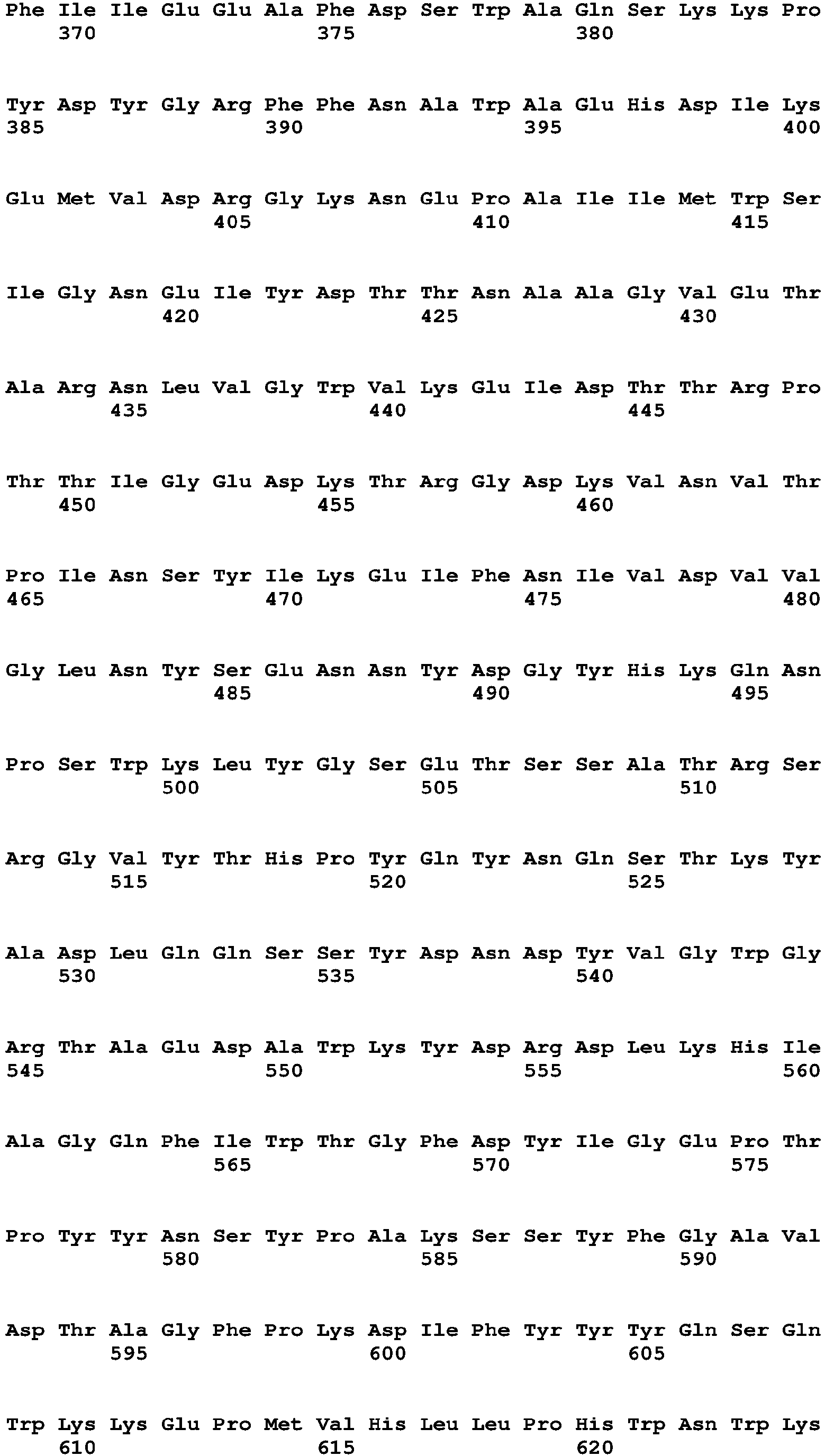


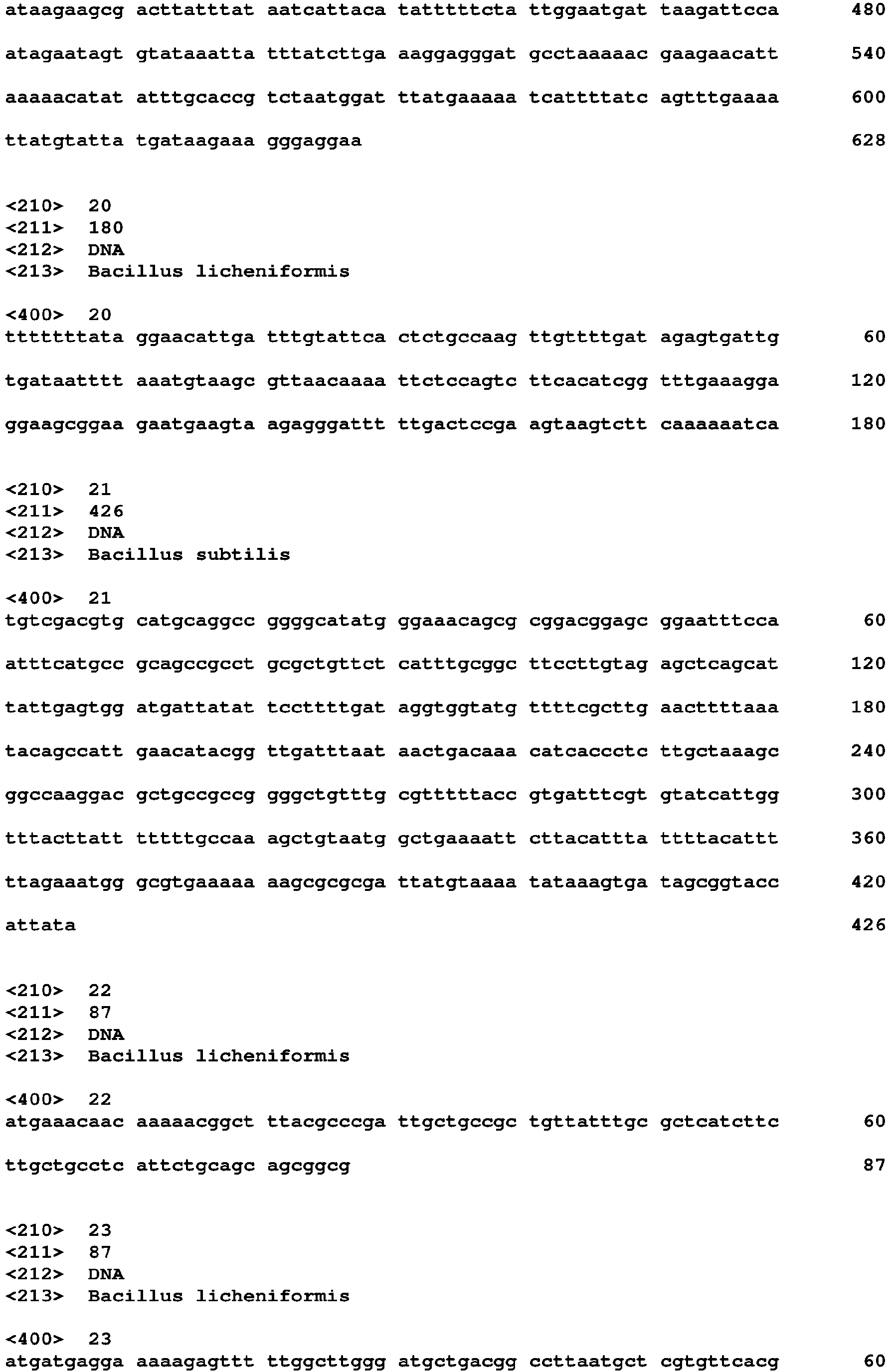


Claims (13)
- A lactase, characterized in that the amino acid sequence of the lactase is as shown in SEQ ID NO. 2, 4, 6, 8, 10, 12, 14, 16 or 18 in the sequence table.
- The lactase of claim 1, wherein, the lactase encoding gene is shown in SEQ ID NO. 1, 3, 5, 7, 9, 11, 13, 15 or 17 in the sequence listing.
- A recombinant vector or a recombinant strain containing the lactase encoding gene of claim 2.
- The recombinant vector of claim 3, wherein, the expression vector used includes but is not limited to pHY-WZX, pBL-WZX, pHY300plk, pUB110, pE194, pHT1469, pWH1520;
or pHSE-001, pHSE-002, pHSE-003, pHSE-004, pHSE-005, pHSE-006, pHSE-007, pHSE-008, pHSE-009, pHSE-010, pHSE-011, pHSE-012, pHSE -013, pHSE-014, pHSE-015, pHSE-016, pHSE-017, pHSE-018. - The recombinant vector of claim 3, wherein, the expression vector pHSE-018 used is the backbone of the expression vector based on pHY-WZX, obtained by integrating the amylase promoter P amyL derived from Bacillus licheniformis and signal peptide of alkaline protease aprE;
the P amyL is shown in SEQ ID NO.20, and the signal peptide of the alkaline protease aprE is shown in SEQ ID NO.23. - The recombinant strain of claim 3, wherein, the expression host used by the recombinant strain includes, but is not limited to, Bacillus subtilis, Bacillus circulans, Bacillus megaterium, Bacillus pumilus, Bacillus amyloliquefaciens, Corynebacterium glutamicum, and Bacillus licheniformis.
- The recombinant strain of claim 6, wherein, the expression host used by the recombinant strain is the mutant strain BCBT0529, which is obtained by knocking out aprE, vpr, wpr, lacR, lacA, lacA2, and yesZ genes from the genome of B. licheniformis CBB3008, numbered CCTCC NO.M208236;
the GenBank accession numbers of aprE, vpr, wpr, lacR, lacA, lacA2, yesZ genes are: MT885340, MT885341, MT885342, MT885336, MT885337, MT885338, MT885339, respectively. - The recombinant strain according to claim 7, wherein, the recombinant strain is specifically B. licheniformis BCBTBc168D, obtained by inserting the BcBG168-D coding gene shown in SEQ ID NO. 17 into the pHSE-008 plasmid, and expressed in the host cell mutant strain BCBT0529.
- The method for fermentation and production of lactase by recombinant strain according to claim 3, characterized in that: shaking flask fermentation to produce lactase: inoculating the recombinant strain to the shake flask culture medium, cultivating for 2 to 3 days at 30-45°C and 120-270 r/min;
shaking flask culture medium composition: yeast extract 0.5-1.5%, peptone 1.2-3.6%, glucose 8-20%; pH 7.0. - The method for fermenting lactase by recombinant strain according to claim 3, characterized in that the fermentation tank is used to produce lactase: inoculating the strain to the fermentation tank culture medium according to the inoculum amount of 5%-10%; the fermentation temperature is 33-45°C during the fermentation, controlling dissolved oxygen at 0.1%-20%, pH at 6.0-7.8, adding 30%-60% maltose syrup and maintaining reducing sugar content at 0.1%-5%; fermentation lasts for 90-120 h, an end of fermentation is controlled that the increased value of fermentation enzyme activity is less than 5-20 U/(mL·h);
the culture medium of the fermentation tank is composed of: 1% to 5% of maltose syrup, 0% to 5% of cottonseed powder, 0% to 5% of corn syrup, 0.5 to 5% of soybean meal powder, 0.1 to 5% of ammonium sulfate, and pH 6.0 to 8.0. - The method for producing lactase by recombinant strain fermentation according to claim 9 or 10, characterized in that, after the fermentation is finished, the strains are removed by plate and frame filtration, and then the enzyme solution is obtained after filtration through an ultrafiltration system.
- The use of the recombinant vector or recombinant strain of claim 3 in the production of lactase.
- The use of the lactase of claim 1 or 2 in the production of galactooligosaccharides.
Applications Claiming Priority (2)
| Application Number | Priority Date | Filing Date | Title |
|---|---|---|---|
| CN202011051056.1A CN112574977B (en) | 2020-09-29 | 2020-09-29 | Enzyme special for galactooligosaccharide production and preparation and application thereof |
| PCT/CN2020/127693 WO2021179652A1 (en) | 2020-09-29 | 2020-11-10 | Special enzyme for producing galactooligosaccharides, preparation therefor and use thereof |
Publications (4)
| Publication Number | Publication Date |
|---|---|
| EP3926043A1 true EP3926043A1 (en) | 2021-12-22 |
| EP3926043A4 EP3926043A4 (en) | 2023-02-08 |
| EP3926043C0 EP3926043C0 (en) | 2025-02-19 |
| EP3926043B1 EP3926043B1 (en) | 2025-02-19 |
Family
ID=75119712
Family Applications (1)
| Application Number | Title | Priority Date | Filing Date |
|---|---|---|---|
| EP20924713.9A Active EP3926043B1 (en) | 2020-09-29 | 2020-11-10 | Special enzyme for producing galactooligosaccharides, preparation therefor and use thereof |
Country Status (4)
| Country | Link |
|---|---|
| US (1) | US11447760B2 (en) |
| EP (1) | EP3926043B1 (en) |
| CN (3) | CN112574977B (en) |
| WO (1) | WO2021179652A1 (en) |
Families Citing this family (6)
| Publication number | Priority date | Publication date | Assignee | Title |
|---|---|---|---|---|
| CN111849940B (en) * | 2020-07-28 | 2022-03-25 | 量子高科(广东)生物有限公司 | Preparation method and application of beta-galactosidase |
| CN114958893B (en) * | 2022-06-14 | 2023-08-29 | 中农华威生物制药(湖北)有限公司 | A method for constructing lactase required for the preparation of high-temperature creep feed for suckling pigs |
| CN118056903B (en) * | 2022-11-20 | 2025-04-08 | 山东恒鲁生物科技有限公司 | A mature polypeptide of synthetic oligosaccharide |
| WO2024253179A1 (en) * | 2023-06-08 | 2024-12-12 | 合同酒精株式会社 | Lactase powder, method for producing lactase powder, and method for producing food and beverages |
| CN116949017B (en) * | 2023-06-13 | 2024-06-07 | 天津科技大学 | High-activity lactase mutant and application thereof |
| CN119060989B (en) * | 2024-07-17 | 2025-09-12 | 天津科技大学 | Lactase and its application in in-situ conversion of fresh milk lactose |
Family Cites Families (11)
| Publication number | Priority date | Publication date | Assignee | Title |
|---|---|---|---|---|
| CA2531494A1 (en) * | 2003-07-11 | 2005-01-20 | Novozymes A/S | Method of screening for improved specific activity of enzymes |
| CN101418276B (en) * | 2008-12-08 | 2010-12-22 | 江南大学 | Host cell and method for efficient expression and secretion thereof in recombinant protein |
| US9516888B2 (en) * | 2009-06-05 | 2016-12-13 | Amano Enzyme Inc. | Beta-galactosidase derived from bacillus circulans |
| US9974318B2 (en) * | 2009-06-05 | 2018-05-22 | Amano Enzyme Inc. | Method for producing a low-lactose milk, medicine, supplement, or galacto-oligosaccharide |
| CN102250856B (en) * | 2011-06-23 | 2013-09-18 | 江南大学 | Construction of heat-resistant beta-galactosidase mutant |
| CN104630123B (en) * | 2013-11-12 | 2018-09-14 | 华中农业大学 | Bacillus licheniformis expressive host |
| CN104673769A (en) * | 2013-11-28 | 2015-06-03 | 山东省生物药物研究院 | Preparation method and application of novel lactase |
| US10190107B2 (en) * | 2014-08-19 | 2019-01-29 | Amano Enzyme Inc. | Modified β-galactosidase |
| JP7316758B2 (en) * | 2018-03-02 | 2023-07-28 | 合同酒精株式会社 | Lactase preparations that can reduce the risk of off-flavours |
| EP3778625A4 (en) * | 2018-04-05 | 2022-02-09 | Godo Shusei Co., Ltd. | ENZYME DERIVED FROM P AENIBACILLUS PABULI AND CAPABLE OF PRODUCING A GALACTO-OLIGOSACCHARIDE, AND METHOD FOR PRODUCING A GALACTO-OLIGOSACCHARIDE |
| CN109182307B (en) * | 2018-10-11 | 2021-07-23 | 山东隆科特酶制剂有限公司 | Method for producing beta-galactosidase by liquid fermentation of bacillus coagulans |
-
2020
- 2020-09-29 CN CN202011051056.1A patent/CN112574977B/en active Active
- 2020-09-29 CN CN202210851698.2A patent/CN115927257B/en active Active
- 2020-09-29 CN CN202210851915.8A patent/CN115927252B/en active Active
- 2020-11-10 WO PCT/CN2020/127693 patent/WO2021179652A1/en not_active Ceased
- 2020-11-10 EP EP20924713.9A patent/EP3926043B1/en active Active
-
2021
- 2021-09-15 US US17/476,433 patent/US11447760B2/en active Active
Also Published As
| Publication number | Publication date |
|---|---|
| EP3926043A4 (en) | 2023-02-08 |
| CN112574977B (en) | 2022-07-19 |
| CN112574977A (en) | 2021-03-30 |
| CN115927257B (en) | 2024-11-05 |
| US20220098563A1 (en) | 2022-03-31 |
| US11447760B2 (en) | 2022-09-20 |
| EP3926043C0 (en) | 2025-02-19 |
| CN115927252B (en) | 2025-07-04 |
| CN115927252A (en) | 2023-04-07 |
| WO2021179652A1 (en) | 2021-09-16 |
| EP3926043B1 (en) | 2025-02-19 |
| CN115927257A (en) | 2023-04-07 |
Similar Documents
| Publication | Publication Date | Title |
|---|---|---|
| EP3926043B1 (en) | Special enzyme for producing galactooligosaccharides, preparation therefor and use thereof | |
| CN112553134B (en) | A kind of method for expressing alpha-amylase in Bacillus subtilis | |
| US20240254527A1 (en) | Bacillus subtilis genetically engineered bacterium for producing tagatose and method for preparing tagatose | |
| CN112522173B (en) | Engineering bacterium for producing heterologous alkaline protease and construction method thereof | |
| EP4435097A1 (en) | Polypeptide having glycoside hydrolase activity, preparation method therefor, and use thereof | |
| CN113881618B (en) | Recombinant bacillus subtilis secreting milk casein, and construction method and application thereof | |
| CN119614607B (en) | A genetically modified cell of Saccharomyces cerevisiae | |
| CN119614530B (en) | A fucosyltransferase polypeptide and its application | |
| CN113151270A (en) | Promoter for efficiently expressing alkaline protease and application thereof | |
| CN118056902B (en) | Synthetic Mature Peptide Sequences of HMOs and Their Applications | |
| CN121628886A (en) | An L-rhamnosyl isomerase and its application | |
| CN113234699A (en) | Alpha-1, 2-fucosyltransferase and application thereof | |
| CN120230734B (en) | Sucrose phosphorylase mutant and application thereof in synthesis of 2-O-alpha-D-glucopyranosyl-L-ascorbic acid | |
| CN116814576B (en) | Glycoside hydrolase and its preparation method and application | |
| CN114277049A (en) | A kind of genetic engineering bacteria heterologous expressing sucrose isomerase and its application | |
| CN120843494B (en) | A Spytag/SpyCatcher cyclized D-allulose-3-epimerase mutant and its applications | |
| CN118056903B (en) | A mature polypeptide of synthetic oligosaccharide | |
| CN118056901B (en) | Mature polypeptide sequences of synthetic oligosaccharides and their applications | |
| CN118369432A (en) | A genetically engineered bacterium and a method for preparing L-ornithine using the same | |
| CN120591225A (en) | Fucosyltransferase polypeptides and uses thereof | |
| CN121182769A (en) | Glycosyltransferase peptides and their applications | |
| CN121852355A (en) | Heat-resistant lactase mutant and application thereof in synthesis of galactooligosaccharides | |
| CN120866258A (en) | Glycosyltransferase polypeptide and application thereof | |
| CN118086268A (en) | Construction and application of engineering strain for efficiently catalyzing lactose to produce tagatose by one-step method | |
| CN121914883A (en) | Saccharomyces cerevisiae gene-modified cells |
Legal Events
| Date | Code | Title | Description |
|---|---|---|---|
| STAA | Information on the status of an ep patent application or granted ep patent |
Free format text: STATUS: THE INTERNATIONAL PUBLICATION HAS BEEN MADE |
|
| PUAI | Public reference made under article 153(3) epc to a published international application that has entered the european phase |
Free format text: ORIGINAL CODE: 0009012 |
|
| STAA | Information on the status of an ep patent application or granted ep patent |
Free format text: STATUS: REQUEST FOR EXAMINATION WAS MADE |
|
| 17P | Request for examination filed |
Effective date: 20210917 |
|
| AK | Designated contracting states |
Kind code of ref document: A1 Designated state(s): AL AT BE BG CH CY CZ DE DK EE ES FI FR GB GR HR HU IE IS IT LI LT LU LV MC MK MT NL NO PL PT RO RS SE SI SK SM TR |
|
| RIC1 | Information provided on ipc code assigned before grant |
Ipc: C12R 1/07 20060101ALI20220708BHEP Ipc: C12R 1/10 20060101ALI20220708BHEP Ipc: C12P 19/04 20060101ALI20220708BHEP Ipc: C12P 19/00 20060101ALI20220708BHEP Ipc: C12N 1/21 20060101ALI20220708BHEP Ipc: C12N 15/75 20060101ALI20220708BHEP Ipc: C12N 9/24 20060101AFI20220708BHEP |
|
| A4 | Supplementary search report drawn up and despatched |
Effective date: 20230110 |
|
| RIC1 | Information provided on ipc code assigned before grant |
Ipc: C12R 1/07 19800101ALI20230103BHEP Ipc: C12R 1/10 19800101ALI20230103BHEP Ipc: C12P 19/04 19800101ALI20230103BHEP Ipc: C12P 19/00 19800101ALI20230103BHEP Ipc: C12N 1/21 19900101ALI20230103BHEP Ipc: C12N 15/75 19900101ALI20230103BHEP Ipc: C12N 9/24 19800101AFI20230103BHEP |
|
| STAA | Information on the status of an ep patent application or granted ep patent |
Free format text: STATUS: EXAMINATION IS IN PROGRESS |
|
| 17Q | First examination report despatched |
Effective date: 20231024 |
|
| DAV | Request for validation of the european patent (deleted) | ||
| DAX | Request for extension of the european patent (deleted) | ||
| GRAP | Despatch of communication of intention to grant a patent |
Free format text: ORIGINAL CODE: EPIDOSNIGR1 |
|
| STAA | Information on the status of an ep patent application or granted ep patent |
Free format text: STATUS: GRANT OF PATENT IS INTENDED |
|
| INTG | Intention to grant announced |
Effective date: 20240930 |
|
| GRAS | Grant fee paid |
Free format text: ORIGINAL CODE: EPIDOSNIGR3 |
|
| GRAA | (expected) grant |
Free format text: ORIGINAL CODE: 0009210 |
|
| STAA | Information on the status of an ep patent application or granted ep patent |
Free format text: STATUS: THE PATENT HAS BEEN GRANTED |
|
| AK | Designated contracting states |
Kind code of ref document: B1 Designated state(s): AL AT BE BG CH CY CZ DE DK EE ES FI FR GB GR HR HU IE IS IT LI LT LU LV MC MK MT NL NO PL PT RO RS SE SI SK SM TR |
|
| REG | Reference to a national code |
Ref country code: GB Ref legal event code: FG4D |
|
| REG | Reference to a national code |
Ref country code: CH Ref legal event code: EP |
|
| REG | Reference to a national code |
Ref country code: IE Ref legal event code: FG4D |
|
| REG | Reference to a national code |
Ref country code: DE Ref legal event code: R096 Ref document number: 602020046590 Country of ref document: DE |
|
| U01 | Request for unitary effect filed |
Effective date: 20250227 |
|
| U07 | Unitary effect registered |
Designated state(s): AT BE BG DE DK EE FI FR IT LT LU LV MT NL PT RO SE SI Effective date: 20250307 |
|
| PG25 | Lapsed in a contracting state [announced via postgrant information from national office to epo] |
Ref country code: RS Free format text: LAPSE BECAUSE OF FAILURE TO SUBMIT A TRANSLATION OF THE DESCRIPTION OR TO PAY THE FEE WITHIN THE PRESCRIBED TIME-LIMIT Effective date: 20250519 |
|
| PG25 | Lapsed in a contracting state [announced via postgrant information from national office to epo] |
Ref country code: PL Free format text: LAPSE BECAUSE OF FAILURE TO SUBMIT A TRANSLATION OF THE DESCRIPTION OR TO PAY THE FEE WITHIN THE PRESCRIBED TIME-LIMIT Effective date: 20250219 |
|
| PG25 | Lapsed in a contracting state [announced via postgrant information from national office to epo] |
Ref country code: ES Free format text: LAPSE BECAUSE OF FAILURE TO SUBMIT A TRANSLATION OF THE DESCRIPTION OR TO PAY THE FEE WITHIN THE PRESCRIBED TIME-LIMIT Effective date: 20250219 |
|
| PG25 | Lapsed in a contracting state [announced via postgrant information from national office to epo] |
Ref country code: NO Free format text: LAPSE BECAUSE OF FAILURE TO SUBMIT A TRANSLATION OF THE DESCRIPTION OR TO PAY THE FEE WITHIN THE PRESCRIBED TIME-LIMIT Effective date: 20250519 Ref country code: IS Free format text: LAPSE BECAUSE OF FAILURE TO SUBMIT A TRANSLATION OF THE DESCRIPTION OR TO PAY THE FEE WITHIN THE PRESCRIBED TIME-LIMIT Effective date: 20250619 |
|
| PG25 | Lapsed in a contracting state [announced via postgrant information from national office to epo] |
Ref country code: HR Free format text: LAPSE BECAUSE OF FAILURE TO SUBMIT A TRANSLATION OF THE DESCRIPTION OR TO PAY THE FEE WITHIN THE PRESCRIBED TIME-LIMIT Effective date: 20250219 |
|
| PG25 | Lapsed in a contracting state [announced via postgrant information from national office to epo] |
Ref country code: GR Free format text: LAPSE BECAUSE OF FAILURE TO SUBMIT A TRANSLATION OF THE DESCRIPTION OR TO PAY THE FEE WITHIN THE PRESCRIBED TIME-LIMIT Effective date: 20250520 |
|
| PG25 | Lapsed in a contracting state [announced via postgrant information from national office to epo] |
Ref country code: SM Free format text: LAPSE BECAUSE OF FAILURE TO SUBMIT A TRANSLATION OF THE DESCRIPTION OR TO PAY THE FEE WITHIN THE PRESCRIBED TIME-LIMIT Effective date: 20250219 |
|
| PG25 | Lapsed in a contracting state [announced via postgrant information from national office to epo] |
Ref country code: CZ Free format text: LAPSE BECAUSE OF FAILURE TO SUBMIT A TRANSLATION OF THE DESCRIPTION OR TO PAY THE FEE WITHIN THE PRESCRIBED TIME-LIMIT Effective date: 20250219 |
|
| PG25 | Lapsed in a contracting state [announced via postgrant information from national office to epo] |
Ref country code: SK Free format text: LAPSE BECAUSE OF FAILURE TO SUBMIT A TRANSLATION OF THE DESCRIPTION OR TO PAY THE FEE WITHIN THE PRESCRIBED TIME-LIMIT Effective date: 20250219 |
|
| U20 | Renewal fee for the european patent with unitary effect paid |
Year of fee payment: 6 Effective date: 20251110 |
|
| PLBE | No opposition filed within time limit |
Free format text: ORIGINAL CODE: 0009261 |
|
| STAA | Information on the status of an ep patent application or granted ep patent |
Free format text: STATUS: NO OPPOSITION FILED WITHIN TIME LIMIT |
|
| 26N | No opposition filed |
Effective date: 20251120 |