EP3921068B1 - A metal ion battery having ionomer membrane separator and free-standing electrode - Google Patents
A metal ion battery having ionomer membrane separator and free-standing electrode Download PDFInfo
- Publication number
- EP3921068B1 EP3921068B1 EP20752132.9A EP20752132A EP3921068B1 EP 3921068 B1 EP3921068 B1 EP 3921068B1 EP 20752132 A EP20752132 A EP 20752132A EP 3921068 B1 EP3921068 B1 EP 3921068B1
- Authority
- EP
- European Patent Office
- Prior art keywords
- stc
- electrolyte
- energy storage
- battery
- storage device
- Prior art date
- Legal status (The legal status is an assumption and is not a legal conclusion. Google has not performed a legal analysis and makes no representation as to the accuracy of the status listed.)
- Active
Links
Images



Classifications
-
- H—ELECTRICITY
- H01—ELECTRIC ELEMENTS
- H01M—PROCESSES OR MEANS, e.g. BATTERIES, FOR THE DIRECT CONVERSION OF CHEMICAL ENERGY INTO ELECTRICAL ENERGY
- H01M10/00—Secondary cells; Manufacture thereof
- H01M10/24—Alkaline accumulators
- H01M10/26—Selection of materials as electrolytes
-
- H—ELECTRICITY
- H01—ELECTRIC ELEMENTS
- H01M—PROCESSES OR MEANS, e.g. BATTERIES, FOR THE DIRECT CONVERSION OF CHEMICAL ENERGY INTO ELECTRICAL ENERGY
- H01M10/00—Secondary cells; Manufacture thereof
- H01M10/05—Accumulators with non-aqueous electrolyte
- H01M10/056—Accumulators with non-aqueous electrolyte characterised by the materials used as electrolytes, e.g. mixed inorganic/organic electrolytes
- H01M10/0561—Accumulators with non-aqueous electrolyte characterised by the materials used as electrolytes, e.g. mixed inorganic/organic electrolytes the electrolyte being constituted of inorganic materials only
- H01M10/0563—Liquid materials, e.g. for Li-SOCl2 cells
-
- H—ELECTRICITY
- H01—ELECTRIC ELEMENTS
- H01M—PROCESSES OR MEANS, e.g. BATTERIES, FOR THE DIRECT CONVERSION OF CHEMICAL ENERGY INTO ELECTRICAL ENERGY
- H01M10/00—Secondary cells; Manufacture thereof
- H01M10/36—Accumulators not provided for in groups H01M10/05-H01M10/34
- H01M10/38—Construction or manufacture
-
- H—ELECTRICITY
- H01—ELECTRIC ELEMENTS
- H01M—PROCESSES OR MEANS, e.g. BATTERIES, FOR THE DIRECT CONVERSION OF CHEMICAL ENERGY INTO ELECTRICAL ENERGY
- H01M4/00—Electrodes
- H01M4/02—Electrodes composed of, or comprising, active material
- H01M4/24—Electrodes for alkaline accumulators
- H01M4/244—Zinc electrodes
-
- H—ELECTRICITY
- H01—ELECTRIC ELEMENTS
- H01M—PROCESSES OR MEANS, e.g. BATTERIES, FOR THE DIRECT CONVERSION OF CHEMICAL ENERGY INTO ELECTRICAL ENERGY
- H01M4/00—Electrodes
- H01M4/02—Electrodes composed of, or comprising, active material
- H01M4/36—Selection of substances as active materials, active masses, active liquids
- H01M4/38—Selection of substances as active materials, active masses, active liquids of elements or alloys
-
- H—ELECTRICITY
- H01—ELECTRIC ELEMENTS
- H01M—PROCESSES OR MEANS, e.g. BATTERIES, FOR THE DIRECT CONVERSION OF CHEMICAL ENERGY INTO ELECTRICAL ENERGY
- H01M4/00—Electrodes
- H01M4/02—Electrodes composed of, or comprising, active material
- H01M4/36—Selection of substances as active materials, active masses, active liquids
- H01M4/38—Selection of substances as active materials, active masses, active liquids of elements or alloys
- H01M4/42—Alloys based on zinc
-
- H—ELECTRICITY
- H01—ELECTRIC ELEMENTS
- H01M—PROCESSES OR MEANS, e.g. BATTERIES, FOR THE DIRECT CONVERSION OF CHEMICAL ENERGY INTO ELECTRICAL ENERGY
- H01M4/00—Electrodes
- H01M4/02—Electrodes composed of, or comprising, active material
- H01M4/36—Selection of substances as active materials, active masses, active liquids
- H01M4/48—Selection of substances as active materials, active masses, active liquids of inorganic oxides or hydroxides
-
- H—ELECTRICITY
- H01—ELECTRIC ELEMENTS
- H01M—PROCESSES OR MEANS, e.g. BATTERIES, FOR THE DIRECT CONVERSION OF CHEMICAL ENERGY INTO ELECTRICAL ENERGY
- H01M4/00—Electrodes
- H01M4/02—Electrodes composed of, or comprising, active material
- H01M4/64—Carriers or collectors
- H01M4/66—Selection of materials
- H01M4/663—Selection of materials containing carbon or carbonaceous materials as conductive part, e.g. graphite, carbon fibres
-
- H—ELECTRICITY
- H01—ELECTRIC ELEMENTS
- H01M—PROCESSES OR MEANS, e.g. BATTERIES, FOR THE DIRECT CONVERSION OF CHEMICAL ENERGY INTO ELECTRICAL ENERGY
- H01M2300/00—Electrolytes
- H01M2300/0002—Aqueous electrolytes
- H01M2300/0005—Acid electrolytes
- H01M2300/0011—Sulfuric acid-based
-
- H—ELECTRICITY
- H01—ELECTRIC ELEMENTS
- H01M—PROCESSES OR MEANS, e.g. BATTERIES, FOR THE DIRECT CONVERSION OF CHEMICAL ENERGY INTO ELECTRICAL ENERGY
- H01M2300/00—Electrolytes
- H01M2300/0002—Aqueous electrolytes
- H01M2300/0014—Alkaline electrolytes
-
- Y—GENERAL TAGGING OF NEW TECHNOLOGICAL DEVELOPMENTS; GENERAL TAGGING OF CROSS-SECTIONAL TECHNOLOGIES SPANNING OVER SEVERAL SECTIONS OF THE IPC; TECHNICAL SUBJECTS COVERED BY FORMER USPC CROSS-REFERENCE ART COLLECTIONS [XRACs] AND DIGESTS
- Y02—TECHNOLOGIES OR APPLICATIONS FOR MITIGATION OR ADAPTATION AGAINST CLIMATE CHANGE
- Y02E—REDUCTION OF GREENHOUSE GAS [GHG] EMISSIONS, RELATED TO ENERGY GENERATION, TRANSMISSION OR DISTRIBUTION
- Y02E60/00—Enabling technologies; Technologies with a potential or indirect contribution to GHG emissions mitigation
- Y02E60/10—Energy storage using batteries
Definitions
- the present invention relates to a metal ion battery as an efficient energy storage device having ionomer membrane separator and free-standing electrode. More particularly, the present invention provides a Zn/V 2 O 5 battery having cation selective ionomer membrane and free-standing electrode.
- Lithium ion battery (LIB) technology is the most matured one.
- Aqueous ion batteries (AIBs) are considered as one of the promising energy storage devices which can overcome several challenges associated with LIBs such as flammable nature, high cost and tedious fabrication procedures.
- Zn based AIBs Zn based AIBs
- Transition metal oxides (TMO) e.g. MnO 2 , V 2 O 5 have emerged as potential cathode materials for ZAIBs (Zn/TMO battery).
- zinc/sodium vanadate hydrate batteries possess a simultaneous proton, and zinc-ion insertion/extraction process that is mainly responsible for their excellent performance, such as a high reversible capacity of 380 mAh g -1 and capacity retention of 82% over 1000 cycles.
- the quasi-solid-state zinc/sodium vanadate hydrate battery is also a good candidate for flexible energy storage device.
- the main objective of the present invention is to provide an energy storage device having ionomer membrane separator and free-standing electrode.
- Another objective of the present invention is to provide fabrication of the energy storage device having ionomer membrane separator and free-standing electrode which can furnish all the aspects of efficient energy storage device in terms of energy density, power density and cycle life.
- the present invention provides an energy storage device having ionomer membrane separator and free-standing electrode.
- the present invention provides an energy storage device comprising Zn as an anode, electrodeposited V 2 O 5 on functionalized carbon as a cathode, sulfonated tetrafluoroethylene copolymer (STC) as a cation selective ionomer membrane separator and ZnSO 4 as an electrolyte. More specifically, in the present invention, the STC is tetrafluoroethylene-perfluoro-3,6-dioxa-4-methyl-7-octenesulfonic acid copolymer (Nafion) that functions as separator.
- STC sulfonated tetrafluoroethylene copolymer
- Nafion tetrafluoroethylene-perfluoro-3,6-dioxa-4-methyl-7-octenesulfonic acid copolymer
- the ionomer membrane is selected from the group comprising of STC, polyvinyl sulfonic acid, polystyrene sulfonic acid, polyAMPs.
- the free-standing electrode is selected from various redox active material group comprising of V 2 O 5 , MnO 2 , Co 3 O 4 , which can be electrodeposited on various conducting substrate group comprising of carbon fiber paper, carbon felt, flexible graphite, FTO glass, CNT-buckypaper.
- the device is battery, more specifically Zn based aqueous ion batteries (ZAIBs).
- ZIBs Zn based aqueous ion batteries
- the present invention further provides a process for fabrication of the energy storage device comprising the steps of:
- the present invention provides an energy storage device having ionomer membrane separator and free-standing electrode and fabrication of the device thereof.
- the ionomer membrane is selected from the group comprising of STC, polyvinyl sulfonic acid, polystyrene sulfonic acid, polyAMPs.
- the STC is tetrafluoroethylene-perfluoro-3,6-dioxa-4-methyl-7-octenesulfonic acid copolymer (Nafion) that functions as separator.
- the free-standing electrode is selected from the various redox active material group comprising of V 2 O 5 , MnO 2 , Co 3 O 4 , which can be electrodeposited on various conducting substrate group comprising of carbon fiber paper, carbon felt, flexible graphite, FTO glass, buckypapar, carbontape peeled off flexible graphite.
- the device is battery, more specifically Zn based aqueous ion batteries (ZAIBs).
- ZIBs Zn based aqueous ion batteries
- the present invention provides an energy storage device comprising Zn as anode, V 2 O 5 electrodeposited on functionalized carbon as cathode, STC as separator and ZnSO 4 as electolyte.
- the strategy adopted in this invention can be extended to several other cathode materials such as MnO 2 , Co 3 O 4 , redox active conducting polymers.
- Different other ionomer membranes separator can be designed by using polyvinyl sulfonic acid, polystyrene sulfonic acid, polyAMPs ionomer which can perform well in zinc ion battery (with several other electrolyte such as Zn(CF 3 SO 3 ) 2 and ZnCl 2 ) as well as in aluminium ion battery (Al as anode, aqueous solution of Al 2 (SO 4 ) 3 as electrolyte), magnesium battery (Mg as anode, aqueous solution of Mg(TFSI) 2 or MgSO 4 as electrolyte ).
- it can be used for the fabrication of flexible battery just by replacing the carbon fiber paper with other flexible substrate such as flexible graphite, carbon tape peeled off flexible graphite, flexible FTO, carbon felt, CNT-buckypaper.
- the device further comprises of a free-standing electrode.
- the battery exhibits outstanding cycling stability with a retention of 85% after 1300 cycles at 5 A g -1 current density and with a retention of 88% after 1800 cycles at 10 A g -1 current density.
- the battery provides an energy density of 250-400 W h kg -1 .
- the present invention further provides a process for fabrication of the energy storage device comprising the steps of:
- the active material is V 2 O 5
- the metal is Zn
- the ionomer membrane is STC.
- step (a) in step (a) the electrolyte is Na 2 SO 4 and in step (c) the electrolyte is ZnSO 4 .
- a Zn 2+ impregnated STC ionomer membrane is integrated with a free standing V 2 O 5 based positive electrode.
- the presence of STC ionomer membrane enhances the kinetics of Zn 2+ and at the same time hinders the poisoning of negative electrode by diffusion of discharge product from positive electrode.
- the positive electrode is prepared by adopting electrodeposition technique which affords the maximum contact of the active material with conductive substrate, and thus ameliorate the charge storage capacity of the electrode.
- V 2 O 5 is electrodeposited over a pre-functionalized carbon paper and used as a free-standing positive electrode.
- Figure 1 depicts schematic representation of the different Zn/V 2 O 5 battery configurations containing STC ionomer membrane and conventional porous membrane separator.
- Figure 2 depicts physical characterization of the V-CP freestanding electrode.
- the morphology of the V-CP electrode is investigated by FE-SEM analysis.
- the roughness on the surface of the carbon fiber indicates the growth of V 2 O 5 nano-structure on it.
- the large interlayer spacing of V 2 O 5 (0.9 nm) in V-CP sample is observed from the TEM image ( Figure 2c ), which enable the co-insertion/extraction of Zn 2+ and H + during the charge/discharge process.
- the ionic conductivity of the 3M-STC ionomer membrane is compared with other conventional porous 3M-Y membranes at an ambient temperature of 30°C ( Figure 3a ). From the Figure 3a , it is observed that 3M-STC displays ionic conductivity 2.6 mS cm -1 , which is higher than 3M-Polypropylene and 3M-Filter paper counterparts. The slightly higher ionic conductivity (2.8 mS cm -1 ) of 3M- Glass fibre due to its better wettability and intrinsic porous nature.
- the activation energy of the membranes towards the ion conduction is calculated from slop of the ln ⁇ vs 1/T plot ( Figure 3b ) within a temperature range of 20°C to 60°C and the conductivity is observed to be linearly dependent with increase in temperature.
- the 3M-STC membrane ( Figure 3b ) exhibits lowest activation energy compared to all other porous membranes (the corresponding Nyquist plots are given in Figure 4 ). This observation indicates that the higher ionic conductivity along with low activation energy of the 3M-STC ionomer membrane have decisive role in the performance of the ZAIB assembled with STC membrane as separator.
- Figures 6a to 6c depict all the porous membrane based CP-3M-Y cells display higher overpotential for Zn plating/stripping.
- the positive attribute of the 3M-STC ionomer membrane can be correlated with the higher ionic conductivity and low activation energy as obtained from the ionic conductivity measurement.
- the magnitude of the overpotential for Zn plating/stripping in CP-3M-Y cells comprising porous separators follow the similar trend of ionic conductivity of the respective membranes ( Figure 3a ).
- the better platting/stripping behaviour of Zn as observed from Figure 5a also indicates the better interface formed by the STC ionomer membrane with the respective electrodes (Zn and CP) .
- Figure 7b shows that after several cycles the CV profile of the CP-0M-STC cell (15 th cycle) is appeared similar to that of CP-3M-STC cell (3 rd cycle). However, the low current density (after 15 th cycles) and higher overpotential (149 mV) indicates the inferior kinetics of the Zn plating/stripping in CP-0M-STC cell compared to CP-3M-STC cell.
- Figure 8 displays the voltage profiles at a constant charge/discharge current density of 0.1 mA cm -2 .
- the symmetric cell comprising 3M-STC ionomer membrane exhibits better reversibility of Zn plating/stripping compared to other conventional porous membranes counterparts. From the enlarged part at various cycles, the 3M-STC displays a significant decrease of overpotential (71 mV at 30th cycle) upon cycling. Gradual enhancement in the charge/discharge voltage separation in case of other porous 3M-Y membranes further indicates the superiority of STC ionomer membrane separator.
- Figure 9a displays the current response in the voltammogram at different scan rate ranging from 0.1 mV s -1 to 1.0 mV s -1 .
- the appearance of multiple anodic and cathodic peaks can be attributed to the multistep reversible intercalation of Zn 2+ into the V-CP cathode.
- a significantly higher b-value than 0.5 indicates that the charge storage mechanism in V-CP cathode is surface controlled and capacitive in nature.
- V-CP cathode augments the intercalation/deintercalation kinetics of Zn 2+ , which is highly desirable to enhance the power output of energy storage device.
- the galvanostatic charge-discharge experiment is carried out at the current density of 0.25 A g -1 to 10 A g -1 .
- An average discharge capacity of 510 mAh g -1 is obtained at a current density of 0.25 A g -1 ( Figures 9c and 9d ), which is sufficiently higher than all ZAIBs reported so far.
- the V-3M-STC battery delivers an average discharge capacity of 330 mAh g -1 when it is discharged at a very high current density of 10 A g -1 (40 times higher than the lowest current density of 0.25 A g -1 ), with 60 % retention of the capacity obtained at 0.25 A g -1 .
- the carbon fiber skeleton provides an interconnected pathway which facilitates the transport of electrons throughout the electrode.
- the thin and uniform deposition of V 2 O 5 over the carbon fiber increases the number of surface redox active sites which augments the rate of redox reaction and the Zn 2+ uptake capacity of the V-CP electrode, simultaneously. Therefore, the combined effect of the higher transport rate of Zn 2+ through the STC membrane and the surface controlled intercalation/deintercalation of Zn 2+ in the V-CP cathode improve the capacity as well as rate capability of the V-3M-STC cell.
- Zn/V 2 O 5 batteries are fabricated with conventional porous membranes.
- the discharge capacity of V-3M-STC cell is compared with that of porous membrane counterparts in Figure 10a .
- the highest discharge capacity of the V-3M-STC attributed to the enhanced transport rate of Zn 2+ through cation selective STC ionomer, which strongly correlated with plating/stripping behaviour of Zn in the corresponding cells.
- the V-3M-STC battery also exhibits outstanding cycling stability with a retention of 85% (after 1300 cycles) and 88% (after 1800 cycles) at 5 A g -1 and 10 A g -1 current density, respectively (cyclic stability at 10 A g -1 current density is given in Figure 10b ).
- Figure 10c displays the highest cycling stability of V-3M-STC cell compared to all other conventional porous membranes based counterparts, at a current density of 5 mA cm -2 .
- the Ragone plot representing the energy and power density of the V-3M-STC battery is given in Figure 10d .
- the outstanding energy and power density of the device further indicate its practical suitability. At two different power densities of 195 and 7800 W kg -1 the device delivers high energy densities of 398 and 257 W h kg -1 (considering the average voltage of 0.78 V).
- the surface morphology of the Zn foil is analysed after 500 and 1300 stability cycles to find out the reason for the higher stability of V-3M-STC cell. From Figure 11a it is observed that the Zn foil retains a nearly flat surface in case of V-3M-STC cell, after 500 cycle. However, at high magnification, a nanoflakes like growth pattern is observed to be embedded in the Zn surface ( Figure 11b ). After 1300 cycling the surface morphology of the Zn is changed into a porous interconnected thin nanowalls like structure ( Figures 11c and 11d ), which evolved due to exfoliation of the embedded nanoflakes upon prolonged cycling.
- Table 1 shows the comparison data of the capacity, cyclic stability and voltage window of the V-3M-STC battery with some of rechargeable batteries (ZAIB and Li-S battery).
- a piece of pristine carbon paper was subjected to anodization by applying a bias potential of 10 V for 5 min in a two-electrode cell assembly in 0.1 M Na 2 SO 4 electrolyte solution.
- pCP and platinum wire were used as the positive and negative electrode, respectively.
- the precursor solution for the electrodeposition contains 0.2 M VOSO 4 .xH 2 O and 0.25 M LiClO 4 in 1: 1 water and ethanol mixture.
- Electrochemical deposition was carried out by the chronopotentiometric method in a BioLogic SP-300 Potentio-Galvanostat in a three-electrode cell assembly.
- the functionalised carbon paper, Pt wire, and a piece of flexible graphite were employed as the working, quasi-reference and counter electrodes, respectively.
- a constant current of 3 mA was applied for 177 seconds to obtain 1 mg loading of V 2 O 5 in 1 cm 2 area of the carbon paper.
- the obtained electrode is subjected to annealing at 250°C for 2 hr and marked as V-CP.
- All the Zn/V 2 O 5 cells were fabricated in CR2032 coin cell assembly.
- a Zn metal (area 1cm 2 ), V-CP electrode (area 1cm 2 ) and desired STC membrane (XM-STC) were used as anode, cathode and separator, respectively.
- the terms anode and cathode are used for negative and positive electrode, respectively, considering the discharge state of battery.
- several other Zn/V 2 O 5 batteries were also assembled using conventional porous membrane separators.
- the respective cells are designated as V -XM-Y, where 'X' and 'Y' stand for the concentration of ZnSO 4 electrolyte and type of the membrane used, respectively.
- Morphology investigations were performed with a field emission scanning electron microscope (FESEM) Nova Nano SEM 450.
- FESEM field emission scanning electron microscope
- a Tecnai T-20 instrument was used for the transmission electron microscopy (TEM) imaging at an accelerating voltage of 200 kV.
- TEM transmission electron microscopy
- XPS analysis was carried out through Thermo K-alpha+ X-ray spectrometer.
- Electrochemical Impedance spectroscopy (EIS) analysis was used to determine the ionic conductivity of the membrane.
- the conductivity cells were fabricated in CR2032 coin cell assembly by keeping the desired membranes in between two stainless steel plates with 1mm thickness. The conductivity measurement was carried out between 20°C to 60°C at every 10°C interval. The temperature was controlled by using Espec environmental test chamber.
- electrochemical cells were fabricated by using a piece of Zn metal foil (1 cm 2 area ), pCP (1cm 2 area) and the desired STC membrane as anode, cathode and separator, respectively.
- same kind of cells were prepared with other porous membranes.
- the cells are designated as CP-XM-Y, where 'X' and 'Y' carry the same information as mentioned in the previous section. These cells were characterized by cyclic voltammetry (CV) analysis.
- CV cyclic voltammetry
Landscapes
- Chemical & Material Sciences (AREA)
- Chemical Kinetics & Catalysis (AREA)
- Electrochemistry (AREA)
- General Chemical & Material Sciences (AREA)
- Engineering & Computer Science (AREA)
- Manufacturing & Machinery (AREA)
- Materials Engineering (AREA)
- Inorganic Chemistry (AREA)
- Battery Electrode And Active Subsutance (AREA)
- Cell Separators (AREA)
- Secondary Cells (AREA)
Description
- The present invention relates to a metal ion battery as an efficient energy storage device having ionomer membrane separator and free-standing electrode. More particularly, the present invention provides a Zn/V2O5 battery having cation selective ionomer membrane and free-standing electrode.
- Development of energy storage devices is vital for storing the energy output from renewable sources. In this context, Lithium ion battery (LIB) technology is the most matured one. However, the use of organic electrolyte in LIBs hinders its large scale application. Aqueous ion batteries (AIBs) are considered as one of the promising energy storage devices which can overcome several challenges associated with LIBs such as flammable nature, high cost and tedious fabrication procedures. In this regard, there is a growing interest in Zn based AIBs (ZAIBs). Transition metal oxides (TMO) e.g. MnO2, V2O5 have emerged as potential cathode materials for ZAIBs (Zn/TMO battery). However, the technology of ZAIBs is still in its infancy due to the less capacity and poor life span of the battery. Introducing some additive salt in the electrolyte although improve life span of battery, however, it often comes at the expense of low capacity. Therefore it is indeed of great importance to find out a strategy to increase the life span of ZAIBs without compromising the capacity. In conventional ZAIBs a porous membrane is used as a separator. The transport of both the cations and anions imparts resistance into the system which deteriorates the battery performance during long term cycling. Therefore, use of cation selective membrane can be a viable solution which can augment the transport of Zn2+ and at the same time enhance the cycle life of the battery. Also, another major intricacy in the performance of battery comes from the conventional way of electrode fabrication which reduces the number of active sites for charge storage. Therefore, to achieve high capacity ZAIBs, it is also important to adopt a judicial strategy for the electrode fabrication, which can ensure the maximum utilization of active centers for charge storing.
- Article titled "Reversible aqueous zinc/manganese oxide energy storage from conversion reactions" by Huilin Pan et al. published in Nature Energy ) reports demonstration of a highly reversible zinc/manganese oxide system in which optimal mild aqueous ZnSO4 -based solution is used as the electrolyte, and nanofibres of a manganese oxide phase, α-MnO2, are used as the cathode.
- Article titled "Aqueous rechargeable zinc/sodium vanadate batteries with enhanced performance from simultaneous insertion of dual carriers" by Fang Wan et al. published in Nature Communications ) reports a highly reversible zinc/sodium vanadate system, where sodium vanadate hydrate nanobelts serve as positive electrode and zinc sulfate aqueous solution with sodium sulfate additive is used as electrolyte. Different from conventional energy release/storage in zinc-ion batteries with only zinc-ion insertion/extraction, zinc/sodium vanadate hydrate batteries possess a simultaneous proton, and zinc-ion insertion/extraction process that is mainly responsible for their excellent performance, such as a high reversible capacity of 380 mAh g-1 and capacity retention of 82% over 1000 cycles. Moreover, the quasi-solid-state zinc/sodium vanadate hydrate battery is also a good candidate for flexible energy storage device.
- Although a significant progress has been made towards the advancement of ZAIBs, however, it is still challenging to converge all the desired aspects of an ideal energy storage device such as high capacity, high rate capability and long cycle life. Transition metal oxides are getting considerable interest as efficient cathode material for ZAIBs due to high theoretical capacity and several oxidation states. However, those materials often exhibit limited capacity which is far behind than the theoretically expected value. This inefficient performance of TMO based ZAIBs can be attributed to the reasons, such as 1. Conventional electrode fabrication strategy (by mixing insulating polymer binder) impose electrical resistance in the electrode which negatively affect the power output of the device. 2. Physical mixing of conductive additives with redox active materials fails to provide homogeneous electrical conductivity throughout the electrode which reduce the number of accessible redox active sites.
- 3. In conventional ZAIB using porous separators, the diffusion of discharge product through the porous separator may poison the anode which can also deteriorate the life span of the battery.
- Therefore, thus there is a need in the art to adopt a judicial strategy for fabrication of the device which can simultaneously improve the discharge capacity as well as cycle life of the battery in order to realize high performance ZAIBs.
- The main objective of the present invention is to provide an energy storage device having ionomer membrane separator and free-standing electrode.
- Another objective of the present invention is to provide fabrication of the energy storage device having ionomer membrane separator and free-standing electrode which can furnish all the aspects of efficient energy storage device in terms of energy density, power density and cycle life.
- Accordingly, the present invention provides an energy storage device having ionomer membrane separator and free-standing electrode.
- The present invention provides an energy storage device comprising Zn as an anode, electrodeposited V2O5 on functionalized carbon as a cathode, sulfonated tetrafluoroethylene copolymer (STC) as a cation selective ionomer membrane separator and ZnSO4 as an electrolyte. More specifically, in the present invention, the STC is tetrafluoroethylene-perfluoro-3,6-dioxa-4-methyl-7-octenesulfonic acid copolymer (Nafion) that functions as separator.
- The ionomer membrane is selected from the group comprising of STC, polyvinyl sulfonic acid, polystyrene sulfonic acid, polyAMPs.
- The free-standing electrode is selected from various redox active material group comprising of V2O5, MnO2, Co3O4, which can be electrodeposited on various conducting substrate group comprising of carbon fiber paper, carbon felt, flexible graphite, FTO glass, CNT-buckypaper.
- The device is battery, more specifically Zn based aqueous ion batteries (ZAIBs).
- The present invention further provides a process for fabrication of the energy storage device comprising the steps of:
- a. subjecting a piece of a pristine carbon paper (pCP) to anodization or electrochemical functionalization (hydrophilic functional groups containing oxygen) by applying a bias potential of 10 V to 20 V for 5 to 10 mins in a two-electrode cell assembly in an electrolyte solution to obtain a functionalized carbon paper;
- b. carrying electrochemical deposition on the functionalized carbon paper with an active material to obtain an active material deposited carbon paper; and
- c. assembling the device by using the active material deposited carbon paper as cathode, a piece of metal foil as an anode and an electrolyte impregnated ionomer membrane as a separator cum electrolyte.
-
-
Figure 1 : Schematic representation of the different Zn/V2O5 battery configurations containing STC ionomer membrane and conventional porous membrane separator. -
Figure 2: (a) Low, (b) high magnification FE-SEM image of V-CP sample, (c) TEM image of V2O5 particle taken from V-CP specimen (d) de-convoluted XPS spectra of vanadium and oxygen in V-CP specimen. -
Figure 3: (a) Ionic conductivity of 3M-STC and other porous 3M-Y membranes at 30°C temperature, (b) lnσ vs 1/T plot for 3M-STC and 3M-Y porous membranes. -
Figure 4 : Nyquist plots of (a) 3M STC, (b)3M-Glass fibre, (c) 3M- Filter paper, (d) 3M-PolypropylenePolypropylene membranes at 20°C to 60°C. -
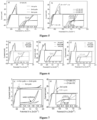
Figure 5 : CV profiles corresponding to the platting/ stripping behaviour of Zn in CP-XM-STC cells at 5 mV s-1 scan rate. -
Figure 6 : CV profiles corresponding to the platting/ stripping behaviour of Zn in (a) CP-3M-Glass fibre, (b) CP-3M-Filter paper, (c) CP-3M-Polypropylene cells at 5 mV s-1 scan rate. -
Figure 7 : CV profiles corresponding to the platting/ stripping behaviour of Zn in (a) CP-0M-STC cell at 10 mV s-1 scan rate, (b) CP-0M-STC and CP-3M-STC at 10 mVs-1 scan rate of 15th and 3rd cycle, respectively. -
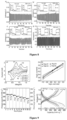
Figure 8 : Galvanostatic cycling of Zn/Zn symmetric cell at 0.1 mA cm-2 current density in presence of (a) 3M-STC, (b) 3M- Glass fibre, (c) 3M-Filter paper, and (d) 3M-Polypropylene. -
Figure 9: (a) CV plot scanning from 0.1 mVs-1 to 1.0 mVs-1, (b) Log i vs Log v plot, (c) rate capability plot, (d) charge-discharge capacity of V-CP electrode in V- 3M-STC coin cell. -
Figure 10: (a) Charge/discharge profiles of V-XM-STC and V-3M-Y batteries at 0.25 A g-1 current density, (b) cycling stability and coulombic efficiency of V-3M-STC battery at 10 A g-1 current density, (c)cycling stability comparison of V-3M-STC battery with other V-XM-Y batteries, (d) Ragone plots for different ZAIBs along with V-3M-STC battery. -
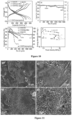
Figure 11 : Surface morphology of the cycled Zn anode of V-3M-STC cell (a) and (b) after 500 stability cycle, (c) and (d) after 1300 stability cycle at current density of 5 A g-1. -
Figure 12 : Surface morphology of the cycled Zn anode of V-3M-Polypropylene cell (a) and (b) after 500 stability cycle; EDAX spectra of Zn foil of (c) V-3M-STC cell (after 1300 cycle), (d) V-3M-Polypropylene cell (after 500 cycle). - The invention will now be described in detail in connection with certain preferred and optional embodiments, so that various aspects thereof may be more fully understood and appreciated.
- The present invention provides an energy storage device having ionomer membrane separator and free-standing electrode and fabrication of the device thereof.
- The ionomer membrane is selected from the group comprising of STC, polyvinyl sulfonic acid, polystyrene sulfonic acid, polyAMPs.
- More specifically, in the present invention, the STC is tetrafluoroethylene-perfluoro-3,6-dioxa-4-methyl-7-octenesulfonic acid copolymer (Nafion) that functions as separator.
- The free-standing electrode is selected from the various redox active material group comprising of V2O5, MnO2, Co3O4, which can be electrodeposited on various conducting substrate group comprising of carbon fiber paper, carbon felt, flexible graphite, FTO glass, buckypapar, carbontape peeled off flexible graphite.
- The device is battery, more specifically Zn based aqueous ion batteries (ZAIBs).
- In an embodiment, the present invention provides an energy storage device comprising Zn as anode, V2O5 electrodeposited on functionalized carbon as cathode, STC as separator and ZnSO4 as electolyte. The strategy adopted in this invention can be extended to several other cathode materials such as MnO2, Co3O4, redox active conducting polymers. Different other ionomer membranes separator can be designed by using polyvinyl sulfonic acid, polystyrene sulfonic acid, polyAMPs ionomer which can perform well in zinc ion battery (with several other electrolyte such as Zn(CF3SO3)2 and ZnCl2) as well as in aluminium ion battery (Al as anode, aqueous solution of Al2(SO4)3 as electrolyte), magnesium battery (Mg as anode, aqueous solution of Mg(TFSI)2 or MgSO4 as electrolyte ). Moreover, it can be used for the fabrication of flexible battery just by replacing the carbon fiber paper with other flexible substrate such as flexible graphite, carbon tape peeled off flexible graphite, flexible FTO, carbon felt, CNT-buckypaper.
- In an embodiment, the device further comprises of a free-standing electrode.
- In another embodiment, the battery exhibits outstanding cycling stability with a retention of 85% after 1300 cycles at 5 A g-1 current density and with a retention of 88% after 1800 cycles at 10 A g-1 current density.
- In another embodiment, the battery provides an energy density of 250-400 W h kg-1.
- The present invention further provides a process for fabrication of the energy storage device comprising the steps of:
- a. subjecting a piece of a pristine carbon paper (pCP) to anodization or electrochemical functionalization (hydrophilic functional groups containing oxygen) by applying a bias potential of 10 V to 20 V for 5 to 10 mins in a two-electrode cell assembly in an electrolyte solution to obtain a functionalized carbon paper;
- b. carrying electrochemical deposition on the functionalized carbon paper with an active material to obtain an active material deposited carbon paper; and
- c. assembling the device by using the active material deposited carbon paper as cathode, a piece of metal foil as an anode and an electrolyte impregnated ionomer membrane as a separator cum electrolyte.
- In a further embodiment, the active material is V2O5, the metal is Zn and the ionomer membrane is STC.
- In another embodiment, in step (a) the electrolyte is Na2SO4 and in step (c) the electrolyte is ZnSO4.
- For the fabrication of ZAIBs, a Zn2+ impregnated STC ionomer membrane is integrated with a free standing V2O5 based positive electrode. The presence of STC ionomer membrane enhances the kinetics of Zn2+ and at the same time hinders the poisoning of negative electrode by diffusion of discharge product from positive electrode. The positive electrode is prepared by adopting electrodeposition technique which affords the maximum contact of the active material with conductive substrate, and thus ameliorate the charge storage capacity of the electrode. V2O5 is electrodeposited over a pre-functionalized carbon paper and used as a free-standing positive electrode. As a combined effect STC ionomer based Zn/V2O5 battery delivers very high capacity as well as long cycle life.
-
Figure 1 depicts schematic representation of the different Zn/V2O5 battery configurations containing STC ionomer membrane and conventional porous membrane separator. -
Figure 2 depicts physical characterization of the V-CP freestanding electrode. The morphology of the V-CP electrode is investigated by FE-SEM analysis. InFigures 2a and b, the roughness on the surface of the carbon fiber indicates the growth of V2O5 nano-structure on it. The large interlayer spacing of V2O5 (0.9 nm) in V-CP sample is observed from the TEM image (Figure 2c ), which enable the co-insertion/extraction of Zn2+ and H+ during the charge/discharge process. In the XPS spectra (Figure 2d ) of the V-CP specimen, the peaks located at 517.3 eV and 525.2 eV for V2p3/2 and V2p1/2 doublet correspond to the +5 oxidation state of V.23 The presence of +4 oxidation state is also detected from the peaks appeared at binding energy of 515.9 eV and 523.8 eV. In the same figure the fine spectra of O1s peak indicates that in the V-CP sample, oxygen is present in two different chemical environment. The peak located at 530.0 eV is attributed to the oxygen atom coordinated with V (V-O) in V2O5. Another O1s peak located at 532.6 eV signifies the existence of H-O in the carbon fiber paper. The presence of this peak is obvious due to the relatively low annealing temperature which is not sufficient to remove all the functional groups from the CP. - In the selection of the separator, the ionic conductivity of the 3M-STC ionomer membrane is compared with other conventional porous 3M-Y membranes at an ambient temperature of 30°C (
Figure 3a ). From theFigure 3a , it is observed that 3M-STC displays ionic conductivity 2.6 mS cm-1, which is higher than 3M-Polypropylene and 3M-Filter paper counterparts. The slightly higher ionic conductivity (2.8 mS cm-1) of 3M- Glass fibre due to its better wettability and intrinsic porous nature. - The activation energy of the membranes towards the ion conduction is calculated from slop of the lnσ vs 1/T plot (
Figure 3b ) within a temperature range of 20°C to 60°C and the conductivity is observed to be linearly dependent with increase in temperature. The 3M-STC membrane (Figure 3b ) exhibits lowest activation energy compared to all other porous membranes (the corresponding Nyquist plots are given inFigure 4 ). This observation indicates that the higher ionic conductivity along with low activation energy of the 3M-STC ionomer membrane have decisive role in the performance of the ZAIB assembled with STC membrane as separator. - The effect of various membrane separators on the platting/stripping behaviour of Zn is analyzed by cyclic voltammetry experiments at a scan rate of 5 mv S-1 in Zn/CP cell configuration. The overpotential measured for the Zn plating/stripping on CP in CP-3M-STC (
Figure 5a ) cell is only 75 mV (at 5 mV s-1). A noticeable improvement in the current density during CV analysis of CP-3M-STC (from 1st to 3rd cycle) (Figure 5a ) indicates the ability of STC ionomer to augment the transport of Zn2+ in the respective cell. The concentration of the electrolyte is also observed to play a crucial role in the electrochemical reaction of Zn. When the salt concentration is increased to 3M, the corresponding overpotential for Zn plating/stripping is reduced to 75 mV from 115 mV along with two fold improvement in current densities for both plating and stripping reactions (Figure 5b ). At higher electrolyte concentration, the reduced solvation effect due to the less number of water molecules surrounding Zn2+, facilitates the transport of Zn2+, suggesting better reversibility of the associated electrochemical reactions. -
Figures 6a to 6c depict all the porous membrane based CP-3M-Y cells display higher overpotential for Zn plating/stripping. The positive attribute of the 3M-STC ionomer membrane can be correlated with the higher ionic conductivity and low activation energy as obtained from the ionic conductivity measurement. The magnitude of the overpotential for Zn plating/stripping in CP-3M-Y cells comprising porous separators follow the similar trend of ionic conductivity of the respective membranes (Figure 3a ). The better platting/stripping behaviour of Zn as observed fromFigure 5a also indicates the better interface formed by the STC ionomer membrane with the respective electrodes (Zn and CP) . - As observed from
Figure 7a (CP-0M-STC cell), there is no significant positive current response during the oxidation of Zn in the 1st cycle of the CV. From the 1st to 3rd cycle, the current density corresponding to Zn oxidation is found to increase gradually. This indicates some sort of Zn plating/stripping is occurring even in absence of ZnSO4 in the system. The acidic nature of the STC ionomer in 0M-STC membrane causes dissolution of the Zn from the negative electrode which eventually take part in the plating/stripping reaction on the working electrode.Figure 7b shows that after several cycles the CV profile of the CP-0M-STC cell (15th cycle) is appeared similar to that of CP-3M-STC cell (3rd cycle). However, the low current density (after 15th cycles) and higher overpotential (149 mV) indicates the inferior kinetics of the Zn plating/stripping in CP-0M-STC cell compared to CP-3M-STC cell. - From
Figure 7a it is observed that another distinct redox peak beyond 1.5V in the 1st cycle of CV, which appears due to the oxidation of water. However, this peak starts to diminish with the evolution of oxidation peak corresponding to Zn. This clearly suggest that presence Zn2+ not only provide better reversibility to the associated electrochemical reactions, but also increases the anodic stability of electrolyte, dramatically. -
Figure 8 displays the voltage profiles at a constant charge/discharge current density of 0.1 mA cm-2. The symmetric cell comprising 3M-STC ionomer membrane exhibits better reversibility of Zn plating/stripping compared to other conventional porous membranes counterparts. From the enlarged part at various cycles, the 3M-STC displays a significant decrease of overpotential (71 mV at 30th cycle) upon cycling. Gradual enhancement in the charge/discharge voltage separation in case of other porous 3M-Y membranes further indicates the superiority of STC ionomer membrane separator. -
Figure 9a displays the current response in the voltammogram at different scan rate ranging from 0.1 mV s-1 to 1.0 mV s-1. The appearance of multiple anodic and cathodic peaks can be attributed to the multistep reversible intercalation of Zn2+ into the V-CP cathode. The plot of log (i) vs log (v) inFigure 9b shows the current dependence on the scan rate and from the equation i=a vb the b-values corresponding to the peak O1, O2, R1 and R2 are obtained as 0.94, 0.71, 0.89 and 0.80, respectively. A significantly higher b-value than 0.5 indicates that the charge storage mechanism in V-CP cathode is surface controlled and capacitive in nature. - This pseudocapacitive charge storage behavior of V-CP cathode augments the intercalation/deintercalation kinetics of Zn2+, which is highly desirable to enhance the power output of energy storage device.
- The galvanostatic charge-discharge experiment is carried out at the current density of 0.25 A g-1 to 10 A g-1. An average discharge capacity of 510 mAh g-1 is obtained at a current density of 0.25 A g-1 (
Figures 9c and 9d ), which is sufficiently higher than all ZAIBs reported so far. The V-3M-STC battery delivers an average discharge capacity of 330 mAh g-1 when it is discharged at a very high current density of 10 A g-1 (40 times higher than the lowest current density of 0.25 A g-1), with 60 % retention of the capacity obtained at 0.25 A g-1. The performance of the V-3M-STC cell attributed to both the V-CP cathode and use of the STC ionomer membrane. In the V-CP cathode the carbon fiber skeleton provides an interconnected pathway which facilitates the transport of electrons throughout the electrode. The thin and uniform deposition of V2O5 over the carbon fiber increases the number of surface redox active sites which augments the rate of redox reaction and the Zn2+ uptake capacity of the V-CP electrode, simultaneously. Therefore, the combined effect of the higher transport rate of Zn2+ through the STC membrane and the surface controlled intercalation/deintercalation of Zn2+ in the V-CP cathode improve the capacity as well as rate capability of the V-3M-STC cell. - Zn/V2O5 batteries are fabricated with conventional porous membranes. The discharge capacity of V-3M-STC cell is compared with that of porous membrane counterparts in
Figure 10a . The highest discharge capacity of the V-3M-STC attributed to the enhanced transport rate of Zn2+ through cation selective STC ionomer, which strongly correlated with plating/stripping behaviour of Zn in the corresponding cells. Apart from high discharge capacity, the V-3M-STC battery also exhibits outstanding cycling stability with a retention of 85% (after 1300 cycles) and 88% (after 1800 cycles) at 5 A g-1 and 10 A g-1 current density, respectively (cyclic stability at 10 A g-1 current density is given inFigure 10b). Figure 10c displays the highest cycling stability of V-3M-STC cell compared to all other conventional porous membranes based counterparts, at a current density of 5 mA cm-2. The Ragone plot representing the energy and power density of the V-3M-STC battery is given inFigure 10d . The outstanding energy and power density of the device further indicate its practical suitability. At two different power densities of 195 and 7800 W kg-1 the device delivers high energy densities of 398 and 257 W h kg-1 (considering the average voltage of 0.78 V). - The surface morphology of the Zn foil is analysed after 500 and 1300 stability cycles to find out the reason for the higher stability of V-3M-STC cell. From
Figure 11a it is observed that the Zn foil retains a nearly flat surface in case of V-3M-STC cell, after 500 cycle. However, at high magnification, a nanoflakes like growth pattern is observed to be embedded in the Zn surface (Figure 11b ). After 1300 cycling the surface morphology of the Zn is changed into a porous interconnected thin nanowalls like structure (Figures 11c and 11d ), which evolved due to exfoliation of the embedded nanoflakes upon prolonged cycling. InFigures 12a and 12b , non-porous dense particles are observed on the Zn surface of porous separator based cell (V-3M-Polypropylene). The EDAX analysis are also carried out for the cycled Zn (anode) corresponding to the V-3M-Polypropylene and V-3M-STC cell. The vanadium signal is evidently higher in case of Polypropylene based cell (Figure 12d ) than that in the cell with STC ionomer membrane (Figure 12c ). This implies that cation selective STC ionomer act as a barrier to the diffusion of the discharge product towards negative electrode (schematically presented inFigure 1 ). In case of porous membrane, discharge products pass through the separator towards anode and poison the anode surface, which eventually declines the life span of the V-3M-Polypropylene cell.Table 1 shows the comparison data of the capacity, cyclic stability and voltage window of the V-3M-STC battery with some of rechargeable batteries (ZAIB and Li-S battery). No Cathode electrode material Electrolyte Separator Discharge capacity Cycling stability Voltage 1 V2O5 21 m LiTFSI and 1 m Zn(CF3SO3)2 Filter paper 242 mAh g-1 @ 0.05 A g-1 83% retention after 2000 cycles @ 2 Ag-1 0.2 to 1.6 V 2 ZnMn2O4 3 M Zn(CF3SO3)2 Filter paper 150 mAh g-1 @ 0.05 A g-1 94% retention after 500 cycles @ 0.5 Ag-1 0.8 to 2.0 V 3 MnO2/CFP 2 M ZnSO4+0.2 M MnSO4 - 70 mAh g-1@ 1.9 A g -1100% retention after 10000 cycles @ 1.9 Ag-1 1.0 to 1.8 V 4 V2O5.nH2O 3 M Zn(CF3SO3)2 Glass fibre membrane 381 mAh g-1 @ 0.06 A g-1 71% retention after 900 cycles @ 6 0.2 to 1.6 V Ag-1 5 Zn2V2O7 1M ZnSO4 Glass fibre membrane 227.8 mAh g' 1@0.3 A g-1 85% retention after 1000 cycles @ 4 Ag-1 0.4 to 1.4 V 6 Zn0.25V2O5·n H2O 1M ZnSO4 - 220 mAh g-1@4.5 A g -180% retention after 1000 cycles @ 4.5 Ag-1 0.5 to 1.4 V 7 V2O5 1 M ZnSO4 Glass fibre membrane 224 mAh g-1@0.1 A g-1 54% retention after 400 cycles @ 1 Ag-1 0.4 to 1.4 V 8 VO 23 MZn (CF3SO3)2 Glass fibre membrane 357 mAh g-1@0.1 A g-1 100% retention after 50 cycles @ 0.1 Ag-1 0.3 to 1.5 V 9 Na0.33V2O5 3 M Zn(CF3SO3)2 Glass fibre membrane 367.1 mAh g-1@0.1 A g-1 93% retention after 1000 cycles @ 1.0 Ag-1 0.2 to 1.6 V 10 H2V3O8 NW/graphen e 3 M Zn(CF3SO3)2 Glass fibre membrane 394 mAh g-1@ 0.1 87% retention after 2000 cycles @ 6.0 Ag-1 0.2 to 1.6 V 11 V2O5 3 M Zn(CF3SO3)2 Glass fibre membrane 470 mAh g-1@0.2 A g-1 91.1% retention after 4000 cycles 5.0 Ag-1 0.2 to 1.6 V 12 VO 23 M Zn(CF3SO3)2 Glass fibre membrane 274 mAh g - 1 @0.1 133@10 A g-1 79% retention after 10000 cycles @ 10.0 Ag-1 0.7 to 1.7 V 13 V3O7·H2O/r GO 1 M ZnSO4 - 271 mAh g-1@0.3 A g-1 79% retention after 1000 cycles @ 1.5 Ag-1 0.3 to 1.5 V 14 Na2V6O16·3 H2O 1 M ZnSO4 Glass fibre membrane 361 mAh g - 1 @0.1 Ag-1 84.5% retention after 1000 0.4 to 1.4 V cycles @ 14.4 Ag -115 Zn3V2O7(OH )2·2H2O 1 m ZnSO4 Polypropyl ene 213 mAh g-1@0.05 A g-1 68% retention after 300 cycles @ 0.2 Ag-1 0.2 to 1.8 V 16 calix[4]quino ne 3 M Zn(CF3SO3)2 STC 335 mAh g-1@0.05 A g-1 87% retention after 1000 cycles @ 0.5 Ag-1 0.2 to 1.8 V 17 NaV3O8·1.5 H2O 1 M ZnSO4/1 M Na2SO4 Filter paper 380 mAh g-1@0.05 A g-1 82% retention after 1000 cycles @ 4 Ag-1 0.3 to 1.25 V 18 Ca0.24V2O5·0. 83H2O 1 M ZnSO4 Glass fibre membrane 72 mAh g-1@ 80C 96% retention after 3000 cycles @ 80C 0.6 to 1.6 V 19 Na3V2(PO4)2 F3 2 M Zn(CF3SO3)2 Glass fibre membrane 47 mAh g-1@1.0 A g-1 95% retention after 4000 cycles @ 1.0 Ag-1 0.8 to 1.9 V 20 β-MnO2 1 M ZnSO4 - 270 mAh g-1@0.1 A g-1 75% retention after 200 cycles @ 0.2 Ag-1 1.0 to 1.8 V 21 CNF paper 1.0 M LiCF3SO3 and 0.1 M LiNO3 in DOL/DME (non-aqueous electrolyte) STC 950 mAh g-1 @ C/2 47% retention after 500 cycles @ C/2 rate 1.6-2.8 V 22 CNT-S (50%) 1.0 M LiTFSI in DOL/DME (non-aqueous electrolyte) Polypropyl ene 2400 coated with STC solution 781 mAh g-1@ 1.7 A g -160% retention after 500 cycles@ 1.7 A g-1 1.7-2.8 V 23 V2O5 3M ZnSO4 STC 510 mAh g-1 @ 0.25 A g-1 85% retention after 1300 cycles @ 5 A g-1 0.2 to 1.6 V 88% retention after 1800 cycles @ 10 A g-1. - Following examples are given by way of illustration therefore should not be construed to limit the scope of the invention.
- Prior to the electrodeposition, a piece of pristine carbon paper (pCP) was subjected to anodization by applying a bias potential of 10 V for 5 min in a two-electrode cell assembly in 0.1 M Na2SO4 electrolyte solution. During anodization, pCP and platinum wire were used as the positive and negative electrode, respectively. The precursor solution for the electrodeposition contains 0.2 M VOSO4.xH2O and 0.25 M LiClO4 in 1: 1 water and ethanol mixture. Electrochemical deposition was carried out by the chronopotentiometric method in a BioLogic SP-300 Potentio-Galvanostat in a three-electrode cell assembly. The functionalised carbon paper, Pt wire, and a piece of flexible graphite were employed as the working, quasi-reference and counter electrodes, respectively. A constant current of 3 mA was applied for 177 seconds to obtain 1 mg loading of V2O5 in 1 cm2 area of the carbon paper. The obtained electrode is subjected to annealing at 250°C for 2 hr and marked as V-CP.
- Prior to the use, all the STC ionomer membranes were separately treated at 80°C for 30 min. in 1) 4wt% H2O2, 2) DI water, 3) 0.8M H2SO4 and 4) DI water, respectively (numbers represent the order of treatment). The as obtained activated STC ionomer membranes were dipped in desired electrolyte (aqueous solution of ZnSO4. 7H2O) with salt concentration of 0, 1, 2 and 3M, respectively, for 3 days. The respective membranes are marked as XM-STC, where 'X' stands for the concentration of the electrolyte solution used.
- To study the effect of conventional porous separator on the performance of the ZAIB, three different porous membranes (Polypropylene, whatman filter paper, glass fibre paper) were used. All the porous membranes were also soaked in 3M ZnSO4 prior to the use and the corresponding membranes are termed as 3M-Y, where, 'Y' represents the type of the membrane used.
- All the Zn/V2O5 cells were fabricated in CR2032 coin cell assembly. A Zn metal (area 1cm2), V-CP electrode (area 1cm2) and desired STC membrane (XM-STC) were used as anode, cathode and separator, respectively. Here, the terms anode and cathode are used for negative and positive electrode, respectively, considering the discharge state of battery. For comparison purpose, several other Zn/V2O5 batteries were also assembled using conventional porous membrane separators. In accordance with the various separators used, the respective cells are designated as V -XM-Y, where 'X' and 'Y' stand for the concentration of ZnSO4 electrolyte and type of the membrane used, respectively.
- Morphology investigations were performed with a field emission scanning electron microscope (FESEM) Nova Nano SEM 450. A Tecnai T-20 instrument was used for the transmission electron microscopy (TEM) imaging at an accelerating voltage of 200 kV. XPS analysis was carried out through Thermo K-alpha+ X-ray spectrometer.
- The electrochemical analyses were carried out in BioLogic VMP3 Potentio-Galvanostat instrument. Electrochemical Impedance spectroscopy (EIS) analysis was used to determine the ionic conductivity of the membrane. The frequency for EIS analysis was varied from 1 MHz to 1 Hz against an open circuit potential with a sinus amplitude of 10 mV (Vrms = 7.07 mV). The conductivity cells were fabricated in CR2032 coin cell assembly by keeping the desired membranes in between two stainless steel plates with 1mm thickness. The conductivity measurement was carried out between 20°C to 60°C at every 10°C interval. The temperature was controlled by using Espec environmental test chamber.
- In order to study the effect of STC ionomer based membrane in the plating/stripping behaviour of Zn, electrochemical cells were fabricated by using a piece of Zn metal foil (1 cm2 area ), pCP (1cm2 area) and the desired STC membrane as anode, cathode and separator, respectively. For comparison purpose same kind of cells were prepared with other porous membranes. The cells are designated as CP-XM-Y, where 'X' and 'Y' carry the same information as mentioned in the previous section. These cells were characterized by cyclic voltammetry (CV) analysis. The reversibility of Zn plating/stripping in presence of various separator membranes were also studied in Zn/Zn symmetric cell configuration with two Zn foils separated by desired STC ionomer membranes and other porous separator membranes. These cells were characterized by galvanostatic charge/discharge (CD) analysis at current density of 0.1 mA cm-2 for 80 h.
- To check the performance of the Zn/V2O5 battery CV (1.0, 0.5, 0.3, and 0.1 mV s-1) and CD (0.25, 0.5, 1, 3, 5, 7, 10 A g-1) analysis were carried out in the voltage window of 1.6 V- 0.2 V. The cycling stability tests were performed at current densities of 5 A g-1 and 10 A g-1.
-
- It is the first time a cation selective membrane separator is used in aqueous Zn/TMO battery.
- It is the first time the strategy of using free-standing electrode is adopted in aqueous Zn ion battery.
- The highest discharge capacity among all other Zn based battery is obtained.
- Unlike porous conventional separator the ionomer membrane separator offers an ultrahigh life span of the Zn/TMO battery.
- The high discharge capacity and large potential window of the battery provides high energy density of 250-400 W h kg-1 which is superior to the previously reported ZAIBs and significantly higher than commercial Li-ion battery.
- The surface controlled insertion/ de-insertion (capacitive in nature) of electrolyte ions offer a high power output which is a highly desirable criterion for any efficient energy storage device. Ionomer based Zn/V2O5 battery offers an ultrahigh power density ranging from 195 W kg-1 to 7800 W kg-1.
- Moreover this strategy can be adopted for the fabrication of flexible battery as well.
Claims (8)
- An energy storage device comprising Zn as an anode, electrodeposited V2O5 on functionalized carbon as a cathode, sulfonated tetrafluoroethylene copolymer (STC) as a cation selective ionomer membrane separator and ZnSO4 as an electrolyte.
- The energy storage device as claimed in claim 1, wherein the device further comprises of a free-standing electrode.
- The energy storage device as claimed in claim 1, wherein the device is a battery.
- The energy storage device as claimed in claim 3, wherein said battery exhibits outstanding cycling stability with a retention of 85% after 1300 cycles at 5 A g-1 current density and with a retention of 88% after 1800 cycles at 10 A g-1 current density.
- The energy storage device as claimed in claim 3, wherein said battery provides an energy density of 250-400 W h kg-1.
- A process for fabrication of the energy storage device as claimed in claim 1, wherein said process comprises:a. subjecting a piece of a pristine carbon paper (pCP) to anodization or electrochemical functionalization by applying a bias potential of 10 V to 20 V for 5 to 10 mins in a two-electrode cell assembly in an electrolyte solution to obtain a functionalized carbon paper;b. carrying electrochemical deposition on the functionalized carbon paper with an active material to obtain an active material deposited carbon paper; andc. assembling the device by using the active material deposited carbon paper as a cathode, a piece of metal foil as an anode and an electrolyte impregnated ionomer membrane as a separator cum electrolyte.
- The process as claimed in claim 6, wherein the active material is V2O5, the metal is Zn and the ionomer membrane is STC.
- The process as claimed in claim 6, wherein in step (a) the electrolyte is Na2SO4 and in step (c) the electrolyte is ZnSO4.
Applications Claiming Priority (2)
| Application Number | Priority Date | Filing Date | Title |
|---|---|---|---|
| IN201911004481 | 2019-02-05 | ||
| PCT/IN2020/050109 WO2020161738A1 (en) | 2019-02-05 | 2020-02-04 | A metal ion battery having ionomer membrane separator and free-standing electrode |
Publications (3)
| Publication Number | Publication Date |
|---|---|
| EP3921068A1 EP3921068A1 (en) | 2021-12-15 |
| EP3921068A4 EP3921068A4 (en) | 2023-08-16 |
| EP3921068B1 true EP3921068B1 (en) | 2024-06-19 |
Family
ID=71947989
Family Applications (1)
| Application Number | Title | Priority Date | Filing Date |
|---|---|---|---|
| EP20752132.9A Active EP3921068B1 (en) | 2019-02-05 | 2020-02-04 | A metal ion battery having ionomer membrane separator and free-standing electrode |
Country Status (5)
| Country | Link |
|---|---|
| US (1) | US12100815B2 (en) |
| EP (1) | EP3921068B1 (en) |
| JP (1) | JP7265019B2 (en) |
| CA (1) | CA3128861C (en) |
| WO (1) | WO2020161738A1 (en) |
Families Citing this family (3)
| Publication number | Priority date | Publication date | Assignee | Title |
|---|---|---|---|---|
| US12297124B2 (en) * | 2020-06-29 | 2025-05-13 | University Of South Carolina | High capacity bilayer cathode for aqueous Zn-ion batteries |
| CA3193875A1 (en) * | 2020-10-08 | 2022-05-27 | Taehoon Lim | Photo rechargeable electrochemical energy storage device |
| CN113937418B (en) * | 2021-10-11 | 2023-11-17 | 中科南京绿色制造产业创新研究院 | Lithium-sulfur battery diaphragm, preparation method thereof and lithium-sulfur battery |
Family Cites Families (10)
| Publication number | Priority date | Publication date | Assignee | Title |
|---|---|---|---|---|
| JPH02148661A (en) * | 1988-11-30 | 1990-06-07 | Tosoh Corp | Battery |
| CN101540417B (en) | 2009-04-15 | 2011-01-26 | 清华大学深圳研究生院 | Rechargeable zinc ion battery |
| CN102110858B (en) * | 2009-12-29 | 2013-04-17 | 清华大学深圳研究生院 | Chargeable zinc ion battery by taking oxide of vanadium as cathode |
| CN102683757B (en) | 2011-03-15 | 2014-10-22 | 清华大学深圳研究生院 | High-capacity rechargeable zinc ion battery |
| US9570736B2 (en) * | 2013-10-16 | 2017-02-14 | William Marsh Rice University | Electrodes with three dimensional current collectors and methods of making the same |
| JP6053242B2 (en) | 2014-03-04 | 2016-12-27 | グラジュエート スクール アット シェンチェン、 ツィングワ ユニバーシティー | Rechargeable zinc ion battery |
| WO2016197236A1 (en) | 2015-06-08 | 2016-12-15 | Adams Brian D | Electrode materials for rechargeable zinc cells and batteries produced therefrom |
| US10873079B2 (en) * | 2015-06-29 | 2020-12-22 | Toyota Motor Engineering & Manufacturing North America, Inc. | Low resistance, multivalent metal anodes |
| CN107528066B (en) | 2017-04-10 | 2020-10-02 | 南开大学 | Aqueous zinc-ion battery based on carbonyl compound cathode material and preparation method thereof |
| JP2018186013A (en) | 2017-04-26 | 2018-11-22 | 日立化成株式会社 | Flow battery, flow battery system, and power generation system |
-
2020
- 2020-02-04 CA CA3128861A patent/CA3128861C/en active Active
- 2020-02-04 JP JP2021545760A patent/JP7265019B2/en active Active
- 2020-02-04 WO PCT/IN2020/050109 patent/WO2020161738A1/en not_active Ceased
- 2020-02-04 US US17/428,757 patent/US12100815B2/en active Active
- 2020-02-04 EP EP20752132.9A patent/EP3921068B1/en active Active
Also Published As
| Publication number | Publication date |
|---|---|
| JP2022523142A (en) | 2022-04-21 |
| US20220158253A1 (en) | 2022-05-19 |
| EP3921068A1 (en) | 2021-12-15 |
| EP3921068A4 (en) | 2023-08-16 |
| CA3128861C (en) | 2022-10-18 |
| US12100815B2 (en) | 2024-09-24 |
| WO2020161738A1 (en) | 2020-08-13 |
| CA3128861A1 (en) | 2020-08-13 |
| JP7265019B2 (en) | 2023-04-25 |
Similar Documents
| Publication | Publication Date | Title |
|---|---|---|
| Liu et al. | Mesoporous hollow carbon spheres boosted, integrated high performance aqueous Zn-Ion energy storage | |
| TWI611443B (en) | Current collector for electrode, positive electrode for non-aqueous electrolytic secondary battery, negative electrode for non-aqueous electrolytic secondary battery, non-aqueous electrolytic secondary battery, electrode for non-aqueous electrolytic elec | |
| US9892870B2 (en) | Charge storage devices containing carbon nanotube films as electrodes and charge collectors | |
| US20230006209A1 (en) | Anode plate, and battery and electronic apparatus using such electrode plate | |
| Wei et al. | Redox-enhanced zinc-ion hybrid capacitors with high energy density enabled by high-voltage active aqueous electrolytes based on low salt concentration | |
| Ho et al. | Effect of an organic additive in the electrolyte on suppressing the growth of Li dendrites in Li metal-based batteries | |
| Li et al. | Maximized lithiophilic carbonyl units in covalent organic frameworks as effective Li ion regulators for lithium metal batteries | |
| US10727466B2 (en) | Polyethyleneimine-attached carbonaceous material and separator for lithium-sulfur battery coated with the same | |
| KR20090094013A (en) | Coated electrode and organic electrolyte capacitor | |
| Kundu et al. | Co (OH) 2@ MnO 2 nanosheet arrays as hybrid binder-free electrodes for high-performance lithium-ion batteries and supercapacitors | |
| Jiang et al. | Superior high-voltage aqueous carbon/carbon supercapacitors operating with in situ electrodeposited polyvinyl alcohol borate gel polymer electrolytes | |
| EP3921068B1 (en) | A metal ion battery having ionomer membrane separator and free-standing electrode | |
| KR102179504B1 (en) | Preparing method of SiO2/TiO2 composite electrode for lithium ion battery with high capacitance as plasma electrolytic oxidation | |
| CN109786861B (en) | A hybrid electrochemical energy storage device | |
| Jiang et al. | Advanced amorphous nanoporous stannous oxide composite with carbon nanotubes as anode materials for lithium-ion batteries | |
| Kozarenko et al. | Effect of potential range on electrochemical performance of polyaniline as a component of lithium battery electrodes | |
| Cai et al. | Innovative integrated carbon paper supported Bi/rGO/MnO2 cathode with dual redox reactions for aqueous zinc-ion batteries | |
| US11545722B2 (en) | Separators for electrochemical cells and methods of making the same | |
| Qian et al. | Electrochemical synthesis of Na0. 25MnO2@ ACC cathode and Zn@ K-ACC anode for flexible quasi-solid-state zinc-ion battery with superior performance | |
| Heo et al. | Synergistic enhancement of Zn-Ion battery performance using CNT/Graphene composite–coated stainless-steel-foil current collectors | |
| KR20150059726A (en) | Graphite anode with improved lithium pre-doping speed and lithium ion capacitor employing the same | |
| CN115692596A (en) | Preparation method and application of zinc negative electrode with hydrophobic conductive polymer film | |
| US20260120966A1 (en) | Methods of fabrication of environmentally friendly supertcapacitor and performance for real world applications | |
| TW200830606A (en) | Electrolyte for lithium ion batteries | |
| Zhang et al. | Tailoring the stable Li2O-rich solid electrolyte interphase by lithium crosslinking strategy for polymer-based all-solidstate lithium batteries |
Legal Events
| Date | Code | Title | Description |
|---|---|---|---|
| STAA | Information on the status of an ep patent application or granted ep patent |
Free format text: STATUS: THE INTERNATIONAL PUBLICATION HAS BEEN MADE |
|
| PUAI | Public reference made under article 153(3) epc to a published international application that has entered the european phase |
Free format text: ORIGINAL CODE: 0009012 |
|
| STAA | Information on the status of an ep patent application or granted ep patent |
Free format text: STATUS: REQUEST FOR EXAMINATION WAS MADE |
|
| 17P | Request for examination filed |
Effective date: 20210809 |
|
| AK | Designated contracting states |
Kind code of ref document: A1 Designated state(s): AL AT BE BG CH CY CZ DE DK EE ES FI FR GB GR HR HU IE IS IT LI LT LU LV MC MK MT NL NO PL PT RO RS SE SI SK SM TR |
|
| DAV | Request for validation of the european patent (deleted) | ||
| DAX | Request for extension of the european patent (deleted) | ||
| P01 | Opt-out of the competence of the unified patent court (upc) registered |
Effective date: 20230626 |
|
| A4 | Supplementary search report drawn up and despatched |
Effective date: 20230717 |
|
| RIC1 | Information provided on ipc code assigned before grant |
Ipc: H01M 10/26 20060101ALI20230711BHEP Ipc: H01M 4/66 20060101ALI20230711BHEP Ipc: H01M 4/38 20060101ALI20230711BHEP Ipc: H01M 4/24 20060101ALI20230711BHEP Ipc: H01M 10/38 20060101ALI20230711BHEP Ipc: H01M 10/0563 20100101ALI20230711BHEP Ipc: H01M 4/48 20100101ALI20230711BHEP Ipc: H01M 4/42 20060101ALI20230711BHEP Ipc: H01M 8/18 20060101ALI20230711BHEP Ipc: B01D 71/82 20060101AFI20230711BHEP |
|
| GRAP | Despatch of communication of intention to grant a patent |
Free format text: ORIGINAL CODE: EPIDOSNIGR1 |
|
| STAA | Information on the status of an ep patent application or granted ep patent |
Free format text: STATUS: GRANT OF PATENT IS INTENDED |
|
| INTG | Intention to grant announced |
Effective date: 20240205 |
|
| GRAS | Grant fee paid |
Free format text: ORIGINAL CODE: EPIDOSNIGR3 |
|
| GRAA | (expected) grant |
Free format text: ORIGINAL CODE: 0009210 |
|
| STAA | Information on the status of an ep patent application or granted ep patent |
Free format text: STATUS: THE PATENT HAS BEEN GRANTED |
|
| AK | Designated contracting states |
Kind code of ref document: B1 Designated state(s): AL AT BE BG CH CY CZ DE DK EE ES FI FR GB GR HR HU IE IS IT LI LT LU LV MC MK MT NL NO PL PT RO RS SE SI SK SM TR |
|
| REG | Reference to a national code |
Ref country code: GB Ref legal event code: FG4D |
|
| REG | Reference to a national code |
Ref country code: CH Ref legal event code: EP |
|
| REG | Reference to a national code |
Ref country code: DE Ref legal event code: R096 Ref document number: 602020032650 Country of ref document: DE |
|
| PG25 | Lapsed in a contracting state [announced via postgrant information from national office to epo] |
Ref country code: BG Free format text: LAPSE BECAUSE OF FAILURE TO SUBMIT A TRANSLATION OF THE DESCRIPTION OR TO PAY THE FEE WITHIN THE PRESCRIBED TIME-LIMIT Effective date: 20240619 |
|
| PG25 | Lapsed in a contracting state [announced via postgrant information from national office to epo] |
Ref country code: FI Free format text: LAPSE BECAUSE OF FAILURE TO SUBMIT A TRANSLATION OF THE DESCRIPTION OR TO PAY THE FEE WITHIN THE PRESCRIBED TIME-LIMIT Effective date: 20240619 Ref country code: HR Free format text: LAPSE BECAUSE OF FAILURE TO SUBMIT A TRANSLATION OF THE DESCRIPTION OR TO PAY THE FEE WITHIN THE PRESCRIBED TIME-LIMIT Effective date: 20240619 |
|
| REG | Reference to a national code |
Ref country code: LT Ref legal event code: MG9D |
|
| PG25 | Lapsed in a contracting state [announced via postgrant information from national office to epo] |
Ref country code: GR Free format text: LAPSE BECAUSE OF FAILURE TO SUBMIT A TRANSLATION OF THE DESCRIPTION OR TO PAY THE FEE WITHIN THE PRESCRIBED TIME-LIMIT Effective date: 20240920 |
|
| REG | Reference to a national code |
Ref country code: NL Ref legal event code: MP Effective date: 20240619 |
|
| PG25 | Lapsed in a contracting state [announced via postgrant information from national office to epo] |
Ref country code: LV Free format text: LAPSE BECAUSE OF FAILURE TO SUBMIT A TRANSLATION OF THE DESCRIPTION OR TO PAY THE FEE WITHIN THE PRESCRIBED TIME-LIMIT Effective date: 20240619 |
|
| PG25 | Lapsed in a contracting state [announced via postgrant information from national office to epo] |
Ref country code: NO Free format text: LAPSE BECAUSE OF FAILURE TO SUBMIT A TRANSLATION OF THE DESCRIPTION OR TO PAY THE FEE WITHIN THE PRESCRIBED TIME-LIMIT Effective date: 20240919 Ref country code: LV Free format text: LAPSE BECAUSE OF FAILURE TO SUBMIT A TRANSLATION OF THE DESCRIPTION OR TO PAY THE FEE WITHIN THE PRESCRIBED TIME-LIMIT Effective date: 20240619 Ref country code: HR Free format text: LAPSE BECAUSE OF FAILURE TO SUBMIT A TRANSLATION OF THE DESCRIPTION OR TO PAY THE FEE WITHIN THE PRESCRIBED TIME-LIMIT Effective date: 20240619 Ref country code: GR Free format text: LAPSE BECAUSE OF FAILURE TO SUBMIT A TRANSLATION OF THE DESCRIPTION OR TO PAY THE FEE WITHIN THE PRESCRIBED TIME-LIMIT Effective date: 20240920 Ref country code: FI Free format text: LAPSE BECAUSE OF FAILURE TO SUBMIT A TRANSLATION OF THE DESCRIPTION OR TO PAY THE FEE WITHIN THE PRESCRIBED TIME-LIMIT Effective date: 20240619 Ref country code: BG Free format text: LAPSE BECAUSE OF FAILURE TO SUBMIT A TRANSLATION OF THE DESCRIPTION OR TO PAY THE FEE WITHIN THE PRESCRIBED TIME-LIMIT Effective date: 20240619 Ref country code: RS Free format text: LAPSE BECAUSE OF FAILURE TO SUBMIT A TRANSLATION OF THE DESCRIPTION OR TO PAY THE FEE WITHIN THE PRESCRIBED TIME-LIMIT Effective date: 20240919 |
|
| PG25 | Lapsed in a contracting state [announced via postgrant information from national office to epo] |
Ref country code: NL Free format text: LAPSE BECAUSE OF FAILURE TO SUBMIT A TRANSLATION OF THE DESCRIPTION OR TO PAY THE FEE WITHIN THE PRESCRIBED TIME-LIMIT Effective date: 20240619 |
|
| REG | Reference to a national code |
Ref country code: AT Ref legal event code: MK05 Ref document number: 1695588 Country of ref document: AT Kind code of ref document: T Effective date: 20240619 |
|
| PG25 | Lapsed in a contracting state [announced via postgrant information from national office to epo] |
Ref country code: NL Free format text: LAPSE BECAUSE OF FAILURE TO SUBMIT A TRANSLATION OF THE DESCRIPTION OR TO PAY THE FEE WITHIN THE PRESCRIBED TIME-LIMIT Effective date: 20240619 |
|
| PG25 | Lapsed in a contracting state [announced via postgrant information from national office to epo] |
Ref country code: PT Free format text: LAPSE BECAUSE OF FAILURE TO SUBMIT A TRANSLATION OF THE DESCRIPTION OR TO PAY THE FEE WITHIN THE PRESCRIBED TIME-LIMIT Effective date: 20241021 |
|
| PG25 | Lapsed in a contracting state [announced via postgrant information from national office to epo] |
Ref country code: PT Free format text: LAPSE BECAUSE OF FAILURE TO SUBMIT A TRANSLATION OF THE DESCRIPTION OR TO PAY THE FEE WITHIN THE PRESCRIBED TIME-LIMIT Effective date: 20241021 |
|
| PG25 | Lapsed in a contracting state [announced via postgrant information from national office to epo] |
Ref country code: PL Free format text: LAPSE BECAUSE OF FAILURE TO SUBMIT A TRANSLATION OF THE DESCRIPTION OR TO PAY THE FEE WITHIN THE PRESCRIBED TIME-LIMIT Effective date: 20240619 |
|
| PG25 | Lapsed in a contracting state [announced via postgrant information from national office to epo] |
Ref country code: EE Free format text: LAPSE BECAUSE OF FAILURE TO SUBMIT A TRANSLATION OF THE DESCRIPTION OR TO PAY THE FEE WITHIN THE PRESCRIBED TIME-LIMIT Effective date: 20240619 |
|
| PG25 | Lapsed in a contracting state [announced via postgrant information from national office to epo] |
Ref country code: AT Free format text: LAPSE BECAUSE OF FAILURE TO SUBMIT A TRANSLATION OF THE DESCRIPTION OR TO PAY THE FEE WITHIN THE PRESCRIBED TIME-LIMIT Effective date: 20240619 Ref country code: IS Free format text: LAPSE BECAUSE OF FAILURE TO SUBMIT A TRANSLATION OF THE DESCRIPTION OR TO PAY THE FEE WITHIN THE PRESCRIBED TIME-LIMIT Effective date: 20241019 |
|
| PG25 | Lapsed in a contracting state [announced via postgrant information from national office to epo] |
Ref country code: CZ Free format text: LAPSE BECAUSE OF FAILURE TO SUBMIT A TRANSLATION OF THE DESCRIPTION OR TO PAY THE FEE WITHIN THE PRESCRIBED TIME-LIMIT Effective date: 20240619 |
|
| PG25 | Lapsed in a contracting state [announced via postgrant information from national office to epo] |
Ref country code: RO Free format text: LAPSE BECAUSE OF FAILURE TO SUBMIT A TRANSLATION OF THE DESCRIPTION OR TO PAY THE FEE WITHIN THE PRESCRIBED TIME-LIMIT Effective date: 20240619 Ref country code: SK Free format text: LAPSE BECAUSE OF FAILURE TO SUBMIT A TRANSLATION OF THE DESCRIPTION OR TO PAY THE FEE WITHIN THE PRESCRIBED TIME-LIMIT Effective date: 20240619 |
|
| PG25 | Lapsed in a contracting state [announced via postgrant information from national office to epo] |
Ref country code: ES Free format text: LAPSE BECAUSE OF FAILURE TO SUBMIT A TRANSLATION OF THE DESCRIPTION OR TO PAY THE FEE WITHIN THE PRESCRIBED TIME-LIMIT Effective date: 20240619 Ref country code: SM Free format text: LAPSE BECAUSE OF FAILURE TO SUBMIT A TRANSLATION OF THE DESCRIPTION OR TO PAY THE FEE WITHIN THE PRESCRIBED TIME-LIMIT Effective date: 20240619 |
|
| PG25 | Lapsed in a contracting state [announced via postgrant information from national office to epo] |
Ref country code: SM Free format text: LAPSE BECAUSE OF FAILURE TO SUBMIT A TRANSLATION OF THE DESCRIPTION OR TO PAY THE FEE WITHIN THE PRESCRIBED TIME-LIMIT Effective date: 20240619 Ref country code: SK Free format text: LAPSE BECAUSE OF FAILURE TO SUBMIT A TRANSLATION OF THE DESCRIPTION OR TO PAY THE FEE WITHIN THE PRESCRIBED TIME-LIMIT Effective date: 20240619 Ref country code: RO Free format text: LAPSE BECAUSE OF FAILURE TO SUBMIT A TRANSLATION OF THE DESCRIPTION OR TO PAY THE FEE WITHIN THE PRESCRIBED TIME-LIMIT Effective date: 20240619 Ref country code: PL Free format text: LAPSE BECAUSE OF FAILURE TO SUBMIT A TRANSLATION OF THE DESCRIPTION OR TO PAY THE FEE WITHIN THE PRESCRIBED TIME-LIMIT Effective date: 20240619 Ref country code: IS Free format text: LAPSE BECAUSE OF FAILURE TO SUBMIT A TRANSLATION OF THE DESCRIPTION OR TO PAY THE FEE WITHIN THE PRESCRIBED TIME-LIMIT Effective date: 20241019 Ref country code: ES Free format text: LAPSE BECAUSE OF FAILURE TO SUBMIT A TRANSLATION OF THE DESCRIPTION OR TO PAY THE FEE WITHIN THE PRESCRIBED TIME-LIMIT Effective date: 20240619 Ref country code: EE Free format text: LAPSE BECAUSE OF FAILURE TO SUBMIT A TRANSLATION OF THE DESCRIPTION OR TO PAY THE FEE WITHIN THE PRESCRIBED TIME-LIMIT Effective date: 20240619 Ref country code: CZ Free format text: LAPSE BECAUSE OF FAILURE TO SUBMIT A TRANSLATION OF THE DESCRIPTION OR TO PAY THE FEE WITHIN THE PRESCRIBED TIME-LIMIT Effective date: 20240619 Ref country code: AT Free format text: LAPSE BECAUSE OF FAILURE TO SUBMIT A TRANSLATION OF THE DESCRIPTION OR TO PAY THE FEE WITHIN THE PRESCRIBED TIME-LIMIT Effective date: 20240619 |
|
| PG25 | Lapsed in a contracting state [announced via postgrant information from national office to epo] |
Ref country code: IT Free format text: LAPSE BECAUSE OF FAILURE TO SUBMIT A TRANSLATION OF THE DESCRIPTION OR TO PAY THE FEE WITHIN THE PRESCRIBED TIME-LIMIT Effective date: 20240619 |
|
| REG | Reference to a national code |
Ref country code: DE Ref legal event code: R097 Ref document number: 602020032650 Country of ref document: DE |
|
| PG25 | Lapsed in a contracting state [announced via postgrant information from national office to epo] |
Ref country code: DK Free format text: LAPSE BECAUSE OF FAILURE TO SUBMIT A TRANSLATION OF THE DESCRIPTION OR TO PAY THE FEE WITHIN THE PRESCRIBED TIME-LIMIT Effective date: 20240619 |
|
| PLBE | No opposition filed within time limit |
Free format text: ORIGINAL CODE: 0009261 |
|
| STAA | Information on the status of an ep patent application or granted ep patent |
Free format text: STATUS: NO OPPOSITION FILED WITHIN TIME LIMIT |
|
| 26N | No opposition filed |
Effective date: 20250320 |
|
| PG25 | Lapsed in a contracting state [announced via postgrant information from national office to epo] |
Ref country code: SE Free format text: LAPSE BECAUSE OF FAILURE TO SUBMIT A TRANSLATION OF THE DESCRIPTION OR TO PAY THE FEE WITHIN THE PRESCRIBED TIME-LIMIT Effective date: 20240619 |
|
| PG25 | Lapsed in a contracting state [announced via postgrant information from national office to epo] |
Ref country code: MC Free format text: LAPSE BECAUSE OF FAILURE TO SUBMIT A TRANSLATION OF THE DESCRIPTION OR TO PAY THE FEE WITHIN THE PRESCRIBED TIME-LIMIT Effective date: 20240619 |
|
| REG | Reference to a national code |
Ref country code: CH Ref legal event code: PL |
|
| PG25 | Lapsed in a contracting state [announced via postgrant information from national office to epo] |
Ref country code: LU Free format text: LAPSE BECAUSE OF NON-PAYMENT OF DUE FEES Effective date: 20250204 |
|
| PG25 | Lapsed in a contracting state [announced via postgrant information from national office to epo] |
Ref country code: CH Free format text: LAPSE BECAUSE OF NON-PAYMENT OF DUE FEES Effective date: 20250228 |
|
| GBPC | Gb: european patent ceased through non-payment of renewal fee |
Effective date: 20250204 |
|
| REG | Reference to a national code |
Ref country code: BE Ref legal event code: MM Effective date: 20250228 |
|
| PG25 | Lapsed in a contracting state [announced via postgrant information from national office to epo] |
Ref country code: GB Free format text: LAPSE BECAUSE OF NON-PAYMENT OF DUE FEES Effective date: 20250204 |
|
| PG25 | Lapsed in a contracting state [announced via postgrant information from national office to epo] |
Ref country code: FR Free format text: LAPSE BECAUSE OF NON-PAYMENT OF DUE FEES Effective date: 20250228 |
|
| PG25 | Lapsed in a contracting state [announced via postgrant information from national office to epo] |
Ref country code: BE Free format text: LAPSE BECAUSE OF NON-PAYMENT OF DUE FEES Effective date: 20250228 |
|
| PG25 | Lapsed in a contracting state [announced via postgrant information from national office to epo] |
Ref country code: IE Free format text: LAPSE BECAUSE OF NON-PAYMENT OF DUE FEES Effective date: 20250204 |
|
| PGFP | Annual fee paid to national office [announced via postgrant information from national office to epo] |
Ref country code: DE Payment date: 20260324 Year of fee payment: 7 |