EP3915573A1 - Treatment of covid-19 patients - Google Patents
Treatment of covid-19 patients Download PDFInfo
- Publication number
- EP3915573A1 EP3915573A1 EP20305554.6A EP20305554A EP3915573A1 EP 3915573 A1 EP3915573 A1 EP 3915573A1 EP 20305554 A EP20305554 A EP 20305554A EP 3915573 A1 EP3915573 A1 EP 3915573A1
- Authority
- EP
- European Patent Office
- Prior art keywords
- plasma
- patient
- covid
- isotonic solution
- composition
- Prior art date
- Legal status (The legal status is an assumption and is not a legal conclusion. Google has not performed a legal analysis and makes no representation as to the accuracy of the status listed.)
- Withdrawn
Links
- 208000025721 COVID-19 Diseases 0.000 title claims abstract description 33
- 238000011282 treatment Methods 0.000 title claims description 14
- 108010088751 Albumins Proteins 0.000 claims abstract description 16
- 102000009027 Albumins Human genes 0.000 claims abstract description 16
- 238000002560 therapeutic procedure Methods 0.000 claims abstract description 8
- 239000000644 isotonic solution Substances 0.000 claims description 24
- 239000000203 mixture Substances 0.000 claims description 19
- 238000000034 method Methods 0.000 claims description 12
- 239000000243 solution Substances 0.000 claims description 11
- 239000012530 fluid Substances 0.000 claims description 9
- 241001678559 COVID-19 virus Species 0.000 claims description 6
- 238000005399 mechanical ventilation Methods 0.000 claims description 6
- 210000004027 cell Anatomy 0.000 claims description 5
- 210000000601 blood cell Anatomy 0.000 claims description 4
- 210000001744 T-lymphocyte Anatomy 0.000 claims description 3
- 239000000427 antigen Substances 0.000 claims description 2
- 108091007433 antigens Proteins 0.000 claims description 2
- 102000036639 antigens Human genes 0.000 claims description 2
- 210000002381 plasma Anatomy 0.000 description 56
- 108090001005 Interleukin-6 Proteins 0.000 description 8
- 210000004369 blood Anatomy 0.000 description 8
- 239000008280 blood Substances 0.000 description 8
- 210000001772 blood platelet Anatomy 0.000 description 6
- 239000004023 fresh frozen plasma Substances 0.000 description 6
- 108090000695 Cytokines Proteins 0.000 description 5
- 102000004127 Cytokines Human genes 0.000 description 5
- 206010052015 cytokine release syndrome Diseases 0.000 description 5
- 206010001052 Acute respiratory distress syndrome Diseases 0.000 description 4
- 239000000842 neuromuscular blocking agent Substances 0.000 description 4
- 102100032752 C-reactive protein Human genes 0.000 description 3
- 208000028399 Critical Illness Diseases 0.000 description 3
- 108010049003 Fibrinogen Proteins 0.000 description 3
- 102000008946 Fibrinogen Human genes 0.000 description 3
- 208000013616 Respiratory Distress Syndrome Diseases 0.000 description 3
- FAPWRFPIFSIZLT-UHFFFAOYSA-M Sodium chloride Chemical compound [Na+].[Cl-] FAPWRFPIFSIZLT-UHFFFAOYSA-M 0.000 description 3
- 201000000028 adult respiratory distress syndrome Diseases 0.000 description 3
- QVGXLLKOCUKJST-UHFFFAOYSA-N atomic oxygen Chemical compound [O] QVGXLLKOCUKJST-UHFFFAOYSA-N 0.000 description 3
- 230000008901 benefit Effects 0.000 description 3
- 108091006374 cAMP receptor proteins Proteins 0.000 description 3
- 229940012952 fibrinogen Drugs 0.000 description 3
- 229910052760 oxygen Inorganic materials 0.000 description 3
- 239000001301 oxygen Substances 0.000 description 3
- 230000000770 proinflammatory effect Effects 0.000 description 3
- 230000000241 respiratory effect Effects 0.000 description 3
- 239000000932 sedative agent Substances 0.000 description 3
- 206010062016 Immunosuppression Diseases 0.000 description 2
- 108010063738 Interleukins Proteins 0.000 description 2
- 102000015696 Interleukins Human genes 0.000 description 2
- 208000034486 Multi-organ failure Diseases 0.000 description 2
- 241000589517 Pseudomonas aeruginosa Species 0.000 description 2
- 208000037847 SARS-CoV-2-infection Diseases 0.000 description 2
- 206010040047 Sepsis Diseases 0.000 description 2
- 206010040070 Septic Shock Diseases 0.000 description 2
- 230000002052 anaphylactic effect Effects 0.000 description 2
- 230000001413 cellular effect Effects 0.000 description 2
- 239000000470 constituent Substances 0.000 description 2
- 238000011973 continuous veno-venous hemofiltration Methods 0.000 description 2
- 239000000539 dimer Substances 0.000 description 2
- 239000003814 drug Substances 0.000 description 2
- 230000001506 immunosuppresive effect Effects 0.000 description 2
- 230000005923 long-lasting effect Effects 0.000 description 2
- 210000004072 lung Anatomy 0.000 description 2
- 208000029744 multiple organ dysfunction syndrome Diseases 0.000 description 2
- 102000004169 proteins and genes Human genes 0.000 description 2
- 108090000623 proteins and genes Proteins 0.000 description 2
- 238000003757 reverse transcription PCR Methods 0.000 description 2
- 229940125723 sedative agent Drugs 0.000 description 2
- 230000036303 septic shock Effects 0.000 description 2
- 239000011780 sodium chloride Substances 0.000 description 2
- 208000024891 symptom Diseases 0.000 description 2
- 208000011580 syndromic disease Diseases 0.000 description 2
- 230000008685 targeting Effects 0.000 description 2
- 238000012360 testing method Methods 0.000 description 2
- 108010074051 C-Reactive Protein Proteins 0.000 description 1
- 102000003922 Calcium Channels Human genes 0.000 description 1
- 108090000312 Calcium Channels Proteins 0.000 description 1
- 229940127291 Calcium channel antagonist Drugs 0.000 description 1
- KRKNYBCHXYNGOX-UHFFFAOYSA-K Citrate Chemical compound [O-]C(=O)CC(O)(CC([O-])=O)C([O-])=O KRKNYBCHXYNGOX-UHFFFAOYSA-K 0.000 description 1
- 206010050685 Cytokine storm Diseases 0.000 description 1
- 206010048554 Endothelial dysfunction Diseases 0.000 description 1
- 102000001554 Hemoglobins Human genes 0.000 description 1
- 108010054147 Hemoglobins Proteins 0.000 description 1
- 102000008100 Human Serum Albumin Human genes 0.000 description 1
- 108091006905 Human Serum Albumin Proteins 0.000 description 1
- 241000725303 Human immunodeficiency virus Species 0.000 description 1
- 206010020772 Hypertension Diseases 0.000 description 1
- 206010061218 Inflammation Diseases 0.000 description 1
- 102000003777 Interleukin-1 beta Human genes 0.000 description 1
- 108090000193 Interleukin-1 beta Proteins 0.000 description 1
- 102000004889 Interleukin-6 Human genes 0.000 description 1
- 206010038687 Respiratory distress Diseases 0.000 description 1
- 230000002159 abnormal effect Effects 0.000 description 1
- 230000001154 acute effect Effects 0.000 description 1
- 230000010100 anticoagulation Effects 0.000 description 1
- 239000004599 antimicrobial Substances 0.000 description 1
- 238000002617 apheresis Methods 0.000 description 1
- 239000002876 beta blocker Substances 0.000 description 1
- 229940097320 beta blocking agent Drugs 0.000 description 1
- 230000002146 bilateral effect Effects 0.000 description 1
- 230000003115 biocidal effect Effects 0.000 description 1
- 230000017531 blood circulation Effects 0.000 description 1
- 239000000480 calcium channel blocker Substances 0.000 description 1
- GPRBEKHLDVQUJE-VINNURBNSA-N cefotaxime Chemical compound N([C@@H]1C(N2C(=C(COC(C)=O)CS[C@@H]21)C(O)=O)=O)C(=O)/C(=N/OC)C1=CSC(N)=N1 GPRBEKHLDVQUJE-VINNURBNSA-N 0.000 description 1
- 229960004261 cefotaxime Drugs 0.000 description 1
- 230000004087 circulation Effects 0.000 description 1
- 238000004140 cleaning Methods 0.000 description 1
- 230000015271 coagulation Effects 0.000 description 1
- 238000005345 coagulation Methods 0.000 description 1
- 238000011109 contamination Methods 0.000 description 1
- 230000003247 decreasing effect Effects 0.000 description 1
- 206010012601 diabetes mellitus Diseases 0.000 description 1
- 238000003745 diagnosis Methods 0.000 description 1
- 235000005911 diet Nutrition 0.000 description 1
- 230000000378 dietary effect Effects 0.000 description 1
- 238000009826 distribution Methods 0.000 description 1
- 230000000694 effects Effects 0.000 description 1
- 230000008694 endothelial dysfunction Effects 0.000 description 1
- 210000003743 erythrocyte Anatomy 0.000 description 1
- 238000005534 hematocrit Methods 0.000 description 1
- 208000006454 hepatitis Diseases 0.000 description 1
- 231100000283 hepatitis Toxicity 0.000 description 1
- 230000005934 immune activation Effects 0.000 description 1
- 230000028993 immune response Effects 0.000 description 1
- 210000000987 immune system Anatomy 0.000 description 1
- 230000006872 improvement Effects 0.000 description 1
- 208000015181 infectious disease Diseases 0.000 description 1
- 230000004054 inflammatory process Effects 0.000 description 1
- 238000001802 infusion Methods 0.000 description 1
- 238000011005 laboratory method Methods 0.000 description 1
- 210000000265 leukocyte Anatomy 0.000 description 1
- 210000004698 lymphocyte Anatomy 0.000 description 1
- 230000014759 maintenance of location Effects 0.000 description 1
- 238000004519 manufacturing process Methods 0.000 description 1
- 210000001616 monocyte Anatomy 0.000 description 1
- 210000000440 neutrophil Anatomy 0.000 description 1
- 238000012141 orotracheal intubation Methods 0.000 description 1
- 244000052769 pathogen Species 0.000 description 1
- 230000001575 pathological effect Effects 0.000 description 1
- 244000144985 peep Species 0.000 description 1
- IVBHGBMCVLDMKU-GXNBUGAJSA-N piperacillin Chemical compound O=C1C(=O)N(CC)CCN1C(=O)N[C@H](C=1C=CC=CC=1)C(=O)N[C@@H]1C(=O)N2[C@@H](C(O)=O)C(C)(C)S[C@@H]21 IVBHGBMCVLDMKU-GXNBUGAJSA-N 0.000 description 1
- 229960002292 piperacillin Drugs 0.000 description 1
- 230000036470 plasma concentration Effects 0.000 description 1
- 230000008569 process Effects 0.000 description 1
- 230000001681 protective effect Effects 0.000 description 1
- 230000002685 pulmonary effect Effects 0.000 description 1
- 238000000746 purification Methods 0.000 description 1
- 230000036387 respiratory rate Effects 0.000 description 1
- 230000004044 response Effects 0.000 description 1
- 230000000717 retained effect Effects 0.000 description 1
- 230000001624 sedative effect Effects 0.000 description 1
- 210000002966 serum Anatomy 0.000 description 1
- 229960005480 sodium caprylate Drugs 0.000 description 1
- BYKRNSHANADUFY-UHFFFAOYSA-M sodium octanoate Chemical compound [Na+].CCCCCCCC([O-])=O BYKRNSHANADUFY-UHFFFAOYSA-M 0.000 description 1
- 239000007787 solid Substances 0.000 description 1
- 238000001179 sorption measurement Methods 0.000 description 1
- 238000001228 spectrum Methods 0.000 description 1
- 230000009885 systemic effect Effects 0.000 description 1
- LPQZKKCYTLCDGQ-WEDXCCLWSA-N tazobactam Chemical compound C([C@]1(C)S([C@H]2N(C(C2)=O)[C@H]1C(O)=O)(=O)=O)N1C=CN=N1 LPQZKKCYTLCDGQ-WEDXCCLWSA-N 0.000 description 1
- 229960003865 tazobactam Drugs 0.000 description 1
- 230000001225 therapeutic effect Effects 0.000 description 1
- 239000003053 toxin Substances 0.000 description 1
- 231100000765 toxin Toxicity 0.000 description 1
- 108700012359 toxins Proteins 0.000 description 1
- 230000001052 transient effect Effects 0.000 description 1
- 238000009423 ventilation Methods 0.000 description 1
- XLYOFNOQVPJJNP-UHFFFAOYSA-N water Substances O XLYOFNOQVPJJNP-UHFFFAOYSA-N 0.000 description 1
Images
Classifications
-
- A—HUMAN NECESSITIES
- A61—MEDICAL OR VETERINARY SCIENCE; HYGIENE
- A61K—PREPARATIONS FOR MEDICAL, DENTAL OR TOILETRY PURPOSES
- A61K38/00—Medicinal preparations containing peptides
- A61K38/16—Peptides having more than 20 amino acids; Gastrins; Somatostatins; Melanotropins; Derivatives thereof
- A61K38/17—Peptides having more than 20 amino acids; Gastrins; Somatostatins; Melanotropins; Derivatives thereof from animals; from humans
- A61K38/38—Albumins
- A61K38/385—Serum albumin
-
- A—HUMAN NECESSITIES
- A61—MEDICAL OR VETERINARY SCIENCE; HYGIENE
- A61K—PREPARATIONS FOR MEDICAL, DENTAL OR TOILETRY PURPOSES
- A61K35/00—Medicinal preparations containing materials or reaction products thereof with undetermined constitution
- A61K35/12—Materials from mammals; Compositions comprising non-specified tissues or cells; Compositions comprising non-embryonic stem cells; Genetically modified cells
- A61K35/14—Blood; Artificial blood
- A61K35/16—Blood plasma; Blood serum
-
- A—HUMAN NECESSITIES
- A61—MEDICAL OR VETERINARY SCIENCE; HYGIENE
- A61P—SPECIFIC THERAPEUTIC ACTIVITY OF CHEMICAL COMPOUNDS OR MEDICINAL PREPARATIONS
- A61P7/00—Drugs for disorders of the blood or the extracellular fluid
- A61P7/08—Plasma substitutes; Perfusion solutions; Dialytics or haemodialytics; Drugs for electrolytic or acid-base disorders, e.g. hypovolemic shock
Definitions
- Plasma exchange or plasma exchange therapy offers a unique opportunity to rapidly reduce several circulating cytokines present in severe cases of Covid-19. Indeed, TPE was found able to reduce pro-inflammatory cytokines in sepsis/septic shock even if, until now, no effect on outcome could be demonstrated (8-10). Recently, some authors reported the use of TPE in Covid-19 with however unconclusive results, using fresh frozen plasma (FFP) as replacement fluid (16, 17) Kesici et al (18) suggest that TPE applied with convalescent plasma (CP) should be considered as a therapeutic option in severe Covid-19 patients within the first week of symptom onset. Lin et al (19) reported TPE associated with continuous venovenous hemofiltration (CVVH). Ma et al (20) reported using blood purification therapies, including TPE and adsorption for treating Covid-19 patients.
- FFP fresh frozen plasma
- CP convalescent plasma
- Plasma exchange is the removal and retention of plasma, with return of the cellular components to the patients, in order to remove antibodies, toxins or abnormal proteins that are causing the clinical symptoms.
- the patient's blood goes through an apheresis machine, where the blood is centrifuged or filtered so as to isolate the plasma fraction, such plasma fraction is removed, and the red blood cells, white blood cells and platelets are reinfused to the patient, along with replacement fluid.
- Frozen Fresh Plasma refers to the plasma portion of whole blood, centrifuged, separated, and frozen solid at -18 °C or colder within eight hours of collection, but may also be used to designate any transfused plasma product.
- a one plasma volume (PV) exchange removes about 63% of intravascular constituents, 1.2 PV approximately around 70%, 1.5 PV approximately around 75%, and 2 PV remove around 85% of the constituents.
- the inventors have determined that it is possible to treat Covid-19 patients, including those under mechanical ventilation by performing plasma exchange, and replacing the removed and discarded plasma by an isotonic solution containing from 4-6% albumin (preferably about 5% albumin, or 5% albumin).
- the invention thus relates to an isotonic solution containing from 4-6% albumin for use thereof for the treatment of a Covid-19 patients, as a plasma replacement in plasma exchange therapy.
- the isotonic solution contains 5% albumin.
- Such isotonic solution is known in the art and is commercialized for instance under the name of Viabelex by the Laboratoire für des Biotechnologies (LFB, Les Ulis, France). It can be dosed at 4% (40 mg/mL) or at 20% (200 mg/mL). When the solution is highly dosed, it is diluted in saline to obtain the appropriate concentration.
- Such solution also contains sodium chloride and/or sodium caprylate and water so that it can be injected.
- the solution is isotonic for plasma, meaning that it has the same osmolarity or osmolality than plasma (280 to 295 mOsm/L).
- the isotonic solution is the only solution reinjected to the patient as plasma replacement.
- the solution is the sole replacement fluid used in the plasma exchange therapy. This means that no frozen fresh plasma, or convalescent plasma is used.
- the isotonic solution replaces plasma which has been discarded, so as to remove any factor that may be responsible for the cytokine storm observed in critically ill Covid-19 patients, in particular IL-6.
- a plasma volume exchange of 1 to 1.5, in particular of 1.2 is appropriate for using the isotonic solution.
- the "cleaning" of the patient's plasma, leading to clinical improvement is generally not observed after one plasma exchange session. It is preferred to repeat such session, and when the isotonic solution is used multiple times. In particular, it is used from 3 to 5 times, once every 48 hours, particularly 4 times, once every 48 hours. However, the physician may decide to increase or decrease the number of uses or the duration between two uses, depending on the patient's clinical condition.
- the isotonic solution can be used for any patient with Covid-19.
- the plasma exchange procedure is a heavy clinical procedure, it is preferred when it is used for patients with severe Covid-19, in particular for patients in need for oxygen assistance, in particular patients with acute respiratory distress syndrome and/or multi-organ failure.
- the example shows that it can be used when the patient is under mechanical ventilation.
- the invention also relates to a method for treating a patient with Covid-19, comprising performing plasma exchange for the patient, wherein an isotonic solution containing from 4 to 6% albumin is used as the sole replacement fluid for plasma before reinjection to the patient.
- an isotonic solution containing from 4 to 6% albumin is used as the sole replacement fluid for plasma before reinjection to the patient.
- the invention also relates to a method for preparing a composition for treating a Covid-19 patient, replacing removed plasma from a patient with Covid-19 with an isotonic solution containing from 4 to 6% albumin as the sole replacement fluid, wherein from 1 to 1.5 volumes of patient has been removed.
- Such composition is a medicament used for the treatment of the Covid-19 patient.
- the medicament thus consists in a composition which contains from 13.75% to 22% of plasma from the patient, from 33% to 41.25% of an isotonic solution containing from 4 to 6 % of albumin, about 4% of white cells, about 41% of blood cells and about 0.01% of platelets, such cells and platelets originating from the patient.
- This method is performed ex vivo and doesn't include the step of obtaining the patient's plasma or of reinjecting the composition to the patient.
- the composition contains 16.5% of plasma from the patient, 39.5% of the isotonic solution containing from 4 to 6 % of albumin, about 4% of white cells, about 41 % of blood cells and about 0.01 % of platelets.
- composition contains antibodies or T lymphocytes against an SARS-CoV-2 antigen. Indeed, since the patient was infected with the SARS-CoV-2 virus, some immune response (humoral and cellular) is observable for the patient, thus leading to the presence of such antibodies or T lymphocytes.
- composition herein disclosed is obviously susceptible to be obtained by the method disclosed above. It is to be noted that the composition is generally administered to the patient as soon as it is produced in the apparatus performing the plasma removal. Indeed, the plasma exchange therapy requires some kind of extracorporal circulation, and the composition is not intended to be stored.
- the invention also relates to the composition herein disclosed, for use thereof for the treatment of a Covid-19 patient.
- the plasma was isolated from the patient receiving the treatment.
- the composition is thus prepared from a patient's plasma and reinjected to this patient.
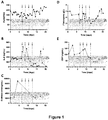
- Figure 1 evolution of the PaO2/FiO2 (A), IL-6 (B), D-dimers (C), fibrinogene (D), and CRP € values over time following TEP"(represented by the four top arrows with dotted lines).
- a Pseudomonas aeruginosa ventilator-associated pneumoniae is represented by the arrow on the left (B and D panels).
- the mechanical ventilation duration is represented by the lung icon, the administration of sedative is represented by the syringe icon and the administration of neuromuscular blockers is represented by the biceps icon.
- NMB neuromuscular blockers
- RT-PCR on nasopharyngeal swab confirmed SARS-CoV-2 infection.
- Chest X-ray revealed bilateral interstitial infiltrates suggestive of Covid-19 related ARDS.
- Empiric antibiotic therapy with IV cefotaxime was introduced on arrival, switched to piperacillin and tazobactam for seven days because of distal protected aspirate positive for oral flora.
- TPE indication was retained and the patient underwent 4 consecutive sessions every 48 hours (Spectra Optia, TerumoBCT, Lakewood, CO, USA), with 5% albumin as the sole replacement solution, exchanging 1.2 plasma volumes with a blood flow of 60 (40-70) mL/min for a duration of 110 (93-120) minutes.
- Anticoagulation was achieved by regional citrate infusion (1/12). Evolution of PaO 2 /FiO 2 ratio, CRP, fibrinogen and IL-6 levels are shown in Figure 1 .
- the last TPE session occurred on day 13.
- the patient respiratory status rapidly improved. He could be weaned from NMB at day 12, from sedatives on day 20 and finally from mechanical ventilation on day 21.
- PaO 2 /FiO 2 ratio increased, IL-6 serum levels decreased under TPE treatment after initial rebounds, as expected with a protein of low molecular weight (24 kDa), short half-life, and broad distribution space (11).
- the patient's status remained stable as the IL-6 levels ( Figure 1 ).
- TPE was used as a unique strategy to mitigate CRS associated to Covid-19 without any a priori of the most important cytokine implicated in the syndrome.
- TPE has the advantage over monoclonal antibodies targeting pro-inflammatory cytokines of his transient effect on immune system precluding any long-lasting immunosuppression.
Landscapes
- Health & Medical Sciences (AREA)
- Life Sciences & Earth Sciences (AREA)
- Medicinal Chemistry (AREA)
- Public Health (AREA)
- Engineering & Computer Science (AREA)
- Animal Behavior & Ethology (AREA)
- Veterinary Medicine (AREA)
- Pharmacology & Pharmacy (AREA)
- General Health & Medical Sciences (AREA)
- Hematology (AREA)
- Chemical & Material Sciences (AREA)
- Zoology (AREA)
- Immunology (AREA)
- Cell Biology (AREA)
- Epidemiology (AREA)
- Bioinformatics & Cheminformatics (AREA)
- Developmental Biology & Embryology (AREA)
- Virology (AREA)
- Biotechnology (AREA)
- Biomedical Technology (AREA)
- Diabetes (AREA)
- Chemical Kinetics & Catalysis (AREA)
- General Chemical & Material Sciences (AREA)
- Nuclear Medicine, Radiotherapy & Molecular Imaging (AREA)
- Organic Chemistry (AREA)
- Gastroenterology & Hepatology (AREA)
- Proteomics, Peptides & Aminoacids (AREA)
- Medicines Containing Material From Animals Or Micro-Organisms (AREA)
Abstract
The present invention relates to use of plasma exchange therapy using only albumin as replacement for treating Covid-19 patients.
Description
- Critically ill patients infected by Severe Acute Respiratory Syndrome Coronavirus-2 (SARS-CoV-2) responsible for Coronavirus disease 2019 (Covid-19) may develop acute respiratory distress syndrome (ARDS) and multi-organ failure (1). Systemic host response to infection is thought to be highly involved, based on the observation of high plasma levels of pro-inflammatory cytokines, with interleukin (IL)-6 associated to severity and mortality in Covid-19 patients (2-4). Immune system activation and cytokine release syndrome (CRS) has been pointed out (5). This syndrome is not unique to Covid-19 and has been described in sepsis/septic shock for years with dramatic impact on inflammation, endothelial dysfunction, pathologic coagulation and finally on outcome (6). Targeting CRS has been recently proposed in the treatment of the most severe Covid-19 patients by using monoclonal antibodies directed against IL-6 or IL-1-Beta (7). Unfortunately, the best target is still unknown and these treatments are associated to a long-lasting immunosuppression.
- Plasma exchange or plasma exchange therapy (PET or TPE) offers a unique opportunity to rapidly reduce several circulating cytokines present in severe cases of Covid-19. Indeed, TPE was found able to reduce pro-inflammatory cytokines in sepsis/septic shock even if, until now, no effect on outcome could be demonstrated (8-10). Recently, some authors reported the use of TPE in Covid-19 with however unconclusive results, using fresh frozen plasma (FFP) as replacement fluid (16, 17) Kesici et al (18) suggest that TPE applied with convalescent plasma (CP) should be considered as a therapeutic option in severe Covid-19 patients within the first week of symptom onset. Lin et al (19) reported TPE associated with continuous venovenous hemofiltration (CVVH). Ma et al (20) reported using blood purification therapies, including TPE and adsorption for treating Covid-19 patients.
- Plasma exchange is the removal and retention of plasma, with return of the cellular components to the patients, in order to remove antibodies, toxins or abnormal proteins that are causing the clinical symptoms. The patient's blood goes through an apheresis machine, where the blood is centrifuged or filtered so as to isolate the plasma fraction, such plasma fraction is removed, and the red blood cells, white blood cells and platelets are reinfused to the patient, along with replacement fluid.
- Typically, 30-40 mL/kg of plasma (1-1.5 plasma volumes) are removed at each procedure and replaced with Frozen Fresh Plasma, isotonic 4.5 or 5.0% human albumin solution or mixture of such. Frozen Fresh Plasma refers to the plasma portion of whole blood, centrifuged, separated, and frozen solid at -18 °C or colder within eight hours of collection, but may also be used to designate any transfused plasma product.
- Blood plasma makes up about 55% of the body's total blood volume and its volume can be estimated by the formula: Estimated plasma volume (in liters) = 0.07 x weight (kg) x (1 - hematocrit) .
- A one plasma volume (PV) exchange removes about 63% of intravascular constituents, 1.2 PV approximately around 70%, 1.5 PV approximately around 75%, and 2 PV remove around 85% of the constituents.
- The inventors have determined that it is possible to treat Covid-19 patients, including those under mechanical ventilation by performing plasma exchange, and replacing the removed and discarded plasma by an isotonic solution containing from 4-6% albumin (preferably about 5% albumin, or 5% albumin).
- The term "around" or "about" is meant to encompass variations of ±3%, or in preferred instances ±1%, as such variations are appropriate to perform the disclosed methods.
- The invention thus relates to an isotonic solution containing from 4-6% albumin for use thereof for the treatment of a Covid-19 patients, as a plasma replacement in plasma exchange therapy. In the preferred embodiment, the isotonic solution contains 5% albumin. Such isotonic solution is known in the art and is commercialized for instance under the name of Viabelex by the Laboratoire Français des Biotechnologies (LFB, Les Ulis, France). It can be dosed at 4% (40 mg/mL) or at 20% (200 mg/mL). When the solution is highly dosed, it is diluted in saline to obtain the appropriate concentration. Such solution also contains sodium chloride and/or sodium caprylate and water so that it can be injected. The solution is isotonic for plasma, meaning that it has the same osmolarity or osmolality than plasma (280 to 295 mOsm/L).
- In the context of the invention, it is preferred when the isotonic solution is the only solution reinjected to the patient as plasma replacement. In other words, the solution is the sole replacement fluid used in the plasma exchange therapy. This means that no frozen fresh plasma, or convalescent plasma is used.
- The isotonic solution replaces plasma which has been discarded, so as to remove any factor that may be responsible for the cytokine storm observed in critically ill Covid-19 patients, in particular IL-6. A plasma volume exchange of 1 to 1.5, in particular of 1.2 is appropriate for using the isotonic solution.
- The "cleaning" of the patient's plasma, leading to clinical improvement is generally not observed after one plasma exchange session. It is preferred to repeat such session, and when the isotonic solution is used multiple times. In particular, it is used from 3 to 5 times, once every 48 hours, particularly 4 times, once every 48 hours. However, the physician may decide to increase or decrease the number of uses or the duration between two uses, depending on the patient's clinical condition.
- The isotonic solution can be used for any patient with Covid-19. However, since the plasma exchange procedure is a heavy clinical procedure, it is preferred when it is used for patients with severe Covid-19, in particular for patients in need for oxygen assistance, in particular patients with acute respiratory distress syndrome and/or multi-organ failure. The example shows that it can be used when the patient is under mechanical ventilation.
- The invention also relates to a method for treating a patient with Covid-19, comprising performing plasma exchange for the patient, wherein an isotonic solution containing from 4 to 6% albumin is used as the sole replacement fluid for plasma before reinjection to the patient. The embodiments disclosed above are also applicable to this method.
- The invention also relates to a method for preparing a composition for treating a Covid-19 patient, replacing removed plasma from a patient with Covid-19 with an isotonic solution containing from 4 to 6% albumin as the sole replacement fluid, wherein from 1 to 1.5 volumes of patient has been removed. Such composition is a medicament used for the treatment of the Covid-19 patient. The medicament thus consists in a composition which contains from 13.75% to 22% of plasma from the patient, from 33% to 41.25% of an isotonic solution containing from 4 to 6 % of albumin, about 4% of white cells, about 41% of blood cells and about 0.01% of platelets, such cells and platelets originating from the patient. This method is performed ex vivo and doesn't include the step of obtaining the patient's plasma or of reinjecting the composition to the patient.
- These percentages correspond to the replacement of 1 to 1.5 plasma volumes by the isotonic solution, and considering that the blood plasma is about 55% of the blood volume, with is complemented by about 4% of white cells, about 41% of blood cells and traces of platelets. When a plasma volume of 1.2 is removed (corresponding to the removal of around 70% of the plasma content) and replaced with the isotonic solution, the composition contains 16.5% of plasma from the patient, 39.5% of the isotonic solution containing from 4 to 6 % of albumin, about 4% of white cells, about 41 % of blood cells and about 0.01 % of platelets.
- Due to the fact that there is some patient's plasma remaining in the composition, even after addition of the isotonic solution, such composition contains antibodies or T lymphocytes against an SARS-CoV-2 antigen. Indeed, since the patient was infected with the SARS-CoV-2 virus, some immune response (humoral and cellular) is observable for the patient, thus leading to the presence of such antibodies or T lymphocytes.
- The composition herein disclosed is obviously susceptible to be obtained by the method disclosed above. It is to be noted that the composition is generally administered to the patient as soon as it is produced in the apparatus performing the plasma removal. Indeed, the plasma exchange therapy requires some kind of extracorporal circulation, and the composition is not intended to be stored.
- The invention also relates to the composition herein disclosed, for use thereof for the treatment of a Covid-19 patient. In particular, the plasma was isolated from the patient receiving the treatment. The composition is thus prepared from a patient's plasma and reinjected to this patient.
- In summary, using the isotonic solution as disclosed as the sole replacement fluid in TPE offers a lots of benefits:
- Such solutions are widely available and more easily than fresh frozen plasma
- These solutions are more safe than fresh frozen plasma, in view of their manufacture processes that lower the risk of contamination, where fresh frozen plasma or convalescent plasma that may contain pathogens
- These solutions reduce the anaphylactic risk (or other risks) that is sometimes observed with plasma transfusion (15).
-
Figure 1 : evolution of the PaO2/FiO2 (A), IL-6 (B), D-dimers (C), fibrinogene (D), and CRP € values over time following TEP"(represented by the four top arrows with dotted lines). A Pseudomonas aeruginosa ventilator-associated pneumoniae is represented by the arrow on the left (B and D panels). The mechanical ventilation duration is represented by the lung icon, the administration of sedative is represented by the syringe icon and the administration of neuromuscular blockers is represented by the biceps icon. - A 74-year-old man was admitted to ICU for acute respiratory distress that rapidly worsened over 3 days after having been in close contact with his son in-law presenting with signs highly suggestive of Covid-19. His past medical history was remarkable for hypertension treated with an association of calcium-channel and beta-blockers, a recent diagnosis of diabetes mellitus needing only dietary measures, and overweight (body mass index of 28,8 kg/m2). Upon ICU admission, respiratory rate was at 32 per minute and oxygen blood saturation (SatO2) was at 81% in room air. Despite 15 liters per minute of oxygen through a facemask, SatO2 was only at 91%. Orotracheal intubation to put the patient on mechanical ventilation was decided. Sedatives and neuromuscular blockers (NMB) were started simultaneously with lung protective ventilation. Biological values on admission are shown in Table 1.
Table 1. Biological values on patient's admission Reference ranges are affected by many variables, including the patient population and the laboratory methods used. The ranges used at Pitié-Salpêtrière Hospital are for adults who are not pregnant and do not have medical conditions that could affect the results. They may therefore not be appropriate for all patients. Variable Patient results Reference Range Tracheal Aspirate RT-PCR for SARS-CoV-2 Positive Blood Hemoglobin (g/dl) 15.0 13-17.5 Platelets (per mm3) 180,000 150,000-400,000 White-cell count (per mm3) 9290 4000-10,000 Differential count (per mm3) Total neutrophils 7170 2000-7500 Total lymphocytes 1680 1500-4000 Total monocytes 400 150-1000 Procalcitonine (µg/l) 0.71 < 0.1 High-sensitivity C-reactive protein (mg/liter) 75 < 5 Fibrinogen (g/liter) 5.1 2-4 D-Dimers (ng/ml) 890 < 500 NT-pro-BNP (ng/l) 72.6 < 300 Interleukine-6 (pg/ml) 114.2 0-6.5 Serologic testing for human immunodeficiency virus Negative Serologic testing for hepatitis b & c Negative - RT-PCR on nasopharyngeal swab confirmed SARS-CoV-2 infection. Chest X-ray revealed bilateral interstitial infiltrates suggestive of Covid-19 related ARDS. Empiric antibiotic therapy with IV cefotaxime was introduced on arrival, switched to piperacillin and tazobactam for seven days because of distal protected aspirate positive for oral flora.
- Despite this treatment, the patient respiratory status worsened over the 7 first days with a PaO2/FiO2 ratio at 79 under PEEP at 14 cmH2O (pulmonary dynamic compliance at 27,6 mL/cmH20) at day 7. The levels of CRP (110 mg/L, normal range < 5), fibrinogen (5.0 g/L, normal range 2-4) and IL-6 (306 pg/mL, normal range < 6,5) were increased.
- TPE indication was retained and the patient underwent 4 consecutive sessions every 48 hours (Spectra Optia, TerumoBCT, Lakewood, CO, USA), with 5% albumin as the sole replacement solution, exchanging 1.2 plasma volumes with a blood flow of 60 (40-70) mL/min for a duration of 110 (93-120) minutes. Anticoagulation was achieved by regional citrate infusion (1/12). Evolution of PaO2/FiO2 ratio, CRP, fibrinogen and IL-6 levels are shown in
Figure 1 . The last TPE session occurred on day 13. - The patient respiratory status rapidly improved. He could be weaned from NMB at day 12, from sedatives on
day 20 and finally from mechanical ventilation on day 21. Whereas PaO2/FiO2 ratio increased, IL-6 serum levels decreased under TPE treatment after initial rebounds, as expected with a protein of low molecular weight (24 kDa), short half-life, and broad distribution space (11). The patient's status remained stable as the IL-6 levels (Figure 1 ). - In this patient, TPE was used as a unique strategy to mitigate CRS associated to Covid-19 without any a priori of the most important cytokine implicated in the syndrome. Our patient spectacularly improved under treatment, as compared to the dramatical outcomes described in Covid-19 patients admitted to ICU (13), and had no relapse after TPE discontinuation of both his respiratory status and his plasmatic IL-6 levels (except for a peak due to Pseudomonas aeruginosa ventilator-associated penumoniae). TPE has the advantage over monoclonal antibodies targeting pro-inflammatory cytokines of his transient effect on immune system precluding any long-lasting immunosuppression.
- In addition, the protocol that was used here, with 5% albumin as sole replacement fluid, offers major benefits in terms of availability and security as compared to replacement with fresh frozen plasma or convalescent plasma that has been proposed for treatment of critically ill Covid-19 patients (14), with inherent anaphylactic risk.
-
- 1. Huang C, Wang Y, Li X, et al. Clinical features of patients infected with 2019 novel coronavirus in Wuhan, China. Lancet 2020; 395: 497-506.
- 2. Zhou F, Yu T, Du R, et al. Clinical course and risk factors for mortality of adult inpatients with COVID-19 in Wuhan, China: a retrospective cohort study. The Lancet 2020;395(10229):1054-62.
- 3. Ruan Q, Yang K, Wang W, Jiang L, Song J. Clinical predictors of mortality due to COVID-19 based on an analysis of data of 150 patients from Wuhan, China. Intensive Care Med 2020;46(5):846-8.
- 4. Wang C, Fei D, Li X, Zhao M, Yu K. IL-6 may be a good biomarker for earlier detection of COVID-19 progression. Intensive Care Med. 2020;1-2. doi:10.1007/s00134-020-06065-8
- 5. Mehta P, McAuley DF, Brown M, Sanchez E, Tattersall RS, Manson JJ. COVID-19: consider cytokine storm syndromes and immunosuppression. The Lancet 2020; 395(10229):1033-4.
- 6. Keith P, Day M, Perkins L, Moyer L, Hewitt K, Wells A. A novel treatment approach to the novel coronavirus: an argument for the use of therapeutic plasma exchange for fulminant COVID-19. Crit Care 2020;24(1):128, s13054-020-2836-4.
- 7. Sanders JM, Monogue ML, Jodlowski TZ, Cutrell JB. Pharmacologic Treatments for Coronavirus Disease 2019 (COVID-19): A Review. JAMA 2020;323(18):1824-36.
- 8. Rimmer E, Houston BL, Kumar A, et al. The efficacy and safety of plasma exchange in patients with sepsis and septic shock: a systematic review and meta-analysis. Crit Care 2014;18(6):699
- 9. Reeves JH: A review of plasma exchange in sepsis. Blood Purif 2002; 20:282-288 [PubMed: 11867876]
- 10. Knaup H, Stahl K, Schmidt BMW, et al. Early therapeutic plasma exchange in septic shock: a prospective open-label nonrandomized pilot study focusing on safety, hemodynamics, vascular barrier function, and biologic markers. Crit Care 2018;22(1):285.
- 11. Reverberi R, Reverberi L. Removal kinetics of therapeutic apheresis. Blood Transfus 2007;5(3):164-74.
- 12. Shariatmadar S, Nassiri M, Vincek V. Effect of plasma exchange on cytokines measured by multianalyte bead array in thrombotic thrombocytopenic purpura. Am J Hematol. 2005;79(2):83-88. doi:10.1002/ajh.20342
- 13. Richardson S, Hirsch JS, Narasimhan M, et al. Presenting characteristics, comorbidities, and outcomes among 5700 patients hospitalized with COVID-19 in the New York City area. JAMA Published online April 22. 2020. 10.1001/jama.2020.6775.
- 14. Kesici S, Yavuz S, Bayrakci B. Get rid of the bad first: Therapeutic plasma exchange with convalescent plasma for severe COVID-19. Proc Natl Acad Sci USA 2020;202006691.
- 15. Pandey and Vyas, Transfusion. 2012 May; 52(Suppl 1): 65S-79S
- 16. Adeli et al, Pol Arch Intern Med, 2020 May 7
- 17. Shi et al International Journal of Antimicrobial Agents (2020), doi: doi.org/10.1016/j.ijantimicag.2020.105974)
- 18. Kesici et al Proc Natl Acad Sci USA. 2020 May 12;202006691
- 19. Lin et al Journal of the Formosan Medical Association, doi.org/10.1016/j.jfma.2020.04.023
- 20. Ma et al (Clinical Immunology 214 (2020) 108408)
Claims (11)
- Isotonic solution containing from 4-6% albumin for use thereof for the treatment of a Covid-19 patient, as the sole replacement fluid for plasma replacement in plasma exchange therapy.
- Isotonic solution for use according to claim 1, which contains 5% albumin.
- Isotonic solution for use according to claim 1 or 2, wherein from 1 to 1.5 volumes of plasma is exchanged.
- Isotonic solution for use according to any one of claims 1 to 3, wherein it is used from 3 to 5 times every 48 hours.
- Isotonic solution for use according to any one of claims 1 to 4, wherein the patient is under mechanical ventilation.
- A method for preparing a composition for treating a COVID-19 patient, replacing removed plasma from a patient with COVID-19 with an isotonic solution containing from 4 to 6% albumin as the sole replacement fluid, wherein from 1 to 1.5 volumes of patient has been removed.
- An composition for treating COVID-19 solution, containing from 13.75 to 22% plasma, from 33 to 41.25% of an isotonic solution containing from 4 to 6 % of albumin, about 4% of white cells, about 41% of blood cells and about 0.01% of platelets,
- The composition of claim 7, which contains antibodies or T lymphocytes against an SARS-CoV-2 antigen.
- The composition of claim 7 or 8, which is susceptible to be obtained by the method of claim 6.
- The composition of any one of claims 7 to 8 for use thereof for the treatment of a COVID-19 patient.
- The composition for use of claim 10, wherein the plasma was isolated from the patient receiving the treatment.
Priority Applications (2)
| Application Number | Priority Date | Filing Date | Title |
|---|---|---|---|
| EP20305554.6A EP3915573A1 (en) | 2020-05-27 | 2020-05-27 | Treatment of covid-19 patients |
| PCT/EP2021/064046 WO2021239809A1 (en) | 2020-05-27 | 2021-05-26 | Treatment of covid-19 patients |
Applications Claiming Priority (1)
| Application Number | Priority Date | Filing Date | Title |
|---|---|---|---|
| EP20305554.6A EP3915573A1 (en) | 2020-05-27 | 2020-05-27 | Treatment of covid-19 patients |
Publications (1)
| Publication Number | Publication Date |
|---|---|
| EP3915573A1 true EP3915573A1 (en) | 2021-12-01 |
Family
ID=71465262
Family Applications (1)
| Application Number | Title | Priority Date | Filing Date |
|---|---|---|---|
| EP20305554.6A Withdrawn EP3915573A1 (en) | 2020-05-27 | 2020-05-27 | Treatment of covid-19 patients |
Country Status (1)
| Country | Link |
|---|---|
| EP (1) | EP3915573A1 (en) |
Citations (1)
| Publication number | Priority date | Publication date | Assignee | Title |
|---|---|---|---|---|
| US6627151B1 (en) * | 1997-06-13 | 2003-09-30 | Helmut Borberg | Method for treatment diseases associated with a deterioration of the macrocirculation, microcirculation and organ perfusion |
-
2020
- 2020-05-27 EP EP20305554.6A patent/EP3915573A1/en not_active Withdrawn
Patent Citations (1)
| Publication number | Priority date | Publication date | Assignee | Title |
|---|---|---|---|---|
| US6627151B1 (en) * | 1997-06-13 | 2003-09-30 | Helmut Borberg | Method for treatment diseases associated with a deterioration of the macrocirculation, microcirculation and organ perfusion |
Non-Patent Citations (30)
| Title |
|---|
| ADELI ET AL., POL ARCH INTERN MED, 7 May 2020 (2020-05-07) |
| ANONYMOUS: "History of Changes for Study: NCT04374539 Plasma Exchange in Patients with Covid-19 Disease and Invasive Mechanical Ventilation: a Randomized Controlled", 2 May 2020 (2020-05-02), XP055741336, Retrieved from the Internet <URL:https://clinicaltrials.gov/ct2/history/NCT04374539?A=1&B=1&C=merged#StudyPageTop> [retrieved on 20201019] * |
| DOGAN LERZAN ET AL: "Plasmapheresis treatment in COVID-19-related autoimmune meningoencephalitis: Case series", BRAIN, BEHAVIOR AND IMMUNITY, ACADEMIC PRESS, SAN DIEGO, CA, US, vol. 87, 7 May 2020 (2020-05-07), pages 155 - 158, XP086198018, ISSN: 0889-1591, [retrieved on 20200507], DOI: 10.1016/J.BBI.2020.05.022 * |
| EMILY RIMMER ET AL: "The efficacy and safety of plasma exchange in patients with sepsis and septic shock: a systematic review and meta-analysis", CRITICAL CARE, BIOMED CENTRAL LTD., LONDON, GB, vol. 18, no. 6, 20 December 2014 (2014-12-20), pages 699, XP021213330, ISSN: 1364-8535, DOI: 10.1186/S13054-014-0699-2 * |
| HUANG CWANG YLI X ET AL.: "Clinical features of patients infected with 2019 novel coronavirus in Wuhan, China", LANCET, vol. 395, 2020, pages 497 - 506, XP086050317, DOI: 10.1016/S0140-6736(20)30183-5 |
| JIE MA ET AL: "Potential effect of blood purification therapy in reducing cytokine storm as a late complication of critically ill COVID-19", CLINICAL IMMUNOLOGY, vol. 214, 1 April 2020 (2020-04-01), US, pages 108408, XP055741035, ISSN: 1521-6616, DOI: 10.1016/j.clim.2020.108408 * |
| KEITH PDAY MPERKINS LMOYER LHEWITT KWELLS A.: "A novel treatment approach to the novel coronavirus: an argument for the use of therapeutic plasma exchange for fulminant COVID-19", CRIT CARE, vol. 24, no. 1, 2020, pages 128 |
| KESICI ET AL., PROC NATL ACAD SCI USA., 12 May 2020 (2020-05-12), pages 202006691 |
| KESICI SYAVUZ SBAYRAKCI B.: "Get rid of the bad first: Therapeutic plasma exchange with convalescent plasma for severe COVID-19", PROC NATL ACAD SCI USA |
| KNAUP HSTAHL KSCHMIDT BMW ET AL.: "Early therapeutic plasma exchange in septic shock: a prospective open-label nonrandomized pilot study focusing on safety, hemodynamics, vascular barrier function, and biologic markers", CRIT CARE, vol. 22, no. 1, 2018, pages 285 |
| LI YONG ET AL: "Organ function support in patients with coronavirus disease 2019: Tongji experience", FRONTIERS OF MEDICINE, HIGHER EDUCATION PRESS, HEIDELBERG, vol. 14, no. 2, 1 April 2020 (2020-04-01), pages 232 - 248, XP037118185, ISSN: 2095-0217, [retrieved on 20200514], DOI: 10.1007/S11684-020-0774-9 * |
| LI ZHANG ET AL: "Efficacy of therapeutic plasma exchange in severe COVID-19 patients", BRITISH JOURNAL OF HAEMATOLOGY, vol. 190, no. 4, 26 May 2020 (2020-05-26), GB, XP055741349, ISSN: 0007-1048, DOI: 10.1111/bjh.16890 * |
| LIN ET AL., JOURNAL OF THE FORMOSAN MEDICAL ASSOCIATION |
| MA ET AL., CLINICAL IMMUNOLOGY, vol. 214, 2020, pages 108408 |
| MEHTA PMCAULEY DFBROWN MSANCHEZ ETATTERSALL RSMANSON JJ.: "COVID-19: consider cytokine storm syndromes and immunosuppression", THE LANCET, vol. 395, no. 10229, 2020, pages 1033 - 4, XP086105444, DOI: 10.1016/S0140-6736(20)30628-0 |
| PANDEYVYAS, TRANSFUSION, vol. 52, no. 1, May 2012 (2012-05-01), pages 65S - 79S |
| PHILIP KEITH ET AL: "A novel treatment approach to the novel coronavirus: an argument for the use of therapeutic plasma exchange for fulminant COVID-19", CRITICAL CARE, vol. 24, no. 1, 1 April 2020 (2020-04-01), XP055741025, DOI: 10.1186/s13054-020-2836-4 * |
| REEVES JH: "A review of plasma exchange in sepsis", BLOOD PURIF, vol. 20, 2002, pages 282 - 288 |
| REVERBERI RREVERBERI L.: "Removal kinetics of therapeutic apheresis", BLOOD TRANSFUS, vol. 5, no. 3, 2007, pages 164 - 74 |
| RICHARDSON SHIRSCH JSNARASIMHAN M ET AL.: "Presenting characteristics, comorbidities, and outcomes among 5700 patients hospitalized with COVID-19 in the New York City area", JAMA, 22 April 2020 (2020-04-22) |
| RIMMER EHOUSTON BLKUMAR A ET AL.: "The efficacy and safety of plasma exchange in patients with sepsis and septic shock: a systematic review and meta-analysis", CRIT CARE, vol. 18, no. 6, 2014, pages 699, XP021213330, DOI: 10.1186/s13054-014-0699-2 |
| RUAN QYANG KWANG WJIANG LSONG J.: "Clinical predictors of mortality due to COVID-19 based on an analysis of data of 150 patients from Wuhan, China", INTENSIVE CARE MED, vol. 46, no. 5, 2020, pages 846 - 8, XP037133463, DOI: 10.1007/s00134-020-05991-x |
| SANDERS JMMONOGUE MLJODLOWSKI TZCUTRELL JB.: "Pharmacologic Treatments for Coronavirus Disease 2019 (COVID-19): A Review", JAMA, vol. 323, no. 18, 2020, pages 1824 - 36 |
| SHARIATMADAR SNASSIRI MVINCEK V.: "Effect of plasma exchange on cytokines measured by multianalyte bead array in thrombotic thrombocytopenic purpura", AM J HEMATOL., vol. 79, no. 2, 2005, pages 83 - 88 |
| SHI ET AL., INTERNATIONAL JOURNAL OF ANTIMICROBIAL AGENTS, 2020 |
| SHI HUA ET AL: "Successful treatment with plasma exchange followed by intravenous immunoglobulin in a critically ill patient with COVID-19", INTERNATIONAL JOURNAL OF ANTIMICROBIAL AGENTS, ELSEVIER, AMSTERDAM, NL, vol. 56, no. 2, 13 April 2020 (2020-04-13), XP086234669, ISSN: 0924-8579, [retrieved on 20200413], DOI: 10.1016/J.IJANTIMICAG.2020.105974 * |
| SHREEDEVI S BOBATI ET AL: "Therapeutic Plasma Exchange - An Emerging Treatment Modality in Patients with Neurologic and Non-Neurologic Diseases", JOURNAL OF CLINICAL AND DIAGNOSTIC RESEARCH, vol. 11, no. 8, 1 January 2017 (2017-01-01), pages EC35 - EC37, XP055595292, ISSN: 2249-782X, DOI: 10.7860/JCDR/2017/27073.10480 * |
| WANG CFEI DLI XZHAO MYU K.: "IL-6 may be a good biomarker for earlier detection of COVID-19 progression", INTENSIVE CARE MED., vol. 2020, pages 1 - 2 |
| ZHENG FANG ET AL: "Clinical Characteristics of Children with Coronavirus Disease 2019 in Hubei, China", CURRENT MEDICAL SCIENCE, HUAZHONG UNIVERSITY OF SCIENCE AND TECHNOLOGY, WUHAN, vol. 40, no. 2, 24 March 2020 (2020-03-24), pages 275 - 280, XP037206927, ISSN: 2096-5230, [retrieved on 20200324], DOI: 10.1007/S11596-020-2172-6 * |
| ZHOU FYU TDU R ET AL.: "Clinical course and risk factors for mortality of adult inpatients with COVID-19 in Wuhan, China: a retrospective cohort study", THE LANCET, vol. 395, no. 10229, 2020, pages 1054 - 62, XP086105445, DOI: 10.1016/S0140-6736(20)30566-3 |
Similar Documents
| Publication | Publication Date | Title |
|---|---|---|
| Han et al. | Effect of platelet transfusion on hemorrhage in patients with acute leukemia: An autopsy study | |
| Hardaway et al. | Treatment of severe acute respiratory distress syndrome: a final report on a phase I study | |
| Dignani et al. | Treatment of neutropenia-related fungal infections with granulocyte colony-stimulating factor-elicited white blood cell transfusions: a pilot study | |
| Zhang et al. | The absorbing filter Oxiris in severe coronavirus disease 2019 patients: a case series | |
| Balagholi et al. | Potential of therapeutic plasmapheresis in treatment of COVID-19 patients: Immunopathogenesis and coagulopathy | |
| Yeh et al. | Plasmapheresis for severe lipemia: comparison of serum‐lipid clearance rates for the plasma‐exchange and double‐filtration variants | |
| Sazonov et al. | Case series: efficacy and safety of hemoadsorption with HA-330 adsorber in septic pediatric patients with cancer | |
| WO2022150696A1 (en) | Ev for use in treating myocarditis | |
| Karina et al. | Phase I/II Clinical Trial of Autologous Activated Platelet‐Rich Plasma (aaPRP) in the Treatment of Severe Coronavirus Disease 2019 (COVID‐19) Patients | |
| Pineda et al. | Continuous‐and semicontinuous‐flow blood centrifugation systems: therapeutic applications, with plasma‐, platelet‐, lympha‐, and eosinapheresis | |
| KR20220165267A (en) | Anti-CD6 antibody compositions and methods of treating and reducing the negative effects of coronaviruses, including COVID-19 | |
| Knöbl et al. | Plasma exchange for treatment of thrombotic thrombocytopenic purpura in critically ill patients | |
| Christensen et al. | Neutrophil transfusion on septic neutropenic neonates | |
| Menitove et al. | Granulocyte transfusions in neutropenic patients | |
| Okusu et al. | Good's syndrome accompanied by agranulocytosis following a rapid Clinical Course | |
| RU2149015C1 (en) | Treatment of newborns with postnatal pneumonia | |
| De-Feng et al. | Recovery of both acute massive pulmonary hemorrhage and acute renal failure in a systemic lupus erythematosus patient with lupus anticoagulant by the combined therapy of plasmapheresis plus cyclophosphamide | |
| Mattox | Autotransfusion in the emergency department | |
| Vahdat et al. | Rapidly cycled courses of high-dose alkylating agents supported by filgrastim and peripheral blood progenitor cells in patients with metastatic breast cancer. | |
| Chelazzi et al. | Use of continuous venovenous hemodiafiltration with a high cutoff membrane in a patient with severe acute pancreatitis | |
| Karina et al. | Potential breakthrough for treating severe Coronavirus Disease-2019 (COVID-19) patients in intensive care unit: The use of autologous activated platelet-rich plasma in serial cases of Indonesian patients | |
| Jakacki et al. | Dose‐intensification of procarbazine, CCNU (lomustine), vincristine (PCV) with peripheral blood stem cell support in young patients with gliomas | |
| Yoshino et al. | Effects of recombinant human granulocyte colony‐stimulating factor on neutrophil functions in aged animals | |
| WO2021239809A1 (en) | Treatment of covid-19 patients | |
| Worku et al. | Inflammatory protection and management during extracorporeal membrane oxygenation |
Legal Events
| Date | Code | Title | Description |
|---|---|---|---|
| PUAI | Public reference made under article 153(3) epc to a published international application that has entered the european phase |
Free format text: ORIGINAL CODE: 0009012 |
|
| STAA | Information on the status of an ep patent application or granted ep patent |
Free format text: STATUS: THE APPLICATION HAS BEEN PUBLISHED |
|
| AK | Designated contracting states |
Kind code of ref document: A1 Designated state(s): AL AT BE BG CH CY CZ DE DK EE ES FI FR GB GR HR HU IE IS IT LI LT LU LV MC MK MT NL NO PL PT RO RS SE SI SK SM TR |
|
| B565 | Issuance of search results under rule 164(2) epc |
Effective date: 20201029 |
|
| STAA | Information on the status of an ep patent application or granted ep patent |
Free format text: STATUS: THE APPLICATION IS DEEMED TO BE WITHDRAWN |
|
| 18D | Application deemed to be withdrawn |
Effective date: 20220602 |