EP3914599B1 - Nichtimmunosuppressive fk506-analoge und verwendung davon - Google Patents
Nichtimmunosuppressive fk506-analoge und verwendung davon Download PDFInfo
- Publication number
- EP3914599B1 EP3914599B1 EP20746065.0A EP20746065A EP3914599B1 EP 3914599 B1 EP3914599 B1 EP 3914599B1 EP 20746065 A EP20746065 A EP 20746065A EP 3914599 B1 EP3914599 B1 EP 3914599B1
- Authority
- EP
- European Patent Office
- Prior art keywords
- once
- cells
- fkvp
- days
- composition
- Prior art date
- Legal status (The legal status is an assumption and is not a legal conclusion. Google has not performed a legal analysis and makes no representation as to the accuracy of the status listed.)
- Active
Links
Images











Classifications
-
- C—CHEMISTRY; METALLURGY
- C07—ORGANIC CHEMISTRY
- C07D—HETEROCYCLIC COMPOUNDS
- C07D491/00—Heterocyclic compounds containing in the condensed ring system both one or more rings having oxygen atoms as the only ring hetero atoms and one or more rings having nitrogen atoms as the only ring hetero atoms, not provided for by groups C07D451/00 - C07D459/00, C07D463/00, C07D477/00 or C07D489/00
- C07D491/12—Heterocyclic compounds containing in the condensed ring system both one or more rings having oxygen atoms as the only ring hetero atoms and one or more rings having nitrogen atoms as the only ring hetero atoms, not provided for by groups C07D451/00 - C07D459/00, C07D463/00, C07D477/00 or C07D489/00 in which the condensed system contains three hetero rings
- C07D491/18—Bridged systems
-
- A—HUMAN NECESSITIES
- A61—MEDICAL OR VETERINARY SCIENCE; HYGIENE
- A61K—PREPARATIONS FOR MEDICAL, DENTAL OR TOILETRY PURPOSES
- A61K31/00—Medicinal preparations containing organic active ingredients
- A61K31/33—Heterocyclic compounds
- A61K31/395—Heterocyclic compounds having nitrogen as a ring hetero atom, e.g. guanethidine or rifamycins
-
- A—HUMAN NECESSITIES
- A61—MEDICAL OR VETERINARY SCIENCE; HYGIENE
- A61K—PREPARATIONS FOR MEDICAL, DENTAL OR TOILETRY PURPOSES
- A61K31/00—Medicinal preparations containing organic active ingredients
- A61K31/33—Heterocyclic compounds
- A61K31/395—Heterocyclic compounds having nitrogen as a ring hetero atom, e.g. guanethidine or rifamycins
- A61K31/435—Heterocyclic compounds having nitrogen as a ring hetero atom, e.g. guanethidine or rifamycins having six-membered rings with one nitrogen as the only ring hetero atom
-
- A—HUMAN NECESSITIES
- A61—MEDICAL OR VETERINARY SCIENCE; HYGIENE
- A61K—PREPARATIONS FOR MEDICAL, DENTAL OR TOILETRY PURPOSES
- A61K31/00—Medicinal preparations containing organic active ingredients
- A61K31/33—Heterocyclic compounds
- A61K31/395—Heterocyclic compounds having nitrogen as a ring hetero atom, e.g. guanethidine or rifamycins
- A61K31/435—Heterocyclic compounds having nitrogen as a ring hetero atom, e.g. guanethidine or rifamycins having six-membered rings with one nitrogen as the only ring hetero atom
- A61K31/4353—Heterocyclic compounds having nitrogen as a ring hetero atom, e.g. guanethidine or rifamycins having six-membered rings with one nitrogen as the only ring hetero atom ortho- or peri-condensed with heterocyclic ring systems
- A61K31/436—Heterocyclic compounds having nitrogen as a ring hetero atom, e.g. guanethidine or rifamycins having six-membered rings with one nitrogen as the only ring hetero atom ortho- or peri-condensed with heterocyclic ring systems the heterocyclic ring system containing a six-membered ring having oxygen as a ring hetero atom, e.g. rapamycin
-
- A—HUMAN NECESSITIES
- A61—MEDICAL OR VETERINARY SCIENCE; HYGIENE
- A61K—PREPARATIONS FOR MEDICAL, DENTAL OR TOILETRY PURPOSES
- A61K31/00—Medicinal preparations containing organic active ingredients
- A61K31/33—Heterocyclic compounds
- A61K31/395—Heterocyclic compounds having nitrogen as a ring hetero atom, e.g. guanethidine or rifamycins
- A61K31/435—Heterocyclic compounds having nitrogen as a ring hetero atom, e.g. guanethidine or rifamycins having six-membered rings with one nitrogen as the only ring hetero atom
- A61K31/439—Heterocyclic compounds having nitrogen as a ring hetero atom, e.g. guanethidine or rifamycins having six-membered rings with one nitrogen as the only ring hetero atom the ring forming part of a bridged ring system, e.g. quinuclidine
-
- A—HUMAN NECESSITIES
- A61—MEDICAL OR VETERINARY SCIENCE; HYGIENE
- A61K—PREPARATIONS FOR MEDICAL, DENTAL OR TOILETRY PURPOSES
- A61K31/00—Medicinal preparations containing organic active ingredients
- A61K31/33—Heterocyclic compounds
- A61K31/395—Heterocyclic compounds having nitrogen as a ring hetero atom, e.g. guanethidine or rifamycins
- A61K31/435—Heterocyclic compounds having nitrogen as a ring hetero atom, e.g. guanethidine or rifamycins having six-membered rings with one nitrogen as the only ring hetero atom
- A61K31/44—Non condensed pyridines; Hydrogenated derivatives thereof
- A61K31/4427—Non condensed pyridines; Hydrogenated derivatives thereof containing further heterocyclic ring systems
-
- A—HUMAN NECESSITIES
- A61—MEDICAL OR VETERINARY SCIENCE; HYGIENE
- A61K—PREPARATIONS FOR MEDICAL, DENTAL OR TOILETRY PURPOSES
- A61K31/00—Medicinal preparations containing organic active ingredients
- A61K31/33—Heterocyclic compounds
- A61K31/395—Heterocyclic compounds having nitrogen as a ring hetero atom, e.g. guanethidine or rifamycins
- A61K31/435—Heterocyclic compounds having nitrogen as a ring hetero atom, e.g. guanethidine or rifamycins having six-membered rings with one nitrogen as the only ring hetero atom
- A61K31/44—Non condensed pyridines; Hydrogenated derivatives thereof
- A61K31/445—Non condensed piperidines, e.g. piperocaine
- A61K31/4523—Non condensed piperidines, e.g. piperocaine containing further heterocyclic ring systems
- A61K31/4545—Non condensed piperidines, e.g. piperocaine containing further heterocyclic ring systems containing a six-membered ring with nitrogen as a ring hetero atom, e.g. pipamperone, anabasine
-
- A—HUMAN NECESSITIES
- A61—MEDICAL OR VETERINARY SCIENCE; HYGIENE
- A61K—PREPARATIONS FOR MEDICAL, DENTAL OR TOILETRY PURPOSES
- A61K31/00—Medicinal preparations containing organic active ingredients
- A61K31/33—Heterocyclic compounds
- A61K31/395—Heterocyclic compounds having nitrogen as a ring hetero atom, e.g. guanethidine or rifamycins
- A61K31/435—Heterocyclic compounds having nitrogen as a ring hetero atom, e.g. guanethidine or rifamycins having six-membered rings with one nitrogen as the only ring hetero atom
- A61K31/47—Quinolines; Isoquinolines
- A61K31/4709—Non-condensed quinolines and containing further heterocyclic rings
-
- A—HUMAN NECESSITIES
- A61—MEDICAL OR VETERINARY SCIENCE; HYGIENE
- A61K—PREPARATIONS FOR MEDICAL, DENTAL OR TOILETRY PURPOSES
- A61K31/00—Medicinal preparations containing organic active ingredients
- A61K31/33—Heterocyclic compounds
- A61K31/395—Heterocyclic compounds having nitrogen as a ring hetero atom, e.g. guanethidine or rifamycins
- A61K31/535—Heterocyclic compounds having nitrogen as a ring hetero atom, e.g. guanethidine or rifamycins having six-membered rings with at least one nitrogen and one oxygen as the ring hetero atoms, e.g. 1,2-oxazines
- A61K31/5375—1,4-Oxazines, e.g. morpholine
- A61K31/5377—1,4-Oxazines, e.g. morpholine not condensed and containing further heterocyclic rings, e.g. timolol
-
- A—HUMAN NECESSITIES
- A61—MEDICAL OR VETERINARY SCIENCE; HYGIENE
- A61K—PREPARATIONS FOR MEDICAL, DENTAL OR TOILETRY PURPOSES
- A61K31/00—Medicinal preparations containing organic active ingredients
- A61K31/66—Phosphorus compounds
- A61K31/675—Phosphorus compounds having nitrogen as a ring hetero atom, e.g. pyridoxal phosphate
-
- A—HUMAN NECESSITIES
- A61—MEDICAL OR VETERINARY SCIENCE; HYGIENE
- A61K—PREPARATIONS FOR MEDICAL, DENTAL OR TOILETRY PURPOSES
- A61K31/00—Medicinal preparations containing organic active ingredients
- A61K31/70—Carbohydrates; Sugars; Derivatives thereof
- A61K31/7042—Compounds having saccharide radicals and heterocyclic rings
- A61K31/7052—Compounds having saccharide radicals and heterocyclic rings having nitrogen as a ring hetero atom, e.g. nucleosides, nucleotides
- A61K31/706—Compounds having saccharide radicals and heterocyclic rings having nitrogen as a ring hetero atom, e.g. nucleosides, nucleotides containing six-membered rings with nitrogen as a ring hetero atom
-
- A—HUMAN NECESSITIES
- A61—MEDICAL OR VETERINARY SCIENCE; HYGIENE
- A61K—PREPARATIONS FOR MEDICAL, DENTAL OR TOILETRY PURPOSES
- A61K45/00—Medicinal preparations containing active ingredients not provided for in groups A61K31/00 - A61K41/00
- A61K45/06—Mixtures of active ingredients without chemical characterisation, e.g. antiphlogistics and cardiaca
-
- A—HUMAN NECESSITIES
- A61—MEDICAL OR VETERINARY SCIENCE; HYGIENE
- A61P—SPECIFIC THERAPEUTIC ACTIVITY OF CHEMICAL COMPOUNDS OR MEDICINAL PREPARATIONS
- A61P17/00—Drugs for dermatological disorders
- A61P17/02—Drugs for dermatological disorders for treating wounds, ulcers, burns, scars, keloids, or the like
-
- A—HUMAN NECESSITIES
- A61—MEDICAL OR VETERINARY SCIENCE; HYGIENE
- A61P—SPECIFIC THERAPEUTIC ACTIVITY OF CHEMICAL COMPOUNDS OR MEDICINAL PREPARATIONS
- A61P25/00—Drugs for disorders of the nervous system
-
- A—HUMAN NECESSITIES
- A61—MEDICAL OR VETERINARY SCIENCE; HYGIENE
- A61P—SPECIFIC THERAPEUTIC ACTIVITY OF CHEMICAL COMPOUNDS OR MEDICINAL PREPARATIONS
- A61P25/00—Drugs for disorders of the nervous system
- A61P25/28—Drugs for disorders of the nervous system for treating neurodegenerative disorders of the central nervous system, e.g. nootropic agents, cognition enhancers, drugs for treating Alzheimer's disease or other forms of dementia
-
- A—HUMAN NECESSITIES
- A61—MEDICAL OR VETERINARY SCIENCE; HYGIENE
- A61P—SPECIFIC THERAPEUTIC ACTIVITY OF CHEMICAL COMPOUNDS OR MEDICINAL PREPARATIONS
- A61P29/00—Non-central analgesic, antipyretic or antiinflammatory agents, e.g. antirheumatic agents; Non-steroidal antiinflammatory drugs [NSAID]
-
- C—CHEMISTRY; METALLURGY
- C07—ORGANIC CHEMISTRY
- C07D—HETEROCYCLIC COMPOUNDS
- C07D498/00—Heterocyclic compounds containing in the condensed system at least one hetero ring having nitrogen and oxygen atoms as the only ring hetero atoms
- C07D498/12—Heterocyclic compounds containing in the condensed system at least one hetero ring having nitrogen and oxygen atoms as the only ring hetero atoms in which the condensed system contains three hetero rings
- C07D498/18—Bridged systems
-
- C—CHEMISTRY; METALLURGY
- C07—ORGANIC CHEMISTRY
- C07H—SUGARS; DERIVATIVES THEREOF; NUCLEOSIDES; NUCLEOTIDES; NUCLEIC ACIDS
- C07H19/00—Compounds containing a hetero ring sharing one ring hetero atom with a saccharide radical; Nucleosides; Mononucleotides; Anhydro-derivatives thereof
- C07H19/01—Compounds containing a hetero ring sharing one ring hetero atom with a saccharide radical; Nucleosides; Mononucleotides; Anhydro-derivatives thereof sharing oxygen
Definitions
- the inventors have previously reported the discovery of a synergistic drug combination for the acceleration of cutaneous WH (Lin et al., 2014) and the induction of long-term allograft survival through host repopulation (Okabayashi et al., 2011, Hu et al., 2016, Cameron et al., 2016).
- the combination of two FDA-approved drugs, Tacrolimus (FK506) and Plerixafor (AMD3100) reduced the complete healing time by 25% in mice with four circular full-thickness excisional wounds, which is unprecedented by existing therapeutic modalities.
- Accelerated WH is accompanied by the mobilization of bone marrow (BM)-derived stem cells (CD133, CD34, and cKit) and the recruitment of CD133 stem cells into wound sites, as well as augmented stromal derived factor 1 (SDF-1), fibroblast growth factor (FGF), and vascular endothelial growth factor (VEGF) release in granulation tissues (Lin et al., 2014).
- BM bone marrow
- CD34 derived stem cells
- cKit augmented stromal derived factor 1
- FGF fibroblast growth factor
- VEGF vascular endothelial growth factor
- AMD3100 is a selective antagonist of the chemokine receptor CXCR4 (Hatse et al., 2002) and has been used clinically to drive hematopoietic stem cells (HSCs) out of the bone marrow (BM) into the peripheral blood (Liles et al., 2003) where they can be recovered and preserved until the completion of ablative irradiation and/or chemotherapy.
- HSCs hematopoietic stem cells
- AMD3100 In addition to HSCs, the injection of AMD3100 augmented the mobilization of BM derived endothelial progenitor cells (EPCs), which was associated with more rapid neovascularization and functional recovery after myocardial infarction in mice (Jujo et al., 2010, Balaji et al., 2013). However, increased number of circulating stem cells by AMD3100 treatment alone exhibited only slightly faster healing due to reduced recruitment in wound sites (Lin et al., 2014).
- EPCs BM derived endothelial progenitor cells
- FK506 a macrolide produced by the bacteria Streptomyces tsukubaensis, is an immunosuppressant widely used for prevention of transplant rejection as well as treatment of certain autoimmune disorders (Tanaka et al., 1987; Fung et al., 2004).
- the underlying mechanism for the immunosuppressive activity of FK506 has been well established.
- FK506 inhibits the activation of T helper cells.
- the pathway level it blocks the intracellular signal transduction emanating from the T cell receptor leading to transcriptional activation of IL-2 and other cytokine genes.
- FK506 in WH A possible underlying mechanism for FK506 in WH is through inhibition of calcineurin.
- topical FK506 has a detrimental effect on WH (Schäffer et al., 1998).
- animals treated with low-dose FK506 (0.1 mg/kg) alone exhibited slightly faster healing compared to the saline control group, but the standard dose of FK506 (1 mg/kg) for immunosuppression delayed healing time, leaving unanswered the question of whether calcineurin inhibition is responsible for the effect of FK506 on WH.
- FKBP12 plays an accessary role in the immunosuppressive activity of FK506, it has also been shown to inhibit BMP type 1 receptor activation (Wang et al., 1996). Importantly, this interaction could be relieved by FK506 (Spiekerkoetter et al., 2013).
- BMP signaling has not yet been directly linked to any stage of wound healing, although it has been reported that epithelial cells down-regulate many BMP receptors in response to injury (Lewis et al., 2014). Conversely, it has been recently reported that enhanced BMP signaling within myofibroblasts may promote scarless wound healing (Plikus et al., 2017).
- BMPs have been demonstrated to produce a pro-inflammatory phenotype in endothelial cells, thereby increasing leukocyte adhesion and SDF-1 secretion (Csiszar et al., 2006; Young et al., 2012).
- BMP receptors phosphorylate and activate the SMAD transcription factors 1, 5, and 8.
- ID-1 inhibitor of differentiation 1
- the present inventors have now synthesized novel non-immunosuppressive FK506 analogs that retain FKBP binding and lack calcineurin inhibition activity ( Fig. 1 ).
- the newly synthesized FK506 analogs were found to activate BMP signaling in lymphocytes and endothelial cells through disruption of FKBP12-BMPR1 interaction.
- the inventors can now show that the combination of these FK506 analogs and AMD3100 was found to accelerate wound healing in diabetic rats in a BMP receptor-dependent manner.
- FK506 analogs display variable immunosuppressive qualities while they all activate a BMP pathway reporter in Jurkat cells with similar potency to FK506. Moreover the derivatives show structure-dependent effects in NFAT reporter inhibition in Jurkat cells.
- the present invention provides a compound of formula I: or a salt or solvate thereof, wherein R is a cycloalkyl, aryl, or heteroaryl group, substituted with H, halo, N, O, P, C 1 -C 6 alkyl, imidazoyl, cycloalky, or heterocycloalkyl and wherein the heteroaryl and heterocycloalkyl groups comprise nitrogen, oxygen, or sulfur.
- the present invention provides a compound of formula I, wherein R is selected from the group consisting of:
- the present invention provides a composition
- a composition comprising a compound of formula I: or a salt or solvate thereof, wherein R is a cycloalkyl, aryl, or heteroaryl group substituted with H, halo, N, O, P, C 1 -C 6 alkyl, imidazoyl, cycloalky, or heterocycloalkyl and wherein the heteroaryl and heterocycloalkyl groups comprise nitrogen, oxygen or sulfur; and a pharmaceutically acceptable carrier.
- the present invention provides a composition comprising a compound of formula I, wherein R is selected from the group consisting of:
- the present invention provides the compounds of formula 1, or compositions comprising the compounds of formula 1, and at least one or more biologically active agents.
- the present invention provides a composition
- a composition comprising a compound of formula I: or a salt or solvate thereof, wherein R is a cycloalkyl, aryl, or heteroaryl group, substituted with H, halo, N, O, P, C 1 -C 6 alkyl, imidazoyl, cycloalky, or heterocycloalkyl, wherein the heteroaryl and heterocycloalkyl groups comprise nitrogen, oxygen or sulfur; at least one stem cell mobilizer; and a pharmaceutically acceptable carrier.
- the present invention provides a composition comprising a compound of formula I, wherein R is selected from the group consisting of:
- the stem cell mobilizer comprises a CXCR4 antagonist.
- the CXCR4 antagonist can comprise AMD3100, TG-0054, or AMD3465.
- the present invention provides a composition for use in the treatment of tissue injury in a subject, wherein the composition compriesesan effective amount of a compound of formula I: or a salt or solvate wherein R is a cycloalkyl, aryl, or heteroaryl group substituted with H, halo, N, O, P, C 1 -C 6 alkyl, imidazoyl, cycloalky, or heterocycloalkyl, wherein the heteroaryl and heterocycloalkyl groups comprise nitrogen, oxygen or sulfur; and an effective amount of at least one stem cell mobilizer.
- R is a cycloalkyl, aryl, or heteroaryl group substituted with H, halo, N, O, P, C 1 -C 6 alkyl, imidazoyl, cycloalky, or heterocycloalkyl, wherein the heteroaryl and heterocycloalkyl groups comprise nitrogen, oxygen or sulfur; and an effective amount of at least one stem cell mobilizer.
- the present invention provides a composition for use in the treatment of tissue injury in a subject, the composition comprising an effective amount of a compound of formula I, an effective amount of at least one stem cell mobilizer, and a pharmaceutically acceptable carrier.
- the present invention provides a composition for use in the treatment of tissue injury in a subject, the composition comprising an effective amount of a compound of formula I, wherein R is selected from the group consisting of:
- the present invention provides a composition for the treatment of tissue injury in a subject, the composition comprising an effective amount of a compound of formula I, an effective amount of at least one stem cell mobilizer, at least one additional biologically active agent, and a pharmaceutically acceptable carrier.
- Also disclosed is a method for making an aryl substituted FK506 molecule comprising the steps of: a) adding a sufficient quantity of FK506 to a mixture comprising a sufficient quantity an aryl halide in the presence of a palladium catalyst and a base in a polar aprotic solvent; b) heating the mixture for a sufficient time for the aryl halide to react with FK506 to create an aryl substitution on the FK506 molecules and c) isolate the aryl substituted FK506 product.
- the present invention provides a compound of formula I: or a salt or solvate thereof, wherein R is a cycloalkyl, aryl, or heteroaryl group substituted with H, halo, N, O, P, C 1 -C 6 alkyl, imidazoyl, cycloalky, or heterocycloalkyl and wherein the heteroaryl and heterocycloalkyl groups comprise nitrogen, oxygen, or sulfur.
- the non-immunosuppressive compounds of formula I are derived from the immunosuppressive agent, Tacrolimus.
- Tacrolimus also FK-506 or Fujimycin
- IL-2 interleukin-2
- eczema severe atopic dermatitis
- severe refractory uveitis after bone marrow transplants and the skin condition vitiligo.
- the present invention provides a compound of formula I, wherein R is selected from the group consisting of:
- aliphatic is an art-recognized term and includes linear, branched, and cyclic alkanes, alkenes or alkynes.
- aliphatic groups in the present invention are linear or branched and have from 1- about 20 carbon atoms.
- alkyl is art-recognized, and includes saturated aliphatic groups, including straight-chain alkyl groups, branched-chain alkyl groups, cycloalkyl (alicyclic) groups, alkyl substituted cycloalkyl groups, and cycloalkyl substituted alkyl groups.
- a straight chain or branched chain alkyl has about 30 or fewer carbon atoms in its backbone (e.g., C 1 -C 30 for straight chain, C 3 -C 30 for branched chain), and alternatively, about 20 or fewer carbon atoms.
- cycloalkyls have from about 3 to about 10 carbon atoms in their ring structure, and alternatively about 5, 6 or 7 carbons in the ring structure.
- alkyl (or “lower alkyl”) includes both “unsubstituted alkyls” and “substituted alkyls,” the latter of which refers to alkyl moieties having substituents replacing hydrogen on one or more carbons of the hydrocarbon backbone.
- Such substituents may include, for example, a halogen, a hydroxyl, a carbonyl (such as a carboxyl, an alkoxycarbonyl, a formyl or an acyl), a thiocarbonyl (such as a thioester, a thioacetate, or a thioformate), an alkoxyl, a phosphoryl, a phosphonate, a phosphinate, an amino, an amidine, an imine, a cyano, a nitro, an azido, a sulfhydryl, an alkylthio, a sulfate, a sulfonate, a sulfamoyl, a sulfonamido, a sulfonyl, a heterocyclyl, an aralkyl, or an aromatic or heteroaromatic moiety.
- a halogen such as a hydroxyl, a carbon
- the moieties substituted on the hydrocarbon chain may themselves be substituted, if appropriate.
- the substituents of a substituted alkyl may include substituted and unsubstituted forms of amino, azido, imino, amido, phosphoryl (including phosphonate and phosphinate), sulfonyl (including sulfate, sulfonamido, sulfamoyl and sulfonate), and silyl groups, as well as ethers, alkylthios, carbonyls (including ketones, aldehydes, carboxylates, and esters),--CF 3 , --CN and the like.
- Cycloalkyls may be further substituted with alkyls, alkenyls, alkoxys, alkylthios, aminoalkyls, carbonyl-substituted alkyls, --CF 3 , --CN and the like.
- aralkyl is art-recognized, and includes aryl groups (e.g., an aromatic or heteroaromatic group).
- alkenyl and alkynyl are art-recognized, and in an organic molecule, generally includes an atom of any element other than carbon or hydrogen.
- Illustrative heteroatoms include boron, nitrogen, oxygen, phosphorus, sulfur, and selenium.
- aryl is art-recognized, and includes 5-, 6-, and 7-membered single ring aromatic groups that may include from zero to four heteroatoms, for example, benzene, pyrole, furan, thiophene, imidazole, oxazole, thiazole, triazole, pyrazole, pyridine, pyrazine, pyridazine and pyrimidine, and the like.
- Thos aryl groups having heteroatoms in the ring structure may also be referred to as "aryl heterocycles" or “heteroaromatics.”
- the aromatic ring may be substituted at one or more ring positions with such substituents as described above, for example, halogen, azide, alkyl, aralkyl, alkenyl, alkynyl, cycloalkyl, hydroxyl, alkoxyl, amino, nitro, sulfhydyl, imino, amido, phosphonate, phosphinate, carbonyl, carboxyl, silyl, ether, alkylthio, sulfonyl, sulfonamido, ketone, aldehyde, ester, heterocyclyl, aromatic or heteroaromatic moieties, --CF 3 , --CN or the like.
- aryl also includes polycyclic ring systems having two or more cyclic rings in which two or more carbons are common to two adjoining rings (the rings are "fused rings") wherein at least one of the rings is aromatic, e.g., the other cyclic rings may be cycloalkyls, cycloalkenyls, cycloalkynyls, aryls, and/or heterocyclyls, or rings joined by non-cyclic moieties.
- heterocyclyl and “heterocyclic group” are art-recognized, and include 3- to about 10-membered ring structures, such as 3- to about 7-membered rings, whose ring structures include one to four heteroatoms. Heterocycles may also be polycycles.
- Heterocycclyl groups include, for example, thiophene, thianthrene, furan, pyran, isobenzofuran, chromene, xanthene, phenoxanthin, pyrrole imidazole, pyrazole, isothiazole, isoxazole, pyridine, pyrazine, pyrimidine, pyridazine, indolizine, isoindole, indole, indazole, purine, quinolizine, isoquinoline, quinoline, phthalazine, naphtyridine, quinoxaline, quinazoline, cinnoline, pteridine, carbazole, carboline, phenanthridine, acridine, pyrimidine, phenanthroline, phenazine, phenarsazine, phenothiazine, furazan, phenoxazine, pyrrolidine,
- the heterocyclic ring may be substituted at one or more positions with such substituents as described above, as for example, halogen, alkyl aralkyl, alkynyl, cycloalkyl, hydroxyl, amino, nitro, sulfhydryl, imino, amido, phosphonate, phosphinate, carbonyl, carboxyl, silyl, ether, alkylthio, sulfonyl, ketone, aldehyde, ester, a heterocyclyl, an aromatic or heteroaromatic moiety, -CD 3 , -CN or the like.
- substituents as described above, as for example, halogen, alkyl aralkyl, alkynyl, cycloalkyl, hydroxyl, amino, nitro, sulfhydryl, imino, amido, phosphonate, phosphinate, carbonyl, carboxyl, silyl, ether, alkylthi
- polycyclyl and polycyclic group are art-recognized and include structures with two or more rings (e.g., cycloalkyls, cycloalkenyls, cycloalkynyls, aryls and/or heterocyclyls) in which two or more carbons are common to two adjoining rings, e.g., the rings are "fused rings.” Rings that are joined through non-adjacent atoms, e.g., three or more atoms are common to both rings, are termed "bridged" rings.
- Each of the rings of the polycycle may be substituted with such substituents as described above, as for example, halogen, alkyl, aralkyl, alkenyl, alkynyl, cycloalkyl, hyroxyl, amino, nitro, sulfhydryl, imino, amido, phosphonate, phosphinate, carbonyl, carboxyl, silyl, ether, alkylthio, sulfonyl, ketone, aldehyde, ester, a heterocyclyl, an aromatic or heteroaromatic moiety, -CD 3 , -CN or the like.
- substituents as described above, as for example, halogen, alkyl, aralkyl, alkenyl, alkynyl, cycloalkyl, hyroxyl, amino, nitro, sulfhydryl, imino, amido, phosphonate, phosphinate, carbonyl,
- Carbocycle is art recognized and includes an aromatic or non-aromatic ring in which each atom of the ring is carbon.
- nitro means -NO 2
- halogen designates -F, -Cl, -Br, or -I
- sulfhydryl means -SH
- hydroxyl or “hydroxy” means -OH
- sulfonyl means -SO 2 -.
- amine and “amino” are art-recognized and include both unsubstituted and substituted amines.
- a primary amine carries two hydrogens, a secondary amine, one hydrogen and another substituent and a tertiary amine, the two hydrogens are substituted.
- the substituents for one or both of the hydrogens can be, for example, and alkyl, an alkenyl, and aryl, a cycloalkyl, a cycloalkenyl, a heterocycle, a polycycle and so on. If both hydrogens are substituted with carbonyls, the carbonyl framed nitrogen forms an imide.
- alkylamine includes an amine group, as defined above, having a substituted or unsubstituted alkyl attached thereto.
- amino is art-recognized as an amino-substituted carbonyl.
- alkylthio is art-recognized and includes and alkyl group, as defined above, having a sulfur radical attached thereto.
- the "alkylthio" moiety is represented by one of -S-alkyl, -S-alkenyl, -S-alkynyl and so on.
- Representative alkylthio groups include methylthio, ethylthio and the like.
- alkoxyl and “alkoxy” are art-recognized and include an alkyl group, as defined above, having an oxygen radical attached thereto.
- Representative alkoxyl groups include methoxy, ethoxy, propyloxy, tert-butoxy and the like.
- an "ether” is two hydrocarbons covalently linked by an oxygen. Accordingly, the substituent of an alkyl that renders that alkyl an ether is or resembles an alkoxyl, such as may be represented by one of -O-alkyl, -O-alkenyl, -O-alkynyl and so on.
- sulfuronate is art-recognized and includes a moiety wherein a sulfur atom carries two double bonded oxygens and a single bonded oxygen.
- sulfate is art-recognized and includes a moiety that resembles a sulfonate but includes two single bonded oxygens.
- sulfonamide sulfamoyl
- sulfonyl sulfonyl
- sulfoxido sulfoxido
- selenoalkyl is art-recognized and includes an alkyl group having a substituted seleno group attached thereto.
- exemplary "selenoethers" which may be substituted on the alkyl are selected from one of -Se-alkyl, -Se-alkenyl, -Se-alkynyl and so on.
- Substitutions may be made to alkenyl and alkynyl groups to produce, for example, aminoalkenyls, aminoalkynyls, amidoalkenyls, iminoalkenyls, iminoalkynyls, thioalkenyls, thioalkynyls, carbonyl-substituted alkenyls or alkynyls.
- a hydrocarbon is an art recognized term and includes all permissible compounds having at least one hydrogen and one carbon atom.
- permissible hydrocarbons include acyclic and cyclic, branched and unbranched, carbocyclic and heterocyclic, aromatic and nonaromatic organic compounds that may be substituted or unsubstituted.
- protecting group is art-recognized and includes temporary substituents that protect a potentially reactive functional group from undesired chemical transformations.
- protecting groups include esters of carboxylic acids, silyl ethers of alcohols, and acetals and ketals of aldehydes and ketones, respectively.
- the field of protecting group chemistry has been reviewed, Greene et al., Protective Groups in Organic Synthesis 2nd ed., Wiley, New York, (1991 ), for example.
- triflyl, tosyl, mesyl, and nonaflyl are art-recognized and refer to trifluoromethanesulfonyl, p-toluenesulfonyl, methanesulfonyl, and nonafluorobutanesulfonyl groups, respectively.
- triflate, tosylate, mesylate, and nonaflate are art-recognized and refer to trifluoromethanesulfonate ester, p-toluenesulfonate ester, methanesulfonate ester, and nonafluorobutanesulfonate ester functional groups and molecules that contain said groups, respectively.
- Me, Et, Ph, Tf, Nf, Ts, and Ms are art-recognized and represent methyl, ethyl, phenyl, trifluoromethanesulfonyl, nonafluorobutanesulfonyl, p-toluenesulfonyl and methanesulfonyl, respectively.
- a more comprehensive list of the abbreviations utilized by organic chemists of ordinary skill in the art appears in the first issue of each volume of the Journal of Organic Chemistry; this list is typically presented in a table entitled Standard List of Abbreviations.
- substitution or “substituted with” includes the implicit proviso that such substitution is in accordance with the permitted valency of the substituted atom and the substituent, and that the substitution results in a stable compound, e.g., which does not spontaneously undergo transformation, such as by rearrangement, cyclization, elimination, or other reaction.
- substituted is also contemplated to include all permissible substituents of organic compounds such as the imide reagent of interest.
- the permissible substituents include acyclic and cyclic, branched and unbranched, carbocyclic and heterocyclic, aromatic and nonaromatic substituents of organic compounds.
- Illustrative substituents include, for example, those described herein.
- the permissible substituents may be one or more and the same or different for appropriate organic compounds.
- the heteroatoms such as nitrogen may have hydrogen substituents and/or any permissible substituents of organic compounds described herein which satisfy the valences of the heteroatoms. This invention is not intended to be limited in any manner by the permissible substituents of organic compounds.
- the present invention provides a method for making an aryl substituted FK506 molecule, comprising the steps of: a) adding a sufficient quantity of FK506 to a mixture comprising a sufficient quantity an aryl halide in the presence of a palladium catalyst and a base in a polar aprotic solvent; b) heating the mixture for a sufficient time for the aryl halide to react with FK506 to create an aryl substitution on the FK506 molecules and c) isolate the aryl substituted FK506 product.
- the present invention provides a novel method for producing aryl substitutions to the FK506 molecule at the terminal alkenyl carbon (carbon 40) of the molecule.
- the present invention uses the Heck reaction.
- the Heck reaction also called the Mizoroki-Heck reaction
- the Heck reaction is the chemical reaction of an unsaturated halide (or triflate) with an alkene in the presence of a base and a palladium catalyst (or palladium nanomaterial-based catalyst) to form a substituted alkene. It is named after Tsutomu Mizoroki and Richard F. Heck. Heck was awarded the 2010 Nobel Prize in Chemistry, which he shared with Ei-ichi Negishi and Akira Suzuki, for the discovery and development of this reaction.
- This reaction was the first example of a carbon-carbon bond-forming reaction that followed a Pd(0)/Pd(II) catalytic cycle, the same catalytic cycle that is seen in other Pd(0)-catalyzed cross-coupling reactions.
- the disclosed methods are used to prepare the aryl substituted compounds of FK506 (compounds of formula I).
- the catalysts used in the disclosed methods can be Typical catalysts and precatalysts include tetrakis(triphenylphosphine)palladium(0), palladium chloride, and palladium(II) acetate.
- the supporting ligands are used in the disclosed methods are triphenylphosphine, PHOX and BINAP.
- the bases used in the disclosed methods are triethylamine, potassium carbonate, tris(o-tolyl)phosphine, and sodium acetate.
- the aryl electrophile used in the disclosed methods are halides, as well as a triflate as well as benzyl or vinyl halides.
- the disclosed method occurs in the absence of oxygen.
- the disclosed method occurs in a polar aprotic solvent.
- solvents include N-methylpyrrolidone, THF, ethyl acetate, acetone, DMF, acetonitrile, DMSO and propylene carbonate.
- the disclosed methods heat the reactants in the range of 80-130 °C. In a preferred embodiment, the reaction is heated to about 100 °C.
- the sufficient quantity of aryl halide to FK506 is in the range of 1 to 3 mole equivalents. In some embodiments, the sufficient quantity of palladium catalyst is about 2 to about 20 mol%. In some embodiments the sufficient quantity of base is between about 5 to about 30 mol% tris(o-tolyl)phosphine or trimethylamine.
- the aryl halides used in the disclosed methods are selected from those shown in Table 1 below.
- the present invention provides a composition
- a composition comprising a compound of formula I: or a salt or solvate thereof, wherein R is a cycloalkyl, aryl, or heteroaryl group substituted with H, halo, N, O, P, C 1 -C 6 alkyl, imidazoyl, cycloalky, or heterocycloalkyl, wherein the heteroaryl and heterocycloalkyl groups comprise nitrogen, oxygen, or sulfur; and a pharmaceutically acceptable carrier.
- the present invention provides a composition comprising a compound of formula I, wherein R is selected from the group consisting of:
- an "effective,” means adequate to accomplish a desired, expected, or intended result. More particularly, an "effective amount” or a “therapeutically effective amount” is used interchangeably and refers to an amount of a stem cell mobilizer and/or an immunosuppressive agent, perhaps in further combination with yet another therapeutic agent, necessary to provide the desired “treatment” (defined herein) or therapeutic effect, e.g., an amount that is effective to prevent, alleviate, treat or ameliorate symptoms of a a tissue injury or wound. As would be appreciated by one of ordinary skill in the art, the exact amount required will vary from subject to subject, depending on age, general condition of the subject, the severity of the condition being treated, the particular compound and/or composition administered, and the like. An appropriate "therapeutically effective amount” in any individual case can be determined by one of ordinary skill in the art by reference to the pertinent texts and literature and/or by using routine experimentation.
- compositions of the present invention are in biologically compatible form suitable for administration topically or in vivo for subjects.
- the pharmaceutical compositions can further comprise a pharmaceutically acceptable carrier.
- pharmaceutically acceptable means approved by a regulatory agency of the Federal or a state government or listed in the U.S. Pharmacopeia or other generally recognized pharmacopeia for use in animals, and more particularly, in humans.
- carrier refers to a diluent, adjuvant, excipient, or vehicle with which the stem cell mobilizer and/or the compounds of formula I are administered.
- Such pharmaceutical carriers can be sterile liquids, such as water and oils, including those of petroleum, animal, vegetable or synthetic origin, including but not limited to peanut oil, soybean oil, mineral oil, sesame oil and the like.
- Water may be a carrier when the pharmaceutical composition is administered orally.
- Saline and aqueous dextrose may be carriers when the pharmaceutical composition is administered intravenously.
- Saline solutions and aqueous dextrose and glycerol solutions may be employed as liquid carriers for injectable solutions.
- Suitable pharmaceutical excipients include starch, glucose, lactose, sucrose, gelatin, malt, rice, flour, chalk, silica gel, sodium stearate, glycerol monostearate, talc, sodium chloride, dried slim milk, glycerol, propylene, glycol, water, ethanol and the like.
- the pharmaceutical composition may also contain minor amounts of wetting or emulsifying agents, or pH buffering agents.
- compositions of the present invention can take the form of solutions, suspensions, emulsions, tablets, pills, capsules, powders, sustained-release formulations and the like.
- the composition can be formulated as a suppository, with traditional binders and carriers such as triglycerides.
- Oral formulation may include standard carriers such as pharmaceutical grades of mannitol, lactose, starch, magnesium stearate, sodium saccharine, cellulose, magnesium carbonate, etc.
- a pharmaceutical composition comprises an effective amount of a stem cell mobilizer and/or an compound of formula I together with a suitable amount of a pharmaceutically acceptable carrier so as to provide the form for proper administration to the patient.
- the formulation should suit the mode of administration.
- a preferred formulation is a subcutaneous formulation.
- the present invention provides a composition for use in the treatment of tissue injury in a subject wherein the composition comprisesan effective amount of a compound of formula I: or a salt or solvate thereof, wherein R is a cycloalkyl, aryl, or heteroaryl group, substituted with H, halo, N, O, P, C 1 -C 6 alkyl, imidazoyl, cycloalky, or heterocycloalkyl, and wherein the heteroaryl and heterocycloalkyl groups comprise nitrogen, oxygen, and sulfur.
- R is a cycloalkyl, aryl, or heteroaryl group, substituted with H, halo, N, O, P, C 1 -C 6 alkyl, imidazoyl, cycloalky, or heterocycloalkyl, and wherein the heteroaryl and heterocycloalkyl groups comprise nitrogen, oxygen, and sulfur.
- the present invention provides a composition for use in the treatment of tissue injury in a subject wherein the composition comprises an effective amount of a compound of formula I, and an effective amount of at least one stem cell mobilizer.
- the present invention provides a composition for use in the treatment of tissue injury wherein the composition comprises an effective amount of a compound of formula I, and an effective amount of at least one stem cell mobilizer, and a pharmaceutically acceptable carrier.
- the present invention provides a composition for use in the treatment of tissue injury in a subject wherein the composition comprises an effective amount of a comprising a compound of formula I, wherein R is selected from the group consisting of:
- the present invention provides a composition for use in the treatment of tissue injury in a subject wherein the composition comprises an effective amount of a compound of formula I, an effective amount of at least one stem cell mobilizer, at least one additional biologically active agent, and a pharmaceutically acceptable carrier.
- compositions of the present invention may be administered by any particular route of administration including, but not limited to oral, parenteral, subcutaneous, intramuscular, intravenous, intrarticular, intrabronchial, intraabdominal, intracapsular, intracartilaginous, intracavitary, intracelial, intracelebellar, intracerebroventricular, intracolic, intracervical, intragastric, intrahepatic, intramyocardial, intraosteal, intraosseous, intrapelvic, intrapericardiac, intraperitoneal, intrapleural, intraprostatic, intrapulmonary, intrarectal, intrarenal, intraretinal, intraspinal, intrasynovial, intrathoracic, intrauterine, intravesical, bolus, vaginal, rectal, buccal, sublingual, intranasal, iontophoretic means, or transdermal means.
- Most suitable routes are oral administration or injection. In certain embodiments, subcutaneous injection is preferred.
- the pharmaceutical compositions comprising a stem cell mobilizer and the compounds of formula I disclosed herein may be used alone (e.g., a formulation comprising a stem cell mobilizer and the compounds of formula I) or in concert with other therapeutic agents at appropriate dosages defined by routine testing in order to obtain optimal efficacy while minimizing any potential toxicity.
- the dosage regimen utilizing a pharmaceutical composition of the present invention may be selected in accordance with a variety of factors including type, species, age, weight, sex, medical condition of the patient; the severity of the condition to be treated; the route of administration; the renal and hepatic function of the patient; and the particular pharmaceutical composition employed.
- a physician of ordinary skill can readily determine and prescribe the effective amount of the pharmaceutical composition (and potentially other agents including therapeutic agents) required to prevent, counter, or arrest the progress of the condition.
- Optimal precision in achieving concentrations of the therapeutic regimen within the range that yields maximum efficacy with minimal toxicity may require a regimen based on the kinetics of the pharmaceutical composition's availability to one or more target sites. Distribution, equilibrium, and elimination of a pharmaceutical composition may be considered when determining the optimal concentration for a treatment regimen.
- the dosages of a pharmaceutical composition disclosed herein may be adjusted when combined to achieve desired effects.
- dosages of the pharmaceutical compositions and various therapeutic agents may be independently optimized and combined to achieve a synergistic result wherein the pathology is reduced more than it would be if either was used alone.
- toxicity and therapeutic efficacy of a pharmaceutical composition disclosed herein may be determined by standard pharmaceutical procedures in cell cultures or experimental animals, e.g., for determining the LD 50 (the dose lethal to 50% of the population) and the ED 50 (the dose therapeutically effective in 50% of the population).
- the dose ratio between toxic and therapeutic effect is the therapeutic index and it may be expressed as the ratio LD 50 /ED 50 .
- Pharmaceutical compositions exhibiting large therapeutic indices are preferred except when cytotoxicity of the composition is the activity or therapeutic outcome that is desired.
- a delivery system can target such compositions to the site of affected tissue in order to minimize potential damage to uninfected cells and, thereby, reduce side effects.
- the pharmaceutical compositions of the present invention may be administered in a manner that maximizes efficacy and minimizes toxicity.
- Data obtained from cell culture assays and animal studies may be used in formulating a range of dosages for use in humans.
- the dosages of such compositions lie preferably within a range of circulating concentrations that include the ED 50 with little or no toxicity.
- the dosage may vary within this range depending upon the dosage form employed and the route of administration utilized.
- the therapeutically effective dose may be estimated initially from cell culture assays.
- a dose may be formulated in animal models to achieve a circulating plasma concentration range that includes the IC 50 (the concentration of the test composition that achieves a half-maximal inhibition of symptoms) as determined in cell culture. Such information may be used to accurately determine useful doses in humans.
- Levels in plasma may be measured, for example, by high performance liquid chromatography.
- the dosage administration of the compositions of the present invention may be optimized using a pharmacokinetic/pharmacodynamic modeling system. For example, one or more dosage regimens may be chosen and a pharmacokinetic/pharmacodynamic model may be used to determine the pharmacokinetic/pharmacodynamic profile of one or more dosage regimens. Next, one of the dosage regimens for administration may be selected which achieves the desired pharmacokinetic/pharmacodynamic response based on the particular pharmacokinetic/pharmacodynamic profile. See WO 00/67776 , which is entirely expressly incorporated herein by reference.
- Agent refers to all materials that may be used as or in pharmaceutical compositions, or that may be compounds such as small synthetic or naturally derived organic compounds, nucleic acids, polypeptides, antibodies, fragments, isoforms, variants, or other materials that may be used independently for such purposes, all in accordance with the present invention.
- Antagonist refers to an agent that down-regulates (e.g., suppresses or inhibits) at least one bioactivity of a protein.
- An antagonist may be a compound which inhibits or decreases the interaction between a protein and another molecule, e.g., a target peptide or enzyme substrate.
- An antagonist may also be a compound that down-regulates expression of a gene or which reduces the amount of expressed protein present.
- Hematopoiesis refers to the highly orchestrated process of blood cell development and homeostasis. Prenatally, hematopoiesis occurs in the yolk sack, then liver, and eventually the bone marrow. In normal adults it occurs in bone marrow and lymphatic tissues. All blood cells develop from pluripotent stem cells. Pluripotent cells differentiate into stem cells that are committed to three, two or one hematopoietic differentiation pathway. None of these stem cells are morphologically distinguishable, however.
- immunosuppressive agent refers to an agent that inhibits, slows or reverses the activity of the immune system.
- Immunosuppressive agents act by suppressing the function of responding immune cells (including, for example, T cells), directly (e.g., by acting on the immune cell) or indirectly (by acting on other mediating cells).
- stem cells and "hematopoietic stem cells” are used interchangeably herein.
- Stem cells are distinguished from other cell types by two important characteristics. First, stem cells are unspecialized cells capable of renewing themselves through cell division, sometimes after long periods of inactivity. Second, under certain physiologic or experimental conditions, stem cells can be induced to become tissue- or organ-specific cells with special functions. In some organs, such as the gut and bone marrow, stem cells regularly divide to repair and replace worn out or damaged tissues. In other organs, however, such as the pancreas and the heart, stem cells only divide under special conditions.
- stem cells can refer to multipotent stem cells that are capable of differentiating into all blood cells including erythrocytes, leukocytes and platelets.
- hematopoietic stem cells or “stem cells” as used in the invention are contained not only in bone marrow but also in umbilical cord blood derived cells.
- a "patient,” “subject,” or “host,” to be treated by the present methods refers to either a human or non-human animal, such as primates, mammals, and vertebrates.
- a “small molecule” refers to a composition that has a molecular weight of less than 3 about kilodaltons (kDa), less than about 1.5 kilodaltons, or less than about 1 kilodalton. Small molecules may be nucleic acids, peptides, polypeptides, peptidomimetics, carbohydrates, lipids or other organic (carbon-containing) or inorganic molecules.
- a “small organic molecule” is an organic compound (or organic compound complexed with an inorganic compound (e.g., metal)) that has a molecular weight of less than about 3 kilodaltons, less than about 1.5 kilodaltons, or less than about 1 kDa.
- treatment refers to obtaining a desired pharmacologic and/or physiologic effect.
- the terms are also used in the context of the administration of a "therapeutically effective amount" of an agent, e.g., a stem cell mobilizer and/or an immunosuppressive agent.
- the effect may be prophylactic in terms of completely or partially preventing a particular outcome, disease or symptom thereof and/or may be therapeutic in terms of a partial or complete cure for a disease and/or adverse effect attributable to the disease.
- Treatment covers any treatment of a disease in a subject, particularly in a human, and includes: (a) preventing the disease from occurring in a subject which may be predisposed to the disease but has not yet been diagnosed as having it; (b) inhibiting the disease, i.e., arresting its development; and (c) relieving the disease, e.g., causing regression of the disease, e.g., to completely or partially remove symptoms of the disease.
- the term is used in the context of promoting or improving wound healing in patients. In other embodiments, the term is used in the context of treating organ transplant recipient, wounds, burn victims, and autoimmune diseases including IBD.
- tissue injury which means acute or chronic wounds or ulcers of the skin or soft tissue.
- wounds include diabetic sores and ulcers, burns, scalds, frostbite, punctures, abrasions, and the like.
- the compounds and pharmaceutical compositions described herein can be used in preparing a medicament for use in modulating the wound healing response in the skin of a mammal, comprising topical or subcutaneous application of the compositions in an effective amount for a sufficient period time.
- the term "modulating the wound healing response” means the prevention or downregulation of the pathological response to tissue injury, which is characterized by fibrosis, including for example, production of keloids and hypertrophic scars in the skin, tendon adhesions, transmission blockage following nerve injury, scleroderma, Crohn's disease, esophageal strictures, urethral strictures, capsules around breast implants, liver cirrhosis, atherosclerosis and fibrotic non-union in bone. Chronic non-healing dermal ulcers are also examples of the pathological response to tissue injury and are alleviated by the compounds of formula I.
- a stem cell mobilizer may increase the number of hematopoietic stem cells or hematopoietic progenitor/precursor cells in the peripheral blood, thus allowing for a more accessible source of stem cells for use in treating organ transplant recipients, burn victims, IBD and/or promoting wound healing.
- a stem cell mobilizer refers to any agent that mobilizes CD34+ and/or CD133+ stem cells.
- a stem cell mobilizer disrupts CXCL12 (SDF-1)-mediated chemoattraction of CXCR4-expressing cells.
- the present invention provides pharmaceutical compositions comprising at least one stem cell mobilizer and at least one immunosuppressive drug.
- stem cell mobilizers include, but are not limited to, small organic molecules, polypeptides, nucleic acids, and carbohydrates.
- the stem cell mobilizer may comprise a cytokine, a colony stimulating factor, a protease or a chemokine. More specifically, the cytokine may include, but is not limited to, interleukin-1 (IL-1), interleukin-3 (IL-3), interleukin-6 (IL-6), interleukin-11 (IL-11), interleukin-7 (IL-7), and interleukin-12 (IL12).
- IL-1 interleukin-1
- IL-3 interleukin-3
- IL-6 interleukin-6
- IL-11 interleukin-11
- IL-7 interleukin-7
- IL12 interleukin-12
- the stem cell mobilizer may include, but is not limited to, granulocyte colony stimulating factor (G-CSF), granulocyte-macrophage colony stimulating factor (GM-CSF), macrophage colony stimulating factor (M-CSF), stem cell factor, FLT-3 ligand or a combination thereof.
- G-CSF granulocyte colony stimulating factor
- GM-CSF granulocyte-macrophage colony stimulating factor
- M-CSF macrophage colony stimulating factor
- stem cell factor FLT-3 ligand or a combination thereof.
- the protease stem cell mobilizer may include, but is not limited to, metalloproteinase (like MMP2 or MMP9) a serine protease, (like cathepsin G, or elastase) a cysteine protease (like cathepsin K) and a dipeptidyl peptidase-1 (DDP-1 OR CD26).
- MMP2 or MMP9 metalloproteinase
- serine protease like cathepsin G, or elastase
- cysteine protease like cathepsin K
- DDP-1 OR CD26 dipeptidyl peptidase-1
- the chemokine stem cell mobilizer may include, but is not limited to, CXCL12, IL-8, Mip-1 ⁇ , and GRO ⁇ .
- the nucleic acid stem cell mobilizer is a DNA or an RNA molecule.
- the nucleic acid can be a small interfering RNA (siRNA) molecule or an antisense molecule specific for CXCL12.
- the stem cell mobilizer can be a sulfated carbohydrate may include, but is not limited to, Fucoidan and sulfated dextran.
- Fucoidan is a carbohydrate consisting of L-fucose, sulfate and acetate in a molar proportion of 1:1.23:0.36 and can be isolated from the Pacific brown seaweed Fucus evanescens. See Bilan et al., 337(8) CARBOHYDRATE RESEARCH 719-30 (2002 ).
- Sulfated dextrans refer to a series of polysaccharides that have variable sulfated patterns. See, e.g.
- Stem cell mobilizers may further include, but are not limited to, AMD3100; stromal cell-derived factor (SDF-1); SDF-1 analogs (e.g., CTCE-0214 (Chemokine Therapeutics Corp.)); anti-SDF-1 antibodies; cyclophosphamide; stem cell factor (SCF); filgrastim; ancestim; Myeloid Progenitor Inhibitory Factor-1 (MPIF-1) (see U.S. Patent Publication No.
- VLA-4 antagonists e.g., an alpha-4 integrin antagonist, such as an antibody including Natalizumab or Anti-phospho-Integrin ⁇ 4 (Ser988), clone 6.33 (Upstate Cell Signaling Solutions), or a peptide (e.g., phenylacetyl-leu-asp-phe-D-prolineamide (Cytel Corp., San Diego Calif.))).
- the stem cell mobilizer comprises a CXCR4 antagonist.
- the CXCR4 antagonist is TG-0054 (Burixafor; Phosphonic acid, p-(2-(4-(6-amino-2-(((trans-4-(((3-(cyclohexylamino)propyl)amino)methyl)cyclohexyl)methyl) amino)-4-pyrimidinyl)-1-piperazinyl)ethyl)-) (TaiGen Biotechnology Co., Ltd. (Taipei, Taiwan)).
- the CXCR4 antagonist is AMD3465 (N-(pyridin-2-ylmethyl)-1-[4-(1,4,8,11-tetrazacyclotetradec-1-ylmethyl)phenyl]methanamine).
- the CXCR4 antagonist is AMD3100.
- AMD3100 (1,1'-[1,4-phenylenebis(methylene)]bis-1,4,8,11-tetraazacyclo-tetradecane) is a symmetric bicyclam, prototype non-peptide antagonist of the CXCR4 chemokine receptor. See U.S. Patents No. 6,835,731 and No. 6,825,351 .
- ACD ACD3100
- Plerixafor rINN, USAN, JM3100, and its trade name, Mozobil TM .
- Plerixafor is used throughout to refer to a CXCR4 antagonist.
- the present invention also contemplates using mimetics of AMD3100. Mutational substitutions at 16 positions located in TM-III, -IV, -V, -VI, and -VII lining the main ligand-binding pocket of the CXCR4 receptor have identified three acid residues: Asp 171 (AspIV:20), Asp 262 (AspVI:23), and Glu 288 (GluVII:06) as the main interaction points for AMD3100. Molecular modeling suggests that one cyclam ring of AMD3100 interacts with Asp 171 in TM-IV, whereas the other ring is sandwiched between the carboxylic acid groups of Asp 262 and Glu 288 from TM-VI and -VII, respectively.
- mimetics such as for example, peptide or non-peptide antagonists with improved oral bioavailability can be designed to efficiently and selectively block the CXCR4 receptor.
- the stem cell mobilizer is BKT140 (Biokin Therapeutics, Ltd. (Rehovot, Israel).
- BKT140 (4F-benzoyl-TN14003) binds and inhibits the CXCR4 chomokin receptor with high affinity, showing an IC 50 of ⁇ 1 nmol/L compared with the values obtained with AMD3100.
- BKT140 hinders the cell migration stimulated by CXCL12 within IC 50 values of 0.5 to 2.5 nmol/L compared with IC 50 value of 51 ⁇ 17 nmol/L for Plerixafor, suggesting ahigh mobilization capacity. See Peled et al., 20 CLIN. CANCER RES. 469-79 (2013 ).
- the pharmaceutical compositions comprise non-immunosuppressive FK binding protein ligand(s).
- non-immunosuppressive ligands include meridamycin, antascomicins, and synthetic ligand of FKBP (SLF).
- a normal dose of the compounds of formula I is about 0.1 mg/kg/day-0.3 mg/kg/day (oral) and about 0.01 mg/kg/day-0.05 mg/kg/day (IV).
- a low dose of Tacrolimus is about one tenth the normal dose, e.g., about 0.01 mg/kg/day-0.03 mg/kg/day (oral) and about 0.001 mg/kg/day-0.005 mg/kg/day (IV).
- the stem cell mobilizer is AMD3100.
- the pharmaceutical composition can comprise a typical dose for AMD3100. This drug is typically administered to human patients at about 0.12-0.24 mg/kg. In a patient who has 60 kg body weight, the dosage of ADM3100 is about 0.24 mg/kg/day by subcutaneous injection.
- compositions can be described in terms of a ratio of (a) a compound of formula I or a non-immunosuppressive FKBP ligand to (b) a stem cell mobilizer (e.g., a CXCR antagonist).
- a stem cell mobilizer e.g., a CXCR antagonist
- the ratio can be 1/1, 1/2, 1/3, 1/4, 1/5, 1/6, 1/7, 1/8, 1/9, 1/10, 1/11, 1/12, 1/13, 1/14, 1/15, 1/16, 1/17, 1/18, 1/19, 1/20, 1/21, 1/22, 1/23, 1/24, 1/25, 1/26, 1/27, 1/28, 1/29, 1/30, 1/31, 1/32, 1/33, 1/34, 1/35, 1/36, 1/37, 1/38, 1/39, 1/40, 1/41, 1/42, 1/43, 1/44, 1/45, 1/46, 1/47, 1/48, 1/49, 1/50, 1/51, 1/52, 1/53, 1/54, 1/55, 1/56, 1/57, 1/58, 1/59, 1/60, 1/61, 1/62, 1/63, 1/64, 1/65, 1/66, 1/67, 1/68, 1/69, 1/70, 1/71, 1/72, 1/73, 1/74, 1/75, 1/76, 1/77, 1/78, 1/79
- compositions can comprise (a) a compound of formula I or a non-immunosuppressive FKBP ligand and (b) a stem cell mobilizer in a ratio range of about 1/10-1/100, 1/10-1/99, 1/10-1/98, 1/10-1/97, 1/10-1/96, 1/10-1/95, 1/10-1/94, 1/10-1/93, 1/10-1/92, 1/10-1/91, 1/10-1/90, 1/10-1/89, 1/10-1/88, 1/10-1/87, 1/10-1/86, 1/10-1/85, 1/10-1/84, 1/10-1/83, 1/10-1/82, 1/10-1/81, 1/10-1/80, 1/10-1/79, 1/10-1/78, 1/10-1/77, 1/10-1/76, 1/10-1/75, 1/10-1/74, 1/10-1/73, 1/10-1/72, 1/10-1/71, 1/10-1/70, 1/10-1/69, 1/10-1/68, 1/10-1/67, 1
- the pharmaceutical compositions can comprise (a) a compound of formula I or a non-immunosuppressive FKBP ligand and (b) a stem cell mobilizer in a ratio range of about 1/15-1/100, 1/15-1/99, 1/15-1/98, 1/15-1/97, 1/15-1/96, 1/15-1/95, 1/15-1/94, 1/15-1/93, 1/15-1/92, 1/15-1/91, 1/15-1/90, 1/15-1/89, 1/15-1/88, 1/15-1/87, 1/15-1/86, 1/15-1/85, 1/15-1/84, 1/15-1/83, 1/15-1/82, 1/15-1/81, 1/15-1/80, 1/15-1/79, 1/15-1/78, 1/15-1/77, 1/15-1/76, 1/15-1/75, 1/15-1/74, 1/15-1/73, 1/15-1/72, 1/15-1/71, 1/15-1/70, 1/15-1/69, 1/15-1/68, 1/15-1/9
- the ratio range of (a) a compound of formula I or a non-immunosuppressive FKBP ligand to (b) a stem cell mobilizer within a pharmaceutical composition can comprise about 1/20-1/100, 1/20-1/99, 1/20-1/98, 1/20-1/97, 1/20-1/96, 1/20-1/95, 1/20-1/94, 1/20-1/93, 1/20-1/92, 1/20-1/91, 1/20-1/90, 1/20-1/89, 1/20-1/88, 1/20-1/87, 1/20-1/86, 1/20-1/85, 1/20-1/84, 1/20-1/83, 1/20-1/82, 1/20-1/81, 1/20-1/80, 1/20-1/79, 1/20-1/78, 1/20-1/77, 1/20-1/76, 1/20-1/75, 1/20-1/74, 1/20-1/73, 1/20-1/72, 1/20-1/71, 1/20-1/70, 1/20-1/69, 1/20-1/68, 1/20-1/67, 1/20-1/66, 1/20-1/65, 1/20-1/64, 1/20-1/63, 1/20-1/62, 1/20-1/61, 1/20-1/60,
- the ratio range of (a) a compound of formula I or a non-immunosuppressive FKBP ligand to (b) a stem cell mobilizer within a pharmaceutical composition can comprise about 1/30-1/100, 1/30-1/99, 1/30-1/98, 1/30-1/97, 1/30-1/96, 1/30-1/95, 1/30-1/94, 1/30-1/93, 1/30-1/92, 1/30-1/91, 1/30-1/90, 1/30-1/89, 1/30-1/88, 1/30-1/87, 1/30-1/86, 1/30-1/85, 1/30-1/84, 1/30-1/83, 1/30-1/82, 1/30-1/81, 1/30-1/80, 1/30-1/79, 1/30-1/78, 1/30-1/77, 1/30-1/76, 1/30-1/75, 1/30-1/74, 1/30-1/73, 1/30-1/72, 1/30-1/71, 1/30-1/70, 1/30-1/69, 1/30-1/68, 1/30-1/67, 1/30-1/66, 1/30-1/65, 1/30-1/64, 1/30-1/63, 1/30-1/62, 1/30-1/61, 1/3
- the pharmaceutical compositions can comprise (a) a compound of formula I or a non-immunosuppressive FKBP ligand and (b) a stem cell mobilizer in a ratio range of about 1/40-1/100, 1/40-1/99, 1/40-1/98, 1/40-1/97, 1/40-1/96, 1/40-1/95, 1/40-1/94, 1/40-1/93, 1/40-1/92, 1/40-1/91, 1/40-1/90, 1/40-1/89, 1/40-1/88, 1/40-1/87, 1/40-1/86, 1/40-1/85, 1/40-1/84, 1/40-1/83, 1/40-1/82, 1/40-1/81, 1/40-1/80, 1/40-1/79, 1/40-1/78, 1/40-1/77, 1/40-1/76, 1/40-1/75, 1/40-1/74, 1/40-1/73, 1/40-1/72, 1/40-1/71, 1/40-1/70, 1/40-1/69, 1/40-1/68, 1/40-1/67, 1/40-1/66, 1/40-1/65, 1/40-1/64, 1/40-1/63, 1/40-1/62, 1/40-1/61,
- the pharmaceutical compositions can comprise (a) a compound of formula I or a non-immunosuppressive FKBP ligand and a stem cell mobilizer in a ratio range of about 1/50-1/100, 1/50-1/99, 1/50-1/98, 1/50-1/97, 1/50-1/96, 1/50-1/95, 1/50-1/94, 1/50-1/93, 1/50-1/92, 1/50-1/91, 1/50-1/90, 1/50-1/89, 1/50-1/88, 1/50-1/87, 1/50-1/86, 1/50-1/85, 1/50-1/84, 1/50-1/83, 1/50-1/82, 1/50-1/81, 1/50-1/80, 1/50-1/79, 1/50-1/78, 1/50-1/77, 1/50-1/76, 1/50-1/75, 1/50-1/74, 1/50-1/73, 1/50-1/72,
- the ratio range of (a) a compound of formula I or a non-immunosuppressive FKBP ligand to (b) a stem cell mobilizer within a pharmaceutical composition can comprise about 1/70-1/100, 1/70-1/99, 1/70-1/98, 1/70-1/97, 1/70-1/96, 1/70-1/95, 1/70-1/94, 1/70-1/93, 1/70-1/92, 1/70-1/91, 1/70-1/90, 1/70-1/89, 1/70-1/88, 1/70-1/87, 1/70-1/86, 1/70-1/85, 1/70-1/84, 1/70-1/83, 1/70-1/82, 1/70-1/81, 1/70-1/80, 1/70-1/79, 1/70-1/78, 1/70-1/77, 1/70-1/76, 1/70-1/75, 1/70-1/74, 1/70-1/73, 1/70-1/1/70-1/
- the pharmaceutical compositions of the present invention may be administered at least once a week over the course of several weeks. In one embodiment, the pharmaceutical compositions are administered at least once a week over several weeks to several months. In another embodiment, the pharmaceutical compositions are administered once a week over four to eight weeks. In yet another embodiment, the pharmaceutical compositions are administered once a week over four weeks.
- the pharmaceutical compositions may be administered at least once a day for about 2 days, at least once a day for about 3 days, at least once a day for about 4 days, at least once a day for about 5 days, at least once a day for about 6 days, at least once a day for about 7 days, at least once a day for about 8 days, at least once a day for about 9 days, at least once a day for about 10 days, at least once a day for about 11 days, at least once a day for about 12 days, at least once a day for about 13 days, at least once a day for about 14 days, at least once a day for about 15 days, at least once a day for about 16 days, at least once a day for about 17 days, at least once a day for about 18 days, at least once a day for about 19 days, at least once a day for about 20 days, at least once a day for about 21 days, at least once a day for about 22 days, at least once a day for about 23 days, at least once a
- the pharmaceutical compositions may be administered every other day for about 2 days, every other day for about 3 days, every other day for about 4 days, every other day for about 5 days, every other day for about 6 days, every other day for about 7 days, every other day for about 8 days, every other day for about 9 days, every other day for about 10 days, every other day for about 11 days, every other day for about 12 days, every other day for about 13 days, every other day for about 14 days, every other day for about 15 days, every other day for about 16 days, every other day for about 17 days, every other day for about 18 days, every other day for about 19 days, every other day for about 20 days, every other day for about 21 days, every other day for about 22 days, every other day for about 23 days, every other day for about 24 days, every other day for about 25 days, every other day for about 26 days, every other day for about 27 days, every other day for about 28 days, every other day for about 29 days, every other day for about 30 days, or every other day for about 31 days or more.
- the pharmaceutical compositions may be administered about once every day, about once every 2 days, about once every 3 days, about once every 4 days, about once every 5 days, about once every 6 days, about once every 7 days, about once every 8 days, about once every 9 days, about once every 10 days, about once every 11 days, about once every 12 days, about once every 13 days, about once every 14 days, about once every 15 days, about once every 16 days, about once every 17 days, about once every 18 days, about once every 19 days, about once every 20 days, about once every 21 days, about once every 22 days, about once every 23 days, about once every 24 days, about once every 25 days, about once every 26 days, about once every 27 days, about once every 28 days, about once every 29 days, about once every 30 days, or about once every 31 days.
- the pharmaceutical composition is administered every other day.
- compositions of the present invention may alternatively be administered about once every week, about once every 2 weeks, about once every 3 weeks, about once every 4 weeks, about once every 5 weeks, about once every 6 weeks, about once every 7 weeks, about once every 8 weeks, about once every 9 weeks, about once every 10 weeks, about once every 11 weeks, about once every 12 weeks, about once every 13 weeks, about once every 14 weeks, about once every 15 weeks, about once every 16 weeks, about once every 17 weeks, about once every 18 weeks, about once every 19 weeks, about once every 20 weeks.
- compositions of the present invention may be administered about once every month, about once every 2 months, about once every 3 months, about once every 4 months, about once every 5 months, about once every 6 months, about once every 7 months, about once every 8 months, about once every 9 months, about once every 10 months, about once every 11 months, or about once every 12 months.
- the pharmaceutical compositions may be administered at least once a week for about 2 weeks, at least once a week for about 3 weeks, at least once a week for about 4 weeks, at least once a week for about 5 weeks, at least once a week for about 6 weeks, at least once a week for about 7 weeks, at least once a week for about 8 weeks, at least once a week for about 9 weeks, at least once a week for about 10 weeks, at least once a week for about 11 weeks, at least once a week for about 12 weeks, at least once a week for about 13 weeks, at least once a week for about 14 weeks, at least once a week for about 15 weeks, at least once a week for about 16 weeks, at least once a week for about 17 weeks, at least once a week for about 18 weeks, at least once a week for about 19 weeks, or at least once a week for about 20 weeks.
- the pharmaceutical compositions may be administered at least once a week for about 1 month, at least once a week for about 2 months, at least once a week for about 3 months, at least once a week for about 4 months, at least once a week for about 5 months, at least once a week for about 6 months, at least once a week for about 7 months, at least once a week for about 8 months, at least once a week for about 9 months, at least once a week for about 10 months, at least once a week for about 11 months, or at least once a week for about 12 months.
- the present invention relates to use of FDA approved drugs - such as stem cell mobilizing agent AMD3100 and the compounds of formula I, either sequentially, or in the form of combination for the treatment of a variety of tissue injuries (wounds), organ transplantation, and inflammatory or autoimmune disorders such as inflammatory bowel diseases (IBD).
- FDA approved drugs - such as stem cell mobilizing agent AMD3100 and the compounds of formula I
- pharmaceutical compositions comprising a combination of a stem cell mobilizing agent AMD3100 with an immunosuppressant FK506 is useful for the treatment of a variety of disorders.
- AMD3100 AMD3100.
- AMD3100 (Plerixafor or Mozobil) is a CXCR4 antagonist, originally developed as an anti-HIV medicine but found to potently mobilize CD34 and other stem cells from their bone marrow niche. AMD3100 was first approved by the FDA in 2008 for use in multiple myeloma cancer patients for banking of stem cells prior to myeloablative chemotherapy. Today, Plerixafor is used, often with neupogen (G-CSF), to mobilize hematopoietic stem cells in multiple myeloma cancer patients for banking prior to myeloablative chemotherapy. Mobilized stem cells are subsequently transplanted back to the patient after cancer treatment. Thus the drug is well established to be safe and effective.
- G-CSF neupogen
- FK506 (Tacrolimus or Prograph) was discovered in 1987 from a type of soil bacterium, Streptomyces tsukubaensis. FK506 reduces peptidyl-prolyl isomerase activity by binding to the immunophilin FKBP12 (FK506 binding protein) creating a new complex. FK506 was first approved by the FDA in 1994 for use in liver transplantation; this has been extended to include kidney, heart, small bowel, pancreas, lung, trachea, skin, and cornea, bone marrow, and limb transplants. The compounds of formula I reduce peptidyl-prolyl isomerase activity by binding to the immunophilin FKBP12 as well but do not have the immunosuppressive action of FK506.
- compositions described herein provide a potent, synergistic activity of AMD3100 and the compounds of formula I in mobilizing, recruiting and retaining of stem cells in the injured sites.
- the combination treatment induces organ transplant acceptance, accelerates wound healing and promote intestinal mucosal regeneration in inflammatory bowel diseases.
- the ratio of the compounds of formula I to AMD3100 is about 1/10 to 1/100 in the composition.
- a pharmaceutical composition comprises only two active ingredients wherein the first active ingredient is AMD3100 and the second active ingredient is a compound of formula I, wherein the composition comprises 10-40 mg of AMD3100 and 0.1 to 4 mg of the compound of formula I, wherein said compound enhances the potency of said AMD3100 and wherein the pharmaceutical composition further comprises an excipient.
- the composition is formulated for subcutaneously or intravenously injection, or perhaps is formulated for oral administration or topical administration.
- Dosages of the AMD3100 and the compounds of formula I may be determined individually.
- the AMD3100 is typically administered to human patients at about 0.12-0.24 mg/kg/day.
- the compounds of formula I are typically administered intravenously at about 0.01-0.05 mg/kg/day or orally 0.1-0.2 mg/kg/day to prevent immune mediated rejection after organ transplantation.
- the dosage of the compounds of formula I are adjusted according to clinical response and observed FK506 whole blood trough concentrations (6-20 ng/ml).
- AMD3100 is typically administered at about 1 mg/kg/day to effectively mobilize bone marrow stem cells.
- the the compounds of formula I are typically administered to rodents at about 0.5 - 3 mg/kg/day to prevent immune mediated rejection after organ transplantation.
- the compounds of formula I typically will be used in lower dosages (e.g., blood trough concentration about 0.5-4 ng/ml) than those given above.
- the AMD3100 can be used at a dosage of 0.12 to 0.24mg/kg/day in humans (1mg/kg/day in animals), and the compounds of formula I can be used at a dosage of 0.001-0.005 mg/kg (subcutaneously).
- compositions of the present invention provided herein can be controlled release compositions, i.e., compositions in which the one or more compounds are released over a period of time after administration.
- Controlled or sustained release compositions include formulation in lipophilic depots (e.g., fatty acids, waxes, oils).
- the composition is an immediate release composition, i.e., a composition in which all or substantially the entire compound is released immediately after administration.
- the compounds of the present invention can be delivered in a controlled release system.
- the agent may be administered using intravenous infusion, an implantable osmotic pump, a transdermal patch, or other modes of administration.
- a pump may be used.
- polymeric materials can be used.
- FKVP powder was dissolved into 80% EtOH/20% Cremophor RH60 solution at 5mg/mL. This stock was diluted 1:50 into saline before subcutaneous injection.
- Jurkat (E6.1, ATCC) cells were cultured in RPMI with 10% FBS and 1.5% PennStrep.
- Jurkat cells (1 ⁇ 10 6 ) were transfected with 10 ⁇ g of BRE-Luciferase (kindly provided by Martine Roussel & Peter ten Dijke) or NFAT-Luciferase cDNA (Promega) by electroporation (BioRad, square-wave, 250V, 950 ⁇ F) in 400 ⁇ L serum/antibiotic free RPMI with 0.5% DMSO. Thirty minutes after transfection, cells were transferred to complete RPMI and rested overnight. Before plating, cells were re-suspended in fresh media and diluted to 0.5 ⁇ 10 6 cells/mL.
- HEK293T cells were cultured in DMEM with 10% FBS, 1% PennStrep, and 500 ⁇ g/mL G418 (Coming). Cells were transfected using SuperFect reagent and supplied transfection protocols. HUVEC cells were cultured in Lonza Endothelial Cell Growth Medium (EGM-2) and used between passages 3 and 7. All cells were cultured at 37 °C with 5% CO 2 .
- EMM-2 Lonza Endothelial Cell Growth Medium
- Jurkat or HUVEC cells were plated at 1000 cells/well in 180 ⁇ L growth media before addition of 20 ⁇ L of 10X drug/protein stock. After incubation for 72 h, 22 ⁇ L of a resazurin sodium salt solution (0.1 mg/mL stock in water) was added to each well and allowed to incubate at 37 °C. The metabolic conversion of resazurin dye was monitored by absorbance at 570 nm after 6 h. After background subtraction (media only + dye), absorbance values were left as arbitrary absorbance units or normalized to those obtained from cells treated with DMSO.
- a resazurin sodium salt solution 0.1 mg/mL stock in water
- FKBP12-SNAP was cloned using pSNAPf vector (New England Bio) and PCR-amplified FKBP12 (a gift from Tobias Meyer, Addgene plasmid # 20175) with added EcoRI and BsrGI restriction sites. Gel-purified plasmids were ligated using T4 DNA ligase (Thermo), transformed into DH5 ⁇ , and plated on LB-agar plus ampicillin for single colony selection, sequencing, and plasmid purification.
- Alk1-V5 plasmid was generated by gateway cloning of pDONR223-ACVRL1(Alk1) (a gift from William Hahn & David Root, Addgene plasmid # 23873) and pEF-DEST51 (Thermo) vectors using LR Clonase enzyme mix (Thermo). Plasmid was transformed into DH5 ⁇ and plated on LB-agar plus ampicillin for single colony selection, sequencing, and plasmid purification. HA-tagged Alk2, Alk3 and Alk6 plasmids were a gift from Aristidis Moustakas (Addgene plasmid # 80870, 80873, 80882).
- FKBP12-SNAP 5 ⁇ g
- tagged ALK receptor plasmids 5 ⁇ g
- DMSO 0.1%)
- 1 ⁇ M FKVP 1 ⁇ M FKVP
- cells were lysed in vessel with 1mL lysis buffer (150 mM NaCl, 50 mM Tris-HCl, 0.1% Trition-100, 5% glycerol, protease and phosphatase inhibitors) and plate scraper. Lysate was transferred to 2 mL eppendorf and rotated at 4 °C for 20 min.
- Lysates were centrifuged at 14000g for 10 min, and ⁇ 1 mL supernatant was transferred to a new tube with 200 nM drug or 0.2% DMSO. 20 ⁇ L input was taken and mixed with 20 ⁇ L 2x loading buffer before boiling. Each lysate sample was then mixed with 250 ⁇ L of SNAP buffer (lysis buffer + 5mM DTT) containing 40 ⁇ L of magnetic SNAP-capture beads (New England Bio) and rotated at 4 °C for 1 hour. Beads were washed 3 times with 1 mL lysis buffer before boiling in 100 ⁇ L 2X loading buffer. Boiled lysates were vortexed and centrifuged, lysate ( ⁇ 90 ⁇ L) was carefully removed from beads and used for western blotting.
- SNAP buffer lysis buffer + 5mM DTT
- MTT magnetic SNAP-capture beads
- Luminescence values were background subtracted (lysis buffer + substrate) and normalized to DMSO control values.
- Jurkat T cells transfected with NFAT-Luc were split into a 96-well plate (80 ⁇ L/well of 0.5 ⁇ 10 6 cells/mL) and treated with indicated compounds (20 ⁇ L of 5X stock in RPMI, 0.5% DMSO) 30 min before activation with PMA/Ionomycin (40 nM/1 ⁇ M). After 6 h, wells were aspirated, lysed, and measured for luminescence as previously described. FK506 and CsA served as positive control while DMSO and non-activated wells gave negative control values. With the exception of knockout cell experiments, Jurkat cells used for each experiment were transfected at the same time and cultured together overnight until plating and treatment the following day.
- GK Goto-Kakizaki
- ACUC Johns Hopkins University Animal Care and Use Committee
- Full-thickness wounds were created in the dorsal skin of rats with a sterile disposable biopsy punch (8 mm in diameter). The animals were injected subcutaneously with saline, AMD3100 (1 mg/kg) plus FK506 (0.1 mg/kg) or AMD3100 (1mg/kg) plus FKVP (0.1 mg/kg) immediately after wounding and every other day until complete healing, defined as complete re-epithelialization of the wound area.
- animals were injected intraperitoneally (i.p.) with LDN-193189 (2 mg/kg/day) in addition to standard saline or AF treatment. Wounds were evaluated daily according to the method described previously (Lin et al., 2014).
- the VectaStain Elite ABC kit (HRP) (Vector Laboratories, Burlingame, CA) was used to increase the sensitivity of the staining.
- Diaminobenzidine tetrahydrochloride (5 min, D4293, Sigma-Aldrich, St. Louis, MO) was used as the chromogen, and Mayer's Hematoxylin (30 s, Dako, S3309) was used for counterstaining.
- the one-way analysis of variance was used to determine the statistically difference in wound healing among AF, AF+LDN, Saline and S+LDN groups or between AF, AV and Saline groups when comparing days of wound healing.
- Bonferroni-Holm post-hoc procedure was used for p value adjustment. p ⁇ 0.05 is considered significantly different.
- FKVP ruthenium-catalyzed cross metathesis reaction
- C40 ruthenium-catalyzed cross metathesis reaction
- FKVP and other nitrogen-containing analogs could only be obtained in very low yields. This is most likely due to the nitrogen lone electron pair that competitively coordinates to the ruthenium metal center.
- the use of soluble tosylated salts of amines could improve yields, but it did not help in the case of FKBP.
- BMP-response-element (BRE) pathway reporter luciferase under the control of the ID1 gene promoter
- NFAT Nuclear Factor of Activated T-cells
- immunosuppressive analogs including 5b, 6b and 7b, have bulkier substituents than 2b and 3b due to the presence of a fused aromatic ring. How those bulkier groups are accommodated at the binding site of calcineurin remains to be determined.
- the inventors have developed an inventive method comprising a one-step synthesis of FK506 analogs containing nitrogen bases using the Heck reaction.
- Three non-immunosuppressive analogs with higher potency in activating the BMP signaling pathway were identified. It was found that a key element in disrupting FK506-calcineurin interaction is through electrostatic rather than steric interactions. Given the role of BMP signaling in wound healing and tissue regeneration, the newly developed synthetic route to FKVP and analogs will facilitate the development of non-immunosuppressive analogs of FK506 for regenerative medicine.
- FK506 The in vivo immunosuppressive activity of FK506 has been established to be mediated through the inhibition of calcineurin (Bueno et al., 2002). Previous studies have shown that modification at the terminal alkene of FK506 could block calcineurin inhibition while retaining FKBP binding (Clemons et al., 2002). To determine if calcineurin inhibition was required for enhanced healing by the AF combination, we designed and synthesized a non-immunosuppressive analog of FK506 by using cross-metathesis to fuse a vinyl pyridine moiety to the terminal alkene as a "bump" in the effector domain of FK506. The resultant analog was named FKVP ( Fig. 5a ).
- the newly added pyridine moiety was intended to increase water solubility while providing steric bulk to disrupt its interaction with calcineurin ( Fig, 6 ).
- the cytotoxicity of FKVP was assessed and compared to that of FK506 in both Jurkat T ( Fig. 5b , Fig. 7a ) and primary HUVEC cells ( Fig. 7b ).
- FKVP did not affect cell viability at concentrations up to 10 ⁇ M ( Fig. 5b ).
- FKVP did not cause significant inhibition at concentrations of up to 10 ⁇ M ( Fig. 5c ), suggesting that FKVP is no longer capable of inhibiting calcineurin.
- FKVP retained the ability to bind FKBP, we applied it to a competition assay in combination with FK506 and rapamycin, as sequestration of free FKBP will prevent the formation of active FKBP12-FK506 or FKBP-rapamycin complexes and thus antagonizing the activity of both drugs (Rao et al., 1997, Abraham et al., 1996).
- FK506 on calcineurin was determined using as a readout the phosphorylation state of NFATc2.
- FK506 blocked the dephosphorylation of NFATc2 in response to stimulation with PMA and ionomycin ( Fig. 8a ).
- the presence of 10 ⁇ M of FKVP reversed the inhibitory effect of FK506 on NFATc2 dephosphorylation, suggesting mutual antagonism between FKVP and FK506.
- rapamycin on mTOR activity as judged by the phosphorylation state of its substrate p70s6k.
- high concentration of FKVP reversed the inhibition of rapamycin on p70s6k phosphorylation ( Fig. 8b ).
- FKVP in combination with AMD3100 accelerated wound healing.
- Wounded rats were divided randomly into three experimental groups and received subcutaneous injections of saline, AF (AMD3100 (1.0 mg/kg) plus FK506 (0.1 mg/kg)) or AV (AMD3100 plus FKVP (0.1 mg/kg)) immediately after wounding and every other day until complete healing. While the saline control group showed an average complete healing time of 26 days, the animals treated with AF exhibited significantly faster healing as wounds reached complete re- epithelialization at day 21, which is consistent with our report in non-diabetic rodent models of surgical excisional wounds (Lin et al., 2014).
- FKVP activates ID-1 reporter and SMAD1/5 phosphorylation through BMP type 1 receptor
- rBMP-4 and rTGF- ⁇ 1 were used as positive and negative controls, respectively.
- Treatment with both FKVP and FK506 caused dose-dependent activation of the reporter, and the increases in luciferase activity were completely blocked by the selective BMP1R inhibitor LDN-193189 (LDN) ( Fig. 10a ).
- LDN selective BMP1R inhibitor LDN-193189
- CsA cyclosporine A did not activate the reporter ( Fig. 10a ), consistent with the notion that calcineurin is not involved in BMPR1 kinase activation by FK506.
- FKBP12 alone is required for FKVP-induced SMAD1/5 phosphorylation.
- FKBP12 is a member of the FKBP superfamily of proteins.
- FKBP12 has been shown to be associated with the BMPR1 activin-like kinase 2 (ALK2).
- ALK2 BMPR1 activin-like kinase 2
- attempts to knock down several FKBPs failed to reveal a specific effect on BMPR1 signaling (Spiekerkoetter et al., 2013), likely due to the relative stability and high abundance of FKBPs.
- CRISPR-Cas9 knockouts of three cytosolic FKBPs, FKBP12, FKBP51, and FKBP52 were generated CRISPR-Cas9 knockouts of three cytosolic FKBPs, FKBP12, FKBP51, and FKBP52.
- LDN-193189 (2 mg/kg/day, i.p.) was administered to wounded GK rats treated with saline or AF combination.
- LDN has been shown effective in vivo (Cuny et al., 2008; Sun et al., 2013), and alone showed no effect on wound healing.
- LDN abolished the beneficial effect of AF combination therapy and increased the time for complete healing from 21 to 25 days ( Figs. 18a, 18b ).
- FK506 plays a key role in recruitment of AMD3100 mobilized CD133 stem cells into wound sites (Lin et al., 2014) or injured organs (Okabayashi et al., 2011; Hu et al., 2016; Cameron et al., 2016; Zhai et al., 2018).
- FKVP a novel, non-immunosuppressive analog of FK506, we ruled out calcineurin as a mediator of both WH accelleration, raising the possibility that FKBPs are the primary target for both effects.
- macrocyclic FKBP ligands activate BMP signaling by relieving the inhibition of BMPR1 by endogenous FKBP12.
- FKBP12 plays an essential role in the BMP signaling pathway, an effect that can be mediated without calcineurin inhibition through the use of non-immunosupressive FK506 analogs.
- That one of the compounds of formula I, FKVP is as effective in the enhancement of WH as FK506 also has important clinical implications due to its lack of immunosuppressive effect.
- treatment with FKVP will provide effective treatment without the risks associated with immunosupressants.
- This is higlighted in our use of Goto-Kakazaki rats for this study; a rat model that spontaneously develops type-2 diabetes after 3-4 months of age and suffers from many of the same physiological manifests that affect humans with the disease, including significantly impaired wound healing.
Landscapes
- Health & Medical Sciences (AREA)
- Chemical & Material Sciences (AREA)
- Life Sciences & Earth Sciences (AREA)
- General Health & Medical Sciences (AREA)
- Organic Chemistry (AREA)
- Medicinal Chemistry (AREA)
- Pharmacology & Pharmacy (AREA)
- Animal Behavior & Ethology (AREA)
- Public Health (AREA)
- Veterinary Medicine (AREA)
- Epidemiology (AREA)
- Engineering & Computer Science (AREA)
- Nuclear Medicine, Radiotherapy & Molecular Imaging (AREA)
- Chemical Kinetics & Catalysis (AREA)
- General Chemical & Material Sciences (AREA)
- Bioinformatics & Cheminformatics (AREA)
- Biomedical Technology (AREA)
- Neurosurgery (AREA)
- Neurology (AREA)
- Molecular Biology (AREA)
- Dermatology (AREA)
- Pain & Pain Management (AREA)
- Rheumatology (AREA)
- Hospice & Palliative Care (AREA)
- Psychiatry (AREA)
- Genetics & Genomics (AREA)
- Biotechnology (AREA)
- Biochemistry (AREA)
- Pharmaceuticals Containing Other Organic And Inorganic Compounds (AREA)
- Medicines That Contain Protein Lipid Enzymes And Other Medicines (AREA)
- Saccharide Compounds (AREA)
- Medicines Containing Material From Animals Or Micro-Organisms (AREA)
Claims (12)
- Eine Verbindung der Formel I:

- Verbindung gemäß Anspruch 1, wobei R ausgewählt ist aus der Gruppe, bestehend aus Folgendem:


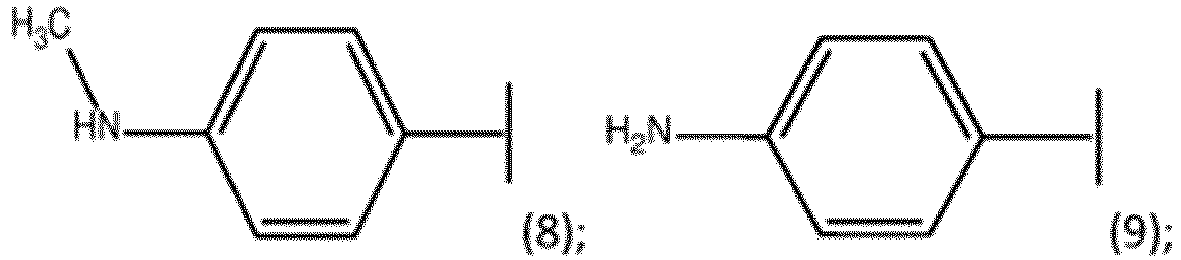


- Ein Zusammensetzung, beinhaltend eine Verbindung der Formel I:
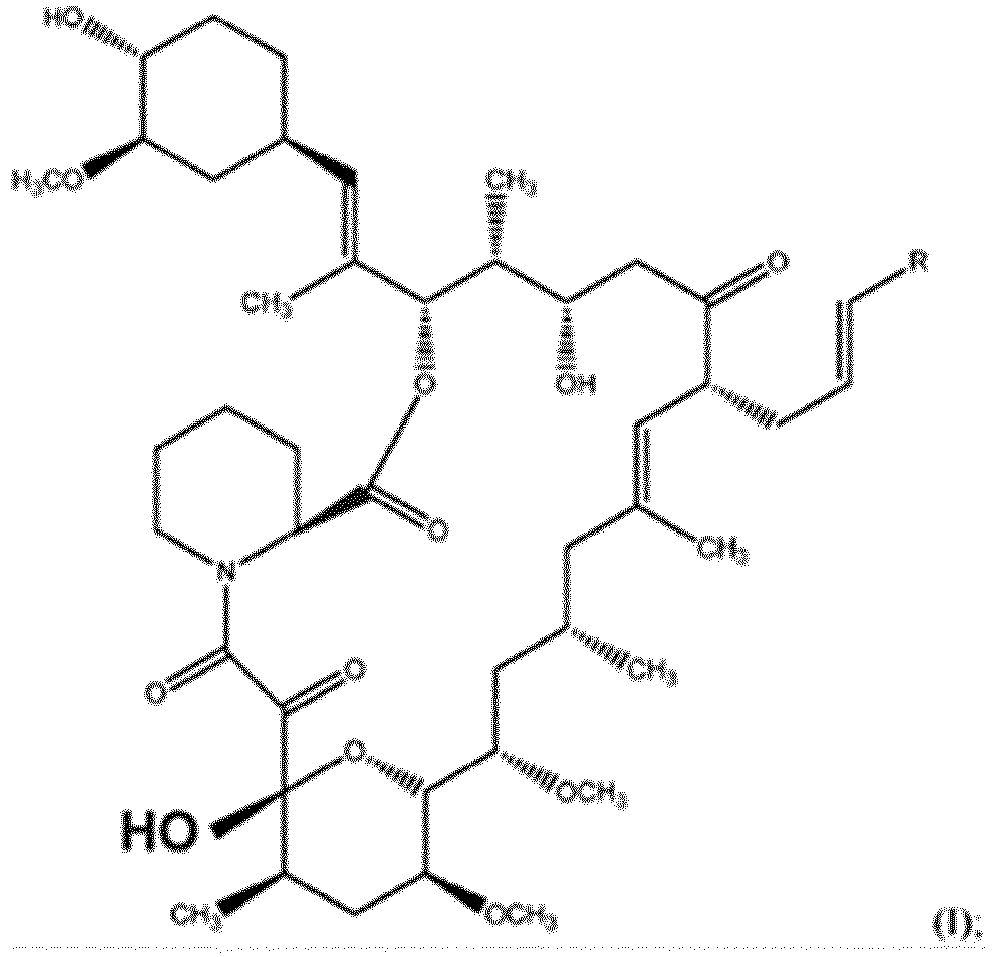
- Zusammensetzung gemäß Anspruch 3, wobei R ausgewählt ist aus der Gruppe, bestehend aus Folgendem:


- Zusammensetzungen gemäß Anspruch 3 oder 4, ferner beinhaltend ein (oder mehrere) biologisch aktive(s) Mittel.
- Zusammensetzung gemäß einem der Ansprüche 3-5, ferner beinhaltend mindestens einen Stammzellmobilisator.
- Zusammensetzung gemäß Anspruch 6, wobei R ausgewählt ist aus der Gruppe, bestehend aus Folgendem:


- Zusammensetzung gemäß Anspruch 7, wobei der Stammzellmobilisator einen CXCR4-Antagonisten beinhaltet.
- Zusammensetzung gemäß Anspruch 8, wobei der CXCR4-Antagonist ausgewählt ist aus der Gruppe, bestehend aus Folgendem: AMD3100, TG-0054 oder AMD3465.
- Zusammensetzung gemäß einem der Ansprüche 3-9 zur Verwendung bei der Behandlung von Gewebeverletzung bei einer Zielperson, die dies benötigt.
- Zusammensetzung zur Verwendung gemäß Anspruch 10, wobei die Zusammensetzung ferner mindestens ein zusätzliches biologisch aktives Mittel beinhaltet.
- Zusammensetzung zur Verwendung gemäß Anspruch 10 oder Anspruch 11, wobei die Gewebeverletzung ausgewählt ist aus der Gruppe, bestehend aus Folgendem: chronischen Wunden, diabetischen Geschwüren, Verbrennungen, Verbrühungen, Erfrierung und Punktionen.
Priority Applications (1)
| Application Number | Priority Date | Filing Date | Title |
|---|---|---|---|
| EP24208670.0A EP4474014A3 (de) | 2019-01-23 | 2020-01-23 | Nichtimmunsuppressive fk506 analoge und deren verwendung |
Applications Claiming Priority (2)
| Application Number | Priority Date | Filing Date | Title |
|---|---|---|---|
| US201962795700P | 2019-01-23 | 2019-01-23 | |
| PCT/US2020/014699 WO2020154455A1 (en) | 2019-01-23 | 2020-01-23 | Non-immunosuppressive fk506 analogs and use thereof |
Related Child Applications (1)
| Application Number | Title | Priority Date | Filing Date |
|---|---|---|---|
| EP24208670.0A Division EP4474014A3 (de) | 2019-01-23 | 2020-01-23 | Nichtimmunsuppressive fk506 analoge und deren verwendung |
Publications (3)
| Publication Number | Publication Date |
|---|---|
| EP3914599A1 EP3914599A1 (de) | 2021-12-01 |
| EP3914599A4 EP3914599A4 (de) | 2022-10-19 |
| EP3914599B1 true EP3914599B1 (de) | 2024-11-27 |
Family
ID=71735821
Family Applications (2)
| Application Number | Title | Priority Date | Filing Date |
|---|---|---|---|
| EP20746065.0A Active EP3914599B1 (de) | 2019-01-23 | 2020-01-23 | Nichtimmunosuppressive fk506-analoge und verwendung davon |
| EP24208670.0A Pending EP4474014A3 (de) | 2019-01-23 | 2020-01-23 | Nichtimmunsuppressive fk506 analoge und deren verwendung |
Family Applications After (1)
| Application Number | Title | Priority Date | Filing Date |
|---|---|---|---|
| EP24208670.0A Pending EP4474014A3 (de) | 2019-01-23 | 2020-01-23 | Nichtimmunsuppressive fk506 analoge und deren verwendung |
Country Status (12)
| Country | Link |
|---|---|
| US (1) | US20220251108A1 (de) |
| EP (2) | EP3914599B1 (de) |
| JP (1) | JP7634880B2 (de) |
| KR (1) | KR102950186B1 (de) |
| CN (2) | CN119751235A (de) |
| AU (1) | AU2020211994B2 (de) |
| CA (1) | CA3127613A1 (de) |
| DK (1) | DK3914599T3 (de) |
| ES (1) | ES2997240T3 (de) |
| IL (1) | IL285085B2 (de) |
| MX (2) | MX2021008824A (de) |
| WO (1) | WO2020154455A1 (de) |
Families Citing this family (3)
| Publication number | Priority date | Publication date | Assignee | Title |
|---|---|---|---|---|
| US12594275B2 (en) | 2019-02-07 | 2026-04-07 | The Regents Of The University Of California | Immunophilin binding agents and uses thereof |
| CN121941496A (zh) * | 2023-07-10 | 2026-04-28 | 美德睿臻有限公司 | 下调和上调通路的方法 |
| WO2026059989A1 (en) * | 2024-09-10 | 2026-03-19 | Montara Therapeutics, Inc. | Peripheral blockers for central nervous system-selective drug activity |
Family Cites Families (15)
| Publication number | Priority date | Publication date | Assignee | Title |
|---|---|---|---|---|
| EP0594600A1 (de) * | 1990-03-13 | 1994-05-04 | FISONS plc | Immunosuppressive makrozyklische verbindungen |
| GB9014136D0 (en) * | 1990-06-25 | 1990-08-15 | Fujisawa Pharmaceutical Co | Tricyclo compounds,a process for their production and a pharmaceutical composition containing the same |
| US5284877A (en) * | 1992-06-12 | 1994-02-08 | Merck & Co., Inc. | Alkyl and alkenyl macrolides having immunosuppressive activity |
| MY110603A (en) * | 1993-05-27 | 1998-08-29 | Novartis Ag | Tetrahydropyran derivatives |
| US6811773B1 (en) | 1993-12-22 | 2004-11-02 | Human Genome Sciences, Inc. | Human monocyte colony inhibitory factor (M-CIF) polypeptides |
| EP1127140A2 (de) * | 1998-11-06 | 2001-08-29 | President And Fellows Of Harvard College | Auf fk506 basierende regulation biologischer vorgänge |
| JP2003523940A (ja) | 1999-05-11 | 2003-08-12 | オーソ−マクネイル ファーマシューティカル インコーポレイテッド | エリスロポエチン投与の薬物速度論的および薬力学的モデリング |
| MXPA03002325A (es) | 2000-09-15 | 2003-06-24 | Anormed Inc | Compuestos heterociclicos que se unen a receptor de quimiocina. |
| PL372705A1 (en) | 2001-09-12 | 2005-07-25 | Anormed Inc. | Synthesis of enantiomerically pure amino-substituted fused bicyclic rings |
| TW200637552A (en) * | 2005-01-20 | 2006-11-01 | Array Biopharma Inc | Macrocyclic analogs for the treatment of immunoregulatory disorders and respiratory diseases |
| US10813917B2 (en) * | 2009-12-11 | 2020-10-27 | Medregen, Llc | Treatment methods utilizing stem cell mobilizers and immunosuppressive agents |
| CA2815085C (en) * | 2010-10-22 | 2022-06-21 | T2 Biosystems, Inc. | Nmr systems and methods for the rapid detection of analytes |
| WO2015106283A1 (en) * | 2014-01-13 | 2015-07-16 | Amplyx Pharmaceuticals, Inc. | Antifungal compounds |
| WO2018087677A1 (en) * | 2016-11-10 | 2018-05-17 | Novartis Ag | Bmp potentiators |
| CN118634339B (zh) | 2017-02-17 | 2025-07-01 | 珀杜研究基金会 | 用于细胞疗法的基于靶向性配体-有效负载的药物递送 |
-
2020
- 2020-01-23 MX MX2021008824A patent/MX2021008824A/es unknown
- 2020-01-23 EP EP20746065.0A patent/EP3914599B1/de active Active
- 2020-01-23 WO PCT/US2020/014699 patent/WO2020154455A1/en not_active Ceased
- 2020-01-23 KR KR1020217026390A patent/KR102950186B1/ko active Active
- 2020-01-23 CN CN202411953070.9A patent/CN119751235A/zh active Pending
- 2020-01-23 ES ES20746065T patent/ES2997240T3/es active Active
- 2020-01-23 CN CN202080022171.8A patent/CN113614091B/zh active Active
- 2020-01-23 IL IL285085A patent/IL285085B2/en unknown
- 2020-01-23 JP JP2021543343A patent/JP7634880B2/ja active Active
- 2020-01-23 DK DK20746065.0T patent/DK3914599T3/da active
- 2020-01-23 EP EP24208670.0A patent/EP4474014A3/de active Pending
- 2020-01-23 AU AU2020211994A patent/AU2020211994B2/en active Active
- 2020-01-23 CA CA3127613A patent/CA3127613A1/en active Pending
- 2020-01-23 US US17/424,441 patent/US20220251108A1/en active Pending
-
2021
- 2021-07-22 MX MX2024006177A patent/MX2024006177A/es unknown
Also Published As
| Publication number | Publication date |
|---|---|
| EP4474014A2 (de) | 2024-12-11 |
| IL285085B1 (en) | 2024-11-01 |
| JP7634880B2 (ja) | 2025-02-25 |
| CA3127613A1 (en) | 2020-07-30 |
| DK3914599T3 (da) | 2025-01-20 |
| IL285085A (en) | 2021-09-30 |
| KR20210129058A (ko) | 2021-10-27 |
| EP4474014A3 (de) | 2025-02-26 |
| MX2021008824A (es) | 2021-10-13 |
| EP3914599A1 (de) | 2021-12-01 |
| IL285085B2 (en) | 2025-03-01 |
| AU2020211994B2 (en) | 2025-08-14 |
| EP3914599A4 (de) | 2022-10-19 |
| AU2020211994A1 (en) | 2021-08-12 |
| JP2022518555A (ja) | 2022-03-15 |
| CN113614091B (zh) | 2025-01-17 |
| CN113614091A (zh) | 2021-11-05 |
| ES2997240T3 (en) | 2025-02-14 |
| CN119751235A (zh) | 2025-04-04 |
| WO2020154455A1 (en) | 2020-07-30 |
| US20220251108A1 (en) | 2022-08-11 |
| MX2024006177A (es) | 2024-06-04 |
| KR102950186B1 (ko) | 2026-04-07 |
Similar Documents
| Publication | Publication Date | Title |
|---|---|---|
| Yu et al. | Design, synthesis, and biological evaluation of imidazo [1, 2-a] pyridine derivatives as novel PI3K/mTOR dual inhibitors | |
| EP2558092B1 (de) | Kombination mit einem hemmer der cyclin-abhängigen kinase-4 oder cyclinabhängigen kinase-6 (cdk4/6) und everolimus zur behandlung von krebs | |
| TW215055B (de) | ||
| JP7634880B2 (ja) | 非免疫抑制性fk506類似体およびその使用 | |
| WO2015075483A1 (en) | 1 -(5-tert-butyl-2-aryl-pyrazol-3-yl)-3-[2-fluoro-4-[(3-oxo-4h-pyrido[2, 3-b]pyrazin-8-yl)oxy]phenyl]urea derivatives as raf inhibitors for the treatment of cancer | |
| MXPA05009722A (es) | Inhibidores heterociclicos de cinasa: metodos de uso y sintesis. | |
| EP3077384A1 (de) | Heteroarylpyridon- und azapyridon-verbindungen mit elektrophiler funktionalität | |
| EP3911417B1 (de) | Heterocyclische nlrp3-modulatoren zur verwendung in der behandlung von krebs | |
| Peiffer et al. | Activation of BMP signaling by FKBP12 ligands synergizes with inhibition of CXCR4 to accelerate wound healing | |
| KR20080018908A (ko) | 암 치료용 디아릴 우레아 화합물 및 pi3, akt 키나제또는 mtor 억제제 (라파마이신)를 포함하는 병용요법 | |
| JP2024533975A (ja) | Pi3kアイソフォームアルファを阻害する化合物及びがんを処置するための方法 | |
| KR102288246B1 (ko) | 라파마이신 신호전달 경로 저해제의 기계적 표적 및 이의 치료학적 적용 | |
| CA3213359A1 (en) | Alk-5 inhibitors and uses thereof | |
| Wang et al. | Design, synthesis and antitubercular activity of novel N-(amino) piperazinyl benzothiazinones with improved safety | |
| KR20150041786A (ko) | 암치료 및 면역억제를 위한 조합요법 | |
| US20120329767A1 (en) | Methods and Compositions for Treating Cancer | |
| Chen et al. | Discovery of 3H‐Imidazo [4, 5‐b] pyridines as Potent c‐Met Kinase Inhibitors: Design, Synthesis, and Biological Evaluation | |
| HK40063831A (en) | Non-immunosuppressive fk506 analogs and use thereof | |
| HK40063831B (en) | Non-immunosuppressive fk506 analogs and use thereof | |
| KR20140083010A (ko) | 난소암에 대한 조합 요법 | |
| WO2025101571A1 (en) | Tetrahydroisoquinoline heterobifunctional bcl-x l degraders | |
| WO2025101575A1 (en) | Tetrahydroisoquinoline heterobifunctional bcl-x l degraders | |
| WO2026080869A1 (en) | Macrocyclic ras inhibitors | |
| WO2025101588A1 (en) | Tetrahydroisoquinoline heterobifunctional bcl-xl degraders | |
| WO2023150377A1 (en) | Small molecule cxcr4 agonists, method of synthesis, and method of use |
Legal Events
| Date | Code | Title | Description |
|---|---|---|---|
| STAA | Information on the status of an ep patent application or granted ep patent |
Free format text: STATUS: THE INTERNATIONAL PUBLICATION HAS BEEN MADE |
|
| PUAI | Public reference made under article 153(3) epc to a published international application that has entered the european phase |
Free format text: ORIGINAL CODE: 0009012 |
|
| STAA | Information on the status of an ep patent application or granted ep patent |
Free format text: STATUS: REQUEST FOR EXAMINATION WAS MADE |
|
| 17P | Request for examination filed |
Effective date: 20210730 |
|
| AK | Designated contracting states |
Kind code of ref document: A1 Designated state(s): AL AT BE BG CH CY CZ DE DK EE ES FI FR GB GR HR HU IE IS IT LI LT LU LV MC MK MT NL NO PL PT RO RS SE SI SK SM TR |
|
| DAV | Request for validation of the european patent (deleted) | ||
| DAX | Request for extension of the european patent (deleted) | ||
| REG | Reference to a national code |
Ref country code: HK Ref legal event code: DE Ref document number: 40063831 Country of ref document: HK |
|
| A4 | Supplementary search report drawn up and despatched |
Effective date: 20220920 |
|
| RIC1 | Information provided on ipc code assigned before grant |
Ipc: A61P 29/00 20060101ALI20220914BHEP Ipc: A61P 25/28 20060101ALI20220914BHEP Ipc: A61P 25/00 20060101ALI20220914BHEP Ipc: A61K 31/706 20060101ALI20220914BHEP Ipc: A61K 31/435 20060101ALI20220914BHEP Ipc: C07H 19/01 20060101ALI20220914BHEP Ipc: C07D 498/18 20060101AFI20220914BHEP |
|
| P01 | Opt-out of the competence of the unified patent court (upc) registered |
Effective date: 20230516 |
|
| GRAP | Despatch of communication of intention to grant a patent |
Free format text: ORIGINAL CODE: EPIDOSNIGR1 |
|
| STAA | Information on the status of an ep patent application or granted ep patent |
Free format text: STATUS: GRANT OF PATENT IS INTENDED |
|
| INTG | Intention to grant announced |
Effective date: 20240626 |
|
| GRAS | Grant fee paid |
Free format text: ORIGINAL CODE: EPIDOSNIGR3 |
|
| GRAA | (expected) grant |
Free format text: ORIGINAL CODE: 0009210 |
|
| STAA | Information on the status of an ep patent application or granted ep patent |
Free format text: STATUS: THE PATENT HAS BEEN GRANTED |
|
| AK | Designated contracting states |
Kind code of ref document: B1 Designated state(s): AL AT BE BG CH CY CZ DE DK EE ES FI FR GB GR HR HU IE IS IT LI LT LU LV MC MK MT NL NO PL PT RO RS SE SI SK SM TR |
|
| REG | Reference to a national code |
Ref country code: GB Ref legal event code: FG4D |
|
| REG | Reference to a national code |
Ref country code: CH Ref legal event code: EP |
|
| REG | Reference to a national code |
Ref country code: DE Ref legal event code: R096 Ref document number: 602020042059 Country of ref document: DE |
|
| REG | Reference to a national code |
Ref country code: IE Ref legal event code: FG4D |
|
| REG | Reference to a national code |
Ref country code: DK Ref legal event code: T3 Effective date: 20250114 |
|
| REG | Reference to a national code |
Ref country code: NL Ref legal event code: FP |
|
| REG | Reference to a national code |
Ref country code: SE Ref legal event code: TRGR |
|
| REG | Reference to a national code |
Ref country code: ES Ref legal event code: FG2A Ref document number: 2997240 Country of ref document: ES Kind code of ref document: T3 Effective date: 20250214 |
|
| REG | Reference to a national code |
Ref country code: LT Ref legal event code: MG9D |
|
| PG25 | Lapsed in a contracting state [announced via postgrant information from national office to epo] |
Ref country code: HR Free format text: LAPSE BECAUSE OF FAILURE TO SUBMIT A TRANSLATION OF THE DESCRIPTION OR TO PAY THE FEE WITHIN THE PRESCRIBED TIME-LIMIT Effective date: 20241127 Ref country code: IS Free format text: LAPSE BECAUSE OF FAILURE TO SUBMIT A TRANSLATION OF THE DESCRIPTION OR TO PAY THE FEE WITHIN THE PRESCRIBED TIME-LIMIT Effective date: 20250327 Ref country code: PT Free format text: LAPSE BECAUSE OF FAILURE TO SUBMIT A TRANSLATION OF THE DESCRIPTION OR TO PAY THE FEE WITHIN THE PRESCRIBED TIME-LIMIT Effective date: 20250327 |
|
| PG25 | Lapsed in a contracting state [announced via postgrant information from national office to epo] |
Ref country code: FI Free format text: LAPSE BECAUSE OF FAILURE TO SUBMIT A TRANSLATION OF THE DESCRIPTION OR TO PAY THE FEE WITHIN THE PRESCRIBED TIME-LIMIT Effective date: 20241127 |
|
| REG | Reference to a national code |
Ref country code: AT Ref legal event code: MK05 Ref document number: 1745631 Country of ref document: AT Kind code of ref document: T Effective date: 20241127 |
|
| PG25 | Lapsed in a contracting state [announced via postgrant information from national office to epo] |
Ref country code: BG Free format text: LAPSE BECAUSE OF FAILURE TO SUBMIT A TRANSLATION OF THE DESCRIPTION OR TO PAY THE FEE WITHIN THE PRESCRIBED TIME-LIMIT Effective date: 20241127 |
|
| PG25 | Lapsed in a contracting state [announced via postgrant information from national office to epo] |
Ref country code: NO Free format text: LAPSE BECAUSE OF FAILURE TO SUBMIT A TRANSLATION OF THE DESCRIPTION OR TO PAY THE FEE WITHIN THE PRESCRIBED TIME-LIMIT Effective date: 20250227 |
|
| PG25 | Lapsed in a contracting state [announced via postgrant information from national office to epo] |
Ref country code: LV Free format text: LAPSE BECAUSE OF FAILURE TO SUBMIT A TRANSLATION OF THE DESCRIPTION OR TO PAY THE FEE WITHIN THE PRESCRIBED TIME-LIMIT Effective date: 20241127 Ref country code: GR Free format text: LAPSE BECAUSE OF FAILURE TO SUBMIT A TRANSLATION OF THE DESCRIPTION OR TO PAY THE FEE WITHIN THE PRESCRIBED TIME-LIMIT Effective date: 20250228 Ref country code: AT Free format text: LAPSE BECAUSE OF FAILURE TO SUBMIT A TRANSLATION OF THE DESCRIPTION OR TO PAY THE FEE WITHIN THE PRESCRIBED TIME-LIMIT Effective date: 20241127 |
|
| PG25 | Lapsed in a contracting state [announced via postgrant information from national office to epo] |
Ref country code: PL Free format text: LAPSE BECAUSE OF FAILURE TO SUBMIT A TRANSLATION OF THE DESCRIPTION OR TO PAY THE FEE WITHIN THE PRESCRIBED TIME-LIMIT Effective date: 20241127 |
|
| PG25 | Lapsed in a contracting state [announced via postgrant information from national office to epo] |
Ref country code: RS Free format text: LAPSE BECAUSE OF FAILURE TO SUBMIT A TRANSLATION OF THE DESCRIPTION OR TO PAY THE FEE WITHIN THE PRESCRIBED TIME-LIMIT Effective date: 20250227 |
|
| PG25 | Lapsed in a contracting state [announced via postgrant information from national office to epo] |
Ref country code: SM Free format text: LAPSE BECAUSE OF FAILURE TO SUBMIT A TRANSLATION OF THE DESCRIPTION OR TO PAY THE FEE WITHIN THE PRESCRIBED TIME-LIMIT Effective date: 20241127 |
|
| PG25 | Lapsed in a contracting state [announced via postgrant information from national office to epo] |
Ref country code: EE Free format text: LAPSE BECAUSE OF FAILURE TO SUBMIT A TRANSLATION OF THE DESCRIPTION OR TO PAY THE FEE WITHIN THE PRESCRIBED TIME-LIMIT Effective date: 20241127 |
|
| PG25 | Lapsed in a contracting state [announced via postgrant information from national office to epo] |
Ref country code: RO Free format text: LAPSE BECAUSE OF FAILURE TO SUBMIT A TRANSLATION OF THE DESCRIPTION OR TO PAY THE FEE WITHIN THE PRESCRIBED TIME-LIMIT Effective date: 20241127 |
|
| PG25 | Lapsed in a contracting state [announced via postgrant information from national office to epo] |
Ref country code: SK Free format text: LAPSE BECAUSE OF FAILURE TO SUBMIT A TRANSLATION OF THE DESCRIPTION OR TO PAY THE FEE WITHIN THE PRESCRIBED TIME-LIMIT Effective date: 20241127 |
|
| PG25 | Lapsed in a contracting state [announced via postgrant information from national office to epo] |
Ref country code: CZ Free format text: LAPSE BECAUSE OF FAILURE TO SUBMIT A TRANSLATION OF THE DESCRIPTION OR TO PAY THE FEE WITHIN THE PRESCRIBED TIME-LIMIT Effective date: 20241127 |
|
| REG | Reference to a national code |
Ref country code: DE Ref legal event code: R097 Ref document number: 602020042059 Country of ref document: DE |
|
| PG25 | Lapsed in a contracting state [announced via postgrant information from national office to epo] |
Ref country code: MC Free format text: LAPSE BECAUSE OF FAILURE TO SUBMIT A TRANSLATION OF THE DESCRIPTION OR TO PAY THE FEE WITHIN THE PRESCRIBED TIME-LIMIT Effective date: 20241127 Ref country code: LU Free format text: LAPSE BECAUSE OF NON-PAYMENT OF DUE FEES Effective date: 20250123 |
|
| PLBE | No opposition filed within time limit |
Free format text: ORIGINAL CODE: 0009261 |
|
| STAA | Information on the status of an ep patent application or granted ep patent |
Free format text: STATUS: NO OPPOSITION FILED WITHIN TIME LIMIT |
|
| REG | Reference to a national code |
Ref country code: CH Ref legal event code: L10 Free format text: ST27 STATUS EVENT CODE: U-0-0-L10-L00 (AS PROVIDED BY THE NATIONAL OFFICE) Effective date: 20251008 |
|
| 26N | No opposition filed |
Effective date: 20250828 |
|
| REG | Reference to a national code |
Ref country code: CH Ref legal event code: U11 Free format text: ST27 STATUS EVENT CODE: U-0-0-U10-U11 (AS PROVIDED BY THE NATIONAL OFFICE) Effective date: 20260201 |
|
| PGFP | Annual fee paid to national office [announced via postgrant information from national office to epo] |
Ref country code: NL Payment date: 20260126 Year of fee payment: 7 |
|
| PGFP | Annual fee paid to national office [announced via postgrant information from national office to epo] |
Ref country code: SE Payment date: 20260127 Year of fee payment: 7 |
|
| PGFP | Annual fee paid to national office [announced via postgrant information from national office to epo] |
Ref country code: GB Payment date: 20260127 Year of fee payment: 7 |
|
| PGFP | Annual fee paid to national office [announced via postgrant information from national office to epo] |
Ref country code: ES Payment date: 20260202 Year of fee payment: 7 |
|
| PGFP | Annual fee paid to national office [announced via postgrant information from national office to epo] |
Ref country code: DK Payment date: 20260126 Year of fee payment: 7 Ref country code: DE Payment date: 20260128 Year of fee payment: 7 Ref country code: IE Payment date: 20260127 Year of fee payment: 7 |
|
| PGFP | Annual fee paid to national office [announced via postgrant information from national office to epo] |
Ref country code: BE Payment date: 20260127 Year of fee payment: 7 Ref country code: IT Payment date: 20260121 Year of fee payment: 7 |
|
| PGFP | Annual fee paid to national office [announced via postgrant information from national office to epo] |
Ref country code: FR Payment date: 20260126 Year of fee payment: 7 |
|
| PGFP | Annual fee paid to national office [announced via postgrant information from national office to epo] |
Ref country code: TR Payment date: 20260116 Year of fee payment: 7 |
|
| PGFP | Annual fee paid to national office [announced via postgrant information from national office to epo] |
Ref country code: CH Payment date: 20260201 Year of fee payment: 7 |