EP3910463A1 - Cloud-based fpga control data configuration system and method, and electronic device - Google Patents
Cloud-based fpga control data configuration system and method, and electronic device Download PDFInfo
- Publication number
- EP3910463A1 EP3910463A1 EP20738140.1A EP20738140A EP3910463A1 EP 3910463 A1 EP3910463 A1 EP 3910463A1 EP 20738140 A EP20738140 A EP 20738140A EP 3910463 A1 EP3910463 A1 EP 3910463A1
- Authority
- EP
- European Patent Office
- Prior art keywords
- configuration data
- fpga
- storage module
- cloud
- register
- Prior art date
- Legal status (The legal status is an assumption and is not a legal conclusion. Google has not performed a legal analysis and makes no representation as to the accuracy of the status listed.)
- Pending
Links
Images



Classifications
-
- G—PHYSICS
- G06—COMPUTING OR CALCULATING; COUNTING
- G06F—ELECTRIC DIGITAL DATA PROCESSING
- G06F3/00—Input arrangements for transferring data to be processed into a form capable of being handled by the computer; Output arrangements for transferring data from processing unit to output unit, e.g. interface arrangements
- G06F3/06—Digital input from, or digital output to, record carriers, e.g. RAID, emulated record carriers or networked record carriers
- G06F3/0601—Interfaces specially adapted for storage systems
- G06F3/0628—Interfaces specially adapted for storage systems making use of a particular technique
- G06F3/0646—Horizontal data movement in storage systems, i.e. moving data in between storage devices or systems
- G06F3/0647—Migration mechanisms
-
- G—PHYSICS
- G06—COMPUTING OR CALCULATING; COUNTING
- G06F—ELECTRIC DIGITAL DATA PROCESSING
- G06F3/00—Input arrangements for transferring data to be processed into a form capable of being handled by the computer; Output arrangements for transferring data from processing unit to output unit, e.g. interface arrangements
- G06F3/06—Digital input from, or digital output to, record carriers, e.g. RAID, emulated record carriers or networked record carriers
- G06F3/0601—Interfaces specially adapted for storage systems
- G06F3/0628—Interfaces specially adapted for storage systems making use of a particular technique
- G06F3/0655—Vertical data movement, i.e. input-output transfer; data movement between one or more hosts and one or more storage devices
-
- H—ELECTRICITY
- H03—ELECTRONIC CIRCUITRY
- H03K—PULSE TECHNIQUE
- H03K19/00—Logic circuits, i.e. having at least two inputs acting on one output; Inverting circuits
- H03K19/02—Logic circuits, i.e. having at least two inputs acting on one output; Inverting circuits using specified components
- H03K19/173—Logic circuits, i.e. having at least two inputs acting on one output; Inverting circuits using specified components using elementary logic circuits as components
- H03K19/177—Logic circuits, i.e. having at least two inputs acting on one output; Inverting circuits using specified components using elementary logic circuits as components arranged in matrix form
- H03K19/17748—Structural details of configuration resources
- H03K19/1776—Structural details of configuration resources for memories
-
- G—PHYSICS
- G06—COMPUTING OR CALCULATING; COUNTING
- G06F—ELECTRIC DIGITAL DATA PROCESSING
- G06F13/00—Interconnection of, or transfer of information or other signals between, memories, input/output devices or central processing units
- G06F13/14—Handling requests for interconnection or transfer
- G06F13/20—Handling requests for interconnection or transfer for access to input/output bus
- G06F13/28—Handling requests for interconnection or transfer for access to input/output bus using burst mode transfer, e.g. direct memory access DMA, cycle steal
-
- G—PHYSICS
- G06—COMPUTING OR CALCULATING; COUNTING
- G06F—ELECTRIC DIGITAL DATA PROCESSING
- G06F15/00—Digital computers in general; Data processing equipment in general
- G06F15/76—Architectures of general purpose stored program computers
- G06F15/78—Architectures of general purpose stored program computers comprising a single central processing unit
- G06F15/7867—Architectures of general purpose stored program computers comprising a single central processing unit with reconfigurable architecture
- G06F15/7871—Reconfiguration support, e.g. configuration loading, configuration switching, or hardware OS
-
- G—PHYSICS
- G06—COMPUTING OR CALCULATING; COUNTING
- G06F—ELECTRIC DIGITAL DATA PROCESSING
- G06F3/00—Input arrangements for transferring data to be processed into a form capable of being handled by the computer; Output arrangements for transferring data from processing unit to output unit, e.g. interface arrangements
- G06F3/06—Digital input from, or digital output to, record carriers, e.g. RAID, emulated record carriers or networked record carriers
- G06F3/0601—Interfaces specially adapted for storage systems
- G06F3/0602—Interfaces specially adapted for storage systems specifically adapted to achieve a particular effect
- G06F3/0604—Improving or facilitating administration, e.g. storage management
-
- G—PHYSICS
- G06—COMPUTING OR CALCULATING; COUNTING
- G06F—ELECTRIC DIGITAL DATA PROCESSING
- G06F3/00—Input arrangements for transferring data to be processed into a form capable of being handled by the computer; Output arrangements for transferring data from processing unit to output unit, e.g. interface arrangements
- G06F3/06—Digital input from, or digital output to, record carriers, e.g. RAID, emulated record carriers or networked record carriers
- G06F3/0601—Interfaces specially adapted for storage systems
- G06F3/0602—Interfaces specially adapted for storage systems specifically adapted to achieve a particular effect
- G06F3/0604—Improving or facilitating administration, e.g. storage management
- G06F3/0607—Improving or facilitating administration, e.g. storage management by facilitating the process of upgrading existing storage systems, e.g. for improving compatibility between host and storage device
-
- G—PHYSICS
- G06—COMPUTING OR CALCULATING; COUNTING
- G06F—ELECTRIC DIGITAL DATA PROCESSING
- G06F3/00—Input arrangements for transferring data to be processed into a form capable of being handled by the computer; Output arrangements for transferring data from processing unit to output unit, e.g. interface arrangements
- G06F3/06—Digital input from, or digital output to, record carriers, e.g. RAID, emulated record carriers or networked record carriers
- G06F3/0601—Interfaces specially adapted for storage systems
- G06F3/0628—Interfaces specially adapted for storage systems making use of a particular technique
- G06F3/0629—Configuration or reconfiguration of storage systems
-
- G—PHYSICS
- G06—COMPUTING OR CALCULATING; COUNTING
- G06F—ELECTRIC DIGITAL DATA PROCESSING
- G06F3/00—Input arrangements for transferring data to be processed into a form capable of being handled by the computer; Output arrangements for transferring data from processing unit to output unit, e.g. interface arrangements
- G06F3/06—Digital input from, or digital output to, record carriers, e.g. RAID, emulated record carriers or networked record carriers
- G06F3/0601—Interfaces specially adapted for storage systems
- G06F3/0668—Interfaces specially adapted for storage systems adopting a particular infrastructure
- G06F3/067—Distributed or networked storage systems, e.g. storage area networks [SAN], network attached storage [NAS]
-
- G—PHYSICS
- G06—COMPUTING OR CALCULATING; COUNTING
- G06F—ELECTRIC DIGITAL DATA PROCESSING
- G06F2213/00—Indexing scheme relating to interconnection of, or transfer of information or other signals between, memories, input/output devices or central processing units
- G06F2213/28—DMA
-
- Y—GENERAL TAGGING OF NEW TECHNOLOGICAL DEVELOPMENTS; GENERAL TAGGING OF CROSS-SECTIONAL TECHNOLOGIES SPANNING OVER SEVERAL SECTIONS OF THE IPC; TECHNICAL SUBJECTS COVERED BY FORMER USPC CROSS-REFERENCE ART COLLECTIONS [XRACs] AND DIGESTS
- Y02—TECHNOLOGIES OR APPLICATIONS FOR MITIGATION OR ADAPTATION AGAINST CLIMATE CHANGE
- Y02D—CLIMATE CHANGE MITIGATION TECHNOLOGIES IN INFORMATION AND COMMUNICATION TECHNOLOGIES [ICT], I.E. INFORMATION AND COMMUNICATION TECHNOLOGIES AIMING AT THE REDUCTION OF THEIR OWN ENERGY USE
- Y02D10/00—Energy efficient computing, e.g. low power processors, power management or thermal management
Definitions
- the disclosed embodiments are directed to the technical field of cloud services, and in particular, to a system, a method, and an electronic device for the cloud-based configuration of FPGA configuration data.
- a field-programmable gate array is a device for storing configuration data in a latched manner.
- an FPGA includes two types of data: cached data in a memory (DDR) external to the FPGA and configuration data (configuration parameters) of each processing unit (PU) in logic internal to the FPGA.
- DDR memory
- configuration data configuration parameters
- a user usually transmits configuration data to each processing unit in the logic by means of Memory-Mapped I/O (MMIO) to perform parameter configuration, and configuration data is latched in registers of each processing unit.
- MMIO Memory-Mapped I/O
- configuration data is distributed and latched in registers internal to the device, so when performing data migration on the device, the configuration data in the registers cannot be retrieved in real-time, and therefore live migration of FPGA data cannot be realized.
- Embodiments of the present invention provide a system, a method, and an electronic device for the cloud-based configuration of FPGA configuration data, to eliminate the defect in the prior art that live migration of FPGA data cannot be implemented.
- an embodiment of the present invention provides a system for configuring FPGA configuration data comprising: a control module internal to an FPGA; and a storage module external to the FPGA, wherein: the storage module is configured to store configuration data transmitted from a cloud, and the control module is configured to retrieve the configuration data from the storage module and to configure a corresponding processing unit of the FPGA according to the configuration data.
- An embodiment of the present invention further provides a method for configuring FPGA configuration data, comprising storing, by a storage module external to an FPGA, configuration data transmitted from a cloud; and retrieving, by a control module internal to the FPGA, the configuration data from the storage module and configuring a corresponding processing unit of the FPGA according to the configuration data.
- An embodiment of the present invention further provides an electronic device, comprising: a memory, configured to store a program; and a processor, configured to run the program stored in the memory, to store, by a storage module external to an FPGA, configuration data transmitted from a cloud; and retrieve, by a control module internal to the FPGA, the configuration data from the storage module and configure a corresponding processing unit of the FPGA according to the configuration data.
- the control module is provided internal to the FPGA, to retrieve configuration data from the storage module external to the FPGA, and to configure the corresponding processing unit of the FPGA. Accordingly, during FPGA data migration, the configuration data stored in the external storage module can be directly migrated by using a general data migration method, thereby implementing live migration of FPGA data. On the one hand, system operation maintenance is facilitated. On the other hand, reconfiguration of each processing unit can be avoided after each FPGA migration, thereby reducing the workload on a user, and improving the user experience.
- a user In existing FPGA cloud products, a user usually transmits configuration data directly to each processing unit of logic internal to an FPGA, by means of a cloud server, to perform parameter configuration.
- configuration data is distributed and latched in registers internal to the FPGA, so when performing FPGA data migration, the configuration data in the registers cannot be retrieved in real-time, and therefore live migration of FPGA data cannot be realized.
- the disclosed embodiments remedy the above problems of current FPGA systems by providing a scheme for the cloud-based configuration of FPGA configuration data.
- a control module configured to configure configuration data of each processing unit is provided internal to an FPGA.
- the configuration data is stored in a storage module external to the FPGA by means of a cloud service, and the control module retrieves the configuration data from the external storage module.
- the control module further configures the configuration data for each processing unit.
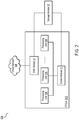
- FIG. 1 is a block diagram illustrating a system 100 for cloud-based configuration of FPGA configuration data according to some of the disclosed embodiments.
- a system for cloud-based configuration of FPGA configuration data provided that includes a control module 11 internal to an FPGA 102 and a storage module 12 external to the FPGA 102.
- the storage module 12 is configured to store configuration data transmitted from a cloud service 106.
- Control module 11 is configured to retrieve the configuration data from the storage module 12 and to configure a corresponding processing unit 104 of the FPGA 102 according to the configuration data.
- a user can store the configuration data in the storage module 12 external to the FPGA 102 by means of cloud service 106 first. Then, control module 11 internal to the FPGA 102 retrieves the configuration data from the storage module 12 and configures each processing unit 104 of the FPGA 102 according to the retrieved configuration data.
- the illustrated embodiment provides a system 100 for cloud-based configuration of FPGA configuration data, where the control module 11 is provided internal to the FPGA 102 to retrieve configuration data from the storage module 12 external to the FPGA 102 and to configure the corresponding processing unit 104 of the FPGA 102. Accordingly, during data migration, the configuration data stored in the external storage module 12 can be directly migrated by using a general data migration method, thereby implementing live migration of FPGA data. On the one hand, system operation maintenance is facilitated. On the other hand, reconfiguration of each processing unit 104 can be avoided after each migration, thereby reducing the workload of a user, and improving the user experience.
- FIG. 2 is a block diagram illustrating a system 200 for cloud-based configuration of FPGA configuration data according to some of the disclosed embodiments.
- the control module 11 can be further configured to monitor the storage module 12 in real-time, to retrieve incremental data of the configuration data from the storage module 12, and to configure the corresponding processing unit 104 according to the incremental data of the configuration data.
- control module 11 can monitor a change in the configuration data in the storage module 12 in real-time. When incremental data of the configuration data is generated, control module 11 retrieves the incremental data of the configuration data from the storage module 12 in real-time and configures the corresponding processing unit 104 according to the incremental data.
- the configuration data can include, but is not limited to, one or more of a register address, a register value, and an attribute identifier.
- the configuration data can be configured to be in a common register configuration format.
- the register address is a space offset address of a register of the processing unit 104 internal to the FPGA 202.
- the register value is a value configured to the corresponding register.
- the attribute identifier is used to identify a read/write attribute configured to the corresponding register. For ease of management, a whole space for storing configuration data can be divided into a fixed number of address combinations, and a user determines to use one or all of them according to actual requirements.
- the system 200 for cloud-based configuration of FPGA configuration data provided by the embodiment of the present invention can further include a Direct Memory Access (DMA) module 21 internal to the FPGA 202.
- the DMA module 21 can be configured to transmit to the storage module 12, the configuration data transmitted by the user via a cloud service 106 to implement high-speed data transmission.
- DMA Direct Memory Access
- the illustrated embodiment provides a system 200 for cloud-based configuration of FPGA configuration data provided where a control module 11 is provided internal to the FPGA 202.
- Control module 11 retrieves configuration data from the storage module 12 external to the FPGA 202 and configures the corresponding processing unit 104 of the FPGA 202.
- the configuration data stored in the external storage module 12 can be directly migrated by using a general data migration method, thereby implementing live migration of FPGA data.
- system operation maintenance is facilitated.
- reconfiguration of each processing unit can be avoided after each FPGA migration, thereby reducing the workload on a user, and improving the user experience.
- FIG. 3 is a block diagram illustrating a system 300 for cloud-based configuration of FPGA configuration data according to some of the disclosed embodiments.
- the system 300 for cloud-based configuration of FPGA configuration data provided by the embodiment of the present invention includes a control module 31 internal to an FPGA 302 (e.g., user logic 304 that can be provided in a static region of the FPGA 302) and a DDR storage module 32 external to the FPGA 302.
- the DDR storage module 32 is configured to store configuration data transmitted from a cloud service 106.
- the control module 31 is configured to retrieve the configuration data from the DDR storage module 32 and to configure a corresponding processing unit 104 in user logic 304 of the FPGA 302 according to the configuration data.
- a user can store the configuration data in the DDR storage module 32 external to the FPGA 302 by means of cloud service 106 first. Then, the control module 31 internal to the FPGA 302 retrieves the configuration data from the DDR storage module 32 and configures each processing unit 104 in the user logic 304 internal to the FPGA 302 according to the retrieved configuration data. Control module 31 can configure the configuration data to the corresponding processing unit 104 via a configuration bus internal to the user logic 304.
- the solution provided by the illustrated embodiment can be directly deployed in an existing FGPA static region structure and does not conflict with an existing MMIO method.
- control module 31 can be further configured to monitor the DDR storage module 32 in real-time. The control module 31 can then retrieve incremental data of the configuration data from the DDR storage module 32 and configure the corresponding processing unit 104 in the user logic 304 according to the incremental data of the configuration data.
- control module 31 can monitor changes in the configuration data in the DDR storage module 32 in real-time. When the incremental data of the configuration data is generated, control module 31 retrieves the incremental data of the configuration data from the DDR storage module 32 in real-time and configures the corresponding processing unit 104 in the user logic 304 according to the incremental data.
- the configuration data can be configured to be in a common register configuration format.
- the configuration data can include, but is not limited to, one or more of a register address, a register value, and an attribute identifier.
- the register address is a space offset address of a register of the processing unit.
- the register value is a value configured to the corresponding register.
- the attribute identifier is used to identify a read/write attribute configured to the corresponding register. For ease of management, a whole space for storing configuration data can be divided into a fixed number of address combinations, and a user determines to use one or all of them according to actual requirements.
- the FPGA 302 can divide a storage region in the DDR storage module 32.
- a small region is used to cache configuration data.
- the region reserved for the configuration data in the DDR storage module 32 is negligible with respect to the whole space of the DDR storage module 32 and does not affect the requirements of the user logic 304 on the capacity of the DDR storage module 32.
- the system for cloud-based configuration of FPGA configuration data can further include a DMA module 33 internal to the FPGA 302.
- the DMA module 33 can be configured to transmit to the DDR storage module 32 the configuration data transmitted by the user via the cloud service 106, thus achieving high-speed data transmission.
- the cloud service 106 can be connected to the DMA module 33 by means of a Peripheral Component Interconnect Express (PCIe) interface and can be connected to the DDR storage module 32 external to the FPGA by means of the DMA module 33, thereby forming a data transmission channel.
- PCIe Peripheral Component Interconnect Express
- the cloud transmits the configuration data to the DDR storage module 32.
- the cloud service 106 is configured to read related data from the DDR storage module 32.
- the configuration data and cached data stored in the DDR storage module 32 are migrated together with a virtual machine (VM), thereby implementing functions such as downtime backup, load balancing, etc.
- VM virtual machine
- a system 300 for cloud-based configuration of FPGA configuration data is provided, where control module 31 is provided internal to the FPGA 302.
- the control module 31 retrieves configuration data from the storage module 32 external to the FPGA 302 and configures the corresponding processing unit 104 of the FPGA 302. Accordingly, during FPGA data migration, the configuration data stored in the external storage module 32 can be directly migrated by using a general data migration method, thereby implementing live migration of FPGA data. On the one hand, system operation maintenance is facilitated. On the other hand, reconfiguration of each processing unit can be avoided after each FPGA migration, thereby reducing the workload on a user, and improving the user experience.
- FIG. 4 is a flow diagram illustrating a method (400) for cloud-based configuration of FPGA configuration data according to some embodiments.
- the method can be performed by the system for the cloud-based configuration of FPGA configuration data.
- the method (400) for cloud-based configuration of FPGA configuration data includes the following steps.
- Step 401 A storage module external to an FPGA stores configuration data transmitted from a cloud.
- the storage module can receive and store, via a DMA module, the configuration data transmitted from the cloud to implement high-speed data transmission.
- Step 402 A control module internal to the FPGA retrieves the configuration data from the storage module and configures a corresponding processing unit of the FPGA according to the configuration data.
- a user can first store the configuration data in the storage module external to the FPGA by means of a cloud, and then the control module internal to the FPGA retrieves the configuration data from the storage module 12 and configures each processing unit of the FPGA according to the retrieved configuration data.
- control module can further monitor the storage module in real-time, retrieve incremental data of the configuration data from the storage module, and configure the corresponding processing unit according to the incremental data of the configuration data.
- control module can monitor changes in the configuration data in the storage module in real-time, and when incremental data of the configuration data is generated, the control module can retrieve the incremental data of the configuration data from the storage module in real-time and configure the corresponding processing unit according to the incremental data.
- the configuration data can be configured to be in a common register configuration format.
- the configuration data can include a register address, a register value, and an attribute identifier.
- the register address is a space offset address of a register of the processing unit.
- the register value is a value configured to the corresponding register.
- the attribute identifier is used to identify a read/write attribute configured to the corresponding register. For ease of management, a whole space for storing configuration data can be divided into a fixed number of address combinations, and a user determines to use one or all of them according to actual requirements.
- the control module is provided internal to the FPGA to retrieve configuration data from the storage module external to the FPGA and to configure the corresponding processing unit of the FPGA. Accordingly, during FPGA data migration, the configuration data stored in the external storage module can be directly migrated by using a general data migration method, thereby implementing live migration of FPGA data. On the one hand, system operation maintenance is facilitated. On the other hand, reconfiguration of each processing unit can be avoided after each FPGA migration, thereby reducing the workload on a user, and improving the user experience.
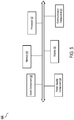
- FIG. 5 is a block diagram illustrating an electronic device (500) according to the present invention. As shown in FIG. 5 , the electronic device includes a memory 51 and a processor 52.
- Memory 51 is configured to store a program. In addition to the program above, memory 51 may be further configured to store various other data to support operations on the electronic device. Examples of the data include instructions for any application or method operating on the electronic device, contact data, phonebook data, messages, pictures, videos, etc.
- Memory 51 may be implemented by any type of volatile or non-volatile storage device or a combination thereof, such as a Static Random-Access Memory (SRAM), an Electrically Erasable Programmable Read-Only Memory (EEPROM), an Erasable Programmable Read-Only Memory (EPROM), a Programmable Read-Only Memory (PROM), a Read-Only Memory (ROM), a magnetic memory, a flash memory, a magnetic disk, or an optical disc.
- SRAM Static Random-Access Memory
- EEPROM Electrically Erasable Programmable Read-Only Memory
- EPROM Erasable Programmable Read-Only Memory
- PROM Programmable Read-Only Memory
- ROM Read-Only Memory
- the processor 52 is coupled to memory 51 and executes the program stored in memory 51, to store, by a storage module external to an FPGA, configuration data transmitted from a cloud; and retrieve, by a control module internal to the FPGA, the configuration data from the storage module and configure a corresponding processing unit of the FPGA according to the configuration data.
- the electronic device may further comprise: a communication component 53, a power supply component 54, an audio component 55, a display 56, and other components.
- FIG. 5 only schematically shows some components and does not mean that the electronic device comprises only the components shown in FIG. 5 .
- the communication component 53 is configured to facilitate wired or wireless communication between the electronic device and other devices.
- the electronic device can access a wireless network based on a communication standard, such as wireless fidelity (Wi-Fi), 2G, 3G, 4G, 5G, or a combination thereof.
- the communication component 53 receives broadcast signals or broadcast-related information from an external broadcast management system via a broadcast channel.
- the communication component 53 further comprises a near-field communication (NFC) module to facilitate short-range communication.
- the NFC module may be implemented based on a radio frequency identification (RFID) technology, an Infrared Data Association (IrDA) technology, an ultra-wideband (UWB) technology, a Bluetooth (BT) technology, and other technologies.
- RFID radio frequency identification
- IrDA Infrared Data Association
- UWB ultra-wideband
- BT Bluetooth
- the power supply component 54 supplies power to various components of the electronic device.
- the power supply component 54 may comprise a power management system, one or a plurality of power sources, and other components associated with the generation, management, and distribution of power for the electronic device.
- the audio component 55 is configured to output and/or input audio signals.
- the audio component 55 comprises a microphone configured to receive an external audio signal when the electronic device is in an operating mode, such as a calling mode, a recording mode, and a voice recognition mode.
- the received audio signals can be further stored in memory 51 or sent via the communication component 53.
- the audio component 55 further comprises a speaker configured to output the audio signal.
- the display 56 may comprise a screen comprising a Liquid Crystal Display (LCD) and a Touch Panel (TP). If the screen includes the touch panel, then the screen may be implemented as a touch screen to receive input signals from a user.
- the touch panel includes one or a plurality of touch sensors to sense touches, swipes, and gestures on the touch panel. The touch sensors may sense not only a boundary of a touch or swipe action but also detect a period of time and a pressure related to the touch or swipe operation.
- the program may be stored in a computer-readable storage medium.
- the program executes the steps of the method in the above embodiments, and the foregoing storage medium includes various mediums that can store program codes, such as a ROM, a RAM, a magnetic disk, or an optical disc.
Landscapes
- Engineering & Computer Science (AREA)
- Theoretical Computer Science (AREA)
- Physics & Mathematics (AREA)
- General Engineering & Computer Science (AREA)
- General Physics & Mathematics (AREA)
- Human Computer Interaction (AREA)
- Computer Hardware Design (AREA)
- Mathematical Physics (AREA)
- Computing Systems (AREA)
- Stored Programmes (AREA)
- Information Retrieval, Db Structures And Fs Structures Therefor (AREA)
Abstract
Description
- This application is a national stage application of Int'l Appl. No.
PCT/CN20/070057, filed Jan. 2, 2020 , which claims the benefit of priority ofChinese Application No. 201910012890.0 filed on Jan. 7, 2019 - The disclosed embodiments are directed to the technical field of cloud services, and in particular, to a system, a method, and an electronic device for the cloud-based configuration of FPGA configuration data.
- A field-programmable gate array (FPGA) is a device for storing configuration data in a latched manner. In FPGA cloud products, an FPGA includes two types of data: cached data in a memory (DDR) external to the FPGA and configuration data (configuration parameters) of each processing unit (PU) in logic internal to the FPGA. In current systems, a user usually transmits configuration data to each processing unit in the logic by means of Memory-Mapped I/O (MMIO) to perform parameter configuration, and configuration data is latched in registers of each processing unit.
- In current implementations of FPGAs, configuration data is distributed and latched in registers internal to the device, so when performing data migration on the device, the configuration data in the registers cannot be retrieved in real-time, and therefore live migration of FPGA data cannot be realized.
- Embodiments of the present invention provide a system, a method, and an electronic device for the cloud-based configuration of FPGA configuration data, to eliminate the defect in the prior art that live migration of FPGA data cannot be implemented.
- To achieve the aforementioned objective, an embodiment of the present invention provides a system for configuring FPGA configuration data comprising: a control module internal to an FPGA; and a storage module external to the FPGA, wherein: the storage module is configured to store configuration data transmitted from a cloud, and the control module is configured to retrieve the configuration data from the storage module and to configure a corresponding processing unit of the FPGA according to the configuration data.
- An embodiment of the present invention further provides a method for configuring FPGA configuration data, comprising storing, by a storage module external to an FPGA, configuration data transmitted from a cloud; and retrieving, by a control module internal to the FPGA, the configuration data from the storage module and configuring a corresponding processing unit of the FPGA according to the configuration data.
- An embodiment of the present invention further provides an electronic device, comprising: a memory, configured to store a program; and a processor, configured to run the program stored in the memory, to store, by a storage module external to an FPGA, configuration data transmitted from a cloud; and retrieve, by a control module internal to the FPGA, the configuration data from the storage module and configure a corresponding processing unit of the FPGA according to the configuration data.
- In the system, method, and electronic device for cloud-based configuration of FPGA configuration data provided by the embodiments of the present invention, the control module is provided internal to the FPGA, to retrieve configuration data from the storage module external to the FPGA, and to configure the corresponding processing unit of the FPGA. Accordingly, during FPGA data migration, the configuration data stored in the external storage module can be directly migrated by using a general data migration method, thereby implementing live migration of FPGA data. On the one hand, system operation maintenance is facilitated. On the other hand, reconfiguration of each processing unit can be avoided after each FPGA migration, thereby reducing the workload on a user, and improving the user experience.
- The above description is merely an overview of the technical solutions of the present invention. To better understand the technical means of the present invention to enable implementation according to the contents of the description and to make the aforementioned (and other) objectives, features, and advantages of the present invention comprehensible, specific embodiments of the present invention are described below.
- Other advantages and benefits will become evident to a person skilled in the art by reading the following detailed description of the disclosed embodiments. The accompanying drawings are for illustrative purposes only and do not limit the disclosed embodiments. Moreover, in the accompanying drawings, the same reference symbols are used to represent the same parts.
-
FIG. 1 is a block diagram illustrating a system for cloud-based configuration of FPGA configuration data according to some of the disclosed embodiments. -
FIG. 2 is a block diagram illustrating a system for cloud-based configuration of FPGA configuration data according to some of the disclosed embodiments. -
FIG. 3 is a block diagram illustrating a system for cloud-based configuration of FPGA configuration data according to some of the disclosed embodiments. -
FIG. 4 is a flow diagram illustrating a method for cloud-based configuration of FPGA configuration data according to some of the disclosed embodiments. -
FIG. 5 is a block diagram illustrating an electronic device according to some of the disclosed embodiments. - Embodiments of the present application are described below in more detail with reference to the accompanying drawings. Although the accompanying drawings show some embodiments of the present disclosure, the present disclosure may be implemented in various forms and should not be limited by the disclosed embodiments. Instead, these embodiments are provided so that the disclosure will be better understood, and the scope of the disclosure can be fully conveyed to those skilled in the art.
- In existing FPGA cloud products, a user usually transmits configuration data directly to each processing unit of logic internal to an FPGA, by means of a cloud server, to perform parameter configuration. However, configuration data is distributed and latched in registers internal to the FPGA, so when performing FPGA data migration, the configuration data in the registers cannot be retrieved in real-time, and therefore live migration of FPGA data cannot be realized.
- The disclosed embodiments remedy the above problems of current FPGA systems by providing a scheme for the cloud-based configuration of FPGA configuration data. Specifically, a control module configured to configure configuration data of each processing unit is provided internal to an FPGA. When a user configures configuration data of the FPGA, the configuration data is stored in a storage module external to the FPGA by means of a cloud service, and the control module retrieves the configuration data from the external storage module. The control module further configures the configuration data for each processing unit. By using the preceding configuration method for configuration data, during FPGA data migration, configuration data stored in an external storage module can be directly migrated using a general data migration method, thereby implementing live migration of FPGA data. Thus, system operation maintenance is facilitated, and reconfiguration of each processing unit can be avoided after each FPGA migration. As such, the disclosed embodiments reduce the workload of a user and improve the user experience.
- The embodiments describe the technical principles of the disclosed embodiments. The following description will describe in detail the specific technical solutions of the disclosed embodiments via a plurality of embodiments.
-
FIG. 1 is a block diagram illustrating asystem 100 for cloud-based configuration of FPGA configuration data according to some of the disclosed embodiments. As shown inFIG. 1 , a system for cloud-based configuration of FPGA configuration data provided that includes acontrol module 11 internal to anFPGA 102 and astorage module 12 external to theFPGA 102. - The
storage module 12 is configured to store configuration data transmitted from acloud service 106.Control module 11 is configured to retrieve the configuration data from thestorage module 12 and to configure acorresponding processing unit 104 of theFPGA 102 according to the configuration data. - In one embodiment, to configure the
FPGA 102, of which configuration data is stored in a latched manner, a user can store the configuration data in thestorage module 12 external to theFPGA 102 by means ofcloud service 106 first. Then,control module 11 internal to theFPGA 102 retrieves the configuration data from thestorage module 12 and configures eachprocessing unit 104 of theFPGA 102 according to the retrieved configuration data. - The illustrated embodiment provides a
system 100 for cloud-based configuration of FPGA configuration data, where thecontrol module 11 is provided internal to theFPGA 102 to retrieve configuration data from thestorage module 12 external to theFPGA 102 and to configure thecorresponding processing unit 104 of theFPGA 102. Accordingly, during data migration, the configuration data stored in theexternal storage module 12 can be directly migrated by using a general data migration method, thereby implementing live migration of FPGA data. On the one hand, system operation maintenance is facilitated. On the other hand, reconfiguration of eachprocessing unit 104 can be avoided after each migration, thereby reducing the workload of a user, and improving the user experience. -
FIG. 2 is a block diagram illustrating asystem 200 for cloud-based configuration of FPGA configuration data according to some of the disclosed embodiments. As shown inFIG. 2 , based on the embodiment shown inFIG. 1 , thecontrol module 11 can be further configured to monitor thestorage module 12 in real-time, to retrieve incremental data of the configuration data from thestorage module 12, and to configure thecorresponding processing unit 104 according to the incremental data of the configuration data. - In one embodiment,
control module 11 can monitor a change in the configuration data in thestorage module 12 in real-time. When incremental data of the configuration data is generated,control module 11 retrieves the incremental data of the configuration data from thestorage module 12 in real-time and configures thecorresponding processing unit 104 according to the incremental data. - In some embodiments, the configuration data can include, but is not limited to, one or more of a register address, a register value, and an attribute identifier.
- In one embodiment, the configuration data can be configured to be in a common register configuration format. In such an embodiment, the register address is a space offset address of a register of the
processing unit 104 internal to theFPGA 202. The register value is a value configured to the corresponding register. The attribute identifier is used to identify a read/write attribute configured to the corresponding register. For ease of management, a whole space for storing configuration data can be divided into a fixed number of address combinations, and a user determines to use one or all of them according to actual requirements. - In some embodiments, the
system 200 for cloud-based configuration of FPGA configuration data provided by the embodiment of the present invention can further include a Direct Memory Access (DMA)module 21 internal to theFPGA 202. TheDMA module 21 can be configured to transmit to thestorage module 12, the configuration data transmitted by the user via acloud service 106 to implement high-speed data transmission. - The illustrated embodiment provides a
system 200 for cloud-based configuration of FPGA configuration data provided where acontrol module 11 is provided internal to theFPGA 202.Control module 11 retrieves configuration data from thestorage module 12 external to theFPGA 202 and configures the correspondingprocessing unit 104 of theFPGA 202. Accordingly, during data migration, the configuration data stored in theexternal storage module 12 can be directly migrated by using a general data migration method, thereby implementing live migration of FPGA data. On the one hand, system operation maintenance is facilitated. On the other hand, reconfiguration of each processing unit can be avoided after each FPGA migration, thereby reducing the workload on a user, and improving the user experience. -
FIG. 3 is a block diagram illustrating asystem 300 for cloud-based configuration of FPGA configuration data according to some of the disclosed embodiments. As shown inFIG. 3 , thesystem 300 for cloud-based configuration of FPGA configuration data provided by the embodiment of the present invention includes acontrol module 31 internal to an FPGA 302 (e.g., user logic 304 that can be provided in a static region of the FPGA 302) and aDDR storage module 32 external to theFPGA 302. TheDDR storage module 32 is configured to store configuration data transmitted from acloud service 106. Thecontrol module 31 is configured to retrieve the configuration data from theDDR storage module 32 and to configure acorresponding processing unit 104 in user logic 304 of theFPGA 302 according to the configuration data. - In one embodiment, to configure each
processing unit 104 in the user logic 304 internal to theFPGA 302, a user can store the configuration data in theDDR storage module 32 external to theFPGA 302 by means ofcloud service 106 first. Then, thecontrol module 31 internal to theFPGA 302 retrieves the configuration data from theDDR storage module 32 and configures eachprocessing unit 104 in the user logic 304 internal to theFPGA 302 according to the retrieved configuration data.Control module 31 can configure the configuration data to the correspondingprocessing unit 104 via a configuration bus internal to the user logic 304. The solution provided by the illustrated embodiment can be directly deployed in an existing FGPA static region structure and does not conflict with an existing MMIO method. - Further, in some embodiments,
control module 31 can be further configured to monitor theDDR storage module 32 in real-time. Thecontrol module 31 can then retrieve incremental data of the configuration data from theDDR storage module 32 and configure thecorresponding processing unit 104 in the user logic 304 according to the incremental data of the configuration data. - In one embodiment,
control module 31 can monitor changes in the configuration data in theDDR storage module 32 in real-time. When the incremental data of the configuration data is generated,control module 31 retrieves the incremental data of the configuration data from theDDR storage module 32 in real-time and configures the correspondingprocessing unit 104 in the user logic 304 according to the incremental data. - In one embodiment, the configuration data can be configured to be in a common register configuration format. The configuration data can include, but is not limited to, one or more of a register address, a register value, and an attribute identifier. The register address is a space offset address of a register of the processing unit. The register value is a value configured to the corresponding register. The attribute identifier is used to identify a read/write attribute configured to the corresponding register. For ease of management, a whole space for storing configuration data can be divided into a fixed number of address combinations, and a user determines to use one or all of them according to actual requirements.
- The
FPGA 302 can divide a storage region in theDDR storage module 32. In one embodiment, a small region is used to cache configuration data. The region reserved for the configuration data in theDDR storage module 32 is negligible with respect to the whole space of theDDR storage module 32 and does not affect the requirements of the user logic 304 on the capacity of theDDR storage module 32. - Further, the system for cloud-based configuration of FPGA configuration data provided by the illustrated embodiment can further include a
DMA module 33 internal to theFPGA 302. TheDMA module 33 can be configured to transmit to theDDR storage module 32 the configuration data transmitted by the user via thecloud service 106, thus achieving high-speed data transmission. Thecloud service 106 can be connected to theDMA module 33 by means of a Peripheral Component Interconnect Express (PCIe) interface and can be connected to theDDR storage module 32 external to the FPGA by means of theDMA module 33, thereby forming a data transmission channel. On the one hand, during the configuration of configuration data, the cloud transmits the configuration data to theDDR storage module 32. On the other hand, during data migration, thecloud service 106 is configured to read related data from theDDR storage module 32. During data migration, the configuration data and cached data stored in theDDR storage module 32 are migrated together with a virtual machine (VM), thereby implementing functions such as downtime backup, load balancing, etc. - In the illustrated embodiment, a
system 300 for cloud-based configuration of FPGA configuration data is provided, wherecontrol module 31 is provided internal to theFPGA 302. Thecontrol module 31 retrieves configuration data from thestorage module 32 external to theFPGA 302 and configures the correspondingprocessing unit 104 of theFPGA 302. Accordingly, during FPGA data migration, the configuration data stored in theexternal storage module 32 can be directly migrated by using a general data migration method, thereby implementing live migration of FPGA data. On the one hand, system operation maintenance is facilitated. On the other hand, reconfiguration of each processing unit can be avoided after each FPGA migration, thereby reducing the workload on a user, and improving the user experience. -
FIG. 4 is a flow diagram illustrating a method (400) for cloud-based configuration of FPGA configuration data according to some embodiments. In one embodiment, the method can be performed by the system for the cloud-based configuration of FPGA configuration data. As shown inFIG. 4 , the method (400) for cloud-based configuration of FPGA configuration data includes the following steps. - Step 401: A storage module external to an FPGA stores configuration data transmitted from a cloud. In one embodiment, the storage module can receive and store, via a DMA module, the configuration data transmitted from the cloud to implement high-speed data transmission.
- Step 402: A control module internal to the FPGA retrieves the configuration data from the storage module and configures a corresponding processing unit of the FPGA according to the configuration data.
- In one embodiment, to configure the FPGA of which configuration data is stored in a latched manner, a user can first store the configuration data in the storage module external to the FPGA by means of a cloud, and then the control module internal to the FPGA retrieves the configuration data from the
storage module 12 and configures each processing unit of the FPGA according to the retrieved configuration data. - Further, the control module can further monitor the storage module in real-time, retrieve incremental data of the configuration data from the storage module, and configure the corresponding processing unit according to the incremental data of the configuration data.
- In one embodiment, the control module can monitor changes in the configuration data in the storage module in real-time, and when incremental data of the configuration data is generated, the control module can retrieve the incremental data of the configuration data from the storage module in real-time and configure the corresponding processing unit according to the incremental data.
- Specifically, the configuration data can be configured to be in a common register configuration format. The configuration data can include a register address, a register value, and an attribute identifier. The register address is a space offset address of a register of the processing unit. The register value is a value configured to the corresponding register. The attribute identifier is used to identify a read/write attribute configured to the corresponding register. For ease of management, a whole space for storing configuration data can be divided into a fixed number of address combinations, and a user determines to use one or all of them according to actual requirements.
- In the method for cloud-based configuration of FPGA configuration data provided by the embodiment of the present invention, the control module is provided internal to the FPGA to retrieve configuration data from the storage module external to the FPGA and to configure the corresponding processing unit of the FPGA. Accordingly, during FPGA data migration, the configuration data stored in the external storage module can be directly migrated by using a general data migration method, thereby implementing live migration of FPGA data. On the one hand, system operation maintenance is facilitated. On the other hand, reconfiguration of each processing unit can be avoided after each FPGA migration, thereby reducing the workload on a user, and improving the user experience.
- The internal functions and structure for cloud-based configuration of FPGA configuration data have been described above, and the system can be embodied as an electronic device.
-
FIG. 5 is a block diagram illustrating an electronic device (500) according to the present invention. As shown inFIG. 5 , the electronic device includes amemory 51 and aprocessor 52. -
Memory 51 is configured to store a program. In addition to the program above,memory 51 may be further configured to store various other data to support operations on the electronic device. Examples of the data include instructions for any application or method operating on the electronic device, contact data, phonebook data, messages, pictures, videos, etc. -
Memory 51 may be implemented by any type of volatile or non-volatile storage device or a combination thereof, such as a Static Random-Access Memory (SRAM), an Electrically Erasable Programmable Read-Only Memory (EEPROM), an Erasable Programmable Read-Only Memory (EPROM), a Programmable Read-Only Memory (PROM), a Read-Only Memory (ROM), a magnetic memory, a flash memory, a magnetic disk, or an optical disc. - The
processor 52 is coupled tomemory 51 and executes the program stored inmemory 51, to store, by a storage module external to an FPGA, configuration data transmitted from a cloud; and retrieve, by a control module internal to the FPGA, the configuration data from the storage module and configure a corresponding processing unit of the FPGA according to the configuration data. - Further, as shown in
FIG. 5 , the electronic device may further comprise: acommunication component 53, apower supply component 54, anaudio component 55, adisplay 56, and other components.FIG. 5 only schematically shows some components and does not mean that the electronic device comprises only the components shown inFIG. 5 . - The
communication component 53 is configured to facilitate wired or wireless communication between the electronic device and other devices. The electronic device can access a wireless network based on a communication standard, such as wireless fidelity (Wi-Fi), 2G, 3G, 4G, 5G, or a combination thereof. In one exemplary embodiment, thecommunication component 53 receives broadcast signals or broadcast-related information from an external broadcast management system via a broadcast channel. In one exemplary embodiment, thecommunication component 53 further comprises a near-field communication (NFC) module to facilitate short-range communication. For example, the NFC module may be implemented based on a radio frequency identification (RFID) technology, an Infrared Data Association (IrDA) technology, an ultra-wideband (UWB) technology, a Bluetooth (BT) technology, and other technologies. - The
power supply component 54 supplies power to various components of the electronic device. Thepower supply component 54 may comprise a power management system, one or a plurality of power sources, and other components associated with the generation, management, and distribution of power for the electronic device. - The
audio component 55 is configured to output and/or input audio signals. For example, theaudio component 55 comprises a microphone configured to receive an external audio signal when the electronic device is in an operating mode, such as a calling mode, a recording mode, and a voice recognition mode. The received audio signals can be further stored inmemory 51 or sent via thecommunication component 53. In some embodiments, theaudio component 55 further comprises a speaker configured to output the audio signal. - The
display 56 may comprise a screen comprising a Liquid Crystal Display (LCD) and a Touch Panel (TP). If the screen includes the touch panel, then the screen may be implemented as a touch screen to receive input signals from a user. The touch panel includes one or a plurality of touch sensors to sense touches, swipes, and gestures on the touch panel. The touch sensors may sense not only a boundary of a touch or swipe action but also detect a period of time and a pressure related to the touch or swipe operation. - Those skilled in the art can understand that all or part of the steps for implementing the method in the above embodiments can be accomplished by hardware related to program instructions. The program may be stored in a computer-readable storage medium. In execution, the program executes the steps of the method in the above embodiments, and the foregoing storage medium includes various mediums that can store program codes, such as a ROM, a RAM, a magnetic disk, or an optical disc.
- It should be finally noted that the above embodiments are merely used for illustrating rather than limiting the technical solutions of the present invention. Although the present application is described in detail with reference to the foregoing embodiments, those of ordinary skill in the art should understand that the technical solutions recorded in the foregoing embodiments may still be modified, or equivalent replacement may be made on part or all the technical features therein. These modifications or replacements will not make the essence of the corresponding technical solutions be departed from the scope of the technical solutions in the embodiments of the present invention.
Claims (9)
- A system for configuring FPGA configuration data comprising: a control module internal to an FPGA; and a storage module external to the FPGA, wherein:the storage module is configured to store configuration data transmitted from a cloud; andthe control module is configured to retrieve the configuration data from the storage module and to configure a corresponding processing unit of the FPGA according to the configuration data.
- The system for configuring FPGA configuration data according to claim 1, wherein the control module is further configured to monitor the storage module in real time, to retrieve incremental data of the configuration data from the storage module, and to configure the corresponding processing unit according to the incremental data of the configuration data.
- The system for configuring FPGA configuration data according to claim 1, wherein the configuration data comprises: a register address, a register value, and an attribute identifier, the register address being a space offset address of a register of the processing unit, the register value being a value configured to the register, and the attribute identifier being used to identify a read/write attribute configured to the register.
- The system for configuring FPGA configuration data according to any one of claims 1 to 3, further comprising: a Direct Memory Access (DMA) module internal to the FPGA,
wherein the DMA module is configured to transmit the configuration data to the storage module. - A method for configuring FPGA configuration data comprising:storing, by a storage module external to an FPGA, configuration data transmitted from a cloud; andretrieving, by a control module internal to the FPGA, the configuration data from the storage module and configuring a corresponding processing unit of the FPGA according to the configuration data.
- The method for configuring FPGA configuration data according to claim 5, further comprising:
monitoring, by the control module, the storage module in real time, retrieving incremental data of the configuration data from the storage module, and configuring the corresponding processing unit according to the incremental data of the configuration data. - The method for configuring FPGA configuration data according to claim 5, wherein the configuration data comprises: a register address, a register value, and an attribute identifier, the register address being a space offset address of a register of the processing unit, the register value being a value configured to the register, and the attribute identifier being used to identify a read/write attribute configured to the register.
- The method for configuring FPGA configuration data according to any one of claims 5 to 7, wherein storing, by the storage module external to the FPGA, configuration data transmitted from the cloud comprises:
receiving and storing, by the storage module via a DMA module, the configuration data transmitted from the cloud. - An electronic device, comprising:a memory, configured to store a program; anda processor, configured to run the program stored in the memory, so as to:store, by a storage module external to an FPGA, configuration data transmitted from a cloud; andretrieve, by a control module internal to the FPGA, the configuration data from the storage module and configure a corresponding processing unit of the FPGA according to the configuration data.
Applications Claiming Priority (2)
| Application Number | Priority Date | Filing Date | Title |
|---|---|---|---|
| CN201910012890.0A CN111414129B (en) | 2019-01-07 | 2019-01-07 | Cloud-based FPGA control data configuration system and method and electronic device |
| PCT/CN2020/070057 WO2020143520A1 (en) | 2019-01-07 | 2020-01-02 | Cloud-based fpga control data configuration system and method, and electronic device |
Publications (2)
| Publication Number | Publication Date |
|---|---|
| EP3910463A1 true EP3910463A1 (en) | 2021-11-17 |
| EP3910463A4 EP3910463A4 (en) | 2022-09-14 |
Family
ID=71490730
Family Applications (1)
| Application Number | Title | Priority Date | Filing Date |
|---|---|---|---|
| EP20738140.1A Pending EP3910463A4 (en) | 2019-01-07 | 2020-01-02 | Cloud-based fpga control data configuration system and method, and electronic device |
Country Status (4)
| Country | Link |
|---|---|
| US (1) | US11593022B2 (en) |
| EP (1) | EP3910463A4 (en) |
| CN (1) | CN111414129B (en) |
| WO (1) | WO2020143520A1 (en) |
Families Citing this family (3)
| Publication number | Priority date | Publication date | Assignee | Title |
|---|---|---|---|---|
| DE102020207498A1 (en) * | 2020-06-17 | 2021-12-23 | Siemens Aktiengesellschaft | Device for use in the Internet of Things |
| US11669452B2 (en) * | 2020-11-11 | 2023-06-06 | Nokia Solutions And Networks Oy | Reconfigurable cache hierarchy framework for the storage of FPGA bitstreams |
| US12541235B2 (en) * | 2023-05-24 | 2026-02-03 | Altera Corporation | Systems and methods with auxiliary control boards having interface devices |
Family Cites Families (16)
| Publication number | Priority date | Publication date | Assignee | Title |
|---|---|---|---|---|
| US6920627B2 (en) * | 2002-12-13 | 2005-07-19 | Xilinx, Inc. | Reconfiguration of a programmable logic device using internal control |
| TW200734894A (en) * | 2006-03-10 | 2007-09-16 | Univ Chung Hua | Virtual tree searcher using parallel tree search method |
| US8407658B2 (en) * | 2007-02-01 | 2013-03-26 | International Business Machines Corporation | Methods, systems, and computer program products for using direct memory access to initialize a programmable logic device |
| CN102314400B (en) * | 2011-09-27 | 2014-12-24 | 广东威创视讯科技股份有限公司 | Method and device for dispersing converged DMA (Direct Memory Access) |
| US9152448B2 (en) * | 2012-05-11 | 2015-10-06 | Vmware, Inc. | Performance of load balancing modules with migration awareness |
| CN102880680B (en) * | 2012-09-11 | 2015-08-12 | 大连梯耐德网络技术有限公司 | A Multi-user Statistical Method Based on Random Access Memory |
| CN103970708B (en) * | 2014-03-18 | 2017-01-04 | 中国航天科工信息技术研究院 | Communication means between a kind of FPGA and general processor and system |
| US9934175B2 (en) * | 2015-10-06 | 2018-04-03 | Xilinx, Inc. | Direct memory access for programmable logic device configuration |
| US10516396B2 (en) * | 2016-04-29 | 2019-12-24 | University Of Florida Research Foundation, Incorporated | Overlay architecture for programming FPGAs |
| CN107786616A (en) * | 2016-08-30 | 2018-03-09 | 江苏蓝创聚联数据与应用研究院有限公司 | Main frame intelligent monitor system based on high in the clouds |
| US10250572B2 (en) * | 2016-09-29 | 2019-04-02 | Amazon Technologies, Inc. | Logic repository service using encrypted configuration data |
| US10282330B2 (en) * | 2016-09-29 | 2019-05-07 | Amazon Technologies, Inc. | Configurable logic platform with multiple reconfigurable regions |
| US10642492B2 (en) * | 2016-09-30 | 2020-05-05 | Amazon Technologies, Inc. | Controlling access to previously-stored logic in a reconfigurable logic device |
| US11115293B2 (en) * | 2016-11-17 | 2021-09-07 | Amazon Technologies, Inc. | Networked programmable logic service provider |
| CN108616592A (en) * | 2018-04-28 | 2018-10-02 | 济南浪潮高新科技投资发展有限公司 | A kind of internet-of-things terminal and its it is reliably connected method |
| US10855529B2 (en) * | 2018-11-26 | 2020-12-01 | Stmicroelectronics Application Gmbh | Processing system, related integrated circuit, device and method |
-
2019
- 2019-01-07 CN CN201910012890.0A patent/CN111414129B/en active Active
-
2020
- 2020-01-02 EP EP20738140.1A patent/EP3910463A4/en active Pending
- 2020-01-02 US US17/419,810 patent/US11593022B2/en active Active
- 2020-01-02 WO PCT/CN2020/070057 patent/WO2020143520A1/en not_active Ceased
Also Published As
| Publication number | Publication date |
|---|---|
| WO2020143520A1 (en) | 2020-07-16 |
| US20220066690A1 (en) | 2022-03-03 |
| EP3910463A4 (en) | 2022-09-14 |
| CN111414129B (en) | 2023-05-05 |
| CN111414129A (en) | 2020-07-14 |
| US11593022B2 (en) | 2023-02-28 |
Similar Documents
| Publication | Publication Date | Title |
|---|---|---|
| US11593022B2 (en) | System, method. and electronic device for cloud-based configuration of FPGA configuration data | |
| US20200364085A1 (en) | Task scheduling based on performance control conditions for multiple processing units | |
| CN110837407B (en) | Serverless cloud service system, resource management method, and electronic device | |
| US10070292B2 (en) | Providing multiple virtual bluetooth low energy devices | |
| US20150261567A1 (en) | Task migration method and apparatus | |
| CN105549819A (en) | Method and device for displaying background application information | |
| CN113297124A (en) | Device enumeration method, device, system and storage medium | |
| US20160330290A1 (en) | Leveraging social networks in physical gatherings | |
| US10065750B2 (en) | Aircraft maintenance systems and methods using wearable device | |
| CN102662617A (en) | Implementing method for VGA (video graphics array) signal switching in KVM (kernel-based virtual machine) | |
| CN110619504B (en) | Business change processing method, device, system and electronic equipment | |
| CN112055036A (en) | Data download method, apparatus, device, system and readable storage medium | |
| CN110795318B (en) | Data processing method and device and electronic equipment | |
| CN110554894A (en) | Interface description file, application program processing method, device and electronic equipment | |
| EP3964955A1 (en) | Computing job processing method and system, mobile device and acceleration device | |
| CN111414130B (en) | Computing node system, data acquisition method thereof and electronic equipment | |
| CN111459653B (en) | Cluster scheduling method, device and system and electronic equipment | |
| CN110865827B (en) | Data updating method, device and system | |
| US20240104058A1 (en) | File connection method and apparatus, terminal device, and storage medium | |
| CN116737213A (en) | Hot patch upgrade method, multi-core processor, related equipment and storage medium | |
| US20190318027A1 (en) | Sample size determination in sampling systems | |
| HK40033553A (en) | Cloud-based fpga control data configuration system and method, and electronic equipment | |
| US11574212B2 (en) | Interaction device and interactive response system | |
| CN112699431B (en) | Two-dimensional and three-dimensional legend integrated processing device, setting and storage medium | |
| CN115062022A (en) | Aircraft manual splitting method, device, electronic equipment and computer readable medium |
Legal Events
| Date | Code | Title | Description |
|---|---|---|---|
| STAA | Information on the status of an ep patent application or granted ep patent |
Free format text: STATUS: THE INTERNATIONAL PUBLICATION HAS BEEN MADE |
|
| PUAI | Public reference made under article 153(3) epc to a published international application that has entered the european phase |
Free format text: ORIGINAL CODE: 0009012 |
|
| STAA | Information on the status of an ep patent application or granted ep patent |
Free format text: STATUS: REQUEST FOR EXAMINATION WAS MADE |
|
| 17P | Request for examination filed |
Effective date: 20210701 |
|
| AK | Designated contracting states |
Kind code of ref document: A1 Designated state(s): AL AT BE BG CH CY CZ DE DK EE ES FI FR GB GR HR HU IE IS IT LI LT LU LV MC MK MT NL NO PL PT RO RS SE SI SK SM TR |
|
| DAV | Request for validation of the european patent (deleted) | ||
| DAX | Request for extension of the european patent (deleted) | ||
| A4 | Supplementary search report drawn up and despatched |
Effective date: 20220811 |
|
| RIC1 | Information provided on ipc code assigned before grant |
Ipc: H03K 19/1776 20200101ALI20220805BHEP Ipc: G06F 15/78 20060101ALI20220805BHEP Ipc: G06F 3/06 20060101AFI20220805BHEP |
|
| P01 | Opt-out of the competence of the unified patent court (upc) registered |
Effective date: 20230418 |
|
| STAA | Information on the status of an ep patent application or granted ep patent |
Free format text: STATUS: EXAMINATION IS IN PROGRESS |
|
| 17Q | First examination report despatched |
Effective date: 20251120 |