EP3909989A1 - Method for producing ethylene-carboxylic acid copolymer - Google Patents
Method for producing ethylene-carboxylic acid copolymer Download PDFInfo
- Publication number
- EP3909989A1 EP3909989A1 EP20749391.7A EP20749391A EP3909989A1 EP 3909989 A1 EP3909989 A1 EP 3909989A1 EP 20749391 A EP20749391 A EP 20749391A EP 3909989 A1 EP3909989 A1 EP 3909989A1
- Authority
- EP
- European Patent Office
- Prior art keywords
- solvent
- carboxylic acid
- polar
- acid monomer
- mixture
- Prior art date
- Legal status (The legal status is an assumption and is not a legal conclusion. Google has not performed a legal analysis and makes no representation as to the accuracy of the status listed.)
- Pending
Links
Images



Classifications
-
- C—CHEMISTRY; METALLURGY
- C08—ORGANIC MACROMOLECULAR COMPOUNDS; THEIR PREPARATION OR CHEMICAL WORKING-UP; COMPOSITIONS BASED THEREON
- C08F—MACROMOLECULAR COMPOUNDS OBTAINED BY REACTIONS ONLY INVOLVING CARBON-TO-CARBON UNSATURATED BONDS
- C08F2/00—Processes of polymerisation
- C08F2/38—Polymerisation using regulators, e.g. chain terminating agents, e.g. telomerisation
- C08F2/40—Polymerisation using regulators, e.g. chain terminating agents, e.g. telomerisation using retarding agents
-
- C—CHEMISTRY; METALLURGY
- C08—ORGANIC MACROMOLECULAR COMPOUNDS; THEIR PREPARATION OR CHEMICAL WORKING-UP; COMPOSITIONS BASED THEREON
- C08F—MACROMOLECULAR COMPOUNDS OBTAINED BY REACTIONS ONLY INVOLVING CARBON-TO-CARBON UNSATURATED BONDS
- C08F210/00—Copolymers of unsaturated aliphatic hydrocarbons having only one carbon-to-carbon double bond
- C08F210/02—Ethene
-
- C—CHEMISTRY; METALLURGY
- C08—ORGANIC MACROMOLECULAR COMPOUNDS; THEIR PREPARATION OR CHEMICAL WORKING-UP; COMPOSITIONS BASED THEREON
- C08F—MACROMOLECULAR COMPOUNDS OBTAINED BY REACTIONS ONLY INVOLVING CARBON-TO-CARBON UNSATURATED BONDS
- C08F2/00—Processes of polymerisation
- C08F2/01—Processes of polymerisation characterised by special features of the polymerisation apparatus used
-
- C—CHEMISTRY; METALLURGY
- C08—ORGANIC MACROMOLECULAR COMPOUNDS; THEIR PREPARATION OR CHEMICAL WORKING-UP; COMPOSITIONS BASED THEREON
- C08F—MACROMOLECULAR COMPOUNDS OBTAINED BY REACTIONS ONLY INVOLVING CARBON-TO-CARBON UNSATURATED BONDS
- C08F2/00—Processes of polymerisation
- C08F2/38—Polymerisation using regulators, e.g. chain terminating agents, e.g. telomerisation
-
- C—CHEMISTRY; METALLURGY
- C08—ORGANIC MACROMOLECULAR COMPOUNDS; THEIR PREPARATION OR CHEMICAL WORKING-UP; COMPOSITIONS BASED THEREON
- C08F—MACROMOLECULAR COMPOUNDS OBTAINED BY REACTIONS ONLY INVOLVING CARBON-TO-CARBON UNSATURATED BONDS
- C08F220/00—Copolymers of compounds having one or more unsaturated aliphatic radicals, each having only one carbon-to-carbon double bond, and only one being terminated by only one carboxyl radical or a salt, anhydride ester, amide, imide or nitrile thereof
- C08F220/02—Monocarboxylic acids having less than ten carbon atoms; Derivatives thereof
-
- C—CHEMISTRY; METALLURGY
- C08—ORGANIC MACROMOLECULAR COMPOUNDS; THEIR PREPARATION OR CHEMICAL WORKING-UP; COMPOSITIONS BASED THEREON
- C08F—MACROMOLECULAR COMPOUNDS OBTAINED BY REACTIONS ONLY INVOLVING CARBON-TO-CARBON UNSATURATED BONDS
- C08F220/00—Copolymers of compounds having one or more unsaturated aliphatic radicals, each having only one carbon-to-carbon double bond, and only one being terminated by only one carboxyl radical or a salt, anhydride ester, amide, imide or nitrile thereof
- C08F220/02—Monocarboxylic acids having less than ten carbon atoms; Derivatives thereof
- C08F220/04—Acids; Metal salts or ammonium salts thereof
- C08F220/06—Acrylic acid; Methacrylic acid; Metal salts or ammonium salts thereof
-
- C—CHEMISTRY; METALLURGY
- C08—ORGANIC MACROMOLECULAR COMPOUNDS; THEIR PREPARATION OR CHEMICAL WORKING-UP; COMPOSITIONS BASED THEREON
- C08F—MACROMOLECULAR COMPOUNDS OBTAINED BY REACTIONS ONLY INVOLVING CARBON-TO-CARBON UNSATURATED BONDS
- C08F2400/00—Characteristics for processes of polymerization
- C08F2400/02—Control or adjustment of polymerization parameters
Definitions
- the present invention relates to a method of producing an ethylene-carboxylic acid copolymer.
- an ethylene-carboxylic acid copolymer such as an ethylene-acrylic acid copolymer is used for various products such as a sealing material, an adhesive, a packing material, an optical film, etc.
- the ethylene-carboxylic acid copolymer may be prepared by polymerizing ethylene and a carboxylic acid-based compound (e.g., acrylic acid, methacrylic acid, etc.) as a comonomer through a continuous reactor.
- a carboxylic acid-based compound e.g., acrylic acid, methacrylic acid, etc.
- the carboxylic acid-based compound has higher self-reactivity than that of ethylene, and thus may be self-polymerized when exposed to a high temperature while being supplied through a flow path, a pump, a compressor, or the like. In this case, clogging of the flow path, etc., may be caused to damage a polymerization equipment. When a operation temperature of the equipment is lowered in order to prevent the self-polymerization, a crystallization of the carboxylic acid-based compound may occur.
- a co-solvent may be used together to prevent the crystallization and suppress fouling in the equipment when supplying the carboxylic acid-based compound.
- the polar solvent may react with the carboxylic acid-based compound to form by-products.
- U.S. Registered Patent Publication No. 6,852,792 discloses an aqueous dispersion for sealing which includes an ethylene-acrylic acid copolymer, but does not recognize the requirements of the polymerization process design as described above.
- a method of producing an ethylene-carboxylic acid copolymer having improved process reliability and polymerization efficiency.
- a mixture of a carboxylic acid monomer and a polar co-solvent that is an organic solvent is formed.
- the mixture and ethylene are injected into a reactor to copolymerize the mixture and ethylene.
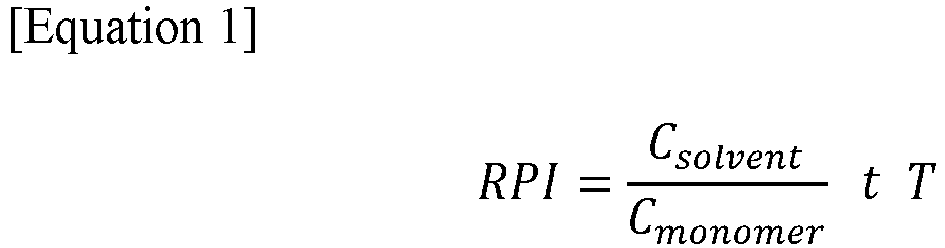
- a Reaction Progress Index (RPI) defined by Equation 1 is adjusted in a range from 1.5 to 1.3 ⁇ 10 7 sec ⁇ K to control an amount of a side reaction product of the carboxylic acid monomer and the polar co-solvent:
- RPI C solvent C monomer t T
- C solvent and C monomer are initial molar concentrations of the carboxylic acid monomer and the polar co-solvent, respectively, t represents a contact time of the carboxylic acid monomer and the polar co-solvent, and T represents an average contact temperature of the carboxylic acid monomer and the polar co-solvent before being reacted with ethylene.
- the reaction progress index may be in a range from 14.9 to 1.3 ⁇ 10 5 sec ⁇ K.
- discharging the mixture may be further performed.
- a discharge pressure of the mixture may be greater than a mixing pressure of the carboxylic acid monomer and the polar co-solvent.
- the discharge pressure may be greater than a pressure in the reactor.
- each of the carboxylic acid monomer and the polar co-solvent may be introduced into a mixing unit.
- the mixture from the mixing unit may be transferred to a discharge unit through a conveying flow path.
- the mixture may be discharged from the discharge unit through a discharge flow path.
- a temperature of the mixture may be maintained to be greater than a crystallization temperature of the carboxylic acid monomer and less than a self-polymerization temperature of the carboxylic acid monomer.
- the mixture may be in contact with ethylene before being injected into the reactor.
- a reaction inhibitor between the carboxylic acid monomer and the polar co-solvent may be injected into the mixture.
- the reaction inhibitor may include an amine-based compound.
- a chain transfer agent may be further injected into the mixture through a front-end flow path of the reactor.
- the chain transfer agent may include a non-polar organic compound.
- the chain transfer agent may include methyl ethyl ketone or isobutane.
- Equation 2 may be satisfied: 0.003 mol / L ⁇ C s solvent C solvent r + C s CTA C CTA r ⁇ 0.01 mol / L C solvent r and C CTA r are each molar ratio of the polar co-solvent and the chain transfer agent (CTA), respectively, at the front-end flow path of the reactor, and Cs solvent and Cs CTA are each chain transfer coefficient (Cs) of the polar co-solvent and the chain transfer agent, respectively, with respect to ethylene at 200°C.
- the carboxylic acid monomer may include acrylic acid and the polar co-solvent includes ethanol
- a polar co-solvent may be used as a carrier fluid of a carboxylic acid monomer.
- a crystallization temperature of a mixture of the polar co-solvent and the carboxylic acid monomer may be lower than a crystallization temperature of a pure carboxylic acid monomer. Accordingly, a decrease in process yield or process efficiency due to a crystallization or a self-polymerization may be prevented.
- parameters of the carboxylic acid monomer and the polar co-solvent may be adjusted so that a side reaction between the carboxylic acid monomer and the polar co-solvent may be suppressed while appropriately controlling a reaction performance. Therefore, deterioration of physical properties of a polymer product may be prevented by suppressing the side reaction products generated from the carboxylic acid monomer, and residual side reaction products in the product may also be prevented. Additionally, a copolymerization yield, a conversion rate, and a molecular weight and a molecular weight distribution of the product may be appropriately controlled.
- the side reaction products may be effectively suppressed by the control of process conditions without reducing a process efficiency and without an installation of a separate analyzing apparatus for detecting the side reaction products in a high-temperature and high-pressure flow path.
- a method of producing an ethylene-carboxylic acid copolymer in which a carboxylic acid monomer is supplied together with a polar co-solvent to induce copolymerization with ethylene while suppressing side reactions caused by the polar co-solvent
- FIG. 1 is a schematic process flow diagram illustrating a method of producing an ethylene-carboxylic acid copolymer in accordance with exemplary embodiments.
- a carboxylic acid monomer and a polar co-solvent may be supplied into an introduction unit.
- the carboxylic acid monomer and the polar co-solvent may be supplied to a mixing unit 30 from a carboxylic acid monomer supply unit 10 and a co-solvent supply unit 20, respectively.
- the carboxylic acid monomer may include an unsaturated carboxylic acid capable of inducing a chain polymerization reaction.
- (meth)acrylic acid or an ester thereof e.g., (meth)acrylate
- (meth)acrylic acid is used to include both methacrylic acid and acrylic acid.
- the polar co-solvent may be mixed with the carboxylic acid monomer and injected to a reactor, and may inhibit a crystallization and a self-polymerization of the carboxylic acid monomer.
- a crystallization temperature of a mixture of the polar co-solvent and the carboxylic acid monomer may be lower than a crystallization temperature of a pure carboxylic acid monomer. Accordingly, an allowable range of a process temperature capable of preventing the crystallization may be widened, thereby lowering an operating temperature of equipment without causing the crystallization and reducing the self-polymerization of the carboxylic acid monomer.
- a polar organic solvent such as an alcohol-based solvent, an ether-based solvent, a ketone-based solvent, etc.
- ethanol methanol, propanol, butanol, etc.
- alcohol-based solvent ethanol, methanol, propanol, butanol, etc.
- ethanol, acetone and/or ethyl acetate may be used as the polar co-solvent.
- water may be excluded from the polar co-solvent. If the water is used as the polar co-solvent, the self-polymerization of the carboxylic acid monomer may be rather accelerated.
- the above-described organic solvent-based polar co-solvent may be used so that the crystallization temperature may be reduced without accelerating the self-polymerization.
- the polar co-solvent may react with the carboxylic acid monomer to produce by-products.
- acrylic acid is used as the carboxylic acid monomer and ethanol is used as the polar co-solvent, ethyl acrylate and water by an ester reaction may be produced as the by-products.
- ethyl acrylate may be produced as the by-products by a trans-esterification.
- Ethyl acrylate is a polymerizable material, and thus may cause a reduction of an acrylic acid content in a chain when preparing an ethyl-acrylic acid (EAA) copolymer. If ethyl acrylate participates in a polymerization instead of acrylic acid in the chain, an adhesion of a resulting copolymer product may be reduced, and a melting point may be lowered by inhibiting a crystal formation of the polymer due to a bulky structure. The low melting point may cause a blocking phenomenon occurring when a pellet-shaped polymer products are adhered to each other.
- EAA ethyl-acrylic acid
- Ethyl acrylate may react with water when exposed to a high temperature to release ethanol by hydrolysis. Accordingly, when being included as by-products in the copolymer product, residues such as bubbles on a surface or at an inside of a processed product.
- ethyl acrylate is an odor-induced material, thereby causing malodor even when used in a small amount.
- the product may not be proper to be used as, e.g., a food packaging.
- a residual content of ethyl acrylate in the product is regulated to less than 6 ppm according to the EU food contact regulations.
- an actual side reaction product in a discharge unit 40 is to be limited as a level of 600 ppm or less.
- mixing and transfer properties of the carboxylic acid monomer and the polar co-solvent in the flow path through which the carboxylic acid monomer and the polar co-solvent are transported including, e.g., the mixing unit 30 and the discharge unit 40 may be adjusted according to exemplary embodiments as will be described below.
- a Reaction Progress Index (RPI), which will be described later, may be adjusted to suppress a side reaction between the carboxylic acid monomer and the polar co-solvent.
- RPI C solvent C monomer t T
- C solvent and C monomer represent initial molar concentrations of the carboxylic acid monomer and the polar co-solvent, respectively, in a flow path or a storage unit through which the carboxylic acid monomer and the polar co-solvent are mixed and introduced.
- t represents a contact time between the carboxylic acid monomer and the polar co-solvent.
- t may refer to a time from when the carboxylic acid monomer and the polar co-solvent are introduced together into the mixing unit 30 until being discharged from the discharge unit 40 to meet an ethylene stream 55 .
- T may represent an average contact temperature of the carboxylic acid monomer and the polar co-solvent.
- T is an average temperature of an initial temperature when the carboxylic acid monomer and the polar co-solvent are mixed in the mixing unit 30 and a temperature raised by a pressurization before meeting the ethylene stream after being discharged from the discharge unit 40.
- T is an arithmetic average of a temperature in the mixing unit 30 and a temperature in a discharge flow path 45, or an arithmetic average of a temperature in a storage tank 65 (see FIG. 2 ) and the temperature in a discharge flow path 80.
- T and C solvent C monomer may be factors related to a side reaction rate by using the polar co-solvent. For example, when T and C solvent C monomer are each increased, the esterification reaction may be accelerated. t may be a factor related to a reaction time at which side reactions of the carboxylic acid monomer and the polar cosolvent may occur.
- the RPI may be adjusted in a range from 1.5 to 1.3 ⁇ 10 7 sec K.
- the RPI is less than 1.5 sec K, the effect of reducing the crystallization temperature by the polar co-solvent may not be sufficiently realized. If the RPI exceeds 1.3 ⁇ 10 7 sec ⁇ K, the esterification reaction may proceed excessively and the above-described side effects may occur, and may be beyond a regulatory range on the side reaction products, thereby to make a commercial product unavailable.
- the RPI may be adjusted in a range from 14.9 to 1.3 ⁇ 10 5 sec ⁇ K.
- Each of C solvent C monomer , t and T may be adjusted to satisfy the above-described RPI range, and may not be limited to a specific range.
- the RPI in which a process factor affecting a reaction rate and a process time during which the reaction may proceed with the corresponding reaction rate are combined may be utilized as a process control variable in a process using various polar co-solvents. Therefore, a comprehensive side reaction control may be implemented without installing a separate analysis equipment for suppressing the side reactions of the carboxylic acid monomer and analyzing the reaction results.
- the amount of the side reaction products may be easily controlled at a desired level by adjusting the RPI.
- a relationship between RPI and the side reaction product e.g., ethyl acrylate
- the amount of the side reaction product may be finely controlled with high reliability through the adjustment of the RPI.
- the carboxylic acid monomer and the polar co-solvent may be separately and individually supplied from the carboxylic acid monomer supply unit 10 and the co-solvent supply unit 20, respectively to the mixing unit 30 .
- the carboxylic acid monomer and the polar co-solvent may enter the mixing unit 30 separately through a first flow path 15 and a second flow path 25, respectively. Therefore, an esterification reaction may be suppressed by reducing the contact time between the carboxylic acid monomer and the polar co-solvent.
- one or more additive such as a polymerization initiator, a reaction inhibitor and an anti-oxidant may be supplied together to the mixing unit 30 or the storage tank 65.
- the polymerization initiator may include an initiator known in the field of polymerization.
- an initiator known in the field of polymerization for example, a peroxide or peroxy-based compound, an azobis-based compound, etc., may be used as the polymerization initiator.
- the reaction inhibitor may be additionally included to suppress the side reaction of the carboxylic acid monomer and the polar co-solvent.
- the reaction inhibitor may inhibit an ester formation through a competitive reaction with alcohol.
- an amine-based compound may be used as the reaction inhibitor.
- the amine-based compound may include an alkyl amine such as trimethyl amine.
- an input molar ratio of the reaction inhibitor relative to the carboxylic acid monomer may be from 10 -6 to 10 -3 .
- esterification may be sufficiently suppressed without lowering a polymerization reaction efficiency.
- the carboxylic acid monomer and the polar co-solvent mixed by the mixing unit 30 may move to the discharge unit 40 through a conveying flow path 35 and may be discharged through the discharge flow path 45 for the copolymerization with ethylene.
- the discharge unit 40 may include, e.g., a discharge apparatus such as a pump or a compressor.
- the temperature (e.g., the mixing temperature and the discharging temperature) in the mixing unit 30 and the discharge unit 40 may be higher than a crystallization temperature of the carboxylic acid monomer, and may be less than a temperature at which the self-polymerization of the carboxylic acid occurs.
- the temperature in the mixing unit 30 and the discharge unit 40 may each be adjusted within a range from 20 to 100°C.
- a discharge pressure (e.g., a discharge pressure from the discharge unit 40) of the carboxylic acid monomer and the polar co-solvent may be greater than an inlet pressure or a mixing pressure in the mixing unit 30.
- the discharge pressure may be greater than a copolymerization reaction pressure in the reactor 60.
- the discharge pressure may be maintained in a range from 1,100 to 2,500 bar.
- the discharge pressure may be in a range from 1,300 to 2,300 bar.
- Ethylene may be transferred through a third flow path 55 to be in contact with a mixture of the carboxylic acid monomer and the polar co-solvent supplied through the discharge flow path 45. Thereafter, a copolymerization of the carboxylic acid monomer and ethylene may be performed in the reactor 60 to produce an ethylene-carboxylic acid copolymer (e.g., an EAA copolymer).
- an EAA copolymer e.g., an EAA copolymer
- the above-described polymerization initiator may be introduced together into the reactor 60 through the third flow path 55 or through a separate flow path.
- the polymerization initiator may not be introduced into the mixing unit 30, and may be introduced only into the reactor 60. Accordingly, the self-polymerization of the carboxylic acid monomer may be prevented from being promoted in advance by the polymerization initiator.
- a chain transfer agent may be introduced during the polymerization process through, e.g., the third flow path 55.
- a molecular weight and molecular weight distribution of a polymer product may be easily controlled in a desired range using the chain transfer agent.
- the polar co-solvent may also have a chain transfer effect on the polymerization of an ethylene-carboxylic acid comonomer. Therefore, an input amount of the chain transfer agent and the polar co-solvent may be controlled in consideration of a chain transfer coefficient (Cs) of the polar co-solvent, so that the molecular weight and molecular weight distribution of the ethylene-carboxylic acid copolymer may be effectively controlled while implementing the effect of injecting the polar co-solvent.
- Cs chain transfer coefficient
- the chain transfer agent may include, e.g., a non-polar organic compound such as isobutane or propane, or a polar organic compound such as methyl ethyl ketone, isopropylaldehyde or vinyl acetate.
- a non-polar organic compound such as isobutane or propane
- a polar organic compound such as methyl ethyl ketone, isopropylaldehyde or vinyl acetate.
- the polar co-solvent may also interact with the chain transfer agent at an inside of the reactor to affect a molecular weight control.
- an input concentration (C solvent ) of the polar co-solvent in the reaction progress index may be adjusted by comprehensively considering concentrations of the polar co-solvent and the chain transfer agent at a front-end flow path of the reactor (e.g., the third flow path 55), and each chain transfer coefficient thereof to satisfy a range represented by Equation 2 below.
- 0.003 mol / L ⁇ C s solvent C solvent r + C s CTA C CTA r ⁇ 0.01 mol / L C solvent r and C CTA r are each molar ratio of the polar co-solvent and the chain transfer agent (CTA), respectively, at the front-end flow path of the reactor.
- Cs solvent and Cs CTA are each chain transfer coefficient (Cs value) of the polar co-solvent and the chain transfer agent (CTA), respectively, with respect to ethylene at 200°C.
- the chain transfer coefficient is a constant indicating a reactivity of the chain transfer agent that terminates a polymerization reaction. As the chain transfer coefficient value becomes greater, an amount of the chain transfer agent required to reduce a molecular weight of the polymer during the polymerization process becomes small.
- chain termination may be excessively activated or chain extension may be excessively advanced to interfere with the molecular weight control.
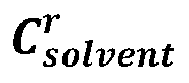
- C solvent r and C CTA r may be adjusted to satisfy the range of Equation 2 in consideration of Cs solvent and Cs CTA so that an influence of the polar co-solvent to the molecular weight and the molecular weight distribution of the polymer product may be controlled.
- a concentration of the polar co-solvent in an injection unit in Equation 1 ( C solvent ) may be controlled to satisfy C solvent r of Equation 2.
- the mixture of the carboxylic acid monomer and the polar co-solvent may be mixed with ethylene before being injected into the reactor 60 to improve polymerization efficiency in the reactor 60.
- the mixture of the carboxylic acid monomer and the polar co-solvent, and ethylene may be injected together into the reactor 60 .
- a polymerization temperature in the reactor 60 may be 170 to 270 °C.
- a pressure in the reactor 60 may be 1,100 to 2,500 bar.
- a content of ethylene (e.g., a content of ethylene-derived units or blocks) in a total weight of the ethylene-carboxylic acid copolymer may be from 60 to 98 wt% and a content of the carboxylic acid (e.g., a content of carboxylic acid-derived units or blocks) may be from 2 to 40 wt%.
- a decrease in purity due to the self-polymerization of the carboxylic acid monomer and the ester by-product may be sufficiently prevented.
- the ethylene content may be from 75 to 97.5 wt% and the carboxylic acid content (e.g., the content of carboxylic acid-derived units or blocks) may be from 2.5 to 25 wt%.
- a weight average molecular weight of the copolymer produced from the reactor 60 may be 8,000 to 1,000,000.
- crystallization and self-polymerization of the carboxylic acid monomer may be reduced while suppressing side reactions by controlling reaction kinetic properties between the carboxylic acid monomer and the polar co-solvent. Therefore, the above-mentioned side effects due to by-products such as ethyl acrylate may be prevented or reduced while improving yield and purity of the ethylene-carboxylic acid copolymer.
- the above-described ethylene-carboxylic acid copolymer may be commercialized in the form of, e.g., pellets and used for applications such as an adhesive film, a sealing material, an insulating coating layer, a packaging film, or the like.
- FIG. 2 is a schematic process flow diagram illustrating a method of producing an ethylene-carboxylic acid copolymer in accordance with some exemplary embodiments.
- the carboxylic acid monomer and the polar co-solvent may be stored and supplied together in the storage tank 65.
- the mixture of the carboxylic acid monomer and the polar co-solvent from the storage tank 65 may be transferred to a discharge unit 75 through a transfer flow path 70.
- the mixture may be discharged from the discharge unit 75 through a discharge flow path 80 .
- Ethylene stored in an ethylene supply unit 50 may flow through a third flow path 55 and may be in contact with the mixture of the carboxylic acid monomer and the polar co-solvent supplied through the discharge flow path 80. Thereafter, copolymerization of the carboxylic acid monomer and ethylene may be performed in the reactor 60 to prepare an ethylene-carboxylic acid copolymer (e.g., EAA copolymer).
- EAA copolymer ethylene-carboxylic acid copolymer
- t in Equation 1 may represent a contact time of the carboxylic acid monomer and the polar co-solvent after introduction into the storage tank 65 until the contact with ethylene.
- the chain transfer agent may be supplied to satisfy Equation 2 through the third flow path 55 .
- an amount of ethyl acrylate generated in a mixture of acrylic acid (AA) (containing 200 ppm MEHQ (mono methyl ether hydroquinone) as an inhibitor, 99.5% purity, Alfa Aeser) and ethanol (EtOH) (99.5% Purity, Sigma-Aldrich) was measured using gas chromatography-flame ionization detector (GC-FID) by taking samples over time and adding an internal standard material
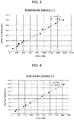
- FIGS. 3 to 11 are graphs showing amounts of ethyl acrylate generated over time.
- an allowable level of ethyl acrylate in the discharge unit 40 in a plant process simulation model to satisfy the regulatory standard of 6 ppm of the side reaction product (ethyl acrylate) in the final product was set to 600 ppm.
- reaction progress index (RPI) (a lower limit) according to the minimum contact time of 0.1 second for each Experiment Example and the RPI (an upper limit) at the contact time corresponding to 600 ppm that is the upper limit of ethyl acrylate generation, was calculated and shown in Table 1.
- the RPI (a lower limit) with the minimum contact time set to 1 second in order to obtain a sufficient process operation range through the polar co-solvent and the RPI (an upper limit) at a contact time to satisfy the actual ethyl acrylate regulation standard of 6 ppm were calculated as shown in Table 2.
- the contact time corresponding to 6 ppm was calculated through the relational expression of the ethyl acrylate generation amount (y) according to time (x) as shown in FIGS. 3 to 11 .
- the molecular weight and molecular weight distribution of the copolymer may be appropriately adjusted within the numerical range of Equation 2. Additionally, an influence on the molecular weight distribution by the use of the polar co-solvent may be appropriately controlled within the numerical range of Equation 2.
- Equation 2 when the numerical value of Equation 2 is less than a lower limit (0.003 mol/L), a total amount of a compound having a chain transfer activity in the reactor may be insufficient, and an average molecular weight of the product may become excessively large or the molecular weight distribution may become excessively wide.
- a lower limit 0.003 mol/L
- an average molecular weight of the product may become excessively large or the molecular weight distribution may become excessively wide.
- an upper limit 0.01 mol/L
- the total amount of the compound having the chain transfer activity in the reactor increases, and the average molecular weight of the product may become excessively small or the molecular weight distribution may become excessively narrow.
- Equation 2 the calculated value of Equation 2 can be maintained within the range of Equation 2 by reducing a content of the chain transfer agent through an inherent chain transfer action of the polar co-solvent even when the polar co-solvent is newly introduced
Landscapes
- Chemical & Material Sciences (AREA)
- Health & Medical Sciences (AREA)
- Chemical Kinetics & Catalysis (AREA)
- Medicinal Chemistry (AREA)
- Polymers & Plastics (AREA)
- Organic Chemistry (AREA)
- Polymerisation Methods In General (AREA)
- Addition Polymer Or Copolymer, Post-Treatments, Or Chemical Modifications (AREA)
Abstract
Description
- This application is a National Stage entry from International Application No. PCT/
KR2020/001308 filed on January 29, 2020 Korean Patent Applications No. 10-2019-0013255 filed on February 1, 2019 10-2020-0006278 filed on January 17, 2020 - The present invention relates to a method of producing an ethylene-carboxylic acid copolymer.
- For example, an ethylene-carboxylic acid copolymer such as an ethylene-acrylic acid copolymer is used for various products such as a sealing material, an adhesive, a packing material, an optical film, etc.
- The ethylene-carboxylic acid copolymer may be prepared by polymerizing ethylene and a carboxylic acid-based compound (e.g., acrylic acid, methacrylic acid, etc.) as a comonomer through a continuous reactor.
- The carboxylic acid-based compound has higher self-reactivity than that of ethylene, and thus may be self-polymerized when exposed to a high temperature while being supplied through a flow path, a pump, a compressor, or the like. In this case, clogging of the flow path, etc., may be caused to damage a polymerization equipment. When a operation temperature of the equipment is lowered in order to prevent the self-polymerization, a crystallization of the carboxylic acid-based compound may occur.
- A co-solvent may be used together to prevent the crystallization and suppress fouling in the equipment when supplying the carboxylic acid-based compound. However, when a polar solvent is used as the co-solvent, the polar solvent may react with the carboxylic acid-based compound to form by-products.
- Further, for example, when a continuous process is performed under severe polymerization conditions of high temperature and high pressure, detailed component analysis and reaction analysis of the by-products in the flow path may not be substantially possible.
- Therefore, control of the polymerization process and process parameters that may suppress the additional by-products while preventing the self-polymerization of the carboxylic acid-based compound is required.
- For example,
U.S. Registered Patent Publication No. 6,852,792 discloses an aqueous dispersion for sealing which includes an ethylene-acrylic acid copolymer, but does not recognize the requirements of the polymerization process design as described above. - According to an aspect of the present invention, there is provided a method of producing an ethylene-carboxylic acid copolymer having improved process reliability and polymerization efficiency.
- In a method of producing an ethylene-carboxylic acid copolymer, a mixture of a carboxylic acid monomer and a polar co-solvent that is an organic solvent is formed. The mixture and ethylene are injected into a reactor to copolymerize the mixture and ethylene. In the forming the mixture of the carboxylic acid monomer and the polar co-solvent, a Reaction Progress Index (RPI) defined by Equation 1 is adjusted in a range from 1.5 to 1.3×10⁷ sec·K to control an amount of a side reaction product of the carboxylic acid monomer and the polar co-solvent:

- In Equation 1, Csolvent and Cmonomer are initial molar concentrations of the carboxylic acid monomer and the polar co-solvent, respectively, t represents a contact time of the carboxylic acid monomer and the polar co-solvent, and T represents an average contact temperature of the carboxylic acid monomer and the polar co-solvent before being reacted with ethylene.
- In some embodiments, the reaction progress index may be in a range from 14.9 to 1.3 × 10⁵ sec·K.
- In some embodiments, discharging the mixture may be further performed.
- In some embodiments, a discharge pressure of the mixture may be greater than a mixing pressure of the carboxylic acid monomer and the polar co-solvent.
- In some embodiments, the discharge pressure may be greater than a pressure in the reactor.
- In some embodiments, in the forming the mixture, each of the carboxylic acid monomer and the polar co-solvent may be introduced into a mixing unit. In the discharging the mixture, the mixture from the mixing unit may be transferred to a discharge unit through a conveying flow path. The mixture may be discharged from the discharge unit through a discharge flow path.
- In some embodiments, a temperature of the mixture may be maintained to be greater than a crystallization temperature of the carboxylic acid monomer and less than a self-polymerization temperature of the carboxylic acid monomer.
- In some embodiments, the mixture may be in contact with ethylene before being injected into the reactor.
- In some embodiments, a reaction inhibitor between the carboxylic acid monomer and the polar co-solvent may be injected into the mixture.
- In some embodiments, the reaction inhibitor may include an amine-based compound.
- In some embodiments, a chain transfer agent may be further injected into the mixture through a front-end flow path of the reactor.
- In some embodiments, the chain transfer agent may include a non-polar organic compound.
- In some embodiments, the chain transfer agent may include methyl ethyl ketone or isobutane.
- In some embodiments, Equation 2 may be satisfied:


- In some embodiments, the carboxylic acid monomer may include acrylic acid and the polar co-solvent includes ethanol
- In the method for producing an ethylene-carboxylic acid copolymer according to exemplary embodiments, a polar co-solvent may be used as a carrier fluid of a carboxylic acid monomer. A crystallization temperature of a mixture of the polar co-solvent and the carboxylic acid monomer may be lower than a crystallization temperature of a pure carboxylic acid monomer. Accordingly, a decrease in process yield or process efficiency due to a crystallization or a self-polymerization may be prevented.
- In exemplary embodiments, parameters of the carboxylic acid monomer and the polar co-solvent may be adjusted so that a side reaction between the carboxylic acid monomer and the polar co-solvent may be suppressed while appropriately controlling a reaction performance. Therefore, deterioration of physical properties of a polymer product may be prevented by suppressing the side reaction products generated from the carboxylic acid monomer, and residual side reaction products in the product may also be prevented. Additionally, a copolymerization yield, a conversion rate, and a molecular weight and a molecular weight distribution of the product may be appropriately controlled.
- In exemplary embodiments, the side reaction products may be effectively suppressed by the control of process conditions without reducing a process efficiency and without an installation of a separate analyzing apparatus for detecting the side reaction products in a high-temperature and high-pressure flow path.
-
-
FIG. 1 is a schematic process flow diagram illustrating a method of producing an ethylene-carboxylic acid copolymer in accordance with exemplary embodiments. -
FIG. 2 is a schematic process flow diagram illustrating a method of producing an ethylene-carboxylic acid copolymer in accordance with some exemplary embodiments. -
FIGS. 3 to 11 are graphs showing amounts of ethyl acrylate generated over time. - According to exemplary embodiments of the present invention, there is provided a method of producing an ethylene-carboxylic acid copolymer in which a carboxylic acid monomer is supplied together with a polar co-solvent to induce copolymerization with ethylene while suppressing side reactions caused by the polar co-solvent
- Hereinafter, the present invention will be described in detail with reference to the accompanying experimental examples and drawings. However, those skilled in the art will appreciate that such embodiments described with reference to the accompanying drawings are provided to further understand the spirit of the present invention and do not limit subject matters to be protected as disclosed in the detailed description and appended claims.
-
FIG. 1 is a schematic process flow diagram illustrating a method of producing an ethylene-carboxylic acid copolymer in accordance with exemplary embodiments. - Referring to
FIG. 1 , a carboxylic acid monomer and a polar co-solvent may be supplied into an introduction unit. For example, the carboxylic acid monomer and the polar co-solvent may be supplied to amixing unit 30 from a carboxylic acidmonomer supply unit 10 and aco-solvent supply unit 20, respectively. - The carboxylic acid monomer may include an unsaturated carboxylic acid capable of inducing a chain polymerization reaction. In exemplary embodiments, (meth)acrylic acid or an ester thereof (e.g., (meth)acrylate) may be used as the carboxylic acid monomer. In the present application, the term "(meth)acrylic acid" is used to include both methacrylic acid and acrylic acid.
- The polar co-solvent may be mixed with the carboxylic acid monomer and injected to a reactor, and may inhibit a crystallization and a self-polymerization of the carboxylic acid monomer.
- For example, a crystallization temperature of a mixture of the polar co-solvent and the carboxylic acid monomer may be lower than a crystallization temperature of a pure carboxylic acid monomer. Accordingly, an allowable range of a process temperature capable of preventing the crystallization may be widened, thereby lowering an operating temperature of equipment without causing the crystallization and reducing the self-polymerization of the carboxylic acid monomer.
- In exemplary embodiments, a polar organic solvent such as an alcohol-based solvent, an ether-based solvent, a ketone-based solvent, etc., may be used as the polar co-solvent. For example, ethanol, methanol, propanol, butanol, etc., may be used as the alcohol-based solvent.
- In a preferable embodiment, ethanol, acetone and/or ethyl acetate may be used as the polar co-solvent.
- In exemplary embodiments, water may be excluded from the polar co-solvent. If the water is used as the polar co-solvent, the self-polymerization of the carboxylic acid monomer may be rather accelerated. Thus, according to embodiments of the present invention, the above-described organic solvent-based polar co-solvent may be used so that the crystallization temperature may be reduced without accelerating the self-polymerization.
- However, when the polar co-solvent is used, the polar co-solvent may react with the carboxylic acid monomer to produce by-products. For example, when acrylic acid is used as the carboxylic acid monomer and ethanol is used as the polar co-solvent, ethyl acrylate and water by an ester reaction may be produced as the by-products.
- Further, when acrylic acid is used as the carboxylic acid monomer and ethyl acetate is used as the polar co-solvent, ethyl acrylate may be produced as the by-products by a trans-esterification.
- Ethyl acrylate is a polymerizable material, and thus may cause a reduction of an acrylic acid content in a chain when preparing an ethyl-acrylic acid (EAA) copolymer. If ethyl acrylate participates in a polymerization instead of acrylic acid in the chain, an adhesion of a resulting copolymer product may be reduced, and a melting point may be lowered by inhibiting a crystal formation of the polymer due to a bulky structure. The low melting point may cause a blocking phenomenon occurring when a pellet-shaped polymer products are adhered to each other.
- Ethyl acrylate may react with water when exposed to a high temperature to release ethanol by hydrolysis. Accordingly, when being included as by-products in the copolymer product, residues such as bubbles on a surface or at an inside of a processed product.
- Further, ethyl acrylate is an odor-induced material, thereby causing malodor even when used in a small amount. When a large amount of ethyl acrylate is included as the by-product, the product may not be proper to be used as, e.g., a food packaging. Thus, when the ethylene-carboxylic acid copolymer is used as a food packaging material, a residual content of ethyl acrylate in the product is regulated to less than 6 ppm according to the EU food contact regulations.
- Additionally, when being calculated assuming the case where a side reaction product remains at 6 ppm in a final product by a plant process simulation model in order to control the side reaction product in advance, an actual side reaction product in a
discharge unit 40 is to be limited as a level of 600 ppm or less. - Further, when ethyl acrylate is generated by the ester reaction, water is also produced. As a result, dimerization and self-polymerization of the carboxylic acid monomer may be accelerated by water as described above.
- To suppress or reduce the side effects caused by the above-described side reactions due to the use of the polar co-solvent, mixing and transfer properties of the carboxylic acid monomer and the polar co-solvent in the flow path through which the carboxylic acid monomer and the polar co-solvent are transported including, e.g., the mixing
unit 30 and thedischarge unit 40 may be adjusted according to exemplary embodiments as will be described below. - In the ethylene-carboxylic acid copolymer manufacturing process, it is not easy to estimate the generation of the side reaction products due to the co-solvent input through pilot/laboratory equipment. Actually, a residual amount of the side reaction product in the polymer could not be detected when evaluation of the side reaction product according to the introduction of ethanol was performed through a pilot/lab test for manufacturing the ethylene-carboxylic acid copolymer. However, it was confirmed that ethyl acrylate in the final product was detected at a significant level as a result of injecting the same molar ratio of ethanol as the co-solvent into an actual polymerization process.
- Therefore, control and design of process variables to suppress the side reaction products without additional analysis equipment and reaction analysis results are required.
- Accordingly, according to exemplary embodiments, a Reaction Progress Index (RPI), which will be described later, may be adjusted to suppress a side reaction between the carboxylic acid monomer and the polar co-solvent.

- In Equation 1, Csolvent and Cmonomer represent initial molar concentrations of the carboxylic acid monomer and the polar co-solvent, respectively, in a flow path or a storage unit through which the carboxylic acid monomer and the polar co-solvent are mixed and introduced.
- t represents a contact time between the carboxylic acid monomer and the polar co-solvent. For example, t may refer to a time from when the carboxylic acid monomer and the polar co-solvent are introduced together into the mixing
unit 30 until being discharged from thedischarge unit 40 to meet anethylene stream 55 . - T may represent an average contact temperature of the carboxylic acid monomer and the polar co-solvent. For example, T is an average temperature of an initial temperature when the carboxylic acid monomer and the polar co-solvent are mixed in the mixing
unit 30 and a temperature raised by a pressurization before meeting the ethylene stream after being discharged from thedischarge unit 40. For example, T is an arithmetic average of a temperature in the mixingunit 30 and a temperature in adischarge flow path 45, or an arithmetic average of a temperature in a storage tank 65 (seeFIG. 2 ) and the temperature in adischarge flow path 80. - T and


- In exemplary embodiments, the RPI may be adjusted in a range from 1.5 to 1.3×10⁷ sec K. When the RPI is less than 1.5 sec K, the effect of reducing the crystallization temperature by the polar co-solvent may not be sufficiently realized. If the RPI exceeds 1.3×10⁷ sec·K, the esterification reaction may proceed excessively and the above-described side effects may occur, and may be beyond a regulatory range on the side reaction products, thereby to make a commercial product unavailable.
- In a preferable embodiment, the RPI may be adjusted in a range from 14.9 to 1.3×10⁵ sec·K.
- Each of

- As described above, as described in Equation 1, the RPI in which a process factor affecting a reaction rate and a process time during which the reaction may proceed with the corresponding reaction rate are combined may be utilized as a process control variable in a process using various polar co-solvents. Therefore, a comprehensive side reaction control may be implemented without installing a separate analysis equipment for suppressing the side reactions of the carboxylic acid monomer and analyzing the reaction results.
- Further, the amount of the side reaction products may be easily controlled at a desired level by adjusting the RPI. For example, as described with reference to
FIGS. 3 to 11 , a relationship between RPI and the side reaction product (e.g., ethyl acrylate) may be substantially linear. Therefore, the amount of the side reaction product may be finely controlled with high reliability through the adjustment of the RPI. - Referring to
FIG. 1 again, the carboxylic acid monomer and the polar co-solvent may be separately and individually supplied from the carboxylic acidmonomer supply unit 10 and theco-solvent supply unit 20, respectively to the mixingunit 30 . - For example, the carboxylic acid monomer and the polar co-solvent may enter the mixing
unit 30 separately through afirst flow path 15 and asecond flow path 25, respectively. Therefore, an esterification reaction may be suppressed by reducing the contact time between the carboxylic acid monomer and the polar co-solvent. - In some embodiments, one or more additive such as a polymerization initiator, a reaction inhibitor and an anti-oxidant may be supplied together to the mixing
unit 30 or thestorage tank 65. - The polymerization initiator may include an initiator known in the field of polymerization. For example, a peroxide or peroxy-based compound, an azobis-based compound, etc., may be used as the polymerization initiator.
- The reaction inhibitor may be additionally included to suppress the side reaction of the carboxylic acid monomer and the polar co-solvent. For example, the reaction inhibitor may inhibit an ester formation through a competitive reaction with alcohol.
- In some embodiments, an amine-based compound may be used as the reaction inhibitor. Examples of the amine-based compound may include an alkyl amine such as trimethyl amine.
- In some embodiments, an input molar ratio of the reaction inhibitor relative to the carboxylic acid monomer may be from 10-6 to 10-3. Within the above range, esterification may be sufficiently suppressed without lowering a polymerization reaction efficiency.
- The carboxylic acid monomer and the polar co-solvent mixed by the mixing
unit 30 may move to thedischarge unit 40 through a conveyingflow path 35 and may be discharged through thedischarge flow path 45 for the copolymerization with ethylene. - The
discharge unit 40 may include, e.g., a discharge apparatus such as a pump or a compressor. - In exemplary embodiments, the temperature (e.g., the mixing temperature and the discharging temperature) in the mixing
unit 30 and thedischarge unit 40 may be higher than a crystallization temperature of the carboxylic acid monomer, and may be less than a temperature at which the self-polymerization of the carboxylic acid occurs. - For example, the temperature in the mixing
unit 30 and thedischarge unit 40 may each be adjusted within a range from 20 to 100°C. - In exemplary embodiments, a discharge pressure (e.g., a discharge pressure from the discharge unit 40) of the carboxylic acid monomer and the polar co-solvent may be greater than an inlet pressure or a mixing pressure in the mixing
unit 30. - In some embodiments, the discharge pressure may be greater than a copolymerization reaction pressure in the
reactor 60. - For example, the discharge pressure may be maintained in a range from 1,100 to 2,500 bar. Preferably, the discharge pressure may be in a range from 1,300 to 2,300 bar.
- Ethylene may be transferred through a
third flow path 55 to be in contact with a mixture of the carboxylic acid monomer and the polar co-solvent supplied through thedischarge flow path 45. Thereafter, a copolymerization of the carboxylic acid monomer and ethylene may be performed in thereactor 60 to produce an ethylene-carboxylic acid copolymer (e.g., an EAA copolymer). - In some embodiments, the above-described polymerization initiator may be introduced together into the
reactor 60 through thethird flow path 55 or through a separate flow path. - In an embodiment, the polymerization initiator may not be introduced into the mixing
unit 30, and may be introduced only into thereactor 60. Accordingly, the self-polymerization of the carboxylic acid monomer may be prevented from being promoted in advance by the polymerization initiator. - In some embodiments, a chain transfer agent may be introduced during the polymerization process through, e.g., the
third flow path 55. A molecular weight and molecular weight distribution of a polymer product may be easily controlled in a desired range using the chain transfer agent. - The polar co-solvent may also have a chain transfer effect on the polymerization of an ethylene-carboxylic acid comonomer. Therefore, an input amount of the chain transfer agent and the polar co-solvent may be controlled in consideration of a chain transfer coefficient (Cs) of the polar co-solvent, so that the molecular weight and molecular weight distribution of the ethylene-carboxylic acid copolymer may be effectively controlled while implementing the effect of injecting the polar co-solvent.
- The chain transfer agent may include, e.g., a non-polar organic compound such as isobutane or propane, or a polar organic compound such as methyl ethyl ketone, isopropylaldehyde or vinyl acetate.
- In some embodiments, the polar co-solvent may also interact with the chain transfer agent at an inside of the reactor to affect a molecular weight control.
- In some embodiments, an input concentration (Csolvent) of the polar co-solvent in the reaction progress index may be adjusted by comprehensively considering concentrations of the polar co-solvent and the chain transfer agent at a front-end flow path of the reactor (e.g., the third flow path 55), and each chain transfer coefficient thereof to satisfy a range represented by Equation 2 below.


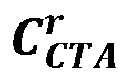
- The chain transfer coefficient is a constant indicating a reactivity of the chain transfer agent that terminates a polymerization reaction. As the chain transfer coefficient value becomes greater, an amount of the chain transfer agent required to reduce a molecular weight of the polymer during the polymerization process becomes small.
- Specific values of the chain transfer coefficient are given in documents such as Polymer Science & Technology, Joel R. Fried, 2006, 2nd ed., p.34∼39, Handbook of polymer synthesis part A, Hans R. Kricheldorf, 1991, p. 3-5, Polymer science and engineering, David J. Williams, p.103-104 et al., etc.
- For example, at an outside of the range of the chain transfer-related numerical value expressed in Equation 2, chain termination may be excessively activated or chain extension may be excessively advanced to interfere with the molecular weight control.
- In exemplary embodiments,


- As illustrated in
FIG. 1 , the mixture of the carboxylic acid monomer and the polar co-solvent may be mixed with ethylene before being injected into thereactor 60 to improve polymerization efficiency in thereactor 60. In an embodiment, the mixture of the carboxylic acid monomer and the polar co-solvent, and ethylene may be injected together into thereactor 60 . - For example, a polymerization temperature in the
reactor 60 may be 170 to 270 °C. A pressure in thereactor 60 may be 1,100 to 2,500 bar. - In exemplary embodiments, a content of ethylene (e.g., a content of ethylene-derived units or blocks) in a total weight of the ethylene-carboxylic acid copolymer may be from 60 to 98 wt% and a content of the carboxylic acid (e.g., a content of carboxylic acid-derived units or blocks) may be from 2 to 40 wt%. Within the above range, a decrease in purity due to the self-polymerization of the carboxylic acid monomer and the ester by-product may be sufficiently prevented. In a preferable embodiment, the ethylene content may be from 75 to 97.5 wt% and the carboxylic acid content (e.g., the content of carboxylic acid-derived units or blocks) may be from 2.5 to 25 wt%.
- For example, a weight average molecular weight of the copolymer produced from the
reactor 60 may be 8,000 to 1,000,000. - According to the above-described exemplary embodiments, crystallization and self-polymerization of the carboxylic acid monomer may be reduced while suppressing side reactions by controlling reaction kinetic properties between the carboxylic acid monomer and the polar co-solvent. Therefore, the above-mentioned side effects due to by-products such as ethyl acrylate may be prevented or reduced while improving yield and purity of the ethylene-carboxylic acid copolymer.
- The above-described ethylene-carboxylic acid copolymer may be commercialized in the form of, e.g., pellets and used for applications such as an adhesive film, a sealing material, an insulating coating layer, a packaging film, or the like.
-
FIG. 2 is a schematic process flow diagram illustrating a method of producing an ethylene-carboxylic acid copolymer in accordance with some exemplary embodiments. - Referring to
FIG. 2 , the carboxylic acid monomer and the polar co-solvent may be stored and supplied together in thestorage tank 65. For example, the mixture of the carboxylic acid monomer and the polar co-solvent from thestorage tank 65 may be transferred to adischarge unit 75 through atransfer flow path 70. The mixture may be discharged from thedischarge unit 75 through adischarge flow path 80 . - Ethylene stored in an
ethylene supply unit 50 may flow through athird flow path 55 and may be in contact with the mixture of the carboxylic acid monomer and the polar co-solvent supplied through thedischarge flow path 80. Thereafter, copolymerization of the carboxylic acid monomer and ethylene may be performed in thereactor 60 to prepare an ethylene-carboxylic acid copolymer (e.g., EAA copolymer). - In the embodiment of
FIG. 2 , a process may be designed and performed to satisfy the RPI range according to the above-described exemplary embodiments. For example, t in Equation 1 may represent a contact time of the carboxylic acid monomer and the polar co-solvent after introduction into thestorage tank 65 until the contact with ethylene. - In some embodiments, the chain transfer agent may be supplied to satisfy Equation 2 through the
third flow path 55 . - Hereinafter, preferred embodiments are proposed to more concretely describe the present invention. However, the following examples are only given for illustrating the present invention and those skilled in the related art will obviously understand that these examples do not restrict the appended claims but various alterations and modifications are possible within the scope and spirit of the present invention. Such alterations and modifications are duly included in the appended claims.
- To simulate a generation of side reaction products by contact between a carboxylic acid monomer and a polar co-solvent, an amount of ethyl acrylate generated in a mixture of acrylic acid (AA) (containing 200 ppm MEHQ (mono methyl ether hydroquinone) as an inhibitor, 99.5% purity, Alfa Aeser) and ethanol (EtOH) (99.5% Purity, Sigma-Aldrich) was measured using gas chromatography-flame ionization detector (GC-FID) by taking samples over time and adding an internal standard material
- In Experimental Examples 1-1 to 1-9, EtOH/AA mixing ratios and contact temperatures were adjusted as described in Table 1.
-
FIGS. 3 to 11 are graphs showing amounts of ethyl acrylate generated over time. - Referring to
FIGS. 3 to 11 , a tendency of ethyl acrylate being linearly generated with time was observed. Relationships between the ethyl acrylate generation amount (y) according to time (x) derived from a linear regression analysis were shown inFIGS. 3 to 11 . - Specifically, as an EtOH/AA molar ratio becomes greater under the same temperature condition and a reaction temperature becomes greater at the same EtOH/AA molar ratio, the generation of ethyl acrylate was promoted.
- It is necessary to obtain a process operation range capable of preventing self-polymerization and crystallization of the carboxylic acid monomer by lowering a crystallization temperature of the mixture in the
discharge unit 40 through the introduction of the polar co-solvent. Thus, to properly mix the carboxylic acid monomer and the polar co-solvent and supply the mixture into the reactor, a minimum contact time (or a residence time) of the mixture was set to 0.1 second. - As described above, an allowable level of ethyl acrylate in the
discharge unit 40 in a plant process simulation model to satisfy the regulatory standard of 6 ppm of the side reaction product (ethyl acrylate) in the final product was set to 600 ppm. - The reaction progress index (RPI) (a lower limit) according to the minimum contact time of 0.1 second for each Experiment Example and the RPI (an upper limit) at the contact time corresponding to 600 ppm that is the upper limit of ethyl acrylate generation, was calculated and shown in Table 1.
[Table 1] Molar ratio of reactant Reaction Temperature (°C) Reaction Progress Index (RPI)(sec.K) Acrylic Acid (AA) Polar Co-solvent (EtOH) lower limit (contact time 0.1sec) upper limit Experimental Example 1-1 1 1 25 29.8 1.3 E+07 Experimental Example 1-2 6 1 25 5.0 4.6 E+06 Experimental Example 1-3 20 1 25 1.5 3.9 E+06 Experimental Example 1-4 1 1 50 32.3 1.8 E+06 Experimental Example 1-5 6 1 50 5.4 5.7 E+05 Experimental Example 1-6 20 1 50 1.6 4.5 E+05 Experimental Example 1-7 1 1 75 34.8 3.1 E+05 Experimental Example 1-8 6 1 75 5.8 9.4 E+04 Experimental Example 1-9 20 1 75 1.7 7.4 E+04 - Referring to Table 1, when the RPI was adjusted between 1.5 and 1.3×10⁷ sec·K, the amount of the side reaction product (ethyl acrylate) was easily managed below the target value while obtaining a wide process operation range through the introduction of a polar co-solvent. When the RPI is less than 1.5, the polar co-solvent cannot be effectively introduced into the reactor substantially. When the RPI exceeds 1.3×10⁷ sec·K, the manageable regulatory range of ethyl acrylate may be exceeded in the final product and may cause the side effects as described above.
- Additionally, the RPI (a lower limit) with the minimum contact time set to 1 second in order to obtain a sufficient process operation range through the polar co-solvent and the RPI (an upper limit) at a contact time to satisfy the actual ethyl acrylate regulation standard of 6 ppm were calculated as shown in Table 2. Specifically, the contact time corresponding to 6 ppm was calculated through the relational expression of the ethyl acrylate generation amount (y) according to time (x) as shown in
FIGS. 3 to 11 .[Table 2] Molar ratio of reactant Reaction Temperature (°C) Reaction Progress Index (RPI)(sec.K) Acrylic Acid (AA) Polar Co-solvent (EtOH) lower limit (contact time 1 sec) upper limit (ethyl acrylate 6 ppm) Experimental Example 1-1 1 1 25 298 1.3 E+05 Experimental Example 1-2 6 1 25 49.7 4.6 E+04 Experimental Example 1-3 20 1 25 14.9 3.9 E+04 Experimental Example 1-4 1 1 50 323 1.8 E+05 Experimental Example 1-5 6 1 50 53.8 5.7 E+03 Experimental Example 1-6 20 1 50 16.2 4.5 E+03 Experimental Example 1-7 1 1 75 348 3.1 E+03 Experimental Example 1-8 6 1 75 58 9.4 E+02 Experimental Example 1-9 20 1 75 17.4 7.4 E+02 - Referring to Table 2, when the RPI was adjusted between 14.9 and 1.3×10⁵ sec·K, the amount of side reaction products was suppressed to be less than the actual standard while realistically increasing the contact time of the polar co-solvent.
- Molar concentrations of the chain transfer agent and the polar co-solvent at a front-end flow path of the
reactor 60 were measured by a process simulation model of the polymerization process of the ethylene-acrylic acid copolymer, and the above-mentioned Equation 2 values were calculated therefrom.[Table 3] Polar Co-solvent Chain Transfer Agent (CTA) Equation 2 value solvent [C](mol/L) Cs value Agent [C](mol/L) Cs value Experimental Example 2-1 isobutane 0.3067 0.0136 0.004 Experimental Example 2-2 MEK 0.0614 0.0750 0.005 Experimental Example 2-3 ethanol 0.2982 0.0135 isobutane 0.3016 0.0136 0.008 Experimental Example 2-4 ethanol 0.4731 0.0135 isobutane 0.1754 0.0136 0.009 - As described above, the molecular weight and molecular weight distribution of the copolymer may be appropriately adjusted within the numerical range of Equation 2. Additionally, an influence on the molecular weight distribution by the use of the polar co-solvent may be appropriately controlled within the numerical range of Equation 2.
- For example, when the numerical value of Equation 2 is less than a lower limit (0.003 mol/L), a total amount of a compound having a chain transfer activity in the reactor may be insufficient, and an average molecular weight of the product may become excessively large or the molecular weight distribution may become excessively wide. When the numerical value of Equation 2 becomes larger than an upper limit (0.01 mol/L), the total amount of the compound having the chain transfer activity in the reactor increases, and the average molecular weight of the product may become excessively small or the molecular weight distribution may become excessively narrow.
- Referring to Table 3, it can be confirmed that the calculated value of Equation 2 can be maintained within the range of Equation 2 by reducing a content of the chain transfer agent through an inherent chain transfer action of the polar co-solvent even when the polar co-solvent is newly introduced
Claims (15)
- A method of producing an ethylene-carboxylic acid copolymer, comprising:forming a mixture of a carboxylic acid monomer and a polar co-solvent that is an organic solvent; andinjecting the mixture and ethylene into a reactor to copolymerize the mixture and ethylene,wherein the forming the mixture of the carboxylic acid monomer and the polar co-solvent includes adjusting a Reaction Progress Index (RPI) defined by Equation 1 in a range from 1.5 to 1.3 × 10⁷ sec·K to control an amount of a side reaction product of the carboxylic acid monomer and the polar co-solvent:
- The method according to claim 1, wherein the reaction progress index is in a range from 14.9 to 1.3 × 10⁵ sec·K.
- The method according to claim 1, further comprising discharging the mixture.
- The method according to claim 3, wherein a discharge pressure of the mixture is greater than a mixing pressure of the carboxylic acid monomer and the polar co-solvent.
- The method according to claim 4, wherein the discharge pressure is greater than a pressure in the reactor.
- The method according to claim 3, wherein the forming the mixture comprises introducing each of the carboxylic acid monomer and the polar co-solvent into a mixing unit,
wherein the discharging the mixture comprises:transferring the mixture from the mixing unit to a discharge unit through a conveying flow path; anddischarging the mixture from the discharge unit through a discharge flow path. - The method according to claim 1, wherein a temperature of the mixture is maintained to be greater than a crystallization temperature of the carboxylic acid monomer and less than a self-polymerization temperature of the carboxylic acid monomer.
- The method according to claim 1, wherein the mixture is in contact with ethylene before being injected into the reactor.
- The method according to claim 1, further comprising injecting a reaction inhibitor between the carboxylic acid monomer and the polar co-solvent into the mixture.
- The method according to claim 9, wherein the reaction inhibitor includes an amine-based compound.
- The method according to claim 1, further comprising injecting a chain transfer agent into the mixture through a front-end flow path of the reactor.
- The method according to claim 11, wherein the chain transfer agent includes a non-polar organic compound.
- The method according to claim 12, wherein the chain transfer agent includes methyl ethyl ketone or isobutane.
- The method according to claim 11, wherein Equation 2 is satisfied:


Cssolvent and CsCTA are each chain transfer coefficient (Cs) of the polar co-solvent and the chain transfer agent, respectively, with respect to ethylene at 200°C. - The method according to claim 1, wherein the carboxylic acid monomer includes acrylic acid and the polar co-solvent includes ethanol.
Applications Claiming Priority (3)
| Application Number | Priority Date | Filing Date | Title |
|---|---|---|---|
| KR20190013255 | 2019-02-01 | ||
| KR1020200006278A KR102859381B1 (en) | 2019-02-01 | 2020-01-17 | Method of producing ethylene-carboxylic acid compolymer |
| PCT/KR2020/001308 WO2020159204A1 (en) | 2019-02-01 | 2020-01-29 | Method for producing ethylene-carboxylic acid copolymer |
Publications (2)
| Publication Number | Publication Date |
|---|---|
| EP3909989A1 true EP3909989A1 (en) | 2021-11-17 |
| EP3909989A4 EP3909989A4 (en) | 2022-06-15 |
Family
ID=71840445
Family Applications (1)
| Application Number | Title | Priority Date | Filing Date |
|---|---|---|---|
| EP20749391.7A Pending EP3909989A4 (en) | 2019-02-01 | 2020-01-29 | PROCESS FOR PREPARING AN ETHYLENE CARBONIC ACID COPOLYMER |
Country Status (4)
| Country | Link |
|---|---|
| US (1) | US12391776B2 (en) |
| EP (1) | EP3909989A4 (en) |
| JP (2) | JP7641901B2 (en) |
| WO (1) | WO2020159204A1 (en) |
Family Cites Families (15)
| Publication number | Priority date | Publication date | Assignee | Title |
|---|---|---|---|---|
| US2897183A (en) | 1954-01-13 | 1959-07-28 | Du Pont | Constant environment process for polymerizing ethylene |
| US4351931A (en) * | 1961-06-26 | 1982-09-28 | E. I. Du Pont De Nemours And Company | Polyethylene copolymers |
| US3379702A (en) * | 1965-06-14 | 1968-04-23 | Dow Chemical Co | Method for preparing terpolymers of ethylene, acrylic acids and salts of acrylic acids |
| CA2077664C (en) | 1989-02-27 | 2003-03-18 | Osborne K. Mckinney | Process for producing homogeneous modified copolymers of ethylene/alpha-olefin carboxylic acids or esters |
| DE3844047A1 (en) | 1988-12-28 | 1990-07-05 | Basf Ag | COPOLYMERISATES FROM ETHYLENE WITH ALKEN CARBONIC ACIDS AND / OR ALKEN CARBON ACID DERIVATIVES |
| US5028674A (en) | 1990-06-06 | 1991-07-02 | E. I. Du Pont De Nemours And Company | Methanol copolymerization of ethylene |
| NZ303800A (en) * | 1995-01-24 | 2000-05-26 | Univ North Carolina | Olefin polymers and block polymers, preparation, use, catalysts and catalyst intermediates |
| US6852792B1 (en) | 2000-04-13 | 2005-02-08 | E. I. Du Pont De Nemours And Company | Coating composition containing a low MFI ethylene acrylic acid copolymer |
| US7598321B2 (en) * | 2005-08-10 | 2009-10-06 | E. I. Du Pont De Nemours And Company | Ethylene acid copolymer |
| ES2646270T3 (en) | 2010-09-30 | 2017-12-13 | Dow Global Technologies Llc | Interpolymers based on ethylene and their preparation processes |
| CN103403040B (en) | 2011-03-03 | 2015-11-25 | 巴塞尔聚烯烃股份有限公司 | Process for the preparation of ethylene homopolymers or copolymers in a tubular reactor having at least two reaction zones with different chain transfer agent concentrations |
| WO2014105110A2 (en) | 2012-12-28 | 2014-07-03 | Dow Global Technologies Llc | Method to reduce the crystallization temperature of carboxylic acid comonomer at elevated pressures, and to improve the copolymerization of the same |
| CN107873035B (en) | 2015-06-30 | 2021-04-09 | 陶氏环球技术有限责任公司 | high pressure free radical polymerization |
| KR101960340B1 (en) | 2017-08-01 | 2019-03-20 | 재단법인 철원플라즈마 산업기술연구원 | Composite adsorbent media for removing the nitrogen and phosphorus compounds and preparing method for the same |
| KR102133639B1 (en) | 2018-07-10 | 2020-07-13 | 임재천 | Canteen Body And Method For Molding Thereof |
-
2020
- 2020-01-29 EP EP20749391.7A patent/EP3909989A4/en active Pending
- 2020-01-29 JP JP2021544200A patent/JP7641901B2/en active Active
- 2020-01-29 WO PCT/KR2020/001308 patent/WO2020159204A1/en not_active Ceased
- 2020-01-29 US US17/427,131 patent/US12391776B2/en active Active
-
2024
- 2024-10-01 JP JP2024172386A patent/JP2025000881A/en not_active Withdrawn
Also Published As
| Publication number | Publication date |
|---|---|
| JP2022518828A (en) | 2022-03-16 |
| JP2025000881A (en) | 2025-01-07 |
| US12391776B2 (en) | 2025-08-19 |
| JP7641901B2 (en) | 2025-03-07 |
| EP3909989A4 (en) | 2022-06-15 |
| WO2020159204A1 (en) | 2020-08-06 |
| US20220242980A1 (en) | 2022-08-04 |
Similar Documents
| Publication | Publication Date | Title |
|---|---|---|
| EP2834280B2 (en) | Ethylene polymerization process using an inhibitor | |
| US9522969B2 (en) | Method for producing methacrylic polymer composition, and molded article | |
| CN108752502B (en) | Nitroxide hydroxylamine and phenylenediamine combinations as polymerization inhibitors for ethylenically unsaturated monomer processes | |
| EP3170806B1 (en) | Method for preparing hydroxyethyl (methyl)acrylate | |
| WO2012084787A1 (en) | Process for the preparation of ethylene copolymers in the presence of free-radical polymerization initiator by copolymerizing ethylene, a bi- or multifunctional comonomer and optionally further comonomers | |
| KR102859381B1 (en) | Method of producing ethylene-carboxylic acid compolymer | |
| EP3763779B1 (en) | Lubricant composition and method of preparing copolymer using the same | |
| EP0767180A1 (en) | Low VOC emulsion | |
| EP2647650B1 (en) | High-pressure radical ethylene co-polymerization process with a reduced temperature of the reaction mixture prior to introduction into the reaction zone | |
| US12391776B2 (en) | Method for producing ethylene-carboxylic acid copolymer | |
| US20040152854A1 (en) | Temperature-controlled process of producing polymer | |
| JPH01156309A (en) | Production of ethylene copolymer | |
| EP3404048B1 (en) | Method for preparing vinyl chloride based polymer | |
| CN114573736B (en) | Method for reducing volatile matter content in poly (methyl) acrylic ester | |
| US20240301103A1 (en) | Method of Producing Ethylene-Carboxylic Acid Compolymer | |
| US20140309383A1 (en) | Method for producing methacrylic-based polymer | |
| CA1059698A (en) | Controlling the mass polymerization of vinyl chloride monomer | |
| JPH0710910A (en) | Production of ethylene copolymer | |
| CN117964832A (en) | Method for preparing concrete water-retaining agent by taking acrylic acid wastewater as raw material | |
| KR101966756B1 (en) | A method for producing acrylic syrup | |
| JP2007308535A (en) | Acrylic polymer production method, paint, adhesive and sealing material | |
| WO2024106530A1 (en) | Monomer composition, resin composition, resin composition manufacturing method, resin molded body, and resin molded body manufacturing method | |
| JP2009510191A5 (en) | ||
| KR20130057140A (en) | Method of preparing polyvinyl chloride resin using oil-soluble reducing agent | |
| KR20130090310A (en) | Polyvinyl chloride resin compositions based on monomer absorption accelerator and lataex polymerization method using the same |
Legal Events
| Date | Code | Title | Description |
|---|---|---|---|
| STAA | Information on the status of an ep patent application or granted ep patent |
Free format text: STATUS: THE INTERNATIONAL PUBLICATION HAS BEEN MADE |
|
| PUAI | Public reference made under article 153(3) epc to a published international application that has entered the european phase |
Free format text: ORIGINAL CODE: 0009012 |
|
| STAA | Information on the status of an ep patent application or granted ep patent |
Free format text: STATUS: REQUEST FOR EXAMINATION WAS MADE |
|
| 17P | Request for examination filed |
Effective date: 20210809 |
|
| AK | Designated contracting states |
Kind code of ref document: A1 Designated state(s): AL AT BE BG CH CY CZ DE DK EE ES FI FR GB GR HR HU IE IS IT LI LT LU LV MC MK MT NL NO PL PT RO RS SE SI SK SM TR |
|
| DAV | Request for validation of the european patent (deleted) | ||
| DAX | Request for extension of the european patent (deleted) | ||
| A4 | Supplementary search report drawn up and despatched |
Effective date: 20220517 |
|
| RIC1 | Information provided on ipc code assigned before grant |
Ipc: C08F 2/40 20060101ALI20220511BHEP Ipc: C08F 2/01 20060101ALI20220511BHEP Ipc: C08F 220/02 20060101ALI20220511BHEP Ipc: C08F 210/02 20060101AFI20220511BHEP |
|
| RAP3 | Party data changed (applicant data changed or rights of an application transferred) |
Owner name: SK GEO CENTRIC CO., LTD. Owner name: SK INNOVATION CO., LTD. |
|
| P01 | Opt-out of the competence of the unified patent court (upc) registered |
Effective date: 20230622 |
|
| STAA | Information on the status of an ep patent application or granted ep patent |
Free format text: STATUS: EXAMINATION IS IN PROGRESS |
|
| 17Q | First examination report despatched |
Effective date: 20241028 |