EP3908452B1 - Car mats and similar articles for use in vehicles - Google Patents
Car mats and similar articles for use in vehicles Download PDFInfo
- Publication number
- EP3908452B1 EP3908452B1 EP19705987.6A EP19705987A EP3908452B1 EP 3908452 B1 EP3908452 B1 EP 3908452B1 EP 19705987 A EP19705987 A EP 19705987A EP 3908452 B1 EP3908452 B1 EP 3908452B1
- Authority
- EP
- European Patent Office
- Prior art keywords
- overlay
- base layer
- areas
- hfw
- die
- Prior art date
- Legal status (The legal status is an assumption and is not a legal conclusion. Google has not performed a legal analysis and makes no representation as to the accuracy of the status listed.)
- Active
Links
Images



Classifications
-
- B—PERFORMING OPERATIONS; TRANSPORTING
- B29—WORKING OF PLASTICS; WORKING OF SUBSTANCES IN A PLASTIC STATE IN GENERAL
- B29C—SHAPING OR JOINING OF PLASTICS; SHAPING OF MATERIAL IN A PLASTIC STATE, NOT OTHERWISE PROVIDED FOR; AFTER-TREATMENT OF THE SHAPED PRODUCTS, e.g. REPAIRING
- B29C65/00—Joining or sealing of preformed parts, e.g. welding of plastics materials; Apparatus therefor
- B29C65/02—Joining or sealing of preformed parts, e.g. welding of plastics materials; Apparatus therefor by heating, with or without pressure
- B29C65/04—Dielectric heating, e.g. high-frequency welding, i.e. radio frequency welding of plastic materials having dielectric properties, e.g. PVC
-
- B—PERFORMING OPERATIONS; TRANSPORTING
- B29—WORKING OF PLASTICS; WORKING OF SUBSTANCES IN A PLASTIC STATE IN GENERAL
- B29C—SHAPING OR JOINING OF PLASTICS; SHAPING OF MATERIAL IN A PLASTIC STATE, NOT OTHERWISE PROVIDED FOR; AFTER-TREATMENT OF THE SHAPED PRODUCTS, e.g. REPAIRING
- B29C65/00—Joining or sealing of preformed parts, e.g. welding of plastics materials; Apparatus therefor
- B29C65/48—Joining or sealing of preformed parts, e.g. welding of plastics materials; Apparatus therefor using adhesives, i.e. using supplementary joining material; solvent bonding
- B29C65/4805—Joining or sealing of preformed parts, e.g. welding of plastics materials; Apparatus therefor using adhesives, i.e. using supplementary joining material; solvent bonding characterised by the type of adhesives
- B29C65/481—Non-reactive adhesives, e.g. physically hardening adhesives
- B29C65/4815—Hot melt adhesives, e.g. thermoplastic adhesives
-
- B—PERFORMING OPERATIONS; TRANSPORTING
- B29—WORKING OF PLASTICS; WORKING OF SUBSTANCES IN A PLASTIC STATE IN GENERAL
- B29C—SHAPING OR JOINING OF PLASTICS; SHAPING OF MATERIAL IN A PLASTIC STATE, NOT OTHERWISE PROVIDED FOR; AFTER-TREATMENT OF THE SHAPED PRODUCTS, e.g. REPAIRING
- B29C65/00—Joining or sealing of preformed parts, e.g. welding of plastics materials; Apparatus therefor
- B29C65/74—Joining or sealing of preformed parts, e.g. welding of plastics materials; Apparatus therefor by welding and severing, or by joining and severing, the severing being performed in the area to be joined, next to the area to be joined, in the joint area or next to the joint area
- B29C65/743—Joining or sealing of preformed parts, e.g. welding of plastics materials; Apparatus therefor by welding and severing, or by joining and severing, the severing being performed in the area to be joined, next to the area to be joined, in the joint area or next to the joint area using the same tool for both joining and severing, said tool being monobloc or formed by several parts mounted together and forming a monobloc
- B29C65/7441—Joining or sealing of preformed parts, e.g. welding of plastics materials; Apparatus therefor by welding and severing, or by joining and severing, the severing being performed in the area to be joined, next to the area to be joined, in the joint area or next to the joint area using the same tool for both joining and severing, said tool being monobloc or formed by several parts mounted together and forming a monobloc for making welds and cuts of other than simple rectilinear form
-
- B—PERFORMING OPERATIONS; TRANSPORTING
- B29—WORKING OF PLASTICS; WORKING OF SUBSTANCES IN A PLASTIC STATE IN GENERAL
- B29C—SHAPING OR JOINING OF PLASTICS; SHAPING OF MATERIAL IN A PLASTIC STATE, NOT OTHERWISE PROVIDED FOR; AFTER-TREATMENT OF THE SHAPED PRODUCTS, e.g. REPAIRING
- B29C66/00—General aspects of processes or apparatus for joining preformed parts
- B29C66/01—General aspects dealing with the joint area or with the area to be joined
- B29C66/05—Particular design of joint configurations
- B29C66/10—Particular design of joint configurations particular design of the joint cross-sections
- B29C66/11—Joint cross-sections comprising a single joint-segment, i.e. one of the parts to be joined comprising a single joint-segment in the joint cross-section
- B29C66/112—Single lapped joints
- B29C66/1122—Single lap to lap joints, i.e. overlap joints
-
- B—PERFORMING OPERATIONS; TRANSPORTING
- B29—WORKING OF PLASTICS; WORKING OF SUBSTANCES IN A PLASTIC STATE IN GENERAL
- B29C—SHAPING OR JOINING OF PLASTICS; SHAPING OF MATERIAL IN A PLASTIC STATE, NOT OTHERWISE PROVIDED FOR; AFTER-TREATMENT OF THE SHAPED PRODUCTS, e.g. REPAIRING
- B29C66/00—General aspects of processes or apparatus for joining preformed parts
- B29C66/01—General aspects dealing with the joint area or with the area to be joined
- B29C66/05—Particular design of joint configurations
- B29C66/20—Particular design of joint configurations particular design of the joint lines, e.g. of the weld lines
- B29C66/23—Particular design of joint configurations particular design of the joint lines, e.g. of the weld lines said joint lines being multiple and parallel or being in the form of tessellations
- B29C66/234—Particular design of joint configurations particular design of the joint lines, e.g. of the weld lines said joint lines being multiple and parallel or being in the form of tessellations said joint lines being in the form of tessellations
-
- B—PERFORMING OPERATIONS; TRANSPORTING
- B29—WORKING OF PLASTICS; WORKING OF SUBSTANCES IN A PLASTIC STATE IN GENERAL
- B29C—SHAPING OR JOINING OF PLASTICS; SHAPING OF MATERIAL IN A PLASTIC STATE, NOT OTHERWISE PROVIDED FOR; AFTER-TREATMENT OF THE SHAPED PRODUCTS, e.g. REPAIRING
- B29C66/00—General aspects of processes or apparatus for joining preformed parts
- B29C66/40—General aspects of joining substantially flat articles, e.g. plates, sheets or web-like materials; Making flat seams in tubular or hollow articles; Joining single elements to substantially flat surfaces
- B29C66/47—Joining single elements to sheets, plates or other substantially flat surfaces
- B29C66/472—Joining single elements to sheets, plates or other substantially flat surfaces said single elements being substantially flat
-
- B—PERFORMING OPERATIONS; TRANSPORTING
- B29—WORKING OF PLASTICS; WORKING OF SUBSTANCES IN A PLASTIC STATE IN GENERAL
- B29C—SHAPING OR JOINING OF PLASTICS; SHAPING OF MATERIAL IN A PLASTIC STATE, NOT OTHERWISE PROVIDED FOR; AFTER-TREATMENT OF THE SHAPED PRODUCTS, e.g. REPAIRING
- B29C66/00—General aspects of processes or apparatus for joining preformed parts
- B29C66/70—General aspects of processes or apparatus for joining preformed parts characterised by the composition, physical properties or the structure of the material of the parts to be joined; Joining with non-plastics material
- B29C66/71—General aspects of processes or apparatus for joining preformed parts characterised by the composition, physical properties or the structure of the material of the parts to be joined; Joining with non-plastics material characterised by the composition of the plastics material of the parts to be joined
- B29C66/712—General aspects of processes or apparatus for joining preformed parts characterised by the composition, physical properties or the structure of the material of the parts to be joined; Joining with non-plastics material characterised by the composition of the plastics material of the parts to be joined the composition of one of the parts to be joined being different from the composition of the other part
-
- B—PERFORMING OPERATIONS; TRANSPORTING
- B29—WORKING OF PLASTICS; WORKING OF SUBSTANCES IN A PLASTIC STATE IN GENERAL
- B29C—SHAPING OR JOINING OF PLASTICS; SHAPING OF MATERIAL IN A PLASTIC STATE, NOT OTHERWISE PROVIDED FOR; AFTER-TREATMENT OF THE SHAPED PRODUCTS, e.g. REPAIRING
- B29C66/00—General aspects of processes or apparatus for joining preformed parts
- B29C66/70—General aspects of processes or apparatus for joining preformed parts characterised by the composition, physical properties or the structure of the material of the parts to be joined; Joining with non-plastics material
- B29C66/72—General aspects of processes or apparatus for joining preformed parts characterised by the composition, physical properties or the structure of the material of the parts to be joined; Joining with non-plastics material characterised by the structure of the material of the parts to be joined
- B29C66/723—General aspects of processes or apparatus for joining preformed parts characterised by the composition, physical properties or the structure of the material of the parts to be joined; Joining with non-plastics material characterised by the structure of the material of the parts to be joined being multi-layered
-
- B—PERFORMING OPERATIONS; TRANSPORTING
- B29—WORKING OF PLASTICS; WORKING OF SUBSTANCES IN A PLASTIC STATE IN GENERAL
- B29C—SHAPING OR JOINING OF PLASTICS; SHAPING OF MATERIAL IN A PLASTIC STATE, NOT OTHERWISE PROVIDED FOR; AFTER-TREATMENT OF THE SHAPED PRODUCTS, e.g. REPAIRING
- B29C66/00—General aspects of processes or apparatus for joining preformed parts
- B29C66/70—General aspects of processes or apparatus for joining preformed parts characterised by the composition, physical properties or the structure of the material of the parts to be joined; Joining with non-plastics material
- B29C66/72—General aspects of processes or apparatus for joining preformed parts characterised by the composition, physical properties or the structure of the material of the parts to be joined; Joining with non-plastics material characterised by the structure of the material of the parts to be joined
- B29C66/729—Textile or other fibrous material made from plastics
-
- B—PERFORMING OPERATIONS; TRANSPORTING
- B29—WORKING OF PLASTICS; WORKING OF SUBSTANCES IN A PLASTIC STATE IN GENERAL
- B29C—SHAPING OR JOINING OF PLASTICS; SHAPING OF MATERIAL IN A PLASTIC STATE, NOT OTHERWISE PROVIDED FOR; AFTER-TREATMENT OF THE SHAPED PRODUCTS, e.g. REPAIRING
- B29C66/00—General aspects of processes or apparatus for joining preformed parts
- B29C66/80—General aspects of machine operations or constructions and parts thereof
- B29C66/81—General aspects of the pressing elements, i.e. the elements applying pressure on the parts to be joined in the area to be joined, e.g. the welding jaws or clamps
- B29C66/814—General aspects of the pressing elements, i.e. the elements applying pressure on the parts to be joined in the area to be joined, e.g. the welding jaws or clamps characterised by the design of the pressing elements, e.g. of the welding jaws or clamps
- B29C66/8141—General aspects of the pressing elements, i.e. the elements applying pressure on the parts to be joined in the area to be joined, e.g. the welding jaws or clamps characterised by the design of the pressing elements, e.g. of the welding jaws or clamps characterised by the surface geometry of the part of the pressing elements, e.g. welding jaws or clamps, coming into contact with the parts to be joined
- B29C66/81411—General aspects of the pressing elements, i.e. the elements applying pressure on the parts to be joined in the area to be joined, e.g. the welding jaws or clamps characterised by the design of the pressing elements, e.g. of the welding jaws or clamps characterised by the surface geometry of the part of the pressing elements, e.g. welding jaws or clamps, coming into contact with the parts to be joined characterised by its cross-section, e.g. transversal or longitudinal, being non-flat
- B29C66/81415—General aspects of the pressing elements, i.e. the elements applying pressure on the parts to be joined in the area to be joined, e.g. the welding jaws or clamps characterised by the design of the pressing elements, e.g. of the welding jaws or clamps characterised by the surface geometry of the part of the pressing elements, e.g. welding jaws or clamps, coming into contact with the parts to be joined characterised by its cross-section, e.g. transversal or longitudinal, being non-flat being bevelled
-
- B—PERFORMING OPERATIONS; TRANSPORTING
- B29—WORKING OF PLASTICS; WORKING OF SUBSTANCES IN A PLASTIC STATE IN GENERAL
- B29C—SHAPING OR JOINING OF PLASTICS; SHAPING OF MATERIAL IN A PLASTIC STATE, NOT OTHERWISE PROVIDED FOR; AFTER-TREATMENT OF THE SHAPED PRODUCTS, e.g. REPAIRING
- B29C66/00—General aspects of processes or apparatus for joining preformed parts
- B29C66/80—General aspects of machine operations or constructions and parts thereof
- B29C66/81—General aspects of the pressing elements, i.e. the elements applying pressure on the parts to be joined in the area to be joined, e.g. the welding jaws or clamps
- B29C66/814—General aspects of the pressing elements, i.e. the elements applying pressure on the parts to be joined in the area to be joined, e.g. the welding jaws or clamps characterised by the design of the pressing elements, e.g. of the welding jaws or clamps
- B29C66/8141—General aspects of the pressing elements, i.e. the elements applying pressure on the parts to be joined in the area to be joined, e.g. the welding jaws or clamps characterised by the design of the pressing elements, e.g. of the welding jaws or clamps characterised by the surface geometry of the part of the pressing elements, e.g. welding jaws or clamps, coming into contact with the parts to be joined
- B29C66/81427—General aspects of the pressing elements, i.e. the elements applying pressure on the parts to be joined in the area to be joined, e.g. the welding jaws or clamps characterised by the design of the pressing elements, e.g. of the welding jaws or clamps characterised by the surface geometry of the part of the pressing elements, e.g. welding jaws or clamps, coming into contact with the parts to be joined comprising a single ridge, e.g. for making a weakening line; comprising a single tooth
-
- B—PERFORMING OPERATIONS; TRANSPORTING
- B29—WORKING OF PLASTICS; WORKING OF SUBSTANCES IN A PLASTIC STATE IN GENERAL
- B29C—SHAPING OR JOINING OF PLASTICS; SHAPING OF MATERIAL IN A PLASTIC STATE, NOT OTHERWISE PROVIDED FOR; AFTER-TREATMENT OF THE SHAPED PRODUCTS, e.g. REPAIRING
- B29C66/00—General aspects of processes or apparatus for joining preformed parts
- B29C66/80—General aspects of machine operations or constructions and parts thereof
- B29C66/81—General aspects of the pressing elements, i.e. the elements applying pressure on the parts to be joined in the area to be joined, e.g. the welding jaws or clamps
- B29C66/814—General aspects of the pressing elements, i.e. the elements applying pressure on the parts to be joined in the area to be joined, e.g. the welding jaws or clamps characterised by the design of the pressing elements, e.g. of the welding jaws or clamps
- B29C66/8141—General aspects of the pressing elements, i.e. the elements applying pressure on the parts to be joined in the area to be joined, e.g. the welding jaws or clamps characterised by the design of the pressing elements, e.g. of the welding jaws or clamps characterised by the surface geometry of the part of the pressing elements, e.g. welding jaws or clamps, coming into contact with the parts to be joined
- B29C66/81433—General aspects of the pressing elements, i.e. the elements applying pressure on the parts to be joined in the area to be joined, e.g. the welding jaws or clamps characterised by the design of the pressing elements, e.g. of the welding jaws or clamps characterised by the surface geometry of the part of the pressing elements, e.g. welding jaws or clamps, coming into contact with the parts to be joined being toothed, i.e. comprising several teeth or pins, or being patterned
- B29C66/81435—General aspects of the pressing elements, i.e. the elements applying pressure on the parts to be joined in the area to be joined, e.g. the welding jaws or clamps characterised by the design of the pressing elements, e.g. of the welding jaws or clamps characterised by the surface geometry of the part of the pressing elements, e.g. welding jaws or clamps, coming into contact with the parts to be joined being toothed, i.e. comprising several teeth or pins, or being patterned comprising several parallel ridges, e.g. for crimping
-
- B—PERFORMING OPERATIONS; TRANSPORTING
- B60—VEHICLES IN GENERAL
- B60N—SEATS SPECIALLY ADAPTED FOR VEHICLES; VEHICLE PASSENGER ACCOMMODATION NOT OTHERWISE PROVIDED FOR
- B60N2/00—Seats specially adapted for vehicles; Arrangement or mounting of seats in vehicles
- B60N2/02—Seats specially adapted for vehicles; Arrangement or mounting of seats in vehicles the seat or part thereof being movable, e.g. adjustable
- B60N2/0224—Non-manual adjustments, e.g. with electrical operation
- B60N2/02246—Electric motors therefor
-
- B—PERFORMING OPERATIONS; TRANSPORTING
- B60—VEHICLES IN GENERAL
- B60N—SEATS SPECIALLY ADAPTED FOR VEHICLES; VEHICLE PASSENGER ACCOMMODATION NOT OTHERWISE PROVIDED FOR
- B60N3/00—Arrangements or adaptations of other passenger fittings, not otherwise provided for
- B60N3/04—Arrangements or adaptations of other passenger fittings, not otherwise provided for of floor mats or carpets
- B60N3/048—Arrangements or adaptations of other passenger fittings, not otherwise provided for of floor mats or carpets characterised by their structure
-
- B—PERFORMING OPERATIONS; TRANSPORTING
- B29—WORKING OF PLASTICS; WORKING OF SUBSTANCES IN A PLASTIC STATE IN GENERAL
- B29C—SHAPING OR JOINING OF PLASTICS; SHAPING OF MATERIAL IN A PLASTIC STATE, NOT OTHERWISE PROVIDED FOR; AFTER-TREATMENT OF THE SHAPED PRODUCTS, e.g. REPAIRING
- B29C66/00—General aspects of processes or apparatus for joining preformed parts
- B29C66/70—General aspects of processes or apparatus for joining preformed parts characterised by the composition, physical properties or the structure of the material of the parts to be joined; Joining with non-plastics material
- B29C66/71—General aspects of processes or apparatus for joining preformed parts characterised by the composition, physical properties or the structure of the material of the parts to be joined; Joining with non-plastics material characterised by the composition of the plastics material of the parts to be joined
-
- B—PERFORMING OPERATIONS; TRANSPORTING
- B29—WORKING OF PLASTICS; WORKING OF SUBSTANCES IN A PLASTIC STATE IN GENERAL
- B29L—INDEXING SCHEME ASSOCIATED WITH SUBCLASS B29C, RELATING TO PARTICULAR ARTICLES
- B29L2031/00—Other particular articles
- B29L2031/30—Vehicles, e.g. ships or aircraft, or body parts thereof
- B29L2031/3005—Body finishings
- B29L2031/3017—Floor coverings
Definitions
- This invention relates to articles such as, without limitation, car mats, seat belt covers, boot liners and the like, and more specifically to such articles which are intended for use in vehicles with a leather or synthetic leather trim.
- Poromeric or "breathable" imitation leathers may typically have a polyurethane coating applied to a fibrous base layer, typically polyester.
- Removable car mats are almost universally used in the foot wells of a vehicle. Although leather mats are available in some countries they are expensive items, and few people would want to spend a lot of money on an item which is very likely to be heavily soiled after a few weeks use. The market has yet to see a vehicle mat or similar accessory which matches the durability and quality of real leather upholstery at an affordable price.
- GB 2 533 149-A it is disclosed that significant manufacturing advantages can be achieved by using a single HFW die to attach a standard size overlay to a variety of different shapes and sizes of base mat.
- the overlay overhangs at least one edge of the mat during the HFW process and the overhanging portions are then trimmed off before applying an edge binding to the mat.
- the overlay 3 could extend up to the entire periphery of the base layer 2, covering the entire upper surface of the base layer, for example, where a particular application requires the entire top surface of the mat to be water-repellent.
- the inset area 5 is produced using a different HFW tool, and embodiment of which is shown in the cross-sectional view of Fig. 7 .
- the HFW tool 50 is of a suitable size and shape to cover an inset area 5 lying entirely within, and inset from, the peripheral areas of the base layer 2.
- a single tool which is smaller than the periphery of the smallest mat to be produced can be used with any larger mat.
- the tool shown in Fig. 7 has a continuous relatively sharp edge 51 which is shaped to bite into the sheet of overlay 3 during the HFW welding process. Although one edge 51 is shown in the drawing it will be appreciated that the tool may have a number of such edges to define several discrete sections of the inset area 5.
- the overlay provides a tough, waterproof wearing surface which enables the most used areas of the mat to be kept clean and dirt-free, being easily wiped clean with a damp cloth.
- the manufacturing process also enables the overlay to be applied to a multitude of shapes and configurations of mat using just one or two HFW tools, without requiring a different set of tools to be produced for each mat.
- the design of the mat may be enhanced by using an overlay of a different colour from the base layer.
- the base layer may be red and the overlay black.
- the invention also enables printed matter to be applied to the overlay if desired, using suitable vinyl printing techniques.
Landscapes
- Engineering & Computer Science (AREA)
- Mechanical Engineering (AREA)
- Transportation (AREA)
- Textile Engineering (AREA)
- Aviation & Aerospace Engineering (AREA)
- Lining Or Joining Of Plastics Or The Like (AREA)
Description
- This invention relates to articles such as, without limitation, car mats, seat belt covers, boot liners and the like, and more specifically to such articles which are intended for use in vehicles with a leather or synthetic leather trim.
- Many vehicles towards the upper end of the price range have real leather seat coverings and internal upholstery. The production of artificial leathers has also evolved to the point where high quality synthetic leather coverings and trims may be used where real leather is unsuitable, or undesirable for ethical reasons. Poromeric or "breathable" imitation leathers may typically have a polyurethane coating applied to a fibrous base layer, typically polyester.
- Removable car mats are almost universally used in the foot wells of a vehicle. Although leather mats are available in some countries they are expensive items, and few people would want to spend a lot of money on an item which is very likely to be heavily soiled after a few weeks use. The market has yet to see a vehicle mat or similar accessory which matches the durability and quality of real leather upholstery at an affordable price.
- It has been known for several decades to attach an overlay, e.g. a pvc sheet, to a base layer such as fibrous mat using high frequency welding (HFW). In the vast majority of cases the overlay is inset from the peripheral edges of the base mat. Examples of such processes are disclosed in
GB 2 344 758-AUS6030490 . Similar processes are disclosed inJPS60185646A JPH01159234A JPS58152634A WO98/25755A - In a more recent patent specification,
GB 2 533 149-A - Again, in most known examples the overlay is attached to the base layer by one or more continuous welding areas. In
US 6 030 490 for example, the die has a single continuous welding area, or "relief feature", which is shaped to coincide with the overlay to be applied thereby ensuring firm attachment. However, when part of the overlay overhangs as inGB 2 533 149-A - When viewed from one aspect the present invention proposes a method of manufacturing an article for use in a vehicle:
- pre-forming a base layer (2) from a sheet which includes a flexible fibrous material to provide the base layer with a defined peripheral profile;
- placing an overlay (3) of smooth non-porous polymer material onto an HFW (high frequency welding) die, said HFW die having an upper contact surface which includes active welding areas for contact with the overlay and inset non-active areas which are spaced from the overlay;
- covering the overlay with a hot melt adhesive laminate (40);
- placing the pre-formed base layer onto the hot melt adhesive laminate such that the overlay covers at least part of the pre-formed base layer;
- placing a metal contact plate (42) onto the base layer above the HFW die;
- applying electrical power to the HFW die to cause the hot melt adhesive laminate to melt and bond areas of the overlay in contact with the active welding areas of the die to the corresponding overlying areas of the pre-formed base layer;
- wherein the active welding areas of the HFW die comprise lines (25, 26; 37) of discrete active welding areas (30) which are separated by spaces (31);
- The configuration of the die ensures that the overlay becomes firmly bonded to the base layer whilst any areas of the die which lie outside the periphery of the base layer are not susceptible to localised electrical effects.
- The invention also provides an article for use in a vehicle:
- a base layer (2) which includes a flexible fibrous material, said base layer having a defined peripheral profile;
- an overlay (3) of smooth non-porous polymer material which is bonded by HFW (high frequency welding) to selected areas of the flexible fibrous material using a hot melt adhesive (40);
- wherein the overlay has lines (25, 26) of discrete welding areas (30) which are separated by spaces (31);
- The following description and the accompanying drawings referred to therein are included by way of non-limiting example in order to illustrate how the invention may be put into practice. In the drawings:
-
Figure 1 is a plan view of a car mat; -
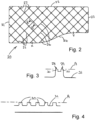
Figure 2 is a top view of a first HFW tool for use in a method of manufacturing the car mat; -
Figure 3 is a detailed section III-III through part of the HFW tool ofFig. 2 ; -
Figure 4 is a side view of the section III-III looking from the left inFig. 3 ; -
Figure 5 is is a top view of a second HFW tool for use in a method of manufacturing the car mat; -
Figure 6 is a diagrammatic section through part of the first HFW tool together with the various layers which are used in a method of manufacturing the car mat; -
Figure 7 is a section through a third HFW tool for use in a method of manufacturing the car mat; and -
Figure 8 is is a diagrammatic section through part of the third HFW tool together with the various layers which are used in a method of manufacturing the car mat. - It should firstly be noted that the sectional drawings included herewith are diagrammatic and are not necessarily in proportion.
- Referring firstly to
Fig. 1 , the drawing illustrates a typicalcar floor mat 1 having abase layer 2 of flexible fibrous carpet material which, in one embodiment, may comprise polyester fibres bonded to a rubberised backing sheet. The base layer is pre-cut to a defined peripheral profile to fit in the foot well of a vehicle, but the required profile may vary considerably from one vehicle to another. The mat could also be configured to fit in the boot, or a moulded boot liner, of the vehicle. In this embodiment the upper surface of thebase layer 2 is partially covered by anoverlay 3 to provide an additional durable covering in areas which are most likely to suffer wear and soiling. These areas will also vary from one vehicle to another, but in the illustrated embodiment there is aperipheral area 4 which lies underneath the foot pedals of the vehicle and an inset area 5 which lies at the bottom of the foot well. In thearea 4 theoverlay 3 extends right up to one continuous peripheral edge portion of thebase layer 2, but in other embodiments the overlay could extend between two or more separate edge portions of the base layer. The inset area 5 may comprise one or more discrete areas arranged in a pattern to match or compliment the trim pattern of the vehicle. None of the discrete areas within the inset area 5 adjoin the peripheral edge of thebase layer 2. The peripheral edges of the mat are covered with an edge binding 6 which extends around the entire periphery of thebase layer 2. The binding may be attached by sewing or other appropriate means, providing a neat finish to the mat and neatly covering the rough cut edges at the periphery of the mat. - To manufacture the
mat 1 thebase layer 2 is first pre-cut to the required peripheral profile using a suitable die or template. Theoverlay 3 from which theareas 4 and 5 are formed may comprise one or more sheets of hard-wearing non-porous waterproof polymer sheet, preferably a vinyl material, particularly polyvinyl chloride (pvc), and vinyl co-polymers. Theoverlay 3 may have at least one surface which is textured to mimic the creases and pits found in real leather. The piece or pieces ofoverlay 3 are bonded to thebase layer 2 using a hot melt adhesive and high frequency welding (HFW). The processes involved in attachment of theperipheral area 4 and inset area 5 are somewhat different, and each will now be described in detail. - The
peripheral areas 4 are produced using a first purpose-made HFW tool, an embodiment of which is shown inFig. 2 . TheHFW tool 20 is of a suitable size and shape to cover theperipheral area 4, extending beyond the peripheral areas of thebase layer 2. A single tool which is larger than theperipheral area 4 of the largest mat to be produced can be used with any smaller mat. The tool shown inFig. 2 has three straight edges 21-23 and afourth edge 24 which is shaped to form acurved edge 4A which extends across the base layer, as seen inFig. 1 . In this embodiment part of thecurved edge 24 which extends between the points X and Y forms thecurved edge 4A but it will be appreciated that this can be varied depending on the desired shape of theperipheral area 4. It will be noted that the upper contact surface of thetool 20 also incorporates an intersecting pattern of two sets ofparallel lines 25 and 26,Fig. 2 , withcircles 27 formed at each of the points of intersection. When viewed in greater detail as in the sectional views ofFig.s 3 and 4 , it can be seen that thelines 25, 26 each comprise twoparallel rows castellations 30. The castellations all end on a common plane A together with thecircles 27. Thecastellations 30 andcircles 27 form active welding areas which are separated by inset non-active areas or lands 31. These rows ofcastellations 30 help to secure the overlay to the base layer and closely mimic the intersecting rows of stitching which are often found on real and simulated leather vehicle trims. - Although the die having a pattern shown in
Fig.s 2-4 is preferred other patterns can be used. For example,Fig. 5 shows asecond die 36 which has raised hexagonal areas crating aperipheral area 4 with a 3-dimensional honeycomb pattern. Again, thelines 37 which create the hexagonal pattern may be formed by raised active welding areas with rows of castellations and intervening non-active lands 38. -
Fig. 6 shows how the HFW die ofFig.s 2-4 is used in forming aperipheral area 4. The various layers are shown separated for clarity but they are of course in contact during the welding process. A suitably sized piece of theoverlay 3 is laid onto an appropriate area of the HFW die 20. Where the overlay has a surface which is textured to mimic real leather this is placed face down in contact with the HFW die. - A hot melt
adhesive laminate sheet 40 is placed on top of the piece ofoverlay 3. - The
pre-shaped base layer 2 is placed onto the hot meltadhesive laminate sheet 40 with its fibrous surface downwards, and the position of the mat is carefully adjusted so that the requiredperipheral area 4 covers the appropriate portion of the HFW die 20 with theoverlay 3 andadhesive laminate 40 interposed. - A
metal contact plate 42 is placed onto the article above the HFW die 20 to direct energy through the die and prevent arcing during the welding process. High frequency electrical current is then passed through the HFW die to melt the hot meltadhesive laminate 40 and bond theoverlay 3 to the corresponding overlying areas of the base layer. During this process the raisedactive areas 30 of the die press theoverlay 3 into the fibrous surface of thebase layer 2 and areas of the overlay which overlie thenon-active areas 31 of the die maintain a greater separation from the backing material of the base layer. - When the bonding process is complete the edges of the
overlay 3 which overhang the shaped peripheral edge of the base layer are trimmed off. - It will be appreciated that the
overlay 3 could extend up to the entire periphery of thebase layer 2, covering the entire upper surface of the base layer, for example, where a particular application requires the entire top surface of the mat to be water-repellent. - The inset area 5 is produced using a different HFW tool, and embodiment of which is shown in the cross-sectional view of
Fig. 7 . In this case theHFW tool 50 is of a suitable size and shape to cover an inset area 5 lying entirely within, and inset from, the peripheral areas of thebase layer 2. A single tool which is smaller than the periphery of the smallest mat to be produced can be used with any larger mat. The tool shown inFig. 7 has a continuous relativelysharp edge 51 which is shaped to bite into the sheet ofoverlay 3 during the HFW welding process. Although oneedge 51 is shown in the drawing it will be appreciated that the tool may have a number of such edges to define several discrete sections of the inset area 5. Within thecontinuous edge 51 there is a recessed non-active area orland 52. In some embodiments thelands 52 may incorporate flat-toppedactive welding areas 53 which are raised above thelands 52 ending on a common plane A. These active welding areas do not project above thecontinuous cutting edge 51, but they form patterns within the individual sections of the inset area 5, such as the circles seen inFig. 1 , and help to secure the overlay to the base layer. -
Fig. 8 shows how the HFW die 50 is used in forming the inset area 5. A suitably sized piece of theoverlay 3 is laid onto an appropriate area of the HFW die 50. Where the overlay has a surface which is textured to mimic real leather this is placed face down in contact with the HFW die. A hot meltadhesive laminate sheet 40 is placed on top of the piece ofoverlay 3. Thepre-shaped base layer 2 is placed onto the hot meltadhesive laminate sheet 40 with its fibrous surface downwards, and the position of the mat is carefully adjusted so that the required inset area 5 covers the appropriate portion of the HFW die 20 with theoverlay 3 andadhesive laminate 40 interposed. Ametal contact plate 42 is placed onto the article above the HFW die 50 to direct energy through the die and prevent arcing during the welding process. Electrical current is then passed through the HFW die to melt the hot meltadhesive laminate 40 and bond theoverlay 3 to the corresponding overlying areas of the base layer. During this process raisedactive areas 53 of the die press theoverlay 3 into the fibrous covering of the base layer, and areas of the overlay which overlie thenon-active areas 52 of the die maintain a greater separation from the backing material of the base layer2. - In the course of the welding process the cutting
edge 51 bites into theoverlay 3 producing a line of weakness which defines the individual sections of the inset area 5. When the bonding process is complete the portion of theoverlay 3 lying outside the individual sections of the inset area 5 can be torn away leaving just the required inset areas themselves which are firmly bonded to the base layer. - To finish the mat the edge binding 6 is attached around the periphery of the mat using sowing or other means of attachment.
- Apart from enhancing the appearance of the mat in a manner which can closely mimic or complement real leather, the overlay provides a tough, waterproof wearing surface which enables the most used areas of the mat to be kept clean and dirt-free, being easily wiped clean with a damp cloth. The manufacturing process also enables the overlay to be applied to a multitude of shapes and configurations of mat using just one or two HFW tools, without requiring a different set of tools to be produced for each mat. The design of the mat may be enhanced by using an overlay of a different colour from the base layer. For example, the base layer may be red and the overlay black. The invention also enables printed matter to be applied to the overlay if desired, using suitable vinyl printing techniques.
- The configuration of the die described in relation to
Fig.s 2-4 ensures that an effective bond is achieved between the overlay and the base mat whilst ensuring that portions of the die which lie outside the periphery of the base mat are not subject to any risk of arcing, overheating or wasted energy during the welding process.
Claims (10)
- A method of manufacturing an article for use in a vehicle:- pre-forming a base layer (2) from a sheet which includes a flexible fibrous material to provide the base layer with a defined peripheral profile;- placing an overlay (3) of smooth non-porous polymer material onto an HFW (high frequency welding) die, said HFW die having an upper contact surface which includes active welding areas for contact with the overlay and inset non-active areas which are spaced from the overlay;- covering the overlay with a hot melt adhesive laminate (40);- placing the pre-formed base layer onto the hot melt adhesive laminate such that the overlay covers at least part of the pre-formed base layer;- placing a metal contact plate (42) onto the base layer above the HFW die;- applying electrical power to the HFW die to cause the hot melt adhesive laminate to melt and bond areas of the overlay in contact with the active welding areas of the die to the corresponding overlying areas of the pre-formed base layer;- wherein the active welding areas of the HFW die comprise lines (25, 26; 37) of discrete active welding areas (30) which are separated by spaces (31);characterised in that the pre-formed base layer (2) is positioned such that the overlay (3) extends beyond at least one peripheral edge of the base layer.
- A method according to Claim 1 in which each of the lines of discrete active welding areas has a double row (28, 29) of discrete active welding areas separated by spaces.
- A method according to Claim 1 in which the lines of discrete active welding areas are arranged in two intersecting sets of parallel lines (25, 26).
- A method according to Claim 1 in which parts of the overlay which extend beyond the peripheral profile of the base layer are trimmed to the peripheral profile of the base layer after the overlay has been bonded to the base layer.
- A method according to Claim 4 in which an edge binding (6) is applied around the peripheral edges of the base layer and the trimmed areas of the overlay.
- A method according to Claim 1 in which the overlay is a vinyl polymer.
- An article for use in a vehicle:- a base layer (2) which includes a flexible fibrous material, said base layer having a defined peripheral profile;- an overlay (3) of smooth non-porous polymer material which is bonded by HFW (high frequency welding) to selected areas of the flexible fibrous material using a hot melt adhesive (40);- wherein the overlay has lines (25, 26) of discrete welding areas (30) which are separated by spaces (31);characterised in that the overlay is bonded to an area of the base layer which extends up to at least part of the peripheral profile of the base layer.
- An article according to Claim 7 in which each of the lines of discrete welding areas has a double row of discrete active welding areas separated by spaces.
- An article according to Claim 7 in which the lines of discrete welding areas are arranged in two intersecting sets of parallel lines.
- An article according to Claim 7 in which the overlay is a vinyl polymer.
Applications Claiming Priority (1)
| Application Number | Priority Date | Filing Date | Title |
|---|---|---|---|
| PCT/GB2019/050041 WO2020144444A1 (en) | 2019-01-08 | 2019-01-08 | Car mats and similar articles for use in vehicles |
Publications (2)
| Publication Number | Publication Date |
|---|---|
| EP3908452A1 EP3908452A1 (en) | 2021-11-17 |
| EP3908452B1 true EP3908452B1 (en) | 2024-07-10 |
Family
ID=65494442
Family Applications (1)
| Application Number | Title | Priority Date | Filing Date |
|---|---|---|---|
| EP19705987.6A Active EP3908452B1 (en) | 2019-01-08 | 2019-01-08 | Car mats and similar articles for use in vehicles |
Country Status (2)
| Country | Link |
|---|---|
| EP (1) | EP3908452B1 (en) |
| WO (1) | WO2020144444A1 (en) |
Citations (1)
| Publication number | Priority date | Publication date | Assignee | Title |
|---|---|---|---|---|
| JP2519491B2 (en) * | 1987-12-16 | 1996-07-31 | リーマン株式会社 | Manufacturing method of automobile mat |
Family Cites Families (6)
| Publication number | Priority date | Publication date | Assignee | Title |
|---|---|---|---|---|
| JPS58152634A (en) * | 1982-03-05 | 1983-09-10 | Hayashi Terenpu Kk | Automotive carpet with pad and its manufacture |
| JPS60185646A (en) * | 1984-03-02 | 1985-09-21 | Hayashi Terenpu Kk | Car carpet with pat and manufacturing method thereof |
| JP3224236B2 (en) * | 1996-12-09 | 2001-10-29 | イー・アイ・デュポン・ドウ・ヌムール・アンド・カンパニー | Equipment for high frequency coupling of thermoplastic members |
| US6030490A (en) | 1996-12-09 | 2000-02-29 | E.I. Du Pont De Nemours And Company | Apparatus for radio-frequency bonding of thermoplastic members |
| AU5180899A (en) | 1998-08-06 | 2000-02-28 | Paul Kimsey | Embellishing articles |
| GB2533149B (en) | 2014-12-12 | 2019-09-11 | Kimsey Paul | Mat with a heel pad |
-
2019
- 2019-01-08 EP EP19705987.6A patent/EP3908452B1/en active Active
- 2019-01-08 WO PCT/GB2019/050041 patent/WO2020144444A1/en not_active Ceased
Patent Citations (1)
| Publication number | Priority date | Publication date | Assignee | Title |
|---|---|---|---|---|
| JP2519491B2 (en) * | 1987-12-16 | 1996-07-31 | リーマン株式会社 | Manufacturing method of automobile mat |
Also Published As
| Publication number | Publication date |
|---|---|
| EP3908452A1 (en) | 2021-11-17 |
| WO2020144444A1 (en) | 2020-07-16 |
Similar Documents
| Publication | Publication Date | Title |
|---|---|---|
| US4541885A (en) | Method of manufacturing a vehicle seat cover | |
| CN116323168B (en) | Panel assembly with molded foam backing | |
| CN101124074A (en) | Automotive interior panels with multiple decorative features | |
| JPS62502745A (en) | Automotive accessories floor mats | |
| GB2063065A (en) | Seat cushion | |
| WO2021100652A1 (en) | Laminated molded body and method for manufacturing same | |
| JPS6365492B2 (en) | ||
| EP3908452B1 (en) | Car mats and similar articles for use in vehicles | |
| JP7002280B2 (en) | Decorative sheet, embossing method and embossing type | |
| US12344141B2 (en) | Vehicle seat and a method for producing the vehicle seat | |
| US10040381B2 (en) | Alignment of motor vehicle seat cap pieces | |
| WO2013111680A1 (en) | Method for manufacturing resin molding with skin | |
| JP2019077040A5 (en) | ||
| GB2565783A (en) | Car mats and similar articles for use in vehicles | |
| EP3230122B1 (en) | Mat with a heel pad | |
| JP2005125845A (en) | Vehicular skin material, vehicular seat and vehicular skin material manufacturing method | |
| WO2000007842A1 (en) | Embellishing articles | |
| JPS647857B2 (en) | ||
| CN110316102B (en) | Decorative covering material with alignment features | |
| EP1160076A2 (en) | Modular coating element for coating floors, walls and the like | |
| US20260001300A1 (en) | Outer layer-covered product | |
| KR102374937B1 (en) | Manufacturing method for three-dimensional molding product integrated with fabric or textile using by high frequency heat treatment | |
| JP6559206B2 (en) | Footwear manufacturing method | |
| JPH0324155Y2 (en) | ||
| JP2796037B2 (en) | Manufacturing method of laminated carpet mat |
Legal Events
| Date | Code | Title | Description |
|---|---|---|---|
| STAA | Information on the status of an ep patent application or granted ep patent |
Free format text: STATUS: UNKNOWN |
|
| STAA | Information on the status of an ep patent application or granted ep patent |
Free format text: STATUS: THE INTERNATIONAL PUBLICATION HAS BEEN MADE |
|
| PUAI | Public reference made under article 153(3) epc to a published international application that has entered the european phase |
Free format text: ORIGINAL CODE: 0009012 |
|
| STAA | Information on the status of an ep patent application or granted ep patent |
Free format text: STATUS: THE APPLICATION HAS BEEN PUBLISHED |
|
| STAA | Information on the status of an ep patent application or granted ep patent |
Free format text: STATUS: REQUEST FOR EXAMINATION WAS MADE |
|
| 17P | Request for examination filed |
Effective date: 20210720 |
|
| AK | Designated contracting states |
Kind code of ref document: A1 Designated state(s): AL AT BE BG CH CY CZ DE DK EE ES FI FR GB GR HR HU IE IS IT LI LT LU LV MC MK MT NL NO PL PT RO RS SE SI SK SM TR |
|
| DAV | Request for validation of the european patent (deleted) | ||
| DAX | Request for extension of the european patent (deleted) | ||
| RIC1 | Information provided on ipc code assigned before grant |
Ipc: B29K 67/00 20060101ALN20231127BHEP Ipc: B29K 27/06 20060101ALN20231127BHEP Ipc: B29L 31/30 20060101ALN20231127BHEP Ipc: B60R 22/14 20060101ALN20231127BHEP Ipc: B60N 3/04 20060101ALI20231127BHEP Ipc: B29C 65/74 20060101ALI20231127BHEP Ipc: B29C 65/72 20060101ALI20231127BHEP Ipc: B29C 65/48 20060101ALI20231127BHEP Ipc: B29C 65/04 20060101AFI20231127BHEP |
|
| GRAP | Despatch of communication of intention to grant a patent |
Free format text: ORIGINAL CODE: EPIDOSNIGR1 |
|
| STAA | Information on the status of an ep patent application or granted ep patent |
Free format text: STATUS: GRANT OF PATENT IS INTENDED |
|
| INTG | Intention to grant announced |
Effective date: 20240130 |
|
| RIC1 | Information provided on ipc code assigned before grant |
Ipc: B29K 67/00 20060101ALN20240119BHEP Ipc: B29K 27/06 20060101ALN20240119BHEP Ipc: B29L 31/30 20060101ALN20240119BHEP Ipc: B60R 22/14 20060101ALN20240119BHEP Ipc: B60N 3/04 20060101ALI20240119BHEP Ipc: B29C 65/74 20060101ALI20240119BHEP Ipc: B29C 65/72 20060101ALI20240119BHEP Ipc: B29C 65/48 20060101ALI20240119BHEP Ipc: B29C 65/04 20060101AFI20240119BHEP |
|
| GRAS | Grant fee paid |
Free format text: ORIGINAL CODE: EPIDOSNIGR3 |
|
| GRAA | (expected) grant |
Free format text: ORIGINAL CODE: 0009210 |
|
| STAA | Information on the status of an ep patent application or granted ep patent |
Free format text: STATUS: THE PATENT HAS BEEN GRANTED |
|
| AK | Designated contracting states |
Kind code of ref document: B1 Designated state(s): AL AT BE BG CH CY CZ DE DK EE ES FI FR GB GR HR HU IE IS IT LI LT LU LV MC MK MT NL NO PL PT RO RS SE SI SK SM TR |
|
| REG | Reference to a national code |
Ref country code: CH Ref legal event code: EP |
|
| REG | Reference to a national code |
Ref country code: DE Ref legal event code: R096 Ref document number: 602019054928 Country of ref document: DE |
|
| REG | Reference to a national code |
Ref country code: LT Ref legal event code: MG9D |
|
| REG | Reference to a national code |
Ref country code: NL Ref legal event code: MP Effective date: 20240710 |
|
| PG25 | Lapsed in a contracting state [announced via postgrant information from national office to epo] |
Ref country code: PT Free format text: LAPSE BECAUSE OF FAILURE TO SUBMIT A TRANSLATION OF THE DESCRIPTION OR TO PAY THE FEE WITHIN THE PRESCRIBED TIME-LIMIT Effective date: 20241111 |
|
| REG | Reference to a national code |
Ref country code: AT Ref legal event code: MK05 Ref document number: 1701693 Country of ref document: AT Kind code of ref document: T Effective date: 20240710 |
|
| PG25 | Lapsed in a contracting state [announced via postgrant information from national office to epo] |
Ref country code: NL Free format text: LAPSE BECAUSE OF FAILURE TO SUBMIT A TRANSLATION OF THE DESCRIPTION OR TO PAY THE FEE WITHIN THE PRESCRIBED TIME-LIMIT Effective date: 20240710 |
|
| PG25 | Lapsed in a contracting state [announced via postgrant information from national office to epo] |
Ref country code: PT Free format text: LAPSE BECAUSE OF FAILURE TO SUBMIT A TRANSLATION OF THE DESCRIPTION OR TO PAY THE FEE WITHIN THE PRESCRIBED TIME-LIMIT Effective date: 20241111 Ref country code: NL Free format text: LAPSE BECAUSE OF FAILURE TO SUBMIT A TRANSLATION OF THE DESCRIPTION OR TO PAY THE FEE WITHIN THE PRESCRIBED TIME-LIMIT Effective date: 20240710 |
|
| PG25 | Lapsed in a contracting state [announced via postgrant information from national office to epo] |
Ref country code: NO Free format text: LAPSE BECAUSE OF FAILURE TO SUBMIT A TRANSLATION OF THE DESCRIPTION OR TO PAY THE FEE WITHIN THE PRESCRIBED TIME-LIMIT Effective date: 20241010 |
|
| PG25 | Lapsed in a contracting state [announced via postgrant information from national office to epo] |
Ref country code: FI Free format text: LAPSE BECAUSE OF FAILURE TO SUBMIT A TRANSLATION OF THE DESCRIPTION OR TO PAY THE FEE WITHIN THE PRESCRIBED TIME-LIMIT Effective date: 20240710 Ref country code: PL Free format text: LAPSE BECAUSE OF FAILURE TO SUBMIT A TRANSLATION OF THE DESCRIPTION OR TO PAY THE FEE WITHIN THE PRESCRIBED TIME-LIMIT Effective date: 20240710 Ref country code: GR Free format text: LAPSE BECAUSE OF FAILURE TO SUBMIT A TRANSLATION OF THE DESCRIPTION OR TO PAY THE FEE WITHIN THE PRESCRIBED TIME-LIMIT Effective date: 20241011 |
|
| PG25 | Lapsed in a contracting state [announced via postgrant information from national office to epo] |
Ref country code: BG Free format text: LAPSE BECAUSE OF FAILURE TO SUBMIT A TRANSLATION OF THE DESCRIPTION OR TO PAY THE FEE WITHIN THE PRESCRIBED TIME-LIMIT Effective date: 20240710 |
|
| PG25 | Lapsed in a contracting state [announced via postgrant information from national office to epo] |
Ref country code: LV Free format text: LAPSE BECAUSE OF FAILURE TO SUBMIT A TRANSLATION OF THE DESCRIPTION OR TO PAY THE FEE WITHIN THE PRESCRIBED TIME-LIMIT Effective date: 20240710 |
|
| PG25 | Lapsed in a contracting state [announced via postgrant information from national office to epo] |
Ref country code: AT Free format text: LAPSE BECAUSE OF FAILURE TO SUBMIT A TRANSLATION OF THE DESCRIPTION OR TO PAY THE FEE WITHIN THE PRESCRIBED TIME-LIMIT Effective date: 20240710 Ref country code: IS Free format text: LAPSE BECAUSE OF FAILURE TO SUBMIT A TRANSLATION OF THE DESCRIPTION OR TO PAY THE FEE WITHIN THE PRESCRIBED TIME-LIMIT Effective date: 20241110 |
|
| PG25 | Lapsed in a contracting state [announced via postgrant information from national office to epo] |
Ref country code: HR Free format text: LAPSE BECAUSE OF FAILURE TO SUBMIT A TRANSLATION OF THE DESCRIPTION OR TO PAY THE FEE WITHIN THE PRESCRIBED TIME-LIMIT Effective date: 20240710 |
|
| PG25 | Lapsed in a contracting state [announced via postgrant information from national office to epo] |
Ref country code: ES Free format text: LAPSE BECAUSE OF FAILURE TO SUBMIT A TRANSLATION OF THE DESCRIPTION OR TO PAY THE FEE WITHIN THE PRESCRIBED TIME-LIMIT Effective date: 20240710 Ref country code: RS Free format text: LAPSE BECAUSE OF FAILURE TO SUBMIT A TRANSLATION OF THE DESCRIPTION OR TO PAY THE FEE WITHIN THE PRESCRIBED TIME-LIMIT Effective date: 20241010 |
|
| PG25 | Lapsed in a contracting state [announced via postgrant information from national office to epo] |
Ref country code: RS Free format text: LAPSE BECAUSE OF FAILURE TO SUBMIT A TRANSLATION OF THE DESCRIPTION OR TO PAY THE FEE WITHIN THE PRESCRIBED TIME-LIMIT Effective date: 20241010 Ref country code: PL Free format text: LAPSE BECAUSE OF FAILURE TO SUBMIT A TRANSLATION OF THE DESCRIPTION OR TO PAY THE FEE WITHIN THE PRESCRIBED TIME-LIMIT Effective date: 20240710 Ref country code: NO Free format text: LAPSE BECAUSE OF FAILURE TO SUBMIT A TRANSLATION OF THE DESCRIPTION OR TO PAY THE FEE WITHIN THE PRESCRIBED TIME-LIMIT Effective date: 20241010 Ref country code: LV Free format text: LAPSE BECAUSE OF FAILURE TO SUBMIT A TRANSLATION OF THE DESCRIPTION OR TO PAY THE FEE WITHIN THE PRESCRIBED TIME-LIMIT Effective date: 20240710 Ref country code: IS Free format text: LAPSE BECAUSE OF FAILURE TO SUBMIT A TRANSLATION OF THE DESCRIPTION OR TO PAY THE FEE WITHIN THE PRESCRIBED TIME-LIMIT Effective date: 20241110 Ref country code: HR Free format text: LAPSE BECAUSE OF FAILURE TO SUBMIT A TRANSLATION OF THE DESCRIPTION OR TO PAY THE FEE WITHIN THE PRESCRIBED TIME-LIMIT Effective date: 20240710 Ref country code: GR Free format text: LAPSE BECAUSE OF FAILURE TO SUBMIT A TRANSLATION OF THE DESCRIPTION OR TO PAY THE FEE WITHIN THE PRESCRIBED TIME-LIMIT Effective date: 20241011 Ref country code: FI Free format text: LAPSE BECAUSE OF FAILURE TO SUBMIT A TRANSLATION OF THE DESCRIPTION OR TO PAY THE FEE WITHIN THE PRESCRIBED TIME-LIMIT Effective date: 20240710 Ref country code: ES Free format text: LAPSE BECAUSE OF FAILURE TO SUBMIT A TRANSLATION OF THE DESCRIPTION OR TO PAY THE FEE WITHIN THE PRESCRIBED TIME-LIMIT Effective date: 20240710 Ref country code: BG Free format text: LAPSE BECAUSE OF FAILURE TO SUBMIT A TRANSLATION OF THE DESCRIPTION OR TO PAY THE FEE WITHIN THE PRESCRIBED TIME-LIMIT Effective date: 20240710 Ref country code: AT Free format text: LAPSE BECAUSE OF FAILURE TO SUBMIT A TRANSLATION OF THE DESCRIPTION OR TO PAY THE FEE WITHIN THE PRESCRIBED TIME-LIMIT Effective date: 20240710 |
|
| PGFP | Annual fee paid to national office [announced via postgrant information from national office to epo] |
Ref country code: DE Payment date: 20250129 Year of fee payment: 7 |
|
| REG | Reference to a national code |
Ref country code: DE Ref legal event code: R097 Ref document number: 602019054928 Country of ref document: DE |
|
| PG25 | Lapsed in a contracting state [announced via postgrant information from national office to epo] |
Ref country code: SM Free format text: LAPSE BECAUSE OF FAILURE TO SUBMIT A TRANSLATION OF THE DESCRIPTION OR TO PAY THE FEE WITHIN THE PRESCRIBED TIME-LIMIT Effective date: 20240710 Ref country code: DK Free format text: LAPSE BECAUSE OF FAILURE TO SUBMIT A TRANSLATION OF THE DESCRIPTION OR TO PAY THE FEE WITHIN THE PRESCRIBED TIME-LIMIT Effective date: 20240710 Ref country code: RO Free format text: LAPSE BECAUSE OF FAILURE TO SUBMIT A TRANSLATION OF THE DESCRIPTION OR TO PAY THE FEE WITHIN THE PRESCRIBED TIME-LIMIT Effective date: 20240710 |
|
| PG25 | Lapsed in a contracting state [announced via postgrant information from national office to epo] |
Ref country code: EE Free format text: LAPSE BECAUSE OF FAILURE TO SUBMIT A TRANSLATION OF THE DESCRIPTION OR TO PAY THE FEE WITHIN THE PRESCRIBED TIME-LIMIT Effective date: 20240710 |
|
| PG25 | Lapsed in a contracting state [announced via postgrant information from national office to epo] |
Ref country code: CZ Free format text: LAPSE BECAUSE OF FAILURE TO SUBMIT A TRANSLATION OF THE DESCRIPTION OR TO PAY THE FEE WITHIN THE PRESCRIBED TIME-LIMIT Effective date: 20240710 |
|
| PGFP | Annual fee paid to national office [announced via postgrant information from national office to epo] |
Ref country code: FR Payment date: 20250123 Year of fee payment: 7 |
|
| PG25 | Lapsed in a contracting state [announced via postgrant information from national office to epo] |
Ref country code: IT Free format text: LAPSE BECAUSE OF FAILURE TO SUBMIT A TRANSLATION OF THE DESCRIPTION OR TO PAY THE FEE WITHIN THE PRESCRIBED TIME-LIMIT Effective date: 20240710 Ref country code: SK Free format text: LAPSE BECAUSE OF FAILURE TO SUBMIT A TRANSLATION OF THE DESCRIPTION OR TO PAY THE FEE WITHIN THE PRESCRIBED TIME-LIMIT Effective date: 20240710 |
|
| PLBE | No opposition filed within time limit |
Free format text: ORIGINAL CODE: 0009261 |
|
| STAA | Information on the status of an ep patent application or granted ep patent |
Free format text: STATUS: NO OPPOSITION FILED WITHIN TIME LIMIT |
|
| 26N | No opposition filed |
Effective date: 20250411 |
|
| REG | Reference to a national code |
Ref country code: CH Ref legal event code: PL |
|
| PG25 | Lapsed in a contracting state [announced via postgrant information from national office to epo] |
Ref country code: SE Free format text: LAPSE BECAUSE OF FAILURE TO SUBMIT A TRANSLATION OF THE DESCRIPTION OR TO PAY THE FEE WITHIN THE PRESCRIBED TIME-LIMIT Effective date: 20240710 |
|
| PG25 | Lapsed in a contracting state [announced via postgrant information from national office to epo] |
Ref country code: LU Free format text: LAPSE BECAUSE OF NON-PAYMENT OF DUE FEES Effective date: 20250108 Ref country code: MC Free format text: LAPSE BECAUSE OF FAILURE TO SUBMIT A TRANSLATION OF THE DESCRIPTION OR TO PAY THE FEE WITHIN THE PRESCRIBED TIME-LIMIT Effective date: 20240710 |
|
| GBPC | Gb: european patent ceased through non-payment of renewal fee |
Effective date: 20250108 |
|
| PG25 | Lapsed in a contracting state [announced via postgrant information from national office to epo] |
Ref country code: GB Free format text: LAPSE BECAUSE OF NON-PAYMENT OF DUE FEES Effective date: 20250108 Ref country code: BE Free format text: LAPSE BECAUSE OF NON-PAYMENT OF DUE FEES Effective date: 20250131 |
|
| PG25 | Lapsed in a contracting state [announced via postgrant information from national office to epo] |
Ref country code: CH Free format text: LAPSE BECAUSE OF NON-PAYMENT OF DUE FEES Effective date: 20250131 |
|
| REG | Reference to a national code |
Ref country code: BE Ref legal event code: MM Effective date: 20250131 |
|
| PG25 | Lapsed in a contracting state [announced via postgrant information from national office to epo] |
Ref country code: IE Free format text: LAPSE BECAUSE OF NON-PAYMENT OF DUE FEES Effective date: 20250108 |