EP3907655B1 - Verfahren für erklärbares aktives lernen zur verwendung für einen objektdetektor unter verwendung eines tiefencodierers und aktive lernvorrichtung damit - Google Patents
Verfahren für erklärbares aktives lernen zur verwendung für einen objektdetektor unter verwendung eines tiefencodierers und aktive lernvorrichtung damit Download PDFInfo
- Publication number
- EP3907655B1 EP3907655B1 EP21168586.2A EP21168586A EP3907655B1 EP 3907655 B1 EP3907655 B1 EP 3907655B1 EP 21168586 A EP21168586 A EP 21168586A EP 3907655 B1 EP3907655 B1 EP 3907655B1
- Authority
- EP
- European Patent Office
- Prior art keywords
- images
- training
- resized
- testing
- data
- Prior art date
- Legal status (The legal status is an assumption and is not a legal conclusion. Google has not performed a legal analysis and makes no representation as to the accuracy of the status listed.)
- Active
Links
Images


Classifications
-
- G—PHYSICS
- G06—COMPUTING OR CALCULATING; COUNTING
- G06V—IMAGE OR VIDEO RECOGNITION OR UNDERSTANDING
- G06V10/00—Arrangements for image or video recognition or understanding
- G06V10/20—Image preprocessing
- G06V10/25—Determination of region of interest [ROI] or a volume of interest [VOI]
-
- G—PHYSICS
- G06—COMPUTING OR CALCULATING; COUNTING
- G06F—ELECTRIC DIGITAL DATA PROCESSING
- G06F18/00—Pattern recognition
- G06F18/20—Analysing
- G06F18/21—Design or setup of recognition systems or techniques; Extraction of features in feature space; Blind source separation
- G06F18/211—Selection of the most significant subset of features
-
- G—PHYSICS
- G06—COMPUTING OR CALCULATING; COUNTING
- G06F—ELECTRIC DIGITAL DATA PROCESSING
- G06F18/00—Pattern recognition
- G06F18/20—Analysing
- G06F18/21—Design or setup of recognition systems or techniques; Extraction of features in feature space; Blind source separation
- G06F18/211—Selection of the most significant subset of features
- G06F18/2113—Selection of the most significant subset of features by ranking or filtering the set of features, e.g. using a measure of variance or of feature cross-correlation
-
- G—PHYSICS
- G06—COMPUTING OR CALCULATING; COUNTING
- G06F—ELECTRIC DIGITAL DATA PROCESSING
- G06F18/00—Pattern recognition
- G06F18/20—Analysing
- G06F18/21—Design or setup of recognition systems or techniques; Extraction of features in feature space; Blind source separation
- G06F18/217—Validation; Performance evaluation; Active pattern learning techniques
-
- G—PHYSICS
- G06—COMPUTING OR CALCULATING; COUNTING
- G06N—COMPUTING ARRANGEMENTS BASED ON SPECIFIC COMPUTATIONAL MODELS
- G06N3/00—Computing arrangements based on biological models
- G06N3/02—Neural networks
- G06N3/04—Architecture, e.g. interconnection topology
-
- G—PHYSICS
- G06—COMPUTING OR CALCULATING; COUNTING
- G06N—COMPUTING ARRANGEMENTS BASED ON SPECIFIC COMPUTATIONAL MODELS
- G06N3/00—Computing arrangements based on biological models
- G06N3/02—Neural networks
- G06N3/04—Architecture, e.g. interconnection topology
- G06N3/045—Combinations of networks
-
- G—PHYSICS
- G06—COMPUTING OR CALCULATING; COUNTING
- G06N—COMPUTING ARRANGEMENTS BASED ON SPECIFIC COMPUTATIONAL MODELS
- G06N3/00—Computing arrangements based on biological models
- G06N3/02—Neural networks
- G06N3/04—Architecture, e.g. interconnection topology
- G06N3/045—Combinations of networks
- G06N3/0455—Auto-encoder networks; Encoder-decoder networks
-
- G—PHYSICS
- G06—COMPUTING OR CALCULATING; COUNTING
- G06N—COMPUTING ARRANGEMENTS BASED ON SPECIFIC COMPUTATIONAL MODELS
- G06N3/00—Computing arrangements based on biological models
- G06N3/02—Neural networks
- G06N3/06—Physical realisation, i.e. hardware implementation of neural networks, neurons or parts of neurons
- G06N3/063—Physical realisation, i.e. hardware implementation of neural networks, neurons or parts of neurons using electronic means
-
- G—PHYSICS
- G06—COMPUTING OR CALCULATING; COUNTING
- G06N—COMPUTING ARRANGEMENTS BASED ON SPECIFIC COMPUTATIONAL MODELS
- G06N3/00—Computing arrangements based on biological models
- G06N3/02—Neural networks
- G06N3/08—Learning methods
-
- G—PHYSICS
- G06—COMPUTING OR CALCULATING; COUNTING
- G06N—COMPUTING ARRANGEMENTS BASED ON SPECIFIC COMPUTATIONAL MODELS
- G06N3/00—Computing arrangements based on biological models
- G06N3/02—Neural networks
- G06N3/08—Learning methods
- G06N3/084—Backpropagation, e.g. using gradient descent
-
- G—PHYSICS
- G06—COMPUTING OR CALCULATING; COUNTING
- G06N—COMPUTING ARRANGEMENTS BASED ON SPECIFIC COMPUTATIONAL MODELS
- G06N3/00—Computing arrangements based on biological models
- G06N3/02—Neural networks
- G06N3/08—Learning methods
- G06N3/09—Supervised learning
-
- G—PHYSICS
- G06—COMPUTING OR CALCULATING; COUNTING
- G06N—COMPUTING ARRANGEMENTS BASED ON SPECIFIC COMPUTATIONAL MODELS
- G06N3/00—Computing arrangements based on biological models
- G06N3/02—Neural networks
- G06N3/08—Learning methods
- G06N3/091—Active learning
-
- G—PHYSICS
- G06—COMPUTING OR CALCULATING; COUNTING
- G06V—IMAGE OR VIDEO RECOGNITION OR UNDERSTANDING
- G06V10/00—Arrangements for image or video recognition or understanding
- G06V10/40—Extraction of image or video features
-
- G—PHYSICS
- G06—COMPUTING OR CALCULATING; COUNTING
- G06V—IMAGE OR VIDEO RECOGNITION OR UNDERSTANDING
- G06V10/00—Arrangements for image or video recognition or understanding
- G06V10/70—Arrangements for image or video recognition or understanding using pattern recognition or machine learning
- G06V10/74—Image or video pattern matching; Proximity measures in feature spaces
- G06V10/75—Organisation of the matching processes, e.g. simultaneous or sequential comparisons of image or video features; Coarse-fine approaches, e.g. multi-scale approaches; using context analysis; Selection of dictionaries
- G06V10/751—Comparing pixel values or logical combinations thereof, or feature values having positional relevance, e.g. template matching
-
- G—PHYSICS
- G06—COMPUTING OR CALCULATING; COUNTING
- G06V—IMAGE OR VIDEO RECOGNITION OR UNDERSTANDING
- G06V10/00—Arrangements for image or video recognition or understanding
- G06V10/70—Arrangements for image or video recognition or understanding using pattern recognition or machine learning
- G06V10/77—Processing image or video features in feature spaces; using data integration or data reduction, e.g. principal component analysis [PCA] or independent component analysis [ICA] or self-organising maps [SOM]; Blind source separation
- G06V10/771—Feature selection, e.g. selecting representative features from a multi-dimensional feature space
-
- G—PHYSICS
- G06—COMPUTING OR CALCULATING; COUNTING
- G06V—IMAGE OR VIDEO RECOGNITION OR UNDERSTANDING
- G06V10/00—Arrangements for image or video recognition or understanding
- G06V10/70—Arrangements for image or video recognition or understanding using pattern recognition or machine learning
- G06V10/77—Processing image or video features in feature spaces; using data integration or data reduction, e.g. principal component analysis [PCA] or independent component analysis [ICA] or self-organising maps [SOM]; Blind source separation
- G06V10/774—Generating sets of training patterns; Bootstrap methods, e.g. bagging or boosting
-
- G—PHYSICS
- G06—COMPUTING OR CALCULATING; COUNTING
- G06V—IMAGE OR VIDEO RECOGNITION OR UNDERSTANDING
- G06V10/00—Arrangements for image or video recognition or understanding
- G06V10/70—Arrangements for image or video recognition or understanding using pattern recognition or machine learning
- G06V10/77—Processing image or video features in feature spaces; using data integration or data reduction, e.g. principal component analysis [PCA] or independent component analysis [ICA] or self-organising maps [SOM]; Blind source separation
- G06V10/774—Generating sets of training patterns; Bootstrap methods, e.g. bagging or boosting
- G06V10/7753—Incorporation of unlabelled data, e.g. multiple instance learning [MIL]
-
- G—PHYSICS
- G06—COMPUTING OR CALCULATING; COUNTING
- G06V—IMAGE OR VIDEO RECOGNITION OR UNDERSTANDING
- G06V10/00—Arrangements for image or video recognition or understanding
- G06V10/70—Arrangements for image or video recognition or understanding using pattern recognition or machine learning
- G06V10/77—Processing image or video features in feature spaces; using data integration or data reduction, e.g. principal component analysis [PCA] or independent component analysis [ICA] or self-organising maps [SOM]; Blind source separation
- G06V10/776—Validation; Performance evaluation
-
- G—PHYSICS
- G06—COMPUTING OR CALCULATING; COUNTING
- G06V—IMAGE OR VIDEO RECOGNITION OR UNDERSTANDING
- G06V10/00—Arrangements for image or video recognition or understanding
- G06V10/70—Arrangements for image or video recognition or understanding using pattern recognition or machine learning
- G06V10/82—Arrangements for image or video recognition or understanding using pattern recognition or machine learning using neural networks
-
- G—PHYSICS
- G06—COMPUTING OR CALCULATING; COUNTING
- G06V—IMAGE OR VIDEO RECOGNITION OR UNDERSTANDING
- G06V20/00—Scenes; Scene-specific elements
-
- G—PHYSICS
- G06—COMPUTING OR CALCULATING; COUNTING
- G06V—IMAGE OR VIDEO RECOGNITION OR UNDERSTANDING
- G06V20/00—Scenes; Scene-specific elements
- G06V20/50—Context or environment of the image
- G06V20/56—Context or environment of the image exterior to a vehicle by using sensors mounted on the vehicle
Definitions
- the present disclosure relates to a method for explainable active learning to be used for object detection by using a deep autoencoder and an active learning device using the same; and more particularly, to the method of the explainable active learning, for the object detection by the deep autoencoder, capable of (i) allowing information on whether an object of a specific type is present in an image to be confirmed, (ii) allowing information on why the image is selected to be confirmed and accordingly (iii) allowing the image of the specific type to be sampled, and the active learning device using the same.
- deep learning which uses a neural network including multiple hidden layers between an input layer and an output layer, has high performance on the object identification.
- the neural network is generally trained via backpropagation using one or more losses.
- the performance of the deep learning network improves, the hard example useful for learning becomes scarce, thus the effect of improving the performance of the deep learning network using the new training data is reduced.
- the effect of improving the performance of the deep learning network is also reduced, thus the return on investment on the data annotation by the human labelers is reduced.
- an active learning technique which selects and labels only specific unlabeled images that are expected to have a great effect under current circumstances of, for example, a size of a database where the labeled images are stored, a performance of a model to be trained, etc.
- a feature space is divided into subspaces or partitions, and unlabeled images which belongs to a specific subspace corresponding to a small space within a database are acquired as rare examples, i.e., rare images.
- the conventional active learning techniques are applicable only to classification issues.
- the conventional active learning techniques may map the whole of a given image with a size of H ⁇ W onto the feature space, such that images of similar scenes belong to a same subspace.
- the conventional active learning techniques have difficulty in determining the rare images to be used for learning of object detection.
- images of a similar street scene must be mapped onto different subspaces depending on a presence or an absence of pedestrians, but the conventional active learning techniques classify them into the same subspace.
- the conventional active learning techniques have a disadvantage in that in case of an image where a stop sign appears, the image cannot be mapped onto another subspace due to the small size of the stop sign compared to the size of the entire image.
- the area of the stop sign may be an area of an extremely small size such as a size of 50 ⁇ 50 and a size of 100 ⁇ 100, etc. on the image of a size of 1920 ⁇ 1080.
- all other parts except the areas of the stop signs should be ignored, however, such techniques cannot be implemented using the conventional active learning techniques.
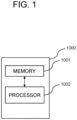
- Fig. 1 is a drawing schematically illustrating an active learning device performing explainable active learning, to be used for an object detector, by using a deep autoencoder in accordance with one example embodiment of the present disclosure.
- the active learning device 1000 may include a memory 1001 for storing instructions to perform the explainable active learning by using the deep autoencoder in order to sample one or more training images to be used for training the object detector, and a processor 1002 for performing the explainable active learning by using the deep autoencoder in order to sample the training images to be used for training the object detector according to the instructions in the memory 1001.
- the active learning device 1000 may typically achieve a desired system performance by using combinations of at least one computing device and at least one computer software, e.g., a computer processor, a memory, a storage, an input device, an output device, or any other conventional computing components, an electronic communication device such as a router or a switch, an electronic information storage system such as a network-attached storage (NAS) device and a storage area network (SAN) as the computing device and any instructions that allow the computing device to function in a specific way as the computer software.
- a computer software e.g., a computer processor, a memory, a storage, an input device, an output device, or any other conventional computing components, an electronic communication device such as a router or a switch, an electronic information storage system such as a network-attached storage (NAS) device and a storage area network (SAN) as the computing device and any instructions that allow the computing device to function in a specific way as the computer software.
- NAS network-attached storage
- SAN storage area network
- the processor of the computing device may include hardware configuration of MPU (Micro Processing Unit) or CPU (Central Processing Unit), cache memory, data bus, etc. Additionally, the computing device may further include software configuration of OS and applications that achieve specific purposes.
- MPU Micro Processing Unit
- CPU Central Processing Unit
- computing device does not exclude an integrated device including any combination of a processor, a memory, a medium, or any other computing components for implementing the present disclosure.
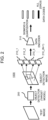
- the active learning device 1000 performs or supports another device to perform a process of inputting the test images into the object detector 200, to thereby allow the object detector 200 to detect one or more objects for testing in each of the test images and thus to output one or more bounding boxes for testing respectively corresponding to the objects for testing.
- the object detector 200 may output class information for testing corresponding to the objects for testing and various detection information related to the objects for testing.
- the active learning device 1000 may perform or support another device to perform a process of setting a detection threshold of the object detector 200 at a time of testing the object detector 200 as low, for example, lower than that at a time of training the object detector 200, to thereby allow the object detector 200 to detect the bounding boxes for testing as many as possible including some specific bounding boxes whose foreground class scores on the test images are low.
- the object detector 200 may be allowed to detect more of the bounding boxes for testing, including the specific bounding boxes whose foreground class scores on the test images are low, compared to a case, for example, where the specific bounding boxes whose foreground class scores on the training images are low are not detected due to the higher detection threshold used at the time of training the object detector 200.
- an incorrect determination representing that an object is determined incorrectly as not appearing although it actually appears, may be prevented as much as possible, and especially, an object of a difficult type to detect may be properly detected.
- the object detector 200 may have been trained in advance to detect objects on inputted images.
- test images may be (1) images acquired from an image capture device linked to a device where the object detector 200 is installed, (2) images collected for tasks to be performed by the object detector 200, or (3) unlabeled images on which a labeling process is not performed.
- the test images may be driving images acquired by a camera, a LiDAR, a radar, etc. while a vehicle is driven.
- the active learning device 1000 performs or supports another device to perform a process of cropping one or more regions, respectively corresponding to the bounding boxes for testing, in each of the test images, to thereby generate first cropped images for testing to n-th cropped images for testing.
- n may be an integer equal to or greater than 1.
- the active learning device 1000 performs or supports another device to perform a process of resizing (1) each of the test images and (2) the first cropped images for testing to the n-th cropped images for testing corresponding to each of the test images into a same size, to thereby generate first resized images for testing 210_1 to (n+1)-th resized images for testing 210_(n+1).
- the active learning device 1000 performs or supports another device to perform a process of inputting the first resized images for testing 210_1 to the (n+1)-th resized images for testing 210_(n+1) into a data encoder 310 of the deep autoencoder, to thereby allow the data encoder 310 to encode the first resized images for testing 210_1 to the (n+1)-th resized images for testing 210_(n+1) and thus to output first data codes for testing to (n+1)-th data codes for testing respectively corresponding to the first resized images for testing 210_1 to the (n+1)-th resized images for testing 210_(n+1).
- the active learning device 1000 may apply an activation function, such as a sigmoid function, to outputs from the data encoder 310, to thereby acquire the first data codes for testing to the (n+1)-th data codes for testing.
- an activation function such as a sigmoid function
- the data codes may be in d dimension and may have a range of [0, 1], and also, may be subspaces for the respective resized images.
- d may be an integer equal to or greater than 1.
- the data codes corresponding to background may be represented by all zeros.
- the data codes of the resized images corresponding to mis-detected bounding boxes for testing may be mapped into background data codes, i.e., all zeros.
- the active learning device 1000 performs or supports another device to perform (i) a process of confirming reference data codes corresponding to the number of the resized images equal to or less than a counter threshold by referring to a data codebook 410 which is created or updated by referring to previous training images used for pre-training the object detector 200, (ii) a process of extracting specific data codes for testing, respectively corresponding to the reference data codes, from the first data codes for testing to the (n+1)-th data codes for testing, (iii) a process of selecting specific test images, corresponding to the specific data codes for testing, among the test images, as rare samples to be used for re-training the object detector 200, and (iv) a process of updating the data codebook 410 by referring to the specific data codes for testing corresponding to the rare samples.
- the data codebook 410 lists the number of the resized images per data code, and processes of generating the data codebook 410 will be described later.
- the counter threshold may be one of (1) a predetermined counted number and (2) the number of the resized images corresponding to a threshold data code at a q-th position, within the data codebook 410, counted in an order from a largest counted number to a smallest counted number of the resized images.
- q may be an integer equal to or greater than 1.
- the data codebook 410 is updated by using the specific data codes for testing corresponding to the sampled specific test images, and after re-training the object detector 200, the data codebook 410 may be used as criteria for sampling new rare images from new test images.
- the data codebook 410 may also be updated.
- the test images may be explained by using scene levels and object levels with the data codebook, and the reasons of the selection may be confirmed using the scene levels and the object levels.
- the scene levels may represent each frequency of each same scene being detected and the object levels may represent each frequency of each same object being detected.
- the active learning device 1000 may perform or support another device to perform a process of re-training the object detector 200 by using the previous training images and the rare samples.
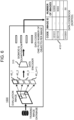
- the active learning device 1000 may sample the training images to be used for training the deep autoencoder 310 and 320 from a training image database which stores the training images for training a target model, i.e., the object detector.
- the active learning device 1000 may perform or support another device to perform (i) a process of cropping one or more object regions for training in each of the training images, sampled from the training image database to be used for training the object detector, to thereby generate first cropped object images for training to t-th cropped object images for training and (ii) a process of cropping background regions in each of the training images, to thereby generate first cropped background images for training to u-th cropped background images for training.
- each of t and u may be an integer equal to or greater than 1.
- the background regions may be randomly cropped so that the number of the cropped background images is one to three times the number of the cropped object images.
- the active learning device 1000 may perform or support another device to perform a process of resizing (1) each of the training images, (2) the first cropped object images for training to the t-th cropped object images for training corresponding to each of the training images, and (3) the first cropped background images for training to the u-th cropped background images for training corresponding to each of the training images into a same size, to thereby generate (1) first resized object images for training 20_1 to (t+1)-th resized object images for training 20_(t+1) and (2) first resized background images for training 30_1 to u-th resized background images for training 30_u.
- the active learning device 1000 may perform or support another device to perform a process of inputting the first resized object images for training 20_1 to the (t+1)-th resized object images for training 20_(t+1) and the first resized background images for training 30_1 to the u-th resized background images for training 30_u into the data encoder 310 of the deep autoencoder, to thereby allow the data encoder 310 to respectively encode the first resized object images for training 20_1 to the (t+1)-th resized object images for training 20_(t+1) and the first resized background images for training 30_1 to the u-th resized background images for training 30_u, and thus to output (1) first object data codes for training to (t+1)-th object data codes for training respectively corresponding to the first resized object images for training 20_1 to the (t+1)-th resized object images for training 20_(t+1) and (2) first background data codes for training to u-th background data codes for training respectively
- the active learning device 1000 may perform or support another device to perform a process of inputting the first object data codes for training to the (t+1)-th object data codes for training into a data decoder 320 of the deep autoencoder, to thereby allow the data decoder 320 to respectively decode the first object data codes for training to the (t+1)-th object data codes for training and thus to output first reconstructed images for training to (t+1)-th reconstructed images for training.
- the active learning device 1000 may perform or support another device to perform (i) a process of training the data decoder 320 and the data encoder 310 by using one or more first object losses to one or more (t+1)-th object losses calculated by referring to the first resized object images for training to the (t+1)-th resized object images for training and the first reconstructed images for training to the (t+1)-th reconstructed images for training and (ii) a process of training the data encoder 310 by using one or more background losses calculated by referring to the first background data codes for training to the u-th background data codes for training.
- object losses may be calculated as follows.
- I may be a resized image and R may be a reconstructed image.
- background losses may be calculated as follows.
- the active learning device 1000 may (i) allow a whole image and the cropped object images of the respective objects thereon to be reflected on code losses and reconstruction losses and thus to be used for training the data decoder 320 and the data encoder 310 and (ii) allow the cropped background images to be reflected only on the code losses, such that the outputted data codes corresponding to the cropped background images are all zeros, and thus to be used for training the data encoder 310.
- the active learning device 1000 is described above as training the data encoder 310, however, as another example, a separate learning device may be used for training the data encoder 310.
- the active learning device 1000 may sample evaluation images, to be used for creating the data codebook, from the training image database which stores the training images for training the target model, i.e., the object detector.
- the active learning device 1000 may sample the training images from the training image database, and may divide the sampled training images into (1) the training images to be used for training the data encoder 310 and (2) the evaluation images to be used for creating the data codebook. And, the division into the training images and the evaluation images may be performed by using uniform random sampling, such that each of distribution characteristics of the training images and the evaluation images, that is, each rareness of each subspace, is not different from each other.
- the active learning device 1000 may perform or support another device to perform (i) a process of cropping object regions for evaluation in each of the evaluation images sampled from the training image database, to thereby generate first cropped object images for evaluation to v-th cropped object images for evaluation and (ii) a process of resizing (1) each of the evaluation images and (2) the first cropped object images for evaluation to the v-th cropped object images for evaluation corresponding to each of the evaluation images into a same size, to thereby generate first resized object images for evaluation 40_1 to (v+1)-th resized object images for evaluation 40_(v+1).
- v may be an integer equal to or greater than 1.
- the active learning device 1000 may perform or support another device to perform a process of inputting the first resized object images for evaluation 40_1 to the (v+1)-th resized object images for evaluation 40_(v+1) into the trained data encoder 310, to thereby allow the trained data encoder 310 to encode the first resized object images for evaluation 40_1 to the (v+1)-th resized object images for evaluation 40_(v+1) and thus to output first object data codes for evaluation to (v+1)-th object data codes for evaluation respectively corresponding to the first resized object images for evaluation 40_1 to the (v+1)-th resized object images for evaluation 40_(v+1).
- the number of the data codes outputted from the data encoder 310 may be one plus the number of the objects for each of the evaluation images.
- the active learning device 1000 may perform or support another device to perform (i) a process of sorting the first object data codes for evaluation to the (v+1)-th object data codes for evaluation by the data codes and (ii) a process of counting the number of the resized images corresponding to each of the data codes to thereby generate the data codebook 410. That is, the number of the resized images per data code may be mapped into each of the data codes, to thereby generate the data codebook 410.
- the data codebook 410 may further include image IDs mapped into the data codes.
- each of the data codes in the data codebook 410 may correspond to each of the subspaces, and a specific subspace which includes the number of resized images lower than a predetermined threshold may be determined as a rare subspace, i.e., a subspace for selecting rare samples.
- the active learning device 1000 is described above as creating the data codebook 410, however, as another example, a separate learning device or a separate device for creating the data codebook may be used for creating the data codebook 410.
- the present disclosure has an effect of easily acquiring the rare samples according to types of the objects by mapping of a feature space using the object detector and the deep autoencoder together in the active learning.
- the present disclosure has another effect of acquiring the rare samples on which information on whether an object of a specific type appears and information on characteristics of a whole scene are reflected according to types of the objects by mapping of the feature space using the object detector and the deep autoencoder together in the active learning.
- the present disclosure has still another effect of easily confirming the reasons the rare samples are selected by mapping and encoding the feature space using the object detector and the deep autoencoder together in the active learning.
- the present disclosure has still yet another effect of easily selecting only the unlabeled images of specific types by mapping and encoding the feature space using the object detector and the deep autoencoder together in the active learning.
- the embodiments of the present disclosure as explained above can be implemented in a form of executable program command through a variety of computer means recordable to computer readable media.
- the computer readable media may include solely or in combination, program commands, data files, and data structures.
- the program commands recorded to the media may be components specially designed for the present disclosure or may be usable to those skilled in the art.
- Computer readable media include magnetic media such as hard disk, floppy disk, and magnetic tape, optical media such as CD-ROM and DVD, magneto-optical media such as floptical disk and hardware devices such as ROM, RAM, and flash memory specially designed to store and carry out program commands.
- Program commands include not only a machine language code made by a complier but also a high level code that can be used by an interpreter etc., which is executed by a computer.
- the aforementioned hardware device can work as more than a software module to perform the action of the present disclosure and vice versa.
Landscapes
- Engineering & Computer Science (AREA)
- Theoretical Computer Science (AREA)
- Physics & Mathematics (AREA)
- General Physics & Mathematics (AREA)
- Evolutionary Computation (AREA)
- Artificial Intelligence (AREA)
- Health & Medical Sciences (AREA)
- Computing Systems (AREA)
- General Health & Medical Sciences (AREA)
- Software Systems (AREA)
- Computer Vision & Pattern Recognition (AREA)
- Data Mining & Analysis (AREA)
- Multimedia (AREA)
- Life Sciences & Earth Sciences (AREA)
- General Engineering & Computer Science (AREA)
- Databases & Information Systems (AREA)
- Biomedical Technology (AREA)
- Biophysics (AREA)
- Medical Informatics (AREA)
- Computational Linguistics (AREA)
- Molecular Biology (AREA)
- Mathematical Physics (AREA)
- Bioinformatics & Cheminformatics (AREA)
- Bioinformatics & Computational Biology (AREA)
- Evolutionary Biology (AREA)
- Neurology (AREA)
- Image Analysis (AREA)
- Image Processing (AREA)
Claims (15)
- Verfahren für erklärbares aktives Lernen zur Verwendung für einen Objektdetektor (200), der zum Erfassen von Objekten in einem Bild vortrainiert ist, unter Verwendung eines tiefen Autocodierers, wobei das Verfahren umfasst:Erfassen eines oder mehrerer Objekte zum Testen durch den Objektdetektor, der als Eingabe ein oder mehrere Testbilder aufweist, in jedem der Testbilder und Ausgeben von Begrenzungsrahmen zum Testen, die dem einen oder den mehreren Objekten zum Testen entsprechen, aus dem Objektdetektor;Erzeugen erster bis n-ter beschnittener Bilder zum Testen, wobei n eine ganze Zahl größer oder gleich 1 ist, durch Beschneiden von Regionen, welche jeweils den Begrenzungsrahmen zum Testen entsprechen, in jedem der Testbilder;Erzeugen erster bis (n+1)-ter in der Größe geänderter Bilder zum Testen durch Bringen jedes der Testbilder und der ersten bis n-ten beschnittenen Bilder zum Testen auf eine gleiche Größe;Codieren der ersten bis (n+1)-ten in der Größe geänderten Bilder zum Testen durch einen Datencodierer (310) des tiefen Autocodierers, der als Eingabe die ersten bis (n+1)-ten in der Größe geänderten Bilder zum Testen aufweist, und Ausgeben erster bis (n+1)-ter Datencodes zum Testen aus dem Datencodierer, welche jeweils den ersten bis (n+1)-ten in der Größe geänderten Bildern zum Testen entsprechen, wobei ein jeweiliger der ersten bis (n+1)-ten Datencodes zum Testen einen jeweiligen von Teilräumen repräsentiert, die einem jeweiligen der ersten bis (n+1)-ten in der Größe geänderten Bilder zum Testen entsprechen;Bestätigen von Referenzdatencodes, welche der Anzahl der in der Größe geänderten Bilder kleiner oder gleich einem Zählerschwellenwert entsprechen, unter Rückgriff auf ein Datencodebuch, wobei in dem Datencodebuch die Anzahl der in der Größe geänderten Bilder je Datencode aufgelistet ist und wobei das Datencodebuch unter Rückgriff auf vorhergehende Trainingsbilder, die zum Vorab-Trainieren des Objektdetektors verwendet werden, erzeugt oder aktualisiert wird;Extrahieren spezieller Datencodes zum Testen, welche jeweils den Referenzdatencodes entsprechen, von den ersten Datencodes zum Testen bis zu den (n+1)-ten Datencodes zum Testen;Auswählen spezieller Testbilder, welche den speziellen Datencodes zum Testen entsprechen, aus den Testbildern, als seltene Proben, die zum Neu-Trainieren des Objektdetektors zu verwenden sind; undAktualisieren des Datencodebuchs unter Rückgriff auf die speziellen Datencodes zum Testen, die den seltenen Proben entsprechen.
- Verfahren nach Anspruch 1, ferner umfassend:
Neu-Trainieren des Objektdetektors unter Verwendung der vorhergehenden Trainingsbilder und der seltenen Proben. - Verfahren nach Anspruch 1, ferner umfassend:
Abbilden falsch erfasster Begrenzungsrahmen zum Testen aus den Begrenzungsrahmen zum Testen in Hintergrund-Datencodes. - Verfahren nach Anspruch 1, wobei der Zählerschwellenwert eine aus (1) einer vorgegebenen gezählten Anzahl und (2) einer Anzahl der in der Größe geänderten Bilder, die einem Schwellen-Datencode an einer q-ten Position entspricht, in dem Datencodebuch ist, gezählt in einer Reihenfolge von einer höchsten gezählten Anzahl zu einer niedrigsten gezählten Anzahl der in der Größe geänderten Bilder, wobei q eine ganze Zahl größer oder gleich 1 ist.
- Verfahren nach Anspruch 1, ferner umfassend:
Einstellen eines Erfassungsschwellenwerts des Objektdetektors niedriger als denjenigen zu einem Zeitpunkt des Trainierens des Objektdetektors. - Verfahren nach Anspruch 1, ferner umfassend:Beschneiden einer oder mehrerer Objektregionen zum Trainieren in jedem der Trainingsbilder, die aus einer Trainingsbild-Datenbank zusammengestellt sind und zum Trainieren des Objektdetektors zu verwenden sind, wodurch erste bis t-te beschnittene Objektbilder zum Trainieren erzeugt werden, wobei t eine ganze Zahl größer oder gleich 1 ist;Beschneiden von Hintergrundregionen in jedem der Trainingsbilder, um dadurch erste bis u-te beschnittene Hintergundbilder zum Trainieren zu erzeugen, wobei u eine ganze Zahl größer oder gleich 1 ist;Ändern der Größe (1) jedes der Trainingsbilder, (2) der ersten bis t-ten beschnittenen Objektbilder zum Trainieren, welche einem jeweiligen der Trainingsbilder entsprechen, und (3) der ersten bis u-ten beschnittenen Hintergundbilder zum Trainieren, welche einem jeweiligen der Trainingsbilder entsprechen, zu einer gleichen Größe, wodurch (1) erste bis (t+1)-te in der Größe geänderte Objektbilder zum Trainieren und (2) erste bis u-te in der Größe geänderte Hintergrundbilder zum Trainieren erzeugt werden;Codieren der ersten bis (t+1)-ten in der Größe geänderten Objektbilder zum Trainieren und der ersten bis u-ten in der Größe geänderten Hintergrundbilder zum Trainieren durch den Datencodierer, der als Eingabe die ersten bis (t+1)-ten in der Größe geänderten Objektbilder zum Trainieren und die ersten bis u-ten in der Größe geänderten Hintergrundbilder zum Trainieren aufweist, und Ausgeben von ersten bis (t+1)-ten Objektdatencodes zum Trainieren, welche jeweils den ersten bis (t+1)-ten in der Größe geänderten Objektbildern zum Trainieren entsprechen, und von ersten bis u-ten Hintergrund-Datencodes zum Trainieren, welche jeweils den ersten bis u-ten in der Größe geänderten Hintergrundbildern zum Trainieren entsprechen, aus dem Datencodierer;Decodieren der ersten bis (t+1)-ten Objektdatencodes zum Trainieren durch einen Datendecodierer des tiefen Autocodierers, der als Eingabe die ersten bis (t+1)-ten Objektdatencodes zum Trainieren aufweist, und Ausgeben erster bis (t+1)-ter rekonstruierter Bilder zum Trainieren;Trainieren des Datendecodierers und des Datencodierers unter Verwendung eines oder mehrerer erster bis (t+1)-ter Objektverluste, berechnet unter Rückgriff auf die ersten bis (t+1)-ten in der Größe geänderten Objektbilder zum Trainieren und die ersten bis (t+1)-ten rekonstruierten Bilder zum Trainieren; undTrainieren des Datencodierers unter Verwendung eines oder mehrerer Hintergrundverluste, berechnet unter Rückgriff auf die ersten bis u-ten Hintergrund-Datencodes zum Trainieren.
- Verfahren nach Anspruch 6, ferner umfassend:Beschneiden einer oder mehrerer Objektregionen zum Auswerten in jedem der Auswertungsbilder, die aus der Trainingsbild-Datenbank zusammengestellt sind, wodurch erste bis v-te beschnittene Objektbilder zum Auswerten erzeugt werden, wobei v eine ganze Zahl größer oder gleich 1 ist;Bringen jedes der Auswertungsbilder und der ersten bis v-ten beschnittenen Objektbilder zum Auswerten, welche einem jeweiligen der Auswertungsbilder entsprechen, auf eine gleiche Größe, wodurch erste bis (v+1)-te in der Größe geänderte Objektbilder zum Auswerten erzeugt werden;Codieren der ersten bis (v+1)-ten in der Größe geänderten Objektbilder zum Auswerten durch den Datencodierer, der als Eingabe die ersten bis (v+1)-ten in der Größe geänderten Objektbilder zum Auswerten aufweist, und Ausgeben von ersten bis (v+1)-ten Objektdatencodes zum Auswerten, welche jeweils den ersten bis (v+1)-ten in der Größe geänderten Objektbildern zum Auswerten entsprechen;Sortieren der ersten bis (v+1)-ten Objektdatencodes zum Auswerten nach den Datencodes; undZählen der Anzahl der in der Größe geänderten Bilder, die jedem der Datencodes entsprechen, um das Datencodebuch zu erzeugen.
- Verfahren nach Anspruch 6, ferner umfassend:
Ermöglichen, dass die Anzahl der beschnittenen Hintergrundbilder zum Trainieren, welche einem der Trainingsbilder entsprechen, das Ein-bis Dreifache der Anzahl der beschnittenen Objektbilder zum Trainieren des einen der Trainingsbilder ist. - Aktive Lernvorrichtung für erklärbares aktives Lernen, zu verwenden für einen Objektdetektor (200), der zum Erfassen von Objekten in einem Bild vortrainiert ist, unter Verwendung eines tiefen Autocodierers, wobei die aktive Lernvorrichtung umfasst:einen Speicher, welcher Anweisungen speichert; undeinen Prozessor, konfiguriert zum Ausführen von Anweisungen zum:Erfassen eines oder mehrerer Objekte zum Testen durch den Objektdetektor, der als Eingabe ein oder mehrere Testbilder aufweist, in jedem der Testbilder und Ausgeben von Begrenzungsrahmen zum Testen, die dem einen oder den mehreren Objekten zum Testen entsprechen, aus dem Objektdetektor,Beschneiden einer oder mehrerer Regionen, welche jeweils den Begrenzungsrahmen zum Testen entsprechen, in jedem der Testbilder, um erste bis n-te beschnittene Bilder zum Testen zu erzeugen, wobei n eine ganze Zahl größer oder gleich 1 ist,Bringen jedes der Testbilder und der ersten bis n-ten beschnittenen Bilder zum Testen auf eine gleiche Größe, um dadurch erste bis (n+1)-te in der Größe geänderte Bilder zum Testen zu erzeugen,Codieren der ersten bis (n+1)-ten in der Größe geänderten Bilder zum Testen durch einen Datencodierer (310), der als Eingabe die ersten bis (n+1)-ten in der Größe geänderten Bilder zum Testen aufweist, und Ausgeben erster bis (n+1)-ter Datencodes zum Testen aus dem Datencodierer, welche jeweils den ersten bis (n+1)-ten in der Größe geänderten Bildern zum Testen entsprechen, wobei ein jeweiliger der ersten bis (n+1)-ten Datencodes zum Testen einen jeweiligen von Teilräumen repräsentiert, die einem jeweiligen der ersten bis (n+1)-ten in der Größe geänderten Bilder zum Testen entsprechen,Bestätigen von Referenzdatencodes, welche der Anzahl der in der Größe geänderten Bilder kleiner oder gleich einem Zählerschwellenwert entsprechen, unter Rückgriff auf ein Datencodebuch, wobei in dem Datencodebuch die Anzahl der in der Größe geänderten Bilder je Datencode aufgelistet ist und wobei das Datencodebuch unter Rückgriff auf vorhergehende Trainingsbilder, die zum Vorab-Trainieren des Objektdetektors verwendet werden, erzeugt oder aktualisiert wird,Extrahieren spezieller Datencodes zum Testen, welche jeweils den Referenzdatencodes entsprechen, von den ersten Datencodes zum Testen bis zu den (n+1)-ten Datencodes zum Testen,Auswählen spezieller Testbilder, welche den speziellen Datencodes zum Testen entsprechen, aus den Testbildern, als seltene Proben, die zum Neu-Trainieren des Objektdetektors zu verwenden sind, undAktualisieren des Datencodebuchs unter Rückgriff auf die speziellen Datencodes zum Testen, die den seltenen Proben entsprechen.
- Aktive Lernvorrichtung nach Anspruch 9, wobei der Prozessor ferner konfiguriert ist zum Ausführen von Anweisungen zum:
Neu-Trainieren des Objektdetektors unter Verwendung der vorhergehenden Trainingsbilder und der seltenen Proben. - Aktive Lernvorrichtung nach Anspruch 9, wobei der Prozessor ferner konfiguriert ist zum Ausführen von Anweisungen zum Abbilden falsch erfasster Begrenzungsrahmen zum Testen aus den Begrenzungsrahmen zum Testen in Hintergrund-Datencodes.
- Aktive Lernvorrichtung nach Anspruch 9, wobei der Zählerschwellenwert eine aus einer vorgegebenen gezählten Anzahl und der Anzahl der in der Größe geänderten Bilder, die einem Schwellen-Datencode an einer q-ten Position entspricht, in dem Datencodebuch ist, gezählt in einer Reihenfolge von einer höchsten gezählten Anzahl zu einer niedrigsten gezählten Anzahl der in der Größe geänderten Bilder, wobei q eine ganze Zahl größer oder gleich 1 ist.
- Aktive Lernvorrichtung nach Anspruch 9, wobei der Prozessor ferner konfiguriert ist zum Ausführen von Anweisungen zum Einstellen eines Erfassungsschwellenwerts des Objektdetektors niedriger als denjenigen zu einem Zeitpunkt des Trainierens des Objektdetektors.
- Aktive Lernvorrichtung nach Anspruch 9, wobei der Prozessor ferner konfiguriert ist zum Ausführen von Anweisungen zum:Beschneiden einer oder mehrerer Objektregionen zum Trainieren in jedem der Trainingsbilder, die aus einer Trainingsbild-Datenbank zusammengestellt sind und zum Trainieren des Objektdetektors zu verwenden sind, wodurch erste bis t-te beschnittene Objektbilder zum Trainieren erzeugt werden, wobei t eine ganze Zahl größer oder gleich 1 ist,Beschneiden von Hintergrundregionen in jedem der Trainingsbilder, um dadurch erste bis u-te beschnittene Hintergundbilder zum Trainieren zu erzeugen, wobei u eine ganze Zahl größer oder gleich 1 ist,Ändern der Größe jedes der Trainingsbilder, der ersten bis t-ten beschnittenen Objektbilder zum Trainieren, welche einem jeweiligen der Trainingsbilder entsprechen, und der ersten bis u-ten beschnittenen Hintergundbilder zum Trainieren, welche einem jeweiligen der Trainingsbilder entsprechen, zu einer gleichen Größe, um erste bis (t+1)-te in der Größe geänderte Objektbilder zum Trainieren und erste bis u-te in der Größe geänderte Hintergrundbilder zum Trainieren zu erzeugen, undCodieren der ersten bis (t+1)-ten in der Größe geänderten Objektbilder zum Trainieren und der ersten bis u-ten in der Größe geänderten Hintergrundbilder zum Trainieren durch den Datencodierer, der als Eingabe die ersten bis (t+1)-ten in der Größe geänderten Objektbilder zum Trainieren und die ersten bis u-ten in der Größe geänderten Hintergrundbilder zum Trainieren aufweist, und Ausgeben von ersten bis (t+1)-ten Objektdatencodes zum Trainieren, welche jeweils den ersten bis (t+1)-ten in der Größe geänderten Objektbildern zum Trainieren entsprechen, und von ersten bis u-ten Hintergrund-Datencodes zum Trainieren, welche jeweils den ersten bis u-ten in der Größe geänderten Hintergrundbildern zum Trainieren entsprechen, aus dem Datencodierer,Decodieren der ersten bis (t+1)-ten Objektdatencodes zum Trainieren durch einen Datendecodierer des tiefen Autocodierers, der als Eingabe die ersten bis (t+1)-ten Objektdatencodes zum Trainieren aufweist, und Ausgeben erster bis (t+1)-ter rekonstruierter Bilder zum Trainieren,Trainieren des Datendecodierers und des Datencodierers unter Verwendung eines oder mehrerer erster bis (t+1)-ter Objektverluste, berechnet unter Rückgriff auf die ersten bis (t+1)-ten in der Größe geänderten Objektbilder zum Trainieren und die ersten bis (t+1)-ten rekonstruierten Bilder zum Trainieren, undTrainieren des Datencodierers unter Verwendung eines oder mehrerer Hintergrundverluste, berechnet unter Rückgriff auf die ersten bis u-ten Hintergrund-Datencodes zum Trainieren.
- Aktive Lernvorrichtung nach Anspruch 14, wobei der Prozessor ferner konfiguriert ist zum Ausführen von Anweisungen zum:Beschneiden einer oder mehrerer Objektregionen zum Auswerten in jedem der Auswertungsbilder, die aus der Trainingsbild-Datenbank zusammengestellt sind, um erste bis v-te beschnittene Objektbilder zum Auswerten zu erzeugen, wobei v eine ganze Zahl größer oder gleich 1 ist,Bringen jedes der Auswertungsbilder und der ersten bis v-ten beschnittenen Objektbilder zum Auswerten, welche einem jeweiligen der Auswertungsbilder entsprechen, auf eine gleiche Größe, um erste bis (v+1)-te in der Größe geänderte Objektbilder zum Auswerten zu erzeugen,Codieren der ersten bis (v+1)-ten in der Größe geänderten Objektbilder zum Auswerten durch den Datencodierer, der als Eingabe die ersten bis (v+1)-ten in der Größe geänderten Objektbilder zum Auswerten aufweist, und Ausgeben von ersten bis (v+1)-ten Objektdatencodes zum Auswerten, welche jeweils den ersten bis (v+1)-ten in der Größe geänderten Objektbildern zum Auswerten entsprechen,Sortieren der ersten bis (v+1)-ten Objektdatencodes zum Auswerten nach den Datencodes, undZählen der Anzahl der in der Größe geänderten Bilder, die jedem der Datencodes entsprechen, um das Datencodebuch zu erzeugen.
Applications Claiming Priority (2)
| Application Number | Priority Date | Filing Date | Title |
|---|---|---|---|
| US202063020106P | 2020-05-05 | 2020-05-05 | |
| US17/211,123 US11132607B1 (en) | 2020-05-05 | 2021-03-24 | Method for explainable active learning, to be used for object detector, by using deep encoder and active learning device using the same |
Publications (3)
| Publication Number | Publication Date |
|---|---|
| EP3907655A1 EP3907655A1 (de) | 2021-11-10 |
| EP3907655B1 true EP3907655B1 (de) | 2024-10-09 |
| EP3907655C0 EP3907655C0 (de) | 2024-10-09 |
Family
ID=77887604
Family Applications (1)
| Application Number | Title | Priority Date | Filing Date |
|---|---|---|---|
| EP21168586.2A Active EP3907655B1 (de) | 2020-05-05 | 2021-04-15 | Verfahren für erklärbares aktives lernen zur verwendung für einen objektdetektor unter verwendung eines tiefencodierers und aktive lernvorrichtung damit |
Country Status (6)
| Country | Link |
|---|---|
| US (1) | US11132607B1 (de) |
| EP (1) | EP3907655B1 (de) |
| JP (1) | JP7282250B2 (de) |
| KR (1) | KR102764446B1 (de) |
| CN (1) | CN115427976A (de) |
| WO (1) | WO2021225296A1 (de) |
Families Citing this family (5)
| Publication number | Priority date | Publication date | Assignee | Title |
|---|---|---|---|---|
| US10963792B1 (en) * | 2020-03-26 | 2021-03-30 | StradVision, Inc. | Method for training deep learning network based on artificial intelligence and learning device using the same |
| WO2023085587A1 (en) * | 2021-11-11 | 2023-05-19 | Lg Electronics Inc. | Artificial intelligence apparatus and method for detecting unseen class items thereof |
| US20240119706A1 (en) * | 2022-09-30 | 2024-04-11 | Samsung Electronics Co., Ltd. | Generating images with small objects for training a pruned super-resolution network |
| EP4625310A4 (de) * | 2022-11-24 | 2025-12-03 | Nec Corp | Trainingsvorrichtung, vorhersagevorrichtung, trainingsverfahren und aufzeichnungsmedium |
| EP4654086A1 (de) * | 2024-05-21 | 2025-11-26 | Siemens Aktiengesellschaft | System und verfahren zur holistischen modellqualitätsverbesserung unter verwendung von erklärbarkeitsinfundiertem aktivem lernen |
Family Cites Families (10)
| Publication number | Priority date | Publication date | Assignee | Title |
|---|---|---|---|---|
| CN106295678B (zh) * | 2016-07-27 | 2020-03-06 | 北京旷视科技有限公司 | 神经网络训练与构建方法和装置以及目标检测方法和装置 |
| US20180144241A1 (en) * | 2016-11-22 | 2018-05-24 | Mitsubishi Electric Research Laboratories, Inc. | Active Learning Method for Training Artificial Neural Networks |
| US10467493B2 (en) * | 2017-07-14 | 2019-11-05 | Google Llc | Object detection using neural network systems |
| US10997727B2 (en) * | 2017-11-07 | 2021-05-04 | Align Technology, Inc. | Deep learning for tooth detection and evaluation |
| US10423823B1 (en) * | 2018-03-19 | 2019-09-24 | University Of South Florida | Unconstrained ear recognition using a combination of deep learning and handcrafted features |
| KR102615196B1 (ko) * | 2018-08-21 | 2023-12-18 | 삼성전자주식회사 | 객체 검출 모델 트레이닝 장치 및 방법 |
| JP7208480B2 (ja) * | 2018-10-12 | 2023-01-19 | 富士通株式会社 | 学習プログラム、検出プログラム、学習装置、検出装置、学習方法および検出方法 |
| US10423860B1 (en) * | 2019-01-22 | 2019-09-24 | StradVision, Inc. | Learning method and learning device for object detector based on CNN to be used for multi-camera or surround view monitoring using image concatenation and target object merging network, and testing method and testing device using the same |
| US11024027B2 (en) * | 2019-09-13 | 2021-06-01 | Siemens Healthcare Gmbh | Manipulable object synthesis in 3D medical images with structured image decomposition |
| US10970645B1 (en) * | 2020-05-08 | 2021-04-06 | StradVision, Inc. | Method for explainable active learning, to be used for object detector, by using Bayesian dual autoencoder and active learning device using the same |
-
2021
- 2021-03-24 US US17/211,123 patent/US11132607B1/en active Active
- 2021-04-15 JP JP2022500077A patent/JP7282250B2/ja active Active
- 2021-04-15 EP EP21168586.2A patent/EP3907655B1/de active Active
- 2021-04-15 WO PCT/KR2021/004757 patent/WO2021225296A1/en not_active Ceased
- 2021-04-15 CN CN202180026892.0A patent/CN115427976A/zh active Pending
- 2021-04-15 KR KR1020217041603A patent/KR102764446B1/ko active Active
Also Published As
| Publication number | Publication date |
|---|---|
| KR20210157426A (ko) | 2021-12-28 |
| JP2022539791A (ja) | 2022-09-13 |
| WO2021225296A1 (en) | 2021-11-11 |
| EP3907655C0 (de) | 2024-10-09 |
| US11132607B1 (en) | 2021-09-28 |
| CN115427976A (zh) | 2022-12-02 |
| JP7282250B2 (ja) | 2023-05-26 |
| EP3907655A1 (de) | 2021-11-10 |
| KR102764446B1 (ko) | 2025-02-07 |
Similar Documents
| Publication | Publication Date | Title |
|---|---|---|
| EP3907655B1 (de) | Verfahren für erklärbares aktives lernen zur verwendung für einen objektdetektor unter verwendung eines tiefencodierers und aktive lernvorrichtung damit | |
| EP3907654B1 (de) | Verfahren für erklärbares aktives lernen zur verwendung für einen objektdetektor unter verwendung eines bayesschen dualen autocodierers und aktive lernvorrichtung damit | |
| EP3690741B1 (de) | Verfahren zur automatischen bewertung der kennzeichnungszuverlässigkeit von trainingsbildern zur verwendung in einem tiefenlernnetzwerk zur analyse von bildern und vorrichtung zur bewertung der zuverlässigkeit damit | |
| CN112990065B (zh) | 一种基于优化的YOLOv5模型的车辆分类检测方法 | |
| EP3690742A1 (de) | Verfahren zur automatischen markierung von trainingsbildern zur verwendung in einem tiefenlernnetzwerk zur analyse von bildern mit hoher präzision und vorrichtung zur automatischen markierung mit verwendung davon | |
| CN106980871B (zh) | 应用到道路场景图像的低保真分类器和高保真分类器 | |
| CN112232371A (zh) | 一种基于YOLOv3与文本识别的美式车牌识别方法 | |
| Islam et al. | Automatic vehicle number plate recognition using structured elements | |
| Isa et al. | Real-time traffic sign detection and recognition using Raspberry Pi | |
| Alwateer et al. | XAI-SALPAD: Explainable deep learning techniques for Saudi Arabia license plate automatic detection | |
| Bravi et al. | Detection of stop sign violations from dashcam data | |
| Kiew et al. | Vehicle route tracking system based on vehicle registration number recognition using template matching algorithm | |
| Hasan et al. | Comparative analysis of vehicle detection in urban traffic environment using Haar cascaded classifiers and blob statistics | |
| Fakharurazi et al. | Object detection in autonomous vehicles | |
| Rani et al. | Object Detection in Natural Scene Images Using Thresholding Techniques | |
| Zhao et al. | Research on real-time object detection based on Yolo algorithm | |
| Sahli et al. | Automatic Recognition System of Tunisian License Plates for Car Park Access Control | |
| KR101312306B1 (ko) | 표지판 인식장치, 표지판 인식방법, 및 이미지 인식방법 | |
| Patel et al. | Object Detection for City and Highway Driving Scenario with YOLOX and Mask RCNN | |
| CN112135108A (zh) | 视频流字幕检测方法、系统、设备及存储介质 | |
| KR102805554B1 (ko) | 에지 디바이스를 위한 경량 딥러닝 네트워크 기반 교통경찰 행동 인식 방법 | |
| Asy'Ari et al. | Parking Space Detection in Different Weather Conditions Based on YOLOv5 Method | |
| Pandya et al. | A novel approach for vehicle detection and classification | |
| Potla | Traffic sign detection and recognition for autonomous vehicles using transfer learning | |
| Trinci et al. | Sustainable AI Solutions to Road Safety and Incremental Learning Problems |
Legal Events
| Date | Code | Title | Description |
|---|---|---|---|
| PUAI | Public reference made under article 153(3) epc to a published international application that has entered the european phase |
Free format text: ORIGINAL CODE: 0009012 |
|
| STAA | Information on the status of an ep patent application or granted ep patent |
Free format text: STATUS: REQUEST FOR EXAMINATION WAS MADE |
|
| 17P | Request for examination filed |
Effective date: 20210415 |
|
| AK | Designated contracting states |
Kind code of ref document: A1 Designated state(s): AL AT BE BG CH CY CZ DE DK EE ES FI FR GB GR HR HU IE IS IT LI LT LU LV MC MK MT NL NO PL PT RO RS SE SI SK SM TR |
|
| B565 | Issuance of search results under rule 164(2) epc |
Effective date: 20210909 |
|
| RBV | Designated contracting states (corrected) |
Designated state(s): AL AT BE BG CH CY CZ DE DK EE ES FI FR GB GR HR HU IE IS IT LI LT LU LV MC MK MT NL NO PL PT RO RS SE SI SK SM TR |
|
| REG | Reference to a national code |
Ref country code: DE Ref legal event code: R079 Free format text: PREVIOUS MAIN CLASS: G06K0009000000 Ipc: G06V0010771000 Ref country code: DE Ref legal event code: R079 Ref document number: 602021019776 Country of ref document: DE Free format text: PREVIOUS MAIN CLASS: G06K0009000000 Ipc: G06V0010771000 |
|
| GRAP | Despatch of communication of intention to grant a patent |
Free format text: ORIGINAL CODE: EPIDOSNIGR1 |
|
| RIC1 | Information provided on ipc code assigned before grant |
Ipc: G06F 18/2113 20230101ALI20240327BHEP Ipc: G06N 3/084 20230101ALI20240327BHEP Ipc: G06N 3/045 20230101ALI20240327BHEP Ipc: G06V 10/25 20220101ALI20240327BHEP Ipc: G06V 10/40 20220101ALI20240327BHEP Ipc: G06V 10/75 20220101ALI20240327BHEP Ipc: G06V 10/776 20220101ALI20240327BHEP Ipc: G06V 10/774 20220101ALI20240327BHEP Ipc: G06V 10/771 20220101AFI20240327BHEP |
|
| STAA | Information on the status of an ep patent application or granted ep patent |
Free format text: STATUS: GRANT OF PATENT IS INTENDED |
|
| INTG | Intention to grant announced |
Effective date: 20240502 |
|
| GRAS | Grant fee paid |
Free format text: ORIGINAL CODE: EPIDOSNIGR3 |
|
| GRAA | (expected) grant |
Free format text: ORIGINAL CODE: 0009210 |
|
| STAA | Information on the status of an ep patent application or granted ep patent |
Free format text: STATUS: THE PATENT HAS BEEN GRANTED |
|
| AK | Designated contracting states |
Kind code of ref document: B1 Designated state(s): AL AT BE BG CH CY CZ DE DK EE ES FI FR GB GR HR HU IE IS IT LI LT LU LV MC MK MT NL NO PL PT RO RS SE SI SK SM TR |
|
| REG | Reference to a national code |
Ref country code: CH Ref legal event code: EP |
|
| REG | Reference to a national code |
Ref country code: DE Ref legal event code: R096 Ref document number: 602021019776 Country of ref document: DE |
|
| REG | Reference to a national code |
Ref country code: IE Ref legal event code: FG4D |
|
| U01 | Request for unitary effect filed |
Effective date: 20241009 |
|
| U07 | Unitary effect registered |
Designated state(s): AT BE BG DE DK EE FI FR IT LT LU LV MT NL PT RO SE SI Effective date: 20241024 |
|
| PG25 | Lapsed in a contracting state [announced via postgrant information from national office to epo] |
Ref country code: IS Free format text: LAPSE BECAUSE OF FAILURE TO SUBMIT A TRANSLATION OF THE DESCRIPTION OR TO PAY THE FEE WITHIN THE PRESCRIBED TIME-LIMIT Effective date: 20250209 Ref country code: HR Free format text: LAPSE BECAUSE OF FAILURE TO SUBMIT A TRANSLATION OF THE DESCRIPTION OR TO PAY THE FEE WITHIN THE PRESCRIBED TIME-LIMIT Effective date: 20241009 |
|
| PG25 | Lapsed in a contracting state [announced via postgrant information from national office to epo] |
Ref country code: ES Free format text: LAPSE BECAUSE OF FAILURE TO SUBMIT A TRANSLATION OF THE DESCRIPTION OR TO PAY THE FEE WITHIN THE PRESCRIBED TIME-LIMIT Effective date: 20241009 |
|
| PG25 | Lapsed in a contracting state [announced via postgrant information from national office to epo] |
Ref country code: NO Free format text: LAPSE BECAUSE OF FAILURE TO SUBMIT A TRANSLATION OF THE DESCRIPTION OR TO PAY THE FEE WITHIN THE PRESCRIBED TIME-LIMIT Effective date: 20250109 |
|
| U20 | Renewal fee for the european patent with unitary effect paid |
Year of fee payment: 5 Effective date: 20250319 |
|
| PG25 | Lapsed in a contracting state [announced via postgrant information from national office to epo] |
Ref country code: GR Free format text: LAPSE BECAUSE OF FAILURE TO SUBMIT A TRANSLATION OF THE DESCRIPTION OR TO PAY THE FEE WITHIN THE PRESCRIBED TIME-LIMIT Effective date: 20250110 |
|
| PG25 | Lapsed in a contracting state [announced via postgrant information from national office to epo] |
Ref country code: PL Free format text: LAPSE BECAUSE OF FAILURE TO SUBMIT A TRANSLATION OF THE DESCRIPTION OR TO PAY THE FEE WITHIN THE PRESCRIBED TIME-LIMIT Effective date: 20241009 |
|
| PG25 | Lapsed in a contracting state [announced via postgrant information from national office to epo] |
Ref country code: RS Free format text: LAPSE BECAUSE OF FAILURE TO SUBMIT A TRANSLATION OF THE DESCRIPTION OR TO PAY THE FEE WITHIN THE PRESCRIBED TIME-LIMIT Effective date: 20250109 |
|
| PG25 | Lapsed in a contracting state [announced via postgrant information from national office to epo] |
Ref country code: SM Free format text: LAPSE BECAUSE OF FAILURE TO SUBMIT A TRANSLATION OF THE DESCRIPTION OR TO PAY THE FEE WITHIN THE PRESCRIBED TIME-LIMIT Effective date: 20241009 |
|
| PG25 | Lapsed in a contracting state [announced via postgrant information from national office to epo] |
Ref country code: SK Free format text: LAPSE BECAUSE OF FAILURE TO SUBMIT A TRANSLATION OF THE DESCRIPTION OR TO PAY THE FEE WITHIN THE PRESCRIBED TIME-LIMIT Effective date: 20241009 |
|
| PG25 | Lapsed in a contracting state [announced via postgrant information from national office to epo] |
Ref country code: CZ Free format text: LAPSE BECAUSE OF FAILURE TO SUBMIT A TRANSLATION OF THE DESCRIPTION OR TO PAY THE FEE WITHIN THE PRESCRIBED TIME-LIMIT Effective date: 20241009 |
|
| PLBE | No opposition filed within time limit |
Free format text: ORIGINAL CODE: 0009261 |
|
| STAA | Information on the status of an ep patent application or granted ep patent |
Free format text: STATUS: NO OPPOSITION FILED WITHIN TIME LIMIT |
|
| 26N | No opposition filed |
Effective date: 20250710 |
|
| REG | Reference to a national code |
Ref country code: CH Ref legal event code: H13 Free format text: ST27 STATUS EVENT CODE: U-0-0-H10-H13 (AS PROVIDED BY THE NATIONAL OFFICE) Effective date: 20251125 |