EP3907516B1 - Battery safety test device and method - Google Patents
Battery safety test device and method Download PDFInfo
- Publication number
- EP3907516B1 EP3907516B1 EP20774167.9A EP20774167A EP3907516B1 EP 3907516 B1 EP3907516 B1 EP 3907516B1 EP 20774167 A EP20774167 A EP 20774167A EP 3907516 B1 EP3907516 B1 EP 3907516B1
- Authority
- EP
- European Patent Office
- Prior art keywords
- battery
- switch element
- voltage
- mechanical switch
- current
- Prior art date
- Legal status (The legal status is an assumption and is not a legal conclusion. Google has not performed a legal analysis and makes no representation as to the accuracy of the status listed.)
- Active
Links
Images


Classifications
-
- G—PHYSICS
- G01—MEASURING; TESTING
- G01R—MEASURING ELECTRIC VARIABLES; MEASURING MAGNETIC VARIABLES
- G01R1/00—Details of instruments or arrangements of the types included in groups G01R5/00 - G01R13/00 and G01R31/00
- G01R1/20—Modifications of basic electric elements for use in electric measuring instruments; Structural combinations of such elements with such instruments
- G01R1/206—Switches for connection of measuring instruments or electric motors to measuring loads
-
- G—PHYSICS
- G01—MEASURING; TESTING
- G01R—MEASURING ELECTRIC VARIABLES; MEASURING MAGNETIC VARIABLES
- G01R15/00—Details of measuring arrangements of the types provided for in groups G01R17/00 - G01R29/00, G01R33/00 - G01R33/26 or G01R35/00
- G01R15/14—Adaptations providing voltage or current isolation, e.g. for high-voltage or high-current networks
- G01R15/18—Adaptations providing voltage or current isolation, e.g. for high-voltage or high-current networks using inductive devices, e.g. transformers
-
- G—PHYSICS
- G01—MEASURING; TESTING
- G01R—MEASURING ELECTRIC VARIABLES; MEASURING MAGNETIC VARIABLES
- G01R31/00—Arrangements for testing electric properties; Arrangements for locating electric faults; Arrangements for electrical testing characterised by what is being tested not provided for elsewhere
- G01R31/36—Arrangements for testing, measuring or monitoring the electrical condition of accumulators or electric batteries, e.g. capacity or state of charge [SoC]
- G01R31/3644—Constructional arrangements
- G01R31/3648—Constructional arrangements comprising digital calculation means, e.g. for performing an algorithm
-
- G—PHYSICS
- G01—MEASURING; TESTING
- G01R—MEASURING ELECTRIC VARIABLES; MEASURING MAGNETIC VARIABLES
- G01R31/00—Arrangements for testing electric properties; Arrangements for locating electric faults; Arrangements for electrical testing characterised by what is being tested not provided for elsewhere
- G01R31/36—Arrangements for testing, measuring or monitoring the electrical condition of accumulators or electric batteries, e.g. capacity or state of charge [SoC]
- G01R31/382—Arrangements for monitoring battery or accumulator variables, e.g. SoC
- G01R31/3842—Arrangements for monitoring battery or accumulator variables, e.g. SoC combining voltage and current measurements
-
- G—PHYSICS
- G01—MEASURING; TESTING
- G01R—MEASURING ELECTRIC VARIABLES; MEASURING MAGNETIC VARIABLES
- G01R31/00—Arrangements for testing electric properties; Arrangements for locating electric faults; Arrangements for electrical testing characterised by what is being tested not provided for elsewhere
- G01R31/36—Arrangements for testing, measuring or monitoring the electrical condition of accumulators or electric batteries, e.g. capacity or state of charge [SoC]
- G01R31/385—Arrangements for measuring battery or accumulator variables
-
- G—PHYSICS
- G01—MEASURING; TESTING
- G01R—MEASURING ELECTRIC VARIABLES; MEASURING MAGNETIC VARIABLES
- G01R31/00—Arrangements for testing electric properties; Arrangements for locating electric faults; Arrangements for electrical testing characterised by what is being tested not provided for elsewhere
- G01R31/36—Arrangements for testing, measuring or monitoring the electrical condition of accumulators or electric batteries, e.g. capacity or state of charge [SoC]
- G01R31/385—Arrangements for measuring battery or accumulator variables
- G01R31/386—Arrangements for measuring battery or accumulator variables using test-loads
-
- H—ELECTRICITY
- H01—ELECTRIC ELEMENTS
- H01M—PROCESSES OR MEANS, e.g. BATTERIES, FOR THE DIRECT CONVERSION OF CHEMICAL ENERGY INTO ELECTRICAL ENERGY
- H01M10/00—Secondary cells; Manufacture thereof
- H01M10/42—Methods or arrangements for servicing or maintenance of secondary cells or secondary half-cells
- H01M10/4285—Testing apparatus
-
- H—ELECTRICITY
- H01—ELECTRIC ELEMENTS
- H01M—PROCESSES OR MEANS, e.g. BATTERIES, FOR THE DIRECT CONVERSION OF CHEMICAL ENERGY INTO ELECTRICAL ENERGY
- H01M10/00—Secondary cells; Manufacture thereof
- H01M10/42—Methods or arrangements for servicing or maintenance of secondary cells or secondary half-cells
- H01M10/48—Accumulators combined with arrangements for measuring, testing or indicating the condition of cells, e.g. the level or density of the electrolyte
-
- H—ELECTRICITY
- H02—GENERATION; CONVERSION OR DISTRIBUTION OF ELECTRIC POWER
- H02J—ELECTRIC POWER NETWORKS; CIRCUIT ARRANGEMENTS OR SYSTEMS FOR SUPPLYING OR DISTRIBUTING ELECTRIC POWER; SYSTEMS FOR STORING ELECTRIC ENERGY
- H02J7/00—Circuit arrangements for charging or discharging batteries or for supplying loads from batteries
- H02J7/60—Circuit arrangements for charging or discharging batteries or for supplying loads from batteries including safety or protection arrangements
-
- Y—GENERAL TAGGING OF NEW TECHNOLOGICAL DEVELOPMENTS; GENERAL TAGGING OF CROSS-SECTIONAL TECHNOLOGIES SPANNING OVER SEVERAL SECTIONS OF THE IPC; TECHNICAL SUBJECTS COVERED BY FORMER USPC CROSS-REFERENCE ART COLLECTIONS [XRACs] AND DIGESTS
- Y02—TECHNOLOGIES OR APPLICATIONS FOR MITIGATION OR ADAPTATION AGAINST CLIMATE CHANGE
- Y02E—REDUCTION OF GREENHOUSE GAS [GHG] EMISSIONS, RELATED TO ENERGY GENERATION, TRANSMISSION OR DISTRIBUTION
- Y02E60/00—Enabling technologies; Technologies with a potential or indirect contribution to GHG emissions mitigation
- Y02E60/10—Energy storage using batteries
Definitions
- the secondary batteries as batteries that can be charged and discharged, mean that they include conventional Ni/Cd batteries and Ni/MH batteries, and recent lithium ion batteries.
- the lithium ion battery has an advantage that the energy density is much higher than that of the conventional Ni/Cd battery and Ni/MH battery, and further, the lithium ion battery can be manufactured with a tendency of a small size so that it is used as a power source for a mobile apparatus.
- the usage range of the lithium ion battery extends as a power source for electric vehicles, so that the lithium ion battery attracts attention as a next generation energy storage medium.
- a battery safety test device includes: an electronic switching element; a mechanical switch element having a first end connected to either a battery positive electrode or battery negative electrode and a second end connected to the electronic switching element; the electronic switching element has a first end connected to the mechanical switch element and a second end connected to the other of the battery positive electrode or the battery negative electrode; a voltage sensor configured to measure a voltage of the battery after the mechanical switch element and the electronic switching element are turned on; and a current sensor configured to measure a current of the battery after the mechanical switch element and the electronic switching element are turned on.
- the electronic switch element is configured to turn on after the mechanical switch element is turned on.
- the battery safety test device further includes a variable resistor between the battery and the electronic switching element.
- the battery safety test device further includes a DC power source configured to drive the mechanical switch element, wherein the mechanical switch element is a magnetic relay.
- the battery safety test device further includes a gate circuit configured to drive the electronic switch element, wherein the electronic switch element is any one of a thyristor, MOSFET or IGBT.
- a battery safety test method performed by a battery safety test device, the battery safety test device including: an electronic switching element; a mechanical switch element having a first end connected to either a battery positive electrode or a battery negative electrode and a second end connected to the electronic switching element; the electronic switching element having a first end connected to the mechanical switch element and a second end connected to the other of the battery positive electrode or the battery negative electrode; a voltage sensor; and a current sensor, the method includes: applying power to the mechanical switch element to turn on the mechanical switch element: turning on the electronic switch element after the mechanical switch element is turned on; and measuring a voltage of the battery, by the voltage sensor, and measuring a current across the battery, by the current sensor after the mechanical switch element and the electronic switch element are turned on.
- the mechanical switch element is a magnetic relay.
- the electronic switch element is any one of a thyristor, MOSFET or IGBT.
- the battery safety test method further includes: calculating a voltage and current waveform of the battery using the measured voltage and current at both the battery positive electrode and the battery negative electrode; and determining a safety of the battery using the calculated voltage and current waveforms of the battery.
- the present invention has an effect that the chattering phenomenon can be eliminated to accurately measure and analyze a battery current waveform generated during an external short circuit by using an electronic switch element together with a mechanical contact relay when configuring an external short circuit test circuit.
- first, second, A, B, (a), and (b) may be used. These terms are only to distinguish the components from other components, and the nature, sequence, or order of the components are not limited by the terms.
- a component when a component is described as being “connected to”, “coupled to” or “linked to” another component, the components may be directly connected to or linked to each other but it should be understood that other components may be “connected”, “coupled”, or “linked” between each component.
- FIG. 1 is a configuration diagram of a battery safety test device 10 according to an embodiment of the present invention.
- the battery safety test device 10 is a device that is connected to both ends of the battery 20 to test the safety of the battery 20, and includes a current measurement unit 100, a voltage measurement unit 102, a waveform calculation unit (i.e., waveform calculator) 104, a reading unit (i.e., reader) 106, a mechanical switch element 108, a power unit 110, an electronic switch element 112, and a gate circuit 114.
- a current measurement unit 100 a voltage measurement unit 102
- a waveform calculation unit i.e., waveform calculator
- a reading unit i.e., reader
- a current measurement unit 211 (CT sensor) is connected to one end of the battery 201.
- a voltage meter 213 is connected to both ends of the battery 201.
- one end (i.e., a first end) of the variable resistor 203 is connected to the other end (one of a first end and a second end) of the battery 201.
- the resistance value of the variable resistor 203 is, for example, 5 to 95 mQ.
- One end (i.e., a first end) of the mechanical switch element 205 is connected to the other end (i.e., a second end) of the variable resistor 203.
- the variable resistor 203 is a resistor for setting external resistance conditions.
- the oscilloscope calculates a voltage waveform or a current waveform using the transmitted voltage and current values across the battery.
- the mechanical switch element 108 When power is supplied from the power unit 110 to the mechanical switch element 108 in which one end is electrically connected to either the positive or negative electrode of the battery 20, and the other end is electrically connected to the electronic switch element 112, the mechanical switch element 108 is turned on. That is, the power is applied to the mechanical switch element 108 (S600).
Landscapes
- Physics & Mathematics (AREA)
- General Physics & Mathematics (AREA)
- Engineering & Computer Science (AREA)
- Manufacturing & Machinery (AREA)
- Chemical & Material Sciences (AREA)
- Chemical Kinetics & Catalysis (AREA)
- Electrochemistry (AREA)
- General Chemical & Material Sciences (AREA)
- Power Engineering (AREA)
- Secondary Cells (AREA)
- Charge And Discharge Circuits For Batteries Or The Like (AREA)
- Measurement Of Current Or Voltage (AREA)
Description
- This application claims the benefit of priority based on
Korean Patent Application No. 10-2019-0031403 dated March 19, 2019 - The present invention relates to a battery safety test device and method.
- Recently, research and development on secondary batteries have been actively conducted. Here, the secondary batteries, as batteries that can be charged and discharged, mean that they include conventional Ni/Cd batteries and Ni/MH batteries, and recent lithium ion batteries. Among the secondary batteries, the lithium ion battery has an advantage that the energy density is much higher than that of the conventional Ni/Cd battery and Ni/MH battery, and further, the lithium ion battery can be manufactured with a tendency of a small size so that it is used as a power source for a mobile apparatus. In addition, the usage range of the lithium ion battery extends as a power source for electric vehicles, so that the lithium ion battery attracts attention as a next generation energy storage medium.
- In addition, a secondary battery is generally used as a battery pack including a battery module in which a plurality of battery cells are connected in series and/or in parallel. And, a state and an operation of a battery pack are managed and controlled by a battery management system.
- When using such a lithium ion battery, there is a possibility of an ignition accident, and therefore, safety tests are essential when using a lithium ion battery. Such safety tests include overcharge test, external short circuit test, discharge test, and internal short circuit test.
- In the case of an external short circuit test, the presence or absence of burst ignition is evaluated when the both ends of the battery are short-circuited. In this case, when configuring an external short circuit for external short circuit test, mechanical contact relay is applied. Since the mechanical contact relay is a physical switch using a magnetic, there is a disadvantage that the reaction speed to the circuit is slow when opening and closing the mechanical contact relay. In addition, electrical noise, that is, chattering occurs in the contact connection step of the mechanical contact relay. The chattering phenomenon is a phenomenon in which vibration occurs when a contact such as a switch or relay is opened or closed.
- Further prior art is described in
JP 2016 170022 A CN 105 954 685 A . - An object of the present invention is to perform an accurate measurement and analysis of a battery current waveform generated during an external short circuit by removing a chattering phenomenon caused by the use of a mechanical contact relay when configuring an external short circuit test circuit.
- According to an embodiment of the present invention, a battery safety test device includes: an electronic switching element; a mechanical switch element having a first end connected to either a battery positive electrode or battery negative electrode and a second end connected to the electronic switching element; the electronic switching element has a first end connected to the mechanical switch element and a second end connected to the other of the battery positive electrode or the battery negative electrode; a voltage sensor configured to measure a voltage of the battery after the mechanical switch element and the electronic switching element are turned on; and a current sensor configured to measure a current of the battery after the mechanical switch element and the electronic switching element are turned on.
- In the battery safety test device according to the present invention, the electronic switch element is configured to turn on after the mechanical switch element is turned on.
- The battery safety test device according to an embodiment of the present invention further includes a variable resistor between the battery and the electronic switching element.
- The battery safety test device according to an embodiment of the present invention further includes a DC power source configured to drive the mechanical switch element, wherein the mechanical switch element is a magnetic relay.
- The battery safety test device according to an embodiment of the present invention further includes a gate circuit configured to drive the electronic switch element, wherein the electronic switch element is any one of a thyristor, MOSFET or IGBT.
- The battery safety test device according to an embodiment of the present invention further includes a waveform calculator configured to calculate a voltage and current waveform of the battery using values measured by the voltage sensor and the current sensor after the mechanical switch element and the electronic switch element are turned on; and a reader configured to determine a safety of the battery using the voltage and current waveforms calculated by the waveform calculator.
- In the battery safety test device according to an embodiment of the present invention, the current sensor is a Current Transfer (CT) sensor.
- According to an embodiment of the present invention, a battery safety test method performed by a battery safety test device, the battery safety test device including: an electronic switching element; a mechanical switch element having a first end connected to either a battery positive electrode or a battery negative electrode and a second end connected to the electronic switching element; the electronic switching element having a first end connected to the mechanical switch element and a second end connected to the other of the battery positive electrode or the battery negative electrode; a voltage sensor; and a current sensor, the method includes: applying power to the mechanical switch element to turn on the mechanical switch element: turning on the electronic switch element after the mechanical switch element is turned on; and measuring a voltage of the battery, by the voltage sensor, and measuring a current across the battery, by the current sensor after the mechanical switch element and the electronic switch element are turned on.
- In the battery safety test method according to an embodiment of the present invention, the mechanical switch element is a magnetic relay.
- In the battery safety test method according to an embodiment of the present invention, the electronic switch element is any one of a thyristor, MOSFET or IGBT.
- The battery safety test method according to an embodiment of the present invention further includes: calculating a voltage and current waveform of the battery using the measured voltage and current at both the battery positive electrode and the battery negative electrode; and determining a safety of the battery using the calculated voltage and current waveforms of the battery.
- The present invention has an effect that the chattering phenomenon can be eliminated to accurately measure and analyze a battery current waveform generated during an external short circuit by using an electronic switch element together with a mechanical contact relay when configuring an external short circuit test circuit.
-
-
FIG. 1 is a configuration diagram of a battery safety test device according to an embodiment of the present invention. -
FIG. 2A is a simplified circuit diagram of a conventional battery safety test device. -
FIG. 2B is a circuit diagram of a battery safety test device according to an embodiment of the present invention. -
FIG. 2C is an embodiment of a gate circuit that applies a voltage to an electronic switch element. -
FIG. 3 is a simplified configuration diagram of a battery safety test apparatus according to another embodiment of the present invention. -
FIG. 4 is a circuit diagram of a battery safety test device according to another embodiment of the present invention. -
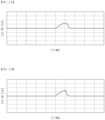
FIG. 5A shows a battery short-circuit current waveform calculated by a battery safety inspection device according to the prior art. -
FIG. 5B shows a battery short-circuit current waveform calculated by a battery safety inspection device according to an embodiment of the present invention. -
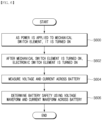
FIG. 6 is a flowchart of a battery safety test method according to an embodiment of the present invention. - Hereinafter, various embodiments of the present invention are disclosed with reference to the accompanying drawings. However, this is not intended to limit the invention to the specific embodiments, and it is to be understood that the invention includes various modifications, equivalents, and/or alternatives. With respect to the descriptions of the drawings, like reference numerals refer to like elements.
- Terms used herein is for the purpose of describing particular example embodiments only and is not intended to be limiting of the scope of other embodiments. The terms of a singular form may include plural forms unless they have a clearly different meaning in the context. Otherwise indicated herein, all the terms used herein, which include technical or scientific terms, may have the same meaning that is generally understood by a person skilled in the art. In general, the terms defined in the dictionary should be considered to have the same meaning as the contextual meaning of the related art, and, unless clearly defined herein, should not be understood as having an ideal or excessively formal meaning. In any cases, even the terms defined in this specification cannot be interpreted as excluding embodiments of the present invention.
- In addition, in describing the components of the embodiment of the present invention, terms such as first, second, A, B, (a), and (b) may be used. These terms are only to distinguish the components from other components, and the nature, sequence, or order of the components are not limited by the terms. In addition, when a component is described as being "connected to", "coupled to" or "linked to" another component, the components may be directly connected to or linked to each other but it should be understood that other components may be "connected", "coupled", or "linked" between each component.
-
FIG. 1 is a configuration diagram of a batterysafety test device 10 according to an embodiment of the present invention. - The battery
safety test device 10 is a device that is connected to both ends of thebattery 20 to test the safety of thebattery 20, and includes acurrent measurement unit 100, avoltage measurement unit 102, a waveform calculation unit (i.e., waveform calculator) 104, a reading unit (i.e., reader) 106, amechanical switch element 108, apower unit 110, anelectronic switch element 112, and agate circuit 114. - The
current measurement unit 100 measures the current of thebattery 20. Thecurrent measurement unit 100 may be implemented as a current sensor, for example, a current transformer (CT) sensor. After themechanical switch element 108 is turned on, and theelectronic switch element 112 is turned on, thecurrent measurement unit 100 may measure a current when the battery short circuit is in a short circuit state. The battery short-circuit current value measured by thecurrent measurement unit 100 is transmitted to thewaveform calculation unit 104. At this time, thecurrent measurement unit 100 may measure the current using, for example, a shunt resistor instead of the CT sensor. - The
voltage measurement unit 102 may be implemented as a voltage sensor, and measures the voltage at both ends of thebattery 20. After themechanical switch element 108 is turned on, and theelectronic switch element 112 is turned on, thevoltage measurement unit 102 measures the voltage while the battery short circuit is in a short circuit state. The battery voltage value measured by thevoltage measurement unit 102 is transmitted to thewaveform calculation unit 104. - After the
mechanical switch element 108 and theelectronic switch element 112 are turned on, thewaveform calculation unit 104 calculates the short-circuit current waveform of thebattery 20 using the short-circuit current value of thebattery 20 measured from thecurrent measurement unit 100. In addition, after themechanical switch element 108 and theelectronic switch element 112 are turned on, thewaveform calculation unit 104 calculates the voltage waveform of thebattery 20 using the voltage value measured from thevoltage measurement unit 102. - The
reading unit 106 determines the safety of the battery using the current waveform and/or voltage waveform calculated by thewaveform calculation unit 104. - One end of the
mechanical switch element 108 is electrically connected to one of the positive or negative electrodes of thebattery 20 and the other end is electrically connected to theelectronic switch element 112. In addition, one end of themechanical switch element 108 may be connected to thecurrent measurement unit 100. However, themechanical switch element 108 is possible in any position where a short circuit can be formed when it is turned on. In addition, themechanical switch element 108 is connected to the mechanical contact point when a voltage is applied. When an external signal for turning on themechanical switch element 108 is received at the control terminal of themechanical switch element 108, a voltage for contact connection is applied from theDC power unit 110. Themechanical switch element 108 may be, for example, a magnetic relay. - One end of the
electronic switch element 112 is electrically connected to themechanical switch element 108, and the other end is connected to the other of the positive or negative electrode of thebattery 20. However, theelectronic switch element 112 is possible in any position where a short circuit can be formed when it is turned on. Also, theelectronic switch element 112 may be, for example, a thyristor, a MOSFET, or an insulated gate bipolar transistor (IGBT). The thyristor is a general term for a pnpn junction of a four-layer semiconductor device, and generally refers to a reverse-resistance three-terminal thyristor called SCR, and refers to a silicon-controlled rectifier device. In addition, the MOSFET is a metal oxide semiconductor field effect transistor, and is switched on when the voltage between the gate and the source exceeds a threshold voltage. The ICBT is a kind of power semiconductor, and has a fast operation speed and low power loss. After themechanical switch element 108 is turned on, theelectronic switch element 112 is turned on as voltage is applied from thegate circuit 114. - The
gate circuit 114 receives a control signal from the outside and applies a voltage to theelectronic switch element 112. -
FIG. 2A is a simplified circuit diagram of a conventional battery safety test device. - A current measurement unit 211 (CT sensor) is connected to one end of the
battery 201. Avoltage meter 213 is connected to both ends of thebattery 201. In addition, one end (i.e., a first end) of thevariable resistor 203 is connected to the other end (one of a first end and a second end) of thebattery 201. The resistance value of thevariable resistor 203 is, for example, 5 to 95 mQ. One end (i.e., a first end) of themechanical switch element 205 is connected to the other end (i.e., a second end) of thevariable resistor 203. Thevariable resistor 203 is a resistor for setting external resistance conditions. - In addition, the
current measurement unit 211 is connected to the other end (i.e., a second end) of themechanical switch element 205. On the other hand, themechanical switch element 205 is connected in parallel with theswitch 209 and theDC power source 207 connected in series with each other. When theswitch 209 is turned on by a switch-on signal received from the outside, a voltage is applied to themechanical switch element 205 to be turned on. Here, the mechanical switch element is, for example, a magnetic relay. - The
mechanical switch element 205 connects a mechanical contact point as voltage is applied, and the reaction speed is slow. Also, when a voltage is applied to the mechanical switch element so that mechanical contacts are connected, there is a disadvantage that vibration may be caused by the physical connection. Due to this vibration, chattering occurs in a battery short-circuit current waveform when a short circuit is implemented. Chattering is a phenomenon caused by vibration that occurs when a switch or relay contact is opened or closed. In such a way, due to the short-circuit current waveform of the battery, it becomes difficult to perform accurate analysis for battery safety. - Subsequently, when the voltage is applied to the
mechanical switch element 205, a short circuit is formed to conduct the battery current. TheCT sensor 211 measures battery current. The battery current value measured by theCT sensor 211 is transmitted to the oscilloscope. The oscilloscope calculates the battery current waveform using the transmitted battery current value. - In addition, the
voltage meter 213 measures the battery voltage. Thevoltage meter 213 transmits the measured battery voltage value to the oscilloscope. The battery voltage waveform is calculated using the battery voltage value transmitted to the oscilloscope. - The safety of the battery is determined using the battery current and voltage waveforms calculated by the oscilloscope. However, as mentioned above, chattering occurs due to vibration generated when the
mechanical switch element 205 is opened or closed, so it is difficult to accurately determine the safety of the battery. In order to compensate for this, in one embodiment of the present invention, an electronic switch element was added. Detailed description will be made later. -
FIG. 2B is a circuit diagram of a battery safety test device according to an embodiment of the present invention. - The
CT sensor 212 is connected to one end (i.e., a first end) of thebattery 200. Avoltage meter 214 is connected to both ends of thebattery 200. In addition, one end (i.e., a first end) of thevariable resistor 202 is connected to the other end (i.e., a second end) of thebattery 200. The resistance value of thevariable resistor 202 is, for example, 5 to 95 mQ. However, the resistance value of thevariable resistor 202 is exemplary, and the range may vary according to the specification of thebattery 200. One end (i.e., a first end) of themechanical switch element 206 is connected to the other end (i.e., a second end) of thevariable resistor 202. That is, thevariable resistor 202 may be connected between thebattery 200 and theelectronic switching element 204 as a resistor for setting an external resistance condition. - Also, the other end (i.e., a second end) of the
mechanical switch element 206 is connected to theCT sensor 212. Meanwhile, themechanical switch element 206 is connected in series with theswitch 209 and theDC power source 207. When theswitch 209 is turned on by a switch-on signal received from the outside, a voltage is applied to themechanical switch element 206 to be turned on. Here, themechanical switch element 206 is, for example, a magnetic relay. The present invention is not limited thereto and any known mechanical switch element that can be replaced with the present invention component can be used. - One embodiment of the present invention further includes an
electronic switch element 204 in series with themechanical switch element 206. Theelectronic switch element 204 can be, for example, a thyristor, MOSFET or IGBT. After themechanical switch element 206 is turned on, theelectronic switch element 204 is turned on as voltage is applied from the gate circuit. - When the
mechanical switch element 206 and theelectronic switch element 204 are both turned on, current flows in the battery short circuit. TheCT sensor 212 measures the current flowing through the battery short circuit and transmits it to the oscilloscope. - In addition, when both the
mechanical switch element 206 and theelectronic switch element 204 are turned on, thevoltage meter 214 measures the voltage across the battery. The voltage value across the battery measured by thevoltage meter 214 is transmitted to the oscilloscope. - The voltage or current waveform is calculated using the voltage and current values across the battery transmitted to the oscilloscope.
- The safety of the battery is determined using the calculated voltage waveform or current waveform.
-
FIG. 2C is an embodiment of a gate circuit that applies a voltage to an electronic switch element. - The
gate circuit 221 includes an electronic switch element drivingpower source 220, afirst resistor 222, a drivingswitch element 223, asecond resistor 224, and acapacitor 226. - The electronic switch element driving
power source 220 is a DC power source, and may be, for example, 12 V or 24 V. When the drivingswitch element 223 is turned on, a voltage is applied from the electronic switch element drivingpower source 220 to theelectronic switch element 228. - One end of the
first resistor 222 is electrically connected to one end of the electronic switch element drivingpower source 220, and the other end of thefirst resistor 222 is connected to one end of thesecond resistor 224 and one end of thecapacitor 226 to form a low pass filter. Thefirst resistor 222, thesecond resistor 224, and thecapacitor 226 function as a low-pass filter to remove high-frequency components. However, the filter included in thegate circuit 221 may be variously changed using passive components R, L, and C as well as the configuration shown inFIG. 2C . -
FIG. 3 is a simplified configuration diagram of a batterysafety test device 30 according to another embodiment of the present invention. - The battery
safety test device 30 includes acurrent measurement unit 300, avoltage measurement unit 302, awaveform calculation unit 304, areading unit 306, anelectronic switch element 308, and agate circuit 310. - The
current measurement unit 300 measures the current of thebattery 20. Thecurrent measurement unit 300 may be implemented as a current sensor, for example, a CT sensor. After theelectronic switch element 308 is turned on, as the battery short circuit is shorted, thecurrent measurement unit 300 can measure the current. The battery short-circuit current value measured by thecurrent measurement unit 300 is transmitted to thewaveform calculation unit 304. At this time, thecurrent measurement unit 300 may measure the current using a shunt resistor instead of the CT sensor. - The
voltage measurement unit 302 may be implemented as a voltage sensor, and measures the voltage at both ends of thebattery 20. Thevoltage measurement unit 302 measures the voltage across the battery after theelectronic switch 308 is turned on. The battery voltage value measured by thevoltage measurement unit 302 is transmitted to thewaveform calculation unit 304. - After the mechanical switch element 108 (not shown) and the electronic switch element (308) 110 are turned on, the
waveform calculation unit 304 calculates the short-circuit current waveform of thebattery 20 using the short-circuit current value of thebattery 20 measured from thecurrent measurement unit 300. In addition, after themechanical switch element 108 and the electronic switch element (308) 110 are turned on, thewaveform calculation unit 304 calculates the short-circuit voltage waveform of thebattery 20 using the voltage value measured from thevoltage measurement unit 302. - The
reading unit 306 determines the safety of the battery using the current waveform and/or voltage waveform calculated by thewaveform calculation unit 304. The method of determining the safety of the battery using the short-circuit current waveform and/or voltage waveform of the battery is a known technique, and those skilled in the art can easily recognize the method, so that a detailed description thereof will be omitted. - One end of the
electronic switch element 308 is electrically connected to thecurrent measurement unit 300 and the other end is electrically connected to either the positive or negative electrode of thebattery 20. However, theelectronic switch element 308 is possible in any position where a short circuit can be formed when it is turned on. Also, theelectronic switch element 308 may be, for example, a thyristor, MOSFET, or IGBT. - The
gate circuit 310 receives a control signal from the outside and applies a voltage to theelectronic switch element 308. -
FIG. 4 is a circuit diagram of a battery safety test device according to another embodiment of the present invention. - The
CT sensor 406 is connected to one end of thebattery 400. In addition, avoltage meter 408 is connected to both ends of thebattery 400. In addition, one end of thevariable resistor 402 is electrically connected to either the positive or negative electrode of thebattery 400. The variable resistance value is, for example, 5 to 95 mQ. However, the resistance value of thevariable resistor 402 is exemplary, and the range may vary according to the specification of thebattery 200. The variable resistor is a resistor for setting external resistance conditions, and may be connected between thebattery 400 and theelectronic switch element 404. - In addition, the other end of the
electronic switch element 404 is connected to theCT sensor 406. On the other hand, when a voltage is applied from the gate circuit by an external control signal, theelectronic switch element 404 is turned on. Theelectronic switch element 404 usable in this embodiment may be a MOSFET or IGBT that can be turned on/off depending on whether a gate voltage is applied. - When all of the
electronic switch elements 404 are turned on, current flows in the battery short circuit. TheCT sensor 406 measures the current flowing through the battery short circuit and transmits it to the oscilloscope. - In addition, when all of the
electronic switch elements 404 are turned on, thevoltage meter 408 measures the voltage across the battery. The voltage value across the battery measured by thevoltage meter 408 is transmitted to the oscilloscope. - The oscilloscope calculates a voltage waveform or a current waveform using the transmitted voltage and current values across the battery.
- The safety of the battery is determined using the calculated voltage waveform or current waveform. The method of determining the safety of the battery using the short-circuit current waveform or voltage waveform of the battery is a known technique, and those skilled in the art can easily recognize the method, so that a detailed description thereof will be omitted.
-
FIG. 5A shows a battery short-circuit current waveform calculated by a battery safety inspection device according to the prior art. - In relation to the battery short-circuit current waveform calculated by the battery safety test device shown in
FIG. 2A , the peak portion of the short-circuit current waveform is distorted due to chattering. -
FIG. 5B shows a battery short-circuit current waveform calculated by a battery safety inspection device according to an embodiment of the present invention. - Unlike the current waveform shown in
FIG. 5A , in relation to the battery short-circuit current waveform calculated by the battery safety test device according to an embodiment of the present invention shown inFIG. 2B , the chattering phenomenon was eliminated, so that the peak portion of the current waveform was not distorted. Therefore, it is possible to more accurately perform the battery safety test using the short-circuit current waveform. -
FIG. 6 is a flowchart of a battery safety test method according to an embodiment of the present invention. The configuration will be described with reference toFIG. 1 . - When power is supplied from the
power unit 110 to themechanical switch element 108 in which one end is electrically connected to either the positive or negative electrode of thebattery 20, and the other end is electrically connected to theelectronic switch element 112, themechanical switch element 108 is turned on. That is, the power is applied to the mechanical switch element 108 (S600). - The
mechanical switch element 108 can be, for example, a magnetic relay. - After the
mechanical switch element 108 is turned on, a voltage is applied by thegate circuit 114 to turn on the electronic switch element (S602). Here, one end of theelectronic switch element 112 is connected to themechanical switch element 108, and the other end is connected to either the positive or negative electrode of thebattery 20. However, theelectronic switch element 112 is possible in any position where a short circuit can be formed when it is turned on. Also, theelectronic switch element 108 may be, for example, a thyristor, MOSFET, or IGBT. In addition, thegate circuit 114 receives a control signal from the outside and applies a voltage to theelectronic switch element 112. - After the
mechanical switch element 108 and theelectronic switch element 112 are turned on, thecurrent measurement unit 100 measures the battery short-circuit current. In addition, thevoltage measurement unit 102 measures the battery voltage after themechanical switch element 108 and theelectronic switch element 112 are turned on (S604). - The battery short-circuit current value measured by the
current measurement unit 100 is transmitted to thewaveform calculation unit 104, and the battery voltage value measured by thevoltage measurement unit 102 is also transmitted to thewaveform calculation unit 104. Thewaveform calculation unit 104 calculates the battery current waveform or voltage waveform using the received battery short-circuit current value and voltage value. The calculated current waveform or voltage waveform is transmitted to thereading unit 106. - The
reading unit 106 determines the battery safety using the received battery short-circuit current waveform and voltage waveform (S606). - Reference herein to 'one embodiment' of the principles of the present invention and various modifications of such expressions means that, in relation to this embodiment, the specific features, structures, characteristics, and the like are included in at least one embodiment of the principles of the present invention. Thus, the expression 'in one embodiment' and any other modifications disclosed throughout the specification are not necessarily all referring to the same embodiment.
- All the embodiments and conditional examples disclosed in this specification are described to intend to help those skilled in the art to understand the principles and concepts of the present invention. The disclosed embodiments should be considered in descriptive sense only not in limited perspective sense. The scope of the invention is defined not by the detailed description of the invention but by the appended claims, and all differences within the scope will be construed as being included in the present invention.
Claims (10)
- A battery safety test device (10), comprising:an electronic switching element (112);a mechanical switch element (108) having a first end connected to either a battery positive electrode or a battery negative electrode and a second end connected to the electronic switching element (112),wherein the electronic switching element (112) has a first end connected to the mechanical switch element (108) and a second end connected to the other of the battery positive electrode or the battery negative electrode;a voltage sensor configured to measure a voltage of the battery (20) after the mechanical switch element (108) and the electronic switching element (112) are turned on; anda current sensor configured to measure a current of the battery (20) after the mechanical switch element (108) and the electronic switching element (112) are turned on,characterized in that the electronic switch element (112) is configured to be turned on after the mechanical switch element (108) is turned on.
- The device (10) of claim 1, further comprising a variable resistor between the battery (20) and the electronic switching element (112).
- The device (10) of claim 1, further comprising a DC power source (110) configured to drive the mechanical switch element (108),
wherein the mechanical switch element (108) is a magnetic relay. - The device (10) of claim 1, further comprising a gate circuit (114) configured to drive the electronic switch element (112),
wherein the electronic switch element (112) is any one of a thyristor, MOSFET or IGBT. - The device (10) of claim 1, further comprising:a waveform calculator (104) configured to calculate a voltage and current waveform of the battery (20) using values measured by the voltage sensor and the current sensor after the mechanical switch element (108) and the electronic switch element (112) are turned on; anda reader (106) configured to determine a safety of the battery (20) using the voltage and current waveforms calculated by the waveform calculator (104).
- The device (10) of claim 1, wherein the current sensor is a Current Transfer (CT) sensor.
- A battery safety test method performed by a battery safety test device (10), the battery safety test device (10) including:an electronic switching element (112);a mechanical switch element (108) having a first end connected to either a battery positive electrode or a battery negative electrode and a second end connected to the electronic switching element (112),wherein the electronic switching element (112) has a first end connected to the mechanical switch element (108) and a second end connected to the other of the battery positive electrode or the battery negative electrode;a voltage sensor; anda current sensor,the method comprising:applying power to the mechanical switch element (108) to turn on the mechanical switch element (108);turning on the electronic switch element (112) after the mechanical switch element (108) is turned on; andmeasuring a voltage of the battery (20), by the voltage sensor, and measuring a current across the battery (20), by the current sensor, after the mechanical switch element (108) and the electronic switch element (112) are turned on.
- The method of claim 7, wherein the mechanical switch element (108) is a magnetic relay.
- The method of claim 7, wherein the electronic switch element (112) is any one of a thyristor, MOSFET or IGBT.
- The method of claim 7, further comprising:calculating a voltage and current waveform of the battery (20) using the measured voltage and current at both the battery positive electrode and the battery negative electrode ; anddetermining a safety of the battery (20) using the calculated voltage and current waveforms of the battery.
Applications Claiming Priority (2)
| Application Number | Priority Date | Filing Date | Title |
|---|---|---|---|
| KR1020190031403A KR102578585B1 (en) | 2019-03-19 | 2019-03-19 | Apparatus and method for checking battery safety |
| PCT/KR2020/003652 WO2020190009A1 (en) | 2019-03-19 | 2020-03-17 | Apparatus and method for testing safety of battery |
Publications (3)
| Publication Number | Publication Date |
|---|---|
| EP3907516A1 EP3907516A1 (en) | 2021-11-10 |
| EP3907516A4 EP3907516A4 (en) | 2022-03-09 |
| EP3907516B1 true EP3907516B1 (en) | 2024-07-03 |
Family
ID=72521086
Family Applications (1)
| Application Number | Title | Priority Date | Filing Date |
|---|---|---|---|
| EP20774167.9A Active EP3907516B1 (en) | 2019-03-19 | 2020-03-17 | Battery safety test device and method |
Country Status (7)
| Country | Link |
|---|---|
| US (2) | US11909009B2 (en) |
| EP (1) | EP3907516B1 (en) |
| JP (1) | JP2022514967A (en) |
| KR (1) | KR102578585B1 (en) |
| ES (1) | ES2987194T3 (en) |
| HU (1) | HUE067572T2 (en) |
| WO (1) | WO2020190009A1 (en) |
Families Citing this family (5)
| Publication number | Priority date | Publication date | Assignee | Title |
|---|---|---|---|---|
| KR102232394B1 (en) * | 2020-11-09 | 2021-03-26 | 박선미 | External Short-circuit Testing Apparatus for Battery |
| KR102330399B1 (en) | 2021-01-12 | 2021-11-23 | 김성진 | Busbar Module for High Frequency High Current Measurement and Current Measurement Method using The Same |
| CN113640691B (en) * | 2021-07-06 | 2022-02-22 | 深圳市正浩创新科技股份有限公司 | Method and device for calculating discharge remaining time and computer equipment |
| KR20250050148A (en) | 2023-10-05 | 2025-04-15 | 동신대학교산학협력단 | Fire Monitoring Control Apparatus and Method for ESS(Energy Storage System) Fire Prevention |
| KR20250120777A (en) * | 2024-02-02 | 2025-08-11 | 주식회사 엘지에너지솔루션 | Testing apparatus and testing method |
Family Cites Families (28)
| Publication number | Priority date | Publication date | Assignee | Title |
|---|---|---|---|---|
| JPS5328364A (en) | 1976-08-30 | 1978-03-16 | Kuniharu Usui | Time difference contact noospark switch circuit |
| JPH0328364A (en) | 1989-04-05 | 1991-02-06 | Honda Motor Co Ltd | Surface treatment of iron-based material |
| JP3577751B2 (en) | 1993-12-24 | 2004-10-13 | ソニー株式会社 | Battery charging device, battery pack, and battery charging method |
| JP2005100924A (en) | 2003-08-20 | 2005-04-14 | Omron Corp | Switching circuit and driving method thereof |
| JP2010017462A (en) | 2008-07-14 | 2010-01-28 | Kyowa Kagaku:Kk | Game ball detector |
| US10123388B2 (en) * | 2012-06-15 | 2018-11-06 | Aleddra Inc. | Solid-state lighting with multiple drivers |
| JP5884670B2 (en) | 2012-07-26 | 2016-03-15 | 株式会社デンソー | Anomaly detection device |
| KR101443744B1 (en) * | 2013-03-20 | 2014-09-25 | 한국오므론전장 주식회사 | Earth Structure of Switch |
| JP2015061456A (en) * | 2013-09-20 | 2015-03-30 | 日本無線株式会社 | Power circuit |
| JP6026386B2 (en) | 2013-11-05 | 2016-11-16 | エスペック株式会社 | External short-circuit test apparatus and external short-circuit test method |
| JP6033207B2 (en) * | 2013-12-06 | 2016-11-30 | 三菱電機株式会社 | External short-circuit test apparatus and external short-circuit test method |
| KR101546715B1 (en) * | 2014-07-03 | 2015-08-24 | 한국에너지기술연구원 | Short test apparatus for inverter of photovoltaic power generating system and the method thereof |
| CN104502670B (en) * | 2014-12-25 | 2018-02-02 | 小米科技有限责任公司 | Voltage check device, battery and voltage detection method |
| JP6216346B2 (en) * | 2015-03-12 | 2017-10-18 | エスペック株式会社 | External short circuit test equipment |
| JP5839137B1 (en) | 2015-04-20 | 2016-01-06 | ソニー株式会社 | Switching device |
| JP6677250B2 (en) | 2015-06-04 | 2020-04-08 | ソニー株式会社 | DC circuit, DC power supply, moving object and power supply system |
| JP2017126467A (en) | 2016-01-13 | 2017-07-20 | 河村電器産業株式会社 | DC switch for wall |
| CN105954685A (en) * | 2016-05-30 | 2016-09-21 | 东北大学 | Electric vehicle battery short circuit test bench with remote control function, and method |
| TWI607226B (en) | 2016-07-27 | 2017-12-01 | 致茂電子股份有限公司 | Detecting apparatus for batteries and detecting method thereof |
| KR101858990B1 (en) | 2017-01-13 | 2018-05-17 | 국방과학연구소 | Remote control disconnection apparatus for activated thermal battery and method thereof |
| KR102363568B1 (en) | 2017-02-27 | 2022-02-17 | 에스케이온 주식회사 | Over charge protection system for battery module |
| US11189891B2 (en) * | 2017-07-03 | 2021-11-30 | Gs Yuasa Interational Ltd. | Energy storage apparatus, vehicle, and motorcycle |
| WO2019035169A1 (en) * | 2017-08-14 | 2019-02-21 | 日産自動車株式会社 | Power supply system and control method thereof |
| KR102358573B1 (en) | 2017-09-15 | 2022-02-04 | 삼성디스플레이 주식회사 | Display device |
| JP6919592B2 (en) * | 2018-02-09 | 2021-08-18 | トヨタ自動車株式会社 | Switching circuit |
| DE102019202164A1 (en) * | 2019-02-19 | 2020-08-20 | Audi Ag | Protection device, battery, motor vehicle and method for switching off a battery cell |
| JP2021009036A (en) * | 2019-06-28 | 2021-01-28 | 株式会社デンソー | Distance measuring device |
| JP7608359B2 (en) * | 2019-11-26 | 2025-01-06 | 三洋電機株式会社 | Leakage detection device, vehicle power supply system |
-
2019
- 2019-03-19 KR KR1020190031403A patent/KR102578585B1/en active Active
-
2020
- 2020-03-17 EP EP20774167.9A patent/EP3907516B1/en active Active
- 2020-03-17 US US17/420,161 patent/US11909009B2/en active Active
- 2020-03-17 WO PCT/KR2020/003652 patent/WO2020190009A1/en not_active Ceased
- 2020-03-17 ES ES20774167T patent/ES2987194T3/en active Active
- 2020-03-17 JP JP2021536701A patent/JP2022514967A/en active Pending
- 2020-03-17 HU HUE20774167A patent/HUE067572T2/en unknown
-
2023
- 2023-12-29 US US18/400,487 patent/US12206077B2/en active Active
Also Published As
| Publication number | Publication date |
|---|---|
| EP3907516A1 (en) | 2021-11-10 |
| US12206077B2 (en) | 2025-01-21 |
| ES2987194T3 (en) | 2024-11-14 |
| JP2022514967A (en) | 2022-02-16 |
| US20220093979A1 (en) | 2022-03-24 |
| KR102578585B1 (en) | 2023-09-15 |
| US20240136604A1 (en) | 2024-04-25 |
| WO2020190009A1 (en) | 2020-09-24 |
| HUE067572T2 (en) | 2024-10-28 |
| EP3907516A4 (en) | 2022-03-09 |
| US11909009B2 (en) | 2024-02-20 |
| US20240234839A9 (en) | 2024-07-11 |
| KR20200111555A (en) | 2020-09-29 |
Similar Documents
| Publication | Publication Date | Title |
|---|---|---|
| EP3907516B1 (en) | Battery safety test device and method | |
| US8803481B2 (en) | Battery pack and method of controlling the same | |
| CN111480084B (en) | Current detection circuit, battery management system and battery pack | |
| EP3734307B1 (en) | Current measuring apparatus, current measuring method and battery pack including the current measuring apparatus | |
| JP5552532B2 (en) | Method and apparatus for controlling battery heating | |
| CN110967606A (en) | Insulation detection circuit and detection method, battery management system | |
| EP3832326B1 (en) | Battery pack diagnosis apparatus | |
| EP3324196A1 (en) | Apparatus and method for diagnosing failure of switch component | |
| US9746526B2 (en) | Battery cell unit and method for determining a complex impedance of a battery cell arranged in a battery cell unit | |
| CN103958262B (en) | Charging device for electric vehicles | |
| CN115136016A (en) | Relay diagnosis device, relay diagnosis method, battery system, and electric vehicle | |
| US7443155B2 (en) | Voltage detecting apparatus | |
| EP4057012B1 (en) | Insulation resistance detection system for electric vehicle and insulation resistance detection method thereof | |
| CN111584816A (en) | Protection device, battery, motor vehicle, and method for shutting down battery cells | |
| KR102899176B1 (en) | Battery system | |
| EP4068544B1 (en) | Earth leakage detection device and vehicle power supply system | |
| WO2016132895A1 (en) | Battery system monitoring apparatus | |
| US20240106249A1 (en) | Battery pack failure diagnostic method and battery pack | |
| US20160190836A1 (en) | Method and apparatus for detecting voltage | |
| KR20210052229A (en) | Electric leakage detecting apparatus, electric leakage detecting method, and electric vehicle | |
| KR20150083802A (en) | Method for detecting the functionality of a load switch of a battery, and battery having a device for detecting the functionality of a load switch of the battery | |
| JP2002044872A (en) | Battery protection device | |
| CN212159922U (en) | Cell voltage measuring circuit and battery | |
| US20250233428A1 (en) | Battery management device and battery pack including the same | |
| CN121522402A (en) | Methods, devices, and electronic equipment for determining field-effect transistor failure in batteries. |
Legal Events
| Date | Code | Title | Description |
|---|---|---|---|
| STAA | Information on the status of an ep patent application or granted ep patent |
Free format text: STATUS: THE INTERNATIONAL PUBLICATION HAS BEEN MADE |
|
| PUAI | Public reference made under article 153(3) epc to a published international application that has entered the european phase |
Free format text: ORIGINAL CODE: 0009012 |
|
| STAA | Information on the status of an ep patent application or granted ep patent |
Free format text: STATUS: REQUEST FOR EXAMINATION WAS MADE |
|
| 17P | Request for examination filed |
Effective date: 20210806 |
|
| AK | Designated contracting states |
Kind code of ref document: A1 Designated state(s): AL AT BE BG CH CY CZ DE DK EE ES FI FR GB GR HR HU IE IS IT LI LT LU LV MC MK MT NL NO PL PT RO RS SE SI SK SM TR |
|
| A4 | Supplementary search report drawn up and despatched |
Effective date: 20220208 |
|
| RIC1 | Information provided on ipc code assigned before grant |
Ipc: G01R 15/18 20060101ALI20220202BHEP Ipc: G01R 31/385 20190101ALI20220202BHEP Ipc: H01M 10/42 20060101ALI20220202BHEP Ipc: G01R 1/20 20060101ALI20220202BHEP Ipc: G01R 31/50 20200101AFI20220202BHEP |
|
| RAP3 | Party data changed (applicant data changed or rights of an application transferred) |
Owner name: LG ENERGY SOLUTION, LTD. |
|
| DAV | Request for validation of the european patent (deleted) | ||
| DAX | Request for extension of the european patent (deleted) | ||
| GRAP | Despatch of communication of intention to grant a patent |
Free format text: ORIGINAL CODE: EPIDOSNIGR1 |
|
| STAA | Information on the status of an ep patent application or granted ep patent |
Free format text: STATUS: GRANT OF PATENT IS INTENDED |
|
| INTG | Intention to grant announced |
Effective date: 20240416 |
|
| GRAS | Grant fee paid |
Free format text: ORIGINAL CODE: EPIDOSNIGR3 |
|
| GRAA | (expected) grant |
Free format text: ORIGINAL CODE: 0009210 |
|
| STAA | Information on the status of an ep patent application or granted ep patent |
Free format text: STATUS: THE PATENT HAS BEEN GRANTED |
|
| P01 | Opt-out of the competence of the unified patent court (upc) registered |
Effective date: 20240430 |
|
| AK | Designated contracting states |
Kind code of ref document: B1 Designated state(s): AL AT BE BG CH CY CZ DE DK EE ES FI FR GB GR HR HU IE IS IT LI LT LU LV MC MK MT NL NO PL PT RO RS SE SI SK SM TR |
|
| REG | Reference to a national code |
Ref country code: CH Ref legal event code: EP |
|
| REG | Reference to a national code |
Ref country code: DE Ref legal event code: R096 Ref document number: 602020033407 Country of ref document: DE |
|
| REG | Reference to a national code |
Ref country code: LT Ref legal event code: MG9D |
|
| REG | Reference to a national code |
Ref country code: HU Ref legal event code: AG4A Ref document number: E067572 Country of ref document: HU |
|
| REG | Reference to a national code |
Ref country code: NL Ref legal event code: MP Effective date: 20240703 |
|
| REG | Reference to a national code |
Ref country code: ES Ref legal event code: FG2A Ref document number: 2987194 Country of ref document: ES Kind code of ref document: T3 Effective date: 20241114 |
|
| PG25 | Lapsed in a contracting state [announced via postgrant information from national office to epo] |
Ref country code: PT Free format text: LAPSE BECAUSE OF FAILURE TO SUBMIT A TRANSLATION OF THE DESCRIPTION OR TO PAY THE FEE WITHIN THE PRESCRIBED TIME-LIMIT Effective date: 20241104 |
|
| REG | Reference to a national code |
Ref country code: AT Ref legal event code: MK05 Ref document number: 1700362 Country of ref document: AT Kind code of ref document: T Effective date: 20240703 |
|
| PG25 | Lapsed in a contracting state [announced via postgrant information from national office to epo] |
Ref country code: NL Free format text: LAPSE BECAUSE OF FAILURE TO SUBMIT A TRANSLATION OF THE DESCRIPTION OR TO PAY THE FEE WITHIN THE PRESCRIBED TIME-LIMIT Effective date: 20240703 |
|
| PG25 | Lapsed in a contracting state [announced via postgrant information from national office to epo] |
Ref country code: PT Free format text: LAPSE BECAUSE OF FAILURE TO SUBMIT A TRANSLATION OF THE DESCRIPTION OR TO PAY THE FEE WITHIN THE PRESCRIBED TIME-LIMIT Effective date: 20241104 Ref country code: NL Free format text: LAPSE BECAUSE OF FAILURE TO SUBMIT A TRANSLATION OF THE DESCRIPTION OR TO PAY THE FEE WITHIN THE PRESCRIBED TIME-LIMIT Effective date: 20240703 |
|
| PG25 | Lapsed in a contracting state [announced via postgrant information from national office to epo] |
Ref country code: NO Free format text: LAPSE BECAUSE OF FAILURE TO SUBMIT A TRANSLATION OF THE DESCRIPTION OR TO PAY THE FEE WITHIN THE PRESCRIBED TIME-LIMIT Effective date: 20241003 |
|
| PG25 | Lapsed in a contracting state [announced via postgrant information from national office to epo] |
Ref country code: GR Free format text: LAPSE BECAUSE OF FAILURE TO SUBMIT A TRANSLATION OF THE DESCRIPTION OR TO PAY THE FEE WITHIN THE PRESCRIBED TIME-LIMIT Effective date: 20241004 Ref country code: FI Free format text: LAPSE BECAUSE OF FAILURE TO SUBMIT A TRANSLATION OF THE DESCRIPTION OR TO PAY THE FEE WITHIN THE PRESCRIBED TIME-LIMIT Effective date: 20240703 Ref country code: PL Free format text: LAPSE BECAUSE OF FAILURE TO SUBMIT A TRANSLATION OF THE DESCRIPTION OR TO PAY THE FEE WITHIN THE PRESCRIBED TIME-LIMIT Effective date: 20240703 |
|
| PG25 | Lapsed in a contracting state [announced via postgrant information from national office to epo] |
Ref country code: BG Free format text: LAPSE BECAUSE OF FAILURE TO SUBMIT A TRANSLATION OF THE DESCRIPTION OR TO PAY THE FEE WITHIN THE PRESCRIBED TIME-LIMIT Effective date: 20240703 |
|
| PG25 | Lapsed in a contracting state [announced via postgrant information from national office to epo] |
Ref country code: LV Free format text: LAPSE BECAUSE OF FAILURE TO SUBMIT A TRANSLATION OF THE DESCRIPTION OR TO PAY THE FEE WITHIN THE PRESCRIBED TIME-LIMIT Effective date: 20240703 |
|
| PG25 | Lapsed in a contracting state [announced via postgrant information from national office to epo] |
Ref country code: AT Free format text: LAPSE BECAUSE OF FAILURE TO SUBMIT A TRANSLATION OF THE DESCRIPTION OR TO PAY THE FEE WITHIN THE PRESCRIBED TIME-LIMIT Effective date: 20240703 Ref country code: IS Free format text: LAPSE BECAUSE OF FAILURE TO SUBMIT A TRANSLATION OF THE DESCRIPTION OR TO PAY THE FEE WITHIN THE PRESCRIBED TIME-LIMIT Effective date: 20241103 |
|
| PG25 | Lapsed in a contracting state [announced via postgrant information from national office to epo] |
Ref country code: HR Free format text: LAPSE BECAUSE OF FAILURE TO SUBMIT A TRANSLATION OF THE DESCRIPTION OR TO PAY THE FEE WITHIN THE PRESCRIBED TIME-LIMIT Effective date: 20240703 Ref country code: CZ Free format text: LAPSE BECAUSE OF FAILURE TO SUBMIT A TRANSLATION OF THE DESCRIPTION OR TO PAY THE FEE WITHIN THE PRESCRIBED TIME-LIMIT Effective date: 20240703 |
|
| PG25 | Lapsed in a contracting state [announced via postgrant information from national office to epo] |
Ref country code: RS Free format text: LAPSE BECAUSE OF FAILURE TO SUBMIT A TRANSLATION OF THE DESCRIPTION OR TO PAY THE FEE WITHIN THE PRESCRIBED TIME-LIMIT Effective date: 20241003 |
|
| PG25 | Lapsed in a contracting state [announced via postgrant information from national office to epo] |
Ref country code: RS Free format text: LAPSE BECAUSE OF FAILURE TO SUBMIT A TRANSLATION OF THE DESCRIPTION OR TO PAY THE FEE WITHIN THE PRESCRIBED TIME-LIMIT Effective date: 20241003 Ref country code: PL Free format text: LAPSE BECAUSE OF FAILURE TO SUBMIT A TRANSLATION OF THE DESCRIPTION OR TO PAY THE FEE WITHIN THE PRESCRIBED TIME-LIMIT Effective date: 20240703 Ref country code: NO Free format text: LAPSE BECAUSE OF FAILURE TO SUBMIT A TRANSLATION OF THE DESCRIPTION OR TO PAY THE FEE WITHIN THE PRESCRIBED TIME-LIMIT Effective date: 20241003 Ref country code: LV Free format text: LAPSE BECAUSE OF FAILURE TO SUBMIT A TRANSLATION OF THE DESCRIPTION OR TO PAY THE FEE WITHIN THE PRESCRIBED TIME-LIMIT Effective date: 20240703 Ref country code: IS Free format text: LAPSE BECAUSE OF FAILURE TO SUBMIT A TRANSLATION OF THE DESCRIPTION OR TO PAY THE FEE WITHIN THE PRESCRIBED TIME-LIMIT Effective date: 20241103 Ref country code: HR Free format text: LAPSE BECAUSE OF FAILURE TO SUBMIT A TRANSLATION OF THE DESCRIPTION OR TO PAY THE FEE WITHIN THE PRESCRIBED TIME-LIMIT Effective date: 20240703 Ref country code: GR Free format text: LAPSE BECAUSE OF FAILURE TO SUBMIT A TRANSLATION OF THE DESCRIPTION OR TO PAY THE FEE WITHIN THE PRESCRIBED TIME-LIMIT Effective date: 20241004 Ref country code: FI Free format text: LAPSE BECAUSE OF FAILURE TO SUBMIT A TRANSLATION OF THE DESCRIPTION OR TO PAY THE FEE WITHIN THE PRESCRIBED TIME-LIMIT Effective date: 20240703 Ref country code: CZ Free format text: LAPSE BECAUSE OF FAILURE TO SUBMIT A TRANSLATION OF THE DESCRIPTION OR TO PAY THE FEE WITHIN THE PRESCRIBED TIME-LIMIT Effective date: 20240703 Ref country code: BG Free format text: LAPSE BECAUSE OF FAILURE TO SUBMIT A TRANSLATION OF THE DESCRIPTION OR TO PAY THE FEE WITHIN THE PRESCRIBED TIME-LIMIT Effective date: 20240703 Ref country code: AT Free format text: LAPSE BECAUSE OF FAILURE TO SUBMIT A TRANSLATION OF THE DESCRIPTION OR TO PAY THE FEE WITHIN THE PRESCRIBED TIME-LIMIT Effective date: 20240703 |
|
| REG | Reference to a national code |
Ref country code: DE Ref legal event code: R097 Ref document number: 602020033407 Country of ref document: DE |
|
| PG25 | Lapsed in a contracting state [announced via postgrant information from national office to epo] |
Ref country code: DK Free format text: LAPSE BECAUSE OF FAILURE TO SUBMIT A TRANSLATION OF THE DESCRIPTION OR TO PAY THE FEE WITHIN THE PRESCRIBED TIME-LIMIT Effective date: 20240703 Ref country code: RO Free format text: LAPSE BECAUSE OF FAILURE TO SUBMIT A TRANSLATION OF THE DESCRIPTION OR TO PAY THE FEE WITHIN THE PRESCRIBED TIME-LIMIT Effective date: 20240703 Ref country code: SM Free format text: LAPSE BECAUSE OF FAILURE TO SUBMIT A TRANSLATION OF THE DESCRIPTION OR TO PAY THE FEE WITHIN THE PRESCRIBED TIME-LIMIT Effective date: 20240703 |
|
| PG25 | Lapsed in a contracting state [announced via postgrant information from national office to epo] |
Ref country code: EE Free format text: LAPSE BECAUSE OF FAILURE TO SUBMIT A TRANSLATION OF THE DESCRIPTION OR TO PAY THE FEE WITHIN THE PRESCRIBED TIME-LIMIT Effective date: 20240703 |
|
| PG25 | Lapsed in a contracting state [announced via postgrant information from national office to epo] |
Ref country code: IT Free format text: LAPSE BECAUSE OF FAILURE TO SUBMIT A TRANSLATION OF THE DESCRIPTION OR TO PAY THE FEE WITHIN THE PRESCRIBED TIME-LIMIT Effective date: 20240703 Ref country code: SK Free format text: LAPSE BECAUSE OF FAILURE TO SUBMIT A TRANSLATION OF THE DESCRIPTION OR TO PAY THE FEE WITHIN THE PRESCRIBED TIME-LIMIT Effective date: 20240703 |
|
| PLBE | No opposition filed within time limit |
Free format text: ORIGINAL CODE: 0009261 |
|
| STAA | Information on the status of an ep patent application or granted ep patent |
Free format text: STATUS: NO OPPOSITION FILED WITHIN TIME LIMIT |
|
| 26N | No opposition filed |
Effective date: 20250404 |
|
| PGFP | Annual fee paid to national office [announced via postgrant information from national office to epo] |
Ref country code: ES Payment date: 20250408 Year of fee payment: 6 |
|
| PG25 | Lapsed in a contracting state [announced via postgrant information from national office to epo] |
Ref country code: SE Free format text: LAPSE BECAUSE OF FAILURE TO SUBMIT A TRANSLATION OF THE DESCRIPTION OR TO PAY THE FEE WITHIN THE PRESCRIBED TIME-LIMIT Effective date: 20240703 |
|
| PG25 | Lapsed in a contracting state [announced via postgrant information from national office to epo] |
Ref country code: MC Free format text: LAPSE BECAUSE OF FAILURE TO SUBMIT A TRANSLATION OF THE DESCRIPTION OR TO PAY THE FEE WITHIN THE PRESCRIBED TIME-LIMIT Effective date: 20240703 |
|
| REG | Reference to a national code |
Ref country code: CH Ref legal event code: H13 Free format text: ST27 STATUS EVENT CODE: U-0-0-H10-H13 (AS PROVIDED BY THE NATIONAL OFFICE) Effective date: 20251023 |
|
| PG25 | Lapsed in a contracting state [announced via postgrant information from national office to epo] |
Ref country code: LU Free format text: LAPSE BECAUSE OF NON-PAYMENT OF DUE FEES Effective date: 20250317 |
|
| PG25 | Lapsed in a contracting state [announced via postgrant information from national office to epo] |
Ref country code: CH Free format text: LAPSE BECAUSE OF NON-PAYMENT OF DUE FEES Effective date: 20250331 |
|
| PG25 | Lapsed in a contracting state [announced via postgrant information from national office to epo] |
Ref country code: IE Free format text: LAPSE BECAUSE OF NON-PAYMENT OF DUE FEES Effective date: 20250317 |
|
| PGFP | Annual fee paid to national office [announced via postgrant information from national office to epo] |
Ref country code: GB Payment date: 20260224 Year of fee payment: 7 |
|
| PGFP | Annual fee paid to national office [announced via postgrant information from national office to epo] |
Ref country code: DE Payment date: 20260220 Year of fee payment: 7 |
|
| PGFP | Annual fee paid to national office [announced via postgrant information from national office to epo] |
Ref country code: BE Payment date: 20260220 Year of fee payment: 7 |
|
| PGFP | Annual fee paid to national office [announced via postgrant information from national office to epo] |
Ref country code: HU Payment date: 20260310 Year of fee payment: 7 |
|
| PGFP | Annual fee paid to national office [announced via postgrant information from national office to epo] |
Ref country code: FR Payment date: 20260224 Year of fee payment: 7 |