EP3907166A1 - Elevator monitoring device with varying wireless transmission power based on elevator car position - Google Patents
Elevator monitoring device with varying wireless transmission power based on elevator car position Download PDFInfo
- Publication number
- EP3907166A1 EP3907166A1 EP20213524.0A EP20213524A EP3907166A1 EP 3907166 A1 EP3907166 A1 EP 3907166A1 EP 20213524 A EP20213524 A EP 20213524A EP 3907166 A1 EP3907166 A1 EP 3907166A1
- Authority
- EP
- European Patent Office
- Prior art keywords
- transmit power
- location
- elevator car
- gateway
- vertical path
- Prior art date
- Legal status (The legal status is an assumption and is not a legal conclusion. Google has not performed a legal analysis and makes no representation as to the accuracy of the status listed.)
- Granted
Links
Images

Classifications
-
- B—PERFORMING OPERATIONS; TRANSPORTING
- B66—HOISTING; LIFTING; HAULING
- B66B—ELEVATORS; ESCALATORS OR MOVING WALKWAYS
- B66B1/00—Control systems of elevators in general
- B66B1/34—Details, e.g. call counting devices, data transmission from car to control system, devices giving information to the control system
- B66B1/3415—Control system configuration and the data transmission or communication within the control system
- B66B1/3446—Data transmission or communication within the control system
-
- B—PERFORMING OPERATIONS; TRANSPORTING
- B66—HOISTING; LIFTING; HAULING
- B66B—ELEVATORS; ESCALATORS OR MOVING WALKWAYS
- B66B1/00—Control systems of elevators in general
- B66B1/34—Details, e.g. call counting devices, data transmission from car to control system, devices giving information to the control system
- B66B1/3415—Control system configuration and the data transmission or communication within the control system
- B66B1/3446—Data transmission or communication within the control system
- B66B1/3453—Procedure or protocol for the data transmission or communication
-
- B—PERFORMING OPERATIONS; TRANSPORTING
- B66—HOISTING; LIFTING; HAULING
- B66B—ELEVATORS; ESCALATORS OR MOVING WALKWAYS
- B66B5/00—Applications of checking, fault-correcting, or safety devices in elevators
- B66B5/0006—Monitoring devices or performance analysers
- B66B5/0018—Devices monitoring the operating condition of the elevator system
-
- B—PERFORMING OPERATIONS; TRANSPORTING
- B66—HOISTING; LIFTING; HAULING
- B66B—ELEVATORS; ESCALATORS OR MOVING WALKWAYS
- B66B1/00—Control systems of elevators in general
- B66B1/02—Control systems without regulation, i.e. without retroactive action
- B66B1/06—Control systems without regulation, i.e. without retroactive action electric
-
- B—PERFORMING OPERATIONS; TRANSPORTING
- B66—HOISTING; LIFTING; HAULING
- B66B—ELEVATORS; ESCALATORS OR MOVING WALKWAYS
- B66B1/00—Control systems of elevators in general
- B66B1/34—Details, e.g. call counting devices, data transmission from car to control system, devices giving information to the control system
- B66B1/3415—Control system configuration and the data transmission or communication within the control system
- B66B1/3423—Control system configuration, i.e. lay-out
-
- B—PERFORMING OPERATIONS; TRANSPORTING
- B66—HOISTING; LIFTING; HAULING
- B66B—ELEVATORS; ESCALATORS OR MOVING WALKWAYS
- B66B1/00—Control systems of elevators in general
- B66B1/34—Details, e.g. call counting devices, data transmission from car to control system, devices giving information to the control system
- B66B1/3492—Position or motion detectors or driving means for the detector
-
- B—PERFORMING OPERATIONS; TRANSPORTING
- B66—HOISTING; LIFTING; HAULING
- B66B—ELEVATORS; ESCALATORS OR MOVING WALKWAYS
- B66B3/00—Applications of devices for indicating or signalling operating conditions of elevators
- B66B3/002—Indicators
-
- B—PERFORMING OPERATIONS; TRANSPORTING
- B66—HOISTING; LIFTING; HAULING
- B66B—ELEVATORS; ESCALATORS OR MOVING WALKWAYS
- B66B5/00—Applications of checking, fault-correcting, or safety devices in elevators
- B66B5/02—Applications of checking, fault-correcting, or safety devices in elevators responsive to abnormal operating conditions
-
- H—ELECTRICITY
- H04—ELECTRIC COMMUNICATION TECHNIQUE
- H04W—WIRELESS COMMUNICATION NETWORKS
- H04W52/00—Power management, e.g. Transmission Power Control [TPC] or power classes
- H04W52/04—Transmission power control [TPC]
- H04W52/18—TPC being performed according to specific parameters
- H04W52/28—TPC being performed according to specific parameters using user profile, e.g. mobile speed, priority or network state, e.g. standby, idle or non-transmission
- H04W52/283—Power depending on the position of the mobile
Definitions
- Elevator systems include a variety of different components and moving parts. Keeping an elevator system operating in a desired manner typically requires maintenance or repair. Different systems have been utilized in the industry for monitoring the condition of an elevator system.
- One challenge associated with elevator monitoring systems that include wirelessly communicating devices is that the elevator environment is often not conducive to a straightforward implementation. The conditions in an elevator hoistway and the frequent movement of an elevator car pose challenges to those attempting to achieve reliable wireless communications.
- An illustrative example embodiment of a device for communicating information regarding an elevator car that moves along a vertical path includes at least one sensor configured to be supported on the elevator car and to sense at least one characteristic of the elevator car.
- a transmitter is configured to transmit a wirelessly communicated output indicating at least one condition based on the sensed characteristic.
- the transmitter is configured to use a first transmit power when the device is at a first location along the vertical path and to use a second, different transmit power when the device is at a second, different location along the vertical path.
- the transmitter is configured to use the first and second transmit powers when communicating with a gateway that the device moves relative to as the elevator car moves along the vertical path, the first location is closer to the gateway than the second location, and the second transmit power is greater than the first transmit power.
- the transmitter is configured to use the first and second transmit powers when communicating with a gateway that the device moves relative to as the elevator car moves along the vertical path and configured to use a third transmit power when communicating with a mobile device that may be brought in close proximity to the transmitter and the third transmit power is lower than each of the first and second transmit powers.
- An example embodiment having at least one feature of the device of any of the previous paragraphs includes a controller including a processor and memory.
- the memory includes indications of a plurality of transmit powers for a plurality of locations along the vertical path, the processor determines the location of the device along the vertical path, and the controller controls the transmitter to use the transmit power indicated in the memory for a current location of the device.
- the controller is configured to determine the transmit power for a location along the vertical path using a power setting procedure comprising causing the transmitter to use a test transmit power to transmit a test communication to a gateway that the device moves relative to as the elevator car moves along the vertical path while the device is at the location, determining whether the gateway received the test communication.
- the gateway received the test communication, repeatedly causing the transmitter to use a reduced test transmit power that is less than a most recently used test transmit power to transmit the test communication to the gateway from the device at the location, determining a lowest test transmit power at which the gateway received the test communication from the device at the location, and setting the transmit power for the location at the lowest test transmit power at which the gateway received the test communication from the device at the location.
- the controller is configured to determine respective transmit powers for each of a plurality of locations along the vertical path using the power setting procedure when the device is at each of the plurality of locations.
- the controller is configured to determine when the device is at a particular location where the transmitter is unable to successfully communicate information while using a transmit power within a selected range to a gateway that the device moves relative to as the elevator car moves along the vertical path and when the device is at the first or second location, cause the transmitter to provide information to the gateway regarding the particular location.
- the transmitter is configured to alter a manner in which the transmitter transmits information based on a change in a charge level of the battery and the transmitter is configured to alter the manner by at least one change selected from the group of changes consisting of changing a heartbeat duty cycle of communications to include longer pauses between communications, reducing a number of locations along the vertical path from which the wirelessly communicated output is transmitted, only transmitting when the device is at a location where the transmit power is below a low battery threshold transmit level, and sending a low battery indication when the battery charge level reaches a preselected threshold.
- the transmitter transmits an alert indication at an alert transmit power that is higher than the first transmit power and higher than the second transmit power.
- An example embodiment having at least one feature of the method of any of the previous paragraphs includes determining the transmit power for a location along the vertical path using a power setting procedure including using a test transmit power to transmit a test communication to a gateway that the device moves relative to as the elevator car moves along the vertical path while the elevator car is at the location, determining whether the gateway received the test communication, if the gateway received the test communication, repeatedly using a reduced test transmit power that is less than a most recently used test transmit power to transmit the test communication to the gateway while the elevator car is at the location, determining a lowest test transmit power at which the gateway received the test communication while the elevator car is at the location, and setting the transmit power for the location at the lowest test transmit power at which the gateway received the test communication while the elevator car is at the location.
- a transmitter 42 wirelessly communicates information gathered by the sensor 40 to the gateway 36.
- the transmitter 42 is part of a transceiver (TRX) that is also capable of receiving wireless communications from the gateway 36.
- TRX transceiver
- Controlling the power used by the transmitter 42 depending on the location of the device 34 along the vertical path 32 facilitates conserving the energy of the battery 50 by, for example, using the lowest amount of transmit power needed to effectively wirelessly communicate the output from the device 34 to the gateway 36.
- Different locations along the vertical path 32 will require different transmit powers to achieve reliable wireless communication. For example, when the elevator car 22 and, correspondingly, the transmitter 42 are closer to the gateway 36, less transmitting power will be needed. Conversely, when the elevator car 22 and the transmitter 42 are further from the gateway 36, more transmitting power will be needed.
- the controller 44 causes the transmitter 42 to transmit a test communication using a test transmit power at 72 while the elevator car 22 is at a predetermined location along the vertical path 32, such as being parked at a landing or a predetermined location from which transmissions are desirable.
- the gateway 36 provides an acknowledgement to the device 34 when the test communication is received by the gateway 36.
- the processor 46 determines whether the test communication was received by the gateway. If so, then the controller 44 causes the transmitter 42 to transmit the test communication using a reduced test transmit power at 76. If that communication was received by the gateway 36 as determined at 74, a further reduced test transmit power is used to transmit the test communication to the gateway 36. As long as the gateway 36 provides an acknowledgement of the test communication, the controller 44 continues to cause transmissions using a reduced test transmit power that is lower than the most recently used test transmit power.
- the controller 44 does not cause any transmission from the device 34 at such locations. Instead, the controller 44 causes the output generated by the processor 46 for that location to be transmitted to the gateway 36 the next time that the elevator car 22 is at a location where wireless communications are acceptable.
- the device 34 provides information to the gateway 36 regarding locations along the vertical path 32 from which no communication should be expected from the device 34. This approach provides information indicating that the device 34 is not malfunctioning, for example, when the gateway 36 does not receive anything from the device 34 even though the elevator car 22 has stopped.
Landscapes
- Engineering & Computer Science (AREA)
- Automation & Control Theory (AREA)
- Computer Networks & Wireless Communication (AREA)
- Signal Processing (AREA)
- Indicating And Signalling Devices For Elevators (AREA)
- Elevator Control (AREA)
- Maintenance And Inspection Apparatuses For Elevators (AREA)
Abstract
Description
- Elevator systems include a variety of different components and moving parts. Keeping an elevator system operating in a desired manner typically requires maintenance or repair. Different systems have been utilized in the industry for monitoring the condition of an elevator system. One challenge associated with elevator monitoring systems that include wirelessly communicating devices is that the elevator environment is often not conducive to a straightforward implementation. The conditions in an elevator hoistway and the frequent movement of an elevator car pose challenges to those attempting to achieve reliable wireless communications.
- An illustrative example embodiment of a device for communicating information regarding an elevator car that moves along a vertical path includes at least one sensor configured to be supported on the elevator car and to sense at least one characteristic of the elevator car. A transmitter is configured to transmit a wirelessly communicated output indicating at least one condition based on the sensed characteristic. The transmitter is configured to use a first transmit power when the device is at a first location along the vertical path and to use a second, different transmit power when the device is at a second, different location along the vertical path.
- In an example embodiment having at least one feature of the device of the previous paragraph, the transmitter is configured to use the first and second transmit powers when communicating with a gateway that the device moves relative to as the elevator car moves along the vertical path, the first location is closer to the gateway than the second location, and the second transmit power is greater than the first transmit power.
- In an example embodiment having at least one feature of the device of any of the previous paragraphs, the transmitter is configured to use the first and second transmit powers when communicating with a gateway that the device moves relative to as the elevator car moves along the vertical path and configured to use a third transmit power when communicating with a mobile device that may be brought in close proximity to the transmitter and the third transmit power is lower than each of the first and second transmit powers.
- An example embodiment having at least one feature of the device of any of the previous paragraphs includes a controller including a processor and memory. The memory includes indications of a plurality of transmit powers for a plurality of locations along the vertical path, the processor determines the location of the device along the vertical path, and the controller controls the transmitter to use the transmit power indicated in the memory for a current location of the device.
- In an example embodiment having at least one feature of the device of any of the previous paragraphs, the controller is configured to determine the transmit power for a location along the vertical path using a power setting procedure comprising causing the transmitter to use a test transmit power to transmit a test communication to a gateway that the device moves relative to as the elevator car moves along the vertical path while the device is at the location, determining whether the gateway received the test communication. If the gateway received the test communication, repeatedly causing the transmitter to use a reduced test transmit power that is less than a most recently used test transmit power to transmit the test communication to the gateway from the device at the location, determining a lowest test transmit power at which the gateway received the test communication from the device at the location, and setting the transmit power for the location at the lowest test transmit power at which the gateway received the test communication from the device at the location.
- In an example embodiment having at least one feature of the device of any of the previous paragraphs, the controller is configured to determine respective transmit powers for each of a plurality of locations along the vertical path using the power setting procedure when the device is at each of the plurality of locations.
- In an example embodiment having at least one feature of the device of any of the previous paragraphs, the controller is configured to determine when the device is at a particular location where the transmitter is unable to successfully communicate information while using a transmit power within a selected range to a gateway that the device moves relative to as the elevator car moves along the vertical path and when the device is at the first or second location, cause the transmitter to provide information to the gateway regarding the particular location.
- In an example embodiment having at least one feature of the device of any of the previous paragraphs, the transmitter is configured to pause communication from the transmitter when the device is at the particular location and transmit information regarding the at least one condition of the elevator car corresponding to the particular location when the device is at another location where wireless communication with the gateway is possible.
- In an example embodiment having at least one feature of the device of any of the previous paragraphs includes a battery. The transmitter is configured to alter a manner in which the transmitter transmits information based on a change in a charge level of the battery and the transmitter is configured to alter the manner by at least one change selected from the group of changes consisting of changing a heartbeat duty cycle of communications to include longer pauses between communications, reducing a number of locations along the vertical path from which the wirelessly communicated output is transmitted, only transmitting when the device is at a location where the transmit power is below a low battery threshold transmit level, and sending a low battery indication when the battery charge level reaches a preselected threshold.
- In an example embodiment having at least one feature of the device of any of the previous paragraphs, the transmitter transmits an alert indication at an alert transmit power that is higher than the first transmit power and higher than the second transmit power.
- An illustrative example embodiment of an elevator system includes the device of any of the previous paragraphs supported on the elevator car and an elevator car controller that is configured to use information from the device to determine a location of the elevator car along the vertical path.
- An illustrative example embodiment of a method of communicating information regarding an elevator car that moves along a vertical path includes sensing at least one characteristic of the elevator car using a sensor supported on the elevator car. The method includes transmitting a wirelessly communicated output using a first transmit power when the elevator car is at a first location along the vertical path and using a second, different transmit power when the elevator car is at a second, different location along the vertical path. The output indicates at least one condition based on the sensed characteristic.
- An example embodiment having at least one feature of the method of the previous paragraph includes using the first and second transmit powers when communicating with a gateway that the device moves relative to as the elevator car moves along the vertical path. The first location is closer to the gateway than the second location and the second transmit power is greater than the first transmit power.
- An example embodiment having at least one feature of the method of any of the previous paragraphs includes using the first and second transmit powers when communicating with a gateway that the device moves relative to as the elevator car moves along the vertical path and using a third transmit power when communicating with a mobile device that may be brought in close proximity to the transmitter. The third transmit power is lower than each of the first and second transmit powers.
- An example embodiment having at least one feature of the method of any of the previous paragraphs includes determining the transmit power for a location along the vertical path using a power setting procedure including using a test transmit power to transmit a test communication to a gateway that the device moves relative to as the elevator car moves along the vertical path while the elevator car is at the location, determining whether the gateway received the test communication, if the gateway received the test communication, repeatedly using a reduced test transmit power that is less than a most recently used test transmit power to transmit the test communication to the gateway while the elevator car is at the location, determining a lowest test transmit power at which the gateway received the test communication while the elevator car is at the location, and setting the transmit power for the location at the lowest test transmit power at which the gateway received the test communication while the elevator car is at the location.
- An example embodiment having at least one feature of the method of any of the previous paragraphs includes determining respective transmit powers for each of a plurality of locations along the vertical path using the power setting procedure when the elevator car is at each of the plurality of locations.
- An example embodiment having at least one feature of the method of any of the previous paragraphs includes determining when the elevator car is at a particular location where wireless communications with a gateway that the device moves relative to as the elevator car moves along the vertical path are unsuccessful using a transmit power within a selected range and when the elevator car is at the first or second location, wirelessly communicating information to the gateway regarding the particular location.
- An example embodiment having at least one feature of the method of any of the previous paragraphs includes pausing transmission of the wirelessly communicated output when the elevator car is at the particular location and transmitting information regarding the at least one condition of the elevator car corresponding to the particular location when the elevator is at another location where wireless communication with the gateway is possible.
- An example embodiment having at least one feature of the method of any of the previous paragraphs includes altering a manner in which the wirelessly communicated output is transmitted based on a change in a charge level of a battery and altering the manner by implementing at least one change selected from the group of changes consisting of changing a heartbeat duty cycle of communications to include longer pauses between communications, reducing a number of locations along the vertical path from which the wirelessly communicated output is transmitted, only transmitting when the device is at a location where the transmit power is below a low battery threshold transmit level and sending a low battery indication when the battery charge level reaches a preselected threshold.
- An example embodiment having at least one feature of the method of any of the previous paragraphs includes transmitting an alert indication at an alert transmit power that is higher than the first transmit power and higher than the second transmit power.
- The various features and advantages of at least one disclosed example embodiment will become apparent to those skilled in the art from the following detailed description. The drawings that accompany the detailed description can be briefly described as follows.
-
-
Figure 1 schematically illustrates selected portions of an elevator system. -
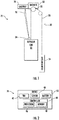
Figure 2 schematically illustrates an example device designed according to an embodiment of this invention. -
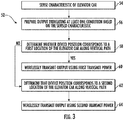
Figure 3 is a flowchart diagram summarizing an example method of communicating information regarding at least one condition of an elevator car. -
Figure 4 is a flowchart diagram schematically illustrating a power setting procedure useful in an example embodiment. -
Figure 1 schematically illustrates selected portions of anelevator system 20. Anelevator car 22 is associated with acounterweight 24 by roping 26. In some embodiments, theroping 26 includes round steel ropes while in others it includes flat belts. Amachine 28 causes rotation of atraction sheave 30 that moves theroping 26 to control movement of theelevator car 22 along avertical path 32. - A
device 34 for communicating information regarding theelevator car 22 is supported on theelevator car 22. Thedevice 34 moves with theelevator car 22 along thevertical path 32. Thedevice 34 includes at least one sensor that gathers information regarding the performance of at least one aspect or component of theelevator car 22. Thedevice 34 provides an output to agateway 36 using wireless communication schematically represented at 38. Thegateway 36 is configured to communicate with a monitoring system or device that an elevator service provider, for example, uses for gathering information regarding the operation of theelevator system 20. The monitoring system may be local to the site of theelevator system 20, such as in the same building, or remotely located such that thegateway 36 communicates with the monitoring system over the Internet or dedicated communication channels. The communications between thegateway 36 and the monitoring system may occur wirelessly or over physical communication lines through hard-wired connections. -
Figure 2 schematically illustrates an example configuration of thedevice 34. At least onesensor 40 senses at least one characteristic of the operation of theelevator car 22. Thesensor 40 in some embodiments may include an accelerometer, air pressure sensor, temperature sensor, camera, pressure sensor, strain gauge, microphone, or any other known sensing device. Thesensor 40 senses characteristics, such as vibration of theelevator car 22 during movement, vibration during movement of the elevator car doors, noises associated with car movement or door movement, for example. The particular characteristics of interest may vary depending on the configuration of theelevator car 22 or theelevator system 20 and those skilled in the art who have the benefit of this description will be able to select an appropriate sensor configuration to gather the information needed for their particular installation. - A
transmitter 42 wirelessly communicates information gathered by thesensor 40 to thegateway 36. In this example, thetransmitter 42 is part of a transceiver (TRX) that is also capable of receiving wireless communications from thegateway 36. - A
controller 44 controls when thetransmitter 42 provides an output to thegateway 36. Thecontroller 44 includes aprocessor 46 and associatedmemory 48. One reason why thecontroller 44 controls the operation of thetransmitter 42 is to conserve energy of abattery 50 that provides power for thedevice 34. Having a battery powereddevice 34 makes installing thedevice 34 less complicated and more economical than it would typically be if it were necessary to tap into power provided to theelevator car 22 or some other wired power source. - The
controller 44 controls operation of thetransmitter 42 to control the transmit power used by thedevice 34 depending on the location of thedevice 34, which is based on the position of theelevator car 22 along thevertical path 32.Figure 3 includes a flowchart diagram 52 summarizing an example approach. At 54, thesensor 40 senses at least one characteristic of theelevator car 22, for example, during a run between landings along thevertical path 32. At 56, theprocessor 46 prepares an output indicating at least one condition of theelevator car 22 based on the sensed characteristic. For example, when thesensor 40 provides an indication of vibration during elevator car movement, the output will correspond to or indicate the amount of vibration, which may be useful for diagnosing the condition of guide rollers on theelevator car 22. - At 58, the
processor 46 determines whether thedevice 34 is at a position that corresponds to a first location of theelevator car 22 along thevertical path 32. If thedevice 34 is at the first position, then thecontroller 44 causes thetransmitter 42 to wirelessly transmit the output to thegateway 36 using a first transmit power at 60. In the event that theelevator car 22 and thedevice 34 are not at the first location, theprocessor 46 determines that the device position corresponds to a second location of theelevator car 22 along thevertical path 32 at 62. With the device at 34 at the second location, thetransmitter 42 wirelessly communicates the output using a second transmit power at 64. - Controlling the power used by the
transmitter 42 depending on the location of thedevice 34 along thevertical path 32 facilitates conserving the energy of thebattery 50 by, for example, using the lowest amount of transmit power needed to effectively wirelessly communicate the output from thedevice 34 to thegateway 36. Different locations along thevertical path 32 will require different transmit powers to achieve reliable wireless communication. For example, when theelevator car 22 and, correspondingly, thetransmitter 42 are closer to thegateway 36, less transmitting power will be needed. Conversely, when theelevator car 22 and thetransmitter 42 are further from thegateway 36, more transmitting power will be needed. -
Figure 4 is a flowchart diagram 70 that summarizes an example approach for setting the transmit power at different locations along thevertical path 32. For example, there will be a plurality of landings at which theelevator car 22 stops to provide elevator service. Thedevice 34 in some embodiments is configured to transmit an output to thegateway 36 each time theelevator car 22 stops at a landing. In other embodiments, thedevice 34 transmits on a preset time schedule or at a plurality of locations along thevertical path 32 including locations that are distinct from those that correspond to theelevator car 22 being at a landing. Such an output will provide information regarding the characteristic(s) sensed by thesensor 40 during that elevator run. - Using the power setting procedure summarized in
Figure 4 , thecontroller 44 causes thetransmitter 42 to transmit a test communication using a test transmit power at 72 while theelevator car 22 is at a predetermined location along thevertical path 32, such as being parked at a landing or a predetermined location from which transmissions are desirable. Thegateway 36 provides an acknowledgement to thedevice 34 when the test communication is received by thegateway 36. At 74, theprocessor 46 determines whether the test communication was received by the gateway. If so, then thecontroller 44 causes thetransmitter 42 to transmit the test communication using a reduced test transmit power at 76. If that communication was received by thegateway 36 as determined at 74, a further reduced test transmit power is used to transmit the test communication to thegateway 36. As long as thegateway 36 provides an acknowledgement of the test communication, thecontroller 44 continues to cause transmissions using a reduced test transmit power that is lower than the most recently used test transmit power. - Eventually, the test transmit power will be too weak for the
gateway 36 to receive the test communication. Theprocessor 46 determines when this occurs, for example, by the lack of an acknowledgement received from thegateway 36 after the test communication has been wirelessly transmitted at a particular test transmit power. At 78, thecontroller 44 sets the transmit power for the current location of thedevice 34 at one of the transmit powers at which the test communication was received by thegateway 36. In some embodiments, the transmit power for the current location of thedevice 34 will be set to be at least one increment above the lowest transmit power that resulted in the gateway successfully receiving the test communication. Using a lower transmit power in general will conserve the energy of thebattery 50 and, therefore, is generally preferred. - The same procedure summarized by the
flowchart 70 is performed at each of a plurality of locations along thevertical path 32. Theprocessor 46 determines a transmit power to be used by thedevice 34 at each of those locations and stores those transmit powers in thememory 48 for purposes of subsequently controlling the transmit power used by thetransmitter 42 at each location. At the end of the power setting procedure for each such location, thememory 48 contains information, such as a look up table, of respective transmit powers to be used at different locations along thevertical path 32. - Utilizing different transmit powers at different locations within the
elevator system 20 accounts for different needs to effectively wirelessly communicate with thegateway 36 at those locations. For example, when theelevator car 22 and thedevice 34 are at a location that is relatively close to thegateway 36, less transmit power is needed compared to the amount of transmit power required when theelevator car 22 anddevice 34 are further from thegateway 36. Additionally, there may be locations within theelevator system 20 where communications are interfered with based upon other components of theelevator system 20 or the building configuration, for example. Such locations may require higher transmit power even though they are physically closer to thegateway 36 compared to other locations along thevertical path 32. Thecontroller 44 in the illustrated example embodiment controls the transmit power of thetransmitter 42 accordingly. - In some situations, there may be locations along the
vertical path 32 where effective communication with thegateway 36 is not possible or practical using a transmit power within a desired range. For example, there may be locations along an elevator hoistway where there is enough interference with wireless communication from thedevice 34 to thegateway 36 that it would be better to not transmit from thedevice 34 at such a location to conserve battery power. In the illustrated example embodiment, thecontroller 44 does not cause any transmission from thedevice 34 at such locations. Instead, thecontroller 44 causes the output generated by theprocessor 46 for that location to be transmitted to thegateway 36 the next time that theelevator car 22 is at a location where wireless communications are acceptable. In some embodiments, thedevice 34 provides information to thegateway 36 regarding locations along thevertical path 32 from which no communication should be expected from thedevice 34. This approach provides information indicating that thedevice 34 is not malfunctioning, for example, when thegateway 36 does not receive anything from thedevice 34 even though theelevator car 22 has stopped. - In some embodiments, the transmit powers stored in the
memory 48 are provided to thegateway 36 so that an elevator monitoring device or elevator service provider may have information regarding the places along thevertical path 32 where no transmission is expected from thedevice 34. In some embodiments, thegateway 36 or the elevator service provider does not have stored information regarding no-transmission locations along thevertical path 32 and thedevice 34 provides an indication when it is entering a location where no output will be provided as a warning that there will be an absence of wireless communication. - The
controller 44 is also capable of modifying the transmit power utilized by thetransmitter 42 under some conditions that only temporarily exist. For example, when an elevator service technician or mechanic is at the site of theelevator system 20, that individual may have a mobile station, such as a smart phone or hand-held device, that is capable of communicating directly with thedevice 34. When that individual is inside theelevator car 22, for example, a much lower transmit power will be effective for communicating with that individual's mobile station. Thecontroller 44 in this example causes thetransmitter 42 to use a third transmit power that is lower than the first and second transmit power mentioned above. Using a lower, third transmit power further conserves the energy of thebattery 50 and protects against such communications being intercepted by another device other than an authorized individual's mobile station. - The
controller 44 also controls thetransmitter 42 to use a higher transmit power than any of the set transmit powers for the various locations along thevertical path 32 when a particular alarm or alert condition has to be communicated by thedevice 34 to thegateway 36. Using a higher, alert transmit power ensures that an urgent communication will be received by thegateway 36. Since such transmissions are only expected occasionally or under rare circumstances, using a higher alert transmit power at such times is not expected to place any significant burden on thebattery 50. - The
controller 44 also adjusts the transmit power used by thetransmitter 42 when the charge level of thebattery 50 changes. For example, over time, thebattery 50 will lose charge and thecontroller 44 alters how thetransmitter 42 transmits information based on such a change in the charge level of the battery. One way to alter the manner in which the transmitter transmits information includes changing a heartbeat duty cycle of communications to include longer pauses between them so that fewer communications are used over time until the battery charge may be replenished or thebattery 50 is replaced. Another approach includes reducing a number of locations along thevertical path 32 from which thedevice 34 communicates with thegateway 36. For example, thetransmitter 42 will only transmit from locations where a low transmit power is sufficient when the battery charge is low. For example, thecontroller 44 determines whether the transmit power for a current location is below a low battery threshold power and only causes thetransmitter 42 to transmit when the transmit power is below that threshold. In some embodiments, thedevice 34 sends a low battery indication to thegateway 36 when the battery charge level reaches a preselected threshold. - The
sensor 40 in some embodiments is capable of sensing the motion of theelevator car 22 in a manner that provides information regarding the position of theelevator car 22 along thevertical path 32. Such information may be used as a supplement, for example, to the way in which theelevator system 20 keeps track of the position of theelevator car 22. Additionally, the different transmit powers used by thedevice 34 provide an indication of the position of theelevator car 22 along thevertical path 32 when the different powers for different locations from thememory 48 are provided to thegateway 36. Thedevice 34 is therefore useful to supplement or enhance determinations regarding the position of theelevator car 22 along thevertical path 32 when that would be useful or necessary. - Embodiments of this invention provide the capability of utilizing an Internet of things approach to communicate information regarding the condition or performance of an elevator car or its components. Strategically controlling the transmit power from a monitoring device provides useful information in a way that is reliable while conserving battery power.
- The preceding description is exemplary rather than limiting in nature. Variations and modifications to the disclosed examples may become apparent to those skilled in the art that do not necessarily depart from the essence of this invention. The scope of legal protection given to this invention can only be determined by studying the following claims.
Claims (15)
- A device for communicating information regarding an elevator car that moves along a vertical path, the device comprising:at least one sensor configured to be supported on the elevator car and to sense at least one characteristic of the elevator car,a transmitter configured to transmit a wirelessly communicated output indicating at least one condition based on the sensed characteristic, the transmitter being configured to use a first transmit power when the device is at a first location along the vertical path and to use a second, different transmit power when the device is at a second, different location along the vertical path.
- The device of claim 1, wherein:the transmitter is configured to use the first and second transmit powers when communicating with a gateway that the device moves relative to as the elevator car moves along the vertical path, the first location is closer to the gateway than the second location, and the second transmit power is greater than the first transmit power; and/orthe transmitter is configured to use the first and second transmit powers when communicating with a gateway that the device moves relative to as the elevator car moves along the vertical path and configured to use a third transmit power when communicating with a mobile device that may be brought in close proximity to the transmitter, and the third transmit power is lower than each of the first and second transmit powers
- The device of claim 1 or 2, comprising a controller including a processor and memory and wherein
the memory includes indications of a plurality of transmit powers for a plurality of locations along the vertical path,
the processor determines the location of the device along the vertical path, and
the controller controls the transmitter to use the transmit power indicated in the memory for a current location of the device. - The device of claim 3, wherein the controller is configured to determine the transmit power for a location along the vertical path using a power setting procedure comprising:causing the transmitter to use a test transmit power to transmit a test communication to a gateway that the device moves relative to as the elevator car moves along the vertical path while the device is at the location,determining whether the gateway received the test communication,if the gateway received the test communication, repeatedly causing the transmitter to use a reduced test transmit power that is less than a most recently used test transmit power to transmit the test communication to the gateway from the device at the location,determining a lowest test transmit power at which the gateway received the test communication from the device at the location, andsetting the transmit power for the location at the lowest test transmit power at which the gateway received the test communication from the device at the location;optionally wherein the controller is configured to determine respective transmit powers for each of a plurality of locations along the vertical path using the power setting procedure when the device is at each of the plurality of locations.
- The device of claim 4, wherein the controller is configured to
determine when the device is at a particular location where the transmitter is unable to successfully communicate information while using a transmit power within a selected range to a gateway that the device moves relative to as the elevator car moves along the vertical path; and
when the device is at the first or second location, cause the transmitter to provide information to the gateway regarding the particular location. - The device of claim 5, wherein the transmitter is configured to
pause communication from the transmitter when the device is at the particular location, and
transmit information regarding the at least one condition of the elevator car corresponding to the particular location when the device is at another location where wireless communication with the gateway is possible. - The device of any preceding claim, comprising a battery and
wherein
the transmitter is configured to alter a manner in which the transmitter transmits information based on a change in a charge level of the battery, and
the transmitter is configured to alter the manner by at least one change selected from the group of changes consisting ofchanging a heartbeat duty cycle of communications to include longer pauses between communications,reducing a number of locations along the vertical path from which the wirelessly communicated output is transmitted,only transmitting when the device is at a location where the transmit power is below a low battery threshold transmit level, andsending a low battery indication when the battery charge level reaches a preselected threshold. - The device of any preceding claim, wherein the transmitter transmits an alert indication at an alert transmit power that is higher than the first transmit power and higher than the second transmit power.
- An elevator system comprising:the device of any preceding claim supported on the elevator car, andan elevator car controller that is configured to use information from the device to determine a location of the elevator car along the vertical path.
- A method of communicating information regarding an elevator car that moves along a vertical path, the method comprising:sensing at least one characteristic of the elevator car, using a sensor supported on the elevator car; andtransmitting a wirelessly communicated output using a first transmit power when the elevator car is at a first location along the vertical path and using a second, different transmit power when the elevator car is at a second, different location along the vertical path, the output indicating at least one condition based on the sensed characteristic.
- The method of claim 10, comprising:using the first and second transmit powers when communicating with a gateway that the device moves relative to as the elevator car moves along the vertical path, wherein the first location is closer to the gateway than the second location, and the second transmit power is greater than the first transmit power; and/orusing the first and second transmit powers when communicating with a gateway that the device moves relative to as the elevator car moves along the vertical path; and using a third transmit power when communicating with a mobile device that may be brought in close proximity to the transmitter; wherein the third transmit power is lower than each of the first and second transmit powers.
- The method of claim 10 or 11, comprising determining the transmit power for a location along the vertical path using a power setting procedure including
using a test transmit power to transmit a test communication to a gateway that the device moves relative to as the elevator car moves along the vertical path while the elevator car is at the location,
determining whether the gateway received the test communication,
if the gateway received the test communication, repeatedly using a reduced test transmit power that is less than a most recently used test transmit power to transmit the test communication to the gateway while the elevator car is at the location,
determining a lowest test transmit power at which the gateway received the test communication while the elevator car is at the location, and
setting the transmit power for the location at the lowest test transmit power at which the gateway received the test communication while the elevator car is at the location;
optionally comprising determining respective transmit powers for each of a plurality of locations along the vertical path using the power setting procedure when the elevator car is at each of the plurality of locations. - The method of any of claims 10 to 12, comprising
determining when the elevator car is at a particular location where wireless communications with a gateway that the device moves relative to as the elevator car moves along the vertical path are unsuccessful using a transmit power within a selected range; and
when the elevator car is at the first or second location, wirelessly communicating information to the gateway regarding the particular location;
optionally comprising:pausing transmission of the wirelessly communicated output when the elevator car is at the particular location, andtransmitting information regarding the at least one condition of the elevator car corresponding to the particular location when the elevator is at another location where wireless communication with the gateway is possible. - The method of any of claims 10 to 13, comprising
altering a manner in which the wirelessly communicated output is transmitted based on a change in a charge level of a battery; and
altering the manner by implementing at least one change selected from the group of changes consisting ofchanging a heartbeat duty cycle of communications to include longer pauses between communications,reducing a number of locations along the vertical path from which the wirelessly communicated output is transmitted,only transmitting when the device is at a location where the transmit power is below a low battery threshold transmit level, andsending a low battery indication when the battery charge level reaches a preselected threshold. - The method of any of claims 10 to 14, comprising transmitting an alert indication at an alert transmit power that is higher than the first transmit power and higher than the second transmit power.
Priority Applications (1)
| Application Number | Priority Date | Filing Date | Title |
|---|---|---|---|
| EP23208890.6A EP4303163B1 (en) | 2020-05-05 | 2020-12-11 | Elevator monitoring device with varying wireless transmission power based on elevator car position |
Applications Claiming Priority (1)
| Application Number | Priority Date | Filing Date | Title |
|---|---|---|---|
| US16/866,758 US12421079B2 (en) | 2020-05-05 | 2020-05-05 | Elevator monitoring device with varying wireless transmission power based on elevator car position |
Related Child Applications (2)
| Application Number | Title | Priority Date | Filing Date |
|---|---|---|---|
| EP23208890.6A Division EP4303163B1 (en) | 2020-05-05 | 2020-12-11 | Elevator monitoring device with varying wireless transmission power based on elevator car position |
| EP23208890.6A Division-Into EP4303163B1 (en) | 2020-05-05 | 2020-12-11 | Elevator monitoring device with varying wireless transmission power based on elevator car position |
Publications (2)
| Publication Number | Publication Date |
|---|---|
| EP3907166A1 true EP3907166A1 (en) | 2021-11-10 |
| EP3907166B1 EP3907166B1 (en) | 2024-02-28 |
Family
ID=73834352
Family Applications (2)
| Application Number | Title | Priority Date | Filing Date |
|---|---|---|---|
| EP20213524.0A Active EP3907166B1 (en) | 2020-05-05 | 2020-12-11 | Elevator monitoring device with varying wireless transmission power based on elevator car position |
| EP23208890.6A Active EP4303163B1 (en) | 2020-05-05 | 2020-12-11 | Elevator monitoring device with varying wireless transmission power based on elevator car position |
Family Applications After (1)
| Application Number | Title | Priority Date | Filing Date |
|---|---|---|---|
| EP23208890.6A Active EP4303163B1 (en) | 2020-05-05 | 2020-12-11 | Elevator monitoring device with varying wireless transmission power based on elevator car position |
Country Status (3)
| Country | Link |
|---|---|
| US (1) | US12421079B2 (en) |
| EP (2) | EP3907166B1 (en) |
| CN (1) | CN113602926B (en) |
Citations (4)
| Publication number | Priority date | Publication date | Assignee | Title |
|---|---|---|---|---|
| KR101141515B1 (en) * | 2011-01-12 | 2012-05-03 | 인텔라 주식회사 | Elevator communication relay system |
| WO2016126686A1 (en) * | 2015-02-05 | 2016-08-11 | Otis Elevator Company | Wireless communication for self-propelled elevator system |
| EP3578492A1 (en) * | 2018-06-05 | 2019-12-11 | Otis Elevator Company | Conveyance system data transfer |
| KR102058110B1 (en) * | 2018-07-11 | 2019-12-20 | 현대엘리베이터주식회사 | Wireless optical communication system for ropeless elevator |
Family Cites Families (6)
| Publication number | Priority date | Publication date | Assignee | Title |
|---|---|---|---|---|
| EP0522782B1 (en) * | 1991-07-09 | 1997-01-08 | Mitsubishi Denki Kabushiki Kaisha | Cordless telephone system for moving conveyances |
| JP3864647B2 (en) * | 1999-11-26 | 2007-01-10 | 株式会社日立製作所 | Elevator system |
| JP5942684B2 (en) * | 2012-08-07 | 2016-06-29 | 富士通株式会社 | Communication control device and communication control method |
| CN107000973B (en) * | 2014-10-02 | 2020-10-13 | 通力股份公司 | Wireless Communication in Elevators |
| EP3575258A1 (en) * | 2018-05-30 | 2019-12-04 | Otis Elevator Company | Wireless sensor for conveyance system monitoring |
| CN115485223A (en) * | 2020-05-04 | 2022-12-16 | 通力股份公司 | Elevator control unit and method for transmitting data in an elevator arrangement |
-
2020
- 2020-05-05 US US16/866,758 patent/US12421079B2/en active Active
- 2020-12-02 CN CN202011392015.9A patent/CN113602926B/en active Active
- 2020-12-11 EP EP20213524.0A patent/EP3907166B1/en active Active
- 2020-12-11 EP EP23208890.6A patent/EP4303163B1/en active Active
Patent Citations (4)
| Publication number | Priority date | Publication date | Assignee | Title |
|---|---|---|---|---|
| KR101141515B1 (en) * | 2011-01-12 | 2012-05-03 | 인텔라 주식회사 | Elevator communication relay system |
| WO2016126686A1 (en) * | 2015-02-05 | 2016-08-11 | Otis Elevator Company | Wireless communication for self-propelled elevator system |
| EP3578492A1 (en) * | 2018-06-05 | 2019-12-11 | Otis Elevator Company | Conveyance system data transfer |
| KR102058110B1 (en) * | 2018-07-11 | 2019-12-20 | 현대엘리베이터주식회사 | Wireless optical communication system for ropeless elevator |
Also Published As
| Publication number | Publication date |
|---|---|
| EP4303163A2 (en) | 2024-01-10 |
| EP3907166B1 (en) | 2024-02-28 |
| CN113602926A (en) | 2021-11-05 |
| US12421079B2 (en) | 2025-09-23 |
| US20210347602A1 (en) | 2021-11-11 |
| EP4303163A3 (en) | 2024-02-14 |
| EP4303163B1 (en) | 2026-04-29 |
| CN113602926B (en) | 2023-03-21 |
Similar Documents
| Publication | Publication Date | Title |
|---|---|---|
| KR100769314B1 (en) | Elevator system | |
| CN110294398B (en) | Escalator remote monitoring control system and method | |
| CN111132920B (en) | Method and elevator system for defining elongation of an elevator car suspension | |
| CN113247717B (en) | Elevator control system | |
| WO2017208715A1 (en) | Elevator monitoring device and communication confirmation method | |
| EP3666710B1 (en) | Safety system based on hoistway access detection | |
| EP3907166B1 (en) | Elevator monitoring device with varying wireless transmission power based on elevator car position | |
| CN110606418B (en) | Elevator system | |
| EP4079671A1 (en) | System and method for dynamically modifying a capacity limit of an elevator car | |
| JP6657298B2 (en) | Elevator wireless communication system | |
| EP3640188B1 (en) | Continuous quality monitoring of a conveyance system | |
| EP3915919A1 (en) | Elevator management system that transmits combined operational and position data to an elevator management center | |
| CN115924673A (en) | Fault detection method, equipment, kit and lifting system for lifting system | |
| EP4400466B1 (en) | Emergency stop system for elevator | |
| EP3643668B1 (en) | System for tracking elevator ride quality | |
| JP6545868B1 (en) | Elevator system | |
| KR200363683Y1 (en) | Apparatus wirelessly regulating the hoisting limit of cargo-crane | |
| WO2014059469A1 (en) | Improvements to ladder climbing devices | |
| EP3929128A1 (en) | Sensor orientation indicator for condition based maintenance (cbm) sensing | |
| HK40056511A (en) | Elevator control system | |
| HK40056511B (en) | Elevator control system | |
| CN120829094A (en) | System and method for operating an elevator system to select an elevator car in an elevator car group | |
| CN122071344A (en) | Elevator monitoring device, elevator monitoring system | |
| KR101894587B1 (en) | Safety mat switch wireless control system | |
| JP2024129610A (en) | Elevator communication line radio wave measuring device |
Legal Events
| Date | Code | Title | Description |
|---|---|---|---|
| PUAI | Public reference made under article 153(3) epc to a published international application that has entered the european phase |
Free format text: ORIGINAL CODE: 0009012 |
|
| STAA | Information on the status of an ep patent application or granted ep patent |
Free format text: STATUS: THE APPLICATION HAS BEEN PUBLISHED |
|
| AK | Designated contracting states |
Kind code of ref document: A1 Designated state(s): AL AT BE BG CH CY CZ DE DK EE ES FI FR GB GR HR HU IE IS IT LI LT LU LV MC MK MT NL NO PL PT RO RS SE SI SK SM TR |
|
| B565 | Issuance of search results under rule 164(2) epc |
Effective date: 20210526 |
|
| STAA | Information on the status of an ep patent application or granted ep patent |
Free format text: STATUS: REQUEST FOR EXAMINATION WAS MADE |
|
| 17P | Request for examination filed |
Effective date: 20220223 |
|
| RBV | Designated contracting states (corrected) |
Designated state(s): AL AT BE BG CH CY CZ DE DK EE ES FI FR GB GR HR HU IE IS IT LI LT LU LV MC MK MT NL NO PL PT RO RS SE SI SK SM TR |
|
| GRAP | Despatch of communication of intention to grant a patent |
Free format text: ORIGINAL CODE: EPIDOSNIGR1 |
|
| STAA | Information on the status of an ep patent application or granted ep patent |
Free format text: STATUS: GRANT OF PATENT IS INTENDED |
|
| INTG | Intention to grant announced |
Effective date: 20230912 |
|
| GRAS | Grant fee paid |
Free format text: ORIGINAL CODE: EPIDOSNIGR3 |
|
| GRAA | (expected) grant |
Free format text: ORIGINAL CODE: 0009210 |
|
| STAA | Information on the status of an ep patent application or granted ep patent |
Free format text: STATUS: THE PATENT HAS BEEN GRANTED |
|
| AK | Designated contracting states |
Kind code of ref document: B1 Designated state(s): AL AT BE BG CH CY CZ DE DK EE ES FI FR GB GR HR HU IE IS IT LI LT LU LV MC MK MT NL NO PL PT RO RS SE SI SK SM TR |
|
| REG | Reference to a national code |
Ref country code: GB Ref legal event code: FG4D |
|
| REG | Reference to a national code |
Ref country code: CH Ref legal event code: EP |
|
| REG | Reference to a national code |
Ref country code: DE Ref legal event code: R096 Ref document number: 602020026354 Country of ref document: DE |
|
| REG | Reference to a national code |
Ref country code: IE Ref legal event code: FG4D |
|
| REG | Reference to a national code |
Ref country code: LT Ref legal event code: MG9D |
|
| PG25 | Lapsed in a contracting state [announced via postgrant information from national office to epo] |
Ref country code: IS Free format text: LAPSE BECAUSE OF FAILURE TO SUBMIT A TRANSLATION OF THE DESCRIPTION OR TO PAY THE FEE WITHIN THE PRESCRIBED TIME-LIMIT Effective date: 20240628 |
|
| REG | Reference to a national code |
Ref country code: NL Ref legal event code: MP Effective date: 20240228 |
|
| PG25 | Lapsed in a contracting state [announced via postgrant information from national office to epo] |
Ref country code: LT Free format text: LAPSE BECAUSE OF FAILURE TO SUBMIT A TRANSLATION OF THE DESCRIPTION OR TO PAY THE FEE WITHIN THE PRESCRIBED TIME-LIMIT Effective date: 20240228 |
|
| PG25 | Lapsed in a contracting state [announced via postgrant information from national office to epo] |
Ref country code: GR Free format text: LAPSE BECAUSE OF FAILURE TO SUBMIT A TRANSLATION OF THE DESCRIPTION OR TO PAY THE FEE WITHIN THE PRESCRIBED TIME-LIMIT Effective date: 20240529 |
|
| PG25 | Lapsed in a contracting state [announced via postgrant information from national office to epo] |
Ref country code: HR Free format text: LAPSE BECAUSE OF FAILURE TO SUBMIT A TRANSLATION OF THE DESCRIPTION OR TO PAY THE FEE WITHIN THE PRESCRIBED TIME-LIMIT Effective date: 20240228 Ref country code: RS Free format text: LAPSE BECAUSE OF FAILURE TO SUBMIT A TRANSLATION OF THE DESCRIPTION OR TO PAY THE FEE WITHIN THE PRESCRIBED TIME-LIMIT Effective date: 20240528 Ref country code: NL Free format text: LAPSE BECAUSE OF FAILURE TO SUBMIT A TRANSLATION OF THE DESCRIPTION OR TO PAY THE FEE WITHIN THE PRESCRIBED TIME-LIMIT Effective date: 20240228 |
|
| PG25 | Lapsed in a contracting state [announced via postgrant information from national office to epo] |
Ref country code: ES Free format text: LAPSE BECAUSE OF FAILURE TO SUBMIT A TRANSLATION OF THE DESCRIPTION OR TO PAY THE FEE WITHIN THE PRESCRIBED TIME-LIMIT Effective date: 20240228 |
|
| PG25 | Lapsed in a contracting state [announced via postgrant information from national office to epo] |
Ref country code: RS Free format text: LAPSE BECAUSE OF FAILURE TO SUBMIT A TRANSLATION OF THE DESCRIPTION OR TO PAY THE FEE WITHIN THE PRESCRIBED TIME-LIMIT Effective date: 20240528 Ref country code: NO Free format text: LAPSE BECAUSE OF FAILURE TO SUBMIT A TRANSLATION OF THE DESCRIPTION OR TO PAY THE FEE WITHIN THE PRESCRIBED TIME-LIMIT Effective date: 20240528 Ref country code: NL Free format text: LAPSE BECAUSE OF FAILURE TO SUBMIT A TRANSLATION OF THE DESCRIPTION OR TO PAY THE FEE WITHIN THE PRESCRIBED TIME-LIMIT Effective date: 20240228 Ref country code: LT Free format text: LAPSE BECAUSE OF FAILURE TO SUBMIT A TRANSLATION OF THE DESCRIPTION OR TO PAY THE FEE WITHIN THE PRESCRIBED TIME-LIMIT Effective date: 20240228 Ref country code: IS Free format text: LAPSE BECAUSE OF FAILURE TO SUBMIT A TRANSLATION OF THE DESCRIPTION OR TO PAY THE FEE WITHIN THE PRESCRIBED TIME-LIMIT Effective date: 20240628 Ref country code: HR Free format text: LAPSE BECAUSE OF FAILURE TO SUBMIT A TRANSLATION OF THE DESCRIPTION OR TO PAY THE FEE WITHIN THE PRESCRIBED TIME-LIMIT Effective date: 20240228 Ref country code: GR Free format text: LAPSE BECAUSE OF FAILURE TO SUBMIT A TRANSLATION OF THE DESCRIPTION OR TO PAY THE FEE WITHIN THE PRESCRIBED TIME-LIMIT Effective date: 20240529 Ref country code: FI Free format text: LAPSE BECAUSE OF FAILURE TO SUBMIT A TRANSLATION OF THE DESCRIPTION OR TO PAY THE FEE WITHIN THE PRESCRIBED TIME-LIMIT Effective date: 20240228 Ref country code: ES Free format text: LAPSE BECAUSE OF FAILURE TO SUBMIT A TRANSLATION OF THE DESCRIPTION OR TO PAY THE FEE WITHIN THE PRESCRIBED TIME-LIMIT Effective date: 20240228 Ref country code: BG Free format text: LAPSE BECAUSE OF FAILURE TO SUBMIT A TRANSLATION OF THE DESCRIPTION OR TO PAY THE FEE WITHIN THE PRESCRIBED TIME-LIMIT Effective date: 20240228 |
|
| PG25 | Lapsed in a contracting state [announced via postgrant information from national office to epo] |
Ref country code: PL Free format text: LAPSE BECAUSE OF FAILURE TO SUBMIT A TRANSLATION OF THE DESCRIPTION OR TO PAY THE FEE WITHIN THE PRESCRIBED TIME-LIMIT Effective date: 20240228 Ref country code: PT Free format text: LAPSE BECAUSE OF FAILURE TO SUBMIT A TRANSLATION OF THE DESCRIPTION OR TO PAY THE FEE WITHIN THE PRESCRIBED TIME-LIMIT Effective date: 20240628 |
|
| REG | Reference to a national code |
Ref country code: AT Ref legal event code: MK05 Ref document number: 1661097 Country of ref document: AT Kind code of ref document: T Effective date: 20240228 |
|
| PG25 | Lapsed in a contracting state [announced via postgrant information from national office to epo] |
Ref country code: SE Free format text: LAPSE BECAUSE OF FAILURE TO SUBMIT A TRANSLATION OF THE DESCRIPTION OR TO PAY THE FEE WITHIN THE PRESCRIBED TIME-LIMIT Effective date: 20240228 Ref country code: PT Free format text: LAPSE BECAUSE OF FAILURE TO SUBMIT A TRANSLATION OF THE DESCRIPTION OR TO PAY THE FEE WITHIN THE PRESCRIBED TIME-LIMIT Effective date: 20240628 Ref country code: PL Free format text: LAPSE BECAUSE OF FAILURE TO SUBMIT A TRANSLATION OF THE DESCRIPTION OR TO PAY THE FEE WITHIN THE PRESCRIBED TIME-LIMIT Effective date: 20240228 Ref country code: LV Free format text: LAPSE BECAUSE OF FAILURE TO SUBMIT A TRANSLATION OF THE DESCRIPTION OR TO PAY THE FEE WITHIN THE PRESCRIBED TIME-LIMIT Effective date: 20240228 |
|
| PG25 | Lapsed in a contracting state [announced via postgrant information from national office to epo] |
Ref country code: DK Free format text: LAPSE BECAUSE OF FAILURE TO SUBMIT A TRANSLATION OF THE DESCRIPTION OR TO PAY THE FEE WITHIN THE PRESCRIBED TIME-LIMIT Effective date: 20240228 |
|
| PG25 | Lapsed in a contracting state [announced via postgrant information from national office to epo] |
Ref country code: SM Free format text: LAPSE BECAUSE OF FAILURE TO SUBMIT A TRANSLATION OF THE DESCRIPTION OR TO PAY THE FEE WITHIN THE PRESCRIBED TIME-LIMIT Effective date: 20240228 |
|
| PG25 | Lapsed in a contracting state [announced via postgrant information from national office to epo] |
Ref country code: EE Free format text: LAPSE BECAUSE OF FAILURE TO SUBMIT A TRANSLATION OF THE DESCRIPTION OR TO PAY THE FEE WITHIN THE PRESCRIBED TIME-LIMIT Effective date: 20240228 Ref country code: CZ Free format text: LAPSE BECAUSE OF FAILURE TO SUBMIT A TRANSLATION OF THE DESCRIPTION OR TO PAY THE FEE WITHIN THE PRESCRIBED TIME-LIMIT Effective date: 20240228 |
|
| PG25 | Lapsed in a contracting state [announced via postgrant information from national office to epo] |
Ref country code: AT Free format text: LAPSE BECAUSE OF FAILURE TO SUBMIT A TRANSLATION OF THE DESCRIPTION OR TO PAY THE FEE WITHIN THE PRESCRIBED TIME-LIMIT Effective date: 20240228 |
|
| PG25 | Lapsed in a contracting state [announced via postgrant information from national office to epo] |
Ref country code: SK Free format text: LAPSE BECAUSE OF FAILURE TO SUBMIT A TRANSLATION OF THE DESCRIPTION OR TO PAY THE FEE WITHIN THE PRESCRIBED TIME-LIMIT Effective date: 20240228 |
|
| PG25 | Lapsed in a contracting state [announced via postgrant information from national office to epo] |
Ref country code: SM Free format text: LAPSE BECAUSE OF FAILURE TO SUBMIT A TRANSLATION OF THE DESCRIPTION OR TO PAY THE FEE WITHIN THE PRESCRIBED TIME-LIMIT Effective date: 20240228 Ref country code: SK Free format text: LAPSE BECAUSE OF FAILURE TO SUBMIT A TRANSLATION OF THE DESCRIPTION OR TO PAY THE FEE WITHIN THE PRESCRIBED TIME-LIMIT Effective date: 20240228 Ref country code: RO Free format text: LAPSE BECAUSE OF FAILURE TO SUBMIT A TRANSLATION OF THE DESCRIPTION OR TO PAY THE FEE WITHIN THE PRESCRIBED TIME-LIMIT Effective date: 20240228 Ref country code: EE Free format text: LAPSE BECAUSE OF FAILURE TO SUBMIT A TRANSLATION OF THE DESCRIPTION OR TO PAY THE FEE WITHIN THE PRESCRIBED TIME-LIMIT Effective date: 20240228 Ref country code: DK Free format text: LAPSE BECAUSE OF FAILURE TO SUBMIT A TRANSLATION OF THE DESCRIPTION OR TO PAY THE FEE WITHIN THE PRESCRIBED TIME-LIMIT Effective date: 20240228 Ref country code: CZ Free format text: LAPSE BECAUSE OF FAILURE TO SUBMIT A TRANSLATION OF THE DESCRIPTION OR TO PAY THE FEE WITHIN THE PRESCRIBED TIME-LIMIT Effective date: 20240228 Ref country code: AT Free format text: LAPSE BECAUSE OF FAILURE TO SUBMIT A TRANSLATION OF THE DESCRIPTION OR TO PAY THE FEE WITHIN THE PRESCRIBED TIME-LIMIT Effective date: 20240228 |
|
| REG | Reference to a national code |
Ref country code: DE Ref legal event code: R097 Ref document number: 602020026354 Country of ref document: DE |
|
| PG25 | Lapsed in a contracting state [announced via postgrant information from national office to epo] |
Ref country code: IT Free format text: LAPSE BECAUSE OF FAILURE TO SUBMIT A TRANSLATION OF THE DESCRIPTION OR TO PAY THE FEE WITHIN THE PRESCRIBED TIME-LIMIT Effective date: 20240228 |
|
| PG25 | Lapsed in a contracting state [announced via postgrant information from national office to epo] |
Ref country code: IT Free format text: LAPSE BECAUSE OF FAILURE TO SUBMIT A TRANSLATION OF THE DESCRIPTION OR TO PAY THE FEE WITHIN THE PRESCRIBED TIME-LIMIT Effective date: 20240228 |
|
| PLBE | No opposition filed within time limit |
Free format text: ORIGINAL CODE: 0009261 |
|
| STAA | Information on the status of an ep patent application or granted ep patent |
Free format text: STATUS: NO OPPOSITION FILED WITHIN TIME LIMIT |
|
| 26N | No opposition filed |
Effective date: 20241129 |
|
| PG25 | Lapsed in a contracting state [announced via postgrant information from national office to epo] |
Ref country code: SI Free format text: LAPSE BECAUSE OF FAILURE TO SUBMIT A TRANSLATION OF THE DESCRIPTION OR TO PAY THE FEE WITHIN THE PRESCRIBED TIME-LIMIT Effective date: 20240228 |
|
| PG25 | Lapsed in a contracting state [announced via postgrant information from national office to epo] |
Ref country code: MC Free format text: LAPSE BECAUSE OF FAILURE TO SUBMIT A TRANSLATION OF THE DESCRIPTION OR TO PAY THE FEE WITHIN THE PRESCRIBED TIME-LIMIT Effective date: 20240228 |
|
| REG | Reference to a national code |
Ref country code: CH Ref legal event code: PL |
|
| PG25 | Lapsed in a contracting state [announced via postgrant information from national office to epo] |
Ref country code: LU Free format text: LAPSE BECAUSE OF NON-PAYMENT OF DUE FEES Effective date: 20241211 |
|
| GBPC | Gb: european patent ceased through non-payment of renewal fee |
Effective date: 20241211 |
|
| REG | Reference to a national code |
Ref country code: BE Ref legal event code: MM Effective date: 20241231 |
|
| PG25 | Lapsed in a contracting state [announced via postgrant information from national office to epo] |
Ref country code: GB Free format text: LAPSE BECAUSE OF NON-PAYMENT OF DUE FEES Effective date: 20241211 Ref country code: BE Free format text: LAPSE BECAUSE OF NON-PAYMENT OF DUE FEES Effective date: 20241231 |
|
| PG25 | Lapsed in a contracting state [announced via postgrant information from national office to epo] |
Ref country code: CH Free format text: LAPSE BECAUSE OF NON-PAYMENT OF DUE FEES Effective date: 20241231 |
|
| PG25 | Lapsed in a contracting state [announced via postgrant information from national office to epo] |
Ref country code: IE Free format text: LAPSE BECAUSE OF NON-PAYMENT OF DUE FEES Effective date: 20241211 |
|
| PGFP | Annual fee paid to national office [announced via postgrant information from national office to epo] |
Ref country code: DE Payment date: 20251126 Year of fee payment: 6 |
|
| PGFP | Annual fee paid to national office [announced via postgrant information from national office to epo] |
Ref country code: FR Payment date: 20251120 Year of fee payment: 6 |
|
| PG25 | Lapsed in a contracting state [announced via postgrant information from national office to epo] |
Ref country code: CY Free format text: LAPSE BECAUSE OF FAILURE TO SUBMIT A TRANSLATION OF THE DESCRIPTION OR TO PAY THE FEE WITHIN THE PRESCRIBED TIME-LIMIT Effective date: 20240228 |