EP3904518A1 - Pharmaceutical composition for preventing or treating cancer, comprising tut4/7 expression modulator - Google Patents
Pharmaceutical composition for preventing or treating cancer, comprising tut4/7 expression modulator Download PDFInfo
- Publication number
- EP3904518A1 EP3904518A1 EP20763447.8A EP20763447A EP3904518A1 EP 3904518 A1 EP3904518 A1 EP 3904518A1 EP 20763447 A EP20763447 A EP 20763447A EP 3904518 A1 EP3904518 A1 EP 3904518A1
- Authority
- EP
- European Patent Office
- Prior art keywords
- cancer
- mir
- seq
- tut4
- composition
- Prior art date
- Legal status (The legal status is an assumption and is not a legal conclusion. Google has not performed a legal analysis and makes no representation as to the accuracy of the status listed.)
- Withdrawn
Links
Images












Classifications
-
- C—CHEMISTRY; METALLURGY
- C12—BIOCHEMISTRY; BEER; SPIRITS; WINE; VINEGAR; MICROBIOLOGY; ENZYMOLOGY; MUTATION OR GENETIC ENGINEERING
- C12N—MICROORGANISMS OR ENZYMES; COMPOSITIONS THEREOF; PROPAGATING, PRESERVING, OR MAINTAINING MICROORGANISMS; MUTATION OR GENETIC ENGINEERING; CULTURE MEDIA
- C12N15/00—Mutation or genetic engineering; DNA or RNA concerning genetic engineering, vectors, e.g. plasmids, or their isolation, preparation or purification; Use of hosts therefor
- C12N15/09—Recombinant DNA-technology
- C12N15/11—DNA or RNA fragments; Modified forms thereof; Non-coding nucleic acids having a biological activity
- C12N15/113—Non-coding nucleic acids modulating the expression of genes, e.g. antisense oligonucleotides; Antisense DNA or RNA; Triplex- forming oligonucleotides; Catalytic nucleic acids, e.g. ribozymes; Nucleic acids used in co-suppression or gene silencing
- C12N15/1137—Non-coding nucleic acids modulating the expression of genes, e.g. antisense oligonucleotides; Antisense DNA or RNA; Triplex- forming oligonucleotides; Catalytic nucleic acids, e.g. ribozymes; Nucleic acids used in co-suppression or gene silencing against enzymes
-
- A—HUMAN NECESSITIES
- A61—MEDICAL OR VETERINARY SCIENCE; HYGIENE
- A61K—PREPARATIONS FOR MEDICAL, DENTAL OR TOILETRY PURPOSES
- A61K31/00—Medicinal preparations containing organic active ingredients
- A61K31/70—Carbohydrates; Sugars; Derivatives thereof
-
- A—HUMAN NECESSITIES
- A61—MEDICAL OR VETERINARY SCIENCE; HYGIENE
- A61K—PREPARATIONS FOR MEDICAL, DENTAL OR TOILETRY PURPOSES
- A61K31/00—Medicinal preparations containing organic active ingredients
- A61K31/70—Carbohydrates; Sugars; Derivatives thereof
- A61K31/7088—Compounds having three or more nucleosides or nucleotides
-
- A—HUMAN NECESSITIES
- A61—MEDICAL OR VETERINARY SCIENCE; HYGIENE
- A61K—PREPARATIONS FOR MEDICAL, DENTAL OR TOILETRY PURPOSES
- A61K48/00—Medicinal preparations containing genetic material which is inserted into cells of the living body to treat genetic diseases; Gene therapy
-
- A—HUMAN NECESSITIES
- A61—MEDICAL OR VETERINARY SCIENCE; HYGIENE
- A61P—SPECIFIC THERAPEUTIC ACTIVITY OF CHEMICAL COMPOUNDS OR MEDICINAL PREPARATIONS
- A61P35/00—Antineoplastic agents
-
- C—CHEMISTRY; METALLURGY
- C12—BIOCHEMISTRY; BEER; SPIRITS; WINE; VINEGAR; MICROBIOLOGY; ENZYMOLOGY; MUTATION OR GENETIC ENGINEERING
- C12N—MICROORGANISMS OR ENZYMES; COMPOSITIONS THEREOF; PROPAGATING, PRESERVING, OR MAINTAINING MICROORGANISMS; MUTATION OR GENETIC ENGINEERING; CULTURE MEDIA
- C12N15/00—Mutation or genetic engineering; DNA or RNA concerning genetic engineering, vectors, e.g. plasmids, or their isolation, preparation or purification; Use of hosts therefor
- C12N15/09—Recombinant DNA-technology
- C12N15/11—DNA or RNA fragments; Modified forms thereof; Non-coding nucleic acids having a biological activity
- C12N15/113—Non-coding nucleic acids modulating the expression of genes, e.g. antisense oligonucleotides; Antisense DNA or RNA; Triplex- forming oligonucleotides; Catalytic nucleic acids, e.g. ribozymes; Nucleic acids used in co-suppression or gene silencing
-
- C—CHEMISTRY; METALLURGY
- C12—BIOCHEMISTRY; BEER; SPIRITS; WINE; VINEGAR; MICROBIOLOGY; ENZYMOLOGY; MUTATION OR GENETIC ENGINEERING
- C12N—MICROORGANISMS OR ENZYMES; COMPOSITIONS THEREOF; PROPAGATING, PRESERVING, OR MAINTAINING MICROORGANISMS; MUTATION OR GENETIC ENGINEERING; CULTURE MEDIA
- C12N9/00—Enzymes; Proenzymes; Compositions thereof; Processes for preparing, activating, inhibiting, separating or purifying enzymes
- C12N9/10—Transferases (2.)
- C12N9/12—Transferases (2.) transferring phosphorus containing groups, e.g. kinases (2.7)
- C12N9/1241—Nucleotidyltransferases (2.7.7)
- C12N9/1282—RNA uridylyltransferase (2.7.7.52)
-
- C—CHEMISTRY; METALLURGY
- C12—BIOCHEMISTRY; BEER; SPIRITS; WINE; VINEGAR; MICROBIOLOGY; ENZYMOLOGY; MUTATION OR GENETIC ENGINEERING
- C12Q—MEASURING OR TESTING PROCESSES INVOLVING ENZYMES, NUCLEIC ACIDS OR MICROORGANISMS; COMPOSITIONS OR TEST PAPERS THEREFOR; PROCESSES OF PREPARING SUCH COMPOSITIONS; CONDITION-RESPONSIVE CONTROL IN MICROBIOLOGICAL OR ENZYMOLOGICAL PROCESSES
- C12Q1/00—Measuring or testing processes involving enzymes, nucleic acids or microorganisms; Compositions therefor; Processes of preparing such compositions
- C12Q1/68—Measuring or testing processes involving enzymes, nucleic acids or microorganisms; Compositions therefor; Processes of preparing such compositions involving nucleic acids
- C12Q1/6876—Nucleic acid products used in the analysis of nucleic acids, e.g. primers or probes
- C12Q1/6883—Nucleic acid products used in the analysis of nucleic acids, e.g. primers or probes for diseases caused by alterations of genetic material
- C12Q1/6886—Nucleic acid products used in the analysis of nucleic acids, e.g. primers or probes for diseases caused by alterations of genetic material for cancer
-
- G—PHYSICS
- G01—MEASURING; TESTING
- G01N—INVESTIGATING OR ANALYSING MATERIALS BY DETERMINING THEIR CHEMICAL OR PHYSICAL PROPERTIES
- G01N33/00—Investigating or analysing materials by specific methods not covered by groups G01N1/00 - G01N31/00
- G01N33/48—Biological material, e.g. blood, urine; Haemocytometers
- G01N33/50—Chemical analysis of biological material, e.g. blood, urine; Testing involving biospecific ligand binding methods; Immunological testing
- G01N33/68—Chemical analysis of biological material, e.g. blood, urine; Testing involving biospecific ligand binding methods; Immunological testing involving proteins, peptides or amino acids
- G01N33/6854—Immunoglobulins
-
- C—CHEMISTRY; METALLURGY
- C12—BIOCHEMISTRY; BEER; SPIRITS; WINE; VINEGAR; MICROBIOLOGY; ENZYMOLOGY; MUTATION OR GENETIC ENGINEERING
- C12N—MICROORGANISMS OR ENZYMES; COMPOSITIONS THEREOF; PROPAGATING, PRESERVING, OR MAINTAINING MICROORGANISMS; MUTATION OR GENETIC ENGINEERING; CULTURE MEDIA
- C12N2310/00—Structure or type of the nucleic acid
- C12N2310/10—Type of nucleic acid
- C12N2310/14—Type of nucleic acid interfering nucleic acids [NA]
-
- C—CHEMISTRY; METALLURGY
- C12—BIOCHEMISTRY; BEER; SPIRITS; WINE; VINEGAR; MICROBIOLOGY; ENZYMOLOGY; MUTATION OR GENETIC ENGINEERING
- C12N—MICROORGANISMS OR ENZYMES; COMPOSITIONS THEREOF; PROPAGATING, PRESERVING, OR MAINTAINING MICROORGANISMS; MUTATION OR GENETIC ENGINEERING; CULTURE MEDIA
- C12N2310/00—Structure or type of the nucleic acid
- C12N2310/10—Type of nucleic acid
- C12N2310/14—Type of nucleic acid interfering nucleic acids [NA]
- C12N2310/141—MicroRNAs, miRNAs
-
- C—CHEMISTRY; METALLURGY
- C12—BIOCHEMISTRY; BEER; SPIRITS; WINE; VINEGAR; MICROBIOLOGY; ENZYMOLOGY; MUTATION OR GENETIC ENGINEERING
- C12N—MICROORGANISMS OR ENZYMES; COMPOSITIONS THEREOF; PROPAGATING, PRESERVING, OR MAINTAINING MICROORGANISMS; MUTATION OR GENETIC ENGINEERING; CULTURE MEDIA
- C12N2320/00—Applications; Uses
- C12N2320/30—Special therapeutic applications
-
- C—CHEMISTRY; METALLURGY
- C12—BIOCHEMISTRY; BEER; SPIRITS; WINE; VINEGAR; MICROBIOLOGY; ENZYMOLOGY; MUTATION OR GENETIC ENGINEERING
- C12Q—MEASURING OR TESTING PROCESSES INVOLVING ENZYMES, NUCLEIC ACIDS OR MICROORGANISMS; COMPOSITIONS OR TEST PAPERS THEREFOR; PROCESSES OF PREPARING SUCH COMPOSITIONS; CONDITION-RESPONSIVE CONTROL IN MICROBIOLOGICAL OR ENZYMOLOGICAL PROCESSES
- C12Q2600/00—Oligonucleotides characterized by their use
- C12Q2600/178—Oligonucleotides characterized by their use miRNA, siRNA or ncRNA
-
- C—CHEMISTRY; METALLURGY
- C12—BIOCHEMISTRY; BEER; SPIRITS; WINE; VINEGAR; MICROBIOLOGY; ENZYMOLOGY; MUTATION OR GENETIC ENGINEERING
- C12Y—ENZYMES
- C12Y207/00—Transferases transferring phosphorus-containing groups (2.7)
- C12Y207/07—Nucleotidyltransferases (2.7.7)
- C12Y207/07052—RNA uridylyltransferase (2.7.7.52)
Definitions
- the present invention relates to a pharmaceutical composition comprising a TUT4/7 expression regulator for prevention or treatment of cancer and, more specifically, to a pharmaceutical composition for preventing or treating cancer, comprising a nucleic acid regulatory of TUT4/7 expression.
- the present invention was made with the support of the Ministry of Health and Welfare, Republic of Korea, under Project No. 1711079098, which was conducted by the Institute of Basic Science in the research program named " Study on the cellular fate decision by RNA” as a branch of the research project titled “Operation Management and Support for Institute of Basic Science", under the research management of the Institute of Basic Science, from 01 January 2018 to 31 December 2018 .
- microRNA microRNA
- the biogenesis of microRNA (miRNA) is achieved through the cleavage actions of Drosha and Dicer to generate a miRNA duplex, followed by selecting one of the two constituent strands (5p and 3p).
- the strand selection process of determining which strand is selected is of biological significance because the two strands are definitely different in sequence and can thus regulate the expression of respective different genes.
- alternative strand selection can affect tissue differentiation and cancer development.
- molecular mechanism, such as regulatory mechanism, etc., and physiological significance of such alternative strand selection remain elusive.
- the present inventors find that an uridylation by TUT4 and TUT7 (TUT4/7) shifts the cleavage site of Dicer on the pre-mir-324 to produce three functionally different microRNAs (one 5p and two 3p isoforms) and prevents cell division and inhibits cancer development by downregulating of TUT4/7, which is in the same effect as that obtained when the level of miR-324-5p is increased and miR-324-3p.1 is downregulated, and thus completed the present disclosure.
- TUT4/7 shifts the cleavage site of Dicer on the pre-mir-324 to produce three functionally different microRNAs (one 5p and two 3p isoforms) and prevents cell division and inhibits cancer development by downregulating of TUT4/7, which is in the same effect as that obtained when the level of miR-324-5p is increased and miR-324-3p.1 is downregulated, and thus completed the present disclosure.
- an objective of the present invention is to provide a pharmaceutical composition for preventing or treating cancer, comprising: a microRNA (miRNA) comprising the nucleotide sequences of SEQ ID NOS: 1 and 2; a nucleic acid composed of the nucleotide sequence of SEQ ID NO: 4; and a small interfering RNA (siRNA) comprising at least one nucleotide sequence selected from the group consisting of SEQ ID NOS: 5 to 20.
- miRNA microRNA
- siRNA small interfering RNA
- Another objective of the present invention is to provide a method for treating cancer, using: the composition comprising a microRNA (miRNA) comprising the nucleotide sequences of SEQ ID NOS: 1 and 2; a nucleic acid composed of the nucleotide sequence of SEQ ID NO: 4; and a small interfering RNA (siRNA) comprising at least one nucleotide sequence selected from the group consisting of SEQ ID NOS: 5 to 20.
- miRNA microRNA
- siRNA small interfering RNA
- a further objective of the present invention is to provide the pharmaceutical composition for use in treating cancer, the composition comprising a microRNA (miRNA) comprising the nucleotide sequences of SEQ ID NOS: 1 and 2; a nucleic acid composed of the nucleotide sequence of SEQ ID NO: 4; and a small interfering RNA (siRNA) comprising at least one nucleotide sequence selected from the group consisting of SEQ ID NOS: 5 to 20.
- miRNA microRNA
- siRNA small interfering RNA
- a still further objective of the present invention is to provide a composition for diagnosing cancer, comprising an agent for measuring a miRNA expression level of miR-324-5p or miR-324-3p.1.
- a still another objective of the present invention is to provide a kit for diagnosing cancer, comprising an agent for measuring a miRNA expression level of miR-324-5p or miR-324-3p.1.
- a yet another objective of the present invention is to provide a composition for diagnosing cancer, comprising an agent for measuring a mRNA or protein level of terminal uridylyl transferases 4 (TUT4) or terminal uridylyl transferases 7 (TUT7).
- a yet further objective of the present invention is to provide a kit for diagnosing cancer, comprising an agent for measuring a mRNA or protein level of TUT4 or TUT7.
- TUT4/7 shifts the cleavage site of Dicer on the pre-mir-324 to produce three functionally different microRNAs (one 5p and two 3p isoforms) and prevents cell division and inhibits cancer development by downregulating of TUT4/7, which is in the same effect as that obtained when the level of miR-324-5p is increased and miR-324-3p.1 is downregulated.
- An aspect of the present invention relates to a pharmaceutical composition for preventing or treating cancer, comprising at least one selected from the group consisting of:
- the cancer may be encephaloma, colon cancer, large intestine cancer, lung cancer, liver cancer, stomach cancer, esophageal cancer, pancreatic cancer, gallbladder cancer, kidney cancer, bladder cancer, prostate cancer, testis cancer, uterine cervical cancer, endometrial cancer, choriocarcinoma, ovarian cancer, breast cancer, thyroid cancer, brain cancer, head and neck cancer, and/or malignant melanoma, but is not limited thereto.
- microRNA refers to a non-coding RNA molecule about 22 nucleotides long that functions in post-transcriptional regulation of gene expression by forming base pairs with the 3' untranslated region (UTR) of mRNAs.
- the microRNA of the present invention may include the nucleotide sequences of SEQ ID NOS: 1 and 2.
- the microRNA (5p duplex miRNA) may be a duplex in which a microRNA (miR-324-5p) comprising the nucleotide sequence of SEQ ID NO:1 and a microRNA (miR-324-3p.2) comprising the nucleotide sequence of SEQ ID NO: 2 are bound to each other.
- the nucleotide sequences of SEQ ID NOS: 1 and 2 may each have a phosphate at the 5' end thereof (5phos).
- nucleic acid is meant to include any DNA or RNA, for example, chromosomal, mitochondrial, viral, and/or bacterial nucleic acid present in tissue sample. It encompasses either or both strands of a double stranded nucleic acid molecule and includes any fragment or portion of an intact nucleic acid molecule.
- the nucleic acid of the present invention is construed to include chemically modified DNA or RNA.
- a person skilled in the art might synthesize or modify nucleic acids in a desired manner using a method known in the art.
- the nucleic acid of the present invention may be composed of the nucleotide sequence of SEQ ID NO: 4 (CAGCAGCACCTGGGGCAG) .
- small interfering RNA refers to a double-stranded RNA fragment 18-23 nucleotides in length, produced from double-stranded RNAs by catalysis of Dicer, functioning to bind to a mRNA having a complementary sequence to interfere with the expression of the corresponding protein.
- siRNA of the present invention is construed to encompass a chemically modified siRNA which is prevented from being rapid degraded by nucleases in vivo.
- a person skilled in the art might synthesize and modify siRNA in a desired manner using a method known in the art.
- composition of the present invention may be introduced into cells, together a nucleic acid carrier for increasing intracellular delivery yield.
- the small interfering RNA of the present invention may include at least one of the nucleotide sequences of SEQ ID NOS: 5 to 20.
- the small interfering RNA may be a complex in which a small interfering RNA comprising any one of the nucleotide sequences of SEQ ID NOS: 5 to 8 and a small interfering RNA comprising any one of the nucleotide sequences of SEQ ID NOS: 9 to 12 bind to each other.
- the small interfering RNA may be a complex in which a small interfering RNA comprising any one of the nucleotide sequences of SEQ ID NOS: 13 to 16 and a small interfering RNA comprising any one of the nucleotide sequences of SEQ ID NOS: 17 to 20 bind to each other.
- the term "therapeutically effective amount” means an amount required for bringing about a desired result in cancer therapy. Hence, the amount may vary depending on various factors including the kind and severity of the disease to be treated, the kind of the nucleic acid to be administered, the kind of the formulation to be used, the patient's age, body weight, general health state, sex, and diet, the time of administration, the route of administration, the duration of the treatment, and other drugs, such as chemicals used in combination with the composition.
- composition of the present invention may be administered via various routes, such as orally, transdermally, subcutaneously, intravenously, or intramuscularly, and so on.
- other additives may be additionally included in the miRNA, nucleic acid and/or siRNA according to the present invention.
- composition of the present invention may be in the form of a tablet, a pill, a powder, a sachet, an elixir, a suspension, an emulsion, a liquid, a syrup, an aerosol, a capsule, a sterile injection, a sterile powder, and so on, and may be preferably formulated into a form suitable for intravenous injection, subcutaneous injection, intradermal injection, intramuscular injection, and the like.
- the pharmaceutical composition of the present invention may be formulated as general formulations using the pharmaceutically acceptable carriers and/or excipients according to methods easily practiced by a person skilled in the art to which the present invention pertains, to be prepared as a unit dosage form or to be prepared by introducing the composition into a multi-dosage container.
- the general formulation refers to a solution in an oil or aqueous medium, a suspension, an emulsion, an extract, a powder, a suppository, a granule, a tablet, or capsule, and may further contain a dispersant or a stabilizer.
- a pharmaceutically acceptable carrier which may be contained in the pharmaceutical composition of the present invention, is one typically used in drug preparation and includes, but not limited to, lactose, dextrose, sucrose, sorbitol, mannitol, starch, acacia rubber, calcium phosphate, alginate, gelatin, calcium silicate, microcrystalline cellulose, polyvinylpyrrolidone, cellulose, water, syrup, methyl cellulose, methyl hydroxybenzoate, propyl hydroxybenzoate, talc, magnesium stearate, and mineral oil.
- the pharmaceutical composition of the present disclosure may further include a lubricant, a humectant, a sweetening agent, a favoring agent, an emulsifier, a suspending agent, and a preserving agent besides the components above.
- a suitable pharmaceutically acceptable carrier and a formulation are described in Remington's Pharmaceutical Sciences (19 th ed., 1995) .
- composition of the present invention may be administered orally or parenterally, for example, intravenously, subcutaneously, intramuscularly, intraperitoneally, topically, intranasally, intrapulmonarily, intrarectally, intrathecally, intraocularly, dermally, and transdermally.
- a suitable dose of the pharmaceutical composition of the present invention may vary depending on pharmaceutical formulation methods, administration methods, the patient's age, body weight, sex, severity of diseases, diet, administration time, administration route, an excretion rate, and sensitivity for a used pharmaceutical composition. Physicians with average skill may easily determine and diagnose dosage levels of medicine effective for treating or preventing target disorders or diseases.
- compositions for diagnosing cancer comprising an agent for measuring an expression level of at least one miRNA selected from the group consisting of miR-324-5p and miR-324-3p.1.
- the microRNA (miR-324-5p) may include the nucleotide sequence of SEQ ID NO: 1 and the microRNA (miR-324-3p.1) may include the nucleotide sequence of SEQ ID NO: 3 (ACUGCCCCAGGUGCUGCUGG).
- microRNA includes the nucleotide sequence of SEQ ID NO: 3, with one or more uracil (U) residues further added to the 3' end thereof.
- microRNAs may be produced by cleaving from a transcript made in the miR324 gene (GenBank Number: 442898) by Drosha and Dicer.
- diagnosis is meant to include determining the susceptibility of a subject to a specific disease or disorder, determining whether a subject currently has a specific disease or disorder, determining the prognosis of a subject suffering from a specific disease or disorder, or performing therametrics (for example, monitoring the status of a subject in order to provide information about therapeutic efficacy).
- the term "subject” or "patient” means any single entity requiring treatment, including a human, a cow, a dog, a guinea pig, a rabbit, a chicken, an insect and the like, and is intended to encompass any subject that participates in a clinical study test, with no disease clinical findings found therein or which participates in epidemiological studies or used as a control group.
- the term “measuring an expression level of miRNA”, as used herein, refers to detecting a target of interest in a corresponding sample.
- the target of interest is a corresponding miRNA in a sample.
- the detection of the miRNA allows the onset of the cancer to be determined.
- an expression level of miRNA may be measured in a biological sample from a patient suspicious of cancer.
- miR-324-5p and miR-324-3p.1 are used as diagnostic markers for determining the onset of cancer on the basis of the finding that a subject with cancer exhibits a significant decrease in the expression level of miR-324-5p and a significant increase in the expression level of miR-324-3p.1 in vivo, compared to a subject without cancer.
- the agent for measuring an expression level of miRNA refers to a molecule which is useful for detecting the marker miRNA by determining an expression level of the miRNA whose level is decreased or increased in biological specimens from a subject affected with cancer.
- the agent for measuring an expression level of miRNA may be a primer or probe binding specifically to the miRNA.
- the detection of nucleic acid may be performed by an amplification reaction using one or more oligonucleotide primers which are hybridized to a nucleic acid molecule encoding the gene or a complementary material to the nucleic acid molecule.
- the detecting of the mRNA with a primer may be performed by amplifying a gene sequence using an amplification method such as PCR, followed by verifying the amplification of the gene in a known method in the art.
- an amplification method such as PCR
- primer means a short nucleic acid sequence having a free 3'-OH group, which forms base pairs with a complementary template and serves as a starting point for template strand replication.
- the primer is able to initiate DNA synthesis in the presence of four different nucleoside triphosphates and an agent for polymerization (i.e., DNA polymerase or reverse transcriptase) in an appropriate buffer and at a suitable temperature.
- an agent for polymerization i.e., DNA polymerase or reverse transcriptase
- PCR amplification is performed using a sense and an antisense primer which bind specifically to at least one of the miRNAs and the expression level is identified to diagnose the onset of cancer. Modifications may be given PCR conditions and lengths of sense and antisense primers with reference to knowledge known in the art.
- probe refers to a nucleic acid fragment, such as fragments of RNA or DNA, with a label given thereto.
- a probe may be fabricated into the form of an oligonucleotide, a single stranded DNA, a double stranded DNA, an RNA, and so on.
- the onset of cancer can be diagnosed by hybridizing one or more of the miRNAs with a probe complementary thereto and determining the expression level of the miRNAs. With reference to knowledge in the art, suitable probes and hybridization conditions can be selected and modified.
- primers or probes can be appropriately designed by a person skilled in the art on the basis of known sequences.
- primers or probes may be chemically synthesized using a phosphoramidite solid support method or other well-known methods.
- Such nucleic acid sequences may also be modified by various means known in the art. Non-limiting examples of such modifications include methylation, "capping", substitution of one or more analogues of natural nucleotides, and nucleotide variation, for example, variation to non-charged linkages (for example: methyl phosphonate, phosphotriester, phosphoroamidate, carbamates, etc.) or charged linkages (for example: phosphorothioate, phosphorodithioate, etc.).
- An expression level of miRNA may be measured using a typical method in the bio-kit field.
- the method include reverse transcription polymerase chain reaction (RT-PCR), competitive RT-PCR, real-time RT-PCR, RNase protection assay (RPA), northern blotting, and a gene chip, but are not limited thereto.
- Still another aspect of the present invention pertains to a kit for diagnosing cancer, comprising the composition for diagnosing cancer.
- the kit may comprise a generally used tool and reagent suitable for use in a kit for diagnosing cancer in addition to the agent for measuring an expression level of miRNA.
- the tool/reagent may include, but are not be limited to, a suitable carrier, a labeling substance capable of generating a detectable signal, a chromophore, a solubilizer, a detergent, a buffer, a stabilizer, and the like.
- the labeling substance is an enzyme
- the tool and reagent may comprise a substrate capable of measuring enzyme activity and a reaction stopping agent.
- the carrier may be soluble or insoluble, as exemplified by the known physiologically acceptable buffer PBS for the soluble carrier and by polystyrene, polyethylene, polypropylene, polyester, polyacrylonitrile, a fluorine resin, crosslinked dextran, a polysaccharide, a polymer such as a magnetic microbead made of latex coated with a metal, paper, glass, metals, agarose, and combinations thereof.
- PBS physiologically acceptable buffer
- polystyrene polyethylene, polypropylene, polyester, polyacrylonitrile, a fluorine resin, crosslinked dextran, a polysaccharide, a polymer such as a magnetic microbead made of latex coated with a metal, paper, glass, metals, agarose, and combinations thereof.
- the kit for diagnosing of the present invention may be a kit including an element essential for performing RT-PCR.
- the RT-PCR kit may contain a test tube or another suitable container, a reaction buffer (various pH values and magnesium concentrations), deoxynucleotides (dNTPs), enzymes such as Taq-polymerase and reverse transcriptase, DNase and RNase inhibitors, DEPC-water, sterile water, and the like.
- kit of the present invention comprises the composition as a constituent thereof, descriptions of overlapping contents therebetween will be omitted to avoid excessive complexities.
- Still another aspect of the present invention pertains to a composition for diagnosing cancer, comprising an agent for measuring an mRNA or protein level of at least one selected from the group consisting of TUT4 (terminal uridylyl transferases 4) (GenBank Number: 23318) and TUT7 (terminal uridylyl transferases 7) (GenBank Number: 79670).
- TUT4 terminal uridylyl transferases 4
- TUT7 terminal uridylyl transferases 7
- the TUT4 gene has the nucleotide sequence of SEQ ID NO: 21 and the TUT7 gene has the nucleotide sequence of SEQ ID NO: 22.
- diagnosis is meant to include determining the susceptibility of a subject to a specific disease or disorder, determining whether a subject currently has a specific disease or disorder, determining the prognosis of a subject suffering from a specific disease or disorder, or performing therametrics (for example, monitoring the status of a subject in order to provide information about therapeutic efficacy).
- the term "subject” or "patient” means any single entity requiring treatment, including a human, a cow, a dog, a guinea pig, a rabbit, a chicken, an insect and the like, and is intended to encompass any subject that participates in a clinical study test, with no disease clinical findings found therein or which participates in epidemiological studies or used as a control group.
- the term “measuring a miRNA or protein level of a gene”, as used herein, refers to detecting a target of interest in a corresponding sample.
- the target of interest is a corresponding miRNA or protein in a sample.
- the detection of the miRNA or protein allows the onset of the cancer to be determined.
- a level of the miRNA or protein may be measured in a biological sample from a patient suspicious of cancer.
- TUT4 and TUT7 are used as diagnostic markers for determining the onset of cancer on the basis of the finding that a subject with cancer exhibits a significant increase in the expression level of TUT4 and TUT7 in vivo, compared to a subject without cancer.
- Meant by the term "gene” in the present invention is any nucleic acid sequence or a portion thereof which plays a functional role in encoding a protein or in transcribing a gene or regulating the expression of a different gene.
- the gene may consist of an entire nucleic acid responsible for encoding a functional protein or only a portion thereof responsible for encoding or expressing a protein.
- the nucleic acid sequence may contain a genetic abnormality within exons, introns, initiation or termination regions, promoter sequences, other regulatory sequences or unique adjacent regions to the gene.
- the agent for measuring an expression level of mRNA refers to a molecule which is useful for detecting the maker mRNA by determining an expression level of the mRNA whose expression level is increased in biological specimens from a subject affected with cancer.
- the agent for measuring an expression level of a miRNA may be a primer or probe binding specifically to the miRNA.
- composition for diagnosis cancer comprising an agent for measuring miRNA expression levels of miR-324-5p and miR-324-3p.1" will be omitted to avoid excessive complexities.
- protein is intended to encompass a fragment, an analog, or a derivative of a given protein, which possesses essentially the same biological activity or function as the given protein.
- the agent for measuring a protein level refers to a molecule which is useful for detecting the maker protein by determining an expression level of the protein whose expression level is increased in biological specimens from a subject affected with cancer.
- the agent for measuring a protein level may be an antibody binding specifically to the protein.
- antibody is used in the broadest sense and is intended to encompass an intact monoclonal antibody, an intact polyclonal antibody, a multi-specific (e.g., bispecific) antibody prepared from at least two intact antibodies, and an antibody fragment exhibiting a desired biological activity.
- Still another aspect of the present invention pertains to a kit for diagnosing cancer comprising the composition for diagnosing cancer.
- the kit may comprise a generally used tool, reagent, and the like suitable for use in a kit for diagnosing cancer in addition to the agent for measuring an mRNA or protein level of the gene.
- the present invention relates to a pharmaceutical composition comprising a TUT4/7 expression regulator for prevention or treatment of cancer.
- the pharmaceutical composition of the present invention can repress the function of TUT4/7 to prevent cell division and inhibit cancer development and can increase the level of miR-324-5p and downregulate miR-324-3p.1, thus finding applications in effective preventing, treating, or diagnosing cancer.
- % used to indicate a concentration of a specific material refers to (weight/weight) % for solid/solid, (weight/volume) % for solid/liquid, and (volume/volume) % for liquid/liquid unless otherwise stated.
- AQ-seq bias-minimized sRNA-seq libraries were constructed using total RNAs from fifteen mouse tissues (Mouse Total RNA Master Panel; Takara) as described in the previous study (Kim et al., 2019).
- RNA-like non-human/mouse/frog/fish RNAs used for bias evaluation.
- Small RNAs were enriched by size fractionation by 15% urea-polyacrylamide gel electrophoresis and sequentially ligated to the randomized adaptor at the 3' and 5' ends.
- the ligated RNAs were reverse-transcribed using SuperScript III reverse transcriptase (Invitrogen), amplified using Phusion High-Fidelity DNA Polymerase (Thermo Scientific), and subjected to high-throughput sequencing on the MiSeq platform (Illumina)
- the coding sequence of the Dicer reference (RefSeq NM_030621) was amplified with or without mutations introduced in the previous study (Park et al., 2011).
- the amplified DNAs were subcloned into the pCK-FLAG vector (CMV promoter-driven vector) at the BamHI and XhoI sites using the In-Fusion HD Cloning Kit (Clontech).
- dsRBD double stranded RNA-binding domain
- TRBP For TRBP, the coding sequence of the human TRBP reference (RefSeq NM_134323) was amplified and subcloned into the pcDNA3-Myc vector (Invitrogen) at the BamHI and XhoI sites.
- A172 and U87MG were obtained from Korean Cell Line Bank.
- HEK293T, A172, and U87MG were maintained in DMEM (WELGENE) supplemented with 10% fetal bovine serum (WELGENE).
- WELGENE fetal bovine serum
- Primary tumor cells derived from a glioblastoma patient (TS13-64) were established from fresh glioblastoma tissue specimens, as approved by the institutional review board of Yonsei University College of Medicine (4-2012-0212, 4-2014-0649).
- TS13- 64 cells were grown in DMEM (WELGENE) supplemented with 1X B-27 (Thermo Scientific), 20 ng/mL of bFGF (R&D Systems), and 20 ng/mL of EGF (Sigma-Aldrich) (Kong et al., 2013).
- HEK293T cells were transfected with pCK-FLAG-Dicer using Lipofectamine 3000 and harvested 2 days post transfection.
- cells were transfected with 20 nM of synthetic miRNA duplexes or 80 nM of LNA miRNA inhibitors using Lipofectamine 3000 and harvested 2 days post transfection.
- Control siRNA (AccuTarget negative control siRNA), siRNAs, control miRNA, and synthetic miR-324 duplexes were obtained from Bioneer.
- Control miRNA inhibitor miRCURY LNA miRNA inhibitor negative control A
- miR-324 inhibitors hsa-miR-324-5p and hsa-miR-324-3p miRCURY LNA miRNA inhibitor
- the sequences of synthetic siRNAs and miRNAs are listed in Table 2, below.
- RNAs were isolated using TRIzol (Invitrogen) and small RNAs ( ⁇ 200 nt) were enriched with the miRVana miRNA Isolation Kit (Ambion). Then, the RNAs were resolved on 15% urea-polyacrylamide gels. Synthetic miR-324 duplex and Decade Markers System (Ambion) were used as size markers. RNAs were transferred to Hybond-NX membranes (Amersham) and crosslinked to the membranes with 1-ethyl-3-(3-dimethylaminopropyl)carbodiimide.
- Antisense probes were radiolabeled at their 5' ends with [ ⁇ -32 P] ATP by T4 polynucleotide (Takara) and purified using Performa Spin Columns (Edge BioSystems). The membranes were incubated with denatured UltraPure Salmon Sperm DNA Solution (Thermo Scientific) in PerfectHyb Plus Hybridization Buffer, hybridized with antisense probes, and washed with mild wash buffer (0.05% SDS and 2X SSC), followed by stringent wash buffer (0.1% SDS and 0.1X SSC). Radioactive signals were detected by Typhoon FLA 7000 (GE Healthcare) and analyzed using the Multi Gauge software (FujiFilm).
- miR-324-3p was detected first, and then miR-324-5p was detected after stripping off the probes. To remove the probes from the blot, the membrane was soaked in preboiled 0.5% SDS for 15 min. Synthetic miR-324 duplex (AccuTarget) was obtained from Bioneer. The sequences of probes are listed in Table 3, below. TABLE 3 Name Sequence (5' -> 3') miR-324-5p probe ACCAATGCCCTAGGGGATGCG(SEQ ID NO: 34) miR-324-3p probe CAGCAGCACCTGGGGCAGT(SEQ ID NO: 35)
- RNAs from Mouse Total RNA Master Panel were reverse-transcribed using RevertAid Reverse Transcriptase (Thermo Scientific) and subjected to quantitative real-time PCR with the Power SYBR Green PCR Master Mix (Thermo Scientific) on StepOnePlus Real-Time PCR System (Thermo Scientific). GAPDH was used as an internal control.
- the sequences of qPCR primers are listed in Table 4, below.
- RNAs were isolated using TRIzol (Invitrogen). Then, cDNAs were synthesized using the TaqMan miRNA Reverse Transcription Kit (Applied Biosystems) and subjected to quantitative real-time PCR with the TaqMan MicroRNA Assay (Applied Biosystems) on StepOnePlus Real-Time PCR System (Thermo Scientific). U6 snRNA was used as an internal control.
- Pre-miR-324 and its variants were radiolabeled with [ ⁇ -32 P] ATP by T4 polynucleotide kinase and purified using Oligo Clean & Concentrator (Zymo Research) according to manufacturer's instructions.
- the HEK293T cells overexpressing Dicer proteins were lysed with lysis buffer (500 mM NaCl, 20 mM Tris (pH 8.0), 1 mM EDTA, 1% Triton X-100) and sonicated using Bioruptor Standard (Diagenode). After centrifugation, the supernatant was incubated with 10 ⁇ L of ANTI-FLAG M2 Affinity Gel (Sigma-Aldrich).
- the beads were washed twice with lysis buffer, four times with high salt buffer (800 mM NaCl and 50 mM Tris (pH 8.0)), and four times with buffer D (200 mM KCl, 20 mM Tris (pH 8.0), 0.2 mM EDTA) and then resuspended in 10 ⁇ L buffer D.
- high salt buffer 800 mM NaCl and 50 mM Tris (pH 8.0)
- buffer D 200 mM KCl, 20 mM Tris (pH 8.0), 0.2 mM EDTA
- the immune-purified Dicer was subjected to in vitro reactions in a total volume of 30 ⁇ L (containing 2mM MgCl 2 , 1mM DTT, SUPERase In RNase Inhibitor (Thermo Scientific) 60 units, 5'-radiolabeled pre-miR-324).
- the RNAs were purified through phenol extraction or using Oligo Clean & Concentrator (Zymo Research) and resolved on 15% urea-polyacrylamide gels.
- Synthetic miR-324-5p and Decade Markers System (Ambion) were used as size markers.
- Synthetic pre-miR-324 fragments were obtained from IDT.
- Synthetic miR-324-5p was obtained from Bioneer.
- pmiRGLO containing three 8-mer target sites of either miR-1-3p, miR-324-5p, or miR-324- 3p.1 was co-transfected, together with control miRNA or miR-324 duplexes, into HEK293T cells with the aid of Lipofectamine 3000 (Thermo Scientific). After 2 days of transfection, the cells were harvested and subjected to reporter assay. The reporter activities were measured using Dual-Luciferase Reporter Assay System according to the manufacturer's instructions (Promega) on the Spark microplate reader (TECAN).
- pmiRGLO with three 8mer target sites of miR-1-3p was used for a plasmid control. Control miRNA was used for further normalization.
- pre-processing microarray data were normalized by the robust multi-array average (RMA) using the limma package in R before being used for gene expression analysis.
- RMA robust multi-array average
- Level 3 miRNA gene quantification data and clinical data for TCGA glioblastoma patients were obtained from the GDC legacy archive and the GDC data portal, respectively.
- the patients were stratified according to the miR-324-5p/3p ratio and the top and bottom 40% of the cases were included in the analysis.
- the patient's survival was estimated by the Kaplan-Meier method and tested by the two-sided log-rank test using the survival package in R.
- TUT4 18980-1-AP, RRID:AB_10598327, 1:500
- TUT7 25196-1-AP, 1:500
- a mouse monoclonal antibody against Cyclin E sc-247, RRID:AB_627357, 1:1,000
- rabbit polyclonal antibodies against Cyclin A sc-751, RRID:AB_631329, 1:1,000
- Cyclin B1 sc-752, RRID:AB_2072134, 1:1,000
- Cyclin D1 sc-753, RRID:AB_2070433, 1:1,000
- a rabbit polyclonal antibody against HSP90 (4874, RRID:AB_2121214, 1:1,000) was purchased from Cell Signaling.
- HRP-conjugated goat polyclonal antibodies against rabbit IgG (111-035-144, RRID:AB_2307391, 1:10,000) and mouse IgG (115-035-146, RRID:AB_2307392, 1:10,000) were purchased from Jackson ImmunoResearch.
- miR-324 Because the arm switching of miR-324 was considered to have a substantial effect on cellular fate decision.
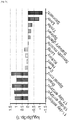
- FIGS. 1b to 1d three groups of 5'-isomiRs (5p, 3p.1, and 3p.2) that are produced from the single miR324 locus were detected ( FIG. 1b ).
- the 5p strand is dominant in mouse embryos and neuronal tissues while the major 3p isoform 3p.1 is prevalent in the liver and stomach ( FIG. 1c ).
- the 5'-isomiR groups are found in mammals, suggesting that the mechanism for alternative maturation is evolutionarily conserved ( FIG. 1d ).
- miR-324 arm switching is controlled by TUT4 and TUT7.
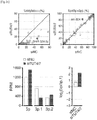
- the uridylation frequency of 3p correlates negatively with the 5p/3p.1 ratio ( FIG. 2a ), leading to the hypothesis that uridylation may be involved in the arm switching.
- TUT4 also known as ZCCHC11 and TENT3A
- TUT7 also known as ZCCHC6 and TENT3B
- TUT4 and TUT7 act redundantly on most substrates.
- TUT4/7 was depleted in HEK293T sRNA-seq (AQ-seq) was performed.
- TUT4/7 knockdown reduced uridylation of miRNAs, including miR-324-3p (left upper panel).
- TUT4/7 knockdown resulted in a change in isoform composition of miR-324, such as a reduction in 3p.1 and an increase in 5p and the minor isoforms (5p/3p.1) increased, with the consequent increase of a ratio between the major isoforms (5p/3p.1) (right upper and lower panels).
- TUT4/7 are known to modify pre-miRNAs rather than mature miRNAs.
- TUT4/7 modulate miR-324 strand selection, the effect of uridylation on pre-miRNA processing was examined by performing in vitro Dicer processing assays with synthetic pre-miR-324.
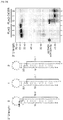
- pre-miR-324 when pre-miR-324 carries one or two extra uridine residues at the 3' end, the Dicer processing site is shifted by 3-nt (from position A to position B in FIG. 3a ). Unmodified pre-miR-324 mainly releases a longer duplex containing 5p and 3p.2 (black arrowheads) whereas uridylated pre-miR-324 is cleaved at the alternative position (position B) to yield a shorter duplex consisting of shorter 5p and 3p.1 (white arrowheads). Thus, TUT4/7-mediated uridylation of pre-miR-324 leads to alternative Dicer processing.
- the 5' pocket mutant Dicer failed to cleave pre-miR-324 at position A while the 3' pocket mutant exhibited slight affection on processing efficiency without an effect on cleavage site choice. This result indicates the importance of the 5' pocket for cleavage at position A.
- the dsRBD deletion brought about a significant change in the processing pattern. That is, without the dsRBD, Dicer cleaved mainly at position A, which implies that the dsRBD is responsible for the cleavage at position B.
- pre-miR-324 can yield two alternative forms of duplexes, that is, a long duplex (position A; 5p/3p.2) and a short duplex (position B; 5p/3p.1).
- reporters containing the 3' UTR complementary to miR-324-5p or miR-324-3p.1 was constructed (left panel in FIG. 5b ), and co-transfected, along with synthetic duplexes ((5p/3p.2) or (5p/3p.1)).
- the long duplex selectively repressed the reporter with the 5p complementary sites but not with 3p.1 sites.
- the short duplexes downregulated the 3p.1 reporter but not the 5p reporter (the right panel in FIG. 5b ).
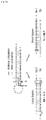
- 5p and 3p.1 are indeed differentially produced from the long duplex and the short duplex, respectively. That is, from the long duplex, the 5p strand is selected because the 5' end of 5p is thermodynamically unstable compared with that of 3p.2 (blue dashed rectangle in FIG. 5a ). In contrast, in the short duplex, 3p.1 starts with a 5' adenosine, which is favored by AGO (red dashed rectangle in FIG. 5a ).
- miR-324 arm switching affects cell-cycle progression.
- the 5' end of miR-324-3p was previously reported to vary in human glioblastoma (GBM).
- GBM glioblastoma
- the proportion of 3p.1 is substantially greater in tumor than in normal brain tissue, as shown in FIG. 6a .
- transcriptome datasets were analyzed using Oncopression.
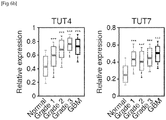
- TUT4 and TUT7 are significantly upregulated in GBM.
- TUT4/7 levels negatively correlate with 5p/3p ratios.
- TUT4/7 knockdown also gave rise to cyclin dysregulation and G1 arrest.
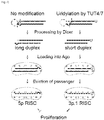
- the terminal uridylyl transferases TUT4/7 function as key players in the alternative strand selection of miR-324 by uridylating pre-miR-324. That is, TUT4/7 uridylates pre-miR-324, which leads to shifting Dicer cleavage positions on pre-miR-324 to change ratios among the three functionally different microRNAs (one 5p and two 3p isoforms). Therefore, inhibition of uridylation-mediated processing of miR-324 can repress the expression of cell division-associated genes relevant to the growth of glioblastoma.
- the present invention can be effectively applied to the prevention and treatment of cancer (encephaloma).
- the present invention relates to a pharmaceutical composition comprising a TUT4/7 expression regulator for prevention or treatment of cancer and, more specifically, to a pharmaceutical composition comprising a nucleic acid sequence regulatory of TUT4/7 expression for prevention or treatment of cancer.
Landscapes
- Health & Medical Sciences (AREA)
- Life Sciences & Earth Sciences (AREA)
- Chemical & Material Sciences (AREA)
- Engineering & Computer Science (AREA)
- Genetics & Genomics (AREA)
- Organic Chemistry (AREA)
- Molecular Biology (AREA)
- Zoology (AREA)
- Wood Science & Technology (AREA)
- Biomedical Technology (AREA)
- General Health & Medical Sciences (AREA)
- Biotechnology (AREA)
- Bioinformatics & Cheminformatics (AREA)
- General Engineering & Computer Science (AREA)
- Biochemistry (AREA)
- Microbiology (AREA)
- Medicinal Chemistry (AREA)
- Immunology (AREA)
- Proteomics, Peptides & Aminoacids (AREA)
- Physics & Mathematics (AREA)
- Biophysics (AREA)
- Analytical Chemistry (AREA)
- Pathology (AREA)
- Veterinary Medicine (AREA)
- Public Health (AREA)
- Animal Behavior & Ethology (AREA)
- Pharmacology & Pharmacy (AREA)
- Plant Pathology (AREA)
- Epidemiology (AREA)
- Urology & Nephrology (AREA)
- Hematology (AREA)
- Hospice & Palliative Care (AREA)
- Oncology (AREA)
- Chemical Kinetics & Catalysis (AREA)
- Virology (AREA)
- Nuclear Medicine, Radiotherapy & Molecular Imaging (AREA)
- General Chemical & Material Sciences (AREA)
- Food Science & Technology (AREA)
- General Physics & Mathematics (AREA)
- Cell Biology (AREA)
Abstract
Description
- The present invention relates to a pharmaceutical composition comprising a TUT4/7 expression regulator for prevention or treatment of cancer and, more specifically, to a pharmaceutical composition for preventing or treating cancer, comprising a nucleic acid regulatory of TUT4/7 expression.
- The present invention was made with the support of the Ministry of Health and Welfare, Republic of Korea, under Project No. 1711079098, which was conducted by the Institute of Basic Science in the research program named "Study on the cellular fate decision by RNA" as a branch of the research project titled "Operation Management and Support for Institute of Basic Science", under the research management of the Institute of Basic Science, from 01 January 2018 to 31 December 2018.
- This present application claims the benefit of Korean Patent Application No.
10-2019-0022551, filed to the Korean Intellectual Property Office on 26 February 2019 - The biogenesis of microRNA (miRNA) is achieved through the cleavage actions of Drosha and Dicer to generate a miRNA duplex, followed by selecting one of the two constituent strands (5p and 3p). The strand selection process of determining which strand is selected is of biological significance because the two strands are definitely different in sequence and can thus regulate the expression of respective different genes.
- Meanwhile, the dominantly selected strand may change depending on cellular contexts, which is called alternative strand selection (or "arm switching"). Alternative strand selection can affect tissue differentiation and cancer development. However, the molecular mechanism, such as regulatory mechanism, etc., and physiological significance of such alternative strand selection remain elusive.
- The present inventors find that an uridylation by TUT4 and TUT7 (TUT4/7) shifts the cleavage site of Dicer on the pre-mir-324 to produce three functionally different microRNAs (one 5p and two 3p isoforms) and prevents cell division and inhibits cancer development by downregulating of TUT4/7, which is in the same effect as that obtained when the level of miR-324-5p is increased and miR-324-3p.1 is downregulated, and thus completed the present disclosure.
- Therefore, an objective of the present invention is to provide a pharmaceutical composition for preventing or treating cancer, comprising: a microRNA (miRNA) comprising the nucleotide sequences of SEQ ID NOS: 1 and 2; a nucleic acid composed of the nucleotide sequence of SEQ ID NO: 4; and a small interfering RNA (siRNA) comprising at least one nucleotide sequence selected from the group consisting of SEQ ID NOS: 5 to 20.
- Another objective of the present invention is to provide a method for treating cancer, using: the composition comprising a microRNA (miRNA) comprising the nucleotide sequences of SEQ ID NOS: 1 and 2; a nucleic acid composed of the nucleotide sequence of SEQ ID NO: 4; and a small interfering RNA (siRNA) comprising at least one nucleotide sequence selected from the group consisting of SEQ ID NOS: 5 to 20.
- A further objective of the present invention is to provide the pharmaceutical composition for use in treating cancer, the composition comprising a microRNA (miRNA) comprising the nucleotide sequences of SEQ ID NOS: 1 and 2; a nucleic acid composed of the nucleotide sequence of SEQ ID NO: 4; and a small interfering RNA (siRNA) comprising at least one nucleotide sequence selected from the group consisting of SEQ ID NOS: 5 to 20.
- A still further objective of the present invention is to provide a composition for diagnosing cancer, comprising an agent for measuring a miRNA expression level of miR-324-5p or miR-324-3p.1.
- A still another objective of the present invention is to provide a kit for diagnosing cancer, comprising an agent for measuring a miRNA expression level of miR-324-5p or miR-324-3p.1.
- A yet another objective of the present invention is to provide a composition for diagnosing cancer, comprising an agent for measuring a mRNA or protein level of terminal uridylyl transferases 4 (TUT4) or terminal uridylyl transferases 7 (TUT7).
- A yet further objective of the present invention is to provide a kit for diagnosing cancer, comprising an agent for measuring a mRNA or protein level of TUT4 or TUT7.
- The present inventors find that an uridylation by TUT4 and TUT7 (TUT4/7) shifts the cleavage site of Dicer on the pre-mir-324 to produce three functionally different microRNAs (one 5p and two 3p isoforms) and prevents cell division and inhibits cancer development by downregulating of TUT4/7, which is in the same effect as that obtained when the level of miR-324-5p is increased and miR-324-3p.1 is downregulated.
- Below, a detailed description will be given of the present invention.
- An aspect of the present invention relates to a pharmaceutical composition for preventing or treating cancer, comprising at least one selected from the group consisting of:
- a microRNA (miRNA) comprising the nucleotide sequences of SEQ ID NOS: 1 and 2;
- a nucleic acid composed of the nucleotide sequence of SEQ ID NO: 4; and
- a small interfering RNA (siRNA) comprising at least one nucleotide sequence selected from the group consisting of SEQ ID NOS: 5 to 20.
- The cancer may be encephaloma, colon cancer, large intestine cancer, lung cancer, liver cancer, stomach cancer, esophageal cancer, pancreatic cancer, gallbladder cancer, kidney cancer, bladder cancer, prostate cancer, testis cancer, uterine cervical cancer, endometrial cancer, choriocarcinoma, ovarian cancer, breast cancer, thyroid cancer, brain cancer, head and neck cancer, and/or malignant melanoma, but is not limited thereto.
- As used herein, the term "microRNA (miRNA)" refers to a non-coding RNA molecule about 22 nucleotides long that functions in post-transcriptional regulation of gene expression by forming base pairs with the 3' untranslated region (UTR) of mRNAs.
- The microRNA of the present invention may include the nucleotide sequences of SEQ ID NOS: 1 and 2.
- In detail, the microRNA (5p duplex miRNA) may be a duplex in which a microRNA (miR-324-5p) comprising the nucleotide sequence of SEQ ID NO:1 and a microRNA (miR-324-3p.2) comprising the nucleotide sequence of SEQ ID NO: 2 are bound to each other.
- The nucleotide sequences of SEQ ID NOS: 1 and 2 may each have a phosphate at the 5' end thereof (5phos).
- As used herein, "nucleic acid" is meant to include any DNA or RNA, for example, chromosomal, mitochondrial, viral, and/or bacterial nucleic acid present in tissue sample. It encompasses either or both strands of a double stranded nucleic acid molecule and includes any fragment or portion of an intact nucleic acid molecule.
- The nucleic acid of the present invention is construed to include chemically modified DNA or RNA. A person skilled in the art might synthesize or modify nucleic acids in a desired manner using a method known in the art.
- The nucleic acid of the present invention may be composed of the nucleotide sequence of SEQ ID NO: 4 (CAGCAGCACCTGGGGCAG) .
- As used herein, the term "small interfering RNA (siRNA)" refers to a double-stranded RNA fragment 18-23 nucleotides in length, produced from double-stranded RNAs by catalysis of Dicer, functioning to bind to a mRNA having a complementary sequence to interfere with the expression of the corresponding protein.
- The siRNA of the present invention is construed to encompass a chemically modified siRNA which is prevented from being rapid degraded by nucleases in vivo. A person skilled in the art might synthesize and modify siRNA in a desired manner using a method known in the art.
- The composition of the present invention may be introduced into cells, together a nucleic acid carrier for increasing intracellular delivery yield.
- The small interfering RNA of the present invention may include at least one of the nucleotide sequences of SEQ ID NOS: 5 to 20.
- In detail, the small interfering RNA (siTUT4) may be a complex in which a small interfering RNA comprising any one of the nucleotide sequences of SEQ ID NOS: 5 to 8 and a small interfering RNA comprising any one of the nucleotide sequences of SEQ ID NOS: 9 to 12 bind to each other.
- Moreover, in detail, the small interfering RNA (siTUT7) may be a complex in which a small interfering RNA comprising any one of the nucleotide sequences of SEQ ID NOS: 13 to 16 and a small interfering RNA comprising any one of the nucleotide sequences of SEQ ID NOS: 17 to 20 bind to each other.
- As used in the context of using the miRNA, nucleic acid, and/or siRNA in the present invention, the term "therapeutically effective amount" means an amount required for bringing about a desired result in cancer therapy. Hence, the amount may vary depending on various factors including the kind and severity of the disease to be treated, the kind of the nucleic acid to be administered, the kind of the formulation to be used, the patient's age, body weight, general health state, sex, and diet, the time of administration, the route of administration, the duration of the treatment, and other drugs, such as chemicals used in combination with the composition.
- The composition of the present invention may be administered via various routes, such as orally, transdermally, subcutaneously, intravenously, or intramuscularly, and so on. To this end, other additives may be additionally included in the miRNA, nucleic acid and/or siRNA according to the present invention.
- The composition of the present invention may be in the form of a tablet, a pill, a powder, a sachet, an elixir, a suspension, an emulsion, a liquid, a syrup, an aerosol, a capsule, a sterile injection, a sterile powder, and so on, and may be preferably formulated into a form suitable for intravenous injection, subcutaneous injection, intradermal injection, intramuscular injection, and the like.
- The pharmaceutical composition of the present invention may be formulated as general formulations using the pharmaceutically acceptable carriers and/or excipients according to methods easily practiced by a person skilled in the art to which the present invention pertains, to be prepared as a unit dosage form or to be prepared by introducing the composition into a multi-dosage container. The general formulation refers to a solution in an oil or aqueous medium, a suspension, an emulsion, an extract, a powder, a suppository, a granule, a tablet, or capsule, and may further contain a dispersant or a stabilizer.
- A pharmaceutically acceptable carrier, which may be contained in the pharmaceutical composition of the present invention, is one typically used in drug preparation and includes, but not limited to, lactose, dextrose, sucrose, sorbitol, mannitol, starch, acacia rubber, calcium phosphate, alginate, gelatin, calcium silicate, microcrystalline cellulose, polyvinylpyrrolidone, cellulose, water, syrup, methyl cellulose, methyl hydroxybenzoate, propyl hydroxybenzoate, talc, magnesium stearate, and mineral oil. The pharmaceutical composition of the present disclosure may further include a lubricant, a humectant, a sweetening agent, a favoring agent, an emulsifier, a suspending agent, and a preserving agent besides the components above. A suitable pharmaceutically acceptable carrier and a formulation are described in Remington's Pharmaceutical Sciences (19th ed., 1995) .
- The pharmaceutical composition of the present invention may be administered orally or parenterally, for example, intravenously, subcutaneously, intramuscularly, intraperitoneally, topically, intranasally, intrapulmonarily, intrarectally, intrathecally, intraocularly, dermally, and transdermally.
- A suitable dose of the pharmaceutical composition of the present invention may vary depending on pharmaceutical formulation methods, administration methods, the patient's age, body weight, sex, severity of diseases, diet, administration time, administration route, an excretion rate, and sensitivity for a used pharmaceutical composition. Physicians with average skill may easily determine and diagnose dosage levels of medicine effective for treating or preventing target disorders or diseases.
- Another aspect of the present invention pertains to a composition for diagnosing cancer, comprising an agent for measuring an expression level of at least one miRNA selected from the group consisting of miR-324-5p and miR-324-3p.1.
- The microRNA (miR-324-5p) may include the nucleotide sequence of SEQ ID NO: 1 and the microRNA (miR-324-3p.1) may include the nucleotide sequence of SEQ ID NO: 3 (ACUGCCCCAGGUGCUGCUGG).
- In detail, the microRNA (miR-324-3p.1) includes the nucleotide sequence of SEQ ID NO: 3, with one or more uracil (U) residues further added to the 3' end thereof.
- Moreover, the microRNAs may be produced by cleaving from a transcript made in the miR324 gene (GenBank Number: 442898) by Drosha and Dicer.
- As used herein, the term "diagnosis" is meant to include determining the susceptibility of a subject to a specific disease or disorder, determining whether a subject currently has a specific disease or disorder, determining the prognosis of a subject suffering from a specific disease or disorder, or performing therametrics (for example, monitoring the status of a subject in order to provide information about therapeutic efficacy).
- As used herein, the term "subject" or "patient" means any single entity requiring treatment, including a human, a cow, a dog, a guinea pig, a rabbit, a chicken, an insect and the like, and is intended to encompass any subject that participates in a clinical study test, with no disease clinical findings found therein or which participates in epidemiological studies or used as a control group.
- Unless otherwise specified, the term "measuring an expression level of miRNA", as used herein, refers to detecting a target of interest in a corresponding sample.
- In the present invention, the target of interest is a corresponding miRNA in a sample. In other words, the detection of the miRNA allows the onset of the cancer to be determined.
- For example, an expression level of miRNA may be measured in a biological sample from a patient suspicious of cancer.
- In the present invention, miR-324-5p and miR-324-3p.1 are used as diagnostic markers for determining the onset of cancer on the basis of the finding that a subject with cancer exhibits a significant decrease in the expression level of miR-324-5p and a significant increase in the expression level of miR-324-3p.1 in vivo, compared to a subject without cancer.
- In the present invention, the agent for measuring an expression level of miRNA refers to a molecule which is useful for detecting the marker miRNA by determining an expression level of the miRNA whose level is decreased or increased in biological specimens from a subject affected with cancer.
- In detail, the agent for measuring an expression level of miRNA may be a primer or probe binding specifically to the miRNA.
- That is, the detection of nucleic acid may be performed by an amplification reaction using one or more oligonucleotide primers which are hybridized to a nucleic acid molecule encoding the gene or a complementary material to the nucleic acid molecule.
- For example, the detecting of the mRNA with a primer may be performed by amplifying a gene sequence using an amplification method such as PCR, followed by verifying the amplification of the gene in a known method in the art.
- The term "primer" means a short nucleic acid sequence having a free 3'-OH group, which forms base pairs with a complementary template and serves as a starting point for template strand replication. The primer is able to initiate DNA synthesis in the presence of four different nucleoside triphosphates and an agent for polymerization (i.e., DNA polymerase or reverse transcriptase) in an appropriate buffer and at a suitable temperature. In the present invention, PCR amplification is performed using a sense and an antisense primer which bind specifically to at least one of the miRNAs and the expression level is identified to diagnose the onset of cancer. Modifications may be given PCR conditions and lengths of sense and antisense primers with reference to knowledge known in the art.
- The term "probe" refers to a nucleic acid fragment, such as fragments of RNA or DNA, with a label given thereto. A probe may be fabricated into the form of an oligonucleotide, a single stranded DNA, a double stranded DNA, an RNA, and so on. In the present invention, the onset of cancer can be diagnosed by hybridizing one or more of the miRNAs with a probe complementary thereto and determining the expression level of the miRNAs. With reference to knowledge in the art, suitable probes and hybridization conditions can be selected and modified.
- Such primers or probes can be appropriately designed by a person skilled in the art on the basis of known sequences.
- For example, primers or probes may be chemically synthesized using a phosphoramidite solid support method or other well-known methods. Such nucleic acid sequences may also be modified by various means known in the art. Non-limiting examples of such modifications include methylation, "capping", substitution of one or more analogues of natural nucleotides, and nucleotide variation, for example, variation to non-charged linkages (for example: methyl phosphonate, phosphotriester, phosphoroamidate, carbamates, etc.) or charged linkages (for example: phosphorothioate, phosphorodithioate, etc.).
- An expression level of miRNA may be measured using a typical method in the bio-kit field. Examples of the method include reverse transcription polymerase chain reaction (RT-PCR), competitive RT-PCR, real-time RT-PCR, RNase protection assay (RPA), northern blotting, and a gene chip, but are not limited thereto.
- Still another aspect of the present invention pertains to a kit for diagnosing cancer, comprising the composition for diagnosing cancer.
- The kit may comprise a generally used tool and reagent suitable for use in a kit for diagnosing cancer in addition to the agent for measuring an expression level of miRNA.
- Examples of the tool/reagent may include, but are not be limited to, a suitable carrier, a labeling substance capable of generating a detectable signal, a chromophore, a solubilizer, a detergent, a buffer, a stabilizer, and the like. When the labeling substance is an enzyme, the tool and reagent may comprise a substrate capable of measuring enzyme activity and a reaction stopping agent. The carrier may be soluble or insoluble, as exemplified by the known physiologically acceptable buffer PBS for the soluble carrier and by polystyrene, polyethylene, polypropylene, polyester, polyacrylonitrile, a fluorine resin, crosslinked dextran, a polysaccharide, a polymer such as a magnetic microbead made of latex coated with a metal, paper, glass, metals, agarose, and combinations thereof.
- For instance, the kit for diagnosing of the present invention may be a kit including an element essential for performing RT-PCR. The RT-PCR kit may contain a test tube or another suitable container, a reaction buffer (various pH values and magnesium concentrations), deoxynucleotides (dNTPs), enzymes such as Taq-polymerase and reverse transcriptase, DNase and RNase inhibitors, DEPC-water, sterile water, and the like.
- Since the kit of the present invention comprises the composition as a constituent thereof, descriptions of overlapping contents therebetween will be omitted to avoid excessive complexities.
- Still another aspect of the present invention pertains to a composition for diagnosing cancer, comprising an agent for measuring an mRNA or protein level of at least one selected from the group consisting of TUT4 (terminal uridylyl transferases 4) (GenBank Number: 23318) and TUT7 (terminal uridylyl transferases 7) (GenBank Number: 79670).
- The TUT4 gene has the nucleotide sequence of SEQ ID NO: 21 and the TUT7 gene has the nucleotide sequence of SEQ ID NO: 22.
- As used herein, the term "diagnosis" is meant to include determining the susceptibility of a subject to a specific disease or disorder, determining whether a subject currently has a specific disease or disorder, determining the prognosis of a subject suffering from a specific disease or disorder, or performing therametrics (for example, monitoring the status of a subject in order to provide information about therapeutic efficacy).
- As used herein, the term "subject" or "patient" means any single entity requiring treatment, including a human, a cow, a dog, a guinea pig, a rabbit, a chicken, an insect and the like, and is intended to encompass any subject that participates in a clinical study test, with no disease clinical findings found therein or which participates in epidemiological studies or used as a control group.
- Unless otherwise specified, the term "measuring a miRNA or protein level of a gene", as used herein, refers to detecting a target of interest in a corresponding sample.
- In the present invention, the target of interest is a corresponding miRNA or protein in a sample. In other words, the detection of the miRNA or protein allows the onset of the cancer to be determined.
- For example, a level of the miRNA or protein may be measured in a biological sample from a patient suspicious of cancer.
- In the present invention, TUT4 and TUT7 are used as diagnostic markers for determining the onset of cancer on the basis of the finding that a subject with cancer exhibits a significant increase in the expression level of TUT4 and TUT7 in vivo, compared to a subject without cancer.
- Meant by the term "gene" in the present invention is any nucleic acid sequence or a portion thereof which plays a functional role in encoding a protein or in transcribing a gene or regulating the expression of a different gene. The gene may consist of an entire nucleic acid responsible for encoding a functional protein or only a portion thereof responsible for encoding or expressing a protein. The nucleic acid sequence may contain a genetic abnormality within exons, introns, initiation or termination regions, promoter sequences, other regulatory sequences or unique adjacent regions to the gene.
- In the present invention, the agent for measuring an expression level of mRNA refers to a molecule which is useful for detecting the maker mRNA by determining an expression level of the mRNA whose expression level is increased in biological specimens from a subject affected with cancer.
- In detail, the agent for measuring an expression level of a miRNA may be a primer or probe binding specifically to the miRNA.
- Descriptions of overlapping contents with the "composition for diagnosis cancer, comprising an agent for measuring miRNA expression levels of miR-324-5p and miR-324-3p.1" will be omitted to avoid excessive complexities.
- As used herein, the term "protein" is intended to encompass a fragment, an analog, or a derivative of a given protein, which possesses essentially the same biological activity or function as the given protein.
- In the present invention, the agent for measuring a protein level refers to a molecule which is useful for detecting the maker protein by determining an expression level of the protein whose expression level is increased in biological specimens from a subject affected with cancer.
- In detail, the agent for measuring a protein level may be an antibody binding specifically to the protein.
- In the present invention, the term "antibody" is used in the broadest sense and is intended to encompass an intact monoclonal antibody, an intact polyclonal antibody, a multi-specific (e.g., bispecific) antibody prepared from at least two intact antibodies, and an antibody fragment exhibiting a desired biological activity.
- Still another aspect of the present invention pertains to a kit for diagnosing cancer comprising the composition for diagnosing cancer.
- The kit may comprise a generally used tool, reagent, and the like suitable for use in a kit for diagnosing cancer in addition to the agent for measuring an mRNA or protein level of the gene.
- Descriptions of overlapping contents with the "composition for diagnosing cancer, comprising an agent for measuring miRNA expression levels of miR-324-5p and miR-324-3p.1" will be omitted to avoid excessive complexities.
- The present invention relates to a pharmaceutical composition comprising a TUT4/7 expression regulator for prevention or treatment of cancer. The pharmaceutical composition of the present invention can repress the function of TUT4/7 to prevent cell division and inhibit cancer development and can increase the level of miR-324-5p and downregulate miR-324-3p.1, thus finding applications in effective preventing, treating, or diagnosing cancer.
-
-
FIG. 1 shows results of arm switching of miR-324: inFIG. 1a : scatter plot of median absolute deviation of the 5p proportion for a miRNA (abundant and ubiquitous miRNAs (>100 median RPM in both datasets, >0 RPM in all samples) were included in this analysis);FIG. 1B : IsomiR profiles of miR-324 in HEK293T cells, uncovered by AQ-seq. RPM-normalized read counts are denoted on the left. Reference sequences of 5p and 3p are marked by gray shade;FIG. 1c : Strand ratios (Sp/3p.1) of miR-324 for the indicated panel of mouse tissues measured by AQ-seq; andFIG. 1d : Conservation of the 5'-isomiRs of miR-324 in mammals. -
FIG. 2 shows results of miR-324 arm switching controlled by TUT4/7:FIG. 2a : Negative association between the uridylation frequency of miR-324-3p and the 5p/3p.1 ratio of miR-324 in 9 human cell lines and 15 mouse tissues (The linear regression is shown with dashed lines. rs, Spearman correlation coefficient);FIG. 2b : The relative TUT4/7 levels and the 5p/3p.1 ratios of miR-324 in the indicated panel of mouse tissues. The TUT4/7 mRNA levels and 5p/3p.1 ratios were quantified by RT-qPCR and AQ-seq, respectively. rs, Spearman correlation coefficient;FIG. 2c : AQ-seq results following knockdown of TUT4/7 in HEK293T cells (left and middle: scatter plots of uridylation frequency and the 5p proportion of miRNAs. Abundant miRNAs (>100 RPM) in siNC-transfected sample were included in the analysis. Right: relative abundance of three 5'-isomiRs and log2-transformed 5p/3p.1 ratio of miR-324));FIG. 2d : Northern blot of miR-324-5p and miR-324-3p in HEK293T cells (synthetic miR-324 duplex was used for size references); andFIG. 2e : sRNA-seq results following double knockout of Tut4/7 in mice (Left: abundance changes of 5'-isomiRs by TUT4/7 depletion in bone marrow. 5'-isomiRs with RPM over 10 in the control samples were included in this analysis. P-value by the two-sided Student's t test. Right: log2-transformed 5p/3p.1 ratio of miR-324. Bars indicate mean ± s.d.. Bone marrow, n = 2; embryonic fibroblasts, n = 2; embryonic stem cells, n = 3; control and Tut4/7 dKO in liver, n = 4 and 3, respectively. *p < 0.05, ***p < 0.001 by two-sided Student's t test). -
FIG. 3 shows results of uridylation-induced alternative Dicer processing of pre-miR-324:FIG. 3a : In vitro processing of unmodified, mono- or di-uridylated forms of pre-miR-324 by immunopurified Dicer (Synthetic miR-324-5p (23 nt), marked in blue, was used as a size control. Major cleavage products and their corresponding cleavage sites are marked with arrowheads. *: radiolabeled 5' phosphates); andFIG. 3b : 5'-isomiR composition of miR-324-3p in HEK293T cells; andFIG. 3c : 5'-isomiR composition of miR-324-3p in mice (Bars indicate mean. Bone marrow, n = 2; embryonic fibroblasts, n = 2; embryonic stem cells, n = 3; control and Tut4/7 dKO in liver, n = 4 and 3, respectively). -
FIG. 4 shows results of alternative Dicer processing facilitated by double stranded RNA-binding domain (dsRBD):FIG. 4a : In vitro processing of unmodified, mono- or di-uridylated forms of wild-type or no-bulge mutant pre-miR-324 by immunopurified Dicer;FIGS. 4b and4c : In vitro processing of unmodified, mono- or di-uridylated forms of pre-miR-324 by immunopurified Dicer pocket mutants (4b) or dsRBD-deleted mutant (4c) (Major cleavage products and their corresponding cleavage sites are marked with arrowheads. *: radiolabeled 5' phosphates; †: nicked products at the 3p positions); andFIG. 4d : A proposed model for uridylation-mediated alternative Dicer processing of pre-miR-324. -
FIG. 5 shows results of alternative Dicer processing-induced arm switching:FIG. 5a : A schematic diagram of strand selection of miR-324 duplexes produced from unmodified and uridylated pre-miR-324 (Dashed rectangles indicate end properties that dictate the strand selection of each duplex); andFIG. 5b : Luciferase reporter assay with two miR-324 duplexes (Left: an illustration of firefly reporter mRNAs that have three 8mer target sites of either miR-324-5p or 3p.1. Right: the relative reporter activity from the firefly luciferase in response to two miR-324 duplexes in HEK293T cells. The reporter activity from Renilla luciferase was used as a control. Bars indicate mean ± s.d. (n = 2, biological replicates) . **p < 0.01 by two-sided Student's t test). -
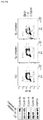
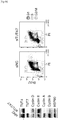
FIG. 6 shows results of the cell cycle progression controlled by miR-324 arm switching:FIG. 6a : ratios of 5'-isomiR compositions of miR-324-3p in glioblastoma and normal brain tissues (normal brain, n = 3; and glioblastoma, n = 6);FIG. 6b : Expression levels of TUT4/7 in normal, lower-grade glioma, and glioblastoma tissues from the Oncopression database (normal, n = 723;grade 1, n = 74;grade 2, n = 133;grade 3, n = 132; glioblastoma, n = 865. ***p < 0.001 by one-way ANOVA with Tukey's post hoc test for multiple comparisons);FIG. 6c : Negative correlation between the TUT4/7 expression level and the miR-324-5p/3p ratio in glioblastoma (black) and matched normal brain tissues (white) (the linear regression is shown with dashed lines. rs: Spearman correlation coefficient);FIG. 6d : Western blot of the indicated cyclin proteins and cell cycle profile after overexpressing the synthetic 5p duplex (long duplex) or 3p.1 duplex (short duplex) of miR-324 in A172 cells;FIG. 6e : Western blot of the indicated cyclin proteins and cell cycle profile after inhibiting miR-324 by locked nucleic acid antisense oligonucleotides in A172 cells; andFIG. 6f : Western blot of the indicated proteins and cell cycle profile after knocking down TUT4/7 in A172 cells (*: a cross-reacting band. PI: propidium iodide, BrdU: bromodeoxyuridine). -
FIG. 7 is a schematic view showing a miR-324 arm switching mechanism model. - A better understanding of the present invention may be obtained via the following examples which are set forth to illustrate, but are not to be construed as limiting the present disclosure.
- Throughout the description, "%" used to indicate a concentration of a specific material refers to (weight/weight) % for solid/solid, (weight/volume) % for solid/liquid, and (volume/volume) % for liquid/liquid unless otherwise stated.
- AQ-seq (bias-minimized sRNA-seq) libraries were constructed using total RNAs from fifteen mouse tissues (Mouse Total RNA Master Panel; Takara) as described in the previous study (Kim et al., 2019).
- Briefly, 5 mg of total RNAs was mixed with 10 fmole of 30 equi-molar spike-in RNAs (miRNA-like non-human/mouse/frog/fish RNAs used for bias evaluation). Small RNAs were enriched by size fractionation by 15% urea-polyacrylamide gel electrophoresis and sequentially ligated to the randomized adaptor at the 3' and 5' ends. The ligated RNAs were reverse-transcribed using SuperScript III reverse transcriptase (Invitrogen), amplified using Phusion High-Fidelity DNA Polymerase (Thermo Scientific), and subjected to high-throughput sequencing on the MiSeq platform (Illumina)
- Data processing was performed as described in the previous study (Kim et al., 2019) except that reads of the sRNA-seq results from mouse were mapped to the mouse genome (mm10).
- Briefly, the 3' adaptor was clipped from the reads using Cutadapt (Martin, 2011). For AQ-seq data, 4-nt degenerate sequences were further removed with FASTX-Toolkit (http://hannonlab.cshl.edu/fastxtoolkit/). After filtering out short, low-quality, and artifact reads using FASTX-Toolkit, AQ-seq data were aligned to the spike-in sequences, followed by mapping the unaligned reads to the genome next, while the other sRNA-seq data were mapped to the genome using BWA (Li and Durbin, 2009) . For a given read, selection was made of an alignment result with the best alignment score allowing a mismatch only at the 3' end. miRNA annotations were retrieved using
miRBase release 21 by the intersect tool in BEDTools (Kozomara and Griffiths-Jones, 2014; Quinlan and Hall, 2010). - For quantitative analysis of miRNA strand ratios, the most abundant 5'-isomiR was identified for a given mature miRNA in the most abundantly expressed cell line or tissue. Then, the ratio between the top 5'-isomiRs from 5p and 3p was calculated for all of the cell lines or tissues. Non-repetitive miRNA genes of which both strands were annotated in
miRBase release 21 were included in this analysis. - Results from two modified versions of AGO CLIP-seq (CLEAR-CLIP and CLASH) were analyzed to identify miR-324 targets (Helwak et al., 2013; Moore et al., 2015).
- To begin with, for analysis of CLEAR-CLIP, the 3' and 5' adapters were clipped using cutadapt followed by extraction of reads containing miR-324 sequences. Then, the target RNA sequences were mapped to the mouse genome (mm10). Annotations were retrieved using GENCODE release M19 by the intersect tool in BEDTools.
- For analysis of CLASH, the supplementary file of the CLASH data generated by the protocol E4 was used. Target genes of miR-324-3p were subdivided according to the 5' end of the miR-324-3p sequences.
- To construct plasmids for expression of wild-type, 5' pocket mutant Dicer, and 3' pocket mutant Dicer, the coding sequence of the Dicer reference (RefSeq NM_030621) was amplified with or without mutations introduced in the previous study (Park et al., 2011). The amplified DNAs were subcloned into the pCK-FLAG vector (CMV promoter-driven vector) at the BamHI and XhoI sites using the In-Fusion HD Cloning Kit (Clontech).
- For double stranded RNA-binding domain (dsRBD)-deleted Dicer, the coding region except the sequence corresponding to V1849-S1922 amino acids was amplified and subcloned into the pCK-FLAG vector in the same way.
- For TRBP, the coding sequence of the human TRBP reference (RefSeq NM_134323) was amplified and subcloned into the pcDNA3-Myc vector (Invitrogen) at the BamHI and XhoI sites.
- To construct plasmids for luciferase assay, synthetic DNA oligos containing the three 8mer target sites of either miR-1-3p, miR-324-5p, or miR-324-3p.1 were amplified and inserted into pmiRGLO (Promega) at the XhoI and XbaI sites. The sequences of synthetic DNA oligos and PCR primers are listed in Table 1, below.
TABLE 1 Name Sequence (5' -> 3') 3X miR-1-3p 
3X miR-324-5p 
3X miR-324-3p.1 
miRNA_forward primer CTCGCTAGCCTCGAGAGTTGTTTCAATCTACTTCC(SEQ ID NO: 26) miR-1-3p_reverse primer CAGGTCGACTCTAGAGCTCGTTTTGGAATGTTCGG(SEQ ID NO: 27) miR-324-5p_reverse primer CAGGTCGACTCTAGAGCTCGTTTTGCATCCCTCGG(SEQ ID NO: 28) miR-324-3p.1_reverse primer CAGGTCGACTCTAGAGCTCGTTTTCTGCCCCTCGG(SEQ ID NO: 29) - A172 and U87MG were obtained from Korean Cell Line Bank. HEK293T, A172, and U87MG were maintained in DMEM (WELGENE) supplemented with 10% fetal bovine serum (WELGENE). Primary tumor cells derived from a glioblastoma patient (TS13-64) were established from fresh glioblastoma tissue specimens, as approved by the institutional review board of Yonsei University College of Medicine (4-2012-0212, 4-2014-0649).
- For tumorsphere culture, TS13- 64 cells were grown in DMEM (WELGENE) supplemented with 1X B-27 (Thermo Scientific), 20 ng/mL of bFGF (R&D Systems), and 20 ng/mL of EGF (Sigma-Aldrich) (Kong et al., 2013).
- To knock down TUT4/7, cells were transfected twice with 20~22 nM siRNAs using the Lipofectamine 3000 reagent (Thermo Scientific) and harvested 4 days after the first transfection.
- For overexpression of Dicer, HEK293T cells were transfected with pCK-FLAG-Dicer using Lipofectamine 3000 and harvested 2 days post transfection.
- To deliver synthetic miRNAs or inhibitors, cells were transfected with 20 nM of synthetic miRNA duplexes or 80 nM of LNA miRNA inhibitors using Lipofectamine 3000 and harvested 2 days post transfection.
- Control siRNA (AccuTarget negative control siRNA), siRNAs, control miRNA, and synthetic miR-324 duplexes were obtained from Bioneer. Control miRNA inhibitor (miRCURY LNA miRNA inhibitor negative control A) and miR-324 inhibitors (hsa-miR-324-5p and hsa-miR-324-3p miRCURY LNA miRNA inhibitor) were obtained from QIAGEN. The sequences of synthetic siRNAs and miRNAs are listed in Table 2, below.
TABLE 2 Name Sense strand sequence in each complex(5' -> 3') (underlined: 3' overhang by deoxyribonucleotides) siTUT4 (duplex binding sequence) 


siTUT7 (duplex binding sequence) 


Name Sequence(5' -> 3') miNC 
miR-324 long duplex (5p duplex) 
miR-324 short duplex (3p.1 duplex) 
miR-324-5p CGCAUCCCCUAGGGCAUUGGUGU(SEQ ID NO: 1) - Total RNAs were isolated using TRIzol (Invitrogen) and small RNAs (< 200 nt) were enriched with the miRVana miRNA Isolation Kit (Ambion). Then, the RNAs were resolved on 15% urea-polyacrylamide gels. Synthetic miR-324 duplex and Decade Markers System (Ambion) were used as size markers. RNAs were transferred to Hybond-NX membranes (Amersham) and crosslinked to the membranes with 1-ethyl-3-(3-dimethylaminopropyl)carbodiimide. Antisense probes were radiolabeled at their 5' ends with [γ-32P] ATP by T4 polynucleotide (Takara) and purified using Performa Spin Columns (Edge BioSystems). The membranes were incubated with denatured UltraPure Salmon Sperm DNA Solution (Thermo Scientific) in PerfectHyb Plus Hybridization Buffer, hybridized with antisense probes, and washed with mild wash buffer (0.05% SDS and 2X SSC), followed by stringent wash buffer (0.1% SDS and 0.1X SSC). Radioactive signals were detected by Typhoon FLA 7000 (GE Healthcare) and analyzed using the Multi Gauge software (FujiFilm).
- miR-324-3p was detected first, and then miR-324-5p was detected after stripping off the probes. To remove the probes from the blot, the membrane was soaked in preboiled 0.5% SDS for 15 min. Synthetic miR-324 duplex (AccuTarget) was obtained from Bioneer. The sequences of probes are listed in Table 3, below.
TABLE 3 Name Sequence (5' -> 3') miR-324-5p probe ACCAATGCCCTAGGGGATGCG(SEQ ID NO: 34) miR-324-3p probe CAGCAGCACCTGGGGCAGT(SEQ ID NO: 35) - To measure mRNA levels in mouse tissues, RNAs from Mouse Total RNA Master Panel (Takara) were reverse-transcribed using RevertAid Reverse Transcriptase (Thermo Scientific) and subjected to quantitative real-time PCR with the Power SYBR Green PCR Master Mix (Thermo Scientific) on StepOnePlus Real-Time PCR System (Thermo Scientific). GAPDH was used as an internal control. The sequences of qPCR primers are listed in Table 4, below.
TABLE 4 Name Sequence (5' -> 3') TUT4 forward primer GCCTAAAAGGCGGATAGCCATTG(SEQ ID NO: 36) TUT4 reverse primer GCTGCTCTGAATCTTTCCACAAC(SEQ ID NO: 37) TUT7 forward primer CAGCTCAGCAAAAGAGGAGGCA(SEQ ID NO: 38) TUT7 reverse primer CATAGAACCGCAGCAATTCCACC(SEQ ID NO: 39) GAPDH forward primer ACCACAGTCCATGCCATCAC(SEQ ID NO: 40) GAPDH reverse primer TCCACCACCCTGTTGCTGTA(SEQ ID NO: 41) - To quantify the miR-324-5p/3p strand ratio, total RNAs were isolated using TRIzol (Invitrogen). Then, cDNAs were synthesized using the TaqMan miRNA Reverse Transcription Kit (Applied Biosystems) and subjected to quantitative real-time PCR with the TaqMan MicroRNA Assay (Applied Biosystems) on StepOnePlus Real-Time PCR System (Thermo Scientific). U6 snRNA was used as an internal control.
- Pre-miR-324 and its variants were radiolabeled with [γ-32P] ATP by T4 polynucleotide kinase and purified using Oligo Clean & Concentrator (Zymo Research) according to manufacturer's instructions.
- For immunoprecipitation of FLAG-Dicer, the HEK293T cells overexpressing Dicer proteins were lysed with lysis buffer (500 mM NaCl, 20 mM Tris (pH 8.0), 1 mM EDTA, 1% Triton X-100) and sonicated using Bioruptor Standard (Diagenode). After centrifugation, the supernatant was incubated with 10 µL of ANTI-FLAG M2 Affinity Gel (Sigma-Aldrich). The beads were washed twice with lysis buffer, four times with high salt buffer (800 mM NaCl and 50 mM Tris (pH 8.0)), and four times with buffer D (200 mM KCl, 20 mM Tris (pH 8.0), 0.2 mM EDTA) and then resuspended in 10 µL buffer D.
- The immune-purified Dicer was subjected to in vitro reactions in a total volume of 30 µL (containing 2mM MgCl2, 1mM DTT, SUPERase In RNase Inhibitor (Thermo Scientific) 60 units, 5'-radiolabeled pre-miR-324). The RNAs were purified through phenol extraction or using Oligo Clean & Concentrator (Zymo Research) and resolved on 15% urea-polyacrylamide gels. Synthetic miR-324-5p and Decade Markers System (Ambion) were used as size markers. Synthetic pre-miR-324 fragments were obtained from IDT. Synthetic miR-324-5p was obtained from Bioneer. The sequences of synthetic pre-miR-324 fragments and miR-324-5p are listed in Table 5, below.
TABLE 5 Name Sequence (5' -> 3') Pre-miR-324 5' half CGCAUCCCCUAGGGCAUUGGUGUAAAGCUG(SEQ ID NO: 42) No-bulge pre-miR-324 5' half CGCAUCCCCUAGGGCAUUGGGUAAAGCUG(SEQ ID NO: 43) Pre-miR-324 3' half 5Phos/GAGACCCACUGCCCCAGGUGCUGCUGG(SEQ ID NO: 44) Pre-miR-324 3' half + U 5Phos/GAGACCCACUGCCCCAGGUGCUGCUGGU(SEQ ID NO: 45) Pre-miR-324 3' half + UU 5Phos/GAGACCCACUGCCCCAGGUGCUGCUGGUU(SEQ ID NO: 46) - pmiRGLO containing three 8-mer target sites of either miR-1-3p, miR-324-5p, or miR-324- 3p.1 was co-transfected, together with control miRNA or miR-324 duplexes, into HEK293T cells with the aid of Lipofectamine 3000 (Thermo Scientific). After 2 days of transfection, the cells were harvested and subjected to reporter assay. The reporter activities were measured using Dual-Luciferase Reporter Assay System according to the manufacturer's instructions (Promega) on the Spark microplate reader (TECAN). Given that miR-1-3p is little expressed in HEK293T (~ 8 RPM in the AQ-seq result) (Kim et al., 2019), pmiRGLO with three 8mer target sites of miR-1-3p was used for a plasmid control. Control miRNA was used for further normalization.
- From Oncopression (http://oncopression.com), Preprocessed gene expression data using microarray were retrieved (Lee and Choi, 2017). The REMBRANDT gene expression dataset (E-MTAB-3073) was obtained from ArrayExpress (Madhavan et al., 2009).
- For analysis of simultaneous profiling of mRNAs and miRNAs (Gulluoglu et al., 2018), pre-processing microarray data were normalized by the robust multi-array average (RMA) using the limma package in R before being used for gene expression analysis.
-
Level 3 miRNA gene quantification data and clinical data for TCGA glioblastoma patients were obtained from the GDC legacy archive and the GDC data portal, respectively. The patients were stratified according to the miR-324-5p/3p ratio and the top and bottom 40% of the cases were included in the analysis. The patient's survival was estimated by the Kaplan-Meier method and tested by the two-sided log-rank test using the survival package in R. - Cells were washed with PBS and lysed in RIPA buffer (Thermo Scientific) supplemented with Protease Inhibitor Cocktail Set III (Merck Millipore) and Phosphatase Inhibitor Cocktail II (AG Scientific). Protein concentrations were measured using the BCA Protein Assay Kit (Pierce Biotechnology) and equal amounts of proteins were separated on 4-12% Tris-Glycine Gels (Thermo Scientific) and transferred onto Immobilon-P PVDF membranes (Merck Millipore). Membranes were incubated with 5% skimmed milk in PBS-T (PBS (Amresco) + 0.1% Tween 20 (Anatrace) ) and then treated with primary antibodies. After being washed three times with PBS-T, the membranes were incubated with HRP-conjugated secondary antibodies. The protein bands were detected by SuperSignal West Pico PLUS Chemiluminescent Substrate (Thermo Scientific) and scanned by ChemiDoc XRS+ System (Bio-Rad) .
- Rabbit polyclonal antibodies against TUT4 (18980-1-AP, RRID:AB_10598327, 1:500) and TUT7 (25196-1-AP, 1:500) were obtained from Proteintech. A mouse monoclonal antibody against Cyclin E (sc-247, RRID:AB_627357, 1:1,000) and rabbit polyclonal antibodies against Cyclin A (sc-751, RRID:AB_631329, 1:1,000), Cyclin B1 (sc-752, RRID:AB_2072134, 1:1,000), and Cyclin D1 (sc-753, RRID:AB_2070433, 1:1,000) were purchased from Santa Cruz Biotechnology. A rabbit polyclonal antibody against HSP90 (4874, RRID:AB_2121214, 1:1,000) was purchased from Cell Signaling. HRP-conjugated goat polyclonal antibodies against rabbit IgG (111-035-144, RRID:AB_2307391, 1:10,000) and mouse IgG (115-035-146, RRID:AB_2307392, 1:10,000) were purchased from Jackson ImmunoResearch.
- After being incubated with 10 µM BrdU for 3-8 hours, cells were fixed by ice-cold 70% ethanol. The fixed cells were incubated with FITC-conjugated anti-BrdU antibody (11-5071-42, RRID: AB_11042627, Invitrogen) and further stained with 20 µg/mL of propidium iodide (Sigma-Aldrich) in the presence of 10 pg/mL of RNase A (Thermo Scientific) before detection on BD Accuri C6 Plus Flow Cytometer. Cell cycles were analyzed by the BD Accuri C6 system software.
- First, search was made for miRNAs that exhibit significant alterations in their strain ratio. For accurate quantification of the strand ratio, the AQ-seq library protocol was employed. The variation of strand selection was estimated across 15 different mouse tissues/developmental stages (
FIG. 1a , X axis). In addition, a sRNA-seq dataset from 9 human cell lines was used to compare strand use in humans. - As shown in
FIG. 1a , the majority of miRNAs in human and mouse datasets are invariable in strand ratio (ca. 79%, median variance below 3%). Nevertheless, several cases distinctively displaying variations, such as miR-324, miR-362, miR-193a, and miR-140, were identified. - Particularly, a focus was made on miR-324 because the arm switching of miR-324 was considered to have a substantial effect on cellular fate decision.
- As shown in
FIGS. 1b to 1d , three groups of 5'-isomiRs (5p, 3p.1, and 3p.2) that are produced from the single miR324 locus were detected (FIG. 1b ). The 5p strand is dominant in mouse embryos and neuronal tissues while the major 3p isoform 3p.1 is prevalent in the liver and stomach (FIG. 1c ). Furthermore, the 5'-isomiR groups are found in mammals, suggesting that the mechanism for alternative maturation is evolutionarily conserved (FIG. 1d ). - The uridylation frequency of 3p correlates negatively with the 5p/3p.1 ratio (
FIG. 2a ), leading to the hypothesis that uridylation may be involved in the arm switching. - Meanwhile, the terminal uridylyl transferases TUT4 (also known as ZCCHC11 and TENT3A) and TUT7 (also known as ZCCHC6 and TENT3B) are reported to catalyze uridylation of diverse RNA species, including a specific set of pre-miRNAs (e.g., let-7 precursors). TUT4 and TUT7 (TUT4/7) act redundantly on most substrates.
- On the basis of the facts in the foregoing, quantitation (RT-qPCR) of TUT4/7 levels in mouse tissues resulted in the finding that the 5p/3p.1 ratio is higher in cell types where TUT4 and TUT7 levels are relatively low (
FIG. 2b ). - To examine whether TUT4/7 is involved in miR-324 maturation, TUT4/7 was depleted in HEK293T sRNA-seq (AQ-seq) was performed.
- As shown in
FIG. 2c , TUT4/7 knockdown reduced uridylation of miRNAs, including miR-324-3p (left upper panel). In addition, TUT4/7 knockdown resulted in a change in isoform composition of miR-324, such as a reduction in 3p.1 and an increase in 5p and the minor isoforms (5p/3p.1) increased, with the consequent increase of a ratio between the major isoforms (5p/3p.1) (right upper and lower panels). - These sequencing data were consistent with the northern blot (
FIG. 2d ), indicating that there is a change in the quantity of miR-324 isoforms upon TUT4/7 knockdown. - In addition, as can be seen in
FIG. 2e , re-analysis of the published sRNA-seq data from the TUT4/7 double knockout mice shows that 3p.1 level decreases whereas the 5p level increases upon the knockout (left panel). Consequently, a change in the strand ratio by TUT4/7 double knockout was observed in all tissues/cell types examined (bone marrow, embryonic fibroblasts, embryonic stem cells, and liver) (right panel). - TUT4/7 are known to modify pre-miRNAs rather than mature miRNAs. In order to understand how TUT4/7 modulate miR-324 strand selection, the effect of uridylation on pre-miRNA processing was examined by performing in vitro Dicer processing assays with synthetic pre-miR-324.
- As shown in
FIG. 3a , when pre-miR-324 carries one or two extra uridine residues at the 3' end, the Dicer processing site is shifted by 3-nt (from position A to position B inFIG. 3a ). Unmodified pre-miR-324 mainly releases a longer duplex containing 5p and 3p.2 (black arrowheads) whereas uridylated pre-miR-324 is cleaved at the alternative position (position B) to yield a shorter duplex consisting of shorter 5p and 3p.1 (white arrowheads). Thus, TUT4/7-mediated uridylation of pre-miR-324 leads to alternative Dicer processing. - Moreover, as shown in
FIGS. 3b and3c , the sequencing data from TUT4/7-depleted human and mouse cells showed that the relative abundance of the 3p isomiRs (3p.1 vs. 3p.2) changed on TUT4/7 knockdown (FIG. 3b ) and knockout (FIG. 3c ), confirming the conclusion that uridylation alters Dicer cleavage site selection. - First, in order to identify the determinant responsible for the 3-nt shift, U bulge was removed from pre-miR-324.
- For the "no-bulge" mutant, as shown in
FIG. 4a , Dicer no longer induced the abrupt shift to position B upon uridylation, but rather caused single-nucleotide gradual shifts (lanes 10-12). Hence, the U bulge is an anti-determinant for cleavage at sites between positions A and B and serves as the ci-acting element responsible for alternative processing. - Next, examination was made to reveal relationship between the 5'- and 3'-counting rules and the pre-miR-324 processing. In this regard, Dicer mutants in the 5' or 3' pocket were utilized.
- As can be seen in
FIG. 4b , the 5' pocket mutant Dicer failed to cleave pre-miR-324 at position A while the 3' pocket mutant exhibited slight affection on processing efficiency without an effect on cleavage site choice. This result indicates the importance of the 5' pocket for cleavage at position A. - Moreover, an investigation was made of the contribution of other domains in Dicer. For use in testing the role of the Dicer dsRBD in vitro, a dsRBD deletion mutant was generated.
- As shown in
FIG. 4c , the dsRBD deletion brought about a significant change in the processing pattern. That is, without the dsRBD, Dicer cleaved mainly at position A, which implies that the dsRBD is responsible for the cleavage at position B. - Taken together, unmodified pre-miR-324 is cleaved at position A, relying on the 5' pocket existing in the platform domain of Dicer as shown in
FIG. 4D (left panel). However, when uridylated, the end structure (3-to 4-nt 3' overhang) is not tightly fixed to the platform/PAZ domains so that pre-miR-324 is repositioned in Dicer with the aid of the dsRBD, resulting in alternative processing at position B (right panel). - Taken together, the data obtained from the Examples showed that, as can be seen in
FIG. 5a , pre-miR-324 can yield two alternative forms of duplexes, that is, a long duplex (position A; 5p/3p.2) and a short duplex (position B; 5p/3p.1). - In order to examine strand selection in cells, reporters containing the 3' UTR complementary to miR-324-5p or miR-324-3p.1 was constructed (left panel in
FIG. 5b ), and co-transfected, along with synthetic duplexes ((5p/3p.2) or (5p/3p.1)). As a result, the long duplex selectively repressed the reporter with the 5p complementary sites but not with 3p.1 sites. As opposed to the long duplex, the short duplexes downregulated the 3p.1 reporter but not the 5p reporter (the right panel inFIG. 5b ). - These results imply that 5p and 3p.1 are indeed differentially produced from the long duplex and the short duplex, respectively. That is, from the long duplex, the 5p strand is selected because the 5' end of 5p is thermodynamically unstable compared with that of 3p.2 (blue dashed rectangle in
FIG. 5a ). In contrast, in the short duplex, 3p.1 starts with a 5' adenosine, which is favored by AGO (red dashed rectangle inFIG. 5a ). - Taken together, the results demonstrate that the arm switching of miR-324 results from the alternative Dicer processing.
- The 5' end of miR-324-3p was previously reported to vary in human glioblastoma (GBM). The proportion of 3p.1 is substantially greater in tumor than in normal brain tissue, as shown in
FIG. 6a . - SO, to examine the possibility that TUT4/7-mediated miR-324 maturation is differentially modulated in the GBM context, transcriptome datasets were analyzed using Oncopression.
- As can be seen in
FIG. 6b , TUT4 and TUT7 are significantly upregulated in GBM. - In addition, using an independent dataset that profiled both mRNAs and miRNAs, comparison with normal samples was carried out to corroborate the upregulation of TUT4/7 levels in GBM and a reduction of the miR-324-5p/3p ratio in GBM.
- As shown in
FIG. 6c , TUT4/7 levels negatively correlate with 5p/3p ratios. These data suggest that TUT4/7-mediated miR-324 regulation may be physiologically relevant in GBM. - On the basis of the facts in the foregoing, to understand the function of miR-324 arm switching, the molecular and cellular phenotypes driven by perturbation of miR-324 strand selection in GBM cell lines was investigated.
- As shown in
FIGS. 6D and6E , Transfection of the synthetic long duplex ("5p duplex") or an antisense oligo against 3p ("3p inhibitor") resulted in an accumulation of cyclins D and E and a reduction in cyclins A and B (left panels). In addition, cell-cycle profiling indicated that the cells are arrested at the G1 phase (right panels). - As shown in
FIG. 6f , TUT4/7 knockdown also gave rise to cyclin dysregulation and G1 arrest. - Taken together, the data indicate that miR-324 isomiRs have opposing functions in GBM cell proliferation.
- As shown in
FIG. 7 , the terminal uridylyl transferases TUT4/7 function as key players in the alternative strand selection of miR-324 by uridylating pre-miR-324. That is, TUT4/7 uridylates pre-miR-324, which leads to shifting Dicer cleavage positions on pre-miR-324 to change ratios among the three functionally different microRNAs (one 5p and two 3p isoforms). Therefore, inhibition of uridylation-mediated processing of miR-324 can repress the expression of cell division-associated genes relevant to the growth of glioblastoma. - Being capable of regulating the alternative strand selection of microRNA(miR-324) by TUT4/7, the present invention can be effectively applied to the prevention and treatment of cancer (encephaloma).
- The present invention relates to a pharmaceutical composition comprising a TUT4/7 expression regulator for prevention or treatment of cancer and, more specifically, to a pharmaceutical composition comprising a nucleic acid sequence regulatory of TUT4/7 expression for prevention or treatment of cancer.


Claims (14)
- A pharmaceutical composition for preventing or treating cancer, the composition comprising at least one selected from the group consisting of:a microRNA (miRNA) comprising the nucleotide sequences of SEQ ID NOS: 1 and 2;a nucleic acid composed of the nucleotide sequence of SEQ ID NO: 4; anda small interfering RNA (siRNA) comprising at least one nucleotide sequence selected from the group consisting of SEQ ID NOS: 5 to 20.
- The pharmaceutical composition of claim 1, wherein the microRNA is in a duplex form in which a microRNA comprising the nucleotide sequence of SEQ ID NO:1 and a microRNA comprising the nucleotide sequence of SEQ ID NO: 2 are bound to each other.
- The pharmaceutical composition of claim 1, wherein the small interfering RNA is in a complex form in which: a small interfering RNA comprising any one of the nucleotide sequences of SEQ ID NOS: 5 to 8 and a small interfering RNA comprising any one of the nucleotide sequences of SEQ ID NOS: 9 to 12 bind to each other; or a small interfering RNA comprising any one of the nucleotide sequences of SEQ ID NOS: 13 to 16 and a small interfering RNA comprising any one of the nucleotide sequences of SEQ ID NOS: 17 to 20 bind to each other
- The pharmaceutical composition of claim 1, wherein the cancer is selected from the group consisting of encephaloma, colon cancer, large intestine cancer, lung cancer, liver cancer, stomach cancer, esophageal cancer, pancreatic cancer, gallbladder cancer, kidney cancer, bladder cancer, prostate cancer, testis cancer, uterine cervical cancer, endometrial cancer, choriocarcinoma, ovarian cancer, breast cancer, thyroid cancer, brain cancer, head and neck cancer, and malignant melanoma.
- The pharmaceutical composition of claim 1, wherein the cancer is encephaloma.
- A composition for diagnosing cancer, comprising an agent for measuring an expression level of at least one miRNA selected from the group consisting of miR-324-5p and miR-324-3p.1.
- The composition of claim 6, wherein the agent comprises a primer or a probe which bind specifically to the at least one miRNA.
- A kit for diagnosing cancer, comprising the composition of any one of claims 6 and 7.
- The kit of claim 8, wherein the kit is for use in RT-PCR, real-time RT-PCR, northern blotting, RNA protection assay, or a microarray chip.
- A composition for diagnosing cancer, comprising an agent for measuring an mRNA or protein level of at least one gene selected from the group consisting of TUT4 (terminal uridylyl transferases 4) and TUT7 (terminal uridylyl transferases 7).
- The composition of claim 10, wherein the agent for measuring an mRNA level comprises a primer or a probe which bind specifically to at least one mRNA of TUT4 and TUT7.
- The composition of claim 10, wherein the agent for measuring a protein level comprises an antibody binding specifically to at least one protein of TUT4 and TUT7.
- A kit for diagnosing cancer, comprising the composition of any one of claims 10 to 12.
- The kit of claim 13, wherein the kit is for use in RT-PCR, a DNA chip, or a protein chip.
Applications Claiming Priority (2)
| Application Number | Priority Date | Filing Date | Title |
|---|---|---|---|
| KR20190022551 | 2019-02-26 | ||
| PCT/KR2020/002709 WO2020175898A1 (en) | 2019-02-26 | 2020-02-25 | Pharmaceutical composition for preventing or treating cancer, comprising tut4/7 expression modulator |
Publications (2)
| Publication Number | Publication Date |
|---|---|
| EP3904518A1 true EP3904518A1 (en) | 2021-11-03 |
| EP3904518A4 EP3904518A4 (en) | 2023-10-11 |
Family
ID=72238925
Family Applications (1)
| Application Number | Title | Priority Date | Filing Date |
|---|---|---|---|
| EP20763447.8A Withdrawn EP3904518A4 (en) | 2019-02-26 | 2020-02-25 | PHARMACEUTICAL COMPOSITION FOR THE PREVENTION OR TREATMENT OF CANCER, COMPRISING A TUT4/7 EXPRESSION MODULATOR |
Country Status (6)
| Country | Link |
|---|---|
| US (1) | US20210363527A1 (en) |
| EP (1) | EP3904518A4 (en) |
| JP (2) | JP7610195B2 (en) |
| KR (5) | KR102424454B1 (en) |
| CN (3) | CN113498437B (en) |
| WO (1) | WO2020175898A1 (en) |
Families Citing this family (3)
| Publication number | Priority date | Publication date | Assignee | Title |
|---|---|---|---|---|
| US11236337B2 (en) | 2016-11-01 | 2022-02-01 | The Research Foundation For The State University Of New York | 5-halouracil-modified microRNAs and their use in the treatment of cancer |
| WO2021262919A2 (en) | 2020-06-26 | 2021-12-30 | The Research Foundation For The State University Of New York | 5-halouracil-modified micrornas and their use in the treatment of cancer |
| CN120693414A (en) * | 2022-06-29 | 2025-09-23 | 首尔大学校 产学协力团 | Novel regulatory element for improving RNA stability or mRNA translation, ZCCHC2 interacting therewith, and uses thereof |
Family Cites Families (16)
| Publication number | Priority date | Publication date | Assignee | Title |
|---|---|---|---|---|
| DK2666859T3 (en) * | 2006-04-03 | 2019-04-08 | Roche Innovation Ct Copenhagen As | PHARMACEUTICAL COMPOSITION CONTAINING ANTI-miRNA ANTISENSE OLIGONUCLEOTIDES |
| EP2198050A1 (en) * | 2007-09-14 | 2010-06-23 | Asuragen, INC. | Micrornas differentially expressed in cervical cancer and uses thereof |
| WO2009147525A1 (en) * | 2008-06-04 | 2009-12-10 | Karolinska Institutet Innovations Ab | Skin cancer associated micrornas |
| US20100179213A1 (en) * | 2008-11-11 | 2010-07-15 | Mirna Therapeutics, Inc. | Methods and Compositions Involving miRNAs In Cancer Stem Cells |
| WO2011157294A1 (en) * | 2010-06-16 | 2011-12-22 | Universita' Degli Studi Di Padova | Compositions for use in treating or preventing cancer, breast cancer, lung cancer, ovarian cancer, metastasis, heart failure, cardiac remodelling, dilated cardiomyopathy, autoimmune diseases, or diseases or disorders related thereto |
| WO2012135081A2 (en) * | 2011-03-25 | 2012-10-04 | Children's Medical Center Corporation | Lin28-mediated control of let-7 biogenesis |
| WO2013106766A2 (en) * | 2012-01-13 | 2013-07-18 | The Research Foundation Of State University Of New York | THERAPEUTIC INDICATIONS OF miR-1291 |
| WO2014041185A2 (en) * | 2012-09-17 | 2014-03-20 | Ait Austrian Institute Of Technology Gmbh | Colon cancer diagnostic method and means |
| PT3527670T (en) * | 2013-03-15 | 2024-01-18 | Beth Israel Deaconess Medical Ct Inc | Mirna biogenesis in exosomes for diagnosis and therapy |
| KR101811731B1 (en) * | 2014-07-29 | 2018-01-25 | 재단법인 아산사회복지재단 | Novel Biomarkers for Predicting Susceptibility to MET Inhibitor and Uses Thereof |
| JP6664815B2 (en) | 2015-02-10 | 2020-03-13 | 公立大学法人名古屋市立大学 | Antitumor agent |
| KR101785795B1 (en) * | 2015-10-30 | 2017-10-13 | 가톨릭대학교 산학협력단 | Biomarker micro rna for predicting prognosis of head and neck squamous cell carcinoma |
| WO2017214330A1 (en) * | 2016-06-07 | 2017-12-14 | Children's Medical Center Corporation | A novel role for terminal rna uridylation and rna turnover in oncogenesis |
| WO2018003691A1 (en) | 2016-06-28 | 2018-01-04 | 東レ株式会社 | Epoxy resin composition, prepreg, and fiber-reinforced composite material |
| KR101913693B1 (en) | 2016-12-14 | 2018-10-31 | 사회복지법인 삼성생명공익재단 | SS18-SSX fusion gene specific siRNA and pharmaceutical composition for preventing or treating of cancer containing the same |
| KR101980902B1 (en) * | 2017-04-06 | 2019-05-21 | 이화여자대학교 산학협력단 | Use of human bitter taste receptor TAS2R8 for the diagnosis and treatment of cancer |
-
2020
- 2020-02-25 CN CN202080016505.0A patent/CN113498437B/en active Active
- 2020-02-25 CN CN202410727350.1A patent/CN118512469A/en not_active Withdrawn
- 2020-02-25 EP EP20763447.8A patent/EP3904518A4/en not_active Withdrawn
- 2020-02-25 KR KR1020200023178A patent/KR102424454B1/en active Active
- 2020-02-25 JP JP2021549466A patent/JP7610195B2/en active Active
- 2020-02-25 WO PCT/KR2020/002709 patent/WO2020175898A1/en not_active Ceased
- 2020-02-25 CN CN202410727349.9A patent/CN118512468A/en active Pending
-
2021
- 2021-04-01 KR KR1020210043015A patent/KR102336745B1/en active Active
- 2021-04-01 KR KR1020210043014A patent/KR102336744B1/en active Active
- 2021-04-01 KR KR1020210043013A patent/KR102336743B1/en active Active
- 2021-07-26 US US17/385,277 patent/US20210363527A1/en not_active Abandoned
-
2022
- 2022-07-19 KR KR1020220089225A patent/KR102547432B1/en active Active
-
2023
- 2023-04-04 JP JP2023060857A patent/JP2023098926A/en active Pending
Also Published As
| Publication number | Publication date |
|---|---|
| CN113498437B (en) | 2024-06-04 |
| WO2020175898A1 (en) | 2020-09-03 |
| JP2022522660A (en) | 2022-04-20 |
| KR102424454B1 (en) | 2022-07-22 |
| JP7610195B2 (en) | 2025-01-08 |
| KR20210042292A (en) | 2021-04-19 |
| KR20200104249A (en) | 2020-09-03 |
| US20210363527A1 (en) | 2021-11-25 |
| KR102336743B1 (en) | 2021-12-08 |
| CN118512468A (en) | 2024-08-20 |
| KR20210042290A (en) | 2021-04-19 |
| KR102336745B1 (en) | 2021-12-08 |
| CN118512469A (en) | 2024-08-20 |
| KR20210042291A (en) | 2021-04-19 |
| EP3904518A4 (en) | 2023-10-11 |
| CN113498437A (en) | 2021-10-12 |
| JP2023098926A (en) | 2023-07-11 |
| KR20220124112A (en) | 2022-09-13 |
| KR102547432B1 (en) | 2023-06-23 |
| KR102336744B1 (en) | 2021-12-08 |
Similar Documents
| Publication | Publication Date | Title |
|---|---|---|
| KR102547432B1 (en) | Pharmaceutical Composition Comprising Modulator of TUT4/7 Expression | |
| US20130089563A1 (en) | Method of diagnosing and treating cancer | |
| WO2012108843A1 (en) | Treating cancer by inhibiting expression of olfm4, sp5, tobi, arjdia, fbni or hat1 | |
| Chen et al. | miR-548d-3p inhibits osteosarcoma by downregulating KRAS | |
| US8841269B2 (en) | Polynucleotides for use in treating and diagnosing cancers | |
| US8921333B2 (en) | Therapeutic agent for tumor | |
| CN108220446B (en) | Application of LINC01356 as molecular marker in gastric cancer | |
| US11118182B2 (en) | Modulators of human KAI1 metastasis suppressor gene, methods and uses thereof | |
| US10287633B2 (en) | TYRP1, a natural miRNA sponge, and its use in managing human melanoma aggressiveness | |
| HK40062100A (en) | Pharmaceutical composition for preventing or treating cancer, comprising tut4/7 expression modulator | |
| KR20190005727A (en) | Use of microRNA-1236 as a diagnostic marker and therapeutic agent of granulosa cell tumor or Endometrial cancer | |
| KR102293777B1 (en) | A Novel UQCRB-related Circulating miRNA Biomarker and a Method for Diagnosing Colorectal Cancer Using the Same | |
| WO2010050328A1 (en) | Tumor metastasis inhibitor | |
| WO2012091220A1 (en) | Composition for the prevention or treatment of neoplastic diseases, comprising mirna as an active ingredient | |
| Kurup | Regulation of Gene Expression and A-to-I Editing Activity by Deaminase Deficient ADAR3 in Glioblastoma | |
| US20230357765A1 (en) | Use of long non-coding rnas in medulloblastoma | |
| US20150216893A1 (en) | Methods and compositions for inhibiting a multi-cancer mesenchymal transition mechanism | |
| WO2013122918A1 (en) | Methods and compositions for inhibiting a multi-cancer mesenchymal transition mechanism |
Legal Events
| Date | Code | Title | Description |
|---|---|---|---|
| STAA | Information on the status of an ep patent application or granted ep patent |
Free format text: STATUS: THE INTERNATIONAL PUBLICATION HAS BEEN MADE |
|
| PUAI | Public reference made under article 153(3) epc to a published international application that has entered the european phase |
Free format text: ORIGINAL CODE: 0009012 |
|
| STAA | Information on the status of an ep patent application or granted ep patent |
Free format text: STATUS: REQUEST FOR EXAMINATION WAS MADE |
|
| 17P | Request for examination filed |
Effective date: 20210730 |
|
| AK | Designated contracting states |
Kind code of ref document: A1 Designated state(s): AL AT BE BG CH CY CZ DE DK EE ES FI FR GB GR HR HU IE IS IT LI LT LU LV MC MK MT NL NO PL PT RO RS SE SI SK SM TR |
|
| DAV | Request for validation of the european patent (deleted) | ||
| DAX | Request for extension of the european patent (deleted) | ||
| A4 | Supplementary search report drawn up and despatched |
Effective date: 20230912 |
|
| RIC1 | Information provided on ipc code assigned before grant |
Ipc: C12N 9/12 20060101ALI20230906BHEP Ipc: C12N 15/113 20100101AFI20230906BHEP |
|
| STAA | Information on the status of an ep patent application or granted ep patent |
Free format text: STATUS: THE APPLICATION HAS BEEN WITHDRAWN |
|
| 18W | Application withdrawn |
Effective date: 20260224 |