EP3900724B1 - Isoquinoline sulfonyl chloride acid addition salts and method of manufacture thereof - Google Patents
Isoquinoline sulfonyl chloride acid addition salts and method of manufacture thereof Download PDFInfo
- Publication number
- EP3900724B1 EP3900724B1 EP19900110.8A EP19900110A EP3900724B1 EP 3900724 B1 EP3900724 B1 EP 3900724B1 EP 19900110 A EP19900110 A EP 19900110A EP 3900724 B1 EP3900724 B1 EP 3900724B1
- Authority
- EP
- European Patent Office
- Prior art keywords
- isoquinoline
- compound
- sulfonyl chloride
- acid
- reaction
- Prior art date
- Legal status (The legal status is an assumption and is not a legal conclusion. Google has not performed a legal analysis and makes no representation as to the accuracy of the status listed.)
- Active
Links
Images

Classifications
-
- C—CHEMISTRY; METALLURGY
- C07—ORGANIC CHEMISTRY
- C07D—HETEROCYCLIC COMPOUNDS
- C07D217/00—Heterocyclic compounds containing isoquinoline or hydrogenated isoquinoline ring systems
- C07D217/22—Heterocyclic compounds containing isoquinoline or hydrogenated isoquinoline ring systems with hetero atoms or with carbon atoms having three bonds to hetero atoms with at the most one bond to halogen, e.g. ester or nitrile radicals, directly attached to carbon atoms of the nitrogen-containing ring
-
- A—HUMAN NECESSITIES
- A61—MEDICAL OR VETERINARY SCIENCE; HYGIENE
- A61K—PREPARATIONS FOR MEDICAL, DENTAL OR TOILETRY PURPOSES
- A61K31/00—Medicinal preparations containing organic active ingredients
- A61K31/33—Heterocyclic compounds
- A61K31/395—Heterocyclic compounds having nitrogen as a ring hetero atom, e.g. guanethidine or rifamycins
- A61K31/435—Heterocyclic compounds having nitrogen as a ring hetero atom, e.g. guanethidine or rifamycins having six-membered rings with one nitrogen as the only ring hetero atom
- A61K31/47—Quinolines; Isoquinolines
- A61K31/472—Non-condensed isoquinolines, e.g. papaverine
-
- A—HUMAN NECESSITIES
- A61—MEDICAL OR VETERINARY SCIENCE; HYGIENE
- A61P—SPECIFIC THERAPEUTIC ACTIVITY OF CHEMICAL COMPOUNDS OR MEDICINAL PREPARATIONS
- A61P25/00—Drugs for disorders of the nervous system
-
- A—HUMAN NECESSITIES
- A61—MEDICAL OR VETERINARY SCIENCE; HYGIENE
- A61P—SPECIFIC THERAPEUTIC ACTIVITY OF CHEMICAL COMPOUNDS OR MEDICINAL PREPARATIONS
- A61P27/00—Drugs for disorders of the senses
- A61P27/02—Ophthalmic agents
-
- A—HUMAN NECESSITIES
- A61—MEDICAL OR VETERINARY SCIENCE; HYGIENE
- A61P—SPECIFIC THERAPEUTIC ACTIVITY OF CHEMICAL COMPOUNDS OR MEDICINAL PREPARATIONS
- A61P27/00—Drugs for disorders of the senses
- A61P27/02—Ophthalmic agents
- A61P27/06—Antiglaucoma agents or miotics
-
- A—HUMAN NECESSITIES
- A61—MEDICAL OR VETERINARY SCIENCE; HYGIENE
- A61P—SPECIFIC THERAPEUTIC ACTIVITY OF CHEMICAL COMPOUNDS OR MEDICINAL PREPARATIONS
- A61P9/00—Drugs for disorders of the cardiovascular system
-
- A—HUMAN NECESSITIES
- A61—MEDICAL OR VETERINARY SCIENCE; HYGIENE
- A61P—SPECIFIC THERAPEUTIC ACTIVITY OF CHEMICAL COMPOUNDS OR MEDICINAL PREPARATIONS
- A61P9/00—Drugs for disorders of the cardiovascular system
- A61P9/12—Antihypertensives
-
- C—CHEMISTRY; METALLURGY
- C07—ORGANIC CHEMISTRY
- C07D—HETEROCYCLIC COMPOUNDS
- C07D217/00—Heterocyclic compounds containing isoquinoline or hydrogenated isoquinoline ring systems
- C07D217/02—Heterocyclic compounds containing isoquinoline or hydrogenated isoquinoline ring systems with only hydrogen atoms or radicals containing only carbon and hydrogen atoms, directly attached to carbon atoms of the nitrogen-containing ring; Alkylene-bis-isoquinolines
Definitions
- the present invention relates to a method for the manufacture of isoquinoline-6-sulfonyl chloride acid addition salts that are useful as a pharmaceutical manufacturing intermediate.
- Patent Documents 1 and 2 disclose that an isoquinoline-6-sulfonamide compound is useful as an active ingredient of a pharmaceutical for preventing or treating glaucoma, ocular hypertension, cardiovascular disease, or a disease or disorder caused by nerve degeneration or nerve injury. It is also disclosed that isoquinoline-6-sulfonyl chloride (compound (1)) is used as a key intermediate to manufacture the sulfonamide compound and can be synthesized from a diazonium salt of 6-aminoisoquinoline (3) as shown by the following formula:
- 6-aminoisoquinoline (3) used as a precursor, is also obtained by reacting 6-bromoisoquinoline (2) with aqueous ammonia at high temperature and high pressure; these conditions are extremely severe, posing a problem with safety and operability.
- the present invention is intended to provide a new industrially advantageous form of compound (1) and a method of its manufacture, for obtaining compound (1), with high quality, that is to be used as an intermediate to obtain, with high quality, an isoquinoline-6-sulfonamide compound that is useful as an active ingredient of a pharmaceutical.
- the present inventors first attempted to isolate and purify compound (1) from an extract solution in an aftertreatment following the aforementioned reaction.
- the extract solution containing compound (1) was concentrated under reduced pressure, and the resulting crude product was purified by silica gel column chromatography, it was found that the percent recovery remained at an extremely low level of 8%.
- Patent Documents 1 and 2 it was strongly suggested that the aforementioned isolation and purification operations should be avoided.
- compound (1) occurred in a relatively stable state in the post-extraction organic solvent in the aftertreatment but decomposed or degraded during isolation and purification, which in turn can lead to decreased percent recovery.
- TLC silica gel thin-layer chromatography
- the present inventors attempted to acquire compound (1) using an oxidative chlorination method with benzylthio compound (4), which can be prepared from 6-bromoisoquinoline (2) in one step, as a precursor, so as to establish a convenient and industrially applicable method for producing compound (1).
- This method was proven to allow chlorosulfonylation to proceed efficiently. Since the crude product obtained in the aftertreatment following this reaction was found to contain many impurities, further purification was considered necessary. However, purification by silica gel column chromatography cannot be used because it is likely to extremely reduce the percent recovery of compound (1) as described above, and it is not practical for industrialization.
- the present inventors conducted various investigations, finding that compound (1) can be stably isolated in the forms of acid addition salts, rather than as a free form, to markedly improve the purification efficiency.
- the present inventors also found that a highly pure isoquinoline-6-sulfonamide compound is obtained at a high percent recovery with the use of the acid addition salts of compound (1), and completed the present invention.
- the isoquinoline-6-sulfonyl chloride acid addition salts of the present invention can be easily and inexpensively obtained from a commonly known compound and can be isolated as a highly pure salt.
- isoquinoline-6-sulfonyl chloride acid addition salts it is possible to manufacture an isoquinoline-6-sulfonamide compound that is useful as a highly pure pharmaceutical, in an industrially advantageous manner.
- the isoquinoline-6-sulfonyl chloride acid addition salts obtainable according to the manufacturing method of the present invention are represented by the following formula (5) (compound (5)): wherein HX represents an acid.
- the acid represented by HX is exemplified by inorganic acids such as hydrochloric acid, sulfuric acid, nitric acid, phosphoric acid, hydrofluoric acid, and hydrobromic acid; and organic acids such as acetic acid, tartaric acid, lactic acid, citric acid, fumaric acid, maleic acid, succinic acid, methanesulfonic acid, ethanesulfonic acid, benzenesulfonic acid, toluenesulfonic acid, naphthalenesulfonic acid, and camphor sulfonic acid.
- inorganic acids such as hydrochloric acid, sulfuric acid, phosphoric acid, and hydrobromic acid are preferred, with greater preference given to hydrochloric acid.
- the manufacturing method of the present disclosure for isoquinoline-6-sulfonyl chloride acid addition salts (5) (compound (5)) and the manufacturing method for isoquinoline-6-sulfonamide compound (6) (compound (6)) with compound (5) as an intermediate are represented by the following reaction schemes (only the reaction pathway involving 6-(benzylthio)isoquinoline (4) is according to the claimed invention): wherein Bn represents a benzyl group; HX represents an acid; R 1 and R 2 each represent a hydrogen atom or an organic group.
- Compound (1) or compound (5) can be manufactured by subjecting 6-(benzylthio)isoquinoline (4) (compound (4)) to an oxidative chlorination reaction.
- 6-(benzylthio)isoquinoline (4) is obtained by reacting 6-bromoisoquinoline (2) with benzylmercaptan in the presence of a base in an organic solvent.
- 6-(Benzylthio)isoquinoline (4) is a novel compound. It is preferable that the reaction of compound (2) and benzylmercaptan be carried out in the presence of, for example, a base such as tert-butoxide potassium, potassium carbonate, or sodium hydride. Acceptable reaction conditions involve the use of a polar solvent such as dimethyl sulfoxide in which the reaction is carried out at room temperature to 150°C for from 1 to 10 hours.
- the oxidative chlorination reaction of compound (4) can be carried out by reacting compound (4) with an oxidative chlorinating agent such as 1,3-dichloro-5,5-dimethylhydantoin, sulfuryl chloride, N-chlorosuccinimide, gaseous chlorine, or sodium hypochlorite.
- an oxidative chlorinating agent such as 1,3-dichloro-5,5-dimethylhydantoin, sulfuryl chloride, N-chlorosuccinimide, gaseous chlorine, or sodium hypochlorite.
- the reaction is preferably carried out in a polar solvent such as acetic acid-acetonitrile-water under mild conditions, e.g., at room temperature or lower, for from 1 to 5 hours.
- the oxidative chlorination reaction of compound (4) produces compound (1), and compound (5) may be precipitated by adding an acid to the post-reaction solution without isolation of compound (1).
- an ether solvent or a hydrocarbon solvent is added to the post-reaction solution, an excess amount of an acid is directly added, and the resulting precipitate is filtered to obtain compound (5) as a purified product.
- the amount of acid used preferably ranges from 1 to 10 equivalents, more preferably from 1 to 3 equivalents.
- the amount of solvent added is preferably from 1 to 10 times, more preferably from 1 to 5 times, the amount of the reaction solution.
- the ether solvents that can be used here include diethyl ether and methyl tert-butyl ether.
- the hydrocarbon solvents include hexane. These reactions can be carried out at from 0°C to room temperature, preferably at 0°C.
- compound (5) can be obtained with high purity simply by adding an acid to compound (1) in the reaction solution, and then performing a simple filtration operation, as described above, there is no need for purification operations such as by extraction, column chromatography, and recrystallization.
- R 1 (R 2 )NH include primary amines, secondary amines, and tertiary amines (including cyclic amines) such as methylamine, dimethylamine, ethylamine, diethylamine, propylamine, dipropylamine, butylamine, dibutylamine, pentylamine, dipentylamine, hexylamine, dihexylamine, benzylamine, dibenzylamine, aziridine, azetidine, pyrrolidine, piperidine, morpholine, 1-(tert-butoxycarbonyl)piperazine, hexahydro-1H-azepine, 1-(tert-butoxycarbonyl)homopiperazine, octahydroazocine, and octahydro-1H-azonine.
- primary amines such as methylamine, dimethylamine, ethylamine, diethylamine, propylamine, dipropylamine
- Benzylmercaptan (5.45 g) was dissolved in dimethyl sulfoxide (80 mL), potassium tert-butoxide (4.92 g) was added little by little at room temperature, and the mixture was stirred for 20 minutes. Subsequently, 6-bromoisoquinoline (2) (6.1 g) was added, and the mixture was stirred at 100°C for 3 hours. The temperature was returned to room temperature, water (600 mL) was added, the mixture was extracted with ethyl acetate, and the extract was dried using anhydrous sodium sulfate. After the dry matter was filtered and concentrated under reduced pressure, an appropriate amount of hexane was added to the resulting oily crude product for crystallization.
- 6-(Benzylthio)isoquinoline (5 g) was dissolved in acetic acid (7.5 mL), water (5 mL), and acetonitrile (200 mL), and 1, 3-dichloro-5, 5-dimethylhydantoin (7.9 g) was gradually added little by little at 0°C. After stirring at 5°C or lower for 2 hours, methyl tert-butyl ether (200 mL) was added. Subsequently, a 4M hydrochloric acid / 1,4-dioxane solution (5 mL) was added, and the mixture was stirred for 30 minutes.
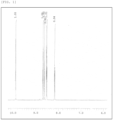
- FIG. 1 shows an actual 1 H NMR chart. As is evident from FIG. 1 , no impurity peak was found but the desired product.
- 6-Aminoisoquinoline 500 mg was dissolved in concentrated hydrochloric acid (10 mL) at 0°C, sodium nitrite (260 mg) dissolved in water (1 mL) was gradually added, and the mixture was stirred at 0°C for 15 minutes.
- This solution was gradually added at 0°C to a solution, which was prepared by adding thionyl chloride (1.1 mL) to a mixed solution of acetic acid (4 mL) and water (2 mL) at 0°C and subsequently adding copper chloride (35 mg), and the mixture was stirred for 1 hour.
- An appropriate amount of dichloromethane was added, and sodium hydrogen carbonate (13 g) and water were added alternatively to neutralize the mixture.
- Example 2 With the use of 6-(benzylthio)isoquinoline (1 g), the reaction was carried out under the same conditions as Example 2. After completion of the reaction, the solvent was concentrated under reduced pressure. Dichloromethane was added, and a 5% aqueous solution of sodium hydrogen carbonate was added at 0°C. The mixture was extracted with dichloromethane, and the extract was dried using anhydrous sodium sulfate. The resulting dry matter was concentrated under reduced pressure to obtain a crude product of isoquinoline-6-sulfonyl chloride (1.39 g).
- FIG. 3 shows an actual 1 H NMR chart. As is evident from the chart, a peak of the desired product compound (1) was found, and impurity peaks were also found.
- FIG. 4 shows an actual 1 H NMR chart. As is evident from the chart, a peak of the desired product compound (1) was found, and impurity peaks were also found.
- a teaspoonful of a white solid of highly pure isoquinoline-6-sulfonyl chloride hydrochloride (5a) as obtained in Example 2 or 3 was placed in a microtube and suspended in an appropriate amount of ethyl acetate. Subsequently, a saturated aqueous solution of sodium hydrogen carbonate was added to prepare a transparent solution in two layers, and the free form of isoquinoline-6-sulfonyl chloride was dissolved in the upper organic layer.
- the spot of compound (1) obtained after chromatogram development just following spotting gave a single spot consisting generally of compound (1), whereas a large spot distinct from compound (1) appeared near the origin on the TLC plate subjected to a second development after being allowed to stand for 10 minutes, and the amount of compound (1) decreased; it was suggested that compound (1) had been decomposed or degraded on the silica gel. This result was consistent with the result in Reference Example 1 that the percent recovery decreased extremely as compound (1) was purified by silica gel column chromatography.
- the compound of the present invention i.e., isoquinoline-6-sulfonyl chloride hydrochloride (5a)
- was reacted with an amine compound and the resulting crude product was analyzed by HPLC for reaction selectivity, impurity content, and other aspects of the compound (5a) of the present invention.
- an appropriate amount of the compound (5a) of the present invention and an appropriate amount of n-butylamine were reacted by being mixed in 1 mL of dichloromethane in the presence of an appropriate amount of triethylamine.
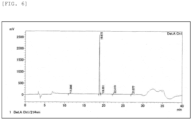
- Several minutes later, a portion of the reaction solution was sampled and analyzed by HPLC ( FIG. 6 ).
- a sulfonamide compound as a single substance was produced. It was also found that the contents of by-products, impurities, and other substances were extremely low.
Landscapes
- Health & Medical Sciences (AREA)
- Chemical & Material Sciences (AREA)
- Organic Chemistry (AREA)
- Medicinal Chemistry (AREA)
- General Health & Medical Sciences (AREA)
- Public Health (AREA)
- Animal Behavior & Ethology (AREA)
- Veterinary Medicine (AREA)
- Life Sciences & Earth Sciences (AREA)
- Pharmacology & Pharmacy (AREA)
- Bioinformatics & Cheminformatics (AREA)
- Nuclear Medicine, Radiotherapy & Molecular Imaging (AREA)
- General Chemical & Material Sciences (AREA)
- Chemical Kinetics & Catalysis (AREA)
- Engineering & Computer Science (AREA)
- Ophthalmology & Optometry (AREA)
- Neurology (AREA)
- Neurosurgery (AREA)
- Cardiology (AREA)
- Heart & Thoracic Surgery (AREA)
- Biomedical Technology (AREA)
- Epidemiology (AREA)
- Other In-Based Heterocyclic Compounds (AREA)
- Pharmaceuticals Containing Other Organic And Inorganic Compounds (AREA)
Description
- The present invention relates to a method for the manufacture of isoquinoline-6-sulfonyl chloride acid addition salts that are useful as a pharmaceutical manufacturing intermediate.
-
Patent Documents 
-
- Patent Document 1: International Patent Publication
2010/146881 - Patent Document 2: International Patent Publication
2012/086727 - This method, however, is unfavorable as an industrial manufacturing method in some aspects, including the passage of a route via an unstable diazonium salt and the use of sulfurous acid gas. Furthermore, while the aforementioned patent documents disclose a method involving the use of compound (1) in solution, without purification after the reaction, in the next reaction, in consideration of its instability, the method is evidently disadvantageous from the viewpoint of pharmaceutical manufacture under strict control because of a concern that such operations can lead to decreased reaction efficiency, decreased quality of the final product, and other drawbacks due to impurities contained in the solution, the inability to calculate the appropriate equivalents of reagents and raw materials used in the next step, and other facts. In addition, 6-aminoisoquinoline (3), used as a precursor, is also obtained by reacting 6-bromoisoquinoline (2) with aqueous ammonia at high temperature and high pressure; these conditions are extremely severe, posing a problem with safety and operability.
- Hence, no disclosure has so far been available of any appropriate manufacturing method or purification method for compound (1) to be used as a pharmaceutical manufacturing intermediate, nor has there been any demonstration.
- In general, the purify of a pharmaceutical manufacturing intermediate significantly influences the quality of the final product; therefore, there is a high demand for a convenient and highly efficient manufacturing method for obtaining a highly pure intermediate in each step.
- Accordingly, the present invention is intended to provide a new industrially advantageous form of compound (1) and a method of its manufacture, for obtaining compound (1), with high quality, that is to be used as an intermediate to obtain, with high quality, an isoquinoline-6-sulfonamide compound that is useful as an active ingredient of a pharmaceutical.
- The present inventors first attempted to isolate and purify compound (1) from an extract solution in an aftertreatment following the aforementioned reaction. When the extract solution containing compound (1) was concentrated under reduced pressure, and the resulting crude product was purified by silica gel column chromatography, it was found that the percent recovery remained at an extremely low level of 8%. Hence, as pointed out in
Patent Documents - Taking this situation into account, the present inventors considered that the use of compound (1) as an appropriate intermediate for pharmaceutical manufacturing required further investigations, including a method for its manufacture.
- The present inventors attempted to acquire compound (1) using an oxidative chlorination method with benzylthio compound (4), which can be prepared from 6-bromoisoquinoline (2) in one step, as a precursor, so as to establish a convenient and industrially applicable method for producing compound (1). This method was proven to allow chlorosulfonylation to proceed efficiently. Since the crude product obtained in the aftertreatment following this reaction was found to contain many impurities, further purification was considered necessary. However, purification by silica gel column chromatography cannot be used because it is likely to extremely reduce the percent recovery of compound (1) as described above, and it is not practical for industrialization. On the other hand, purification by recrystallization might be feasible, which, however, involved a concern about the stability of compound (1) when heating is required, and a possibility of decreased percent recovery due to an increase in the amount of solvent used to increase the purity. In all cases, there was a concern about hydrolysis of compound (1) because of the use of an aqueous solution of sodium hydrogen carbonate in the aftertreatment following this reaction.
- Hence, the present inventors conducted various investigations, finding that compound (1) can be stably isolated in the forms of acid addition salts, rather than as a free form, to markedly improve the purification efficiency. The present inventors also found that a highly pure isoquinoline-6-sulfonamide compound is obtained at a high percent recovery with the use of the acid addition salts of compound (1), and completed the present invention.
- Accordingly, the present invention provides substances and methods described in the following terms [1] to [2]:
- [1] A manufacturing method for isoquinoline-6-sulfonyl chloride acid addition salts, comprising:
subjecting 6-(benzylthio)isoquinoline to an oxidative chlorination reaction, and precipitating the isoquinoline-6-sulfonyl chloride acid addition salt by adding an acid to the post-reaction solution without isolation of isoquinoline-6-sulfonyl chloride. - [2] 6-(Benzylthio)isoquinoline.
- The isoquinoline-6-sulfonyl chloride acid addition salts of the present invention can be easily and inexpensively obtained from a commonly known compound and can be isolated as a highly pure salt. In addition, with the use of isoquinoline-6-sulfonyl chloride acid addition salts, it is possible to manufacture an isoquinoline-6-sulfonamide compound that is useful as a highly pure pharmaceutical, in an industrially advantageous manner.
-
-
FIG. 1 shows a 1H NMR chart of the isoquinoline-6-sulfonyl chloride hydrochloride obtained in Example 2. -
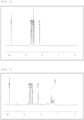
FIG. 2 shows a 1H NMR chart of the isoquinoline-6-sulfonyl chloride hydrochloride obtained in Example 3 (REFERENCE) . -
FIG. 3 shows a 1H NMR chart of the isoquinoline-6-sulfonyl chloride obtained in Reference Example 2. -
FIG. 4 shows a 1H NMR chart of the isoquinoline-6-sulfonyl chloride obtained in Reference Example 3. -
FIG. 5 shows the behavior of isoquinoline-6-sulfonyl chloride on a silica gel TLC plate. -
FIG. 6 shows an HPLC chart of a sulfonamide compound obtained using isoquinoline-6-sulfonyl chloride hydrochloride. - The isoquinoline-6-sulfonyl chloride acid addition salts obtainable according to the manufacturing method of the present invention are represented by the following formula (5) (compound (5)):

- The acid represented by HX is exemplified by inorganic acids such as hydrochloric acid, sulfuric acid, nitric acid, phosphoric acid, hydrofluoric acid, and hydrobromic acid; and organic acids such as acetic acid, tartaric acid, lactic acid, citric acid, fumaric acid, maleic acid, succinic acid, methanesulfonic acid, ethanesulfonic acid, benzenesulfonic acid, toluenesulfonic acid, naphthalenesulfonic acid, and camphor sulfonic acid. In particular, inorganic acids such as hydrochloric acid, sulfuric acid, phosphoric acid, and hydrobromic acid are preferred, with greater preference given to hydrochloric acid.
- The manufacturing method of the present disclosure for isoquinoline-6-sulfonyl chloride acid addition salts (5) (compound (5)) and the manufacturing method for isoquinoline-6-sulfonamide compound (6) (compound (6)) with compound (5) as an intermediate are represented by the following reaction schemes (only the reaction pathway involving 6-(benzylthio)isoquinoline (4) is according to the claimed invention):

- Compound (1) or compound (5) can be manufactured by subjecting 6-(benzylthio)isoquinoline (4) (compound (4)) to an oxidative chlorination reaction.
- Here, 6-(benzylthio)isoquinoline (4) is obtained by reacting 6-bromoisoquinoline (2) with benzylmercaptan in the presence of a base in an organic solvent. 6-(Benzylthio)isoquinoline (4) is a novel compound. It is preferable that the reaction of compound (2) and benzylmercaptan be carried out in the presence of, for example, a base such as tert-butoxide potassium, potassium carbonate, or sodium hydride. Acceptable reaction conditions involve the use of a polar solvent such as dimethyl sulfoxide in which the reaction is carried out at room temperature to 150°C for from 1 to 10 hours.
- The oxidative chlorination reaction of compound (4) can be carried out by reacting compound (4) with an oxidative chlorinating agent such as 1,3-dichloro-5,5-dimethylhydantoin, sulfuryl chloride, N-chlorosuccinimide, gaseous chlorine, or sodium hypochlorite. The reaction is preferably carried out in a polar solvent such as acetic acid-acetonitrile-water under mild conditions, e.g., at room temperature or lower, for from 1 to 5 hours.
- The oxidative chlorination reaction of compound (4) produces compound (1), and compound (5) may be precipitated by adding an acid to the post-reaction solution without isolation of compound (1). Specifically, an ether solvent or a hydrocarbon solvent is added to the post-reaction solution, an excess amount of an acid is directly added, and the resulting precipitate is filtered to obtain compound (5) as a purified product. The amount of acid used preferably ranges from 1 to 10 equivalents, more preferably from 1 to 3 equivalents. The amount of solvent added is preferably from 1 to 10 times, more preferably from 1 to 5 times, the amount of the reaction solution. The ether solvents that can be used here include diethyl ether and methyl tert-butyl ether. The hydrocarbon solvents include hexane. These reactions can be carried out at from 0°C to room temperature, preferably at 0°C.
- Because compound (5) can be obtained with high purity simply by adding an acid to compound (1) in the reaction solution, and then performing a simple filtration operation, as described above, there is no need for purification operations such as by extraction, column chromatography, and recrystallization.
- By reacting compound (5) with an amine compound (R1(R2)NH), isoquinoline-6-sulfonamide compound (6), which is useful as a pharmaceutical, can be manufactured. Here, examples of the amine compound represented by R1(R2)NH include the compounds described in the
aforementioned Patent Documents - The present invention is hereinafter described specifically by means of the following Examples, which, however, are not to be construed as limiting the present invention in any way.
- Benzylmercaptan (5.45 g) was dissolved in dimethyl sulfoxide (80 mL), potassium tert-butoxide (4.92 g) was added little by little at room temperature, and the mixture was stirred for 20 minutes. Subsequently, 6-bromoisoquinoline (2) (6.1 g) was added, and the mixture was stirred at 100°C for 3 hours. The temperature was returned to room temperature, water (600 mL) was added, the mixture was extracted with ethyl acetate, and the extract was dried using anhydrous sodium sulfate. After the dry matter was filtered and concentrated under reduced pressure, an appropriate amount of hexane was added to the resulting oily crude product for crystallization. The resulting crystal was washed with hexane, and the solid was separated by filtration to obtain 6-(benzylthio)isoquinoline (6.29 g, percent recovery 85%). 1H NMR (500 MHz, CDCl3, δ ppm): 4.29 (s, 2H), 7.26-7.33 (m, 3H), 7.38-7.40 (m, 2H), 7.46-7.49 (m, 2H), 7.59 (s, 1H), 7.82 (d, 1H, J=8.5 Hz), 8.47 (d, 1H, J=6.0 Hz), 9.15 (s, 1H). Melting point: 80°C.
- 6-(Benzylthio)isoquinoline (5 g) was dissolved in acetic acid (7.5 mL), water (5 mL), and acetonitrile (200 mL), and 1, 3-dichloro-5, 5-dimethylhydantoin (7.9 g) was gradually added little by little at 0°C. After stirring at 5°C or lower for 2 hours, methyl tert-butyl ether (200 mL) was added. Subsequently, a 4M hydrochloric acid / 1,4-dioxane solution (5 mL) was added, and the mixture was stirred for 30 minutes. The precipitated solid was isolated by filtration and washed with an appropriate amount of methyl tert-butyl ether to obtain isoquinoline-6-sulfonyl chloride hydrochloride as a white solid (4.50 g, percent recovery 85%) . 1H NMR (500 MHz, DMSO-d6, δ ppm): 8.16 (d, 1H, J=8.5 Hz), 8.50-8.53 (m, 2H), 8.61 (d, 1H, J=6.5 Hz), 8.67 (d, 1H, J=6.5 Hz), 9.88 (s, 1H). Melting point: 102°C (decomposed).
-
FIG. 1 shows an actual 1H NMR chart. As is evident fromFIG. 1 , no impurity peak was found but the desired product. - 6-Aminoisoquinoline (500 mg) was dissolved in concentrated hydrochloric acid (10 mL) at 0°C, sodium nitrite (260 mg) dissolved in water (1 mL) was gradually added, and the mixture was stirred at 0°C for 15 minutes. This solution was gradually added at 0°C to a solution, which was prepared by adding thionyl chloride (1.1 mL) to a mixed solution of acetic acid (4 mL) and water (2 mL) at 0°C and subsequently adding copper chloride (35 mg), and the mixture was stirred for 1 hour. An appropriate amount of dichloromethane was added, and sodium hydrogen carbonate (13 g) and water were added alternatively to neutralize the mixture. Insoluble components were removed by Celite filtration, and the resulting filtrate was extracted with dichloromethane. After being dried using anhydrous sodium sulfate, the extract was filtered, and a 2M hydrochloric acid / diethyl ether solution (6 mL) was added to the resulting solution at 0°C, and an appropriate amount of diethyl ether was added. The precipitated solid was isolated by filtration and washed with an appropriate amount of diethyl ether to obtain isoquinoline-6-sulfonyl chloride hydrochloride as a light-yellow solid (484 mg, percent recovery 52%). The 1H NMR peak and melting point values agreed with those obtained in Example 2.
FIG. 2 shows an actual 1H NMR chart. As is evident fromFIG. 2 , no impurity peak was found but the desired product. - 6-(Benzylthio)isoquinoline (4) (1 g) was reacted under the same conditions as Example 2, but with hydrobromic acid added in place of hydrochloric acid, to obtain isoquinoline-6-sulfonyl chloride hydrobromide (1.04 g, percent recovery 84%). The 1H NMR data showed that this reaction yielded the desired product as a single compound.
- 6-(Benzylthio)isoquinoline (4) (1 g) was reacted under the same conditions as Example 2, but with sulfuric acid added in place of hydrochloric acid, to obtain isoquinoline-6-sulfonyl chloride sulfate (944 mg, percent recovery 72%). The 1H NMR data showed that this reaction yielded the desired product as a single compound.
- 6-(Benzylthio)isoquinoline (4) (1 g) was reacted under the same conditions as Example 2, but with phosphoric acid added in place of hydrochloric acid, to obtain isoquinoline-6-sulfonyl chloride phosphate (872 mg, percent recovery 67%). The 1H NMR data showed that this reaction yielded the desired product as a single compound.
- With the use of 6-aminoisoquinoline (280 mg), the reaction was carried out under the conditions described in
Patent Document 1. After completion of the reaction, extraction, concentration under reduced pressure, and purification by silica gel column chromatography were performed, to obtain isoquinoline-6-sulfonyl chloride (35 mg, percent recovery 8%). 1H NMR (500 MHz, CDCl3, ? ppm): 8.01 (d, 1H, J=5.0 Hz), 8.23 (d, 1H, J=10 Hz), 8.38 (d, 1H, J=10 Hz), 8.66 (s, 1H), 8.79 (d, 1H, J=5.0 Hz), 9.59 (s, 1H). - With the use of 6-(benzylthio)isoquinoline (1 g), the reaction was carried out under the same conditions as Example 2. After completion of the reaction, the solvent was concentrated under reduced pressure. Dichloromethane was added, and a 5% aqueous solution of sodium hydrogen carbonate was added at 0°C. The mixture was extracted with dichloromethane, and the extract was dried using anhydrous sodium sulfate. The resulting dry matter was concentrated under reduced pressure to obtain a crude product of isoquinoline-6-sulfonyl chloride (1.39 g).
FIG. 3 shows an actual 1H NMR chart. As is evident from the chart, a peak of the desired product compound (1) was found, and impurity peaks were also found. - With the use of 6-aminoisoquinoline (500 mg), the reaction was carried out under the same conditions as Example 3. After completion of the reaction, extraction and drying were performed, and the resulting solution was concentrated to obtain a crude product of isoquinoline-6-sulfonyl chloride (1) (367 mg).
FIG. 4 shows an actual 1H NMR chart. As is evident from the chart, a peak of the desired product compound (1) was found, and impurity peaks were also found. - A teaspoonful of a white solid of highly pure isoquinoline-6-sulfonyl chloride hydrochloride (5a) as obtained in Example 2 or 3 was placed in a microtube and suspended in an appropriate amount of ethyl acetate. Subsequently, a saturated aqueous solution of sodium hydrogen carbonate was added to prepare a transparent solution in two layers, and the free form of isoquinoline-6-sulfonyl chloride was dissolved in the upper organic layer. Only a 2 cm of the solvent was aspirated from the organic layer using a glass capillary, the compound (1) solution was spotted near one corner of a 5-cm square TLC plate, the plate was allowed to stand in a developing vessel containing an appropriate amount of methyl tert-butyl ether, and a chromatogram was developed until the solvent reached close to the upper portion of the TLC plate. After chromatogram development, the plate was dried, and the position of the compound (1) spot was determined by ultraviolet exposure (left panel of
FIG. 5 ). After being allowed to stand for 10 minutes, the TLC plate was rotated by 90 degrees, and the compound (1) spot was developed again. After chromatogram development, the plate was dried, and the position of the compound (1) spot was determined by ultraviolet exposure (right panel ofFIG. 5 ). - As seen from
FIG. 5 , the spot of compound (1) obtained after chromatogram development just following spotting gave a single spot consisting generally of compound (1), whereas a large spot distinct from compound (1) appeared near the origin on the TLC plate subjected to a second development after being allowed to stand for 10 minutes, and the amount of compound (1) decreased; it was suggested that compound (1) had been decomposed or degraded on the silica gel. This result was consistent with the result in Reference Example 1 that the percent recovery decreased extremely as compound (1) was purified by silica gel column chromatography. - An elemental analysis of isoquinoline-6-sulfonyl chloride hydrochloride (5a), the compound of the present invention, as obtained in Examples 2 and 3 gave the following results. Figures in parentheses are calculated values.
- Isoquinoline-6-sulfonyl chloride hydrochloride (5a) C, 41.0% (40.93%); H, 2.87% (2.67%); N, 5.38% (5.30%)
- The compound of the present invention, i.e., isoquinoline-6-sulfonyl chloride hydrochloride (5a), was reacted with an amine compound, and the resulting crude product was analyzed by HPLC for reaction selectivity, impurity content, and other aspects of the compound (5a) of the present invention. Specifically, an appropriate amount of the compound (5a) of the present invention and an appropriate amount of n-butylamine were reacted by being mixed in 1 mL of dichloromethane in the presence of an appropriate amount of triethylamine. Several minutes later, a portion of the reaction solution was sampled and analyzed by HPLC (
FIG. 6 ). As a result, a sulfonamide compound as a single substance was produced. It was also found that the contents of by-products, impurities, and other substances were extremely low. - The above-described results show that isoquinoline-6-sulfonyl chloride hydrochloride (5a), the compound of the present invention, is of high purity and has quality that makes the compound to be adequately useful in the reaction with an amine compound.
Claims (2)
- A manufacturing method for isoquinoline-6-sulfonyl chloride acid addition salts, comprising:
subjecting 6-(benzylthio)isoquinoline to an oxidative chlorination reaction, and precipitating the isoquinoline-6-sulfonyl chloride acid addition salt by adding an acid to the post-reaction solution without isolation of isoquinoline-6-sulfonyl chloride. - 6-(Benzylthio)isoquinoline.
Applications Claiming Priority (2)
| Application Number | Priority Date | Filing Date | Title |
|---|---|---|---|
| JP2018236372 | 2018-12-18 | ||
| PCT/JP2019/049100 WO2020129877A1 (en) | 2018-12-18 | 2019-12-16 | Isoquinolinesulfonyl chloride acid addition salt and method for producing same |
Publications (3)
| Publication Number | Publication Date |
|---|---|
| EP3900724A1 EP3900724A1 (en) | 2021-10-27 |
| EP3900724A4 EP3900724A4 (en) | 2022-07-13 |
| EP3900724B1 true EP3900724B1 (en) | 2025-02-05 |
Family
ID=71101278
Family Applications (1)
| Application Number | Title | Priority Date | Filing Date |
|---|---|---|---|
| EP19900110.8A Active EP3900724B1 (en) | 2018-12-18 | 2019-12-16 | Isoquinoline sulfonyl chloride acid addition salts and method of manufacture thereof |
Country Status (7)
| Country | Link |
|---|---|
| US (1) | US11535595B2 (en) |
| EP (1) | EP3900724B1 (en) |
| JP (1) | JP7792670B2 (en) |
| KR (1) | KR102779909B1 (en) |
| CN (1) | CN113194949B (en) |
| ES (1) | ES3010713T3 (en) |
| WO (1) | WO2020129877A1 (en) |
Family Cites Families (14)
| Publication number | Priority date | Publication date | Assignee | Title |
|---|---|---|---|---|
| CA1218646A (en) | 1983-07-22 | 1987-03-03 | Jack W. Fisher | Deesterification to acids |
| JPH07247246A (en) * | 1994-03-09 | 1995-09-26 | Daicel Chem Ind Ltd | 1-phenyl-3-butyne derivative and its production |
| JPH1036326A (en) * | 1996-07-18 | 1998-02-10 | Fuji Photo Film Co Ltd | Acid adduct salt of 3-ethynylaniline compound and purification of 3-ethynylaniline compound |
| GB0130696D0 (en) | 2001-12-21 | 2002-02-06 | Smithkline Beecham Plc | Chemical Compounds |
| JP5066443B2 (en) | 2005-02-25 | 2012-11-07 | 興和株式会社 | Process for producing 4-fluoroisoquinoline-5-sulfonyl halide or a salt thereof |
| CN101133026B (en) * | 2005-03-03 | 2011-07-06 | 霍夫曼-拉罗奇有限公司 | 1- sulfonyl-pi perdine- 3 -carboxyl i c acid amide derivatives as inhibitors of 11-beta-hydroxysteroid dehydrogenase for the treatment of type ii diabetes mellitus |
| US8232292B2 (en) * | 2007-07-02 | 2012-07-31 | Asahi Kasei Pharma Corporation | Sulfonamide compound and crystal thereof |
| US8951997B2 (en) | 2009-06-19 | 2015-02-10 | D. Western Therapeutics Institute, Inc. | Substituted isoquinoline derivative |
| PT2657227T (en) * | 2010-12-22 | 2016-08-01 | D Western Therapeutics Inst Inc | Novel substituted isoquinoline derivative |
| EP2788332A1 (en) | 2011-12-07 | 2014-10-15 | Amgen, Inc. | Bicyclic aryl and heteroaryl sodium channel inhibitors |
| WO2014139144A1 (en) | 2013-03-15 | 2014-09-18 | Agios Pharmaceuticals, Inc. | Therapeutic compounds and compositions |
| CN103739525B (en) * | 2013-12-30 | 2016-05-25 | 京博农化科技股份有限公司 | A kind of preparation method of substituted phenylsulfonyl chloride |
| MA45940B1 (en) | 2016-08-10 | 2024-12-31 | Takeda Pharmaceutical Company Limited | HETEROCYCLIC COMPOUND |
| EP3875449A4 (en) * | 2018-11-01 | 2022-07-06 | D. Western Therapeutics Institute, Inc. | 1,4-DIAZOCANE COMPOUND OR SALT THEREOF |
-
2019
- 2019-12-16 WO PCT/JP2019/049100 patent/WO2020129877A1/en not_active Ceased
- 2019-12-16 EP EP19900110.8A patent/EP3900724B1/en active Active
- 2019-12-16 JP JP2020561397A patent/JP7792670B2/en active Active
- 2019-12-16 CN CN201980083415.0A patent/CN113194949B/en active Active
- 2019-12-16 ES ES19900110T patent/ES3010713T3/en active Active
- 2019-12-16 KR KR1020217019116A patent/KR102779909B1/en active Active
- 2019-12-16 US US17/296,469 patent/US11535595B2/en active Active
Also Published As
| Publication number | Publication date |
|---|---|
| KR20210104730A (en) | 2021-08-25 |
| KR102779909B1 (en) | 2025-03-12 |
| US11535595B2 (en) | 2022-12-27 |
| CN113194949B (en) | 2024-05-31 |
| WO2020129877A1 (en) | 2020-06-25 |
| US20210395205A1 (en) | 2021-12-23 |
| ES3010713T3 (en) | 2025-04-04 |
| JP7792670B2 (en) | 2025-12-26 |
| CN113194949A (en) | 2021-07-30 |
| EP3900724A4 (en) | 2022-07-13 |
| EP3900724A1 (en) | 2021-10-27 |
| JPWO2020129877A1 (en) | 2021-10-28 |
Similar Documents
| Publication | Publication Date | Title |
|---|---|---|
| EP2010498B1 (en) | Synthesis of acylaminoalkenylene amides useful as substance p antagonists | |
| EP3778568B1 (en) | Method of preparing high chiral purity lactam intermediate and brivaracetam | |
| JP5161023B2 (en) | Process for producing piperazine derivatives | |
| EP3724162B1 (en) | Intermediates for optically active piperidine derivatives and preparation methods thereof | |
| EP1671975B1 (en) | Penam crystal and process for producing the same | |
| KR19990014827A (en) | Novel Process for Preparing Ropivacaine Hydrochloride Monohydrate | |
| US11535595B2 (en) | Isoquinoline sulfonyl chloride acid addition salts and method of manufacture thereof | |
| JP2011006379A (en) | Method for recrystallizing {2-amino-1,4-dihydro-6-methyl-4-(3-nitrophenyl)-3,5-pyridine dicarboxylic acid-3-[1-(diphenylmethyl)azetidin-3-yl]ester-5-isopropyl ester}(azelnidipine), isopropyl alcohol adduct of azelnidipine, and method for producing azelnidipine | |
| JP6947354B2 (en) | How to make linagliptin | |
| EP3881848B1 (en) | Method for producing orotic acid derivative | |
| JP2009137955A (en) | IMPROVED PRODUCTION METHOD OF CYCLOALKYL AND HALOALKYL o-AMINOPHENYL KETONES | |
| US20050033082A1 (en) | Method for producing bicalutamide | |
| JP5191237B2 (en) | Method for producing precursor of vitamin B1 | |
| CN105018541B (en) | (S) synthetic method of the hydroxy propyl carbamate of the tert-butyl group 2 | |
| HK40048107A (en) | Isoquinolinesulfonyl chloride acid addition salt and method for producing same | |
| US6172228B1 (en) | Process for producing piperazinesulfonamide derivatives and salts thereof | |
| HK40048107B (en) | Isoquinolinesulfonyl chloride acid addition salt and method for producing same | |
| JP5004067B2 (en) | Method for producing benzyloxy nitrogen-containing cyclic compound | |
| EP3986869B1 (en) | A process for the synthesis of lofexidine | |
| EP3356372B1 (en) | Novel process for preparing thienopyrimidine compound and intermediates used therein | |
| JP3061494B2 (en) | Process for producing glycidyl aryl sulfonates | |
| JPH07304769A (en) | Synthesis of azapyrone | |
| KR100297802B1 (en) | Method for preparing 2- (3-trifluoromethyl) anilinonicotinic acid 2- (N-morpholine) ethyl. | |
| JP2007131589A (en) | Method for producing N-alkoxycarbonylamino acid | |
| JPH05286943A (en) | Production of 2-alkyl-4-hydroxymethylimidazole |
Legal Events
| Date | Code | Title | Description |
|---|---|---|---|
| STAA | Information on the status of an ep patent application or granted ep patent |
Free format text: STATUS: THE INTERNATIONAL PUBLICATION HAS BEEN MADE |
|
| PUAI | Public reference made under article 153(3) epc to a published international application that has entered the european phase |
Free format text: ORIGINAL CODE: 0009012 |
|
| STAA | Information on the status of an ep patent application or granted ep patent |
Free format text: STATUS: REQUEST FOR EXAMINATION WAS MADE |
|
| 17P | Request for examination filed |
Effective date: 20210608 |
|
| AK | Designated contracting states |
Kind code of ref document: A1 Designated state(s): AL AT BE BG CH CY CZ DE DK EE ES FI FR GB GR HR HU IE IS IT LI LT LU LV MC MK MT NL NO PL PT RO RS SE SI SK SM TR |
|
| DAV | Request for validation of the european patent (deleted) | ||
| DAX | Request for extension of the european patent (deleted) | ||
| REG | Reference to a national code |
Ref country code: DE Ref legal event code: R079 Free format text: PREVIOUS MAIN CLASS: A61K0031472000 Ipc: C07D0217020000 Ref document number: 602019065661 Country of ref document: DE |
|
| A4 | Supplementary search report drawn up and despatched |
Effective date: 20220614 |
|
| RIC1 | Information provided on ipc code assigned before grant |
Ipc: A61K 31/472 20060101ALI20220609BHEP Ipc: A61P 27/06 20060101ALI20220609BHEP Ipc: A61P 27/02 20060101ALI20220609BHEP Ipc: A61P 25/00 20060101ALI20220609BHEP Ipc: A61P 9/00 20060101ALI20220609BHEP Ipc: C07D 217/02 20060101AFI20220609BHEP |
|
| STAA | Information on the status of an ep patent application or granted ep patent |
Free format text: STATUS: EXAMINATION IS IN PROGRESS |
|
| 17Q | First examination report despatched |
Effective date: 20230802 |
|
| RIC1 | Information provided on ipc code assigned before grant |
Ipc: C07D 217/02 20060101AFI20240612BHEP |
|
| GRAP | Despatch of communication of intention to grant a patent |
Free format text: ORIGINAL CODE: EPIDOSNIGR1 |
|
| STAA | Information on the status of an ep patent application or granted ep patent |
Free format text: STATUS: GRANT OF PATENT IS INTENDED |
|
| INTG | Intention to grant announced |
Effective date: 20240729 |
|
| GRAS | Grant fee paid |
Free format text: ORIGINAL CODE: EPIDOSNIGR3 |
|
| P01 | Opt-out of the competence of the unified patent court (upc) registered |
Free format text: CASE NUMBER: APP_62899/2024 Effective date: 20241127 |
|
| GRAA | (expected) grant |
Free format text: ORIGINAL CODE: 0009210 |
|
| STAA | Information on the status of an ep patent application or granted ep patent |
Free format text: STATUS: THE PATENT HAS BEEN GRANTED |
|
| AK | Designated contracting states |
Kind code of ref document: B1 Designated state(s): AL AT BE BG CH CY CZ DE DK EE ES FI FR GB GR HR HU IE IS IT LI LT LU LV MC MK MT NL NO PL PT RO RS SE SI SK SM TR |
|
| REG | Reference to a national code |
Ref country code: GB Ref legal event code: FG4D |
|
| REG | Reference to a national code |
Ref country code: CH Ref legal event code: EP |
|
| REG | Reference to a national code |
Ref country code: IE Ref legal event code: FG4D |
|
| REG | Reference to a national code |
Ref country code: DE Ref legal event code: R096 Ref document number: 602019065661 Country of ref document: DE |
|
| REG | Reference to a national code |
Ref country code: NL Ref legal event code: FP |
|
| REG | Reference to a national code |
Ref country code: ES Ref legal event code: FG2A Ref document number: 3010713 Country of ref document: ES Kind code of ref document: T3 Effective date: 20250404 |
|
| PG25 | Lapsed in a contracting state [announced via postgrant information from national office to epo] |
Ref country code: RS Free format text: LAPSE BECAUSE OF FAILURE TO SUBMIT A TRANSLATION OF THE DESCRIPTION OR TO PAY THE FEE WITHIN THE PRESCRIBED TIME-LIMIT Effective date: 20250505 |
|
| PG25 | Lapsed in a contracting state [announced via postgrant information from national office to epo] |
Ref country code: FI Free format text: LAPSE BECAUSE OF FAILURE TO SUBMIT A TRANSLATION OF THE DESCRIPTION OR TO PAY THE FEE WITHIN THE PRESCRIBED TIME-LIMIT Effective date: 20250205 |
|
| PG25 | Lapsed in a contracting state [announced via postgrant information from national office to epo] |
Ref country code: PL Free format text: LAPSE BECAUSE OF FAILURE TO SUBMIT A TRANSLATION OF THE DESCRIPTION OR TO PAY THE FEE WITHIN THE PRESCRIBED TIME-LIMIT Effective date: 20250205 |
|
| REG | Reference to a national code |
Ref country code: LT Ref legal event code: MG9D |
|
| PG25 | Lapsed in a contracting state [announced via postgrant information from national office to epo] |
Ref country code: IS Free format text: LAPSE BECAUSE OF FAILURE TO SUBMIT A TRANSLATION OF THE DESCRIPTION OR TO PAY THE FEE WITHIN THE PRESCRIBED TIME-LIMIT Effective date: 20250605 Ref country code: NO Free format text: LAPSE BECAUSE OF FAILURE TO SUBMIT A TRANSLATION OF THE DESCRIPTION OR TO PAY THE FEE WITHIN THE PRESCRIBED TIME-LIMIT Effective date: 20250505 |
|
| PG25 | Lapsed in a contracting state [announced via postgrant information from national office to epo] |
Ref country code: HR Free format text: LAPSE BECAUSE OF FAILURE TO SUBMIT A TRANSLATION OF THE DESCRIPTION OR TO PAY THE FEE WITHIN THE PRESCRIBED TIME-LIMIT Effective date: 20250205 |
|
| PG25 | Lapsed in a contracting state [announced via postgrant information from national office to epo] |
Ref country code: LV Free format text: LAPSE BECAUSE OF FAILURE TO SUBMIT A TRANSLATION OF THE DESCRIPTION OR TO PAY THE FEE WITHIN THE PRESCRIBED TIME-LIMIT Effective date: 20250205 Ref country code: PT Free format text: LAPSE BECAUSE OF FAILURE TO SUBMIT A TRANSLATION OF THE DESCRIPTION OR TO PAY THE FEE WITHIN THE PRESCRIBED TIME-LIMIT Effective date: 20250605 |
|
| PG25 | Lapsed in a contracting state [announced via postgrant information from national office to epo] |
Ref country code: GR Free format text: LAPSE BECAUSE OF FAILURE TO SUBMIT A TRANSLATION OF THE DESCRIPTION OR TO PAY THE FEE WITHIN THE PRESCRIBED TIME-LIMIT Effective date: 20250506 Ref country code: BG Free format text: LAPSE BECAUSE OF FAILURE TO SUBMIT A TRANSLATION OF THE DESCRIPTION OR TO PAY THE FEE WITHIN THE PRESCRIBED TIME-LIMIT Effective date: 20250205 |
|
| REG | Reference to a national code |
Ref country code: AT Ref legal event code: MK05 Ref document number: 1764877 Country of ref document: AT Kind code of ref document: T Effective date: 20250205 |
|
| PG25 | Lapsed in a contracting state [announced via postgrant information from national office to epo] |
Ref country code: SE Free format text: LAPSE BECAUSE OF FAILURE TO SUBMIT A TRANSLATION OF THE DESCRIPTION OR TO PAY THE FEE WITHIN THE PRESCRIBED TIME-LIMIT Effective date: 20250205 |
|
| PG25 | Lapsed in a contracting state [announced via postgrant information from national office to epo] |
Ref country code: SM Free format text: LAPSE BECAUSE OF FAILURE TO SUBMIT A TRANSLATION OF THE DESCRIPTION OR TO PAY THE FEE WITHIN THE PRESCRIBED TIME-LIMIT Effective date: 20250205 |
|
| PG25 | Lapsed in a contracting state [announced via postgrant information from national office to epo] |
Ref country code: DK Free format text: LAPSE BECAUSE OF FAILURE TO SUBMIT A TRANSLATION OF THE DESCRIPTION OR TO PAY THE FEE WITHIN THE PRESCRIBED TIME-LIMIT Effective date: 20250205 |
|
| PG25 | Lapsed in a contracting state [announced via postgrant information from national office to epo] |
Ref country code: AT Free format text: LAPSE BECAUSE OF FAILURE TO SUBMIT A TRANSLATION OF THE DESCRIPTION OR TO PAY THE FEE WITHIN THE PRESCRIBED TIME-LIMIT Effective date: 20250205 |
|
| PG25 | Lapsed in a contracting state [announced via postgrant information from national office to epo] |
Ref country code: EE Free format text: LAPSE BECAUSE OF FAILURE TO SUBMIT A TRANSLATION OF THE DESCRIPTION OR TO PAY THE FEE WITHIN THE PRESCRIBED TIME-LIMIT Effective date: 20250205 |
|
| PG25 | Lapsed in a contracting state [announced via postgrant information from national office to epo] |
Ref country code: RO Free format text: LAPSE BECAUSE OF FAILURE TO SUBMIT A TRANSLATION OF THE DESCRIPTION OR TO PAY THE FEE WITHIN THE PRESCRIBED TIME-LIMIT Effective date: 20250205 |
|
| PG25 | Lapsed in a contracting state [announced via postgrant information from national office to epo] |
Ref country code: SK Free format text: LAPSE BECAUSE OF FAILURE TO SUBMIT A TRANSLATION OF THE DESCRIPTION OR TO PAY THE FEE WITHIN THE PRESCRIBED TIME-LIMIT Effective date: 20250205 |
|
| REG | Reference to a national code |
Ref country code: DE Ref legal event code: R097 Ref document number: 602019065661 Country of ref document: DE |
|
| PLBE | No opposition filed within time limit |
Free format text: ORIGINAL CODE: 0009261 |
|
| STAA | Information on the status of an ep patent application or granted ep patent |
Free format text: STATUS: NO OPPOSITION FILED WITHIN TIME LIMIT |
|
| PGFP | Annual fee paid to national office [announced via postgrant information from national office to epo] |
Ref country code: DE Payment date: 20251211 Year of fee payment: 7 |
|
| PGFP | Annual fee paid to national office [announced via postgrant information from national office to epo] |
Ref country code: GB Payment date: 20251219 Year of fee payment: 7 |
|
| 26N | No opposition filed |
Effective date: 20251106 |
|
| PGFP | Annual fee paid to national office [announced via postgrant information from national office to epo] |
Ref country code: IT Payment date: 20251223 Year of fee payment: 7 |
|
| PGFP | Annual fee paid to national office [announced via postgrant information from national office to epo] |
Ref country code: NL Payment date: 20251219 Year of fee payment: 7 Ref country code: FR Payment date: 20251229 Year of fee payment: 7 |
|
| PGFP | Annual fee paid to national office [announced via postgrant information from national office to epo] |
Ref country code: CZ Payment date: 20251211 Year of fee payment: 7 |
|
| PGFP | Annual fee paid to national office [announced via postgrant information from national office to epo] |
Ref country code: ES Payment date: 20260130 Year of fee payment: 7 |