EP3900282B1 - Verfahren und vorrichtung zur paketverzögerungsverwaltung in einem ecpri-netzwerk - Google Patents
Verfahren und vorrichtung zur paketverzögerungsverwaltung in einem ecpri-netzwerk Download PDFInfo
- Publication number
- EP3900282B1 EP3900282B1 EP18943896.3A EP18943896A EP3900282B1 EP 3900282 B1 EP3900282 B1 EP 3900282B1 EP 18943896 A EP18943896 A EP 18943896A EP 3900282 B1 EP3900282 B1 EP 3900282B1
- Authority
- EP
- European Patent Office
- Prior art keywords
- flow control
- ecpri
- time
- priority
- message
- Prior art date
- Legal status (The legal status is an assumption and is not a legal conclusion. Google has not performed a legal analysis and makes no representation as to the accuracy of the status listed.)
- Active
Links
Images




Classifications
-
- H—ELECTRICITY
- H04—ELECTRIC COMMUNICATION TECHNIQUE
- H04L—TRANSMISSION OF DIGITAL INFORMATION, e.g. TELEGRAPHIC COMMUNICATION
- H04L43/00—Arrangements for monitoring or testing data switching networks
- H04L43/08—Monitoring or testing based on specific metrics, e.g. QoS, energy consumption or environmental parameters
- H04L43/0876—Network utilisation, e.g. volume of load or congestion level
-
- H—ELECTRICITY
- H04—ELECTRIC COMMUNICATION TECHNIQUE
- H04L—TRANSMISSION OF DIGITAL INFORMATION, e.g. TELEGRAPHIC COMMUNICATION
- H04L43/00—Arrangements for monitoring or testing data switching networks
- H04L43/08—Monitoring or testing based on specific metrics, e.g. QoS, energy consumption or environmental parameters
- H04L43/0852—Delays
- H04L43/0858—One way delays
-
- H—ELECTRICITY
- H04—ELECTRIC COMMUNICATION TECHNIQUE
- H04L—TRANSMISSION OF DIGITAL INFORMATION, e.g. TELEGRAPHIC COMMUNICATION
- H04L43/00—Arrangements for monitoring or testing data switching networks
- H04L43/16—Threshold monitoring
-
- H—ELECTRICITY
- H04—ELECTRIC COMMUNICATION TECHNIQUE
- H04L—TRANSMISSION OF DIGITAL INFORMATION, e.g. TELEGRAPHIC COMMUNICATION
- H04L47/00—Traffic control in data switching networks
- H04L47/10—Flow control; Congestion control
- H04L47/24—Traffic characterised by specific attributes, e.g. priority or QoS
- H04L47/2466—Traffic characterised by specific attributes, e.g. priority or QoS using signalling traffic
-
- H—ELECTRICITY
- H04—ELECTRIC COMMUNICATION TECHNIQUE
- H04L—TRANSMISSION OF DIGITAL INFORMATION, e.g. TELEGRAPHIC COMMUNICATION
- H04L47/00—Traffic control in data switching networks
- H04L47/10—Flow control; Congestion control
- H04L47/26—Flow control; Congestion control using explicit feedback to the source, e.g. choke packets
- H04L47/263—Rate modification at the source after receiving feedback
-
- H—ELECTRICITY
- H04—ELECTRIC COMMUNICATION TECHNIQUE
- H04L—TRANSMISSION OF DIGITAL INFORMATION, e.g. TELEGRAPHIC COMMUNICATION
- H04L47/00—Traffic control in data switching networks
- H04L47/10—Flow control; Congestion control
- H04L47/26—Flow control; Congestion control using explicit feedback to the source, e.g. choke packets
- H04L47/266—Stopping or restarting the source, e.g. X-on or X-off
-
- H—ELECTRICITY
- H04—ELECTRIC COMMUNICATION TECHNIQUE
- H04L—TRANSMISSION OF DIGITAL INFORMATION, e.g. TELEGRAPHIC COMMUNICATION
- H04L47/00—Traffic control in data switching networks
- H04L47/10—Flow control; Congestion control
- H04L47/30—Flow control; Congestion control in combination with information about buffer occupancy at either end or at transit nodes
-
- H—ELECTRICITY
- H04—ELECTRIC COMMUNICATION TECHNIQUE
- H04W—WIRELESS COMMUNICATION NETWORKS
- H04W28/00—Network traffic management; Network resource management
- H04W28/02—Traffic management, e.g. flow control or congestion control
- H04W28/0278—Traffic management, e.g. flow control or congestion control using buffer status reports
-
- H—ELECTRICITY
- H04—ELECTRIC COMMUNICATION TECHNIQUE
- H04W—WIRELESS COMMUNICATION NETWORKS
- H04W88/00—Devices specially adapted for wireless communication networks, e.g. terminals, base stations or access point devices
- H04W88/08—Access point devices
- H04W88/085—Access point devices with remote components
-
- H—ELECTRICITY
- H04—ELECTRIC COMMUNICATION TECHNIQUE
- H04L—TRANSMISSION OF DIGITAL INFORMATION, e.g. TELEGRAPHIC COMMUNICATION
- H04L47/00—Traffic control in data switching networks
- H04L47/10—Flow control; Congestion control
- H04L47/26—Flow control; Congestion control using explicit feedback to the source, e.g. choke packets
- H04L47/267—Flow control; Congestion control using explicit feedback to the source, e.g. choke packets sent by the destination endpoint
-
- H—ELECTRICITY
- H04—ELECTRIC COMMUNICATION TECHNIQUE
- H04L—TRANSMISSION OF DIGITAL INFORMATION, e.g. TELEGRAPHIC COMMUNICATION
- H04L47/00—Traffic control in data switching networks
- H04L47/10—Flow control; Congestion control
- H04L47/32—Flow control; Congestion control by discarding or delaying data units, e.g. packets or frames
Definitions
- the present invention relates to communications networks, in general, and in particular to a method and an apparatus for managing transport of packets in applications having strong requirements on latency.
- CPRI Common Public Radio Interface
- TDM Time Division Multiplexing
- WDM wavelength-division multiplexing
- eCPRI is an Ethernet packet-based technology.
- eCPRI specified in version 1.1 has the same stringent requirements on latency as the earlier CPRI technology, which means it requires switches capable of ensuring latency reduction. Designing networks with low latency and minimal jitter is very complex, it may require expensive components and eventually it is dimensioned for a worst-case scenario.
- WO2018113907A1 discloses monitoring a fill level and a fill rate of a buffer used for CPRI communication.
- the present invention provides the benefit coordinating flow control at the transport interface with that at the eCPRI interface, which prevents packets being dropped.
- eCPRI defines a protocol layer which provides various mainly User Plane data specific services to the upper layers of the protocol stack.
- eCPRI allows for efficient and flexible radio data transmission via a packet based fronthaul transport network like IP or Ethernet.
- IP or Ethernet a packet based fronthaul transport network
- the inventor realised that the precise timing of transmission and reception of eCPRI packets in Ethernet frames or IP packets will no longer be observed when a node receiving data initiates a MAC flow control mechanism.
- XON/XOFF method One known mechanism of flow control used in computer data links, e.g. RS-232 is known as XON/XOFF method. It uses special codes, transmitted in-band, over the primary communications channel. These codes are called XOFF and XON (from “transmit off” and “transmit on”, respectively). XOFF pauses transmission of data from a transmitter to a receive that sent the XOFF code. XON resumes the transmission of data.
- a trigger for sending XOFF code may be defined by buffer level increasing to an upper threshold and a trigger for sending XON code may be defined by buffer level dropping to a lower threshold.
- IEEE 802.3x PAUSE frame is transmitted by a node receiving traffic to a node sending the traffic when buffer level at the node receiving traffic reaches a predefined threshold.
- IEEE 802.3x PAUSE frame specifies the length of time for which the node receiving the IEEE 802.3x PAUSE frame is requested to inhibit transmission of data frames (pause time). After receiving the IEEE 802.3x PAUSE frame the node starts a timer with a value as specified in the IEEE 802.3x PAUSE frame and stops transmission of data frames. Transmission of data frames resumes when the timer expires.
- a subsequent IEEE 802.3x PAUSE frame received before expiry of the timer of the preceding IEEE 802.3x PAUSE frame takes priority and re-sets the timer value to the one specified by the subsequent IEEE 802.3x PAUSE frame.
- a pause time of zero carried in an IEEE 802.3x PAUSE frame have a special meaning as it instructs the node receiving it to resume transmission.
- an IEEE 802.3x PAUSE frame with pause time greater than zero functions like the XOFF code
- IEEE 802.3x PAUSE frame with pause time equal zero functions like the XON code described earlier.
- PFC-PAUSE priority-based flow control
- the PFC-PAUSE frame leaves intact only the flow of the logical channel with the highest priority while inhibiting remaining logical channels.
- the standard which specifies the PFC i.e. IEEE 802.1Qbb Priority-based Flow Control, specifies 8 priority levels.
- the receiver node sending the PFC-PAUSE frame specifies the length of time the traffic shall be paused for various priorities.
- MAC flow control mechanism can pause transmission of data frames from a sender node to a receiver node when the data frames carry eCPRI traffic this flow the instruction to pause transmission is known the Ethernet, but there is a delay caused by processing of the information before the instruction is received by the eCPRI interface. This means that when the Ethernet interface pauses transmission the eCPRI interface still encapsulates eCPRI packets into Ethernet frames, or other transport network layer frames as specified in the eCPRI standard, until the instruction to pause is received at eCPRI layer. These eCPRI packets encapsulated after pausing the Ethernet and before pausing eCPRI will be dropped.
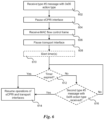
- Figure 2 illustrates one example in which one eCPRI message is mapped onto a transport network layer payload.
- the eCPRI message may be carried in an Ethernet frame and if the Ethernet interface is paused before pausing the eCPRI interface there will be no carrier for transporting the eCPRI messages.
- Ethernet being the transport interface for delivering eCPRI messages between the network nodes.
- eCPRI messages may be also carried in other transport interface payload (e.g. UDP/IP).
- the MAC flow control mechanism sends from the receiver node 504 to the sender node 502 message that cause pausing transmission over the transport network and the eCPRI interface is not aware of this pause the inventor realise that there is a need for a eCPRI mechanism to control the eCPRI traffic. This new mechanism must also co-ordinate eCPRI and its transport interface to manage delay.
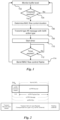
- FIG. 1 A flow chart illustrating an embodiment of a method for data packet delay management in a communications network connecting a sender node 502 over an eCPRI interface to a receiver node 504 in accordance with the present invention is presented in Figure 1 .
- the method in the embodiment illustrated in Figure 1 is performed at the receiver node 504 (i.e. the node receiving eCPRI traffic).
- the method comprises a step of monitoring a buffer level, 102, at a buffer receiving data from the sender node 502.
- the sender node 502 sends data faster that the receiver node 504 can process these data the buffer level at the receiver node 504 increases and this may result in buffer overflow if not handled early enough.
- threshold defined for the buffer which is defined below the full capacity of the buffer. This allows for some safety margin in case the flow control mechanism is delayed - packets received after crossing the threshold will still be processed and not dropped before the flow control starts.
- the value of the threshold is implementation specific.
- the method further comprises transmitting, 108, to the sender node 502 over the eCPRI interface at least one message comprising information indicative of length of time of a Medium Access Control, MAC, flow control and then, after a delay, 110, 112, transmitting 114 at least one MAC flow control frame to the sender node 502.
- MAC Medium Access Control
- PFC-PAUSE frame also covers the PAUSE frame defined in IEEE 802.3x unless stated otherwise.
- the message transmitted over eCPRI interface needs to be processed at both peer nodes (the receiver node 504, which transmits this message and the sender node 502, which receives this message). This is illustrated in Figures 5 and 7 . It takes t CV1 to process the eCPRI message at the sender node 502 and t CV2 at the received node.
- the values t CV1 and t CV2 may be described as time required at a sender node (or a receiver node for t CV2 ) from detecting a trigger to send a packet over the eCPRI interface until transmission of the packet over the eCPRI interface.
- the eCPRI specification in version 1.1 refers to t CV1 and t CV2 as compensation values.
- PFC-PAUSE frame is a MAC control message which do not suffer processing delays in the nodes and the t CV1 and t CV2 delays do not apply to PFC-PAUSE. This means that from a trigger to send PFC-PAUSE from the receiver node, 504, to the MAC pausing transmission at the sender node, 502, it takes only t D . The same considerations are applicable to the PAUSE frame defined in IEEE 802.3x.
- the internal operations at the receiver and sender nodes resulting in compensation values t CV2 and t CV1 are illustrated by arrows between points 1 and 2 as well as 4 and 5.
- the transfer time t D for the eCPRI message and the PFC-PAUSE is the same because in both cases it is an Ethernet frame (or another transport layer frame in an alternative embodiment). Similar considerations are applicable to embodiments with MAC flow control using a PAUSE frame defined in IEEE 802.3x.
- t CV2 > t CV1 .
- the receiver node 504 after the buffer level reaches the threshold, needs to generate and transmit in a co-ordinated succession two messages (eCPRI and PFC-PAUSE) and in some embodiments also determine the pause duration, whereas the sender node 502 only receives these messages when they arrive.
- This assumption enables an embodiment of the described method in which the PFC-PAUSE is delayed by 2t CV2 .
- This embodiment has the advantage that the receiver node, 504, knows its t CV2 value and does not need to obtain the t CV1 value from the sender node, 502.
- both the sender node, 502, and the receiver node, 504 have buffers where data is kept before sending (at the sender node) and after receiving (at the receiver node). These buffers allow for some misalignment of the beginning and end of the pause period between the transport interface and the eCPRI interface. Size of a buffer, which determines how big the misalignment may be, is implementation specific.
- the t CV1 value may be delivered by the sender node 502 to the receiver node 504 in one of known eCPRI messages.
- t CV1 may be delivered in eCPRI message type #5 One-Way Delay Measurement carrying an action types 0x00 or 0x05 as described in eCPRI specification, version 1.1.
- t CV1 value may be delivered in a different message, for example one of type #64 to type #255 Vendor Specific messages may be used.
- the MAC flow control may be a priority-based flow control, PFC, described earlier.
- the receiver node, 504 transmits one message comprising information indicative of length of time of the MAC flow control for at least one priority. Said message comprises a value indicative of a period of pause time requested for said at least one priority.
- the operation of transmitting, 114, the at least one MAC flow control frame comprises sending a PFC-PAUSE frame.
- the MAC flow control using PFC-PAUSE frame is described in IEEE 802.1Qbb and it specifies 8 priority levels. This allows operating MAC flow control on all or only on some priority levels while allowing traffic on remaining priority levels to continue.
- the present embodiment implements corresponding control (i.e. pausing) for the eCPRI interface. Therefore, once the buffer threshold at the receiver node, 504, is reached, 104-Yes, the method determines the MAC flow control duration for the various priority levels, 106.
- the MAC flow control duration e.g. priority enable vector and time vector for PFC-PAUSE mechanism
- the priority enable vector and time vector determined for the MAC flow control may be used for pausing the transport interface and the eCPRI interface at the sender node, 502. First, once the MAC flow control duration is determined (e.g.
- the receiver node, 504 transmits, 108, to the sender node 502 over the eCPRI interface one message comprising the information indicative of pause duration for the various priority levels determined in step 106 and then, after a delay, the receiver node, 504, transmits 114 a PFC-PAUSE frame comprising the same information indicative pause duration for the various priority levels determined in step 106.
- the PFC-PAUSE frame is sent to the sender node, 502.
- the information indicative of length of time of the MAC flow control in the embodiment in which the MAC flow control is the PFC described earlier may comprise a priority enable vector, 302, for indicating if MAC flow control should be enabled at specific priority levels of the plurality of priority levels and a plurality of time values, 304, corresponding to the plurality of priority levels as shown in Figure 3 .
- a combination of the priority enable vector, 302, value for a specific priority level and a corresponding time value, 304, for the same priority level indicates if and for how long MAC flow control will be enabled at this specific priority level.
- Priority enable vector, 302 acts like a switch indicating if eCPRI traffic should be paused at specific priority level.
- e[7] 0 indicates that eCPRI traffic at priority level 7 shall not be paused
- e[4] 1 indicates that eCPRI traffic at priority level 4 shall not be paused.
- the duration of the pause is encoded in the time vector 304 in the value corresponding to priority level 4, i.e. Time (4). In this way pause durations for all eight priority levels can be indicated.
- Each Time(n) field can assume a value in the range of 0 to 65535 pause quanta.
- the MAC flow control may be implemented in accordance with IEEE 802.3x and the method also comprises determining length of time of the MAC flow control, 106.
- the operation of transmitting, 108, over the eCPRI interface comprises transmitting one said message comprising information indicative of length of time of the MAC flow control and the operation of transmitting, 114, the at least one MAC flow control frame comprises sending a PAUSE frame.
- transport and eCPRI interface are paused at all priority levels.
- An alternative embodiment of the method of this invention is based on a variant of the IEEE 802.3x MAC flow control and the specific use of the PAUSE frame described earlier which is based on the known XOFF/XON flow control.
- the operation of transmitting, 108 comprises transmitting, 108-1, over the eCPRI interface a first message comprising information indicative of length of time of the MAC flow control in response to the buffer level increasing and reaching a XOFF threshold in step 104-1.
- the method comprises transmitting, 114-1, a XOFF frame.
- the XOFF message is sent with a delay which is determined in the same way as discussed earlier. This results in pausing the transport interface and the eCPRI interface at the same time.
- the method comprises transmitting, 108-2, over the eCPRI interface a second message comprising information indicative of length of time of the MAC flow control in response to the buffer level dropping to a XON threshold in step 104-2, this second message instructs the eCPRI interface to resume operation.
- the method comprises transmitting, 114-2, a XON frame.
- the XON frame is sent with a delay which is determined in the same way as discussed earlier. This results in resuming the transport interface and the eCPRI interface at the same time.
- FIG. 8 shows that the first eCPRI message and the XOFF message are sent in response to the buffer level increasing to a XOFF threshold and the pause of the transport and eCPRI interfaces is revoked when the buffer level decreases and a XON threshold is reached.
- the duration of the pause in advance it is enough to instruct eCPRI and transport interfaces at the sender node 502 when they should pause and when they should resume operation.
- the information indicative of length of time of the MAC flow control carried in said first message is set to a first value greater than zero, for example 65535 pause quanta, which is the maximum value allowed for the pause duration.
- the information indicative of length of time of the MAC flow control carried in said second message is set to zero.
- the second message is sent when the buffer level drops to the XON threshold and when the second message is received at the receiver node it interrupts the pause and resumes operation of the eCPRI interface. The same is applicable to the transport interface.
- 65535 pause quanta is disclosed here, but it would be clear to a person skilled in the art that other values (e.g. 65534) could be used too.
- the at least one message comprising information indicative of length of time of the MAC flow control may be an eCPRI message type #5 One-Way Delay Measurement described in eCPRI specification, version 1.1.
- the One-Way Delay Measurement message carries an action type 0x06 comprising the information indicative of length of time of the MAC flow control, for example the priority enable vector and time vector.
- the action type 0x06 in the eCPRI specification v.1.1 is reserved for future use and hence the eCPRI message type #5 One-Way Delay Measurement with the action type 0x06 can be used for delivering the information about an upcoming MAC flow control to a peer eCPRI interface.
- other standard eCPRI messages that have unassigned action types may be considered and used for delivering this information, for example one of type #64 to type #255 Vendor Specific messages may be used or eCPRI message type #7 Event Notification may be used.
- the action type 0x06 in the eCPRI message type #7 is reserved for future use and hence the type #7 Event Notification with the action type 0x06 can be used for delivering to a peer eCPRI interface the information about an upcoming MAC flow control.
- the receiver node for a downlink direction of transmission of the data packets the receiver node comprises a Radio Equipment, RE, node and for uplink direction of transmission of the data packets the receiver node comprises a Radio Equipment Control, REC, node.
- the downlink and uplink directions are determined with reference to wireless interface and the well-established naming convention in which downlink is the connection from a base station to user equipment and uplink direction is from the user equipment to the base station.
- Figure 6 illustrates an embodiment of the invention from the perspective of a sender node, 502.
- a method for data packet delay management in a communications network connecting the sender node, 502, over an eCPRI interface to a receiver node, 504 is disclosed.
- the method is performed at the sender node, 502, transmitting data packets to the receiver node, 504.
- the method comprises receiving, 602, from the receiver node over the eCPRI interface at least one message comprising information indicative of length of time of a MAC flow control.
- this message may be the standard eCPRI message type #5 One-Way Delay Measurement with action type 0x06 comprising the information indicative of length of time of the MAC flow control, for example in the form of a priority enable vector and time vector.
- the method also comprises receiving, 606, at least one MAC flow control frame from the receiver node, 504 (e.g. a PFC-FRAME).
- the method comprises pausing, 604, encapsulation of eCPRI packets and pausing, 608, transmission of traffic over a transport interface to the receiver node, 504.
- the receiver node, 504 coordinates sending the at least one eCPRI message comprising information indicative of length of time of a MAC flow control with sending the at least one MAC flow control frame by delaying sending the MAC flow control frame as explained earlier, the eCPRI and transport interfaces at the sender node are paused substantially at the same time. The exact timing of pausing of these interfaces depends on the embodiment of the method at the receiver node, 504. If the delay is taken to be t CV1 + t CV2 the two interfaces are paused at the same time. If the delay is taken to be 2t CV2 the pausing of these two interfaces will be somewhat misaligned, but this misalignment will be handled by the buffers as explained earlier and this will prevent dropping of packets. Corresponding considerations are applicable to embodiments in which XOFF and XON PAUSE frames are used as the MAC flow control frames.
- the operation of receiving, 602 the at least one message comprising information indicative of length of time of the MAC flow control comprises receiving over the eCPRI interface one said message comprising information indicative of length of time of the MAC flow control for at least one priority a value indicative of a period of pause time requested for said at least one priority.
- the PFC-PAUSE comprises a priority enable vector and a time vector and the eCPRI message uses this same format of notifying the sender node about the requested pause duration.
- the information indicative of length of time of the MAC flow control comprises carried in the eCPRI message comprises a priority enable vector, 302, for indicating if MAC flow control should be enabled at specific priority levels of a plurality of priority levels and a time vector comprising a plurality of time values, 304.
- These time values correspond to the plurality of priority levels, wherein a combination of the priority enable vector, 302, value for a specific priority level and a corresponding time value, 304, for the same priority level indicates if and for how long the MAC flow control will be enabled at this specific priority level.
- the values of the priority enable vector, 302, and the values of the time vector, 304 are the same in the eCPRI message and the PFC-PAUSE message.
- the eCPRI message received from the receiver node, 504 comprises information indicative of length of time of the MAC flow control which is the same as in the corresponding PAUSE frame received from the receiver node, 504.
- the operation of receiving, 602 the at least one eCPRI message comprises receiving over the eCPRI interface a first message comprising information indicative of length of time of the MAC flow control set to a first value greater than zero. In response to receiving said first message encapsulation of eCPRI packets is paused. The method also comprises receiving over the eCPRI interface a second message comprising information indicative of length of time of the MAC flow control set to zero. In response to receiving said second message encapsulation of eCPRI packets is resumed.
- the information indicative of length of time of the MAC flow control received in said first message is set to 65535 pause quanta, which is the maximum value allowed for the pause duration.
- the sender node, 502 may resume operation at eCPRI and transport interfaces in one of two ways.
- MAC flow control timers are started, 610, for the various priority levels based on the priority enable vector and time vector. Because the PFC-PAUSE operates based on only one eCPRI message indicating the length of MAC flow control the answer in step 616 will be No and the method loops back to checking if the timer expired, 612. This loop will continue to operate until timer for a given priority level expires, 612-Yes and the operation of the eCPRI interface (and also the transport interface) resumes, 614, at this priority level.
- a timer may be set, 610, to the value indicated in the first eCPRI message, but the operations of the eCPRI and transport interfaces are resumed when the second eCPRI message is received, 616 - Yes.
- This second eCPRI message takes priority over the first one and with the information indicative of the length of time of the MAC flow control set to zero causes the eCPRI and transport interfaces to resume their operations.
- the operations of the eCPRI and transport interfaces resumes either at the expiry of the timer, 612-Yes, or at reception of the second eCPRI message, 616-Yes.
- receiving the first eCPRI message comprising the information indicative of length of time of the MAC flow control set to 65535 pause quanta acts like a code-word and no timer is set.
- the method simply waits for receipt of a second eCPRI message carrying the information indicative of length of time of the MAC flow control set to zero, which cases the eCPRI and transport interfaces to resume their operations, 616-Yes.
- the eCPRI message comprising the information indicative of length of time of the MAC flow control may be an eCPRI message type #5 One-Way Delay Measurement carrying an action type 0x06, wherein said action type 0x06 comprises the information indicative of length of time of the MAC flow control.
- FIG. 9 illustrates one embodiment of a receiver node, 504, which implements the method for data packet delay management described earlier.
- the receiver node, 504 comprises a buffer, 906, and a physical interface, 910, for connecting the receiver node, 504, to a sender node over an eCPRI interface.
- the receiver node, 504, further comprises a processing circuitry, 902, and a memory, 904.
- the memory, 904, contains instructions executable by the processing circuitry, 902, such that the receiver node, 504, is operative to monitor a buffer level at a buffer, 906, receiving data from the sender node, 502.
- the receiver node When the buffer level reaches a threshold the receiver node is operative to transmit to the sender node over the eCPRI interface at least one message comprising information indicative of length of time of a Medium Access Control, MAC, flow control and send at least one MAC flow control frame to the sender node with a delay.
- the receiver node, 504 may include processing circuitry (one or more than processor), 902, coupled to the physical interface(s), 910, and to the memory 904.
- the receiver node may comprise more than one interface.
- one interface may the an Ethernet interface for connecting to the sender node and another interface may be provided for the network operator to perform management operations on the receiver node.
- the physical interface(s) 910, the processor(s) 902, and the memory 904 may be connected in series as illustrated in Figure 9 .
- these components 902, 904 and 910 may be coupled to an internal bus system of the receiver node, 504.
- the memory 904 may include a Read-Only-Memory (ROM), e.g., a flash ROM, a Random Access Memory (RAM), e.g., a Dynamic RAM (DRAM) or Static RAM (SRAM), a mass storage, e.g., a hard disk or solid state disk, or the like.
- ROM Read-Only-Memory
- RAM Random Access Memory
- SRAM Static RAM
- the memory, 904 may include software, 912, and/or control parameters, 914.
- the memory, 904, may include suitably configured program code to be executed by the processor(s), 902, so as to implement the above-described method as explained in connection with Figures 1-8 .
- the at least one message comprising information indicative of length of time of the MAC flow control may be an eCPRI message type #5 One-Way Delay Measurement described in eCPRI specification, version 1.1.
- the One-Way Delay Measurement message carries an action type 0x06 comprising the information indicative of length of time of the MAC flow control.
- the MAC flow control is implemented using the known priority-based flow control, PFC-PAUSE mechanism, described in IEEE 802.1Qbb standard.
- the information indicative of length of time of a MAC flow control i.e. pause duration
- PFC-PAUSE the known priority-based flow control
- the information indicative of length of time of a MAC flow control is delivered using priority enable vector and time vector known from PFC-PAUSE.
- the MAC flow control is implemented using the known PAUSE mechanism described in IEEE 802.3x standard.
- the pause duration is delivered in this embodiment explicitly as a value between 0 to 65535 pause quanta. Priority of different classes of service is not considered in this embodiment.
- a variant of the IEEE 802.3x PAUSE mechanism is similar to the well-known XOFF/XON flow control.
- a first PAUSE frame (corresponding to XOFF) carries a large value defining the pause duration (e.g. the max allowed 65535 pause quanta) and a second PAUSE frame carries a pause time value of zero.
- the second PAUSE frame (corresponding to XON) overrides the first one if the pause duration imposed by the first PAUSE frame has not expired yet. Pause duration of zero imposed by the second PAUSE frame in effect resumes operation of the transport interface. (And the same happens on the eCPRI interface.)
- the delay is equal to t CV2 + t CV1 and in alternative embodiment the delay is equal to 2t CV2 .
- the delay is measured with reference to the trigger for the eCPRI message. The delay was discussed in detail earlier in this document in description of embodiments of the method.
- Figure 10 illustrates one embodiment of a sender node, 502, for use in a communications network.
- the sender node, 502 comprises a physical interface, 1010, for connecting the sender node, 502, to a receiver node, 504, over an eCPRI interface.
- the sender node further comprises a processing circuitry, 1002, and a memory, 1004.
- the memory, 1004 contain, instructions executable by the processing circuitry, 1002, such that the sender node, 502, is operative to receive from the receiver node, 504, over the eCPRI interface at least one message comprising information indicative of length of time of MAC flow control and to pause encapsulation of eCPRI packets in response to receiving a first one of said at least one message comprising information indicative of length of time of a MAC flow control.
- the sender node, 502 is also operative to receive at least one MAC flow control frame and pause transmission of traffic over a transport interface to the receiver node in response to receiving a first one of said at least one MAC flow control frame.
- the sender node, 502 has a buffer, 1006, where data is kept before sending. Using a buffer prevents dropping packets when traffic fluctuates (jitter). Having buffers at both sender, 502, and receiver, 504, nodes allow for some misalignment of the beginning and end of the pause period between the transport interface and the eCPRI interface and in consequence for using at the receiver node, 504, a delay equal to 2t CV2 as described earlier.
- the physical interface(s) 1010, processor(s) 1002, buffer 1006 and memory 1004 may be connected in series as illustrated in Figure 10 .
- these components 1002, 1004, 1006 and 1010 may be coupled to an internal bus system of the sender node, 504.
- the memory, 904, may include software, 912, and/or control parameters, 914.
- the memory, 1004, may include suitably configured program code to be executed by the processor(s), 1002, so as to implement the above-described method as explained in connection with Figures 1 - 8 .
- the implementation details discussed in description of the receiver node, 504, are also applicable to the sender node, 502.
- the structures as illustrated in Figures 9 and 10 are merely schematic and that the receiver node, 504, and the sender node, 502, may actually include further components which, for the sake of clarity, have not been illustrated, e.g., further interfaces or processors. Also, it is to be understood that the memory, 904, 1004, may include further program code for implementing other and/or known functionalities.
- a computer program may be provided for implementing functionalities of the receiver and sender nodes, 504 and 502, e.g., in the form of a physical medium storing the program code and/or other data to be stored in the memory 904 or 1004, or by making the program code available for download or by streaming.
- the receiver and sender nodes, 504 and 502 may be provided as virtual nodes.
- the receiver and sender nodes, 504 and 502 may be provided in distributed resources, such as in cloud resources.
- the memory, 904 and 1004, processing circuitry, 902 and 1002, and physical interface(s), 910 and 1010 may be provided as functional elements.
- the functional elements may be distributed in a logical network and not necessarily be directly physically connected.
- the receiver and sender nodes, 504 and 502 may be provided as single-node devices, or as a multi-node system.
- FIG 11 illustrates an alternative embodiment of a receiver node, 1100, for use in packet delay management in a communications network.
- the receiver node, 1100 comprises a buffer, 1104, and a physical interface, 1110, for connecting the receiver node to a sender node over an eCPRI interface.
- the receiver node, 1100 also comprises a controller, 1102, for monitoring a buffer level at the buffer, 1104, receiving data from the sender node.
- the receiver node, 1100 also comprises an eCPRI interface, 1106, for transmitting to the sender node at least one message comprising information indicative of length of time of a Medium Access Control, MAC, flow control in response to the buffer level reaching a threshold and a transport network interface, 1108, for sending at least one MAC flow control frame to the sender node with a delay.
- eCPRI interface 1106 for transmitting to the sender node at least one message comprising information indicative of length of time of a Medium Access Control, MAC, flow control in response to the buffer level reaching a threshold and a transport network interface, 1108, for sending at least one MAC flow control frame to the sender node with a delay.
- MAC Medium Access Control
- FIG. 12 illustrates an alternative embodiment of a sender node, 1200, for use in packet delay management in a communications network.
- the sender node comprises a physical interface, 1210, for connecting the sender node to a receiver node over an eCPRI interface.
- the sender node further comprises an eCPRI interface, 1206, for receiving from the receiver node at least one message comprising information indicative of length of time of a Medium Access Control, MAC, flow control and a first controller, 1202, for pausing encapsulation of eCPRI packets in response to receiving a first one of said at least one message comprising information indicative of length of time of a MAC flow control.
- the sender node also comprises a transport network interface, 1208, for receiving at least one MAC flow control frame and a second controller, 1212, for pausing transmission of traffic over the transport interface to the receiver node in response to receiving a first one of said at least one MAC flow control frame.
- the sender node, 1200 comprises a buffer, 1204, where data is kept before sending.
- a buffer prevents dropping packets when traffic fluctuates (e.g. due to jitter).
- nodes allow for some misalignment of the beginning and end of the pause period between the transport interface and the eCPRI interface and in consequence for using at the receiver node, 1100, a delay equal to 2t CV2 as described earlier.
- the receiver node, 1100, and the sender node, 1200 are operable to implement embodiments of the methods performed at receiver and sender nodes in embodiments described earlier.
- the methods of the present disclosure may be implemented in hardware, or as software modules running on one or more processors. The methods may also be carried out according to the instructions of a computer program, and the present disclosure also provides a computer readable medium having stored thereon a program for carrying out any of the methods described herein.
- a computer program embodying the disclosure may be stored on a computer readable medium, or it could, for example, be in the form of a signal such as a downloadable data signal provided from an Internet website, or it could be in any other form.
Landscapes
- Engineering & Computer Science (AREA)
- Computer Networks & Wireless Communication (AREA)
- Signal Processing (AREA)
- Environmental & Geological Engineering (AREA)
- Small-Scale Networks (AREA)
- Communication Control (AREA)
- Mobile Radio Communication Systems (AREA)
Claims (13)
- Verfahren zur Verwaltung von Datenpaketverzögerung in einem Kommunikationsnetzwerk, das einen Senderknoten über eine Common-Public-Radio-Interface-,eCPRI-, Schnittstelle mit einem Empfängerknoten verbindet, wobei das Verfahren an dem Empfängerknoten, der Datenpakete vom Senderknoten empfängt, durchgeführt wird und die folgenden Schritte umfasst:- Überwachen (102) eines Pufferstands an einem Puffer, der Daten vom Senderknoten empfängt;- wobei das Verfahren, wenn der Pufferstand eine Schwelle erreicht (104), ferner umfasst:∘ Übertragen (108) mindestens einer Nachricht mit Informationen, die eine Länge von Zeit einer Medium-Access-Control-,MAC-, Flusssteuerung angeben, über die eCPRI-Schnittstelle an einen Senderknoten, um dadurch anzugeben, dass eine Dauerverkapselung von eCPRI-Paketen am Senderknoten pausiert werden soll;∘ Übertragen (114) mindestens eines MAC-Flusssteuerungsrahmens mit einer Verzögerung, die ab dem Übertragen der mindestens einen über die eCPRI-Schnittstelle gesendeten Nachricht gemessen wird, an den Senderknoten, wobei die Verzögerung auf einer Zeit basiert, die am Senderknoten (502) benötigt wird, um die mindestens eine über die eCPRI-Schnittstelle gesendete Nachricht zu verarbeiten.
- Verfahren nach Anspruch 1, wobei das Verfahren, wenn die MAC-Flusssteuerung eine prioritätsbasierte Flusssteuerung, PFC, ist, ein Bestimmen (106) einer Länge von Zeit der MAC-Flusssteuerung umfasst und der Vorgang des Übertragens über die eCPRI-Schnittstelle ein Übertragen der einen Nachricht mit Informationen umfasst, die eine Länge von Zeit der MAC-Flusssteuerung für mindestens eine Priorität angeben, wobei die Nachricht einen Wert umfasst, der eine Pausenzeitperiode angibt, die für die mindestens eine Priorität angefordert wird, und der Vorgang des Übertragens des mindestens einen MAC-Flusssteuerungsrahmens ein Übertragen eines PFC-PAUSE-Rahmens umfasst.
- Verfahren nach Anspruch 1 oder 2, wobei die Informationen, die eine Länge von Zeit der MAC-Flusssteuerung angeben, umfassen:- einen Prioritätsaktivierungsvektor (302) zum Angeben, ob MAC-Flusssteuerung auf spezifischen Prioritätsstufen einer Mehrzahl von Prioritätsstufen aktiviert werden sollte; und- einen Zeitvektor (304), der eine Mehrzahl von Zeitwerten umfasst, die der Mehrzahl von Prioritätsstufen entspricht, wobei eine Kombination des Prioritätsaktivierungsvektorwerts für eine spezifische Prioritätsstufe und eines entsprechenden Zeitwerts für dieselbe Prioritätsstufe angibt, ob und für wie lange MAC-Flusssteuerung auf dieser spezifischen Prioritätsstufe aktiviert werden wird.
- Verfahren nach einem der vorhergehenden Ansprüche, wobei die mindestens eine Nachricht mit Informationen, die eine Länge von Zeit der MAC-Flusssteuerung angeben, eine eCPRI-Nachricht Typ Nr. 5 One-Way Delay Measurement umfasst, die eine Aktion Typ 0x06 übermittelt, wobei die Aktion Typ 0x06 die Informationen umfasst, die eine Länge von Zeit der MAC-Flusssteuerung angeben (108, 108-1).
- Verfahren zur Verwaltung von Datenpaketverzögerung in einem Kommunikationsnetzwerk, das einen Senderknoten über eine Common-Public-Radio-Interface-,eCPRI-, Schnittstelle mit einem Empfängerknoten verbindet, wobei das Verfahren an dem Senderknoten, der Datenpakete an den Empfängerknoten überträgt, durchgeführt wird und die folgenden Schritte umfasst:- Empfangen (602) mindestens einer Nachricht mit Informationen, die eine Länge von Zeit einer Medium-Access-Control-,MAC-,Flusssteuerung angeben, über die eCPRI-Schnittstelle vom Empfängerknoten, um dadurch anzugeben, dass eine Dauerverkapselung von eCPRI-Paketen am Senderknoten pausiert werden soll;- Pausieren (604) der Verkapselung von eCPRI-Paketen in Reaktion auf den Empfang einer ersten der mindestens einen Nachricht mit Informationen, die eine Länge von Zeit einer MAC-Flusssteuerung angeben;- Empfangen (606) mindestens eines MAC-Flusssteuerungsrahmens;- Pausieren (608) der Übertragung von Verkehr über eine Transportschnittstelle an den Empfängerknoten in Reaktion auf den Empfang eines ersten des mindestens einen MAC-Flusssteuerungsrahmens.
- Verfahren nach Anspruch 5, wobei, wenn die MAC-Flusssteuerung eine prioritätsbasierte Flusssteuerung, PFC, ist, der Vorgang des Empfangens der mindestens einen Nachricht mit Informationen, die eine Länge von Zeit der MAC-Flusssteuerung angeben, ein Empfangen der einen Nachricht mit Informationen, die eine Länge von Zeit der MAC-Flusssteuerung für mindestens eine Priorität angeben, über die eCPRI-Schnittstelle umfasst, wobei die Nachricht einen Wert umfasst, der eine Pausenzeitperiode angibt, die für die mindestens eine Priorität angefordert wird.
- Verfahren nach Anspruch 5 oder 6, wobei die Informationen, die eine Länge von Zeit der MAC-Flusssteuerung angeben, umfassen:- einen Prioritätsaktivierungsvektor (302) zum Angeben, ob MAC-Flusssteuerung auf spezifischen Prioritätsstufen einer Mehrzahl von Prioritätsstufen aktiviert werden sollte; und- einen Zeitvektor (304), der eine Mehrzahl von Zeitwerten umfasst, die der Mehrzahl von Prioritätsstufen entspricht, wobei eine Kombination des Prioritätsaktivierungsvektorwerts für eine spezifische Prioritätsstufe und eines entsprechenden Zeitwerts für dieselbe Prioritätsstufe angibt, ob und für wie lange MAC-Flusssteuerung auf dieser spezifischen Prioritätsstufe aktiviert werden wird.
- Empfängerknoten (504) zur Verwendung in einem Kommunikationsnetzwerk, wobei der Empfängerknoten (504) einen Puffer (906) und eine physische Schnittstelle (910) zum Verbinden des Empfängerknotens (504) über eine Common-Public-Radio-Interface-,eCPRI-, Schnittstelle mit einem Senderknoten umfasst, wobei der Empfängerknoten (504) ferner eine Verarbeitungsschaltungsanordnung (902) und einen Speicher (904) umfasst, wobei der Speicher (904) Anweisungen enthält, die von der Verarbeitungsschaltungsanordnung (902) ausgeführt werden können, sodass der Empfängerknoten (504) ausgelegt ist zum:- Überwachen eines Pufferstands an einem Puffer, der Daten vom Senderknoten empfängt;- wobei der Empfängerknoten, wenn der Pufferstand eine Schwelle erreicht, ausgelegt ist zum:∘ Übertragen mindestens einer Nachricht mit Informationen, die eine Länge von Zeit einer Medium-Access-Control-,MAC-,Flusssteuerung angeben, über die eCPRI-Schnittstelle an einen Senderknoten, um dadurch anzugeben, dass eine Dauerverkapselung von eCPRI-Paketen am Senderknoten pausiert werden soll;∘ Übertragen mindestens eines MAC-Flusssteuerungsrahmen mit einer Verzögerung, die ab dem Übertragen der mindestens einen über die eCPRI-Schnittstelle gesendeten Nachricht gemessen wird, an den Senderknoten, wobei die Verzögerung auf einer Zeit basiert, die am Senderknoten (502) benötigt wird, um die mindestens eine über die eCPRI-Schnittstelle gesendete Nachricht zu verarbeiten.
- Empfängerknoten (504) nach Anspruch 8, wobei der Empfängerknoten so ausgelegt ist, dass er, wenn die MAC-Flusssteuerung eine prioritätsbasierte Flusssteuerung, PFC, ist, eine Länge von Zeit der MAC-Flusssteuerung bestimmt und die eine Nachricht mit Informationen, die eine Länge von Zeit der MAC-Flusssteuerung für mindestens eine Priorität angeben, über die eCPRI-Schnittstelle überträgt, wobei die Nachricht einen Wert umfasst, der eine Pausenzeitperiode angibt, die für die mindestens eine Priorität angefordert wird, und ferner so ausgelegt ist, dass er einen PFC-PAUSE-Rahmen überträgt.
- Empfängerknoten (504) nach Anspruch 8, wobei der Empfängerknoten so ausgelegt ist, dass er, wenn die MAC-Flusssteuerung eine PAUSE-Flusssteuerung ist, eine Länge von Zeit der MAC-Flusssteuerung bestimmt und die eine Nachricht mit Informationen, die eine Länge von Zeit der MAC-Flusssteuerung für mindestens eine Priorität angeben, über die eCPRI-Schnittstelle überträgt und mindestens einen PAUSE-Rahmen überträgt.
- Senderknoten (502) zur Verwendung in einem Kommunikationsnetzwerk, wobei der Senderknoten (502) eine physische Schnittstelle (1010) zum Verbinden des Senderknotens (502) über eine Common-Public-Radio-Interface-,eCPRI-,Schnittstelle mit einem Empfängerknoten umfasst, wobei der Senderknoten (502) ferner eine Verarbeitungsschaltungsanordnung (1002) und einen Speicher (1004) umfasst, wobei der Speicher (1004) Anweisungen enthält, die von der Verarbeitungsschaltungsanordnung (1002) ausgeführt werden können, sodass der Senderknoten (502) ausgelegt ist zum:- Empfangen mindestens einer Nachricht mit Informationen, die eine Länge von Zeit einer Medium-Access-Control-,MAC-,Flusssteuerung angeben, über die eCPRI-Schnittstelle vom Empfängerknoten, um dadurch anzugeben, dass eine Dauerverkapselung von eCPRI-Paketen am Senderknoten pausiert werden soll;- Pausieren der Verkapselung von eCPRI-Paketen in Reaktion auf den Empfang einer ersten der mindestens einen Nachricht mit Informationen, die eine Länge von Zeit einer MAC-Flusssteuerung angeben;- Empfangen mindestens eines MAC-Flusssteuerungsrahmens;- Pausieren der Übertragung von Verkehr über eine Transportschnittstelle an den Empfängerknoten in Reaktion auf den Empfang eines ersten des mindestens einen MAC-Flusssteuerungsrahmens.
- Senderknoten (502) nach Anspruch 11, wobei der Senderknoten so ausgelegt ist, dass er, wenn die MAC-Flusssteuerung eine prioritätsbasierte Flusssteuerung, PFC, ist, die eine Nachricht mit Informationen, die eine Länge von Zeit der MAC-Flusssteuerung für mindestens eine Priorität angeben, über die eCPRI-Schnittstelle empfängt, wobei die Nachricht einen Wert umfasst, der eine Pausenzeitperiode angibt, die für die mindestens eine Priorität angefordert wird.
- Senderknoten (502) nach Anspruch 11 oder 12, wobei die Informationen, die eine Länge von Zeit der MAC-Flusssteuerung angeben, umfassen:- einen Prioritätsaktivierungsvektor zum Angeben, ob MAC-Flusssteuerung auf spezifischen Prioritätsstufen einer Mehrzahl von Prioritätsstufen aktiviert werden sollte; und- einen Zeitvektor, der eine Mehrzahl von Zeitwerten umfasst, die der Mehrzahl von Prioritätsstufen entspricht, wobei eine Kombination des Prioritätsaktivierungsvektorwerts für eine spezifische Prioritätsstufe und eines entsprechenden Zeitwerts für dieselbe Prioritätsstufe angibt, ob und für wie lange MAC-Flusssteuerung auf dieser spezifischen Prioritätsstufe aktiviert werden wird.
Applications Claiming Priority (1)
| Application Number | Priority Date | Filing Date | Title |
|---|---|---|---|
| PCT/CN2018/121406 WO2020124303A1 (en) | 2018-12-17 | 2018-12-17 | METHOD AND APPARATUS FOR PACKET DELAY MANAGEMENT IN eCPRI NETWORK |
Publications (3)
| Publication Number | Publication Date |
|---|---|
| EP3900282A1 EP3900282A1 (de) | 2021-10-27 |
| EP3900282A4 EP3900282A4 (de) | 2021-12-29 |
| EP3900282B1 true EP3900282B1 (de) | 2024-04-03 |
Family
ID=71100079
Family Applications (1)
| Application Number | Title | Priority Date | Filing Date |
|---|---|---|---|
| EP18943896.3A Active EP3900282B1 (de) | 2018-12-17 | 2018-12-17 | Verfahren und vorrichtung zur paketverzögerungsverwaltung in einem ecpri-netzwerk |
Country Status (4)
| Country | Link |
|---|---|
| US (1) | US20220046465A1 (de) |
| EP (1) | EP3900282B1 (de) |
| CN (1) | CN113647068B (de) |
| WO (1) | WO2020124303A1 (de) |
Families Citing this family (7)
| Publication number | Priority date | Publication date | Assignee | Title |
|---|---|---|---|---|
| US11381512B1 (en) * | 2019-12-10 | 2022-07-05 | Cisco Technology, Inc. | Priority-based flow control messaging for port extender |
| CN113300975A (zh) * | 2020-07-20 | 2021-08-24 | 阿里巴巴集团控股有限公司 | 网络设备的控制方法、网络传输的方法、装置及设备 |
| CN114448566B (zh) * | 2021-12-31 | 2024-07-05 | 华为技术有限公司 | 一种数据交换的方法、交换装置和处理装置 |
| US12212493B2 (en) | 2022-05-04 | 2025-01-28 | Cisco Technology, Inc. | Inducing delay from a peer node to quantify latency-based behavior |
| US12580840B2 (en) * | 2023-04-18 | 2026-03-17 | Keysight Technologies, Inc. | Methods, systems, and computer readable media for link multiplexing and forwarding packets in a test environment |
| US12010028B1 (en) * | 2023-05-17 | 2024-06-11 | Huawei Technologies Co., Ltd. | Method and apparatus for proactively forming flowlets for a flow in communication network |
| CN121098395B (zh) * | 2025-11-13 | 2026-02-06 | 南京典格信息技术有限公司 | 一种馈电基带快速动态频偏补偿方法和装置 |
Family Cites Families (10)
| Publication number | Priority date | Publication date | Assignee | Title |
|---|---|---|---|---|
| US7649843B2 (en) * | 2004-02-09 | 2010-01-19 | Transwitch Corporation | Methods and apparatus for controlling the flow of multiple signal sources over a single full duplex ethernet link |
| CN103139088A (zh) * | 2011-11-28 | 2013-06-05 | 华为技术有限公司 | 控制通信接口传输速率的方法和网络设备 |
| WO2013132135A1 (en) * | 2012-03-08 | 2013-09-12 | Nokia Corporation | Improving efficiency in wireless network |
| CN105519167B (zh) * | 2013-07-04 | 2020-01-14 | 韩国电子通信研究院 | 移动通信系统中用于支持多连接的控制方法和用于支持多连接的设备 |
| US9112544B2 (en) * | 2013-11-27 | 2015-08-18 | Freescale Semiconductor, Inc. | Processing data flows over a single common public radio interface |
| US11652730B2 (en) * | 2016-08-23 | 2023-05-16 | Telefonaktiebolaget Lm Ericsson (Publ) | Selective processing of traffic flows based on latency requirements |
| EP3556064B1 (de) * | 2016-12-19 | 2021-09-22 | Telefonaktiebolaget LM Ericsson (publ) | Verfahren zur steuerung von verkehrsflüssen in einem funkkommunikationsnetz, funkknoten und funkkommunikationsnetz |
| US10142094B2 (en) * | 2017-01-24 | 2018-11-27 | Futurewei Technologies, Inc. | Synchronization error reduction in common public radio interface (CPRI) passive optical networks (PONs) |
| US10009673B1 (en) * | 2017-09-15 | 2018-06-26 | Futurewei Technologies, Inc. | Efficient CPRI transmission |
| CN109005557B (zh) * | 2018-09-26 | 2021-12-07 | 中兴通讯股份有限公司 | 一种时延对称性测量方法、装置和系统 |
-
2018
- 2018-12-17 EP EP18943896.3A patent/EP3900282B1/de active Active
- 2018-12-17 WO PCT/CN2018/121406 patent/WO2020124303A1/en not_active Ceased
- 2018-12-17 CN CN201880100701.9A patent/CN113647068B/zh active Active
- 2018-12-17 US US17/415,523 patent/US20220046465A1/en not_active Abandoned
Also Published As
| Publication number | Publication date |
|---|---|
| US20220046465A1 (en) | 2022-02-10 |
| WO2020124303A1 (en) | 2020-06-25 |
| CN113647068B (zh) | 2024-05-10 |
| EP3900282A1 (de) | 2021-10-27 |
| CN113647068A (zh) | 2021-11-12 |
| EP3900282A4 (de) | 2021-12-29 |
Similar Documents
| Publication | Publication Date | Title |
|---|---|---|
| WO2020124303A1 (en) | METHOD AND APPARATUS FOR PACKET DELAY MANAGEMENT IN eCPRI NETWORK | |
| US10038639B2 (en) | Congestion control based on flow control | |
| US10334608B2 (en) | Method and apparatus for dual connectivity | |
| US10412634B2 (en) | Predictive adaptive queue management | |
| US11864022B2 (en) | Buffer status reporting in wireless communication systems | |
| CN108702332B (zh) | 电信网络中的拥塞控制 | |
| US10111130B2 (en) | Supporting delivery of data packets using transmission control protocol in a wireless communication network | |
| US11309950B2 (en) | Data transmission method and apparatus | |
| US20180279322A1 (en) | Service Data Packet Processing Method And Apparatus | |
| WO2016008399A1 (en) | Flow control | |
| US12120169B2 (en) | Edge node control | |
| CN116326142B (zh) | 小数据传输的配置 | |
| US20250379828A1 (en) | Methods for signaling over control plane for dropping indication of extended reality traffic data | |
| CN110505163B (zh) | 传输报文的方法和装置 | |
| KR20070091068A (ko) | 무선 망에서 데이터 처리장치 및 방법 | |
| US11871282B2 (en) | Method for preserving a data transmission rate of a terminal in a communications network | |
| JP6973511B2 (ja) | 通信装置、通信システム、通信方法及びプログラム | |
| JP3454998B2 (ja) | 通信システム | |
| WO2025091440A1 (en) | Discard notifying | |
| CN116569597B (zh) | 资源调度方法和装置 | |
| EP2942916A1 (de) | Zugangskonfliktvermeidung in paketvermittelten Netzwerkeinrichtungen |
Legal Events
| Date | Code | Title | Description |
|---|---|---|---|
| STAA | Information on the status of an ep patent application or granted ep patent |
Free format text: STATUS: THE INTERNATIONAL PUBLICATION HAS BEEN MADE |
|
| PUAI | Public reference made under article 153(3) epc to a published international application that has entered the european phase |
Free format text: ORIGINAL CODE: 0009012 |
|
| STAA | Information on the status of an ep patent application or granted ep patent |
Free format text: STATUS: REQUEST FOR EXAMINATION WAS MADE |
|
| 17P | Request for examination filed |
Effective date: 20210618 |
|
| AK | Designated contracting states |
Kind code of ref document: A1 Designated state(s): AL AT BE BG CH CY CZ DE DK EE ES FI FR GB GR HR HU IE IS IT LI LT LU LV MC MK MT NL NO PL PT RO RS SE SI SK SM TR |
|
| A4 | Supplementary search report drawn up and despatched |
Effective date: 20211201 |
|
| RIC1 | Information provided on ipc code assigned before grant |
Ipc: H04L 12/823 20130101ALN20211125BHEP Ipc: H04W 28/02 20090101ALN20211125BHEP Ipc: H04W 88/08 20090101ALI20211125BHEP Ipc: H04L 12/835 20130101ALI20211125BHEP Ipc: H04L 12/26 20060101ALI20211125BHEP Ipc: H04L 12/825 20130101ALI20211125BHEP Ipc: H04L 12/801 20130101AFI20211125BHEP |
|
| DAV | Request for validation of the european patent (deleted) | ||
| DAX | Request for extension of the european patent (deleted) | ||
| RAP3 | Party data changed (applicant data changed or rights of an application transferred) |
Owner name: TELEFONAKTIEBOLAGET LM ERICSSON (PUBL) |
|
| REG | Reference to a national code |
Ref country code: DE Ref legal event code: R079 Free format text: PREVIOUS MAIN CLASS: H04L0012801000 Ipc: H04W0088080000 Ref document number: 602018067735 Country of ref document: DE |
|
| GRAP | Despatch of communication of intention to grant a patent |
Free format text: ORIGINAL CODE: EPIDOSNIGR1 |
|
| STAA | Information on the status of an ep patent application or granted ep patent |
Free format text: STATUS: GRANT OF PATENT IS INTENDED |
|
| RIC1 | Information provided on ipc code assigned before grant |
Ipc: H04L 47/32 20220101ALN20231102BHEP Ipc: H04W 28/02 20090101ALN20231102BHEP Ipc: H04L 43/16 20220101ALI20231102BHEP Ipc: H04L 47/26 20220101ALI20231102BHEP Ipc: H04L 47/30 20220101ALI20231102BHEP Ipc: H04L 47/263 20220101ALI20231102BHEP Ipc: H04L 43/0876 20220101ALI20231102BHEP Ipc: H04L 43/0852 20220101ALI20231102BHEP Ipc: H04W 88/08 20090101AFI20231102BHEP |
|
| RIC1 | Information provided on ipc code assigned before grant |
Ipc: H04L 47/32 20220101ALN20231103BHEP Ipc: H04W 28/02 20090101ALN20231103BHEP Ipc: H04L 43/16 20220101ALI20231103BHEP Ipc: H04L 47/26 20220101ALI20231103BHEP Ipc: H04L 47/30 20220101ALI20231103BHEP Ipc: H04L 47/263 20220101ALI20231103BHEP Ipc: H04L 43/0876 20220101ALI20231103BHEP Ipc: H04L 43/0852 20220101ALI20231103BHEP Ipc: H04W 88/08 20090101AFI20231103BHEP |
|
| INTG | Intention to grant announced |
Effective date: 20231124 |
|
| GRAS | Grant fee paid |
Free format text: ORIGINAL CODE: EPIDOSNIGR3 |
|
| GRAA | (expected) grant |
Free format text: ORIGINAL CODE: 0009210 |
|
| STAA | Information on the status of an ep patent application or granted ep patent |
Free format text: STATUS: THE PATENT HAS BEEN GRANTED |
|
| AK | Designated contracting states |
Kind code of ref document: B1 Designated state(s): AL AT BE BG CH CY CZ DE DK EE ES FI FR GB GR HR HU IE IS IT LI LT LU LV MC MK MT NL NO PL PT RO RS SE SI SK SM TR |
|
| REG | Reference to a national code |
Ref country code: GB Ref legal event code: FG4D |
|
| REG | Reference to a national code |
Ref country code: CH Ref legal event code: EP |
|
| REG | Reference to a national code |
Ref country code: IE Ref legal event code: FG4D |
|
| REG | Reference to a national code |
Ref country code: DE Ref legal event code: R096 Ref document number: 602018067735 Country of ref document: DE |
|
| REG | Reference to a national code |
Ref country code: LT Ref legal event code: MG9D |
|
| REG | Reference to a national code |
Ref country code: NL Ref legal event code: MP Effective date: 20240403 |
|
| REG | Reference to a national code |
Ref country code: AT Ref legal event code: MK05 Ref document number: 1673806 Country of ref document: AT Kind code of ref document: T Effective date: 20240403 |
|
| PG25 | Lapsed in a contracting state [announced via postgrant information from national office to epo] |
Ref country code: NL Free format text: LAPSE BECAUSE OF FAILURE TO SUBMIT A TRANSLATION OF THE DESCRIPTION OR TO PAY THE FEE WITHIN THE PRESCRIBED TIME-LIMIT Effective date: 20240403 |
|
| PG25 | Lapsed in a contracting state [announced via postgrant information from national office to epo] |
Ref country code: NL Free format text: LAPSE BECAUSE OF FAILURE TO SUBMIT A TRANSLATION OF THE DESCRIPTION OR TO PAY THE FEE WITHIN THE PRESCRIBED TIME-LIMIT Effective date: 20240403 |
|
| PG25 | Lapsed in a contracting state [announced via postgrant information from national office to epo] |
Ref country code: IS Free format text: LAPSE BECAUSE OF FAILURE TO SUBMIT A TRANSLATION OF THE DESCRIPTION OR TO PAY THE FEE WITHIN THE PRESCRIBED TIME-LIMIT Effective date: 20240803 |
|
| PG25 | Lapsed in a contracting state [announced via postgrant information from national office to epo] |
Ref country code: BG Free format text: LAPSE BECAUSE OF FAILURE TO SUBMIT A TRANSLATION OF THE DESCRIPTION OR TO PAY THE FEE WITHIN THE PRESCRIBED TIME-LIMIT Effective date: 20240403 |
|
| PG25 | Lapsed in a contracting state [announced via postgrant information from national office to epo] |
Ref country code: HR Free format text: LAPSE BECAUSE OF FAILURE TO SUBMIT A TRANSLATION OF THE DESCRIPTION OR TO PAY THE FEE WITHIN THE PRESCRIBED TIME-LIMIT Effective date: 20240403 Ref country code: FI Free format text: LAPSE BECAUSE OF FAILURE TO SUBMIT A TRANSLATION OF THE DESCRIPTION OR TO PAY THE FEE WITHIN THE PRESCRIBED TIME-LIMIT Effective date: 20240403 |
|
| PG25 | Lapsed in a contracting state [announced via postgrant information from national office to epo] |
Ref country code: GR Free format text: LAPSE BECAUSE OF FAILURE TO SUBMIT A TRANSLATION OF THE DESCRIPTION OR TO PAY THE FEE WITHIN THE PRESCRIBED TIME-LIMIT Effective date: 20240704 |
|
| PG25 | Lapsed in a contracting state [announced via postgrant information from national office to epo] |
Ref country code: PT Free format text: LAPSE BECAUSE OF FAILURE TO SUBMIT A TRANSLATION OF THE DESCRIPTION OR TO PAY THE FEE WITHIN THE PRESCRIBED TIME-LIMIT Effective date: 20240805 |
|
| PG25 | Lapsed in a contracting state [announced via postgrant information from national office to epo] |
Ref country code: ES Free format text: LAPSE BECAUSE OF FAILURE TO SUBMIT A TRANSLATION OF THE DESCRIPTION OR TO PAY THE FEE WITHIN THE PRESCRIBED TIME-LIMIT Effective date: 20240403 |
|
| PG25 | Lapsed in a contracting state [announced via postgrant information from national office to epo] |
Ref country code: CZ Free format text: LAPSE BECAUSE OF FAILURE TO SUBMIT A TRANSLATION OF THE DESCRIPTION OR TO PAY THE FEE WITHIN THE PRESCRIBED TIME-LIMIT Effective date: 20240403 |
|
| PG25 | Lapsed in a contracting state [announced via postgrant information from national office to epo] |
Ref country code: AT Free format text: LAPSE BECAUSE OF FAILURE TO SUBMIT A TRANSLATION OF THE DESCRIPTION OR TO PAY THE FEE WITHIN THE PRESCRIBED TIME-LIMIT Effective date: 20240403 |
|
| PG25 | Lapsed in a contracting state [announced via postgrant information from national office to epo] |
Ref country code: PL Free format text: LAPSE BECAUSE OF FAILURE TO SUBMIT A TRANSLATION OF THE DESCRIPTION OR TO PAY THE FEE WITHIN THE PRESCRIBED TIME-LIMIT Effective date: 20240403 |
|
| PG25 | Lapsed in a contracting state [announced via postgrant information from national office to epo] |
Ref country code: LV Free format text: LAPSE BECAUSE OF FAILURE TO SUBMIT A TRANSLATION OF THE DESCRIPTION OR TO PAY THE FEE WITHIN THE PRESCRIBED TIME-LIMIT Effective date: 20240403 |
|
| PG25 | Lapsed in a contracting state [announced via postgrant information from national office to epo] |
Ref country code: PT Free format text: LAPSE BECAUSE OF FAILURE TO SUBMIT A TRANSLATION OF THE DESCRIPTION OR TO PAY THE FEE WITHIN THE PRESCRIBED TIME-LIMIT Effective date: 20240805 Ref country code: PL Free format text: LAPSE BECAUSE OF FAILURE TO SUBMIT A TRANSLATION OF THE DESCRIPTION OR TO PAY THE FEE WITHIN THE PRESCRIBED TIME-LIMIT Effective date: 20240403 Ref country code: NO Free format text: LAPSE BECAUSE OF FAILURE TO SUBMIT A TRANSLATION OF THE DESCRIPTION OR TO PAY THE FEE WITHIN THE PRESCRIBED TIME-LIMIT Effective date: 20240703 Ref country code: LV Free format text: LAPSE BECAUSE OF FAILURE TO SUBMIT A TRANSLATION OF THE DESCRIPTION OR TO PAY THE FEE WITHIN THE PRESCRIBED TIME-LIMIT Effective date: 20240403 Ref country code: IS Free format text: LAPSE BECAUSE OF FAILURE TO SUBMIT A TRANSLATION OF THE DESCRIPTION OR TO PAY THE FEE WITHIN THE PRESCRIBED TIME-LIMIT Effective date: 20240803 Ref country code: HR Free format text: LAPSE BECAUSE OF FAILURE TO SUBMIT A TRANSLATION OF THE DESCRIPTION OR TO PAY THE FEE WITHIN THE PRESCRIBED TIME-LIMIT Effective date: 20240403 Ref country code: GR Free format text: LAPSE BECAUSE OF FAILURE TO SUBMIT A TRANSLATION OF THE DESCRIPTION OR TO PAY THE FEE WITHIN THE PRESCRIBED TIME-LIMIT Effective date: 20240704 Ref country code: FI Free format text: LAPSE BECAUSE OF FAILURE TO SUBMIT A TRANSLATION OF THE DESCRIPTION OR TO PAY THE FEE WITHIN THE PRESCRIBED TIME-LIMIT Effective date: 20240403 Ref country code: ES Free format text: LAPSE BECAUSE OF FAILURE TO SUBMIT A TRANSLATION OF THE DESCRIPTION OR TO PAY THE FEE WITHIN THE PRESCRIBED TIME-LIMIT Effective date: 20240403 Ref country code: CZ Free format text: LAPSE BECAUSE OF FAILURE TO SUBMIT A TRANSLATION OF THE DESCRIPTION OR TO PAY THE FEE WITHIN THE PRESCRIBED TIME-LIMIT Effective date: 20240403 Ref country code: BG Free format text: LAPSE BECAUSE OF FAILURE TO SUBMIT A TRANSLATION OF THE DESCRIPTION OR TO PAY THE FEE WITHIN THE PRESCRIBED TIME-LIMIT Effective date: 20240403 Ref country code: AT Free format text: LAPSE BECAUSE OF FAILURE TO SUBMIT A TRANSLATION OF THE DESCRIPTION OR TO PAY THE FEE WITHIN THE PRESCRIBED TIME-LIMIT Effective date: 20240403 Ref country code: RS Free format text: LAPSE BECAUSE OF FAILURE TO SUBMIT A TRANSLATION OF THE DESCRIPTION OR TO PAY THE FEE WITHIN THE PRESCRIBED TIME-LIMIT Effective date: 20240703 |
|
| REG | Reference to a national code |
Ref country code: DE Ref legal event code: R097 Ref document number: 602018067735 Country of ref document: DE |
|
| PG25 | Lapsed in a contracting state [announced via postgrant information from national office to epo] |
Ref country code: DK Free format text: LAPSE BECAUSE OF FAILURE TO SUBMIT A TRANSLATION OF THE DESCRIPTION OR TO PAY THE FEE WITHIN THE PRESCRIBED TIME-LIMIT Effective date: 20240403 |
|
| PG25 | Lapsed in a contracting state [announced via postgrant information from national office to epo] |
Ref country code: EE Free format text: LAPSE BECAUSE OF FAILURE TO SUBMIT A TRANSLATION OF THE DESCRIPTION OR TO PAY THE FEE WITHIN THE PRESCRIBED TIME-LIMIT Effective date: 20240403 |
|
| PG25 | Lapsed in a contracting state [announced via postgrant information from national office to epo] |
Ref country code: SK Free format text: LAPSE BECAUSE OF FAILURE TO SUBMIT A TRANSLATION OF THE DESCRIPTION OR TO PAY THE FEE WITHIN THE PRESCRIBED TIME-LIMIT Effective date: 20240403 Ref country code: RO Free format text: LAPSE BECAUSE OF FAILURE TO SUBMIT A TRANSLATION OF THE DESCRIPTION OR TO PAY THE FEE WITHIN THE PRESCRIBED TIME-LIMIT Effective date: 20240403 |
|
| PG25 | Lapsed in a contracting state [announced via postgrant information from national office to epo] |
Ref country code: SM Free format text: LAPSE BECAUSE OF FAILURE TO SUBMIT A TRANSLATION OF THE DESCRIPTION OR TO PAY THE FEE WITHIN THE PRESCRIBED TIME-LIMIT Effective date: 20240403 |
|
| PG25 | Lapsed in a contracting state [announced via postgrant information from national office to epo] |
Ref country code: SM Free format text: LAPSE BECAUSE OF FAILURE TO SUBMIT A TRANSLATION OF THE DESCRIPTION OR TO PAY THE FEE WITHIN THE PRESCRIBED TIME-LIMIT Effective date: 20240403 Ref country code: SK Free format text: LAPSE BECAUSE OF FAILURE TO SUBMIT A TRANSLATION OF THE DESCRIPTION OR TO PAY THE FEE WITHIN THE PRESCRIBED TIME-LIMIT Effective date: 20240403 Ref country code: RO Free format text: LAPSE BECAUSE OF FAILURE TO SUBMIT A TRANSLATION OF THE DESCRIPTION OR TO PAY THE FEE WITHIN THE PRESCRIBED TIME-LIMIT Effective date: 20240403 Ref country code: EE Free format text: LAPSE BECAUSE OF FAILURE TO SUBMIT A TRANSLATION OF THE DESCRIPTION OR TO PAY THE FEE WITHIN THE PRESCRIBED TIME-LIMIT Effective date: 20240403 Ref country code: DK Free format text: LAPSE BECAUSE OF FAILURE TO SUBMIT A TRANSLATION OF THE DESCRIPTION OR TO PAY THE FEE WITHIN THE PRESCRIBED TIME-LIMIT Effective date: 20240403 |
|
| PLBE | No opposition filed within time limit |
Free format text: ORIGINAL CODE: 0009261 |
|
| STAA | Information on the status of an ep patent application or granted ep patent |
Free format text: STATUS: NO OPPOSITION FILED WITHIN TIME LIMIT |
|
| 26N | No opposition filed |
Effective date: 20250106 |
|
| PG25 | Lapsed in a contracting state [announced via postgrant information from national office to epo] |
Ref country code: SI Free format text: LAPSE BECAUSE OF FAILURE TO SUBMIT A TRANSLATION OF THE DESCRIPTION OR TO PAY THE FEE WITHIN THE PRESCRIBED TIME-LIMIT Effective date: 20240403 |
|
| PG25 | Lapsed in a contracting state [announced via postgrant information from national office to epo] |
Ref country code: MC Free format text: LAPSE BECAUSE OF FAILURE TO SUBMIT A TRANSLATION OF THE DESCRIPTION OR TO PAY THE FEE WITHIN THE PRESCRIBED TIME-LIMIT Effective date: 20240403 |
|
| REG | Reference to a national code |
Ref country code: CH Ref legal event code: PL |
|
| PG25 | Lapsed in a contracting state [announced via postgrant information from national office to epo] |
Ref country code: LU Free format text: LAPSE BECAUSE OF NON-PAYMENT OF DUE FEES Effective date: 20241217 |
|
| PG25 | Lapsed in a contracting state [announced via postgrant information from national office to epo] |
Ref country code: SE Free format text: LAPSE BECAUSE OF FAILURE TO SUBMIT A TRANSLATION OF THE DESCRIPTION OR TO PAY THE FEE WITHIN THE PRESCRIBED TIME-LIMIT Effective date: 20240403 |
|
| REG | Reference to a national code |
Ref country code: BE Ref legal event code: MM Effective date: 20241231 |
|
| PG25 | Lapsed in a contracting state [announced via postgrant information from national office to epo] |
Ref country code: BE Free format text: LAPSE BECAUSE OF NON-PAYMENT OF DUE FEES Effective date: 20241231 |
|
| PG25 | Lapsed in a contracting state [announced via postgrant information from national office to epo] |
Ref country code: FR Free format text: LAPSE BECAUSE OF NON-PAYMENT OF DUE FEES Effective date: 20241231 |
|
| PG25 | Lapsed in a contracting state [announced via postgrant information from national office to epo] |
Ref country code: CH Free format text: LAPSE BECAUSE OF NON-PAYMENT OF DUE FEES Effective date: 20241231 |
|
| PG25 | Lapsed in a contracting state [announced via postgrant information from national office to epo] |
Ref country code: IE Free format text: LAPSE BECAUSE OF NON-PAYMENT OF DUE FEES Effective date: 20241217 |
|
| PGFP | Annual fee paid to national office [announced via postgrant information from national office to epo] |
Ref country code: GB Payment date: 20251229 Year of fee payment: 8 |
|
| PG25 | Lapsed in a contracting state [announced via postgrant information from national office to epo] |
Ref country code: IT Free format text: LAPSE BECAUSE OF FAILURE TO SUBMIT A TRANSLATION OF THE DESCRIPTION OR TO PAY THE FEE WITHIN THE PRESCRIBED TIME-LIMIT Effective date: 20240403 |
|
| PGFP | Annual fee paid to national office [announced via postgrant information from national office to epo] |
Ref country code: DE Payment date: 20251229 Year of fee payment: 8 |