EP3893178B1 - Verfahren und vorrichtung für blindsignaturbasierte transaktion - Google Patents
Verfahren und vorrichtung für blindsignaturbasierte transaktion Download PDFInfo
- Publication number
- EP3893178B1 EP3893178B1 EP20777894.5A EP20777894A EP3893178B1 EP 3893178 B1 EP3893178 B1 EP 3893178B1 EP 20777894 A EP20777894 A EP 20777894A EP 3893178 B1 EP3893178 B1 EP 3893178B1
- Authority
- EP
- European Patent Office
- Prior art keywords
- signature
- result
- providing node
- blinding
- payment client
- Prior art date
- Legal status (The legal status is an assumption and is not a legal conclusion. Google has not performed a legal analysis and makes no representation as to the accuracy of the status listed.)
- Active
Links
Images

Classifications
-
- G—PHYSICS
- G06—COMPUTING OR CALCULATING; COUNTING
- G06Q—INFORMATION AND COMMUNICATION TECHNOLOGY [ICT] SPECIALLY ADAPTED FOR ADMINISTRATIVE, COMMERCIAL, FINANCIAL, MANAGERIAL OR SUPERVISORY PURPOSES; SYSTEMS OR METHODS SPECIALLY ADAPTED FOR ADMINISTRATIVE, COMMERCIAL, FINANCIAL, MANAGERIAL OR SUPERVISORY PURPOSES, NOT OTHERWISE PROVIDED FOR
- G06Q40/00—Finance; Insurance; Tax strategies; Processing of corporate or income taxes
-
- G—PHYSICS
- G06—COMPUTING OR CALCULATING; COUNTING
- G06Q—INFORMATION AND COMMUNICATION TECHNOLOGY [ICT] SPECIALLY ADAPTED FOR ADMINISTRATIVE, COMMERCIAL, FINANCIAL, MANAGERIAL OR SUPERVISORY PURPOSES; SYSTEMS OR METHODS SPECIALLY ADAPTED FOR ADMINISTRATIVE, COMMERCIAL, FINANCIAL, MANAGERIAL OR SUPERVISORY PURPOSES, NOT OTHERWISE PROVIDED FOR
- G06Q20/00—Payment architectures, schemes or protocols
- G06Q20/38—Payment protocols; Details thereof
- G06Q20/40—Authorisation, e.g. identification of payer or payee, verification of customer or shop credentials; Review and approval of payers, e.g. check credit lines or negative lists
- G06Q20/401—Transaction verification
- G06Q20/4014—Identity check for transactions
-
- G—PHYSICS
- G06—COMPUTING OR CALCULATING; COUNTING
- G06F—ELECTRIC DIGITAL DATA PROCESSING
- G06F21/00—Security arrangements for protecting computers, components thereof, programs or data against unauthorised activity
- G06F21/60—Protecting data
- G06F21/64—Protecting data integrity, e.g. using checksums, certificates or signatures
-
- G—PHYSICS
- G06—COMPUTING OR CALCULATING; COUNTING
- G06Q—INFORMATION AND COMMUNICATION TECHNOLOGY [ICT] SPECIALLY ADAPTED FOR ADMINISTRATIVE, COMMERCIAL, FINANCIAL, MANAGERIAL OR SUPERVISORY PURPOSES; SYSTEMS OR METHODS SPECIALLY ADAPTED FOR ADMINISTRATIVE, COMMERCIAL, FINANCIAL, MANAGERIAL OR SUPERVISORY PURPOSES, NOT OTHERWISE PROVIDED FOR
- G06Q20/00—Payment architectures, schemes or protocols
- G06Q20/02—Payment architectures, schemes or protocols involving a neutral party, e.g. certification authority, notary or trusted third party [TTP]
-
- G—PHYSICS
- G06—COMPUTING OR CALCULATING; COUNTING
- G06Q—INFORMATION AND COMMUNICATION TECHNOLOGY [ICT] SPECIALLY ADAPTED FOR ADMINISTRATIVE, COMMERCIAL, FINANCIAL, MANAGERIAL OR SUPERVISORY PURPOSES; SYSTEMS OR METHODS SPECIALLY ADAPTED FOR ADMINISTRATIVE, COMMERCIAL, FINANCIAL, MANAGERIAL OR SUPERVISORY PURPOSES, NOT OTHERWISE PROVIDED FOR
- G06Q20/00—Payment architectures, schemes or protocols
- G06Q20/04—Payment circuits
- G06Q20/06—Private payment circuits, e.g. involving electronic currency used among participants of a common payment scheme
- G06Q20/065—Private payment circuits, e.g. involving electronic currency used among participants of a common payment scheme using e-cash
-
- G—PHYSICS
- G06—COMPUTING OR CALCULATING; COUNTING
- G06Q—INFORMATION AND COMMUNICATION TECHNOLOGY [ICT] SPECIALLY ADAPTED FOR ADMINISTRATIVE, COMMERCIAL, FINANCIAL, MANAGERIAL OR SUPERVISORY PURPOSES; SYSTEMS OR METHODS SPECIALLY ADAPTED FOR ADMINISTRATIVE, COMMERCIAL, FINANCIAL, MANAGERIAL OR SUPERVISORY PURPOSES, NOT OTHERWISE PROVIDED FOR
- G06Q20/00—Payment architectures, schemes or protocols
- G06Q20/04—Payment circuits
- G06Q20/06—Private payment circuits, e.g. involving electronic currency used among participants of a common payment scheme
- G06Q20/065—Private payment circuits, e.g. involving electronic currency used among participants of a common payment scheme using e-cash
- G06Q20/0655—Private payment circuits, e.g. involving electronic currency used among participants of a common payment scheme using e-cash e-cash managed centrally
-
- G—PHYSICS
- G06—COMPUTING OR CALCULATING; COUNTING
- G06Q—INFORMATION AND COMMUNICATION TECHNOLOGY [ICT] SPECIALLY ADAPTED FOR ADMINISTRATIVE, COMMERCIAL, FINANCIAL, MANAGERIAL OR SUPERVISORY PURPOSES; SYSTEMS OR METHODS SPECIALLY ADAPTED FOR ADMINISTRATIVE, COMMERCIAL, FINANCIAL, MANAGERIAL OR SUPERVISORY PURPOSES, NOT OTHERWISE PROVIDED FOR
- G06Q20/00—Payment architectures, schemes or protocols
- G06Q20/38—Payment protocols; Details thereof
- G06Q20/382—Payment protocols; Details thereof insuring higher security of transaction
- G06Q20/3825—Use of electronic signatures
-
- G—PHYSICS
- G06—COMPUTING OR CALCULATING; COUNTING
- G06Q—INFORMATION AND COMMUNICATION TECHNOLOGY [ICT] SPECIALLY ADAPTED FOR ADMINISTRATIVE, COMMERCIAL, FINANCIAL, MANAGERIAL OR SUPERVISORY PURPOSES; SYSTEMS OR METHODS SPECIALLY ADAPTED FOR ADMINISTRATIVE, COMMERCIAL, FINANCIAL, MANAGERIAL OR SUPERVISORY PURPOSES, NOT OTHERWISE PROVIDED FOR
- G06Q20/00—Payment architectures, schemes or protocols
- G06Q20/38—Payment protocols; Details thereof
- G06Q20/389—Keeping log of transactions for guaranteeing non-repudiation of a transaction
-
- G—PHYSICS
- G06—COMPUTING OR CALCULATING; COUNTING
- G06Q—INFORMATION AND COMMUNICATION TECHNOLOGY [ICT] SPECIALLY ADAPTED FOR ADMINISTRATIVE, COMMERCIAL, FINANCIAL, MANAGERIAL OR SUPERVISORY PURPOSES; SYSTEMS OR METHODS SPECIALLY ADAPTED FOR ADMINISTRATIVE, COMMERCIAL, FINANCIAL, MANAGERIAL OR SUPERVISORY PURPOSES, NOT OTHERWISE PROVIDED FOR
- G06Q20/00—Payment architectures, schemes or protocols
- G06Q20/38—Payment protocols; Details thereof
- G06Q20/40—Authorisation, e.g. identification of payer or payee, verification of customer or shop credentials; Review and approval of payers, e.g. check credit lines or negative lists
- G06Q20/401—Transaction verification
-
- G—PHYSICS
- G06—COMPUTING OR CALCULATING; COUNTING
- G06Q—INFORMATION AND COMMUNICATION TECHNOLOGY [ICT] SPECIALLY ADAPTED FOR ADMINISTRATIVE, COMMERCIAL, FINANCIAL, MANAGERIAL OR SUPERVISORY PURPOSES; SYSTEMS OR METHODS SPECIALLY ADAPTED FOR ADMINISTRATIVE, COMMERCIAL, FINANCIAL, MANAGERIAL OR SUPERVISORY PURPOSES, NOT OTHERWISE PROVIDED FOR
- G06Q30/00—Commerce
- G06Q30/06—Buying, selling or leasing transactions
-
- G—PHYSICS
- G06—COMPUTING OR CALCULATING; COUNTING
- G06Q—INFORMATION AND COMMUNICATION TECHNOLOGY [ICT] SPECIALLY ADAPTED FOR ADMINISTRATIVE, COMMERCIAL, FINANCIAL, MANAGERIAL OR SUPERVISORY PURPOSES; SYSTEMS OR METHODS SPECIALLY ADAPTED FOR ADMINISTRATIVE, COMMERCIAL, FINANCIAL, MANAGERIAL OR SUPERVISORY PURPOSES, NOT OTHERWISE PROVIDED FOR
- G06Q40/00—Finance; Insurance; Tax strategies; Processing of corporate or income taxes
- G06Q40/04—Trading; Exchange, e.g. stocks, commodities, derivatives or currency exchange
-
- H—ELECTRICITY
- H04—ELECTRIC COMMUNICATION TECHNIQUE
- H04L—TRANSMISSION OF DIGITAL INFORMATION, e.g. TELEGRAPHIC COMMUNICATION
- H04L63/00—Network architectures or network communication protocols for network security
- H04L63/12—Applying verification of the received information
-
- H—ELECTRICITY
- H04—ELECTRIC COMMUNICATION TECHNIQUE
- H04L—TRANSMISSION OF DIGITAL INFORMATION, e.g. TELEGRAPHIC COMMUNICATION
- H04L9/00—Cryptographic mechanisms or cryptographic arrangements for secret or secure communications; Network security protocols
- H04L9/08—Key distribution or management, e.g. generation, sharing or updating, of cryptographic keys or passwords
- H04L9/088—Usage controlling of secret information, e.g. techniques for restricting cryptographic keys to pre-authorized uses, different access levels, validity of crypto-period, different key- or password length, or different strong and weak cryptographic algorithms
-
- H—ELECTRICITY
- H04—ELECTRIC COMMUNICATION TECHNIQUE
- H04L—TRANSMISSION OF DIGITAL INFORMATION, e.g. TELEGRAPHIC COMMUNICATION
- H04L9/00—Cryptographic mechanisms or cryptographic arrangements for secret or secure communications; Network security protocols
- H04L9/30—Public key, i.e. encryption algorithm being computationally infeasible to invert or user's encryption keys not requiring secrecy
-
- H—ELECTRICITY
- H04—ELECTRIC COMMUNICATION TECHNIQUE
- H04L—TRANSMISSION OF DIGITAL INFORMATION, e.g. TELEGRAPHIC COMMUNICATION
- H04L9/00—Cryptographic mechanisms or cryptographic arrangements for secret or secure communications; Network security protocols
- H04L9/32—Cryptographic mechanisms or cryptographic arrangements for secret or secure communications; Network security protocols including means for verifying the identity or authority of a user of the system or for message authentication, e.g. authorization, entity authentication, data integrity or data verification, non-repudiation, key authentication or verification of credentials
- H04L9/3247—Cryptographic mechanisms or cryptographic arrangements for secret or secure communications; Network security protocols including means for verifying the identity or authority of a user of the system or for message authentication, e.g. authorization, entity authentication, data integrity or data verification, non-repudiation, key authentication or verification of credentials involving digital signatures
- H04L9/3257—Cryptographic mechanisms or cryptographic arrangements for secret or secure communications; Network security protocols including means for verifying the identity or authority of a user of the system or for message authentication, e.g. authorization, entity authentication, data integrity or data verification, non-repudiation, key authentication or verification of credentials involving digital signatures using blind signatures
-
- H—ELECTRICITY
- H04—ELECTRIC COMMUNICATION TECHNIQUE
- H04L—TRANSMISSION OF DIGITAL INFORMATION, e.g. TELEGRAPHIC COMMUNICATION
- H04L9/00—Cryptographic mechanisms or cryptographic arrangements for secret or secure communications; Network security protocols
- H04L9/50—Cryptographic mechanisms or cryptographic arrangements for secret or secure communications; Network security protocols using hash chains, e.g. blockchains or hash trees
-
- G—PHYSICS
- G06—COMPUTING OR CALCULATING; COUNTING
- G06Q—INFORMATION AND COMMUNICATION TECHNOLOGY [ICT] SPECIALLY ADAPTED FOR ADMINISTRATIVE, COMMERCIAL, FINANCIAL, MANAGERIAL OR SUPERVISORY PURPOSES; SYSTEMS OR METHODS SPECIALLY ADAPTED FOR ADMINISTRATIVE, COMMERCIAL, FINANCIAL, MANAGERIAL OR SUPERVISORY PURPOSES, NOT OTHERWISE PROVIDED FOR
- G06Q2220/00—Business processing using cryptography
-
- H—ELECTRICITY
- H04—ELECTRIC COMMUNICATION TECHNIQUE
- H04L—TRANSMISSION OF DIGITAL INFORMATION, e.g. TELEGRAPHIC COMMUNICATION
- H04L2209/00—Additional information or applications relating to cryptographic mechanisms or cryptographic arrangements for secret or secure communication H04L9/00
- H04L2209/56—Financial cryptography, e.g. electronic payment or e-cash
Definitions
- Embodiments of the present application relate to the field of computer technologies, and in particular, to a transaction method and apparatus based on blind signature.
- a blockchain is a disintermediation database, and in a transaction process based on the blockchain, the blockchain provides a publicly visible, tamper-resistant and decentralized system for both transaction parties.
- both transaction parties upload transaction related information including address information of both transaction parties to the blockchain, and nodes in the blockchain verify the transaction according to the transaction related information, and control a completion of the transaction after a verification is passed.
- an eavesdropper can acquire private information of both transaction parties, thereby causing a security problem in the transaction process.
- HEILMAN ETHAN ET AL “Blindly Signed Contracts: Anonymous On-Blockchain and Off-Blockchain Bitcoin Transactions " discloses solutions to the anonymity problem for both transactions on Bitcoin's blockchain and off the blockchain (in so called micropayment channel networks).
- Embodiments of the present application provide a transaction method and apparatus based on blind signature, so as to overcome a security problem existing in both transaction parties in a blockchain transaction process.
- the invention is set out in the appended set of claims. Embodiments not falling under the scope of the appended claims are to be considered merely as examples suitable for understanding the invention.
- an embodiment of the present application provides a transaction method based on blind signature, including:
- the first signature request sent by the payment client before the receiving, by the currency providing node, the first signature request sent by the payment client, further including:
- the transaction after the signature data and the second signature result are verified successfully further including:
- the verifying, by the currency providing node, the second signature result and the signature data according to the preset model to obtain the successful verification result includes:
- the first signature request sent by the payment client further including:
- an embodiment of the present application provides a transaction method based on blind signature, including:
- the blinding processing according to the transaction service parameter and the signature data to obtain the blinding result further including:
- the blinding processing according to the transaction service parameter and the signature data to obtain the blinding result further including: sending, by the payment client, a digital asset to the currency providing node.
- an embodiment of the present application provides a transaction apparatus based on blind signature, including:
- the receiving module is further configured to:
- the receiving module is further configured to:
- the transacting module is specifically configured to:
- the receiving module is further configured to:
- an embodiment of the present application provides a transaction apparatus based on blind signature, including:
- the sending module is further configured to:
- the sending module is specifically configured to: send, by the payment client, a digital asset to the currency providing node.
- an embodiment of the present application provides a transaction device based on blind signature, including:
- an embodiment of the present application provides a transaction device based on blind signature, including:
- an embodiment of the present application provides a computer readable storage medium, including instructions, which when run on a computer, enable the computer to execute the method according to the first aspect or various possible designs of the first aspect.
- an embodiment of the present application provides a computer readable storage medium, including instructions, which when run on a computer, enable the computer to execute the method according to the second aspect or various possible designs of the second aspect.
- Embodiments of the present application provide a transaction method and apparatus based on blind signature, where the method includes: the payment client performs blinding processing according to the transaction service parameter and the signature data to obtain the blinding result.
- the payment client sends the first signature request to the currency providing node, where the first signature request carries the blinding result.
- the currency providing node receives the first signature request sent by the payment client, and signs the blinding result to obtain the first signature result.
- the currency providing node sends the first signature result to the payment client.
- the payment client receives the first signature result sent by the currency providing node.
- the payment client de-blinds the first signature result to obtain the second signature result, and sends the second signature result and the signature data to the payee client.
- the payee client sends the second signature result and the signature data to the currency providing node.
- the currency providing node receives the signature data and the second signature result sent by the payee client, and completes the transaction after the signature data and the second signature result are verified successfully, where the signature data and the second signature result are sent by the payment client to the payee client, and the second signature result is a result obtained by de-blinding the first signature result.
- the signature data is performed blinding processing by the payment client, and the currency providing node signs the blinding result, thereby realizing protection of the signature data, and the currency providing node cannot associate a signature with the payment client, thereby realizing protection of the information of the payment client, avoiding a security problem caused by the eavesdropper acquiring private information of both transaction parties, thereby improving security of the transaction.
- Blind signature is a method for signing a message.
- a message sender is allowed to perform blinding processing on an original message first, then a signer signs a blinded message, at last, the message sender performs de-blinding processing according to a de-blinding factor to obtain a signature of the signer with respect to the original message, where the de-blinding factor is a factor designed for the blinding processing, and can eliminate effects of the blinding processing.
- the blind signature is a special digital signature technology adopted by the message sender without allowing the signer to obtain specific contents of a signed message. The blind signature will be described in detail below with reference to FIG. 1 .
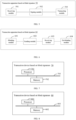
- FIG. 1 is a first schematic system diagram of a transaction method based on blind signature according to an embodiment of the present application.
- a message sender 101 and a signer 102 are included, where the message sender 101 performs blinding processing on an original message.
- the blinding processing refers to processing the original message according to a blinding factor.
- the blinding factor may be, for example, a password specific to the message sender 101, and may also be, for example, a series of computing parameters specific to the message sender 101.
- the blinding processing is not limited particularly in embodiments of the present application. Any processing which is performed on the original message to ensure that other people cannot acquire original contents all belongs to protection scope of the embodiments of the present embodiment. A person skilled in the art may understand that specific process of the blinding processing may be set as required.
- the message sender 101 sends the blinded message to the signer 102.
- the signer 102 signs the received blinded message.
- the signature refers to a segment of numerical strings that can only be generated by the signer and cannot be forged.
- the segment of numerical strings provides a valid attestation of authenticity of the message signed by the signer.
- Specific signing manners are not limited particularly in the embodiments of the present application. During a signing process of the signer 102, because a signed content is a blinded message, thus, the signed specific contents cannot be obtained, thereby ensuring confidentiality of the signing process.
- the signer 102 obtains the signature of the blinded message after the signing is completed, and further sends the signature to the message sender 101.
- the message sender 101 is further provided with a de-blinding factor which corresponds to the blinding factor
- the de-blinding factor may be, for example, a decryption value of the password specific to the message sender 101, and may also be, for example, a reverse process parameter of the series of computing parameters specific to the message sender.
- the de-blinding processing is not limited particularly in the embodiments of the present application. Any processing that eliminates effects of the blinding processing all belongs to the protection scope of the embodiments of the present application.
- the signature of the original message is obtained, where the signed content of the original message is executed by the signer 102.
- the signer 102 cannot obtain the specific contents of the original message, and because the content signed by the signer 102 is the blinded message, thus, the signer 102 cannot associate the signed content with the message sender 101. Therefore, the blind signature guarantees protection of the original message content, meanwhile, realizes protection of identity of the message sender 101.
- the blind signature is a person who needs to sign places a document to be signed and a copy paper into a sealed envelope (blinding processing) first, when the document is in the envelope, no one except the sealed person can open the envelope.
- the signer signs on the envelope, and the content of the signature is signed on the document through the copy paper.
- the person who needs to sign opens the envelope (de-blinding processing), and takes out the signed document, i.e. a blind signature process.
- the blind signature should have the following properties:
- An embodiment of the present application proposes a transaction method based on blind signature, and the transaction method based on blind signature provided by the embodiment of the present application is described in detail below with reference to specific embodiments. First, the description is made with reference to FIG. 2 .
- FIG. 2 is a second schematic system diagram of a transaction method based on blind signature according to an embodiment of the present application. As shown in FIG. 2 , it includes a payment client 201, a payee client 202, and a currency providing node 203.
- both transaction parties exist, namely a payer and a payee respectively, where the payment client 201 is a client used by the payer in the transaction, the payee client 202 is a client used by the payee in the transaction.
- the payment client 201 and the payee client 202 may be, for example, nodes in the blockchain, and specific implementation manners of the payment client 201 and the payee client 202 are not limited in the embodiments of the present application.
- the blockchain is a special distributed database, any data can be written into the blockchain, and data can also be read from the blockchain, where any user can join the blockchain by using his own terminal device, and becomes a node therein, and the blockchain has characteristics of decentralization, trustlessness, and in which data cannot be tampered.
- the user joins the blockchain through the payment client 201 or the payee client 202, the user becomes a node in the blockchain.
- the payment client 201 may upload, for example, a digital asset to be transacted to the blockchain, and may perform, for example, blinding processing on transaction related data, which are not limited particularly in the embodiments of the present application.
- the payee client 202 may be configured to, for example, verify the transaction related data, and receive the digital asset to be transacted. Specific functions of the payee client 202 are not limited in the embodiments of the present application.
- the currency providing node 203 is further provided, where the currency providing node 203 is a node in the blockchain.
- the currency providing node 203 serves as an intermediate node for a transaction between the payment client 201 and the payee client 202, for example, it may be configured to store the digital asset to be transacted from the payment client 201, and it may also be configured to, for example, sign the transaction related data, etc.
- Specific implementation manners of the currency providing node 203 are not limited particularly in the embodiments of the present application.
- the payment client 201 sends the digital asset to be transacted to the currency providing node. Further, the payment client 201 sends the transaction related data to the currency providing node 203 for blind signature. The payment client 201 sends a signature result and the transaction related data to the payee client. The payee client and the currency providing node perform the verification according to the signature result and the transaction related data. Thus, it is determined whether the transaction is correct and valid, and when the verification is passed, the currency providing node 203 sends the digital asset to be transacted to the payee client 202 to complete the transaction.
- the embodiments of the present application provide a transaction method based on blind signature, which is further described in detail below with reference to FIG. 3 .
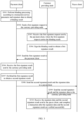
- FIG. 3 is a first signaling flowchart of a transaction method based on blind signature according to an embodiment of the present application. As shown in FIG. 3 , the method includes: S301: a payment client performs blinding processing according to a transaction service parameter and signature data to obtain a blinding result.
- the transaction service parameter is configured to indicate transaction related data in a transaction process between the payment client and the payee client, for example, the transaction service parameter may include a transaction time, and may also include, for example, address information of both transaction parties, and may also be configured to, for example, specify an algorithm in a signature process.
- the transaction service parameter is not limited particularly in the embodiments of the present application. Any parameter for indicating the transaction process all belongs to the transaction service parameter. A person skilled in the art may understand that, the transaction service parameter may be set as required.
- the signature data is original data that needs to be signed, where the signature data may be, for example, a random number generated by the payment client for identifying a transaction, and may also be, for example, data generated by the payment client according to a preset rule, and the signature data is not limited particularly in the embodiments of the present application.
- the payment client performs blinding processing according to the transaction service parameter and the signature data.
- the blinding processing may be, for example, the payment client performs a computation on the transaction service parameter and the signature data according to a blinding factor, and may also be, for example, the payment client performs a computation on the signature data according to processing result of the transaction service parameter by the currency providing node and the blinding factor.
- the specific implementation manners of the blinding processing are not limited in the embodiments of the present application.
- a specific computation for example, may be performed according to a hash function, and may also be performed, for example, according to a preset formula, where a preset computation may include, for example, a combination of computing methods such as an addition, a subtraction and a multiplication.
- a preset computation may include, for example, a combination of computing methods such as an addition, a subtraction and a multiplication.
- the specific implementation manners of the computation during the blinding processing are not limited in the embodiments of the present application. A person skilled in the art would understand that, the specific computation manners of the blinding processing can be set as required.
- a blinding result is obtained, where the blinding result corresponds to the signature data, and in addition to the payment client, any node in the blockchain cannot acquire the signature data corresponding to the blinding result.
- the payment client sends a first signature request to a currency providing node, where the first signature request carries the blinding result.
- the payment client sends the first signature request carrying the blinding result to the currency providing node, where the first signature request is configured to initiate a request for processing the blinding result to the currency providing node, optionally, the first signature request may further carry, for example, a signature algorithm specified by the payment client, and the specific implementation manners of the first signature request are not limited in the embodiments of the present application.
- the currency providing node receives the first signature request sent by the payment client, where the first signature request carries the blinding result, and the blinding result is a result obtained by the payment client performing blinding processing according to the transaction service parameter and the signature data.
- the currency providing node receives the first signature request sent by the payment client, and signs the blinding result according to the first signature request.
- a specific implementation manner of the signature may be, for example, a hash signature, and may also be, for example, an asymmetric encryption signature.
- the specific implementation manner of the signature in the embodiment of the present application is not limited particularly. A person skilled in the art may understand that specific algorithms of the signature may be selected as required.
- the blinding result is a result obtained by the payment client performing blinding processing according to the transaction service parameter and the signature data, therefore, the first signature result obtained by signing the blinding result is actually a signature for the transaction service parameter and the signature data.
- the currency providing node cannot obtain specific signature data, thereby ensuring security of the signature data.
- the payment client receives the first signature result sent by the currency providing node, where the first signature result is a result obtained by the currency providing node signing the blinding result.
- the payment client receives the first signature result sent by the currency providing node, and de-blinds the first signature result, where de-blinding is a reverse process for the blinding processing, and can eliminate effects of the blinding processing. Specifically, the payment client processes the first signature result according to a de-blinding factor to obtain the second signature result.
- the de-blinding factor has been introduced in the foregoing embodiment, and will not be repeated herein. Specific implementation manners of the de-blinding are not limited in the embodiment of the present application.
- the blinding factor corresponds to the de-blinding factor, and only the payment client can acquire the blinding factor and the de-blinding factor, therefore, it can be ensured that the currency providing node cannot obtain the signature data in the signature process.
- the first signature result is a result obtained by signing the blinding result by the currency providing node. After the payment client de-blinds the first signature result, the obtained second signature result eliminates a blinding effect. Therefore, the second signature result is a result obtained by the currency providing node performing signing directly according to the transaction service parameter and the signature data.
- the payment client sends the second signature result and the signature data to the payee client, and the payee client further sends the second signature result and the signature data to the currency providing node, so as to verify whether the signature data and the second signature result are correct and valid.
- the payee client may further perform a verification according to the second signature result and the signature data. Specifically, the payee client may decrypt the second signature data according to, for example, a public key of the payment client, and determine whether a decryption result is consistent with the signature data, so as to determine whether a current transaction is valid, and further determine whether the current transaction is to be performed according to a verification result of the currency providing node.
- S310 the currency providing node receives the signature data and the second signature result sent by the payee client, and completes a transaction after the signature data and the second signature result are verified successfully, where the signature data and the second signature result are sent by the payment client to the payee client, and the second signature result is a result obtained by de-blinding the first signature result.
- the currency providing node verifies the transaction according to the signature data and the second signature result sent by the payee client, where a specific manner of the verification may be, for example, performing reverse process computation on the second signature result according to a signature algorithm, and determining whether the obtained computing result is consistent with the signature data; and a verification manner may also be, for example, determining the signature data and the second signature result according to a preset model, and determining whether it complies with the preset model, where the preset model is a model obtained according to a signature.
- the specific implementation manner of the verification is not limited particularly in the embodiment of the present application.
- the second signature result is a result obtained by de-blinding the first signature result
- the first signature result is obtained by the currency providing node performing signing. Therefore, the second signature result is actually obtained by the currency providing node signing the signature data. Therefore, the currency providing node can realize the verification according to the signature data and the second signature result.
- the payment client realizes a payment, and the transaction is completed.
- the transaction method based on blind signature includes: the payment client performs blinding processing according to the transaction service parameter and the signature data to obtain the blinding result.
- the payment client sends the first signature request to the currency providing node, where the first signature request carries the blinding result.
- the currency providing node receives the first signature request sent by the payment client, and signs the blinding result to obtain the first signature result.
- the currency providing node sends the first signature result to the payment client.
- the payment client receives the first signature result sent by the currency providing node.
- the payment client de-blinds the first signature result to obtain the second signature result, and sends the second signature result and the signature data to the payee client.
- the payee client sends the second signature result and the signature data to the currency providing node.
- the currency providing node receives the signature data and the second signature result sent by the payee client, and completes the transaction after the signature data and the second signature result are verified successfully, where the signature data and the second signature result are sent by the payment client to the payee client, and the second signature result is a result obtained by de-blinding the first signature result.
- Blinding processing is performed on the signature data by the payment client, and the currency providing node signs the blinding result, thereby realizing protection of the signature data, and the currency providing node cannot associate the signature with the payment client, thereby realizing protection of information of the payment client, avoiding a security problem caused by an eavesdropper acquiring private information of both transaction parties, thereby improving security of the transaction.
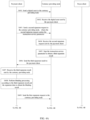
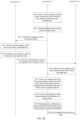
- FIG. 4A and FIG. 4B are a second signaling flowchart of a transaction method based on blind signature according to an embodiment of the present application.
- the method includes: S401: the payment client sends a digital asset to the currency providing node.
- a payer needs to pay a certain amount of digital assets to a payee to complete the transaction.
- the payment client sends the digital assets to the currency providing node, and the currency providing node serves as an intermediate node of the transaction, similar to the existence of a bank.
- the currency providing node is also a node in the blockchain.
- the currency providing node stores the digital asset of the payment client.
- the currency providing node further needs to generate a public key and a private key, where the private key is generated randomly, and only the currency providing node knows its own private key, where the public key is generated according to the private key.
- the remaining nodes in the blockchain can obtain the public key of the currency providing node, and data is encrypted by using the public key of the currency providing node, and then encrypted data is sent to the currency providing node.
- the currency providing node can realize decryption of the data by using the private key, data interaction between nodes is realized by using the public key and the private key, and the data is prevented from being acquired by other nodes.
- a public key and a private key are adopted to realize signing of the transaction service parameter and the signature data.
- the payment client sends the second signature request carrying the transaction service parameter to the currency providing node, where the transaction service parameter has been introduced in the foregoing embodiment, and will not be repeated herein.
- the second signature request is configured to instruct the currency providing node to perform signature processing on the transaction service parameter, the second signature request may further carry, for example, a specified signature algorithm or an additional condition of the payment client.
- the specific implementation manner of the second signature request in the embodiment of the present application is not limited particularly.
- a specific signing manner may be, for example, signing according to an algorithm specified in the transaction service parameter, and may also be, for example, signing according to a preset algorithm, and a specific implementation manner of the signature is not particularly limited in the embodiment of the present application.
- Signing processing is performed on the transaction service parameter by the currency providing node, and this transaction can be identified effectively, so as to verify validity of the transaction subsequently.
- the payment client receives the third signature result sent by the currency providing node, where the third signature result is a result obtained by the currency providing node signing the transaction service parameter.
- S408 the payment client performs blinding processing according to the third signature result and the signature data to obtain the blinding result.
- the payment client receives the third signature result sent by the currency providing node. Further, the blinding processing is performed according to the third signature result and the signature data to obtain the blinding result.
- the blinding processing refers to processing the signature data according to a blinding factor.
- the blinding factor may be, for example, a random number, and may also be, for example, data generated according to a preset algorithm. The embodiment of the present application is not limited thereto, and the blinding factor is a first random number and a second random number that are generated randomly, which is taken as an example below for introduction.
- a final commitment value may be generated according to the third signature result, the first random number and the second random number, where the final commitment value is configured to indicate generation of the blinding result.
- a hash computation may be performed according to the signature data and the final commitment value to obtain a challenge value, and a computation on the signature data is added when the challenge value is computed, where the challenge value is also configured to indicate the generation of the blinding result.
- the signature data is a generated random number to identify a transaction.
- the blinding result is obtained according to the challenge value and the second random number.
- a specific implementation manner of obtaining the final commitment value, the challenge value and the blinding result may be, for example, a combination of various basic computations, it may also be, for example, a combination of a plurality of algorithms, and the embodiment of the present application do not limit the computation manner thereof particularly.
- a person skilled in the art would understand that a specific implementation manner for computing the final commitment value, the challenge value and the blinding result can be set as required, as long as the signature data can be blinded.
- the blinding result is a result obtained by the payment client performing blinding processing according to the third signature result and the signature data.
- the currency providing node receives the first signature request sent by the payment client, where the first signature request carries the blinding result, and the blinding result is a result obtained by the payment client performing blinding processing according to the transaction service parameter and the signature data.
- the payment client receives the first signature result sent by the currency providing node, where the first signature result is a result obtained by the currency providing node signing the blinding result.
- S412, S413, and S414 are similar to those of S305, S306, and S307, which are not described herein again.
- S415 the payment client sends the second signature result and the signature data to the payee client.
- S415 and S416 are similar to those of S308 and S309, which are not described herein again.
- S417 the currency providing node receives the signature data and the second signature result sent by the payee client, and determines that the signature data received from the payee client is not in a signature data list.
- the currency providing node stores the signature data in a verified transaction to obtain the signature data list.
- the signature data is a random number generated by the payment client, and the random number may be, for example, 256 bits, and may identify one transaction uniquely, which is merely illustrative and is not limited particularly herein.
- the currency providing node performs a search according to the signature data sent by the payee client and the signature data list, and determines whether the signature data sent by the payee client exits in the signature data list; if yes, it is considered that a transaction corresponding to the signature data sent by the payee client is completed, that is, the payment client has paid the digital asset in the transaction.
- a double-spending problem is avoided effectively, that is, a problem that the payment client attempts to complete two transactions with one digital asset is avoided.
- the signature data received from the payee client is not in the signature data list, it can be determined that a transaction corresponding to current signature data has not occurred, that is, the current transaction is valid, so as to perform subsequent signature verification.
- the preset model is provided, where the preset model is a model composed of the public key, the second signature result, the signature data, and preset parameters of the currency providing node, and is configured to verify signature correctness of the second signature result and the signature data, where the specific designs of the preset model correspond to the foregoing processing of the signature algorithm.
- the specific designs of the preset model are not limited particularly in the embodiment of the present application. A person skilled in the art would understand that the design of the preset model can be selected according to actual needs.
- the preset model is configured to verify whether a current second signature result is obtained by the currency providing node signing the signature data and the transaction service parameter.
- the second signature result is a result obtained by de-blinding the first signature result, essentially, is a result obtained by the currency providing node signing the signature data directly. Therefore, the currency providing node uses the second signature result and the signature data as the inputs of the preset model.
- the equation relationship of the preset model can be satisfied, and if it is determined that the equation relationship are satisfied, then, it is determined that the verification is passed, that is, the currency providing node verifies that the second signature result is obtained by performing, by itself, signing according to the transaction service parameter and the signature data.
- the currency providing node determines that the transaction is true and valid, and pays the digital asset sent by the payer to the payee, thereby completing the transaction.
- the transaction method based on blind signature includes: the payment client sends the digital asset to the currency providing node.
- the currency providing node receives the digital asset sent by the payment client.
- the payment client sends the second signature request to the currency providing node, where the second signature request carries the transaction service parameter.
- the currency providing node receives the second signature request sent by the payment client, where the second signature request carries the transaction service parameter.
- the currency providing node signs the transaction service parameter to obtain the third signature result.
- the currency providing node sends the third signature result to the payment client.
- the payment client receives the third signature result sent by the currency providing node.
- the payment client performs the blinding processing according to the third signature result and the signature data to obtain the blinding result.
- the payment client sends the first signature request to the currency providing node, where the first signature request carries the blinding result.
- the currency providing node receives the first signature request sent by the payment client.
- the currency providing node signs the blinding result to obtain the first signature result.
- the currency providing node sends the first signature result to the payment client.
- the payment client receives the first signature result sent by the currency providing node.
- the payment client de-blinds the first signature result to obtain the second signature result.
- the payment client sends the second signature result and the signature data to the payee client.
- the payee client sends the second signature result and the signature data to the currency providing node.
- the currency providing node receives the signature data and the second signature result sent by the payee client, and determines that the signature data received from the payee client is not in the signature data list.
- the currency providing node uses the second signature result and the signature data as the inputs of the preset model.
- the currency providing node determines whether the preset model satisfies the equation relationship, and if yes, determines that the verification is passed.
- the currency providing node pays the digital asset to the payee client.
- the signature message and the transaction service parameter are processed by the payment client, which guarantees security of transaction data during the transaction, and implements identity protection of the payment client, and verifies the signature data by setting the signature data list by the currency providing node, thereby guaranteeing authenticity and validity of the transaction effectively.
- FIG. 5 is a first schematic structural diagram of a transaction apparatus based on blind signature according to an embodiment of the present application.
- the transaction apparatus 50 based on blind signature includes: a receiving module 501, a signing module 502 and a transacting module 503.
- the receiving module 501 is configured to receive, by a currency providing node, a first signature request sent by a payment client, where the first signature request carries a blinding result, and the blinding result is a result obtained by the payment client performing blinding processing according to a transaction service parameter and signature data;
- the receiving module 501 is further configured to:
- the receiving module 501 is further configured to:
- the transacting module 503 is specifically configured to:
- the receiving module 501 is further configured to:
- the apparatus provided in the embodiments may be configured to execute technical solutions of the foregoing method embodiments, and implementation principles and technical effects thereof are similar, which are not described herein again in this embodiment.
- FIG. 6 is a second schematic structural diagram of a transaction apparatus based on blind signature according to an embodiment of the present application.
- the transaction apparatus 60 based on blind signature includes: a blinding module 601, a sending module 602, a receiving module 603 and a de-blinding module 604.
- the blinding module 601 is configured to perform, by a payment client, blinding processing according to a transaction service parameter and signature data to obtain a blinding result;
- the sending module 602 is further configured to:
- the sending module 602 is specifically configured to: send, by the payment client, a digital asset to the currency providing node.
- the apparatus provided in the embodiments may be configured to execute technical solutions of the foregoing method embodiments, and implementation principles and technical effects thereof are similar, which are not described herein again in the embodiments.
- FIG. 7 is a first hardware structural diagram of a transaction device based on blind signature according to an embodiment of the present application.
- the transaction device 70 based on blind signature of the embodiment includes: a processor 701 and a memory 702, where
- the memory 702 may be independent or integrated with the processor 701.
- the transaction device based on blind signature further includes a bus 703 for connecting the memory 702 and the processor 701.
- FIG. 8 is a second hardware structural diagram of a transaction device based on blind signature according to an embodiment of the present application.
- the transaction device 80 based on blind signature of the embodiment includes: a processor 801 and a memory 802, where
- the memory 802 may be independent or integrated with the processor 801.
- the transaction device based on blind signature further includes a bus 803 for connecting the memory 802 and the processor 801.
- An embodiment of the present application further provides a computer readable storage medium, in which computer execution instructions is stored in the computer readable storage medium, and when a processor executes the computer execution instructions, the above transaction method based on blind signature executed by the transaction device based on blind signature is implemented.
- the disclosed device and method may be implemented in other manners.
- the device embodiments described above are merely schematic, for example, a division of the modules is merely a logical function division, and there may be another division manner in actual implementation, for example, a plurality of modules may be combined or integrated into another system, or some features may be ignored or not performed.
- the displayed or discussed mutual coupling or direct coupling or communication connection may be indirect coupling or communication connection through some interfaces, apparatuses or modules, and may be electrical, mechanical or in other forms.
- the integrated modules implemented in a form of a software function module may be stored in a computer readable storage medium.
- the software function module is stored in a storage medium, and includes a plurality of instructions for enabling a computer device (which may be a personal computer, a server, or a network device) or a processor to execute partial steps of the method described in each embodiment of the present application.
- the above processor may be a central processing unit (CPU for short), and may also be other general processors, digital signal processors (DSP for short), application specific integrated circuits (ASIC for short), etc.
- the general processor may be a microprocessor or the processor may also be any conventional processor or the like. The steps of the method disclosed in connection with the present invention may be directly embodied as executed by a hardware processor, or executed by a combination of hardware and software modules in the processor.
- the memory may include a high-speed random access memory (RAM), and may also include a non-volatile memory (NVM), for example, at least one disk memory, and may also be a U-disk, a mobile hard disk, a read-only memory, a magnetic disk, or an optical disk.
- RAM high-speed random access memory
- NVM non-volatile memory
- at least one disk memory and may also be a U-disk, a mobile hard disk, a read-only memory, a magnetic disk, or an optical disk.
- the bus may be an industry standard architecture (ISA) bus, a peripheral component interconnect (PCI) bus, an extended industry standard architecture (EISA) bus, or the like.
- ISA industry standard architecture
- PCI peripheral component interconnect
- EISA extended industry standard architecture
- the bus may be divided into an address bus, a data bus, a control bus, etc.
- the bus in the drawings of the present application is not limited to only one bus or one type of bus.
- the storage medium may be implemented by any type of volatile or non-volatile storage device or a combination thereof, such as a static random access memory (SRAM), an electrically erasable programmable read-only memory (EEPROM), an erasable programmable read-only memory (EPROM), a programmable read-only memory (PROM), a read-only memory (ROM), a magnetic memory, a flash memory, a magnetic disk or an optical disk.
- SRAM static random access memory
- EEPROM electrically erasable programmable read-only memory
- EPROM erasable programmable read-only memory
- PROM programmable read-only memory
- ROM read-only memory
- magnetic memory a magnetic memory
- flash memory a magnetic disk or an optical disk.
- optical disk any available medium that is accessible to a general or specific computer.
- the foregoing program may be stored in a computer readable storage medium.
- the storage medium includes any medium that can store program codes, such as a ROM, a RAM, a magnetic disk, or an optical disk.
Landscapes
- Engineering & Computer Science (AREA)
- Business, Economics & Management (AREA)
- Accounting & Taxation (AREA)
- Computer Security & Cryptography (AREA)
- Theoretical Computer Science (AREA)
- Finance (AREA)
- Physics & Mathematics (AREA)
- General Physics & Mathematics (AREA)
- Strategic Management (AREA)
- General Business, Economics & Management (AREA)
- Signal Processing (AREA)
- Computer Networks & Wireless Communication (AREA)
- Marketing (AREA)
- Development Economics (AREA)
- Economics (AREA)
- Computing Systems (AREA)
- Computer Hardware Design (AREA)
- General Engineering & Computer Science (AREA)
- Technology Law (AREA)
- Health & Medical Sciences (AREA)
- Bioethics (AREA)
- General Health & Medical Sciences (AREA)
- Software Systems (AREA)
- Financial Or Insurance-Related Operations Such As Payment And Settlement (AREA)
Claims (12)
- Transaktionsverfahren auf der Grundlage von Blindsignatur, das auf eine Blockchain angewendet wird, wobei das Verfahren folgende Vorgänge umfasst:Empfangen (S303, S410), durch einen währungsbereitstellenden Knoten, einer ersten Signaturanforderung, die von einem Zahlungsclient gesendet wird, wobei die erste Signaturanforderung ein Verblindungsergebnis trägt und das Verblindungsergebnis ein Ergebnis ist, das vom Zahlungsclient erhalten wird, der Verblindungsverarbeitung an einem Transaktionsdienstparameters und von Signaturdaten durchführt;Signieren (S304, S411), durch den währungsbereitstellenden Knoten, des Verblindungsergebnisses zum Erhalten eines ersten Signaturergebnisses, und Senden des ersten Signaturergebnisses an den Zahlungsclient; undEmpfangen (S310, S417), durch den währungsbereitstellenden Knoten, von Signaturdaten und einem zweiten Signaturergebnis, die von einem Zahlungsempfängerclient gesendet werden, und Abschließen einer Transaktion, nachdem die Signaturdaten und das zweite Signaturergebnis erfolgreich verifiziert wurden, wobei die Signaturdaten und das zweite Signaturergebnis vom Zahlungsclient an den Zahlungsempfängerclient gesendet werden und das zweite Signaturergebnis ein Ergebnis ist, das durch Entblindung des ersten Signaturergebnisses erhalten wird;wobei das Verfahren vor dem Empfangen (S303, S410), durch den währungsbereitstellenden Knoten, der ersten Signaturanforderung, die vom Zahlungsclient gesendet wird, ferner umfasst:Empfangen (S404), durch den währungsbereitstellenden Knoten, einer zweiten Signaturanforderung, die vom Zahlungsclient gesendet wird, wobei die zweite Signaturanforderung den Transaktionsdienstparameter trägt;Signieren (S405), durch den währungsbereitstellenden Knoten, des Transaktionsdienstparameters zum Erhalten eines dritten Signaturergebnisses; undSenden (S406), durch den währungsbereitstellenden Knoten, des dritten Signaturergebnisses an den Zahlungsclient;entsprechend ist das Verblindungsergebnis ein Ergebnis,das der Zahlungsclient beim Durchführen von Verblindungsverarbeitung gemäß dem dritten Signaturergebnis und den Signaturdaten erhält.
- Verfahren nach Anspruch 1, wobei vor dem Abschließen (S310, S417), durch den währungsbereitstellenden Knoten, der Transaktion nach dem erfolgreichen Verifizieren der Signaturdaten und des zweiten Signaturergebnisses ferner folgende Vorgänge umfasst:Bestimmen, durch den währungsbereitstellenden Knoten, dass die vom Zahlungsempfängerclient empfangenen Signaturdaten nicht in einer Signaturdatenliste enthalten sind; undVerifizieren, durch den währungsbereitstellenden Knoten, des zweiten Signaturergebnisses und der Signaturdaten gemäß einem voreingestellten Modell zum Erhalten eines Ergebnisses mit erfolgreicher Verifizierung.
- Verfahren nach Anspruch 2, wobei das Verifizieren, durch den währungsbereitstellenden Knoten, des zweiten Signaturergebnisses und der Signaturdaten gemäß dem voreingestellten Modell zum Erhalten eines Ergebnisses mit erfolgreicher Verifizierung umfasst:Verwenden (S418), durch den währungsbereitstellenden Knoten, des zweiten Signaturergebnisses und der Signaturdaten als Eingaben des voreingestellten Modells; undBestimmen, durch den währungsbereitstellenden Knoten, ob das voreingestellte Modell eine Gleichungsbeziehung erfüllt, und wenn ja, Bestimmen, dass eine Verifizierung bestanden ist.
- Verfahren nach einem der Ansprüche 1 bis 3, wobei das Verfahren vor dem Empfangen (S303, S410), durch den währungsbereitstellenden Knoten, der ersten Signaturanforderung, die vom Zahlungsclient gesendet wird, ferner umfasst:Empfangen (S402), durch den währungsbereitstellenden Knoten, eines vom Zahlungsclient gesendeten digitalen Vermögenswertes; undwobei das Abschließen (S310, S417), durch den währungsbereitstellenden Knoten, der Transaktion nach dem erfolgreichen Verifizieren der Signaturdaten und des zweiten Signaturergebnisses ferner folgenden Vorgang umfasst:
Auszahlen (S420), durch den währungsbereitstellenden Knoten, des digitalen Vermögenswertes an den Zahlungsempfängerclient. - Transaktionsverfahren auf der Grundlage von Blindsignatur, das auf eine Blockchain angewendet wird, wobei das Verfahren folgende Vorgänge umfasst:Durchführen (S301), durch einen Zahlungsclient, von Verblindungsverarbeitung eines Transaktionsdienstparameters und von Signaturdaten zum Erhalten eines Verblindungsergebnisses;Senden (S302), durch den Zahlungsclient, einer ersten Signaturanforderung an einen währungsbereitstellenden Knoten, wobei die erste Signaturanforderung das Verblindungsergebnis trägt;Empfangen (S306), durch den Zahlungsclient, des ersten Signaturergebnisses, das vom währungsbereitstellenden Knoten gesendet wird, wobei das erste Signaturergebnis ein Ergebnis ist, das durch den währungsbereitstellenden Knoten erhalten wird, der das Verblindungsergebnis signiert; undEntblinden (S307), durch den Zahlungsclient, des ersten Signaturergebnisses zum Erhalten eines zweiten Signaturergebnisses, und Senden des zweiten Signaturergebnisses und der Signaturdaten an einen Zahlungsempfängerclient;wobei das Verfahren vor dem Durchführen (S301), durch den Zahlungsclient, der Verblindungsverarbeitung gemäß dem Transaktionsdienstparameter und den Signaturdaten zum Erhalten des Verblindungsergebnisses ferner umfasst:Senden (S403), durch den Zahlungsclient, einer zweiten Signaturanforderung an den währungsbereitstellenden Knoten, wobei die zweite Signaturanforderung den Transaktionsdienstparameter trägt;Empfangen (S407), durch den Zahlungsclient, eines dritten Signaturergebnisses, das vom währungsbereitstellenden Knoten gesendet wird, wobei das dritte Signaturergebnis ein Ergebnis ist, das durch den währungsbereitstellenden Knoten erhalten wird, der den Transaktionsdienstparameter signiert; undwobei das Durchführen (S301), durch den Zahlungsclient, der Verblindungsverarbeitung gemäß dem Transaktionsdienstparameter und den Signaturdaten zum Erhalten des Verblindungsergebnisses umfasst:Durchführen (S408), durch den Zahlungsclient, von Verblindungsverarbeitung gemäß dem dritten Signaturergebnis und den Signaturdaten zum Erhalten des Verblindungsergebnisses.
- Verfahren nach Anspruch 5, wobei das Verfahren vor dem Durchführen (S301), durch den Zahlungsclient, der Verblindungsverarbeitung gemäß dem Transaktionsdienstparameter und den Signaturdaten zum Erhalten des Verblindungsergebnisses ferner umfasst:
Senden (S401), durch den Zahlungsclient, eines digitalen Vermögenswertes an den währungsbereitstellenden Knoten. - Transaktionsvorrichtung auf der Grundlage von Blindsignatur (50), die auf eine Blockchain angewendet wird, folgende Elemente umfassend:ein Empfangsmodul (501), das dafür ausgelegt ist, durch einen währungsbereitstellenden Knoten eine erste Signaturanforderung zu empfangen, die von einem Zahlungsclient gesendet wird, wobei die erste Signaturanforderung ein Verblindungsergebnis trägt und das Verblindungsergebnis ein Ergebnis ist, das vom Zahlungsclient erhalten wird, der Verblindungsverarbeitung an einem Transaktionsdienstparameters und von Signaturdaten durchführt;ein Signiermodul (502), das dafür ausgelegt ist, durch den währungsbereitstellenden Knoten das Verblindungsergebnis zum Erhalten eines ersten Signaturergebnisses zu signieren und das erste Signaturergebnis an den Zahlungsclient zu senden; undein Transaktionsmodul (503), das dafür ausgelegt ist, durch den währungsbereitstellenden Knoten Signaturdaten und ein zweites Signaturergebnis zu empfangen, die von einem Zahlungsempfängerclient gesendet werden, und eine Transaktion abzuschließen, nachdem die Signaturdaten und das zweite Signaturergebnis erfolgreich verifiziert wurden, wobei die Signaturdaten und das zweite Signaturergebnis vom Zahlungsclient an den Zahlungsempfängerclient gesendet werden und das zweite Signaturergebnis ein Ergebnis ist, das durch Entblindung des ersten Signaturergebnisses erhalten wird;wobei das Empfangsmodul (501) ferner für folgende Vorgänge ausgelegt ist:Empfangen, durch den währungsbereitstellenden Knoten, einer zweiten Signaturanforderung, die vom Zahlungsclient gesendet wird, wobei die zweite Signaturanforderung den Transaktionsdienstparameter trägt;Signieren, durch den währungsbereitstellenden Knoten, des Transaktionsdienstparameters zum Erhalten eines dritten Signaturergebnisses; undSenden, durch den währungsbereitstellenden Knoten, des dritten Signaturergebnisses an den Zahlungsclient; entsprechend ist das Verblindungsergebnis ein Ergebnis, das der Zahlungsclient beim Durchführen von Verblindungsverarbeitung gemäß dem dritten Signaturergebnis und den Signaturdaten erhält.
- Vorrichtung (50) nach Anspruch 7, wobei das Empfangsmodul (501) ferner für folgende Vorgänge ausgelegt ist:Bestimmen, durch den währungsbereitstellenden Knoten, dass die vom Zahlungsempfängerclient empfangenen Signaturdaten nicht in einer Signaturdatenliste enthalten sind; undVerifizieren, durch den währungsbereitstellenden Knoten, des zweiten Signaturergebnisses und der Signaturdaten gemäß einem voreingestellten Modell zum Erhalten eines Ergebnisses mit erfolgreicher Verifizierung.
- Vorrichtung (50) nach Anspruch 8, wobei das Transaktionsmodul (503) spezifisch für folgende Vorgänge ausgelegt ist:Verwenden, durch den währungsbereitstellenden Knoten, des zweiten Signaturergebnisses und der Signaturdaten als Eingaben des voreingestellten Modells; undBestimmen, durch den währungsbereitstellenden Knoten, ob das voreingestellte Modell eine Gleichungsbeziehung erfüllt, und wenn ja, Bestimmen, dass eine Verifizierung bestanden ist.
- Vorrichtung (50) nach einem der Ansprüche 7 bis 9, wobei das Empfangsmodul (501) ferner für folgende Vorgänge ausgelegt ist:Empfangen, durch den währungsbereitstellenden Knoten, eines vom Zahlungsclient gesendeten digitalen Vermögenswertes; unddas Transaktionsmodul (503) ferner für folgenden Vorgang ausgelegt ist:
Auszahlen, durch den währungsbereitstellenden Knoten, des digitalen Vermögenswertes an den Zahlungsempfängerclient. - Transaktionsvorrichtung (60) auf der Grundlage von Blindsignatur, die auf eine Blockchain angewendet wird, umfassend:
ein Verblindungsmodul (601), ein Sendemodul (602), ein Empfangsmodul (603) und ein Entblindungsmodul (604), wobei die Module dafür ausgelegt sind, das Verfahren nach einem der Ansprüche 5 oder 6 durchzuführen. - Computerlesbares Speichermedium, umfassend Anweisungen, die bei ihrer Ausführung auf einem Computer den Computer in die Lage versetzen, das Verfahren nach einem der Ansprüche 1 bis 4 oder das Verfahren nach Anspruch 5 oder 6 durchzuführen.
Applications Claiming Priority (2)
| Application Number | Priority Date | Filing Date | Title |
|---|---|---|---|
| CN201910223566.3A CN109961288B (zh) | 2019-03-22 | 2019-03-22 | 基于盲签名的交易方法及装置 |
| PCT/CN2020/070109 WO2020192236A1 (zh) | 2019-03-22 | 2020-01-02 | 基于盲签名的交易方法及装置 |
Publications (3)
| Publication Number | Publication Date |
|---|---|
| EP3893178A1 EP3893178A1 (de) | 2021-10-13 |
| EP3893178A4 EP3893178A4 (de) | 2022-08-31 |
| EP3893178B1 true EP3893178B1 (de) | 2024-02-07 |
Family
ID=67024803
Family Applications (1)
| Application Number | Title | Priority Date | Filing Date |
|---|---|---|---|
| EP20777894.5A Active EP3893178B1 (de) | 2019-03-22 | 2020-01-02 | Verfahren und vorrichtung für blindsignaturbasierte transaktion |
Country Status (4)
| Country | Link |
|---|---|
| US (1) | US20210334809A1 (de) |
| EP (1) | EP3893178B1 (de) |
| CN (1) | CN109961288B (de) |
| WO (1) | WO2020192236A1 (de) |
Families Citing this family (7)
| Publication number | Priority date | Publication date | Assignee | Title |
|---|---|---|---|---|
| CN112734411A (zh) * | 2021-01-12 | 2021-04-30 | 杭州趣链科技有限公司 | 基于区块链的交易方法、装置、设备及存储介质 |
| US12309293B2 (en) * | 2022-02-25 | 2025-05-20 | Seoul National University R&Db Foundation | Apparatus for generating blind signature and method thereof |
| CN115473738A (zh) * | 2022-09-15 | 2022-12-13 | 建投数据科技(山东)有限公司 | 超定方程组求解任务外包方法、装置、设备及存储介质 |
| CN116188008B (zh) * | 2023-02-09 | 2025-09-23 | 电子科技大学 | 一种支持隐私保护且可信监管的数据产品交易方法 |
| JP7832140B2 (ja) * | 2023-03-16 | 2026-03-17 | 株式会社日立製作所 | 情報処理システム及び情報処理方法 |
| CN116566623B (zh) * | 2023-07-05 | 2023-09-22 | 北京天润基业科技发展股份有限公司 | 一种获取匿名数字证书的方法、系统及电子设备 |
| CN117040766B (zh) * | 2023-10-08 | 2024-01-30 | 腾讯科技(深圳)有限公司 | 基于区块链的数据处理方法、装置、设备及可读存储介质 |
Family Cites Families (18)
| Publication number | Priority date | Publication date | Assignee | Title |
|---|---|---|---|---|
| EP1205889A1 (de) * | 2000-11-10 | 2002-05-15 | TELEFONAKTIEBOLAGET LM ERICSSON (publ) | Geld wiedergabe in einem Elektronischen Zahlungssystem |
| US10812274B2 (en) * | 2015-05-07 | 2020-10-20 | Blockstream Corporation | Transferring ledger assets between blockchains via pegged sidechains |
| US11062303B2 (en) * | 2015-06-08 | 2021-07-13 | Blockstream Corporation | Cryptographically concealing amounts transacted on a ledger while preserving a network's ability to verify the transaction |
| CN105681045B (zh) * | 2016-01-14 | 2019-05-17 | 北京航空航天大学 | 盲签名方法和盲签名系统 |
| CN105898722B (zh) * | 2016-03-31 | 2019-07-26 | 联想(北京)有限公司 | 一种非正常短信息的鉴别方法、装置和电子设备 |
| CN106296138A (zh) * | 2016-08-09 | 2017-01-04 | 西安电子科技大学 | 基于部分盲签名技术的比特币支付系统及其方法 |
| CN106534089A (zh) * | 2016-10-25 | 2017-03-22 | 江苏通付盾科技有限公司 | 一种身份认证方法及装置 |
| CN108109257A (zh) * | 2018-01-05 | 2018-06-01 | 杭州电子科技大学 | 一种基于区块链的匿名电子投票方法 |
| JP6736033B2 (ja) * | 2018-06-12 | 2020-08-05 | フレセッツ株式会社 | 暗号通貨のためのウォレット装置及びその装置を用いる署名方法 |
| CN110719172B (zh) * | 2018-07-13 | 2021-08-10 | 北京京东尚科信息技术有限公司 | 区块链系统中的签名方法、签名系统以及相关设备 |
| CN108964906B (zh) * | 2018-07-19 | 2021-05-28 | 数安时代科技股份有限公司 | 协同ecc的数字签名方法 |
| CN109389498A (zh) * | 2018-09-18 | 2019-02-26 | 上海诚频信息科技合伙企业(有限合伙) | 区块链用户身份管理方法、系统、设备及存储介质 |
| CN109447602B (zh) * | 2018-10-16 | 2021-11-02 | 北京航空航天大学 | 一种保护隐私的多中心协同分布式数字货币混币方法 |
| CN109359483B (zh) * | 2018-10-19 | 2021-09-10 | 东北大学秦皇岛分校 | 一种基于区块链的用户隐私匿名保护方法 |
| CN109409890B (zh) * | 2018-11-13 | 2020-12-25 | 华瓴(南京)信息技术有限公司 | 一种基于区块链的电力交易系统及方法 |
| DE102018009950A1 (de) * | 2018-12-18 | 2020-06-18 | Giesecke+Devrient Gesellschaft mit beschränkter Haftung | Verfahren zum Erhalten einer blinden Signatur |
| KR102307483B1 (ko) * | 2019-05-28 | 2021-09-29 | 한양대학교 산학협력단 | 순차 결합을 지원하는 전방향 안전 서명 방법 및 그 장치 |
| CN110378690B (zh) * | 2019-06-13 | 2022-05-27 | 北京航空航天大学 | 一种基于匿名安全支付通道的交易方法及装置 |
-
2019
- 2019-03-22 CN CN201910223566.3A patent/CN109961288B/zh active Active
-
2020
- 2020-01-02 WO PCT/CN2020/070109 patent/WO2020192236A1/zh not_active Ceased
- 2020-01-02 EP EP20777894.5A patent/EP3893178B1/de active Active
-
2021
- 2021-07-08 US US17/370,742 patent/US20210334809A1/en active Pending
Also Published As
| Publication number | Publication date |
|---|---|
| EP3893178A4 (de) | 2022-08-31 |
| US20210334809A1 (en) | 2021-10-28 |
| WO2020192236A1 (zh) | 2020-10-01 |
| EP3893178A1 (de) | 2021-10-13 |
| CN109961288A (zh) | 2019-07-02 |
| CN109961288B (zh) | 2022-04-26 |
Similar Documents
| Publication | Publication Date | Title |
|---|---|---|
| EP3893178A1 (de) | Verfahren und vorrichtung für blindsignaturbasierte transaktion | |
| US11809608B2 (en) | Methods and systems for using digital signatures to create trusted digital asset transfers | |
| EP3607728B1 (de) | Verfahren und vorrichtungen zum schutz empfindlicher daten von transaktionsaktivität auf der basis eines intelligenten blockchain-vertrags | |
| US11108566B2 (en) | Methods and systems for using digital signatures to create trusted digital asset transfers | |
| EP3568826B1 (de) | System und verfahren zum informationsschutz | |
| US20230103038A1 (en) | Method for directly transferring electronic coin data sets between terminals, payment system, currency system and monitoring unit | |
| CN106504094B (zh) | 基于区块链技术的分布式总账系统的交易撮合方法及系统 | |
| CN105373955B (zh) | 基于多重签名的数字资产处理方法及装置 | |
| CN108335106A (zh) | 基于区块链的零知识多账本兑换转账方法、装置及存储介质 | |
| CN114549011B (zh) | 绑定银行卡的方法及装置 | |
| EP3788535B1 (de) | Verfahren zur durchführung gesicherter operationen | |
| CN109388957B (zh) | 基于区块链的信息移转方法、装置、介质及电子设备 | |
| US11799653B2 (en) | Computer-readable recording medium, management apparatus, and method for identity verification | |
| CN111314172A (zh) | 基于区块链的数据处理方法、装置、设备及存储介质 | |
| US20230325791A1 (en) | Proxied cross-ledger authentication | |
| CN112862589B (zh) | 金融场景下的身份验证方法、装置和系统 | |
| CN112288431A (zh) | 基于门限签名的交易方法和装置 | |
| US12125007B2 (en) | Fast blockchain payment method and system | |
| CN111062833A (zh) | 一种合同数据的签名认证方法及相关装置 | |
| KR102817331B1 (ko) | Nft 거래 환경의 분산 id 기반 보안 통신 방법 및 장치 | |
| JP2025516164A (ja) | 電子キャッシュレス支払のためのデバイス、システム及び方法 | |
| CN116992470A (zh) | 合作授权协议书签署方法、装置、计算机设备及存储介质 | |
| CN105827657A (zh) | 一种签名权可仲裁的指定验证者签名方法 | |
| HK40022194B (zh) | 一种数据转移处理方法、装置和计算机可读存储介质 | |
| CN119539924A (zh) | 基于区块链的可监管数字藏品拍卖方法 |
Legal Events
| Date | Code | Title | Description |
|---|---|---|---|
| STAA | Information on the status of an ep patent application or granted ep patent |
Free format text: STATUS: THE INTERNATIONAL PUBLICATION HAS BEEN MADE |
|
| PUAI | Public reference made under article 153(3) epc to a published international application that has entered the european phase |
Free format text: ORIGINAL CODE: 0009012 |
|
| STAA | Information on the status of an ep patent application or granted ep patent |
Free format text: STATUS: REQUEST FOR EXAMINATION WAS MADE |
|
| 17P | Request for examination filed |
Effective date: 20210707 |
|
| AK | Designated contracting states |
Kind code of ref document: A1 Designated state(s): AL AT BE BG CH CY CZ DE DK EE ES FI FR GB GR HR HU IE IS IT LI LT LU LV MC MK MT NL NO PL PT RO RS SE SI SK SM TR |
|
| DAV | Request for validation of the european patent (deleted) | ||
| DAX | Request for extension of the european patent (deleted) | ||
| A4 | Supplementary search report drawn up and despatched |
Effective date: 20220801 |
|
| RIC1 | Information provided on ipc code assigned before grant |
Ipc: G06Q 40/00 20120101ALI20220726BHEP Ipc: G06Q 30/06 20120101ALI20220726BHEP Ipc: G06Q 20/40 20120101ALI20220726BHEP Ipc: G06Q 20/38 20120101ALI20220726BHEP Ipc: G06Q 20/02 20120101ALI20220726BHEP Ipc: H04L 9/32 20060101ALI20220726BHEP Ipc: G06Q 20/06 20120101ALI20220726BHEP Ipc: G06F 21/64 20130101AFI20220726BHEP |
|
| REG | Reference to a national code |
Ref country code: DE Ref legal event code: R079 Free format text: PREVIOUS MAIN CLASS: G06Q0020060000 Ipc: G06F0021640000 Ref country code: DE Ref legal event code: R079 Ref document number: 602020025349 Country of ref document: DE Free format text: PREVIOUS MAIN CLASS: G06Q0020060000 Ipc: G06F0021640000 |
|
| GRAP | Despatch of communication of intention to grant a patent |
Free format text: ORIGINAL CODE: EPIDOSNIGR1 |
|
| STAA | Information on the status of an ep patent application or granted ep patent |
Free format text: STATUS: GRANT OF PATENT IS INTENDED |
|
| RIC1 | Information provided on ipc code assigned before grant |
Ipc: H04L 9/40 20220101ALI20231027BHEP Ipc: H04L 9/00 20060101ALI20231027BHEP Ipc: G06Q 40/00 20120101ALI20231027BHEP Ipc: G06Q 30/06 20120101ALI20231027BHEP Ipc: G06Q 20/40 20120101ALI20231027BHEP Ipc: G06Q 20/38 20120101ALI20231027BHEP Ipc: G06Q 20/02 20120101ALI20231027BHEP Ipc: H04L 9/32 20060101ALI20231027BHEP Ipc: G06Q 20/06 20120101ALI20231027BHEP Ipc: G06F 21/64 20130101AFI20231027BHEP |
|
| INTG | Intention to grant announced |
Effective date: 20231116 |
|
| GRAS | Grant fee paid |
Free format text: ORIGINAL CODE: EPIDOSNIGR3 |
|
| GRAA | (expected) grant |
Free format text: ORIGINAL CODE: 0009210 |
|
| STAA | Information on the status of an ep patent application or granted ep patent |
Free format text: STATUS: THE PATENT HAS BEEN GRANTED |
|
| AK | Designated contracting states |
Kind code of ref document: B1 Designated state(s): AL AT BE BG CH CY CZ DE DK EE ES FI FR GB GR HR HU IE IS IT LI LT LU LV MC MK MT NL NO PL PT RO RS SE SI SK SM TR |
|
| REG | Reference to a national code |
Ref country code: GB Ref legal event code: FG4D |
|
| REG | Reference to a national code |
Ref country code: CH Ref legal event code: EP |
|
| REG | Reference to a national code |
Ref country code: IE Ref legal event code: FG4D |
|
| REG | Reference to a national code |
Ref country code: DE Ref legal event code: R096 Ref document number: 602020025349 Country of ref document: DE |
|
| REG | Reference to a national code |
Ref country code: NL Ref legal event code: FP |
|
| REG | Reference to a national code |
Ref country code: LT Ref legal event code: MG9D |
|
| PG25 | Lapsed in a contracting state [announced via postgrant information from national office to epo] |
Ref country code: IS Free format text: LAPSE BECAUSE OF FAILURE TO SUBMIT A TRANSLATION OF THE DESCRIPTION OR TO PAY THE FEE WITHIN THE PRESCRIBED TIME-LIMIT Effective date: 20240607 |
|
| PG25 | Lapsed in a contracting state [announced via postgrant information from national office to epo] |
Ref country code: LT Free format text: LAPSE BECAUSE OF FAILURE TO SUBMIT A TRANSLATION OF THE DESCRIPTION OR TO PAY THE FEE WITHIN THE PRESCRIBED TIME-LIMIT Effective date: 20240207 |
|
| PG25 | Lapsed in a contracting state [announced via postgrant information from national office to epo] |
Ref country code: GR Free format text: LAPSE BECAUSE OF FAILURE TO SUBMIT A TRANSLATION OF THE DESCRIPTION OR TO PAY THE FEE WITHIN THE PRESCRIBED TIME-LIMIT Effective date: 20240508 |
|
| REG | Reference to a national code |
Ref country code: AT Ref legal event code: MK05 Ref document number: 1655816 Country of ref document: AT Kind code of ref document: T Effective date: 20240207 |
|
| PG25 | Lapsed in a contracting state [announced via postgrant information from national office to epo] |
Ref country code: HR Free format text: LAPSE BECAUSE OF FAILURE TO SUBMIT A TRANSLATION OF THE DESCRIPTION OR TO PAY THE FEE WITHIN THE PRESCRIBED TIME-LIMIT Effective date: 20240207 Ref country code: RS Free format text: LAPSE BECAUSE OF FAILURE TO SUBMIT A TRANSLATION OF THE DESCRIPTION OR TO PAY THE FEE WITHIN THE PRESCRIBED TIME-LIMIT Effective date: 20240507 |
|
| PG25 | Lapsed in a contracting state [announced via postgrant information from national office to epo] |
Ref country code: ES Free format text: LAPSE BECAUSE OF FAILURE TO SUBMIT A TRANSLATION OF THE DESCRIPTION OR TO PAY THE FEE WITHIN THE PRESCRIBED TIME-LIMIT Effective date: 20240207 |
|
| PG25 | Lapsed in a contracting state [announced via postgrant information from national office to epo] |
Ref country code: AT Free format text: LAPSE BECAUSE OF FAILURE TO SUBMIT A TRANSLATION OF THE DESCRIPTION OR TO PAY THE FEE WITHIN THE PRESCRIBED TIME-LIMIT Effective date: 20240207 |
|
| PG25 | Lapsed in a contracting state [announced via postgrant information from national office to epo] |
Ref country code: RS Free format text: LAPSE BECAUSE OF FAILURE TO SUBMIT A TRANSLATION OF THE DESCRIPTION OR TO PAY THE FEE WITHIN THE PRESCRIBED TIME-LIMIT Effective date: 20240507 Ref country code: NO Free format text: LAPSE BECAUSE OF FAILURE TO SUBMIT A TRANSLATION OF THE DESCRIPTION OR TO PAY THE FEE WITHIN THE PRESCRIBED TIME-LIMIT Effective date: 20240507 Ref country code: LT Free format text: LAPSE BECAUSE OF FAILURE TO SUBMIT A TRANSLATION OF THE DESCRIPTION OR TO PAY THE FEE WITHIN THE PRESCRIBED TIME-LIMIT Effective date: 20240207 Ref country code: IS Free format text: LAPSE BECAUSE OF FAILURE TO SUBMIT A TRANSLATION OF THE DESCRIPTION OR TO PAY THE FEE WITHIN THE PRESCRIBED TIME-LIMIT Effective date: 20240607 Ref country code: HR Free format text: LAPSE BECAUSE OF FAILURE TO SUBMIT A TRANSLATION OF THE DESCRIPTION OR TO PAY THE FEE WITHIN THE PRESCRIBED TIME-LIMIT Effective date: 20240207 Ref country code: GR Free format text: LAPSE BECAUSE OF FAILURE TO SUBMIT A TRANSLATION OF THE DESCRIPTION OR TO PAY THE FEE WITHIN THE PRESCRIBED TIME-LIMIT Effective date: 20240508 Ref country code: FI Free format text: LAPSE BECAUSE OF FAILURE TO SUBMIT A TRANSLATION OF THE DESCRIPTION OR TO PAY THE FEE WITHIN THE PRESCRIBED TIME-LIMIT Effective date: 20240207 Ref country code: ES Free format text: LAPSE BECAUSE OF FAILURE TO SUBMIT A TRANSLATION OF THE DESCRIPTION OR TO PAY THE FEE WITHIN THE PRESCRIBED TIME-LIMIT Effective date: 20240207 Ref country code: BG Free format text: LAPSE BECAUSE OF FAILURE TO SUBMIT A TRANSLATION OF THE DESCRIPTION OR TO PAY THE FEE WITHIN THE PRESCRIBED TIME-LIMIT Effective date: 20240207 Ref country code: AT Free format text: LAPSE BECAUSE OF FAILURE TO SUBMIT A TRANSLATION OF THE DESCRIPTION OR TO PAY THE FEE WITHIN THE PRESCRIBED TIME-LIMIT Effective date: 20240207 |
|
| PG25 | Lapsed in a contracting state [announced via postgrant information from national office to epo] |
Ref country code: PT Free format text: LAPSE BECAUSE OF FAILURE TO SUBMIT A TRANSLATION OF THE DESCRIPTION OR TO PAY THE FEE WITHIN THE PRESCRIBED TIME-LIMIT Effective date: 20240607 Ref country code: PL Free format text: LAPSE BECAUSE OF FAILURE TO SUBMIT A TRANSLATION OF THE DESCRIPTION OR TO PAY THE FEE WITHIN THE PRESCRIBED TIME-LIMIT Effective date: 20240207 |
|
| PG25 | Lapsed in a contracting state [announced via postgrant information from national office to epo] |
Ref country code: SE Free format text: LAPSE BECAUSE OF FAILURE TO SUBMIT A TRANSLATION OF THE DESCRIPTION OR TO PAY THE FEE WITHIN THE PRESCRIBED TIME-LIMIT Effective date: 20240207 Ref country code: PT Free format text: LAPSE BECAUSE OF FAILURE TO SUBMIT A TRANSLATION OF THE DESCRIPTION OR TO PAY THE FEE WITHIN THE PRESCRIBED TIME-LIMIT Effective date: 20240607 Ref country code: PL Free format text: LAPSE BECAUSE OF FAILURE TO SUBMIT A TRANSLATION OF THE DESCRIPTION OR TO PAY THE FEE WITHIN THE PRESCRIBED TIME-LIMIT Effective date: 20240207 Ref country code: LV Free format text: LAPSE BECAUSE OF FAILURE TO SUBMIT A TRANSLATION OF THE DESCRIPTION OR TO PAY THE FEE WITHIN THE PRESCRIBED TIME-LIMIT Effective date: 20240207 |
|
| PG25 | Lapsed in a contracting state [announced via postgrant information from national office to epo] |
Ref country code: DK Free format text: LAPSE BECAUSE OF FAILURE TO SUBMIT A TRANSLATION OF THE DESCRIPTION OR TO PAY THE FEE WITHIN THE PRESCRIBED TIME-LIMIT Effective date: 20240207 |
|
| PG25 | Lapsed in a contracting state [announced via postgrant information from national office to epo] |
Ref country code: SM Free format text: LAPSE BECAUSE OF FAILURE TO SUBMIT A TRANSLATION OF THE DESCRIPTION OR TO PAY THE FEE WITHIN THE PRESCRIBED TIME-LIMIT Effective date: 20240207 |
|
| PG25 | Lapsed in a contracting state [announced via postgrant information from national office to epo] |
Ref country code: CZ Free format text: LAPSE BECAUSE OF FAILURE TO SUBMIT A TRANSLATION OF THE DESCRIPTION OR TO PAY THE FEE WITHIN THE PRESCRIBED TIME-LIMIT Effective date: 20240207 Ref country code: EE Free format text: LAPSE BECAUSE OF FAILURE TO SUBMIT A TRANSLATION OF THE DESCRIPTION OR TO PAY THE FEE WITHIN THE PRESCRIBED TIME-LIMIT Effective date: 20240207 |
|
| PG25 | Lapsed in a contracting state [announced via postgrant information from national office to epo] |
Ref country code: SK Free format text: LAPSE BECAUSE OF FAILURE TO SUBMIT A TRANSLATION OF THE DESCRIPTION OR TO PAY THE FEE WITHIN THE PRESCRIBED TIME-LIMIT Effective date: 20240207 |
|
| PG25 | Lapsed in a contracting state [announced via postgrant information from national office to epo] |
Ref country code: SM Free format text: LAPSE BECAUSE OF FAILURE TO SUBMIT A TRANSLATION OF THE DESCRIPTION OR TO PAY THE FEE WITHIN THE PRESCRIBED TIME-LIMIT Effective date: 20240207 Ref country code: SK Free format text: LAPSE BECAUSE OF FAILURE TO SUBMIT A TRANSLATION OF THE DESCRIPTION OR TO PAY THE FEE WITHIN THE PRESCRIBED TIME-LIMIT Effective date: 20240207 Ref country code: RO Free format text: LAPSE BECAUSE OF FAILURE TO SUBMIT A TRANSLATION OF THE DESCRIPTION OR TO PAY THE FEE WITHIN THE PRESCRIBED TIME-LIMIT Effective date: 20240207 Ref country code: EE Free format text: LAPSE BECAUSE OF FAILURE TO SUBMIT A TRANSLATION OF THE DESCRIPTION OR TO PAY THE FEE WITHIN THE PRESCRIBED TIME-LIMIT Effective date: 20240207 Ref country code: DK Free format text: LAPSE BECAUSE OF FAILURE TO SUBMIT A TRANSLATION OF THE DESCRIPTION OR TO PAY THE FEE WITHIN THE PRESCRIBED TIME-LIMIT Effective date: 20240207 Ref country code: CZ Free format text: LAPSE BECAUSE OF FAILURE TO SUBMIT A TRANSLATION OF THE DESCRIPTION OR TO PAY THE FEE WITHIN THE PRESCRIBED TIME-LIMIT Effective date: 20240207 |
|
| REG | Reference to a national code |
Ref country code: DE Ref legal event code: R097 Ref document number: 602020025349 Country of ref document: DE |
|
| PG25 | Lapsed in a contracting state [announced via postgrant information from national office to epo] |
Ref country code: IT Free format text: LAPSE BECAUSE OF FAILURE TO SUBMIT A TRANSLATION OF THE DESCRIPTION OR TO PAY THE FEE WITHIN THE PRESCRIBED TIME-LIMIT Effective date: 20240207 |
|
| PLBE | No opposition filed within time limit |
Free format text: ORIGINAL CODE: 0009261 |
|
| STAA | Information on the status of an ep patent application or granted ep patent |
Free format text: STATUS: NO OPPOSITION FILED WITHIN TIME LIMIT |
|
| PG25 | Lapsed in a contracting state [announced via postgrant information from national office to epo] |
Ref country code: IT Free format text: LAPSE BECAUSE OF FAILURE TO SUBMIT A TRANSLATION OF THE DESCRIPTION OR TO PAY THE FEE WITHIN THE PRESCRIBED TIME-LIMIT Effective date: 20240207 |
|
| 26N | No opposition filed |
Effective date: 20241108 |
|
| PG25 | Lapsed in a contracting state [announced via postgrant information from national office to epo] |
Ref country code: SI Free format text: LAPSE BECAUSE OF FAILURE TO SUBMIT A TRANSLATION OF THE DESCRIPTION OR TO PAY THE FEE WITHIN THE PRESCRIBED TIME-LIMIT Effective date: 20240207 |
|
| REG | Reference to a national code |
Ref country code: CH Ref legal event code: PL |
|
| PG25 | Lapsed in a contracting state [announced via postgrant information from national office to epo] |
Ref country code: LU Free format text: LAPSE BECAUSE OF NON-PAYMENT OF DUE FEES Effective date: 20250102 Ref country code: MC Free format text: LAPSE BECAUSE OF FAILURE TO SUBMIT A TRANSLATION OF THE DESCRIPTION OR TO PAY THE FEE WITHIN THE PRESCRIBED TIME-LIMIT Effective date: 20240207 |
|
| PG25 | Lapsed in a contracting state [announced via postgrant information from national office to epo] |
Ref country code: BE Free format text: LAPSE BECAUSE OF NON-PAYMENT OF DUE FEES Effective date: 20250131 |
|
| PG25 | Lapsed in a contracting state [announced via postgrant information from national office to epo] |
Ref country code: FR Free format text: LAPSE BECAUSE OF NON-PAYMENT OF DUE FEES Effective date: 20250131 |
|
| PG25 | Lapsed in a contracting state [announced via postgrant information from national office to epo] |
Ref country code: CH Free format text: LAPSE BECAUSE OF NON-PAYMENT OF DUE FEES Effective date: 20250131 |
|
| REG | Reference to a national code |
Ref country code: BE Ref legal event code: MM Effective date: 20250131 |
|
| PGFP | Annual fee paid to national office [announced via postgrant information from national office to epo] |
Ref country code: GB Payment date: 20251201 Year of fee payment: 7 |
|
| PGFP | Annual fee paid to national office [announced via postgrant information from national office to epo] |
Ref country code: NL Payment date: 20251201 Year of fee payment: 7 |
|
| PG25 | Lapsed in a contracting state [announced via postgrant information from national office to epo] |
Ref country code: IE Free format text: LAPSE BECAUSE OF NON-PAYMENT OF DUE FEES Effective date: 20250102 |
|
| PGFP | Annual fee paid to national office [announced via postgrant information from national office to epo] |
Ref country code: DE Payment date: 20260120 Year of fee payment: 7 |