EP3889752B1 - Datenspeicherverfahren und -gerät in einem verteilten speichersystem und computerprogrammprodukt - Google Patents
Datenspeicherverfahren und -gerät in einem verteilten speichersystem und computerprogrammprodukt Download PDFInfo
- Publication number
- EP3889752B1 EP3889752B1 EP18944365.8A EP18944365A EP3889752B1 EP 3889752 B1 EP3889752 B1 EP 3889752B1 EP 18944365 A EP18944365 A EP 18944365A EP 3889752 B1 EP3889752 B1 EP 3889752B1
- Authority
- EP
- European Patent Office
- Prior art keywords
- data
- strip
- storage node
- storage
- stripe
- Prior art date
- Legal status (The legal status is an assumption and is not a legal conclusion. Google has not performed a legal analysis and makes no representation as to the accuracy of the status listed.)
- Active
Links
Images



Classifications
-
- G—PHYSICS
- G06—COMPUTING OR CALCULATING; COUNTING
- G06F—ELECTRIC DIGITAL DATA PROCESSING
- G06F3/00—Input arrangements for transferring data to be processed into a form capable of being handled by the computer; Output arrangements for transferring data from processing unit to output unit, e.g. interface arrangements
- G06F3/06—Digital input from, or digital output to, record carriers, e.g. RAID, emulated record carriers or networked record carriers
- G06F3/0601—Interfaces specially adapted for storage systems
- G06F3/0602—Interfaces specially adapted for storage systems specifically adapted to achieve a particular effect
- G06F3/061—Improving I/O performance
-
- G—PHYSICS
- G06—COMPUTING OR CALCULATING; COUNTING
- G06F—ELECTRIC DIGITAL DATA PROCESSING
- G06F3/00—Input arrangements for transferring data to be processed into a form capable of being handled by the computer; Output arrangements for transferring data from processing unit to output unit, e.g. interface arrangements
- G06F3/06—Digital input from, or digital output to, record carriers, e.g. RAID, emulated record carriers or networked record carriers
- G06F3/0601—Interfaces specially adapted for storage systems
- G06F3/0602—Interfaces specially adapted for storage systems specifically adapted to achieve a particular effect
- G06F3/0614—Improving the reliability of storage systems
- G06F3/0619—Improving the reliability of storage systems in relation to data integrity, e.g. data losses, bit errors
-
- G—PHYSICS
- G06—COMPUTING OR CALCULATING; COUNTING
- G06F—ELECTRIC DIGITAL DATA PROCESSING
- G06F3/00—Input arrangements for transferring data to be processed into a form capable of being handled by the computer; Output arrangements for transferring data from processing unit to output unit, e.g. interface arrangements
- G06F3/06—Digital input from, or digital output to, record carriers, e.g. RAID, emulated record carriers or networked record carriers
- G06F3/0601—Interfaces specially adapted for storage systems
- G06F3/0628—Interfaces specially adapted for storage systems making use of a particular technique
- G06F3/0629—Configuration or reconfiguration of storage systems
- G06F3/0631—Configuration or reconfiguration of storage systems by allocating resources to storage systems
-
- G—PHYSICS
- G06—COMPUTING OR CALCULATING; COUNTING
- G06F—ELECTRIC DIGITAL DATA PROCESSING
- G06F3/00—Input arrangements for transferring data to be processed into a form capable of being handled by the computer; Output arrangements for transferring data from processing unit to output unit, e.g. interface arrangements
- G06F3/06—Digital input from, or digital output to, record carriers, e.g. RAID, emulated record carriers or networked record carriers
- G06F3/0601—Interfaces specially adapted for storage systems
- G06F3/0628—Interfaces specially adapted for storage systems making use of a particular technique
- G06F3/0638—Organizing or formatting or addressing of data
- G06F3/064—Management of blocks
-
- G—PHYSICS
- G06—COMPUTING OR CALCULATING; COUNTING
- G06F—ELECTRIC DIGITAL DATA PROCESSING
- G06F3/00—Input arrangements for transferring data to be processed into a form capable of being handled by the computer; Output arrangements for transferring data from processing unit to output unit, e.g. interface arrangements
- G06F3/06—Digital input from, or digital output to, record carriers, e.g. RAID, emulated record carriers or networked record carriers
- G06F3/0601—Interfaces specially adapted for storage systems
- G06F3/0628—Interfaces specially adapted for storage systems making use of a particular technique
- G06F3/0638—Organizing or formatting or addressing of data
- G06F3/0644—Management of space entities, e.g. partitions, extents, pools
-
- G—PHYSICS
- G06—COMPUTING OR CALCULATING; COUNTING
- G06F—ELECTRIC DIGITAL DATA PROCESSING
- G06F3/00—Input arrangements for transferring data to be processed into a form capable of being handled by the computer; Output arrangements for transferring data from processing unit to output unit, e.g. interface arrangements
- G06F3/06—Digital input from, or digital output to, record carriers, e.g. RAID, emulated record carriers or networked record carriers
- G06F3/0601—Interfaces specially adapted for storage systems
- G06F3/0628—Interfaces specially adapted for storage systems making use of a particular technique
- G06F3/0646—Horizontal data movement in storage systems, i.e. moving data in between storage devices or systems
- G06F3/065—Replication mechanisms
-
- G—PHYSICS
- G06—COMPUTING OR CALCULATING; COUNTING
- G06F—ELECTRIC DIGITAL DATA PROCESSING
- G06F3/00—Input arrangements for transferring data to be processed into a form capable of being handled by the computer; Output arrangements for transferring data from processing unit to output unit, e.g. interface arrangements
- G06F3/06—Digital input from, or digital output to, record carriers, e.g. RAID, emulated record carriers or networked record carriers
- G06F3/0601—Interfaces specially adapted for storage systems
- G06F3/0668—Interfaces specially adapted for storage systems adopting a particular infrastructure
- G06F3/067—Distributed or networked storage systems, e.g. storage area networks [SAN], network attached storage [NAS]
-
- G—PHYSICS
- G06—COMPUTING OR CALCULATING; COUNTING
- G06F—ELECTRIC DIGITAL DATA PROCESSING
- G06F3/00—Input arrangements for transferring data to be processed into a form capable of being handled by the computer; Output arrangements for transferring data from processing unit to output unit, e.g. interface arrangements
- G06F3/06—Digital input from, or digital output to, record carriers, e.g. RAID, emulated record carriers or networked record carriers
- G06F3/0601—Interfaces specially adapted for storage systems
- G06F3/0668—Interfaces specially adapted for storage systems adopting a particular infrastructure
- G06F3/0671—In-line storage system
- G06F3/0683—Plurality of storage devices
- G06F3/0688—Non-volatile semiconductor memory arrays
-
- G—PHYSICS
- G06—COMPUTING OR CALCULATING; COUNTING
- G06F—ELECTRIC DIGITAL DATA PROCESSING
- G06F3/00—Input arrangements for transferring data to be processed into a form capable of being handled by the computer; Output arrangements for transferring data from processing unit to output unit, e.g. interface arrangements
- G06F3/06—Digital input from, or digital output to, record carriers, e.g. RAID, emulated record carriers or networked record carriers
- G06F3/0601—Interfaces specially adapted for storage systems
- G06F3/0668—Interfaces specially adapted for storage systems adopting a particular infrastructure
- G06F3/0671—In-line storage system
- G06F3/0683—Plurality of storage devices
- G06F3/0689—Disk arrays, e.g. RAID, JBOD
Definitions
- the present invention relates to the field of information technologies, and in particular, to a data storage method and storage node in a distributed storage system.
- a distributed storage system includes a storage node and a stripe, each stripe includes a plurality of strips, and a storage node corresponds to a strip in the stripe, that is, a storage node provides storage space for a strip in the stripe.
- a plurality of storage nodes may include a primary storage node (a storage node 1).
- the primary storage node is configured to receive data sent by a client, and then the primary storage node selects a stripe, divides the data into data of strips, and sends data of strips stored in other storage nodes to corresponding storage nodes (a storage node 2, a storage node 3, and a storage node 4).
- the foregoing operations ensure data consistency in the distributed storage system, but the primary storage node may easily become a data writing bottleneck.
- data interaction between the storage nodes is increased, and write performance of the distributed storage system is reduced.
- WO2017/088572A1 discloses a data processing method, device, and system.
- US2016/0283160A1 discloses managing prior versions of data for logical addresses in a storage device.
- US 2006/0155946A1 discloses a method for taking snapshots of data.
- This application provides a data storage method and storage node in a distributed storage system, without requiring a primary storage node, so that under the premise of ensuring data consistency, data interaction between storage nodes is reduced, and write performance of the distributed storage system is improved.
- the invention is defined by the appended set of claims.
- a first aspect of this application provides a data storage method in a distributed storage system.
- the distributed storage system includes M storage nodes N j , and j is an integer ranging from 1 to M.
- the storage node N j receives data of a strip SU Nj in a stripe S N , where the stripe S N includes M strips SU Nj ;
- the storage node N j receives data of a strip SU Kj in a stripe S K , where a logical address of the data of the strip SU Kj is the same as a logical address of the data of the strip SU Nj , N is different from K, and the stripe S K includes M strips SU Kj ;
- the storage node N j generates a record, where the record is used to indicate that the data of the strip SU Nj reaches the storage node N j before the data of the strip SU Kj .
- the storage node N j receives the data of the strip SU Nj and the data of the strip SU Kj directly from a client and indicates, by using the record, that the data of the strip SU Nj reaches the storage node N j before the data of the strip SU Kj , so that when the storage node N j stores a plurality of pieces of date of the same logical address, data of a latest version may be determined based on the record.
- a primary storage node is not required, and therefore, data interaction between storage nodes is reduced, and write performance of the distributed storage system is improved.
- the record in the first aspect of this application indicates, based on an identifier of the strip SU Nj and an identifier of the strip SU Kj , that the data of the strip SU Nj reaches the storage node N j before the data of the strip SU Kj .
- the restored data of the strip SU Nj is based on data of other strips of the stripe S N on M-1 storage nodes, and the restored data of the strip SU Kj is based on data of other strips of the stripe S K on the M-1 storage nodes.
- the data of the strip SU Nj and the data of the strip SU K may be sent by a same client or by different clients.
- the storage node N j backs up the record to one or more other storage nodes in the M storage nodes, to improve reliability of the record.
- the storage node N j queries the backup relationship of the record between the M storage nodes from the stripe metadata server, and determines an identifier of a storage node that stores the record of the storage node N j , and the record is obtained from a storage node in which the record is backed up, and between the restored data of the strip SU Nj and the restored data of the strip SU Kj , the data of the strip SU Kj is determined as latest data based on the record.
- the strip SU Nj and the strip SU Kj are allocated from the storage node N j by a stripe metadata server.
- a second aspect of this application provides a storage node in a distributed storage system.
- the distributed storage system includes M storage nodes N j , where j is an integer ranging from 1 to M, and a stripe metadata server configured to allocate a strip SU Nj and a strip SU Kj from the storage node N j .
- the storage node serves as the storage node N j , and includes a plurality of units that are configured to implement the first aspect of this application.
- a third aspect of this application provides a storage node in a distributed storage system.
- the distributed storage system includes M storage nodes N j , where j is an integer ranging from 1 to M, and a stripe metadata server configured to allocate a strip SU Nj and a strip SU K , from the storage node N j .
- the storage node serves as the storage node N j , and includes an interface and a processor that communicate with each other.
- the processor is configured to implement the first aspect of this application and various implementations of the first aspect.
- a fourth aspect of this application provides a computer program product.
- the computer program product includes a computer instruction, and the computer instruction is used by a storage node in a distributed storage system.
- the distributed storage system includes M storage nodes N j , where j is an integer ranging from 1 to M, and a stripe metadata server configured to allocate a strip SU Nj and a strip SU Kj from the storage node N j .
- the storage node serves as the storage node N j , and runs the computer instruction to implement the first aspect of this application and various implementations of the first aspect.
- a related fifth aspect of this application provides a data storage method in a distributed storage system.
- the distributed storage system includes M storage nodes N j , where j is an integer ranging from 1 to M.
- the method includes: A first client receives a first write request, where the first write request includes first data and a logical address; the first client divides the first data into data of one or more strips SU Nj in a stripe S N , where the stripe S N includes M strips SU Nj ; the first client sends the data of the one or more strips SU Nj to the storage node N j ; a second client receives a second write request, where the second write request includes second data and the logical address; the second client divides the third data into data of one or more strips SU Kj of a stripe S K , where N is different from K, and the stripe S K includes M strips SU Kj ; and the second client sends the data of the one or more strips SU Kj to the storage node N j
- each piece of the data of the one or more strips SU Nj further includes data strip status information, and the data strip status information is used to indicate whether each data strip in the stripe S N is empty.
- a distributed storage system in an embodiment of the present invention includes a Huawei ® Fusionstorage ® series and an OceanStor ® 9000 series.
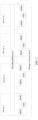
- the distributed storage system includes a plurality of servers such as a server 1, a server 2, a server 3, a server 4, a server 5, and a server 6.
- the servers communicate with each other by using InfiniBand, an Ethernet, or the like.
- the server in the distributed storage system is also referred to as a storage node.
- a quantity of servers in the distributed storage system may be increased based on an actual requirement. This is not limited in this embodiment of the present invention.
- the server in the distributed storage system includes a structure shown in FIG. 3 .
- each server in the distributed storage system includes a central processing unit (Central Processing Unit, CPU) 301, a memory 302, an interface 303, a hard disk 1, a hard disk 2, and a hard disk 3.
- the memory 302 stores a computer instruction.
- the CPU 301 executes the computer instruction in the memory 302 to perform a corresponding operation.
- the interface 303 may be a hardware interface such as a network interface card (Network Interface Card, NIC) or a host bus adapter (Host Bus Adaptor, HBA), or may be a program interface module or the like.
- the hard disk includes a solid state disk (Solid State Disk, SSD), a mechanical hard disk, or a hybrid hard disk.
- the mechanical hard disk is an HDD (Hard Disk Drive).
- a hard disk interface may be a serial advanced technology attachment (Serial Advanced Technology Attachment, SATA) interface, a serial attached small computer system interface (Serial Attached Small Computer System Interface, SAS) interface, a fiber channel (Fiber Channel, FC) interface, a peripheral component interconnect express (Peripheral Component Interconnect-Express, PCIe) interface, a non-volatile memory express (Non-Volatile Memory Express, NVMe) interface, or the like.
- Serial Advanced Technology Attachment SATA
- SAS serial attached small computer system interface
- FC Fiber Channel
- PCIe peripheral component interconnect express
- NVMe non-volatile memory express
- the CPU 201 may be replaced with a field programmable logic gate array (Field Programmable Gate Array, FPGA) or other hardware.
- FPGA Field Programmable Gate Array
- an FPGA or other hardware and the CPU 301 jointly perform the foregoing corresponding operation.
- the CPU 301 and the memory 302 are referred to as a processor, or hardware that replaces the CPU 301 and the memory 302 is referred to as a processor, or a combination of the CPU 301, the memory 302, and other hardware is referred to as a processor.
- a client in the distributed storage system writes data into the distributed storage system based on a write request from a host or reads data from the distributed storage system based on a read request from a host.
- the server shown in this embodiment of the present invention may serve as the client.
- the client may alternatively be a device independent of the server shown in FIG. 3 .
- a specific form of the host in this embodiment of the present invention may be a server, a virtual machine (Virtual Machine, VM), a terminal device, or the like. This is not limited in this embodiment of the present invention.
- the client in the distributed storage system provides a storage resource in the distributed storage system for the host.
- the client provides a block resource such as a logical unit for the host, to provide a data access operation for the host.
- the logical unit is also referred to as a logical unit number (Logical Unit Number, LUN).
- LUN Logical Unit Number
- a client provides a file resource for a host.
- a client provides an object resource for a host.
- a distributed block storage system is used as an example.
- a client provides a block protocol access interface, so that the client provides a distributed block storage access point service.
- a host may access a storage resource in a storage resource pool in the distributed block storage system by using the client.
- the block protocol access interface is configured to provide a LUN for the host.
- the server serves as a storage node to store data received by the client.
- one hard disk may serve as one storage node by default, in other words, when the server includes a plurality of hard disks, the server may serve as a plurality of storage nodes.
- a distributed block storage system program runs on a server
- the server serves as one storage node.
- This is not limited in this embodiment of the present invention. Therefore, for a structure of the storage node, refer to FIG. 4 and related description.
- hash space for example, 0 to 2 ⁇ 32
- partition partition
- the N equal parts are equally allocated based on a quantity of hard disks.
- N is 3600 by default, in other words, the partitions are P1, P2, P3, ..., and P3600. It is assumed that a current distributed block storage system includes 18 hard disks (storage nodes).
- each storage node carries 200 partitions.
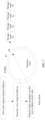
- the partition P includes M storage nodes N j .
- the partition includes four storage nodes N j .
- the partition view is "P2-storage node N 1 -storage node N 2 -storage node N 3 -storage node N 4 ", where j is an integer ranging from 1 to M.
- the partition view is determined, and is subsequently adjusted based on the quantity of hard disks in the distributed block storage system.
- the client saves the partition view.
- the distributed block storage system includes a stripe metadata server.
- a specific implementation may be that a stripe management program runs on one or more servers in the distributed block storage system.
- the stripe metadata server allocates a stripe to the partition.
- the partition view shown in FIG. 5 is still used as an example. As shown in FIG.
- the stripe metadata server allocates, based on the partition view, a storage address, namely, storage space, to a strip SU ij in a stripe S i in the partition P2 from a storage node N j corresponding to the partition. Specifically, the stripe metadata server allocates a storage address to SU i1 from the storage node N 1 , allocates a storage address to SU i2 from the storage node N 2 , allocates a storage address to SU i3 from the storage node N 3 , and allocates a storage address to SU i4 from the storage node N 4 .
- the stripe metadata server does not allocate a storage address to a strip SU ij in a stripe S i in the partition P2 from a storage node N j corresponding to the partition.
- the storage node N j allocates a storage address to the strip SU ij in the stripe.
- the storage address allocated to the strip SU ij may be specifically a logical address, for example, a logical block address (Logical Block Address, LBA), of a hard disk in the storage node N j .
- LBA Logical Block Address
- the storage address allocated by the stripe metadata server to the strip SU ij in the stripe from the storage node N j may alternatively be a physical address of the SSD.
- the hard disk in the storage node N j is a LUN, namely, a LUN connected to the storage node.
- Stripe metadata records a mapping relationship between a stripe identifier and a strip identifier, namely, a correspondence between S i and a strip SU ij in the stripe, and a strip SU ij included in a stripe S i can be found based on the correspondence.
- the stripe metadata server further records a correspondence between a strip SU ij and a stripe S i , and based on the correspondence, a stripe S i can be found by using a strip SU ij , so that stripe information, for example, all strips SU ij included in S i , is queried.
- the stripe metadata server allocates a version number to an identifier of a strip in a stripe. After a stripe is released, a version number of a strip identifier of a strip in the released stripe is updated, so that the strip identifier is used as a strip identifier of a strip in a new stripe.
- the stripe metadata server pre-allocates a strip SU ij to a stripe S i , so that waiting time can be reduced when the client writes data, thereby improving write performance of the distributed block storage system.
- the strip SU ij in the stripe S i has a unique identifier in the distributed block storage system.
- a logical unit allocated by the distributed block storage system is connected to the client, to perform a data access operation.
- the logical unit is also referred to as a logical unit number (Logical Unit Number, LUN).
- LUN Logical Unit Number
- one logical unit may be connected to only one client, or one logical unit may be connected to a plurality of clients, that is, a plurality of clients share one logical unit.
- the logical unit is provided by a storage resource pool shown in FIG. 2 .
- this embodiment of the present invention includes the following steps:
- Step 601 A first client receives a first write request.
- the first write request includes first data and a logical address.
- the distributed block storage system provides an LBA of a LUN.
- the logical address is used to indicate a writing position of the first data in the LUN.
- Step 602 The first client determines that the logical address is distributed in a partition P.
- a partition P2 is used as an example.
- the first client stores a partition view of the distributed block storage system.
- the first client determines, based on the partition view, the partition in which the logical address included in the first write request is located.
- the first client generates a key Key based on the logical address, calculates a hash value of the key according to a hash algorithm, determines a partition corresponding to the hash value, and therefore determines that the logical address is distributed in the partition P2.
- the first data is distributed in the partition P2.
- Step 603 The first client obtains a stripe S N from R stripes, where N is an integer ranging from 1 to R.
- a stripe metadata server manages a correspondence between a partition and a stripe and a relationship between a strip in a stripe and a storage node.
- An implementation in which the first client obtains the stripe S N from the R stripes is as follows: The first client determines that the logical address is distributed in the partition P2, and the first client queries the stripe metadata server to obtain the stripe S N in the R stripes included in the partition P2.
- the logical address is an address used for writing data by the client in the distributed block storage system. Therefore, that the logical address is distributed in the partition P represents a same meaning as that the first data is distributed in the partition P.
- the first client obtains the stripe S N from the R stripes may be as follows: The first client obtains the stripe S N from a stripe in the R stripes that is allocated to the first client.
- a client may store a mapping relationship between a partition and a stripe.
- the client may cache a stripe allocated by the stripe metadata server.
- Step 604 The first client divides the first data into data of one or more strips SU Nj in the stripe Srr.
- the stripe S N includes a strip.
- the first client receives the first write request, caches the first data included in the first write request, and divides the cached data based on a size of the strip in the stripe. For example, the first client divides the data based on a length of the strip in the stripe to obtain data of a strip size, performs a modulo operation on a quantity M (for example, 4) of storage nodes in the partition based on the logical address of the data of the strip size, to determine a location of the data of the strip size in the stripe, namely, a corresponding strip SU Nj , and further determines, based on the partition view, a storage node N j corresponding to the strip SU Nj .
- M for example, 4
- the first data is divided into data of one or more strips SU Nj .
- P2 is used as an example.
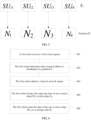
- the stripe S N includes four strips: SU N1 , SU N2 , SU N3 , and SU N4 .
- the first data is divided into data of two strips, namely, data of SU N1 and data of SUrrz.
- Data of the strip SU N3 may be obtained through division of data in another write request received by the first client. For details, refer to a description of a first request.
- data of the check strip SU N4 is generated based on the data of SU N1 , the data of SUrrz, and the data of SU N3 .
- the data of the check strip SU N4 is also referred to as check data.
- the stripe S N includes four strips, namely, three data strips and one check strip.
- the first client caches data for more than a period of time, the first client needs to write the data into the storage node.
- the check strip is generated based on the data of SU N1 and the data of SU N2 .
- data of a valid data strip SU Nj includes data strip status information of the stripe S N , and the valid data strip SU Nj is a strip that is not empty.
- the data of the valid data strip SU N1 and the data of the valid data strip SU N2 both include the data strip status information of the stripe S N , and the data strip status information is used to indicate whether each data strip in the stripe S N is empty. For example, 1 is used to indicate that the data strip is not empty, and 0 is used to indicate that the data strip is empty.
- the data strip status information included in the data of SU N1 is 110
- the data strip status information included in the data of SU N2 is 110, which indicates that SU N1 is not empty, SU N2 is not empty, and SU N3 is empty.
- the data of the check strip SU N4 generated based on the data of SU N1 and the data of SU N2 includes check data of the data strip status information. Because SU N3 is empty, the first client does not need to replace the data of SU N3 with all-0 data and write the all-0 data into the storage node N 3 , thereby reducing an amount of written data.
- the first client determines, based on the data strip status information of the stripe S N included in the data of the data strip SU N1 or the data of the data strip SU N2 , that SU N3 is empty.
- the data strip status information included in the data of SU N1 , the data of SU N2 , and the data of SU N3 in this embodiment of the present invention is 111, and the data of the check strip SU N4 generated based on the data of SU N1 , the data of SU N2 , and the data of SU N3 includes the check data of the data strip status information.
- the data of the data strip SU Nj further includes metadata, such as an identifier of the data strip SU Nj and a logical address of the data of the data strip SU Nj .
- Step 605 The first client sends the data of the one or more strips SU Nj to the storage node N j .
- the first client sends the data of SU N1 obtained through division of the first data to a storage node N 1 , and sends the data of SU N2 obtained through division of the first data to a storage node N 2 .
- the first client may concurrently send the data of the strip SU Nj in the stripe S N to the storage node N j , without requiring a primary storage node, so that data interaction between storage nodes is reduced, write concurrency is improved, and write performance of the distributed block storage system is improved.
- the first client receives a second write request.
- the second write request includes second data and the logical address described in FIG. 6 .
- the first client determines, according to the algorithm described in the process in FIG. 6 , that the logical address is distributed in the partition P2.
- the first client obtains a stripe S K from the R stripes and divides the second data into data of one or more strips SU Kj in the stripe S K , such as data of SU K , and data of SU K2 .
- the first client sends the data of the one or more strips SU Kj to the storage node N j .
- the data of SU K1 is sent to the storage node N 1
- the data of SU K2 is sent to the storage node N 2
- K is an integer ranging from 1 to R
- N is different from K.
- that the logical address is distributed in the partition P represents a same meaning as that the second data is distributed in the partition P.
- data of the valid data strip SU Kj includes data strip status information of a stripe KY .
- the data of the data strip SU Kj further includes metadata of the data of the data strip SU Kj , such as an identifier of the strip SU Kj and a logical address of the data of the strip SU Kj .
- the second client may perform the foregoing operation of the second write request performed by the first client.
- the second client receives a third write request, and the third write request includes third data and the logical address described in FIG. 6 .
- the second client determines, according to the algorithm described in the process in FIG. 6 , that the logical address is distributed in the partition P2.
- the second client obtains a stripe S K from the R stripes and divides the third data into data of one or more strips SU Kj in the stripe S K , such as data of SU K , and data of SU K2 .
- the second client sends the data of the one or more strips SU Kj to the storage node N j .
- the data of SU K is sent to the storage node N 1
- the data of SU K2 is sent to the storage node N 2
- K is an integer ranging from 1 to R
- N is different from K.
- That the logical address is distributed in the partition P represents a same meaning as that the third data is distributed in the partition P.
- data of the valid data strip SU Kj includes data strip status information of the stripe S K .
- the data of the data strip SU Kj further includes at least one of an identifier of the second client and a timestamp TP K of the stripe S K obtained by the second client. Further, the data of the data strip SU Kj further includes metadata, such as an identifier of the data strip SU Kj and a logical address of the data of the data strip SU Kj .
- metadata such as an identifier of the data strip SU Kj and a logical address of the data of the data strip SU Kj .
- the client divides the data into the data of the strips, and sends the data of the strips to the corresponding storage nodes, without requiring the primary storage node, so that pressure on the primary storage node is reduced, and data interaction between the storage nodes is reduced.
- the data of the strips in the stripe is concurrently written into the corresponding storage nodes, so that write performance of the distributed block storage system is improved.
- a storage node N j performs the following steps.
- Step 801 The storage node N j stores data of a strip SU Nj in a stripe S N .
- the storage node N 1 receives the data of SU N1 sent by the first client
- the storage node N 2 receives the data of SU N2 sent by the first client
- the storage node N 3 receives the data of SU N3 sent by the first client
- a storage node N 4 receives the data of SU N4 sent by the first client.
- the stripe S N includes M strips SU Nj , namely, the strip SU N1 to a strip SU NM .
- Step 802 The storage node N j stores data of a strip SU Kj in a stripe S K .
- the storage node N 1 receives the data of SU K1 sent by the first client
- the storage node N 2 receives the data of SU K2 sent by the first client
- the storage node N 3 receives data of SU K3 sent by the first client
- the storage node N 4 receives data of SU K4 sent by the first client.
- the stripe S K includes M strips SU Kj , namely, the strip SU K , to a strip SU KM .
- a logical address of the data of the strip SU Kj is the same as a logical address of the data of the strip SU Nj .
- the data of the strip SU Kj in the stripe S K is sent by a second client.
- Step 803 The storage node N j generates a record, where the record is used to indicate that the data of the strip SU Nj reaches the storage node N j before the data of the strip SU Kj .
- the record indicates, based on an identifier of the strip SU Nj and an identifier of the strip SU Kj , that the data of the strip SU Nj reaches the storage node N j before the data of the strip SU Kj , so that data consistency is ensured based on the record. That is, the identifier of the strip SU Nj and the identifier of the strip SU K , are used as an entry.
- a sequence of the data of the two strips in reaching the storage node N j may be represented by a sequence of the identifiers of the two strips.
- a sequence of the data of the two strips in reaching the storage node N j may alternatively be represented by a combination of the identifiers of the two strips and other symbols.
- the storage node N j backs up the record to one or more other storage nodes in M storage nodes.
- the record may be backed up to one or more of the storage node N 2 , the storage node N 3 , and the storage node N 4 , so that reliability of the record can be improved, and the record is prevented from being lost when the storage node N 1 becomes faulty.
- the storage node N j stores an identifier of the storage node in which the record is backed up.
- the data of the strip SU Kj between the restored data of the strip SU Nj and the restored data of the strip SU Kj cannot be determined as latest data.
- a backup relationship of the record between the M storage nodes is determined by a stripe metadata server.
- the storage node N j further records a mapping between the logical address of the data of the strip SU Nj and the identifier of the strip SU Nj , and a mapping between the logical address of the data of the strip SU Kj and the identifier of the strip SU Kj .
- the logical address of the data of the strip may be used as an index to organize the record.
- the storage node N j stores the data of the strip SU Nj and records a mapping between the identifier of the strip SU Nj and an address for storing the data of the strip SU Nj .
- the storage node N j stores the data of the strip SU Kj and records a mapping between the identifier of the strip SU Kj and an address for storing the data of the strip SU Kj .
- the storage node needs to record a mapping between an identifier of the check strip and an address for storing the data of the check strip, and does not need to record a mapping between a logical address of the data of the check strip and the identifier of the check strip, because the data of the check strip has no logical address.
- the storage node N j stores a mapping between a logical address of data of a strip and an identifier of the strip in a cache according to a sequence of receiving the data of the strip. Therefore, the storage node N j generates the record based on the mapping.
- a record is not required to be generated immediately after the data of the strip is received, and generating the record may be performed as a background task, so that performance of processing the data of the strip by the storage node N j is improved.
- the storage node N j When the storage node is configured to store the data of the check strip, namely, the check data, the storage node N j stores, in the cache according to a sequence of receiving the data of the check strip, the mapping between the identifier of the strip and the logical address of the data of the check strip stored in the storage node N j , and the storage node N j generates the record based on the mapping.
- the storage node N j stores the data of the check strip in the cache according to the sequence of receiving the data of the check strip, and the storage node N j generates the record based on a sequence of data in the cache.
- the storage node N j receives a read request sent by the client, and the read request includes a logical address. Because the logical address of the data of the strip SU Nj is the same as the logical address of the data of the strip SU Kj , the storage node N j further records a mapping between the logical address of the data of the strip SU Nj and the identifier of the strip SU Nj , and a mapping between the logical address of the data of the strip SU Kj and the identifier of the strip SU Kj .
- latest data namely, data of a latest version
- the storage node N j determines, by querying the stored record based on the logical address, that the data of the strip SU Kj is the latest data.
- the client may be the first client or the second client, or may be a client other than the first client and the second client.
- the stripe metadata server restores the data of the strip SU Nj based on data of other strips of the stripe S N on M-1 storage nodes, and restores the data of the strip SU Kj based on data of other strips of the stripe S K on the M-1 storage nodes.
- the data of the strip SU N1 and the data of the strip SU K1 are restored in the foregoing manner.
- restoring the data of the strip is implemented by the client.
- the storage node N j obtains the record from another storage node in which the record is backed up, and determines, between the restored data of the strip SU Nj and the restored data of the strip SU Kj based on the record, that the data of the strip SU K , is latest data, to ensure data consistency based on the record.
- the storage node N j queries the backup relationship of the record between the M storage nodes from the stripe metadata server, determines an identifier of a storage node that stores a record of the storage node N j , and obtains the record of the storage node N j from the storage node based on the identifier of the storage node.
- a comparative example provides a storage node in a distributed storage system as a storage node N j in the distributed storage system.
- the storage node N j includes a receiving unit 901 and a generation unit 902.
- the receiving unit 901 is configured to receive data of a strip SU Nj in a stripe S N and data of a strip SU Kj in a stripe S K , where the stripe S N includes M strips SU Nj and the stripe S K includes M strips SU Kj , a logical address of the data of the strip SU Kj is the same as a logical address of the data of the strip SU Nj , and N is different from K.
- the generation unit 902 is configured to generate a record, where the record is used to indicate that the data of the strip SU Nj reaches the storage node N j before the data of the strip SU Kj .
- the record indicates, based on an identifier of the strip SU Nj and an identifier of the strip SU Kj , that the data of the strip SU Nj reaches the storage node N j before the data of the strip SU Kj .
- the data of the strip SU Nj and the data of the strip SU Kj are sent by a first client.
- the data of the strip SU Nj is sent by a first client
- the data of the strip SU Kj is sent by a second client.
- the storage node N j shown in FIG. 9 further includes a backup unit that is configured to back up the record to one or more other storage nodes in the M storage nodes.
- the storage node N j shown in FIG. 9 further includes a query determining unit and a returning unit.
- the receiving unit is further configured to receive a read request sent by a third client, where the read request includes the logical address.
- the query determining unit is configured to determine, by querying the record based on the logical address, that the data of the strip SU Kj is latest data.
- the returning unit is configured to return the data of SU Kj to the third client.
- the storage node N j shown in FIG. 9 further includes an obtaining and determining unit that is configured to: when the storage node N j becomes faulty, obtain the record from a storage node in which the record is backed up, and determine, between the restored data of the strip SU Nj and the restored data of the strip SU Kj based on the record, that the data of the strip SU Kj is latest data.
- the embodiments of the present invention further provide a computer readable storage medium and a computer program product.
- the computer readable storage medium and the computer program product include computer instructions used to implement various solutions described in the embodiments of the present invention.
- Identifiers used to describe the stripe, the data strip, the check strip, and the storage node in the embodiments of the present invention are merely intended to describe the embodiments of the present invention more clearly, and a similar identifier is not required in actual product implementation.
- a corresponding strip and storage node may not be queried based on a partition.
- the disclosed apparatus and method may be implemented in other manners.
- the unit division in the described apparatus embodiment is merely logical function division and may be another division in actual implementation.
- a plurality of units or components may be combined or may be integrated into another system, or some features may be ignored or not be performed.
- the displayed or discussed mutual couplings or direct couplings or communications connections may be implemented by using some interfaces.
- the indirect couplings or communications connections between the apparatuses or units may be implemented in electrical, mechanical, or other forms.
- the units described as separate parts may or may not be physically separate, and parts displayed as units may or may not be physical units, may be located in one position, or may be distributed on a plurality of network units. Some or all of the units may be selected based on actual requirements to achieve the objectives of the solutions in the embodiments.
- functional units in the embodiments of the present invention may be integrated into one processing unit, or each of the units may exist alone physically, or two or more units are integrated into one unit.
Landscapes
- Engineering & Computer Science (AREA)
- Theoretical Computer Science (AREA)
- Human Computer Interaction (AREA)
- Physics & Mathematics (AREA)
- General Engineering & Computer Science (AREA)
- General Physics & Mathematics (AREA)
- Computer Security & Cryptography (AREA)
- Information Retrieval, Db Structures And Fs Structures Therefor (AREA)
Claims (8)
- Datenspeicherverfahren in einem verteilten Speichersystem, wobei das verteilte Speichersystem M Speicherknoten Nj umfasst, j eine ganze Zahl im Bereich von 1 bis M ist und das Verfahren Folgendes umfasst:Empfangen von Daten eines Streifens SUNj in einem Streifen SN durch den Speicherknoten Nj, wobei der Streifen SN M Streifen SUNj umfasst;Empfangen von Daten eines Streifens SUKj in einem Streifen SK durch den Speicherknoten Nj, wobei eine logische Adresse der Daten des Streifens SUKj die gleiche ist wie eine logische Adresse der Daten des Streifens SUNj, N von K verschieden ist und der Streifen SK M Streifen SUKj umfasst; undErzeugen eines Datensatzes durch den Speicherknoten Nj, wobei der Datensatz verwendet wird, um anzugeben, dass die Daten des Streifens SUNj den Speicherknoten Nj vor den Daten des Streifens SUKj erreichen;Sichern des Datensatzes durch den Speicherknoten Nj auf einem oder mehreren anderen Speicherknoten in den M-Speicherknoten;wenn der Speicherknoten Nj fehlerhaft wird, Erhalten des Datensatzes von einem Speicherknoten, in dem der Datensatz gesichert ist, und Bestimmen zwischen den wiederhergestellten Daten des Streifens SUNj und den wiederhergestellten Daten des Streifens SUKj basierend auf dem Datensatz, dass die Daten des Streifens SUKj die neuesten Daten sind, wobei der Datensatz basierend auf einer Kennung des Streifens SUNj und einer Kennung des Streifens SUKj angibt, dass die Daten des Streifens SUNj den Speicherknoten Nj vor den Daten des Streifens SUKj erreichen;wobei die wiederhergestellten Daten des Streifens SUNj auf Daten anderer Streifen des Streifens SN auf M-1 Speicherknoten basieren und die wiederhergestellten Daten des Streifens SUKj auf Daten anderer Streifen des Streifens SK auf den M-1 Speicherknoten basieren;wobei das verteilte Blockspeichersystem ferner einen Streifenmetadaten-Server umfasst, der konfiguriert ist, den Streifen SUNj und den Streifen SUKj einer entsprechenden Partition des Speicherknotens Nj zuzuweisen und eine Sicherungsbeziehung des Datensatzes zwischen den M Speicherknoten zu bestimmen; wobei das Verfahren dann, wenn der Speicherknoten Nj fehlerhaft wird und die Daten des Streifens SUNj und die Daten des Streifens SUKj verloren gehen, ferner Folgendes umfasst:
Abfragen der Sicherungsbeziehung des Datensatzes zwischen den M Speicherknoten von dem Speichermetadaten-Server, Bestimmen einer Kennung eines Speicherknotens, der den Datensatz des Speicherknotens Nj speichert, und Erhalten des Datensatzes des Speicherknotens Nj aus dem Speicherknoten basierend auf der Kennung des Speicherknotens. - Verfahren nach Anspruch 1, wobei die Daten des Streifens SUNj und die Daten des Streifens SUKj durch einen ersten Client gesendet werden.
- Verfahren nach Anspruch 1, wobei die Daten des Streifens SUNj durch einen ersten Client gesendet werden und die Daten des Streifens SUKj durch einen zweiten Client gesendet werden.
- Speicherknoten in einem verteilten Speichersystem, wobei das verteilte Speichersystem M Speicherknoten Nj umfasst, j eine ganze Zahl im Bereich von 1 bis M ist und ein Speicherknoten als der Speicherknoten Nj dient, und eine Schnittstelle und einen Prozessor umfasst, die miteinander kommunizieren, wobei das verteilte Speichersystem ferner einen Streifenmetadaten-Server umfasst, der konfiguriert ist zum: Zuweisen eines Streifens SUNj und eines Streifens SUKj zu einer entsprechenden Partition des Speicherknotens Nj und Bestimmen einer Sicherungsbeziehung eines Datensatzes zwischen den M Speicherknoten, wobei der Prozessor konfiguriert ist zum:Empfangen von Daten des Streifens SUNj in einem Streifen SN, wobei der Streifen SN M Streifen SUNj umfasst;Empfangen von Daten des Streifens SUKj in einem Streifen SK, wobei eine logische Adresse der Daten des Streifens SUKj die gleiche ist wie eine logische Adresse der Daten des Streifens SUKj, N von K verschieden ist und der Streifen SK M Streifen SUKj umfasst; undErzeugen des Datensatzes, wobei der Datensatz verwendet wird, um anzugeben, dass die Daten des Streifens SUNj den Speicherknoten Nj vor den Daten des Streifens SUKj erreichen;Sichern des Datensatzes auf einem oder mehreren anderen Speicherknoten in den M-Speicherknoten;wenn der Speicherknoten Nj fehlerhaft wird, Erhalten des Datensatzes von einem Speicherknoten, in dem der Datensatz gesichert ist, und Bestimmen zwischen den wiederhergestellten Daten des Streifens SUNj und den wiederhergestellten Daten des Streifens SUKj basierend auf dem Datensatz, dass die Daten des Streifens SUKj die neuesten Daten sind, wobei der Datensatz basierend auf einer Kennung des Streifens SUNj und einer Kennung des Streifens SUKj angibt, dass die Daten des Streifens SUNj den Speicherknoten Nj vor den Daten des Streifens SUKj erreichen;wobei die wiederhergestellten Daten des Streifens SUNj auf Daten anderer Streifen des Streifens SN auf M-1 Speicherknoten basieren und die wiederhergestellten Daten des Streifens SUKj auf Daten anderer Streifen des Streifens SK auf den M-1 Speicherknoten basieren;wobei der Speicherknoten Nj dann, wenn der Speicherknoten Nj fehlerhaft wird und die Daten des Streifens SUNj und die Daten des Streifens SUKj verloren gehen, konfiguriert ist zum:
Abfragen der Sicherungsbeziehung des Datensatzes zwischen den M Speicherknoten von dem Speichermetadaten-Server, Bestimmen einer Kennung eines Speicherknotens, der den Datensatz des Speicherknotens Nj speichert, und Erhalten des Datensatzes des Speicherknotens Nj aus dem Speicherknoten basierend auf der Kennung des Speicherknotens. - Speicherknoten nach Anspruch 4, wobei die Daten des Streifens SUNj und die Daten des Streifens SUKj durch einen ersten Client gesendet werden.
- Speicherknoten nach Anspruch 4, wobei die Daten des Streifens SUNj durch einen ersten Client gesendet werden und die Daten des Streifens SUKj durch einen zweiten Client gesendet werden.
- Verteiltes Speichersystem, das M Speicherknoten nach Anspruch 4 enthält.
- Computerprogrammprodukt, das einen Computerbefehl enthält, und wenn der Computerbefehl auf einem Prozessor eines Speicherknotens in einem verteilten Speichersystem ausgeführt wird, das M Speicherknoten Nj und einen Streifenmetadaten-Server enthält, der konfiguriert ist, den Streifen SUNj und den Streifen SUKj einer entsprechenden Partition des Speicherknotens Nj zuzuweisen und eine Sicherungsbeziehung eines Datensatzes zwischen den M Speicherknoten zu bestimmen, wobei j eine ganze Zahl im Bereich von 1 bis M ist, der Speicherknoten als der Speicherknoten Nj dient, und das Verfahren nach einem der Ansprüche 1 bis 3 implementiert.
Applications Claiming Priority (1)
| Application Number | Priority Date | Filing Date | Title |
|---|---|---|---|
| PCT/CN2018/123349 WO2020132849A1 (zh) | 2018-12-25 | 2018-12-25 | 分布式存储系统中数据存储方法、装置及计算机程序产品 |
Publications (3)
| Publication Number | Publication Date |
|---|---|
| EP3889752A1 EP3889752A1 (de) | 2021-10-06 |
| EP3889752A4 EP3889752A4 (de) | 2021-12-01 |
| EP3889752B1 true EP3889752B1 (de) | 2024-09-25 |
Family
ID=71126800
Family Applications (1)
| Application Number | Title | Priority Date | Filing Date |
|---|---|---|---|
| EP18944365.8A Active EP3889752B1 (de) | 2018-12-25 | 2018-12-25 | Datenspeicherverfahren und -gerät in einem verteilten speichersystem und computerprogrammprodukt |
Country Status (4)
| Country | Link |
|---|---|
| US (1) | US11775194B2 (de) |
| EP (1) | EP3889752B1 (de) |
| CN (1) | CN111936960B (de) |
| WO (1) | WO2020132849A1 (de) |
Families Citing this family (5)
| Publication number | Priority date | Publication date | Assignee | Title |
|---|---|---|---|---|
| CN109814805B (zh) * | 2018-12-25 | 2020-08-25 | 华为技术有限公司 | 存储系统中分条重组的方法及分条服务器 |
| CN113311993B (zh) * | 2021-03-26 | 2024-04-26 | 阿里巴巴创新公司 | 数据存储方法及数据读取方法 |
| CN116166179A (zh) * | 2021-11-25 | 2023-05-26 | 华为技术有限公司 | 数据存储系统、智能网卡及计算节点 |
| CN114490674B (zh) * | 2022-04-18 | 2022-07-05 | 北京奥星贝斯科技有限公司 | 分区表建立、针对分区表的数据写入、读取方法及装置 |
| CN119449799A (zh) * | 2023-07-28 | 2025-02-14 | 华为技术有限公司 | 一种数据通信的管理方法、计算集群和服务器 |
Family Cites Families (15)
| Publication number | Priority date | Publication date | Assignee | Title |
|---|---|---|---|---|
| US7363444B2 (en) * | 2005-01-10 | 2008-04-22 | Hewlett-Packard Development Company, L.P. | Method for taking snapshots of data |
| TWI476610B (zh) * | 2008-04-29 | 2015-03-11 | Maxiscale Inc | 同級間冗餘檔案伺服器系統及方法 |
| CN103535014B (zh) * | 2013-04-23 | 2016-09-28 | 华为技术有限公司 | 一种网络存储系统、数据处理方法和客户端 |
| CN105471930B (zh) * | 2014-07-28 | 2019-03-26 | 浙江大华技术股份有限公司 | 一种读取分布式数据的方法、系统和设备 |
| CN105993013B (zh) * | 2014-12-27 | 2018-05-04 | 华为技术有限公司 | 一种数据处理方法装置及系统 |
| US9671971B2 (en) * | 2015-03-27 | 2017-06-06 | Intel Corporation | Managing prior versions of data for logical addresses in a storage device |
| CN104932953B (zh) * | 2015-06-04 | 2017-11-21 | 华为技术有限公司 | 一种数据分发方法、数据存储方法、相关装置以及系统 |
| CN105242879B (zh) * | 2015-09-30 | 2018-11-06 | 华为技术有限公司 | 一种数据存储方法以及协议服务器 |
| CN105404469B (zh) * | 2015-10-22 | 2018-11-13 | 浙江宇视科技有限公司 | 一种视频数据的存储方法和系统 |
| CN105468302B (zh) * | 2015-11-23 | 2018-10-30 | 华为技术有限公司 | 一种处理数据的方法、装置及系统 |
| CN106662983B (zh) * | 2015-12-31 | 2019-04-12 | 华为技术有限公司 | 分布式存储系统中的数据重建的方法、装置和系统 |
| CN107436725B (zh) | 2016-05-25 | 2019-12-20 | 杭州海康威视数字技术股份有限公司 | 一种数据写、读方法、装置及分布式对象存储集群 |
| CN107436733B (zh) * | 2017-06-29 | 2020-11-06 | 华为技术有限公司 | 分片管理方法和分片管理装置 |
| CN107908499B (zh) * | 2017-11-02 | 2021-03-05 | 华为技术有限公司 | 一种数据校验方法及装置 |
| CN108491290B (zh) * | 2018-03-28 | 2021-07-23 | 新华三技术有限公司 | 一种数据写入方法及装置 |
-
2018
- 2018-12-25 WO PCT/CN2018/123349 patent/WO2020132849A1/zh not_active Ceased
- 2018-12-25 EP EP18944365.8A patent/EP3889752B1/de active Active
- 2018-12-25 CN CN201880003863.0A patent/CN111936960B/zh active Active
-
2021
- 2021-06-25 US US17/358,682 patent/US11775194B2/en active Active
Also Published As
| Publication number | Publication date |
|---|---|
| CN111936960A (zh) | 2020-11-13 |
| CN111936960B (zh) | 2022-08-19 |
| US20210318826A1 (en) | 2021-10-14 |
| EP3889752A1 (de) | 2021-10-06 |
| WO2020132849A1 (zh) | 2020-07-02 |
| US11775194B2 (en) | 2023-10-03 |
| EP3889752A4 (de) | 2021-12-01 |
Similar Documents
| Publication | Publication Date | Title |
|---|---|---|
| US11775194B2 (en) | Data storage method and apparatus in distributed storage system, and computer program product | |
| US12124716B2 (en) | Multi-tier write allocation | |
| US9910777B2 (en) | Enhanced integrity through atomic writes in cache | |
| CN111949210B (zh) | 分布式存储系统中元数据存储方法、系统及存储介质 | |
| US20080282047A1 (en) | Methods and apparatus to backup and restore data for virtualized storage area | |
| JP2022552804A (ja) | データ・ストレージ・システムにおけるガベージ・コレクション | |
| US12032849B2 (en) | Distributed storage system and computer program product | |
| US9846655B1 (en) | Managing processing tasks in storage systems | |
| EP3889785B1 (de) | Stripe-rekonstruktionsverfahren in einem speichersystem und striping-server | |
| EP3495939B1 (de) | Verfahren und vorrichtung zum speichern von daten in einem verteilten blockspeichersystem und computerlesbares speichermedium | |
| WO2021017782A1 (zh) | 分布式存储系统访问方法、客户端及计算机程序产品 | |
| US11340829B1 (en) | Techniques for log space management involving storing a plurality of page descriptor (PDESC) page block (PB) pairs in the log | |
| US9946485B1 (en) | Efficient data marker representation | |
| CN102014153A (zh) | 一种数据存储系统及其数据存储方法 | |
| US11068299B1 (en) | Managing file system metadata using persistent cache | |
| WO2021088586A1 (zh) | 一种存储系统中的元数据的管理方法及装置 | |
| EP3971701A1 (de) | Datenverarbeitungsverfahren in einem speichersystem, vorrichtung und speichersystem | |
| US8935488B2 (en) | Storage system and storage control method |
Legal Events
| Date | Code | Title | Description |
|---|---|---|---|
| STAA | Information on the status of an ep patent application or granted ep patent |
Free format text: STATUS: THE INTERNATIONAL PUBLICATION HAS BEEN MADE |
|
| PUAI | Public reference made under article 153(3) epc to a published international application that has entered the european phase |
Free format text: ORIGINAL CODE: 0009012 |
|
| STAA | Information on the status of an ep patent application or granted ep patent |
Free format text: STATUS: REQUEST FOR EXAMINATION WAS MADE |
|
| 17P | Request for examination filed |
Effective date: 20210701 |
|
| AK | Designated contracting states |
Kind code of ref document: A1 Designated state(s): AL AT BE BG CH CY CZ DE DK EE ES FI FR GB GR HR HU IE IS IT LI LT LU LV MC MK MT NL NO PL PT RO RS SE SI SK SM TR |
|
| A4 | Supplementary search report drawn up and despatched |
Effective date: 20211102 |
|
| RIC1 | Information provided on ipc code assigned before grant |
Ipc: G06F 3/06 20060101AFI20211026BHEP |
|
| RAP1 | Party data changed (applicant data changed or rights of an application transferred) |
Owner name: HUAWEI CLOUD COMPUTING TECHNOLOGIES CO., LTD. |
|
| DAV | Request for validation of the european patent (deleted) | ||
| DAX | Request for extension of the european patent (deleted) | ||
| STAA | Information on the status of an ep patent application or granted ep patent |
Free format text: STATUS: EXAMINATION IS IN PROGRESS |
|
| 17Q | First examination report despatched |
Effective date: 20230127 |
|
| GRAP | Despatch of communication of intention to grant a patent |
Free format text: ORIGINAL CODE: EPIDOSNIGR1 |
|
| STAA | Information on the status of an ep patent application or granted ep patent |
Free format text: STATUS: GRANT OF PATENT IS INTENDED |
|
| INTG | Intention to grant announced |
Effective date: 20240524 |
|
| GRAS | Grant fee paid |
Free format text: ORIGINAL CODE: EPIDOSNIGR3 |
|
| GRAA | (expected) grant |
Free format text: ORIGINAL CODE: 0009210 |
|
| STAA | Information on the status of an ep patent application or granted ep patent |
Free format text: STATUS: THE PATENT HAS BEEN GRANTED |
|
| AK | Designated contracting states |
Kind code of ref document: B1 Designated state(s): AL AT BE BG CH CY CZ DE DK EE ES FI FR GB GR HR HU IE IS IT LI LT LU LV MC MK MT NL NO PL PT RO RS SE SI SK SM TR |
|
| REG | Reference to a national code |
Ref country code: GB Ref legal event code: FG4D |
|
| REG | Reference to a national code |
Ref country code: CH Ref legal event code: EP |
|
| P01 | Opt-out of the competence of the unified patent court (upc) registered |
Free format text: CASE NUMBER: APP_48754/2024 Effective date: 20240827 |
|
| REG | Reference to a national code |
Ref country code: DE Ref legal event code: R096 Ref document number: 602018074859 Country of ref document: DE |
|
| REG | Reference to a national code |
Ref country code: IE Ref legal event code: FG4D |
|
| REG | Reference to a national code |
Ref country code: LT Ref legal event code: MG9D |
|
| PG25 | Lapsed in a contracting state [announced via postgrant information from national office to epo] |
Ref country code: NO Free format text: LAPSE BECAUSE OF FAILURE TO SUBMIT A TRANSLATION OF THE DESCRIPTION OR TO PAY THE FEE WITHIN THE PRESCRIBED TIME-LIMIT Effective date: 20241225 |
|
| PG25 | Lapsed in a contracting state [announced via postgrant information from national office to epo] |
Ref country code: GR Free format text: LAPSE BECAUSE OF FAILURE TO SUBMIT A TRANSLATION OF THE DESCRIPTION OR TO PAY THE FEE WITHIN THE PRESCRIBED TIME-LIMIT Effective date: 20241226 Ref country code: FI Free format text: LAPSE BECAUSE OF FAILURE TO SUBMIT A TRANSLATION OF THE DESCRIPTION OR TO PAY THE FEE WITHIN THE PRESCRIBED TIME-LIMIT Effective date: 20240925 |
|
| PG25 | Lapsed in a contracting state [announced via postgrant information from national office to epo] |
Ref country code: BG Free format text: LAPSE BECAUSE OF FAILURE TO SUBMIT A TRANSLATION OF THE DESCRIPTION OR TO PAY THE FEE WITHIN THE PRESCRIBED TIME-LIMIT Effective date: 20240925 |
|
| PG25 | Lapsed in a contracting state [announced via postgrant information from national office to epo] |
Ref country code: LV Free format text: LAPSE BECAUSE OF FAILURE TO SUBMIT A TRANSLATION OF THE DESCRIPTION OR TO PAY THE FEE WITHIN THE PRESCRIBED TIME-LIMIT Effective date: 20240925 |
|
| PG25 | Lapsed in a contracting state [announced via postgrant information from national office to epo] |
Ref country code: RS Free format text: LAPSE BECAUSE OF FAILURE TO SUBMIT A TRANSLATION OF THE DESCRIPTION OR TO PAY THE FEE WITHIN THE PRESCRIBED TIME-LIMIT Effective date: 20241225 |
|
| REG | Reference to a national code |
Ref country code: NL Ref legal event code: MP Effective date: 20240925 |
|
| PG25 | Lapsed in a contracting state [announced via postgrant information from national office to epo] |
Ref country code: RS Free format text: LAPSE BECAUSE OF FAILURE TO SUBMIT A TRANSLATION OF THE DESCRIPTION OR TO PAY THE FEE WITHIN THE PRESCRIBED TIME-LIMIT Effective date: 20241225 Ref country code: NO Free format text: LAPSE BECAUSE OF FAILURE TO SUBMIT A TRANSLATION OF THE DESCRIPTION OR TO PAY THE FEE WITHIN THE PRESCRIBED TIME-LIMIT Effective date: 20241225 Ref country code: LV Free format text: LAPSE BECAUSE OF FAILURE TO SUBMIT A TRANSLATION OF THE DESCRIPTION OR TO PAY THE FEE WITHIN THE PRESCRIBED TIME-LIMIT Effective date: 20240925 Ref country code: GR Free format text: LAPSE BECAUSE OF FAILURE TO SUBMIT A TRANSLATION OF THE DESCRIPTION OR TO PAY THE FEE WITHIN THE PRESCRIBED TIME-LIMIT Effective date: 20241226 Ref country code: FI Free format text: LAPSE BECAUSE OF FAILURE TO SUBMIT A TRANSLATION OF THE DESCRIPTION OR TO PAY THE FEE WITHIN THE PRESCRIBED TIME-LIMIT Effective date: 20240925 Ref country code: BG Free format text: LAPSE BECAUSE OF FAILURE TO SUBMIT A TRANSLATION OF THE DESCRIPTION OR TO PAY THE FEE WITHIN THE PRESCRIBED TIME-LIMIT Effective date: 20240925 |
|
| REG | Reference to a national code |
Ref country code: AT Ref legal event code: MK05 Ref document number: 1727199 Country of ref document: AT Kind code of ref document: T Effective date: 20240925 |
|
| PG25 | Lapsed in a contracting state [announced via postgrant information from national office to epo] |
Ref country code: NL Free format text: LAPSE BECAUSE OF FAILURE TO SUBMIT A TRANSLATION OF THE DESCRIPTION OR TO PAY THE FEE WITHIN THE PRESCRIBED TIME-LIMIT Effective date: 20240925 |
|
| PG25 | Lapsed in a contracting state [announced via postgrant information from national office to epo] |
Ref country code: PT Free format text: LAPSE BECAUSE OF FAILURE TO SUBMIT A TRANSLATION OF THE DESCRIPTION OR TO PAY THE FEE WITHIN THE PRESCRIBED TIME-LIMIT Effective date: 20250127 Ref country code: IS Free format text: LAPSE BECAUSE OF FAILURE TO SUBMIT A TRANSLATION OF THE DESCRIPTION OR TO PAY THE FEE WITHIN THE PRESCRIBED TIME-LIMIT Effective date: 20250125 |
|
| PG25 | Lapsed in a contracting state [announced via postgrant information from national office to epo] |
Ref country code: RO Free format text: LAPSE BECAUSE OF FAILURE TO SUBMIT A TRANSLATION OF THE DESCRIPTION OR TO PAY THE FEE WITHIN THE PRESCRIBED TIME-LIMIT Effective date: 20240925 Ref country code: SM Free format text: LAPSE BECAUSE OF FAILURE TO SUBMIT A TRANSLATION OF THE DESCRIPTION OR TO PAY THE FEE WITHIN THE PRESCRIBED TIME-LIMIT Effective date: 20240925 |
|
| PG25 | Lapsed in a contracting state [announced via postgrant information from national office to epo] |
Ref country code: ES Free format text: LAPSE BECAUSE OF FAILURE TO SUBMIT A TRANSLATION OF THE DESCRIPTION OR TO PAY THE FEE WITHIN THE PRESCRIBED TIME-LIMIT Effective date: 20240925 |
|
| PG25 | Lapsed in a contracting state [announced via postgrant information from national office to epo] |
Ref country code: EE Free format text: LAPSE BECAUSE OF FAILURE TO SUBMIT A TRANSLATION OF THE DESCRIPTION OR TO PAY THE FEE WITHIN THE PRESCRIBED TIME-LIMIT Effective date: 20240925 Ref country code: AT Free format text: LAPSE BECAUSE OF FAILURE TO SUBMIT A TRANSLATION OF THE DESCRIPTION OR TO PAY THE FEE WITHIN THE PRESCRIBED TIME-LIMIT Effective date: 20240925 |
|
| PG25 | Lapsed in a contracting state [announced via postgrant information from national office to epo] |
Ref country code: PL Free format text: LAPSE BECAUSE OF FAILURE TO SUBMIT A TRANSLATION OF THE DESCRIPTION OR TO PAY THE FEE WITHIN THE PRESCRIBED TIME-LIMIT Effective date: 20240925 Ref country code: CZ Free format text: LAPSE BECAUSE OF FAILURE TO SUBMIT A TRANSLATION OF THE DESCRIPTION OR TO PAY THE FEE WITHIN THE PRESCRIBED TIME-LIMIT Effective date: 20240925 |
|
| PG25 | Lapsed in a contracting state [announced via postgrant information from national office to epo] |
Ref country code: IT Free format text: LAPSE BECAUSE OF FAILURE TO SUBMIT A TRANSLATION OF THE DESCRIPTION OR TO PAY THE FEE WITHIN THE PRESCRIBED TIME-LIMIT Effective date: 20240925 Ref country code: SK Free format text: LAPSE BECAUSE OF FAILURE TO SUBMIT A TRANSLATION OF THE DESCRIPTION OR TO PAY THE FEE WITHIN THE PRESCRIBED TIME-LIMIT Effective date: 20240925 |
|
| REG | Reference to a national code |
Ref country code: DE Ref legal event code: R097 Ref document number: 602018074859 Country of ref document: DE |
|
| PG25 | Lapsed in a contracting state [announced via postgrant information from national office to epo] |
Ref country code: MC Free format text: LAPSE BECAUSE OF FAILURE TO SUBMIT A TRANSLATION OF THE DESCRIPTION OR TO PAY THE FEE WITHIN THE PRESCRIBED TIME-LIMIT Effective date: 20240925 |
|
| PG25 | Lapsed in a contracting state [announced via postgrant information from national office to epo] |
Ref country code: DK Free format text: LAPSE BECAUSE OF FAILURE TO SUBMIT A TRANSLATION OF THE DESCRIPTION OR TO PAY THE FEE WITHIN THE PRESCRIBED TIME-LIMIT Effective date: 20240925 |
|
| REG | Reference to a national code |
Ref country code: CH Ref legal event code: PL |
|
| PLBE | No opposition filed within time limit |
Free format text: ORIGINAL CODE: 0009261 |
|
| STAA | Information on the status of an ep patent application or granted ep patent |
Free format text: STATUS: NO OPPOSITION FILED WITHIN TIME LIMIT |
|
| PG25 | Lapsed in a contracting state [announced via postgrant information from national office to epo] |
Ref country code: LU Free format text: LAPSE BECAUSE OF NON-PAYMENT OF DUE FEES Effective date: 20241225 |
|
| 26N | No opposition filed |
Effective date: 20250626 |
|
| PG25 | Lapsed in a contracting state [announced via postgrant information from national office to epo] |
Ref country code: SE Free format text: LAPSE BECAUSE OF FAILURE TO SUBMIT A TRANSLATION OF THE DESCRIPTION OR TO PAY THE FEE WITHIN THE PRESCRIBED TIME-LIMIT Effective date: 20240925 |
|
| REG | Reference to a national code |
Ref country code: BE Ref legal event code: MM Effective date: 20241231 |
|
| PG25 | Lapsed in a contracting state [announced via postgrant information from national office to epo] |
Ref country code: BE Free format text: LAPSE BECAUSE OF NON-PAYMENT OF DUE FEES Effective date: 20241231 |
|
| PG25 | Lapsed in a contracting state [announced via postgrant information from national office to epo] |
Ref country code: CH Free format text: LAPSE BECAUSE OF NON-PAYMENT OF DUE FEES Effective date: 20241231 |
|
| PG25 | Lapsed in a contracting state [announced via postgrant information from national office to epo] |
Ref country code: IE Free format text: LAPSE BECAUSE OF NON-PAYMENT OF DUE FEES Effective date: 20241225 |
|
| PGFP | Annual fee paid to national office [announced via postgrant information from national office to epo] |
Ref country code: DE Payment date: 20251104 Year of fee payment: 8 |
|
| PGFP | Annual fee paid to national office [announced via postgrant information from national office to epo] |
Ref country code: GB Payment date: 20251114 Year of fee payment: 8 |
|
| PG25 | Lapsed in a contracting state [announced via postgrant information from national office to epo] |
Ref country code: HR Free format text: LAPSE BECAUSE OF FAILURE TO SUBMIT A TRANSLATION OF THE DESCRIPTION OR TO PAY THE FEE WITHIN THE PRESCRIBED TIME-LIMIT Effective date: 20240925 |
|
| PGFP | Annual fee paid to national office [announced via postgrant information from national office to epo] |
Ref country code: FR Payment date: 20251110 Year of fee payment: 8 |