EP3882928A1 - Mfc/nc in transformer boards used in power transformers - Google Patents
Mfc/nc in transformer boards used in power transformers Download PDFInfo
- Publication number
- EP3882928A1 EP3882928A1 EP20163744.4A EP20163744A EP3882928A1 EP 3882928 A1 EP3882928 A1 EP 3882928A1 EP 20163744 A EP20163744 A EP 20163744A EP 3882928 A1 EP3882928 A1 EP 3882928A1
- Authority
- EP
- European Patent Office
- Prior art keywords
- pressboard
- mfc
- insulation element
- ester
- mineral
- Prior art date
- Legal status (The legal status is an assumption and is not a legal conclusion. Google has not performed a legal analysis and makes no representation as to the accuracy of the status listed.)
- Granted
Links
Images
Classifications
-
- H—ELECTRICITY
- H01—ELECTRIC ELEMENTS
- H01B—CABLES; CONDUCTORS; INSULATORS; SELECTION OF MATERIALS FOR THEIR CONDUCTIVE, INSULATING OR DIELECTRIC PROPERTIES
- H01B3/00—Insulators or insulating bodies characterised by the insulating materials; Selection of materials for their insulating or dielectric properties
- H01B3/18—Insulators or insulating bodies characterised by the insulating materials; Selection of materials for their insulating or dielectric properties mainly consisting of organic substances
- H01B3/48—Insulators or insulating bodies characterised by the insulating materials; Selection of materials for their insulating or dielectric properties mainly consisting of organic substances fibrous materials
- H01B3/52—Insulators or insulating bodies characterised by the insulating materials; Selection of materials for their insulating or dielectric properties mainly consisting of organic substances fibrous materials wood; paper; press board
-
- H—ELECTRICITY
- H01—ELECTRIC ELEMENTS
- H01B—CABLES; CONDUCTORS; INSULATORS; SELECTION OF MATERIALS FOR THEIR CONDUCTIVE, INSULATING OR DIELECTRIC PROPERTIES
- H01B3/00—Insulators or insulating bodies characterised by the insulating materials; Selection of materials for their insulating or dielectric properties
- H01B3/18—Insulators or insulating bodies characterised by the insulating materials; Selection of materials for their insulating or dielectric properties mainly consisting of organic substances
- H01B3/20—Insulators or insulating bodies characterised by the insulating materials; Selection of materials for their insulating or dielectric properties mainly consisting of organic substances liquids, e.g. oils
-
- H—ELECTRICITY
- H01—ELECTRIC ELEMENTS
- H01F—MAGNETS; INDUCTANCES; TRANSFORMERS; SELECTION OF MATERIALS FOR THEIR MAGNETIC PROPERTIES
- H01F27/00—Details of transformers or inductances, in general
- H01F27/28—Coils; Windings; Conductive connections
- H01F27/32—Insulating of coils, windings, or parts thereof
- H01F27/321—Insulating of coils, windings, or parts thereof using a fluid for insulating purposes only
Definitions
- the present disclosure relates to a pressboard for use as an insulation barrier and/or supporting structure in high-voltage (HV) devices, e.g. power transformers.
- HV high-voltage
- Modern power transformers normally comprise an oil-immersed core surrounded by winding conductors, which are covered by insulation material.
- pressboard As electrical insulation, oil-impregnated pressboard is frequently used in power transformers.
- One of the main functions of the pressboard is to create barriers in the insulation system that prevents electrical flashovers between potential and ground or between different potentials.
- a limiting property of the pressboard is its electrical withstand emerging from poor matching between pressboard and oil with respect to dielectric constants; large differences result in that the oil is highly stressed under capacitive voltage. It is known that the ratio between dielectric constants of oil and pressboard can be decreased if the density of the pressboard, regularly being about 1.0-1.3 g/cm 3 , is decreased.
- One explanation is that a lower density allows the oil to distribute more evenly in the porous structure of the pressboard.
- An objective of the present disclosure is to provide an improved pressboard that may be used as insulation barriers and supporting structures in power transformers.
- a pressboard for high-voltage devices having a density of 0.6-1.3 g/cm 3 according to IEC60641-2, and comprising 1-15% microfibrillated cellulose (MFC) based on the total dry weight of the pressboard.
- MFC microfibrillated cellulose
- a pressboard with a low density which has satisfactory mechanical properties is provided that balances electrical withstand with mechanical strength.
- the electrical withstand includes various voltage shapes, such as direct current (DC), alternating current (AC), lightning impulse (LI) and switching impulse (SI).
- an insulation element comprising a pressboard having a density of 0.6-1.3 g/cm3 according to IEC60641-2, wherein the pressboard comprises 1-15 % MFC based on the total dry weight of the pressboard, and wherein the pressboard is impregnated with an electrically insulating compound, e.g. a liquid or a resin, such as a cured resin.
- an electrically insulating compound e.g. a liquid or a resin, such as a cured resin.
- Addition of MFC in the pressboard while keeping the density low in comparison with a regular pressboard free of MFC provides for reduced electrical constants of the pressboard, which reduces the difference in electrical constants between the pressboard and the insulating liquid or resin that the pressboard is impregnated with.
- the electrical stress in the liquid or resin volumes next to the solid insulation element is reduced and impregnated pressboards with tailored dielectric matching are provided.
- an insulation element in a high-voltage device, wherein the insulation element comprises a pressboard having a density of 0.6-1.3 g/cm3 according to IEC60641-2, and wherein the pressboard comprises 1-15 % MFC based on the total dry weight of the pressboard, and wherein the pressboard is impregnated with an electrically insulating compound, e.g. a liquid or a resin, such as a cured resin.
- an electrically insulating compound e.g. a liquid or a resin, such as a cured resin.
- a high-voltage device comprising an insulation element, wherein the insulation element comprises a pressboard having a density of 0.6-1.3 g/cm3 according to IEC60641-2, and wherein the pressboard comprises 1-15 % MFC based on the total dry weight of the pressboard, and wherein the pressboard is impregnated with an electrically insulating compound, e.g. a liquid or a resin, such as a cured resin.
- the HV device may be a power transformer, e.g. a liquid-filled power transformer.
- the HV device may be a liquid-filled HV device, e.g. a liquid-filled power transformer.
- the pressboard (204) for high-voltage devices is having a density of 0.6-1.3 g/cm 3 according to IEC60641-2, preferably 0.8-1.2 g/cm 3 , such as 0.8-1.1 g/cm 3 , such as 0.8-1.0 g/cm 3 .
- the pressboard (204) comprises 1-15% MFC, preferably 1-10% MFC, such as 1-7% MFC, such as 1-5% MFC, such as 2-5% MFC, such as 3-5% MFC based on the total dry weight of the pressboard (204).
- the MFC is homogenously distributed throughout the pressboard (204). Homogeneity is in the context of the present disclosure referring to that the MFC is well-distributed and not concentrated to certain regions of the pressboard.
- the pressboard consists of only one pressboard layer, and in an alternative embodiment the pressboard comprises multiple pressboard layers (201, 202, 203), and in such an embodiment, preferably all layers comprise MFC, preferably homogenously distributed.
- the thickness of the pressboard (204) according to IEC60641-2 may be 0.8-10 mm, such as 1.0-9.0 mm, such as 4.0-9.0 mm.
- Pressboard is many times thicker than general purpose insulation paper and presspaper.
- General insulation paper that is used e.g. as a winded insulation has according to IEC60554-1a thickness of 15-250 ⁇ m, while presspaper has a thickness of 0.075-0.80 mm according to IEC60641-1.
- the production method of pressboard is also different from the production method of insulating paper. Insulating paper is produced according to standard paper-making methods on a paper machine, whereas pressboard is produced through a process of building up the specified thickness by varying pressing and feeding of furnish in specified cycles.
- MFC means nano-scale cellulose particle fibres or fibrils with at least one dimension less than 100 nm.
- MFC comprises partly or totally fibrillated cellulose or lignocellulose fibres.
- the liberated fibrils have a diameter of less than 100 nm, whereas the actual fibril diameter or particle size distribution and/or aspect ratio (length/width) depends on the source and the manufacturing methods.
- the smallest fibril is called elementary fibril and may have a diameter of approximately 2-4 nm, while it is common that the aggregated form of the elementary fibrils, also defined as microfibril is the main product that is obtained when making MFC e.g. by using an extended refining process or a pressure-drop disintegration process.
- the length of the fibrils may vary from around 1 to more than 10 micrometers.
- MFC Middle-fibril
- NFC nanofibrillated cellulose
- CNF cellulose nanofibrils
- CMF cellulose microfibres
- MFC cellulose fibrils
- microfibrillar cellulose microfibril aggregrates
- cellulose microfibril aggregates MFC may also be characterized by various physical or physical-chemical properties such as large surface area or its ability to form a gel-like material at low solids content (1-5 wt.%) when dispersed in water.
- the cellulose fibre is preferably fibrillated to such an extent that the final specific surface area of the formed MFC is from about 1 to about 200 m 2 /g, or more preferably 50-200 m 2 /g when determined for a freeze-dried material with the BET method ( Brunauer, Stephen, Paul Hugh Emmett, and Edward Teller. "Adsorption of gases in multimolecular layers.” Journal of the American chemical society 60.2 (1938): 309-319 .). Nitrogen (N2) gas adsorption isotherms are recorded using an ASAP 2020 (Micromeritics, USA) instrument. Measurements are performed at liquid nitrogen temperatures (i.e., 77 K), and the specific surface areas of the samples were obtained from the isotherms using the BET method.
- MFC multi-pass refining
- pre-hydrolysis followed by refining or high shear disintegration or liberation of fibrils.
- One or several pre-treatment step(s) may be conducted in order to make MFC manufacturing energy efficient including enzymatic or chemical pre-treatment.
- the nanofibrillar cellulose may contain some hemicelluloses; the amount may be dependent on factors such as plant source and pulping process.
- Mechanical fibres may be carried out with suitable equipment such as a refiner, grinder, homogenizer, collider, friction grinder, ultrasound sonicator, fluidizer such as microfluidizer, macrofluidizer or fluidizer-type homogenizer.
- suitable equipment such as a refiner, grinder, homogenizer, collider, friction grinder, ultrasound sonicator, fluidizer such as microfluidizer, macrofluidizer or fluidizer-type homogenizer.
- the product might also contain fines or e.g. other chemicals present in wood fibres or in papermaking process.
- the product might also contain various amounts of micron size fibre particles that have not been efficiently fibrillated.
- MFC may be produced from wood cellulose fibres, both from hardwood or softwood fibres.
- It may alternatively be made from agricultural fibres such as wheat straw pulp, bamboo, bagasse, or other non-wood fibre sources. It is preferably made from pulp of virgin fibre, e.g. mechanical, chemical and/or thermomechanical pulps, preferably never-dried fibres.
- MFC includes, but is not limited to, the proposed TAPPI standard W13021 on cellulose nanofibril (CNF) defining a cellulose nanofibre material containing multiple elementary fibrils with both crystalline and amorphous regions, having a high aspect ratio with width of 5-30 nm and aspect ratio usually greater than 50.
- CNF cellulose nanofibril
- an insulation element (101) comprising the pressboard (204), wherein the pressboard is impregnated with an electrically insulating compound (104), e.g. a liquid or a resin, such as a cured resin.
- an electrically insulating compound (104) e.g. a liquid or a resin, such as a cured resin.
- the electrically insulating compound is or comprises an oil, such as mineral oil, or an ester-based liquid.
- the mineral oil is derived from crude oil or natural gas
- the ester-based liquid is an ester fluid, preferably an ester fluid derived from plants or crops, such as from rapeseed, canola or soybean.
- the electrically insulating compound (104) is or comprises a cured resin, such as an epoxy-based resin, a polyester-based resins or a phenolic resin, or a combination thereof.
- the insulation element (204) may have a direct current (DC) and/or alternating current (AC) and/or lightning impulse (LI) and/or switching impulse (SI) electrical breakdown Weibull ⁇ -value that is 5-50 %, preferably 15-50 %, even more preferably 30-50 % higher compared with a corresponding insulation element being free of MFC.
- the insulation element is having an increased breakdown Weibull ⁇ -value for at least some of the voltage shapes DC, AC, LI and SI due to the density of the insulation element. That the corresponding insulation element is free of MFC is in the context of the present disclosure referring to an insulation element without MFC but otherwise identical.
- the Weibull ⁇ -value is a measure of breakdown strength.
- the DC and/or AC and/or LI and/or SI electrical breakdown Weibull ⁇ -value of the pressboard (204) may be above 7, preferably above 9, more preferably above 12.
- the Weibull ⁇ -value is a measure of the statistical spread of the breakdown strength around the alpha value. A higher beta value implies a low statistical spread.
- the permittivity-ratio between pressboard and insulating compound may beneficially be close to 1.
- a permittivity-ratio close to 1, or equal to 1, means that the insulating compound is under low stress under capacitive voltage.
- the permittivity-ratio is dependent on what type of insulating compound that is used.
- an insulation element (101) in accordance with an embodiment of the present disclosure in a high-voltage device (100), wherein the pressboard (204) is impregnated with an electrically insulating compound (104), e.g. a liquid or a resin, such as a cured resin.
- an electrically insulating compound (104) e.g. a liquid or a resin, such as a cured resin.
- a high-voltage device comprising an insulation element (204) in accordance with an embodiment of the present disclosure, wherein the pressboard (204) is impregnated with an electrically insulating compound (104), e.g. a liquid or a resin, such as a cured resin.
- the insulating compound is the same as the one that is impregnating the board.
Landscapes
- Engineering & Computer Science (AREA)
- Physics & Mathematics (AREA)
- Spectroscopy & Molecular Physics (AREA)
- Life Sciences & Earth Sciences (AREA)
- Wood Science & Technology (AREA)
- Power Engineering (AREA)
- Chemical & Material Sciences (AREA)
- Oil, Petroleum & Natural Gas (AREA)
- Organic Insulating Materials (AREA)
- Paper (AREA)
- Machines For Manufacturing Corrugated Board In Mechanical Paper-Making Processes (AREA)
Abstract
Description
- The present disclosure relates to a pressboard for use as an insulation barrier and/or supporting structure in high-voltage (HV) devices, e.g. power transformers.
- Modern power transformers normally comprise an oil-immersed core surrounded by winding conductors, which are covered by insulation material.
- As electrical insulation, oil-impregnated pressboard is frequently used in power transformers. One of the main functions of the pressboard is to create barriers in the insulation system that prevents electrical flashovers between potential and ground or between different potentials. A limiting property of the pressboard is its electrical withstand emerging from poor matching between pressboard and oil with respect to dielectric constants; large differences result in that the oil is highly stressed under capacitive voltage. It is known that the ratio between dielectric constants of oil and pressboard can be decreased if the density of the pressboard, regularly being about 1.0-1.3 g/cm3, is decreased. One explanation is that a lower density allows the oil to distribute more evenly in the porous structure of the pressboard. However, to merely reduce the density is not an option since a decreased density will also reduce the electrical withstand as well as the mechanical strength of the pressboard. Furthermore, a reduced density will increase the mechanical compressibility that also has negative influence on the design of power transformers. In other words, there is a trade-off between mechanical and electrical properties, and one problem is thus to decrease the electrical stress of the oil without compromising electrical withstand or mechanical strength.
- An objective of the present disclosure is to provide an improved pressboard that may be used as insulation barriers and supporting structures in power transformers.
- According to a first aspect of the present disclosure there is provided a pressboard for high-voltage devices, the pressboard having a density of 0.6-1.3 g/cm3 according to IEC60641-2, and comprising 1-15% microfibrillated cellulose (MFC) based on the total dry weight of the pressboard.
- By inclusion of MFC in the pressboard and at the same time maintaining or decreasing the density of the pressboard compared with a regular pressboard free of MFC, a pressboard with a low density which has satisfactory mechanical properties is provided that balances electrical withstand with mechanical strength. The electrical withstand includes various voltage shapes, such as direct current (DC), alternating current (AC), lightning impulse (LI) and switching impulse (SI).
- According to a second aspect of the present disclosure there is provided an insulation element comprising a pressboard having a density of 0.6-1.3 g/cm3 according to IEC60641-2, wherein the pressboard comprises 1-15 % MFC based on the total dry weight of the pressboard, and wherein the pressboard is impregnated with an electrically insulating compound, e.g. a liquid or a resin, such as a cured resin.
- Addition of MFC in the pressboard while keeping the density low in comparison with a regular pressboard free of MFC provides for reduced electrical constants of the pressboard, which reduces the difference in electrical constants between the pressboard and the insulating liquid or resin that the pressboard is impregnated with. As a consequence, the electrical stress in the liquid or resin volumes next to the solid insulation element is reduced and impregnated pressboards with tailored dielectric matching are provided.
- As a third aspect of the present disclosure, there is provided a use of an insulation element in a high-voltage device, wherein the insulation element comprises a pressboard having a density of 0.6-1.3 g/cm3 according to IEC60641-2, and wherein the pressboard comprises 1-15 % MFC based on the total dry weight of the pressboard, and wherein the pressboard is impregnated with an electrically insulating compound, e.g. a liquid or a resin, such as a cured resin.
- As a fourth aspect of the present disclosure there is provided a high-voltage device comprising an insulation element, wherein the insulation element comprises a pressboard having a density of 0.6-1.3 g/cm3 according to IEC60641-2, and wherein the pressboard comprises 1-15 % MFC based on the total dry weight of the pressboard, and wherein the pressboard is impregnated with an electrically insulating compound, e.g. a liquid or a resin, such as a cured resin. The HV device may be a power transformer, e.g. a liquid-filled power transformer. The HV device may be a liquid-filled HV device, e.g. a liquid-filled power transformer.
- What is described above with respect to the second aspect applies to the third and fourth aspects mutatis mutandis.
-
-
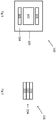
Figure 1 illustrates an exemplary embodiment of a HV device (100) according to the present disclosure comprising insulation elements (101) comprising MFC, a HV element (102), a housing (103), and an insulating compound (104). -
Figure 2 illustrates an exemplary embodiment of an insulation element (101) according to the present disclosure comprising a pressboard (204) constituting of a first outer layer (201), and inner layer (202) and a second outer layer (203). - The pressboard (204) for high-voltage devices according to the present disclosure is having a density of 0.6-1.3 g/cm3 according to IEC60641-2, preferably 0.8-1.2 g/cm3, such as 0.8-1.1 g/cm3, such as 0.8-1.0 g/cm3. The pressboard (204) comprises 1-15% MFC, preferably 1-10% MFC, such as 1-7% MFC, such as 1-5% MFC, such as 2-5% MFC, such as 3-5% MFC based on the total dry weight of the pressboard (204).
- Generally, when MFC is added to cellulose-based paper or board, the MFC fills up the voids causing the density to increase. It has now surprisingly been found that providing a low density of the pressboard upon addition of MFC, high mechanical strength as well as electrical withstand are both achieved.
- In preferred embodiments of the present disclosure the MFC is homogenously distributed throughout the pressboard (204). Homogeneity is in the context of the present disclosure referring to that the MFC is well-distributed and not concentrated to certain regions of the pressboard. In one embodiment, the pressboard consists of only one pressboard layer, and in an alternative embodiment the pressboard comprises multiple pressboard layers (201, 202, 203), and in such an embodiment, preferably all layers comprise MFC, preferably homogenously distributed.
- The thickness of the pressboard (204) according to IEC60641-2 may be 0.8-10 mm, such as 1.0-9.0 mm, such as 4.0-9.0 mm. Pressboard is many times thicker than general purpose insulation paper and presspaper. General insulation paper that is used e.g. as a winded insulation has according to IEC60554-1a thickness of 15-250 µm, while presspaper has a thickness of 0.075-0.80 mm according to IEC60641-1. The production method of pressboard is also different from the production method of insulating paper. Insulating paper is produced according to standard paper-making methods on a paper machine, whereas pressboard is produced through a process of building up the specified thickness by varying pressing and feeding of furnish in specified cycles.
- In the context of the present disclosure, MFC means nano-scale cellulose particle fibres or fibrils with at least one dimension less than 100 nm. MFC comprises partly or totally fibrillated cellulose or lignocellulose fibres. The liberated fibrils have a diameter of less than 100 nm, whereas the actual fibril diameter or particle size distribution and/or aspect ratio (length/width) depends on the source and the manufacturing methods. The smallest fibril is called elementary fibril and may have a diameter of approximately 2-4 nm, while it is common that the aggregated form of the elementary fibrils, also defined as microfibril is the main product that is obtained when making MFC e.g. by using an extended refining process or a pressure-drop disintegration process. Depending on the source and the manufacturing process, the length of the fibrils may vary from around 1 to more than 10 micrometers.
- There are different synonyms for MFC which are, sometimes confusingly, used in the literature, such as cellulose microfibrils, fibrillated cellulose, nanofibrillated cellulose (NFC), fibril aggregates, nanoscale cellulose fibrils, cellulose nanofibres, cellulose nanofibrils (CNF), cellulose microfibres (CMF), cellulose fibrils, microfibrillar cellulose, microfibril aggregrates and cellulose microfibril aggregates. MFC may also be characterized by various physical or physical-chemical properties such as large surface area or its ability to form a gel-like material at low solids content (1-5 wt.%) when dispersed in water. The cellulose fibre is preferably fibrillated to such an extent that the final specific surface area of the formed MFC is from about 1 to about 200 m2/g, or more preferably 50-200 m2/g when determined for a freeze-dried material with the BET method (Brunauer, Stephen, Paul Hugh Emmett, and Edward Teller. "Adsorption of gases in multimolecular layers." Journal of the American chemical society 60.2 (1938): 309-319.). Nitrogen (N2) gas adsorption isotherms are recorded using an ASAP 2020 (Micromeritics, USA) instrument. Measurements are performed at liquid nitrogen temperatures (i.e., 77 K), and the specific surface areas of the samples were obtained from the isotherms using the BET method.
- Various methods exist to make MFC, such as single or multiple pass refining, pre-hydrolysis followed by refining or high shear disintegration or liberation of fibrils. One or several pre-treatment step(s) may be conducted in order to make MFC manufacturing energy efficient including enzymatic or chemical pre-treatment.
- The nanofibrillar cellulose may contain some hemicelluloses; the amount may be dependent on factors such as plant source and pulping process. Mechanical fibres may be carried out with suitable equipment such as a refiner, grinder, homogenizer, collider, friction grinder, ultrasound sonicator, fluidizer such as microfluidizer, macrofluidizer or fluidizer-type homogenizer. Depending on the MFC manufacturing method, the product might also contain fines or e.g. other chemicals present in wood fibres or in papermaking process. The product might also contain various amounts of micron size fibre particles that have not been efficiently fibrillated. MFC may be produced from wood cellulose fibres, both from hardwood or softwood fibres. It may alternatively be made from agricultural fibres such as wheat straw pulp, bamboo, bagasse, or other non-wood fibre sources. It is preferably made from pulp of virgin fibre, e.g. mechanical, chemical and/or thermomechanical pulps, preferably never-dried fibres.
- The above described definition of MFC includes, but is not limited to, the proposed TAPPI standard W13021 on cellulose nanofibril (CNF) defining a cellulose nanofibre material containing multiple elementary fibrils with both crystalline and amorphous regions, having a high aspect ratio with width of 5-30 nm and aspect ratio usually greater than 50.
- There is further provided an insulation element (101) according to the present disclosure comprising the pressboard (204), wherein the pressboard is impregnated with an electrically insulating compound (104), e.g. a liquid or a resin, such as a cured resin.
- The inclusion of MFC provides for a low ratio between dielectric constants of electrically insulating liquid and pressboard while at the same time the pressboard has good mechanical properties. In some embodiments, the electrically insulating compound is or comprises an oil, such as mineral oil, or an ester-based liquid. The mineral oil is derived from crude oil or natural gas, while the ester-based liquid is an ester fluid, preferably an ester fluid derived from plants or crops, such as from rapeseed, canola or soybean.
- In further embodiments, the electrically insulating compound (104) is or comprises a cured resin, such as an epoxy-based resin, a polyester-based resins or a phenolic resin, or a combination thereof.
- The insulation element (204) may have a direct current (DC) and/or alternating current (AC) and/or lightning impulse (LI) and/or switching impulse (SI) electrical breakdown Weibull α-value that is 5-50 %, preferably 15-50 %, even more preferably 30-50 % higher compared with a corresponding insulation element being free of MFC. The insulation element is having an increased breakdown Weibull α-value for at least some of the voltage shapes DC, AC, LI and SI due to the density of the insulation element. That the corresponding insulation element is free of MFC is in the context of the present disclosure referring to an insulation element without MFC but otherwise identical. The Weibull α-value is a measure of breakdown strength.
- The DC and/or AC and/or LI and/or SI electrical breakdown Weibull β-value of the pressboard (204) may be above 7, preferably above 9, more preferably above 12. The Weibull β-value is a measure of the statistical spread of the breakdown strength around the alpha value. A higher beta value implies a low statistical spread. In some embodiments, the permittivity determined according to IEC62631-2-1 of the pressboard in mineral oil (εboard, mineral) and permittivity of the mineral oil (εliq, mineral) have a ratio of: εboard, mineral/εliq, mineral = 1-1·9, preferably 1-1.6, more preferably 1-1.4.
- Alternatively, the permittivity of the pressboard (204) in ester oil (εboard, ester) and permittivity of the ester oil (εliq, ester) may have a ratio of:
εboard, ester/εliq, ester =1-1.35, preferably 1-1.2, more preferably 1-1.1. - The permittivity-ratio between pressboard and insulating compound may beneficially be close to 1. A permittivity-ratio close to 1, or equal to 1, means that the insulating compound is under low stress under capacitive voltage. The permittivity-ratio is dependent on what type of insulating compound that is used.
- There is further provided the use of an insulation element (101) in accordance with an embodiment of the present disclosure in a high-voltage device (100), wherein the pressboard (204) is impregnated with an electrically insulating compound (104), e.g. a liquid or a resin, such as a cured resin.
- There is further provided a high-voltage device (100) comprising an insulation element (204) in accordance with an embodiment of the present disclosure, wherein the pressboard (204) is impregnated with an electrically insulating compound (104), e.g. a liquid or a resin, such as a cured resin. The insulating compound is the same as the one that is impregnating the board.
Claims (15)
- A pressboard (204) for high-voltage devices, the pressboard (204) having a density of 0.6-1.3 g/cm3, and
comprising 1-15 % microfibrillated cellulose, MFC, based on the total dry weight of the pressboard. - The pressboard (204) according to claim 1, comprising 1-10% MFC, such as 1-7% MFC, such as 1-5% MFC, such as 2-5% MFC, such as 3-5% MFC based on the total dry weight of the pressboard.
- The pressboard (204) according to any one of the preceding claims, wherein the density is 0.8-1.2 g/cm3, such as 0.8-1.1 g/cm3, such as 0.8-1.0 g/cm3.
- The pressboard (204) according to any one of the preceding claims, having a thickness of 0.8-10 mm, such as 1.0-9.0 mm, such as 4.0-9.0 mm.
- The pressboard (204) according to any one of the preceding claims, wherein the pressboard comprises a plurality of pressboard layers (201, 202, 203).
- The pressboard (204) according to claim 5, wherein all layers comprise MFC.
- The pressboard (204) according to any one of the preceding claims, wherein the MFC is homogenously distributed in the pressboard.
- An insulation element (101) comprising a pressboard (204) according to any one of the claims 1-7, wherein
the pressboard is impregnated with an electrically insulating compound (104), e.g. a liquid or a resin, such as a cured resin. - The insulation element (101) according to claim 8, wherein
the electrically insulating compound (104) is or comprises an oil, such as mineral oil, or an ester-based liquid. - The insulation element (101) according to claim 8, wherein
the electrically insulating compound (104) is or comprises a cured resin, such as an epoxy-based resin, a polyester-based resin or a phenolic resin, or a combination thereof. - The insulation element (101) according to any one of claims 8-10, wherein the direct current, DC, and/or alternating current, AC, and/or lightning impulse, LI, and/or switching impulse, SI, electrical breakdown Weibull α-value of the pressboard (204) is 5-50%, preferably 15-50%, even more preferably 30-50% higher compared with a corresponding insulation element being free of MFC.
- The insulation element (101) according to any one of claims 8-11, wherein the direct current, DC, and/or alternating current, AC, and/or lightning impulse, LI, and/or switching impulse, SI, electrical breakdown Weibull β-value of the pressboard (204) is above 7, preferably above 9, more preferably above 12.
- The insulation element (101) according to any one of the claims 8-12, wherein
a ratio of a permittivity of the pressboard (204) in mineral oil (εboard, mineral) and a permittivity of the mineral oil (εliq, mineral) is within a range of:
εboard, mineral/εliq, mineral = 1-1.9, preferably 1-1.6, more preferably 1-1.4
and/or
a ratio of a permittivity of the pressboard (204) in ester oil (εboard, ester) and a permittivity of the ester oil (εliq, ester) is within a range of:
εboard, ester/εliq, ester =1-1.35, preferably 1-1.2, more preferably 1-1.1. - Use of an insulation element according to any one of the claims 8-13 in a high-voltage device (100).
- A high-voltage device (100) comprising the insulation element (101) of any claim 8-13, wherein the high-voltage device is a power transformer, e.g. a liquid-filled power transformer.
Priority Applications (5)
| Application Number | Priority Date | Filing Date | Title |
|---|---|---|---|
| EP20163744.4A EP3882928B1 (en) | 2020-03-17 | 2020-03-17 | Mfc/nc in transformer boards used in power transformers |
| US17/912,107 US11769608B2 (en) | 2020-03-17 | 2021-03-17 | MFC in pressboards for HV devices |
| KR1020227032046A KR102524707B1 (en) | 2020-03-17 | 2021-03-17 | MFC in cardboard for HV device |
| CN202180021594.2A CN115298755B (en) | 2020-03-17 | 2021-03-17 | Insulating element comprising a plate-making process and high-voltage installation |
| PCT/EP2021/056830 WO2021185913A1 (en) | 2020-03-17 | 2021-03-17 | Mfc in pressboards for hv devices |
Applications Claiming Priority (1)
| Application Number | Priority Date | Filing Date | Title |
|---|---|---|---|
| EP20163744.4A EP3882928B1 (en) | 2020-03-17 | 2020-03-17 | Mfc/nc in transformer boards used in power transformers |
Publications (2)
| Publication Number | Publication Date |
|---|---|
| EP3882928A1 true EP3882928A1 (en) | 2021-09-22 |
| EP3882928B1 EP3882928B1 (en) | 2023-11-15 |
Family
ID=69845272
Family Applications (1)
| Application Number | Title | Priority Date | Filing Date |
|---|---|---|---|
| EP20163744.4A Active EP3882928B1 (en) | 2020-03-17 | 2020-03-17 | Mfc/nc in transformer boards used in power transformers |
Country Status (5)
| Country | Link |
|---|---|
| US (1) | US11769608B2 (en) |
| EP (1) | EP3882928B1 (en) |
| KR (1) | KR102524707B1 (en) |
| CN (1) | CN115298755B (en) |
| WO (1) | WO2021185913A1 (en) |
Cited By (1)
| Publication number | Priority date | Publication date | Assignee | Title |
|---|---|---|---|---|
| US20230121933A1 (en) * | 2020-03-17 | 2023-04-20 | Hitachi Energy Switzerland Ag | Mfc in pressboards for hv devices |
Citations (3)
| Publication number | Priority date | Publication date | Assignee | Title |
|---|---|---|---|---|
| US20140186576A1 (en) * | 2012-12-28 | 2014-07-03 | E I Du Pont De Nemours And Company | Insulating material containing nanocellulose |
| EP2867012A1 (en) * | 2012-06-29 | 2015-05-06 | Wicor Holding AG | Insulation element for electrical insulation in the high-voltage range |
| EP3012282A1 (en) * | 2014-10-20 | 2016-04-27 | ABB Technology Ltd | Pressboard |
Family Cites Families (47)
| Publication number | Priority date | Publication date | Assignee | Title |
|---|---|---|---|---|
| JPS5229000B2 (en) * | 1974-07-16 | 1977-07-29 | ||
| US4752355A (en) * | 1985-02-04 | 1988-06-21 | Provost Richard L | Pressboard and process for its preparation |
| US4886578A (en) * | 1987-09-24 | 1989-12-12 | E. I. Du Pont De Nemours And Company | High heat resistant oil-impregnatable electrical insulating board |
| GB8905972D0 (en) * | 1989-03-15 | 1989-04-26 | Micanite & Insulators Co Ltd | High temperature transformers |
| JP3469315B2 (en) * | 1994-06-27 | 2003-11-25 | 三菱電線工業株式会社 | Electrical insulation material |
| EP0690458A3 (en) * | 1994-06-27 | 1997-01-29 | Mitsubishi Cable Ind Ltd | Insulating composition and formed articles |
| JP3060900B2 (en) * | 1995-06-28 | 2000-07-10 | 松下電器産業株式会社 | Varistor manufacturing method |
| KR100465363B1 (en) * | 1996-11-18 | 2005-06-27 | 가부시키가이샤 도모에가와 세이시쇼 | Electrically insulated laminates, methods of making them and oil impregnated power cables |
| JP4056204B2 (en) * | 2000-03-24 | 2008-03-05 | 株式会社荏原製作所 | Semiconductor manufacturing method and apparatus |
| WO2008071704A1 (en) * | 2006-12-11 | 2008-06-19 | Abb Research Ltd | Insulation liquid |
| KR100895286B1 (en) * | 2007-03-09 | 2009-04-29 | 양규현 | Insulation structure of columnar transformer using vegetable insulating oil |
| EP2137740A1 (en) * | 2007-04-20 | 2009-12-30 | ABB Research LTD | An impregnation medium |
| EP2075801B1 (en) * | 2007-12-27 | 2010-08-18 | ABB Research Ltd. | An electric insulation material, an electric device comprising the insulation material and a transformer |
| FI123869B (en) * | 2010-04-07 | 2013-11-29 | Teknologian Tutkimuskeskus Vtt | Process for preparing paint or varnish |
| JP5737069B2 (en) * | 2010-08-26 | 2015-06-17 | 株式会社村田製作所 | Resin film, method for producing the same, and film capacitor |
| AU2011323288B2 (en) * | 2010-11-03 | 2016-05-26 | Corbion Biotech, Inc. | Microbial oils with lowered pour points, dielectric fluids produced therefrom, and related methods |
| FI122889B (en) * | 2010-12-31 | 2012-08-31 | Upm Kymmene Corp | Method and apparatus for producing nanocellulose |
| US8354166B2 (en) * | 2011-02-28 | 2013-01-15 | General Electric Company | Coated polymer dielectric film |
| US20130274149A1 (en) * | 2012-04-13 | 2013-10-17 | Schlumberger Technology Corporation | Fluids and methods including nanocellulose |
| US8731452B2 (en) * | 2012-04-13 | 2014-05-20 | Xerox Corporation | Bionanocomposite fuser topcoats comprising nanosized cellulosic particles |
| DE102012103775A1 (en) * | 2012-04-27 | 2013-10-31 | PaCon Ltd. & Co.KG | Insulating Paper |
| US20140131639A1 (en) * | 2012-11-13 | 2014-05-15 | E I Du Pont De Nemours And Company | Blended oil compositions useful as dielectric fluid compositions and methods of preparing same |
| US20140131640A1 (en) * | 2012-11-13 | 2014-05-15 | E I Du Pont De Nemours And Company | Blended oil compositions useful as dielectric fluid compositions and methods of preparing same |
| EP2920794A1 (en) * | 2012-11-13 | 2015-09-23 | E. I. du Pont de Nemours and Company | Blended oil compositions useful as dielectric fluid compositions and methods of preparing same |
| US20140131635A1 (en) * | 2012-11-13 | 2014-05-15 | E I Du Pont De Nemours And Company | Blended oil compositions useful as dielectric fluid compositions and methods of preparing same |
| US20140131638A1 (en) * | 2012-11-13 | 2014-05-15 | E I Du Pont De Nemours And Company | Blended oil compositions useful as dielectric fluid compositions and methods of preparing same |
| US20140131637A1 (en) * | 2012-11-13 | 2014-05-15 | E I Du Pont De Nemours And Company | Blended oil compositions useful as dielectric fluid compositions and methods of preparing same |
| US20140131634A1 (en) * | 2012-11-13 | 2014-05-15 | E I Du Pont De Nemours And Company | Blended oil compositions useful as dielectric fluid compositions and methods of preparing same |
| US20140131636A1 (en) * | 2012-11-13 | 2014-05-15 | E I Du Pont De Nemours And Company | Blended oil compositions useful as dielectric fluid compositions and methods of preparing same |
| US20140131641A1 (en) * | 2012-11-13 | 2014-05-15 | E I Du Pont De Nemours And Company | Blended oil compositions useful as dielectric fluid compositions and methods of preparing same |
| US20140135522A1 (en) * | 2012-11-13 | 2014-05-15 | E I Du Pont De Nemours And Company | Blended oil compositions useful as dielectric fluid compositions and methods of preparing same |
| US20140131642A1 (en) * | 2012-11-13 | 2014-05-15 | E I Du Pont De Nemours And Company | Blended oil compositions useful as dielectric fluid compsotions and methods of preparing same |
| WO2015048666A1 (en) * | 2013-09-27 | 2015-04-02 | Rensselaer Polytechnic Institute | Bimodal dielectric nanoparticles and nanocomposites |
| PL3055453T3 (en) * | 2013-10-10 | 2024-04-29 | Basf Se | Lignocellulosic materials containing defibrillated cellulose |
| CN105793937B (en) * | 2013-12-03 | 2020-09-15 | Abb电网瑞士股份公司 | Multilayer dielectric polymer material, capacitor, use of material and method of forming the same |
| US10501670B2 (en) * | 2014-03-17 | 2019-12-10 | Novvi Llc | Dielectric fluid and coolant made with biobased base oil |
| ES2603433T3 (en) * | 2014-06-10 | 2017-02-27 | Abb Schweiz Ag | Current transformer |
| SE540323C2 (en) * | 2014-12-19 | 2018-06-19 | Stora Enso Oyj | Method of applying liquid suspension containing microfibrillated cellulose onto a surface to form wallpaper material |
| WO2016172616A1 (en) * | 2015-04-23 | 2016-10-27 | University Of Maine System Board Of Trustees | Methods for the production of high solids nanocellulose |
| US20180148630A1 (en) * | 2015-05-20 | 2018-05-31 | Schlumberger Technology Corporation | Well cementing compositions and methods |
| WO2017024531A1 (en) * | 2015-08-11 | 2017-02-16 | Abb Schweiz Ag | Pressboard laminate, and electrical device comprising the same |
| JP6781544B2 (en) * | 2015-12-28 | 2020-11-04 | Tdk株式会社 | Ceramic electronic components |
| US10702925B1 (en) * | 2016-09-02 | 2020-07-07 | Honeywell Federal Manufacturing & Technologies, Llc | Nanocellulosic metal matrix composite |
| EP3544031B1 (en) * | 2018-03-19 | 2022-05-04 | Hitachi Energy Switzerland AG | Power device with insulation composition showing thermo-reversible oil-to-gel-transition |
| CN108447615B (en) * | 2018-06-08 | 2020-02-21 | 东部超导科技(苏州)有限公司 | High current density combined square stacked high-temperature superconducting demagnetizing cable structure |
| EP3882928B1 (en) * | 2020-03-17 | 2023-11-15 | Hitachi Energy Ltd | Mfc/nc in transformer boards used in power transformers |
| CN113402748A (en) * | 2021-06-22 | 2021-09-17 | 哈尔滨理工大学 | Preparation and energy storage performance optimization method of all-organic composite dielectric medium |
-
2020
- 2020-03-17 EP EP20163744.4A patent/EP3882928B1/en active Active
-
2021
- 2021-03-17 CN CN202180021594.2A patent/CN115298755B/en active Active
- 2021-03-17 WO PCT/EP2021/056830 patent/WO2021185913A1/en not_active Ceased
- 2021-03-17 KR KR1020227032046A patent/KR102524707B1/en active Active
- 2021-03-17 US US17/912,107 patent/US11769608B2/en active Active
Patent Citations (3)
| Publication number | Priority date | Publication date | Assignee | Title |
|---|---|---|---|---|
| EP2867012A1 (en) * | 2012-06-29 | 2015-05-06 | Wicor Holding AG | Insulation element for electrical insulation in the high-voltage range |
| US20140186576A1 (en) * | 2012-12-28 | 2014-07-03 | E I Du Pont De Nemours And Company | Insulating material containing nanocellulose |
| EP3012282A1 (en) * | 2014-10-20 | 2016-04-27 | ABB Technology Ltd | Pressboard |
Non-Patent Citations (2)
| Title |
|---|
| HOLLERTZ R ET AL: "Novel cellulose nanomaterials", 2014 IEEE 18TH INTERNATIONAL CONFERENCE ON DIELECTRIC LIQUIDS (ICDL), IEEE, 29 June 2014 (2014-06-29), pages 1 - 4, XP032637018, DOI: 10.1109/ICDL.2014.6893152 * |
| HUANG JIANWEN ET AL: "Enhancing mechanical strength and breakdown behavior of insulating presspaper by introduction of nanofibrillated cellulose", 2016 IEEE INTERNATIONAL CONFERENCE ON HIGH VOLTAGE ENGINEERING AND APPLICATION (ICHVE), IEEE, 19 September 2016 (2016-09-19), pages 1 - 4, XP033029944, DOI: 10.1109/ICHVE.2016.7800608 * |
Cited By (2)
| Publication number | Priority date | Publication date | Assignee | Title |
|---|---|---|---|---|
| US20230121933A1 (en) * | 2020-03-17 | 2023-04-20 | Hitachi Energy Switzerland Ag | Mfc in pressboards for hv devices |
| US11769608B2 (en) * | 2020-03-17 | 2023-09-26 | Hitachi Energy Switzerland Ag | MFC in pressboards for HV devices |
Also Published As
| Publication number | Publication date |
|---|---|
| EP3882928B1 (en) | 2023-11-15 |
| KR20220130268A (en) | 2022-09-26 |
| US11769608B2 (en) | 2023-09-26 |
| WO2021185913A1 (en) | 2021-09-23 |
| KR102524707B1 (en) | 2023-04-21 |
| CN115298755A (en) | 2022-11-04 |
| CN115298755B (en) | 2023-07-04 |
| US20230121933A1 (en) | 2023-04-20 |
Similar Documents
| Publication | Publication Date | Title |
|---|---|---|
| Huang et al. | Enhancement of mechanical and electrical performances of insulating presspaper by introduction of nanocellulose | |
| EP3350370B1 (en) | A method for producing a film having good barrier properties | |
| EP3350372B1 (en) | Flexible microfibrillated film formation | |
| US9073290B2 (en) | Multilayer structure useful for electrical insulation | |
| US10752741B2 (en) | UV blocking film and composition comprising microfibrillated cellulose, a method for producing said film and use of the composition | |
| US20140186576A1 (en) | Insulating material containing nanocellulose | |
| CA2871206A1 (en) | Electrical insulation paper | |
| US11769608B2 (en) | MFC in pressboards for HV devices | |
| Hollertz et al. | Effect of composition and Morphology on the dielectric response of cellulose-based electrical insulation | |
| Zhang et al. | Study on mechanical and electrical properties improvement of insulating paper modified by cellulose nanocrystals | |
| Hollertz et al. | Novel cellulose nanomaterials | |
| El Omari et al. | Dielectric properties of paper made from pulps loaded with ferroelectric particles | |
| Xu et al. | Boron nitride enhanced electric insulation paper for extending transformer thermal life | |
| EP4389972A1 (en) | Multilayer paperboard | |
| US20130220663A1 (en) | Multilayer structure useful for electrical insulation | |
| JP6669767B2 (en) | Low electrical insulation element for electrical insulation in high voltage range | |
| Umair et al. | Physical and Electrical Breakdown Characteristics of Oil-Impregnated Kenaf Paper with the Introduction of External PVA for Transformer Application. | |
| Huang et al. | Effect of pulp refining on mechanical and electrical properties of insulating presspaper | |
| Huang et al. | Enhancing mechanical strength and breakdown behavior of insulating presspaper by introduction of nanofibrillated cellulose | |
| US12194654B2 (en) | Laminated veneer lumber product and method for manufacturing thereof | |
| Chandrashekar et al. | Developments in insulating paper for power transformers | |
| WO2014131222A1 (en) | An electrically insulating composite material and an electrical device comprising the same | |
| JPH05314844A (en) | Press board for electric insulation |
Legal Events
| Date | Code | Title | Description |
|---|---|---|---|
| PUAI | Public reference made under article 153(3) epc to a published international application that has entered the european phase |
Free format text: ORIGINAL CODE: 0009012 |
|
| STAA | Information on the status of an ep patent application or granted ep patent |
Free format text: STATUS: THE APPLICATION HAS BEEN PUBLISHED |
|
| AK | Designated contracting states |
Kind code of ref document: A1 Designated state(s): AL AT BE BG CH CY CZ DE DK EE ES FI FR GB GR HR HU IE IS IT LI LT LU LV MC MK MT NL NO PL PT RO RS SE SI SK SM TR |
|
| RAP3 | Party data changed (applicant data changed or rights of an application transferred) |
Owner name: HITACHI ENERGY SWITZERLAND AG |
|
| STAA | Information on the status of an ep patent application or granted ep patent |
Free format text: STATUS: REQUEST FOR EXAMINATION WAS MADE |
|
| 17P | Request for examination filed |
Effective date: 20220322 |
|
| RBV | Designated contracting states (corrected) |
Designated state(s): AL AT BE BG CH CY CZ DE DK EE ES FI FR GB GR HR HU IE IS IT LI LT LU LV MC MK MT NL NO PL PT RO RS SE SI SK SM TR |
|
| GRAP | Despatch of communication of intention to grant a patent |
Free format text: ORIGINAL CODE: EPIDOSNIGR1 |
|
| STAA | Information on the status of an ep patent application or granted ep patent |
Free format text: STATUS: GRANT OF PATENT IS INTENDED |
|
| INTG | Intention to grant announced |
Effective date: 20230419 |
|
| GRAJ | Information related to disapproval of communication of intention to grant by the applicant or resumption of examination proceedings by the epo deleted |
Free format text: ORIGINAL CODE: EPIDOSDIGR1 |
|
| STAA | Information on the status of an ep patent application or granted ep patent |
Free format text: STATUS: REQUEST FOR EXAMINATION WAS MADE |
|
| P01 | Opt-out of the competence of the unified patent court (upc) registered |
Effective date: 20230528 |
|
| GRAP | Despatch of communication of intention to grant a patent |
Free format text: ORIGINAL CODE: EPIDOSNIGR1 |
|
| STAA | Information on the status of an ep patent application or granted ep patent |
Free format text: STATUS: GRANT OF PATENT IS INTENDED |
|
| INTC | Intention to grant announced (deleted) | ||
| INTG | Intention to grant announced |
Effective date: 20230717 |
|
| GRAS | Grant fee paid |
Free format text: ORIGINAL CODE: EPIDOSNIGR3 |
|
| GRAA | (expected) grant |
Free format text: ORIGINAL CODE: 0009210 |
|
| STAA | Information on the status of an ep patent application or granted ep patent |
Free format text: STATUS: THE PATENT HAS BEEN GRANTED |
|
| AK | Designated contracting states |
Kind code of ref document: B1 Designated state(s): AL AT BE BG CH CY CZ DE DK EE ES FI FR GB GR HR HU IE IS IT LI LT LU LV MC MK MT NL NO PL PT RO RS SE SI SK SM TR |
|
| RAP1 | Party data changed (applicant data changed or rights of an application transferred) |
Owner name: HITACHI ENERGY LTD |
|
| REG | Reference to a national code |
Ref country code: CH Ref legal event code: EP Ref country code: GB Ref legal event code: FG4D |
|
| REG | Reference to a national code |
Ref country code: DE Ref legal event code: R096 Ref document number: 602020020938 Country of ref document: DE |
|
| REG | Reference to a national code |
Ref country code: IE Ref legal event code: FG4D |
|
| REG | Reference to a national code |
Ref country code: LT Ref legal event code: MG9D |
|
| REG | Reference to a national code |
Ref country code: NL Ref legal event code: MP Effective date: 20231115 |
|
| PG25 | Lapsed in a contracting state [announced via postgrant information from national office to epo] |
Ref country code: GR Free format text: LAPSE BECAUSE OF FAILURE TO SUBMIT A TRANSLATION OF THE DESCRIPTION OR TO PAY THE FEE WITHIN THE PRESCRIBED TIME-LIMIT Effective date: 20240216 |
|
| PG25 | Lapsed in a contracting state [announced via postgrant information from national office to epo] |
Ref country code: IS Free format text: LAPSE BECAUSE OF FAILURE TO SUBMIT A TRANSLATION OF THE DESCRIPTION OR TO PAY THE FEE WITHIN THE PRESCRIBED TIME-LIMIT Effective date: 20240315 |
|
| PG25 | Lapsed in a contracting state [announced via postgrant information from national office to epo] |
Ref country code: LT Free format text: LAPSE BECAUSE OF FAILURE TO SUBMIT A TRANSLATION OF THE DESCRIPTION OR TO PAY THE FEE WITHIN THE PRESCRIBED TIME-LIMIT Effective date: 20231115 |
|
| REG | Reference to a national code |
Ref country code: AT Ref legal event code: MK05 Ref document number: 1632558 Country of ref document: AT Kind code of ref document: T Effective date: 20231115 |
|
| PG25 | Lapsed in a contracting state [announced via postgrant information from national office to epo] |
Ref country code: NL Free format text: LAPSE BECAUSE OF FAILURE TO SUBMIT A TRANSLATION OF THE DESCRIPTION OR TO PAY THE FEE WITHIN THE PRESCRIBED TIME-LIMIT Effective date: 20231115 |
|
| PG25 | Lapsed in a contracting state [announced via postgrant information from national office to epo] |
Ref country code: AT Free format text: LAPSE BECAUSE OF FAILURE TO SUBMIT A TRANSLATION OF THE DESCRIPTION OR TO PAY THE FEE WITHIN THE PRESCRIBED TIME-LIMIT Effective date: 20231115 |
|
| PG25 | Lapsed in a contracting state [announced via postgrant information from national office to epo] |
Ref country code: ES Free format text: LAPSE BECAUSE OF FAILURE TO SUBMIT A TRANSLATION OF THE DESCRIPTION OR TO PAY THE FEE WITHIN THE PRESCRIBED TIME-LIMIT Effective date: 20231115 |
|
| PG25 | Lapsed in a contracting state [announced via postgrant information from national office to epo] |
Ref country code: NL Free format text: LAPSE BECAUSE OF FAILURE TO SUBMIT A TRANSLATION OF THE DESCRIPTION OR TO PAY THE FEE WITHIN THE PRESCRIBED TIME-LIMIT Effective date: 20231115 Ref country code: LT Free format text: LAPSE BECAUSE OF FAILURE TO SUBMIT A TRANSLATION OF THE DESCRIPTION OR TO PAY THE FEE WITHIN THE PRESCRIBED TIME-LIMIT Effective date: 20231115 Ref country code: IS Free format text: LAPSE BECAUSE OF FAILURE TO SUBMIT A TRANSLATION OF THE DESCRIPTION OR TO PAY THE FEE WITHIN THE PRESCRIBED TIME-LIMIT Effective date: 20240315 Ref country code: GR Free format text: LAPSE BECAUSE OF FAILURE TO SUBMIT A TRANSLATION OF THE DESCRIPTION OR TO PAY THE FEE WITHIN THE PRESCRIBED TIME-LIMIT Effective date: 20240216 Ref country code: ES Free format text: LAPSE BECAUSE OF FAILURE TO SUBMIT A TRANSLATION OF THE DESCRIPTION OR TO PAY THE FEE WITHIN THE PRESCRIBED TIME-LIMIT Effective date: 20231115 Ref country code: BG Free format text: LAPSE BECAUSE OF FAILURE TO SUBMIT A TRANSLATION OF THE DESCRIPTION OR TO PAY THE FEE WITHIN THE PRESCRIBED TIME-LIMIT Effective date: 20240215 Ref country code: AT Free format text: LAPSE BECAUSE OF FAILURE TO SUBMIT A TRANSLATION OF THE DESCRIPTION OR TO PAY THE FEE WITHIN THE PRESCRIBED TIME-LIMIT Effective date: 20231115 Ref country code: PT Free format text: LAPSE BECAUSE OF FAILURE TO SUBMIT A TRANSLATION OF THE DESCRIPTION OR TO PAY THE FEE WITHIN THE PRESCRIBED TIME-LIMIT Effective date: 20240315 |
|
| PG25 | Lapsed in a contracting state [announced via postgrant information from national office to epo] |
Ref country code: SE Free format text: LAPSE BECAUSE OF FAILURE TO SUBMIT A TRANSLATION OF THE DESCRIPTION OR TO PAY THE FEE WITHIN THE PRESCRIBED TIME-LIMIT Effective date: 20231115 Ref country code: RS Free format text: LAPSE BECAUSE OF FAILURE TO SUBMIT A TRANSLATION OF THE DESCRIPTION OR TO PAY THE FEE WITHIN THE PRESCRIBED TIME-LIMIT Effective date: 20231115 Ref country code: PL Free format text: LAPSE BECAUSE OF FAILURE TO SUBMIT A TRANSLATION OF THE DESCRIPTION OR TO PAY THE FEE WITHIN THE PRESCRIBED TIME-LIMIT Effective date: 20231115 Ref country code: NO Free format text: LAPSE BECAUSE OF FAILURE TO SUBMIT A TRANSLATION OF THE DESCRIPTION OR TO PAY THE FEE WITHIN THE PRESCRIBED TIME-LIMIT Effective date: 20240215 Ref country code: LV Free format text: LAPSE BECAUSE OF FAILURE TO SUBMIT A TRANSLATION OF THE DESCRIPTION OR TO PAY THE FEE WITHIN THE PRESCRIBED TIME-LIMIT Effective date: 20231115 Ref country code: HR Free format text: LAPSE BECAUSE OF FAILURE TO SUBMIT A TRANSLATION OF THE DESCRIPTION OR TO PAY THE FEE WITHIN THE PRESCRIBED TIME-LIMIT Effective date: 20231115 |
|
| PG25 | Lapsed in a contracting state [announced via postgrant information from national office to epo] |
Ref country code: DK Free format text: LAPSE BECAUSE OF FAILURE TO SUBMIT A TRANSLATION OF THE DESCRIPTION OR TO PAY THE FEE WITHIN THE PRESCRIBED TIME-LIMIT Effective date: 20231115 |
|
| PG25 | Lapsed in a contracting state [announced via postgrant information from national office to epo] |
Ref country code: CZ Free format text: LAPSE BECAUSE OF FAILURE TO SUBMIT A TRANSLATION OF THE DESCRIPTION OR TO PAY THE FEE WITHIN THE PRESCRIBED TIME-LIMIT Effective date: 20231115 |
|
| PG25 | Lapsed in a contracting state [announced via postgrant information from national office to epo] |
Ref country code: SK Free format text: LAPSE BECAUSE OF FAILURE TO SUBMIT A TRANSLATION OF THE DESCRIPTION OR TO PAY THE FEE WITHIN THE PRESCRIBED TIME-LIMIT Effective date: 20231115 |
|
| PG25 | Lapsed in a contracting state [announced via postgrant information from national office to epo] |
Ref country code: SM Free format text: LAPSE BECAUSE OF FAILURE TO SUBMIT A TRANSLATION OF THE DESCRIPTION OR TO PAY THE FEE WITHIN THE PRESCRIBED TIME-LIMIT Effective date: 20231115 Ref country code: SK Free format text: LAPSE BECAUSE OF FAILURE TO SUBMIT A TRANSLATION OF THE DESCRIPTION OR TO PAY THE FEE WITHIN THE PRESCRIBED TIME-LIMIT Effective date: 20231115 Ref country code: RO Free format text: LAPSE BECAUSE OF FAILURE TO SUBMIT A TRANSLATION OF THE DESCRIPTION OR TO PAY THE FEE WITHIN THE PRESCRIBED TIME-LIMIT Effective date: 20231115 Ref country code: EE Free format text: LAPSE BECAUSE OF FAILURE TO SUBMIT A TRANSLATION OF THE DESCRIPTION OR TO PAY THE FEE WITHIN THE PRESCRIBED TIME-LIMIT Effective date: 20231115 Ref country code: DK Free format text: LAPSE BECAUSE OF FAILURE TO SUBMIT A TRANSLATION OF THE DESCRIPTION OR TO PAY THE FEE WITHIN THE PRESCRIBED TIME-LIMIT Effective date: 20231115 Ref country code: CZ Free format text: LAPSE BECAUSE OF FAILURE TO SUBMIT A TRANSLATION OF THE DESCRIPTION OR TO PAY THE FEE WITHIN THE PRESCRIBED TIME-LIMIT Effective date: 20231115 |
|
| REG | Reference to a national code |
Ref country code: DE Ref legal event code: R097 Ref document number: 602020020938 Country of ref document: DE |
|
| PLBE | No opposition filed within time limit |
Free format text: ORIGINAL CODE: 0009261 |
|
| STAA | Information on the status of an ep patent application or granted ep patent |
Free format text: STATUS: NO OPPOSITION FILED WITHIN TIME LIMIT |
|
| 26N | No opposition filed |
Effective date: 20240819 |
|
| PG25 | Lapsed in a contracting state [announced via postgrant information from national office to epo] |
Ref country code: SI Free format text: LAPSE BECAUSE OF FAILURE TO SUBMIT A TRANSLATION OF THE DESCRIPTION OR TO PAY THE FEE WITHIN THE PRESCRIBED TIME-LIMIT Effective date: 20231115 |
|
| PG25 | Lapsed in a contracting state [announced via postgrant information from national office to epo] |
Ref country code: SI Free format text: LAPSE BECAUSE OF FAILURE TO SUBMIT A TRANSLATION OF THE DESCRIPTION OR TO PAY THE FEE WITHIN THE PRESCRIBED TIME-LIMIT Effective date: 20231115 |
|
| PG25 | Lapsed in a contracting state [announced via postgrant information from national office to epo] |
Ref country code: LU Free format text: LAPSE BECAUSE OF NON-PAYMENT OF DUE FEES Effective date: 20240317 |
|
| PG25 | Lapsed in a contracting state [announced via postgrant information from national office to epo] |
Ref country code: MC Free format text: LAPSE BECAUSE OF FAILURE TO SUBMIT A TRANSLATION OF THE DESCRIPTION OR TO PAY THE FEE WITHIN THE PRESCRIBED TIME-LIMIT Effective date: 20231115 |
|
| GBPC | Gb: european patent ceased through non-payment of renewal fee |
Effective date: 20240317 |
|
| PG25 | Lapsed in a contracting state [announced via postgrant information from national office to epo] |
Ref country code: MC Free format text: LAPSE BECAUSE OF FAILURE TO SUBMIT A TRANSLATION OF THE DESCRIPTION OR TO PAY THE FEE WITHIN THE PRESCRIBED TIME-LIMIT Effective date: 20231115 Ref country code: LU Free format text: LAPSE BECAUSE OF NON-PAYMENT OF DUE FEES Effective date: 20240317 |
|
| REG | Reference to a national code |
Ref country code: BE Ref legal event code: MM Effective date: 20240331 |
|
| PG25 | Lapsed in a contracting state [announced via postgrant information from national office to epo] |
Ref country code: BE Free format text: LAPSE BECAUSE OF NON-PAYMENT OF DUE FEES Effective date: 20240331 |
|
| PG25 | Lapsed in a contracting state [announced via postgrant information from national office to epo] |
Ref country code: GB Free format text: LAPSE BECAUSE OF NON-PAYMENT OF DUE FEES Effective date: 20240317 |
|
| PG25 | Lapsed in a contracting state [announced via postgrant information from national office to epo] |
Ref country code: FR Free format text: LAPSE BECAUSE OF NON-PAYMENT OF DUE FEES Effective date: 20240331 |
|
| PG25 | Lapsed in a contracting state [announced via postgrant information from national office to epo] |
Ref country code: IE Free format text: LAPSE BECAUSE OF NON-PAYMENT OF DUE FEES Effective date: 20240317 |
|
| PG25 | Lapsed in a contracting state [announced via postgrant information from national office to epo] |
Ref country code: IE Free format text: LAPSE BECAUSE OF NON-PAYMENT OF DUE FEES Effective date: 20240317 Ref country code: GB Free format text: LAPSE BECAUSE OF NON-PAYMENT OF DUE FEES Effective date: 20240317 Ref country code: FR Free format text: LAPSE BECAUSE OF NON-PAYMENT OF DUE FEES Effective date: 20240331 Ref country code: BE Free format text: LAPSE BECAUSE OF NON-PAYMENT OF DUE FEES Effective date: 20240331 |
|
| PGFP | Annual fee paid to national office [announced via postgrant information from national office to epo] |
Ref country code: CH Payment date: 20250401 Year of fee payment: 6 |
|
| PG25 | Lapsed in a contracting state [announced via postgrant information from national office to epo] |
Ref country code: CY Free format text: LAPSE BECAUSE OF FAILURE TO SUBMIT A TRANSLATION OF THE DESCRIPTION OR TO PAY THE FEE WITHIN THE PRESCRIBED TIME-LIMIT; INVALID AB INITIO Effective date: 20200317 |
|
| PG25 | Lapsed in a contracting state [announced via postgrant information from national office to epo] |
Ref country code: HU Free format text: LAPSE BECAUSE OF FAILURE TO SUBMIT A TRANSLATION OF THE DESCRIPTION OR TO PAY THE FEE WITHIN THE PRESCRIBED TIME-LIMIT; INVALID AB INITIO Effective date: 20200317 |
|
| PG25 | Lapsed in a contracting state [announced via postgrant information from national office to epo] |
Ref country code: FI Free format text: LAPSE BECAUSE OF FAILURE TO SUBMIT A TRANSLATION OF THE DESCRIPTION OR TO PAY THE FEE WITHIN THE PRESCRIBED TIME-LIMIT Effective date: 20231115 |
|
| PG25 | Lapsed in a contracting state [announced via postgrant information from national office to epo] |
Ref country code: TR Free format text: LAPSE BECAUSE OF FAILURE TO SUBMIT A TRANSLATION OF THE DESCRIPTION OR TO PAY THE FEE WITHIN THE PRESCRIBED TIME-LIMIT Effective date: 20231115 |
|
| REG | Reference to a national code |
Ref country code: CH Ref legal event code: U11 Free format text: ST27 STATUS EVENT CODE: U-0-0-U10-U11 (AS PROVIDED BY THE NATIONAL OFFICE) Effective date: 20260401 |
|
| PGFP | Annual fee paid to national office [announced via postgrant information from national office to epo] |
Ref country code: DE Payment date: 20260319 Year of fee payment: 7 |
|
| PGFP | Annual fee paid to national office [announced via postgrant information from national office to epo] |
Ref country code: IT Payment date: 20260324 Year of fee payment: 7 |