EP3882295B1 - Method for preparing polyester polyol - Google Patents
Method for preparing polyester polyol Download PDFInfo
- Publication number
- EP3882295B1 EP3882295B1 EP18940308.2A EP18940308A EP3882295B1 EP 3882295 B1 EP3882295 B1 EP 3882295B1 EP 18940308 A EP18940308 A EP 18940308A EP 3882295 B1 EP3882295 B1 EP 3882295B1
- Authority
- EP
- European Patent Office
- Prior art keywords
- transesterification
- borate
- hours
- tetrabutyl
- polyhydric alcohol
- Prior art date
- Legal status (The legal status is an assumption and is not a legal conclusion. Google has not performed a legal analysis and makes no representation as to the accuracy of the status listed.)
- Active
Links
Images
Classifications
-
- C—CHEMISTRY; METALLURGY
- C08—ORGANIC MACROMOLECULAR COMPOUNDS; THEIR PREPARATION OR CHEMICAL WORKING-UP; COMPOSITIONS BASED THEREON
- C08G—MACROMOLECULAR COMPOUNDS OBTAINED OTHERWISE THAN BY REACTIONS ONLY INVOLVING UNSATURATED CARBON-TO-CARBON BONDS
- C08G63/00—Macromolecular compounds obtained by reactions forming a carboxylic ester link in the main chain of the macromolecule
- C08G63/68—Polyesters containing atoms other than carbon, hydrogen and oxygen
-
- C—CHEMISTRY; METALLURGY
- C08—ORGANIC MACROMOLECULAR COMPOUNDS; THEIR PREPARATION OR CHEMICAL WORKING-UP; COMPOSITIONS BASED THEREON
- C08G—MACROMOLECULAR COMPOUNDS OBTAINED OTHERWISE THAN BY REACTIONS ONLY INVOLVING UNSATURATED CARBON-TO-CARBON BONDS
- C08G63/00—Macromolecular compounds obtained by reactions forming a carboxylic ester link in the main chain of the macromolecule
- C08G63/68—Polyesters containing atoms other than carbon, hydrogen and oxygen
- C08G63/681—Polyesters containing atoms other than carbon, hydrogen and oxygen containing elements not provided for by groups C08G63/682 - C08G63/698
-
- C—CHEMISTRY; METALLURGY
- C08—ORGANIC MACROMOLECULAR COMPOUNDS; THEIR PREPARATION OR CHEMICAL WORKING-UP; COMPOSITIONS BASED THEREON
- C08G—MACROMOLECULAR COMPOUNDS OBTAINED OTHERWISE THAN BY REACTIONS ONLY INVOLVING UNSATURATED CARBON-TO-CARBON BONDS
- C08G63/00—Macromolecular compounds obtained by reactions forming a carboxylic ester link in the main chain of the macromolecule
- C08G63/68—Polyesters containing atoms other than carbon, hydrogen and oxygen
- C08G63/692—Polyesters containing atoms other than carbon, hydrogen and oxygen containing phosphorus
-
- C—CHEMISTRY; METALLURGY
- C08—ORGANIC MACROMOLECULAR COMPOUNDS; THEIR PREPARATION OR CHEMICAL WORKING-UP; COMPOSITIONS BASED THEREON
- C08G—MACROMOLECULAR COMPOUNDS OBTAINED OTHERWISE THAN BY REACTIONS ONLY INVOLVING UNSATURATED CARBON-TO-CARBON BONDS
- C08G63/00—Macromolecular compounds obtained by reactions forming a carboxylic ester link in the main chain of the macromolecule
- C08G63/68—Polyesters containing atoms other than carbon, hydrogen and oxygen
- C08G63/695—Polyesters containing atoms other than carbon, hydrogen and oxygen containing silicon
-
- C—CHEMISTRY; METALLURGY
- C08—ORGANIC MACROMOLECULAR COMPOUNDS; THEIR PREPARATION OR CHEMICAL WORKING-UP; COMPOSITIONS BASED THEREON
- C08G—MACROMOLECULAR COMPOUNDS OBTAINED OTHERWISE THAN BY REACTIONS ONLY INVOLVING UNSATURATED CARBON-TO-CARBON BONDS
- C08G63/00—Macromolecular compounds obtained by reactions forming a carboxylic ester link in the main chain of the macromolecule
- C08G63/68—Polyesters containing atoms other than carbon, hydrogen and oxygen
- C08G63/698—Polyesters containing atoms other than carbon, hydrogen and oxygen containing boron
-
- C—CHEMISTRY; METALLURGY
- C08—ORGANIC MACROMOLECULAR COMPOUNDS; THEIR PREPARATION OR CHEMICAL WORKING-UP; COMPOSITIONS BASED THEREON
- C08G—MACROMOLECULAR COMPOUNDS OBTAINED OTHERWISE THAN BY REACTIONS ONLY INVOLVING UNSATURATED CARBON-TO-CARBON BONDS
- C08G63/00—Macromolecular compounds obtained by reactions forming a carboxylic ester link in the main chain of the macromolecule
- C08G63/78—Preparation processes
- C08G63/82—Preparation processes characterised by the catalyst used
- C08G63/83—Alkali metals, alkaline earth metals, beryllium, magnesium, copper, silver, gold, zinc, cadmium, mercury, manganese, or compounds thereof
-
- C—CHEMISTRY; METALLURGY
- C08—ORGANIC MACROMOLECULAR COMPOUNDS; THEIR PREPARATION OR CHEMICAL WORKING-UP; COMPOSITIONS BASED THEREON
- C08G—MACROMOLECULAR COMPOUNDS OBTAINED OTHERWISE THAN BY REACTIONS ONLY INVOLVING UNSATURATED CARBON-TO-CARBON BONDS
- C08G63/00—Macromolecular compounds obtained by reactions forming a carboxylic ester link in the main chain of the macromolecule
- C08G63/78—Preparation processes
- C08G63/82—Preparation processes characterised by the catalyst used
- C08G63/84—Boron, aluminium, gallium, indium, thallium, rare-earth metals, or compounds thereof
-
- C—CHEMISTRY; METALLURGY
- C08—ORGANIC MACROMOLECULAR COMPOUNDS; THEIR PREPARATION OR CHEMICAL WORKING-UP; COMPOSITIONS BASED THEREON
- C08G—MACROMOLECULAR COMPOUNDS OBTAINED OTHERWISE THAN BY REACTIONS ONLY INVOLVING UNSATURATED CARBON-TO-CARBON BONDS
- C08G63/00—Macromolecular compounds obtained by reactions forming a carboxylic ester link in the main chain of the macromolecule
- C08G63/78—Preparation processes
- C08G63/82—Preparation processes characterised by the catalyst used
- C08G63/85—Germanium, tin, lead, arsenic, antimony, bismuth, titanium, zirconium, hafnium, vanadium, niobium, tantalum, or compounds thereof
-
- C—CHEMISTRY; METALLURGY
- C08—ORGANIC MACROMOLECULAR COMPOUNDS; THEIR PREPARATION OR CHEMICAL WORKING-UP; COMPOSITIONS BASED THEREON
- C08G—MACROMOLECULAR COMPOUNDS OBTAINED OTHERWISE THAN BY REACTIONS ONLY INVOLVING UNSATURATED CARBON-TO-CARBON BONDS
- C08G63/00—Macromolecular compounds obtained by reactions forming a carboxylic ester link in the main chain of the macromolecule
- C08G63/78—Preparation processes
- C08G63/82—Preparation processes characterised by the catalyst used
- C08G63/85—Germanium, tin, lead, arsenic, antimony, bismuth, titanium, zirconium, hafnium, vanadium, niobium, tantalum, or compounds thereof
- C08G63/86—Germanium, antimony, or compounds thereof
- C08G63/866—Antimony or compounds thereof
-
- C—CHEMISTRY; METALLURGY
- C08—ORGANIC MACROMOLECULAR COMPOUNDS; THEIR PREPARATION OR CHEMICAL WORKING-UP; COMPOSITIONS BASED THEREON
- C08G—MACROMOLECULAR COMPOUNDS OBTAINED OTHERWISE THAN BY REACTIONS ONLY INVOLVING UNSATURATED CARBON-TO-CARBON BONDS
- C08G63/00—Macromolecular compounds obtained by reactions forming a carboxylic ester link in the main chain of the macromolecule
- C08G63/78—Preparation processes
- C08G63/82—Preparation processes characterised by the catalyst used
- C08G63/87—Non-metals or inter-compounds thereof
Definitions
- the present application relates to a method for preparing polyester polyol, which belongs to the field of polymer synthesis.
- Polyester polyols are prepared by polycondensation of dibasic organic carboxylic acids, carboxylic anhydrides and polyhydric alcohols, and their relative molecular masses are generally less than 4500.
- Dibasic acids include phthalic acid or phthalic anhydride or its esters, adipic acid, halogenated phthalic acid and so on
- polyhydric alcohols include ethylene glycol, propylene glycol, diethylene glycol, trimethylolpropane, pentaerythritol and so on.
- the polyester polyols are generally classified based on carboxylic acids, and usually comprise following species: adipic acid polyester polyols, alkyd polyester polyols, caprolactone polyester polyols and acrylic polyester polyols.
- the methods for preparing polyester polyols include vacuum dehydration method and high temperature nitrogen dehydration method.
- Vacuum dehydration method refers to that, under vacuum conditions, using acetate as a catalyst, dibasic acid and dihydric alcohol undergo polycondensation reaction to synthesize a certain molecular mass of polyester polyol.
- High temperature nitrogen dehydration method refers to synthesizing polyester polyol at high temperature under the protection of nitrogen.
- CN 101 735 436 discloses the preparation method of copolymer ether ester comprising ester exchange or esterification reaction, and fasculation reaction. The product has excellent comprehensive performance, and the thermal decomposition temperature is 360-450°C.
- a method for preparing polyester polyol is provided, and the polyester polyol prepared by the method has higher heat resistance.
- the polyester polyol polymer of the present application is a new type of polyester polyol polymer obtained by transesterification of inorganic oxyacid ester and polyhydric alcohols as raw materials as indicated in the annexed claims.
- the traditional polyester polyol is prepared by dehydration esterification reaction of organic acid and polyhydric alcohols as raw materials.
- the method for preparing polyester polyol is characterized in that it comprises performing transesterification of raw materials containing inorganic oxyacid ester and polyhydric alcohol to obtain the polyester polyol.
- n 1 2, 3, 4, 5, 6, 7, or 8.
- n 2 3.
- M comprises at least one of B, Si, Ge, P, Al, Ti, Fe, Sn, V, Ga, Zr, Cr, Sb and W.
- M is B, Si, Ge, P, Al, Ti, Fe, Sn, V, Ga, Zr, Cr, Sb or W.
- M is B, Si, Ge, P, Al, Ti, Fe, Sn, V, Ga, Zr, Cr, Sb or W.
- R 1 and R 2 are independently selected from at least one of C 1 to C 4 alkyl groups.
- the inorganic oxyacid ester comprises at least one of trimethyl borate, triethyl borate, tripropyl borate, tributyl borate, tri-n-hexyl borate, triisooctyl borate, trioctyl borate, tetramethoxysilane, tetraethyl orthosilicate, tetrapropyl silicate, tetrabutyl silicate, ethyl orthogermanate, triethyl phosphate, tripropyl phosphate, tributyl phosphate, tri-n-pentyl phosphate, trihexyl phosphate, aluminium ethoxide, aluminum isopropoxide, aluminum n-butoxide, aluminum tert-butoxide, tetraethyl titanate, tetraisopropyl titanate, tetrabutyl titanate, tetrahexyl titanate, t
- the upper limit of the molar ratio of the inorganic oxyacid ester to the polyol is 0.85n 3 /x, 0.9n 3 /x, 0.95n 3 /x, 1n 3 /x, 1.05n 3 /x, 1.1n 3 /x, 1.15n 3 /x or 1.2n 3 /x, and the lower limit thereof is 0.8n 3 /x, 0.85n 3 /x, 0.9n 3 /x, 0.95n 3 /x, 1n 3 /x, 1.05n 3 /x, 1.1n 3 /x or 1.15n 3 /x; wherein, x is the number of moles of alkoxy groups contained in each mole of the inorganic oxyacid ester, and n 3 is the number of moles of hydroxyl groups contained in each mole of the polyhydric alcohol.
- the number of hydroxyl groups in the polyhydric alcohol is not less than two.
- the polyhydric alcohol comprises at least one of ethylene glycol, diethylene glycol, triethylene glycol, tetraethylene glycol, 1,2-propanediol, 1,3-propanediol, 1,4-butylene glycol, 1,6-hexanediol, polyethylene glycol 200, polyethylene glycol 400, polyethylene glycol 600, polyethylene glycol 800, 1,4-cyclohexanediol, 1,4-cyclohexane dimethanol, terephthalyl alcohol, glycerin, trimethylolpropane, pentaerythritol, xylitol and sorbitol.
- the formula of the polyhydric alcohol is R 2 -(OH) x , wherein x ⁇ 2.
- the molar ratio of the inorganic oxyacid ester to the polyhydric alcohol satisfies: (0.8 ⁇ 1.2) n/x; wherein, x is the number of moles of alkoxy groups contained in each mole of the inorganic oxyacid ester, and n is the number of moles of hydroxyl groups contained in each mole of the polyhydric alcohol.
- the transesterification is carried out in the presence of a transesterification catalyst.
- the amount of the transesterification catalyst is in a range from 0.1wt% to 5wt% of the inorganic oxyacid ester.
- the upper limit of amount of the transesterification catalyst is 0.2wt%, 0.5wt%, 0.8wt%, 1.0wt%, 1.5wt%, 2.0wt%, 2.5wt%, 3.0wt%, 3.5wt%, 4.0wt%, 4.5wt% or 5.0wt% of the inorganic oxyacid ester, and the lower limit thereof is 0.1wt%, 0.2wt%, 0.5wt%, 0.8wt%, 1.0wt%, 1.5wt%, 2.0wt%, 2.5wt%, 3.0wt%, 3.5wt%, 4.0wt% or 4.5wt% of the inorganic oxyacid ester.
- the transesterification catalyst is at least one of acidic catalyst and basic catalyst.
- the acidic catalyst includes at least one of alcohol-soluble acid, solid acid, aluminum alkoxide, aluminum phenoxide, tetrabutyl stannate, titanium alkoxide, zirconium alkoxide, ethyl antimonite and butyl antimonite; and the basic catalyst includes at least one of alcohol-soluble base and solid base.
- the alcohol-soluble acid is an acid that is easily soluble in alcohol.
- the alcohol-soluble base is a base that is easily soluble in alcohol.
- the alcohol-soluble acid includes sulfuric acid, sulfonic acid and the like.
- the alcohol-soluble base includes NaOH, KOH, NaOCH 3 , organic base and the like.
- the transesterification catalyst is: a basic catalyst including bases that are easily soluble in alcohol (such as NaOH, KOH, NaOCH 3 , organic bases and so on) and various solid base catalysts; and an acidic catalyst including acids that are easily soluble in alcohol (such as sulfuric acid, sulfonic acid and so on) and various solid acidic catalysts, aluminum alkoxide, aluminum phenoxide, tetrabutyl stannate, titanium alkoxide, zirconium alkoxide, ethyl antimonite, butyl antimonite and so on.
- the amount of the transesterification catalyst is in a range from 0.1wt% to 5wt% of the inorganic oxyacid ester.
- the conditions for the transesterification are: a reaction temperature ranges from 80 to °C, and a reaction time ranges from 2 to10 hours in an inactive atmosphere.
- the inactive atmosphere includes at least one of nitrogen and inert gas atmosphere.
- the inactive atmosphere is nitrogen atmosphere.
- the transesterification is carried out under stirring condition.
- the upper limit of the reaction temperature is 85°C, 90°C, 100°C, 110°C, 120°C, 130°C, 140°C, 150°C, 160°C, 170°C, 175°C or 180°C
- the lower limit thereof is 80°C, 85°C, 90°C, 100°C, 110°C, 120°C, 130°C, 140°C, 150°C, 160°C, 170°C or 175°C.
- the upper limit of the reaction time is 3 hours, 4 hours, 5 hours, 6 hours, 7 hours, 8 hours, 9 hours or 10 hours, and the lower limit thereof is 2 hours, 3 hours, 4 hours, 5 hours, 6 hours, 7 hours, 8 hours or 9 hours.
- the conversion rate of the transesterification ranges from 60% to 80%.
- the conditions for the transesterification further comprise performing vacuum distillation thereafter.
- the conditions of the vacuum distillation comprise: a vacuum degree ranges from 0.01 to 5kPa, a vacuum distillation temperature ranges from 170 to 230°C, and a vacuum distillation time ranges from 0.5 to 5 hours.
- the upper limit of the vacuum degree is 0.02kPa, 0.05kPa, 0.1kPa, 0.5kPa, 1kPa, 2kPa, 3kPa, 4kPa, 4.5kPa or 5kPa
- the lower limit thereof is 0.01kPa, 0.02kPa, 0.05 kPa, 0.1kPa, 0.5kPa, 1kPa, 2kPa, 3kPa, 4kPa or 4.5kPa.
- the upper limit of the vacuum distillation temperature is 175°C, 180°C, 190°C, 200°C, 210°C, 220°C,225°C or 230°C, and the lower limit thereof is 170°C, 175°C, 180°C, 190°C, 200°C, 210°C, 220°C or 225°C.
- the upper limit of the vacuum distillation time is 0.8 hours, 1 hours, 2 hours, 3 hours, 4 hours, 4.5 hours or 5 hours, and the lower limit thereof is 0.5 hours, 0.8 hours, 1 hours, 2 hours, 3 hours, 4 hours or 4.5 hours.
- the conversion rate of the transesterification is greater than 90%.
- the method comprises:
- the method comprises:
- the initial decomposition temperature of the polyester polyol is higher than 300°C.
- the initial decomposition temperature of the polyester polyol reaches 500°C.
- C 1 ⁇ C 8 and the like all refer to the number of carbon atoms contained in the alkyl group.
- alkyl is a group formed by the loss of any hydrogen atom on the molecule of an alkane compound.
- the "initial decomposition temperature” refers to the temperature at which the polyester polyol has an obvious weight loss peak through thermogravimetric analysis.
- Thermogravimetric analysis is conducted by TA Q-600 thermogravimetric analyzer produced by TA Instruments.
- the nitrogen flow rate is 100ml/min, and the temperature is increased to 700°C at a temperature rise rate of 10°C/min.
- the conversion rate of the transesterification in the examples of the present application is calculated as follows: according to the number of moles n of the by-product alcohols distilled out during the reaction, the number of groups participating in the transesterification is determined to be n, and the total number of moles of esters in the reaction raw materials is m, and then the conversion rate of the transesterification is n/xm. x depends on the number of alkoxy groups connected to the central atom in the esters.
- the polyester polyol polymer and the method for preparing the same are characterized in that the method includes the following steps:
- the formula of the inorganic oxyacid ester in step a) is M(OR) n , wherein M is B, Si, Ge, P, Al, Ti, Fe, Sn, V, Ga, Zr, Cr, Sb, W; R is any one of "C 1 to C 8 " alkyl groups; and the inorganic oxyacid ester comprises at least one of trimethyl borate, triethyl borate, tripropyl borate, tributyl borate, tri-n-hexyl borate, triisooctyl borate, trioctyl borate, tetramethoxysilane, tetraethyl orthosilicate, tetrapropyl silicate, tetrabutyl silicate, ethyl orthogermanate, triethyl phosphate, tripropyl phosphate, tributyl phosphate, tri-n-pentyl phosphate, trihexyl
- the formula of the polyhydric alcohol in step a) is R-(OH) x , wherein x ⁇ 2; the polyhydric alcohol comprises at least one of ethylene glycol, diethylene glycol, triethylene glycol, tetraethylene glycol, 1,2-propanediol, 1,3-propanediol, 1,4-butylene glycol, 1,6-hexanediol, polyethylene glycol 200, polyethylene glycol 400, polyethylene glycol 600, polyethylene glycol 800, 1,4-cyclohexanediol, 1,4-cyclohexane dimethanol, terephthalyl alcohol, glycerin, trimethylolpropane, pentaerythritol, xylitol and sorbitol.
- the polyhydric alcohol comprises at least one of ethylene glycol, diethylene glycol, triethylene glycol, tetraethylene glycol, 1,2-propanediol, 1,3-propanedi
- the transesterification catalyst used in the step a) is: a basic catalyst including bases that are easily soluble in alcohol (such as NaOH, KOH, NaOCH 3 , organic bases and so on) and various solid base catalysts; and an acidic catalyst including acids that are easily soluble in alcohol (such as sulfuric acid, sulfonic acid and so on) and various solid acidic catalysts, aluminum alkoxide, aluminum phenoxide, tetrabutyl stannate, titanium alkoxide, zirconium alkoxide, ethyl antimonite, butyl antimonite and so on; and the amount of the transesterification catalyst is in a range from 0.1wt% to 5wt% of the inorganic oxyacid ester.
- a basic catalyst including bases that are easily soluble in alcohol (such as NaOH, KOH, NaOCH 3 , organic bases and so on) and various solid base catalysts
- an acidic catalyst including acids that are easily soluble in alcohol (such as sulfur
- the step a) is carried out under nitrogen protection, the reaction temperature thereof ranges from 80 to180 °C, and the reaction time thereof ranges from 2 to 10 hours.
- the conversion rate of the transesterification in step a) ranges from 60% to 80%.
- the step b) is carried out under vacuum distillation conditions, and the vacuum degree thereof ranges from 0.01 to 5kPa.
- the reaction temperature ranges from 170 to 230°C
- the reaction time ranges from 0.5 to 5 hours.
- the conversion rate of the transesterification in step b) is greater than 90%.
- a vacuum device is connected to distillation device and the transesterification continues under vacuum distillation conditions, wherein the vacuum degree of the reaction system was controlled to be 1kPa and the temperature was raised to 170°C.After reacting for 1 hour, the transesterification is stopped. After the temperature is naturally cooled to be room temperature, the resulting sample is taken, and the conversion rate of the transesterification is 93%.
- ethylene glycol and 8.7g aluminum ethoxide are added to a three-necked flask which is connected to a distillation device, wherein the aluminum ethoxide is used not only as an inorganic oxyacid salt raw material, but also as a transesterification catalyst.
- the temperature is heated up to 175°C under nitrogen protection and stirring condition, and the reaction time is 5 hours. During this process, a large amount of ethanol is distilled out, and the conversion rate of the transesterification reaction is 73%.
- a vacuum device is connected to distillation device and the transesterification continues under vacuum distillation conditions, wherein the vacuum degree of the reaction system was controlled to be 0.1kPa and the temperature was raised to 210°C.After reacting for 1 hour, the transesterification is stopped. After the temperature is naturally cooled to be room temperature, the resulting sample is taken, and the conversion rate of the transesterification is 92%.
- Example 1 The specific raw materials, amounts thereof and reaction conditions different from Example 1 are shown in Table 1 below, and the other procedures are the same as those in Example 1.
- Table 1 Raw materials, amounts thereof and reaction conditions of Examples 4 to 13
- Example Number Transesterification Vacuum distillation Inorganic oxyacid ester Polyhydric alcohol Catalyst Reaction temperature Reaction time Vacuum degree Reaction temperature Reaction time 4 Tetrahexyl titanate, 0.1mol Diethylene glycol, 0.2mol NaOH, 0.03g 80°C 10 hours 5kPa 180°C 2 hours 5 Triethyl phosphate, 0.2mol Polyethylene glycol 200, 0.3mol Na 2 CO 3 , 0.1g 100°C 5 hours 2kPa 200°C 0.5 hours 6 Tetrabutyl stannate, 0.15mol Trimethylolpropane, 0.2mol Sulfonic acid, 0.06g 150°C 2 hours 0.01kPa 175°C 5 hours 7 Tungsten ethoxide, 0.2mol Xylito
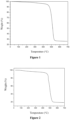
- Example 1 The polyester polyol prepared in Example 1 to Example 13 are subjected to thermogravimetric analysis respectively, results of which are typically shown in Figures 1 and 2.
- Figure 1 shows the thermal analysis curve of the polyester polyol prepared in Example 1. It can be seen from the figure that the initial decomposition temperature of the polyester polyol prepared in Example 1 is 500°C.
- Figure 2 shows the thermal analysis curve of the polyester polyol prepared in Example 2. It can be seen from the figure that the initial decomposition temperature of the polyester polyol prepared in Example 2 is 500°C.
- the results of the polyester polyol prepared in other examples are similar to the above, and the initial decomposition temperature of the polyester polyol is higher than 300°C.
Landscapes
- Chemical & Material Sciences (AREA)
- Health & Medical Sciences (AREA)
- Chemical Kinetics & Catalysis (AREA)
- Medicinal Chemistry (AREA)
- Polymers & Plastics (AREA)
- Organic Chemistry (AREA)
- Polyesters Or Polycarbonates (AREA)
- Organic Low-Molecular-Weight Compounds And Preparation Thereof (AREA)
- Low-Molecular Organic Synthesis Reactions Using Catalysts (AREA)
Description
- The present application relates to a method for preparing polyester polyol, which belongs to the field of polymer synthesis.
- Polyester polyols are prepared by polycondensation of dibasic organic carboxylic acids, carboxylic anhydrides and polyhydric alcohols, and their relative molecular masses are generally less than 4500. Dibasic acids include phthalic acid or phthalic anhydride or its esters, adipic acid, halogenated phthalic acid and so on, and polyhydric alcohols include ethylene glycol, propylene glycol, diethylene glycol, trimethylolpropane, pentaerythritol and so on. The polyester polyols are generally classified based on carboxylic acids, and usually comprise following species: adipic acid polyester polyols, alkyd polyester polyols, caprolactone polyester polyols and acrylic polyester polyols. The methods for preparing polyester polyols include vacuum dehydration method and high temperature nitrogen dehydration method. Vacuum dehydration method refers to that, under vacuum conditions, using acetate as a catalyst, dibasic acid and dihydric alcohol undergo polycondensation reaction to synthesize a certain molecular mass of polyester polyol. High temperature nitrogen dehydration method refers to synthesizing polyester polyol at high temperature under the protection of nitrogen.
- Traditional polyester polyols are produced from organic acids, anhydrides or organic acid esters as raw materials, which have poor heat resistance and the initial decomposition temperature is generally lower than 300°C (see
CN106660252A ; Synthesis and properties of acrylpimaric acid polyester polyol[J]. Chemistry and Industry of Forest Products,1999, (02):63-67.), and are difficult to apply in fields requiring high heat resistance.CN 101 735 436 discloses the preparation method of copolymer ether ester comprising ester exchange or esterification reaction, and fasculation reaction. The product has excellent comprehensive performance, and the thermal decomposition temperature is 360-450°C. - According to one aspect of the present application, a method for preparing polyester polyol is provided, and the polyester polyol prepared by the method has higher heat resistance.
- The polyester polyol polymer of the present application is a new type of polyester polyol polymer obtained by transesterification of inorganic oxyacid ester and polyhydric alcohols as raw materials as indicated in the annexed claims. In contrast, the traditional polyester polyol is prepared by dehydration esterification reaction of organic acid and polyhydric alcohols as raw materials.
- The method for preparing polyester polyol is characterized in that it comprises performing transesterification of raw materials containing inorganic oxyacid ester and polyhydric alcohol to obtain the polyester polyol.
- Optionally, the inorganic oxyacid ester is at least one of compounds having a chemical formula shown in Formula I and Formula II:
M(OR1)n 1 Formula I
O=P (OR2)n 2 Formula II
wherein, M is a metal element or a non-metal element that does not include P, R1 and R2 are independently selected from at least one of C1 to C8 alkyl groups, n1 =2~8, n2 =2~8. - Optionally, n1 =2, 3, 4, 5, 6, 7, or 8.
- Optionally, n2 =3.
- Optionally, M comprises at least one of B, Si, Ge, P, Al, Ti, Fe, Sn, V, Ga, Zr, Cr, Sb and W.
- Optionally, M is B, Si, Ge, P, Al, Ti, Fe, Sn, V, Ga, Zr, Cr, Sb or W.
- Optionally, M is B, Si, Ge, P, Al, Ti, Fe, Sn, V, Ga, Zr, Cr, Sb or W.
- Optionally, in the Formula I, R1 and R2 are independently selected from at least one of C1to C4 alkyl groups.
- Optionally, the inorganic oxyacid ester comprises at least one of trimethyl borate, triethyl borate, tripropyl borate, tributyl borate, tri-n-hexyl borate, triisooctyl borate, trioctyl borate, tetramethoxysilane, tetraethyl orthosilicate, tetrapropyl silicate, tetrabutyl silicate, ethyl orthogermanate, triethyl phosphate, tripropyl phosphate, tributyl phosphate, tri-n-pentyl phosphate, trihexyl phosphate, aluminium ethoxide, aluminum isopropoxide, aluminum n-butoxide, aluminum tert-butoxide, tetraethyl titanate, tetraisopropyl titanate, tetrabutyl titanate, tetrahexyl titanate, tetraisooctyl titanate, tetrabutyl ferrite, tetrabutyl stannate, butyl orthovanadate, gallium ethoxide, tetra-n-propyl zirconate, tetrabutyl zirconate, tert-butyl chromate, ethyl antimonite, butyl antimonate, tungsten ethoxide and tungsten isopropoxide.
- The molar ratio of the inorganic oxyacid ester to the polyhydric alcohol satisfies: inorganic oxyacid ester: polyhydric alcohol = (0.8~1.2) n3/x; wherein x is the number of moles of alkoxyl groups contained in each mole of inorganic oxyacid ester, and n3 is the number of moles of hydroxyl groups contained in each mole of polyhydric alcohol.
- Optionally, the upper limit of the molar ratio of the inorganic oxyacid ester to the polyol is 0.85n3/x, 0.9n3/x, 0.95n3/x, 1n 3/x, 1.05n3/x, 1.1n3/x, 1.15n3/x or 1.2n3/x, and the lower limit thereof is 0.8n3/x, 0.85n3/x, 0.9n3/x, 0.95n3/x, 1n3/x, 1.05n3/x, 1.1n3/x or 1.15n3/x; wherein, x is the number of moles of alkoxy groups contained in each mole of the inorganic oxyacid ester, and n3 is the number of moles of hydroxyl groups contained in each mole of the polyhydric alcohol.
- Optionally, the number of hydroxyl groups in the polyhydric alcohol is not less than two.
- Optionally, the polyhydric alcohol comprises at least one of ethylene glycol, diethylene glycol, triethylene glycol, tetraethylene glycol, 1,2-propanediol, 1,3-propanediol, 1,4-butylene glycol, 1,6-hexanediol,
polyethylene glycol 200,polyethylene glycol 400,polyethylene glycol 600, polyethylene glycol 800, 1,4-cyclohexanediol, 1,4-cyclohexane dimethanol, terephthalyl alcohol, glycerin, trimethylolpropane, pentaerythritol, xylitol and sorbitol. - Optionally, the formula of the polyhydric alcohol is R2-(OH)x, wherein x≥2.
- Optionally, the molar ratio of the inorganic oxyacid ester to the polyhydric alcohol satisfies: (0.8~1.2) n/x; wherein, x is the number of moles of alkoxy groups contained in each mole of the inorganic oxyacid ester, and n is the number of moles of hydroxyl groups contained in each mole of the polyhydric alcohol.
- Optionally, the transesterification is carried out in the presence of a transesterification catalyst.
- Optionally, the amount of the transesterification catalyst is in a range from 0.1wt% to 5wt% of the inorganic oxyacid ester.
- Optionally, the upper limit of amount of the transesterification catalyst is 0.2wt%, 0.5wt%, 0.8wt%, 1.0wt%, 1.5wt%, 2.0wt%, 2.5wt%, 3.0wt%, 3.5wt%, 4.0wt%, 4.5wt% or 5.0wt% of the inorganic oxyacid ester, and the lower limit thereof is 0.1wt%, 0.2wt%, 0.5wt%, 0.8wt%, 1.0wt%, 1.5wt%, 2.0wt%, 2.5wt%, 3.0wt%, 3.5wt%, 4.0wt% or 4.5wt% of the inorganic oxyacid ester.
- Optionally, the transesterification catalyst is at least one of acidic catalyst and basic catalyst.
- Optionally, the acidic catalyst includes at least one of alcohol-soluble acid, solid acid, aluminum alkoxide, aluminum phenoxide, tetrabutyl stannate, titanium alkoxide, zirconium alkoxide, ethyl antimonite and butyl antimonite; and the basic catalyst includes at least one of alcohol-soluble base and solid base.
- Optionally, the alcohol-soluble acid is an acid that is easily soluble in alcohol.
- Optionally, the alcohol-soluble base is a base that is easily soluble in alcohol.
- Optionally, the alcohol-soluble acid includes sulfuric acid, sulfonic acid and the like.
- Optionally, the alcohol-soluble base includes NaOH, KOH, NaOCH3, organic base and the like.
- Optionally, the transesterification catalyst is: a basic catalyst including bases that are easily soluble in alcohol (such as NaOH, KOH, NaOCH3, organic bases and so on) and various solid base catalysts; and an acidic catalyst including acids that are easily soluble in alcohol (such as sulfuric acid, sulfonic acid and so on) and various solid acidic catalysts, aluminum alkoxide, aluminum phenoxide, tetrabutyl stannate, titanium alkoxide, zirconium alkoxide, ethyl antimonite, butyl antimonite and so on. And the amount of the transesterification catalyst is in a range from 0.1wt% to 5wt% of the inorganic oxyacid ester.
- Optionally, the conditions for the transesterification are: a reaction temperature ranges from 80 to °C, and a reaction time ranges from 2 to10 hours in an inactive atmosphere.
- Optionally, the inactive atmosphere includes at least one of nitrogen and inert gas atmosphere.
- Optionally, the inactive atmosphere is nitrogen atmosphere.
- Optionally, the transesterification is carried out under stirring condition.
- Optionally, the upper limit of the reaction temperature is 85°C, 90°C, 100°C, 110°C, 120°C, 130°C, 140°C, 150°C, 160°C, 170°C, 175°C or 180°C, and the lower limit thereof is 80°C, 85°C, 90°C, 100°C, 110°C, 120°C, 130°C, 140°C, 150°C, 160°C, 170°C or 175°C.
- Optionally, the upper limit of the reaction time is 3 hours, 4 hours, 5 hours, 6 hours, 7 hours, 8 hours, 9 hours or 10 hours, and the lower limit thereof is 2 hours, 3 hours, 4 hours, 5 hours, 6 hours, 7 hours, 8 hours or 9 hours.
- Optionally, the conversion rate of the transesterification ranges from 60% to 80%.
- Optionally, the conditions for the transesterification further comprise performing vacuum distillation thereafter.
- Optionally, the conditions of the vacuum distillation comprise: a vacuum degree ranges from 0.01 to 5kPa, a vacuum distillation temperature ranges from 170 to 230°C, and a vacuum distillation time ranges from 0.5 to 5 hours.
- Optionally, in the vacuum distillation process, the upper limit of the vacuum degree is 0.02kPa, 0.05kPa, 0.1kPa, 0.5kPa, 1kPa, 2kPa, 3kPa, 4kPa, 4.5kPa or 5kPa, and the lower limit thereof is 0.01kPa, 0.02kPa, 0.05 kPa, 0.1kPa, 0.5kPa, 1kPa, 2kPa, 3kPa, 4kPa or 4.5kPa.
- Optionally, in the vacuum distillation process, the upper limit of the vacuum distillation temperature is 175°C, 180°C, 190°C, 200°C, 210°C, 220°C,225°C or 230°C, and the lower limit thereof is 170°C, 175°C, 180°C, 190°C, 200°C, 210°C, 220°C or 225°C.
- Optionally, in the vacuum distillation process, the upper limit of the vacuum distillation time is 0.8 hours, 1 hours, 2 hours, 3 hours, 4 hours, 4.5 hours or 5 hours, and the lower limit thereof is 0.5 hours, 0.8 hours, 1 hours, 2 hours, 3 hours, 4 hours or 4.5 hours.
- Optionally, the conversion rate of the transesterification is greater than 90%.
- The method comprises:
- a) mixing inorganic oxyacid ester, polyhydric alcohol and transesterification catalyst, and then performing the transesterification under stirring conditions and in an inactive protection atmosphere, wherein the reaction temperature ranges from 80 to 180°C, and the reaction time ranges from 2 to 10 hours;
- b) after the reaction in step a), performing vacuum distillation during which the vacuum degree ranges from 0.01 to 5kPa, the reaction temperature ranges from 170 to 230 °C, and the reaction time ranges from 0.5 to 5 hours.
- As a specific embodiment, the method comprises:
- 1) mixing inorganic oxyacid ester, polyhydric alcohol and transesterification catalyst uniformly in a three-necked flask, and performing the transesterification under stirring conditions during which a distillation device is connected to the three-necked flask and nitrogen is passed in the three-necked flask for protection, wherein the reaction temperature ranges from 80 to 180 °C, the reaction time ranges from 2 to 10 hours, and the conversion rate of the transesterification ranges from 60% to 80%;
- 2) after step 1), connecting the distillation device to the water pump or oil pump for vacuum distillation to make the transesterification more complete, wherein the vacuum degree is controlled to range from 0.01 to 5kPa, the reaction temperature ranges from 170 to 230°C, the reaction time ranges from 0.5 to 5 hours, and the conversion rate of the transesterification is greater than 90%.
- Optionally, the initial decomposition temperature of the polyester polyol is higher than 300°C.
- Optionally, the initial decomposition temperature of the polyester polyol reaches 500°C.
- In the present application, "C1~C8" and the like all refer to the number of carbon atoms contained in the alkyl group.
- In the present application, "alkyl" is a group formed by the loss of any hydrogen atom on the molecule of an alkane compound.
- In the present application, the "initial decomposition temperature" refers to the temperature at which the polyester polyol has an obvious weight loss peak through thermogravimetric analysis.
- The beneficial effects that the present application can achieve comprise:
- 1) The present application uses inorganic oxyacid esters and polyhydric alcohol as raw materials to perform transesterification to obtain a new type of polyester polyol polymer;
- 2) The polyester polyol polymer prepared in the present application has good heat resistance, the initial decomposition temperature thereof can reach 500 °C, and it can be used in fields that require high heat resistance.
-
-
Figure 1 is a thermal analysis diagram of the product synthesized in Example 1 of the present application. -
Figure 2 is a thermal analysis diagram of the product synthesized in Example 2 of the present application. - The present application will be described in detail below with reference to the examples, but the present application is not limited to these examples.
- Unless otherwise specified, the raw materials in the examples of the present application are all commercially available.
- The analysis methods in the examples of the present application are as follows.
- Thermogravimetric analysis is conducted by TA Q-600 thermogravimetric analyzer produced by TA Instruments. The nitrogen flow rate is 100ml/min, and the temperature is increased to 700°C at a temperature rise rate of 10°C/min.
- The conversion rate of the transesterification in the examples of the present application is calculated as follows: according to the number of moles n of the by-product alcohols distilled out during the reaction, the number of groups participating in the transesterification is determined to be n, and the total number of moles of esters in the reaction raw materials is m, and then the conversion rate of the transesterification is n/xm. x depends on the number of alkoxy groups connected to the central atom in the esters.
- According to an embodiment of the present application, the polyester polyol polymer and the method for preparing the same are characterized in that the method includes the following steps:
- a) mixing inorganic oxyacid ester, polyhydric alcohol and transesterification catalyst uniformly in a three-necked flask, and performing the transesterification under stirring conditions during which a distillation device is connected to the three-necked flask and nitrogen is passed in the three-necked flask for protection, wherein the reaction temperature ranges from 80 to 180 °C, the reaction time ranges from 2 to 10 hours, and the conversion rate of the transesterification ranges from 60% to 80%;
- b) after step a), connecting the distillation device to the water pump or oil pump for vacuum distillation to make the transesterification more complete, wherein the vacuum degree is controlled to range from 0.01 to 5kPa, the reaction temperature ranges from 170 to 230°C, the reaction time ranges from 0.5 to 5 hours, and the conversion rate of the transesterification is greater than 90%.
- Optionally , the formula of the inorganic oxyacid ester in step a) is M(OR)n, wherein M is B, Si, Ge, P, Al, Ti, Fe, Sn, V, Ga, Zr, Cr, Sb, W; R is any one of "C1 to C8" alkyl groups; and the inorganic oxyacid ester comprises at least one of trimethyl borate, triethyl borate, tripropyl borate, tributyl borate, tri-n-hexyl borate, triisooctyl borate, trioctyl borate, tetramethoxysilane, tetraethyl orthosilicate, tetrapropyl silicate, tetrabutyl silicate, ethyl orthogermanate, triethyl phosphate, tripropyl phosphate, tributyl phosphate, tri-n-pentyl phosphate, trihexyl phosphate, aluminium ethoxide, aluminum isopropoxide, aluminum n-butoxide, aluminum tert-butoxide, tetraethyl titanate, tetraisopropyl titanate, tetrabutyl titanate, tetrahexyl titanate, tetraisooctyl titanate, tetrabutyl ferrite, tetrabutyl stannate, butyl orthovanadate, gallium ethoxide, tetra-n-propyl zirconate, tetrabutyl zirconate, tert-butyl chromate, ethyl antimonite, butyl antimonate, tungsten ethoxide and tungsten isopropoxide.
- Optionally, the formula of the polyhydric alcohol in step a) is R-(OH)x, wherein x ≥ 2; the polyhydric alcohol comprises at least one of ethylene glycol, diethylene glycol, triethylene glycol, tetraethylene glycol, 1,2-propanediol, 1,3-propanediol, 1,4-butylene glycol, 1,6-hexanediol,
polyethylene glycol 200,polyethylene glycol 400,polyethylene glycol 600, polyethylene glycol 800, 1,4-cyclohexanediol, 1,4-cyclohexane dimethanol, terephthalyl alcohol, glycerin, trimethylolpropane, pentaerythritol, xylitol and sorbitol. - Optionally, in the step a), the molar ratio of the inorganic oxyacid ester to the polyhydric alcohol satisfies: M(OR)n/R-(OH) x = (0.8~1.2)x/n.
- Optionally, the transesterification catalyst used in the step a) is: a basic catalyst including bases that are easily soluble in alcohol (such as NaOH, KOH, NaOCH3, organic bases and so on) and various solid base catalysts; and an acidic catalyst including acids that are easily soluble in alcohol (such as sulfuric acid, sulfonic acid and so on) and various solid acidic catalysts, aluminum alkoxide, aluminum phenoxide, tetrabutyl stannate, titanium alkoxide, zirconium alkoxide, ethyl antimonite, butyl antimonite and so on; and the amount of the transesterification catalyst is in a range from 0.1wt% to 5wt% of the inorganic oxyacid ester.
- Optionally, the step a) is carried out under nitrogen protection, the reaction temperature thereof ranges from 80 to180 °C, and the reaction time thereof ranges from 2 to 10 hours.
- Optionally, the conversion rate of the transesterification in step a) ranges from 60% to 80%.
- Optionally, the step b) is carried out under vacuum distillation conditions, and the vacuum degree thereof ranges from 0.01 to 5kPa.
- Optionally, in step b), the reaction temperature ranges from 170 to 230°C, and the reaction time ranges from 0.5 to 5 hours.
- Optionally, the conversion rate of the transesterification in step b) is greater than 90%.
- 10g 1,3-propanediol, 6.84g tetraethyl orthosilicate and 5g tetramethoxysilane are added to a three-necked flask which is connected to a distillation device. 0.12g concentrated sulfuric acid as catalyst is added dropwise in the three-necked flask under stirring condition. The temperature is heated up to 100°C under nitrogen protection, and the reaction time is 6 hours. During this process, a large amount of methanol and ethanol are distilled out, and the conversion rate of the transesterification reaction is 75%. Then a vacuum device is connected to distillation device and the transesterification continues under vacuum distillation conditions, wherein the vacuum degree of the reaction system was controlled to be 1kPa and the temperature was raised to 170°C.After reacting for 1 hour, the transesterification is stopped. After the temperature is naturally cooled to be room temperature, the resulting sample is taken, and the conversion rate of the transesterification is 93%.
- 5g ethylene glycol and 8.7g aluminum ethoxide are added to a three-necked flask which is connected to a distillation device, wherein the aluminum ethoxide is used not only as an inorganic oxyacid salt raw material, but also as a transesterification catalyst. The temperature is heated up to 175°C under nitrogen protection and stirring condition, and the reaction time is 5 hours. During this process, a large amount of ethanol is distilled out, and the conversion rate of the transesterification reaction is 73%. Then a vacuum device is connected to distillation device and the transesterification continues under vacuum distillation conditions, wherein the vacuum degree of the reaction system was controlled to be 0.1kPa and the temperature was raised to 210°C.After reacting for 1 hour, the transesterification is stopped. After the temperature is naturally cooled to be room temperature, the resulting sample is taken, and the conversion rate of the transesterification is 92%.
- 10g terephthalyl alcohol and 9.07g tripropyl borate are added to a three-necked flask which is connected to a distillation device. 0.05g tetrabutyl titanate as catalyst is added dropwise in the three-necked flask under stirring condition. The temperature is heated up to 180°C under nitrogen protection, and the reaction time is 6 hours. During this process, a large amount of propanol is distilled out, and the conversion rate of the transesterification reaction is 75%. Then a vacuum device is connected to distillation device and the transesterification continues under vacuum distillation conditions, wherein the vacuum degree of the reaction system was controlled to be 1kPa and the temperature was raised to 230°C. After reacting for 1 hour, the transesterification is stopped. After the temperature is naturally cooled to be room temperature, the resulting sample is taken, and the conversion rate of the transesterification is 93%.
- The specific raw materials, amounts thereof and reaction conditions different from Example 1 are shown in Table 1 below, and the other procedures are the same as those in Example 1.
Table 1 Raw materials, amounts thereof and reaction conditions of Examples 4 to 13 Example Number Transesterification Vacuum distillation Inorganic oxyacid ester Polyhydric alcohol Catalyst Reaction temperature Reaction time Vacuum degree Reaction temperature Reaction time 4 Tetrahexyl titanate, 0.1mol Diethylene glycol, 0.2mol NaOH, 0.03g 80°C 10 hours 5kPa 180°C 2 hours 5 Triethyl phosphate, 0.2mol Polyethylene glycol 200, 0.3mol Na2CO3, 0.1g 100°C 5 hours 2kPa 200°C 0.5 hours 6 Tetrabutyl stannate, 0.15mol Trimethylolpropane, 0.2mol Sulfonic acid, 0.06g 150°C 2 hours 0.01kPa 175°C 5 hours 7 Tungsten ethoxide, 0.2mol Xylitol, 0.1mol Tetrabutyl stannate, 0.02g The one in Example 1 The one in Example 1 The one in Example 1 The one in Example 1 The one in Example 1 8 Tetrabutyl ferrite, 0.1mol 1,4-butanediol, 0.2mol Ethyl antimonite, 0.04g The one in Example 1 The one in Example 1 The one in Example 1 The one in Example 1 The one in Example 1 9 Butyl orthovanadate, 0.1mol Glycerol, 0.2mol Butyl antimonite, 0.02g The one in Example 1 The one in Example 1 The one in Example 1 The one in Example 1 The one in Example 1 10 Gallium ethoxide, 0.4mol Pentaerythritol, 0.3mol The one in Example 1 The one in Example 1 The one in Example 1 The one in Example 1 The one in Example 1 The one in Example 1 11 Tetra-n-propyl zirconate, 0.2mol Cyclohexanediol, 0.4mol The one in Example 1 The one in Example 1 The one in Example 1 The one in Example 1 The one in Example 1 The one in Example 1 12 Tert-Butyl chromate, 0.1mol The one in Example 1, 0.1mol The one in Example 1 The one in Example 1 The one in Example 1 The one in Example 1 The one in Example 1 The one in Example 1 13 Ethyl antimonite, 0.4mol The one in Example 1, 0.3mol The one in Example 1 The one in Example 1 The one in Example 1 The one in Example 1 The one in Example 1 The one in Example 1 - The polyester polyol prepared in Example 1 to Example 13 are subjected to thermogravimetric analysis respectively, results of which are typically shown in
Figures 1 and 2. Figure 1 shows the thermal analysis curve of the polyester polyol prepared in Example 1. It can be seen from the figure that the initial decomposition temperature of the polyester polyol prepared in Example 1 is 500°C. -
Figure 2 shows the thermal analysis curve of the polyester polyol prepared in Example 2. It can be seen from the figure that the initial decomposition temperature of the polyester polyol prepared in Example 2 is 500°C. - The results of the polyester polyol prepared in other examples are similar to the above, and the initial decomposition temperature of the polyester polyol is higher than 300°C.
- The above examples are only illustrative, and do not limit the present application in any form. Any change or modification, made by the skilled in the art based on the technical content disclosed above, without departing from the spirit of the present application, is equivalent example and falls within the scope of the present application.
Claims (11)
- A method for preparing polyester polyol comprising following steps:a) mixing inorganic oxyacid ester, polyhydric alcohol as raw materials and transesterification catalyst, and then performing the transesterification under stirring conditions and in an inactive protection atmosphere, wherein the reaction temperature ranges from 80 to 180°C, and the reaction time ranges from 2 to 10 hours;b) after the reaction in step a), performing vacuum distillation during which the vacuum degree ranges from 0.01 to 5kPa, the reaction temperature ranges from 170 to 230 °C, and the reaction time ranges from 0.5 to 5 hours;wherein a molar ratio of inorganic oxyacid ester, polyhydric alcohol and transesterification catalyst satisfies: inorganic oxyacid ester: polyhydric alcohol = (0.8~1.2)n3/x,wherein x is the number of moles of alkoxyl groups contained in each mole of inorganic oxyacid ester, and n3 is the number of moles of hydroxyl groups contained in each mole of polyhydric alcohol.
- The method according to claim 1, wherein the inorganic oxyacid ester is at least one of compounds having a chemical formula shown in Formula I and Formula II,
M(OR1)n 1 Formula I
O=P (OR2)n 2 Formula II
wherein, M is a metal element or a non-metal element that does not include P, R1 and R2 are independently selected from at least one of C1 to C8 alkyl groups, n1 =2~8, n2 =2~ 8. - The method according to claim 2, wherein M is B, Si, Ge, Al, Ti, Fe, Sn, V, Ga, Zr, Cr, Sb or W.
- The method according to claim 1 or 2, wherein inorganic oxyacid ester comprises at least one of trimethyl borate, triethyl borate, tripropyl borate, tributyl borate, tri-n-hexyl borate, triisooctyl borate, trioctyl borate, tetramethoxysilane, tetraethyl orthosilicate, tetrapropyl silicate, tetrabutyl silicate, ethyl orthogermanate, triethyl phosphate, tripropyl phosphate, tributyl phosphate, tri-n-pentyl phosphate, trihexyl phosphate, aluminium ethoxide, aluminum isopropoxide, aluminum n-butoxide, aluminum tert-butoxide, tetraethyl titanate, tetraisopropyl titanate, tetrabutyl titanate, tetrahexyl titanate, tetraisooctyl titanate, tetrabutyl ferrite, tetrabutyl stannate, butyl orthovanadate, gallium ethoxide, tetra-n-propyl zirconate, tetrabutyl zirconate, tert-butyl chromate, ethyl antimonite, butyl antimonate, tungsten ethoxide and tungsten isopropoxide.
- The method according to claim 1, wherein the number of hydroxyl groups in the polyhydric alcohol is not less than two.
- The method according to claim 1 or 5, wherein the polyhydric alcohol comprises at least one of ethylene glycol, diethylene glycol, triethylene glycol, tetraethylene glycol, 1,2-propanediol, 1,3-propanediol, 1,4-butylene glycol, 1,6-hexanediol, polyethylene glycol 200, polyethylene glycol 400, polyethylene glycol 600, polyethylene glycol 800, 1,4-cyclohexanediol, 1,4-cyclohexane dimethanol, terephthalyl alcohol, glycerin, trimethylolpropane, pentaerythritol, xylitol and sorbitol.
- The method according to claim 1, wherein
an amount of the transesterification catalyst is in a range from 0.1wt% to 5wt% of the inorganic oxyacid ester. - The method according to claim 7, wherein the transesterification catalyst is at least one of acidic catalyst and basic catalyst.
- The method according to claim 8, wherein the acidic catalyst comprises at least one of alcohol-soluble acid, solid acid, aluminum alkoxide, aluminum phenoxide, tetrabutyl stannate, titanium alkoxide, zirconium alkoxide, ethyl antimonite and butyl antimonite; and the basic catalyst comprises at least one of alcohol-soluble base and solid base.
- The method according to claim 1, wherein an initial decomposition temperature of the polyester polyol is higher than 300°C measured as indicated in the description.
- The method according to claim 10, wherein the initial decomposition temperature of the polyester polyol reaches 500°C measured as indicated in the description.
Applications Claiming Priority (1)
| Application Number | Priority Date | Filing Date | Title |
|---|---|---|---|
| PCT/CN2018/115722 WO2020097879A1 (en) | 2018-11-15 | 2018-11-15 | Method for preparing polyester polyol |
Publications (3)
| Publication Number | Publication Date |
|---|---|
| EP3882295A1 EP3882295A1 (en) | 2021-09-22 |
| EP3882295A4 EP3882295A4 (en) | 2021-12-15 |
| EP3882295B1 true EP3882295B1 (en) | 2025-03-19 |
Family
ID=70730369
Family Applications (1)
| Application Number | Title | Priority Date | Filing Date |
|---|---|---|---|
| EP18940308.2A Active EP3882295B1 (en) | 2018-11-15 | 2018-11-15 | Method for preparing polyester polyol |
Country Status (6)
| Country | Link |
|---|---|
| US (1) | US12091501B2 (en) |
| EP (1) | EP3882295B1 (en) |
| JP (1) | JP7299315B2 (en) |
| KR (1) | KR102579270B1 (en) |
| AU (1) | AU2018449379B2 (en) |
| WO (1) | WO2020097879A1 (en) |
Families Citing this family (4)
| Publication number | Priority date | Publication date | Assignee | Title |
|---|---|---|---|---|
| CN110743605B (en) | 2018-07-23 | 2021-07-27 | 中国科学院大连化学物理研究所 | A kind of catalyst for preparing ethylbenzene from ethanol and benzene and its preparation and application |
| KR102580277B1 (en) | 2018-11-15 | 2023-09-18 | 달리안 인스티튜트 오브 케미컬 피직스, 차이니즈 아카데미 오브 사이언시즈 | Method for preparing hierarchically porous TS-1 molecular sieve |
| US12383891B2 (en) | 2018-11-15 | 2025-08-12 | Dalian Institute Of Chemical Physics, Chinese Academy Of Sciences | Method for preparation of hierarchical TS-1 molecular sieve |
| CN113372560B (en) * | 2021-06-17 | 2022-10-14 | 西北工业大学 | Hyperbranched polyborate fluorescent material and preparation method thereof |
Family Cites Families (21)
| Publication number | Priority date | Publication date | Assignee | Title |
|---|---|---|---|---|
| EP0106082B1 (en) * | 1982-09-10 | 1986-12-17 | Bayer Ag | Polyphosphates, their preparation and their use |
| JPS60155225A (en) * | 1984-01-24 | 1985-08-15 | Kuraray Co Ltd | Novel polyester, adhesive comprising the same, and laminate and laminated hollow vessel prepared therefrom |
| JP2736987B2 (en) * | 1989-01-10 | 1998-04-08 | キヤノン株式会社 | Color toner for color image formation |
| JP3176448B2 (en) * | 1992-10-12 | 2001-06-18 | 財団法人石油産業活性化センター | Manufacturing method of aromatic polyester |
| JP3484594B2 (en) * | 1996-05-15 | 2004-01-06 | 東レ株式会社 | Antistatic Copolyester and Antistatic Composite Fiber Using It |
| GB9612161D0 (en) | 1996-06-11 | 1996-08-14 | Tioxide Specialties Ltd | Esterification process |
| GB2360777B (en) * | 2000-03-30 | 2004-09-15 | Council Scient Ind Res | Melt processible thermotropic liquid crystalline terpolyesters and process for the preparation thereof |
| AU2002226728B2 (en) * | 2001-01-25 | 2007-07-26 | Mitsubishi Chemical Corporation | Polyester resin, molded article thereof, and process for producing polyester resin |
| JP2002294056A (en) * | 2001-01-25 | 2002-10-09 | Mitsubishi Chemicals Corp | Polyester resin composition and injection blow bottle comprising the same |
| CN101735436A (en) * | 2008-11-21 | 2010-06-16 | 北京工业大学 | Preparation method of copolyether ester |
| CN101747499A (en) * | 2008-12-08 | 2010-06-23 | 中国石油天然气股份有限公司 | Thermoplastic block copolyether ester elastomer and preparation method thereof |
| JP2010185004A (en) * | 2009-02-12 | 2010-08-26 | Nippon Ester Co Ltd | Method for producing copolyester |
| US10420209B2 (en) | 2014-09-02 | 2019-09-17 | Hiroshima University | Highly heat-resistant polyester sheet |
| CN108786669B (en) | 2017-04-27 | 2021-01-12 | 中国科学院大连化学物理研究所 | Fluidized bed gas distributor, reactor using same and method for co-producing p-xylene and low-carbon olefin |
| CN108786670B (en) | 2017-04-27 | 2021-01-26 | 中国科学院大连化学物理研究所 | Method for preparing p-xylene and co-producing low-carbon olefin by methanol and/or dimethyl ether and toluene |
| DE112017007489B4 (en) | 2017-04-27 | 2026-05-07 | Dalian Institute Of Chemical Physics, Chinese Academy Of Sciences | In-situ manufacturing process for catalyst for the production of at least one of Tutol, paraxylene and light olefins and reaction process |
| CN110743605B (en) | 2018-07-23 | 2021-07-27 | 中国科学院大连化学物理研究所 | A kind of catalyst for preparing ethylbenzene from ethanol and benzene and its preparation and application |
| US12383891B2 (en) | 2018-11-15 | 2025-08-12 | Dalian Institute Of Chemical Physics, Chinese Academy Of Sciences | Method for preparation of hierarchical TS-1 molecular sieve |
| US20220002496A1 (en) | 2018-11-15 | 2022-01-06 | Dalian Institute Of Chemical Physics, Chinese Academy Of Sciences | Macromolecular ultraviolet absorbent, preparation method therefor and application thereof |
| KR102580277B1 (en) | 2018-11-15 | 2023-09-18 | 달리안 인스티튜트 오브 케미컬 피직스, 차이니즈 아카데미 오브 사이언시즈 | Method for preparing hierarchically porous TS-1 molecular sieve |
| EP3862082A4 (en) | 2018-11-15 | 2021-10-20 | Dalian Institute Of Chemical Physics, Chinese Academy Of Sciences | METHOD OF MANUFACTURING A HIERARCHICAL POROUS TITANOSILICATE TS-1 MOLECULAR SCREEN |
-
2018
- 2018-11-15 US US17/293,899 patent/US12091501B2/en active Active
- 2018-11-15 KR KR1020217017403A patent/KR102579270B1/en active Active
- 2018-11-15 JP JP2021523585A patent/JP7299315B2/en active Active
- 2018-11-15 WO PCT/CN2018/115722 patent/WO2020097879A1/en not_active Ceased
- 2018-11-15 EP EP18940308.2A patent/EP3882295B1/en active Active
- 2018-11-15 AU AU2018449379A patent/AU2018449379B2/en active Active
Also Published As
| Publication number | Publication date |
|---|---|
| EP3882295A4 (en) | 2021-12-15 |
| AU2018449379A1 (en) | 2021-06-24 |
| EP3882295A1 (en) | 2021-09-22 |
| KR102579270B1 (en) | 2023-09-14 |
| US20220002481A1 (en) | 2022-01-06 |
| US12091501B2 (en) | 2024-09-17 |
| JP7299315B2 (en) | 2023-06-27 |
| AU2018449379B2 (en) | 2022-09-01 |
| WO2020097879A1 (en) | 2020-05-22 |
| KR20210088658A (en) | 2021-07-14 |
| JP2022506288A (en) | 2022-01-17 |
Similar Documents
| Publication | Publication Date | Title |
|---|---|---|
| EP3882295A1 (en) | Method for preparing polyester polyol | |
| US9074047B2 (en) | Polycondensation catalyst for producing polyester and method for producing the same and method for producing polyester | |
| JP7158578B2 (en) | Method for preparing titanium-silicon TS-1 molecular sieve with hierarchical pores | |
| CN111187401B (en) | Preparation method of polyester polyol | |
| CN113388100A (en) | Catalyst system for synthesis of aliphatic-aromatic copolyester and application thereof | |
| CN107674195B (en) | Catalyst for synthesizing polyethylene oxide polymer and synthesis method thereof | |
| CN108840999B (en) | Method for synthesizing hyperbranched polyester | |
| CN107955142B (en) | Process for preparing isosorbide-containing polyesters | |
| CN113583220B (en) | Environment-friendly polyester polycondensation catalyst and preparation method and application thereof | |
| CN115028845B (en) | Zinc coordination polymer catalyst and preparation method and application thereof | |
| CN115819736A (en) | Preparation method of poly (dimethyl oxalate) polyol | |
| RU2780027C1 (en) | Method for synthesising polyether polyol | |
| KR20140089445A (en) | Preparation method of polyester synthesis composite catalys | |
| CN114275740B (en) | Preparation method of porous oxide | |
| CN117946376A (en) | A method for preparing bio-based polyester polyol | |
| CN117624575A (en) | A liquid titanium-silicon composite multinuclear catalyst for polyester and its preparation method and application | |
| CN115819379A (en) | A kind of preparation method of dimethyl furfuryl carbonate | |
| CN115806535A (en) | Preparation method of 5-hydroxymethylfurfural | |
| CN113185682A (en) | Modified copolyester and preparation method thereof | |
| CN116444777B (en) | Polyester and/or copolyester, preparation method thereof and catalyst used therein | |
| CN119684343A (en) | An organic-inorganic hybrid material and its preparation method and application | |
| CN114479040B (en) | A polyester catalyst and its preparation method and application | |
| US20230331578A1 (en) | Preparation method of porous oxide | |
| KR101726511B1 (en) | Composite catalyst for polyester resin systhesis and method for manufacturing polyester resin using the same | |
| CN111154079A (en) | Preparation method of energy-saving uvioresistant polytrimethylene terephthalate |
Legal Events
| Date | Code | Title | Description |
|---|---|---|---|
| STAA | Information on the status of an ep patent application or granted ep patent |
Free format text: STATUS: THE INTERNATIONAL PUBLICATION HAS BEEN MADE |
|
| PUAI | Public reference made under article 153(3) epc to a published international application that has entered the european phase |
Free format text: ORIGINAL CODE: 0009012 |
|
| STAA | Information on the status of an ep patent application or granted ep patent |
Free format text: STATUS: REQUEST FOR EXAMINATION WAS MADE |
|
| 17P | Request for examination filed |
Effective date: 20210507 |
|
| AK | Designated contracting states |
Kind code of ref document: A1 Designated state(s): AL AT BE BG CH CY CZ DE DK EE ES FI FR GB GR HR HU IE IS IT LI LT LU LV MC MK MT NL NO PL PT RO RS SE SI SK SM TR |
|
| A4 | Supplementary search report drawn up and despatched |
Effective date: 20211112 |
|
| RIC1 | Information provided on ipc code assigned before grant |
Ipc: C08G 63/87 20060101ALI20211108BHEP Ipc: C08G 63/78 20060101ALI20211108BHEP Ipc: C08G 63/84 20060101AFI20211108BHEP |
|
| GRAP | Despatch of communication of intention to grant a patent |
Free format text: ORIGINAL CODE: EPIDOSNIGR1 |
|
| STAA | Information on the status of an ep patent application or granted ep patent |
Free format text: STATUS: GRANT OF PATENT IS INTENDED |
|
| INTG | Intention to grant announced |
Effective date: 20240531 |
|
| GRAS | Grant fee paid |
Free format text: ORIGINAL CODE: EPIDOSNIGR3 |
|
| GRAA | (expected) grant |
Free format text: ORIGINAL CODE: 0009210 |
|
| STAA | Information on the status of an ep patent application or granted ep patent |
Free format text: STATUS: THE PATENT HAS BEEN GRANTED |
|
| AK | Designated contracting states |
Kind code of ref document: B1 Designated state(s): AL AT BE BG CH CY CZ DE DK EE ES FI FR GB GR HR HU IE IS IT LI LT LU LV MC MK MT NL NO PL PT RO RS SE SI SK SM TR |
|
| REG | Reference to a national code |
Ref country code: GB Ref legal event code: FG4D |
|
| REG | Reference to a national code |
Ref country code: CH Ref legal event code: EP |
|
| REG | Reference to a national code |
Ref country code: IE Ref legal event code: FG4D |
|
| REG | Reference to a national code |
Ref country code: DE Ref legal event code: R096 Ref document number: 602018080380 Country of ref document: DE |
|
| P01 | Opt-out of the competence of the unified patent court (upc) registered |
Free format text: CASE NUMBER: APP_16453/2025 Effective date: 20250404 |
|
| PG25 | Lapsed in a contracting state [announced via postgrant information from national office to epo] |
Ref country code: RS Free format text: LAPSE BECAUSE OF FAILURE TO SUBMIT A TRANSLATION OF THE DESCRIPTION OR TO PAY THE FEE WITHIN THE PRESCRIBED TIME-LIMIT Effective date: 20250619 |
|
| PG25 | Lapsed in a contracting state [announced via postgrant information from national office to epo] |
Ref country code: FI Free format text: LAPSE BECAUSE OF FAILURE TO SUBMIT A TRANSLATION OF THE DESCRIPTION OR TO PAY THE FEE WITHIN THE PRESCRIBED TIME-LIMIT Effective date: 20250319 |
|
| REG | Reference to a national code |
Ref country code: LT Ref legal event code: MG9D |
|
| PG25 | Lapsed in a contracting state [announced via postgrant information from national office to epo] |
Ref country code: NO Free format text: LAPSE BECAUSE OF FAILURE TO SUBMIT A TRANSLATION OF THE DESCRIPTION OR TO PAY THE FEE WITHIN THE PRESCRIBED TIME-LIMIT Effective date: 20250619 |
|
| PG25 | Lapsed in a contracting state [announced via postgrant information from national office to epo] |
Ref country code: HR Free format text: LAPSE BECAUSE OF FAILURE TO SUBMIT A TRANSLATION OF THE DESCRIPTION OR TO PAY THE FEE WITHIN THE PRESCRIBED TIME-LIMIT Effective date: 20250319 |
|
| PG25 | Lapsed in a contracting state [announced via postgrant information from national office to epo] |
Ref country code: LV Free format text: LAPSE BECAUSE OF FAILURE TO SUBMIT A TRANSLATION OF THE DESCRIPTION OR TO PAY THE FEE WITHIN THE PRESCRIBED TIME-LIMIT Effective date: 20250319 |
|
| PG25 | Lapsed in a contracting state [announced via postgrant information from national office to epo] |
Ref country code: GR Free format text: LAPSE BECAUSE OF FAILURE TO SUBMIT A TRANSLATION OF THE DESCRIPTION OR TO PAY THE FEE WITHIN THE PRESCRIBED TIME-LIMIT Effective date: 20250620 Ref country code: BG Free format text: LAPSE BECAUSE OF FAILURE TO SUBMIT A TRANSLATION OF THE DESCRIPTION OR TO PAY THE FEE WITHIN THE PRESCRIBED TIME-LIMIT Effective date: 20250319 |
|
| REG | Reference to a national code |
Ref country code: NL Ref legal event code: MP Effective date: 20250319 |
|
| REG | Reference to a national code |
Ref country code: AT Ref legal event code: MK05 Ref document number: 1776928 Country of ref document: AT Kind code of ref document: T Effective date: 20250319 |
|
| PG25 | Lapsed in a contracting state [announced via postgrant information from national office to epo] |
Ref country code: NL Free format text: LAPSE BECAUSE OF FAILURE TO SUBMIT A TRANSLATION OF THE DESCRIPTION OR TO PAY THE FEE WITHIN THE PRESCRIBED TIME-LIMIT Effective date: 20250319 |
|
| PG25 | Lapsed in a contracting state [announced via postgrant information from national office to epo] |
Ref country code: SE Free format text: LAPSE BECAUSE OF FAILURE TO SUBMIT A TRANSLATION OF THE DESCRIPTION OR TO PAY THE FEE WITHIN THE PRESCRIBED TIME-LIMIT Effective date: 20250319 |
|
| PG25 | Lapsed in a contracting state [announced via postgrant information from national office to epo] |
Ref country code: SM Free format text: LAPSE BECAUSE OF FAILURE TO SUBMIT A TRANSLATION OF THE DESCRIPTION OR TO PAY THE FEE WITHIN THE PRESCRIBED TIME-LIMIT Effective date: 20250319 |
|
| PG25 | Lapsed in a contracting state [announced via postgrant information from national office to epo] |
Ref country code: PT Free format text: LAPSE BECAUSE OF FAILURE TO SUBMIT A TRANSLATION OF THE DESCRIPTION OR TO PAY THE FEE WITHIN THE PRESCRIBED TIME-LIMIT Effective date: 20250721 Ref country code: ES Free format text: LAPSE BECAUSE OF FAILURE TO SUBMIT A TRANSLATION OF THE DESCRIPTION OR TO PAY THE FEE WITHIN THE PRESCRIBED TIME-LIMIT Effective date: 20250319 |
|
| PG25 | Lapsed in a contracting state [announced via postgrant information from national office to epo] |
Ref country code: PL Free format text: LAPSE BECAUSE OF FAILURE TO SUBMIT A TRANSLATION OF THE DESCRIPTION OR TO PAY THE FEE WITHIN THE PRESCRIBED TIME-LIMIT Effective date: 20250319 Ref country code: IT Free format text: LAPSE BECAUSE OF FAILURE TO SUBMIT A TRANSLATION OF THE DESCRIPTION OR TO PAY THE FEE WITHIN THE PRESCRIBED TIME-LIMIT Effective date: 20250319 |
|
| PG25 | Lapsed in a contracting state [announced via postgrant information from national office to epo] |
Ref country code: AT Free format text: LAPSE BECAUSE OF FAILURE TO SUBMIT A TRANSLATION OF THE DESCRIPTION OR TO PAY THE FEE WITHIN THE PRESCRIBED TIME-LIMIT Effective date: 20250319 |
|
| PG25 | Lapsed in a contracting state [announced via postgrant information from national office to epo] |
Ref country code: CZ Free format text: LAPSE BECAUSE OF FAILURE TO SUBMIT A TRANSLATION OF THE DESCRIPTION OR TO PAY THE FEE WITHIN THE PRESCRIBED TIME-LIMIT Effective date: 20250319 Ref country code: EE Free format text: LAPSE BECAUSE OF FAILURE TO SUBMIT A TRANSLATION OF THE DESCRIPTION OR TO PAY THE FEE WITHIN THE PRESCRIBED TIME-LIMIT Effective date: 20250319 |
|
| PG25 | Lapsed in a contracting state [announced via postgrant information from national office to epo] |
Ref country code: RO Free format text: LAPSE BECAUSE OF FAILURE TO SUBMIT A TRANSLATION OF THE DESCRIPTION OR TO PAY THE FEE WITHIN THE PRESCRIBED TIME-LIMIT Effective date: 20250319 |
|
| PG25 | Lapsed in a contracting state [announced via postgrant information from national office to epo] |
Ref country code: SK Free format text: LAPSE BECAUSE OF FAILURE TO SUBMIT A TRANSLATION OF THE DESCRIPTION OR TO PAY THE FEE WITHIN THE PRESCRIBED TIME-LIMIT Effective date: 20250319 |
|
| PG25 | Lapsed in a contracting state [announced via postgrant information from national office to epo] |
Ref country code: IS Free format text: LAPSE BECAUSE OF FAILURE TO SUBMIT A TRANSLATION OF THE DESCRIPTION OR TO PAY THE FEE WITHIN THE PRESCRIBED TIME-LIMIT Effective date: 20250719 |
|
| REG | Reference to a national code |
Ref country code: DE Ref legal event code: R097 Ref document number: 602018080380 Country of ref document: DE |
|
| PG25 | Lapsed in a contracting state [announced via postgrant information from national office to epo] |
Ref country code: DK Free format text: LAPSE BECAUSE OF FAILURE TO SUBMIT A TRANSLATION OF THE DESCRIPTION OR TO PAY THE FEE WITHIN THE PRESCRIBED TIME-LIMIT Effective date: 20250319 |
|
| PLBE | No opposition filed within time limit |
Free format text: ORIGINAL CODE: 0009261 |
|
| STAA | Information on the status of an ep patent application or granted ep patent |
Free format text: STATUS: NO OPPOSITION FILED WITHIN TIME LIMIT |
|
| REG | Reference to a national code |
Ref country code: CH Ref legal event code: L10 Free format text: ST27 STATUS EVENT CODE: U-0-0-L10-L00 (AS PROVIDED BY THE NATIONAL OFFICE) Effective date: 20260128 |
|
| 26N | No opposition filed |
Effective date: 20251222 |