EP3879986B1 - Grasendophyten - Google Patents
Grasendophyten Download PDFInfo
- Publication number
- EP3879986B1 EP3879986B1 EP19813424.9A EP19813424A EP3879986B1 EP 3879986 B1 EP3879986 B1 EP 3879986B1 EP 19813424 A EP19813424 A EP 19813424A EP 3879986 B1 EP3879986 B1 EP 3879986B1
- Authority
- EP
- European Patent Office
- Prior art keywords
- endophyte
- rgt18
- host
- lptg
- grass
- Prior art date
- Legal status (The legal status is an assumption and is not a legal conclusion. Google has not performed a legal analysis and makes no representation as to the accuracy of the status listed.)
- Active
Links
Images


















Classifications
-
- A—HUMAN NECESSITIES
- A01—AGRICULTURE; FORESTRY; ANIMAL HUSBANDRY; HUNTING; TRAPPING; FISHING
- A01H—NEW PLANTS OR NON-TRANSGENIC PROCESSES FOR OBTAINING THEM; PLANT REPRODUCTION BY TISSUE CULTURE TECHNIQUES
- A01H17/00—Symbiotic or parasitic combinations including one or more new plants, e.g. mycorrhiza
-
- A—HUMAN NECESSITIES
- A01—AGRICULTURE; FORESTRY; ANIMAL HUSBANDRY; HUNTING; TRAPPING; FISHING
- A01N—PRESERVATION OF BODIES OF HUMANS OR ANIMALS OR PLANTS OR PARTS THEREOF; BIOCIDES, e.g. AS DISINFECTANTS, AS PESTICIDES OR AS HERBICIDES; PEST REPELLANTS OR ATTRACTANTS; PLANT GROWTH REGULATORS
- A01N63/00—Biocides, pest repellants or attractants, or plant growth regulators containing microorganisms, viruses, microbial fungi, animals or substances produced by, or obtained from, microorganisms, viruses, microbial fungi or animals, e.g. enzymes or fermentates
- A01N63/30—Microbial fungi; Substances produced thereby or obtained therefrom
-
- C—CHEMISTRY; METALLURGY
- C12—BIOCHEMISTRY; BEER; SPIRITS; WINE; VINEGAR; MICROBIOLOGY; ENZYMOLOGY; MUTATION OR GENETIC ENGINEERING
- C12N—MICROORGANISMS OR ENZYMES; COMPOSITIONS THEREOF; PROPAGATING, PRESERVING, OR MAINTAINING MICROORGANISMS; MUTATION OR GENETIC ENGINEERING; CULTURE MEDIA
- C12N1/00—Microorganisms; Compositions thereof; Processes of propagating, maintaining or preserving microorganisms or compositions thereof; Processes of preparing or isolating a composition containing a microorganism; Culture media therefor
- C12N1/14—Fungi; Culture media therefor
-
- C—CHEMISTRY; METALLURGY
- C12—BIOCHEMISTRY; BEER; SPIRITS; WINE; VINEGAR; MICROBIOLOGY; ENZYMOLOGY; MUTATION OR GENETIC ENGINEERING
- C12N—MICROORGANISMS OR ENZYMES; COMPOSITIONS THEREOF; PROPAGATING, PRESERVING, OR MAINTAINING MICROORGANISMS; MUTATION OR GENETIC ENGINEERING; CULTURE MEDIA
- C12N1/00—Microorganisms; Compositions thereof; Processes of propagating, maintaining or preserving microorganisms or compositions thereof; Processes of preparing or isolating a composition containing a microorganism; Culture media therefor
- C12N1/14—Fungi; Culture media therefor
- C12N1/145—Fungi isolates
-
- C—CHEMISTRY; METALLURGY
- C12—BIOCHEMISTRY; BEER; SPIRITS; WINE; VINEGAR; MICROBIOLOGY; ENZYMOLOGY; MUTATION OR GENETIC ENGINEERING
- C12R—INDEXING SCHEME ASSOCIATED WITH SUBCLASSES C12C - C12Q, RELATING TO MICROORGANISMS
- C12R2001/00—Microorganisms ; Processes using microorganisms
- C12R2001/645—Fungi ; Processes using fungi
Definitions
- the present invention relates to grass endophytes.
- the present invention relates to fungal endophytes and combinations thereof and uses therefor. More particularly the present invention relates to endophytes which form symbiotic combinations with Lolium multiflorum, Lolium ⁇ hybridum and Lolium perenne, ryegrasses.
- the strains from the present invention are distinct strains of Epichlo ⁇ festucae var. lolii.
- Non-limiting examples include: AR1, NEA2, NEA6, Edge orAR37.
- RGT15 which is an endophyte classified within the taxonomic group Epichlo ⁇ festucae var. lolii species LpTG-1 which produces peramine and ergovaline.
- RGT15 has seasonal alkaloid levels which differ from any previous similar endophytes and the inventors believe these differences will confer different insect resistance levels to the ryegrass plant.
- RGT18 is another unique endophyte classified within the taxonomic group Epichlo ⁇ festucae var. lolii species LpTG-3 which produces indole diterpenes called epoxy janthitrems I -IV which confer a wide insect resistance to ryegrass and have not demonstrated any animal side effects [10, 11].
- Lolitrem B has been shown to cause toxicity in the form of Lolium perenne ryegrass staggers in cattle, sheep, deer and horses [2, 3]. Neither RGT15 or RGT18 contain any lolitrem alkaloid.
- Persistent turf grasses can also contain higher levels of ergovaline and janthitrems as mechanisms to limit insect pressure and also to stop animal feeding e.g. birds.
- the term 'viability' as used herein refers to the ability to survive and/or withstand one or more biotic or abiotic stresses.
- 'vigour' refers to active well-balanced growth.
- 'favorable alkaloid profile' refers to the presence of an alkaloid, or mixture of alkaloids, produced by an introduced endophyte within at least one host grass at a level or levels which is/are sufficient to be beneficial to: the host grass(es) and/or animals grazing thereon.
- the term 'beneficial to the host grass' as used herein refers to at least one advantage or commercially useful difference conferred to the host grass by the endophyte(s) of the present invention that:
- a favorable alkaloid profile may result in:
- advantages and/or commercially useful differences which may be beneficial to the host grass may include - but should not be limited to - one or more of the following:
- production zone' refers to any physically defined space, such as a parcel of land; a floor, or part thereof, of a building (which could be multi-storied); or a vehicle (including a trailer or carriage); in which plants can be grown.
- 'isolated endophyte' refers to an endophyte removed from its original source and purified from some, most, or all, of the original additional components associated therewith. For example, if the endophyte removed from seeds or plant as found in nature, an isolated endophyte can be considered as an endophyte isolated away from the seeds or plant from which the endophyte was sourced and therefore existing in a purified form. An 'isolated endophyte' can therefore be used to inoculate other plants of interest different to that from that in which the endophyte was originally sourced.
- a method of improving the viability, persistence and/or vigour of a host plant in the form of Lolium multiflorum, Lolium ⁇ hybridum , Lolium perenne, (host grass) which includes the step of:
- the alkaloid is at least one janthitrem epoxide compound.
- the alkaloid is selected from any one of epoxy janthitrem I -IV; or a combination thereof.
- a fourth aspect there is provided a method of improving the viability, persistence and/or vigour of host grasses in the form of Lolium perenne, Lolium multiflorum, Lolium ⁇ hybridum comprising the steps of:
- the first and second host grasses may be selected from the same variety of ryegrass.
- a production zone which includes growing therein at least one host grass in the form of Lolium perenne, annual, Lolium multiflorum, Lolium ⁇ hybridum wherein said host grass(es) have been inoculated as per any one of the methods substantially as described above.
- a production zone substantially as described above wherein the two grasses are randomly interspersed within the production zone
- a production zone substantially as described above wherein the two grasses are grown in discrete regions within the production zone.
- a production zone substantially as described above wherein the two grasses are each grown in a respective half of the production zone.
- an isolated endophyte of Epichlo ⁇ festucae var. lolii species LpTG-3 RGT18 to provide seasonal variation in the alkaloids produced by said endophyte(s) when present in a host grass.
- an isolated endophyte of Epichlo ⁇ festucae var. lolii. species LpTG-3 RGT18 to accentuate the benefits of increased insect tolerance relative to known endophyte grasses and/or reducing or limiting the side effects of staggers on grazing animals, when present in a host grass.
- an isolated endophyte of Epichlo ⁇ festucae var. lolii species LpTG-3 RGT18 having a genome including the sequence of nucleic acids as shown in SEQ ID NOs. 1 - 817.
- DNA was extracted from each sample using the MagAttract Plant DNA kit (Qiagen, Hilden, Germany).
- the endophyte-specific SSR markers, B10 and B11 were used for PCR-based in planta detection of endophytes.
- PCR amplifications were performed in 12.5 ⁇ l reaction volumes containing 1 ⁇ L genomic DNA (5ng/ ⁇ l), 1 X PCR buffer (Bioline, London, UK), 0.2 ⁇ M of forward and reverse primer (Sigma Aldrich, St.
- thermocycler DNA Engine, Bio-Rad, Hercules, California, USA programmed for 10 min at 95°C followed by 30 cycles of 1 min at 94°C, 2 min at 65°C, 1 min at 72°C, then 10 min at 72°C.
- the PCR products were diluted with sterile Milli-Q water (1:10), and 2 ⁇ l of the diluted product was mixed with 8 ⁇ l of ABI 3730 loading solution [7.95 ⁇ l of Hi-Di TM formamide (Applied Biosystems, Foster City, California, USA), 0.05 ⁇ l of 500Liz TM (Applied Biosystems, Foster City, California, USA) size standard] before analysis on the ABI 3730xl automated capillary electrophoresis platform (Applied Biosystems Biosystems, Foster City, California, USA). Products were detected using the GeneMapper version 3.7 software (Applied Biosystems Biosystems, Foster City, California, USA), and endophyte samples were identified by the presence of amplification peaks specific for each SSR marker.
- DNA for genome survey sequencing was extracted from lyophilized mycelia using a cetyltrimethylammonium bromide (CTAB) based extraction method (Möller et al. 1992), and the quality and quantity of the DNA was assessed by both agarose gel electrophoresis and specific absorbance measurements using the NanoDrop 2000 Spectrophotometer (Thermo Scientific).
- CTAB cetyltrimethylammonium bromide
- Genomic DNA was fragmented in a Covaris instrument (Woburn, MA, USA) to an average size of 100-900bp.
- paired-end libraries with inserts c. 400 bp in size were prepared using the standard protocol (TruSeq DNA Sample Prep V2 Low Throughput: Illumina Inc., San Diego, USA) with paired-end adaptors. Library quantification was performed using the KAPA library quantification kit (KAPA Biosystems, Boston, USA). Paired-end libraries were pooled according to the attached adaptors and sequence analysed using the HiSeq2000 platform (Illumina) following the standard manufacturer's protocol, RGT18, was sequenced in September 2012.
- paired-end libraries with inserts c. 400 bp in size were prepared using the standard protocol (Nextera DNA Library Preparation Kit: Illumina Inc., San Diego, USA) with paired-end adaptors. Library quantification was performed using the KAPA library quantification kit (KAPA Biosystems, Boston, USA). Paired-end libraries were pooled according to the attached adaptors and sequence analysed using the MiSeq platform (Illumina) following the standard manufacturer's protocol. The AR37 isolate was sequenced in September 2012.
- All generated sequence reads were quality controlled by filtering and trimming of reads based on quality using a custom Python script, which calculates quality statistics, and stores trimmed reads in several fastq files.
- a reference genome for AR37 was assembled using SOAPdenovo. A total of 9,604,168 paired-end reads generated using Illumina sequencing technology were assembled to generate a reference genome with 19982 scaffold sequences (Table 2). To minimise 'N's present in the assembly ⁇ command-line resolve' was used, thus generating the AR37 resolved reference genome. Table 2. Sequencing statistics for the AR37 reference genome Sequence statistic Length (bp) Size_includeN 31354167 Size_withoutN 29768040 Scaffold_Num 19982 Mean_Size 1569 Median_Size 115 Longest_Seq 151941 Shortest_Seq 100 Singleton_Num 13980 Average_length_of_break(N)_in_scaffold 79
- AR37 and RGT18 reads were mapped to the AR37 reference genome using Gydle to generate a gym file. These were generated from the 'nuclear' aligned reads using the Gydle 'gym-build' program. SNPs were identified using the Gydle program findsnp which uses the gym file as an input. Settings for findsnp were min-coverage 2 (i.e. at least 2 DNA reads had to cover the base of interest) and a min-allele-frequency of 80% (i.e. a base different to the reference had to be seen in a least 80% of the reads covering that base) and min-allele-count 2 (to count SNPs in contigs with unresolved repeats per strain).
- min-coverage 2 i.e. at least 2 DNA reads had to cover the base of interest
- a min-allele-frequency of 80% i.e. a base different to the reference had to be seen in a least 80% of the reads covering that base
- SNPs were then further filtered such that: 1) SNPs with a minimum allele frequency >80% were excluded when comparing AR37 (reference) v AR37 (reads); 2) contigs had to be greater than 999 bp; and 3) less than 20 minimum-allele-count 2 AR37 (reference) v AR37 (reads) SNPs allowed per contig.
- Lolium perenne ryegrass-endophyte associations were generated by inoculation using the 'cut and stuff' method [12]. Infected plants were identified 6-8 weeks post inoculation using strain specific DNA-based diagnostics to confirm endophyte presence and identity. A total of 154 novel Lolium perenne ryegrass-endophyte associations were generated (Table 3). Table 3 Variety-endophyte associations generated via endophyte inoculation into seedling meristem. Host variety Endophyte strain Number of genotypes STELLAR RGT15 44 STELLAR RGT18 44 RGAS1137 RGT15 30 RGAS1137 RGT18 36 Total 154
- mice Vegetative stability of the associations was assessed six monthly, over a 24-month period (Table 4). Three or more tiller samples (c. 0.5 cm from the base) were harvested from each plant after 6, 12, 18 and 24 months growth in the field. DNA was extracted from freeze dried samples using the MagAttract Plant DNA kit (Qiagen, Hilden, Germany). Each sample was analysed for endophyte strain presence and identity using strain specific DNA-based diagnostics.
- Table 3 summarises the number of endophyte positive plants identified 6, 12, 18 and 24 months following successful infection determined at 6 weeks post inoculation. Once novel Lolium perenne ryegrass-endophyte associations are established they remain stable. Further, endophyte strain RGT18 exhibited higher vegetative stability compared to strain RGT15. However, this could also have been due to the varietal-endophyte symbiosis occurring between this endophyte and the host variety, but also the inventors also believe could be due to the compatibility /marriage ability of the RGT18 endophyte with a host grass. Table 4 Vegetative stability of variety-endophyte associations.
- Endophyte infected plants were identified at 6 weeks post inoculation, followed by 6-monthly assessments of association stability.
- the intergenerational stability of the endophytes was assessed in seed generated via pollen cloud experimentation. Analysis was performed using a bulked seed approach whereby 10 seeds were pooled to form 1 sample. DNA extraction was performed using the DNeasy 96 plant DNA extraction kit (Qiagen, Hilden, Germany) for each seed line. Each sample was analysed for endophyte strain presence and identity using strain specific DNA-based diagnostics. Intergenerational stability, measured as transmission of endophyte to seed, showed endophyte strain RGT18 exhibits higher stability compared to strain RGT15 (Table 5). Variation for intergenerational stability was also observed between varieties; host variety RGAS1137 transmits endophyte at a higher frequency compared to STELLAR (Table 5).
- alkaloid profiles (ergovaline, peramine and janthitrems) of the associations were assessed over a growing season under field conditions to gain insight into seasonal fluctuations and presence of alkaloids.
- Plant material for alkaloid analysis was harvested approximately 5 cm above ground. Fresh material was packed into paper bags and stored at -80°C. Samples were then freeze dried, ground to a fine powder and stored at 21°C in the dark.
- Plant material (20mg ⁇ 0.2mg) was extracted twice with 1 mL of methanol:water (80:20, v:v) (Merck LiChrosolv ⁇ 99.9%; MilliQ water). The supernatants were combined and dried using a SpeedVac Concentrator (Thermo Fisher Scientific, Savant SPD 2010) at room temperature for approximately 16 h, and reconstituted in 200 ⁇ L of methanol:water (80:20, v:v) containing Ergotamine D-tartrate (Sigma-Aldrich, St Louis, USA) as an internal standard at a concentration of 216 ng/mL.
- methanol:water 80:20, v:v
- Ergotamine D-tartrate Ergotamine D-tartrate
- peramine nitrate BDG Synthesis, Wellington, NZ
- ergovaline concentration curves from 1 to 2000 ng/mL (peramine and ergovaline) in matrix (endophyte free Lolium perenne ryegrass plant).
- Extracts were analysed using a 100 mm ⁇ 2.1 mm Themo Hypersil Gold 1.9 ⁇ m HPLC column fitted to a Thermo Fischer Scientific Vanquish liquid chromatograph (Thermo Fischer Scientific, Bremen). The compounds were detected with a Thermo Fisher QExactive Plus mass spectrometer (Waltham, MA, USA; Thermo, Bremen, Germany), operating in the ESI mode with a HESI probe for positive data acquisition.
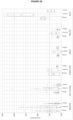
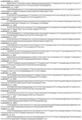
- the sample extract (3 ⁇ L) was assessed in FT positive mode over a mass range of 80-1200 amu with resolution set at 35,000. Typical mass accuracy for the alkaloids was 3-5 ppm. Relative quantitation (expressed as peak area) were determined for epoxy-janthitrems I to IV ( Figure 1 ). These were identified based on mass accuracy and fragmentation patterns via LCMS/MS (Table 6). Table 6 Targeted LCMS/MS analysis of epoxy-janthitrem I-IV indicating accurate masses (m/z), retention times (RT) and MSn fragmentation data (LC-MS/MS) which were acquired in positive ionisation mode [M+H] using a Thermo Fisher Q-Exactive Plus orbitrap mass spectrometer.
- STELLAR-RGT15 and RGAS1137-RGT15 were measured for peramine and ergovaline production in spring, summer and winter. Lolitrem B was not observed in any variety-RGT15 associations.
- STELLAR-RGT18 and RGAS1137-RGT18 were measured for epoxy-janthitrems I-IV production in spring, summer and winter (Table 8).
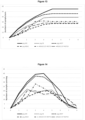
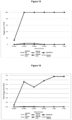
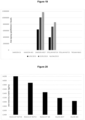
- Epoxy-janthitrem I and its variants were also measured ( Figure 4 ). Average levels were greater in STELLAR-RGT18 compared to RGAS1137-RGT18 ( Figure 5 ). Epoxy-janthitrem I was dominant in all samples tested, followed by epoxy-janthitrem III (Table 9).
- Table 8 Seasonal averages for janthitrem I production for Lolium perenne ryegrass-endophyte associations Association Season Number of genotypes measured Average janthitrem I (arbitrary units) STELLAR-RGT18 Spring 43 100116 RGAS1137-RGT18 Spring 38 22054 SAMSON-AR37 Spring 5 0 STELLAR RGT18 Summer 43 6268565 RGAS1137-RGT18 Summer 38 2677393 SAMSON-AR37 Summer 5 434659 Alto-AR37 Summer 6 538814 STELLAR RGT18 Winter 36 42794 RGAS1137-RGT18 Winter 32 4473 SAMSON-AR37 Winter 8 0 Table 9 The proportion of epoxy-janthitrems I-IV (%) measured in Lolium perenne ryegrass-endophyte associations during the summer season.
- Example 7 Evaluation of perennial ryegrass (Lolium perenne) lines for resistance/ tolerance to adult black beetle (Heteronychus arator) feeding
- Grass tillers were counted on each entry (plant) at Day 0 immediately before the introduction of the adult black beetle. At days 10, 15, 21 post establishment (DPE10, DPE15, DPE21) assessments were made identifying and counting damaged tillers and assessing plant vigour. Plant vigour was scored on a Likert Scale (1 least vigour to 5 most vigour).
- Plant vigour is an interpretation of a plant's ability to withstand feeding damage and the effects of adult black beetle test biting.
- the methodologies and results from a study of feeding choices of black beetle (Heteronychus arator) under laboratory conditions is outlined below.
- the feeding choices were diploid perennial ryegrass (Lolium perennes) varieties containing a range of endophytes (Acremonium loliae).
- the primary objective of the study was to measure adult black beetle feeding choices.
- the black beetles were contained individually in cube trays enabling monitoring of individual insects, isolation in case of disease, and preventing combat injury.
- the beetles were transferred to clean containers every second day and provided with fresh carrot for feeding.
- the black beetles were maintained at ambient temperatures and not fed for two days prior to entry into the assay.
- the experiment was maintained in a screen house at ambient temperatures and checked daily to ensure the soil moisture was adequate and that insect containment integrity was maintained.
- the tiller counts and baseline vigour scores for each plant were recorded prior to the introduction of the adult black beetles (Day 0, Assessment 1).
- the vigour score is a relative score for all plants in the trial on a Likert Scale of 1 (least vigour) to 5 (most vigour). Vigour characteristics were growth form, growth level, leaf colour, and appearance.
- the plants were then trimmed to 3cm and adult black beetle were released into each ring (replicate) at a ratio of one per test plant (6 black beetles per ring).
- Plants were inspected daily for black beetle adult feeding damage and four assessment made (Table 11) with a final assessment (Day 21, Assessment 4).
- Table 11 Assessment type and timing post establishment (introduction of black beetle) Assessment Days post Establishment (DPE) Assessment type 1 0 Vigour score, tiller count 2 10 Vigour score, damaged tiller count 3 15 Vigour score, damaged tiller count 4 21 Vigour score, damaged tiller count, confirm tiller count
- a tiller count prior to the introduction of the black beetle adults provided a baseline.
- the tiller counts ranged from 10 to 52, with variation across the grass/endophyte combinations (lines) (Table 12).
- the mean range of was from 13.6 to 35.1.
- Table 12 Baseline tiller count Line RGAS1137 RGT18 SAMSON Nil SAMSON SE TROJAN NEA2 SAMSON AR37 RGAS1137 RGT15 Min 14 21 14 10 12 4 Max 45 52 38 27 34 21 Median 31 33 26 15 21 15 Mean 28.0 35.1 25.9 16.3 21.9 13.6
- the mean number of tillers in each of the lines is sufficiently similar that they could statistically be from the same population.
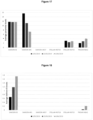
- Table 12 and Figure 7 show the mean baseline tiller count at day zero for each grass/endophyte combination.
- An ANOVA of tiller counts at planting (Day 0) confirmed that there was a significant difference between the means (p ⁇ 0.01). T tests showed lines were split into four significantly different groups.
- SAMSON Nil had significantly higher mean than the rest of the lines.
- the statistical groupings based on the means were RGAS1137 RGT18 and SAMSON SE; SAMSON SE and SAMSON AR37; and TROJAN NEA2 and RGAS1137 RGT15. These differences are discussed below.
- Plants were tended regularly and visually checked for black beetle damage following planting. On Day 10 there was sufficient damage to undertake a tiller count and vigour scoring.
- the mean number of damaged tillers for SAMSON Nil was 16.4 (range 5-30) (Table 13).
- the next highest level of damage was SAMSON SE, with a mean of 1.6 (range 0-5).
- the line RGAS1137-RGT15 had the least damage with a mean of 0.2 (range 0-3).
- the line RGAS1137-RGT18 was similar.
- Table 13 DPE10 damaged tiller count Line RGAS1137 RGT18 SAMSON Nil SAMSON SE TROJAN NEA2 SAMSON AR37 RGAS1137 RGT15 Min 0 5 0 0 0 Max 3 30 5 2 5 3 Median 0 15 1 0 0 0 Mean 0.3 16.4 1.6 0.6 1.2 0.2
- SAMSON Nil had a significantly greater number of tillers at DPE0 and had the greatest mean number of damaged tillers a question arose as to whether there was any significance in this relationship. Testing the number of damaged tillers as a proportion of the tiller count at planting confirmed that as a proportion of total tillers at DPE0, SAMSON Nil had a significantly greater mean than other lines (Table 14). The mean proportion across the plots for SAMSON Nil was 0.50, followed by SAMSON SE (0.074), SAMSON AR37 (0.054), TROJAN NEA2 (0.035), RGAS1137 RGT15 (0.011), and RGAS1137 RGT18 ( ⁇ 0.00).
- the vigour score is a Likert Scale with 1 is least vigorous and 5 is most vigorous. A zero score represents a dead plant. At the initial planting (DPE0) all plants included in the assay were assessed as having a vigour score of 5.
- SAMSON Nil recorded the lowest mean vigour score of 2.6. No dead plants were recorded - refer Table 15.
- Table 17 Summary of mean vigour scores at DPE10, DPE15, DPE21 DPE RGAS1137 RGT18 SAMSON Nil SAMSON SE TROJAN NEA2 SAMSON AR37 RGAS1137 RGT15 10 4.9 2.6 4.4 4.7 4.5 4.9 15 4.6 2.1 3.7 4.4 3.9 4.8 21 4.7 2.0 3.5 4.3 3.6 4.9
- RGAS1137 RGT18 and RGAS1137 RGT15 which recorded increases in vigour scores of between DPE 15 and 21, the balance of the entries recorded declines.
- the vigour score for SAMSON Nil reflects continued feeding attention by the black beetle, despite the fact that 64% (range 10% - 90%) of tillers were damaged.
- Presence of either endophyte RGT15 or RGT18 in host grasses was found to confer better resistance/tolerance to black beetle ( Heteronychus arator ) feeding compared to nil endophyte varieties.
- Example 8 Evaluation of presence of RGT15 and RGT18 infected varieties of ryegrass on the presence of Root Aphid.
- Roots from a pooled sample of c.100 12-day old seedlings were ground to a fine powder in liquid nitrogen and suspended in a 20% sucrose/ultrapure water solution.
- a pooled sample reduces symbiotum-symbiotum variation and provides an indication of the population average.
- Colonies of root aphids were reared on mature endophyte-free perennial ryegrass plants, in a controlled environment room (CER) maintained at 20 ⁇ 2 °C and 62 ⁇ 5% RH, with a photoperiod of 14 h light and 10 h dark.
- CER controlled environment room
- Single adult aphids were placed in 35 mm petri dishes. A 200 ⁇ l aliquot of the diet was sandwiched between two layers of parafilm, creating a feeding membrane. Feeding chambers were then inverted so that the aphids sat directly on top of their food source. Feeding chambers were enclosed inside an additional large petri dish with a layer of moistened filter paper to maintain a humid environment. A total of 14 aphids were used for each treatment. Adult mortality, nymph production and nymph survival were monitored for eight days. Single factor analysis of variance (ANOVA) was used to determine significance among the treatments. A 2-tailed t-test assuming unequal variance was used to determine significance between two groups.
- ANOVA Analysis of variance
- the number of adults and nymphs surviving on perennial ryegrass-endophyte root-sucrose diet were determined over eight days.
- the symbiota tested were perennial ryegrass (prg)-SE (with standard endophyte), prg-AR37, prg-NEA2, 1137-RGT15 and 1137-RGT18.
- Prg-WE without endophyte was used as an endophyte-free control (Table 18).
- Table 18 The mortality and fecundity of pasture root aphids exposed to a root-sucrose diet derived from perennial ryegrass-endophyte symbiota. The total number and percentage of adults surviving (A), nymphs born (NB) and nymphs surviving (NA) was assessed over eight days.
- An in vitro bioassay was used to evaluate perennial ryegrass-endophyte symbiota for effectiveness in mealy grass root aphid (Aploneura lentisci) control.
- Aphids were fed a diet comprising a pooled sample of c.100 symbiota root samples suspended in sucrose. Use of a pooled sample provides an indication of the symbiota average.
- Example 9 Replicated live animal feeding trials conducted summer to autumn using lambs.
- the trial area was sprayed-out, double-disced and power harrowed prior to sowing. Drilling took place on April using a Horsch Drill, the 3 replicates of each treatment were drilled and then the drilled cleaned thoroughly before starting the next treatment.
- the target sowing rate was 15 kg/ha of seed, assuming 90% germination and 90% field emergence and rates were adjusted according to seed size, in theory this would achieve a plant population of 520 plants/m 2 .
- the trial area received 250 kg/ha of Cropzeal 20N as starter fertiliser before drilling in April 2018 and four applications of SustaiN; 100 kg/ha in September, 100kg/ha at the end of October, 150 kg/ha at the end of December and 150 kg/ha at the end of January, totaling 500 kg/ha leading up to the trial period.
- the trial was not irrigated. Grazing occurred in common by ewes for three weeks in November/December, with ewes removed on mid-December and again by lambs in January, with the lambs coming off on end of January and the trial area topped to 75 mm height after which point the blocks were fenced into individual paddocks.
- Endophyte purity and content testing was performed (44-50 tillers from each sample) from the perennial ryegrass-endophyte lines (3 replicates) were tested.
- SAMSON AR1 Negative control, AR1, nil animal health effects
- SAMSON SE Positive standard endophyte control
- SAMSON SE had the lowest liveweight gain in weeks 0-2 and varieties 2, 3, 5, 6 and 8 had significantly higher gains than this. There was only one significant difference in weeks 2-4 for liveweight gain.
- Table 20 Mean lamb liveweight change (kg/head) for Week 0 - 2, Week 2-4 and Week 0-4.
- Liveweight gain as a measure of the potential treatment effect is not a useful gauge as it is dependent on the number of lambs per paddock which, in this case, was according to the ETC Protocol minimum lambs/paddock requirement rather than a calculated number of lambs based on dry matter production available.
- Trial lambs were sourced from the neighbouring farmer who made available 320 Coopworth x Hampshire cross and straight Coopworth ewe lambs at an average liveweight (unfasted) of 31.3 kg/head. All lambs had been grazed on Lucerne for the three weeks prior to the start of the trial, were freshly shorn the previous week and received a drench prior to going onto the trial. Lambs were allocated to paddocks at random and were weighed prior to going onto the trial.
- Yield was assessed by taking 3 strips using a rotary mower to 4 cm from each paddock and drying a sub sample to calculate dry matter percent.
- Unfasted lamb liveweights were recorded at the start, mid-point and end of the trial period respectively.
- Samples for herbage alkaloid analysis were taken using an electric handpiece at the start, mid-point and end of the trial period respectively). Ten areas approximately 20 cm long were cut to ground level and combined from which a sub-sample of 150 grams was collected and stored immediately within layers of ice. Samples were then transferred to a freezer.
- the Trial Operator While operating in the best interests of the trial animals, the Trial Operator removed any lambs from the trial that staggered to the point of falling over (those that registered as a Score 4 or 5 on the Keogh Scale).
- the Trial Operator interpreted a Score 3 to include 'stiff leg walking' or 'knee-walking' and a Score 4 ⁇ knee-walking to the point of falling over'.
- SAMSON SE was significantly higher on the Keogh Scale than all other treatments at the 5% level at the first score (measured 7 days after the start of the trial) and was significantly higher again at the 0.1% level when next measured 10 days later.
- RGT15 and RGT 18 endophytes of the present invention present a real-world advantage to SAMSON SE wildtype endophyte symbiont in terms of not sacrificing animal health for any improved reduction in insect related predation over non-symbiont grass.
- STELLLAR -RGT15 produces a similar amount of peramine to TROJAN NEA2 with much higher levels being observed in SAMSON AR1 and SAMSON SE.
- STELLAR-RGT15 is an endophyte capable of producing commercial acceptable levels of peramine.
- the Lennox Trial compared dry matter production of RGA1137-RGT18, RGA1137-RGT15, RGA1137 WE, One50 AR1, and One50 AR37.
- the trial location was situated near Ladbrooks, Canterbury with Wakanui clay loam soil. It was a dryland and mow only trial. The randomized complete block having 4 replicates with nutrients being replaced following each harvest based on the mean yield removal.
- the Waikeria Trial compared dry matter production of STELLAR-RGT18, STELLAR-RGT15, STELLAR AR1, Request AR1, and Request AR37.
- the trial location was situated in the Waikato region near Te Awamutu with ash (allophanic) soil type. It was a dryland and mow only trial.
- the randomized complete block having 4 replicates with nutrients being replaced following each harvest based on the mean yield removal. Both trials were harvested when the average dry matter yield was between 2000-2700 kg/ha. Fresh weight was recorded, with a subsample of the fresh herbage dried to provide a dry matter %.
- the invention detailed herein may provide one or more advantages over the prior art endophyte grass symbionts and/or wildtype grasses, or at least offer the public a useful choice.
Landscapes
- Life Sciences & Earth Sciences (AREA)
- Health & Medical Sciences (AREA)
- Engineering & Computer Science (AREA)
- Zoology (AREA)
- Chemical & Material Sciences (AREA)
- Microbiology (AREA)
- Biotechnology (AREA)
- Wood Science & Technology (AREA)
- General Health & Medical Sciences (AREA)
- Mycology (AREA)
- Genetics & Genomics (AREA)
- Bioinformatics & Cheminformatics (AREA)
- Organic Chemistry (AREA)
- Virology (AREA)
- Botany (AREA)
- Tropical Medicine & Parasitology (AREA)
- Environmental Sciences (AREA)
- Medicinal Chemistry (AREA)
- General Engineering & Computer Science (AREA)
- Biochemistry (AREA)
- Biomedical Technology (AREA)
- Pest Control & Pesticides (AREA)
- Plant Pathology (AREA)
- Dentistry (AREA)
- Agronomy & Crop Science (AREA)
- Natural Medicines & Medicinal Plants (AREA)
- Developmental Biology & Embryology (AREA)
- Breeding Of Plants And Reproduction By Means Of Culturing (AREA)
- Agricultural Chemicals And Associated Chemicals (AREA)
- Micro-Organisms Or Cultivation Processes Thereof (AREA)
- Measuring Or Testing Involving Enzymes Or Micro-Organisms (AREA)
Claims (12)
- Verfahren zur Verbesserung der Lebensfähigkeit, Lebensdauer und/oder Lebenskraft einer Wirtspflanze in der Form von Lolium multiflorum Lolium x hybridum und Lolium perenne (Wirtsgras), das den folgenden Schritt umfasst:- künstliches Inokulieren des Wirtsgrases mit einem LpTG-3-Endophyt-RGT18-Stamm;derart, dass der LpTG-3-Endophyt-RGT18-Stamm Folgendes kann:- Erzeugen mindestens eines/einer Alkaloids oder Kombination von Alkaloiden, das bzw. die das Wirtsgras mit einem vorteilhaften Alkaloidprofil versieht bzw. versehen; und/oder- Schützen der Pflanze vor biotischen Stressen.
- Verfahren nach Anspruch 1, wobei das Alkaloid mindestens eine Janthitrem-Epoxidverbindung ist.
- Verfahren nach Anspruch 2, wobei das Alkaloid ausgewählt ist aus einem beliebigen der Epoxid-Janthitrems I-IV; oder einer Kombination davon.
- Verfahren zur Verbesserung der Lebensfähigkeit, Lebensdauer und/oder Lebenskraft von Wirtsgräsern in der Form von Lolium perenne Lolium multiflorum, Lolium x hybridum, das die folgenden Schritte umfasst:a) Inokulieren eines ersten Wirtsgrases mit einem LptG-1-Endophyt-RGT15-Stamm undb) Inokulieren eines zweiten Wirtsgrases mit einem LptG-3-Endophyt-RGT18-Stamm;c) gemeinsames Anbauen von nach den Schritten a) und b) inokulierten Wirtsgräsern.
- Produktionszone, die das Anbauen mindestens eines Wirtsgrases in der Form von Lolium perenne, Lolium multiflorum, Lolium x hybridum darin umfasst, wobei das bzw. die Wirtsgräser nach einem der Verfahren nach Anspruch 1 bis 4 inokuliert wurde bzw. wurden.
- Produktionszone nach Anspruch 5, wobei die zwei Gräser zufällig innerhalb der Produktionszone eingestreut werden.
- Produktionszone nach Anspruch 5, wobei die zwei Gräser in getrennten Regionen innerhalb der Produktionszone angebaut werden.
- Produktionszone nach Anspruch 7, wobei die zwei Gräser jeweils in einer entsprechenden Hälfte der Produktionszone angebaut werden.
- Isolierter Endophyt der Epichloë festucae var. lolii Spezies LpTG-3 RGT18, wobei Veränderungen bei der Morphologie und/oder beim Alkaloidprofil gegenüber bekannten LpTG-3-Stämmen sind wie durch RGT18 veranschaulicht, das beim National Measurement Institute hinterlegt und dem jeweils die Zugangsnummern V18/011211 erteilt wurde.
- Verwendung eines isolierten Endophyten der Epichloë festucae var. lolii Spezies LpTG-3 RGT18 zum Bereitstellen von saisonaler Veränderung bei den durch den/die Endophyten erzeugten Alkaloiden, wenn er bzw. sie in einem Wirtsgras vorhanden ist bzw. sind.
- Verwendung eines isolierten Endophyten der Epichloë festucae var. lolii Spezies LpTG-3 RGT18 zum Steigern der Vorteile erhöhter Insektentoleranz und/oder Vermindern oder Einschränken der Nebenwirkungen von Tetanie bei Weidetieren, wenn er in einem Wirtsgras vorhanden ist.
- Isolierter Endophyt der Epichloë festucae var. lolii Spezies LpTG-3 RGT18, der ein Genom aufweist, das die Sequenz von Nukleinsäuren, wie in den SEQ ID NR. 1 bis 817 gezeigt, umfasst.
Priority Applications (1)
| Application Number | Priority Date | Filing Date | Title |
|---|---|---|---|
| EP24153477.5A EP4342298A3 (de) | 2018-11-15 | 2019-11-15 | Grasendophyten |
Applications Claiming Priority (2)
| Application Number | Priority Date | Filing Date | Title |
|---|---|---|---|
| NZ74842118 | 2018-11-15 | ||
| PCT/EP2019/081536 WO2020099660A2 (en) | 2018-11-15 | 2019-11-15 | Grass endophytes |
Related Child Applications (2)
| Application Number | Title | Priority Date | Filing Date |
|---|---|---|---|
| EP24153477.5A Division EP4342298A3 (de) | 2018-11-15 | 2019-11-15 | Grasendophyten |
| EP24153477.5A Division-Into EP4342298A3 (de) | 2018-11-15 | 2019-11-15 | Grasendophyten |
Publications (2)
| Publication Number | Publication Date |
|---|---|
| EP3879986A2 EP3879986A2 (de) | 2021-09-22 |
| EP3879986B1 true EP3879986B1 (de) | 2024-05-01 |
Family
ID=68766704
Family Applications (2)
| Application Number | Title | Priority Date | Filing Date |
|---|---|---|---|
| EP19813424.9A Active EP3879986B1 (de) | 2018-11-15 | 2019-11-15 | Grasendophyten |
| EP24153477.5A Pending EP4342298A3 (de) | 2018-11-15 | 2019-11-15 | Grasendophyten |
Family Applications After (1)
| Application Number | Title | Priority Date | Filing Date |
|---|---|---|---|
| EP24153477.5A Pending EP4342298A3 (de) | 2018-11-15 | 2019-11-15 | Grasendophyten |
Country Status (8)
| Country | Link |
|---|---|
| US (2) | US12048308B2 (de) |
| EP (2) | EP3879986B1 (de) |
| AU (4) | AU2019379795B2 (de) |
| CA (2) | CA3210692A1 (de) |
| CL (2) | CL2021001273A1 (de) |
| DK (1) | DK3879986T3 (de) |
| UY (1) | UY38474A (de) |
| WO (1) | WO2020099660A2 (de) |
Families Citing this family (2)
| Publication number | Priority date | Publication date | Assignee | Title |
|---|---|---|---|---|
| US12048308B2 (en) * | 2018-11-15 | 2024-07-30 | Ragt 2N | Grass endophytes |
| WO2025186708A1 (en) * | 2024-03-05 | 2025-09-12 | Grasslanz Technology Limited | Fungal endophyte |
Family Cites Families (4)
| Publication number | Priority date | Publication date | Assignee | Title |
|---|---|---|---|---|
| US6072107A (en) | 1997-05-27 | 2000-06-06 | New Zealand Pastoral Agriculture Research Institute Limited | Ryegrass endophytes |
| AU2003902794A0 (en) * | 2003-06-03 | 2003-06-19 | Agresearch Limited | Improvements in grass endophytes |
| US20140030288A1 (en) | 2012-07-25 | 2014-01-30 | Cropmark Seeds Ltd | Grass endophyte |
| US12048308B2 (en) * | 2018-11-15 | 2024-07-30 | Ragt 2N | Grass endophytes |
-
2019
- 2019-11-15 US US17/294,044 patent/US12048308B2/en active Active
- 2019-11-15 CA CA3210692A patent/CA3210692A1/en active Pending
- 2019-11-15 CA CA3118639A patent/CA3118639C/en active Active
- 2019-11-15 WO PCT/EP2019/081536 patent/WO2020099660A2/en not_active Ceased
- 2019-11-15 DK DK19813424.9T patent/DK3879986T3/da active
- 2019-11-15 AU AU2019379795A patent/AU2019379795B2/en active Active
- 2019-11-15 EP EP19813424.9A patent/EP3879986B1/de active Active
- 2019-11-15 UY UY0001038474A patent/UY38474A/es active IP Right Grant
- 2019-11-15 EP EP24153477.5A patent/EP4342298A3/de active Pending
-
2021
- 2021-05-14 CL CL2021001273A patent/CL2021001273A1/es unknown
-
2022
- 2022-05-31 AU AU2022203749A patent/AU2022203749B2/en active Active
- 2022-12-26 CL CL2022003760A patent/CL2022003760A1/es unknown
-
2023
- 2023-07-18 AU AU2023206110A patent/AU2023206110A1/en not_active Abandoned
-
2024
- 2024-06-17 US US18/745,740 patent/US20240407372A1/en active Pending
-
2025
- 2025-11-24 AU AU2025271192A patent/AU2025271192A1/en active Pending
Non-Patent Citations (3)
| Title |
|---|
| CARADUS JOHN ET AL: "Epichloë endophytes - new perspectives on a key ingredient for resilient perennial grass pastures", NZGA: RESEARCH AND PRACTICE SERIES, vol. 17, 7 May 2021 (2021-05-07), XP093050347, ISSN: 0110-8581, Retrieved from the Internet <URL:https://www.nzgajournal.org.nz/index.php/rps/article/download/3435/3089> DOI: 10.33584/rps.17.2021.3435 * |
| COOPER BRUCE ET AL: "The role of perennial ryegrass endophyte in Italian ryegrass", ADVANCES IN PLANT BREEDING, vol. 12, 1 January 2006 (2006-01-01), pages 526 - 530, XP093050342, DOI: https://doi.org/10.33584/rps.12.2006.3022 * |
| HUME D.E. ET AL: "The role of endophyte in determining the persistence and productivity of ryegrass, tall fescue and meadow fescue in Northland", PROCEEDINGS OF THE NEW ZEALAND GRASSLAND ASSOCIATION, 1 January 2009 (2009-01-01), pages 145 - 150, XP093050346, ISSN: 0369-3902, DOI: 10.33584/jnzg.2009.71.2754 * |
Also Published As
| Publication number | Publication date |
|---|---|
| AU2022203749A1 (en) | 2022-06-23 |
| US12048308B2 (en) | 2024-07-30 |
| US20210400987A1 (en) | 2021-12-30 |
| WO2020099660A2 (en) | 2020-05-22 |
| CL2021001273A1 (es) | 2022-01-07 |
| EP4342298A3 (de) | 2024-06-19 |
| UY38474A (es) | 2020-05-29 |
| EP4342298A2 (de) | 2024-03-27 |
| CA3118639A1 (en) | 2020-05-22 |
| CA3118639C (en) | 2024-06-11 |
| EP3879986A2 (de) | 2021-09-22 |
| DK3879986T3 (da) | 2024-07-08 |
| US20240407372A1 (en) | 2024-12-12 |
| CA3210692A1 (en) | 2020-05-22 |
| AU2019379795A1 (en) | 2021-07-08 |
| WO2020099660A3 (en) | 2020-08-06 |
| AU2025271192A1 (en) | 2026-01-15 |
| AU2019379795B2 (en) | 2022-09-01 |
| CL2022003760A1 (es) | 2023-06-30 |
| AU2023206110A1 (en) | 2023-09-28 |
| AU2022203749B2 (en) | 2023-08-10 |
Similar Documents
| Publication | Publication Date | Title |
|---|---|---|
| US20240407372A1 (en) | Grass endophytes | |
| Gaudet et al. | Races of common bunt (Tilletia caries and T. foetida) of wheat in western Canada | |
| Lazzaro et al. | Organic vs conventional farming: Differences in infection by mycotoxin-producing fungi on maize and wheat in Northern and Central Italy | |
| Auld et al. | Screening peas for winterhardiness under field and laboratory conditions 1 | |
| US20090181447A1 (en) | Grass endophytes | |
| ES2467996T3 (es) | Método para proteger pastos usando un endofito | |
| Barker | Gastropods as pests in New Zealand pastoral agriculture, with emphasis on Agriolimacidae, Arionidae and Milacidae. | |
| US7642424B2 (en) | Tall fescue endophyte E34 | |
| US9706779B2 (en) | Tall fescue endophyte isolate 647 | |
| AU2018253526B2 (en) | An Enhanced Endophyte for Grass Systems | |
| Koga | Genetic characterization of striga gesnerioides and its control strategies in tobacco (nicotiana tabacum). | |
| NZ789475A (en) | Grass endophytes | |
| Oudman | Identifcation, Characterization, and Management of Fusarium Root Rot Pathogens of Dry Beans in Michigan | |
| Hernández et al. | Morphological and Molecular Identification of Bark and Ambrosia Beetles and Their Associated Predators in Honduran Coniferous Forests | |
| YADAV | Development of integrated disease management modules for major fungal disease of Basmati rice and fungicide residue analysis | |
| JAGGAL | MOLECULAR CHARACTERIZATION OF PIGEONPEA (Cajanus cajan (L.) Millsp.) ACCESSIONS TO FUSARIUM WILT AND STERILITY MOSAIC DISEASE | |
| AU2007203208B2 (en) | BE9301A tall fescue with endophytes | |
| Czembor et al. | Leaf rust resistance in selections from barley landraces collected in Sardinia. | |
| Barman | Master of Science in Agriculture | |
| Kidanu | Evaluation of Barley Varieties against Russian Wheat Aphid (Diuraphis noxia M.) under Greenhouse Condition | |
| LAVANYA | PYRAMIDING OF MAJOR AND MINOR GENES IN BREAD WHEAT (Triticum aestivum L.) FOR LEAF RUST RESISTANCE | |
| Gutierrez II | Selecting Egyptian faba bean (Vicia faba L.) genotypes resistant to Orobanche crenata Forsk parasitism | |
| Frederick | of the American Phytopathological Society | |
| Nayaka | Understanding Pearl Millet Blast Caused by Magnaporthe grisea andáStrategies foráIts Management | |
| Wheeler | SOCIETY OF NEMATOLOGISTS 46th ANNUAL MEETING SAN DIEGO, CALIFORNIA |
Legal Events
| Date | Code | Title | Description |
|---|---|---|---|
| STAA | Information on the status of an ep patent application or granted ep patent |
Free format text: STATUS: UNKNOWN |
|
| STAA | Information on the status of an ep patent application or granted ep patent |
Free format text: STATUS: THE INTERNATIONAL PUBLICATION HAS BEEN MADE |
|
| PUAI | Public reference made under article 153(3) epc to a published international application that has entered the european phase |
Free format text: ORIGINAL CODE: 0009012 |
|
| STAA | Information on the status of an ep patent application or granted ep patent |
Free format text: STATUS: REQUEST FOR EXAMINATION WAS MADE |
|
| 17P | Request for examination filed |
Effective date: 20210615 |
|
| AK | Designated contracting states |
Kind code of ref document: A2 Designated state(s): AL AT BE BG CH CY CZ DE DK EE ES FI FR GB GR HR HU IE IS IT LI LT LU LV MC MK MT NL NO PL PT RO RS SE SI SK SM TR |
|
| DAV | Request for validation of the european patent (deleted) | ||
| DAX | Request for extension of the european patent (deleted) | ||
| STAA | Information on the status of an ep patent application or granted ep patent |
Free format text: STATUS: EXAMINATION IS IN PROGRESS |
|
| 17Q | First examination report despatched |
Effective date: 20220623 |
|
| P01 | Opt-out of the competence of the unified patent court (upc) registered |
Effective date: 20230530 |
|
| GRAP | Despatch of communication of intention to grant a patent |
Free format text: ORIGINAL CODE: EPIDOSNIGR1 |
|
| STAA | Information on the status of an ep patent application or granted ep patent |
Free format text: STATUS: GRANT OF PATENT IS INTENDED |
|
| INTG | Intention to grant announced |
Effective date: 20231214 |
|
| GRAS | Grant fee paid |
Free format text: ORIGINAL CODE: EPIDOSNIGR3 |
|
| GRAA | (expected) grant |
Free format text: ORIGINAL CODE: 0009210 |
|
| STAA | Information on the status of an ep patent application or granted ep patent |
Free format text: STATUS: THE PATENT HAS BEEN GRANTED |
|
| AK | Designated contracting states |
Kind code of ref document: B1 Designated state(s): AL AT BE BG CH CY CZ DE DK EE ES FI FR GB GR HR HU IE IS IT LI LT LU LV MC MK MT NL NO PL PT RO RS SE SI SK SM TR |
|
| REG | Reference to a national code |
Ref country code: GB Ref legal event code: FG4D |
|
| REG | Reference to a national code |
Ref country code: CH Ref legal event code: EP |
|
| REG | Reference to a national code |
Ref country code: IE Ref legal event code: FG4D |
|
| REG | Reference to a national code |
Ref country code: DE Ref legal event code: R096 Ref document number: 602019051554 Country of ref document: DE |
|
| REG | Reference to a national code |
Ref country code: DK Ref legal event code: T3 Effective date: 20240704 |
|
| REG | Reference to a national code |
Ref country code: NL Ref legal event code: FP |
|
| REG | Reference to a national code |
Ref country code: LT Ref legal event code: MG9D |
|
| PG25 | Lapsed in a contracting state [announced via postgrant information from national office to epo] |
Ref country code: IS Free format text: LAPSE BECAUSE OF FAILURE TO SUBMIT A TRANSLATION OF THE DESCRIPTION OR TO PAY THE FEE WITHIN THE PRESCRIBED TIME-LIMIT Effective date: 20240901 |
|
| PG25 | Lapsed in a contracting state [announced via postgrant information from national office to epo] |
Ref country code: BG Free format text: LAPSE BECAUSE OF FAILURE TO SUBMIT A TRANSLATION OF THE DESCRIPTION OR TO PAY THE FEE WITHIN THE PRESCRIBED TIME-LIMIT Effective date: 20240501 |
|
| PG25 | Lapsed in a contracting state [announced via postgrant information from national office to epo] |
Ref country code: FI Free format text: LAPSE BECAUSE OF FAILURE TO SUBMIT A TRANSLATION OF THE DESCRIPTION OR TO PAY THE FEE WITHIN THE PRESCRIBED TIME-LIMIT Effective date: 20240501 Ref country code: HR Free format text: LAPSE BECAUSE OF FAILURE TO SUBMIT A TRANSLATION OF THE DESCRIPTION OR TO PAY THE FEE WITHIN THE PRESCRIBED TIME-LIMIT Effective date: 20240501 |
|
| PG25 | Lapsed in a contracting state [announced via postgrant information from national office to epo] |
Ref country code: GR Free format text: LAPSE BECAUSE OF FAILURE TO SUBMIT A TRANSLATION OF THE DESCRIPTION OR TO PAY THE FEE WITHIN THE PRESCRIBED TIME-LIMIT Effective date: 20240802 |
|
| PG25 | Lapsed in a contracting state [announced via postgrant information from national office to epo] |
Ref country code: PT Free format text: LAPSE BECAUSE OF FAILURE TO SUBMIT A TRANSLATION OF THE DESCRIPTION OR TO PAY THE FEE WITHIN THE PRESCRIBED TIME-LIMIT Effective date: 20240902 |
|
| REG | Reference to a national code |
Ref country code: AT Ref legal event code: MK05 Ref document number: 1681068 Country of ref document: AT Kind code of ref document: T Effective date: 20240501 |
|
| PG25 | Lapsed in a contracting state [announced via postgrant information from national office to epo] |
Ref country code: ES Free format text: LAPSE BECAUSE OF FAILURE TO SUBMIT A TRANSLATION OF THE DESCRIPTION OR TO PAY THE FEE WITHIN THE PRESCRIBED TIME-LIMIT Effective date: 20240501 |
|
| PG25 | Lapsed in a contracting state [announced via postgrant information from national office to epo] |
Ref country code: AT Free format text: LAPSE BECAUSE OF FAILURE TO SUBMIT A TRANSLATION OF THE DESCRIPTION OR TO PAY THE FEE WITHIN THE PRESCRIBED TIME-LIMIT Effective date: 20240501 |
|
| PG25 | Lapsed in a contracting state [announced via postgrant information from national office to epo] |
Ref country code: PL Free format text: LAPSE BECAUSE OF FAILURE TO SUBMIT A TRANSLATION OF THE DESCRIPTION OR TO PAY THE FEE WITHIN THE PRESCRIBED TIME-LIMIT Effective date: 20240501 |
|
| PG25 | Lapsed in a contracting state [announced via postgrant information from national office to epo] |
Ref country code: LV Free format text: LAPSE BECAUSE OF FAILURE TO SUBMIT A TRANSLATION OF THE DESCRIPTION OR TO PAY THE FEE WITHIN THE PRESCRIBED TIME-LIMIT Effective date: 20240501 |
|
| PG25 | Lapsed in a contracting state [announced via postgrant information from national office to epo] |
Ref country code: PT Free format text: LAPSE BECAUSE OF FAILURE TO SUBMIT A TRANSLATION OF THE DESCRIPTION OR TO PAY THE FEE WITHIN THE PRESCRIBED TIME-LIMIT Effective date: 20240902 Ref country code: PL Free format text: LAPSE BECAUSE OF FAILURE TO SUBMIT A TRANSLATION OF THE DESCRIPTION OR TO PAY THE FEE WITHIN THE PRESCRIBED TIME-LIMIT Effective date: 20240501 Ref country code: NO Free format text: LAPSE BECAUSE OF FAILURE TO SUBMIT A TRANSLATION OF THE DESCRIPTION OR TO PAY THE FEE WITHIN THE PRESCRIBED TIME-LIMIT Effective date: 20240801 Ref country code: LV Free format text: LAPSE BECAUSE OF FAILURE TO SUBMIT A TRANSLATION OF THE DESCRIPTION OR TO PAY THE FEE WITHIN THE PRESCRIBED TIME-LIMIT Effective date: 20240501 Ref country code: IS Free format text: LAPSE BECAUSE OF FAILURE TO SUBMIT A TRANSLATION OF THE DESCRIPTION OR TO PAY THE FEE WITHIN THE PRESCRIBED TIME-LIMIT Effective date: 20240901 Ref country code: HR Free format text: LAPSE BECAUSE OF FAILURE TO SUBMIT A TRANSLATION OF THE DESCRIPTION OR TO PAY THE FEE WITHIN THE PRESCRIBED TIME-LIMIT Effective date: 20240501 Ref country code: GR Free format text: LAPSE BECAUSE OF FAILURE TO SUBMIT A TRANSLATION OF THE DESCRIPTION OR TO PAY THE FEE WITHIN THE PRESCRIBED TIME-LIMIT Effective date: 20240802 Ref country code: FI Free format text: LAPSE BECAUSE OF FAILURE TO SUBMIT A TRANSLATION OF THE DESCRIPTION OR TO PAY THE FEE WITHIN THE PRESCRIBED TIME-LIMIT Effective date: 20240501 Ref country code: ES Free format text: LAPSE BECAUSE OF FAILURE TO SUBMIT A TRANSLATION OF THE DESCRIPTION OR TO PAY THE FEE WITHIN THE PRESCRIBED TIME-LIMIT Effective date: 20240501 Ref country code: BG Free format text: LAPSE BECAUSE OF FAILURE TO SUBMIT A TRANSLATION OF THE DESCRIPTION OR TO PAY THE FEE WITHIN THE PRESCRIBED TIME-LIMIT Effective date: 20240501 Ref country code: AT Free format text: LAPSE BECAUSE OF FAILURE TO SUBMIT A TRANSLATION OF THE DESCRIPTION OR TO PAY THE FEE WITHIN THE PRESCRIBED TIME-LIMIT Effective date: 20240501 Ref country code: RS Free format text: LAPSE BECAUSE OF FAILURE TO SUBMIT A TRANSLATION OF THE DESCRIPTION OR TO PAY THE FEE WITHIN THE PRESCRIBED TIME-LIMIT Effective date: 20240801 |
|
| PG25 | Lapsed in a contracting state [announced via postgrant information from national office to epo] |
Ref country code: EE Free format text: LAPSE BECAUSE OF FAILURE TO SUBMIT A TRANSLATION OF THE DESCRIPTION OR TO PAY THE FEE WITHIN THE PRESCRIBED TIME-LIMIT Effective date: 20240501 |
|
| PG25 | Lapsed in a contracting state [announced via postgrant information from national office to epo] |
Ref country code: CZ Free format text: LAPSE BECAUSE OF FAILURE TO SUBMIT A TRANSLATION OF THE DESCRIPTION OR TO PAY THE FEE WITHIN THE PRESCRIBED TIME-LIMIT Effective date: 20240501 |
|
| PG25 | Lapsed in a contracting state [announced via postgrant information from national office to epo] |
Ref country code: RO Free format text: LAPSE BECAUSE OF FAILURE TO SUBMIT A TRANSLATION OF THE DESCRIPTION OR TO PAY THE FEE WITHIN THE PRESCRIBED TIME-LIMIT Effective date: 20240501 Ref country code: SK Free format text: LAPSE BECAUSE OF FAILURE TO SUBMIT A TRANSLATION OF THE DESCRIPTION OR TO PAY THE FEE WITHIN THE PRESCRIBED TIME-LIMIT Effective date: 20240501 |
|
| PG25 | Lapsed in a contracting state [announced via postgrant information from national office to epo] |
Ref country code: SM Free format text: LAPSE BECAUSE OF FAILURE TO SUBMIT A TRANSLATION OF THE DESCRIPTION OR TO PAY THE FEE WITHIN THE PRESCRIBED TIME-LIMIT Effective date: 20240501 |
|
| PG25 | Lapsed in a contracting state [announced via postgrant information from national office to epo] |
Ref country code: SM Free format text: LAPSE BECAUSE OF FAILURE TO SUBMIT A TRANSLATION OF THE DESCRIPTION OR TO PAY THE FEE WITHIN THE PRESCRIBED TIME-LIMIT Effective date: 20240501 Ref country code: SK Free format text: LAPSE BECAUSE OF FAILURE TO SUBMIT A TRANSLATION OF THE DESCRIPTION OR TO PAY THE FEE WITHIN THE PRESCRIBED TIME-LIMIT Effective date: 20240501 Ref country code: RO Free format text: LAPSE BECAUSE OF FAILURE TO SUBMIT A TRANSLATION OF THE DESCRIPTION OR TO PAY THE FEE WITHIN THE PRESCRIBED TIME-LIMIT Effective date: 20240501 Ref country code: EE Free format text: LAPSE BECAUSE OF FAILURE TO SUBMIT A TRANSLATION OF THE DESCRIPTION OR TO PAY THE FEE WITHIN THE PRESCRIBED TIME-LIMIT Effective date: 20240501 Ref country code: CZ Free format text: LAPSE BECAUSE OF FAILURE TO SUBMIT A TRANSLATION OF THE DESCRIPTION OR TO PAY THE FEE WITHIN THE PRESCRIBED TIME-LIMIT Effective date: 20240501 |
|
| REG | Reference to a national code |
Ref country code: DE Ref legal event code: R097 Ref document number: 602019051554 Country of ref document: DE |
|
| PG25 | Lapsed in a contracting state [announced via postgrant information from national office to epo] |
Ref country code: IT Free format text: LAPSE BECAUSE OF FAILURE TO SUBMIT A TRANSLATION OF THE DESCRIPTION OR TO PAY THE FEE WITHIN THE PRESCRIBED TIME-LIMIT Effective date: 20240501 |
|
| PLBE | No opposition filed within time limit |
Free format text: ORIGINAL CODE: 0009261 |
|
| STAA | Information on the status of an ep patent application or granted ep patent |
Free format text: STATUS: NO OPPOSITION FILED WITHIN TIME LIMIT |
|
| 26N | No opposition filed |
Effective date: 20250204 |
|
| PG25 | Lapsed in a contracting state [announced via postgrant information from national office to epo] |
Ref country code: SI Free format text: LAPSE BECAUSE OF FAILURE TO SUBMIT A TRANSLATION OF THE DESCRIPTION OR TO PAY THE FEE WITHIN THE PRESCRIBED TIME-LIMIT Effective date: 20240501 |
|
| REG | Reference to a national code |
Ref country code: CH Ref legal event code: PL |
|
| PG25 | Lapsed in a contracting state [announced via postgrant information from national office to epo] |
Ref country code: MC Free format text: LAPSE BECAUSE OF FAILURE TO SUBMIT A TRANSLATION OF THE DESCRIPTION OR TO PAY THE FEE WITHIN THE PRESCRIBED TIME-LIMIT Effective date: 20240501 |
|
| PG25 | Lapsed in a contracting state [announced via postgrant information from national office to epo] |
Ref country code: LU Free format text: LAPSE BECAUSE OF NON-PAYMENT OF DUE FEES Effective date: 20241115 |
|
| REG | Reference to a national code |
Ref country code: CH Ref legal event code: PL |
|
| PG25 | Lapsed in a contracting state [announced via postgrant information from national office to epo] |
Ref country code: CH Free format text: LAPSE BECAUSE OF NON-PAYMENT OF DUE FEES Effective date: 20241130 |
|
| PG25 | Lapsed in a contracting state [announced via postgrant information from national office to epo] |
Ref country code: SE Free format text: LAPSE BECAUSE OF FAILURE TO SUBMIT A TRANSLATION OF THE DESCRIPTION OR TO PAY THE FEE WITHIN THE PRESCRIBED TIME-LIMIT Effective date: 20240501 |
|
| PGFP | Annual fee paid to national office [announced via postgrant information from national office to epo] |
Ref country code: NL Payment date: 20251028 Year of fee payment: 7 |
|
| PGFP | Annual fee paid to national office [announced via postgrant information from national office to epo] |
Ref country code: DE Payment date: 20251117 Year of fee payment: 7 |
|
| PGFP | Annual fee paid to national office [announced via postgrant information from national office to epo] |
Ref country code: GB Payment date: 20251126 Year of fee payment: 7 |
|
| PGFP | Annual fee paid to national office [announced via postgrant information from national office to epo] |
Ref country code: DK Payment date: 20251029 Year of fee payment: 7 |
|
| PGFP | Annual fee paid to national office [announced via postgrant information from national office to epo] |
Ref country code: FR Payment date: 20251014 Year of fee payment: 7 |
|
| PGFP | Annual fee paid to national office [announced via postgrant information from national office to epo] |
Ref country code: BE Payment date: 20251120 Year of fee payment: 7 |
|
| PGFP | Annual fee paid to national office [announced via postgrant information from national office to epo] |
Ref country code: IE Payment date: 20251021 Year of fee payment: 7 |
|
| PG25 | Lapsed in a contracting state [announced via postgrant information from national office to epo] |
Ref country code: HU Free format text: LAPSE BECAUSE OF FAILURE TO SUBMIT A TRANSLATION OF THE DESCRIPTION OR TO PAY THE FEE WITHIN THE PRESCRIBED TIME-LIMIT; INVALID AB INITIO Effective date: 20191115 |
|
| PG25 | Lapsed in a contracting state [announced via postgrant information from national office to epo] |
Ref country code: CY Free format text: LAPSE BECAUSE OF FAILURE TO SUBMIT A TRANSLATION OF THE DESCRIPTION OR TO PAY THE FEE WITHIN THE PRESCRIBED TIME-LIMIT; INVALID AB INITIO Effective date: 20191115 |