EP3878460A1 - Green tea extract having modified constituent content and composition comprising same - Google Patents
Green tea extract having modified constituent content and composition comprising same Download PDFInfo
- Publication number
- EP3878460A1 EP3878460A1 EP19881736.3A EP19881736A EP3878460A1 EP 3878460 A1 EP3878460 A1 EP 3878460A1 EP 19881736 A EP19881736 A EP 19881736A EP 3878460 A1 EP3878460 A1 EP 3878460A1
- Authority
- EP
- European Patent Office
- Prior art keywords
- green tea
- composition
- tea extract
- extract
- less
- Prior art date
- Legal status (The legal status is an assumption and is not a legal conclusion. Google has not performed a legal analysis and makes no representation as to the accuracy of the status listed.)
- Withdrawn
Links
Images





Classifications
-
- A—HUMAN NECESSITIES
- A23—FOODS OR FOODSTUFFS; TREATMENT THEREOF, NOT COVERED BY OTHER CLASSES
- A23L—FOODS, FOODSTUFFS OR NON-ALCOHOLIC BEVERAGES, NOT OTHERWISE PROVIDED FOR; PREPARATION OR TREATMENT THEREOF
- A23L33/00—Modifying nutritive qualities of foods; Dietetic products; Preparation or treatment thereof
- A23L33/10—Modifying nutritive qualities of foods; Dietetic products; Preparation or treatment thereof using additives
- A23L33/105—Plant extracts, their artificial duplicates or their derivatives
-
- A—HUMAN NECESSITIES
- A23—FOODS OR FOODSTUFFS; TREATMENT THEREOF, NOT COVERED BY OTHER CLASSES
- A23F—COFFEE; TEA; THEIR SUBSTITUTES; MANUFACTURE, PREPARATION, OR INFUSION THEREOF
- A23F3/00—Tea; Tea substitutes; Preparations thereof
- A23F3/16—Tea extraction; Tea extracts; Treating tea extract; Making instant tea
-
- A—HUMAN NECESSITIES
- A23—FOODS OR FOODSTUFFS; TREATMENT THEREOF, NOT COVERED BY OTHER CLASSES
- A23L—FOODS, FOODSTUFFS OR NON-ALCOHOLIC BEVERAGES, NOT OTHERWISE PROVIDED FOR; PREPARATION OR TREATMENT THEREOF
- A23L33/00—Modifying nutritive qualities of foods; Dietetic products; Preparation or treatment thereof
-
- A—HUMAN NECESSITIES
- A23—FOODS OR FOODSTUFFS; TREATMENT THEREOF, NOT COVERED BY OTHER CLASSES
- A23L—FOODS, FOODSTUFFS OR NON-ALCOHOLIC BEVERAGES, NOT OTHERWISE PROVIDED FOR; PREPARATION OR TREATMENT THEREOF
- A23L5/00—Preparation or treatment of foods or foodstuffs, in general; Food or foodstuffs obtained thereby; Materials therefor
- A23L5/20—Removal of unwanted matter, e.g. deodorisation or detoxification
- A23L5/21—Removal of unwanted matter, e.g. deodorisation or detoxification by heating without chemical treatment, e.g. steam treatment, cooking
-
- A—HUMAN NECESSITIES
- A61—MEDICAL OR VETERINARY SCIENCE; HYGIENE
- A61K—PREPARATIONS FOR MEDICAL, DENTAL OR TOILETRY PURPOSES
- A61K31/00—Medicinal preparations containing organic active ingredients
- A61K31/33—Heterocyclic compounds
- A61K31/335—Heterocyclic compounds having oxygen as the only ring hetero atom, e.g. fungichromin
- A61K31/35—Heterocyclic compounds having oxygen as the only ring hetero atom, e.g. fungichromin having six-membered rings with one oxygen as the only ring hetero atom
- A61K31/352—Heterocyclic compounds having oxygen as the only ring hetero atom, e.g. fungichromin having six-membered rings with one oxygen as the only ring hetero atom condensed with carbocyclic rings, e.g. methantheline
- A61K31/353—3,4-Dihydrobenzopyrans, e.g. chroman, catechin
-
- A—HUMAN NECESSITIES
- A61—MEDICAL OR VETERINARY SCIENCE; HYGIENE
- A61K—PREPARATIONS FOR MEDICAL, DENTAL OR TOILETRY PURPOSES
- A61K36/00—Medicinal preparations of undetermined constitution containing material from algae, lichens, fungi or plants, or derivatives thereof, e.g. traditional herbal medicines
- A61K36/18—Magnoliophyta (angiosperms)
- A61K36/185—Magnoliopsida (dicotyledons)
- A61K36/82—Theaceae (Tea family), e.g. camellia
-
- A—HUMAN NECESSITIES
- A61—MEDICAL OR VETERINARY SCIENCE; HYGIENE
- A61P—SPECIFIC THERAPEUTIC ACTIVITY OF CHEMICAL COMPOUNDS OR MEDICINAL PREPARATIONS
- A61P3/00—Drugs for disorders of the metabolism
- A61P3/04—Anorexiants; Antiobesity agents
-
- A—HUMAN NECESSITIES
- A61—MEDICAL OR VETERINARY SCIENCE; HYGIENE
- A61P—SPECIFIC THERAPEUTIC ACTIVITY OF CHEMICAL COMPOUNDS OR MEDICINAL PREPARATIONS
- A61P3/00—Drugs for disorders of the metabolism
- A61P3/06—Antihyperlipidemics
-
- A—HUMAN NECESSITIES
- A61—MEDICAL OR VETERINARY SCIENCE; HYGIENE
- A61P—SPECIFIC THERAPEUTIC ACTIVITY OF CHEMICAL COMPOUNDS OR MEDICINAL PREPARATIONS
- A61P9/00—Drugs for disorders of the cardiovascular system
-
- A—HUMAN NECESSITIES
- A23—FOODS OR FOODSTUFFS; TREATMENT THEREOF, NOT COVERED BY OTHER CLASSES
- A23V—INDEXING SCHEME RELATING TO FOODS, FOODSTUFFS OR NON-ALCOHOLIC BEVERAGES AND LACTIC OR PROPIONIC ACID BACTERIA USED IN FOODSTUFFS OR FOOD PREPARATION
- A23V2002/00—Food compositions, function of food ingredients or processes for food or foodstuffs
-
- A—HUMAN NECESSITIES
- A23—FOODS OR FOODSTUFFS; TREATMENT THEREOF, NOT COVERED BY OTHER CLASSES
- A23V—INDEXING SCHEME RELATING TO FOODS, FOODSTUFFS OR NON-ALCOHOLIC BEVERAGES AND LACTIC OR PROPIONIC ACID BACTERIA USED IN FOODSTUFFS OR FOOD PREPARATION
- A23V2250/00—Food ingredients
- A23V2250/20—Natural extracts
- A23V2250/21—Plant extracts
- A23V2250/214—Tea
-
- A—HUMAN NECESSITIES
- A61—MEDICAL OR VETERINARY SCIENCE; HYGIENE
- A61K—PREPARATIONS FOR MEDICAL, DENTAL OR TOILETRY PURPOSES
- A61K2236/00—Isolation or extraction methods of medicinal preparations of undetermined constitution containing material from algae, lichens, fungi or plants, or derivatives thereof, e.g. traditional herbal medicine
- A61K2236/50—Methods involving additional extraction steps
Definitions
- the present disclosure relates to a green tea extract having modified contents of ingredients, which exhibits reduced hepatotoxicity, and a composition containing the same as an active ingredient for enhancing blood circulation, inhibiting lipid accumulation in hepatocytes, inhibiting gingivalis bacteria or increasing cerebral blood flow.
- fatty liver The major causes of fatty liver are chronic drinking, obesity caused by overeating and diabetes.
- fatty liver may occur when drugs with strong toxicity are taken, antibiotics are misused during pregnancy or aspirin is abused to alleviate fever in children with febrile infectious diseases.
- Fatty liver is recovered easily through regeneration of hepatocytes under good physical conditions including immune conditions. But, otherwise, the function of hepatocytes declines as fat is accumulated in the hepatocytes and important constituents of the cells including nuclei are pushed to the periphery of the cells.
- the fat accumulated in the hepatocytes compress microvessels and lymph glands between the hepatocytes, causing damage to the circulation of blood and lymph in the liver. As a result, the necessary oxygen and nutrients cannot be delivered to the hepatocytes and the liver function declines.
- thrombosis In normal blood vessels, homeostasis is maintained as the activation and inhibition of the hemostasis mechanism are balanced. But, in blood circulation diseases, thrombosis may be caused by excessive hemostatic activation or blood clot formation, which interrupts blood flow. In normal vascular endothelial cells, inhibitory factors such as nitric oxide (NO) and nitric oxide (PGI2) are released, which protect the blood vessel wall and inhibit platelet adhesion and activation. However, platelet coagulation is promoted if the endothelial cells are damaged. Thrombosis collectively refers to the diseases caused by the blood clots that block blood vessels.
- NO nitric oxide
- PKI2 nitric oxide
- Thrombosis collectively refers to the diseases caused by the blood clots that block blood vessels.
- Periodontitis has various causes and symptoms.
- One of the main causes of periodontitis is the microorganisms in the mouth. They produce insoluble glucans using sugars, which form dental plaques by adhering to tooth surfaces together with various micro-colonies.
- the dental plaque causes tooth decay and periodontitis. Therefore, the most effective method for preventing periodontitis may be to use a substance which inhibits the activity of the microorganisms and facilitates blood flow to the gum where inflammation has occurred.
- the microorganisms distributed in the mouth cause bad breath, periodontal disease, etc.
- Some of the microorganisms are known as opportunistic pathogens which have the capacity of causing diseases.
- the brain performs its functions by receiving blood pumped out of the heart and obtaining oxygen or nutrients such as glucose, etc. therefrom. Because the brain lacks the ability to store oxygen and glucose in tissues, unlike other bodily tissues, disorder of the blood flow to the brain due to the narrowing or blockage of the cerebral blood vessels by arteriosclerosis, thrombosis, etc. may cause brain diseases including nerve cell damage owing to oxygen deficiency and lack of glucose.
- the diseases directly or indirectly associated with the disorder of cerebral blood flow include anemia, stroke, vascular dementia, Parkinsonism, Huntington's disease, etc.
- green tea is widely used as a food supplement for improving obesity or metabolic disease because it is effective in reducing body weight and lowering cholesterol level.
- the intake of a large quantity of green tea extract can cause liver toxicity, the safety issue of the green tea extract is emerging. Accordingly, the discovery of a composition of the green tea extract with reduced liver injury is necessary.
- the present disclosure is directed to providing a green tea extract with reduced hepatotoxicity, specifically hepatocyte damage, and a composition containing the same as an active ingredient and having high safety for enhancing blood circulation, inhibiting lipid accumulation in hepatocytes, inhibiting gingivalis bacteria or increasing cerebral blood flow.
- the present disclosure provides a green tea extract with reduced hepatotoxicity, which contains 8 wt% or less of epigallocatechin (EGC) based on the total weight of the extract.
- ECG epigallocatechin
- the present disclosure provides a composition for enhancing blood circulation, which contains a green tea extract with reduced hepatotoxicity, containing 8 wt% or less of epigallocatechin (EGC) based on the total weight of the extract, as an active ingredient.
- a green tea extract with reduced hepatotoxicity containing 8 wt% or less of epigallocatechin (EGC) based on the total weight of the extract, as an active ingredient.
- the present disclosure provides a composition for inhibiting lipid accumulation in hepatocytes, which contains a green tea extract with reduced hepatotoxicity, containing 8 wt% or less of epigallocatechin (EGC) based on the total weight of the extract, as an active ingredient.
- a green tea extract with reduced hepatotoxicity containing 8 wt% or less of epigallocatechin (EGC) based on the total weight of the extract, as an active ingredient.
- the present disclosure provides a composition for inhibiting gingivalis bacteria, which contains a green tea extract with reduced hepatotoxicity, containing 8 wt% or less of epigallocatechin (EGC) based on the total weight of the extract, as an active ingredient.
- a green tea extract with reduced hepatotoxicity containing 8 wt% or less of epigallocatechin (EGC) based on the total weight of the extract, as an active ingredient.
- the present disclosure provides a composition for increasing cerebral blood flow, which contains a green tea extract with reduced hepatotoxicity, containing 8 wt% or less of epigallocatechin (EGC) based on the total weight of the extract, as an active ingredient.
- a green tea extract with reduced hepatotoxicity containing 8 wt% or less of epigallocatechin (EGC) based on the total weight of the extract, as an active ingredient.
- a green tea extract according to an aspect of the present disclosure which has modified contents of ingredients through treatment at high temperature, contains the ingredients that cause hepatotoxicity at lower concentrations as compared to the existing green tea extract. Therefore, hepatocyte damage by the existing green tea extract can be reduced effectively and safety can be ensured even when it is ingested in large amounts.
- a composition according to another aspect of the present disclosure which contains the green tea extract as an active ingredient, exhibits an excellent effect of preventing or treating a thrombotic disease as well as high safety due to superior effect of enhancing blood circulation.
- a composition according to another aspect of the present disclosure which contains the green tea extract as an active ingredient, exhibits an excellent effect of preventing or treating fatty liver as well as high safety due to superior effect of inhibiting lipid accumulation in hepatocytes.
- a composition according to another aspect of the present disclosure which contains the green tea extract as an active ingredient, exhibits an excellent effect of preventing or treating periodontitis as well as high safety due to superior effect of improving Porphyromonas gingivalis.
- a composition according to another aspect of the present disclosure which contains the green tea extract as an active ingredient, exhibits an excellent effect of improving cognitive function as well as high safety due to superior effect of increasing cerebral blood flow.
- a "green tea extract” includes an extract obtained from the evergreen shrub tea (Camellia sinensis), which belongs to the family Theaceae, or from the leaves of tea fermented by inoculating with Bacillus subtilis, regardless of extraction method, extraction solvent, extracted ingredients or extract type, as well as a fraction fractionated from the extract using a specific solvent.
- the tea may refer to one or more selected from a group consisting of the leaf, flower, stem, fruit, root and duramen of tea tree. Specifically, it may refer to leaf.
- the extract may be specifically in powder from.
- the extraction or fractionation may be performed using water, an organic solvent or a mixture solvent thereof.
- an alcohol such as isopropanol, acetone, hexane, ethyl acetate, carbon dioxide or a mixture solvent thereof may be used, although not being limited thereto.
- the extraction or fractionation may be performed at room temperature or elevated temperatures under a condition where the destruction of the active ingredients of green tea is prevented or minimized.
- the alcohol may be a C 1 -C 5 lower alcohol.
- the number and method of the extraction or fractionation is not particularly limited. For example, such methods as cryoprecipitation extraction, ultrasonic extraction, reflux condensation extraction, hot water extraction, etc. may be used. Specifically, after extracting or fractionating active ingredients by cryoprecipitation or heating and, followed by filtration, the green tea extract of the present disclosure may be obtained by concentrating the filtrate under reduced pressure.
- epicatechin includes epigallocatechin (EGC), (-)-epicatechin (EC), (-)-epigallocatechin gallate (EGCG) and epicatechin 3-O-gallate (ECG).
- an "epicatechin epimer” includes gallocatechin (GC), catechin (C), (-)-gallocatechin gallate (GCG) and catechin gallate (CG).
- the present disclosure may relate to a green tea extract with reduced hepatotoxicity, which contains 8 wt% or less of epigallocatechin (EGC) based on the total weight of the extract.
- ECG epigallocatechin
- the present disclosure may relate to a method for reducing hepatotoxicity, which includes a step of administering an effective amount of a green tea extract with reduced hepatotoxicity, containing 8 wt% or less of epigallocatechin (EGC) based on the total weight of the extract, to a subject in need thereof.
- a method for reducing hepatotoxicity which includes a step of administering an effective amount of a green tea extract with reduced hepatotoxicity, containing 8 wt% or less of epigallocatechin (EGC) based on the total weight of the extract, to a subject in need thereof.
- the present disclosure may relate to a use of a green tea extract with reduced hepatotoxicity, containing 8 wt% or less of epigallocatechin (EGC) based on the total weight of the extract, for preparation of a composition reducing hepatotoxicity.
- ECG epigallocatechin
- the present disclosure may relate to a green tea extract with reduced hepatotoxicity, containing 8 wt% or less of epigallocatechin (EGC) based on the total weight of the extract, for use in reducing hepatotoxicity.
- ECG epigallocatechin
- the present disclosure may relate to a composition for enhancing blood circulation, which contains the green tea extract as an active ingredient.
- the composition may increase nitric oxide (NO) in vascular endothelial cells, and may exhibit blood circulation-enhancing effect by increasing nitric oxide in vascular endothelial cells.
- NO nitric oxide
- the present disclosure may relate to a method for enhancing blood circulation, which includes a step of administering an effective amount of a green tea extract with reduced hepatotoxicity, containing 8 wt% or less of epigallocatechin (EGC) based on the total weight of the extract, to a subject in need thereof.
- a green tea extract with reduced hepatotoxicity containing 8 wt% or less of epigallocatechin (EGC) based on the total weight of the extract
- the present disclosure may relate to a use of a green tea extract with reduced hepatotoxicity, containing 8 wt% or less of epigallocatechin (EGC) based on the total weight of the extract, for preparing a composition for enhancing blood circulation.
- ECG epigallocatechin
- the present disclosure may relate to a green tea extract with reduced hepatotoxicity, containing 8 wt% or less of epigallocatechin (EGC) based on the total weight of the extract, for use in enhancing blood circulation.
- ECG epigallocatechin
- the present disclosure may relate to a composition for inhibiting lipid accumulation in hepatocytes, which contains the green tea extract as an active ingredient.
- the present disclosure may relate to a method for inhibiting lipid accumulation in hepatocytes, which includes a step of administering an effective amount of a green tea extract with reduced hepatotoxicity, containing 8 wt% or less of epigallocatechin (EGC) based on the total weight of the extract, to a subject in need thereof.
- a green tea extract with reduced hepatotoxicity containing 8 wt% or less of epigallocatechin (EGC) based on the total weight of the extract
- the present disclosure may relate to a use of a green tea extract with reduced hepatotoxicity, containing 8 wt% or less of epigallocatechin (EGC) based on the total weight of the extract, for preparing a composition for inhibiting lipid accumulation in hepatocytes.
- ELC epigallocatechin
- the present disclosure may relate to a green tea extract with reduced hepatotoxicity, containing 8 wt% or less of epigallocatechin (EGC) based on the total weight of the extract, for use in inhibiting lipid accumulation in hepatocytes.
- ELC epigallocatechin
- the present disclosure may relate to a composition for inhibiting gingivalis bacteria, which contains the green tea extract as an active ingredient.
- the present disclosure may relate to a method for inhibiting gingivalis bacteria, which includes a step of administering an effective amount of a green tea extract with reduced hepatotoxicity, containing 8 wt% or less of epigallocatechin (EGC) based on the total weight of the extract, to a subject in need thereof.
- a green tea extract with reduced hepatotoxicity containing 8 wt% or less of epigallocatechin (EGC) based on the total weight of the extract
- the present disclosure may relate to a use of a green tea extract with reduced hepatotoxicity, containing 8 wt% or less of epigallocatechin (EGC) based on the total weight of the extract, for preparing a composition for inhibiting gingivalis bacteria.
- ECG epigallocatechin
- the present disclosure may relate to a green tea extract with reduced hepatotoxicity, containing 8 wt% or less of epigallocatechin (EGC) based on the total weight of the extract, for use in inhibiting gingivalis bacteria.
- ECC epigallocatechin
- the gingivalis bacteria may be Porphyromonas gingivalis.
- the present disclosure may relate to a composition for increasing cerebral blood flow, which contains the green tea extract as an active ingredient.
- the composition may increase the amount of oxygen in cerebral blood flow and may, specifically, increase blood flow in the frontal lobe of the brain.
- the present disclosure may relate to a method for increasing cerebral blood flow, which includes a step of administering an effective amount of a green tea extract with reduced hepatotoxicity, containing 8 wt% or less of epigallocatechin (EGC) based on the total weight of the extract, to a subject in need thereof.
- a green tea extract with reduced hepatotoxicity containing 8 wt% or less of epigallocatechin (EGC) based on the total weight of the extract
- the present disclosure may relate to a use of a green tea extract with reduced hepatotoxicity, containing 8 wt% or less of epigallocatechin (EGC) based on the total weight of the extract, for preparing a composition for increasing cerebral blood flow.
- ECG epigallocatechin
- the present disclosure may relate to a green tea extract with reduced hepatotoxicity, containing 8 wt% or less of epigallocatechin (EGC) based on the total weight of the extract, for preparing a composition for use in increasing cerebral blood flow.
- ELC epigallocatechin
- the administration may be made according to the administration method and administration dosage described herein.
- the EGC may be contained in an amount of 8 wt% or less, 7 wt% or less, 6 wt% or less, 5 wt% or less, 4.7 wt% or less, 4.56 wt% or less, 4.3 wt% or less, 4 wt% or less, 3.53 wt% or less, 3.5 wt% or less, 3 wt% or less, 2 wt% or less, 1 wt% or less, 0.8 wt% or less, 0.5 wt% or less, 0.3 wt% or less or 0.1 wt% or less based on the total weight of the extract.
- the EGC may be contained in an amount of 0.0001 wt% or more, 0.001 wt% or more, 0.01 wt% or more, 1 wt% or more, 2 wt% or more, 3 wt% or more, 3.5 wt% or more, 3.53 wt% or more, 4 wt% or more, 4.3 wt% or more, 4.56 wt% or more, 4.7 wt% or more, 5 wt% or more, 6 wt% or more or 7 wt% or more based on the total weight of the extract.
- a superior hepatotoxicity-reducing effect may be achieved.
- the extract may contain 4-15 wt% of (-)-gallocatechin gallate (GCG) and 4-15 wt% of (-)-epigallocatechin gallate (EGCG) based on the total weight of the extract.
- the GCG may be contained in an amount of 4 wt% or more, 5 wt% or more, 5.3 wt% or more, 5.59 wt% or more, 5.7 wt% or more, 6 wt% or more, 7 wt% or more, 8 wt% or more, 9 wt% or more, 10 wt% or more, 11 wt% or more, 12 wt% or more, 13 wt% or more or 14 wt% or more based on the total weight of the extract.
- the GCG may be contained in an amount of 15 wt% or less, 14 wt% or less, 13 wt% or less, 12 wt% or less, 11 wt% or less, 10 wt% or less, 9 wt% or less, 8 wt% or less, 7 wt% or less, 6 wt% or less, 5.7 wt% or less, 5.59 wt% or less, 5.3 wt% or less or 5 wt% or less based on the total weight of the extract
- the EGCG may be contained in an amount of 4 wt% or more, 5 wt% or more, 5.2 wt% or more, 5.27 wt% or more, 5.5 wt% or more, 6 wt% or more, 7wt% or more, 8wt% or more, 9 wt% or more, 10 wt% or more, 11 wt% or more, 12 wt% or more, 13 wt% or more or 14 wt% or more based on the total weight of the extract.
- the EGCG may be contained in an amount of 15 wt% or less, 14 wt% or less, 13 wt% or less, 12 wt% or less, 11 wt% or less, 10 wt% or less, 9 wt% or less, 8 wt% or less, 7 wt% or less, 6 wt% or less, 5.5 wt% or less, 5.27 wt% or less, 5.2 wt% or less or 5 wt% or less based on the total weight of the extract.
- the total content of GCG and EGCG in the extract may be 30 wt% or less based on the total weight of the extract.
- the total content of GCG and EGCG may be 30 wt% or less, 25 wt% or less, 20 wt% or less, 18 wt% or less, 16 wt% or less, 15 wt% or less, 14 wt% or less, 12 wt% or less, 11 wt% or less, 10.86 wt% or less, 10 wt% or less or 9 wt% or less based on the total weight of the extract.
- the total content of GCG and EGCG may be 8 wt% or more, 10 wt% or more, 10.86 wt% or more, 11 wt% or more, 12 wt% or more, 13 wt% or more, 14 wt% or more, 16 wt% or more, 18 wt% or more, 20 wt% or more or 25 wt% or more based on the total weight of the extract.
- the content of epicatechin in the extract may be 20 wt% or less based on the total weight of the extract.
- the epicatechin content may be 20 wt% or less, 18 wt% or less, 16 wt% or less, 15 wt% or less, 14 wt% or less, 12 wt% or less, 11.1 wt% or less or 10 wt% or less based on the total weight of the extract.
- the epicatechin content may be 9 wt% or more, 10 wt% or more, 11.1 wt% or more, 12 wt% or more, 13 wt% or more, 14 wt% or more, 16 wt% or more or 18 wt% or more based on the total weight of the extract.
- the total content of eight catechins in the extract i.e., the total content of (-)-epigallocatechin gallate (EGCG), epigallocatechin (EGC) (-)epicatechin (EC), epicatechin 3-O-gallate (ECG), gallocatechin gallate (GCG), gallocatechin (GC), catechin (C) and catechin gallate (CG) in the extract, may be 19-30 wt% based on the total weight of the extract.
- the total content of the eight catechins may be 19 wt% or more, 21 wt% or more, 23 wt% or more, 24 wt% or more, 24.5 wt% or more, 25 wt% or more, 26 wt% or more, 27 wt% or more, 28 wt% or more or 29 wt% or more based on the total weight of the extract.
- the total content of eight catechins may be 30 wt% or less, 29 wt% or less, 28 wt% or less, 27 wt% or less, 26 wt% or less, 25 wt% or less, 24.5 wt% or less, 24 wt% or less, 23 wt% or less or 21 wt% or less based on the total weight of the extract.
- the extract may be an extract obtained by extracting one or more times with one or more of water and a C 1 -C 4 alcohol.
- the alcohol may be ethanol.
- the alcohol may be 20% or higher, 30% or higher, 40% or higher, 50% or higher, 60% or higher or 70% or higher ethanol.
- the alcohol may be 70% or lower, 60% or lower, 50% or lower, 40% or lower or 30% or lower ethanol.
- the extract may be contained in a functional health food or pharmaceutical composition.
- the content of the green tea extract in the functional health food or pharmaceutical composition may be 1-100 wt% based on the total weight of the composition.
- the content of the extract in the composition may be 1 wt% or more, 10 wt% or more, 20 wt% or more, 30 wt% or more, 40 wt% or more, 50 wt% or more, 60 wt% or more, 70 wt% or more, 80 wt% or more or 90 wt% or more.
- the content of the extract in the composition may be 100 wt% or less, 90 wt% or less, 80 wt% or less, 70 wt% or less, 60 wt% or less, 50 wt% or less, 40 wt% or less, 30 wt% or less or 20 wt% or less.
- the administration dosage of the green tea extract may be 5-1000 mg/kg/day.
- the administration dosage may be 5 mg/kg/day or more, 100 mg/kg/day or more, 200 mg/kg/day or more, 300 mg/kg/day or more, 400 mg/kg/day or more, 500 mg/kg/day or more, 600 mg/kg/day or more, 700 mg/kg/day or more, 800 mg/kg/day or more or 900 mg/kg/day or more.
- the administration dosage may be 1000 mg/kg/day or less, 900 mg/kg/day or less, 800 mg/kg/day or less, 700 mg/kg/day or less, 600 mg/kg/day or less, 500 mg/kg/day or less, 400 mg/kg/day or less, 300 mg/kg/day or less, 200 mg/kg/day or less, 100 mg/kg/day or less, 50 mg/kg/day or less or 10 mg/kg/day or less.
- the formulation of the food composition is not particularly limited.
- the composition may be formulated into a tablet, a granule, a pill, a powder, a liquid such as a drink, a caramel, a gel, a bar, a tea bag, etc.
- Each formulation of the food composition may be prepared without difficulty by those of ordinary skill in the art by mixing the active ingredient with an ingredient in consideration of the formulation or purpose of use. A synergistic effect may be achieved when an additional ingredient is used.
- the food may also be a functional health food.
- composition may be administered by various methods such as simple ingestion, drinking, injection, spraying, squeezing, etc.
- determination of the administration dosage of the active ingredient is within the level of those of ordinary skill in the art and may vary depending on various factors such as the age and health condition of a subject, the presence of a complication, etc.
- the food composition according to an aspect of the present disclosure may be various foods such as chewing gum, caramel, candy, ices, confectionery, etc., beverages such as soft drinks, mineral water, alcoholic beverages, etc., or functional health food products such as vitamins, minerals, etc.
- the food composition according to an aspect of the present disclosure may contain various nutrients, vitamins, minerals (electrolytes), flavorants such as synthetic flavorants or natural flavorants, colorants, extenders (cheese, chocolate, etc.), pectic acid and its salts, alginic acid and its salts, organic acids, protective colloidal thickeners, pH control agents, stabilizers, antiseptics, glycerin, alcohols, carbonating agents used in carbonated drinks, etc.
- the food composition according to an aspect of the present disclosure may contain a pulp for preparing natural fruit juice, fruit juice drinks and vegetable drinks. These ingredients may be used independently or in combination. Although the proportion of the additives is of no great importance, they are usually contained in a range of about 0-60 parts by weight per 100 parts by weight of the composition according to an aspect of the present disclosure.
- the food composition according to an aspect of the present disclosure may be one with reduced hepatotoxicity of a green tea extract. More specifically, the food composition may be one with reduced hepatotoxicity by EGC of the green tea extract.
- the pharmaceutical composition according to an aspect of the present disclosure may be administered orally or parenterally, e.g., rectally, topically, transdermally, intravenously, intramuscularly, intraperitoneally, subcutaneously, etc.
- a formulation for oral administration may be a tablet, a pill, a soft or hard capsule, a granule, a powder, a fine granule, a liquid, an emulsion or a pellet, although not being limited thereto.
- a formulation for parenteral administration may be a solution, a suspension, an emulsion, a gel, an injection, a medicinal drop, a suppository, a patch or a spray, although not being limited thereto.
- the formulation may be prepared easily according to common methods in the art and my further contain a surfactant, an excipient, a wetting agent, an emulsification accelerator, a suspending agent, a salt or buffer for control of osmotic pressure, a colorant, a flavor, a stabilizer, an antiseptic, a preservative or other commonly used adjuvants.
- the composition according to an aspect of the present disclosure may also contain a pharmaceutically acceptable salt.
- the salt may include: (1) an acid addition salt formed from an inorganic acid such as hydrochloric acid, hydrobromic acid, sulfuric acid, nitric acid, phosphoric acid; or formed from an organic acid such as acetic acid, propionic acid, hexanoic acid, cyclopentylpropionic acid, glycolic acid, pyruvic acid, lactic acid, malonic acid, succinic acid, malic acid, maleic acid, fumaric acid, tartaric acid, citric acid, benzoic acid, 3-(4-hydroxybenzoyl)benzoic acid, cinnamic acid, mandelic acid, methanesulfonic acid, ethanesulfonic acid, ethane-1,2-disulfonic acid, 2-hydroxyethanesulfonic acid, benzenesulfonic acid, 4-chlorobenzenesulfonic acid, 2-naphthalen
- the application amount or administration dosage of the pharmaceutical composition according to an aspect of the present disclosure will vary depending on the age, sex and body weight of a subject, pathological condition and severity thereof, administration route or the discretion of a diagnoser. Determination of the administration dosage of the active ingredient based on these factors is within the level of those of ordinary skill in the art.
- composition analysis condition for samples 1 and 2 composition analysis condition for samples 1 and 2
- Table 2 composition analysis result for sample 1
- Table 3 composition analysis result for sample 2.
- the chromatograms of the two extracts are shown in FIG. 1 (sample 1) and FIG. 2 (sample 2). It was confirmed that the sample 2 has a composition different from that of the existing green tea extract. Specifically, the sample 2 had significantly lower contents of EGC (3.53 wt%), EGCG (5.27 wt%) and total catechins (24.41 wt%) as compared to the sample 1, but also contained four epicatechin epimers not found in the sample 1.
- GC gallocatechin
- EGC epigallocatechin
- C catechin
- EC (-)epicatechin
- GCG gallocatechin gallate
- EGCG epigallocatechin gallate
- CG catechin gallate
- ECG epicatechin 3-O-gallate.
- Example 2 In order to investigate the hepatotoxicity of the high-temperature-processed green tea extract obtained in Example 1 (sample 2), hepatocytes (HepG2 cells) acquired from Korean Cell Line Bank were seeded onto a 96-well plate (Falcon) with 1 ⁇ 10 5 cells per well and cultured for 24 hours in a 5% CO 2 incubator at 37 °C. Then, after treating with the sample 1 or sample 2 at 5, 10, 25, 50 or 100 ⁇ g/mL and culturing further for 24 hours, the medium was removed and cell viability was investigated using a CellTiter 96 AQueous One Solution cell proliferation assay kit (MTS, Promega Co. Madison, WI, USA).
- MTS CellTiter 96 AQueous One Solution cell proliferation assay kit
- Example 2 In order to investigate the effect of the high-temperature-processed green tea extract obtained in Example 1 (sample 2) on hepatocyte damage, release of enzymes from hepatocytes due to hepatocyte damage was analyzed using the MILLIPLEX Analyst software (Millipore). The experimental condition was the same as in Test Example 1. After treating the cells with the sample 1 or sample 2, the levels of malate dehydrogenase 1 (MDH 1), ⁇ -glutathione S-transferase (GST ⁇ ) and sorbitol dehydrogenase (SDH) in the cell culture were measured 24 later.
- MDH 1 malate dehydrogenase 1
- GST ⁇ ⁇ -glutathione S-transferase
- SDH sorbitol dehydrogenase
- the green tea extract sample 2 according to the present disclosure has smaller effect on hepatocyte damage as compared to the common green tea extract.
- hepatocytes acquired from Korean Cell Line Bank were seeded onto a 96-well plate (Falcon) with 1 ⁇ 10 5 cells per well and cultured for 24 hours in a 5% CO 2 incubator at 37 °C.
- EGC showed the lowest LD 50 value among the eight catechins. Accordingly, it was confirmed that EGC has the highest hepacytotoxicity.
- EGC has the largest effect on hepatocyte damage as compared to EGCG and GCG.
- Endothelial nitric oxide synthase is present in human vascular endothelial cells. When its activity is increased, blood vessels are dilated and blood circulation is promoted as nitric oxide (NO) is produced.
- eNOS Endothelial nitric oxide synthase
- HAVECs human umbilical vein endothelial cells
- vascular endothelial cells were seeded onto a clear-bottom, black-wall, 96-well plate (Falcon) with 2 ⁇ 10 4 cells per well and cultured in a 5% CO 2 incubator at 37 °C for 24 hours. After starving the cells for 4 hours with a fetal bovine serum (FBS)-depleted phenol red-free medium, the cells were washed twice with phosphate-buffered saline (PBS) after removing the medium. Then, after treating with 100 ⁇ L of 5 ⁇ M DAF-2DA dissolved in Hank's balanced salt solution (HBSS), the cells were cultured in a 5% CO 2 incubator at 37 °C for 20 minutes with light blocked using a foil.
- FBS fetal bovine serum
- PBS phosphate-buffered saline
- Relative NO production absorbance of sample-treated group ⁇ absorbance of reagent alone / absorbance of control group DMSO-treated group ⁇ absorbance of reagent alone
- HepG2 cells hepatocytes
- Falcon 12-well plate
- hepatocytes were seeded onto a 12-well plate (Falcon) with 1 ⁇ 10 6 cells per well and cultured in a 5% CO 2 incubator at 37 °C for 24 hours.
- BSA bovine serum albumin
- the cells were cultured for 48 hours.
- the cells were fixed with 4% formaldehyde.
- the fat in the cells was stained by adding 500 ⁇ L of Oil Red O solution (Sigma) per well and culturing the cells for 2 hours.
- FIG. 7 The result is shown in FIG. 7 . It was confirmed that the sample 1 resulted in increased fat accumulation at 3 ⁇ g/mL and inhibited fat accumulation in a concentration-dependent manner when treated at concentrations of 10 ⁇ g/mL and 30 ⁇ g/mL. In contrast, the sample 2 according to the present disclosure inhibited fat accumulation in a concentration-dependent manner from the concentration of 3 ⁇ g/mL and the fat accumulation-inhibiting ability of the sample 2 was remarkably superior to that of the sample 1.
- the high-temperature-processed green tea extract according to the present disclosure exhibits superior safety with lower hepatotoxicity as compared to the existing common green tea extract and exhibits superior effect of preventing fatty liver due to excellent effect of inhibiting fat accumulation in hepatocytes.
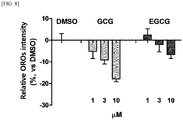
- FIG. 8 The result is shown in FIG. 8 . It was confirmed that GCG exhibits remarkably excellent effect of inhibiting lipid accumulation in hepatocytes as compared to EGCG at the same concentration. Accordingly, it was confirmed that the high-temperature-processed green tea extract according to the present disclosure exhibits superior ability of inhibiting lipid accumulation in hepatocytes because it contains EGCG at a much lower content as compared to the common green tea extract and contains GCG which is not present in the common green tea extract.
- samples were prepared by mixing the ingredients described in Table 5. Each sample was prepared from a 100-fold stock solution and the contents of the ingredients of the sample 2 are the same as those of the eight catechins in Table 3.
- Porphyromonas gingivalis was inoculated to brucella agar (Becton Dickison, Le Pont-de-Claix, France) containing vitamin K (1 ⁇ g/mL), hemin (5 ⁇ g/mL) and 5% defibrinated horse blood and was cultured anaerobically at 37 °C for 40 hours. After collecting the bacteria through centrifugation, the precipitated pellet was washed 3 times with phosphate-buffered saline (PBS).
- PBS phosphate-buffered saline
- the high-temperature-processed green tea extract according to the present disclosure exhibits remarkably superior effect of inhibiting Porphyromonas gingivalis as compared to the sample containing four epicatechins or the sample containing four epicatechin epimers.
- the sample containing four epicatechins showed very poor effect of inhibiting Porphyromonas gingivalis
- the sample containing four epicatechin epimers showed the effect of inhibiting Porphyromonas gingivalis but the effect was significantly lower than that of the sample 2 according to the present disclosure.
- the high-temperature-processed green tea extract according to the present disclosure exhibits high safety with lower hepatotoxicity as compared to the existing common green tea extract and exhibits superior effect of preventing periodontitis due to excellent effect of inhibiting Porphyromonas gingivalis.
- NIRS Near-infrared spectroscopy
- the change in cerebral blood flow was monitored by measuring the degree of hemoglobin saturation in the frontal lobe by multichannel near-infrared spectroscopy using a functional near-infrared spectrometer (fNIRS, NIRSIT, OBELAB).
- fNIRS near-infrared spectrometer
- NIRSIT functional near-infrared spectrometer
- OBELAB functional near-infrared spectrometer
- the subject was asked to ingest the high-temperature-processed green tea extract of sample 2 or a control group (450 mg, two tablets) together with enough water.
- a total of 23 subjects (12 women and 11 men) were randomly assigned to a test group (12 subjects, 6 women and 6 men, 32.17 ⁇ 1.84 years) or a control group (11 subjects, 6 women and 5 men, 30.55 ⁇ 1.26 years).
- the subject put on the NIRSIT system again and a task was started after 3 minutes' rest. After measurement of the rest state (baseline) for 30 seconds, the subject was asked to solve 30 multiplication (math/arithmetic, MA) problems.
- the result measured by near-infrared spectroscopy was analyzed with a 0.1 Hz low-pass filter (LPF) (DCT 0.1) with or without a 0.005 Hz high-pass filter (HPF) (DCT 0.005).
- LPF low-pass filter
- HPF high-pass filter
- the high-temperature-processed green tea extract according to the present disclosure exhibits high safety with lower hepatotoxicity as compared to the existing common green tea extract and exhibits superior effect of improving cognitive function by increasing blood flow in the frontal lobe of the brain.
Landscapes
- Health & Medical Sciences (AREA)
- Life Sciences & Earth Sciences (AREA)
- Chemical & Material Sciences (AREA)
- Engineering & Computer Science (AREA)
- Natural Medicines & Medicinal Plants (AREA)
- Medicinal Chemistry (AREA)
- Public Health (AREA)
- Pharmacology & Pharmacy (AREA)
- Veterinary Medicine (AREA)
- Animal Behavior & Ethology (AREA)
- General Health & Medical Sciences (AREA)
- Polymers & Plastics (AREA)
- Food Science & Technology (AREA)
- Nutrition Science (AREA)
- Mycology (AREA)
- Botany (AREA)
- Epidemiology (AREA)
- Bioinformatics & Cheminformatics (AREA)
- Organic Chemistry (AREA)
- Nuclear Medicine, Radiotherapy & Molecular Imaging (AREA)
- General Chemical & Material Sciences (AREA)
- Chemical Kinetics & Catalysis (AREA)
- Medical Informatics (AREA)
- Alternative & Traditional Medicine (AREA)
- Biotechnology (AREA)
- Microbiology (AREA)
- Obesity (AREA)
- Hematology (AREA)
- Diabetes (AREA)
- Child & Adolescent Psychology (AREA)
- Cardiology (AREA)
- Heart & Thoracic Surgery (AREA)
- Pharmaceuticals Containing Other Organic And Inorganic Compounds (AREA)
- Medicines Containing Plant Substances (AREA)
- Coloring Foods And Improving Nutritive Qualities (AREA)
Abstract
Description
- This application claims the priority of
Korean Patent Application No. 10-2018-0134620 filed on November 5, 2018 Korean Patent Application No. 10-2019-0037810 filed on April, 1, 2019 Korean Patent Application No. 10-2019-0129034 filed on October 17, 2019 - The present disclosure relates to a green tea extract having modified contents of ingredients, which exhibits reduced hepatotoxicity, and a composition containing the same as an active ingredient for enhancing blood circulation, inhibiting lipid accumulation in hepatocytes, inhibiting gingivalis bacteria or increasing cerebral blood flow.
- The major causes of fatty liver are chronic drinking, obesity caused by overeating and diabetes. In addition, fatty liver may occur when drugs with strong toxicity are taken, antibiotics are misused during pregnancy or aspirin is abused to alleviate fever in children with febrile infectious diseases. Fatty liver is recovered easily through regeneration of hepatocytes under good physical conditions including immune conditions. But, otherwise, the function of hepatocytes declines as fat is accumulated in the hepatocytes and important constituents of the cells including nuclei are pushed to the periphery of the cells. In addition, the fat accumulated in the hepatocytes compress microvessels and lymph glands between the hepatocytes, causing damage to the circulation of blood and lymph in the liver. As a result, the necessary oxygen and nutrients cannot be delivered to the hepatocytes and the liver function declines.
- In normal blood vessels, homeostasis is maintained as the activation and inhibition of the hemostasis mechanism are balanced. But, in blood circulation diseases, thrombosis may be caused by excessive hemostatic activation or blood clot formation, which interrupts blood flow. In normal vascular endothelial cells, inhibitory factors such as nitric oxide (NO) and nitric oxide (PGI2) are released, which protect the blood vessel wall and inhibit platelet adhesion and activation. However, platelet coagulation is promoted if the endothelial cells are damaged. Thrombosis collectively refers to the diseases caused by the blood clots that block blood vessels.
- Periodontitis has various causes and symptoms. One of the main causes of periodontitis is the microorganisms in the mouth. They produce insoluble glucans using sugars, which form dental plaques by adhering to tooth surfaces together with various micro-colonies. The dental plaque causes tooth decay and periodontitis. Therefore, the most effective method for preventing periodontitis may be to use a substance which inhibits the activity of the microorganisms and facilitates blood flow to the gum where inflammation has occurred. The microorganisms distributed in the mouth cause bad breath, periodontal disease, etc. Some of the microorganisms are known as opportunistic pathogens which have the capacity of causing diseases. Several species of pathogenic microorganisms which reside in the mouth and cause periodontitis are known. Among them, Prevotella intermedia, Porphyromonas gingivalis, etc. are known as the main pathogens responsible for periodontitis.
- The brain performs its functions by receiving blood pumped out of the heart and obtaining oxygen or nutrients such as glucose, etc. therefrom. Because the brain lacks the ability to store oxygen and glucose in tissues, unlike other bodily tissues, disorder of the blood flow to the brain due to the narrowing or blockage of the cerebral blood vessels by arteriosclerosis, thrombosis, etc. may cause brain diseases including nerve cell damage owing to oxygen deficiency and lack of glucose. The diseases directly or indirectly associated with the disorder of cerebral blood flow include anemia, stroke, vascular dementia, Parkinsonism, Huntington's disease, etc.
- Meanwhile, green tea is widely used as a food supplement for improving obesity or metabolic disease because it is effective in reducing body weight and lowering cholesterol level. However, with the recent report that the intake of a large quantity of green tea extract can cause liver toxicity, the safety issue of the green tea extract is emerging. Accordingly, the discovery of a composition of the green tea extract with reduced liver injury is necessary.
- The present disclosure is directed to providing a green tea extract with reduced hepatotoxicity, specifically hepatocyte damage, and a composition containing the same as an active ingredient and having high safety for enhancing blood circulation, inhibiting lipid accumulation in hepatocytes, inhibiting gingivalis bacteria or increasing cerebral blood flow.
- In an aspect, the present disclosure provides a green tea extract with reduced hepatotoxicity, which contains 8 wt% or less of epigallocatechin (EGC) based on the total weight of the extract.
- In another aspect, the present disclosure provides a composition for enhancing blood circulation, which contains a green tea extract with reduced hepatotoxicity, containing 8 wt% or less of epigallocatechin (EGC) based on the total weight of the extract, as an active ingredient.
- In another aspect, the present disclosure provides a composition for inhibiting lipid accumulation in hepatocytes, which contains a green tea extract with reduced hepatotoxicity, containing 8 wt% or less of epigallocatechin (EGC) based on the total weight of the extract, as an active ingredient.
- In another aspect, the present disclosure provides a composition for inhibiting gingivalis bacteria, which contains a green tea extract with reduced hepatotoxicity, containing 8 wt% or less of epigallocatechin (EGC) based on the total weight of the extract, as an active ingredient.
- In another aspect, the present disclosure provides a composition for increasing cerebral blood flow, which contains a green tea extract with reduced hepatotoxicity, containing 8 wt% or less of epigallocatechin (EGC) based on the total weight of the extract, as an active ingredient.
- A green tea extract according to an aspect of the present disclosure, which has modified contents of ingredients through treatment at high temperature, contains the ingredients that cause hepatotoxicity at lower concentrations as compared to the existing green tea extract. Therefore, hepatocyte damage by the existing green tea extract can be reduced effectively and safety can be ensured even when it is ingested in large amounts.
- A composition according to another aspect of the present disclosure, which contains the green tea extract as an active ingredient, exhibits an excellent effect of preventing or treating a thrombotic disease as well as high safety due to superior effect of enhancing blood circulation.
- A composition according to another aspect of the present disclosure, which contains the green tea extract as an active ingredient, exhibits an excellent effect of preventing or treating fatty liver as well as high safety due to superior effect of inhibiting lipid accumulation in hepatocytes.
- A composition according to another aspect of the present disclosure, which contains the green tea extract as an active ingredient, exhibits an excellent effect of preventing or treating periodontitis as well as high safety due to superior effect of improving Porphyromonas gingivalis.
- A composition according to another aspect of the present disclosure, which contains the green tea extract as an active ingredient, exhibits an excellent effect of improving cognitive function as well as high safety due to superior effect of increasing cerebral blood flow.
-
-
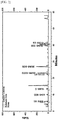
FIG. 1 shows the chromatogram of a common green tea extract of Example 1 (sample 1). -
FIG. 2 shows the chromatogram of a high-temperature-processed green tea extract according to an aspect of the present disclosure (sample 2). -
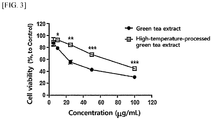
FIG. 3 shows a result of investigating the hepacytotoxicity of a high-temperature-processed green tea extract in Test Example 1. -
FIG. 4 shows a result of investigating the effect of a high-temperature-processed green tea extract on hepatocyte damage in Test Example 2. -
FIG. 5 shows a result of investigating the effect of three catechins EGCG, GCG and EGC on hepatocyte damage in Test Example 4. -
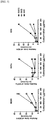
FIG. 6 shows a result of evaluating the blood circulation-enhancing effect of a high-temperature-processed green tea extract in Test Example 5. -
FIG. 7 shows a result of evaluating the effect of inhibiting lipid accumulation in hepatocytes of a high-temperature-processed green tea extract in Test Example 6. -
FIG. 8 shows a result of evaluating the effect of inhibiting lipid accumulation in hepatocytes of GCG and EGCG in Test Example 7. -
FIG. 9 shows a result of evaluating the effect of increasing cerebral blood flow of a high-temperature-processed green tea extract in Test Example 9. -
FIG. 10 shows a result of evaluating the effect of increasing cerebral blood flow of a high-temperature-processed green tea extract in Test Example 9. - In the present disclosure, a "green tea extract" includes an extract obtained from the evergreen shrub tea (Camellia sinensis), which belongs to the family Theaceae, or from the leaves of tea fermented by inoculating with Bacillus subtilis, regardless of extraction method, extraction solvent, extracted ingredients or extract type, as well as a fraction fractionated from the extract using a specific solvent. The tea may refer to one or more selected from a group consisting of the leaf, flower, stem, fruit, root and duramen of tea tree. Specifically, it may refer to leaf. In addition, the extract may be specifically in powder from. The extraction or fractionation may be performed using water, an organic solvent or a mixture solvent thereof. As the organic solvent, an alcohol such as isopropanol, acetone, hexane, ethyl acetate, carbon dioxide or a mixture solvent thereof may be used, although not being limited thereto. The extraction or fractionation may be performed at room temperature or elevated temperatures under a condition where the destruction of the active ingredients of green tea is prevented or minimized. The alcohol may be a C1-C5 lower alcohol. The number and method of the extraction or fractionation is not particularly limited. For example, such methods as cryoprecipitation extraction, ultrasonic extraction, reflux condensation extraction, hot water extraction, etc. may be used. Specifically, after extracting or fractionating active ingredients by cryoprecipitation or heating and, followed by filtration, the green tea extract of the present disclosure may be obtained by concentrating the filtrate under reduced pressure.
- In the present disclosure "epicatechin" includes epigallocatechin (EGC), (-)-epicatechin (EC), (-)-epigallocatechin gallate (EGCG) and epicatechin 3-O-gallate (ECG).
- In the present disclosure an "epicatechin epimer" includes gallocatechin (GC), catechin (C), (-)-gallocatechin gallate (GCG) and catechin gallate (CG).
- In an aspect, the present disclosure may relate to a green tea extract with reduced hepatotoxicity, which contains 8 wt% or less of epigallocatechin (EGC) based on the total weight of the extract.
- In another aspect, the present disclosure may relate to a method for reducing hepatotoxicity, which includes a step of administering an effective amount of a green tea extract with reduced hepatotoxicity, containing 8 wt% or less of epigallocatechin (EGC) based on the total weight of the extract, to a subject in need thereof.
- In another aspect, the present disclosure may relate to a use of a green tea extract with reduced hepatotoxicity, containing 8 wt% or less of epigallocatechin (EGC) based on the total weight of the extract, for preparation of a composition reducing hepatotoxicity.
- In another aspect, the present disclosure may relate to a green tea extract with reduced hepatotoxicity, containing 8 wt% or less of epigallocatechin (EGC) based on the total weight of the extract, for use in reducing hepatotoxicity.
- In another aspect, the present disclosure may relate to a composition for enhancing blood circulation, which contains the green tea extract as an active ingredient.
- In another aspect, the composition may increase nitric oxide (NO) in vascular endothelial cells, and may exhibit blood circulation-enhancing effect by increasing nitric oxide in vascular endothelial cells.
- In another aspect, the present disclosure may relate to a method for enhancing blood circulation, which includes a step of administering an effective amount of a green tea extract with reduced hepatotoxicity, containing 8 wt% or less of epigallocatechin (EGC) based on the total weight of the extract, to a subject in need thereof.
- In another aspect, the present disclosure may relate to a use of a green tea extract with reduced hepatotoxicity, containing 8 wt% or less of epigallocatechin (EGC) based on the total weight of the extract, for preparing a composition for enhancing blood circulation.
- In another aspect, the present disclosure may relate to a green tea extract with reduced hepatotoxicity, containing 8 wt% or less of epigallocatechin (EGC) based on the total weight of the extract, for use in enhancing blood circulation.
- In another aspect, the present disclosure may relate to a composition for inhibiting lipid accumulation in hepatocytes, which contains the green tea extract as an active ingredient.
- In another aspect, the present disclosure may relate to a method for inhibiting lipid accumulation in hepatocytes, which includes a step of administering an effective amount of a green tea extract with reduced hepatotoxicity, containing 8 wt% or less of epigallocatechin (EGC) based on the total weight of the extract, to a subject in need thereof.
- In another aspect, the present disclosure may relate to a use of a green tea extract with reduced hepatotoxicity, containing 8 wt% or less of epigallocatechin (EGC) based on the total weight of the extract, for preparing a composition for inhibiting lipid accumulation in hepatocytes.
- In another aspect, the present disclosure may relate to a green tea extract with reduced hepatotoxicity, containing 8 wt% or less of epigallocatechin (EGC) based on the total weight of the extract, for use in inhibiting lipid accumulation in hepatocytes.
- In another aspect, the present disclosure may relate to a composition for inhibiting gingivalis bacteria, which contains the green tea extract as an active ingredient.
- In another aspect, the present disclosure may relate to a method for inhibiting gingivalis bacteria, which includes a step of administering an effective amount of a green tea extract with reduced hepatotoxicity, containing 8 wt% or less of epigallocatechin (EGC) based on the total weight of the extract, to a subject in need thereof.
- In another aspect, the present disclosure may relate to a use of a green tea extract with reduced hepatotoxicity, containing 8 wt% or less of epigallocatechin (EGC) based on the total weight of the extract, for preparing a composition for inhibiting gingivalis bacteria.
- In another aspect, the present disclosure may relate to a green tea extract with reduced hepatotoxicity, containing 8 wt% or less of epigallocatechin (EGC) based on the total weight of the extract, for use in inhibiting gingivalis bacteria.
- In another aspect, the gingivalis bacteria may be Porphyromonas gingivalis.
- In another aspect, the present disclosure may relate to a composition for increasing cerebral blood flow, which contains the green tea extract as an active ingredient. In another aspect, the composition may increase the amount of oxygen in cerebral blood flow and may, specifically, increase blood flow in the frontal lobe of the brain.
- In another aspect, the present disclosure may relate to a method for increasing cerebral blood flow, which includes a step of administering an effective amount of a green tea extract with reduced hepatotoxicity, containing 8 wt% or less of epigallocatechin (EGC) based on the total weight of the extract, to a subject in need thereof.
- In another aspect, the present disclosure may relate to a use of a green tea extract with reduced hepatotoxicity, containing 8 wt% or less of epigallocatechin (EGC) based on the total weight of the extract, for preparing a composition for increasing cerebral blood flow.
- In another aspect, the present disclosure may relate to a green tea extract with reduced hepatotoxicity, containing 8 wt% or less of epigallocatechin (EGC) based on the total weight of the extract, for preparing a composition for use in increasing cerebral blood flow.
- In an aspect of the present disclosure, the administration may be made according to the administration method and administration dosage described herein.
- In an aspect, the EGC may be contained in an amount of 8 wt% or less, 7 wt% or less, 6 wt% or less, 5 wt% or less, 4.7 wt% or less, 4.56 wt% or less, 4.3 wt% or less, 4 wt% or less, 3.53 wt% or less, 3.5 wt% or less, 3 wt% or less, 2 wt% or less, 1 wt% or less, 0.8 wt% or less, 0.5 wt% or less, 0.3 wt% or less or 0.1 wt% or less based on the total weight of the extract. In another aspect, the EGC may be contained in an amount of 0.0001 wt% or more, 0.001 wt% or more, 0.01 wt% or more, 1 wt% or more, 2 wt% or more, 3 wt% or more, 3.5 wt% or more, 3.53 wt% or more, 4 wt% or more, 4.3 wt% or more, 4.56 wt% or more, 4.7 wt% or more, 5 wt% or more, 6 wt% or more or 7 wt% or more based on the total weight of the extract. When the EGC is contained within the above-described content ranges, a superior hepatotoxicity-reducing effect may be achieved.
- In an aspect, the extract may contain 4-15 wt% of (-)-gallocatechin gallate (GCG) and 4-15 wt% of (-)-epigallocatechin gallate (EGCG) based on the total weight of the extract.
- The GCG may be contained in an amount of 4 wt% or more, 5 wt% or more, 5.3 wt% or more, 5.59 wt% or more, 5.7 wt% or more, 6 wt% or more, 7 wt% or more, 8 wt% or more, 9 wt% or more, 10 wt% or more, 11 wt% or more, 12 wt% or more, 13 wt% or more or 14 wt% or more based on the total weight of the extract. In another aspect, the GCG may be contained in an amount of 15 wt% or less, 14 wt% or less, 13 wt% or less, 12 wt% or less, 11 wt% or less, 10 wt% or less, 9 wt% or less, 8 wt% or less, 7 wt% or less, 6 wt% or less, 5.7 wt% or less, 5.59 wt% or less, 5.3 wt% or less or 5 wt% or less based on the total weight of the extract
- In an aspect, the EGCG may be contained in an amount of 4 wt% or more, 5 wt% or more, 5.2 wt% or more, 5.27 wt% or more, 5.5 wt% or more, 6 wt% or more, 7wt% or more, 8wt% or more, 9 wt% or more, 10 wt% or more, 11 wt% or more, 12 wt% or more, 13 wt% or more or 14 wt% or more based on the total weight of the extract. In another aspect, the EGCG may be contained in an amount of 15 wt% or less, 14 wt% or less, 13 wt% or less, 12 wt% or less, 11 wt% or less, 10 wt% or less, 9 wt% or less, 8 wt% or less, 7 wt% or less, 6 wt% or less, 5.5 wt% or less, 5.27 wt% or less, 5.2 wt% or less or 5 wt% or less based on the total weight of the extract.
- In another exemplary embodiment, the total content of GCG and EGCG in the extract may be 30 wt% or less based on the total weight of the extract. In an aspect, the total content of GCG and EGCG may be 30 wt% or less, 25 wt% or less, 20 wt% or less, 18 wt% or less, 16 wt% or less, 15 wt% or less, 14 wt% or less, 12 wt% or less, 11 wt% or less, 10.86 wt% or less, 10 wt% or less or 9 wt% or less based on the total weight of the extract. In another aspect, the total content of GCG and EGCG may be 8 wt% or more, 10 wt% or more, 10.86 wt% or more, 11 wt% or more, 12 wt% or more, 13 wt% or more, 14 wt% or more, 16 wt% or more, 18 wt% or more, 20 wt% or more or 25 wt% or more based on the total weight of the extract.
- In another exemplary embodiment, the content of epicatechin in the extract may be 20 wt% or less based on the total weight of the extract. In an aspect, the epicatechin content may be 20 wt% or less, 18 wt% or less, 16 wt% or less, 15 wt% or less, 14 wt% or less, 12 wt% or less, 11.1 wt% or less or 10 wt% or less based on the total weight of the extract. In another aspect, the epicatechin content may be 9 wt% or more, 10 wt% or more, 11.1 wt% or more, 12 wt% or more, 13 wt% or more, 14 wt% or more, 16 wt% or more or 18 wt% or more based on the total weight of the extract.
- In another exemplary embodiment, the total content of eight catechins in the extract, i.e., the total content of (-)-epigallocatechin gallate (EGCG), epigallocatechin (EGC) (-)epicatechin (EC), epicatechin 3-O-gallate (ECG), gallocatechin gallate (GCG), gallocatechin (GC), catechin (C) and catechin gallate (CG) in the extract, may be 19-30 wt% based on the total weight of the extract. In an aspect, the total content of the eight catechins may be 19 wt% or more, 21 wt% or more, 23 wt% or more, 24 wt% or more, 24.5 wt% or more, 25 wt% or more, 26 wt% or more, 27 wt% or more, 28 wt% or more or 29 wt% or more based on the total weight of the extract. In another aspect, the total content of eight catechins may be 30 wt% or less, 29 wt% or less, 28 wt% or less, 27 wt% or less, 26 wt% or less, 25 wt% or less, 24.5 wt% or less, 24 wt% or less, 23 wt% or less or 21 wt% or less based on the total weight of the extract.
- In another exemplary embodiment, the extract may be an extract obtained by extracting one or more times with one or more of water and a C1-C4 alcohol. In an aspect, the alcohol may be ethanol. In another aspect, the alcohol may be 20% or higher, 30% or higher, 40% or higher, 50% or higher, 60% or higher or 70% or higher ethanol. In another aspect, the alcohol may be 70% or lower, 60% or lower, 50% or lower, 40% or lower or 30% or lower ethanol.
- In an exemplary embodiment, the extract may be contained in a functional health food or pharmaceutical composition.
- In an exemplary embodiment, the content of the green tea extract in the functional health food or pharmaceutical composition may be 1-100 wt% based on the total weight of the composition. In an aspect, the content of the extract in the composition may be 1 wt% or more, 10 wt% or more, 20 wt% or more, 30 wt% or more, 40 wt% or more, 50 wt% or more, 60 wt% or more, 70 wt% or more, 80 wt% or more or 90 wt% or more. In another aspect, the content of the extract in the composition may be 100 wt% or less, 90 wt% or less, 80 wt% or less, 70 wt% or less, 60 wt% or less, 50 wt% or less, 40 wt% or less, 30 wt% or less or 20 wt% or less.
- In another exemplary embodiment, the administration dosage of the green tea extract may be 5-1000 mg/kg/day. In an aspect, the administration dosage may be 5 mg/kg/day or more, 100 mg/kg/day or more, 200 mg/kg/day or more, 300 mg/kg/day or more, 400 mg/kg/day or more, 500 mg/kg/day or more, 600 mg/kg/day or more, 700 mg/kg/day or more, 800 mg/kg/day or more or 900 mg/kg/day or more. In another aspect, the administration dosage may be 1000 mg/kg/day or less, 900 mg/kg/day or less, 800 mg/kg/day or less, 700 mg/kg/day or less, 600 mg/kg/day or less, 500 mg/kg/day or less, 400 mg/kg/day or less, 300 mg/kg/day or less, 200 mg/kg/day or less, 100 mg/kg/day or less, 50 mg/kg/day or less or 10 mg/kg/day or less.
- The formulation of the food composition is not particularly limited. For example, the composition may be formulated into a tablet, a granule, a pill, a powder, a liquid such as a drink, a caramel, a gel, a bar, a tea bag, etc. Each formulation of the food composition may be prepared without difficulty by those of ordinary skill in the art by mixing the active ingredient with an ingredient in consideration of the formulation or purpose of use. A synergistic effect may be achieved when an additional ingredient is used. The food may also be a functional health food.
- The composition may be administered by various methods such as simple ingestion, drinking, injection, spraying, squeezing, etc.
- For the food composition according to an aspect of the present disclosure, determination of the administration dosage of the active ingredient is within the level of those of ordinary skill in the art and may vary depending on various factors such as the age and health condition of a subject, the presence of a complication, etc.
- For example, the food composition according to an aspect of the present disclosure may be various foods such as chewing gum, caramel, candy, ices, confectionery, etc., beverages such as soft drinks, mineral water, alcoholic beverages, etc., or functional health food products such as vitamins, minerals, etc.
- In addition, the food composition according to an aspect of the present disclosure may contain various nutrients, vitamins, minerals (electrolytes), flavorants such as synthetic flavorants or natural flavorants, colorants, extenders (cheese, chocolate, etc.), pectic acid and its salts, alginic acid and its salts, organic acids, protective colloidal thickeners, pH control agents, stabilizers, antiseptics, glycerin, alcohols, carbonating agents used in carbonated drinks, etc. In addition, the food composition according to an aspect of the present disclosure may contain a pulp for preparing natural fruit juice, fruit juice drinks and vegetable drinks. These ingredients may be used independently or in combination. Although the proportion of the additives is of no great importance, they are usually contained in a range of about 0-60 parts by weight per 100 parts by weight of the composition according to an aspect of the present disclosure.
- The food composition according to an aspect of the present disclosure may be one with reduced hepatotoxicity of a green tea extract. More specifically, the food composition may be one with reduced hepatotoxicity by EGC of the green tea extract.
- The pharmaceutical composition according to an aspect of the present disclosure may be administered orally or parenterally, e.g., rectally, topically, transdermally, intravenously, intramuscularly, intraperitoneally, subcutaneously, etc. A formulation for oral administration may be a tablet, a pill, a soft or hard capsule, a granule, a powder, a fine granule, a liquid, an emulsion or a pellet, although not being limited thereto. A formulation for parenteral administration may be a solution, a suspension, an emulsion, a gel, an injection, a medicinal drop, a suppository, a patch or a spray, although not being limited thereto. The formulation may be prepared easily according to common methods in the art and my further contain a surfactant, an excipient, a wetting agent, an emulsification accelerator, a suspending agent, a salt or buffer for control of osmotic pressure, a colorant, a flavor, a stabilizer, an antiseptic, a preservative or other commonly used adjuvants.
- The composition according to an aspect of the present disclosure may also contain a pharmaceutically acceptable salt. The salt may include: (1) an acid addition salt formed from an inorganic acid such as hydrochloric acid, hydrobromic acid, sulfuric acid, nitric acid, phosphoric acid; or formed from an organic acid such as acetic acid, propionic acid, hexanoic acid, cyclopentylpropionic acid, glycolic acid, pyruvic acid, lactic acid, malonic acid, succinic acid, malic acid, maleic acid, fumaric acid, tartaric acid, citric acid, benzoic acid, 3-(4-hydroxybenzoyl)benzoic acid, cinnamic acid, mandelic acid, methanesulfonic acid, ethanesulfonic acid, ethane-1,2-disulfonic acid, 2-hydroxyethanesulfonic acid, benzenesulfonic acid, 4-chlorobenzenesulfonic acid, 2-naphthalenesulfonic acid, 4-toluenesulfonic acid, camphorsulfonic acid, 4-methylbicyclo[2,2,2]-oct-2-ene-1-carboxylic acid, glucoheptonic acid, 3-phenylpropionic acid, trimethylacetic acid, tert-butylacetic acid, lauryl sulfuric acid, gluconic acid, glutamic acid, hydroxynaphthoic acid, salicylic acid, stearic acid or muconic acid; or (2) a salt formed when an acidic proton present in the parent compound is replaced.
- The application amount or administration dosage of the pharmaceutical composition according to an aspect of the present disclosure will vary depending on the age, sex and body weight of a subject, pathological condition and severity thereof, administration route or the discretion of a diagnoser. Determination of the administration dosage of the active ingredient based on these factors is within the level of those of ordinary skill in the art.
- Hereinafter, the present disclosure is described in more detail through examples and test examples. However, those examples are provided only for the understanding of the present disclosure and the scope of the present disclosure is not limited by them.
- After adding 1000 mL of 50% ethanol to 100 g of green tea (Camellia sinensis, Jeju O' Sulloc Farm), the mixture was refluxed at 60 °C for 1 hour under stirring. After cooling to room temperature and filtering, 23 g of a notified green tea extract (GT-LE-35CAT, sample 1) was obtained as deep brown powder by distilling the obtained solution under reduced pressure (yield: 23%).
- Meanwhile, for preparation of a high-temperature-processed green tea extract, 1000 mL of 50% ethanol was added to 100 g of green tea (Camellia sinensis, Jeju O'Sulloc Farm) and the mixture was refluxed at 60 °C for 1 hour under stirring. After concentration, the resulting solution was stirred for 1-7 hours under steam flow at 1.5 kgf/cm2. After cooling to room temperature and filtering insoluble materials, 10 g of a high-temperature-processed green tea extract was obtained by concentrating the solution under reduced pressure. For high-temperature-processed green tea extracts obtained at different stirring times (1-7 hours), the change in the content of eight catechins was measured using an apparatus described in Table 1. It was confirmed that the conversion of EGCG to GCG by heat was highest at 5 hours and the amount of the eight catechins did not decrease any more. 10 g of the obtained high-temperature-processed green tea extract (HTP-GTE) was designated as
sample 2. - A result of analyzing the composition of the two obtained extracts and the analysis condition are shown in Table 1 (composition analysis condition for
samples 1 and 2), Table 2 (composition analysis result for sample 1) and Table 3 (composition analysis result for sample 2). In addition, the chromatograms of the two extracts are shown inFIG. 1 (sample 1) andFIG. 2 (sample 2). It was confirmed that thesample 2 has a composition different from that of the existing green tea extract. Specifically, thesample 2 had significantly lower contents of EGC (3.53 wt%), EGCG (5.27 wt%) and total catechins (24.41 wt%) as compared to thesample 1, but also contained four epicatechin epimers not found in thesample 1.[Table 1] Column Thermo Fisher C18 5 µm, 4.6 × 250 mmDetector UV 280 nm Dilution Gradient A = 0.1% TFA (trifluoroacetic acid) in water B = acetonitrile Gradient profile 0 min A (90) : B (10) 30 min A (85) : B (15) 42 min A (80) : B (20) 44 min A (5) : B (95) 49 min A (90) : B (10) Flow rate 1 mL/ min Injection volume 20 µL [Table 2] Sample 1GC EGC Caffeine C EC GCG EGCG CG ECG Total epicatechins Total epicatechin epimers Total catechins 0 9.16 3.21 0 3.63 0 20.93 0 2.62 36.34 0 36.34 [Table 3] Sample 2GC EGC Caffeine C EC GCG EGCG CG ECG Total epicatechins Total epicatechin epimers Total catechins 4.9 3.53 3.9 1.57 0.95 5.59 5.27 1.3 1.3 11.05 13.36 24.41 - (In Table 2 and Table 3, GC: gallocatechin, EGC: epigallocatechin, C: catechin, EC: (-)epicatechin, GCG: gallocatechin gallate, EGCG: epigallocatechin gallate, CG: catechin gallate, ECG: epicatechin 3-O-gallate.)
- (All the units in Table 2 and Table 3 are wt% of the corresponding ingredients based on the total weight of the green tea extract (
samples 1 and 2).) - In order to investigate the hepatotoxicity of the high-temperature-processed green tea extract obtained in Example 1 (sample 2), hepatocytes (HepG2 cells) acquired from Korean Cell Line Bank were seeded onto a 96-well plate (Falcon) with 1×10⁵ cells per well and cultured for 24 hours in a 5% CO2 incubator at 37 °C. Then, after treating with the
sample 1 orsample 2 at 5, 10, 25, 50 or 100 µg/mL and culturing further for 24 hours, the medium was removed and cell viability was investigated using a CellTiter 96 AQueous One Solution cell proliferation assay kit (MTS, Promega Co. Madison, WI, USA). After treating the cells with 20 µL of a CellTiter 96 AQueous One Solution cell proliferation assay kit (MTS, Promega Co. Madison, WI, USA) solution added to 100 µL of RPMI1640 (Lonza), the number of live cells was quantified by measuring absorbance at 490 nm. The cell number or cell viability (%) was calculated by the following equation.
- The result is shown in
FIG. 3 . It was confirmed that thesample 2 according to the present disclosure exhibits lower hepacytotoxicity than thesample 1 which is a common green tea extract. - In order to investigate the effect of the high-temperature-processed green tea extract obtained in Example 1 (sample 2) on hepatocyte damage, release of enzymes from hepatocytes due to hepatocyte damage was analyzed using the MILLIPLEX Analyst software (Millipore). The experimental condition was the same as in Test Example 1. After treating the cells with the
sample 1 orsample 2, the levels of malate dehydrogenase 1 (MDH 1), α-glutathione S-transferase (GSTα) and sorbitol dehydrogenase (SDH) in the cell culture were measured 24 later. - The result is shown in
FIG. 4 . It was confirmed that the levels of the three enzymes in the cell culture were lower when the cells were treated with the high-temperature-processed green tea extract (sample 2) as compared to when they were treated with the common green tea extract (sample 1). - That is to say, it was confirmed that the green
tea extract sample 2 according to the present disclosure has smaller effect on hepatocyte damage as compared to the common green tea extract. - In order to investigate the hepatotoxicity by eight catechins (EGCG, GCG, EGC, GC, ECG, CG, EC, C) present in the common green tea extract or the high-temperature-processed green tea extract, hepatocytes (HepG2 cells) acquired from Korean Cell Line Bank were seeded onto a 96-well plate (Falcon) with 1×10⁵ cells per well and cultured for 24 hours in a 5% CO2 incubator at 37 °C. Then, after treating with each of eight catechins (EGCG, GCG, EGC, GC, ECG, CG, EC, C) at 10, 50, 100 or 200 µM and culturing further for 24 hours, the medium was removed and cell viability was investigated using a CellTiter 96 AQueous One Solution cell proliferation assay kit (MTS, Promega Co. Madison, WI, USA). After treating the cells with 20 µL of a CellTiter 96 AQueous One Solution cell proliferation assay kit (MTS, Promega Co. Madison, WI, USA) solution added to 100 µL of RPMI1640 (Lonza), the number of live cells was quantified by measuring absorbance at 490 nm. The cell number or cell viability (%) was calculated as described in Test Example 1. LD50 (lethal dose 50) values depending on concentrations were calculated based on the cell viability, and the result is given in Table 4.
[Table 4] EGCG GCG EGC GC ECG CG EC C LD50 (µM) 355.5 212.7 183.9 236.2 209.0 260.8 505.0 569.0 - As seen from Table 4, EGC showed the lowest LD50 value among the eight catechins. Accordingly, it was confirmed that EGC has the highest hepacytotoxicity.
- In order to investigate the effect of the EGCG, GCG and EGC among the eight catechins on hepatocyte damage, release of enzymes from hepatocytes due to hepatocyte damage was analyzed using the MILLIPLEX Analyst software (Millipore). The experimental condition was the same as in Test Example 3. After treating the cells with EGCG, GCG or EGC, the levels of malate dehydrogenase 1 (MDH 1), α-glutathione S-transferase (GSTα) and sorbitol dehydrogenase (SDH) in the cell culture were measured 24 later.
- The result is shown in
FIG. 5 . It was confirmed that the levels of the three enzymes in the cell culture were the highest in the cell culture treated EGC as compared to the cell cultures treated with EGCG or GCG. - That is to say, it was confirmed that EGC has the largest effect on hepatocyte damage as compared to EGCG and GCG.
- Endothelial nitric oxide synthase (eNOS) is present in human vascular endothelial cells. When its activity is increased, blood vessels are dilated and blood circulation is promoted as nitric oxide (NO) is produced. In order to evaluate the blood circulation-enhancing effect of the green
tea extract sample 1 andsample 2 of Example 1, human umbilical vein endothelial cells (HUVECs) were treated with each sample and the amount of produced NO was compared. - Specifically, vascular endothelial cells were seeded onto a clear-bottom, black-wall, 96-well plate (Falcon) with 2×10⁴ cells per well and cultured in a 5% CO2 incubator at 37 °C for 24 hours. After starving the cells for 4 hours with a fetal bovine serum (FBS)-depleted phenol red-free medium, the cells were washed twice with phosphate-buffered saline (PBS) after removing the medium. Then, after treating with 100 µL of 5 µM DAF-2DA dissolved in Hank's balanced salt solution (HBSS), the cells were cultured in a 5% CO2 incubator at 37 °C for 20 minutes with light blocked using a foil. After measuring fluorescence before sample treatment (excitation: 485 nM, emission: 535 nM), fluorescence was measured with a microplate reader (Tecan, Salzburg, Austria) after treating each well with 100 µL of the
sample 1 or thesample 2 at 6, 20 or 60 µg/mL. A control group was treated with 0.1% (v/v) dimethyl sulfoxide (DMSO) instead of thesample 
- The result is shown in
FIG. 6 . It was confirmed that, although both thesamples tea extract sample 2 according to the present disclosure showed remarkably higher NO production as compared to the common greentea extract sample 1 at the same concentration. - From the results of Test Examples 1 and 2, it can be seen that, when compared with the existing common green tea extract, the high-temperature-processed green tea extract according to the present disclosure exhibits higher safety due to lower hepatotoxicity and exhibits superior blood circulation-enhancing effect by producing a larger amount of NO in vascular endothelial cells at a lower concentration.
- In order to investigate the effect of inhibiting lipid accumulation in hepatocytes of the green
tea extract sample 1 andsample 2 of Example 1, the inhibition of fat accumulation was compared after culturing HepG2 human liver cancer cells and treating with each sample. - Specifically, hepatocytes (HepG2 cells) were seeded onto a 12-well plate (Falcon) with 1×10⁶ cells per well and cultured in a 5% CO2 incubator at 37 °C for 24 hours. Then, after treating with each of the
sample 1 and thesample 2 at 3, 10 or 30 µg/mL and 100 µM stearic acid conjugated with bovine serum albumin (BSA), the cells were cultured for 48 hours. After removing the medium and washing with PBS, the cells were fixed with 4% formaldehyde. After incubating with 100% propylene glycol for 5 minutes, the fat in the cells was stained by adding 500 µL of Oil Red O solution (Sigma) per well and culturing the cells for 2 hours. After removing the Oil Red O solution, the Oil Red O solution was extracted from the fat accumulated in the cells by incubating with 85% propylene glycol for 5 minutes and then with 60% isopropanol for 15 minutes. After transferring 200 µL of the isopropanol solution to a 96-well plate, the fat accumulated in the cells was quantified by measuring absorbance at 485 nM. The Oil Red O content (%) relative to a control group (0.1% (v/v) DMSO) was calculated by the following equation.
- The result is shown in
FIG. 7 . It was confirmed that thesample 1 resulted in increased fat accumulation at 3 µg/mL and inhibited fat accumulation in a concentration-dependent manner when treated at concentrations of 10 µg/mL and 30 µg/mL. In contrast, thesample 2 according to the present disclosure inhibited fat accumulation in a concentration-dependent manner from the concentration of 3 µg/mL and the fat accumulation-inhibiting ability of thesample 2 was remarkably superior to that of thesample 1. - Taken together with the results of Test Examples 1 and 2, it can be seen that the high-temperature-processed green tea extract according to the present disclosure exhibits superior safety with lower hepatotoxicity as compared to the existing common green tea extract and exhibits superior effect of preventing fatty liver due to excellent effect of inhibiting fat accumulation in hepatocytes.
- Experiment was conducted in the same manner as in Test Example 6 except that GCG and EGCG were used instead of the
sample 1 and thesample 2. - The result is shown in
FIG. 8 . It was confirmed that GCG exhibits remarkably excellent effect of inhibiting lipid accumulation in hepatocytes as compared to EGCG at the same concentration. Accordingly, it was confirmed that the high-temperature-processed green tea extract according to the present disclosure exhibits superior ability of inhibiting lipid accumulation in hepatocytes because it contains EGCG at a much lower content as compared to the common green tea extract and contains GCG which is not present in the common green tea extract. - In order to investigate the effect of inhibiting gingivalis bacteria of the high-temperature-processed green tea extract, samples were prepared by mixing the ingredients described in Table 5. Each sample was prepared from a 100-fold stock solution and the contents of the ingredients of the
sample 2 are the same as those of the eight catechins in Table 3.[Table 5] Epicatechin mixture sample Epicatechin epimer mixture sample High-temperature-processed green tea extract (sample 2) EGCG 421.6 µg/mL - 5.27 wt% (206.5 µg/mL) GCG - 421.6 µg/mL 5.59 wt% (219.1 µg/mL) EGC 337 µg/mL - 3.53 wt% (138.3 µg/mL) GC - 337 µg/mL 4.9 wt% (192.0 µg/mL) ECG 104 µg/mL - 1.3 wt% (51.0 µg/mL) CG - 104 µg/mL 1.3 wt% (51.0 µg/mL) EC 102.8 µg/mL - 0.95 wt% (37.2 µg/mL) C - 102.8 µg/mL 1.57 wt% (61.5 µg/mL) Total 956.6 µg/mL 956.6 µg/mL 24.41 wt% (956.6 µg/mL) - Porphyromonas gingivalis was inoculated to brucella agar (Becton Dickison, Le Pont-de-Claix, France) containing vitamin K (1 µg/mL), hemin (5 µg/mL) and 5% defibrinated horse blood and was cultured anaerobically at 37 °C for 40 hours. After collecting the bacteria through centrifugation, the precipitated pellet was washed 3 times with phosphate-buffered saline (PBS). After adding 100 µL of Porphyromonas gingivalis to each sample of Table 5 to 2×10⁵ CFU/mL, the bacteria were cultured at 37 °C for at least 16 hours and the minimum inhibitory concentration not showing turbidity was measured. The result is given in Table 6.
[Table 6] Minimum inhibitory concentration (µg/mL) Epicatechin mixture sample Epicatechin epimer mixture sample High-temperature-processed green tea extract (sample 2) Porphyromonas gingivalis > 8000 2000 1000 - From Table 6, it can be seen that the high-temperature-processed green tea extract according to the present disclosure exhibits remarkably superior effect of inhibiting Porphyromonas gingivalis as compared to the sample containing four epicatechins or the sample containing four epicatechin epimers. Especially, the sample containing four epicatechins showed very poor effect of inhibiting Porphyromonas gingivalis, and the sample containing four epicatechin epimers showed the effect of inhibiting Porphyromonas gingivalis but the effect was significantly lower than that of the
sample 2 according to the present disclosure. - Taken together with the results of Test Examples 1 and 2, it can be seen that the high-temperature-processed green tea extract according to the present disclosure exhibits high safety with lower hepatotoxicity as compared to the existing common green tea extract and exhibits superior effect of preventing periodontitis due to excellent effect of inhibiting Porphyromonas gingivalis.
- Near-infrared spectroscopy (NIRS) allows non-invasive monitoring of cerebral blood flow by measuring signals reflecting the degree of oxidation of hemoglobin in blood associated with neural activity.
- Specifically, the change in cerebral blood flow was monitored by measuring the degree of hemoglobin saturation in the frontal lobe by multichannel near-infrared spectroscopy using a functional near-infrared spectrometer (fNIRS, NIRSIT, OBELAB). First, a test subject was asked to fill out a research consent form and was informed about the progress of the overall experimental procedure. For measurement of basic activity, the subject put on the NIRSIT system and a task was started after 3 minutes' rest. Then, the subject was asked to solve 10 multiplication problems after measurement of the rest state for 30 seconds. After the task was finished, the subject was asked to ingest the high-temperature-processed green tea extract of
sample 2 or a control group (450 mg, two tablets) together with enough water. A total of 23 subjects (12 women and 11 men) were randomly assigned to a test group (12 subjects, 6 women and 6 men, 32.17±1.84 years) or a control group (11 subjects, 6 women and 5 men, 30.55±1.26 years). After waiting for 45 minutes for rest and absorption after the ingestion, the subject put on the NIRSIT system again and a task was started after 3 minutes' rest. After measurement of the rest state (baseline) for 30 seconds, the subject was asked to solve 30 multiplication (math/arithmetic, MA) problems. The result measured by near-infrared spectroscopy was analyzed with a 0.1 Hz low-pass filter (LPF) (DCT 0.1) with or without a 0.005 Hz high-pass filter (HPF) (DCT 0.005). The quantity of total hemoglobin depending on time (FIG. 9 ) and the quantity of oxyhemoglobin during the task (FIG. 10 ) were analyzed. - The result is shown in
FIG. 9 and10 . It was confirmed that, when the high-temperature-processed greentea extract sample 2 according to the present disclosure was ingested, the quantity of total hemoglobin and oxyhemoglobin in the frontal lobe of the brain was increased remarkably during the MA task, 45 minutes after the ingestion, as compared to the control group. - Taken together with the results of Test Examples 1 and 2, it can be seen that the high-temperature-processed green tea extract according to the present disclosure exhibits high safety with lower hepatotoxicity as compared to the existing common green tea extract and exhibits superior effect of improving cognitive function by increasing blood flow in the frontal lobe of the brain.
Claims (14)
- A green tea extract with reduced hepatotoxicity, comprising 8 wt% or less of epigallocatechin (EGC) based on the total weight of the extract.
- The green tea extract according to claim 1, wherein the extract comprises 4-15 wt% of (-)-gallocatechin gallate (GCG) and 4-15 wt% of (-)-epigallocatechin gallate (EGCG) based on the total weight of the extract.
- The green tea extract according to claim 2, wherein the total content of (-)-epigallocatechin gallate (EGCG), epigallocatechin (EGC), (-)epicatechin (EC), epicatechin 3-O-gallate (ECG), gallocatechin gallate (GCG), gallocatechin (GC), catechin (C) and catechin gallate (CG) in the extract is 19-30 wt% based on the total weight of the extract.
- The green tea extract according to claim 1, wherein the extract is an extract obtained by extracting one or more times with one or more of water and a C1-C4 alcohol.
- A composition comprising the green tea extract according to any of claims 1 to 4 as an active ingredient.
- The composition according to claim 5, wherein the green tea extract is comprised in an amount of 1-100 wt% based on the total weight of the composition.
- The composition according to claim 5, wherein the composition is a functional health food or pharmaceutical composition.
- The composition according to claim 5, wherein the composition is for reducing hepatotoxicity.
- The composition according to claim 5, wherein the composition is for enhancing blood circulation.
- The composition according to claim 9, wherein the composition is for increasing nitric oxide (NO) in vascular endothelial cells.
- The composition according to claim 5, wherein the composition is for inhibiting lipid accumulation in hepatocytes.
- The composition according to claim 5, wherein the composition is for inhibiting gingivalis bacteria.
- The composition according to claim 12, wherein the gingivalis bacterium is Porphyromonas gingivalis.
- The composition according to claim 5, wherein the composition is for increasing cerebral blood flow.
Applications Claiming Priority (4)
| Application Number | Priority Date | Filing Date | Title |
|---|---|---|---|
| KR20180134620 | 2018-11-05 | ||
| KR1020190037810A KR20200051452A (en) | 2018-11-05 | 2019-04-01 | Green tea extract which has modified amounts of ingredients |
| KR1020190129034A KR20200051480A (en) | 2018-11-05 | 2019-10-17 | Green tea extract which has modified amounts of ingredients and composition comprising the same |
| PCT/KR2019/014810 WO2020096299A1 (en) | 2018-11-05 | 2019-11-04 | Green tea extract having modified constituent content and composition comprising same |
Publications (2)
| Publication Number | Publication Date |
|---|---|
| EP3878460A1 true EP3878460A1 (en) | 2021-09-15 |
| EP3878460A4 EP3878460A4 (en) | 2022-11-23 |
Family
ID=70729887
Family Applications (1)
| Application Number | Title | Priority Date | Filing Date |
|---|---|---|---|
| EP19881736.3A Withdrawn EP3878460A4 (en) | 2018-11-05 | 2019-11-04 | GREEN TEA EXTRACT HAVING A MODIFIED CONSTITUENT CONTENT AND COMPOSITION COMPRISING IT |
Country Status (3)
| Country | Link |
|---|---|
| EP (1) | EP3878460A4 (en) |
| KR (2) | KR20200051452A (en) |
| CN (1) | CN112996526B (en) |
Cited By (1)
| Publication number | Priority date | Publication date | Assignee | Title |
|---|---|---|---|---|
| FR3126869A1 (en) * | 2021-09-16 | 2023-03-17 | Gozen K. K. Japan | Pharmaceutical composition comprising metabolites derived from the bacterium Bacillus subtilis Gozen GZN-08 isolated from Camellia sinensis and modulating the immune response. |
Families Citing this family (1)
| Publication number | Priority date | Publication date | Assignee | Title |
|---|---|---|---|---|
| CN113575946B (en) * | 2021-07-26 | 2024-06-14 | 仙乐健康科技股份有限公司 | A composition for inhibiting sugar and fat absorption |
Family Cites Families (11)
| Publication number | Priority date | Publication date | Assignee | Title |
|---|---|---|---|---|
| JPH03218320A (en) * | 1989-11-10 | 1991-09-25 | Itouen:Kk | Preventive for periodontosis and foul breath |
| JPH0725670B2 (en) * | 1990-07-18 | 1995-03-22 | 株式会社ロッテ | Anti periodontal drug |
| EP1504754A4 (en) * | 2002-05-10 | 2006-03-15 | Suntory Ltd | COMPOSITION CONTAINING GALLOCATECHIN-GALLAT |
| KR100592792B1 (en) * | 2003-08-30 | 2006-06-26 | 삼아약품 주식회사 | Hepatitis preventive and therapeutic agent containing green tea catechin as an active ingredient |
| AU2007227384A1 (en) * | 2006-03-23 | 2007-09-27 | Herbalscience Singapore Pte. Ltd. | Extracts and methods comprising green tea species |
| JP4902655B2 (en) * | 2006-12-28 | 2012-03-21 | 花王株式会社 | Tea extract |
| KR100900343B1 (en) | 2007-07-05 | 2009-06-02 | 조선대학교산학협력단 | A composition for the prevention and treatment of liver disease, which contains a venom active extract that has cytotoxicity and inhibits liver damage. |
| KR20100124519A (en) * | 2009-05-19 | 2010-11-29 | (주)아모레퍼시픽 | Compositions containing green tea extracts |
| JP2011051946A (en) * | 2009-09-03 | 2011-03-17 | Lotte Co Ltd | Inhibitor of hydrogen sulfide-producing enzyme |
| KR101983871B1 (en) * | 2012-05-21 | 2019-05-29 | 디에스엠 뉴트리셔널 프라덕츠 아게 | Compositions and methods for increasing the stability of food product additives |
| KR101900304B1 (en) | 2018-05-31 | 2018-09-19 | 김성은 | Compositions for Detoxifying Nicotine Containing Green Tea Extract and Black Tea Extract and Method for Preparing the Same |
-
2019
- 2019-04-01 KR KR1020190037810A patent/KR20200051452A/en active Pending
- 2019-10-17 KR KR1020190129034A patent/KR20200051480A/en not_active Ceased
- 2019-11-04 CN CN201980073102.7A patent/CN112996526B/en not_active Expired - Fee Related
- 2019-11-04 EP EP19881736.3A patent/EP3878460A4/en not_active Withdrawn
Cited By (1)
| Publication number | Priority date | Publication date | Assignee | Title |
|---|---|---|---|---|
| FR3126869A1 (en) * | 2021-09-16 | 2023-03-17 | Gozen K. K. Japan | Pharmaceutical composition comprising metabolites derived from the bacterium Bacillus subtilis Gozen GZN-08 isolated from Camellia sinensis and modulating the immune response. |
Also Published As
| Publication number | Publication date |
|---|---|
| KR20200051452A (en) | 2020-05-13 |
| EP3878460A4 (en) | 2022-11-23 |
| CN112996526A (en) | 2021-06-18 |
| KR20200051480A (en) | 2020-05-13 |
| CN112996526B (en) | 2022-09-20 |
Similar Documents
| Publication | Publication Date | Title |
|---|---|---|
| KR101733261B1 (en) | Composition for promoting lipolysis | |
| KR101974442B1 (en) | Agent for improvement of catechin bioavailability comprising cyclodextrin | |
| JP5937596B2 (en) | Urushi extract with increased content of active flavonoid compound and method for producing the same | |
| KR19980702533A (en) | Anti-obesity agent with procyanidin as active ingredient | |
| CA2553987A1 (en) | Method for producing maca extract | |
| KR101055337B1 (en) | Blood circulation improvement composition containing five extracts or fractions thereof as an active ingredient | |
| US20120251567A1 (en) | Liver function enhancing composition | |
| US11110145B2 (en) | Composition for protecting cell from oxidative stress comprising green tea extract which has modified amounts of ingredients | |
| CN112996526B (en) | Green tea extract with variable component content and composition containing the same | |
| WO2004112510A1 (en) | Movement physiology improver | |
| KR101616811B1 (en) | Composition for treating diabete and diabete-induced complication containing an extract from Agrimonia pilosa | |
| CN101884408B (en) | Ginkgo leaf leaching liquor and preparation method thereof | |
| KR101251866B1 (en) | Composition comprising extracts of Mulberry fruits for inhibiting activity of acetylcholinesterase | |
| KR101694617B1 (en) | Method for Preparing of Undiluted Solution of Schizandra Extract or Undiluted Solution of Schizandra Extract Prepared by the Method | |
| TW201717980A (en) | Arteriosclerosis improving composition | |
| JP3568201B1 (en) | Health foods and beverages | |
| KR101447007B1 (en) | Composition for antiaging comprising the extract of Dipterocarpus obtusifolius Teijsm. Ex Miq. as an active ingredient | |
| US20200397746A1 (en) | Composition for ameliorating circulatory system diseases, comprising tea extract with varied ingredients content | |
| US20090318552A1 (en) | Pharmaceutical composition comprising shikonin derivatives from lithospermum erythrorhizo dor treating or preventing diabetes mellitus and the use thereof | |
| KR20180137971A (en) | Composition of the hot water extract of Dendropanax morbiferus Lev. having anti-apoptotic activity for preventing and treating of neurodegenerative diseases | |
| KR100526628B1 (en) | Composition comprising the extract of Morus alba L having monoamine oxidase-inhibiting activity | |
| WO2020096299A1 (en) | Green tea extract having modified constituent content and composition comprising same | |
| HK40045532A (en) | Green tea extract having modified constituent content and composition comprising same | |
| HK40045532B (en) | Green tea extract having modified constituent content and composition comprising same | |
| JP7106531B2 (en) | COMPOSITION FOR IMPROVING COGNITIVE FUNCTION CONTAINING NOVEL QUERCETIN COMPOUND |
Legal Events
| Date | Code | Title | Description |
|---|---|---|---|
| STAA | Information on the status of an ep patent application or granted ep patent |
Free format text: STATUS: THE INTERNATIONAL PUBLICATION HAS BEEN MADE |
|
| PUAI | Public reference made under article 153(3) epc to a published international application that has entered the european phase |
Free format text: ORIGINAL CODE: 0009012 |
|
| STAA | Information on the status of an ep patent application or granted ep patent |
Free format text: STATUS: REQUEST FOR EXAMINATION WAS MADE |
|
| 17P | Request for examination filed |
Effective date: 20210408 |
|
| AK | Designated contracting states |
Kind code of ref document: A1 Designated state(s): AL AT BE BG CH CY CZ DE DK EE ES FI FR GB GR HR HU IE IS IT LI LT LU LV MC MK MT NL NO PL PT RO RS SE SI SK SM TR |
|
| DAV | Request for validation of the european patent (deleted) | ||
| DAX | Request for extension of the european patent (deleted) | ||
| A4 | Supplementary search report drawn up and despatched |
Effective date: 20221020 |
|
| RIC1 | Information provided on ipc code assigned before grant |
Ipc: A23L 33/105 20160101ALI20221014BHEP Ipc: A61P 9/00 20060101ALI20221014BHEP Ipc: A61P 3/06 20060101ALI20221014BHEP Ipc: A61P 3/04 20060101ALI20221014BHEP Ipc: A23F 3/16 20060101ALI20221014BHEP Ipc: A61K 31/353 20060101ALI20221014BHEP Ipc: A23L 5/20 20160101ALI20221014BHEP Ipc: A23L 33/00 20160101ALI20221014BHEP Ipc: A61K 36/82 20060101AFI20221014BHEP |
|
| STAA | Information on the status of an ep patent application or granted ep patent |
Free format text: STATUS: EXAMINATION IS IN PROGRESS |
|
| 17Q | First examination report despatched |
Effective date: 20230911 |
|
| STAA | Information on the status of an ep patent application or granted ep patent |
Free format text: STATUS: THE APPLICATION IS DEEMED TO BE WITHDRAWN |
|
| 18D | Application deemed to be withdrawn |
Effective date: 20250606 |